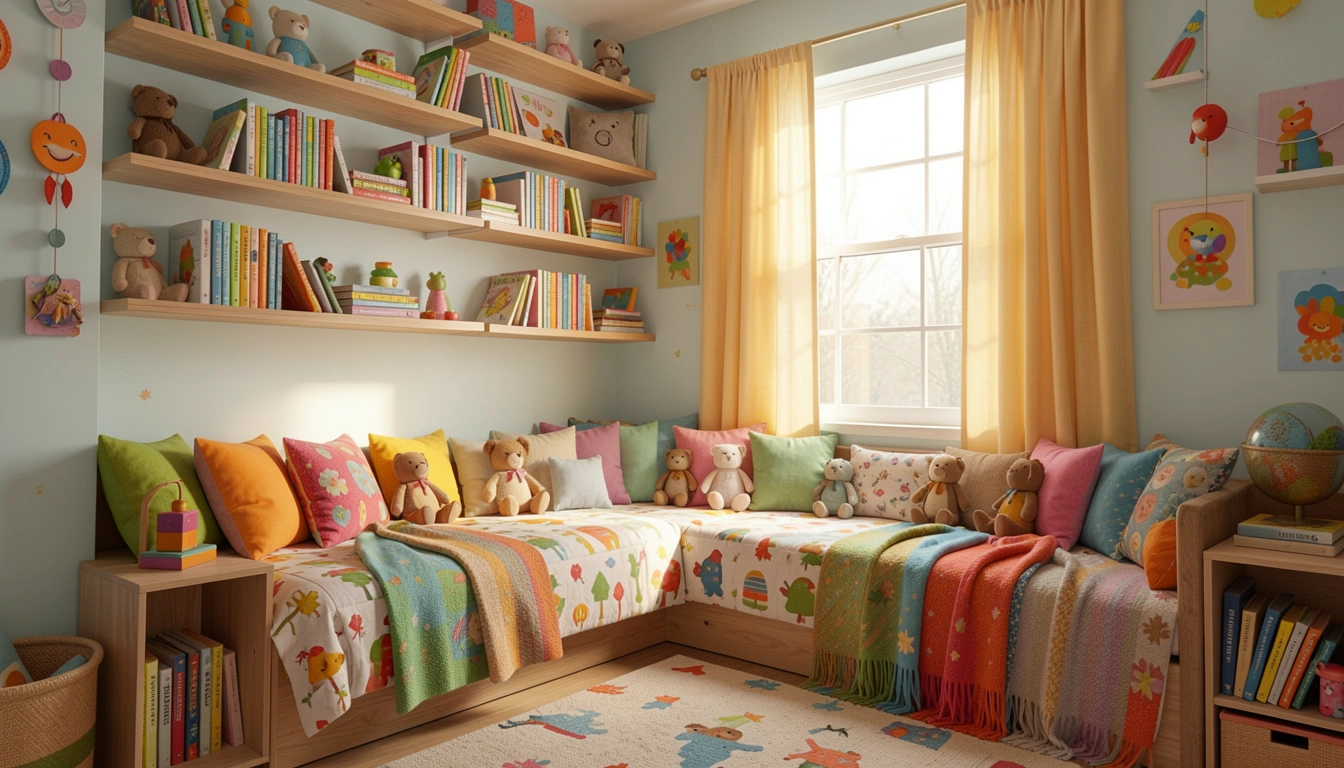
Your child’s bedroom should be more than just a place to sleep—it’s their creative sanctuary, their quiet retreat, and their personal expression all rolled into one. Finding that balance between playful inspiration and calm comfort can feel overwhelming, especially when you’re juggling budgets and your kid’s ever-changing interests. The good news? You don’t need a complete overhaul to make their space feel special. We’ve gathered 28 practical ideas that work for renters and homeowners alike, from quick DIY projects to statement pieces that grow with your child. Whether you’re starting from scratch or refreshing a tired room, you’ll find actionable solutions that actually fit your life—and your wallet.
1. Create a Reading Nook with Layered Textures
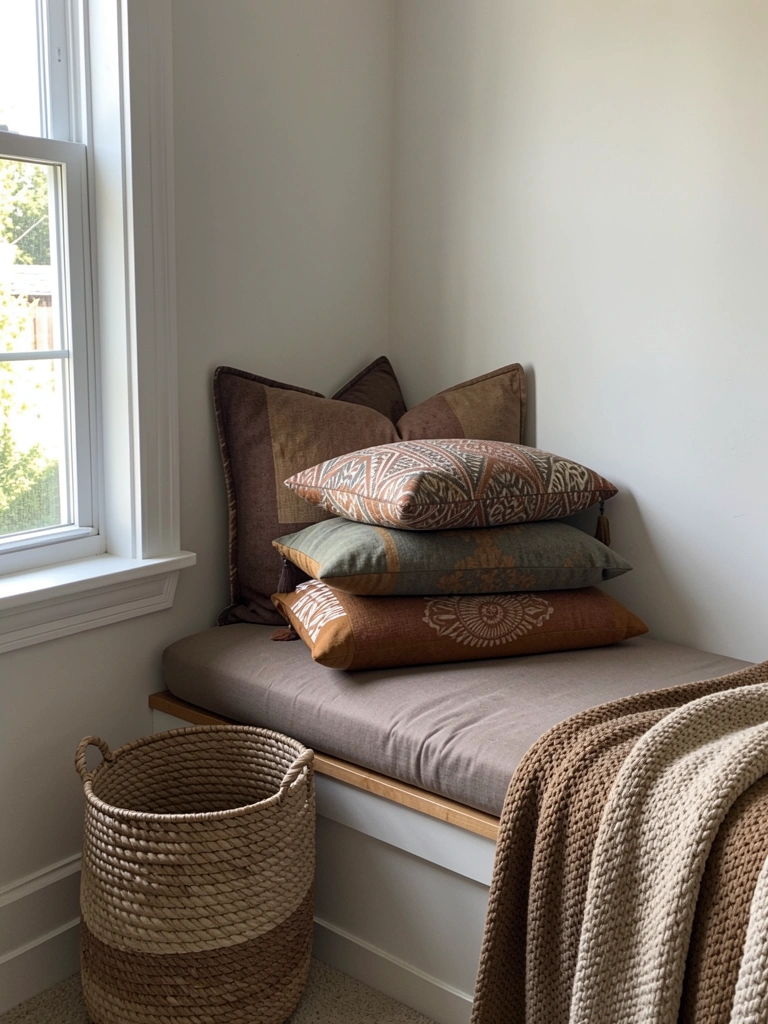
A dedicated reading corner becomes an instant retreat that sparks imagination and gives your child a sanctuary within their bedroom. This works in any room size—even a small corner transforms into something magical.
Start with a low bench, floor cushion, or beanbag chair as your base. Layer on pillows and throws in varied textures: velvet, linen, corduroy. Add a small side table for books or hot chocolate. A woven basket nearby keeps supplies organized. You can source pieces from IKEA ($20-$100), Target, or thrift stores ($5-$30 per item). This takes about an hour to set up, zero installation required—perfect for renters. A standing lamp or clip-on light adds function without taking up space.
Kids naturally gravitate to cozy corners, and you’ll notice reading time increasing without any nagging required.
2. Paint an Accent Wall in a Warm Earth Tone
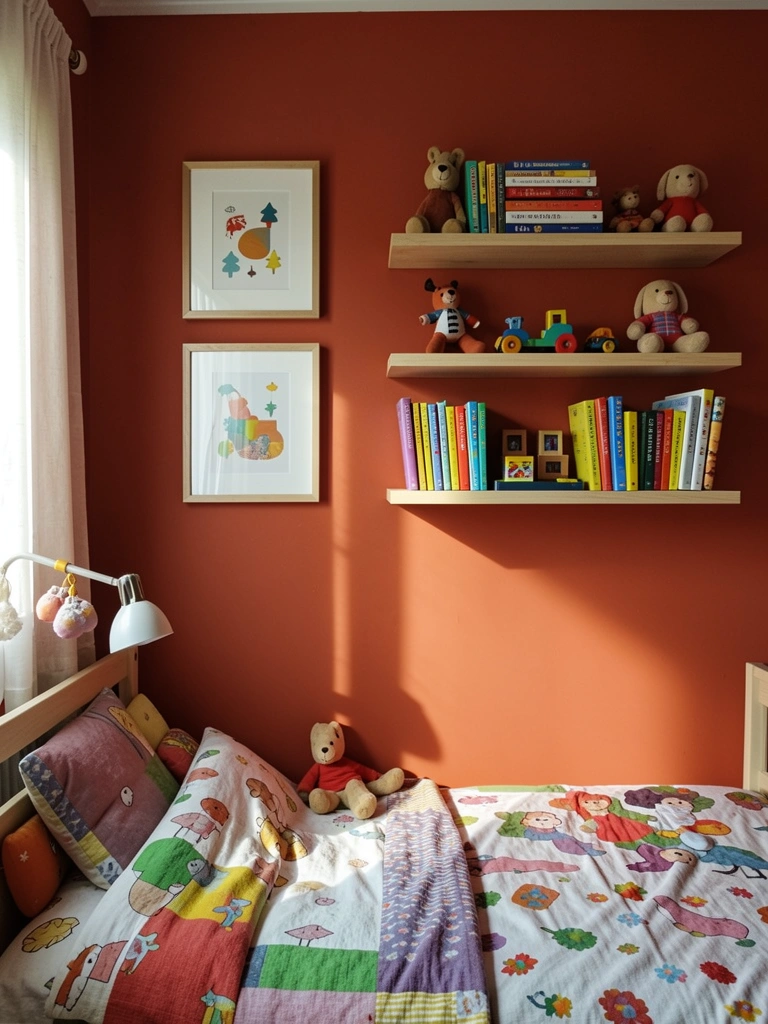
One accent wall in a warm earth tone—think terracotta, sage, or warm taupe—creates depth and personality without overwhelming the space. This simple change shifts the whole room’s energy from flat to intentional.
Choose one wall (ideally the one behind the bed or facing the door) and pick a calming, warm color. Paint runs $15-$40 per gallon at hardware stores. A basic room takes one gallon and one weekend of work. Test the color on poster board first to see it in different light. Warm earth tones feel less institutional than cool grays and actually boost mood—perfect for a creative space. If you rent, try removable wallpaper in similar shades instead ($20-$60).
The payoff? The room feels intentionally designed rather than hastily decorated, and your child gets a backdrop that works with almost any decor.
3. Install Floating Shelves for Display and Storage
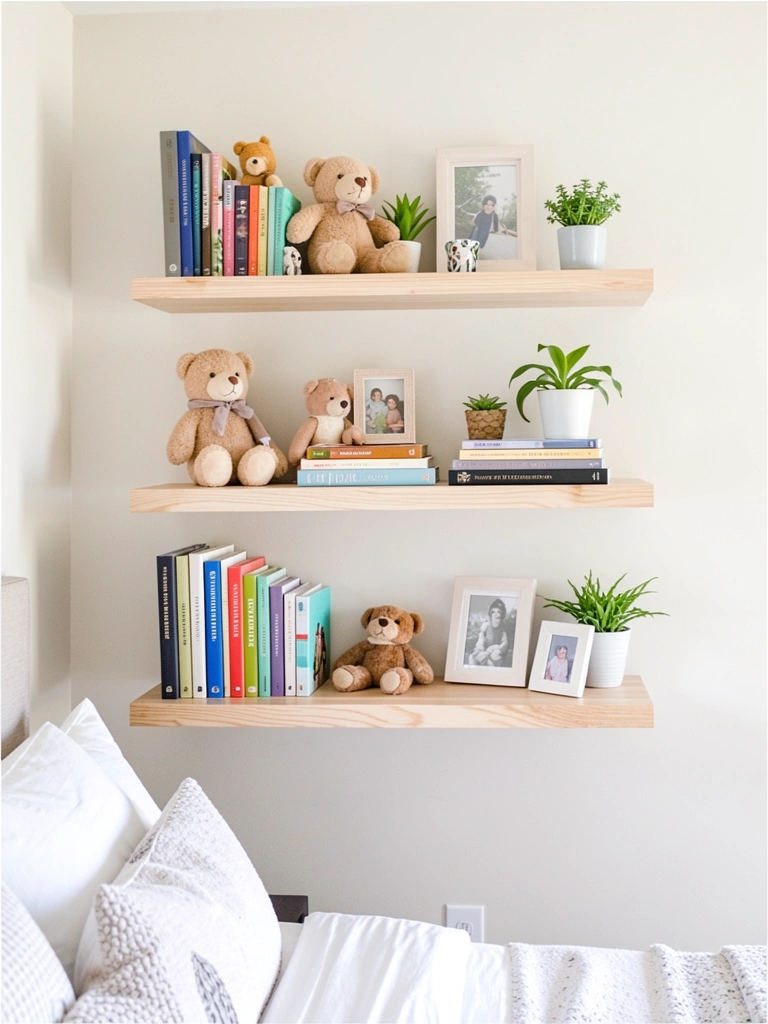
Floating shelves give kids a place to display treasures, organize books, and show off their growing collection of interests. They’re functional art that makes a small room feel more spacious.
Install 2-3 shelves using basic brackets ($15-$50 per shelf from Home Depot or IKEA). They’re sturdy enough for kids’ typical items and take about 30 minutes per shelf with a drill and level. If you rent, adhesive shelves work too, though they hold less weight. Arrange books vertically and horizontally, mix in small plants, add framed photos or artwork. The key is balancing “display” with “breathing room”—don’t overcrowd.
Kids feel proud seeing their things arranged thoughtfully, and you get a solution that grows and changes as their interests do.
4. Layer Bedding for Comfort and Visual Interest
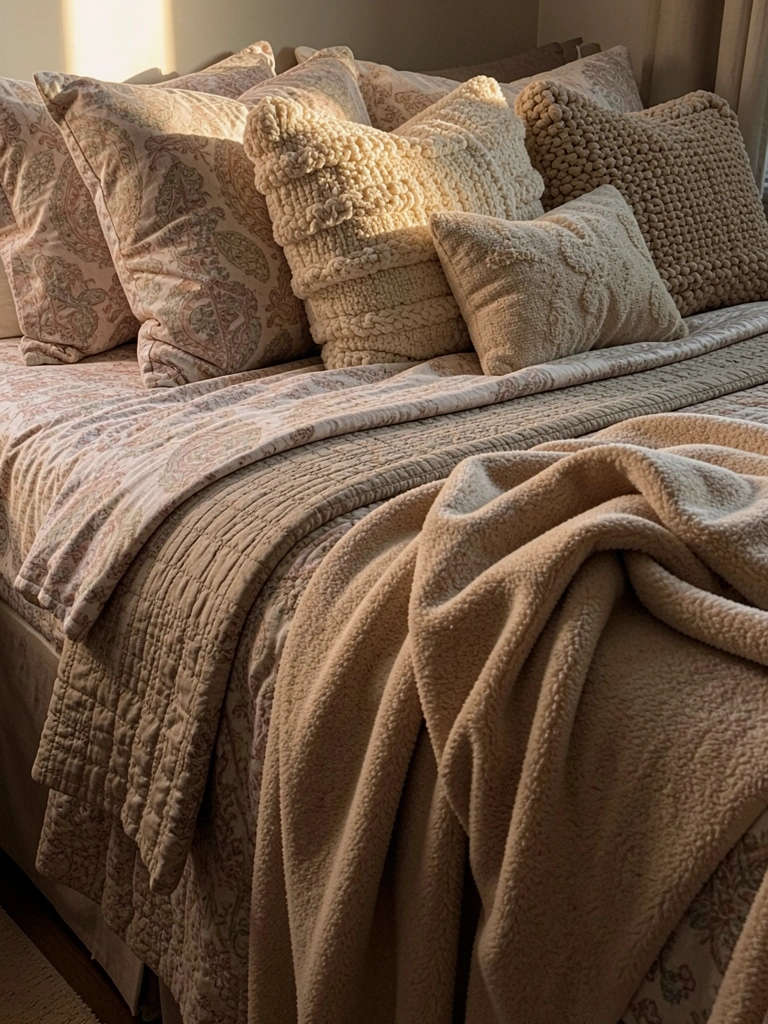
Layered bedding creates that “hotel luxury” feel kids love while keeping them comfortable through temperature changes. It’s also a great way to mix patterns and textures without chaos.
Start with a fitted sheet (quality matters here—cotton or linen feels better than polyester). Add a patterned duvet or quilt, then layer on 2-3 throw pillows in coordinating fabrics. Drape a chunky knit blanket over the foot or side of the bed. Budget: $40-$100 for a complete refresh from Target, Wayfair, or IKEA. Set it up in under an hour—no tools needed. Switch out seasonal blankets and pillows to refresh the look without spending much.
You get a bed that’s actually inviting to climb into, and it photographs beautifully for those Instagram-worthy moments parents love.
5. Add a Growth Chart on the Wall
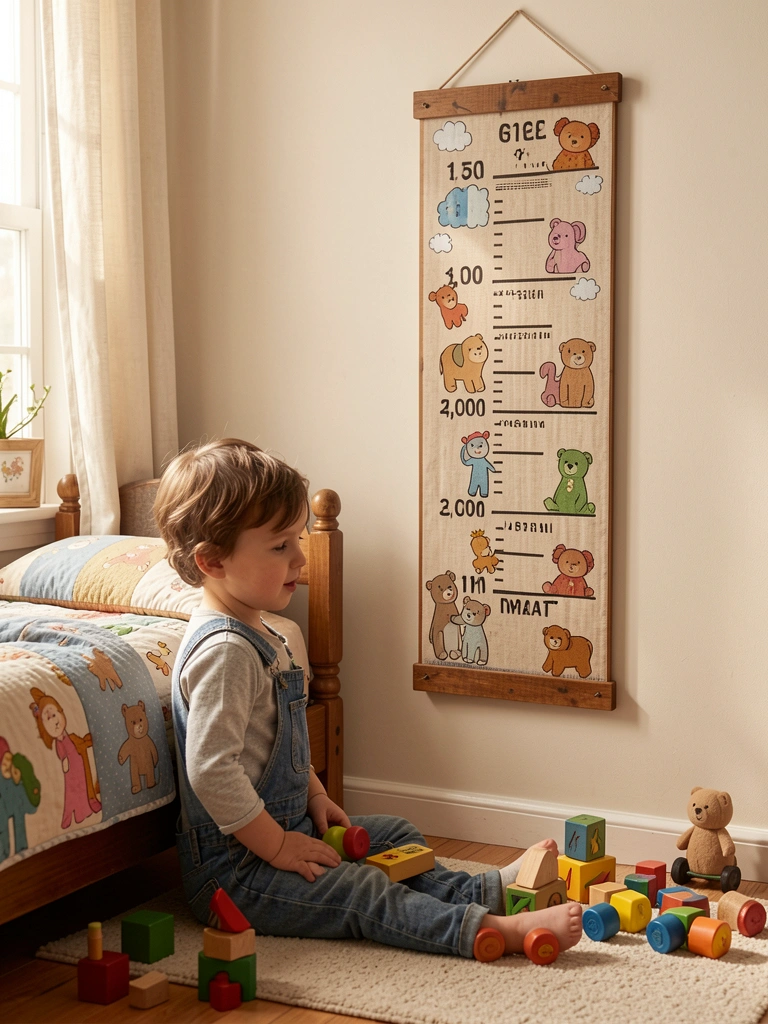
A growth chart turns a practical measurement tool into a keepsake that kids love and makes them feel seen and celebrated in their own space.
Choose from wooden wall-mounted charts ($25-$60), fabric banners ($15-$40), or DIY versions using painter’s tape and markers ($0-$5). Installation takes 10 minutes with a level and pencil. Mark their height monthly in a colored marker—let them choose the color. They’ll love tracking their progress, and years later you’ll treasure the record. It works on renters’ walls if you use removable adhesive.
This simple addition transforms a bare wall into a celebration of your child’s growth and makes them feel like the room is truly theirs.
6. Hang Floor-to-Ceiling Sheer Curtains
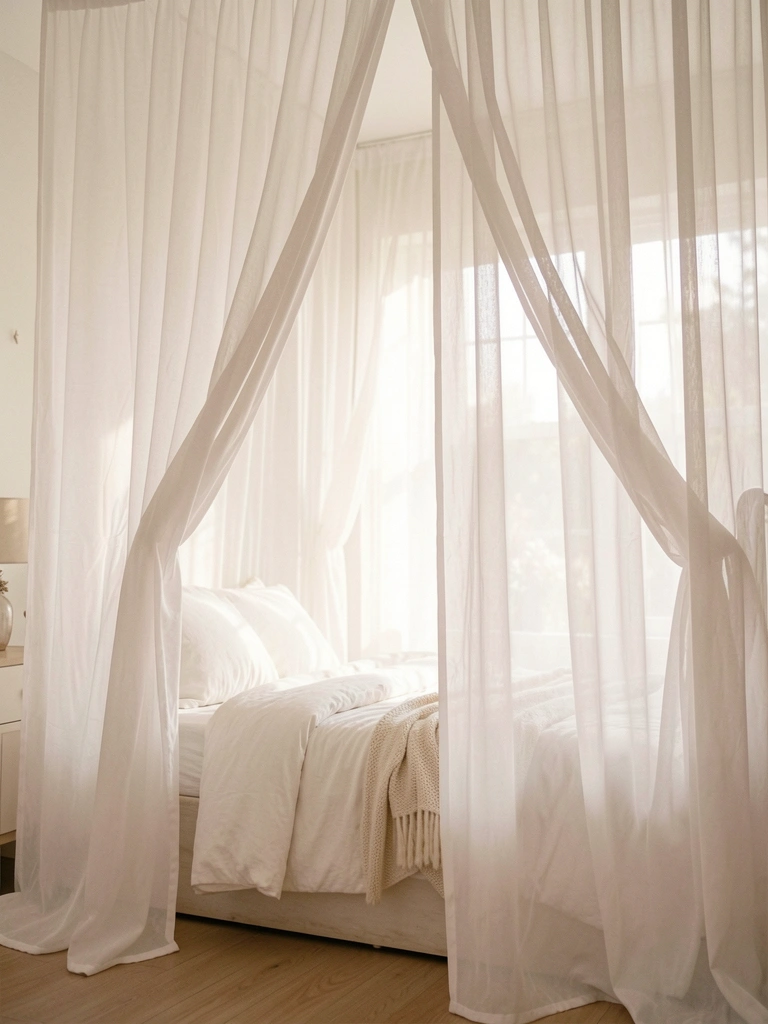
Floor-to-ceiling sheer curtains create an enveloping, cozy atmosphere that makes kids feel nestled and protected while letting light filter through softly.
Mount a curtain rod as high as possible on the wall—even higher than the window frame looks more intentional. Hang lightweight sheer fabric in white, cream, or pale linen. Budget: $20-$60 for rods and panels from IKEA or Amazon. Installation takes about 20 minutes. Pair these with blackout curtains underneath for sleep time. The sheers stay up year-round, creating a dreamy, calming backdrop. If you rent, use tension rods that don’t require wall anchors.
The room instantly feels more sophisticated and spa-like, and the soft light becomes a constant mood booster.
7. Build a DIY Headboard with Peel-and-Stick Wallpaper
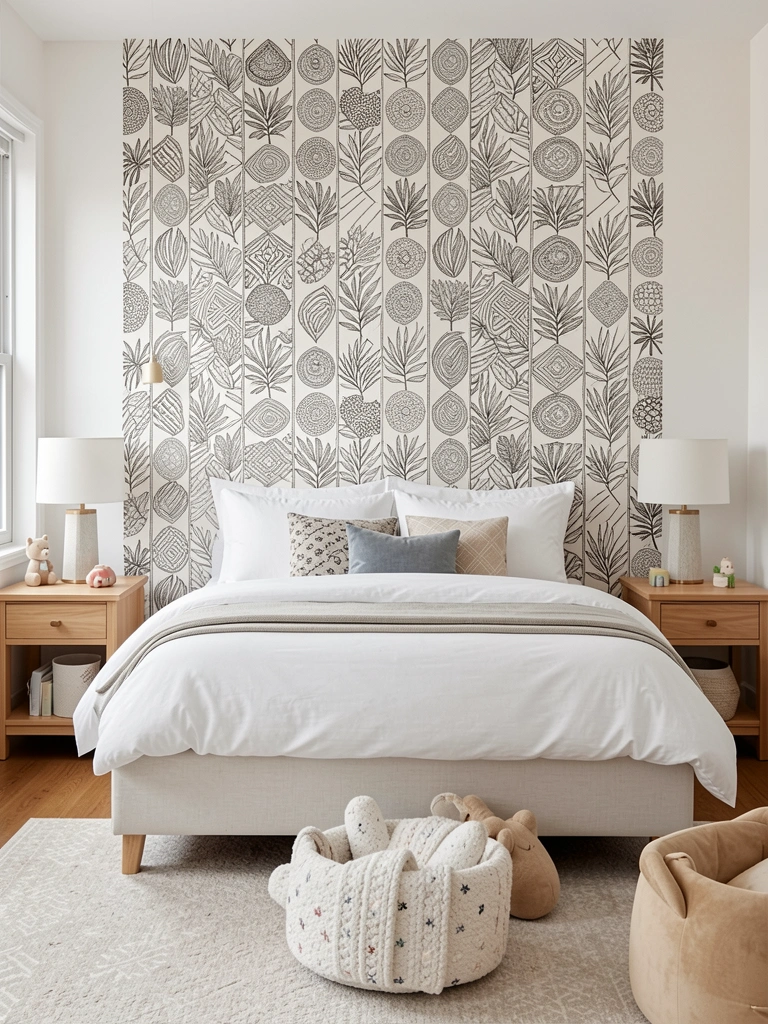
A headboard draws the eye upward and makes the bed feel like the focal point of the room. Peel-and-stick wallpaper lets you create this effect without permanent damage.
Measure the width of the bed and decide how tall you want the headboard (typically 3-4 feet works well). Choose peel-and-stick wallpaper in kid-friendly patterns ($20-$50 per roll from Amazon, Wayfair, or Target). Apply directly to the wall—no tools needed, takes 30-45 minutes. The pattern choice matters: geometric, botanical, or subtle textures all work. For renters, this is the perfect solution since it removes cleanly. If your child’s taste changes, so can the wallpaper.
The bed becomes a real design statement, and your child gets a personal backdrop that makes their space feel curated and special.
8. Install a Pendant Light for Task Lighting
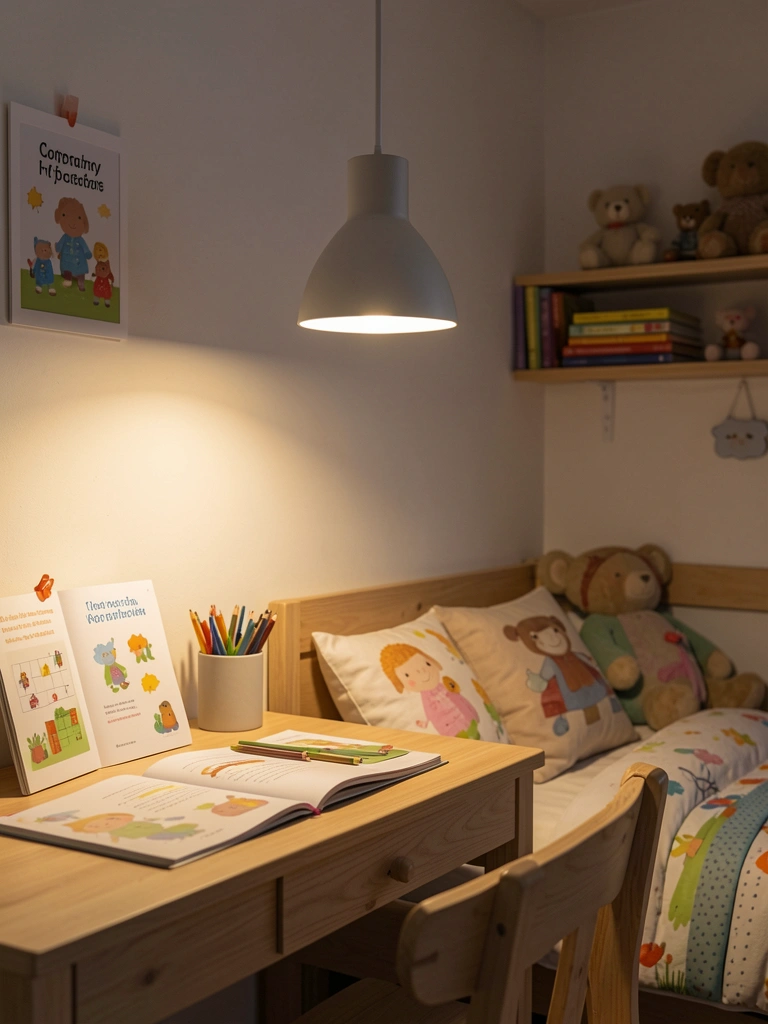
Good lighting matters more than most parents realize—it helps with homework, reading, and making the space feel intentional rather than relying on harsh overhead lights.
Install a pendant light over the desk or reading area ($30-$100 from IKEA, Home Depot, or Wayfair). This requires basic electrical work or hiring a professional ($100-$200 labor). Choose a fixture in a material that fits the room—wood, metal, or fabric all work. Plug-in pendant lights are also available if you want to avoid installation ($20-$50). Set it on a dimmer if possible so your child can adjust brightness for homework versus wind-down time.
The room gains functional, layered lighting that actually makes studying easier and the space feel more grown-up.
9. Create a Vision Board Wall
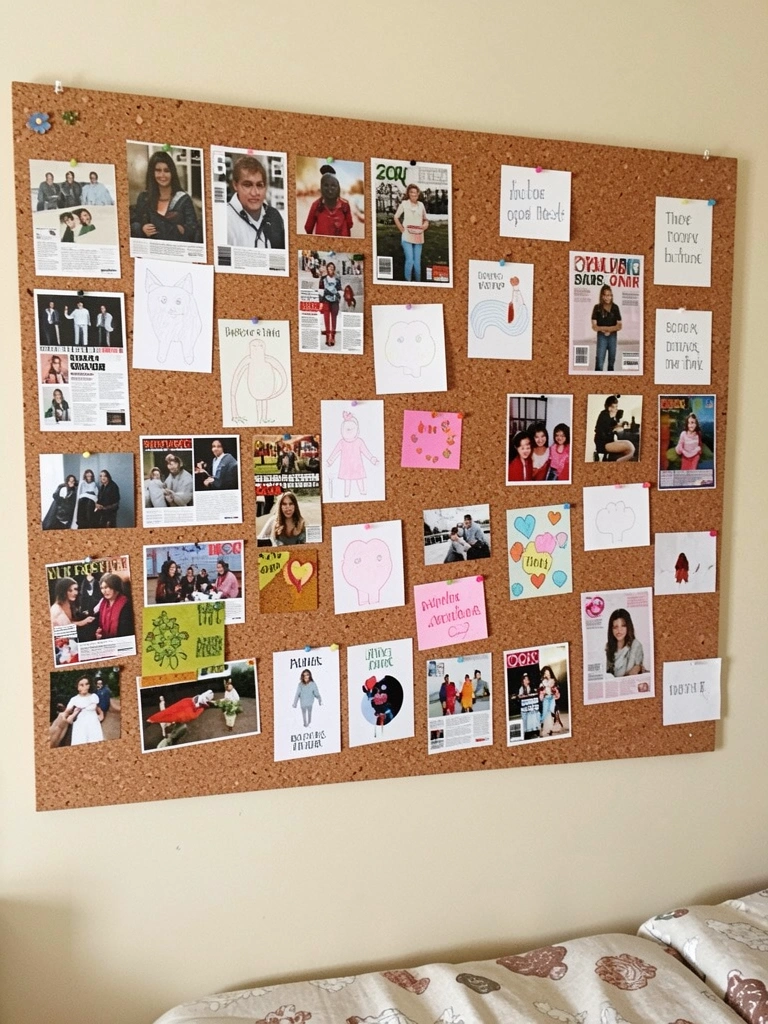
A vision board gives your child a dedicated creative space to collect and display things that inspire them—it’s a living mood board that changes with their interests.
Use a large cork board ($20-$40), fabric-covered bulletin board ($30-$60), or create a DIY version with cork wallpaper ($15-$25 per roll). Mount it at eye level so your child can easily add and rearrange. Provide pushpins, magnetic pins, or fabric strips for hanging items. Let them collect magazine cutouts, photos, drawings, quotes, color swatches—whatever speaks to them. This takes 20 minutes to set up and becomes an ongoing project.
You’ll watch your child’s interests and creativity unfold on that wall, and they get a judgment-free space to dream and explore.
10. Add Plants for Air Quality and Calm
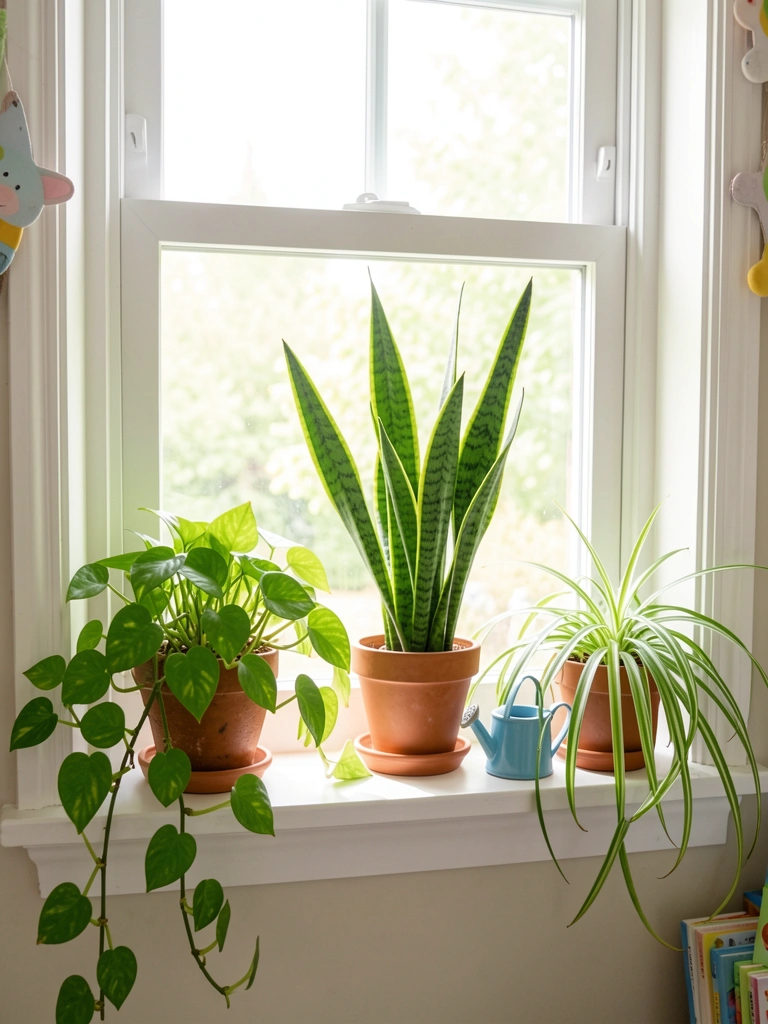
Low-maintenance plants brighten the space, improve air quality, and teach kids responsibility without requiring a green thumb. They’re also incredibly good for well-being.
Choose kid-proof, hard-to-kill plants: pothos, snake plant, spider plant, or ZZ plant ($5-$15 each from local nurseries or big-box stores). Place them on windowsills, shelves, or hang them in macramé holders ($5-$20 each). Teach your child the watering schedule—many kids love this responsibility. Start with 2-3 plants and add more as they prove their care skills. Set reminders on their phone or yours for watering days.
The room gains natural color and oxygen, and your child learns that living things need care and attention.
11. Install a Pegboard for Organization and Display
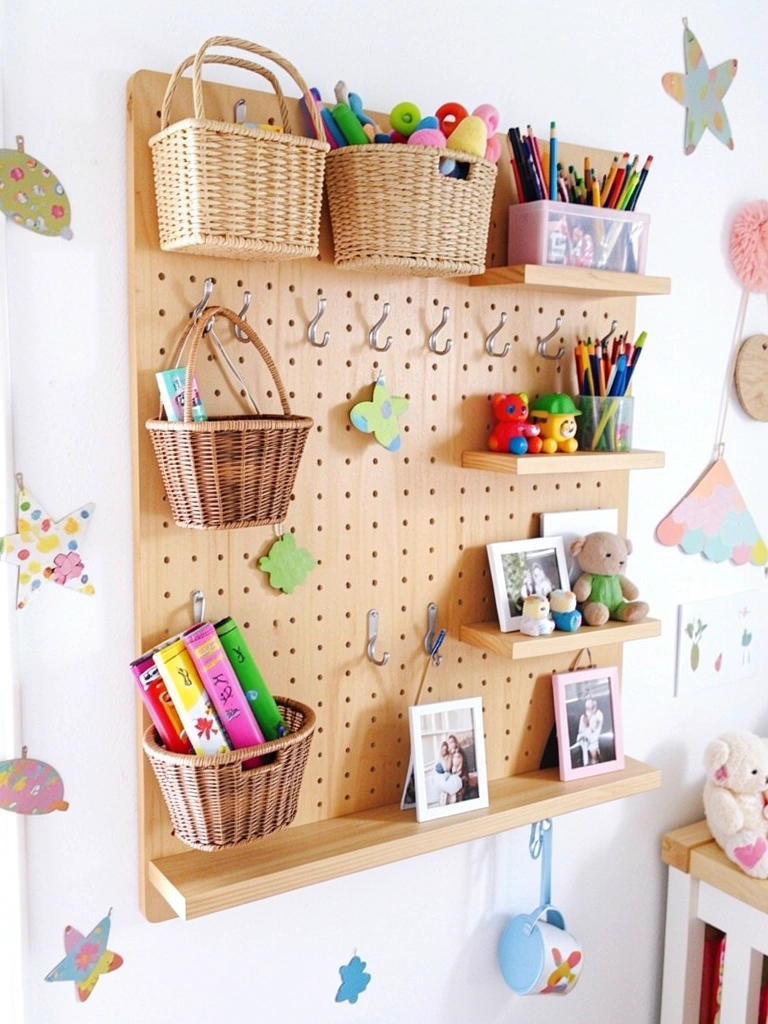
A pegboard is the ultimate flexible storage solution that grows with your child and keeps supplies visible and accessible without cluttering surfaces.
Mount a wooden pegboard ($30-$80 from IKEA, Home Depot, or Amazon) using basic brackets—takes about 20 minutes. Add hooks, shelves, and baskets as needed ($2-$5 per piece). Let your child arrange and rearrange items however they want. Use it for art supplies, small toys, headphones, or photos. Pegboards work in small spaces and renter-friendly situations. Paint it to match the room if desired ($5-$15 for paint).
Organization becomes visual and easy, and kids actually use the system because they designed it themselves.
12. Hang Fabric Remnants as a Canopy
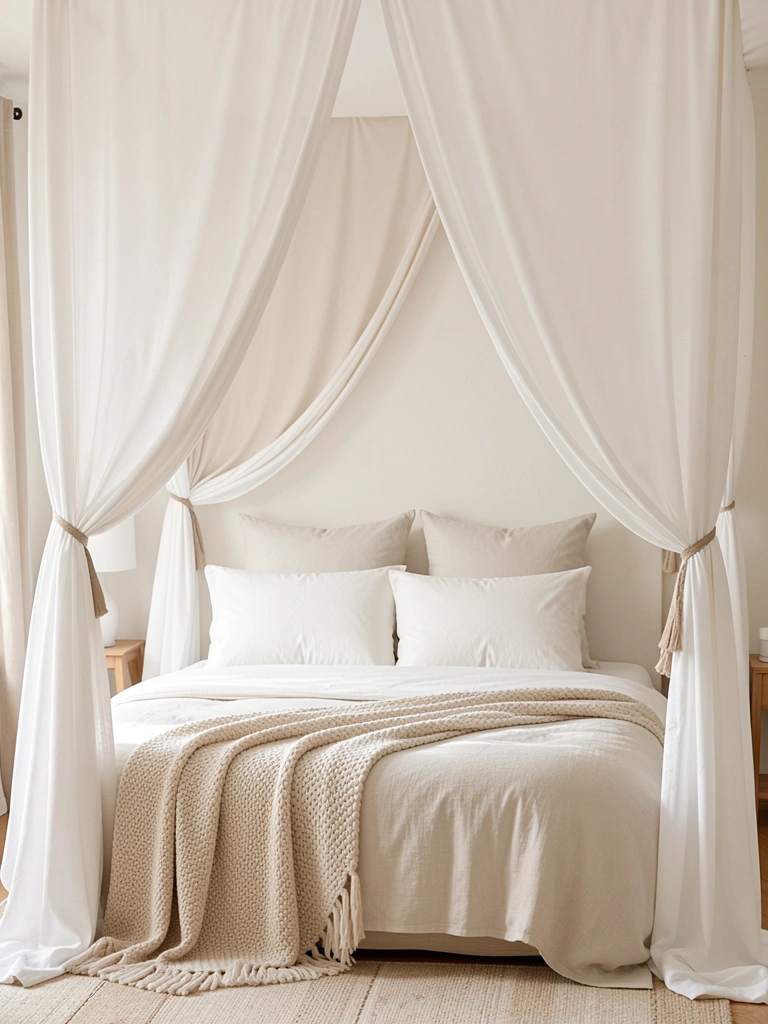
A fabric canopy creates an instant “fort” feeling that kids adore—it’s intimate, cozy, and easy to change without permanent installation.
Buy lightweight fabric remnants ($10-$30 from fabric stores or online) or use lightweight curtain fabric. Attach to ceiling using removable adhesive hooks ($5-$10 for several) or tension rods. Drape it asymmetrically or evenly depending on preference. This takes 15 minutes to set up and zero permanent damage. Swap fabrics seasonally for a quick refresh. Combine with string lights inside for extra magic ($10-$20).
Your child gets a cozy fort that makes bedtime feel special, and you haven’t drilled a single hole in the wall.
13. Create a Chalkboard Wall or Panel
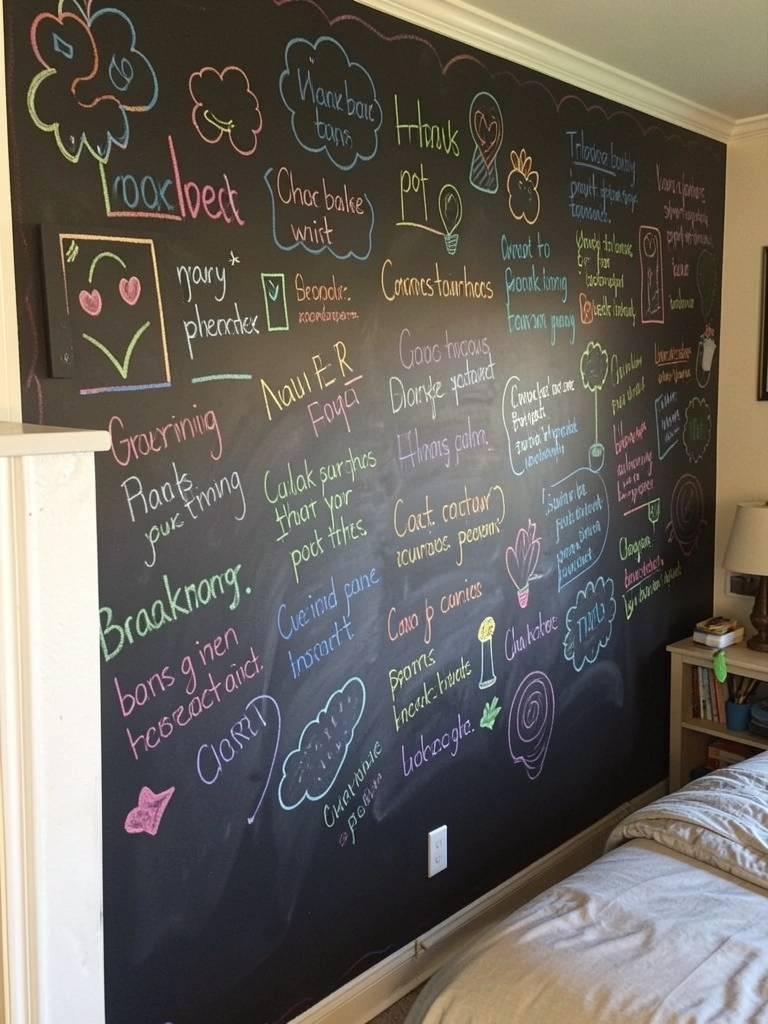
A chalkboard surface lets your child express creativity daily and changes infinitely without waste. It’s also great for practical notes and lists.
Paint one wall or a large panel with chalkboard paint ($20-$40 per quart from hardware stores). Requires basic painting skills, takes 2-3 hours including drying time. Alternatively, buy pre-made chalkboard panels ($30-$100). Stock colorful chalk ($5-$10 for a set). This works brilliantly for renters if you use a removable chalkboard wallpaper ($20-$50 per roll). Your child can draw, write, play games, or leave themselves reminders.
The wall becomes interactive and alive, and your child’s creativity gets a judgment-free outlet.
14. Use a Rug to Define Spaces
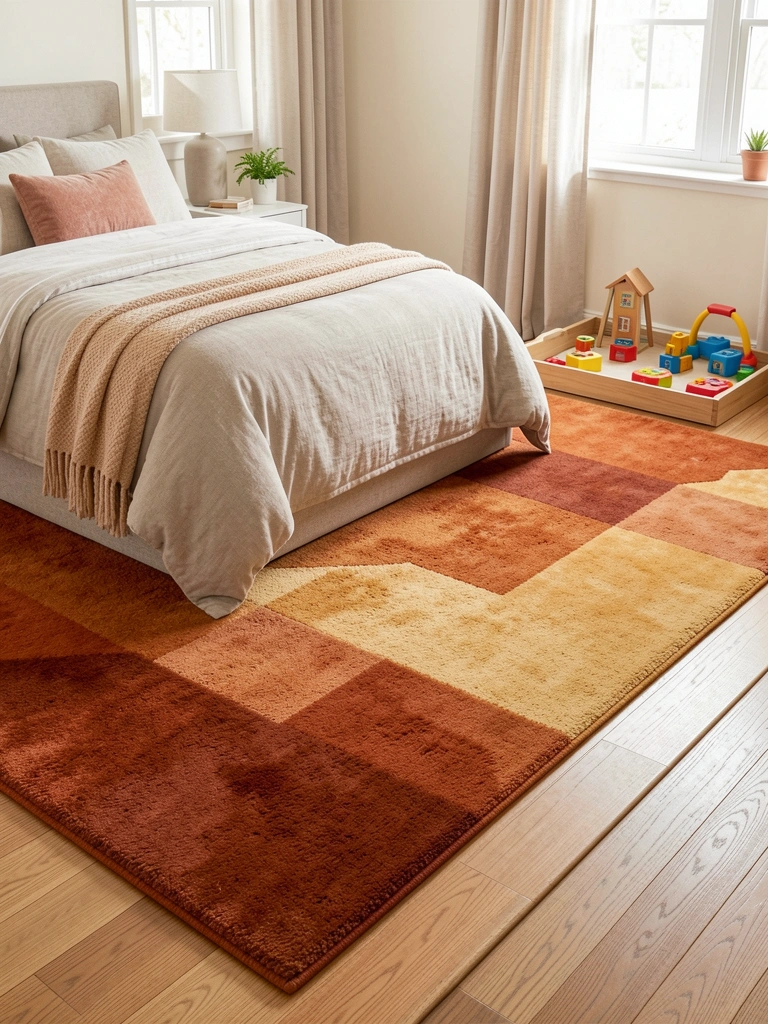
A quality rug anchors the room, defines separate zones (play area, reading nook), and makes the space feel intentional and finished.
Choose a rug in 5×7 or 6×8 size ($40-$150 from Target, IKEA, Wayfair, or thrift stores). Natural materials like jute or wool feel better than synthetic and last longer. Consider washable rugs if you have young kids ($50-$120). Place it under the bed or in a designated play area. Layer a smaller accent rug on top for visual interest ($20-$60). This anchors the room without requiring any installation.
The space instantly feels more cohesive and comfortable, and you get a soft landing spot for bare feet.
15. Install Adjustable Task Lighting on Desks
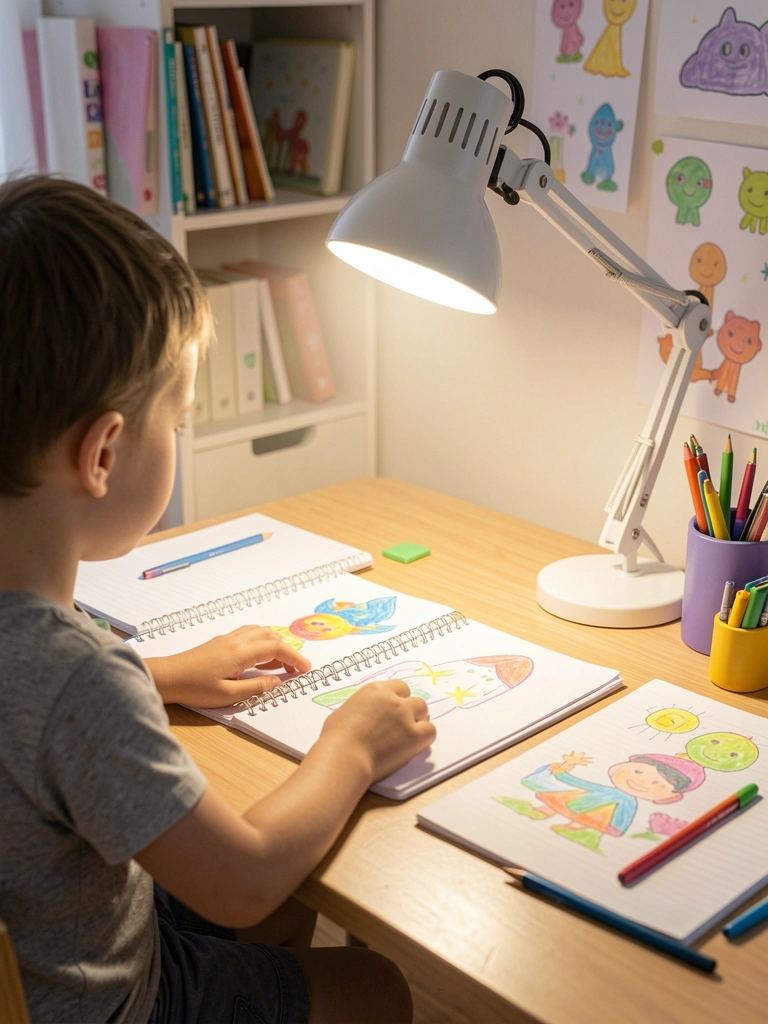
Adjustable desk lighting keeps your child’s workspace functional and reduces eye strain during homework or creative projects.
Install a clip-on lamp ($15-$40 from IKEA, Target, or Amazon) or a small desk lamp with an adjustable arm ($25-$60). No installation required—just plug in. Dimmable options are ideal for switching between focus and wind-down modes. Choose warm white bulbs that don’t feel harsh. Position it to the side of the workspace to avoid glare on screens. This takes literally two minutes to set up.
Homework becomes less of a battle when the lighting actually supports focus, and the desk area feels like a real workspace.
16. Add Soft Velvet or Corduroy Pillows
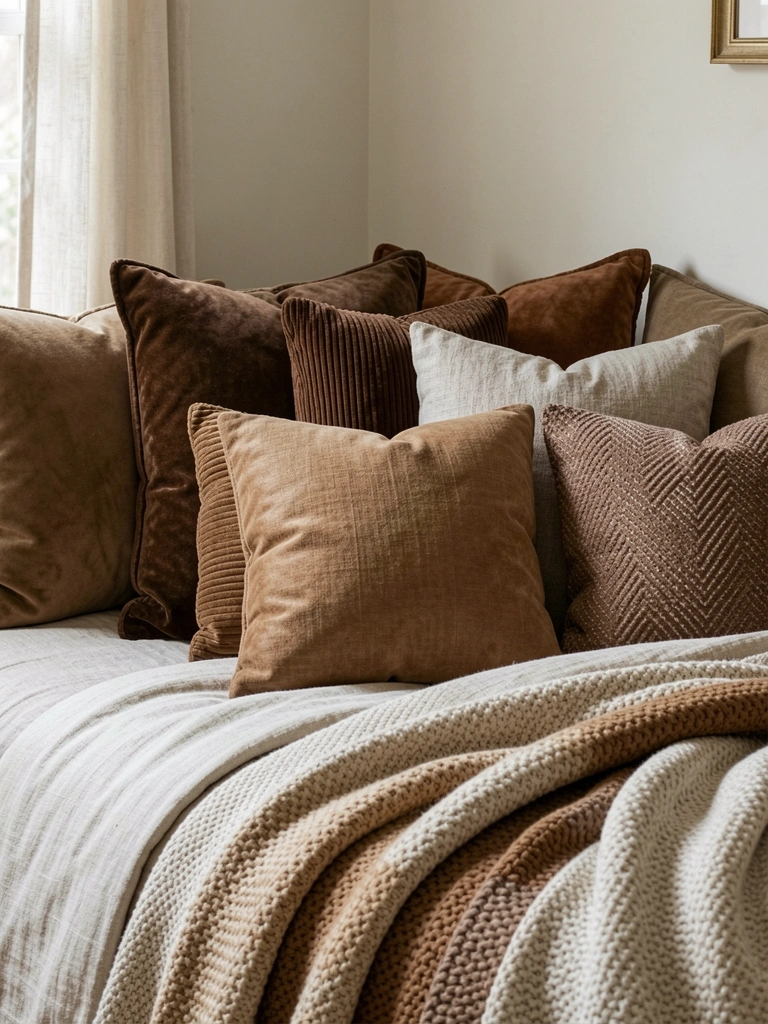
Tactile textures matter more than people realize—soft pillows and fabrics create comfort and make kids want to spend time in their room.
Source velvet or corduroy pillows in various sizes ($15-$40 each from Target, IKEA, Wayfair, or thrift stores). Mix textures with linen and chunky knit to create visual interest. Arrange on the bed and reading nook. Most are machine-washable, making them practical for kids’ spaces. Start with 3-4 pillows and add more as budget allows. This takes 10 minutes to arrange and zero installation.
The room becomes a textural experience that kids actually love touching and spending time in.
17. Create a Photo Display Wall
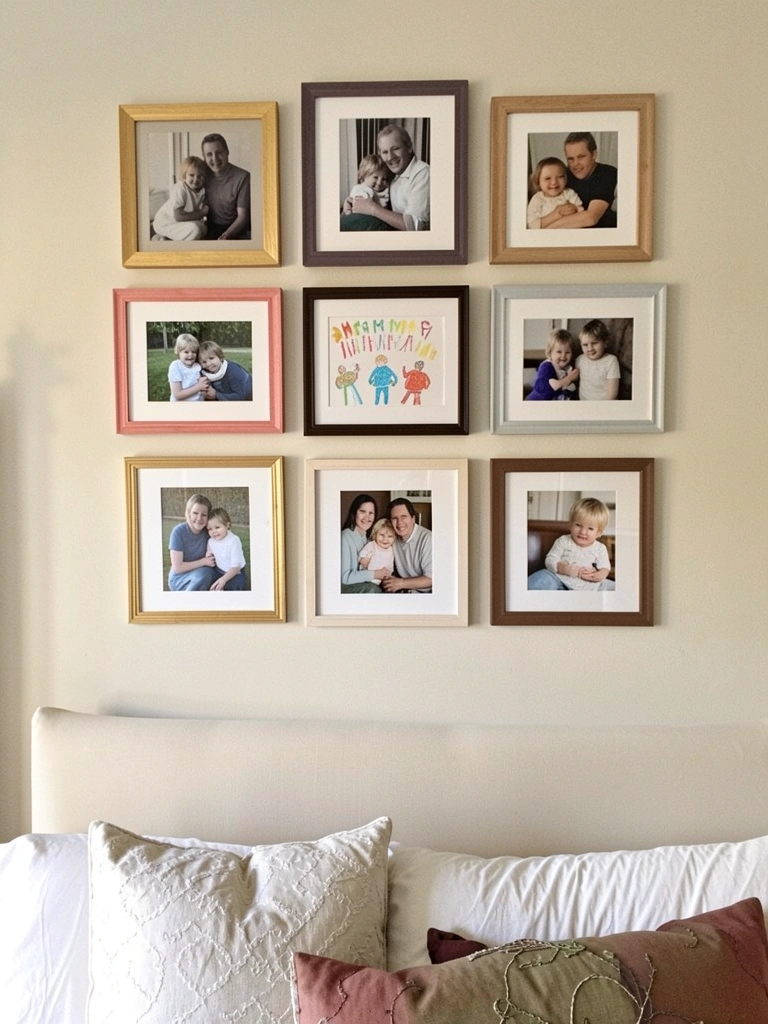
A photo wall celebrates memories, makes the space feel personal, and creates an anchor of what matters most to your child.
Use matching frames ($2-$8 each from IKEA, Target, or thrift stores) or create a cohesive look with coordinated styles. Print photos from your phone ($0.25-$0.50 each at drugstores or online). Plan the layout on the floor first, then hang using painter’s tape to find the right arrangement. Use removable hooks or adhesive strips for easy rearrangement. This takes about an hour depending on frame count and looks best with 9-16 photos.
Your child sees the people and moments that matter most every day, and the room feels like it belongs to them, not just to “a kid.”
18. Install String Lights or Fairy Lights
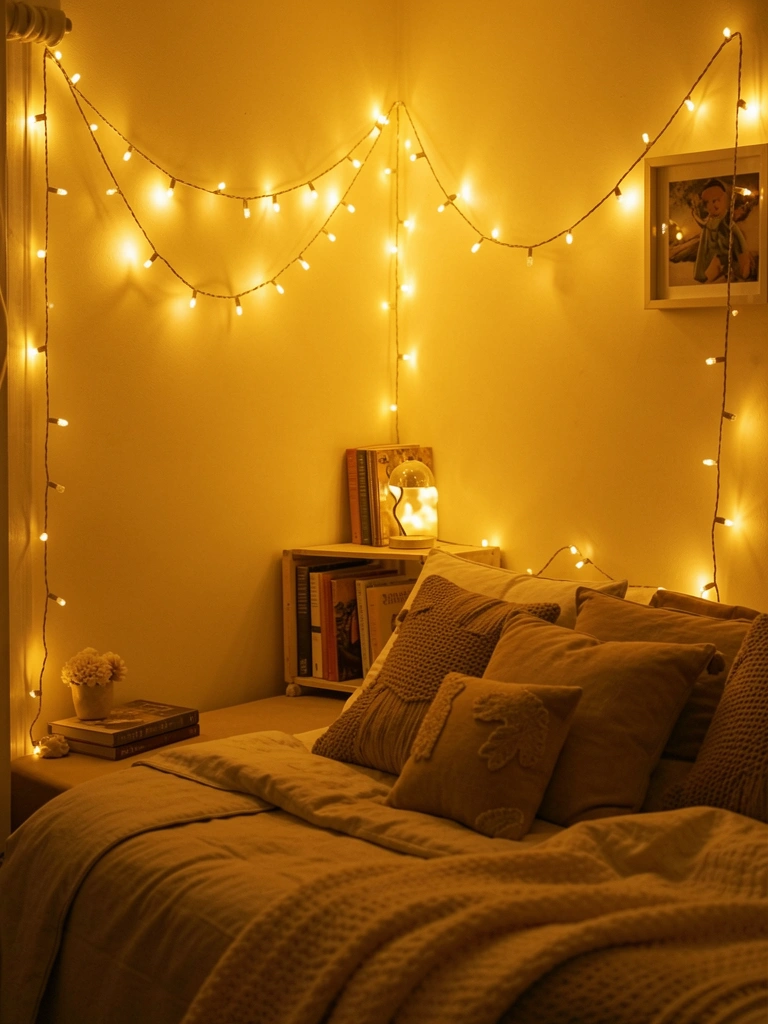
Soft, warm string lights create instant ambiance and make bedtime feel special without being harsh or overstimulating.
Choose warm white LED string lights ($10-$30 from Amazon, Target, or IKEA) that won’t heat up. Drape them above the bed, around a reading nook, or along a shelf. Battery-powered options ($15-$25) work great for renters. String about 20-30 feet of lights for best effect. Set them on a timer so they turn on automatically at dusk. This takes 15 minutes to hang using removable hooks or painter’s tape.
The room transforms into a cozy retreat at night, and your child gets a gentle, beautiful light source for wind-down time.
19. Use Magazine Holders for Magazine and Book Storage
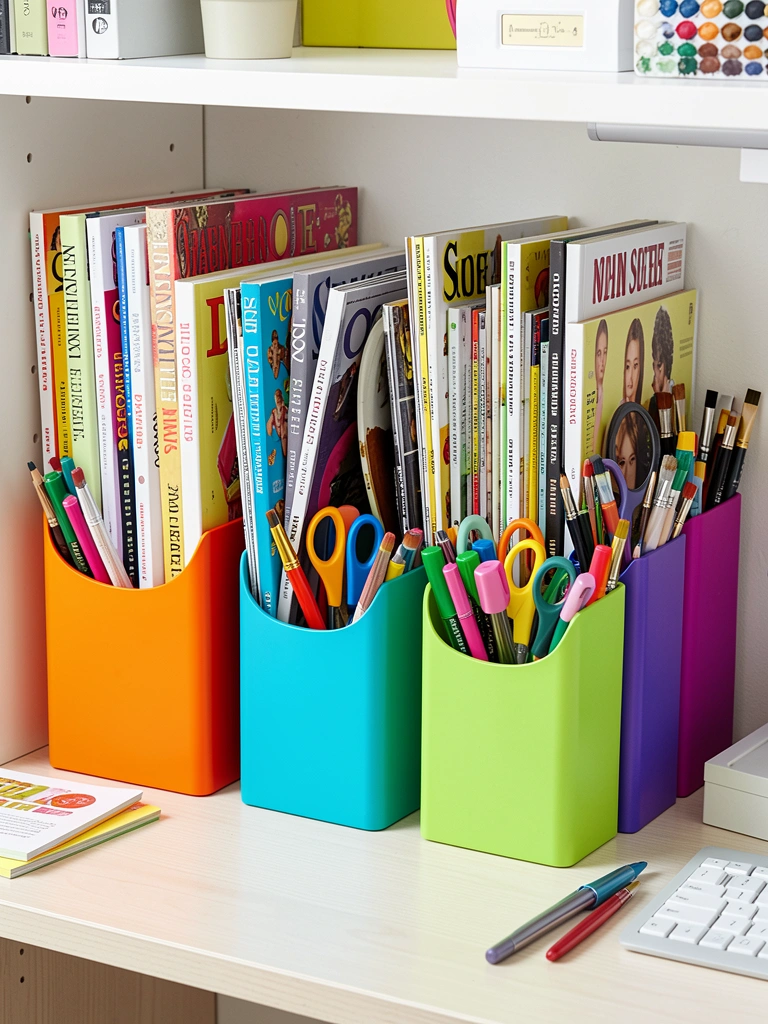
Magazine holders keep books, magazines, and supplies visible and organized while taking up minimal space. They’re also cheap and renter-friendly.
Buy plastic or cardboard magazine holders in fun colors ($3-$8 each from IKEA, Target, or office supply stores) and label them by category: art supplies, books, magazines, markers. Line them up on shelves or in a closet. Your child can easily find what they want and put things back. This costs $15-$30 for 5-6 holders and takes 10 minutes to organize. It’s also a great way to teach categorization.
You get an instant organizational system that looks intentional, stays functional, and teaches your child how to maintain order.
20. Paint Furniture with Removable Chalk Paint
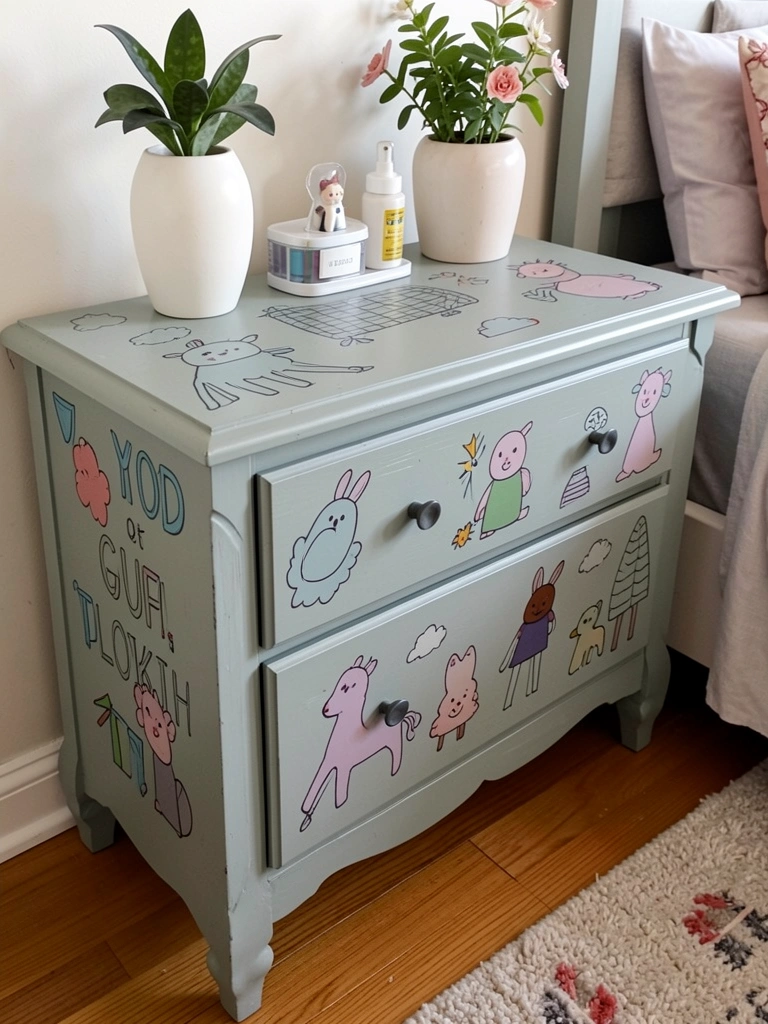
Updating old furniture with chalk paint gives your child a chance to customize pieces and make them feel new and personal.
Buy chalk paint ($15-$25 per quart from hardware stores or Joann’s) and paint a dresser, nightstand, or desk. Requires a few coats and basic brush skills—takes a weekend. Choose a color that complements the room. Your child can help with painting, which makes them feel ownership. Add a matte topcoat for durability ($10-$15). If you don’t want permanence, use removable furniture paint for renters.
The room gains a custom, thoughtful piece of furniture, and your child participated in creating it.
21. Install a Wall-Mounted Desk
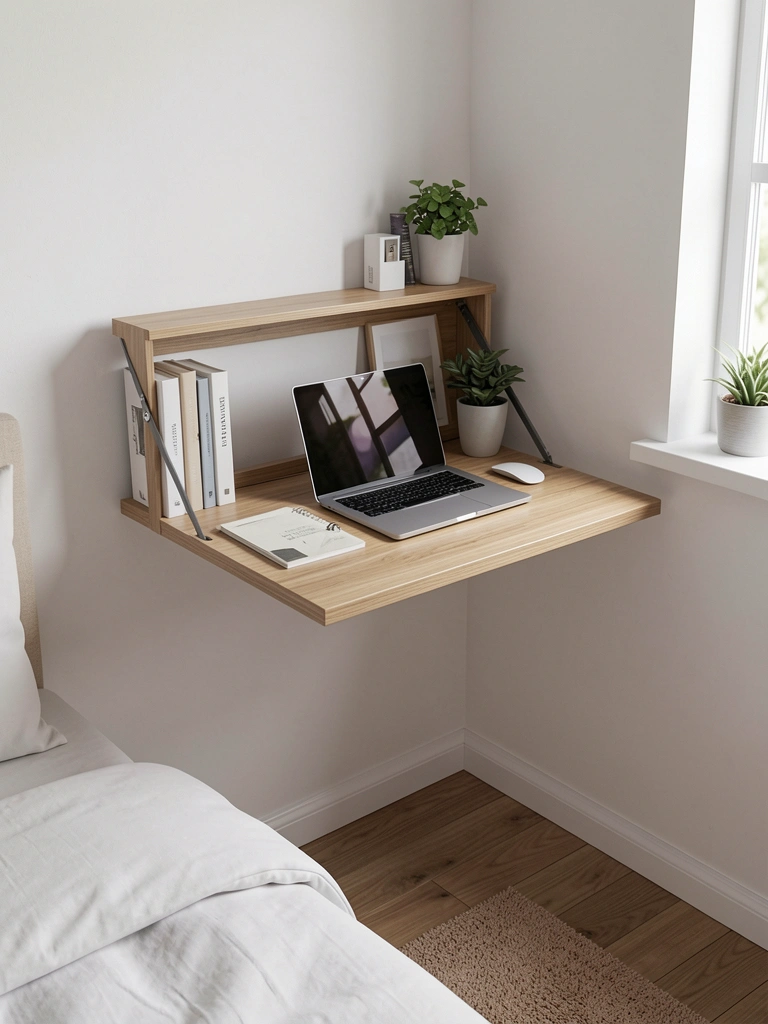
A wall-mounted desk solves space issues and creates a dedicated work area without bulky furniture taking over the room.
Install a wall-mounted drop-down desk ($50-$150 from IKEA, Amazon, or Wayfair) using basic brackets and a level—takes about 45 minutes. Choose one that folds up when not in use, ideal for smaller bedrooms. Alternatively, a simple floating shelf as a desk ($20-$50) works for lightweight tasks. Pair with a comfortable chair ($40-$100). This frees up floor space for play or storage.
Your child gets a real workspace for homework and projects without the room feeling cramped or overstuffed.
22. Hang Artwork in a Cohesive Grid
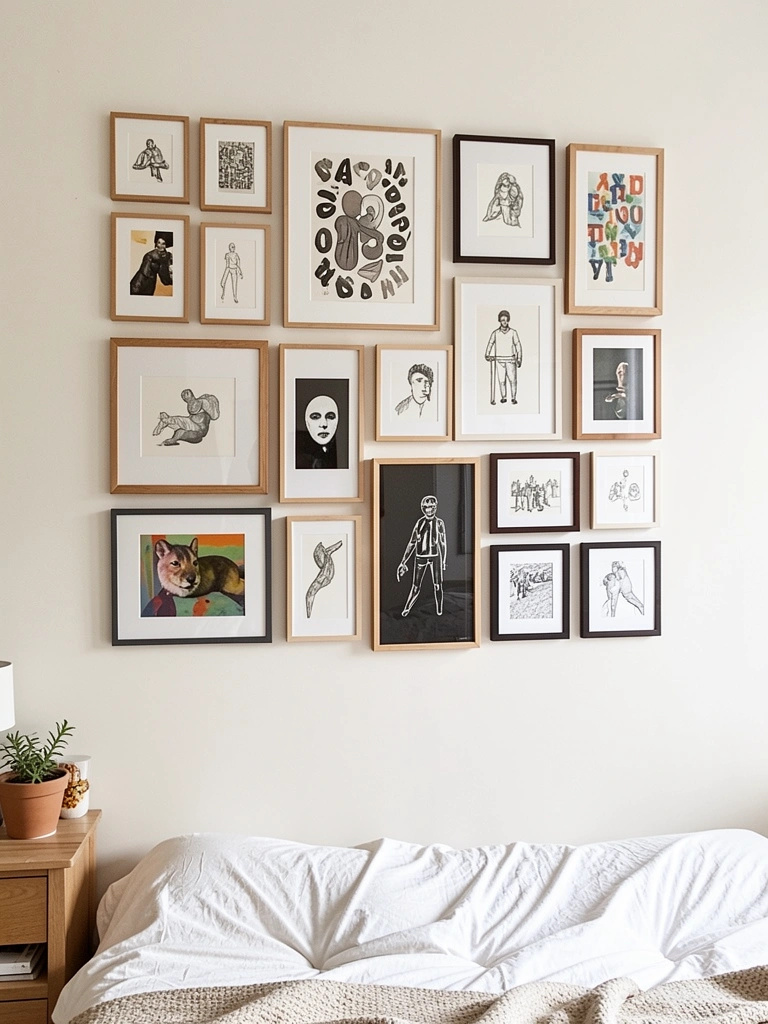
Artwork arranged thoughtfully becomes a design statement that reflects your child’s personality and interests while elevating the entire room.
Choose 3-9 pieces of art in coordinating frames ($2-$10 each from IKEA, Etsy, or thrift stores). Lay them on the floor first to plan the grid. Use painter’s tape or cardboard templates to mark where nails go. Space them consistently (about 2-3 inches apart works well). Hang using lightweight picture-hanging hooks ($1-$3 each). This takes 30-45 minutes total. Mix original artwork your child created with prints or posters for a personal feel.
The wall becomes a design focal point that celebrates what your child loves, and they feel seen and celebrated in their space.
23. Create Storage Baskets Under the Bed
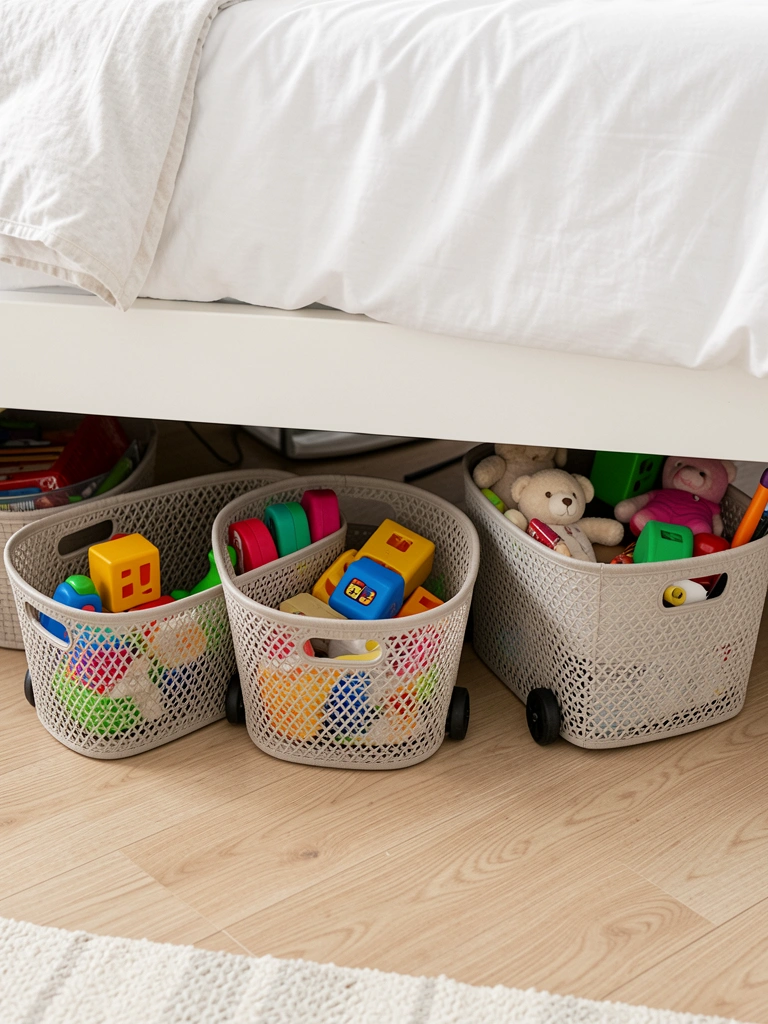
Under-bed storage keeps toys and supplies organized while using otherwise wasted space. Rolling baskets make items easy for kids to access independently.
Buy under-bed storage bins with rolling wheels ($20-$50 for 2-3 from Target, IKEA, or Amazon) or use stackable storage containers ($10-$30 each). Label each basket by category (toys, art supplies, seasonal clothes) so your child knows what goes where. This costs about $30-$60 and takes 10 minutes to set up. It teaches organization and gives your child a system they can maintain.
Clutter disappears instantly, the floor looks clean, and your child actually knows where to find things because the system makes sense.
24. Paint Closet Interior Walls
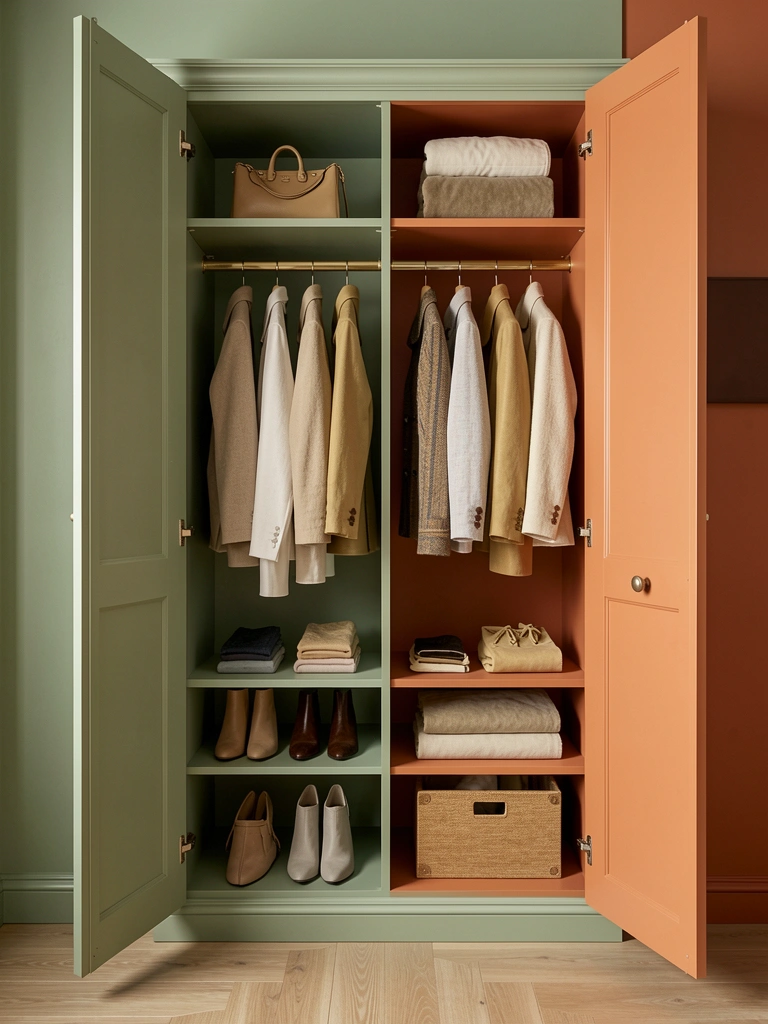
Painting the inside of a closet is an easy way to add personality that only gets revealed when the door opens—a fun design detail kids love.
Choose a color slightly different from the main wall—softer or richer ($15-$40 per quart of paint). Paint the closet interior with basic brushes—takes about 1-2 hours. This small detail makes a big impact when the door’s open and is especially fun if it’s a walk-in or large closet. It also makes hanging clothes in there feel special. Low commitment, high visual reward.
The closet becomes a designed space, not just a catch-all, and your child notices the intentional detail.
25. Install Floating Corner Shelves
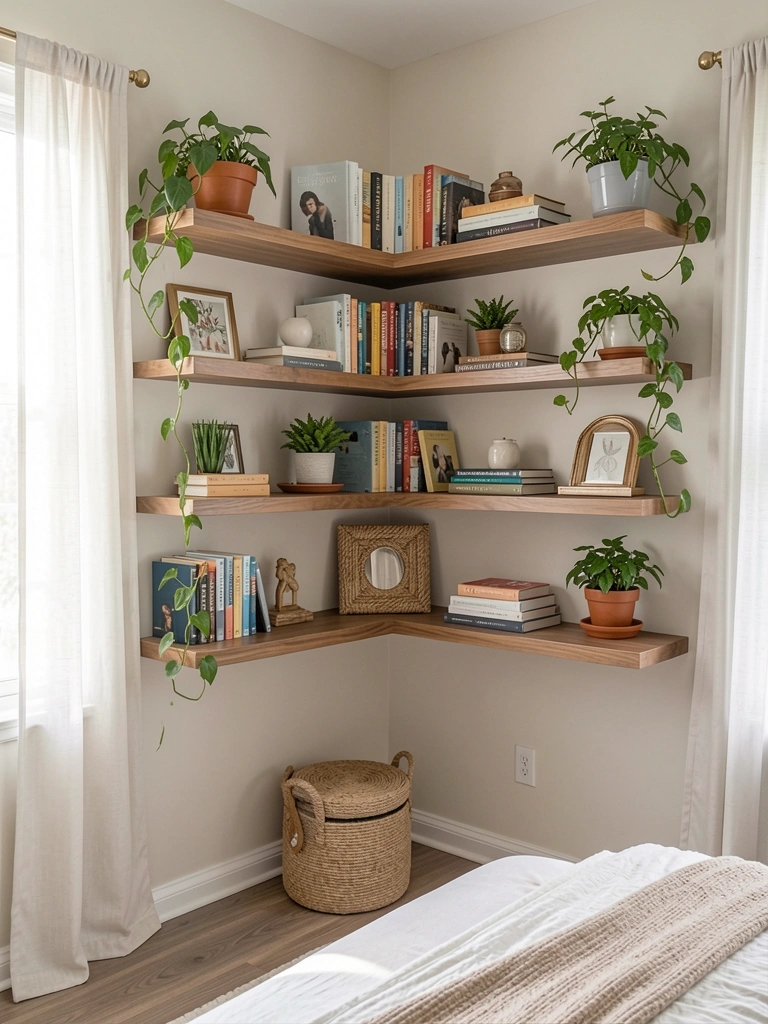
Corner shelves capture unused wall space and create display areas that draw the eye upward and make the room feel more spacious.
Install floating corner shelves ($15-$40 per shelf from hardware stores or Amazon) in upper corners or low corners depending on what you want to display. Requires a drill and level—takes about 20 minutes per shelf. They’re perfect for books, plants, or rotating displays of artwork. Pair with small items to avoid visual clutter. This is a permanent solution but renter-friendly adhesive options exist ($20-$35 per shelf).
You gain usable space without eating floor area, and the room gains visual interest in areas that previously felt empty.
26. Add a Removable Wall Decal or Mural
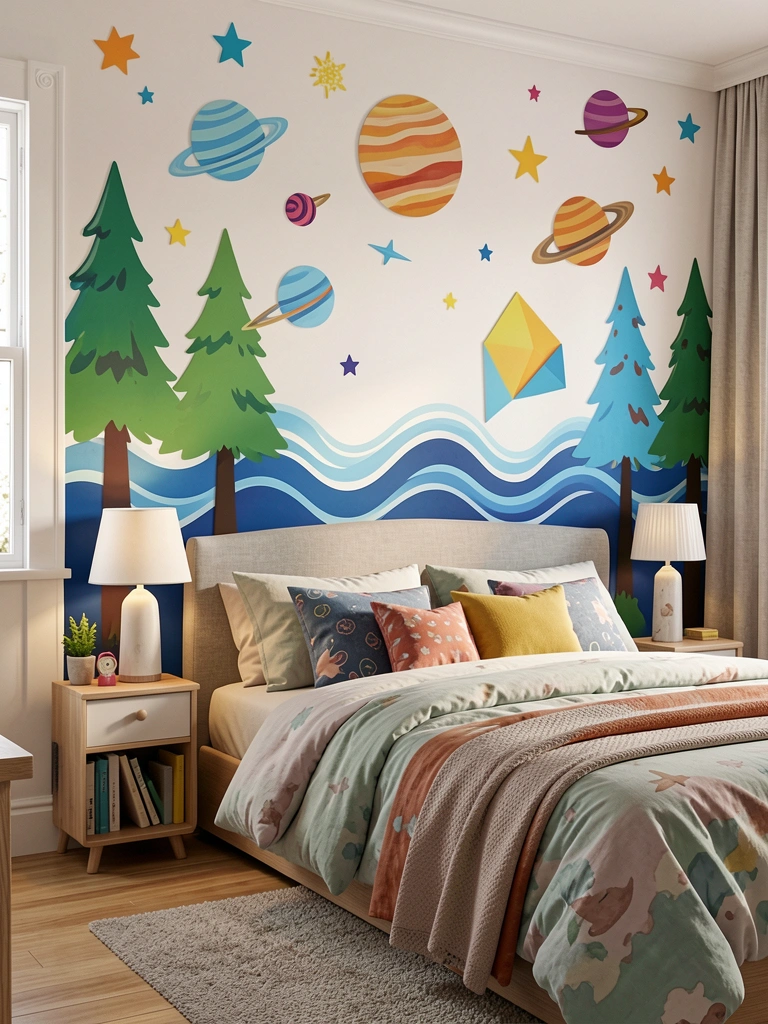
Removable wall decals add personality and visual interest while staying completely renter-friendly and changeable as your child’s taste evolves.
Search for wall decals on Amazon, Etsy, or Wayfair ($15-$50 depending on size and complexity). Choose designs that match your room’s theme—nature, space, geometric, animals, etc. Application takes 20-30 minutes and requires a smooth wall surface. These last 5+ years and peel off cleanly. Update them whenever your child wants a change—unlike permanent wall art, you’re not locked in.
The walls gain dimension and personality, and your child can change it whenever they’re ready for something new.
27. Create a Homework/Project Station with Supply Organization
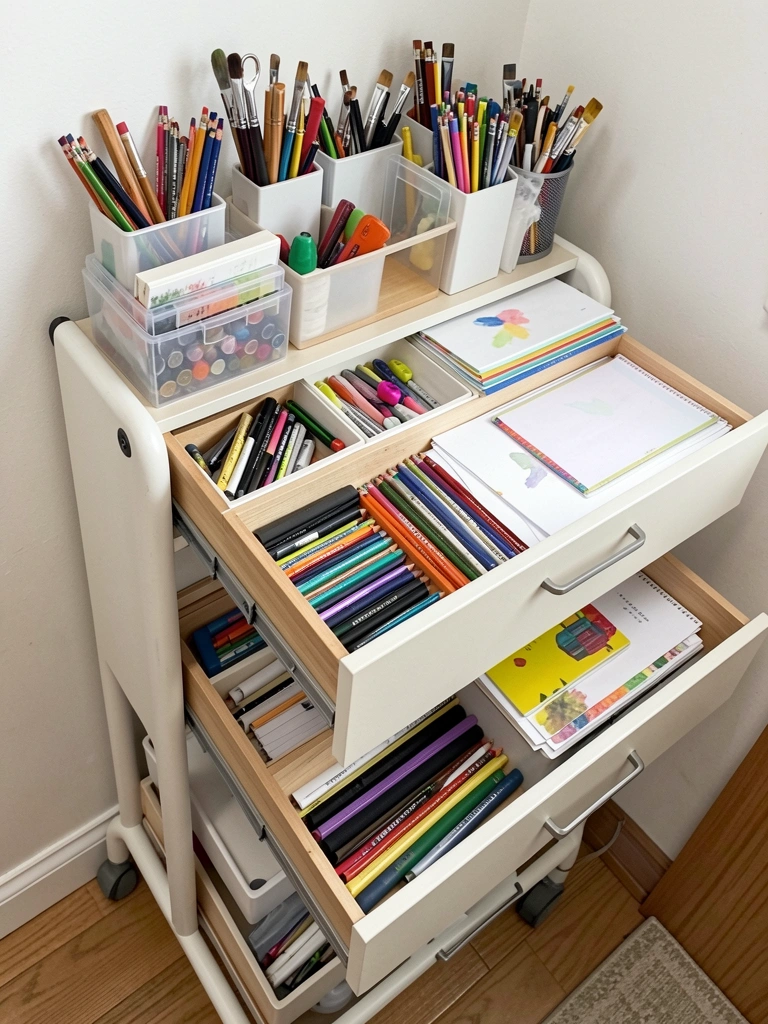
A well-organized supply station encourages creativity and homework completion by making materials easy to find and put away.
Set up a small cart with drawers ($30-$60 from IKEA or Target) or use a rolling cabinet with compartments. Stock with basics: pencils, erasers, scissors, glue, markers, notepads, rulers, tape. Use drawer dividers ($5-$10) and clear containers ($2-$5 each) so your child can see what’s available. Label everything. Keep it stocked and teach your child to tidy after each use. This costs $50-$80 total and takes 30 minutes to set up.
You’ll notice homework gets done faster when supplies are right there, and projects happen more frequently because the friction of finding materials disappears.
28. Layer Blankets for Seasonal Comfort and Design
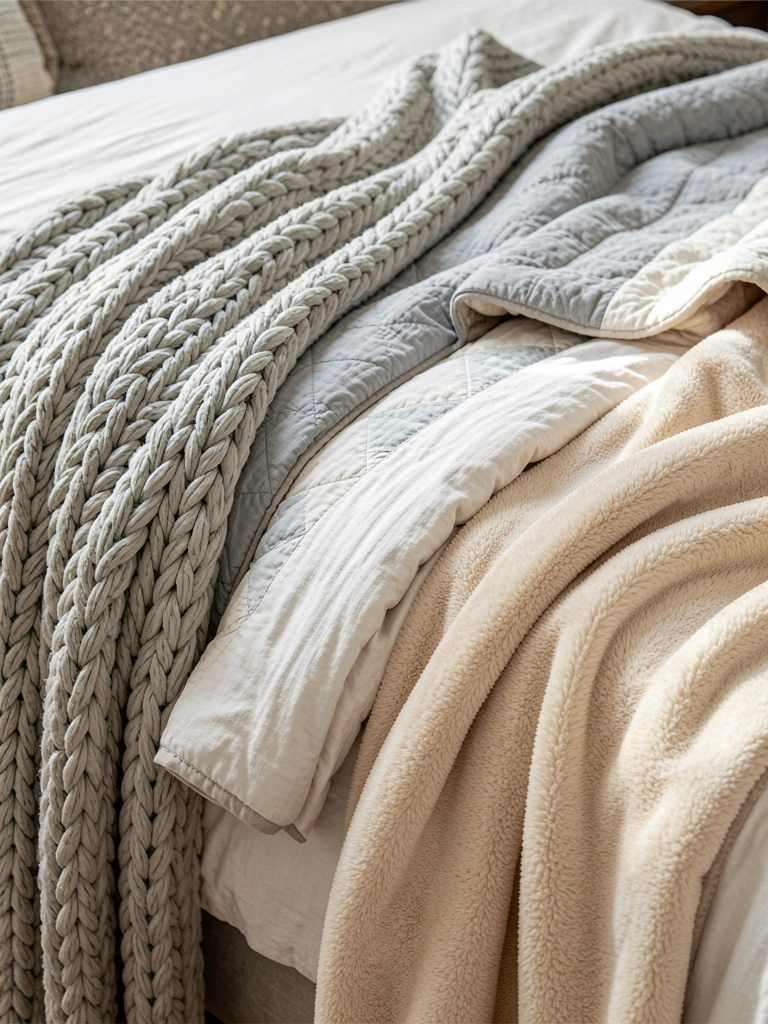
Rotating blankets by season keeps the room looking fresh, gives your child cozy options year-round, and lets you refresh the design without major changes.
Invest in 2-3 quality blankets in different weights ($20-$50 each from Target, IKEA, Wayfair, or thrift stores). A chunky knit, a lightweight linen throw, and a fleece blanket cover all seasons. Store off-season blankets in a closet bin ($5-$15). Swap them out with the seasons—it takes five minutes and transforms the room’s visual feel. Kids enjoy having “new” options without you buying anything expensive.
The room feels intentionally designed for each season, and your child enjoys the tactile variety without requiring budget investment each quarter.
SOFT CTA:
Save this post and pick just one idea to tackle this weekend—we recommend starting with something quick like string lights or a vision board. Your child’s space doesn’t need a complete overhaul; small, thoughtful changes add up fast and make their room feel uniquely theirs. Share this with any friend redesigning a kid’s bedroom!
Leave a Reply