Introduction
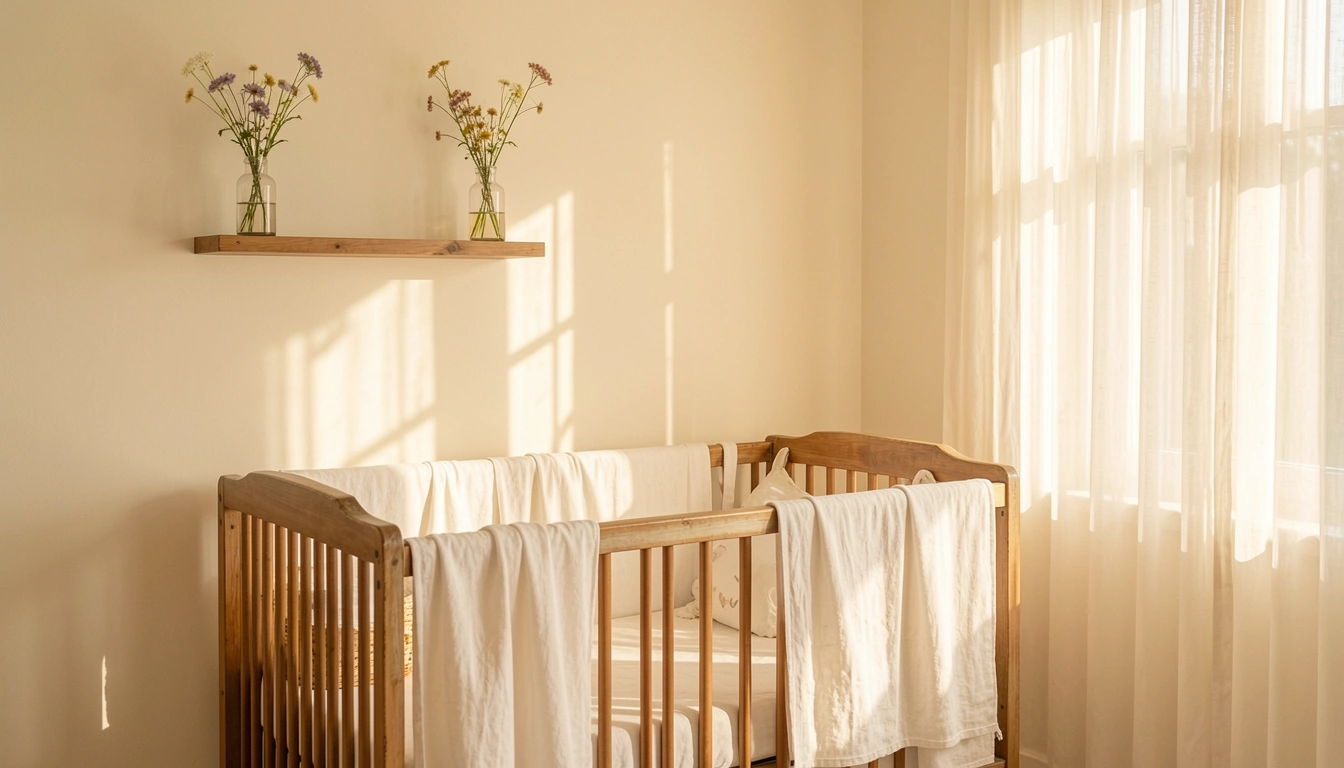
Creating a cottage core nursery means filling your little one’s room with warmth, whimsy, and the kind of cozy charm that makes you want to linger in the space. It’s about mixing vintage finds with soft textures, natural materials, and just enough playful detail to spark imagination—without going overboard or breaking the bank. If you’re drawn to pastoral prints, hand-me-down furniture, and rooms that feel like they belong in a storybook, you’re in the right place. This guide covers 25 achievable ideas that range from free styling tweaks to thoughtful investment pieces, all designed to help you build a nursery that feels both timeless and deeply personal. Whether you’re starting from scratch or refreshing an existing space, you’ll find concrete solutions that work for renters and homeowners alike.
1. Layer Soft Textures on the Changing Table
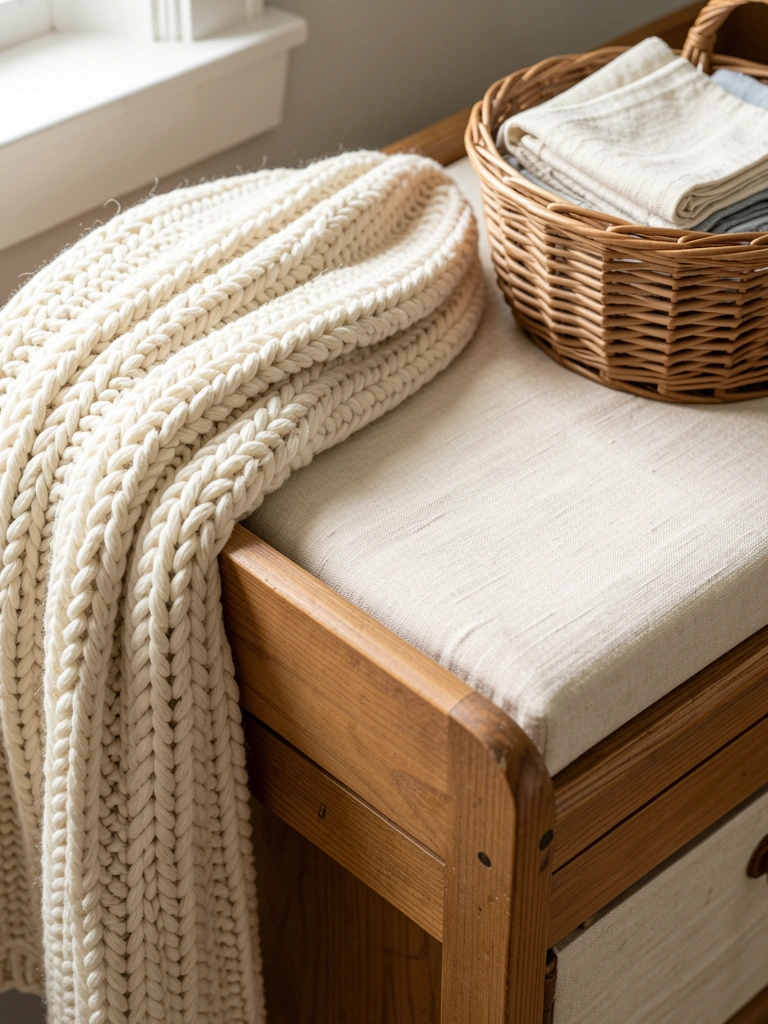
A changing table doesn’t have to feel clinical—layering different fabrics makes it cozier and more inviting for both you and baby. Start with a quality changing pad, then add a chunky knit throw or quilted blanket draped casually over one edge, and tuck a wicker basket of soft cloths and wipes underneath for easy access.
You can source a vintage wooden changing table from Facebook Marketplace or estate sales for $40–$120, or repurpose a sturdy dresser with a changing pad on top (under $30 for the pad alone). The throws and blankets can be thrifted or found at Target and West Elm for $25–$80. This setup takes about 10 minutes to arrange once everything’s in place.
The real benefit? Your changing station becomes a calming focal point that invites you to slow down during diaper changes instead of rushing through them.
2. Use Vintage Botanical Prints as Wall Art
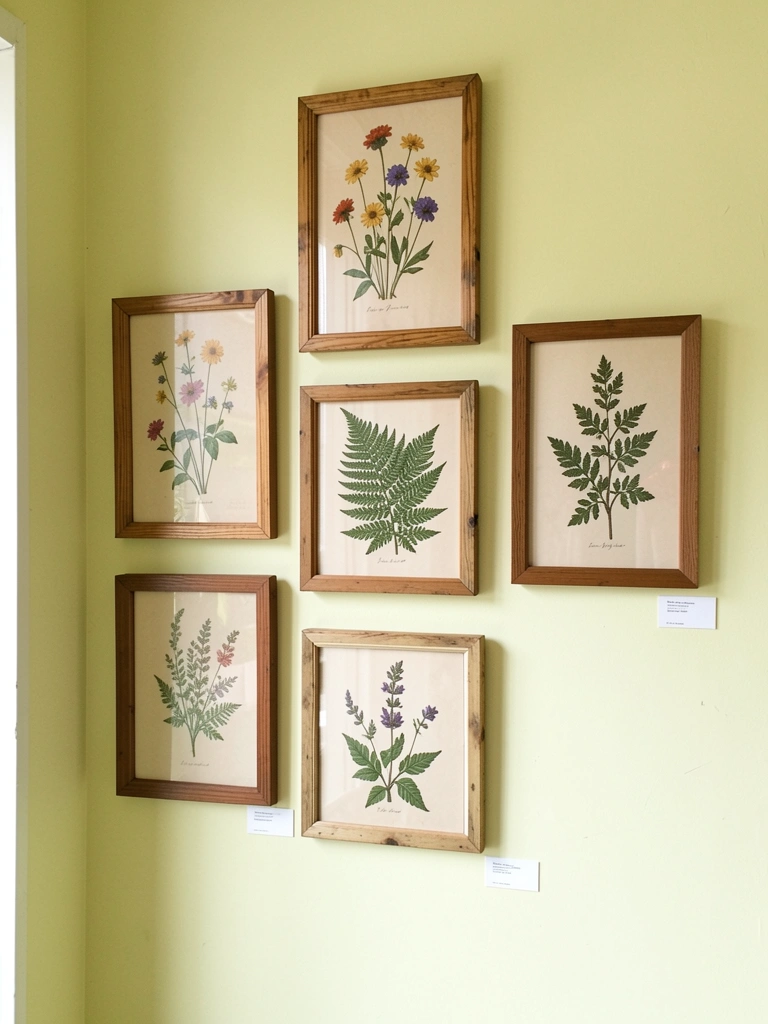
Botanical prints capture the cottage core spirit perfectly and give your walls a thoughtful, collected-over-time feel. Mix and match frame styles (wood, painted metal, natural wicker) and sizes to create an eclectic gallery that tells a story rather than looking too polished.
Hunt for original prints on Etsy ($15–$50 each) or print high-quality reproductions from sites like Minted or Rifle Paper Co. ($8–$25 per print). Frames from IKEA, thrift stores, or antique shops run $5–$30 each. Renter tip: use removable picture-hanging strips so you can take the gallery with you. Arranging takes about an hour but feels like decorating magic once it’s done.
This approach teaches your child about plants and nature from day one while creating a room that grows with them—the art works just as well for a toddler’s room or an older kid’s bedroom later.
3. Choose a Wooden Crib Instead of White Metal
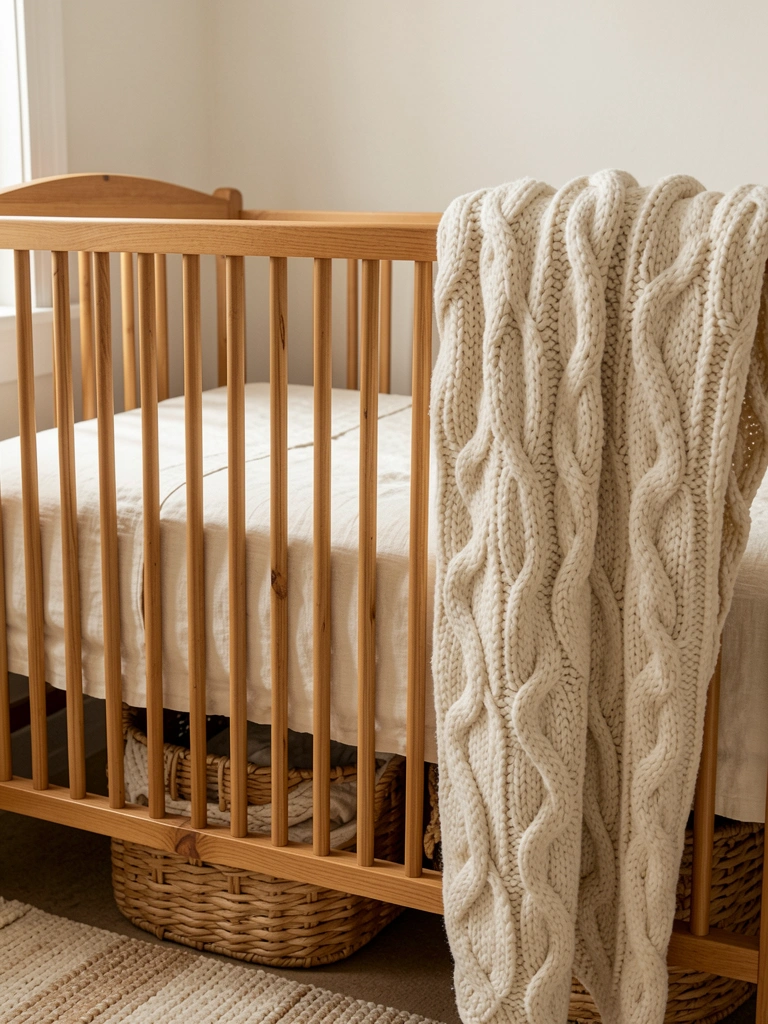
A wooden crib immediately sets a cottage tone and feels warmer than industrial metal frames. Look for simple spindle designs in natural or warm finishes that complement your existing furniture and create visual cohesion in the room.
Budget-friendly options exist at stores like IKEA ($150–$300) or Wayfair ($200–$500). Higher-end pieces from brands like Restoration Hardware or specialty nursery shops run $600+, but vintage wooden cribs from estate sales or Facebook Marketplace offer character for $80–$250. Check safety certifications before buying used.
Once your baby graduates to a toddler bed, many wooden cribs convert or can be repurposed as a plant stand or decorative piece in another room—making it a piece you’ll treasure long after the nursery phase ends.
4. Add Wavy Glass Shelving for Styling
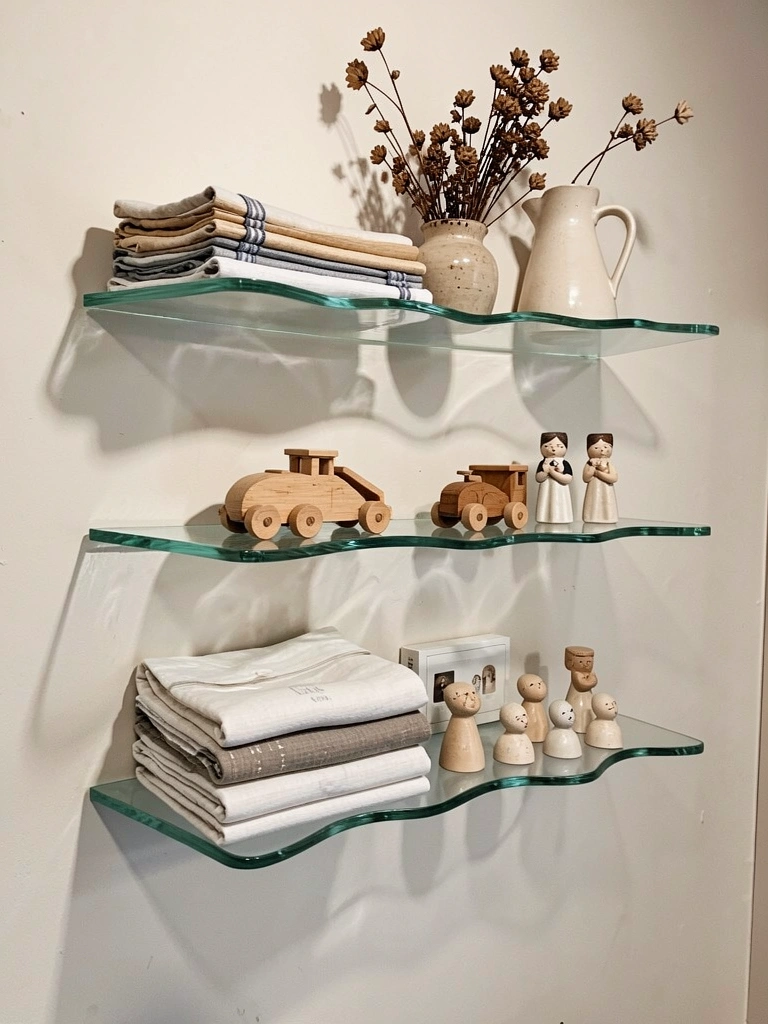
Wavy or curved glass shelves add playful movement to your walls and give you space to display (and rotate) small cottage core treasures without taking up floor space. The wavy edges feel more organic and less severe than straight shelving.
Shelves with wavy edges run $20–$50 each from Urban Outfitters, Etsy, or Amazon. Installation takes about 20 minutes if you’re comfortable with a drill; otherwise budget $50–$100 for a handyperson. Use them to display folded linen, small ceramic pieces, dried flowers, or wooden toys that match your palette.
The beauty here is flexibility—you can refresh the shelves seasonally or as your child grows, keeping the room feeling fresh without major redecoration work.
5. Hang Gauzy Curtains for Softness and Light Control
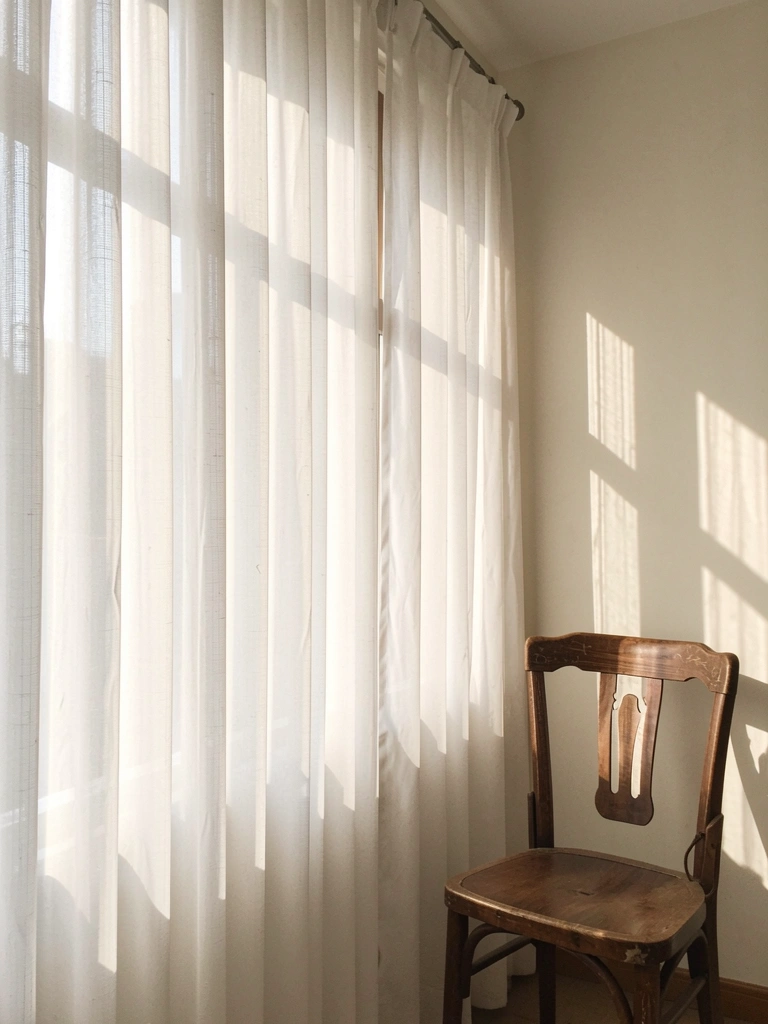
Gauzy, semi-sheer curtains create that quintessential cottage core bedroom feeling while still allowing light to filter through during the day. Layer them with blackout curtains on a second rod for nap time and nighttime sleep.
Affordable gauze options are available at IKEA ($15–$30 per panel), Target ($20–$40), or Etsy ($30–$60). Blackout curtains run $25–$50 per panel. If your windows don’t have existing rods, a simple wooden or metal rod costs $15–$40. Hanging curtains takes about 30 minutes and no special tools—just a level and a power drill.
Your nursery transforms instantly with the right lighting, and gauzy layers give you both beauty and function without looking overly designed or trendy.
6. Display Vintage Children’s Books on Open Shelving
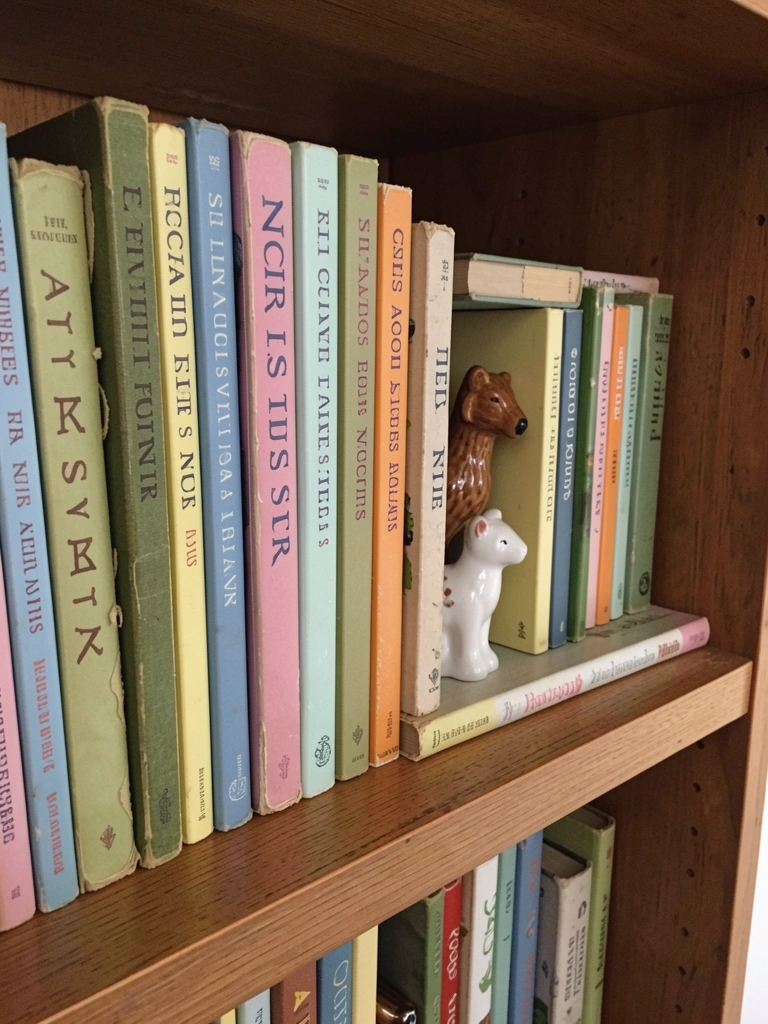
Cottage core spaces celebrate storytelling and nostalgia, so fill your shelves with a mix of vintage and new children’s books that become both décor and reading material. Hunt for editions with beautiful illustrated covers that double as wall art.
Thrift stores and library sales offer books for $1–$3 each. Invest in a few special editions from Etsy or independent bookstores ($15–$40) to mix with your budget finds. Open wooden shelving units run $30–$150 depending on size and source. Arranging books artfully takes about an hour but creates an heirloom-quality focal point.
Your child grows up surrounded by stories and illustration, and visitors immediately sense the thoughtfulness of the space—not to mention you’ve built a library you’ll actually use and love.
7. Incorporate a Rocking Chair with a Quilted Cushion
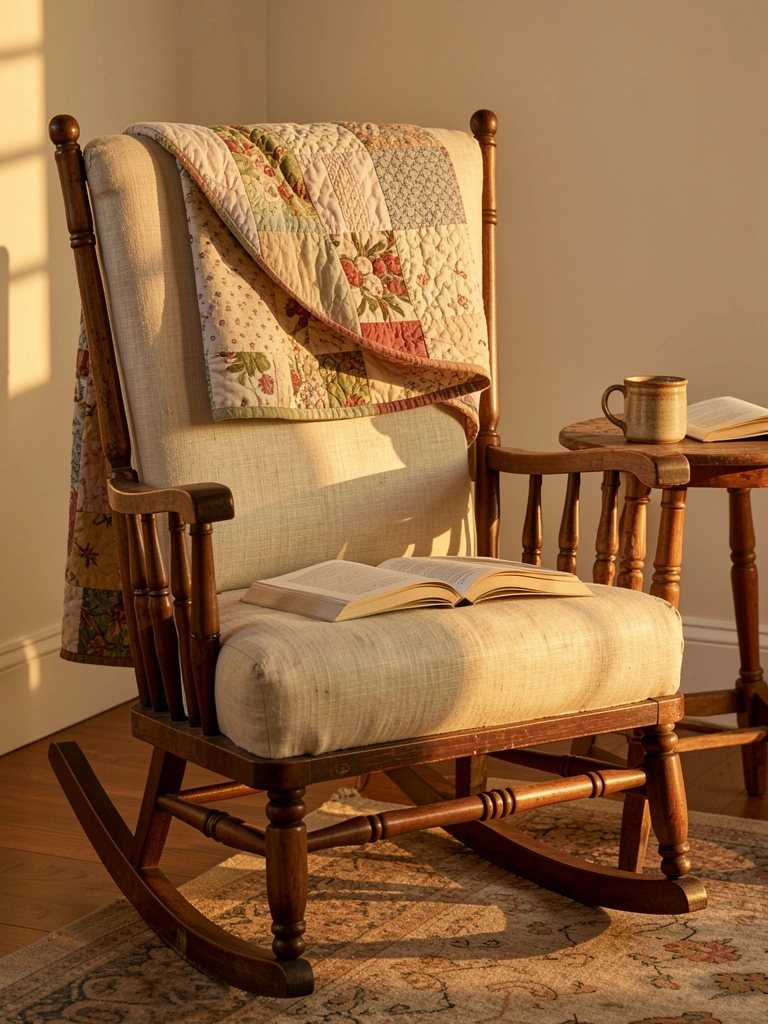
A rocking chair becomes your anchor for nighttime routines and daytime cuddles. Choose wood tones that match your crib and other furniture, and add a quilted or patchwork cushion for that handmade cottage feel.
Vintage rocking chairs from estate sales or thrift stores run $30–$100; new solid wood options at Wayfair or West Elm cost $150–$400. Custom cushions are pricey ($60–$150), but you can buy or make a quilted throw blanket ($25–$80) to drape instead. Setting up your chair takes 10 minutes and instantly makes night wakings feel more peaceful.
This one piece transforms your mindset during late-night feedings—you’re no longer just managing a task; you’re settling into a ritual that feels intentional and grounded.
8. Create a Woven Wall Hanging as a Focal Point
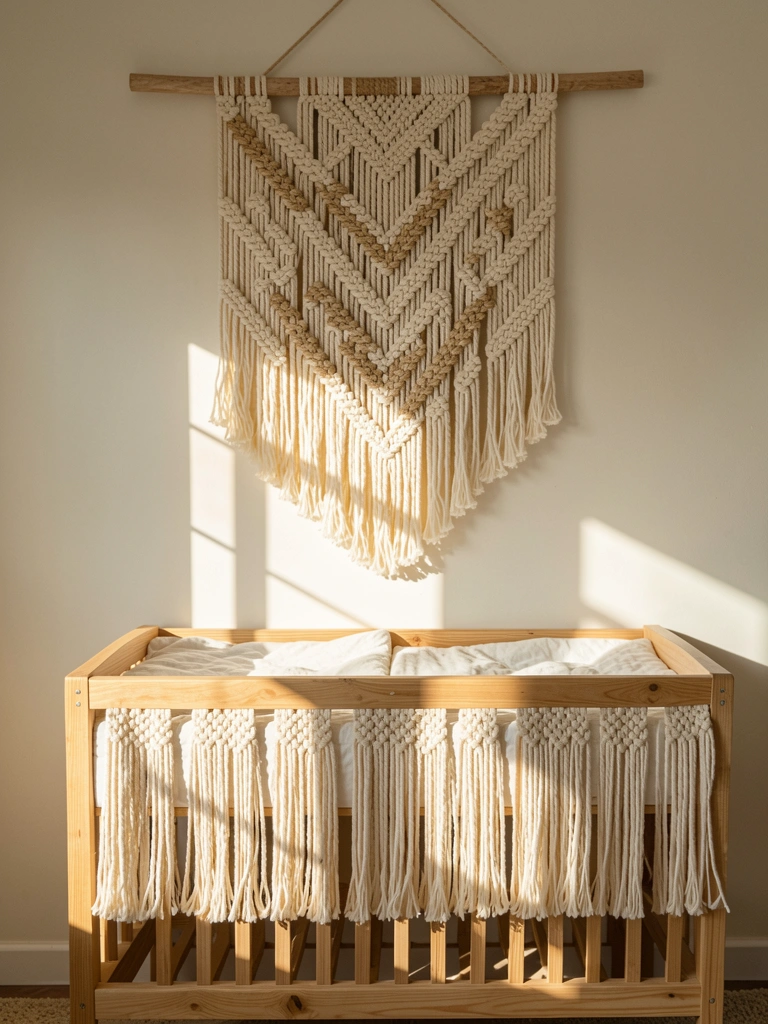
A statement wall hanging adds handcrafted charm and creates a focal point that draws the eye without being too busy or overstimulating for baby. Choose natural fiber pieces in cream, ivory, or soft greens that echo the cottage core palette.
Etsy offers stunning woven hangings for $40–$120; HomeGoods and Urban Outfitters carry mid-range options for $35–$80. If you have weaving skills or want to try macramé, DIY kits cost $15–$40 and take a weekend to complete. Hanging takes 15 minutes with a nail and level.
This textile becomes a conversation piece and a touchstone in the room—something you’ll photograph and remember as part of your baby’s earliest memories.
9. Use Linen Bedding in Cream or Soft Sage

High-quality linen breathes beautifully, ages gracefully, and feels authentically cottage core. Cream, ivory, or soft sage greens work best and coordinate with almost any secondary color you choose for the room.
Target and West Elm offer quality linen sheets for $50–$120 per set. Splurge-worthy options from Parachute or Etsy reach $150–$200, but they last for years through multiple kids. Budget options at IKEA run $25–$40. Quality linen actually improves with washing, so this is money well spent.
The texture of real linen teaches your child to appreciate natural materials from day one, and the neutral color palette means you can easily swap accent pieces to refresh the room without replacing everything.
10. Paint an Accent Wall in Soft Sage or Dusty Yellow
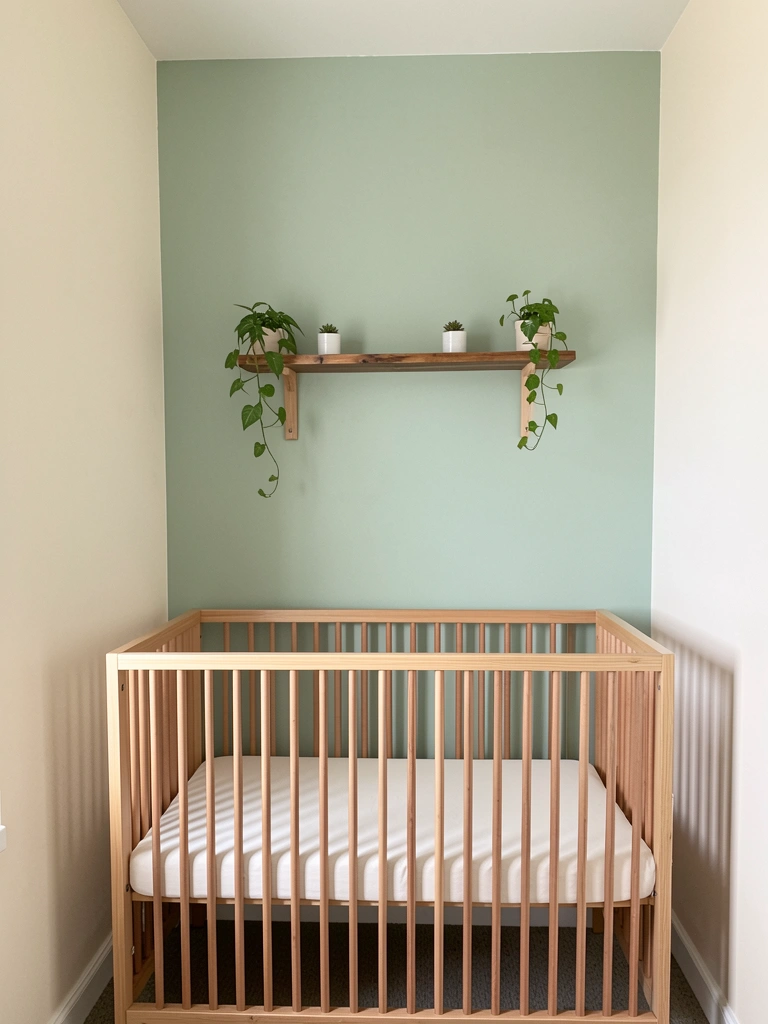
A single accent wall in a soft, muted tone adds color and personality without overwhelming the space. Pale sage, dusty yellow, or soft blush all work beautifully for cottage core rooms and won’t overstimulate a sleeping baby.
Paint costs $30–$50 per gallon; you’ll likely need one gallon for a nursery. If you’re renting, peel-and-stick wallpaper in similar tones ($25–$60 per roll) offers a no-commitment alternative. Professional painting runs $150–$400, but DIY application takes a Saturday afternoon if you’re comfortable with a roller and tape.
One accent wall changes the entire room’s energy and creates a natural backdrop for photography and memories—plus, you’ve limited your commitment to just one wall if you want to pivot the design later.
11. Layer Different Rug Textures for Softness
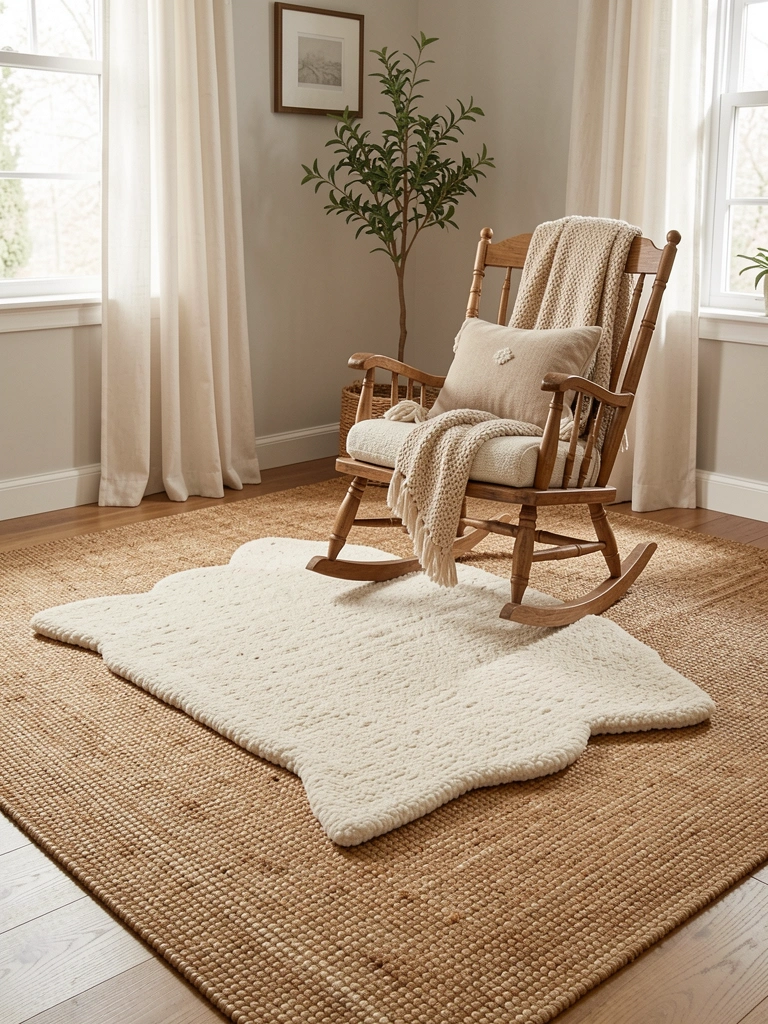
Layering rugs adds depth, defines different zones in the nursery, and creates a wonderfully tactile space. Combine natural fiber base layers (jute or sisal) with softer wool or cotton rugs on top for comfort and visual interest.
A jute rug runs $30–$80 for a 5×7 size; wool rugs cost $60–$150. Mix high and low—thrift a vintage rug for $15–$40 and pair it with an affordable new rug from Wayfair or Target. Layering takes 10 minutes and costs nothing beyond the rugs themselves.
Walking barefoot in this cozy layering becomes a small daily pleasure, and the softness underfoot makes tummy time more inviting for your baby.
12. Install Floating Shelves at Different Heights
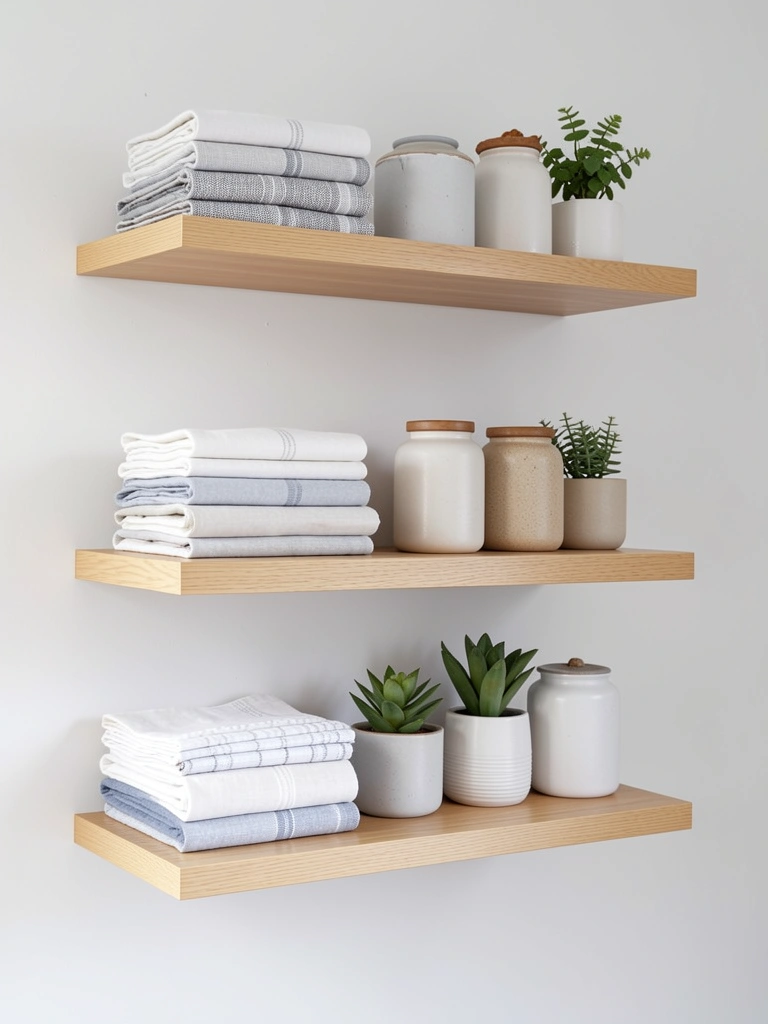
Floating shelves (without visible brackets) create a streamlined look while giving you practical storage and display space. Vary the heights and depths to keep things visually interesting without fussy styling.
Wooden floating shelves from IKEA run $20–$40 each; nicer options from West Elm or Etsy cost $50–$150. Installation takes about 30 minutes per shelf if you’re comfortable with a drill and stud finder; hire help for $50–$100 if needed. Renter tip: look for command-brand adhesive shelves ($15–$30) that come off cleanly.
This smart storage keeps necessities accessible while keeping the floor clear and the room feeling open—essential in smaller nurseries where floor space is at a premium.
13. Add Dried Flowers and Greenery in Glass Vases
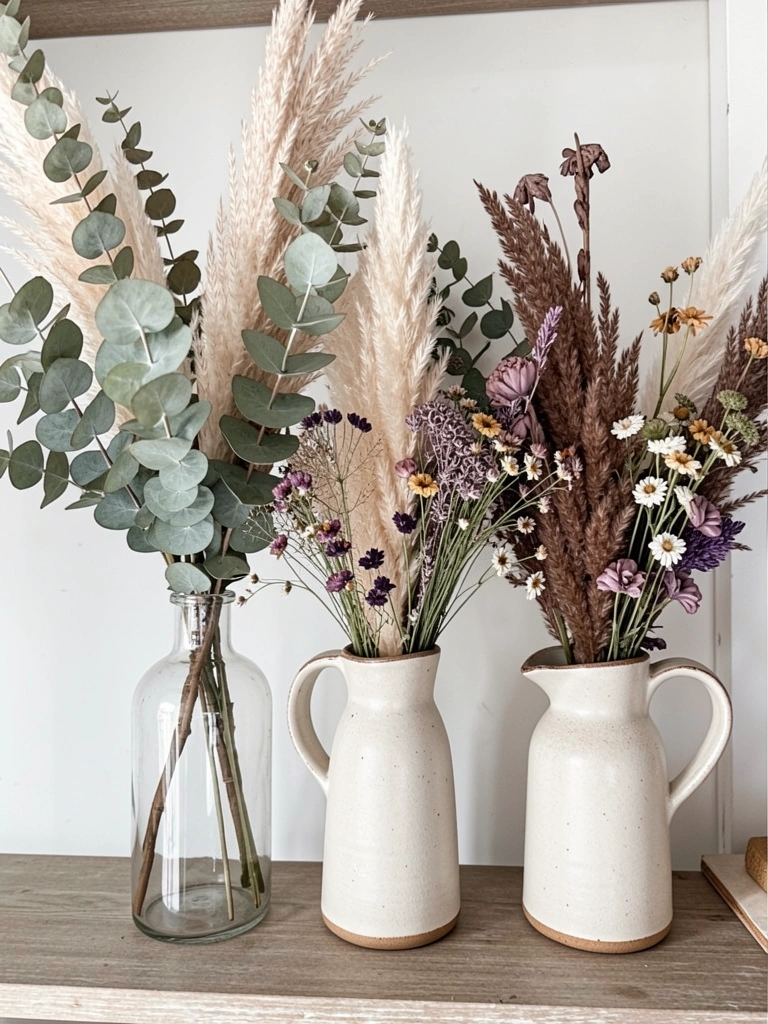
Dried botanicals bring life to your space without requiring care, and they capture the cottage core essence perfectly. Vary your vessel types—glass bottles, ceramic pitchers, even vintage milk bottles—for collected charm.
Dried flowers cost $5–$15 per bunch at farmers markets or Whole Foods; online options run $8–$20 per bundle. Vases from thrift stores run $2–$10 each; splurge on one or two special ceramic pieces for $15–$40. Arranging takes 20 minutes and requires zero maintenance.
These arrangements become a peaceful focal point that teaches your child to appreciate natural beauty, and dried botanicals last for months without wilting or needing water.
14. Repurpose Vintage Wooden Boxes for Storage
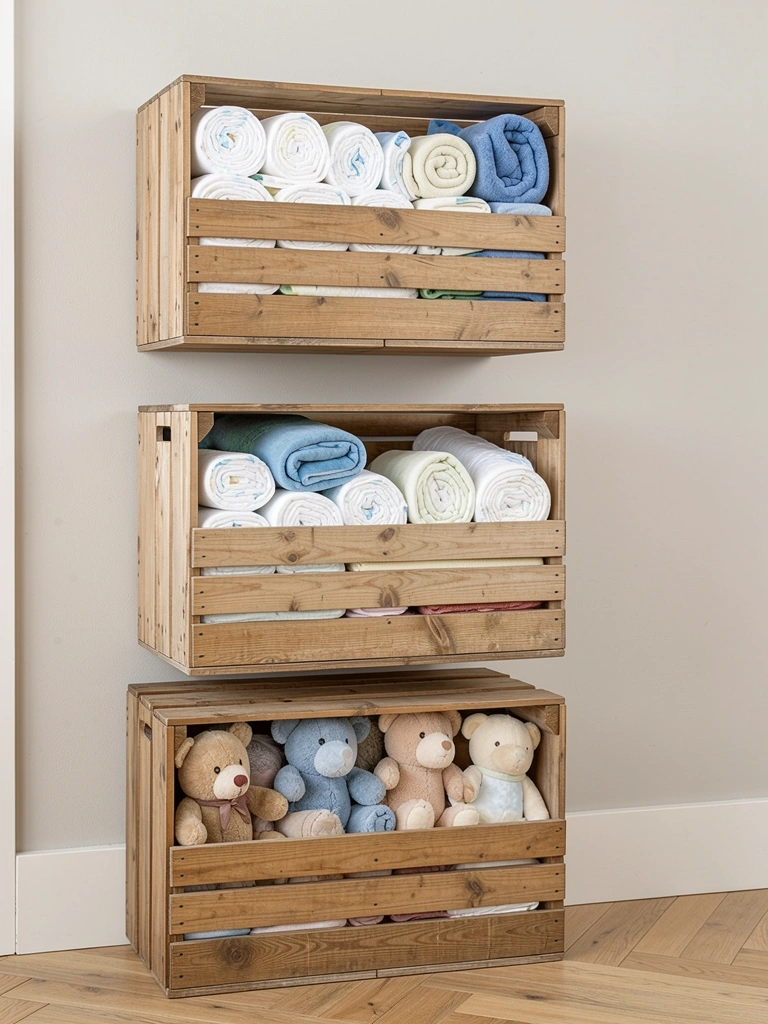
Vintage wooden boxes and crates provide beautiful, functional storage that looks intentional rather than cluttered. Stack them, mount them on walls, or group them on the floor to corral supplies while adding visual interest.
Wooden crates from hardware stores or Etsy cost $10–$30 each. Estate sales and thrift stores often have vintage wooden boxes for $3–$15. You can leave them natural, paint them in soft colors ($5–$15 for paint), or stain them to match your crib ($8–$20). No installation needed if you’re stacking them; wall mounting takes about 30 minutes.
This approach kills two birds with one stone—you get practical storage and decorative pieces that earn their space in your room’s design.
15. Hand-Embroider or Commission a Custom Birth Announcement
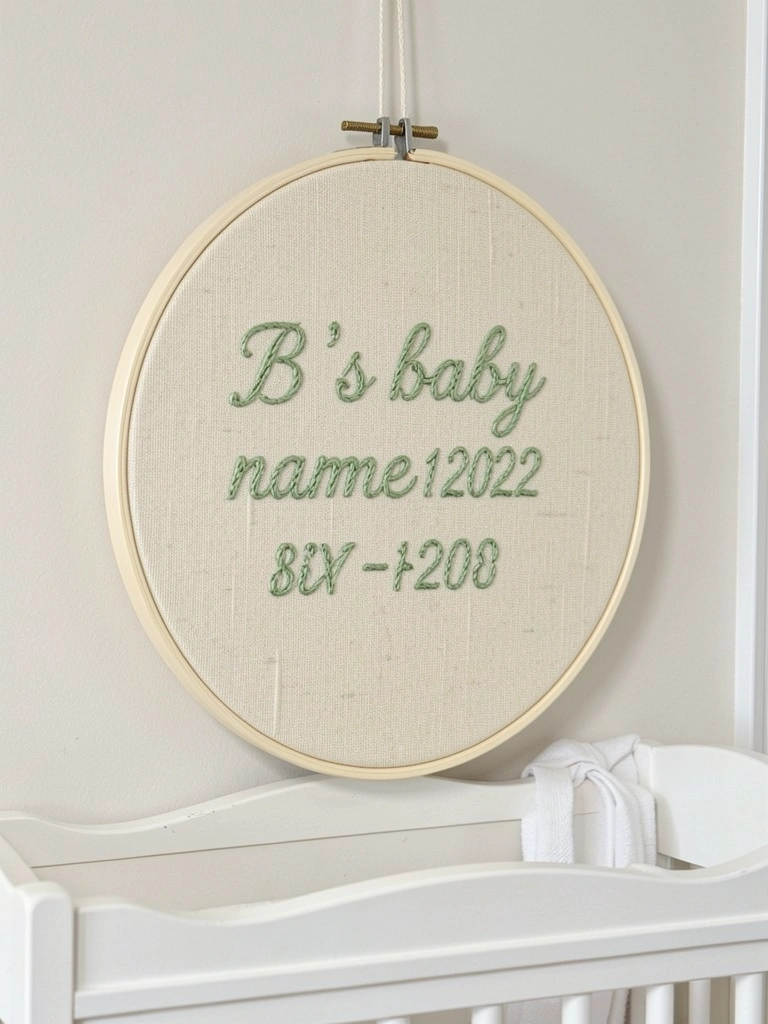
A personalized embroidered hoop becomes an heirloom keepsake and adds handcrafted soul to your nursery. Commission an artist on Etsy or learn embroidery yourself for a meditative project during pregnancy or the fourth trimester.
Commissioned embroidered hoops cost $40–$80 from Etsy artists. DIY embroidery kits and thread run $15–$30, and a hoop costs $5–$10. If you’re new to embroidery, it takes about 5–10 hours over several sessions; if you hire it out, turnaround is typically 1–2 weeks.
This piece marks your child’s arrival in a permanent, tangible way and becomes something you’ll treasure as they grow and eventually pass down.
16. Stencil a Simple Pattern onto Wooden Furniture
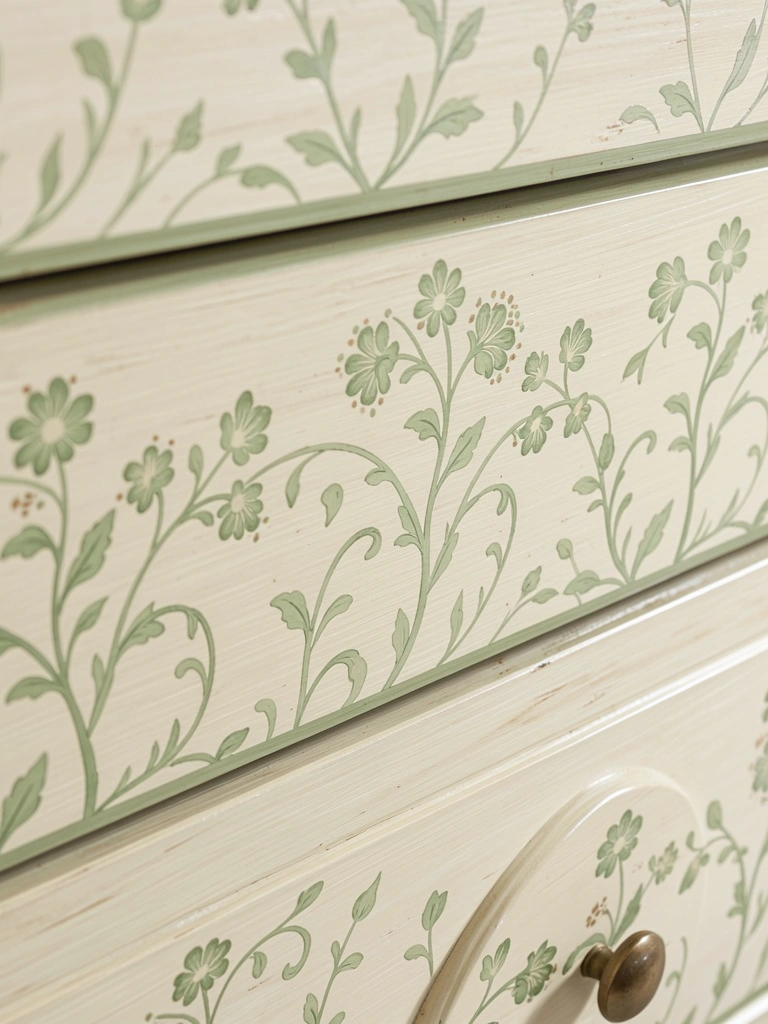
Stenciling a simple pattern onto a thrifted dresser or crib elevates it from basic to bespoke. Choose subtle designs—vines, wildflowers, or geometric patterns—in muted colors that complement your palette.
Stencils cost $5–$15 from craft stores; acrylic paint runs $3–$8 per color. A thrifted dresser to paint costs $20–$60. The project takes 2–4 hours depending on complexity and how many coats you apply. Practice on cardboard first if you’re new to stenciling.
Your painted piece becomes a conversation starter and shows your child that you put thought and care into their space—something they’ll notice and appreciate as they grow.
17. Hang a Fabric Canopy Over the Crib
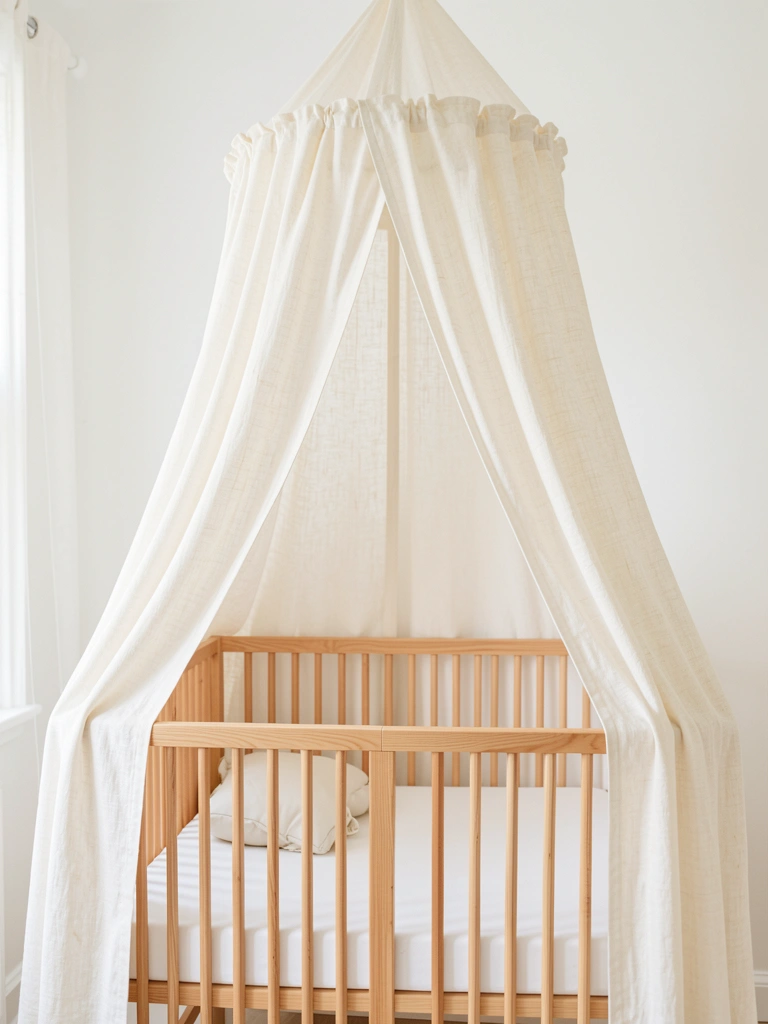
A fabric canopy transforms your crib into a cozy nest and adds instant whimsy without being fussy. Drape cream, ivory, or soft blush linen or cotton from the ceiling to frame the crib and create a sense of enclosure.
Sheer fabric by the yard costs $8–$15 at fabric stores; you’ll need about 2–3 yards. Canopy rods or rings run $15–$40 from hardware or craft stores. Installation takes 30 minutes to an hour and requires hooks in the ceiling or a tension rod system. Renter tip: use adhesive ceiling hooks ($10 for a set) that remove cleanly.
This simple addition becomes a visual anchor in the room and creates a peaceful, protected space for your baby to rest—psychologically powerful for both child and parent.
18. Decorate with Handmade Ceramic Pieces
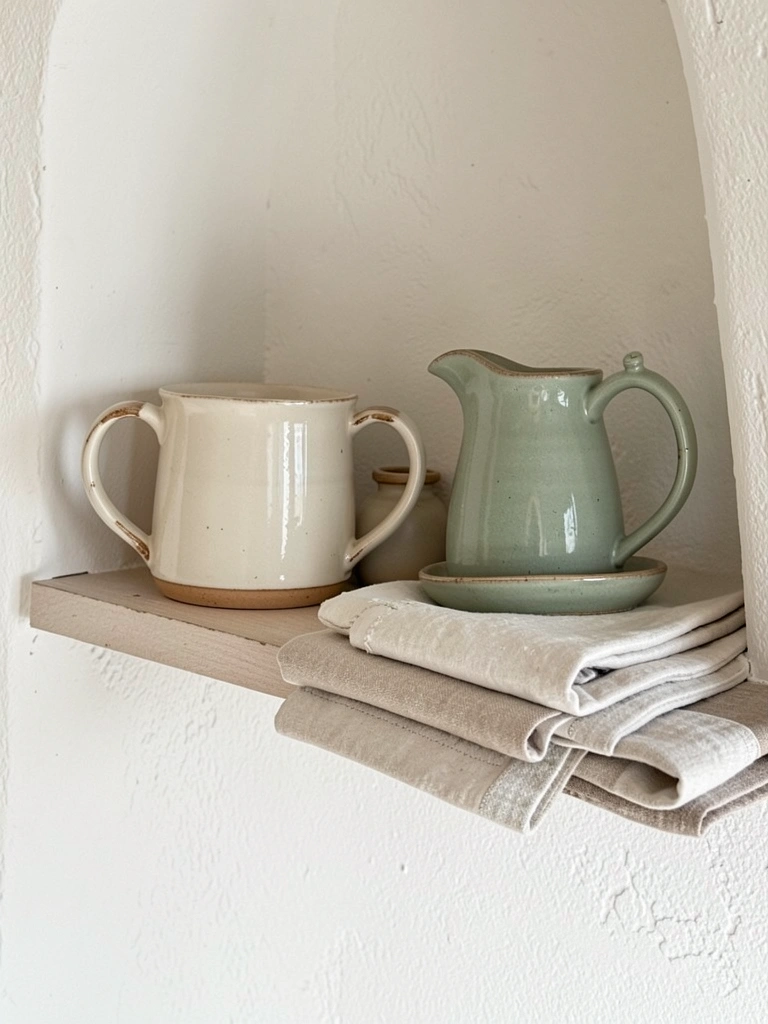
Display handmade ceramics from local artists or craft fairs on shelves and surfaces throughout the room. Each piece tells a story and adds authentic, unrepeatable charm that mass-produced décor can’t match.
Handmade ceramics at craft fairs or from local artists run $15–$50 per piece. Support small makers on Etsy, where prices range $20–$100 depending on complexity. Budget-friendly options exist at HomeGoods or target stores for $8–$25. No installation needed—just place them where they make you smile.
These pieces become part of your child’s sensory world and teach them to value handcrafted, imperfect beauty from the very beginning.
19. Build a Mobile from Natural Materials
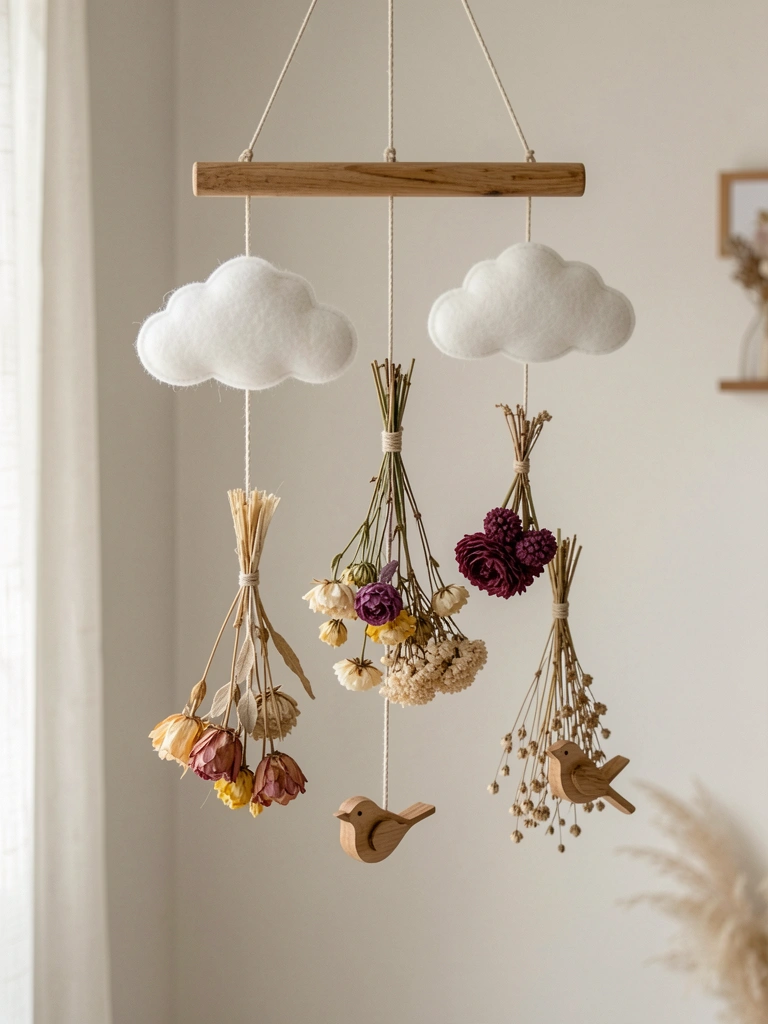
A mobile made from natural materials—wood, felt, dried flowers, and soft string—feels cohesive with cottage core aesthetics and engages your baby without overstimulation. Avoid bright plastics in favor of muted, natural tones.
DIY mobile kits cost $20–$40 on Etsy; ready-made options run $50–$150. If you’re crafty, you can make one with wood pieces ($10–$20), felt ($5–$10), and string ($3–$8) in about 2–3 hours. Hanging from the ceiling takes 15 minutes with an adhesive hook or ceiling bracket.
A handmade mobile becomes a conversation starter and a gentle, ever-moving focal point that calms both baby and caregivers during late-night hours.
20. Use Vintage Wooden Toy Baskets for Organization
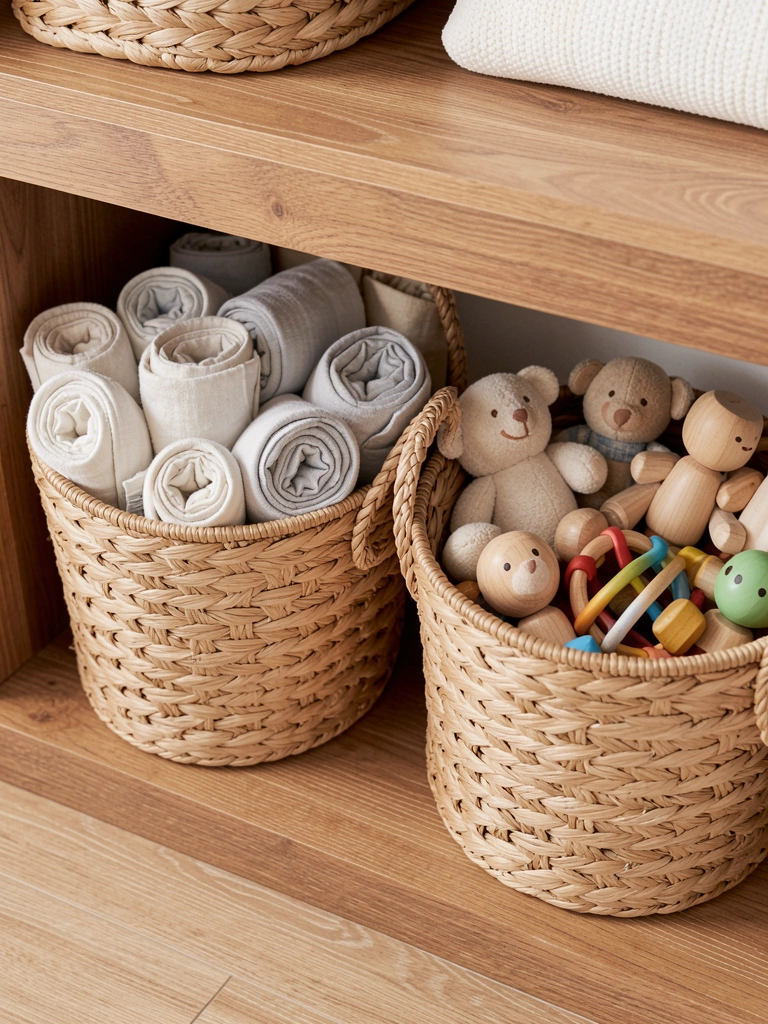
Woven baskets provide open storage that keeps essentials accessible while maintaining the room’s aesthetic. Vintage wooden baskets have more character than plastic storage and integrate seamlessly into your design.
Thrift store baskets cost $5–$15 each; Etsy artisan baskets run $25–$60. Target and IKEA offer quality woven options for $10–$30. Filling them with rolled linens and toys takes 15 minutes and requires no installation—just placement on shelves or the floor.
The ease of grabbing what you need without searching through drawers makes late-night changes and diaper emergencies feel less frantic, while visitors see an organized, beautiful space.
21. Apply Peel-and-Stick Wallpaper to One Wall
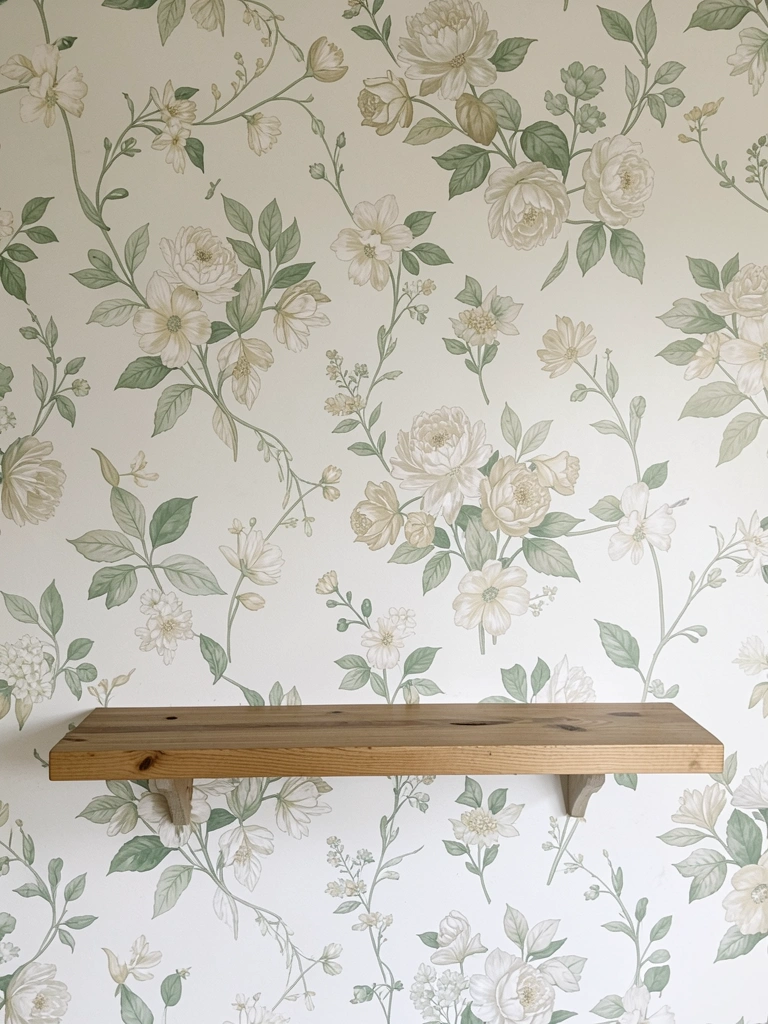
Peel-and-stick wallpaper lets renters and hesitant homeowners add pattern and texture without permanent commitment. Choose vintage florals, subtle botanicals, or gingham patterns in soft, muted palettes.
Quality peel-and-stick wallpaper runs $25–$60 per roll from Etsy, Spoonflower, or Amazon. One accent wall typically needs 2–3 rolls. Application takes 1–2 hours and requires only a squeegee and sharp knife. Removal leaves no damage when done carefully.
This update makes the biggest visual impact for minimal effort and cost, and you can swap it out seasonally or when you want a refresh without guilt or damage.
22. Frame and Display Handwritten Baby Milestone Cards
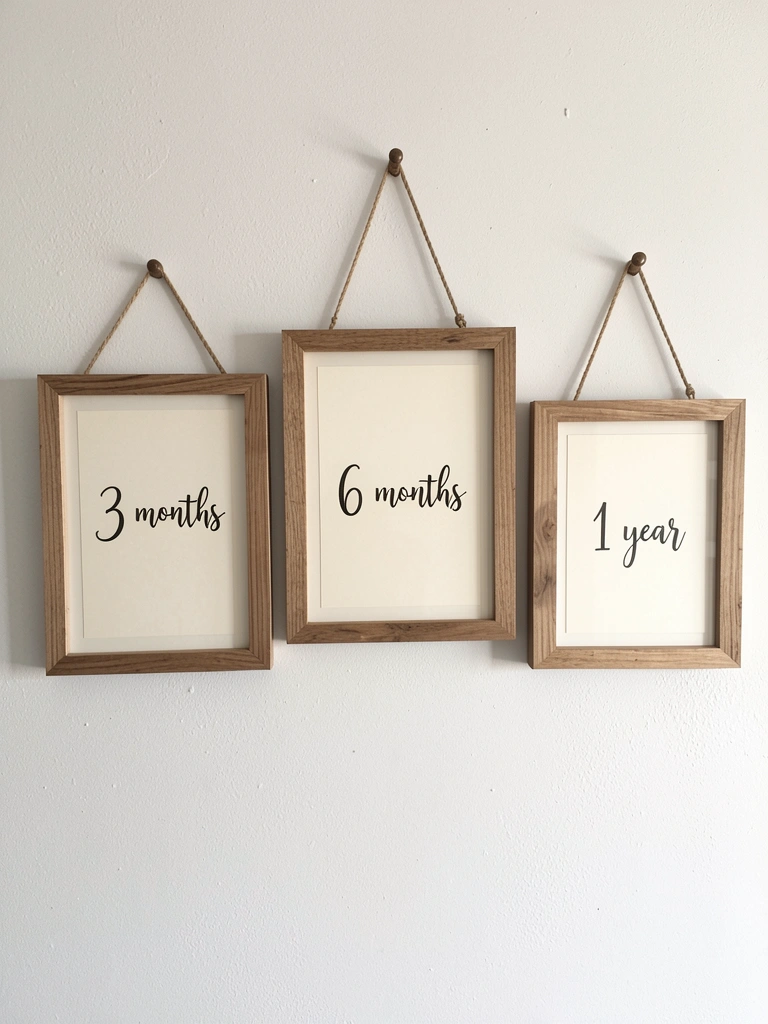
Frame handwritten milestone cards to document your baby’s growth in a cottage core way. DIY cards with calligraphy or simple handwriting feel more authentic and memorable than printed versions.
Blank cardstock costs $5–$10 for a pack; wooden frames from thrift stores or craft stores run $2–$10 each. If you want calligraphy, hire a local artist for $25–$50, or practice the lettering yourself (it’s easier than you think). Displaying takes 20 minutes and costs nearly nothing.
Over time, these cards become a visual record of your baby’s first year and transform your wall into a deeply personal family archive.
23. Install a Small Wooden Ladder Shelf for Blanket Display
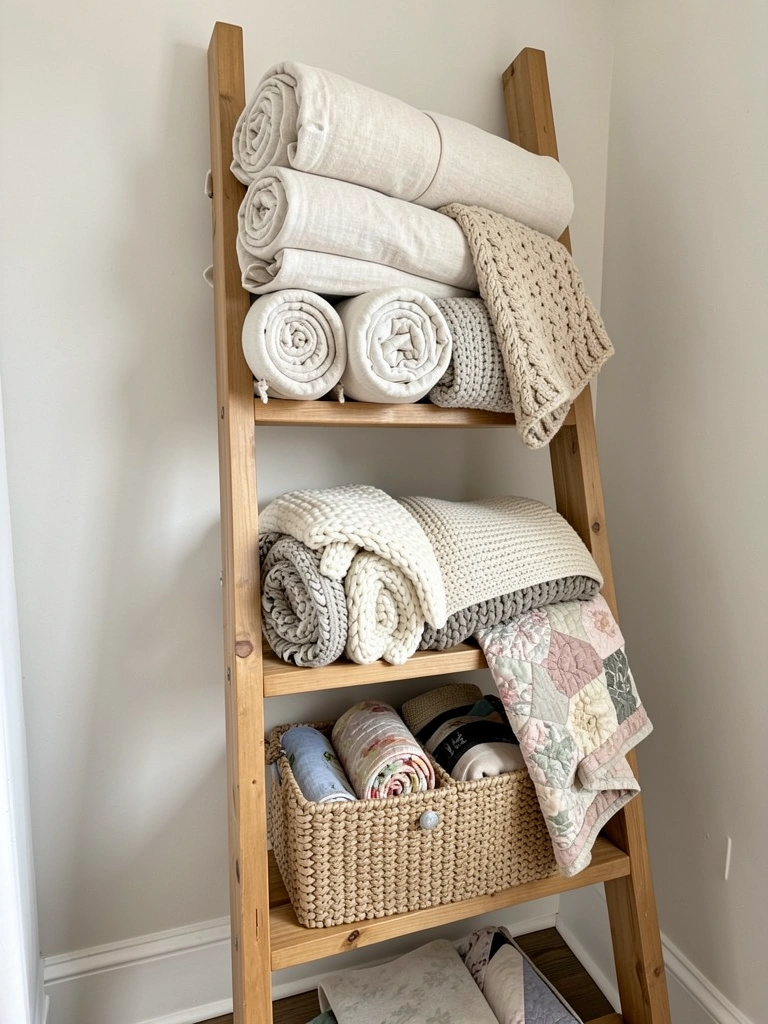
A wooden ladder shelf serves double duty as storage and display, showing off beautiful blankets and quilts while keeping them accessible for diaper changes and bedtime. The rustic aesthetic fits perfectly with cottage core design.
Wooden ladder shelves run $50–$150 from West Elm, Wayfair, or Target. Thrift store finds cost $15–$40. Blankets to drape range from $25–$100 depending on quality and source. Placement takes five minutes—just lean it against the wall.
This piece becomes a textural focal point and solves the practical problem of where to keep blankets while making them part of your décor rather than hidden in a closet.
24. Create a Vision Board with Fabric Scraps and Swatches
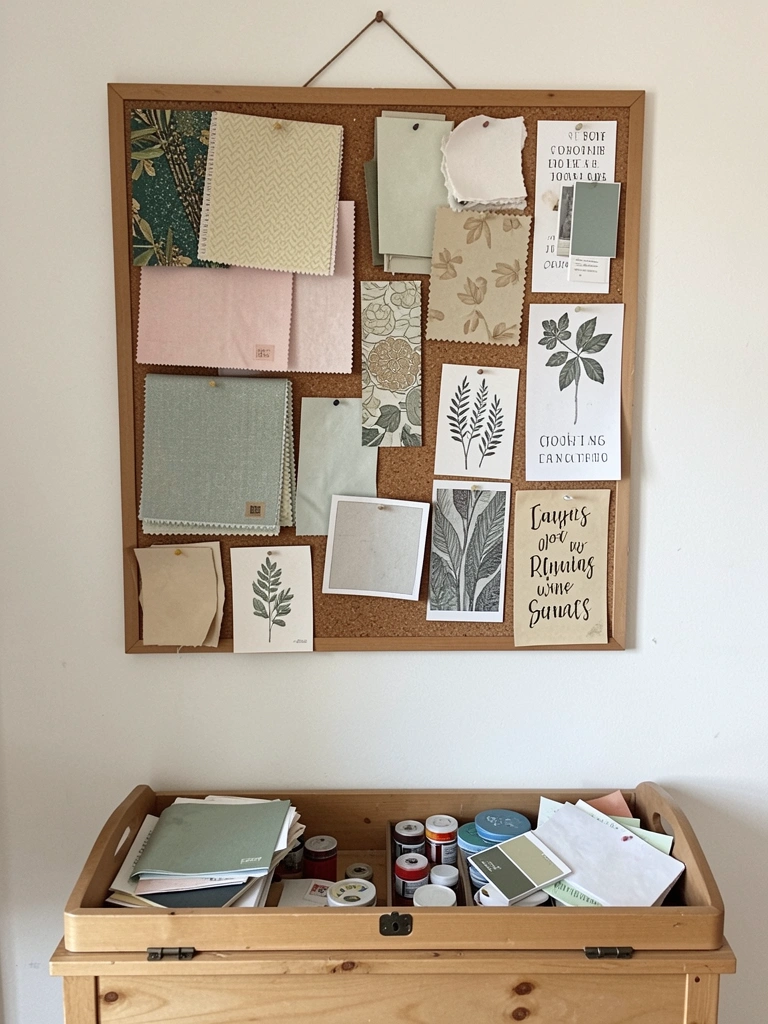
A small vision board lets you see how colors and patterns work together and gives you flexibility to adjust your vision as your child grows. Pin fabric swatches, paint samples, magazine cutouts, and inspirational quotes.
Cork board costs $10–$20; pushpins run $3–$8. Fabric swatches are free or cheap from fabric stores; paint samples from hardware stores are free. Assembling takes 30 minutes and gives you an evolving, personalized piece that represents your design journey.
This tactile, visible inspiration keeps your design cohesive and reminds you why you chose each piece—helpful when second-guessing design decisions at 3 a.m.
25. Sew or Commission a Patchwork Crib Quilt
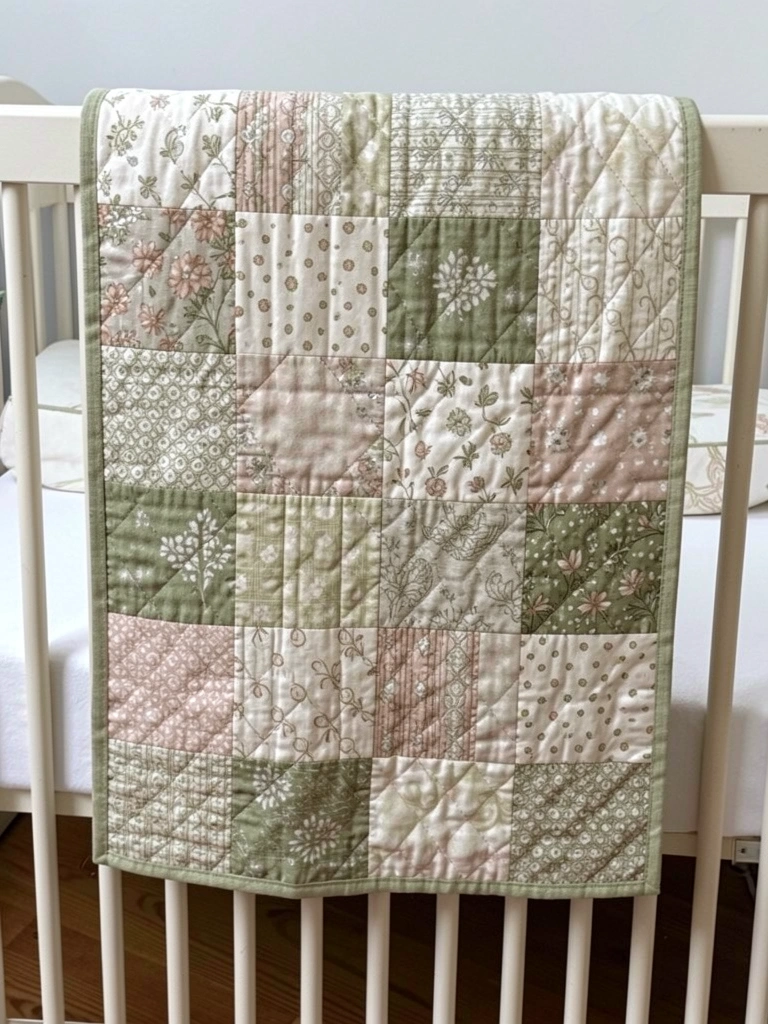
A patchwork quilt becomes an heirloom that your child can pass to their own kids. Commission from an Etsy artist or make it yourself during pregnancy as a meditative project—each square tells a story.
Commissioned quilts from artisans cost $150–$400 depending on size and complexity. DIY kits run $30–$60, and fabric scraps from thrift stores cost $10–$20. Making it takes 20–40 hours over several weeks. Professional machine quilting adds $50–$150 if you want that finish.
This piece evolves from nursery décor to a tangible connection to your love and care—something your child will treasure as a physical reminder of their earliest days.
26. Add a Small Side Table for Nighttime Essentials
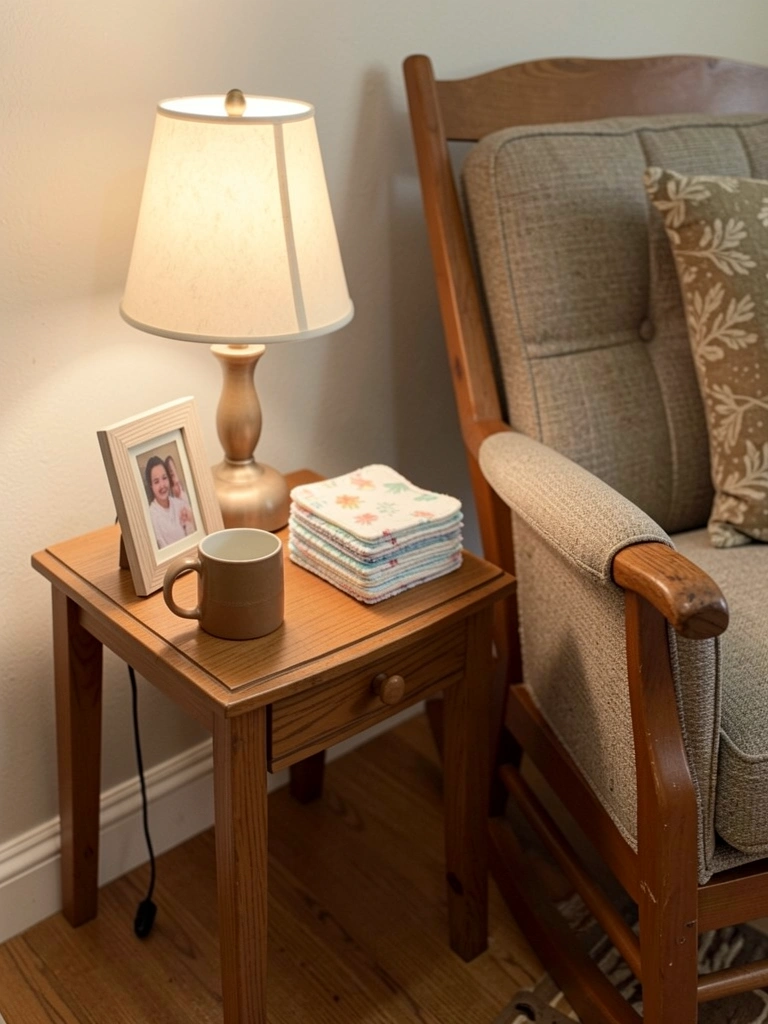
A small wooden table beside your rocking chair or changing area becomes command central for nighttime—easy access to water, a lamp, wipes, and whatever else you need without stumbling in the dark.
Thrift store side tables cost $10–$30; new options from IKEA or Target run $40–$100. A simple cloth or lamp costs $15–$50. Setting up takes 10 minutes and makes a shocking difference in your comfort during late-night routines.
This simple addition transforms your nighttime experience from rushed and stressful to managed and calm—one of the most underrated nursery upgrades possible.
Pin this post and bookmark it for your next nursery refresh. Start with just one or two ideas that resonate most—you don’t need to do everything at once. Small, thoughtful touches add up to create a room that feels like a storybook, and that’s the whole point.
Leave a Reply