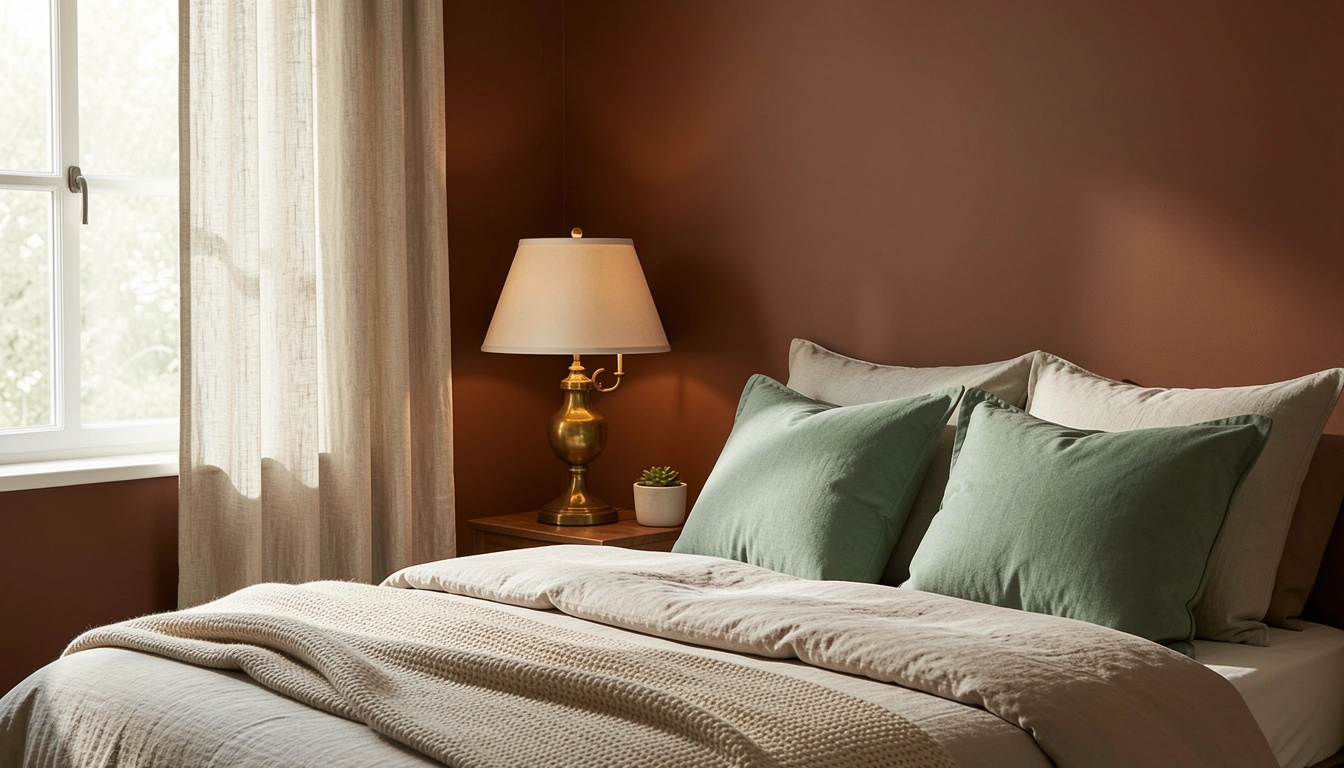
Your space deserves to feel like a retreat, not just a place you sleep or spend time. Whether you’re exhausted by sterile minimalism, tired of open-concept chaos, or stuck with outdated décor, these 25 ideas will help you create rooms that actually reflect who you are and how you want to live. From budget-friendly styling hacks to investment pieces that last for years, you’ll discover ways to add personality, comfort, and that coveted “sanctuary” feeling without needing a full renovation or designer budget. Let’s turn your home into a space you never want to leave.
1. Drench Your Walls in One Rich Color

Forget the “safe” accent wall. Painting an entire room in one bold color—especially warm, earthy tones—creates an immersive, curated sanctuary that feels intentional and cozy.
Choose a color like chocolate brown, deep sage green, or warm terracotta for the full immersion effect. Paint all four walls (and ideally the trim) the same shade to create a cocoon-like atmosphere. Most people find one gallon covers about 350 square feet, so budget $30–$60 for paint plus brushes and supplies. DIY painting takes one weekend; hire pros if you have high ceilings or textured walls ($300–$500).
Pro tip: Test your color on a large swatch first—paint three large patches and observe them at different times of day to see how light changes the tone.
The result is a room that instantly feels more thoughtful than any accent wall ever could, and you’ll notice how much calmer you feel inside it.
2. Layer Curved Furniture for Fluid Comfort
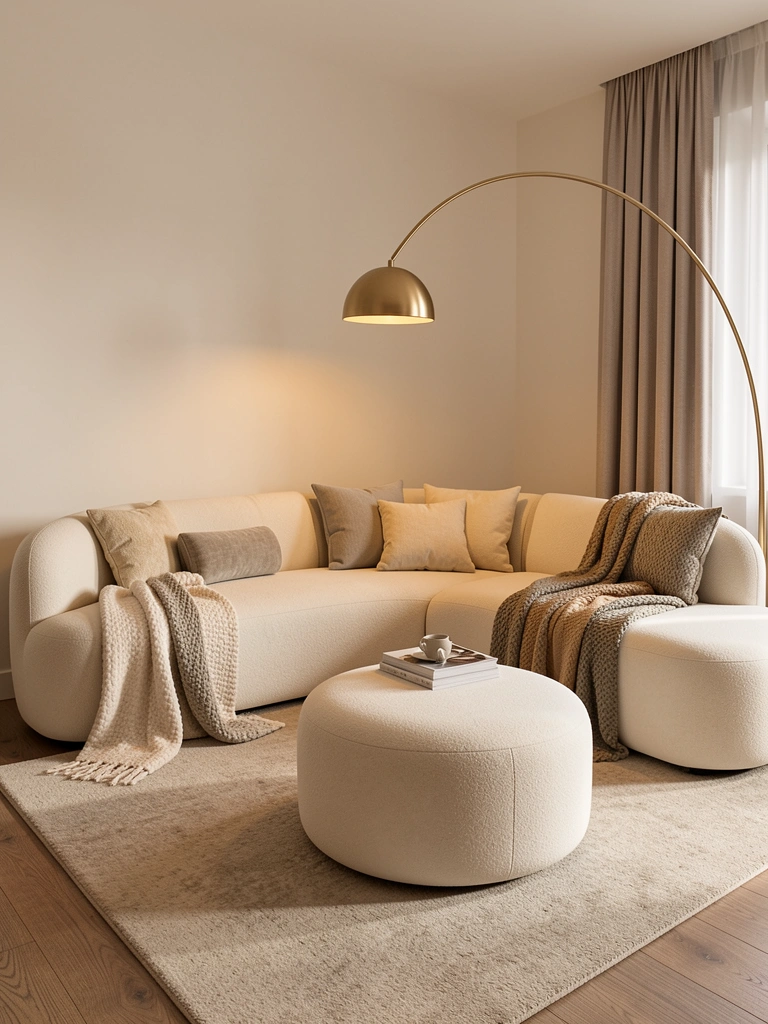
Hard edges and straight lines create visual tension. Curved, sculptural furniture adds softness and makes rooms feel more human-centered and livable.
Invest in at least one curved piece—a rounded armchair ($200–$600), curved sectional ($800–$2,500), or arched side table ($80–$250). Start at IKEA, Article, or Wayfair if you’re budget-conscious; Gravity Home and West Elm offer higher-end options. Mix one curved piece with existing furniture to ease in the style without overhauling everything. If you can’t commit to buying, try a curved throw blanket rack or round mirror first.
Pro tip: Round ottomans work especially well in small spaces because they don’t “grab” floor area the way rectangular ones do.
You’ll notice how much more inviting your room feels when there are soft curves to balance the hard edges, and seating actually becomes more comfortable.
3. Add Pattern Drenching for Cinematic Immersion
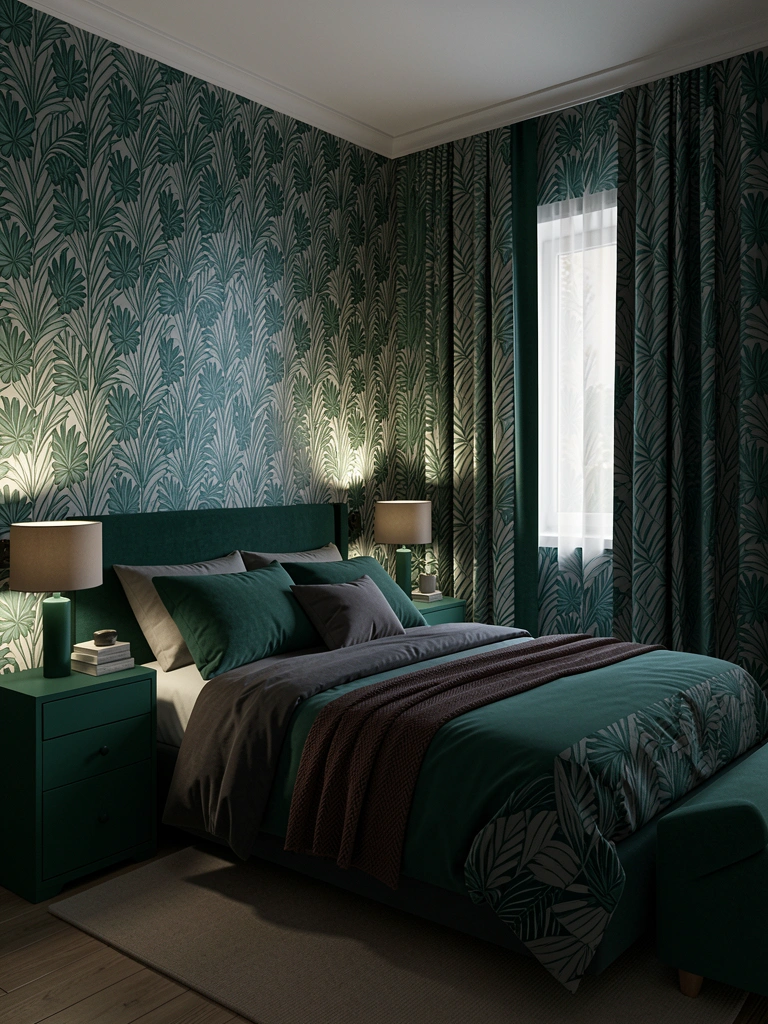
One bold pattern repeated across walls, textiles, and accents creates a “cinematic” mood that makes you feel like you’re inside a carefully designed world rather than a generic room.
Choose one pattern you genuinely love—whether it’s small geometric shapes, botanical prints, or abstract designs. Use it on wallpaper ($30–$80 per roll), bedding, and a throw blanket to tie it together. Wallpaper takes 4–8 hours to install (DIY or hire at $200–$400). Keep furniture and accessories mostly neutral to let the pattern breathe and avoid overwhelm.
Pro tip: Print a large sample of your pattern and live with it in your room for a week—natural light and your daily mood around it matter more than online preview.
Your bedroom becomes a retreat that tells a story and makes you want to unwind instead of rushing through it.
4. Swap Out Stark White/Black for Warm Neutrals
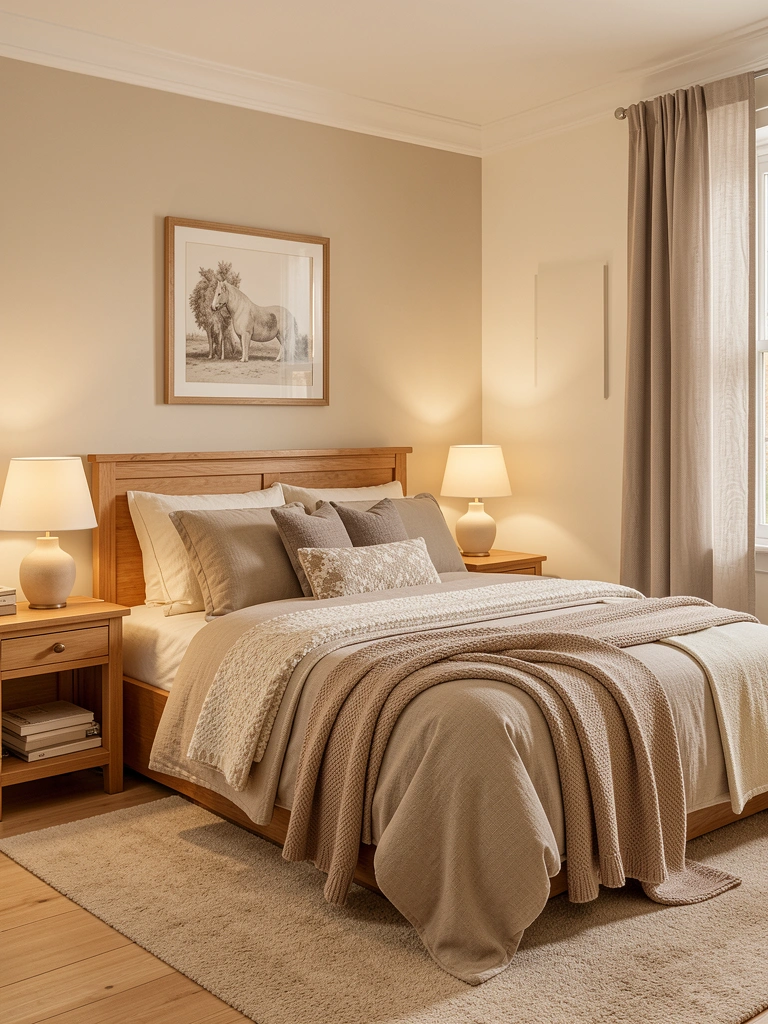
Bright white and pure black palettes feel cold and dated. Warm neutrals like cream, soft taupe, warm gray, and sand tones create serenity without the clinical feel.
Replace stark white with creamy off-whites or soft ivory (paint under $35 per gallon). Swap pure black accents for deep charcoal or rich espresso brown in furniture and décor. If you’re renting and can’t paint, use warm-toned bedding, rugs ($100–$400), and throw pillows ($20–$60 each) to shift the energy immediately. This works in every room—kitchen, bathroom, office.
Pro tip: Bring paint samples home and look at them next to your existing furniture for 24 hours before committing.
Your rooms go from feeling cold and sterile to genuinely warm and welcoming without any major investment.
5. Install a Room Divider for Privacy Without Walls
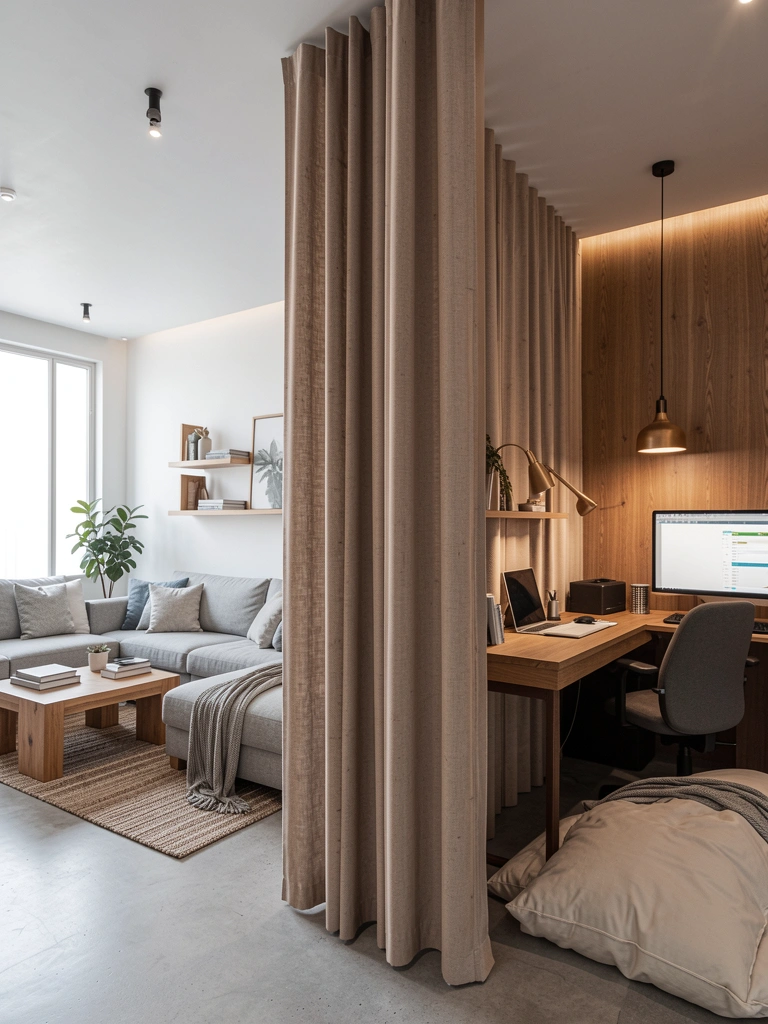
Open-concept layouts sacrifice privacy and sound control. A strategic divider creates defined zones without permanent walls—perfect for renters and small spaces.
Choose from folding screens ($50–$150), sliding barn doors ($300–$800 installed), or hanging fabric panels on a tension rod ($30–$100). Placement matters: position it to separate sleeping areas from living spaces or create a home office nook. Rent-friendly options include freestanding shelving units or hanging tapestries from ceiling-mounted curtain rods.
Pro tip: Sheer or semi-transparent dividers define space without blocking light; choose solid panels if you need sound privacy.
You’ll reclaim privacy and functionality in your open space without asking permission from a landlord or spending thousands on construction.
6. Curate Your Bed with Layered Textures (Not Bed-in-a-Bag Sets)
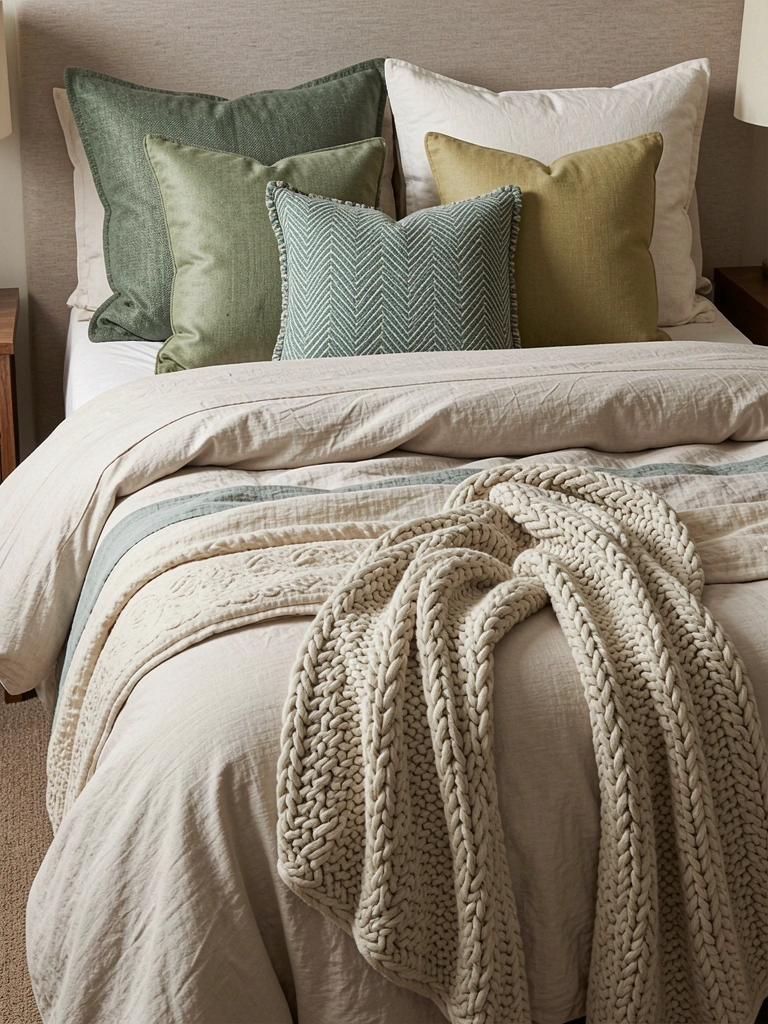
Generic bed-in-a-bag sets feel flat and uninspiring. Layering individual pieces in different textures and tones creates visual depth and actual comfort.
Start with quality basics: Egyptian cotton sheets ($40–$80), a linen duvet cover ($60–$120), and a lightweight quilt or duvet ($80–$200). Add throw pillows in coordinating colors ($15–$40 each, grab from Target, Etsy, or Schoolhouse Electric). Drape a chunky knit throw ($50–$100) across the foot of the bed. Mix textures—velvet, linen, cotton, cable knit—for visual interest.
Pro tip: Aim for three throw pillows minimum: one coordinating pattern, two solids in your color palette.
Your bed becomes a focal point you actually want to photograph and spend time in.
7. Paint Your Kitchen Cabinets a Moody Color
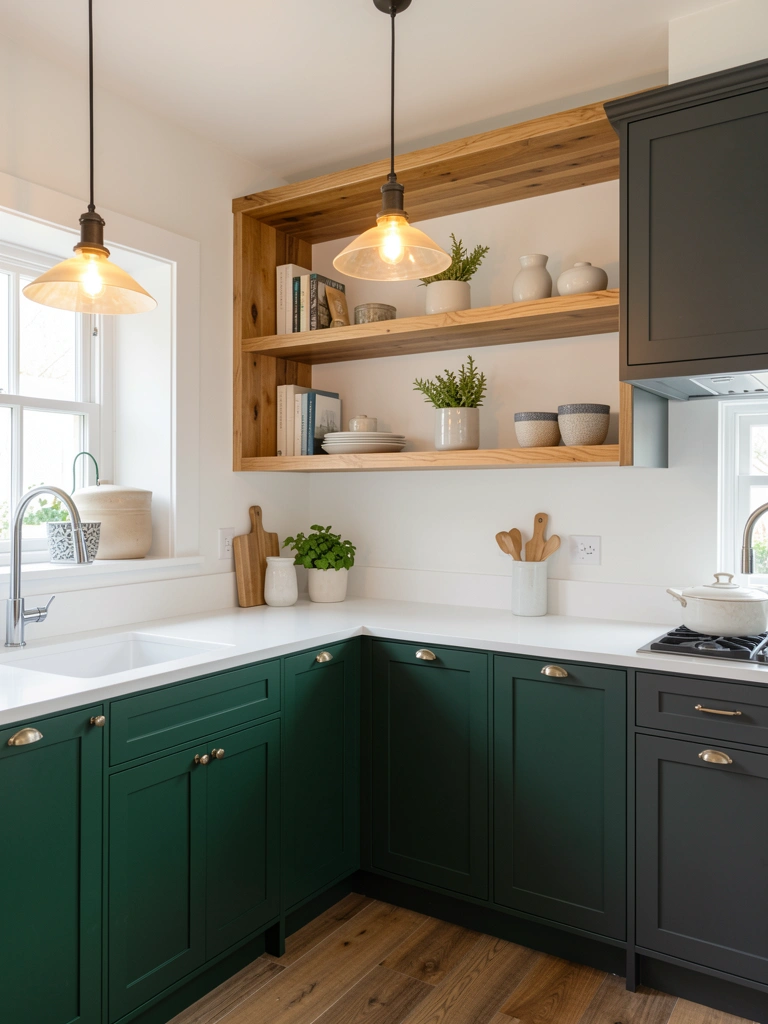
Generic white or natural wood cabinets lack personality. Painted cabinetry in warm, unexpected colors transforms kitchens into the heart of your home while adding “imperfect charm.”
Cabinet paint kits run $200–$500 and cover most kitchen sizes (IKEA Sektion, cheaper but functional; higher-end at Sherwin-Williams or Benjamin Moore). Colors like sage green, warm charcoal, or chocolate brown cost the same as white—it’s the labor or DIY time that matters. DIY takes 3–5 days (including drying between coats); hire professionals for $1,500–$3,500 depending on cabinet count and finish quality.
Pro tip: Use proper cabinet paint (Benjamin Moore Advance or Sherwin-Williams ProClassic), not regular wall paint—it’ll last through years of kitchen use.
Your kitchen goes from builder-grade boring to a space with soul, and people will actually want to hang out there.
8. Hand Stencil a Pattern on Walls or Cabinetry
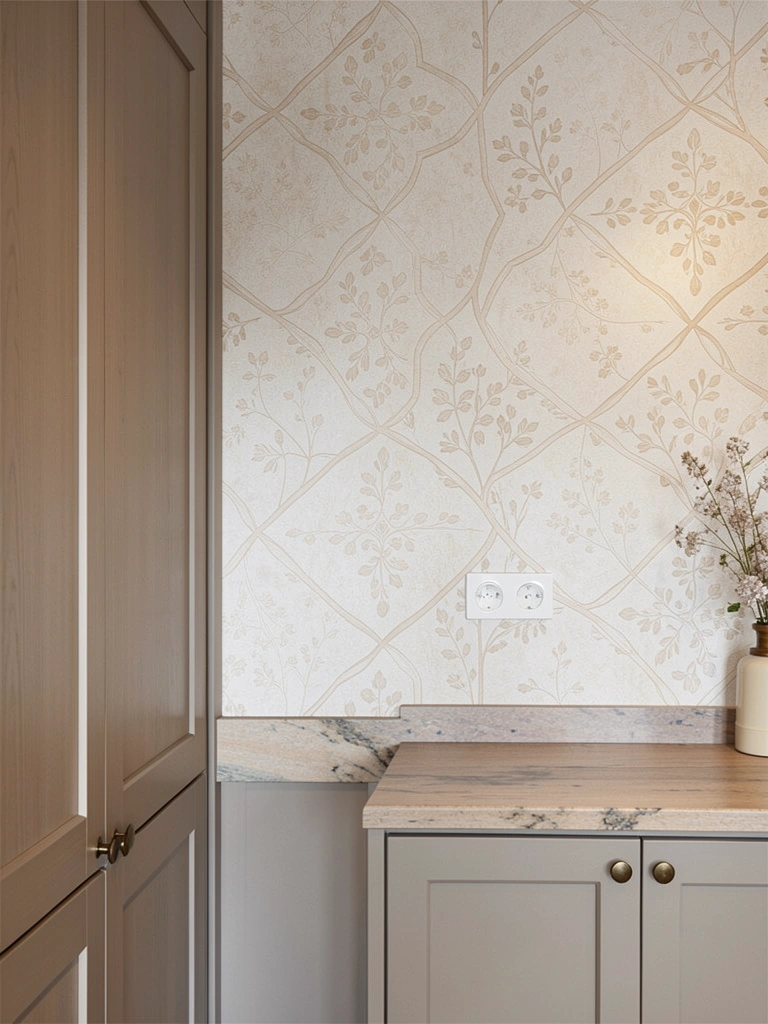
Hand stenciling adds artisanal, “lived-in” texture without the commitment of full wallpaper or pattern drenching, and it’s genuinely approachable for beginners.
Grab stencil templates from Etsy or Hobby Lobby ($5–$15 each) plus stencil paint ($8–$12 per can). Practice on paper first, then apply to one wall, cabinet front, or accent area—it takes 2–4 hours. Use a level and painter’s tape to keep lines straight. The effect feels handmade and intentional, like you actually have a designer on staff.
Pro tip: Start with a small area—one kitchen cabinet face or a single bedroom wall—to build confidence before tackling larger spaces.
You’ll have a one-of-a-kind detail that photographs beautifully and tells visitors your space was thoughtfully designed by you.
9. Introduce Skirted and Fringed Upholstery
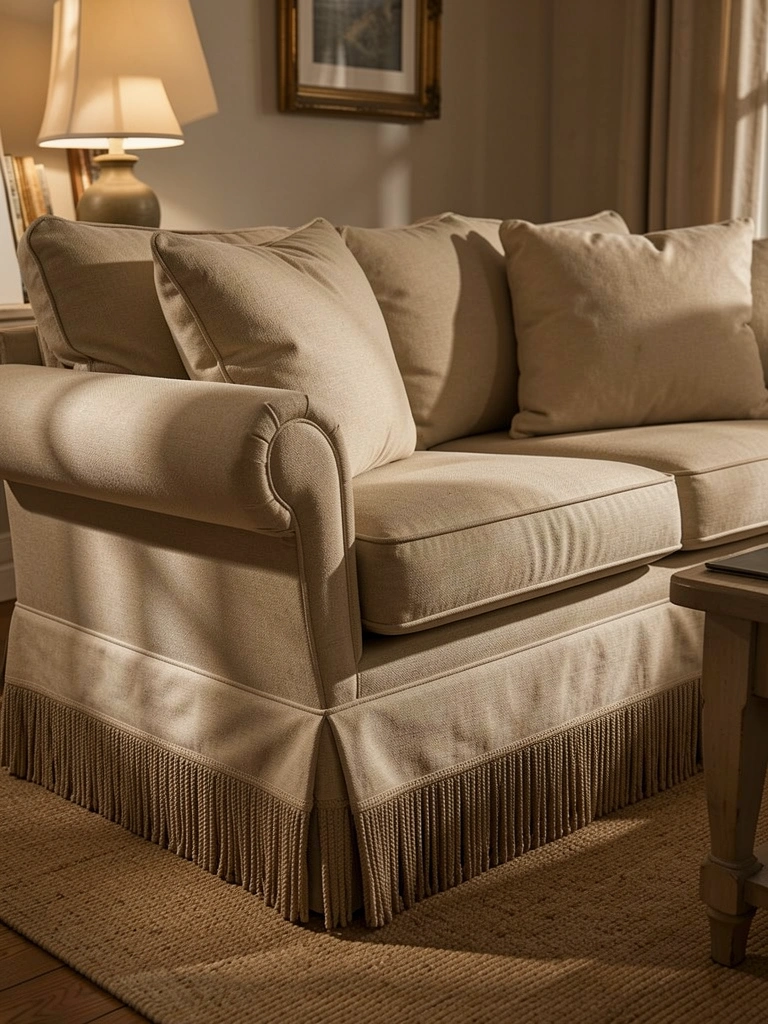
Skirted furniture (sofas, ottomans, chair bases with fabric that reaches the floor) is back and adds dramatic, romantic appeal that tailored modern furniture simply can’t match.
Look for skirted sofas at $600–$2,000 (Article, Interior Define, Etsy vintage sellers) or add skirting yourself with fabric and a sewing machine—$30–$60 in fabric plus an afternoon of work. Fringe detail trim adds to the drama ($15–$30 per yard). This trend works especially well in cottagecore, maximalist, or transitional spaces.
Pro tip: Skirted pieces actually hide dust and pet hair better than legs, so they’re more practical than they appear.
Your furniture gains unexpected personality and creates a softer, more vintage-inspired aesthetic that feels like curated interior design.
10. Create a Defined Color Palette and Stick to It
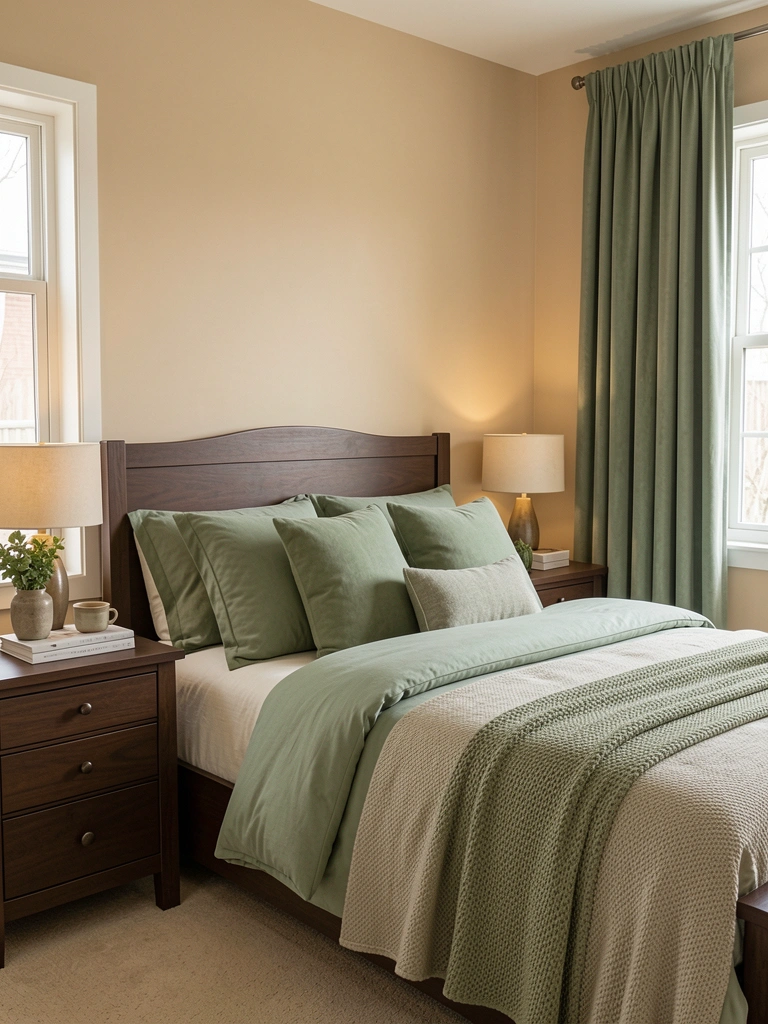
Rooms that lack cohesion feel chaotic. Defining a palette of three to four colors and repeating them throughout creates visual harmony and psychological calm.
Choose a base color (walls or large furniture), an accent color, and one or two supporting tones. Earthy palettes like chocolate brown, sage green, and cream work year-round; jewel tones like emerald and burgundy add richness. Free to do—just apply this concept to furniture, textiles, and décor you already own. If buying new, aim for pieces in your palette only ($0–unlimited depending on shopping habits).
Pro tip: Grab paint samples and fabric swatches and tape them to your wall—live with them for a week to see how they feel in your space at different times of day.
Everything in your room harmonizes instead of competing for attention, and you’ll feel noticeably calmer just by being in the space.
11. Convert Formal Dining Rooms into Comfortable Living Spaces
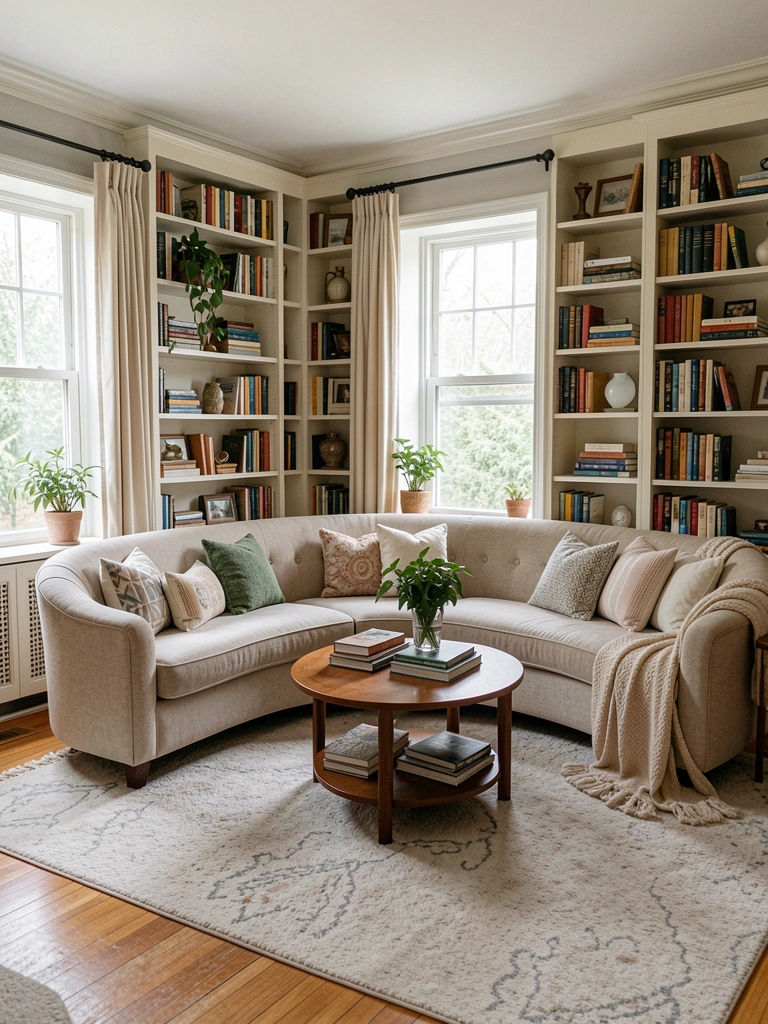
Formal dining rooms sit unused in most homes. Converting that space into a comfortable lounge, library, or media room reclaims square footage for how you actually live.
Move your formal table out and bring in a conversational seating arrangement—curved sofa ($800–$1,500), round coffee table ($150–$400), and an area rug ($200–$600). Add shelving for books and décor ($100–$300), layer lighting with floor and table lamps ($50–$200 each), and suddenly you have a room you use daily instead of once a year.
Pro tip: Measure your doorways before buying large furniture to ensure pieces actually fit through.
Your dining room becomes a sanctuary you actually inhabit instead of an underused showpiece.
12. Layer Warm Lighting from Multiple Sources
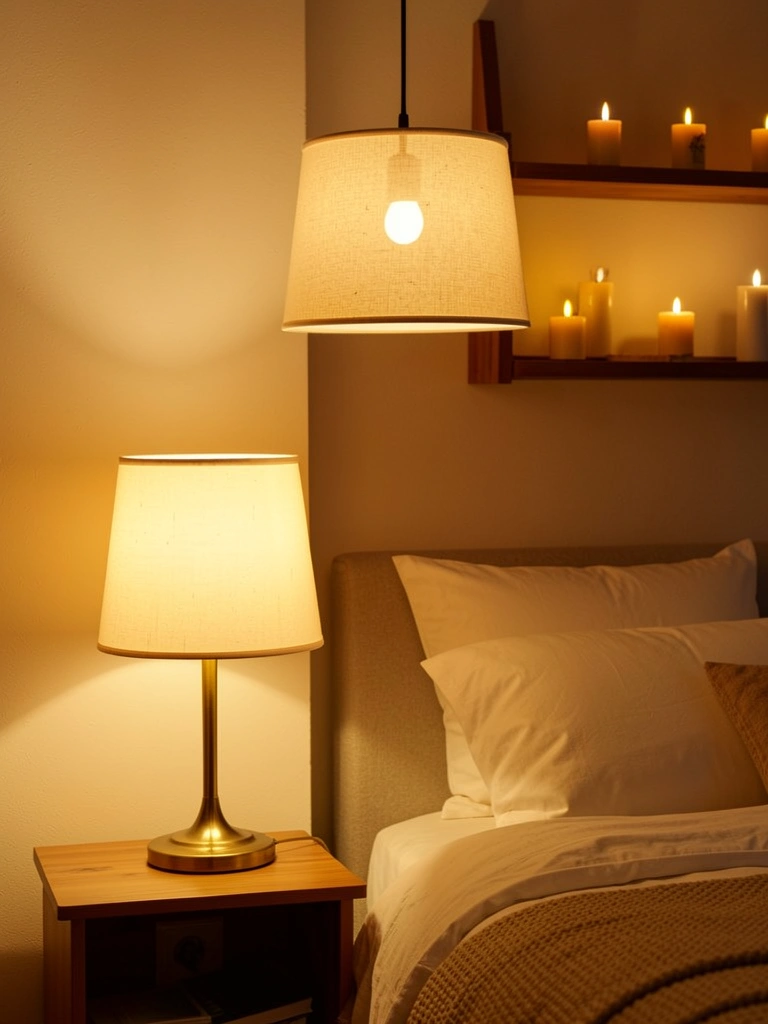
Cold overhead lighting drains energy and makes rooms feel institutional. Layered warm lighting from multiple sources (table lamps, floor lamps, pendant lights, candles) creates immediate sanctuary vibes.
Invest in two to three warm-bulb table lamps ($30–$80 each), one floor lamp ($50–$150), and optional pendant lights ($60–$200 each). Use warm-toned bulbs: 2700K color temperature feels cozy; 3000K is neutral; avoid anything above 4000K in relaxation spaces. Budget under $300 for a complete bedroom lighting refresh or spread costs over time.
Pro tip: Use dimmer switches ($15–$30 each) on overhead lights to control brightness throughout the day.
Your room gains instant coziness and looks like a magazine spread because proper lighting does that—it’s the fastest way to make a space feel intentional.
13. Add an Accent Wallpaper Feature Wall (Modern Approach)
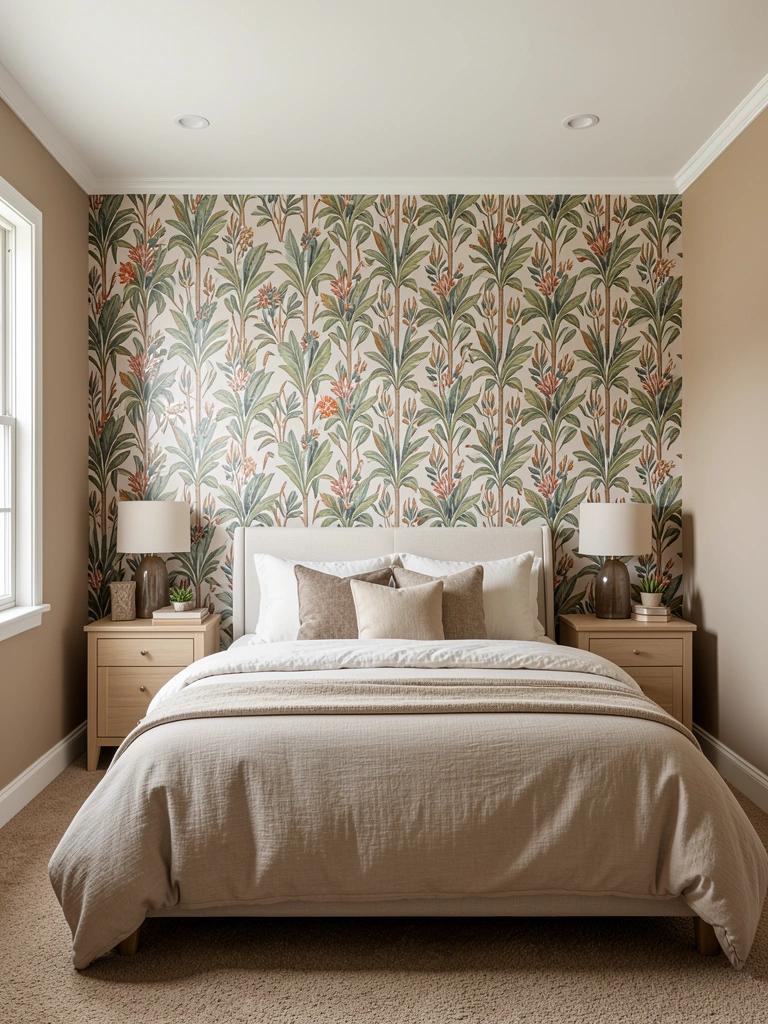
Single-wall wallpaper (done thoughtfully) adds personality without overwhelming the entire room—choose a wall with a natural focal point like behind a bed or sofa.
Pick a pattern you genuinely love at $30–$80 per roll (Spoonflower for custom designs, Anthropologie for curated patterns, standard at Home Depot). One bedroom wall typically needs 3–4 rolls ($100–$320). DIY application takes 4–6 hours; professionals charge $200–$400. Pair with neutral walls in warm tones to let the pattern shine.
Pro tip: Choose a wallpaper with a pattern scale that suits your wall size—large patterns work better on bigger walls; tiny repeats suit smaller spaces.
Your room gains a focal point and designer energy without feeling overdone or uncommitted.
14. Declutter with Stylish Hidden Storage
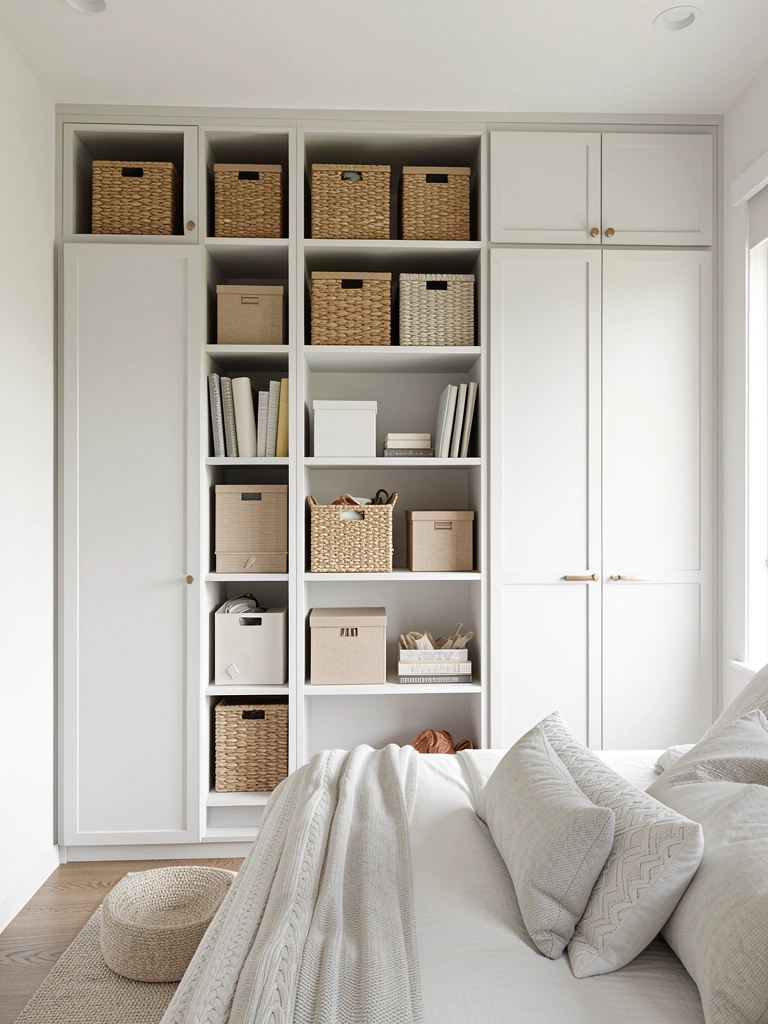
Visible clutter undermines sanctuary vibes. Strategic hidden storage (baskets, closed cabinetry, under-bed organizers) keeps spaces serene without requiring perfection.
Invest in storage ottomans ($80–$300), woven baskets ($20–$80 each), under-bed rolling organizers ($30–$60), or cabinets with doors ($150–$500). These work in every room and hide items while remaining décor-worthy. Budget $200–$500 for a bedroom refresh or build gradually.
Pro tip: Label basket contents so you actually remember what’s inside, and keep frequently used items at eye level.
Your rooms visually calm down immediately, and you’ll know exactly where everything lives.
15. Mix Maximalist Patterns Without Chaos
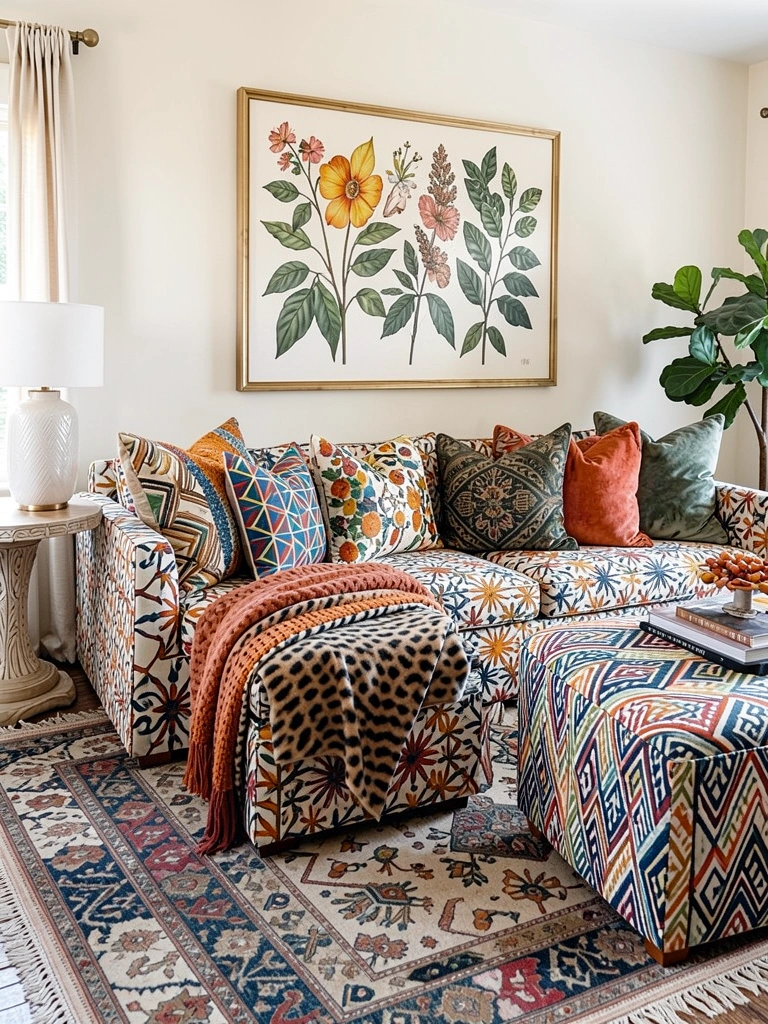
Maximalism with bold patterns is back, but it requires strategy—choose a unified color palette so mixed patterns read as intentional rather than chaotic.
Pick three to four patterns that share a color story (e.g., botanical, geometric, and striped, all in sage green and cream). Apply to different items: sofa ($800–$2,000), throw pillows ($20–$50 each), area rug ($200–$600), and artwork ($40–$200). Mix pattern sizes—one large, one medium, one small—for visual rhythm. This is totally achievable with thrifted finds or budget retailers.
Pro tip: If you’re nervous, start with small items like pillows and a throw blanket before committing to a patterned sofa.
Your room gains personality and energy that feels curated and intentional, not random.
16. Create a Cozy Reading Nook in Unused Corners
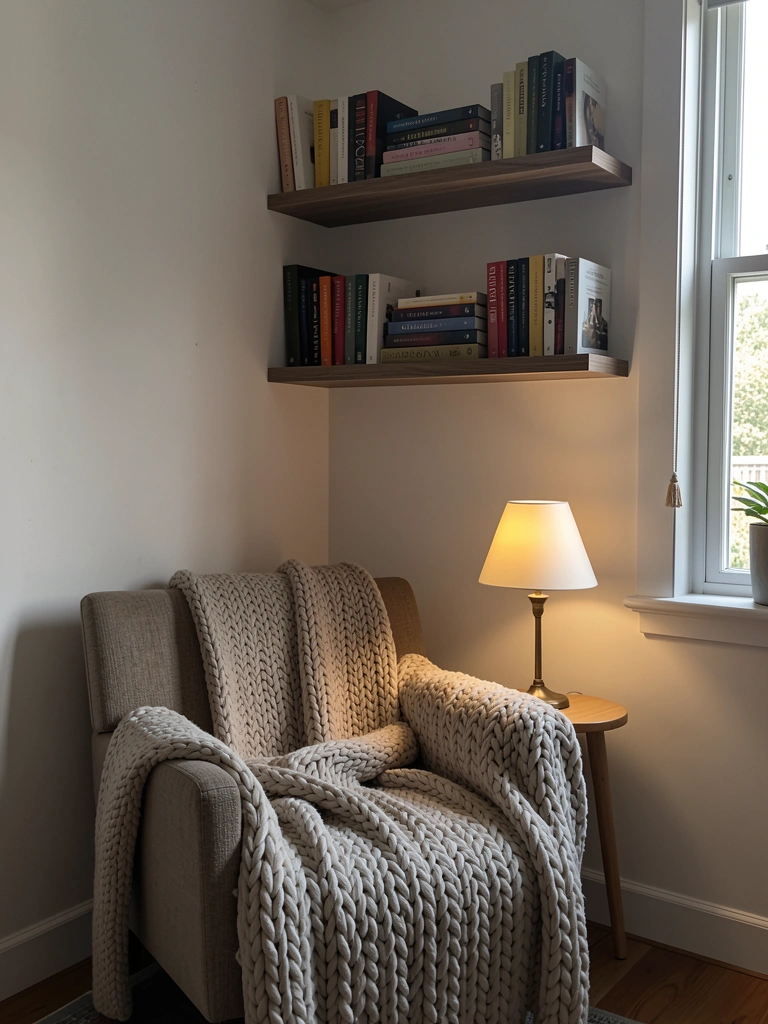
Every home has unused corners—a small bedroom alcove, a living room edge, a hallway nook. Convert these into personalized reading retreats with minimal investment.
Add a comfortable chair ($150–$500), a small table ($50–$150), a lamp ($30–$100), and floating shelves for books ($15–$40 each). Drape a soft throw ($30–$80) over the chair and add a cushion or two ($20–$50 each). Total investment: $300–$800 for a fully realized nook that actually gets used.
Pro tip: Position your nook near a window for natural light, or choose a lamp with warm, adjustable brightness.
You gain a personal retreat that encourages you to slow down and actually read instead of doomscrolling.
17. Swap Fast-Fashion Artwork for Thrifted and Original Pieces
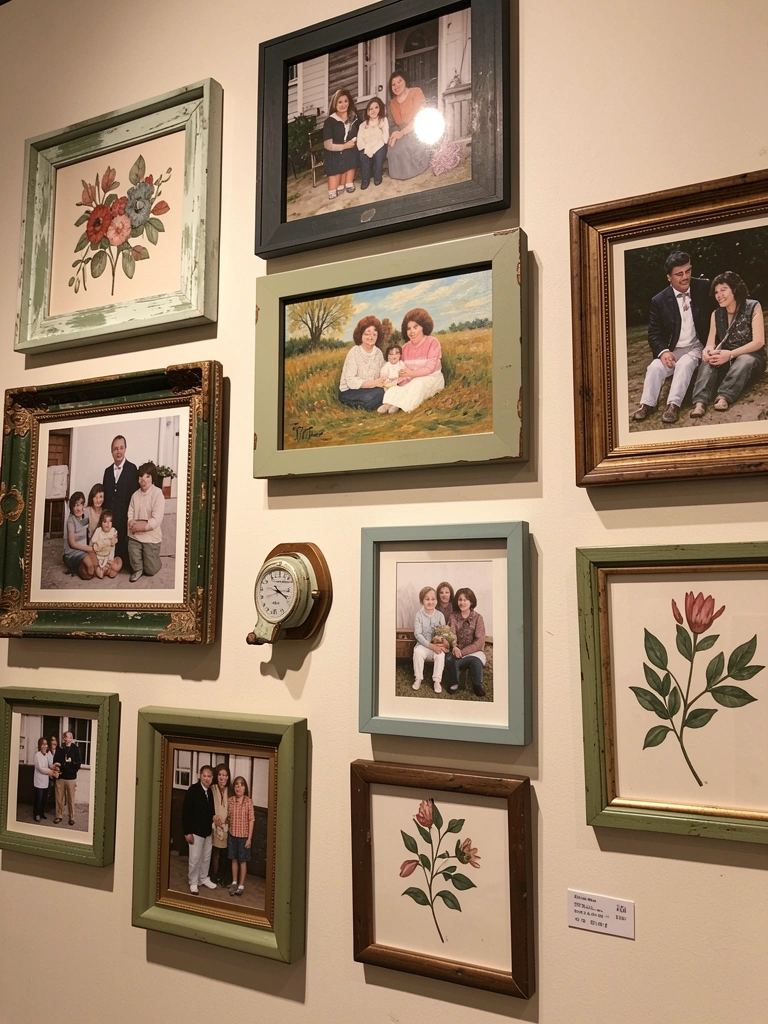
Mass-produced artwork from big-box stores feels generic. Thrifted vintage finds, local artist pieces, and original work tell actual stories and add soul to your walls.
Hunt for artwork at thrift stores ($2–$15 per frame), local markets, Etsy artists ($20–$150), or ask friends and family for small pieces. Frame thrifted art in consistent frames (all wood, all metal, or all white) for cohesion. Budget $200–$500 to build a gallery wall that looks intentional and collected over time—exactly the vibe you want.
Pro tip: Visit local art fairs and support emerging artists directly; it’s affordable and creates a real connection to your art.
Your walls gain authenticity and become conversation starters instead of decorative afterthoughts.
18. Embrace Modern Cottage Core with Black Windows
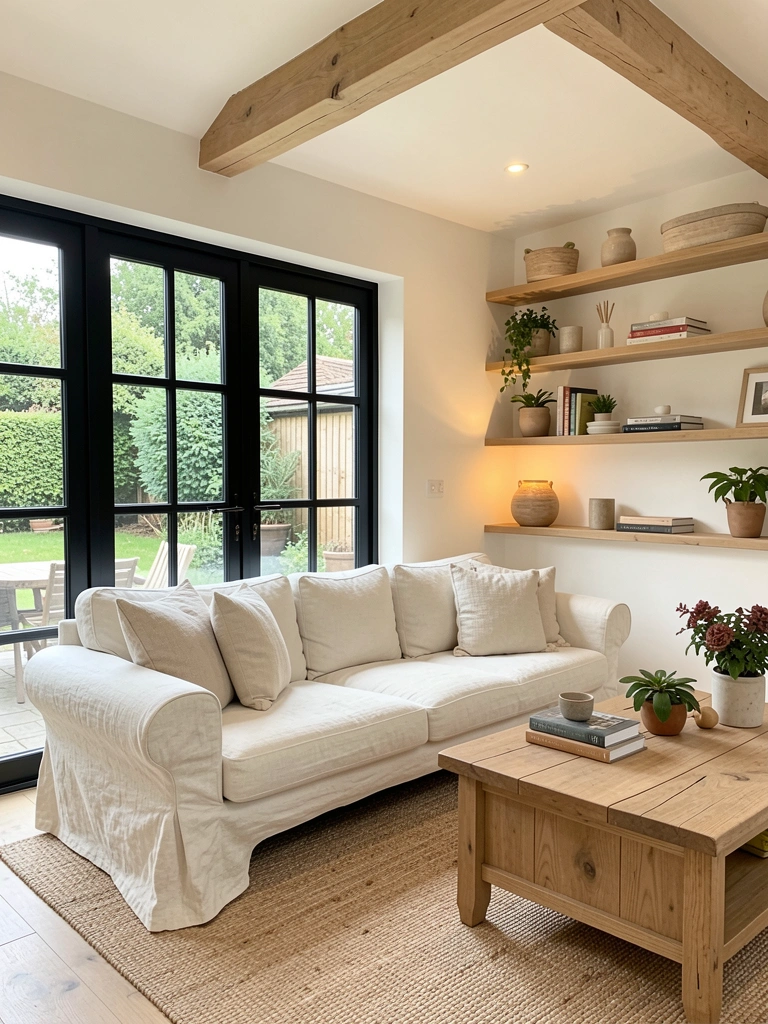
Modern cottage core blends cozy, lived-in feeling with sleek details—black windows and frames create dramatic contrast against warm interiors, updating the farmhouse trend completely.
Paint existing window frames matte black ($20–$40 in specialty paint) or install new black-frame windows if renovating ($1,000–$3,000 per window). Pair with cream upholstery, natural wood furniture, and warm lighting for balance. This works for renters with removable black paint or window tape ($10–$20).
Pro tip: Black frames make rooms feel more intentional and less “trying too hard” than white farmhouse everything.
Your space gains contemporary polish while keeping the cozy, welcoming feeling that makes a house actually feel like home.
19. Layer Textures in Your Bedding and Throws
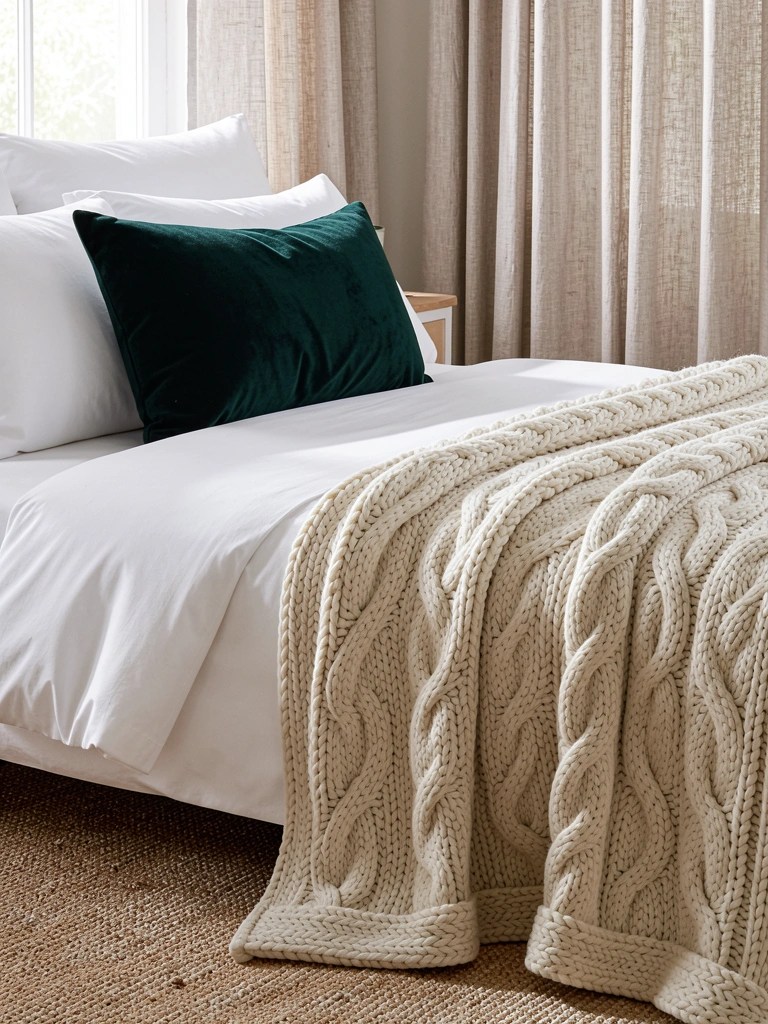
Flat, uniform textures feel sterile. Layering different textures—linen, cotton, wool, velvet, knits—adds visual depth and makes your space genuinely inviting to touch.
Choose a base of quality cotton sheets ($40–$80), add a linen duvet ($80–$150), layer a chunky knit throw ($50–$100), and mix pillow textures with at least one velvet or corduroy option ($20–$50 each). Include a textured area rug ($100–$400). Total: $300–$700 for a bedroom that looks and feels expensive without breaking the bank.
Pro tip: Stick to a consistent color palette (warm neutrals or jewel tones) so mixed textures harmonize instead of clash.
Your bed becomes a focal point that actually looks like you care, and guests will notice the thoughtful layering.
20. Implement Room Zoning with Rugs and Lighting
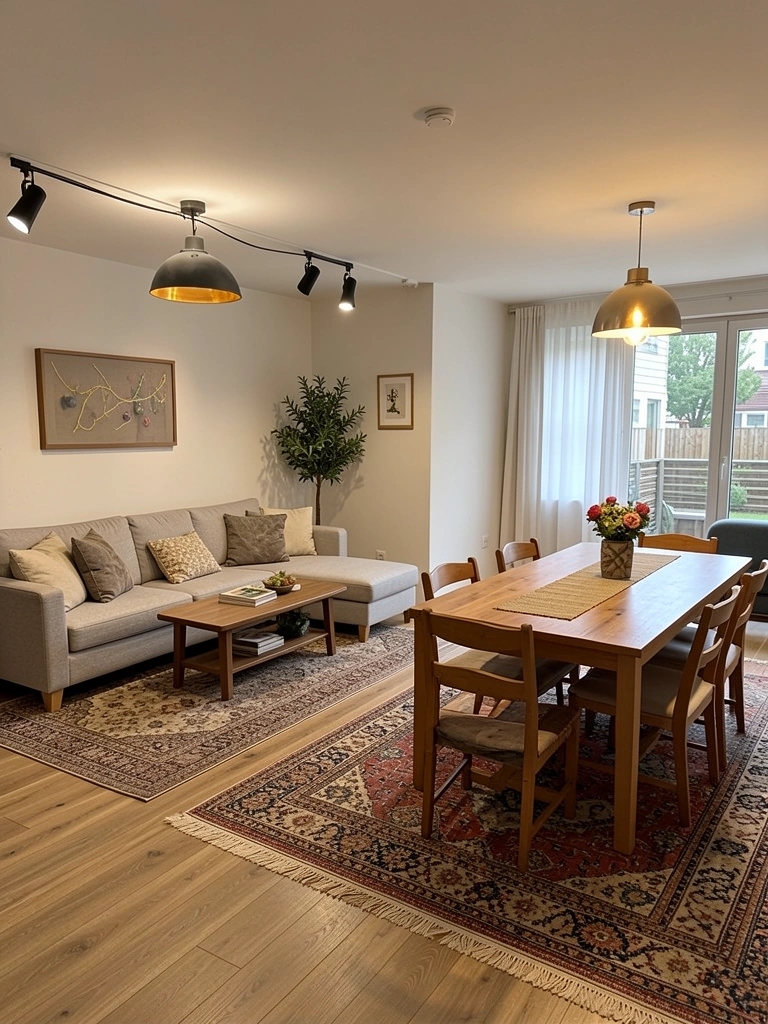
Open spaces feel chaotic without clear zones. Using area rugs and distinct lighting creates psychological separation and makes spaces feel intentional.
Anchor your living area with a rug under the sofa ($200–$600), your dining area with a separate rug under the table ($200–$500), and use different lighting heights and warmth between zones ($100–$300 total). This costs less than a single wall but creates major functional improvement. Works for renters entirely through removable elements.
Pro tip: Use rugs that extend under at least the front legs of furniture for proper anchoring—half-rugs make zones feel smaller, not defined.
Your open space suddenly feels intentional and organized, and you’ll use each zone differently and more purposefully.
21. Add Vintage Art Deco Elements Through Lighting and Accessories
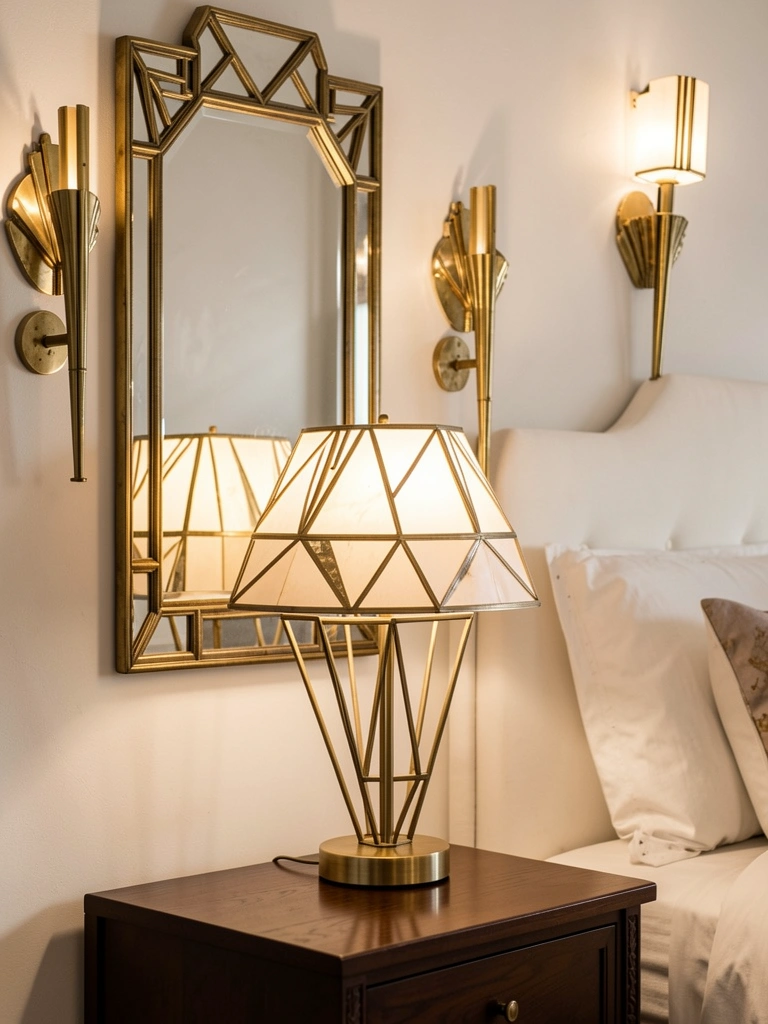
Art Deco nostalgia is trending through sculptural lighting and vintage accessories—a sophisticated way to add personality without overhauling your entire aesthetic.
Hunt for vintage brass or gold lighting ($30–$150 at thrift stores, $100–$400 new), geometric mirrors ($50–$200), and art deco–inspired accessories like bookends or candleholders ($20–$80 each). These pair beautifully with warm neutrals or jewel tones. Budget $200–$500 to layer in enough pieces for genuine impact without looking themed.
Pro tip: One statement art deco piece (a bold lamp or large mirror) goes further than many small accessories.
Your space gains unexpected sophistication and a collected-over-time feel that makes it look intentional and interesting.
22. Create Defined Zones in Your Bedroom (Sleeping vs. Working)
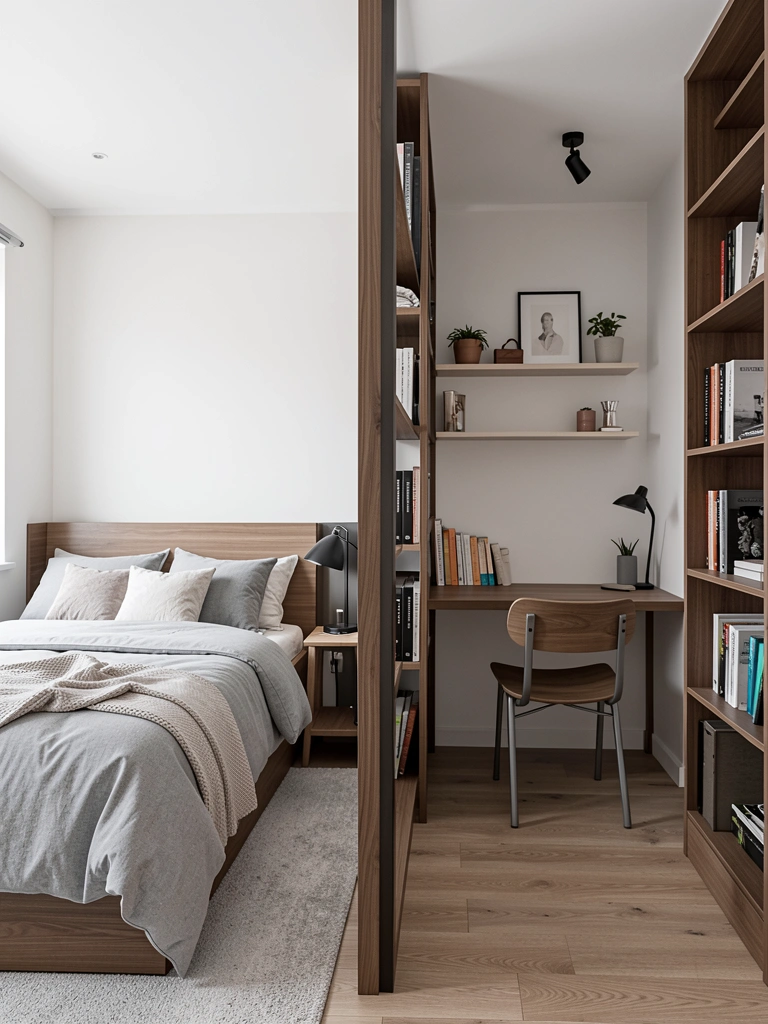
Work-from-home bedrooms feel chaotic and undermine sleep quality. Creating physical zones (even small ones) signals your brain about function and improves both rest and productivity.
Use a bookshelf ($80–$300), curtain rod with fabric ($30–$80), or folding screen ($50–$150) to separate sleeping from working areas. Keep your desk on one side and bed on the other if space allows, or use different lighting for each zone. This costs $100–$400 and genuinely improves daily life.
Pro tip: Make your work zone feel temporary (desk can close, chair folds) so your bedroom still feels like a bedroom first.
You’ll sleep better and actually focus during work hours instead of staring at your unmade bed while trying to concentrate.
23. Incorporate Natural Materials Like Raw Wood and Stone
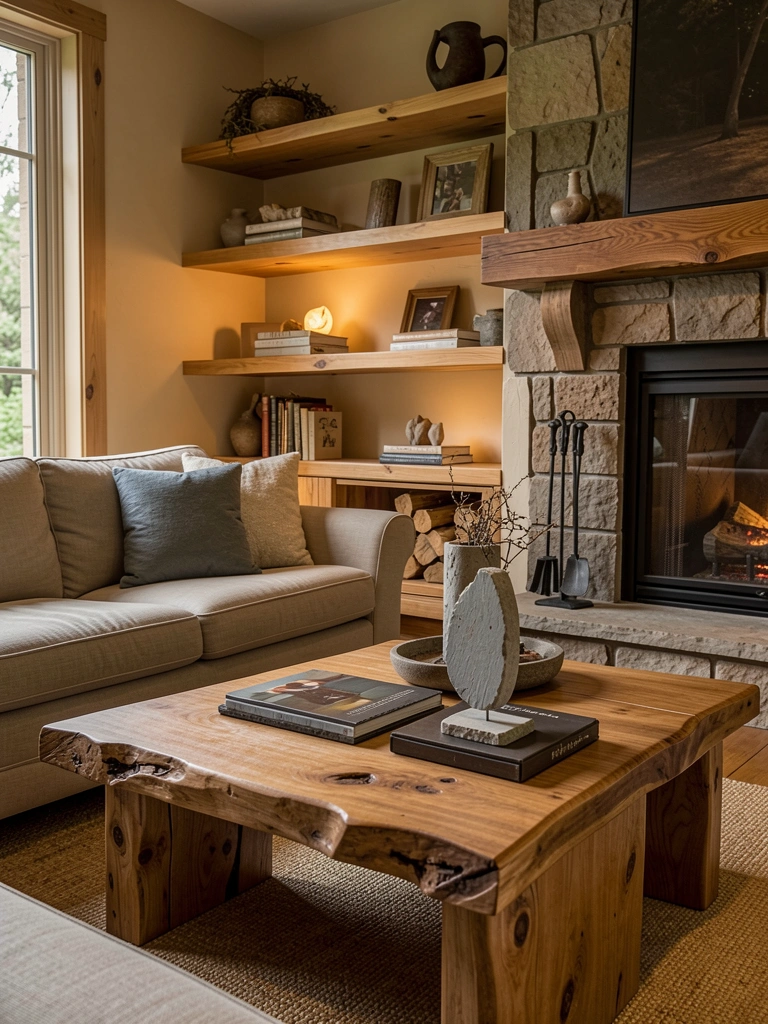
Man-made materials feel cold. Natural materials like raw wood, stone, cork, and linen ground spaces and create organic, serene atmospheres that synthetic alternatives can’t replicate.
Invest in a raw wood coffee table ($150–$400), floating wood shelves ($30–$100 each), and natural fiber decor like linen throws ($40–$100) and cork or jute rugs ($100–$300). Add stone elements through artwork, coasters, or actual stone fireplace accents if possible. Budget $300–$800 to layer in enough natural materials for genuine impact.
Pro tip: Raw wood will develop a patina and variations over time—that’s the point and makes it feel more authentic.
Your space gains grounded energy and looks like somewhere people actually live rather than a showroom.
24. Design an Intentional Entryway That Sets the Tone
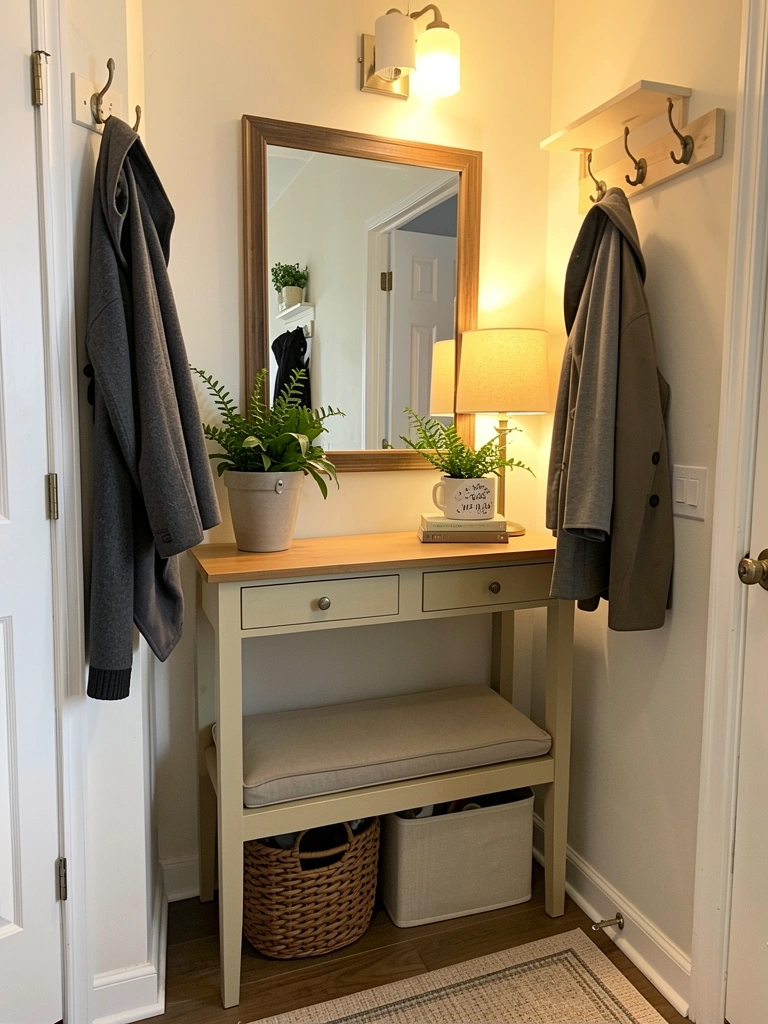
Most homes have sad, cluttered entryways. An intentional entry with seating, storage, and a mirror signals that your whole home is thoughtfully designed and sets the tone immediately.
Install a console table ($80–$300), a large mirror ($50–$200), a storage bench ($150–$400), and hooks ($10–$40 total). Add a basket for everyday items ($20–$60) and a small lamp ($30–$80). Total: $300–$1,000 for an entry that actually works and looks intentional instead of chaotic.
Pro tip: Keep your entry minimal—aim for one moment of beauty (a plant, artwork, a bench) rather than visual chaos.
Guests instantly perceive your home as well-designed, and you’ll stop throwing coats on a chair haphazardly.
25. Refresh Kitchens with Open Shelving and Styled Dishes
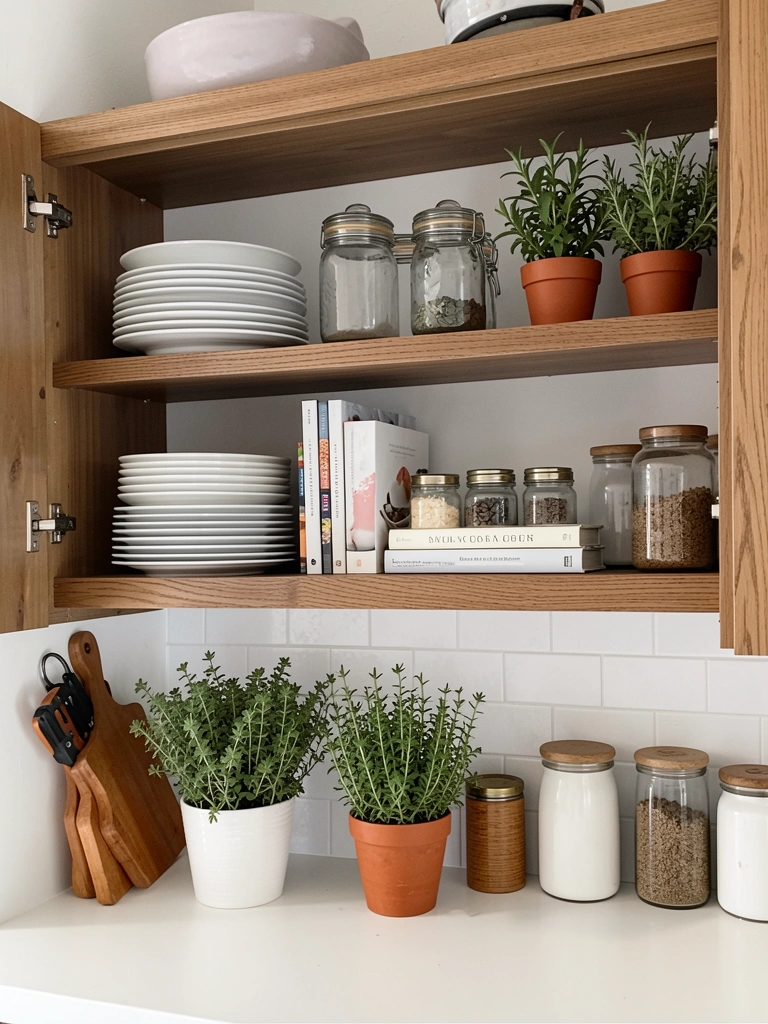
Open kitchen shelving looks either beautiful or cluttered—the difference is intentional styling with dishes, cookbooks, and minimal décor that you actually use.
Install open shelves ($50–$200 per shelf, DIY or professional), then style with white or cream dishware ($40–$100 for a set, IKEA or Schoolhouse Electric), glass jars for dry goods ($20–$50 total), cookbooks you love ($5–$20 each), and small plants ($10–$30 each). Budget $300–$600 for styled shelving that looks intentional rather than random.
Pro tip: Keep only items you actually use on display; store excess in cabinets so everything visible earns its place.
Your kitchen feels more open, functional, and like somewhere you enjoy spending time rather than just passing through.
26. Build a Gallery Wall That Tells Your Story

Gallery walls feel personal and collected when they tell your actual story—mix your own photography, travel finds, art you love, and meaningful pieces rather than matching “gallery wall sets.”
Gather 9–12 frames (thrifted at $2–$10 each or new at $10–$40 each), select artwork from your travels, family photos, art prints, and any pieces that genuinely matter ($0–$200 total). Arrange on the wall before hanging—use paper cutouts as guides. Time investment is just an afternoon; cost is $50–$300 total depending on frame and art choices.
Pro tip: Stick to 2–3 frame finishes (all black, all natural wood, or a mix of black and white) so variety in artwork doesn’t feel chaotic.
Your wall becomes a deeply personal display that reflects who you are and makes your space genuinely unique.
Save this post for your next room refresh—pick one idea from above that speaks to you and tackle it this weekend. Which sanctuary upgrade will you try first?
Leave a Reply