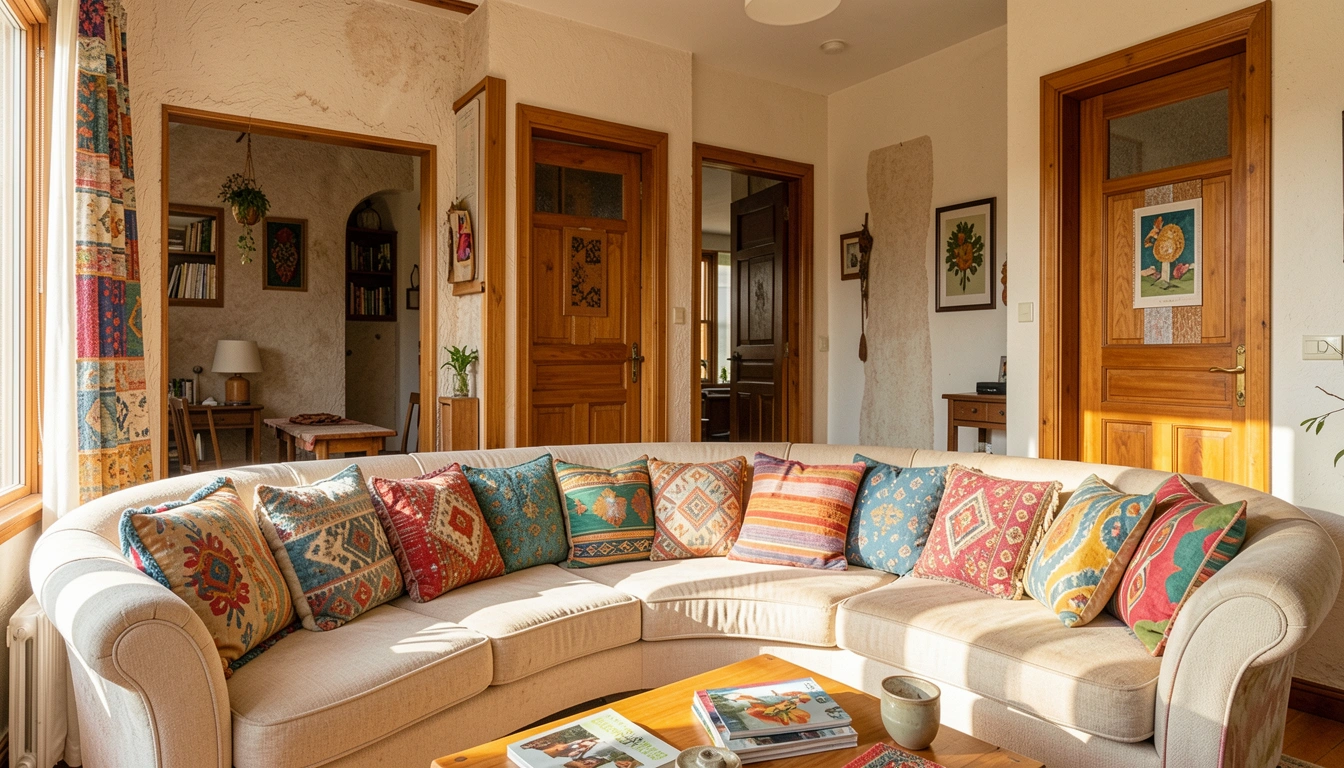
Your home doesn’t need a complete overhaul to feel brand new. Sometimes the biggest impact comes from small, strategic changes that tie your whole space together—from how light hits your walls to how you arrange your furniture. Whether you’re renting, homeowning, or working with what you’ve got, these 26 ideas work in any budget and timeline. You’ll discover quick wins you can do this weekend, affordable swaps that rival expensive renovations, and investment pieces worth saving for. Each one solves a real design problem while bringing warmth, personality, and function back into your rooms. Ready to finally love every corner of your home?
1. Layer Warm Wood Tones Throughout
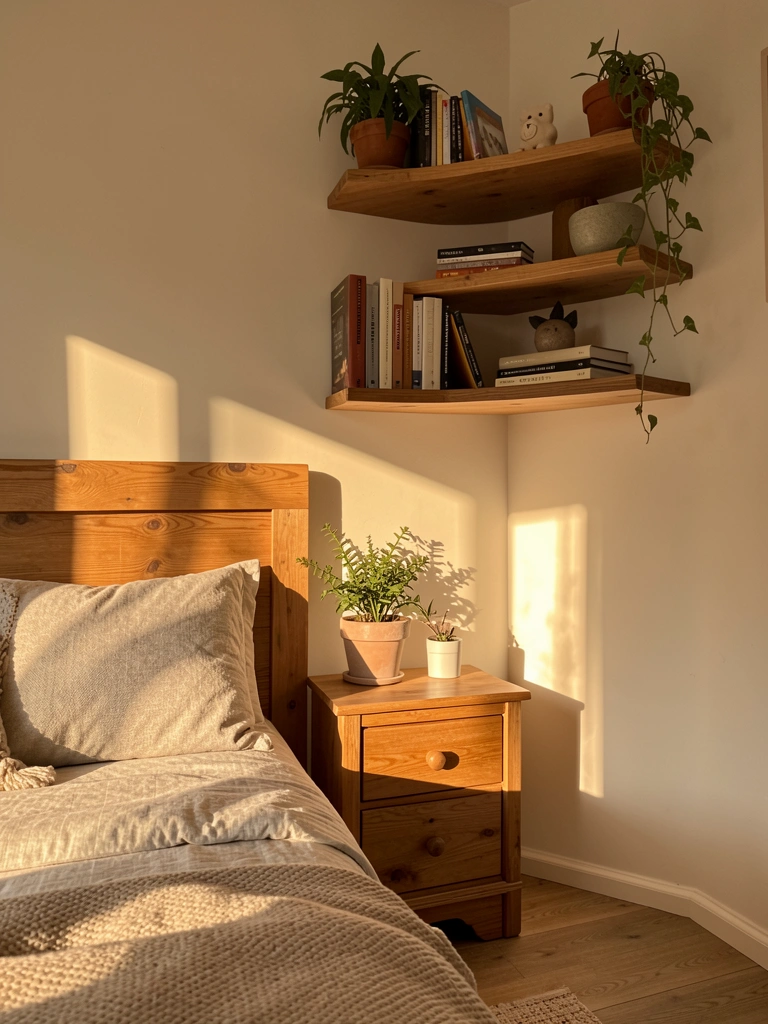
Wood isn’t just for furniture anymore—it’s the foundation of modern comfort. Swap cool grays and stainless steel for warm wood tones (think honey oak, walnut, or natural pine) to shift your entire home away from cold minimalism.
Start with one statement piece like a wooden headboard or dining table, then layer in smaller items: wooden shelves, a wooden ladder for blankets, wooden picture frames. IKEA and Wayfair have affordable options ($40–$300+), while thrift stores often have real wood gems at half the price. It takes 0 time to swap—just rearrange what you have.
The payoff? Your space immediately feels warmer and more grounded, even if everything else stays the same.
2. Add Curved Furniture for Organic Modern Vibes
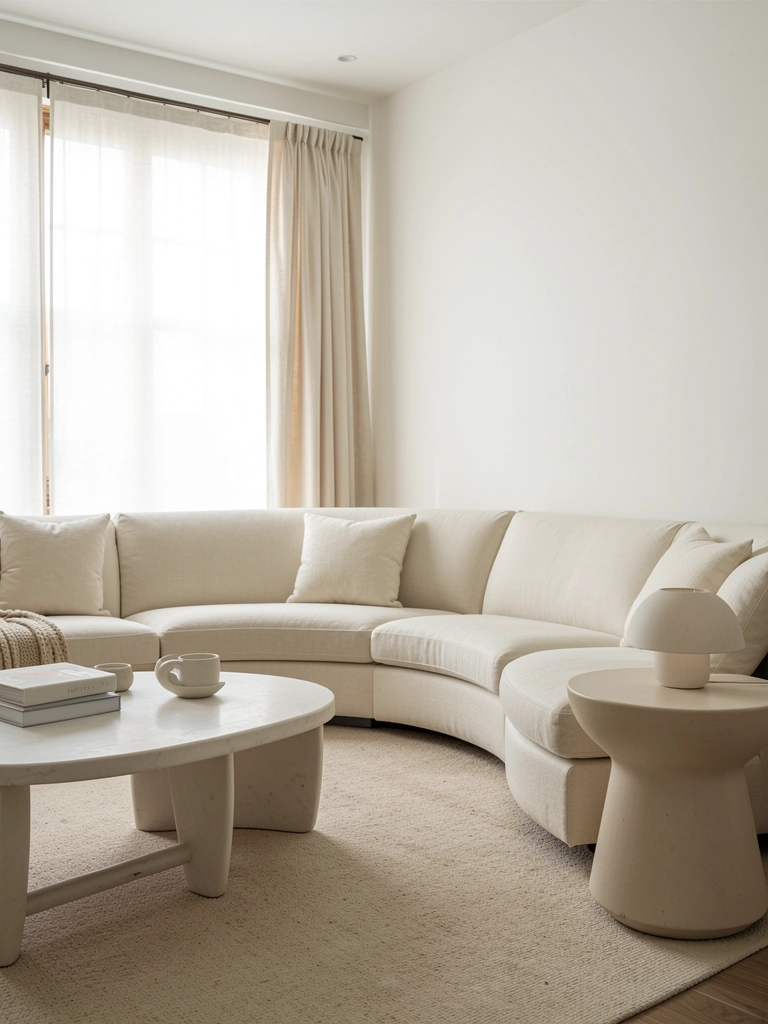
Sharp corners are out; curves are where comfort meets style. A curved sofa or rounded accent chair signals “relax here” in a way straight edges never will.
You don’t need to replace everything—one curved piece changes the whole room’s energy. Look for curved sofas at Article ($800–$2,500), West Elm ($1,200–$3,500), or Facebook Marketplace for secondhand finds ($300–$800). Curved coffee tables and side tables run $150–$400 at Wayfair and Target. If budget’s tight, a single curved accent chair ($300–$600) makes the same point. Installation takes minutes; choosing the right color takes the real time.
Suddenly your room feels less rigid and more inviting—like a space designed for actual living instead of just looking good.
3. Embrace Bold Cabinet Colors in the Kitchen

Minimalism’s neutral everything is officially boring. Deep blues, forest greens, and even moody aubergine are replacing white as the “new neutral”—especially in kitchens where they make the biggest statement.
Paint existing cabinets yourself with quality cabinet paint ($40–$80 per gallon from Sherwin-Williams or Benjamin Moore) and new hardware ($50–$150 for a full set), or hire a pro for $1,500–$3,000. This is a weekend DIY if you’re confident, or a 1-2 day job for professionals. Renter-friendly alternative: stick-on cabinet film ($30–$60 per roll) gives the same effect without commitment.
Your kitchen shifts from forgettable to show-stopping, and you’ll actually enjoy cooking in a space that feels intentional.
4. Create a Reading Nook in Dead Space
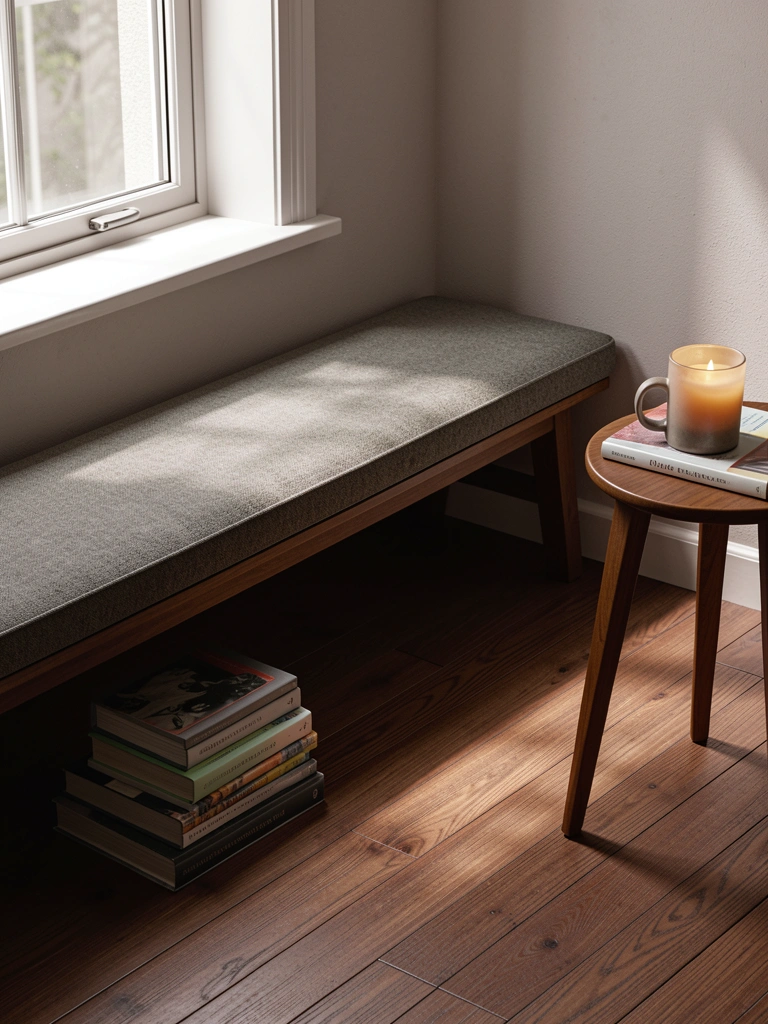
That awkward corner by the kitchen or bedroom window? It’s now your personal retreat. Multifunctional nooks combine work, reading, and relaxation in one small space that actually serves you.
Grab a simple bench ($100–$300 at IKEA, Wayfair, or Target), add a cushion ($30–$100), throw in a small table ($40–$150), and stack some books or a basket for throws. Total time: 30 minutes to arrange. Cost: $200–$500 for everything. Renters love this because nothing’s permanent—just move pieces around as needed.
Now you have a dedicated spot that makes you actually want to sit down, read, or journal instead of scrolling on the couch.
5. Swap Cool Grays for Warm Neutrals
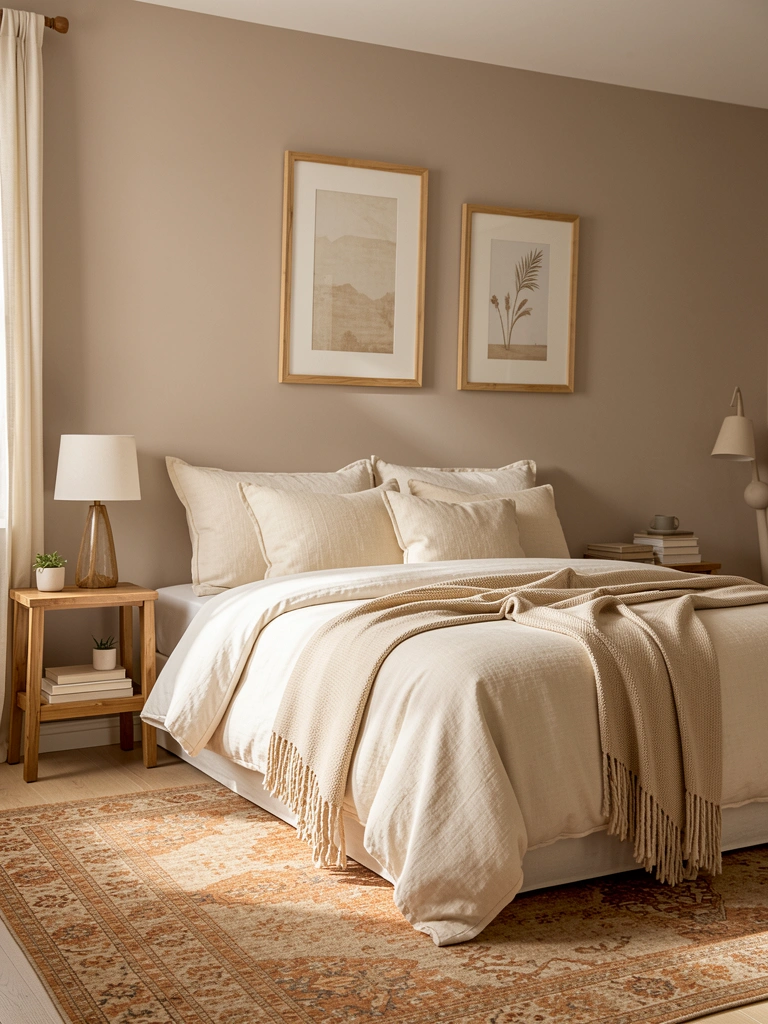
Cool grays made sense five years ago. Now warm beiges, soft terracottas, and creamy taupes are where it’s at—they make spaces feel enveloping rather than sterile.
Pick one accent wall or go full-room; either works. Quality paint runs $35–$60 per gallon (Sherwin-Williams, Benjamin Moore, or Behr). Budget 4–8 hours for a bedroom, or hire a painter for $300–$800. If you’re renting, peel-and-stick wallpaper in warm tones ($20–$50 per roll) gives the same cozy effect without the landlord drama.
Your whole room immediately feels more lived-in and soothing—like somewhere you actually want to spend time.
6. Mix Bold Patterns Without Fear
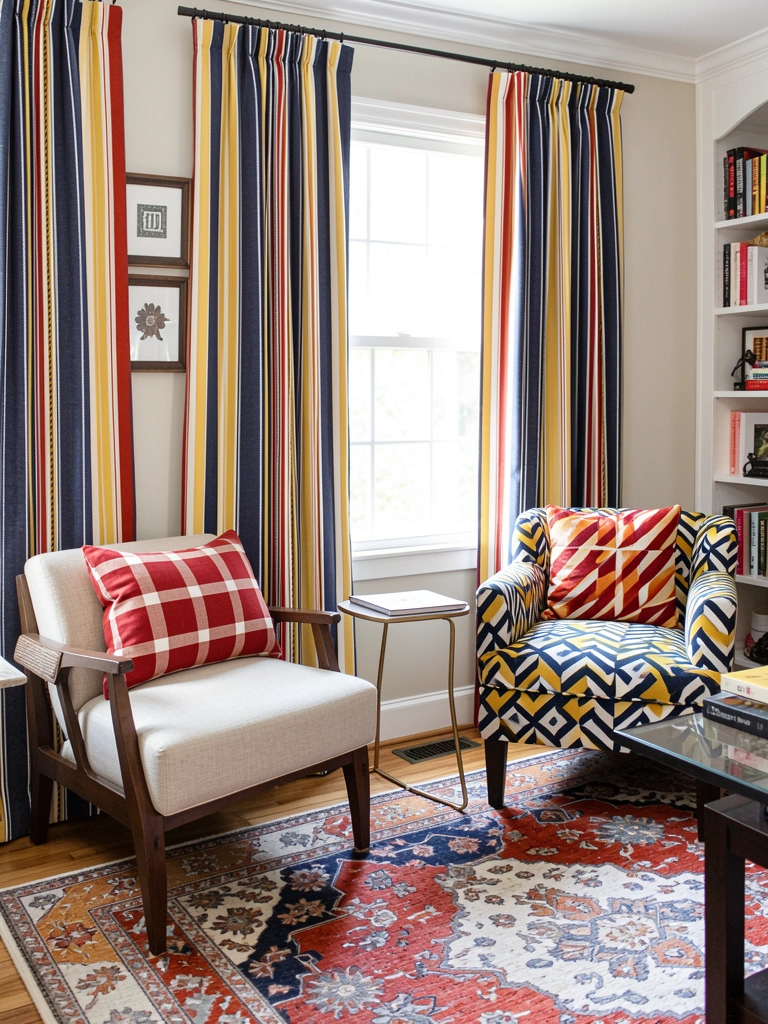
Pattern phobia is real, but limiting yourself to solids means missing out on personality. Stripes, checks, and geometrics are surging (+5,000% searches for checks alone), and mixing them looks intentional when you follow one rule: keep colors consistent.
Start with one bold patterned statement piece (a rug for $50–$300 at Ruggable or Wayfair), then layer in complementary patterns in similar tones—a striped pillow here, a checked throw there. Buy individually so you can test combos before committing; most stores accept returns. This costs $150–$400 total and takes 0 installation time.
Your space goes from “safe and boring” to “I clearly have good taste and vision.”
7. Install Textured Limewash Walls
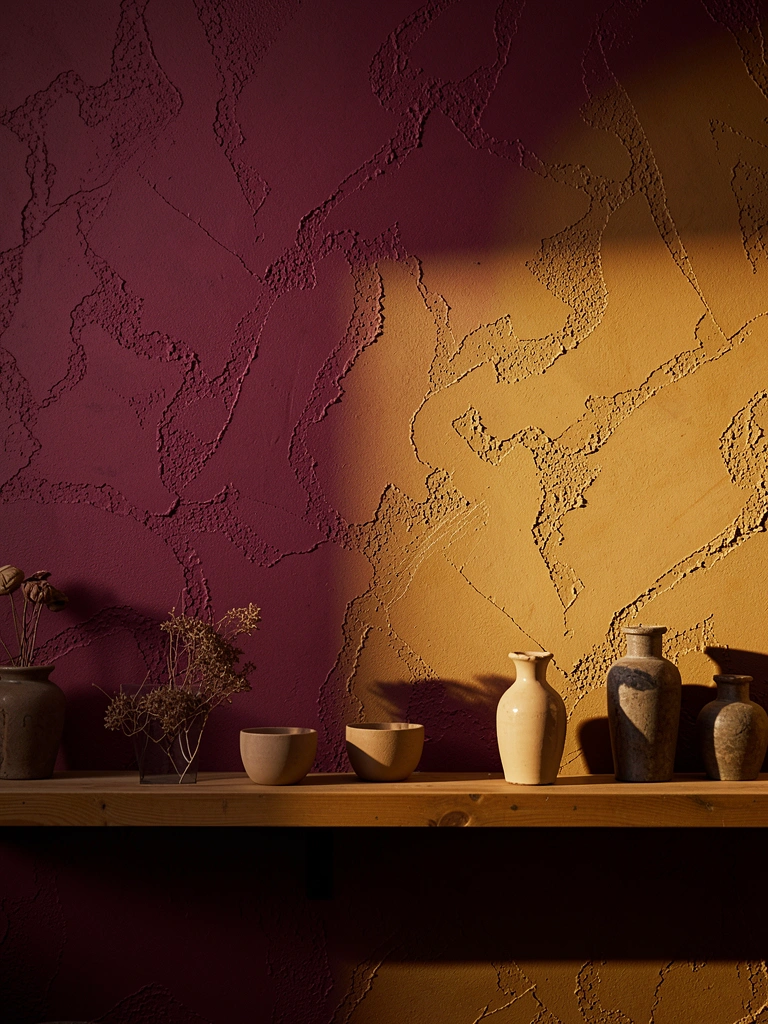
Flat paint is fine, but textured limewash feels like art. It’s DIY-able, forgiving, and transforms walls into something people actually comment on.
Limewash kits run $25–$60 at Home Depot or online. Watch a YouTube tutorial (20 minutes), then apply with a brush or sponge—takes 2–3 hours for one room and requires zero special skills. Mistakes look intentional with textured finishes. Bold colors like deep aubergine or mustard work best and hide imperfections while adding drama.
Your walls stop being a background and become a feature that anchors the entire room’s vibe.
8. Use Hand Stenciling for Custom Wall Art
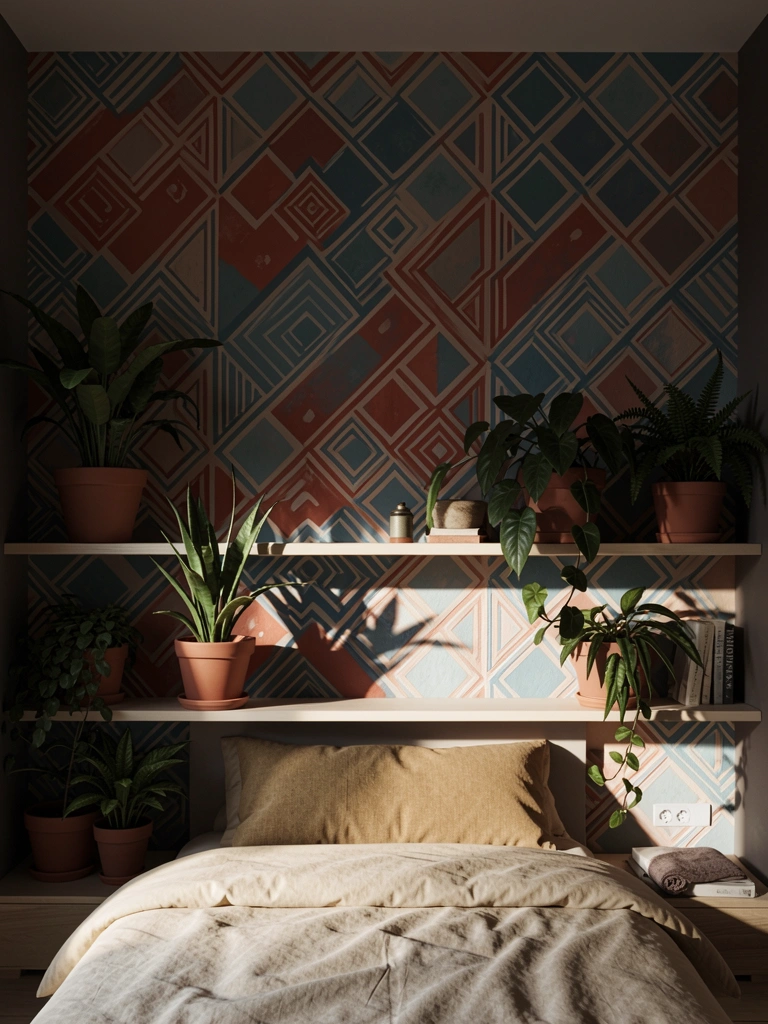
TikTok has made DIY wall art accessible to everyone, and hand stenciling is the easiest entry point. No painting skills required—just a stencil, a sponge, and confidence.
Grab stencil templates ($10–$30 from Amazon or Etsy), pick two coordinating paint colors, and go to town on an accent wall. Takes 3–4 hours for a full wall and costs around $40 total. If it looks wonky, that’s the charm—hand-done always beats perfect. Renters, don’t worry: test on a poster board first, then add it to your wall.
Suddenly your bedroom or entryway feels personalized and gallery-worthy, not like a rental or placeholder space.
9. Layer Textured Throws and Pillows
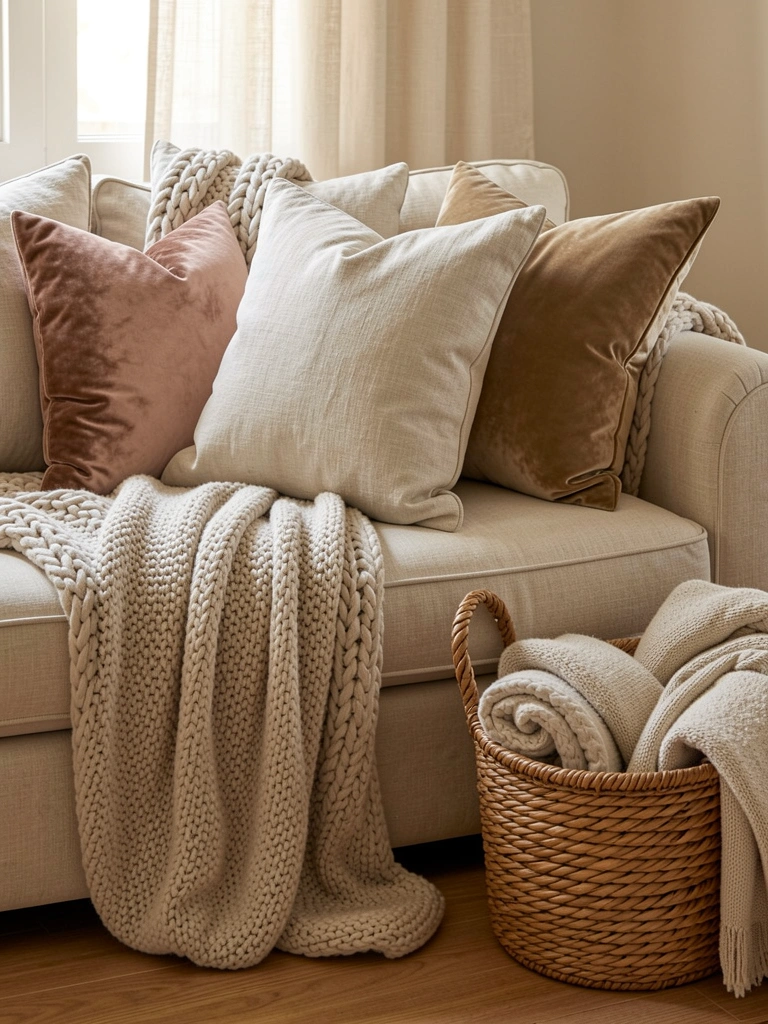
One throw pillow looks lonely. Eight throws in varying textures (linen, wool, faux fur, velvet) looks intentional and cozy. This is the easiest way to fight the “cold minimalist” problem without spending big.
Mix textures across $15–$50 pillows from Target, IKEA, or West Elm. Add a chunky knit throw ($30–$100) and a woven basket ($25–$80) to store extras. Total investment: $200–$400 for a whole sofa’s worth, and it takes 10 minutes to arrange. This works in rentals since nothing’s permanent.
Your seating area becomes the place everyone wants to sink into, and it looks like a magazine shoot without trying.
10. Paint Ceiling Beams for Architectural Warmth
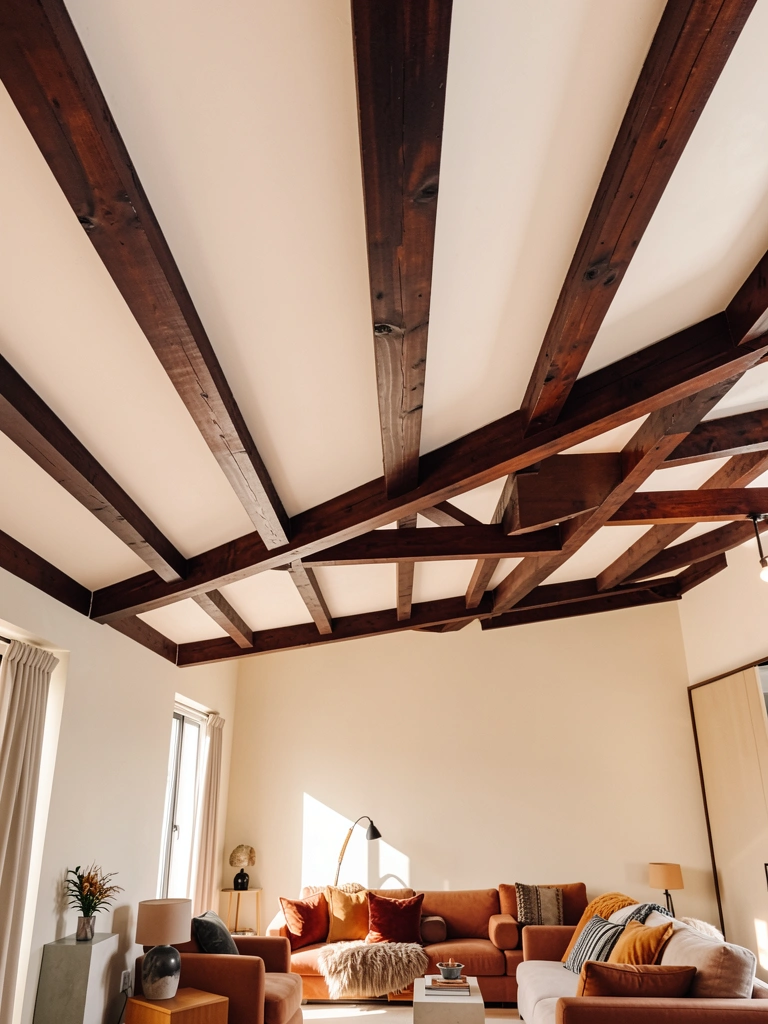
Visible ceiling beams are trending, but not everyone has them built in. Paint faux beams ($40–$80 in paint cost) or highlight real ones with a contrasting color to add instant architectural interest and warmth.
If you have real beams, a darker wood stain or paint ($30–$100 depending on size) takes a weekend and looks professional. No beams? Faux beam kits from Home Depot or Wayfair ($100–$300) stick up in hours and look surprisingly real from below. Hire help if heights scare you ($500–$1,500 for installation).
Your ceilings stop being invisible and become part of your design story—suddenly everything feels more substantial.
11. Define Spaces with Room Dividers (No Walls)
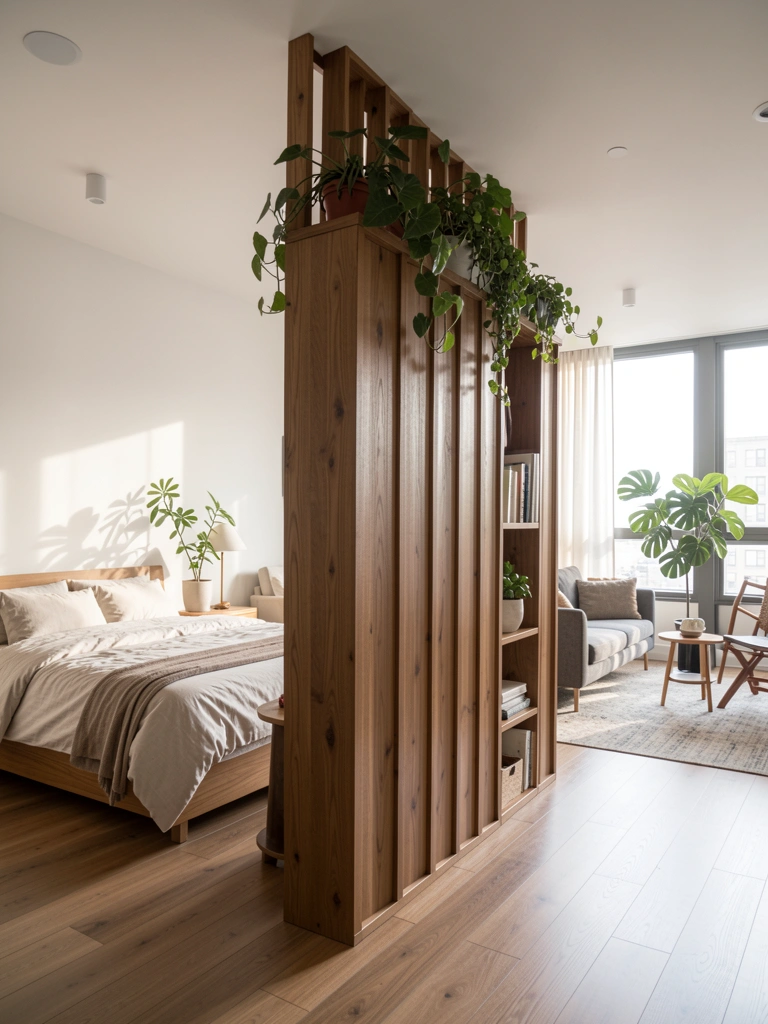
Open concepts are great until you need privacy or visual separation. Room dividers give you zones without the landlord saying no.
Folding screens ($40–$200 at Target, IKEA, Wayfair) are quick and renter-friendly. For something more permanent, tall open shelving ($150–$400) or curtain rods with fabric ($30–$100) create soft boundaries. Bookcases back-to-back ($100–$300 each) work too. Most installs take under an hour and involve no drilling.
Now your open space reads as intentional zones instead of one big, undefined room—you actually feel like you have separate living and sleeping areas.
12. Invest in Quality Rugs to Ground Spaces
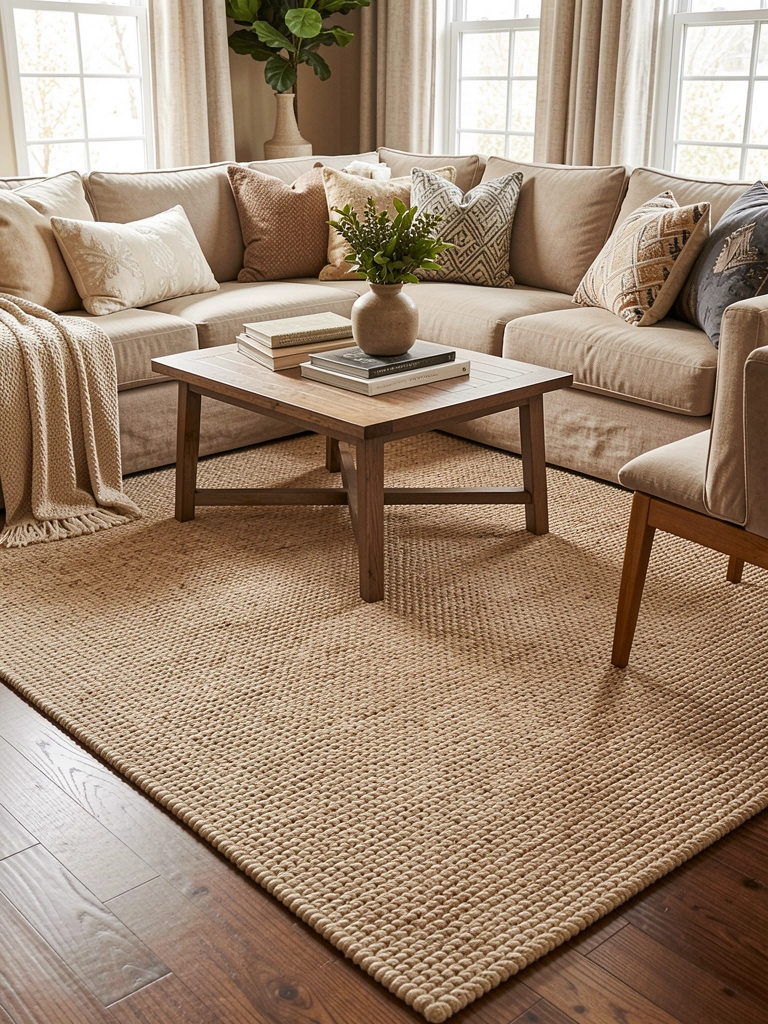
Rugs are the single most underrated design investment (the category’s worth $51.87B for a reason). A good rug makes everything feel more pulled together, defines spaces, and adds texture instantly.
Buy rugs that photograph well—natural fibers (jute, wool) or patterned designs ($200–$800 from Ruggable, Wayfair, West Elm, or CB2). Size matters: area rugs should anchor furniture, not float in the middle of the room. Washable rugs ($150–$400) are renter and pet-owner gold. This is a one-time purchase that lasts years.
Suddenly your room feels grounded, intentional, and significantly more expensive-looking than it actually is.
13. Add Candles for Scent and Ambiance
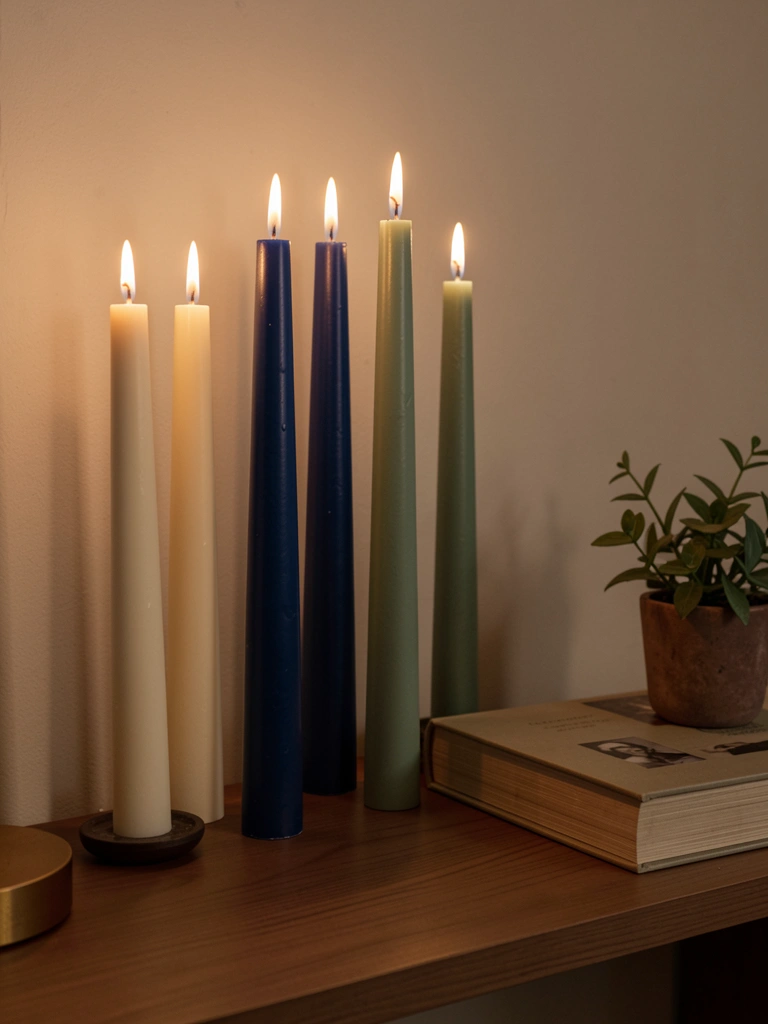
Scent is the forgotten design layer. The candle market’s at $11.51B for 2025—people know this works. A few quality candles don’t just smell good; they shift your whole room’s atmosphere.
Grab 2–3 candles ($15–$40 each from Diptyque, Jo Malone, or budget-friendly brands like Threshold from Target) and place them on shelves, coffee tables, or bathrooms. Unscented candles ($5–$15 each) add ambiance without smell if you’re sensitive. Group them in odd numbers for visual interest. Costs $30–$100 total; display takes 5 minutes.
Your home stops smelling like “nothing” and starts smelling intentional—visitors notice immediately, even if they can’t put their finger on why.
14. Paint an Accent Wall in Deep Color
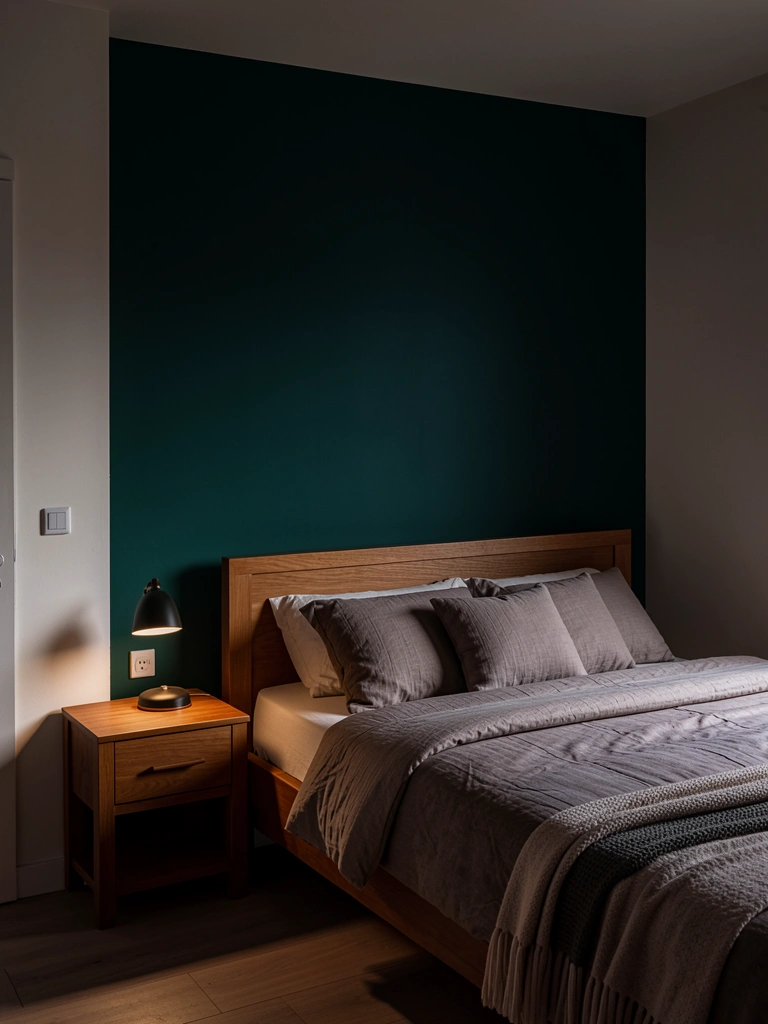
One accent wall breaks up the “all one color” trap and costs way less than full-room painting. Go bold—deep greens, navy, or even charcoal—and let it anchor the whole room.
Quality paint ($35–$60 per gallon) covers one wall in 2–3 hours if you DIY ($0–$20 in supplies), or hire a painter for $200–$500. Light colors bounce light; dark colors add drama—choose based on your room’s natural light. Renters, use removable wallpaper ($20–$50 per roll) instead.
Your room instantly feels more designed and intentional—like you actually made a plan instead of going with whatever was cheapest.
15. Create Defined Zones with Strategic Lighting
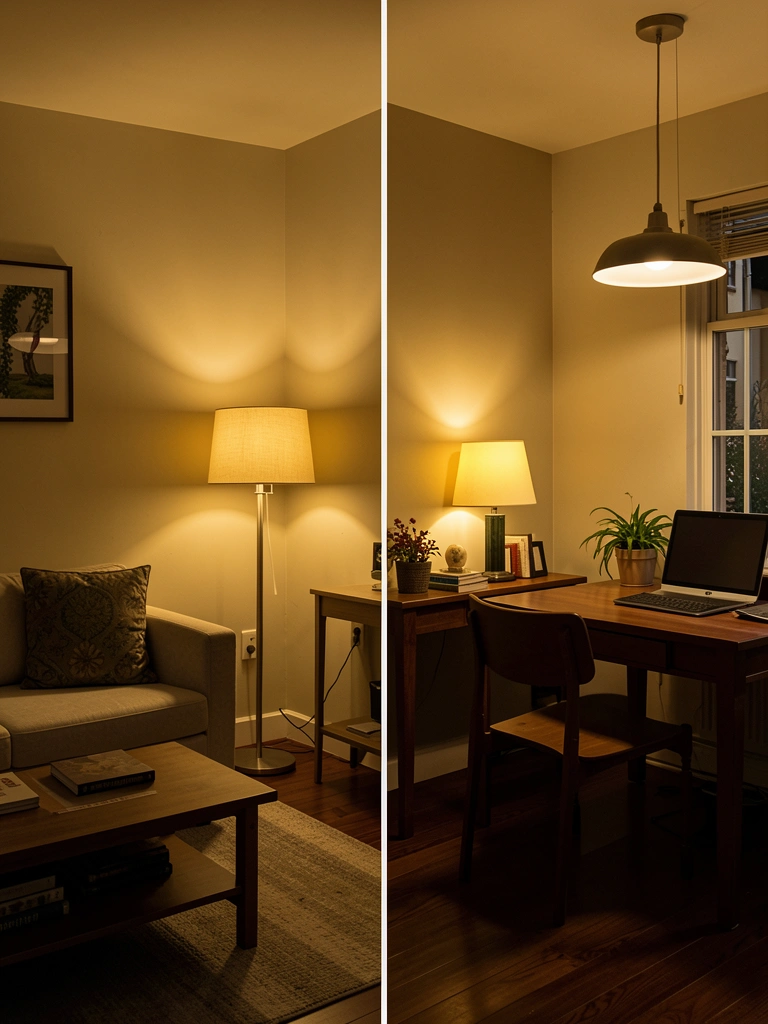
Open-concept spaces feel chaotic without visual or light-based boundaries. Strategic lighting creates zones without building walls and costs less than you’d think.
Add a floor lamp ($40–$150) to a reading corner, a table lamp ($30–$100) to a console, or pendant lights ($50–$250 each) over a desk area. Layer these with overhead lights for full flexibility. Costs $200–$500 total depending on style and where you shop (IKEA, West Elm, Article). Installation takes 30 minutes if there are outlets nearby; electricians can add outlets for $100–$300 per zone.
Now your open space reads as intentional living zones, and you can control the vibe independently—bright for work, dim for relaxing.
16. Swap Hardware for an Instant Refresh
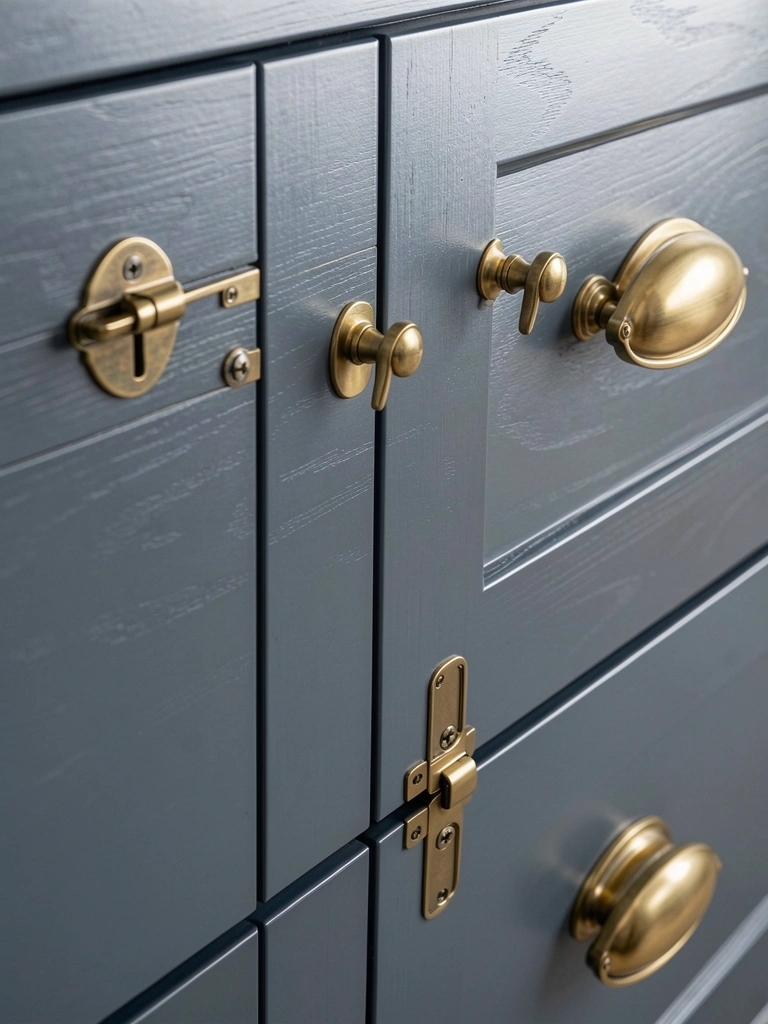
Hardware sounds small until you realize it’s the jewelry of furniture. Swapping out old knobs and pulls for brass, gold, or modern black hardware shifts your whole aesthetic in minutes.
Gather measurements of your current hardware, then order replacements ($1–$5 per piece) from hardware stores, Wayfair, or Amazon—even 10 pieces runs $30–$80 total. Swap them out with a screwdriver in 20 minutes. This works on kitchen cabinets, dressers, nightstands, or bathroom vanities. Renters, check with your landlord first or keep old hardware to reinstall later.
Suddenly your furniture looks intentional and updated, like you actually invested thought into every detail.
17. Layer Throw Blankets for Texture and Function

Throw blankets serve double duty: they’re functional comfort items that also happen to be the easiest way to add texture without commitment. Styling with throws makes any seating feel cozier and more personal.
Mix textures and tones—chunky knit ($30–$100), cable knit ($20–$80), faux fur ($25–$75)—and drape them over sofas, chairs, and beds. Buy from Target, IKEA, West Elm ($20–$120 each), or thrift stores ($5–$15). Layer 2–3 throws per seating area. Total cost: $60–$300; styling time: 10 minutes.
Your space immediately feels more lived-in and cozy, and you’ll actually use these for comfort instead of just decoration.
18. Hang Large-Scale Art or Mirrors
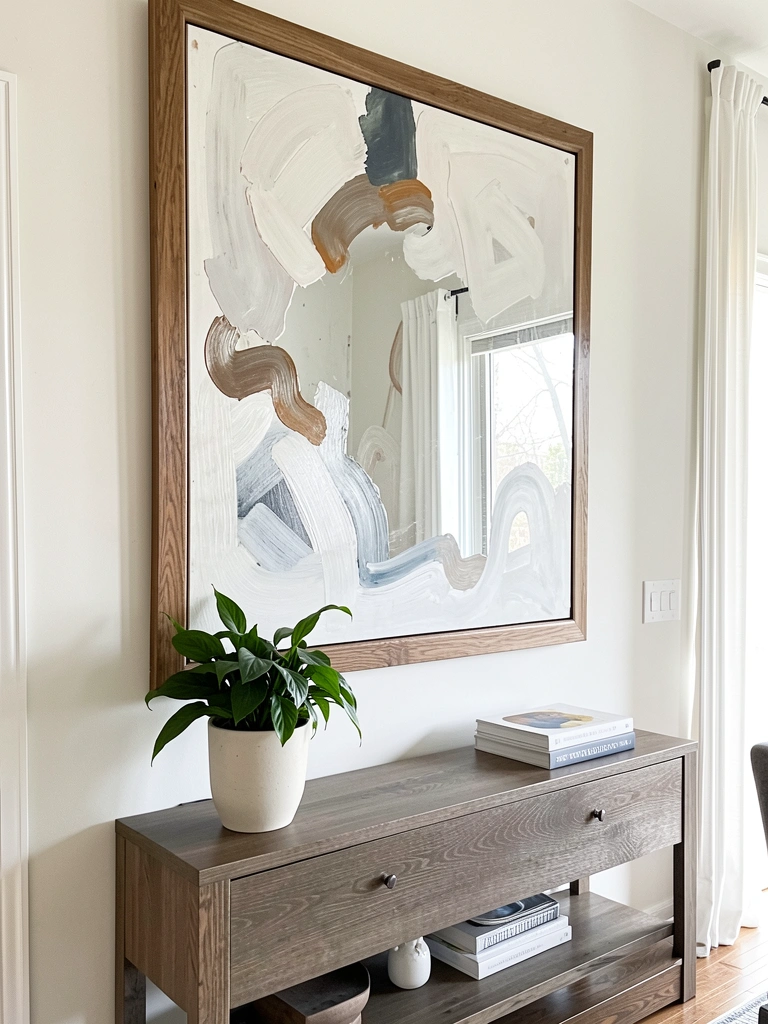
One big piece beats twenty small ones every time. Large-scale art or mirrors anchor walls, make rooms feel intentional, and often cost less than you’d expect—especially if you’re strategic about sourcing.
Buy from local artists ($100–$500), Wayfair ($50–$400), Etsy ($30–$300), or thrift stores ($20–$100 for real finds). Oversized mirrors ($100–$300) bounce light and make small spaces feel bigger. Installation: one nail if it’s lightweight, or hire someone for $50–$150. Takes 30 minutes DIY.
Suddenly that blank wall has a purpose, and the room feels complete instead of empty.
19. Create Contrast with Dark Walls and Light Trim
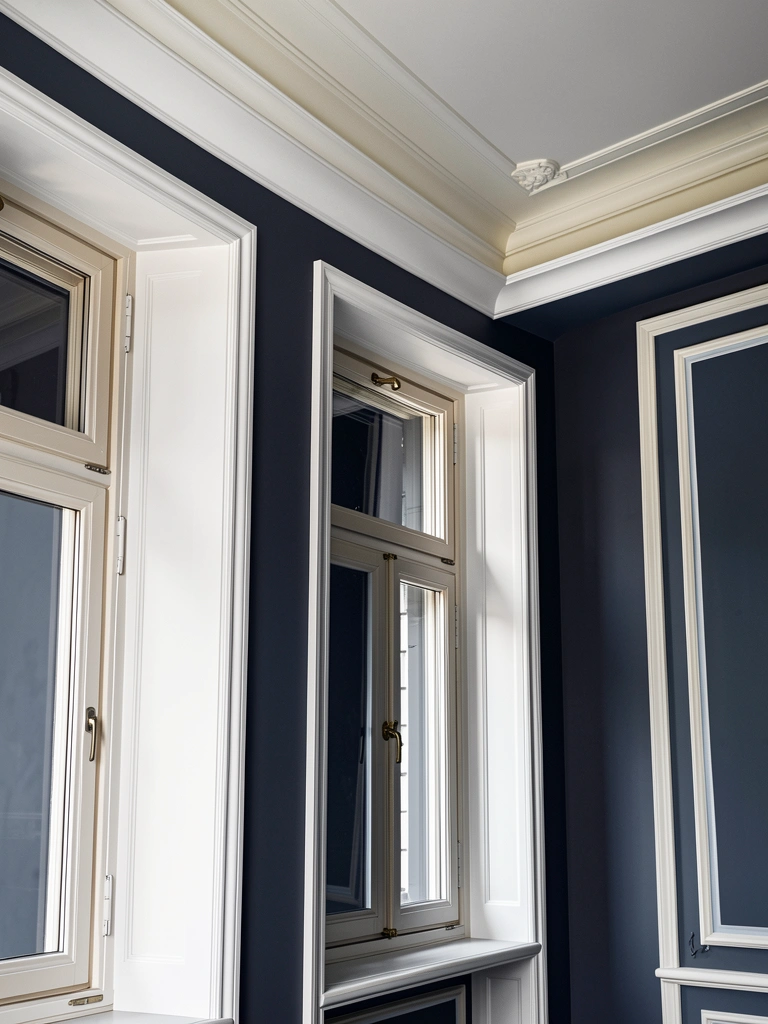
Contrast is high-impact design. Dark walls with light trim and ceiling create drama and make rooms feel curated instead of coincidental.
Paint walls a deep tone ($35–$60 per gallon) and keep trim/ceiling white or cream ($25–$50 per gallon). This costs $100–$150 in supplies for one room if you DIY, or $400–$800 if you hire a painter. Takes a weekend DIY or 1–2 days professionally. The contrast makes architectural details pop and adds sophistication without being trendy.
Your room feels more expensive and design-forward, even if the furniture stayed exactly the same.
20. Add Open Shelving to Kitchen or Bathroom
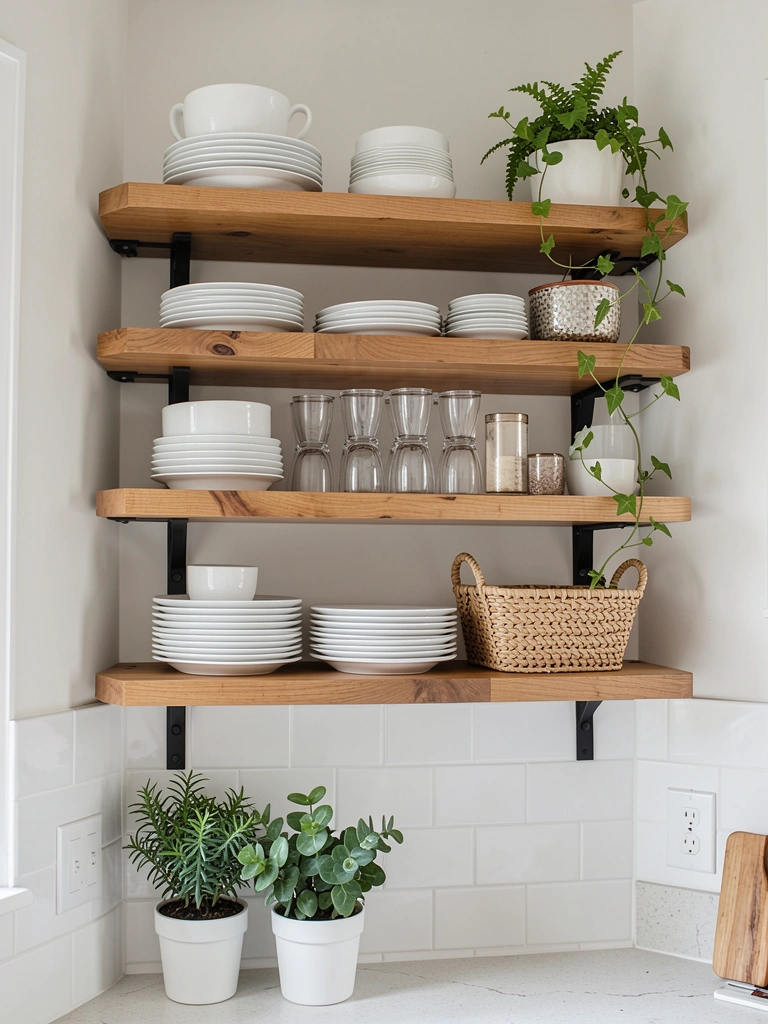
Open shelving makes rooms feel bigger, more functional, and more personal than closed cabinets. It forces you to keep things styled, but the payoff is a space that feels intentional instead of hidden.
Install shelves yourself with a level and stud finder ($50–$100 in tools one time) or hire a handyperson ($150–$300 per shelf installation). Wood shelves cost $30–$100 each depending on size; industrial brackets add $20–$50 per shelf. Styling takes time but costs nothing—arrange dishes, plants, and a few pretty objects for visual interest. Takes 2–3 hours to install and style.
Now your daily items become part of your décor, and you love reaching for things because everything’s beautiful.
21. Upgrade to Quality Bedding and Pillows

You spend a third of your life in bed. Quality bedding isn’t a luxury—it’s the foundation of a bedroom that feels like a retreat. High-thread-count sheets and quality pillows transform how your room looks and feels.
Invest in a good sheet set ($80–$200 from Brooklinen, Parachute, or even Target’s Threshold line) and pillows ($40–$100 each from Casper, Purple, or traditional options). A quality duvet ($150–$300) ties everything together. This is a one-time purchase that lasts years; styling takes 10 minutes and costs nothing.
Your bedroom stops being a place you sleep and becomes a space you actually want to retreat to—suddenly early nights sound great.
22. Create a Gallery Wall of Mixed Frames
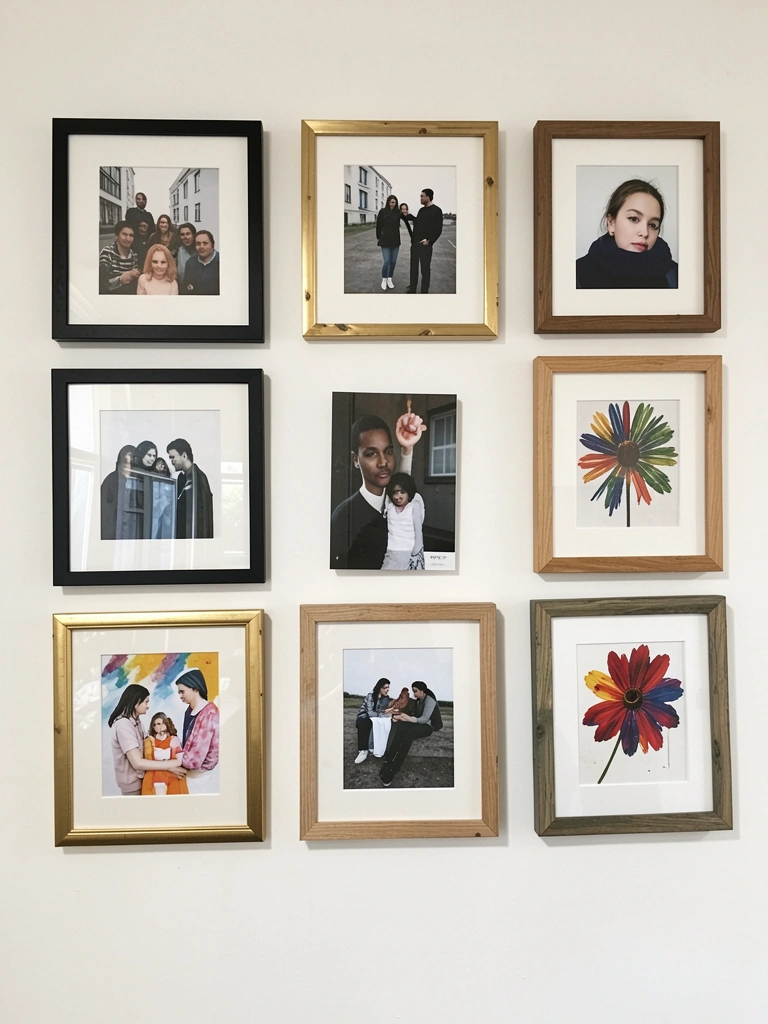
Gallery walls used to look Pinterest-perfect and unrealistic. Now the trend is “messy gallery walls”—mixed frames, different sizes, personal photos mixed with art. This is how real people style their homes.
Collect frames from thrift stores ($2–$8 each), IKEA ($3–$20), or Target ($5–$30). Print photos and art from Etsy or your own collection. Arrange on the floor first, then hang in a loose grid formation (takes 2–3 hours including hanging). Total cost: $40–$150 depending on how many frames you need.
Suddenly your wall tells your personal story instead of looking like a showroom—visitors actually stop to look at it.
23. Paint Kitchen Cabinets a Fresh Color
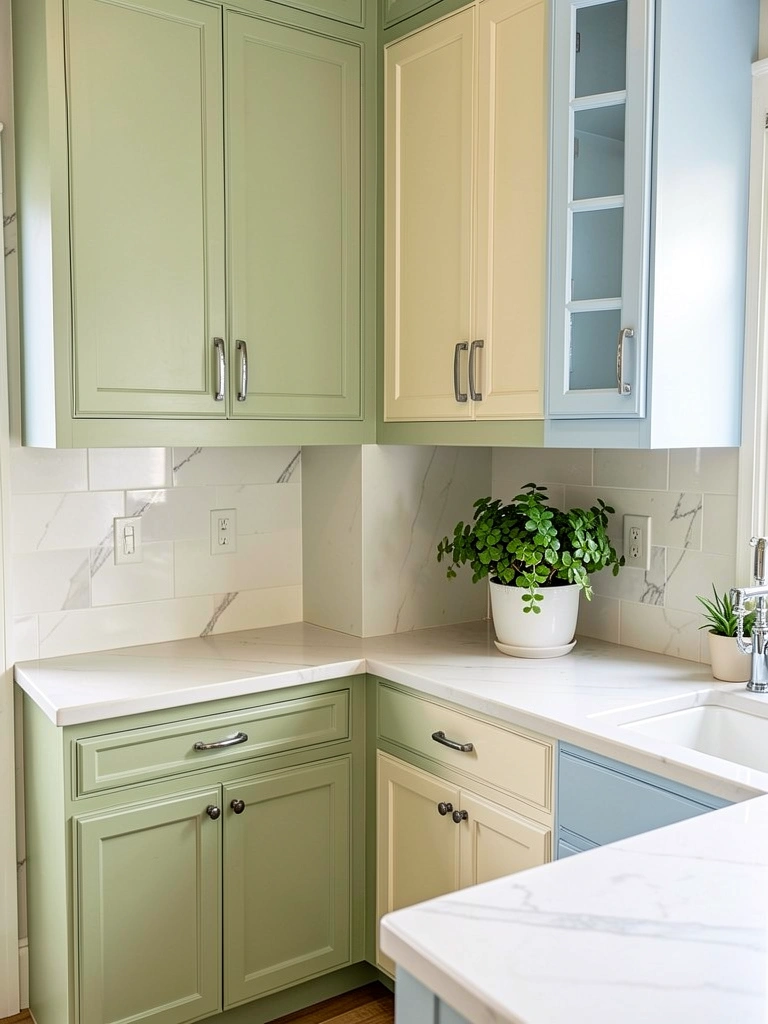
If bold cabinet colors feel risky, go soft: pale sage, cream, dusty blue, or warm gray. These colors feel fresh and current without the commitment of deep tones.
Cabinet paint costs $40–$80 per gallon; new hardware runs $50–$150 for a full set. DIY takes a weekend ($0 labor), or hire professionals for $1,500–$3,000. This is one of the highest-ROI updates you can make—your kitchen looks completely refreshed without replacing anything.
Your kitchen goes from outdated to magazine-ready in one weekend, and you’ll enjoy cooking in a space that feels intentional and updated.
24. Use Wallpaper to Add Pattern and Texture
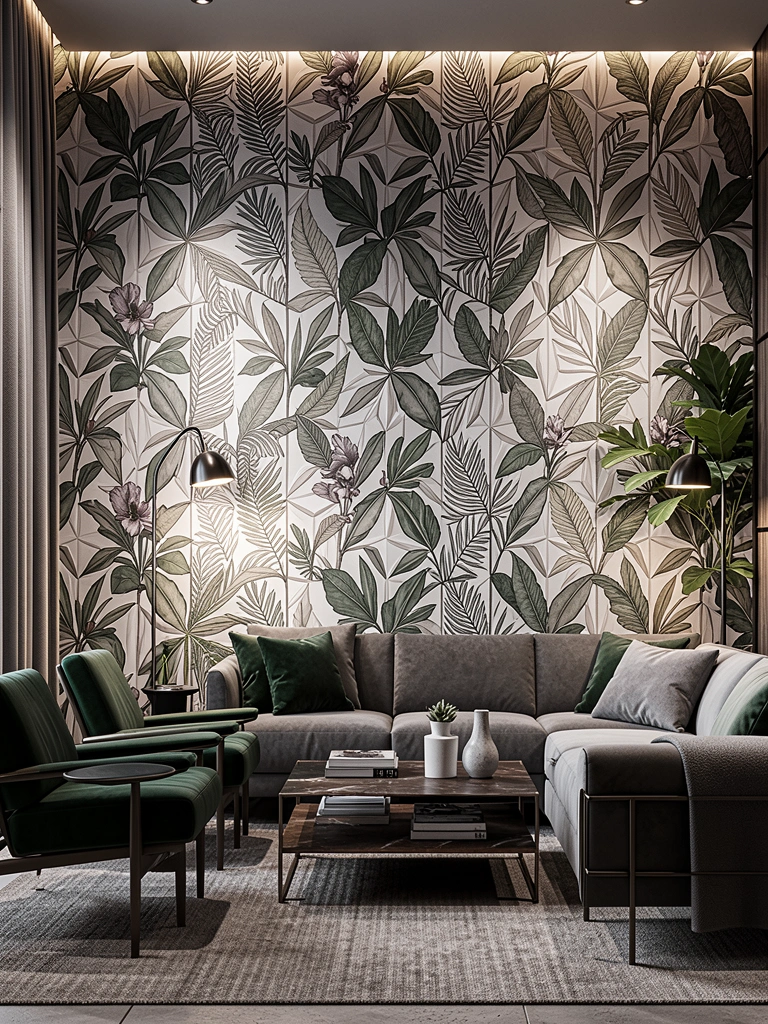
Wallpaper’s back, and it’s not your grandmother’s floral anymore. Modern patterns (geometrics, botanicals, stripes) add depth and personality in a way paint never could.
Peel-and-stick wallpaper costs $20–$80 per roll (Spoonflower, Etsy, Amazon); traditional wallpaper runs similar prices with professional installation at $300–$800. One accent wall needs 2–3 rolls depending on size; takes 2–3 hours DIY or one day professionally. Renters, stick with removable options. Installation is forgiving—mistakes smooth out.
Your wall becomes a statement and conversation starter instead of boring background—suddenly people notice your space.
25. Create Seating with a Vintage or Thrifted Find
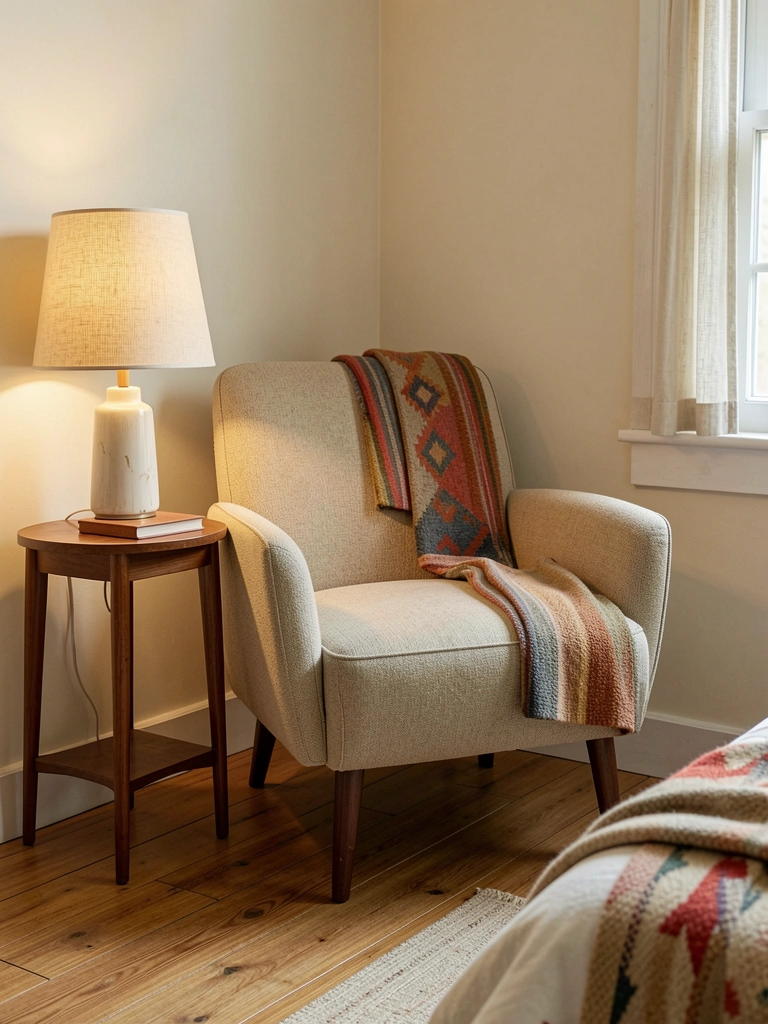
Vintage and secondhand furniture has that “I found this and made it work” vibe that new furniture can’t replicate. One thrifted statement chair or bench adds personality and saves money compared to retail.
Hunt thrift stores, Facebook Marketplace, or estate sales ($50–$300 for good bones). Factor in reupholstering costs ($200–$600 depending on size) if needed, or just add a throw if it’s comfortable as-is. Total investment: $50–$600 depending on what you find. This is a weekend treasure hunt.
Your room feels curated and personal instead of like you shopped one store—plus you’re actually supporting sustainability.
26. Layer Lighting with Dimmer Switches
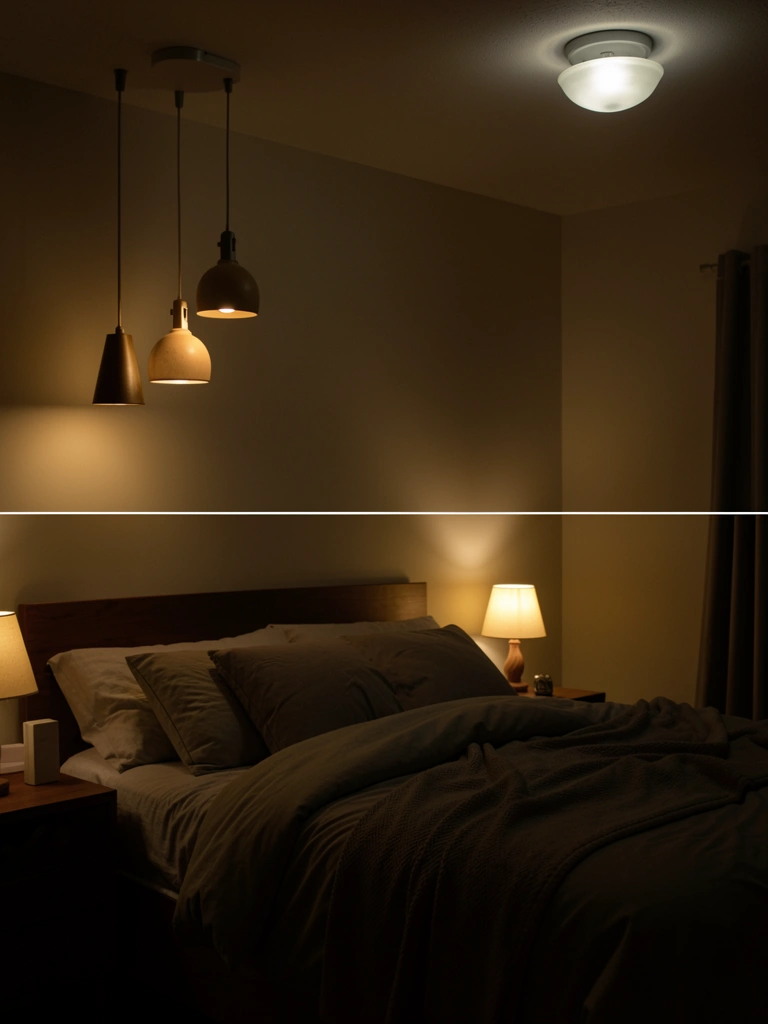
Single overhead lighting is the enemy of ambiance. Dimmer switches let you control the vibe—bright for function, soft for relaxing—without adding any new fixtures.
Install dimmer switches ($15–$30 each) in place of regular switches; hire an electrician for $100–$200 per switch if you’re not confident, or DIY if you’re handy (flip the breaker first). Pair with dimmable bulbs ($5–$15 each from any hardware store). Total investment: $50–$300 depending on how many switches you upgrade.
Now you can adjust your lighting to match your mood instead of living in one harsh brightness level all day.
Save this post and pick one idea to start this weekend. Even if you just swap out hardware or add a throw blanket, you’ll notice the difference immediately. Which idea speaks to you most—are you going bold with color, or starting with texture?
Leave a Reply