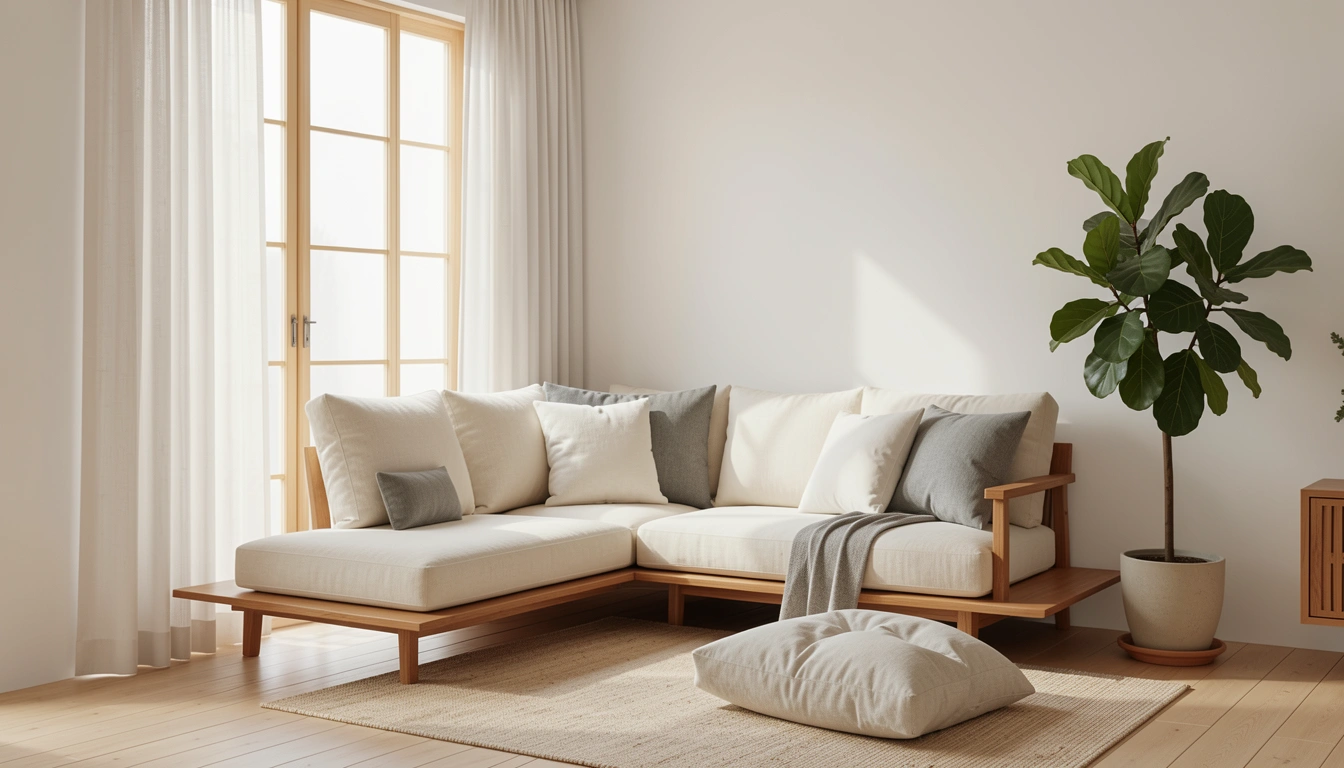
If you love the idea of a calm, uncluttered home but crave warmth instead of cold minimalism, Japandi is your answer. This design blend marries Japanese simplicity with Scandinavian coziness—think clean lines paired with natural textures, neutral palettes softened by organic materials, and intentional spaces that actually feel livable. The beauty? You don’t need a massive budget or a complete renovation. Whether you’re renting or own your home, these 27 ideas let you layer in Japandi elements gradually, building a space that feels both serene and inviting. Let’s explore how to create that peaceful, warm sanctuary you’ve been dreaming about.
1. Anchor with a Low-Profile Natural Wood Sofa
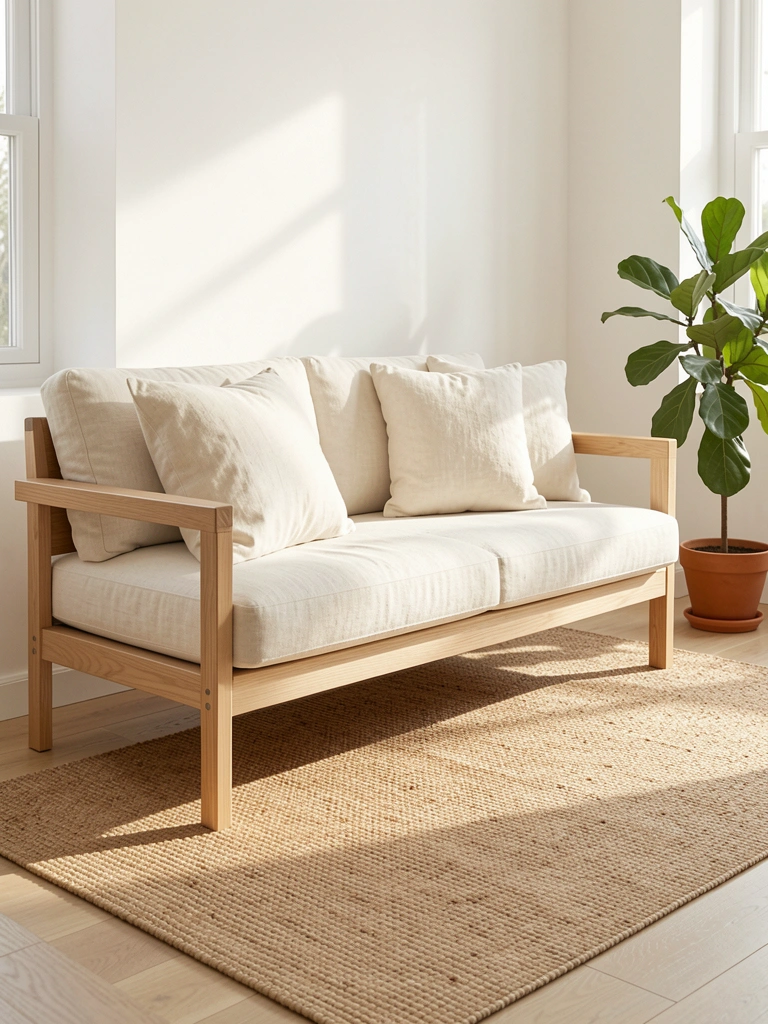
A low sofa is the foundation of Japandi design—it grounds the room visually while keeping sightlines open. Natural wood frames (oak, walnut, or teak) paired with light linen upholstery create that perfect balance of warmth and calm.
Look for sofas under $800 at IKEA, Article, or West Elm that feature wood legs and simple silhouettes. If you’re renting, many stores offer affordable options ($400–$600) that move easily. Time commitment: just the delivery and setup. The result? Your room immediately feels more spacious and intentional, even if everything else stays the same. The low profile signals restraint while the natural materials whisper warmth.
2. Paint Walls in Soft, Warm Neutrals
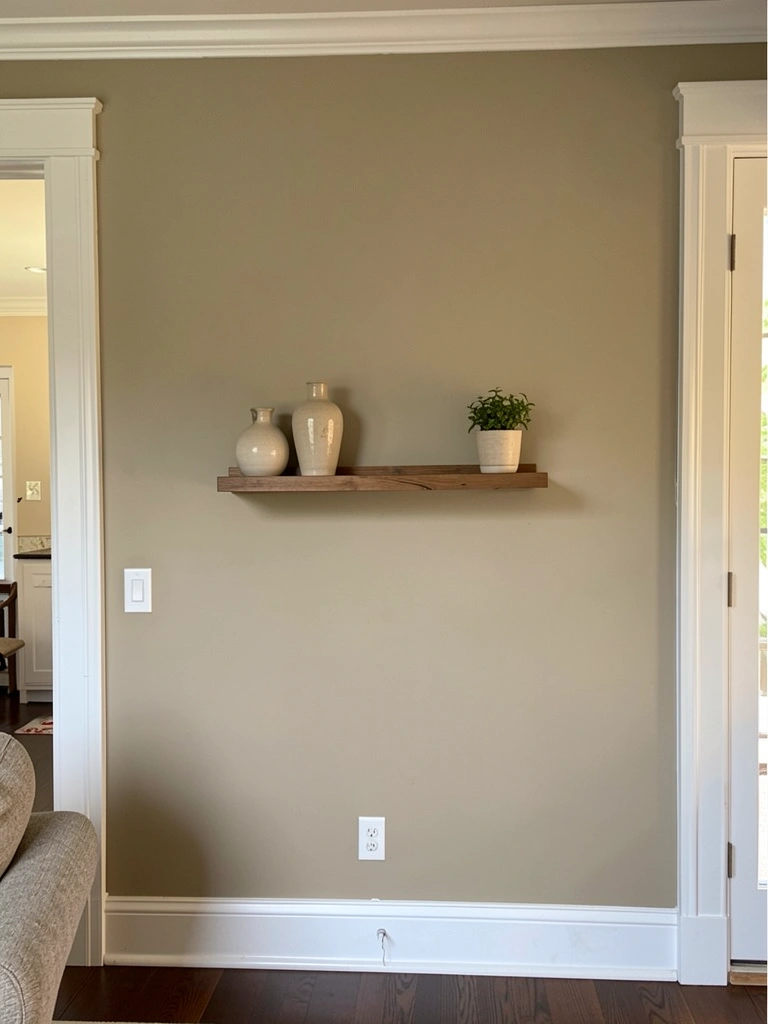
Skip stark white. Instead, choose warm neutrals like greige, soft taupe, or pale cream that anchor Japandi spaces. These colors feel intentional without being bold, creating a serene backdrop for your life.
Benjamin Moore’s “Accessible Beige” or Sherwin-Williams “Urbane Bronze” (in lighter versions) work beautifully—paint costs $25–$50 per gallon, and a room takes one weekend. Rent-friendly alternative: removable wallpaper in neutral tones ($30–$60 per roll). The transformation is subtle but powerful. Your furniture pops against the calm backdrop, and the room instantly feels more restful and cohesive.
3. Layer Woven Textures Through Area Rugs
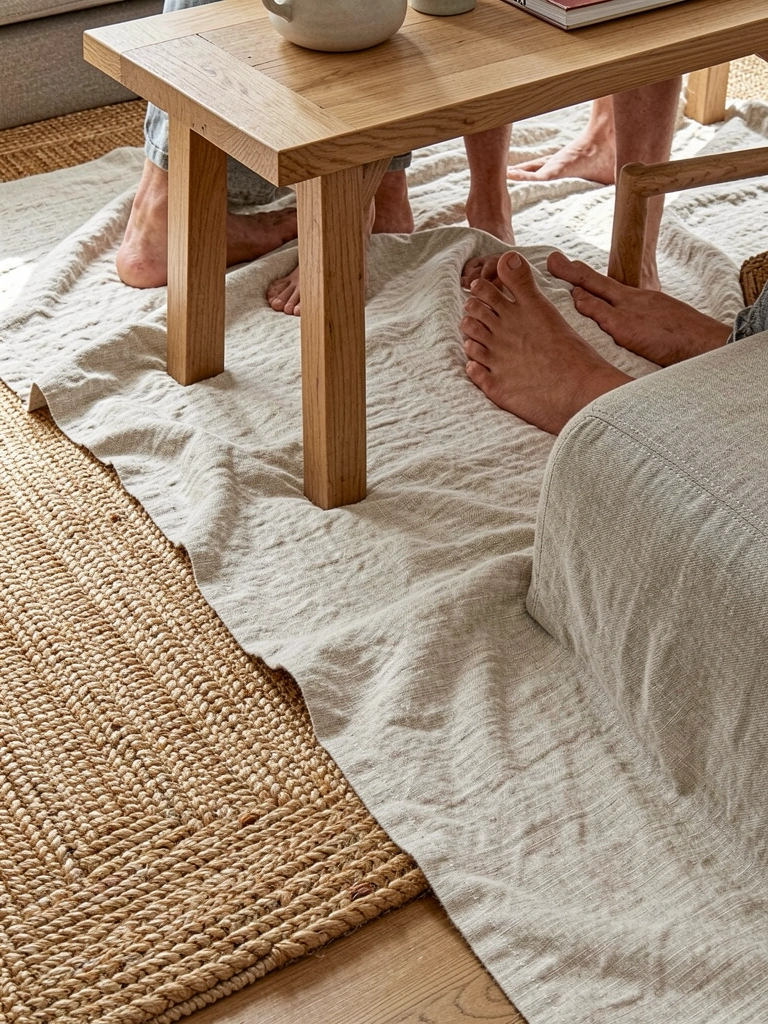
Multiple rugs create visual interest and define zones without walls. Combine a larger jute base ($100–$300) with a smaller, lighter natural-fiber rug layered on top ($50–$150). This adds warmth underfoot while maintaining that clean Japandi aesthetic.
Wayfair, Rugs USA, and Article carry excellent options in sisal, jute, and linen. Layering takes five minutes and zero skill. Renters love this because you can remove it anytime. You immediately notice how the textures warm up the space and make seating areas feel more defined and intentional.
4. Install Floating Wooden Shelves with Negative Space
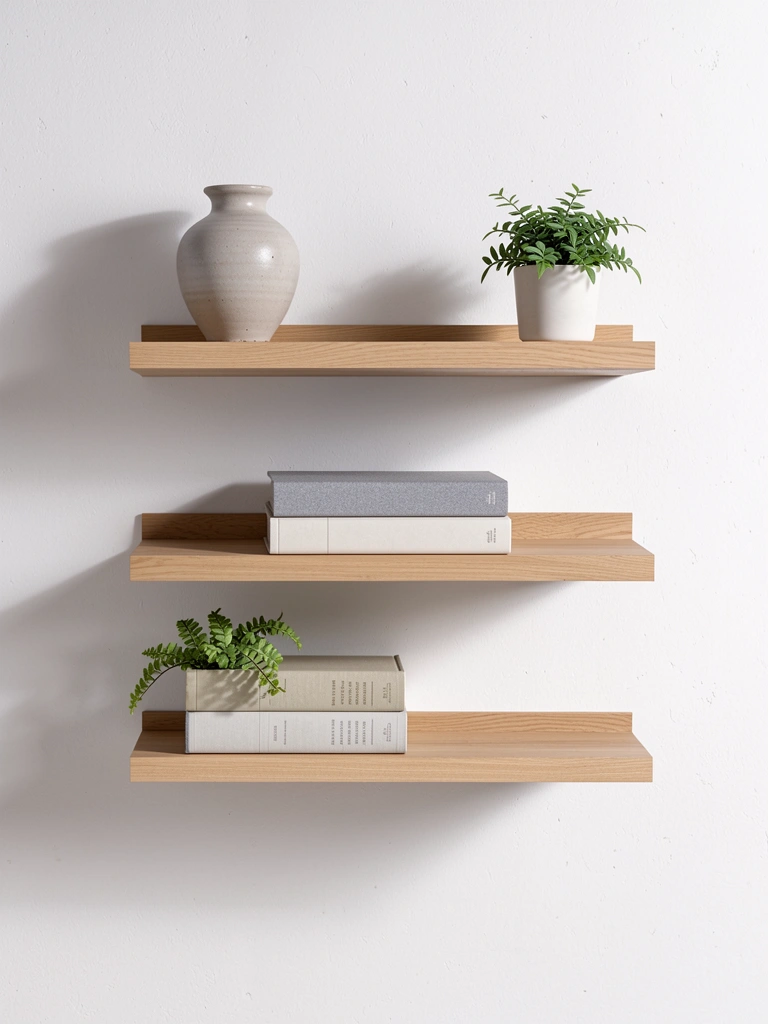
Floating shelves embody Japandi restraint—they’re functional but feel light. Install 2–3 shelves using simple brackets ($15–$40 per shelf kit) and leave 40% of each shelf empty. This “breathing room” is core to the aesthetic.
Home Depot and Lowes stock easy-install options that take 30–45 minutes with a drill. Renters: adhesive shelves exist but floating shelves are worth the small holes. What you see isn’t a cluttered display but a curated collection. The negative space becomes as important as the objects, creating visual calm and focus.
5. Choose Japanese Ceramic Pieces for Display
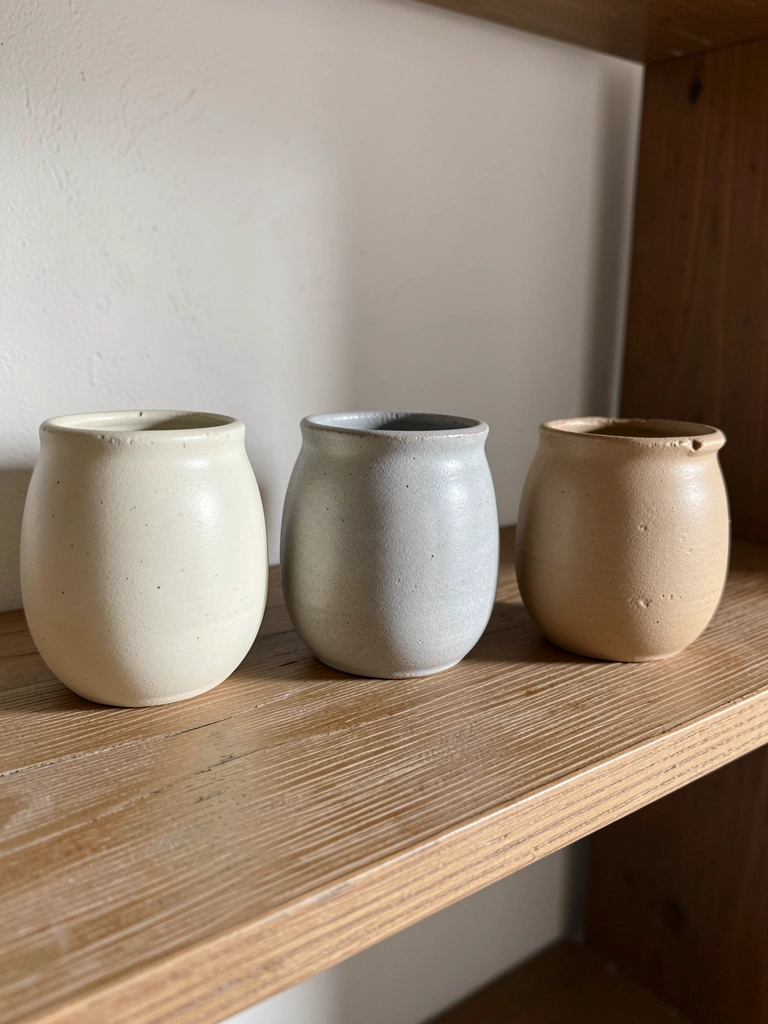
Ceramics are the jewelry of Japandi design. Seek out Japanese-inspired pieces (or actual Japanese imports) with imperfect, organic glazes—think cream, dove gray, soft charcoal, and warm sand tones.
Etsy sellers specializing in Japanese ceramics offer pieces from $20–$80; local pottery studios and HomeGoods often stock similar items ($15–$50). One or two statement pieces work better than many. Arrange them on open shelving or a simple console. These tactile objects make your space feel handcrafted and intentional, telling a story about what matters to you.
6. Add a Large Potted Plant as a Living Accent
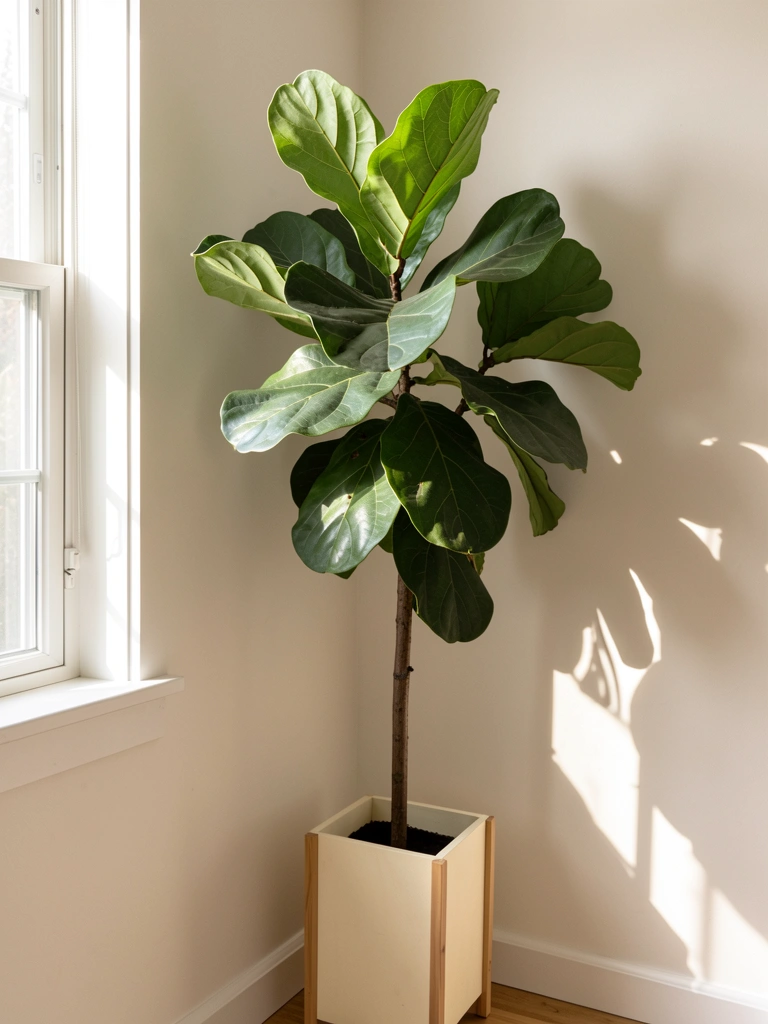
One large plant beats a collection of tiny ones in Japandi spaces. A fiddle leaf fig, monstera, or tall pothos creates a vertical element that feels calming rather than cluttered.
Nurseries and garden centers stock healthy plants ($25–$60); planters run $20–$50 depending on material. Water weekly and rotate monthly for even growth. Five minutes of care weekly keeps it thriving. The living element softens hard lines, improves air quality, and gives your eye something natural to rest on. You’ll notice how it anchors the room without demanding attention.
7. Incorporate a Low Coffee Table in Solid Wood
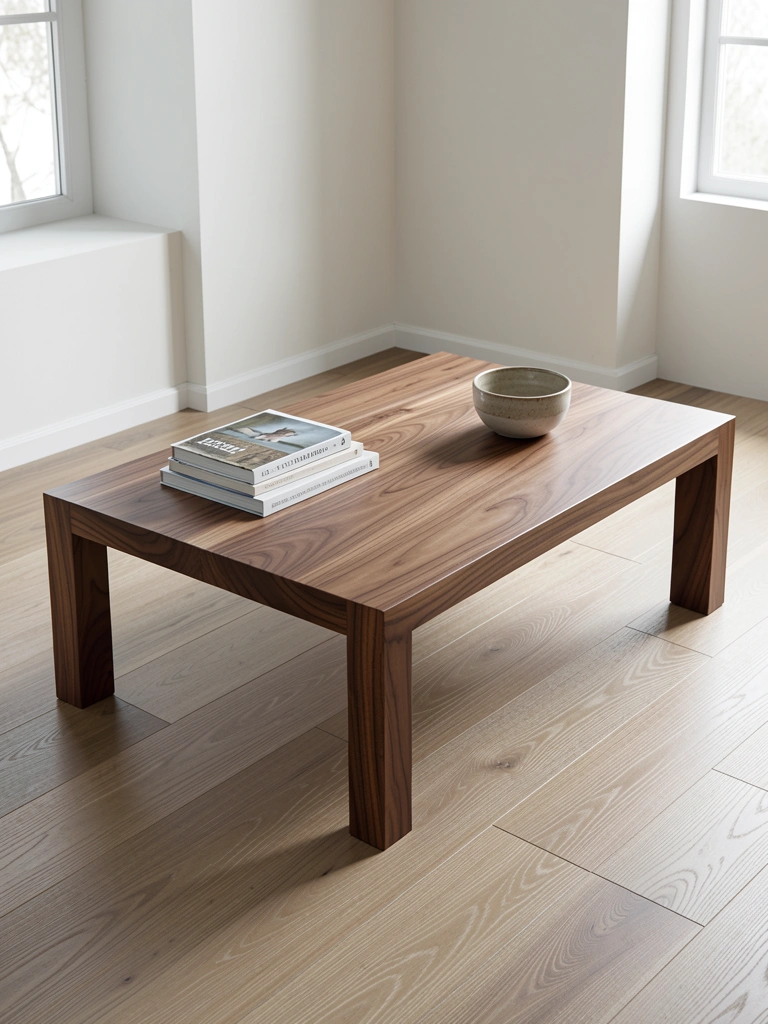
A low wooden coffee table grounds the seating area. Look for simple designs without fussy details—straight legs, minimal apron, and natural finishes are key.
Article, CB2, and West Elm offer solid-wood options from $150–$400; budget finds at IKEA run $60–$150. One weekend to choose and arrange. The low profile keeps sightlines open while the wood warmth ties in with your sofa and shelving. Your whole seating arrangement suddenly feels intentional and connected.
8. Layer in Neutral Linen and Wool Textiles
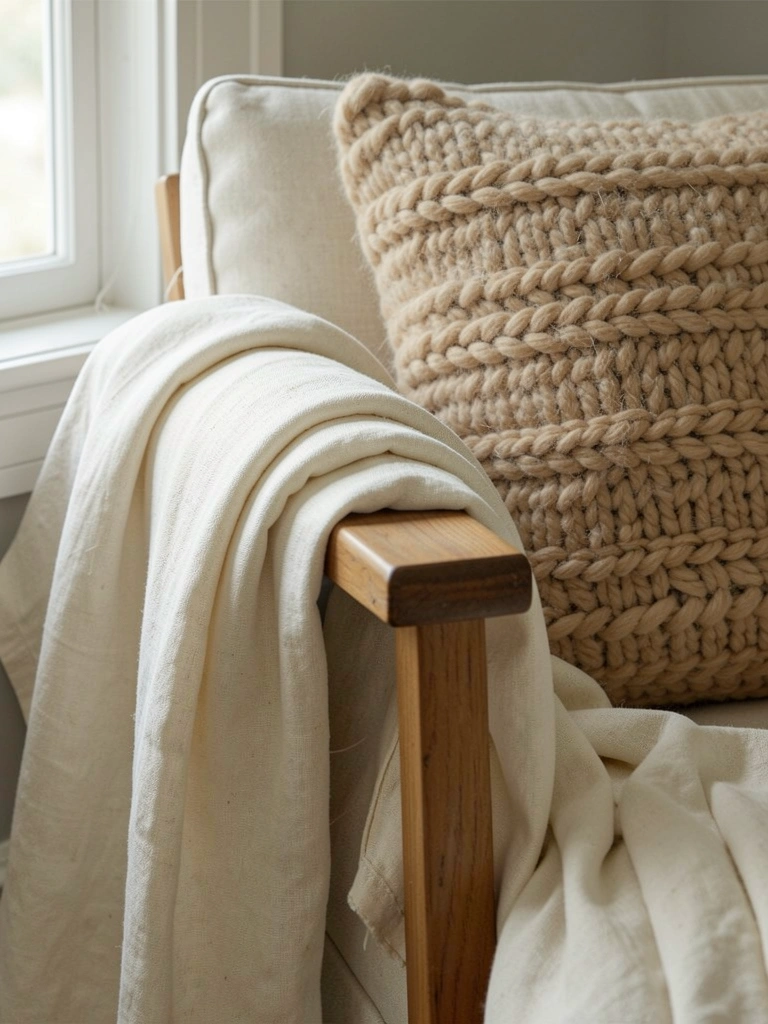
Soft furnishings should feel natural—linen throws ($30–$80), wool pillows ($25–$60), and cotton blankets ($40–$100) in creams, warm grays, and soft taupes. These materials breathe and age beautifully.
Target, H&M Home, and Etsy stock affordable options; higher-end versions at Schoolhouse Electric or Aesop run $80–$150. Drape one throw over your sofa and add 2–3 pillows. This takes minutes but completely softens the room’s feeling. You get texture, coziness, and that “lived-in calm” aesthetic without clutter.
9. Use Shoji Screens to Define Zones Without Walls
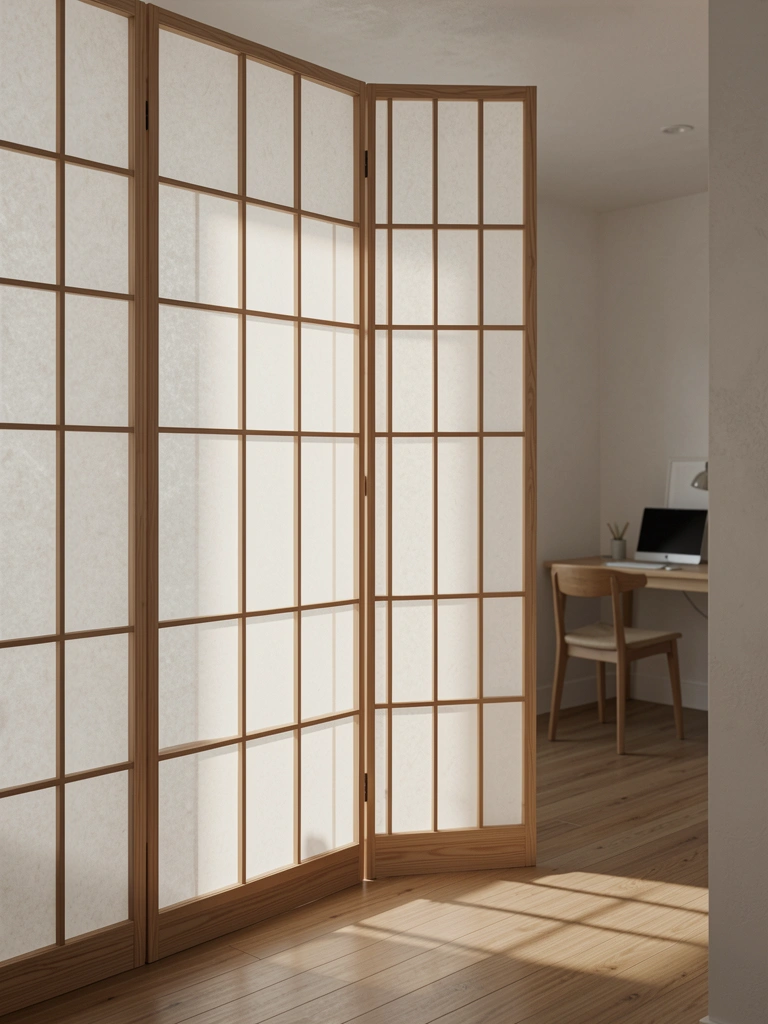
Shoji screens are the ultimate Japandi solution for open spaces or renters. They divide rooms gently, filter light beautifully, and move easily if you need to reconfigure.
Wayfair and Amazon stock options from $80–$300; higher-end versions at Design Within Reach run $400–$700. Assembly takes 20–30 minutes. The beauty? Light still flows, the room doesn’t feel cramped, and you’ve created two distinct zones. You get privacy and definition without permanent walls or that claustrophobic feeling.
10. Install Large Windows or Curtains That Frame Light
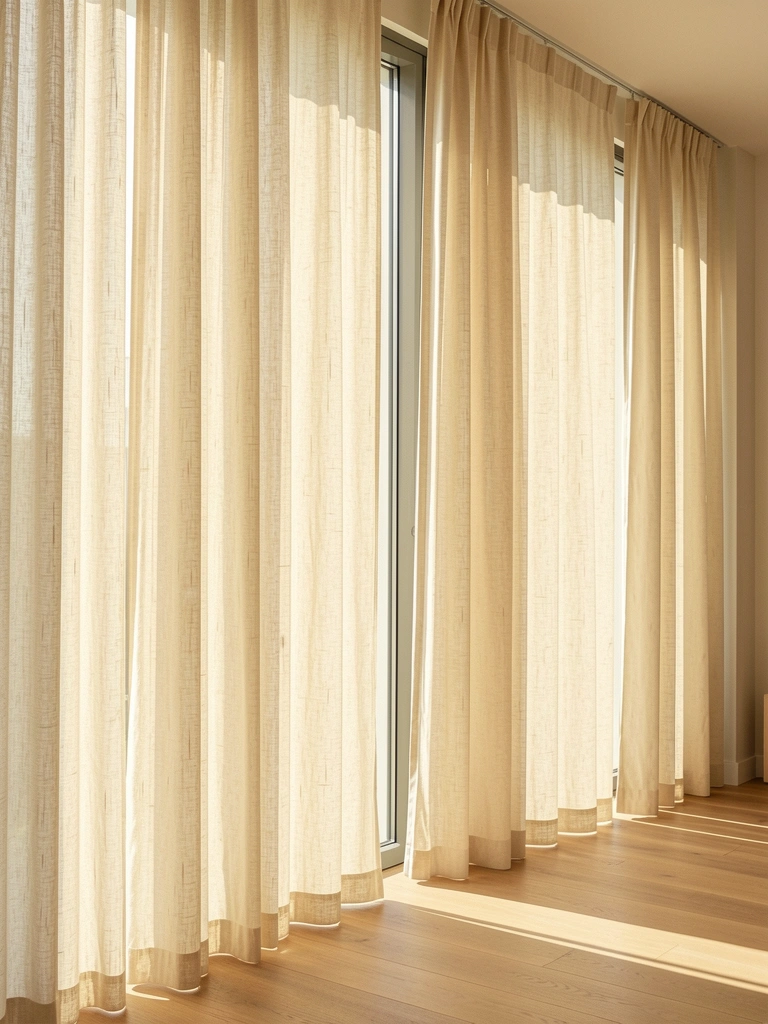
Natural light is foundational to Japandi calm. If you have windows, keep them clear. If you need privacy, choose linen or cotton curtains in cream, warm white, or soft gray ($40–$120 per panel).
Hang curtains high and wide to maximize light flow—it takes an afternoon with a drill. Renters can use tension rods or adhesive hooks. The transformation is immediate: the room feels brighter, airier, and more peaceful. Natural light makes every element glow and reduces your need for artificial lighting during the day.
11. Choose Minimal Hardware and Fixtures in Matte Black or Wood
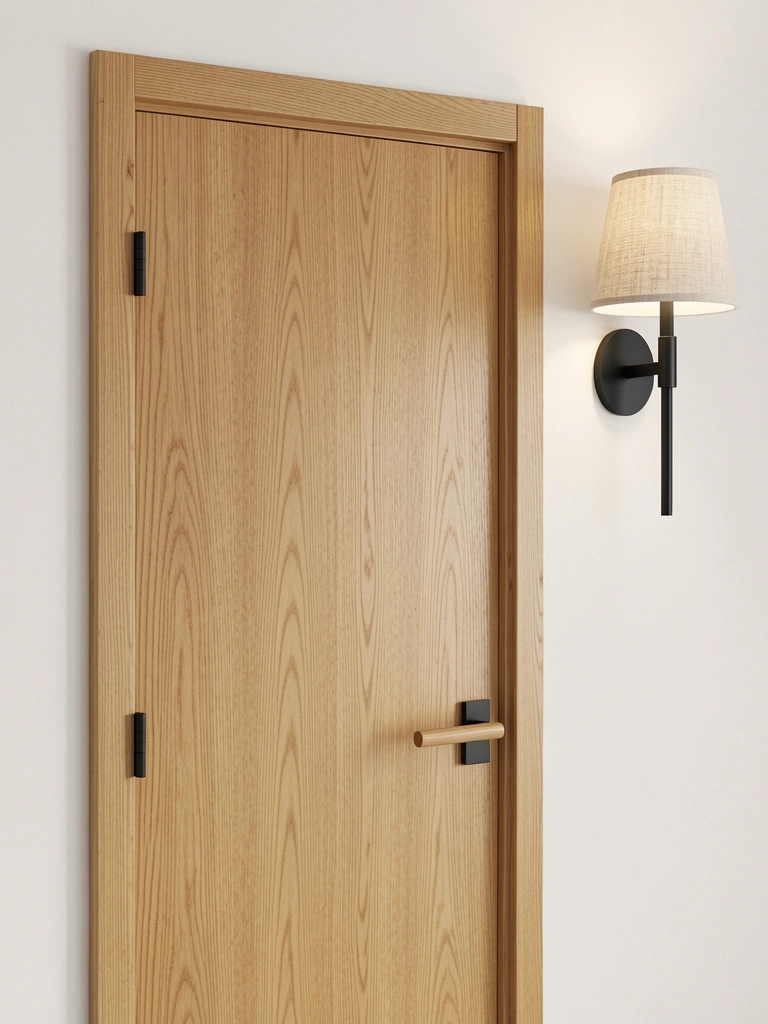
Details matter in Japandi design. Swap out shiny brass fixtures for matte black, brushed nickel, or natural wood hardware. These finishes feel intentional and modern while staying warm.
Home Depot and Wayfair stock matte black knobs and pulls from $5–$15 each; light fixtures run $40–$150. One weekend to swap handles and update one light fixture. These small changes make your space feel thoughtfully designed, not generic. Your eye registers the intentionality immediately.
12. Create a Dedicated Media Corner with Hidden Storage
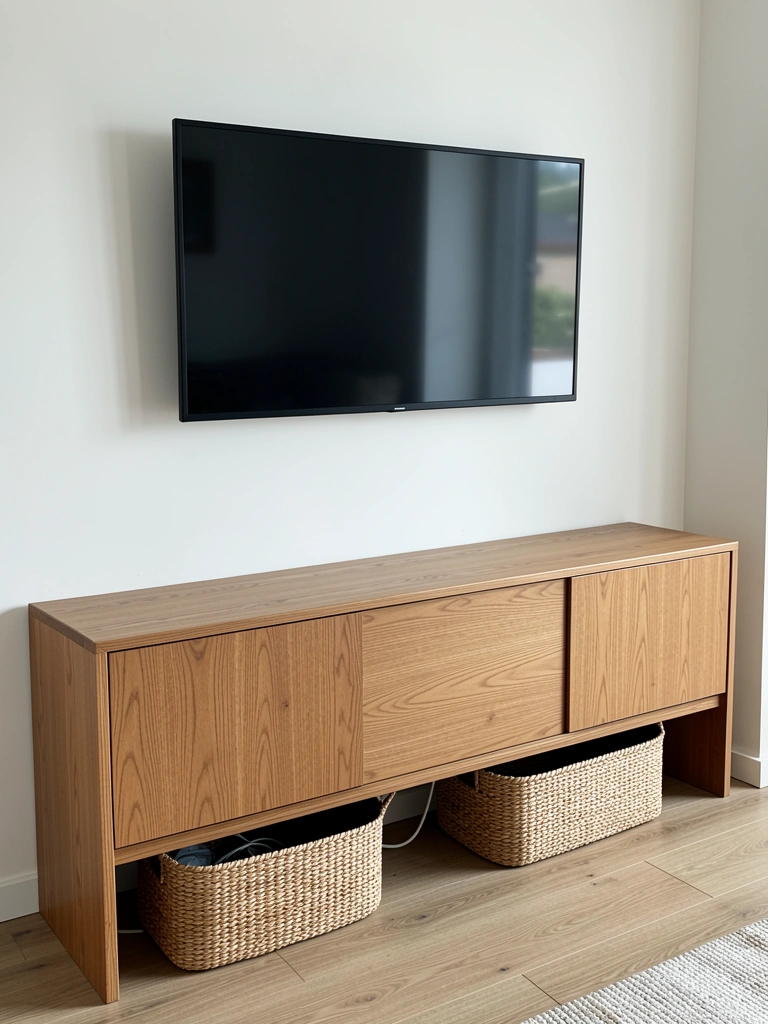
A media area doesn’t have to be cluttered. Use a console with closed storage ($150–$400) and hide wires and devices inside. Keep the TV wall clean—no visible cables, no clutter.
Article and CB2 offer smart options; IKEA’s BESTÅ system ($100–$250) is renter-friendly if you secure it to studs. One afternoon to install and hide cables. The result is a functional space that doesn’t scream “media room.” It stays calm and intentional while still serving your needs.
13. Add Warm Lighting with Paper Lantern Pendant Lights
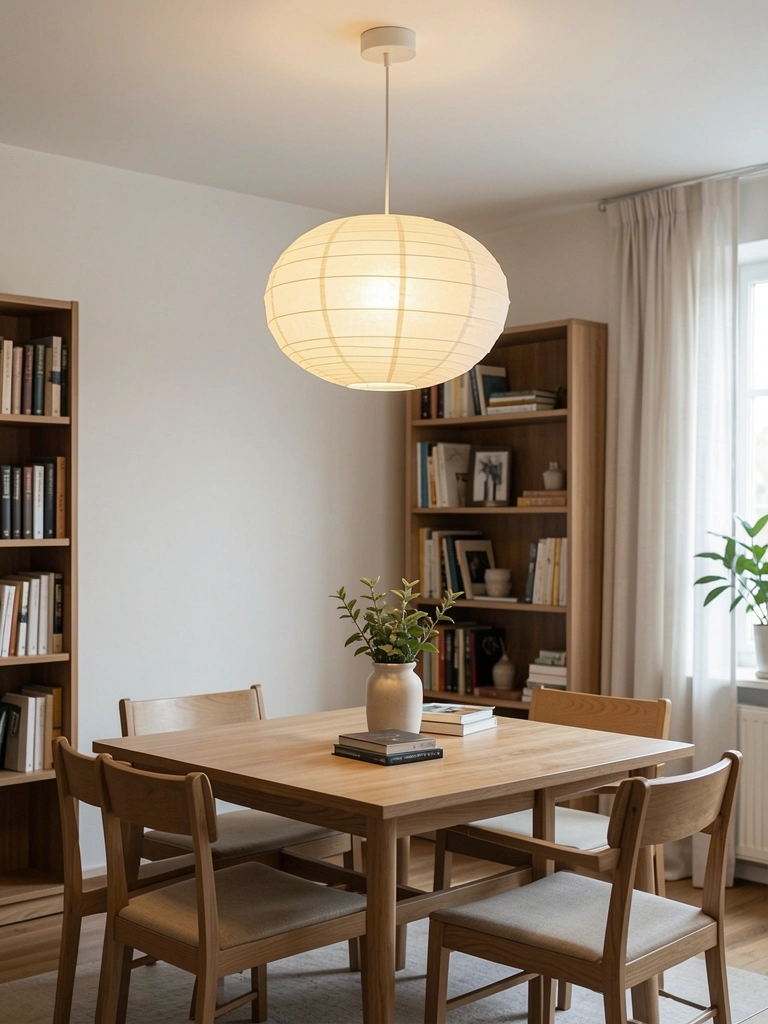
Harsh overhead lights clash with Japandi aesthetics. Instead, choose paper or fabric pendant lights in cream, white, or natural paper ($40–$120 each) that diffuse warm light softly.
Pair with warm-toned bulbs (2700K color temperature). Installation takes 30–45 minutes if you’re comfortable with electrical work; otherwise hire an electrician ($100–$200). The lighting immediately becomes warmer and more inviting. You notice the difference every evening—the room feels like a retreat instead of a space to pass through.
14. Display Books Spine-Out With Intentional Spacing
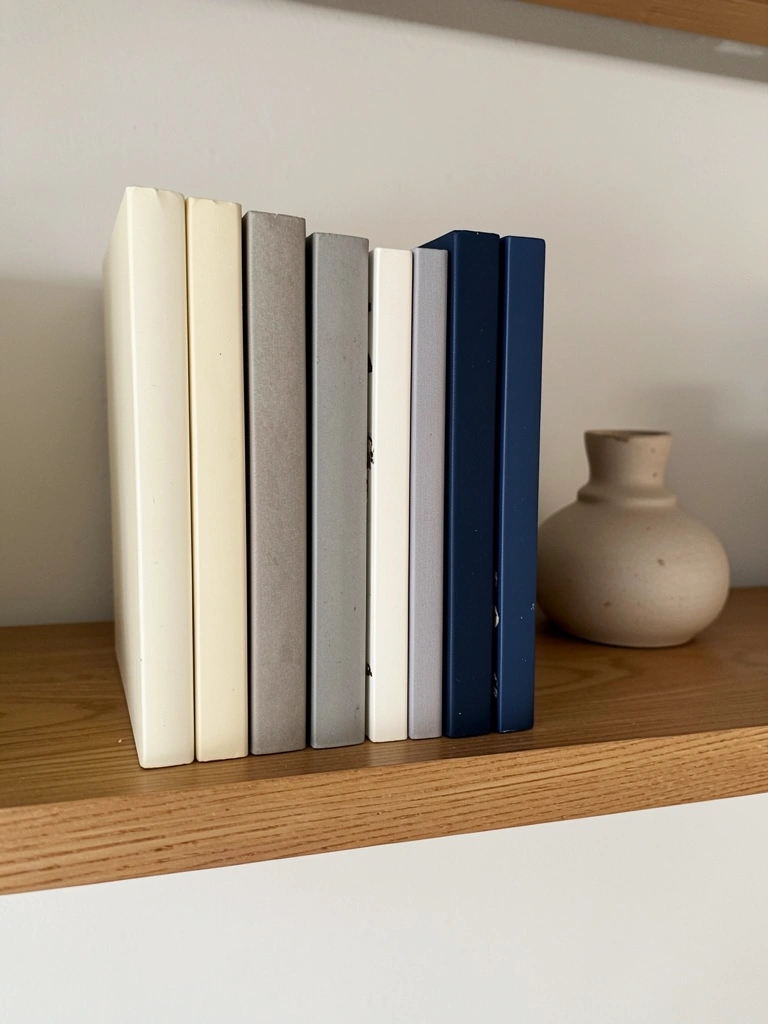
Japandi doesn’t mean no books—it means intentional ones. Display books you actually love, spine-out, with breathing room between clusters. Aim for 40% empty shelf space.
You already own books—this costs nothing and takes 15 minutes to arrange. Renters and owners both benefit. Your shelves immediately feel curated and personal instead of cluttered. Visitors notice the intentionality, and you enjoy living with items you genuinely value.
15. Install Warm-Toned Recessed or Track Lighting
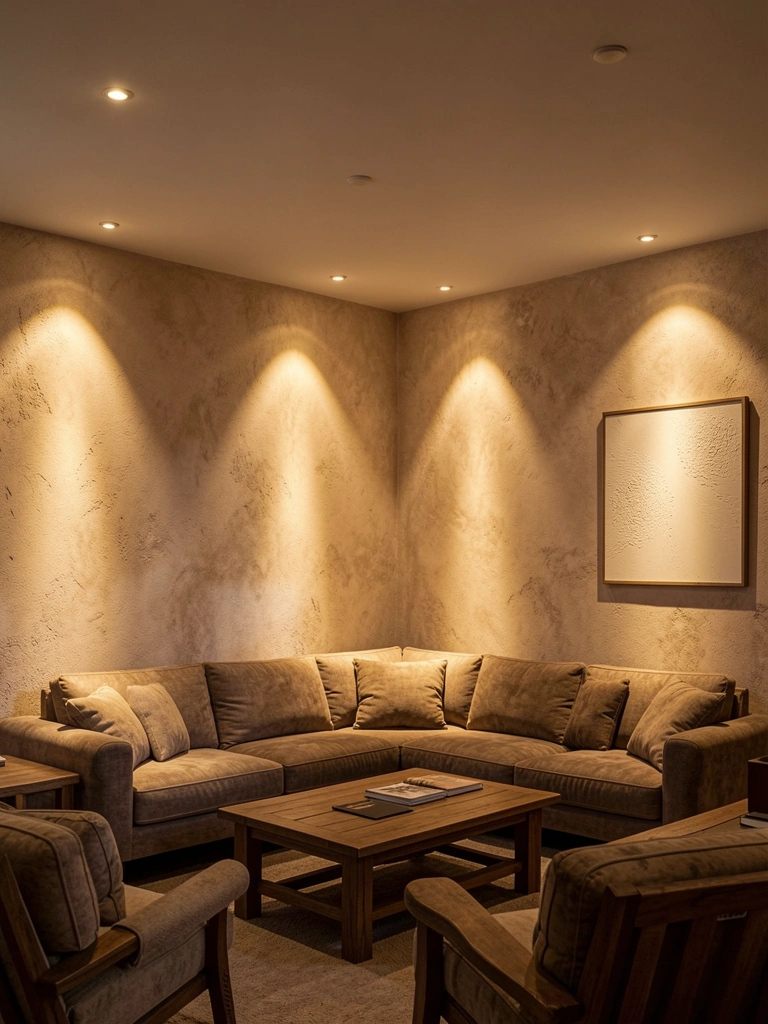
Recessed or track lighting keeps ceilings clean while providing functional illumination. Choose warm white bulbs (2700K) in brushed nickel or matte black fixtures ($30–$80 per light).
Professional installation runs $200–$500 for 3–4 lights; DIY is possible if you’re handy. One weekend project. Your room glows instead of shines, and the hidden fixtures maintain that clean aesthetic. Evenings become more peaceful because the lighting supports calm rather than stark brightness.
16. Use a Natural Fiber Credenza for Storage
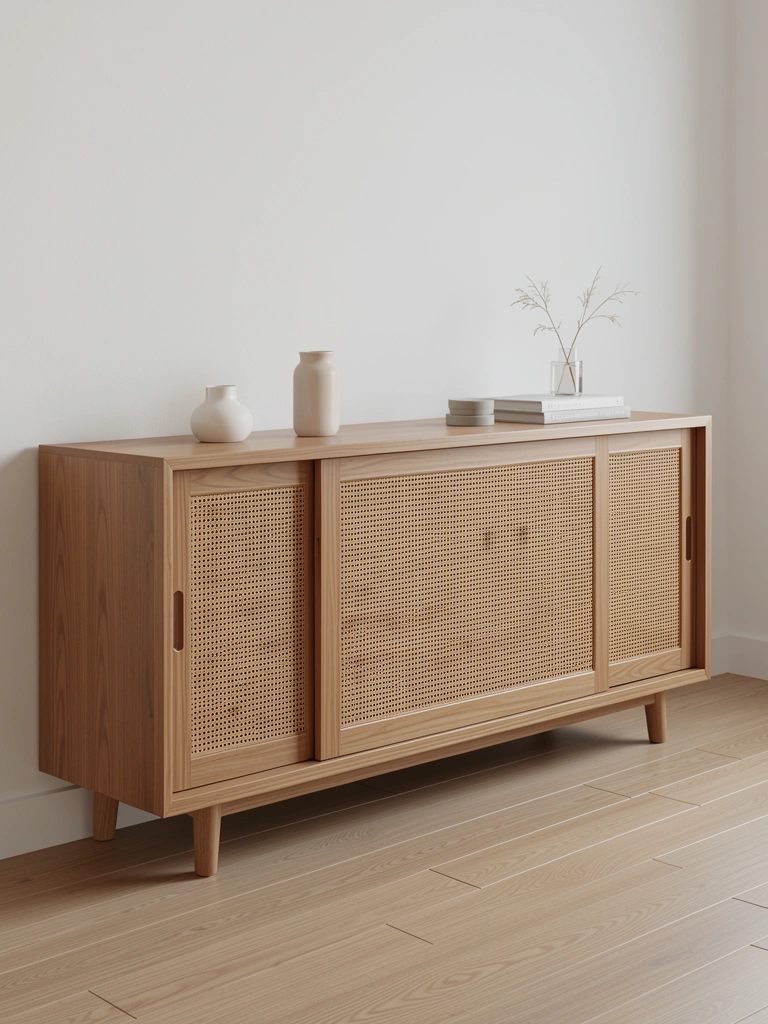
A credenza or console with doors hides necessities while adding warmth. Look for natural wood with rattan, cane, or woven panels ($200–$600).
Article, West Elm, and Design Within Reach carry excellent options; budget-friendly finds at IKEA or Article run $150–$400. One afternoon to position and fill. This piece serves double duty: it’s functional storage and an intentional design element that adds personality without clutter.
17. Arrange Seating in Small Clusters Rather Than Rows
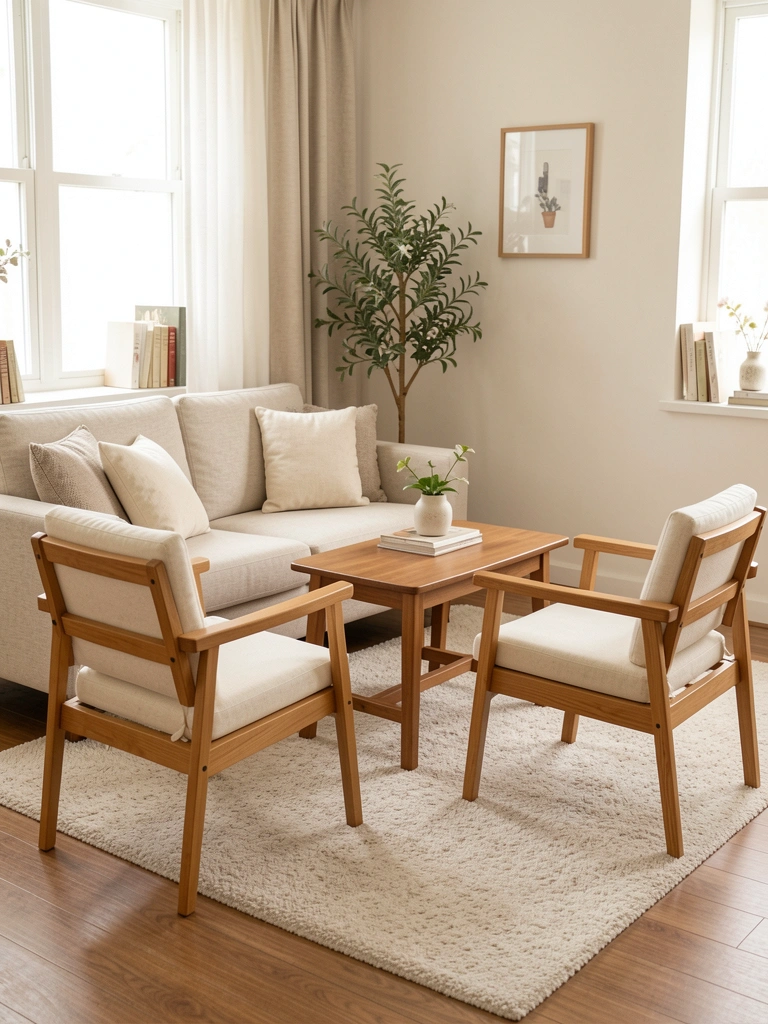
Instead of one sofa facing a TV, create intimate seating clusters. Pair your sofa with two simple wooden chairs ($150–$300 each) angled toward each other around a small table.
You likely already have seating—rearranging costs nothing and takes 20 minutes. Renters appreciate this because it doesn’t require installation. The room immediately feels more social and intimate. You notice how conversations flow better and the space feels intentionally designed for connection rather than consumption.
18. Paint an Accent Wall in Soft Sage or Warm Gray

One accent wall adds depth without overwhelming. Choose soft sage, warm gray, or pale terracotta instead of dramatic colors. Japandi favors restraint.
Paint costs $30–$50; one wall takes 3–4 hours. Renters can use removable wallpaper instead ($30–$60 per roll). The subtle color shift makes your room feel intentional and designed. You get personality without losing that calming foundation.
19. Incorporate a Simple Wooden Bench for Layered Seating
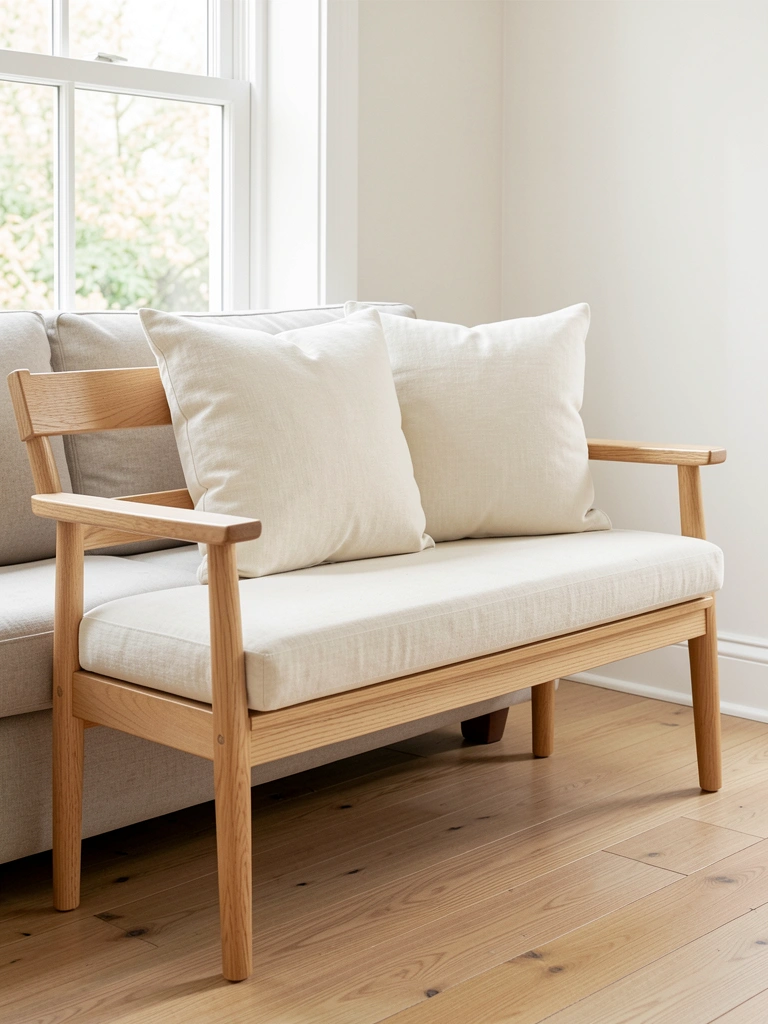
A simple wooden bench adds seating, visual interest, and texture. Pair it with a thin cushion and neutral pillows for comfort without bulk.
Benches run $100–$300 at Article, West Elm, or IKEA. One afternoon to place and style. It works in entries, at sofa feet, or under windows. This piece feels like a design choice, not an afterthought. You get extra seating without cramming more furniture into your space.
20. Create a Reading Nook With a Single Chair and Natural Light
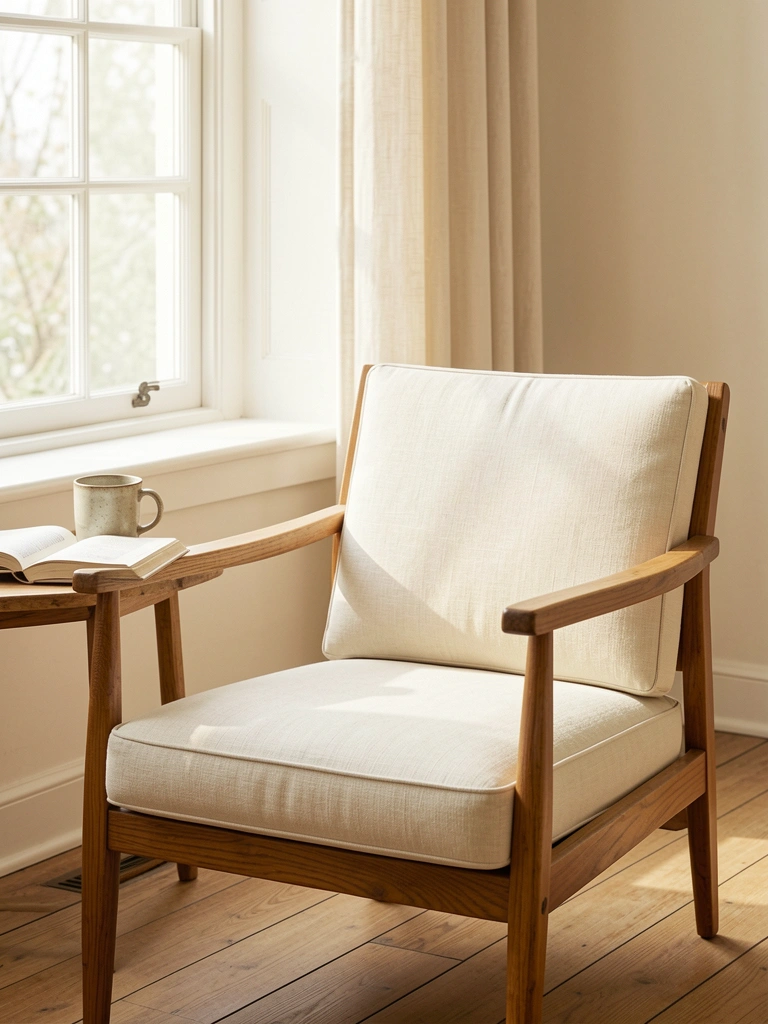
Dedicate one corner to reading. A single chair ($200–$500) with good natural light and a small table ($50–$150) creates a retreat within your room.
Target, West Elm, and Article stock comfortable options. One weekend to style the corner. This signals to your brain that this is a calm space—and it actually is. You’ll find yourself using it more than you expected, and the intentional coziness improves your daily rhythm.
21. Display Woven Baskets as Functional Art
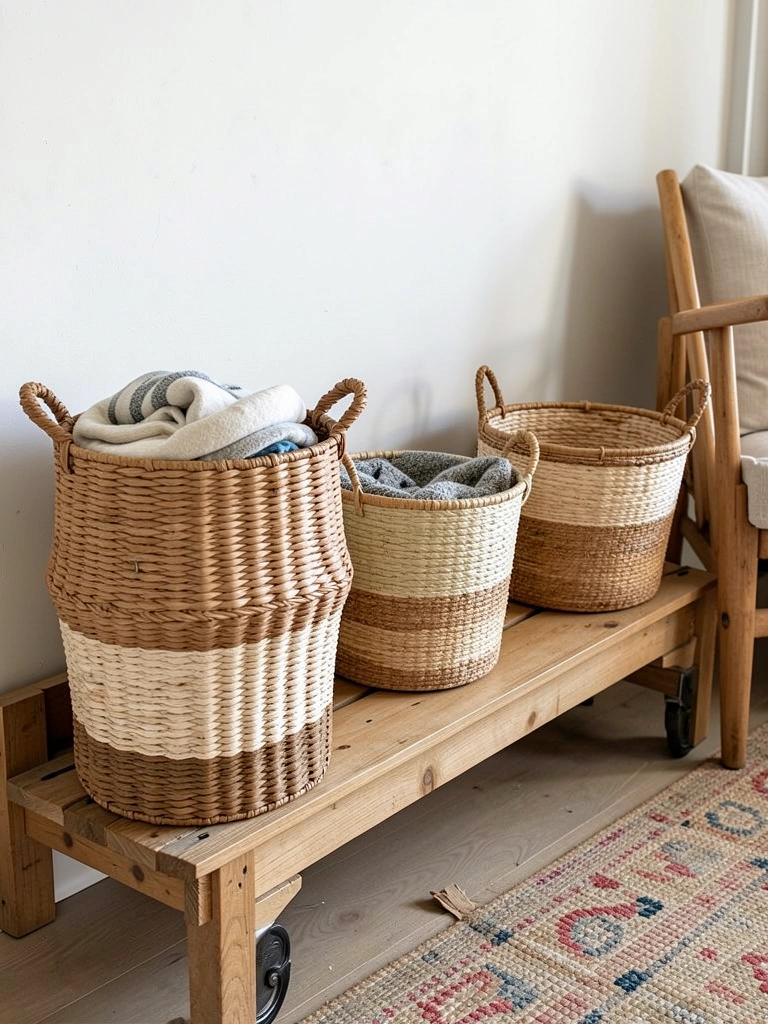
Woven baskets store items while adding organic texture and warmth. Choose natural materials like rattan, seagrass, or jute ($20–$60 each).
HomeGoods, Target, and Etsy stock beautiful options. Arrange 2–3 at different heights for visual interest. This takes 15 minutes. The baskets immediately make your space feel warmer and more organized. They’re functional and beautiful—exactly what Japandi design is about.
22. Hang Framed Black-and-White Photography or Minimalist Line Art
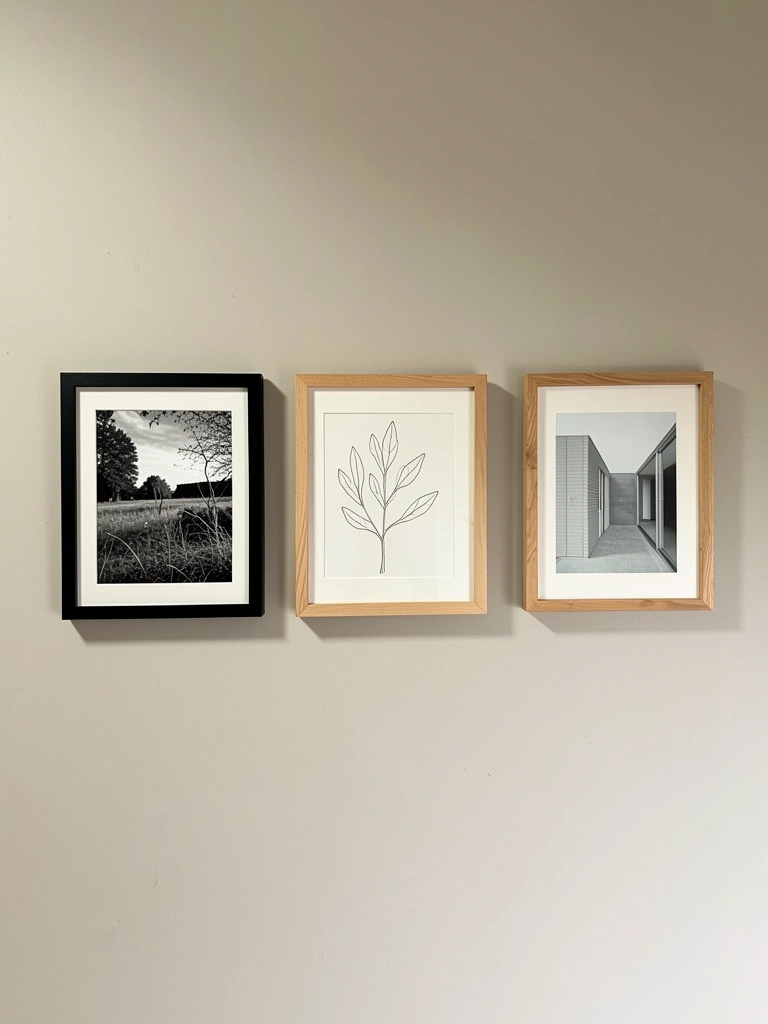
Art should feel intentional in Japandi spaces. Choose black-and-white photography or minimalist line drawings ($30–$100 per print) in simple frames ($15–$40 each).
Etsy, Minted, and local galleries offer excellent options. Arrange 3–5 pieces with plenty of space between them. One afternoon to hang. These pieces become focal points without overwhelming the room. Your walls feel thoughtful and curated rather than decorated.
23. Layer Lighting With Floor and Table Lamps
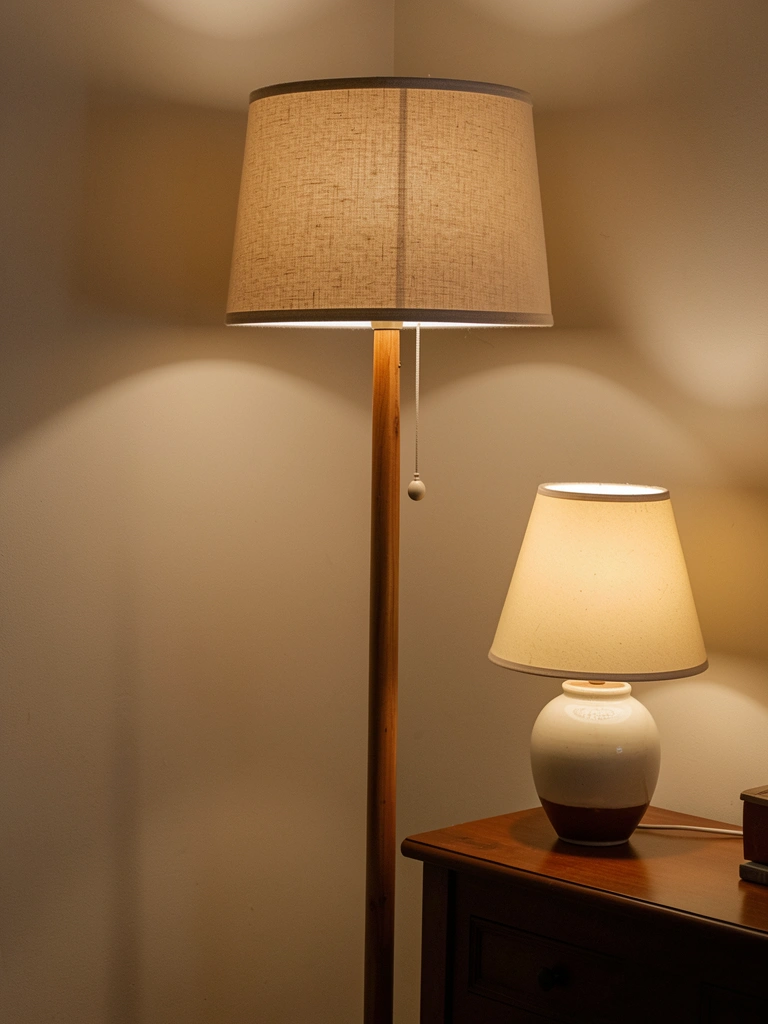
Avoid relying on one overhead light. Instead, add a floor lamp ($60–$150) and a table lamp ($40–$100) in warm metals or wood with linen shades.
Target, West Elm, and Schoolhouse Electric carry options for every budget. One evening to position and plug in. Your room now has multiple light sources that let you adjust the mood. Evening suddenly feels more intentional and peaceful. You notice how different lighting layers change the room’s feeling throughout the day.
24. Choose a Neutral Upholstered Ottoman Instead of a Hard Coffee Table
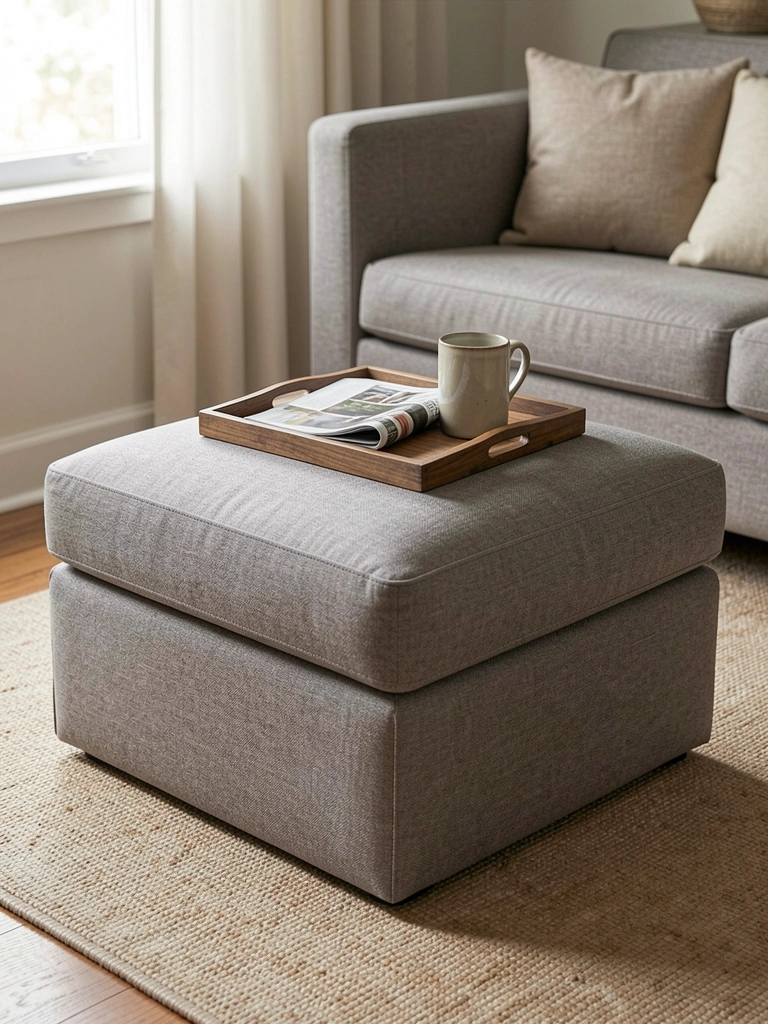
An upholstered ottoman serves as coffee table, footrest, and extra seating. Choose neutral linen or wool ($100–$300) in warm tones.
Article, West Elm, and IKEA stock options. One afternoon to place and style. This piece feels softer and more welcoming than a hard table. Guests naturally feel more comfortable, and you get flexible functionality. It’s the kind of choice that makes people say your space “feels different.”
25. Style a Floating Workspace Within the Living Room
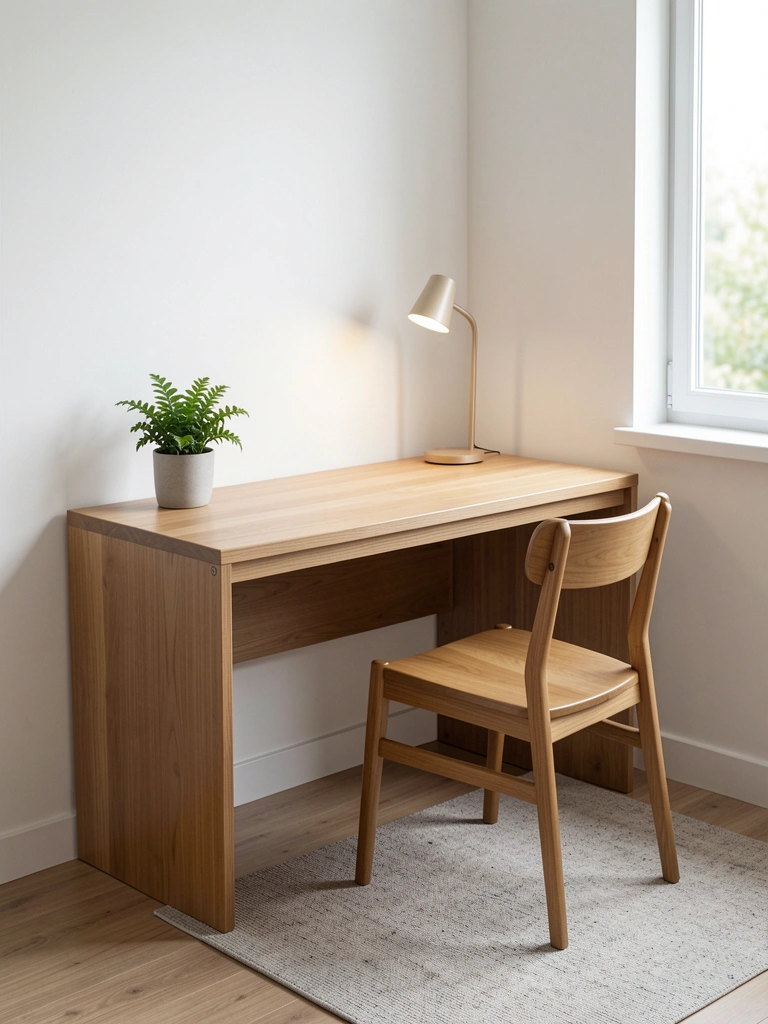
If you work from home, create a dedicated desk area that doesn’t shout “office.” Use a narrow wooden desk ($100–$300) and a simple chair ($80–$200) tucked into a corner or defined by a small rug.
This takes one afternoon to arrange. Renters appreciate how moveable it is. Your work area feels intentional and calm—which actually improves focus. You also maintain the living room’s serene feeling because the workspace blends rather than dominates.
26. Introduce Warm Metals Sparingly: Brass or Gold Accents
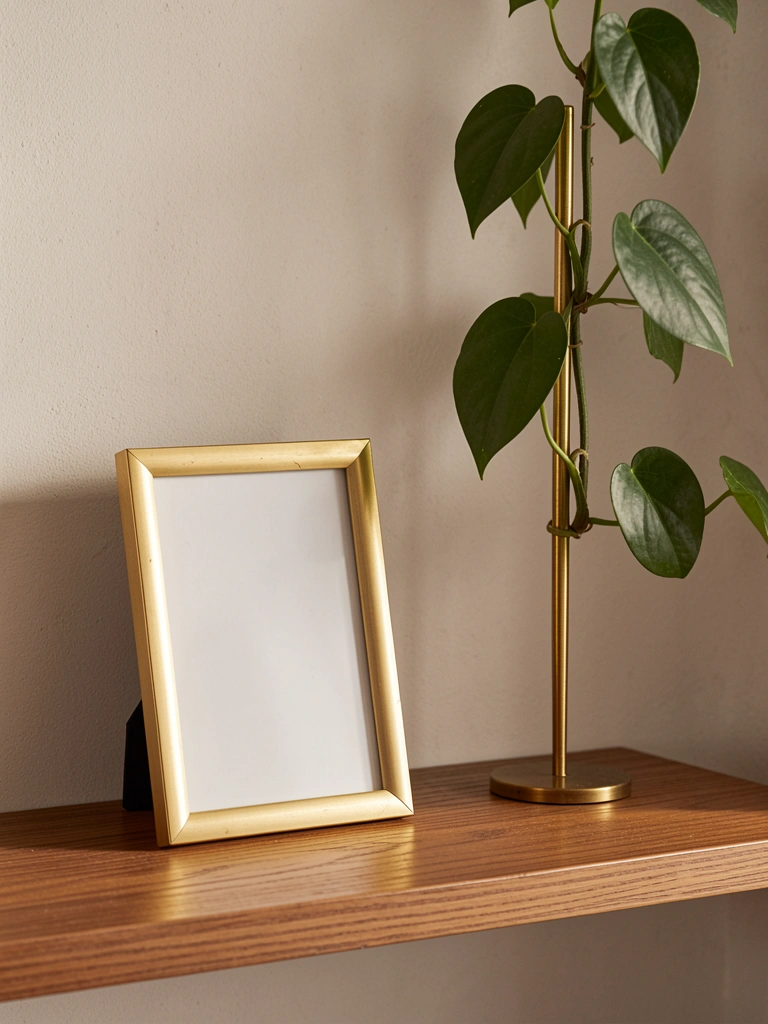
While matte black works beautifully, subtle warm metal accents (brass, warm gold, or brushed copper) add gentle luxury. Use sparingly: one picture frame, plant stakes, or a small decorative object.
HomeGoods, Target, and Etsy stock affordable pieces ($10–$40 each). No installation needed. One or two warm-metal pieces feel like a styling detail rather than a trend. Your space gains sophistication without losing its calm foundation.
27. Commit to a Rotation System for Seasonal Styling
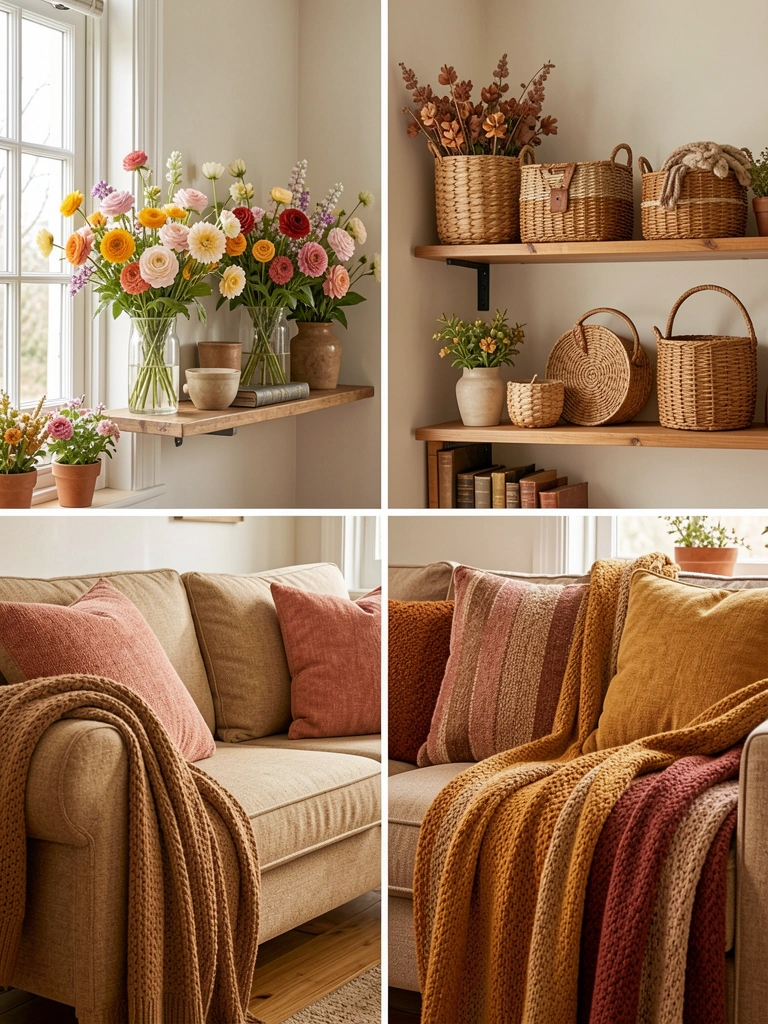
Japandi embraces seasonality. Rotate textile colors, plant types, and display items with the seasons—cream and pale wood in spring, warm rust and deep textiles in fall, cool grays in winter, soft greens in summer.
This costs nothing except attention and time. Each season, spend 30 minutes swapping textiles and rearranging displays. Your space never feels stale, and you’re forced to engage intentionally with your environment. The room feels alive and connected to the outside world, which is deeply Japandi.
Save this post for your next refresh and try one idea this week—even just rearranging your seating or adding a single plant shifts everything. Which idea will you start with?
Leave a Reply