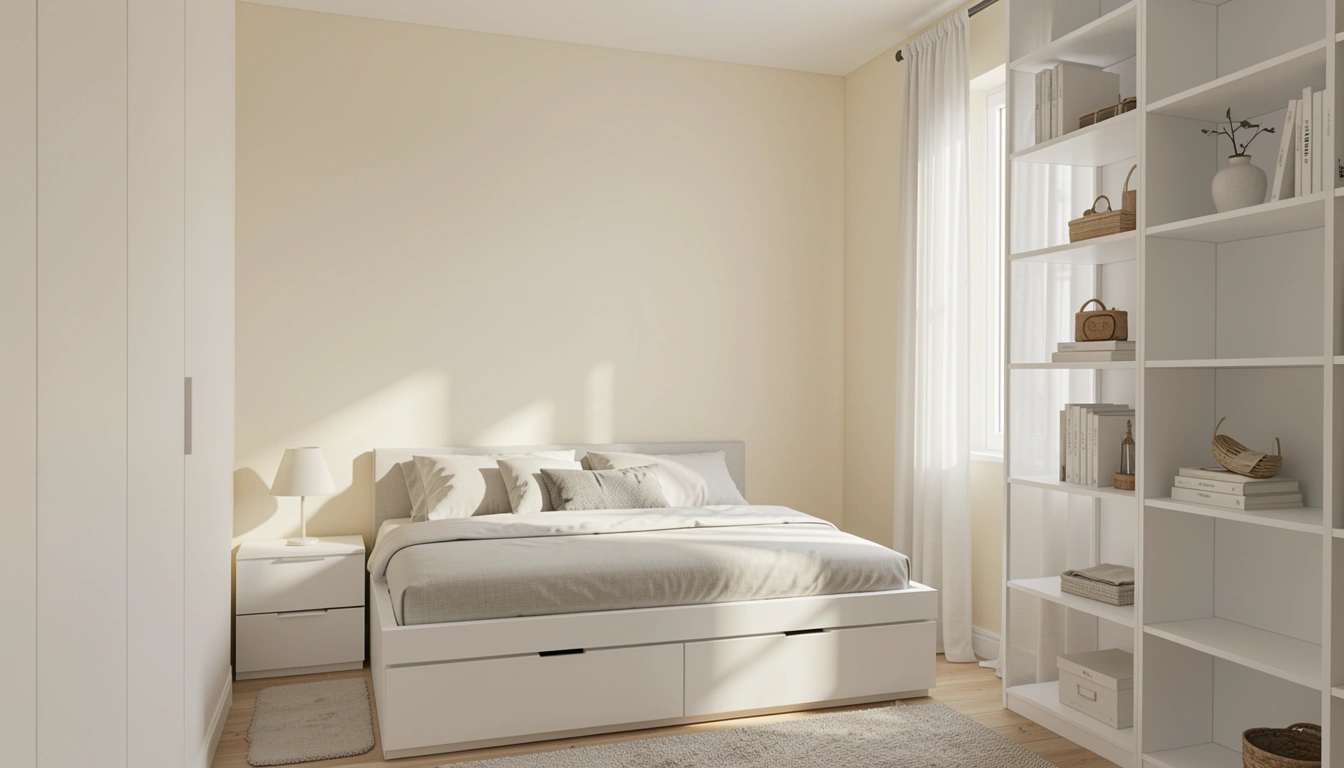
Small bedrooms don’t have to feel cramped or cluttered. With the right design choices, you can make your compact sleeping space feel open, airy, and surprisingly luxurious—without knocking down walls or breaking the bank. The key? Strategic furniture placement, smart color choices, vertical storage solutions, and lighting that makes your room breathe. Whether you’re renting a studio apartment or working with a tiny master bedroom, these 22 concepts will help you maximize every inch while creating a bedroom that feels intentional and calming. From vertical storage hacks to curved furniture that softens tight corners, you’ll discover practical, achievable updates that actually work in real life. Ready to make your small space feel bigger? Let’s dive in.
1. Paint Walls in Soft, Light Neutrals
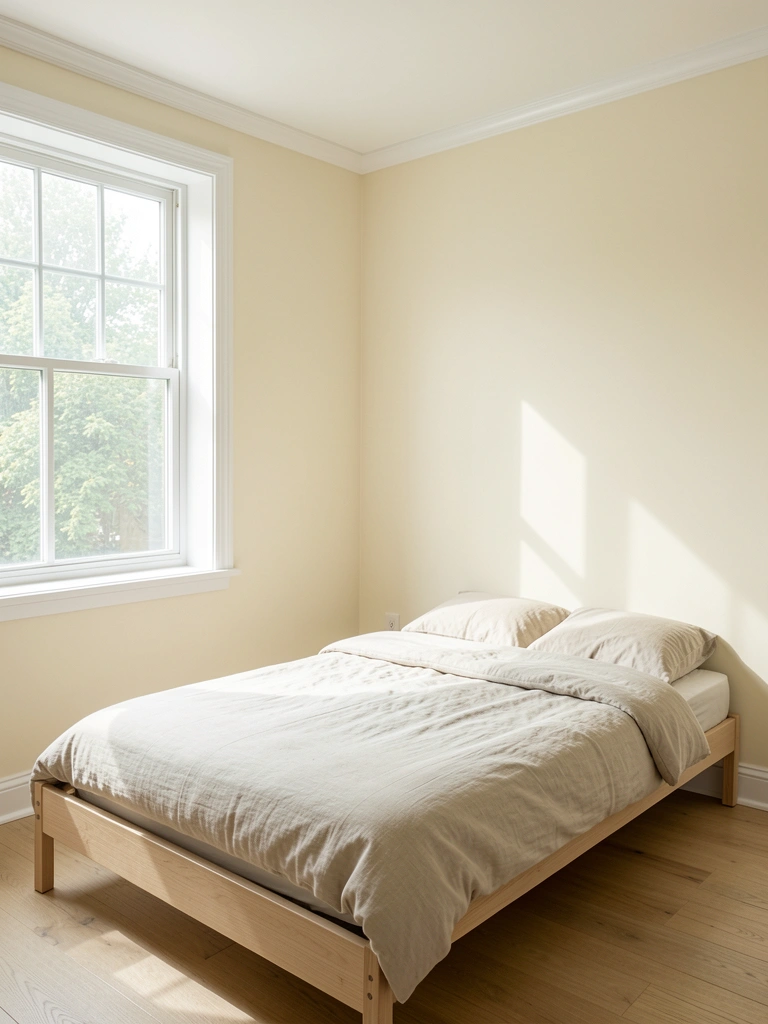
Light wall colors are your secret weapon for making any room feel larger and more open. Soft whites, pale creams, warm beiges, and barely-there grays reflect light and create visual spaciousness without feeling cold or clinical.
Paint is one of the cheapest ways to refresh your room—budget $30–$60 for paint and supplies. Pair your light walls with white or light-colored trim and baseboards for maximum impact. If you’re renting, ask your landlord; many allow neutral paint updates. The entire project takes one afternoon, and you’ll notice the difference the moment light hits those fresh walls.
Pro tip: Choose warm neutrals over cool grays—they feel more inviting while still expanding the space.
You’ll instantly feel like your room has grown. The soft color becomes the foundation for everything else you add, making your small bedroom feel like an intentional retreat rather than a box.
2. Choose a Low-Profile Bed Frame
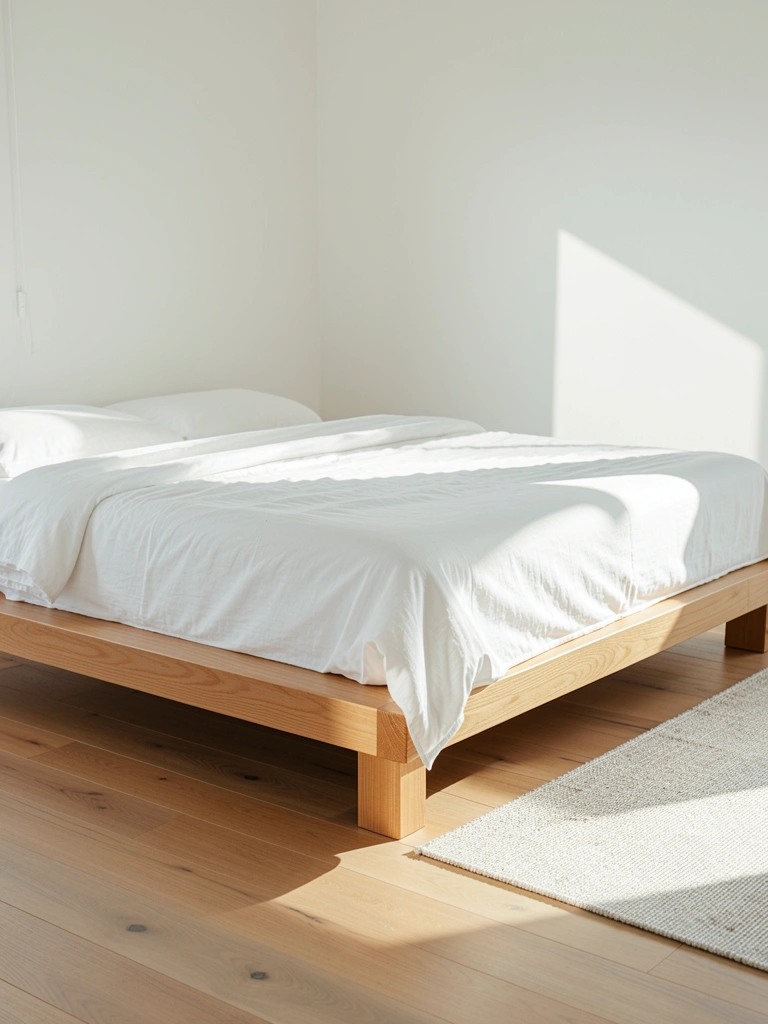
A bed that sits high off the ground steals visual real estate. Low-profile and platform beds keep sightlines open and let more floor space show, making the room feel less crowded.
Look for platform beds or low-profile frames at IKEA ($150–$300), Wayfair ($200–$400), or Target ($250–$500). The lower your bed sits, the more open your ceiling appears. This works in every room size but feels especially powerful in small spaces. Installation takes 30 minutes to two hours depending on the style—most come flat-packed and need assembly.
Alternative: If you already have a high bed, add a bed skirt in a color matching your walls to minimize its visual weight.
Your room immediately feels more spacious because sightlines travel freely across the floor. Plus, under-bed storage suddenly becomes usable without crowding the eye.
3. Use Vertical Storage to Reclaim Floor Space

Floor clutter makes small rooms feel smaller instantly. By building storage upward, you keep belongings accessible while freeing up precious floor square footage.
Install floating shelves ($40–$150 per unit from IKEA, Home Depot, or Wayfair) or lean into a tall bookcase ($150–$400). Measure your wall carefully and go as high as comfortable reach allows. Installation takes one to two hours if you’re confident with a drill; hire a handyperson for $50–$100 if needed. Use matching storage boxes or baskets on shelves to contain small items and maintain visual calm.
Pro tip: Paint shelves the same color as your walls for a seamless, space-expanding effect.
Your bedroom gains functional storage without eating into floor space. You’ll have room to move and breathe, and everything has a designated home—no more piles on the dresser.
4. Add Mirrors to Reflect Light and Space
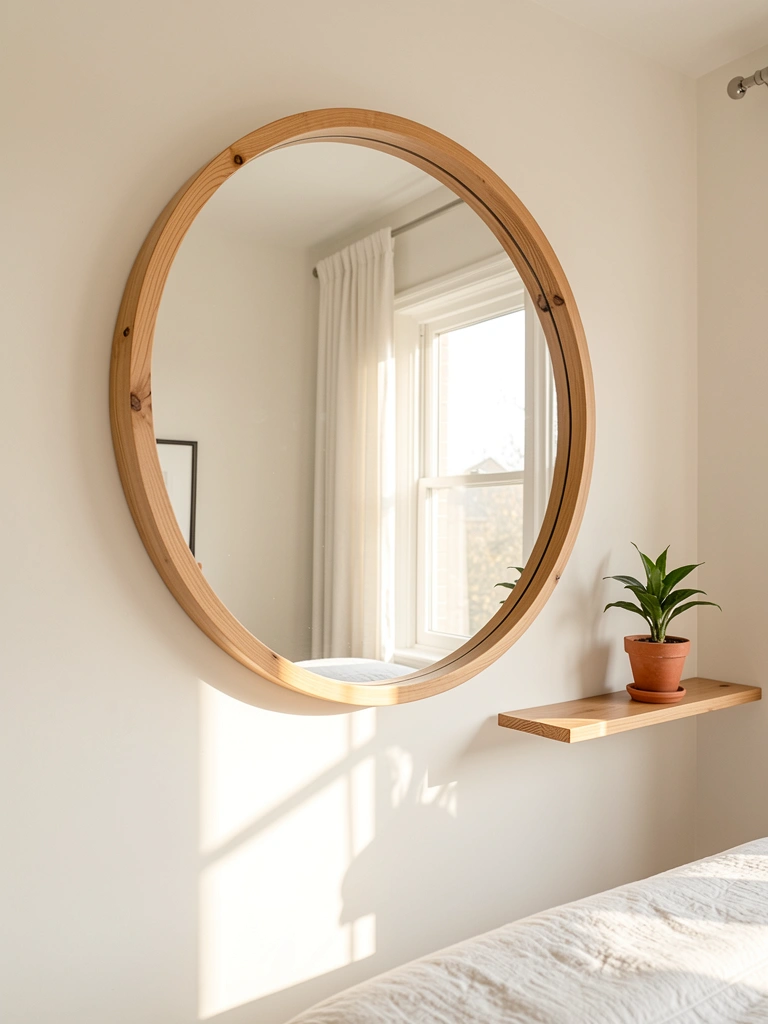
Mirrors are a designer’s favorite trick for small rooms. They bounce light around the space and create the illusion of depth and doubled square footage.
A large leaning mirror costs $50–$200, while a wall-mounted mirror runs $60–$300 depending on size and frame style. Position it opposite a window to amplify natural light, or place it on a wall that’s typically shadowed. Hanging takes 15 minutes with the right hardware. Avoid placing mirrors directly opposite harsh artificial light—aim for natural light reflection instead.
Alternative on a budget: Lean a large mirror against the wall without hanging it (renter-approved).
Light bounces around your room, making it feel brighter and somehow bigger. The psychological effect is real—your brain registers more space when it sees depth via reflection.
5. Install Wall-Mounted Nightstands
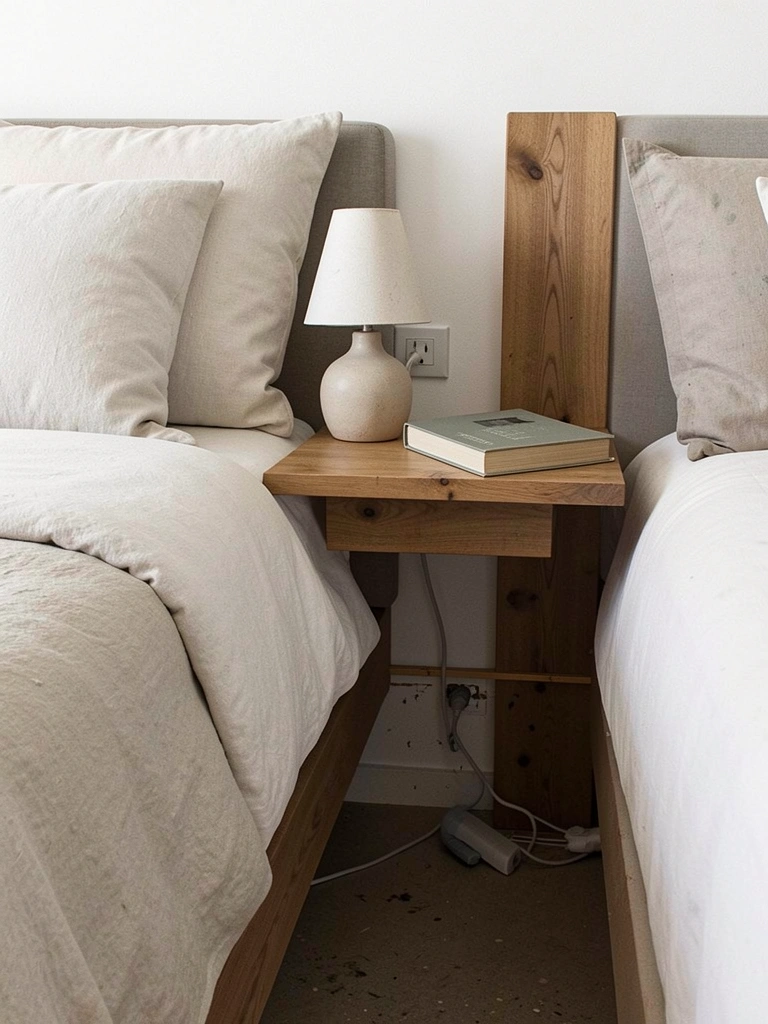
Traditional nightstands claim valuable floor space. Floating wall-mounted options keep your floor open while still giving you a spot for a lamp and phone.
Wall-mounted nightstands run $40–$150 each from retailers like West Elm, IKEA, or Wayfair. You’ll need a stud finder and basic hardware—installation takes 20–30 minutes per nightstand. If drilling sounds intimidating, a handyperson can install both for $40–$80. Pair with a $20–$50 swing-arm wall lamp to save more floor space and improve functionality.
Pro tip: Match the nightstand color to your walls for a streamlined look.
Suddenly you have an extra few feet of floor space that makes movement through your room feel smoother. Your bedroom becomes more navigable and less cramped.
6. Choose a Narrow Dresser or Wall-Mounted Shelving Instead
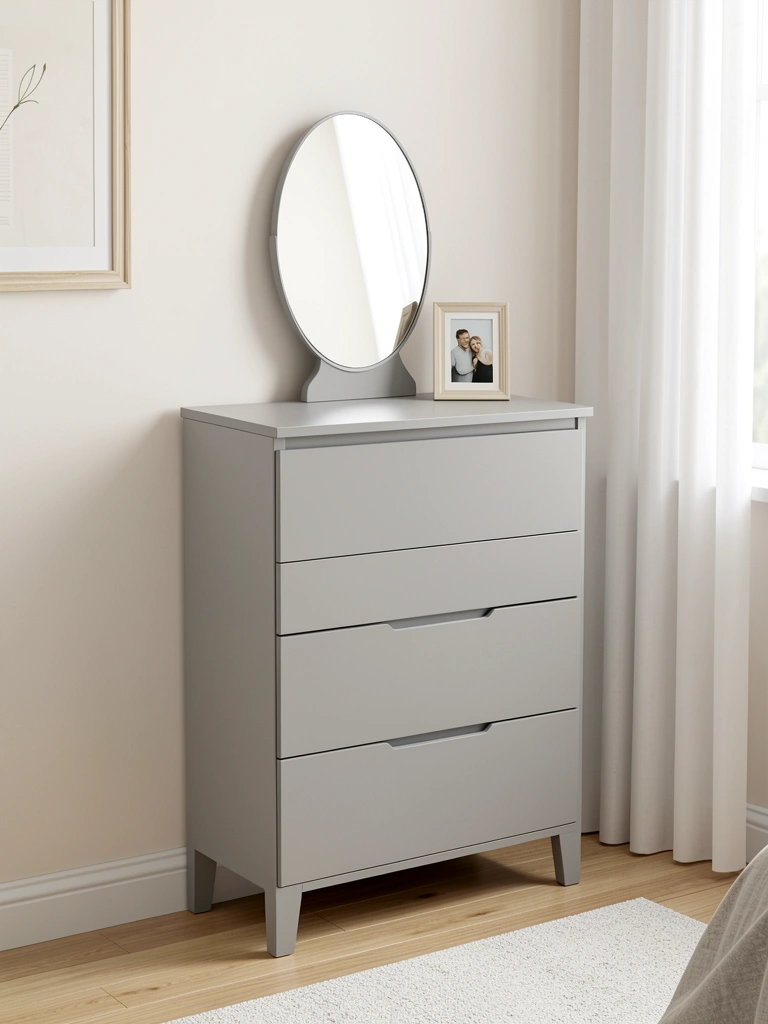
A traditional wide dresser overwhelms a small bedroom. Narrow, tall dressers or vertical storage solutions use the same footprint but feel far less bulky.
Look for slim dressers at IKEA ($150–$250), Target ($180–$350), or Wayfair ($200–$400). Aim for pieces under 20 inches deep. You get the same storage capacity in a footprint that doesn’t dominate your room. Alternatively, install three to four narrow floating shelves ($60–$150 total) for a more customizable approach.
Pro tip: A tall, narrow dresser can do the work of a wider piece while looking more proportional to your space.
Your room gains breathing room without sacrificing storage. The eye moves more freely, and the space feels deliberately curated rather than overstuffed.
7. Embrace Minimalist Bedding to Reduce Visual Weight
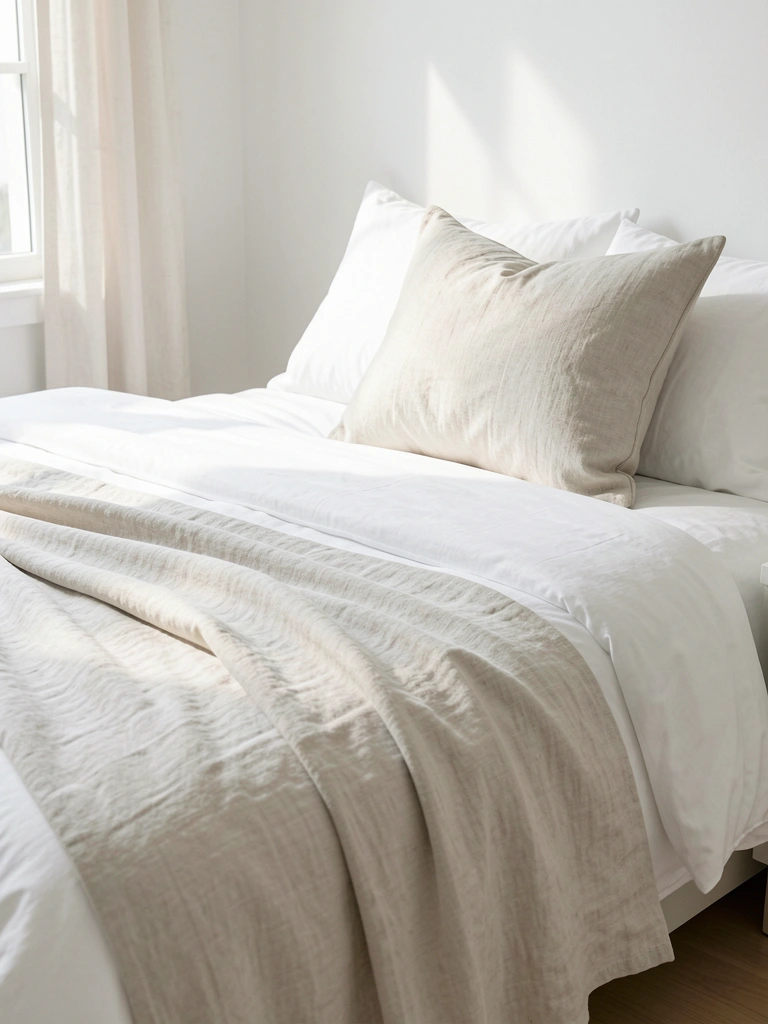
Piles of pillows and heavy comforters visually weigh down a small bed and make the room feel busy. Clean, minimal bedding opens up sightlines and creates calm.
Invest in high-quality sheets ($40–$80) and a lightweight linen or cotton comforter ($80–$200). Skip the decorative pillow overload—one or two high-quality pillows look intentional and modern. This entire refresh costs $150–$300 but pays dividends in both aesthetics and sleep quality. You’ll actually want to make your bed because it looks so clean and inviting.
Alternative on a budget: Use what you have and simply remove excess pillows and blankets. Free instant refresh.
Your bed becomes a visual anchor rather than a visual cluttered mess. The room feels serene and intentionally designed, making the entire space appear more spacious.
8. Use Curved or Round Furniture to Soften Tight Corners
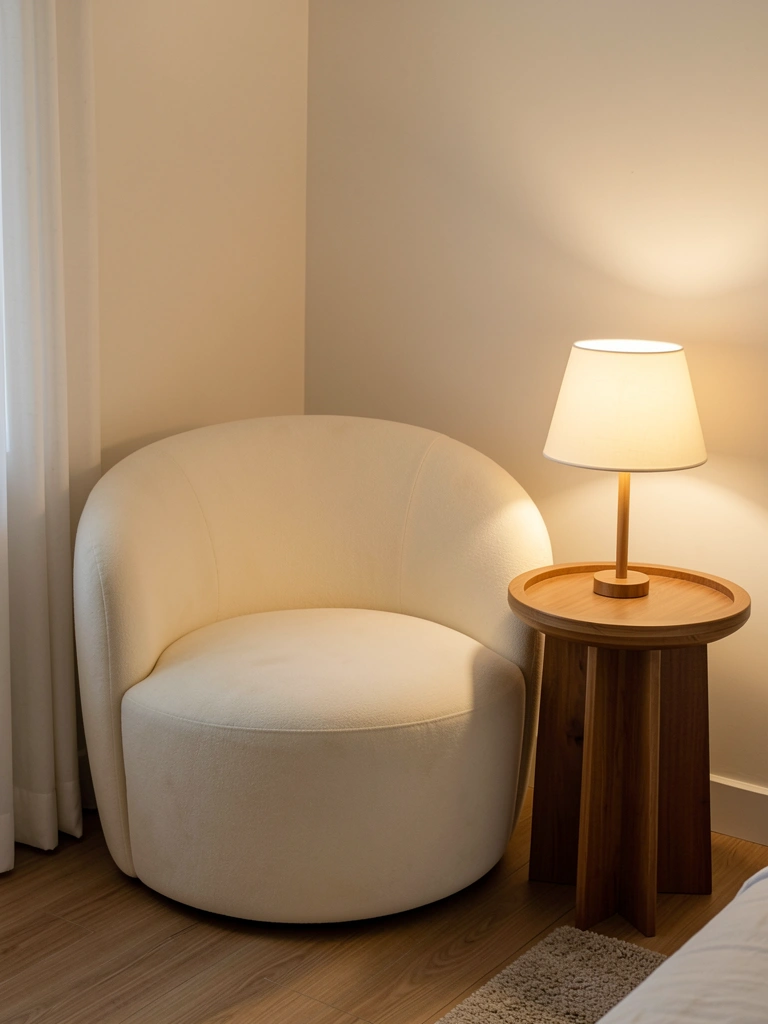
Sharp corners and angular furniture can feel restrictive in small spaces. Curved and round pieces soften the room and create a more flowing, comfortable atmosphere.
Look for curved accent chairs ($200–$500) at Article, West Elm, or Wayfair, or round side tables ($80–$200) at IKEA or Target. Curved headboards ($300–$800) also work beautifully in compact rooms. The slight rounding takes up similar floor space but feels infinitely less harsh. This is an investment piece, but furniture with organic shapes lasts decades and makes your space feel intentional.
Budget option: Swap sharp corner tables for a round ottoman ($80–$150) that serves as both seating and storage.
Rounded shapes make your small room feel more livable and comfortable. You’ll notice the difference in how the space flows and how you move through it.
9. Maximize Under-Bed Storage with Low-Profile Containers
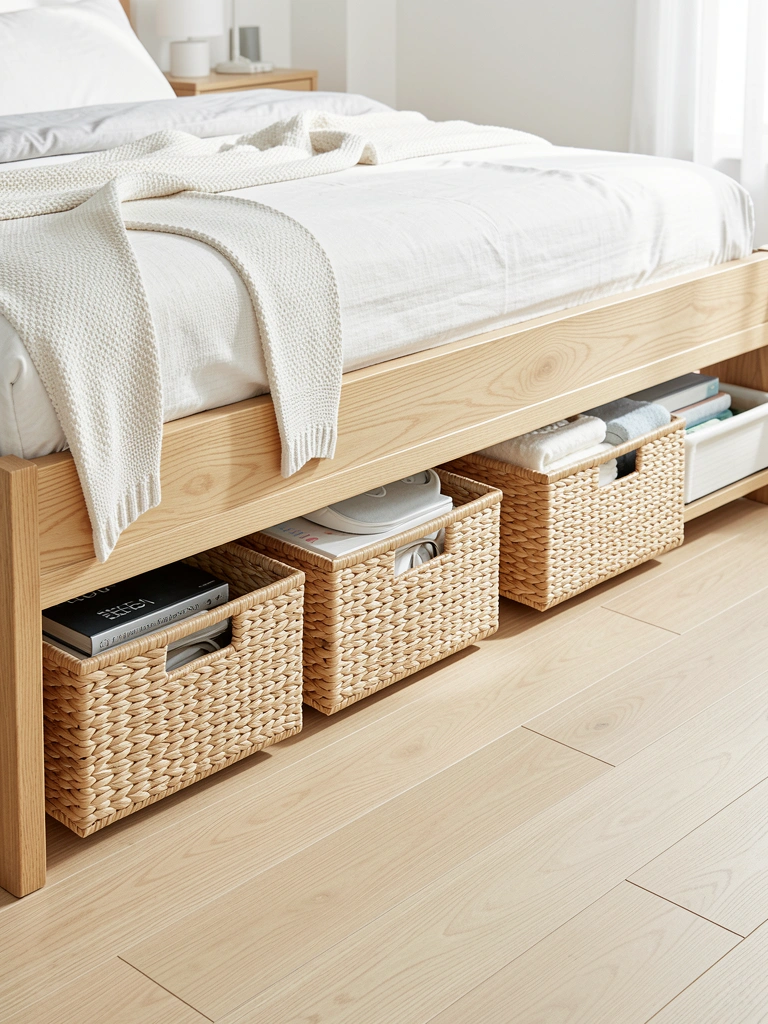
If your bed sits low to the ground, that under-bed real estate is prime storage opportunity. Low-profile containers keep things organized and hidden from view.
Invest in flat storage containers or rolling under-bed drawers ($30–$80 each) from IKEA, Target, or Amazon. You can typically fit three to four containers depending on your bed’s height. Cost ranges $80–$250 for a full set. Fill them with off-season clothing, extra bedding, or shoes. Rolling drawers make accessing items far easier than stationary boxes. This project takes 20 minutes to set up and organize.
Pro tip: Label containers so you know exactly what’s stored where and don’t create hidden clutter.
You’ve essentially doubled your storage capacity without adding a single piece of furniture. Your bedroom stays tidy and spacious because everything has a hidden home.
10. Install Shelving Above Your Headboard
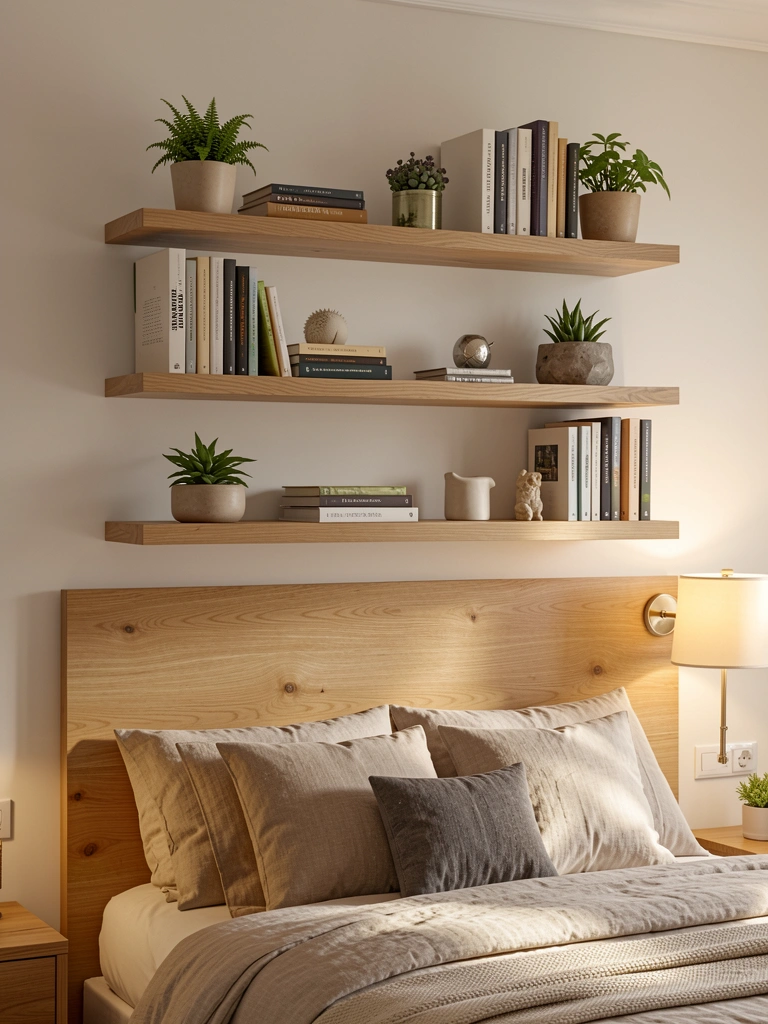
The wall space above your headboard is often wasted opportunity. Installing narrow shelves there gives you storage and display space without sacrificing floor area.
Floating shelves cost $40–$100 each and installation is a 30-minute to one-hour project with basic tools. A handyperson can install three shelves for $60–$100 labor. Use these shelves for books, small plants, or sentimental objects. Keep styling minimal to avoid a cluttered look—five to seven items per shelf feels curated, not crowded.
Alternative: Use adhesive shelves ($20–$40) if you can’t drill into walls. They’re renter-friendly and surprisingly sturdy.
You’ve created display space and storage that draws the eye upward, making your room feel taller and more open. Plus, it’s personal and visually interesting without eating into floor space.
11. Choose Light, Sheer Curtains or Roman Shades
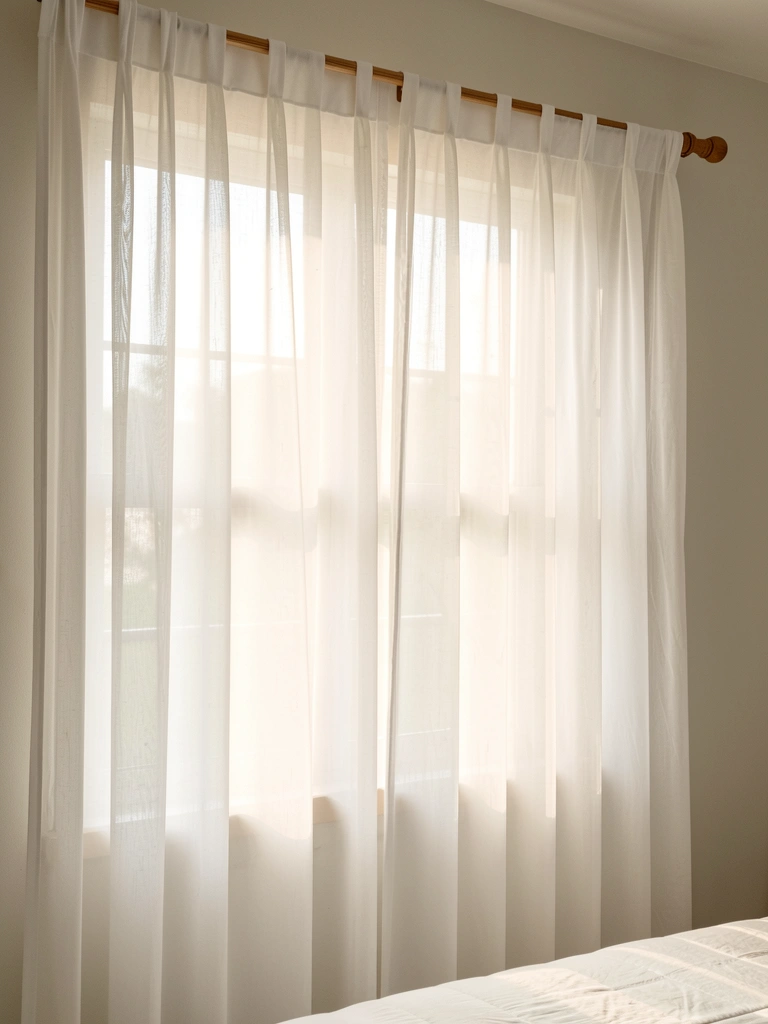
Heavy, dark curtains visually shrink a small room. Light, sheer options maintain airiness while still providing privacy and light control.
Sheer curtains run $30–$80 per panel from IKEA, Target, or Wayfair. Pair them with Roman shades ($40–$120) underneath for light-blocking capability. Together, this costs $100–$200 and transforms your window’s visual weight. Installation takes 20 minutes with a basic rod and brackets. Sheer fabrics filter light beautifully and make your room feel connected to the outside world—psychologically expanding the space.
Budget option: Use tension rod sheer curtains ($20–$40) for instant, renter-approved window dressing.
Your room feels brighter and more open without losing privacy. Light flows through beautifully, and the space no longer feels boxed in by heavy fabric.
12. Paint the Ceiling a Soft White or Pale Color
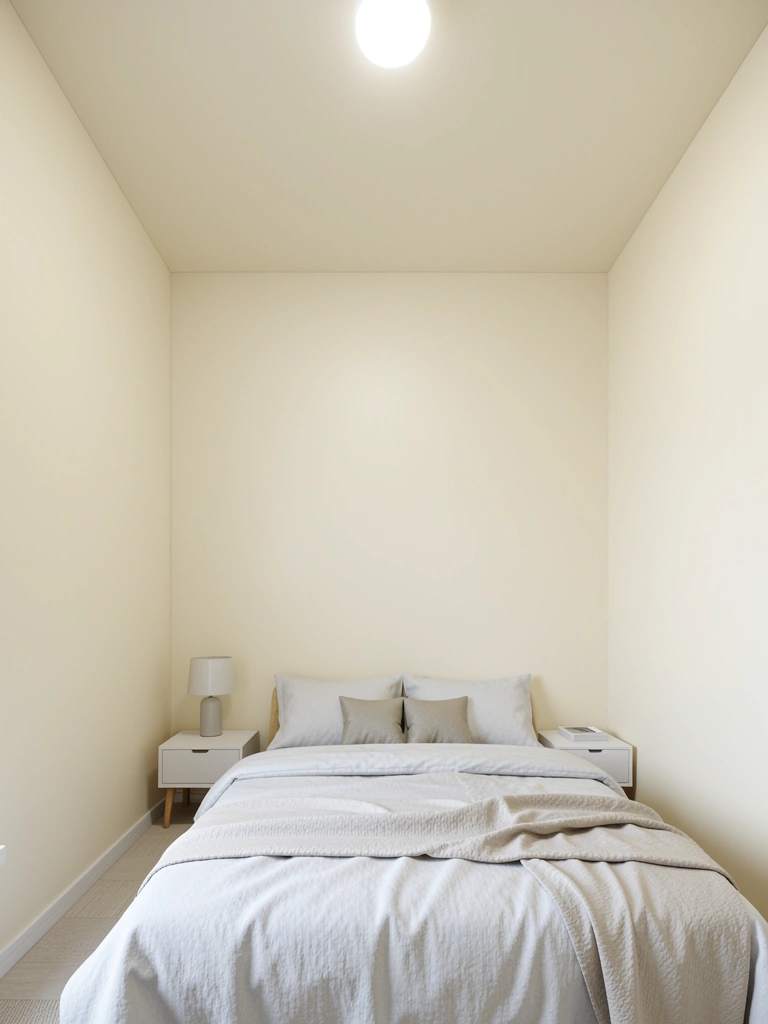
Ceilings painted the same color as your walls (or a slightly lighter shade) create visual continuity and make the room feel taller. Dark ceilings visually drop and compress the space.
Ceiling paint costs $15–$40 plus supplies—an afternoon project taking two to four hours depending on your comfort level. Use an extension roller to reach comfortably. If DIY feels overwhelming, hire a painter for $200–$400 for a small bedroom. The investment pays off immediately in perceived height and openness.
Pro tip: Pale blue or soft gray ceilings work beautifully if you want subtle color without breaking the light, open feel.
Your room instantly feels taller because your eyes travel uninterrupted from wall to wall. The subtle unity makes everything feel more spacious and intentional.
13. Declutter and Commit to a One-In, One-Out Rule
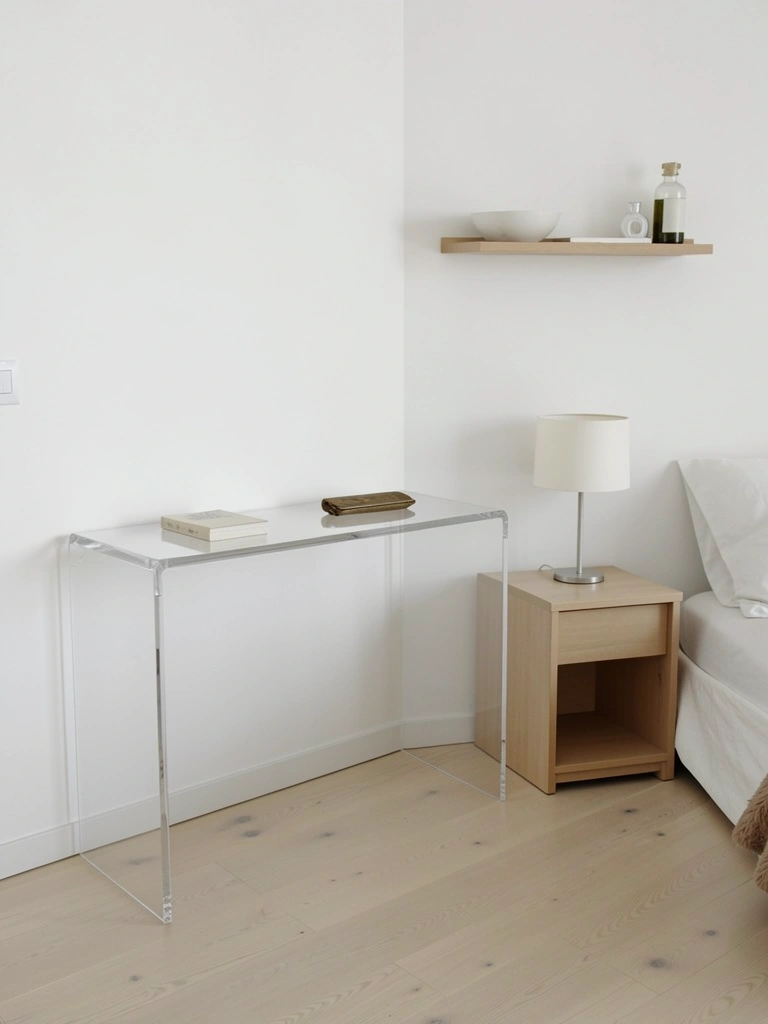
The fastest way to make a small room feel bigger is to remove stuff that doesn’t belong. Clutter visually shrinks any space and emotionally registers as chaos.
Spend a weekend going through your belongings. Donate, sell, or discard anything you haven’t used in a year or doesn’t bring you joy. This costs nothing and takes one to two days. Moving forward, adopt a strict one-in, one-out rule—every new item that comes in means something leaves. This mindset keeps your room perpetually open and intentional.
Pro tip: Use closed storage (bins, closets, drawers) for items you need but don’t display. Let open surfaces breathe.
Immediately your room feels larger and calmer. You’ll notice the psychological shift—less stuff means less mental clutter and more mental peace.
14. Use Narrow Console Tables Instead of Full Desks
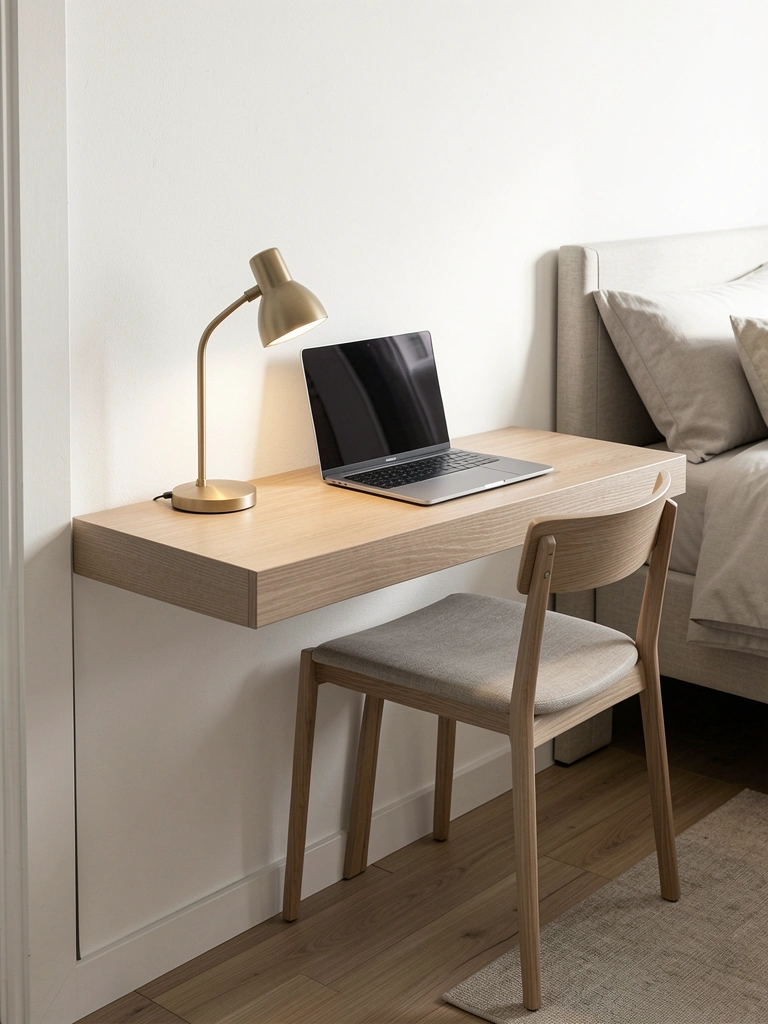
A full desk dominates a small bedroom. A narrow console table ($60–$150 from IKEA, Target, or Wayfair) gives you workspace without overwhelming your room. Look for tables under 12 inches deep—they disappear into the wall visually while remaining functional.
Installation is typically just pushing it against the wall—no tools required unless you want to secure it. Add a narrow chair or stool ($40–$100) that tucks completely under the table when not in use. Total investment: $100–$250. This setup lets you work while maintaining the bedroom’s openness and calm.
Alternative: Wall-mounted drop-down desks ($80–$200) fold away completely when not in use.
You have a functional workspace that doesn’t dominate your room. The space remains flexible and calm, shifting between bedroom and office seamlessly.
15. Add Ambient Lighting with Layered Light Sources

Bright overhead lighting makes small rooms feel harsh and institutional. Layered lighting sources create warmth, comfort, and visual interest without harsh glare.
Combine a main light source ($20–$60), a table lamp ($30–$80), and accent lighting like a small pendant ($40–$100) or string lights ($15–$40). Total cost: $100–$250. Use warm-temperature bulbs (2700K color temperature) for an inviting atmosphere. Install dimmer switches ($15–$40) if you’re handy, or hire an electrician ($50–$100). This creates flexibility—bright when you need it, soft when you’re winding down.
Budget option: Add string lights and a table lamp for under $50 and skip the main fixture initially.
Lighting becomes purposeful instead of utilitarian. Your small room gains layers of atmosphere, making it feel cozier and more intentionally designed.
16. Choose a Single Statement Color as an Accent
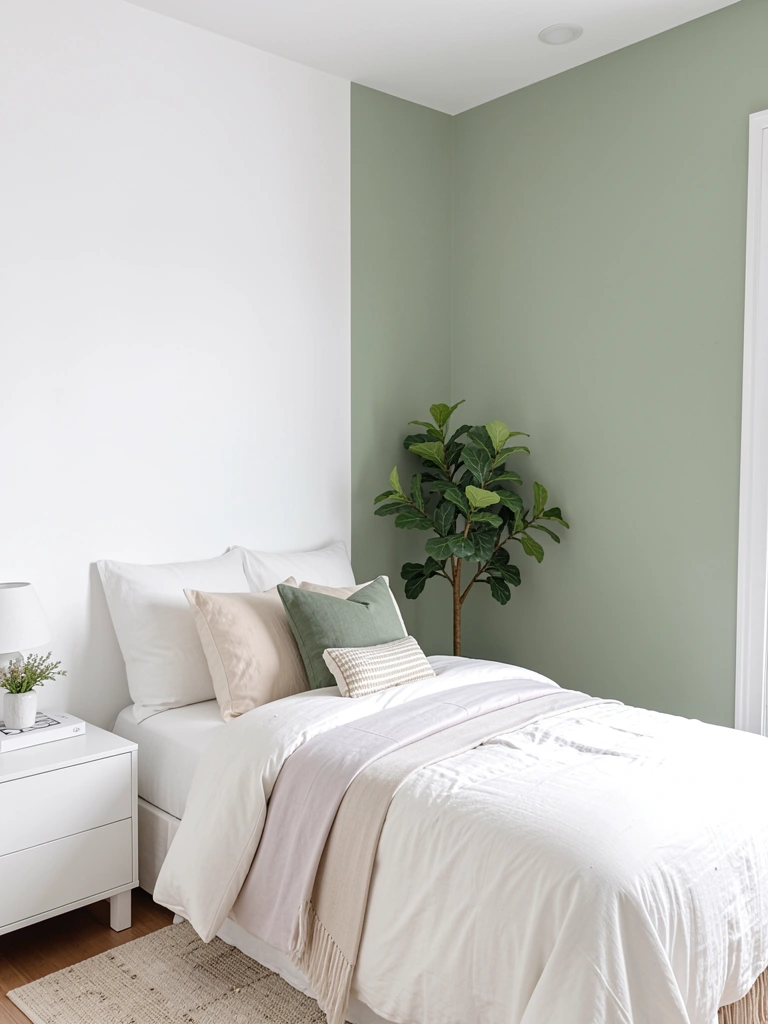
Covering all walls in bold color compresses small rooms. A single accent wall in a statement color (forest green, aubergine, deep blue, or warm terracotta) adds personality without overwhelming the space.
Paint one wall with premium paint ($40–$80) in a color you love. The project takes three to four hours and costs $40–$100 total. Pair this with minimal, neutral furniture and decor so the color becomes the intentional focal point. This approach works beautifully in small spaces because it’s bold but contained.
Pro tip: Choose the wall you see first when entering—maximum impact with minimum overwhelming.
Your room gains character and intentionality without feeling smaller. The accent wall becomes a sophisticated focal point that elevates the entire space.
17. Opt for Furniture with Built-In Storage
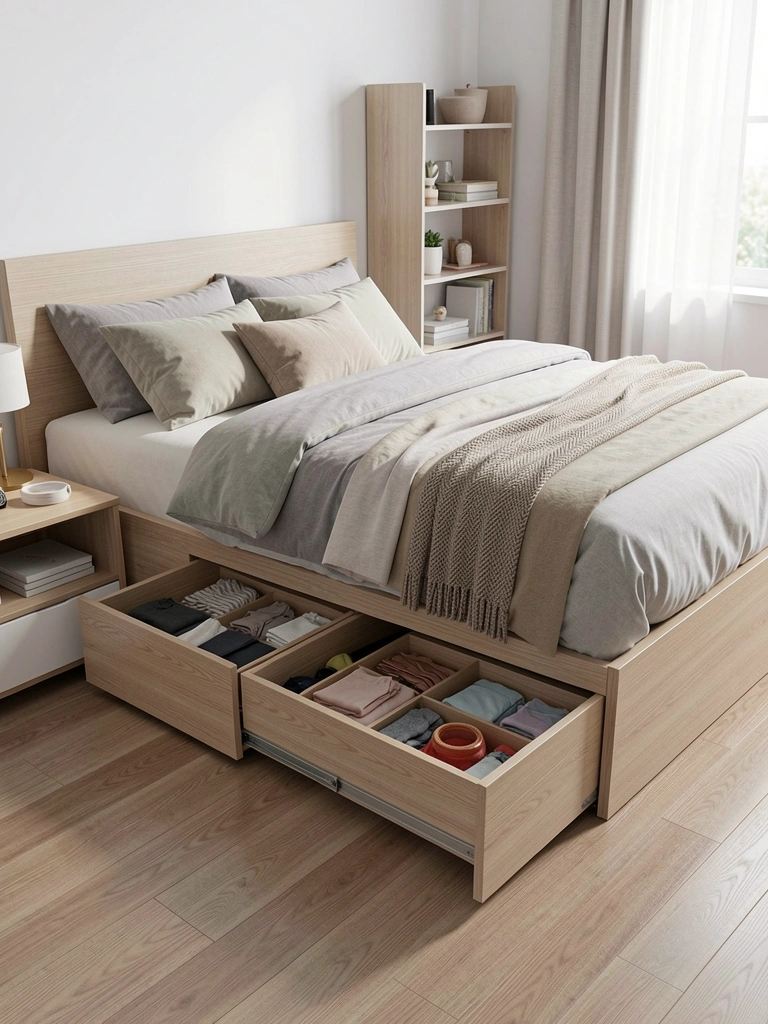
Every piece of furniture should work overtime in a small bedroom. Beds with built-in drawers, ottomans with storage, and benches with cubbies maximize functionality without adding bulk.
Storage beds run $300–$800 and give you a massive storage advantage. Storage ottomans cost $150–$400. While these are investments, they replace three separate pieces—your bed, a dresser, and possibly a storage bench. Quality pieces last decades and grow with you. Many retailers offer these (Article, West Elm, Wayfair) and delivery typically includes setup for $50–$150.
Budget alternative: Add affordable storage benches ($80–$150 from IKEA) to the foot of your bed.
You’ve eliminated the need for separate storage furniture, freeing up precious floor space. Your room remains uncluttered and everything has a clear purpose.
18. Use a Tall, Narrow Bookcase as a Room Divider
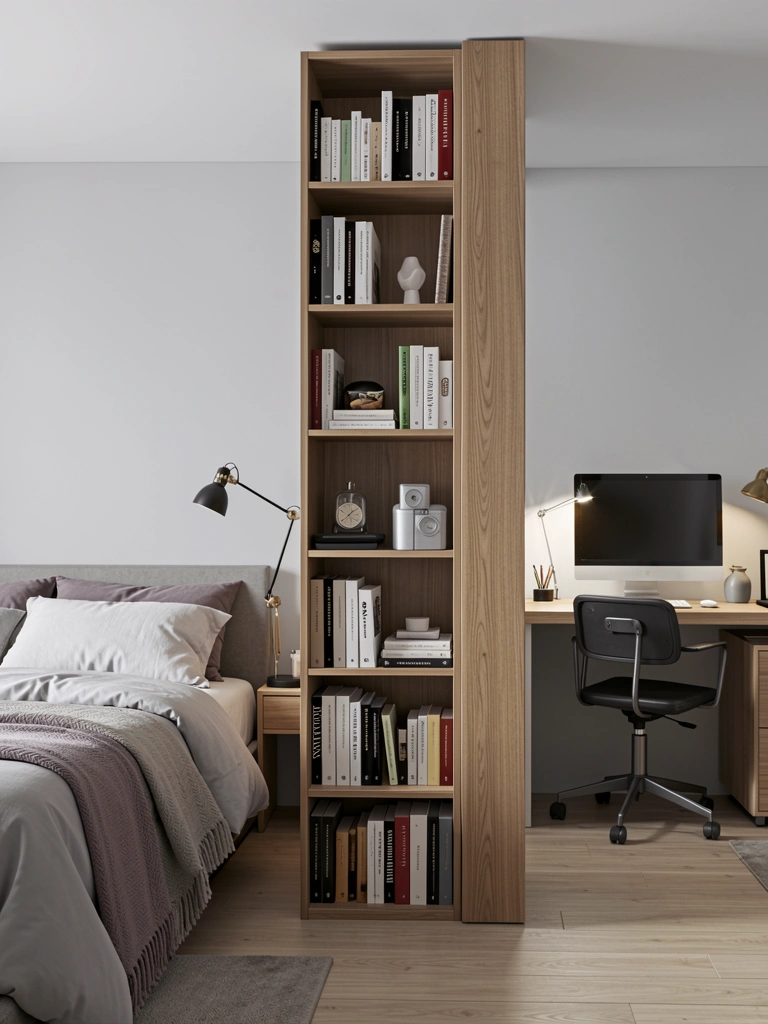
If your small bedroom also functions as a workspace or dressing area, a tall, narrow bookcase ($100–$300) can visually divide the space without walls or permanent changes—perfect for renters.
Look for thin, tall bookcases at IKEA ($80–$200) that you can position strategically. This creates the illusion of separate zones within your room. Style both sides thoughtfully so it looks intentional rather than random. Installation is typically just pushing it into place—no mounting needed.
Alternative: Use a tall plant shelf or hanging curtain to achieve a similar effect more affordably.
Visually, your room now feels larger because the eye divides it into intentional zones. You’ve created purpose and flow within a limited footprint.
19. Hang Shelves Around a Small Window to Frame It
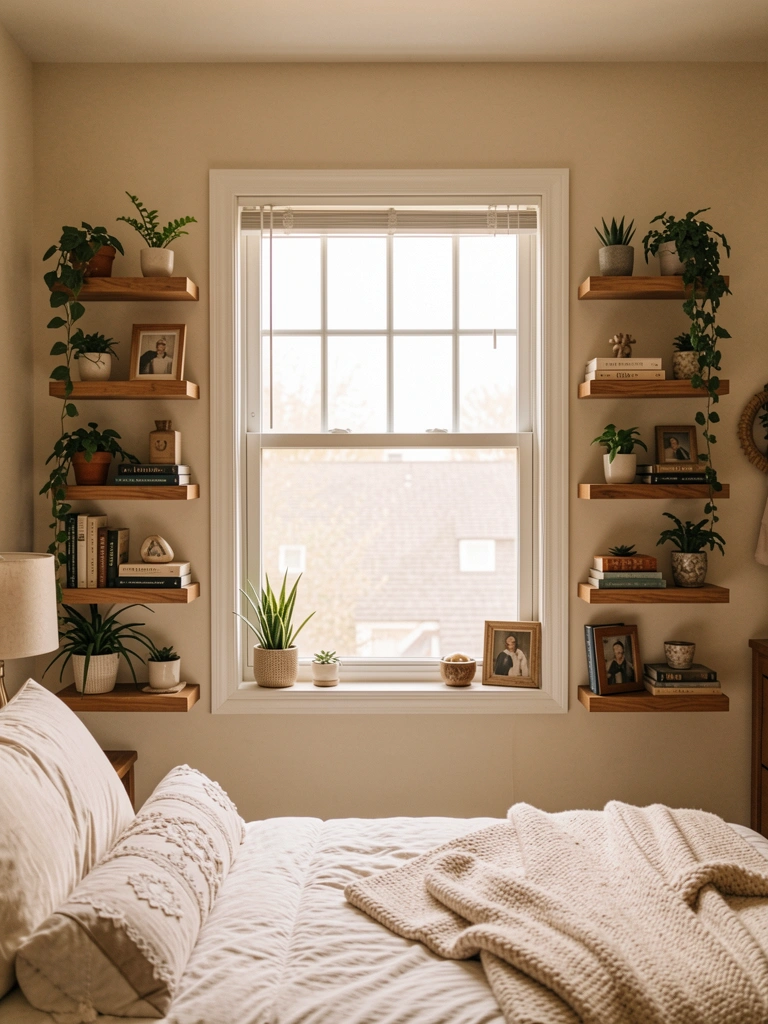
Windows are natural focal points. Flanking yours with slim floating shelves turns it into a designed feature while adding storage.
Install narrow floating shelves ($30–$60 each) on either side of your window, leaving the window itself clear and unobstructed. A typical arrangement uses six to eight shelves total ($200–$400). Style them sparsely with plants, small books, and sentimental objects. This project takes two to three hours and transforms an ordinary window into a designed element.
Pro tip: Group items in odd numbers (three or five) and mix heights for a curated, non-cluttered look.
Your window becomes an intentional focal point and your room gains beautiful storage display space. The visual interest makes the room feel more thoughtfully designed.
20. Keep Flooring Clear with Wall-Mounted Organizers
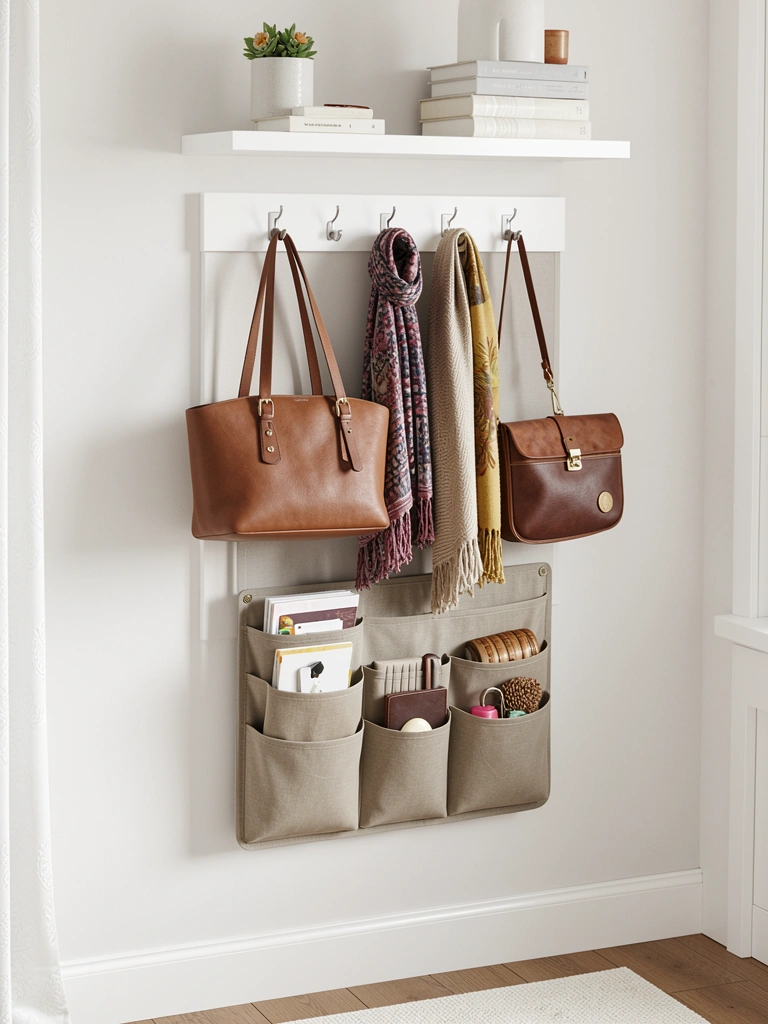
Clutter on floors instantly makes small rooms feel cramped. Wall-mounted organizers, hooks, and narrow shelves pull everything off the ground.
Install wall hooks ($10–$30 per set), over-door organizers ($15–$30), and fabric wall pockets ($20–$40) strategically around your room. Total investment: $50–$100 for a completely organized system. Hang bags, scarves, hats, and frequently-used items on these. Nothing sitting on the floor means visual openness and easy cleaning. Installation takes 30 minutes to one hour total.
Budget option: Use adhesive hooks ($5 for a pack of five) for renter-friendly organization.
Your floor becomes a clean, open canvas. Psychologically, visible floor space makes any room feel significantly larger and more intentional.
21. Choose a Bedroom Rug Under 6 x 9 Feet
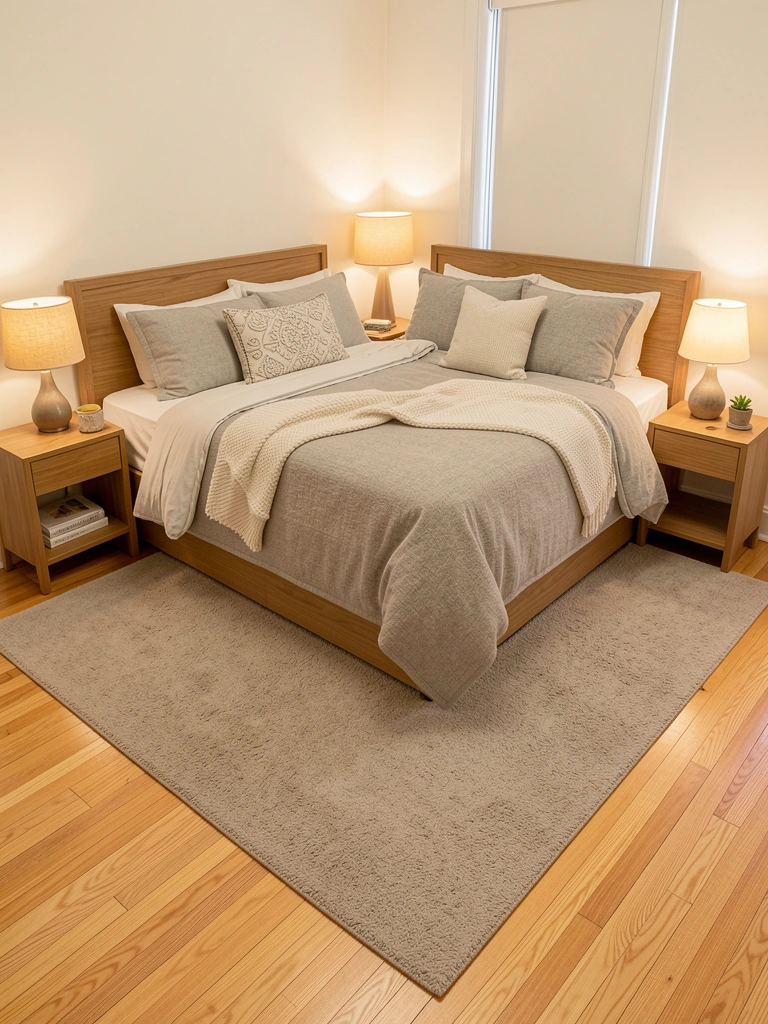
An oversized rug fills a small bedroom. A properly-scaled rug (under 6 x 9 feet) anchors your space without consuming it.
Quality rugs run $150–$400 from retailers like Rugs USA, Article, or Wayfair. Choose neutral tones or subtle patterns that echo your wall color. Placement matters: position it so at least 18 inches of flooring is visible on all sides. This creates visual breathing room while still defining your sleeping zone. A good rug lasts years and immediately improves a room’s coziness and sound quality.
Budget option: IKEA rugs ($40–$80) offer solid quality and neutral designs.
Your floor remains visible and open while your bedroom gains warmth and definition. The rug becomes a grounding element that makes the space feel intentional rather than cramped.
22. Install Floating Corner Shelves for Dead Space
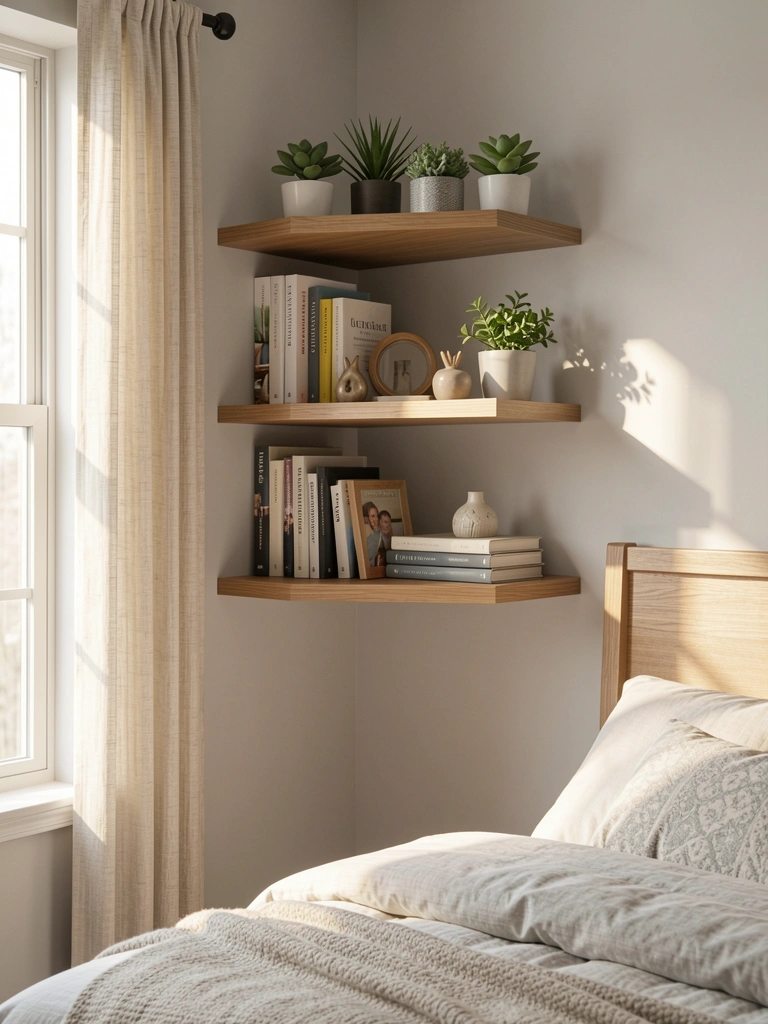
Bedroom corners are often wasted vertical real estate. Corner shelves ($20–$50 each) fit snugly and use space that would otherwise sit empty.
Install three to four corner shelves ($60–$200 total) in corners that are typically dark or unused. These take 30 minutes to one hour to install and instantly give you storage without eating into floor or wall space. Style them sparsely with plants, books, or small decorative objects. Corner shelves feel purposeful rather than cluttered when you edit what you display.
Pro tip: Pair corner shelves with small corner lighting to make them feel intentional, not like storage accidents.
Dead corner space becomes functional and beautiful. Your room gains usable storage while maintaining the clean, open aesthetic you’ve created.
Save this post and tackle one idea this weekend—small changes add up faster than you’d think. Which tip are you trying first?
Leave a Reply