Introduction
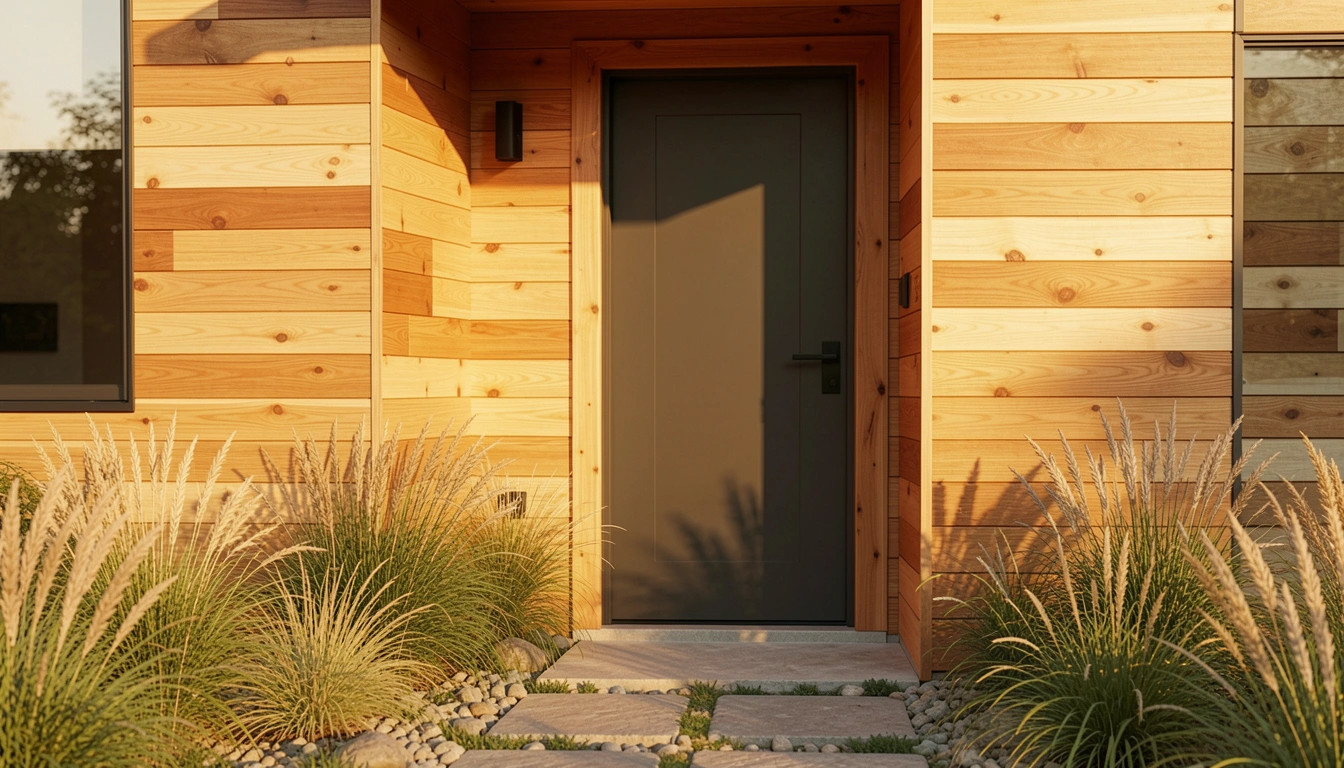
Your home’s exterior tells a story before anyone steps through the door. If you’re craving that warm, organic aesthetic that feels both grounded and sophisticated, wood is your answer. Whether you’re drawn to natural cedar warmth, mixed textures with stone and metal, or the softness of wood-accented color blocking, there’s a wooden facade idea waiting for your home. The 2025 design shift favors earthy materials that age beautifully and require less maintenance than you’d think. Across 26 distinct approaches—from budget-friendly updates to investment-level renovations—you’ll find solutions for every homeowner and renter. Let’s explore how wood can become your home’s signature feature, creating curb appeal that feels authentically you.
1. Layer Cedar Siding with Charcoal Accents
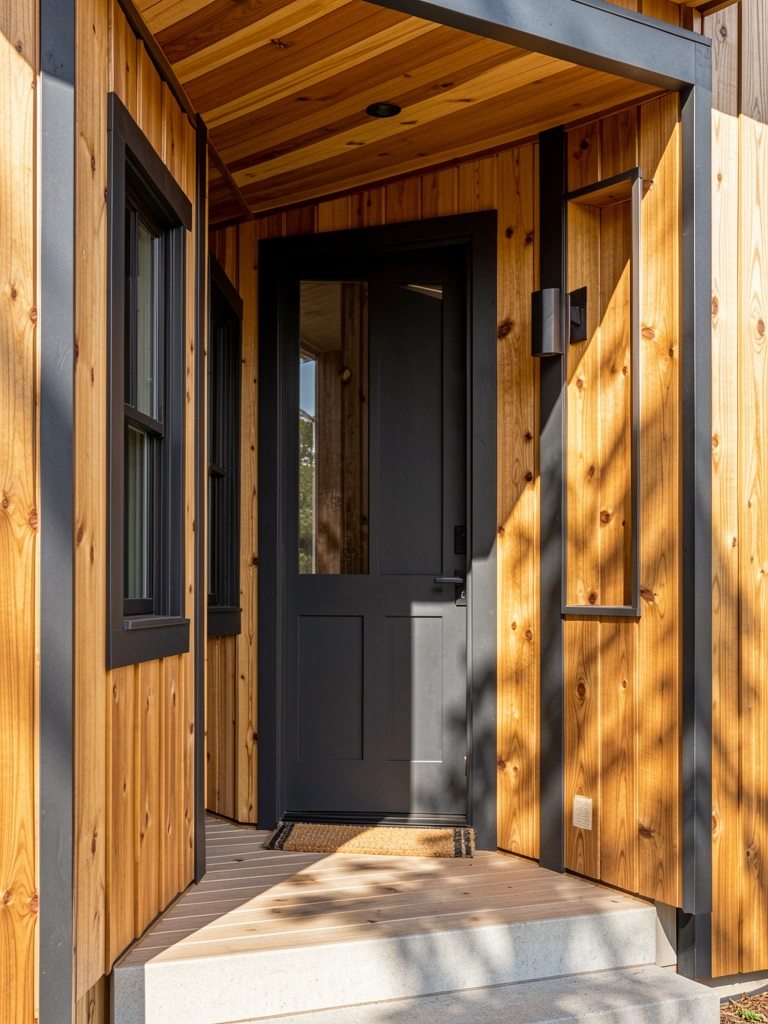
Cedar siding brings natural warmth that actually improves with age, developing a silvery patina over time. Pairing it with charcoal accents—think window frames, doors, or trim—creates striking contrast without feeling cold or harsh.
Install full-height cedar siding ($8–$15 per square foot installed) or upgrade existing siding by adding cedar accent panels around doors and windows ($50–$200 per section, DIY-friendly). The contrast works because warm wood naturally softens deep charcoal, creating balance. This project typically takes a weekend for smaller sections or 2–4 weeks for full-home coverage if hiring contractors.
Pro tip: If budget is tight, add cedar accents to your porch ceiling or gable end first—maximum impact, minimal expense.
You’ll notice how this combination makes your home feel both modern and inviting, stopping passersby mid-walk.
2. Combine Thin Brick with Wood Cladding
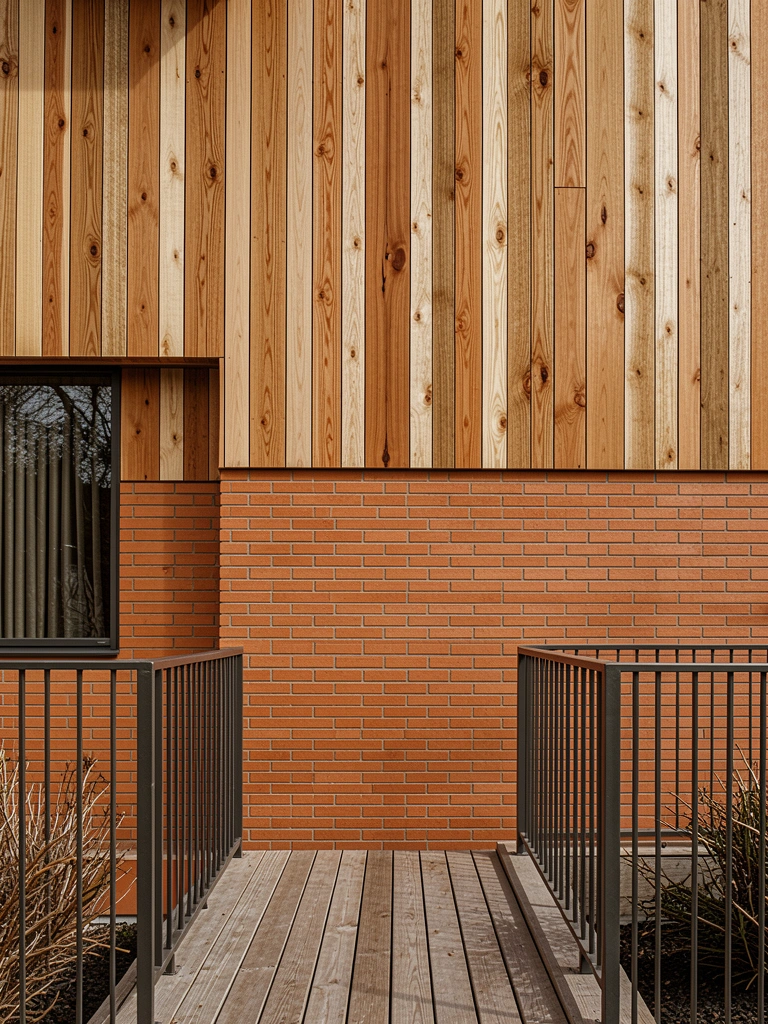
Mixing thin brick with wood creates the textured depth 2025 design is craving—and thin brick costs 40% less than full brick while delivering the same visual impact. This combo mimics high-end Bay Area design without the price tag.
Thin brick veneers ($6–$10 per square foot) install over existing siding in roughly 3–5 days for an average home facade. Pair it with cedar or treated wood cladding on upper sections or gables. You can DIY smaller sections or hire professionals for full-scale work (expect $1,500–$5,000 depending on coverage). Home Depot and Wayfair stock lightweight options from brands like Brickwebb.
Alternative: If brick feels too permanent, use faux brick panels ($2–$4 per square foot) on your accent wall or porch—zero installation hassle, renter-friendly if landlord approves.
The layering creates visual interest that photographs beautifully while boosting perceived home value without breaking your budget.
3. Paint a Bold Wood Accent Wall

One bold-colored wooden accent wall draws the eye and feels way less commitment-heavy than painting your entire home. Deep olive, burgundy, or charcoal on wood planking creates drama without overwhelming your facade.
Apply exterior-grade paint in earth tones ($30–$50 per gallon) to a single wood wall, gable, or porch section. Preparation matters most: power wash, sand rough spots, prime any bare wood, then apply two coats. Budget one weekend for DIY, or hire a painter ($400–$800 depending on wall size). Brands like Sherwin-Williams and Benjamin Moore offer 2025-trending earth-tone palettes specifically tested for exterior durability.
Budget hack: Paint just your front-facing gable first—biggest visual payoff, smallest paint investment.
This approach gives you that bold-color trend without the risk of committing your entire home to charcoal or burgundy.
4. Add Vertical Wood Slat Privacy Screens
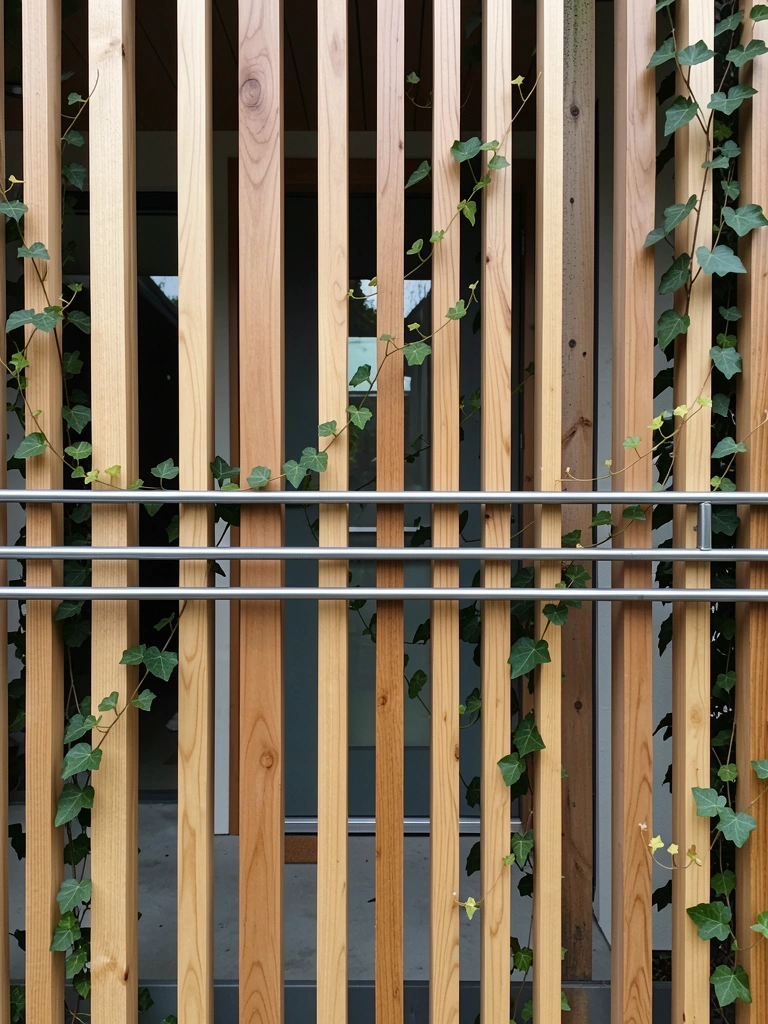
Vertical wood slats soften your facade while adding function—they screen utilities, create privacy, and photograph incredibly well. This trend blends biophilic design with contemporary architecture.
Install vertical cedar or composite slats ($15–$30 per linear foot with hardware) around your porch, entryway, or utility areas. DIY installation takes 4–6 hours for a standard porch screen; professional installation runs $800–$2,000 depending on coverage. Space slats 2–4 inches apart for visual flow without compromising privacy. Brands like Kebony and Ipe source sustainably, though pressure-treated pine works budget-friendly ($8–$12 per linear foot).
Pro tip: Leave 3–6 inch gaps between slats and plant fast-growing vines behind—they’ll intertwine naturally over time.
Your porch becomes an architectural feature that blurs indoor-outdoor boundaries while hiding eyesores.
5. Install Reclaimed or Salvaged Wood Siding
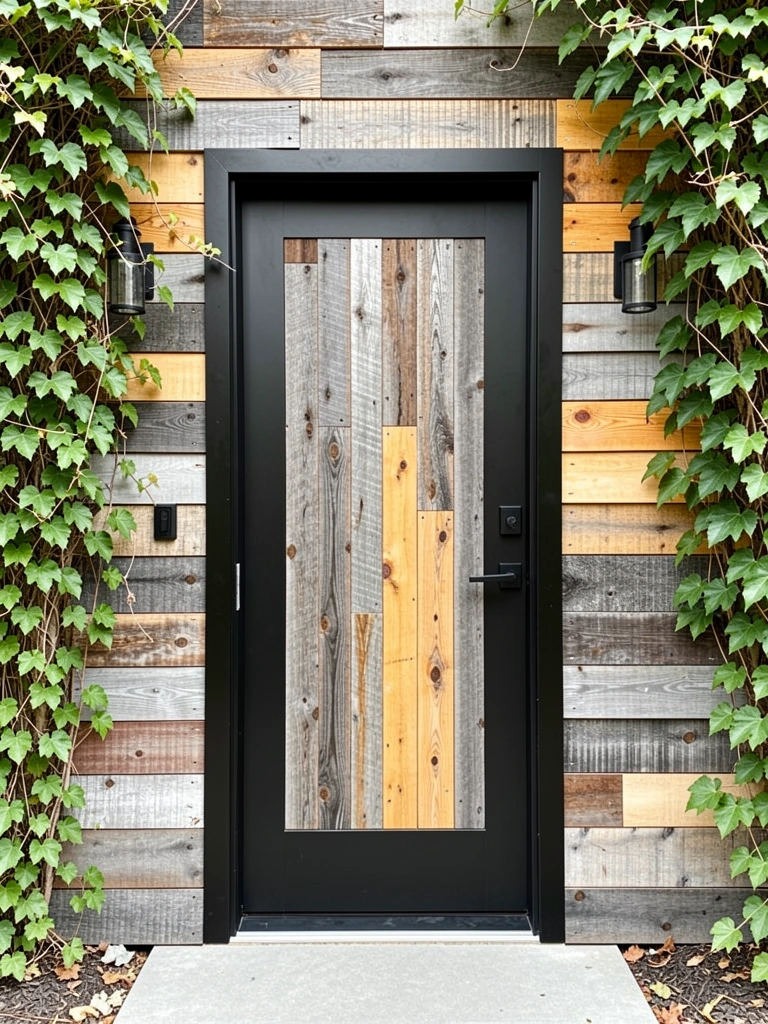
Reclaimed wood tells a story in ways new materials can’t. It carries character, authenticity, and instant curb appeal—plus it’s genuinely sustainable since you’re reusing existing material.
Source reclaimed barn siding or salvaged wood from architectural salvage yards or Etsy ($6–$20 per board foot, often cheaper bulk-purchased). Installation typically costs $15–$25 per square foot when professionally hung. A modest porch accent (100–200 square feet) runs $1,500–$3,500 installed. The weathered gray or honey tones pair beautifully with modern metal accents and require zero staining—just seal annually with clear matte finish to protect character.
Alternative: Buy new “reclaimed-look” composite boards ($10–$15 per board foot) if budget is tight—they mimic the aesthetic without hunting salvage markets.
Visitors immediately sense the home’s history and intentional design choices in a way cookie-cutter siding simply can’t match.
6. Frame Doors and Windows with Natural Wood Trim
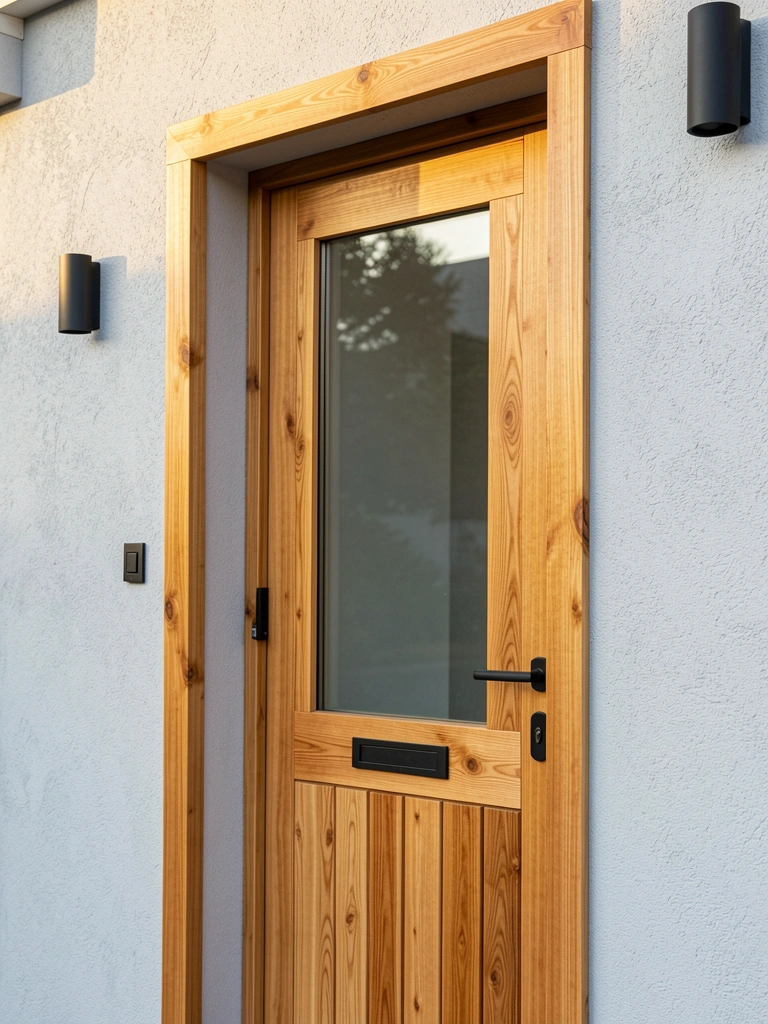
Sometimes the simplest change delivers maximum impact. Wrapping your entryway and windows with natural wood trim brings warmth and definition to any exterior palette.
Replace or upgrade existing door and window frames with cedar or composite wood trim ($30–$100 per window, $80–$200 for entry doors). Paint or stain to match your aesthetic—honey, weathered gray, or natural tones work best. This is typically a one-weekend DIY for smaller homes (3–5 windows) or a 3–5 day professional project ($1,200–$2,500 for full-home updates). Home Depot stocks pre-cut wood trim options that require only sanding, staining, and installation.
Budget option: Paint existing metal frames with premium exterior paint to mimic wood ($15–$30 total for supplies) while you save for real wood upgrades.
This framing draws attention upward and inward, making your entryway feel like a deliberate architectural focal point rather than an afterthought.
7. Create Wood and Stone Color Blocking
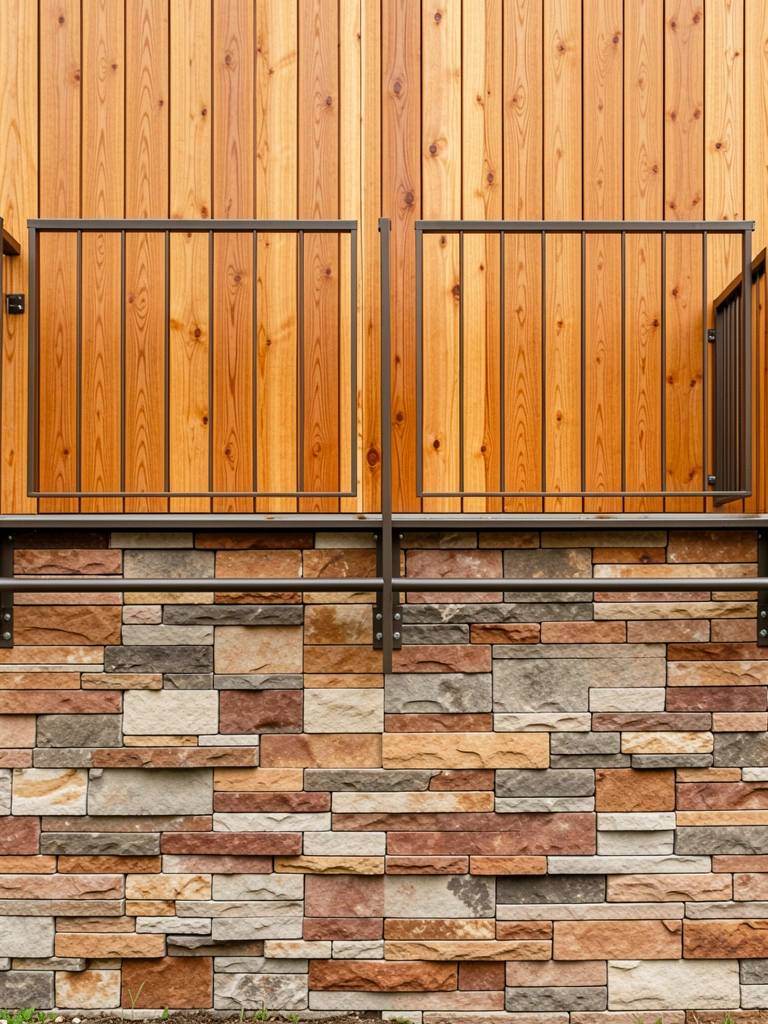
Geometric color blocking with wood and stone creates visual harmony while preventing uniformity. This technique feels curated and intentional without requiring bold paint colors.
Divide your facade horizontally or vertically, using cedar or wood composite for upper sections ($8–$15 per sq ft) and stacked stone veneer for lower sections ($10–$18 per sq ft). Professional installation runs $2,500–$5,000 for average homes; DIY is possible but requires careful planning. The visual split should align with architectural features (roofline, porch edge, foundation line) for maximum impact. Brands like Cultured Stone offer lightweight veneers that don’t require reinforced framing.
Pro tip: Use a 60/40 ratio—more wood on top, less stone on bottom—for proportions that feel balanced, not choppy.
The result feels galleries-worthy while solving the real problem: preventing your facade from looking flat or one-note.
8. Stain Wood to Warm Beige Tones
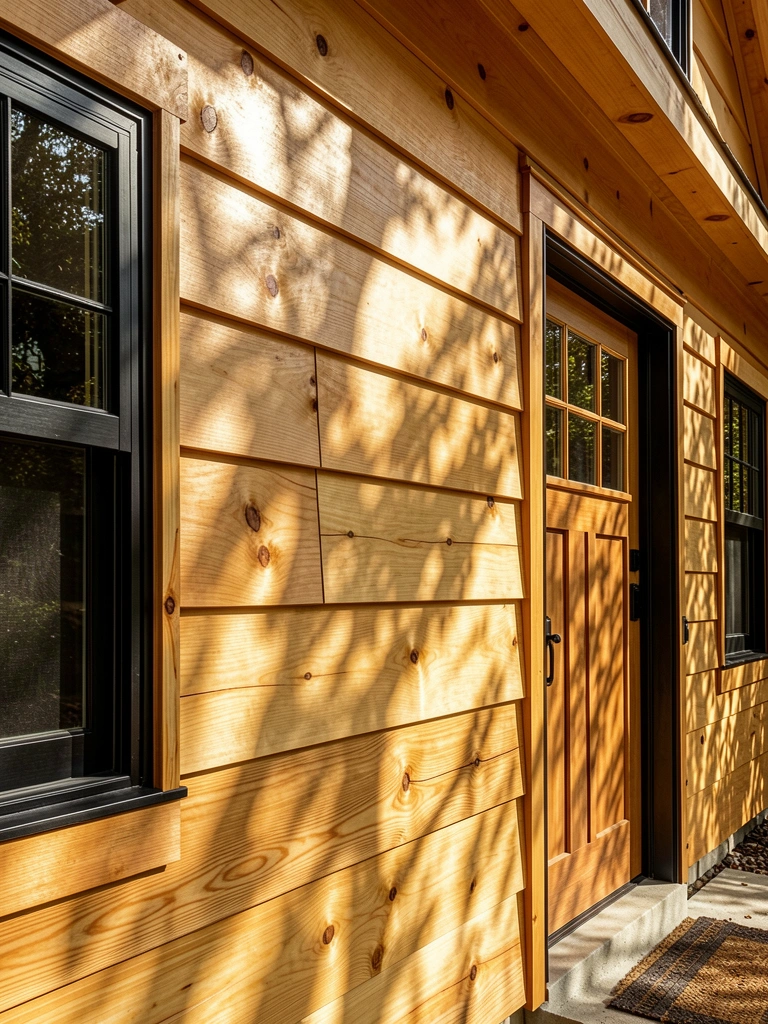
Moving away from cold grays toward warm beiges is the 2025 shift, and staining existing wood is the quickest way to refresh without replacement. Warm stains develop character while feeling effortlessly organic.
Apply exterior wood stain in beige, tan, or warm gray ($20–$40 per gallon) to new or existing cedar, fir, or composite wood. DIY full-home staining takes 2–3 weekends (power wash, sand, apply 2 coats). Professional staining runs $1,500–$4,000 depending on home size. Brands like Cabot and Olympic offer 2025-trending warm palettes. Test small sections first—stain looks different as it dries and ages.
Alternative: If your siding is paint-covered, wash, prime, then paint to match warm stain colors ($50–$100 per gallon for exterior-grade paint).
Staining enhances wood grain visibility while developing natural patina over time, making your home look more sophisticated with each passing season.
9. Add Wooden Pergolas or Shade Structures
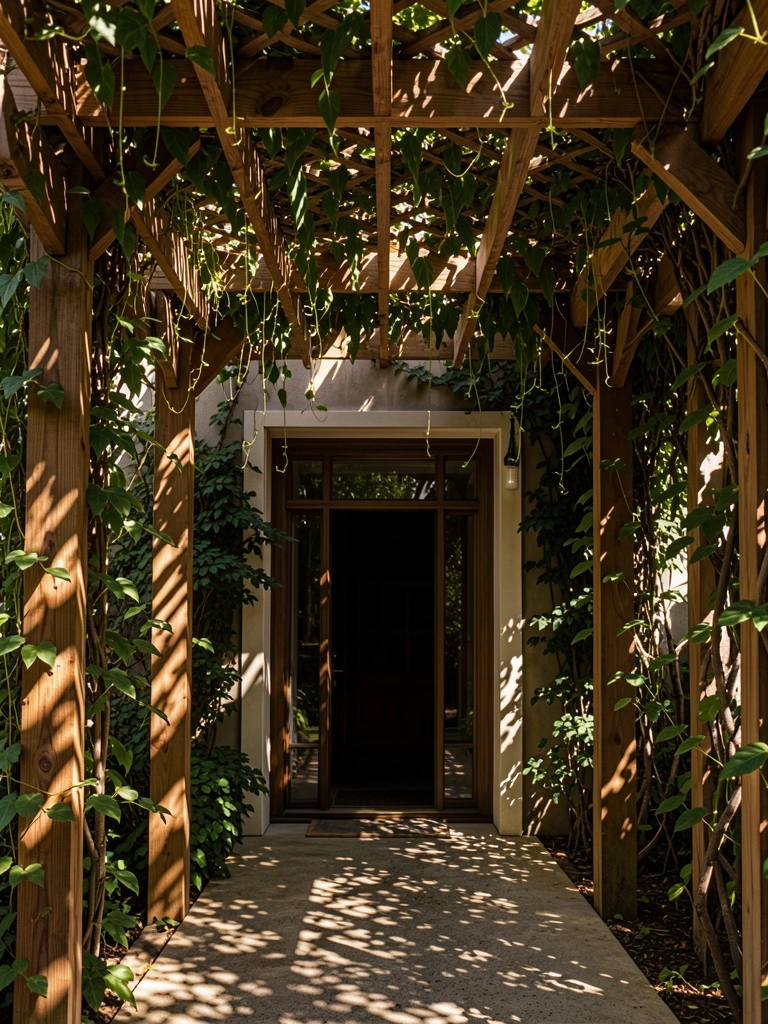
Wooden pergolas soften hard lines while creating outdoor rooms that extend your home’s interior aesthetic outward. They blur that indoor-outdoor boundary 2025 design prioritizes.
Install cedar or composite pergolas ($1,500–$4,000 installed) over porches, patios, or entryways. DIY assembly takes one weekend for prefab kits ($800–$2,000); full custom builds run 2–3 weeks with professionals. Top it with fast-growing vines (clematis, jasmine) for natural shade and biophilic depth. Cedar requires annual sealing; composite needs minimal maintenance.
Budget hack: Build a simple DIY pergola frame ($300–$500 materials) using pressure-treated lumber and rope lattice—it looks surprisingly polished in 10–12 hours of work.
Visitors experience your home as an extension of nature rather than just a structure, instantly raising perceived luxury and livability.
10. Pair Wood Siding with Metal Roofing
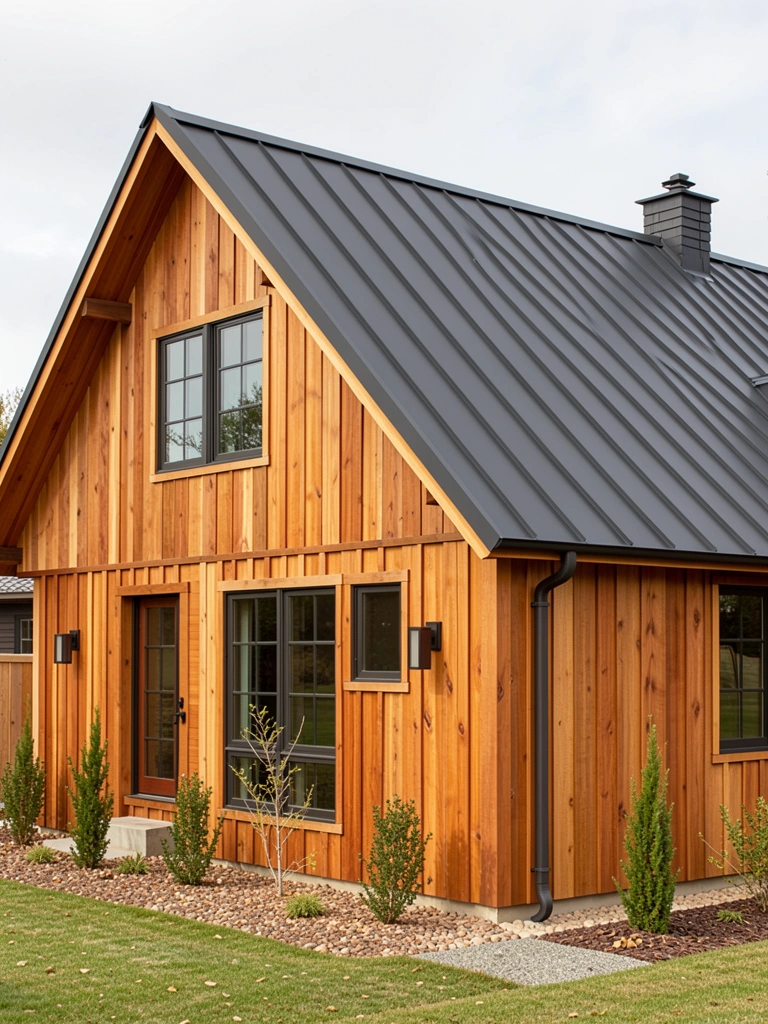
The metal-and-wood pairing feels contemporary while honoring traditional farmhouse roots. Metal roofing lasts 40+ years and reflects solar heat—a sustainability win that looks sharp too.
Replace asphalt shingles with standing-seam metal roofing in matte charcoal or bronze ($12–$18 per square foot installed). A full roof replacement for average homes costs $8,000–$15,000 but delivers decades without replacement. Pair with warm cedar siding for maximum visual contrast. Metal roofing requires professional installation (3–5 days); it’s not a DIY project. Brands like Metallic Building Components and Classic Metal Roofing Systems offer customizable finishes.
Investment note: Metal roofing qualifies for tax credits and boosts resale value, often recouping cost within 15 years.
This combination signals durability and intentional design, making your home look both timeless and thoroughly modern.
11. Install Wood Beam Details on Gables
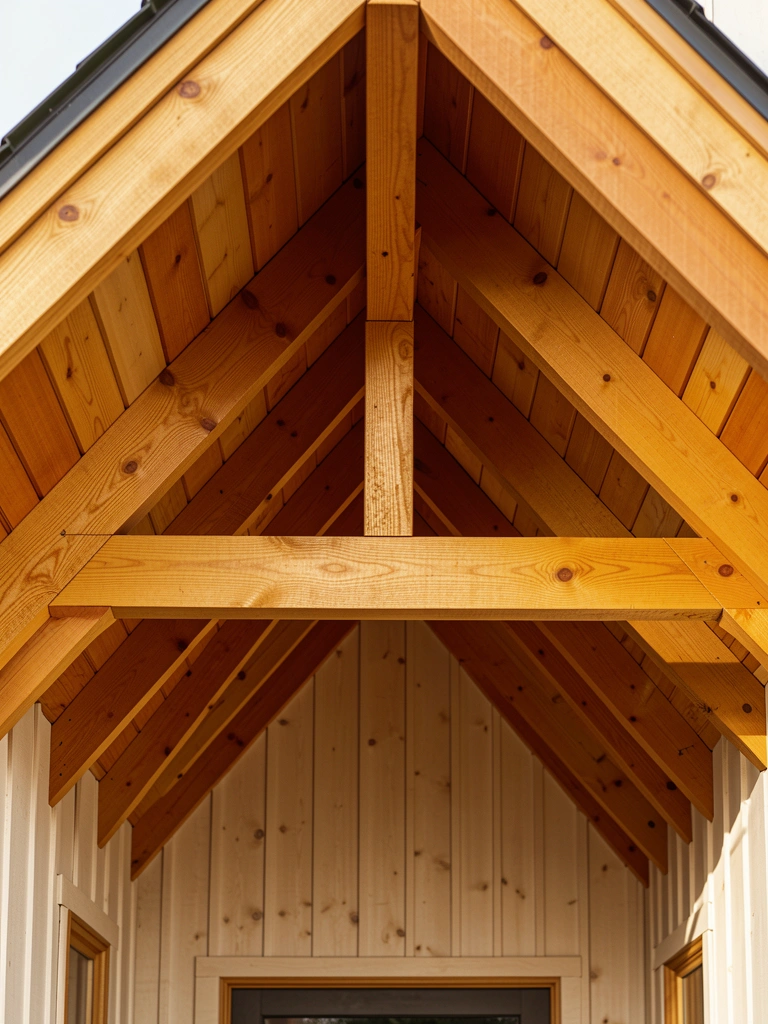
Exposed wood beams on gables add architectural interest and warmth without requiring full-siding overhauls. This detail feels artisanal and high-end while remaining surprisingly affordable.
Install cedar or composite faux beams ($150–$400 per 12-foot beam installed) on gable ends, porch ceilings, or entryway overhangs. Real beams run $400–$800 each but weather beautifully; faux beams ($80–$200) look nearly identical and require zero maintenance. DIY installation takes 4–6 hours per beam using heavy-duty brackets and fasteners. Align beams with architectural lines (roof peak, porch edge) for intentional placement.
Pro tip: Pair wooden beams with black metal brackets ($30–$60 per bracket) for that modern-farmhouse-meets-industrial edge.
The visual weight of beams draws eyes upward, making modest homes feel more substantial while adding dimension to flat facades.
12. Wrap Your Porch with Cedar Ceiling Boards
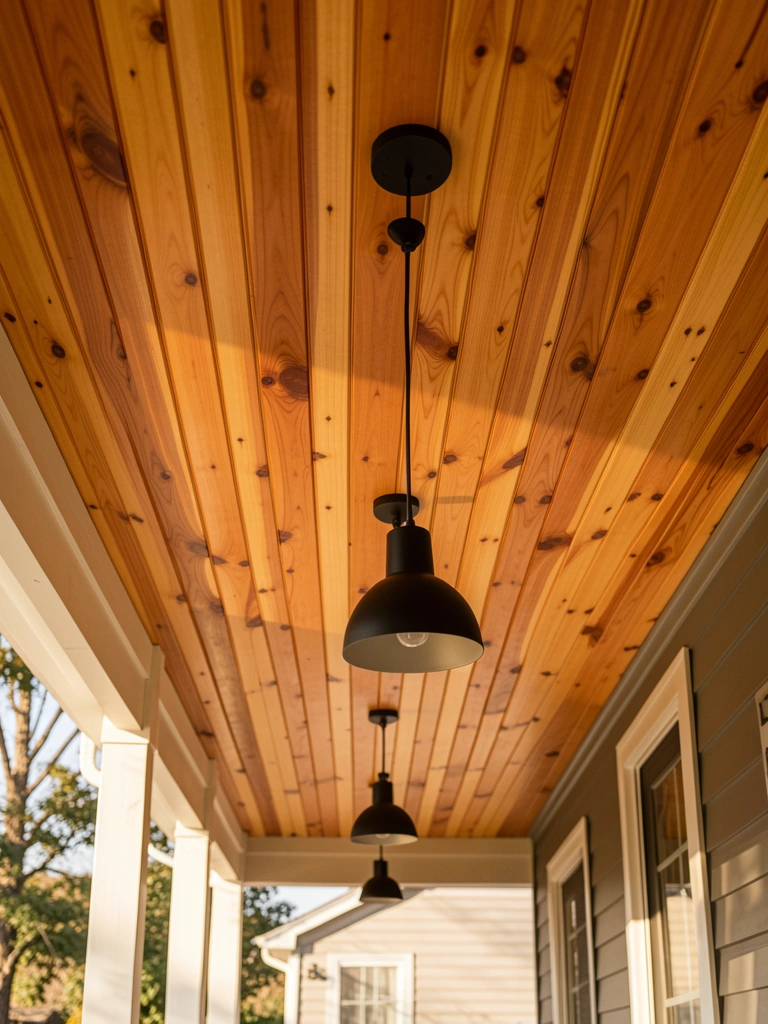
A wooden porch ceiling is where guests pause, notice details, and form lasting impressions. Cedar absorbs and diffuses light in ways that feel warm and welcoming.
Install tongue-and-groove cedar boards on porch or covered entry ceilings ($4–$8 per linear foot for materials, $15–$25 per sq ft installed). Average porches (100–150 sq ft) run $1,500–$3,000 professionally or $300–$500 DIY if you’re handy with fasteners and caulk. Cedar requires annual sealing but ages beautifully to silver-gray if left natural. Paint it your accent color for drama (matches your door, trim, or shutters).
Budget option: Use composite beadboard ($2–$4 per linear foot) and paint to match your desired aesthetic—30% savings, 95% visual impact.
The moment guests step into your porch, they’re enveloped by warmth and craftsmanship, transforming how they perceive your entire home.
13. Create Wood Plank Accent Doors
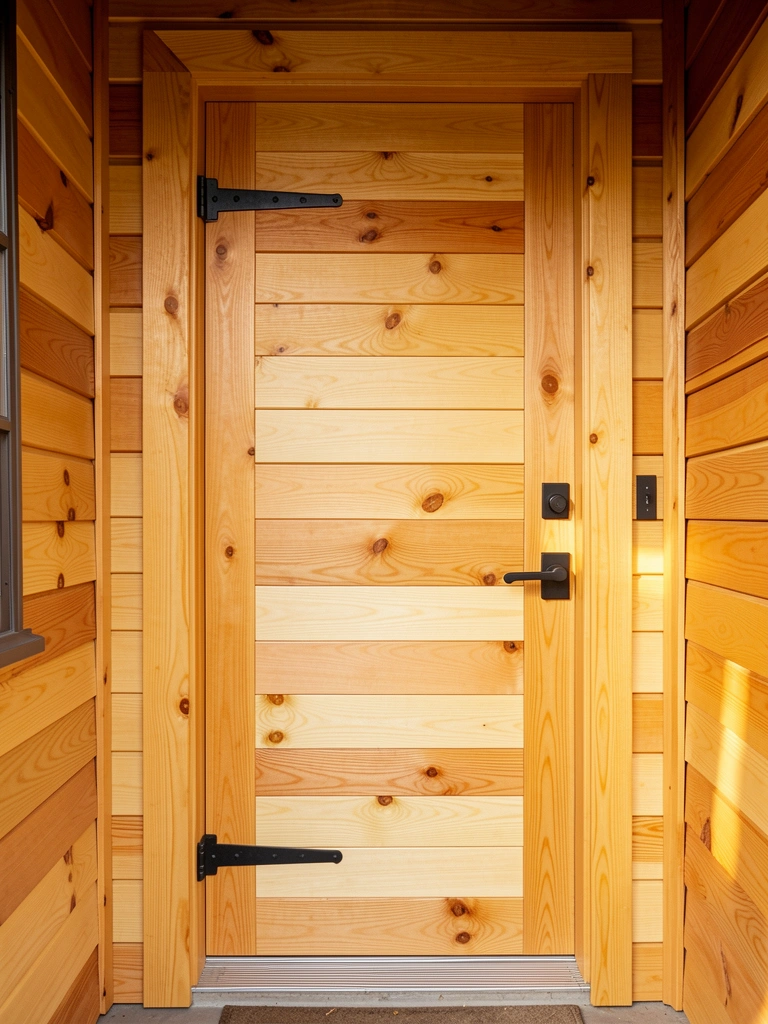
Your entry door is the single most-photographed part of your home. A wooden plank door—whether solid wood or composite—makes an undeniable statement about your style and care.
Commission a custom wood plank door ($600–$2,000) or purchase stock wooden doors ($300–$800) from brands like Simpson Door or Trustile. Installation is straightforward for pros (2–4 hours, $200–$400 labor) or manageable DIY if you have framing experience. Stain doors honey, weathered gray, or natural, then seal annually. Pair with statement hardware—matte black, oil-rubbed bronze, or forged iron—to amplify the artisanal effect.
Budget pick: Use cedar or composite door slabs ($150–$300) and have a local carpenter build a custom frame—often cheaper than premade designer doors with similar visual impact.
Your door becomes a conversation piece and the design anchor for your entire exterior palette.
14. Add Natural Wood Shutters to Windows
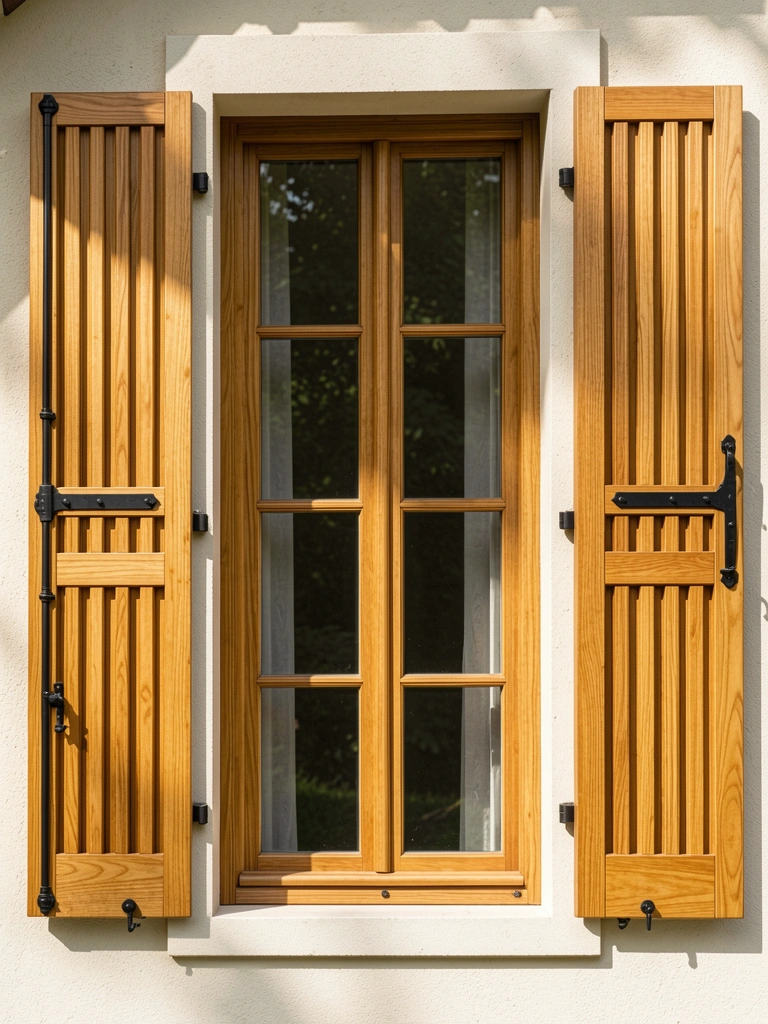
Wooden shutters add character and depth while improving insulation (when solid shutters) or visual layering (when purely decorative). They break up flat facades instantly.
Install exterior wood shutters ($150–$400 per pair) or faux wooden composite shutters ($80–$200 per pair) that require zero maintenance. Professional installation takes one day ($300–$600 for full home); DIY is simple with a power drill and level. Pair shutters with window trim in contrasting colors (dark shutters, light trim, or vice versa) for architectural intention. Brands like Builders Edge offer composite options that resist weather better than real wood.
Pro tip: Odd-numbered window pairs work best—paint shutters matte black or charcoal to frame lighter siding and draw focus upward.
Shutters immediately age your home gracefully while adding shadow play that makes your exterior photograph richer and more dimensional.
15. Mix Wood with Composite Stone Veneer
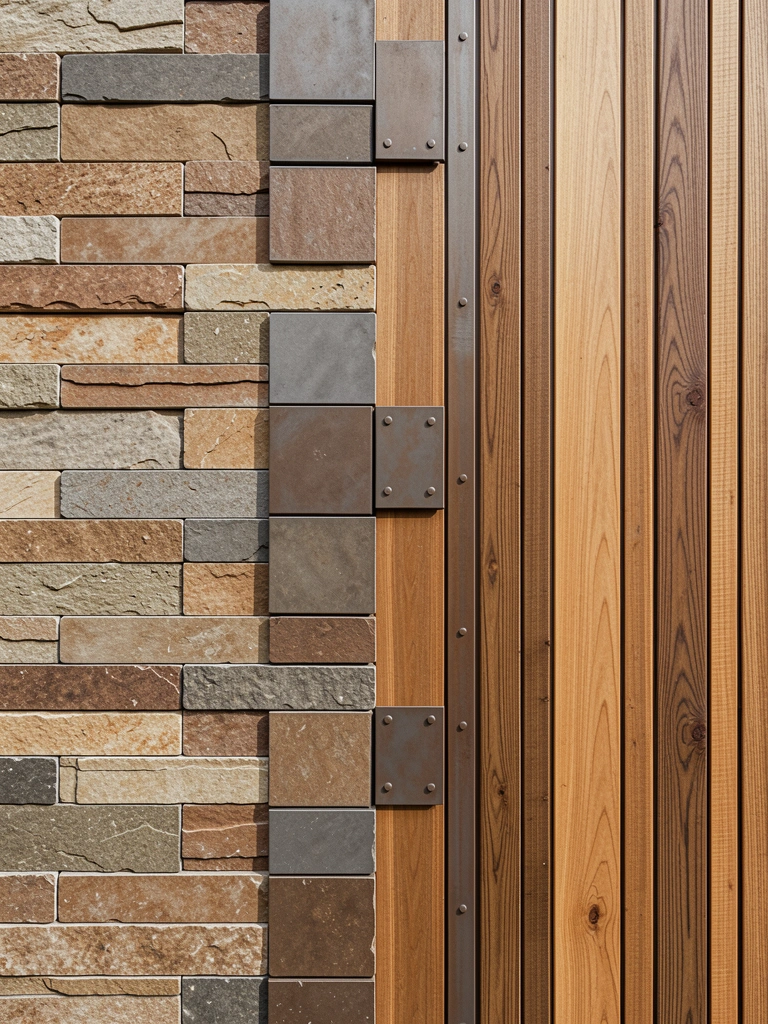
Composite stone veneers bridge the gap between luxury and practicality—they look authentic, weigh 80% less than real stone, and cost substantially less while lasting equally long.
Install lightweight composite stone veneers ($8–$15 per sq ft) alongside cedar or wood composite siding ($8–$12 per sq ft). Professional installation averages $2,000–$4,000 for accent sections; full coverage ($10,000+) makes sense as a long-term investment. DIY is possible for confident DIYers but requires careful planning. Brands like Cultured Stone and Eldorado Stone offer veneers that genuinely fool the eye without reinforced framing requirements.
Alternative: Use stacked stone contact paper or faux panels ($3–$6 per sq ft) for temporary, renter-friendly drama.
The combination feels high-end and intentional while requiring less maintenance than real stone would demand.
16. Paint Wood Trim in Contrasting Colors
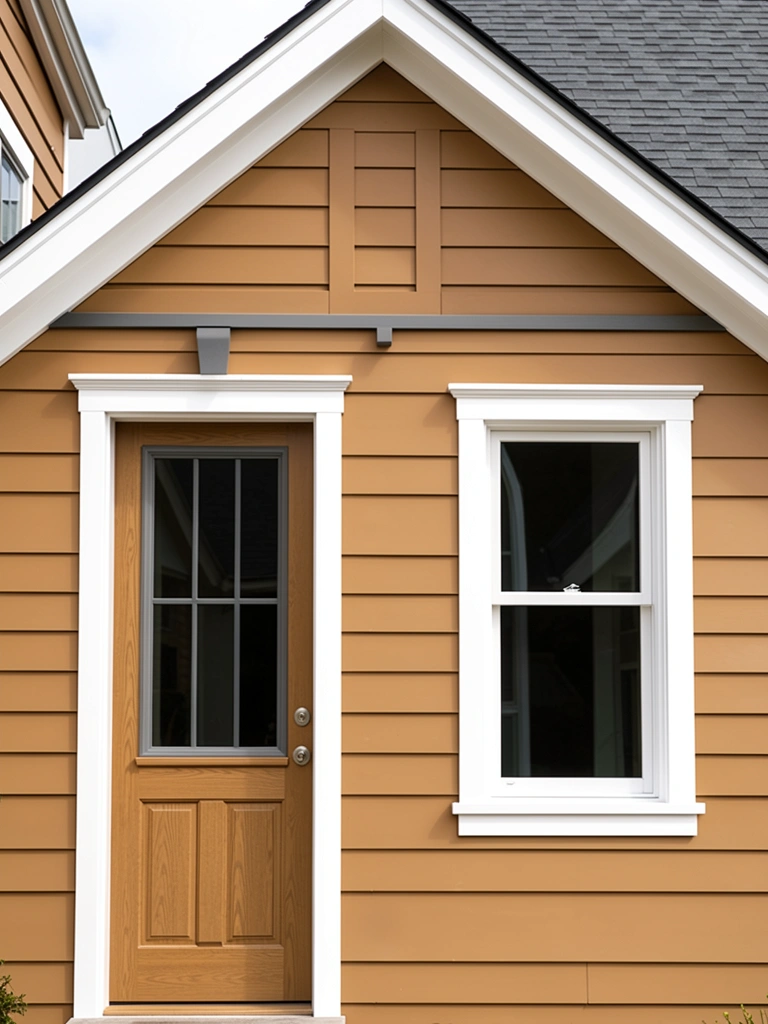
Strategic trim color creates visual architecture on otherwise flat facades. White trim makes wood pop; charcoal trim adds sophistication. This costs almost nothing but impacts perception dramatically.
Paint all wood trim—doors, windows, fascia, gable boards—in a single contrasting color using premium exterior trim paint ($30–$60 per gallon). One gallon covers 350–400 sq ft. DIY this project over one weekend using painter’s tape and a quality brush. Professional trim painting runs $800–$1,500 for full homes. Sherwin-Williams ProClassic and Benjamin Moore Exterior are industry standards for durability and finish quality.
Budget hack: Paint just door and window trim first ($0 if you already own paint) to test impact before committing to fascia and gable trim.
Suddenly your home looks intentionally designed rather than assembled—this single decision elevates entire exteriors.
17. Build Wooden Raised Planter Boxes
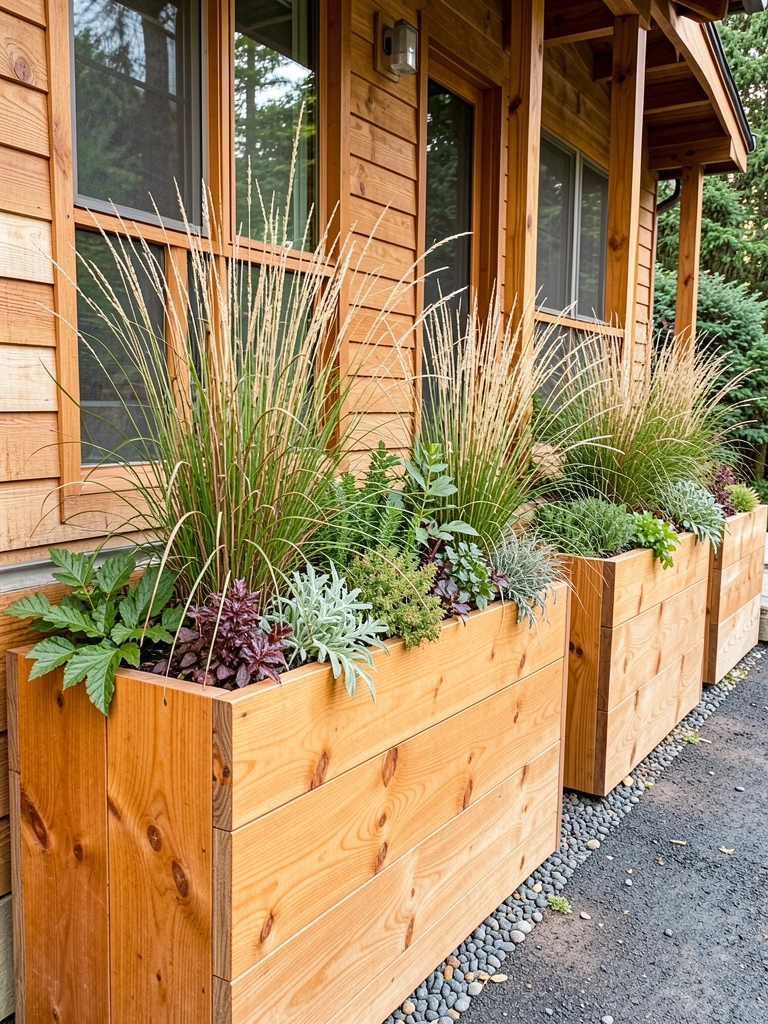
Wooden planters bridge hardscape and softscape, grounding your home in nature. They create layered, magazine-worthy curb appeal while supporting native plant ecosystems.
Build or buy cedar planter boxes ($40–$150 each depending on size) and fill with native plants, grasses, or low-maintenance succulents. DIY construction takes 2–3 hours per box with basic lumber, fasteners, and a drill. Line boxes with landscape fabric, add drainage holes, and use quality potting soil. A full porch border (5–8 planters) costs $200–$600 and takes one weekend to build and plant.
Pro tip: Match planter wood to your siding tone or paint them your accent color for visual cohesion.
Suddenly your home looks inhabited by someone who cares about detail—planters signal design intention faster than almost any other element.
18. Install Horizontal Wood Siding in Alternating Widths
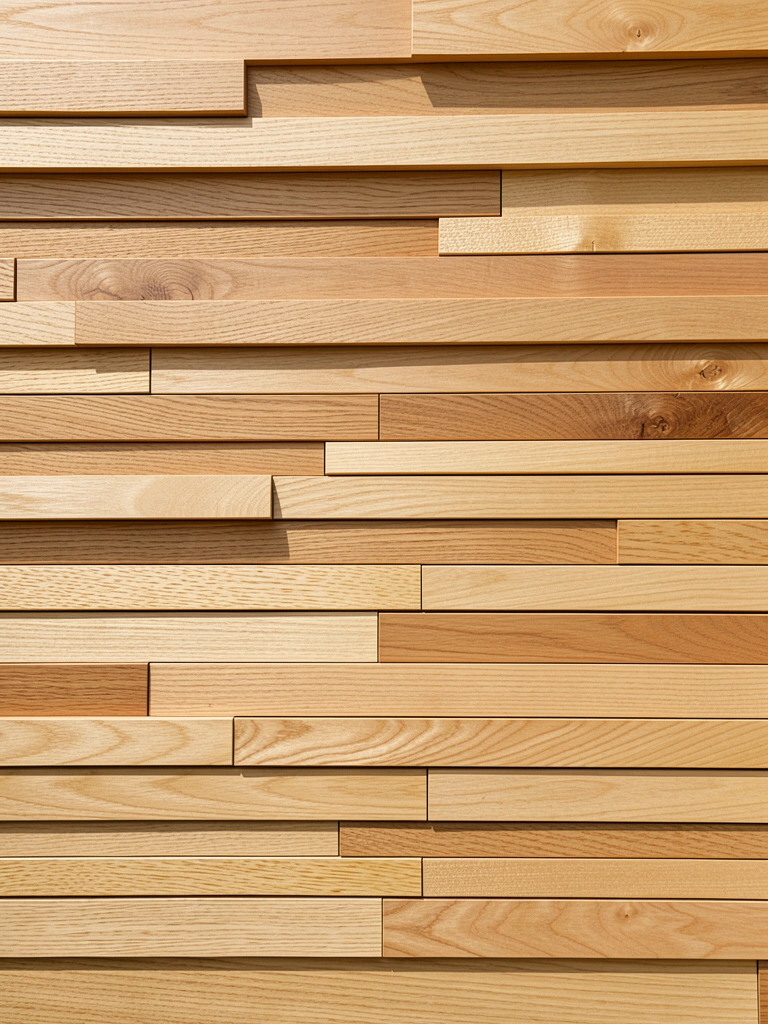
Varying board widths create visual interest and depth that standard single-width siding can’t achieve. This detail feels intentional and architectural.
Install horizontal wood siding in mixed widths ($10–$18 per sq ft installed) or hire professionals for pattern-planned layouts. Varying widths add 15–20% to standard siding costs but deliver disproportionate visual impact. This is typically a professional installation (2–4 weeks for full coverage); DIY is possible for accent sections only. Plan your pattern before installing—alignment makes the difference between intentional and chaotic.
Budget option: Mix board widths on a single accent wall or porch face ($300–$800) for dramatic impact without full-home investment.
The alternating rhythm makes your facade feel curated by a designer, not assembled by a contractor working from standard specs.
19. Add Wooden Deck Railings with Metal Accents
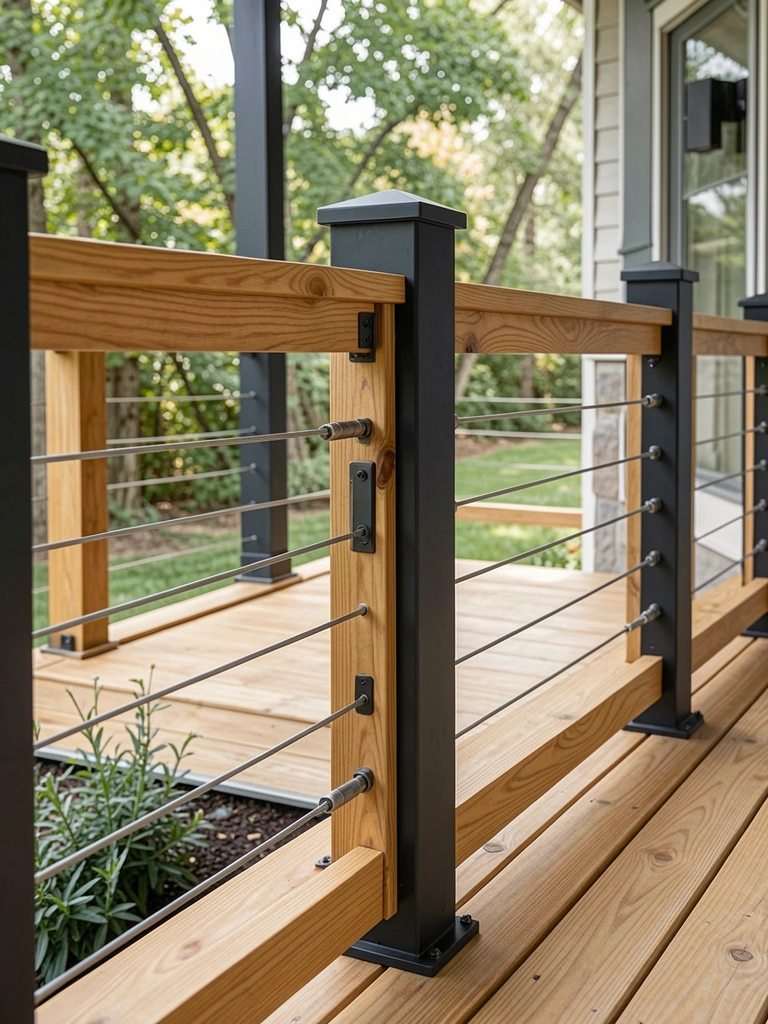
Wooden railings anchor your home to the landscape while steel cable or metal inserts add contemporary edge. This combo feels both warm and sophisticated.
Install cedar or composite deck railings ($50–$100 per linear foot) with steel cable or metal spindles ($30–$60 per linear foot additional). Full deck railings for standard decks run $1,500–$3,000 installed; professional installation takes 2–5 days depending on complexity. DIY is possible if you’re comfortable with post installation and spacing requirements (check local codes—spacing is regulated). Brands like Timbertech and Trex offer composite options with metal accent packages.
Pro tip: Use 1/8-inch steel cable instead of traditional spindles for a minimalist, contemporary feel that doesn’t obscure views.
This railing style makes your outdoor spaces feel like intentional living areas rather than afterthoughts.
20. Paint Wood Siding in Warm Terracotta or Rust Tones
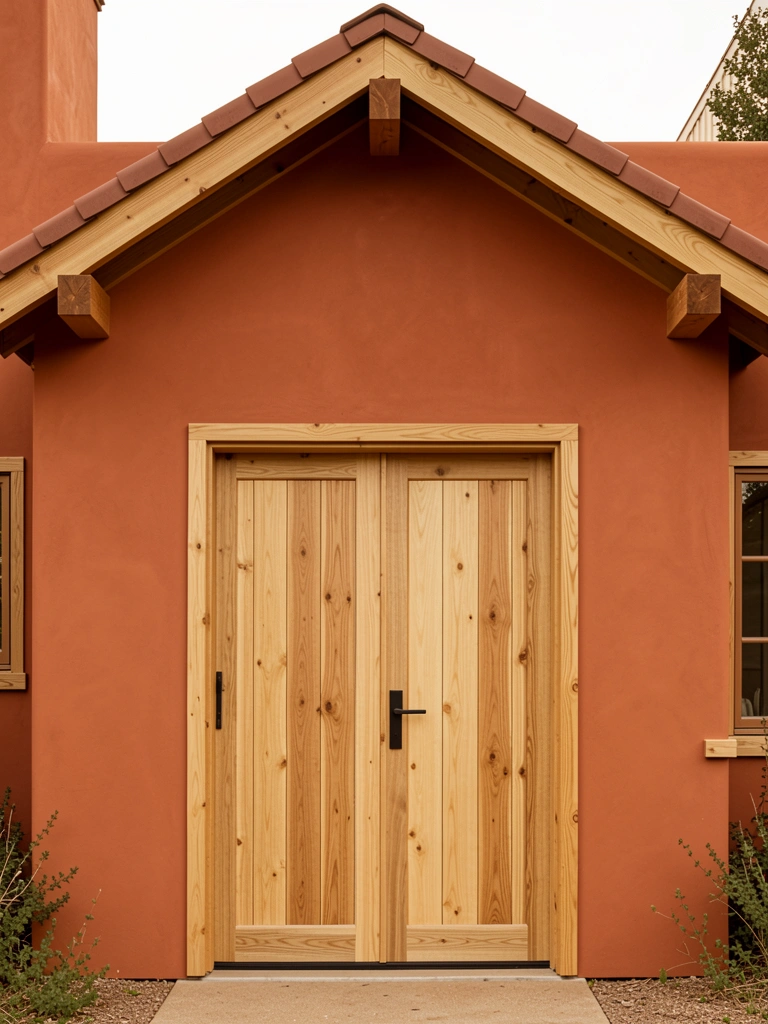
Terracotta and rust tones feel grounded and timeless—they work beautifully in any climate and age gracefully. This color shift away from cool grays signals 2025 design evolution.
Paint existing or new wood siding in terracotta, rust, or warm ochre using premium exterior paint ($35–$70 per gallon) rated for your climate zone. Full home: 2–3 gallons needed, costing $70–$210 plus labor ($1,500–$3,000 professional; one-weekend DIY with 2–3 people). Pair with cream, white, or charcoal trim for contrast. Benjamin Moore “Red Ochre” or Sherwin-Williams “Cavern Clay” are 2025-trending warm neutrals.
Alternative: Stain wood to warm terracotta tones ($25–$45 per gallon) if your siding is unfinished or light-colored.
Warm terracotta reads as both welcoming and grounded, making your home feel more substantial and intentionally placed in its landscape.
21. Layer Wood Battens Over Existing Siding
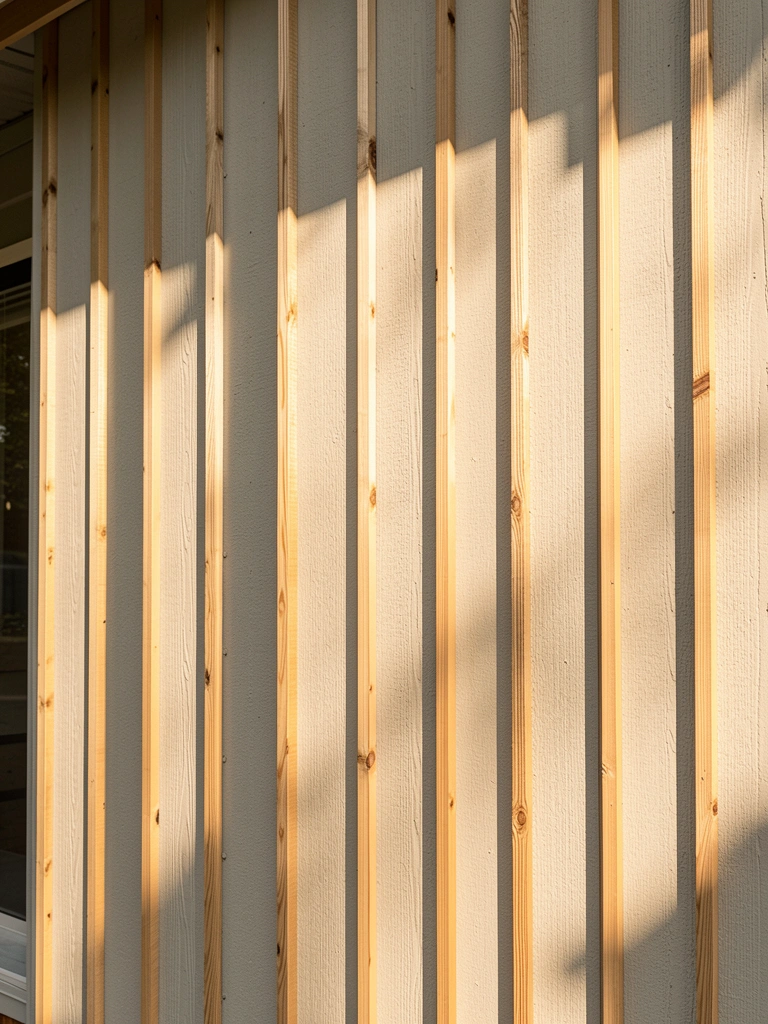
Wood battens are thin, applied strips that create shadow lines and texture without replacing siding. This is the renter-friendly, non-committal way to add dimension.
Install vertical or horizontal wood battens ($8–$15 per linear foot installed) over existing siding using fasteners and outdoor caulk. A full home facade takes 3–5 days professionally ($1,500–$3,000) or one weekend DIY for confident builders. Materials cost $300–$600. Spacing matters—typical is 12–16 inches apart—plan on graph paper before measuring.
Pro tip: Paint battens a contrasting color (charcoal, olive, burgundy) to the siding behind them for drama.
Your home suddenly reads as layered and intentional; shadow play across battens adds dimension that photographs beautifully at any time of day.
22. Create Wood Arched Entry Details
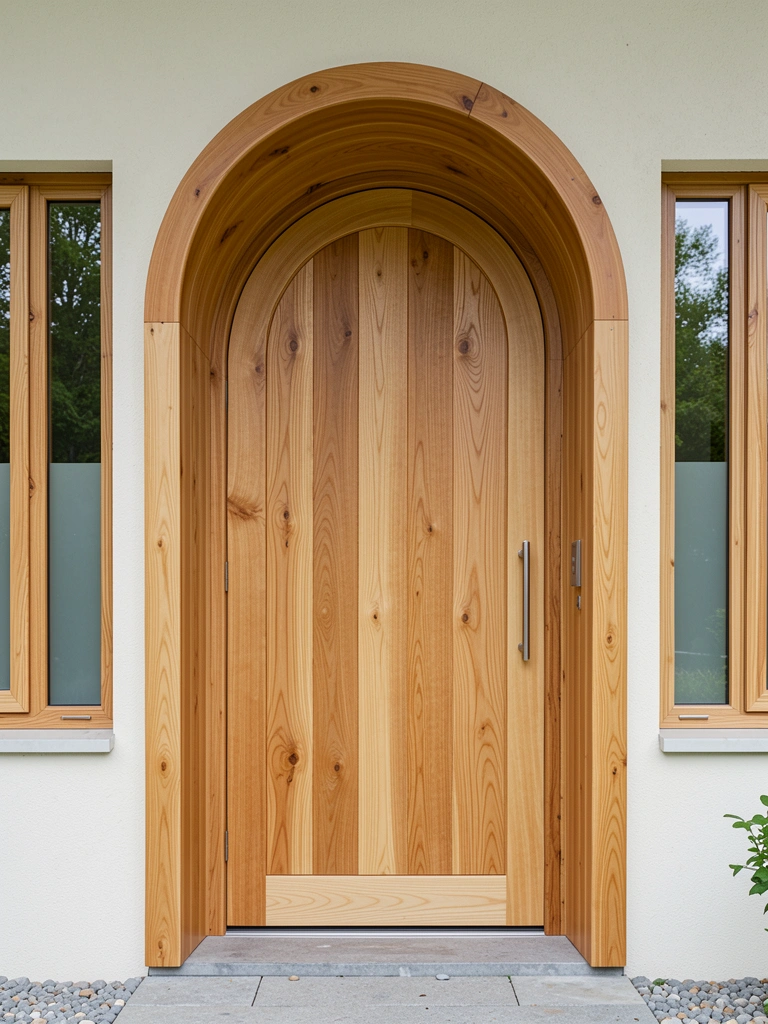
Arched wooden details are experiencing a 2025 resurgence—they soften hard modernism while adding organic, biophilic appeal. This trend is extending from interiors to exteriors beautifully.
Commission or build wooden arched entry frames or window surrounds ($400–$1,200 professionally; $100–$300 DIY for simpler arches). Work with a carpenter if custom curves intimidate—the investment pays off in how dramatically an arch transforms an entryway. Cedar and composite woods both curve well; laminated arch kits ($150–$400) exist if custom feel overwhelming.
Alternative: Add prefab wooden arch trim kits (Etsy, Wayfair, $80–$200) to existing doors for 80% of the impact at 30% of the cost.
Arched entries feel inviting and intentionally designed, making modest homes feel architectural and worthy of magazine features.
23. Mix Reclaimed Wood with Modern Metal Railings

Pairing reclaimed wood’s history with modern metal creates visual tension that feels intentional and gallery-worthy. This combination balances warmth and edge beautifully.
Source reclaimed barn wood or salvaged siding ($8–$20 per board foot) and pair with modern metal railings or cable systems ($800–$2,000 installed). Reclaimed wood installation costs $15–$30 per sq ft professionally; DIY is possible for confident builders. The contrast—old wood meets new metal—tells a design story that feels curated and expensive despite potentially costing less than new materials.
Budget hack: Buy new “weathered-look” siding ($6–$12 per sq ft) that mimics reclaimed appearance without hunting salvage yards.
Visitors sense the home’s story immediately—reclaimed wood carries authenticity that new materials struggle to convey.
24. Paint Wood Details in Your Brand Color
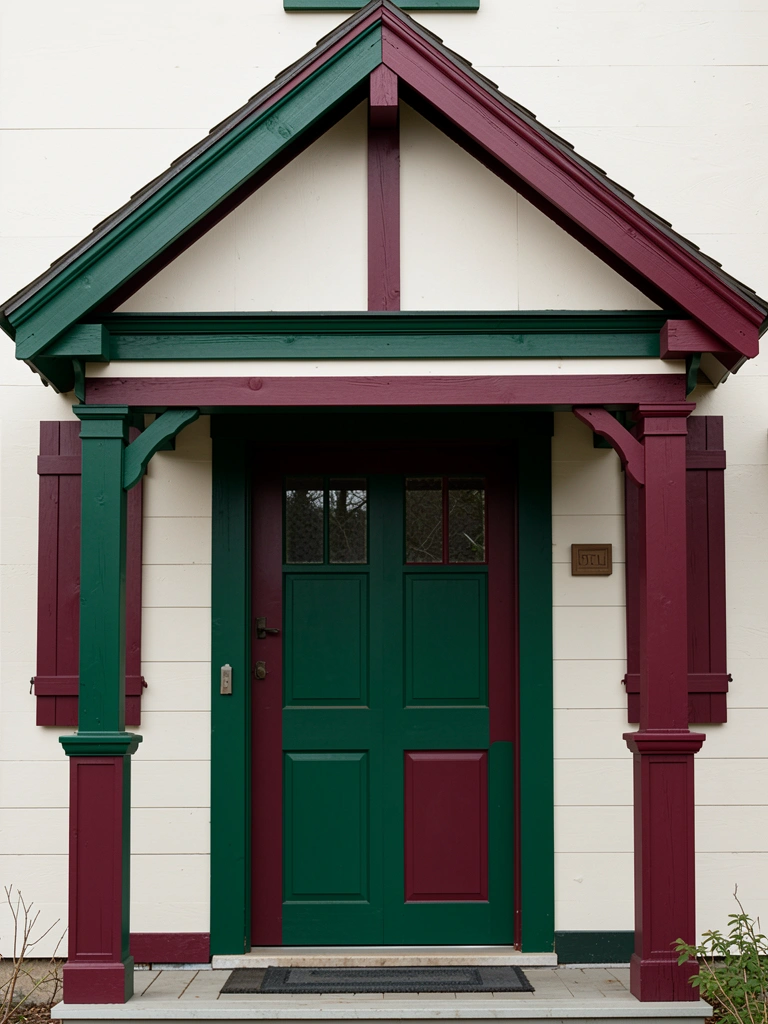
Creating a “brand color” throughout your wood details ties everything together while signaling thoughtful design choices. It’s affordable, impactful, and transforms perception entirely.
Choose one signature color—deep olive, burgundy, charcoal, or forest green—and paint all wood accents using premium exterior paint ($35–$70 per gallon). One gallon covers 350–400 sq ft. DIY application takes one weekend; professional trim painting costs $800–$1,500 full home. This single decision unifies disparate elements and makes your home instantly recognizable.
Pro tip: Your brand color should complement your siding and metal tones—test samples on different facades before committing.
Your home stops looking like a collection of features and becomes a cohesive design statement that neighbors notice immediately.
25. Build Wooden Window Boxes Filled with Greenery
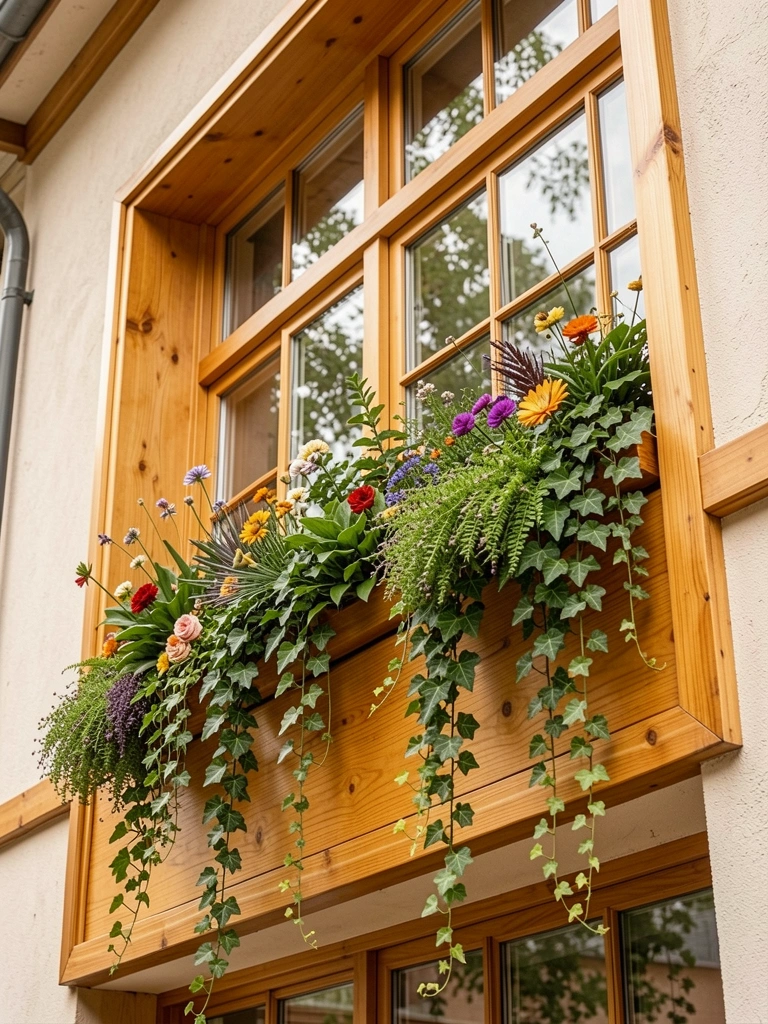
Wooden window boxes add romance and greenery without structural changes. They’re affordable, highly photogenic, and instantly elevate “default” facades into something magazine-worthy.
Build or buy cedar window boxes ($50–$120 each) and install beneath ground-floor and entry windows. DIY construction takes 1–2 hours per box; professional installation is minimal ($50–$100 per box for labor). Fill with seasonal flowers, evergreens, or cascading ivy. Total investment: 3–4 boxes, $300–$600 installed, transforms curb appeal by 40–50% in perception. Line with landscape fabric, add drainage, use quality potting soil.
Budget option: Build simple boxes from 1×10 lumber ($15–$30 per box) and stain to match siding.
Lush greenery spilling from wooden boxes makes passersby pause—it signals a home inhabited by someone who notices details.
26. Combine Wood Siding with Earthy Neutral Paint
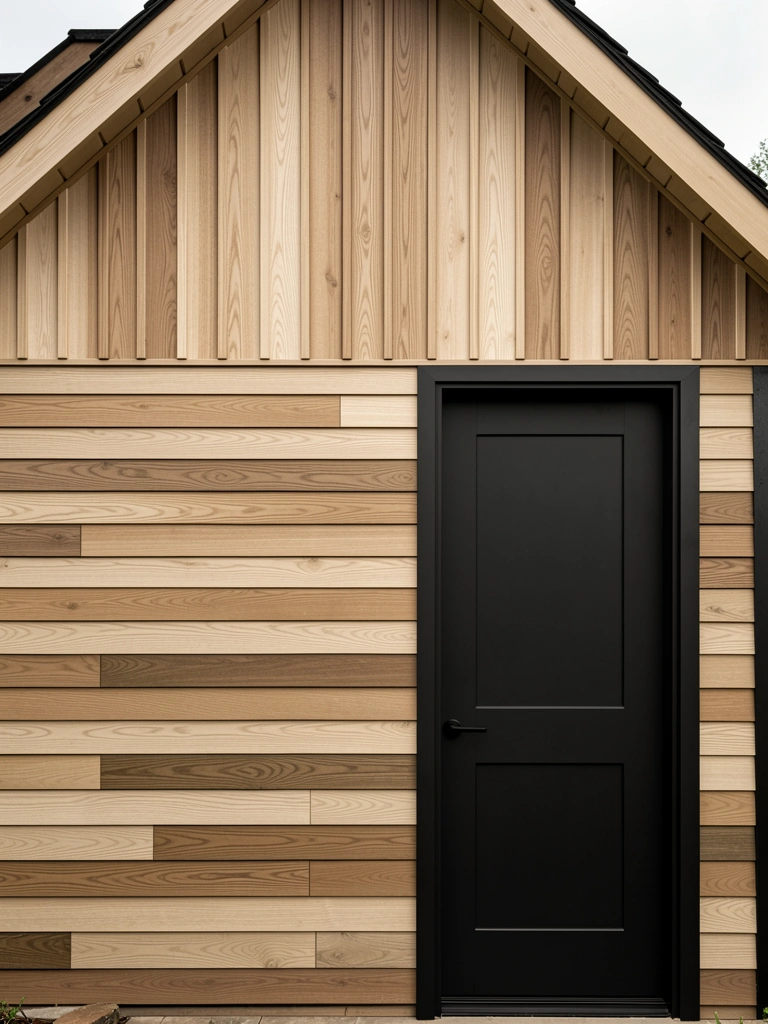
Layering different wood textures stained in warm earth tones creates sophistication without bold color commitment. This approach feels intentionally modern-traditional.
Pair horizontal wood siding (lower facade) with vertical wood boards (upper gable or accent sections), both stained warm beige, tan, or soft brown ($25–$45 per gallon, one gallon covers 350–400 sq ft). Professional staining and sealing: $1,500–$3,500; DIY: one full weekend plus drying time. Test samples on inconspicuous sections first—stain color shifts as it dries. Brands like Cabot and Olympic offer pre-mixed warm palettes specifically trending for 2025.
Pro tip: Let at least one wood texture remain unstained (natural gray) for subtle contrast without color discord.
This approach makes your home feel curated by someone understanding color theory—earthy, grounded, and thoroughly intentional.
SOFT CTA:
Save this post and pick one idea to tackle this month. Whether you start with paint, add planters, or plan a bigger rebuild, these wooden touches compound fast. Share this with any friends dreaming of a warmer, more organic home exterior.
Leave a Reply