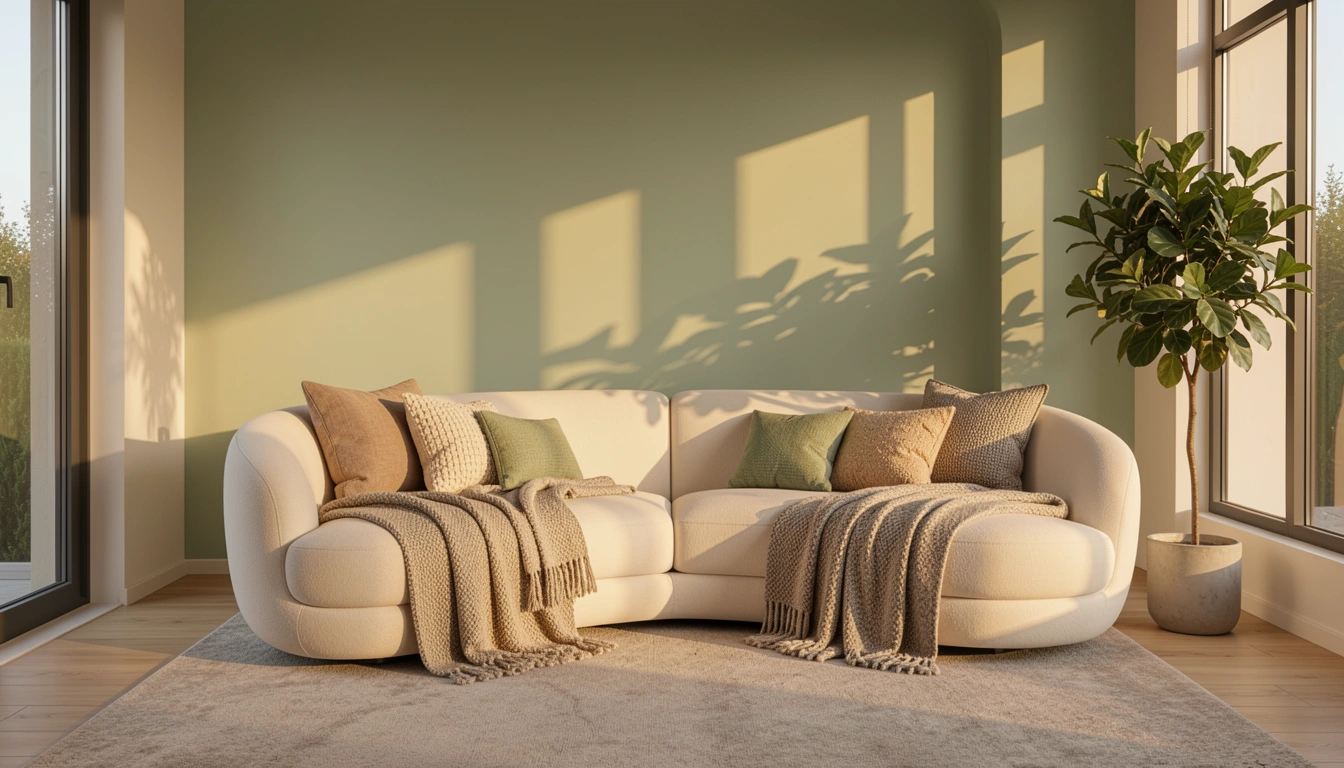
Your living room deserves to feel like a retreat, not a showroom. Whether you’re working with a small apartment or a sprawling family home, the right sofa sets the tone for everything. These 27 ideas blend 2025’s biggest trends with practical, budget-friendly solutions that actually work in real life. You’ll discover how curved silhouettes, bold colors, modular layouts, and smart styling can completely refresh your space—without requiring a design degree or a massive budget. Ready to make your sofa the hero of your room? Let’s dive in.
1. Go Curved for Softer, Organic Vibes
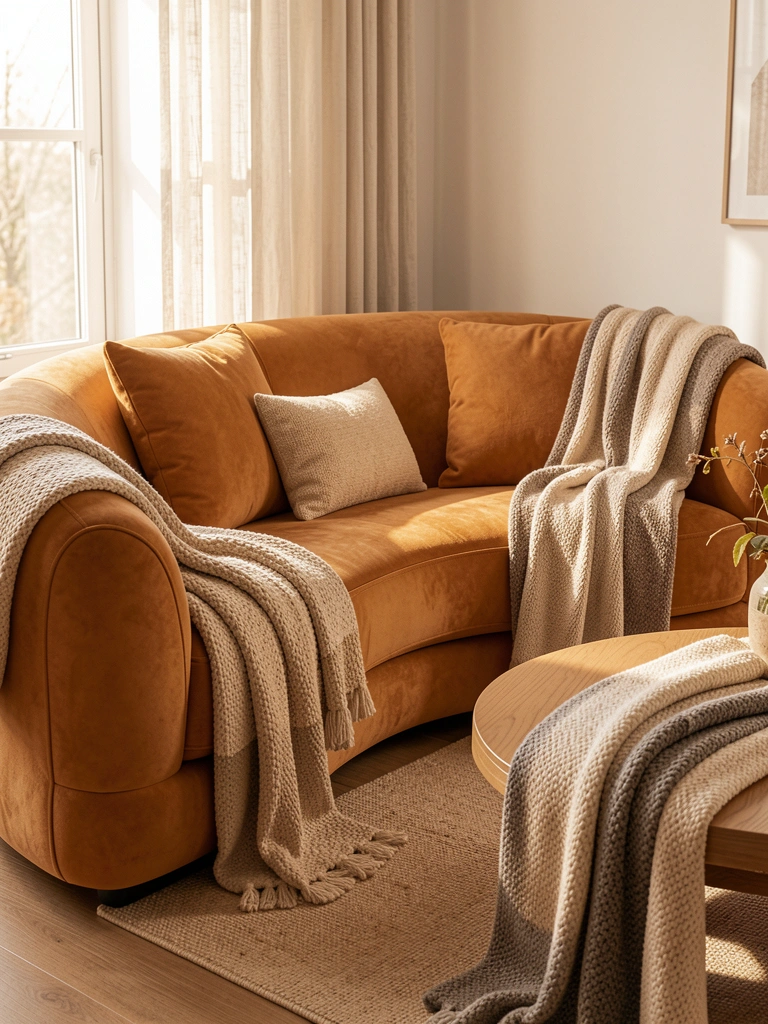
Curved sofas soften rigid rooms and create an approachable focal point that encourages gathering. Unlike traditional straight sectionals, curved pieces feel sculptural and intentionally designed.
Hunt for curved sofas on Wayfair ($800–$2,500), Article ($1,200–$3,000), or budget-friendly options at IKEA ($400–$800). If you’re renting, companies like Article and Article offer sectionals that curve subtly without screaming “expensive.” Measure your doorway and pathways before ordering—curved sofas can be tricky to maneuver.
Look for pieces with rounded corners rather than sharp 90-degree angles. A weekend delivery and setup typically runs 1–2 hours. The payoff? A room that feels intentional and way more inviting than boxy furniture.
2. Layer Deep-Seated Sofas for Maximum Comfort
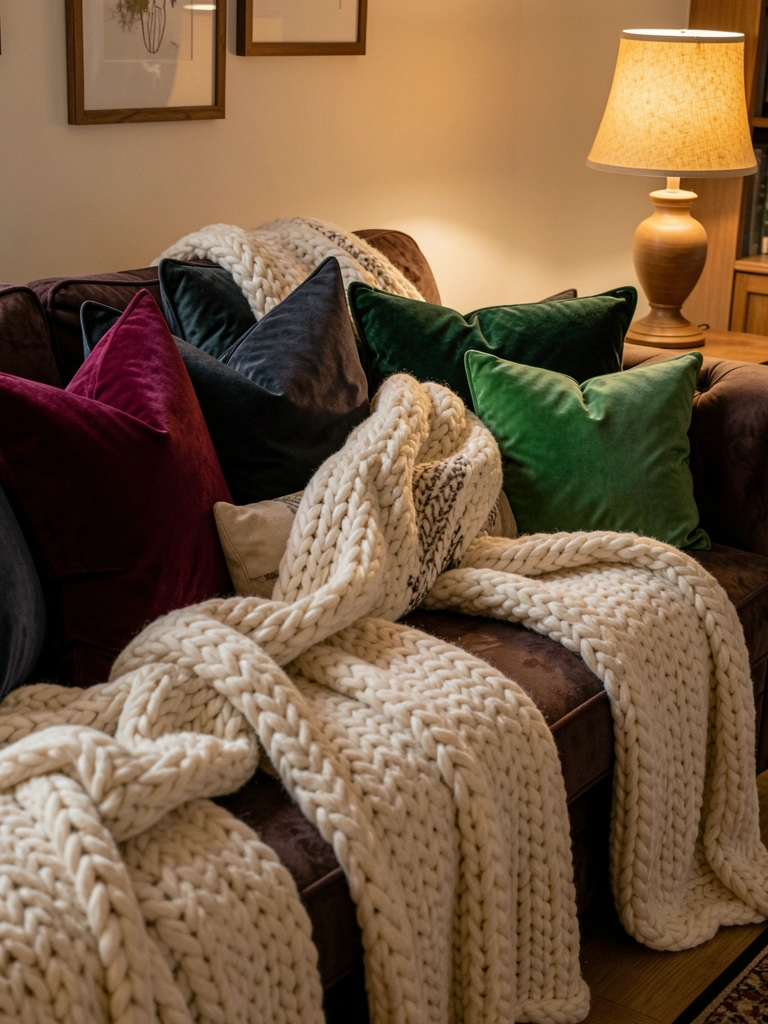
Deep-seated sofas let you actually sink in and lounge—no perching on the edge like a formal furniture catalog. This shift toward comfort-first design means you get extra cushion depth (usually 28–32 inches instead of standard 24 inches).
Brands like Living Spaces ($1,500–$3,000), Article ($1,200–$2,800), and Wayfair ($700–$2,000) offer deep options. For budget shoppers, Article and IKEA’s Sectionals have decent depth starting around $400–$600. Check the measurements carefully; deeper isn’t always better if your legs dangle off the seat. Expect delivery in 2–4 weeks for custom orders.
The result? A sofa that becomes your favorite napping spot, movie-watching perch, and conversation zone rolled into one.
3. Choose Earthy Neutrals for Timeless Calm
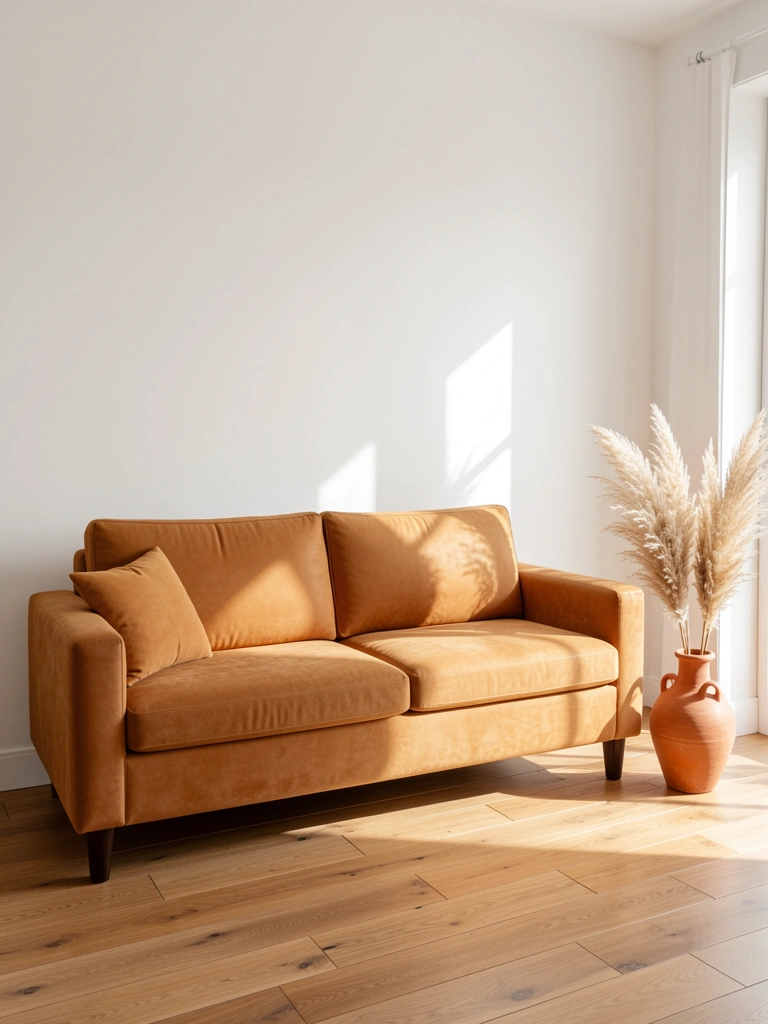
Earthy tones—camel, clay, warm beige, and soft taupe—create a soothing backdrop that pairs with almost any decor style. These colors age beautifully and hide wear better than stark whites or blacks.
Target these hues at West Elm ($800–$2,500), Article ($600–$2,000), Living Spaces ($700–$2,200), and Wayfair ($400–$1,800). If you’re choosing fabric, ask for samples first—lighting in your home affects how colors read. Most retailers ship samples free or for $5. Paint swatches and hold them up against your walls before committing.
This neutral foundation becomes a canvas for your personal style, making future décor updates feel fresh without replacing the sofa.
4. Mix Modular Sections for Flexible Layouts

Modular sofas adapt to your space as life changes. Rearrange sections, add a chaise, or swap an armrest—flexibility is the whole appeal. Perfect for open-plan homes or rooms that serve multiple purposes.
Brands leading this space: Living Spaces ($1,200–$3,500), Article ($1,000–$3,000), Wayfair ($600–$2,500), and IKEA ($400–$1,500). Buy the base sofa first, then add pieces individually over time if budget is tight. Most modular systems let you mix configurations—no locked-in design.
You can zone your open floor plan without walls, create cozy reading corners, or adjust for guests in just a few minutes.
5. Invest in Performance Fabrics for Durability
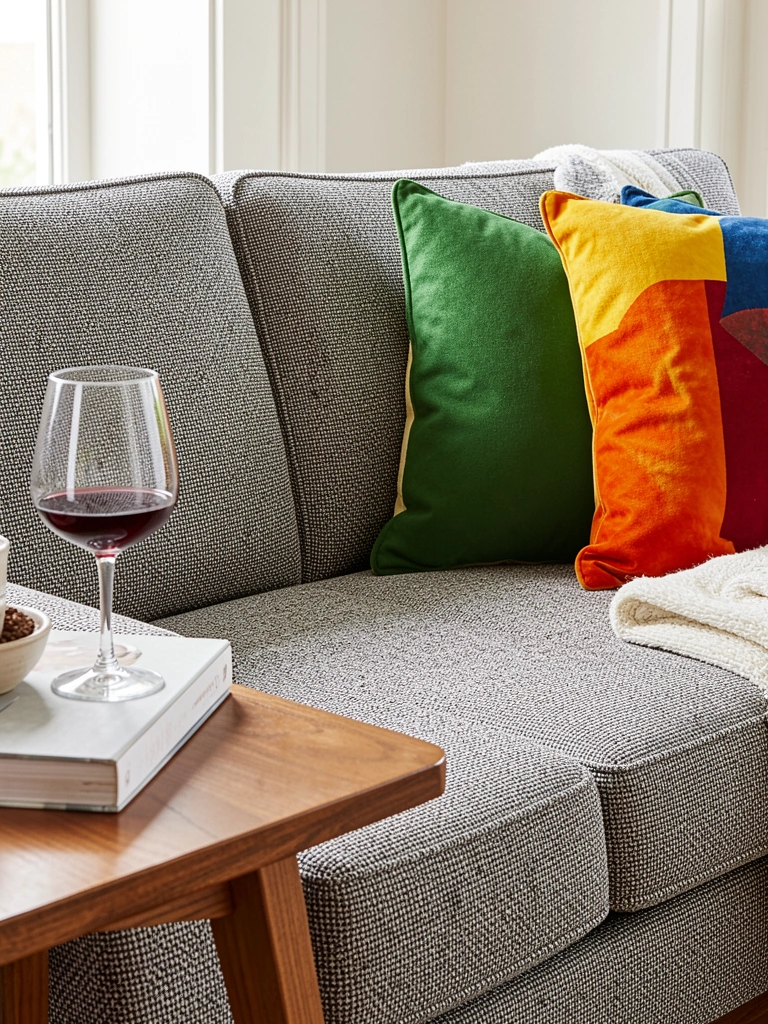
Performance fabrics resist stains, pet damage, and spills without sacrificing style or feel. They’re woven differently to repel liquids while maintaining softness.
Look for brands like Article (performance options $900–$2,000), Wayfair (budget-friendly $500–$1,500), and Living Spaces (premium $1,200–$2,800). Check fabric codes: Crypton, Sunbrella, and Ultrasuede are trusted names. Cost is usually $100–$300 more than standard fabric, but worth it if you have kids, pets, or spill-prone households. Spot-treat stains same day; many come with cleaning kits.
You get years longer life from your sofa without compromising on the look you actually want.
6. Add a Rounded Sectional for Social Spaces

Rounded edges and curved sectionals encourage face-to-face conversation instead of the awkward “staring at the TV” silence of traditional layouts. Sculptural sofas work especially well in smaller rooms where every inch matters.
Hunt on Article ($1,200–$2,500), What A Room (custom curved options $1,500–$3,500), and Wayfair ($800–$2,000). Measure your room’s flow; curved sofas need at least 3 feet of walking space on each side. Consider semi-circular or serpentine shapes if full curves feel too bold.
Your gatherings become more intimate and engaging because the furniture itself invites real connection.
7. Try Low-Profile Silhouettes for Airy Rooms
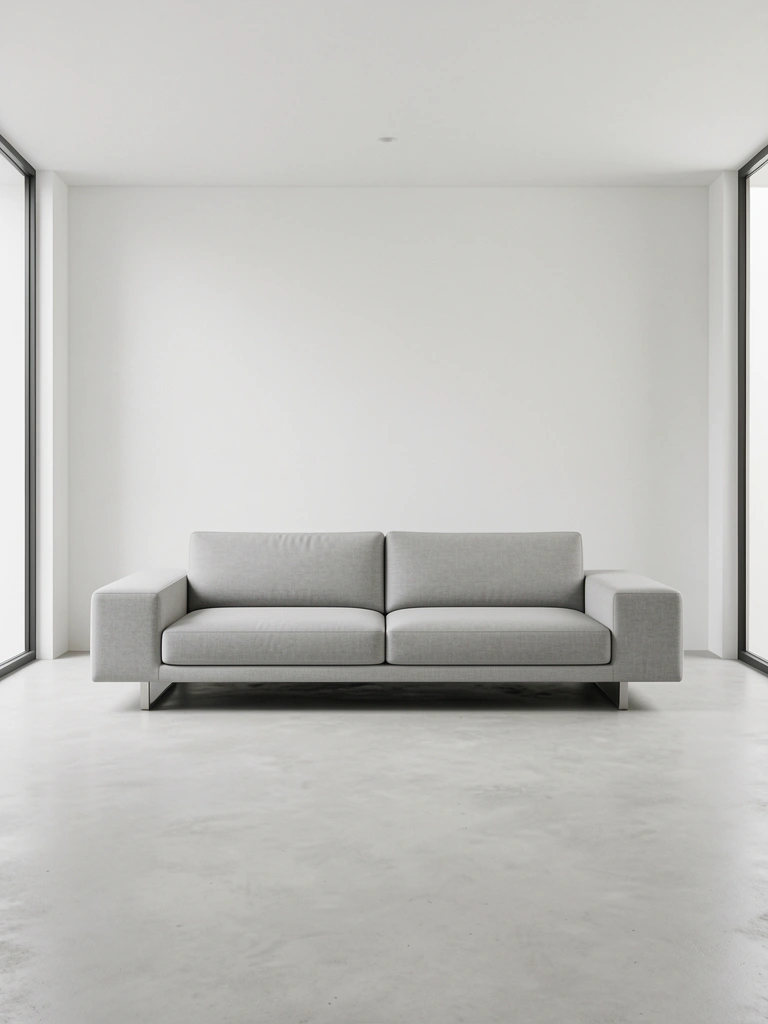
Low-profile sofas sit just 8–10 inches off the ground, making rooms feel more spacious and modern. Without visual bulk from legs and storage, your floor breathes.
Check Decorilla’s guides, Article ($700–$1,800), IKEA’s Scandinavian range ($400–$900), and Wayfair ($500–$1,500). These work best in rooms without young kids or mobility issues (getting up requires flexibility). Dust and pet hair collect underneath more easily, so plan for regular vacuuming. Delivery: 2–3 weeks typically.
Your space suddenly feels 20% larger, and the minimalist aesthetic creates a calm, intentional vibe.
8. Select Muted Greens for Wellness Vibes
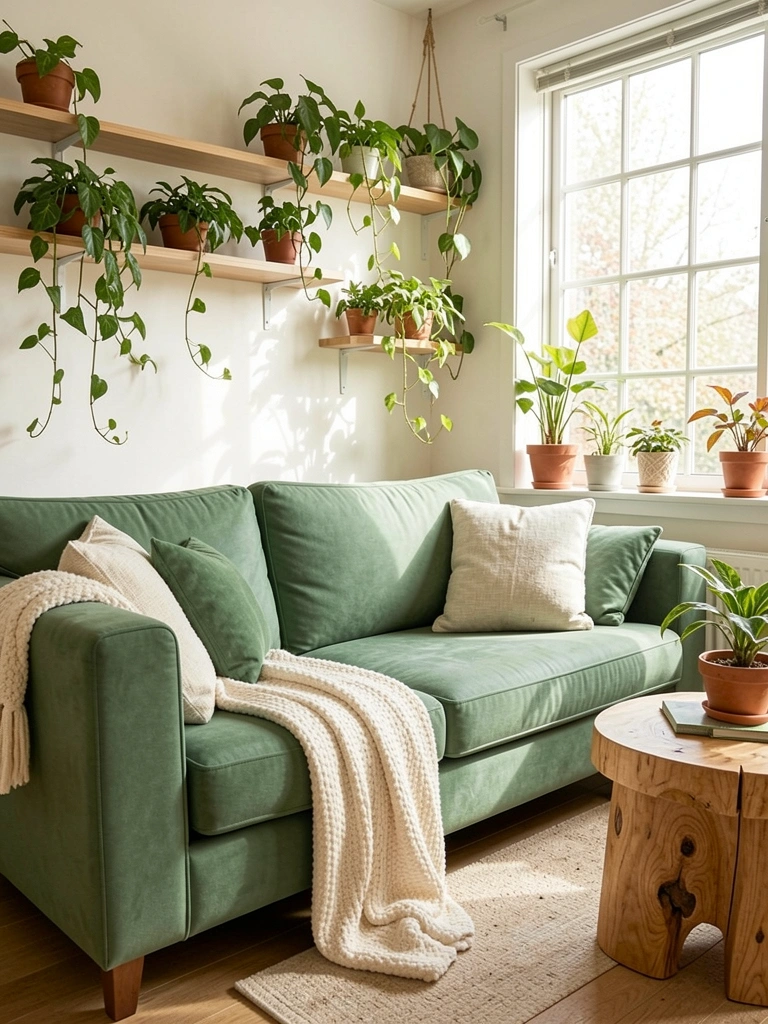
Muted greens—sage, olive, and eucalyptus tones—connect your home to nature and promote calm without the harshness of pure neutrals. They’re having a major moment in wellness-focused design.
Brands carrying green: Bellona USA (color trend authority, $1,000–$2,500), Living Spaces ($800–$2,000), Article ($700–$2,000), and Wayfair ($500–$1,800). Request fabric swatches to see how green reads in your lighting—north-facing rooms may shift the tone toward blue. Pair with warm wood and cream accents to prevent the space from feeling too cool or sterile.
This palette creates a space that feels like a wellness retreat, boosting mood and focus during those long workdays at home.
9. Layer Textured Throws and Cushions
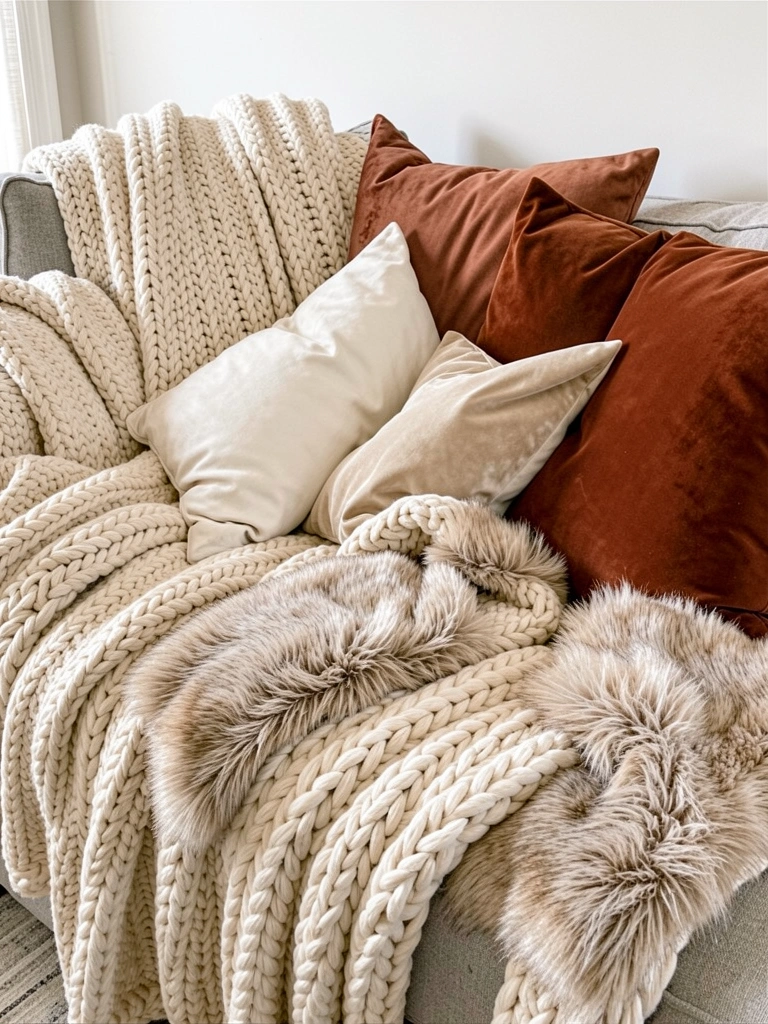
Texture makes sofas feel lived-in and luxe. Boucle, sherpa, velvet, and chunky knits add depth and make you want to sink in immediately.
Buy throws from Target ($20–$60), IKEA ($15–$50), Wayfair ($25–$80), and Article ($40–$150). Cushions range from IKEA ($10–$40) to Article ($30–$120) depending on material. Start with 3–4 throws and 5–6 pillows; layer asymmetrically for that curated-but-casual look. Wash covers monthly to keep them fresh.
Your basic sofa becomes a space that looks styled and feels like a cozy hug, perfect for those Netflix nights or lazy Sunday mornings.
10. Incorporate Sustainable, Custom Designs
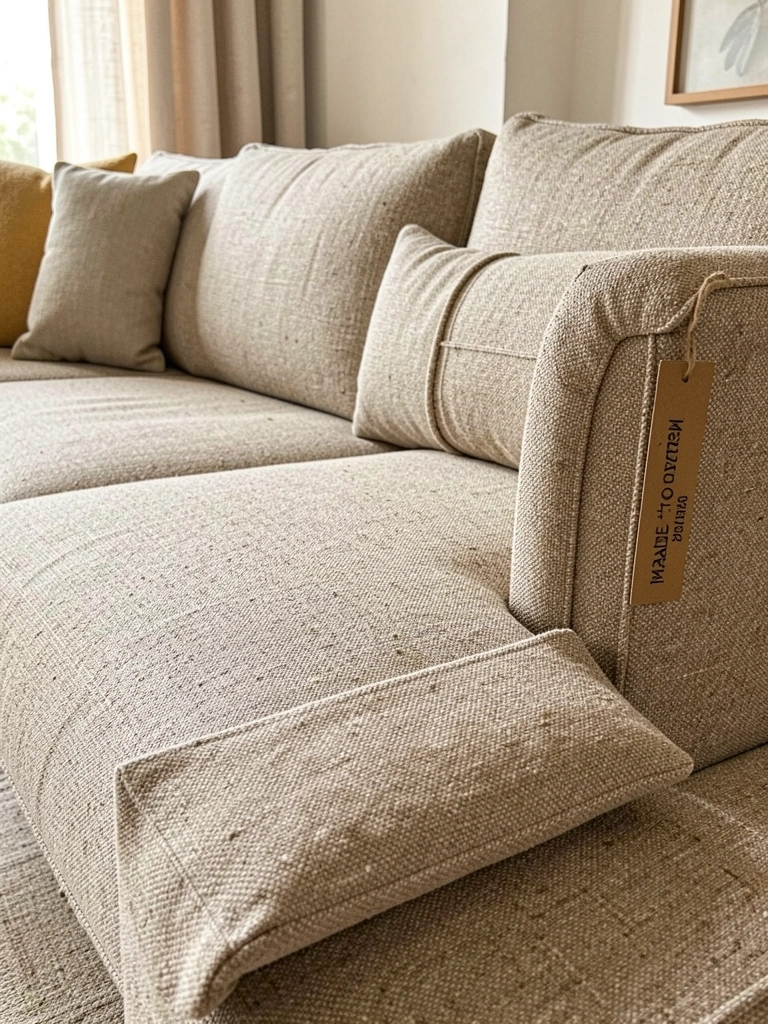
Sustainable sofas use eco-friendly fabrics (organic linen, recycled polyester, FSC-certified wood) and are built to last decades, not seasons. Custom options mean you get exactly what you want without settling.
Leaders: What A Room (custom $1,500–$4,000), Article (sustainable line $800–$2,500), and Wayfair’s eco-conscious filters ($600–$2,000). Lead times are longer (6–12 weeks), so plan ahead. Yes, upfront cost is higher, but cost-per-year drops significantly when furniture lasts 10+ years instead of 5.
You invest in a sofa that grows with you, reduces waste, and supports ethical manufacturing—plus it becomes a family heirloom, not landfill-bound.
11. Add Bold Accent Colors for Personality
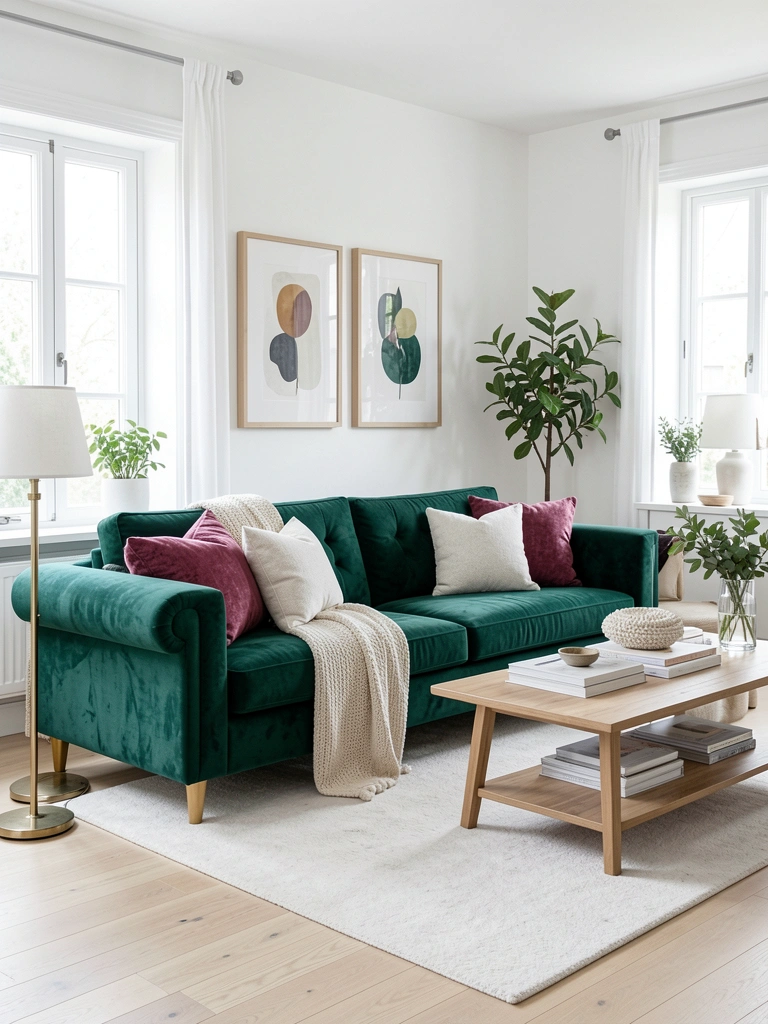
Skip all-neutral if your style leans bold. A rich jewel tone, peachy pink, or deep navy sofa becomes the room’s personality centerpiece and reduces the need for busy accessories.
Hunt on Wayfair (bold colors $600–$2,000), Living Spaces ($1,000–$2,500), Article ($800–$2,000), and Designer outlets. Pair bold sofas with neutral walls and minimal accessories so they stay the focus, not visual noise. Remember: resale value may be lower, but who cares if you love it for 7 years? Pro tip: test bold colors by renting the fabric first or ordering large samples.
Your living room becomes a confident reflection of who you are, and guests actually remember it instead of a blur of beige.
12. Use Modular Pieces to Zone Open Spaces
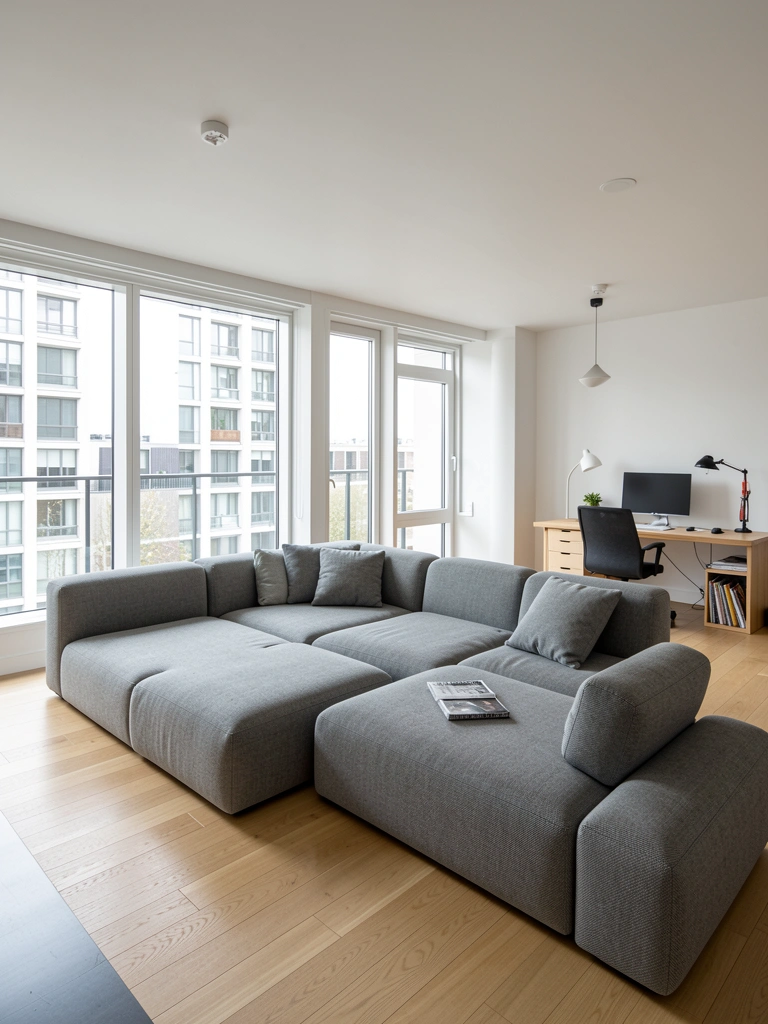
In open-plan homes, modular sofas act as architectural dividers without permanent walls. Position the angle to face your TV, then let the other end create a natural buffer between zones.
Brands excelling here: Living Spaces (zoning layouts $1,200–$3,000) with design advice from Brynna Evans, and Wayfair ($800–$2,500). Measure your space and traffic flow before ordering. Aim for 3–4 feet of walking space between the sofa and the next zone. A designer consultation from Decorilla ($30–$60 per room) can save guesswork.
The result is a multifunctional space that feels organized and intentional without the cost and permanence of walls.
13. Try Velvet or Boucle Fabrics for Luxury Feel
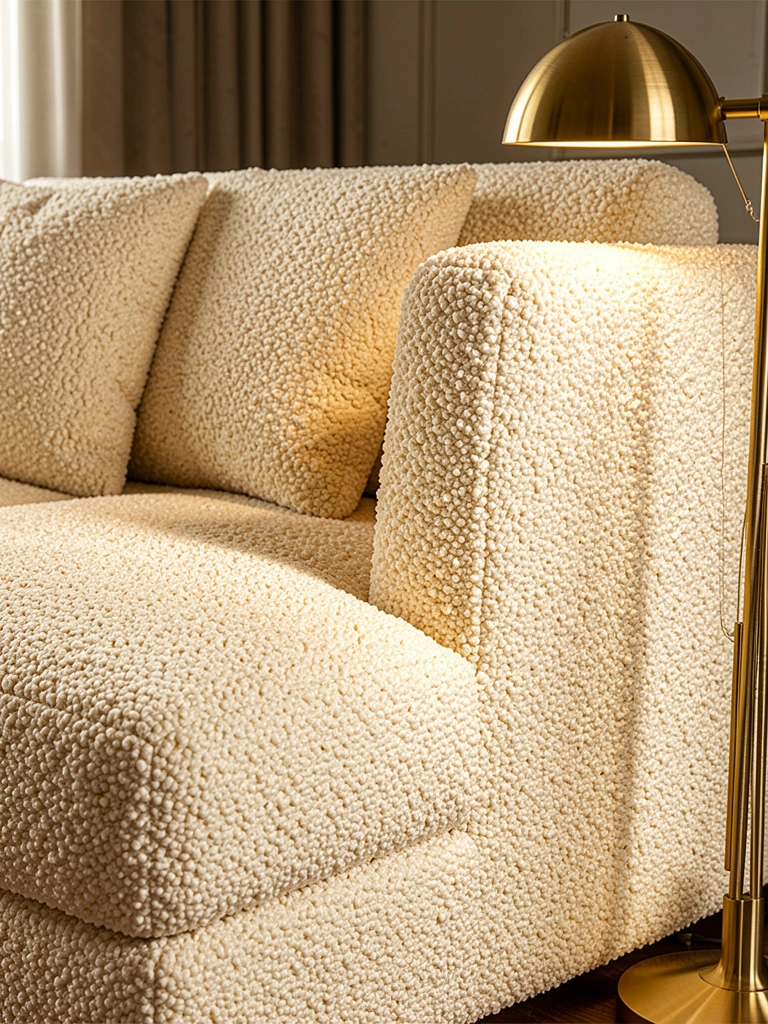
Velvet and boucle elevate any sofa from “fine” to “wow” without five-figure price tags. These fabrics catch light gorgeously and feel premium underhand.
Expect to pay $100–$400 more for velvet or boucle upgrade (total sofa $900–$2,500 at retailers like Article, Wayfair, and Living Spaces). Downside: velvet shows dust and pet hair more visibly; boucle is slightly more forgiving. Dry-clean occasionally to refresh, or vacuum gently with an upholstery brush weekly. Not ideal for homes with large dogs or young kids (yet).
This splurge gives you a sofa that looks like a magazine spread for under $2,500—way better ROI than pricier designer brands with less personality.
14. Embrace Floral and Striped Patterns
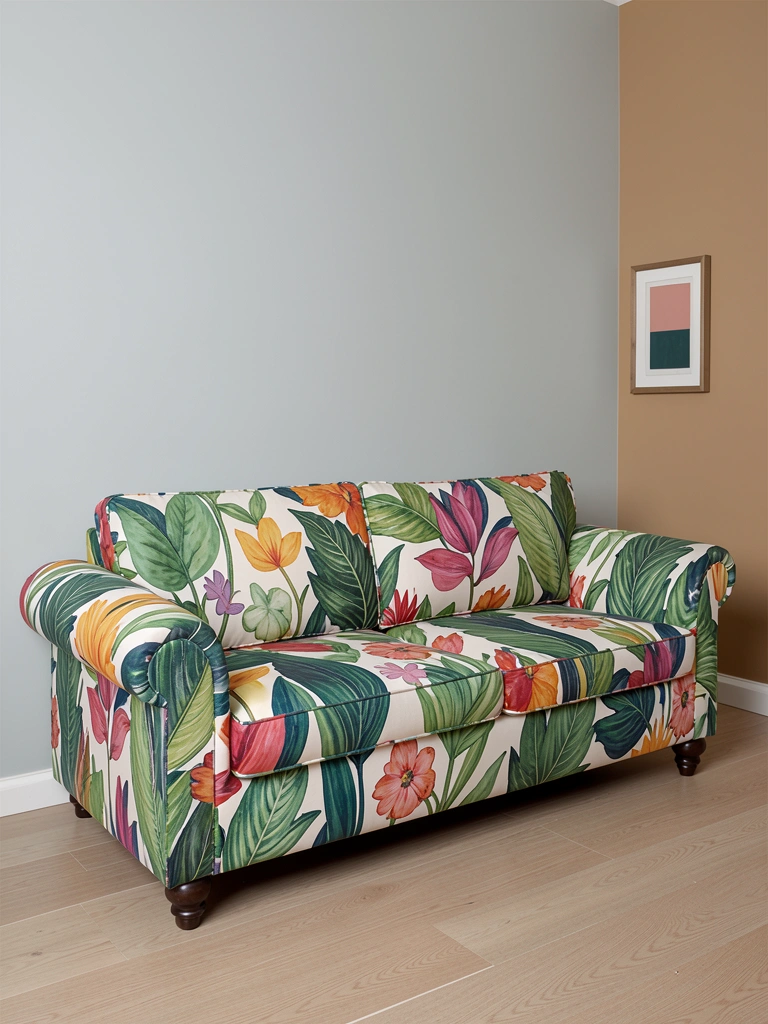
Designer Lucinda Sanford champions bold patterns (botanical prints, stripes, geometrics) as fun focal points. These replace the all-neutral sofa trend and inject personality without looking dated.
Find patterned options at Wayfair ($500–$1,800), Article ($800–$2,200), Living Spaces ($1,000–$2,500), and specialist stores. Keep walls neutral and accessories minimal so the sofa stays the star. Patterns hide wear slightly better than solids. Order samples first and live with them for a week in your lighting.
Your sofa becomes a conversation piece and a reflection of your actual style—not the “safe” version everyone else has.
15. Choose Statement Blues or Charcoal Tones
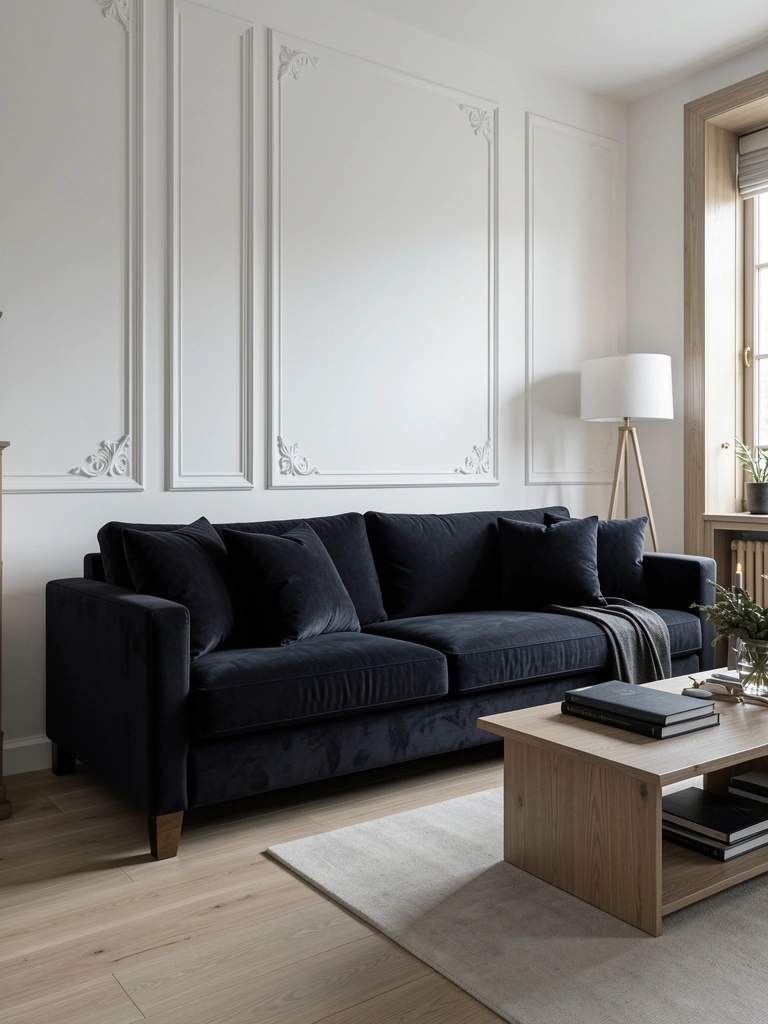
Deep blues and charcoals create sophisticated, drama-filled rooms that feel intentional and modern. These darker tones work especially well in minimalist spaces.
Explore Living Spaces ($900–$2,300), Wayfair ($600–$1,800), and Article ($800–$2,200) for moody options. Pair with warm lighting (soft gold lamps, warm-white bulbs) so the space doesn’t feel dark or sterile. These colors hide stains better than lights, and they feel timeless rather than trendy.
You get a sophisticated backdrop that makes everything else pop while creating a cocoon-like vibe that’s calming rather than cold.
16. Invest in Multi-Functional Sleeper Sofas
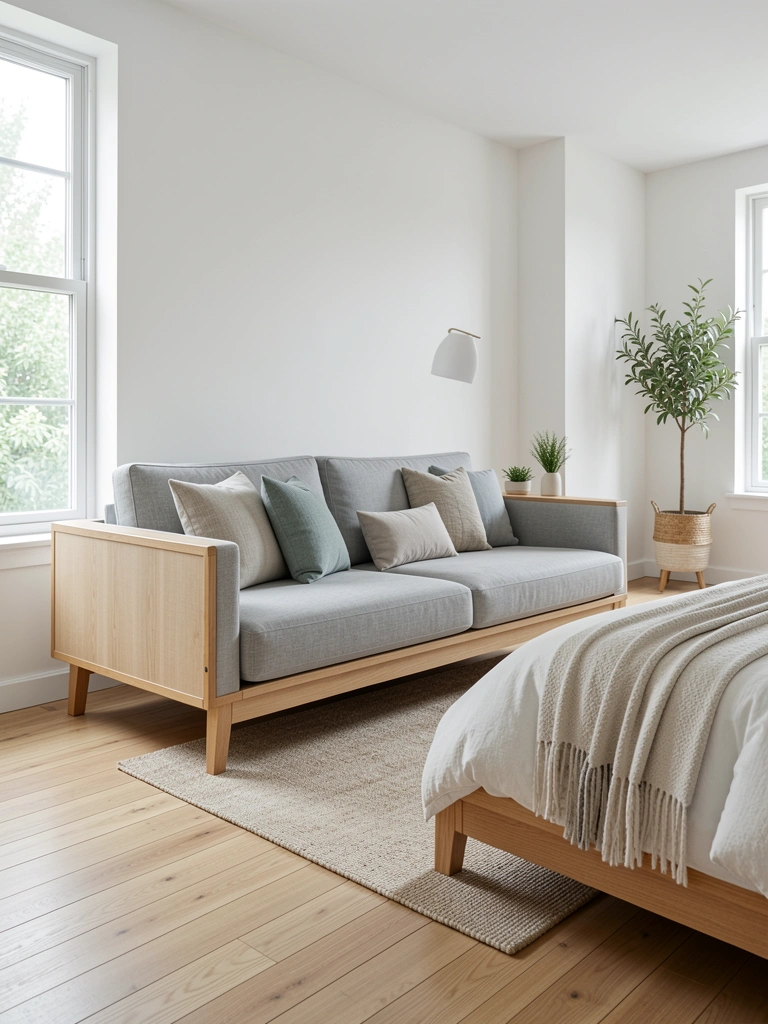
Sleeper sofas serve double duty: everyday seating plus guest bed. Modern versions are way more stylish than old pull-outs and actually comfortable enough for real sleep.
Brands with stylish sleepers: Urban Natural ($1,200–$2,500), IKEA’s Scandinavian range ($400–$900), Article ($1,000–$2,200), and Wayfair ($500–$1,600). Check the mattress thickness—aim for 5+ inches of actual foam, not thin springs. Mechanism should be smooth and not require two people to open. Test one in-store if possible.
Guest rooms become optional, and your living room serves as an extra bedroom that doesn’t look like a temporary cot.
17. Pair Sofas with Warm, Layered Lighting
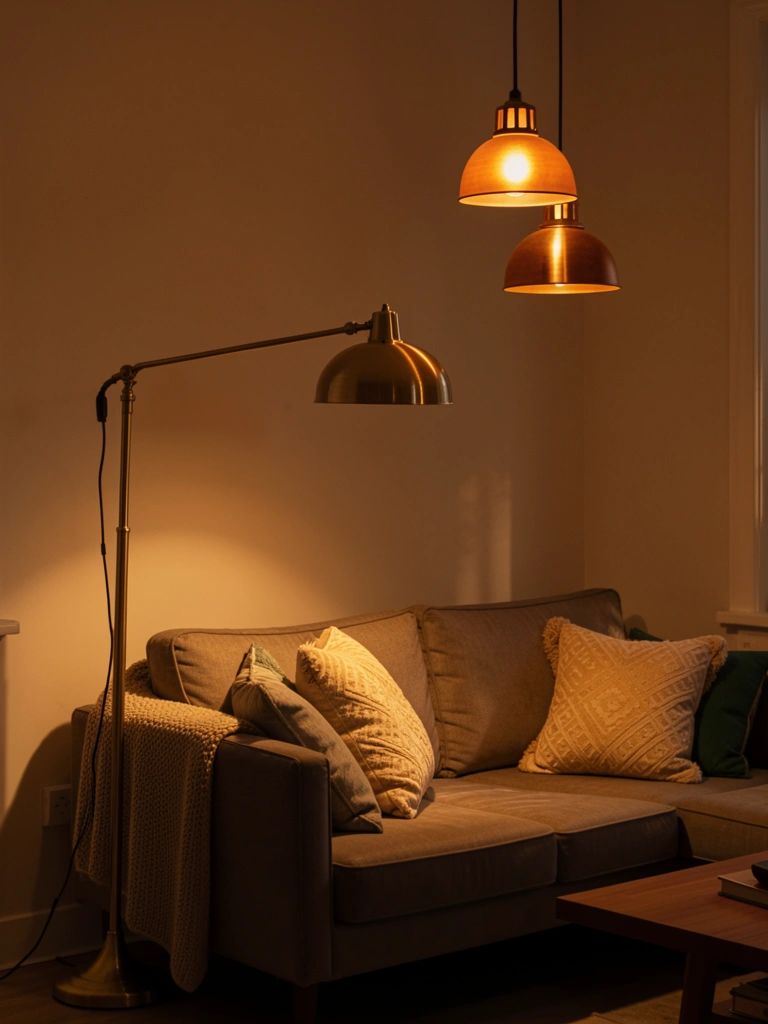
The right lighting makes even an average sofa feel high-end and welcoming. Warm lighting (2700K bulbs, brass fixtures) pairs beautifully with any sofa color.
Invest in: 1 floor lamp ($40–$150), 1 table lamp ($30–$120), and 1 pendant or overhead fixture ($50–$300). Retailers: Target, IKEA, West Elm, Wayfair. Layer three light sources to avoid harsh overhead-only situations. Dimmer switches ($15–$30) let you adjust mood throughout the day.
Suddenly, your sofa glows and becomes the ultimate gathering spot instead of feeling exposed or washed-out.
18. Customize Your Sofa With Build-Your-Own Options
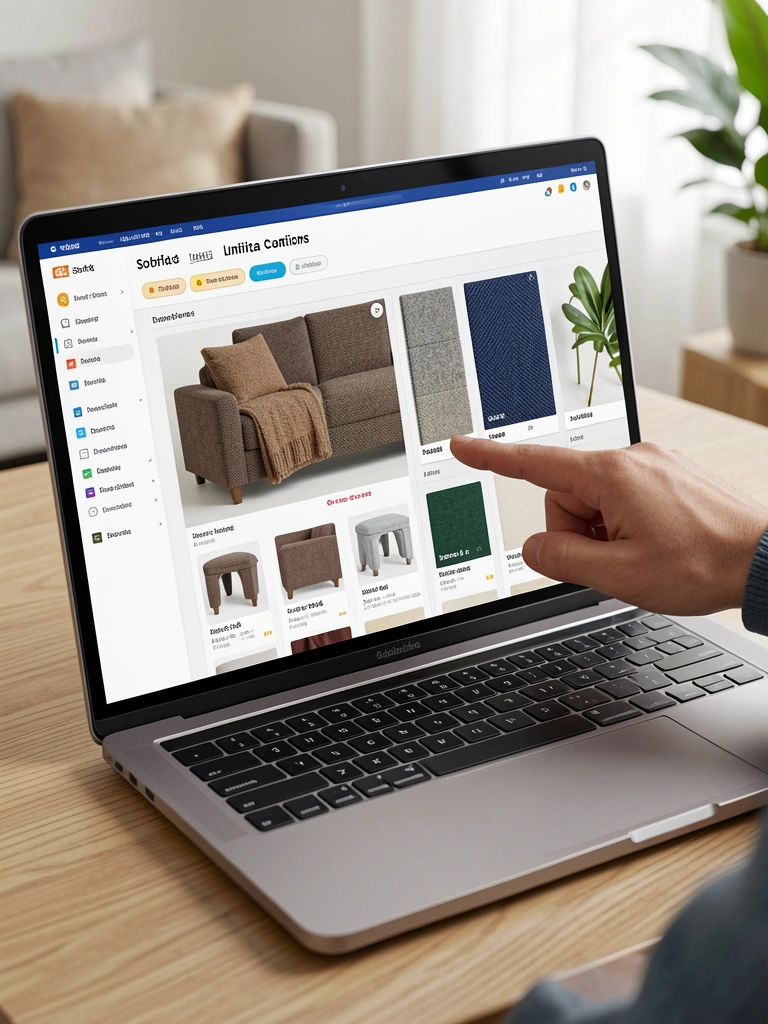
Many brands now offer build-your-own tools where you pick the frame, legs, fabric, cushion firmness, and size. You get exactly what you want instead of settling for in-stock limitations.
Brands with strong customization: Article (30+ fabrics, multiple legs), What A Room ($1,500–$4,000 custom), Wayfair (some options), and Living Spaces. Lead times are 8–12 weeks. Yes, wait time is longer, but you avoid buyer’s remorse. Some brands let you visualize your choices in a 3D room preview.
Your sofa becomes truly yours—not someone else’s design—and reflects exactly how you want to live.
19. Go Scandinavian Minimalist for Simplicity
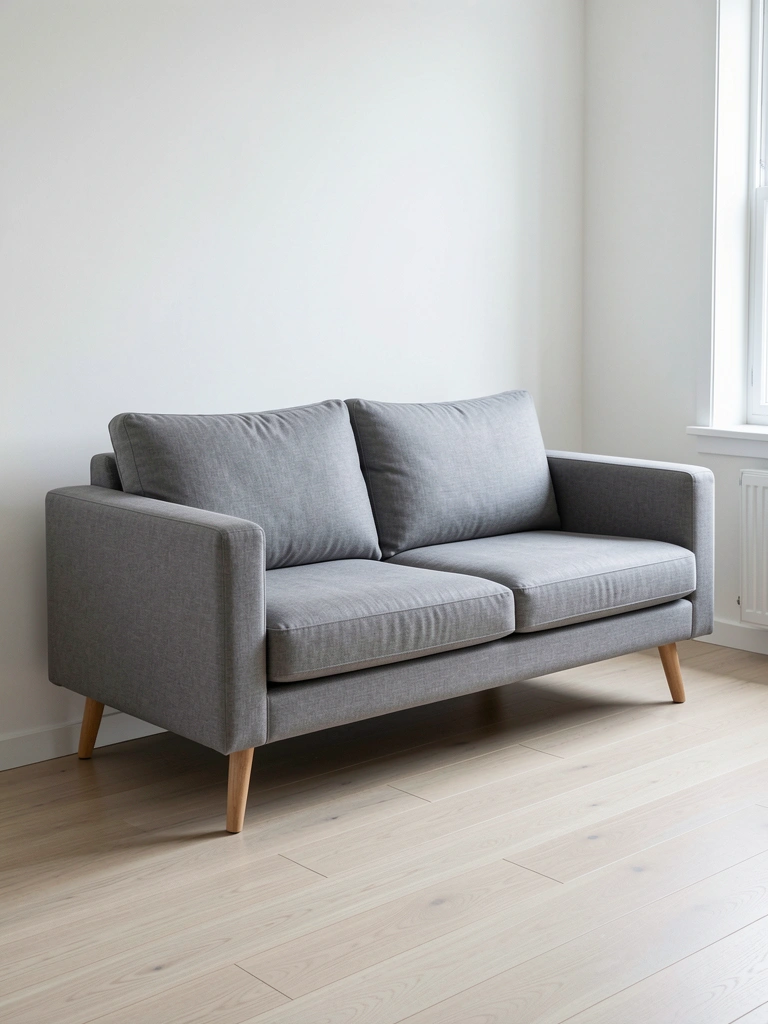
Scandinavian design emphasizes multi-functional pieces, natural materials, and clean lines. These sofas prioritize comfort and longevity over trends.
Find Scandi sofas at Urban Natural ($1,000–$2,000), IKEA ($400–$900), Article ($700–$1,800), and Wayfair ($500–$1,500). These sofas typically have: wooden legs, neutral fabrics, simple silhouettes, and hidden storage options. Perfect for renters and minimalists because they stay relevant forever. Pair with one or two quality side tables and minimal accessories.
You get a living room that feels calm, organized, and genuinely comfortable—not a showroom pretending to be a home.
20. Layer Organic Shapes to Soften Angular Rooms

Curved and organic sofas soften boxy rooms. Add rounded side tables, curved mirrors, and organic plants to amplify the effect. This creates visual flow instead of static, rigid geometry.
Start with the sofa (curved options $800–$2,500 at Article, Wayfair, Living Spaces), then layer: round side table ($100–$300), curved mirror ($80–$250), and potted plants ($20–$100 each). Budget-friendly win: repaint a rectangular table’s edges with rounded trim ($0—DIY project). Arrangement takes one afternoon.
Your space feels intentional and high-design despite having no actual interior designer in the mix.
21. Create Visual Warmth With Textured Layers
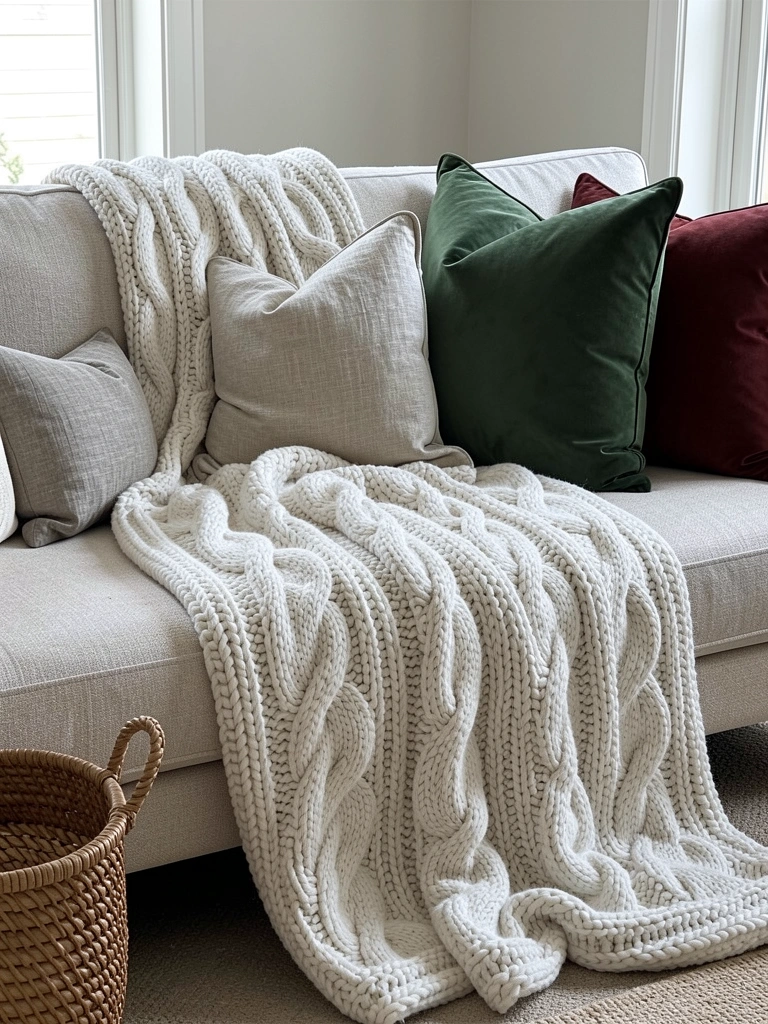
Texture creates visual warmth and makes spaces feel expensive without adding clutter. Mix matte, shiny, rough, and soft elements for depth.
Layer throws ($20–$80 from Target, IKEA, Wayfair), pillows ($15–$100 depending on material), and a woven basket ($40–$150 from West Elm, IKEA). Aim for 5–6 textural pieces total; more looks chaotic, fewer looks bare. Swap seasonal pieces monthly to refresh without spending big money.
Your sofa becomes an Instagram moment that’s also genuinely comfortable—proof that style and coziness aren’t mutually exclusive.
22. Position Sofas to Create Conversation Areas

Furniture arrangement matters as much as the sofa itself. Position pieces to face each other rather than all pointing at the TV to encourage genuine interaction.
Measure before moving: sofas should be 6–9 feet apart, with a coffee table roughly 18 inches from the sofa edge. Move one piece at a time (recruit help—it’s heavy). Rearranging takes 1–2 hours but costs nothing. Apps like Room Planner or Wayfair’s design tool let you virtually test layouts before moving furniture.
Suddenly, your living room becomes where people actually want to hang out and talk, not just scroll their phones.
23. Try Rattan or Cane-Accented Frame Details
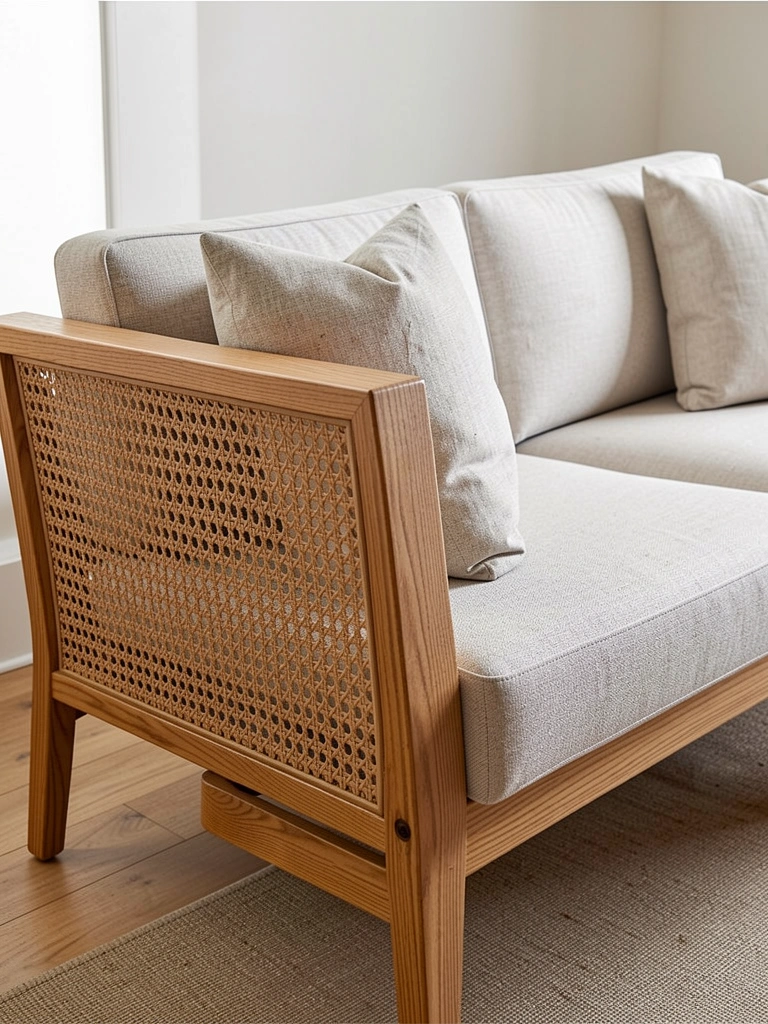
Sofas with rattan or cane accents blend modern comfort with organic, artisanal touches. These details add visual interest and feel fresh.
Look at Article ($900–$2,200), West Elm ($1,000–$2,500), and Wayfair ($600–$1,800) for frame details. Rattan is durable but requires gentle care; dust weekly and avoid placing in direct sunlight (fades and cracks). These pieces pair beautifully with natural wood and neutral palettes.
Your sofa becomes a design statement that feels curated and intentional, like you actually know what you’re doing.
24. Opt for Space-Saving Apartment-Scale Sofas
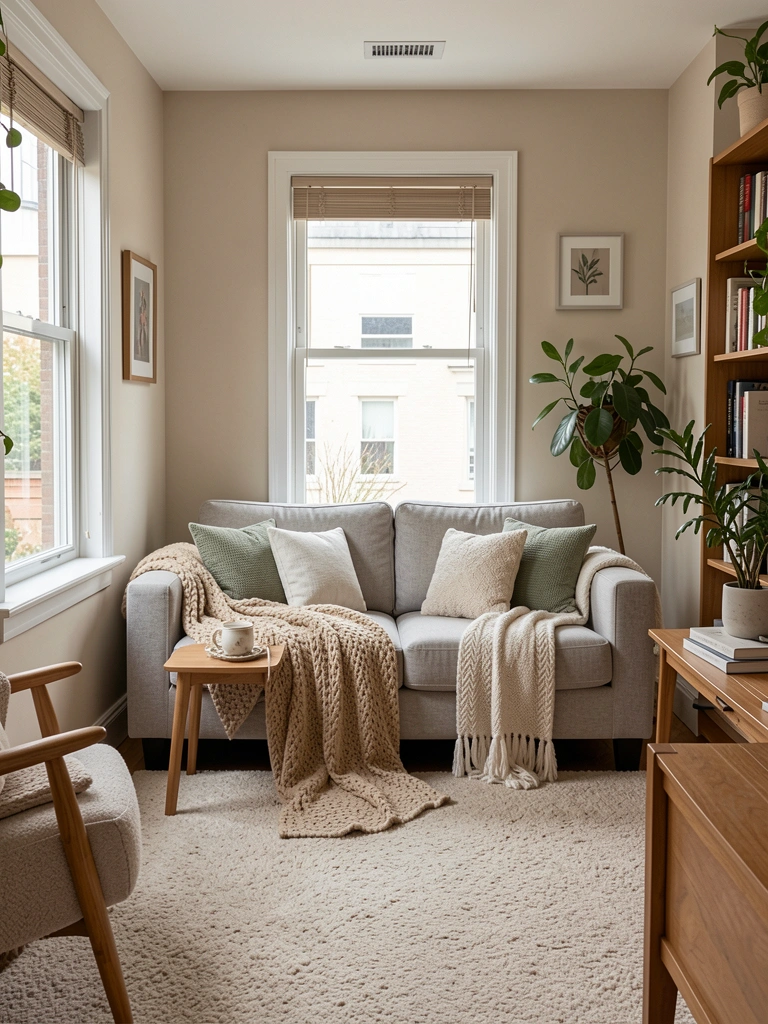
Apartment living demands proportionate furniture. A 96-inch sectional in a 200-square-foot room is chaos. Smaller scale sofas (72–84 inches) keep rooms feeling spacious.
Apartment-friendly options: IKEA (compact $300–$600), Article’s loveseat collection ($500–$1,200), and Wayfair’s filtered “small space” section ($400–$1,500). Measure your actual space plus doorways; I’m serious about this. A sectional that doesn’t fit through your door becomes a $1,200 hallway sculpture.
You get a sofa that fits your actual space instead of one that dominates it, leaving room for life.
25. Mix Neutral Sofas With One Bold Accent Wall
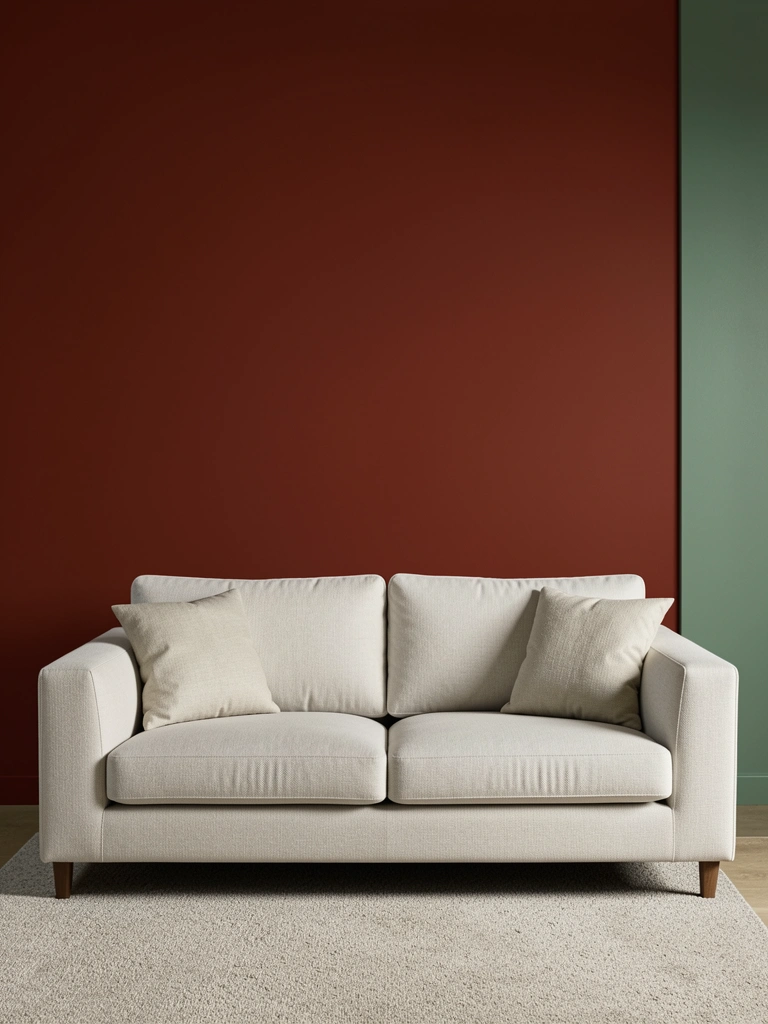
A neutral sofa + one painted accent wall gives you boldness without commitment. If you tire of the wall color, paint over it ($100–$300 in paint and labor). The sofa remains timeless.
Paint costs: $100–$200 in materials, or hire pros ($300–$800). Sofa options stay accessible ($500–$2,000 across all retailers). Let paint dry completely before moving furniture (48 hours). Choose wall colors that complement your sofa’s undertones.
This balance means you get design drama without risking thousands on a bold sofa you might regret in two years.
26. Incorporate Throw Pillows for Easy Seasonal Swaps
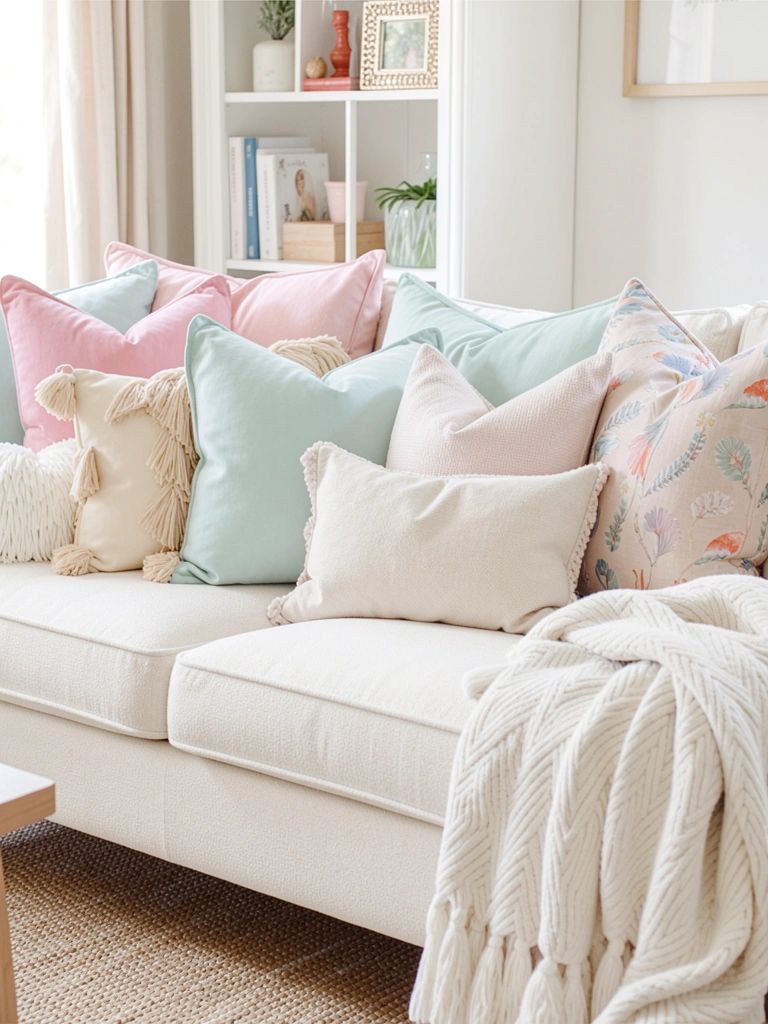
Throw pillows ($10–$50 each) let you refresh your sofa seasonally without replacing anything. Swap them monthly for new moods and trends without commitment.
Buy from Target ($8–$25), IKEA ($10–$30), Wayfair ($12–$60), and Article ($20–$80). Aim for 3–5 pillows in different sizes (24″, 20″, 16″ squares work well). Mix textures and subtle patterns with one neutral anchor. Wash covers every 2–3 months.
Your sofa becomes a blank canvas for creativity, and seasonal updates cost next to nothing while keeping the space feeling fresh and intentional.
27. Select Pet-Proof Upholstery for Family Homes
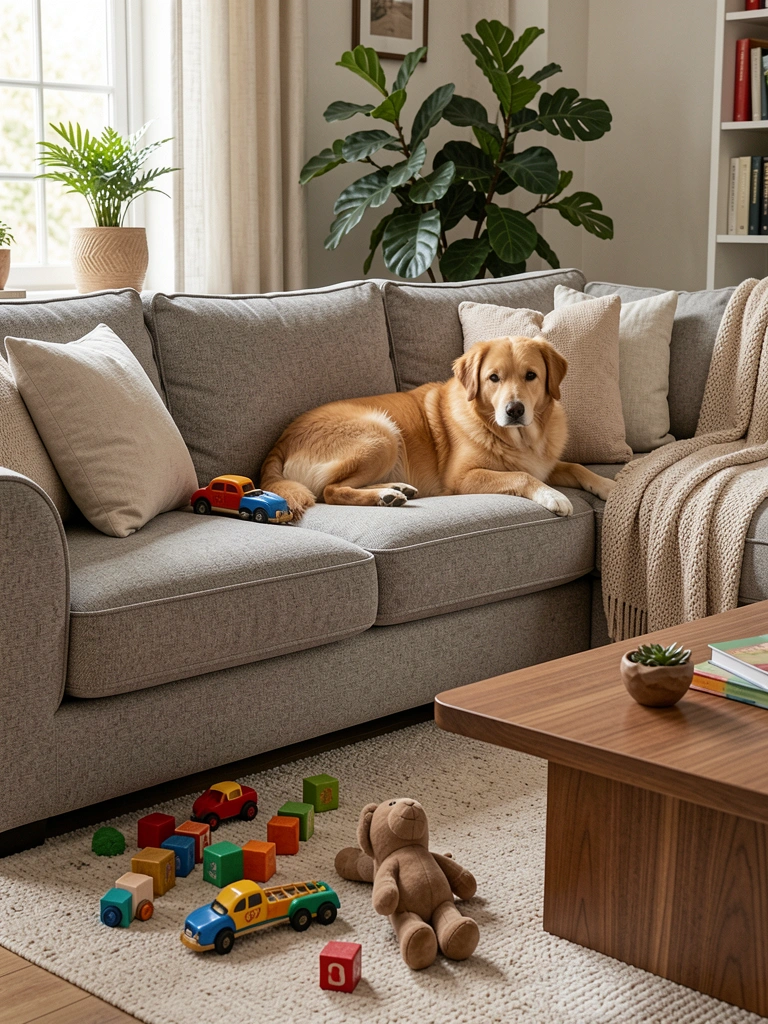
If you have pets, performance fabrics or darker microsuede absorb paw prints and hide fur better than light linen or velvet. Washable covers are a lifesaver.
Performance fabrics add $100–$300 but save thousands in replacement costs. Brands: Article (pet-friendly fabrics), Wayfair (performance filters), Living Spaces (durable options). Microsuede ($400–$1,500 total) wipes clean and resists snags. Throw blankets ($30–$80) protect high-traffic areas. Lint rollers become your best friend.
You finally stop stressing about every paw print and actually enjoy your sofa with the whole family.
Save this post for your next living room refresh. Pick one or two ideas this weekend—whether it’s adding layers, rearranging to create conversation zones, or finally investing in that curved sofa you’ve been eyeing. Your living room is too important to leave to chance, and one small change makes way more difference than you’d expect.
Leave a Reply