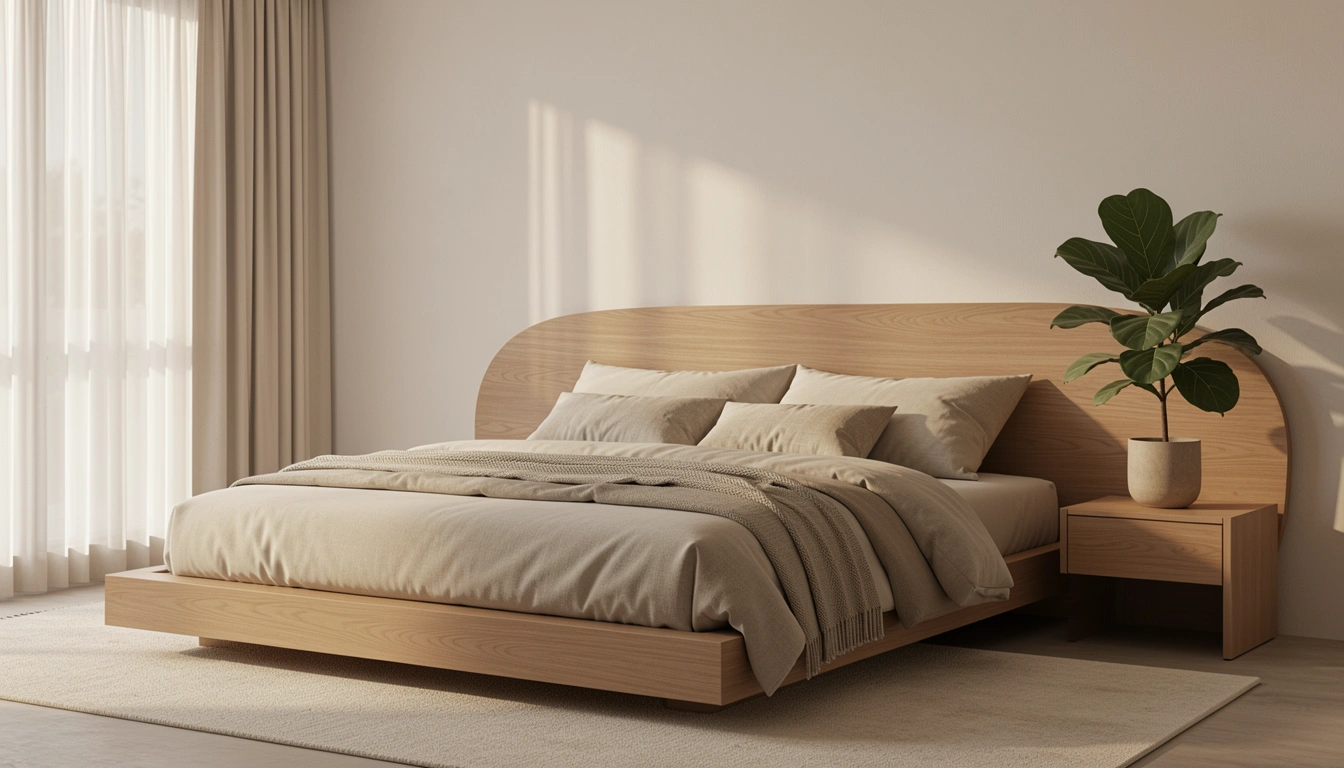
Your bedroom should be the one room in your home where everything feels intentional—the colors soothe you, the furniture fits perfectly, and there’s zero visual clutter. If your current space feels chaotic or uninspiring, you’re not alone. The good news? You don’t need a complete overhaul to create a bedroom that looks and feels sophisticated. We’ve pulled together 26 modern bedroom ideas that range from quick $15 fixes to thoughtful investment pieces—all designed to work whether you’re renting or own your home. You’ll find styling tricks that photograph beautifully, layout solutions that maximize your square footage, and texture combinations that make your room feel layered and intentional. Let’s dive in and find the ideas that match your space and budget.
1. Paint an Accent Wall in a Deep, Moody Tone
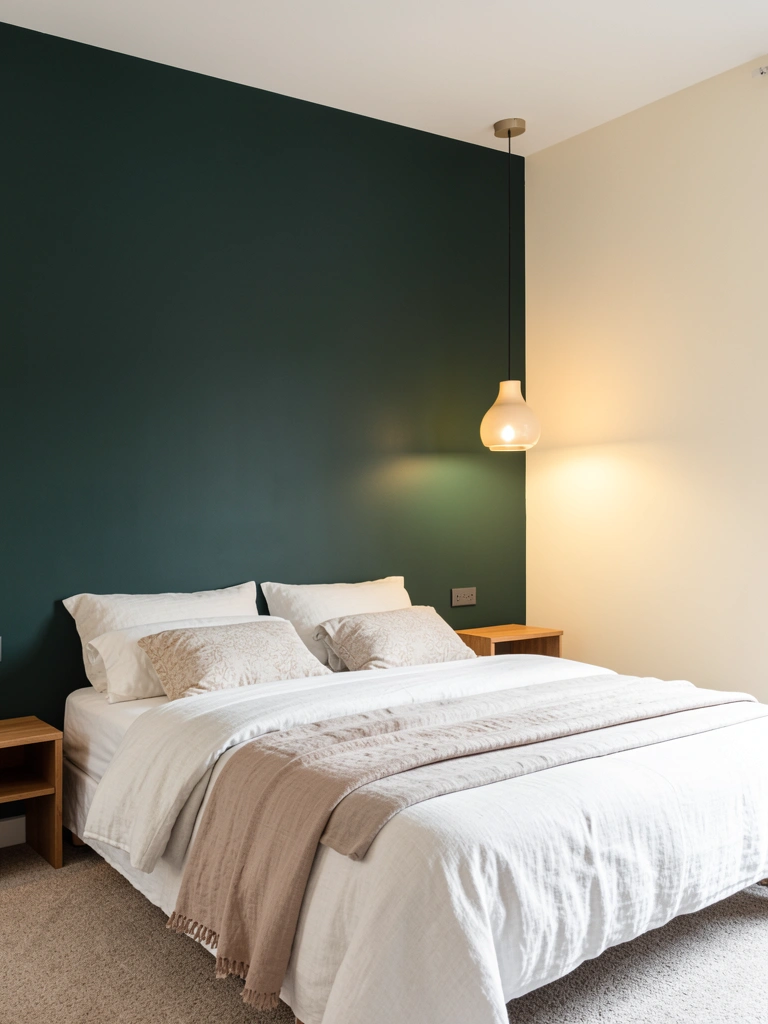
An accent wall in a rich, saturated color instantly adds sophistication and depth without overwhelming your entire space. Deep jewel tones like forest green, navy, or charcoal are having a major moment—they feel luxe and calming at the same time.
Choose a quality interior paint (Benjamin Moore, Sherwin-Williams, or a budget option from Home Depot runs $30–$60 per quart). Pick the wall behind your bed or the wall you see first when entering. Prep with painter’s tape, prime if needed, and apply two coats. Budget 3–4 hours for a single wall, or hire a painter for $200–$400. The trick? Keep everything else neutral—white bedding, natural wood furniture, and simple accessories let that color shine without competing for attention.
You’ll immediately notice how the room feels more curated and design-forward. That one wall becomes a natural focal point that makes your whole bedroom feel intentional.
2. Layer Your Bedding in Unexpected Textures
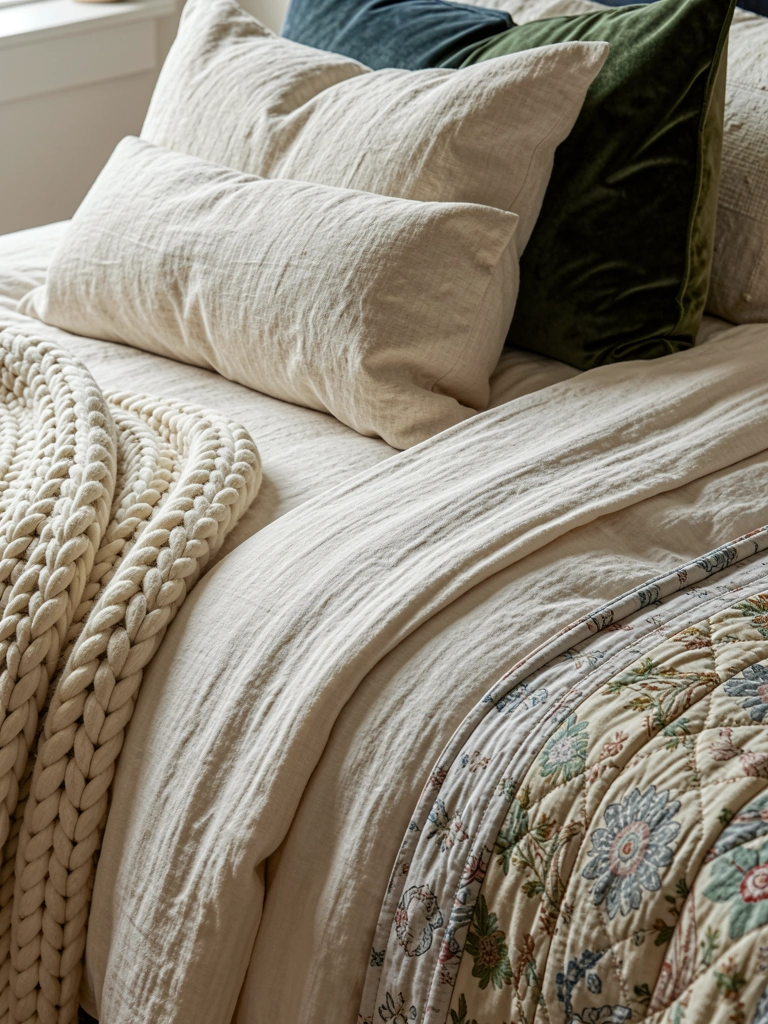
Forget the matching duvet-and-pillowcase sets. Modern, sophisticated bedrooms build comfort and visual interest by layering different textures and fabrics together.
Start with a quality fitted sheet and pillowcases in linen or high-thread-count cotton (Brooklinen, Target, or IKEA, $25–$100). Add a lightweight quilt or coverlet in a contrasting pattern or tone ($50–$150). Layer a chunky knit throw across the foot or side ($40–$80). Finish with 4–5 pillows mixing linen, velvet, and textured cotton. The goal is creating depth and a lived-in look rather than a perfectly matched set. This takes about 30 minutes to style but feels completely different from what you woke up to.
Your bed becomes a visual anchor that makes the whole room feel more thoughtfully designed and inviting.
3. Swap Out Your Headboard for a Curved Option
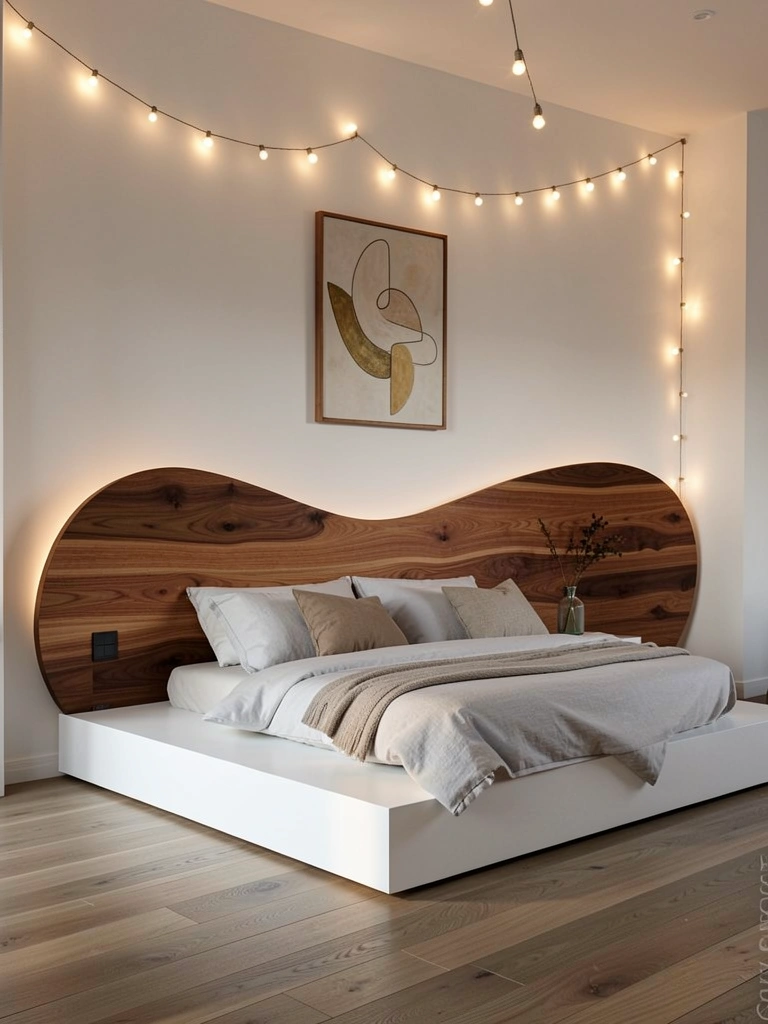
Curved headboards are having a major design moment because they soften hard lines and create a focal point that actually looks contemporary instead of dated. This one change can shift your entire room’s vibe.
Look for curved headboard styles on Wayfair, Article, or West Elm ($150–$600, depending on size and material). Wood, velvet, and linen options all work. If you’re renting or want to test the idea, a removable fabric headboard ($60–$150) mounts easily with adhesive strips and comes off damage-free. For a DIY approach, build a plywood curve using a template and upholster it yourself (advanced skill, but tutorials are everywhere). Installation takes 1–2 hours, or hire a handyperson for $50–$100.
Suddenly your bed doesn’t look like a plain rectangle—it becomes a designed element that anchors the whole room.
4. Install Floor-to-Ceiling Curtains for Drama and Height
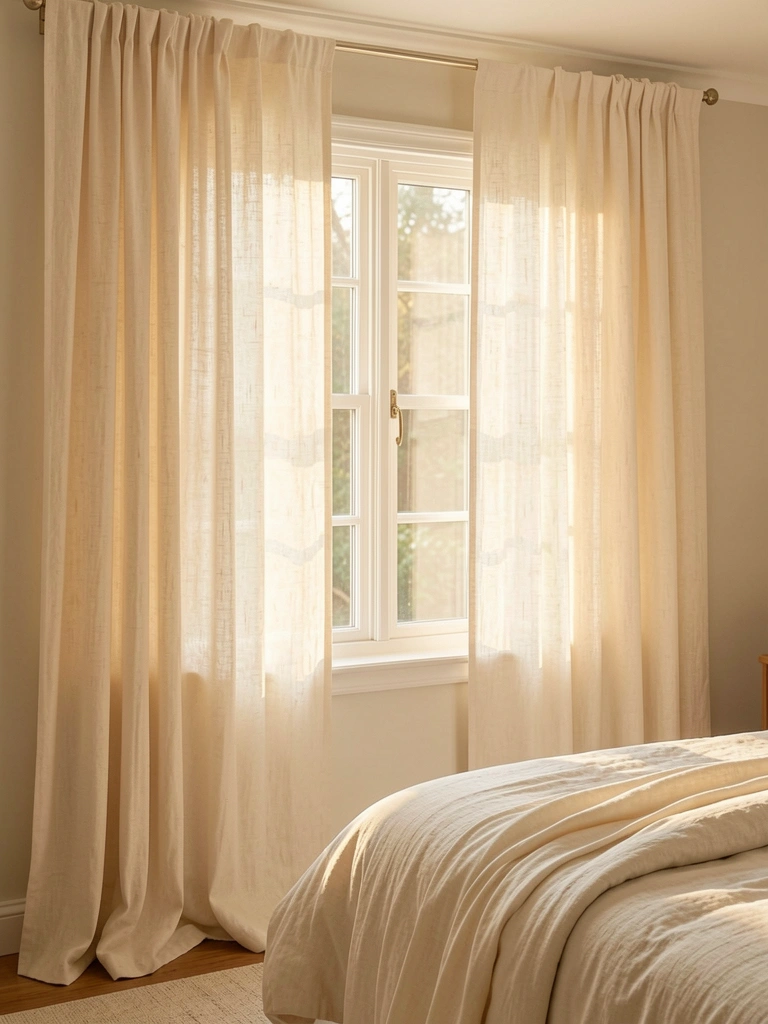
Floor-to-ceiling curtains create the illusion of higher ceilings and add a layer of softness that reads as intentional and high-end. Even in a modest room, this simple change feels luxurious.
Measure from ceiling to floor, adding 8–12 inches of extra length so panels can puddle slightly or graze the floor. Buy linen, linen-cotton blends, or lightweight curtain fabric ($15–$40 per yard, typically need 2–3 yards per panel). Hang rods as close to the ceiling as possible using quality mounting hardware ($30–$60). Pair with simple rings or clips for a modern look. Total cost: $100–$250 depending on window size. Installation takes 2–3 hours, or hire a handyperson for $75–$150.
The moment those curtains hang, your room gains architectural presence and feels more polished than before.
5. Add Textured Wallpaper to One Wall
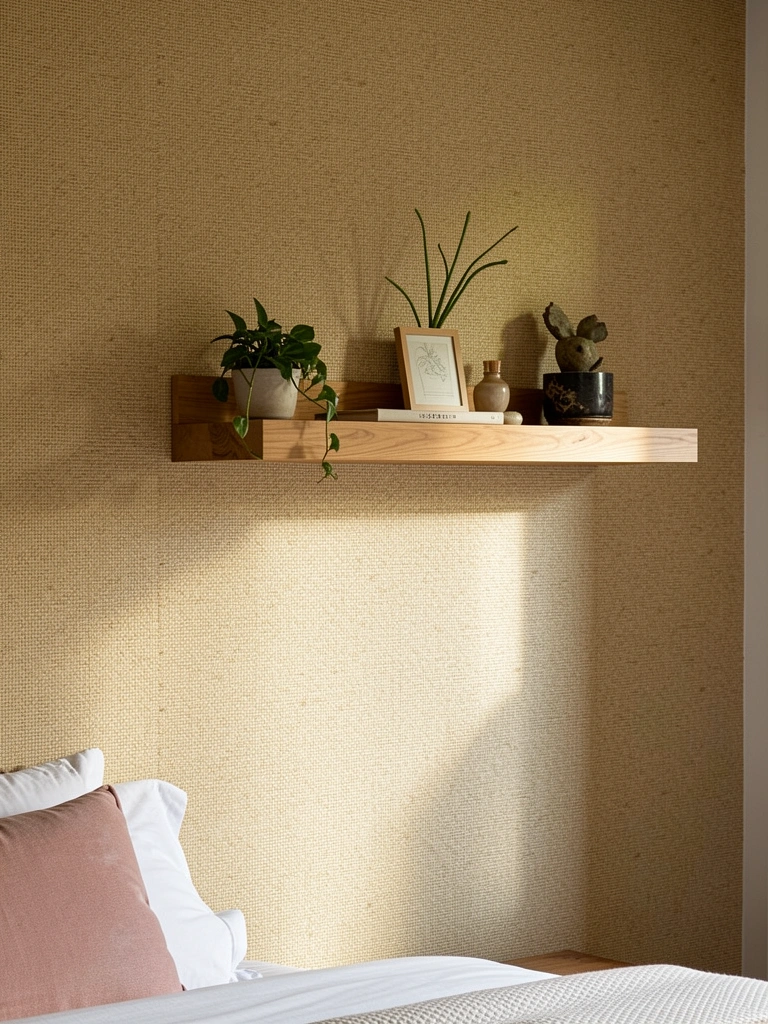
Textured wallpaper—grasscloth, jute, linen, or embossed finishes—adds personality and visual interest without the commitment of paint or a full pattern.
Peel-and-stick options (Spoonflower, Etsy, Target) cost $25–$60 per roll and are perfect for renters. Traditional wallpaper ($20–$80 per roll) lasts longer but requires adhesive and paste. One accent wall typically needs 2–3 rolls. Prep the wall with primer, apply paste or adhesive, and smooth out bubbles. Budget 3–5 hours for a DIY project or hire a wallpaper installer for $150–$300. The beauty of texture is that it photographs differently depending on lighting, so it’s always visually interesting.
Your walls gain depth and dimension that plain paint simply can’t match, making the room feel more considered.
6. Use a Curved Mirror as a Focal Point
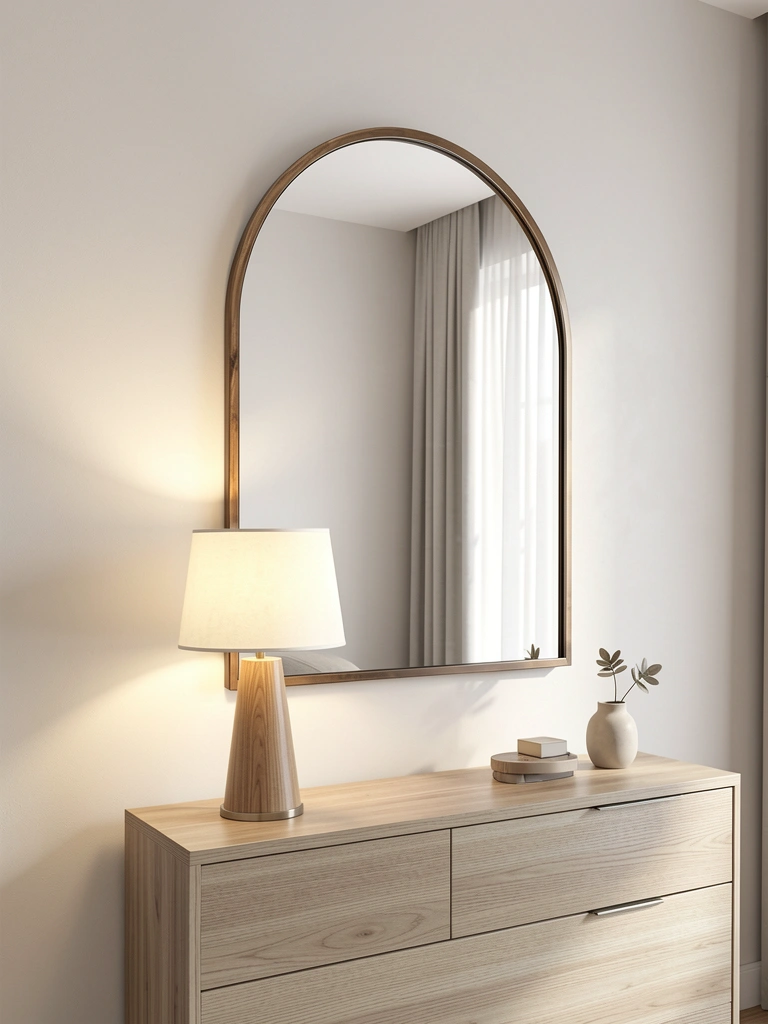
A curved or arched mirror serves double duty—it bounces light around the room and adds a sculptural design element that feels current and intentional.
Look for arched mirrors at Article, West Elm, CB2, or wayfair ($80–$400 depending on size and frame material). Gold, black, natural wood, or brushed metal frames all feel modern. A 36–40 inch mirror works for most bedrooms without overwhelming the space. Mount securely to wall studs or use heavy-duty drywall anchors. Installation takes 30–45 minutes. For renters, lean a large mirror against the wall (it’s technically less permanent, though still requires a secure base).
Placing a statement mirror across from a window instantly makes your room feel brighter, larger, and more gallery-like.
7. Build a Nightstand with Open Shelving
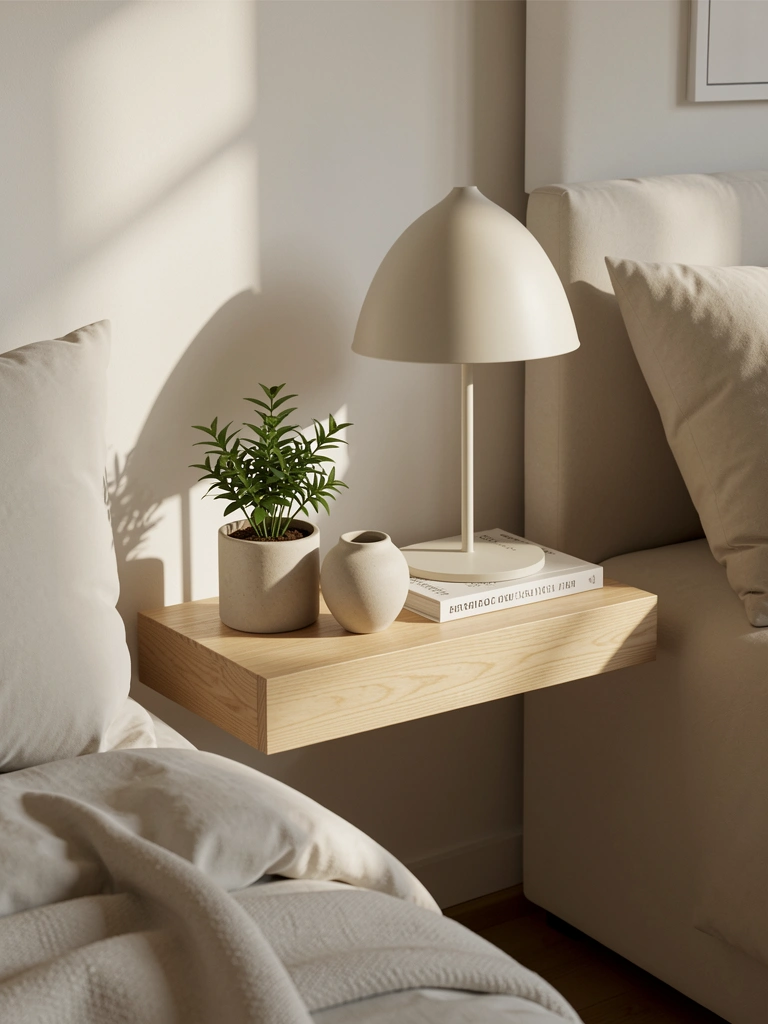
Open shelving as a nightstand keeps your bedroom feeling airy while adding character and display space for objects you love.
Floating shelves (IKEA, Home Depot, Wayfair) cost $15–$50 per shelf. Mount 2–3 shelves at varying heights on either side of your bed using appropriate hardware for your wall type (studs, drywall, brick all differ). Keep styling minimal: a lamp, a small plant, a few books, a water glass. DIY installation takes 1–2 hours; hire help for $50–$100 if you’re unsure about wall anchoring. The key is restraint—resist filling the shelves, which defeats the purpose.
Your bedroom gains visual lightness and a more curated, gallery feel while maintaining practical storage.
8. Hang Large-Scale Abstract Art Above Your Bed
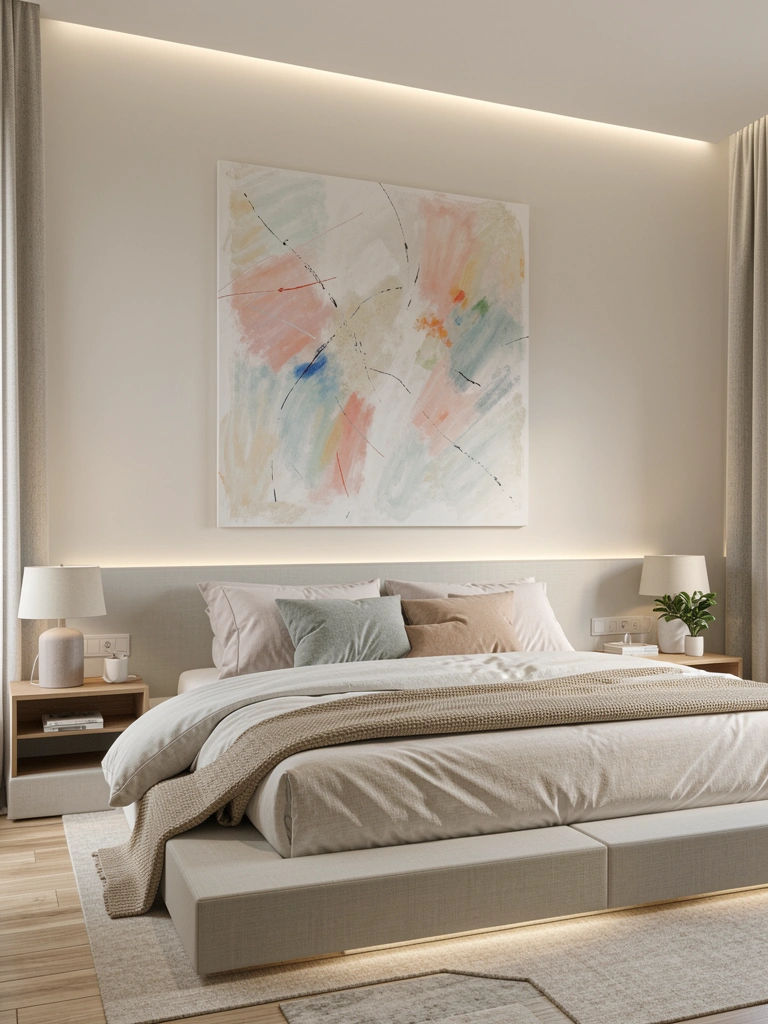
Art-led personalization is a 2025 trend because it tells your story and creates a sense of intentionality that generic decor can’t achieve. A large canvas or sculptural piece becomes the room’s anchor.
Commission an artist (Etsy, local galleries), buy gallery-quality prints (Minted, Society6, $50–$200), or invest in an original ($300–$1,500+). Size matters: aim for a piece that’s at least 3 feet wide for visual impact. Hang at eye level (56–60 inches from floor to center) using picture rails or traditional hanging hardware. Pair with minimal surrounding accessories so the art takes center stage.
Suddenly your bedroom reflects your actual taste and feels like a designed space rather than a collection of furniture.
9. Create a Warm Lighting Layer with Bedside Lamps
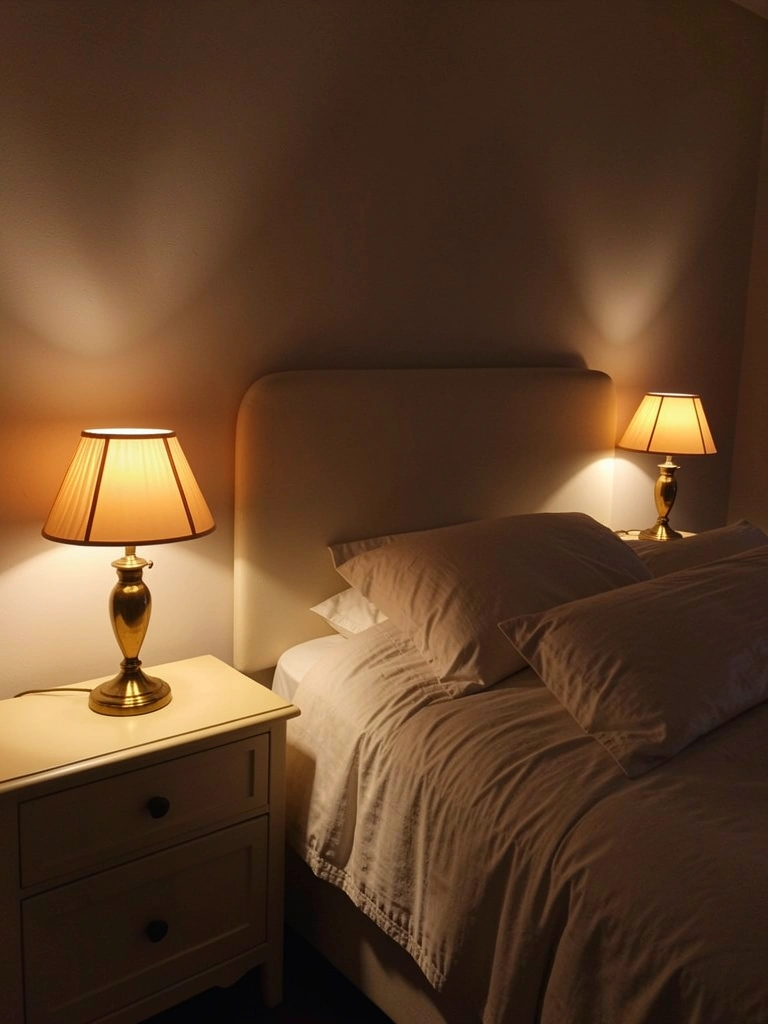
Layered lighting is non-negotiable in a sophisticated bedroom. Overhead lights feel clinical; warm bedside lamps create ambiance and make the space feel more intentional.
Choose table lamps with 40–60 watt bulbs or dimmable LED equivalents in warm white (2700K color temperature). Brass, wood, or ceramic bases feel modern ($40–$150 per lamp at Target, West Elm, CB2). Install a dimmer switch on your overhead if you have one ($20–$60 for the dimmer plus installation). Add LED strip lights behind floating shelves or under the bed for additional ambient warmth ($20–$40). Proper lighting takes about 2–3 hours to install if adding a dimmer, or it’s immediate if just swapping lamps.
The moment you turn off the overhead and switch to warm bedside lamps, your entire room shifts from functional to sanctuary-like.
10. Paint Your Ceiling a Soft Neutral or Warm Tone
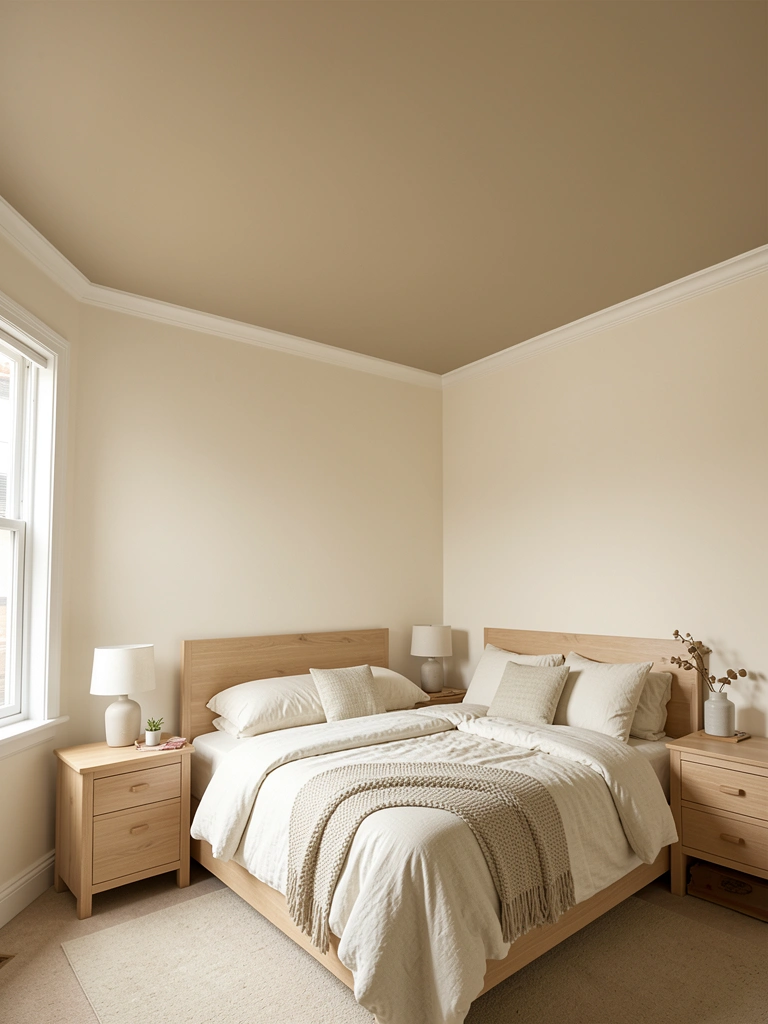
Most people ignore the ceiling, but painting it a soft warm tone (cream, greige, pale taupe) instead of stark white makes your bedroom feel more enveloping and intentionally designed.
Use ceiling-grade paint in a satin or flat finish from Benjamin Moore, Sherwin-Williams, or Behr ($25–$50 per gallon). Choose a tone that’s 2–3 shades warmer or deeper than your walls to create subtle cohesion. You’ll need a roller, extension pole, and possibly a ladder. Budget 4–6 hours for a standard bedroom or hire a painter for $300–$600. This is easier than it sounds, though hiring help removes the neck strain.
Your whole room suddenly feels more intentional and warm, with the ceiling adding architectural interest rather than blank space.
11. Swap to Linen Pillowcases and Sheets
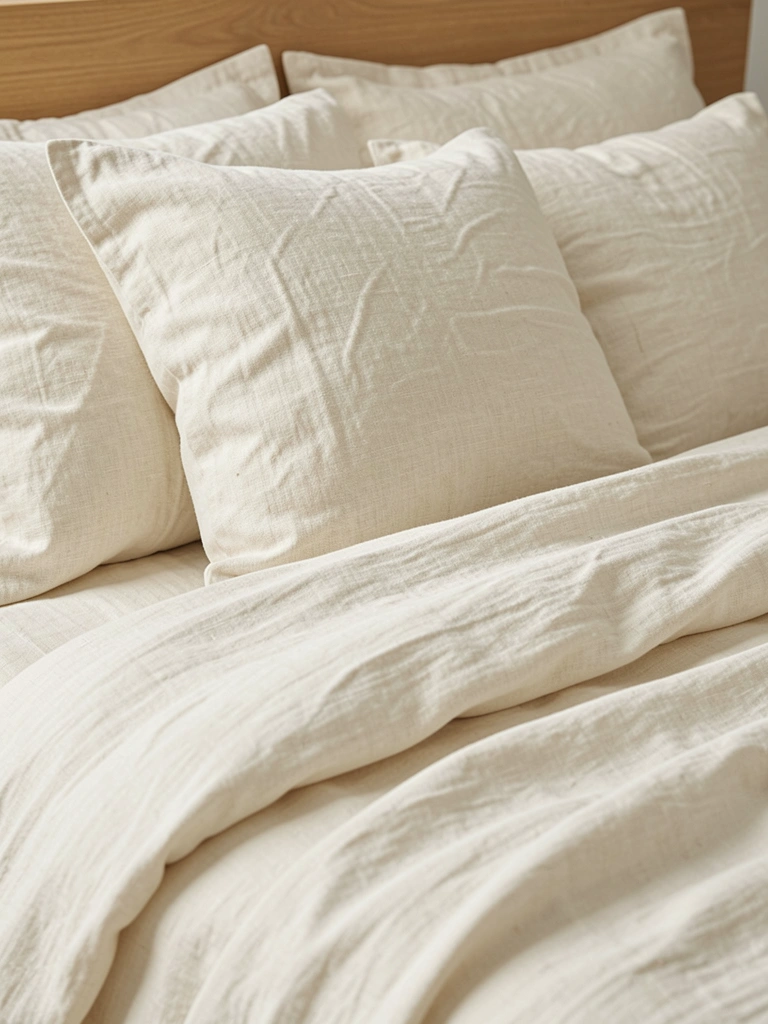
Linen feels expensive and intentional, wrinkles beautifully, regulates temperature, and improves with every wash. It’s the fabric of choice for people who prioritize quality and texture.
Quality linen sheets run $100–$300 for a full set (Parachute, Brooklinen, Etsy vendors). Budget linen from IKEA or target starts around $50–$80. The natural wrinkles are part of the charm—no ironing required. Wash in cool water and hang dry to extend the life. Your initial investment pays off because quality linen lasts 5+ years.
The moment you sleep on real linen, you’ll notice the difference in comfort, and your bedroom immediately looks more designed.
12. Create a Gallery Wall of Personal Photos
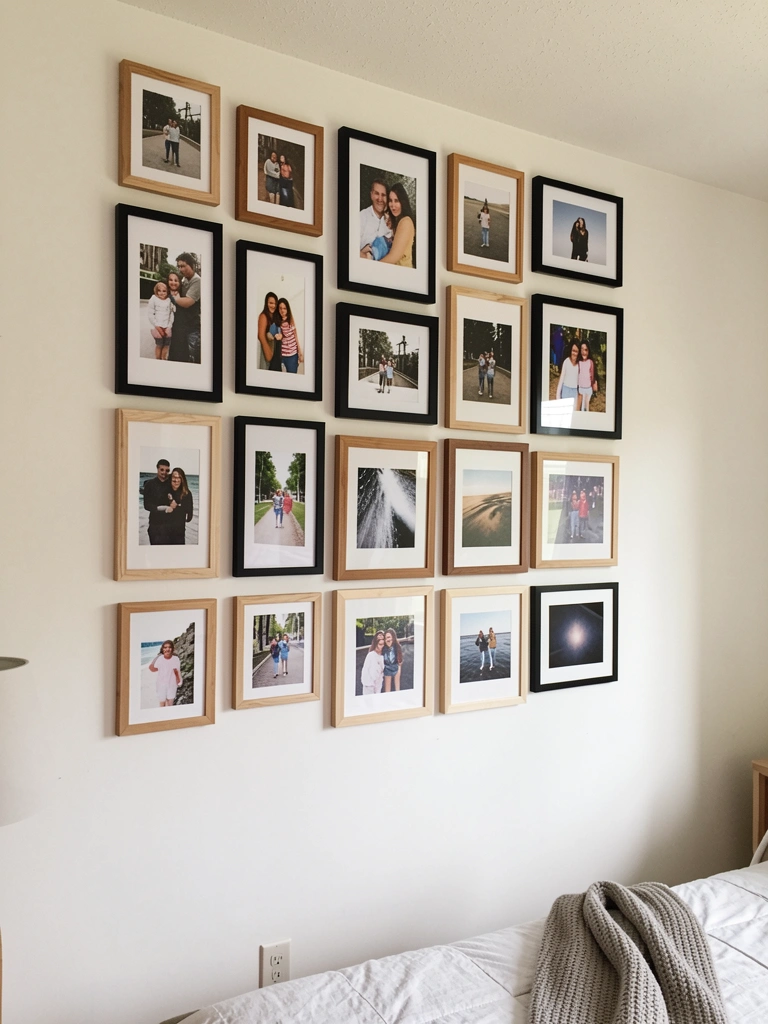
A gallery wall of personal photos adds narrative and warmth that generic decor can’t match. It tells your story and makes the room feel authentically yours.
Choose 8–12 frames in matching styles (all black, all natural wood, or mixed metals). Mix print sizes for visual interest. Use a template printout to plan layout before hanging. Frame sizes typically run $10–$30 per frame depending on quality; printing photos costs $1–$5 each. Installation takes 2–3 hours; pay attention to spacing (2–3 inches between frames typically looks balanced). Use picture hanging strips for renter-friendly installation.
Your bedroom shifts from a blank slate to a space that reflects who you actually are and what you value.
13. Add a Floating Shelf for Plants and Styling

A single well-styled floating shelf adds dimension, personality, and practical storage without overwhelming your space. Plants on shelves add life and biophilic design.
Floating shelves (IKEA, Wayfair, Home Depot) cost $15–$50. Mount at 36–48 inches high using appropriate wall anchors ($10–$20 in hardware). Style with 3–5 objects max: plants, books, a ceramic vessel. The key is negative space—avoid visual clutter. Installation takes 45 minutes to an hour. Alternatively, use a picture ledge (narrower, perfect for lightweight styling) for $20–$40.
Your room gains a curated, magazine-worthy element that shows intentionality and personality.
14. Install Sheer Curtains Behind Blackout Panels
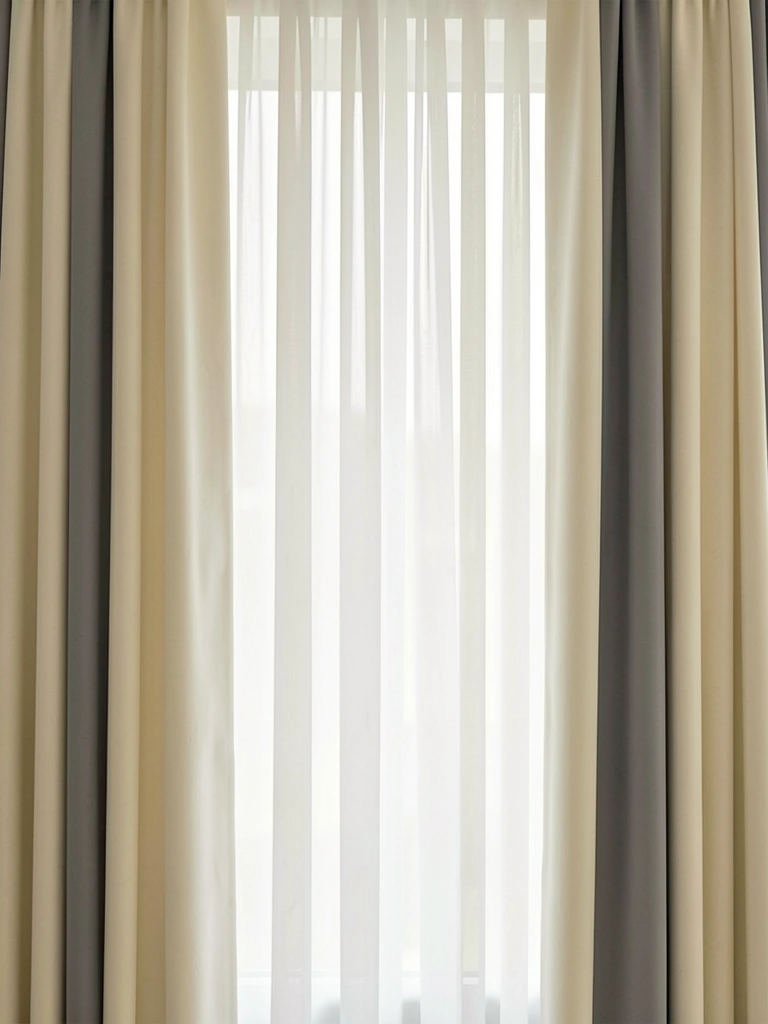
Layered curtains let you control light and privacy while adding visual richness and softness. This is a designer trick that looks intentional and functions beautifully.
Install a double curtain rod ($40–$80) or two separate rods. Use sheer linen or cotton voile ($15–$30 per yard) on the inner rod and a heavier fabric ($20–$40 per yard) on the outer. Total cost typically runs $150–$300 for materials. Installation takes 2–3 hours or hire help for $75–$150. The beauty is waking to soft filtered light or closing the heavier panels for complete darkness.
You gain both functionality and visual elegance—the room feels more layered and intentionally designed.
15. Paint Your Nightstands a Complementary Accent Color
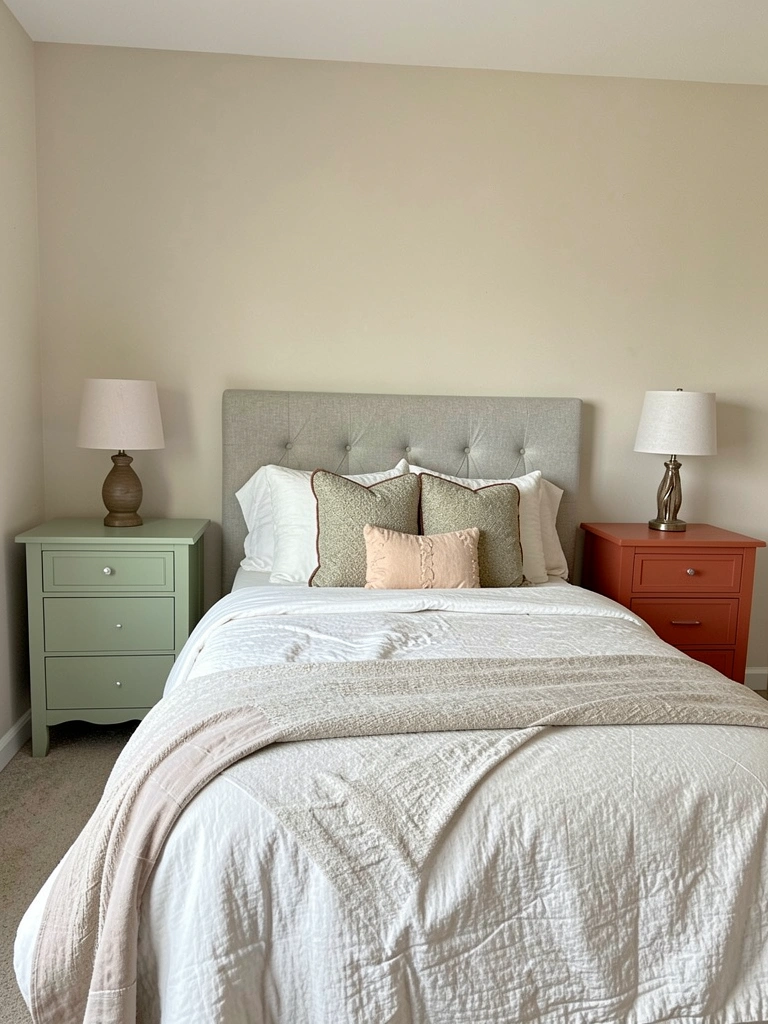
Painting existing nightstands (or thrifted ones) a soft accent color ties your room’s palette together and adds personality without major expense.
Choose a color that complements your walls—soft sage, muted terracotta, warm gray, or soft blue work well. Use interior-grade acrylic or chalk paint ($15–$30). Prime if needed, then apply 2–3 coats. Budget 6–8 hours total (including drying time between coats), spread over a few days. This is a perfect weekend DIY project that requires only basic supplies (brush, drop cloth, primer).
Suddenly your nightstands aren’t just functional—they’re a design moment that brings cohesion and personality to your whole room.
16. Hang Pendant Lights Instead of a Ceiling Fixture
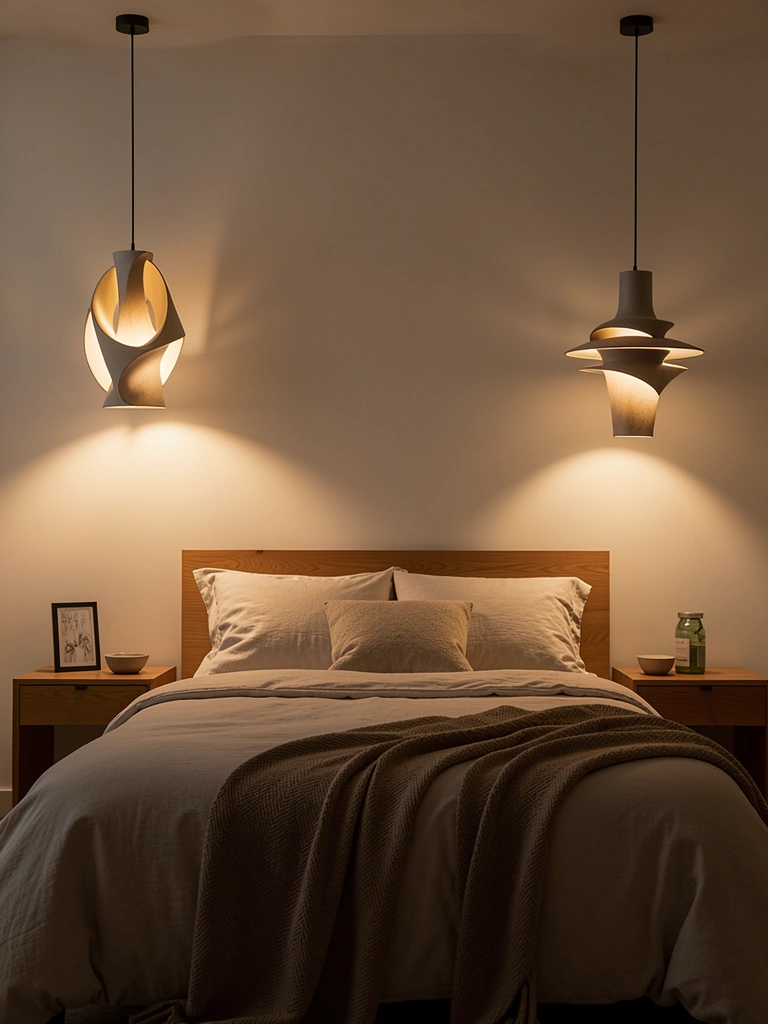
Pendant lights over your bed provide both ambient light and visual interest, and they read as significantly more designed than standard ceiling fixtures.
Pendant styles run $30–$150 each at IKEA, West Elm, Wayfair, or CB2. You’ll need to wire them into your ceiling (hire a licensed electrician for $200–$400 or DIY if experienced). Brass, ceramic, glass, or sculptural metal options all feel current. Hang them 12–18 inches from the ceiling and position to avoid direct glare on the bed.
The moment those pendants are up, your room feels more intentionally lit and substantially more sophisticated.
17. Layer a Large Area Rug Beneath Your Bed
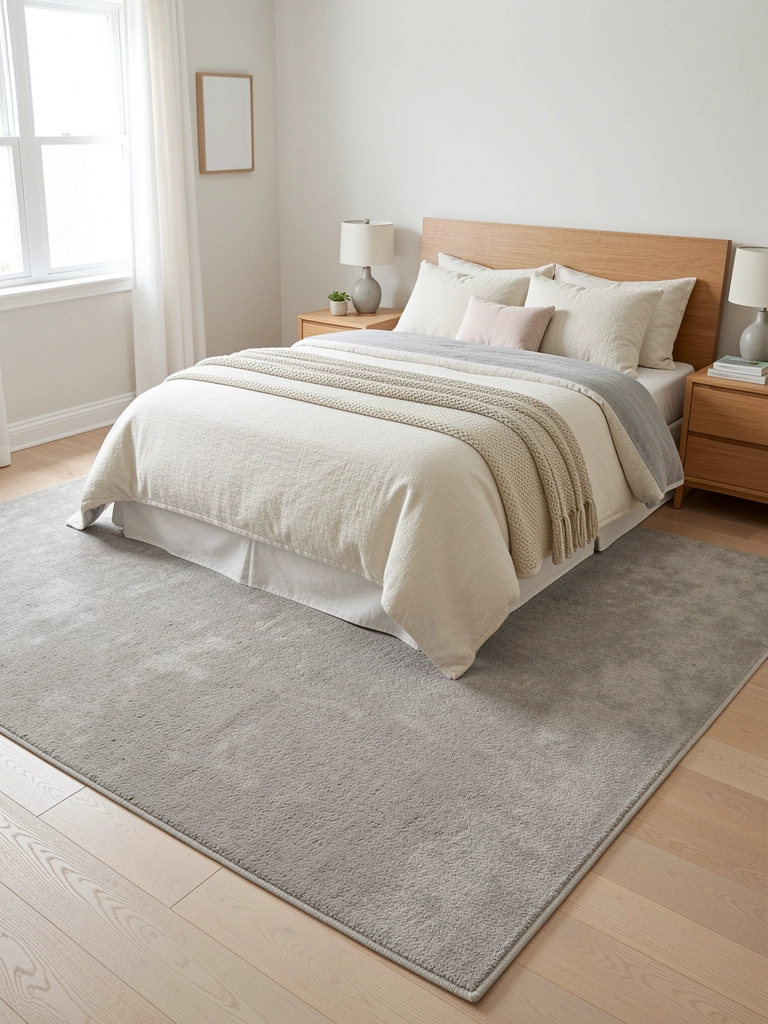
A large area rug anchors your bedroom and adds warmth, softness, and visual definition. It’s a design move that immediately makes the space feel more intentional.
Choose a rug that’s at least 8×10 feet for a queen or king bed; it should extend 2–3 feet on all sides. Neutral tones (gray, cream, natural jute, soft taupe) work with any palette. Quality wool or wool-blend rugs run $300–$800; budget options from IKEA or Wayfair start at $100–$200. Lay down a rug pad underneath ($20–$40) to prevent slipping. This is technically a zero-installation purchase—just place and adjust as needed.
Your room instantly gains warmth, defines the bedroom zone, and feels more designed with this foundational element in place.
18. Style Your Wall Behind the Bed with Shiplap or Paneling
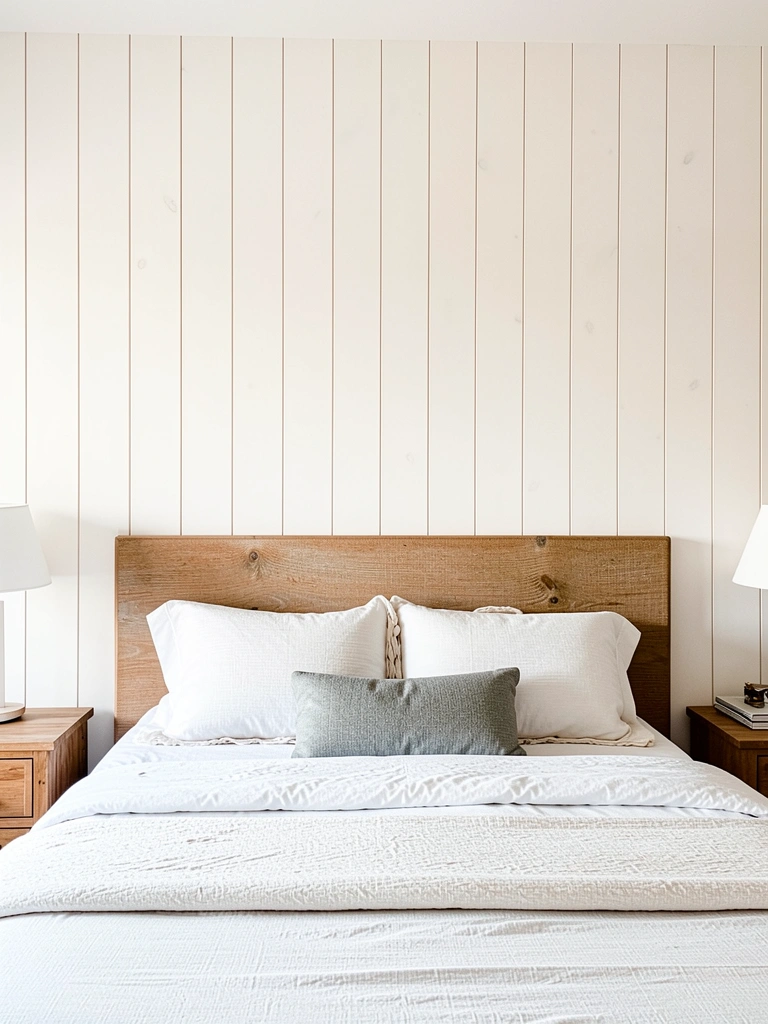
Wall paneling or shiplap adds architectural depth and visual interest without requiring paint or wallpaper. It’s a subtle design move with major impact.
Shiplap planks from Home Depot or Lowe’s cost $50–$150 depending on material (solid wood vs. engineered). DIY installation takes a full weekend for one wall if you’re comfortable with basic carpentry; hire a handyperson for $200–$500. Alternative: peel-and-stick shiplap ($30–$80) is renter-friendly but less durable. Paint or stain in white, natural wood, or a soft tone to complement your palette.
Your wall gains texture and dimension that creates visual interest and makes the room feel more architecturally intentional.
19. Declutter and Style Your Nightstands Minimally

Sophisticated bedrooms are typically minimal on nightstands. Removing visual clutter creates calm and makes the space feel intentional rather than chaotic.
Keep only essentials: a lamp, a book or two, a water glass, a small plant. Remove anything else—cords, random papers, clutter. Tuck cords behind furniture or use cable organizers ($5–$10). This takes 30 minutes to an hour and costs nothing. The transformation is immediate because negative space feels luxurious.
The moment you clear those nightstands, your whole bedroom feels calmer, more organized, and more deliberately designed.
20. Add a Velvet or Linen Upholstered Bench at the Foot of Your Bed
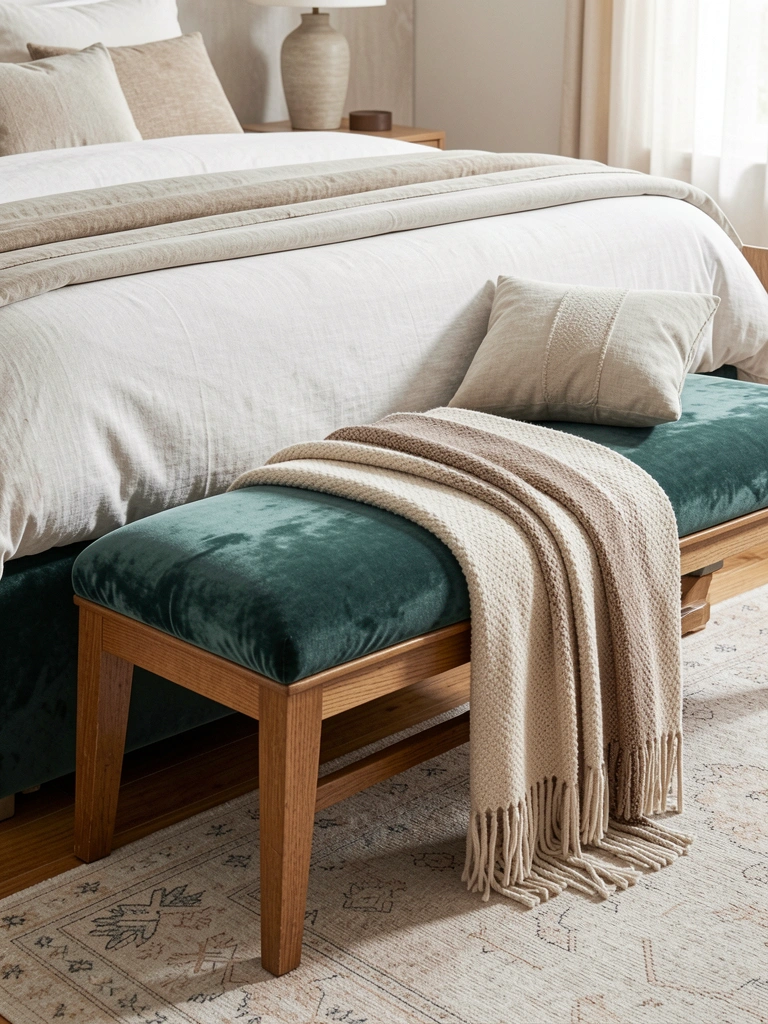
A bench at the foot of your bed adds functionality (seating, storage, styling surface) and visual weight that feels more designed than just empty floor space.
Look for upholstered benches at Article, West Elm, Wayfair, or CB2 ($150–$400). Alternatively, buy a wooden bench and drape a throw blanket over it for casual elegance ($80–$200). Wood or upholstered options both work; pair with natural materials. This is a low-labor addition—just position and style with a throw or cushions.
You gain both practical seating and a visual anchor that makes your bed area feel more curated and complete.
21. Use Woven Baskets for Hidden Storage and Texture
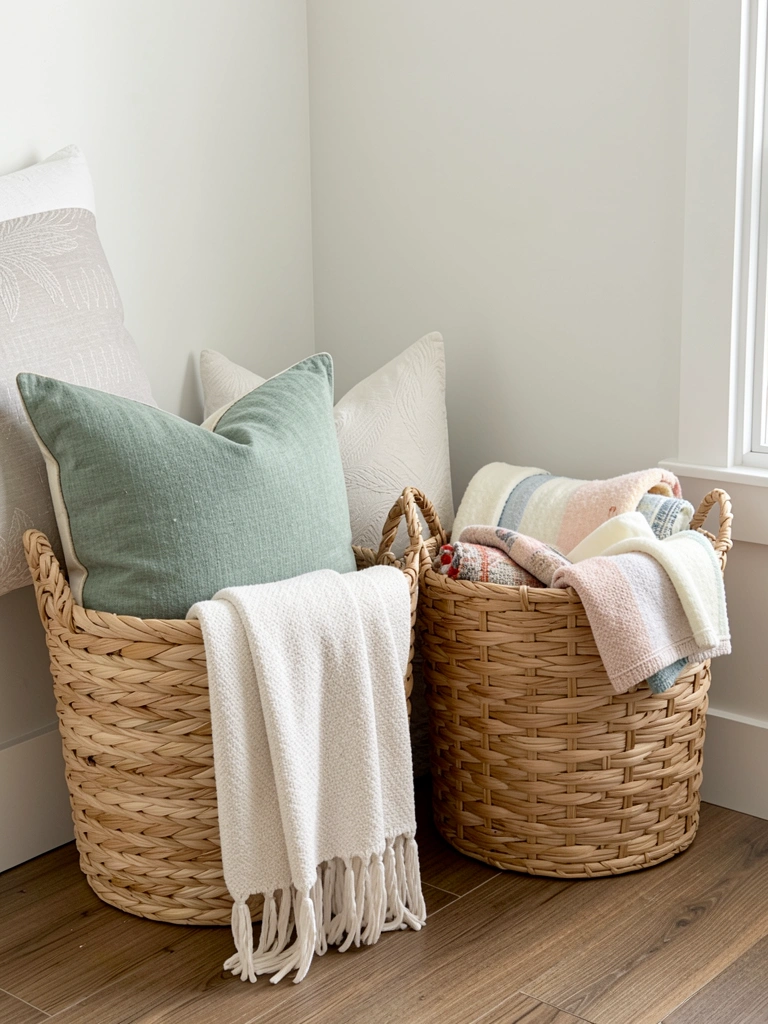
Woven storage baskets solve the “where do I keep extra pillows and throws?” problem while adding natural texture and warmth.
Baskets from IKEA, Wayfair, or HomeGoods cost $20–$80 depending on size and material. Rattan and seagrass feel intentional; woven wood offers another textural option. Use them to store extra bedding, pillows, books, or throws. The hidden storage keeps your room feeling calm while the baskets add organic texture that reads as designed.
Your bedroom stays organized and visually clean while gaining warmth from the natural materials.
22. Install a Bookshelf as a Bedroom Feature
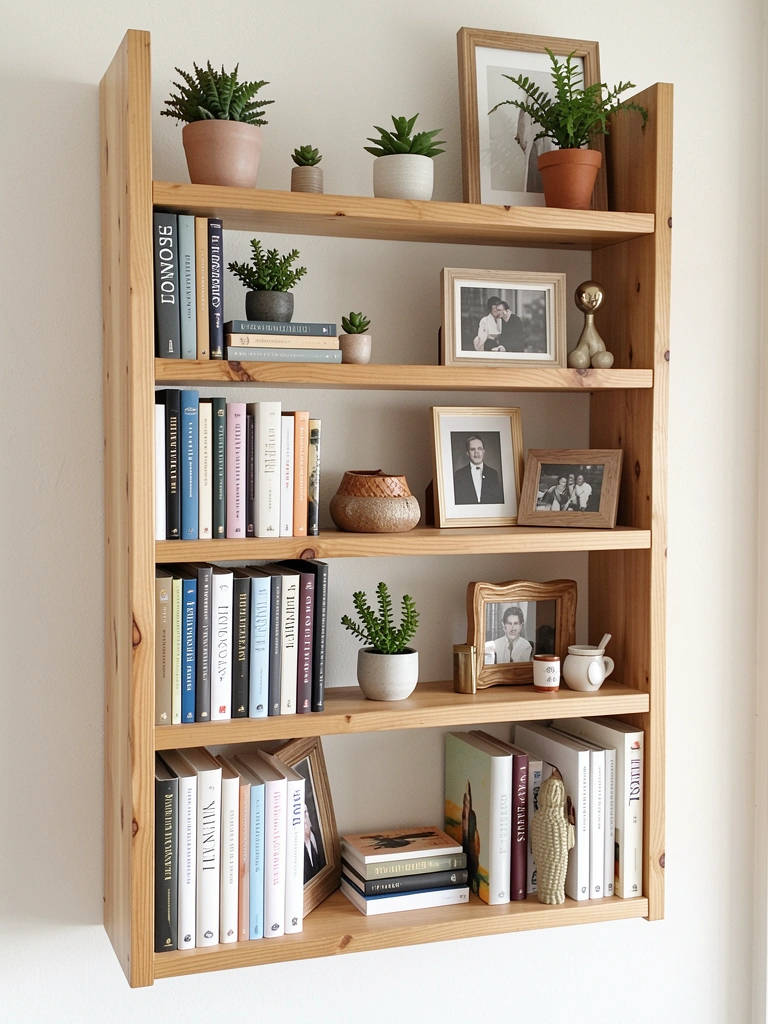
A bookshelf in your bedroom adds personality, functionality, and a curated feel—especially if you actually use it to display books and meaningful objects.
Wall-mounted shelves (IKEA, Wayfair, floating shelves) cost $30–$150 depending on material and size. Freestanding bookshelves run $100–$400. Style with a mix of books, plants, and small objects; aim for visual balance rather than chaos. Install properly to wall studs or use heavy-duty anchors. A full bookshelf takes 2–3 hours to style thoughtfully but becomes a focal point that reflects your personality.
Your bedroom gains depth and personality, showing visitors what you actually read and what you value.
23. Upgrade to a Quality Mattress and Bed Frame
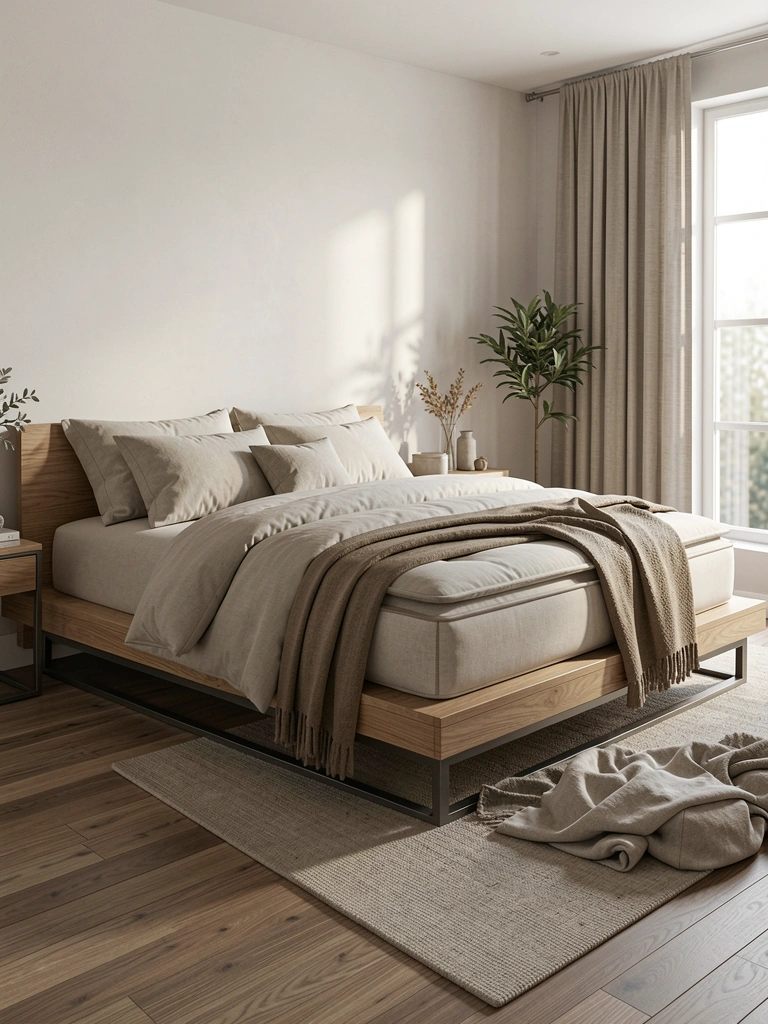
Your bed is the anchor of your bedroom. A quality mattress and a well-designed frame instantly elevate the entire space.
Mattresses range from $300 (budget) to $2,000+ (luxury). Mid-range quality options run $600–$1,200 (Tuft & Needle, Helix, Saatva, Purple). Bed frames from IKEA, West Elm, or Article run $150–$600. A low-profile platform frame in natural wood or metal feels more contemporary than a traditional frame. This is an investment, but a good mattress lasts 7–10 years and affects both sleep and room aesthetics.
The moment you upgrade your bed, your entire bedroom looks more intentionally designed and feels dramatically more comfortable.
24. Add Soft, Warm Overhead Lighting with a Dimmer
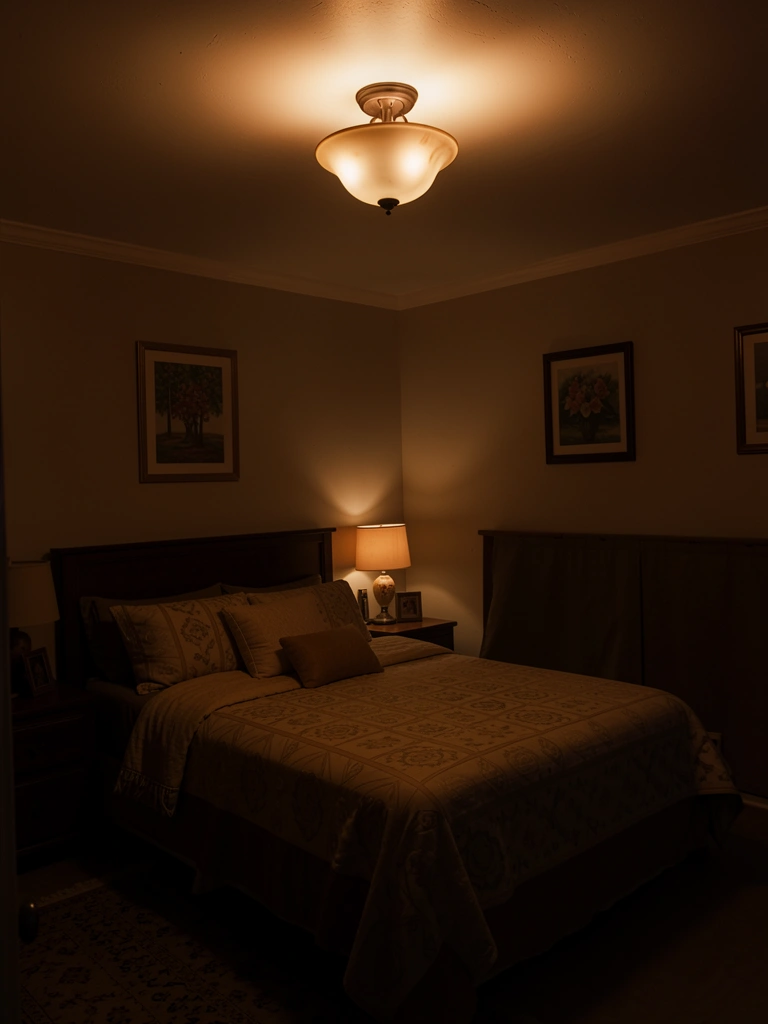
Overhead lighting with a dimmer switch gives you flexibility—bright for cleaning and getting dressed, dimmed for relaxation and evening wind-down.
Add a dimmer switch ($20–$60) and replace your fixture with warm white bulbs or a dimmer-compatible LED. Electrician installation costs $100–$200; DIY takes 1–2 hours if comfortable with electrical work. The ability to adjust light temperature changes your bedroom’s functionality and feel throughout the day.
You gain control over your bedroom’s ambiance and can set the perfect mood for sleep, relaxation, or getting ready.
25. Create a Cohesive Neutral Palette with Accent Textures
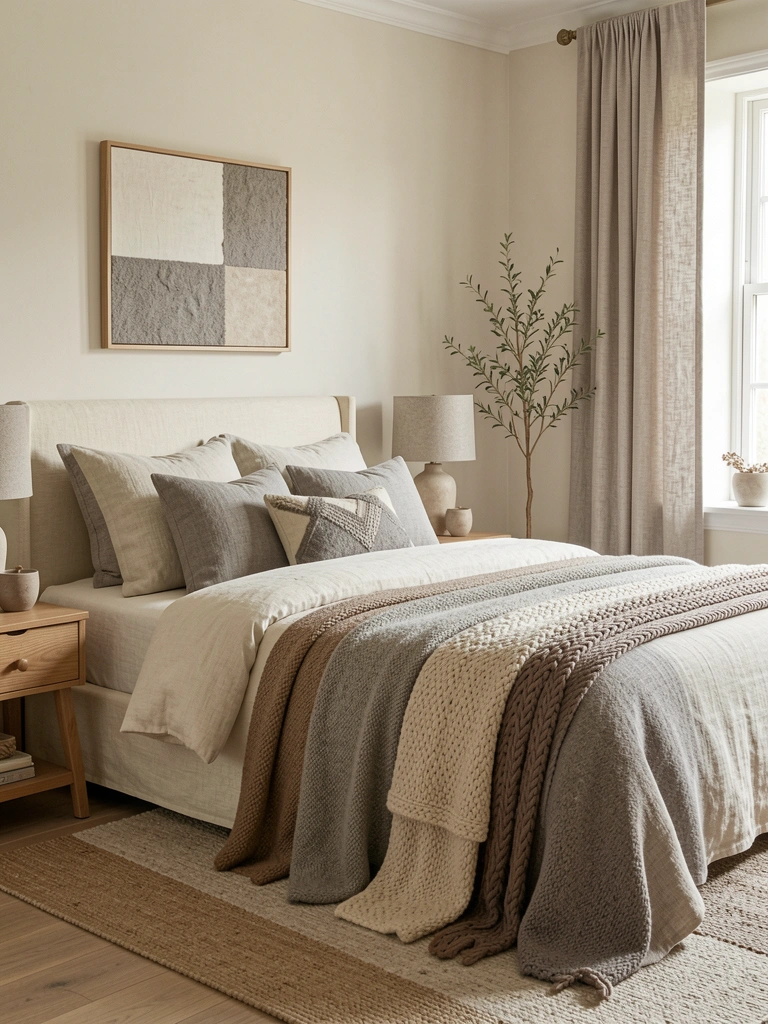
A neutral palette unified by textural variety reads as significantly more sophisticated than random colors or a matchy-matchy approach. Texture becomes your design language.
Choose 2–3 neutral base colors (cream, warm gray, soft taupe) and layer different textures: linen, wool, woven materials, natural wood, metal accents. Keep paint, bedding, curtains, and upholstery within this tight range. Add visual interest through surface variation—rough, smooth, woven, matte, subtle sheen. This approach costs nothing beyond what you’d spend on regular updates, but the intentionality feels luxurious.
Your room feels cohesive, calm, and designed even though it’s technically a monochromatic palette.
26. Invest in Quality Window Treatments that Function Beautifully
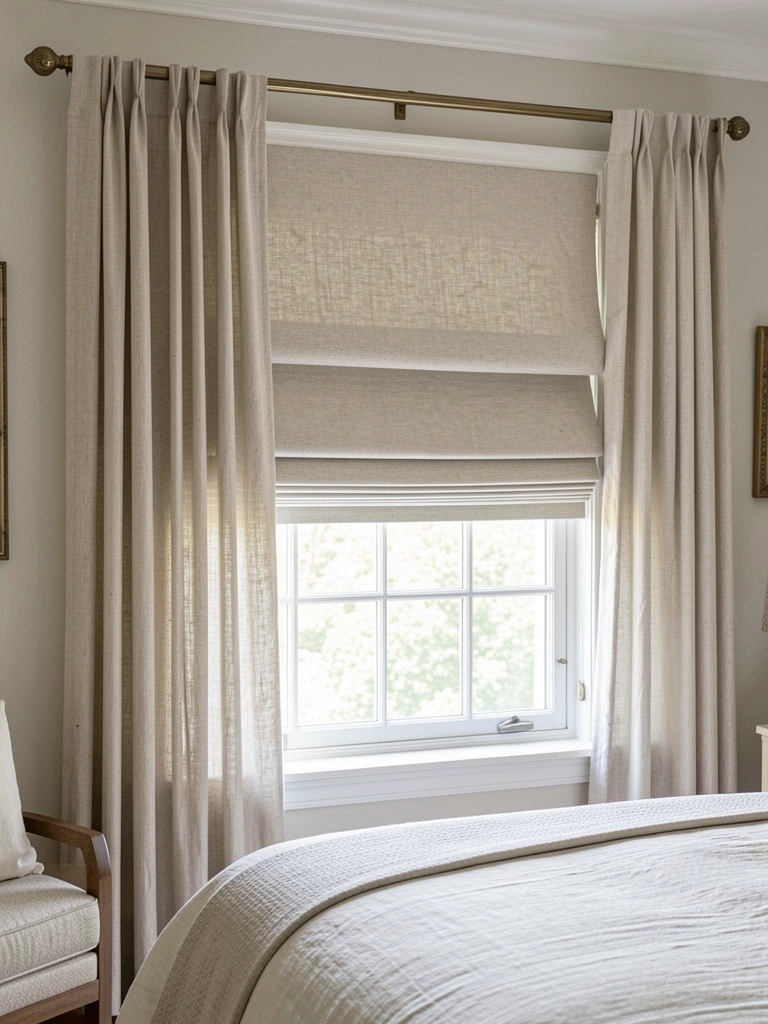
Quality window treatments that actually work smoothly (no stuck shades, no tangled cords) look more expensive and feel more intentional than basic options.
Custom Roman shades or high-quality roller shades run $80–$250 per window depending on size and material. Budget options start at $30–$60. Pair with decorative curtains for layered interest. Motorized options ($200–$500+) feel particularly luxury but aren’t necessary. Proper installation ensures smooth operation and professional appearance—hire a window treatment specialist for $50–$100 per window.
The moment you open and close functioning, well-designed window treatments, your entire room feels more intentional and well-made.
Save this post and tackle one idea this weekend—even a single change shifts how your whole bedroom feels. Whether you start with a new headboard, layered lighting, or a simple nightstand refresh, each idea builds toward a space that actually looks as sophisticated as it feels. Share this with anyone you know who’s ready to upgrade their sleep sanctuary.
Leave a Reply