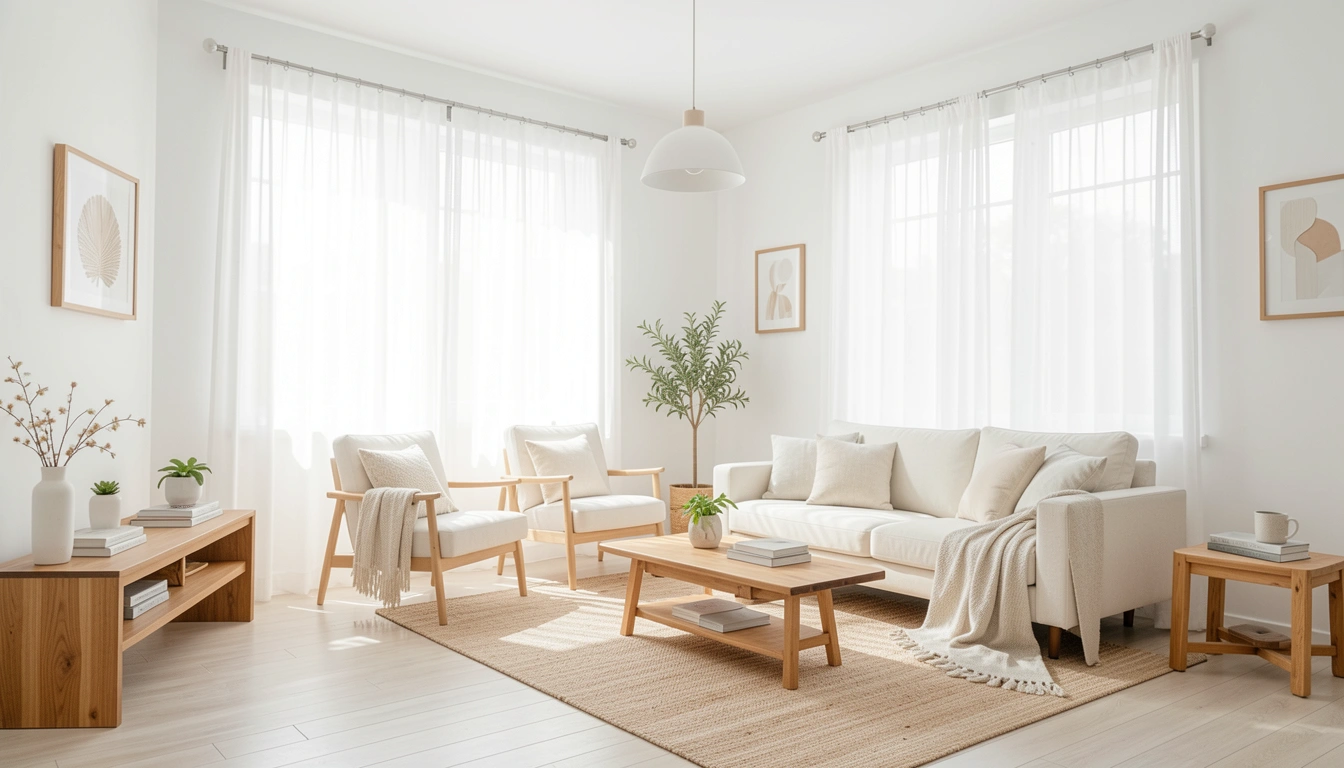
Small living rooms don’t need to feel cramped or cluttered. With the right design choices, you can trick the eye into seeing way more space than you actually have. The key? Strategic use of light, color, and smart furniture placement that opens up your room instantly. Whether you’re renting a cozy apartment or working with a compact home, these 27 ideas will show you exactly how to make every square foot count. From paint hacks to furniture arrangements that maximize your layout, you’ll find something you can start this weekend. Let’s get your small space feeling bigger and better than ever.
1. Paint Walls in Soft, Light Colors to Expand Space Visually
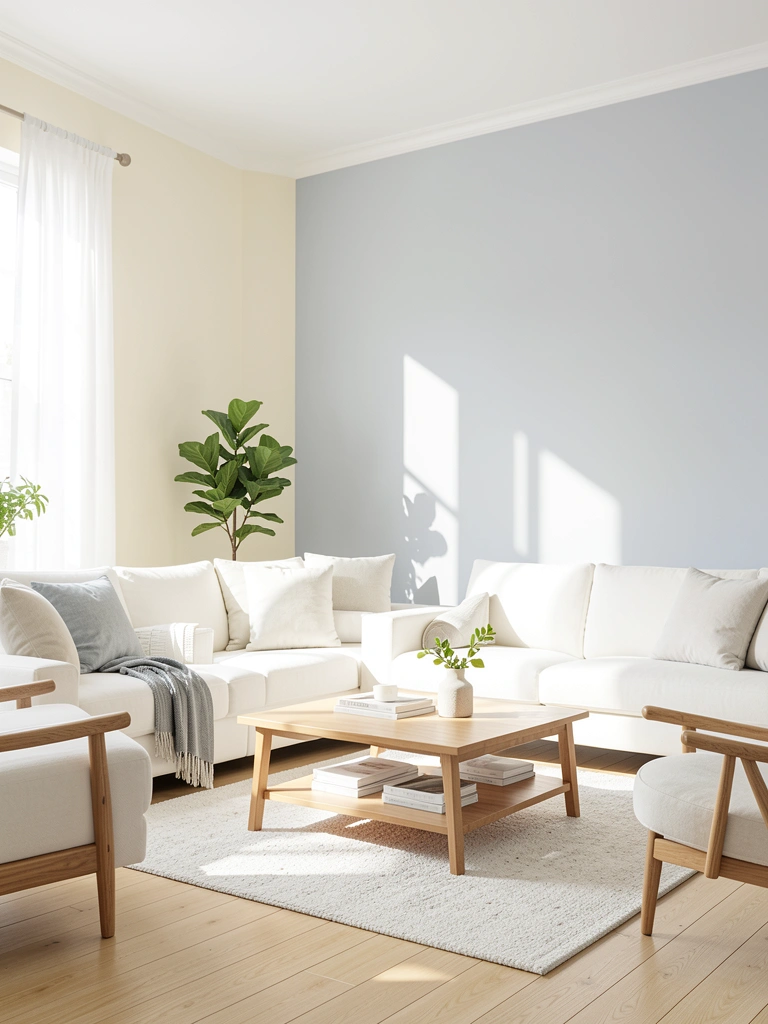
Light wall colors are the fastest way to make a small room feel bigger. Pale colors reflect light and push walls back visually, creating an illusion of depth that darker shades can’t match. Skip the stark white if it feels cold—soft cream, barely-there gray, or pale eucalyptus create warmth without visual heaviness.
Pick a paint in the $25-$40 range from Benjamin Moore, Sherwin-Williams, or Behr. Grab a sample pot first and test it in your room at different times of day. Paint one accent wall or all four; one weekend project with a roller takes 4–6 hours. The difference is noticeable the moment you finish—walls seem to recede and your furniture pops forward, making the room feel airier.
Renter hack: Use removable wallpaper in light shades instead of paint for the same opening effect.
2. Choose Furniture with Open Legs Instead of Solid Bases
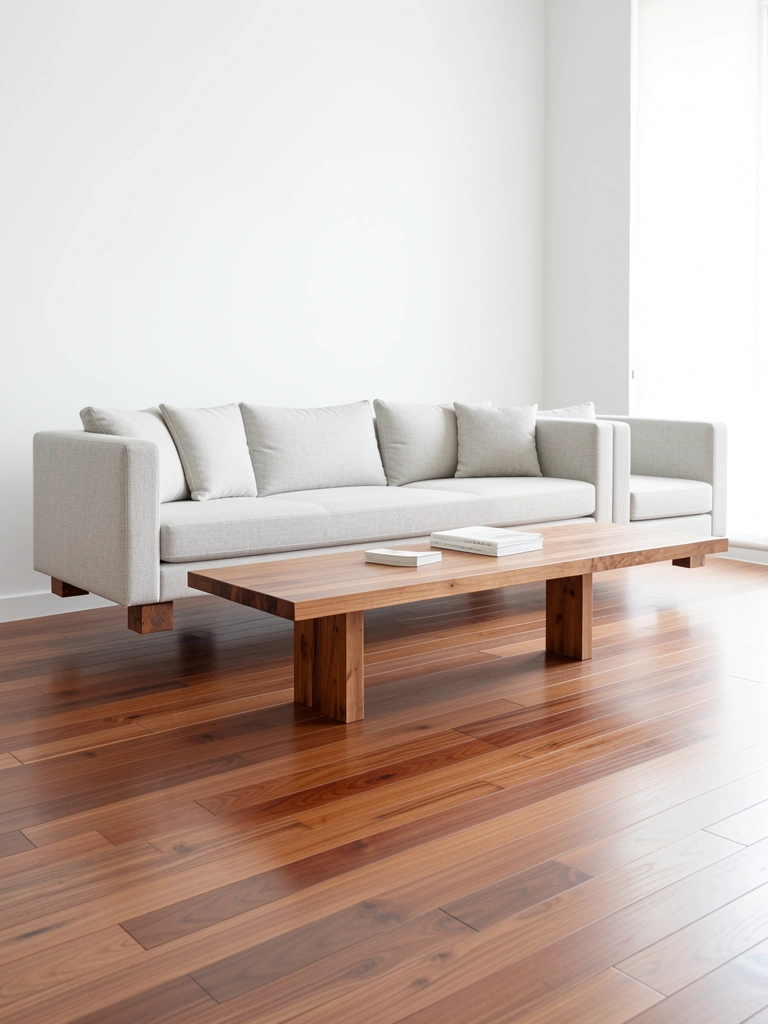
Furniture that sits on legs rather than skirts creates visual space underneath. You can literally see through to the floor, which your brain reads as “more room.” Sofas, chairs, and tables with open legs break up the visual mass that solid-base furniture creates, making the room feel less crowded even when it’s full.
Hunt for mid-range pieces ($150–$400) at IKEA, Article, or Wayfair—many modern sofas and tables come standard with legs. If you already own skirted furniture, swap it out gradually or add tall furniture pieces that float above it. This trick takes zero time once you have the right pieces in place. The moment you remove solid furniture, you’ll notice how much lighter the room feels and how much more floor you can see.
Budget option: Raise existing furniture on furniture risers ($15–$30) for a temporary open-leg effect.
3. Mount Shelves Higher and Leave Space Below for Storage
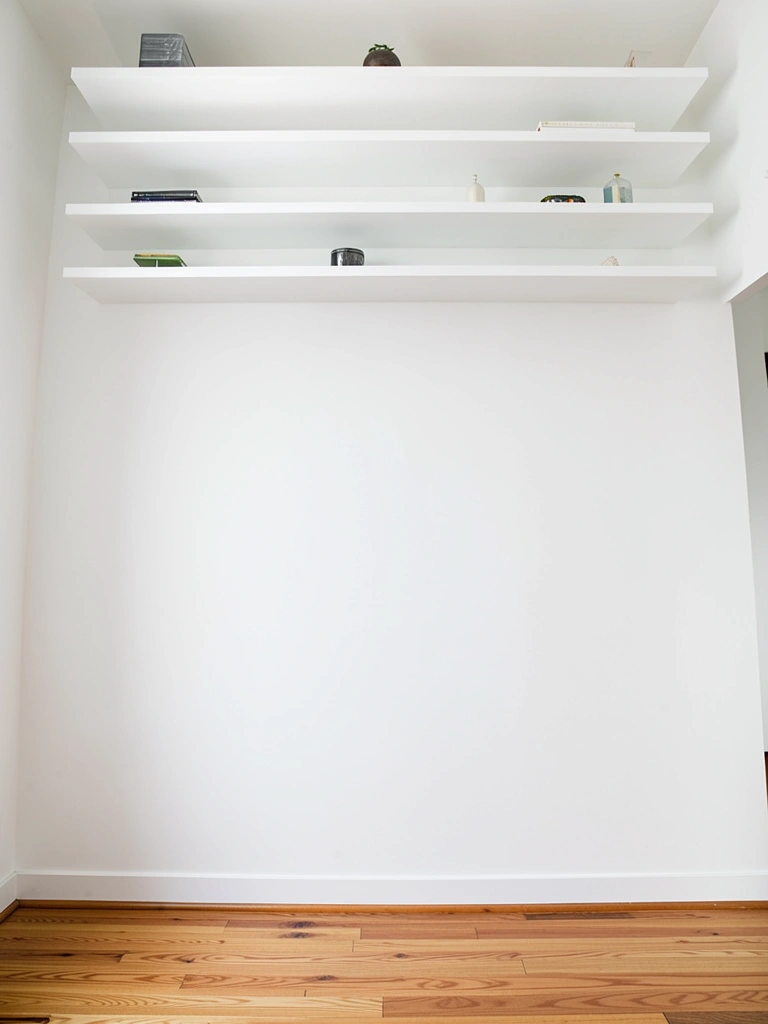
High shelves draw the eye upward, making ceilings feel taller and rooms feel more open. When you position shelves up high and leave the wall below clear, you create visual breathing room that ground-level storage doesn’t provide. This works especially well in small rooms where wall space is precious.
Mount shelves 12–18 inches from the ceiling using a stud finder and wall anchors ($30–$60 for three shelves plus hardware). Keep them styled with just a few books or plants—overcrowding defeats the purpose. Installation takes 1–2 hours if you’re a DIY beginner. You get extra storage, the room looks taller, and your furniture below seems to float in more open space.
Renter-friendly: Use command strips with floating shelves rated for your wall type (available at Target for $8–$15 per shelf).
4. Use Glass or Clear Acrylic Furniture for Visual Lightness
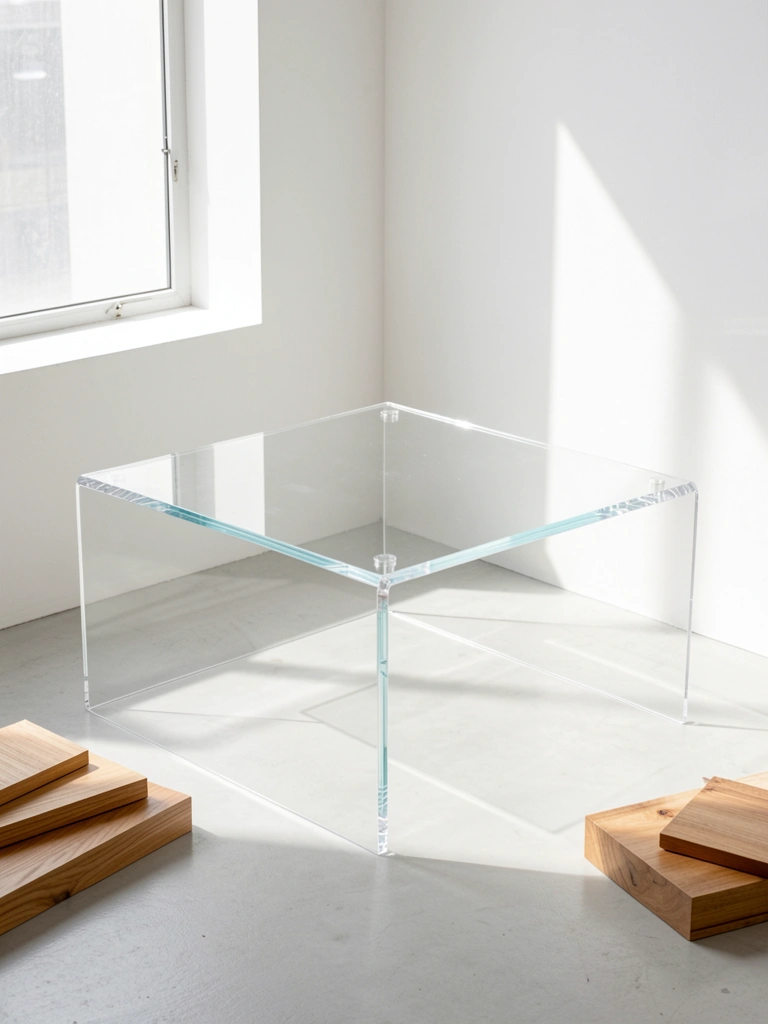
Glass and clear acrylic pieces occupy physical space but don’t feel heavy visually. You see right through them, so they don’t block sightlines or break up the room the way solid furniture does. A single glass table or acrylic shelf can anchor a small room while keeping it open.
A clear acrylic coffee table runs $50–$150 at Target, IKEA, or Amazon; glass options start around $100–$300 depending on size. No assembly needed if you buy a finished piece. Once you place it, the room instantly looks less crowded—your eye travels through the furniture rather than stopping at it. Pair glass with one or two solid wood pieces to keep warmth in the design so it doesn’t feel sterile.
Styling tip: Stack books or magazines on a glass table to add color without feeling heavy.
5. Arrange Furniture Away from Walls to Float Seating
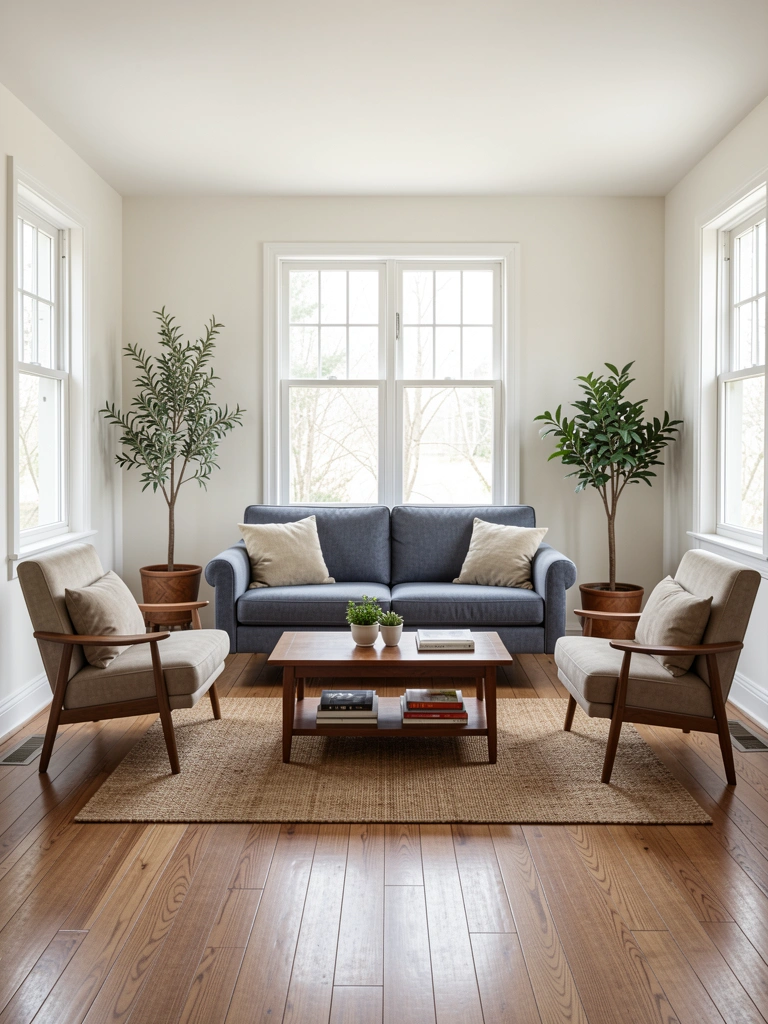
Pushing furniture against walls seems logical for small rooms, but it actually makes them feel cramped. When you float seating—especially a sofa—into the room and anchor it with a rug or coffee table, the space feels bigger and more intentional. Your eye travels around the furniture rather than getting stuck on walls.
This costs nothing and takes 30 minutes. Start by pulling your sofa 12–18 inches away from the back wall. Angle chairs to face each other slightly. Add a rug under the seating arrangement to define the zone. You’ll immediately notice the room feels more open because you’re seeing all four walls and the floor around the furniture. It also creates a cozier conversation area even though the room looks bigger.
Pro tip: Use a console or slim table behind your floating sofa to add storage without blocking the wall.
6. Install Mirrors Across from Windows to Bounce Light
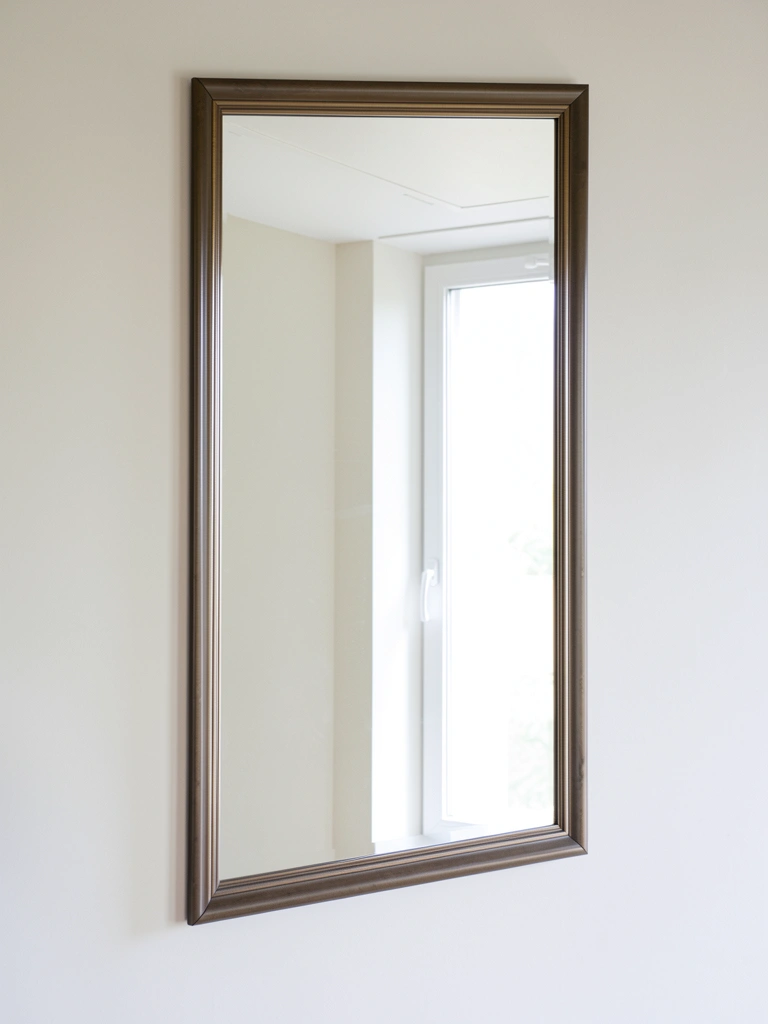
Mirrors reflect light and create the optical illusion of another window, making rooms feel larger and brighter. Position a mirror directly across from your window so it bounces natural light throughout the day. The room feels more open and less shadowy, and your energy lifts with the brightness.
A statement mirror runs $40–$200 depending on frame style; grab one at Target, Wayfair, or HomeGoods. Lean it against the wall (rental-friendly) or hang it with a bracket ($15 for hardware). Placement takes 15 minutes. The transformation is immediate—suddenly your small room has better lighting and appears to extend backward where the mirror reflects the room back at you. Your space feels 20% bigger without moving a single piece of furniture.
Design bonus: Choose a mirror with a wooden or metal frame to add visual interest and tie in other accents.
7. Use Vertical Storage to Keep Floors Clear
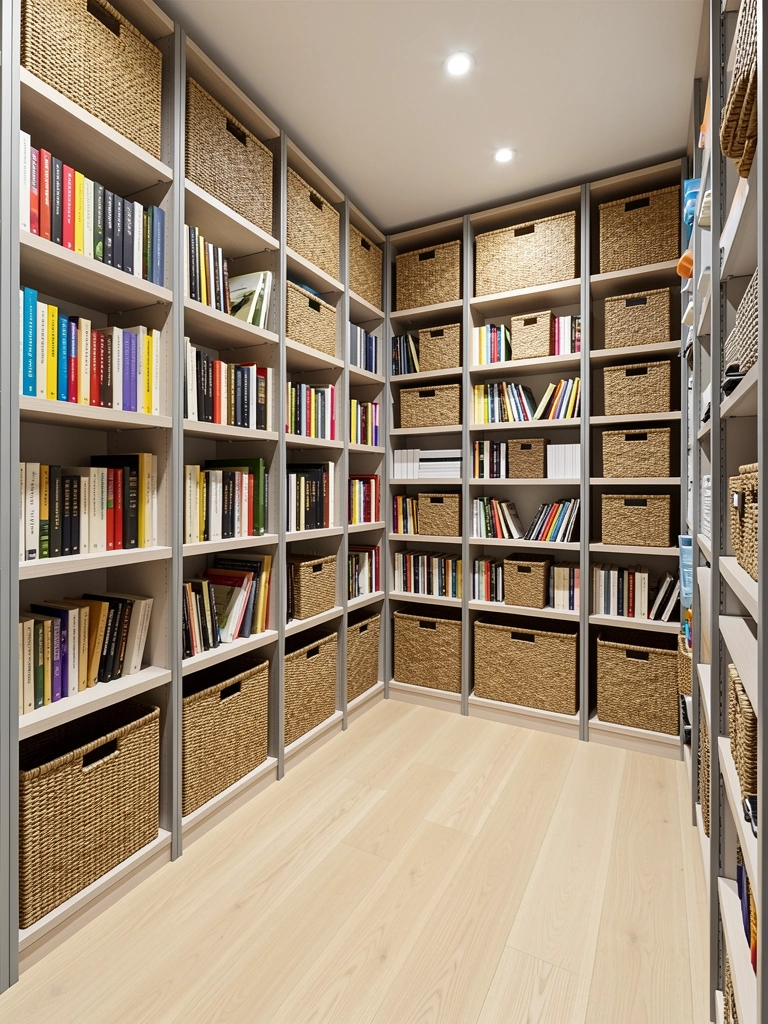
Vertical storage keeps clutter off the floor, which is where your brain reads “space.” By stacking up instead of spreading out, you free up floor area that makes the room feel open and walkable. Even in a tiny room, vertical storage can hold a ton of stuff while keeping the floor pristine.
Install floor-to-ceiling shelves ($100–$300 for a unit, or build your own with brackets and boards for $50–$100). IKEA and Elfa systems work great in rentals if you use proper wall anchors. Dedicate one weekend to the project. Your floor becomes a visible canvas instead of a storage problem. The room feels less cluttered even if you have the same amount of stuff—it’s just organized up instead of out.
Renter option: Use a tall, narrow bookcase against one wall instead of wall-mounted shelving.
8. Choose a Rug that Defines Space Without Dividing It
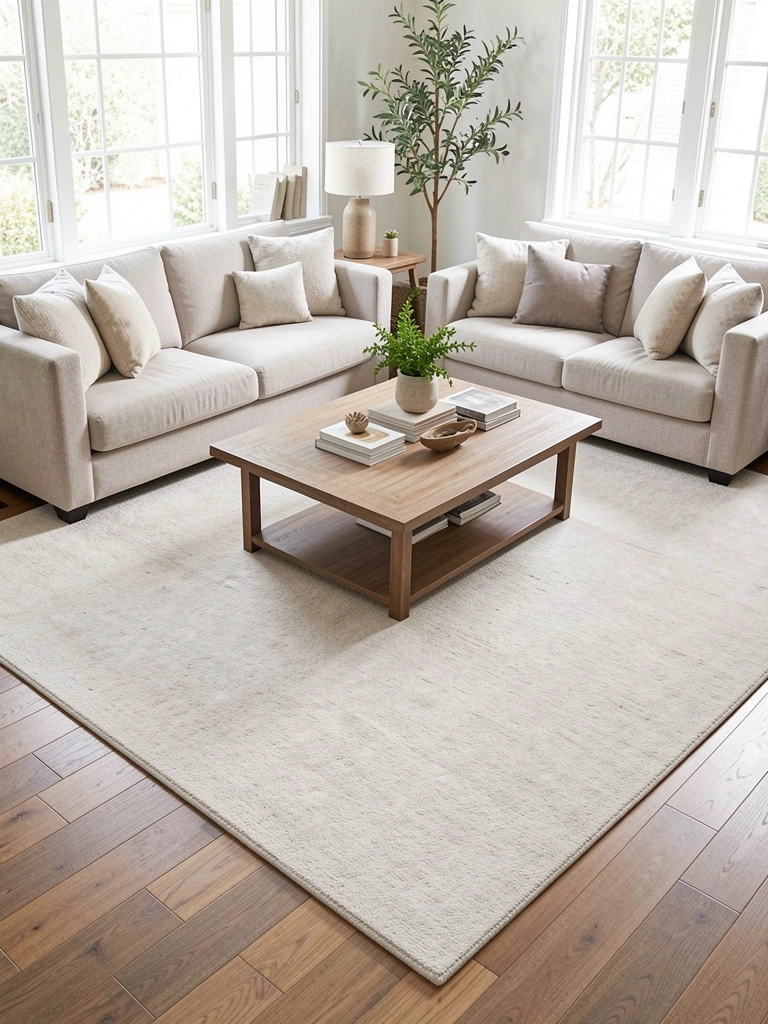
A rug anchors furniture and defines a seating area, but the wrong size or color can chop up a small room. Choose a light, neutral rug that extends under at least the front legs of your furniture. This creates visual continuity instead of cutting the room into pieces.
Look for natural fiber rugs in cream, pale gray, or soft tan at IKEA ($40–$100), Wayfair ($60–$150), or West Elm ($100–$300). A 5×7 works for most small rooms; place it under your sofa and coffee table so seating floats on it. No installation needed—just unroll and style. The room instantly feels more organized and spacious because the rug pulls the seating area together without creating a harsh boundary that makes the room feel smaller.
Budget hack: Layer a smaller patterned rug on top of a neutral base rug for depth without heaviness.
9. Pick Multi-Functional Furniture That Hides Storage

Multi-functional furniture does double duty—it sits and stores, serves as a table and chair, or slides to transform your layout. In a small room, this approach eliminates the need for separate storage pieces that eat up floor space. One piece replaces two or three, opening up your layout instantly.
Hunt for ottomans with hidden storage ($60–$180 at IKEA, Article, or Target), coffee tables with shelves underneath ($80–$250), or modular sofas with built-in storage ($400–$800). These pieces look like regular furniture but pack serious storage inside. A weekend search online lands you options; delivery takes 1–3 weeks. The payoff is major—you lose zero floor space while gaining storage that keeps blankets, throw pillows, and magazines hidden away. Your room stays visibly open and clutter-free.
Renter bonus: Look for pieces without assembly required to avoid wall damage during setup.
10. Declutter Surfaces and Keep Styling Minimal
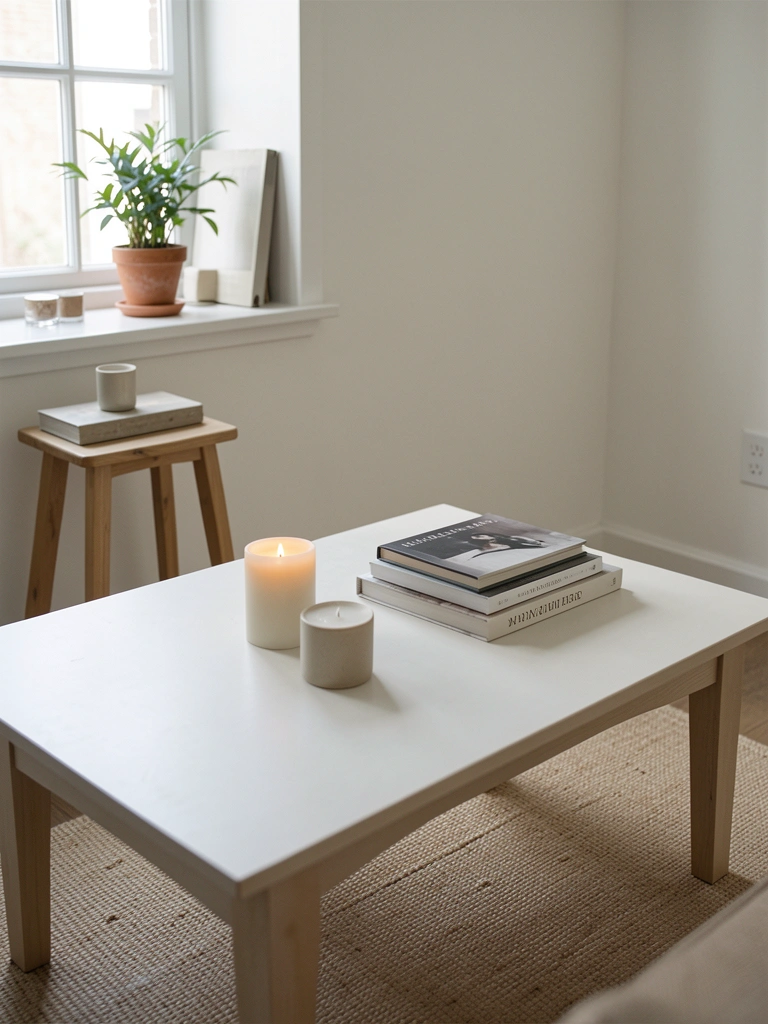
Every object on a surface takes up visual space, even if it doesn’t take up physical space. Bare tables and shelves make rooms feel open and organized. The fewer things you display, the more open your small room becomes—it’s that simple.
Spend a Saturday going through your coffee table, side tables, and shelves. Keep only things you love or actually use. Box up seasonal items and off-season clothes. Donate books you won’t reread. This costs nothing and takes 2–4 hours depending on how cluttered things are. The result is dramatic—your room immediately feels bigger, calmer, and less overwhelming. Visitors notice the difference right away, and you’ll feel more relaxed in a space that isn’t visually competing for your attention.
Quick win: Use one small basket to corral remote controls, chargers, and small items instead of spreading them across the table.
11. Hang Curtains from Ceiling to Floor for Height
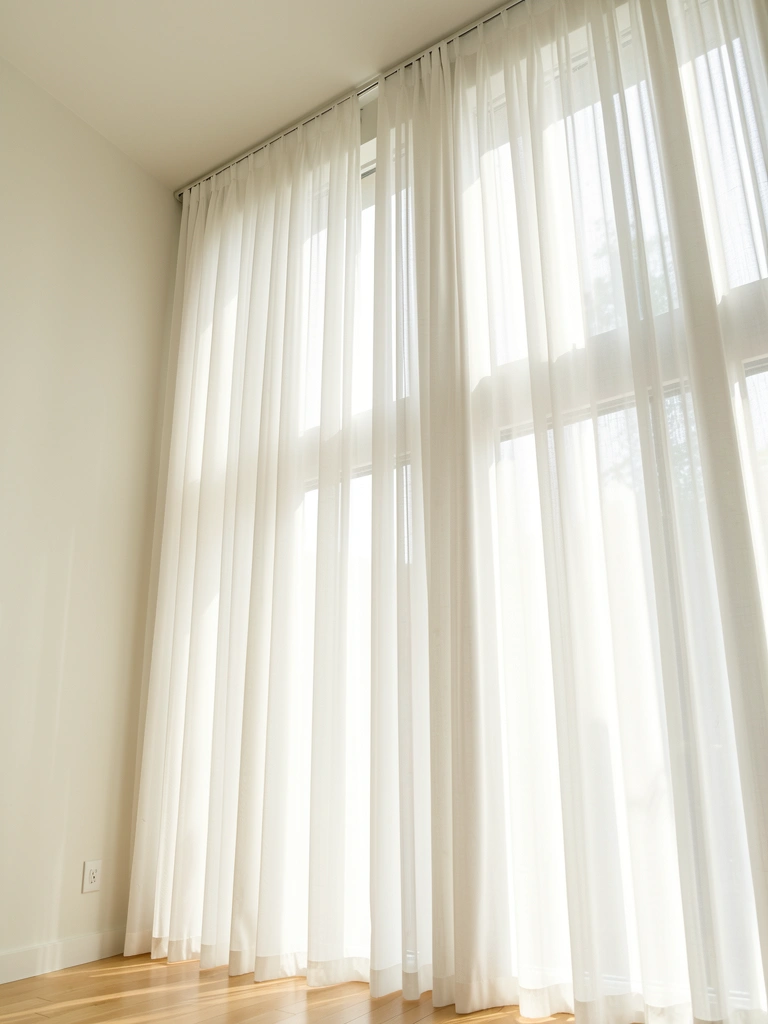
Long curtains draw the eye upward and make ceilings appear higher, which makes small rooms feel less boxy. Hanging your rod closer to the ceiling than the window frame also disguises the actual window size. Pair this with light, sheer fabric that lets light through, and your room opens up visually.
Grab a tension rod and sheer curtain panels ($15–$50 at Target or IKEA); no drilling needed in rentals. Hang the rod 6–12 inches above your window frame. Installation takes 20 minutes. Your eyes travel up instead of being stopped by the window, making the room feel taller and more open. Light pours through, the space stays bright, and your layout gains unexpected height without costing much or requiring permanent changes.
Bonus: Layer sheer curtains with a lightweight linen panel for light control plus openness.
12. Create a Focal Point That Draws Eyes Up and Around
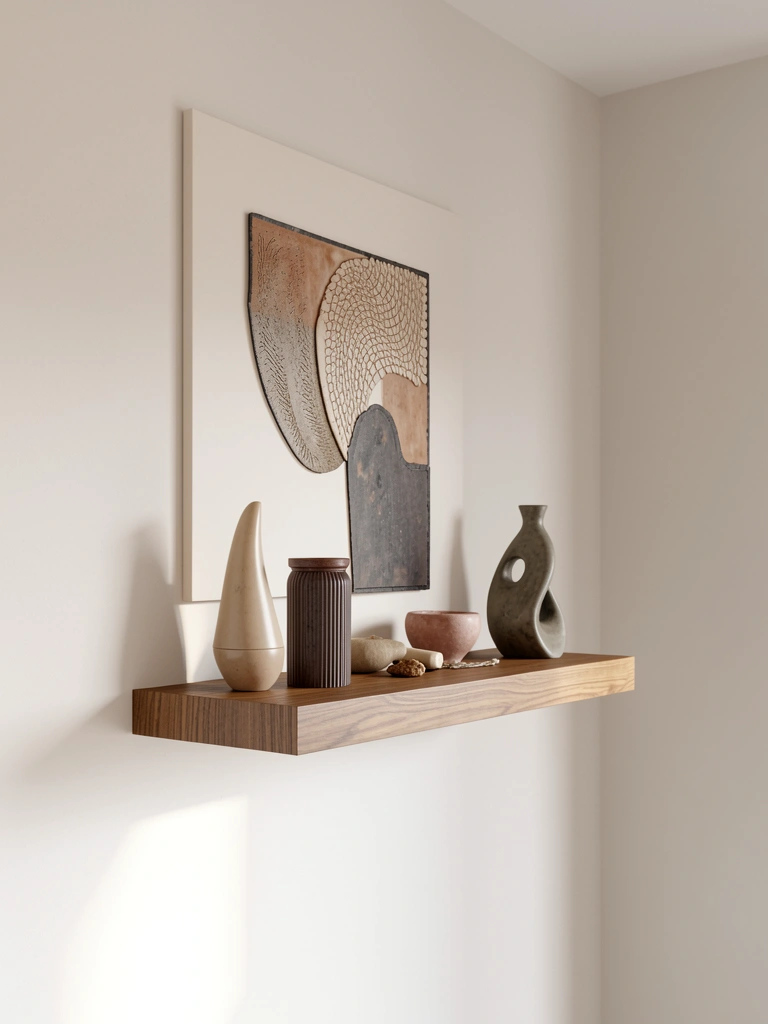
A strong focal point—like a gallery wall, piece of oversized art, or statement shelf—gives your eye somewhere to land and draws attention away from the room’s size. When your brain is focused on something beautiful, it stops noticing that the room is small. This shifts the perception of space entirely.
Hang a large-scale piece of art ($30–$150 at Etsy, Minted, or Target) or create a small gallery wall with 3–5 pieces ($50–$200 total). Another option: style a floating shelf with a few curated objects ($50–$100 for shelf and objects). A Friday project takes 1–2 hours. Once your focal point is in place, guests look at your wall instead of measuring the room. The space feels intentional and designed, not small and rushed. Your eye stays engaged with the beauty, not the dimensions.
Pro tip: Place your focal point at eye level off-center for an asymmetrical, modern look.
13. Use Lightweight Chairs Instead of Bulky Armchairs
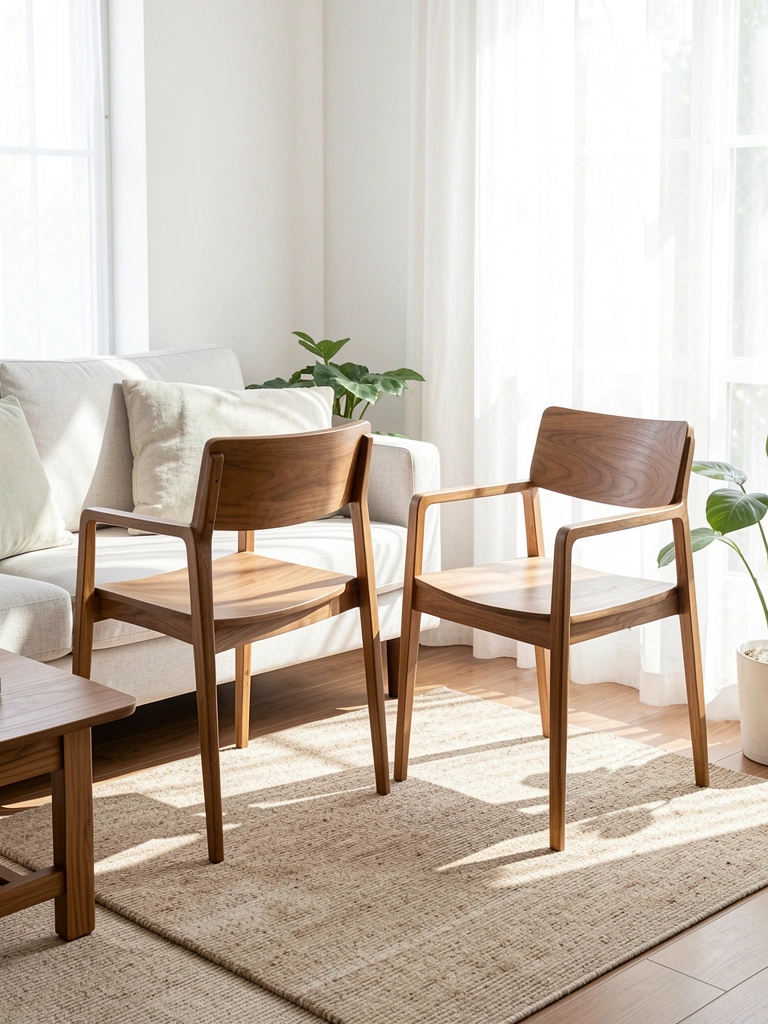
Bulky armchairs with wide arms and overstuffed frames eat up space and make rooms feel cramped. Lightweight chairs with thin frames, open sides, and minimal arms let your eye travel through them and keep the room feeling open. You get seating without the visual weight.
Shop for accent chairs with exposed wood frames ($100–$300 at IKEA, Wayfair, or Article) or simple metal-frame chairs with fabric seats ($80–$200). These cost about the same as bulky options but feel entirely different in a small space. Delivery takes 1–3 weeks; no assembly needed for many styles. Once they’re in place, you have flexible seating that doesn’t anchor the room or make it feel crowded. The space breathes around them instead of being blocked by them.
Styling idea: Mix two different chair styles in complementary colors for visual interest without heaviness.
14. Paint or Lighten Your Ceiling to Feel Higher
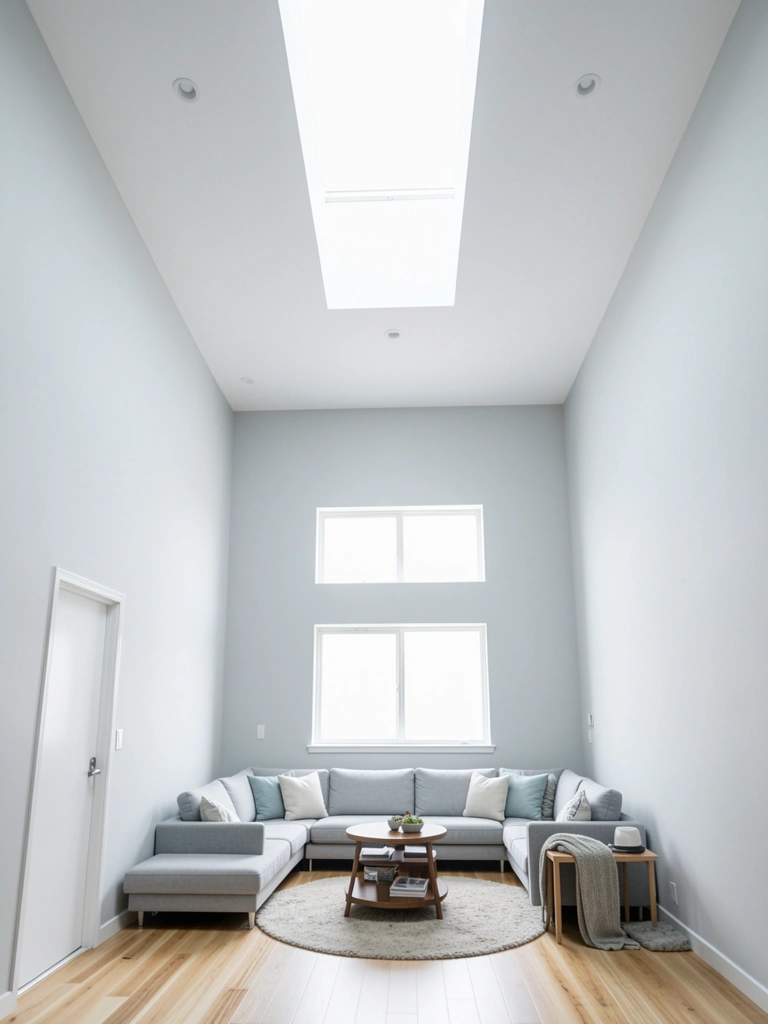
Ceilings that match walls in a light color make rooms feel taller because the eye doesn’t stop at the ceiling edge. If your ceiling is yellowed white or dark, lightening it creates height you didn’t have before. This single change can make a surprisingly big difference in how open your room feels.
Pick the same light color as your walls or go one shade lighter ($25–$40 for ceiling paint). Grab a paint roller and extension pole ($20–$30). Painting the ceiling is messier than walls but takes 2–3 hours if you move furniture to the center first. Your eye travels up instead of stopping, making the room feel less boxy. Combined with light walls, this creates an airy, open environment that feels much bigger than it actually is.
Renter hack: If you can’t paint, use a light-colored removable wallpaper or fabric panels on part of the ceiling.
15. Add Tall, Narrow Bookcases for Vertical Impact
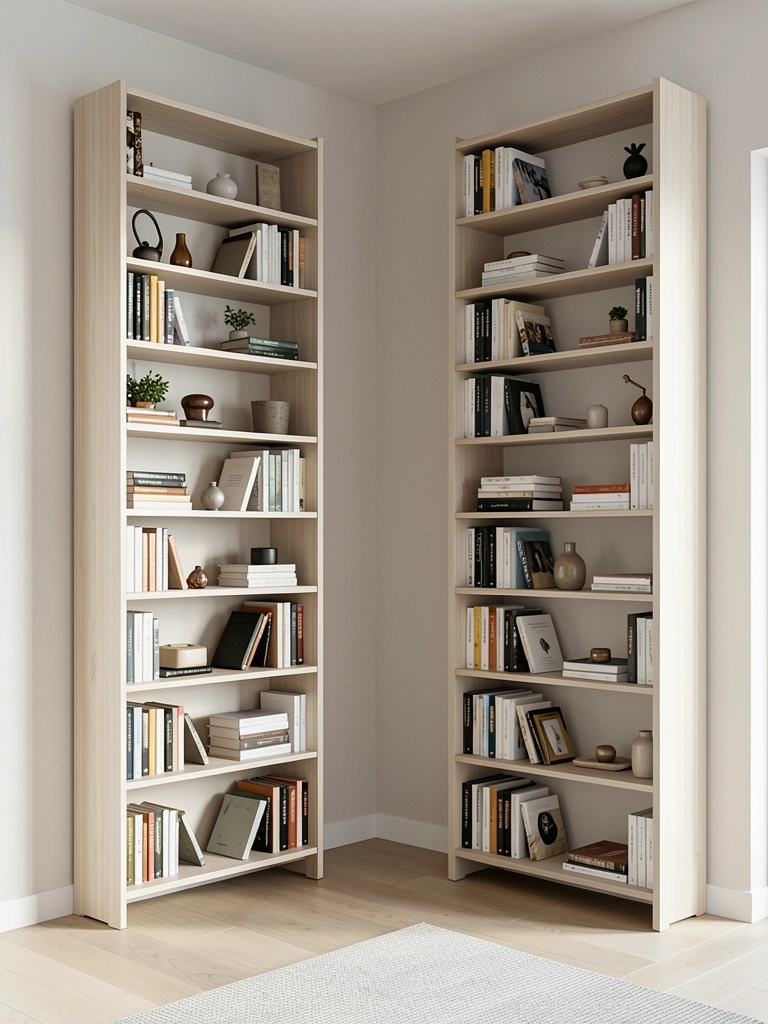
Tall, skinny bookcases draw the eye upward instead of spreading visual weight across a room. They provide storage without the bulk of wide shelving units. Placed in corners or along walls, they add function and style while keeping the room feeling open and airy.
Find tall, narrow bookcases at IKEA ($50–$150), Target ($60–$180), or Wayfair ($80–$250). Choose ones with open backs if you can, so you can see the wall behind them. Many arrive flat-packed and assemble in 30–60 minutes. Arrange books loosely with some empty space and small objects to avoid a crowded look. The room gains storage and visual height without feeling cramped. Your eye travels up the bookcases, making the ceiling seem higher and the space more open.
Styling tip: Leave some shelf space empty so the bookcase reads as airy, not cluttered.
16. Swap Dark Wood for Light or Natural Finishes
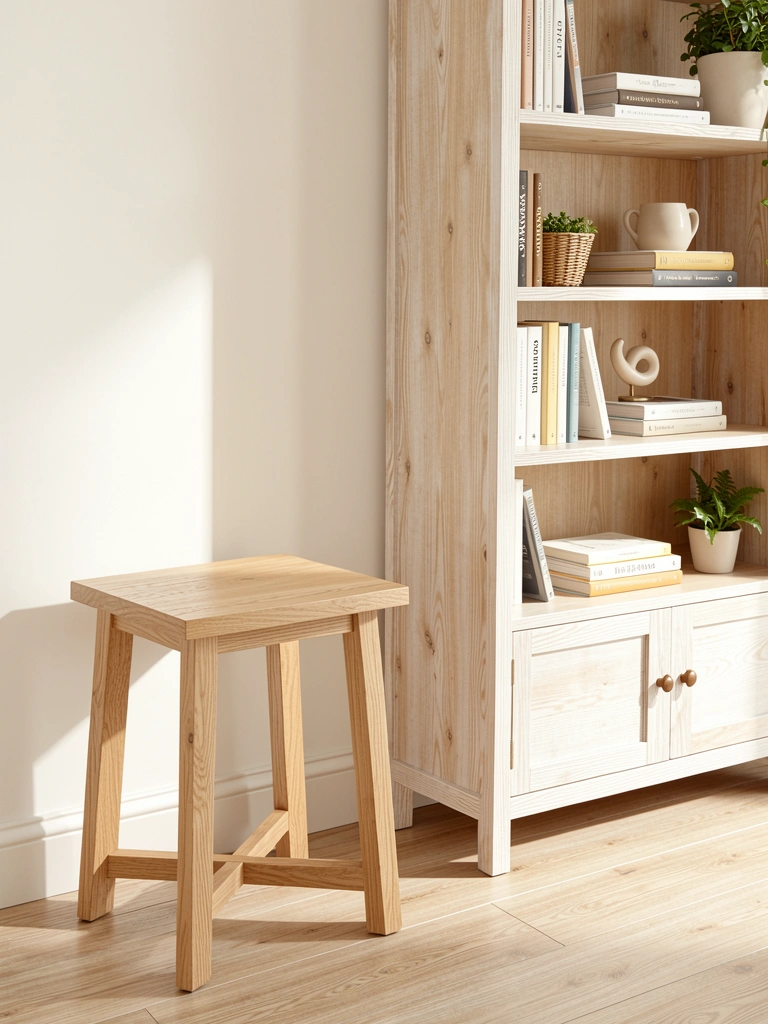
Dark furniture absorbs light and visual space, making rooms feel smaller and heavier. Light wood or whitewashed finishes reflect light and feel more open. If you have dark pieces, swapping them for light alternatives is one of the fastest ways to open up a small space.
Sell your dark furniture online and invest in light wood pieces ($100–$300 for a side table or small dresser at IKEA, Article, or Wayfair). Alternatively, paint existing dark wood with whitewash or pale wood stain ($20–$40 for supplies)—a weekend DIY project if you’re up for it. The transformation is immediate once everything is in place. Your room feels 30% brighter and more spacious because light bounces around instead of getting absorbed by dark surfaces. Suddenly your small room feels airy and inviting.
Budget option: Swap just one or two key pieces first and sell the dark furniture to fund the purchases.
17. Use Wall-Mounted Shelves for Hidden Vertical Storage
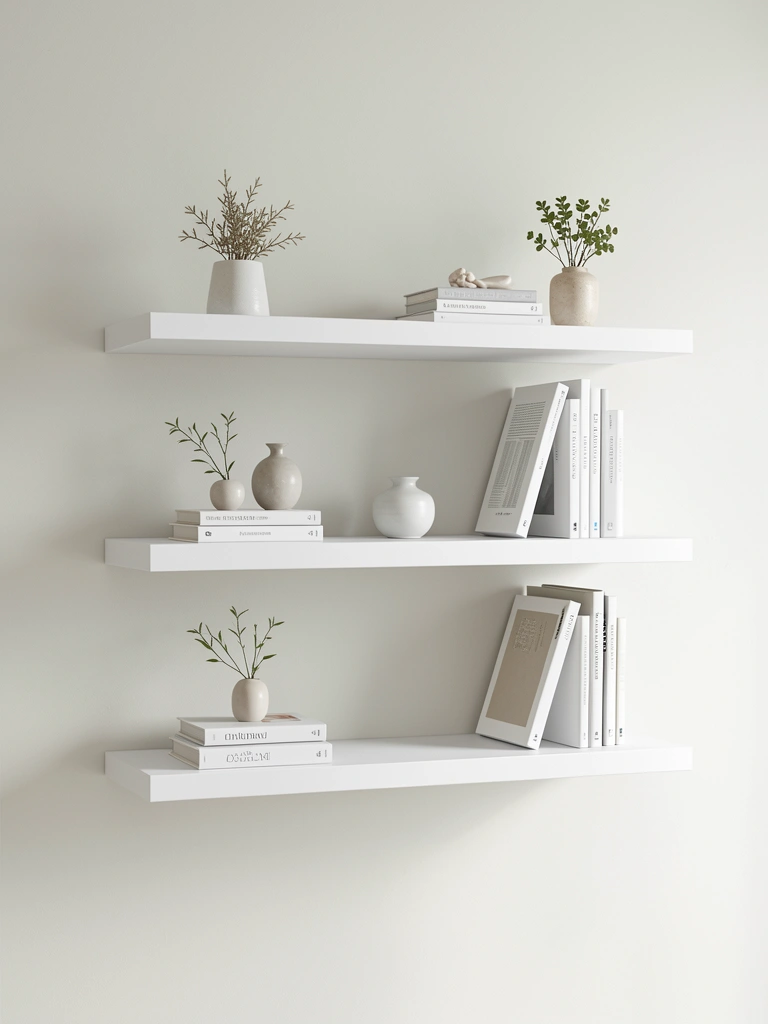
Wall-mounted shelves don’t take up floor space, so they don’t crowd your layout. Unlike freestanding shelving, they integrate into the wall and feel like part of the architecture rather than separate furniture. This keeps your floor clear and your room open.
Install floating shelves ($30–$100 each plus hardware) using a stud finder and wall anchors. Most come with instructions; installation takes 30–45 minutes per shelf. You can install 2–3 shelves without major commitment. The beauty is that your floor stays completely open—no bulky furniture eating up square footage. You gain storage that feels integrated and light. Your room looks bigger because nothing sits on the floor competing for visual space.
Renter option: Use command strip shelves ($15–$25 each) that come off without damage and work on most wall types.
18. Choose Sheer or Lightweight Fabrics on Upholstery
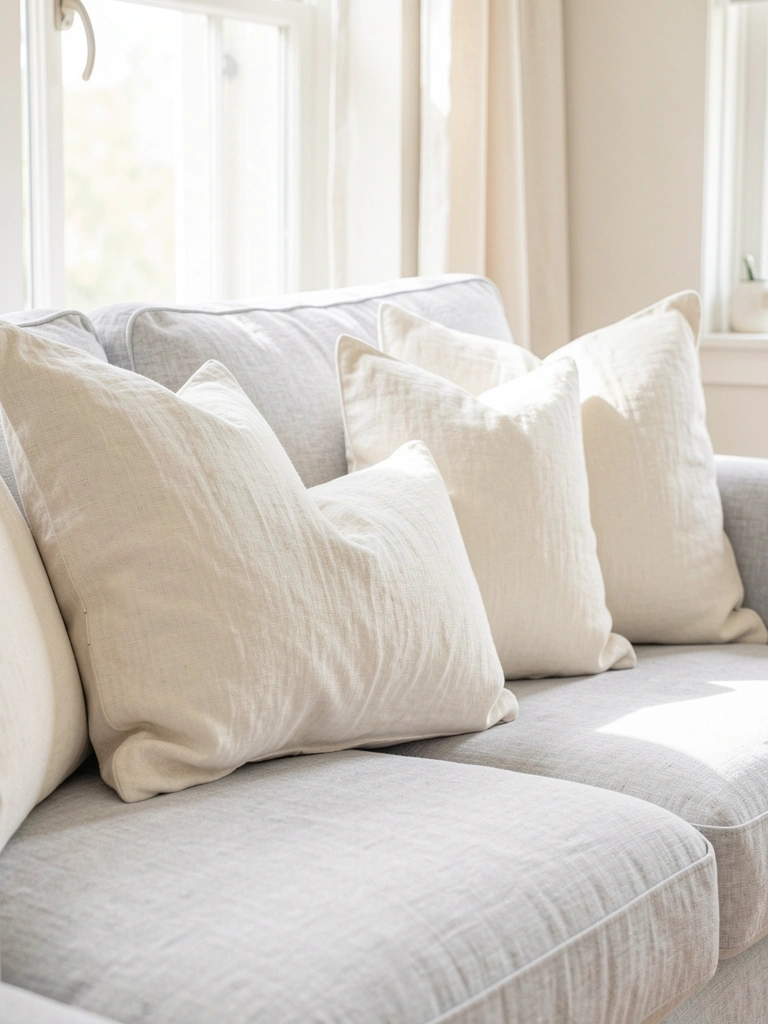
Heavy, dark upholstery visually weighs down a room. Light fabrics like linen, cotton, or pale performance fabrics keep a space feeling open and airy. When you can see light and pattern through fabric, it doesn’t feel heavy or dominant the way dark velvet or thick jacquard does.
Look for light-colored sofas in linen or performance fabric ($300–$600 at IKEA, Article, or Wayfair). Performance fabrics ($400–$800) resist staining better in high-traffic homes or if you have pets. Avoid dark colors and plush velvets. Once your new sofa arrives, the room immediately feels brighter and less dense. The light fabric reflects light instead of absorbing it, making your space feel more open. Pair it with throw pillows in similar pale tones for cohesion without visual heaviness.
Styling tip: Swap throw pillow covers seasonally in different light textures to keep the sofa feeling fresh.
19. Remove Doors or Use Sliding Glass Doors for Flow
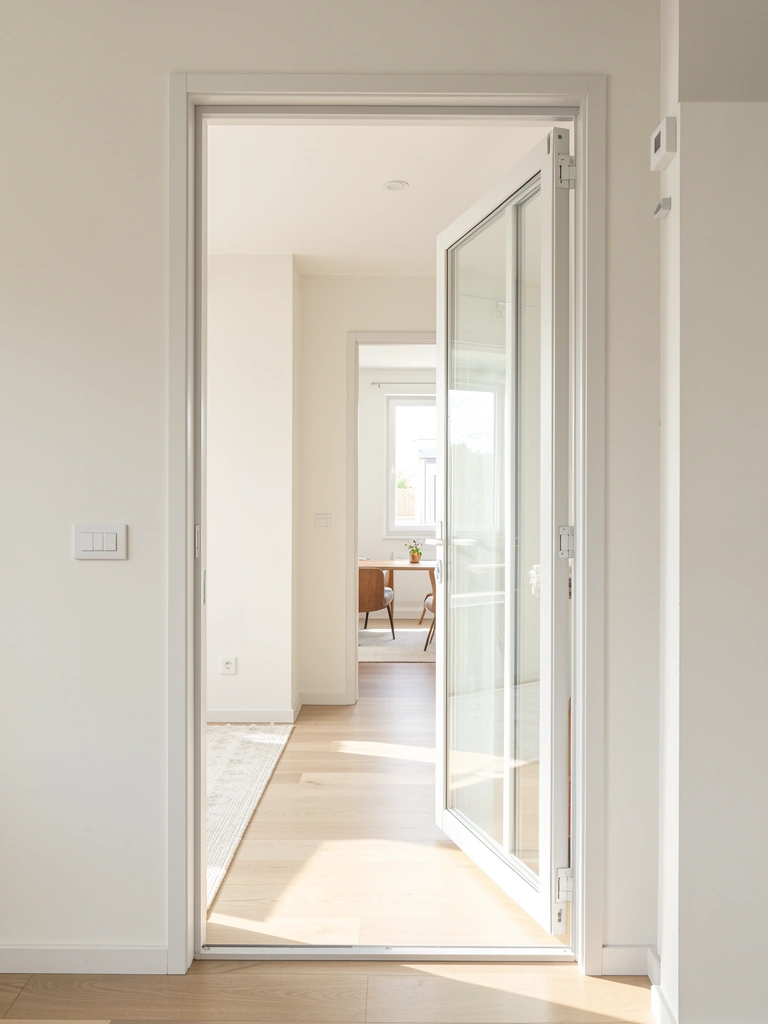
Doors that swing open into your room eat up valuable floor space and create visual interruption. Removing doors (if you own the space) or swapping them for sliding or pocket doors opens up your layout and creates flow between rooms. Light and sightlines travel through, making your space feel bigger.
If you own, hire a handyman to remove a door or install a pocket door ($200–$600 depending on complexity). If you rent, ask your landlord about swapping hinged doors for sliding options ($100–$300 installed). These projects take a pro 2–4 hours. Once complete, you gain the floor space the door used to occupy, and the room feels more connected to adjacent spaces. Light and air flow more freely, and your small room suddenly feels part of a larger whole.
Renter workaround: Use a tension rod with a lightweight curtain across a doorway for privacy without blocking sightlines.
20. Style with Lightweight Layers Instead of Heavy Statement Pieces
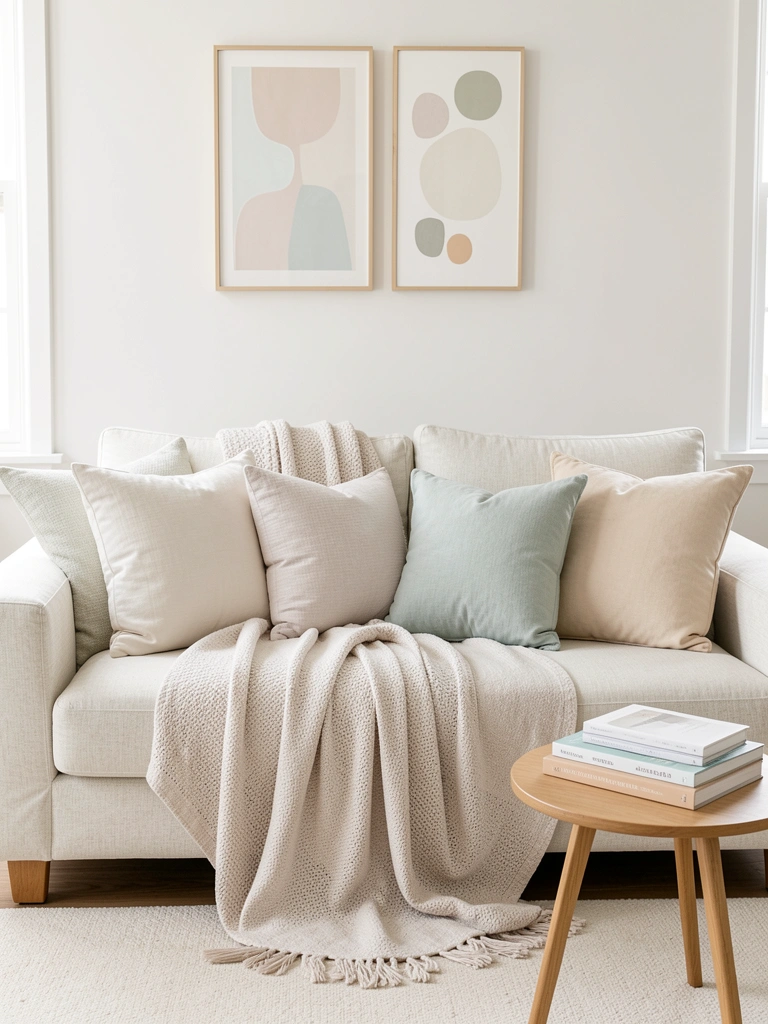
Heavy statement pieces—large rugs, bulky artwork, oversized lamps—can overwhelm a small room. Instead, layer lightweight elements like throw pillows, blankets, artwork, and small accessories to build interest without visual weight. Layers in a small space feel curated, not cramped.
Gather throw pillows ($15–$40 each), lightweight throws ($30–$80), and small artwork pieces ($20–$100)—mix what you already own with a few new finds. Spend an afternoon rearranging pillows and styling surfaces. This costs little to nothing if you’re clever about it. The layered approach makes your room feel intentional and designed rather than stuffed. You get depth and personality without the heaviness of one big statement piece that dominates the space.
Pro tip: Swap out layers seasonally to refresh the room without buying new furniture.
21. Install Under-Shelf Lighting to Brighten Dark Corners
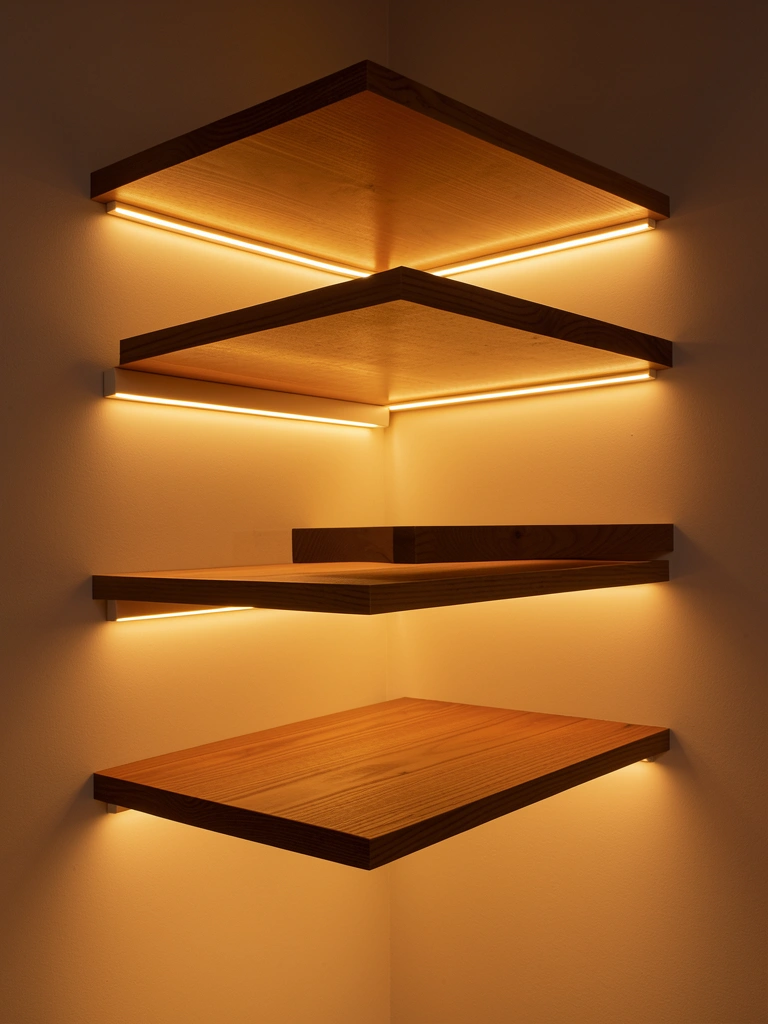
Dark corners make small rooms feel even smaller and more closed-in. Adding LED strip lighting under shelves or along wall edges brightens the space and creates the illusion of more depth. Lighting is the fastest way to make a room feel open when natural light isn’t enough.
Grab LED strip lights ($15–$40 at Target, Amazon, or Home Depot). Installation takes 30 minutes—they’re sticky-backed and plug into an outlet. Some are dimmable or color-changing for flexibility. Once the lights are on, dark corners brighten up and the room feels more open and inviting. The added light also makes the space feel larger because every area is visible and accessible. This is a renter-friendly upgrade that plugs in—no permanent installation required.
Lighting hack: Choose warm white LEDs to keep the space cozy, not clinical.
22. Choose a Low-Profile Coffee Table to Keep Sightlines Open
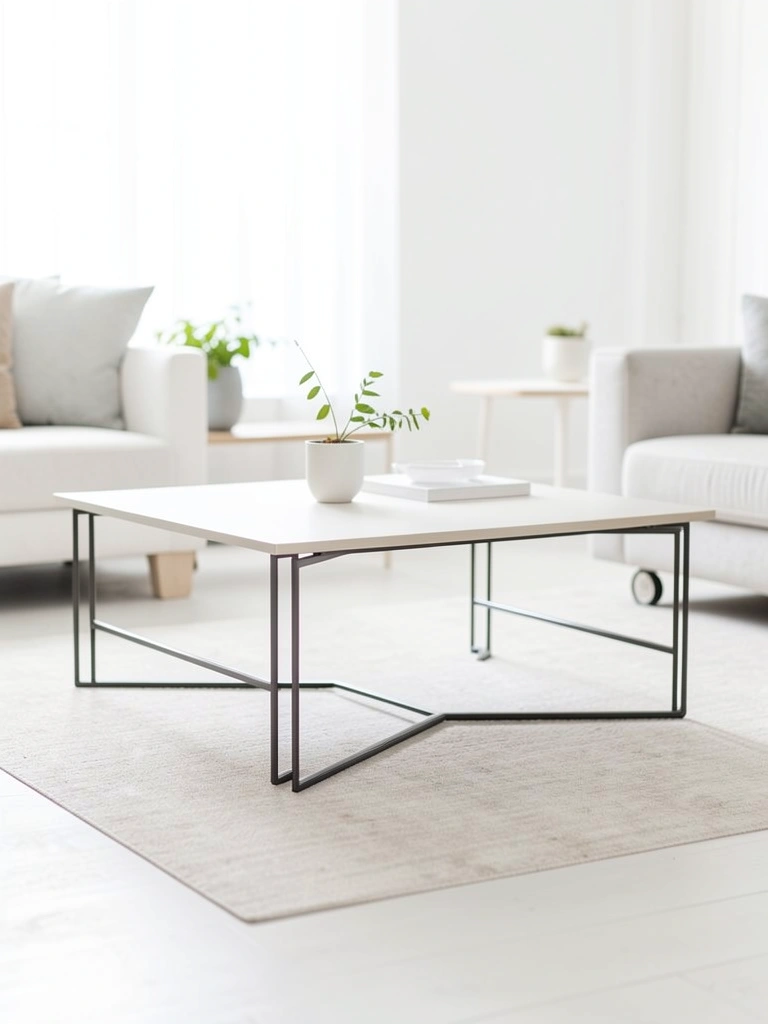
A tall, chunky coffee table blocks your sightline across the room and makes the space feel smaller. A low-profile table with thin legs or an open base lets your eye travel over and under it, keeping sightlines clear and the room feeling open. This single swap can open up your layout surprisingly.
Shop for low coffee tables ($50–$200 at IKEA, Article, Target, or Wayfair)—aim for 14–16 inches high with open legs or a transparent top. Swap out any bulky table you have now. No installation needed; just move it in and arrange your seating around it. The transformation is subtle but powerful—suddenly you can see across your room instead of into a visual wall. The space feels more connected and open because nothing blocks your view.
Budget option: DIY a simple coffee table from a wooden pallet and hairpin legs ($30–$50) for a custom, low-profile piece.
23. Add a Statement Light Fixture That Doesn’t Take Floor Space
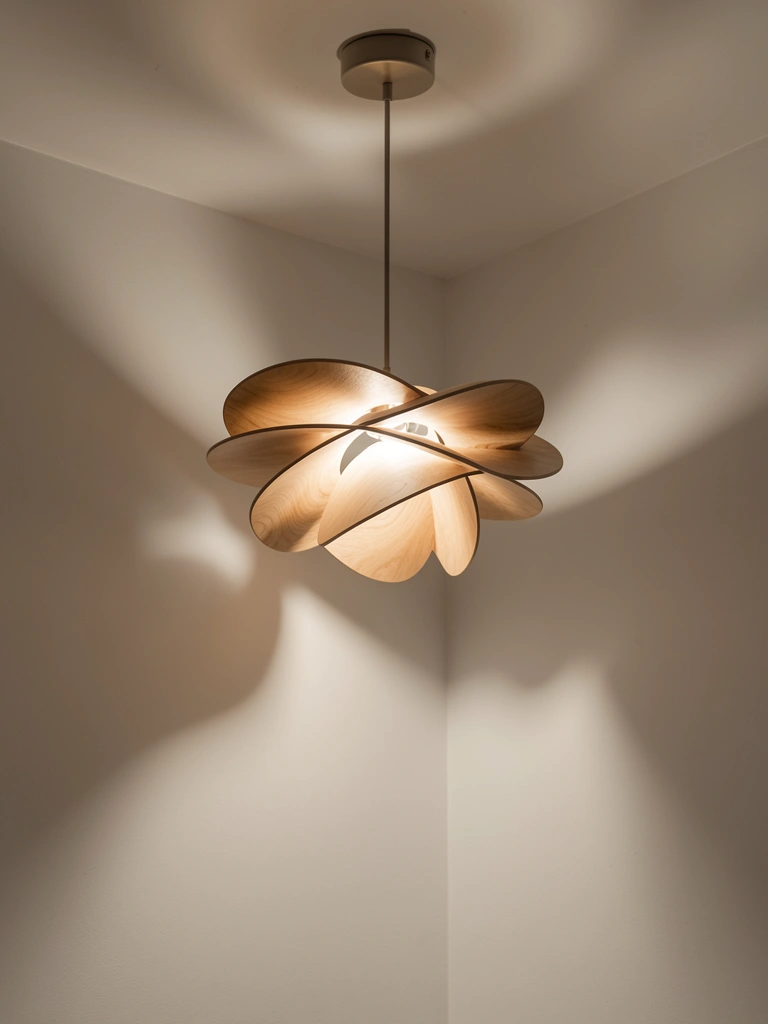
Lamps sitting on tables or floors eat up precious real estate in a small room. A statement pendant or flush-mount fixture provides light without furniture footprint. It also becomes a design focal point that draws the eye upward, making the room feel taller and more open.
Install a stylish pendant light ($40–$150 at IKEA, West Elm, or Wayfair) if you own, or use a plug-in pendant light ($30–$80) if you rent. A handyman can install in 30–60 minutes for $50–$100, or you can DIY if you’re comfortable with basic wiring. Once your light is up, you reclaim the floor space a table lamp used to occupy, and your eyes travel upward toward the fixture. The room feels more open, your ceiling seems higher, and you have ambiance without clutter.
Renter-friendly: Choose plug-in pendants that hang from ceiling hooks—no wiring required, and they come down easily.
24. Use Negative Space Strategically on Walls
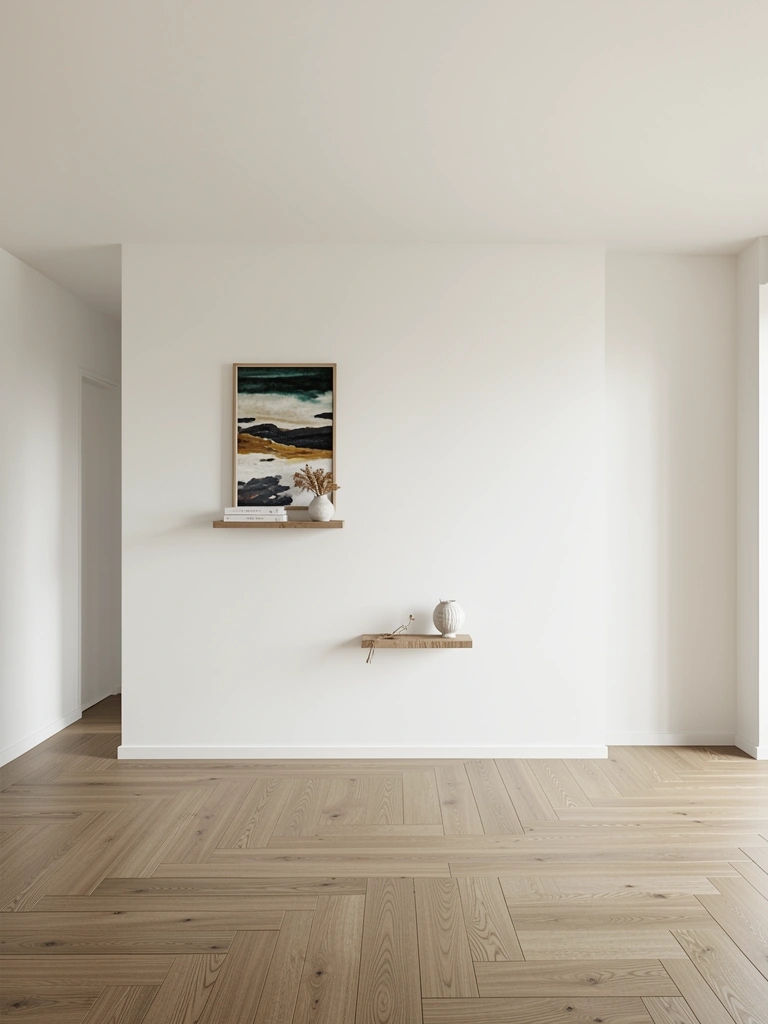
Empty wall space is a design tool, not a problem. Leaving walls largely bare makes small rooms feel more open and less chaotic. Strategic negative space lets your eye rest and keeps the room from feeling crowded with visual information.
Choose one or two focal points per wall (a piece of art, a small shelf, a mirror) and leave the rest bare. This costs nothing and takes an afternoon to edit down. The payoff is huge—your room immediately feels more thoughtfully designed and less cramped. Visitors perceive the space as larger and more intentional because there’s room for your eye to rest. Minimalism works especially well in small rooms because it amplifies the sense of openness.
Pro tip: Group your art or objects asymmetrically off-center rather than centered, which feels more modern and open.
25. Incorporate Natural Light with Sheer Window Treatments
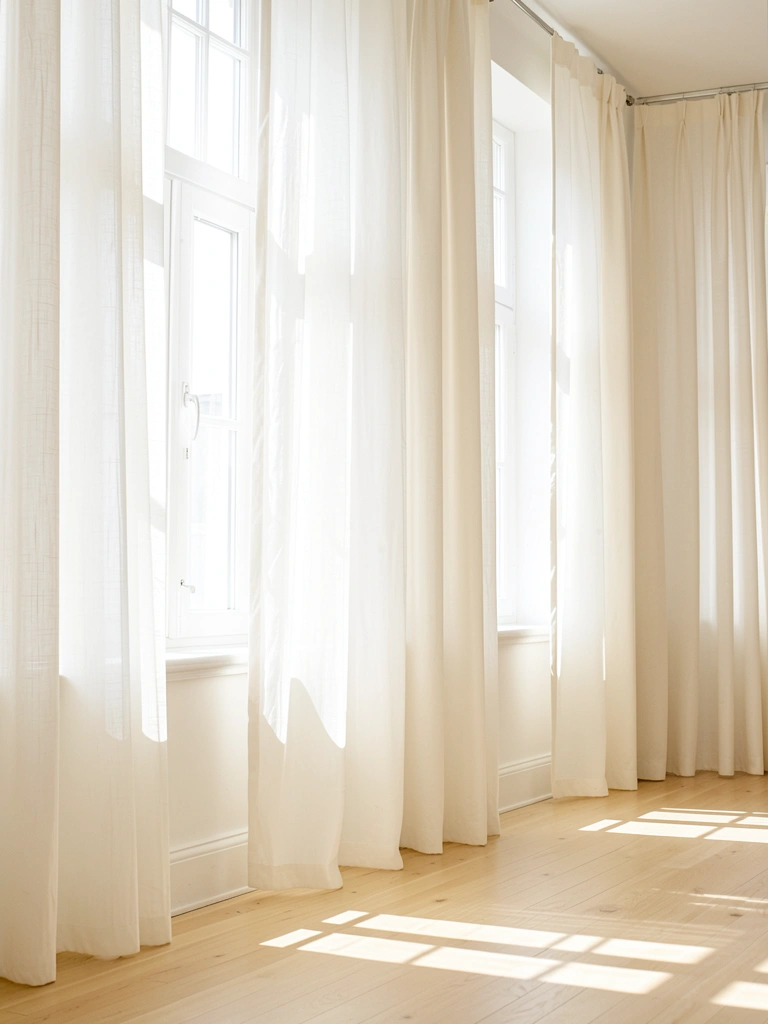
Heavy curtains block light and make rooms feel darker and smaller. Sheer or lightweight linen curtains let maximum light through while still offering privacy. More natural light in your space makes it feel significantly more open and airy, especially in small rooms where every bit of brightness counts.
Swap heavy curtains for sheer panels ($20–$60 per panel at Target, IKEA, or Amazon) or lightweight linen curtains ($40–$100 at Wayfair or West Elm). Take down your old curtains and hang new ones—a 30-minute project. The result is immediate and dramatic. Your room becomes noticeably brighter, which automatically makes it feel more spacious. Light bounces around instead of getting absorbed, and the whole vibe shifts from dark and small to open and inviting.
Budget hack: Use white or cream bedsheets as temporary curtains ($15–$25 per set) while you save for proper panels.
26. Arrange Furniture to Create Subtle Zones Without Walls
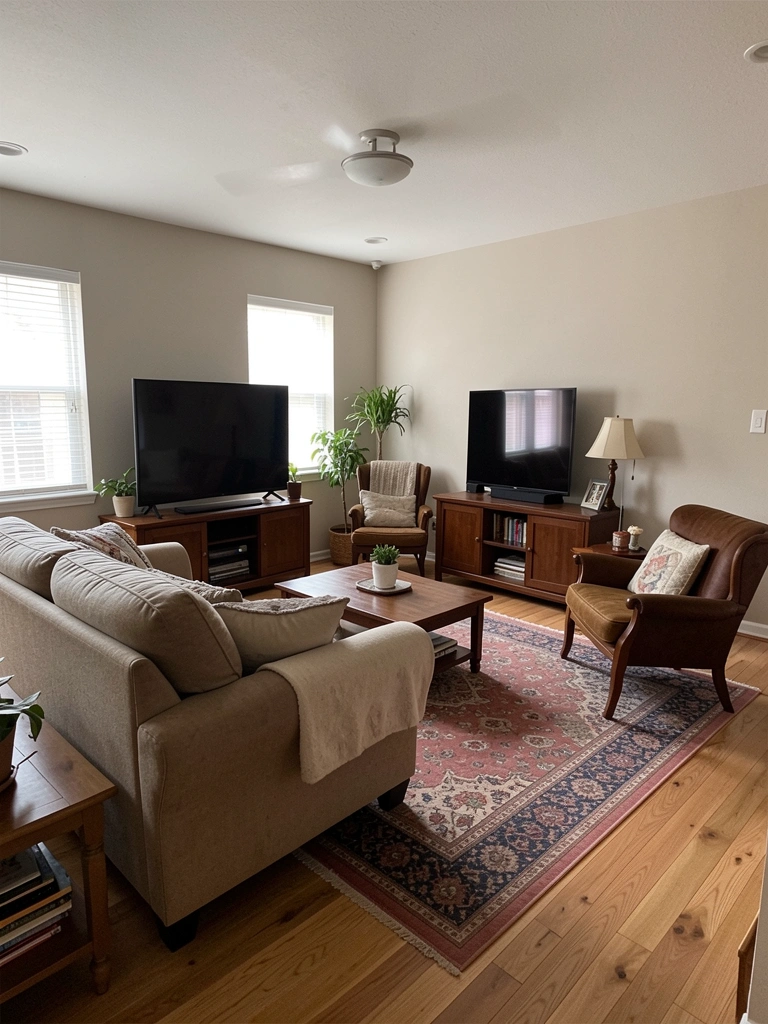
Defining zones with furniture arrangement instead of walls or screens keeps small rooms feeling open while adding functionality. A sofa angled toward the TV, a reading chair near a window, a console behind the sofa—these create distinct areas without breaking up the visual space. The room feels organized and intentional, not chaotic.
This costs nothing and takes an afternoon. Walk through your space and sketch out different zones—a TV area, a reading nook, a work corner. Arrange furniture to support these zones using rug placement and furniture angles rather than barriers. The room gains function without feeling segmented. Each zone has purpose, and the overall space feels more spacious because nothing physically blocks your view. You get intimacy and organization without sacrificing openness.
Styling tip: Use a different throw pillow color or rug in each zone to subtly reinforce the area without visual heaviness.
27. Keep the Space Uncluttered by Adopting a “One In, One Out” Rule
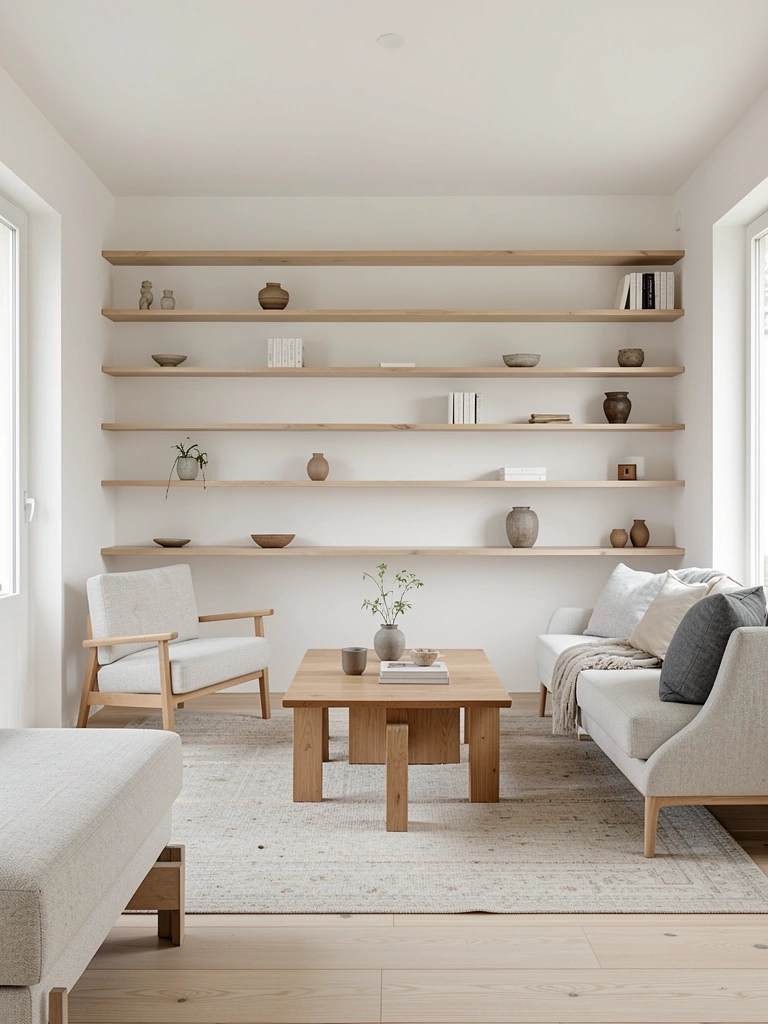
The final secret to keeping a small room open is preventing it from filling back up with clutter. Adopt a one-in-one-out rule: when something new comes in, something old goes out. This mindset keeps your space intentional and prevents you from sliding back into a cramped, crowded feeling after you’ve opened things up.
This costs nothing and is a mental shift, not a project. Every time you bring home a new item, sell or donate something you don’t use or love. Check in monthly—is your coffee table still clear? Are your shelves still breathing? Set a phone reminder for one Sunday a month to do a quick edit. The ongoing maintenance takes 20–30 minutes monthly and keeps your space perpetually open. You maintain the work you’ve done to expand your room psychologically and enjoy the lightness and calm that comes with intentional living.
Accountability hack: Take a photo of your space at its best and compare it monthly to catch clutter creep early.
Save this post for your next small-space refresh. Pick one idea this weekend—whether it’s swapping furniture, painting, or decluttering—and notice how the shift changes how your room feels. Share this with anyone struggling to make their small space work; they’ll thank you.
Leave a Reply