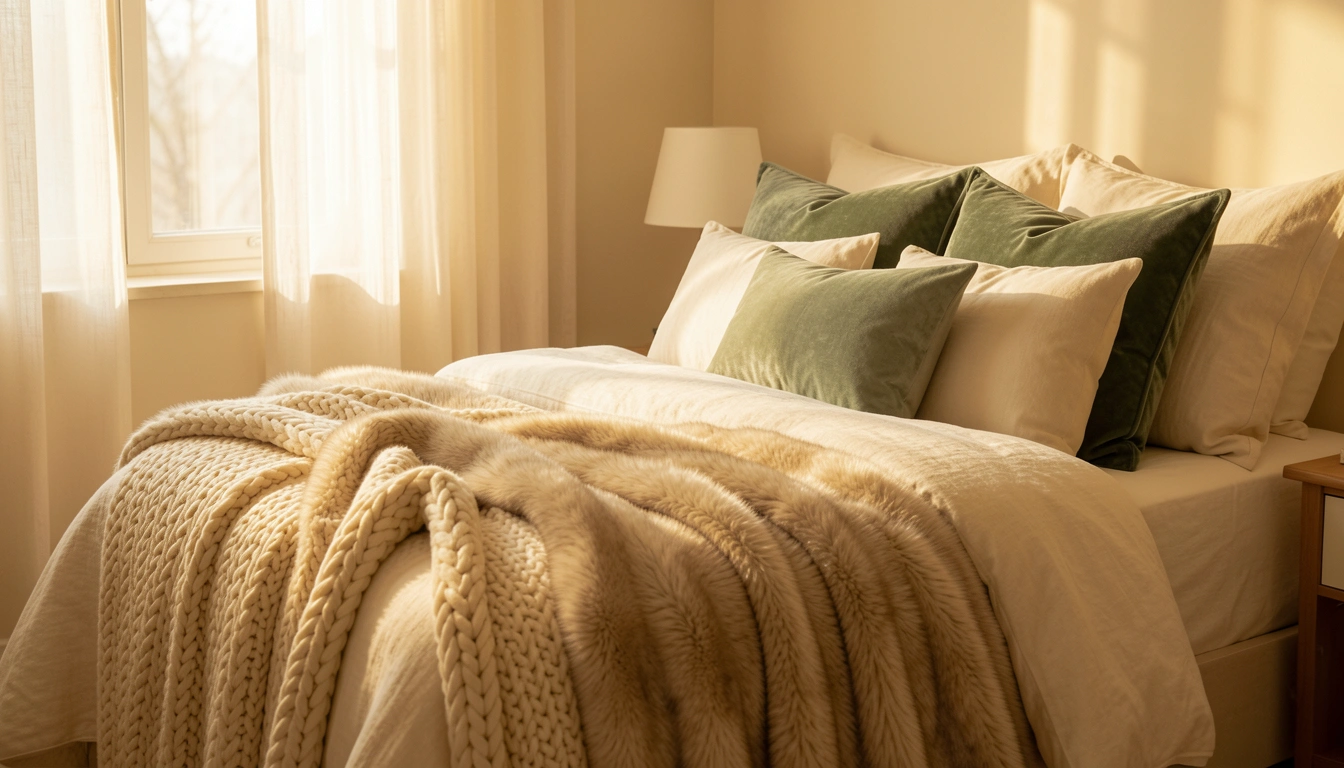
There’s something magical about sinking into a bed that feels like a cloud—where every layer invites you to stay just a little longer. But creating that cloud-like cocoon doesn’t happen by accident. It takes strategic layering of textures, weights, and materials that work together to build depth, warmth, and that irresistible “I never want to leave” feeling.
The best part? You don’t need a design degree or a designer budget to pull it off. Whether you’re working with what you already own, hitting up thrift stores, or splurging on one investment piece, these 27 ideas will show you exactly how to layer plush textiles in ways that feel intentional, cozy, and totally doable. From mixing velvet with linen to mastering the pillow arrangement that actually looks effortless, you’ll discover practical tricks that transform your sleep space into the retreat you’ve been craving. Let’s build your cloud.
1. Layer Your Base Sheet in Linen and Cotton Blend
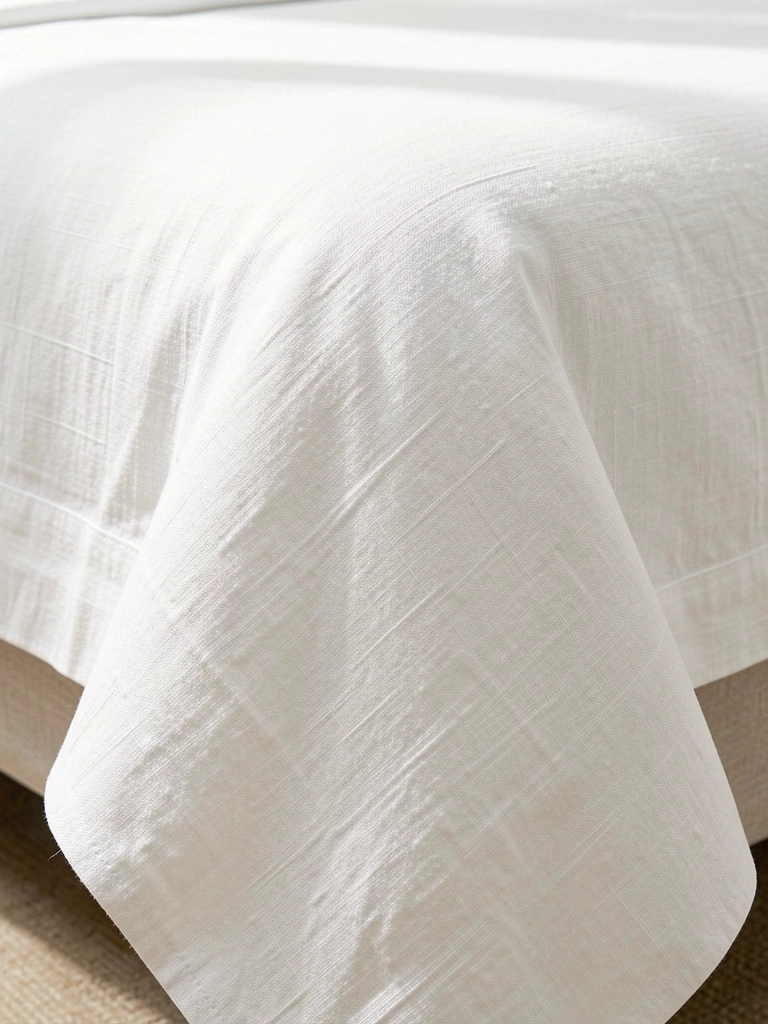
A quality sheet base is everything—it’s the foundation that everything else sits on, so don’t skip it. Cotton-linen blends give you breathability without the crinkled mess pure linen demands, and they feel softer after every wash.
Look for sheets with at least 300 thread count in cotton-linen blends; brands like Parachute ($150–$250), Brooklinen ($80–$150), or even Target’s Threshold line ($50–$80) deliver without breaking the bank. Mix a warm ivory sheet set with cream pillowcases to start your layering foundation. The weave creates gentle visual texture even before you add pillows, setting a serene tone immediately.
Pro tip: If budget is tight, upgrade just the fitted and flat sheet and keep pillowcases separate—you’ll notice the difference in how everything else coordinates on top.
Your sleep space now has a foundation that breathes, lasts years, and makes every layer above it feel more luxurious.
2. Add Throw Pillows in Graduated Sizes
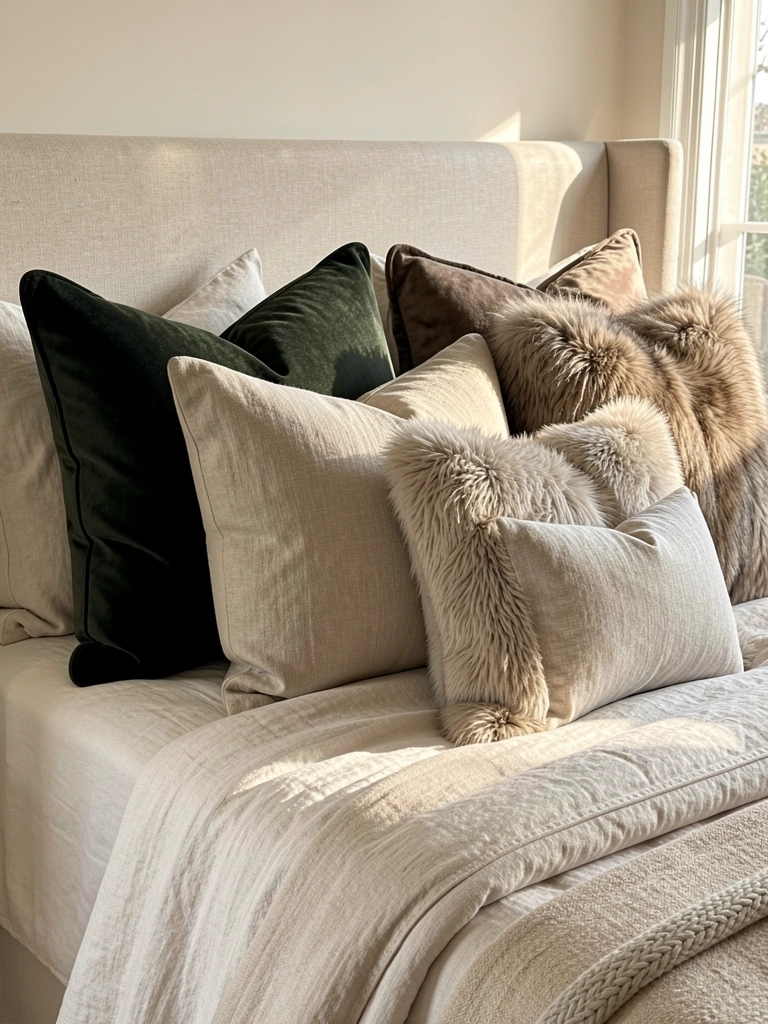
The pillow arrangement is where layering becomes an art form. Most people use two or three pillows; the magic happens when you use five or six in graduating sizes, each adding dimension and visual interest.
Start with a 26-inch euro sham or large square pillow as your back layer, then layer down: 22-inch square, 18-inch square, 14-inch square, finishing with a 10-inch accent pillow in front. Buy a mix of linen, velvet, and cotton covers; total cost runs $60–$150 depending on quality. This setup takes 10 minutes to arrange and gives your bed that “I hired a stylist” look. Mix neutral tones (cream, sage, taupe, ivory) to build depth without visual chaos.
The visual impact is immediate—your bed looks intentional, layered, and magazine-worthy before you even get under the covers.
3. Drape a Weighted Throw Blanket Across the Foot
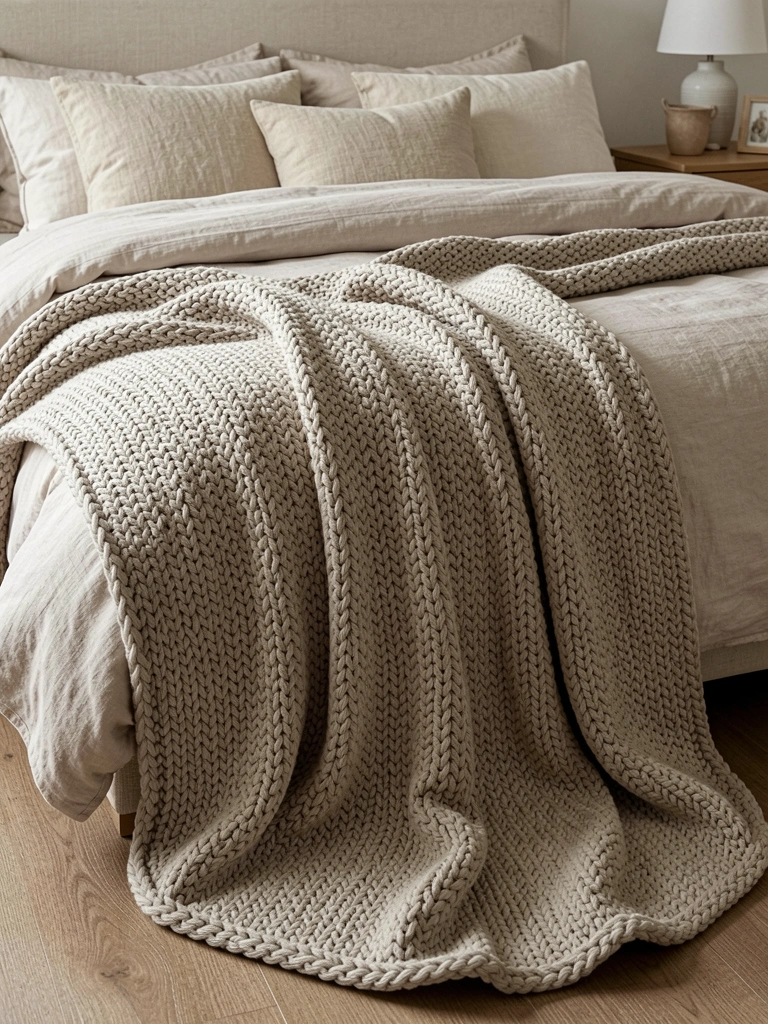
A weighted throw does double duty: it adds visual warmth and actual temperature regulation, plus it’s the easiest styling trick to make any bed look designed rather than just made.
Choose a chunky knit or quilted weighted throw in neutral tones ($50–$120 from Brookstone, Amazon, or Wayfair). Drape it loosely across the foot of your bed, letting it puddle slightly on the floor—this casual arrangement signals “relaxed luxury” and covers the visual gap between your mattress and the wall. Weighted options (typically 15–20 pounds) feel grounding and create deeper indentations that photograph beautifully. Non-weighted throws work too if you’re after pure texture without the heft.
This single piece elevates your entire bed styling while giving you a blanket you’ll actually reach for on cold nights.
4. Layer Faux Fur Pillows for Tactile Softness
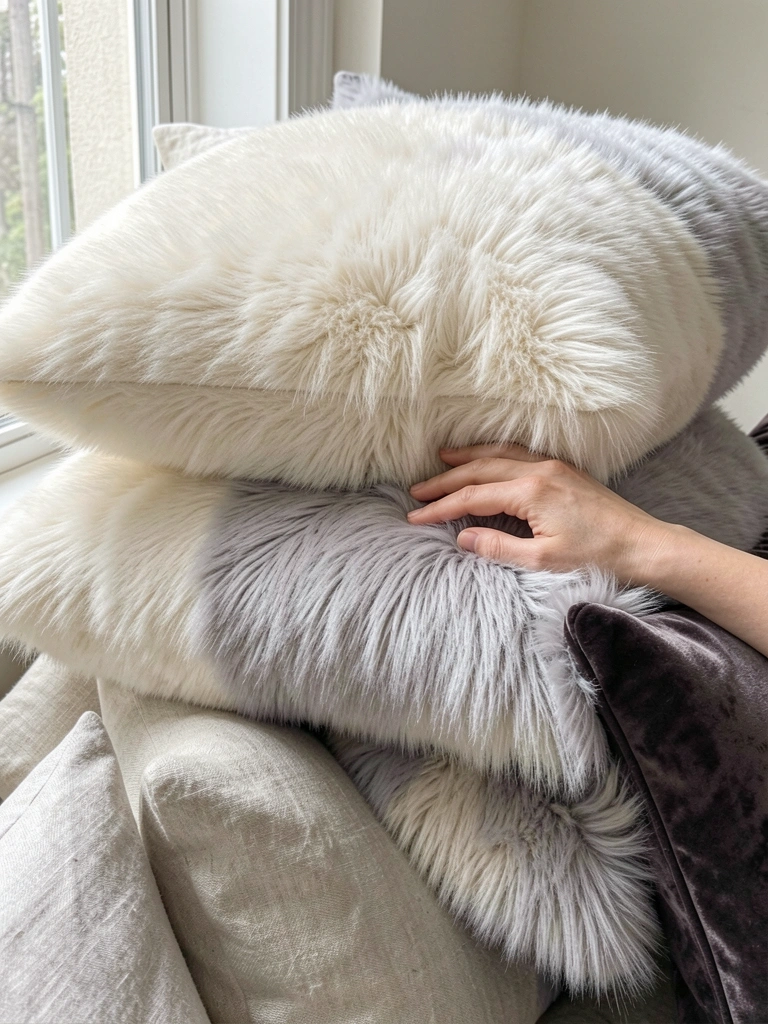
Faux fur reads as instantly luxe and adds a softness factor that makes people want to touch your bed. It’s the textile equivalent of a welcoming hug.
Buy faux fur pillow covers in cream or pale gray ($25–$60 per cover from IKEA, Target, or Etsy) and layer them among your other pillows—aim for two to three faux fur pieces mixed with smoother textures like linen or velvet. The contrast between rough and soft, matte and plush, creates the sensory depth that makes layering feel rich. Most faux fur covers are machine washable on delicate, and they hold up surprisingly well. Avoid bright white if possible; warmer ivory or gray feels more sophisticated.
When people sit on your bed, the first thing they notice is how soft it feels—faux fur is the shortcut to that reaction.
5. Mix in Velvet Shams for Unexpected Dimension
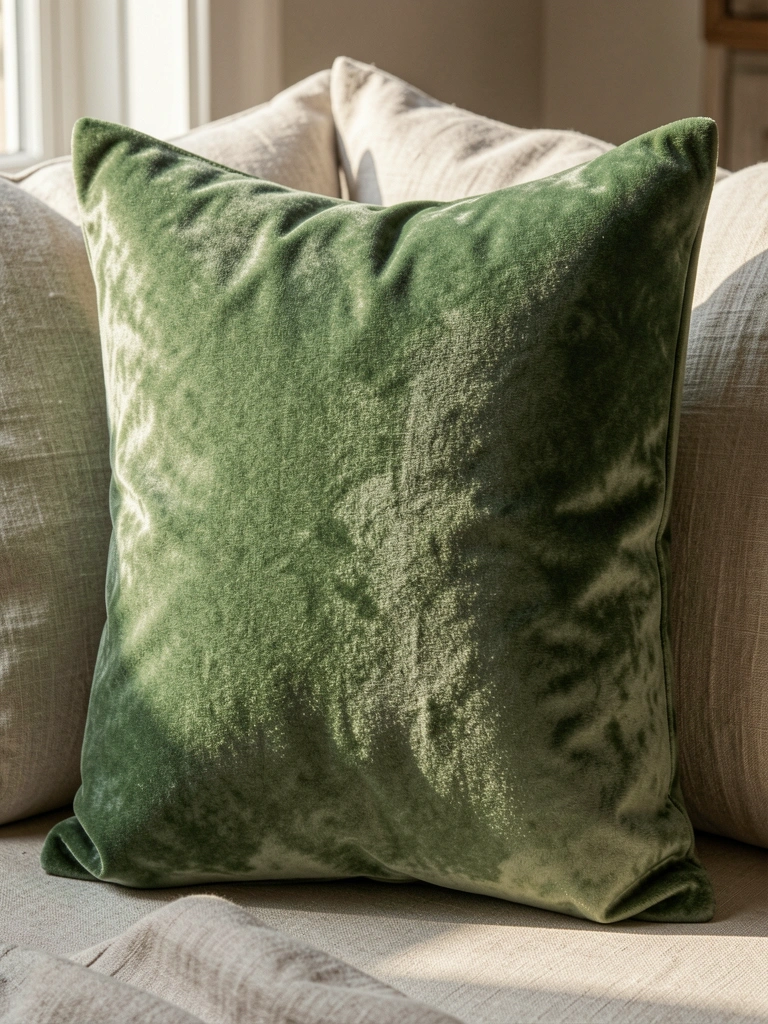
Velvet catches light in ways that make your whole bed feel intentional and higher-end. One velvet piece among matte textures shifts the entire vibe.
Invest in one or two velvet pillow shams in jewel tones or muted earth colors ($40–$100 from Anthropologie, Wayfair, or Etsy shops). Sage, dusty rose, charcoal, or warm terracotta all read as sophisticated against neutrals. Position them in your pillow layering where they’ll catch light—typically third or fourth layer in from the headboard. Velvet shows dust easily, so plan on gentle vacuuming or occasional brushing, but the visual payoff is worth it. Mix velvet with matte textures like linen or cotton to prevent the bed from feeling costume-like.
The light reflection alone makes your bed feel like it belongs in a carefully curated bedroom, not a generic hotel.
6. Use Linen Pillow Covers for a Relaxed Edge
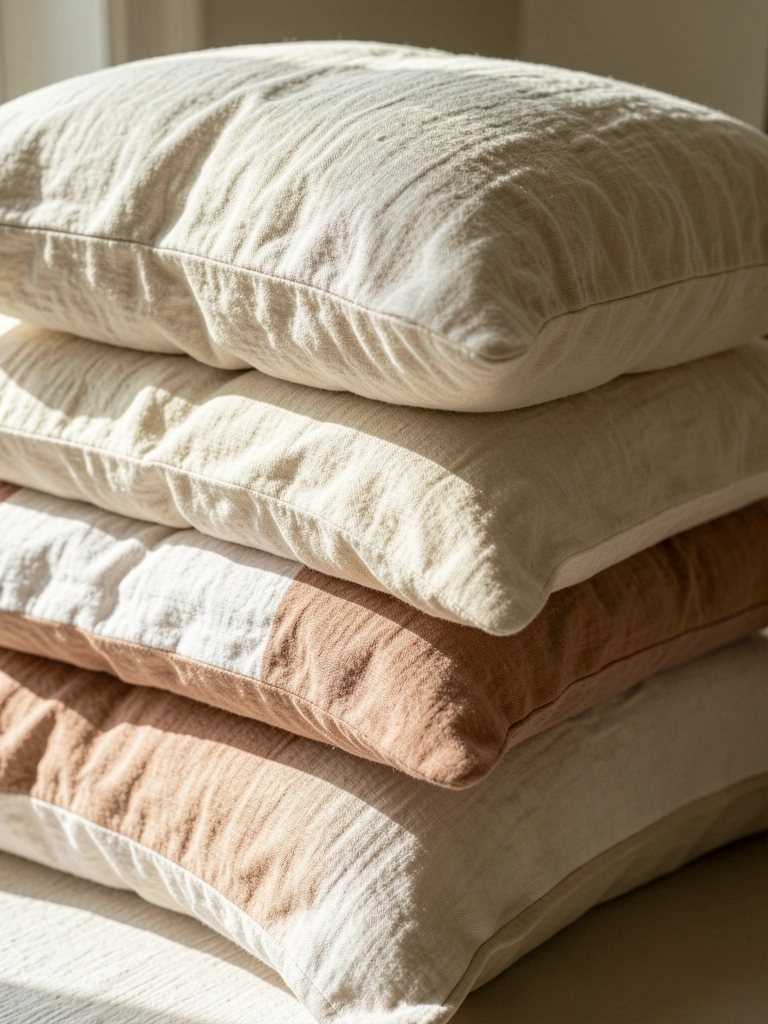
Linen is the unsung hero of textured layering—those wrinkles aren’t flaws, they’re proof of authenticity and comfort. Pure linen or linen-blend covers add movement and a relaxed sophistication that looks intentional.
Layer 2–3 linen pillow covers in your pillow stack ($30–$70 per cover from Parachute, Coyuchi, or Etsy). The natural creases become part of the aesthetic, and linen softens after washing—it looks better over time, not worse. Mix cream and warm white linens to build subtle variation, or combine linen with smoother cotton for textural contrast. The key is embracing the wrinkled nature of linen rather than fighting it; that’s what makes it feel real and lived-in rather than sterile.
Your pillow arrangement looks effortlessly curated—the kind of bedroom that makes you want to spend a lazy Sunday morning reading in bed.
7. Add a Silk or Satin Pillowcase for Hair and Skin
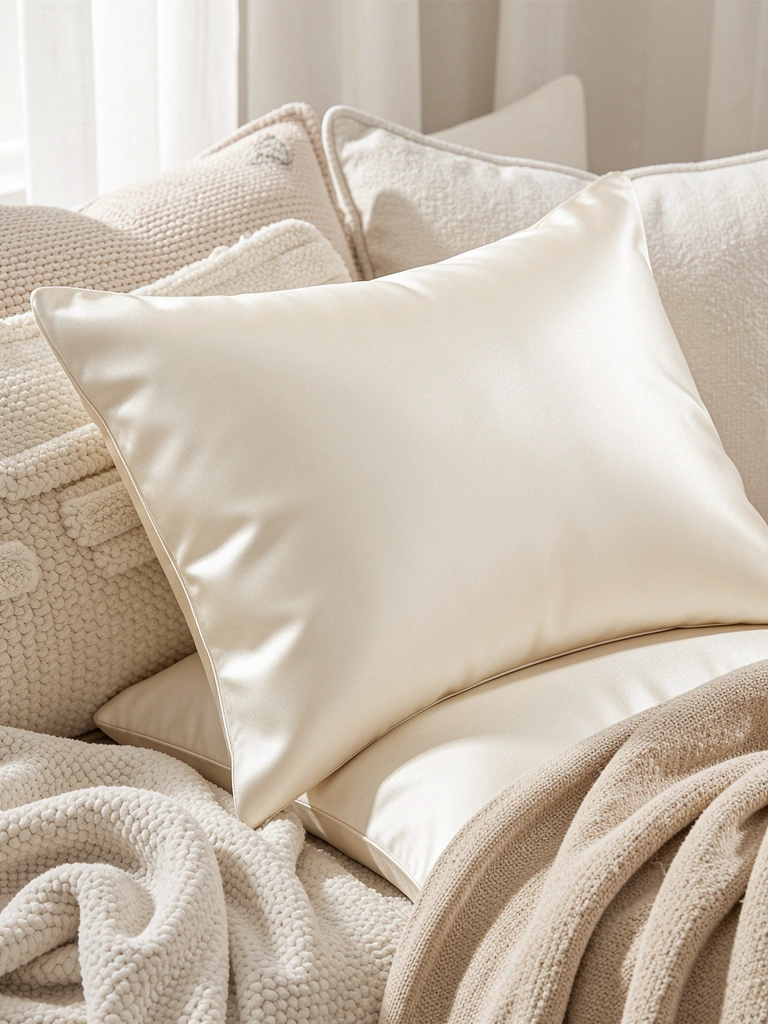
This is the quiet luxury addition that does more than look good—a silk pillowcase actually benefits your hair and skin by reducing friction while you sleep. It’s the definition of form meeting function.
Buy one silk or satin pillowcase in cream or ivory ($25–$80 from Slip, Amazon, or Mulberry Silk Co). Position it as one of your middle-layer pillows where it catches light and adds that subtle sheen that reads as elevated. Silk pillowcases are easier to care for than you’d think—hand wash or use a mesh bag on delicate cycle, and they last years. While not cheap, the investment pays back in hair and skin improvement (less breakage, fewer sleep creases), plus it adds undeniable luxury to your visual stack.
You get the soft-gloss finish that photographs beautifully and the practical benefit of waking up with fewer sleep creases.
8. Layer Turkish Cotton Towels as Accent Throws
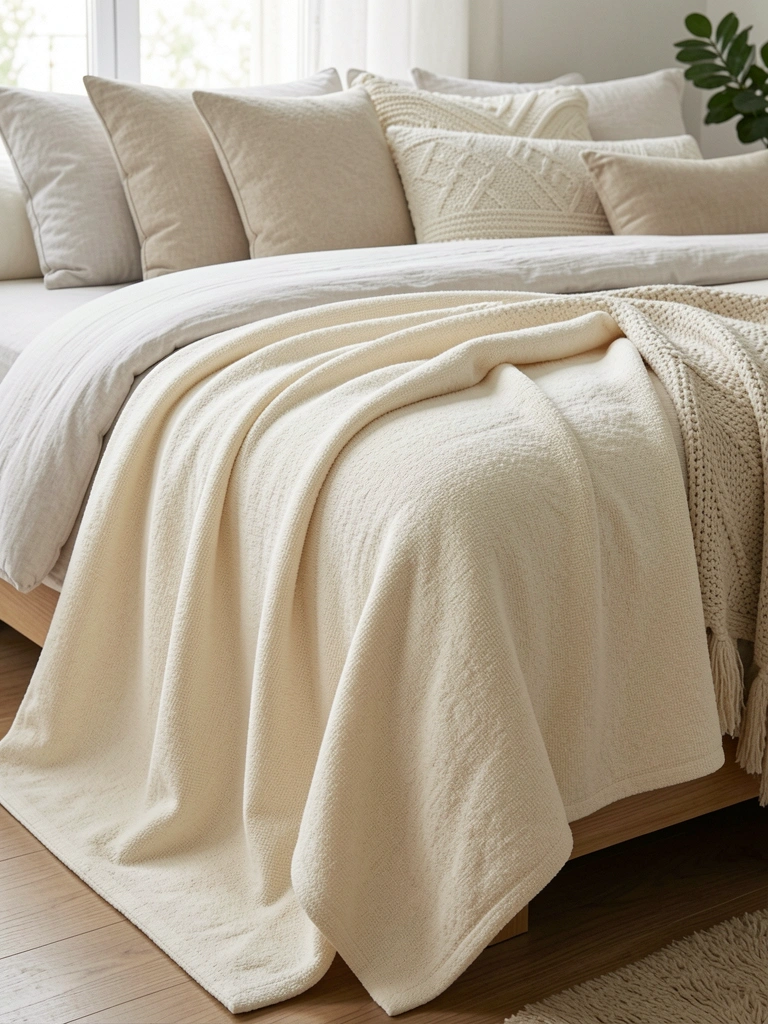
Turkish cotton towels aren’t just for bathrooms—the heavyweight, super-absorbent weave makes them gorgeous as layering pieces that add both texture and functionality. They’re also budget-friendly compared to “designer” throws.
Grab one or two Turkish cotton throws ($30–$60 from Bed Bath & Beyond, Target, or Amazon) in cream, oatmeal, or warm white. Drape one across the foot of your bed alongside or under your weighted throw for layered depth, or roll one loosely and place it at the head for reading in bed. The weight and weave create visual interest while remaining practical—you can actually use them for warmth. Mix them with lighter linen or velvet for textural contrast that keeps things from feeling one-note.
This hack gives you the spa-like throw aesthetic at a fraction of the boutique price, and it’s durable enough to wash and reuse endlessly.
9. Mix Quilted and Unquilted Throws for Contrast

Combining a structured quilted throw with an unstructured chunky knit creates visual interest and tactile variety that makes your bed feel intentionally designed rather than randomly assembled.
Layer a quilted throw ($40–$80) with a chunky knit ($50–$120) across your bed foot or end bench, positioning them so both textures show. The quilted piece adds geometric precision and sheen, while the chunky knit brings organic softness—together they tell a story of thoughtful curation. Both styles are available at IKEA, Target, Wayfair, and Amazon. The quilting also provides structure that keeps throws from sliding around, which is secretly practical while looking effortless.
The textural play between smooth and rough, structured and organic, elevates your bed from “I bought random blankets” to “I know what I’m doing with design.”
10. Layer Mohair Blankets for Fuzzy Luxury
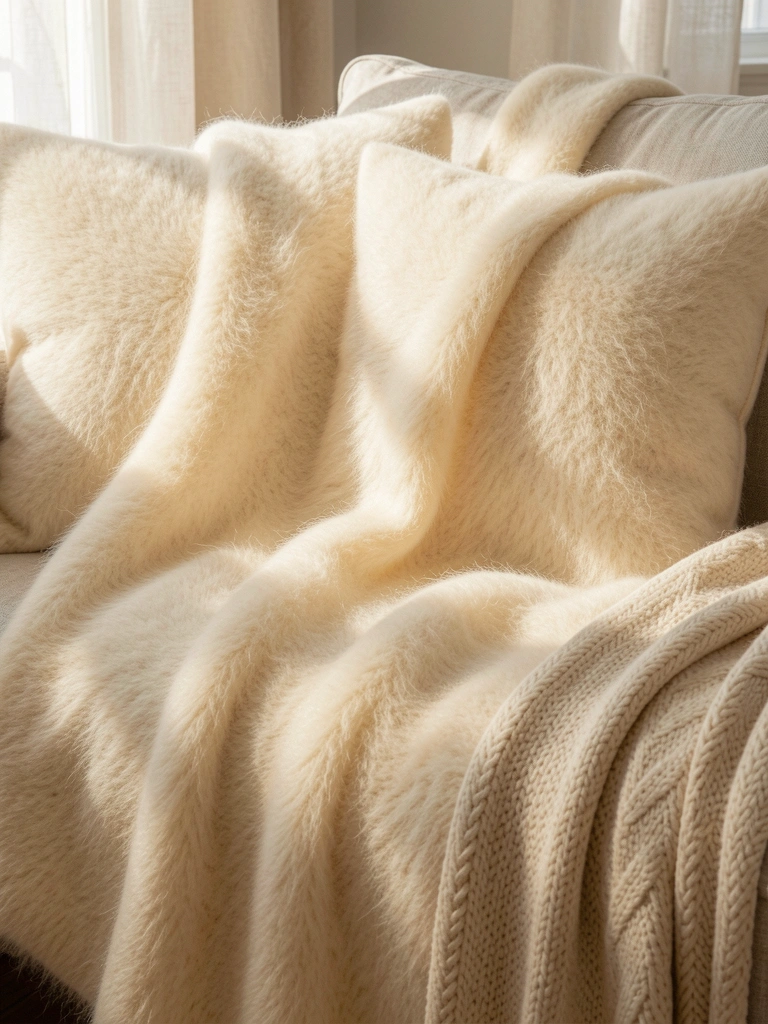
Mohair is the secret weapon for that high-end, touchable luxury that reads expensive—and while investment-level blankets aren’t budget hacks, a single mohair piece anchors your entire layering strategy.
Invest in one premium mohair blanket or throw ($150–$400 from Restoration Hardware, Armani Casa, or luxury retailers) as your statement piece. Layer it over other blankets and throws so its fuzzy surface catches light and invites touch. Mohair requires dry cleaning or gentle hand washing, so reserve it for display rather than nightly use. Position it where it photographs well—draped over the foot of your bed or artfully arranged across pillows—because that’s where it’ll do the most design work. One luxury piece raises the perceived value of everything around it.
People literally won’t be able to resist running their hands across your bed, and that soft-luxury sensation is exactly the vibe you’re building.
11. Use Lace or Mesh Overlays on Neutral Base Pillows
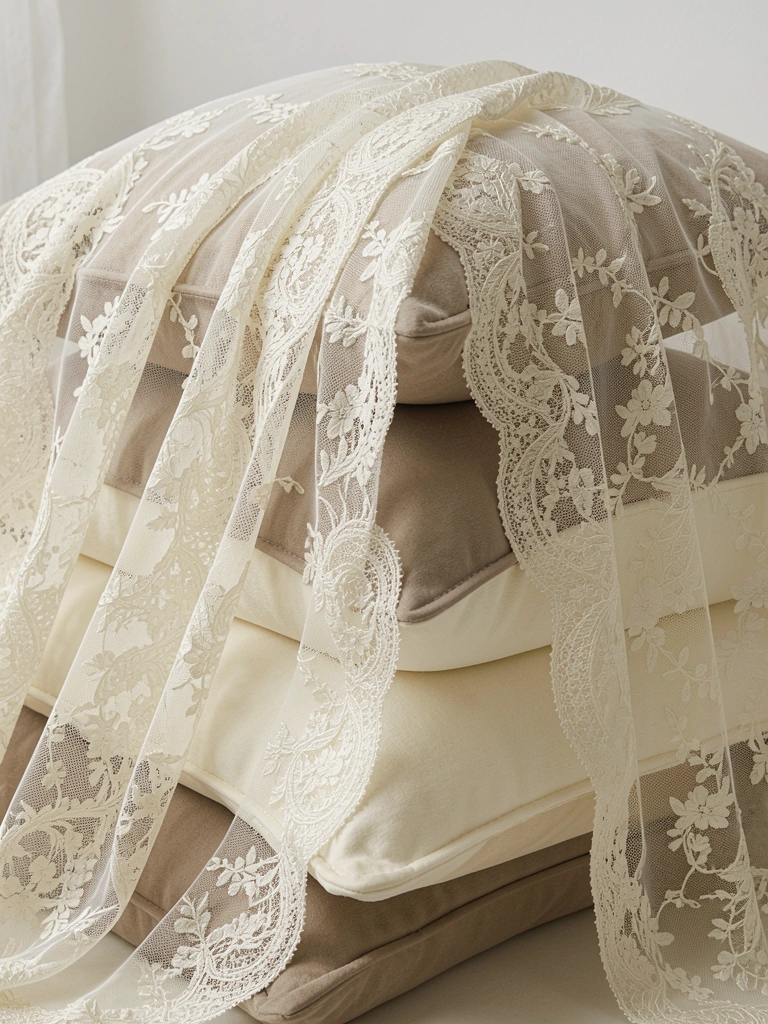
Lace overlays add visual romance and dimension without adding weight—they’re the styling trick that makes pillows feel more intentional and elevated.
Find lace or mesh fabric panels ($15–$40 from Etsy, vintage shops, or fabric stores) in ivory or cream and drape them loosely over your pillow stack, letting them puddle slightly or be tucked behind pillows so texture shows through. You can use actual lace tablecloths from thrift stores, vintage linens, or buy new lace by the yard online. This technique adds a romantic, collected-over-time feeling without requiring you to buy more pillows. The sheer overlay creates visual texture and layers the space optically—it looks like you have more going on than you actually do.
Your bed now has an heirloom quality that feels intentional and artistic rather than just comfortable.
12. Layer Corduroy or Ribbed Texture Pillows
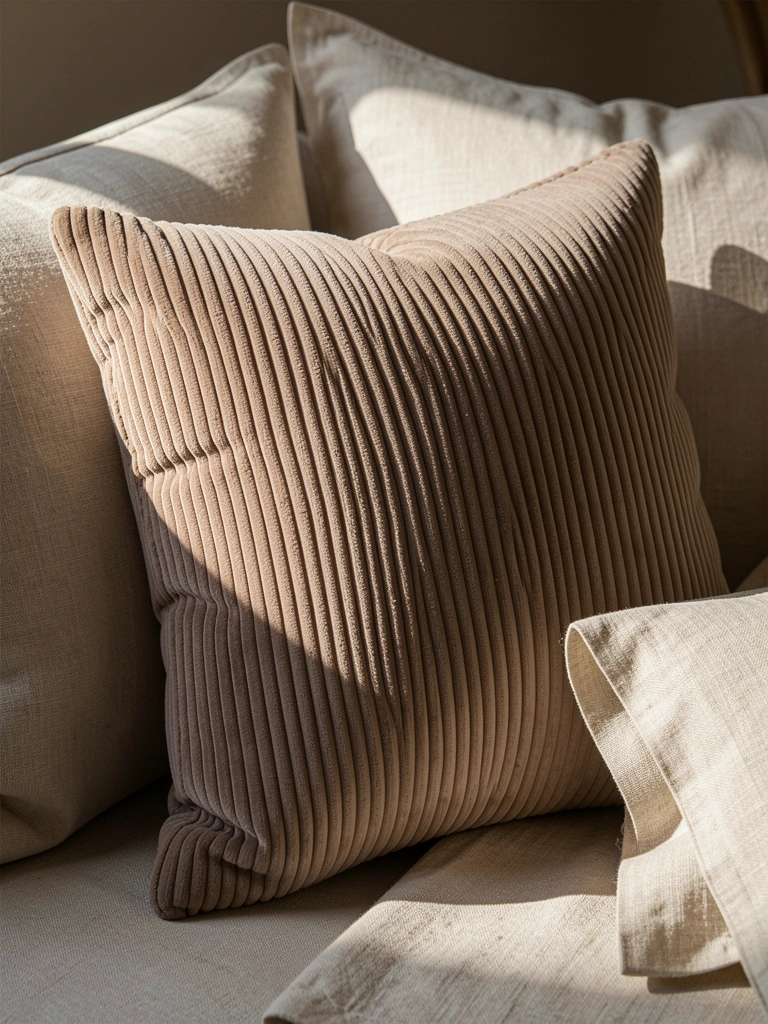
Corduroy and ribbed textures add directional depth that smooth fabrics can’t achieve. These pieces catch light differently depending on viewing angle, which creates dynamic visual interest.
Buy one or two corduroy or ribbed pillow covers ($30–$70 from Etsy, vintage/thrift stores, or specialty fabric retailers) in warm neutrals like caramel, taupe, or soft gray. Layer them where light will catch the ribs—typically mid-layer in your pillow stack. Corduroy is incredibly durable and adds a subtly upscale, vintage-inspired touch that reads as “carefully curated.” Combine with smoother textures like velvet and linen so the ribbed texture stands out rather than competing. The cost is similar to linen, but the visual payoff is higher because fewer people layer with corduroy.
The directional nap of corduroy means your bed looks different—richer and more textured—from every angle.
13. Create a Pillow Wall with Tapestries Behind
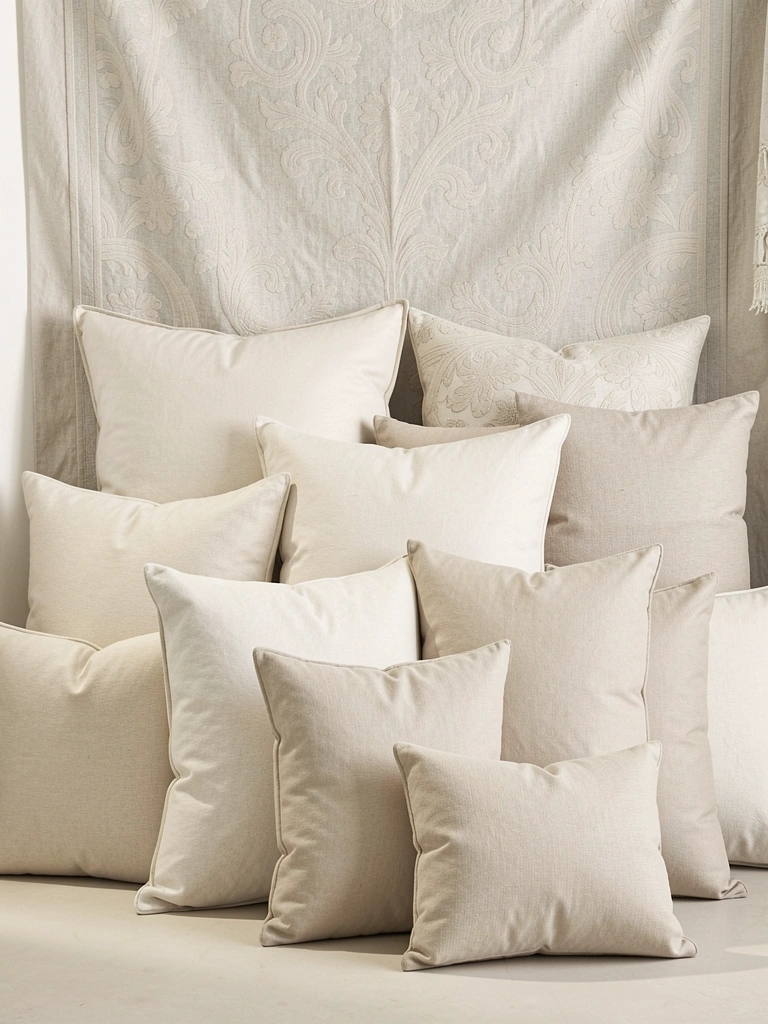
A wall-mounted tapestry or hanging fabric behind your pillow arrangement adds depth and frames your textured pillow stack, making it feel intentional rather than haphazard.
Hang a neutral tapestry, vintage textile, or oversized fabric panel ($30–$150 from Urban Outfitters, Etsy, World Market, or thrift stores) behind your bed or above your pillows, then layer your pillow stack in front. Choose patterns that complement your neutral palette—botanical prints, simple geometric patterns, or solid earth tones all work. Use removable adhesive hooks or a simple rod if you’re renting. The tapestry creates a visual frame that makes your pillows feel more intentional and anchors the whole arrangement. Layer low-maintenance throw pillows in front so the tapestry remains visible behind.
Your bed now looks like a designed vignette rather than just a place you sleep—the backdrop instantly elevates the perception of everything in front of it.
14. Mix Textured Knit and Cable Throws

Two different knit textures together create visual interest and tactile variety that makes your bed feel like an intentional, layered retreat. The key is choosing knits with distinctly different structures.
Layer a cable knit throw ($40–$100) with a waffle-knit or chunky-knit throw ($50–$120) across your bed foot or over pillows, positioning them so both patterns show. Cable knit provides uniform, neat texture, while waffle or chunky knits add organic irregularity—together they balance visual interest. Both are available at Target, IKEA, West Elm, and Amazon. Mix cream and warm neutrals so texture is the star, not color competition. This works on top of your bed or draped over a bench at the foot for maximum impact.
The contrast between structured and organic textures makes your bed feel thoughtfully assembled, like you know exactly what you’re doing.
15. Layer Vintage Embroidered Textiles Over Modern Pieces
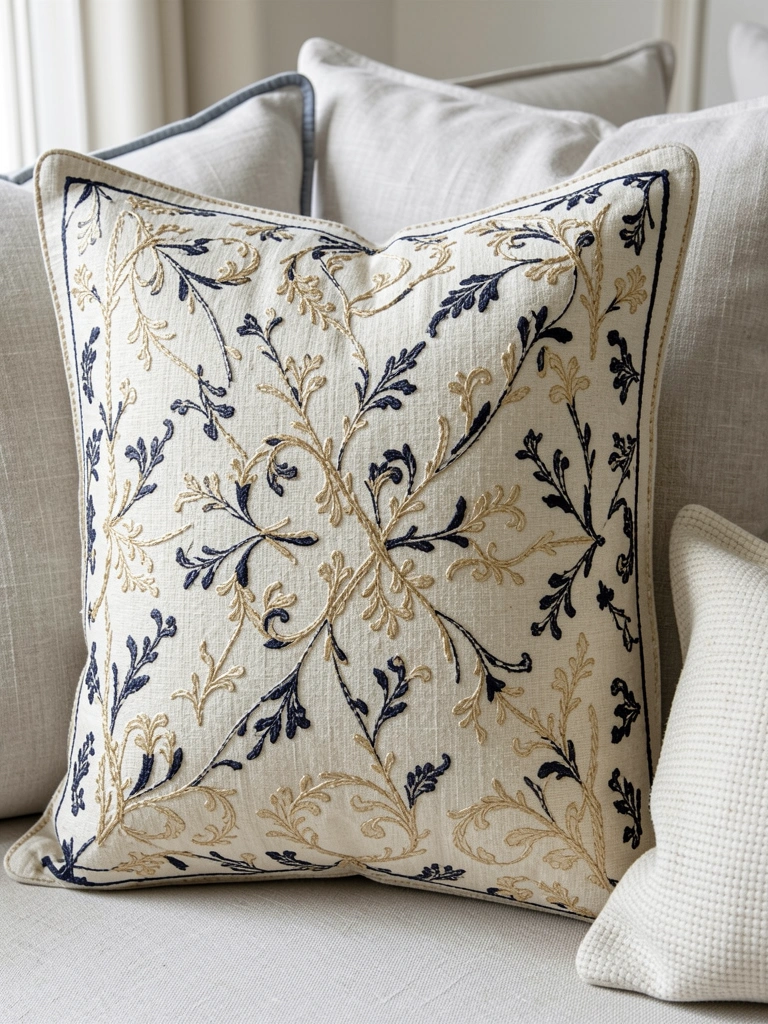
Vintage embroidered textiles add soul and personal history to your bed that brand-new pieces simply can’t replicate. They’re the definition of quiet luxury.
Hunt vintage embroidered linens or pillow covers ($15–$60 at thrift stores, Etsy, estate sales, or vintage boutiques). Layer them over your modern pillow stack as accents or focal points—a single vintage piece among neutrals reads as collected rather than styled. Embroidered details in neutral tones (cream-on-cream, subtle gold threadwork, faded navy embroidery) complement contemporary minimalism while adding depth. If you find larger vintage textiles, you can drape them artfully or have them turned into pillows by a seamstress ($30–$50). The imperfect nature of aged pieces adds authentic character.
Your bed tells a story of thoughtful curation—like you’ve inherited comfort and beauty rather than just purchased it.
16. Add Fur or Faux Fur Throws in Varying Lengths
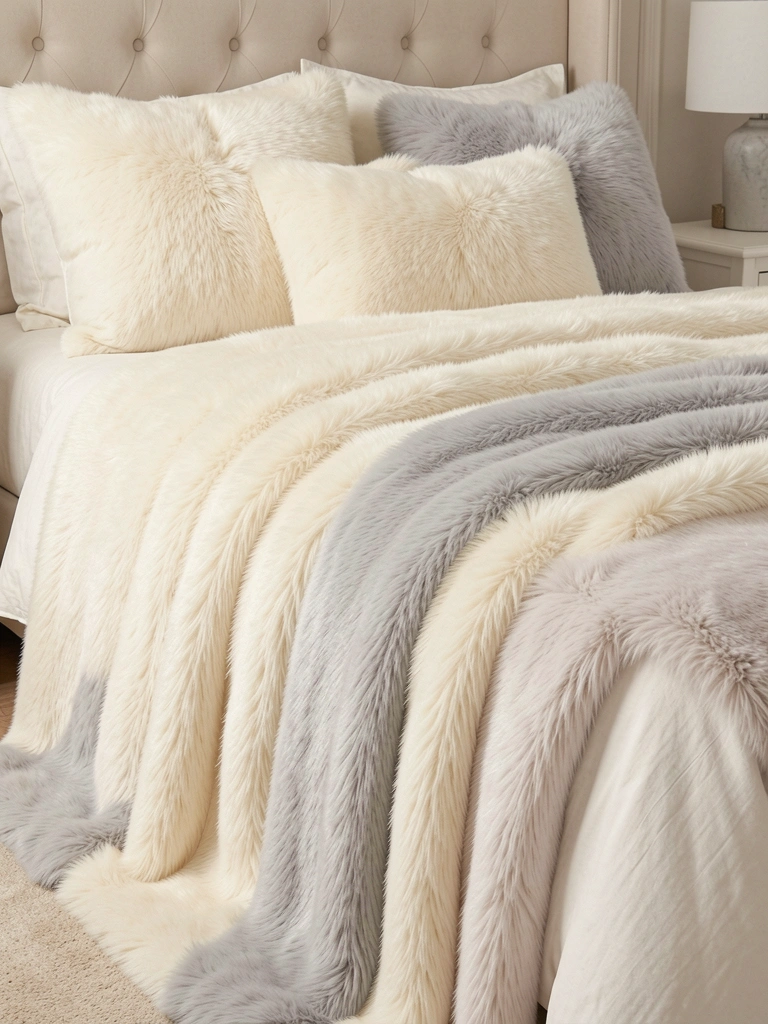
Faux fur throws in varying lengths create depth through proportion and size variation, making your layering feel dynamic rather than uniform.
Layer two faux fur throws of different lengths ($50–$150 total from IKEA, Target, Amazon, or Wayfair). Drape the longer throw across the foot of your bed and position a shorter faux fur piece over your pillows or across mid-bed. Mix cream and gray tones for subtle variation. This variation in length is what separates “I bought two blankets” from “I designed a cohesive bed”—the different proportions create visual rhythm. Faux fur is also incredibly budget-friendly compared to real fur, and it’s machine washable, which makes maintenance realistic.
The varying lengths create a visually complex, gallery-like arrangement that photographs beautifully and invites relaxation.
17. Drape Lightweight Linen Over Heavier Weighted Throws
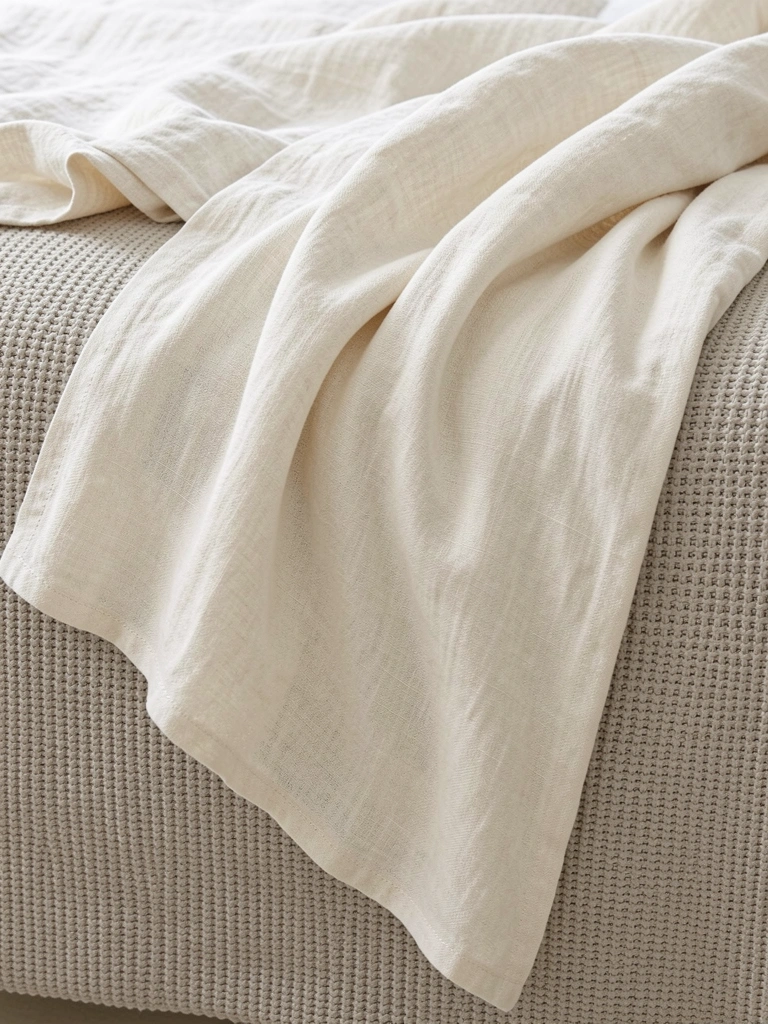
Layering light and heavy creates visual balance and practical versatility—the light linen can be used as a top layer on warm nights, while the weighted piece stays as foundational warmth.
Layer a lightweight linen throw ($40–$80) over your weighted throw, letting the linen puddle naturally so both layers show. The linen moves and folds elegantly, while the weighted piece stays structured underneath. This combination works on your bed or draped over a reading chair. The visual effect is sophisticated because the two textures create movement and dimension rather than a flat, solid mass. This is also practical—you can separate the throws depending on season and sleeping preference, but together they create that high-design, well-curated look.
The interplay between light and heavy, movement and structure, makes your bed feel intentionally designed while remaining utterly functional.
18. Mix Matte and Shiny Finishes Across Textiles
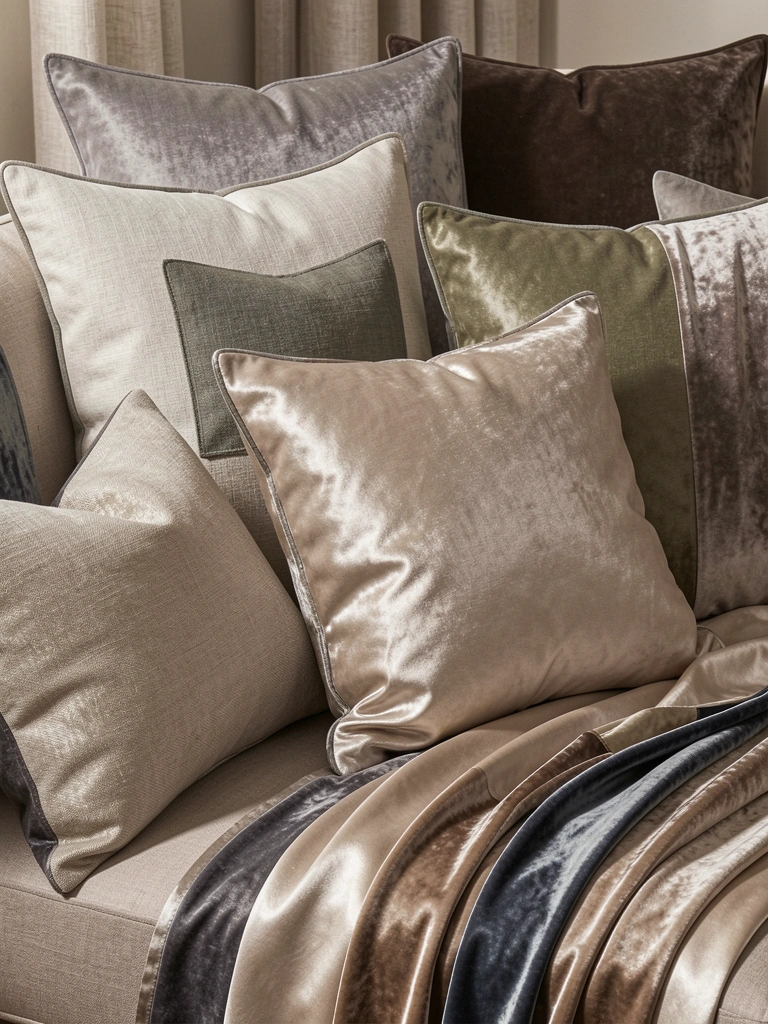
Combining matte and reflective surfaces creates visual depth and sophistication—it’s the difference between “I grabbed blankets” and “I understand design.”
Deliberately mix matte textures (linen, cotton, corduroy) with subtle shiny pieces (velvet, satin, silk) in your pillow and throw layering ($100–$250 for a complete mix). Position shiny pieces where light hits them naturally—typically against windows or at angle to catch afternoon sun. Matte pieces can go anywhere without showing dust or fingerprints, so layer them more heavily. The interplay of reflective and non-reflective surfaces creates visual movement and makes everything feel more intentional. Avoid mixing too many high-sheen pieces or your bed reads as costume-like; aim for 60% matte, 40% subtle shine.
The subtle interplay of light and matte creates a sophisticated visual experience that feels editorial and curated.
19. Layer Chunky Knit with Smooth Jersey Knit Throws
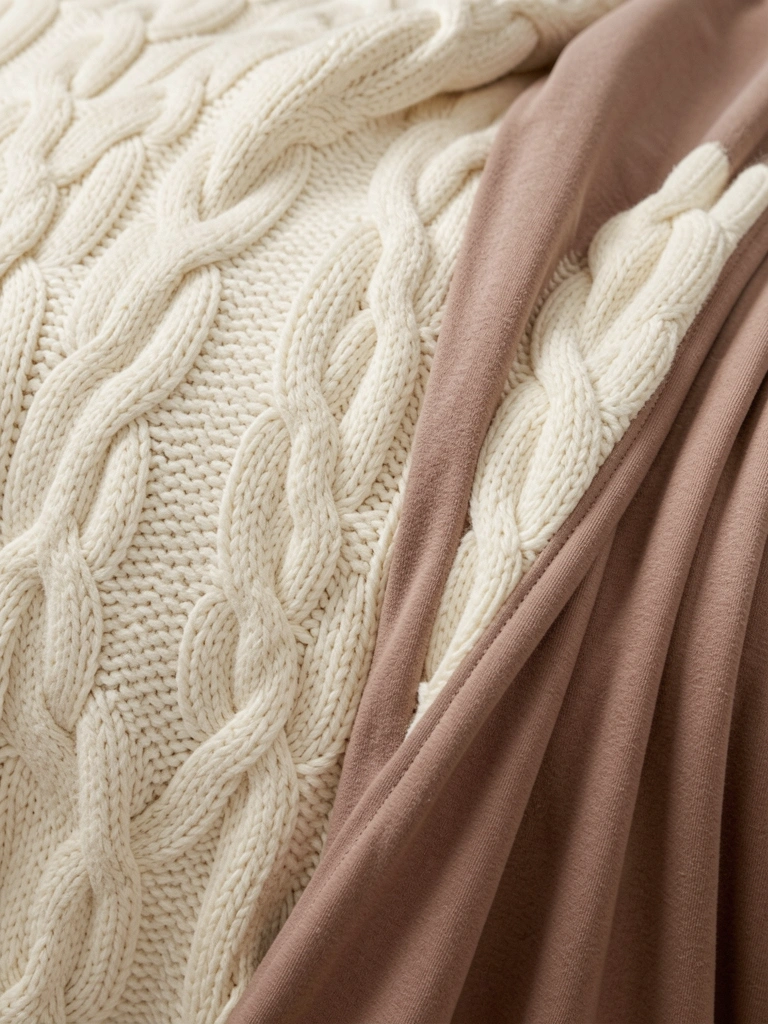
Jersey knit is the overlooked secret to textural contrast—it’s super soft and smooth but structured enough to layer beautifully alongside chunky pieces.
Mix a chunky knit throw ($50–$120) with a jersey knit throw ($30–$70) across your bed or pillows. Jersey knit reads as athletic or casual (think high-quality t-shirt material), which adds relaxed comfort contrast to heavier knits. Layer them so both textures show—drape the chunky piece prominently and tuck the jersey knit underneath or alongside. Both are available at Target, IKEA, and Amazon. The smooth jersey against chunky knit creates sensory variety without clashing—it’s like having soft comfort and substantial warmth coexisting. This combination particularly works for bedrooms that want to feel casual-luxe rather than precious.
The mix of substantial and soft makes your bed feel like the perfect balance between indulgent and effortlessly wearable.
20. Create Dimension with Oversized Floor Pillows
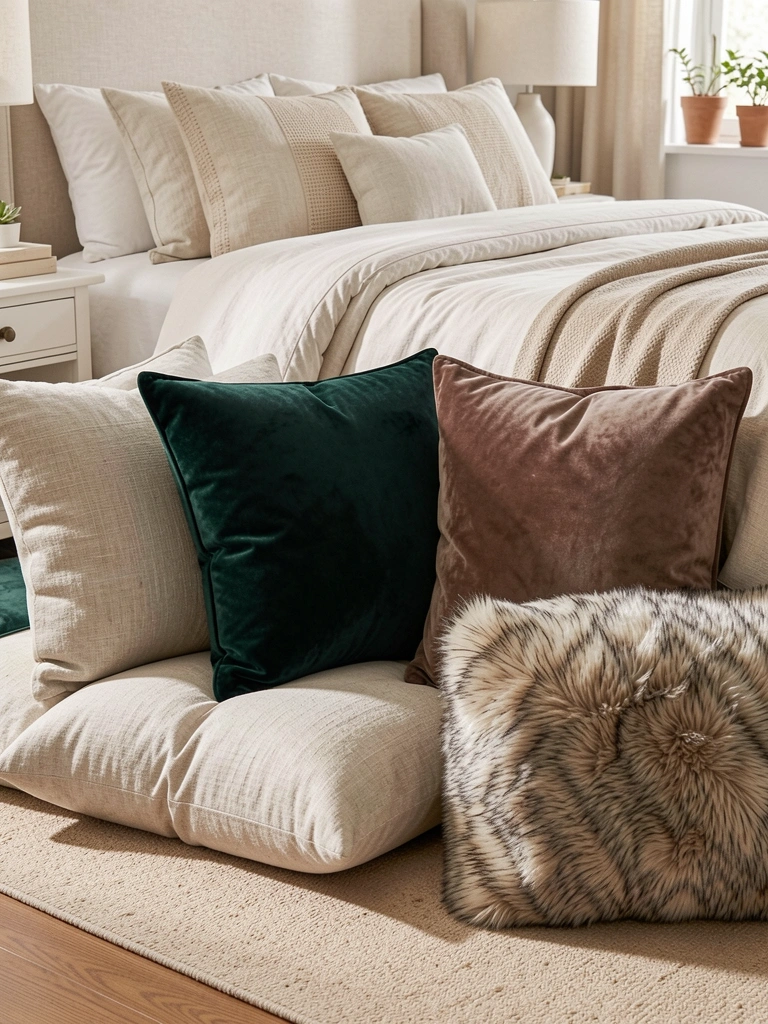
Oversized floor pillows around your bed create dimension and extend your layered aesthetic beyond just the mattress—they suggest a space designed for lingering.
Add 2–3 oversized floor pillows ($40–$100 each from IKEA, Target, Wayfair, or CB2) in varying textures (linen, velvet, faux fur) around your bed base. Layer them at different heights so the arrangement feels organic rather than uniform. This approach works beautifully in rooms with space for a reading nook or lounging area adjacent to your bed. Mix neutral tones and textures to match your pillow stack for visual coherence. Floor pillows are also incredibly renter-friendly—they add comfort and texture without wall mounting or permanent furniture.
Your bedroom now feels like a retreat designed for comfort, not just sleeping—it’s a space that encourages you to stay and settle in.
21. Layer Ribbed and Smooth Textures in Alternating Rows
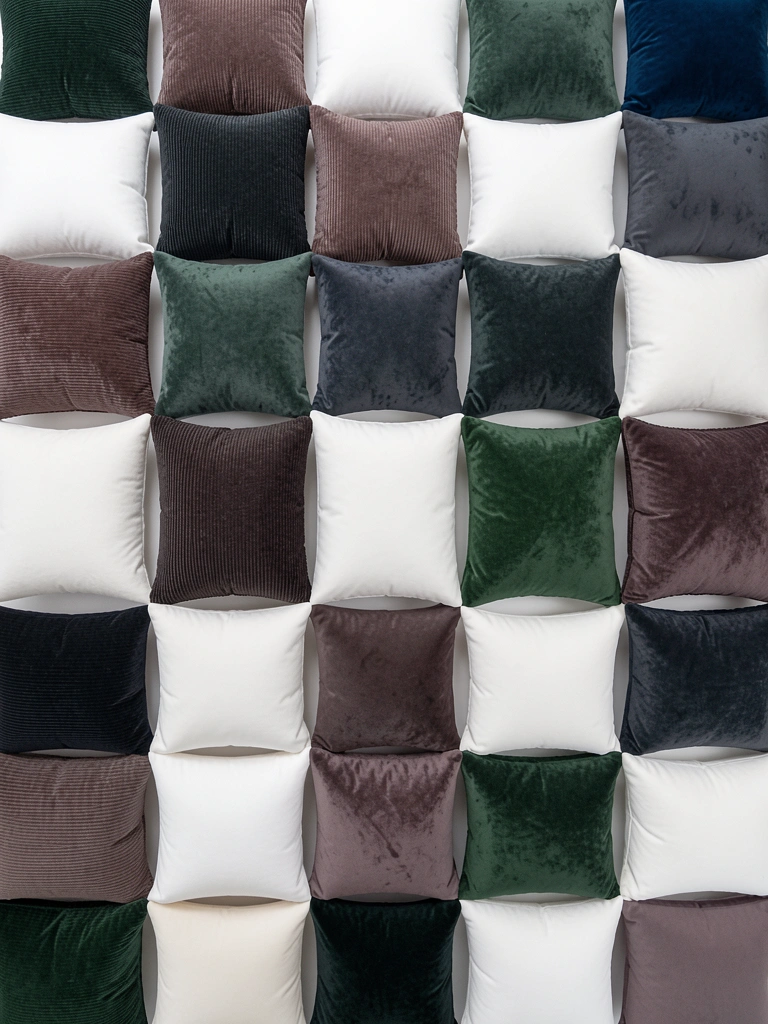
Creating an intentional pattern of alternating textures shows design intention and creates visual rhythm that feels collected and purposeful.
Arrange your pillow stack in alternating rows: ribbed texture, smooth texture, ribbed texture, smooth texture, working from headboard forward. This creates visual pattern and makes your pillow arrangement feel deliberate. Use corduroy or ribbed covers alternating with velvet or smooth cotton ($150–$250 for a full stack). The pattern is subtle but visible—it suggests you’re not just throwing pillows together but thoughtfully arranging them. This works best viewed from across the room, so it’s perfect for styling that photographs well on your phone or camera.
The subtle repetition creates a sense of intentional design that elevates your entire bed from casual to carefully curated.
22. Mix Jacquard Woven Textiles with Solid Pillows
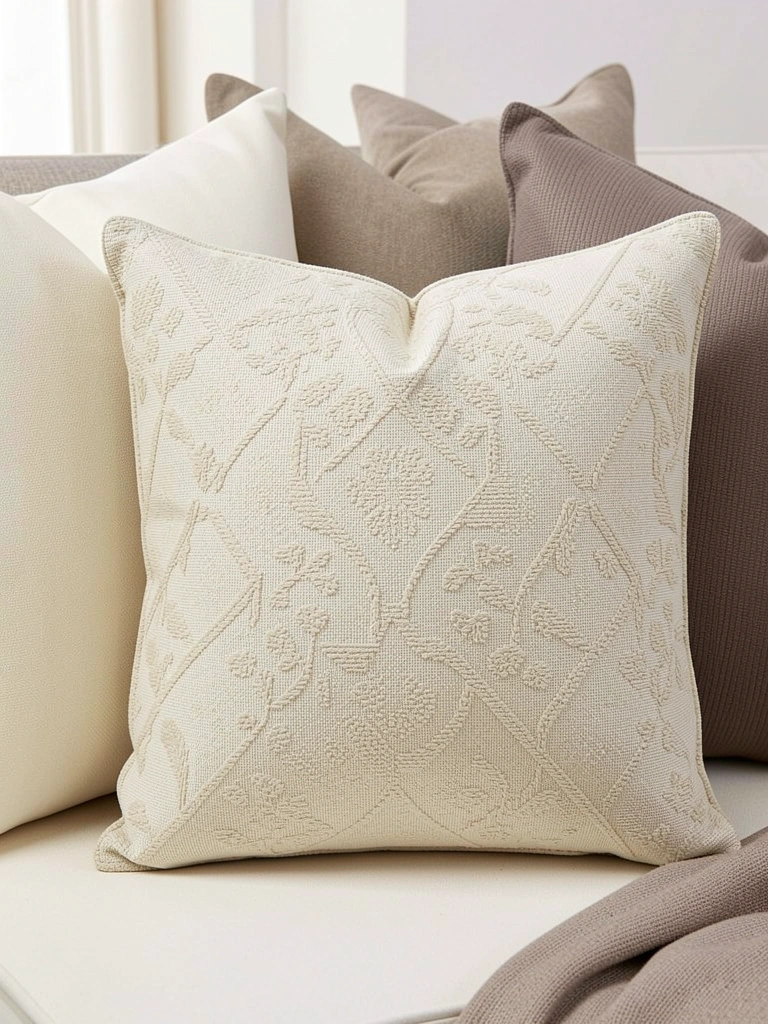
Jacquard weaves add subtle pattern through texture rather than color, which is the perfect middle ground between solid minimalism and bold pattern drenching.
Layer one or two jacquard woven pillows ($40–$100 from Etsy, Anthropologie, West Elm, or specialty retailers) among your solid-colored pillow stack. Choose jacquard in cream, taupe, or warm white to keep the palette cohesive while gaining visual depth through woven pattern. Jacquard reads as sophisticated and collected because the pattern is subtle enough to feel sophisticated rather than busy. Position jacquard pillows in your middle layers where they’ll be visible but not overwhelming. This approach is perfect if you want texture and visual interest without bold color or print.
The subtle woven pattern adds complexity and visual interest that keeps your neutral palette from feeling boring or flat.
23. Use Silk Pillowcase as the Topper Piece
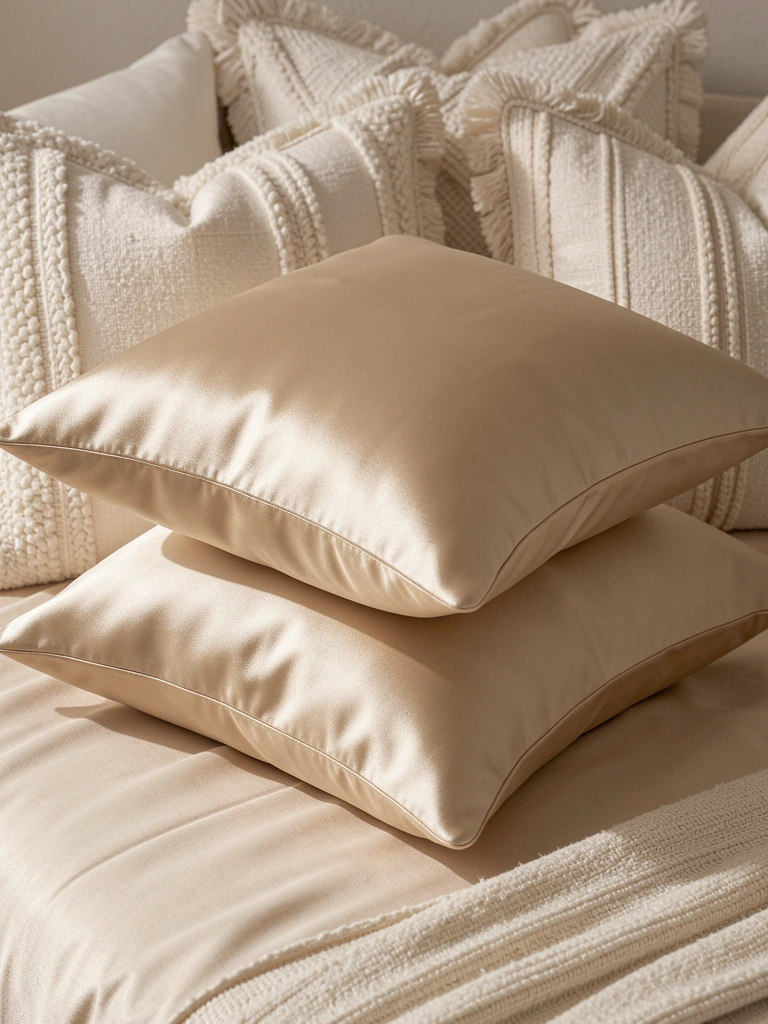
A single silk pillowcase as your topmost, most visible pillow layer is the finishing touch that signals luxury and intention.
Position a silk or satin pillowcase ($25–$80) as your smallest front-layer pillow so it catches light and becomes the focal point—this is the piece people see first. This approach requires less investment than filling your entire bed with silk but gives you the visual and tactile luxury feel. Use a color that complements your palette—ivory, cream, or warm white all work with neutrals. This single piece adds that subtle sheen that reads as sophisticated and collected. If you buy smaller decorative pillows, use silk covers rather than standard cotton, and position them to catch natural light.
The silk topper becomes the piece that catches your eye and hand first—it signals quality and intention in one simple addition.
24. Layer Heirloom or Antique Textiles as Statement Pieces
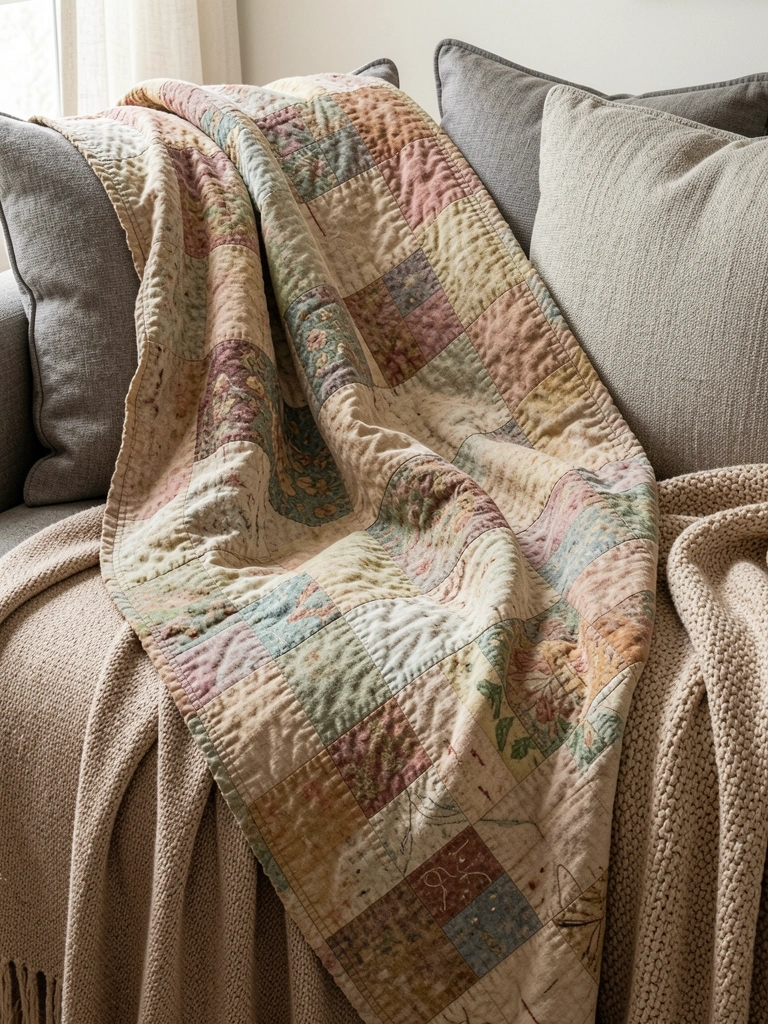
A true heirloom or antique textile as a draped statement piece transforms your bed from generic to deeply personal and collected.
Drape an inherited quilt, antique textile, or vintage find ($50–$500+ depending on quality and age) loosely across your bed, letting it puddle artfully over pillows and throws. Don’t worry about perfect placement—the beauty is in the lived-in arrangement that shows the textile’s age and history. Antique pieces often have faded colors that complement modern neutrals beautifully, plus they add soul that new textiles can’t replicate. If you have access to estate sales, consignment shops, or family pieces, this is your moment to feature them. Protect valuable textiles from direct sun and dust by rotating their display or using them seasonally.
Your bed becomes a storytelling space that reflects your personal history and taste rather than just commercial styling.
25. Mix Weightless Gauze with Structured Throws
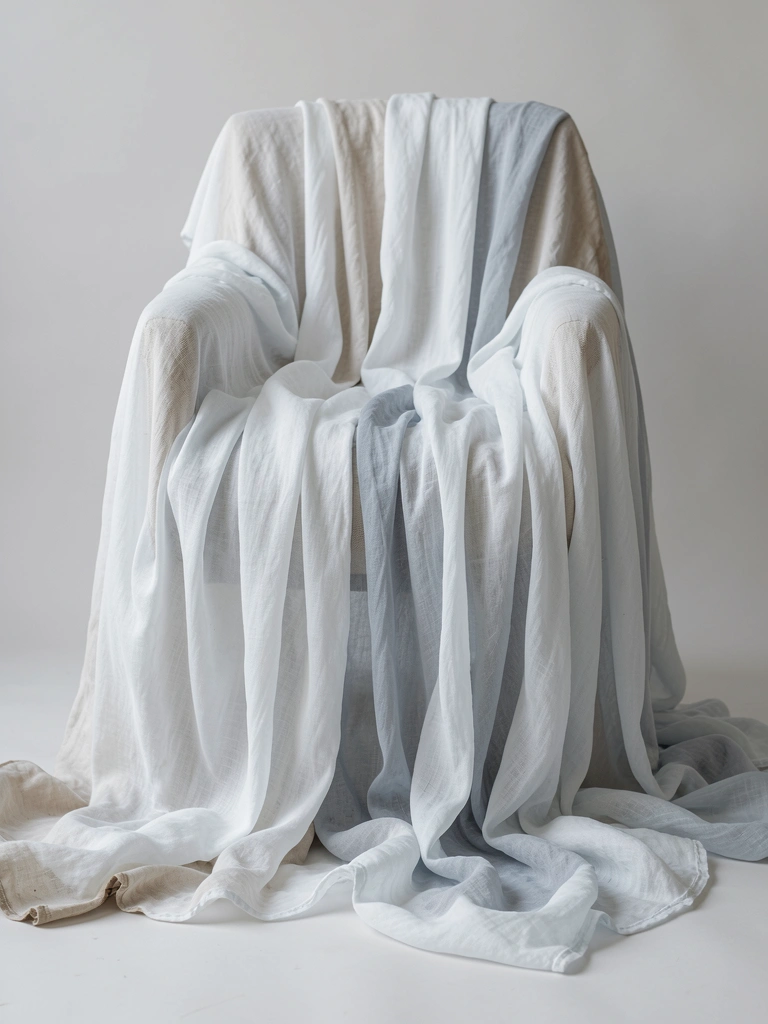
Pairing weightless, flowing gauze with heavy, structured pieces creates visual and textural balance that feels sophisticated and intentional.
Layer lightweight gauze or muslin drapes ($20–$50) over your weighted or structured throws ($100–$200). The gauze floats and moves while the heavy piece underneath stays grounded—visually this creates depth and movement. Gauze in cream or warm white works best with neutral palettes. You can buy gauze fabric by the yard and drape it naturally, or find ready-made gauze throws at Urban Outfitters, Target, or online retailers. This combination is perfect for creating that romantic, ethereal quality while maintaining functional warmth and structure underneath.
The interplay of weightless and grounded creates a dreamy, intentional aesthetic that feels both artistic and deeply comfortable.
26. Layer Woven Textiles in Graduating Tones
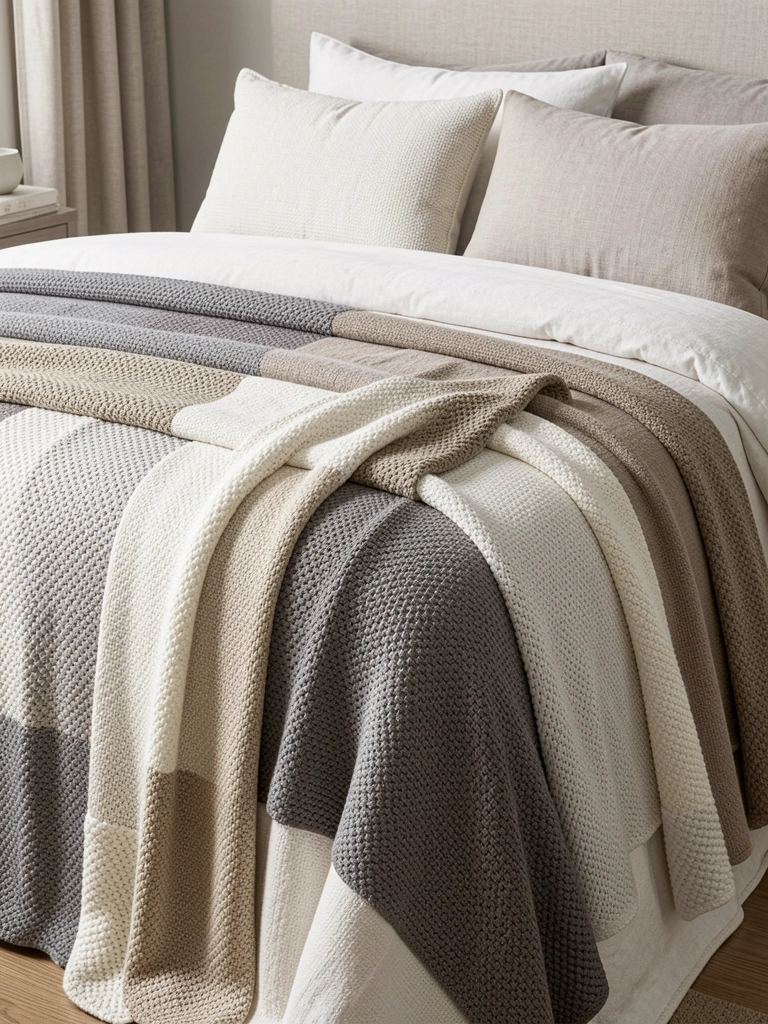
Creating a tonal gradient with woven textiles builds sophistication through color subtlety rather than bold contrast.
Layer 3–4 woven throws in graduating tones from cream to taupe to warm gray ($80–$200 total from Etsy, sustainable textile retailers, or boutique home stores). Arrange them so each tone is visible as it transitions to the next—this creates visual interest through subtle color shift rather than bold contrast. This approach works beautifully if you appreciate minimalism but find true mono-tones boring. The texture of woven pieces means each tone catches light slightly differently, creating dimension through material rather than color change. Position them across your bed foot or layered under your pillows depending on your bed size.
The graduated tones create a sophisticated, intentional aesthetic that feels designed by someone who truly understands color and composition.
27. Build a Textural Timeline with New and Vintage Blends
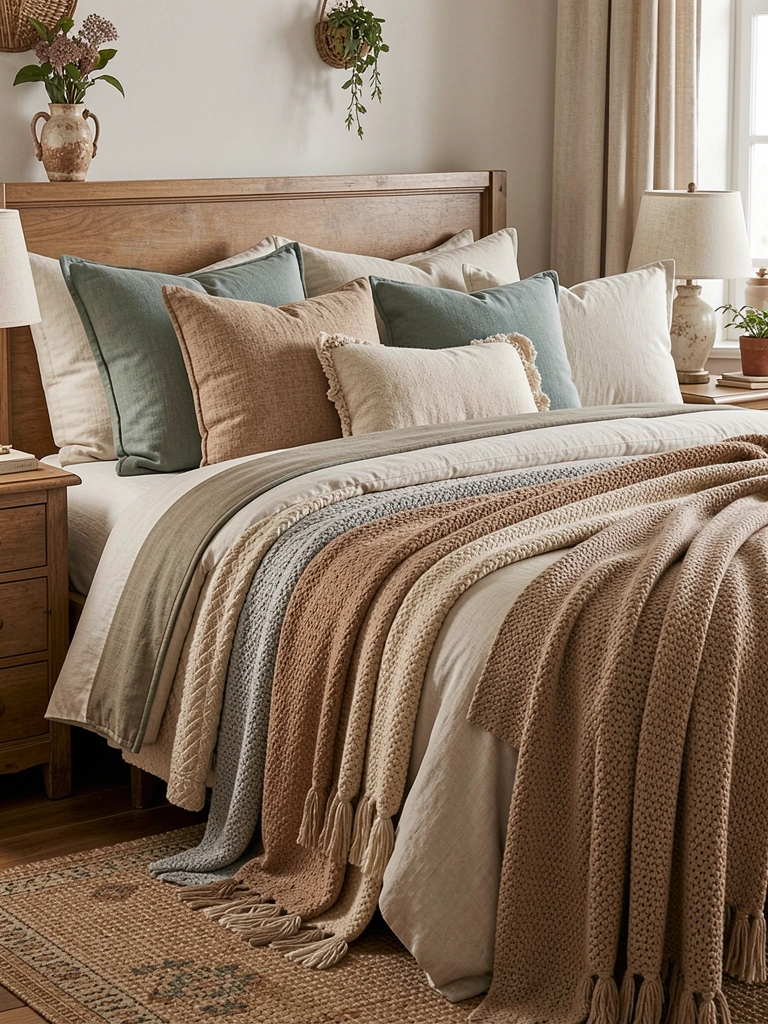
The most successfully layered beds tell a story of pieces collected and curated over time—mixing new and vintage creates authenticity that pure new-everything cannot achieve.
Combine new neutral textiles ($150–$300 for base pieces) with vintage finds ($20–$100 for special pieces) to create a bed that feels authentically yours rather than purchased from one store. Layer new linen pillows with a vintage quilted throw, modern velvet accents with antique embroidered pieces, contemporary weighted blankets with inherited textiles. The beauty is in the mixture—it shows intention and personal history. Vintage pieces often soften the minimalism of contemporary design, making your bed feel warm and lived-in rather than sterile or trendy. Visit estate sales, thrift stores, and consignment shops alongside Target and IKEA for this intentional blend.
Your bed becomes a reflection of your personal journey and taste—a space that’s simultaneously brand-new and timeless, contemporary and heirloom-quality.
Save this post for your next bedroom refresh. Pick one layering idea this weekend and watch how it shifts the entire feel of your space—then keep building from there. You’ll be amazed at how textural depth transforms a simple bed into an actual retreat.
Leave a Reply