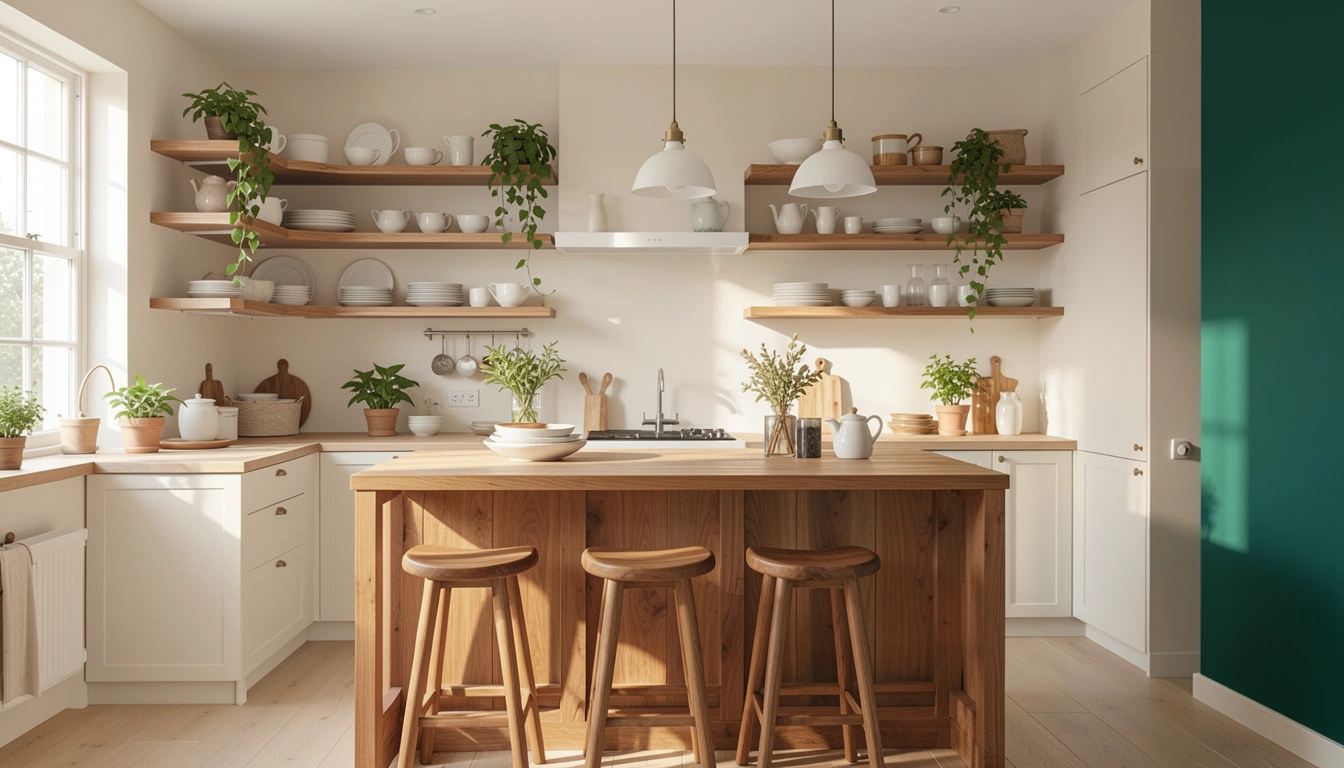
Your kitchen doesn’t need a full renovation to feel like a space you actually want to spend time in. Whether you’re renting, saving up, or just ready for a refresh, small aesthetic changes can completely shift how your kitchen feels—and functions. The best part? Most of these ideas work for any budget, skill level, or living situation. Ahead, you’ll find 26 kitchen upgrades that range from free styling tweaks to investment pieces. Some take 15 minutes, others are weekend projects. Pick one, try it this week, and see how it changes your everyday cooking experience. Your kitchen is about to become somewhere you want to be.
1. Paint Your Island a Bold, Unexpected Color
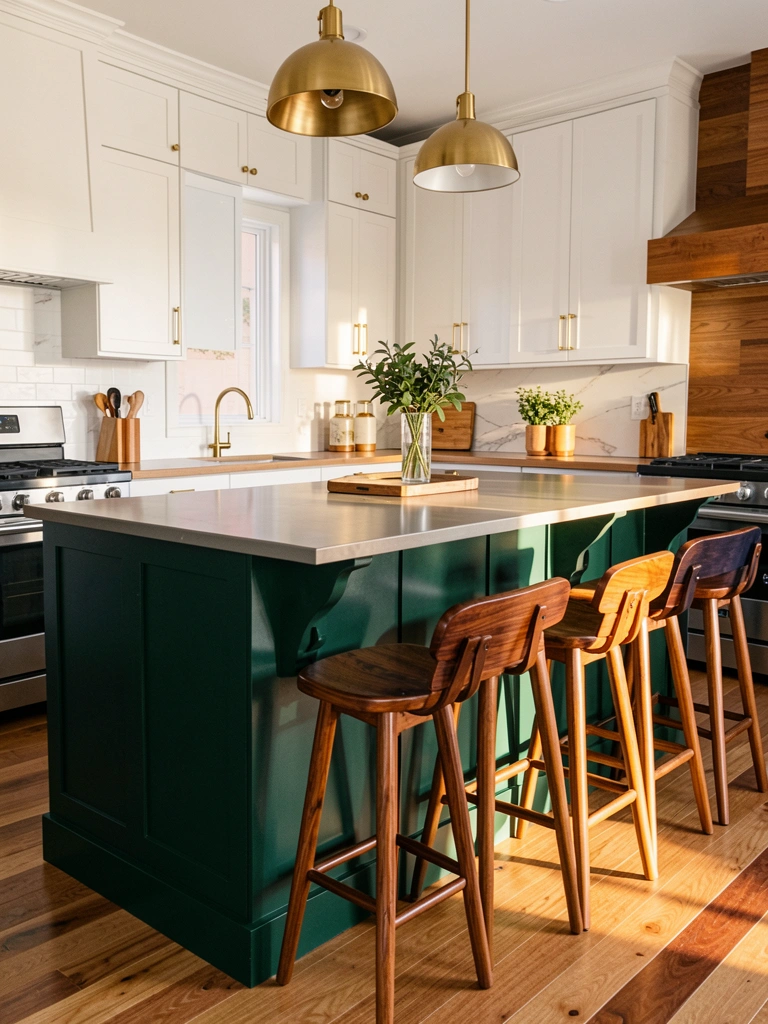
An island painted in deep color instantly anchors your kitchen and becomes a focal point worth looking at. If your island is currently white or natural wood, this single change impacts the entire room’s energy. Choose deep greens, navy, terracotta, or warm charcoal—whatever resonates with your space’s natural light.
Use 2-3 coats of semi-gloss or satin kitchen cabinet paint ($30-$50 for quality paint) and a foam roller for smooth coverage. This is a 1-2 day DIY project if you remove hardware first. If you’re renting or hesitant, removable peel-and-stick contact paper ($20-$30) gives the same visual impact with zero commitment. The hardware swap makes it even better: swap out knobs and pulls for brass or black options ($15-$40 total). You’ll immediately notice how much personality your kitchen gains and how much more intentional the space feels.
2. Layer Your Lighting with Task, Ambient, and Accent Zones
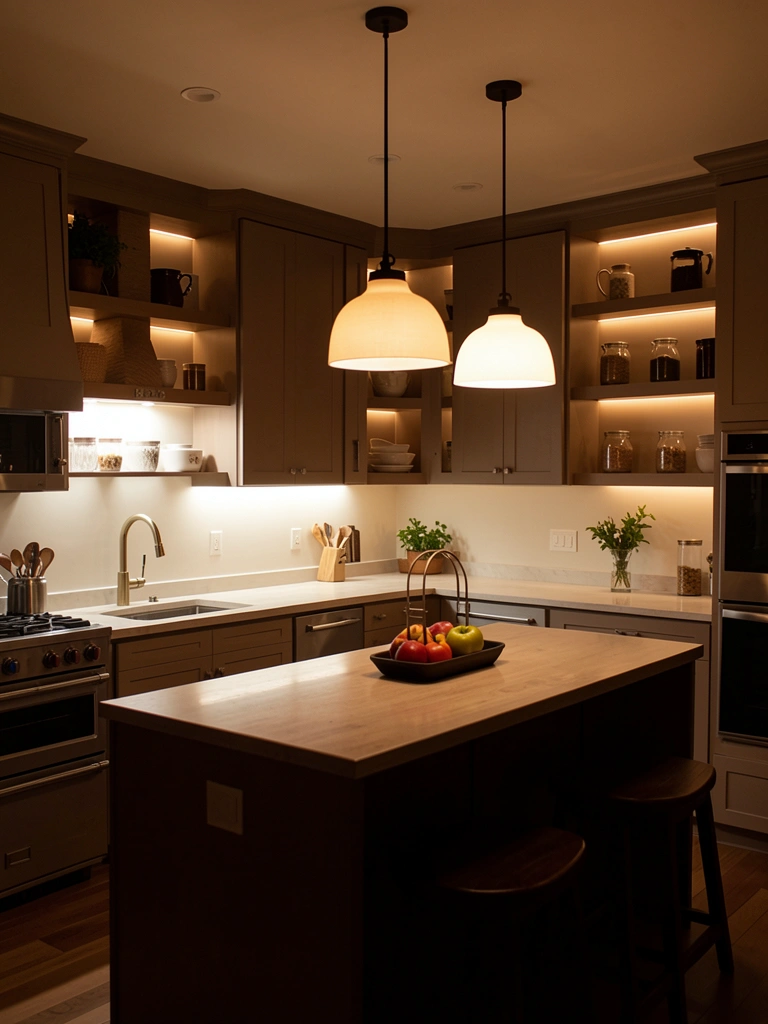
Most kitchens rely on one or two overhead lights, which creates harsh shadows and doesn’t feel welcoming. Layering three types of lighting—task, ambient, and accent—makes your kitchen feel intentionally designed and more functional at any time of day.
Task lighting (under cabinets or over prep areas) costs $40-$150 for LED strips from IKEA or Amazon and takes under an hour to install. Ambient lighting (overhead pendants or a dimmable fixture) runs $60-$250 depending on style. Accent lighting (along shelving or inside glass cabinets) is $20-$80 for simple LED puck lights. Download a lighting plan template online or sketch zones on paper first—it takes 20 minutes. You’ll notice the difference immediately: your kitchen feels bigger, your countertop work is easier, and the space becomes visually interesting even when you’re not cooking. Dimmers for overhead lights ($10-$20) are the cherry on top.
3. Swap Out Cabinet Hardware for Instant Personality
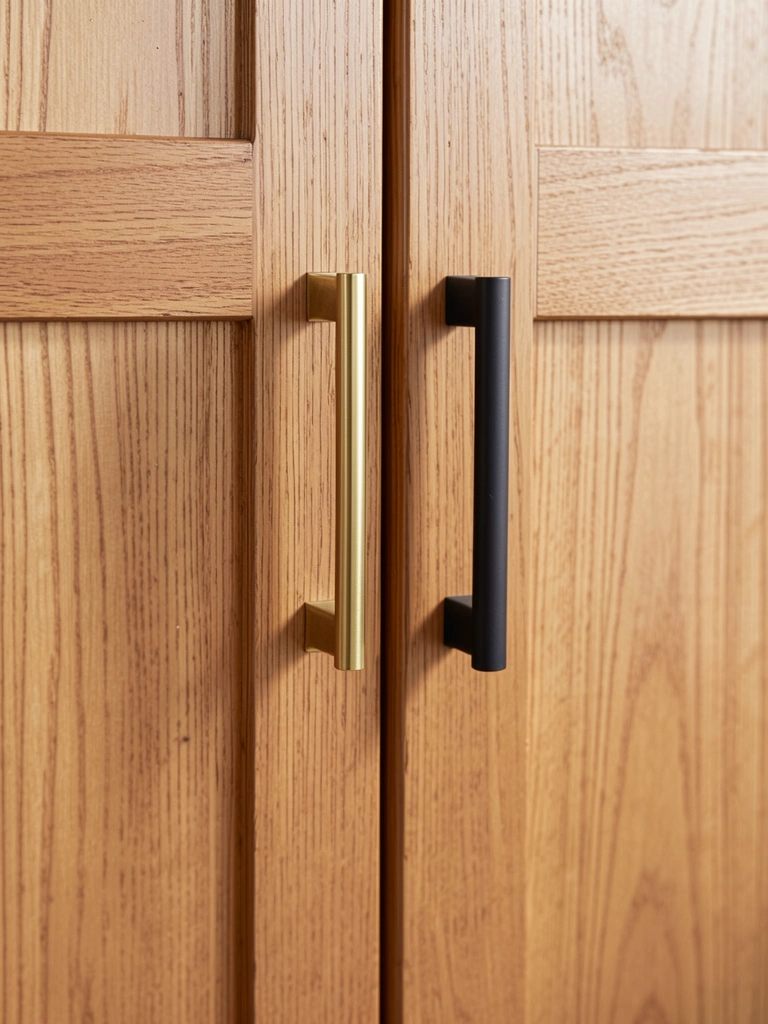
Your cabinet hardware is jewelry for your kitchen—and changing it takes 30 minutes and costs almost nothing compared to cabinet refacing. This swap works whether you own or rent (save the original hardware to reinstall later). Brass, matte black, ceramic, woven, and gold hardware each create a completely different mood in the same space.
Browse Anthropologie, Wayfair, Amazon, or hardware stores for options in your style. Budget $30-$100 total for a full kitchen’s worth of hardware—or splurge on statement pieces for just the island ($60-$150). Use a cordless drill if you have one, or a regular screwdriver works just fine. Match your hardware style to your overall aesthetic: minimalist matte black, warm brass, or playful ceramic. This single update signals that you’ve thought intentionally about your space, and it’s one of the cheapest ways to refresh everything. Visitors immediately notice the cohesion and care.
4. Display Open Shelving Without the Visual Chaos
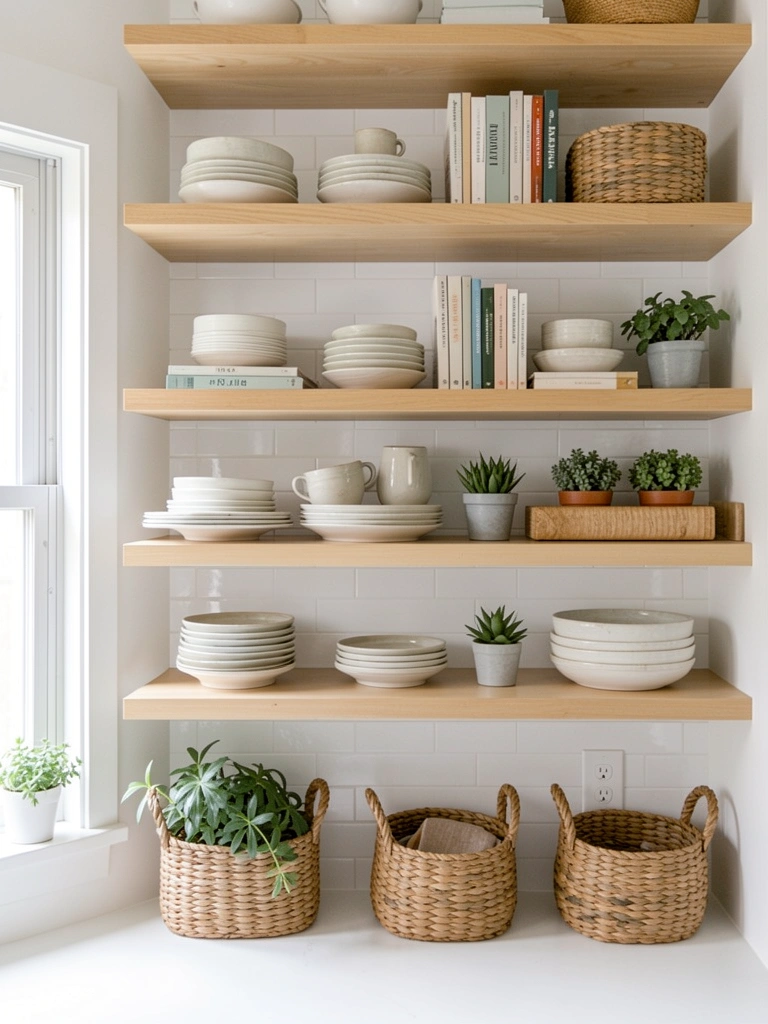
Open shelving looks amazing in design magazines—until yours looks like a storage unit. The trick is curating ruthlessly and styling intentionally. Not everything needs to live on display; in fact, less is more.
Use the Rule of Three for styling: group items in odd numbers (3 cups, 5 bowls, 2 plants). Reserve one shelf for functional storage (everyday dishes you use), one for styled display (beautiful pieces that look great), and one for breathing room (plants, a small stack of cookbooks, empty space). Take 2-3 hours to edit: donate or relocate dishes you don’t love. Woven baskets ($10-$40 each from Target or IKEA) hide messier items. Choose a color palette (neutral with one accent color, or all warm tones) and stick to it. The key is that everything visible should either be beautiful, useful, or both. Your kitchen immediately feels more sophisticated, and you’ll actually enjoy looking at your shelves.
5. Add a Pop of Color with Removable Wallpaper or Peel-and-Stick Backsplash
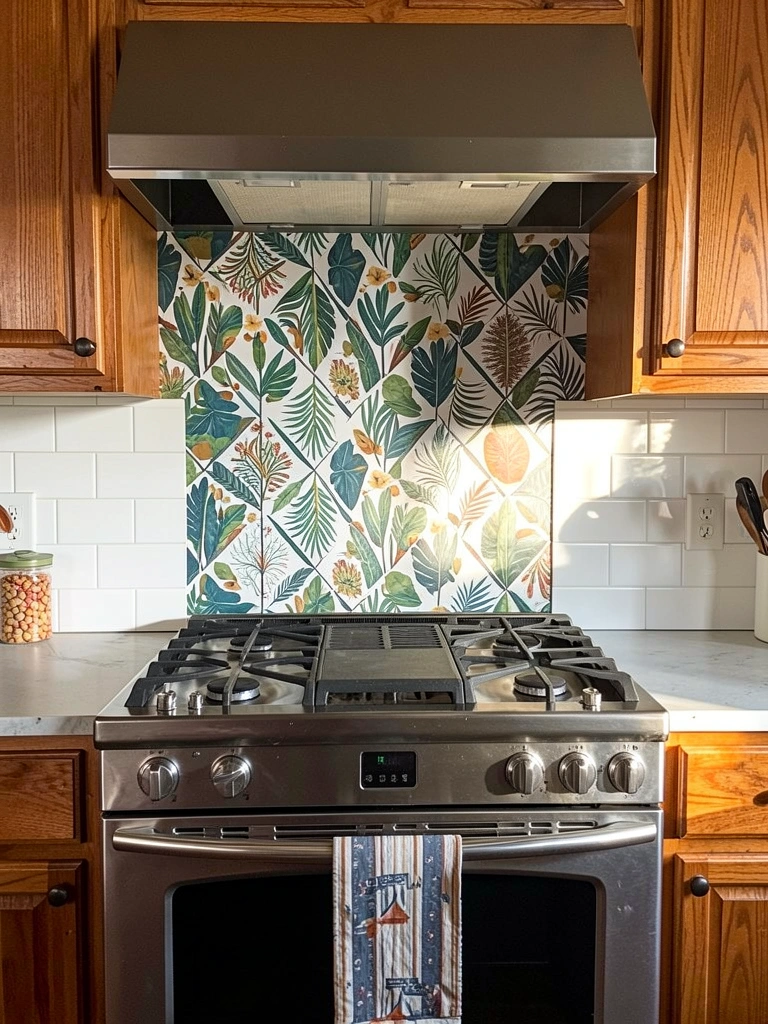
Wallpaper and tile are permanent, but removable peel-and-stick backsplash gives you color and pattern with zero commitment. This is the renter’s dream and works beautifully for homeowners who like to change things up seasonally. Bold patterns, subtle geometrics, or classic subway-style options all work.
Shop Spoonflower, Etsy, Amazon, or Wayfair for thousands of options ($15-$60 per sheet). Measure your backsplash area and calculate how many sheets you need. Prep your wall by wiping it clean and letting it dry completely—any dust prevents adhesion. Apply slowly, smoothing out bubbles with a credit card as you go. The entire project takes 1-2 hours and requires zero tools. If you mess up, peel it off and try again. You get instant color impact without painting or tiling, and you can swap it out whenever you want. Renter? This is your secret weapon for a personalized kitchen that landlords can’t complain about.
6. Create a Scullery or Hidden Prep Zone for Entertaining
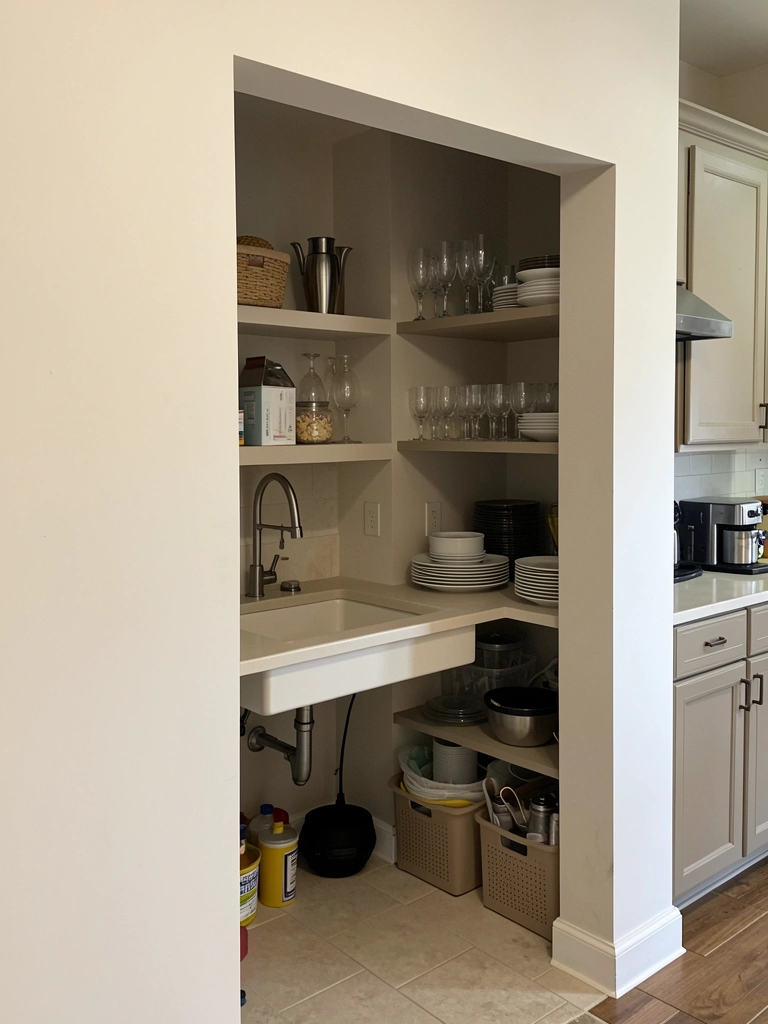
A scullery or butler’s pantry sounds fancy, but it’s really just a hidden zone where you can stash dirty dishes, prep messy food, and store entertaining supplies while guests see your main kitchen stays pristine. You don’t need an extra room—even a closet-sized space or corner with a partial wall works.
If you have space (even 4×6 feet), install open shelving ($50-$150 from IKEA) to store serving platters, extra glassware, and entertaining supplies. Add a prep sink if budget allows ($200-$600 plus installation), or repurpose a rolling cart as a mobile prep station ($50-$150). This setup takes a weekend to install and completely changes how you entertain. Guests see a tidy main kitchen, but you have room to work without stress. You keep your main kitchen visually calm while having all the functional space you need. If you’re not ready to commit, even a rolling cart with a curtain in front ($40-$80) creates the same “out of sight” benefit.
7. Use Color in Small Doses Instead of Full Commitment
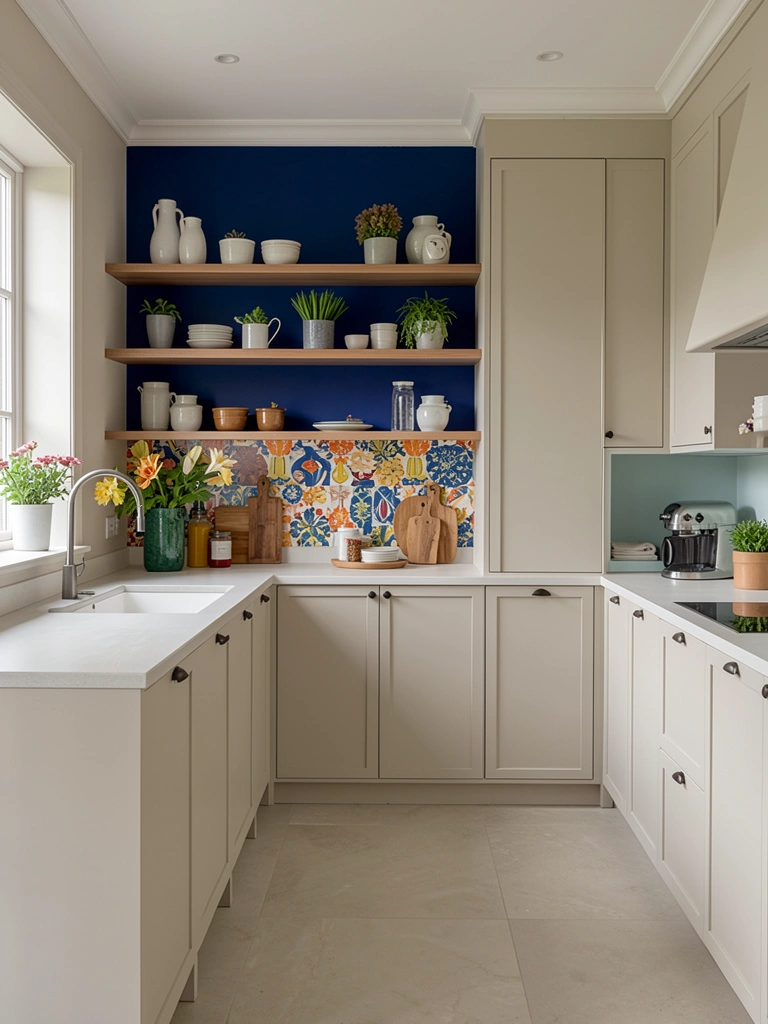
Bold color in kitchens feels risky, but using it strategically feels intentional and sophisticated. Instead of painting all your cabinets or walls, apply color to one surface: a backsplash, one wall, inside glass cabinet doors, or a single accent shelf. This approach gives you color without overwhelming the space.
Choose one bold shade (terracotta, forest green, deep navy, warm charcoal) and apply it to the highest-impact, lowest-risk spot. Paint a single cabinet interior (free if you already have paint, $15-$30 for new paint). Tile a backsplash ($30-$100 for peel-and-stick tile). Paint one accent wall ($20-$50 in paint). Add colored glass shelves ($40-$80). This takes a few hours to a weekend depending on your choice. The result? Your kitchen feels curated and personal without feeling chaotic. You get bold color confidence in bite-sized form, and if you change your mind later, you only need to fix one small area instead of your entire kitchen.
8. Install Floating Shelves for a Modern, Minimalist Look
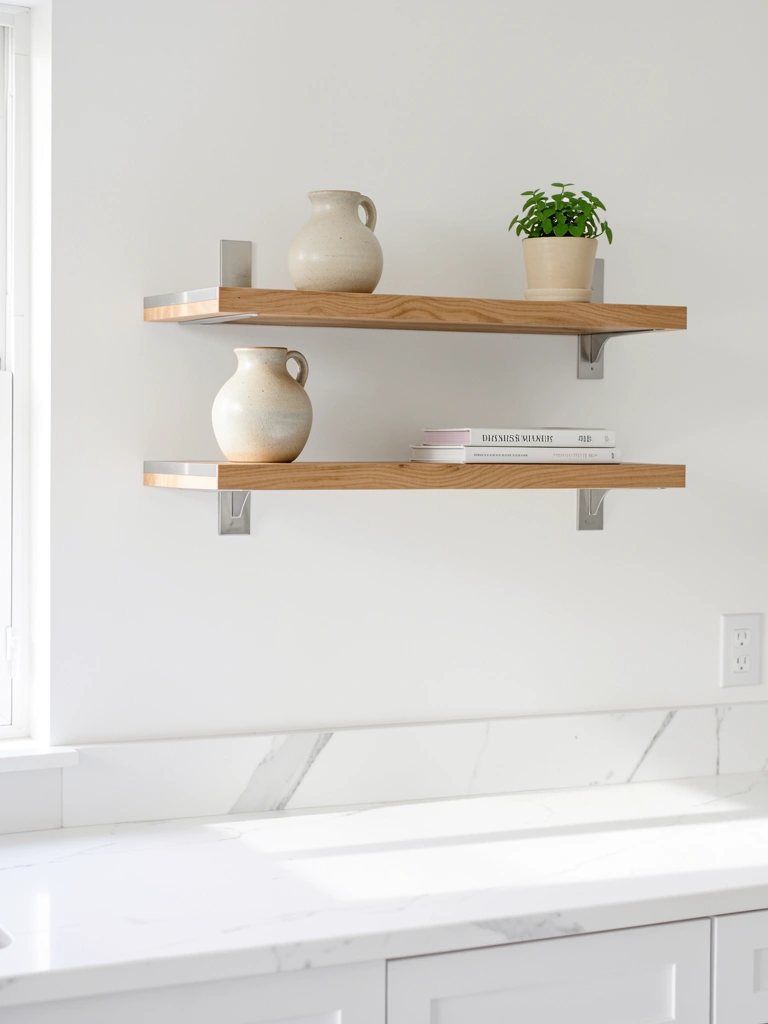
Floating shelves are the modern kitchen upgrade that instantly makes your space feel more open and designer-like. They work in any style and take just an afternoon to install. Whether you go minimalist or styled, they’re instantly Instagram-friendly.
Purchase floating shelves from IKEA ($15-$40 each), Amazon, or Wayfair. You’ll need a stud finder ($15-$25) and a drill if you don’t already own one. This is a 30-minute installation project per shelf—two shelves take about an hour. Start with just two shelves above your counter where you need them most (by the coffee maker or over prep space). Weight limit matters: don’t overload them. Style with a few beautiful items (a plant, a small stack of cookbooks, a ceramic piece) rather than cramming them full. Your kitchen instantly feels more open, you gain functional storage, and you create visual interest above your counters. Plus, floating shelves photograph beautifully for those kitchen refresh snapshots.
9. Upgrade to Statement Range Hood or Add a Plaster Accent Above the Stove
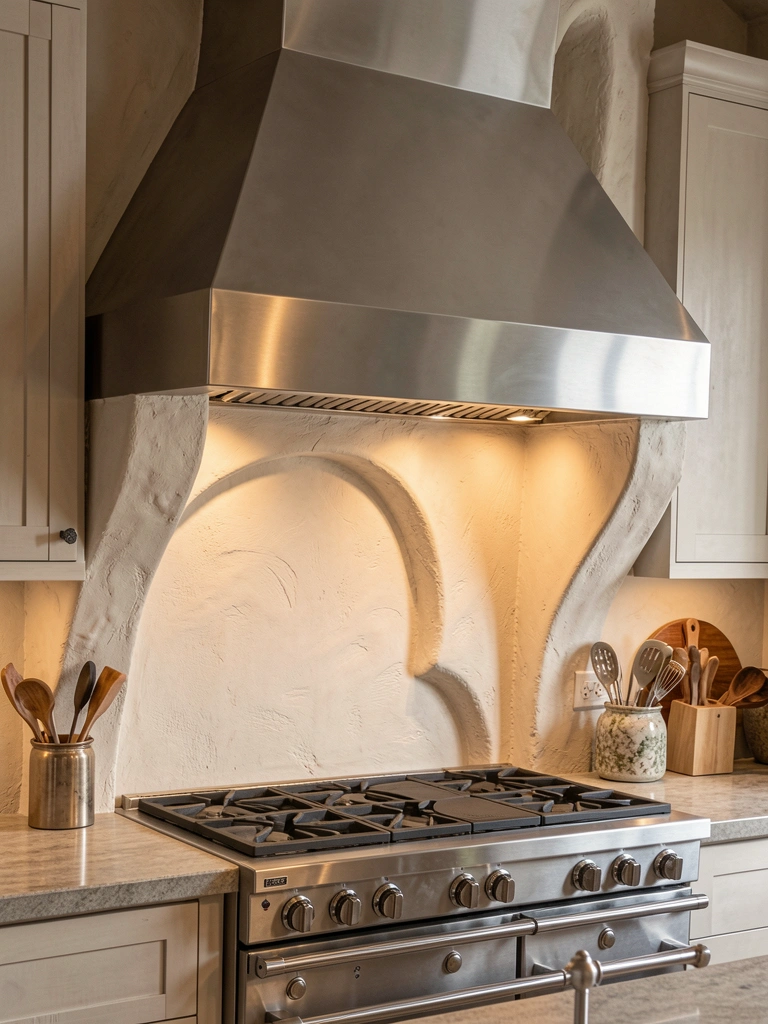
Your range hood is prime real estate for a statement piece. Most kitchens hide theirs away, but designers are increasingly using hoods as the focal point. Whether you upgrade the hood itself or add a decorative plaster or tiled accent behind it, this change commands attention.
Replace an existing hood with a statement hood ($300-$2,000+ depending on style and material) from brands like Zephyr, Broan, or specialized retailers. Alternatively, keep your existing hood but add a textured plaster accent ($100-$300 in materials if DIY, or hire help for $500-$1,500). Install decorative tile in a bold pattern behind your stove ($50-$200 in tile plus grout, or splurge on professional installation). This is a weekend DIY project for peel-and-stick options, or hire a pro for permanent installations. Your stove area immediately becomes the room’s focal point, and suddenly your entire kitchen feels more intentional. Guests notice it, and it changes how the whole kitchen feels even if nothing else changes.
10. Style Open Shelving with a Cohesive Color Palette
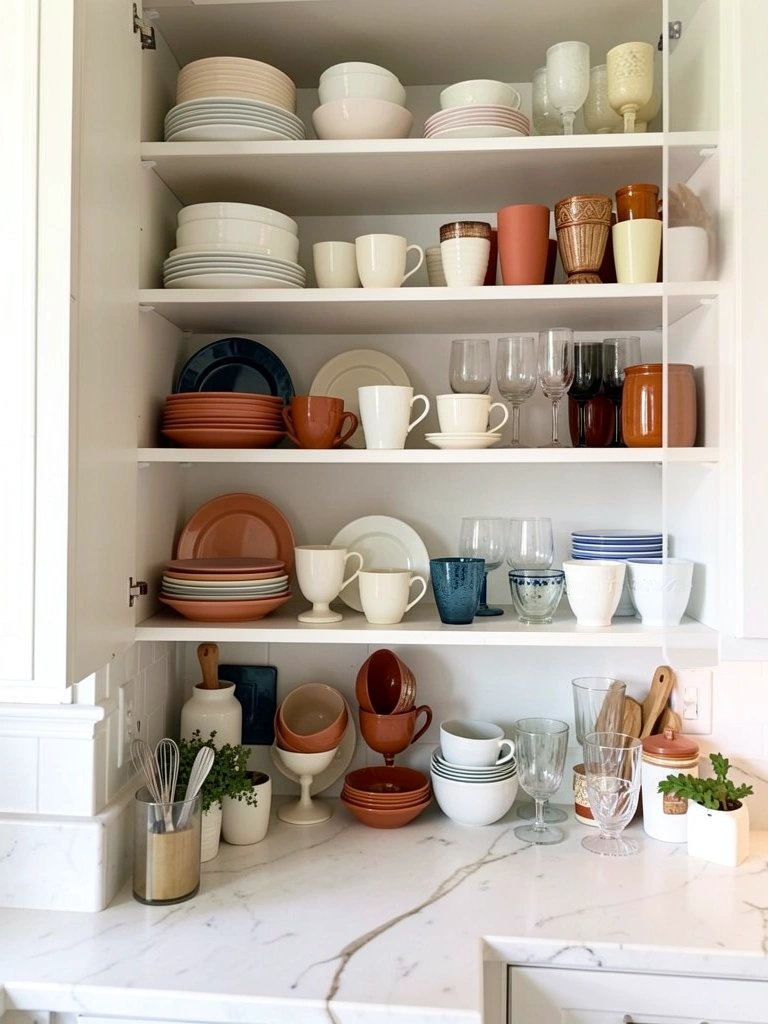
Open shelving only works if there’s a visual thread connecting everything on display. A cohesive color palette turns random items into an intentional collection. This takes editing and patience, but it’s free if you already own dishes, or budget-friendly if you shop secondhand.
Decide on your color family: neutrals with one accent color, warm earth tones, cool jewel tones, or black and white. Donate or relocate anything that clashes. Shop Goodwill, Facebook Marketplace, or estate sales for beautiful dishes in your palette ($1-$5 per piece). Use open shelving bins ($10-$30) in neutral colors to corral smaller items. Group similar items together instead of scattering them—all your mugs on one shelf, all your bowls on another. This takes 2-4 hours of styling, and honestly, you’ll probably need to do it in phases as you find the right pieces. The payoff? Your shelves look like they belong in a design magazine instead of a kitchen storage unit. It makes your entire space feel more polished and thought-through.
11. Add Texture with Fluted or Ribbed Cabinet Doors
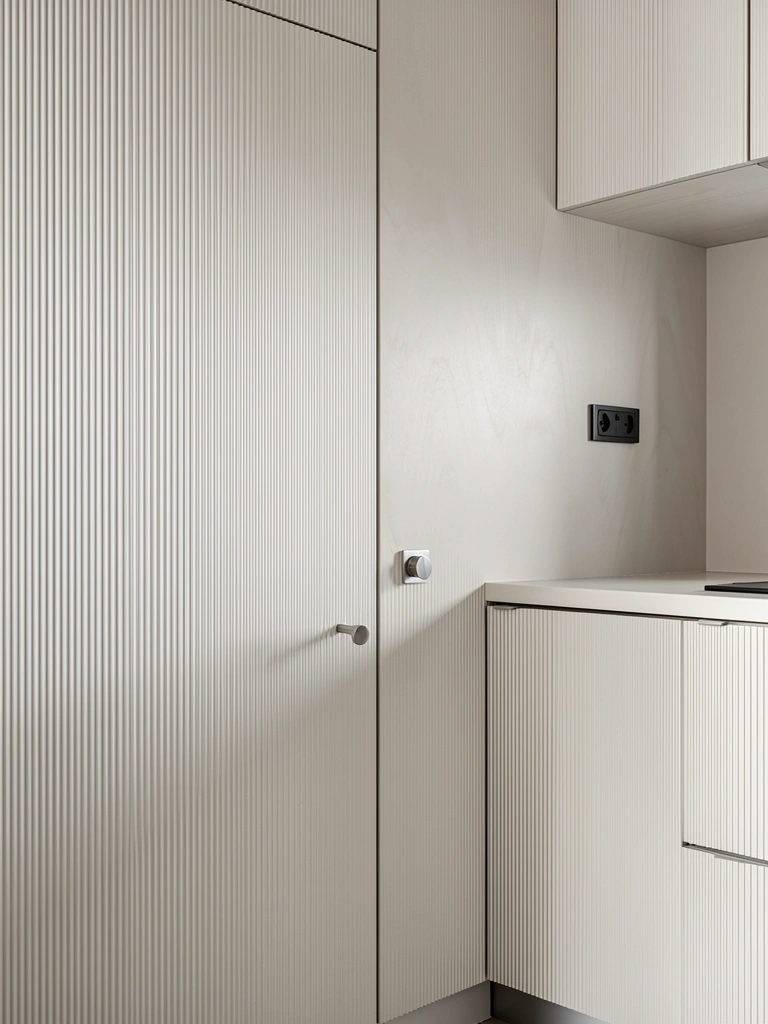
Texture is huge right now, and fluted or ribbed cabinetry adds visual interest without changing your cabinet’s color or footprint. This works especially well if your kitchen has minimal cabinets or you want to refresh existing ones without full replacement.
Replace just cabinet doors (not the boxes) with fluted options from IKEA, Semihandmade, or local cabinet shops ($200-$800 total depending on how many doors). Paint your existing cabinets, then add texture using plaster or wall texture compound ($30-$50 in materials, DIY-friendly, takes a weekend). Apply peel-and-stick textured film to cabinet doors ($50-$100, takes a few hours). The fluted effect creates shadow lines that make your kitchen feel more contemporary and sophisticated. Even if you just texture-upgrade a few doors (like your island or a section of upper cabinets), it instantly elevates the entire space. Texture photographs beautifully and catches light in ways solid colors can’t, making your kitchen feel more expensive and thoughtfully designed.
12. Incorporate Natural Materials and Biophilic Elements
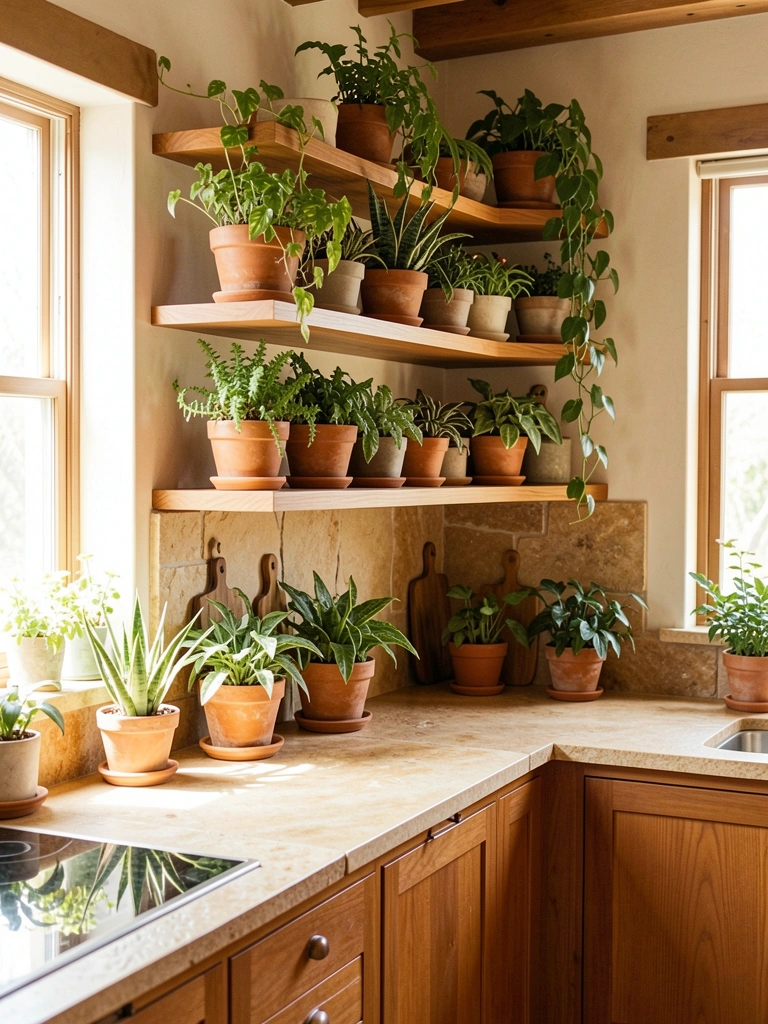
Biophilic design—incorporating nature into your space—makes kitchens feel more relaxing and health-focused. Natural wood, stone, plants, and natural light all contribute to this feeling. This approach doesn’t require a full renovation; start small and layer elements over time.
Swap laminate countertops for butcher block, stone, or wood alternatives ($50-$200 per linear foot, or try removable countertop covers for $50-$150). Add open wooden shelving ($50-$150 per shelf) for warmth. Bring in potted herbs and plants on shelves and counters ($5-$30 per plant). Install a large window treatment that lets in maximum natural light ($50-$200). Source a wood cutting board and leave it on the counter as both decor and function ($20-$80). These elements work together to make your kitchen feel like a sanctuary rather than just a place to cook. You’ll notice yourself spending more time there, and the space feels restorative. If you’re renting, use removable wood contact paper on counters and skip permanent upgrades.
13. Create Dedicated Zones for Multiple Functions
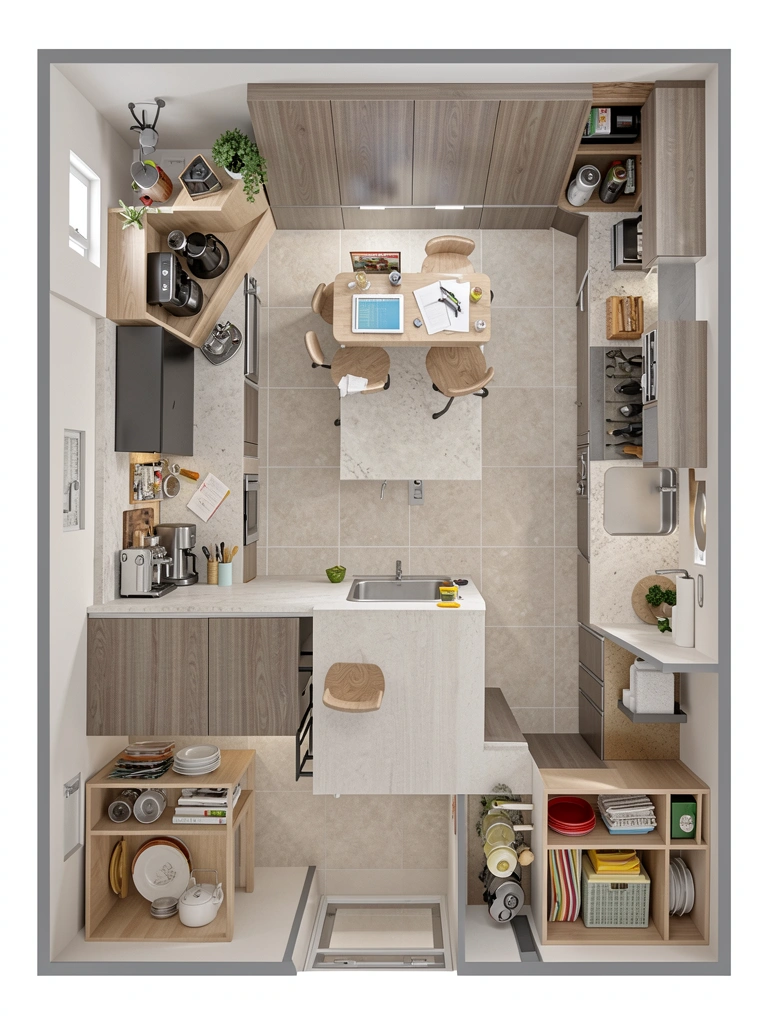
Modern kitchens do double duty: cooking, working, learning, and entertaining all happen here. Creating distinct zones helps the space function better and feel more intentional. This is especially key if you work from home or have kids doing homework at your island.
Coffee station zone: small shelf or cart with mugs, coffee, filters, sugar ($30-$100 for a rolling cart or floating shelf). Work/study zone: bar seating at your island with good lighting overhead ($0-$200 depending on what you already have). Prep zone: clear counter space with a cutting board storage system ($20-$50). Entertaining zone: a dedicated shelf or cabinet for platters, glassware, serving pieces ($0-$100). Label zones informally in your head and organize supplies accordingly. Takes a weekend to reorganize, and costs almost nothing if you repurpose items you own. Your kitchen immediately feels more functional and less chaotic. Family members know where to find things, and you can shift zones seasonally (more homework space in fall, more entertaining supplies in summer).
14. Paint Cabinet Interiors with Bold Color (Visible Through Glass Doors)
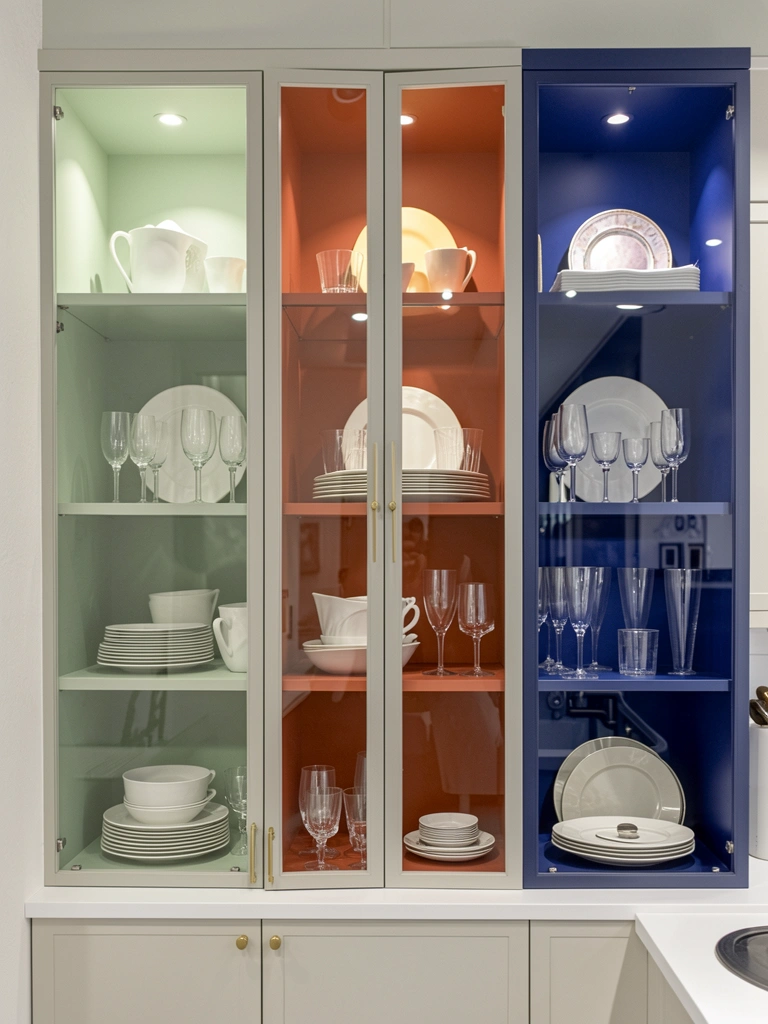
If you have glass-front cabinets or can easily swap one door for glass, painting the interior back wall becomes an instant design statement. This is affordable, renter-friendly, and adds visual interest without touching your cabinet exterior.
Apply 2-3 coats of semi-gloss cabinet paint in your chosen color ($15-$30) to the back wall inside your cabinet. Use a small foam brush or roller for smooth coverage. Let it dry completely before closing the door. Takes 1-2 hours of work plus drying time. This makes glass-front cabinets feel intentional and gallery-like instead of just functional. Pair with coordinated dishware and glassware inside for maximum impact. If you don’t have glass-front cabinets, swap out just one or two doors for glass-front options ($50-$150 per door) and paint the wall behind. This works even in rental apartments if you carefully remove and store the original door. Your kitchen instantly feels more designer and personalized.
15. Mix Metal Finishes for Layered, Modern Appeal
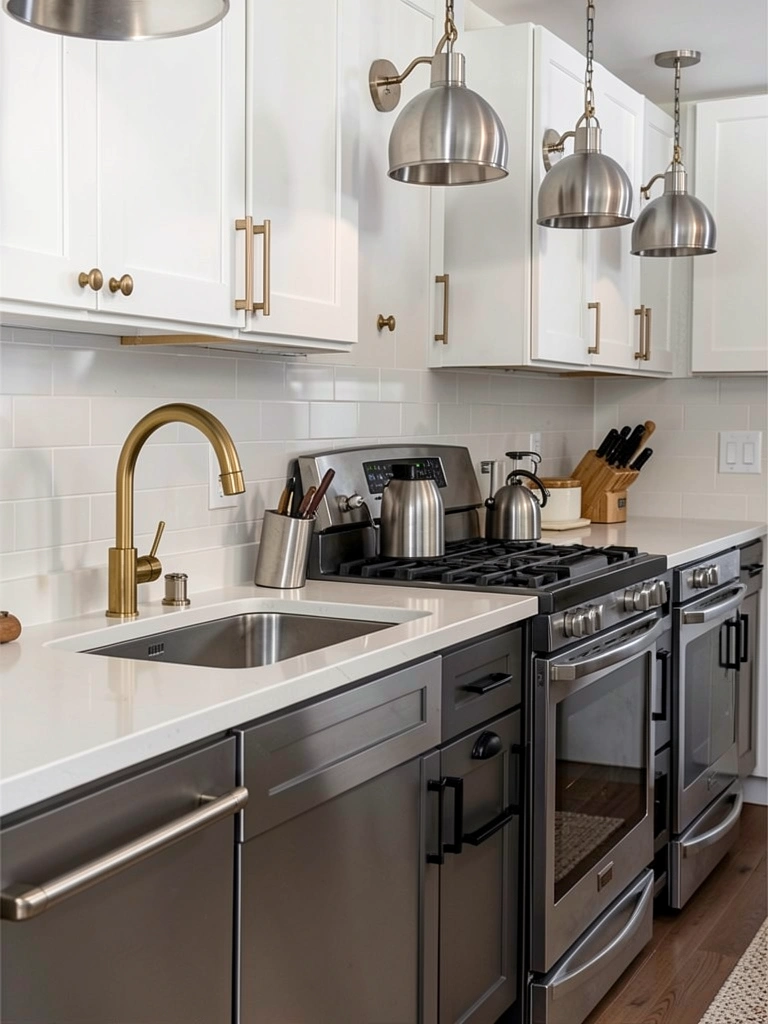
The days of matching all your metals are over. Modern kitchens layer brass, stainless steel, matte black, and gold together for a sophisticated, collected feel. This gives your kitchen personality and visual depth. You can start mixing metals immediately with small swaps.
Choose 2-3 metal finishes that complement your aesthetic. Brass + stainless is warm and modern. Black + brass is sophisticated. Brushed nickel + gold is subtle and elegant. Start by swapping cabinet hardware ($30-$100 total) to introduce your first accent metal. Next, update your faucet ($100-$400) to introduce another finish. Light fixtures ($60-$250 each) and appliance choices come later. Takes just hours to swap hardware and a weekend for larger installations. The beauty of this approach is that nothing needs to match perfectly—intentional variety feels more designed than matchy-matchy. Your kitchen immediately feels more intentional and curated. This works in modern, traditional, and eclectic spaces.
16. Install Under-Cabinet Lighting for Function and Ambiance
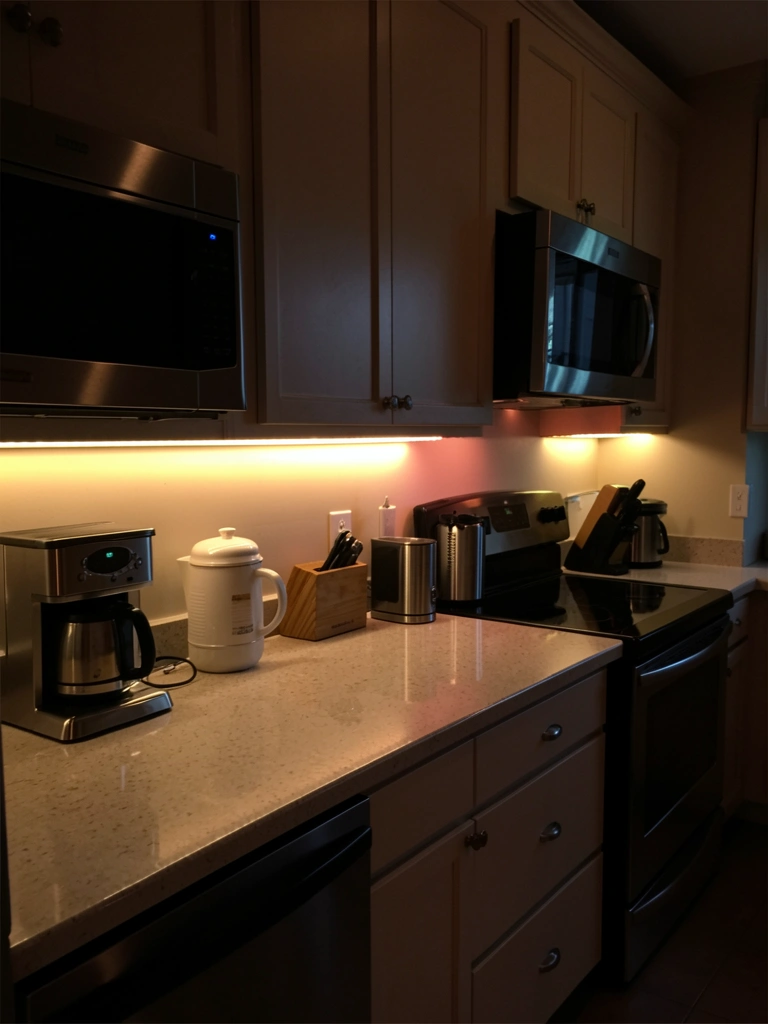
Under-cabinet lighting serves double duty: it makes your countertop prep area easier to see, and it creates beautiful ambient light in the evening. LED strips are affordable, easy to install, and worth every dollar. Renters can use adhesive strips for zero permanent changes.
Purchase LED strip lights from IKEA, Amazon, or Home Depot ($30-$80 total for multiple strips). Choose warm white bulbs (2700K) for cozy feel or cool white (4000K) for task lighting. Adhere strips to the underside of your upper cabinets using adhesive backing (takes 15-20 minutes for your whole kitchen). Run wires along the back of cabinets and plug into an outlet behind an appliance or under the sink. No drilling required if you use adhesive strips. This is one of the easiest upgrades, with immediate payoff. Your countertops are brighter and easier to work on, and your kitchen feels like a restaurant in the evening. Guests comment on it constantly, and it’s the kind of upgrade that signals thoughtful design.
17. Add a Kitchen Island or Upgrade Your Existing One
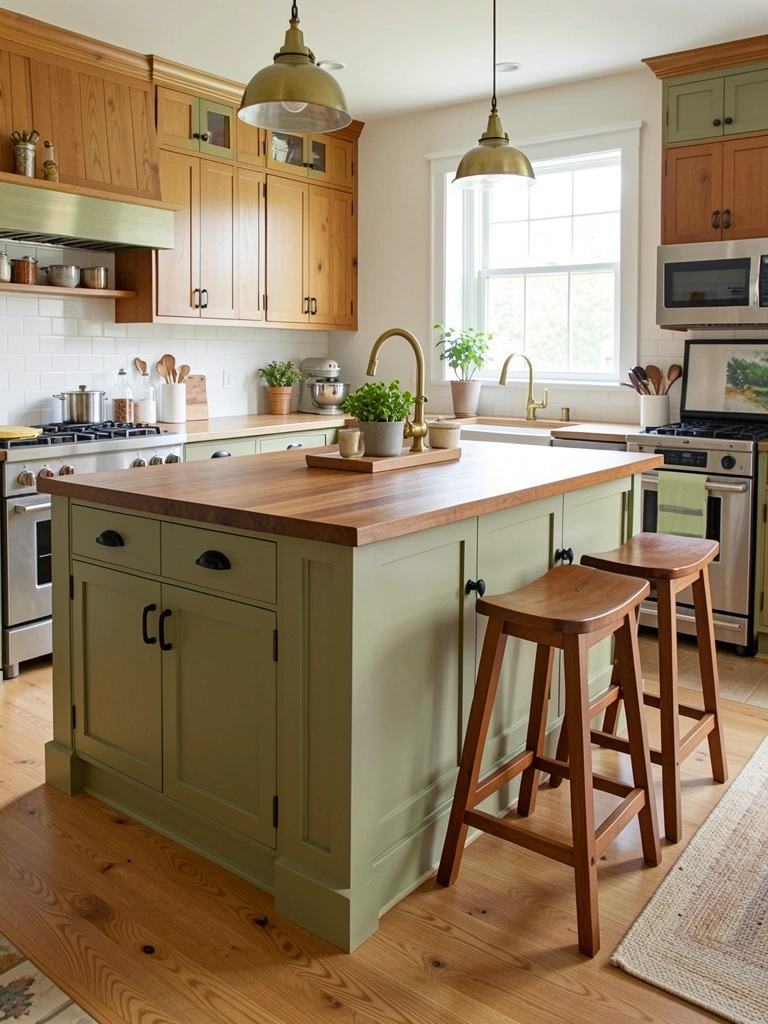
An island transforms how your kitchen functions and feels. If you don’t have one, adding one (even a small rolling cart) creates an instant gathering spot. If you have one, upgrading it with better seating, storage, or finishes gives you more bang for your buck than almost any other single change.
Buy a rolling kitchen cart ($50-$200 from IKEA, Target, or Wayfair) as an affordable island substitute. Upgrade an existing island with new hardware ($20-$50), a fresh coat of paint ($30-$50), or new bar stools ($100-$400). Build a small DIY island using a base cabinet and butcher block top ($150-$300 in materials, takes a weekend). Install a permanent island ($500-$3,000+ for quality construction or professional installation). Combination islands—with both closed storage and seating—maximize function. Your kitchen becomes more social (people gather here instead of a living room), you gain prep space, and your kitchen immediately feels bigger. Even a small cart positioned thoughtfully creates the same gathering-spot energy.
18. Choose Handle-Free Cabinetry or Add Push-to-Open Hardware
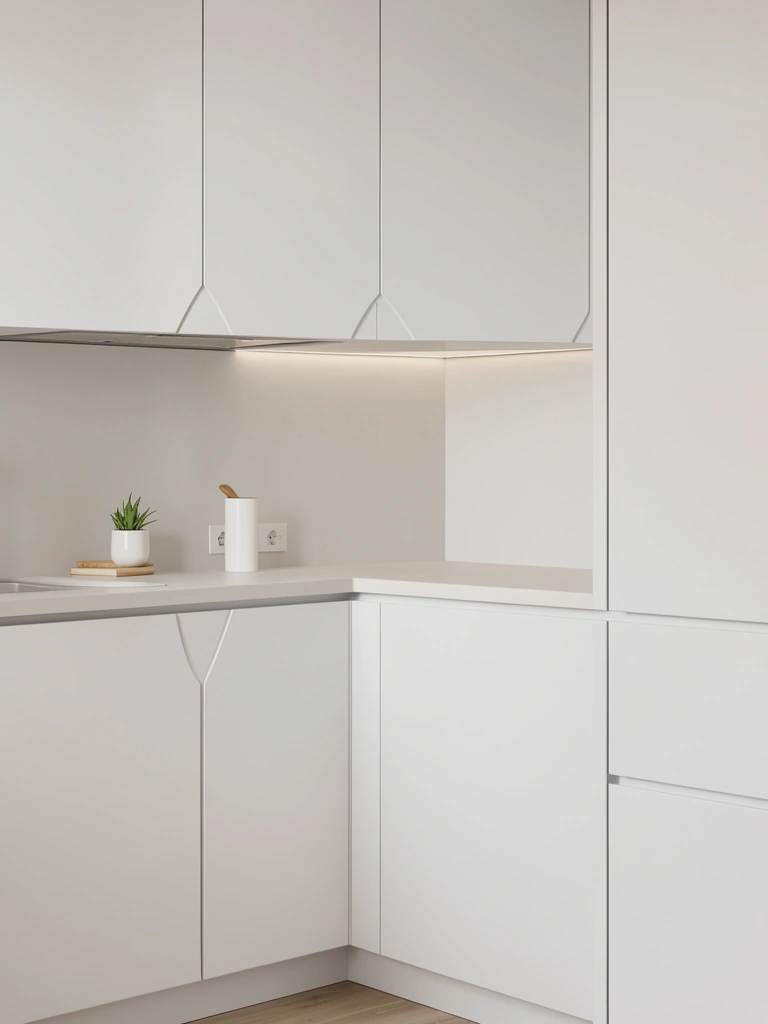
Handle-free (or push-to-open) cabinetry creates a clean, modern look and is way easier to keep clean than traditional knobs and pulls. If you can’t replace cabinets, you can achieve the look with specific hardware and styling.
Install finger-pull hardware ($10-$30 per pull) to create a handle-free look with your existing cabinets. Choose recessed or push-catches ($2-$5 per hinge from hardware stores) for true handle-free function. Apply edge banding or trim to existing cabinets to create subtle finger-pull grooves ($20-$50 in materials, DIY-friendly). This takes 1-2 hours to install hardware or a weekend for recessed modifications. The payoff is a minimalist, luxe look that feels intentional and sophisticated. Your cabinets stay cleaner because there’s no hardware to collect dust or fingerprints. Maintenance-wise, push-to-open hinges occasionally need adjustment, but it’s a quick fix. This works especially well in small kitchens where handle-free cabinetry makes the space feel more open.
19. Create a Beverage or Coffee Station
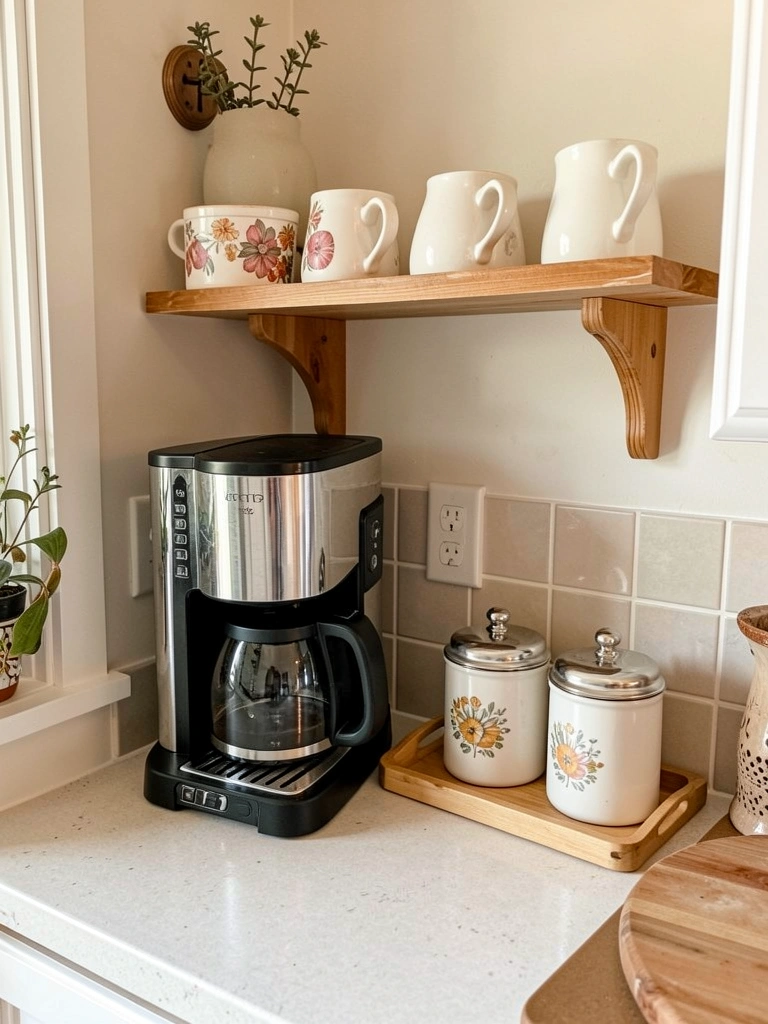
A dedicated coffee or beverage station makes your morning routine feel special and keeps supplies contained in one spot instead of scattered across cabinets. This costs almost nothing but transforms how you start your day and how your kitchen looks.
Choose a corner counter with electrical access. Add a small floating shelf above ($20-$40) or use a tall rolling cart ($40-$80). Group your coffee maker, mugs, coffee, sugar, and cream in one zone. Use a wooden tray ($15-$40) to corral items. Label or use matching canisters ($10-$30 for a set) for coffee, sugar, and tea. Takes 1-2 hours to set up, mostly organizing what you already own. Your mornings feel more intentional, and your kitchen looks curated instead of cluttered. Guests see this zone and immediately feel welcomed. If you’re renting or limited on space, use a rolling cart that you can tuck away or a magnetic shelf on the side of your fridge. This simple station signals that you’ve thought about your space, and it’s one of the cheapest upgrades available.
20. Incorporate Sustainable or Recycled Materials in Key Areas

Sustainable materials aren’t just good for the planet—they often look beautiful and feel high-quality. Recycled glass, reclaimed wood, bamboo, cork, and FSC-certified materials are increasingly affordable and available. You can make sustainable choices in one or two key areas without overhauling everything.
Recycled glass tile for backsplash ($10-$30 per square foot, hire installation or DIY with peel-and-stick versions). Reclaimed wood shelving ($50-$150 per shelf from salvage yards or online). Bamboo cutting boards or utensil storage ($15-$50). Cork trivets, mats, or shelf liners ($10-$30). Recycled composite countertop options ($30-$100 per square foot). Research brands’ sustainability credentials before buying—not all “eco” labels are legit. Start with one element (maybe your backsplash or one shelf) and expand from there. These materials often have unique character and visual interest that makes your kitchen feel intentional. Plus, you feel good about your choices, and guests often comment on the beautiful, thoughtful materials.
21. Use Wallpaper to Define One Wall or Create a Dining Nook
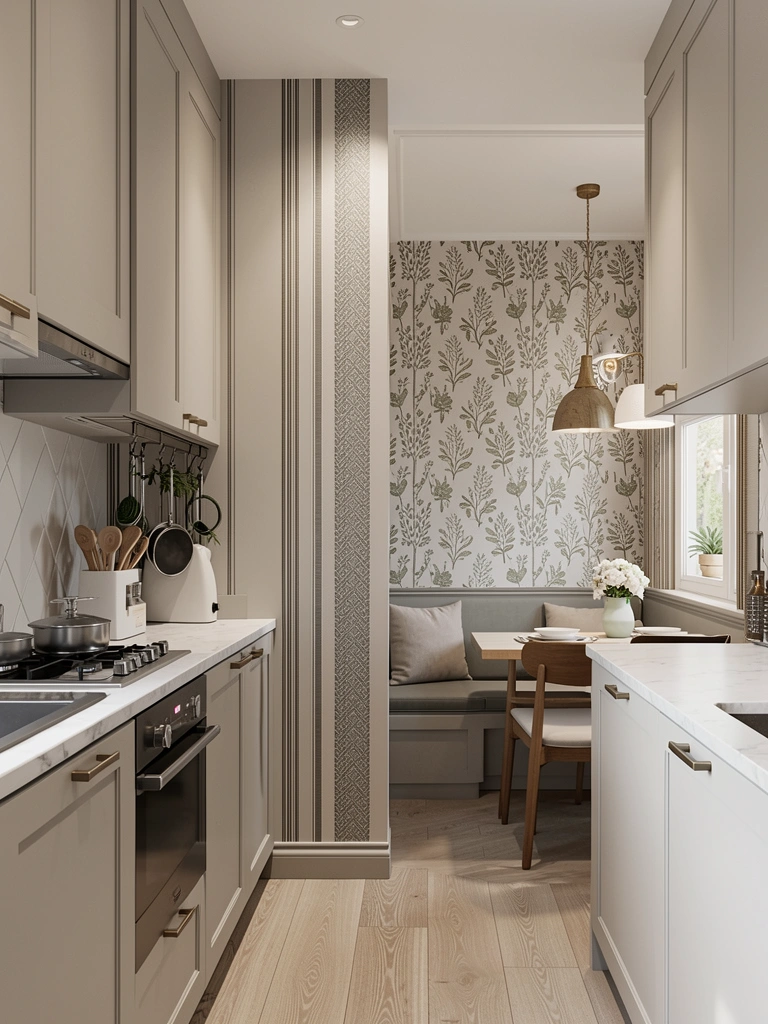
Wallpaper used to feel dated, but modern kitchens are bringing it back in smart ways. Use peel-and-stick options to define one wall without permanent commitment. This works especially well to carve out a dining or breakfast nook.
Choose a peel-and-stick or removable wallpaper in a pattern that coordinates with your overall kitchen ($15-$60 per roll). Apply it to one accent wall, the wall behind your dining table, or the wall above your open shelving. Measure carefully and follow application instructions ($0 in cost, takes 2-4 hours). If you make mistakes, peel it off and restart. The beauty of peel-and-stick is zero commitment—change it whenever you want. Your kitchen instantly gains character and visual interest. A patterned wall behind a dining nook makes that area feel special and distinct from the rest of the kitchen. This is perfect for renters and works beautifully in any style (traditional florals, modern geometrics, playful abstracts).
22. Organize with Matching or Coordinating Storage Containers
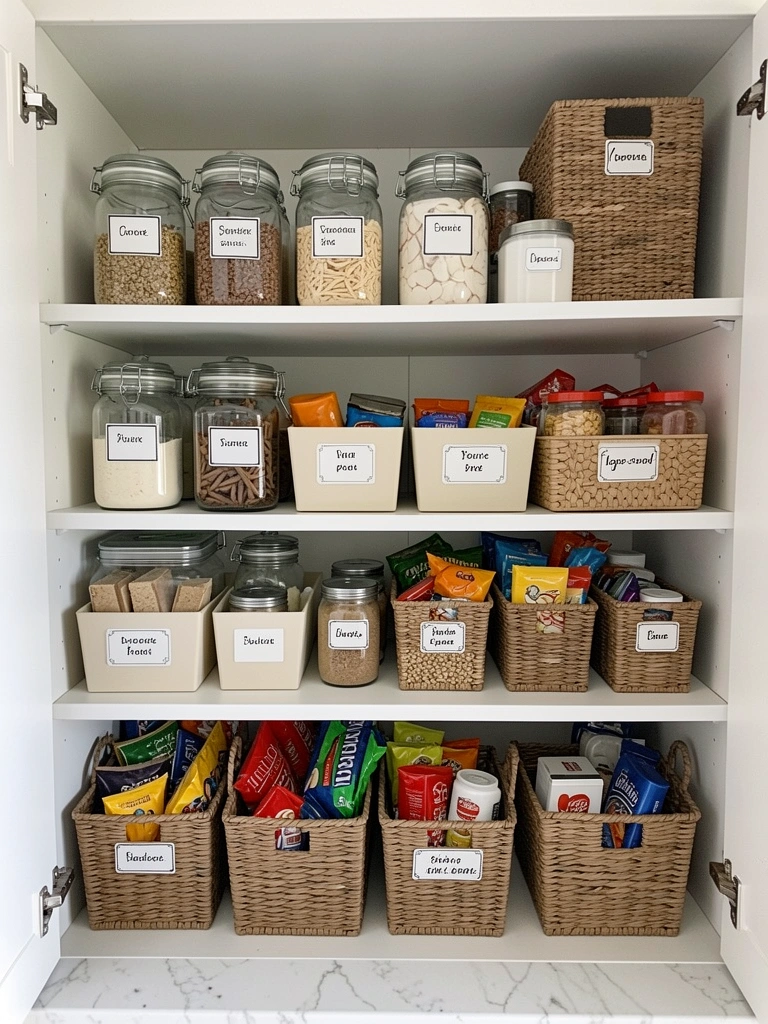
Matching storage containers transform any kitchen instantly. When your pantry and shelves are organized with coordinated containers, the whole space feels calmer and more expensive. Plus, you can actually see what you have.
Invest in matching glass containers with labels ($40-$100 for a full set from IKEA, Rubbermaid, or specialty retailers). Use woven baskets ($10-$30 each) for items you want to hide. Apply removable labels ($5-$15) so you can change them easily. Takes a weekend to organize, mostly editing what you keep and transferring items. You’ll use less food waste because you can see everything. Your pantry looks beautiful (which matters if you have open shelving or glass-front cabinets). This works even in small spaces and makes your kitchen feel thoughtfully organized. Start with just your dry goods and expand from there—even one shelf of matching containers signals that you care about your space.
23. Add Dining Seating with a Breakfast Nook or Bar
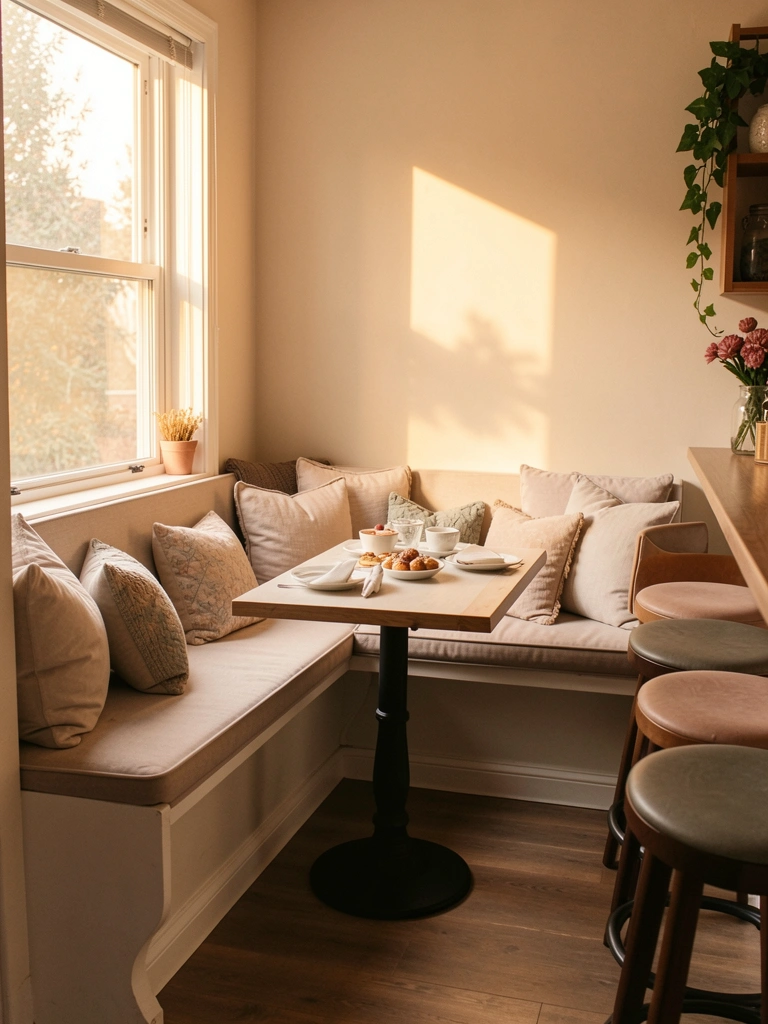
Dedicated dining or seating in your kitchen transforms it from just functional to social. Whether it’s bar seating at your island, a breakfast nook, or a small bistro table, having a place to sit and eat changes how you use the space.
Add bar stools to your island ($100-$400 for 2-3 quality stools from IKEA, Target, or mid-range furniture brands). Install a built-in banquette ($300-$1,500+ depending on DIY vs. professional) along one wall with a small table. Squeeze in a small bistro table ($100-$300) in a corner or near a window. Use a rolling cart as a drink station with seating nearby ($50-$150 total). Most kitchens have a little unused corner—claim it for dining. Takes a weekend to install or assemble, depending on your choice. Your kitchen becomes a destination instead of just a workstation. Family gathers here, you actually eat breakfast sitting down, and guests see a welcoming space rather than just appliances. Even a small two-person nook completely changes the room’s energy.
24. Layer Textiles with Kitchen Towels, Rugs, and Cushions
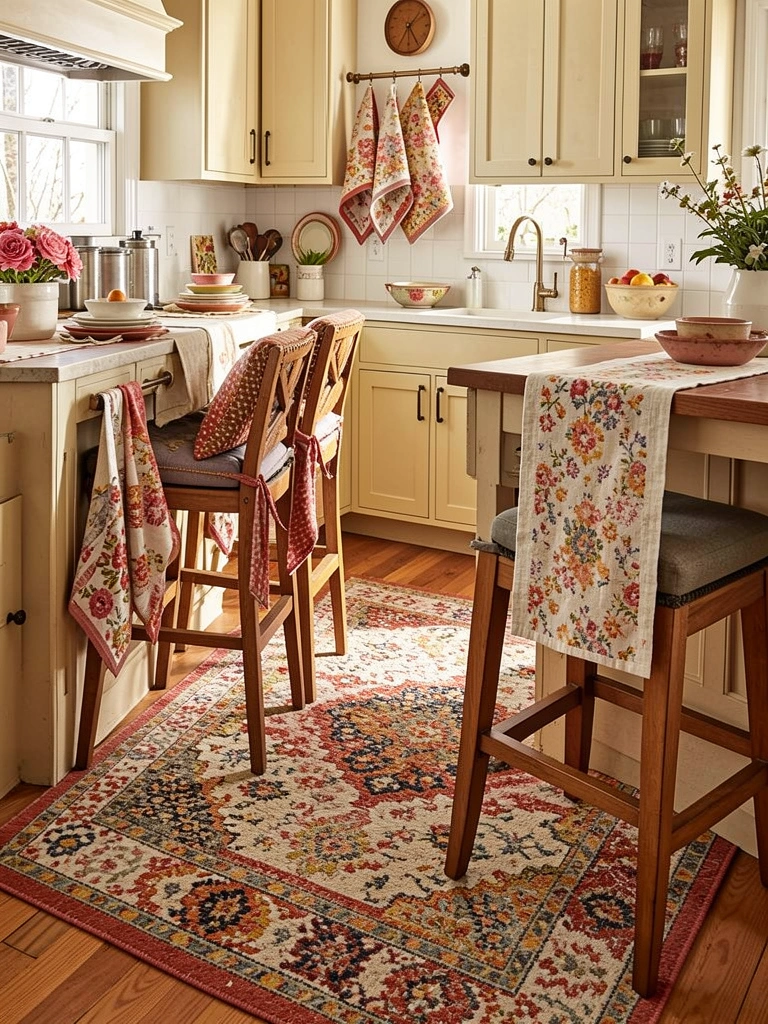
Textiles are one of the cheapest ways to add color, pattern, and personality to your kitchen. A rug, towels, cushions, and a runner work together to make the space feel intentional and cozy. You can change them seasonally or whenever you want.
Layer textiles in a coordinating color palette: choose one main color and one or two accent colors. Kitchen rug ($30-$150 depending on size and quality), dish towels ($5-$15 each), cushions for bar stools ($20-$50 each), table runner ($20-$40). Source from Target, IKEA, Etsy, or Anthropologie. Takes 30 minutes to arrange, and costs nothing if you already own these items. The impact is disproportionate—suddenly your kitchen feels warm, finished, and intentional. Textiles also serve function: they protect your floors, add comfort to seating, and absorb water. You can swap them seasonally (bright linens in summer, cozy knits in winter) to keep your kitchen feeling fresh without major investment.
25. Install or Upgrade Your Kitchen Faucet with a Statement Piece
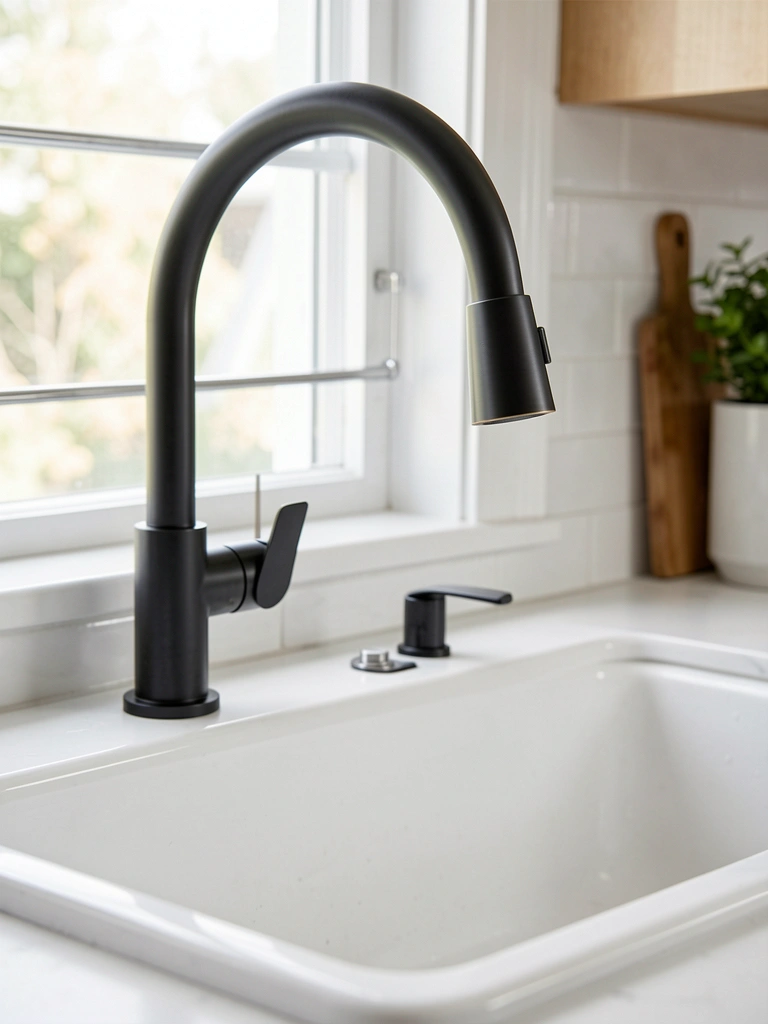
Your kitchen faucet gets used constantly but often goes unnoticed. Upgrading to a statement faucet changes how your sink area looks and feels—plus, it’s surprisingly affordable compared to other kitchen upgrades. Choose a finish and style that anchors your overall kitchen aesthetic.
Browse Wayfair, Amazon, Lowe’s, Home Depot, or specialty plumbing stores for options ($50-$400 depending on quality and style). Choose matte black for modern, brass for warm, or polished stainless for classic. Measure your sink to confirm compatibility. Installation takes 30 minutes to an hour if you’re handy; hire a plumber ($150-$300 labor) if you’re not. Your sink area immediately looks more intentional. A beautiful faucet signals quality and thoughtfulness to anyone who uses your kitchen. This upgrade is one of the highest-ROI kitchen changes because it’s relatively affordable, visible, and transforms how the whole sink area feels. Pair it with a coordinating soap dispenser ($10-$30) for a finished look.
26. Create a Seasonal or Rotating Kitchen Decor System

Keeping your kitchen feeling fresh doesn’t require constant overhauls. A rotating decor system means you’re intentionally changing small elements seasonally, which keeps the space feeling new without major effort or expense. This works beautifully with open shelving or displayed areas.
Identify one or two spots where you’ll rotate seasonal items: a shelf, a countertop tray, or a corner of open shelving. Choose seasonal color palettes (pastels for spring, warm golds for fall, cool blues for winter). Swap out plants, small decor items, dish towels, or a runner seasonally ($0-$50 depending on whether you buy or move items you already own). Takes 30 minutes to an hour each season. Your kitchen feels intentionally curated without looking cluttered. Guests notice the thought that goes into these small touches. This approach keeps your space feeling fresh and prevents the “tired kitchen” feeling even if you’re not ready for bigger changes. Rotate with what you already own first, then gradually invest in small seasonal pieces that work across different styles.
Save this post for your next kitchen refresh. Pick just one idea and tackle it this weekend—you’ll be amazed how much one small change shifts the entire room’s energy. Kitchen design doesn’t require a huge budget or a major project. Small, thoughtful upgrades add up fast.
Leave a Reply