Introduction
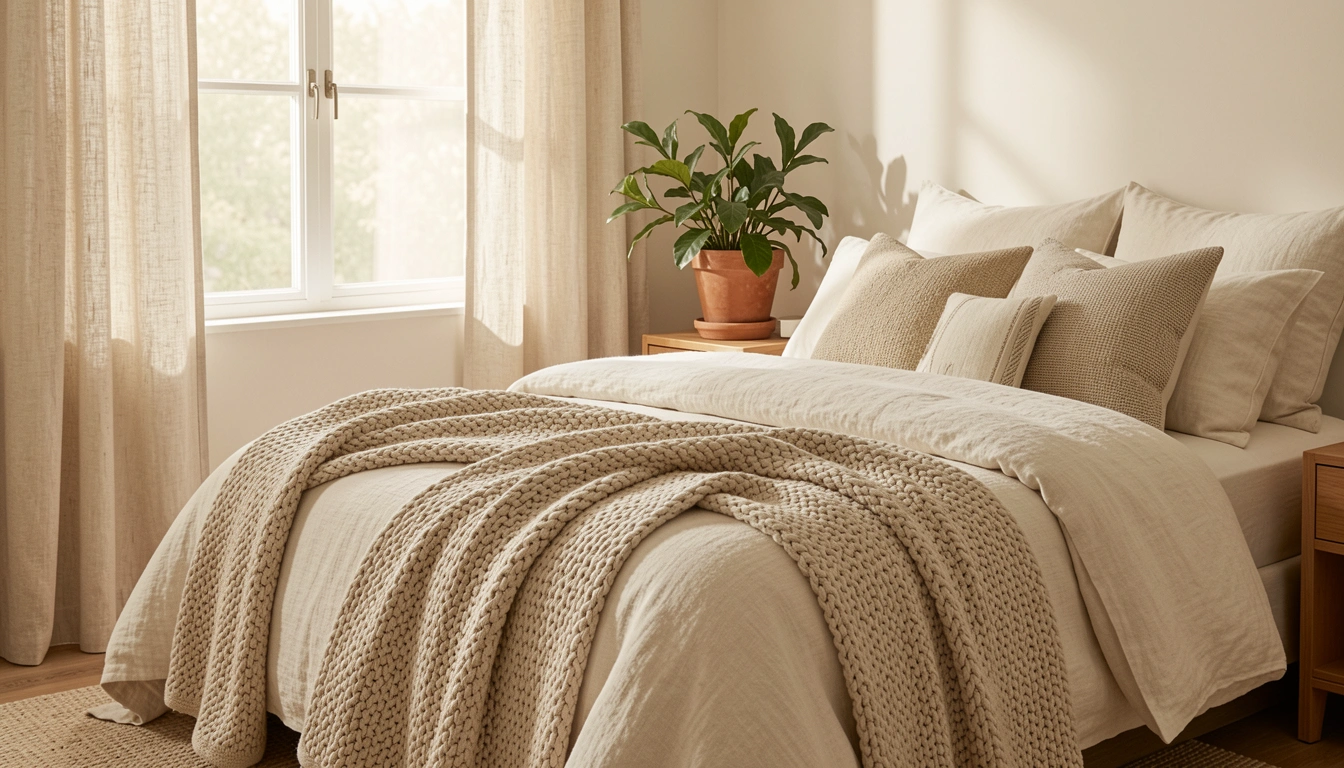
You know that feeling when you slip into bed and can finally breathe? That’s what natural fiber bedding does—it cools you down when you’re too warm, warms you up when you need it, and lets your skin actually breathe instead of getting clammy and uncomfortable. Whether you struggle with night sweats, overheating, or just want a bedroom that feels like a luxury retreat, natural fibers are the upgrade that actually delivers. Over the next few minutes, we’re walking through 25 specific bedding themes and styling ideas that use linen, cotton, hemp, and other breathable materials to create a bedroom that works with your body instead of against it. From budget-friendly swaps to investment pieces, you’ll find options that fit your lifestyle and sleep style.
1. Go All-In with Pure Linen Sheets
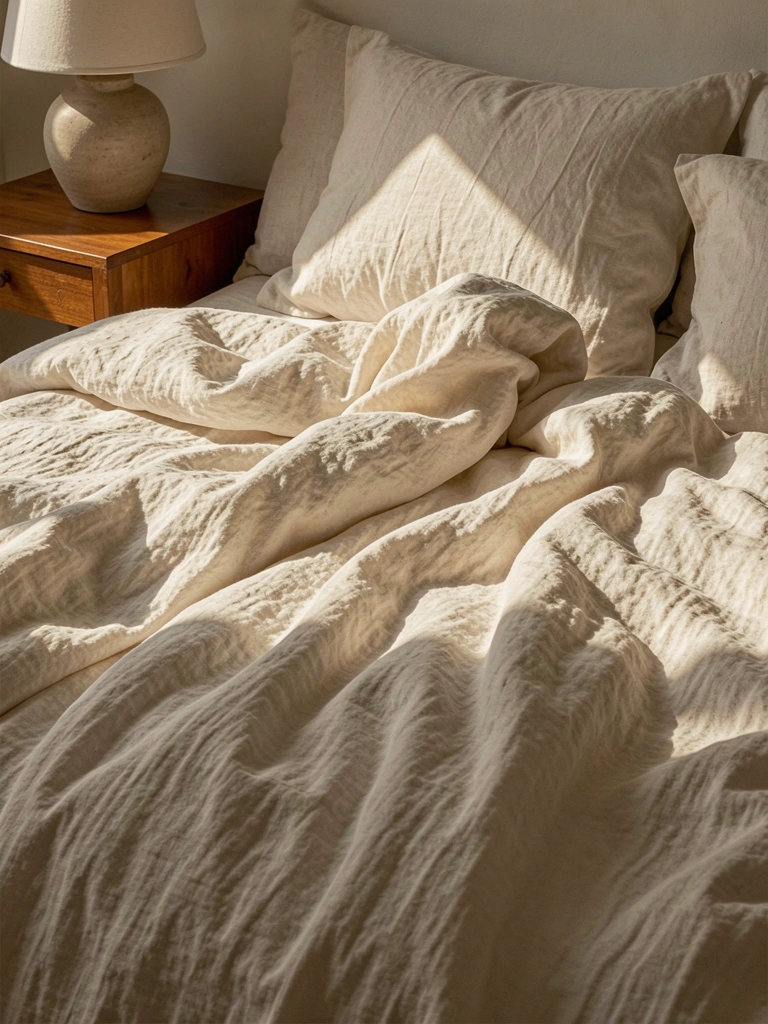
Pure linen sheets are the foundation of breathable luxury bedding. Linen regulates temperature like nothing else—it pulls moisture away from your skin and dries quickly, so you won’t wake up sweaty.
Hunt for 100% linen sheets at Parachute ($150–$300), Brooklinen ($120–$200), or budget-friendly alternatives at Target ($40–$80). Linen wrinkles naturally, which adds to the charm, not against it. Expect 15 minutes to put them on your first time (the texture takes getting used to). Pro tip: Wash linen in cold water and air dry to preserve its lifespan—most quality linens last 5+ years with care.
Your mornings feel instantly lighter when you’re not peeling yourself off sweaty sheets. Linen bedding becomes the reason you actually want to make your bed.
2. Layer Two Cotton Weights for Temperature Control
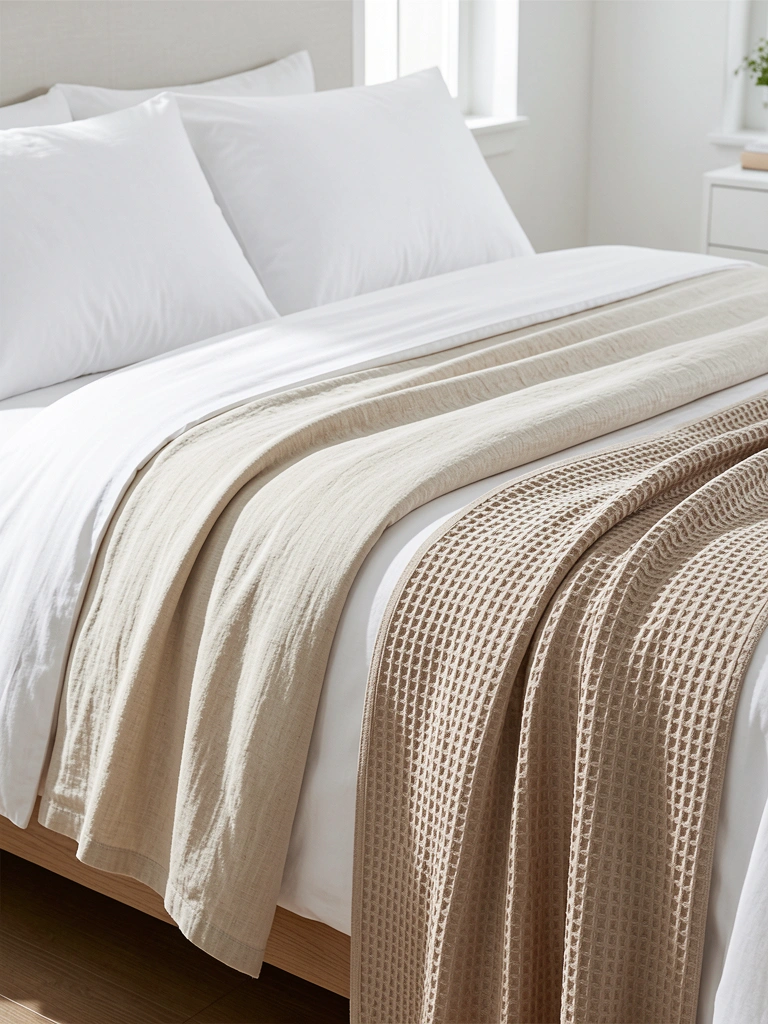
Different cotton weights serve different purposes—percale for crisp coolness, sateen for soft drape. Layering them means you adjust to seasons without buying new sets.
Start with percale cotton sheets (crisp, cool; $60–$120 at Target or Amazon) as your base. Add a lightweight cotton blanket ($40–$80 at Bed Bath & Beyond or IKEA) on top for spring and fall, then swap it for a heavier quilt in winter. This takes zero skill—just try different combinations and see what works. Budget hack: Buy one quality set and one mid-range backup so you always have clean sheets.
You’ll stop flipping your pillow to the cool side because your whole bed stays at the right temperature. The flexibility alone saves money because you’re not buying season-specific bedding.
3. Mix Linen and Cotton for the Hybrid Sweet Spot
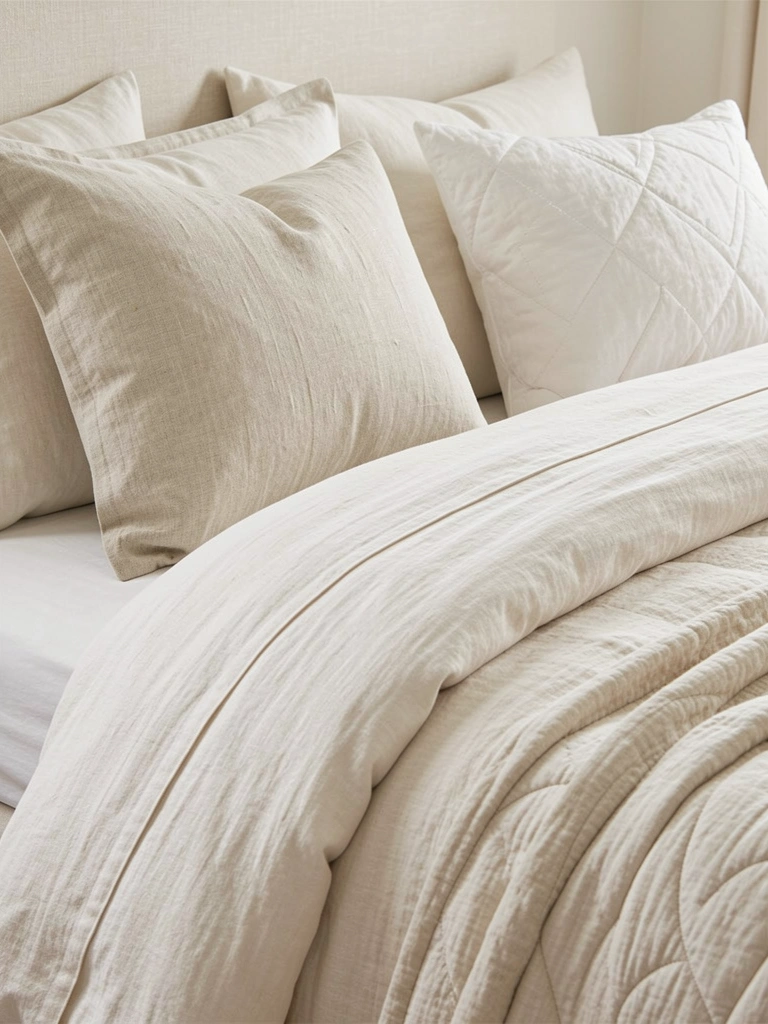
Some nights you want linen’s breathability; other nights you crave cotton’s softness. Why choose? Linen duvets paired with cotton sheets give you the best of both.
Grab a linen duvet cover ($100–$200 at Parachute or Etsy small makers) and pair it with quality cotton sheets ($60–$120). The duvet cover washes separately, so you can refresh the look seasonally without replacing everything. Takes 10 minutes to swap. Pro tip: Look for linen-cotton blends ($80–$150) if full linen feels too textured—they’re softer right out of the wash.
This combination looks intentional and elevated without feeling fussy. Most people comment on how “resort-like” your bed looks, and you’re actually sleeping better.
4. Use Hemp Pillowcases for Extra Durability
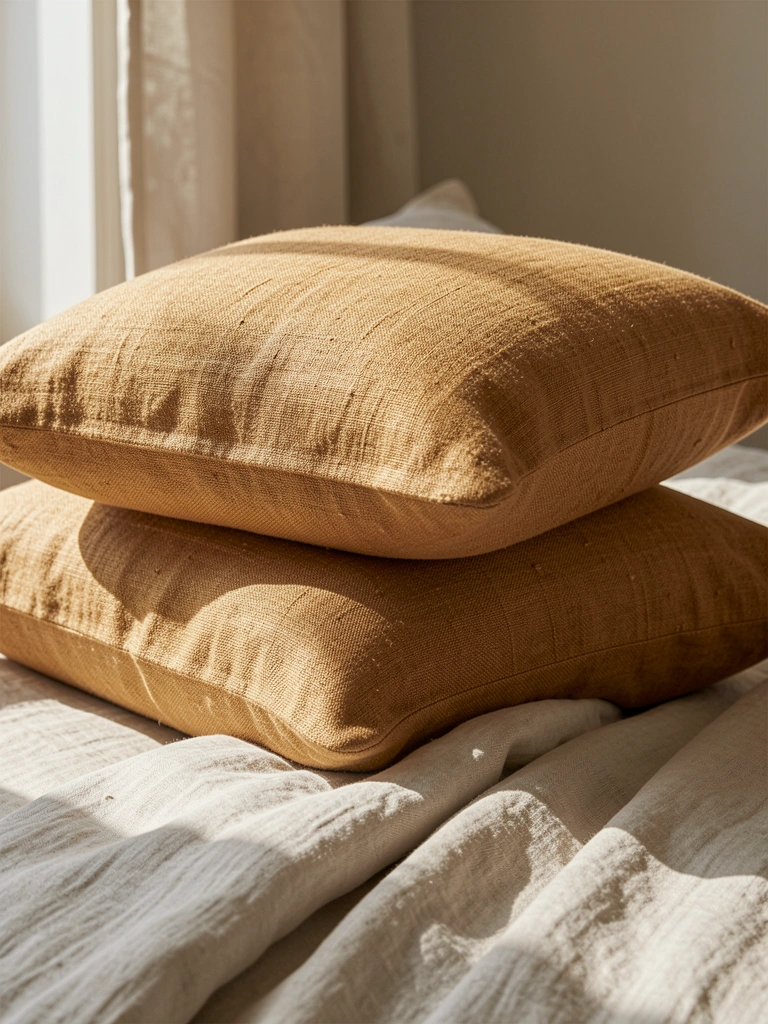
Hemp is tougher than linen or cotton, so if you want bedding that survives years of washing, hemp pillowcases are your answer. They’re also naturally hypoallergenic and antimicrobial.
Search for pure hemp pillowcases on Etsy ($35–$60 per pair) or try hemp-blend pillowcases at Target ($20–$40). They wrinkle like linen but feel softer initially. First wash: cold water, gentle cycle. Expect 5 minutes to put them on. Budget option: Buy just two hemp pillowcases for your side of the bed and test before committing to more.
After a year of use, hemp pillowcases look better than cotton ones did after three months. They’re the investment piece that actually pays for itself in longevity.
5. Create a Neutral Texture Stack with Waffle Weave
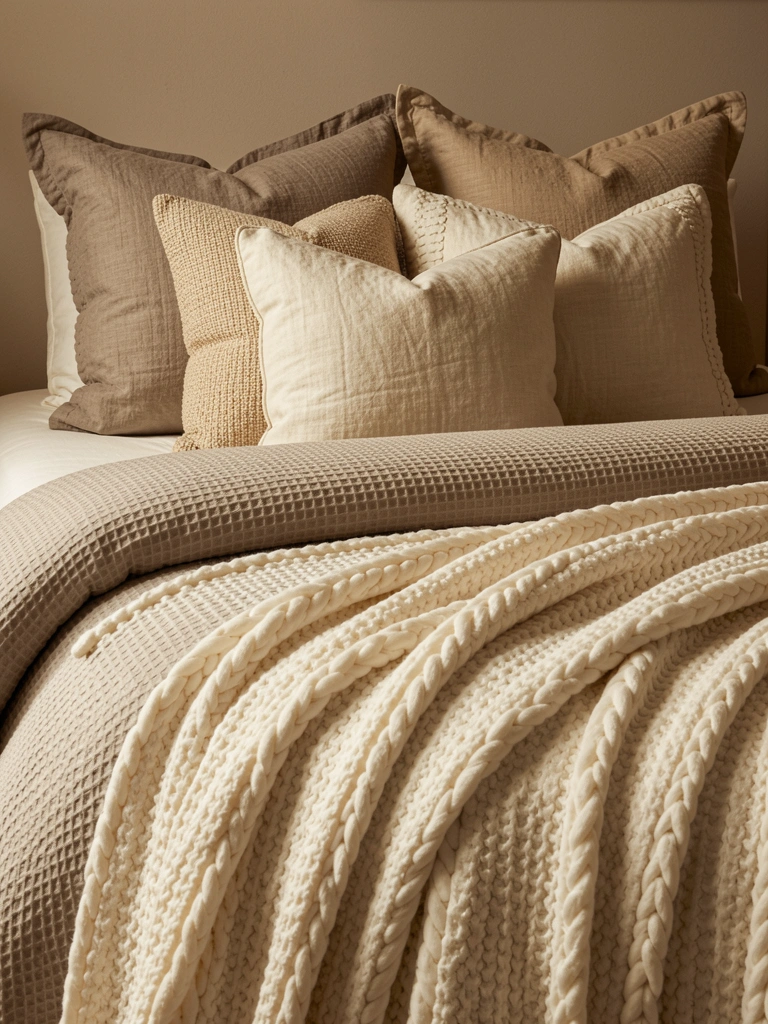
Waffle weave adds visual interest and improves breathability—air pockets trap cooling air without adding bulk.
Pick up a waffle-weave cotton duvet ($80–$150 at IKEA, Target, or Amazon) in cream, oatmeal, or gray. Layer it with a smooth linen throw ($60–$100) for contrast. Takes 20 minutes to style the full bed. Pro tip: Waffle weave shows wrinkles less than flat linen, so it photographs beautifully and requires less fussing.
Your bed looks more expensive than it actually is because the texture does all the visual work. Guests always ask where you got “the fancy bedding.”
6. Add a Linen Bed Skirt for Hidden Storage Magic
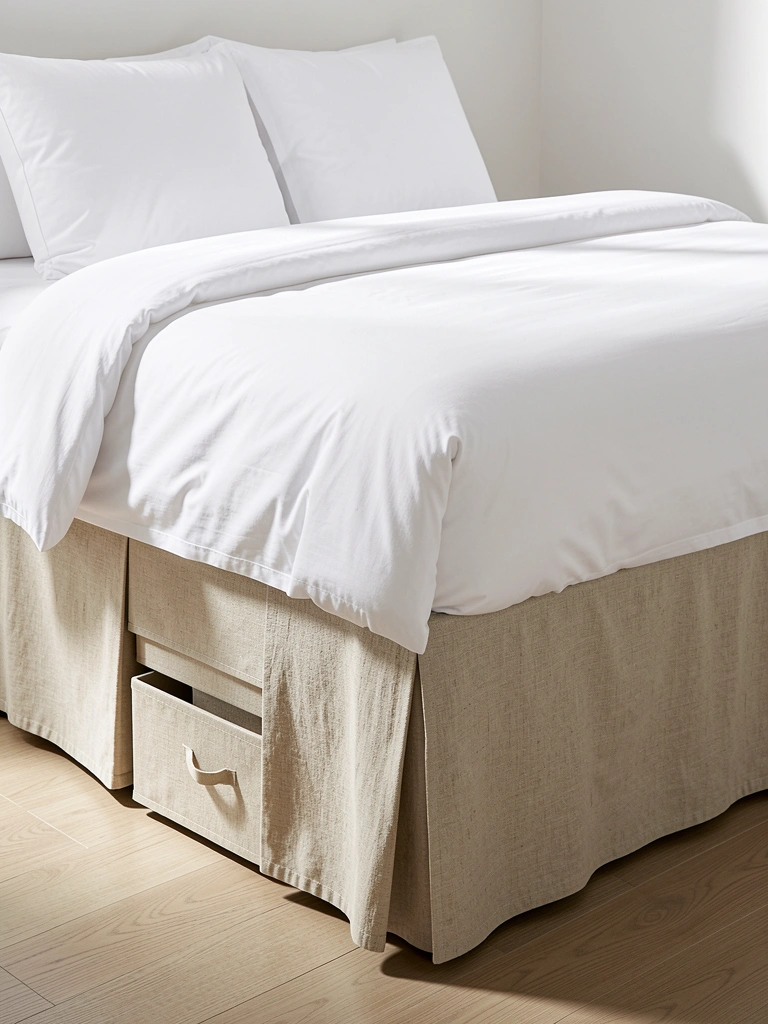
A linen bed skirt hides under-bed storage and softens the whole room’s appearance. It’s one of those finishing touches that makes a bedroom look styled rather than slapped together.
Buy a pre-made linen bed skirt ($50–$120 at Target, Wayfair, or Amazon) or DIY one using linen fabric ($30–$50 for fabric plus 30 minutes of basic sewing). Measure your bed first—full, queen, and king sizes matter. Slip it on after sheets, before your duvet. Budget hack: Use a flat linen sheet and safety pins if sewing feels intimidating.
Suddenly your bedroom looks intentional and put-together. Plus, you’ve gained invisible storage for seasonal items or extra bedding.
7. Switch to Organic Cotton for Sensitive Skin
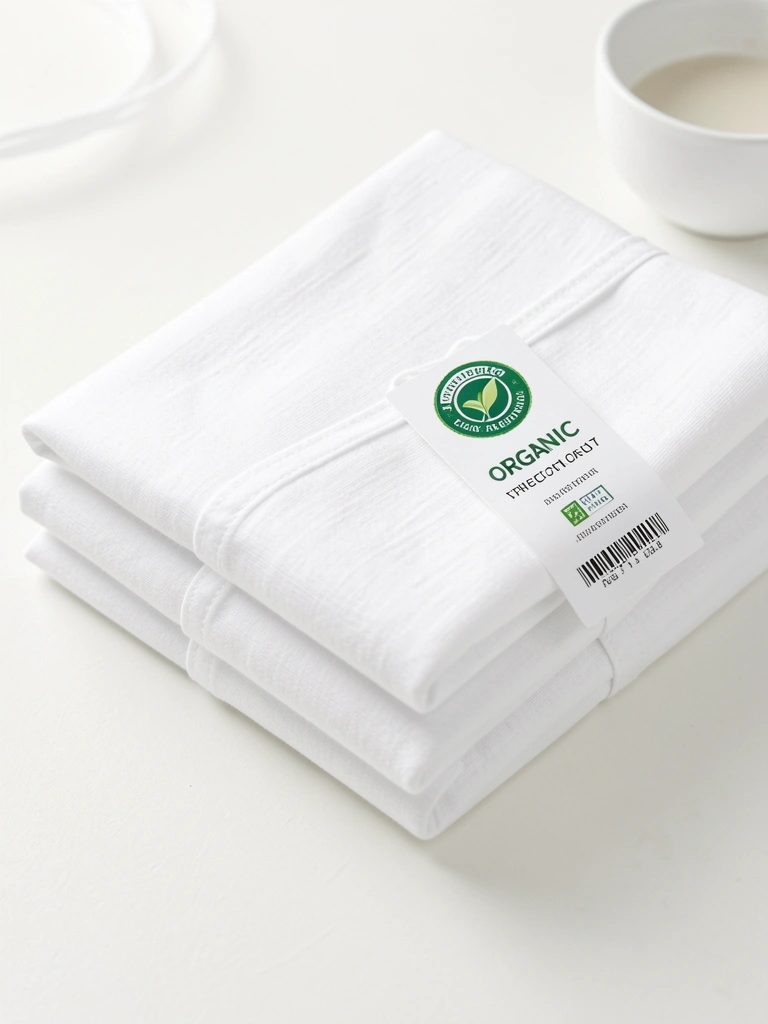
Conventional cotton is heavily pesticide-treated. If you have eczema, sensitive skin, or just want fewer chemicals touching your body eight hours a night, organic cotton is worth the upgrade.
Look for GOTS-certified organic cotton sheets at Parachute ($150–$250), Coyuchi ($120–$200), or Organic Threads ($90–$150). They’re softer than conventional cotton and actually get softer with every wash. Takes 15 minutes to put on; you’ll notice the difference immediately. Pro tip: Many organic brands offer sample sets so you can try before committing.
Within two weeks, your skin will feel less irritated in the morning. The long-term payoff is fewer wake-ups from itching and genuinely better sleep quality.
8. Layer Linen Pillows in Mixed Sizes
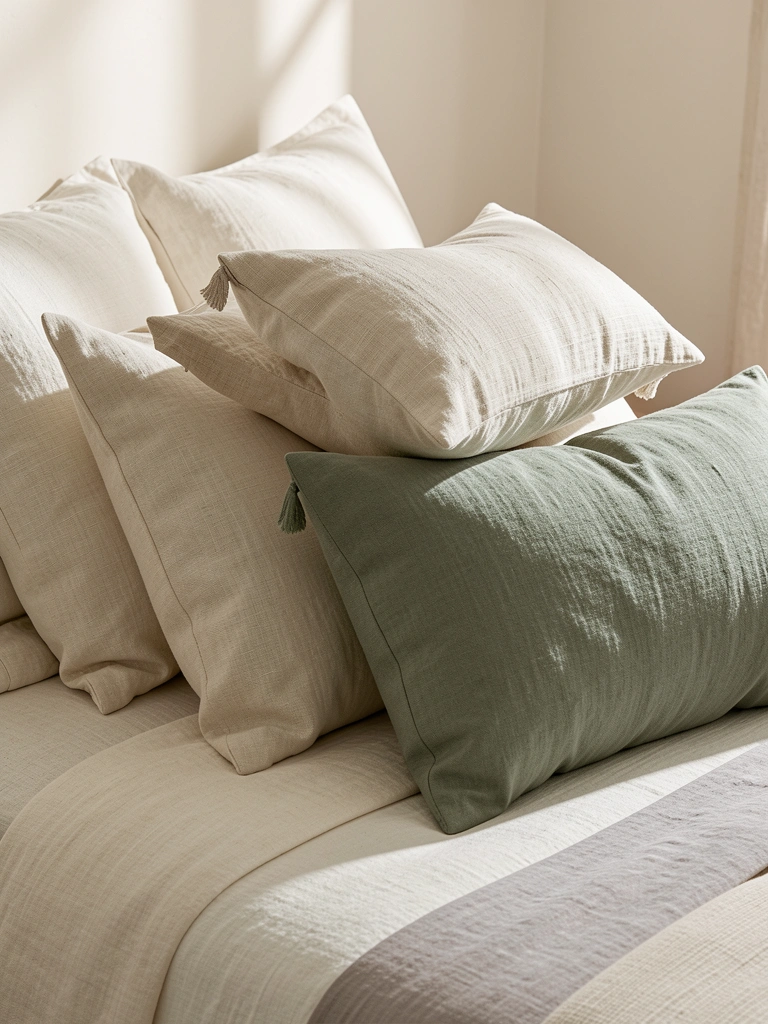
Stacking different pillow sizes and shades creates visual depth and lets you customize your comfort level. Mix textures so your bed looks effortlessly styled.
Buy linen pillowcases in various sizes: standard ($30–$60), king ($35–$70), and body pillow ($40–$80) options from Etsy makers or Parachute. Fill them with down or buckwheat pillows based on your preference. Takes 10 minutes to arrange. Budget hack: Start with one pillowcase and add more over time as your budget allows.
Your bed instantly looks like a designer styled it. You’re also supporting better neck alignment because you have pillow options.
9. Use a Linen Throw Blanket as a Seasonal Swap
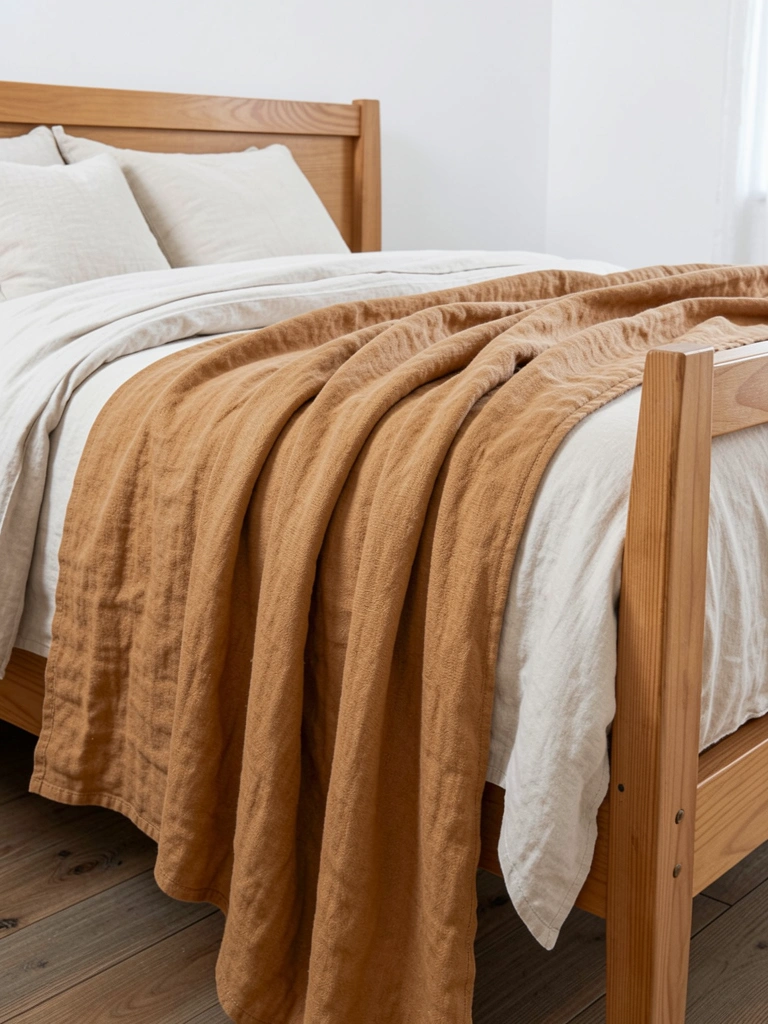
Instead of buying completely new bedding for summer versus winter, rotate throw blankets made from different natural fibers. Linen for hot months, wool for cold ones, cotton for spring and fall.
Grab a quality linen throw ($60–$120 at Etsy, Anthropologie, or Amazon) for warm seasons and rotate it out for a wool throw ($80–$150) come fall. Store off-season throws in a cedar chest to protect from moths. Takes 5 minutes to swap. Pro tip: Keep throws folded on a bench at the foot of your bed for easy access and visual appeal.
You’re essentially getting four different beds’ worth of styling for the cost of one set, plus your room feels intentionally seasonal without overspending.
10. Invest in a Linen Duvet Cover That Fits Your Aesthetic
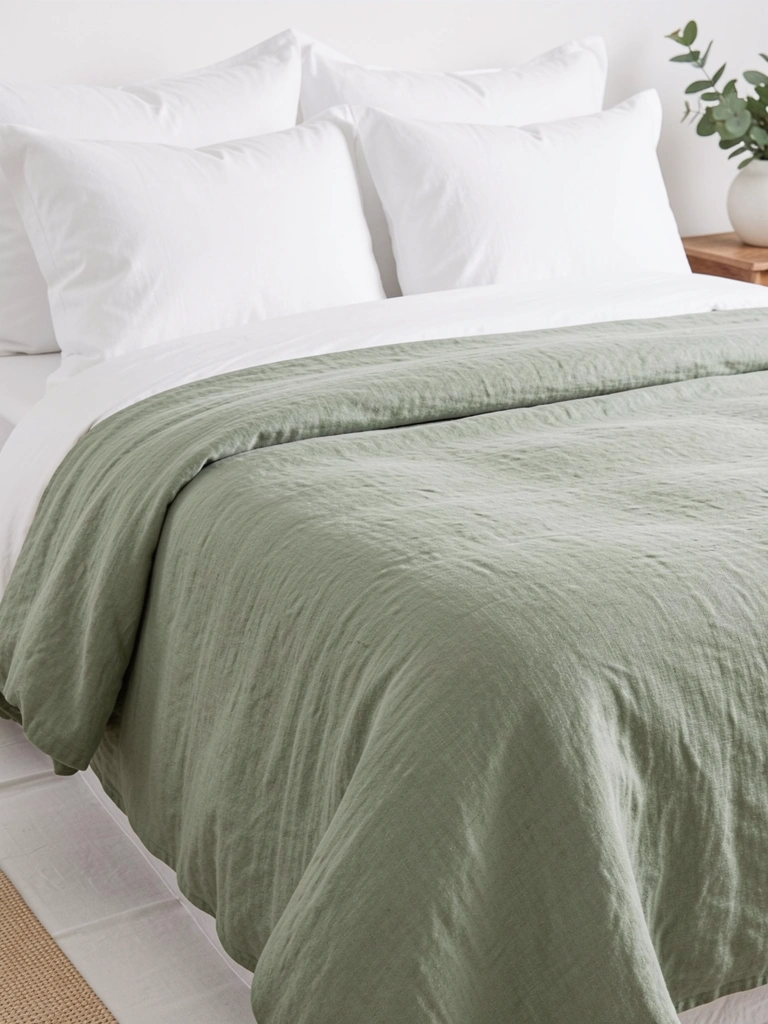
Linen duvet covers are the easiest way to shift your bedroom’s entire vibe seasonally. They’re durable enough to last years and look better the more you wash them.
Choose from neutral linen ($100–$200), dyed options ($120–$180 for sage, terracotta, or navy), or patterned linen ($130–$220) at Etsy, Parachute, or Brooklinen. Insert your down duvet inside (15 minutes, feels awkward the first time but gets easier). Wash on cold, gentle cycle. Pro tip: Button closures stay secure better than ties during washing.
Once you go linen duvet, you won’t go back—the wrinkled texture reads as “intentionally relaxed” rather than “I haven’t made my bed.” It’s the shortcut to that effortlessly styled look.
11. Pair Natural Fiber Sheets with Vintage Quilts
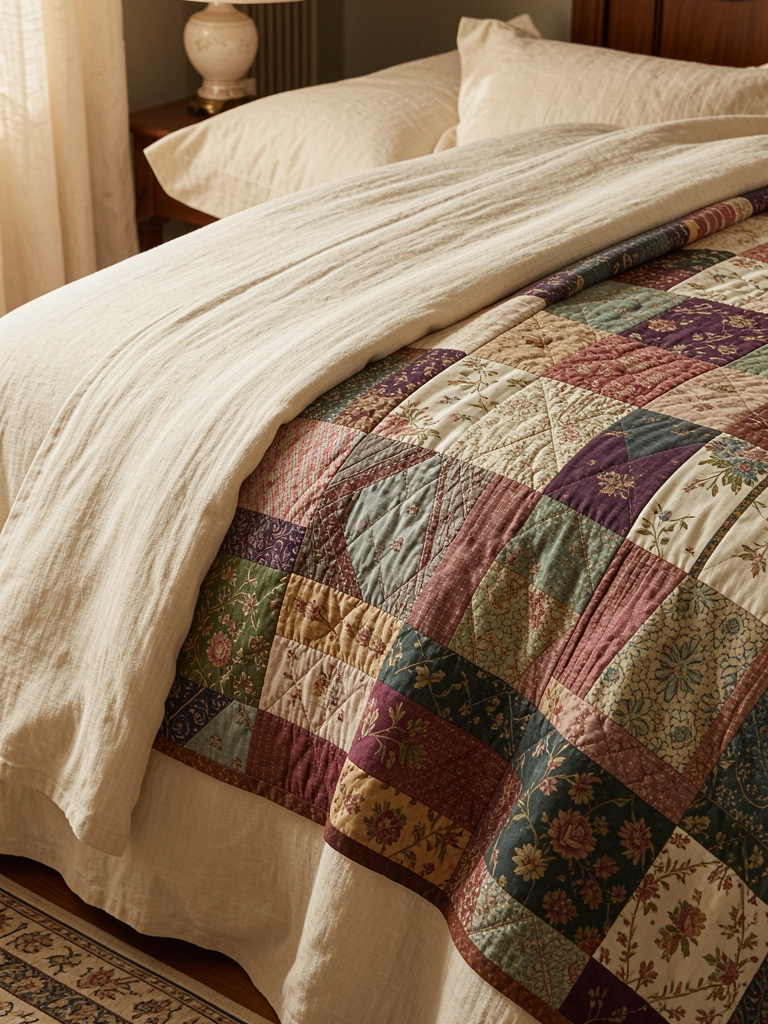
Combining modern natural fiber sheets with vintage quilts (found at thrift stores or inherited from family) creates a bedroom that feels like yours, not like a catalog page.
Start with quality natural fiber sheets as your base ($60–$150), then layer a vintage or thrifted quilt ($20–$80 from estate sales, Etsy, or local antique shops). The sheets show off the quilt without it getting lost in synthetic fabrics. Takes 20 minutes to arrange. Budget hack: Check Facebook Marketplace and Craigslist before Etsy—you’ll find deals.
Your bedroom tells a story now instead of looking generic. People notice the intentionality and want to know the history of each piece.
12. Try Bamboo Rayon Sheets for Silky Softness
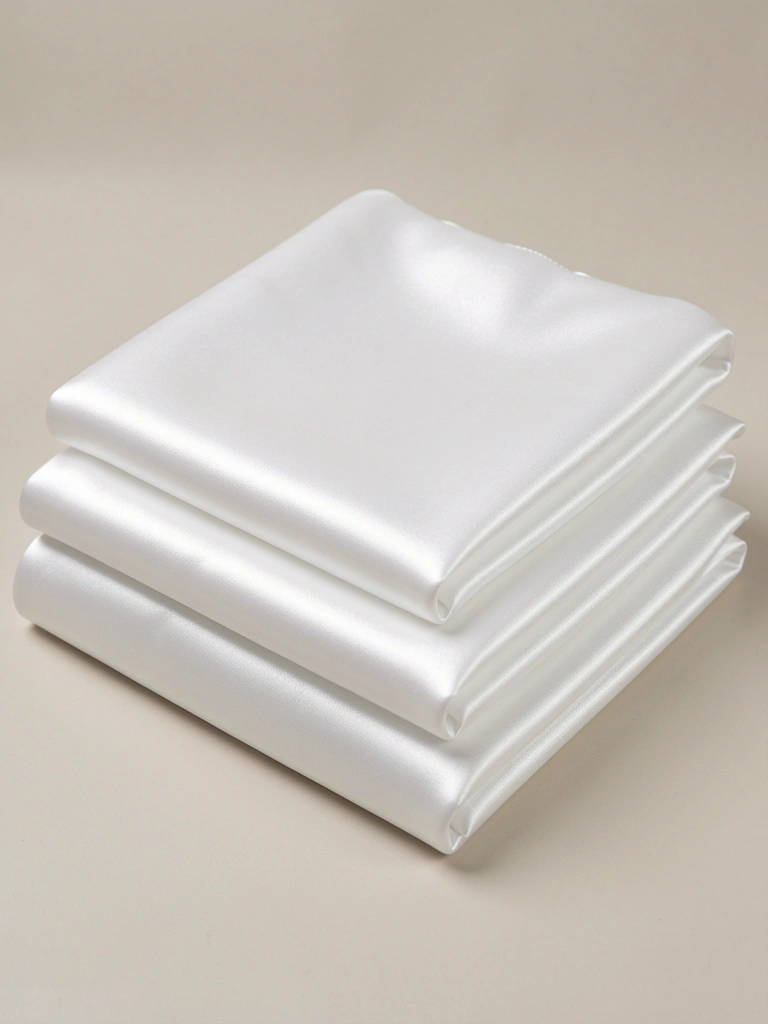
Bamboo rayon sheets offer the softness of silk without the price tag or care hassle. They’re thermoregulating, hypoallergenic, and actually breathable despite their silky feel.
Look for 100% viscose from bamboo sheets at Ettitude ($120–$180), Cariloha ($100–$150), or Amazon ($50–$100 budget option). They feel slippery at first—embrace it. Wash warm, tumble dry low. Takes 20 minutes to put on because they slide around. Pro tip: Use a duvet cover to keep sheets anchored if slipping bothers you.
You get luxury softness without night sweats. Some people sleep cooler on bamboo rayon than any other natural fiber option.
13. Create a Monochromatic Natural Palette
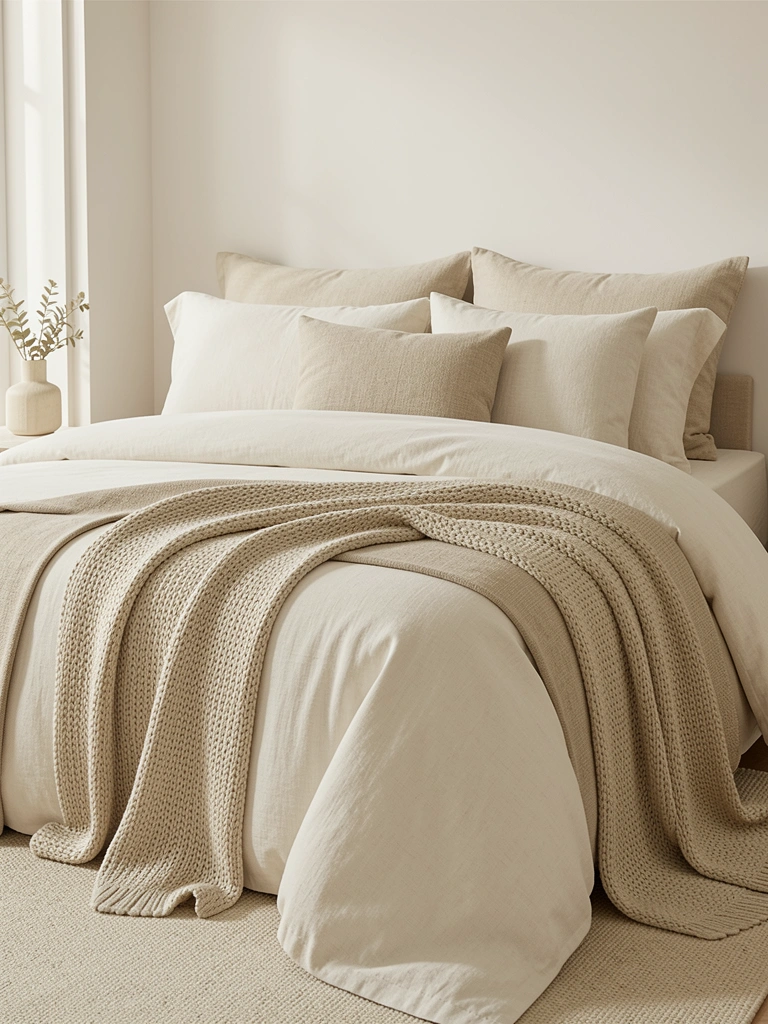
Sticking to a monochromatic palette of natural tones makes your bedroom feel intentional and serene. Natural fibers shine when they’re the star, not competing with colors.
Choose all natural fiber basics in cream/beige/oatmeal: linen sheets ($100–$200), cotton duvet ($120–$180), linen throw ($60–$100), and natural fiber pillows ($80–$150). Let texture—not color—be your visual interest. Takes 30 minutes to shop and style. Budget hack: Start with one or two pieces and add over time to avoid sticker shock.
Your bedroom becomes a visual oasis. The lack of color noise actually helps you sleep better because your brain isn’t processing visual clutter.
14. Use Linen Curtains to Echo Your Bedding
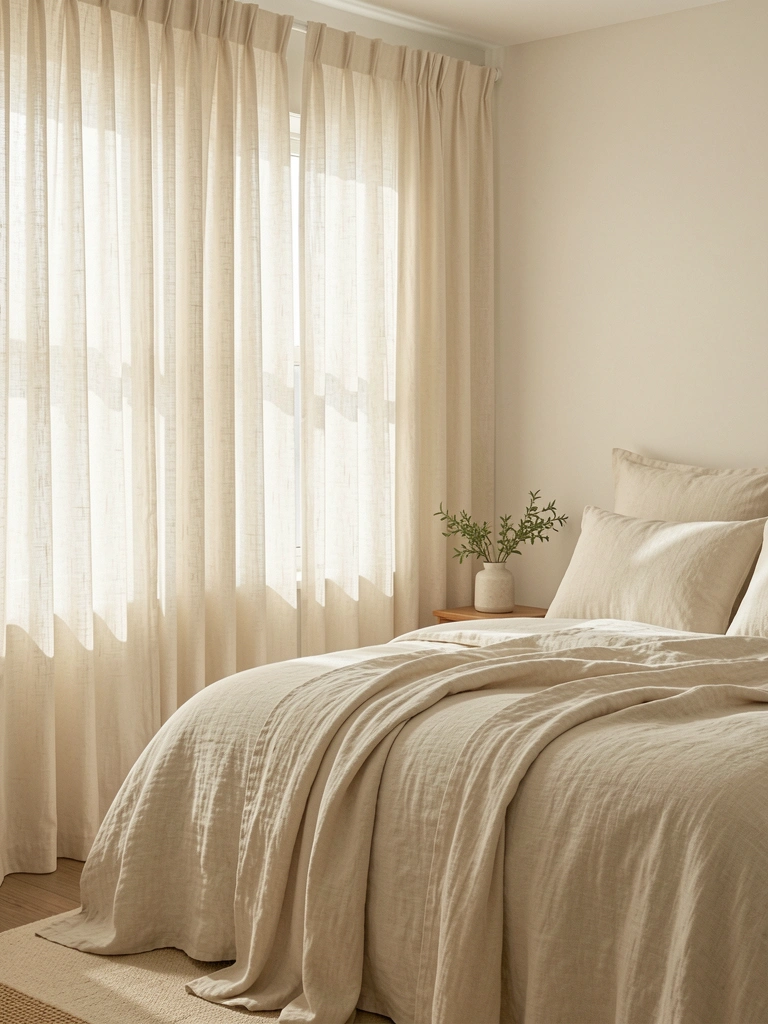
Matching your curtains to your bedding creates a unified, high-design look without being matchy-matchy. Linen works especially well because wrinkles feel intentional across an entire room.
Buy linen curtain panels ($80–$160 per panel at Etsy or Design Within Reach) to echo your linen bedding colors. Hang floor-to-ceiling if possible for drama. Takes 30 minutes to hang (or hire a handyman for $50–$100). Pro tip: Choose the same linen weight so they photograph together cohesively.
Suddenly your room looks like it was designed by someone who knows what they’re doing. The continuity makes everything feel more expensive and intentional.
15. Add a Natural Fiber Bed Runner for Visual Interest
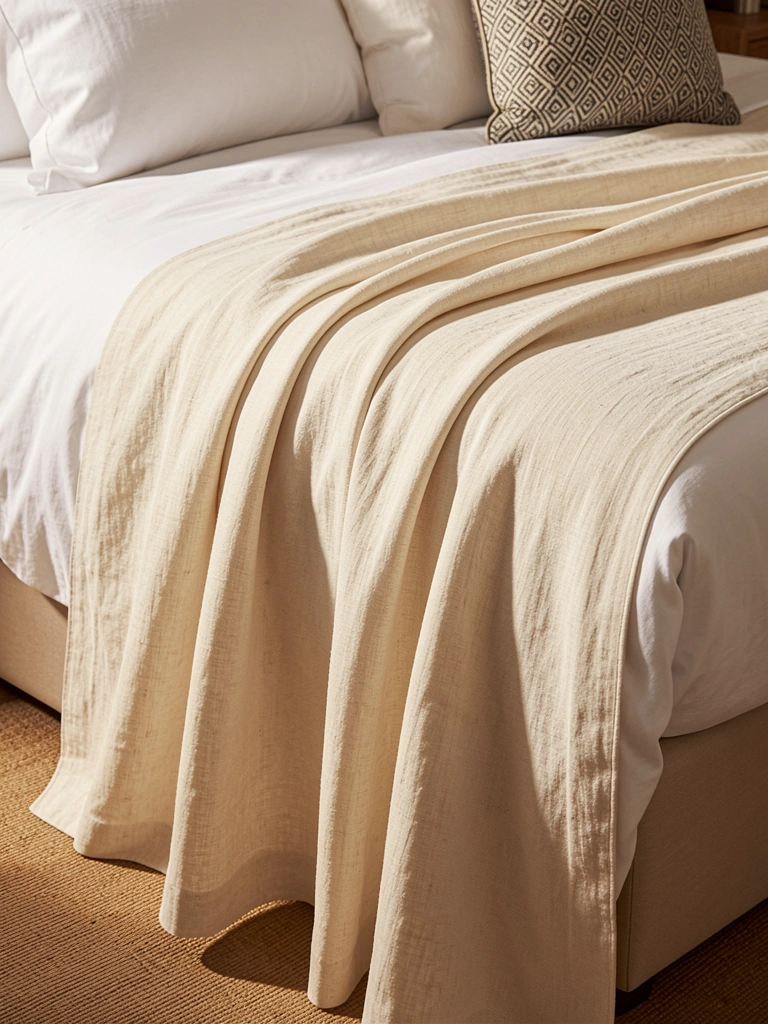
A bed runner (a decorative length of fabric across the foot) adds a designer touch without committing to a full new duvet. Plus, it protects your bedding from dust and spills.
Find or make a linen bed runner ($30–$60 purchased, or DIY with $15–$25 of linen fabric). Drape it across your bed’s foot at a slight angle. Takes 5 minutes to arrange. Budget hack: Use a linen scarf or throw folded lengthwise if you don’t want to invest in a dedicated runner.
You’ve added a polished finishing touch that makes your bed look professionally styled. Guests always comment on this detail.
16. Incorporate Hemp Fabric Accents Gradually
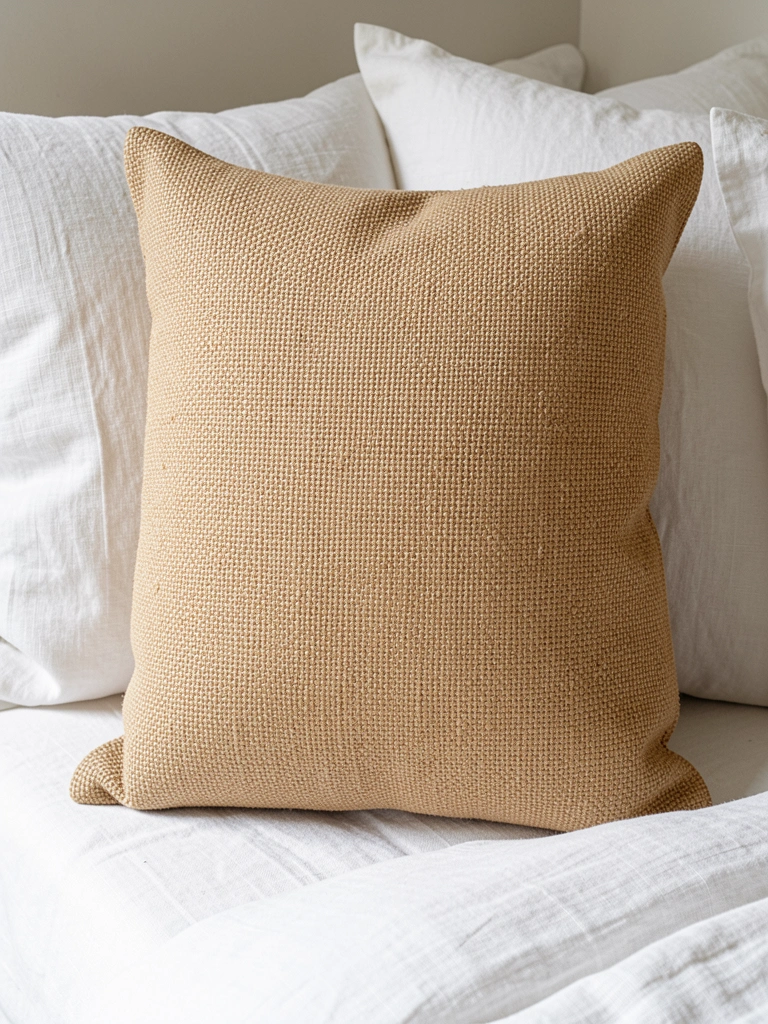
You don’t need to overhaul everything at once. Start by adding one or two hemp accents to your existing bedding to test the material without overspending.
Buy one hemp throw pillow ($25–$50 on Etsy or Amazon) or hemp accent throw ($40–$80) and place it on your bed for two weeks. See how it feels, how it washes, whether you like the texture. Takes 5 minutes to style. Pro tip: Hemp softens significantly with washing, so don’t judge it until after the first wash.
If you love it, gradually add more hemp pieces. If you don’t, you’ve only invested $50 instead of hundreds on a full set.
17. Mix Natural Fiber Sheets with a Silk Pillowcase
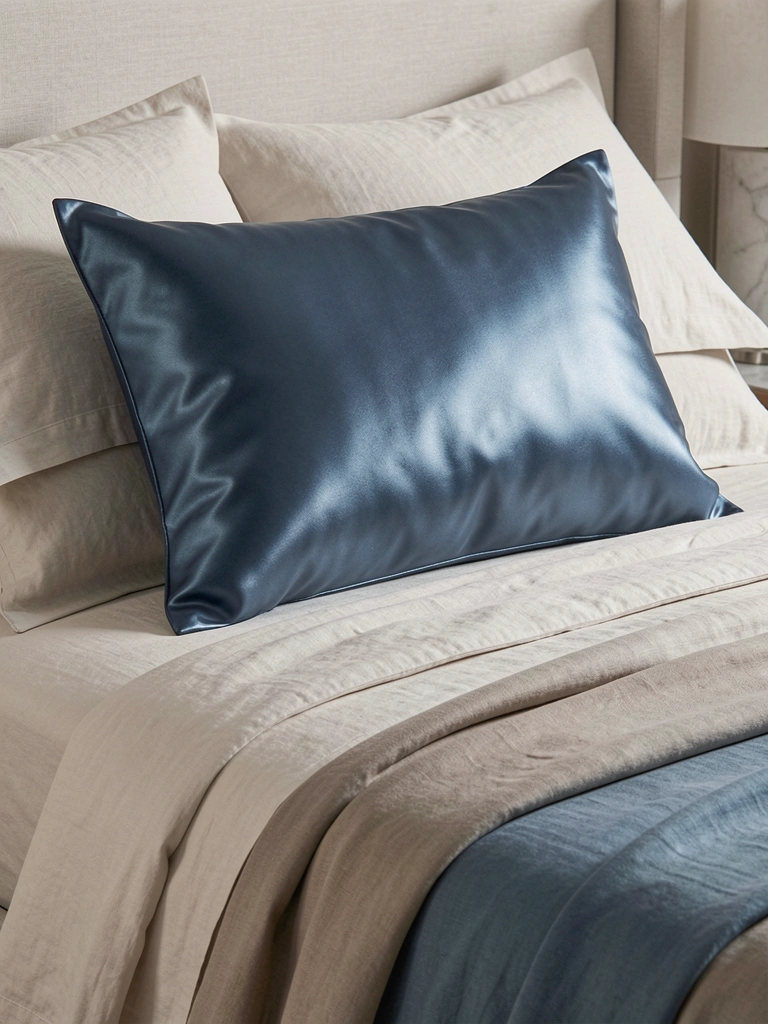
Combining breathable natural fiber sheets with a silk pillowcase gives you the best of both worlds: cool sleeping surfaces plus silk’s hair and skin benefits.
Add one 100% mulberry silk pillowcase ($30–$80 on Amazon, Etsy, or Blissy) to your natural fiber sheet setup. The silk reduces friction on your hair and face while the linen or cotton keeps your body cool. Takes 5 minutes to add to your pillows. Pro tip: Hand wash the silk pillowcase to extend its life.
You wake up with smoother hair, fewer sleep creases on your face, and the same cool sleep quality. It’s a small luxury that compounds over time.
18. Try Linen-Cotton Pillowcases for Softness Without Texture
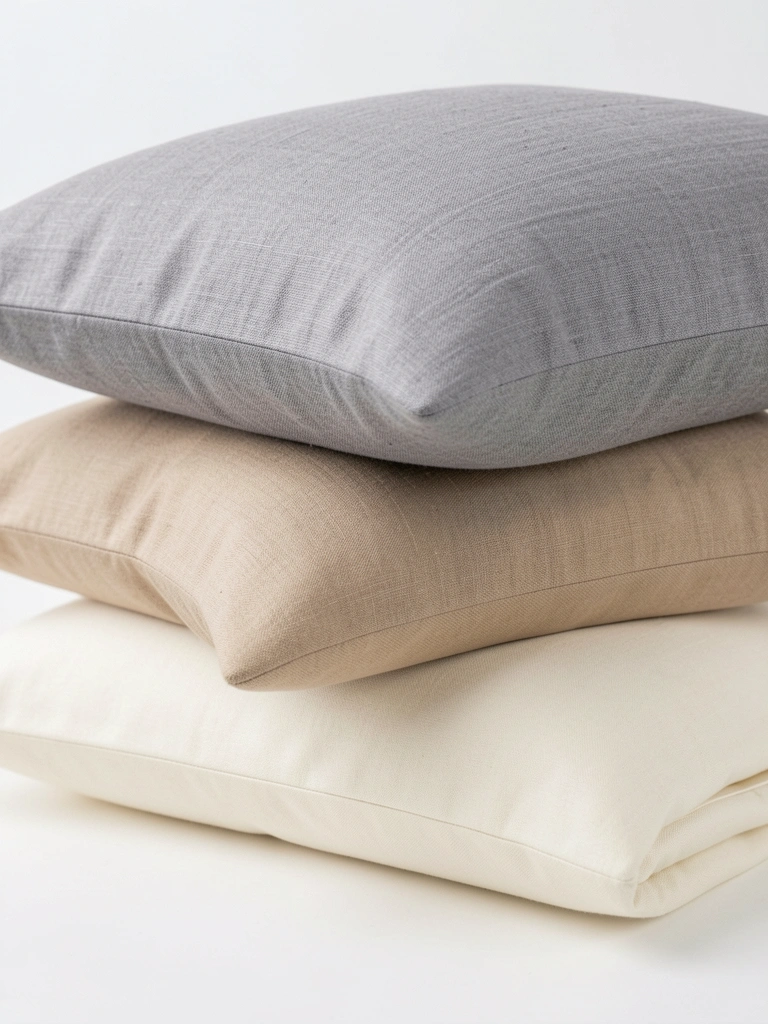
Pure linen takes time to soften. If you want linen’s benefits right away without the initial stiffness, linen-cotton blends are the compromise.
Search for 50/50 linen-cotton pillowcases ($25–$50 at Target, IKEA, or Etsy). They’re softer than pure linen immediately but still breathable. Takes 15 minutes to put on your first set. Budget hack: Buy two pairs so you always have one clean while the other is drying.
You get improved breathability without sacrificing softness. Most people prefer this blend to pure linen for pillowcases specifically.
19. Create Contrast with a Textured Knit Throw Blanket
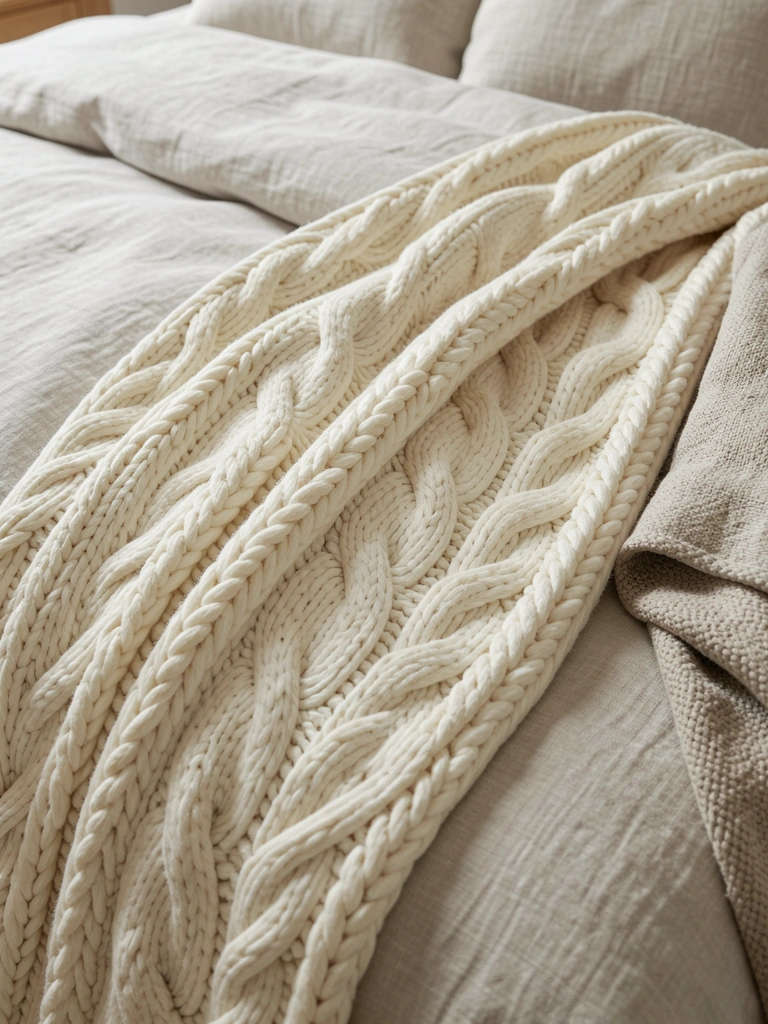
Smooth natural fiber sheets pair beautifully with chunky knit throws. The texture contrast makes your bed look magazine-worthy and adds coziness without overheating.
Layer a chunky cotton or wool knit throw ($60–$120 from Etsy, Anthropologie, or Target) over your smooth linen or cotton duvet. Drape it casually at the foot or fold it neatly. Takes 10 minutes to style. Pro tip: Choose a throw in a slightly different shade to create visual depth.
Your bed becomes a focal point people want to curl up in. The textural variety keeps the room from feeling flat or boring.
20. Switch to Natural Fiber Mattress Pads for Added Breathability
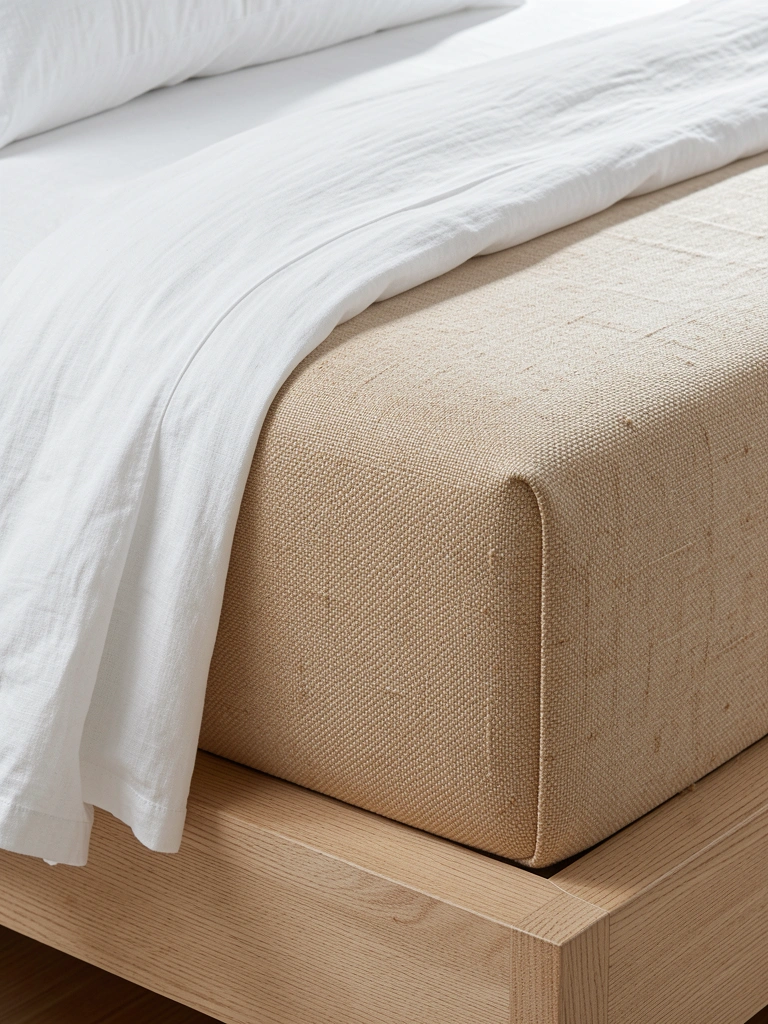
If you’re overheating even with good sheets, the issue might be your mattress itself trapping heat. A natural fiber mattress pad acts as a cooling barrier.
Add a cotton or wool mattress pad ($80–$200 depending on size) between your mattress and sheets. Wool is especially thermoregulating—it cools you down when hot and warms you when cold. Takes 10 minutes to apply. Pro tip: Wash your mattress pad monthly to keep it fresh.
This simple addition solves chronic night sweats for a lot of people. You’ll notice the difference within one night.
21. Build a Layered Pillow Wall with Mixed Fibers
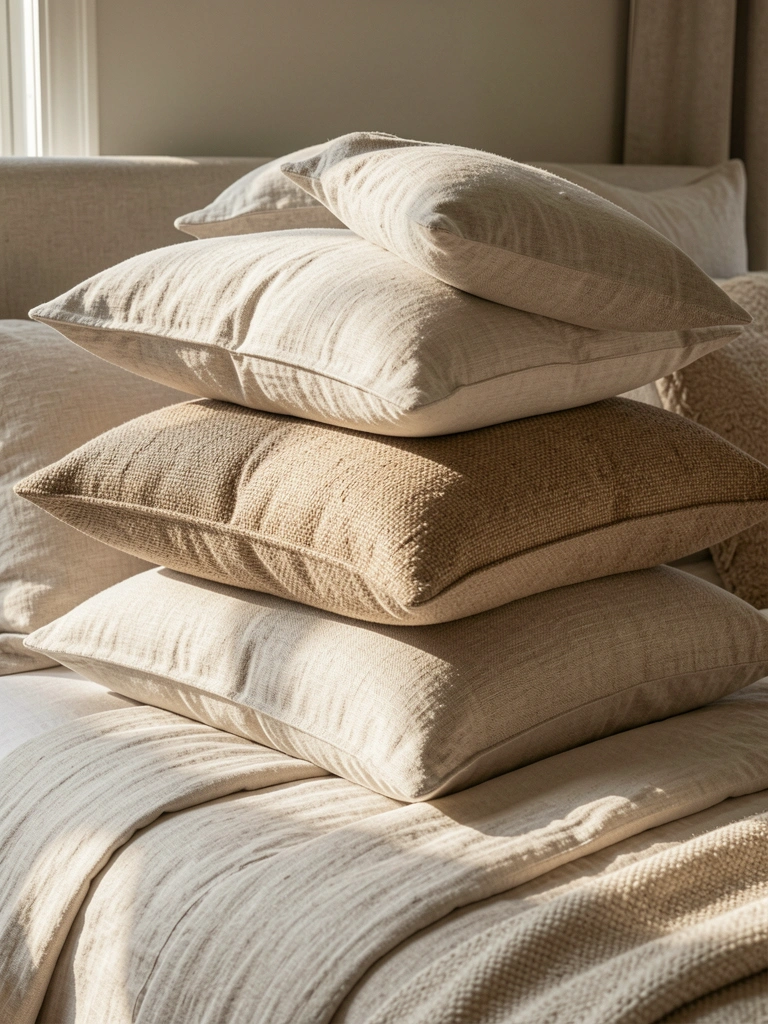
Multiple pillows in different natural fiber fabrics create a hotel-like backdrop and let you customize your sleeping comfort by mixing and matching nightly.
Collect 4–6 pillows in various natural fiber covers: linen ($30–$70 each), cotton ($25–$60), hemp ($35–$75). Layer them at the headboard with larger pillows in back, smaller in front. Takes 15 minutes to arrange initially, then seconds to adjust nightly. Budget hack: Buy one quality pillow and multiple affordable cases to rotate.
Your bed looks luxuriously styled while actually being more functional—you can pull out exactly the pillow you need for comfort.
22. Use Linen Fitted Sheets Under Your Duvet for Grip
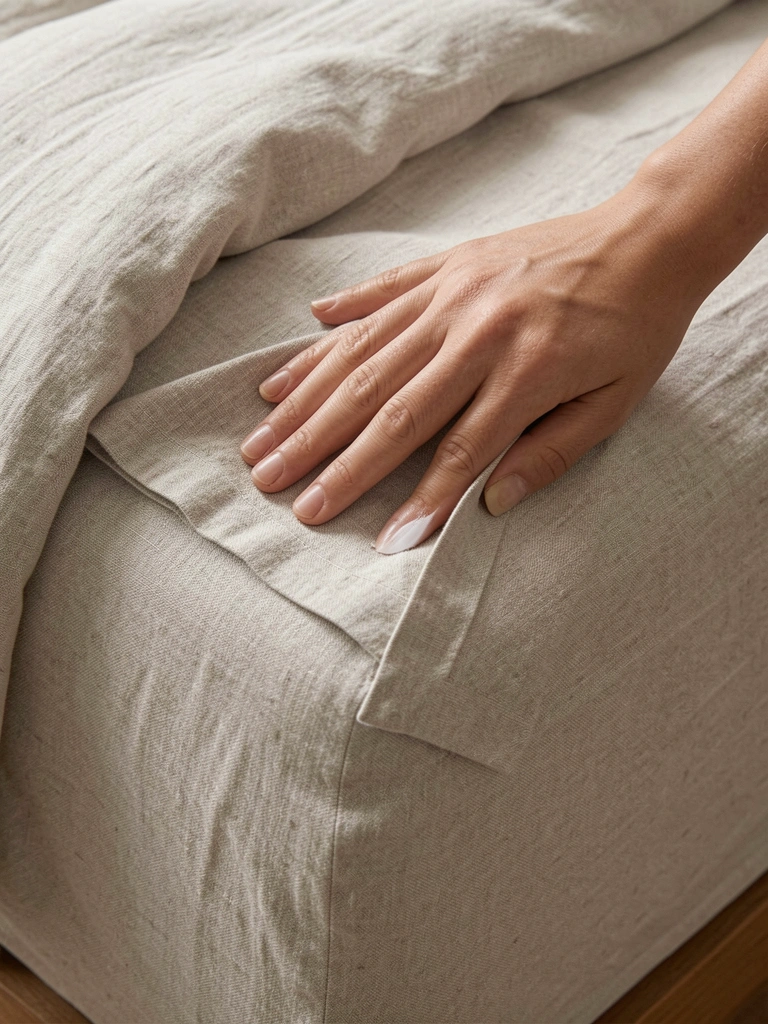
Linen fitted sheets grip better under your duvet than some other materials, so your duvet stays positioned instead of sliding around all night.
Choose 100% linen fitted sheets ($40–$80) in your bed size (measure twice) and pair with any duvet. Linen’s natural grippy texture keeps everything anchored. Takes 20 minutes to put on properly. Pro tip: Tuck excess fabric under the mattress for maximum hold.
You’ll stop waking up with your duvet twisted to one side. This one feature improves your entire sleep experience.
23. Mix Vintage Linen with Modern Cotton for Texture Balance
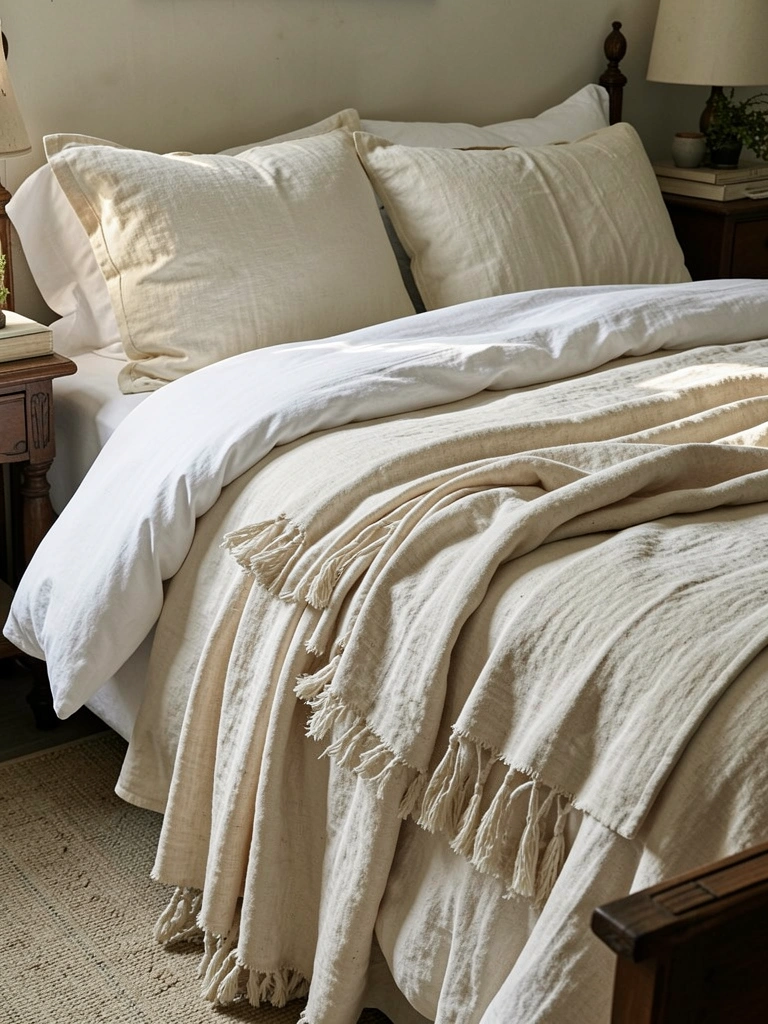
Pairing heirloom or thrifted linen pieces with modern cotton creates a bedroom that feels collected and intentional rather than matchy-matchy.
Combine vintage or thrifted linen sheets ($15–$40 from estate sales or Etsy) with a new cotton duvet ($80–$150). The contrast in age and texture reads as intentional design. Takes 20 minutes to style. Budget hack: Thrift stores and Facebook Marketplace are goldmines for linen at 90% off retail.
Your room tells a story. Guests sense that you have taste and personality, not just budget.
24. Create Summer-Ready Bedding with Lightweight Cotton Voile
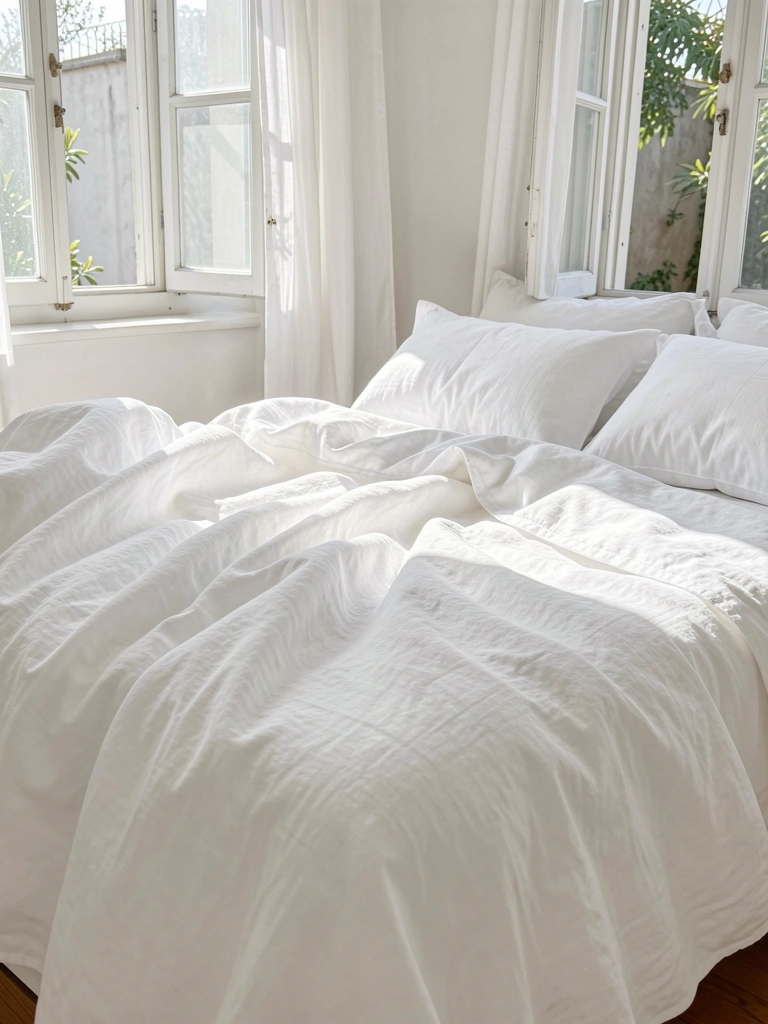
Cotton voile is the thinnest, most breathable cotton weave available. It’s perfect for hot sleepers or summer months when heavy linens feel unnecessary.
Hunt for 100% cotton voile sheets ($60–$120 at Target, Etsy, or specialty bedding sites). They drape beautifully and feel weightless. Wash cool, hang dry if possible. Takes 15 minutes to put on. Budget hack: Buy one voile set and rotate it into your collection seasonally.
This is the bedding you actually want to get into during summer. No more sweating through sheets by 2 a.m.
25. Layer a Wool Mattress Topper Under Natural Fiber Sheets
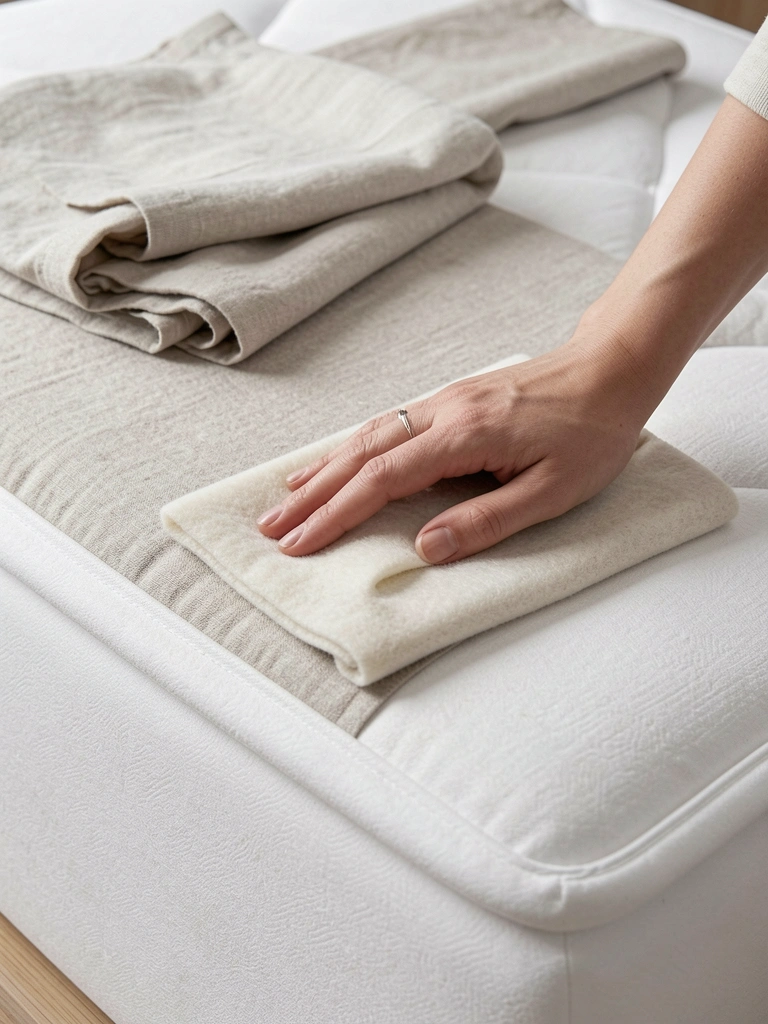
A wool topper adds cushioning and temperature regulation without replacing your entire mattress. Pair it with natural fiber sheets for maximum breathability.
Add a 100% wool mattress topper ($150–$300 depending on thickness) under your natural fiber sheets ($100–$200). Wool naturally wicks moisture and regulates temperature year-round. Takes 15 minutes to apply. Pro tip: Wool toppers need airing out monthly—flip them and leave them uncovered for a few hours.
You’ve essentially upgraded your sleep comfort without investing in a new mattress. The difference between sleeping hot and sleeping perfectly is often this simple addition.
Save this post and pick one idea to try this weekend—whether it’s swapping your pillowcases, adding a throw, or upgrading your sheets. Small changes in bedding quality add up fast, and you deserve to sleep as good as your bedroom looks.
Leave a Reply