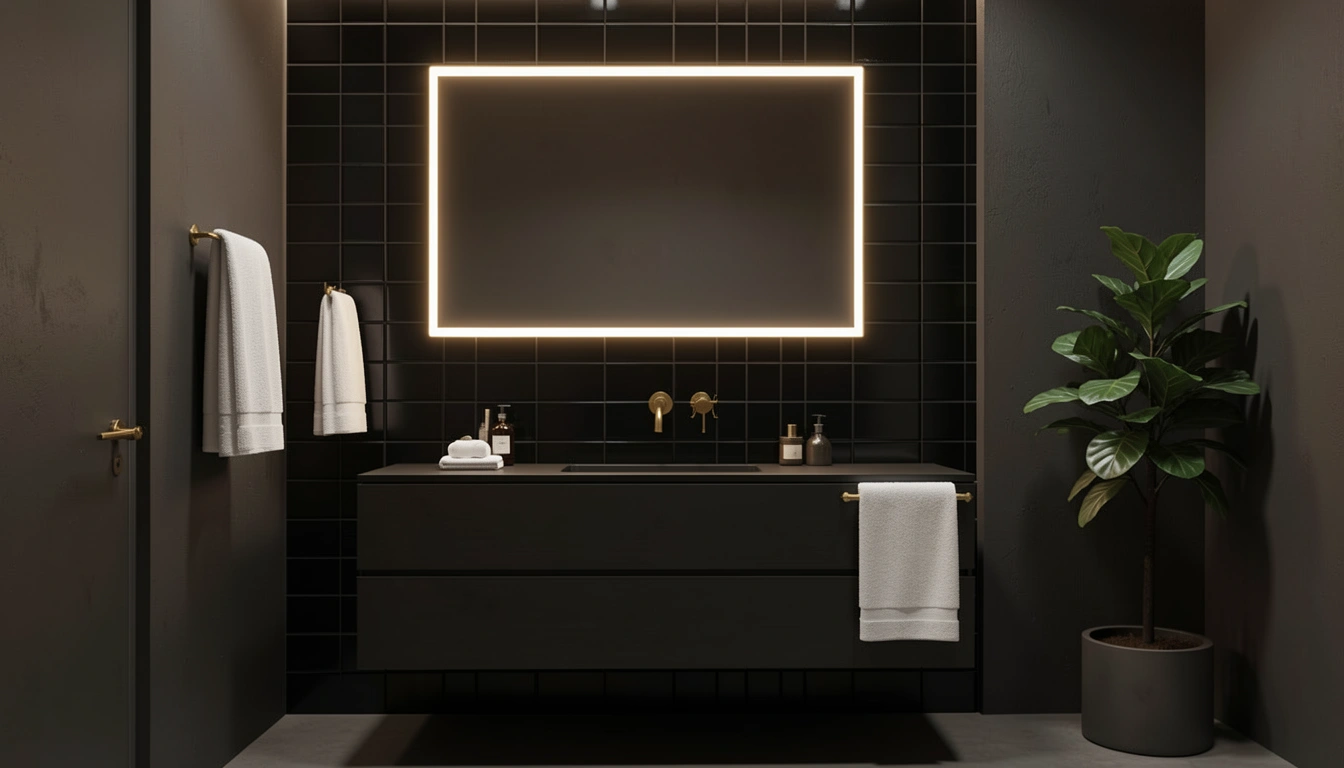
Black tiles are having a major moment, and for good reason—they’re bold, sophisticated, and way more versatile than you’d think. Whether you’re working with a tiny powder room or a sprawling primary bath, black tiles can make your space feel like a high-end retreat without needing a massive budget. In this guide, you’ll find 24 specific ways to use black tiles that actually look chic (not cave-like), plus styling tricks, product recommendations, and budget hacks. From accent walls to floor patterns to unexpected details, these ideas work for renters, homeowners, and everyone in between. Let’s get into it.
1. Create a Black Tile Accent Wall Behind Your Vanity
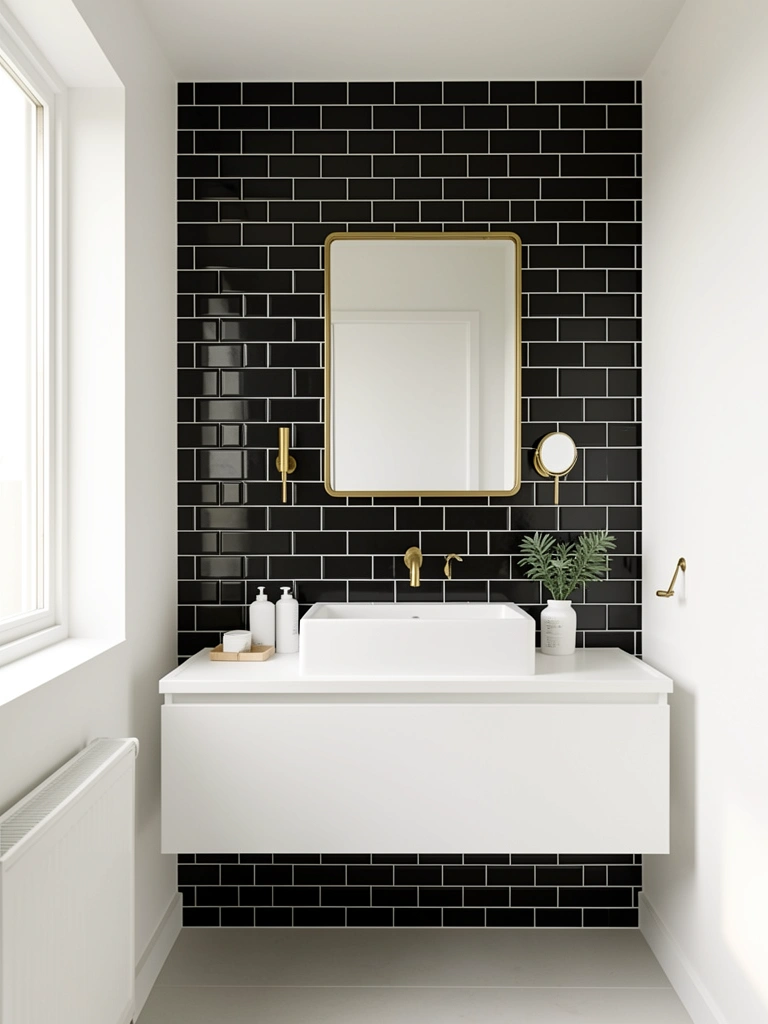
An accent wall is the easiest way to bring black tiles into your bathroom without overwhelming the space. Black subway tiles behind your vanity create instant visual interest and anchor the entire room’s design.
Subway tiles are affordable and timeless—expect to pay $3–$8 per square foot for basic black subway tiles. You’ll need about 15–30 square feet depending on your vanity width. Hire a pro (usually $15–$30 per hour labor, or $200–$400 for the whole wall), or DIY with a tile adhesive kit ($15–$25) if you’re handy. Installation takes a weekend if tackling it yourself. Shops like Home Depot, Wayfair, and Lowe’s stock tons of options in different finishes (matte, glossy, textured).
Pro tip: Pair your black tile with light grout (white or gray) to make the grid pop and keep it feeling modern rather than heavy.
Your bathroom instantly gains character and depth. The contrast between the black wall and light fixtures makes everything feel intentional and curated.
2. Go Matte Black for a Softer, Less Reflective Look
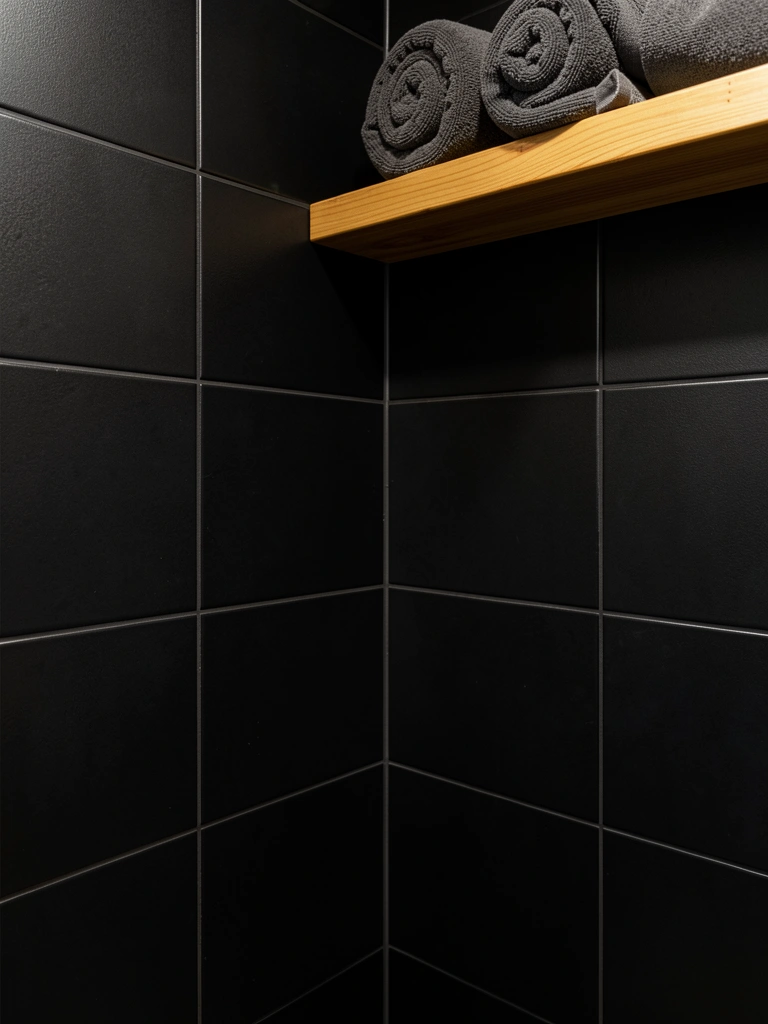
Matte black tiles feel different from glossy ones—they’re moodier, less reflective, and honestly way more forgiving of water spots and fingerprints. If you want black without the mirror-like shine, matte is your answer.
Matte finishes cost roughly the same as glossy black tiles ($3–$8 per square foot), but the difference in how they photograph and feel in person is huge. Matte tiles hide dust, mineral deposits, and water marks better than glossy finishes, which saves you cleaning time. Look for matte finishes from brands like Daltile, Emser, or MSI at Home Depot or specialty tile shops.
Pro tip: Matte tiles pair beautifully with brass or gold fixtures—the combination feels warm and intentional, not cold.
You’ll get a spa-like calm that glossy tiles can’t deliver. Your space becomes easier to maintain and photographs beautifully in natural light.
3. Mix Black and White Subway Tiles in a Checkerboard Pattern

A checkerboard floor is playful, timeless, and instantly makes any bathroom feel intentional. Black and white subway tiles in a checkerboard layout brings personality without needing color elsewhere.
You’ll need equal amounts of black and white subway tiles ($3–$8 per square foot each). For a 5×8-foot bathroom floor, budget around $200–$400 in tile alone plus labor or DIY time. Layout matters—have a clear floor plan before ordering to avoid waste. This is a medium DIY project or a great one to hire out ($400–$800 installed).
Pro tip: Keep walls and fixtures neutral (white, natural wood, brass) so the floor becomes the star.
The pattern creates movement and energy in your space. Guests will immediately notice it, and it’s totally timeless—you won’t get tired of it.
4. Use Large-Format Black Tiles for a Seamless, Modern Look
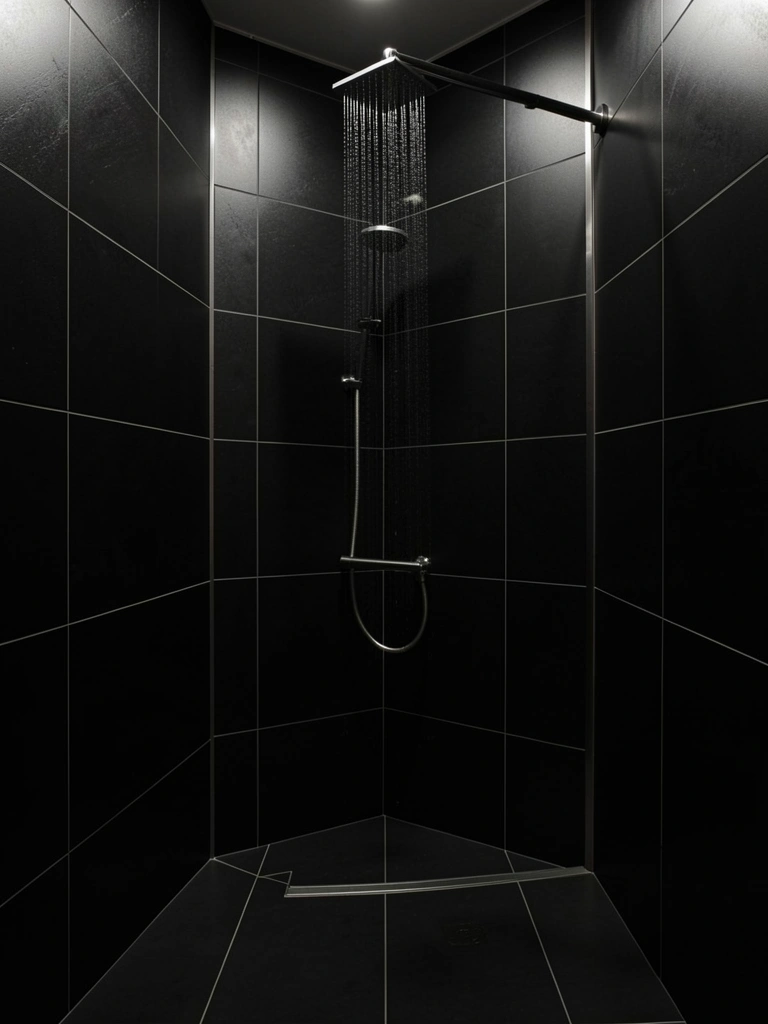
Large tiles (12×24, 18×36, or 24×48 inches) create clean lines with fewer grout joints, making your bathroom feel bigger and more sophisticated. Fewer grout lines also mean less cleaning.
Large-format tiles run $5–$15 per square foot and require a skilled installer because they’re heavier and need proper substrate support. Installation labor is usually $25–$40 per hour or $500–$1,200+ for a shower enclosure. This isn’t a DIY project unless you have tile experience.
Pro tip: Pair large black tiles with a single accent tile in a complementary color (cream, sage, terracotta) to add depth without fussiness.
Your shower becomes a serene, minimalist statement. The seamless look feels high-end and spa-like, even in a modest bathroom.
5. Install Black Hexagon Tiles for Geometric Interest
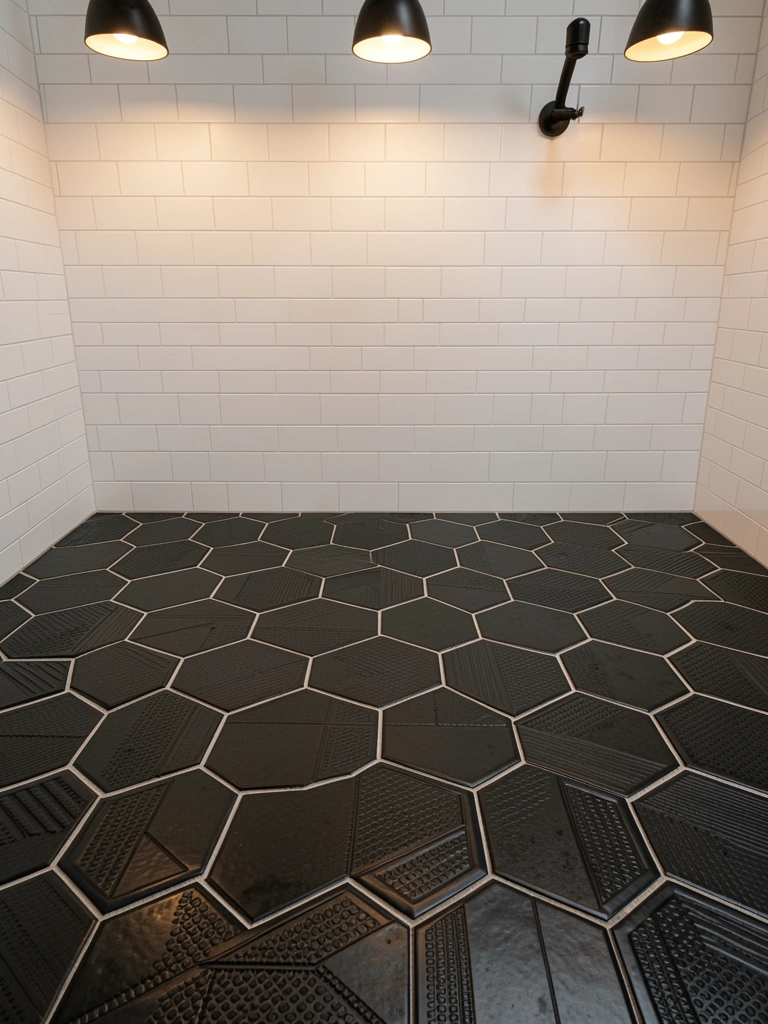
Hexagon tiles add playful geometry without being over-the-top. They work beautifully on floors, in shower niches, or as accent strips.
Black hexagon tiles cost $4–$10 per square foot, and they’re slightly trickier to install because of the angles. Budget extra labor time ($30–$45 per hour) for intricate layout. This is doable as a DIY project if you’re detail-oriented and patient.
Pro tip: Mix matte and glossy hexagon tiles in the same area for subtle texture variation.
The geometric pattern adds character and draws eyes down or around the room. It’s sophisticated enough for primary baths but playful enough for guest rooms.
6. Apply Black Tiles to Just Your Shower Floor for Slip Safety and Style
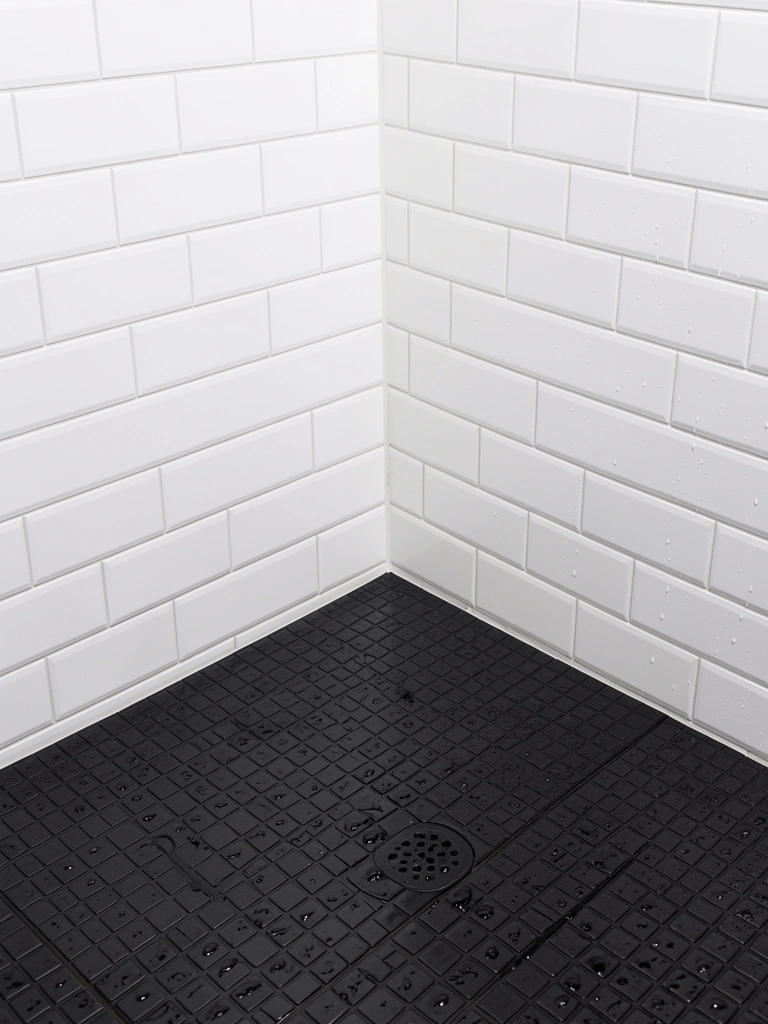
Black tiles on your shower floor serve double duty: they’re non-slip (especially textured matte varieties) and create visual separation from lighter walls. It’s practical and pretty.
Textured black floor tiles run $4–$12 per square foot and are specifically designed for wet areas. A typical shower floor (3×3 feet) costs $40–$100 in tile plus installation. This is a moderate DIY project or a quick pro job ($200–$400 installed).
Pro tip: Use textured tiles specifically rated for slip resistance—look for tiles marked “non-slip” or with a high coefficient of friction (COF).
Your shower feels more intentional and safer. The textured finish adds visual interest while keeping your feet secure on wet surfaces.
7. Frame Your Mirror with Black Tile Trim
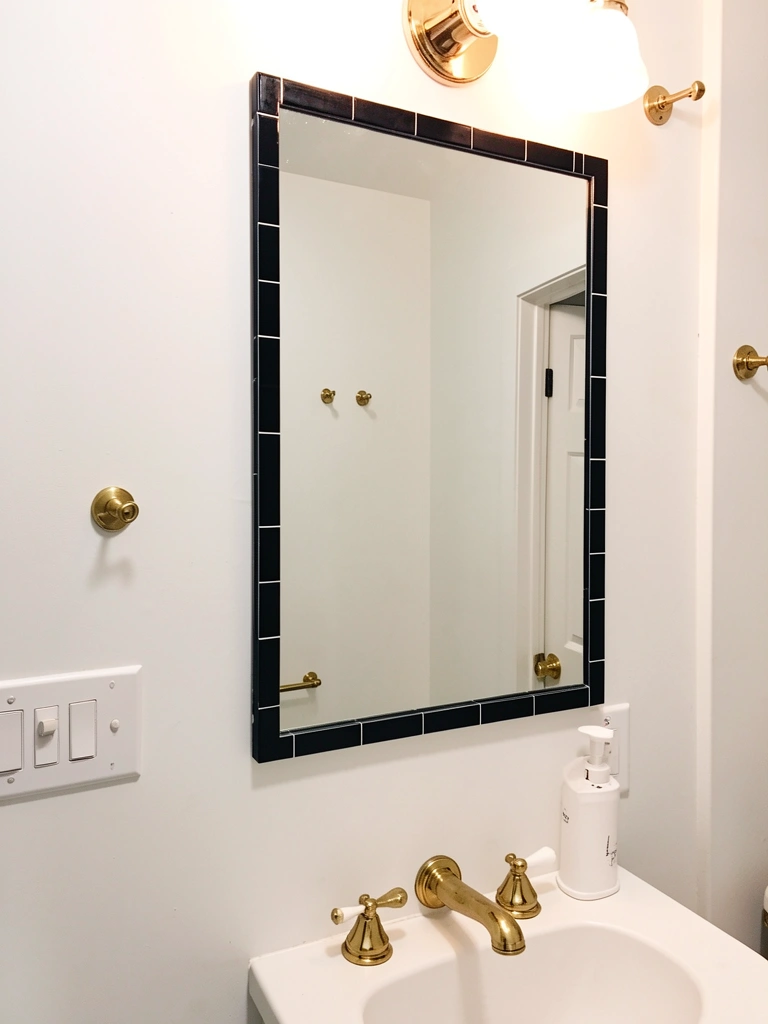
Instead of a framed mirror, create a custom border with thin black tiles. It’s cheaper than buying a new mirror frame and looks completely custom.
Thin subway or pencil black tiles ($3–$6 per square foot) plus basic adhesive ($15) is all you need. Installation takes 1–2 hours if you’re comfortable with tile work. This is an easy DIY project that transforms a plain mirror into a designed feature.
Pro tip: Grout with white or light gray to keep the border from feeling too heavy.
Your mirror gains architectural detail and sophistication. It feels like you hired a designer, but you did it yourself for under $50.
8. Create a Black Tile Stripe Running Around the Bathroom
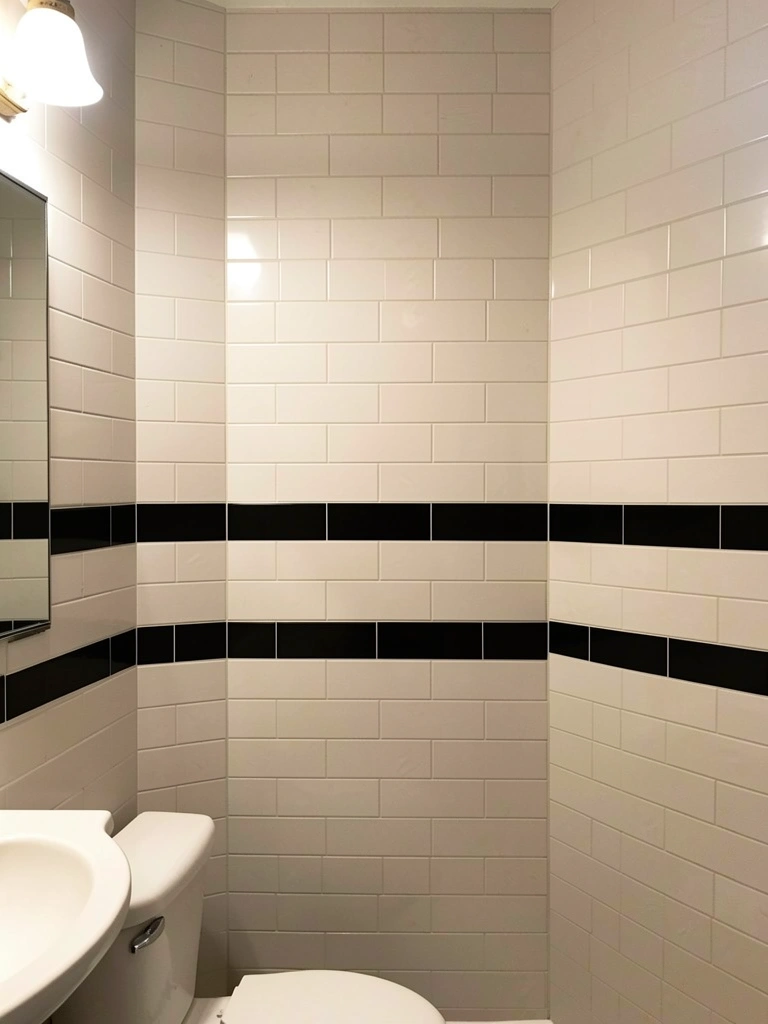
A horizontal stripe of black tiles at chair-rail height (about 36 inches up) adds structure and visual interest without committing your entire bathroom to dark tiles.
You’ll need about 20–40 square feet of black tile depending on your room size ($60–$240 in tile). This is a medium DIY project or a quick pro install. Pair it with white subway tiles above and below for maximum impact.
Pro tip: Run the stripe at a height that works for your space—it doesn’t have to be exactly at chair-rail height.
The stripe gives your bathroom a finished, intentional look. It adds visual interest without feeling heavy or overwhelming.
9. Use Black Tiles as a Wet Room Base
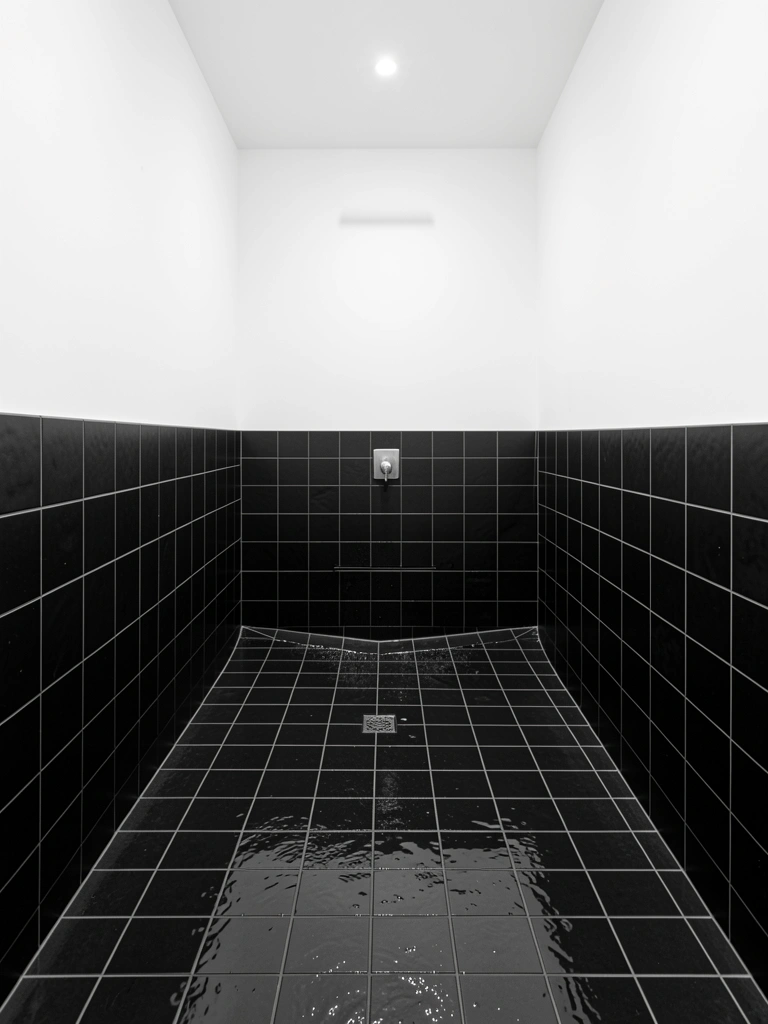
Black tiles work beautifully as the foundation of a curbless, open wet room. The dark floor visually defines the shower zone and hides water spots better than light tiles.
Black wet room tiles (textured, slip-resistant) cost $6–$12 per square foot. A complete wet room installation (including drainage, waterproofing, slope) runs $3,000–$8,000 installed depending on size and complexity. This is a professional-only project—waterproofing requires expertise.
Pro tip: Pair black floor tiles with light walls to keep the space feeling open and bright.
Your bathroom becomes a luxe, zero-threshold retreat. The clean lines and accessible design are both beautiful and functional.
10. Add Black Tiles to Your Vanity Backsplash
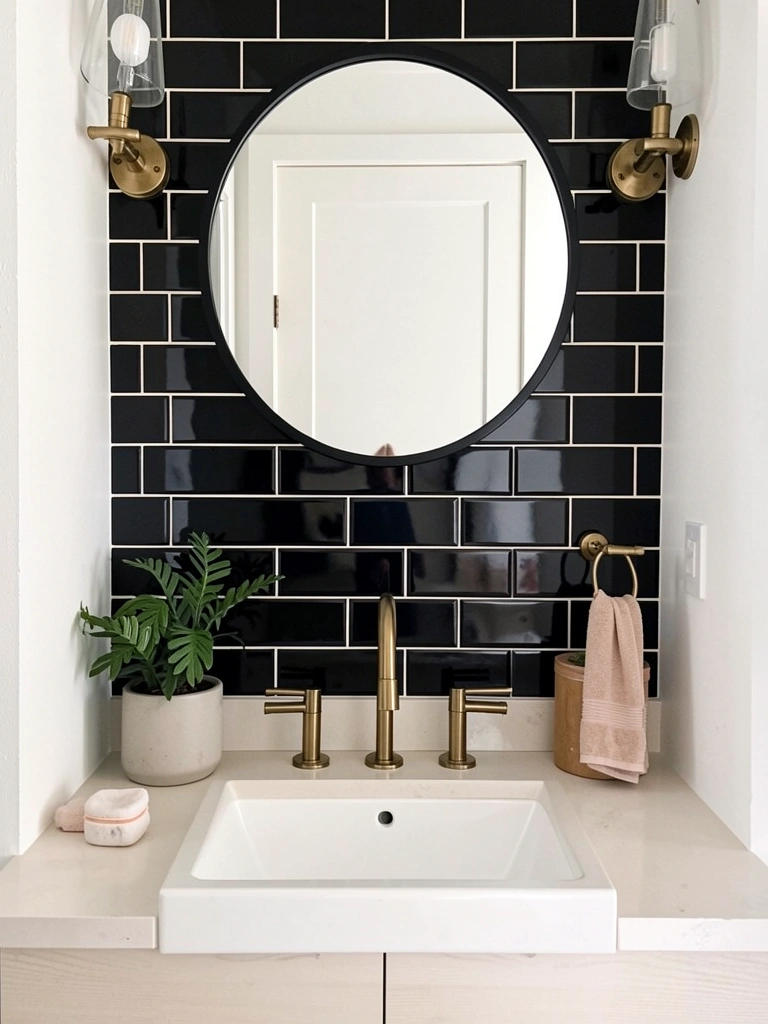
A backsplash behind your vanity is a low-commitment way to introduce black tiles. It’s visible, functional, and changes the whole vibe of your sink area.
You’ll need roughly 8–12 square feet of black tile ($25–$60) plus basic adhesive. Installation is a straightforward DIY project (1–2 hours) or a quick pro job ($100–$200 installed). This is perfect if you’re renting—with permission, you can use temporary tile adhesive or peel-and-stick backsplash alternatives.
Pro tip: Match your backsplash grout to your fixtures (white grout for a crisp look, or darker grout for cohesion).
Your sink area instantly feels designed and spa-like. Water splashes are easier to wipe clean from tiles than painted drywall.
11. Combine Black Tiles with Warm Wood Accents
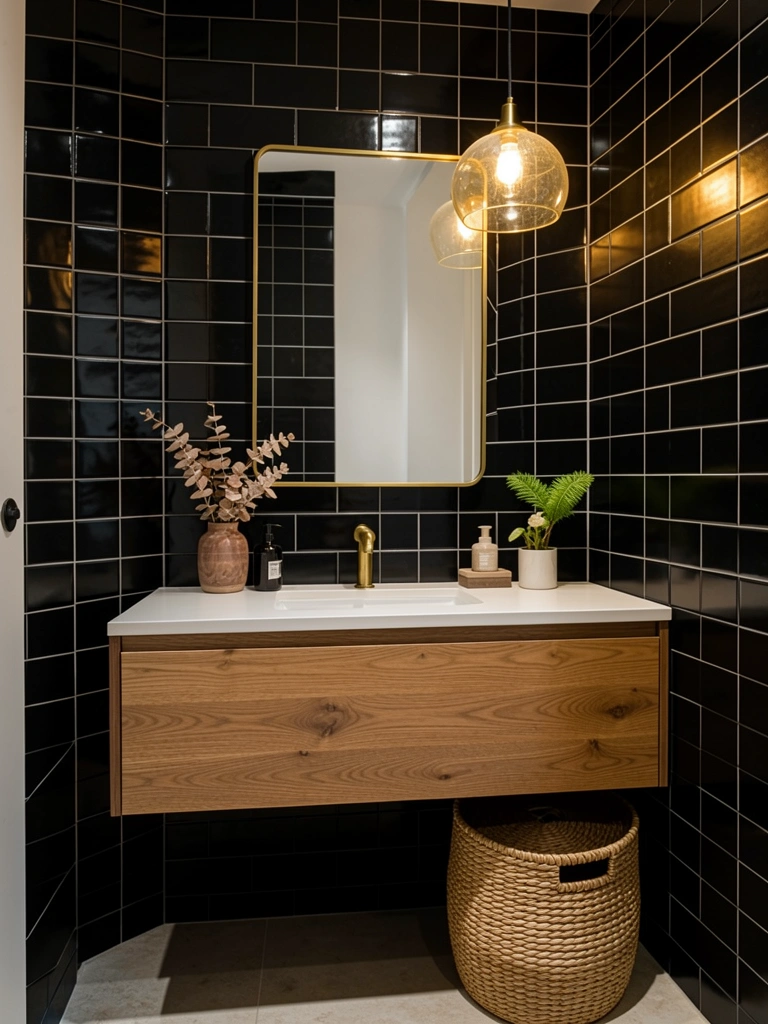
Black tiles paired with warm wood create balance—the darkness is offset by natural warmth. This combo feels both contemporary and inviting, not cold or industrial.
Black tiles ($4–$10 per square foot) combined with a wood vanity ($300–$800 for a solid wood floating piece) creates a cohesive look. This mix works with both DIY and pro installation.
Pro tip: Choose wood with warm undertones (walnut, oak, teak) rather than cool-toned wood or whitewash finishes.
Your bathroom becomes warm and grounded. The black tiles feel less stark and more cozy, like a retreat rather than a showroom.
12. Install Black Tiles as a Full Shower Enclosure for Ultimate Drama
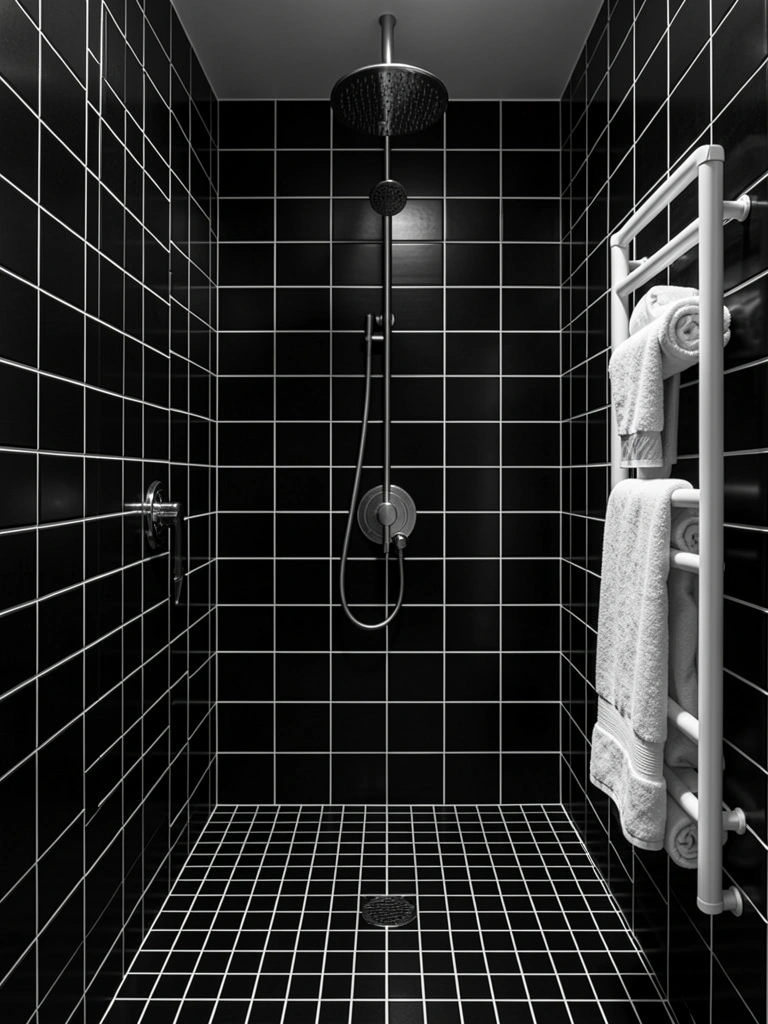
Going full black in your shower is bold but stunning when done right. It feels spa-like, hides everything, and creates a dramatic focal point.
Full shower enclosure in black tile runs $40–$60 per square foot in materials and labor, so budget $2,000–$5,000 for a standard shower. This requires professional installation for proper waterproofing and slope. It’s a serious investment but worth it if you’re renovating anyway.
Pro tip: Add a large window or skylight to keep the space from feeling too dark and claustrophobic.
Your shower becomes a moody sanctuary. Stepping inside feels like entering a spa, and the all-black aesthetic is completely timeless.
13. Mix Black Tiles with Colorful Grout for Unexpected Detail
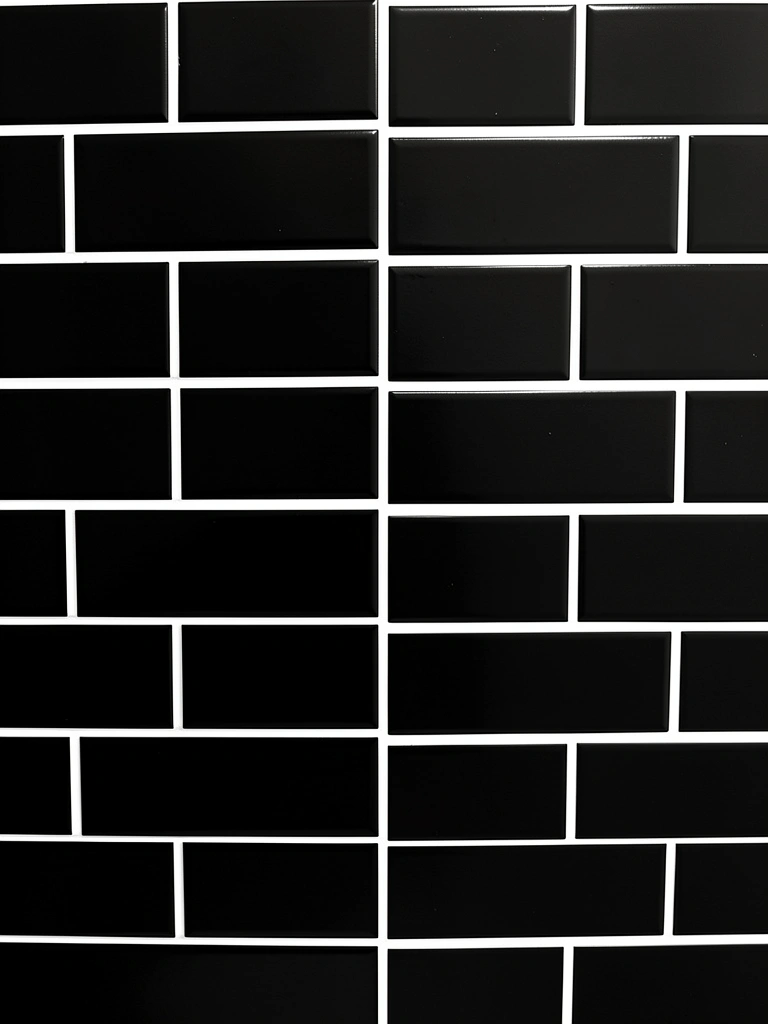
Your grout color matters just as much as your tile color. Bright white grout against black tiles creates graphic contrast; gray grout is more subtle; matching black grout is ultra-minimalist.
Black tiles ($3–$8 per square foot) plus your choice of grout ($5–$15 per bag, one bag covers about 50–75 square feet). Grout color is a DIY-friendly choice—no extra labor cost, just your preference. Experiment with samples if possible.
Pro tip: White grout photographs better and feels fresher; dark grout feels moodier and hides stains.
The grout choice completely changes your tile’s personality. Experiment before committing to see what mood you want.
14. Use Black Marble or Stone Look-Alike Tiles
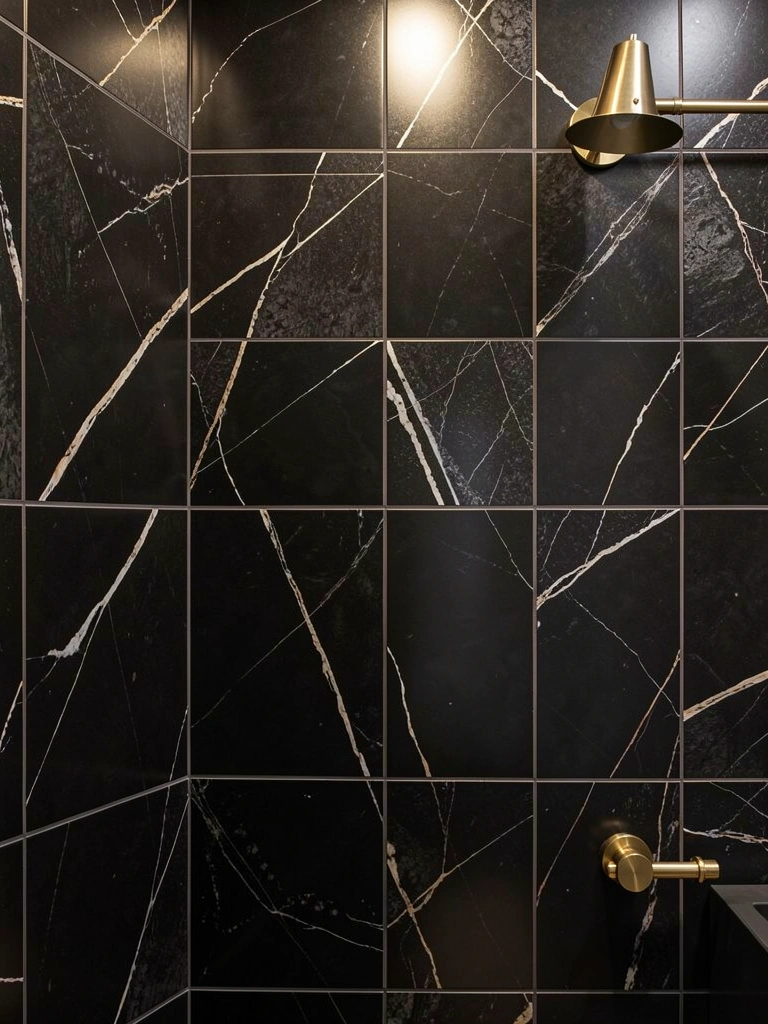
Black marble or stone-textured tiles feel more expensive and elegant than solid black. Veining and natural variation make them look upscale without the actual marble maintenance headache.
Porcelain tiles that mimic black marble run $6–$15 per square foot (way cheaper than actual marble at $20–$40+). These tiles don’t stain, don’t etch from acids, and look just as good. Perfect for bathrooms.
Pro tip: Actual black marble requires sealing and maintenance—porcelain imitations give you the look with zero fuss.
You get a high-end, organic aesthetic without the expense and upkeep. Your bathroom feels luxurious and curated.
15. Layer Black Tiles with Patterned or Textured Neighbors
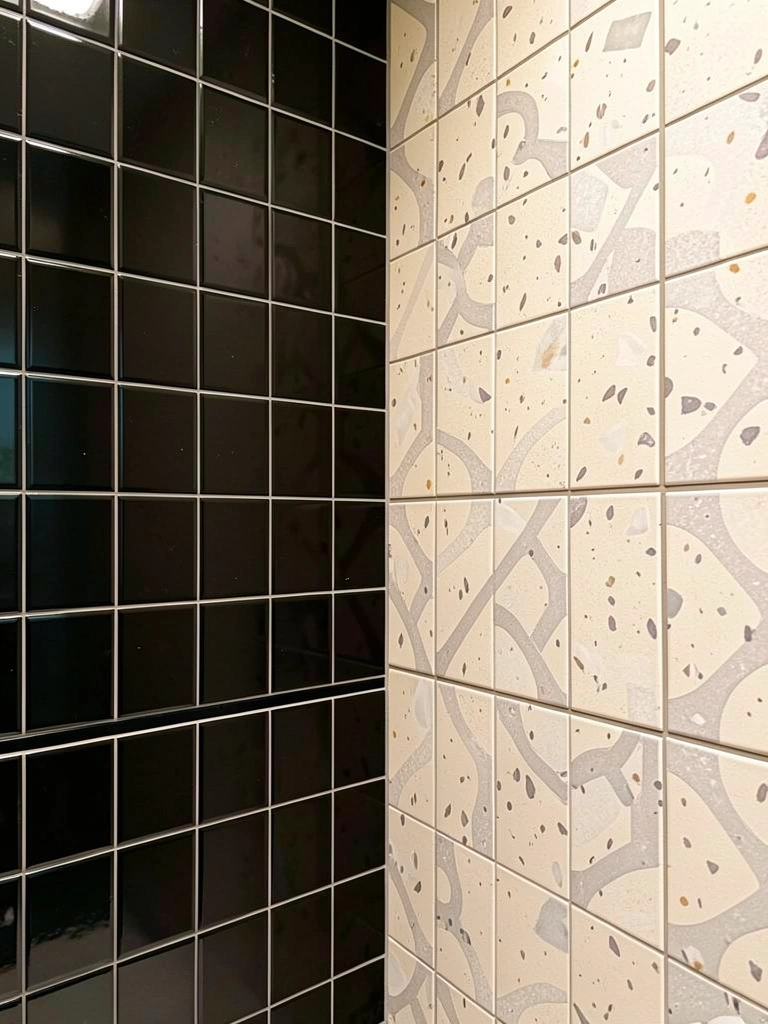
Mixing black tiles with patterned or textured neighbors creates an eclectic, designed look. It’s more interesting than solid black and easier to live with long-term.
Black tiles ($4–$8 per square foot) paired with patterned tiles ($5–$12 per square foot) give you flexibility. Choose a pattern that complements without competing—geometric, terrazzo, or subtle florals work well. Installation labor is standard ($15–$30 per hour).
Pro tip: Sketch out your pattern before ordering to avoid costly mistakes or leftover tile.
The mix prevents your bathroom from feeling one-note. It’s interesting, personalized, and still cohesive.
16. Create a Black Tile Niche Inside Your Shower
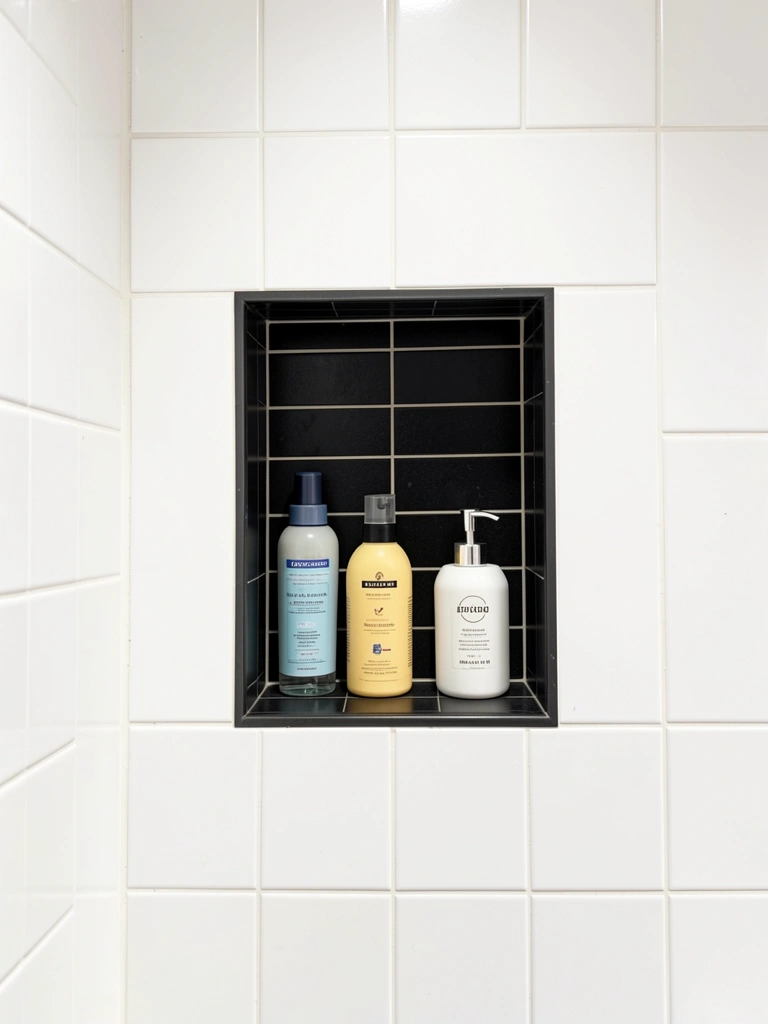
A black tile niche inside your shower is perfect for storage and visual interest. It breaks up the expanse of white or light tiles beautifully.
A small niche (12×24 inches) needs about 3–5 square feet of black tile ($15–$40). Niches built into existing showers are easier than retrofits. This is a moderate DIY project or a quick pro job ($150–$300).
Pro tip: Make sure your niche is large enough to actually hold bottles—minimum 12 inches deep.
Your shower gains storage and style in one move. It’s functional enough that you actually use it, but designed enough to feel intentional.
17. Apply Black Tiles Just Inside Your Shower Entry for Visual Drama
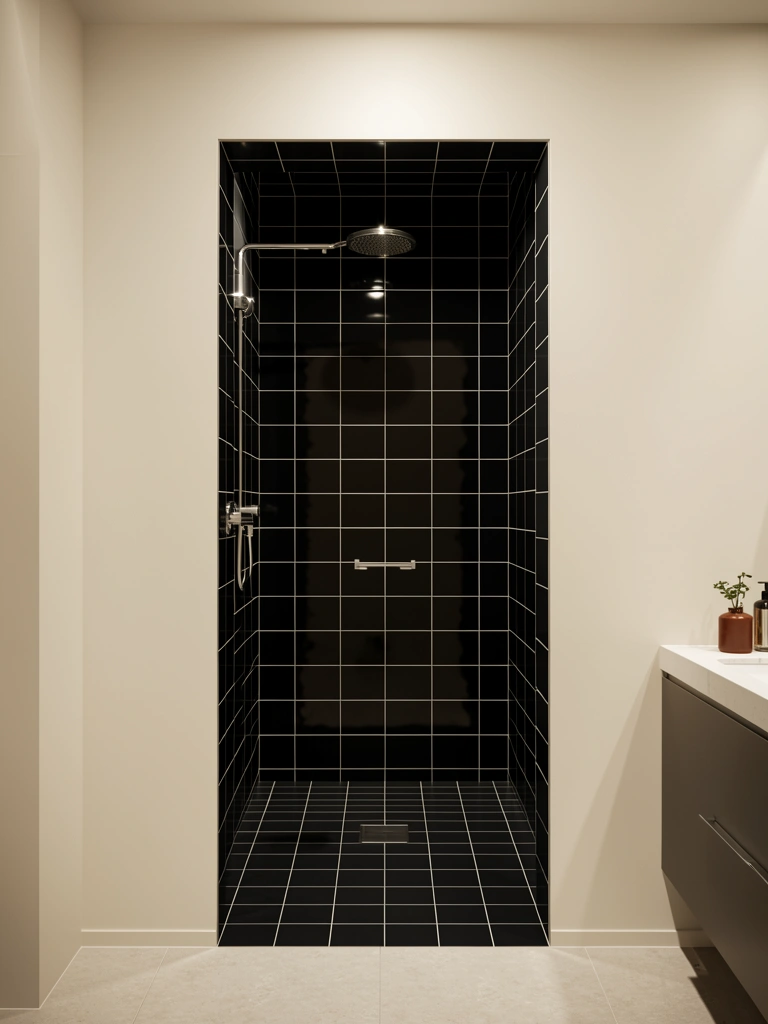
Black tiles right at the shower entry create a portal effect—a dramatic transition from the light bathroom into your dark, moody shower zone. It’s theatrical but works brilliantly.
You only need 10–15 square feet of black tile ($30–$80) to create this effect. Install a thin row or two of black tiles right inside the threshold to define the shower space. DIY-friendly if you have basic tile skills.
Pro tip: This works especially well if your shower floor is slightly raised or has a subtle step—the black tile reinforces that transition.
Stepping into your shower feels like entering a sanctuary. The visual and psychological shift makes your daily shower feel more special.
18. Match Black Tiles with Black Fixtures for a Minimalist, Monochromatic Look
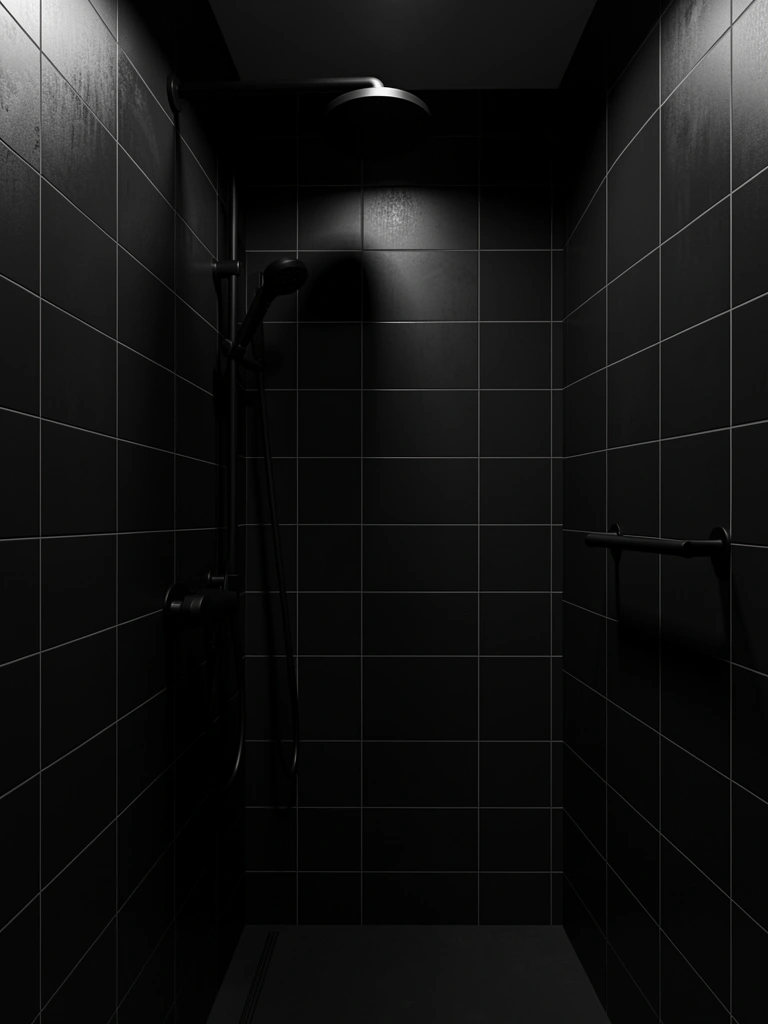
Go full monochromatic by matching your black tiles with matte black fixtures. It’s ultra-minimalist, cohesive, and feels like a luxury spa.
Black matte fixtures (showerhead, towel bar, faucet) run $100–$400 each depending on quality. Tiles are your usual $4–$10 per square foot. The cohesion is what makes this work—everything feels intentional.
Pro tip: Add one element of warmth (wood shelf, brass handle, or a plant) so the space doesn’t feel sterile.
Your bathroom becomes a calm, monochromatic retreat. The lack of visual competition makes the space feel more spacious and serene.
19. Use Thin Black Tile Strips to Define Different Bathroom Zones
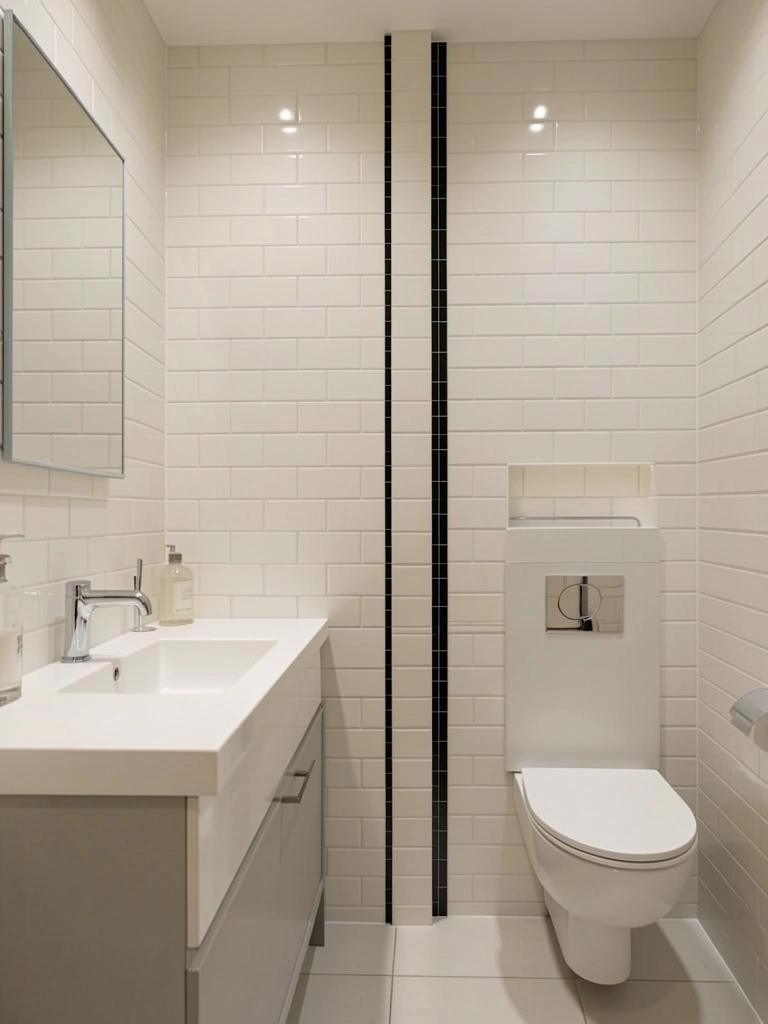
In an open bathroom or powder room, thin black tile strips can visually separate different zones without building walls. It’s clever spatial design that’s cheaper than construction.
Thin black tile strips (pencil tiles or thin subway tiles, $3–$6 per square foot) are purely design elements. This is a DIY-friendly project that costs $40–$100 and takes a weekend.
Pro tip: Vertical lines elongate spaces; horizontal lines break them up. Choose your direction based on your room’s proportions.
Your space feels more organized and intentional. Visual boundaries make the layout feel more purposeful.
20. Install a Black Tile Wainscot for a Classic, Upscale Look
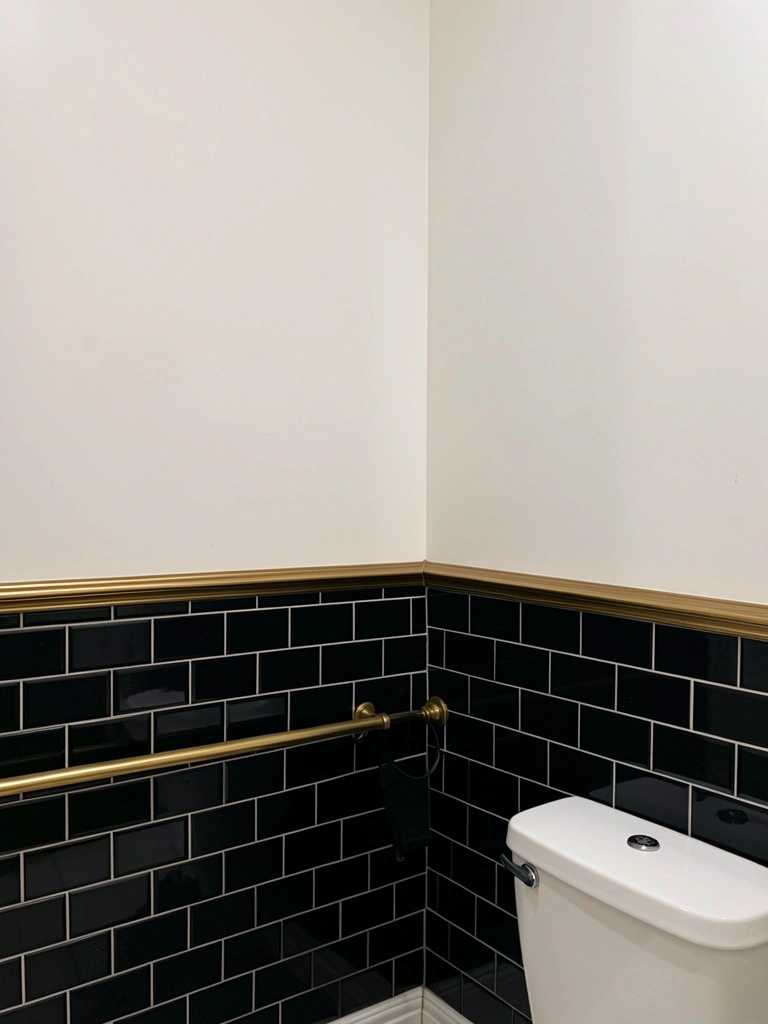
Wainscoting in black tiles is classic, upscale, and draws the eye down (visually enlarging the space). It’s popular in mid-century and contemporary design.
Black tiles for wainscoting ($4–$8 per square foot) plus a metal trim piece at the rail height ($20–$50) create definition. Budget $400–$800 installed for an average bathroom. This is a moderate DIY project or a straightforward pro install.
Pro tip: Use a metal trim at the top edge for a polished, intentional finish (not just grout and caulk).
Your bathroom feels elevated and designed. Wainscoting adds architectural detail that reads as intentional and curated.
21. Pair Black Tiles with Terrazzo or Speckled Countertops

Black tiles with speckled or terrazzo countertops create harmony through echo—the counter picks up the black from the tiles, but adds warmth and movement.
Black tiles ($4–$10 per square foot) paired with a terrazzo or quartz countertop ($60–$120 per square foot) work beautifully together. This is for people investing in their bathrooms, but it’s worth it.
Pro tip: Choose a terrazzo or quartz with enough black speckles to echo your tiles without matching perfectly.
The mix feels collected and intentional. Your vanity area becomes a curated, high-end focal point.
22. Use Black Tiles in a Geometric Mosaic Pattern for Texture
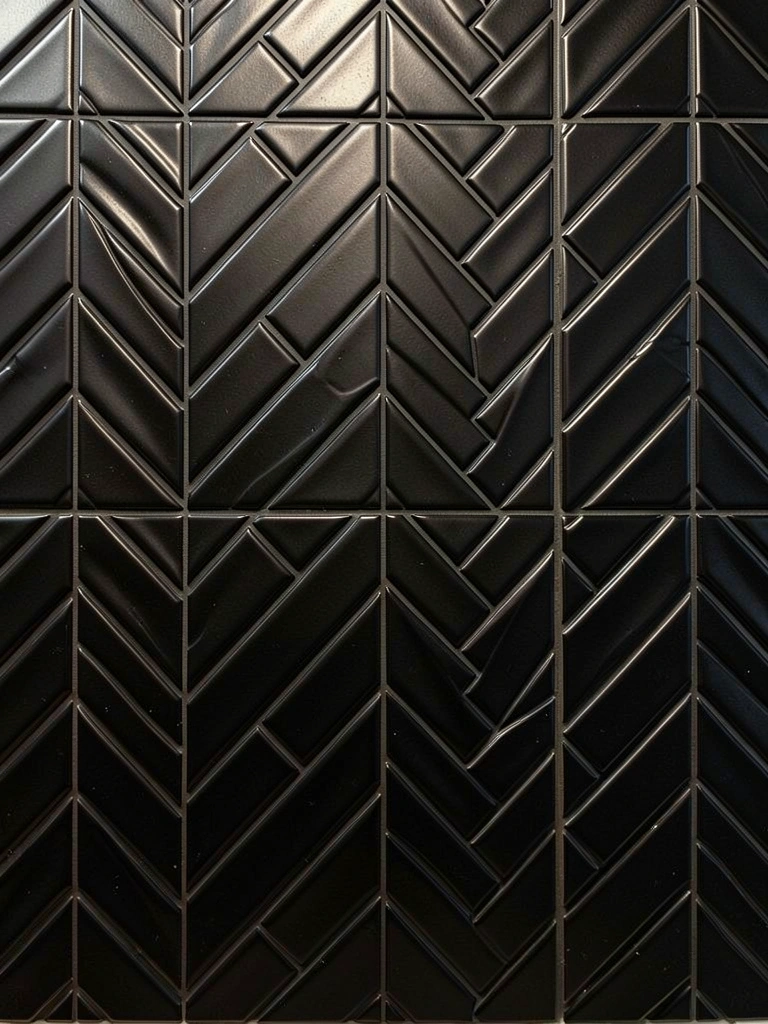
Geometric patterns (chevron, herringbone, basket weave) in black tiles add texture and movement. The offset pattern creates depth that solid black can’t achieve.
Patterned tile layouts cost the same per square foot as standard tiles ($4–$10 per square foot) but require more skilled labor. Budget extra installation time ($25–$40 per hour). This is a project to hire out unless you’re experienced with tile.
Pro tip: Chevron patterns are easier to DIY than herringbone—fewer complex cuts needed.
Your bathroom gains visual interest and sophistication. The dimensional quality makes the space feel more designed and intentional.
23. Layer Black Tiles with Warm Brass or Gold Accents
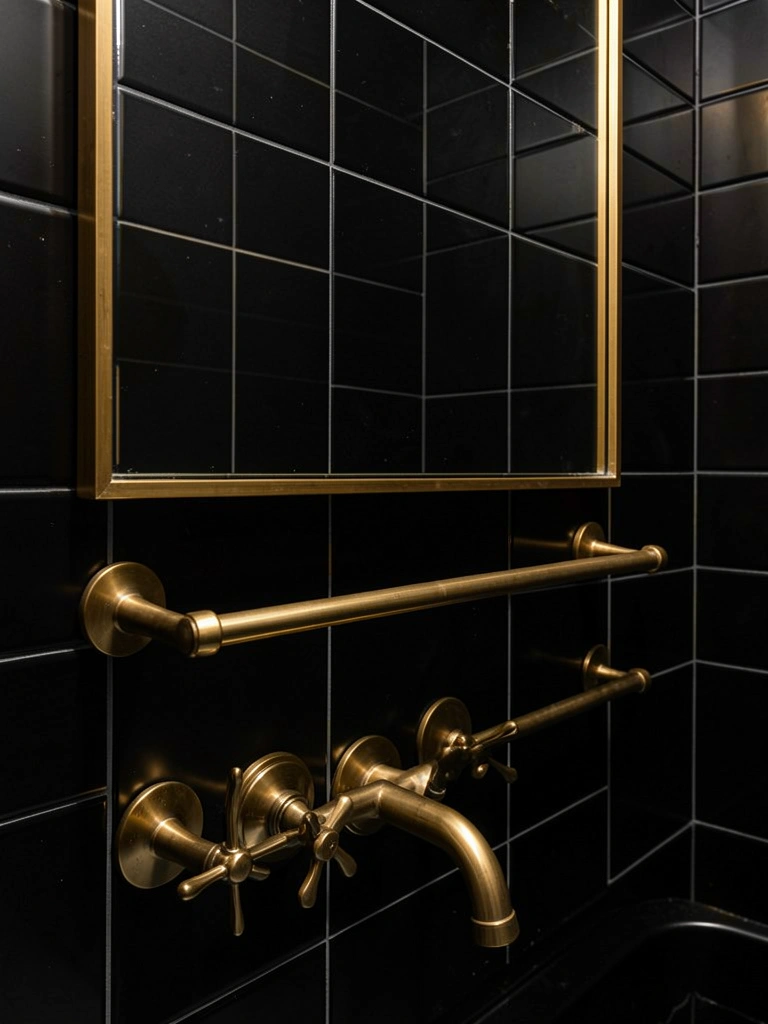
Black tiles plus warm brass or gold fixtures create an inherently luxe combination. The warm metal prevents the black from feeling cold or industrial.
Black tiles ($4–$10 per square foot) with brass fixtures ($150–$400 per piece) is an affordable way to add luxury vibes. Brass costs more than chrome, but it’s timeless and warm.
Pro tip: Mix brass with matte black fixtures for a more contemporary look, or glossy black for classic elegance.
Your bathroom reads as high-end and curated. The brass-and-black combo is sophisticated and totally timeless.
24. Create a Ombre Effect with Black Tiles Fading Upward
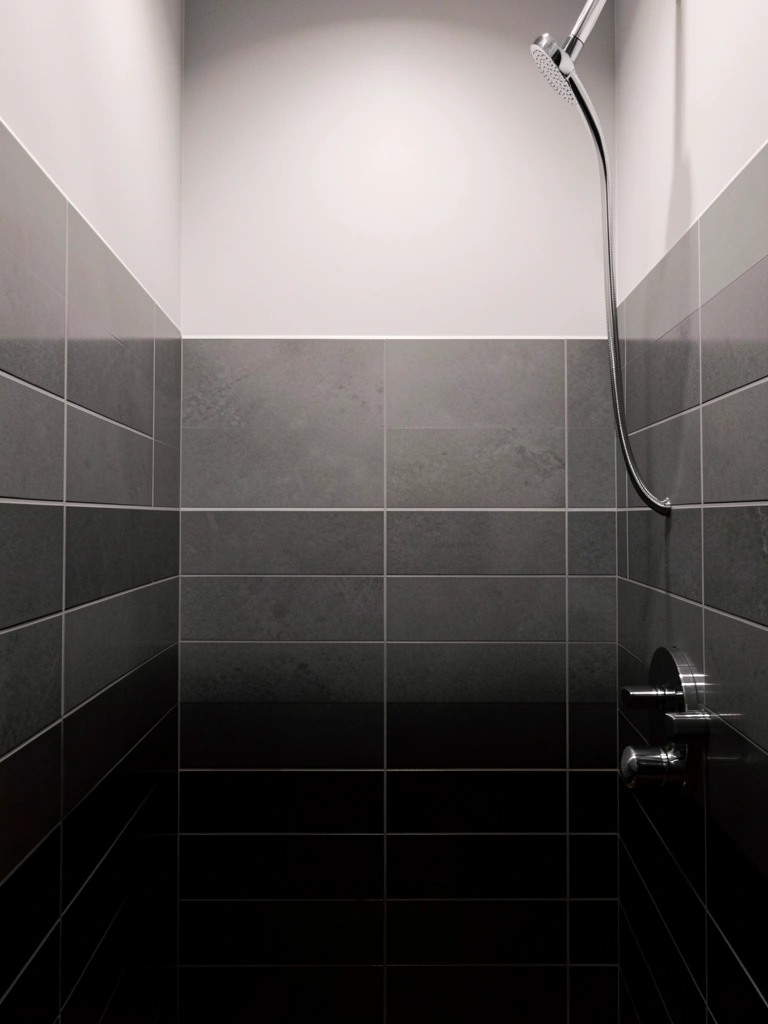
An ombre effect using black tiles fading into gray tiles is subtle, sophisticated, and adds depth without being over-the-top.
This requires multiple gray tile shades ($4–$10 per square foot across different colors) plus careful layout planning. The labor is minimal if you’re gradual with your color transitions. This is a creative DIY project or a quick pro install ($500–$1,000 installed).
Pro tip: Order samples in person to see how colors transition—slight variations create a smooth gradient.
Your shower walls become a subtle art piece. The gradient adds sophistication and visual interest without feeling gimmicky or trendy.
Save this post for your next bathroom refresh and bookmark one idea to try first. Black tiles aren’t as intimidating as they seem—start small with a single accent wall or niche, and you’ll see how transformative even one black tile element can be.
Leave a Reply