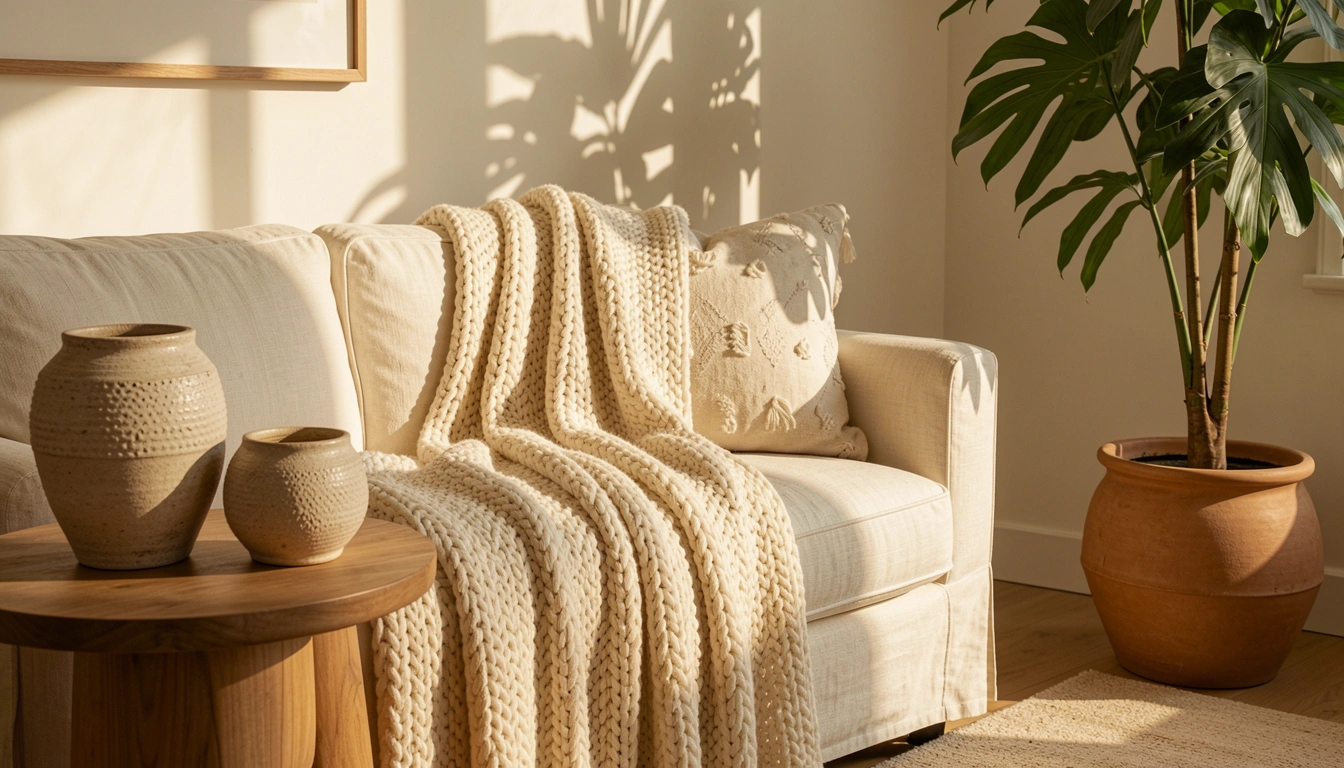
When you’re decorating a luxury living room on any budget, texture is your secret weapon. It’s what separates a flat, sterile space from one that feels expensive, inviting, and rich with detail. The good news? You don’t need to overhaul your entire room or spend a fortune. By strategically layering different textures—from soft bouclé and linen to natural wood and stone—you can create a space that feels intentional, layered, and absolutely worth lingering in.
This guide gives you 25 specific material ideas you can start using this weekend. Some cost nothing (they’re styling hacks), others are small upgrades under $50, and a few are investment pieces that’ll anchor your room for years. Whether you’re renting or own, have pets or are working with minimal space, you’ll find something here to add that high-end, textured depth your living room deserves.
1. Layer a Bouclé Accent Chair for Instant Soft Drama
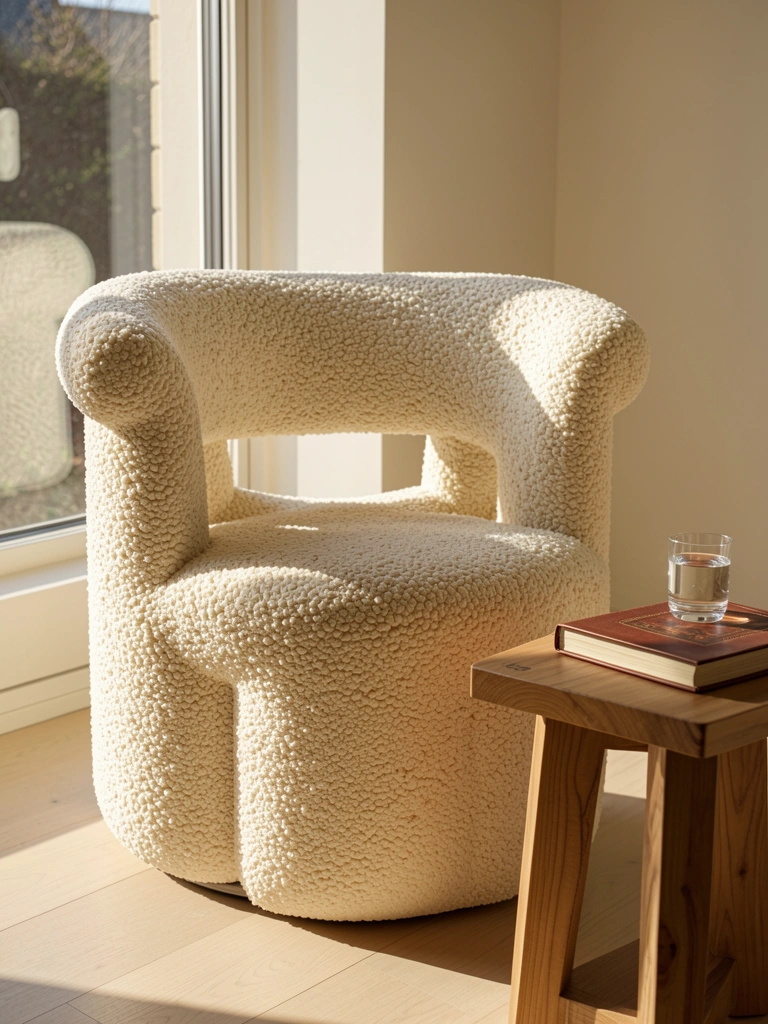
A bouclé chair is the easiest way to add luxury texture without committing to a full sofa replacement. The looped fabric catches light beautifully and reads as high-end, even at mid-range price points. Look for bouclé accent chairs between $400–$800 at Wayfair, Article, or West Elm. If that’s outside your budget, check Facebook Marketplace or local vintage shops for secondhand options—you’ll often find quality pieces for $150–$300.
Pair your bouclé chair with a simple wooden frame (no heavy upholstery competing for attention). Position it near natural light so the texture shows off. The project takes zero time—just delivery and placement—and the result is immediate.
Your seating area suddenly has depth and personality, plus you’ve got a comfortable reading nook that actually looks like it belongs in a design magazine.
2. Swap Standard Throw Pillows for Linen-Look Weave Covers
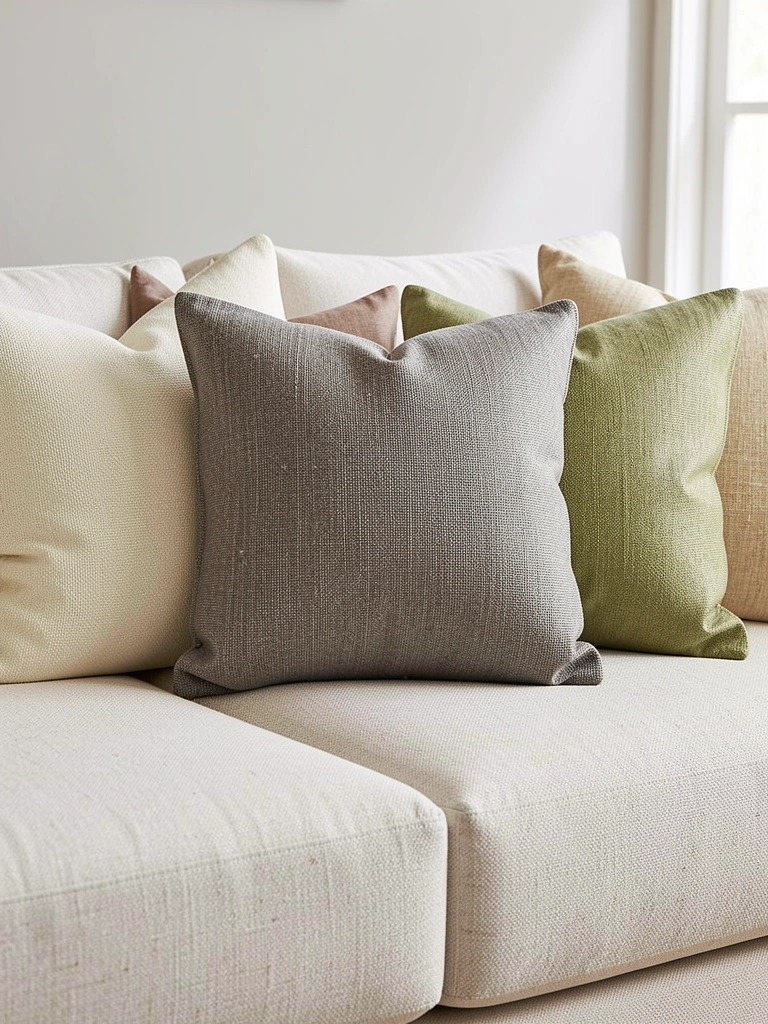
Most throw pillow covers feel cheap because they’re too smooth and synthetic-looking. Linen-look weaves—tight, natural-fiber fabrics that mimic linen without the wrinkles—read as expensive and add tactile interest to any sofa.
Hunt for covers on Amazon ($15–$30 each), Target ($20–$25), or IKEA ($10–$15 per cover). Buy 4–5 in coordinating warm neutrals (cream, warm gray, soft olive, clay). Mix and match textures: throw in one with a subtle ribbed weave, another with a looser linen look, one in solid linen. The variety creates visual depth without clashing.
This swap takes 10 minutes and costs $40–$75 total if you refresh four pillows. The impact is massive—suddenly your sofa looks curated and intentional instead of generic.
3. Add Natural Stone or Slate Coasters and Catchalls
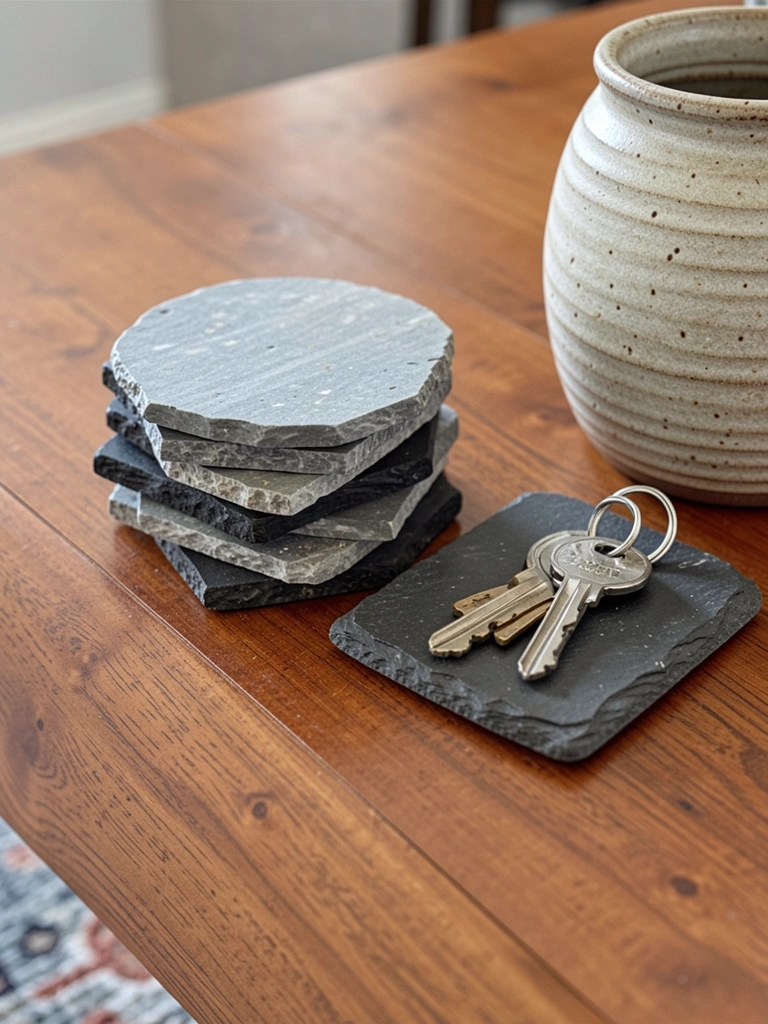
Natural stone isn’t just beautiful—it’s a texture that whispers luxury without shouting. Stone coasters, small catchalls, and serving boards add that high-end tactile element to every surface in your living room.
Look for natural slate or marble coasters at HomeGoods ($10–$15 for a set), Wayfair ($12–$25), or locally at tile shops (often cheaper for bulk small cuts). A simple slate catchall runs $15–$40. These pieces take up minimal visual space but add serious material richness.
Arrange coasters in a stack on your coffee table, place the catchall near your sofa (keys, remotes), and use a slate or marble board as a base for styling a side table. Zero installation, instant upgrade.
Your coffee table becomes a display of natural materials that feels collected and intentional, not like generic décor.
4. Introduce Tight Chenille Upholstery Through a Bench or Ottoman
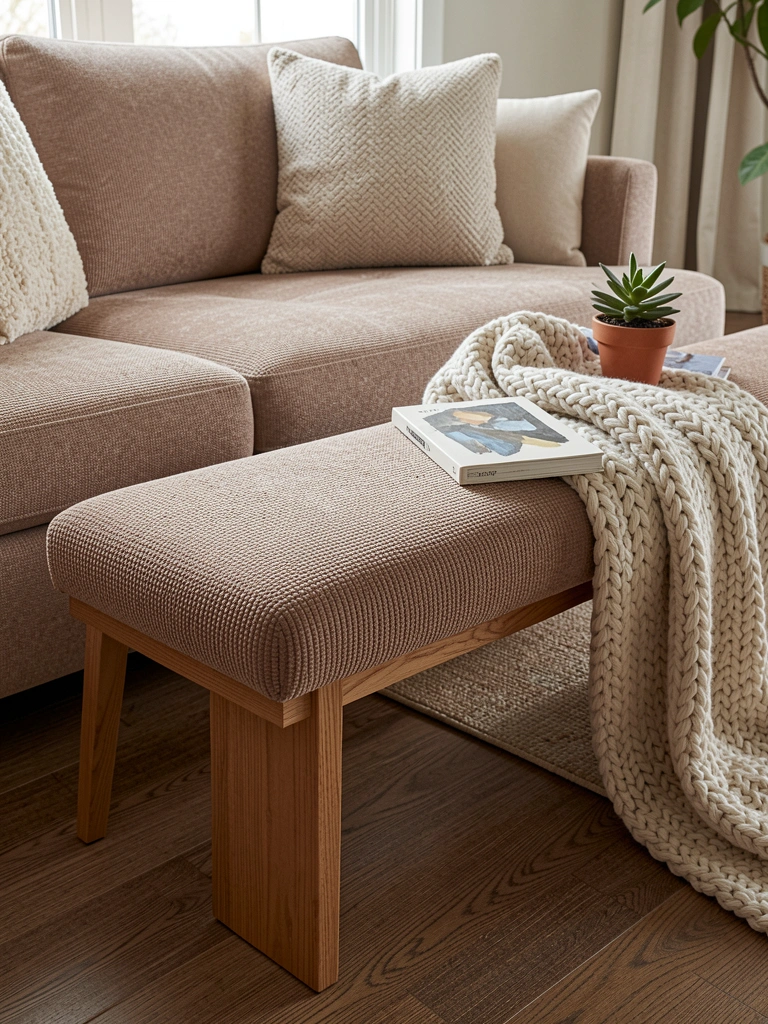
Tight chenille is softer than bouclé but equally textured and sophisticated. It’s also durable enough for households with pets or kids. If you’re not ready to reupholster your sofa, start with a smaller piece: a bench ($300–$600) or ottoman ($200–$400) in chenille.
Check Article, West Elm, CB2, or Restoration Hardware for options. Look specifically for “tight-weave chenille” to ensure it photographs well and feels durable. Opt for warm neutrals: taupe, warm gray, or soft cream.
Place the piece at the end of your sofa or as a coffee table alternative. The textural contrast between chenille and your existing pieces adds depth instantly.
You now have a functional, textured anchor that transforms your living room’s tactile richness and gives you a bonus spot to perch or rest your feet.
5. Layer Oiled Wood Shelving and Floating Surfaces
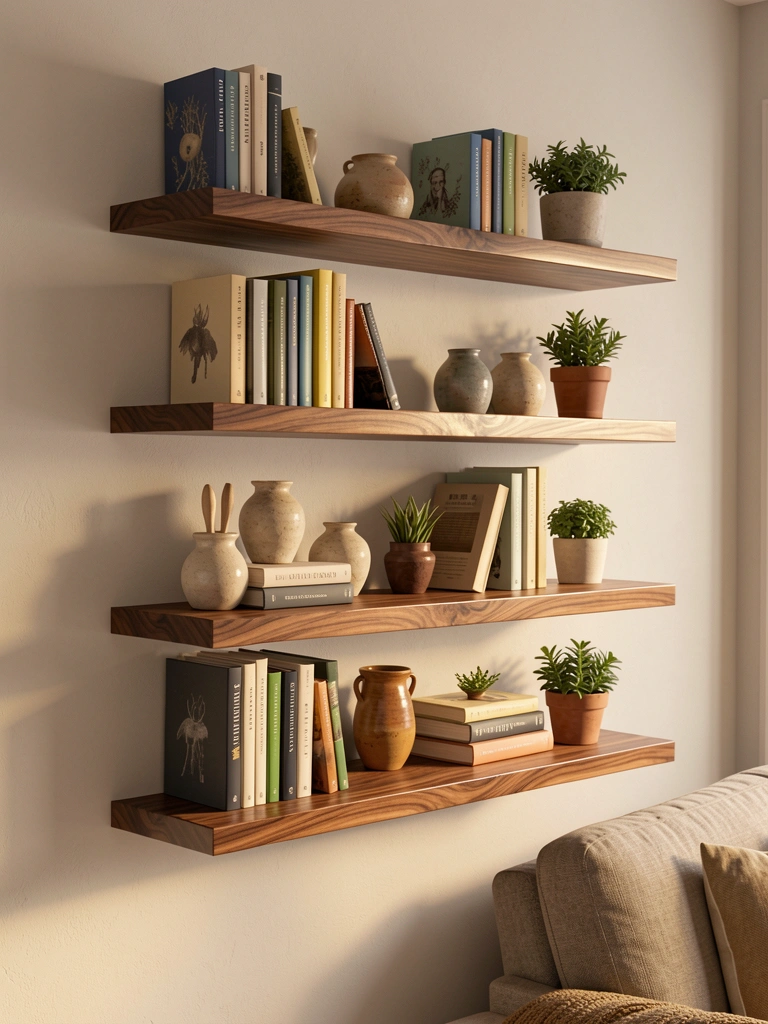
Oiled wood—particularly walnut or oak with a matte oil finish—adds warmth and texture that painted surfaces can’t match. The grain shows, the finish feels tactile, and it reads as intentional. If you don’t have built-in shelving, floating wooden shelves are a weekend DIY project or a one-time pro install.
Floating shelves cost $40–$150 per shelf depending on material and length (IKEA, Wayfair, local carpentry). Installation is $50–$200 if you hire help. If you’re handy, DIY costs under $100 total with basic supplies and a drill.
Mount 2–3 shelves at varying heights. Style them with books, plants, and ceramics to create visual interest. The oiled wood becomes a textured backdrop that doesn’t compete with your décor.
Your wall becomes a functional gallery that feels warm and collected, and oiled wood’s longevity means this upgrade lasts for years with minimal maintenance.
6. Use Chunky Knit Throws as Both Texture and Color Accent
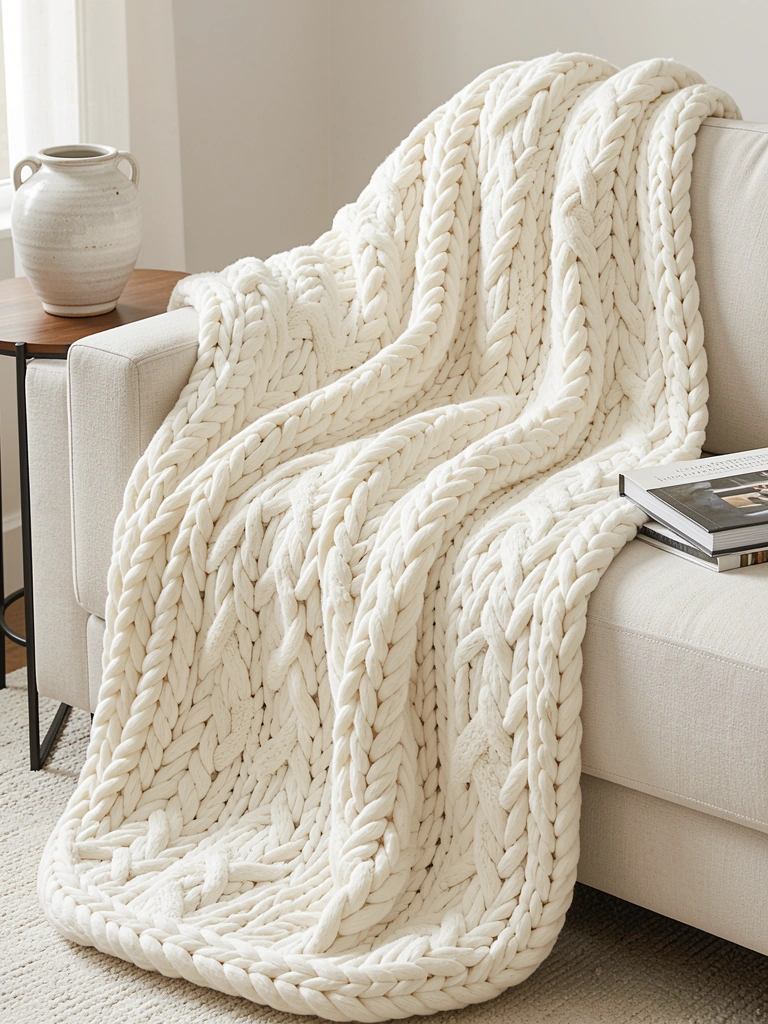
A chunky knit throw is one of the cheapest ways to add luxury texture. The looser weave catches light, feels soft, and photographs beautifully. Plus, it’s functional—warmth and comfort combined with style.
Find chunky knit throws at Target ($30–$50), IKEA ($25–$40), Amazon ($20–$60), or splurge at Restoration Hardware ($150–$300). Look for cables, ribs, or other visible texture patterns in cream, warm gray, or your room’s accent color.
Drape it loosely over one sofa arm rather than folding it neatly—the casual arrangement looks more expensive and intentional. Takes two seconds to style.
Your sofa instantly feels cozier and more layered, and you’ve added a textured element that’s both beautiful and livable. This is a renter-friendly upgrade too.
7. Introduce Natural Rattan or Woven Textures via Wall Art or Panels
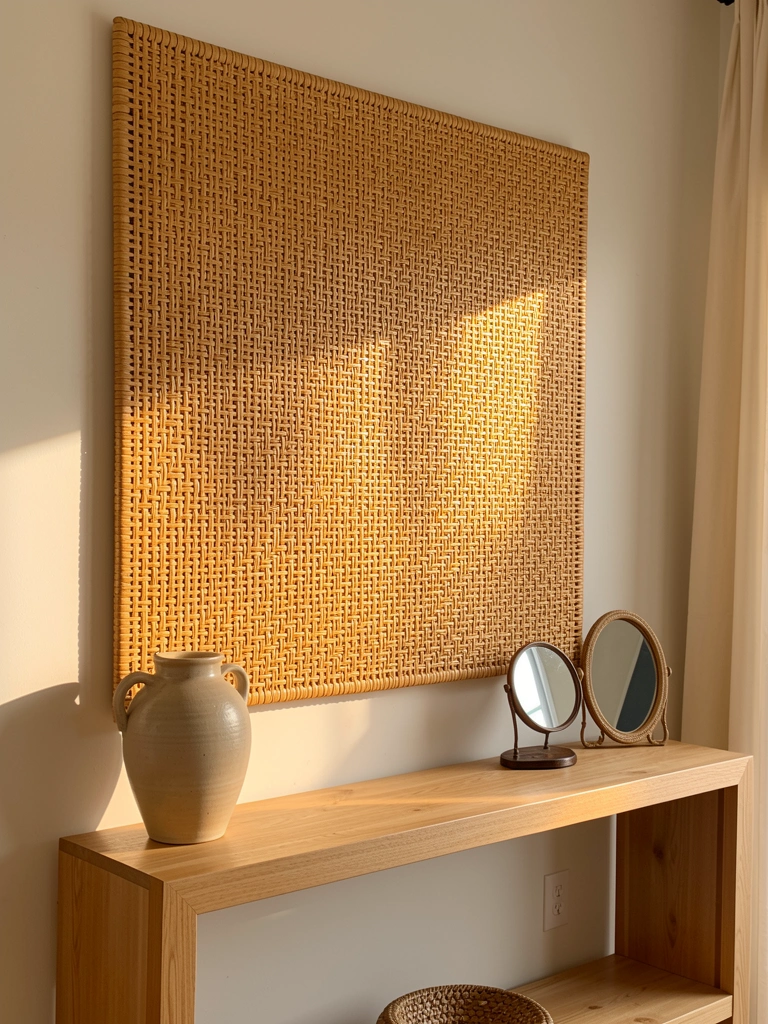
Woven natural-fiber wall art—rattan, jute, or wicker—adds dimension and warmth without requiring wall paint or major changes. These pieces are lightweight, removable, and bring organic texture to any space.
Rattan wall hangings run $40–$150 at Wayfair, Urban Outfitters, or Etsy. Smaller woven pieces are $20–$50. You can also find great options at HomeGoods or TJ Maxx for under $40.
Hang one statement piece above a console or sofa, or layer 2–3 smaller pieces at varying heights on an accent wall. Installation takes 10 minutes with a picture hanger.
The woven texture adds warmth and organic interest, and because rattan is a natural material, it elevates the entire room’s perception of thoughtfulness and quality.
8. Layer Multiple Area Rugs for Depth and Acoustic Benefit
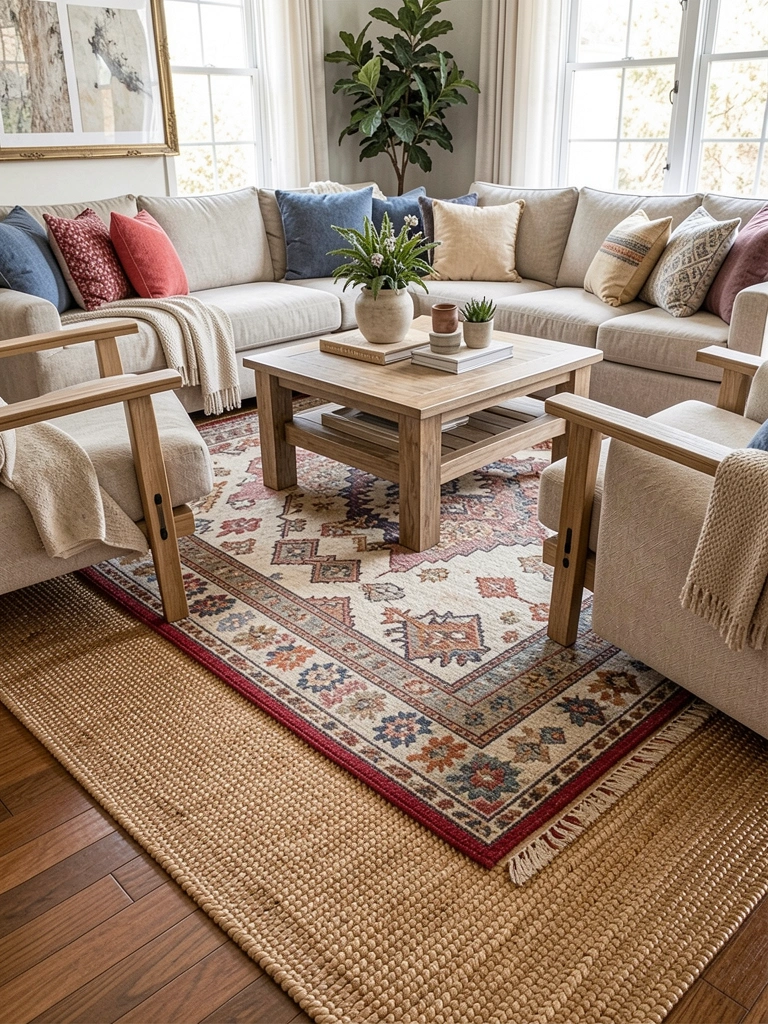
Layering rugs—a larger jute or natural fiber base with a smaller patterned or textured rug on top—adds both visual depth and acoustic richness. This trend reads expensive and intentional while also improving sound absorption in your room.
Start with a large jute or sisal base rug ($100–$300 for 8×10) from IKEA, Rugs USA, or Wayfair. Layer a smaller wool or patterned rug on top ($80–$200) in a complementary tone. Total investment: $180–$500.
Center the smaller rug on the larger one so the base rug peeks out underneath. This simple layering trick adds texture, warmth, and visual sophistication instantly.
The result is a room that feels more grounded, acoustic-friendly, and deliberately curated. Bonus: layering rugs makes a space feel more intimate and intentional.
9. Add Linen Upholstery Through Slipcovers or New Pieces
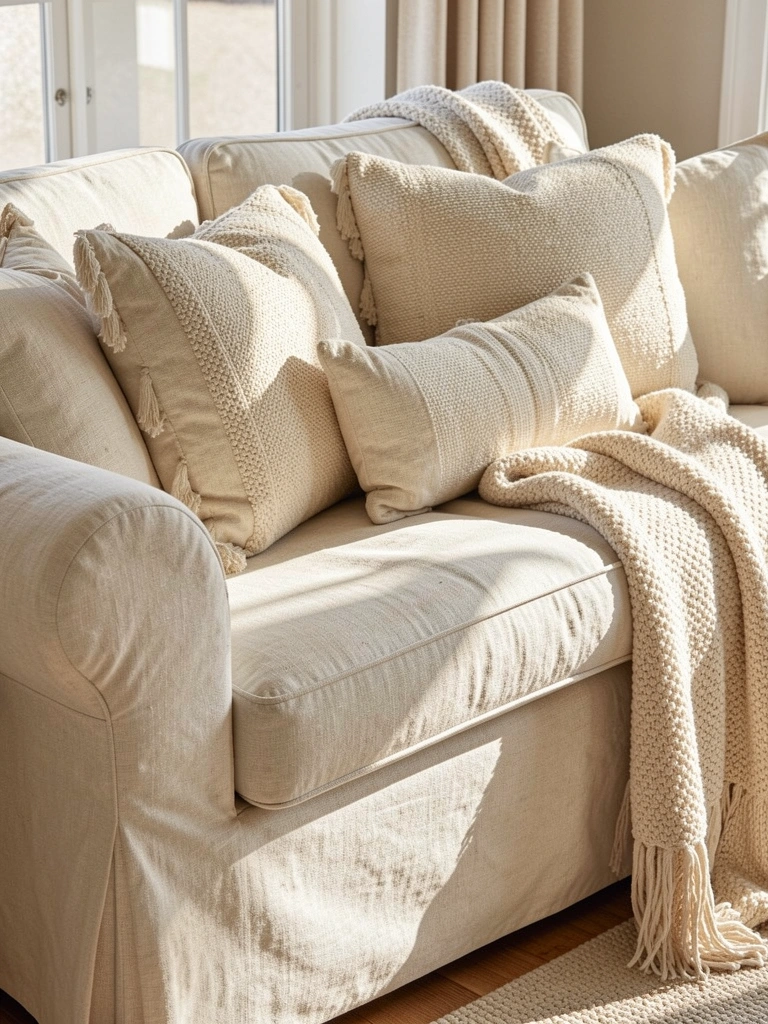
Real linen—not linen-look fabric—has a distinctive weave and subtle slub texture that reads as luxury. If you’re not ready to reupholster your sofa, a linen slipcover ($150–$400) is a renter-friendly option. Alternatively, seek out linen-upholstered chairs or small sofas ($500–$1,500).
Search for slipcovers on Wayfair, Amazon, or specialist sites like Comfort Works. For new pieces, check Article, West Elm, or Restoration Hardware. Choose warm neutrals: cream, warm gray, or soft taupe.
Install a slipcover in 30 minutes (just tuck it around your existing sofa), or style a new linen piece as a focal point. Both work beautifully.
Your seating instantly feels more refined and textured, and linen’s natural fiber quality conveys quality and intention without screaming “expensive.”
10. Style Open Shelving with Mismatched Ceramics and Vessels
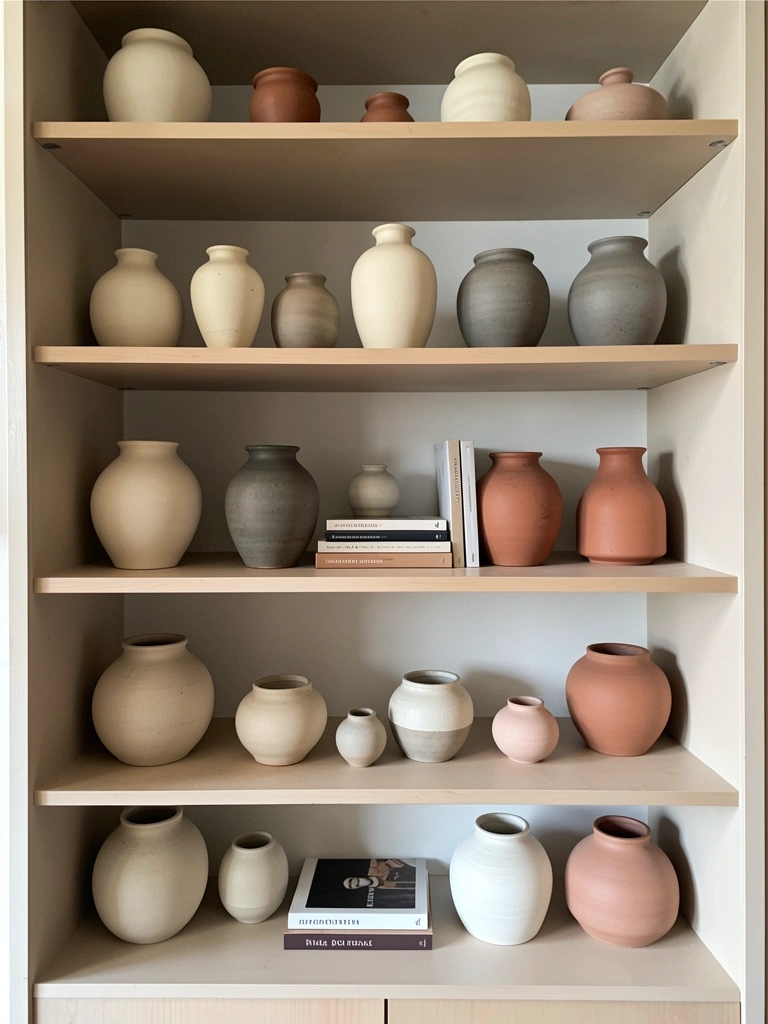
Individual ceramic pieces—bowls, vases, vessels, plates—add texture and visual interest to shelving. The key is curating them thoughtfully, not just filling every inch. Mismatched pieces in coordinating tones read as collected and expensive.
Hit thrift stores (Goodwill, estate sales) for $2–$8 per piece, HomeGoods for $8–$25 per piece, or invest in artisan ceramics from Etsy for $30–$100+ per piece. Build a collection slowly. You don’t need more than 8–12 pieces to create impact.
Arrange pieces with breathing room between them. Vary heights and group by tone (warm grays, creams, soft earth tones). Leave at least 30% of shelf space open.
Your shelving becomes a gallery of textured surfaces and careful curation that makes your entire room feel more intentional and collected.
11. Incorporate Woven Wall Baskets for Storage and Texture
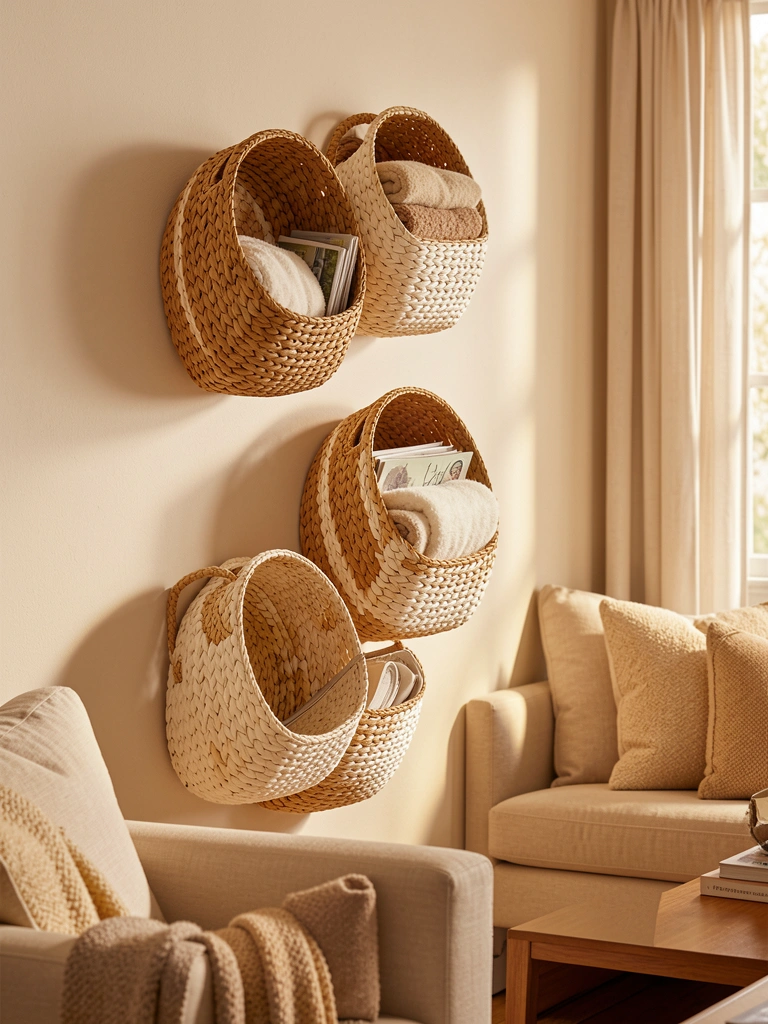
Woven baskets—hung on walls—serve dual purpose: storage and visual texture. They add organic warmth and break up blank wall space while staying functional.
Find woven wall baskets at Target ($15–$30), IKEA ($12–$25), Amazon ($10–$40), or HomeGoods ($8–$20). Choose natural fibers: seagrass, hyacinth, or rattan in cream or tan tones.
Mount 3–4 baskets at varying heights on an accent wall or beside a sofa. Use them for blankets, magazines, or lightweight storage. Installation takes 30 minutes with basic wall anchors.
Your wall gains dimension and warmth, plus you’ve created functional storage that actually looks good. The woven texture adds that handmade, curated quality that reads as intentional design.
12. Layer Vintage or Antique Wood Furniture for Character
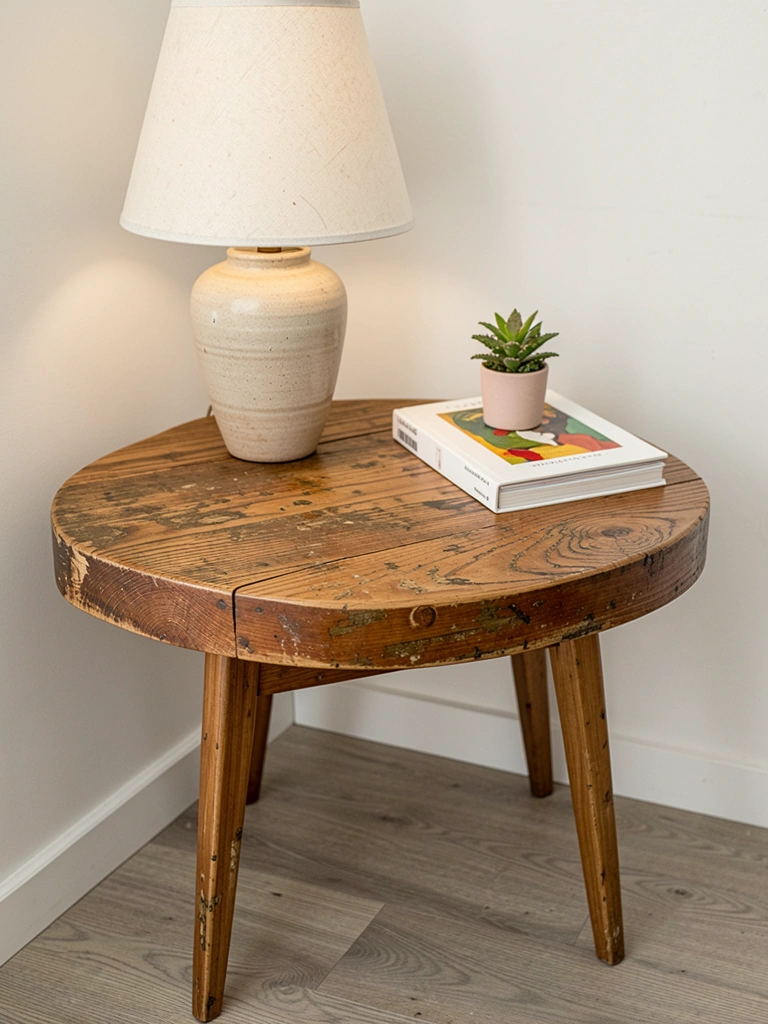
Vintage and antique wooden furniture—side tables, credenzas, coffee tables—brings texture through age, grain, and finish variation. These pieces read as collected and intentional, not mass-produced.
Hunt estate sales, Facebook Marketplace, and local antique shops for pieces in the $50–$400 range depending on quality. Look for solid wood with visible grain and character marks (not restoration-perfect, just honest aging).
Mix one or two vintage wood pieces with modern minimal seating. The contrast makes both feel more intentional.
Your room gains warmth and a sense of story. Vintage wood’s varied patina and grain creates visual richness that new furniture struggles to match, making your space feel both curated and lived-in.
13. Add Tactile Throw Blankets in Varying Weaves
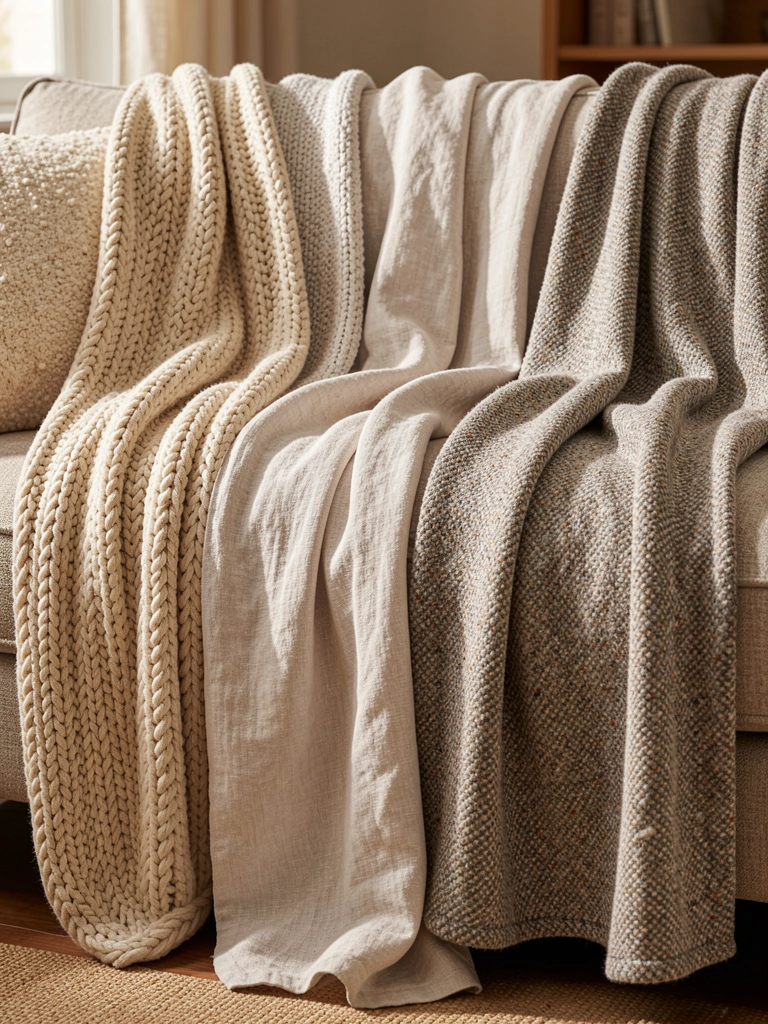
Beyond one throw, layering multiple blankets in different weaves and textures adds richness and visual interest. Each different textile catches light differently, creating depth.
Collect 3–4 throws in varying textures (chunky knit, linen, waffle weave, wool) from Target ($25–$50 each), IKEA ($20–$40), Amazon ($15–$60), or invest at Restoration Hardware ($80–$200). Choose warm neutrals so they coordinate without matching exactly.
Drape them loosely over sofa arms and the back of your sofa rather than folding them neatly. Let them look casually layered.
Your seating suddenly feels more luxurious and textured. Guests will notice the subtle variety, and you’ve added visual depth without cluttering the space.
14. Use Natural Stone or Slate Accents as Side Table Bases
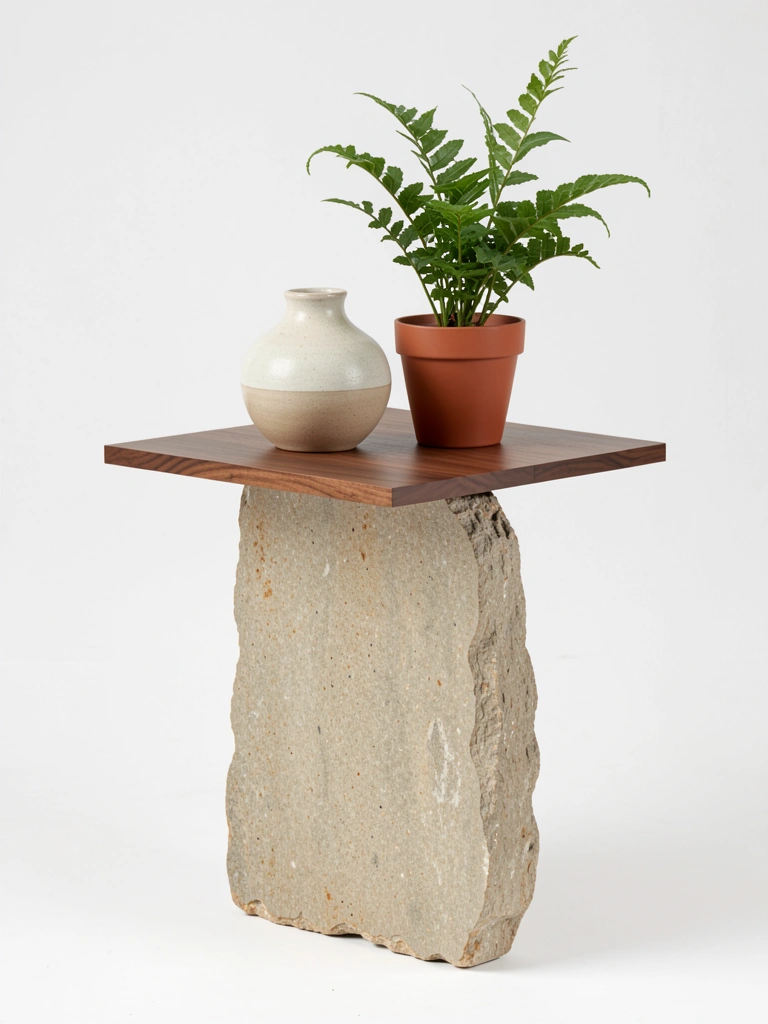
Stone or slate bases for side tables add unexpected texture and weight without requiring a lot of visual real estate. These pieces feel sculptural and intentional.
Look for stone-base side tables at Wayfair ($150–$400), Design Within Reach ($300–$600), or Etsy ($100–$400). If you’re handy, buy a slate or stone slab from a local tile shop ($50–$150) and pair it with a simple wooden top (DIY or professionally mounted).
A stone base immediately reads as high-end and draws the eye downward, making your room feel more grounded and intentional.
This single piece becomes a focal point that elevates your entire living room aesthetic. The natural material variation in stone ensures it stays visually interesting over time.
15. Style with Vintage or Contemporary Art in Textured Frames
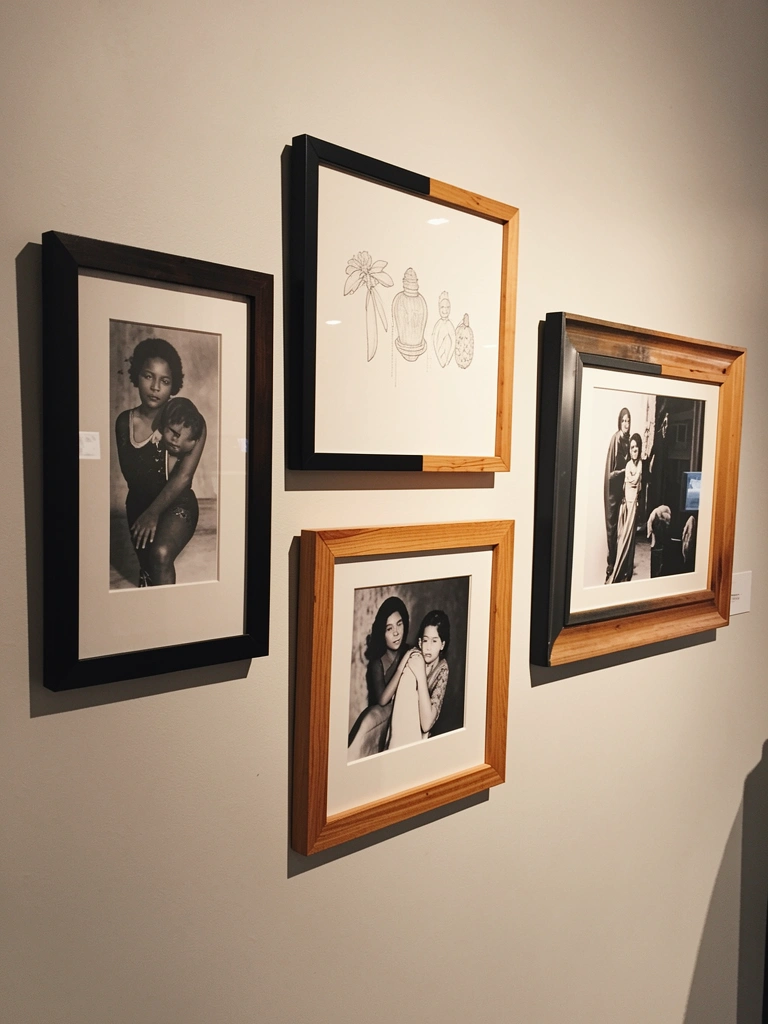
Art frames themselves add texture and material interest beyond the art inside. Mix frame finishes and materials to create a curated gallery wall that feels collected.
Buy individual frames or ready-made pieces at Target ($20–$40), IKEA ($15–$30), Wayfair ($25–$80), or invest in wood/metal frames from local framers ($50–$150 per frame). Mix materials: natural wood, blackened metal, brass accents.
Arrange 3–5 pieces at varying sizes and heights. Leave breathing room between pieces. This takes an afternoon to hang and style.
Your wall becomes a textured gallery that feels personally curated. The variety of frame finishes adds visual depth and makes your living room feel more intentional and sophisticated.
16. Introduce Brass or Aged Metal Accents Throughout
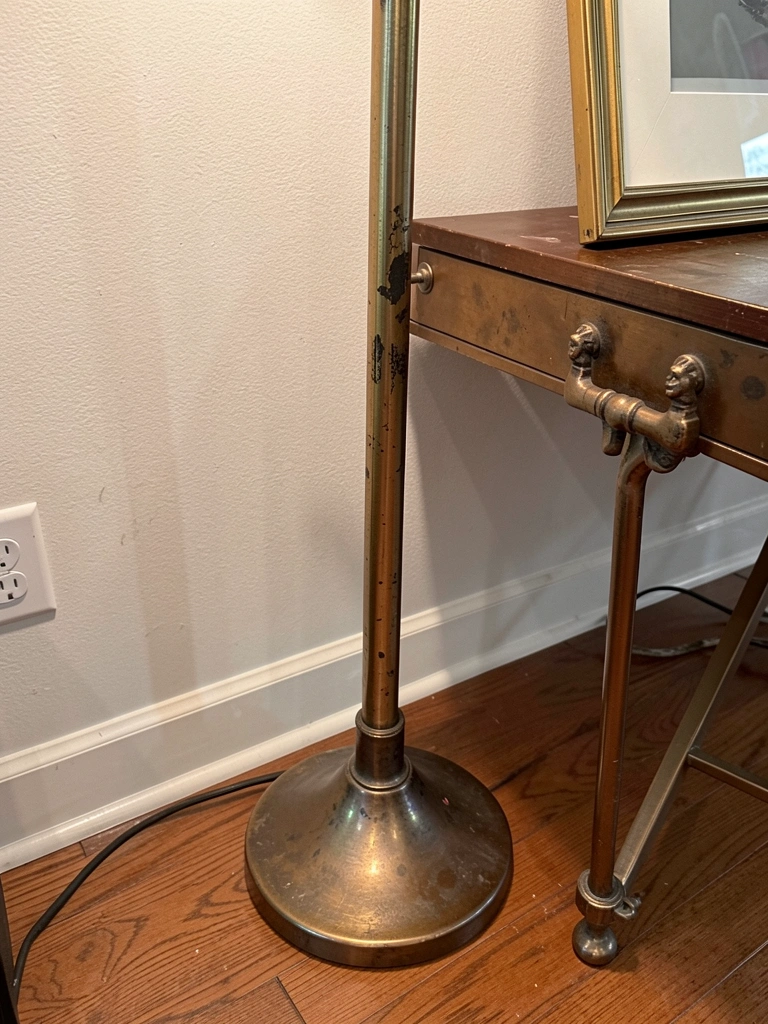
Aged or weathered metals—brass, bronze, copper—add subtle texture and warmth to a room. These materials catch light and add visual interest without dominating the space.
Hunt for brass or aged metal pieces at Target ($15–$50), Wayfair ($20–$100), or HomeGoods ($10–$40). Look for: picture frames, lamp bases, candle holders, hardware, or decorative objects. Mix metal finishes (don’t match everything exactly—variety reads more intentional).
Scatter these pieces throughout your room: a brass frame on a shelf, an aged metal lamp beside your sofa, bronze hardware on a vintage side table. Takes zero time—just swap out or add new pieces.
Your room gains warmth and sophistication through metal accents. The patina and variation make everything feel more collected and less like a showroom.
17. Layer Cork or Natural Rubber Under-Rugs for Hidden Texture
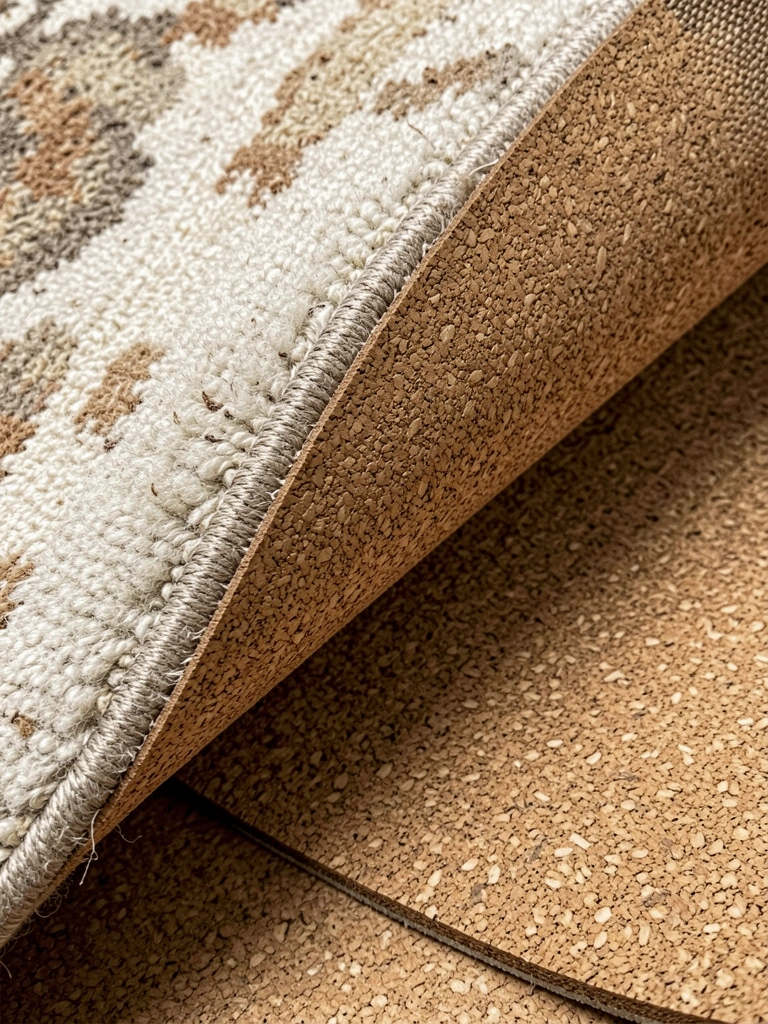
An often-overlooked texture opportunity: the rug underlay. Cork and natural rubber underlays add texture (hidden but felt when you walk on it) while being functional and sustainable.
Find natural rubber or cork underlays at Wayfair ($40–$100 for 8×10), Amazon ($30–$80), or IKEA ($25–$60). They’re designed to go under rugs to prevent slipping and add cushioning.
Place the underlay under your area rug before styling on top. The added cushioning and subtle texture make stepping on your rug feel more luxurious and intentional.
Your footsteps feel softer and your rug stays in place. This hidden detail adds quality and thoughtfulness that guests might not see but will definitely feel.
18. Add Textured Wallpaper or Grasscloth to One Accent Wall
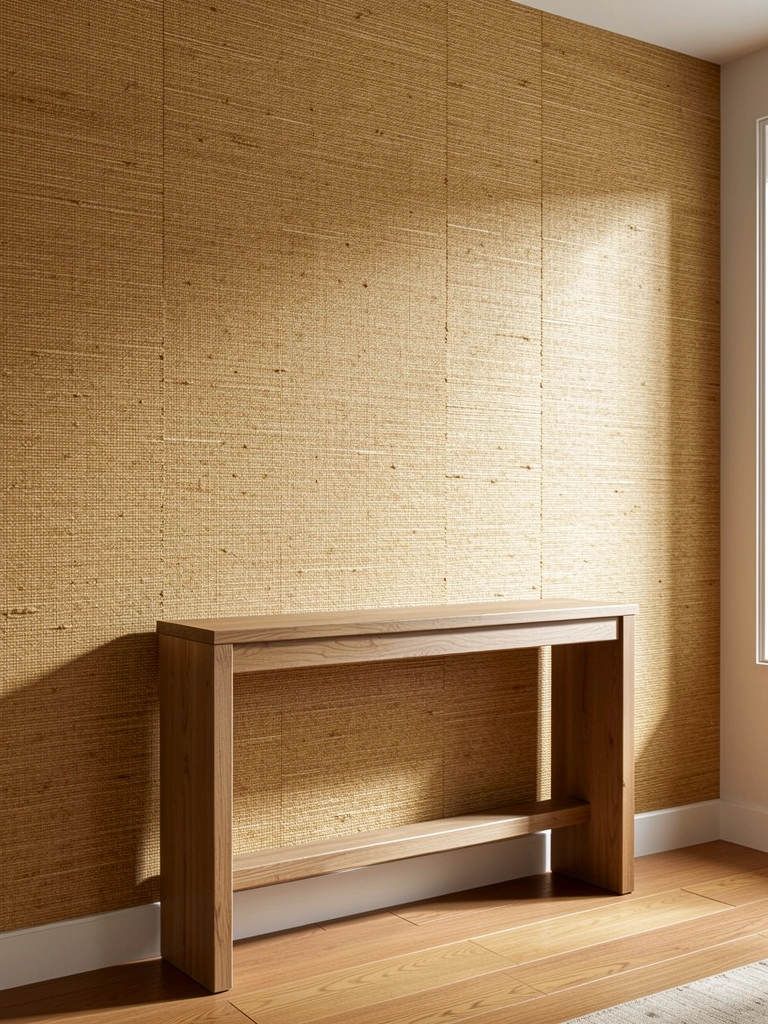
Textured wallpaper—particularly grasscloth, linen-look papers, or subtle embossed designs—adds serious material richness without overwhelming your space. Pick one accent wall to avoid visual chaos.
Look for textured wallpaper at Wayfair ($20–$60 per roll), Spoonflower ($25–$50 per roll), or local wallpaper shops ($15–$80 per roll). Calculate your wall size and buy enough rolls (usually 2–3 per accent wall). Wallpaper removal or application runs $100–$300 if you hire help or costs just time if you DIY.
Choose one wall—often behind a sofa or console table—for maximum impact. Install or hire out (professional installation takes one day).
The textured wall becomes an instant focal point that elevates your entire room. Even in warm neutrals, textured wallpaper reads as intentional luxury.
19. Mix Wood Tones for Warmth and Visual Depth
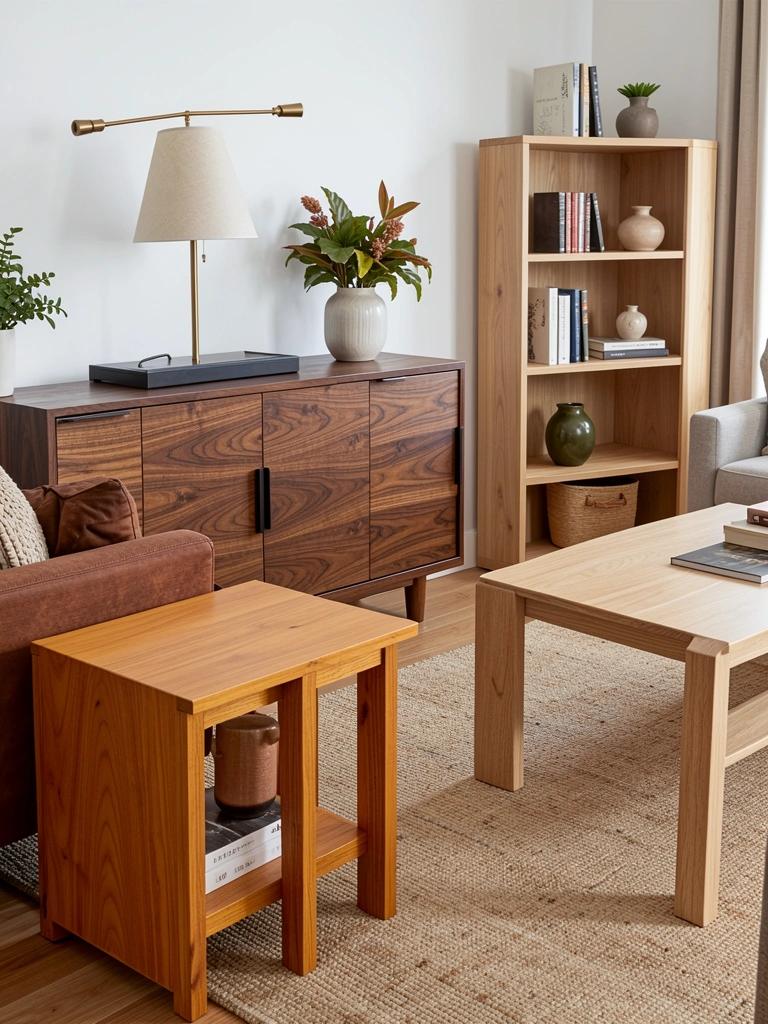
Instead of matching all wood furniture to one tone, deliberately mix warm wood finishes for texture and depth. This curated variety reads as more collected and intentional than matching sets.
Hunt for wooden pieces in varying tones: warm honey, walnut, oak, teak, or cherry. Mix vintage finds (thrift stores, $20–$200) with new pieces (Target, IKEA, West Elm, $50–$400). Look for visible grain and natural finishes rather than highly polished pieces.
Arrange pieces so warm and dark tones alternate around your room—not clustered together. This creates visual movement and balance.
Your room gains warmth and dimension through wood-tone variety. The effect is more collected and sophisticated than any single matched set could achieve.
20. Layer Textured Window Treatments for Depth and Function
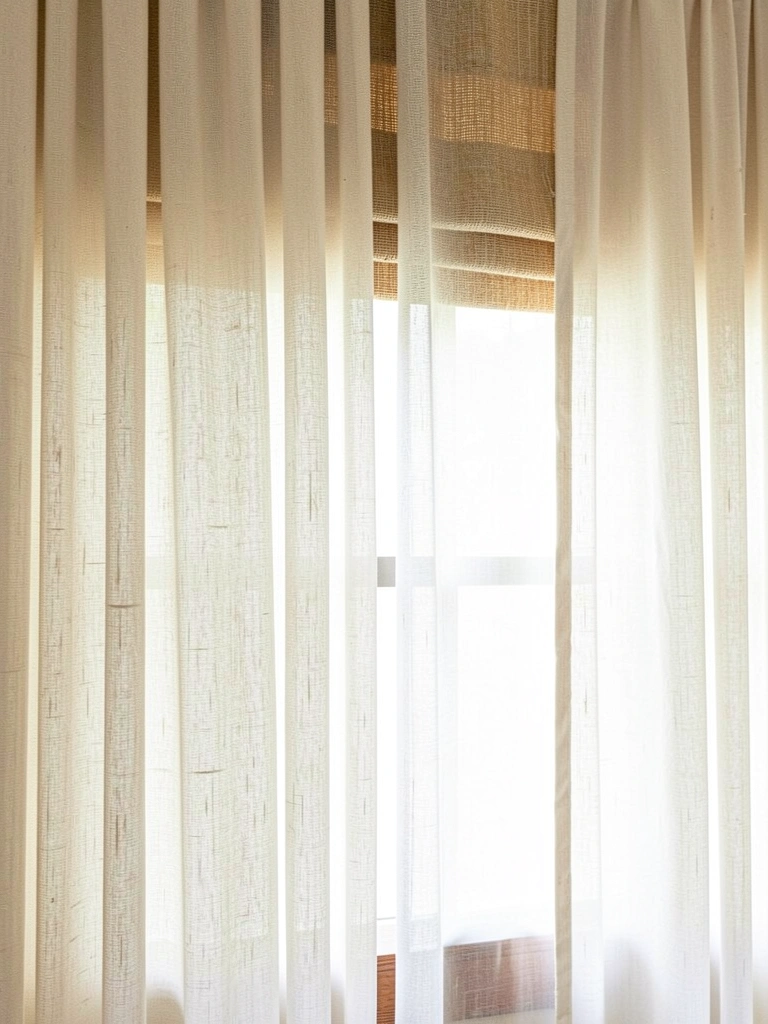
Window treatments often get overlooked for texture, but layering different fabrics creates both visual interest and practical light control. Mix opaque and sheer, smooth and textured for maximum impact.
Start with sheer lightweight curtains ($20–$50 per panel at IKEA, Target, Amazon), add a textured roman shade or cellular shade ($40–$120 at Wayfair or Target), and finish with a linen or linen-look panel ($30–$80 per panel). Total investment: $90–$250.
Layer the treatments from window outward: sheer closest to glass, then textured shade, then heavier panels on the outside. Install takes a weekend or $100–$200 if you hire help.
Your windows become a textured focal point that frames natural light beautifully. The layered approach reads as intentional design while staying functional.
21. Style Surfaces with Stacked Books and Mixed-Media Objects
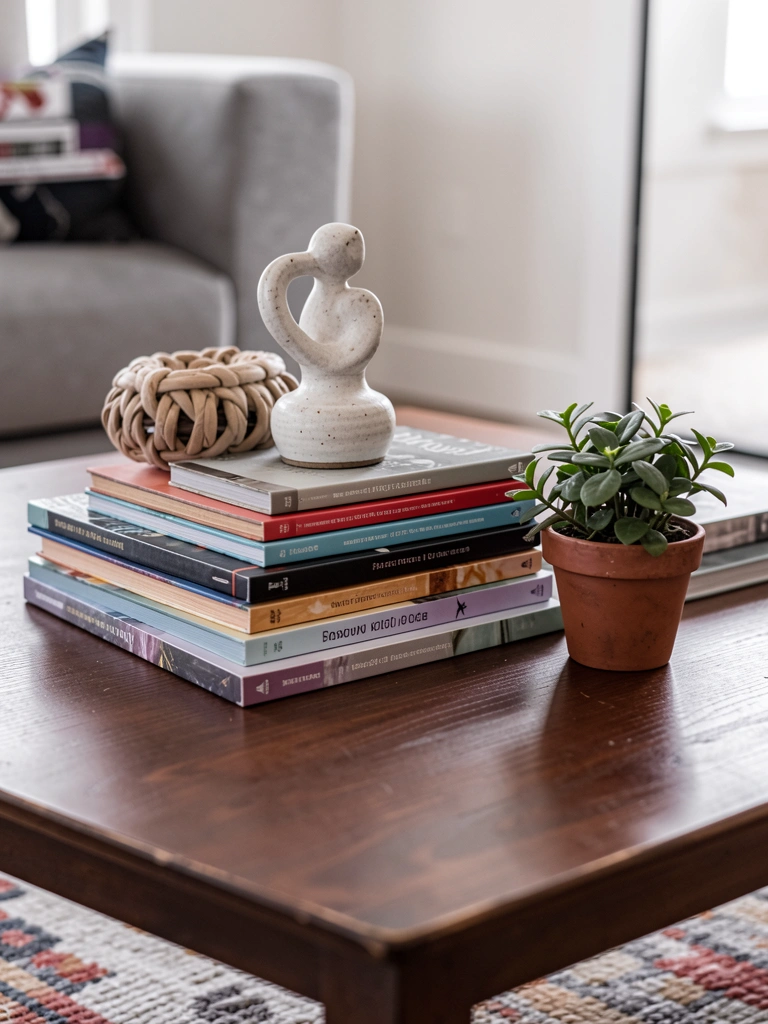
Books aren’t just for reading—stacked horizontally with sculptural objects layered on top, they create visual texture and add personality to any surface. Mixed media styling reads as collected and curated.
Gather hardcover books from your collection or thrift stores ($1–$5 each). Add ceramic sculptures, small wooden objects, or vintage finds ($5–$40 each). Source plants from a local nursery ($8–$20).
Arrange books in stacks of 2–3, varying heights. Layer a sculpture or object on top. Add one small plant beside the stack. Leave breathing room—don’t crowd the surface.
Your coffee table or console becomes a styled vignette that reads more like a design magazine spread than generic home décor. The varied textures and heights keep eyes moving and interested.
22. Incorporate Natural Fiber Floor Poufs or Ottomans
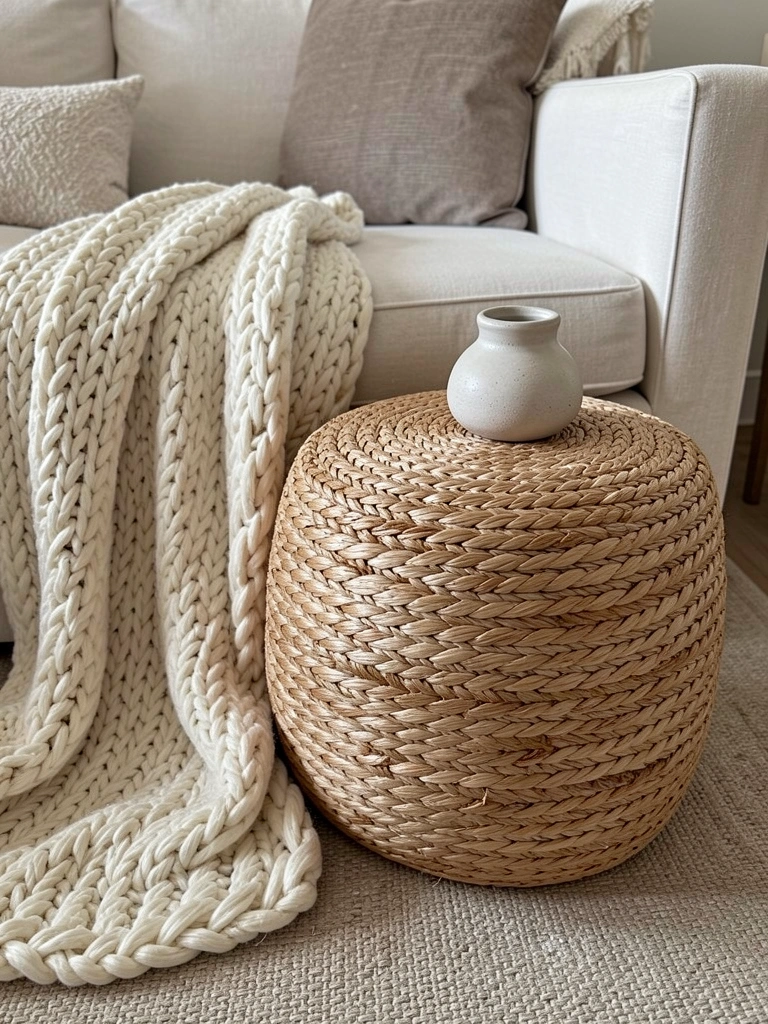
Floor poufs in natural fibers (jute, seagrass, rattan) add flexible seating and organic texture without requiring permanent furniture placement. They’re renter-friendly and easy to move.
Find natural fiber poufs at IKEA ($25–$50), Target ($30–$60), Wayfair ($40–$100), or splurge at Design Within Reach ($150–$300). Choose sizes and colors that coordinate with your space.
Tuck a pouf beside your sofa, in a corner, or beside an armchair. Drape a throw loosely over one side for extra texture. Takes zero time to style.
You now have flexible seating that adds organic texture and functions as extra storage or footrest. The natural fiber weave adds warmth and visual interest without clutter.
23. Add Sculptural Ceramic Vessels as Standalone Art
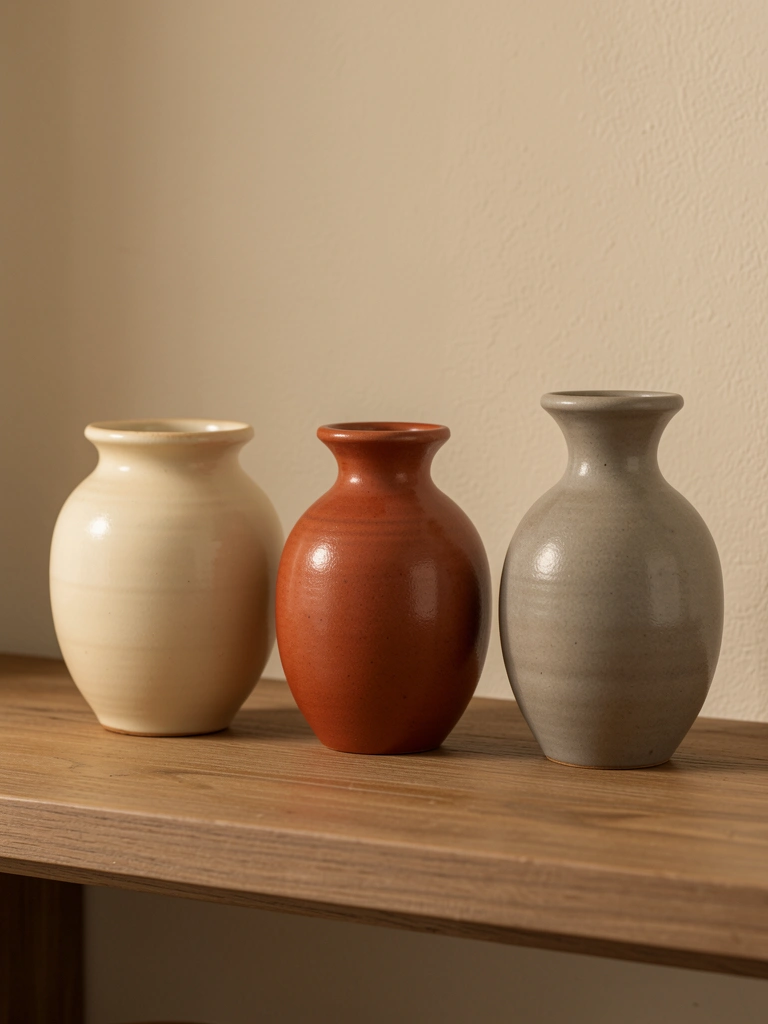
Instead of always putting flowers in vases, display empty ceramic vessels as sculptural art. The form, glaze texture, and clay finish become the focal point.
Find ceramic vessels at local makers markets ($20–$80), Etsy ($15–$150), or HomeGoods ($10–$40). Look for pieces with visible glaze texture, interesting shapes (not just simple cylinders), and warm tones.
Arrange 3–5 vessels at varying heights on a console, shelf, or side table. Leave space between each one. No flowers needed—the vessels themselves are the art.
Your room gains a curated, gallery-like quality. The sculptural pieces add visual interest and signal thoughtful curation and intentional design choices.
24. Layer Vintage or Contemporary Rugs with Patterns Underneath

If you want pattern texture without overwhelming a room, layer a smaller patterned rug on a larger solid base. The technique adds visual interest while staying grounded and intentional.
Start with a large solid base rug in jute, sisal, or neutral tone ($100–$300). Layer a smaller patterned wool or textured rug on top ($80–$250). Choose complementary color palettes so patterns feel intentional, not chaotic.
Center the smaller rug so the base peeks out as a frame. Styling takes zero time once rugs are placed.
Your seating area gains dimension and pattern interest through layering. The effect feels more collected and sophisticated than a single solid rug could achieve.
25. Style with Leather Accents for Subtle Luxury Texture
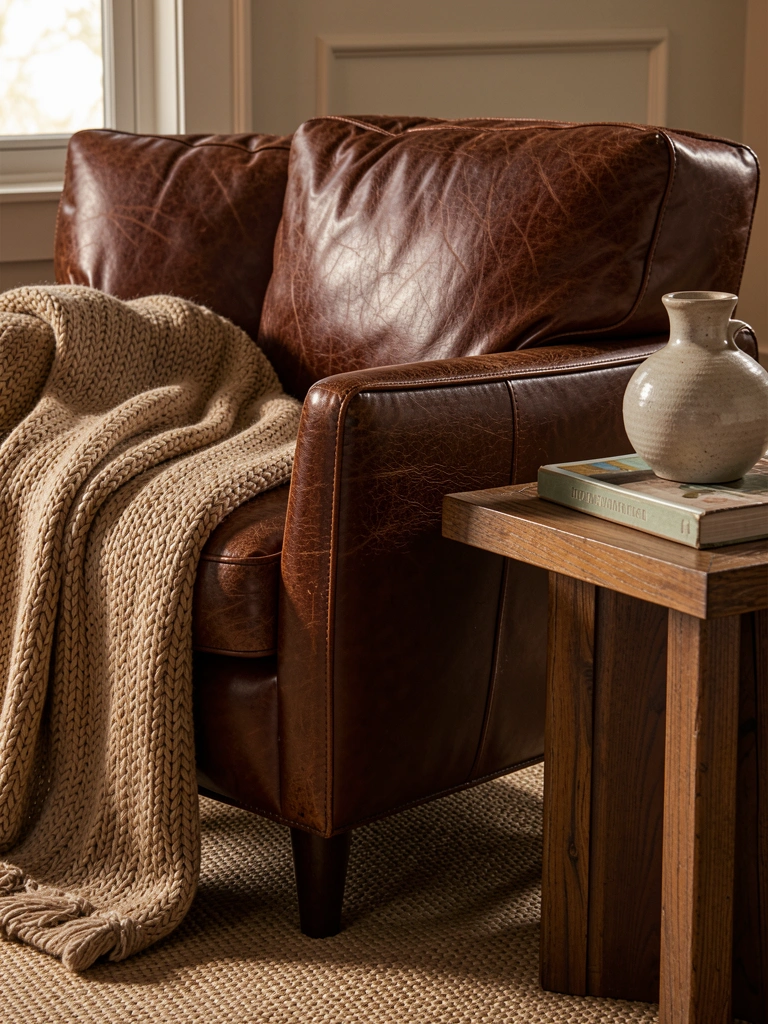
Real leather—from chairs to side tables to decorative objects—adds a tactile, luxury texture that reads as intentional investment. Leather ages beautifully and improves over time.
Seek out quality leather accent chairs ($300–$800), leather poufs ($100–$300), or smaller leather pieces like bookends or storage boxes ($20–$100) at Article, West Elm, Restoration Hardware, or secondhand at estate sales.
Choose warm tones: cognac, chocolate brown, or saddle brown. Pair with warm wood and neutral textiles for maximum cohesion.
Your room gains depth and sophistication through leather’s natural grain and patina. Leather ages gracefully, so this investment improves with time.
Save this post and tackle one texture idea this weekend. Small layering changes add up fast, and once you start mixing materials intentionally, you’ll notice how much richer your living room feels. Pick whichever idea calls to you first.
Leave a Reply