Introduction
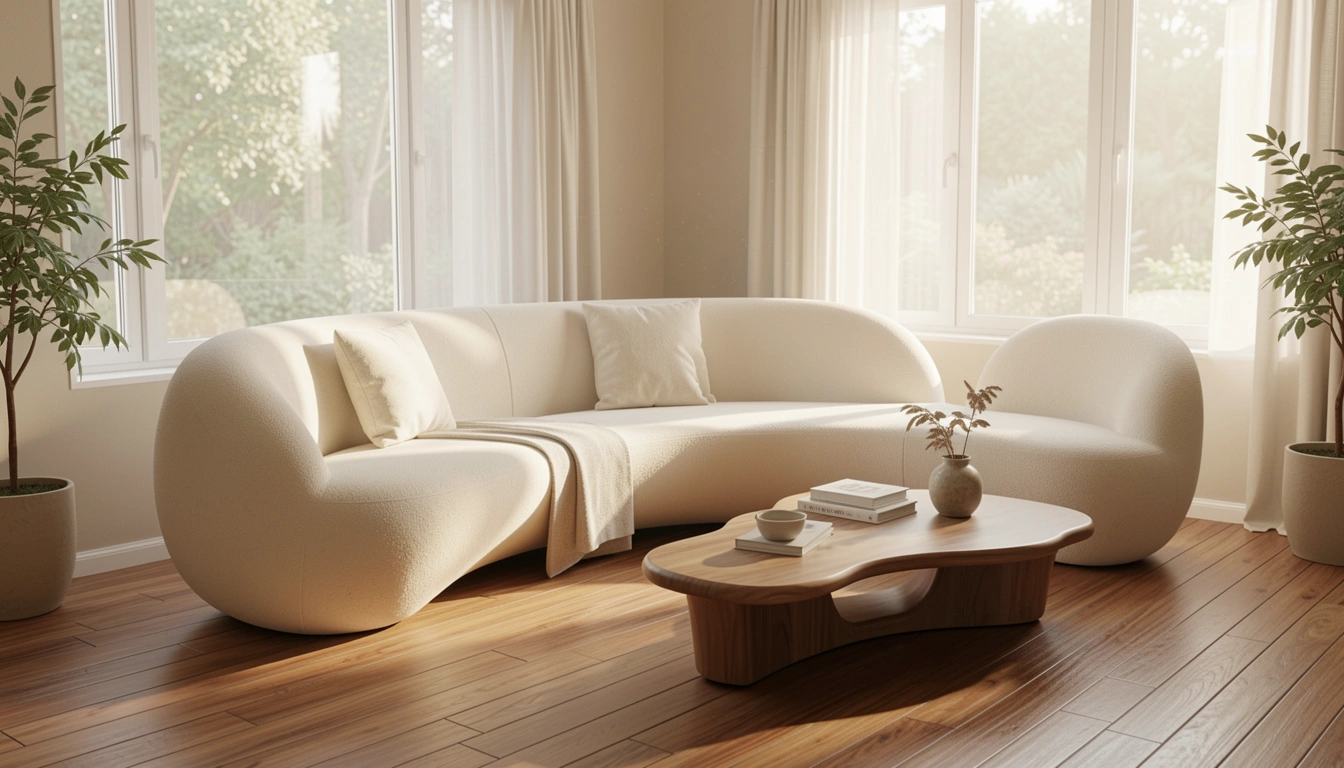
Your living room seating doesn’t have to be a boring rectangle. Sculptural furniture—pieces with curves, artistic forms, and eye-catching silhouettes—turns functional seating into gallery-worthy art that makes people pause when they walk in. The best part? These aren’t museum-only investments anymore. Whether you’re working with $50 or $500, there’s a way to bring organic, fluid shapes into your space. In this guide, you’ll discover 23 ways to swap rigid furniture for pieces that flow, inspire, and actually feel better to sit in. From bold curved sofas to unexpected seating vignettes, these ideas work in small apartments, sprawling living rooms, and everything in between.
1. Choose a Curved Sofa as Your Main Anchor
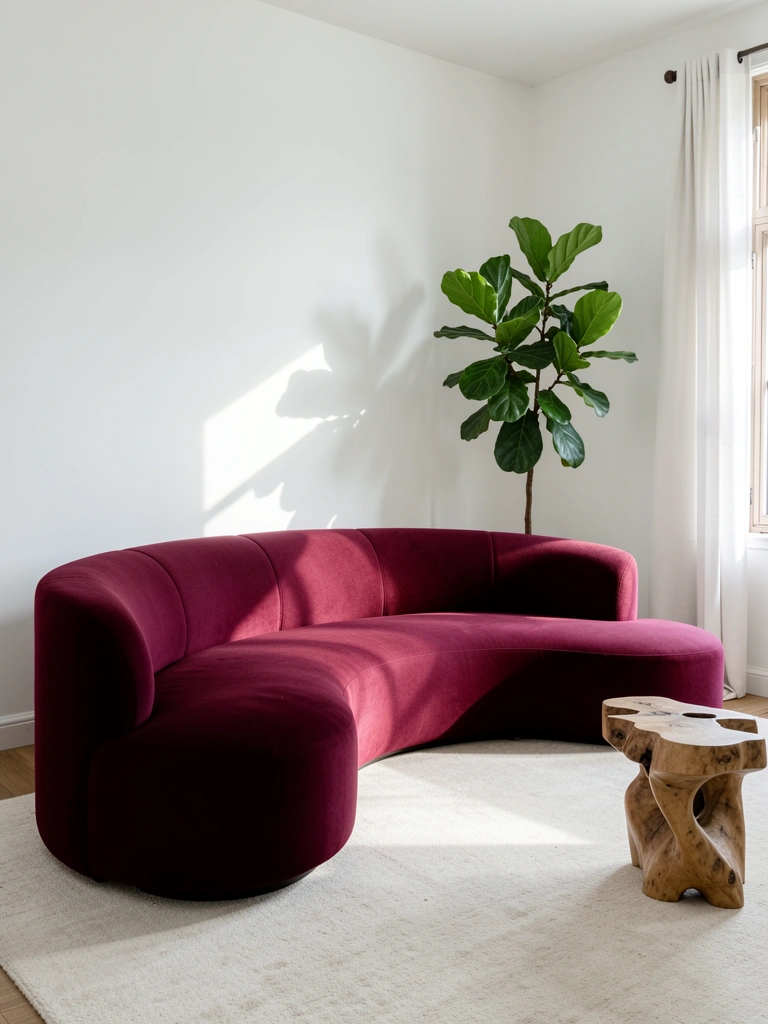
A curved sofa immediately signals that your space prioritizes comfort and style over convention. Instead of fighting against your furniture, let it work with the natural flow of how people move through your room.
Look for curved sectionals or serpentine sofas at retailers like West Elm, Article, or CB2 (usually $800–$2,500 for quality pieces). If that’s out of budget, check IKEA’s curved options ($400–$700) or hunt Facebook Marketplace and Craigslist for mid-century finds. Measure your doorways first—curved pieces can be tricky to move. Set aside a weekend for delivery and placement.
Pro tip: If you rent or want to test the trend, curved accent chairs ($150–$400) deliver the same artistic vibe without the commitment of a full sofa.
Your room instantly feels more intentional and inviting when seating flows instead of sits in sharp corners.
2. Add a Sculptural Coffee Table Under $500
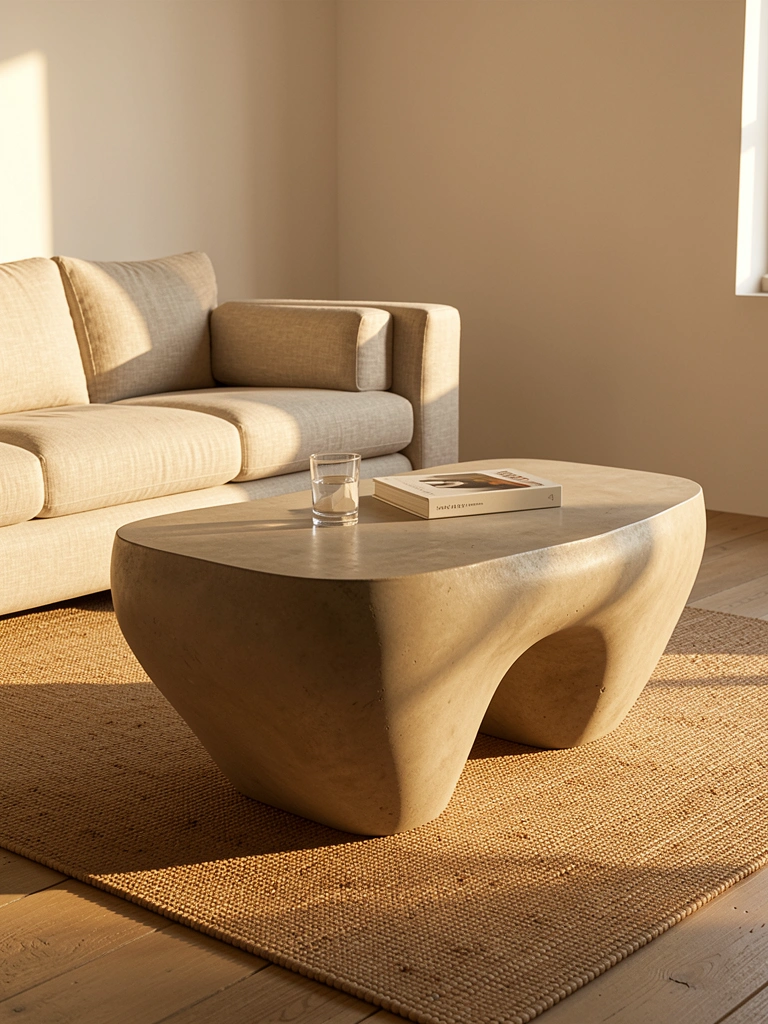
Coffee tables are the unsung heroes of room design. A sculptural one stops people mid-conversation because they’re visually interesting enough to notice, but functional enough to use daily.
Hunt for curved, organic tables at Target ($150–$300), IKEA ($100–$250), Etsy ($200–$400 for handmade stone or wood), or Article ($300–$500). Materials like curved wood, sculpted concrete, or curved metal frames work best. Wood tables age beautifully and hide scratches; concrete reads more modern. Measure your sofa depth beforehand—ideally 16–18 inches away from seating.
Alternative: DIY a sculptural look by placing a marble or wood slab on sculptural metal legs ($120–$250 total).
The conversation starter factor alone makes this worth the upgrade. Plus, a shaped table actually guides eye movement around your room better than rectangular ones do.
3. Invest in a Curved Accent Chair for Reading Nooks
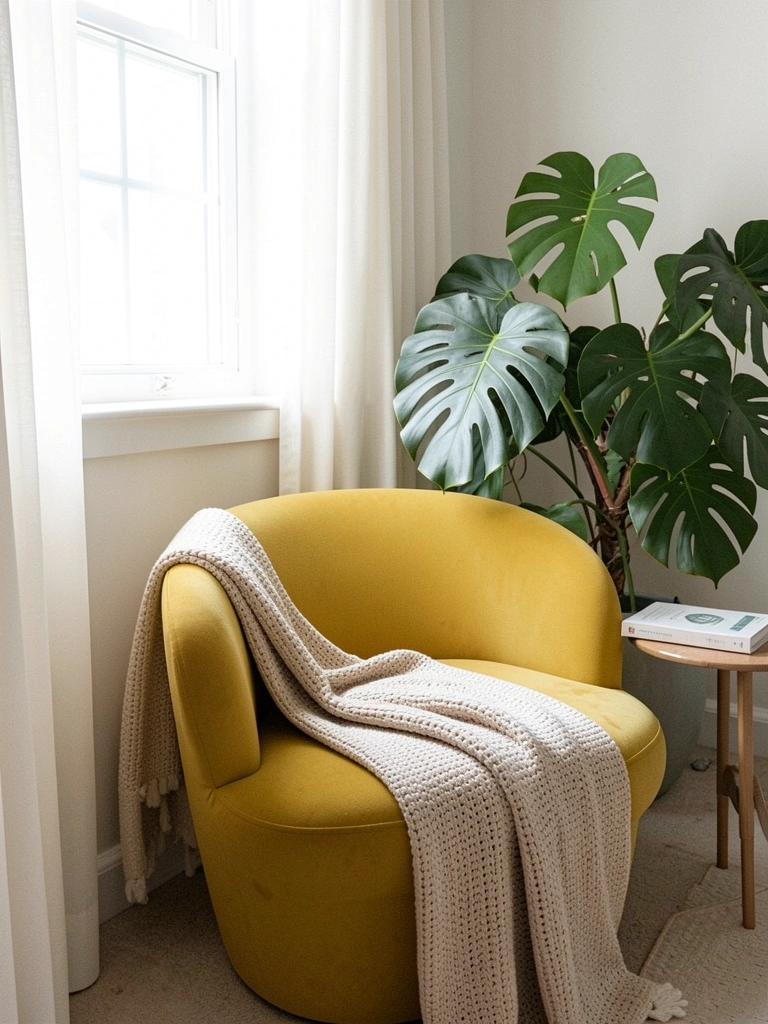
One sculptural accent chair in a quiet corner transforms how you use your living room. Suddenly, you have a retreat spot that feels separate from the main seating area.
Curved barrel chairs or papasan-style seats ($200–$600) work well from Article, West Elm, Wayfair, or IKEA. Look for forms that cradle your body—egg chairs, cocoon shapes, or swooping backs feel more luxe than standard armchairs. Upholstery in jewel tones like emerald, burgundy, or ochre pairs beautifully with sculptural forms. This is a one-weekend placement project.
Budget option: Vintage curved chairs from estate sales or Facebook Marketplace ($50–$150) often have better bones than new budget pieces.
You’ll find yourself actually using this corner because the chair itself becomes a reason to sit down, not just functional seating filler.
4. Layer Banquettes for Intimate Gathering Zones
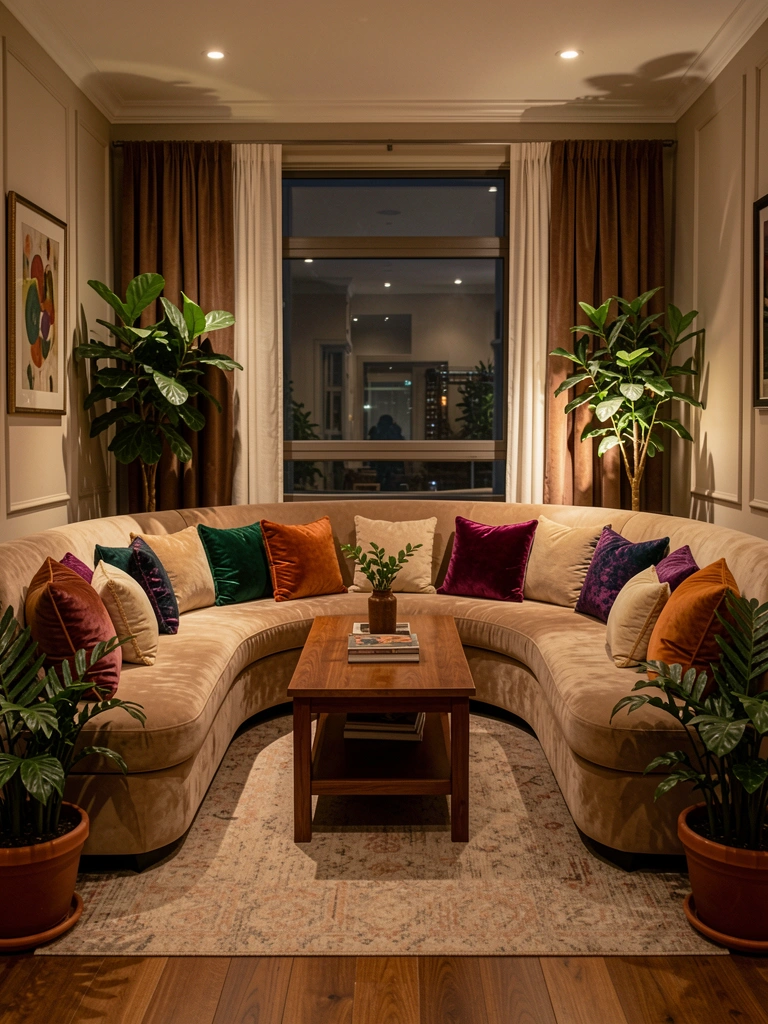
Banquettes create conversation islands within larger rooms. They signal “this is a special zone” without needing walls, which designers like Rita Konig have championed for years.
Custom banquettes ($1,500–$3,500) take 6–8 weeks but feel permanent and luxe. For faster results, buy modular seating or curved bench seats ($400–$1,200 each from West Elm, CB2, or Wayfair) and arrange two facing each other. Add coordinating cushions ($50–$200 per cushion) in complementary colors. Layer in a low coffee table ($150–$400) between them. This weekend project transforms your room’s functionality.
Renter-friendly: Curved outdoor benches moved indoors ($200–$500) create the same effect without permanent installation.
Your living room becomes a destination within your home—the place where real conversations happen, not just where people sit to watch TV.
5. Mix Curved and Linear Forms for Balance
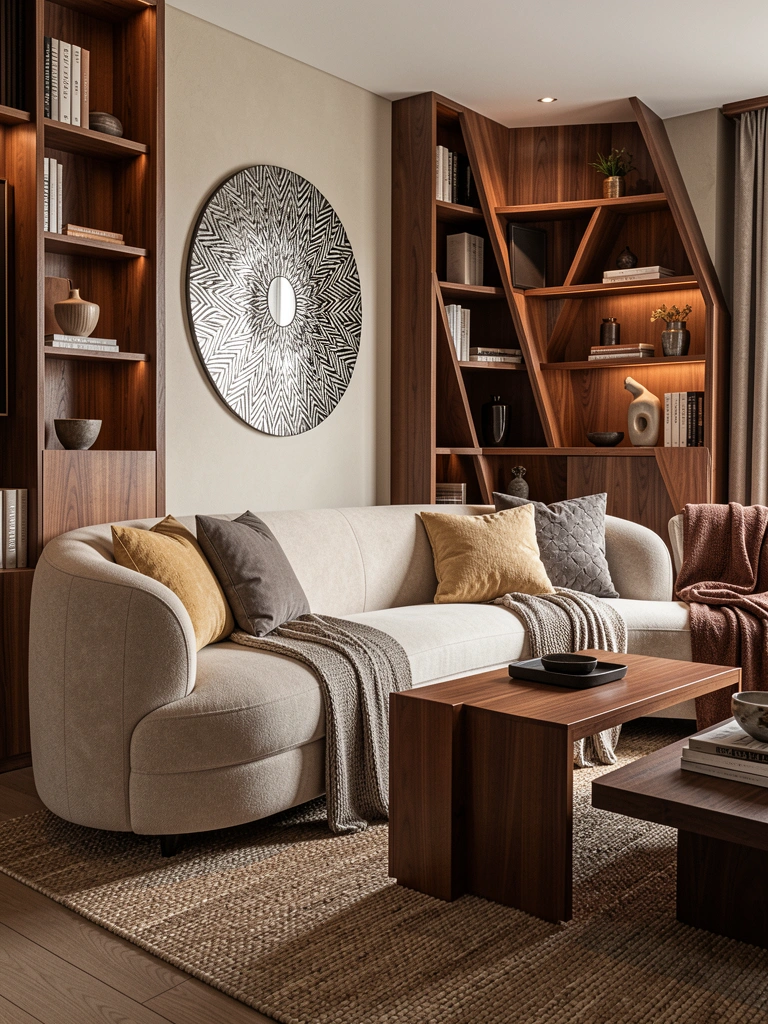
Too many curves feel chaotic; too many straight lines feel cold. The magic happens when you pair them intentionally.
Start with your curved seating as the hero, then ground it with linear elements: a straight console table ($150–$400), angular bookshelves ($200–$600), or a rectangular rug ($100–$300). This mix—what designers call “organic modernism”—feels curated and intentional. Use mixed metals and wood tones to tie them together. No special tools needed; this is pure styling over one afternoon.
Pro tip: A round mirror ($80–$200) echoes your sofa’s curves while adding that linear geometry through its frame.
The result feels sophisticated and balanced, like you’ve studied design rather than randomly purchasing items.
6. Float Your Seating Away From Walls
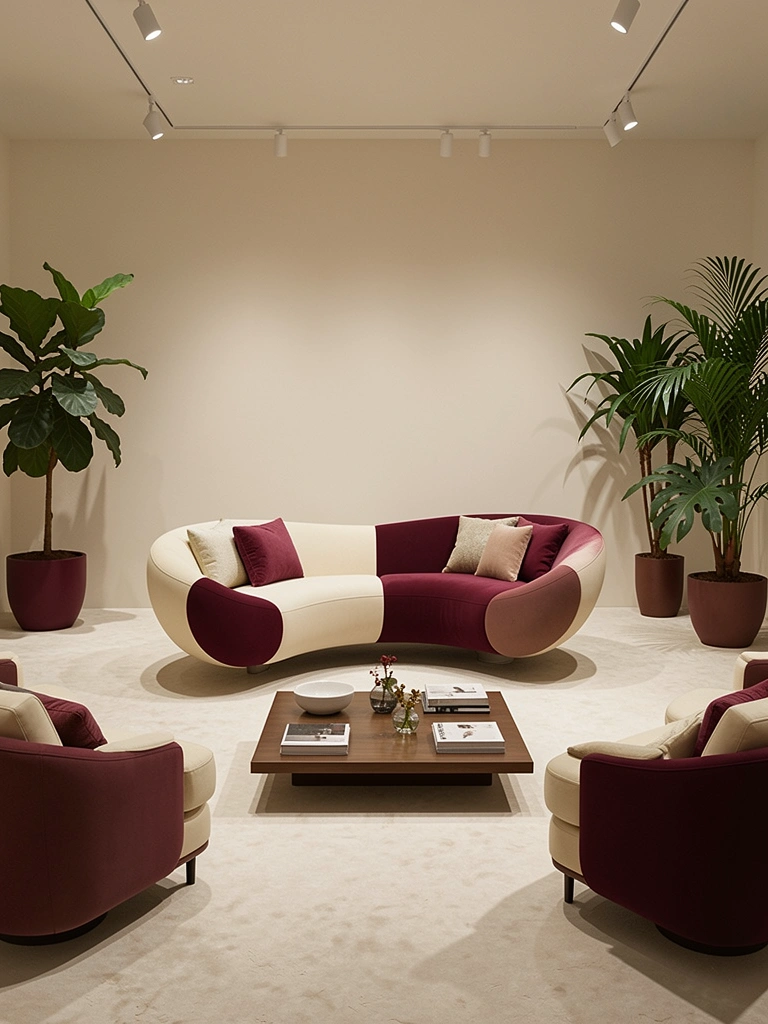
Floating furniture—especially sculptural pieces—makes rooms feel bigger and allows the piece’s form to shine. It’s a simple shift with massive impact.
Pull your curved sofa or seating away from walls by at least 12–18 inches. This works best in rooms 14×16 feet or larger; smaller spaces might feel cramped. Anchor the floating area with a large area rug ($150–$400) to define the zone. Add a console table behind the sofa ($150–$300) for visual separation. No renovations needed—just one afternoon rearranging.
This trick works in open-concept homes where it creates an implied wall without blocking sightlines.
Suddenly your room feels like a curated display, not just filled with furniture. The sculptural shapes get the attention they deserve.
7. Choose Low-Profile Seating to Emphasize Height
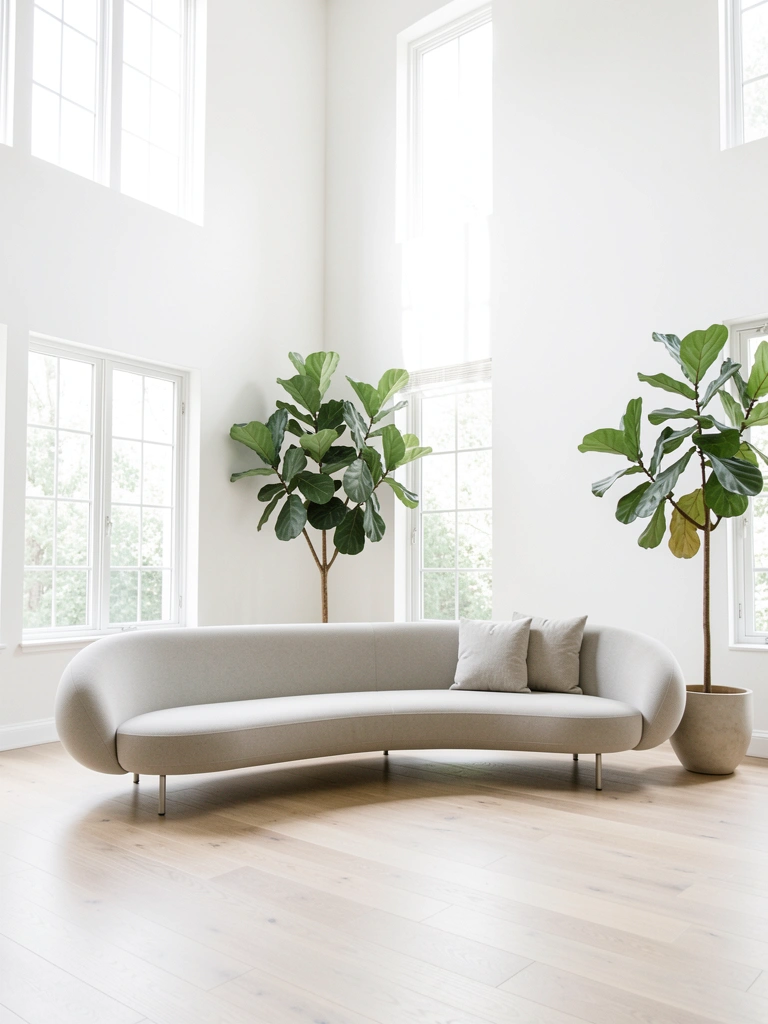
Low-profile sculptural seating—pieces with exposed legs and minimal height—makes rooms feel taller and more open. It’s especially powerful in apartments with standard 9-foot ceilings.
Look for sofas 28–32 inches tall (instead of standard 34–38 inches) from IKEA ($300–$600), Article ($500–$1,200), or Wayfair ($400–$1,000). Exposed wooden or metal legs ($0 extra—just part of the design) let light travel underneath. Pair with tall standing plants ($20–$80 each) and floor lamps ($80–$200) to draw eyes upward. Installation is just unboxing and arranging—one Saturday project.
Budget hack: DIY legs ($15–$30 per set) onto an existing sectional if you’re handy with a drill.
Your room breathes easier with low furniture. It’s especially noticeable when guests walk in—they’ll comment on how spacious it feels.
8. Create a Curved Sectional Dialogue With Your Space
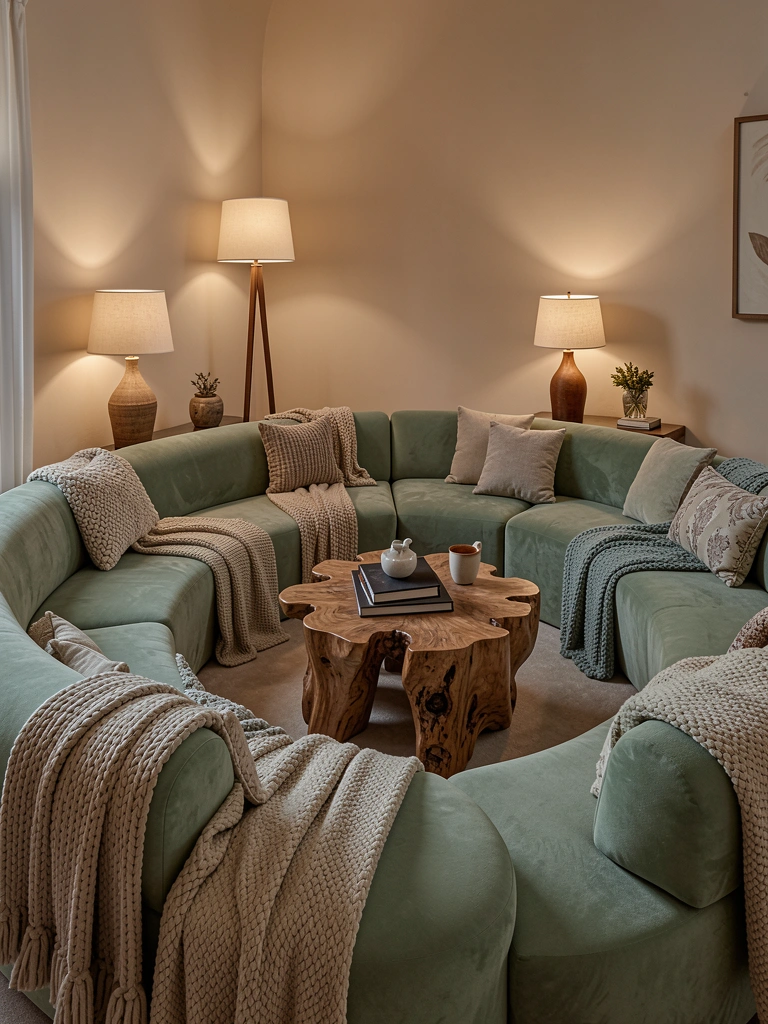
A substantial curved sectional doesn’t need a lot of additional furniture because the piece itself becomes the room’s conversation. It’s sculptural furniture as architecture.
Invest in a custom curved sectional ($2,000–$4,500) from Design Within Reach, Restoration Hardware, or Article for statement-making impact. Ready-made curved sectionals are cheaper ($800–$1,800) but less flexible on size. Pair with minimal additional seating—just one sculptural accent chair—to let the sofa shine. Plan 6–8 weeks for custom; ready-made ships in 2–3 weeks. Budget for professional delivery ($200–$400).
Alternative: Modular curved seating ($1,200–$2,000) you arrange yourself offers flexibility if your space changes.
This investment transforms your living room into a designed space, not just a furnished room.
9. Mix Sculptural Forms in Your Seating Lineup
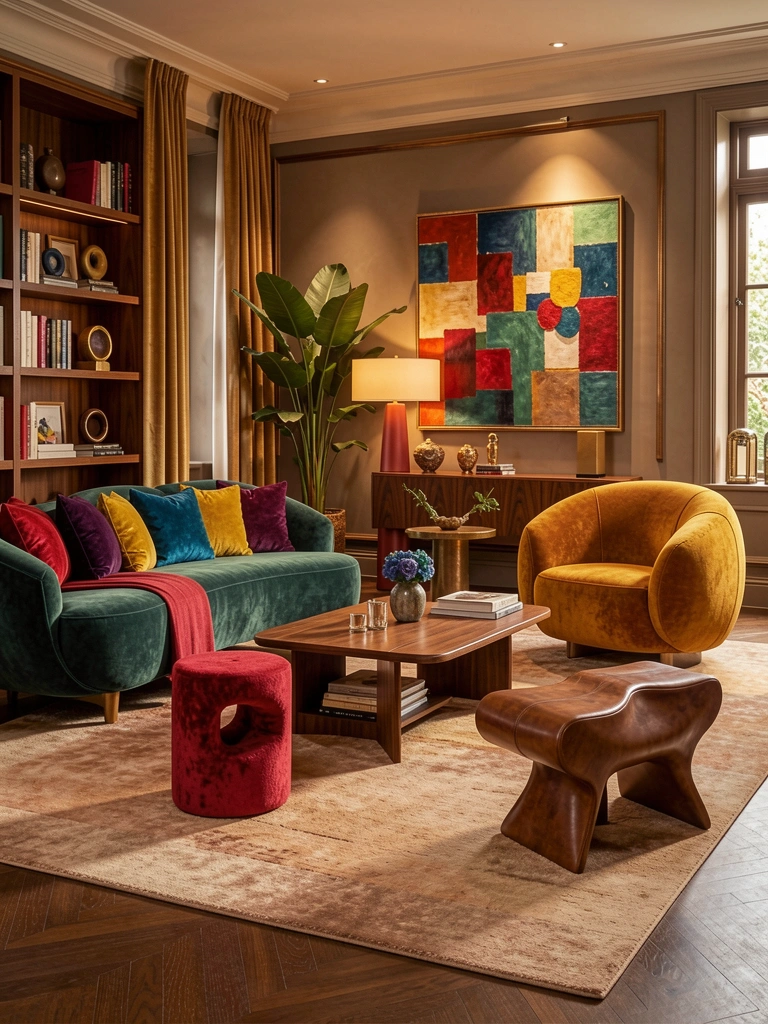
Matching furniture sets feel corporate. Mixing sculptural forms—different shapes that somehow work together—feels intentional and collected.
Start with your main curved seating, then add a barrel chair ($300–$700), a papasan ($150–$400), or an asymmetrical ottoman ($200–$600) from different designers. Tie them together with color harmony (choose 2–3 colors and repeat across pieces) rather than matching. Shop Wayfair, Article, West Elm, and local vintage furniture stores for variety. This styling takes one afternoon once pieces arrive.
Pro tip: Keep upholstery colors cohesive while varying shapes. Your eye reads harmony through color, not form.
Your room looks like you’ve collected thoughtfully over time, not like you shopped one store in one afternoon.
10. Use Curved Coffee Tables as Sculptural Anchors
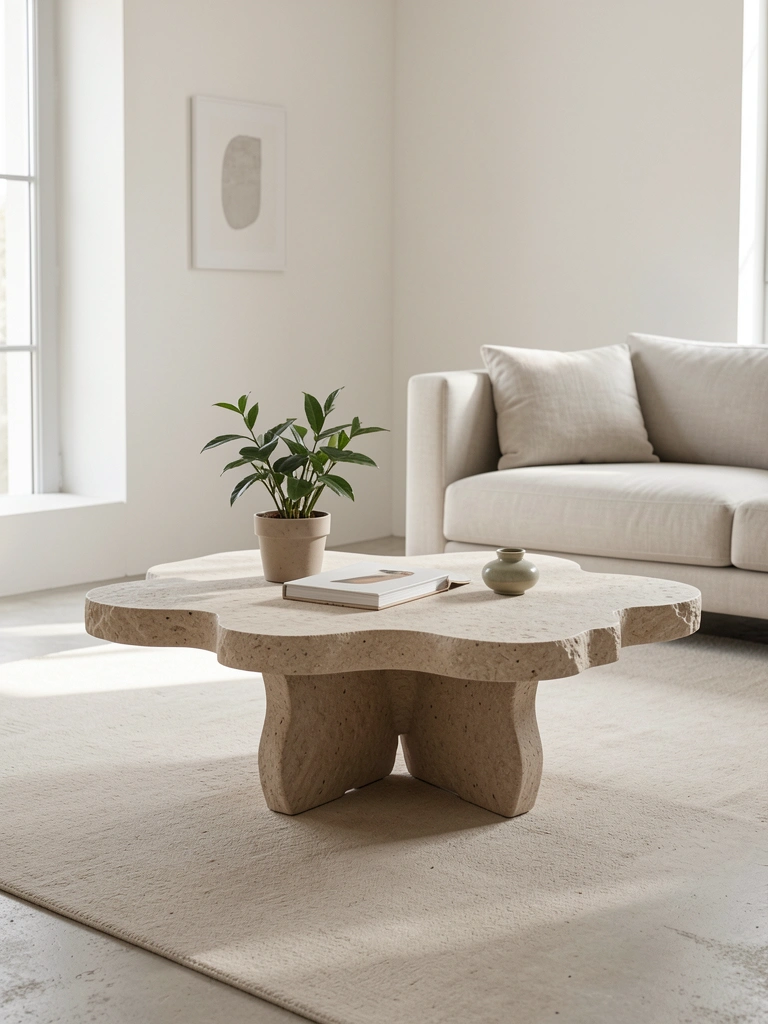
While you’re thinking about seating, don’t forget the table. A curved coffee table echoes your sofa’s form and becomes artwork when not in use.
Hunt for curved coffee tables in materials like live-edge wood ($150–$600), cast concrete ($200–$500), or curved metal frames ($100–$300) from Etsy, Article, local wood craftspeople, or CB2. Organic materials ground luxury feels, especially in jewel-tone or moody earth-tone rooms. Measure your space before ordering—oversized tables ($1,000+) work in spacious living rooms; smaller ones ($150–$400) suit apartments. Delivery and placement takes one evening.
DIY option: Commission a local artisan through Etsy ($300–$800) for a truly one-of-a-kind piece.
A sculptural table does double duty: functional surface and art installation.
11. Add Curved Side Tables for Layered Interest
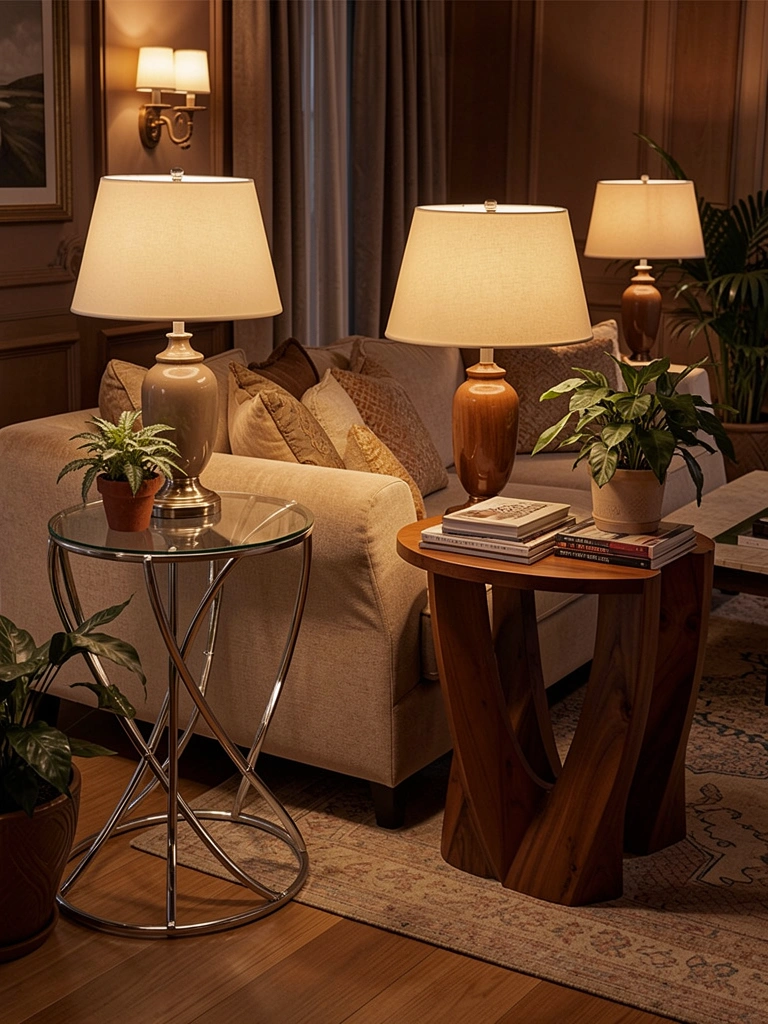
Side tables are the unsung supporting actors in a sculptural room. Curved ones echo your sofa’s form without adding visual weight.
Place curved or organic side tables ($100–$400 each from IKEA, Target, Wayfair, or West Elm) beside seating. Mix heights (28–32 inches) and materials—one glass and metal, one wood, for instance—to add texture and interest. Use different tables (rather than matching pairs) for a more collected aesthetic. Styling takes 10 minutes once tables arrive.
Budget option: Thrifted side tables ($20–$80) spray-painted or refinished ($0–$50 in supplies) save money while adding personality.
These small details make your room feel professionally designed because you’ve thought about every corner, not just the main seating.
12. Incorporate Curved Storage for Function and Form
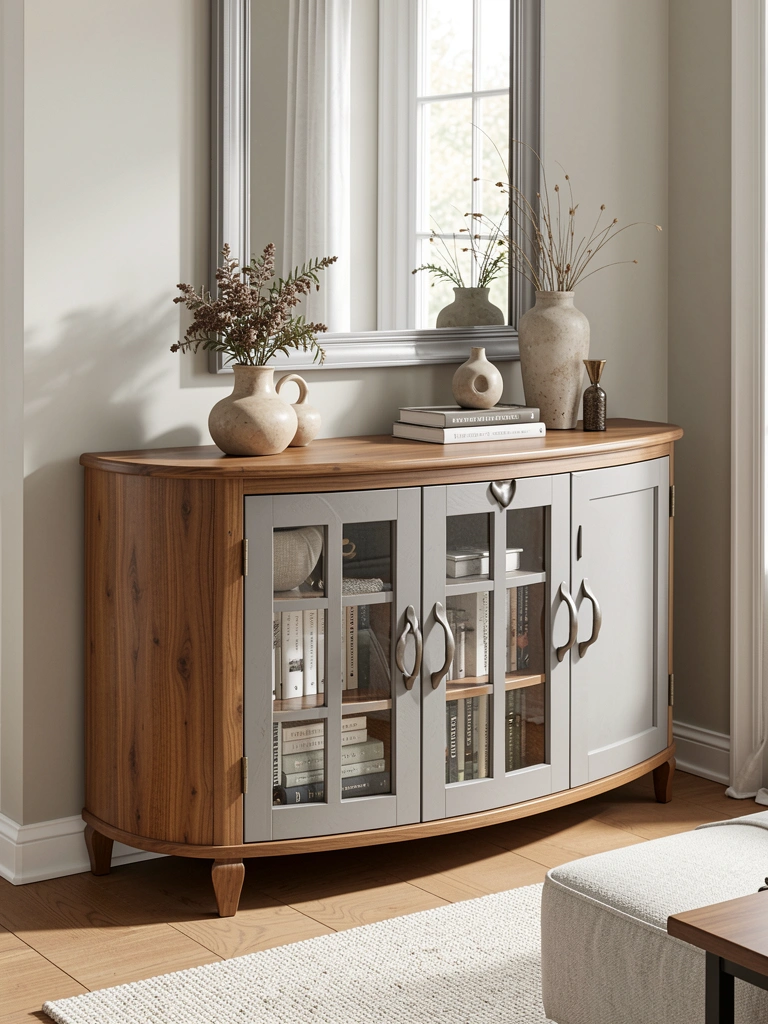
Storage doesn’t have to be boxy. Curved storage cabinets blend function with the sculptural aesthetic you’re building.
Choose a curved credenza or sideboard ($400–$1,200 from West Elm, Article, Wayfair, or local furniture makers) in warm woods or soft grays to ground your color palette. Curved edges and tapered legs keep it feeling light despite its size. Use it to store books, media equipment, or tableware. Display decorative objects on top for visual interest. Installation is one weekend—measure doorways first for delivery concerns.
Budget-friendly: Paint a straight cabinet with curved details ($50–$100 in paint and hardware) or drape a curved frame with fabric ($80–$150) for a softer, sculptural illusion.
Now your storage becomes part of your room’s visual story, not an afterthought piece shoved in a corner.
13. Layer Curved Mirrors to Amplify Space and Light
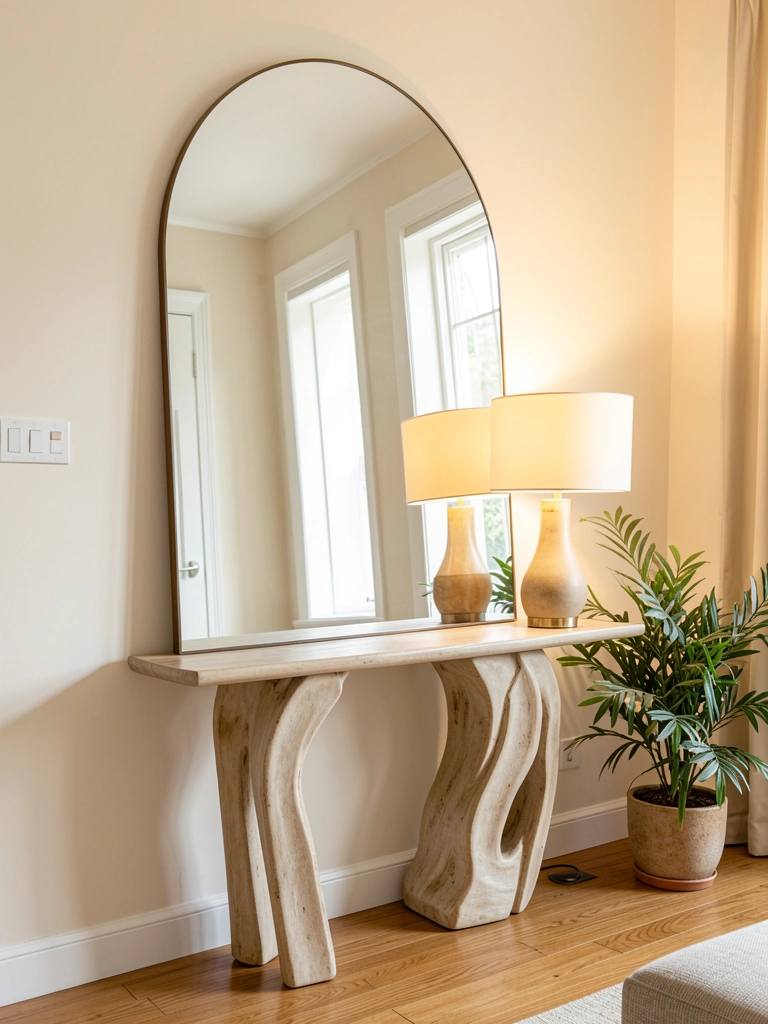
Curved mirrors multiply light and make rooms feel larger. They’re also sculptural objects themselves.
Hang or lean a large curved mirror ($80–$300) behind seating to amplify natural light and create depth. Arched mirrors ($100–$400) add art deco flair if you’re leaning into geometric drama. Position to catch windows so reflections bounce around. Installation is a one-hour project with basic wall hardware ($10–$20). Renter option: lean it against the wall for zero installation stress.
Pro tip: Choose a mirror with a sculptural frame ($150–$500)—carved wood, curved metal, or plaster—so it reads as art even when reflecting nothing special.
Mirrored walls used to feel 80s, but one strategic curved mirror feels contemporary and luxury.
14. Pair Curved Seating With Geometric Rugs
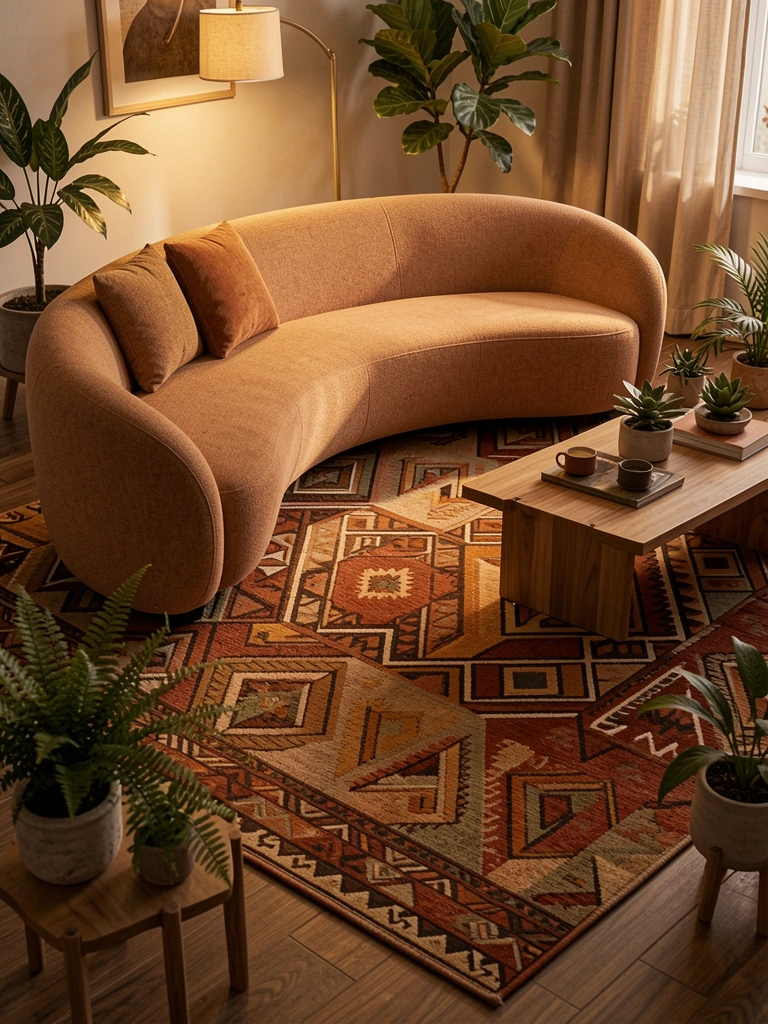
Rugs ground seating and create visual anchors. Geometric rugs (even angular ones) work beautifully with curved furniture if color ties them together.
Place a large area rug (8×10 feet, $150–$500) from Wayfair, Article, or local rug shops beneath your curved seating. Choose geometric patterns in jewel tones or warm earth tones. The rug doesn’t need to match your sofa’s curves—instead, let color harmony do the work. Ensure at least the front legs of seating sit on the rug for visual grounding. Styling takes 15 minutes.
Budget option: Layer a smaller patterned rug ($80–$200) over a neutral base rug for texture and interest without the price tag.
Your room’s visual weight shifts downward, creating a complete, designed look rather than floating furniture on bare floors.
15. Install Curved Shelving for Sculptural Storage Display
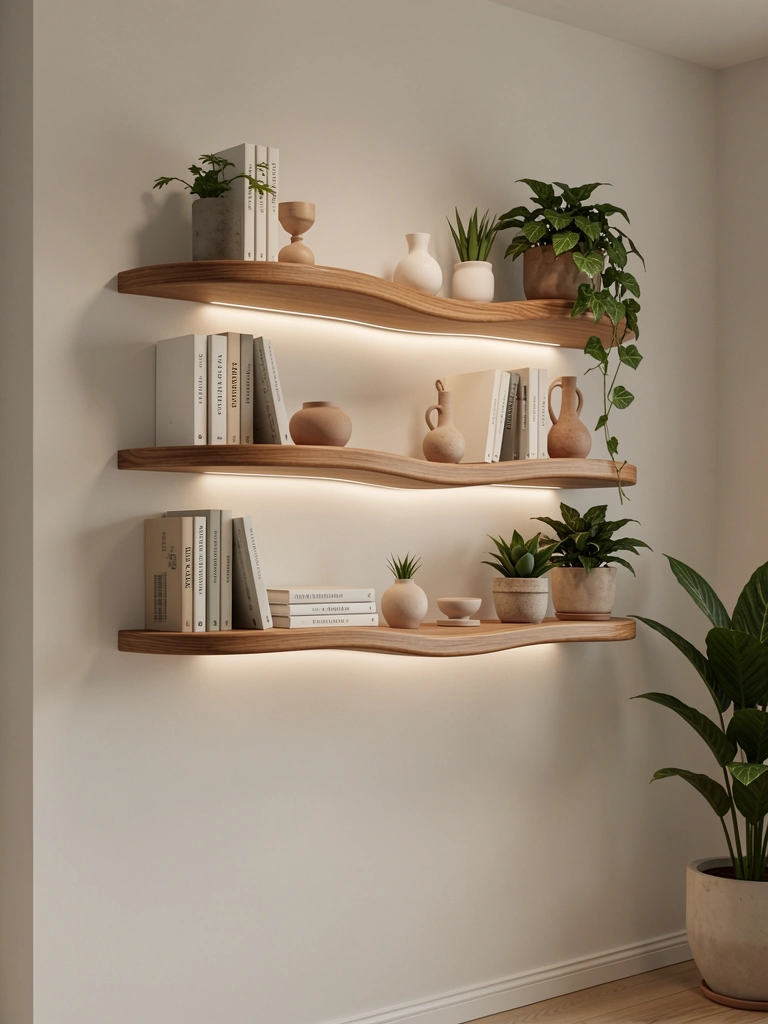
Curved shelving on walls brings sculptural interest to the upper half of your room and works especially well in small spaces.
Mount curved shelves ($80–$300 each from Etsy, West Elm, or local makers) on feature walls above seating. Wavy or bowed shelves read as artwork while functioning as storage. Space shelves 10–12 inches apart for books and decor. Installation takes 1–2 hours with a drill and level; hire a handyperson ($75–$150) if you’re not comfortable with wall drilling. Styling happens over an afternoon as you arrange items.
Renter-friendly: Floating curved shelves with adhesive anchors ($50–$150) avoid permanent wall damage.
Suddenly your vertical space becomes part of the room’s design, not wasted wall. Books and objects feel like an art installation.
16. Create Curved Accent Walls for Moody Depth
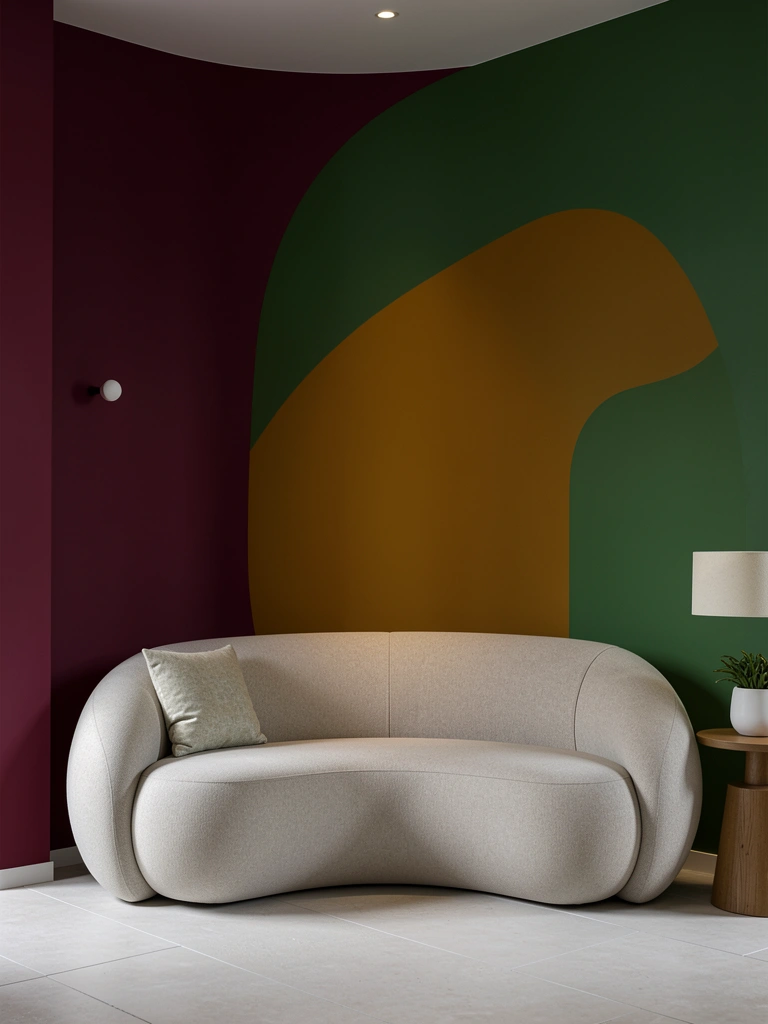
Paint creates depth and drama without adding physical furniture. A curved (or simply strategically placed) accent wall in jewel or earth tones works beautifully behind sculptural seating.
Choose one wall opposite your main seating and paint it in moody colors: deep burgundy ($30–$50 in paint, $100–$200 for professional application), forest green, or warm ochre. Test patches first—colors shift dramatically in different lights. Hire a painter ($200–$400 for one wall) or DIY over a weekend ($0–$50 if you already have supplies). Paint in matte or eggshell finishes for luxe, soft looks.
Alternative: Peel-and-stick wallpaper ($30–$100) offers color without permanent commitment.
One moody wall behind your furniture instantly makes everything look more intentional and gallery-like.
17. Mix Curved Seating With Sculptural Wooden Accents
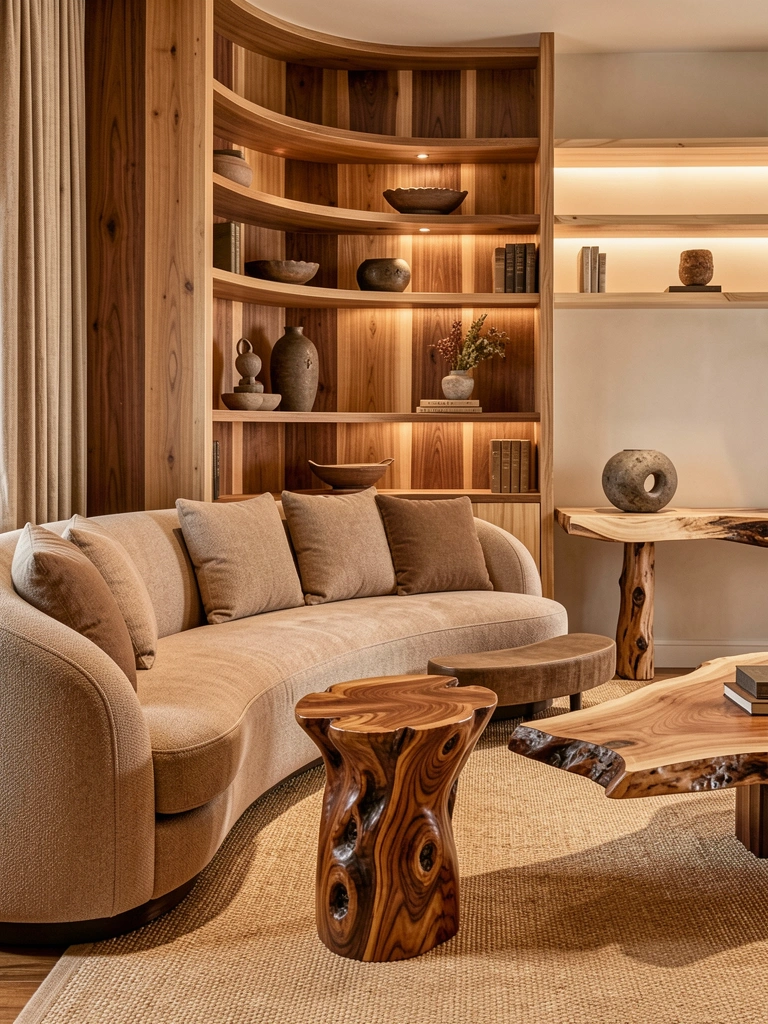
Organic modernism blends metals and woods with soft upholstery. Sculptural wooden pieces echo seating curves and ground the space with natural warmth.
Seek out live-edge wood tables and shelving ($150–$600) from local makers, Etsy, or West Elm. Mix wood tones (one dark, one medium, one light) for visual interest without matching. Pair with brass or brushed gold metal accents ($20–$100 for hardware updates) to add luxury shimmer. Styling happens as pieces arrive—arrange over an evening to see what works. Pro tip: Sand and refinish thrifted wood pieces ($0–$50 in supplies) for budget-friendly sculptural upgrades.
Your space reads as warm, intentional, and connected to nature—that “quiet luxury” feeling everyone craves.
18. Layer Curved Lighting for Atmosphere and Function
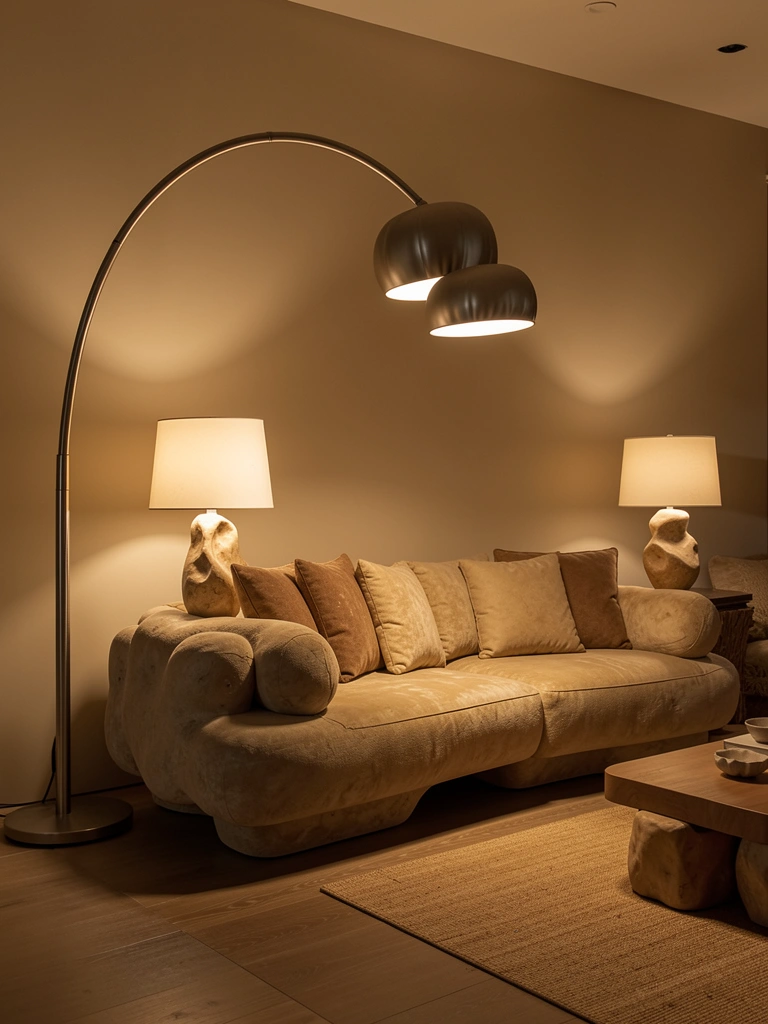
Lighting transforms curved furniture from functional to magical. Sculptural light fixtures—arched floor lamps, curved sconces, organic table lamps—amplify your design intentionality.
Install arched floor lamps ($80–$250 from Target, CB2, or Article) beside seating for ambient glow. Add table lamps with curved or organic bases ($50–$150 each). Layer in wall sconces with curved arms ($60–$200) if you want permanent fixtures. Vary light temperatures: warm white (2700K) for evenings, brighter white (4000K) for daytime. Plan one weekend for installation; hire an electrician ($100–$200) for hardwired sconces. Budget option: battery-operated LED uplights ($20–$50) create atmosphere without installation.
Lighting is the final touch that makes your room feel finished and intentional.
19. Add Sculptural Planters and Biophilic Elements
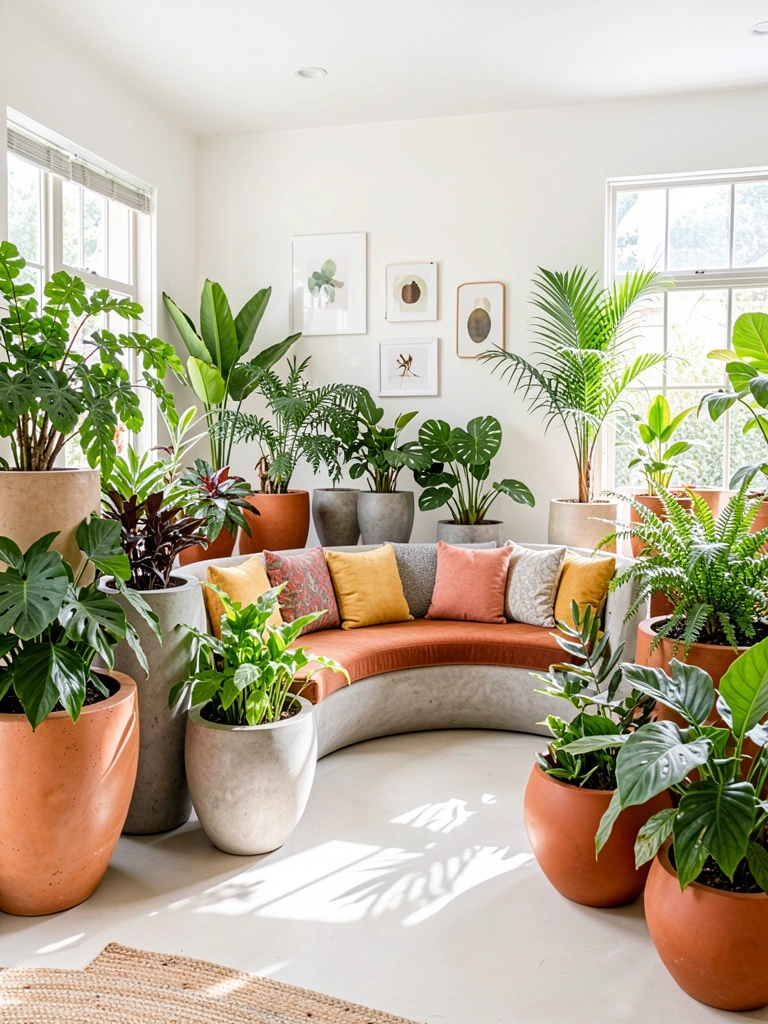
Plants and sculptural planters create organic movement around your seating area. Biophilic design—bringing nature indoors—pairs beautifully with curved furniture forms.
Place 3–5 sculptural planters ($30–$150 each from Target, West Elm, CB2, or local ceramicists) around your seating. Choose curved or organic planter shapes in warm earth tones. Fill with low-maintenance plants: fiddle leaf figs, monstera, pothos, snake plants ($15–$40 each). Tall planters (28–36 inches) go in corners; smaller ones flank seating. Watering happens weekly; styling happens in an afternoon. Pro tip: Group planters in odd numbers (3, 5, 7) for visual harmony.
Budget option: Thrifted planters ($5–$20) refreshed with paint ($10 in supplies) add personality affordably.
Suddenly your room feels alive and intentional, like someone actually lives here thoughtfully—not just filled a space with furniture.
20. Combine Curved Seating With Pattern-Drenched Walls
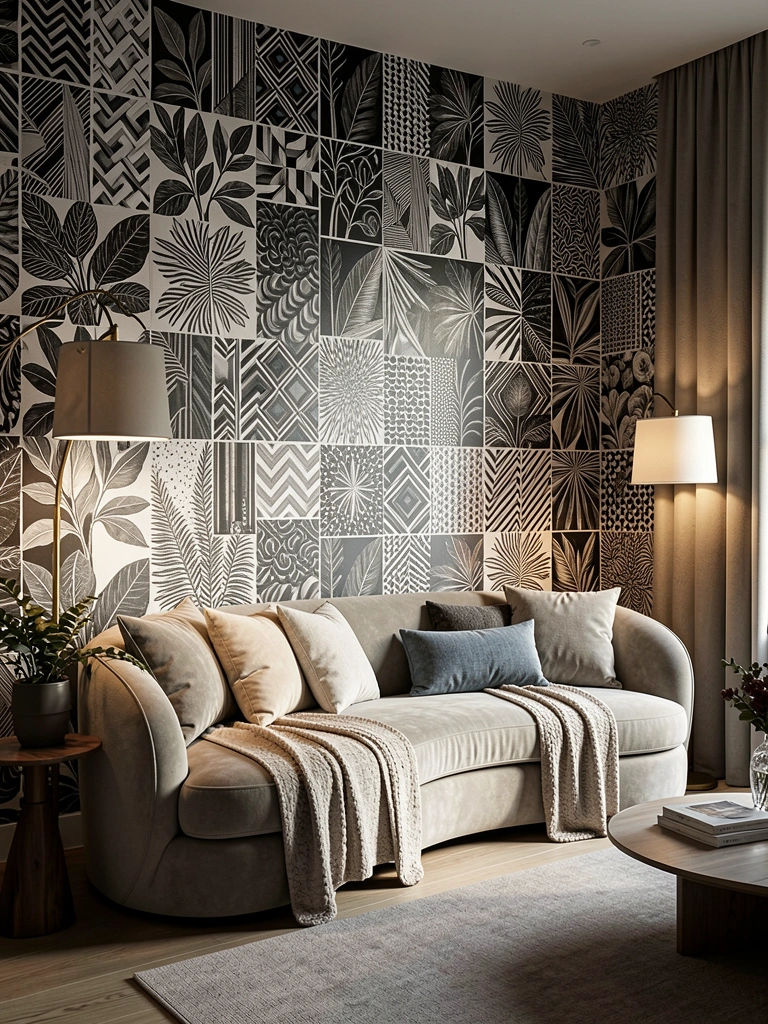
Pattern drenching—applying one pattern across all walls—creates immersive, gallery-like rooms. It sounds bold but feels intimate when paired with organic seating.
Choose one pattern you love (botanical, geometric, or abstract) from wallpaper collections ($20–$50 per roll from Wayfair, Spoonflower, or Etsy). Apply to all four walls for impact. Pair with a neutral curved sofa ($600–$1,500) so the sofa recedes and the pattern becomes the star. Hire a wallpaper installer ($300–$600) or DIY over 2–3 weekends ($0 if you’re patient). Peel-and-stick options ($15–$40 per roll) avoid permanent commitment.
Alternative: Paint one pattern yourself using stencils ($20–$80) for a more budget-friendly approach.
Your room becomes a complete sensory experience—wrapped in a pattern that feels chosen and intentional.
21. Use Curved Ottomans as Multipurpose Sculptural Pieces
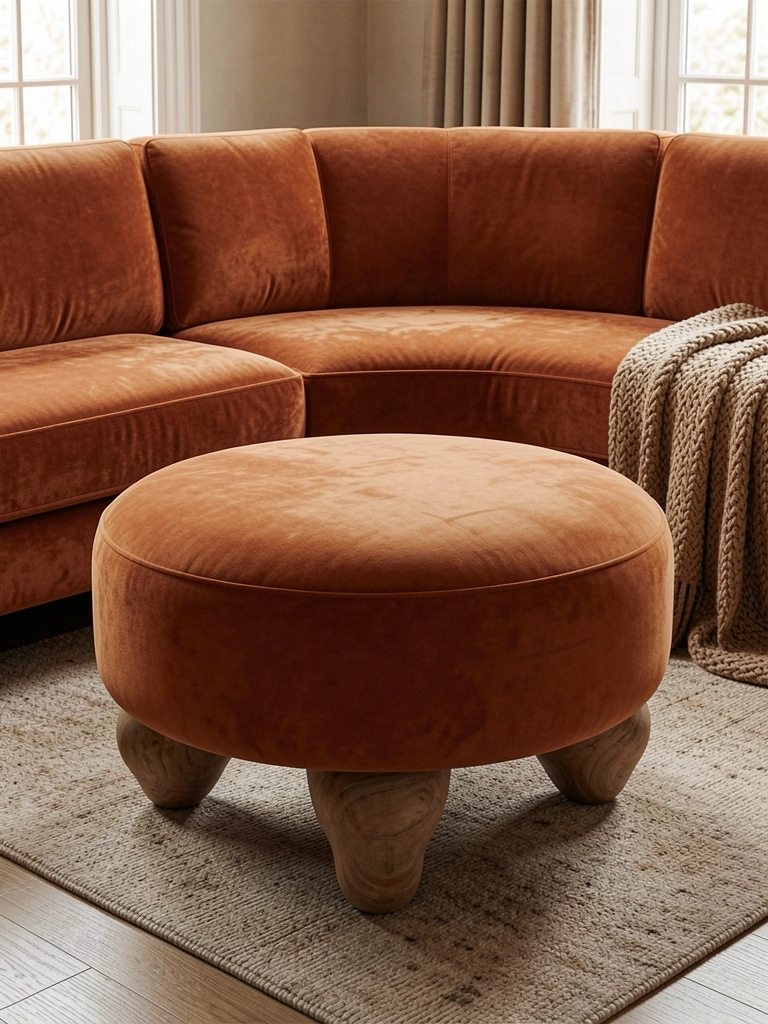
Ottomans are the overlooked heroes of sculptural seating. A curved, sculptural ottoman adds seating flexibility, footrest functionality, and visual interest.
Choose a curved or rounded ottoman ($200–$600 from Article, West Elm, CB2, or local makers) with exposed wooden or metal legs. Look for ones slightly lower than your sofa seat height (12–16 inches) so they serve as proper footrests. Upholster in jewel tones or textured fabrics to ground your palette. One delivery and placement is a one-hour project. Pro tip: Look for ottomans with storage inside ($300–$700) for hidden functionality.
Budget hack: Curved vintage wooden stools ($50–$150) refinished with new upholstery ($100–$200) cost less than new pieces.
Now you have seating flexibility—extra surface area for guests, footrest for lounging, or side surface for beverages.
22. Layer Sculptural Throw Pillows for Texture Without Clutter
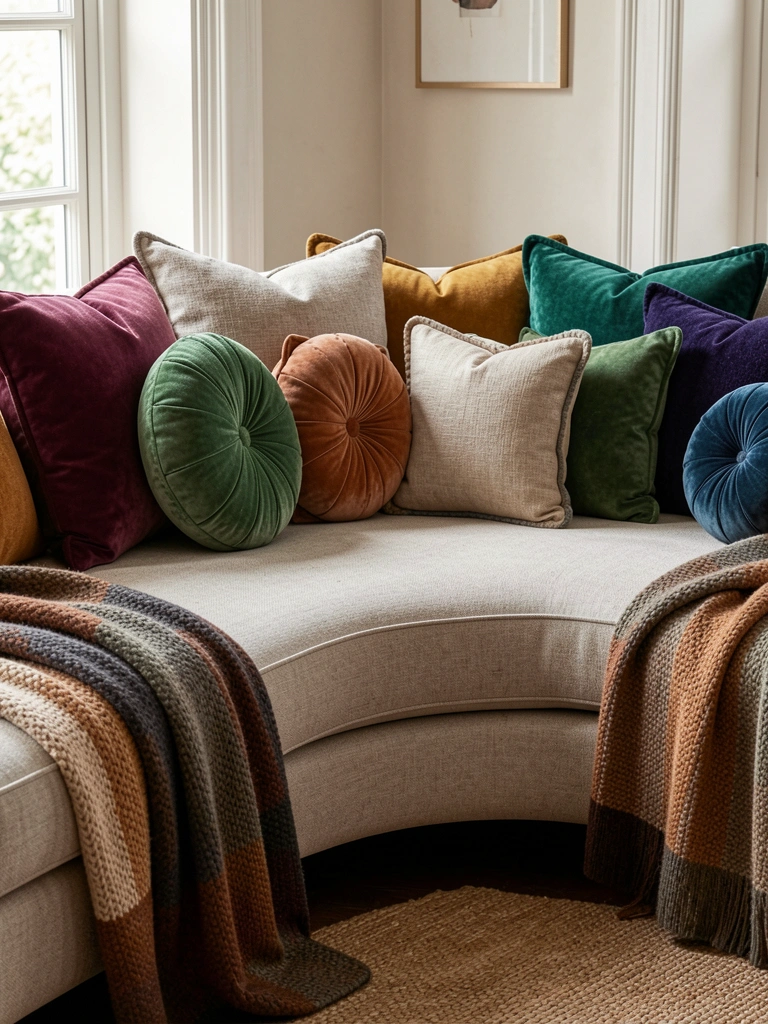
Throw pillows on curved seating showcase texture and personality without overwhelming your design. Sculptural pillow shapes (round, barrel, lumbar) echo seating curves.
Place 4–6 pillows ($20–$80 each from Target, West Elm, Article, or Etsy) in varying shapes and textures on your curved sofa. Mix velvet, linen, wool, and boucle for tactile interest. Stick to 2–3 colors (choose jewel tones or warm earth tones) repeated across pillows. Layer heights—some upright, some reclined—for dynamic styling. Update one evening; rearrange whenever you want fresh variety. Budget option: DIY pillow covers ($5–$15 per cover in fabric) for trendy patterns at a fraction of retail cost.
Your sofa becomes an inviting nest, not just a place to sit.
23. Design a Multi-Use Vignette With Curved Seating
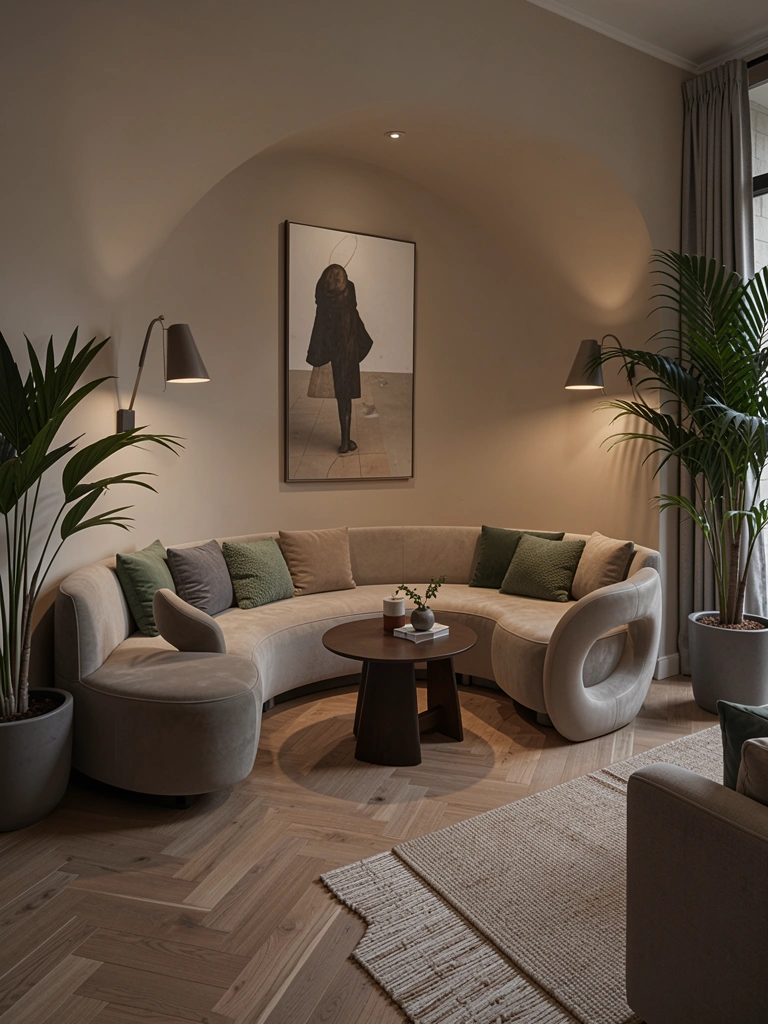
Your final sculptural idea: create a complete vignette—a mini-room within your room—using curved seating as the centerpiece. This works especially well in open-concept spaces.
Arrange a curved bench or banquette ($400–$1,200) with 2–3 sculptural accent chairs ($200–$700 each) in a conversational arrangement. Add a round or curved low table ($150–$400) between them. Define the zone with a small area rug ($80–$200) and layered lighting ($100–$300 total). Use plants ($15–$50 each) to create visual boundaries. This multi-hour project transforms a corner into a destination. Pro tip: Position your vignette perpendicular to your main seating for maximum visual interest and defined zones.
Your living room suddenly has rooms within it—a main gathering space and an intimate retreat area. Guests feel the intentionality the moment they walk in.
Ready to bring sculptural seating into your home? Pick one idea this weekend and start small—maybe a curved accent chair or sculptural coffee table. These pieces aren’t just furniture; they’re how you show up for yourself in your own space. Save this post and share it with anyone else ready to ditch the boring rectangles.
Leave a Reply