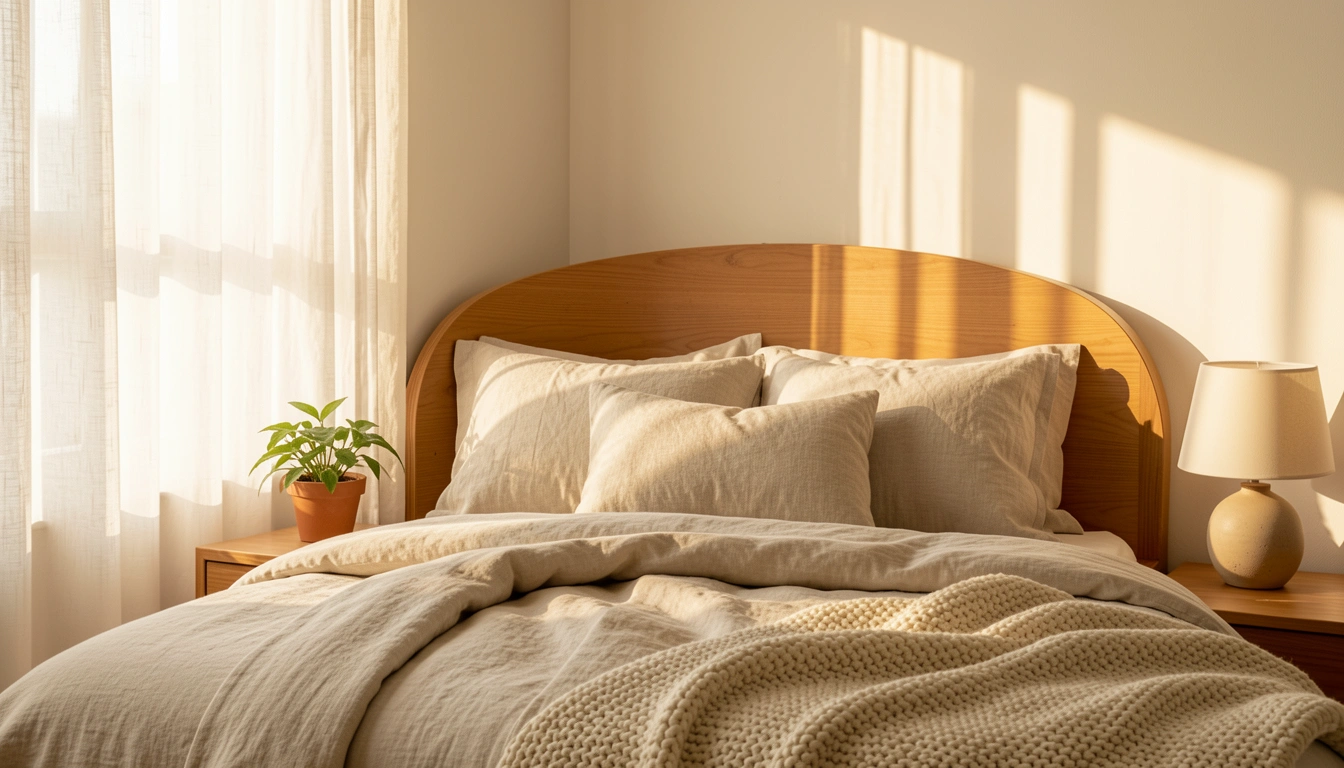
Your apartment might feel like a generic rental right now—beige walls, harsh overhead lighting, furniture that came with the place. But your space doesn’t have to feel temporary or impersonal. The best part? You don’t need a massive budget or landlord permission to create a mood-boosting apartment that actually reflects who you are.
We’ve pulled together 27 specific, actionable ideas that range from zero-dollar styling tweaks to smart investment pieces. You’ll find DIY projects for renters, color strategies backed by design trends, and practical hacks that work in tiny studios or sprawling lofts. Whether you want cozy layers, bold color pops, or calming natural vibes, there’s something here to shift your space from “meh” to a place you actually want to spend time in.
Let’s get started.
1. Layer Your Walls with Textured Wallpaper or Paneling
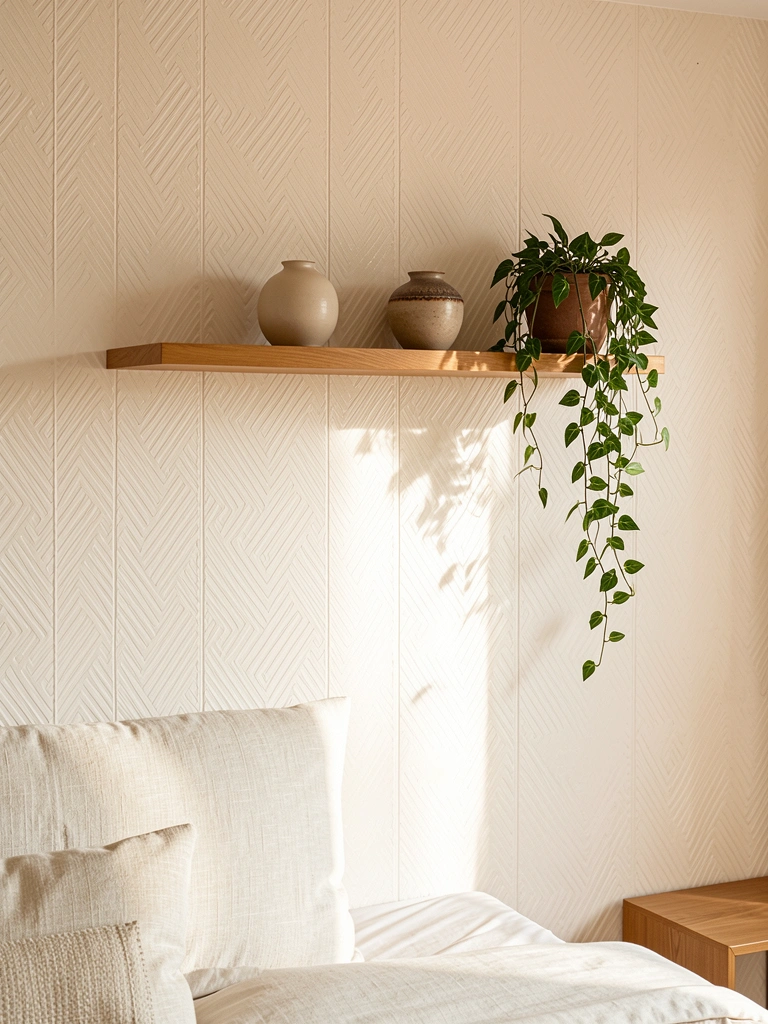
Textured walls create depth without requiring you to paint—they’re the 2025 solution to boring, flat apartment walls. If painting feels permanent, removable textured wallpaper works great for renters, and it actually photographs better than you’d expect.
Try peel-and-stick options from Spoonflower or Removable Wallpaper Co (around $40–$80 per roll). Measure your wall carefully and apply on a weekend—takes about 2–3 hours for a standard accent wall. Not ready to commit? Stick a temporary cork or linen panel behind floating shelves for similar visual interest at half the cost. The texture catches light differently throughout the day, making your space feel more intentional and layered than flat paint alone.
You’ll notice the walls suddenly have personality, and the room feels less like a sterile box. Photos look better too—texture adds character that comes through in pictures.
2. Install Floor-to-Ceiling Curtains for Drama and Light Control
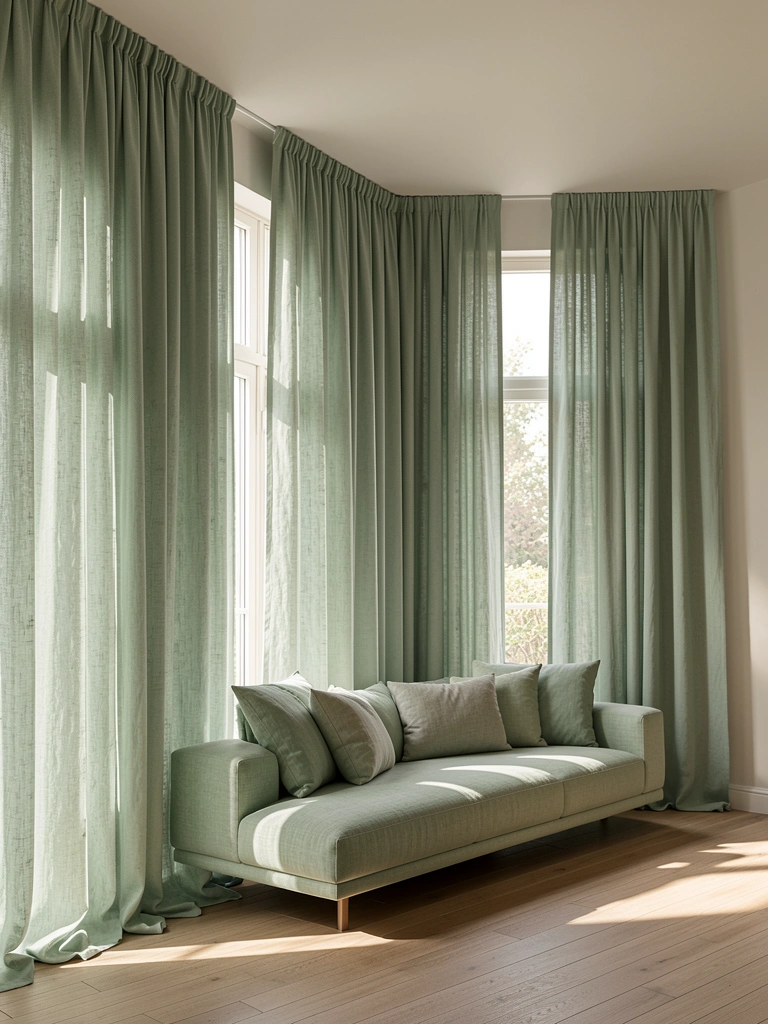
Floor-to-ceiling curtains make any window—even a small rental one—feel architectural and intentional. They control light way better than standard curtain rods and add vertical drama instantly.
Measure from your highest wall point to the floor (not your window frame). Hang a tension rod or simple metal rod high on the wall using removable adhesive strips (like Command brand, $10–$15). Grab fabric from IKEA ($20–$40 per panel) or Amazon in linen, cotton, or a linen blend. If you sew, even a basic straight seam works; if not, fabric glue or a no-sew hem tape takes 30 minutes. Renter hack: use removable adhesive hooks instead of drilling.
Your bedroom or living room gains an instant sense of scale and luxury. Plus, you control natural light and glare without plastic blinds—a real upgrade in how the space feels.
3. Choose a Saturated Statement Color for One Accent Wall
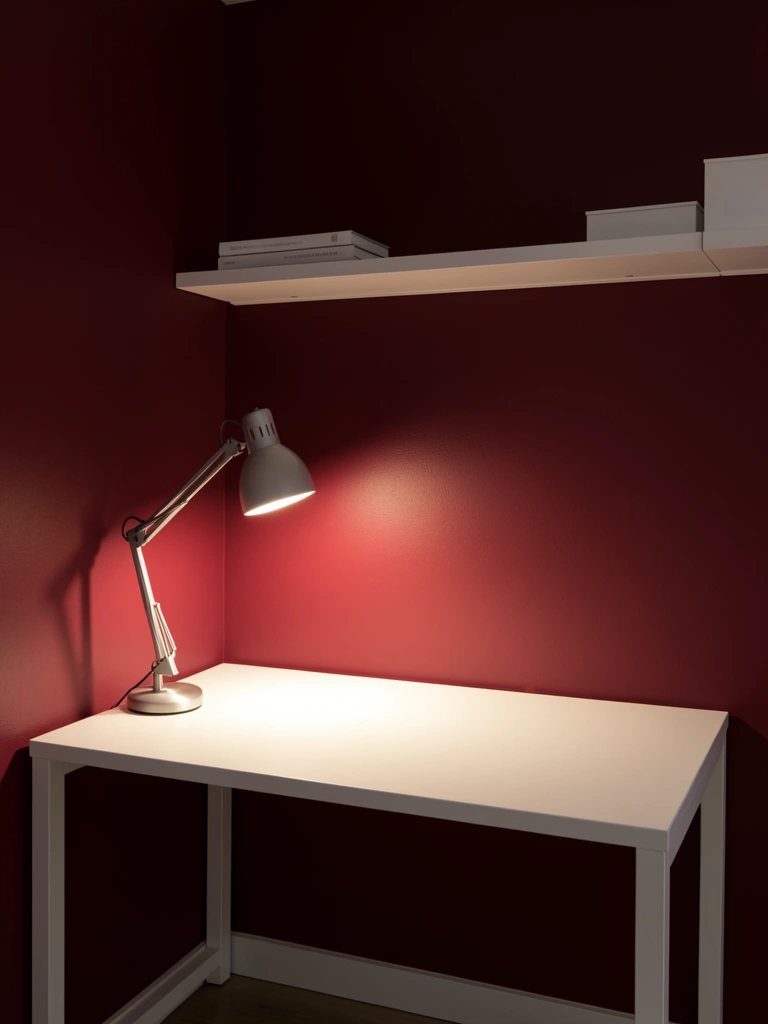
Flat neutrals drain energy from a room, but a single bold wall doesn’t require commitment or perfect execution. Cherry reds, forest greens, and aubergine are trending because they feel intentional without overwhelming.
Pick one wall you see first when entering—usually behind a bed or sofa. Use quality interior paint from Sherwin-Williams or Benjamin Moore (around $40–$60 per quart). Primer plus two coats takes a weekend afternoon. Test the color in your actual lighting first—buy a sample pot ($8–$12). If you rent, check your lease; if paint’s not allowed, removable wallpaper in that color works just as well.
The shift is immediate: your space gains mood and personality. That one wall anchors the entire room and makes everything else feel curated.
4. Layer Bedding with Organic Materials for Tactile Comfort
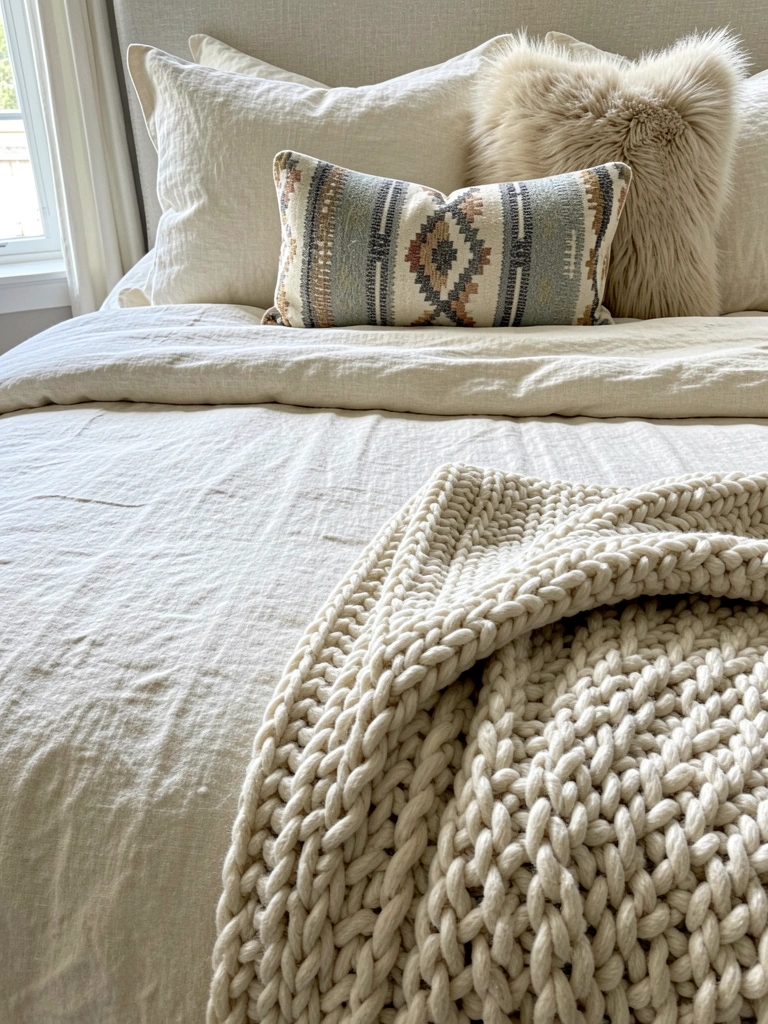
One flat sheet isn’t cozy. Real comfort comes from mixing textures—linen, cotton, wool, and velvet all in one bed. This isn’t excessive; it’s how luxury hotels do it, and it works in apartments too.
Start with a quality linen duvet (around $150–$250 from Brooklinen, Parachute, or even Target). Add a chunky knit throw ($60–$120), then layer in two to three pillows of different fabrics—silk, linen, and maybe one textured knit. Mix solid and patterned pillows for visual interest. You can do this gradually; start with one upgrade per month. The key is ensuring everything feels good to touch, not just look at.
Your bed becomes an actual retreat instead of just functional sleeping space. You’ll find yourself spending more time there reading or relaxing because it genuinely feels good.
5. Add Plants to Create Biophilic Calm Without Trying Hard
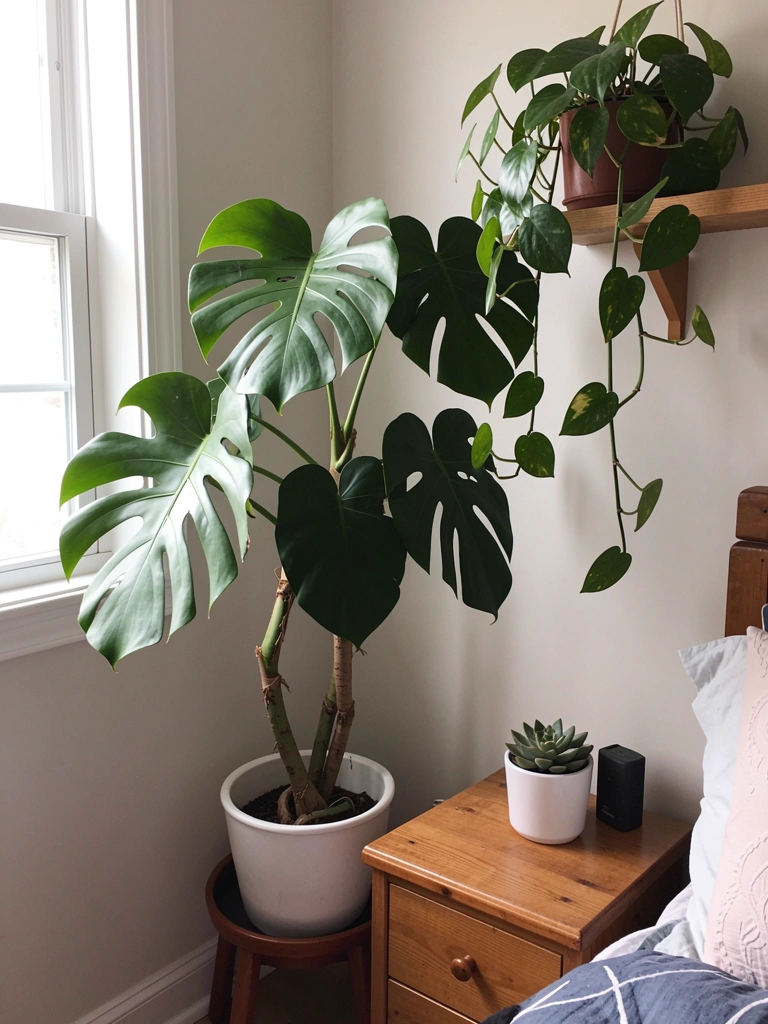
Plants shift the entire mood of an apartment from sterile to living. You don’t need a green thumb or rare species—hardy plants work great and actually improve air quality.
Start with three low-maintenance plants: Pothos (trailing), Snake Plant (upright), and ZZ Plant (sculptural). Grab them from a local nursery or big box store for $15–$30 each. Group them at different heights using shelves, plant stands ($20–$50), or even stacked books. Water every 7–10 days and rotate toward light. If you travel, these plants forgive you. Place them near windows or under grow lights ($30–$60) if natural light is limited.
Your apartment immediately feels less like a temporary rental and more like a place where life actually happens. The psychological benefit of greenery is real—people noticeably relax around plants.
6. Swap Overhead Lighting for Layered, Warm Light Sources
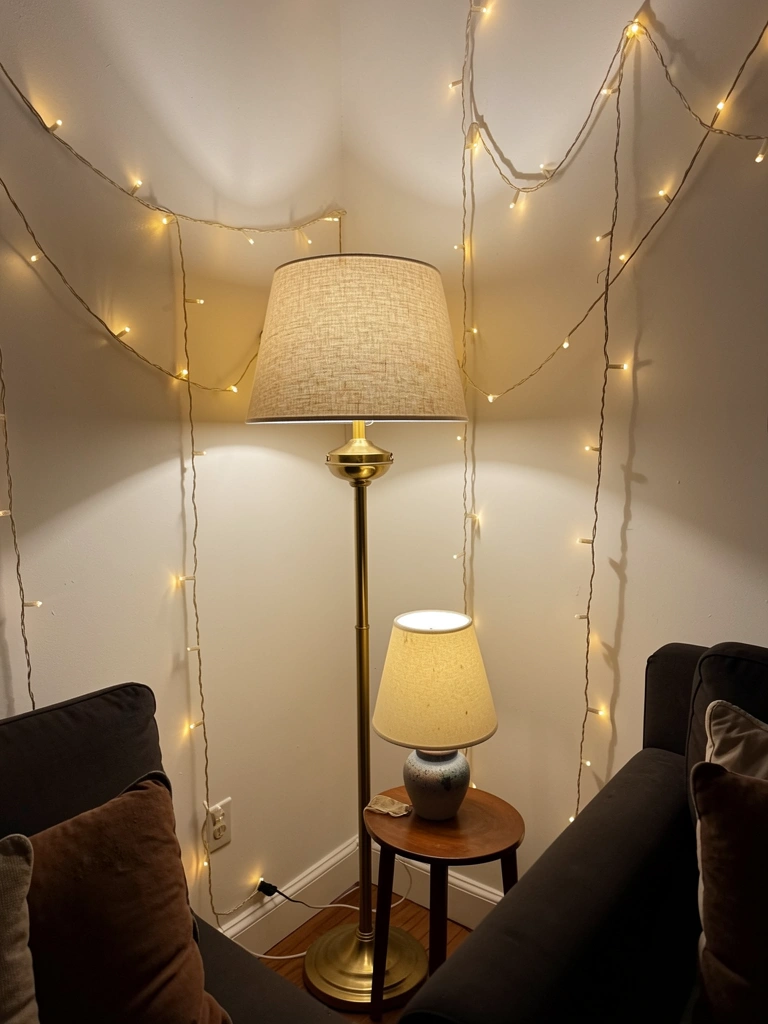
Harsh overhead lights are the enemy of mood. Replace them with a combination of floor lamps, table lamps, and accent lighting. This actually costs less than you’d think and changes everything.
Grab a simple brass or black floor lamp from IKEA or Target ($30–$60), a table lamp ($25–$50), and one string light option—either plug-in Edison bulbs ($20–$40) or soft LED strips ($15–$30). Install in 30 minutes. Keep overhead lights off most of the time; use lamps instead. Warm-toned bulbs (2700K color temperature) feel way more relaxing than cool white. Layer different light sources so you can adjust the mood throughout the day.
Your apartment instantly feels more like a sanctuary than an office. People actually want to hang out there, and you’ll probably find yourself more relaxed at home.
7. Create a Textured Gallery Wall with Intentional Spacing
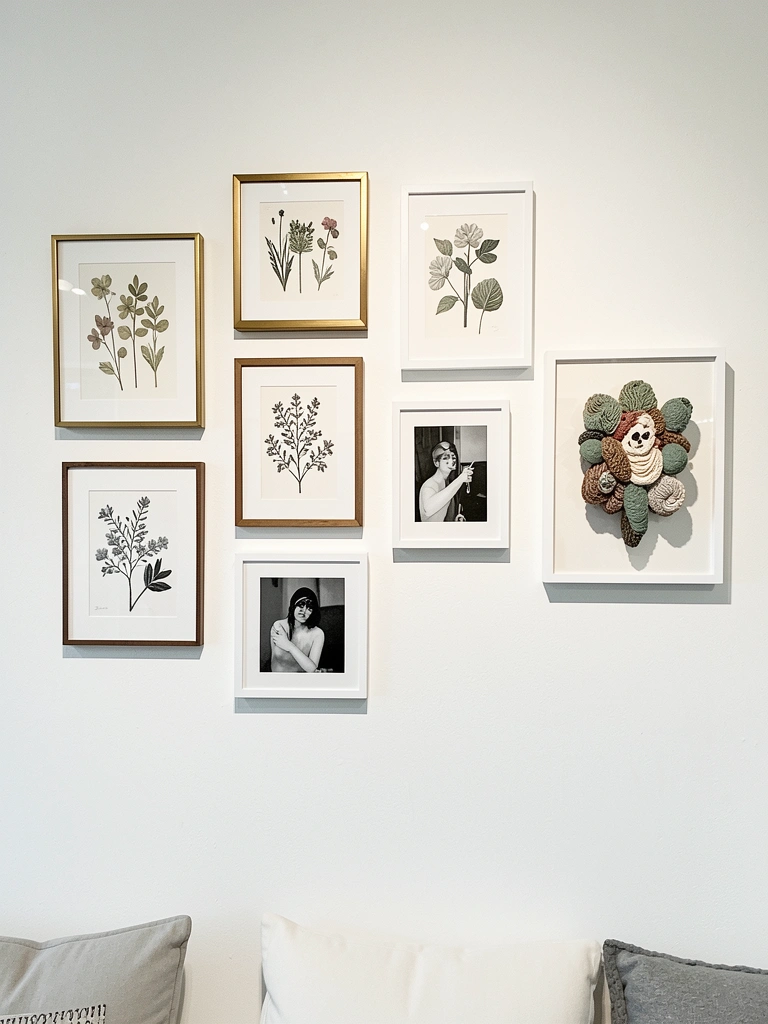
Gallery walls feel curated and personal, but only if you space things thoughtfully. Random clustering looks scattered; intentional spacing looks collected and intentional.
Gather your frames and art—use a mix of sizes (8×10, 11×14, 5×7, etc.), finishes (brass, wood, white), and mediums (prints, original art, 3D pieces). Lay everything on the floor first to plan spacing. Frames should be 1–3 inches apart. Mark holes lightly with pencil, then hang using basic nails or removable hooks (Command strips, $10 for a pack). Budget $80–$200 for framed art if buying new; thrifting reduces cost dramatically. Takes 2–3 hours to plan and execute properly.
You’ve just created a focal point that anchors your space and tells your story. It’s the difference between an apartment and a curated home.
8. Use Curved Furniture to Replace Sharp Angles
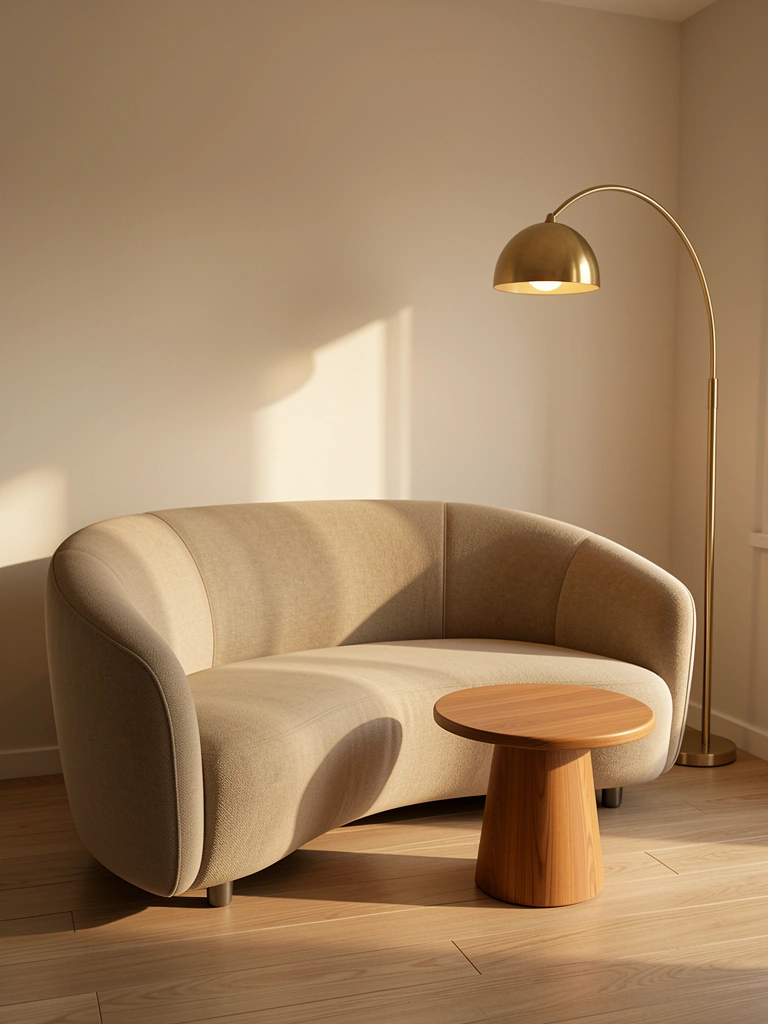
Sharp furniture lines create visual tension and make small spaces feel cramped. Curved edges—sofas, mirrors, side tables, shelving—make apartments feel calmer and more intentional. This is backed by real design research on how our brains respond to angles versus curves.
Swap a basic rectangular nightstand for a rounded side table (around $80–$150 from West Elm, Article, or even IKEA’s curved options). Look for a curved mirror instead of rectangular ($50–$120). If replacing the sofa isn’t in budget, add a curved accent chair ($200–$400) or look for curved shelving ($100–$200). Even small swaps matter. Renter hack: curved furniture is easy to move if you relocate.
Everything feels softer and more approachable. Your space becomes somewhere you actually want to relax instead of just pass through.
9. Paint Kitchen Cabinets or Add Peel-and-Stick Finishes
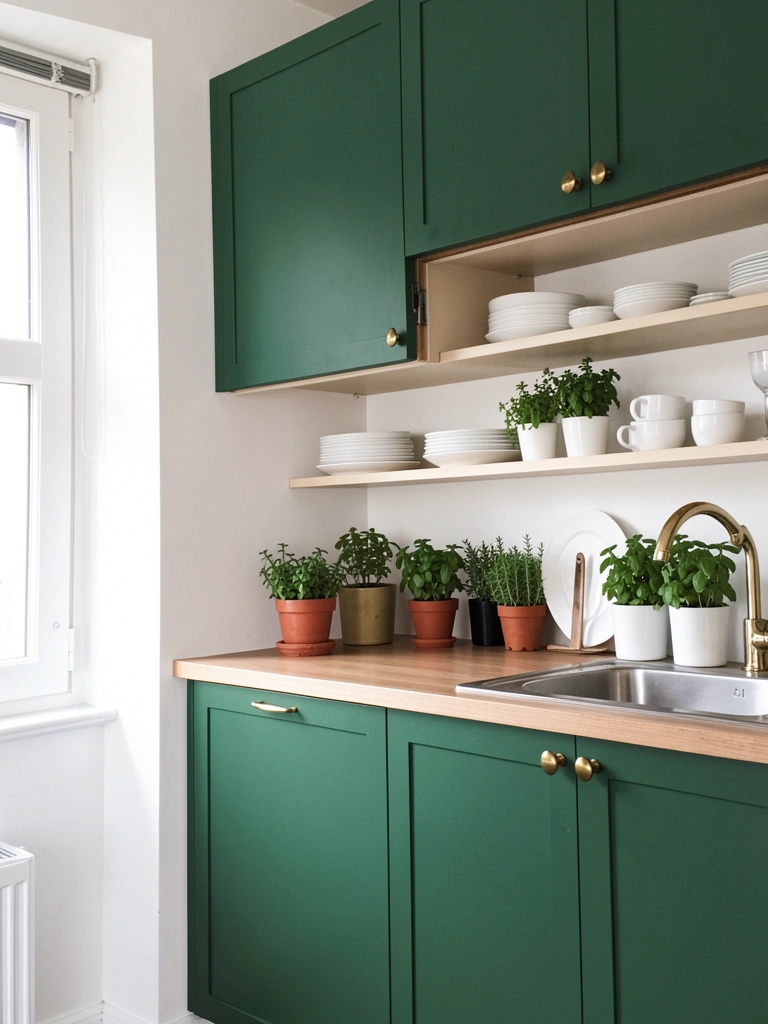
Kitchen cabinets take up massive visual real estate. Changing their color completely shifts your entire apartment’s mood without major renovation.
If you own, paint cabinets yourself using cabinet-grade paint ($40–$80) and primer ($15–$20). Takes a full weekend—remove doors, prime, paint twice, rehang. For renters, peel-and-stick cabinet film ($30–$60 from Amazon) mimics painted finishes without commitment. Colors like forest green, deep cherry, or charcoal feel current and grounding. Add new hardware ($20–$50 for ten pulls) for polished impact. Simple formula: paint + hardware upgrade = instant personality.
Your kitchen goes from builder-basic to design-forward. You’ll photograph your space differently and feel the shift every time you make coffee.
10. Hang a Large Textile or Quilt as Instant Wall Art
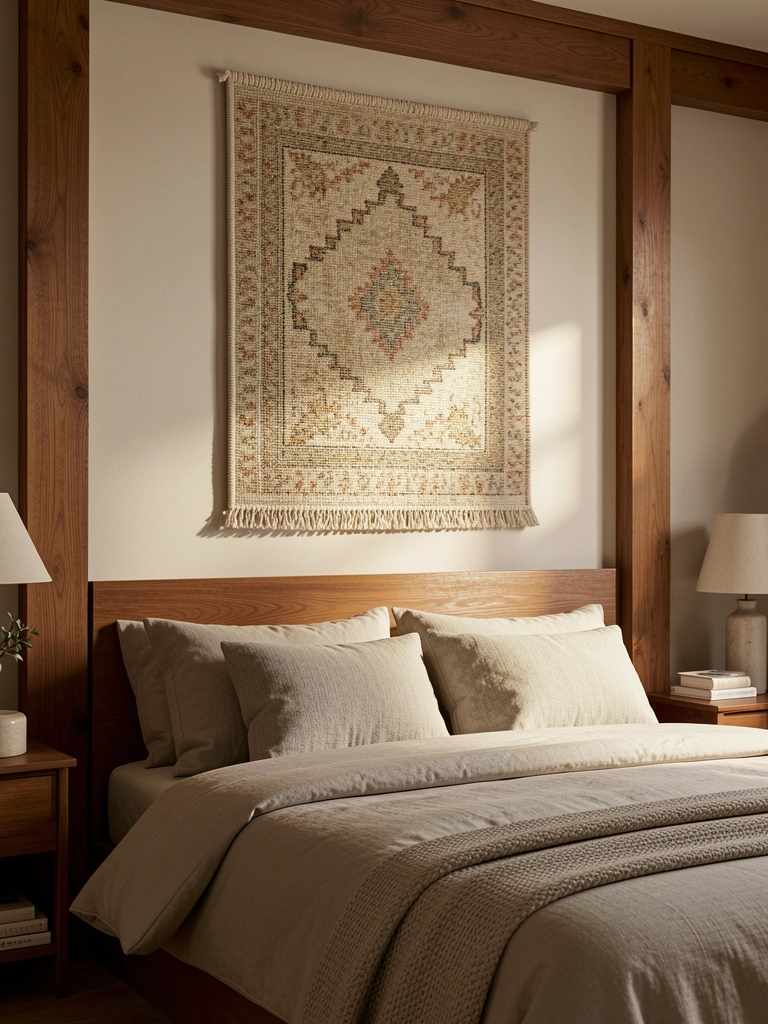
Textiles are one of the most underrated apartment hacks. A vintage quilt, woven wall hanging, or large fabric piece costs $20–$80 (thrifted) or $60–$200 (new) and adds warmth and story instantly.
Hunt thrift stores, Etsy, or online marketplaces for vintage textiles with colors and patterns that match your space. Mount using a simple wooden or metal hanging rod ($15–$40) and basic hardware. No drilling needed if you use removable hooks. Fabric hangs better than posters or prints because it has dimension and catches light. A 4×6-foot textile takes 15 minutes to hang and costs way less than framed art.
You’ve added texture, color, and personality in one move. It feels collected and intentional—like you’ve actually lived in your apartment.
11. Create a Cozy Reading Nook with Layered Lighting and Soft Seating
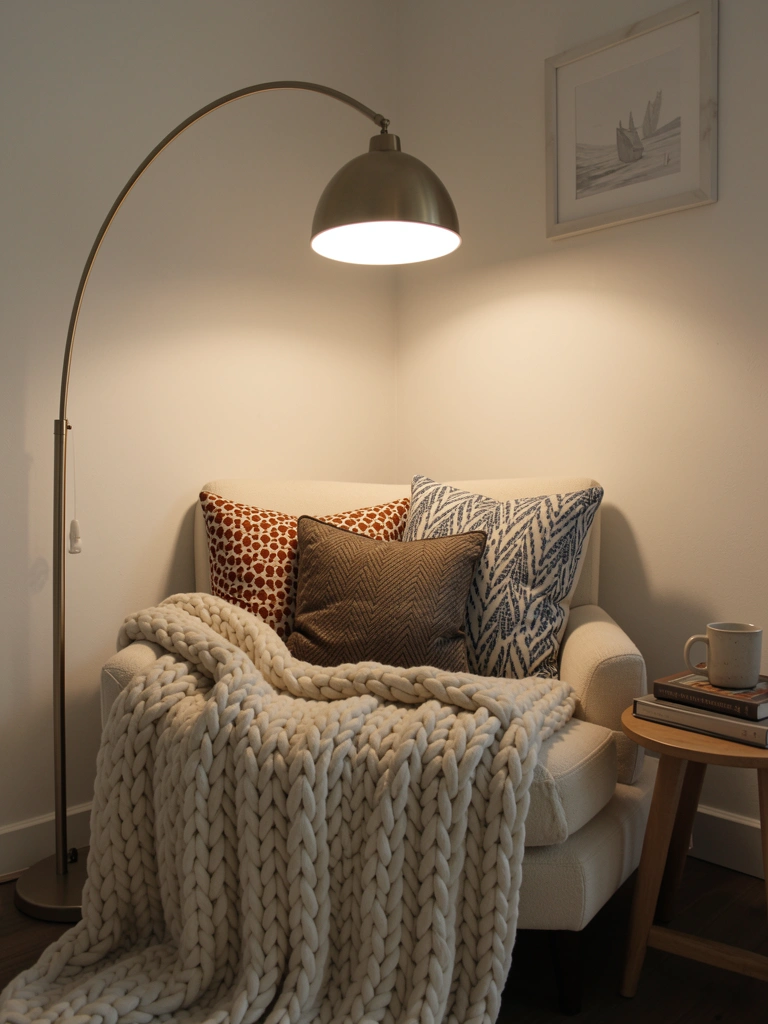
Reading nooks make apartments feel bigger by creating designated zones for different activities. Even a tiny corner transforms into a retreat space.
Find one corner with natural light if possible. Place a comfortable chair ($150–$400) or bean bag ($60–$150) there. Add a small side table ($40–$100), one floor lamp or clip lamp ($30–$60), and layers of blankets and pillows. Toss a small rug ($40–$80) to define the space. This corner costs $300–$700 total but feels like intentional design. In a studio or one-bedroom, it visually separates your relaxation zone from your sleeping zone.
Suddenly you have a “reading corner” instead of just a chair in the corner. The small act of creating this space makes you actually use it.
12. Mix Vintage and New Furniture for Eclectic Character
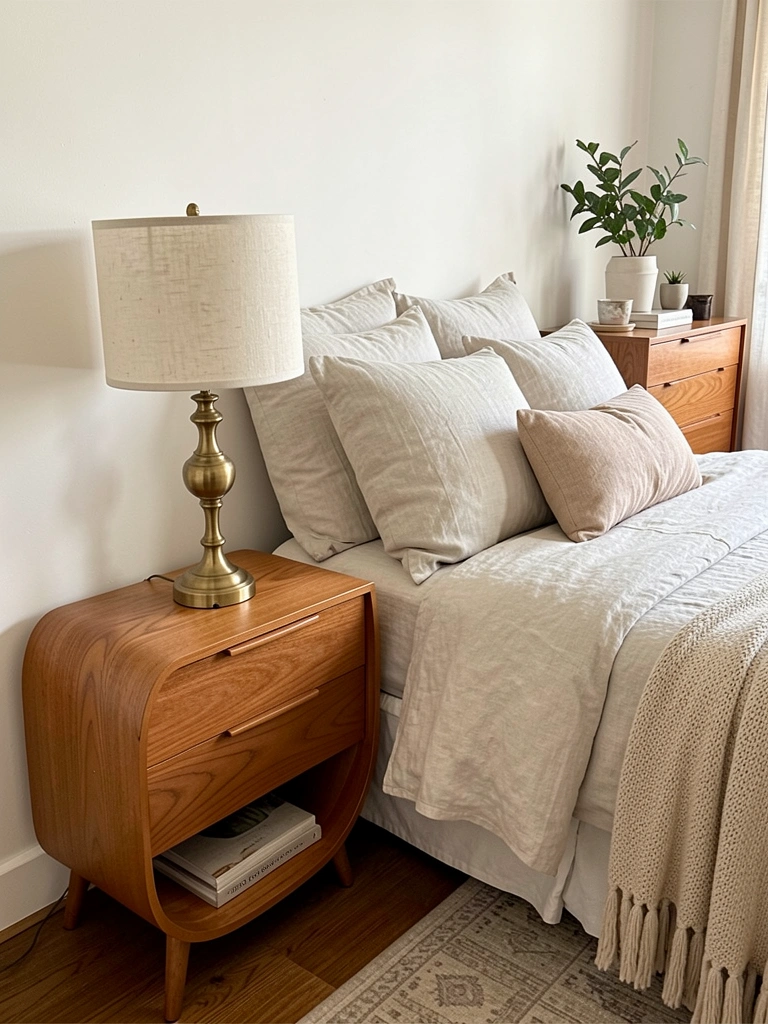
Buying all new furniture from one store creates a showroom feel. Mixing vintage finds with current pieces gives apartments authenticity and tells a story.
Hit thrift stores and Facebook Marketplace for mid-century dressers ($50–$150), vintage brass lamps ($15–$40), and interesting side tables ($30–$100). Pair with new bedding or curtains from target or IKEA. The key is a cohesive color story—everything doesn’t match, but it lives in the same palette (warm woods + brass + cream, for example). Takes time to hunt but costs way less than all-new furniture and looks infinitely more interesting.
Your apartment looks like it belongs to an actual person with taste and history, not a catalog. Guests notice and ask where things are from.
13. Use Removable Wallpaper with Floral or Geometric Patterns
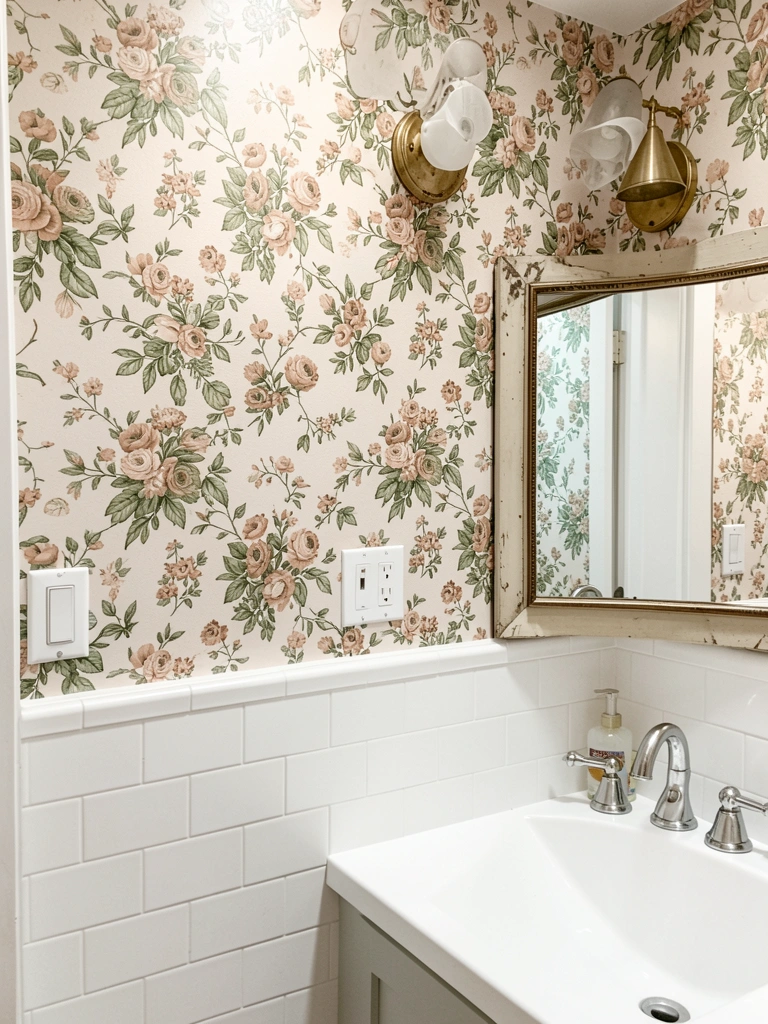
Patterned removable wallpaper adds visual interest without the commitment or rental-lease drama. Florals, small geometrics, or subtle stripes work in any room.
Order sample rolls from Removable Wallpaper Co, Spoonflower, or Etsy (samples are $5–$10). Apply to one accent wall or even one cabinet face. Each standard roll covers roughly 28 square feet and costs $40–$80. Prep your wall (clean, smooth), measure twice, apply slowly with a squeegee or credit card. Takes 2–3 hours for a standard accent wall. If you mess up, just peel and restart—that’s the whole point.
One patterned wall makes your space feel designed and intentional. It’s the fastest personality boost for renters who can’t paint.
14. Style Open Shelving with a Color and Texture Theme
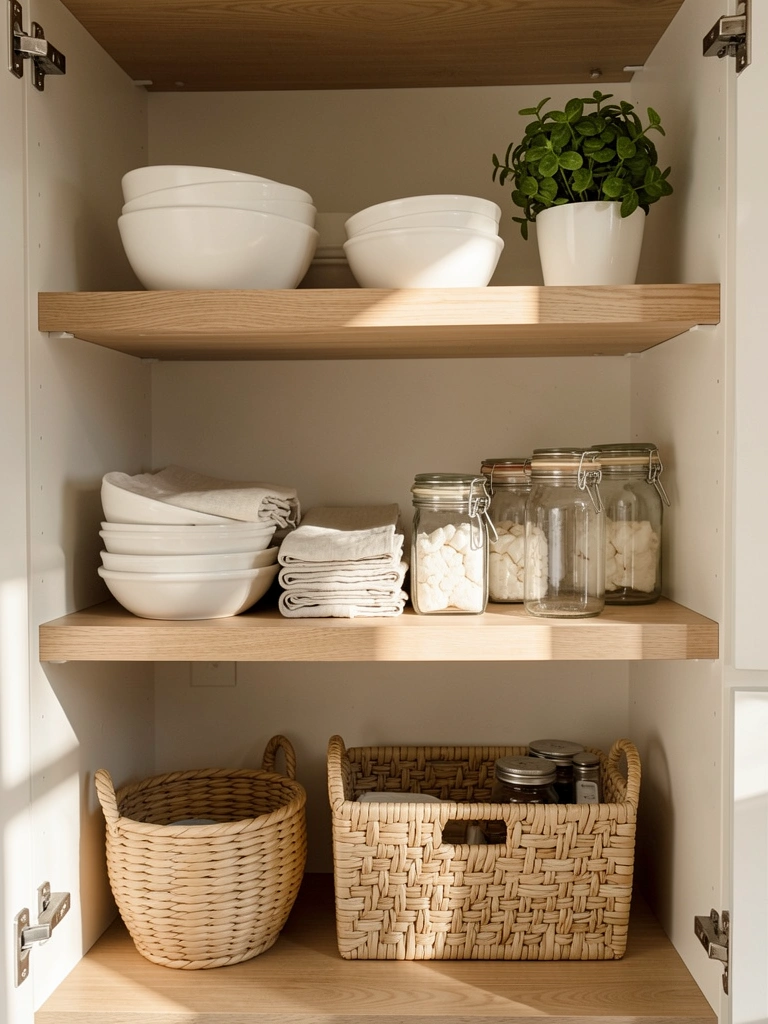
Open shelving looks styled or cluttered depending on how you arrange it. A simple color story turns it into design.
Limit your shelf palette to three colors maximum (try: white, natural wood, and one accent color like black or sage green). Group similar items together (all plates in one section, glasses in another). Add a plant or two for life. Mix heights and textures—tall glass jars, stacked plates, woven baskets. Everyday items look intentional when arranged this way. Takes 30 minutes to restyle what you already own; no spending required unless you want to add new serving pieces ($20–$50).
Your kitchen looks intentional and styled, not chaotic. You’ll actually enjoy using the space.
15. Add a Statement Mirror to Reflect Light and Expand Space
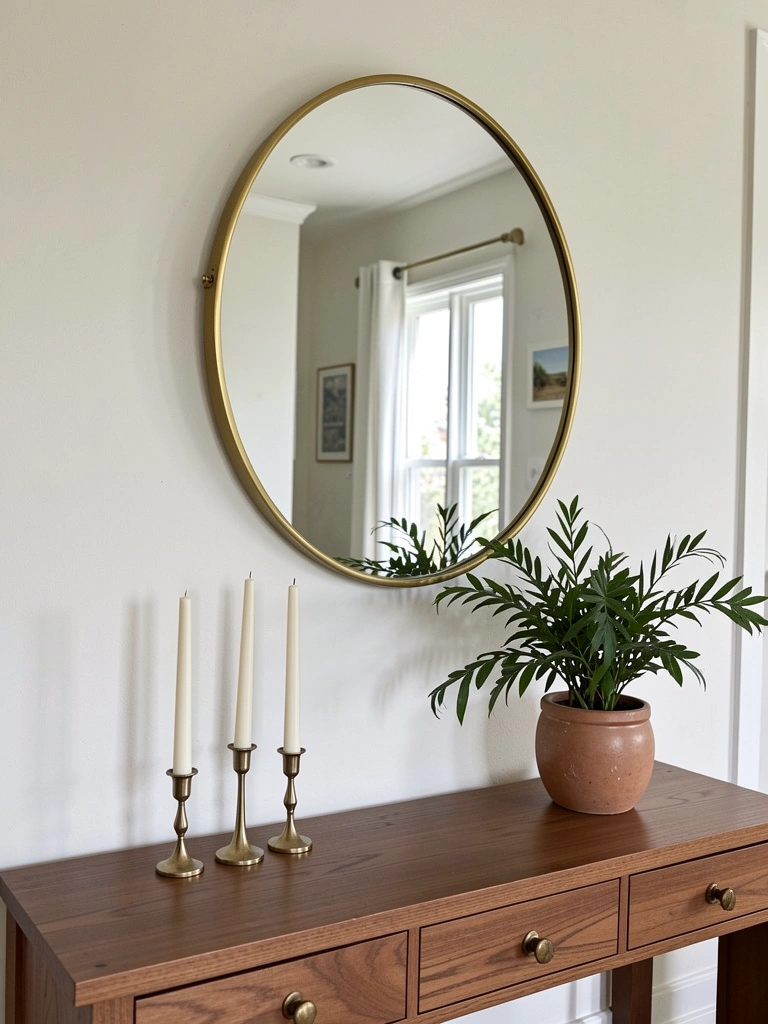
Mirrors are the oldest apartment hack because they work. A large, statement mirror makes small spaces feel bigger, bounces light around, and adds style.
Hunt for a large brass, wood, or black-frame mirror ($60–$200) at Wayfair, Article, or thrift stores. Position opposite a window to maximize light reflection. Hang with heavy-duty anchors or mount above furniture. Size matters—go larger than you think (like 36-48 inches). Unexpected placement looks more designed; try over a console table instead of above a sofa.
Your apartment literally feels more spacious, and natural light spreads throughout. Plus, a statement mirror functions as art.
16. Create Mood with Scented Candles and Diffusers Strategically Placed
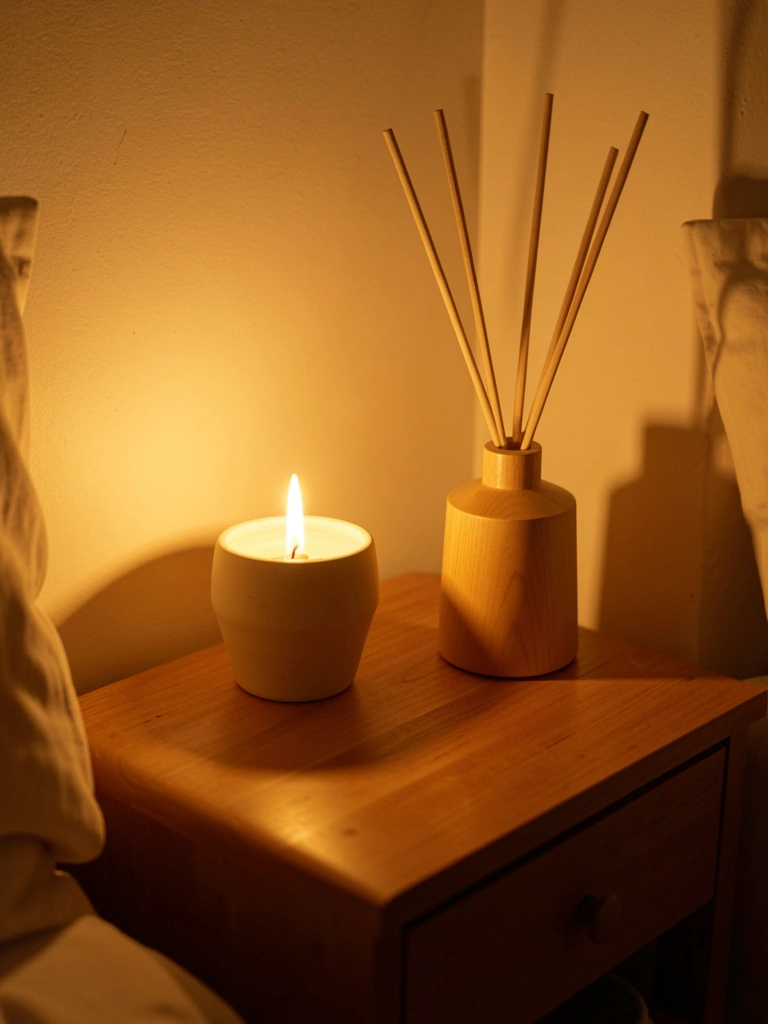
Scent is the most underrated mood booster. Quality candles and diffusers don’t just smell good—they cue your brain to relax.
Invest in quality candles ($25–$50 each from Jo Malone, Diptyque, or Homesick) instead of cheap ones; they burn cleaner and smell exponentially better. Add a wood diffuser ($20–$40). Place one in your bedroom, one in the living area. Scents like cedarwood, lavender, or vanilla create different moods—pick based on how you want to feel. A single good candle lasts 30+ hours and is worth the cost.
Lighting a candle becomes a ritual that signals your brain it’s time to relax. The difference in how your apartment feels is surprising.
17. Hang Floating Shelves to Display Collections Without Clutter
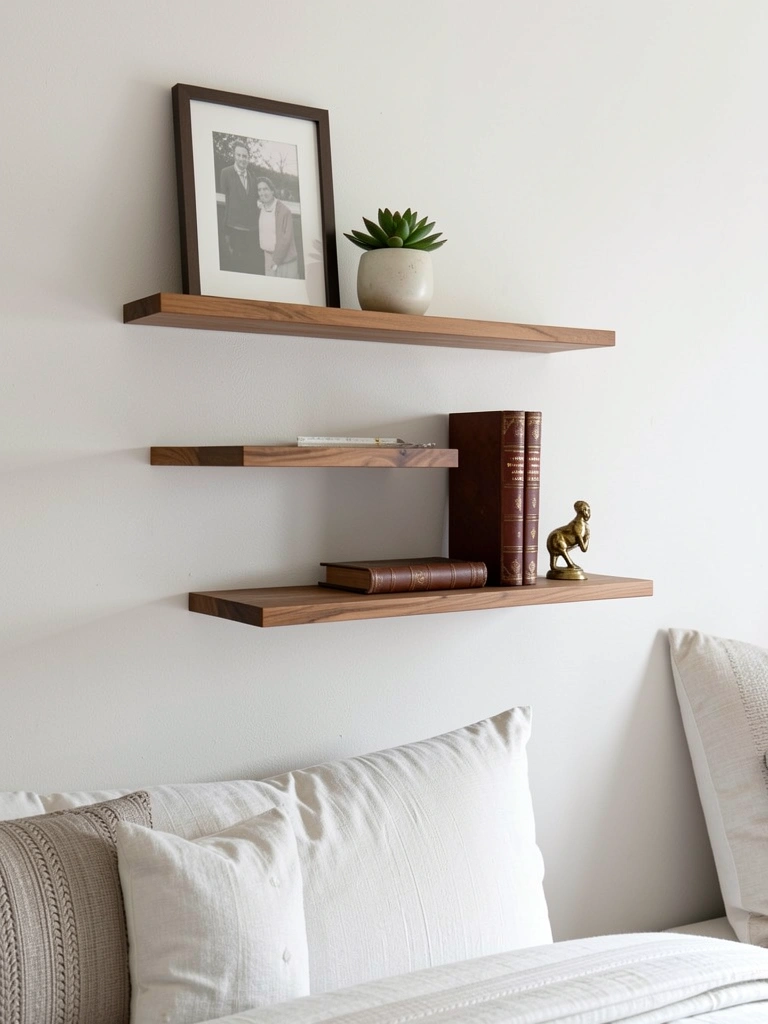
Floating shelves display collections beautifully without cluttering a room. The key is spacing and knowing what actually deserves shelf real estate.
Install three shelves at varying heights ($60–$150 total) using proper anchors (not drywall anchors alone). Follow the rule of negative space—don’t pack them full. Display items that tell your story: plants, meaningful books, a few ceramics, a framed photo. Takes 1–2 hours to install properly. Renter hack: use removable adhesive hooks if drilling isn’t allowed, though they’re less stable for heavy items.
You’ve created a personal gallery that makes your space feel curated. Each shelf becomes a small art installation.
18. Paint a Ceiling to Add Unexpected Drama
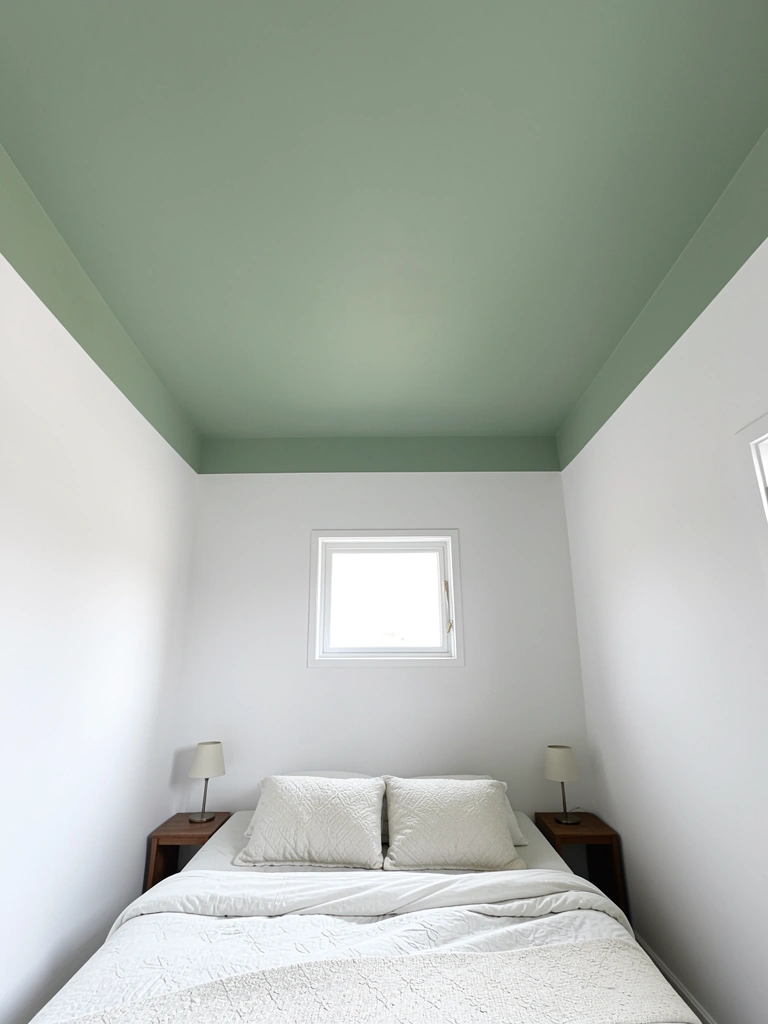
Painting a ceiling seems bold but actually adds major visual interest. A colored ceiling makes rooms feel intentional and pulls the eye upward, making spaces feel taller.
Choose a soft, desaturated color (avoid pure bright hues; they feel overwhelming overhead). Try sage, soft blue, warm gray, or even pale blush. Use ceiling paint (it’s thicker than regular paint, around $25–$40). Pop painter’s tape around trim and paint with a roller ($15–$25)—takes 2–4 hours for a standard room. The payoff is huge for minimal cost.
Your apartment gains architectural interest just by looking up. It’s the kind of detail guests notice and ask about.
19. Layer Area Rugs for Coziness and Visual Interest
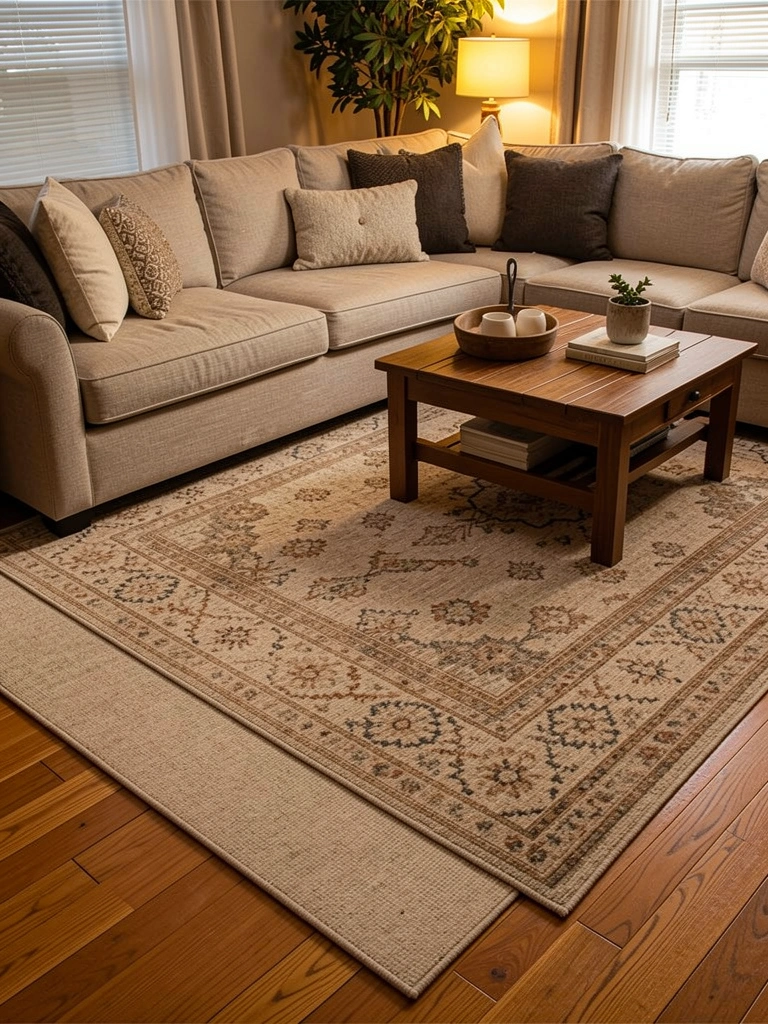
A single rug is fine; layered rugs create coziness and visually define separate areas in open spaces.
Start with a neutral base rug ($80–$200, jute or wool), then layer a smaller patterned or textured rug on top ($50–$150). The pattern adds interest while the base anchors the space. Works beautifully in studios to separate sleeping and living zones without walls. Position under furniture to define the seating area. Takes 15 minutes to lay down and adjust; you can swap rugs easily if you move.
Your space gains depth and feels intentionally zoned. Plus, layered rugs are cozy—literally and visually.
20. Swap Plastic Command Hooks for Brass or Ceramic Alternatives
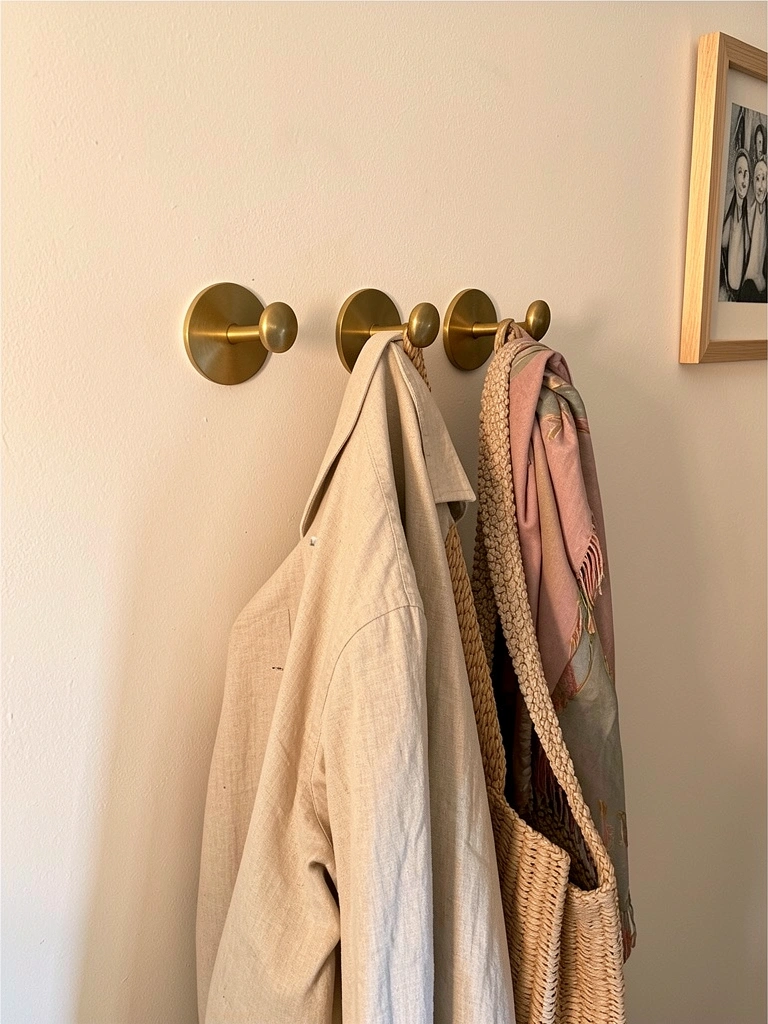
This is a tiny swap with outsized impact. Plastic hooks feel temporary; brass or ceramic hooks feel intentional.
Replace your plastic Command hooks with brass or ceramic versions ($2–$8 each from Target, IKEA, or online). Takes 5 minutes. Suddenly your bedroom wall looks styled, not chaotic. Group them vertically or in a cluster for maximum visual impact. This works in entryways too—hang a jacket and bag on brass hooks and it looks like design, not just organization.
Such a small change, but visitors notice. It’s the difference between a rental and a thoughtfully decorated space.
21. Create a Capsule Color Palette and Stick to It
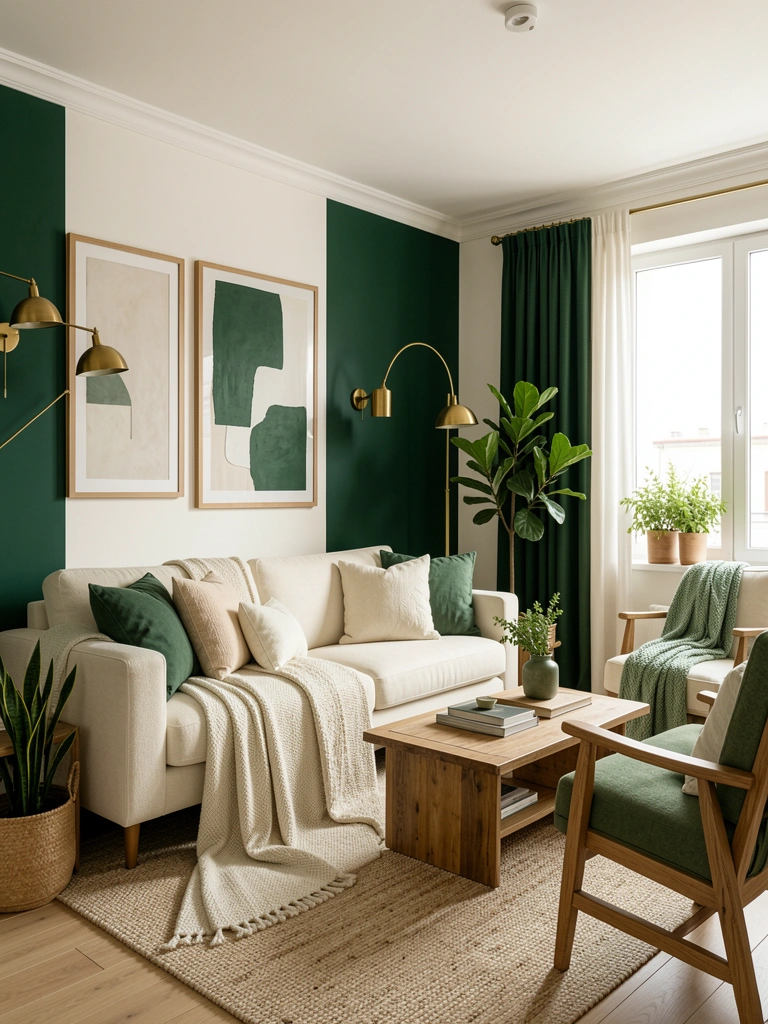
Having a clear color story makes decorating decisions easier and makes small spaces feel more intentional and less chaotic.
Pick three main colors (like warm white, forest green, and brass) and one accent color (maybe coral or deep burgundy). Write them down. When shopping for new items, ask: “Does this fit my palette?” This stops impulse buys that clash. It takes 30 minutes to define your palette, but it saves money and creates coherence. Everything doesn’t have to match perfectly, but it should live in the same emotional family.
Your apartment feels designed, not randomly decorated. Cohesion is what separates “nice apartment” from “intentional home.”
22. Install Sheer Curtains for Softened Natural Light
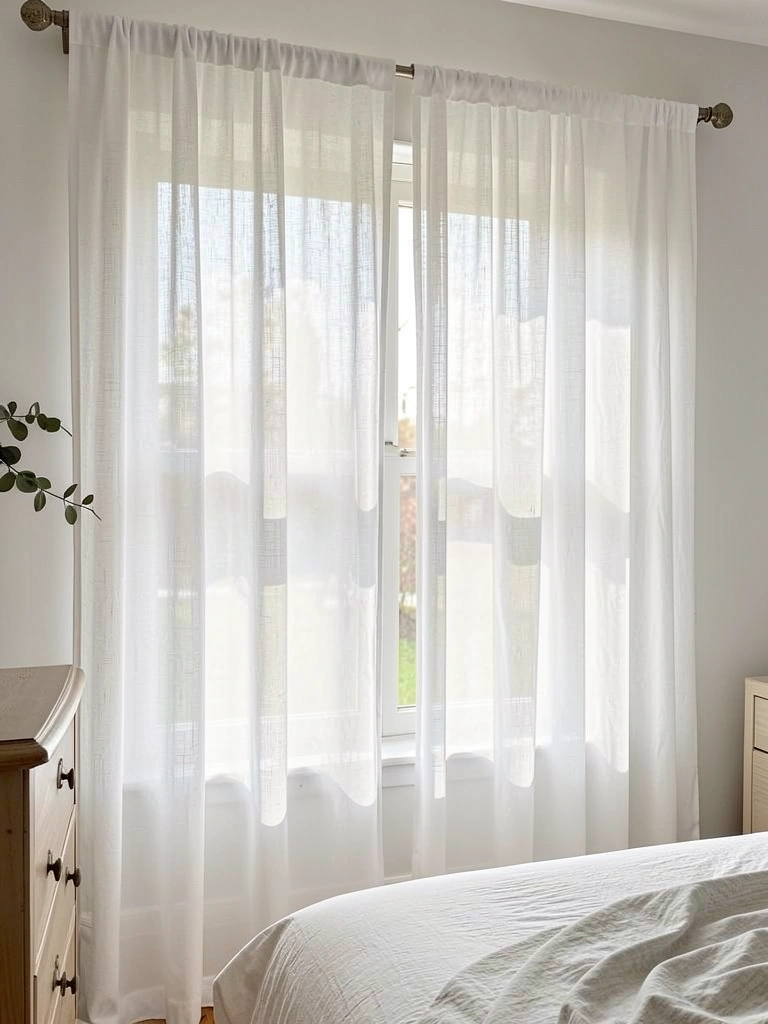
Sheer curtains filter harsh light while maintaining brightness. They’re renter-friendly and immediately soften a room’s energy.
Hang simple sheer curtains on a basic tension rod ($15–$30)** using removable adhesive hooks or Command strips ($10–$15). Fabric from IKEA, Target, or Amazon costs $15–$40 per panel. No sewing required if you buy ready-made panels. Takes 30 minutes to hang. Layer under heavier curtains for light control, or use alone for a soft, airy feel.
Your apartment gains a gentle, filtered quality. Morning light becomes beautiful instead of harsh, and the entire mood shifts.
23. Display Books Spine-Out and Color-Blocked for Visual Interest
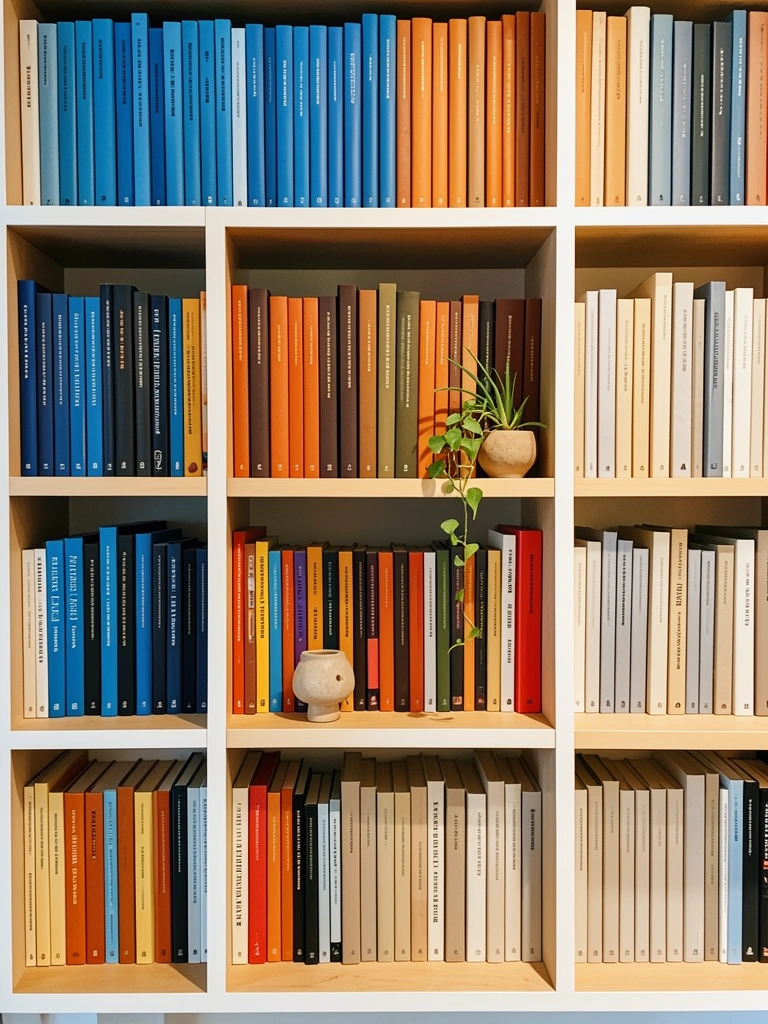
Organizing books by color turns them into intentional décor instead of just clutter. This takes minutes and completely changes how your space reads.
Gather all your books and arrange them by color (warm tones, cool tones, neutrals). Intersperse with small objects—ceramic pieces, plants, framed photos (about one object per 12 inches of shelf). Leave some breathing room; packed-full shelves feel chaotic. Rearrange takes 30 minutes maximum. No shopping needed; you’re just reimagining what you own.
Your books become design elements. Suddenly you have a gallery-like bookshelf that feels intentional and styled.
24. Create a Feature Wall with Warm Wood Paneling or Shiplap
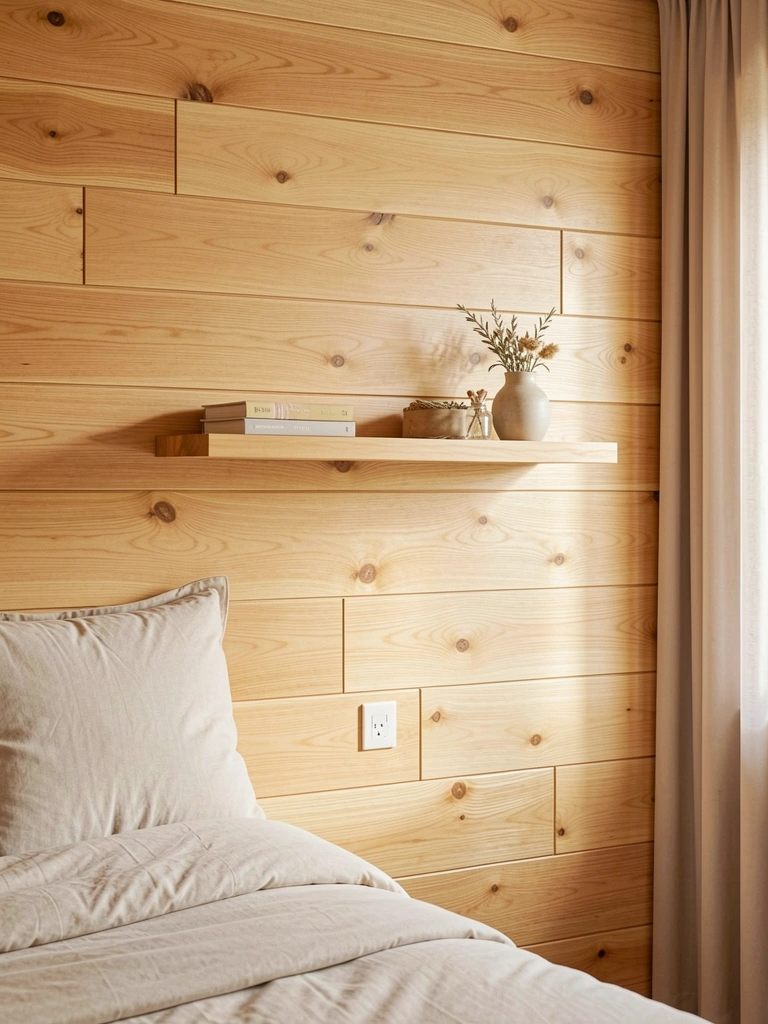
Wood paneling (real or faux) adds warmth and architectural interest without being as permanent as paint.
Install removable peel-and-stick shiplap ($30–$80 per panel from Amazon) or commit to real wood paneling ($100–$300 for materials, plus installation). Even wallpaper designed to look like wood works beautifully ($40–$80 per roll). A single accent wall takes 2–4 hours. This adds warmth and texture that paint alone can’t achieve.
Your apartment gains richness and architectural detail. It’s the kind of update that makes people think you did major renovations.
25. Invest in Quality Bedding and Swap Out Cheap Sheets
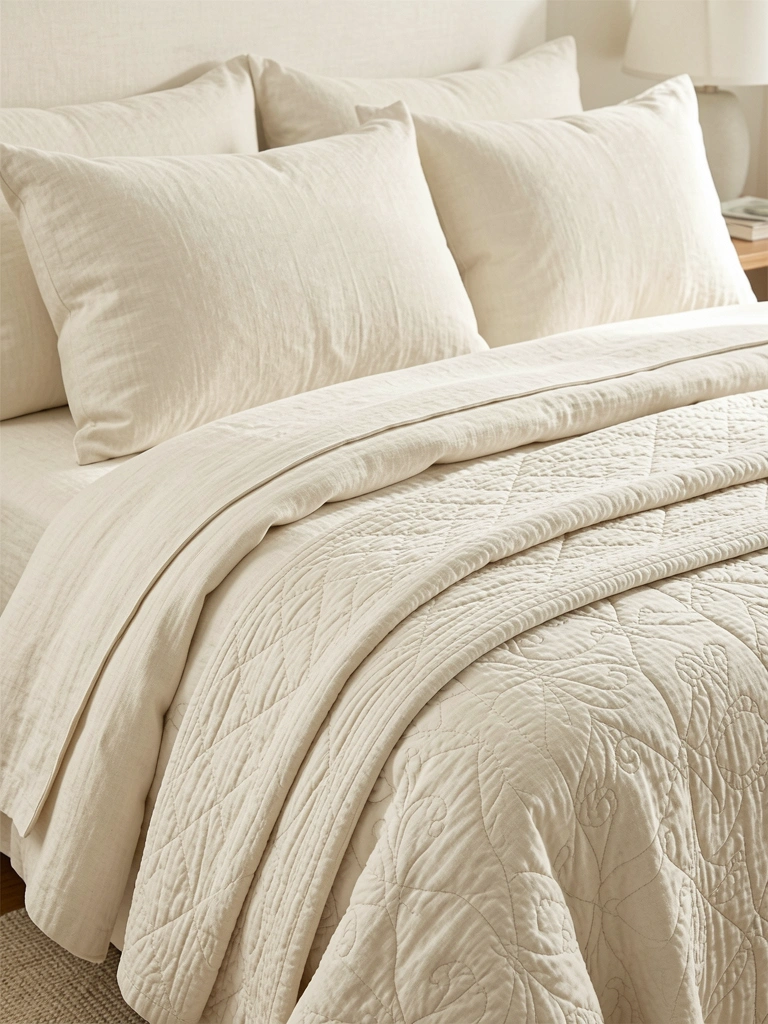
You spend a third of your life in bed. Cheap sheets make that third of your life feel cheap. Quality linen or cotton bedding is genuinely life-changing.
Splurge on quality sheets—Egyptian cotton or linen ($80–$150 for a set from Parachute, Brooklinen, or even Target’s Threshold line). Higher thread count (400–600) feels noticeably softer. Add a quilted or linen duvet ($100–$200)** and quality pillows ($50–$100 each). Budget $300–$400 total for a complete upgrade. The difference in sleep quality is immediate.
You’ll actually look forward to bedtime. Quality bedding makes getting into bed feel like a treat, and you sleep better as a result.
26. Add Brass or Gold Accents to Warm Up Your Space
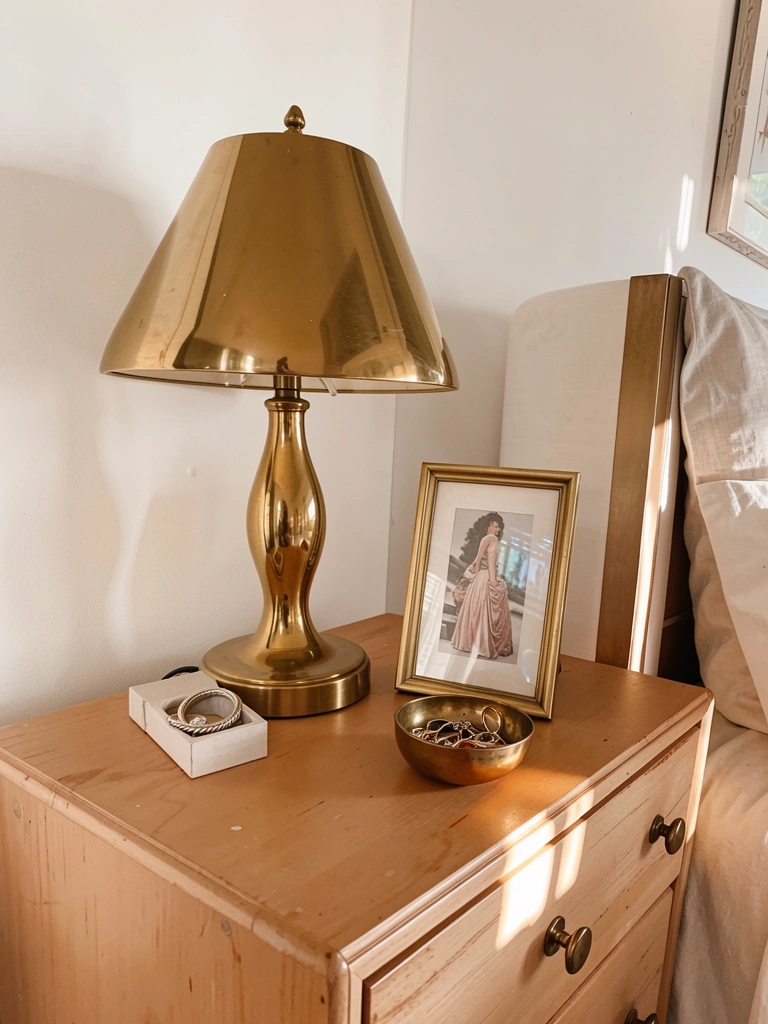
Brass and gold hardware warm up a space in seconds. They’re affordable and immediately feel more elevated than silver.
Swap light fixtures, mirror frames, curtain rods, and drawer pulls to brass or gold ($15–$40 each from hardware stores or online). Start with one or two items (like a lamp and mirror) and expand gradually. Brass costs about the same as chrome but feels warmer and more current. Even small swaps like brass picture frames ($10–$25) shift the entire mood.
Your apartment gains warmth and sophistication. Brass catches light beautifully and makes everything feel more intentional.
27. Define Your Space with a Cohesive Throw Pillow Collection
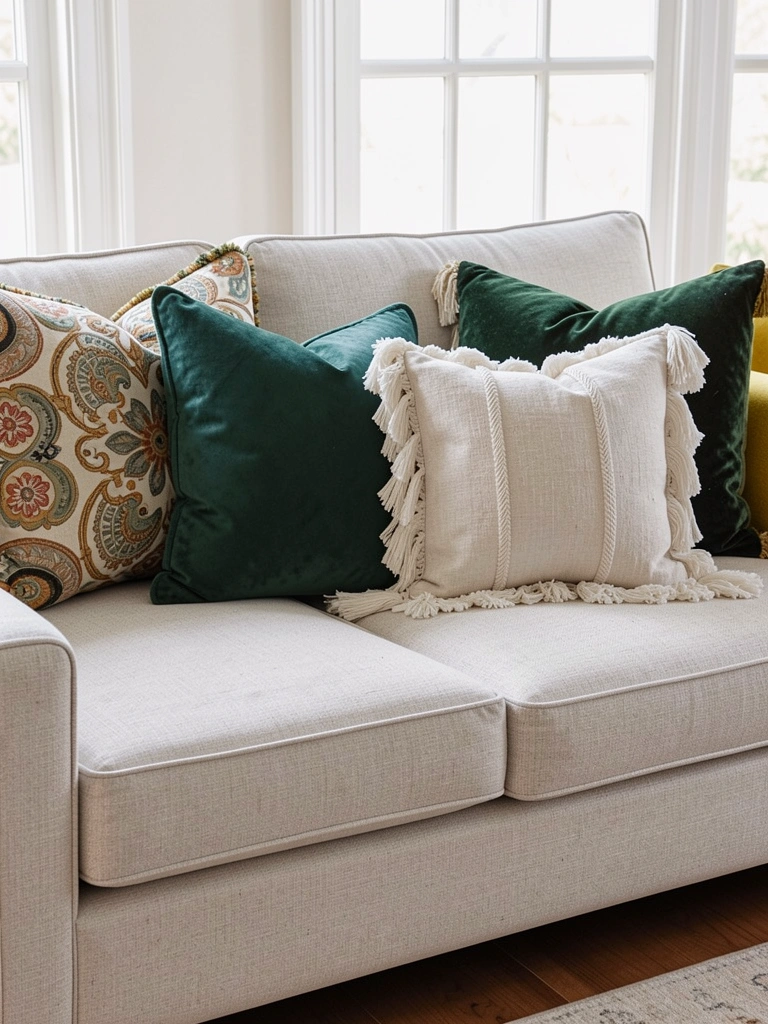
Throw pillows are the easiest way to test color and pattern without commitment. A thoughtful collection makes any seating area look styled.
Choose three to five pillows in related colors but different textures: solid linen, patterned fabric, maybe velvet ($20–$50 each). Mix sizes—some 18-inch, some smaller accent pillows. Arrange with one point forward and one on its side for visual interest. This costs $75–$200 total but transforms a plain sofa. Swap covers seasonally if you want to refresh without replacing.
Your seating area looks intentional and inviting. People actually want to sit down, and it photographs beautifully.
SOFT CTA:
Save this post and pick one or two ideas to try this weekend—even small changes add up fast. Your apartment deserves to feel like a thoughtful space that reflects who you actually are. Share this with anyone looking to refresh their rental or bring more personality home.
Leave a Reply