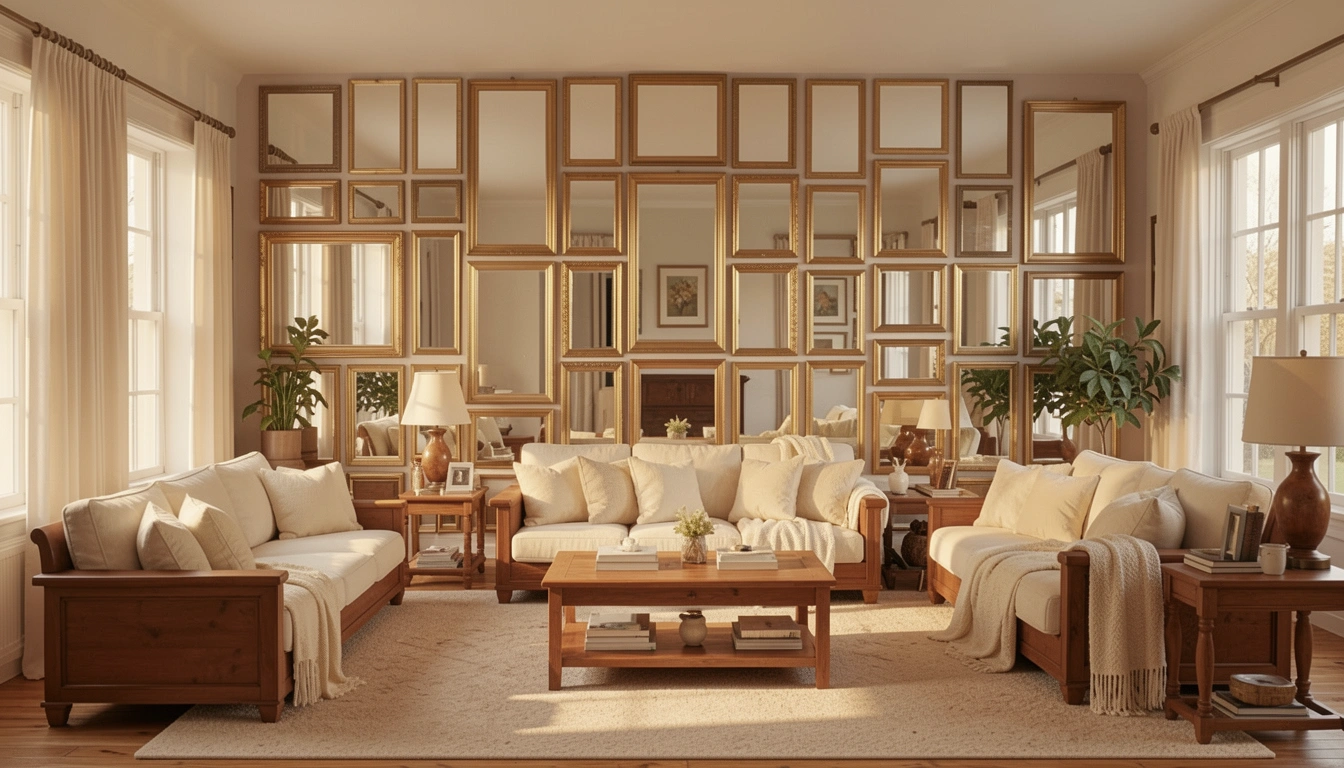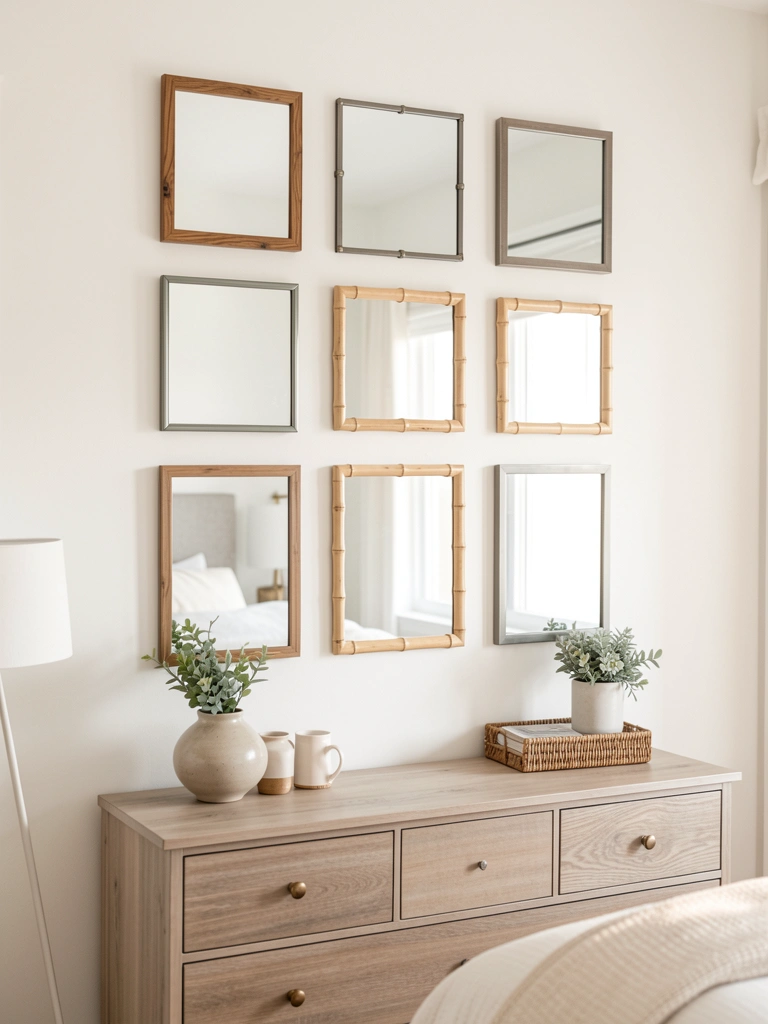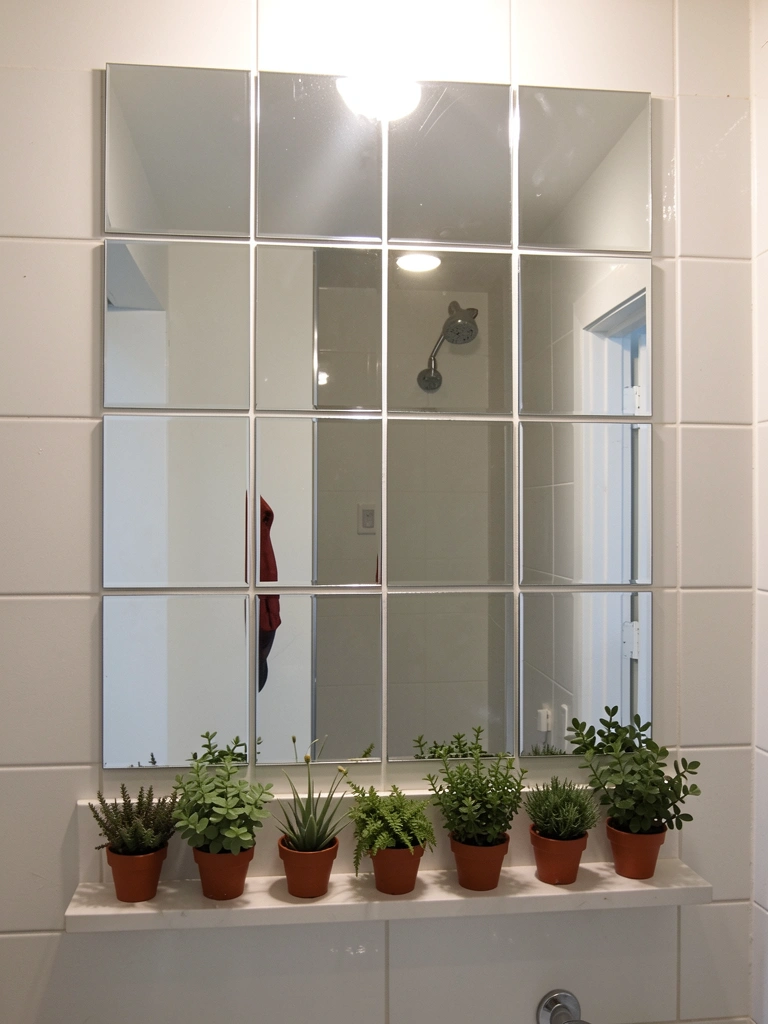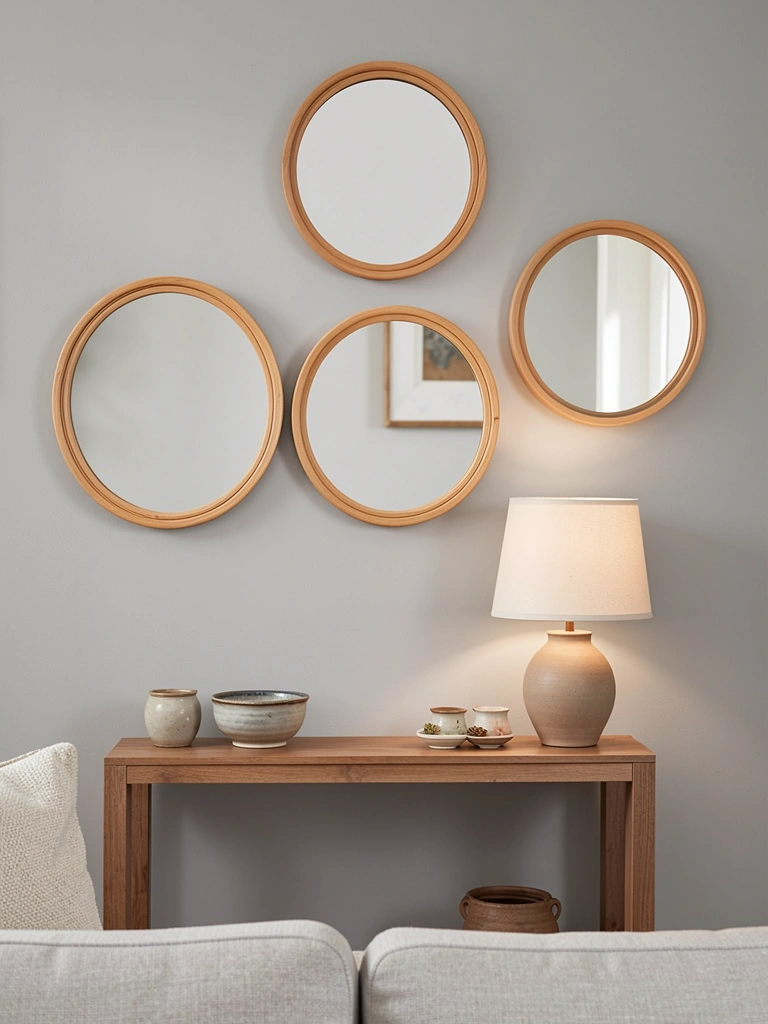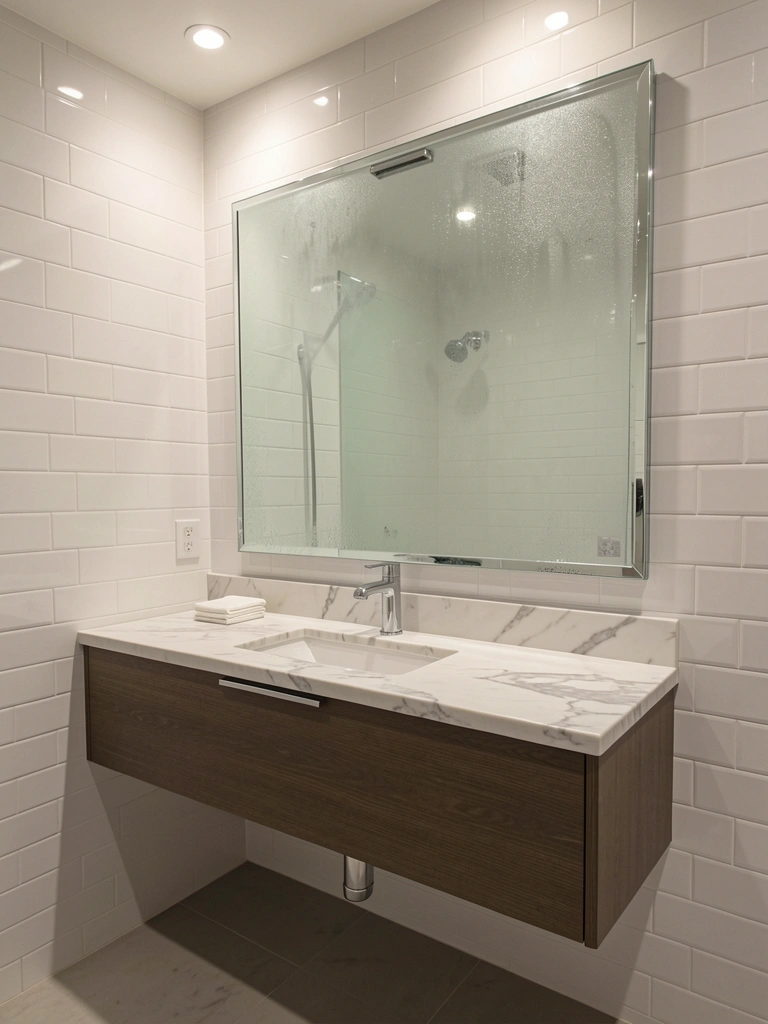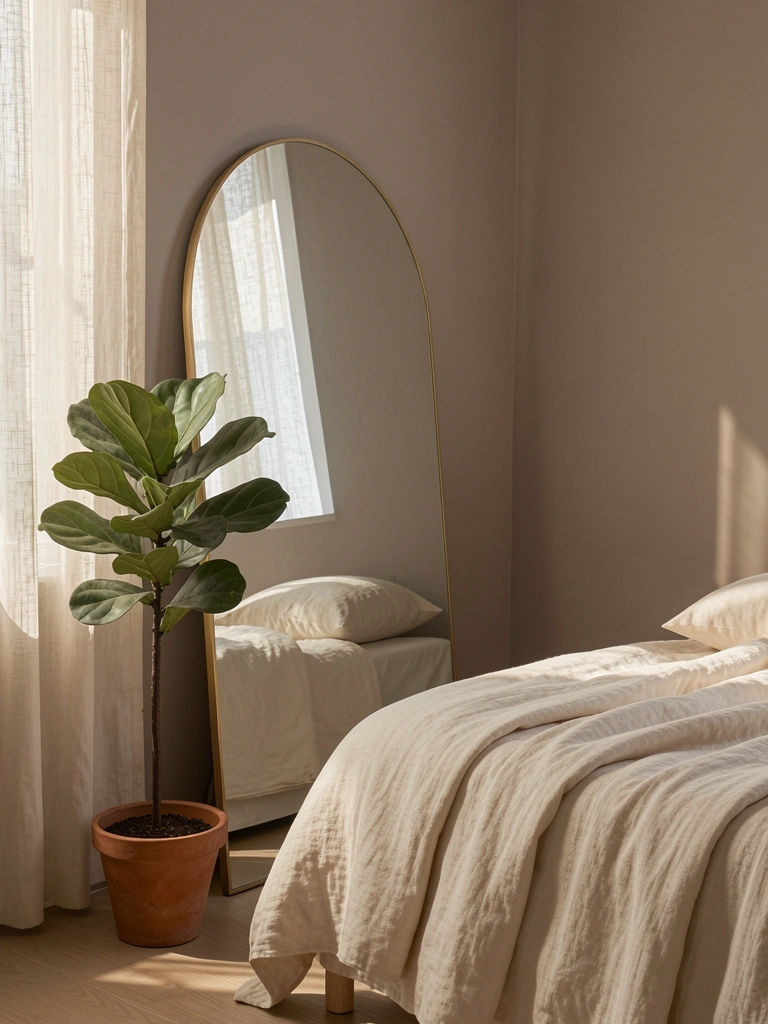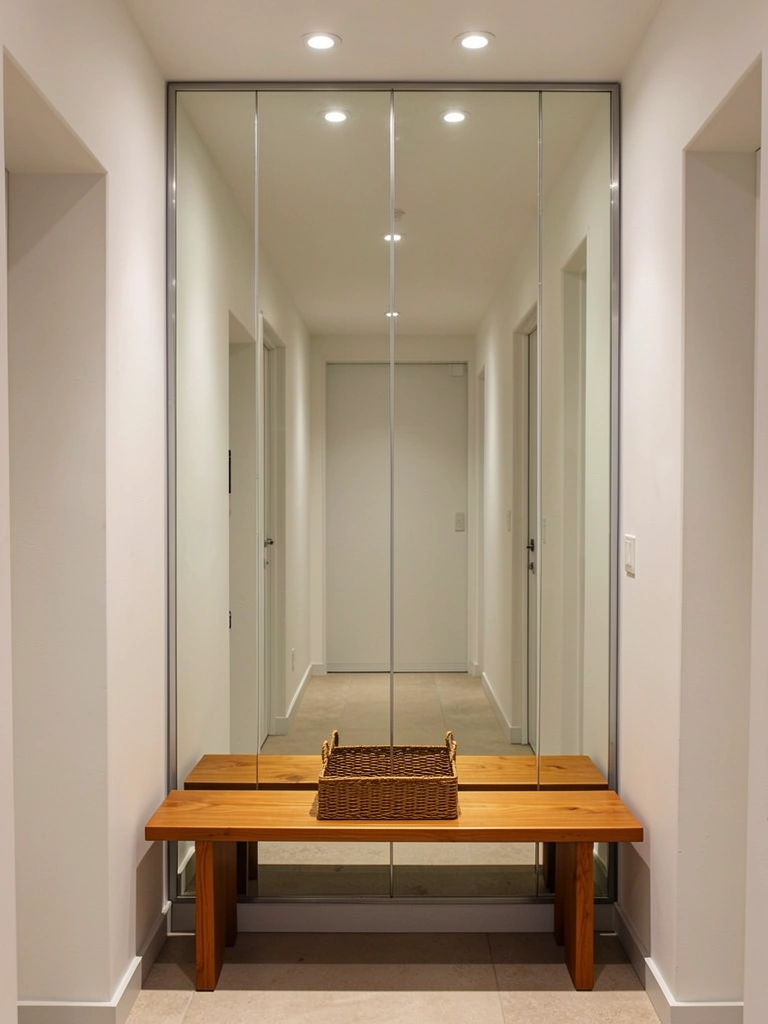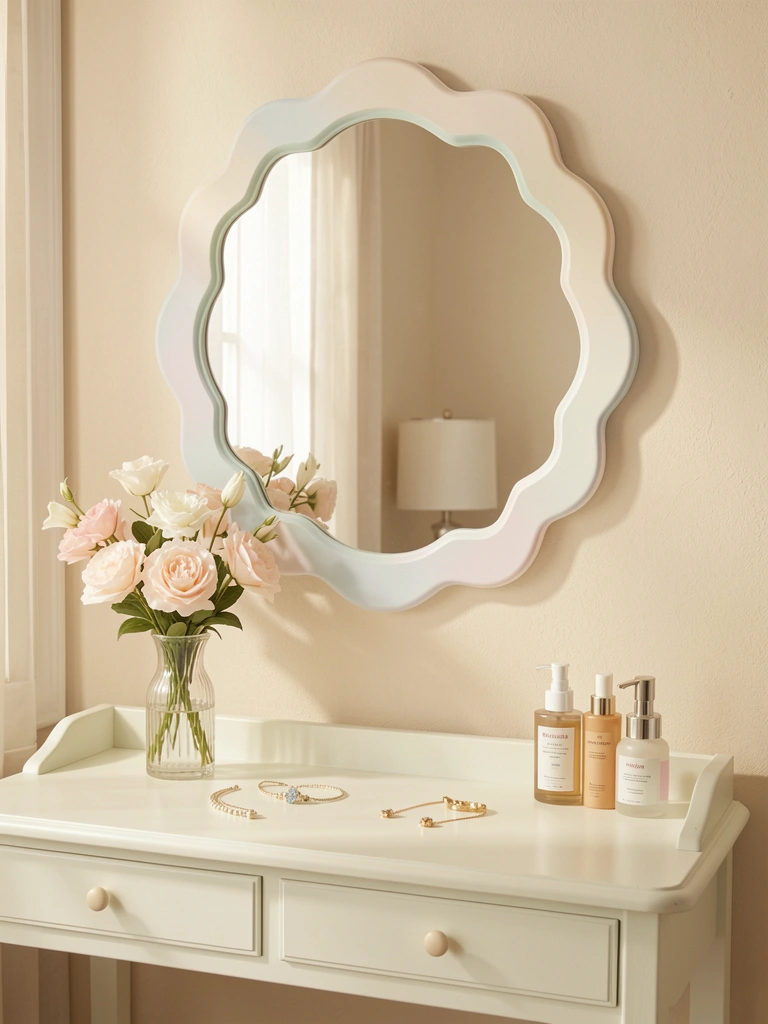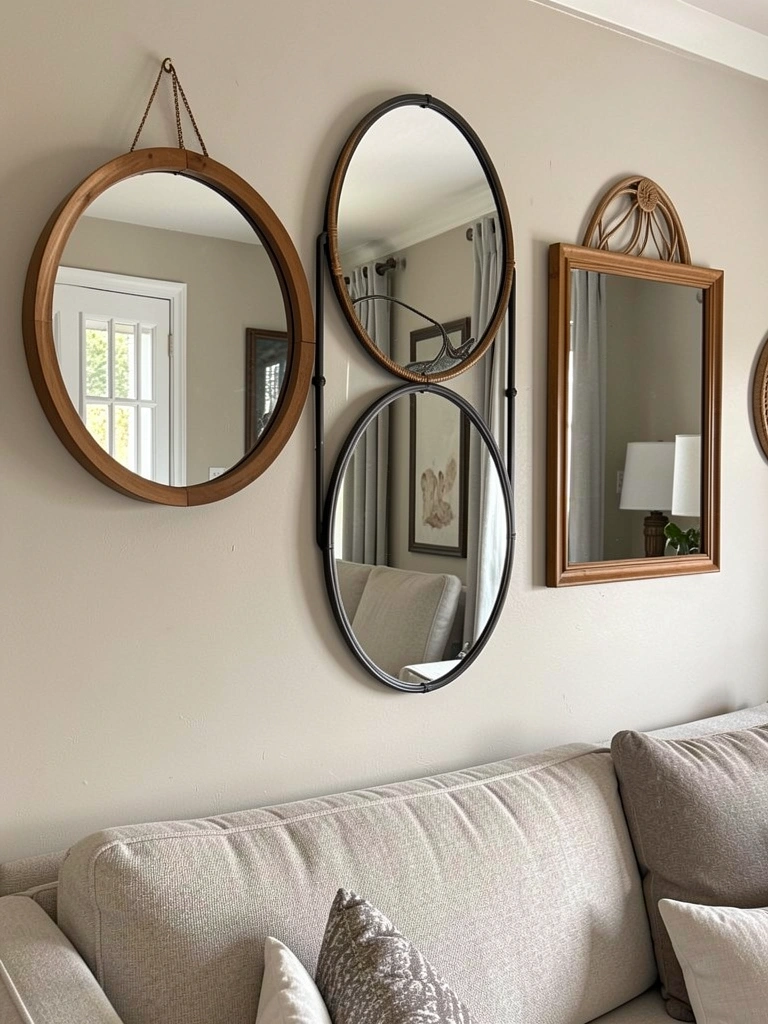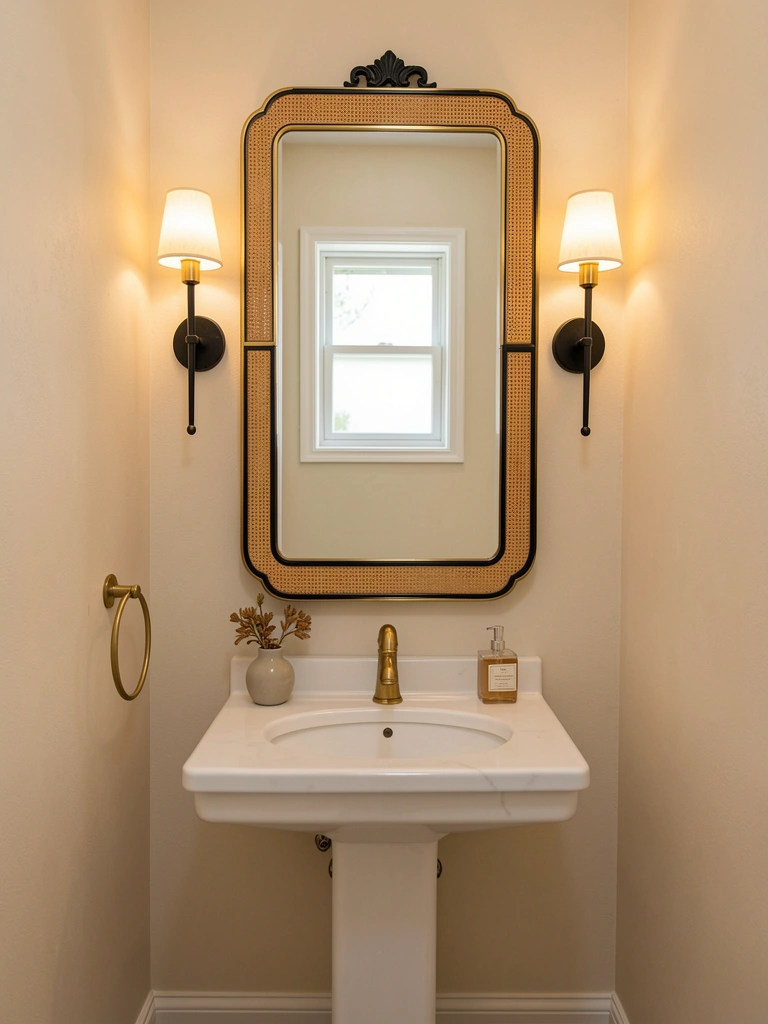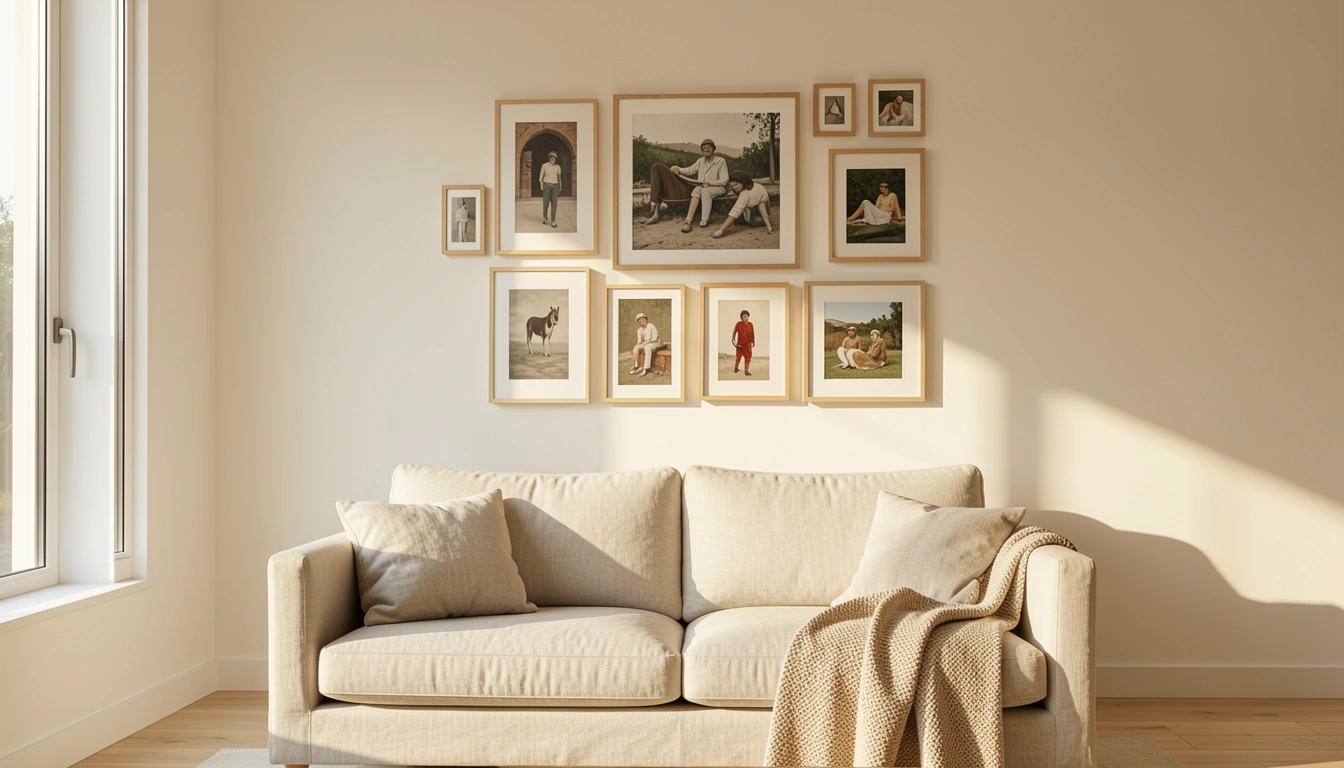
Category: Wall Decor

  • 27 Wall Design Painting Ideas That Completely Transform a Space

    27 Wall Design Painting Ideas That Completely Transform a Space

    Your walls are probably the biggest blank canvas in your home—and they’re also the easiest thing to change. Whether you’re renting, own your place, or just want to refresh without major renovation stress, the right wall treatment can completely shift how a room feels. Gone are the days of basic beige and boring white. Today’s trending wall designs mix color psychology with texture, lighting, and personalization to create spaces that actually feel yours.

    The 27 ideas below cover everything from quick paint refreshes to sculptural installations. You’ll find budget-friendly options you can tackle alone, mid-range upgrades that make a real impact, and investment pieces that last. Most importantly, every single one is achievable—even if you’ve never painted before. Let’s turn that blank wall into your new favorite feature.


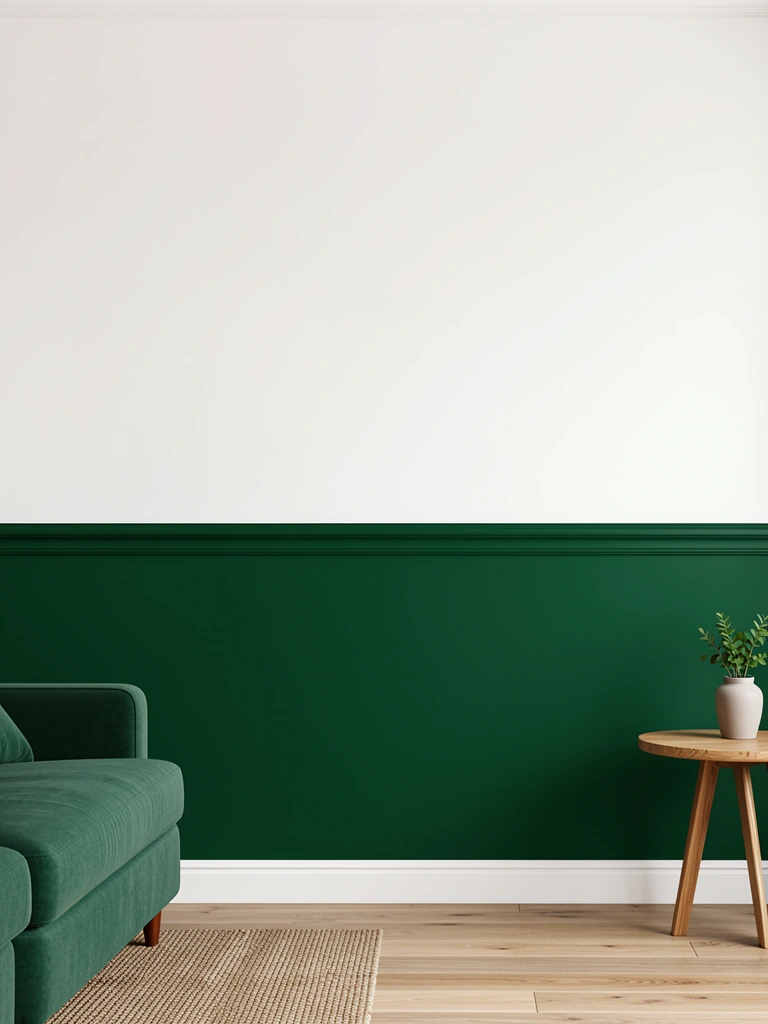
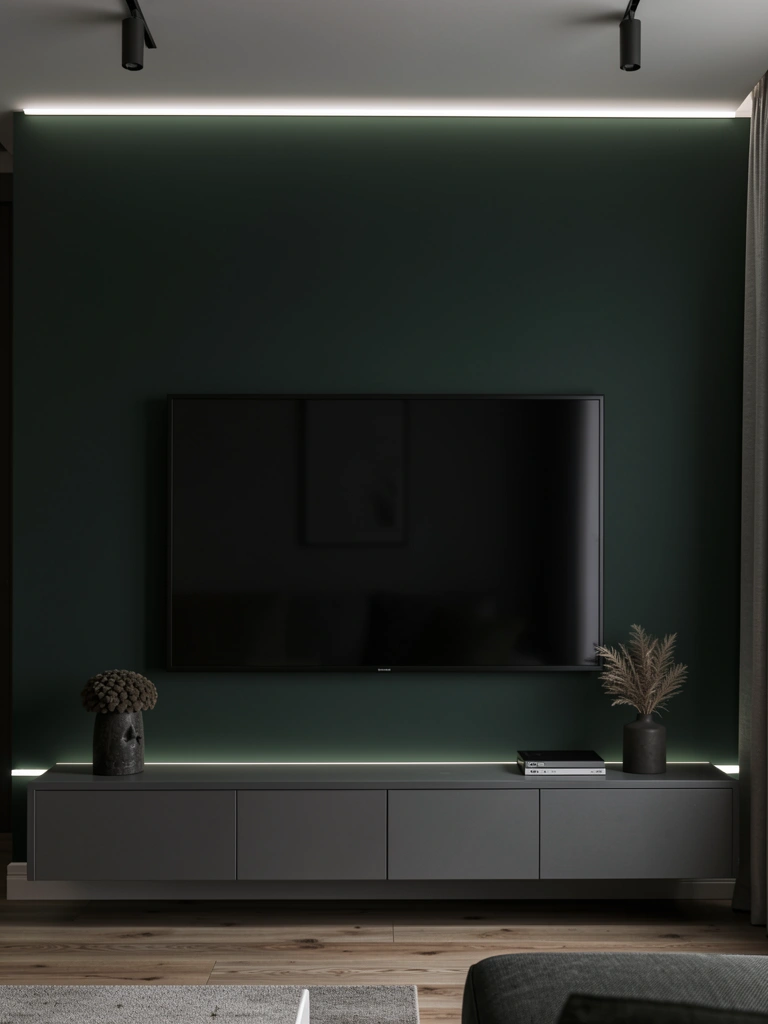
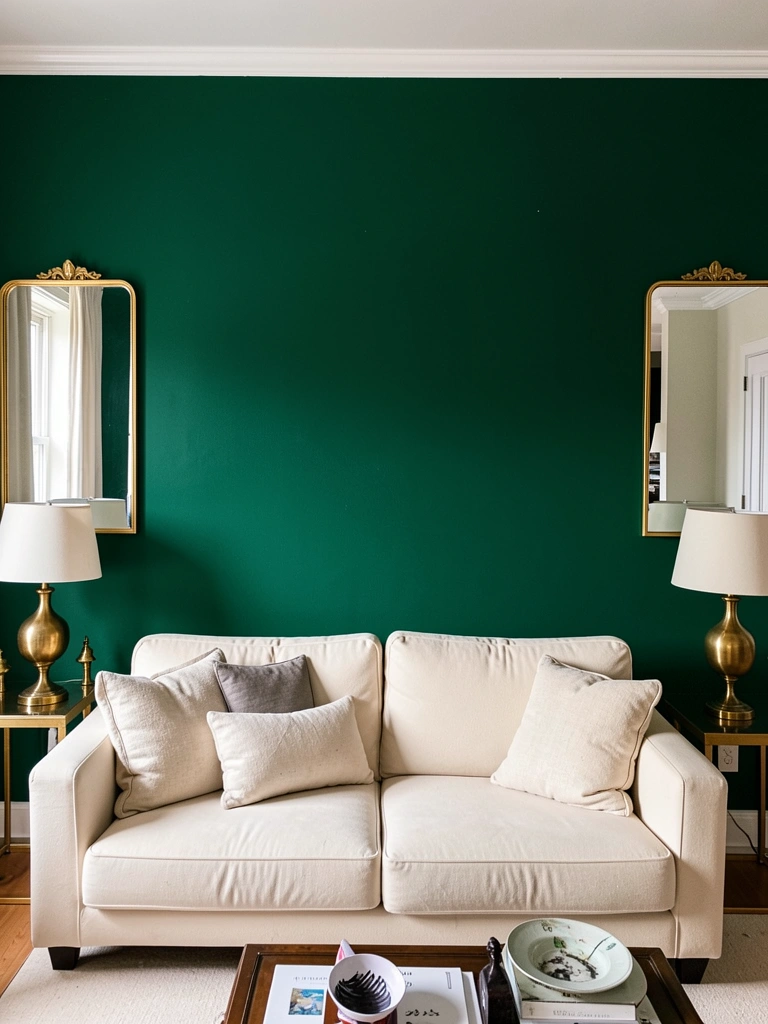
    1. Paint an Accent Wall in Deep Forest Green
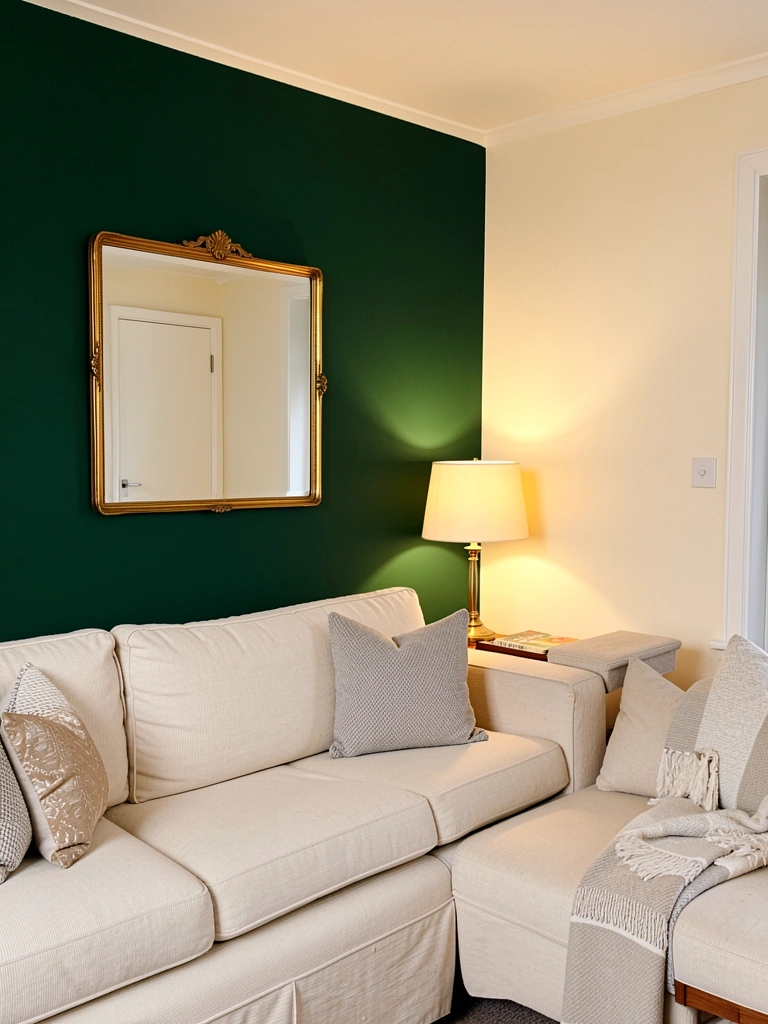
    Forest green is having a major moment for good reason—it brings nature inside while feeling sophisticated and calming. An accent wall in this shade creates drama without overwhelming the entire room, and it pairs beautifully with both modern and traditional décor.

    Pick one wall (usually the one you see first when entering) and measure it carefully. Purchase high-quality paint in forest green from Benjamin Moore, Sherwin-Williams, or even budget-friendly options at Home Depot ($25–$45 per gallon). You’ll need primer, two paint rollers, and drop cloths. The whole project takes one afternoon (3–4 hours). Apply primer first, then two coats of paint, waiting 2–3 hours between coats.

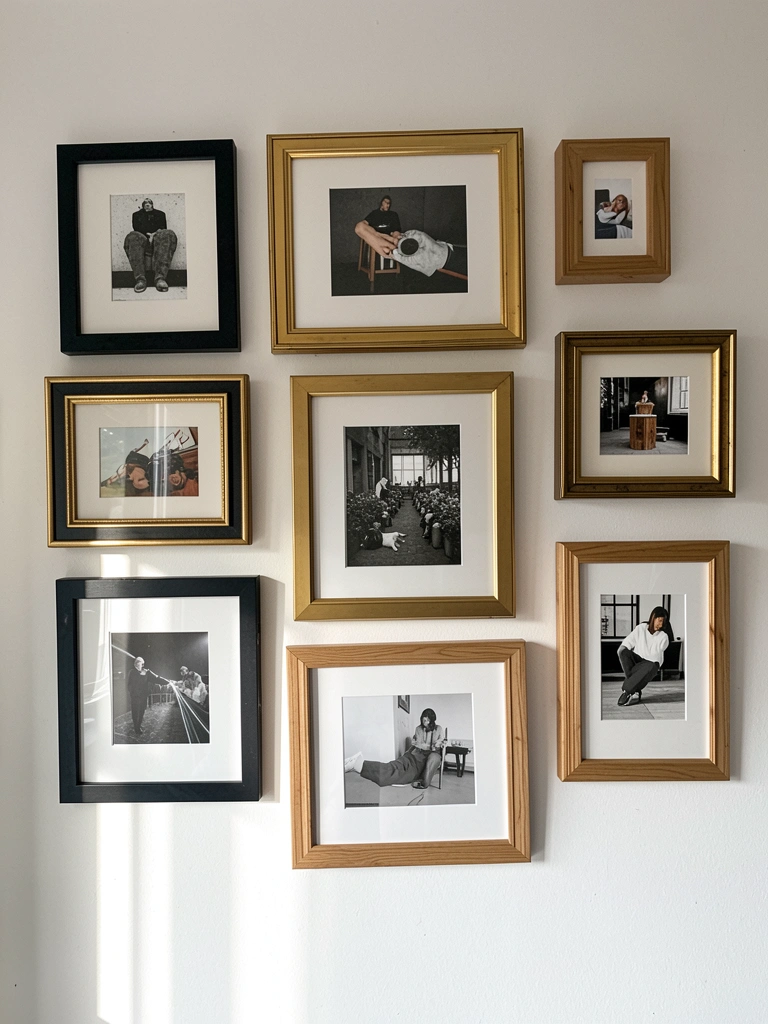
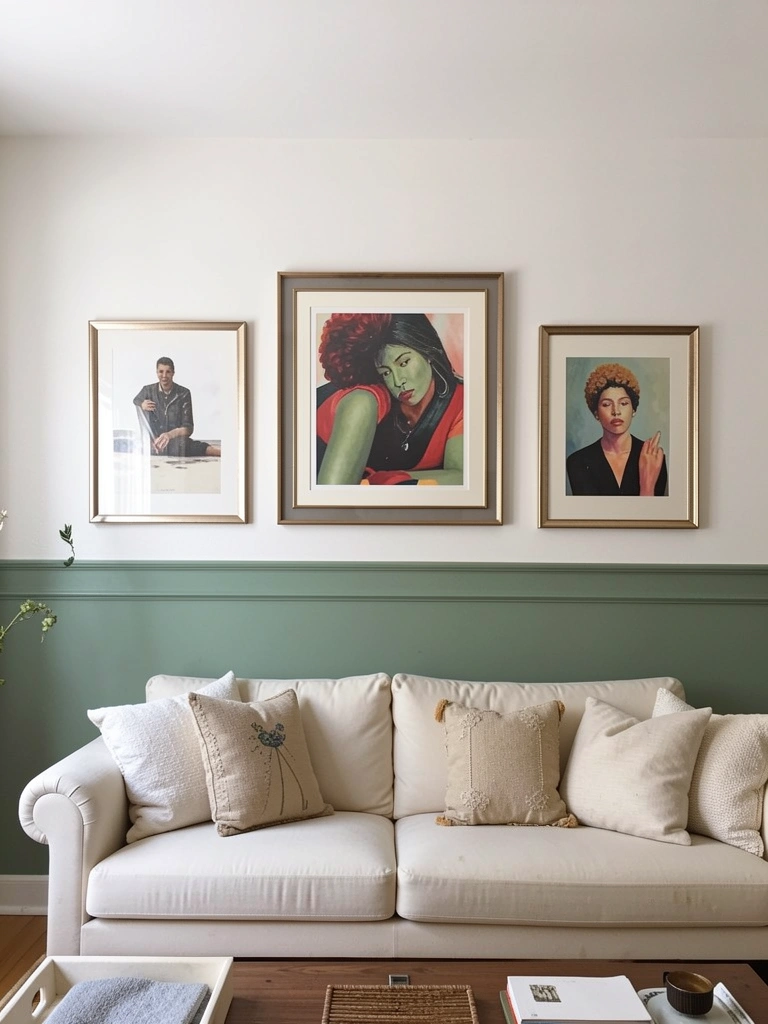
    Pro tip: Pair this wall with warm metallic accents (gold picture frames, brass sconces) to keep it from feeling too heavy.

    Your room instantly gains a sophisticated focal point that makes guests stop and ask about your design choices. The color draws the eye and creates visual depth you didn’t have before.


    2. Add Warm Earthy Neutrals for Zen Calm
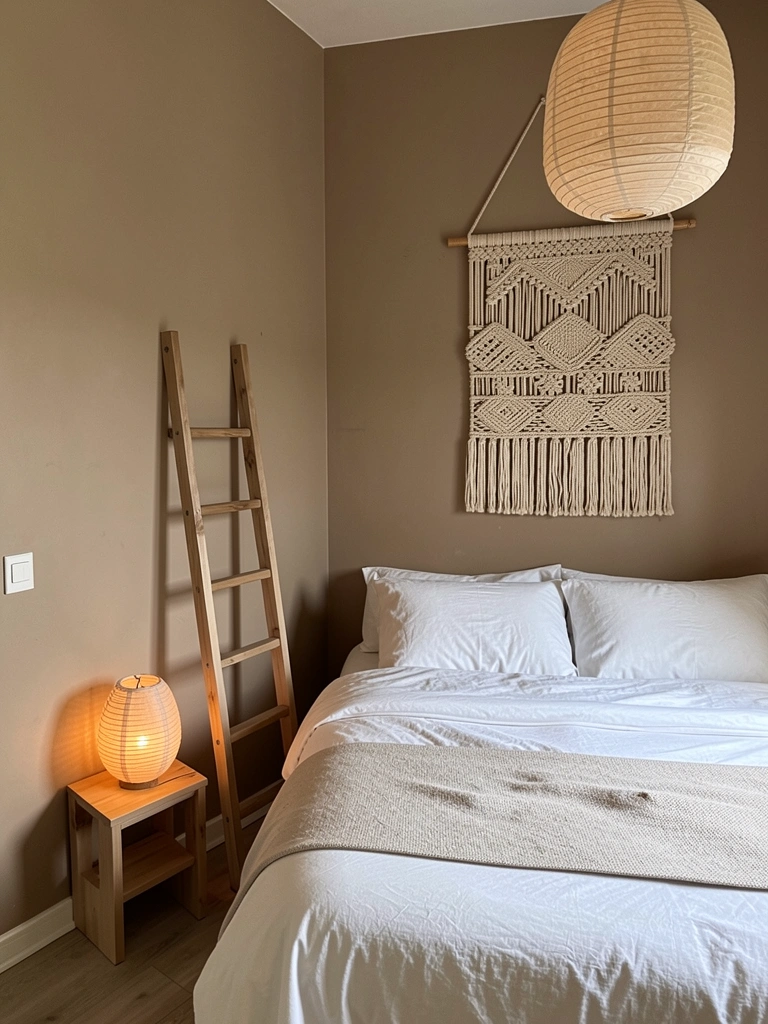
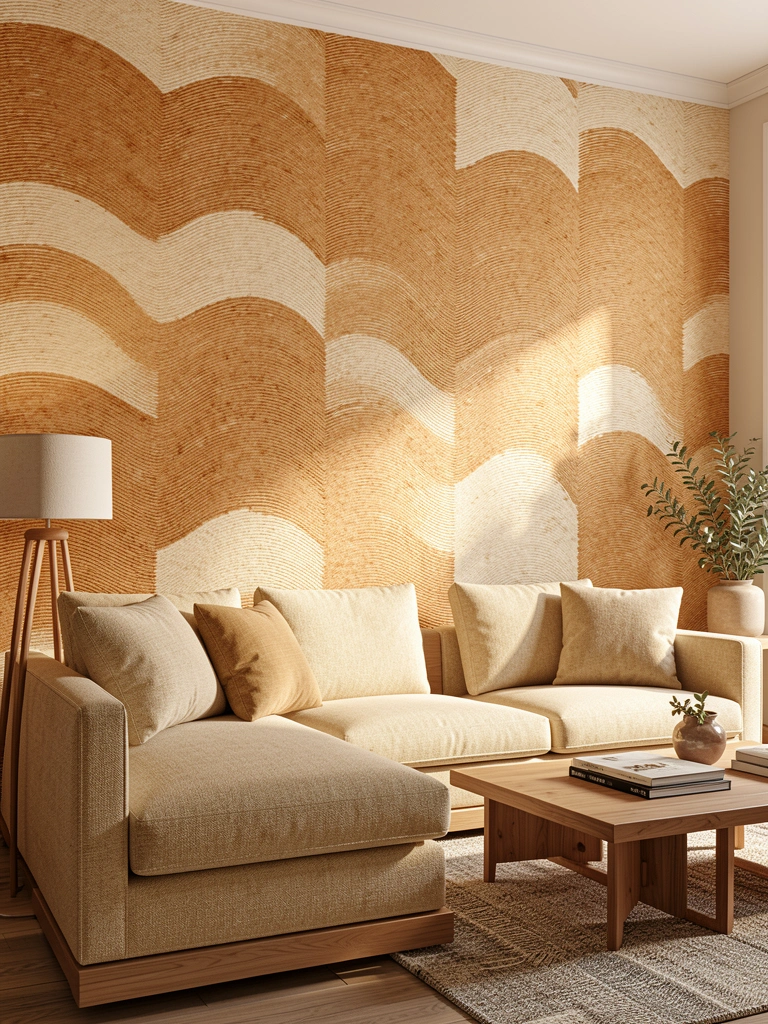
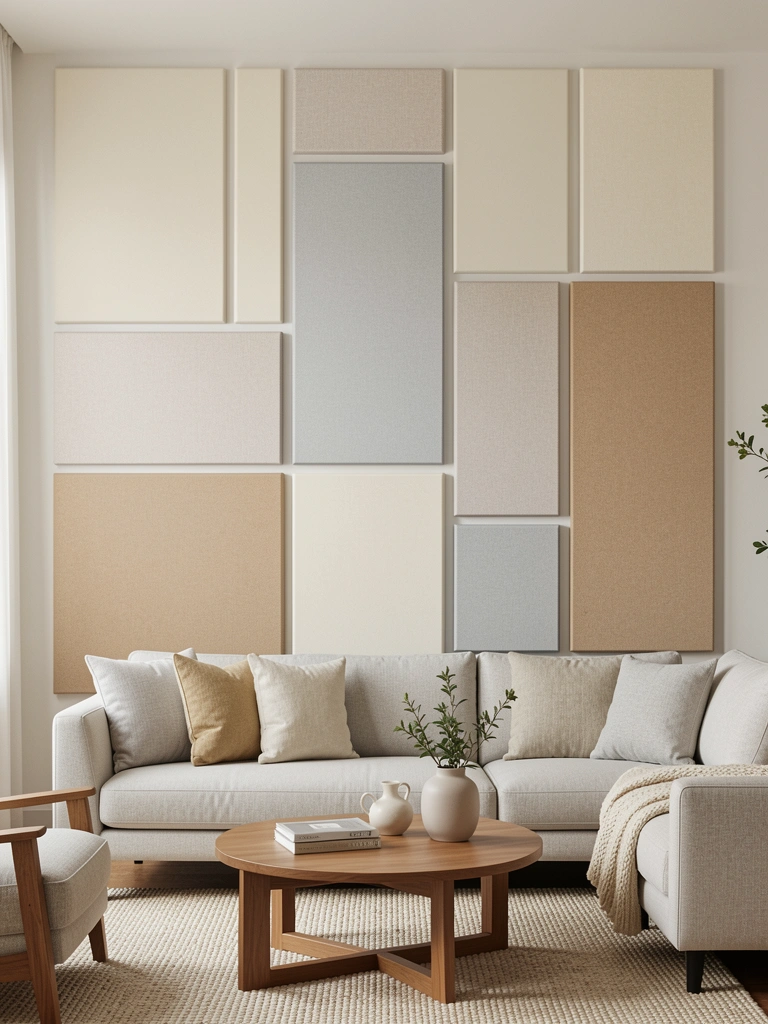
    Warm earthy neutrals—think caramel, warm taupe, soft sand—are the antidote to cool grays that dominated the last five years. These shades feel grounding and promote the biophilic design trend that makes spaces feel naturally restorative.

    Choose a shade like Benjamin Moore’s Wheat Sheaf or Sherwin-Williams Accessible Beige ($30–$50 per gallon). These warm neutrals work as your main color across all four walls or as a base for other elements. Budget one weekend for two coats on an average bedroom. The key is using a high-quality roller and applying thin, even coats to avoid streaking.

    Bonus: These neutrals photograph beautifully in natural light, making your space Instagram-ready without trying.

    The difference is subtle but powerful—your room stops feeling sterile and starts feeling like a sanctuary. Natural wood furniture and plants suddenly look intentional rather than random.


    3. Create an Ombre Wall Effect for Depth
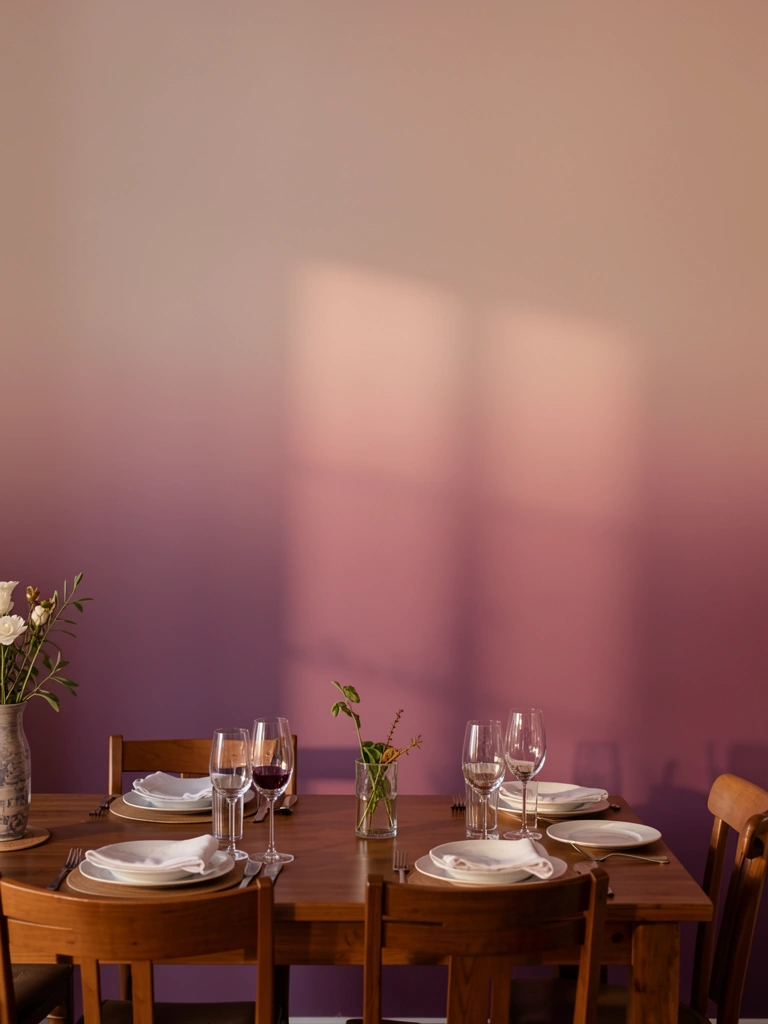
    An ombre effect on a single accent wall creates visual interest and dimension without committing to one solid color. It’s easier than you’d think and looks professionally designed.

    Get two coordinating paint colors in the same family (light and dark versions—around $30–$50 total). Divide your wall into three or four horizontal sections with light pencil marks. Paint the top section with the lighter shade, the bottom with the darker shade, and blend the middle section by wet-brushing where they meet. This takes 2–3 hours and requires steady hands but no special skills. YouTube has tons of ombre tutorials if you want to watch beforehand.

    Pro tip: Use a wide brush (not a roller) for the blending section to create softer transitions.

    You’ll get architectural dimension and color gradation that makes walls look taller and spaces feel more curated. It’s especially striking in dining rooms or entryways.


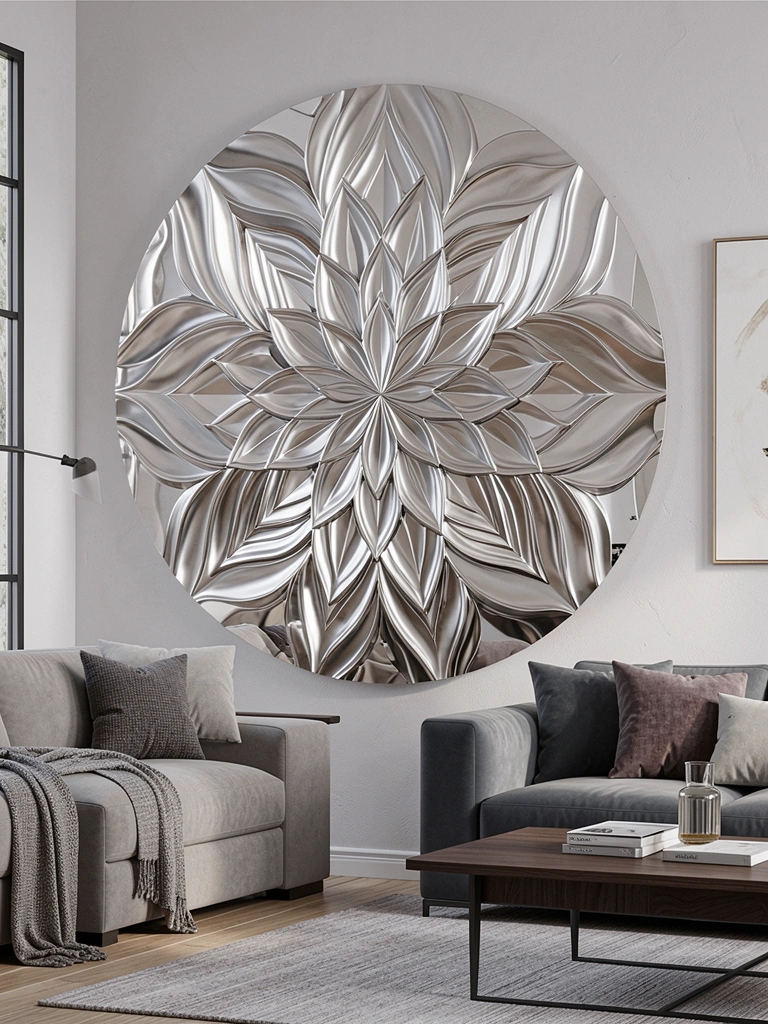
    4. Install Metallic Accents for Glam Reflection
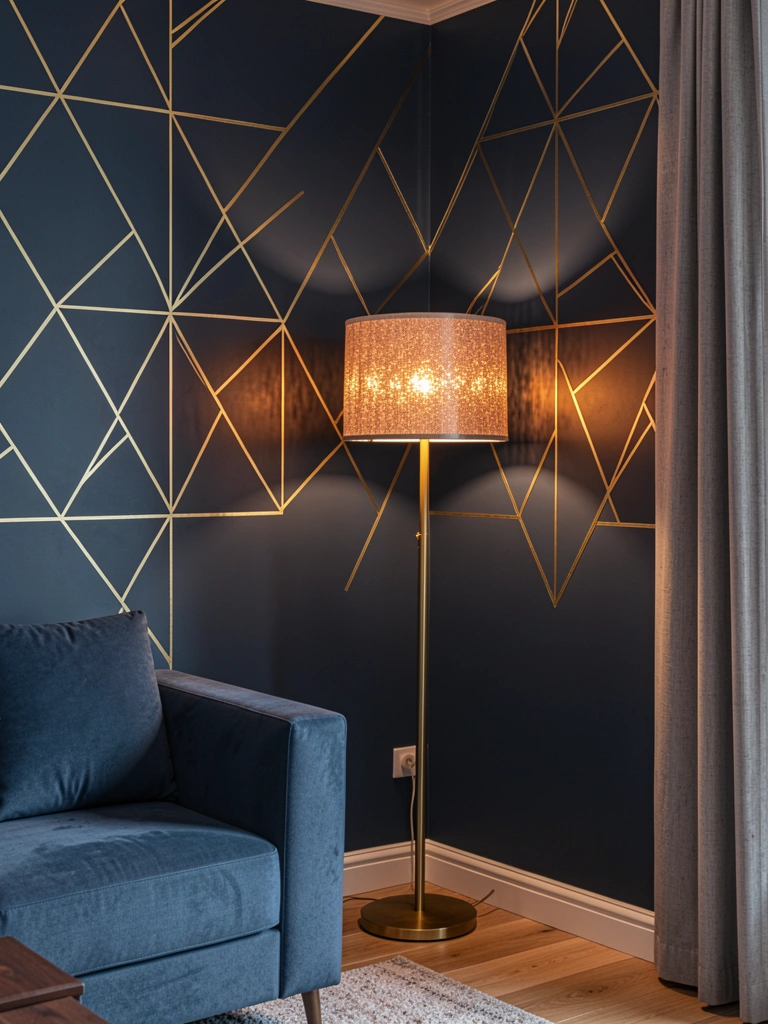
    Metallic accents—gold, silver, or rose gold—bounce light around small spaces and add instant glamour without major commitment. They work with nearly every color and style.

    Use peel-and-stick metallic wall decals ($15–$40 on Amazon or Wayfair) in geometric patterns, or go minimal with a few gold-painted wooden shelves. Alternatively, stencil metallic paint directly onto your walls using painter’s tape ($20–$60). This takes 1–2 hours and requires zero experience. Apply metallic paint with a foam roller over your base color.

    Bonus: Metallics photograph beautifully under any lighting, instantly elevating your space.

    The light-reflecting quality makes rooms feel larger and brighter, especially in apartments without tons of windows. Your eyes naturally get drawn to the shimmer, which creates visual interest and makes small spaces feel intentionally designed.


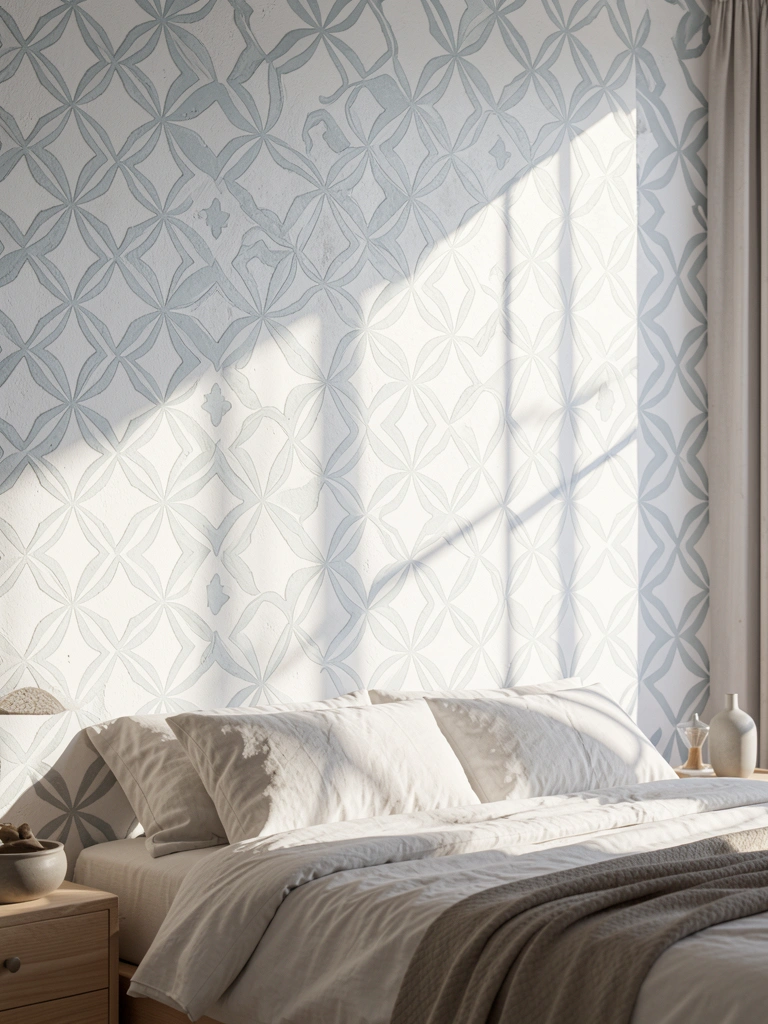
    5. Try Stenciled Patterns for Personality
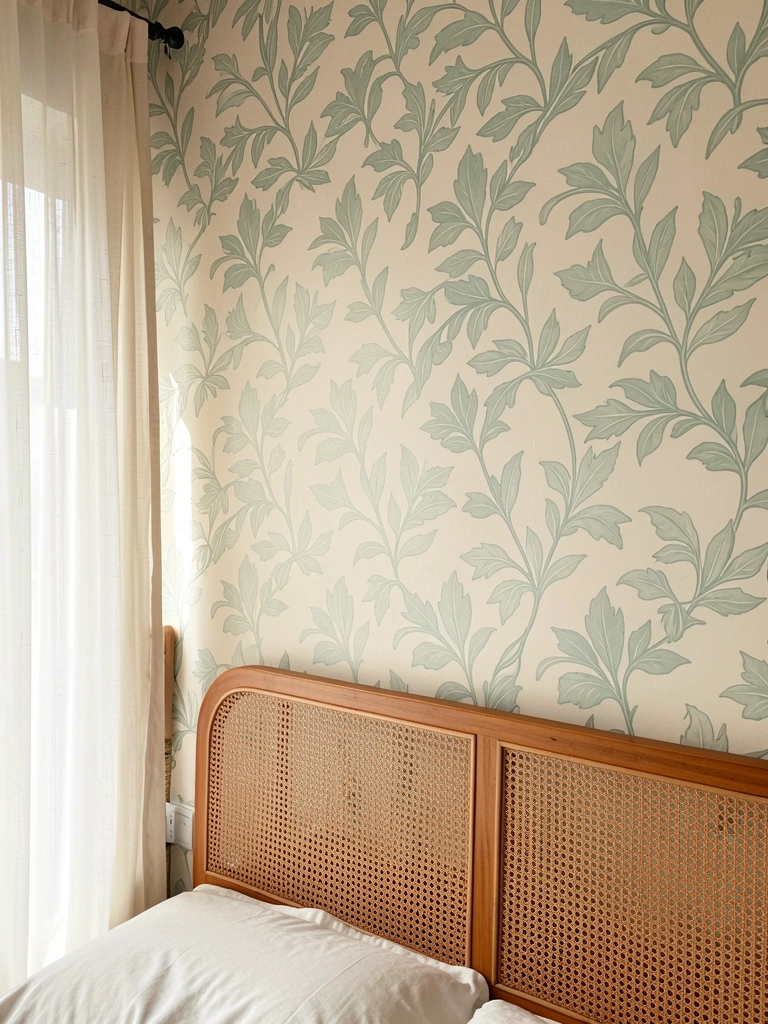
    Stenciling adds custom personality without the commitment of wallpaper or the mess of murals. You can create patterns that match your exact aesthetic and color scheme.

    Buy a stencil template online ($10–$30 on Etsy or Amazon) in a pattern you love—geometric, botanical, or abstract. Use painter’s tape to secure it, then apply paint with a foam roller or sponge brush in a contrasting color ($20–$40 for paint). One accent wall takes 4–6 hours but is genuinely relaxing. Work in small sections to avoid sliding the stencil.

    Pro tip: Test the pattern on poster board first to visualize spacing and color contrast.

    The custom pattern becomes a signature feature of your space—it’s what makes your room yours rather than cookie-cutter. Guests always comment on stenciled walls because they look high-effort but are actually very doable.


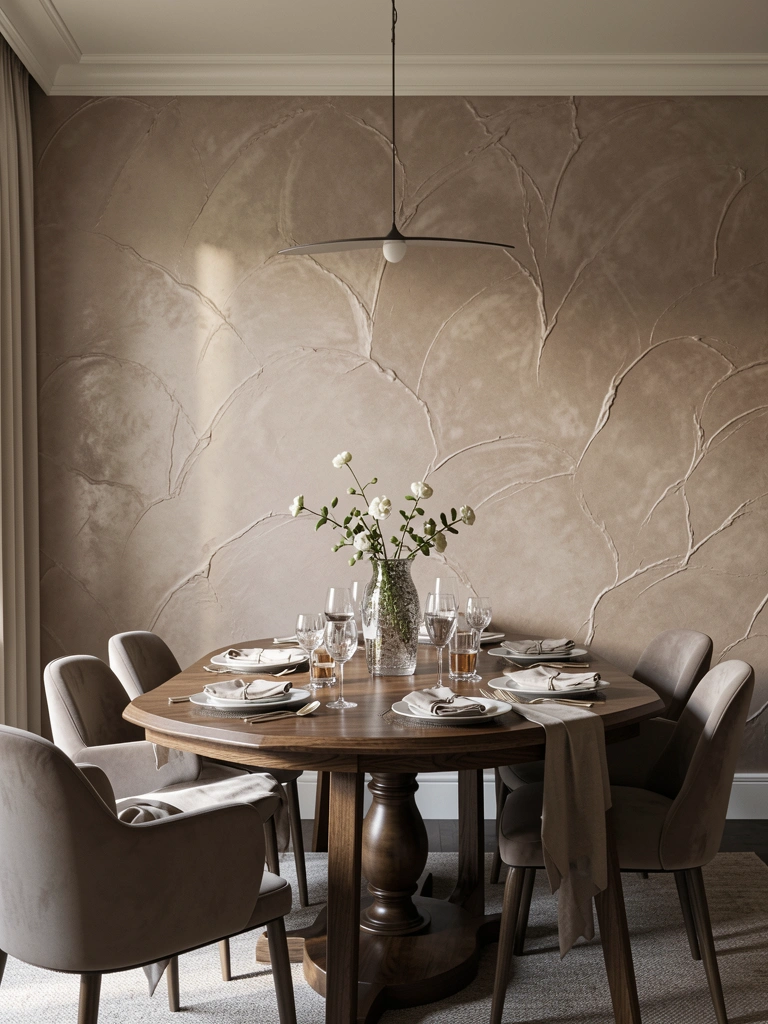
    6. Paint Venetian Plaster for Luxe Texture
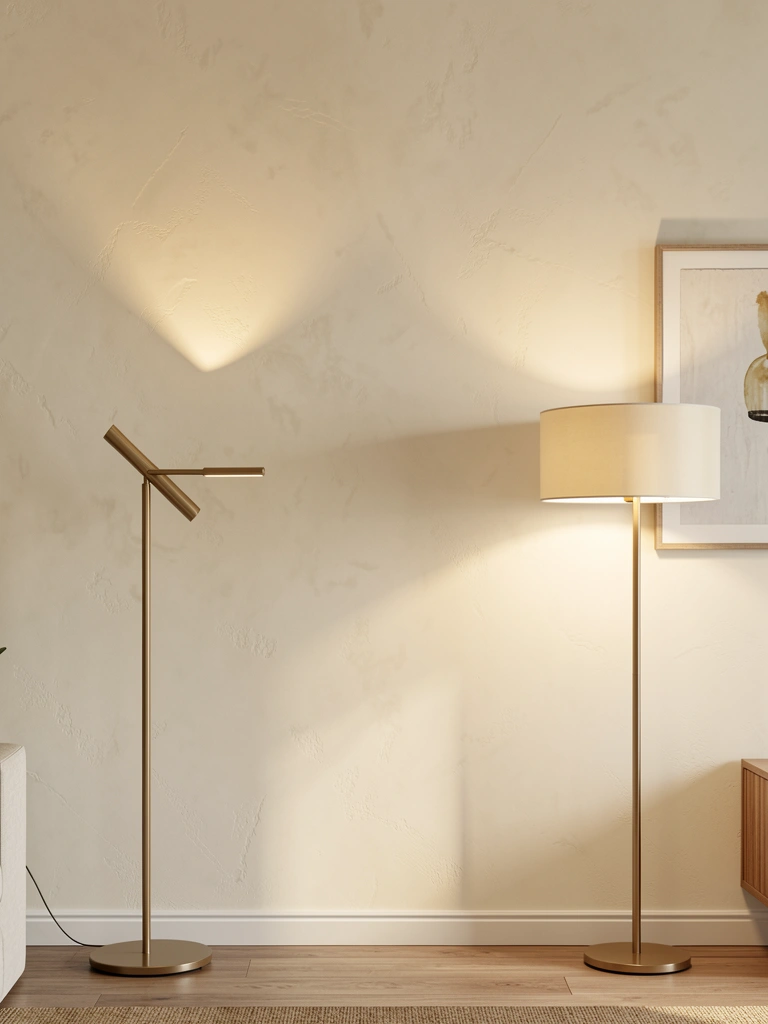
    Venetian plaster creates a high-end, textured finish that reflects light in subtle, sophisticated ways. It’s more durable than regular paint and looks like you hired a professional—even if you DIY’d it.

    Purchase a Venetian plaster kit ($40–$80) from Home Depot or online. You’ll apply it with a steel trowel in thin, overlapping layers, allowing each coat to dry. Budget one full day for one accent wall and be prepared for a learning curve on your first attempt (YouTube tutorials are essential). Alternatively, hire a pro ($200–$400 for one wall), which guarantees a flawless finish.

    Bonus: This finish is genuinely durable and hides wall imperfections better than regular paint.

    Your walls gain depth and light-play that changes throughout the day. The tactile quality makes the room feel curated and special, and it photographs with professional-grade texture.


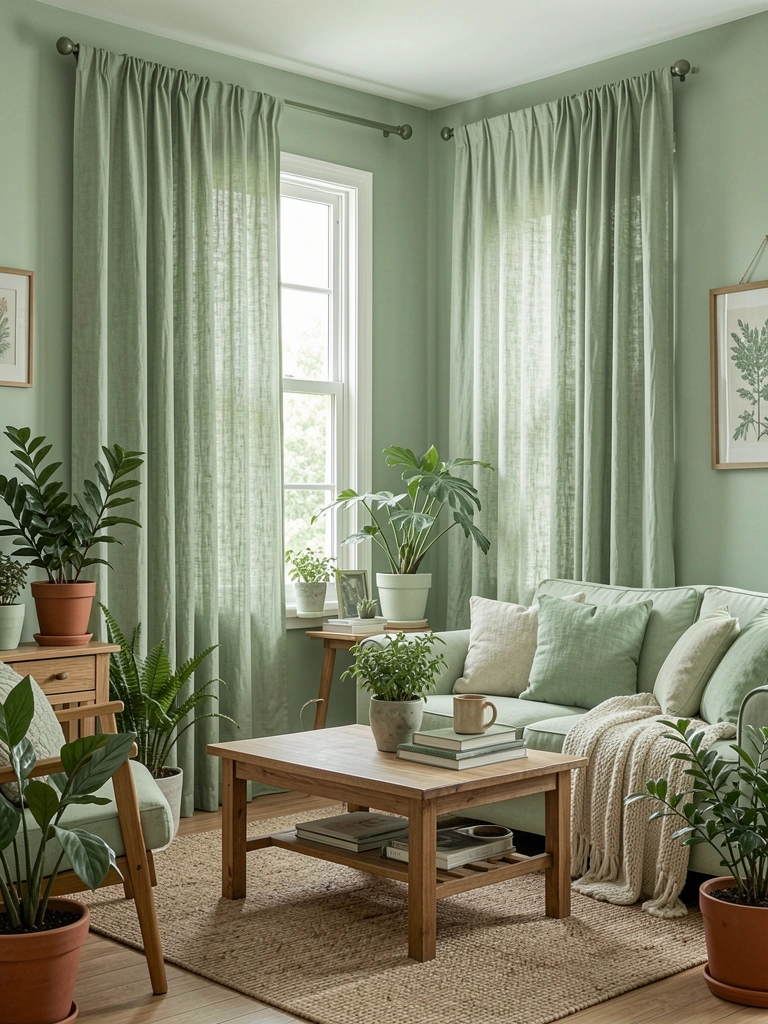
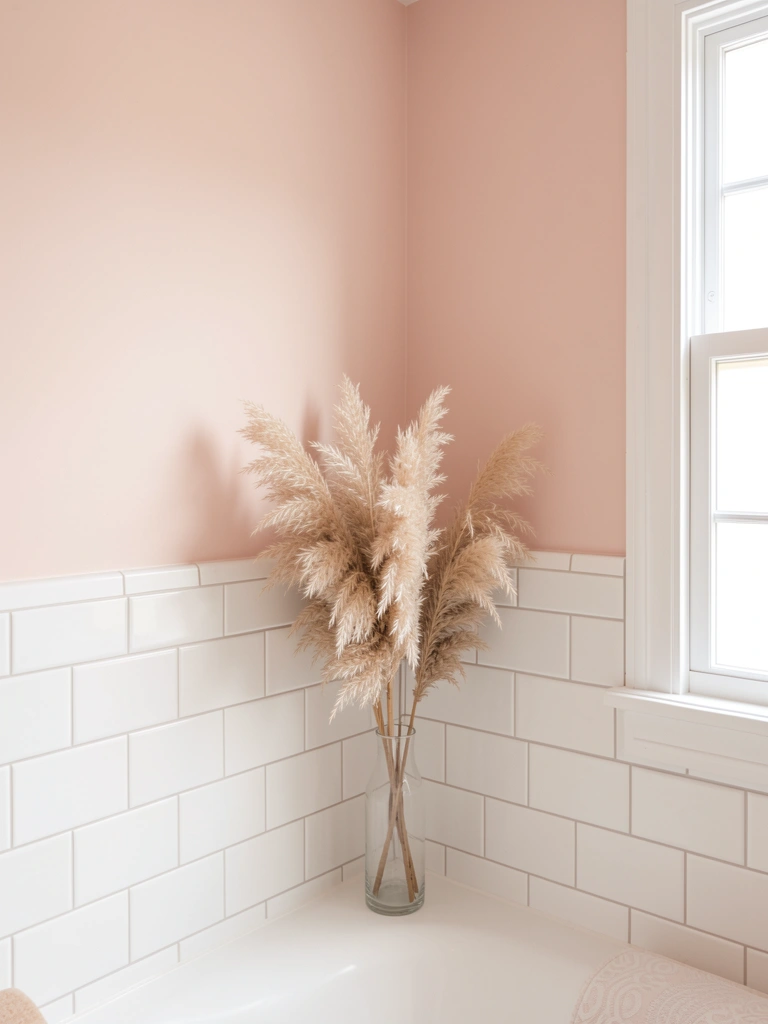
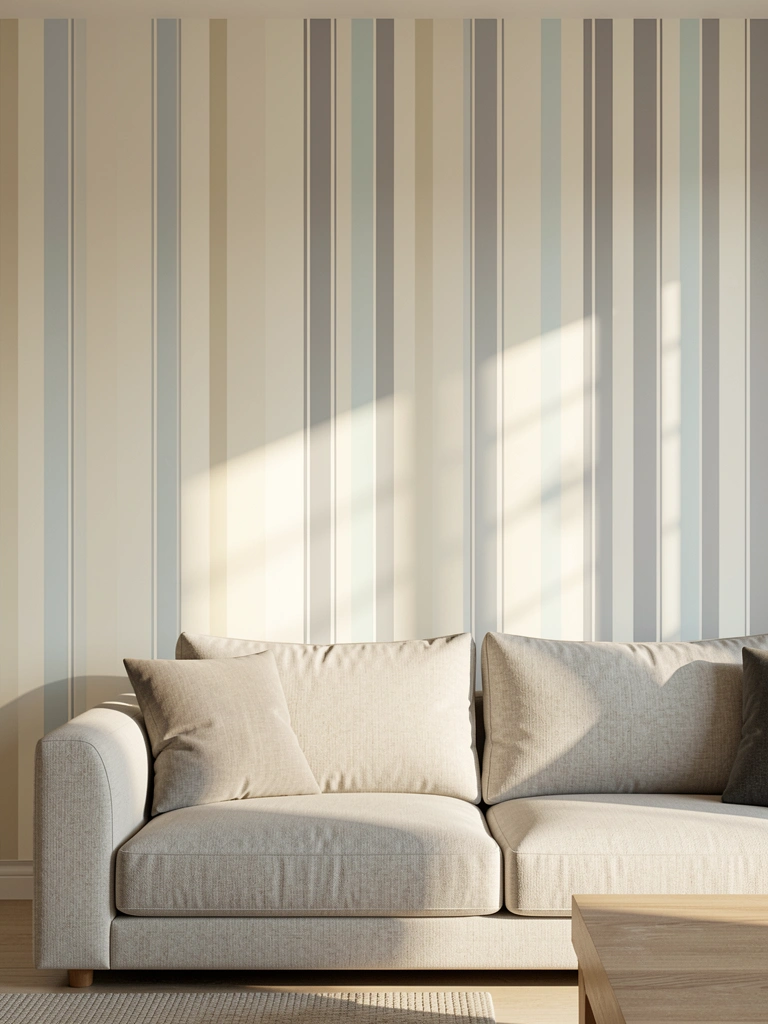
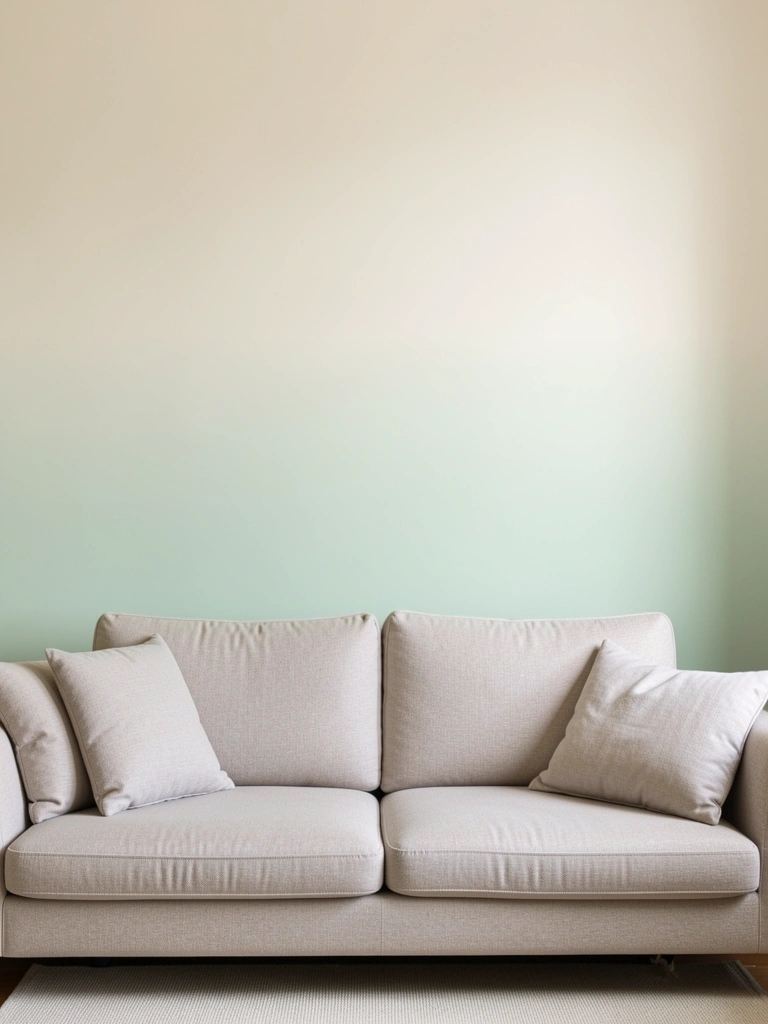
    7. Use Soft Pastels to Brighten Small Spaces
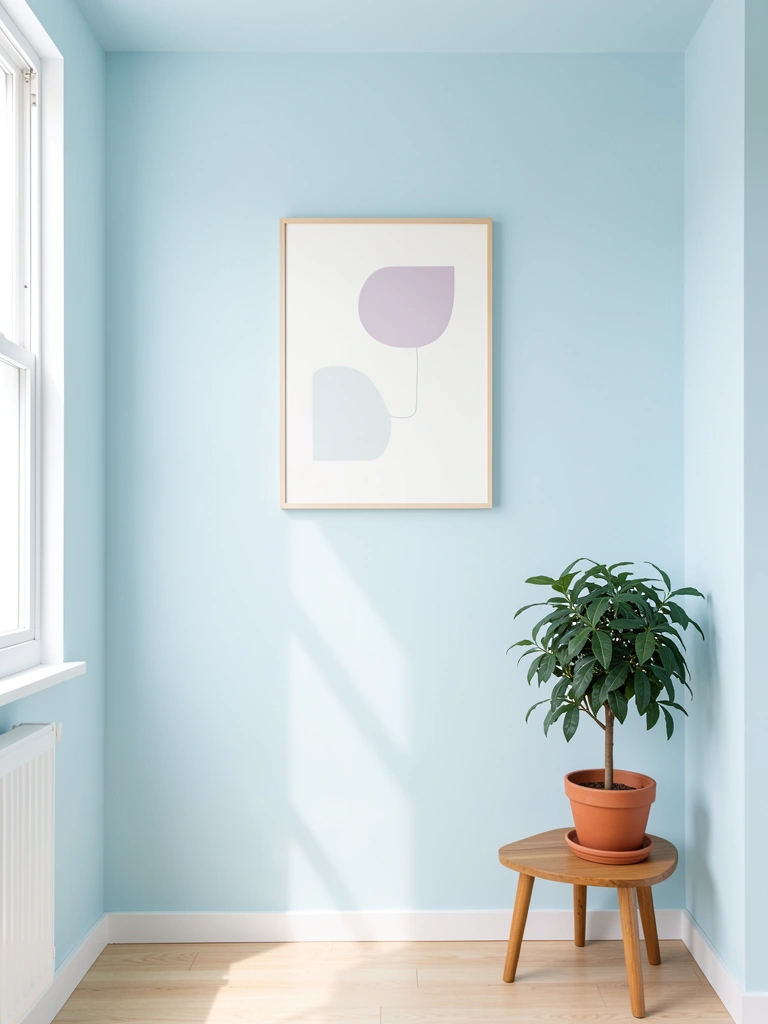
    Soft pastels—powder blue, muted blush, sage green, pale lavender—reflect light and make compact rooms feel open and breathable. They’re trendy but timeless and work across all décor styles.

    Choose a pastel from Benjamin Moore or Sherwin-Williams ($30–$50) that feels calm to you. Apply two coats with a quality roller. This takes one afternoon and requires zero experience. Pastels work best when paired with white trim and minimal, light-colored furniture to maximize the airy effect.

    Pro tip: Pastel walls photograph beautifully in natural light, making even tiny spaces look dreamy.

    Your small room suddenly feels intentional rather than cramped. The soft color brings psychology of calm into your daily life, and natural light bounces around differently, making the space feel brighter overall.


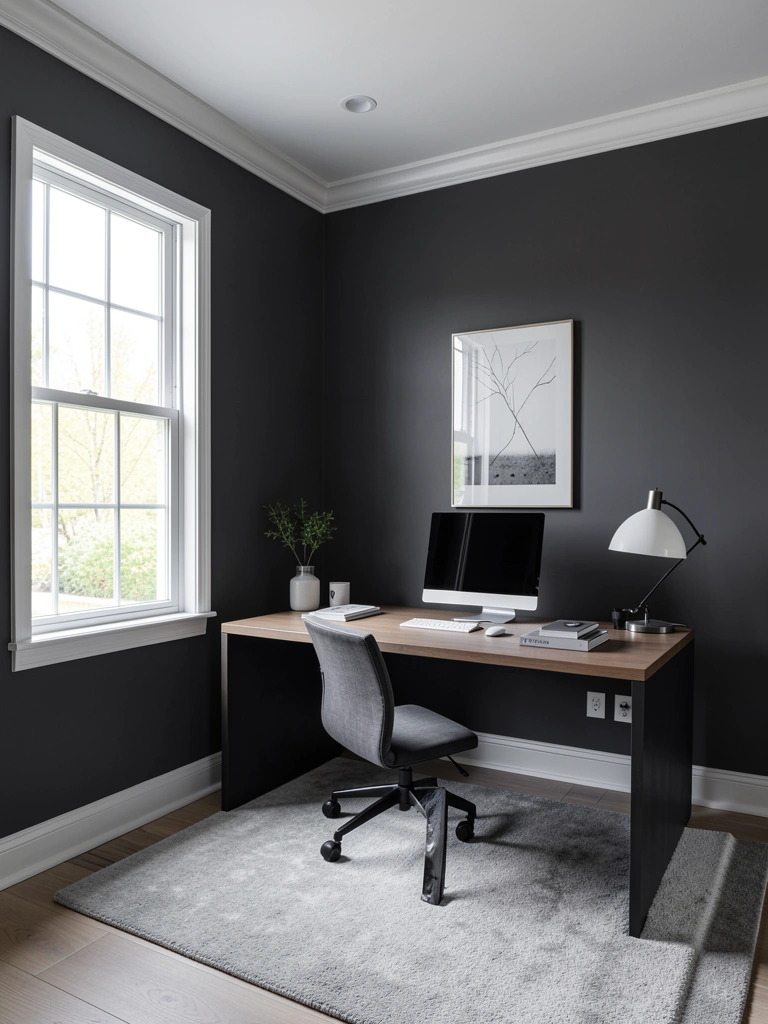
    8. Paint Moody Walls for Built-In Coziness
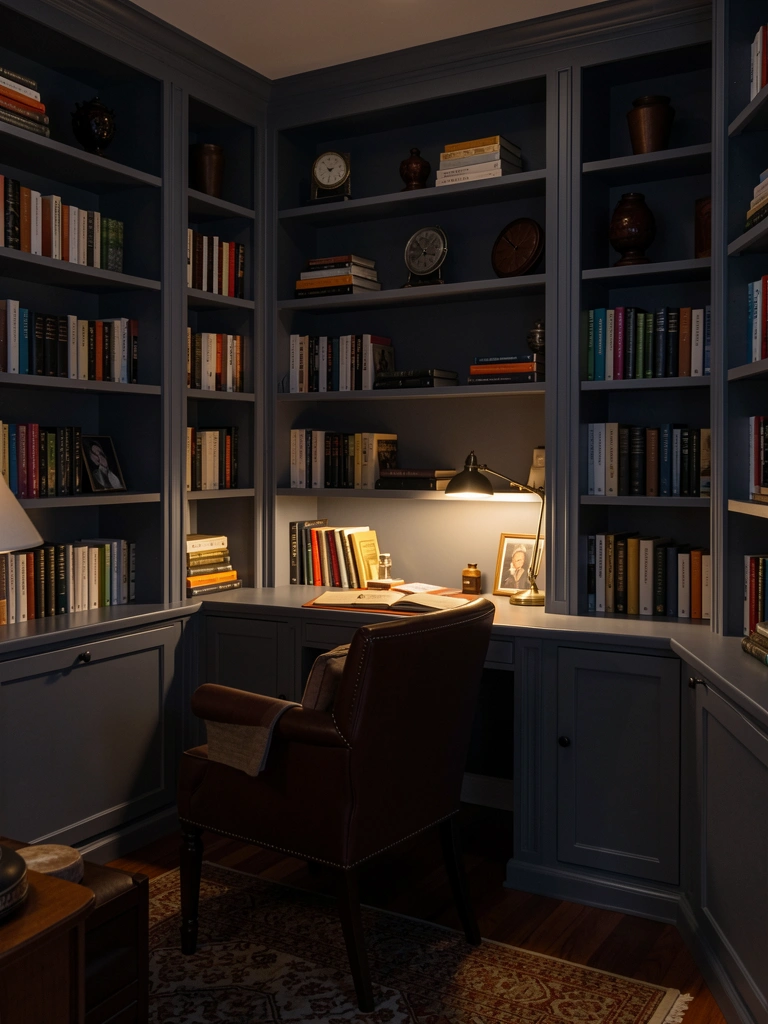
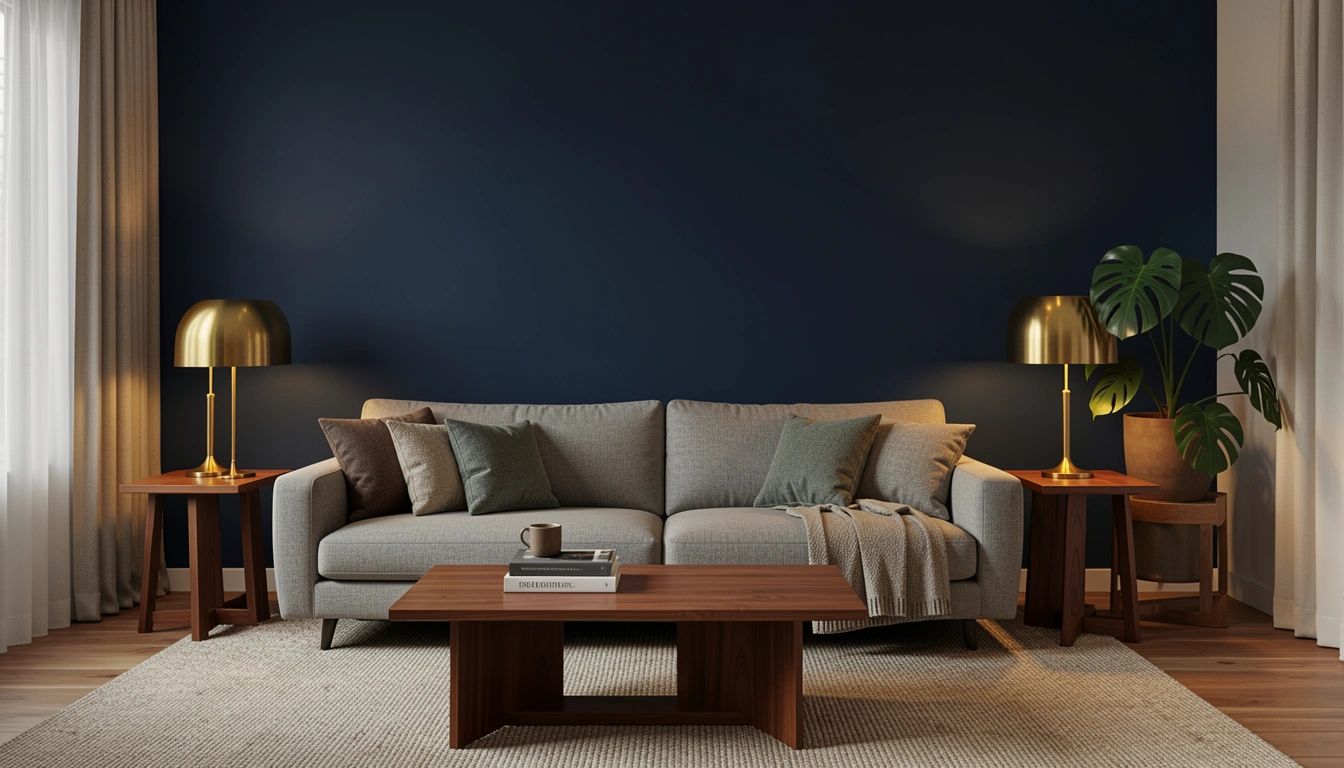
    Deep, moody colors like navy, deep plum, or charcoal on built-ins or smaller rooms create dramatic sophistication and surprisingly cozy intimacy. These colors pair beautifully with warm lighting.

    Select a shade like Benjamin Moore Silhouette or Sherwin-Williams Naval ($30–$50). Apply two coats to your built-ins or accent wall. Budget 4–5 hours for careful application, as darker colors need good coverage. Pair this wall with warm-toned lighting (soft white bulbs, not cool white) to avoid cave-like vibes.

    Pro tip: Test your color in the actual room at different times of day—moody colors look different in morning light versus evening.

    The result is a cocoon-like space that feels sophisticated and collected. Moody walls make you want to spend time in the room, and they’re surprisingly excellent for productivity (offices feel serious, bedrooms feel restful).


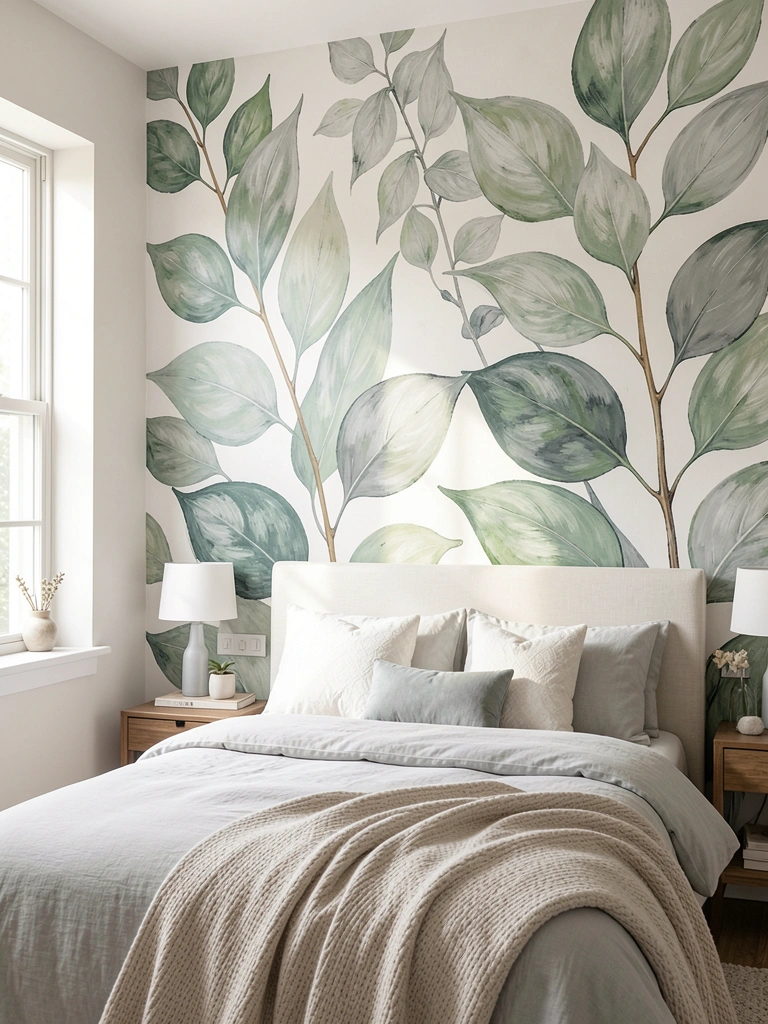
    9. DIY a Nature-Inspired Mural
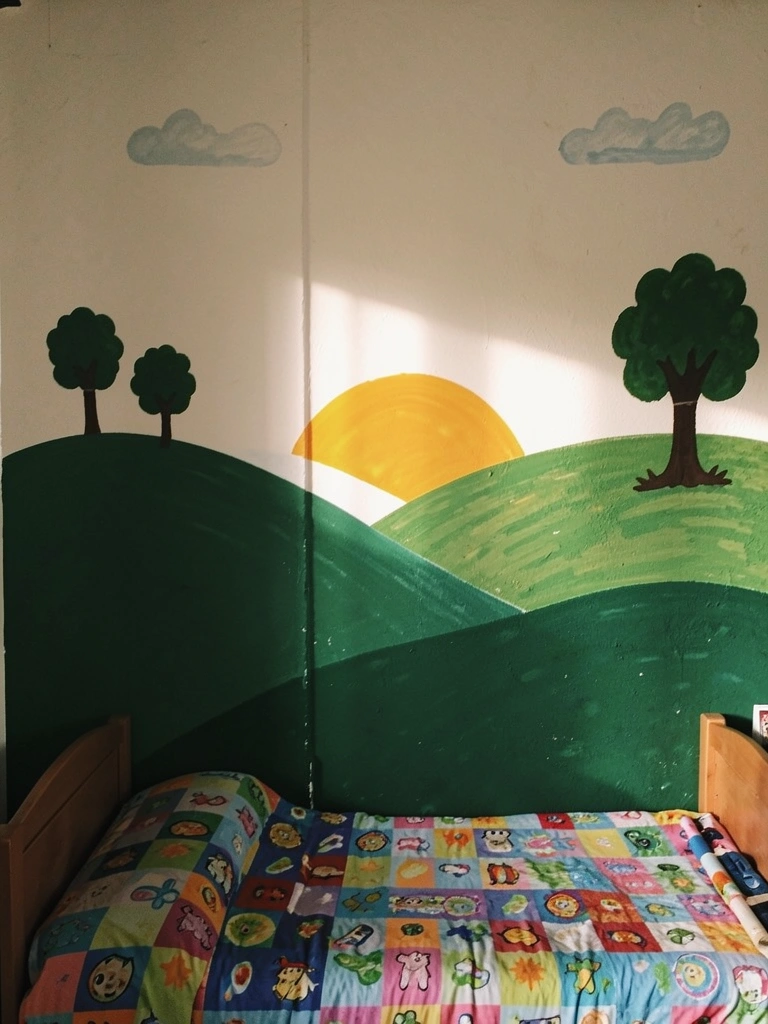
    Nature murals bring biophilic design into your space without the cost of custom artists. Simple landscapes, botanical branches, or abstract trees are doable for beginners and create a focal point.

    Grab acrylic paint in earth tones ($20–$40), paint brushes, and a design sketch (print from Pinterest or draw freehand). Start simple—mountains, trees, and sky take about 6–8 hours spread over two days. Use light pencil marks to sketch your design first, then paint over them. Seal with matte polyurethane for durability ($15).

    Bonus: Murals are renter-friendly if you use removable primer first (talk to your landlord about a security deposit swap).

    You get a one-of-a-kind focal point that no store-bought art can replicate. Murals make rooms feel personal and connected to nature, which research shows reduces stress and improves mood.


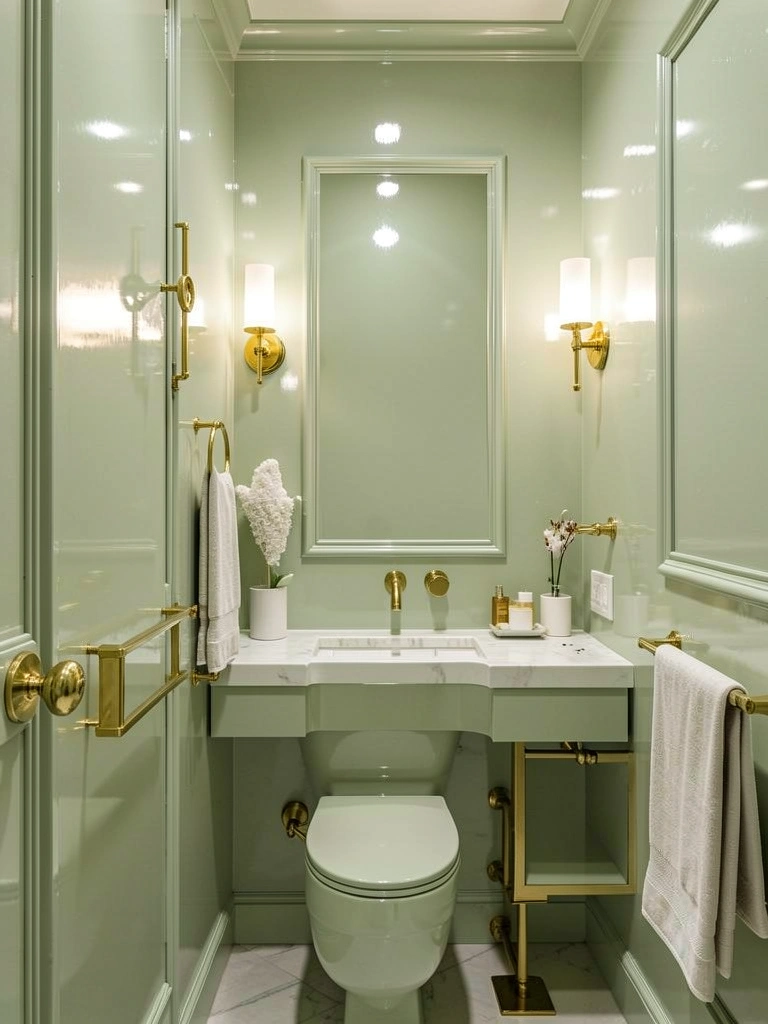
    10. Apply High-Gloss Finishes for Light Reflection
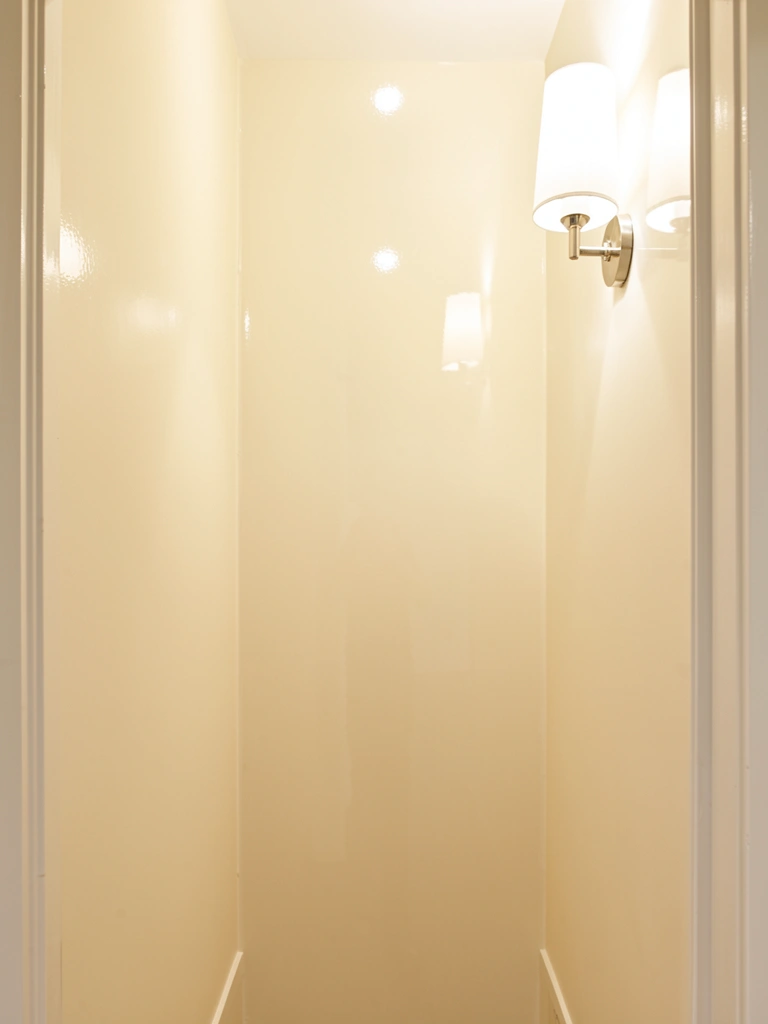
    High-gloss and satin finishes reflect light differently than matte paint, making small or dark hallways, bathrooms, and entryways feel brighter and more spacious. This is a subtle upgrade with real impact.

    Use high-gloss paint in white or a pale neutral ($30–$50). Apply two coats with a foam roller for even coverage and fewer brush marks. Budget one afternoon. Note: Gloss shows fingerprints, so it’s best for walls you don’t touch frequently. Satin (semi-gloss) offers 70% of the reflection with better durability.

    Pro tip: High-gloss works beautifully in bathrooms and mudrooms where humidity and cleaning are regular—it’s genuinely more durable than matte.

    Your hallway or bathroom becomes noticeably brighter without adding actual light fixtures. The reflective quality creates visual depth and makes tight spaces feel less cramped.


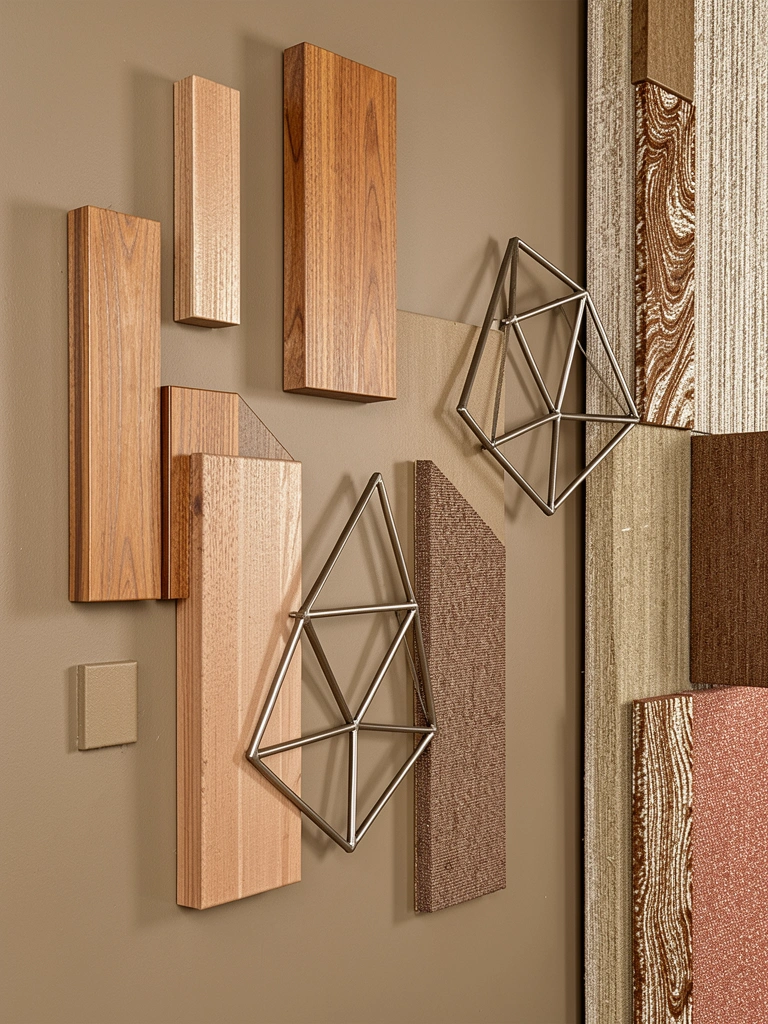
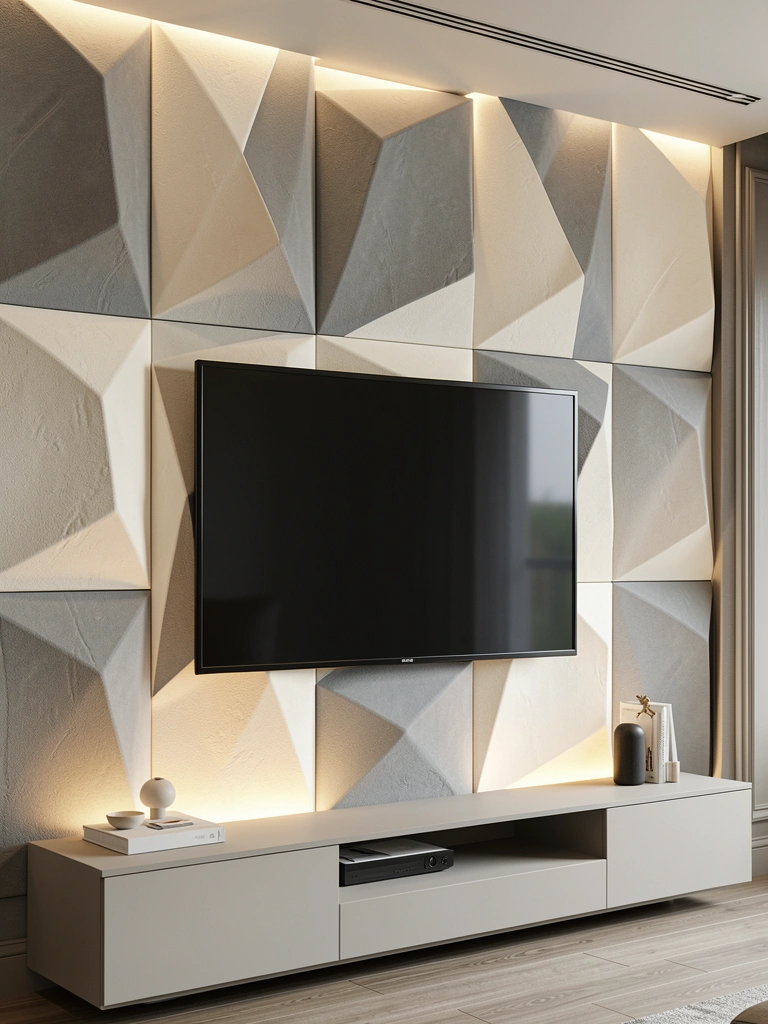
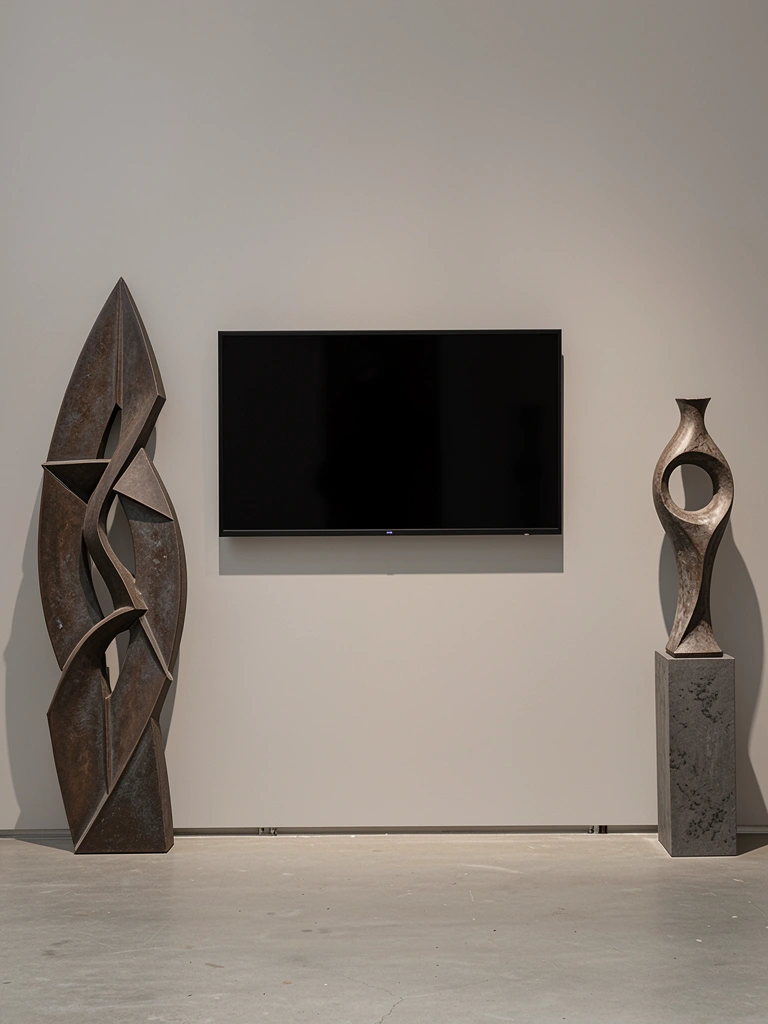
    11. Layer 3D Sculptural Wall Art
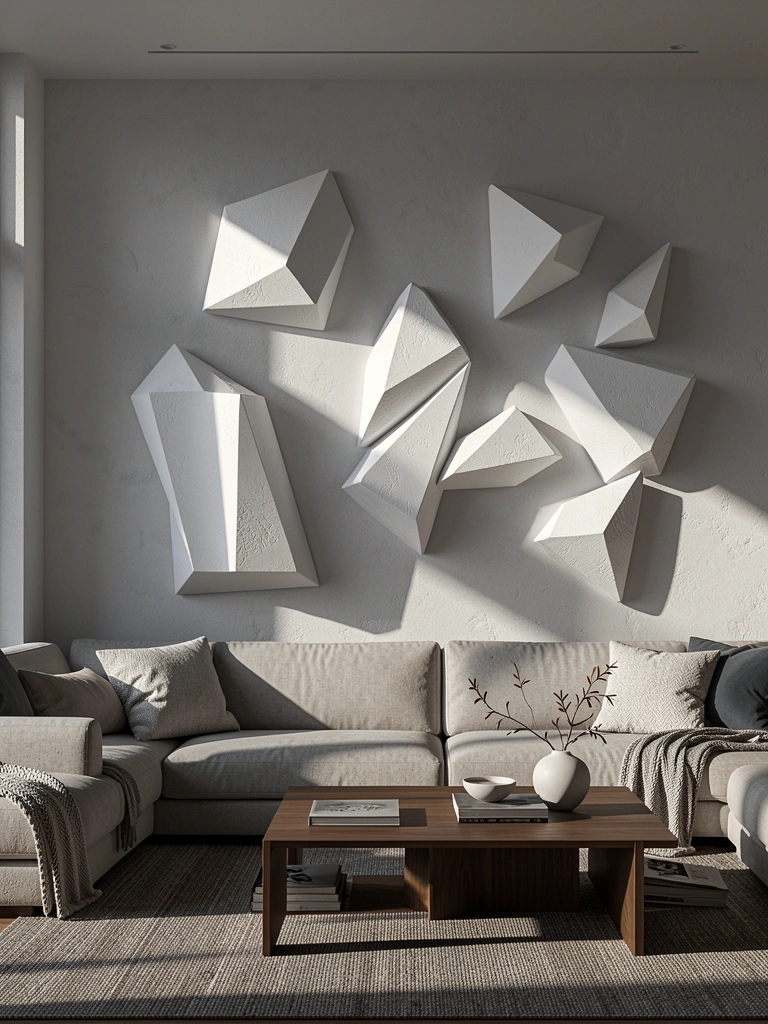
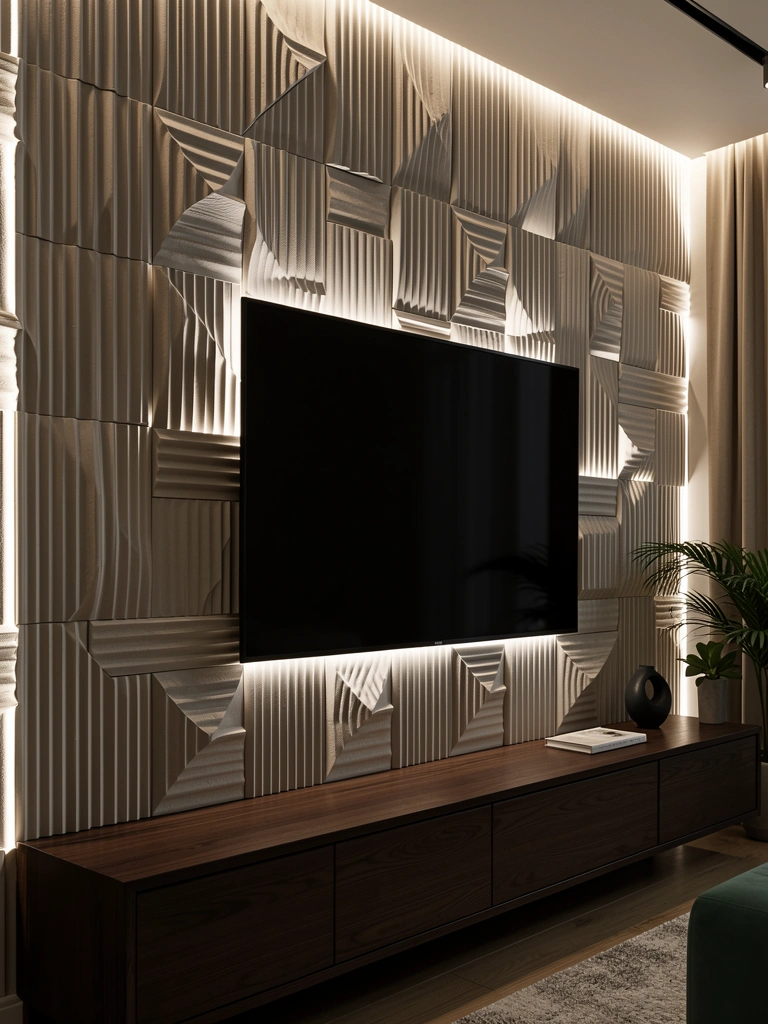
    3D sculptural pieces have replaced flat posters as the go-to wall art. They create shadow play, visual interest, and genuine depth that photographs amazingly.

    Purchase 3D wall art from Amazon, Wayfair, or Urban Outfitters ($40–$150 per piece) in materials like resin, wood, or metal. Arrange 3–5 pieces on your wall in an asymmetrical grouping using a level and a stud finder. Installation takes 30 minutes per wall. Alternatively, make your own from foam shapes and paint ($20–$40) for a budget version.

    Bonus: Lighting matters hugely—position a directional light source to cast shadows and maximize dimension.

    Your wall becomes an art installation rather than a decorative afterthought. The textured, three-dimensional quality makes rooms feel curated and collected, and it changes throughout the day as light hits it differently.


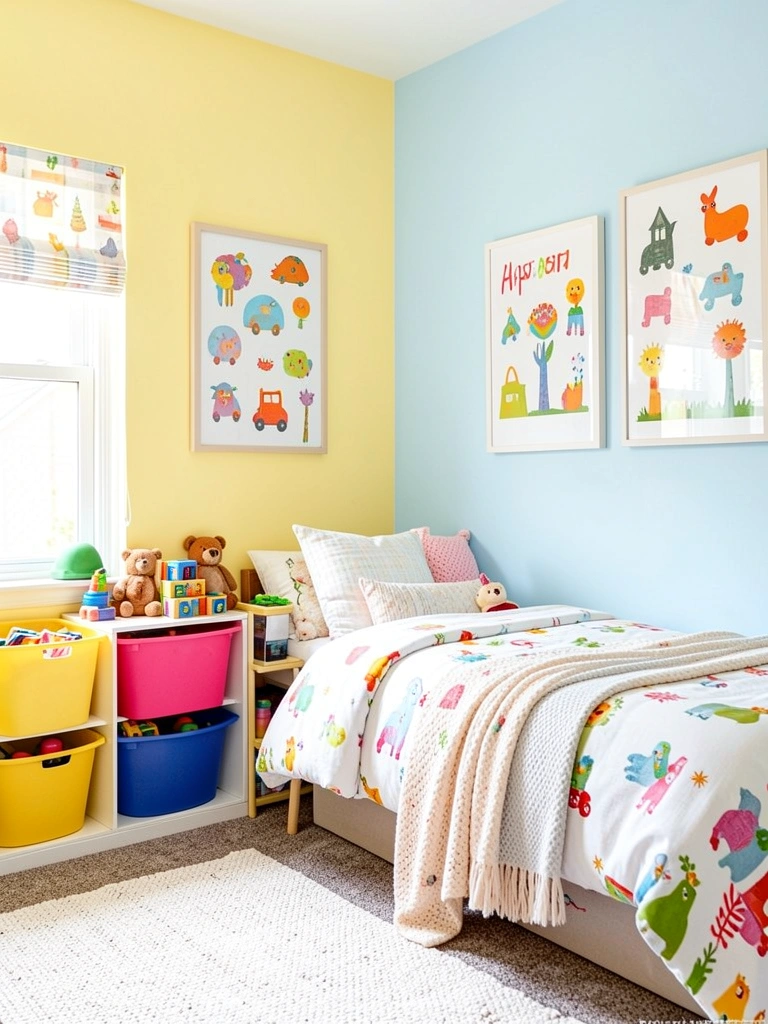
    12. Paint Full-Spectrum Rainbow Walls for Kids’ Rooms
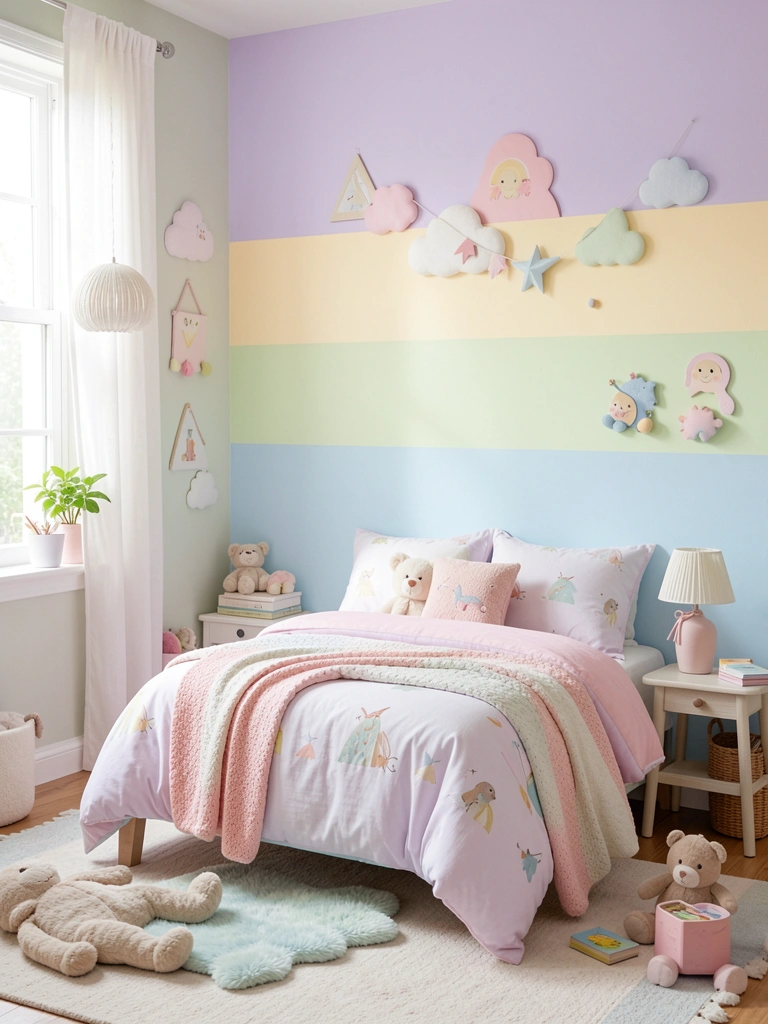
    Full-spectrum color blocks (subtle rainbow versions) in pastels bring playfulness without overstimulation. Kids love the visual interest, and soft pastels keep the vibe calm.

    Paint horizontal or vertical color blocks using painter’s tape and soft pastel paint ($40–$60 for 4–5 colors). Measure equal sections, tape them off, and paint each section a different pastel shade. Budget one full day. Pro tip: Use painter’s tape and paint slowly for clean edges.

    Bonus: Kids can help with painting, making it a fun project they feel ownership over.

    The result is a personalized room that sparks creativity and joy. The soft rainbow keeps energy playful rather than chaotic, and it photographs beautifully for memories.


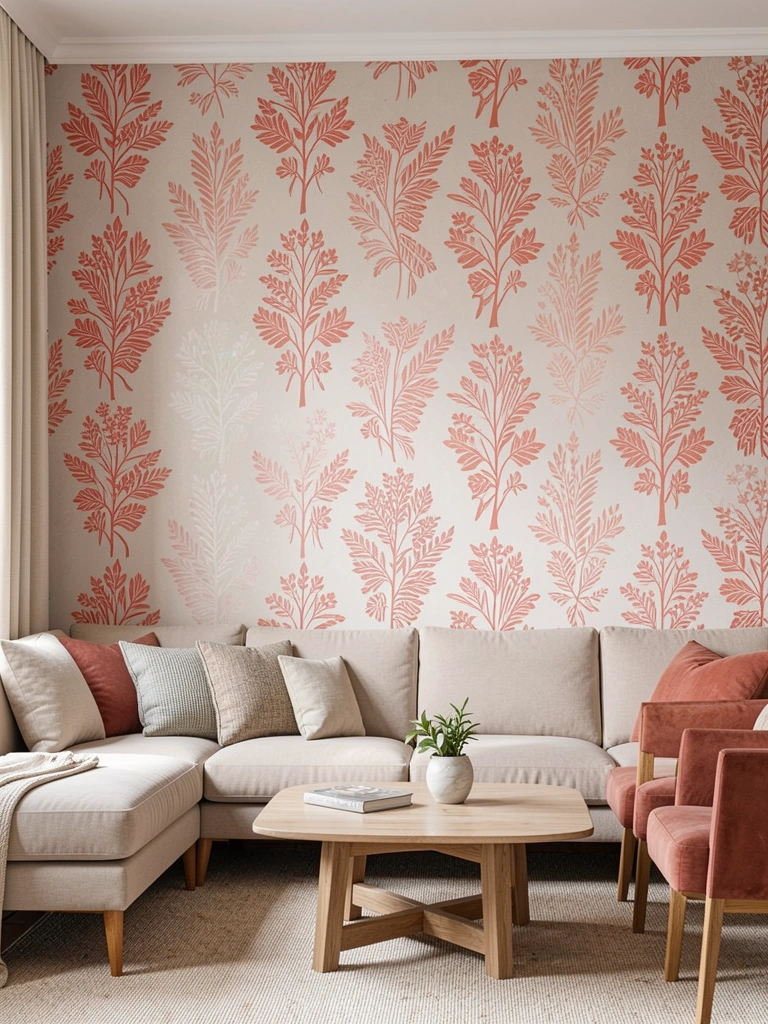
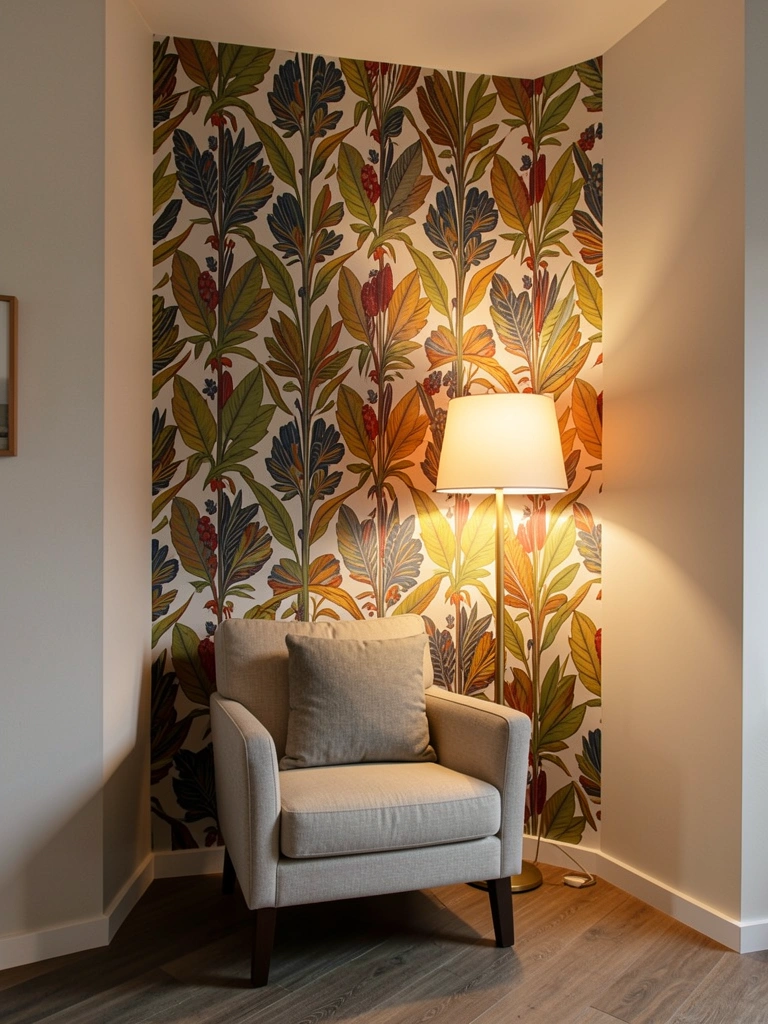
    13. Use Removable Wallpaper for Pattern + Flexibility
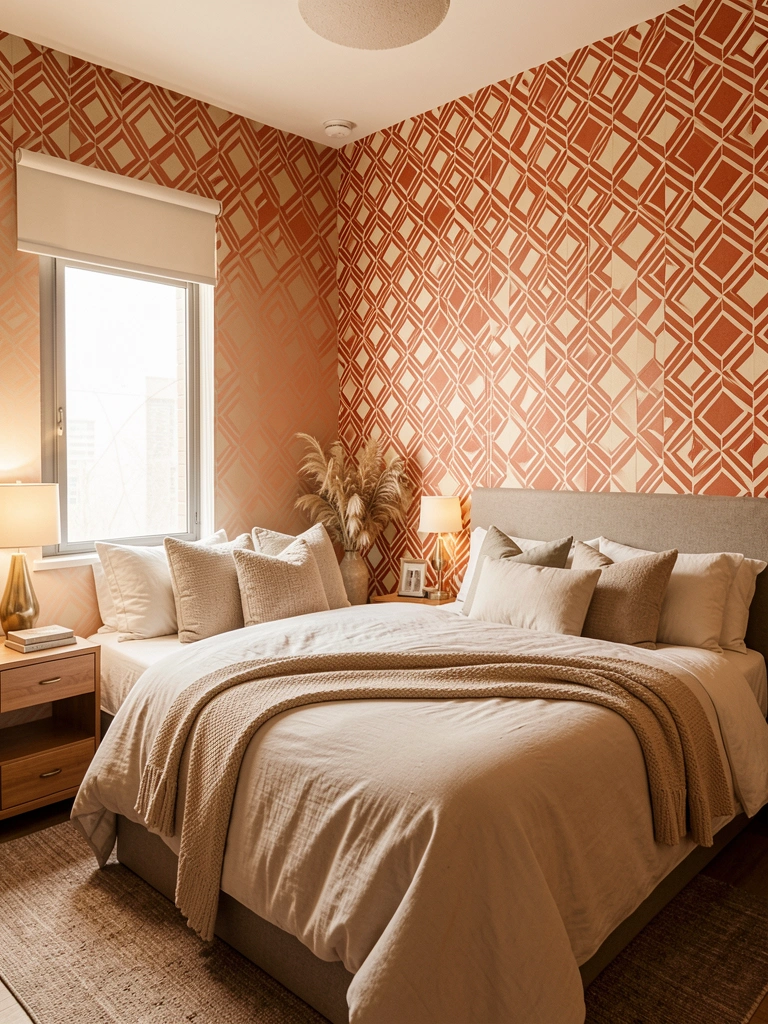
    Removable wallpaper gives you bold pattern and texture without paint-and-prime commitment—perfect for renters or commitment-phobes. Modern peel-and-stick options look genuinely beautiful.

    Select peel-and-stick wallpaper from Spoonflower, Wayfair, or Amazon ($25–$75 per roll). Measure your wall carefully and order extra to account for pattern matching. Application takes 2–4 hours depending on wall size and pattern complexity. Smooth out bubbles with a squeegee as you go. Removal is gentle and leaves no damage when done correctly.

    Pro tip: Prep your wall by cleaning it thoroughly and letting it dry completely—adhesion is everything.

    You get the impact of wallpaper (pattern, visual interest, personality) without the permanent commitment. Your space feels designed and intentional, and you can swap it out whenever you want a change.


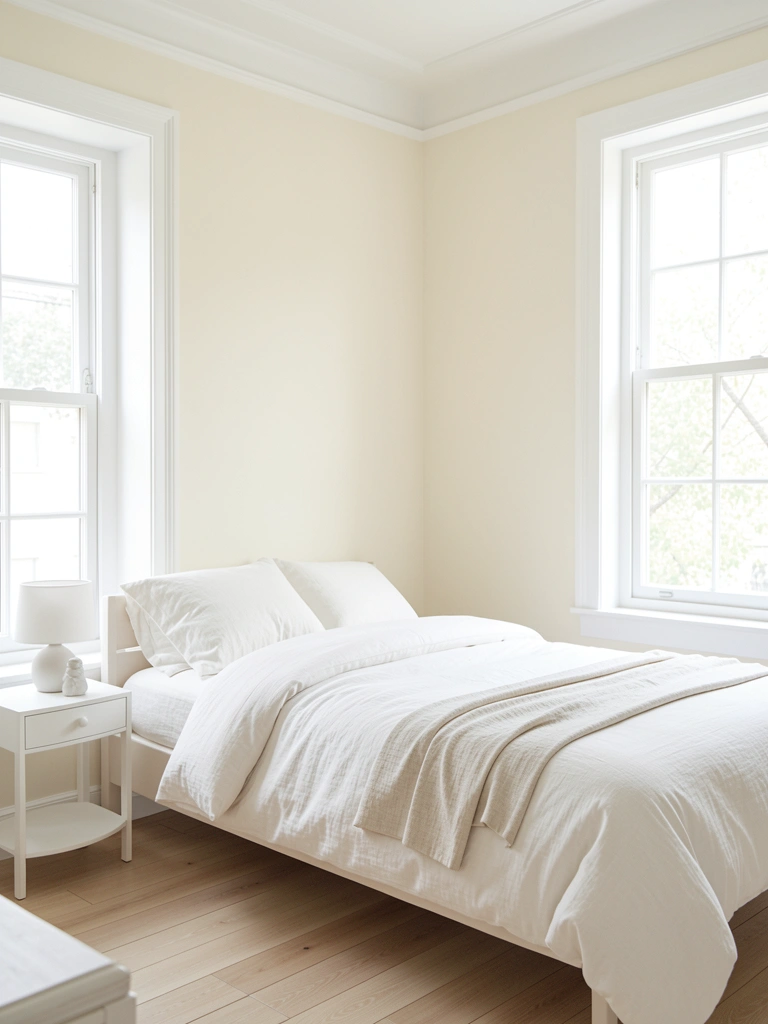
    14. Blend Warm Whites with Wood Tones
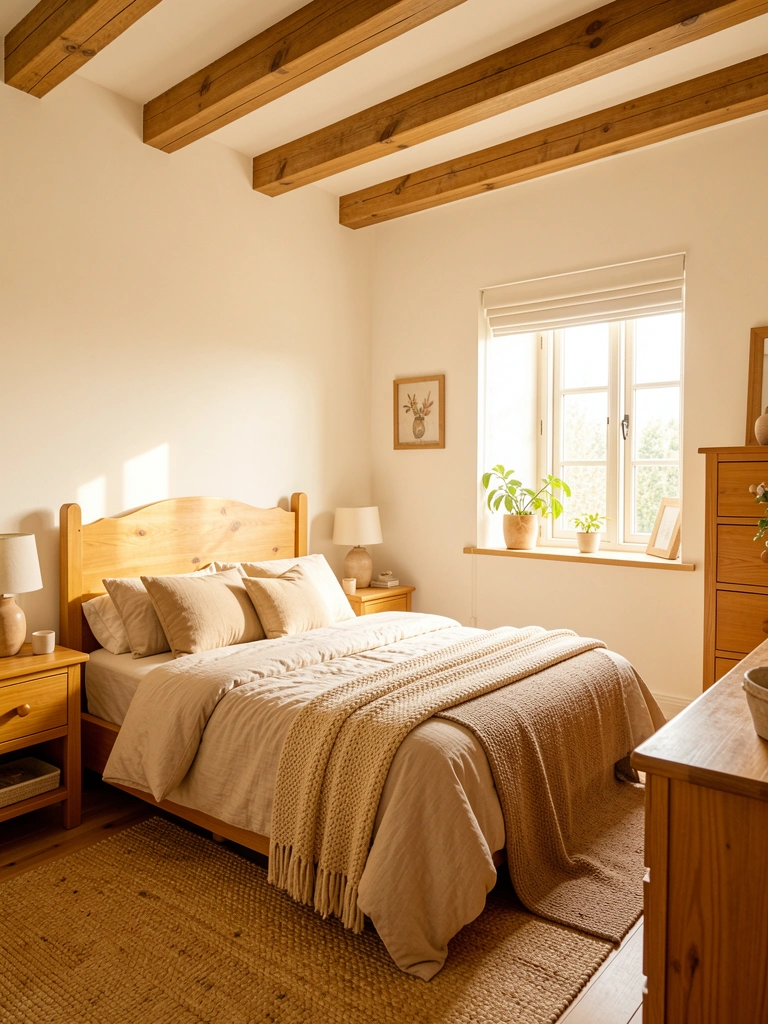
    Warm whites with beige undertones have replaced cool whites as the go-to neutral. They pair beautifully with natural wood and create a connected, organic feel.

    Choose a warm white like Benjamin Moore Swiss Coffee or Sherwin-Williams Alabaster ($30–$50). Apply two coats across your space. The transformation happens when paired with natural wood furniture, woven textures, and warm lighting. Budget one weekend for an average room.

    Bonus: These warm whites actually look clean and intentional—they don’t show dirt like pure whites can.

    Your room gains cohesion and warmth that cool whites can’t match. The combination of warm white walls and wood tones creates a naturally sophisticated backdrop for any décor style.


    15. Create Bold Sapphire or Emerald Accent Walls
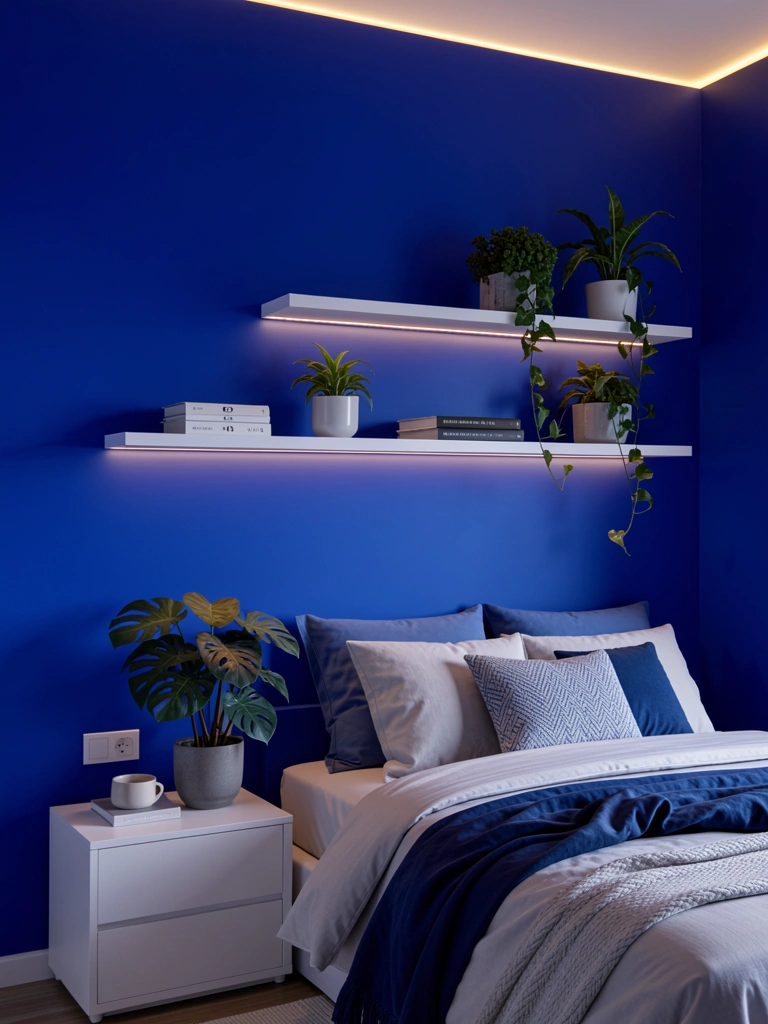
    Bold jewel tones like sapphire blue and emerald green are having a moment for creating drama and sophistication. These colors work best as accent walls or in smaller rooms.

    Select a high-quality blue or green from Sherwin-Williams or Benjamin Moore ($35–$55). Apply two coats to one or two walls. Use proper primer if you’re covering a light color with dark paint (crucial for even coverage). Budget one full day. Pair bold colors with warm lighting to keep the space from feeling cold or severe.

    Pro tip: Paint test patches and observe them at different times of day—bold colors change dramatically with light.

    Your room develops serious personality and visual impact. Bold accent walls make a statement about your style and create a curated, intentional aesthetic that feels anything but cookie-cutter.


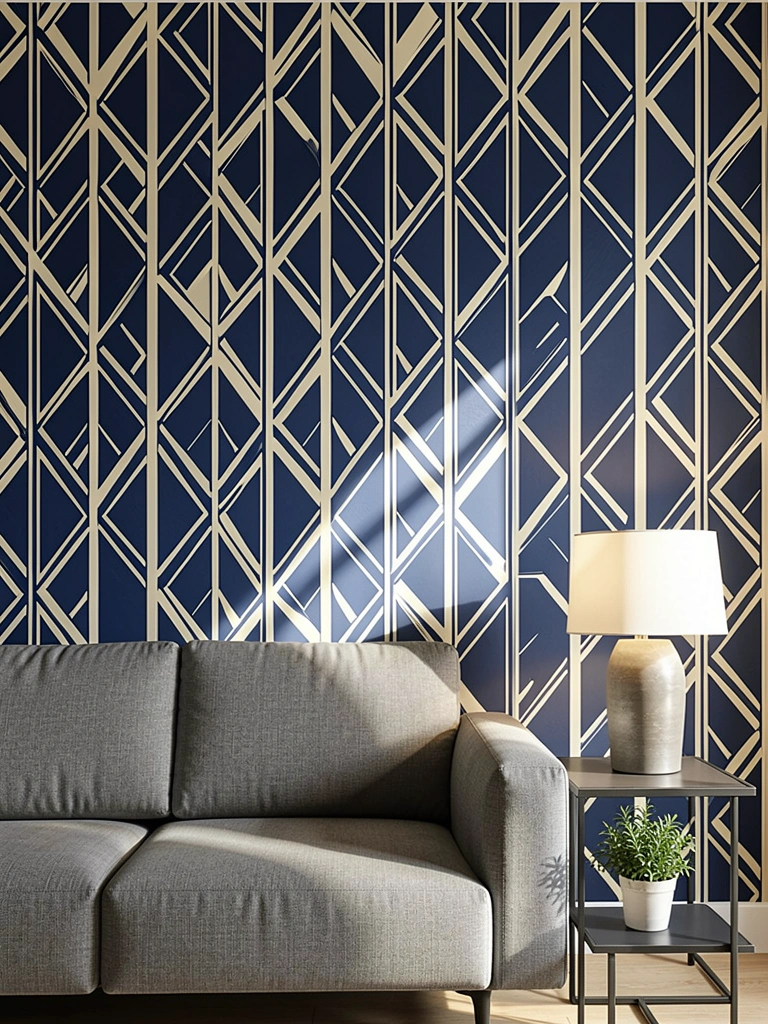
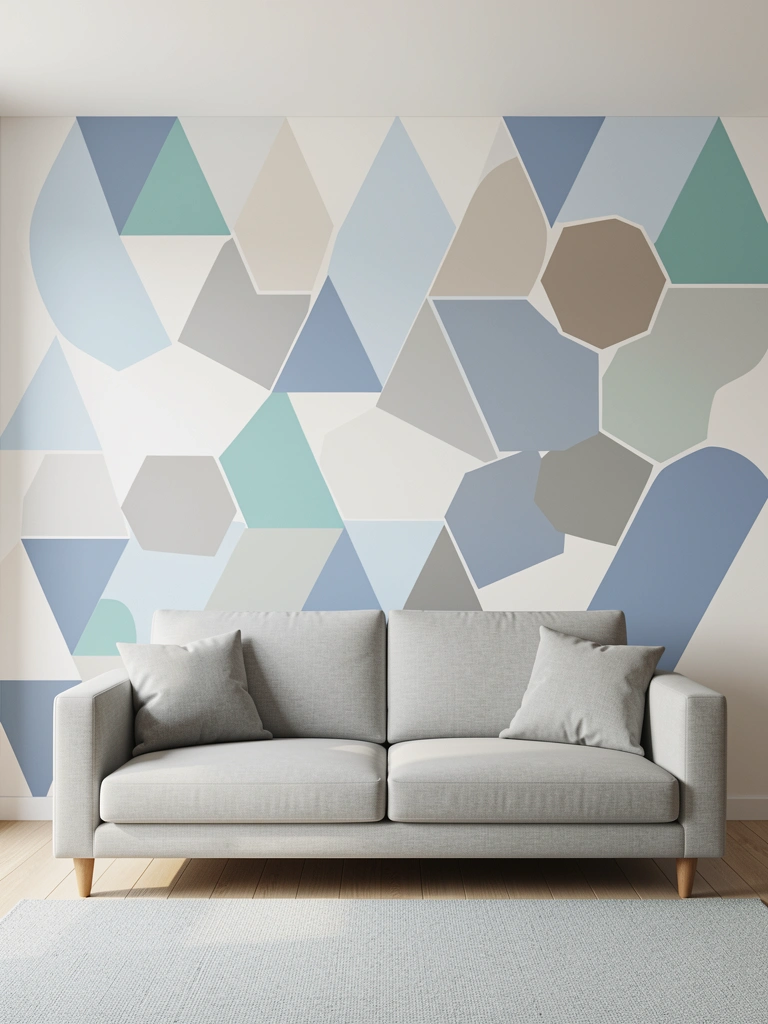
    16. Incorporate Geometric Patterns with Tape
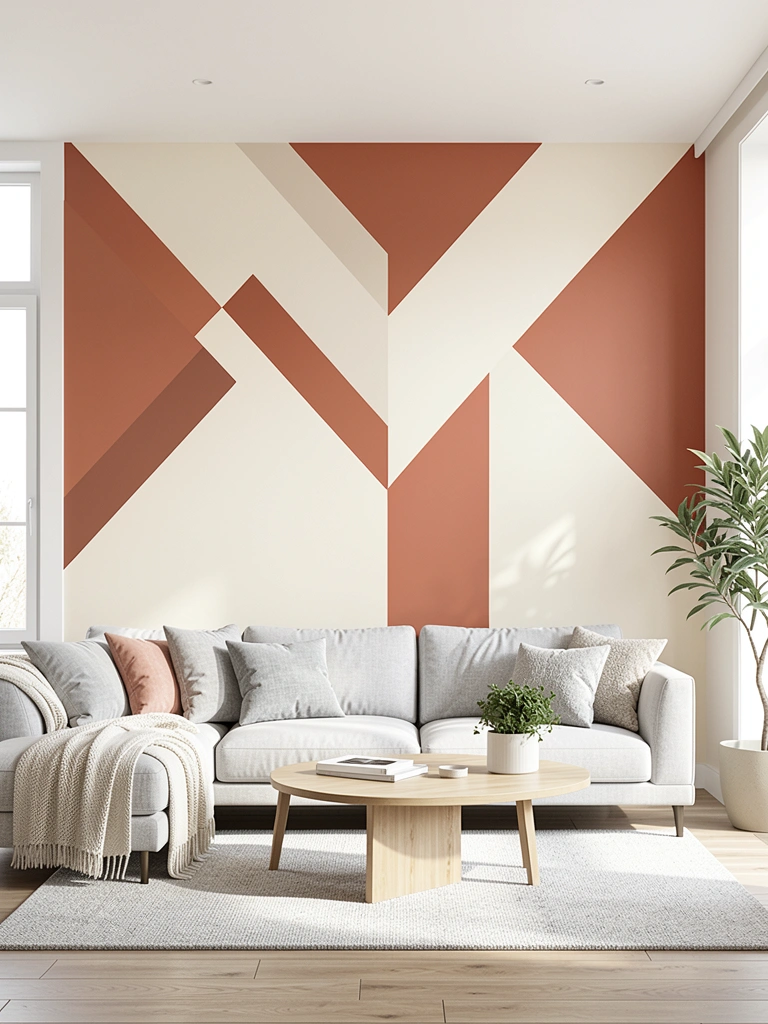
    Geometric patterns created with painter’s tape are less commitment than stencils and offer more control. Chevrons, stripes, and color blocks are beginner-friendly and look professionally designed.

    Use painter’s tape to create your pattern, then paint between the taped sections in two coordinating colors ($40–$60 total). Budget 4–6 hours, including tape setup. Remove tape while paint is still slightly wet for the cleanest lines. Pro tip: Use high-quality painter’s tape—cheap tape bleeds and ruins lines.

    Bonus: Geometric patterns work in any room style and photograph beautifully for sharing.

    Your wall becomes a graphic focal point that feels modern and intentional. Geometric patterns add energy and visual interest without the commitment of wallpaper or the complexity of murals.


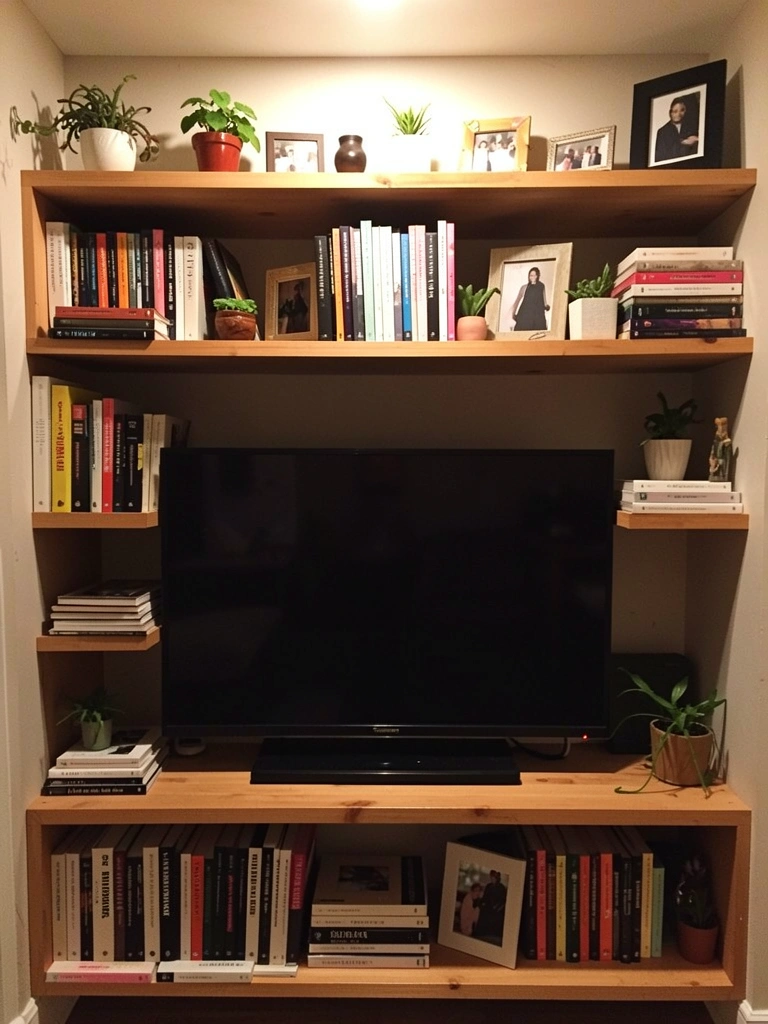
    17. Paint Shelving Backs in Contrasting Colors
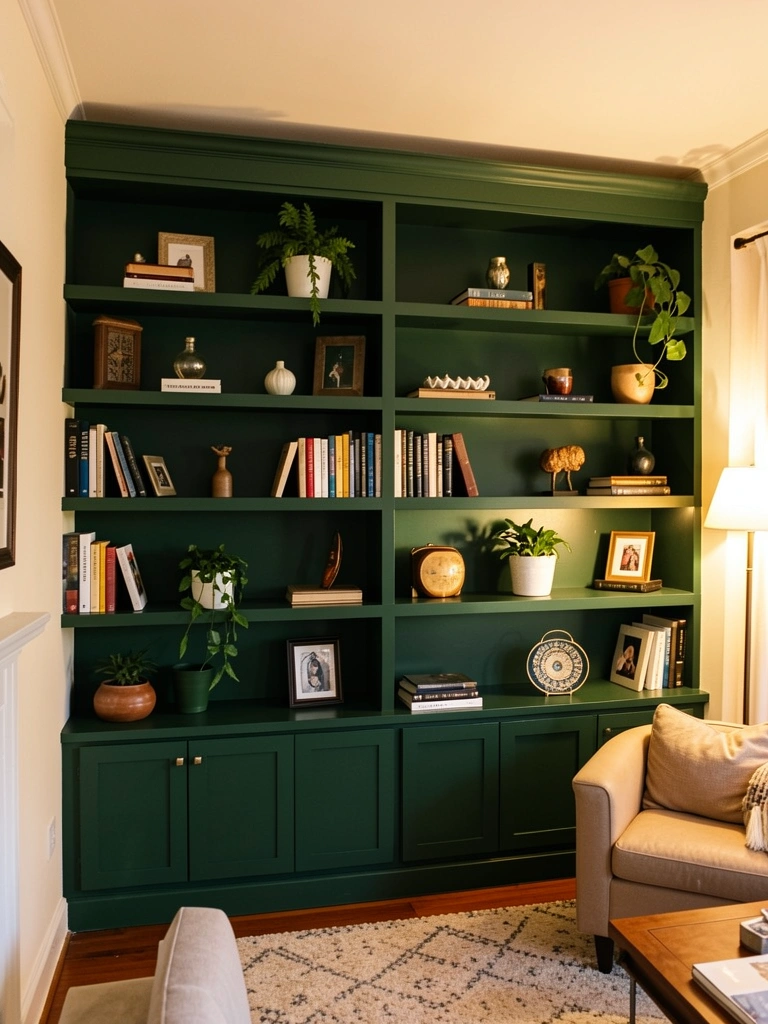
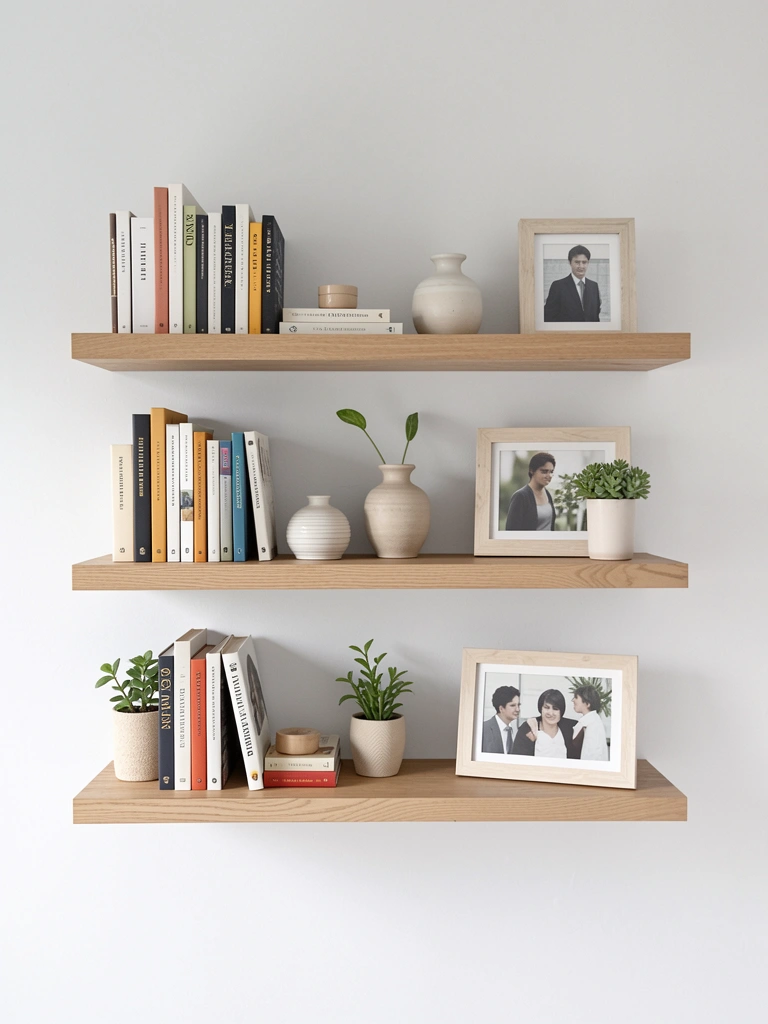
    Painting the back walls of open shelving (or built-ins) in a contrasting color makes styled items pop and adds depth to your space. It’s an easy upgrade many people overlook.

    Paint the interior back panels of shelves in a bold or complementary color ($20–$40). This takes 1–2 hours and requires no special skills—just painter’s tape, a small brush, and precision. The color should either match your accent wall or complement it dramatically.

    Pro tip: This works especially well if you already have built-in shelving you want to refresh without a full room repaint.

    Your shelves become a designed element rather than just storage. The contrasting background makes whatever you display look more intentional and curated, and it’s an affordable way to add visual interest and depth.


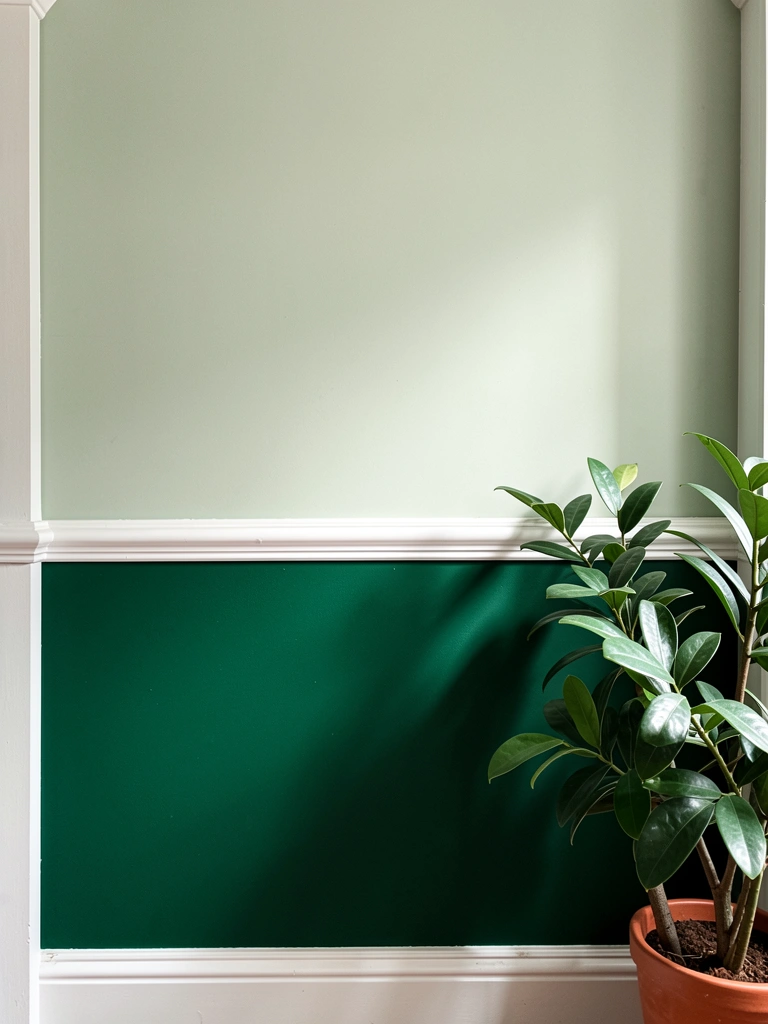
    18. Use Paint + Wallpaper Combo for Custom Interest
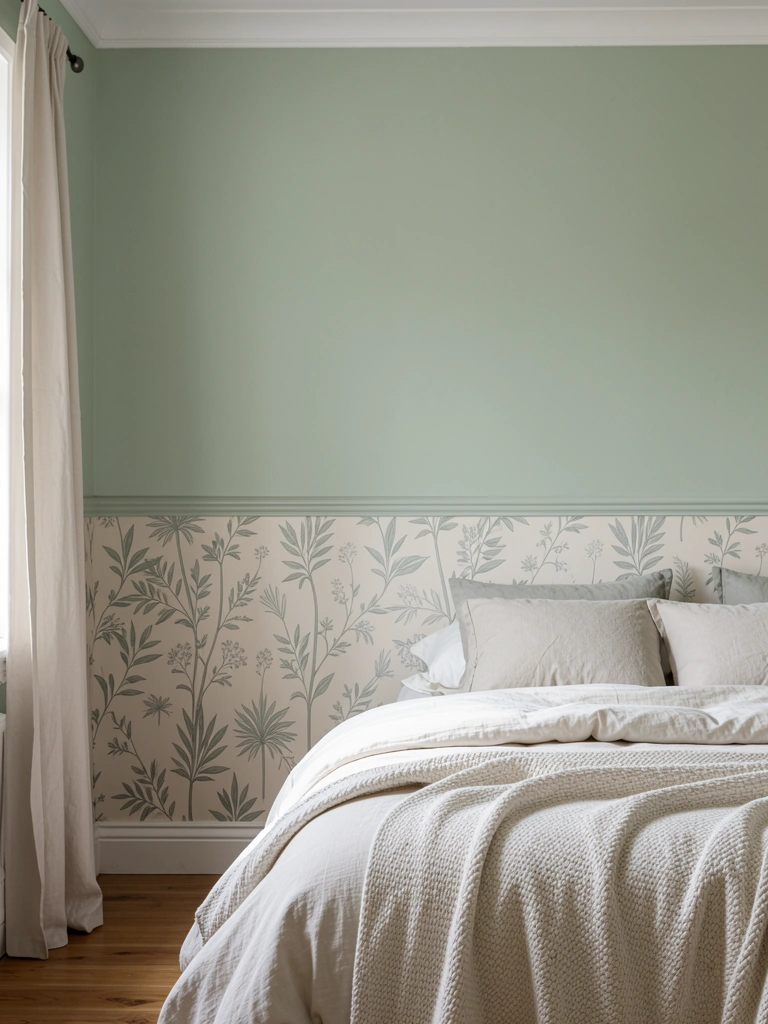
    Combining paint and wallpaper (or paint with painted borders) creates custom visual interest without overwhelming the space. This technique works beautifully in bedrooms and dining rooms.

    Paint your upper walls one color ($30–$50), then apply peel-and-stick wallpaper to the lower half ($25–$75). Draw a straight line at the midpoint with painter’s tape for clean edges. Budget one full day. Alternatively, paint the entire wall, then add a painted stripe or border using contrasting paint and painter’s tape ($40–$60 total).

    Bonus: This technique makes average-height ceilings feel taller.

    You get visual layering and custom design that feels collected and intentional. The combination of techniques creates depth and personality that solid color alone can’t achieve.


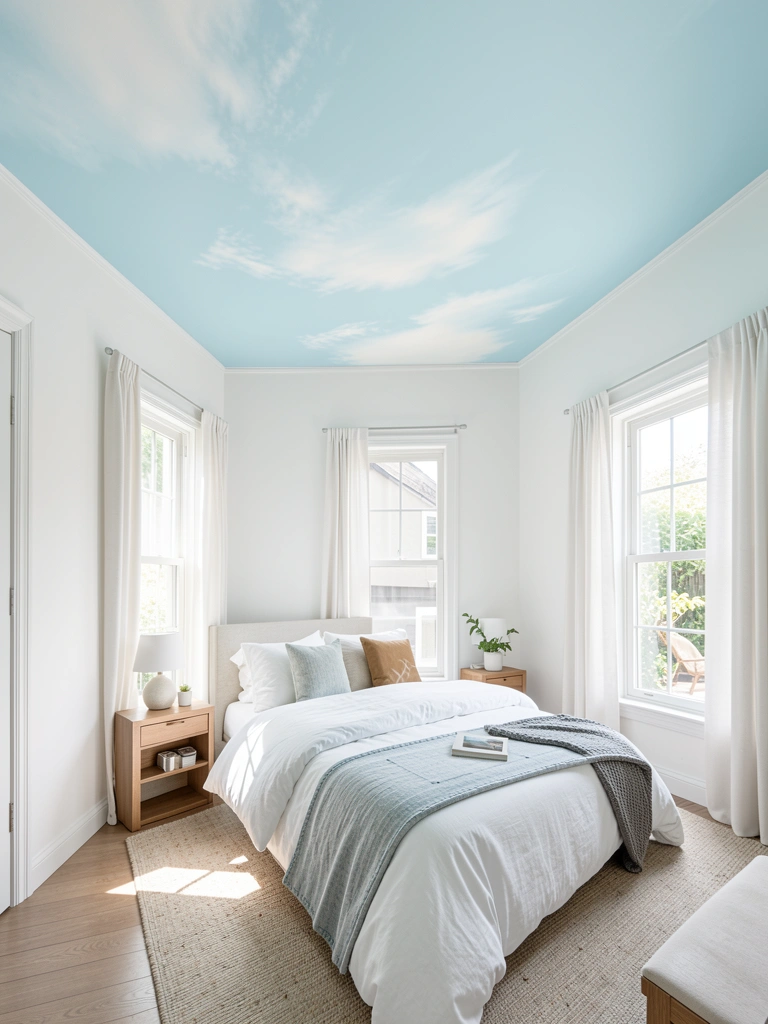
    19. Create Ombre Ceilings for Unexpected Drama
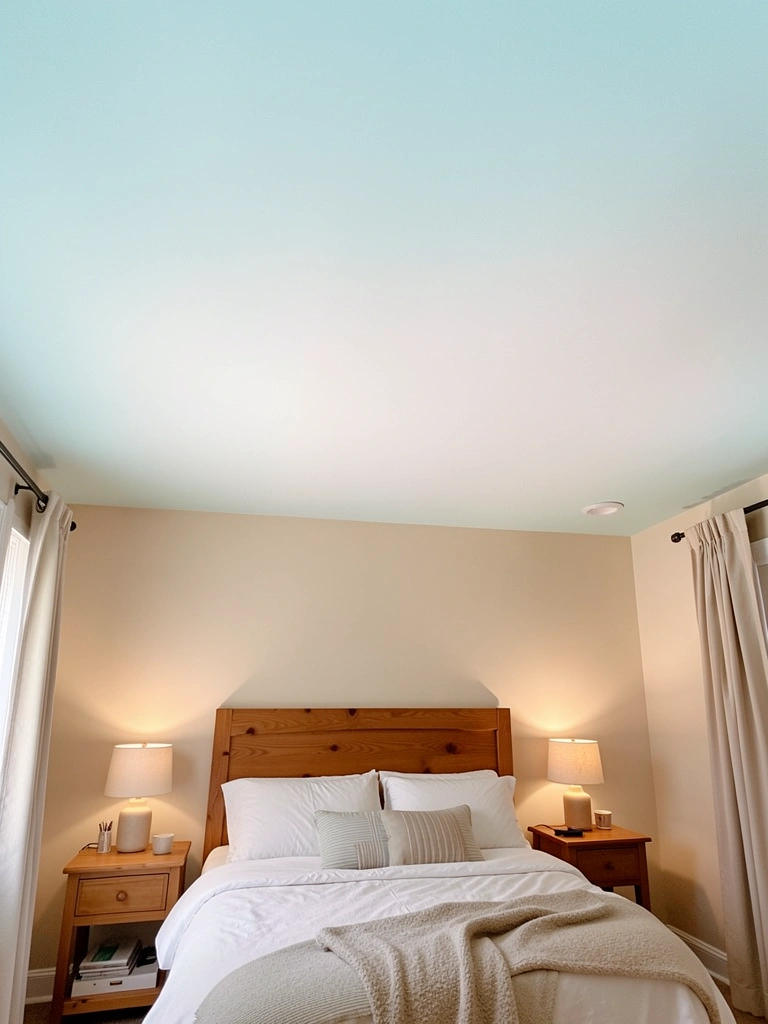
    Ombre ceilings are an underrated trick that makes rooms feel taller and adds subtle drama. It’s an unexpected detail that impresses.

    Paint your ceiling white in the center, gradually transitioning to a soft color at the edges ($40–$60 for two paint colors). Use painter’s tape to create horizontal bands, starting with light pencil marks for guides. Budget 4–6 hours for an average ceiling and use a quality angled brush for precision. A ladder is essential.

    Pro tip: Enlist a friend—ceiling painting is legitimately easier with two people.

    Your room gains architectural interest and visual height. Ombre ceilings make spaces feel designed and thoughtful, especially in bedrooms and small bathrooms.


    20. Apply Chalk Paint for Textured Matte Finish
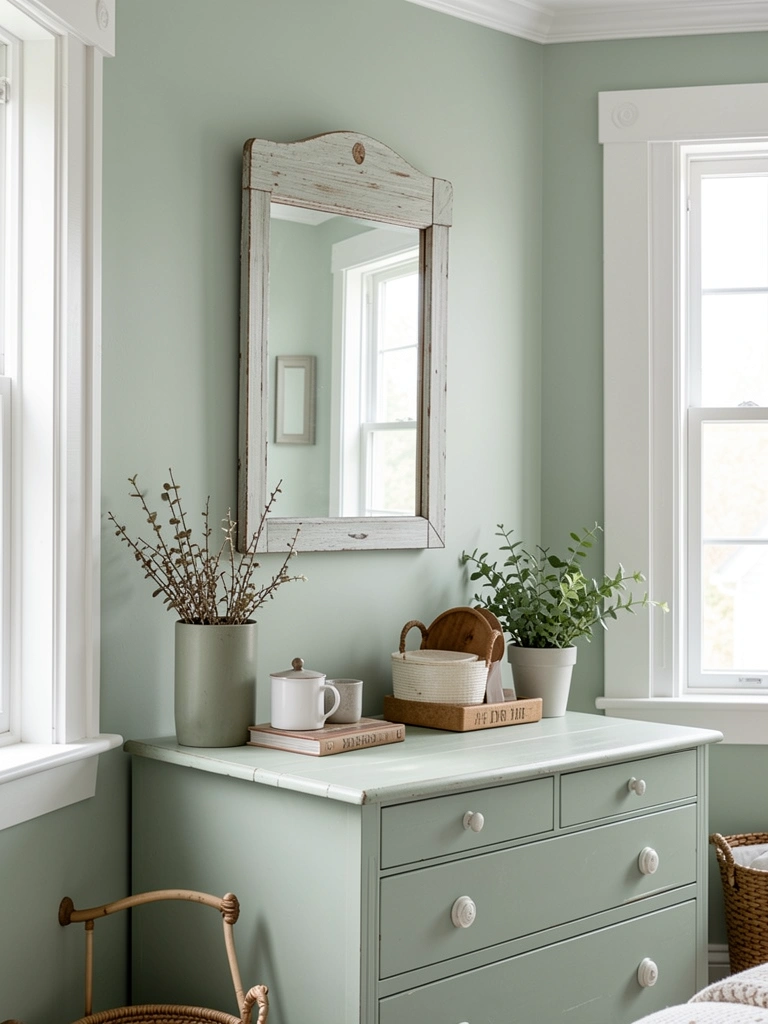
    Chalk paint creates a velvety, matte finish that feels organic and cottagecore. It adheres well to most surfaces and doesn’t require primer on previously painted walls.

    Purchase chalk paint ($20–$50 per quart) from Annie Sloan, Rust-Oleum, or even craft stores. Apply two thin coats with a foam roller, allowing drying time between coats. Budget one afternoon. Chalk paint requires a protective sealant topcoat ($15–$25) to prevent dust transfer, but it’s worth it for the gorgeous matte finish.

    Bonus: Chalk paint works on furniture too, so you can create a coordinated look.

    Your walls gain a sophisticated, velvety-soft appearance that photographs beautifully. The matte finish feels artistic and intentional, especially in bedrooms and dining rooms with vintage or farmhouse styles.


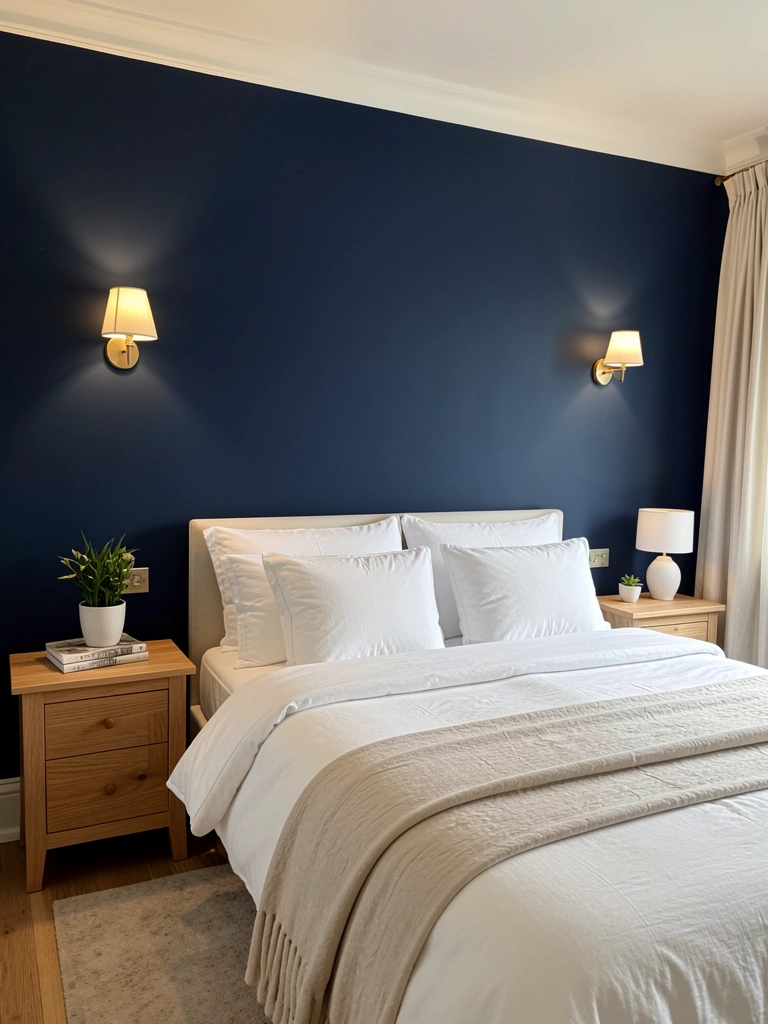
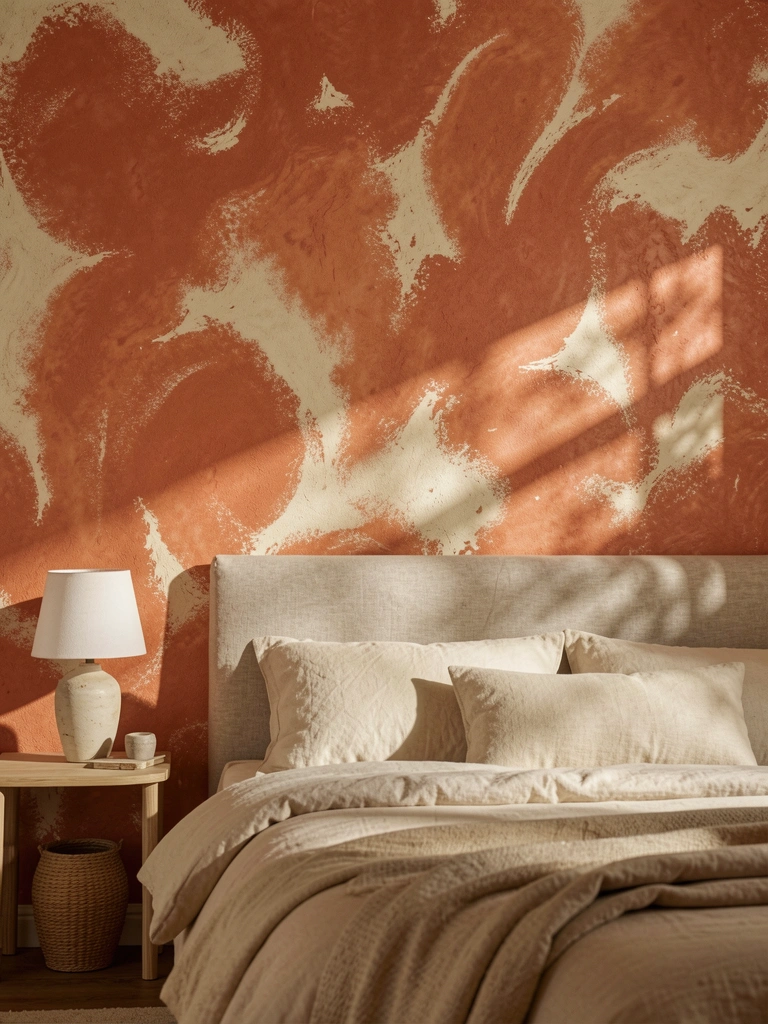
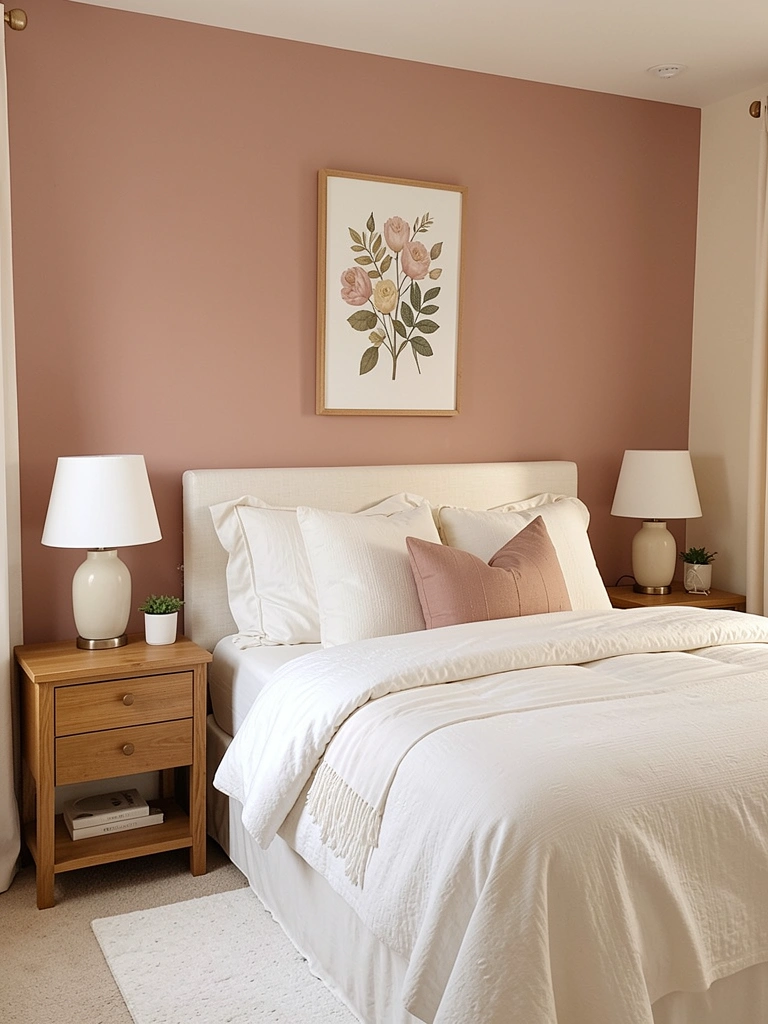
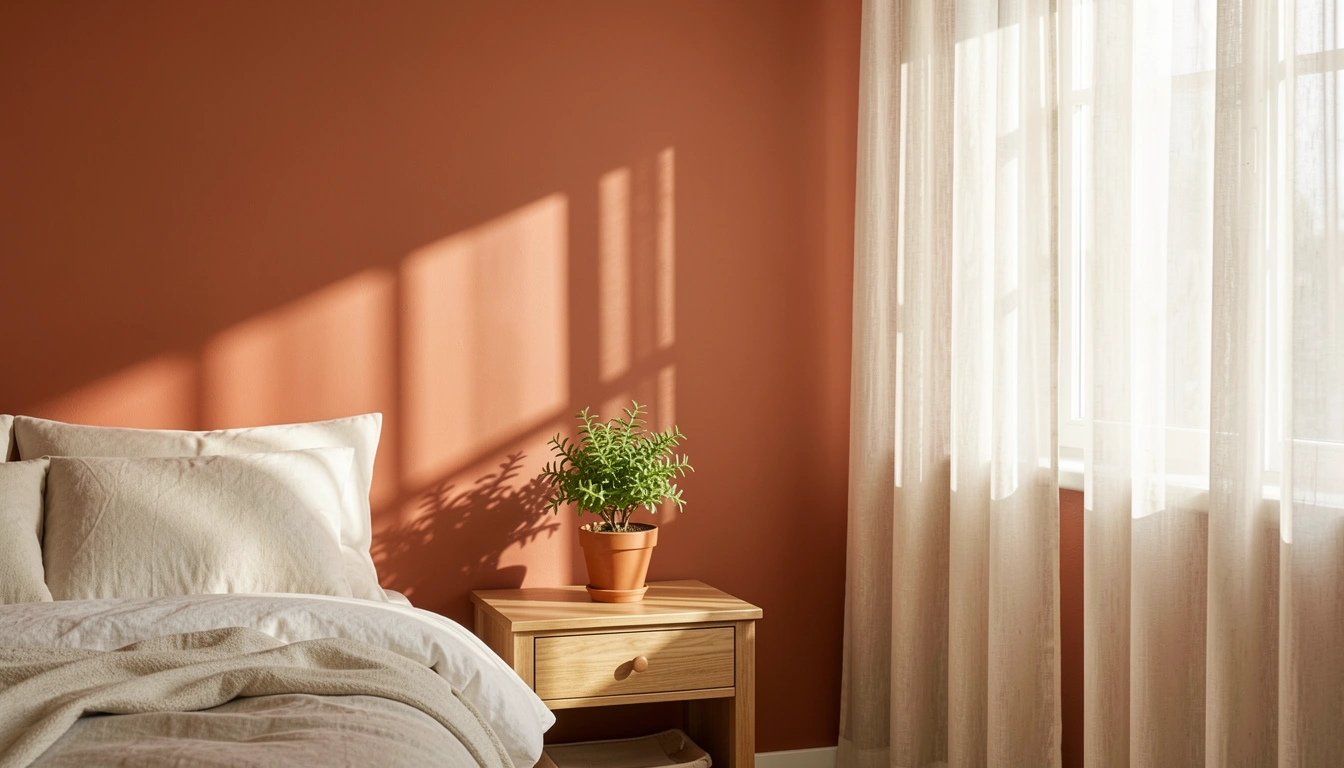
    21. Paint an Accent Wall Behind Your Bed
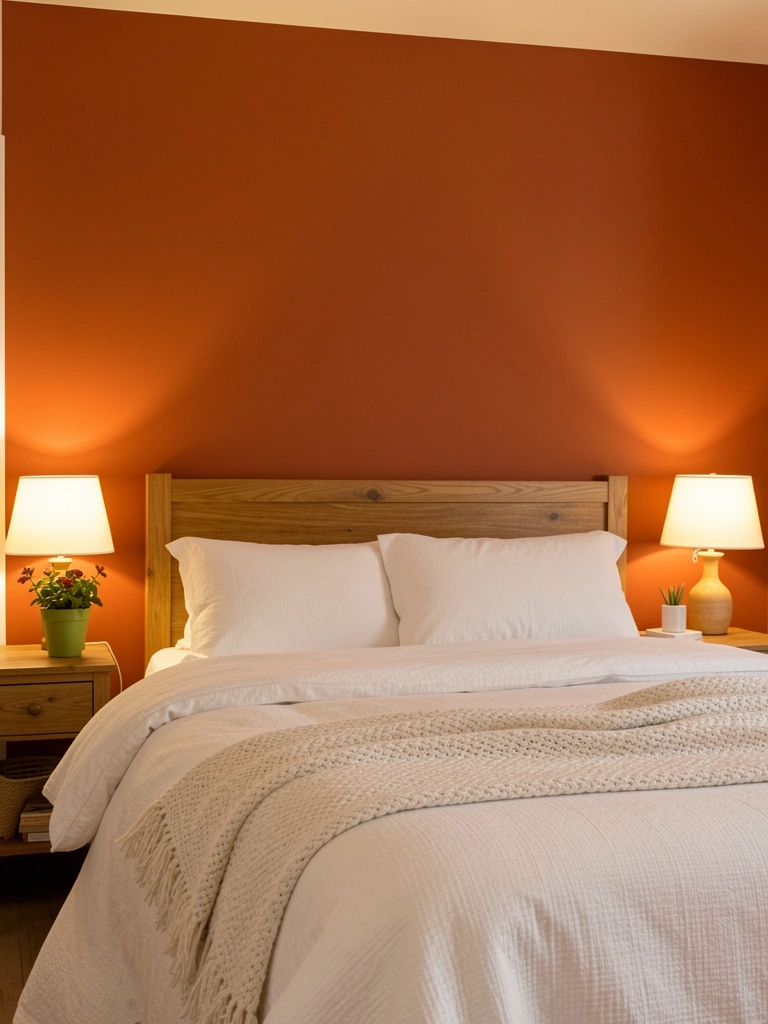
    An accent wall directly behind your bed creates a cocoon-like effect and makes the bed feel like the hero of the room. It’s a high-impact, low-commitment upgrade.

    Choose your favorite moody or warm color ($30–$50) and paint only the wall behind your bed. Alternatively, extend it slightly wider for more drama. Budget 2–3 hours for just one wall. This strategy works beautifully with darker colors because it’s contained to one small area.

    Pro tip: Make sure your bed is positioned in front of this wall—don’t hide it behind nightstands.

    Your bedroom instantly becomes more designed and intentional. The focus naturally draws to your bed, making the room feel like a personal retreat rather than an afterthought.


    22. Mix Matte and Gloss Paint on Same Wall
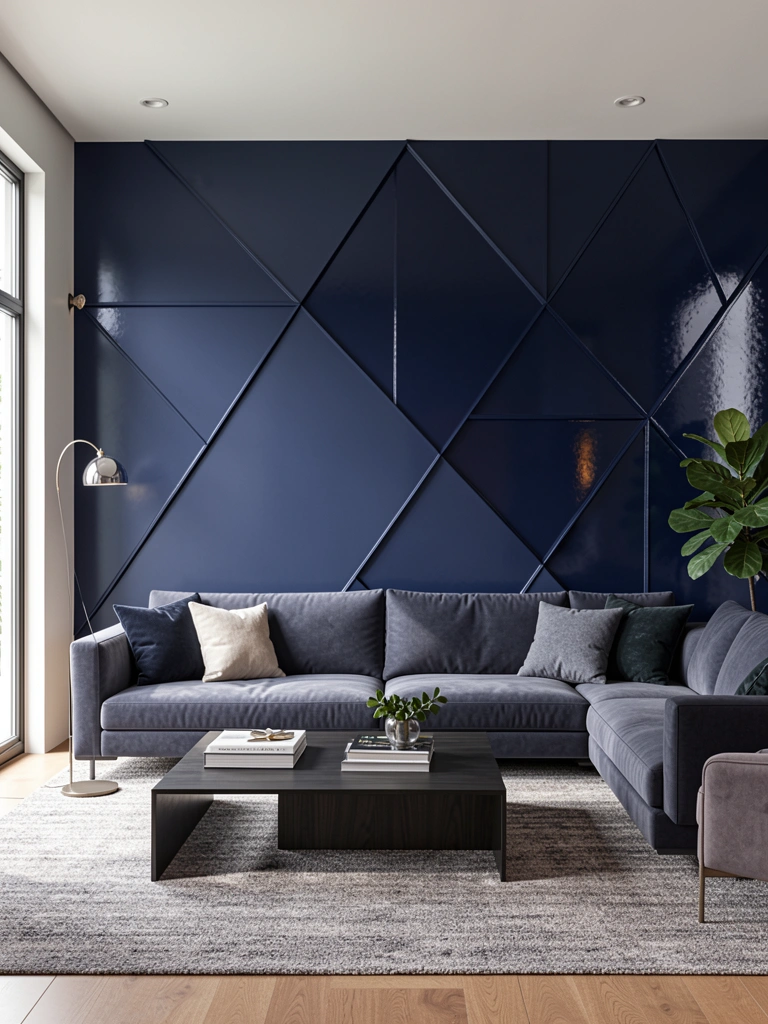
    Mixing matte and gloss finishes on the same wall creates subtle texture and light-play that looks custom and sophisticated. It’s an advanced trick that feels simple once you try it.

    Paint your wall in sections: some areas matte, some areas gloss in the same or coordinating colors ($50–$80 total). Use painter’s tape to define sections clearly. Budget 4–5 hours, allowing drying time between finish changes. This technique works beautifully with geometric shapes or ombre effects.

    Pro tip: The gloss sections should have a purpose (around shelving, window frames, or in a geometric pattern)—random gloss looks accidental.

    Your wall gains subtle sophistication and texture that catches light throughout the day. The mixed finishes create visual interest that photographs beautifully and feels genuinely high-end.


    23. Paint Color Capsules for Curated Cohesion
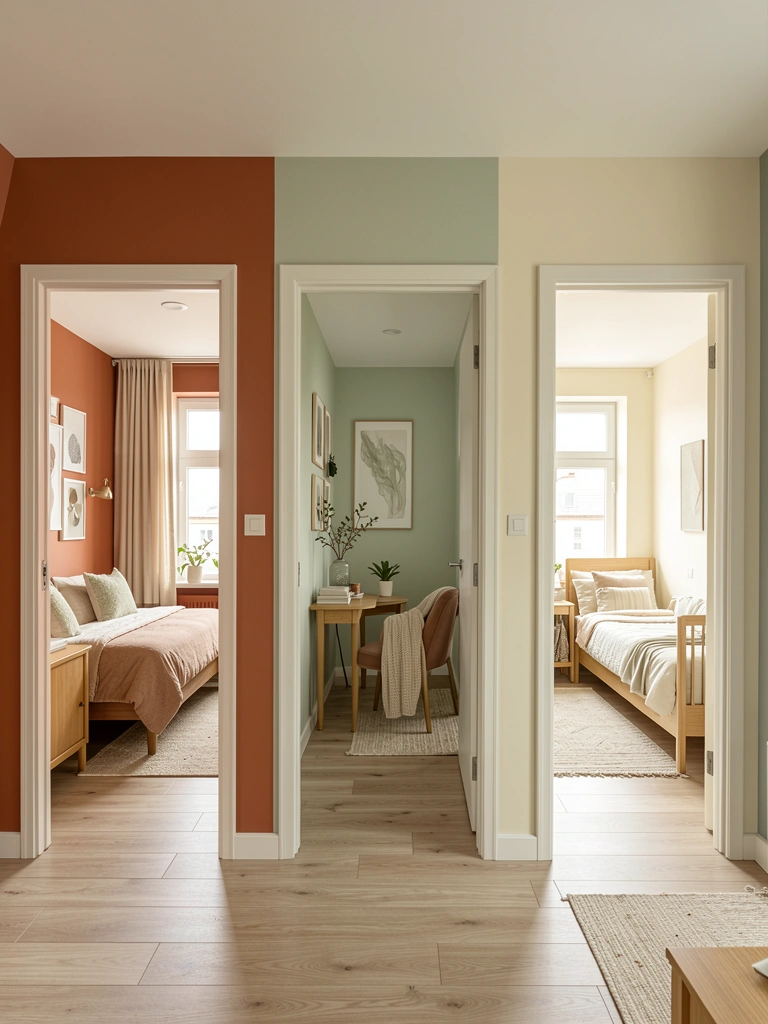
    Color capsules (curated palettes of 3–4 coordinating colors used throughout your home) create flow and intention across multiple rooms. It’s how designed homes feel collected rather than random.

    Select a primary color, an accent color, and neutrals from Benjamin Moore or Sherwin-Williams that complement each other. Paint different rooms in different colors from your palette ($100–$150 total for multiple rooms). Budget one weekend per room. The key is repeating at least one color across rooms so they feel connected.

    Bonus: Color capsules are easier to plan using online color tools from paint brands.

    Your entire home gains cohesion and intentional design. Moving through rooms with coordinating colors makes spaces feel like they belong together, and the overall aesthetic feels significantly more curated.


    24. Create a Textured Wall Using Sponge Technique
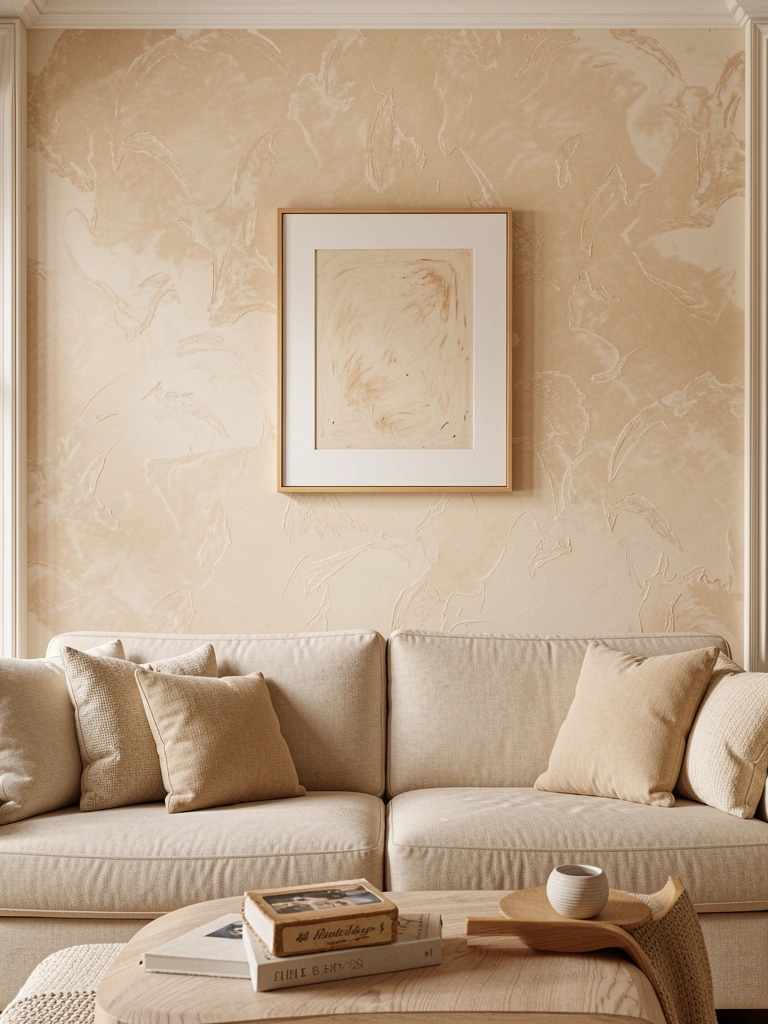
    Sponge texturing creates subtle depth and organic interest without the expense of Venetian plaster. It’s accessible, budget-friendly, and genuinely charming.

    Purchase a natural sea sponge ($5–$10) and two coordinating paint colors ($40–$60). Apply your base color, let it dry, then dab the second color on using the sponge in a dabbing (not wiping) motion. Budget 3–4 hours for one wall. The key is using a light hand—you want subtle texture, not obvious sponge marks.

    Pro tip: Practice your technique on poster board first to get the pressure and spacing right.

    Your wall gains organic, handmade character that looks intentional and charming. The texture catches light and creates shadow play, making your space look more carefully designed than flat paint.


    25. Paint Doorframes and Trim in Contrasting Colors
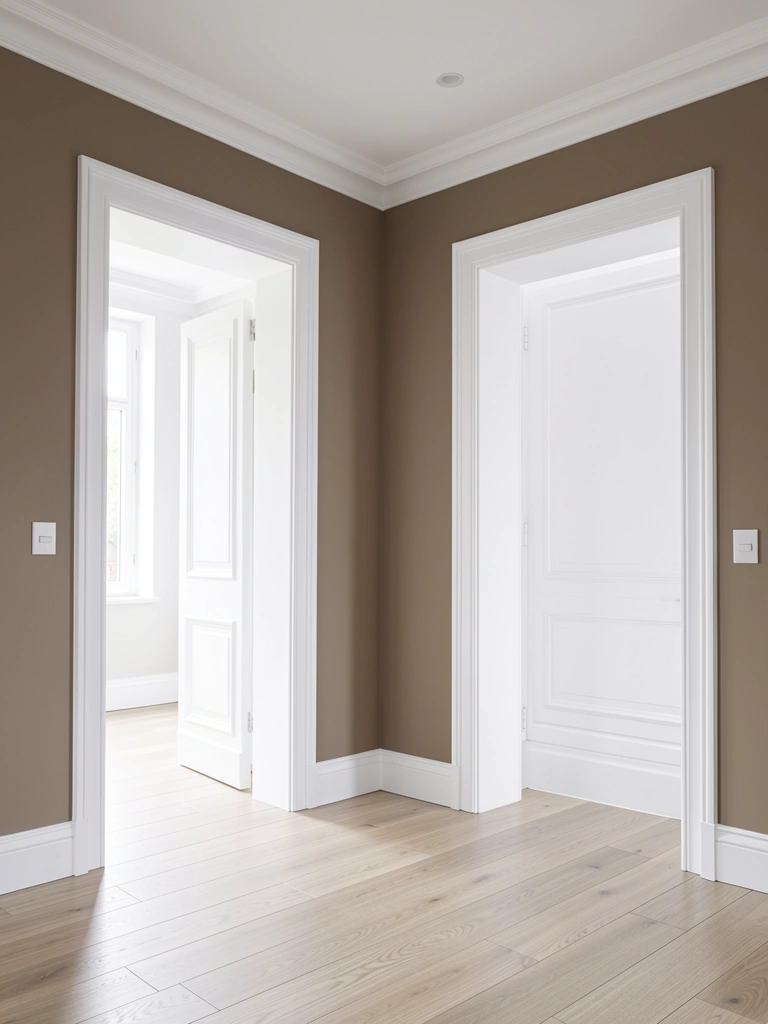
    Painting trim and doorframes in a contrasting color (usually white or a bolder shade) instantly adds architectural interest and sophistication. It’s an overlooked detail with major impact.

    Use semi-gloss trim paint in white or your chosen color ($30–$50) and apply two coats with a small brush or trim roller. Budget one afternoon for average trim. Tape walls carefully to keep paint off them. Semi-gloss is more durable and easier to clean than matte on trim.

    Bonus: Crisp white trim makes walls feel more like art—it frames them beautifully.

    Your room gains defined architecture and visual sophistication. The contrast between wall color and trim creates clean lines that make spaces feel more intentionally designed and professionally finished.


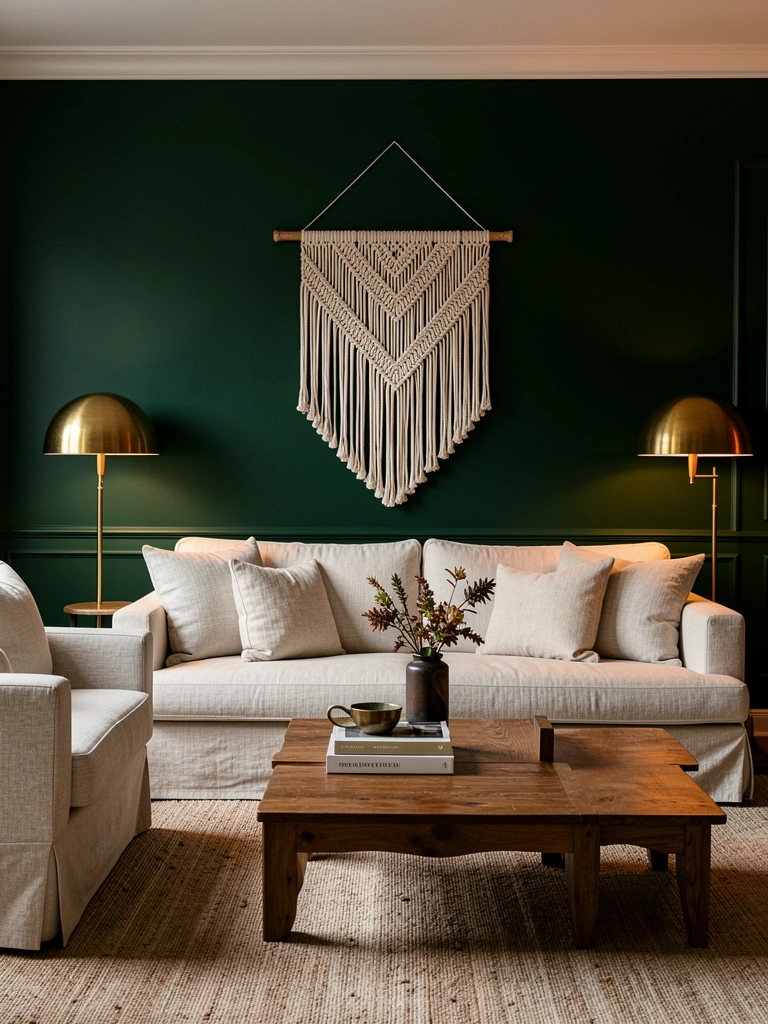
    26. Install Woven Tapestry Wall Art Over Paint
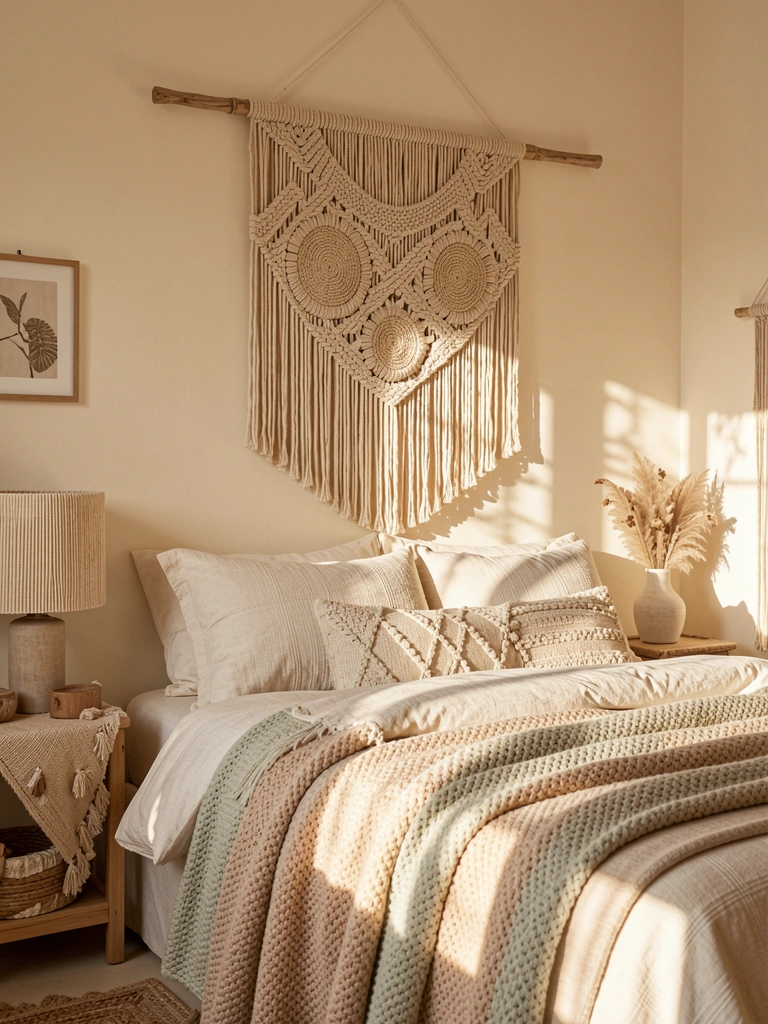
    Layering woven textiles (macramé, tapestries, woven wall hangings) over painted walls combines color, texture, and organic interest. It’s an easy way to add personality without changing paint.

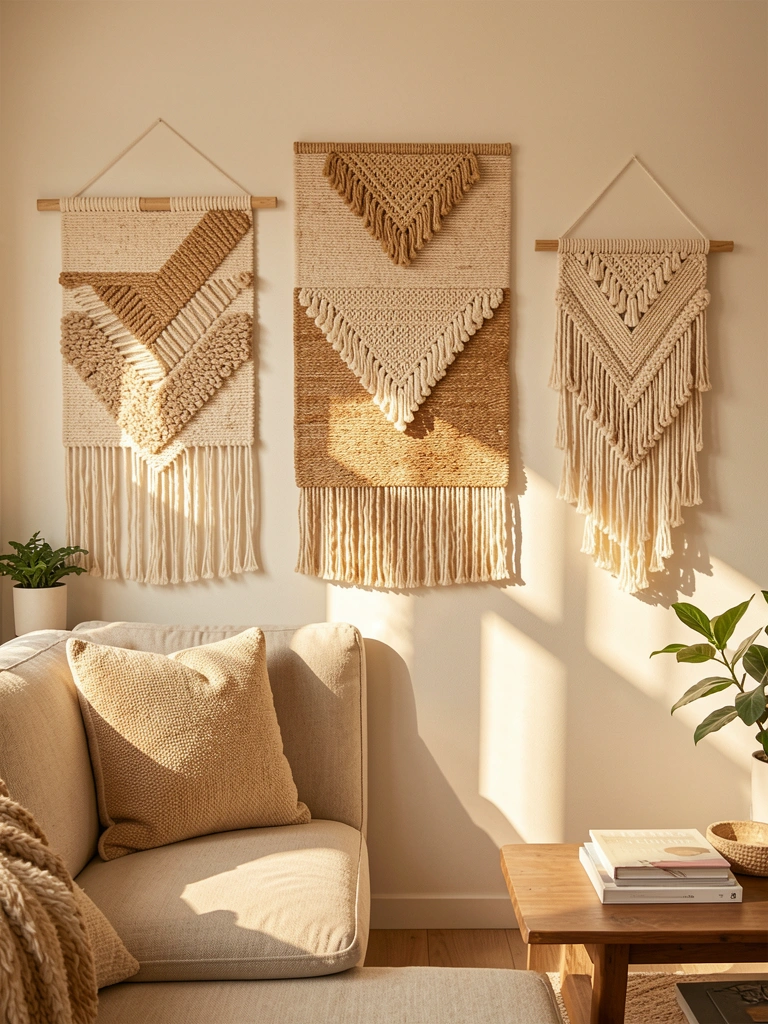
    Mount a large woven tapestry or macramé ($40–$150 from Etsy, Urban Outfitters, or Amazon) on a painted accent wall using a sturdy hanging rod or hooks. This takes 30 minutes including measuring and hanging. The combination of paint color + texture creates a designed, intentional focal point.

    Pro tip: Choose natural fibers and neutral palettes for timeless appeal, or go bold with dyed textiles if your style leans eclectic.

    Your wall becomes a multidimensional focal point that combines color, texture, and artisanal craft. Woven pieces add warmth and bohemian sophistication that flat art alone can’t achieve.


    27. Paint a Feature Wall in Sustainable, Low-VOC Paint
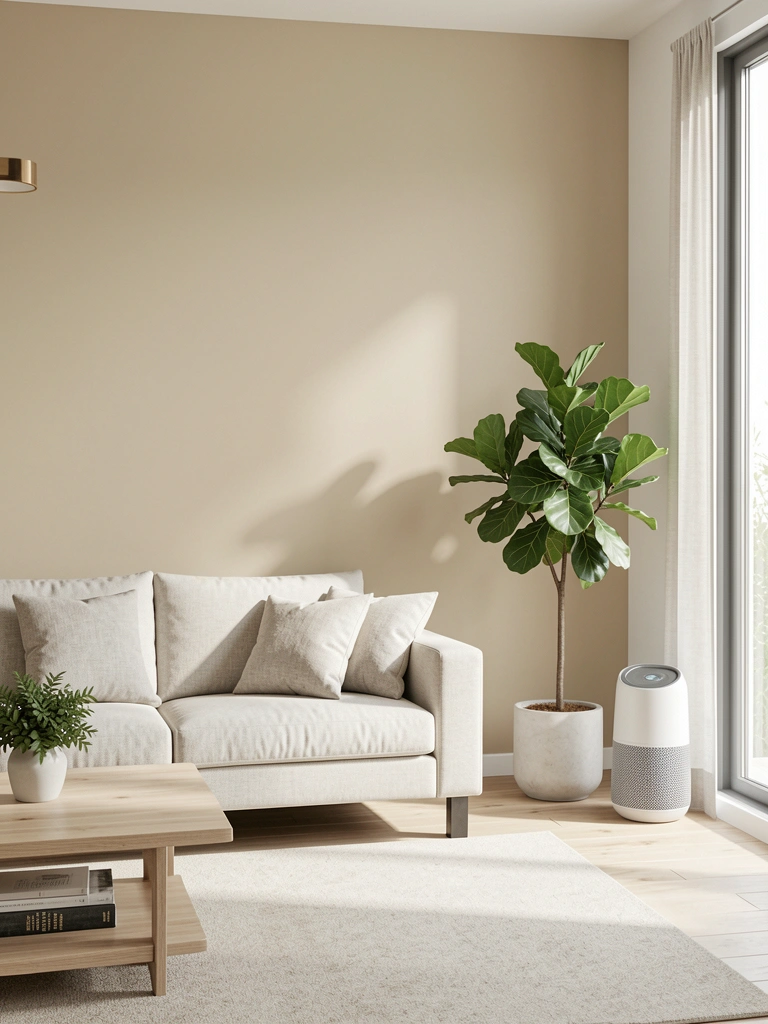
    Choosing low-VOC (volatile organic compound) or eco-friendly paint is a health-conscious upgrade that matters, especially for bedrooms and nurseries. Modern eco-paints perform beautifully without the chemical smell.

    Purchase low-VOC paint brands like Benjamin Moore Natura, Sherwin-Williams Harmony, or Seventh Generation ($40–$65 per gallon). Performance is identical to conventional paint—you get the same coverage and durability with fewer chemicals. Budget one weekend for average room painting. Many eco-paints come in gorgeous colors, so you’re not sacrificing aesthetics.

    Pro tip: Eco-paints dry slightly faster and have minimal odor, so you can reenter the room sooner.

    You create a healthier indoor environment, especially important in bedrooms where you spend hours breathing. The bonus? Eco-paint brands often have beautiful color options, so your health-conscious choice never compromises style.


    Save this post for your next wall refresh and pick just one idea to tackle this weekend—even renters can try removable wallpaper or accent wall paint. Share it with anyone redesigning, and let us know which technique you’re most excited about trying.
  • 25 Linen Curtain Inspiration for Airy, Natural Interiors

    25 Linen Curtain Inspiration for Airy, Natural Interiors

    25 Linen Curtain Inspiration for Airy, Natural Interiors

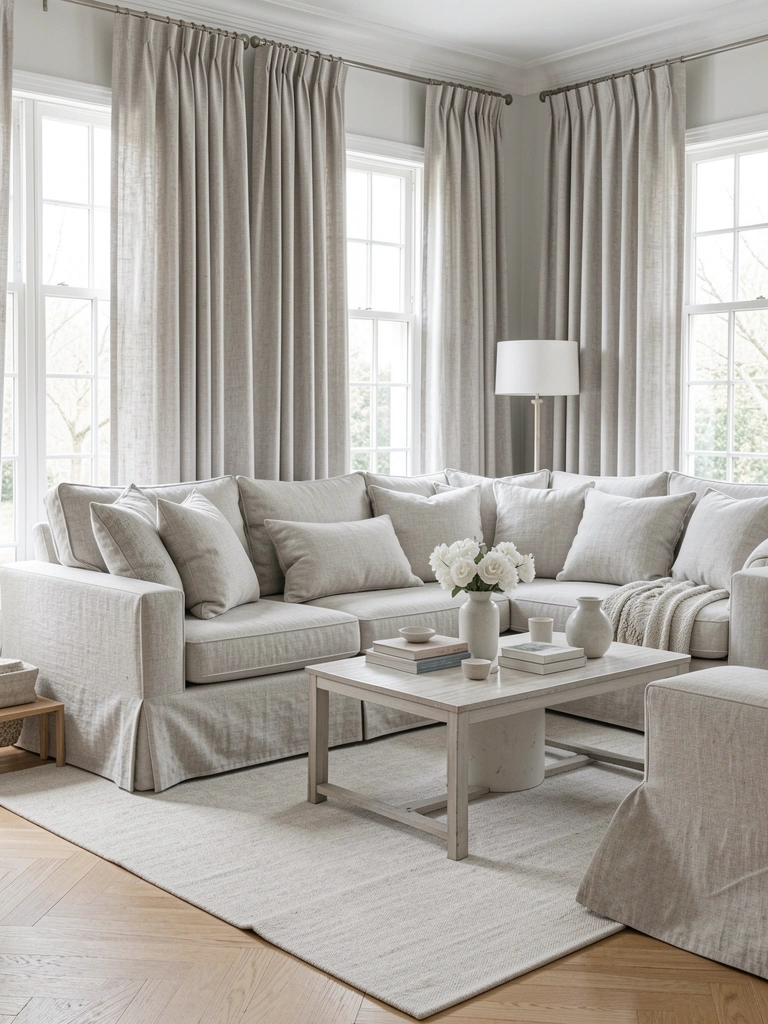
    Linen curtains have become the go-to choice for anyone craving a light-filled, natural living space. Unlike heavy synthetics, linen breathes—literally and aesthetically—creating rooms that feel open and lived-in rather than formal or stiff. Whether you’re drawn to them for their hypoallergenic qualities, sustainable appeal, or simply their ability to softly diffuse light, linen offers endless styling possibilities. The challenge? Figuring out which linen look matches your space and how to layer, color, and hang them for maximum impact.

    This guide rounds up 25 linen curtain ideas—from budget-friendly hacks to investment-worthy pieces—plus styling tricks to help you create the airy, natural-feeling living room you’ve been imagining. You’ll find options for renters, DIY enthusiasts, and anyone ready to upgrade their windows without breaking the bank. Let’s dive in.


    1. Choose Warm Linen Tones Over Stark White

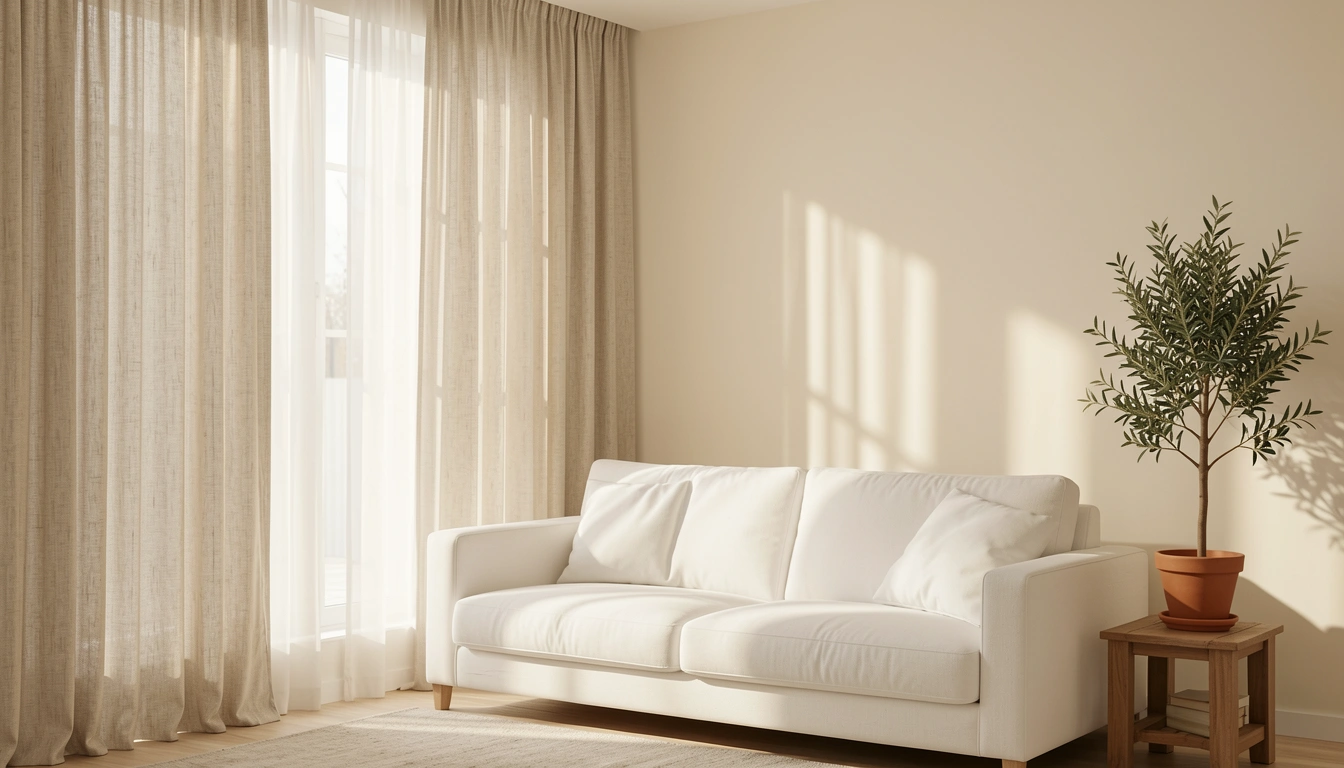
    Pure white linen can read cold and clinical in living rooms, especially if your home leans cozy or eclectic. Warm neutrals—sand, oatmeal, soft taupe, warm gray—are far more forgiving and create instant comfort. They pair beautifully with natural wood, warm metals like brass, and earth-toned furnishings.

    Linen in these softer hues is often available at mid-range retailers like Target, Wayfair, and IKEA for $30–$80 per panel. You can also search specialty linen suppliers like Etsy for custom dyed options in $40–$120 per panel. Most standard panels come in 84″, 96″, or 108″ lengths. The beauty of warm neutrals is they hide dust slightly better than white and won’t need washing quite as frequently—a real win for busy households.

    The result is a room that feels welcoming from the moment you step in. Warm linen plays well with virtually any décor style and makes your space feel intentional rather than accidental.


    2. Layer Sheer Linen with Blackout Panels

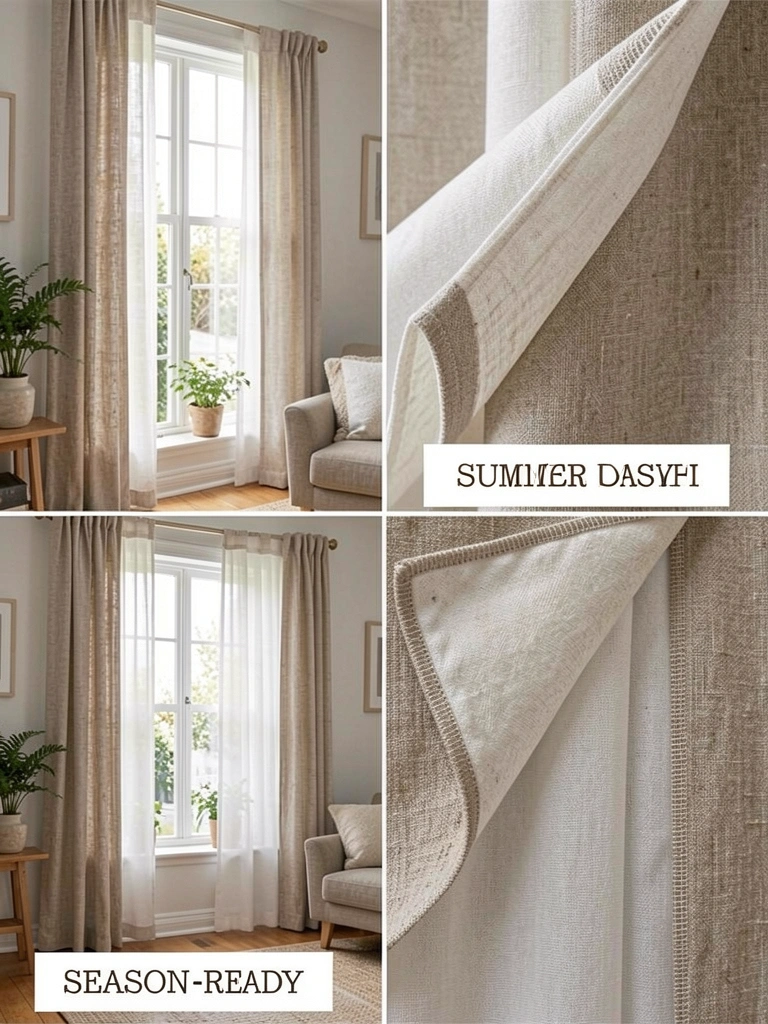
    Layering sheer linen with a blackout panel gives you the best of both worlds: daytime lightness and nighttime privacy. During the day, the sheer lets gentle filtered light through. At night, pull the heavy panel closed for complete darkness and added insulation.

    Pair a sheer linen panel ($25–$50 per panel) with a thermal blackout curtain ($40–$100 per panel). IKEA’s Räcka sheers are budget-friendly starters; Target’s Project 62 line offers linen-look options. For better quality, try Curtarra or Etsy sellers specializing in European linen. Installation takes about 30 minutes using a double curtain rod ($15–$40) from any hardware store.

    Mounting rods at the ceiling and letting both layers pool slightly on the floor creates visual height and a designer touch—no interior decorator required. This setup also improves insulation, helping keep your room cooler in summer and warmer in winter.


    3. Go Floor-to-Ceiling for Dramatic Height

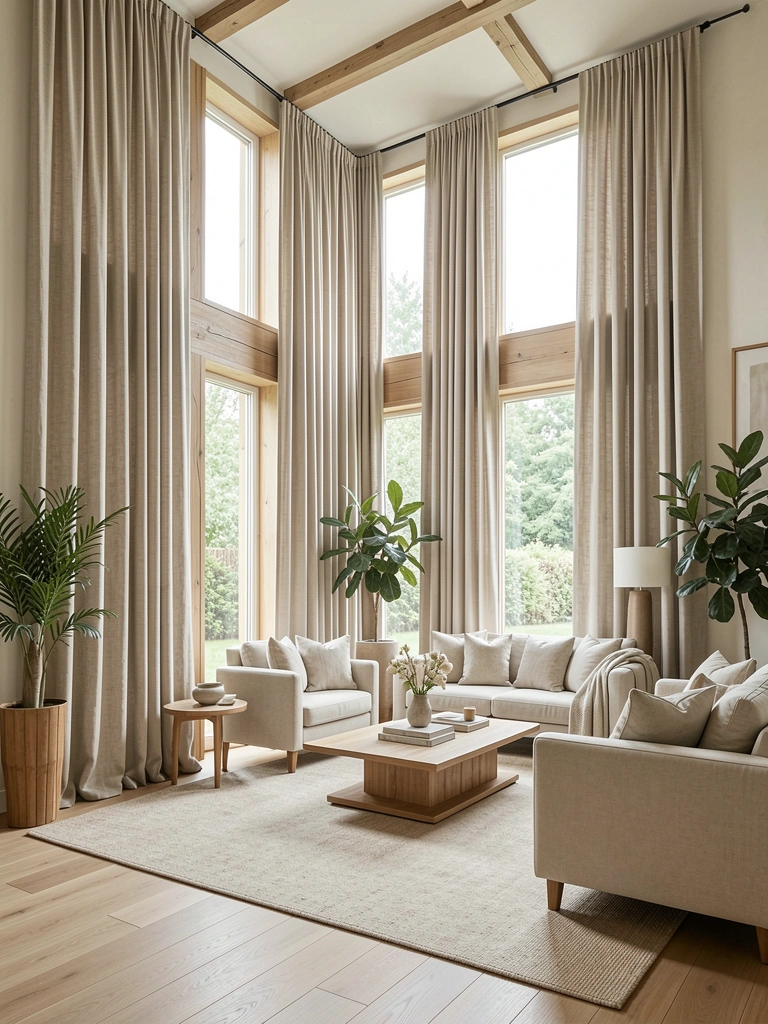
    If your living room feels boxy or ceilings seem low, floor-to-ceiling curtains are a free styling hack that makes walls feel taller and rooms feel bigger. Hang your rod as close to the ceiling as possible—even 6 inches higher than the window frame makes a difference.

    For a 9-foot ceiling, order 96–108″ panels (these cost roughly the same as 84″ at most retailers). If your window is standard 36–48″ wide, plan for two panels per window ($50–$150 total). Hang them on a simple metal rod ($10–$25) using bracket hardware ($15–$30). Renter tip: use removable adhesive hooks and a lightweight tension rod instead for $20 total.

    You’ll see an immediate change in how spacious your room feels. Paired with a neutral palette and minimal patterns, this creates a calm, gallery-like backdrop that lets your furniture and décor shine.


    4. Use Linen + Embroidery as Statement Artwork

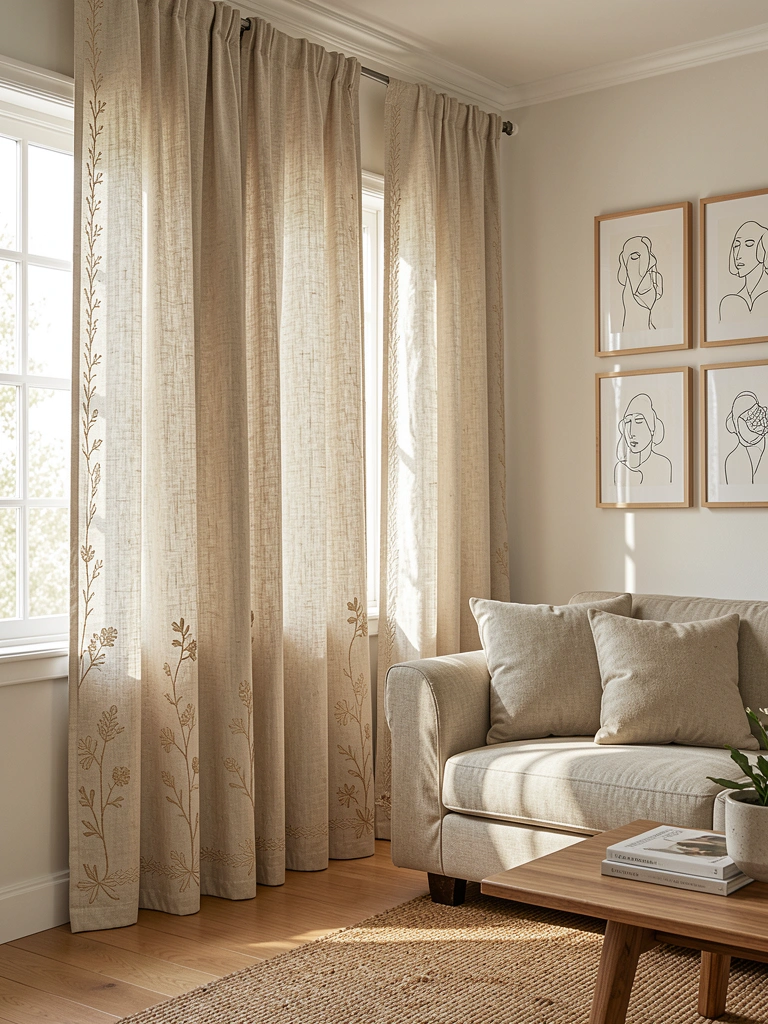
    Instead of hanging art next to plain curtains, choose linen with embroidered details—florals, geometric patterns, or abstract stitching—to make the window itself the focal point. Embroidered linen is more niche but worth the search.

    Look on Etsy ($80–$200 per panel), specialty boutiques, or retailers like Anthropologie ($100–$180). You can also buy plain linen and have embroidery added by a local seamstress for $30–$80 per panel labor cost, assuming you provide the base fabric. Allow 2–4 weeks for custom work.

    The payoff is a one-of-a-kind window treatment that doubles as art. It becomes a conversation starter and eliminates the need for additional wall hangings, which can make small spaces feel cluttered.


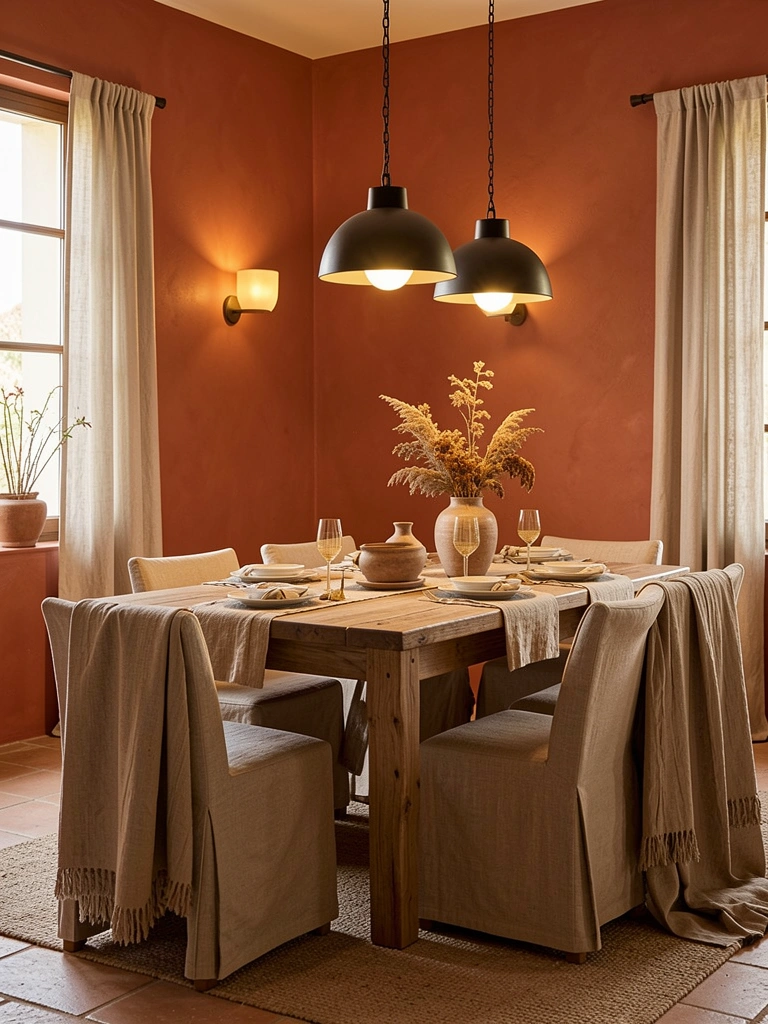
    5. Pair Linen with Warm Terracotta or Rust

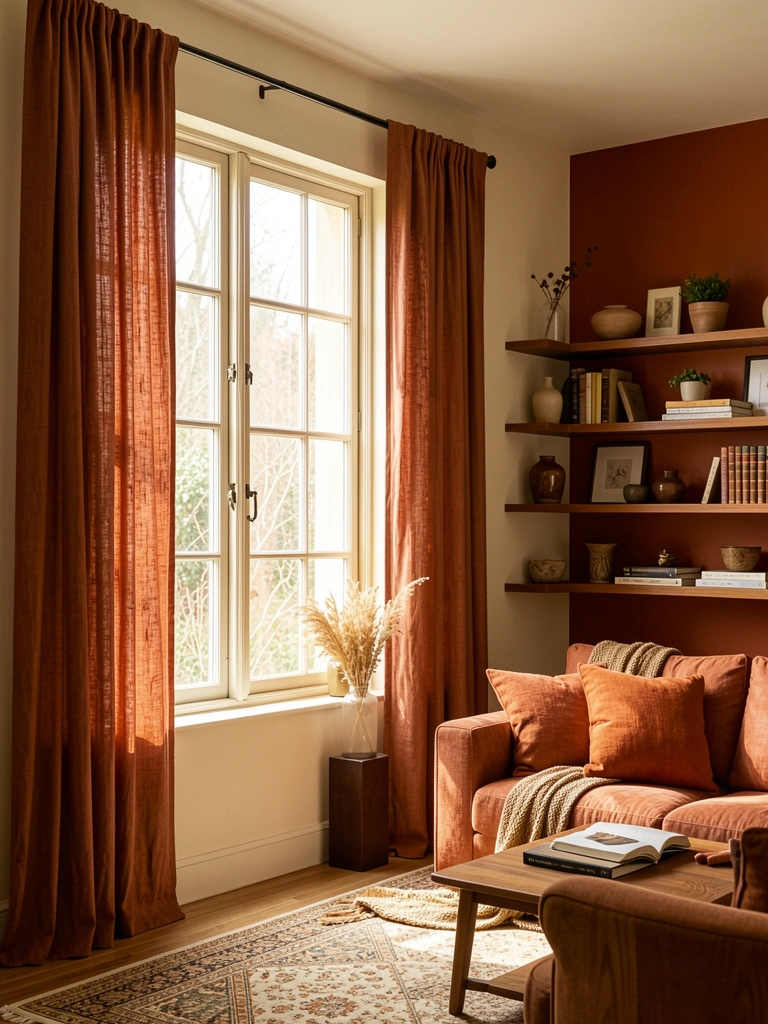
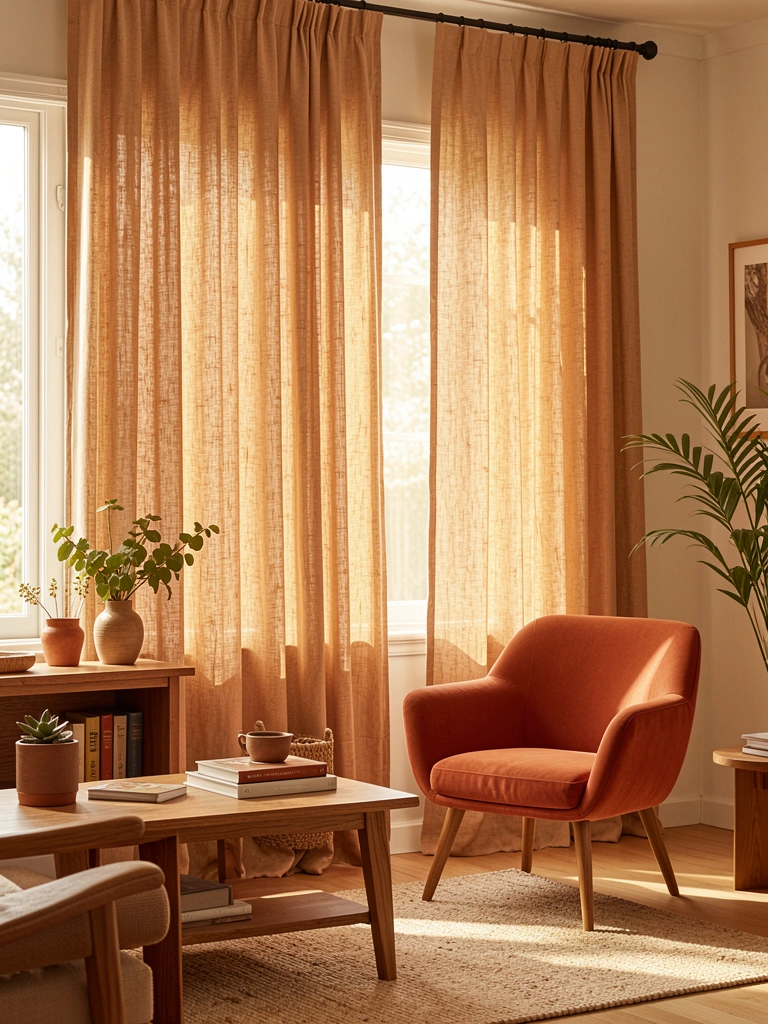
    Earthy tones like terracotta, rust, and warm ochre are trending hard for 2025 and look stunning in linen. These colors feel natural without being boring, and they complement almost any living room style—from bohemian to modern minimalist.

    Terracotta or rust linen panels are available from Wayfair ($35–$90), Target ($40–$70), and specialty linen shops ($60–$150). If your local stores don’t stock these shades, check Amazon or Etsy. Pro tip: order samples before committing. Most retailers ship fabric swatches free so you can see how the color looks in your actual light.

    Pair rust linen with brass or gold hardware and natural wood furniture for a cohesive, warm aesthetic. The color reads as sophisticated rather than trendy, so you won’t tire of it quickly.


    6. Embrace Linen’s Wrinkled Texture—Don’t Iron It

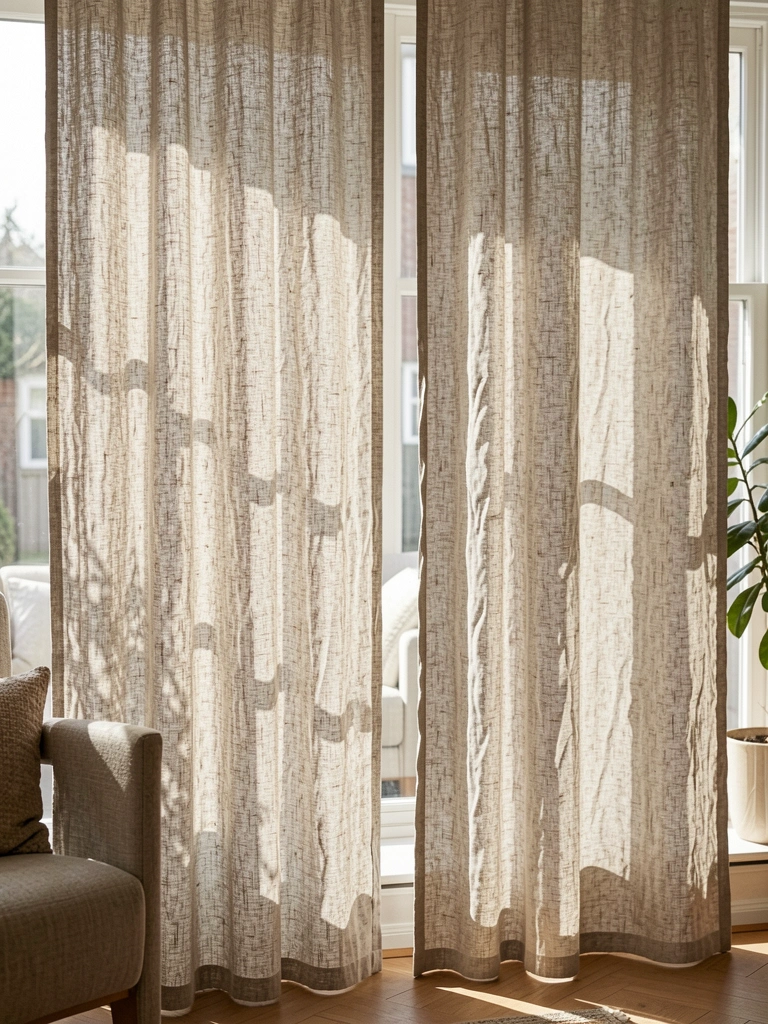
    New linen owners often panic when their curtains arrive wrinkled. The secret? Stop fighting it. Linen’s crinkled texture is part of its charm—it reads as organic and high-quality, not sloppy. Resisting the urge to iron saves you time and honors the fabric’s natural character.

    Hang your linen panels immediately upon arrival and let them settle for 24–48 hours. Most wrinkles relax naturally as gravity does the work. If you absolutely must reduce wrinkles, use a handheld steamer ($20–$50) rather than an iron, keeping it 6 inches away from fabric.

    This approach also means linen becomes lower-maintenance. You’ll wash less frequently, worry less about perfection, and embrace a more relaxed aesthetic overall. Your curtains will look intentionally textured rather than carelessly wrinkled.


    7. Create a Color-Drenching Look with Matching Walls

    Color drenching—matching your curtain color to your wall color—creates an immersive, cocoon-like space that feels curated and bold. It’s less common than you’d think, which means it stands out.

    Start with a soft sage, warm gray, or dusty olive linen panel ($40–$100). Have walls painted in a matching or near-matching shade using paint samples from your local hardware store to test first. Paint costs $30–$60 per wall, and application is a weekend DIY or hire a pro for $500–$1,500 depending on room size.

    The trick is choosing subtle colors—overly saturated shades can feel overwhelming in a living room where you spend hours. Test your color choice in different lights (morning, afternoon, evening) before committing to painting entire walls.

    The result is a space that feels intentionally designed rather than haphazardly decorated. Bonus: matching colors make rooms feel larger because there’s no visual interruption.


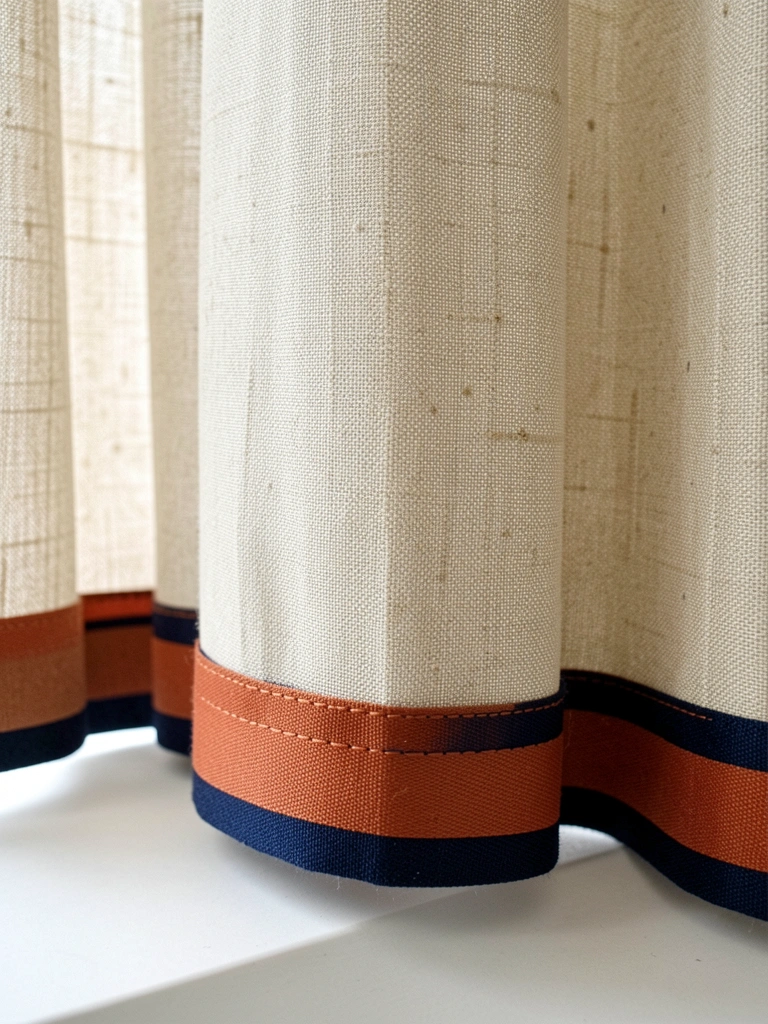
    8. Mix Linen with Decorative Trim for Personality

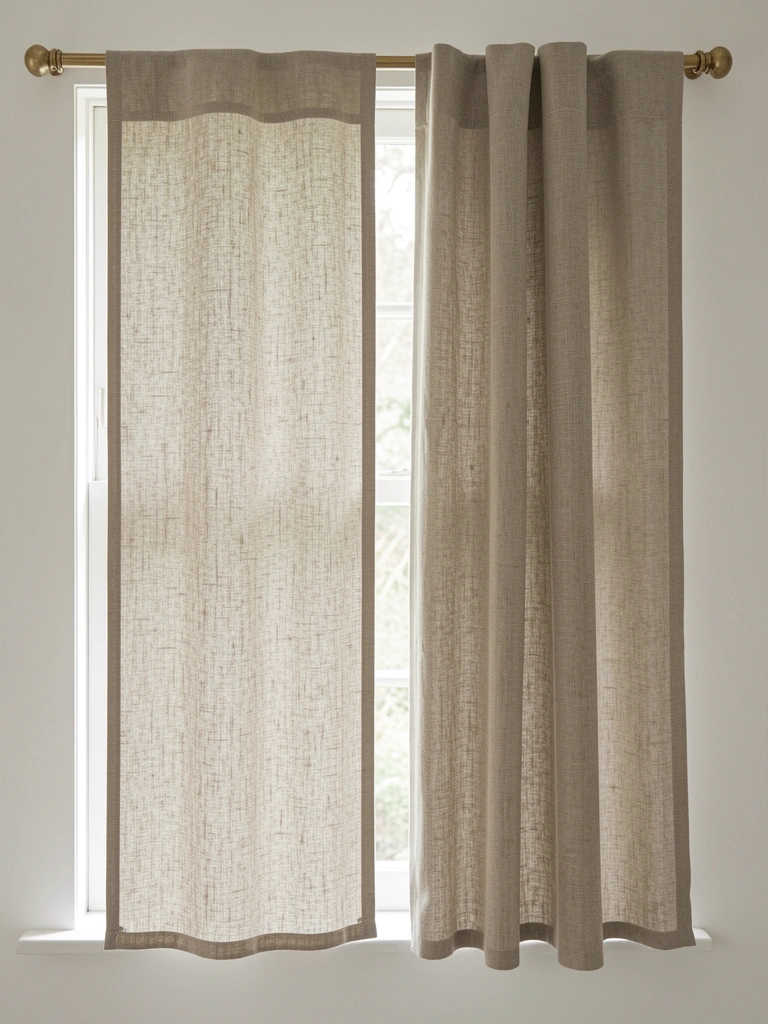
    Adding trim to plain linen instantly elevates the look from basic to custom. A contrasting ribbon, braid, or fringe along the bottom (or sides) adds personality without overwhelming the space.

    Purchase plain linen panels ($30–$80) and decorative trim ($10–$30 per yard) from fabric stores like Joann Fabrics or online retailers like Mood Fabrics. Have a seamstress attach the trim for $20–$50 per panel, or DIY with a sewing machine if you’re comfortable (allow 2–3 hours per pair). Renter option: use fabric glue for temporary trim attachment ($5–$10).

    This customization makes your curtains feel intentional and tailored without the custom-order price tag. It’s also a simple way to tie in accent colors already present in your décor—like matching a trim color to throw pillows or wall art.


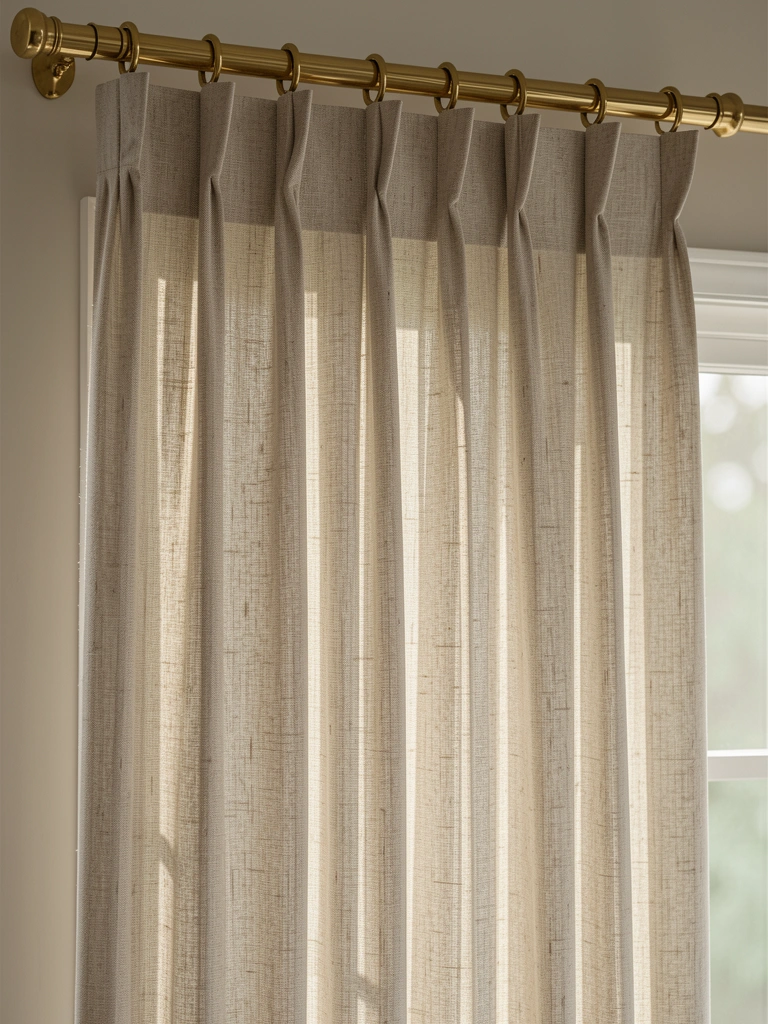
    9. Hang Linen with Pinch Pleat Tops for Formality

    Pinch pleats give linen a structured, formal look—perfect if you want to elevate your living room beyond casual. The regular folds create visual rhythm and make the curtains hang beautifully.

    Buy pre-made pinch pleat linen panels ($60–$150 per pair) from retailers like Wayfair, Pottery Barn, or Restoration Hardware. Alternatively, purchase plain linen and have a seamstress add pinch pleats for $30–$60 per panel. Installation takes about 30 minutes with a standard curtain rod and hooks ($20–$50).

    Pinch pleats work especially well in traditional or transitional living rooms where you want structure without maximalism. They also keep fabric neatly controlled, reducing the amount of floor space the curtains occupy when open.


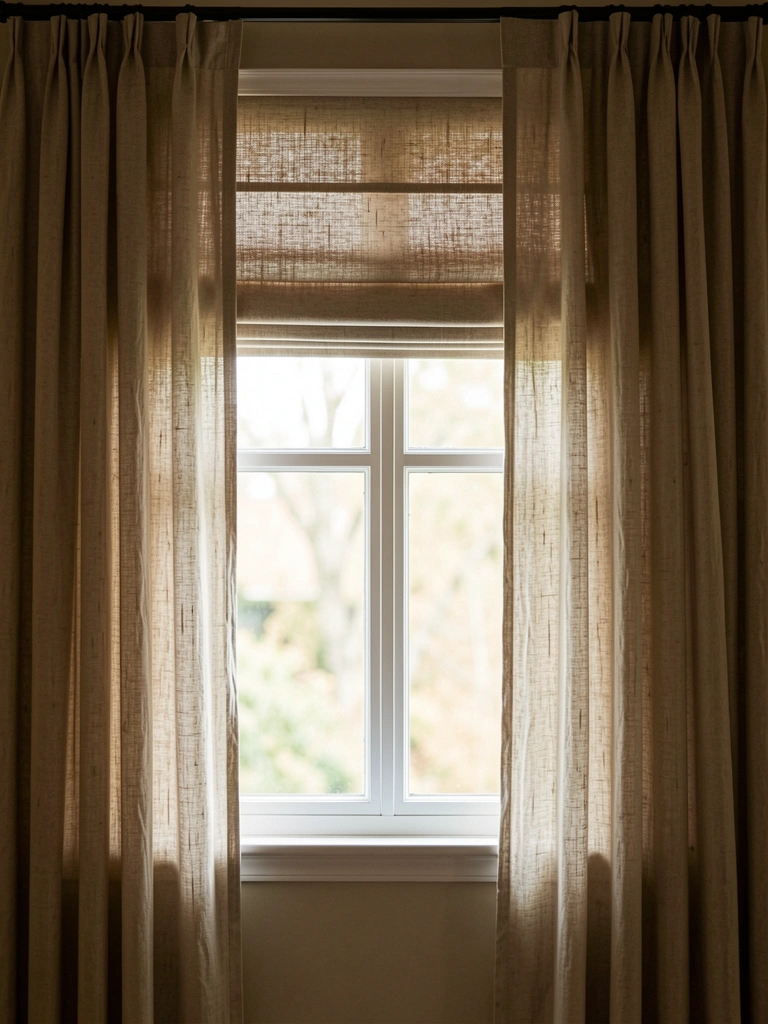
    10. Layer Linen Over Roman Shades for Hybrid Elegance

    Combining linen curtains with linen roman shades offers maximum flexibility and a designer-approved look. Use shades for daytime privacy and light control, then close curtains for nighttime drama.

    A roman shade in linen costs $60–$200 depending on width, and linen curtain panels run $40–$100 per pair. Budget $150–$400 total for both window treatments. Retailers like Wayfair, Target, and Amazon offer affordable options; Etsy and specialty shops offer premium versions. Installation is straightforward—mount the shade inside the window frame and hang curtains on a rod positioned 4–6 inches outside the frame.

    This layered approach makes your living room feel intentionally designed and gives you true control over light, privacy, and ambiance throughout the day. It’s also practical for rooms where one treatment alone doesn’t cut it.


    11. Choose Sustainable, Certified Organic Linen

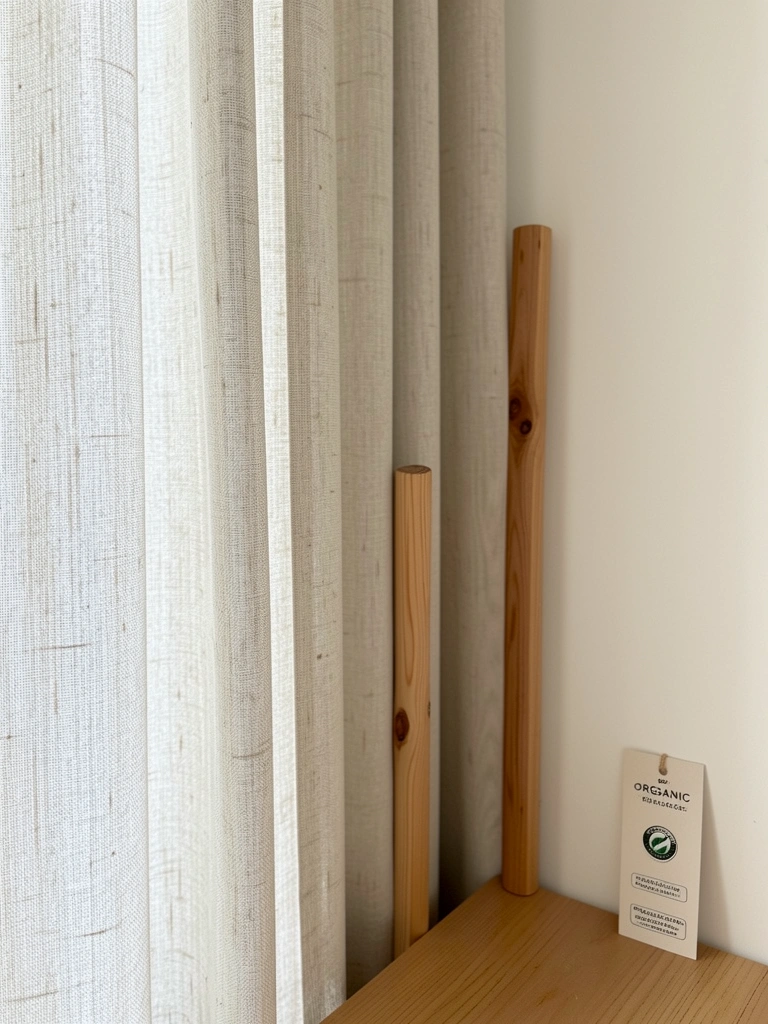
    If sustainability matters to you, seek out GOTS-certified (Global Organic Textile Standard) or Oeko-Tex certified linen—proof the fabric meets strict environmental and safety standards. These certifications reduce greenwashing guesswork.

    Certified organic linen typically costs $70–$180 per panel but ensures no harmful pesticides were used in growing flax and no toxic dyes were applied. Try specialty retailers like Etsy sellers with transparency pages, Patagonia’s Home line, or European linen suppliers that often emphasize certifications.

    Choosing certified fabric means your home supports better farming practices and safer manufacturing. It’s a small choice with tangible impact, and the quality of certified linen often justifies the premium price point.


    12. Go Ultra-Sheer for Minimalist, Airy Rooms

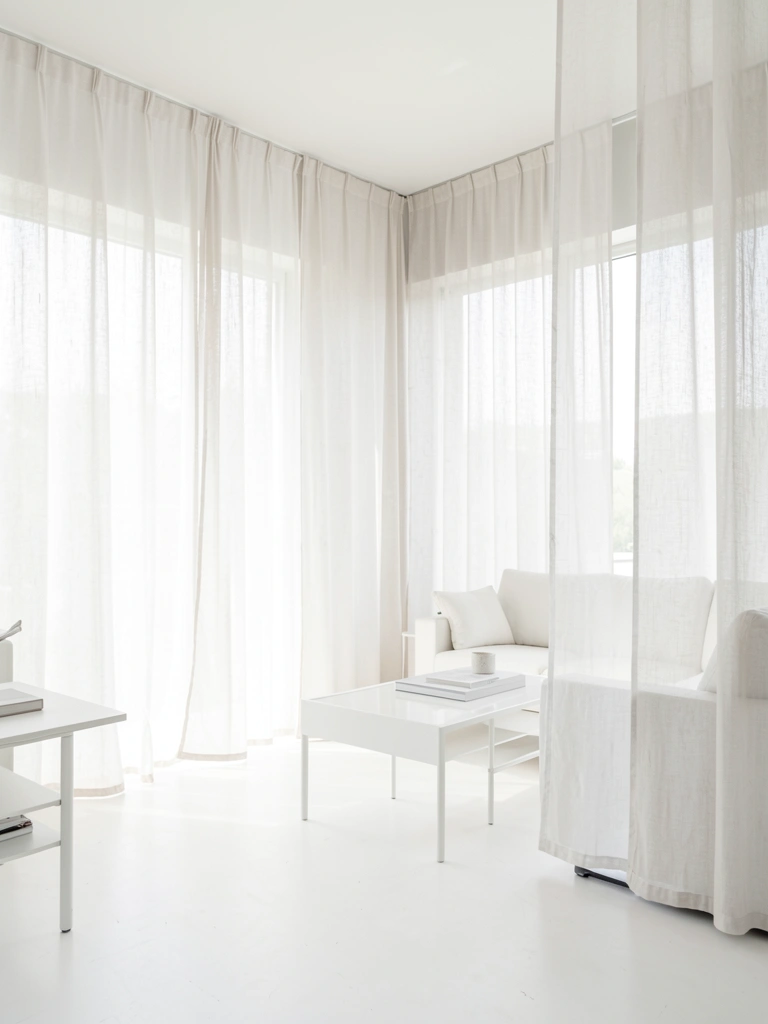
    If you want maximum light with just a whisper of coverage, ultra-sheer linen delivers. This works beautifully in modern, minimalist, or Scandinavian-inspired spaces where airiness trumps privacy.

    Sheer linen panels cost $20–$60 per panel and are stocked at IKEA, Target, Wayfair, and West Elm. Check fabric weight when ordering—look for descriptions like “semi-sheer” or “lightweight” if you want genuine transparency. Installation takes 15 minutes on a simple rod ($10–$20).

    The trade-off is minimal privacy from outside. This style works best if your living room doesn’t face the street or if you’re comfortable with silhouettes visible from outside during evening hours. Pair with a privacy plant or tall bookshelf as an alternative barrier.


    13. Combine Linen with Metallic Hardware for Subtle Luxury

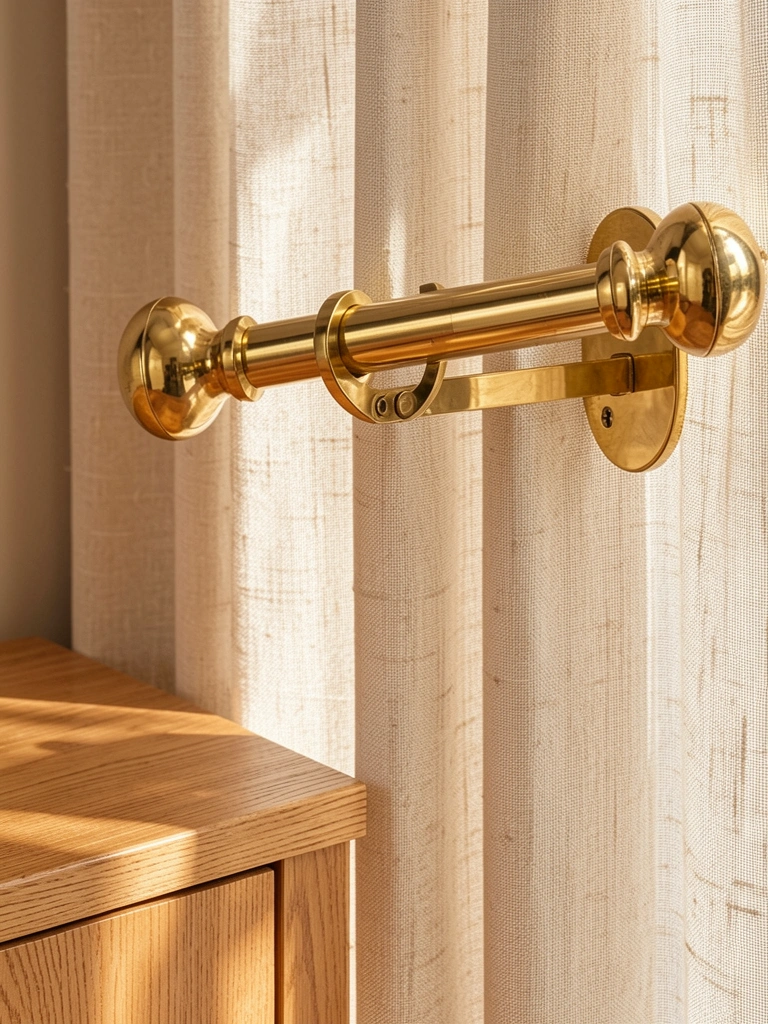
    Swapping standard silver hardware for brass, gold, or copper instantly adds sophistication without changing the curtains themselves. The metallic catches light and draws the eye upward, enhancing the visual impact of floor-to-ceiling treatments.

    Brass or gold curtain rods cost $20–$80 depending on quality. Mid-range options from Target, Wayfair, and Amazon offer the look without the price tag of designer hardware. Pair with matching finials ($10–$30 per pair) and brackets ($15–$40 per set).

    This small upgrade feels luxurious because metal hardware catches light and reads as intentional. It’s especially effective with warm-toned linen like sand, taupe, or rust. Budget 30 minutes for installation if you’re comfortable with basic hardware mounting.


    14. Create a Biophilic Look with Linen + Living Plants

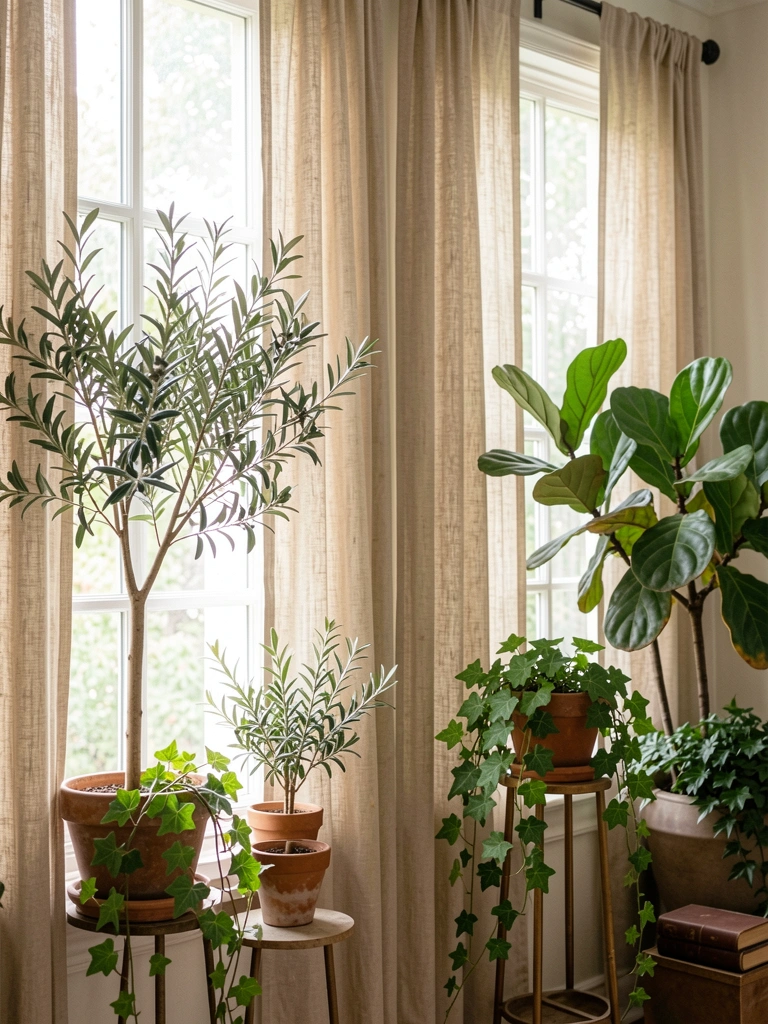
    Pairing natural linen with living plants creates a biophilic living room—a space that connects you to nature and boosts mood and air quality. The neutral backdrop lets greenery take center stage.

    Invest in 2–3 larger plants ($30–$100 each from local nurseries or online retailers) and 5–8 smaller plants ($5–$20 each). Low-light linen-friendly plants include pothos, snake plants, and ZZ plants (forgiving if your linen blocks significant light). Total plant investment: $100–$300. Pair with simple ceramic or concrete planters ($10–$40 each) for a cohesive look.

    The result is a living room that feels alive—literally. Plants improve air quality, soften the space, and give you something living to care for. The natural colors of soil and foliage complement linen beautifully.


    15. Use Linen Side Panels to Frame a Focal Point

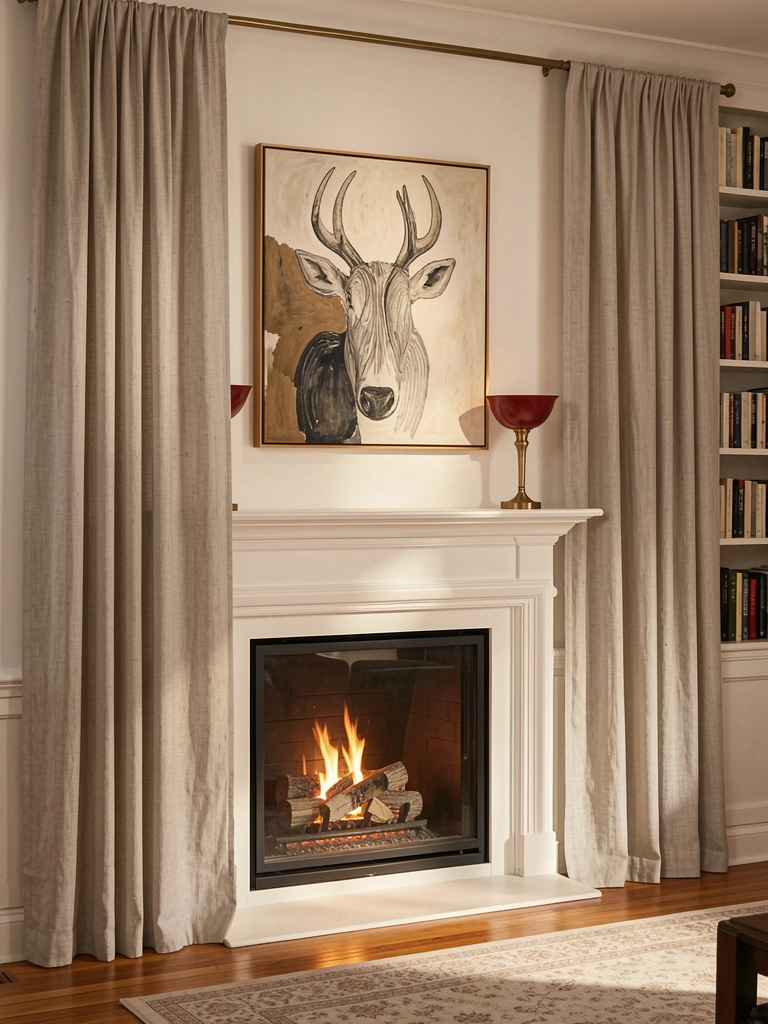
    Rather than covering your entire window with full-width curtains, use narrower linen panels as side panels to frame artwork, a fireplace, or architectural features. This approach lets natural light flood in while creating visual structure.

    Order narrower panels ($20–$50 each) or have full-width panels altered by a seamstress ($15–$30 per panel) to fit your specific width. Hang on a simple rod or tension wire ($10–$20). Installation takes 20 minutes.

    This technique makes your living room feel intentionally designed and maximizes light. It works especially well in spaces with interesting architectural features you want to emphasize or in rooms where privacy isn’t a concern.


    16. Wash Linen Curtains in Cool Water to Prevent Shrinkage

    Linen requires gentle care to maintain its beauty and prevent shrinkage. Washing in cool water and air-drying preserves fabric integrity and extends the life of your curtains by years.

    Wash linen curtains every 3–6 months using cold water and mild detergent. Skip the dryer—hang dry instead to avoid shrinkage (linen can shrink 5–10% if machine dried). If you must machine wash, use a delicate cycle with cold water and dry on low heat. Air-drying is genuinely free and takes 24–48 hours.

    Proper care means your linen curtains will feel softer and look better over time rather than deteriorating. It’s also the most budget-conscious approach—replacing curtains is expensive, while gentle washing costs nothing.


    17. Layer Two Different Linen Tones for Texture

    Instead of matching pairs, choose two linen panels in similar but distinct neutral tones to create subtle depth. The slight color variation adds visual interest without feeling chaotic.

    Buy two panels in complementary shades ($40–$100 each) from a single retailer so colors coordinate harmoniously. Examples: warm gray + oatmeal, sand + taupe, or pale linen + warm white. Hang both panels on a single rod ($15–$30) and let them overlap slightly in the middle for a natural, relaxed look.

    The effect is textured and intentional—like you carefully curated the combination rather than defaulting to matching pairs. This approach works beautifully in eclectic or modern farmhouse spaces.


    18. Hang Linen with Grommets for Modern Simplicity

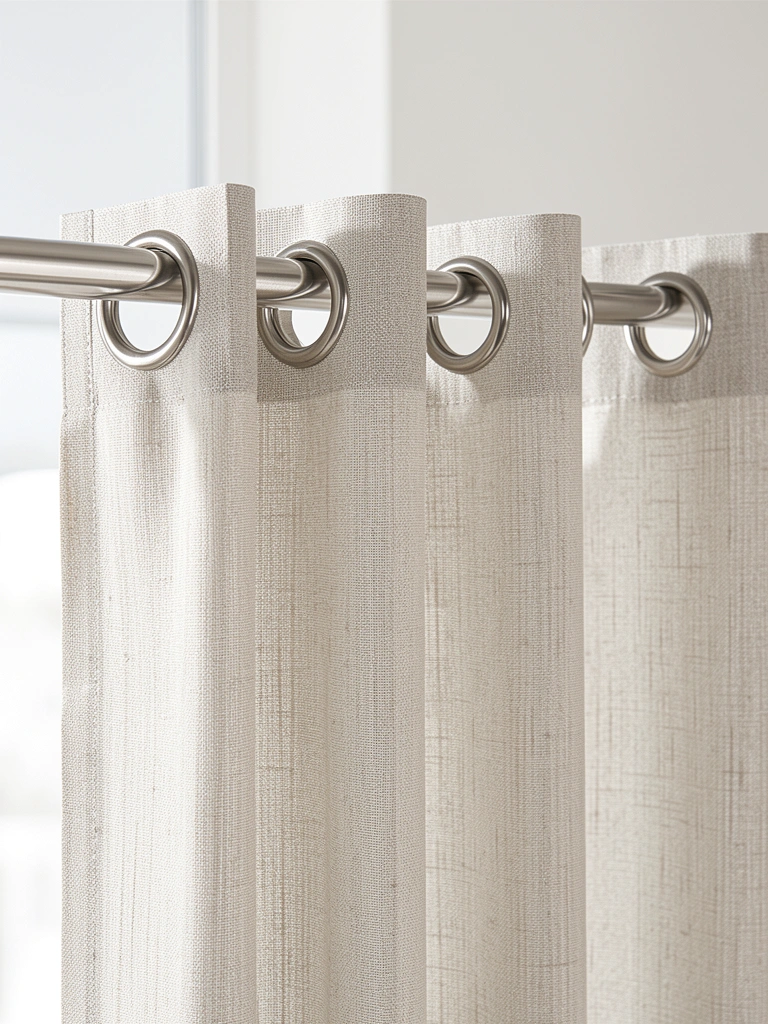
    Grommet-top linen curtains slide directly onto the rod for a clean, modern look with zero fussy details. They work beautifully in contemporary living rooms and are genuinely easier to install than traditional methods.

    Grommet-top linen panels cost $40–$120 per pair from retailers like IKEA, Target, West Elm, and Wayfair. You’ll need a slim metal rod ($15–$40) that fits through the grommets. Installation takes 10 minutes—just slide and done. If you find panels you love that aren’t grommet-top, have a seamstress add grommets for $30–$50 per panel.

    The streamlined look makes living rooms feel contemporary and fuss-free. Grommets also mean you can move the curtains quickly and smoothly throughout the day—no hooks catching or resistance.


    19. Choose Linen with Built-In Thermal Lining for Year-Round Comfort

    If temperature control matters to you, select linen panels with built-in thermal backing. This adds insulation without sacrificing the light, airy feel of pure linen on the front.

    Linen-cotton blend with thermal lining costs $60–$150 per pair and is available from retailers like Wayfair, Amazon, and specialty linen shops. The backing typically adds R-value ratings of 2.5–3.5, improving energy efficiency noticeably. Installation is identical to standard linen—about 30 minutes.

    Thermal backing means your living room stays cooler in summer and warmer in winter, potentially reducing energy bills. The front still looks and feels like traditional linen, so aesthetic doesn’t suffer.


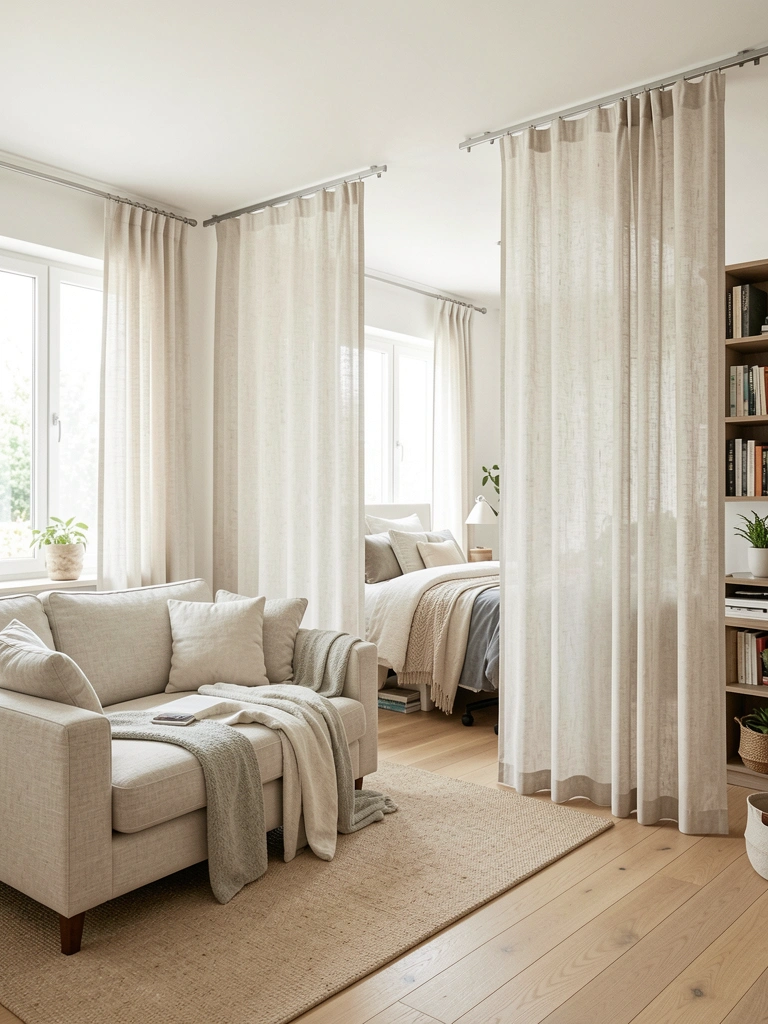
    20. Use Linen Curtains to Define Zones in Open-Plan Spaces

    In open-plan living spaces, linen curtains on a ceiling track can softly define zones without the heaviness of walls or room dividers. This creates visual separation while maintaining airiness and light flow.

    Install a ceiling-mounted track ($30–$80) with linen panels ($50–$100 per panel) to create a flexible divider. Sheer linen works best here—it blocks sightlines while letting light through. Rental-friendly option: use a tension rod and removable adhesive hooks ($20–$40 total).

    This approach gives you privacy when needed while keeping the space feeling open during the day. It’s especially useful in studio apartments or one-bedroom homes where living and sleeping areas share a room.


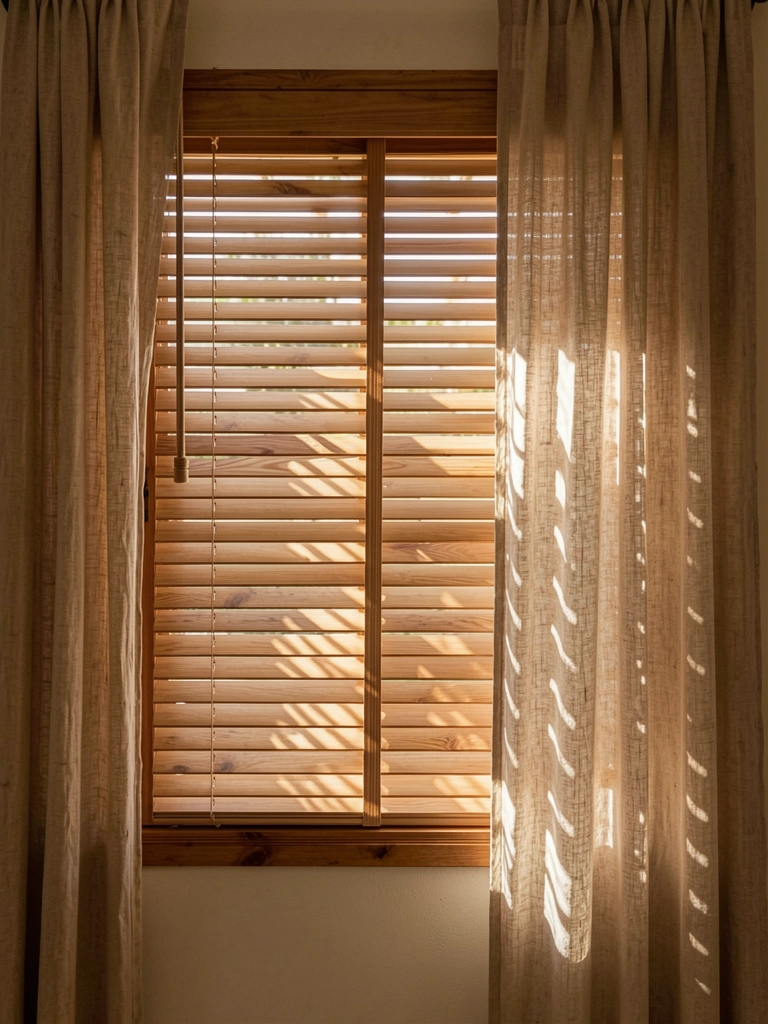
    21. Mix Linen Curtains with Natural Wood Blinds for Layering

    Combining linen curtains with wooden blinds inside the window frame creates a sophisticated, layered look with maximum light and privacy control. Both materials complement each other beautifully.

    Wooden blinds cost $40–$150 depending on width and quality; linen panels add $50–$120 per pair. Budget $150–$300 total. Retailers like Wayfair, IKEA, and Target stock both options. Installation takes about 45 minutes for the full setup.

    This combination looks intentional and expensive without requiring a designer budget. It’s especially effective in transitional or eclectic spaces where you want both structure and softness.


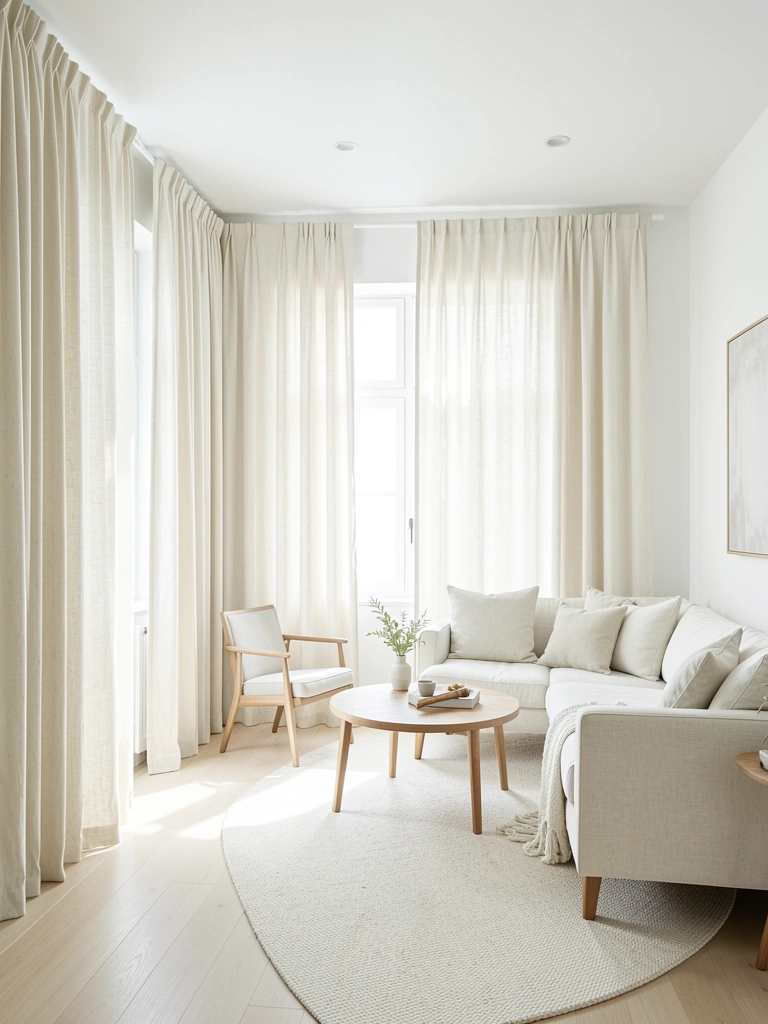
    22. Choose Pale Linen for Small Living Rooms to Maximize Light

    In smaller living rooms, pale or white-toned linen is a visual magic trick—it bounces light, expands the space visually, and prevents the room from feeling cramped or dark.

    Pale linen panels in cream, pale sand, or soft gray cost $30–$80 per pair from all major retailers. Hang them floor-to-ceiling (order 96–108″ lengths) using a rod positioned close to the ceiling. Renter option: use a tension rod and removable hooks ($20) to avoid damaging walls.

    Pale linen makes small rooms feel 20–30% larger because the eye travels upward rather than being stopped by the window. Pair with minimal furniture and light wall colors to amplify this effect even further.


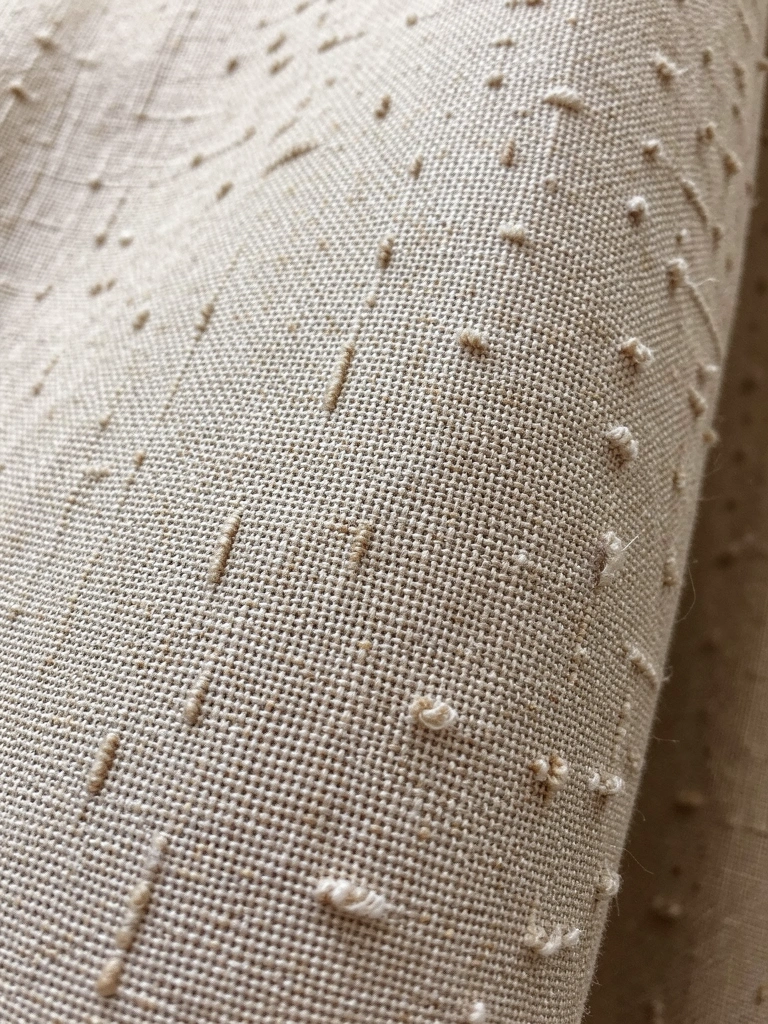
    23. Embrace Linen Texture by Choosing Slubby Weaves

    Some linen is smoother; other linen features intentional “slubs”—irregular yarns that create subtle texture. Slubby linen reads as more organic and artisanal, adding visual depth without patterning.

    Slubby or textured linen costs the same as smooth linen ($30–$100 per panel) but offers more visual interest in muted color palettes. Search for terms like “slubby linen,” “nubby weave,” or “raw linen” on Etsy, specialty retailers, or high-end fabric shops.

    This texture makes plain linen feel more intentional and less flat. It’s especially effective in minimalist or modern spaces where smooth materials can sometimes feel sterile.


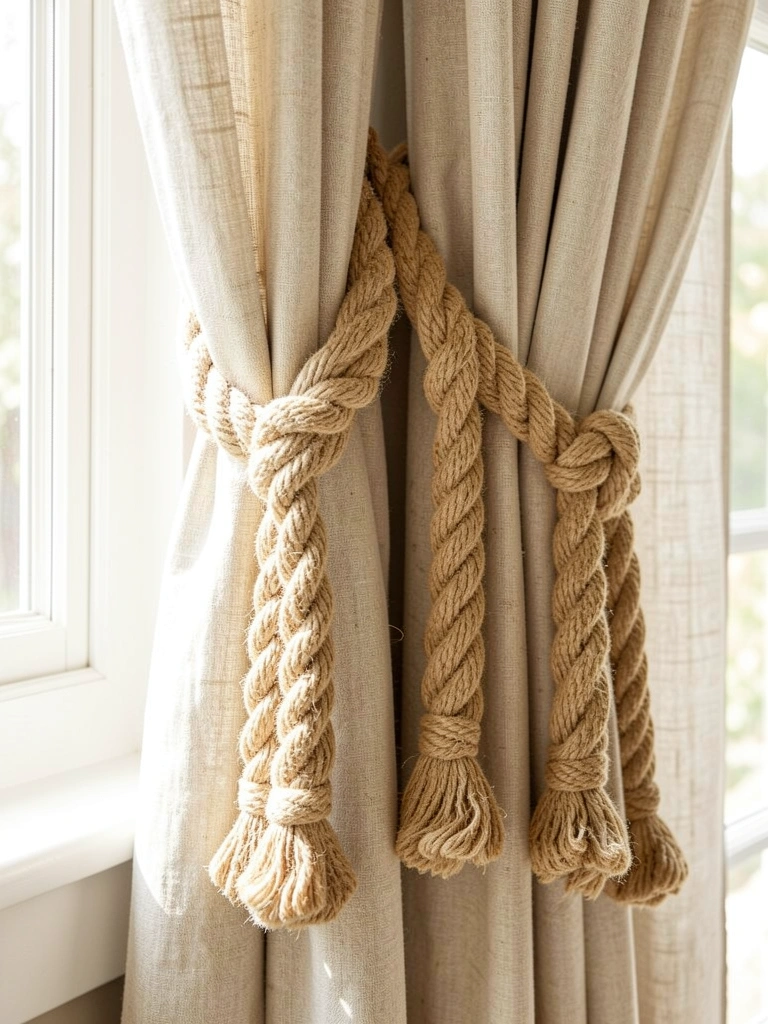
    24. Pair Linen with Rope Tiebacks for Casual Elegance

    Simple rope tiebacks instantly add character and make linen feel more casual and intentional. They cost almost nothing but elevate the entire look.

    Rope tiebacks cost $5–$20 per pair and are available at IKEA, Target, hardware stores, or online retailers. Alternatively, use a fabric scrap, twine, or even a leather belt ($0–$15). Install rope hardware hooks ($5–$10 per pair) on either side of the window to hold tiebacks in place. Total time: 20 minutes.

    Rope complements linen beautifully because both materials feel natural and organic. This combination works in bohemian, farmhouse, and coastal-inspired spaces—basically anywhere you want to feel relaxed and authentic.


    25. Create a Monochromatic Room with Linen Accents Beyond Curtains

    Take linen styling beyond curtains by incorporating the same fabric or tone into throw pillows, upholstered furniture, or area rugs. This monochromatic approach feels designer-curated and calming.

    Layer linen curtains ($50–$120) with linen throw pillows ($20–$50 each), a linen-upholstered chair or sofa ($300–$1,200), and a linen or linen-blend area rug ($200–$600). Start with just curtains and pillows if budget is tight—add bigger pieces over time. All major retailers stock linen home goods now.

    Monochromatic linen styling creates a serene, cohesive space that feels intentionally designed. The varying textures (sheer, woven, brushed) within the same color family prevent monotony while maintaining calm.


    Save this post for your next refresh and pick one idea to try this weekend—linen curtains are easier to style than you’d think. Share with any friends dreaming of airier, more natural-feeling living rooms.

  • 24 Oversized Mirror Concepts That Add Drama & Luxury

    24 Oversized Mirror Concepts That Add Drama & Luxury

    Looking to make a small room feel bigger or turn a bland wall into a showstopper? Oversized mirrors are the secret weapon that designers have been using for years—and 2025 is the year to go bold. They’re not just functional; they’re statement pieces that bounce light around, create depth, and instantly elevate any room from basic to boutique. Whether you’re renting or own your space, we’ve rounded up 24 distinct oversized mirror concepts that range from DIY hacks you can pull off this weekend to investment pieces that’ll become the focal point everyone notices. Let’s explore how to add drama, luxury, and light to your home without breaking the bank.

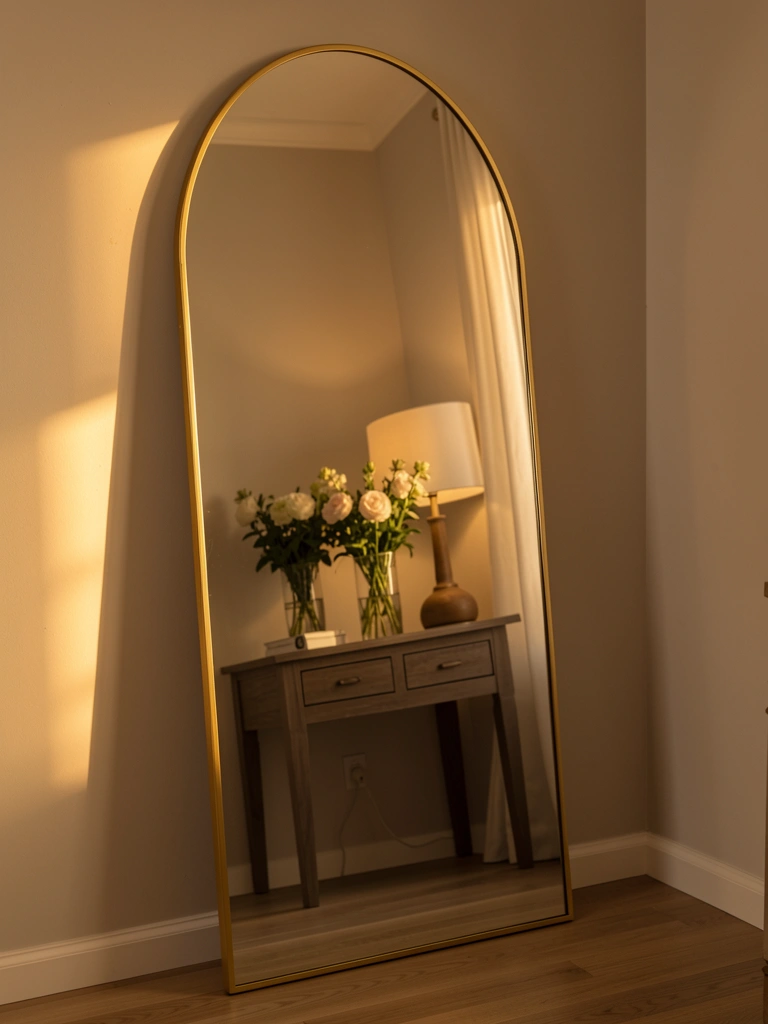
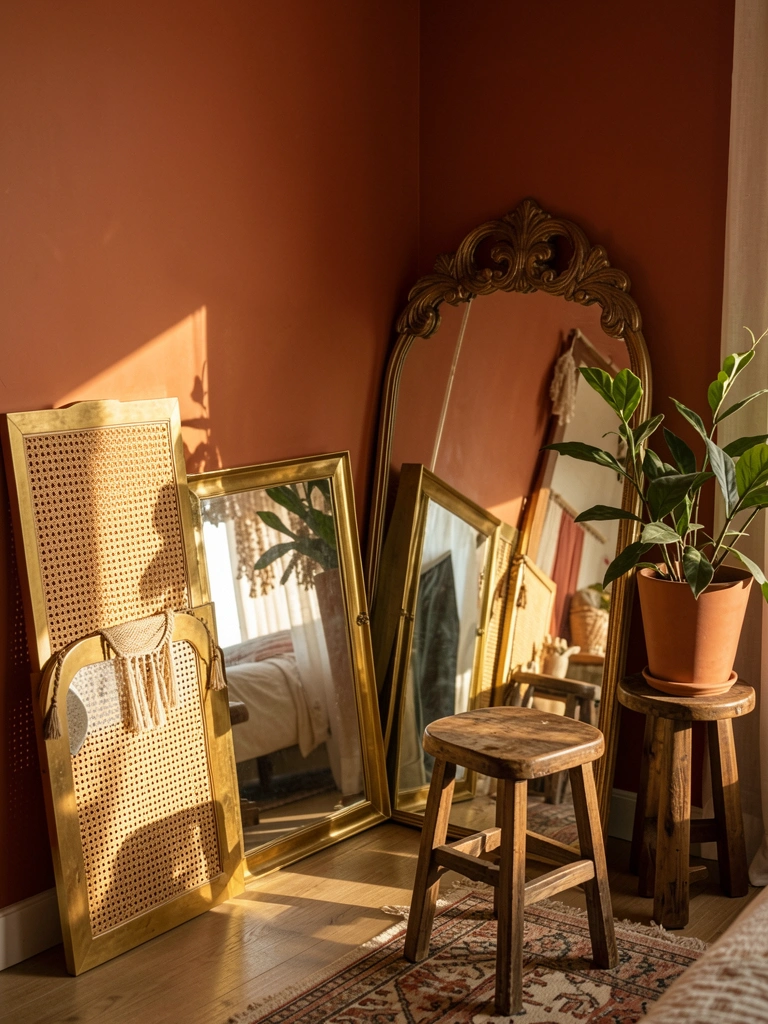
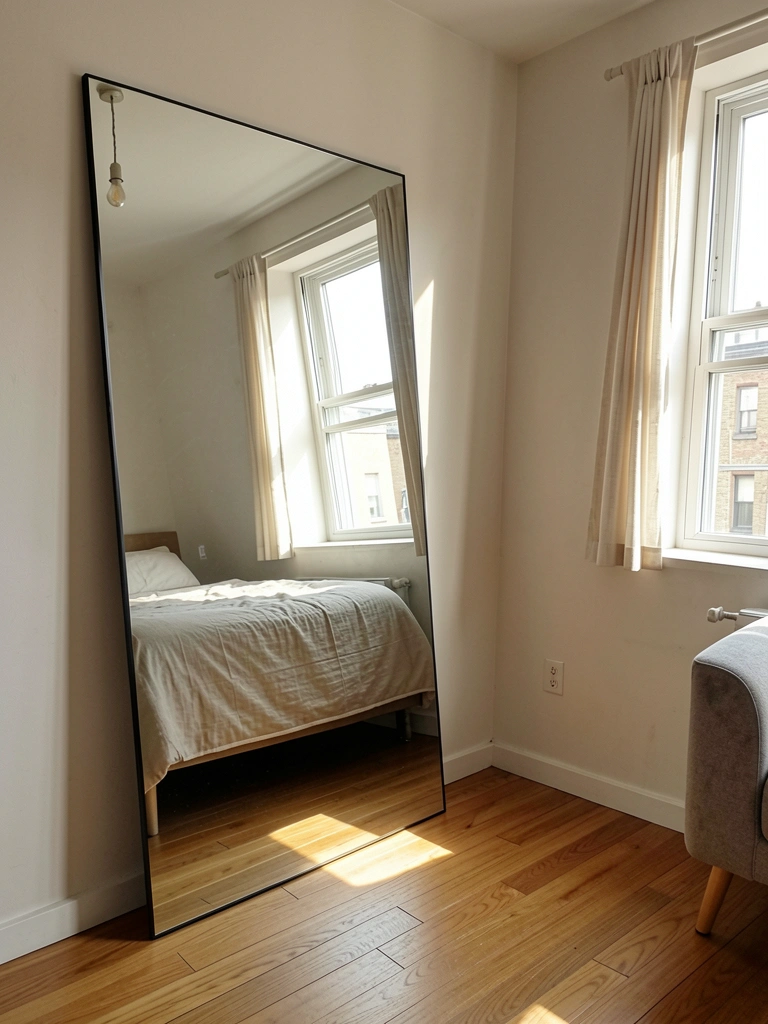
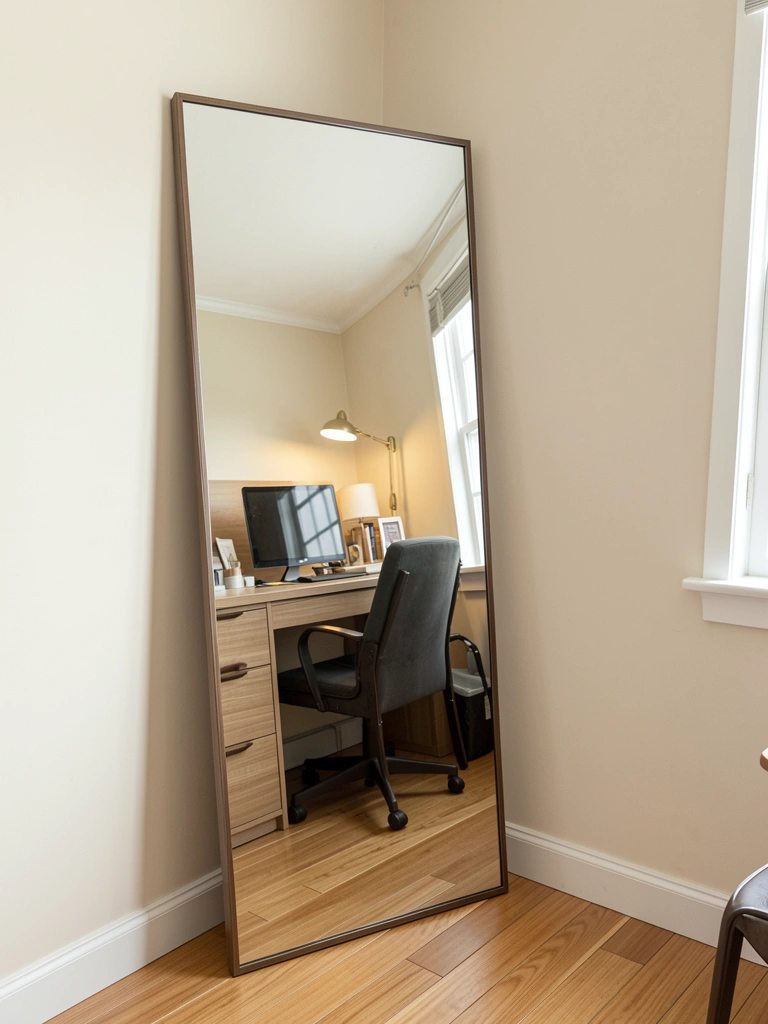
    1. Lean a Floor-to-Ceiling Gold-Framed Mirror for Instant Impact

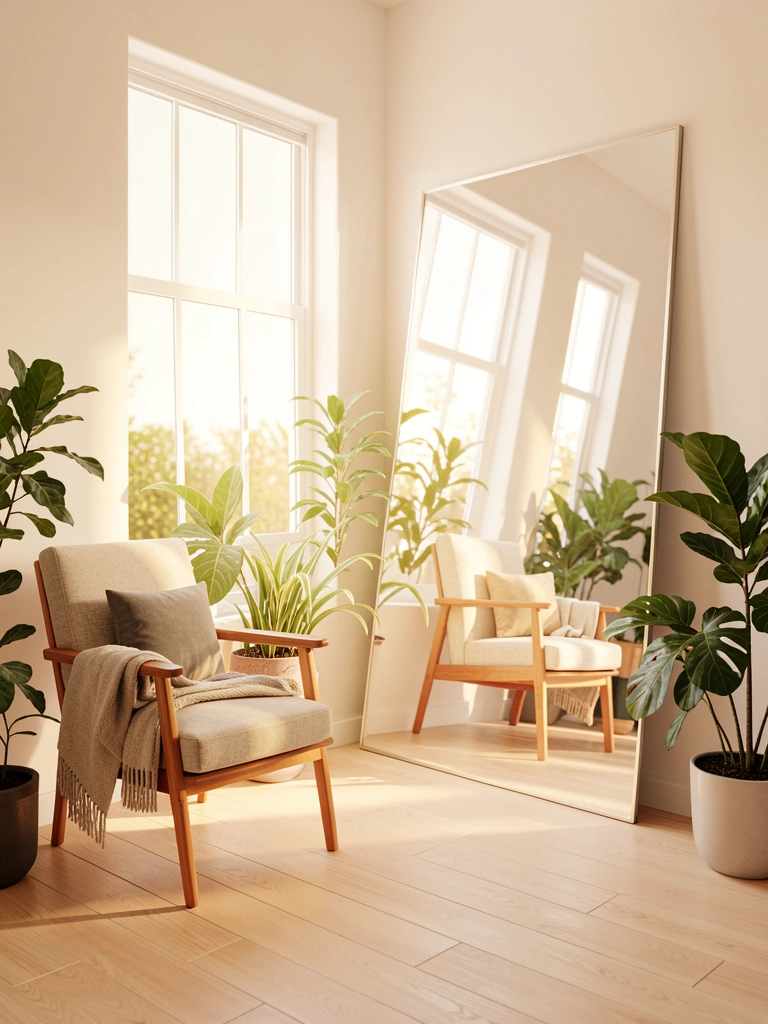
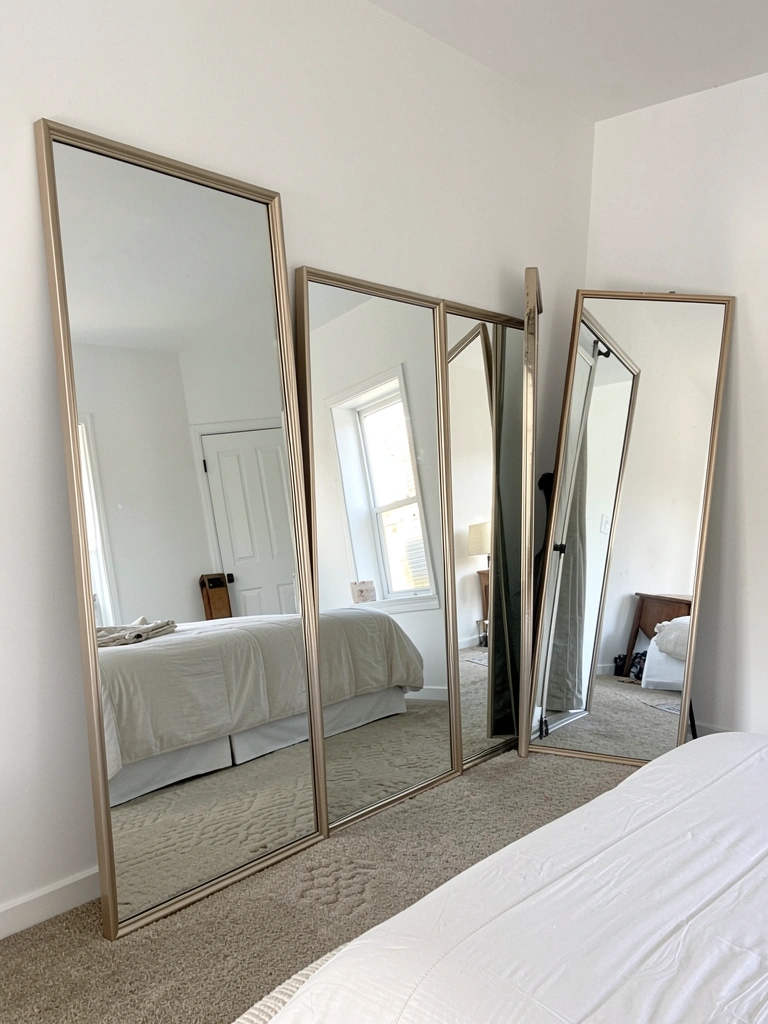
    A leaning floor-to-ceiling mirror instantly draws the eye upward and makes ceilings appear higher than they actually are. This works beautifully in entryways, bedrooms, or living rooms where you need a focal point without commitment.

    Look for arched or rectangular mirrors with brushed gold frames at Wayfair ($300–$600) or Article ($250–$500). The key is finding one that’s at least 6 feet tall to make the real impact. Installation is zero—just lean it against the wall on a slight angle and you’re done. Make sure the floor beneath can handle the weight and the wall behind is clear of outlets.

    The beauty of this approach is you can move it when you rearrange furniture or if you’re renting. Your space gains architectural interest and a sense of openness you didn’t know was possible.

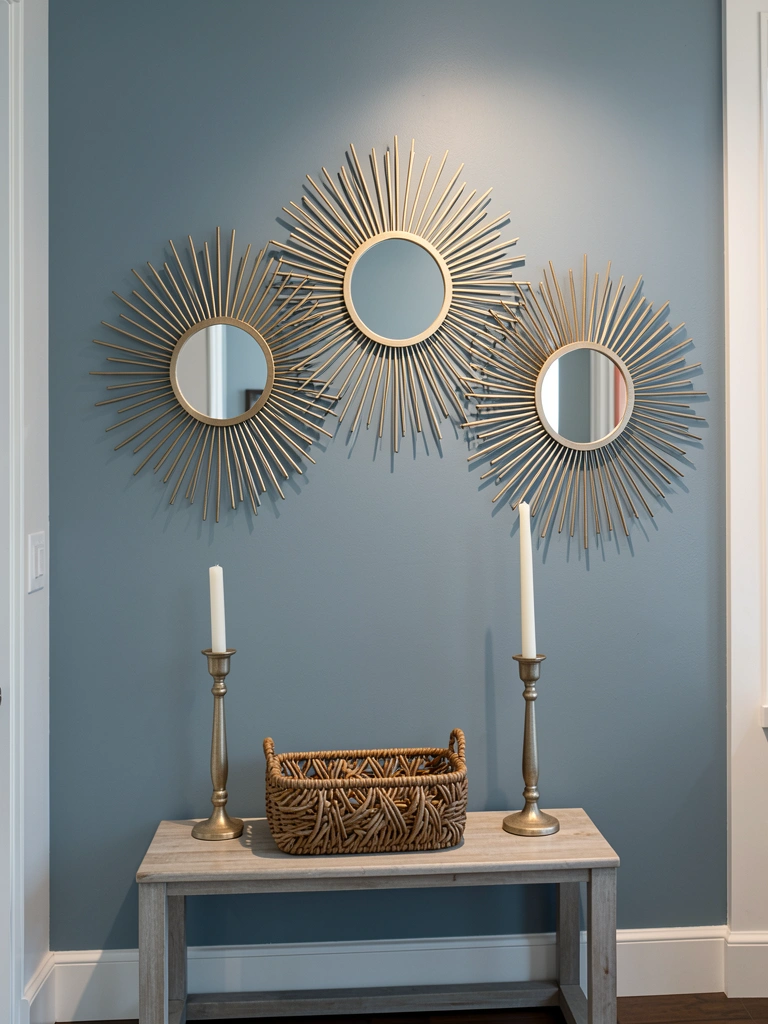
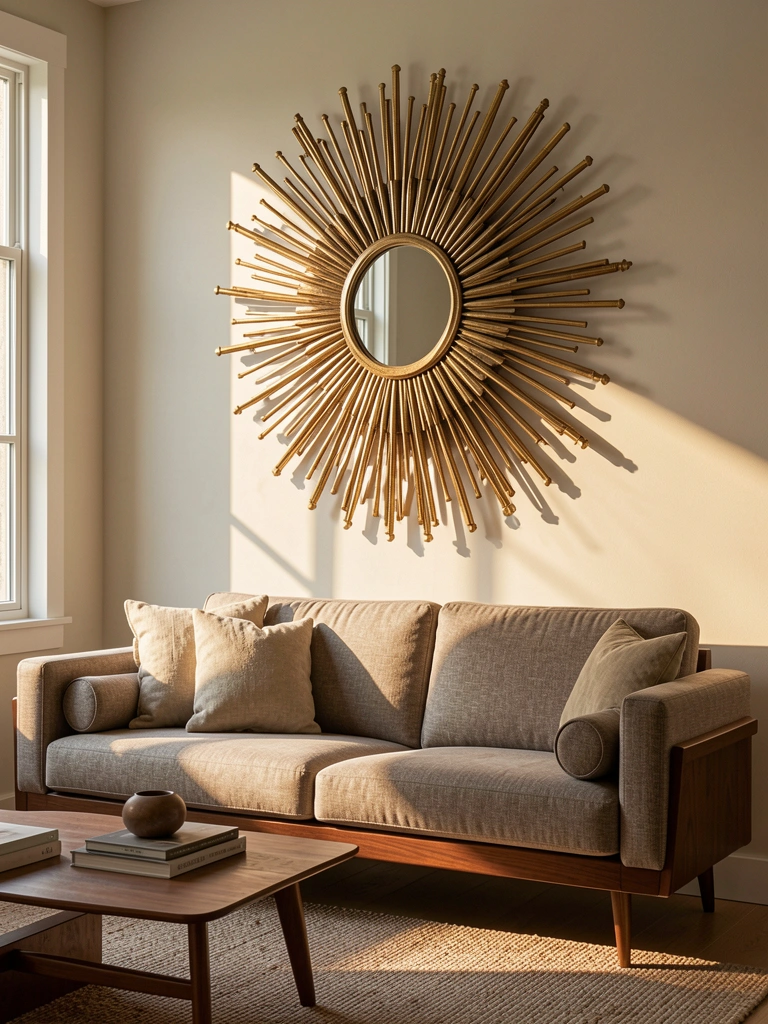
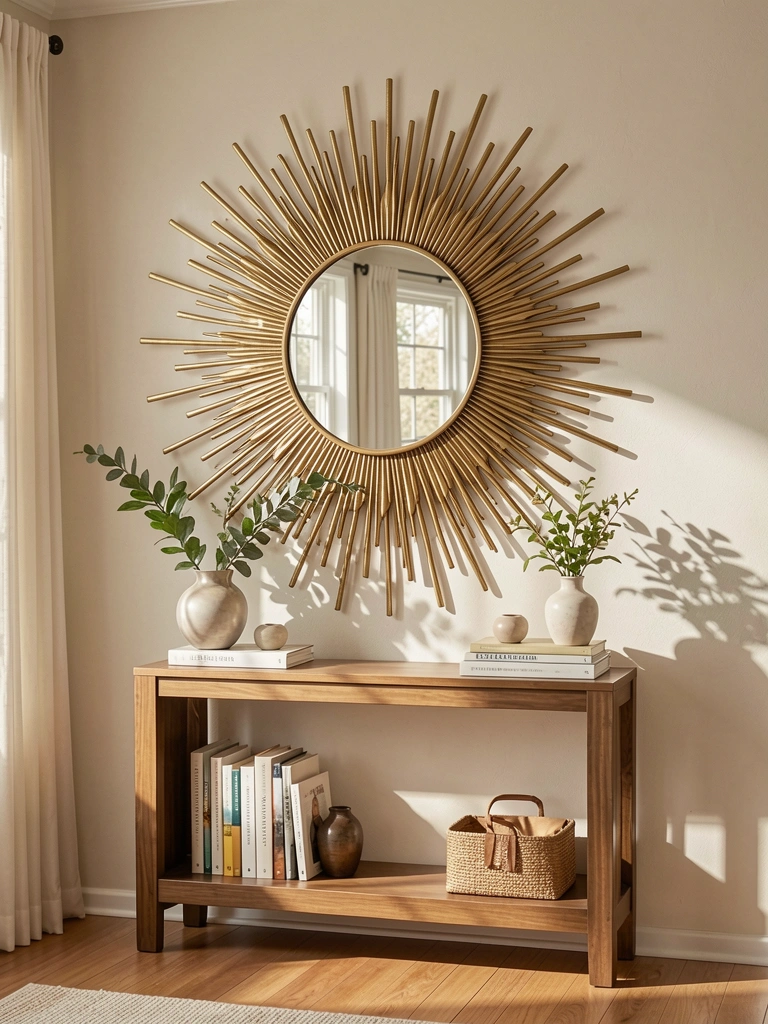
    2. Create a Sunburst Mirror Wall in Your Entryway

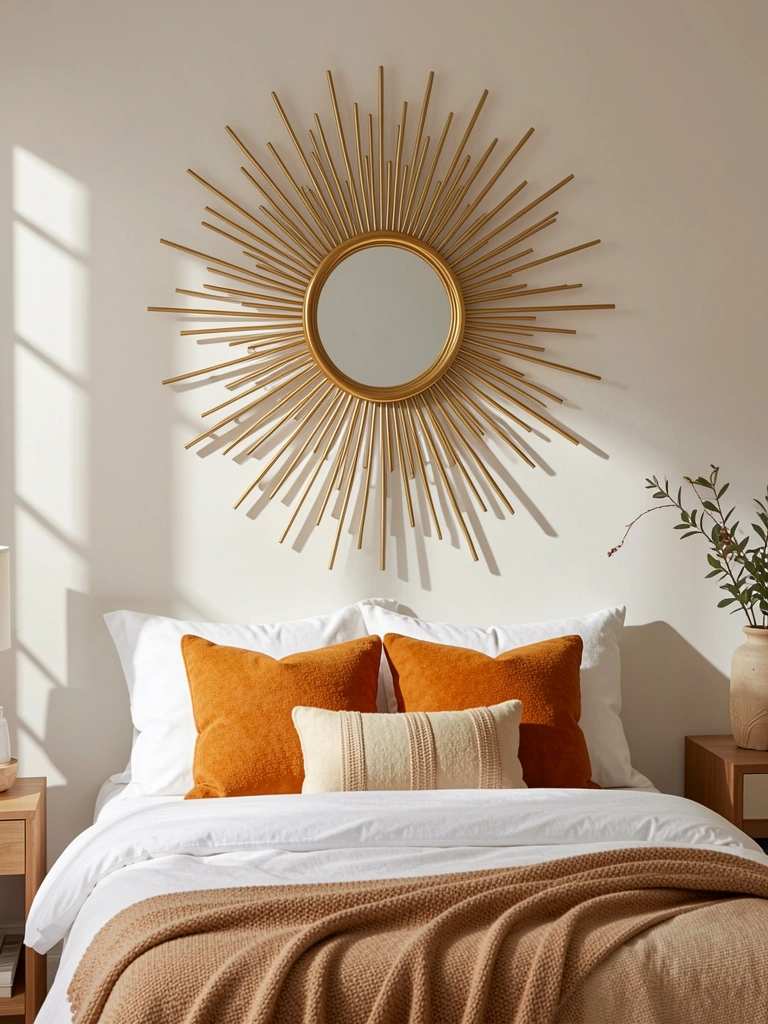
    Sunburst mirrors with their dramatic radiating design turn a blank wall into gallery-worthy art. The geometric rays catch and scatter light in multiple directions, creating depth and visual interest that a single large mirror can’t match alone.

    Mix three to five sunburst mirrors in graduated sizes and arrange them in an offset pattern. Brands like Target ($40–$120 per mirror), West Elm ($80–$200), and Etsy artisans ($100–$300) offer options in brass, black metal, and wood finishes. Mounting takes 30 minutes with a level and picture hangers rated for mirror weight. The trick: alternate sizes and leave 3–6 inches between each mirror for breathing room.

    This creates a custom gallery effect that makes your entryway feel curated and collected over time. Plus, visitors always ask where you found them.

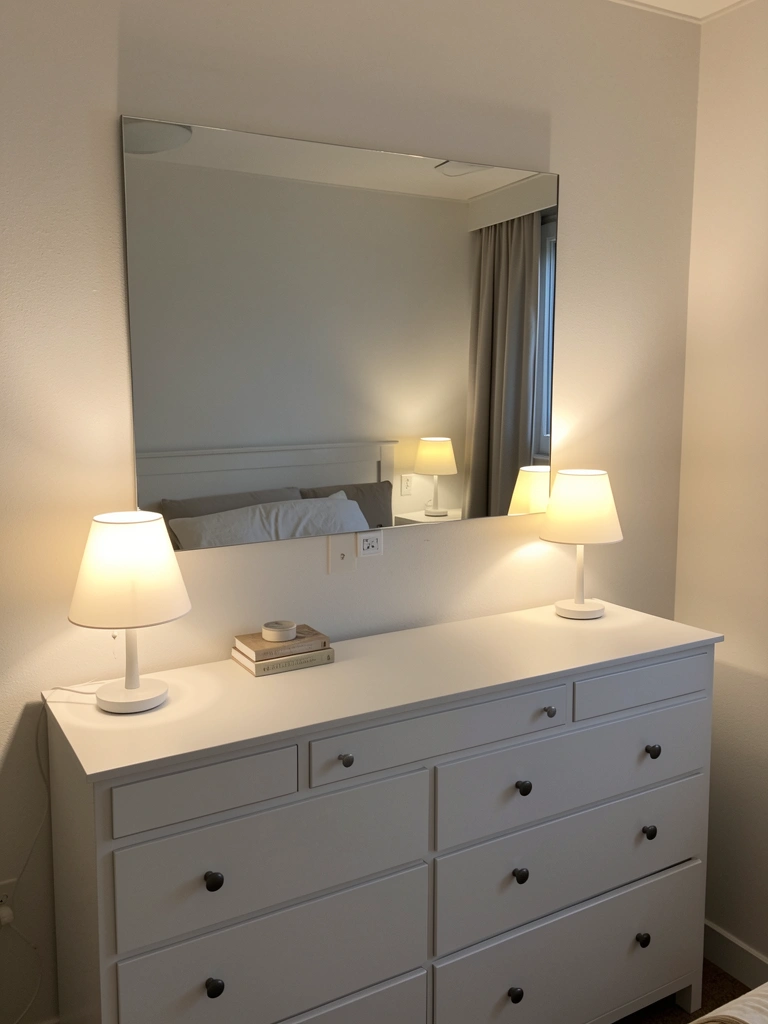
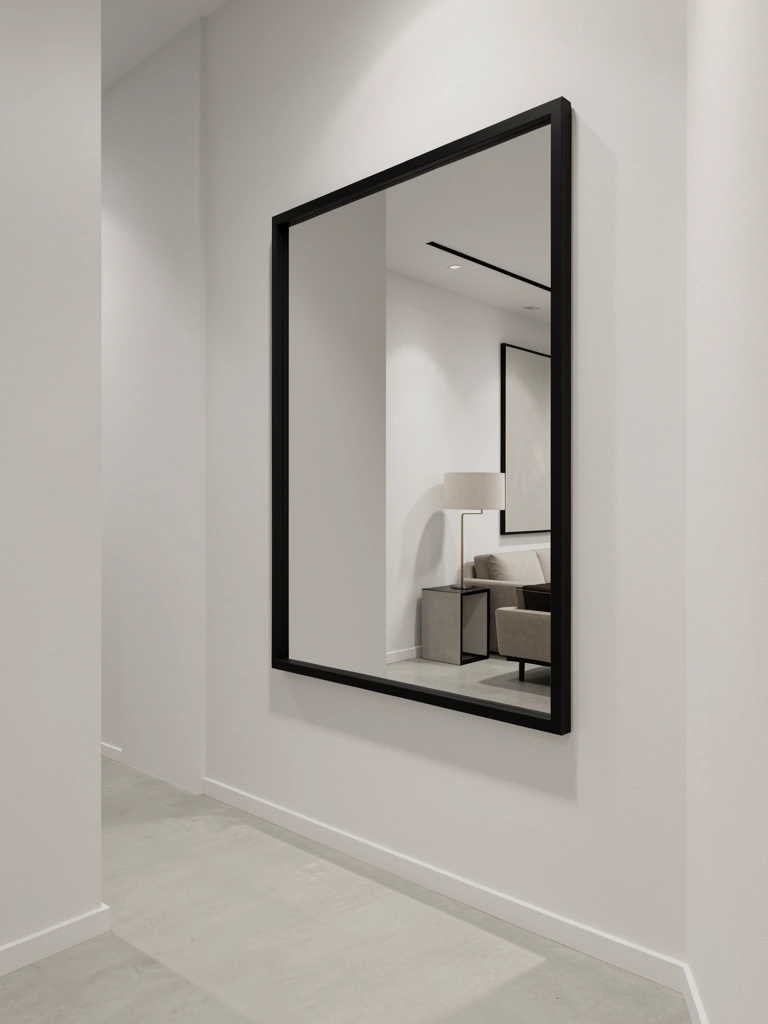
    3. Install a Frameless Oversized Mirror to Expand Small Spaces

    Frameless mirrors are minimalist powerhouses that make cramped rooms breathe without adding visual clutter. The clean edges trick the eye into seeing more space, and there’s no chunky frame stealing attention.

    Hunt for 4–5 foot frameless mirrors at IKEA ($50–$80), Home Depot ($60–$150), or Overstock ($70–$120). Mount them horizontally above a dresser or console to expand the sense of width, or vertically between two windows to pull in natural light. Installation is straightforward with heavy-duty mirror hangers and a stud finder (30 minutes for most people). Make sure the wall can support it—drywall anchors work for lighter mirrors under 30 pounds, but studs are always safer.

    You’ll notice the room feels open and airy instead of boxed-in. Renter-friendly tip: lean a large frameless mirror instead of mounting it.

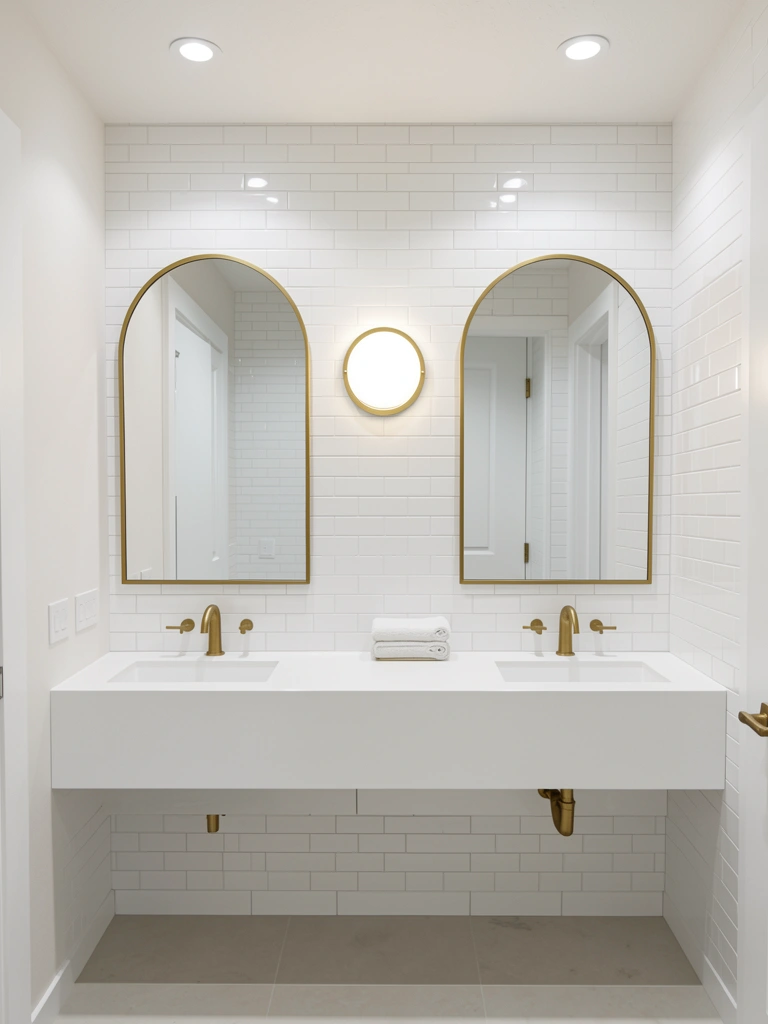
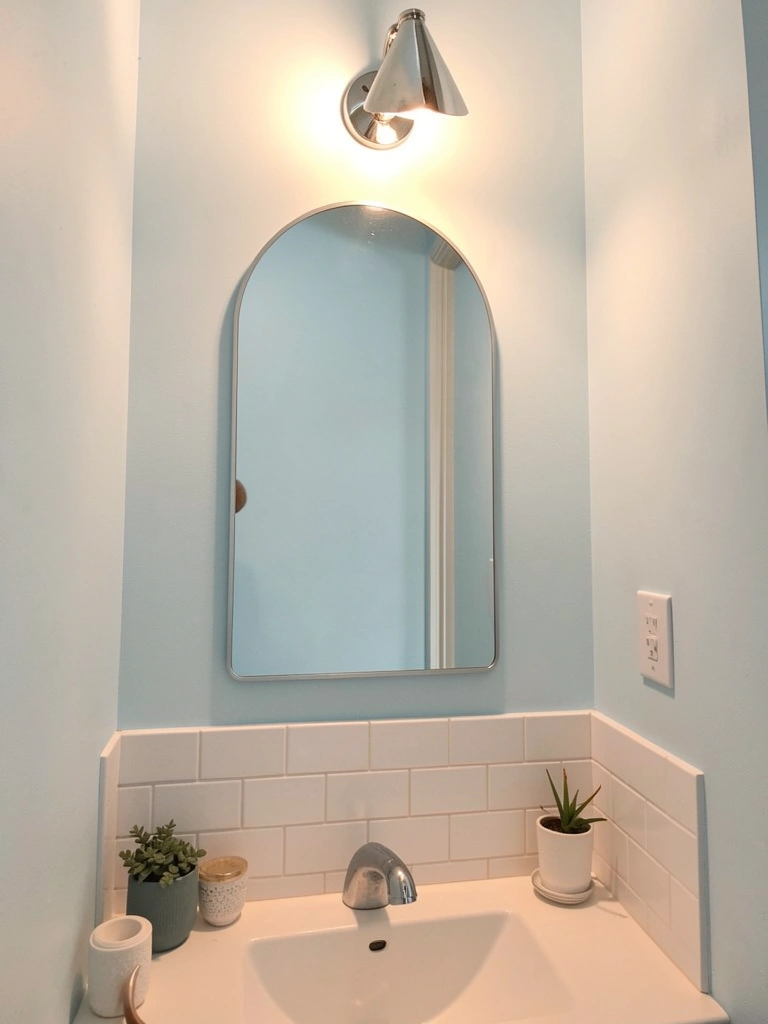
    4. Pair Curved Mirrors with Soft Arches for Organic Flow

    Curved and arched mirrors soften hard architectural angles and bring an organic, flowing energy to rooms. The gentle curves feel modern yet timeless, and they photograph beautifully for your home inspo board.

    Look for arched mirrors in Granite Lane’s Ora collection ($280–$450), Article ($200–$350), or Wayfair ($150–$300). Choose marble-backed, brass-framed, or wood-framed options depending on your style. Mount them single or in pairs on either side of a vanity or console for symmetrical elegance, or mix sizes and materials for a curated look. Installation takes 45 minutes and requires standard wall anchors or studs.

    The curves create a gentler visual experience that makes bathrooms and bedrooms feel more like retreats. Your eye naturally slows down and relaxes around soft shapes.

    5. Go Bold with a Black Metal Geometric-Framed Oversized Mirror

    Matte black frames create high-contrast drama and pair beautifully with modern or industrial interiors. A geometric shape adds architectural interest and looks genuinely expensive even at mid-range price points.

    Scout Target ($80–$180), West Elm ($150–$300), Article ($200–$400), or artisan shops on Etsy ($150–$350) for geometric options like hexagons, octagons, or trapezoid shapes. The larger the better—aim for at least 30 inches wide. Mounting is straightforward with standard wall hangers and takes 20–30 minutes. Position it above a console, on a focal wall, or flanking doorways for unexpected edge.

    The contrast between matte black and lighter wall colors makes your space look intentionally designed. People think you hired an interior designer.

    6. Lean Multiple Mirrors of Varying Heights for Dynamic Asymmetry

    Layering mirrors in different frames, sizes, and finishes creates a collected, curated aesthetic without needing to commit to permanent mounting. This trend reads as high-design and works in almost any style.

    Find mirrors at IKEA, Target, Wayfair, and local thrift stores to mix finishes without breaking your budget. Aim for a range: one statement piece (36–48 inches), two medium mirrors (24–30 inches), and one smaller accent mirror (18–24 inches). Vary the frame materials—rattan, wood, brass, and black metal all play well together. Lean them against the wall or a large piece of furniture and arrange in an asymmetrical cluster. Total time: 10 minutes. Cost: $100–$400 depending on brands.

    This approach feels intentional and allows you to swap pieces out when you want a refresh. Plus, it’s renter-approved since nothing is permanently mounted.

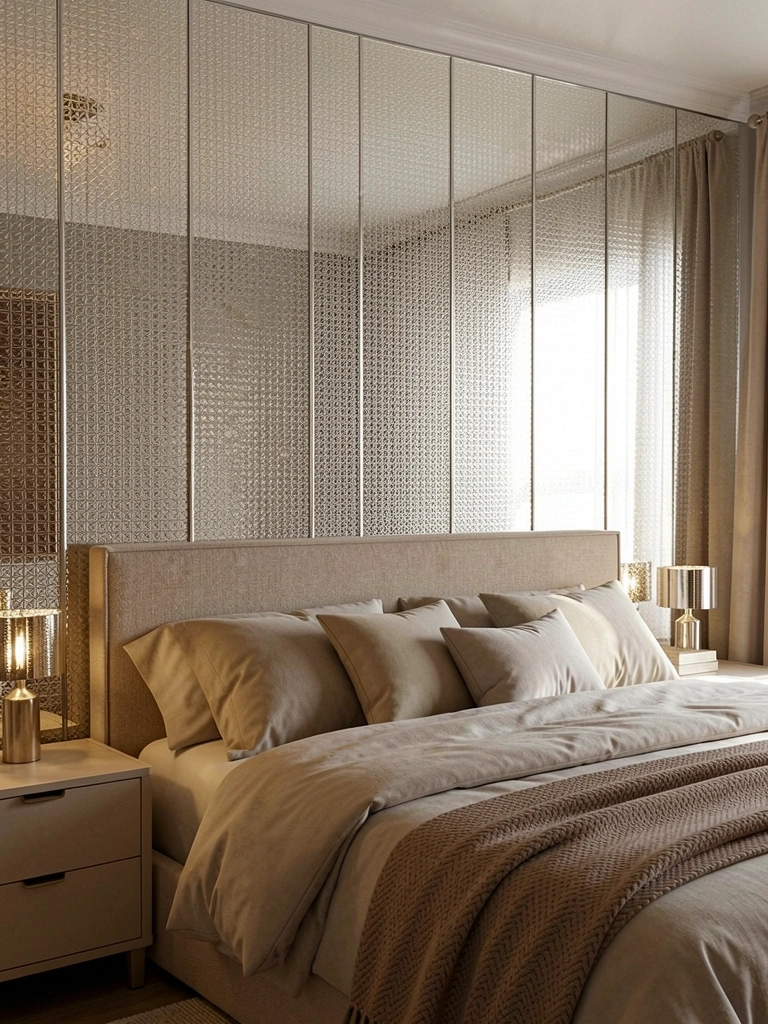
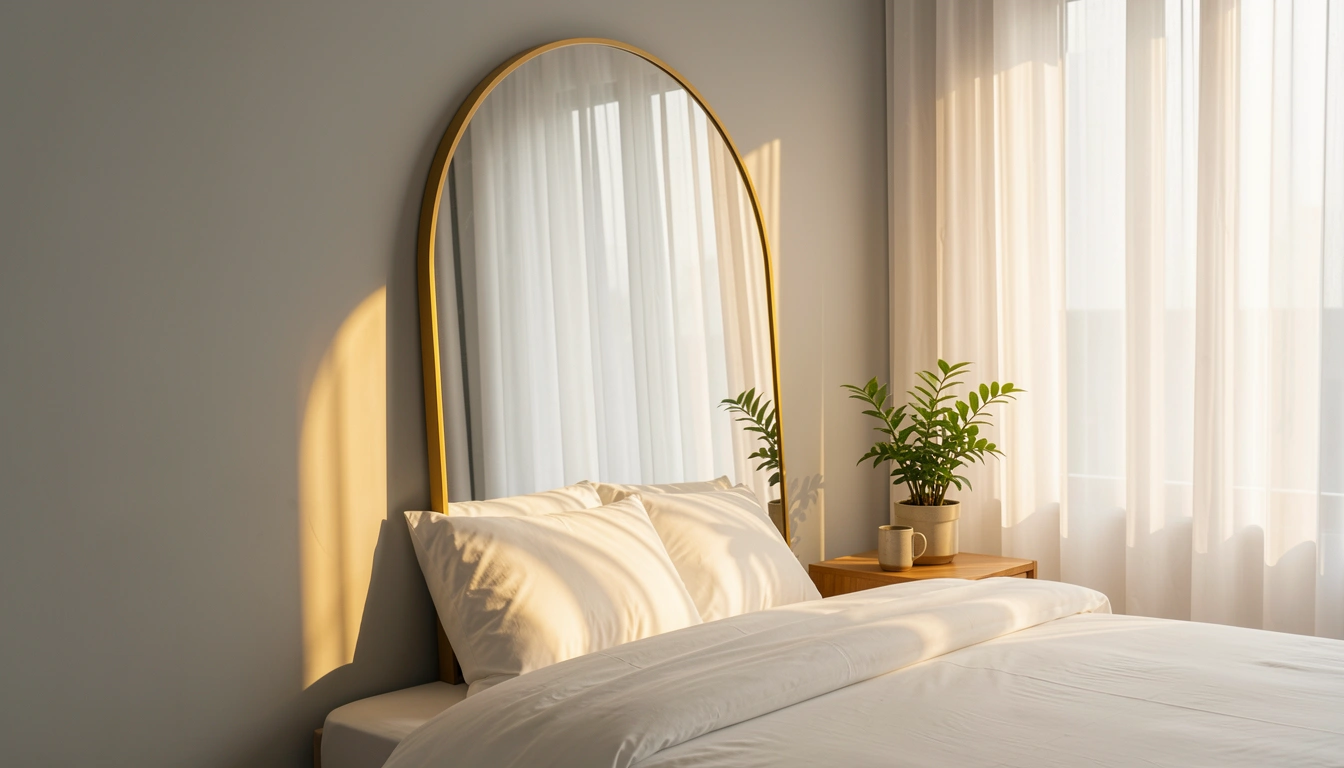
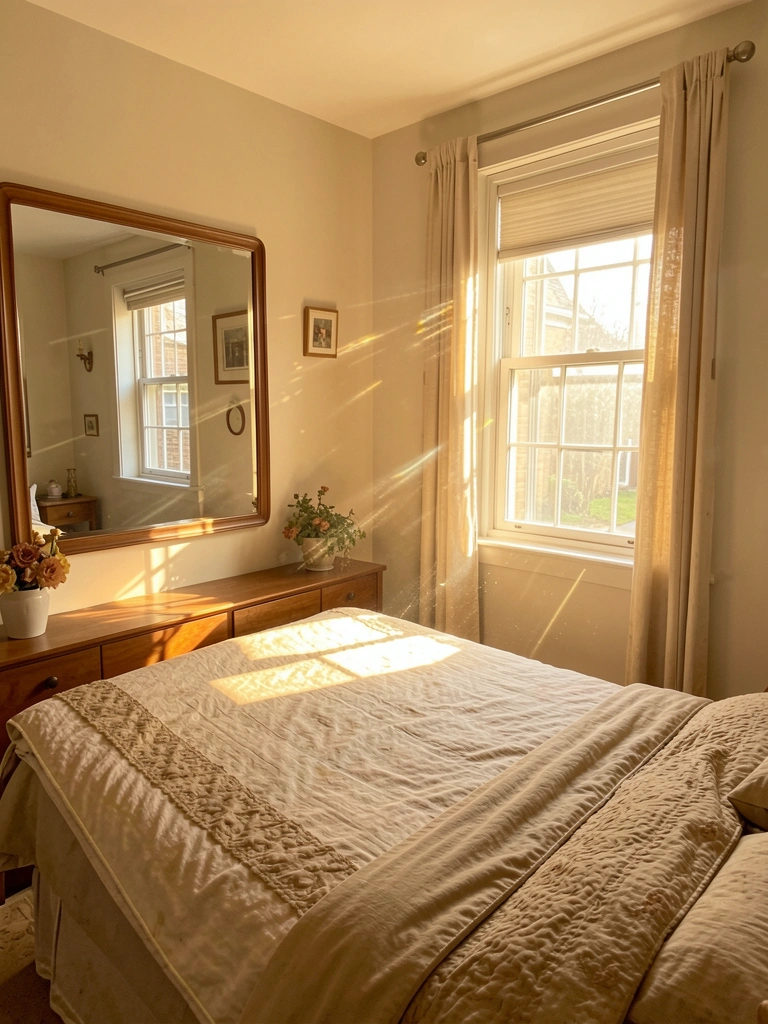
    7. Install an Oversized Mirror Behind a Bed for Bedroom Luxury

    A large mirror behind your bed becomes an architectural backdrop that makes the bedroom feel deeper and more spa-like. It’s becoming the go-to luxury upgrade in high-end hotels and modern homes.

    Choose a frame in brass, black metal, or natural wood to match your bed or wall color. Sizes range from 4 feet to 8 feet wide at Wayfair ($400–$1,200), West Elm ($500–$1,500), or custom framers ($600–$2,000+). Installation requires professional help or very careful DIY work with studs and heavy-duty mounting hardware (allow 2–3 hours for installation). Make sure the mirror is secure before moving furniture in front of it.

    Waking up and seeing your bedroom reflected back feels luxurious and calming. The extra light bounces around and makes mornings feel brighter.

    8. Use a Rattan-Framed Mirror for Coastal or Bohemian Vibes

    Rattan and natural fiber frames bring warmth and textural interest to modern, coastal, or bohemian spaces. They’re lighter than metal or wood frames, making installation easier while adding serious style points.

    Find rattan mirrors at Target ($60–$150), Wayfair ($80–$200), Etsy ($100–$250), or Anthropologie ($120–$280). Look for round or oval shapes in natural or whitewashed finishes. Mount horizontally in bedrooms or bathrooms for a relaxed beach-house feel. Installation takes 20 minutes with standard wall hangers. The rattan naturally softens edges and pairs well with warm wood tones and natural textiles.

    This material choice adds organic warmth that cooler metal frames can’t replicate. Your room feels vacation-ready without trying too hard.

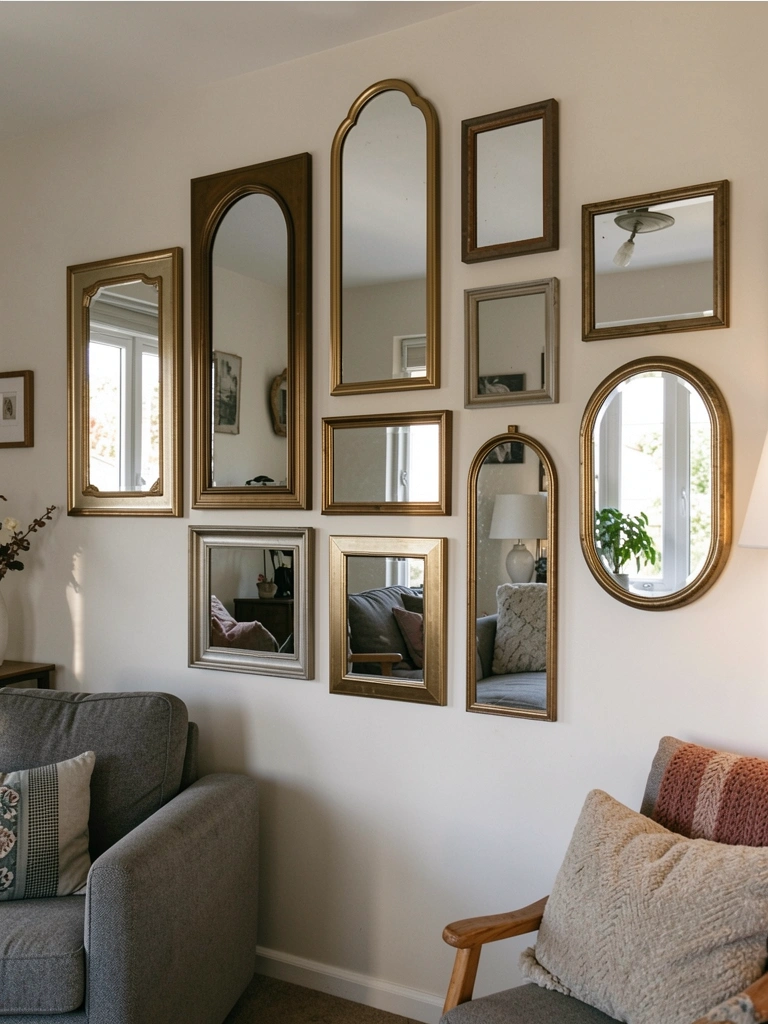
    9. Create a Gallery Wall with Mix-and-Match Mirror Shapes

    Gallery walls with mirrors create focal points that work in hallways, living rooms, and dining areas. Mixing shapes and sizes feels modern and deliberate rather than matchy-matchy.

    Collect mirrors from IKEA ($30–$80), Target ($40–$120), Wayfair ($50–$150), and thrift stores ($10–$40) to keep costs down while maintaining variety. Aim for 5–9 mirrors total in graduated sizes. Map out your arrangement on kraft paper first, then install using picture hangers and a level. Allow 2–3 hours for spacing and mounting. The beauty: you can add or swap mirrors anytime without major adjustments.

    This creates visual interest that a single large mirror can’t match. Guests notice the thoughtfulness of the composition.

    10. Mount a Marble-Backed Oversized Mirror for Luxury Texture

    Marble-backed mirrors combine reflective function with artistic texture, making them functional art pieces. They’re increasingly popular in luxury bathrooms and master bedrooms where you want every detail to shine.

    Brands like Granite Lane’s Ora mirror ($280–$450), CB2 ($200–$400), or custom framers ($400–$1,000+) offer marble backing options in Carrara, Calacatta, or black marble. The backing adds weight, so professional installation is strongly recommended (budget $150–$300 for labor). Mount this as a statement piece above a vanity, dresser, or console where it becomes the focal point of the room.

    The veining in marble is naturally unique, so you’re essentially hanging one-of-a-kind art. Bathrooms and bedrooms feel noticeably more refined.

    11. Lean an Oversized Round Mirror for Sculptural Statement

    Round mirrors are timeless and work in nearly every style, but an oversized version leans into sculptural drama. A 36–48 inch round mirror becomes architectural rather than just functional.

    Hunt for large round mirrors at Wayfair ($150–$400), Article ($200–$500), West Elm ($250–$600), or CB2 ($180–$420). Black metal, brass, and natural wood frames all photograph beautifully. Lean it rather than mount for maximum flexibility—just ensure it’s on level ground and won’t tip. Cost and time investment: $200–$600 and 10 minutes setup.

    This shape reads as intentional and creates a strong focal point. Your eye is naturally drawn to the circle, making the space feel curated.

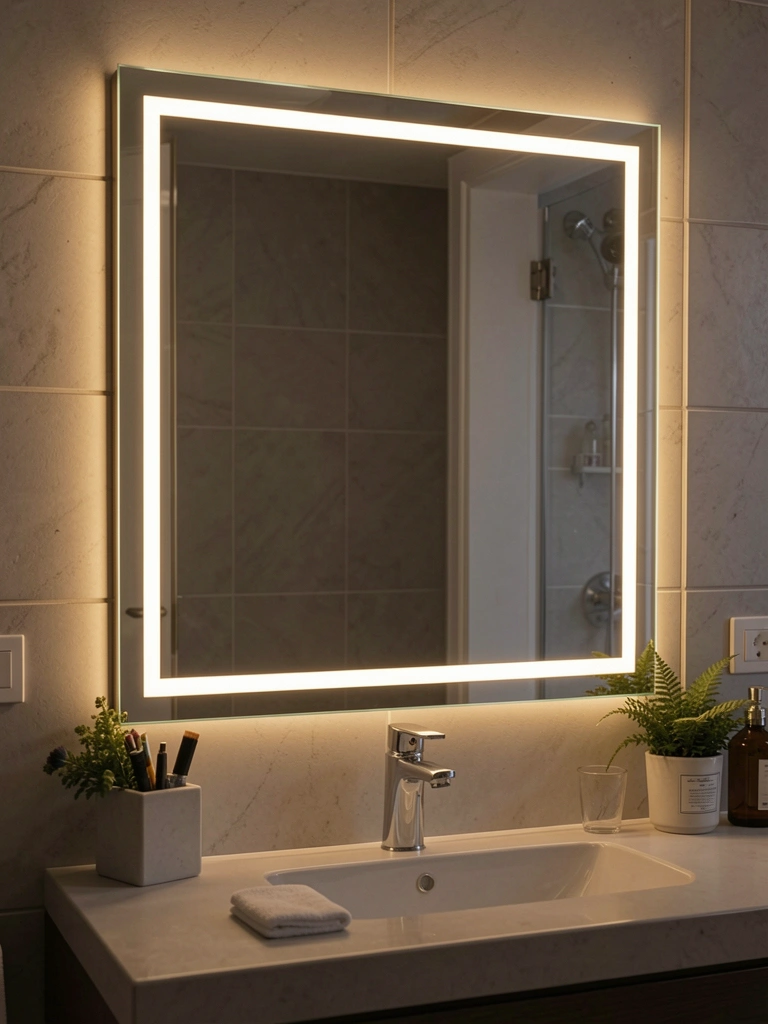
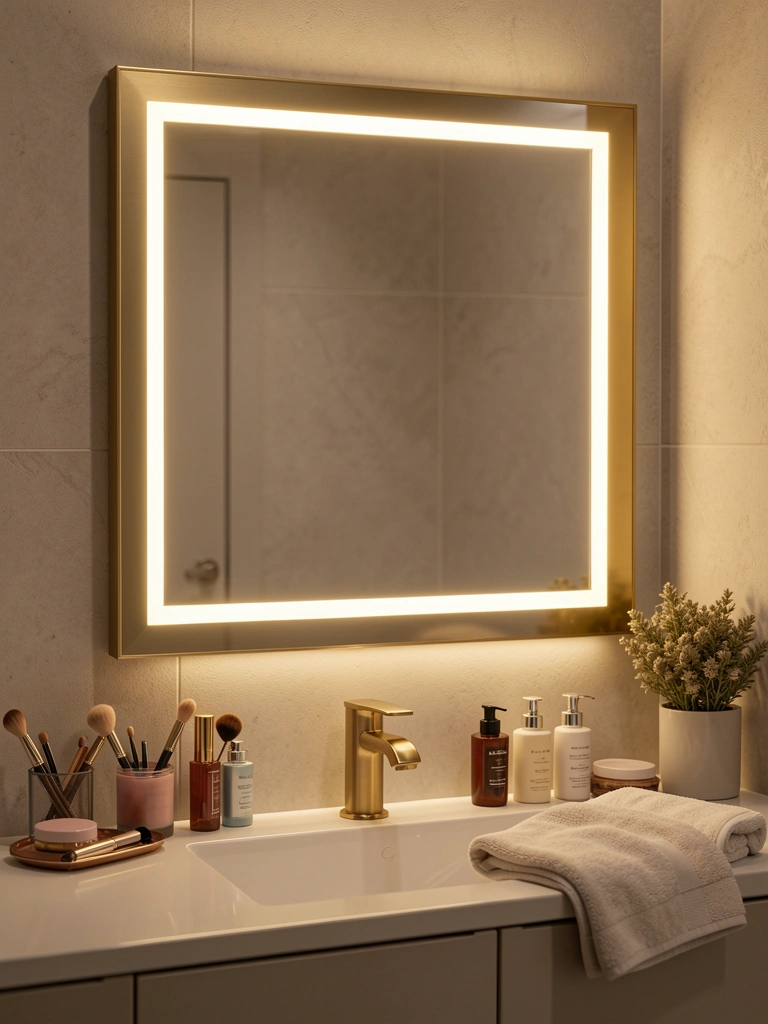
    12. Install a Smart LED Mirror for Tech-Forward Bathrooms

    Smart LED mirrors combine functionality with modern tech, offering features like adjustable brightness, anti-fog coating, and even Bluetooth speakers in premium models. They’re gaining fast in modern bathrooms and master suites.

    Prices range from $250–$800 at Amazon, Wayfair, and specialty lighting stores. Look for brands like Kohler, Artemis, or Baño Design. Features include dimmable LED backlighting, demister (anti-fog), magnified sections, and touch controls. Installation requires an electrician if you’re hardwiring (budget $200–$400 labor), or opt for plug-in models ($250–$400). Allow 2–4 hours for professional installation.

    You’ll save time getting ready with perfect lighting, and the anti-fog feature means no more wiping. Morning routines feel more spa-like with adjustable brightness.

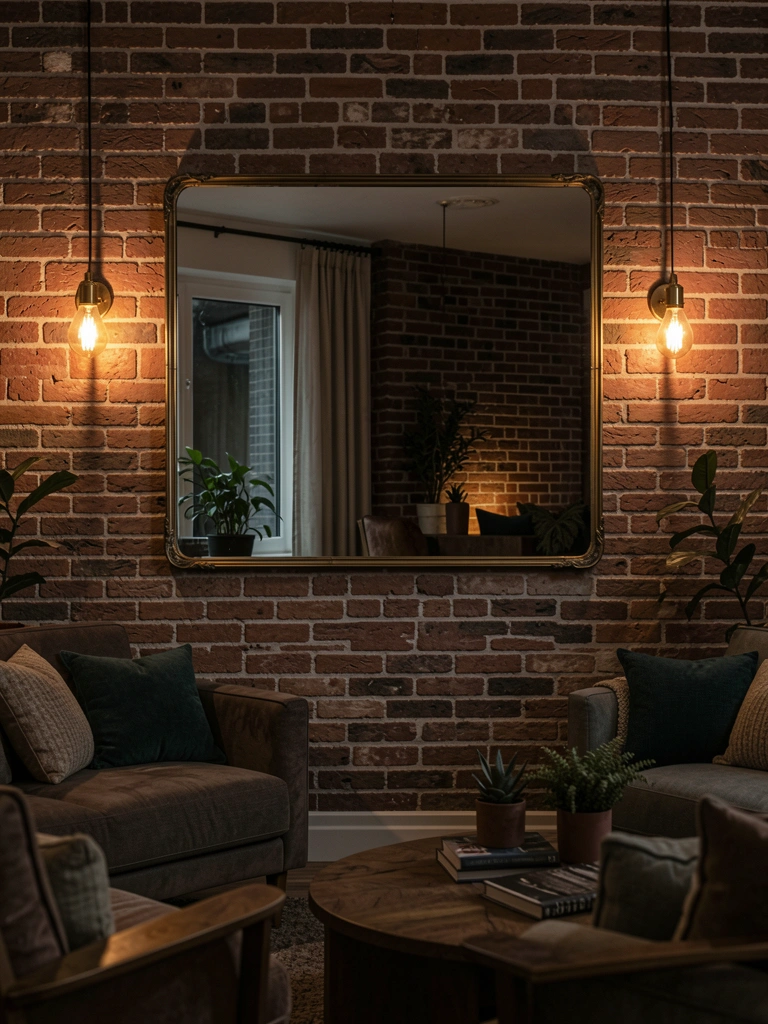
    13. Hang an Oversized Mirror on a Brick or Textured Accent Wall

    Pairing a large mirror with a textured accent wall (brick, shiplap, or stone) creates depth and visual richness. The reflective surface plays beautifully against matte textures for high-impact drama.

    Choose a mirror frame in brass, bronze, or matte black that complements your brick color. Sizes from 36–60 inches work best to make a real statement. Find options at West Elm ($250–$700), Article ($200–$600), Wayfair ($150–$500), or custom framers. Installation takes 45 minutes to an hour and requires studs or heavy-duty anchors. Position it at eye level, slightly off-center for dynamic asymmetry.

    The textured wall becomes a backdrop that makes the mirror feel intentional and designed. Light reflects off the irregularities, creating subtle shadows and depth.

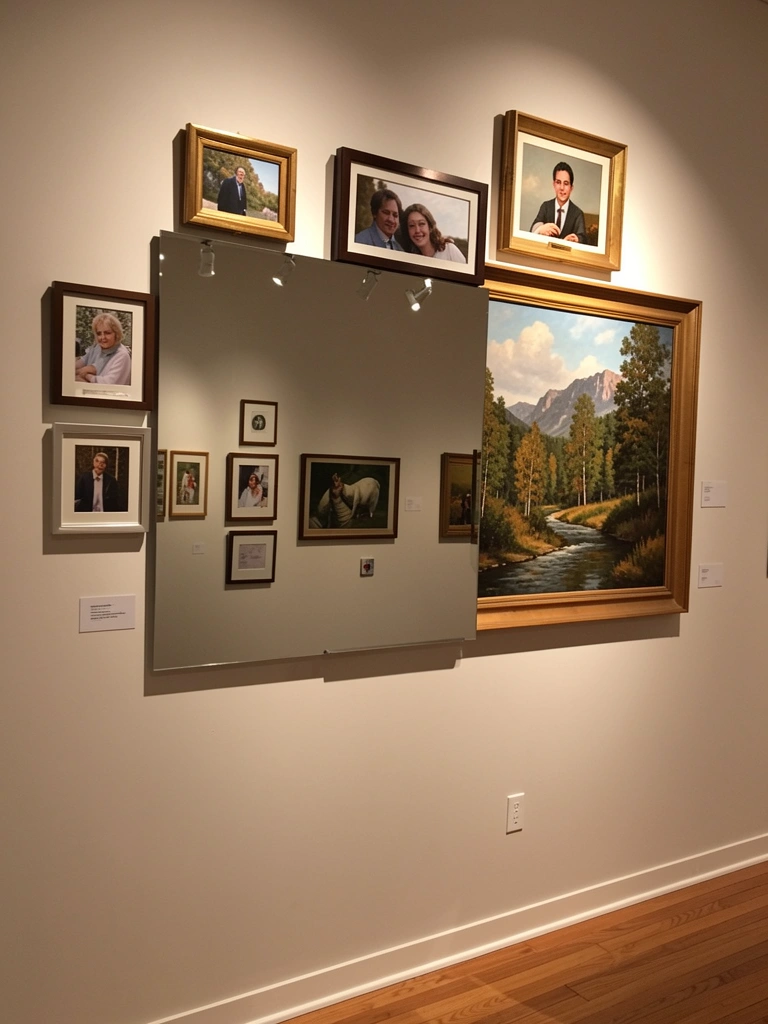
    14. Layer a Large Mirror Over Artwork for Unexpected Contrast

    Breaking the grid by layering a mirror over or beside artwork challenges conventional gallery wall rules and creates intrigue. This works especially well in hallways, dining rooms, or entryways where people linger.

    A large rectangular or square mirror (30–48 inches) paired with 2–3 pieces of artwork creates visual complexity. Source mirrors at IKEA, Target, Wayfair ($50–$200) and artwork from local galleries, Etsy, or Minted. Arrange with slight overlaps and varied heights for a collected feel. Installation takes 1.5–2 hours to plan and hang properly using a level. The key: map everything on kraft paper first.

    This approach reads as gallery-curated and sophisticated. You’re basically creating museum-quality walls in your home.

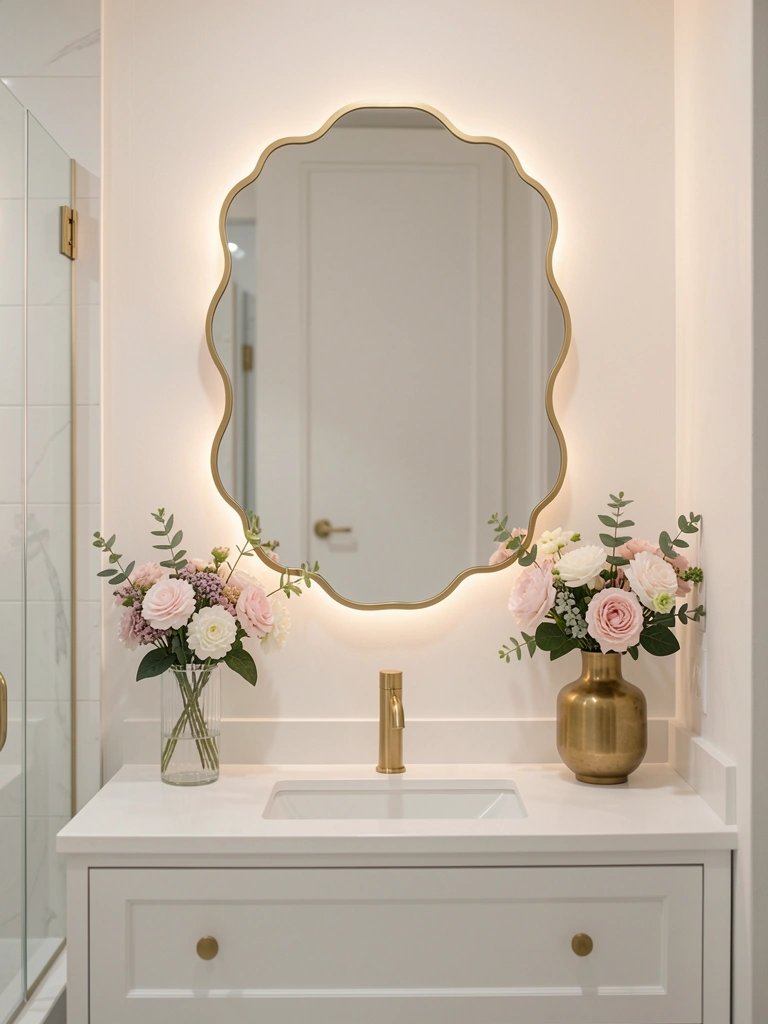
    15. Use a Scalloped-Edge Mirror to Add Playful Elegance

    Scalloped-edge mirrors bring a playful-yet-elegant energy to bathrooms and bedrooms, blending curves with structure. They’re having a major moment in 2025 and feel fresh without being trendy or dated.

    Brands like Anthropologie ($150–$300), West Elm ($180–$350), Target ($80–$180), and Etsy artisans ($120–$280) offer scalloped options in various finishes. Sizes range from 24–36 inches, perfect for bathroom walls or bedroom accent walls. Installation is standard (20 minutes with wall hangers). The scallops catch light beautifully and add dimension that straight edges don’t have.

    The undulating edges feel sophisticated while maintaining a sense of fun. Your bathroom becomes a space you actually want to spend time in.

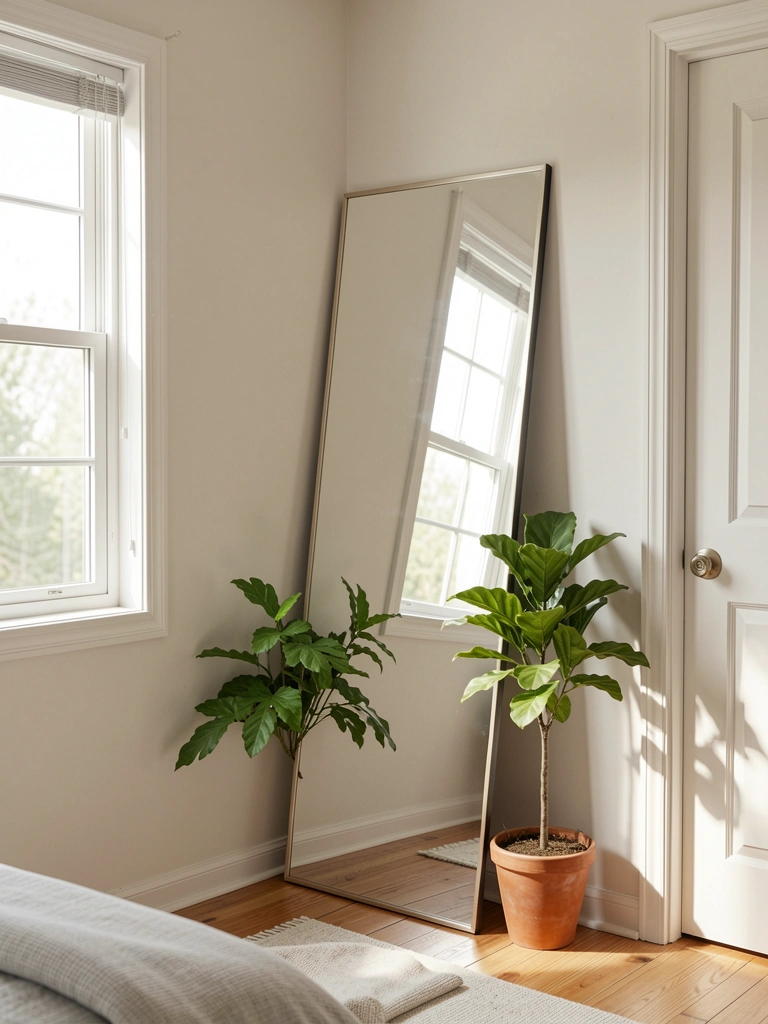
    16. Install a Floor-to-Window Mirror to Amplify Natural Light

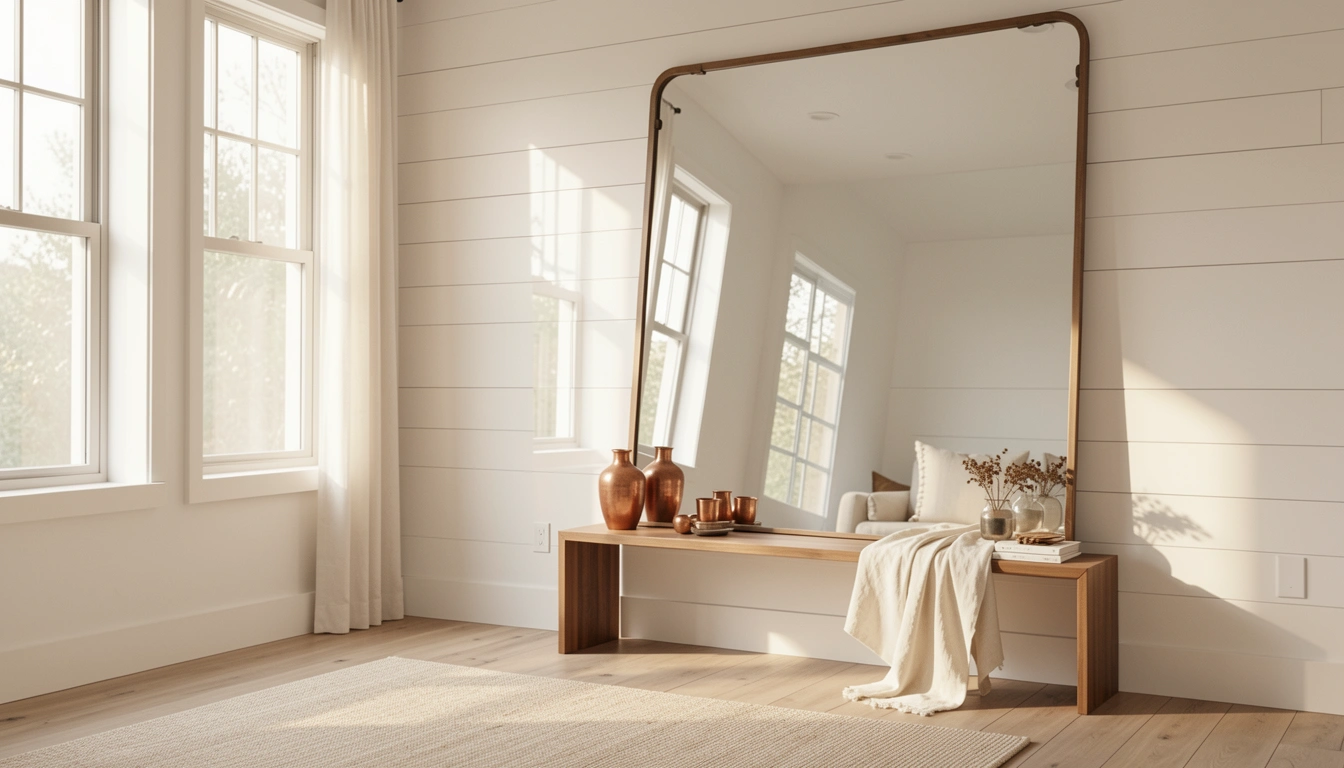
    Positioning an oversized mirror to face a window maximizes natural light reflection, making rooms feel brighter and more open even on cloudy days. This is a designer hack that actually works.

    Lean or mount a tall, wide mirror (5–7 feet) perpendicular to your primary window or glass door. Find options at Wayfair ($250–$600), Article ($300–$700), or CB2 ($200–$500). Choose a thin frame to minimize visual weight. Installation takes 30–45 minutes for mounting, or skip mounting entirely and lean it for flexibility. The angle matters—position it to catch the most light during the time of day you’re in that room most.

    Mornings become brighter and the entire room feels more energized. You might even save on lighting costs by relying more on bounced natural light.

    17. Create an Oversized Mirror Accent Wall in One Room

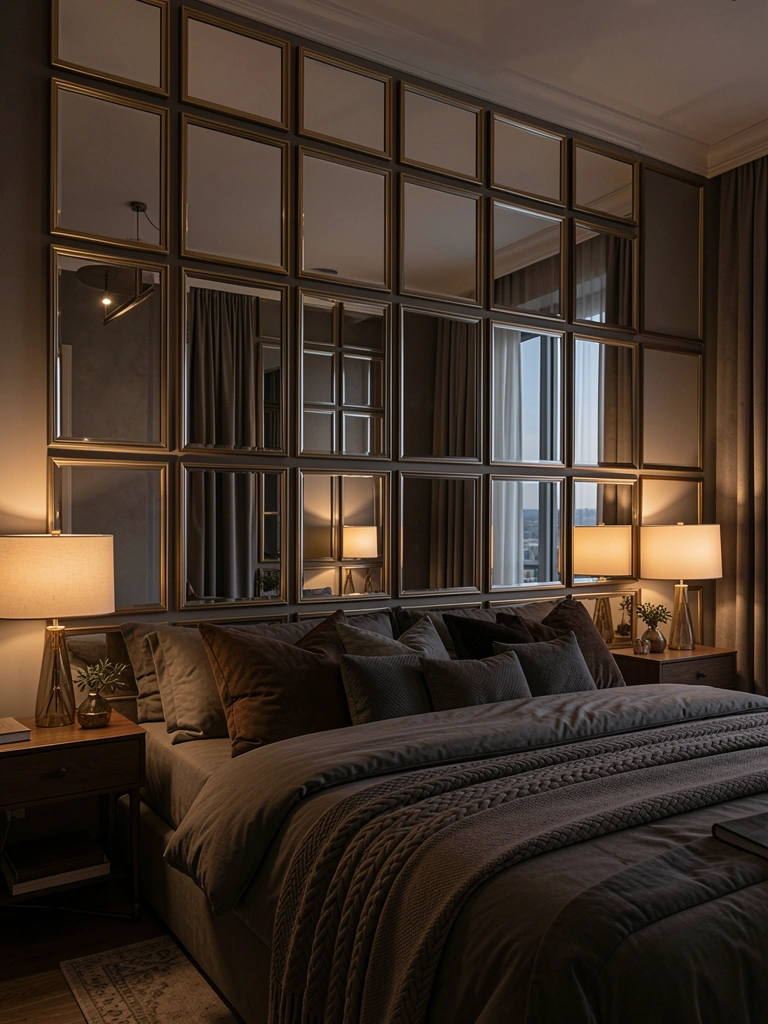
    A full mirror accent wall is the ultimate statement trend—think of it as wallpaper made of reflective surfaces. It’s bold, unexpected, and completely changes how a room feels.

    Source mirrors at IKEA, Target, and thrift stores ($40–$150 per mirror, total project cost $500–$2,000 depending on wall size). Plan your grid on paper first, mixing frame colors or keeping them uniform. This is a weekend project that requires 4–6 hours for planning, measuring, and mounting. Use a level obsessively. The effect: infinite reflection, drama, and unexpected depth that photographs beautifully.

    Your room becomes a talking point. This trend works in bedrooms, powder rooms, or unexpected spaces like a closet entry.

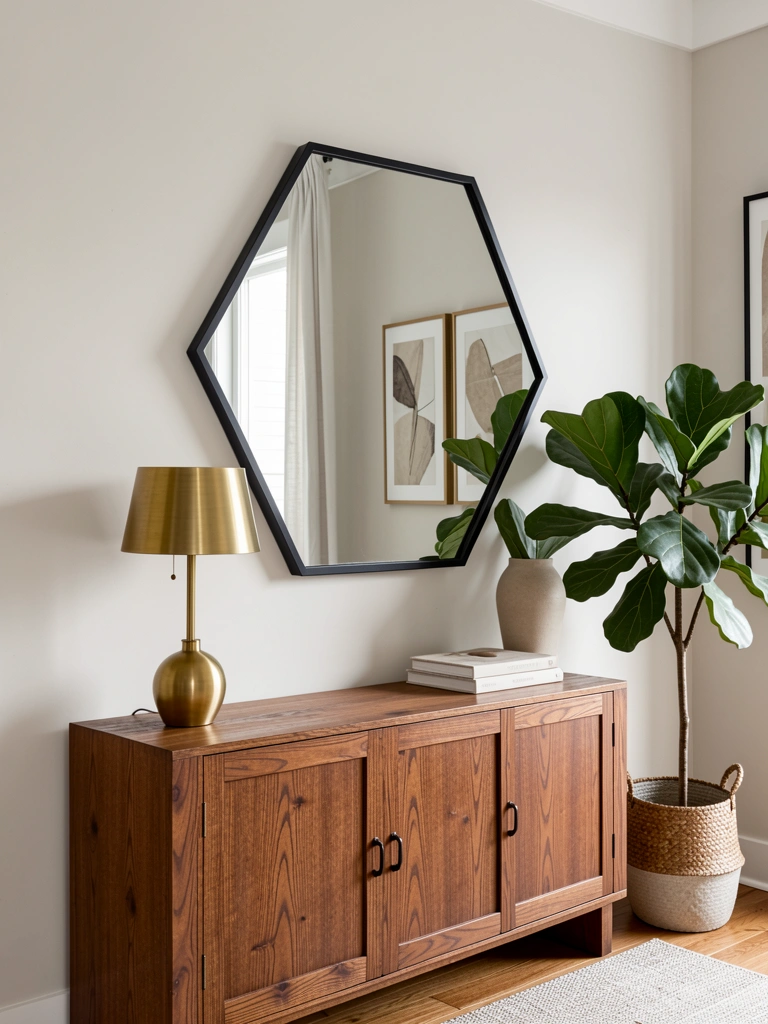
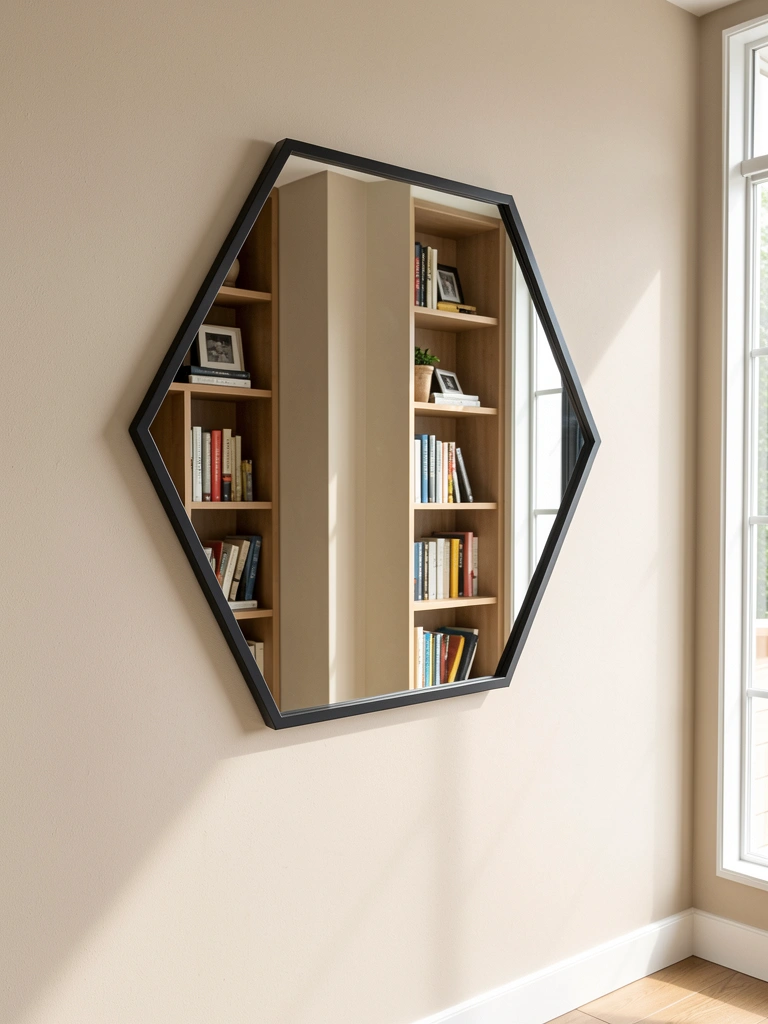
    18. Mount an Oversized Hexagon Mirror for Geometric Edge

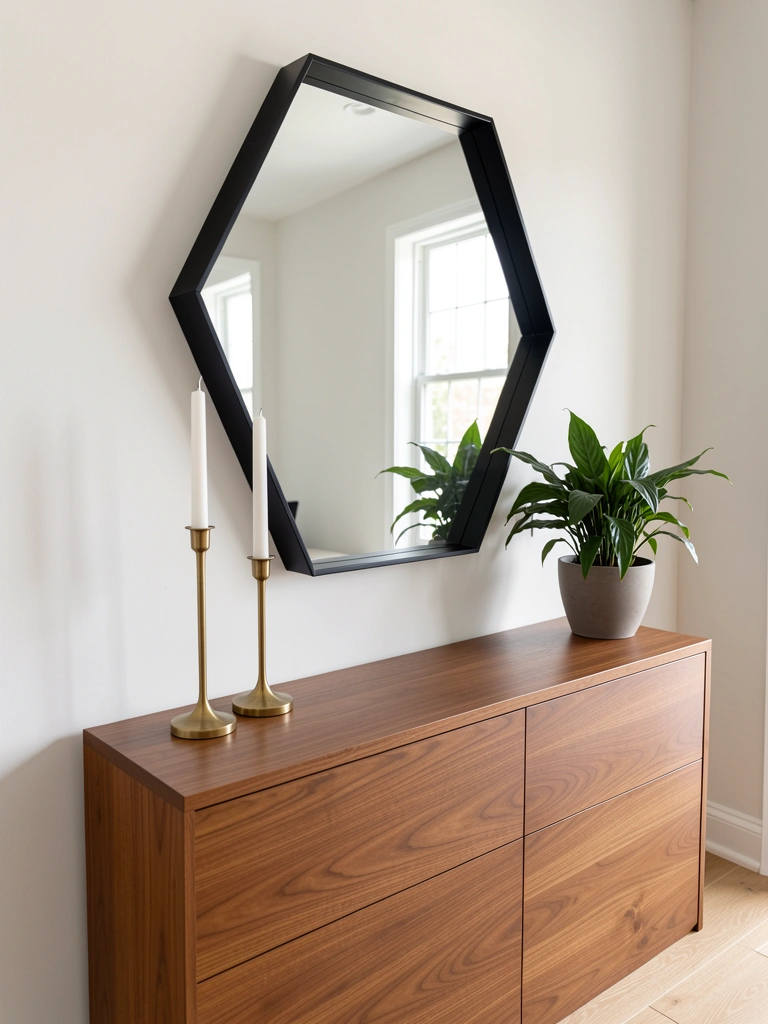
    Hexagon mirrors split the difference between round and geometric—they’re contemporary without feeling trendy or cold. A large 40–50 inch hexagon becomes an architectural focal point.

    Look for hexagon options at West Elm ($250–$500), Wayfair ($150–$400), Article ($200–$550), or specialty shops like Etsy artisans ($200–$400). Frame options include matte black, brass, or wood. Mount it above a console, entryway table, or on a bedroom wall. Installation takes 30–45 minutes with standard hardware. The geometric shape feels modern yet timeless enough to stay in style.

    People notice geometric shapes before they notice round mirrors—it’s more memorable. Your space reads as thoughtfully designed rather than randomly decorated.

    19. Pair Oversized Mirrors with Brass or Gold Leaf Framing

    Brass and gold leaf finishes instantly elevate mirrors into luxury territory, catching and reflecting light in ways matte frames can’t. This works beautifully in entryways and bedrooms for a collected-art feel.

    Brands like Anthropologie ($200–$400), Rejuvenation ($300–$600), CB2 ($250–$500), and custom framers ($400–$1,200) offer gold and brass-framed mirrors. Look for finishes labeled “antique brass,” “warm gold,” or “gold leaf” to avoid looking too shiny. Sizes from 36–60 inches work best to showcase the frame’s beauty. Leaning these is often better than mounting to preserve the frame’s finish. Cost: $250–$800 depending on size and quality.

    The warmth of brass bounces light differently than cooler metals. Your space gains an instantly collected, gallery-like sophistication.

    20. Install a Venetian-Style Oversized Mirror with Beveled Edges

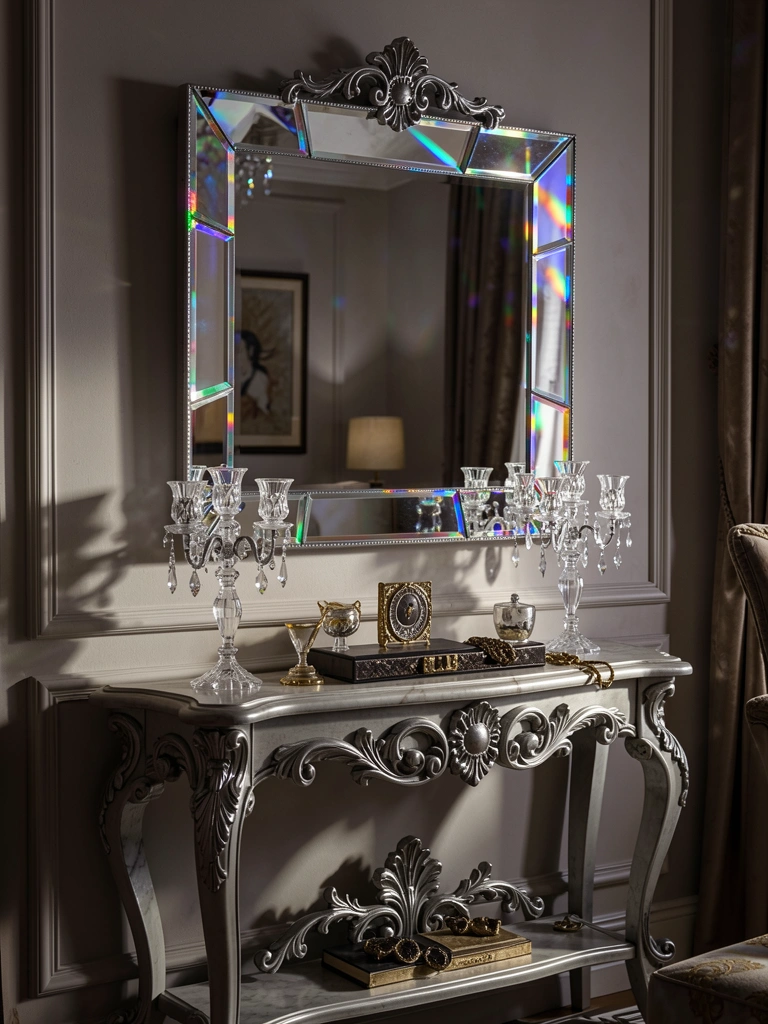
    Venetian mirrors with beveled edges create prismatic light effects—essentially turning your mirror into a functional light fixture. These feel luxury and work in traditional, maximalist, or eclectic spaces.

    Find Venetian-style mirrors at Anthropologie ($300–$600), Wayfair ($150–$400), CB2 ($200–$500), or Etsy artisans ($250–$600). Beveled edges catch light and create rainbow sparkles, so position near a light source or window. Sizes from 30–48 inches maximize the effect. Installation takes 45 minutes, and they’re heavy, so use studs or heavy-duty anchors. Professional installation recommended for pieces over 40 inches.

    These mirrors become a light source themselves, especially beautiful at night. Guests comment on the sparkling light effects immediately.

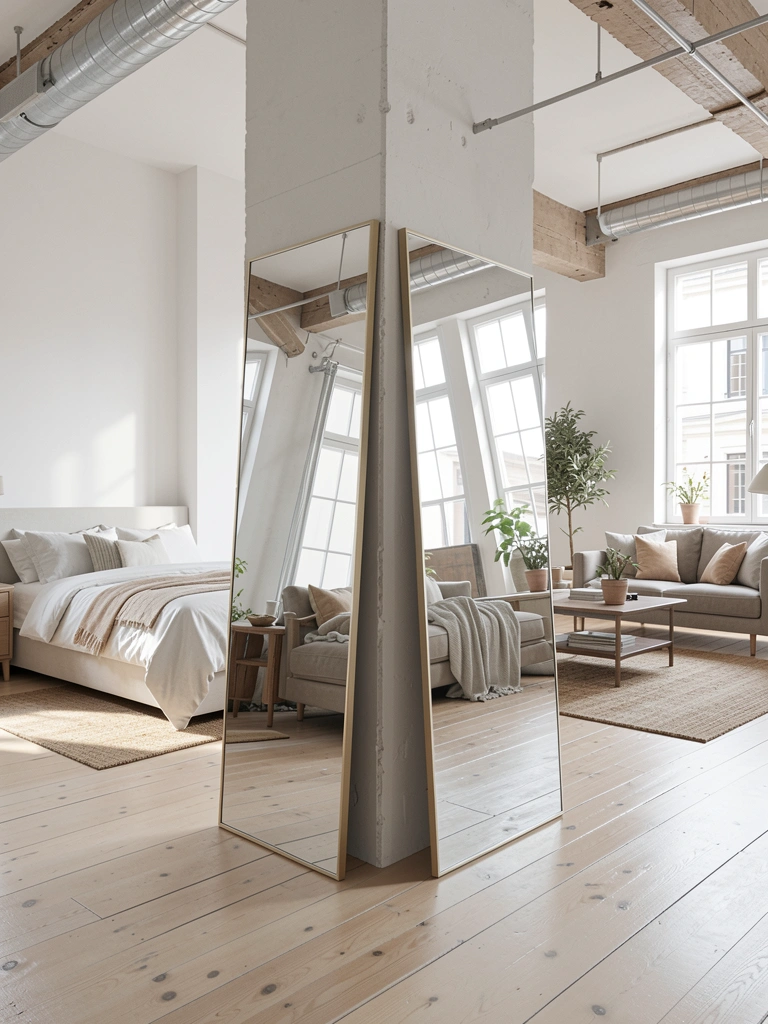
    21. Lean Multiple Oversized Mirrors Back-to-Back for Room Dividing

    Using oversized leaning mirrors as subtle room dividers works in open-concept spaces, studios, or lofts where you want to create visual separation without actual walls. It’s flexible, renter-approved, and surprisingly functional.

    Source two matching or similar large mirrors (48–72 inches) at IKEA ($80–$150 each), Wayfair ($150–$300 each), or thrift stores ($50–$100 each). Lean them back-to-back between spaces or at an angle. Make sure they’re on level, stable flooring—use painter’s tape or rug anchors underneath to prevent slipping. Total time: 15 minutes. Cost: $150–$600 depending on quality.

    This creates a subtle boundary that makes spaces feel defined without claustrophobia. Light flows freely while defining separate zones.

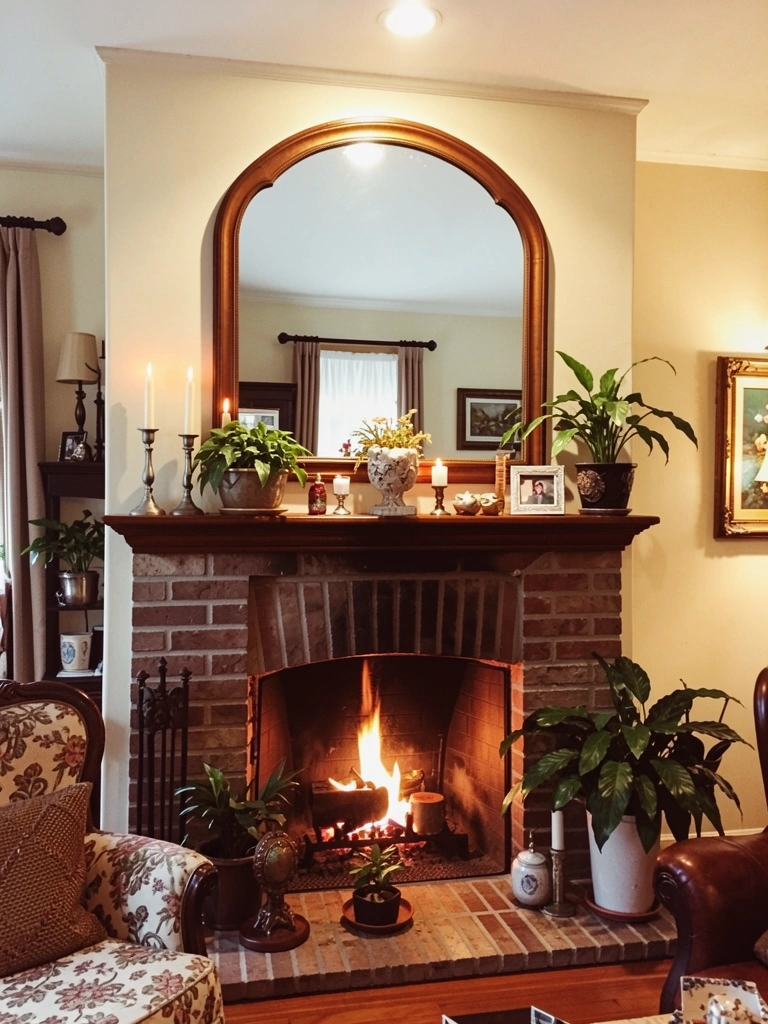
    22. Mount an Arched Oversized Mirror Over a Fireplace Mantel

    An arched mirror above a fireplace becomes an architectural feature that draws the eye upward. This classic placement works in traditional, transitional, and even modern farmhouse spaces.

    Choose an arched frame in wood, brass, or matte black that complements your mantel style. Sizes from 36–60 inches work best to fill the space without overwhelming it. Find options at Wayfair ($200–$500), Article ($250–$600), West Elm ($300–$700), or custom framers. Mount securely into studs above the mantel (allow 1 hour for installation). The key: position it high enough that you see the reflection comfortably when sitting.

    The upward arch mimics traditional architecture and makes rooms feel intentionally designed. The reflection bounces firelight around for added ambiance.

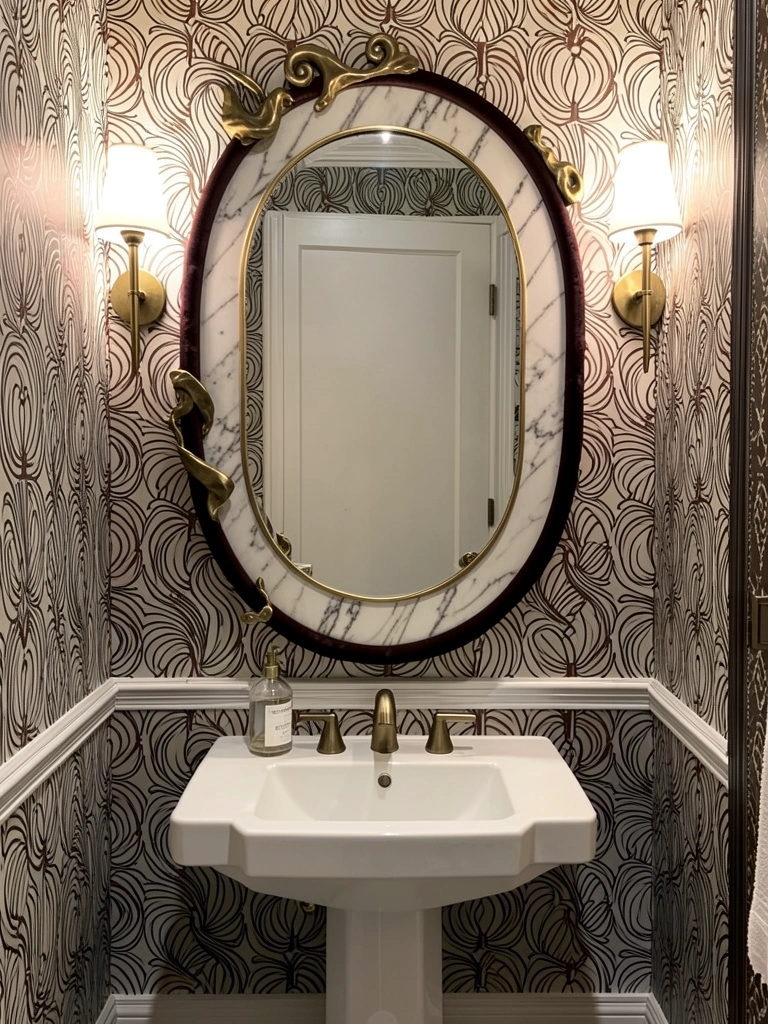
    23. Create a Powder Room Statement with a Dramatic Oversized Mirror

    Powder rooms are the perfect place to take mirror risks—it’s a small, intimate space where a bold mirror becomes the undisputed focal point and sets the tone for your entire home.

    Invest in a statement piece here: Anthropologie ($250–$500), CB2 ($200–$450), West Elm ($300–$600), or custom framers ($400–$900+). Look for unexpected finishes like velvet-wrapped, sculptural brass, or marble-backed. An oversized mirror in a small space makes the powder room feel sophisticated and gallery-like. Installation takes 30 minutes and requires studs due to the weight. This is worth the investment because guests see it first.

    Powder rooms with bold mirrors become memorable and Instagram-worthy. First impressions matter, and this sets the tone for your entire home.

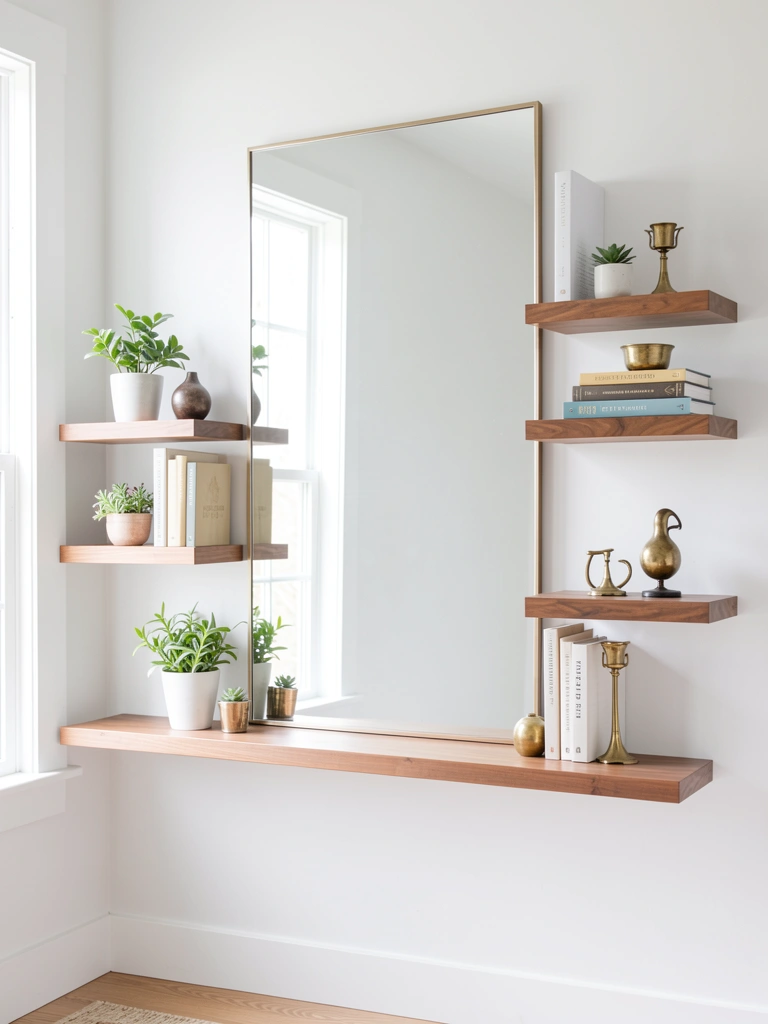
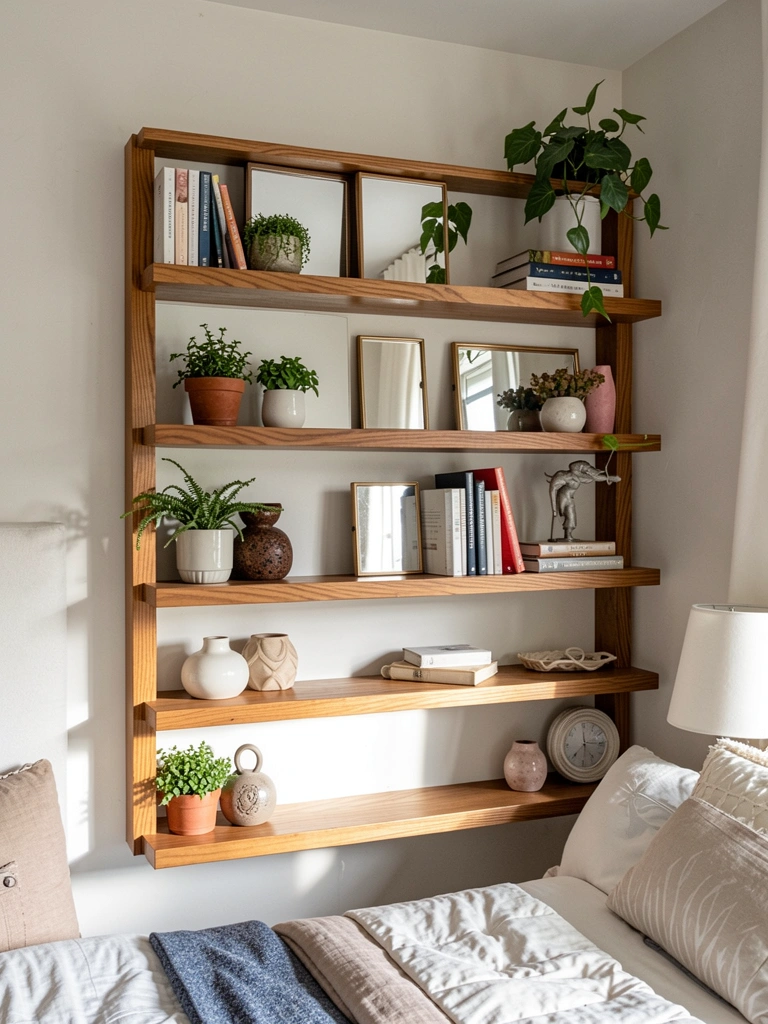
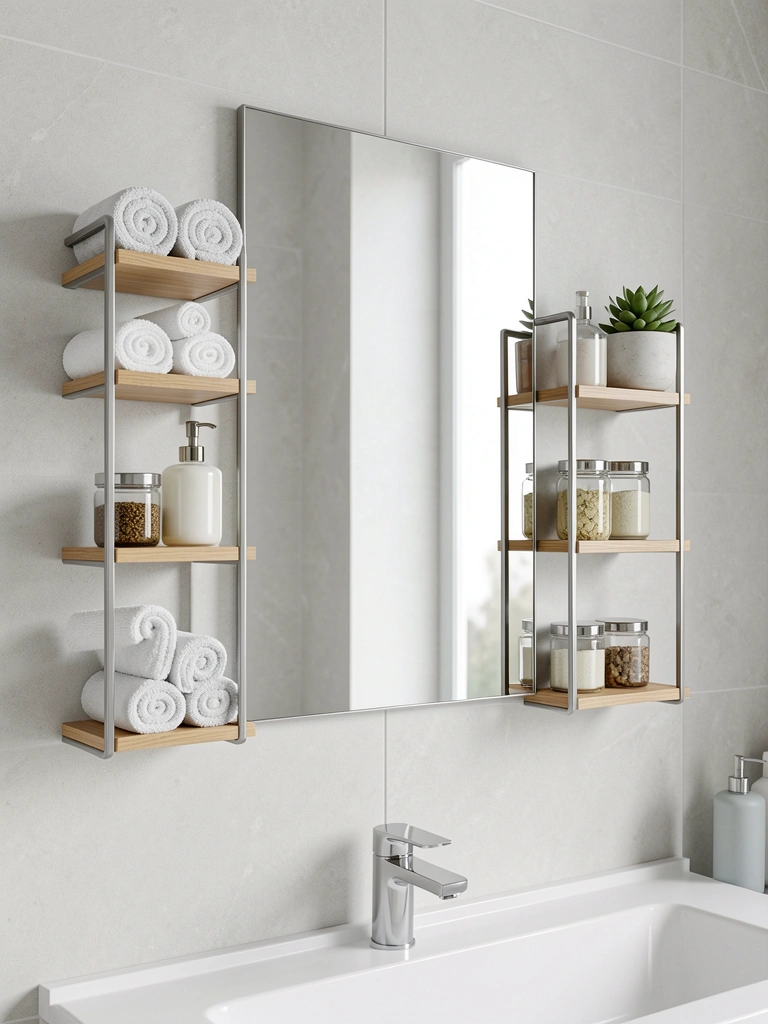
    24. Layer a Large Mirror with Floating Shelves for Functional Art

    Pairing an oversized mirror with floating shelves around or beside it creates functional art—storage that doubles as display and keeps the space organized while maintaining visual interest.

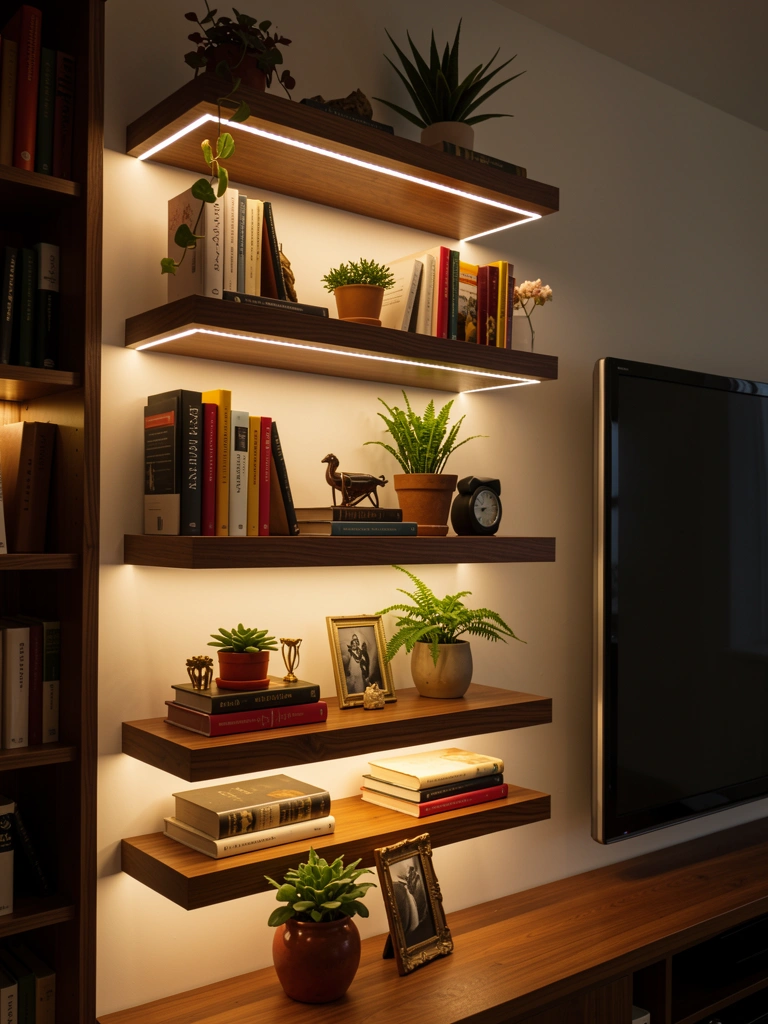
    Mount a large mirror (36–48 inches) centered on the wall, then add 2–4 floating shelves around it at IKEA ($20–$60 per shelf), Target ($25–$80), or Home Depot ($30–$100). Shelves work best if positioned 12–18 inches to the sides or above/below the mirror. Total installation time: 2–3 hours with a level and stud finder. Style with small plants, books, and objects that reflect your personality. The mirror opens the space while shelves provide practical storage.

    You get a focal point that’s also functional—storage without bulk. People admire how thoughtfully the wall is organized.


    Save this post for your next room refresh and try one concept this weekend. Whether you go bold with a sunburst wall or lean a simple oversized mirror in the corner, your space will feel noticeably bigger, brighter, and more intentional. Which mirror idea will you tackle first?

  • 25 DIY Mirror Wall Ideas Anyone Can Create on a Budget

    25 DIY Mirror Wall Ideas Anyone Can Create on a Budget


    Mirror walls have officially replaced boring paint as the go-to accent feature for 2025, and here’s the best part: you don’t need a designer budget to pull it off. Whether you’re renting a blank apartment or own a small room that feels cramped, a mirror wall creates depth, bounces light everywhere, and honestly just looks cool. The trick? You don’t have to cover an entire wall—you can start small, mix frame styles, and build your perfect reflection setup piece by piece. We’ve rounded up 25 doable ideas that range from totally free to surprisingly affordable, all designed to work in real homes with real constraints. Pick one that matches your space and skill level, and let’s get started.


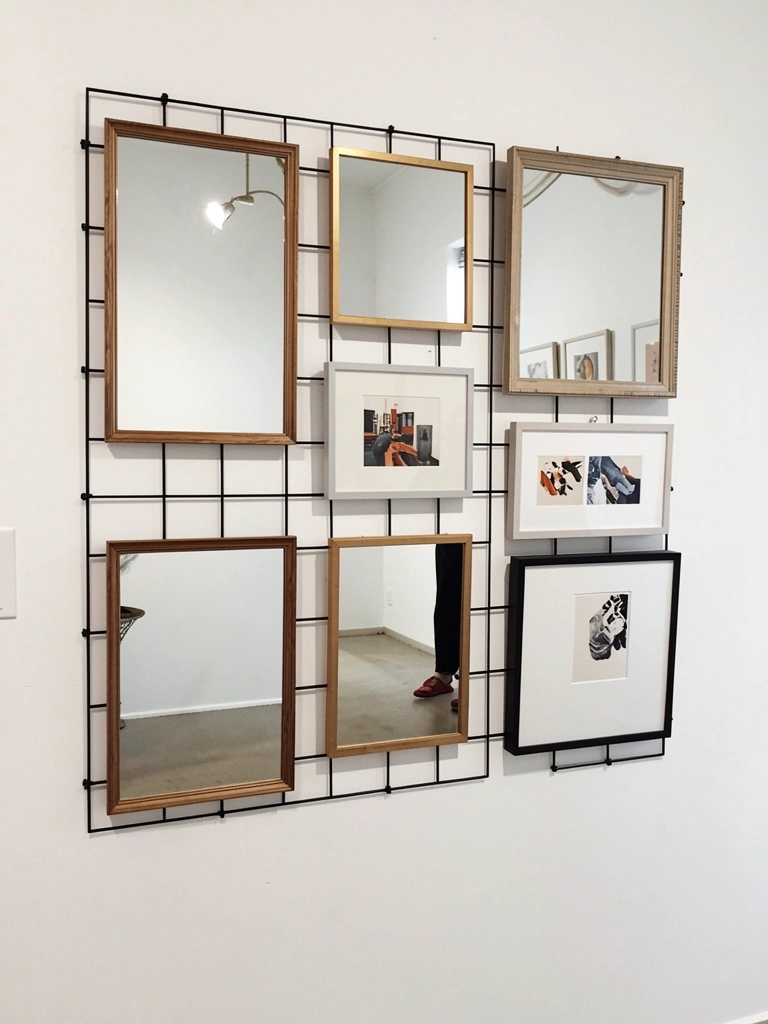
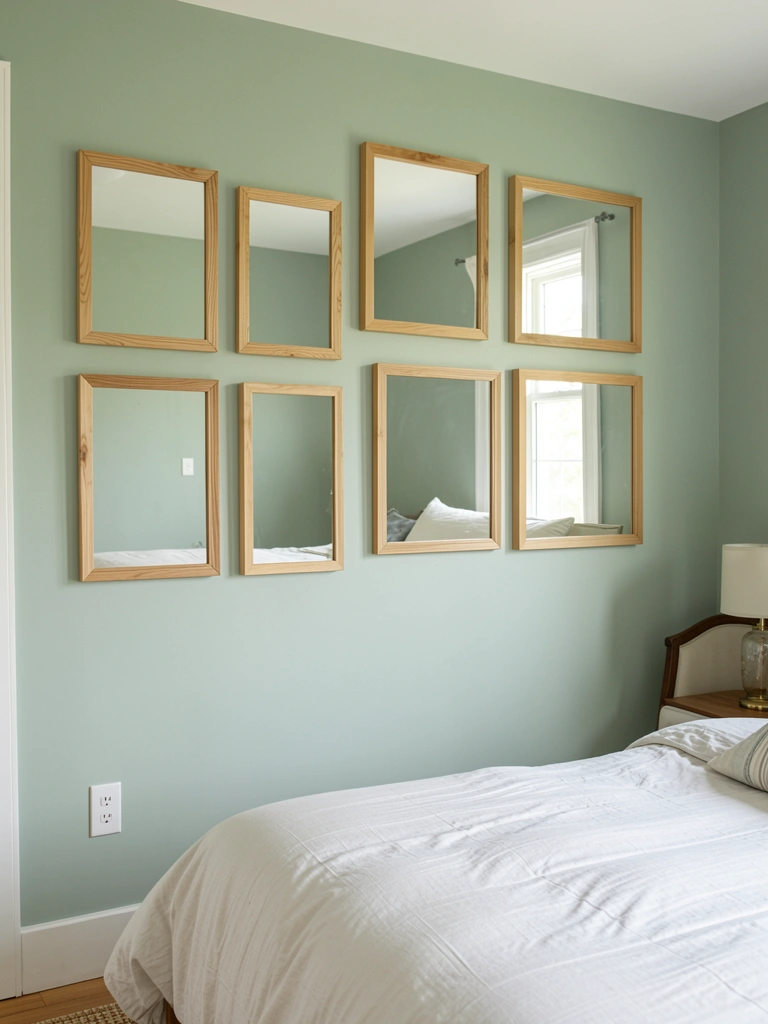
    1. Create a Mismatched Mirror Grid on Any Wall

    A mismatched mirror grid gives you a curated, intentional look without the pressure of perfection. The beauty is that no two frames have to match—that’s the whole point. Grab mirrors from thrift stores, IKEA, Target, and Amazon in sizes ranging from 8 inches to 18 inches. Prices run $8–$50 per mirror, and you can start with just 4-6 and add more over time.

    Lay them out on the floor first to plan your arrangement, then use a level and painter’s tape to mark holes before hanging. This takes about an hour for a dozen mirrors, and you only need basic nails or wall anchors. The result? A focal wall that looks designer-curated but totally budget-friendly. Renters can even use adhesive hooks rated for mirrors under 5 pounds each.

    Your wall becomes a working piece of art that reflects light and draws the eye naturally to your best features—whether that’s a pretty dresser or a cozy reading nook.


    2. Use Peel-and-Stick Mirror Tiles for Zero Commitment

    Peel-and-stick mirror tiles are the renter’s secret weapon—no nails, no damage deposits lost, and you can rearrange whenever you want. Each tile typically costs $3–$8, and a pack of 12 runs about $30–$50. Brands like Art3d, Yardwe, and Amazon basics make solid options that actually stick.

    Clean your wall with rubbing alcohol, let it dry completely, then peel and press each tile into place. You can arrange them in grids, staggered patterns, or even create waves. Takes about 20 minutes for a whole wall. The tiles come in 6×6, 12×12, or even hexagonal shapes if you want to get creative.

    You get a mirror wall that looks expensive but costs less than two dinners out. Plus, if you move or change your mind, they peel right off without leaving residue. Perfect for apartments, temporary spaces, or anyone testing the waters before committing.


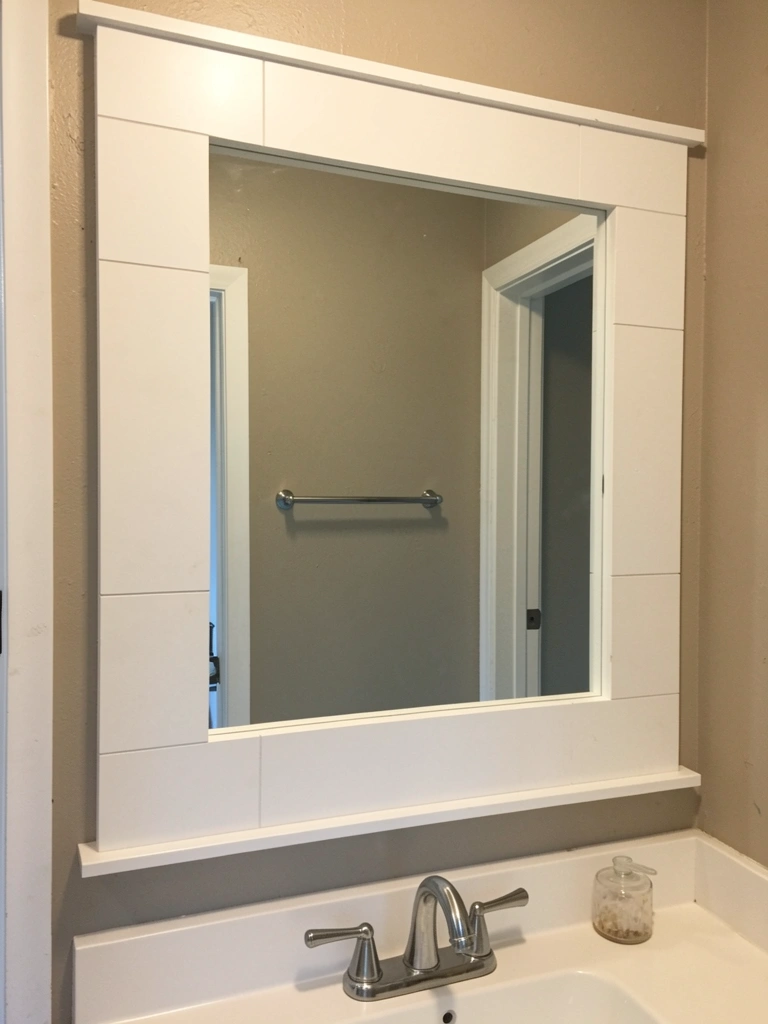
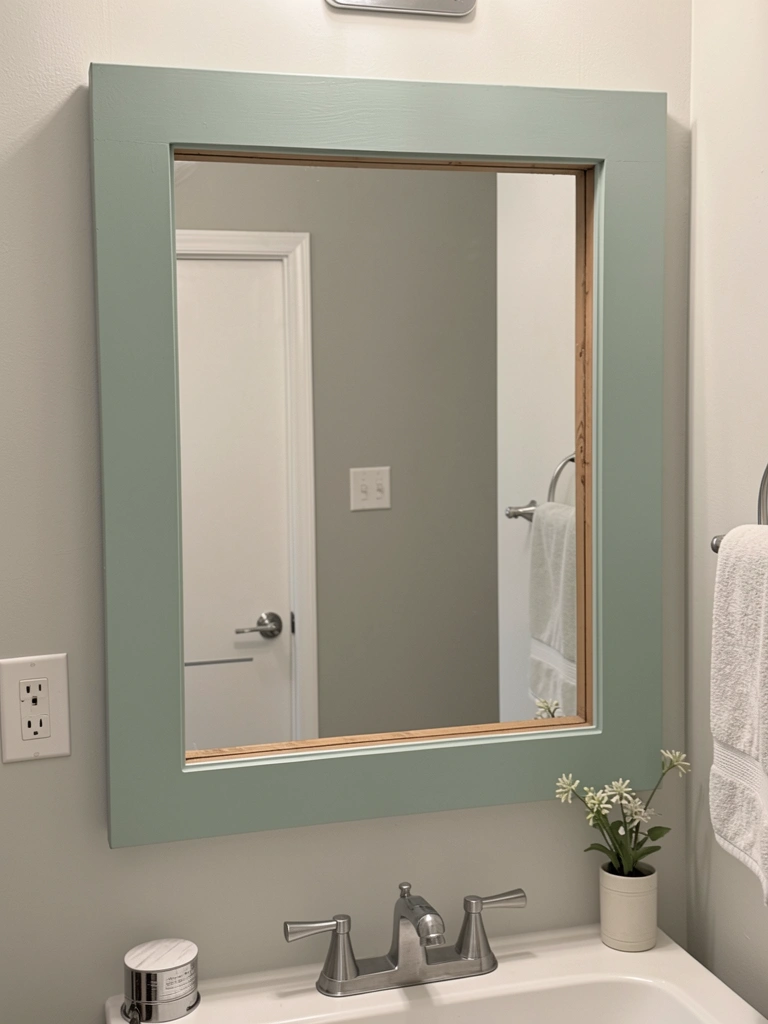
    3. Frame Thrifted Mirrors with Moldable Wood Trim

    Found a gorgeous mirror at Goodwill or a yard sale but hate the frame? Buy moldable wood trim strips (about $1–$3 per strip) from Home Depot or Lowe’s and wrap them around the edge. It’s like giving your mirror a custom upgrade for pocket change. This works especially well on frameless or plastic-framed mirrors.

    Measure your mirror’s perimeter, cut the trim to size with a basic saw or ask the store to cut it, then secure it with mirror adhesive or small nails on the back. Stain or paint it to match your space—takes 30 minutes plus drying time. You can do 3-4 mirrors for under $25 total.

    The effect looks handcrafted and elevated, and you’ve essentially customized a thrifted find into something that looks like it came from a boutique. It’s the kind of detail that makes people ask where you got it.


    4. Build a Leaning Mirror Wall for Temporary Spaces

    Don’t want to commit to wall holes? Lean a collection of full-length or large mirrors against your wall in a casual cluster. This works especially well in bedrooms, entryways, or rental spaces where you want impact without permanence. Grab mirrors from IKEA, Target, or Facebook Marketplace for $30–$150 each, depending on size.

    Arrange them at slightly different angles—some upright, some tilted—to create visual interest. They’ll stay in place on their own if they’re leaning against the wall. No tools needed, no damage, and you can rearrange them whenever the mood strikes.

    You get a gallery-like statement wall that looks intentional and expensive, but you can take it with you when you leave. It’s the easiest way to test out a mirror wall before going full-install.


    5. Create a Sunburst Mirror Wall for Dramatic Impact

    A sunburst mirror does the heavy lifting all by itself—you don’t need a grid of mirrors when one statement piece delivers all the drama you need. These range from $40–$300 depending on size and material, with solid mid-range options at Target, Wayfair, and Amazon around $60–$120.

    Hang it at eye level or slightly above for maximum visual impact. This is a one-nail, one-afternoon project. The radiating pattern catches light beautifully throughout the day and photographs gorgeously, so it’s perfect if you love a room that looks good on camera.

    Position it as a focal point above a bed, sofa, or dresser, and let it become the conversation starter. One sunburst mirror can make a plain wall feel intentional and expensive without any additional styling needed.


    6. Mix Metal Frames with Natural Wood for Eclectic Style

    Combining metal and wood frames creates visual interest without looking chaotic. Grab a mix from thrift stores, IKEA, and budget retailers like Target—you’re looking at $10–$40 per frame. The key is choosing frames in complementary finishes: matte black, brushed gold, and natural wood work beautifully together.

    Stick to 2-3 metal tones maximum and keep the wall color neutral so the frames become the stars. Arrange them with roughly equal spacing—a level and tape measure take the guesswork out. Plan for about 45 minutes to an hour for a wall of 8-10 mirrors.

    The mix of materials looks collected over time rather than matchy-matchy, which reads as more thoughtfully designed. You’ve created a wall that looks like you have serious decorating taste without any of the stress.


    7. Paint Mirror Frames to Match Your Accent Color

    Have mirrors in mismatched or dated frames? Paint them all in one accent color to tie them together instantly. Use spray paint or acrylic paint designed for plastic/metal, about $2–$4 per can from hardware stores. You only need one or two cans depending on how many mirrors you’re doing.

    Remove mirrors from frames if possible, lay frames on cardboard, and spray 2-3 light coats in your chosen color. Let them dry per the paint instructions (usually 24 hours), then reinstall the mirrors. This takes 20 minutes hands-on time plus drying.

    Suddenly your budget mirrors look cohesive and intentional. The painted frames become a design feature that ties into your room’s color story, making the whole wall feel planned rather than randomly assembled.


    8. Use Adhesive-Backed Mirror Panels for Backsplash Effect

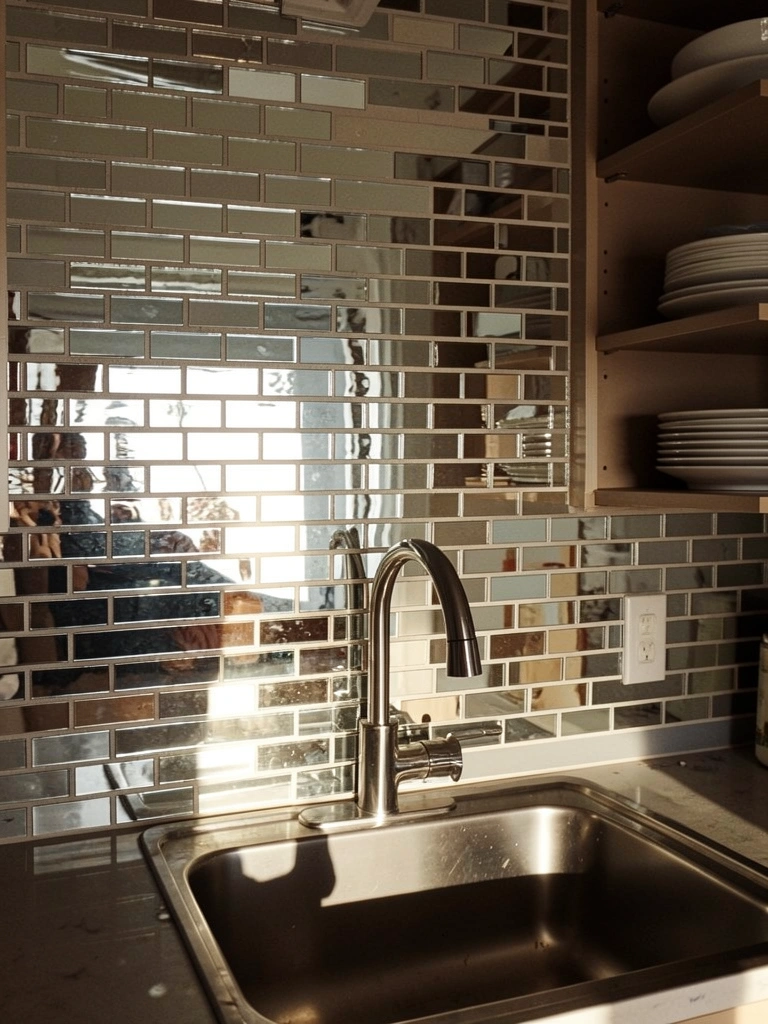
    Transform a kitchen or bathroom wall with adhesive-backed mirror panels that look like a custom backsplash but cost a fraction of tile. These run $20–$50 for a pack that covers 10-15 square feet, depending on tile size. Brands like Art3d and Mirrored offer various styles including subway, hexagon, and mosaic patterns.

    Clean and dry your wall thoroughly, then peel and stick panels in your chosen pattern. Use a level and spacers to keep lines straight. A 3×4 foot area takes about 30 minutes. You can also do partial walls—just above a sink or stove—for a budget-friendly pop of reflection.

    Your kitchen or bathroom instantly reads more polished and spa-like. Mirrors amplify light where you need it most (near sinks and cooking areas), and the effect photographs beautifully.


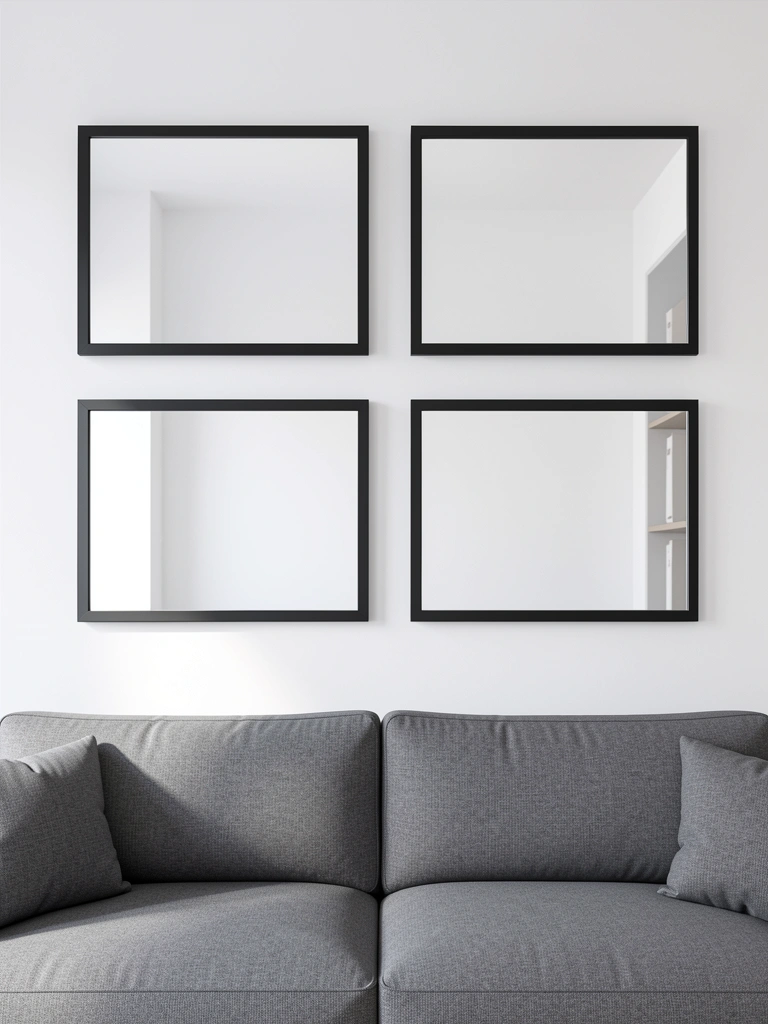
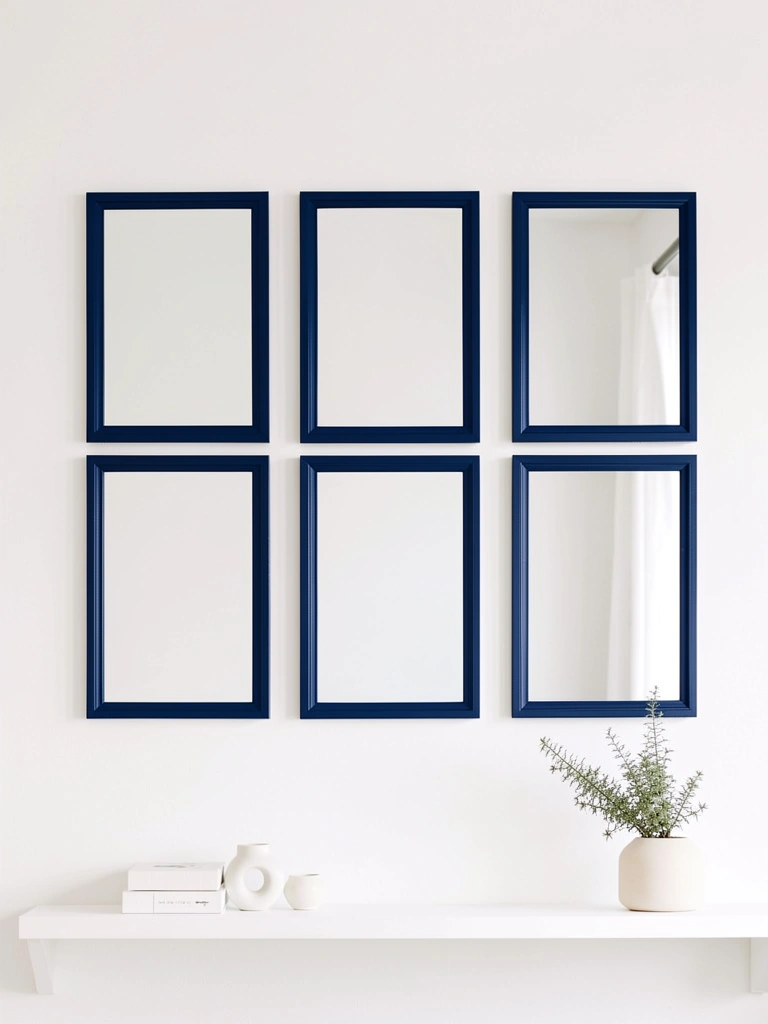
    9. Hang Mirrors in Matching Frames for Minimalist Impact

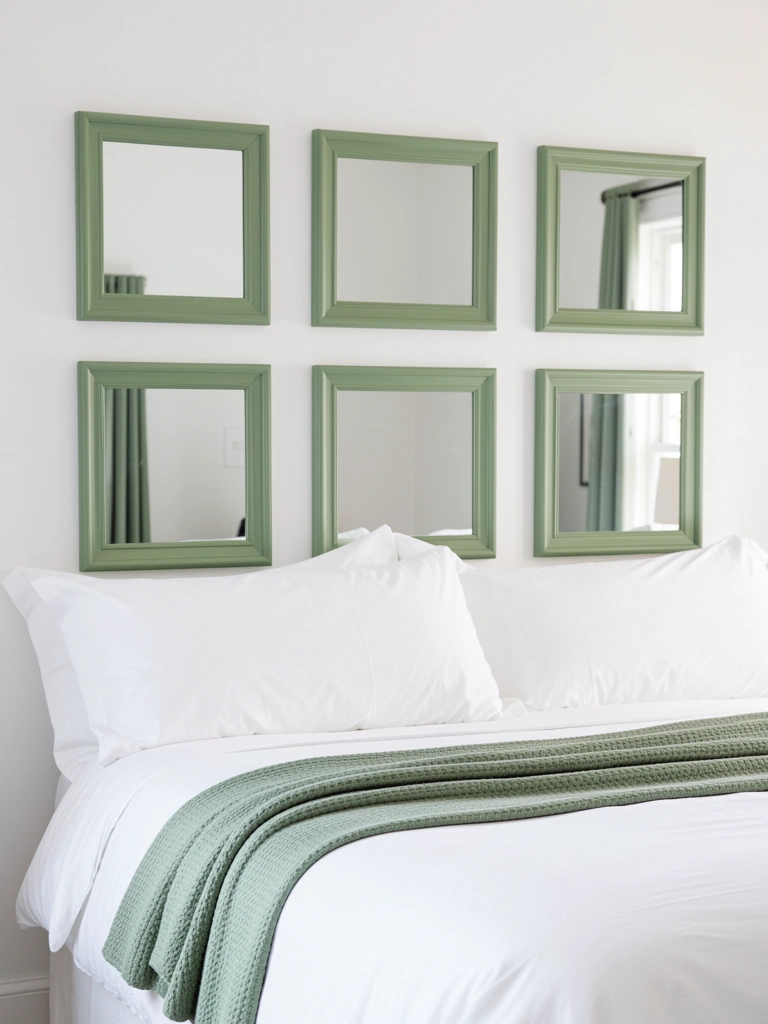
    Sometimes the most sophisticated look is the simplest one. Six to nine matching mirrors in identical frames create a clean, editorial aesthetic. Hunt for frames on sale at IKEA, Target, or Wayfair—look for deals on $15–$30 items that work when bought in multiples.

    Measure and mark your wall to create evenly spaced rows. Use a level and painter’s tape. This takes about an hour total and looks strikingly polished when finished. The uniformity is calming and reads as intentionally designed.

    Your wall becomes a study in minimalist elegance—no visual chaos, just clean lines and reflected light. This approach works especially well in small spaces because it emphasizes order rather than clutter.


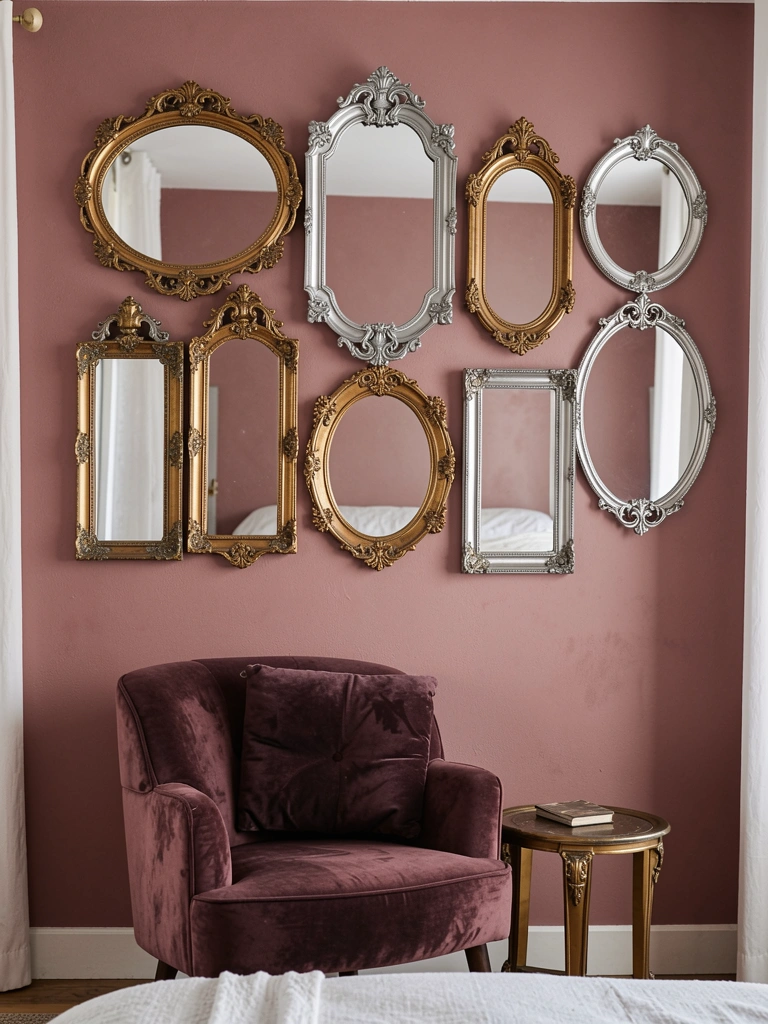
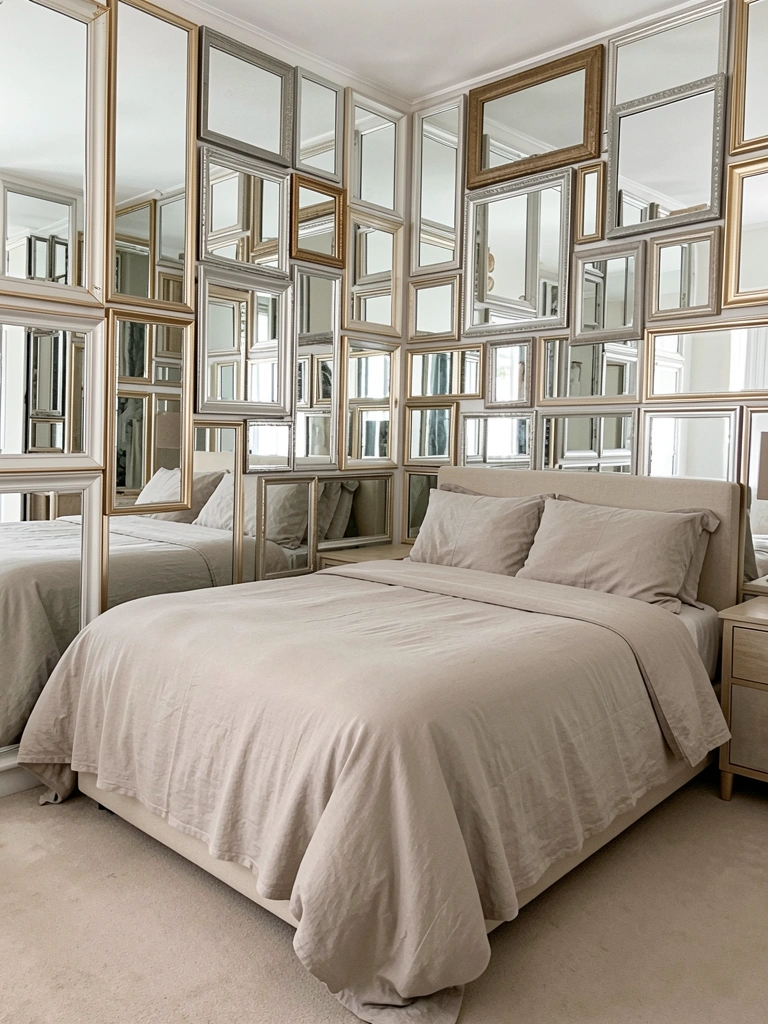
    10. Add Vintage Ornate Frames for Maximalist Flair

    For the maximalist at heart, layer ornate frames in mixed metals and finishes for a luxe, collected-over-time vibe. Hunt thrift stores and Facebook Marketplace for vintage frames—you’ll find ornate options for $3–$15 each. The hunt is half the fun.

    Arrange them in a loose salon style (asymmetrical but balanced). Don’t worry about perfect spacing—the point is abundance and personality. Hang 12-15 frames in a 4×5 foot area for maximum impact. Takes 1-2 hours but creates an incredible focal point.

    Your wall looks like you’ve been collecting beautiful frames forever, even if you actually found them in one weekend. The mix of golds, silvers, and patinas catches light differently throughout the day, creating depth and movement.


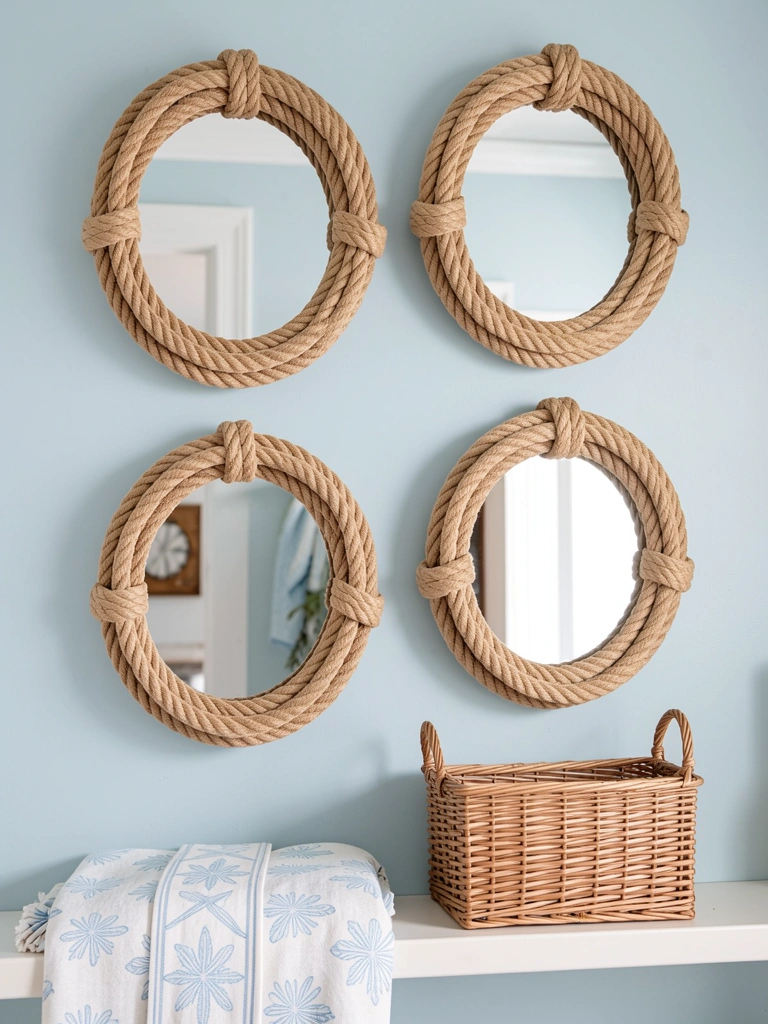
    11. Frame Mirrors with Rope or Jute for Coastal Vibes

    Give any basic mirror instant coastal charm by wrapping the edge with natural rope or jute cord. Grab rope at any hardware store for $2–$5 per mirror, plus fabric glue or hot glue (about $3). This works on any size mirror—8 inches to 24 inches.

    Measure the perimeter, cut rope to length, then hot glue it around the mirror’s edge in one smooth layer or a coiled pattern. Let glue dry completely (15 minutes) before hanging. Takes about 10 minutes per mirror.

    You’ve taken a plain mirror and given it personality and texture for less than $10. Rope-wrapped mirrors feel summery and relaxed, perfect for bedrooms, bathrooms, or entryways that need a breezy aesthetic.


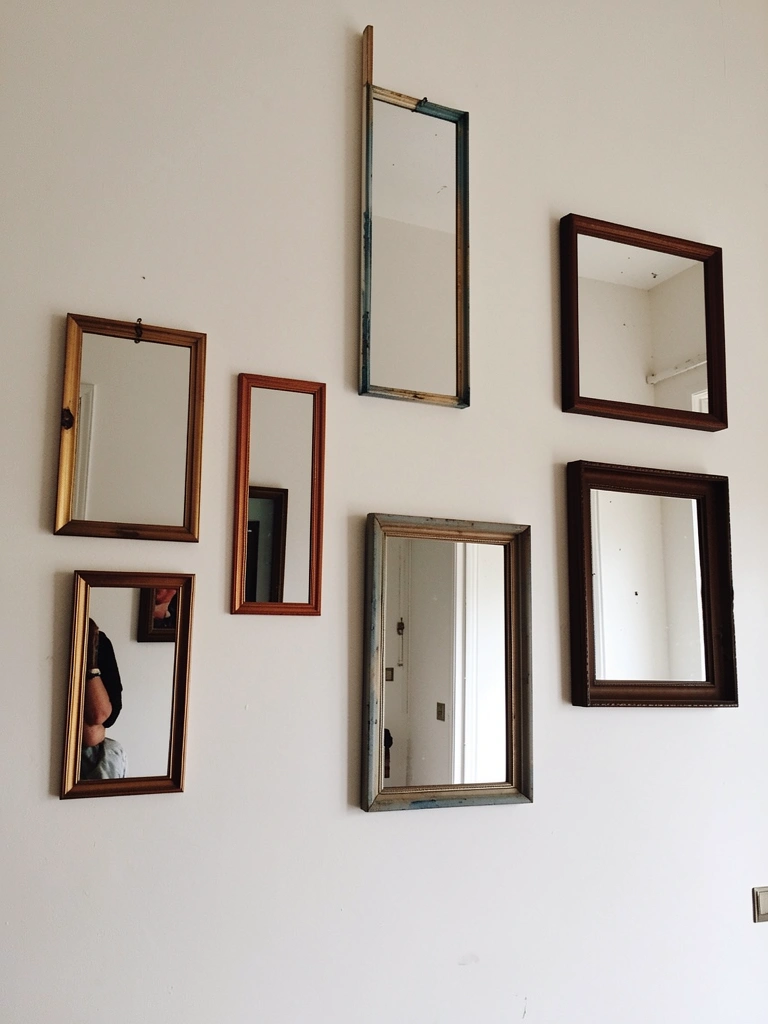
    12. Hang Mirrors at Varying Heights for Visual Movement

    Rather than aligning mirrors in neat rows, stagger them at different heights for a more dynamic, interesting composition. This arrangement actually draws more light around the room and creates visual interest that makes spaces feel larger.

    Plan your layout by marking heights on painter’s tape first—the highest mirror might be 6-8 inches below the ceiling, the lowest around 5 feet up. Space them about 4-6 inches apart. Hang with a level to keep individual mirrors straight even though the arrangement is asymmetrical.

    The varying heights create movement and sophistication. Your eye travels across the wall rather than getting stuck in one spot, which makes the space feel more dynamic and deliberately curated.


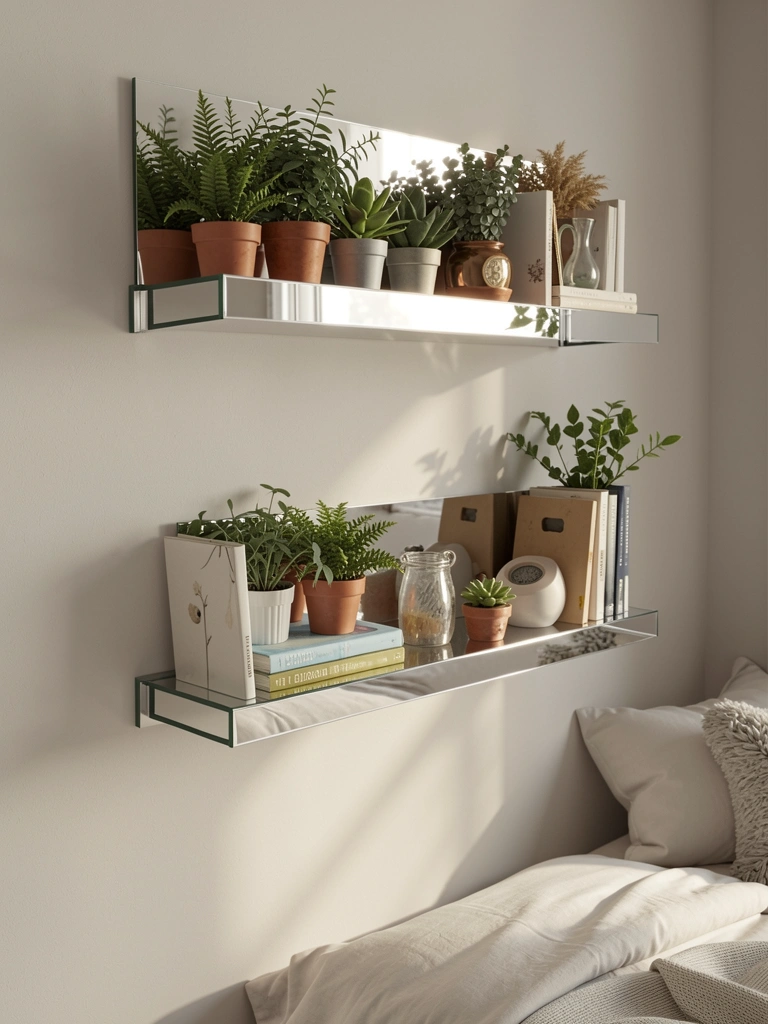
    13. Use Mirrored Shelves to Double as Display and Reflection

    Mirrored shelves are like getting two design features in one—functional storage plus light-bouncing reflection. These run $25–$80 per shelf from Target, Wayfair, or Amazon. Mount them at different heights (one at 48 inches, one at 60 inches) for visual interest.

    Install according to package instructions using a level and wall studs. Takes about 30-45 minutes for two shelves. Fill with plants, books, and small decor pieces that’ll look even more interesting with their reflections behind them.

    You’ve created a mini gallery wall that’s also genuinely useful. The mirrored backing makes your small collection of objects appear doubled, which makes open storage feel less bare and more intentional.


    14. Create a Mirror Accent Wall Behind Your Bed

    Make your bed the ultimate focal point by creating a full mirror wall behind it. This is the most dramatic version of the mirror wall idea and works especially well in smaller bedrooms where it makes the space feel twice as large. Budget $200–$500 for a full wall, depending on whether you use adhesive tiles or individual framed mirrors.

    If using tiles: Install a grid of adhesive-backed mirror panels following the manufacturer’s instructions. If using individual mirrors: Plan your arrangement carefully, then hang with a mix of methods (nails for sturdy frames, adhesive strips for lighter options). Budget 2-3 hours for a full wall.

    Your bedroom becomes a sanctuary that feels open, bright, and spacious. You’ll notice the difference immediately—more light, more perceived space, and a wow factor that doesn’t come from expensive bedding.


    15. Mount Mirrors Inside a Gallery Wall Grid

    If you want structure without commitment, use a gallery wall hanging system (like the Command Gallery Wall Kit, $15–$30). These systems use adjustable templates so you can arrange and rearrange mirrors and art without re-measuring constantly.

    Lay out your design using the template, mark holes with painter’s tape, then install all pieces at once. Takes about an hour for an 8-10 piece wall. The best part? You can swap pieces in and out whenever you want without new holes.

    You get a polished, curated look that’s also flexible. If you want to swap a mirror for art or rearrange things seasonally, just pop them out and rearrange. It’s the gallery wall for people who like options.


    16. Paint a Bold Frame Color to Make Mirrors Pop

    Forget natural wood or gold—a bold frame color makes mirrors into actual art installations. Paint frames in jewel tones (navy, emerald, terracotta) or moody neutrals (charcoal, chocolate) using spray paint or brush-on acrylics. Cost: $2–$5 per frame.

    Remove mirrors from frames, paint frames in 2-3 coats, then reinstall. Drying time is 24 hours between coats. Hands-on time is minimal. The result looks sophisticated and intentional without being trendy.

    You’ve turned simple mirrors into statement pieces that complement your room’s color palette. The bold frame color does the heavy lifting design-wise, so you can keep your wall arrangement simple and let color do the talking.


    17. Use Mirror Film on Existing Frames for Easy Upgrades

    Have a beautiful frame but damaged or dull mirror glass? Reflective mirror film ($15–$25 per roll) lets you upgrade the reflective surface without replacing the whole mirror. Brands like Gila and 3M make high-quality options.

    Clean the glass thoroughly, measure your mirror, then carefully apply the film following package directions. Takes about 15-20 minutes per mirror. Trim excess with a utility knife. The result looks brand new.

    You’ve revived an old mirror without replacing it—perfect for frame lovers who just need to refresh the reflective surface. It’s a waste-conscious upgrade that costs pennies compared to buying new.


    18. Hang Mirrors with Decorative Chains for Hardware Details

    Skip basic picture hooks and hang mirrors from decorative chains for an extra design detail that costs almost nothing. Grab chains at hardware stores for $1–$3 per foot. Brass, gold, and matte black chains work well with most decor.

    Attach chains to ceiling-mounted hooks (rated for your mirror’s weight), then attach the mirror to the chain’s hook using wire or chain links. Takes about 10 minutes per mirror. The chains become a design feature rather than invisible hardware.

    The suspended effect makes mirrors feel like intentional art installations rather than just decorative objects. It’s a tiny detail that reads as thoughtfully designed and adds verticality to your wall arrangement.


    19. Create a Tileable Mirror Wall in Rental Bathrooms

    Bathrooms are the perfect testing ground for mirror walls, and adhesive tiles make them renter-friendly. A small bathroom wall (about 3 feet wide by 4 feet tall) needs roughly $40–$60 in adhesive mirror tiles (about 12-15 tiles at 12×12 inches each).

    Clean the wall, dry completely, then stick tiles in a grid pattern using a level as you go. Takes about 30 minutes. If you ever move, they peel right off without damage.

    Your bathroom instantly looks larger, brighter, and more spa-like. The reflected light bounces around the small space, making it feel less cramped. You also get practical benefits—more light around the sink for grooming and a cleaner aesthetic than plain paint.


    20. Use Oversized Mirrors to Make Small Rooms Feel Bigger

    One gigantic mirror does what a dozen small mirrors can’t—it makes a small room feel genuinely spacious. Oversized mirrors start around $80–$150 at IKEA, Target, and Wayfair, with premium options at $150–$300 from furniture stores. Leaning them against the wall (no hanging needed) is the easiest approach for renters.

    Position your oversized mirror opposite the window or a light source so it bounces natural light around. The reflection should capture the best parts of your room—artwork, good seating, or the view. Even if you only lean one large mirror against a wall, it makes an immediate difference in perceived space.

    Suddenly your small bedroom or apartment feels airy and light. You’ve essentially doubled your visual square footage without any renovation, and the effect is immediate and noticeable the moment you enter the room.


    21. Add LED-Framed Mirrors for Subtle Ambient Light

    LED mirror frames add ambient light without the commitment of a full backlit mirror. These frame kits run $15–$40 and attach to your existing mirror with adhesive strips. Brands like GKLIGHTING and LED-Strip-Light make quality affordable options.

    Measure your mirror’s perimeter, apply the adhesive strip around the edge, plug into any outlet (or battery-powered for portability), and adjust brightness with a remote. Takes 10 minutes. Choose warm white for bedrooms or cool white for bathrooms.

    You’ve added functional lighting plus a subtle, modern design element. The warm glow makes your space feel intentional and spa-like, especially in bedrooms or entryways. It’s affordable and totally reversible for renters.


    22. Arrange Mirrors in Asymmetrical Salon Style

    Salon-style (asymmetrical) arrangements look more artistic and personal than grids. This works especially well when you have mirrors in different sizes and styles that you want to celebrate rather than coordinate. Mix shapes—round, rectangular, oval—and frame styles freely.

    Plan your layout on the floor first, taking a photo to reference as you hang. Use painter’s tape to mark where each piece goes. Trust your eye for balance rather than perfect spacing. Takes 1-2 hours to hang a full wall but looks incredibly curated.

    The asymmetrical arrangement feels like you’ve collected these pieces thoughtfully over time. It’s more forgiving of imperfect spacing and actually celebrates the variety rather than hiding it—perfect if your mirrors came from different stores or thrift shops.


    23. Use Mirrored Wallpaper for Quick Impact

    Mirrored wallpaper gives you a mirror wall without actual mirrors—it’s reflective but has surface texture that’s easier on the eyes than solid glass. Costs $30–$60 per roll depending on quality, and covers about 50-60 square feet. Brands like Muriva and Holden make beautiful options.

    Apply using standard wallpaper paste and a roller. If you’re not comfortable with wallpaper application, ask a local handyman—costs usually run $100–$200 in labor for a small wall. Takes 2-3 hours DIY or 1-2 hours with professional help.

    You get a mirror wall aesthetic with less glare and easier maintenance than real mirrors. The subtle pattern makes the reflective effect more sophisticated and less clinical-feeling.


    24. Frame Your Existing Mirror with Decorative Trim

    If you have a plain, builder-basic bathroom or bedroom mirror, frame it with decorative trim (shiplap, beadboard, or trim molding) for architectural interest. Materials cost $20–$50 depending on mirror size and trim style, from Home Depot or Lowe’s.

    Measure around your mirror, cut trim pieces to fit, then secure with nails or adhesive. Caulk gaps, paint to match your wall, and you’re done. Takes about 1-2 hours for a standard bathroom mirror. The effect is immediate and high-impact.

    Your plain mirror now looks like a designed feature rather than a basic builder install. The frame gives it weight and importance—suddenly that mirror is part of your room’s design rather than just functional glass.


    25. Layer Mirrors with Wood Shelving for Styled Walls

    Combine mirrors with open shelving for a wall that’s both reflective and functional. Install a simple 3-shelf unit ($40–$100 from IKEA or Target) and arrange small mirrors alongside books, plants, and decor. The mix of materials and objects creates visual interest while the mirrors keep the wall feeling light.

    Position mirrors to reflect light toward dark corners. Vary the sizes of mirrors and objects for an organic, curated look. This arrangement works especially well in bedrooms, living rooms, or home offices where you want storage plus design impact. Takes about 1 hour to install shelves plus 30 minutes to style.

    You’ve created a wall that’s beautiful, functional, and reflects light strategically. The combination of mirrors and objects feels intentional and collected rather than random, and you actually have useful storage.


    26. Paint Your Wall a Light Color to Amplify Mirror Reflections

    Here’s an underrated trick: the color of your wall directly affects how effectively mirrors work. Paint walls in soft, light colors (cream, pale gray, soft sage, light blue) and mirrors bounce light around beautifully. Darker walls absorb light and reduce the mirror effect.

    If you’re painting anyway, choose a pale, cool-toned color that’ll work as your backdrop. One gallon of paint costs $25–$40 and covers most rooms. Takes an afternoon to paint. The difference mirrors make when the wall is light versus dark is genuinely noticeable.

    By pairing mirrors with a thoughtful wall color, you amplify the light-bouncing effect and create a brighter, airier room. It’s a small decision that has a major impact on how well your mirror wall actually performs.


    Save this post and try just one idea this weekend. Whether you start with adhesive tiles, a single oversized mirror, or a mismatched grid, you’ll see the difference immediately. Pick the approach that feels most achievable for your space and skill level—budget-friendly mirror walls don’t require perfection, just intention.

  • 26 Wall Painting Designs That Make a Bold Artistic Statement

    26 Wall Painting Designs That Make a Bold Artistic Statement

    Your walls are begging for a personality upgrade. Whether you’re renting a bland apartment or tired of the same builder-grade beige, bold wall designs don’t have to mean permanent changes or expensive renovations. The best part? Most of these ideas work in small spaces, tight budgets, and rental properties. From clever stenciling hacks to show-stopping color combos, we’ve rounded up 26 wall painting designs that make genuine artistic statements—without the commitment or the price tag. Some take 15 minutes. Others require a weekend and a paintbrush. All of them deserve to be saved and tried.


    1. Paint a Feature Wall Deep Navy for Instant Drama

    Deep navy creates an anchor for any room without feeling dark or heavy. It works as a moody backdrop for light furniture, and it photographs beautifully. The trick is lighting—position a lamp or sconce nearby to catch the depth.

    How to do it: Prep your wall like normal (tape, prime, two coats). Use a quality paint like Sherwin-Williams Naval or Benjamin Moore Hale Navy. Cost: $30–$60 for paint and supplies. Time: 3–4 hours, including drying time between coats. The results make your room feel curated and intentional without looking trendy.

    Pro tip: Pair navy with warm wood tones and brass accents to prevent the space from feeling cold. Renters can use removable peel-and-stick wallpaper in navy if painting isn’t allowed—brands like Peel & Stick Wallpaper Co. offer similar shades.


    2. Create an Ombré Wall Using One Paint Color

    An ombré wall creates visual interest using just one paint color diluted to different strengths. It’s easier than it sounds, and the effect feels both artistic and calming.

    How to do it: Buy one gallon of your chosen color. Divide it into three containers and dilute with white paint—25% color and 75% white for the lightest section, 50/50 for the middle, and full-strength at the bottom. Use wide foam brushes and blend where sections meet. Cost: $35–$50 for paint and supplies. Time: 2–3 hours depending on wall size. The gradient effect makes the room feel more spacious and draws the eye upward.

    Apply soft, overlapping strokes in the blend zones—perfection isn’t the goal. This technique works especially well in bedrooms, bathrooms, and small hallways where a single moody tone might feel too heavy.


    3. Use Metallic Paint for Glam Accent Details

    Metallic finishes reflect light and add luxury without covering entire walls. Target trim, a single geometric stripe, or a accent feature instead of all-over color.

    How to do it: Choose gold, silver, or copper metallic paint. Apply to trim, baseboards, or paint a 12–18-inch vertical stripe accent. Use a high-quality metallic paint like Rust-Oleum Metallic or Sherwin-Williams Metallic. Cost: $25–$40 for specialty paint. Time: 2 hours for detail work. Position a lamp or sconce nearby to catch the shimmer.

    Pro tip: Metallic finishes show imperfections, so prep surfaces thoroughly and use a brush designed for smooth finishes. In high-traffic areas, choose satin finish over gloss for easier maintenance and durability.


    4. Apply Stenciled Geometric Patterns for Texture

    Stenciled walls add texture and pattern without the commitment of wallpaper or the cost of muralists. Geometric designs feel contemporary, while florals add whimsy.

    How to do it: Purchase reusable stencils (Etsy or Michaels have thousands). Tape stencil to wall, use a foam roller or sponge brush to apply paint, and carefully lift away. Work in sections and use a level to keep patterns aligned. Cost: $20–$50 for stencils and paint. Time: 4–6 hours depending on pattern complexity and wall size. The effect looks like a custom design without the designer price tag.

    Let each layer dry before moving to the next stencil placement. This technique works beautifully in nurseries, bathrooms, or accent walls in living rooms.


    5. Mix Textures with Venetian Plaster for Luxury Finishes

    Venetian plaster creates depth and movement that flat paint can’t achieve. It’s a premium finish that makes rooms feel curated and expensive.

    How to do it: Venetian plaster requires technique—consider hiring a professional for best results, though DIY kits exist. Application involves spreading thin layers with specialized trowels, burnishing, and sometimes sealing. Cost: $300–$800 for a professional finish on one accent wall; $50–$100 for DIY kits if you’re willing to practice. Time: Professional = 1 day; DIY = 2–3 days plus drying time.

    Pro tip: This investment-level finish works best in dining rooms, entryways, or master bedrooms where guests notice detail. Pair with soft lighting to showcase the texture’s beauty. Not ideal for renters unless landlord approves permanent finishes.


    6. Paint Walls in Soft Pastel for Calming Spaces

    Muted pastels (blush, sage, powder blue, soft peach) work in modern spaces without feeling juvenile. They create calm and pair beautifully with natural materials.

    How to do it: Choose a quality pastel paint from Benjamin Moore, Sherwin-Williams, or Farrow & Ball’s softer palettes. Apply primer first, then two coats of your chosen shade. Cost: $40–$70 for paint and supplies. Time: 3–4 hours. Soft pastels make small spaces feel airy and create a retreat-like atmosphere in bedrooms and bathrooms.

    Pro tip: Pair pastels with warmer wood tones and natural fibers to prevent the space from feeling cold or sterile. Test paint samples on your wall and observe them in natural and artificial light before committing.


    7. Hand-Paint a Mural or Accent Mural Section

    A mural transforms a wall into art. You can hire an artist, commission one remotely, or paint it yourself if you have confidence with a brush.

    How to do it: Sketch your design lightly in pencil first. Use acrylic paint applied with brushes, sponges, or spray techniques. Or hire a local muralist ($500–$2,000+ depending on size and complexity). DIY time: 4–8 hours; Professional: 1–2 days. A mural becomes a focal point and tells your personal story.

    Pro tip: If you’re not confident painting, use a projector to trace your design onto the wall first—it removes the guesswork. Start with a smaller section (3×3 feet) to build skills before tackling an entire wall.


    8. Create a Two-Tone Wall Split with Horizontal Line

    A horizontal paint line divides walls and adds visual interest without complexity. This works in rooms with high or standard ceilings and creates a built-in sense of proportion.

    How to do it: Measure the midpoint or desired line height (typically 48–54 inches). Use painter’s tape and a level to mark a crisp line. Paint the bottom section one color, top another. Cost: $30–$60 for paint. Time: 3–4 hours. The result feels intentional and modern while making rooms feel wider or taller depending on color placement.

    Pro tip: Pair complementary colors (soft white on top with sage or forest tones below) for a grounded, balanced look. This technique works beautifully in entryways, bedrooms, and dining rooms.


    9. Use Washable Paint in High-Traffic Kids’ Rooms

    Washable paint stands up to handprints, crayon marks, and spills—a lifesaver for rooms with young children. It’s not just for nurseries; it works in playrooms and kids’ bathrooms too.

    How to do it: Brands like Benjamin Moore’s Advance or Sherwin-Williams ProClassic offer washable finishes. They cost slightly more but clean easily with soap and water. Cost: $45–$75 for premium washable paint. Time: 3–4 hours to paint. You’ll spend the next five years actually appreciating this choice every time your kid’s marker finds the wall.

    Pro tip: Use this in rooms where durability matters most, then pair with wipeable wallpaper or paint in other areas if budget allows. This is a smart investment for active families and renters with kids.


    10. Paint Walls in Forest Green for Moody Sophistication

    Forest green feels current and creates a nature-inspired backdrop without being trendy or dated. It pairs with nearly any design style—modern, bohemian, eclectic, or classic.

    How to do it: Benjamin Moore’s HC-133 Green Gables or Sherwin-Williams Tricorn Black mixed into green offer deep, sophisticated options. Prime well and apply two coats. Cost: $40–$65 for paint and supplies. Time: 3–4 hours. The room immediately feels more curated and connected to natural elements.

    Pro tip: Balance deep green with light furniture and plenty of white space. This color works as an accent wall or full-room background depending on room size and natural light. Pair with warm wood and brass accents for maximum impact.


    11. Stencil a Subtle Pattern at Chair-Rail Height

    A stenciled border at chair-rail height (about 36–48 inches up) adds pattern without overwhelming. This technique works in dining rooms, hallways, and bedrooms.

    How to do it: Use a thin repeating stencil in a complementary color to your wall. Measure and mark with a pencil and level before beginning. Cost: $20–$40 for stencils and paint. Time: 2–3 hours depending on room perimeter. The effect feels like a custom design and adds visual interest at eye level.

    Pro tip: Choose stencils with 2–3 inch repeats for sophisticated results. Paint in 3–4 foot sections, checking alignment frequently. This works especially well in spaces with chair-rail molding or where you want to add architectural detail.


    12. Apply Sponge-Painting Texture for Organic Depth

    Sponge painting creates organic texture that mimics aged plaster or natural stone. It’s forgiving (imperfection is the point) and costs nearly nothing.

    How to do it: Dampen a natural sea sponge, dip into paint, and dab onto walls in random patterns. Layer colors for depth. Use one color over another for richer effects. Cost: $20–$35 for sponges and paint. Time: 2–3 hours. The result feels handcrafted and hides imperfect wall surfaces beautifully.

    Pro tip: Practice on cardboard first to understand pressure and pattern. Work in small sections and step back frequently to assess balance. This technique works beautifully in entryways, powder rooms, and accent walls.


    13. Paint Walls in Charcoal Gray for Modern Edge

    Charcoal gray feels current and works as both an accent or full-room color. It’s less dramatic than black but more sophisticated than lighter grays.

    How to do it: Choose Sherwin-Williams SW 7066 Graphite Gray or Benjamin Moore HC-172 Kendall Charcoal. Prime first, apply two coats. Cost: $35–$60 for paint and supplies. Time: 3–4 hours. Gray creates a calm backdrop for artwork and lets furniture stand out, especially in office spaces or creative rooms.

    Pro tip: Balance charcoal with plenty of natural light and light-colored furniture. In smaller rooms, use it as an accent wall only. Pair with warm wood tones and white trim to prevent the space from feeling cold.


    14. Create Rag-Rolling Texture for Dimensional Finish

    Rag rolling uses bunched fabric to create a subtle, dimensional pattern. It’s less formal than sponging but equally forgiving for beginners.

    How to do it: Apply a base coat, let dry. Bunch an old cotton rag or plastic bag, dip into a second paint color thinned with glaze, and roll across the wall in random patterns. Cost: $25–$45 for paint and supplies (use materials you have at home). Time: 2–3 hours. The texture hides imperfections and adds movement to flat walls.

    Pro tip: Work in manageable sections (4×4 feet) and maintain consistent pressure for even texture. Vary your pattern direction to avoid obvious lines. This technique works beautifully in living rooms, dining rooms, and bedrooms.


    15. Paint a Color-Block Wall in Complementary Hues

    Color-blocking divides walls into distinct sections of complementary colors. It’s graphic, modern, and works beautifully in kids’ rooms or creative spaces.

    How to do it: Choose 2–4 complementary colors (use a color wheel or Pinterest). Sketch sections lightly in pencil and use painter’s tape to create clean lines. Paint each section fully. Cost: $40–$70 for paint and supplies. Time: 4–5 hours including tape application and drying. The result feels intentional and can be adapted as tastes evolve.
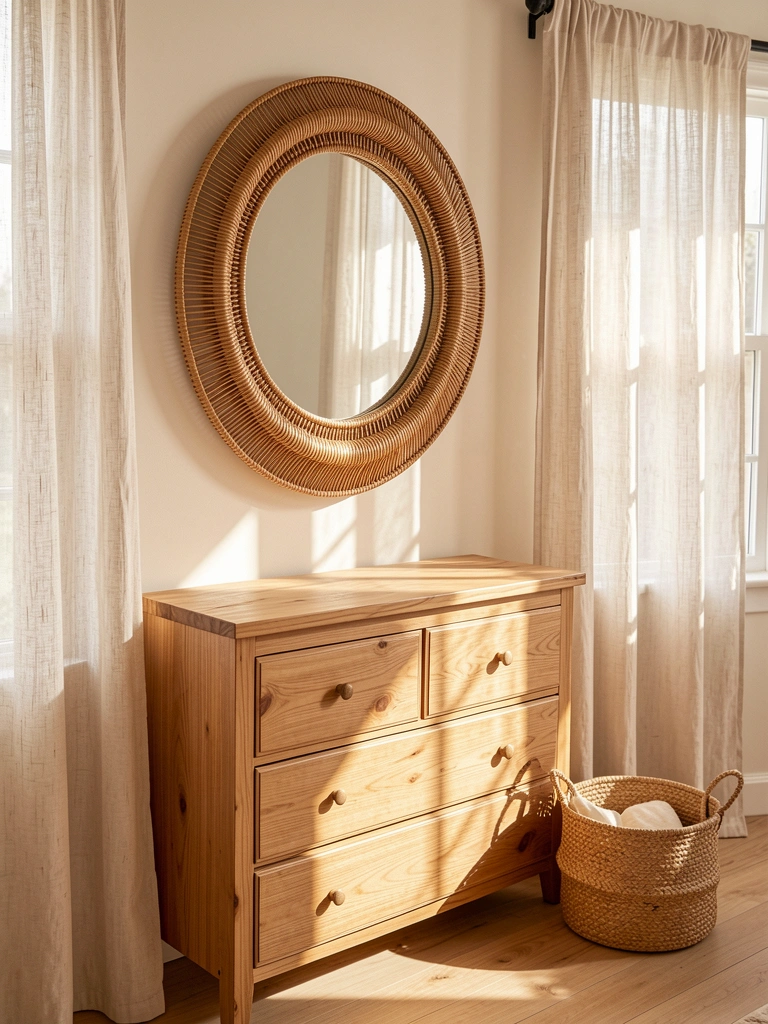
    Pro tip: Use soft, muted versions of multiple colors rather than bright primaries for a sophisticated look. Horizontal blocks feel modern; vertical sections feel artistic. This technique works in bedrooms, playrooms, and home offices.


    16. Install Removable Peel-and-Stick Wallpaper Murals

    Wallpaper murals create impact without paint commitment—perfect for renters or those hesitant about permanent changes. Quality has improved dramatically in recent years.

    How to do it: Measure your wall, search for murals on Amazon, Etsy, or Wayfair (brands like Peel & Stick Wallpaper Co., Tempaper). Clean wall thoroughly, apply the adhesive-backed paper carefully, working out air bubbles as you go. Cost: $30–$150 depending on size and design. Time: 1–2 hours for application. Remove cleanly without damaging walls when you move.

    Pro tip: Start with a smaller wall or section to build confidence. Use a squeegee or credit card to smooth bubbles. Peel-and-stick murals now come in botanical, geometric, abstract, and photorealistic styles.


    17. Paint a Geometric Accent Wall with Tape and Stripes

    Geometric stripes created with painter’s tape offer clean lines and modern impact. Vary stripe width for visual interest.

    How to do it: Paint a base coat, let dry completely. Use painter’s tape to create stripe patterns (measure and mark with pencil first). Paint the second color, carefully remove tape while paint is slightly tacky for clean lines. Cost: $30–$50 for paint and supplies. Time: 4–5 hours including tape application and drying. Geometric patterns feel contemporary and personalized.
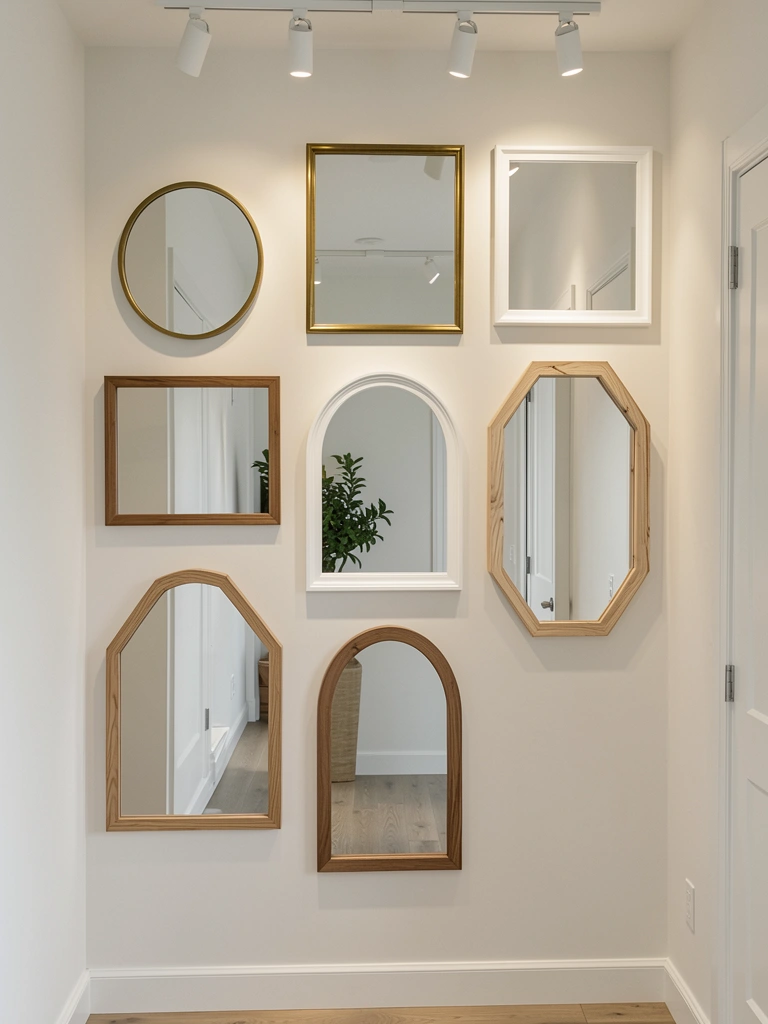
    Pro tip: Make stripes horizontal for a calming effect, vertical for height, or diagonal for movement. Keep tape lines thin (1–2 inches) for a refined look. This works beautifully in bedrooms, hallways, and home offices.


    18. Use Eco-Friendly, Low-VOC Paint for Healthier Spaces

    Low-VOC (volatile organic compound) paints are better for air quality and health. They smell less and off-gas less over time—important in bedrooms and nurseries.

    How to do it: Choose certified low-VOC options from Sherwin-Williams (Harmony line), Benjamin Moore (Natura), or Behr (Premium Plus Ultra). Apply per instructions (usually takes slightly longer to dry). Cost: $50–$85 per gallon (slightly more than standard paint). Time: 3–4 hours plus extended drying. Enjoy peace of mind about indoor air quality.
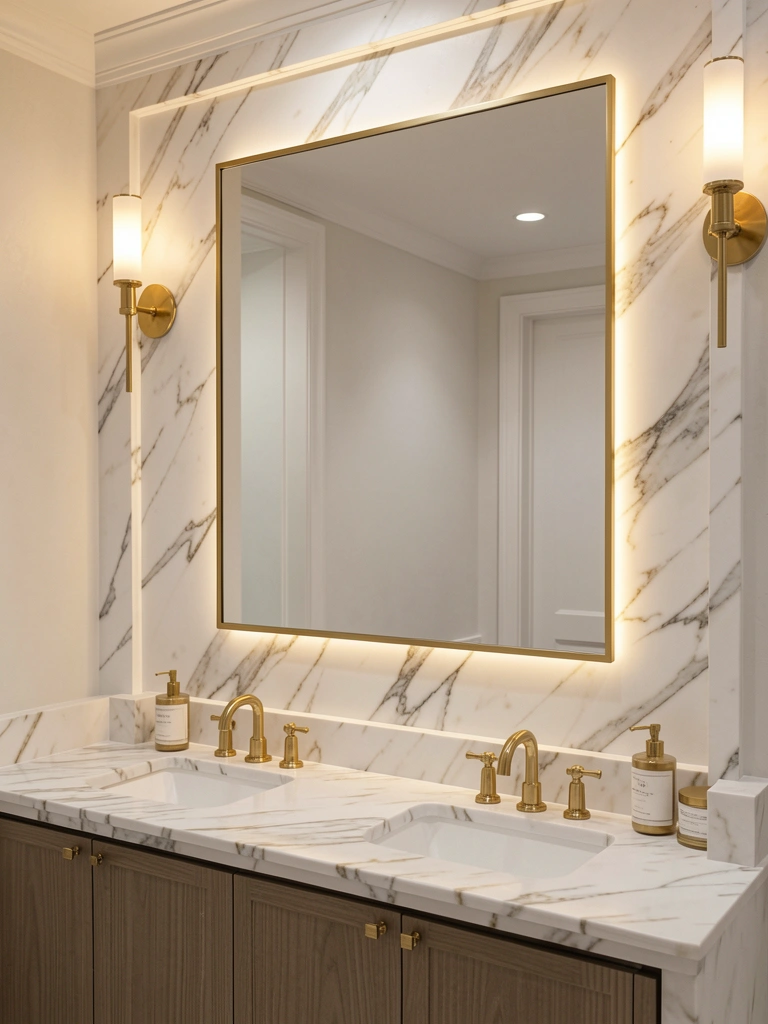
    Pro tip: Eco-paints come in all colors and finishes. They’re especially worth the investment in children’s rooms, bedrooms, and spaces where people spend lots of time. Store according to instructions to ensure longevity.


    19. Paint Interior Trim and Doors in Contrasting Color

    Painting trim or doors a contrasting color to walls adds definition and architectural interest without major effort.

    How to do it: Choose white, black, charcoal, navy, or a complementary bold color. Use semi-gloss or satin finish for durability and easy cleaning. Tape wall edges carefully. Cost: $30–$60 depending on amount of trim and paint quality. Time: 3–4 hours to tape, prime, and paint doors/trim. The contrast creates visual interest and frames spaces beautifully.
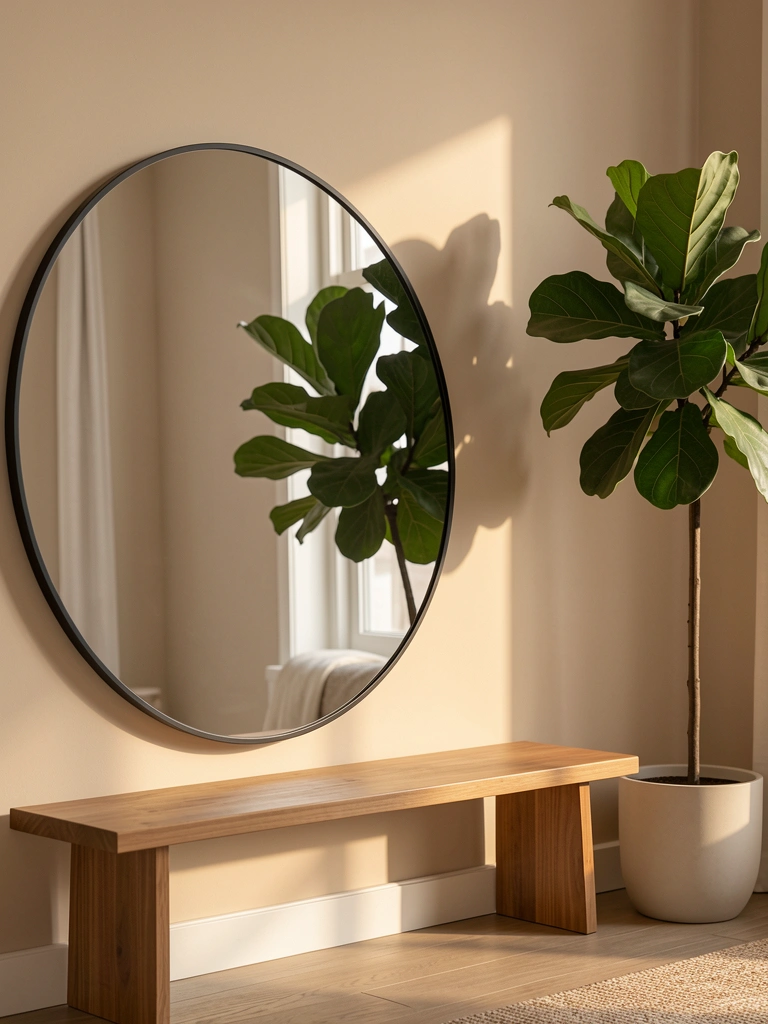
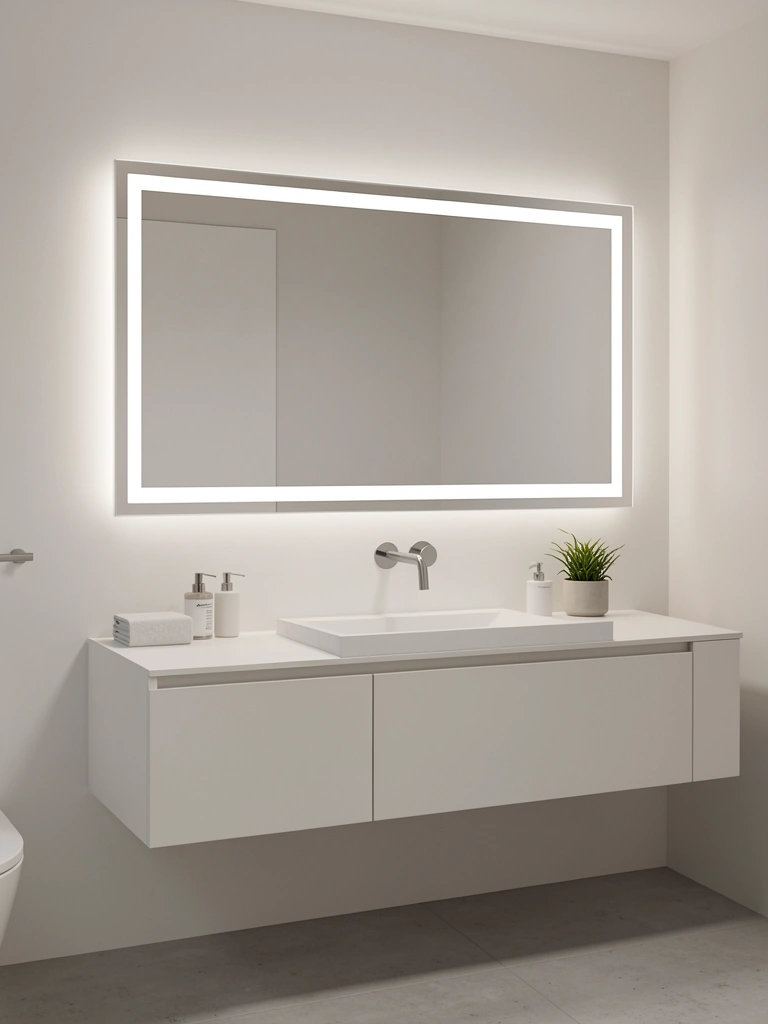
    Pro tip: Use premium semi-gloss or satin paint on trim for durability and easier cleaning than matte. This technique works beautifully with minimal effort and maximum impact, especially in entryways, bathrooms, and bedrooms.


    20. Create a Matte Finish with Low-Sheen Paint for Elegance

    Matte finishes feel velvety and sophisticated—they hide imperfections and feel expensive compared to flat finishes.

    How to do it: Choose matte or eggshell finishes (not flat, which doesn’t clean well). Brands like Sherwin-Williams Duration or Benjamin Moore Advance offer excellent matte options. Apply primer and two coats. Cost: $45–$75 for quality matte paint. Time: 3–4 hours. The finish feels refined and works beautifully in living rooms, bedrooms, and dining rooms.

    Pro tip: Matte finishes are more challenging to clean than glossy ones, so avoid in high-traffic or moisture-heavy areas. They work best in living spaces where walls won’t encounter frequent touch-ups. Pair with warm lighting to enhance the velvety quality.


    21. Paint Walls Soft White or Cream for Spacious Feel

    Soft white and cream make small spaces feel larger and lighter while remaining warm and inviting. Not all whites are created equal—choose carefully.

    How to do it: Sample paint chips in natural and artificial light. Benjamin Moore’s Cloud White or Sherwin-Williams Alabaster offer warmth without harshness. Apply primer and two coats. Cost: $40–$65 for quality paint. Time: 3–4 hours. Your space feels open, clean, and calm—the ultimate blank canvas for furniture and artwork.

    Pro tip: Choose whites with subtle warm undertones (cream, ivory) rather than stark bright white, which can feel sterile. In rooms without natural light, slightly warmer creams prevent a cold, institutional feel.


    22. Apply Gloss Paint to Walls for Reflective Luxury

    High-gloss or semi-gloss paint reflects light and creates a luxury, sculptural feel. Use strategically in small spaces for maximum impact.

    How to do it: Choose high-gloss or semi-gloss finishes in smaller spaces (powder rooms, closets, accent walls). Prep surfaces meticulously since gloss shows every imperfection. Cost: $50–$80 for quality gloss paint. Time: 4–5 hours with careful application and drying between coats. The reflective finish makes rooms feel more glamorous and spacious.

    Pro tip: Gloss finishes are easier to clean but require perfect prep work. They work beautifully in small, well-lit spaces. Combine with soft lighting for elegance rather than shine. Not ideal for large rooms or casual spaces.


    23. Paint Ceilings in Soft Color to Define Space

    Painting ceilings a soft color (pale blue, warm gray, light green) adds dimension and surprises guests. It’s overlooked but impactful.

    How to do it: Choose a soft tint of your wall color or a complementary pale shade. Use ceiling paint (which has less gloss than wall paint) and a roller with extension pole. Cost: $30–$50 for paint and basic supplies. Time: 2–3 hours. The ceiling becomes part of your design story instead of an afterthought.

    Pro tip: Pale blue skies feel airy and calm; soft gray feels modern; warm creams feel cozy. Avoid dark ceiling colors unless you have very high ceilings—they make rooms feel smaller. This technique works beautifully in bedrooms, home offices, and creative spaces.


    24. Create Mixed-Media Wall Art with Paint and 3D Elements

    Combine paint with 3D elements—wood panels, metal accents, fabric, or plaster—for sculptural walls that feel gallery-like.

    How to do it: Paint a base coat, then mount wooden blocks, metal sheets, or fabric panels using appropriate adhesives or hardware. Arrange in a cohesive pattern (geometric, organic, random). Cost: $75–$200+ depending on materials and complexity. Time: 1 full weekend plus drying time. The result becomes interactive wall art that guests notice and remember.

    Pro tip: Source reclaimed wood, metal, or fabric from thrift stores, scrap yards, or online for budget-friendly options. This technique works beautifully in entryways, home offices, and creative spaces. Renters can use removable adhesives for less-permanent installations.


    25. Paint Walls in Warm Terracotta for Earthy Elegance

    Terracotta (warm, earthy orange-red tones) feels natural and grounded. It’s gaining popularity in natural, bohemian, and eclectic spaces.

    How to do it: Choose warm terracotta tones like Sherwin-Williams Cavern Clay or Benjamin Moore HC-70 Reddish Brown. Prime well (warm colors sometimes need primer), apply two coats. Cost: $45–$70 for paint and supplies. Time: 3–4 hours. The warmth wraps the room in a cozy, sophisticated embrace.

    Pro tip: Terracotta pairs beautifully with natural materials (wood, woven textiles, clay) and warm metals (copper, bronze). It works especially well in dining rooms, living spaces, and bedrooms. Balance with plenty of neutral accessories to prevent a heavy feel.


    26. Paint an Accent Wall in Soft Blush for Romance and Warmth

    Soft blush (muted pink-mauve tones) feels romantic and modern simultaneously. It works across design styles and photographs beautifully.

    How to do it: Choose muted blush tones like Benjamin Moore HC-60 First Blush or Sherwin-Williams SW 6302 Rosy Outlook. Test samples in natural and artificial light first. Cost: $40–$65 for paint and supplies. Time: 3–4 hours. The result feels both soothing and intentional without trending too heavily toward nursery or princess aesthetic.

    Pro tip: Balance blush with plenty of white or cream trim, natural wood, and greenery. This color works beautifully in bedrooms, bathrooms, and smaller spaces. Pair with black-and-white photography or botanical art for sophisticated contrast.


    SOFT CTA:

    Save this post and pick one idea to start this weekend—even the simplest paint refresh makes a noticeable difference in how your space feels. Whether you choose deep navy for drama, soft pastels for calm, or geometric patterns for personality, your walls are ready for their artistic moment. Share this with a friend who needs a room update.

  • 25 LED Backlit TV Wall Designs That Make Your Space Glow

    25 LED Backlit TV Wall Designs That Make Your Space Glow


    LED backlighting is the easiest way to make your TV wall feel like a designer showstopper—and you don’t need to hire anyone or spend a fortune to pull it off. Whether you’re renting or own your home, adding glow behind your screen instantly elevates your entire living room. The right lighting hides cables, creates mood, and makes binge-watching feel like an experience instead of just staring at a screen. In this guide, you’ll discover 25 specific LED setups you can recreate, from simple plug-and-play kits to permanent installations that rival high-end media rooms. We’ll cover every budget level, walk you through setup steps, and show you which options work best for renters versus homeowners. Let’s make your TV wall the focal point your space deserves.


    1. Warm Amber Strips Behind a Floating Console

    Warm amber LEDs behind your console create an instant spa-like glow that makes your seating area feel more inviting. This setup is perfect for living rooms because the light bounces off the wall and softens the entire space without being too bright for TV watching.

    Use adhesive-backed LED strip lights (around $20–$40 from Amazon or Home Depot) and run them along the back edge of your floating console, then continue up the wall behind your TV. Most strips plug into a USB port or standard outlet, so installation takes 10–15 minutes—just peel, stick, and plug in. If your console doesn’t have access to an outlet, use battery-powered strips instead ($15–$30).

    Pro tip: Choose dimmable LED kits so you can adjust the brightness depending on whether you’re watching during the day or settling in for evening shows. The ability to dim makes a huge difference in comfort and prevents eye strain.

    Your TV wall becomes the warm, welcoming anchor of your room—the kind of space that makes guests ask, “How did you make this look so good?”


    2. Recessed Lighting Behind a Wall-Mounted TV

    Recessed lighting behind a wall-mounted TV is the most permanent, polished solution—this is what high-end media rooms use. The light sits hidden inside the wall itself, creating an almost invisible halo effect that appears to float your screen.

    This requires opening up your drywall and installing recessed light cans during construction or renovation—so it’s best for homeowners planning a major update (cost: $200–$500+ including materials and professional installation). If you’re comfortable with basic drywall work, you can DIY this over a weekend, but most people hire an electrician for safety.

    The payoff? Your TV literally glows without any visible hardware, and you get adjustable brightness via a dimmer switch. Recessed lights also run cooler than strip lights, so they won’t damage wall paint or finishes.

    This approach is not renter-friendly, but if you own your home and want a permanent, luxury-level finish, recessed lighting is worth the investment.


    3. Colorful RGB Strips for Entertainment Spaces

    RGB (color-changing) LED strips let you shift your entire TV wall’s mood in seconds—purple for gaming, cool blue for movie nights, warm amber for relaxing. These are perfect if you want flexibility and fun without committing to one color.

    Buy an RGB LED strip kit with a remote control ($30–$60 from Amazon, Best Buy, or Walmart) and install it the same way you’d use warm strips. Most remote-controlled RGB kits let you pick from hundreds of colors and set them to music or ambience modes. Setup takes 10–15 minutes.

    Pro tip: If you’re using this in a bedroom or living room, stick with subtle, muted tones (soft purples, cool grays) rather than neon brights, so the lighting complements your room instead of overwhelming it. Save the bright colors for game rooms or entertainment spaces where intensity feels natural.

    Your TV wall becomes a dynamic, interactive focal point that adapts to your mood—whether you’re concentrating, relaxing, or just having fun.


    4. Floating Shelves with Built-In LED Edges

    Floating shelves with LED edges create a gallery-wall effect—your TV becomes part of a curated display rather than the only thing on the wall. This works beautifully in smaller spaces where you want style and storage combined.

    Install 3–4 floating shelves around your TV using standard brackets ($40–$80 per shelf), then run adhesive LED strips along the front or bottom edge of each shelf ($40–$80 total for all strips. Set books, small plants, or decorative objects on the shelves—the LED backlighting highlights these items and draws the eye around the entire wall. Total installation time: 1–2 hours (longer if you’re drilling into studs yourself; faster if you use toggle bolts for renters).

    Pro tip: Leave the shelves minimal—3–4 items per shelf maximum—so the lighting is the real star. Too much clutter makes the space feel chaotic instead of curated.

    Your TV wall now feels like a thoughtfully designed display rather than just a screen on a blank wall—way more interesting and intentional.


    5. Accent Wall Paint + Strip Lights for Drama

    A dark-colored accent wall makes LED backlighting pop dramatically—the light creates contrast and makes your TV literally stand out. Pair this with a fresh paint color and inexpensive LED strips for a total refresh.

    Paint your TV wall a deep charcoal, forest green, or navy ($30–$60 for paint and supplies; 1–2 days of drying time). Once dry, add warm or white LED strips along the top edge of the wall and behind your console ($40–$80). The dark wall absorbs light during the day but glows beautifully at night. This combo costs $70–$140 total and takes 1–2 weekends (including drying time).

    Pro tip: Pair a dark wall with a light-colored console (natural wood or white) so the TV area doesn’t feel too heavy. The contrast keeps the space balanced.

    Your living room gains instant sophistication—the dark wall makes your TV the hero, and the backlight adds upscale resort vibes.


    6. Under-Console LED Lighting for Nighttime Navigation

    Under-console LED lighting serves double duty: it looks sophisticated and lets you safely navigate your living room at night without tripping over furniture or stubbing your toe on the console leg.

    Install LED strips along the bottom front edge of your console or directly on the floor below it ($20–$40 for adhesive strips). Choose cool white or soft blue tones for nighttime navigation—these don’t create glare if you’re watching TV. Set the strips to a low brightness level and you’re done in 10 minutes.

    Pro tip: Motion-sensor LED strips ($35–$50) turn on automatically when you walk past, so you’re not paying power for lighting that’s on 24/7. Renters love this option because it’s completely removable.

    Your space becomes both more functional and more stylish—plus you’ll never stub your toe on that console leg again.


    7. Corner Lighting for Small Spaces

    If your TV sits in a corner (common in small apartments or studios), corner-specific LED placement makes the space feel bigger instead of cramped. Running lights up both walls behind the TV creates dimension.

    Install vertical LED strips on both walls meeting at the corner ($40–$80 total), positioned 2–3 inches behind where your TV will mount. This takes 20–30 minutes and doesn’t require any permanent installation if you use adhesive strips. Choose warm white for a cozy feel or cool white for a modern vibe.

    Pro tip: Use a corner-specific mounting bracket for your TV so the screen sits flush against both walls, and let the LED glow frame it from behind. This makes even a small corner look intentional and designed.

    Your corner transforms from awkward dead space into a welcoming, intentional focal point.


    8. Backlighting Behind Textured Wall Panels

    Textured wall panels (fluted wood, 3D geometric tiles, micro cement) behind a TV create visual interest, and LED backlighting behind them adds another layer entirely—the light plays off the texture and creates moving shadows.

    Install 3D wall panels behind your TV ($80–$200 for panels covering a 6–8 ft section; see Home Depot, Wayfair, or Amazon). Once the panels are secure, run LED strips behind them if possible (often there’s a small gap between the panel and wall), or position strips to graze across the panel surface from the side. Setup time: 1–2 hours if you’re comfortable with basic wall installation; otherwise, hire a handyman ($100–$200 labor).

    Pro tip: Choose warm amber LEDs for this setup—the light bouncing off textured surfaces looks richest when it’s warm-toned.

    Your TV wall gains architectural detail and personality—it’s no longer flat, it’s truly dimensional.


    9. Smart LED Strips Controlled by Your Phone

    Smart LED strips sync with apps on your phone, meaning you can change brightness and color from your couch—or set them to turn on automatically when you press play on your TV.

    Buy a smart LED strip kit (Google Home or Alexa-compatible) from brands like Wyze, Nanoleaf, or LIFX ($40–$80). Download the app, connect to WiFi, and control everything from your phone. Many smart strips also integrate with voice assistants, so you can say “Alexa, dim the TV lights” without reaching for a remote. Installation takes 15 minutes.

    Pro tip: Set a schedule so your LED lights gradually brighten in the morning or dim at night—a nice ambient touch if you use your TV area for more than just watching shows.

    Your TV wall becomes part of your smart home ecosystem—convenience meets style.


    10. Fireplace Mantel-Style Lighting Above Your TV

    If your TV is mounted high on the wall, add a decorative ledge or faux mantel shelf directly above it, then backlight the shelf so the glow frames your screen like a piece of art.

    Install a floating shelf or faux mantel beam above your TV ($40–$100, depending on material; use strong brackets rated for the weight). Run warm LED strips along the underside so light cascades down. This setup takes 1–2 hours and costs $80–$150 total. It’s not renter-friendly since it requires wall drilling, but it’s stunning for homeowners.

    Pro tip: Add small decorative objects (candles, a small plant) on top of the shelf so your TV wall feels like an intentional art display.

    Your TV wall now has the presence of a fireplace mantel—warm, inviting, and genuinely beautiful.


    11. Color-Changing Strips That Match Your Mood Ring

    Some newer LED strips have “circadian” or mood-matching modes that gradually shift color throughout the day, mimicking natural sunlight—great for keeping your energy aligned with your body’s clock.

    Look for advanced LED kits from Philips Hue, Nanoleaf Aurora, or LIFX Color A19 ($60–$100+). These kits offer preset scenes that shift from cool morning tones to warm evening tones automatically. Setup takes 15 minutes and they’re smartphone-controlled.

    Pro tip: Use the “sunrise simulation” mode in the morning to help you wake up, and the “sunset” mode in the evening to signal your body it’s time to relax. This is especially helpful if your living room lacks natural light.

    Your TV wall becomes biologically aligned with your natural rhythms—subtle but genuinely transformative for how you feel in your space.


    12. LED Strips Behind Floating Media Consoles with Cable Clips

    Floating consoles look best when cables are hidden—but if you need to run cables visually, pairing them with backlighting makes the setup feel intentional instead of messy. Backlit cable clips become a design feature.

    Mount a floating console ($100–$250), then run adhesive cable clips down the front in a vertical or zigzag pattern ($15–$25). Thread your cables through the clips, then add LED strips behind the console so the glow highlights the clean cable management ($30–$50). Total setup: 1–2 hours.

    Pro tip: Use matte black or white cable clips that match your console color, so they read as design elements rather than functional clutter. The backlight will make them feel intentional.

    Your floating console now looks professionally installed—cable management becomes part of your aesthetic.


    13. Two-Tone Backlighting for Depth

    Using two different LED colors on opposite sides of your TV creates stunning visual depth—the contrast makes your wall feel less flat and one-dimensional.

    Install warm white LED strips on one side of your TV and cool white on the opposite side ($60–$100 total). If you’re using two separate kits, each can have its own dimmer switch, so you can adjust one side independently. This takes 30 minutes and creates a gallery-lighting effect similar to what you’d see in a high-end art installation.

    Pro tip: Stick with subtle warm and cool tones (not neon brights) unless you’re going for a full “entertainment space” vibe. Nuance looks more sophisticated.

    Your TV wall gains museum-quality lighting—it feels curated and carefully thought through.


    14. LED Strips Inside Glass or Lucite Shelving

    Glass or lucite shelves with internal LED backlighting create an ultra-modern, almost jewelry-box effect—especially stunning if you’re displaying collectibles, books, or decorative objects.

    Install glass floating shelves ($60–$120 each) on either side of your TV using specialty glass-shelf brackets. Run slim LED strips horizontally inside each shelf ($40–$80 total). The light glows through the glass and highlights whatever objects sit on the shelves. Setup time: 2 hours (install shelves, then carefully position LED strips inside, then arrange items). This option works best for homeowners because permanent installation is needed.

    Pro tip: Keep displayed items minimal—5–7 pieces per shelf—so the light and items feel curated rather than cluttered.

    Your TV wall becomes a modern art installation—functional display meets ambient lighting.


    15. Warm Strips Behind a Slatted Wood Accent Wall

    Slatted wood is one of the hottest TV wall trends right now, and adding backlighting makes it even better—the glow highlights the texture and depth of the wood.

    Install slatted wood panels across your TV wall ($150–$300 for panels covering a 6–8 ft section; see brands like shiplap kits on Amazon or Home Depot). Position LED strips behind the slats so light filters through the gaps ($40–$80. Installation takes 2–4 hours depending on your comfort level with wall work; renters can use peel-and-stick slatted panels ($100–$200) that stick directly to the wall and pull off cleanly.

    Pro tip: Choose warm amber or warm white LEDs to complement natural wood tones. Cool white can make wood look washed out.

    Your TV wall gains the warmth and texture of a luxury cabin or resort—instantly more inviting and design-forward.


    16. Circular or Oval Backlighting for Modern Mounted TVs

    Instead of traditional rectangular backlighting, create a circular or oval “halo” behind your TV—this is trending in ultra-modern homes and media rooms.

    Use flexible LED strips to create a geometric shape behind your TV: measure your TV dimensions, then apply strips in a circular or oval pattern directly behind the screen ($50–$100 for premium flexible strips). Alternatively, use pre-made circular LED panels from brands like Nanoleaf ($80–$200) that create the halo effect without custom bending. Setup time: 30 minutes to an hour.

    Pro tip: Keep the rest of your wall minimal so the circular light becomes the focal point. A solid-colored wall (white, soft gray) works best.

    Your TV wall gains an artistic, forward-thinking vibe—it looks like something straight out of a design magazine.


    17. Budget-Friendly $15 LED Kit for Renters

    Not ready to spend big? A basic $15–$20 adhesive LED strip kit from Amazon or Walmart gives you the glow effect without commitment—perfect for renters or anyone testing the waters.

    Buy a basic plug-in LED strip (warm white or cool white), peel the adhesive backing, and stick it directly behind your TV or along your console edge (15 minutes). These cheap kits aren’t dimmable or color-changing, but they do exactly what they’re supposed to: add ambient glow. If you decide you want something fancier later, you can peel it off without damage.

    Pro tip: Cheap LED strips often run warm, so placement matters—don’t stick them anywhere heat-sensitive like near wooden cabinets directly.

    You get professional-looking backlighting for the price of two coffee runs—it’s the fastest, cheapest way to elevate your TV wall.


    18. Layered Lighting: LEDs + Track Lights + Recessed Ceiling Lights

    For the ultimate TV wall experience, layer multiple light sources: backlighting, overhead track lights, and recessed ceiling fixtures working together. This is what luxury media rooms use.

    Start with LED backlighting behind your TV ($40–$80). Add track lights mounted on the ceiling ($80–$150) to provide accent lighting. Install recessed ceiling lights ($200–$400+ professional installation) for ambient fill light. You’ll need a dimmer switch that controls all three sources ($30–$50) so you can adjust mood. Total cost: $350–$680+ and professional installation is worth it here ($300–$500 labor).

    This is a major project best suited for homeowners planning a media room refresh, but the payoff is a genuinely luxury lighting experience.

    Your TV wall becomes a professional theater experience—every lighting layer serves a purpose, and mood control is total.


    19. Minimalist Single-Line LED Strip (Floating Wall Effect)

    If you want backlighting that’s barely noticeable and super-minimalist, use a single thin LED strip running horizontally at the TV’s center point instead of framing the entire perimeter.

    Buy a slim, single-line LED strip ($20–$30) and position it horizontally directly behind your TV (or just above where the console meets the wall). The single line creates a subtle halo effect without overwhelming the space. Setup time: 10 minutes.

    Pro tip: This works beautifully if your TV is mounted on a plain, light-colored wall where a subtle glow reads as intentional rather than an accident.

    Your TV wall gains a whisper of light rather than a shout—refined and modern, not trying too hard.


    20. Color-Coded LEDs Matching Your Room’s Palette

    Instead of choosing LED color randomly, pick a tone that echoes your room’s existing palette—this creates cohesion rather than feeling like a random addition.

    If your room uses warm neutrals and wood, choose warm amber or golden LEDs ($40–$60). If your room is cool-toned (grays, blues), choose cool white or soft blue LEDs ($40–$60). The key is intentionality: your backlighting should feel like part of your room’s design, not an afterthought. Setup: 15 minutes.

    Pro tip: Grab a paint chip or fabric swatch of your room’s dominant color and bring it to the store when shopping for LED strips so you can match tones.

    Your TV wall feels like it was always meant to be part of your room’s design—coordinated and thoughtful.


    21. LED Strips on Shelves Around the TV (Not Behind It)

    Instead of backlighting just the TV, light up shelves around it—this approach makes your TV part of a larger lit display rather than the solo focus.

    Install 4–6 floating shelves around your TV ($150–$300 total), then run LED strips along the front edge of each shelf ($60–$100 total for all strips). Add books, plants, and small decorative objects to each shelf. The LEDs highlight the entire wall rather than just the screen. Setup time: 3–4 hours (drilling, mounting shelves, positioning lights).

    Pro tip: Keep shelf styling minimal and don’t match every shelf—vary heights and object types so it feels curated, not matchy-matchy.

    Your entire TV wall becomes a lit art installation—way more interesting than backlighting the screen alone.


    22. Dimmable LEDs That Match Your Room’s Smart Home Setup

    If you already have smart home tech (Alexa, Google Home), get LED strips that integrate so you can control them with the same app and voice commands as your other devices.

    Buy LED strips compatible with your existing smart home system ($50–$100 for Alexa or Google Home-compatible options from brands like Wyze, LIFX, or Nanoleaf). Link them to your smart home hub during setup (15 minutes), then add them to automation routines—for example, “Movie mode” dims your LEDs while turning off other lights.

    Pro tip: Set up voice commands like “Alexa, TV time” to automatically adjust all your room’s lighting to your preferred movie-watching brightness.

    Your TV wall lighting becomes part of your overall smart home experience—one less thing to manually adjust.


    23. Backlit Acoustic Panels (Function + Light)

    Acoustic panels serve double duty in a media room: they control sound and they look good. Adding LED backlighting behind them makes them even more of a statement.

    Install acoustic panels across your TV wall ($100–$250 for several panels; see brands like GIK Acoustics or Amazon basics options). Position LED strips behind the panels so light glows around the edges ($50–$80). This works best if there’s a small gap between panels and the wall. Setup time: 2–3 hours for installation and light positioning.

    Pro tip: Choose neutral panel colors (white, gray, beige) so the backlighting pops visually without color clash.

    Your TV wall becomes a sound studio meets luxury lounge—it actually works harder than it looks.


    24. Vertical LED Channels for Wall-Mounted TV Cables

    If you have multiple cables running down your wall to a console or wall outlet, use vertical LED channels that hide cables while adding architectural lighting interest.

    Install aluminum cable channels vertically along your wall ($30–$60 for channels from Amazon or Home Depot), then run your cables through the channels. Position LED strips inside the channels so light illuminates the cable paths ($40–$70). This transforms functional cable management into a design feature. Setup time: 1–2 hours.

    Pro tip: Use matte black or white channels that match your wall color—the LED backlighting inside them becomes the visual feature, not the channel itself.

    Your cable management transforms into architectural lighting—practical and genuinely stunning.


    25. Warm LEDs Behind Dark Marble or Stone Accent Wall

    If you’ve invested in a high-end stone or marble accent wall, backlighting showcases the material’s natural beauty—warm LEDs highlight texture and veining.

    Install a stone or marble veneer accent wall ($300–$800 depending on material quality and wall size; professional installation recommended). Position warm LED strips behind or below the stone ($50–$80) so light grazes across the stone’s surface. The backlighting will highlight every texture and vein, making the material feel even more luxurious. Setup time: 4–6 hours if hiring a professional.

    Pro tip: Warm amber LEDs are best for stone—they enhance natural warmth and make even cool-toned marble look sophisticated.

    Your TV wall becomes a legitimate luxury focal point—the backlit stone is worth lingering on.


    26. DIY Edison Bulb String Lights + LED Strips Combo

    Mix aesthetics by combining Edison bulb string lights (trendy, vintage-inspired) with modern LED backlighting—great for eclectic or industrial-style spaces.

    Buy Edison bulb string lights ($30–$50 from Target, IKEA, or Amazon) and hang them horizontally above your TV using hooks or nails (15 minutes setup). Layer in warm LED strips behind your screen or console ($40–$80). The combination feels intentional—like you’re mixing vintage and modern on purpose. This option is renter-friendly if you use adhesive hooks and plug-in lights.

    Pro tip: Keep the rest of your wall minimal so the dual lighting sources feel like a choice, not visual chaos.

    Your TV wall gains character and warmth—it looks collected, eclectic, and genuinely personal.


    Save this post for your next TV wall refresh—pick one idea and tackle it this weekend. You’ll be amazed how much better your space feels with just a little glow behind your screen. Which setup is calling your name?

  • 25 Patterned Curtain Designs That Add Personality to Any Room

    25 Patterned Curtain Designs That Add Personality to Any Room

    Plain curtains are missing an opportunity. Your windows are the largest “wall” in any room, and right now they’re probably blending into the background instead of telling your story. Patterned curtains do more than block light—they anchor a room’s personality, break up neutral spaces, and give your eyes something beautiful to land on. Whether you’re renting, redecorating, or just ready for a refresh, we’ve pulled together 25 specific pattern ideas you can actually execute. You’ll find everything from bold geometric prints to subtle textures, affordable finds under $100, and investment pieces worth splurging on. Let’s turn your windows into the focal point your room deserves.

    1. Layer Bold Geometric Prints Over Sheers

    Geometric prints feel contemporary without being trendy or dated. Pair a bold pattern in front with a simple sheer layer behind to keep light flexible while maintaining the statement.

    Start with sheer voile panels (under $30 from IKEA or Target), then layer your patterned curtain in front. Look for medium-weight cotton blends with grid, chevron, or abstract prints—Wayfair’s Threshold collection runs $40-$80 per panel. Installation takes 20 minutes if you already have a rod. The genius here is flexibility: close the pattern for drama, open it for ambient light, or pull sheers only for privacy without sacrificing the print.

    Pro tip: Measure your window three times before ordering—geometric patterns need straight, even hanging or the design will look off-kilter.

    Your windows now have dimension and visual interest while you maintain control over privacy and light. It’s the best of both worlds.

    2. Mix Retro Florals with Modern Furnishings

    Retro florals are having a moment because they feel nostalgic without looking dated—especially when you pair them with contemporary furniture. This contradiction works.

    Hunt for vintage-inspired prints on Etsy ($50-$150 per panel), Crate & Barrel ($60-$120), or Wayfair’s sale section. Look for small-scale florals in muted palettes: blush, sage, terracotta, or dusty blue. Hang them floor-to-ceiling with simple rods to let the pattern speak. Pair the florals with modern pieces—clean-lined sofa, metal accents, minimal decor—so the vintage feel stays fun, not themed.

    Installation takes about 30 minutes. If you’re renting, use tension rods or temporary hardware.

    The contrast between old-school charm and new-school minimalism creates a space that feels curated and intentional, not stuck in time. Your guests will actually comment on how well thought-out your room feels.

    3. Go Monochromatic with Tone-on-Tone Textures

    Tone-on-tone patterns read as elegant simplicity, but they’re actually doing heavy lifting. A cream wall with a cream patterned curtain in slightly different values creates depth without visual noise.

    Choose linen or linen-blend curtains with woven or embossed texture ($80-$180 from Crate & Barrel, Restoration Hardware, or Wayfair). Look for subtle patterns: crosshatch, subtle damask, or botanical embossing. The pattern should be visible when light hits it but not immediately obvious. Mount floor-to-ceiling to emphasize height.

    Installation: 25 minutes. Linen requires occasional steaming but rewards you with natural fabric beauty.

    Your space feels cohesive and calming, with a sophistication that comes from restraint rather than decoration. The pattern gives texture without competing for attention.

    4. Embrace Jewel-Tone Velvet With Embroidered Details

    Velvet is back, and embroidered details make it feel special instead of heavy-handed. This is an investment piece, but it rewires how your entire room feels.

    Look for velvet curtain panels with embroidered borders or subtle all-over embroidery ($200-$400 from IXA Curtains, Etsy luxury sellers, or boutique home stores). Emerald, sapphire, or burgundy read richest. Pair with brass or gold hardware to lean into the luxury. You’ll need professional hanging for velvet—it’s heavy—so budget $100-$200 for installation. This is worth it. Total cost: $300-$600 for a pair of panels.

    Linen-lined velvet is easier to care for than raw velvet.

    Your room instantly becomes a retreat. Guests notice. The fabric catches light differently depending on the hour, so you get different moods throughout the day.

    5. Use Abstract Watercolor Prints for Artistic Flair

    Abstract watercolor prints feel like you hung original art on your windows. They work in any room because they’re not literal—there’s nothing to “match.”

    Search Etsy, Society6, or Redbubble for abstract watercolor prints ($60-$140 per panel), or check Target’s Threshold or West Elm ($70-$130). Look for pieces with 3-4 colors maximum so they read as cohesive rather than chaotic. Print on cotton linen blend for durability. Custom printing through Spoonflower ($70-$120 per panel) is worth exploring if you have a specific color palette.

    Hanging takes 20 minutes. These photos sell like hotcakes on Pinterest, so expect interest from visitors.

    Your windows become a conversation piece. The room feels thoughtfully decorated without looking overdone or trendy. Abstract art is inherently timeless.

    6. Create Drama with Bold Stripes and Contrasting Trim

    Bold stripes feel formal and designer-worthy, especially when you add contrasting trim down the edges. This detail costs pennies but looks expensive.

    Start with striped curtain fabric from Wayfair or Crate & Barrel ($40-$100 per panel). Add contrasting grosgrain or velvet trim ($10-$20 per panel, available at Joann Fabrics or Amazon). Either sew it yourself (takes 45 minutes with a basic machine) or have a seamstress attach it ($30-$50 total). Mount with simple black or brushed brass rods to keep focus on the pattern and trim detail.

    This project feels fancy but is actually accessible to beginners.

    The trim detail elevates an ordinary striped pattern into something that looks custom-made. Your windows look intentionally styled, not like you grabbed whatever was on sale.

    7. Layer Botanical Prints With Solid Blackout Linings

    Botanical prints are soothing and on-trend, but you need blackout protection for sleeping. Layer a pretty print over blackout fabric so you get both benefits without compromise.

    Purchase botanical print curtains ($50-$120 from Wayfair, West Elm, or Amazon) and have blackout liners sewn to the back ($40-$80 with a seamstress, or $15-$25 DIY from Joann’s if you have a machine). Alternatively, buy pre-lined botanical curtains from Overstock or Target ($80-$150 per panel). Mount floor-to-ceiling for maximum visual impact. This takes 30 minutes to hang.

    Renter hack: Temporary adhesive hooks work if your landlord allows.

    You get beautiful botanical views by day and total darkness at night. The layering adds professional depth that single-layer curtains can’t match. Sleep improves when your room truly blackens out.

    8. Try Subtle Damask for Traditional Spaces

    Damask feels timeless because it’s been around for centuries. Modern takes on damask are subtle and sophisticated, not over-the-top.

    Shop Ballard Designs, Etsy, or Wayfair for modern damask prints ($60-$140 per panel). Look for small-scale patterns in two colors maximum—taupe-cream, gray-white, or navy-ivory work best. Pair with silk or grosgrain tiebacks ($15-$30) to anchor the traditional aesthetic. Hang with simple wooden or brass rods to keep the look refined. Installation takes 20 minutes.

    Damask reads expensive immediately, even in affordable fabrics.

    Your room feels pulled together and intentional, like you’ve been collecting beautiful things forever. Traditional never goes out of style—it just takes on modern styling.

    9. Mix Ethnic Prints (Ikat, Kilim, Suzani) for Global Appeal

    Ethnic patterns like ikat, kilim, and suzani add worldly character. They photograph beautifully and work in eclectic or maximalist spaces.

    Search Etsy ($70-$150), Wayfair ($60-$140), or specialty sites like World Market ($50-$120) for authentic-feeling prints. Look for ikat’s irregular tie-dye quality, kilim’s geometric boldness, or suzani’s embroidery-inspired patterns. Pair with neutral walls so the curtains stand out as the statement piece. Custom printing through Spoonflower ($80-$130) is excellent if you want to scale up a smaller pattern you love. Mounting takes 25 minutes.

    These patterns are inherently unique—no two are identical—so your space feels one-of-a-kind.

    Your room instantly feels collected and traveled. The pattern tells a story. Even with affordable fabrics, the print quality makes everything look intentional and special.

    10. Layer Sheer Voile With Embroidered Accents

    Embroidered voile is delicate and pretty—perfect if you want pattern without heaviness. Layer it for depth and flexibility.

    Find embroidered voile curtains ($40-$100 from Target, IKEA, Amazon, or specialty sites) and pair with plain sheers underneath ($15-$30). The embroidery could be an all-over pattern or just a border. Hang the plain sheer as your base layer, then add embroidered panels on top. Use simple tension rods or basic hardware—let the embroidery shine. Installation takes 20 minutes.

    Renter-approved: Tension rods mean zero wall damage.

    The layering creates an airy, dimensional look. Embroidery catches light beautifully and changes how the room feels throughout the day. This approach feels romantic without being overly precious.

    11. Go Bold With Statement Plaid or Tartan

    Plaid and tartan feel unexpected in formal living spaces, which is exactly why they work. They’re bold without being trendy.

    Look for wool-blend plaid curtains ($80-$150 from Crate & Barrel, Etsy, or specialty fabric shops) in jewel tones: navy-burgundy, forest-cream, or grey-charcoal. Hang them full-length and keep the rest of the room relatively simple so the pattern leads. These heavier fabrics provide insulation and sound dampening as bonuses. Installation takes 30 minutes; these panels are heavier, so use sturdy rods.

    Plaid works in bedrooms, dens, libraries—anywhere you want coziness with edge.

    Your room develops character instantly. Plaid is underrated for contemporary spaces. The pattern feels collected and intentional, not costume-y.

    12. Create Contrast With Opposite-Color Blocks or Color-Blocking

    Color-blocking means large sections of two contrasting colors with clean dividing lines. It’s contemporary and graphic without being fussy.

    Commission custom color-blocked curtains through Spoonflower ($100-$180 per panel) or find ready-made versions on Etsy ($80-$150). Choose two colors with high contrast: navy-cream, charcoal-white, or terracotta-ivory. Mount floor-to-ceiling with a simple rod so the graphic geometry reads clearly. This takes 25 minutes to hang and makes an immediate visual statement.

    Go bolder than you think—tentative color-blocking reads weak.

    Your room looks designed by a professional. The graphic quality works in modern, minimalist, or eclectic spaces. It’s one of the few patterns where simplicity equals sophistication.

    13. Soften Spaces With Pastel Geometric Patterns

    Pastels work for every design style because they’re inherently soothing. Geometric patterns in pastel tones keep things contemporary without feeling childish.

    Search Target ($50-$100), IKEA ($40-$80), or Wayfair ($60-$120) for pastel geometric options. Look for patterns that aren’t too tiny—medium-scale triangles, hexagons, or abstract shapes read better from a distance. Pair with white or cream walls to let the soft colors shine. Hang floor-to-ceiling with simple white or light wood rods. Installation takes 20 minutes.

    Pastels in geometric patterns are trendy right now, but they’ll stay pretty because the pattern gives them substance.

    Your space feels calm and collected. Pastels reflect light beautifully, so your room stays bright even with curtains drawn. The pattern provides interest without adding visual weight.

    14. Mix Neutral Tones With Textured Weave Patterns

    Textured weaves are patterns you feel as much as see. They work in minimalist spaces because they’re subtle but substantial.

    Hunt for textured linen or linen-blend curtains ($70-$150 from Crate & Barrel, Restoration Hardware, West Elm, or Etsy). Look for weaves like herringbone, basket weave, or diagonal patterns. The texture should be visible in person but reads more as “interesting solid” from a distance. Mount floor-to-ceiling with minimal hardware to keep focus on the fabric itself. Installation takes 25 minutes.

    These fabrics age beautifully—slight fading actually improves how they look.

    Your space feels thoughtfully curated. The subtle texture adds dimension without introducing multiple colors. This approach works in transitional, modern, or traditional spaces equally well.

    15. Make a Statement With Large-Scale Florals in Modern Colorways

    Large-scale florals in unexpected color combinations—think navy with coral flowers, or charcoal with white blooms—feel both botanical and graphic.

    Find contemporary floral prints on Etsy ($80-$150 per panel) or high-end retailers like CB2, West Elm, or Terrain ($100-$200). Look for oversized blooms with negative space rather than tiny repeating patterns. Mount with brushed brass or matte black rods to keep the aesthetic modern. Pair with solid furniture so the pattern doesn’t compete. Hanging takes 20 minutes.

    This pattern choice feels artistic. People notice it and remember it.

    Your windows become the room’s focal point. Large-scale patterns have confidence—they say you’re not afraid of color and design. The room feels curated by someone with a specific vision.

    16. Layer Fine Stripes With Subtle Pattern Overlay

    Mixing two patterns of different scales is a designer trick: fine stripes under delicate overlay patterns create complexity without chaos.

    Purchase striped base curtains ($40-$80 from IKEA, Target, or Wayfair) and semi-sheer patterned overlay panels ($30-$70) that you layer on top. The overlay could be botanical, geometric, or abstract. Mount both layers on the same rod with the overlay in front. Use simple brushed nickel or brass hardware. Installation takes 30 minutes. The genius is that you can swap overlay panels seasonally for a completely different look.

    Renter hack: Use temporary hooks for the overlay layer.

    You get pattern complexity with flexibility. The layering creates depth that single-layer curtains can’t match. This setup photographs beautifully and reads as high-design.

    17. Go Retro With Bold Mid-Century Modern Prints

    Mid-century modern prints—atomic starbursts, boomerangs, geometric rays—have permanent staying power because the aesthetic feels both vintage and timeless.

    Search Etsy ($70-$150), Wayfair vintage sections ($60-$140), or specialty sites like Modcloth ($80-$150). Look for bold, saturated colors: teal-orange, yellow-black, or red-gray combinations. The prints should feel graphic and geometric, not overly detailed. Pair with simple furniture and minimal accessories to let the pattern speak. Mount with simple wooden or metal rods. Hanging takes 20 minutes.

    These patterns are nostalgic without feeling dated because the design language is inherently timeless.

    Your room feels playful and confident. Mid-century modern is collectible, which means your choice feels thoughtful, not random. The bold colors energize spaces without feeling chaotic.

    18. Soften Rooms With Ombré or Gradient Patterns

    Ombré or gradient patterns are inherently soothing because they suggest movement and flow. They work in any color combination.

    Look for ombré curtains on Etsy ($90-$170 per panel) or commission through Spoonflower ($80-$160). Popular gradients: deep teal to white, charcoal to cream, or burgundy to blush. The color shift should be gradual enough to feel natural, not like harsh stripes. Pair with neutral walls and simple furniture. Mount floor-to-ceiling to showcase the full gradient. Installation takes 25 minutes.

    Renter note: Ombré photos look spectacular, so expect Pinterest saves.

    Your room feels contemporary and calm. The gradient creates visual interest without pattern “noise.” Light plays differently across the gradient throughout the day, so the curtains change mood with the sun.

    19. Mix Pattern Scales—Tiny All-Over Print With Striped Trim

    Mixing pattern scales—a small repeat with a contrasting stripe trim—looks intentional and tailored without being fussy.

    Start with small-print curtains ($50-$120 from Target, IKEA, or Wayfair) and add coordinating or contrasting striped trim ($12-$25 per panel from Joann Fabrics). Sew or have a seamstress attach the trim down both leading edges and along the bottom hem (DIY takes 1 hour, professional takes 1 hour at $30-$50). The trim should complement but not match exactly—think pairing a tiny blue floral with white-blue striped trim.

    This trick reads expensive immediately.

    Your curtains look like they came from a luxury store. The trim detail stops the eye and adds polish. This works especially well in traditional, transitional, or classic spaces.

    20. Create Depth With Layered Sheers in Different Opacities

    Layer three or more sheer panels in the same pattern but different weights. This creates visual depth and adjustable light control that’s impossible with single layers.

    Purchase sheer curtain panels in your chosen pattern ($20-$50 per panel from IKEA, Target, Amazon) and hang two to four layers on the same rod or adjacent rods. Vary the opacity: transparent, semi-sheer, translucent. The pattern repeats but the light filters differently through each layer. Installation takes 30 minutes. This approach works beautifully with botanical, geometric, or abstract prints.

    This creates that expensive, layered look without heavy fabric.

    Your windows become sculptural. Light interacts with the layers throughout the day, changing the room’s mood. From outside, the effect is impressively professional. The multiple layers also provide soft privacy without sacrificing light.

    21. Go Unexpected With Metallic or Foil Prints

    Metallic or foil-printed patterns catch light unexpectedly and add glamour to any space. The metallic element transforms simple patterns into something special.

    Search Etsy ($80-$160 per panel), Wayfair specialty sections ($90-$170), or Spoonflower custom printing ($100-$180) for metallic options. Look for modest patterns with gold, silver, or copper foil accents—these should shimmer when light hits them, not be overwhelming. Pair with solid walls and furniture so the shimmer stands out. Mount with brass or gold hardware to echo the metallic theme. Hanging takes 20 minutes.

    Metallic accents add luxury without the luxury price tag.

    Your room catches light in unexpected ways. The pattern feels elevated and special. Even affordable fabrics with metallic printing read expensive. This works beautifully in contemporary, transitional, or eclectic spaces.

    22. Layer Solid Velvet Behind Patterned Sheers

    Layer delicate patterned sheers over solid jewel-tone velvet. You get pattern elegance with luxurious depth and insulation benefits.

    Start with solid velvet base panels ($100-$180 per panel from Crate & Barrel, West Elm, or specialty sites) in emerald, sapphire, or burgundy. Layer patterned sheer panels ($40-$80) in front featuring botanical, geometric, or abstract prints. Use brass or gold double rods to hang both layers separately. This creates dimension and allows flexibility—close sheers for gentle pattern light, open for rich velvet richness. Installation takes 45 minutes.

    This layering trick is luxe-looking.

    You get the best of both worlds: pattern and richness. The velvet provides insulation and luxury while the sheers add visual lightness. Light plays dramatically through the layers, changing the effect throughout the day.

    23. Make a Bold Statement With Maximalist Patterns (Busy, Colorful, Layered)

    Maximalist patterns are unapologetically busy and colorful—perfect if you want your windows to absolutely lead the design. These bold choices make a confident statement.

    Search Etsy ($80-$160), independent sellers, or specialty boutique sites for intentionally busy patterns. Look for multi-color combinations with layered or overlapping motifs—think dense florals mixed with geometric accents. Keep the rest of your room relatively balanced so the curtains shine as the star. Pair with simple solid-colored furniture to avoid visual overload. Mount floor-to-ceiling with simple hardware. Hanging takes 20 minutes.

    Maximalist patterns require confidence but reward boldness immediately.

    Your room becomes a visual experience. Busy patterns tell stories—they suggest travel, artistry, and intentional design choices. The room feels curated by someone with genuine taste, not trendy design.

    24. Blend Retro Prints With Contemporary Minimalist Hardware

    Pair retro prints with ultra-minimalist hardware and styling for a bridged aesthetic that feels intentionally curated. The hardware choice modernizes vintage patterns.

    Find retro-print curtains ($60-$140 per panel from Etsy, Wayfair, or specialty vintage home sites) in 1950s-70s inspired patterns: atomic prints, geometric abstracts, or bold color-blocks. Mount with minimal black, brushed brass, or stainless steel rods with no rings, tassels, or embellishment. Keep walls neutral and furniture contemporary. The minimal hardware grounds the pattern in modern sensibility. Installation takes 25 minutes.

    This contrast feels intentional and designer-aware.

    Your space reads as thoughtfully styled. The minimalist hardware prevents retro patterns from feeling costumey—instead, they feel collected. This approach works beautifully in mid-century modern, transitional, or contemporary interiors.

    25. Layer Patterned Linen Curtains With Matching Roman Shades

    Layer patterned linen curtains with matching roman shades for a coordinated, high-design window treatment that reads intentional and expert.

    Choose a pattern you love and source it in both curtain and shade fabric ($150-$280 total from Crate & Barrel, Restoration Hardware, Etsy, or custom upholsterers). Linen naturally coordinates beautifully when matched. Hang floor-length linen panels with a patterned roman shade inside them. The shade handles light control while the curtains add drama and fullness. Professional installation recommended ($150-$250) to ensure proper alignment.

    This treatment reads expensive immediately.

    Your window becomes a designed focal point. The coordinated pattern creates sophistication and intentionality. Linen’s natural texture pairs beautifully with the pattern. This approach works in any design aesthetic from traditional to contemporary.

    Save this guide and bookmark your top three ideas for your next room refresh. Which pattern speaks to your style? The best window project is the one you actually start this weekend—pick one idea and make it real.

  • 23 Hidden TV Wall Concepts That Make Tech Disappear Beautifully

    23 Hidden TV Wall Concepts That Make Tech Disappear Beautifully

    You know that feeling when you walk into a room and your eyes immediately land on a tangle of wires, clunky cables, and a boxy TV stand? It kills the whole vibe. What if your TV could blend seamlessly into your space instead of screaming for attention? The best TV walls don’t announce themselves—they disappear into beautifully designed focal points that make you forget you’re looking at technology at all. Whether you’re working with a tiny apartment, a rental, or just tired of the eyesore behind your screen, these 23 ideas show you how to hide your tech while creating walls that actually deserve to be on your camera roll. Ready to make your TV vanish?

    1. Install Floating Media Shelves Around the TV

    Floating shelves create the illusion that your entertainment setup is weightless and less intrusive. They draw the eye away from the TV itself and up to your curated display, making the technology feel like just one part of a larger design story.

    Mount 2-3 floating shelves on either side of your TV using heavy-duty brackets rated for at least 25 lbs each. Space them 12-18 inches apart for balanced proportions. Cost: $30–$80 per shelf at IKEA, Target, or Home Depot. Installation takes about one hour with a level and drill. Fill shelves sparingly—three to five items per shelf creates breathing room and prevents visual clutter.

    Pro tip: Leave the middle of each shelf empty to keep sightlines clean and let the wall texture show through.

    Your wall instantly becomes a gallery rather than just a TV holder, and guests will focus on your styling choices first.

    2. Hide Cables with Cord Covers That Match Your Wall

    Visible cables are the biggest visual culprit—they make even a beautiful setup look chaotic. Matching cord covers aren’t just functional; they’re invisible design helpers that instantly clean up your wall’s appearance.

    Use fabric-wrapped or paintable cable raceways ($15–$40 at Amazon or Home Depot) that let you paint them to match your wall color. Run cables vertically down the center of your TV wall if possible—horizontal runs catch the eye more easily. Use cable ties or velcro straps ($5–$10) to bundle wires before covering them. If your wall is textured, opt for corner-mounted raceways that hug the edges instead. Time estimate: 30–45 minutes.

    Bonus: Label cables at both ends before hiding them so troubleshooting later doesn’t require untangling everything.

    Your wall becomes immediately calmer, and you’ve bought yourself peace of mind when equipment needs adjustment.

    3. Create a Disappearing TV with Smoked Glass Framing

    A smoked glass frame makes your TV essentially vanish when it’s not in use. The reflective finish camouflages the black screen and makes the whole unit read as a subtle architectural detail rather than an appliance.

    Order a custom-cut smoked or dark-tinted glass frame ($120–$250 from Etsy makers or local framing shops) sized to fit around your TV bezel. Install it with mounting clips ($10–$20) that attach to your wall studs. The glass should sit 1–2 inches from the screen to avoid heat trapping. Alternatively, use a manual TV lift mechanism ($300–$600) to motorize the TV into a recessed wall cavity when not in use—this is the ultimate disappearing act.

    Pro tip: Pair this with a dark accent wall (charcoal, navy, or black) to maximize the disappearing effect.

    When your TV is off, your wall looks intentionally designed instead of appliance-heavy, which changes how the entire room feels.

    4. Use Fluted or Slatted Wood Panels Behind the TV

    Fluted or slatted wood creates visual interest that gives your eye something to explore beyond the TV screen. The grooves add dimensionality and warmth, making the TV feel like part of a intentional design scheme rather than a bolt-on afterthought.

    Install pre-made slat wall panels ($50–$150 from IKEA, Wayfair, or Etsy) using construction adhesive or mounting brackets. You can cover just the area directly behind the TV or extend panels floor-to-ceiling for maximum impact. Time: 2–4 hours depending on wall prep. Sand and stain unfinished wood ($20–$40 extra) to match your décor. Renter option: Use adhesive-backed slat panels ($40–$100) for a damage-free alternative.

    Styling tip: Paint the slats a soft neutral (cream, greige, light gray) to keep the focus on texture rather than color.

    Your TV wall becomes a design feature that guests comment on instead of stare past, and the wood warmth makes the tech feel less cold and industrial.

    5. Mount the TV Higher on the Wall with a Tilting Bracket

    Mounting your TV slightly higher than standard eye level lets you tuck a full-length console below it without the TV sitting directly on top of furniture. This vertical separation makes both elements feel separate and less “blocky.”

    Use a tilting articulating bracket ($40–$100 from Amazon, Best Buy, or Home Depot) to angle the TV down slightly for comfortable viewing. Install studs at 60–65 inches from the floor (higher than the typical 55 inches) to create visual separation from the console. Ensure your TV supports the bracket weight and test with a stud finder ($10–$15) before drilling.

    Pro tip: The tilting feature lets you adjust viewing angles if your seating isn’t directly facing the wall—bonus functionality hidden in good design.

    This setup makes your room feel more spacious because the open space between TV and furniture reads as intentional breathing room rather than just “there’s stuff here.”

    6. Install an Acoustic Panel Wall for Sound + Style

    Acoustic panels serve double duty—they absorb sound and add stunning visual texture while doing so. Your guests won’t realize you’ve hidden sound-dampening tech right in the design.

    Choose decorative acoustic panels in fabric-wrapped or felt varieties ($30–$80 each from Amazon, Wayfair, or specialty acoustic shops). Arrange them in a grid, chevron, or staggered pattern across your TV wall. Cost for a 8×10 area: $150–$400 depending on coverage. Use acoustic panel adhesive ($15) for permanent mounting, or 3M picture hangers ($5–$10) for renters. Installation time: 1–2 hours.

    Pro styling: Mix two complementary colors (soft gray + cream, or taupe + white) to create visual interest while keeping the palette cohesive.

    Your TV space becomes visually sophisticated while secretly improving your room’s acoustics—conversations stay crisp and TV audio sounds cleaner without bouncing off hard surfaces.

    7. Paint Your TV Wall a Dark Color to Fade the Screen

    Painting your TV wall dark (charcoal, navy, deep gray) makes the TV naturally recede into the background. The TV becomes less of a visual shouter because it harmonizes with the surrounding color instead of contrasting sharply.

    Choose a deep, matte finish paint ($20–$40 per gallon) from Benjamin Moore, Sherwin-Williams, or Behr. Test a large patch first—dark colors photograph differently in natural vs. artificial light. Apply two coats for even coverage. Time: 4–6 hours including drying. Pair with warm white LED backlighting ($20–$50) behind the TV to prevent the wall from feeling like a black hole.

    Lighting hack: Use recessed or flush-mount fixtures in the same dark tone to keep the “fading” effect intact.

    Your room instantly reads as more intentional and spa-like, and the TV becomes background ambiance rather than the room’s obvious focal point.

    8. Add Open Shelving with Books and Decor Around the TV

    Open shelving with intentional styling makes your TV feel like it’s part of a larger curated collection rather than a standalone piece of equipment. It’s a visual sleight of hand that makes tech disappear into lifestyle design.

    Install 2–4 open floating shelves ($25–$80 each) on either side or above the TV using sturdy brackets. Layer books horizontally and vertically ($0—use what you own), add small plants ($5–$15 each), and group framed photos in 3–5 frames per shelf. Leave 20–30% of shelf space empty to avoid looking cluttered. Use risers or small decorative boxes ($10–$20) to create height variation.

    Styling rule: Follow a color theme—a palette of whites, naturals, and one accent color keeps visual chaos at bay.

    Your wall now tells a personal story instead of advertising your screen size, and people will naturally discuss your book collection before mentioning the TV.

    9. Install a Recessed Media Cabinet with Pocket Doors

    A recessed cabinet with pocket doors is the ultimate hiding trick—your TV and all its associated equipment simply vanish behind architectural elements when you’re not using them.

    This is a bigger project: Cost: $400–$1,500 depending on whether you DIY or hire a handyperson. You’ll need to cut into your wall, add framing, and install pocket door hardware. Time: 8–16 hours for installation. Measure your TV and all components beforehand. Hire a local carpenter or contractor for this one—it’s worth the investment in clean execution.

    Pro tip: Add interior LED lighting ($30–$60) inside the cabinet so the TV is perfectly lit when doors are closed.

    When the doors slide shut, your wall becomes a complete blank canvas, transforming your room into entertainment-free space instantly—perfect for Zoom calls or when you just want a clean aesthetic.

    10. Use Micro Cement for a Seamless, Texture-Rich Surface

    Micro cement creates a ultra-smooth, almost concrete-like finish that makes your TV wall read as one unified architectural surface rather than wall plus TV. It’s trendy, tactile, and luxurious-looking.

    Hire a professional for micro cement application ($300–$800 depending on wall size). DIY kits exist ($50–$100) but application requires skill—mistakes are expensive. The material itself is durable and easy to clean. Once applied, simply mount your TV directly onto the finished surface. Turnaround: 3–5 days including curing time.

    Alternative: Use textured plaster ($100–$400 professionally applied) for a similar effect at a lower price point with a slightly more organic finish.

    Pro styling: The neutral surface acts as a perfect backdrop for a single piece of floating art or a sculptural shelf—let the wall breathe.

    Your TV wall becomes a statement architectural feature that looks intentionally designed rather than “here’s where the screen goes,” and the surface’s subtle depth adds sophistication that plain drywall simply can’t match.

    11. Create a Gallery Wall Around the TV as the Centerpiece

    Making your TV the heart of a gallery wall—not the main attraction—reframes it as one element in a curated collection. Suddenly, the tech becomes secondary to your taste in art.

    Gather 8–15 frames ($3–$20 each from Target, IKEA, or thrift stores) in complementary colors (all white, mixed natural wood, or black). Fill with art, prints ($5–$15 online), family photos, or inspirational quotes. Arrange frames around the TV using painter’s tape as a template ($3) to plan layout before hanging. Use picture hangers ($5–$15 for a set) and mount everything at once. Time: 2–3 hours.

    Budget hack: Print affordable art ($1–$5 per print) from Etsy, Society6, or Unsplash and frame them yourself.

    Your TV becomes a supporting actor in a larger visual story, and the gallery effect makes your space feel intentional and curated.

    12. Mount the TV on an Adjustable Articulating Arm

    An articulating arm lets your TV move out of the sightline when not in use. This isn’t hiding—it’s active vanishing, and it works brilliantly in studios or multipurpose rooms where your TV shouldn’t dominate.

    Choose a full-motion articulating arm ($50–$150 from Amazon, Best Buy, or Costco) that supports your TV’s weight. Mount to wall studs using the provided hardware. The arm swivels fully, so the TV can rotate up to 180 degrees—point it toward your bedroom, tuck it against the wall, or swing it out to face different seating. Installation: 45–90 minutes.

    Pro tip: Pair with cord wrapping clips ($5–$10) so cables move smoothly as the TV articulates without tangling.

    You get maximum flexibility—your TV becomes a tool you use when needed, not a permanent fixture that defines the room.

    13. Install LED Strip Lighting Behind the TV for a Halo Effect

    LED backlighting creates an ambient glow that makes your TV feel like it’s floating and draws light toward the wall rather than from the screen. It’s both beautiful and functional—it reduces eye strain during evening viewing.

    Install smart LED strip lights ($20–$50 from Amazon, IKEA, or Target). Mount the strips 2–3 inches behind your TV using the adhesive backing provided. Route wires down through a cord channel ($10–$20). Choose warm white (2700K) for cozy feel or cool white (4000K) for modern spaces. Connect to a smart plug ($10–$15) so you can schedule the lights separately from your TV. Installation: 30 minutes.

    Bonus: Many strips sync to on-screen colors if you want a tech-forward look, but soft white is more timeless.

    Your viewing experience becomes noticeably more comfortable—less eye fatigue—and your wall glows with intentional purpose instead of just blasting screen light into the room.

    14. Build a Floor-to-Ceiling Feature Wall to Frame the TV

    A floor-to-ceiling feature wall (even if it’s just a different color or finish) architecturally defines your TV as the focal point while making the frame feel intentional rather than accidental. It’s a visual boundary that says “this is a designed space.”

    Paint or add texture to your chosen wall in one solid color or pattern. Use paintable wallpaper ($15–$30 per roll) for texture without commitment, or paint with 2 coats ($20–$50 per gallon). Add trim work ($50–$150 professionally or $10–$20 DIY) to create a finished frame around the feature wall. Total time: 1–2 days including drying.
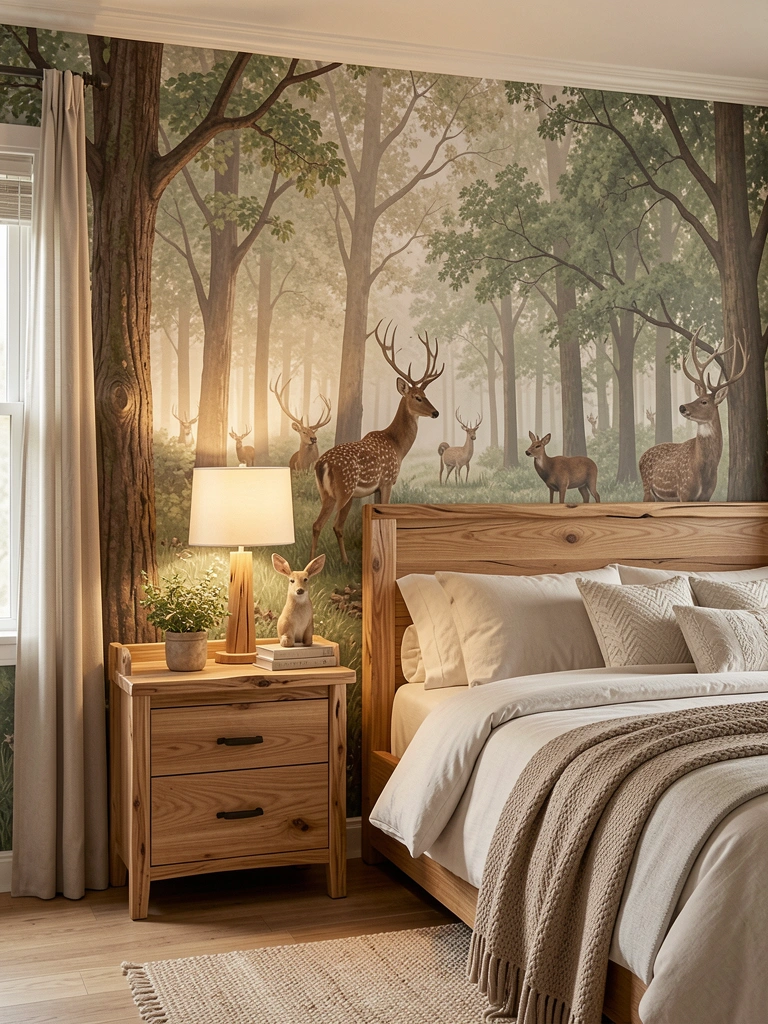
    Renter hack: Use removable wallpaper ($20–$40) or paint a large removable backdrop ($30–$60) pinned or mounted to create the illusion of a feature wall.

    Your room instantly feels more designed, and the TV looks like it belongs on that wall rather than just being stuck there.

    15. Use a Rolling Media Cart to Make Your Setup Flexible

    A rolling cart lets your TV physically move—not a disappearing act, but a flexibility act. Perfect for renters, small spaces, or anyone who wants the option to reconfigure their room instantly.

    Find a rolling media cart or AV stand ($80–$250 from Target, Wayfair, or IKEA). Look for one with a shelf for components and built-in cable management. Mount your TV securely using a tilt/swivel bracket ($30–$50). Keep cables organized with velcro wraps ($5–$10). Anchor the cart to the wall when stationary to prevent tipping. Cost: $150–$350 total setup.
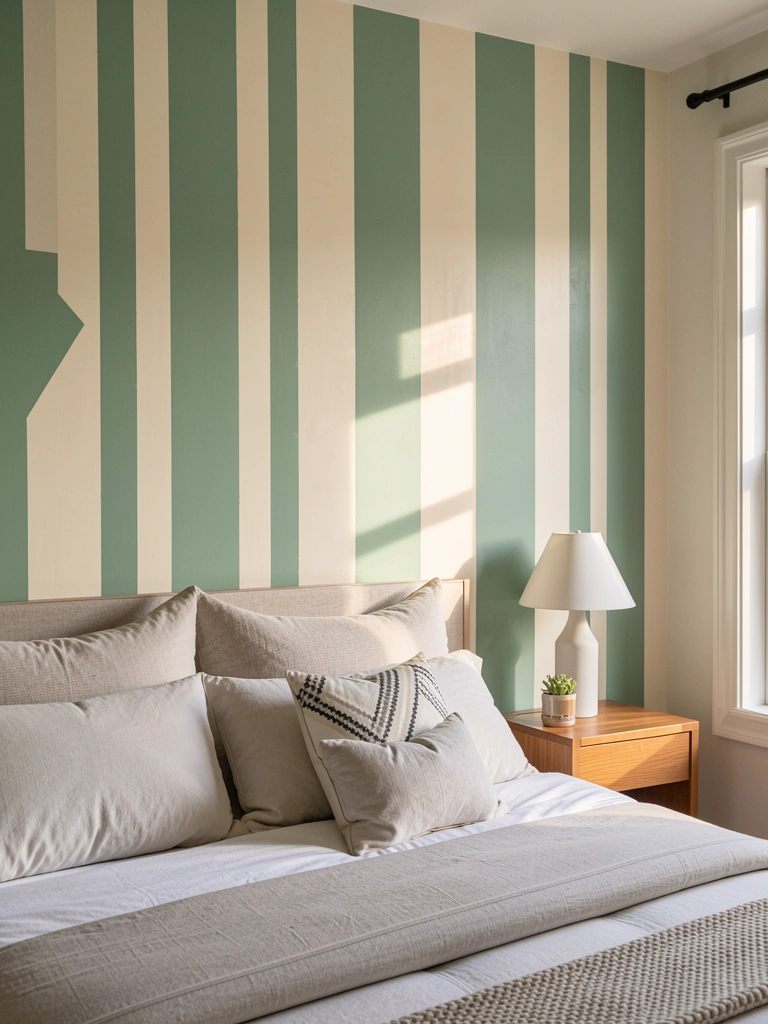
    Pro move: Style the lower shelf with decorative storage boxes ($10–$20 each) to hide devices while keeping the cart visually light.

    Your setup becomes a multipurpose design element that works hard and plays nicely—wheels make adaptation effortless when your needs change.

    16. Paint an Accent Wall in Earthy Neutrals to Soften the TV

    Warm neutral wall colors (greige, taupe, warm gray, soft terracotta) make a TV feel cozier and less industrial. The wall absorbs the black frame instead of contrasting sharply, creating visual softness.

    Choose a warm neutral from Sherwin-Williams (Accessible Beige, Urbane Bronze), Benjamin Moore (Revere Pewter, HC-172), or Behr (Eggshell, PPU18-08). Test a large swatch first because lighting changes how neutrals read. Apply two coats ($25–$50 total). Pair with wood or rattan accents ($0—repurpose what you own) to enhance warmth. Time: 4–6 hours.

    Budget tip: Match your wall color to a paint chip from a fabric or artwork you already love to create cohesion.

    Your TV wall becomes part of the room’s design story rather than a visual interruption, and the whole space feels calmer and more intentional.

    17. Incorporate Rattan or Woven Textures Around the TV

    Rattan and woven textures bring organic warmth that makes a TV wall feel less tech-forward and more lifestyle-focused. The natural materials soften technology’s hard edges visually.

    Add rattan or woven pendant lights ($20–$60 each from Target, Wayfair, or World Market) flanking the TV. Place woven storage baskets ($15–$50 each) on shelves to store remotes, cables, and devices. Use a rattan room divider ($40–$100) partially behind or beside the TV setup. Mix styles slightly—mix light and dark rattan for visual interest. Installation: mostly styling, 30 minutes.

    Styling rule: Limit rattan to 3–4 pieces or it feels cluttered; less is more.

    Your TV setup becomes a design moment in a naturally beautiful room instead of just “where the screen lives,” and the warmth makes tech feel intentional rather than cold.

    18. Create a Corner TV Setup with Angled Wall Paneling

    A corner TV with angled or chevron-patterned wall paneling feels architecturally intentional. The angled lines guide your eye to the TV without making the setup feel like an afterthought squeezed into unused space.

    Mount your TV on the corner wall using a corner TV bracket ($30–$60). Add angled wood paneling or slat walls ($100–$300) arranged in a chevron or arrow pattern pointing toward the TV. The angle makes the TV feel like the destination rather than just the thing in the corner. Use a level and stud finder ($10–$15 each) for precise installation. Time: 3–5 hours.

    Renter option: Use removable angled slat panels ($50–$150) adhered to the corner to create the same effect without damage.

    Your corner becomes a design feature instead of wasted space, and the geometry makes viewers feel like they’re sitting exactly where the room intends them to.

    19. Install Shelving with Curved or Arched Brackets for Softness

    Curved or arched shelf brackets add visual softness that softens technology’s rigid geometry. They’re a small detail that signals intentional design rather than standard installation.

    Choose decorative curved brackets ($20–$50 each from Etsy, Home Depot, or specialty hardware shops). Mount shelves at varying heights ($20–$50 per shelf from IKEA or Wayfair) using these brackets. The curves instantly make the setup feel less industrial and more curated. Installation: 1–2 hours with basic tools.

    Pro styling: Paint brackets to match wall or shelves ($5 for paint) or choose them in a complementary metal finish (brass, copper, matte black).

    Your shelving becomes a design statement instead of functional overhead, and the curved lines make your TV wall feel graceful rather than angular.

    20. Use a Textured Wallpaper Behind the TV for Depth

    Textured or patterned wallpaper adds visual depth and makes your TV wall feel like part of a larger design scheme. The pattern gives the eye something to explore beyond just the screen.

    Choose textured or subtly patterned wallpaper ($15–$40 per roll) from Wayfair, Target, or specialty wallpaper shops. Look for horizontal lines, geometric patterns, or woven textures that complement your room. Apply wallpaper to just the TV wall for impact without overwhelming the room. Time: 2–4 hours with wallpaper paste and a smoothing tool ($5–$10). Removable wallpaper ($20–$40 per roll) works for renters.

    Pattern tip: Choose a pattern with 1–2 main colors to keep it cohesive with your furniture.

    Your TV wall becomes visually interesting even when the screen is off, and the texture makes the whole setup feel more considered than plain paint alone.

    21. Add a Sculptural Art Piece Flanking the TV

    Large sculptural pieces flanking your TV shift the focus to art rather than technology. Your eye travels to the sculpture first, making the TV feel secondary to the curated aesthetic.

    Find a large sculptural piece ($50–$300 depending on artist and material—try local makers on Etsy, Facebook Marketplace, or thrift stores) and lean it against the wall beside your TV. Balance with a tall vase, statue, or second sculpture on the opposite side. Anchor heavy pieces to prevent tipping ($5–$10 in museum putty). Styling: 30 minutes.

    Budget hack: Abstract wooden pieces from thrift stores ($5–$20) work beautifully and feel intentional when styled thoughtfully.

    Your TV wall becomes an art gallery focal point, and visitors’ first impression becomes “what a thoughtfully designed space” rather than “nice TV.”

    22. Combine Your TV with a Built-In Fireplace Below

    An electric fireplace below your TV creates a designed focal point that makes the tech feel intentional and elevated. The fireplace adds warmth (both visual and physical) that makes the whole setup feel cozier than just a bare screen.

    Install a flush-mount linear electric fireplace ($200–$600 from Wayfair, Lowe’s, or specialty appliance shops) into a recessed cavity or media console. Mount the TV 24–30 inches above it on the wall. Ensure proper spacing for heat circulation (check manufacturer specs). Electrical work may require a professional—budget $50–$150 for installation if DIY feels risky. Total setup: 4–8 hours.

    Styling: The fireplace is the design hero; keep surrounding décor minimal so it has breathing room.

    Your living room becomes instantly more upscale and inviting—the fireplace glow creates ambiance that makes sitting and watching feel intentional rather than just “I’m staring at a screen.”

    23. Style Empty Wall Space as Your TV’s “Frame”

    Leaving most wall space blank around your TV is its own design move. The emptiness becomes intentional breathing room that makes the TV feel like a designed choice rather than clutter-filling necessity.

    Mount your TV centered on a blank wall. Add just one large-scale art piece ($50–$200) above or below, one tall plant ($20–$60), and a simple console ($100–$300). Keep everything else off the wall—no shelving, cables, or other décor. The whitespace becomes part of the design. Installation: 1–2 hours for mounting.
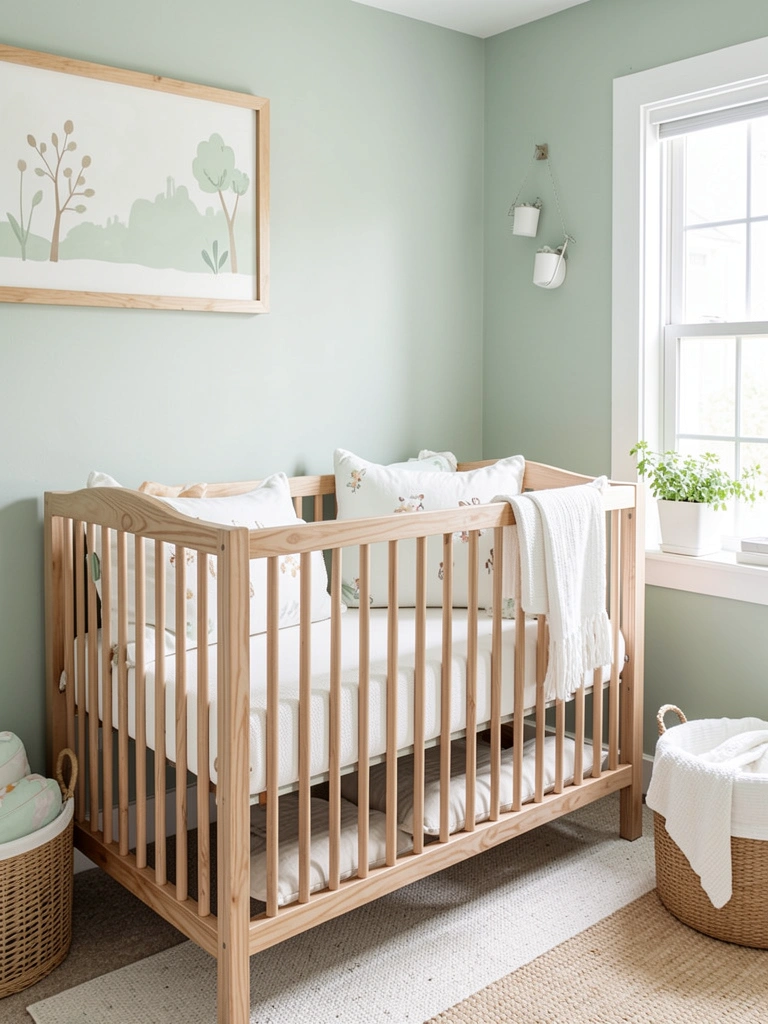
    Mindset shift: Empty space is a luxury in design; resist the urge to fill every gap.

    Your TV wall feels calm, intentional, and curated in a way that overfilled shelving never can. The simplicity makes your space feel intentionally minimalist rather than just bare.


    Save this guide for your next living room refresh. Try one idea this weekend—whether it’s hiding cables, adding texture, or just letting your wall breathe—and notice how much a single change shifts your entire room’s energy.

  • 27 Mirror Decorating Ideas That Add Depth, Light & Style to Any Space

    27 Mirror Decorating Ideas That Add Depth, Light & Style to Any Space


    Mirrors do more than show your reflection—they’re your secret weapon for making any space feel bigger, brighter, and more intentional. Whether you’re working with a tiny apartment, a dark hallway, or a bathroom that needs serious style, the right mirror can completely change how a room feels. The trick isn’t just hanging any mirror on the wall; it’s choosing the shape, size, and placement that works for your specific space. In this guide, you’ll discover 27 specific mirror ideas—from zero-cost styling tricks to investment pieces that become focal points—so you can finally create a room that feels as open and polished as the ones you’ve been pinning. Let’s get started.
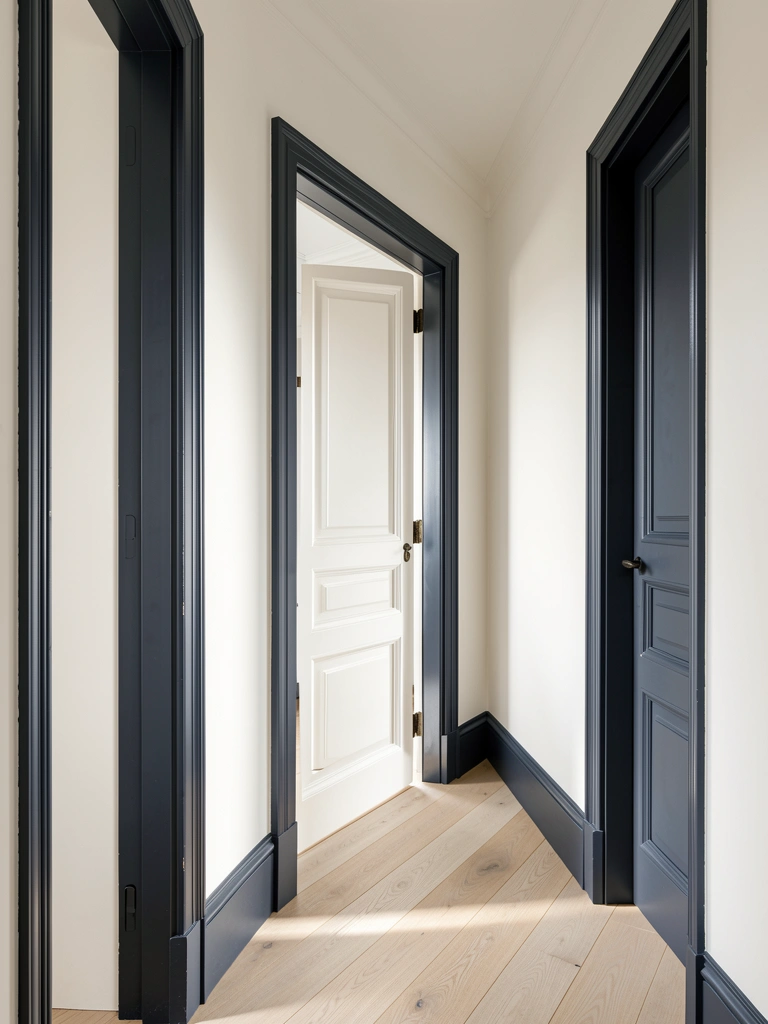
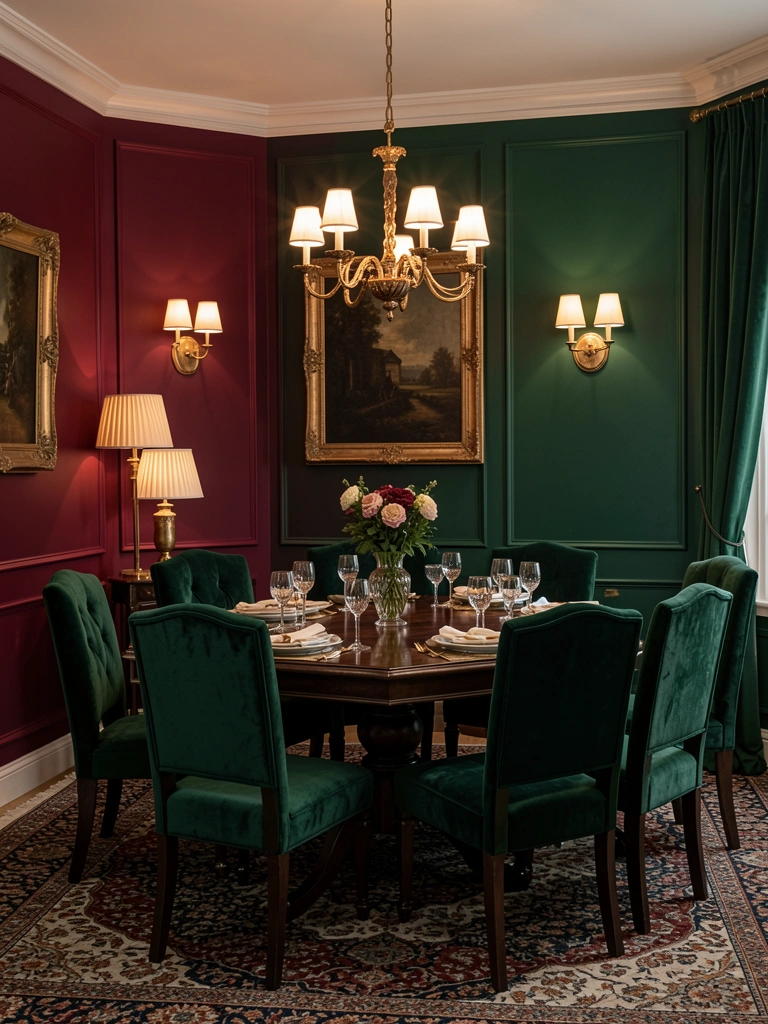

    1. Lean an Oversized Round Mirror for Instant Depth

    Leaning an oversized mirror against the wall creates the illusion of a much larger room without any commitment or wall damage. This works especially well in living rooms, bedrooms, and entryways where you want impact without permanent installation.

    Look for mirrors 24–36 inches in diameter from retailers like Target ($80–$150), IKEA ($40–$100), or Wayfair ($100–$300). Modern round mirrors with minimal frames work best for this approach. Place it in a corner or against a wall where it reflects light from a window or light fixture. The lean-and-style method takes 5 minutes and works beautifully with a console table or bench below. Pro tip: Use a furniture pad underneath the mirror’s base to protect your floors and keep it stable.

    You’ll immediately notice how much lighter and more open the space feels. The reflected light bounces around the room, making it appear 20–30% larger without any structural changes.


    2. Hang Frameless Mirrors Side-by-Side for a Gallery Wall

    Frameless mirrors stacked together create a sophisticated gallery wall that multiplies your light and makes compact spaces feel airy without the visual weight of frames. This trick works in narrow hallways, small bedrooms, and entryways where space is tight.

    Choose 3–5 frameless mirrors in complementary sizes (mix rectangles and squares). Installation takes 1–2 hours using toggle bolts or studs for secure hanging. Look at Wayfair ($30–$150 per mirror), CB2 ($60–$200), or West Elm ($100–$250) for clean frameless options. Stagger them with small gaps for visual interest. Use a level and painter’s tape to plan your layout before drilling. Pro tip: If you rent, use damage-free adhesive strips rated for mirror weight, though mounting securely to studs is always safer.

    This arrangement bounces light throughout your entire entryway or hallway. The gaps between mirrors add modern flair while the reflective surfaces multiply your natural light, making the path feel less cramped.


    3. Paint Your Wall Light to Make Mirrors Reflect More

    Before buying a bigger mirror, try changing your wall color. Light, neutral walls maximize mirror reflection and brightness—a free or ultra-cheap change that compounds the depth effect.

    Paint walls in soft whites, warm creams, pale grays, or gentle blues (the backdrop matters as much as the mirror itself). Benjamin Moore ($35–$50/gallon) and Sherwin-Williams ($40–$60/gallon) offer excellent sample sizes to test. One gallon covers approximately 350 square feet. DIY painting takes 3–4 hours depending on room size; hire a painter for $800–$1,500 if preferred. Light walls reflect existing light (and mirror reflections) better than dark walls. Pro tip: Use semi-gloss or satin finishes in bathrooms for easier cleaning and subtle shine.

    Suddenly, your mirrors work harder. The reflected light bounces around the room more effectively, creating a genuinely brighter, more spacious feeling without any mirror upgrades needed.


    4. Install a Lit Vanity Mirror for Grooming Perfection

    LED and lit mirrors solve two problems at once: they provide task lighting for grooming while reflecting your face evenly without harsh shadows. Perfect for bathrooms where natural light is limited or inconsistent.

    Choose from wall-mounted lit mirrors ($150–$400) or tabletop vanity mirrors ($80–$200). Top brands include Kosmonia ($120–$280), Anthropologie ($200–$350), West Elm ($180–$320), and budget-friendly Amazon options ($60–$150). Look for 3000K–4000K color temperature for warm, flattering light. Installation takes 30–60 minutes for wall-mounted; tabletop versions need zero installation. Choose dimmable options if possible for flexibility. Pro tip: LED bulbs last 10–50 years and use 75% less energy than traditional bulbs.

    You’ll get flawless makeup application and skincare visibility every single time. The even, shadow-free lighting makes your bathroom feel like a professional spa rather than a rushed morning routine space.


    5. Use an Arched Mirror to Soften Hard Edges

    Arched mirrors bring elegance and softness to rooms with lots of hard angles and right angles. They work particularly well in bedrooms, bathrooms, and feminine-leaning spaces where you want to reduce visual harshness.

    Search for arched or curved-top mirrors (18–36 inches wide, $80–$300) on Wayfair, CB2, Target, or West Elm. Metal frames in gold, brass, or black work beautifully. Installation is straightforward: mark studs, use heavy-duty wall anchors ($10–$20), and hang with picture-hanging wire or D-rings. Takes 20–30 minutes. The arch naturally draws the eye upward, making ceilings feel higher. Pro tip: Pair with an arched window or doorway nearby for a cohesive, intentional look.

    The curved silhouette makes your bedroom feel more refined and restful. Instead of boxy mirror-on-wall, you get a piece that looks purposefully chosen and contributes to a calm, well-designed aesthetic.


    6. Mount a Hexagon Mirror for Geometric Interest

    Geometric mirrors—especially hexagons—add modern flair and playful sophistication without being too bold. They work as statement pieces in entryways, hallways, and modern living rooms.

    Hunt for hexagon mirrors (16–30 inches, $60–$250) on IKEA ($40–$80), Target ($50–$120), Amazon ($60–$180), or Wayfair ($80–$300). Matte black and natural wood finishes are trending. Installation takes 15–20 minutes with a level and stud finder. Position it as a solo statement piece (don’t clutter around it). The geometric shape creates visual rhythm and draws attention, so choose a spot where you want focus. Pro tip: For renters, lean a hexagon mirror against a console table instead of hanging it.

    This one change elevates your space from basic to design-forward. The reflections bounce off the geometric shape, creating visual interest while still multiplying your light and perceived space.


    7. Create a Sunburst Mirror Moment for Living Room Drama

    Sunburst mirrors are 2025’s statement piece. They work as the focal point of an entire room, creating architectural drama and instantly elevating your space from dated to gallery-worthy.

    Look for sunburst mirrors (28–48 inches, $120–$500+) at West Elm ($250–$400), Wayfair ($150–$350), CB2 ($200–$450), or Anthropologie ($300–$600). Brass, gold, and black finishes dominate. Hang as a solo focal point above a sofa, console, or bed—no competing decor nearby. Installation takes 30–45 minutes; use a stud and heavy-duty anchors. The rays can be adjustable or fixed. Pro tip: Position one to catch morning or afternoon light for dramatic shadow play on surrounding walls.

    This mirror becomes the hero of your room. Guests notice it immediately, and the architectural design makes your space look intentionally curated and magazine-worthy.


    8. Use Anti-Fog Bathroom Mirrors for Luxury Functionality

    Anti-fog mirrors combine practical functionality with subtle luxury—they stay clear during and after hot showers without the squeegee routine. Perfect for families and frequent shower-takers.

    Anti-fog mirrors range from $80–$400 depending on size and brand. Kosmonia ($100–$250), Amazon ($60–$150), and Home Depot ($100–$300) have solid options. The fog-free coating lasts 5–10 years. Installation is standard mirror hanging with wall anchors ($15–$30) and takes 20–30 minutes. Some models include heated elements that activate humidity sensors automatically. Pro tip: DIY anti-fog spray ($10–$15) works for existing mirrors if replacing isn’t in the budget.

    No more wiping your mirror before skincare or shaving. The consistent clarity transforms your shower routine from rushed to relaxed, and the mirror stays functional even in high-humidity bathrooms.


    9. Lean an Arched Mirror in Your Bedroom for Effortless Style

    Leaning an arched mirror creates a slower, more intimate feel than hanging it—perfect for bedrooms where you want calm over drama. The arch adds softness without being fussy.

    Find arched mirrors (24–36 inches tall, $100–$350) to lean against bedroom walls. Target ($60–$150), West Elm ($150–$300), and IKEA ($50–$120) all have options. Use a felt furniture pad underneath ($5–$10) for floor protection and slight angle adjustment. Position near your bed or against a wall beside a chair. This zero-commitment installation takes literally 2 minutes, making it perfect if you’re renting or like changing your layout seasonally. Pro tip: Lean it at a slight angle (ask a friend to check) to avoid a too-perfect, artificial appearance.

    Your bedroom immediately feels more relaxed and lived-in. The curved mirror adds softness while still opening up the space and reflecting light—without the permanent commitment of wall hanging.


    10. Hang Multiple Small Mirrors for a Scattered Gallery Effect

    Small mirrors clustered together create a collected, curated feel while multiplying reflections and light throughout the room. Perfect for small bathrooms, powder rooms, and bohemian-style spaces.

    Source small mirrors (4–12 inches, $10–$80 each) from IKEA, Target, Wayfair, thrift stores, and vintage shops. Mix shapes and finishes for personality (don’t match them). Plan your layout on paper first or use painter’s tape on the wall. Installation takes 1–2 hours depending on quantity. Use picture-hanging hooks rated for mirror weight ($5–$15 per hook). The staggered arrangement is forgiving and charming—perfection is the opposite of the goal here. Pro tip: Include one larger mirror as an anchor point to ground the gallery.

    Instead of one boring mirror, you get a dynamic, artistic installation that reflects light from multiple angles. Your space looks collected, intentional, and way more interesting than standard bathroom mirrors.


    11. Add a Floor-to-Ceiling Mirror to Transform Tiny Spaces

    Full-height mirrors create the maximum illusion of space and are worth the investment if you’re dealing with a genuinely cramped room. They completely reshape how small spaces feel.

    Floor-to-ceiling mirrors cost $300–$800 for DIY installation or $800–$2,000 with professional hanging. Retailers like Wayfair ($400–$1,200), IKEA ($250–$500 for modular panels), and custom glass suppliers ($600–$2,000) all offer options. Modular panel systems are renter-friendly; permanent installations require professional help and wall studs. Installation takes 2–4 hours for DIY or half a day for professionals. Ensure your walls are level before ordering. Pro tip: Use mirror panels in one accent wall rather than all four to avoid an overwhelming funhouse effect.

    This is the nuclear option for small-space transformation. Your tiny apartment, hallway, or bedroom suddenly appears drastically larger and brighter—you’ve essentially doubled your perceived square footage.


    12. Style a Mirror with Scalloped Edges for Feminine Elegance

    Scalloped mirrors balance elegance with playfulness—they’re sophisticated enough for adults but still feel fun and slightly whimsical. Perfect for bedrooms, bathrooms, and dressing areas.

    Search for scalloped mirrors (20–32 inches, $80–$300) at Anthropologie ($150–$300), Urban Outfitters ($100–$200), Wayfair ($80–$250), or Amazon ($60–$180). White, cream, and soft pastels are trending, though brass and gold finishes add glam. Installation takes 20–30 minutes with standard wall anchors and a level. The curved edges catch and reflect light beautifully from different angles. Pro tip: Pair with a vintage vanity table or modern dresser depending on your overall style.

    The undulating edge softens your space and adds personality. Instead of feeling like just a functional mirror, it becomes a decorative statement that makes your bedroom or bathroom feel more curated and intentional.


    13. Install a Black-Framed Mirror for Modern Edge

    Black-framed mirrors add instant modernity and edge to any space without being trendy or temporary-feeling. They ground a room and work with nearly every style.

    Look for black-framed mirrors (16–40 inches, $80–$400) at CB2 ($150–$300), IKEA ($40–$120), Target ($50–$150), West Elm ($120–$280), or Wayfair ($100–$350). Matte black resists fingerprints better than glossy finishes. Rectangular and square frames are most versatile. Installation takes 20–30 minutes with a level and stud-mounted hangers or heavy-duty anchors. Black frames work in minimalist, industrial, and even bohemian spaces—they’re quietly adaptable. Pro tip: Use multiple smaller black-framed mirrors in a grid for visual impact.

    The black frame makes a statement without shouting. Your space instantly reads as more design-conscious and modern, and the high contrast helps the mirror become a focal point rather than blending into the wall.


    14. Choose a Rattan-Framed Mirror for Coastal Calm

    Rattan mirrors bring coastal, relaxed vibes without looking kitschy. The woven texture adds depth and visual interest while keeping spaces feeling airy and organic.

    Find rattan-framed mirrors (18–36 inches, $60–$250) at Target ($50–$120), IKEA ($40–$100), West Elm ($100–$220), Wayfair ($70–$300), or Amazon ($50–$150). Natural woven finishes work best; stained or painted rattan often looks cheap. Pair with light, neutral backgrounds. Installation takes 15–20 minutes with standard hangers. Rattan is durable and lightweight, making it easy to hang even on less-than-perfect walls. Pro tip: For renters, lean a rattan mirror against a console table for a curated entryway look.

    The organic texture makes your space feel warm and welcoming. Instead of a sterile glass-and-frame mirror, you get a piece that looks intentionally chosen and contributes to a calm, beach-house-inspired aesthetic.


    15. Add a Gold or Brass Mirror for Instant Glam

    Gold and brass mirrors add warmth and luxury without being overdone if chosen thoughtfully. They work as focal points in entryways, bathrooms, and bedrooms.

    Search for gold/brass mirrors (20–36 inches, $100–$500+) at Anthropologie ($200–$450), West Elm ($150–$350), CB2 ($120–$400), Wayfair ($80–$400), or high-end retailers ($300–$1,000+). Look for warm brass or antique gold finishes rather than bright yellow gold, which can feel dated. Installation takes 20–30 minutes. Gold frames reflect warm light beautifully and work with both traditional and modern spaces. Pro tip: Choose matte or antiqued finishes over shiny brass—they age beautifully and hide fingerprints.

    The warmth of the metal elevates your entire room. Where a simple mirror might disappear into the wall, a gold-framed mirror becomes a piece guests notice and admire—it signals thoughtful design choices.


    16. Hang a Beveled-Edge Mirror for Seamless Minimalism

    Beveled-edge mirrors create subtle prismatic reflections and look more refined than standard flat mirrors. They’re the choice for minimalist and modern spaces where you want sophistication without visible frames.

    Look for beveled mirrors (16–40 inches, $100–$300) at IKEA ($60–$150), Home Depot ($80–$250), Wayfair ($100–$350), or custom glass suppliers ($150–$500). The beveled edge is subtle—about ¼ inch—so it catches light without being flashy. Installation takes 20–30 minutes with mirror hangers rated for glass weight. Beveled mirrors weigh slightly more than standard mirrors, so use appropriate hardware. Pro tip: This works beautifully in minimalist spaces but might feel too subtle in eclectic rooms where you want personality.

    Your mirror looks intentionally chosen and architectural. The subtle beveled reflections add refinement and depth, making your space read as well-designed rather than simply decorated.


    17. Create a Focal Point Wall With an Oversized Sunburst Mirror

    If you want your mirror to be the conversation piece in your home, go oversized sunburst. This is an investment, but it completely redefines the room.

    Sunburst mirrors in this size range cost $300–$800+ depending on materials and finish. Check West Elm ($400–$600), Anthropologie ($350–$550), CB2 ($300–$500), Etsy ($250–$1,000 for artisan pieces), or custom metal workers ($500–$1,500). Brass and gold finishes are most popular, though black offers modern edge. Professional installation recommended ($150–$300) due to weight; DIY takes 45–60 minutes with two people. Position where it catches natural light for shadow play. Pro tip: Hang it alone on a focal wall—competing decor diminishes its impact.

    This mirror becomes art. It’s the first thing people notice when they enter your home, and it creates a sophisticated, intentional aesthetic that feels expensive and collected.


    18. Use a Mirror With Built-In Shelving for Functional Style

    Mirrors with integrated shelving solve the storage problem while keeping your space visually calm. Perfect for small bathrooms and bedrooms with limited wall space.

    Find mirror with shelving ($150–$400) at West Elm ($200–$350), CB2 ($180–$300), Wayfair ($100–$350), IKEA ($80–$200), or Amazon ($120–$250). Materials range from wood to metal to floating glass shelves. Installation takes 45 minutes to 1.5 hours and requires stud mounting for stability (don’t use anchors for weight-bearing shelves). This multitasking piece replaces both a mirror and floating shelves, saving money and wall space. Pro tip: Keep shelves organized with matching containers and minimal decor for a clean, intentional look.

    You get mirroring, reflection, light-bouncing, and functional storage in one piece. Your bathroom or bedroom stays organized without cramped countertops, and the integrated design looks intentional and designed rather than like you’re just storing things on a shelf.


    19. Mount a Mirror Across From a Light Source to Double Brightness

    Strategic mirror placement is free and multiplies the effectiveness of your existing light. Mounting a mirror opposite a window or light fixture is the smartest design move you can make in a dark room.

    No product needed—just intelligent placement. Measure and mark where direct light hits your window or lamp. Mount a mirror directly opposite (any size, $40–$300+) to catch and reflect that light throughout the room. Use a level and stud finder for secure installation. Takes 20–30 minutes. This works for both natural and artificial light. In dim north-facing bedrooms or dark hallways, this change is transformative. Pro tip: Use a large mirror for maximum light reflection; even a small 18-inch mirror makes a difference.

    The room immediately becomes noticeably brighter without installing new light fixtures or increasing your electric bill. Morning light bounces around twice as effectively, and dark corners suddenly feel approachable and warm.


    20. Choose a Geometric Petal Mirror for 3D Visual Interest

    Geometric petal mirrors (think mandala patterns or layered designs) add artistic depth without being maximalist. They read as sophisticated modern art rather than just a functional mirror.

    Hunt for geometric petal mirrors (24–36 inches, $100–$400) at Wayfair ($120–$350), Etsy ($100–$500 for artisan pieces), Amazon ($80–$300), or specialty home decor shops ($150–$600). These often have a slight 3D element, so they’re not flat like standard mirrors. Installation takes 20–30 minutes. Position as a solo focal point to let the pattern shine. The petal design works with both modern and eclectic spaces. Pro tip: These are investment pieces—choose one you’ll love long-term since they’re less trendy than sunbursts.

    Your mirror becomes art. The dimensional petal pattern adds sophistication and visual interest, making your space feel curated and intentional rather than just decorated.


    21. Install a Corner Mirror to Open Up Tight Spaces

    Corner mirrors are a secret weapon for tight spaces. Positioned at an angle in a corner, they reflect the room back on itself, creating the illusion of openness where claustrophobia exists.

    Look for tall rectangular mirrors (28–40 inches tall, $80–$250) to position at a 45-degree angle in corners. IKEA, Target, Wayfair, and Amazon all have affordable options ($50–$150). Installation is 25–35 minutes with a level—you’re essentially hanging a mirror at an angle using standard hardware. This works in bedrooms, home offices, entryways, and small bathrooms. Pro tip: Use furniture sliders or felt pads underneath if you’re leaning it rather than hanging it, to keep it stable and protected.

    A cramped corner suddenly feels open. The angled mirror multiplies your perceived space and makes tight rooms feel genuinely larger without any renovation needed.


    22. Add a Decorative Mirror to Your Entryway Console

    Pairing a mirror with an entryway console creates a complete, intentional-looking vignette that says “I have my life together.” It’s styling, not just decoration.

    Choose a mirror that echoes your console style (18–28 inches, $60–$200) from retailers matching your aesthetic. Target ($40–$100), IKEA ($30–$80), West Elm ($100–$250), or thrift stores ($10–$50) all have options. The mirror should complement (not match) your console in materials and finish. Lean it casually against the wall rather than hanging for flexibility. Arrange the console with a tray, bowl, decorative object, and mirror cleaning cloth. Pro tip: Keep it minimal—three to four items max—so it looks intentional, not cluttered.

    Your entryway transforms into a magazine-worthy vignette. You’ve created a purposeful first impression that makes guests think you’re more organized and design-minded than you might actually be.


    23. Use a Tall Leaning Mirror to Fill Empty Wall Space

    Tall leaning mirrors fill awkward empty wall spaces (corners, between furniture, beside doors) while maintaining a casual, renter-friendly aesthetic. No holes, no damage, completely flexible.

    Find tall standing mirrors (48–72 inches, $100–$300) at IKEA ($80–$200), Target ($100–$180), Wayfair ($120–$350), West Elm ($200–$400), or Amazon ($80–$250). Modern, mid-century, or minimal frames all work. Installation: literally 3 minutes—just lean it against the wall on a felt pad for stability and floor protection. The weight keeps it secure (no tipping hazard if positioned against a wall). This is perfect for renters since there’s zero commitment. Pro tip: Use a furniture pad underneath to protect both the mirror and your flooring.

    You’ve filled dead wall space with style and function. The leaning mirror looks intentional, bounces light around the room, and works beautifully whether your space is minimal or eclectic.


    24. Paint a Wooden Frame for a Custom, Budget-Friendly Look

    Painting an existing mirror frame is the cheapest way to customize a mirror to your space. Buy any basic frame and paint it to match your aesthetic.

    Start with a basic framed mirror ($30–$80) from IKEA, Target, or Wayfair. Choose high-quality paint ($15–$25) in your desired color—try Benjamin Moore, Sherwin-Williams, or Behr. Lightly sand the frame first, apply 2–3 coats of paint (30 minutes wait time between coats), then seal with matte or satin polyurethane ($10–$15). Total project time: 2–3 hours, mostly drying time. This works beautifully with wood frames; metal frames need primer. Pro tip: This is perfect for renters—you’re customizing an affordable piece rather than buying something expensive.

    For under $80, you’ve got a custom mirror that looks like you invested in something designer. The painted frame coordinates perfectly with your room, and you’ll feel proud knowing you made it happen.


    25. Layer Mirrors of Different Sizes for Curated Depth

    Layering mirrors of different sizes and finishes creates visual interest and depth. This approach looks more collected and curated than matching sets.

    Gather 3–5 mirrors in various sizes ($50–$200 total depending on quality) from thrift stores, IKEA, Target, Wayfair, and vintage shops. Mix shapes and frames (don’t overthink matching). Plan your layout with painter’s tape before hanging. Installation takes 1–2 hours. Hang at slightly different heights with 6–8 inches of space between pieces. This forgiving approach allows for “mistakes”—asymmetry is actually the point. Pro tip: Include one larger anchor mirror to ground the arrangement.

    Instead of one boring mirror, you’ve created an artistic installation that looks collected over time. The varied reflections add dimension and visual complexity—your space reads as curated and design-forward.


    26. Mount a Mirror on Your Bedroom Closet Door for Space Maximization

    Mounting a mirror on your closet door serves double duty: you get a full-length view for outfit checking, and it reflects light into the closet while opening up your bedroom visually.

    Install a full-length mirror (24–30 inches wide, 60–72 inches tall, $60–$200) using adhesive-backed mirror strips or heavy-duty double-sided tape ($15–$30) for damage-free hanging on closet doors, or standard hangers if you own. Installation takes 15–20 minutes. Measure your closet door first to ensure the mirror fits. For apartments, damage-free tape works beautifully; homeowners can use permanent mounting. The reflected light makes your bedroom feel significantly larger. Pro tip: A full-length mirror maximizes outfit visibility without taking up floor space like a leaning mirror would.

    Getting dressed becomes easier—you see your entire outfit at once. Bonus: your bedroom feels airier and brighter because the mirror reflects window light and room illumination, essentially expanding your visual square footage for free.


    27. Install Mirrors in a Powder Room for Maximum Impact

    Powder rooms are where you can go bold with mirrors. A single statement mirror in a small, guest-facing space makes an outsized impact and signals thoughtful design.

    Choose a statement mirror (24–32 inches, $100–$300) that reflects your personal style—brass, black, rattan, or scalloped edges all work beautifully in powder rooms. Anthropologie ($150–$300), CB2 ($100–$250), West Elm ($120–$280), Wayfair ($80–$300) all have elevated options. Installation takes 20–30 minutes. Position it above your sink or vanity as the focal point. In such a small space, one elevated piece is better than multiple mirrors. Pair with a sconce on either side (optional but powerful). Pro tip: Add fresh flowers or a single decorative object to complete the refined vignette.

    Your tiny powder room becomes the most sophisticated room in your home. Guests notice the thoughtfulness and intentionality—it’s the perfect place to make a bold design statement without the commitment of larger rooms.


    Save this post for your next room refresh and try at least one idea this weekend. Whether it’s moving a mirror to catch better light or leaning an oversized statement piece in an empty corner, even one small change shifts how your entire space feels. Pick the idea that speaks to you and go from there.

  • 27 Living Room Wall Decor Ideas That Instantly Upgrade Your Space

    27 Living Room Wall Decor Ideas That Instantly Upgrade Your Space

    Your living room walls are like a blank canvas—and right now, they’re probably looking a little too plain. Whether you’re staring at builder beige or just tired of the same old look, your walls have the power to make or break your entire space. The good news? You don’t need a major renovation or a huge budget to make a real difference. These 27 ideas range from free styling tricks to smart investment pieces, and most can be done in a single weekend. From gallery walls and statement paint colors to smart lighting and textured finishes, you’re about to discover exactly how to make your living room feel intentional, inviting, and totally you. Let’s dig in.

    1. Create a Gallery Wall Without Nails

    A gallery wall is the easiest way to add personality and visual interest without commitment. This works especially well in rentals since damage-free methods exist now.

    Start by collecting frames in complementary finishes—mix black, gold, and natural wood for visual depth. Command strips or damage-free adhesive hooks ($10–$25) let you hang without drilling. Lay everything out on the floor first using painter’s tape to mark frame positions on your wall before hanging anything. This prevents costly mistakes. Mix print sizes and styles: a large botanical print, smaller geometric designs, and personal photos create dynamic energy.

    The result? A focal point that makes your space feel curated and lived-in, without looking like a showroom.

    2. Paint an Accent Wall in a Jewel Tone

    Jewel tones—emerald, burgundy, and chocolate brown—are having a major moment, and painting one accent wall is the fastest way to ride this trend.

    Choose the wall opposite your seating area so it becomes a natural focal point. Buy two quarts of paint ($30–$50 per quart) and test it on that wall first; colors read completely different depending on lighting. Emerald photographed beautifully and feels sophisticated without feeling heavy. A single weekend project with a roller and basic supplies (brushes, drop cloth, painter’s tape from any hardware store). The key is using quality paint—cheaper options require multiple coats and streak easily.

    Your living room instantly gains depth and personality. Suddenly everything in the room—your furniture, art, and decor—pops against that rich background.

    3. Hang Large-Scale Floating Shelves

    Floating shelves add storage and a place to display decor without eating up floor space—perfect for small living rooms.

    Install wooden floating shelves ($40–$150 per shelf depending on size and material) using a stud finder and heavy-duty brackets. IKEA and Home Depot offer affordable options. Style them with books layered horizontally, a potted plant or two, and a few decorative objects spaced to avoid clutter. Leave some breathing room; overstuffing looks chaotic rather than curated. Mount shelves at varying heights for visual interest, or keep them level for clean lines—both work depending on your aesthetic.

    This setup gives your walls dimension and function while letting you rotate decor seasonally. Plus, you’ve created a styling opportunity that actually feels intentional.

    4. Add Removable Wallpaper to One Wall

    Removable wallpaper is the renter’s secret weapon—beautiful pattern and zero guilt when you move.

    Pick a peel-and-stick design in geometric, botanical, or striped patterns ($25–$60 per roll from Spoonflower, Target, or Amazon). One accent wall typically needs 2–3 rolls. Prep your wall by cleaning and smoothing any bumps. Carefully measure and cut wallpaper to size, then apply slowly, smoothing out air bubbles as you go. This takes 1–2 hours the first time, but honestly? It gets easier. Stick to one statement wall rather than the whole room to avoid overwhelming your space.

    When you’re done, you have a designer-quality accent wall that cost less than most light fixtures. And if you change your mind, it peels right off without damage.

    5. Install Picture Lights Above Artwork

    Picture lights are an overlooked detail that elevates your room instantly and adds a museum-quality touch.

    Install brass or black picture lights ($40–$120 per fixture from Rejuvenation, West Elm, or Amazon) directly above framed artwork or mirrors using standard mounting hardware. They plug into wall outlets, so no electrician needed. The warm glow highlights artwork at night while adding ambient lighting to your space. Choose fixture width to match your artwork—most come in 16″, 20″, and 24″ widths. This works especially well on larger pieces or important focal points.

    Your gallery wall or statement print now has professional lighting that changes how it looks from morning to night. It’s an investment detail that visitors genuinely notice.

    6. Use Stick-On Shiplap for Texture

    Shiplap texture adds depth and farmhouse charm without the actual installation headache (or cost).

    Adhesive shiplap panels ($1–$3 per panel from Lowes, Home Depot, or Amazon) come in packs of 10–12. A single accent wall needs about 25–40 panels depending on size. Prep your wall by cleaning and smoothing it, then apply panels from bottom to top, staggering seams slightly for authenticity. This is a 2–3 hour DIY project that requires zero tools. Paint the panels after installation if you want a different color than the standard white—this adds dimension if you use a soft gray or warm beige.

    Your walls now have tactile, visual interest that photographs beautifully and makes your space feel collected rather than blank.

    7. Hang an Oversized Mirror to Bounce Light

    A large mirror serves double duty: it expands your space visually and amplifies natural light, making your room feel bigger and brighter.

    Choose a statement mirror ($50–$300 depending on frame and size) in a shape that matches your aesthetic—arched, round, rectangular, or sunburst styles all work. West Elm, Wayfair, Article, and even Target have options. Mount it at eye level on a wall opposite your windows so it reflects light back into the room. Use a stud finder and proper wall anchors; large mirrors need secure hanging. The frame finish (wood, brass, black metal) should coordinate with your existing hardware and light fixtures.

    Light bounces around your room more, and suddenly the space feels more open. Plus, mirrors are timeless decor that work with any style.

    8. Paint Your Ceiling a Soft Contrast Color

    Painting your ceiling a lighter shade than your walls—or even a coordinating soft color—adds unexpected sophistication and makes rooms feel taller.

    Choose a paint color one shade lighter than your wall color, or go neutral cream or soft gray ($30–$50 for paint, plus $100–$200 if you hire help). Ceiling painting requires extra prep: move furniture, tape edges carefully, and invest in a sturdy ladder and extended roller. If you’re uncomfortable with heights, this is worth hiring out. The technique: paint in sections, keeping a wet edge to avoid lap marks. This takes a full day for a standard living room if you’re doing it yourself.

    Once done, your room gains architectural interest and feels more polished. Suddenly your ceilings aren’t just forgotten space—they’re part of your design.

    9. Layer Textured Throw Pillows and Blankets

    Texture adds depth and warmth to blank walls, especially when pillows and throws work together in a coordinated palette.

    Collect throw pillows and blankets in complementary textures: linen, bouclé, velvet, and chunky knit ($15–$50 per pillow, $30–$100 per throw blanket from CB2, Pottery Barn, Target, or Etsy). Mix neutral colors—cream, gray, warm taupe—with one accent color to tie back to your wall palette. Layer pillows by size, with larger ones in back and smaller ones in front. Drape a throw casually rather than perfectly folding it; this feels more livable and styled.

    Your sofa now looks inviting and collected rather than showroom-stiff. The layered textures create visual and tactile interest that makes your space feel intentional.

    10. Create a Color-Blocked Wall Design

    Color-blocking—painting walls in two distinct colors—is modern, graphic, and surprisingly easy to DIY.

    Plan your design: horizontal split at chair-rail height (about 32″ from the floor), vertical half-and-half, or an asymmetrical division. Get two quarts of paint ($30–$50 each) and use painter’s tape to create clean lines where colors meet. The tape is your secret—apply it firmly, paint your first color up to the line, let it dry, then apply tape along the edge and paint your second color. Remove tape carefully while paint is still slightly tacky for the cleanest edge. This takes 3–4 hours plus drying time.

    Your wall becomes a design statement that feels deliberate and modern. The color division creates visual interest without being overwhelming.

    11. Display Woven Wall Hangings and Macramé

    Woven and macramé wall hangings add organic texture and warmth—especially beautiful in rooms with neutral palettes or minimalist vibes.

    Hunt for woven wall hangings and macramé ($15–$80 per piece from Etsy, World Market, or West Elm) in sizes ranging from 12″ to 36″ wide. Vary the weaves—some tight and geometric, others loose and flowing—for visual interest. Hang them using simple nails or hooks at varying heights to create an asymmetrical gallery effect. Group pieces in clusters of 2–3 rather than spreading them around; this feels more intentional. Natural fibers in cream, tan, and gray coordinate with most palettes.

    These pieces add warmth and artisanal character that feels more personal than mass-produced decor. They’re particularly great in bohemian, modern minimalist, or scandinavian-inspired spaces.

    12. Install Architectural Molding or Trim Work

    Architectural molding adds instant character and makes rooms feel more polished and intentional—no faux finishes required.

    Install crown molding ($1–$5 per linear foot for materials, plus $3–$8 per foot for labor if hired) along your ceiling line, or add a chair rail halfway down walls ($0.50–$2 per linear foot). These are permanent upgrades but worth it for owned homes. Renters: check your lease, but removable molding options exist. A handyman or carpenter can install these professionally ($200–$500 depending on room size and complexity), or experienced DIYers can tackle it with a miter saw, level, and construction adhesive. Takes 2–4 hours per wall.

    Your room suddenly feels established and refined. Molding anchors your space and makes walls feel less flat and more architectural.

    13. Hang String Lights or Fairy Lights

    String lights add instant cozy ambiance and work in any decor style from modern to bohemian.

    Drape warm white string lights ($15–$40 from Target, Amazon, or Urban Outfitters) above a seating area, behind furniture, or along a shelf. Battery-operated options work well for renters since they don’t require outlet access. Intertwine lights through plants or frame a gallery wall with them for subtle glow. Warm white (2700K color temperature) feels more inviting than cool white. This takes 15 minutes to hang and adds zero permanent damage.

    Your room gains intimate, layered lighting that feels magical at night without being childish. It’s the difference between a space that feels functional and one that feels genuinely welcoming.

    14. Use Oversized Abstract Art as a Focal Point

    One large, impactful piece of art works harder than a gallery of small prints—it anchors your entire room.

    Invest in large-format abstract art ($100–$500+ from Etsy, Minted, Saatchi Art, or local galleries) or print high-quality reproductions ($20–$60 from Ikonick or Desenio). Choose a piece with colors that coordinate with your wall palette and other furniture. Hang it at eye level, centered on a wall, leaving breathing room around it. Pro tip: art that’s 60–75% of your sofa width creates the most balanced proportion. Frame it simply so the art, not the frame, is the star.

    This one piece becomes your room’s hero, instantly elevating everything around it. Visitors notice it immediately, and it gives you a color palette to build the rest of your decor around.

    15. Apply Textured Paint Finish for Depth

    Textured paint adds dimension to flat walls without committing to permanent treatments like wallpaper or molding.

    Add texture to your paint using specialized additives ($10–$20 per container) mixed into standard paint, or buy pre-textured paint ($35–$50 per gallon). Techniques include knockdown texture (spray and flatten), popcorn (don’t—it dates instantly), or subtle sand texture for organic depth. Apply with a roller or spray gun depending on texture type. This takes 2–3 hours per wall and requires patience, but creates lasting visual interest. Always test on cardboard first to see how the texture looks in your actual lighting.

    Your walls gain subtle sophistication and movement that plain paint can’t deliver. Texturing especially works in rooms with strong natural light where shadows play across the surface beautifully.

    16. Mount Floating Wooden Shelves for Plants

    A living wall of plants on floating shelves brings nature indoors and adds organic beauty without taking up floor space.

    Install wooden shelves ($40–$150 each from IKEA, West Elm, or hardware stores) using a stud finder and heavy-duty brackets rated for plant weight. Stagger them at different heights for visual interest—aim for 12–18″ between shelves so plants have room. Add potted plants that thrive indoors with moderate light: pothos, snake plants, fiddle leaf figs, or ZZ plants ($5–$40 per plant from local nurseries or online). Use coordinating pots in terra cotta, ceramic, or neutral tones. Water according to each plant’s needs; most prefer soil that dries slightly between waterings.

    Your walls come alive with color and movement. Plants improve air quality while adding organic beauty that’s impossible to fake with decor alone.

    17. Paint Vertical Stripes for Modern Edge

    Vertical stripes create height and visual motion while staying sophisticated rather than playful when done in a neutral or monochromatic palette.

    Pick two complementary paint colors ($30–$50 each for two quarts) in similar tones: cream and soft gray, or warm white and pale taupe. Use painter’s tape to create 4–6 inch wide stripes, ensuring edges are firmly sealed. Paint your first color on the entire wall, let dry completely, then tape off alternating stripes and paint your second color. Remove tape while paint is slightly tacky. This takes 4–5 hours including drying time between coats.

    The result feels intentional and modern without being bold. Vertical stripes are particularly effective in rooms with lower ceilings because they draw the eye upward, making spaces feel taller.

    18. Hang a Statement Chandelier or Pendant Light

    Statement lighting does triple duty: it provides illumination, adds sculptural interest, and anchors your room’s overall design.

    Invest in a dramatic chandelier or pendant light ($150–$600+ from West Elm, Rejuvenation, Article, or local lighting stores). Choose styles that coordinate with your aesthetic: geometric modernism, ornate brass vintage, or sculptural minimalism. Professional installation costs $100–$300, but most fixtures can work with existing wiring. Hardwiring requires an electrician; plug-in options exist for renters (though less glamorous). This is a longer-term project but creates immediate impact.

    Your ceiling gains architectural interest, and the quality of light transforms your room. Suddenly, functional lighting becomes a design statement.

    19. Create a Feature Wall with Geometric Wall Decals

    Removable geometric decals offer pattern without the commitment of wallpaper, perfect for renters or indecisive decorators.

    Apply peel-and-stick geometric wall decals ($20–$50 per set from Etsy, Amazon, or Wayfair) in patterns that coordinate with your existing palette. Clean your wall thoroughly before applying. Position decals carefully—most can be repositioned but work better when placed thoughtfully the first time. Mix shapes and sizes for visual interest, or keep them uniform for cleaner lines. This takes 1–2 hours and requires zero tools.

    Your walls gain modern graphic interest without permanent commitment. If you tire of the pattern, peel it off cleanly. Geometric decals work especially well in contemporary and scandinavian-inspired spaces.

    20. Layer Vintage and New Frames on a Bookshelf

    Styling shelves with layered frames, photos, and books creates a collected, curated look that makes your space feel personal.

    Gather a mix of frame styles and sizes (vintage finds from thrift stores, new frames from Target or IKEA—budget $5–$30 per frame) and populate them with family photos, prints, and meaningful images. Layer frames at varying angles—some standing upright, some leaning slightly—to create movement. Intersperse with stacked books, small plants, and decorative objects. Pro tip: Odd numbers and varying heights are more visually interesting than symmetry. This styling takes 30–45 minutes and costs under $100 for most shelves.

    Your shelves transform from storage into a personal gallery that tells your story. Visitors immediately sense the intentionality and personality radiating from your walls.

    21. Stencil a Geometric or Botanical Pattern

    Stenciling adds custom pattern without the expense of wallpaper or the commitment of a mural—and it looks surprisingly professional.

    Purchase reusable wall stencils ($15–$35 from Etsy, Amazon, or craft stores) in botanical or geometric designs. Use spray adhesive ($5) to hold the stencil in place, then carefully apply paint with a foam roller or stencil brush ($10–$20). Work in small sections, reapplying adhesive between each stencil placement. Choose your accent color to coordinate with existing decor—soft sage on cream, or soft gray on white work beautifully. This takes 4–6 hours for a full wall but feels like custom design.

    Your walls gain personality and hand-crafted beauty that feels intentional. Stenciled patterns especially photograph well, so expect Instagram-worthy results.

    22. Arrange Books as Wall Art (Leaning Stacks)

    Leaning book stacks create visual interest and work as accessible art if you arrange them by color into ombré groupings.

    Collect books you love (mix of reads, design books, and pretty vintage finds) and arrange them in stacks of 3–5, leaning against your wall or on a console. Sort by color to create gradient effects: ombré from light to dark, or cluster warm and cool tones separately. Group 3–4 stacks together rather than spreading single books around. Prop frames or small artwork between stacks to break up horizontal lines. This costs nothing if you use books you own and takes 20 minutes to arrange.

    Your wall gains unexpected texture and becomes a conversation starter. Plus, books are functional beauty—you can actually read them when inspiration strikes.

    23. Install Acoustic Panels for Sound and Style

    Acoustic panels solve two problems at once: they reduce echo and create textured wall art that looks intentional rather than purely functional.

    Choose stylish fabric-covered acoustic panels ($50–$150 per panel from GIK Acoustics, Primacoustic, or Amazon Basics). Install them on a feature wall using a combination of adhesive and fasteners for maximum security. Arrange asymmetrically for visual interest—vary panel sizes and spacing rather than creating a grid. Neutral fabric colors (cream, gray, warm beige) work with most decor. Professional installation isn’t necessary, but measure carefully before committing to placement.

    Your room gains both aesthetic appeal and improved sound quality. Especially valuable if you have hard floors or work from home and need sound dampening.

    24. Create a Wallpapered Accent Nook

    Wallpapering a nook or alcove creates drama while containing pattern so it doesn’t overwhelm your entire room.

    Choose one wall or alcove for bold patterned wallpaper ($30–$100 per roll from Spoonflower, Anthropologie, or Wayfair). Select a pattern that feels slightly more adventurous than you’d use on all walls: geometric, botanical, or striped. Prep your wall carefully by removing old wallpaper, filling holes, and sanding smooth. Apply wallpaper following manufacturer instructions, working in small sections and smoothing bubbles carefully. Hire a pro if you’re uncomfortable ($300–$600 for one accent wall), or DIY if you’re patient ($50–$150 in materials, 4–6 hours of work).

    Your nook becomes a cozy retreat with pattern-forward personality. The contained wallpaper feels intentional rather than chaotic, and it encourages you to linger in that space.

    25. Mount Wooden Crate Shelving for Rustic Charm

    Wooden crate shelves add rustic charm and functional storage while being remarkably budget-friendly and flexible.

    Stack and secure wooden crates ($10–$20 each from Home Depot, Etsy, or local hardware stores) using L-brackets and construction adhesive for permanent installation, or use furniture pads and gravity for renter-friendly flexibility. Arrange crates in various configurations: stacked towers, scattered asymmetry, or grid patterns. Arrange crates in your desired wall pattern, then style them with rolled textiles, plants, books, and decorative boxes. This takes 1–2 hours to install and style.

    Your walls gain rustic warmth and unexpected functionality. Crate shelving works especially well in farmhouse, industrial, and eclectic spaces.

    26. Paint a Subtle Gradient Wall

    Gradient walls add sophisticated movement and depth without feeling overwhelming—especially when you choose colors in the same family.

    Select two complementary paint colors in the same tonal family ($30–$50 each for two quarts): cream to soft sage, or pale blue to warm white. Paint your top color first, creating a 12–18″ section at the top. Mix paint colors 50/50 for your transition zone, then paint your bottom color. Blend the middle section using a dry brush technique—this creates smooth gradients rather than harsh lines. Takes 3–4 hours plus drying time.

    Your walls gain subtle sophistication and visual movement that photographs beautifully. Gradient walls work particularly well in modern minimalist and contemporary spaces.

    SOFT CTA:

    Save this post for your next weekend project and pick one idea that makes your heart happy. Whether you go bold with color, add texture with layers, or invest in statement lighting, your walls are about to thank you. Try just one change this weekend—we promise you’ll be amazed at what a difference it makes.