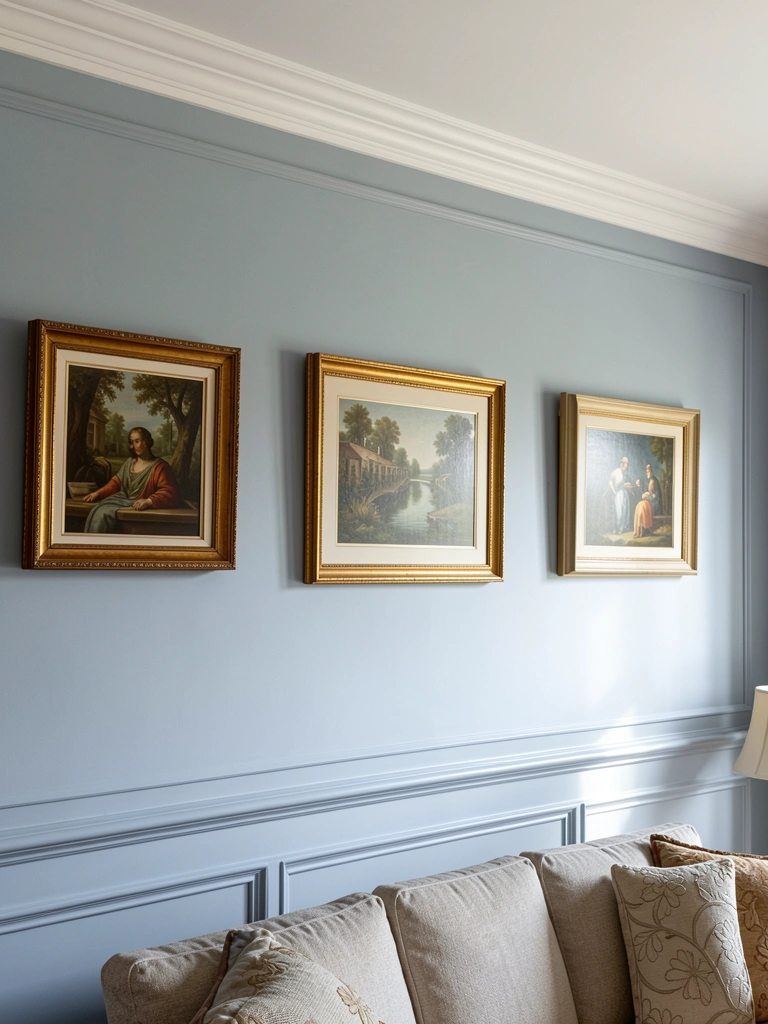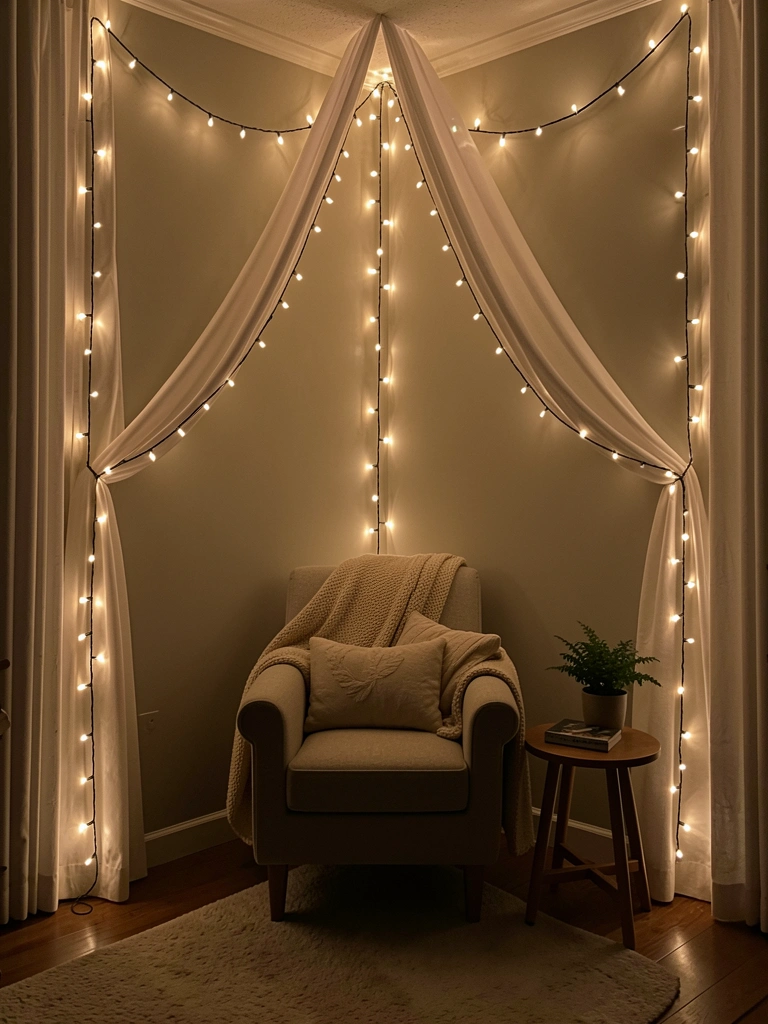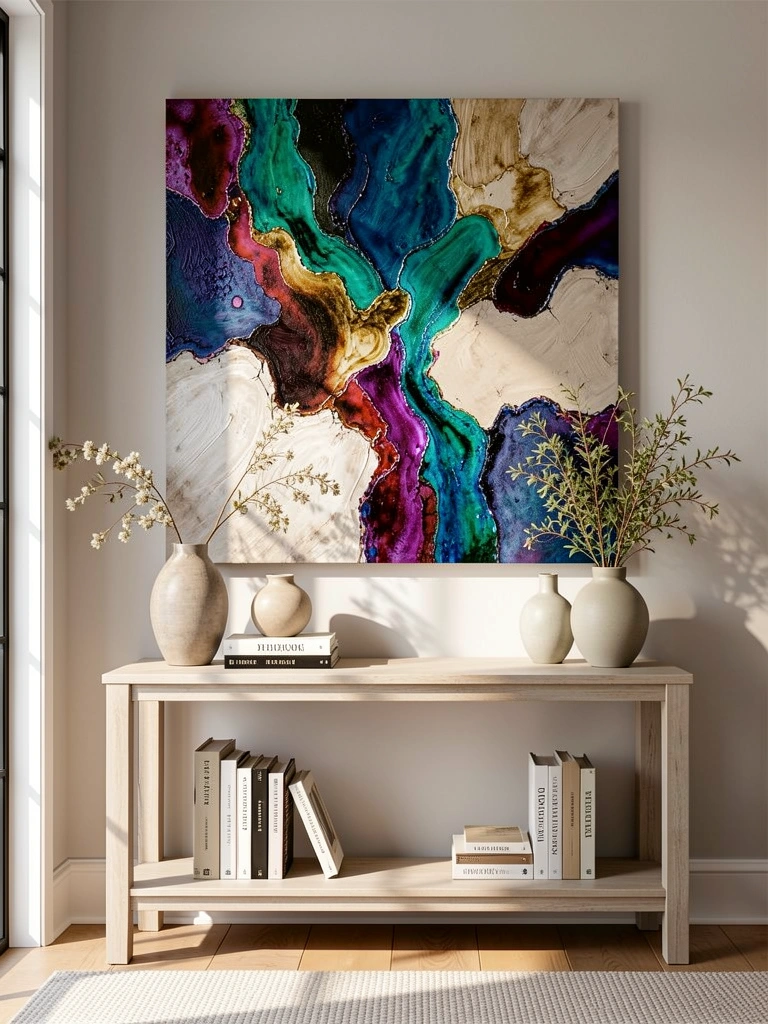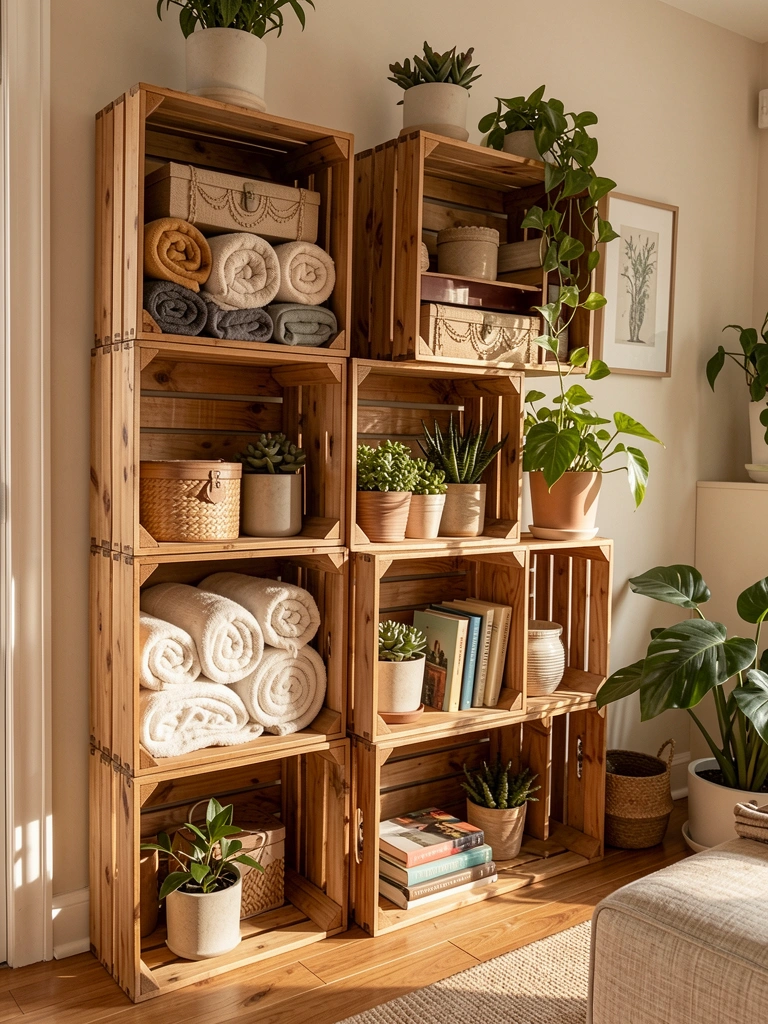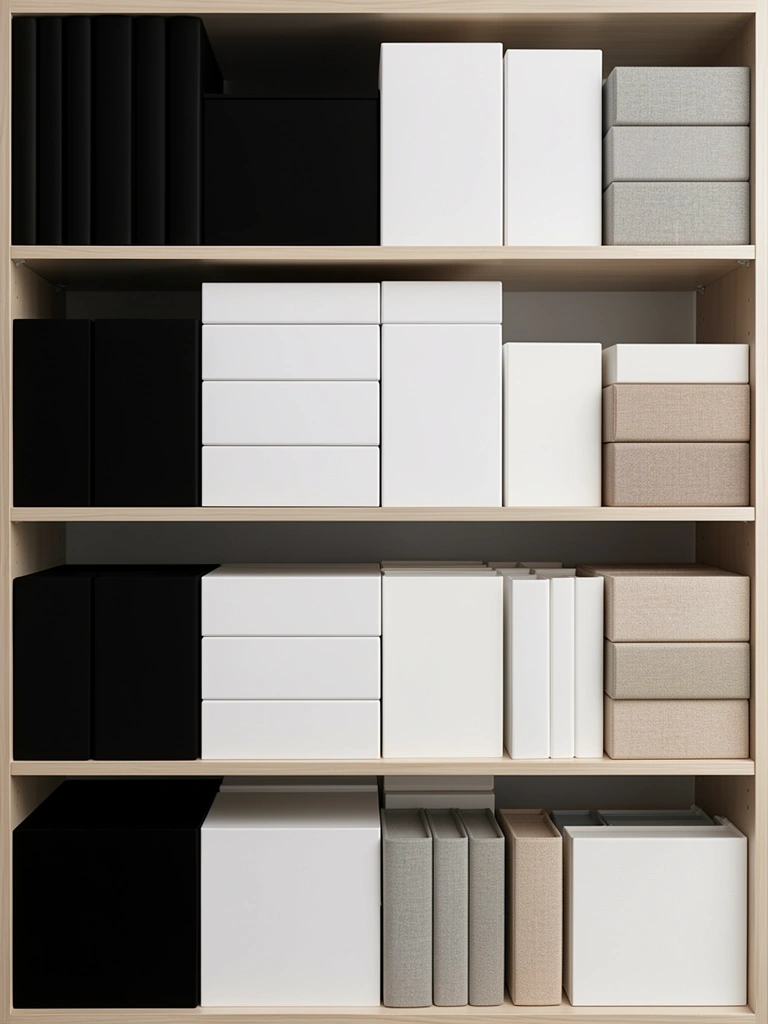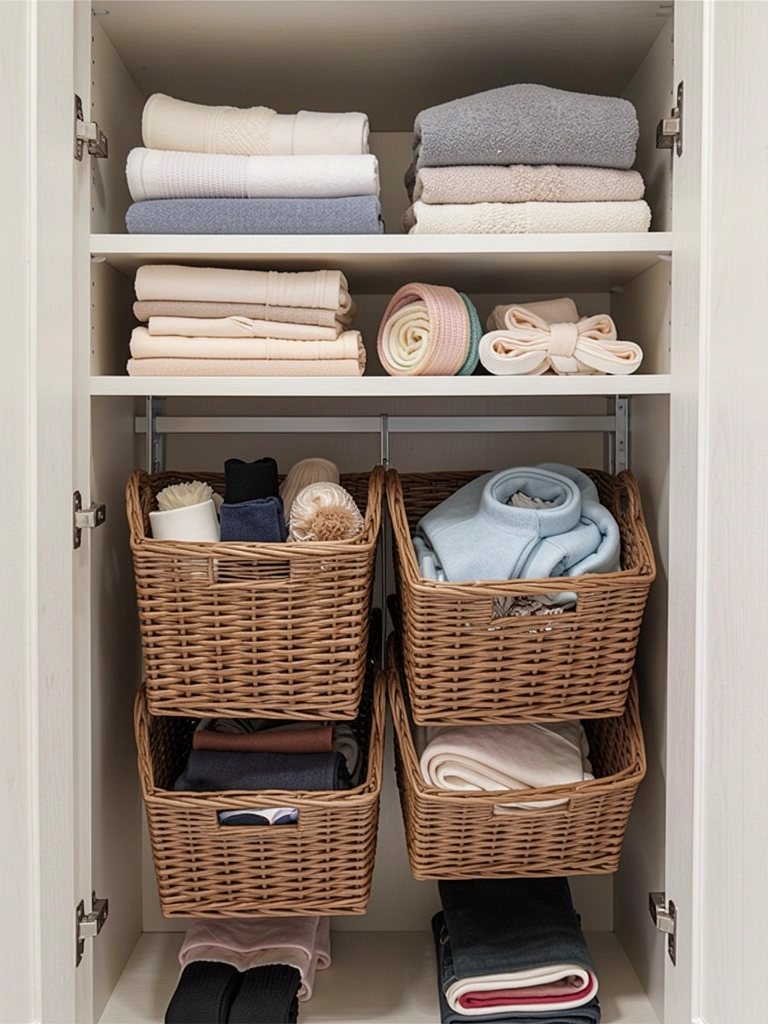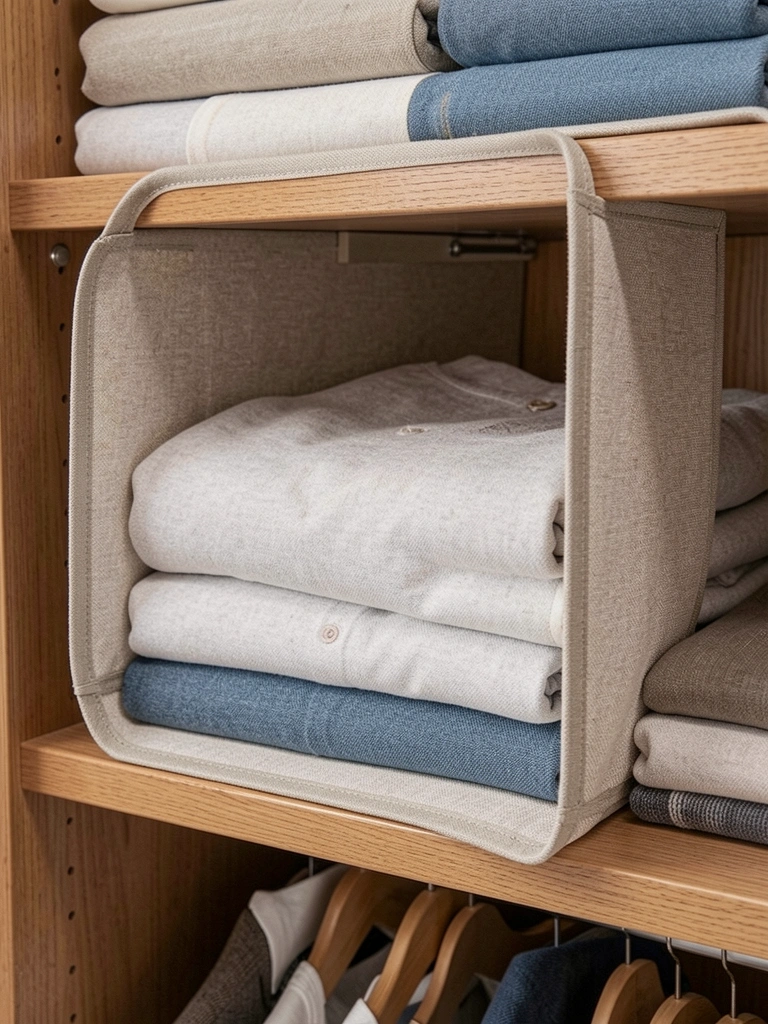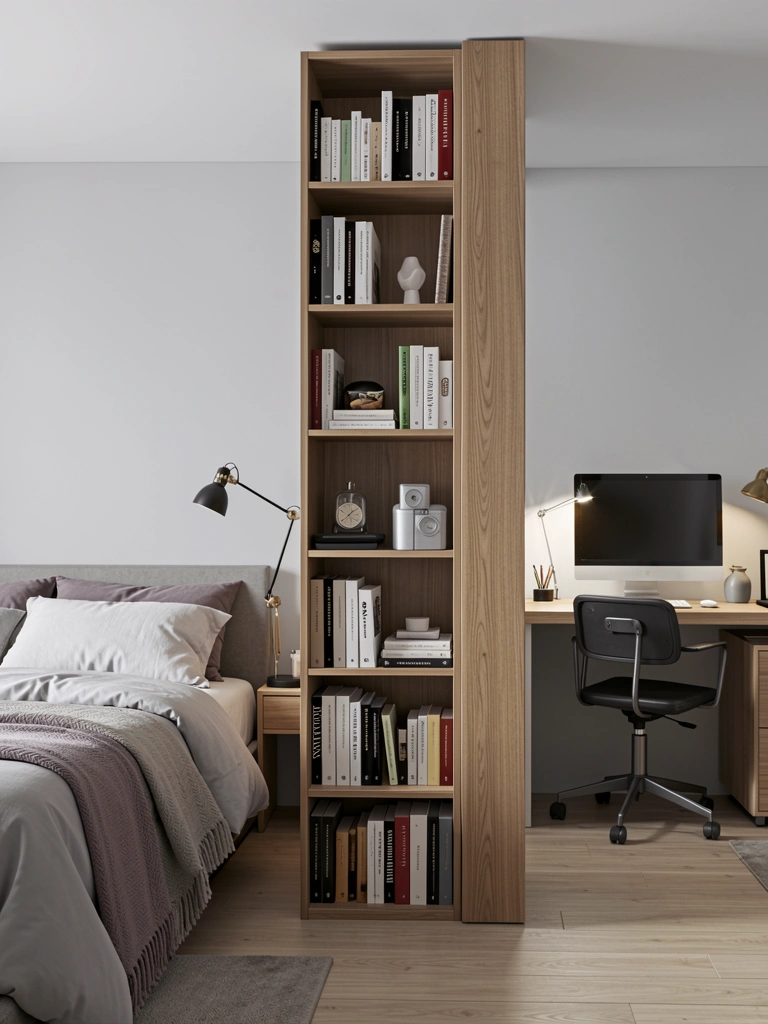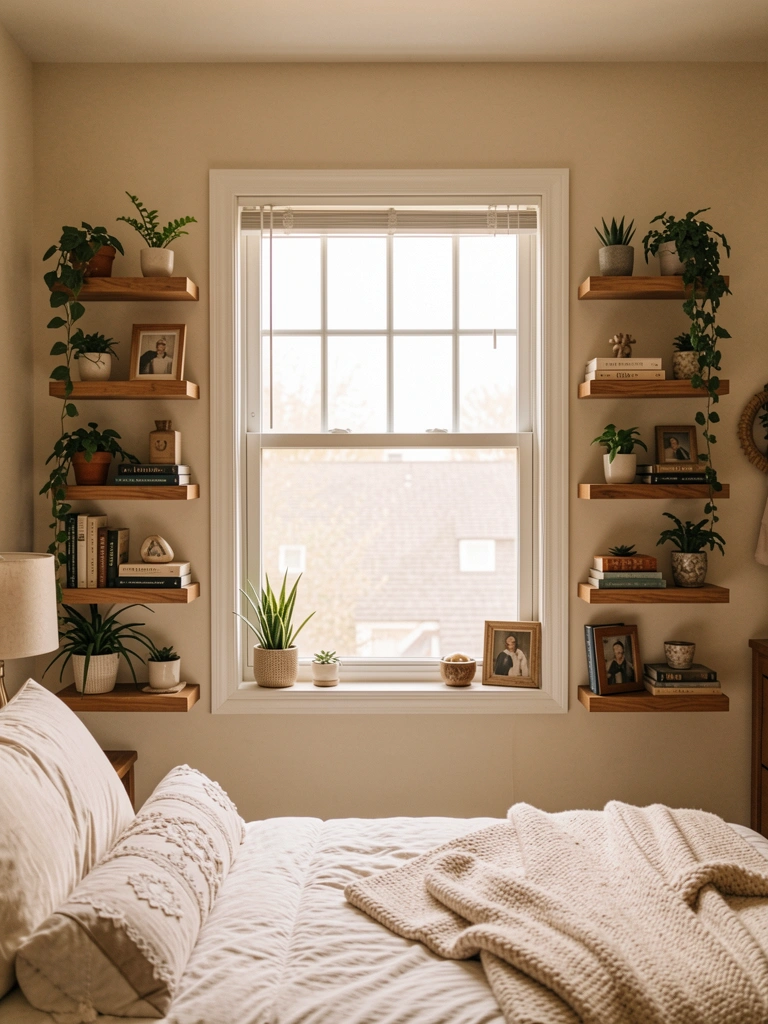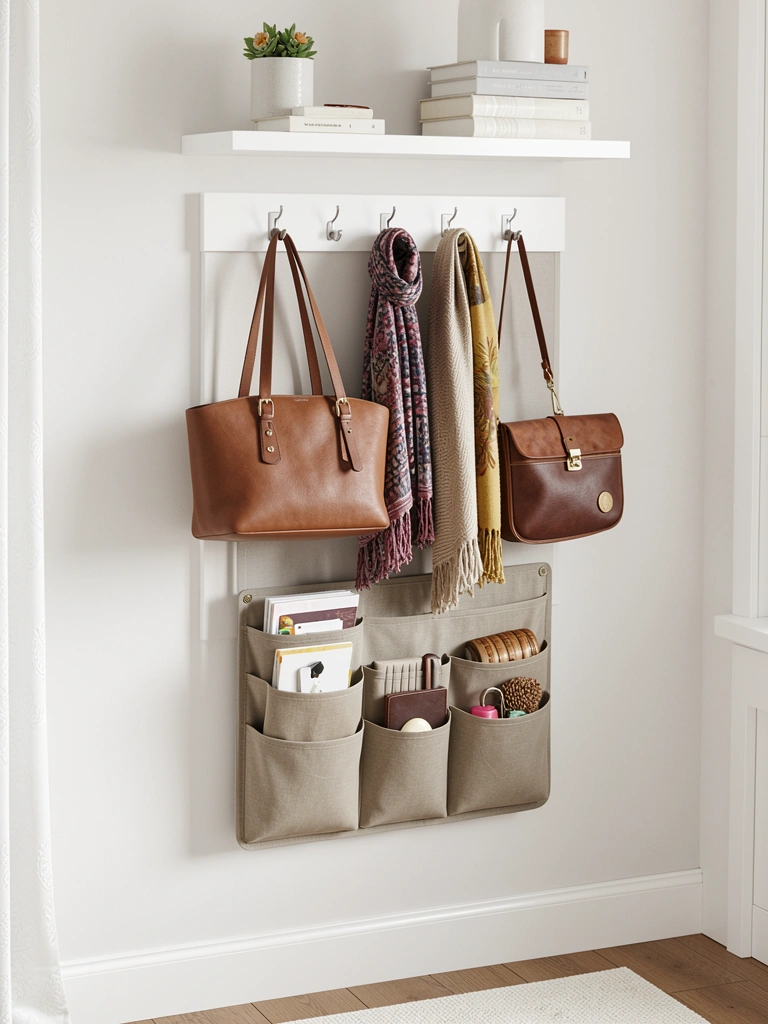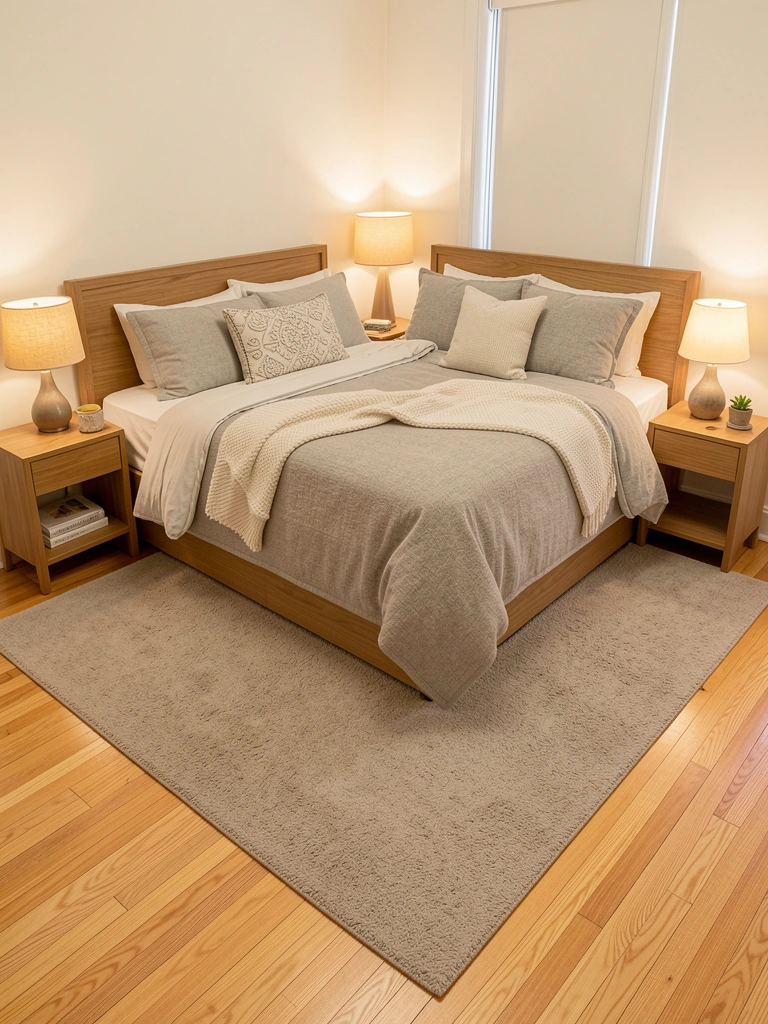
Author: Clara Bennett

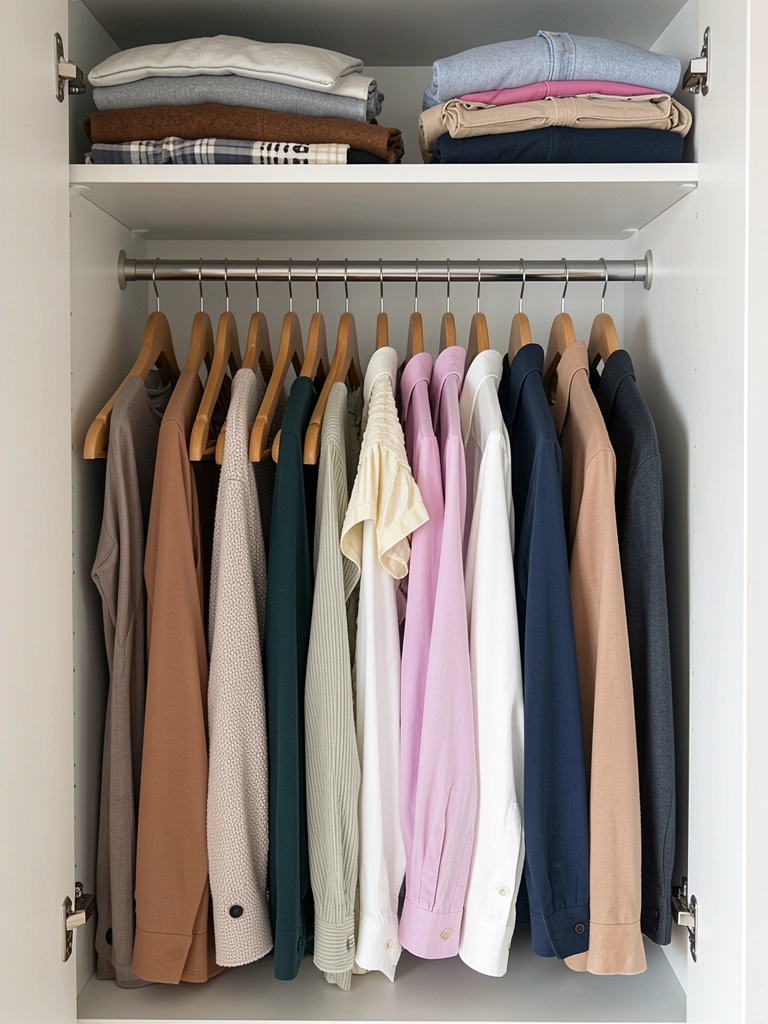
  • 26 Upper Cabinet Storage Ideas That Maximize Every Inch

    26 Upper Cabinet Storage Ideas That Maximize Every Inch

    You’re staring at your upper cabinets and wondering: How do I actually use this space without it looking like chaos? Whether you’re a renter working with what you’ve got or a homeowner ready to maximize storage, upper cabinets are prime real estate that most people leave half-empty or stuffed beyond recognition. The good news? With the right strategies, you can turn those cabinets into a beautiful, functional part of your kitchen that works for you, not against you. These 26 ideas range from free organizing hacks to smart storage investments—and most take less than an hour to implement. Let’s find the ones that fit your style and space.

    1. Stack Plates Vertically in Slots
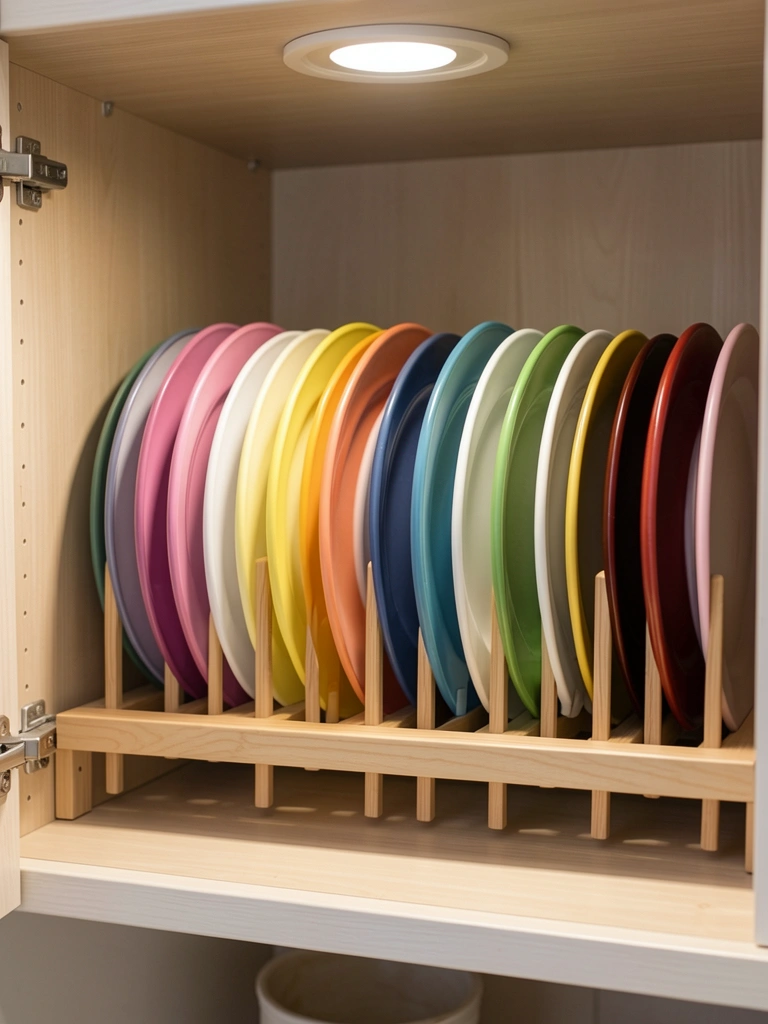
    Vertical storage lets you see every plate without digging through stacks. Instead of piling dishes flat, use a simple plate rack divider (around $15-30 from IKEA or Target) to stand plates on their edge inside an upper cabinet.

    You’ll fit nearly double the dishes in the same footprint, and grabbing what you need takes seconds instead of shuffling through a precarious stack. Installation is basically sliding the divider into place—no tools required. If you’re renting, lean the divider against the cabinet back; it stays put without damage. Bonus: this also works brilliantly for baking sheets, cutting boards, and serving platters.

    Your morning coffee routine gets faster when you’re not playing Jenga with your dishes.

    2. Use Clear Glass Containers for Dry Goods
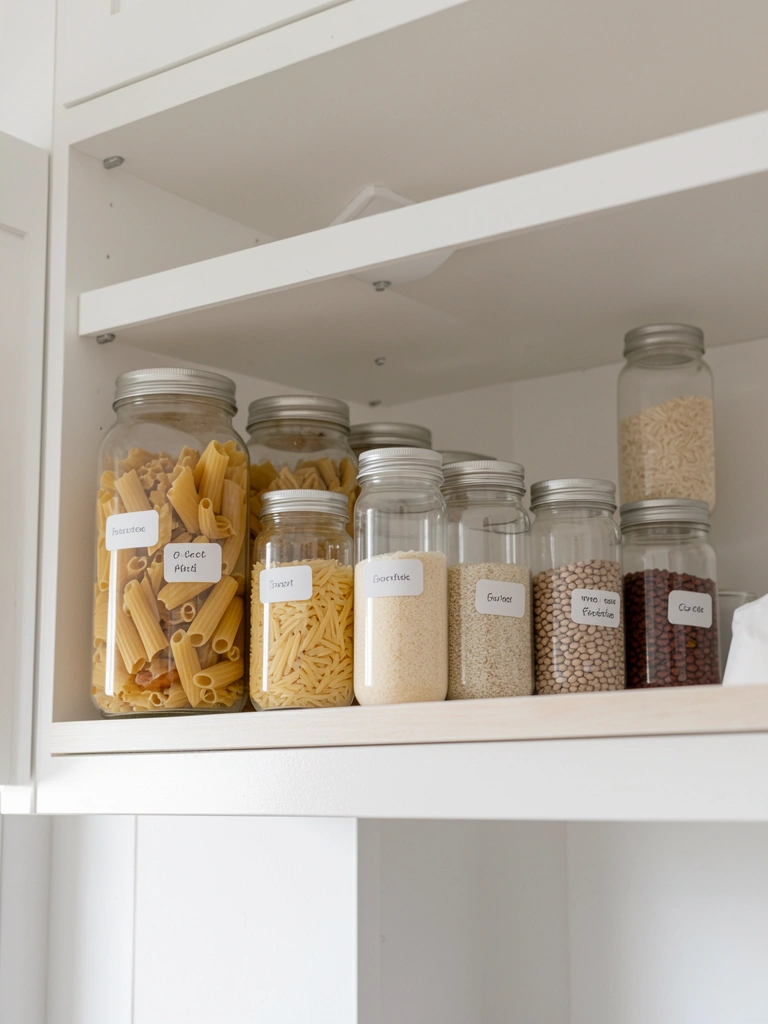
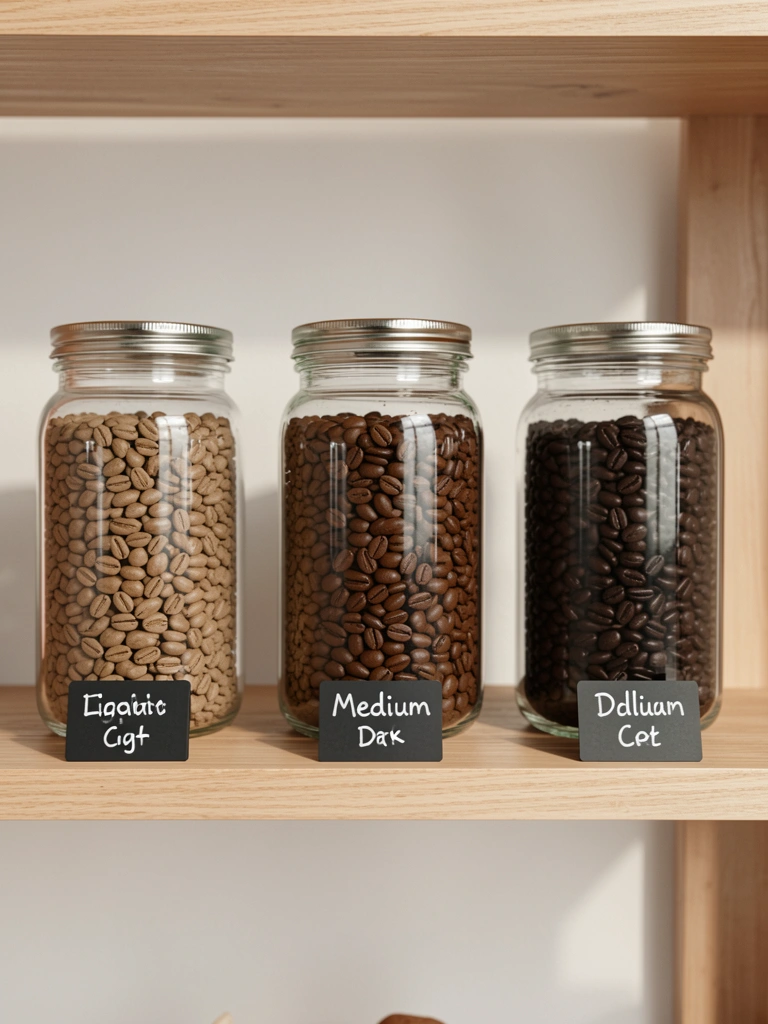
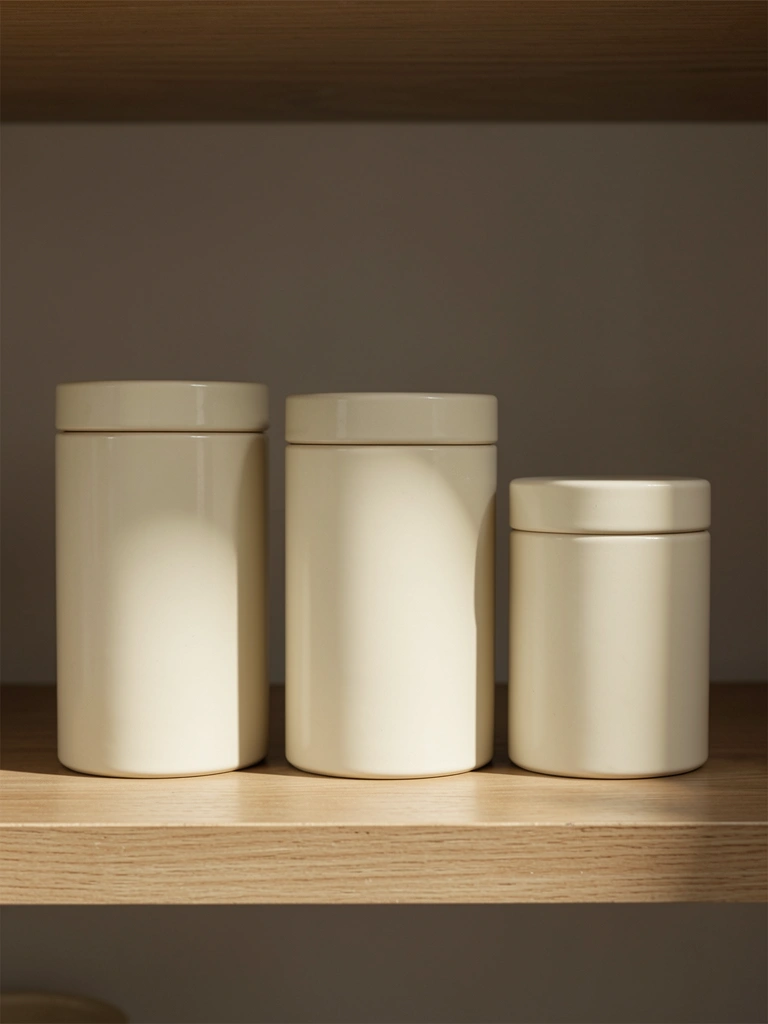
    Clear containers let you see what you have and when you’re running low—no more mystery cabinets. Pour flour, pasta, cereal, and rice into uniform glass or plastic containers ($1-3 each, bulk at Target or Amazon) and label them with masking tape or printed labels.

    This swap takes about 20 minutes and immediately makes your cabinets look intentional and organized. You’ll use about 30% less cabinet space since these containers stack efficiently and eliminate bulky original packaging. Add a label maker (around $20-30) if you want a polished look, but tape works just fine. The real win? You’ll actually know what you have, which means less food waste and fewer duplicate purchases.

    Suddenly your upper cabinets become a pantry showcase instead of a catchall.

    3. Add Adjustable Shelf Dividers
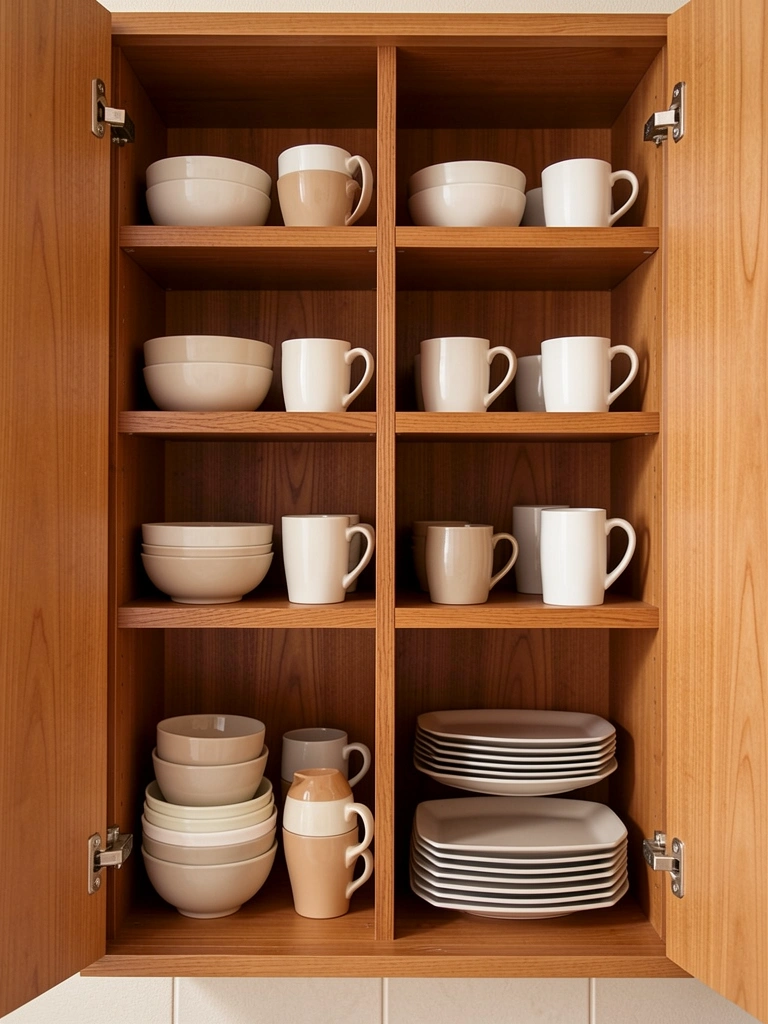
    Dividers prevent stacks from toppling and help you designate zones for different items. Grab adjustable shelf dividers ($8-15 per set, available at Container Store, IKEA, or Wayfair) and position them to create separate sections within each shelf.

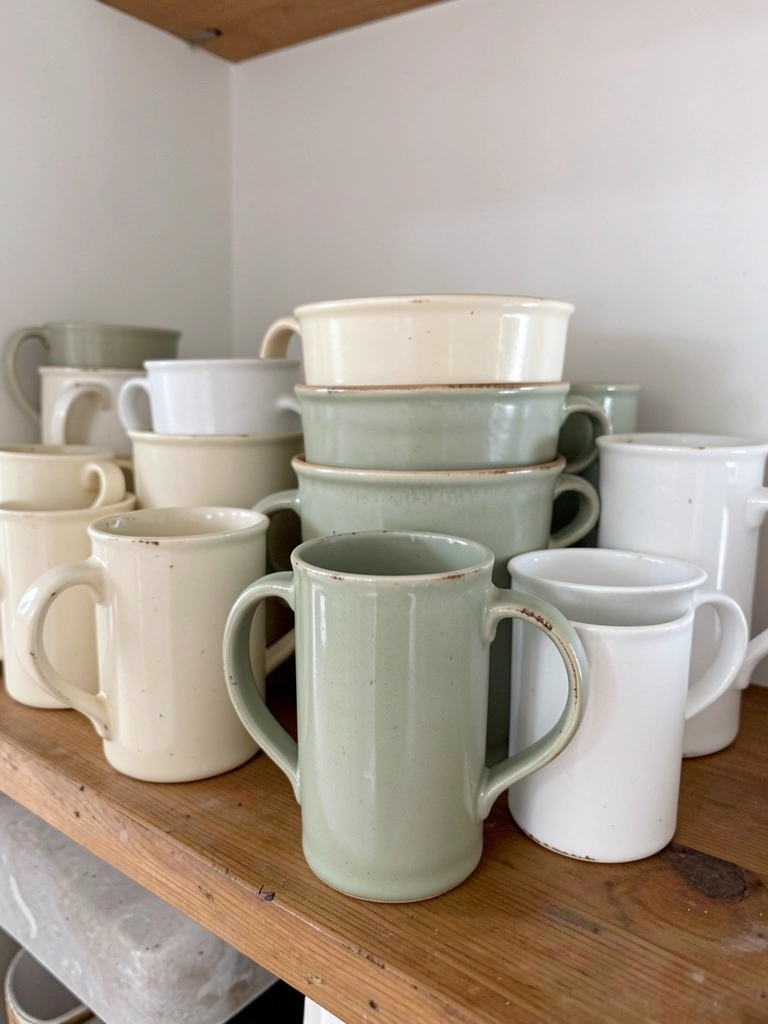
    Set up zones: bowls in one section, mugs in another, serving dishes in a third. It takes about 10 minutes to arrange, and you’ll stop knocking over stacks every time you reach for something. These work for renters too—they simply rest on the shelf with no installation. Pro tip: stagger the divider heights so you can see all items at a glance, especially in back corners.

    You’ll stop playing “cabinet Tetris” every morning and actually enjoy opening your cabinets.

    4. Install Pull-Down Shelves for Back Corners
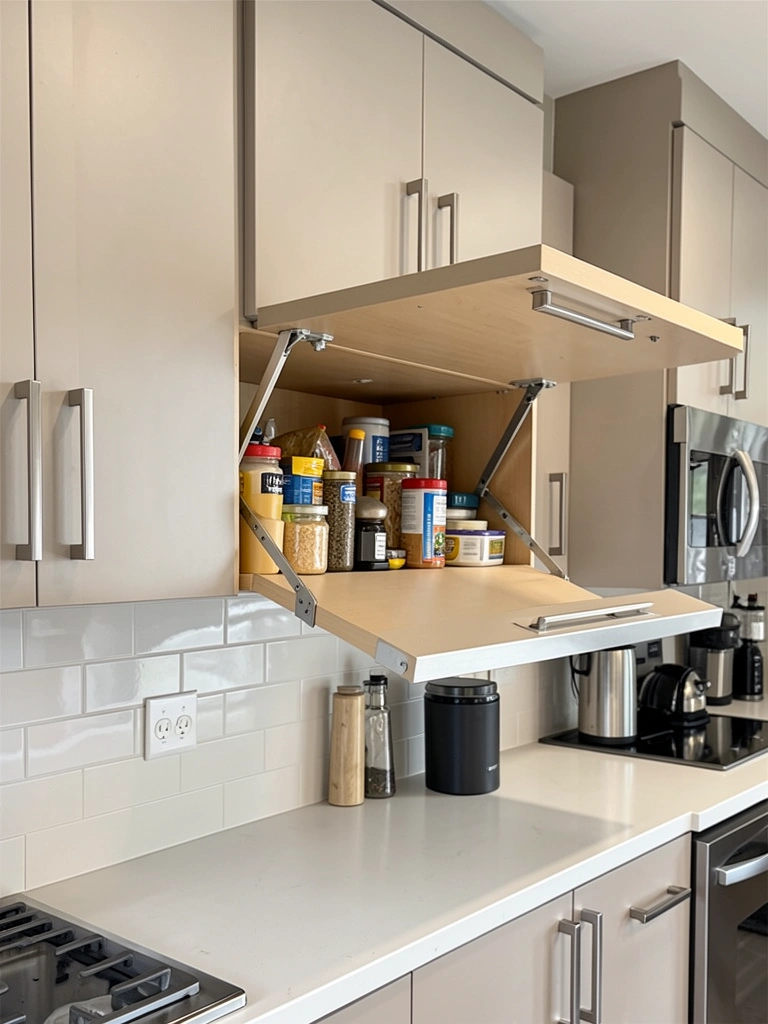
    Dead zones in the back of deep cabinets waste space you’ve already paid for. A pull-down shelf ($40-80, available at Home Depot or Amazon) is a sliding mechanism that brings items forward when you pull a handle.

    These work best in cabinets 12+ inches deep, and installation takes about 30 minutes with basic tools (or hire someone for $50-100 labor). You’ll reclaim 20-30% more usable space just by making back items accessible. These pair perfectly with clear containers so you can actually see what’s hiding back there. Renter? Skip this one—it requires permanent installation—but homeowners should seriously consider it.

    Suddenly those forgotten items in the cabinet’s cave become part of your everyday rotation.

    5. Hang Small Shelves Inside Cabinets
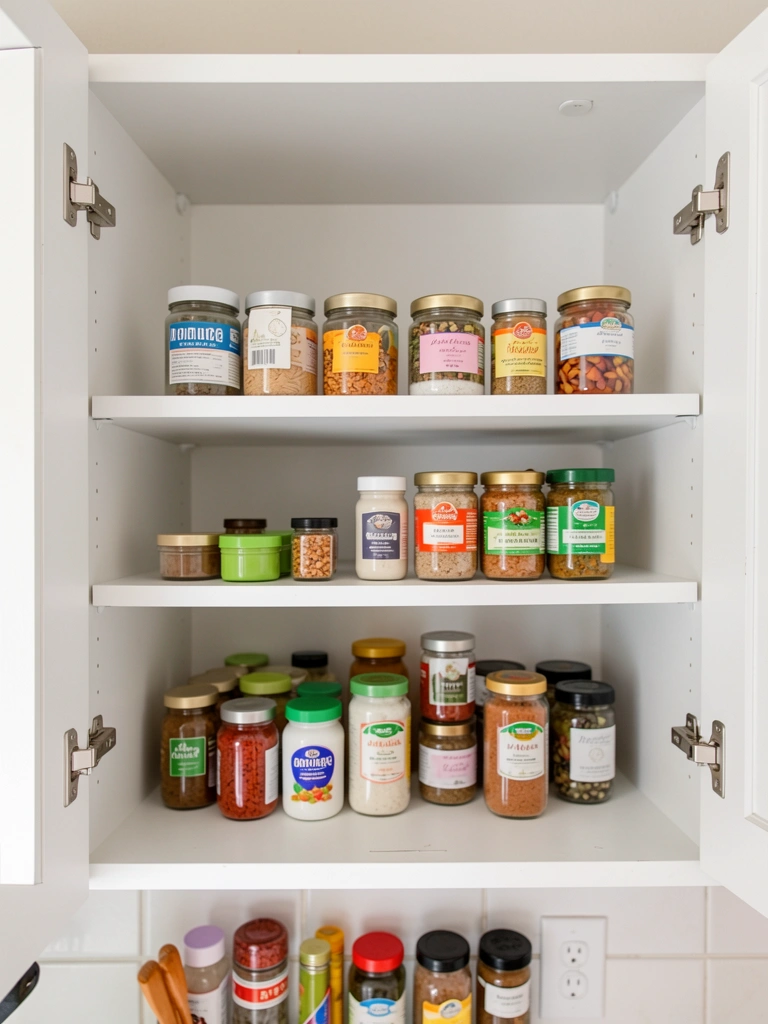
    Vertical thinking: add a second layer of storage without sacrificing accessibility. Use floating shelves ($15-40 depending on size, from IKEA, Amazon, or Wayfair) mounted about 6-8 inches above your main shelf.

    Most can hold 5-10 pounds of lightweight items like spices, tea, or small jars. Installation takes 20 minutes with basic hardware; use a level and stud finder (or ask at the hardware store for help). This doubles your upper cabinet capacity and keeps frequently used items at eye level. Make sure shelves don’t block cabinet lighting if you have it, and leave enough clearance to close the door.

    You’ve essentially given yourself an extra shelf without taking up any additional cabinet space.

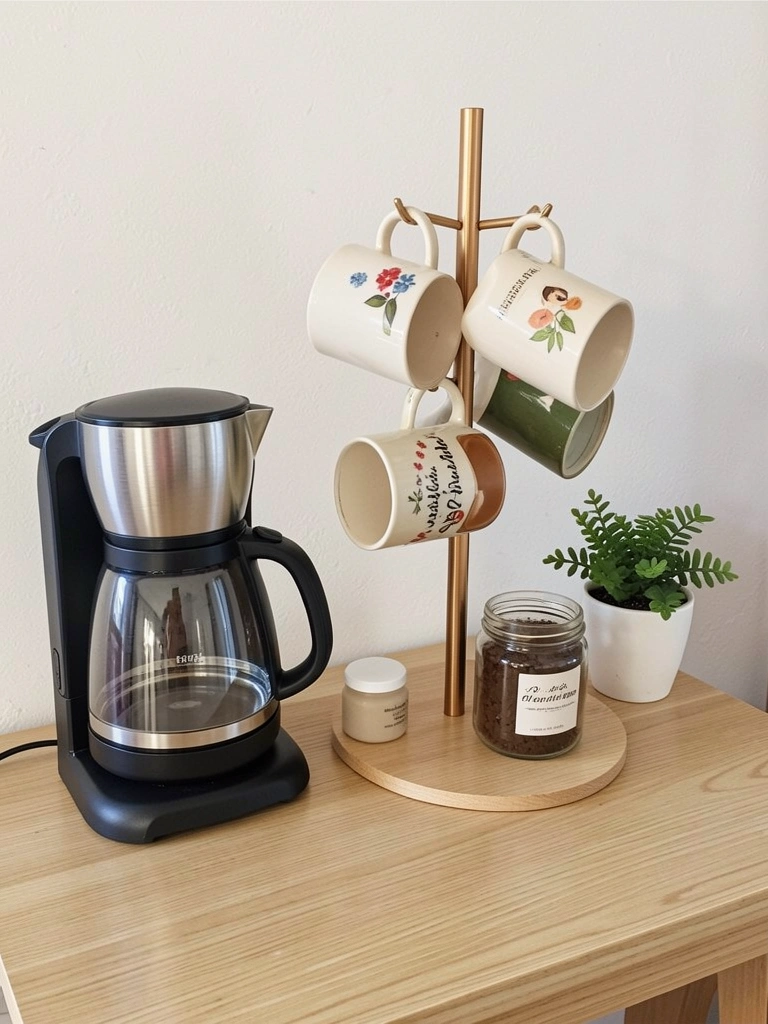
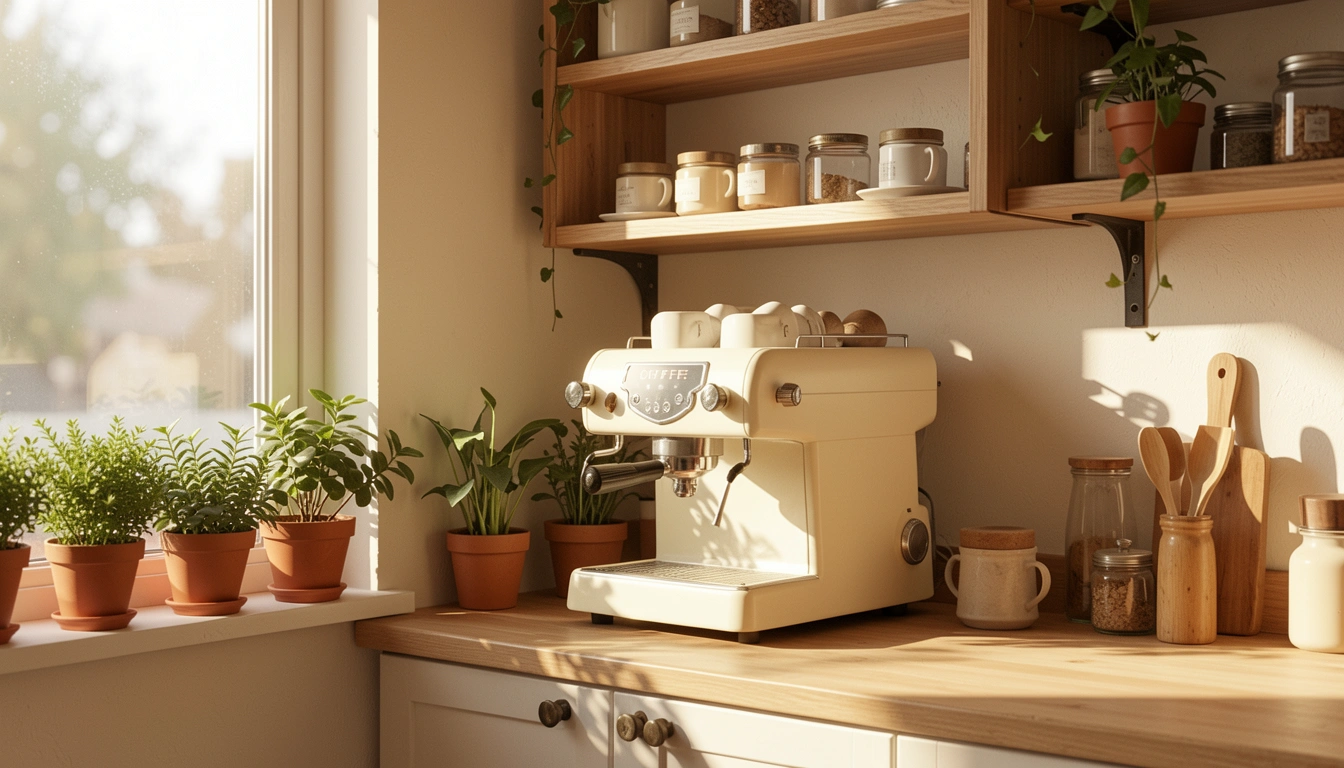
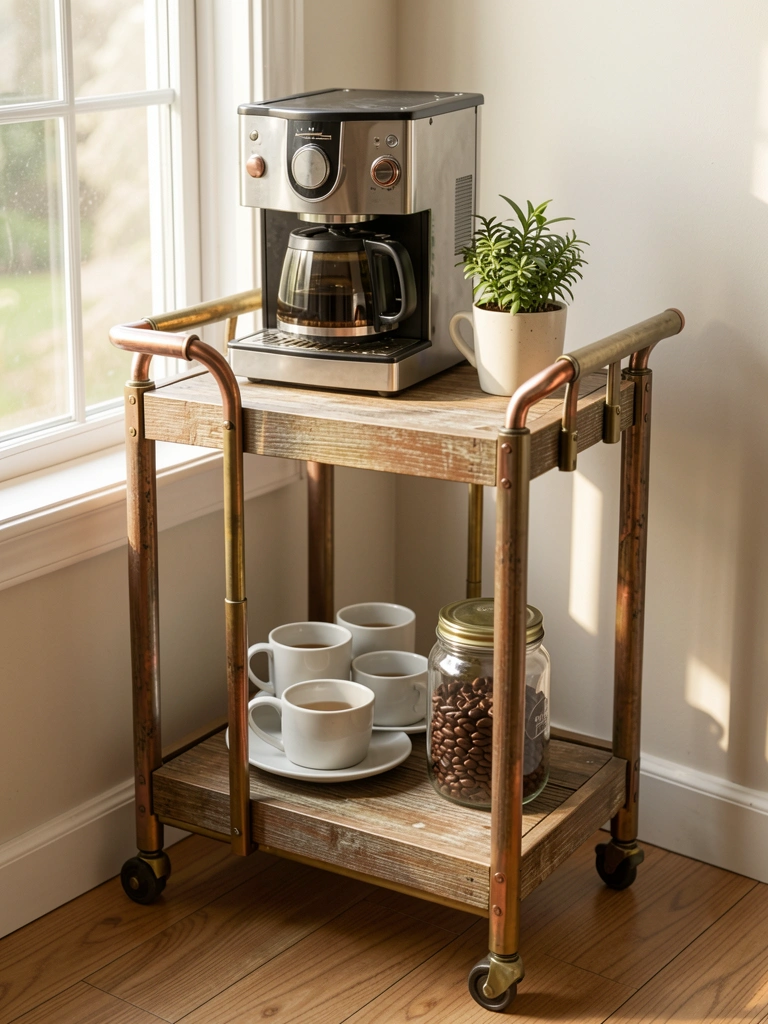
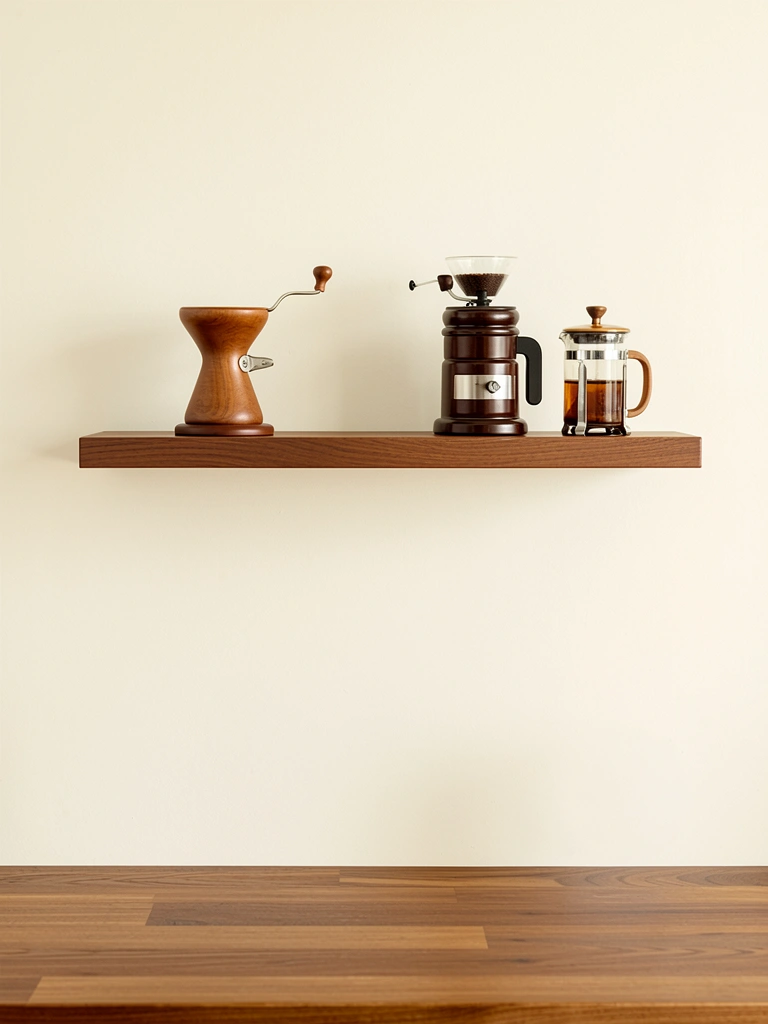
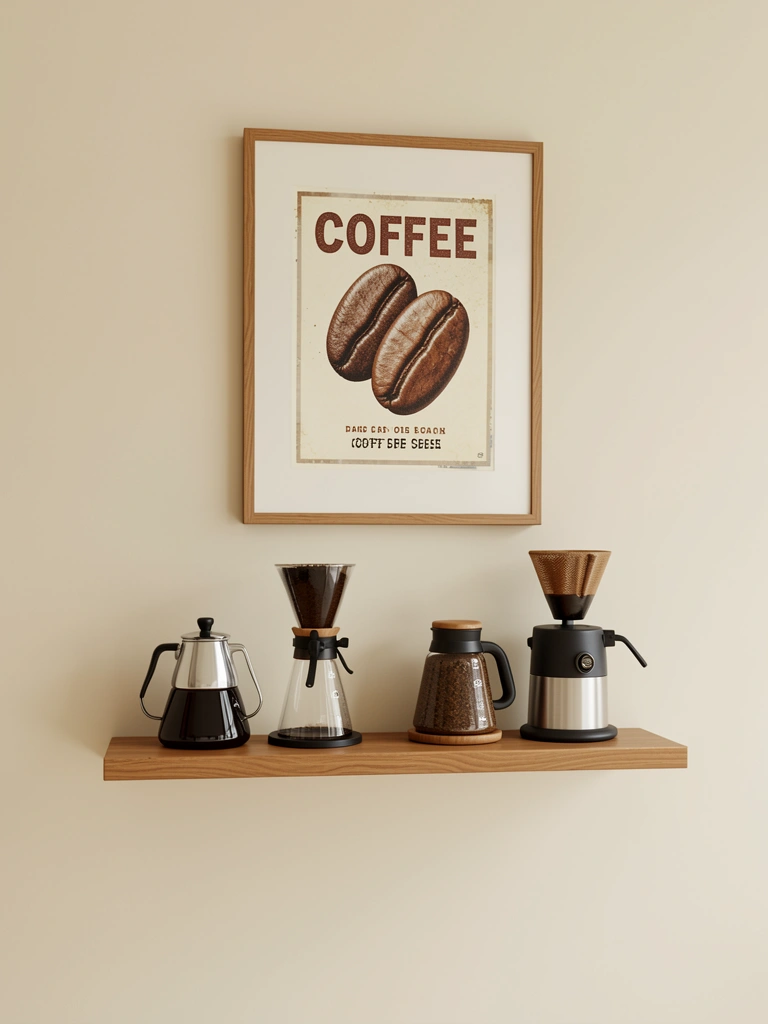
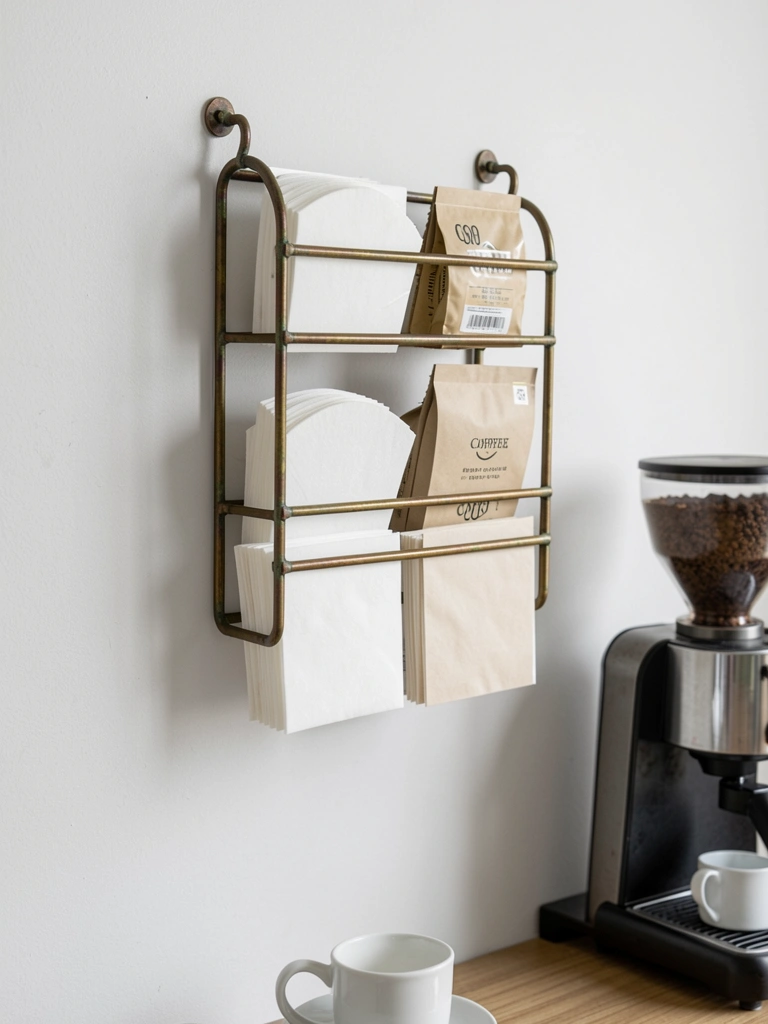
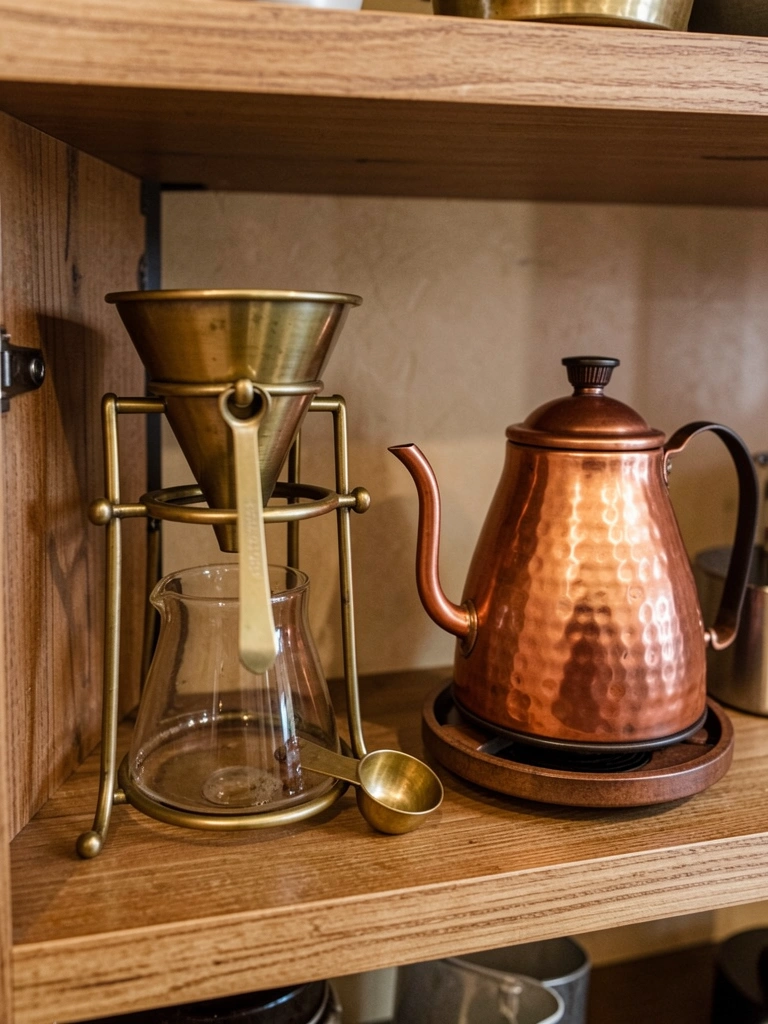
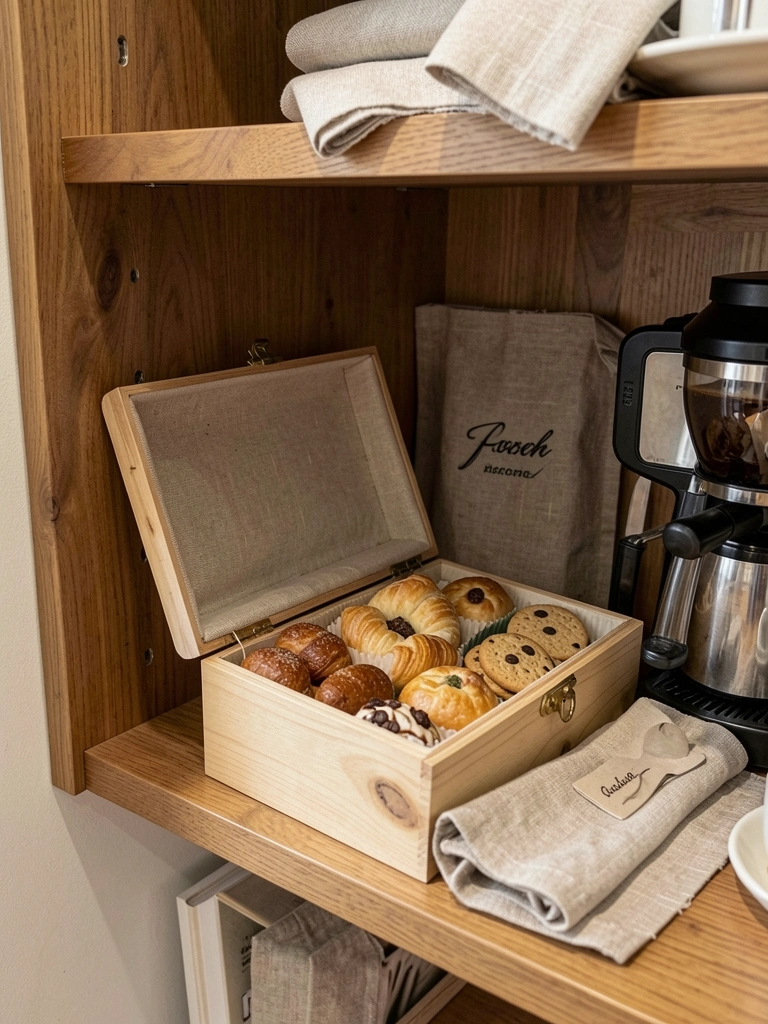
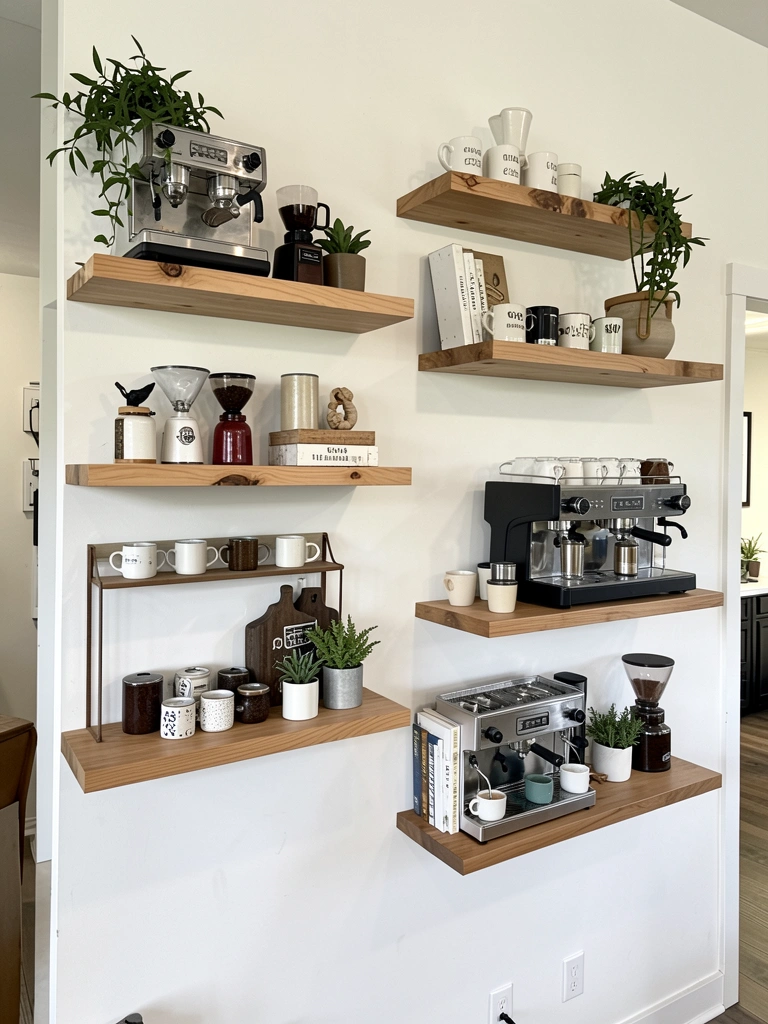
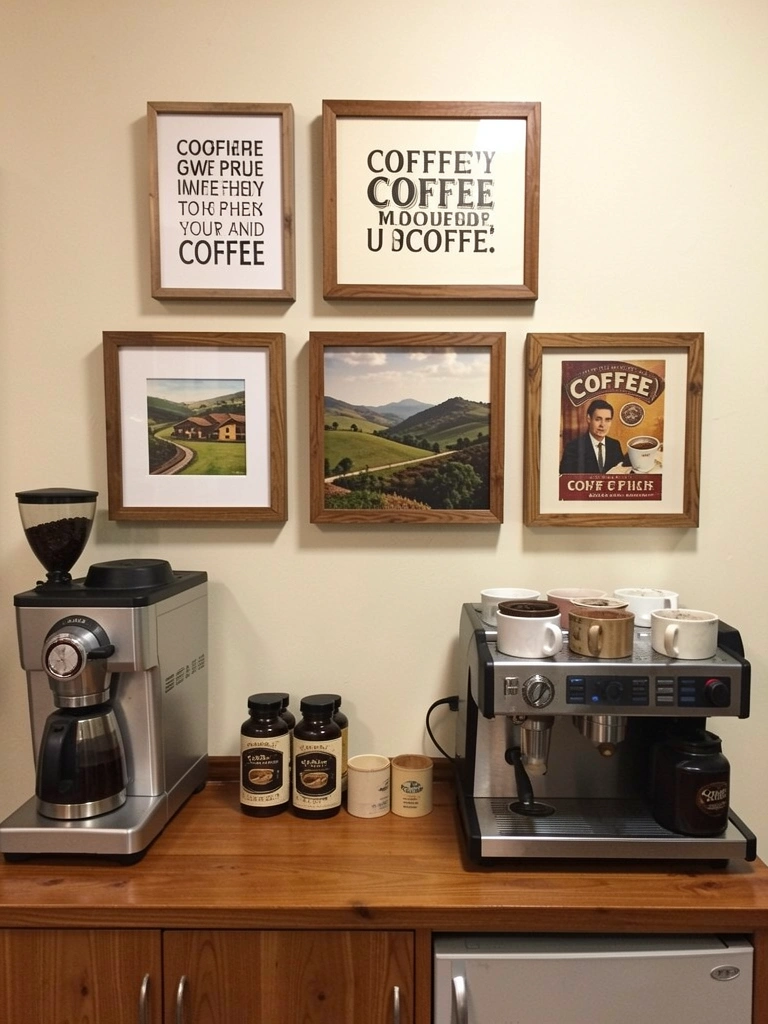
    6. Create a Coffee Station in One Cabinet
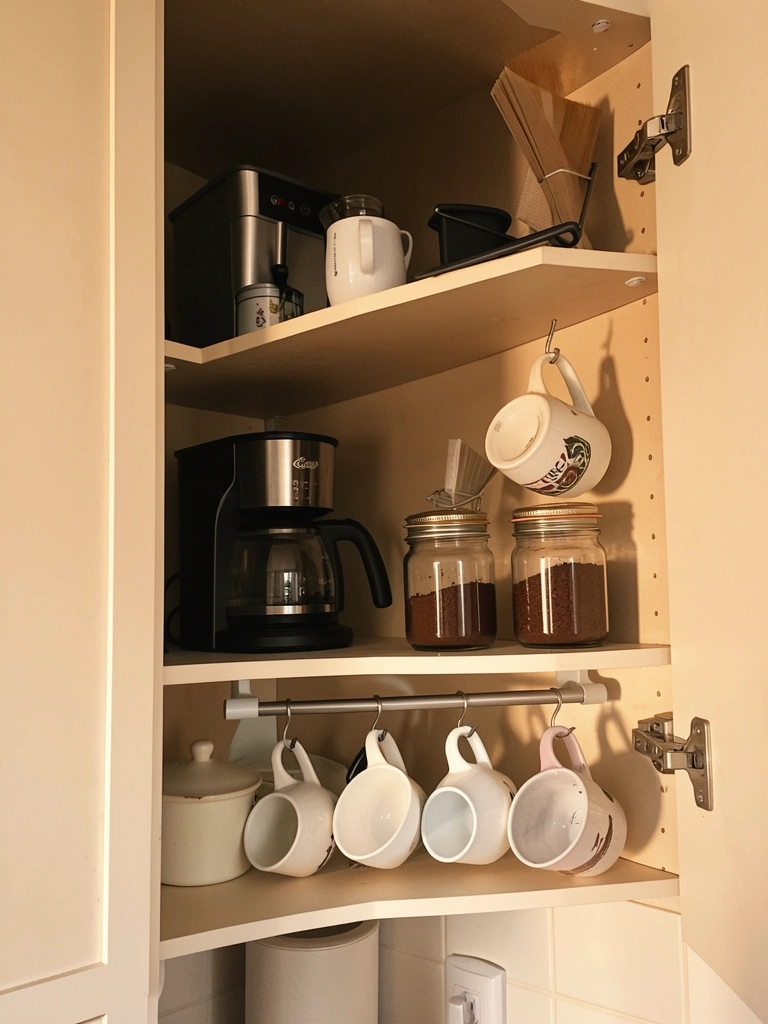
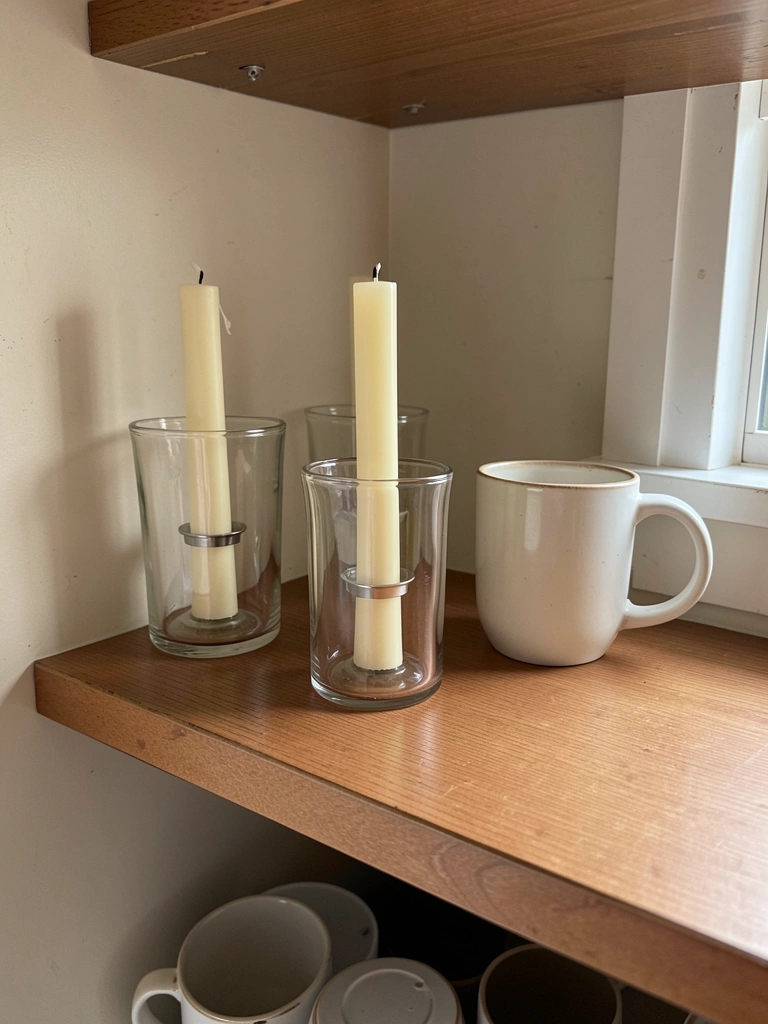
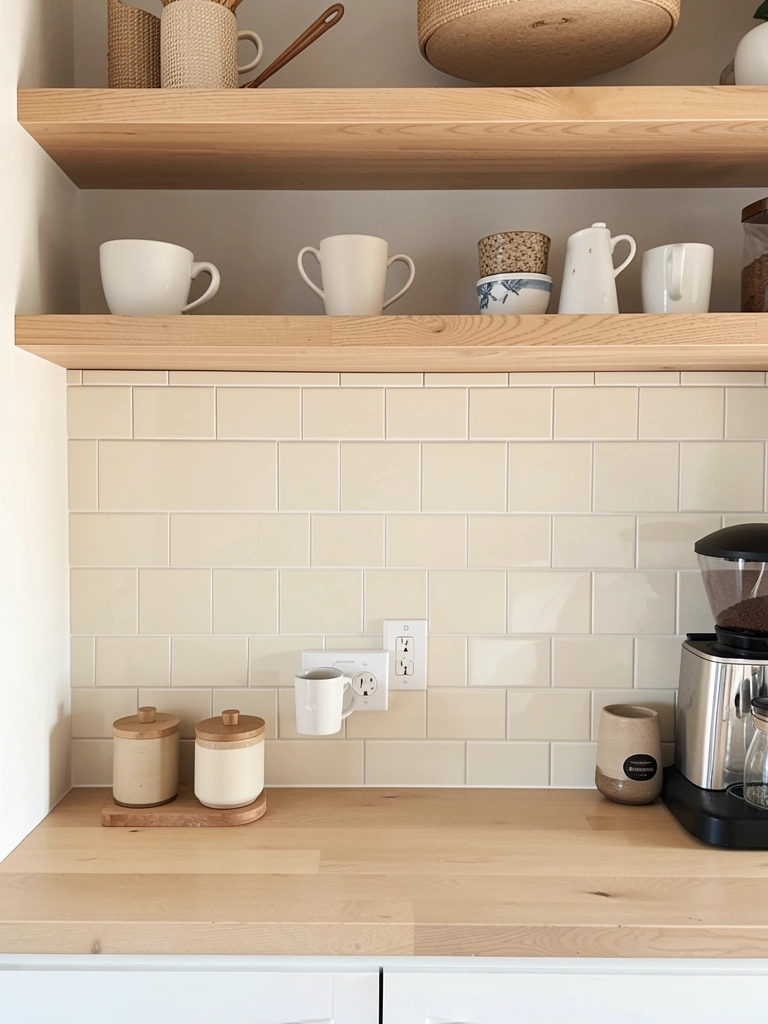
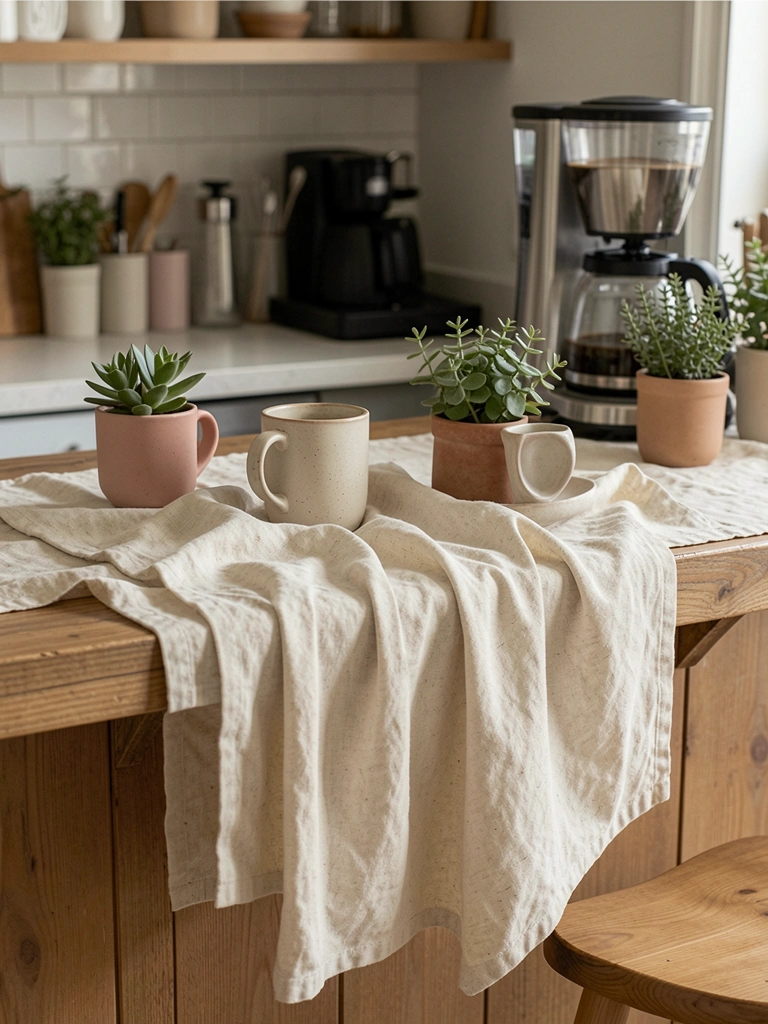
    Grouping related items saves time and gives you a designated space to start your day. Dedicate one upper cabinet and use small hooks or a rail ($10-20, Home Depot or Amazon) to hang mugs directly inside the cabinet.

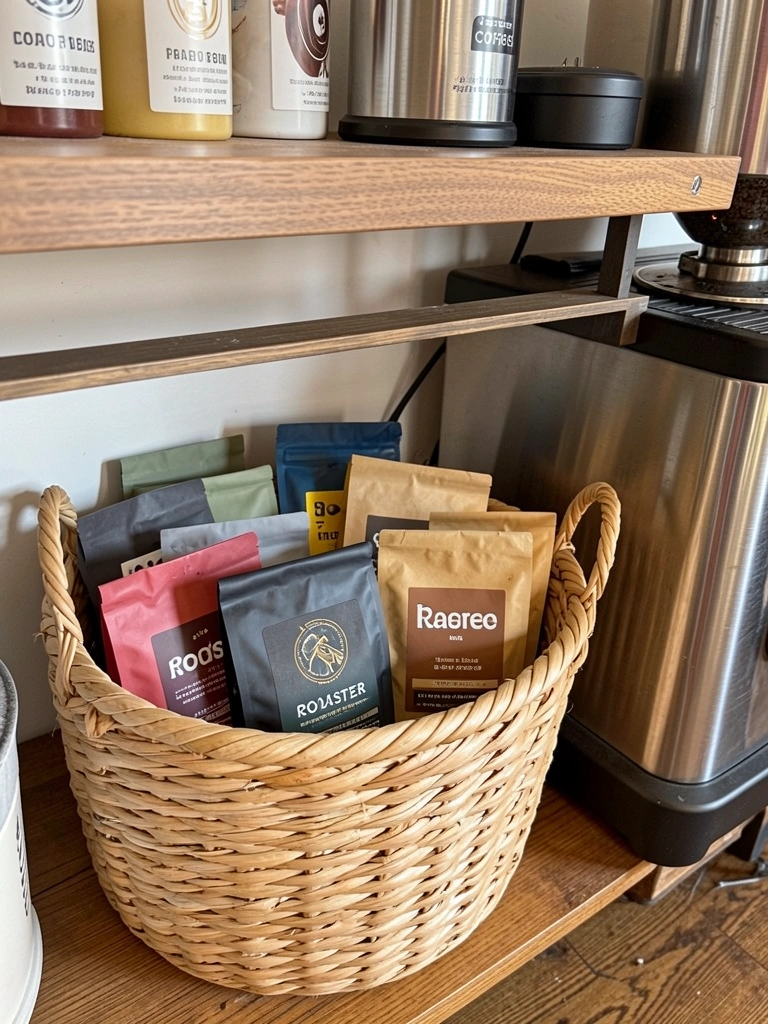
    Store ground coffee, filters, and sweeteners on the shelf below. Plug in a small coffee maker on the counter just below this cabinet if you have the counter space, or keep a French press inside. Setup takes about 15 minutes, and every morning you walk straight to your coffee station instead of hunting through three cabinets. This works great for renters if you use adhesive hooks instead of screwing anything in.

    Your cabinet becomes your caffeine command center—organized and ready the moment you need it.

    7. Use Tiered Shelf Risers for Height Variation
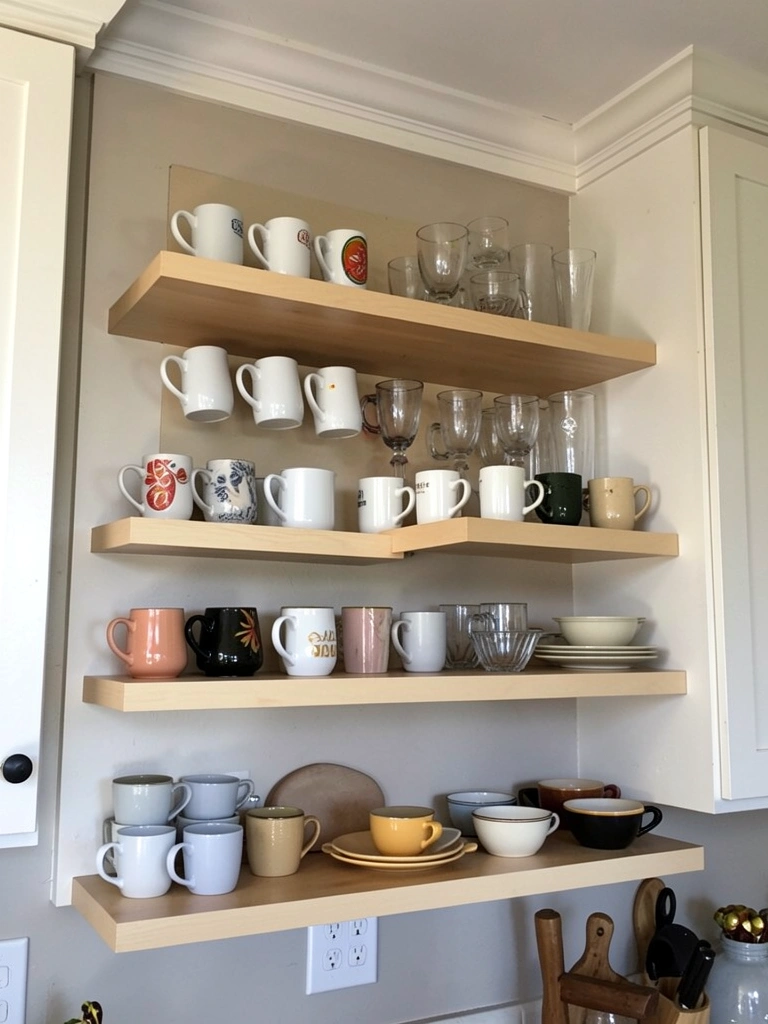
    Tiered risers help you see multiple items on one shelf instead of just what’s in front. Buy shelf risers or small risers ($12-25 per set, from Container Store or Amazon) that create stepped heights.

    Arrange glassware or mugs from back to front, tallest to shortest, so you can see everything at once. This takes 10 minutes to arrange and lets you fit 40% more items while keeping everything visible and accessible. These work especially well in glass-door cabinets where the display is part of your kitchen decor. Simple risers also help prevent scratches on your shelves from frequent reaching and grabbing.

    Your upper cabinets now feel intentional and styled—like you actually planned this layout.

    8. Mount a Magnetic Spice Rack Inside Cabinet Door
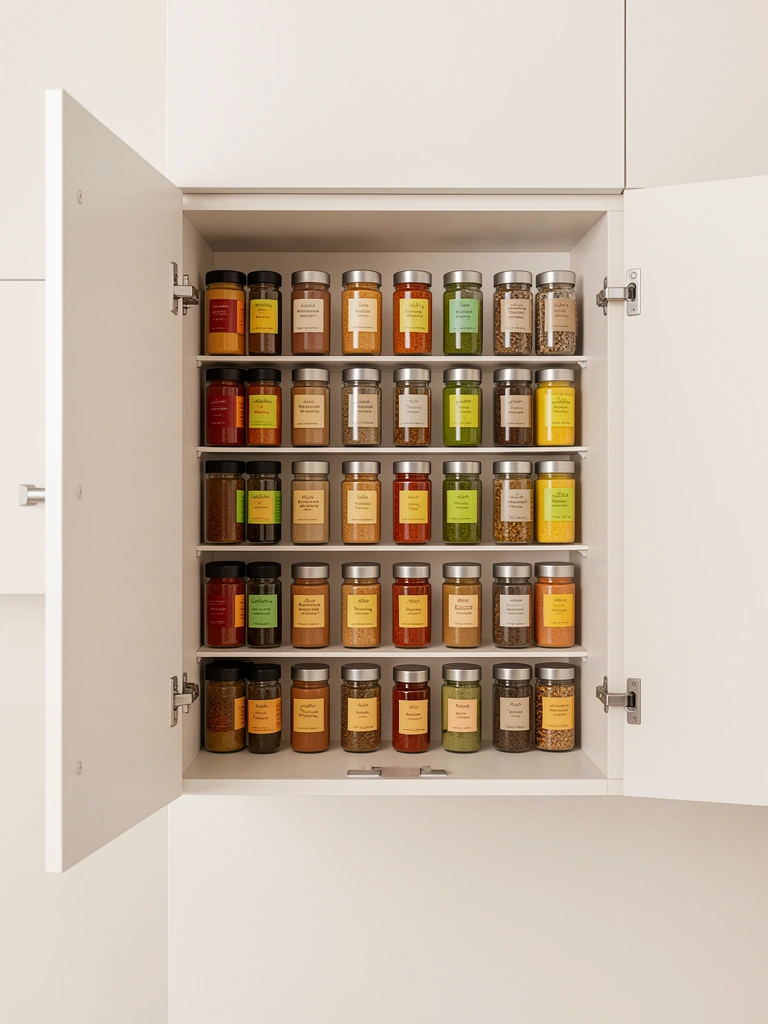
    Cabinet door real estate is often wasted—use it for spices that would normally crowd your shelf. Buy magnetic spice containers ($30-50 for a set of 12-24, from Amazon, Target, or Wayfair) and stick them to the inside of your cabinet door.

    Installation takes 5 minutes (just peel and stick), and you’ll free up a shocking amount of shelf space. Make sure the door still closes fully and that spices aren’t in direct sunlight. Label each container with a permanent marker so you know what’s what. This setup works for renters since magnetic containers peel off without damage.

    You’ve reclaimed an entire shelf’s worth of space just by thinking vertically inside your cabinet door.

    9. Stack Bowls with Separators Between Layers
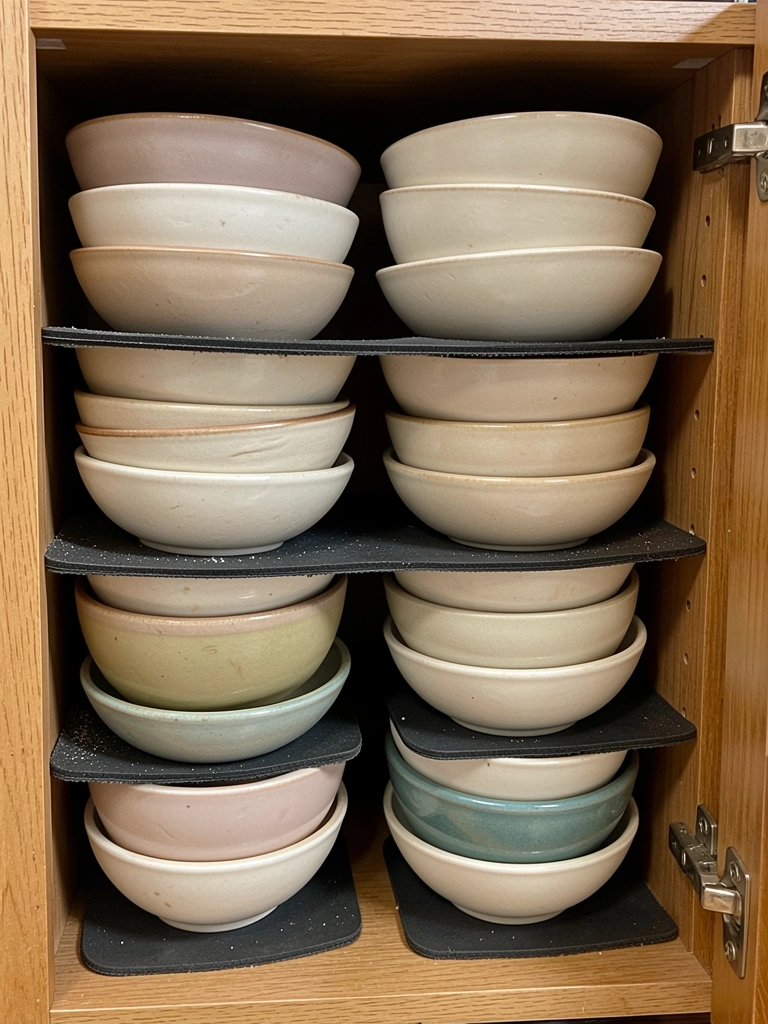
    Stacking bowls without protection leads to chips and makes the bottom ones impossible to reach. Use thin rubber shelf liners ($8-12 per roll, Home Depot) or small paper plates between bowl layers to separate them.

    This keeps stacks stable and lets you actually pull out a single bowl from the middle without disturbing the whole tower. Arrange by size (small to large, bottom to top) for visual balance. Takes about 10 minutes to set up and prevents expensive breakage. You can also use coffee filters or parchment paper in a pinch—completely free.

    You’ll actually be able to grab one bowl without carefully disassembling a ceramic puzzle.

    10. Install Tension Rods for Vertical Dividing
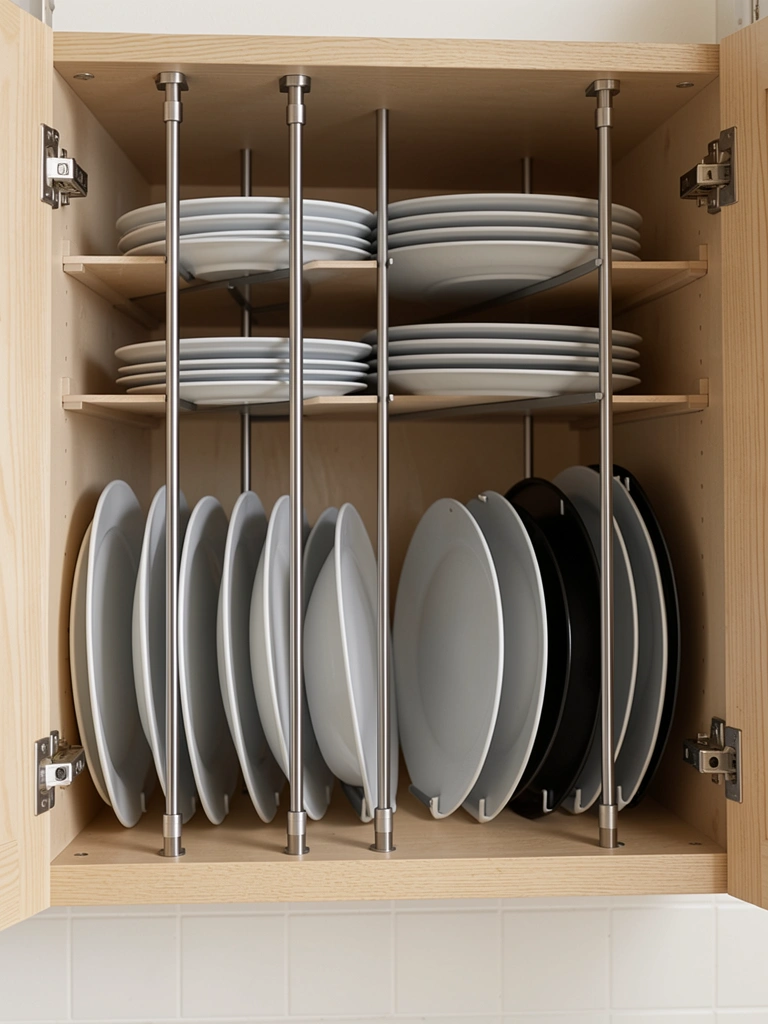
    Tension rods ($5-12 per rod, Home Depot or Amazon) create vertical dividers for flat items like baking sheets and platters—no installation or tools needed.

    Simply stretch them across your cabinet at the width you want. This keeps large flat items from sliding around and makes them easy to grab without touching everything else. Takes 5 minutes to install; works perfectly for renters. You can create multiple sections: one for baking sheets, one for platters, one for cutting boards. The rods won’t damage cabinet walls, and you can reposition them anytime.

    Flat items stay put, organized, and actually accessible instead of creating an avalanche when you reach for one.

    11. Label Everything (Even Temporary)
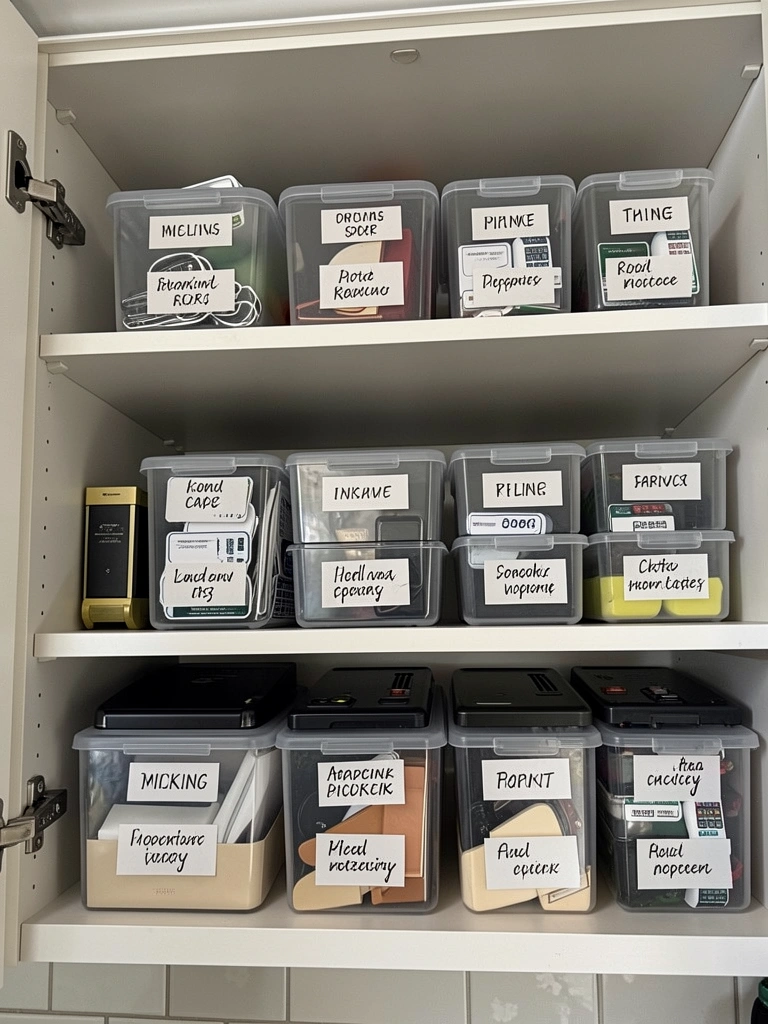
    Labels take 30 seconds per item but save weeks of “where is that?” frustration. Use a label maker ($20-50, Amazon or Target) or simple masking tape and a marker.

    Label containers with contents and the purchase date so you know what’s in there and when it’ll expire. This seems basic, but it’s the difference between a cabinet that looks organized and one that actually functions organized. Take a photo of your labeled setup and pin it so you can reference it when restocking. Works for both permanent installations and rental-friendly setups.

    The investment of 10 minutes labeling saves you 100 times that in searching and wasted food.

    12. Create a Drinking Glass Graduated Display
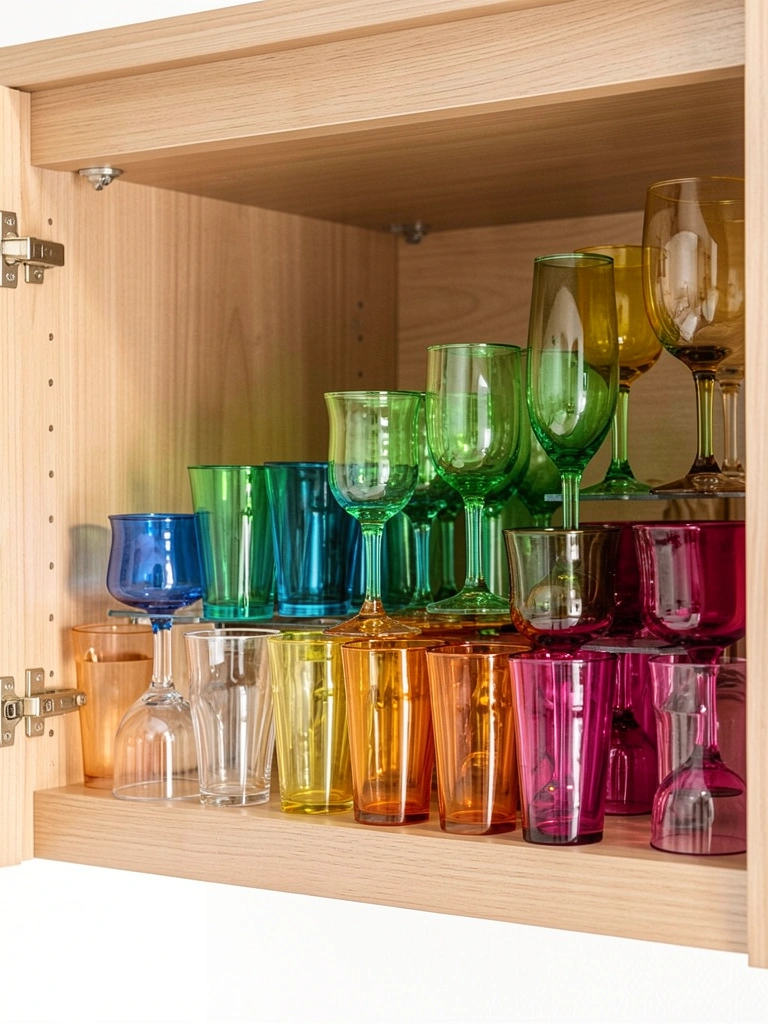
    Glasses look beautiful when arranged intentionally—and it’s actually functional. Sort glasses by size, then arrange from smallest to largest, left to right.

    If you have multiple colors, create a subtle gradient. This takes 5 minutes to arrange and makes your cabinet look curated rather than random. Your morning water grab becomes effortless because you know exactly where each glass size lives. This setup shows especially well in glass-door cabinets where the display becomes part of your kitchen’s visual story.

    You’ll want to open those cabinets just to look at them—bonus points if guests admire your organization.

    13. Use Bamboo or Wood Shelf Organizers
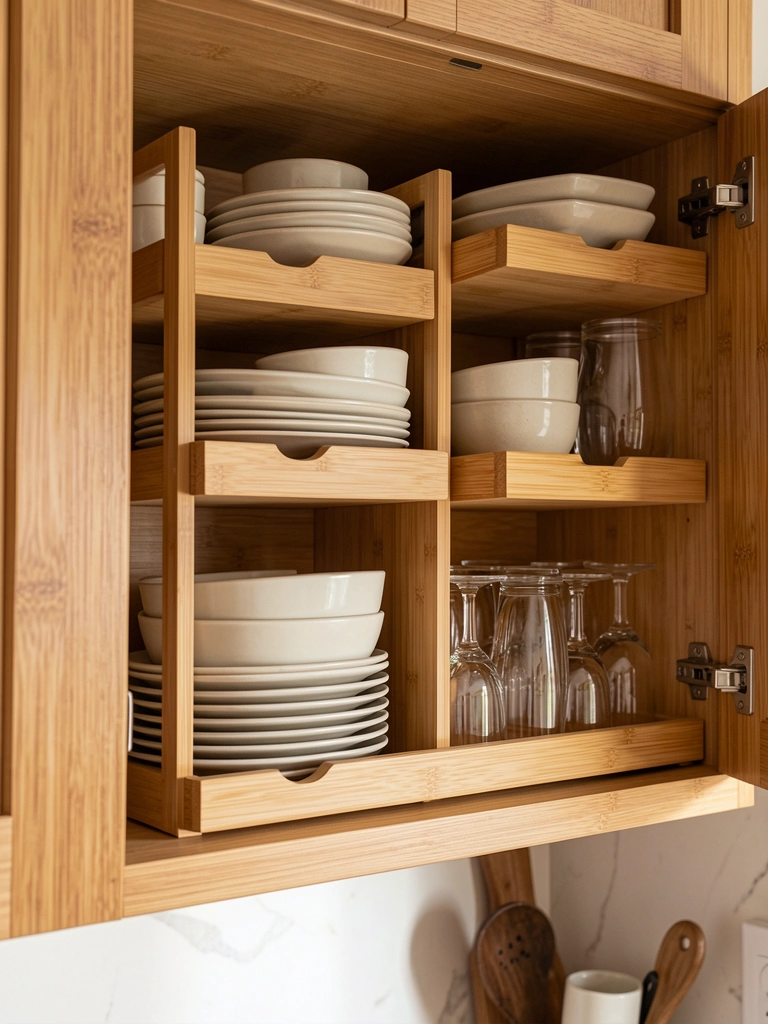
    Bamboo organizers align with sustainable kitchen trends and look naturally warm. Buy bamboo shelf risers or dividers ($15-35 per piece, Wayfair, Target, or Amazon) for a biophilic touch.

    They’re sturdy enough for daily use and add an earthy, organized aesthetic that photographs beautifully. Setup takes 10 minutes, and bamboo blends seamlessly with warm wood cabinet tones that are trending this year. These are sturdier than plastic options and last longer. Plus, bamboo is renewable—a bonus if you’re thinking about your kitchen’s environmental footprint.

    Your cabinets suddenly feel intentional and eco-conscious, not just efficient.

    14. Hang a Small Wire Shelf Riser
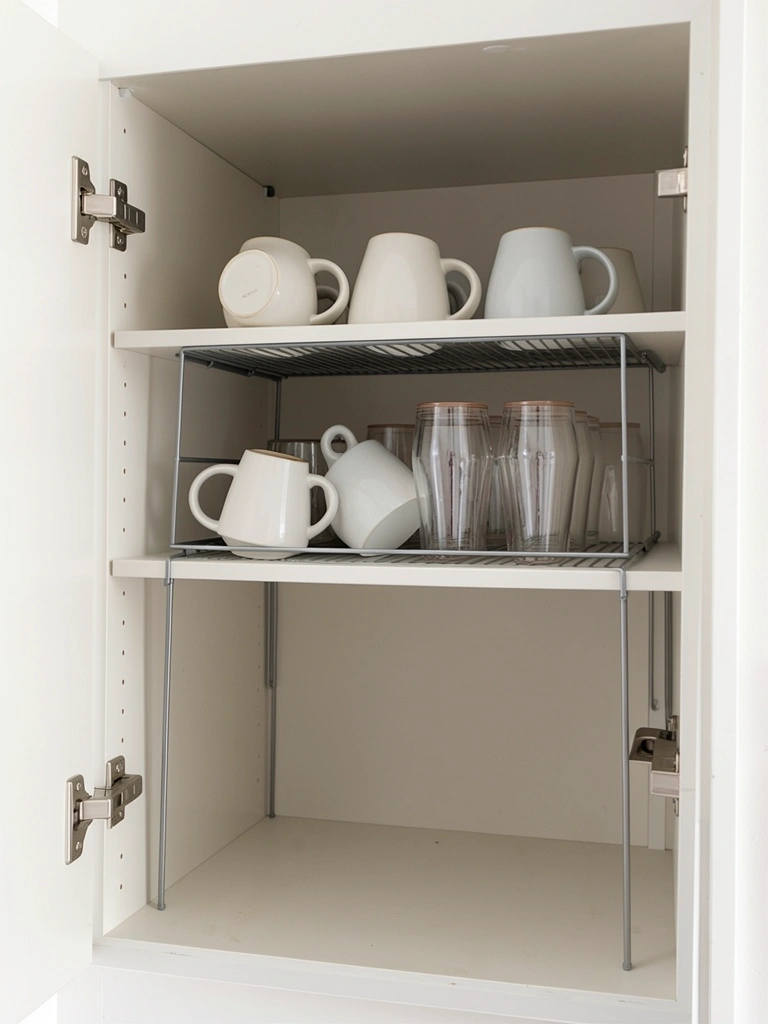
    Wire risers are lightweight and don’t take up visual space—they look almost invisible but double your storage. Grab a compact wire riser ($10-20, IKEA or Amazon) and place it on your existing shelf.

    This creates a second tier for frequently used items like mugs or glasses. It weighs almost nothing, so even delicate cabinets handle it fine. Arrange heavy items below and lighter ones above. Takes 5 minutes to place and adjust. The wire construction lets light pass through, so it doesn’t create a “cave” effect in your cabinet.

    You’ve essentially added a whole new shelf without permanent installation or extra hardware.

    15. Dedicate a Snack Shelf for Kids or Easy Access
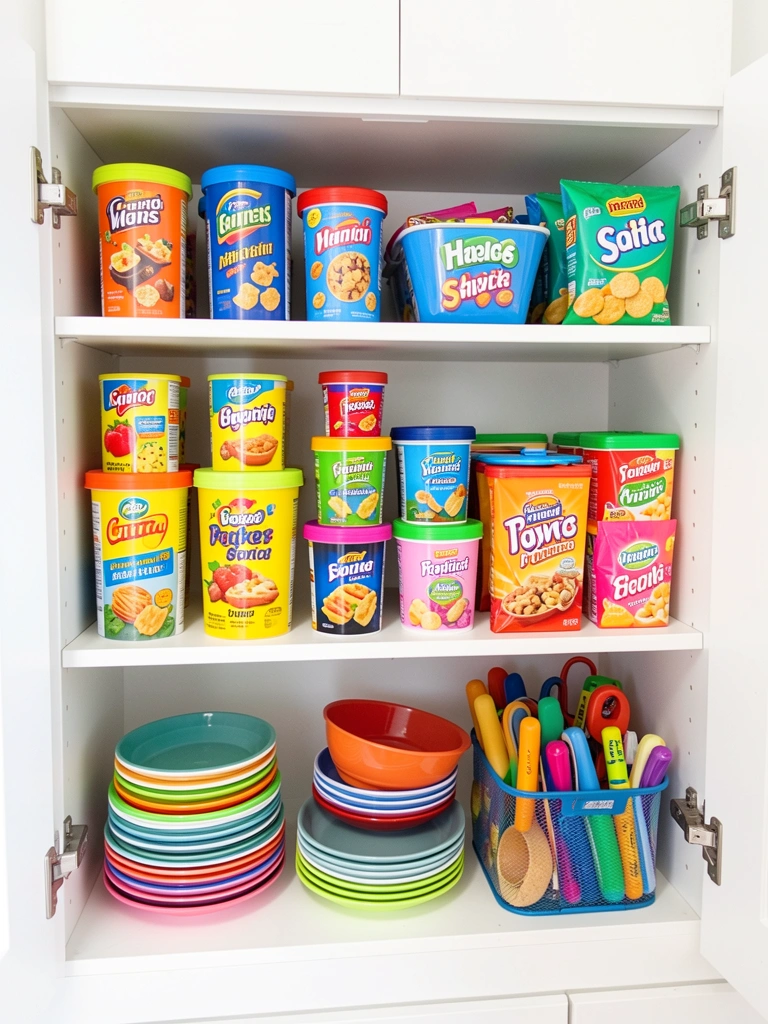
    One easily accessible shelf for daily-use items saves reaching and searching multiple times a day. Pick a cabinet at comfortable reaching height and stock it with your most-used items: snacks, everyday dishes, coffee mugs.

    Use clear containers ($1-2 each, Target) so everyone knows what’s available. Label the shelf “Everyday Grab Zone” if you have kids, so they know this cabinet is their go-to. Reorganize once a week when items get jumbled. This prevents constant cabinet hunting and gets other household members to actually put things back in the right place.

    You’ll stop hearing “where’s the…” fifty times a day because everything they need is in one predictable spot.

    16. Add LED Strip Lighting Under Cabinet Shelves
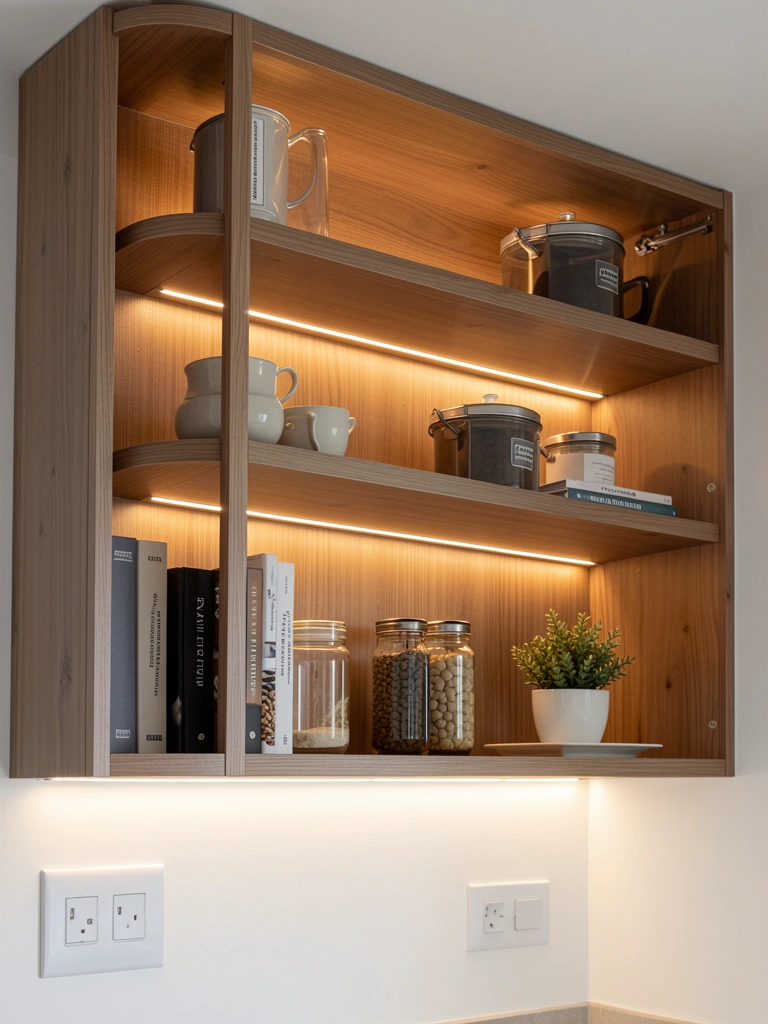
    Lighting makes it easier to see what you have and adds a luxury feel. Install battery-operated or plug-in LED strips ($15-40, Amazon, Target, or Home Depot) under each shelf.

    These take 10-15 minutes to stick (peel-and-stick backing) or mount with small brackets. Warm white LEDs look most inviting; cool white feels more modern. The brightness helps you see back corners and makes reaching for items safer. Battery-operated strips work great for renters; plug-in strips suit homeowners with nearby outlets. Motion-activated versions ($25-35) are extra convenient if your cabinet location allows it.

    Opening your cabinet now feels special—and you can actually see what’s inside, which is a nice bonus.

    17. Use Magazine Holders for Vertical Cookbook Storage
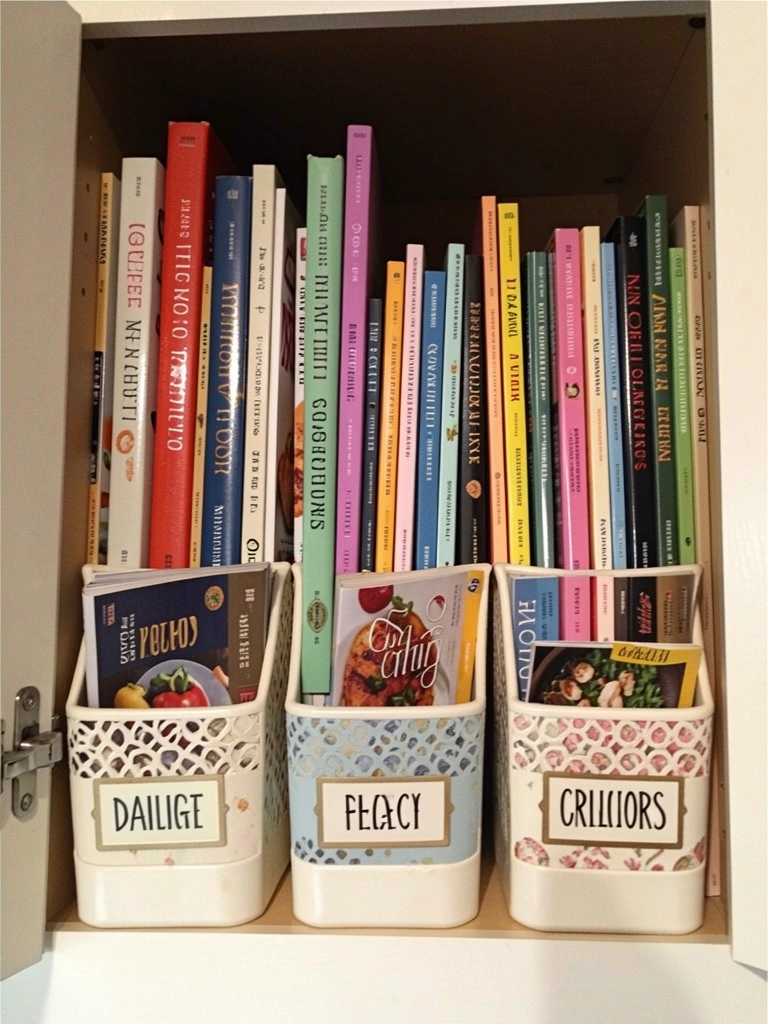
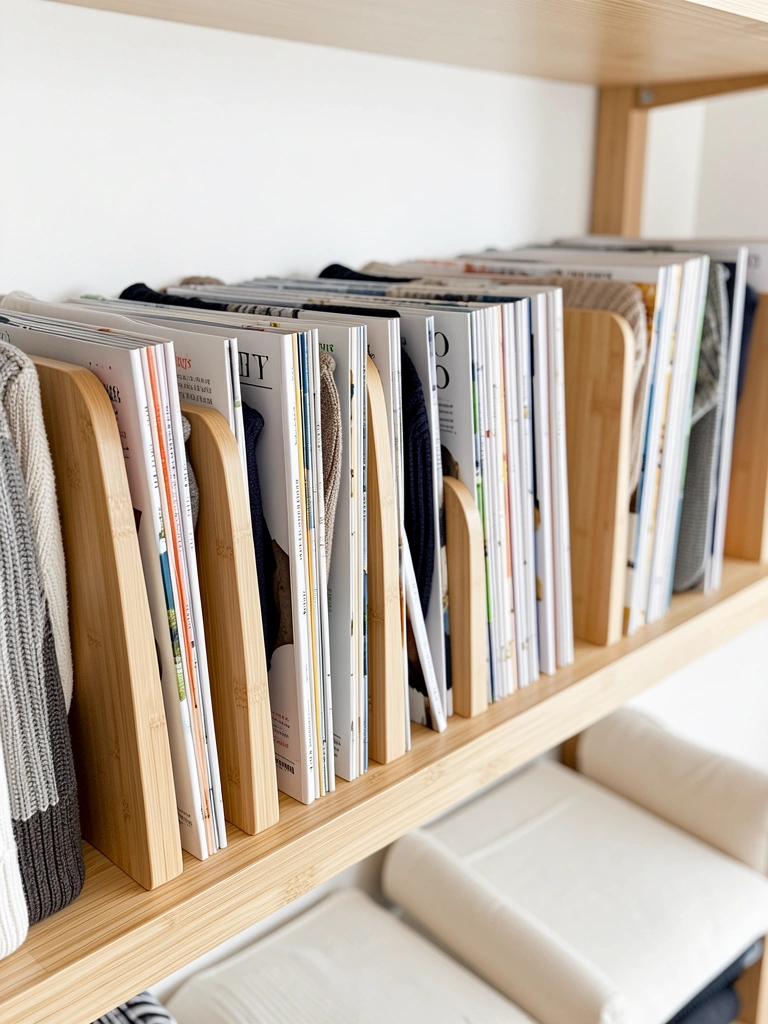
    Cookbooks take up tons of horizontal space—stand them vertically like a library. Buy magazine holders or bookends ($3-8 each, Target, IKEA, or Dollar Tree) and arrange cookbooks upright.

    Group by category: baking in one section, quick weeknight meals in another, international cuisines together. This takes 15 minutes to organize and makes your go-to recipes instantly findable. You see all the spines at once, so you’re reminded of cookbook options you might have forgotten. This works beautifully in open shelving too.

    Your cookbooks become an accessible reference library instead of a jumbled pile you never touch.

    18. Create a Tea and Coffee Accessory Zone
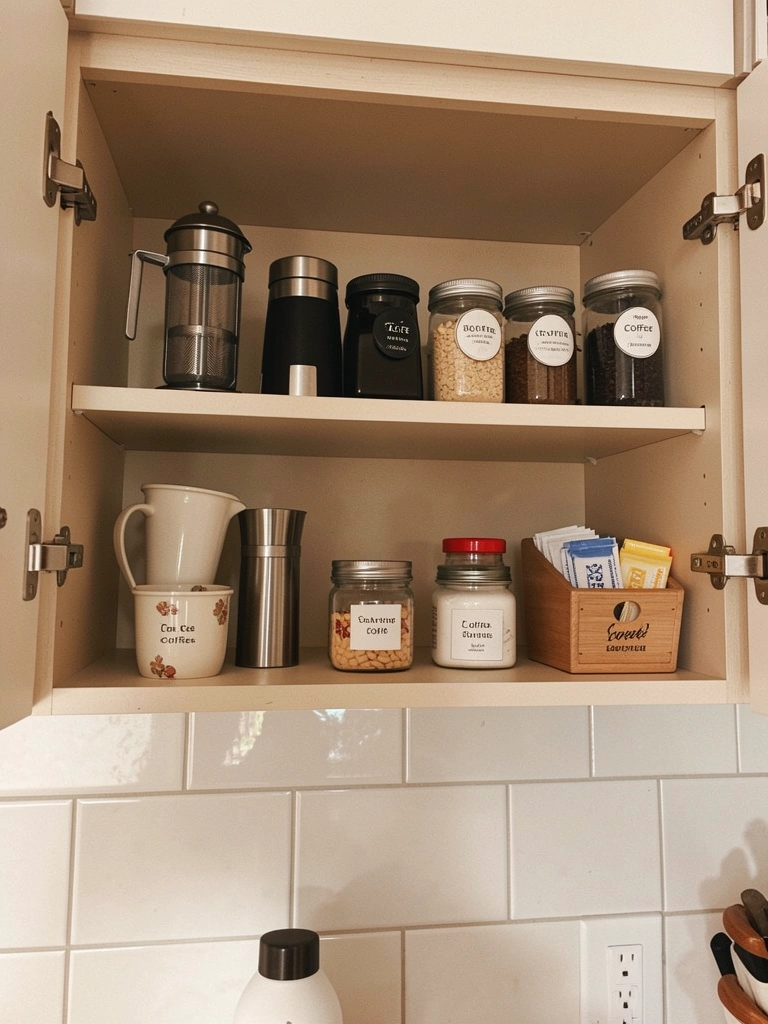
    Grouping beverages and their accessories prevents searching through three cabinets. Use a small bin or container ($5-12, Target or Container Store) to corral tea infusers, filters, stirrers, and sweeteners in one cabinet.

    Label the bin and place it next to your mugs and coffee storage. Takes 10 minutes to set up. Add a small shelf riser if you want a second tier for overflow. Everyone in your household will know exactly where to find what they need, and you’ll stop having tea supplies scattered across multiple cabinets.

    Your morning beverage routine becomes streamlined because everything lives in one concentrated zone.

    19. Use Nesting Bowls and Stackable Containers
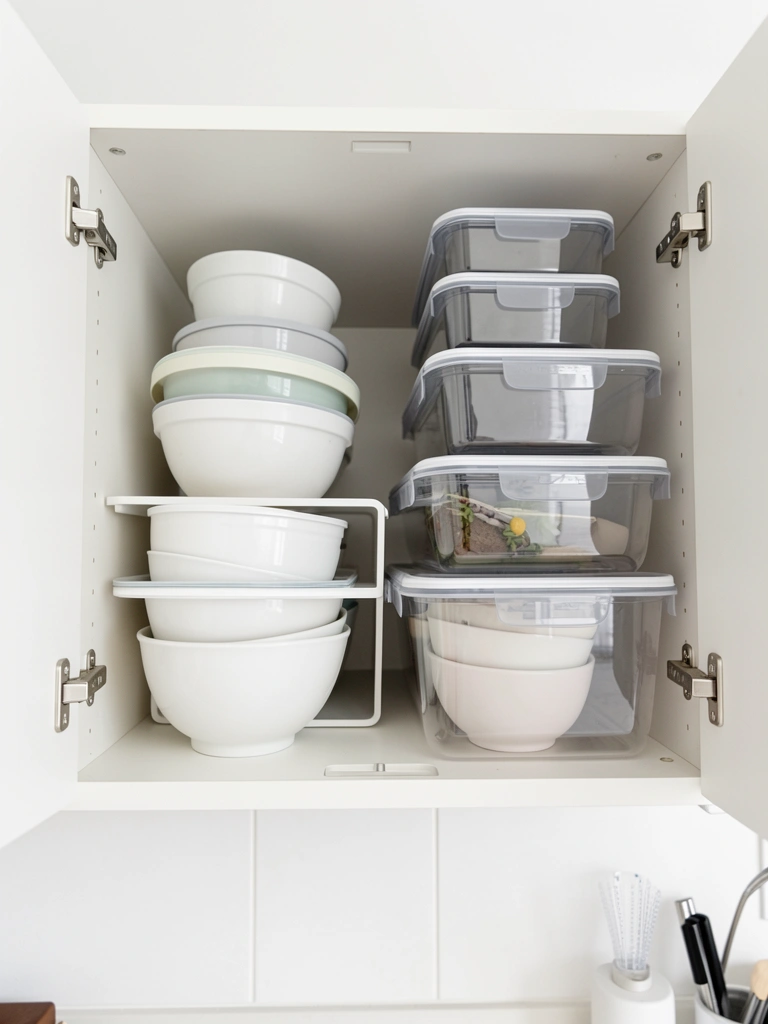
    Nesting items are space-saving genius. Buy nesting bowls ($12-25, Target or Amazon) and stackable containers ($10-20 for sets, Container Store) that fit snugly inside each other.

    This reduces the footprint of items you already own by 40-50%. Arrange them at the front of your shelf so you can easily grab one without disturbing the others. Takes 5 minutes to nest and stack. Look for light colors or transparent materials so items are easy to identify. This approach works especially well for small cabinets where every inch matters.

    You’ve freed up unexpected space just by rearranging what you already have—zero extra cost.

    20. Mount a Pegboard Inside Your Cabinet Door
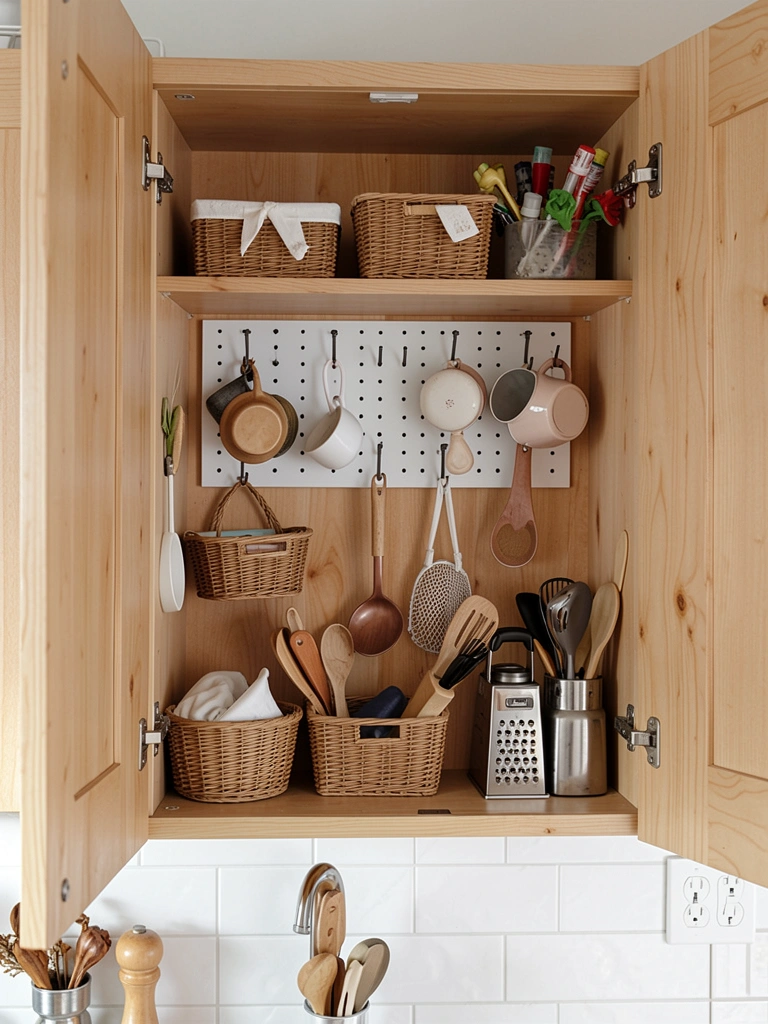
    Pegboard transforms cabinet door space into a customizable storage solution. Buy a small pegboard ($8-15, Home Depot) and peg hooks ($0.50-2 each) to create a customizable grid.

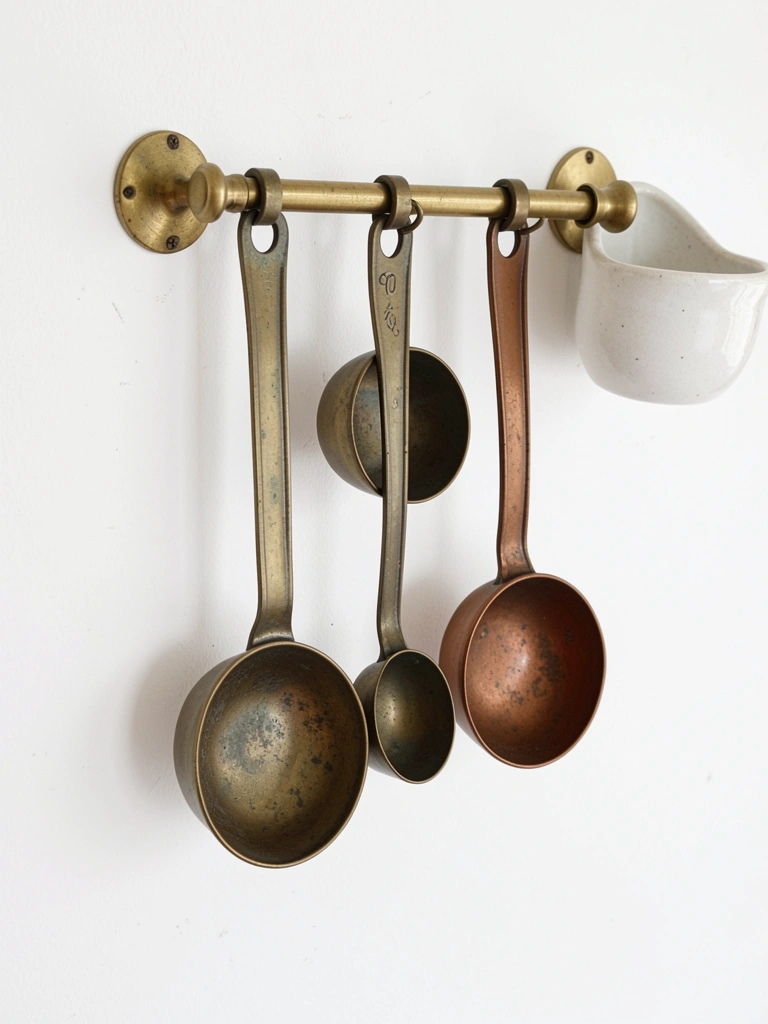
    Hang small baskets, measuring spoons, whisks, or cleaning cloths—whatever works for your flow. Takes 20 minutes to mount and arrange (use small nails or adhesive strips for renters). Rearrange anytime without guilt. The best part? You can see everything at a glance, so you actually use these tools instead of forgetting you own them.

    Your cabinet door becomes a personalized organization hub that grows and changes with your needs.

    21. Designate One Cabinet as a Vase and Serving Piece Showcase

    Vases and serving pieces are too pretty to hide—display them strategically. Pick one cabinet to be your showcase and arrange pieces by height, color, or type.

    Use shelf risers to create visual interest and fit more items in the space. This takes 15 minutes to arrange but transforms your cabinet from storage into decor. Leave some breathing room so items don’t look crowded. This display actually encourages you to use serving pieces instead of letting them collect dust. Works beautifully with glass-door cabinets where the display becomes permanent kitchen art.

    Opening this cabinet feels like visiting a mini gallery in your kitchen.

    22. Add Drawer Organizers to Cabinet Shelves
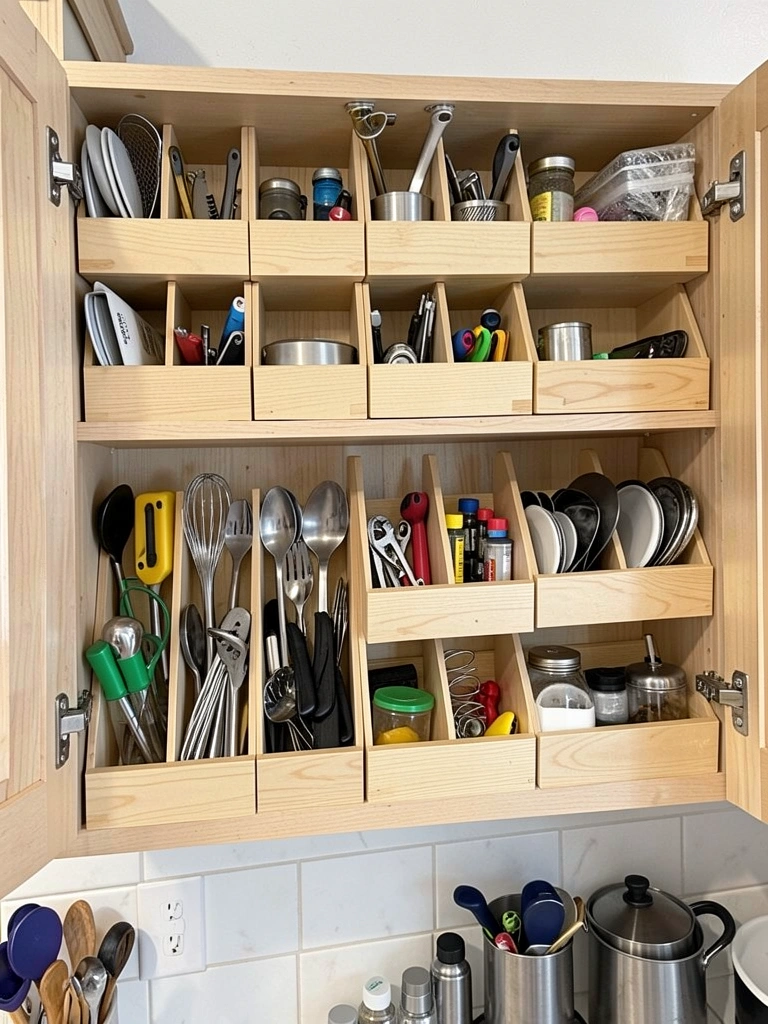
    Drawer organizers aren’t just for drawers—they create instant compartments in cabinets. Buy a set of small organizers ($10-20, Target or Container Store) and place them on your shelf.

    Divide utensils, measuring spoons, kitchen twine, and other small items into sections. Takes 10 minutes to place and fill. This prevents small items from scattering around and makes everything instantly findable. Most are stackable, so you can create multiple layers if needed. Perfect for the “junk drawer” items that don’t have a home.

    Your miscellaneous items now have structure and purpose instead of chaos.

    23. Use Lazy Susan Turntables for Corner Access
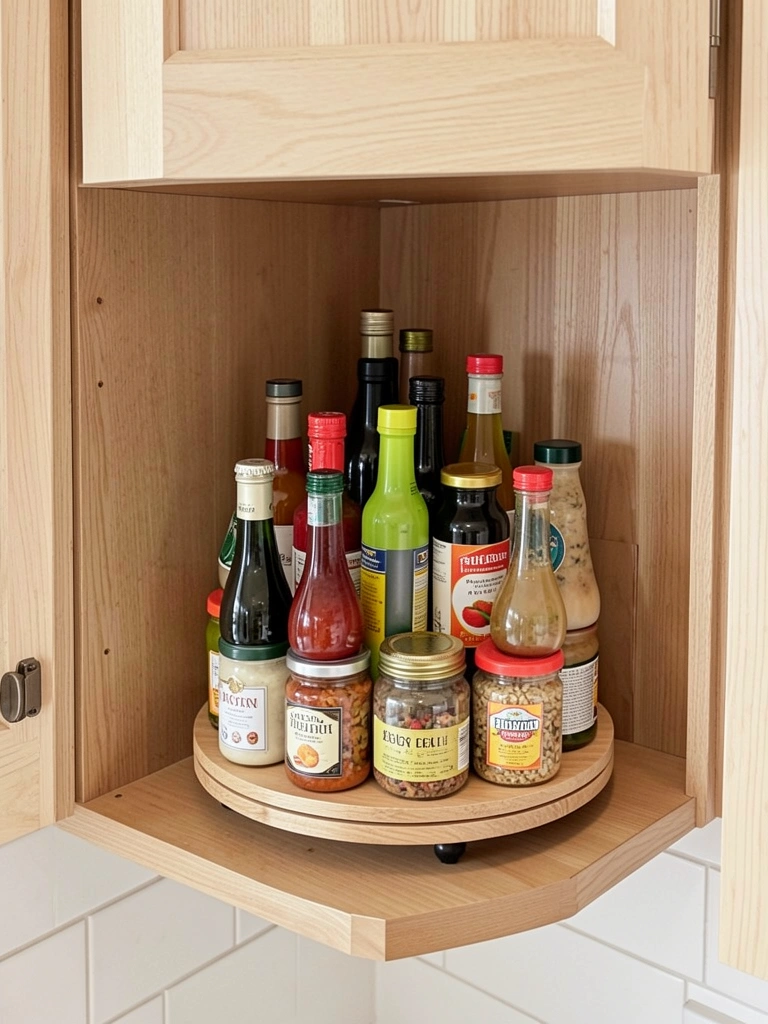
    Corner cabinets are notoriously hard to reach—a lazy Susan makes back items accessible. Buy a small lazy Susan ($8-15, IKEA or Target) and place it in corner cabinets.

    Arrange bottles, jars, or containers in a circle, and spin to find what you need. This takes 5 minutes to install and reclaims dead corner space you previously couldn’t access. Works best with lighter items that spin easily. The rotation means nothing gets lost in the back, and you actually use items stored there.

    What used to be an inaccessible black hole now rotates into easy reach.

    24. Create Pantry-Style Groupings by Meal Type
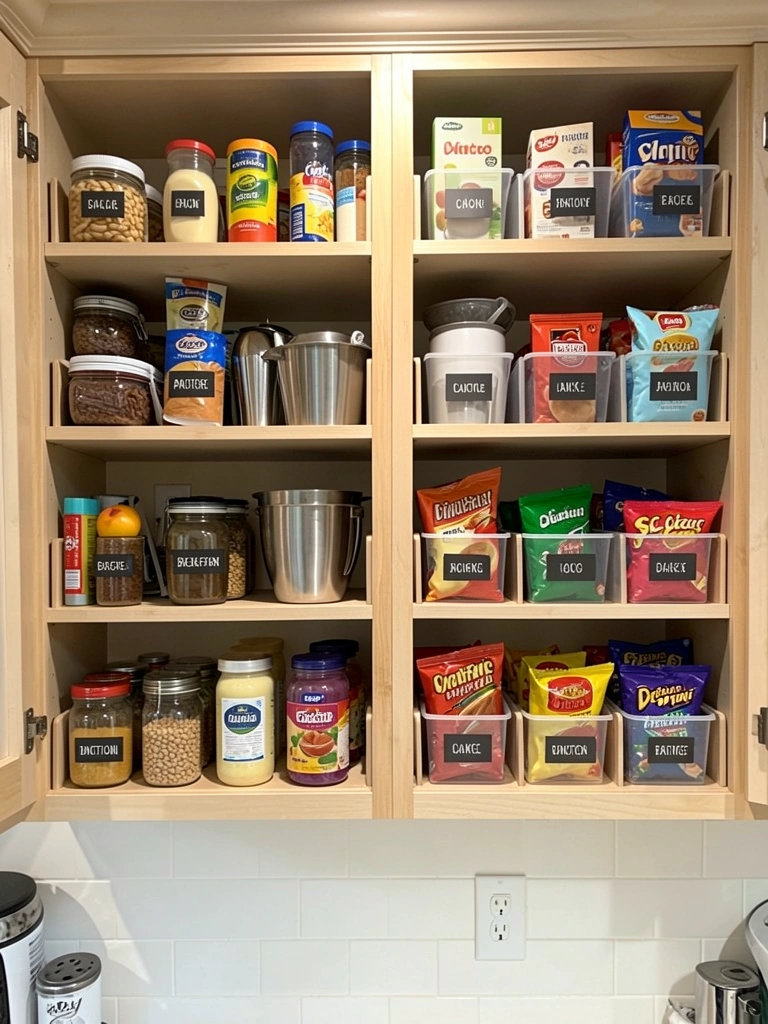
    Organizing by how you cook saves time mid-meal. Group breakfast items (oats, cereal, coffee) on one shelf, baking supplies on another, snacks together using small bins ($5-10 each, Target).

    Label each section and take a photo so household members know where to restock. Takes 20 minutes to reorganize but saves you 100 times that in prep time. You’ll naturally gravitate toward the right cabinet first because items are logically grouped. This approach especially helps families because everyone knows exactly where breakfast items or snack containers live.

    Cooking becomes faster because everything you need for one task lives in one predictable zone.

    25. Use Kraft Paper Liners for Clean Shelves
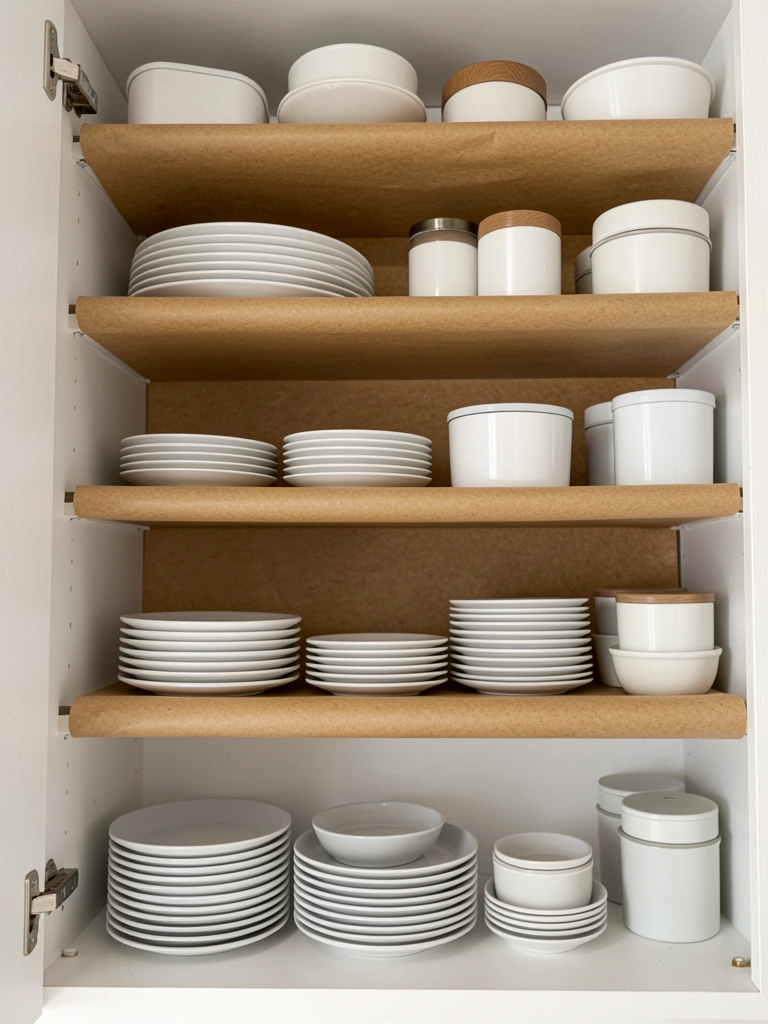
    Cabinet liners protect your shelves and add a design element. Use textured kraft paper or bamboo liners ($8-15 per roll, Amazon or Target) to line your shelves.

    This takes 15 minutes to measure and cut, and it protects your cabinet finish from spills and scratches. Paper liners are renter-friendly—just peel them off without damage when you move. They also add a subtle texture that photographs beautifully, especially in open-concept kitchens. Change them seasonally if you like a quick refresh without actual rearranging.

    Your cabinet interior suddenly looks intentional and protected instead of bare wood.

    26. Invest in a Small Corner Shelf Unit for Unused Nooks
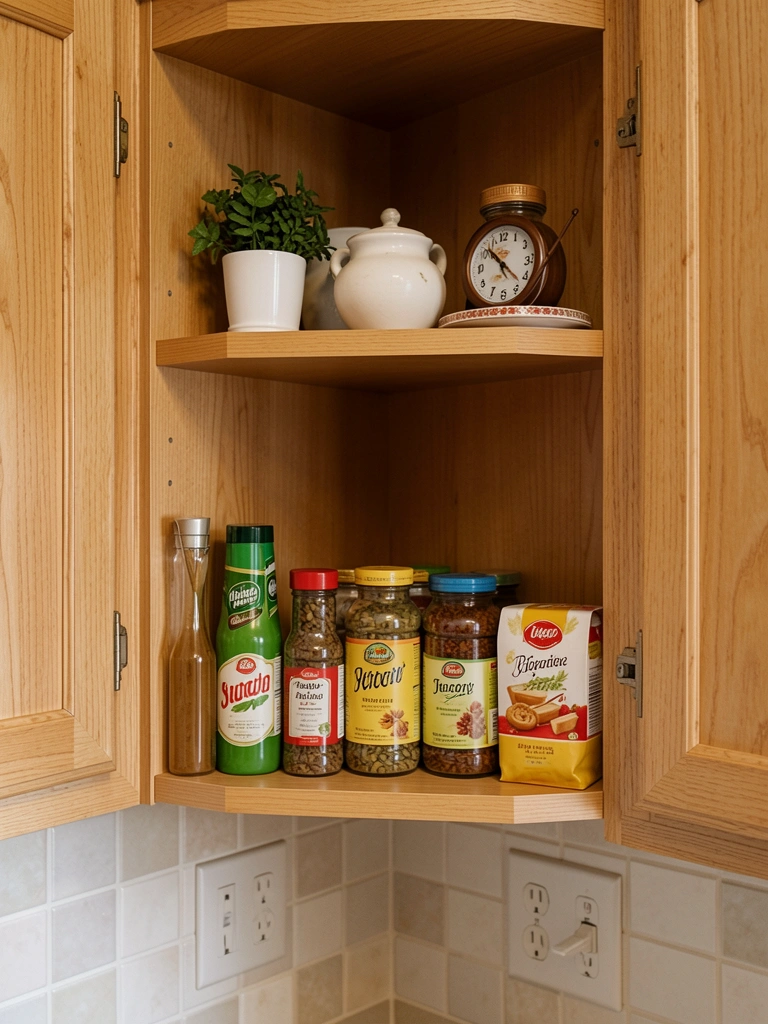
    Final level: tackle truly awkward spaces with corner-specific solutions. Buy a small corner shelf unit ($25-50, Home Depot or Wayfair) designed to fit cabinet corners.

    These are angled to maximize corner space and make back items accessible. Installation takes 20-30 minutes and requires basic tools, but you’ll reclaim 15-20% of an otherwise unusable corner. This is best for homeowners since it requires permanent mounting. If you rent, stick with removable solutions like lazy Susans or bins that fit the corner instead.

    You’ve just claimed square footage of storage you didn’t even know existed.


    Save this post for your next kitchen refresh. Pick one or two ideas and tackle them this weekend—you’ll be amazed how much calm and functionality a little cabinet strategy brings to your daily routine.
  • 26 Canopy Bed Aesthetic Ideas That Feel Magical & Elegant

    26 Canopy Bed Aesthetic Ideas That Feel Magical & Elegant

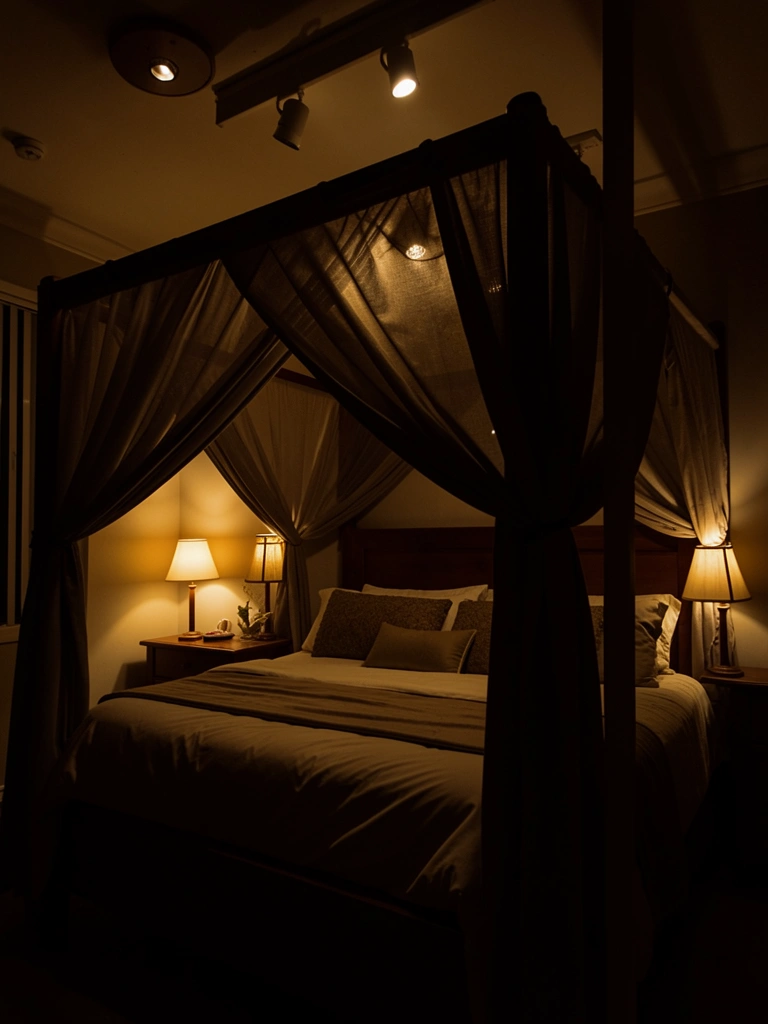
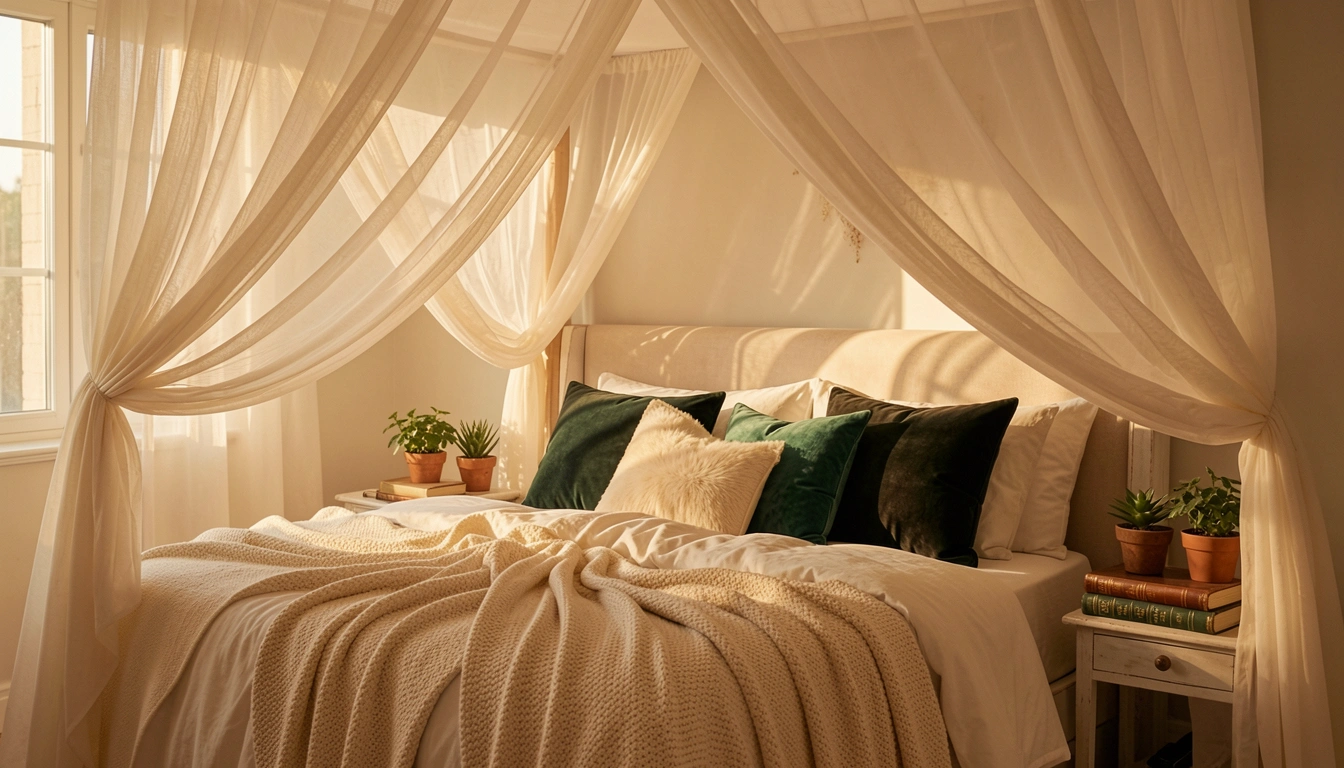
    There’s something undeniably magical about a canopy bed—it instantly transforms a bedroom into a personal retreat that feels both elegant and cozy. Whether you’re working with a dramatic four-poster frame or a minimalist modern design, a canopy can anchor your entire room’s aesthetic and create the sanctuary you’ve always wanted. The beauty is that you don’t need a huge budget or design experience to make it work. From flowing fabrics and mood lighting to unexpected color choices and layered textures, there are countless ways to style a canopy that feels uniquely yours. In this guide, you’ll discover 26 distinct ideas to elevate your canopy bed—including free styling hacks, budget-friendly upgrades, and investment pieces that’ll last for years. Whether you’re a renter or homeowner, beginner or seasoned decorator, you’ll find options that fit your space, style, and wallet.

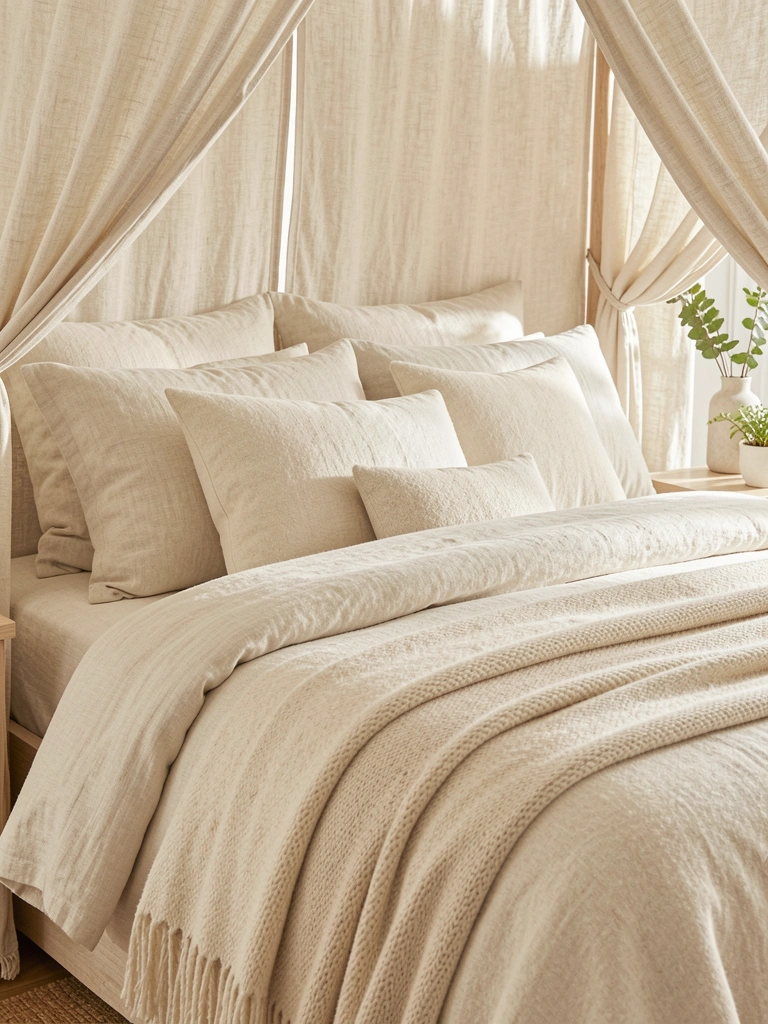
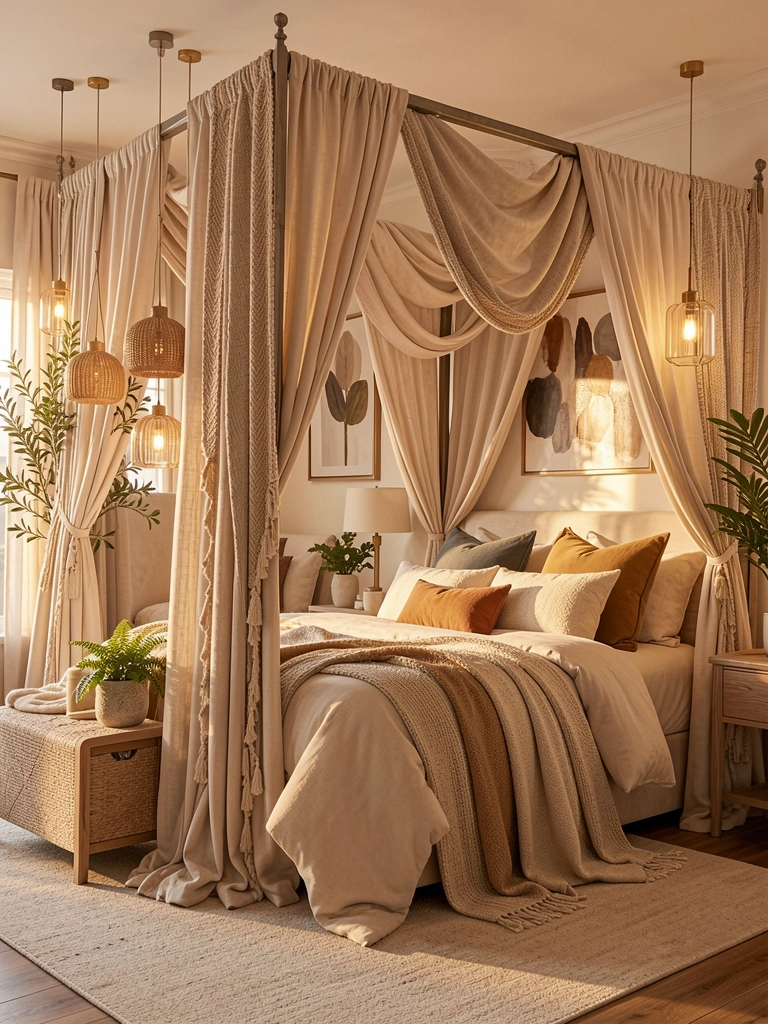
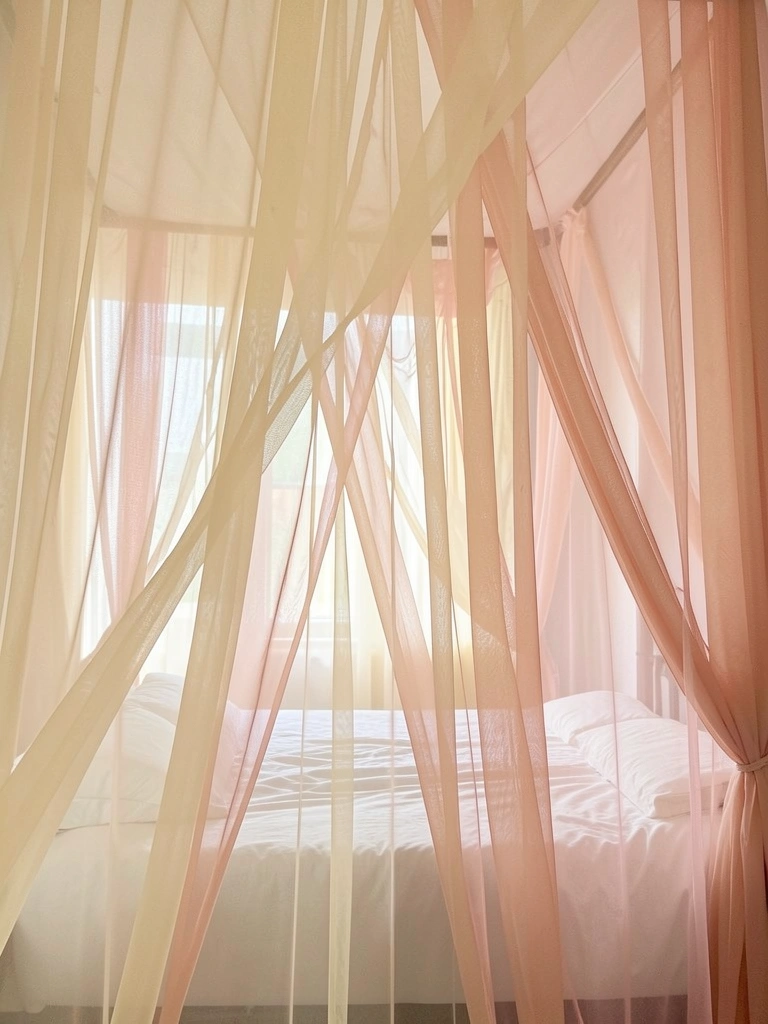
    1. Layer Sheer Curtains for Dreamy Softness

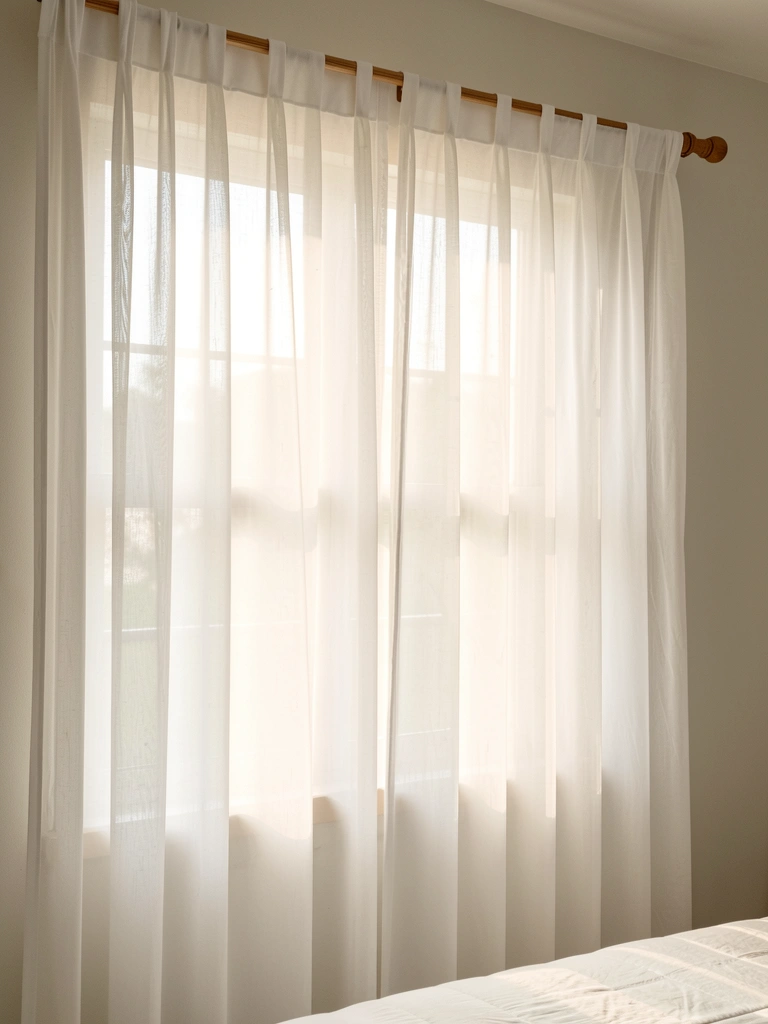
    Layering sheer curtains creates depth and an ethereal quality that makes your canopy feel like it belongs in a luxury hotel. This approach uses volume and translucence instead of heavy fabric, which keeps the space feeling open and airy while still delivering that wrapped-in-luxury sensation.

    Start by hanging a base layer of lightweight curtains from your canopy frame using tension rods or curtain rings (avoid attaching directly to wood if you’re renting). Add a second layer in a complementary neutral shade, slightly offset for visual interest. The total cost runs $40–$150 depending on fabric quality, and you can find affordable sheer panels at Target, IKEA, or Amazon. Installation takes about 30 minutes with basic supplies. The layered effect softens hard lines and bounces light beautifully, especially if your bedroom gets morning sun.

    Pro tip: Use different fabric weights—a crisp linen layer paired with a gauzy voile creates unexpected textural contrast that photographs beautifully.

    This layering approach gives you flexibility to adjust privacy while maintaining that dreamy, open-concept feel that makes your bedroom feel bigger than it is.

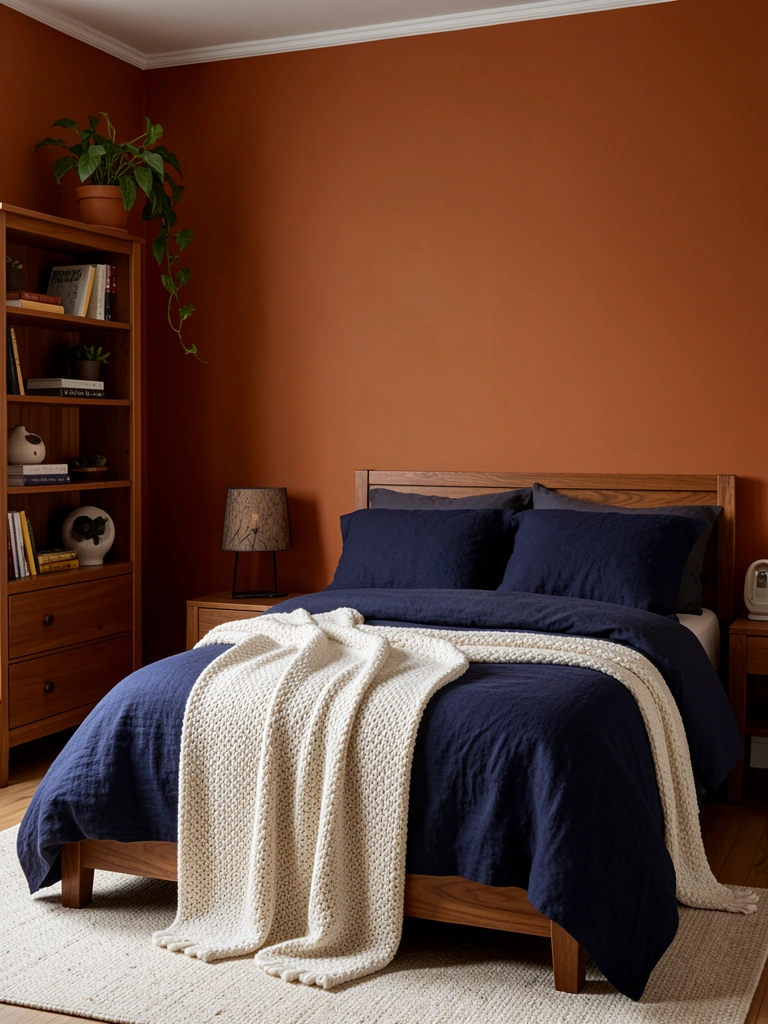
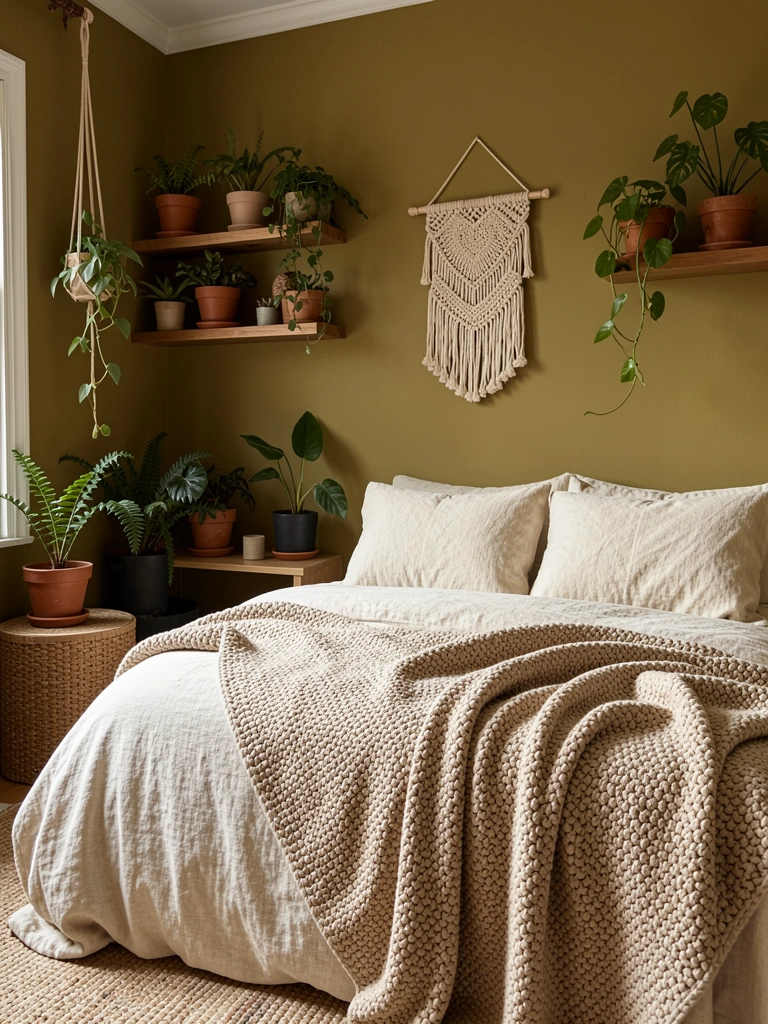
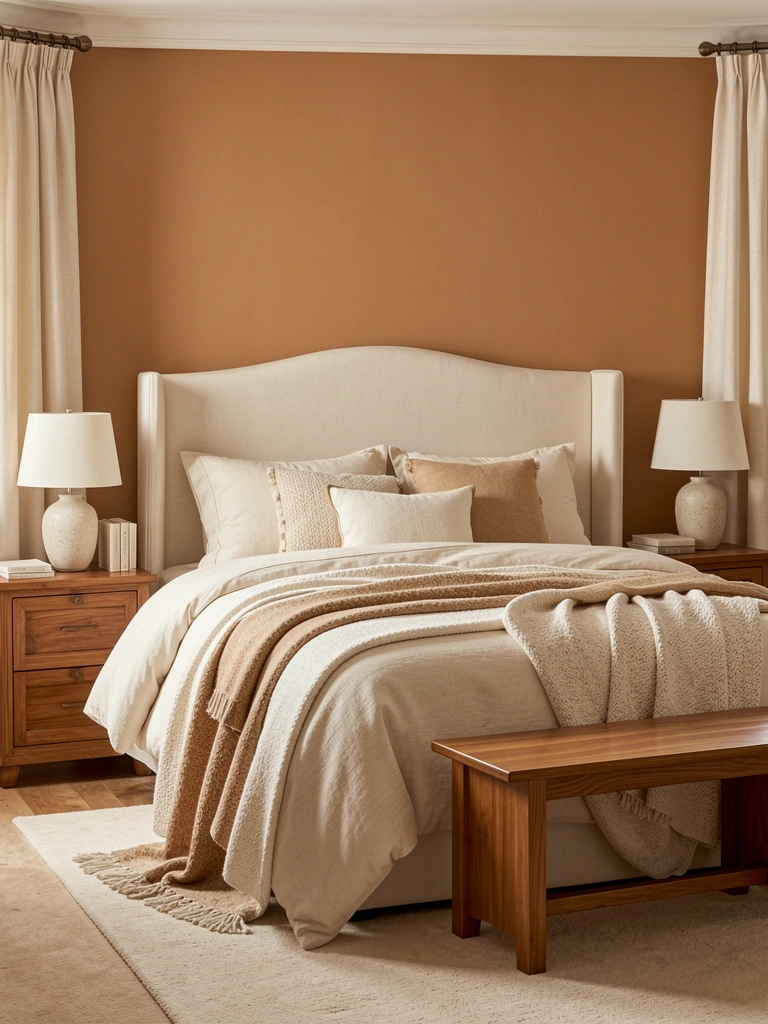
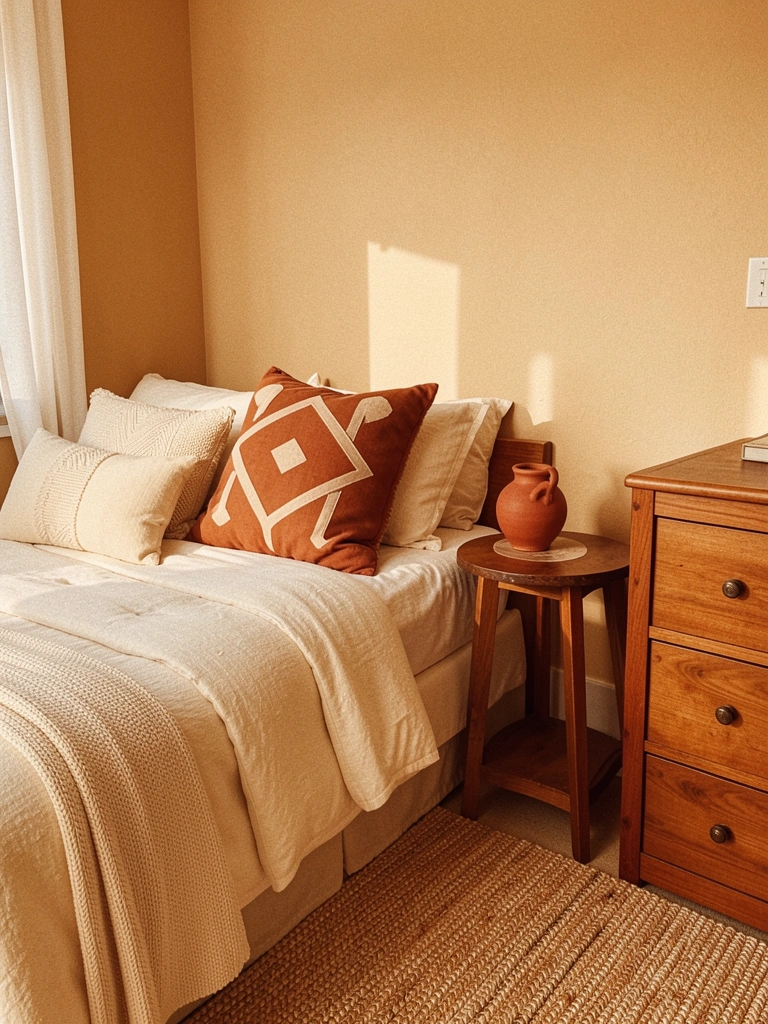
    2. Paint Walls a Rich Earth Tone Behind the Frame

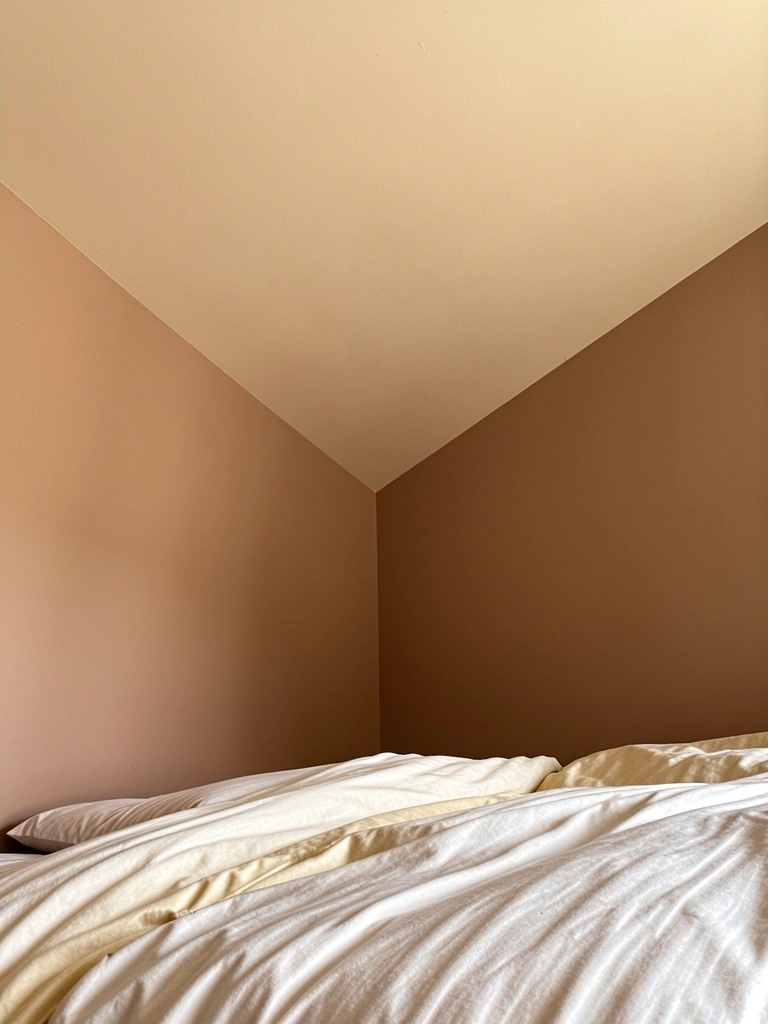
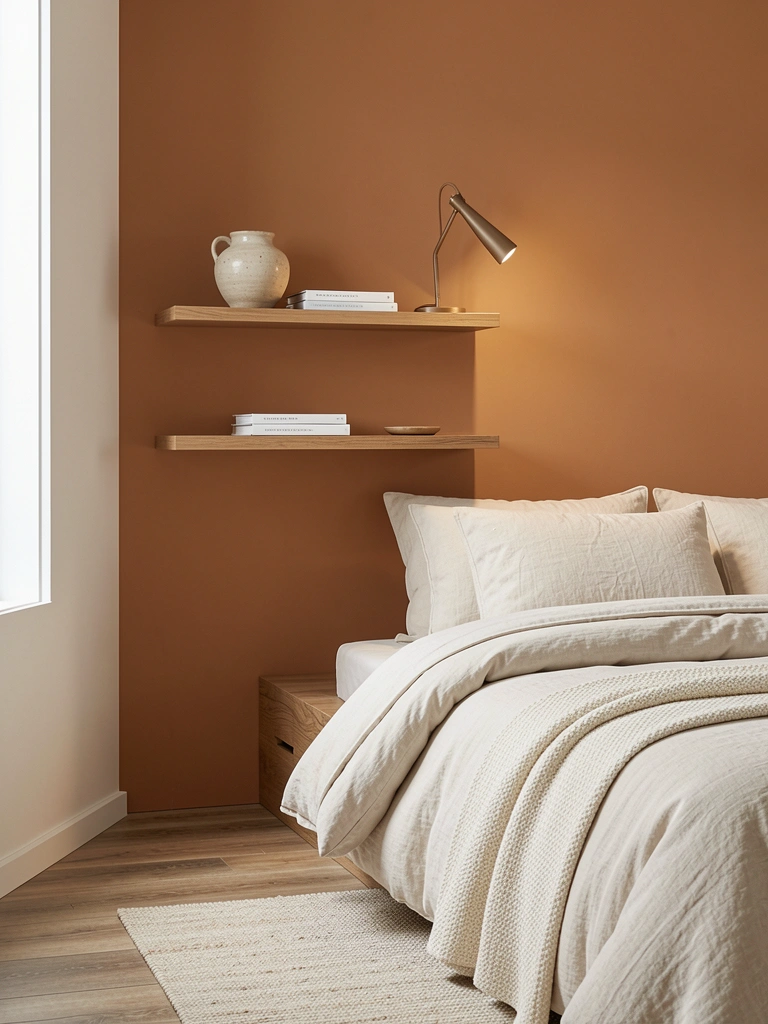
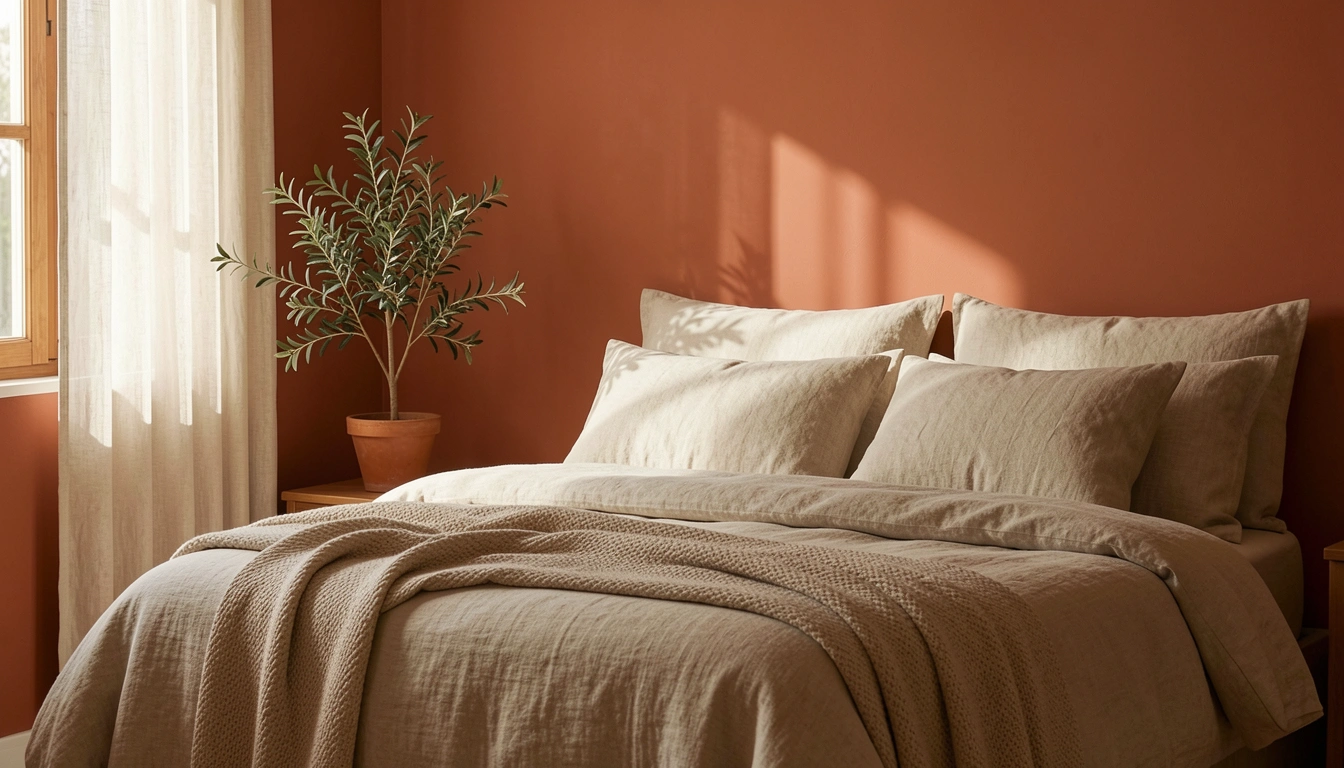
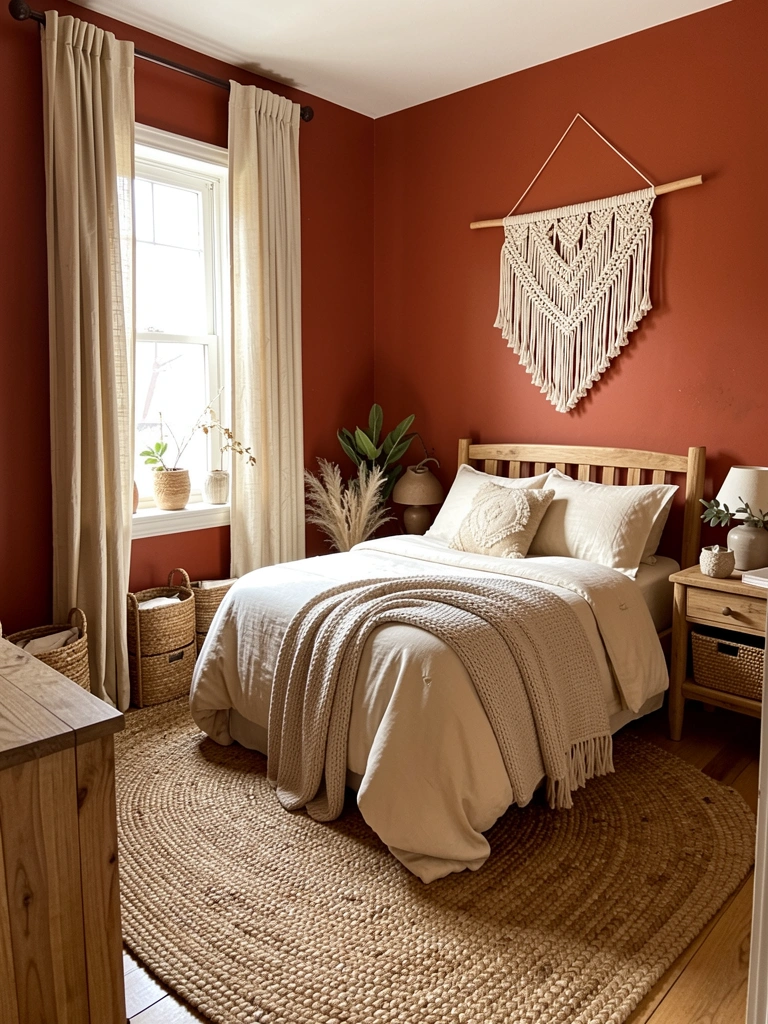
    Choosing a statement wall color directly behind your canopy creates instant architectural impact without overwhelming the entire room. Rich earth tones—terracotta, warm taupe, muted olive, or deep clay—ground a canopy and make it feel intentional rather than just furniture.

    Pick one wall directly behind your bed and commit. Paint costs $20–$60 depending on whether you DIY (rent a paint sprayer for $30 from Home Depot) or hire help. If you’re renting, peel-and-stick wallpaper in earth tones works equally well for $25–$80. Application takes 2–4 hours for a single wall. The color acts as a backdrop that makes your bed a focal point while complementing natural textiles and wood tones.

    Budget hack: Test the color first with large paint chips taped to the wall for 3 days; lighting changes how it’ll look before you commit.

    A rich backdrop transforms your canopy from bedroom furniture into a design anchor, making the entire room feel more curated and intentional.

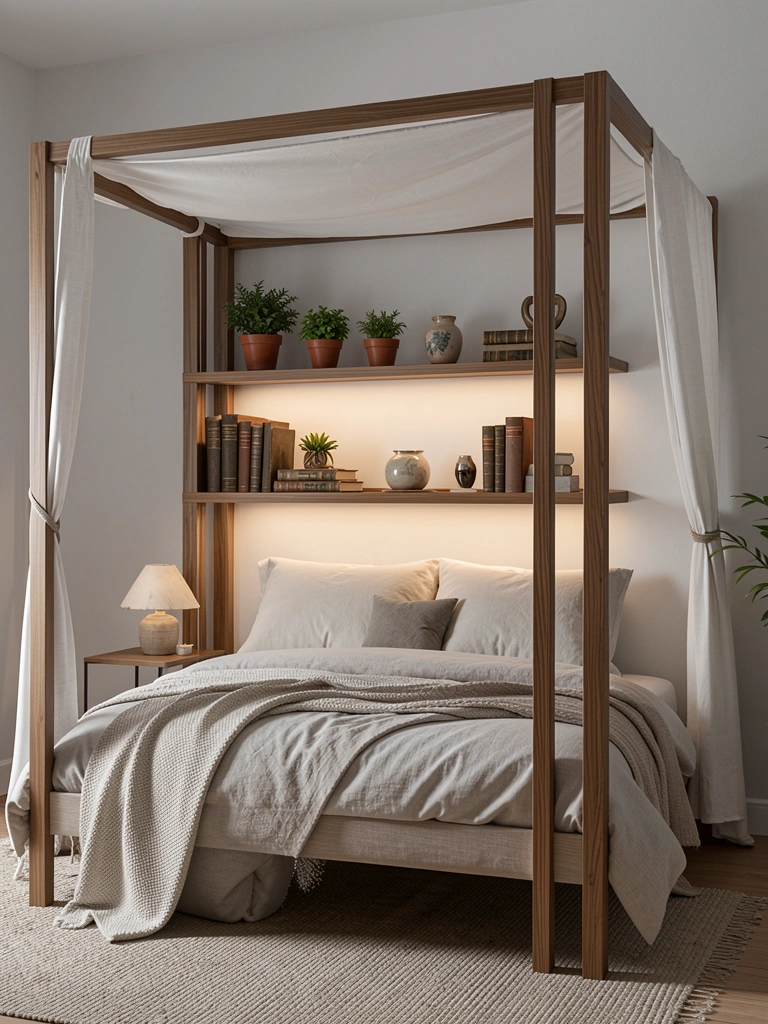
    3. Add Floating Shelves Inside the Canopy Frame

    Converting your canopy’s interior space into functional floating shelves combines storage with style and creates a bookshelf-meets-bed vibe that’s both practical and Instagram-worthy. This works best with modern or minimalist canopy frames where you can mount shelves to existing posts or frame supports.

    Measure the interior dimensions of your canopy, then purchase slim floating shelves (6–12 inches deep) from IKEA, Wayfair, or Home Depot. Cost: $60–$200 for a set of 3–4 shelves plus mounting hardware. Installation requires a drill and level, taking about 1.5 hours; hire a handyperson for $50–$100 if you prefer. Fill shelves with small plants, meaningful books, vintage finds, and mood lighting to create a personal gallery above your bed.

    Pro tip: Alternate the height of items (tall plant, flat book, small object, candle) to avoid a cluttered look.

    You’ll gain storage space while creating a cocoon effect that makes bedtime feel like entering a cozy library.

    4. String Café Lights Along the Canopy Frame

    Café lights (bistro string lights) instantly add warmth and a romantic ambiance without requiring a redesign. They’re one of the quickest, cheapest ways to make a canopy feel magical and work with nearly any bedroom style.

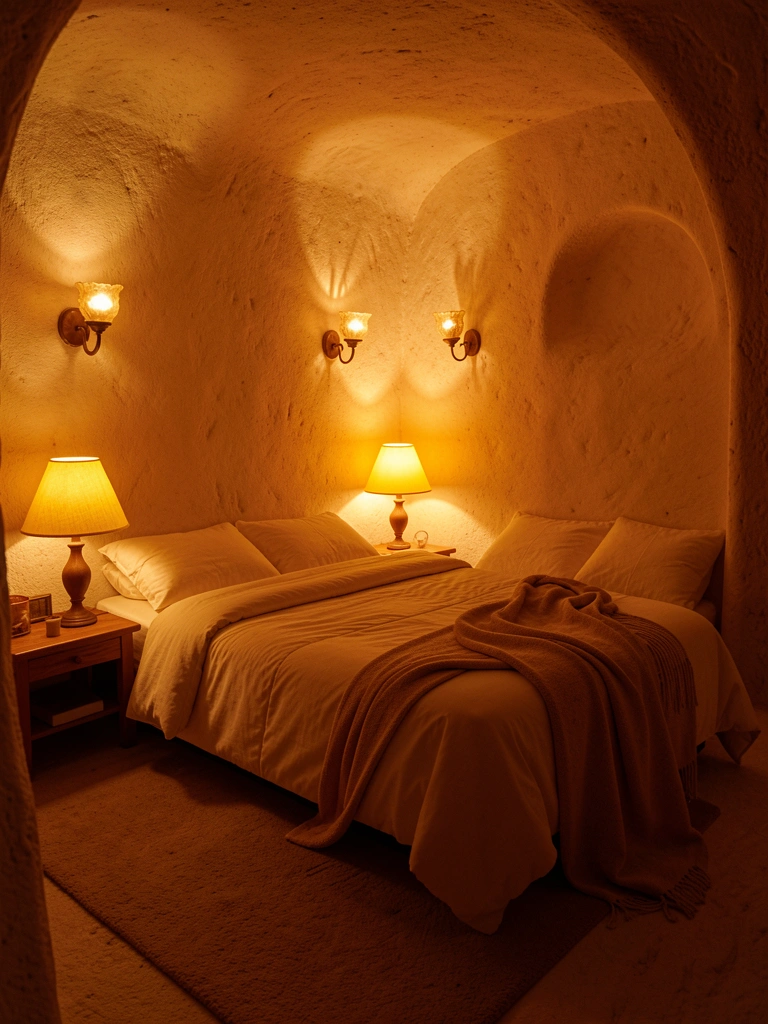
    Drape warm white café lights (avoid cool white) along your canopy’s top frame and down the interior edges. String lights cost $20–$60 from Target, Amazon, or Home Depot. They’re renter-friendly if you use adhesive hooks or sticky clips instead of drilling. Hanging takes 15–20 minutes. Make sure you have a nearby outlet or use battery-operated lights ($30–$40) to avoid running extension cords. Adjust brightness settings to shift the mood from energizing to cozy.

    Safety note: Check light specifications to ensure they don’t overheat fabric, and never leave them on unattended overnight.

    The warm glow instantly transforms your bedroom into a cozy retreat that feels both intimate and sophisticated.

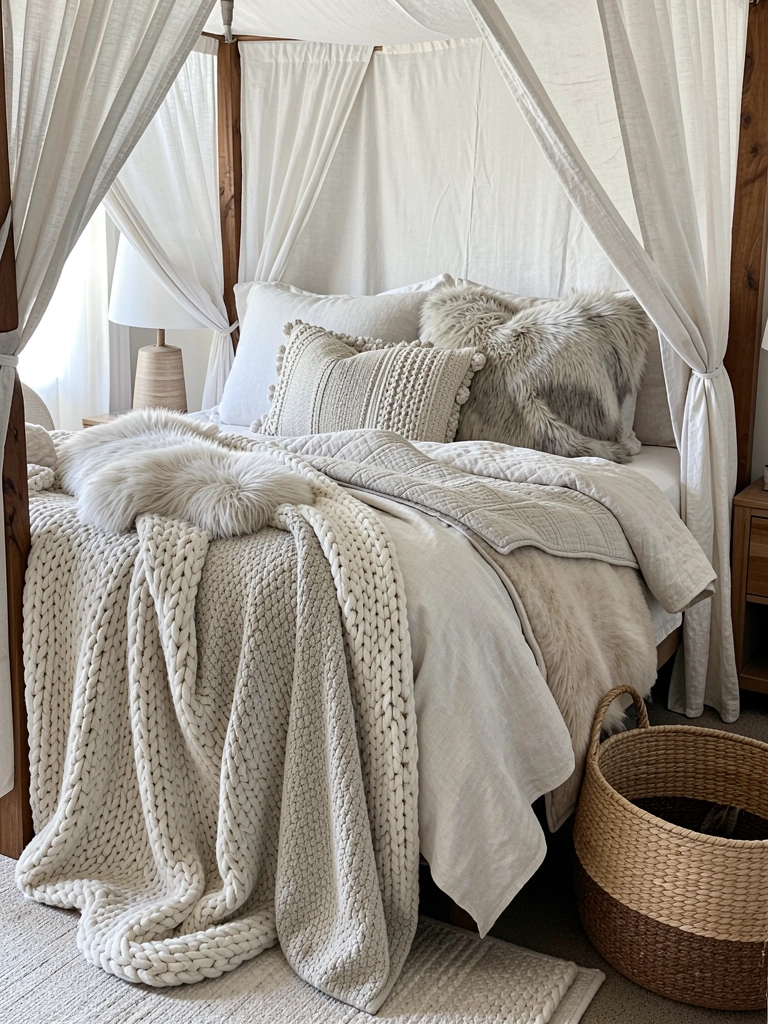
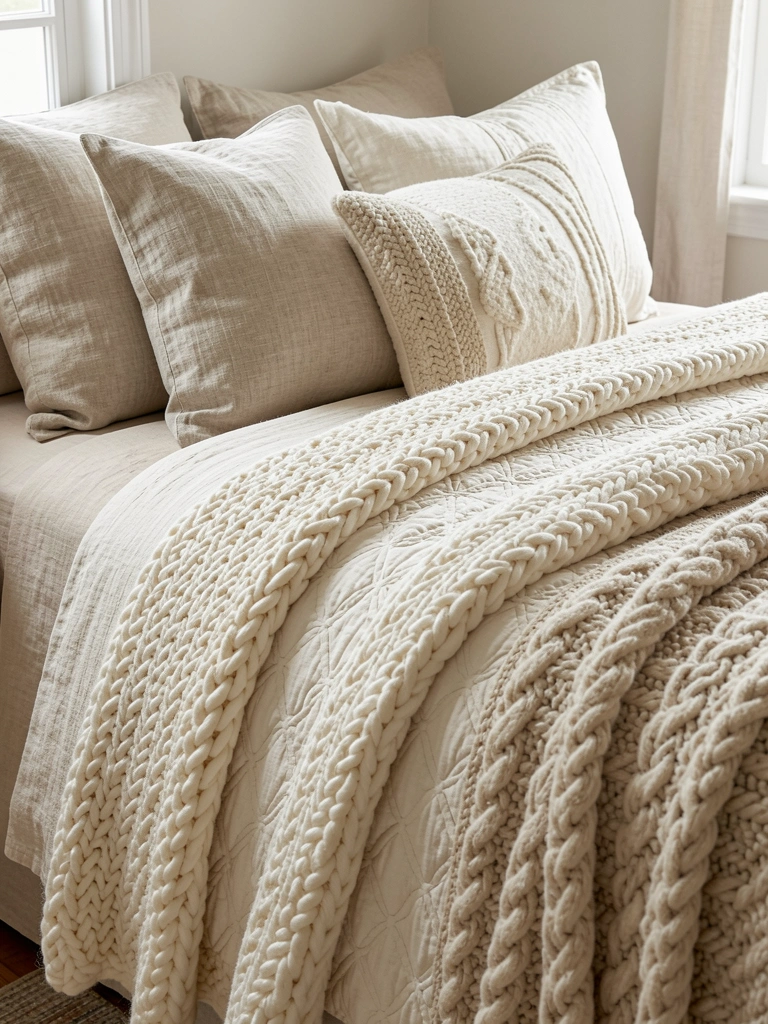
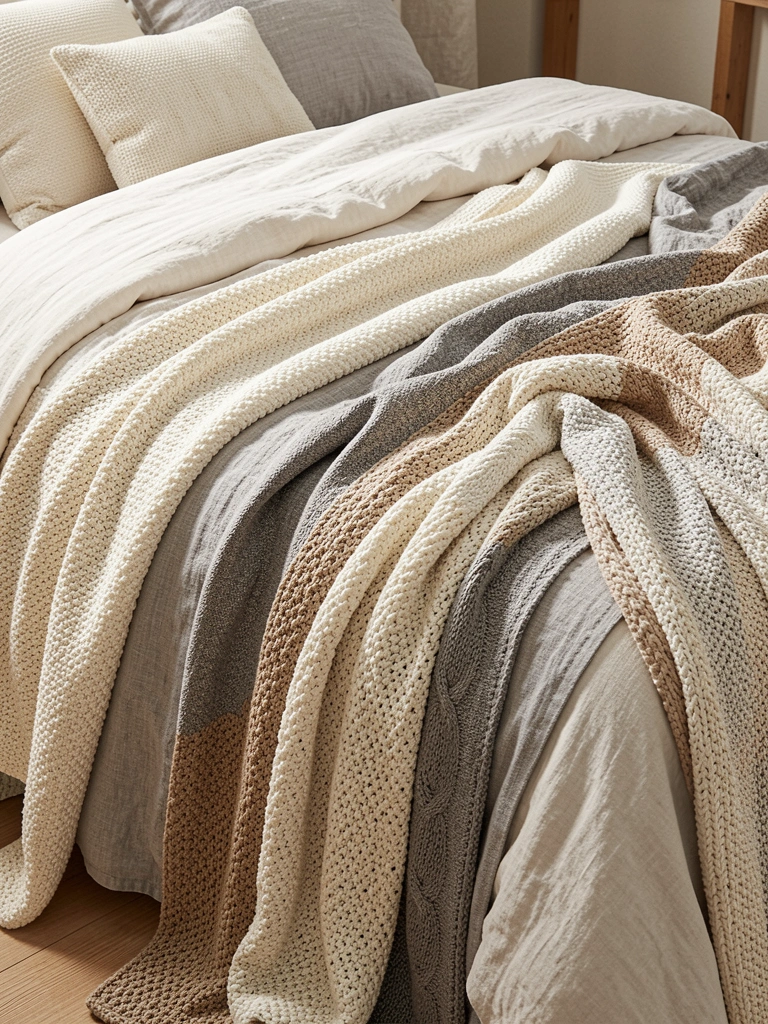
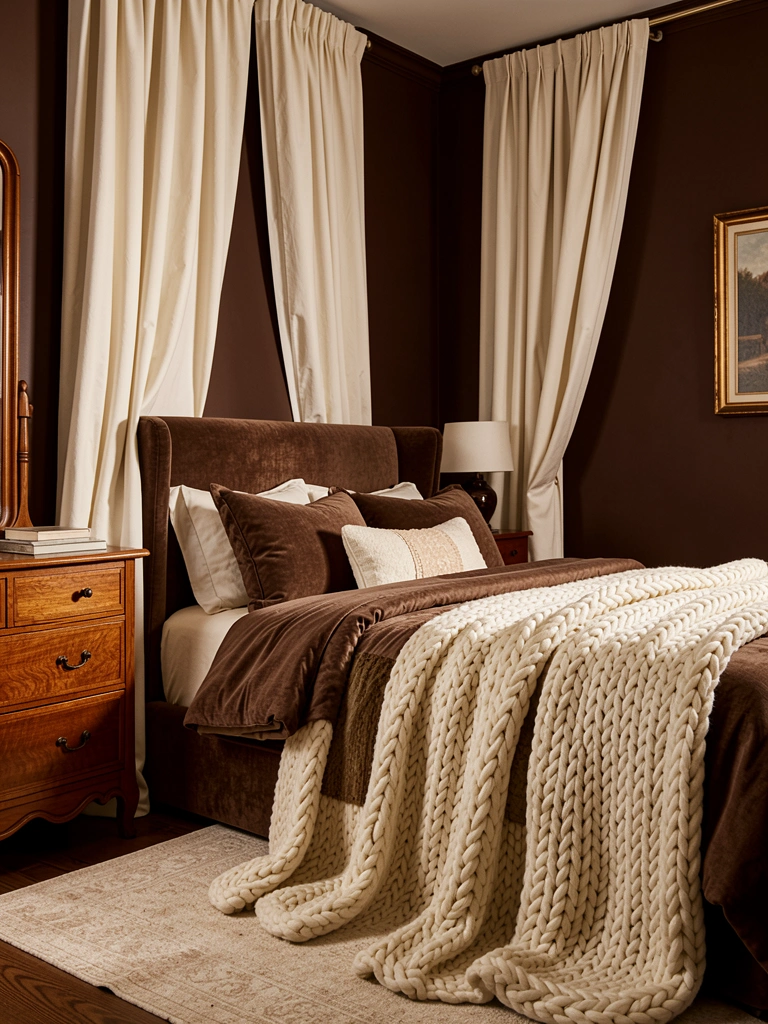
    5. Mix Textured Throws and Layered Blankets

    Layering throws with different textures creates visual interest while making your bed irresistibly touchable and cozy. This approach embraces the “grandmillennial” aesthetic of mixing handmade and vintage pieces with modern comfort.

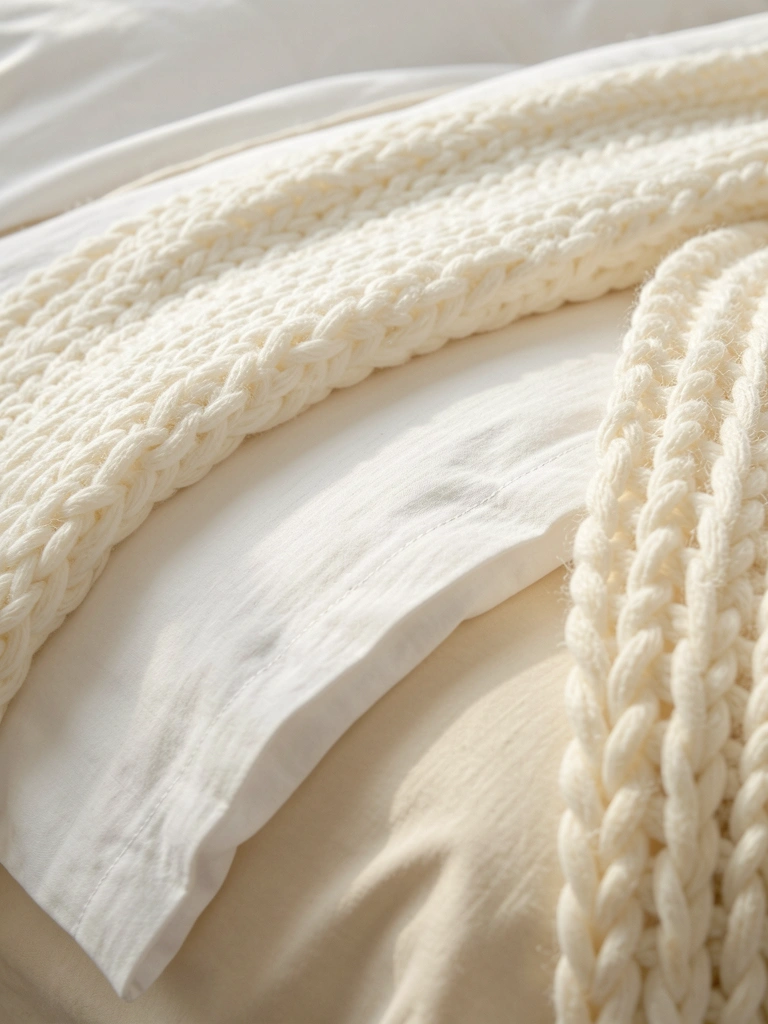
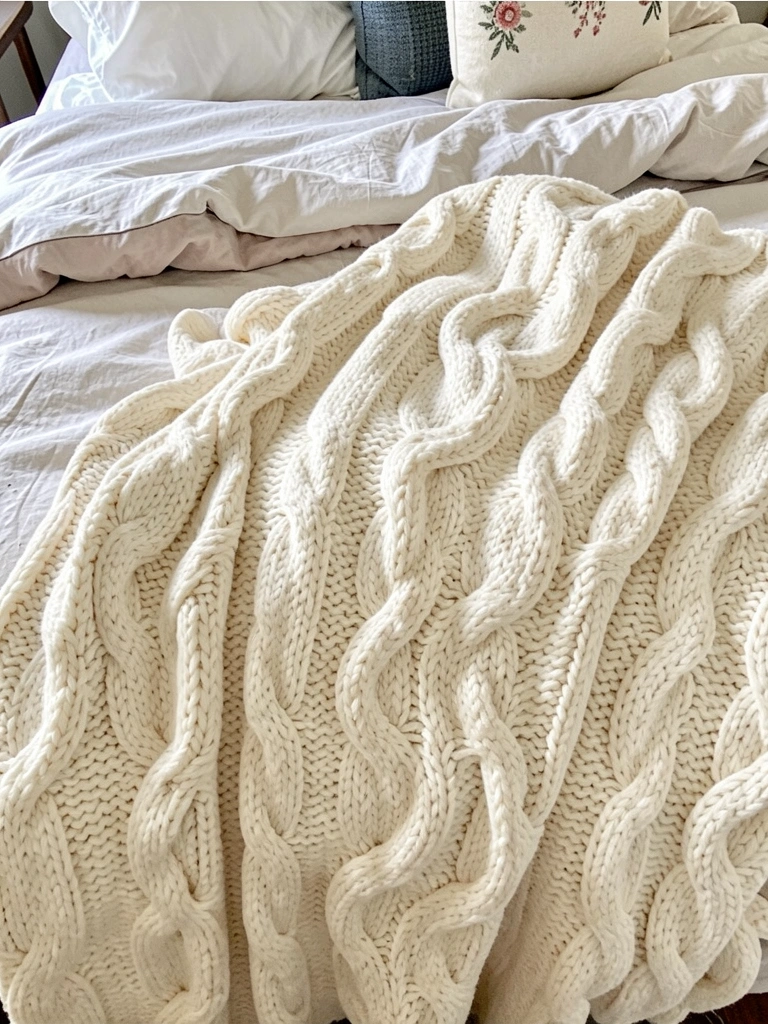
    Start with a neutral base layer (cotton or linen), then add 2–3 accent throws in contrasting textures: chunky knit, faux fur, quilted linen, or woven wool. Cost: $30–$150 depending on material quality; thrifted options at Goodwill, Facebook Marketplace, or estate sales cost $5–$30 each. Drape throws casually across the foot of the bed and one side, then tuck a pillow here and there for an effortlessly styled look. This takes 10 minutes to arrange and rearrange as you like.

    Budget hack: Mix one luxury piece (like a wool throw from Woolroom, $80–$120) with affordable knits from Target to balance cost and quality.

    The result is a bed that looks magazine-worthy while feeling deeply personal and inviting to curl up in.

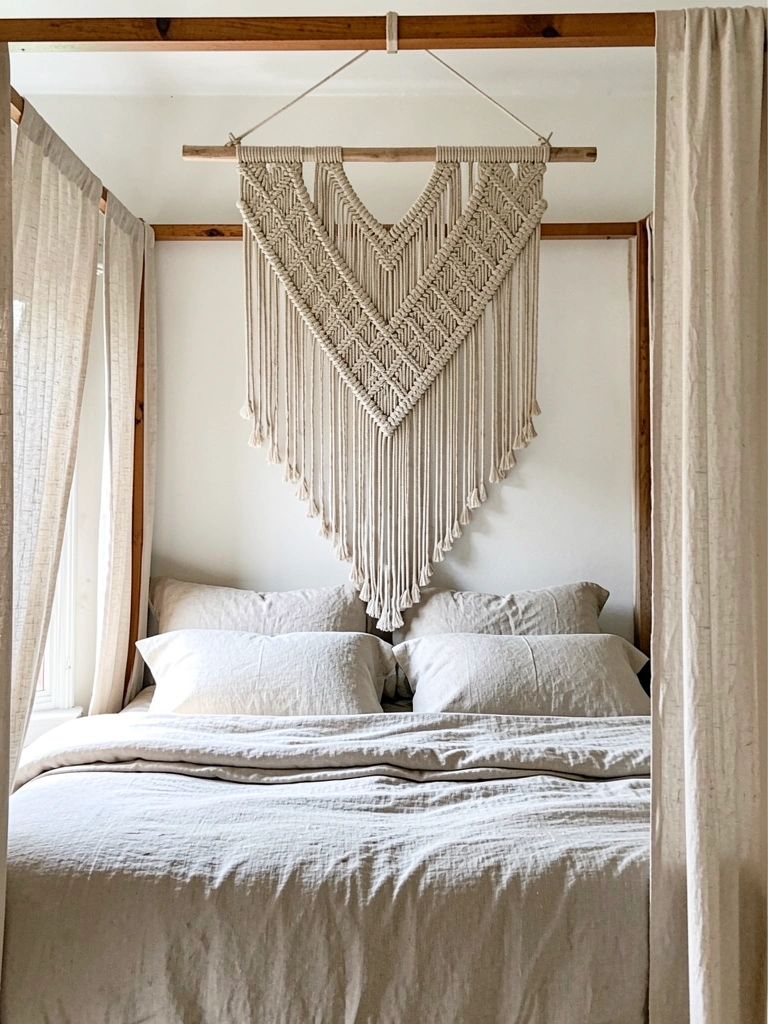
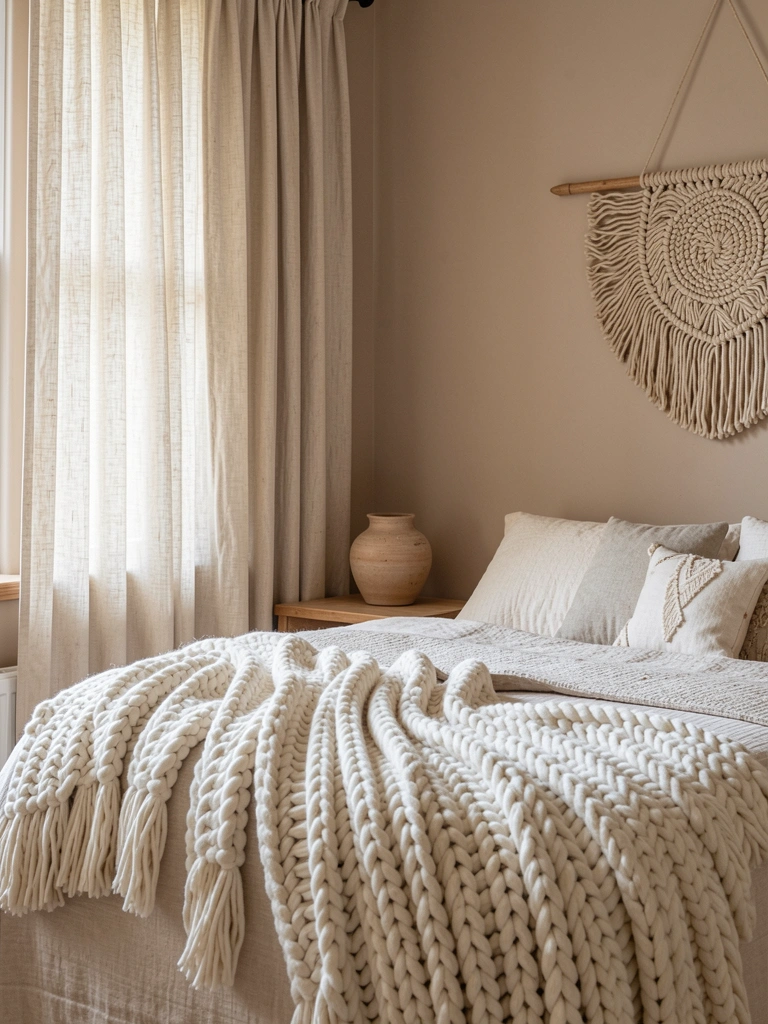
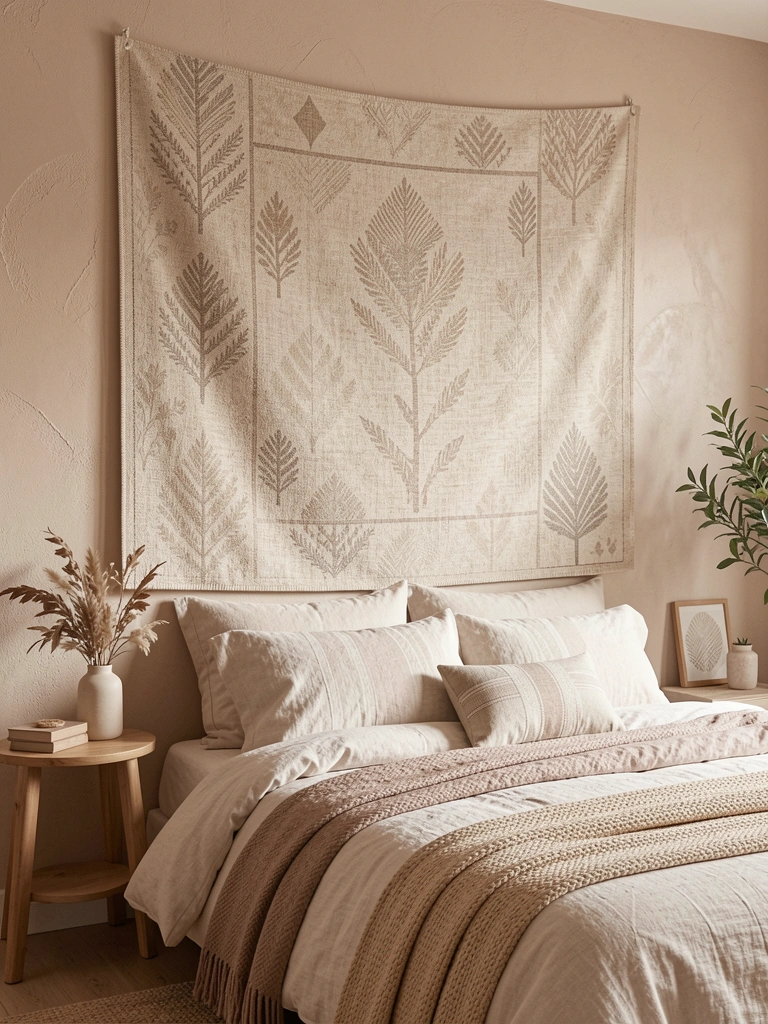
    6. Hang Macramé or Woven Tapestry from the Top

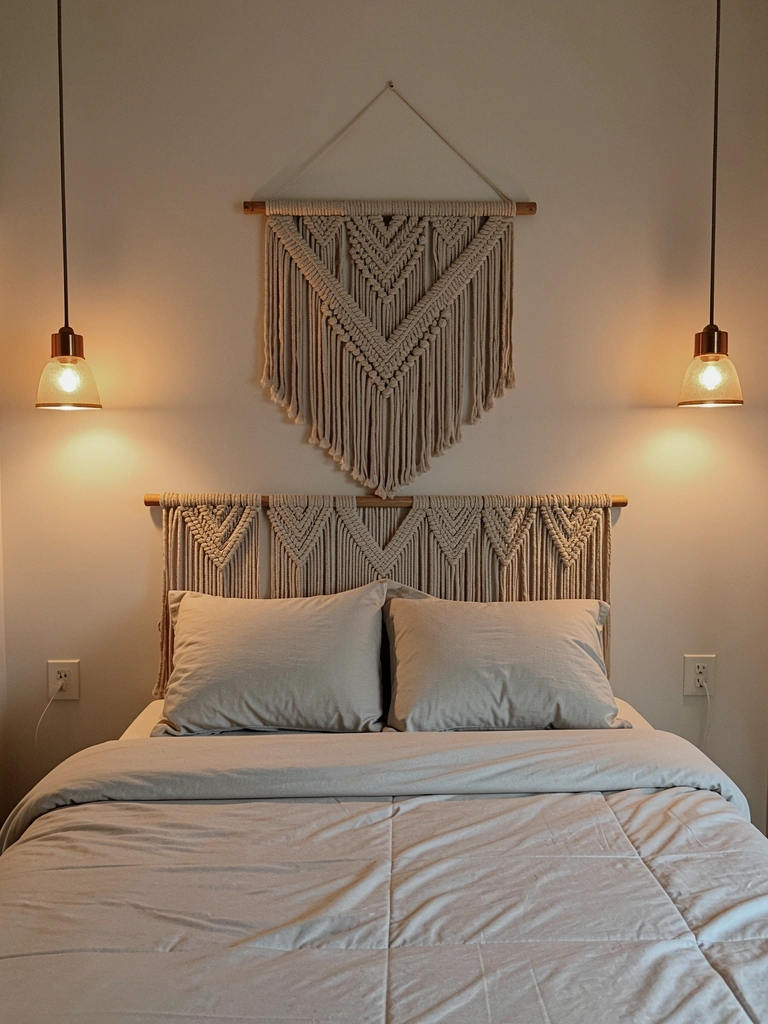
    A macramé or woven tapestry hung from the center of your canopy frame adds bohemian elegance without requiring fabric draping. This approach works especially well if you prefer a cleaner, less-draped aesthetic while still maximizing visual impact.

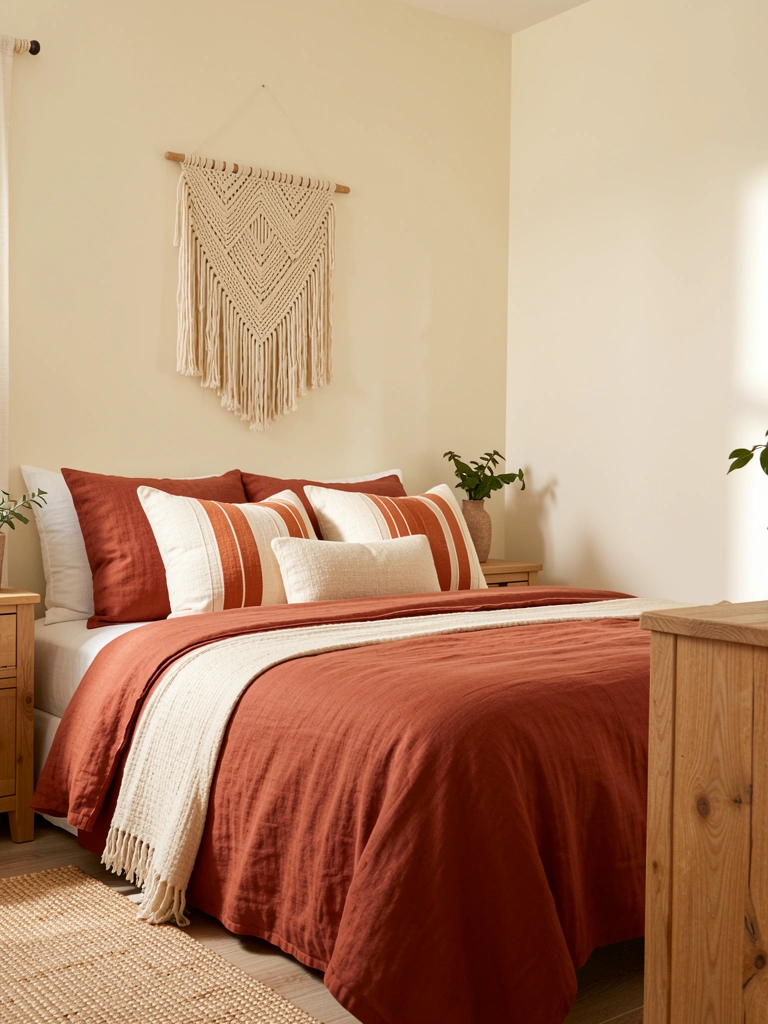
    Source a large macramé hanging or woven textile ($25–$100 from Urban Outfitters, Etsy, or World Market). Measure the center point of your canopy’s top frame and use a simple hook or loop attachment to suspend the piece. Installation takes 10 minutes. Ensure the hanging doesn’t block airflow or feel cramped; it should float about 12–18 inches below the frame. Layer minimal bedding beneath it to let the tapestry be the star.

    Thrifty alternative: Vintage woven wall hangings from Facebook Marketplace or thrift stores often cost $10–$30 and carry more character than new pieces.

    This single element transforms your canopy into a design-forward anchor that says you have a cohesive vision for your space.

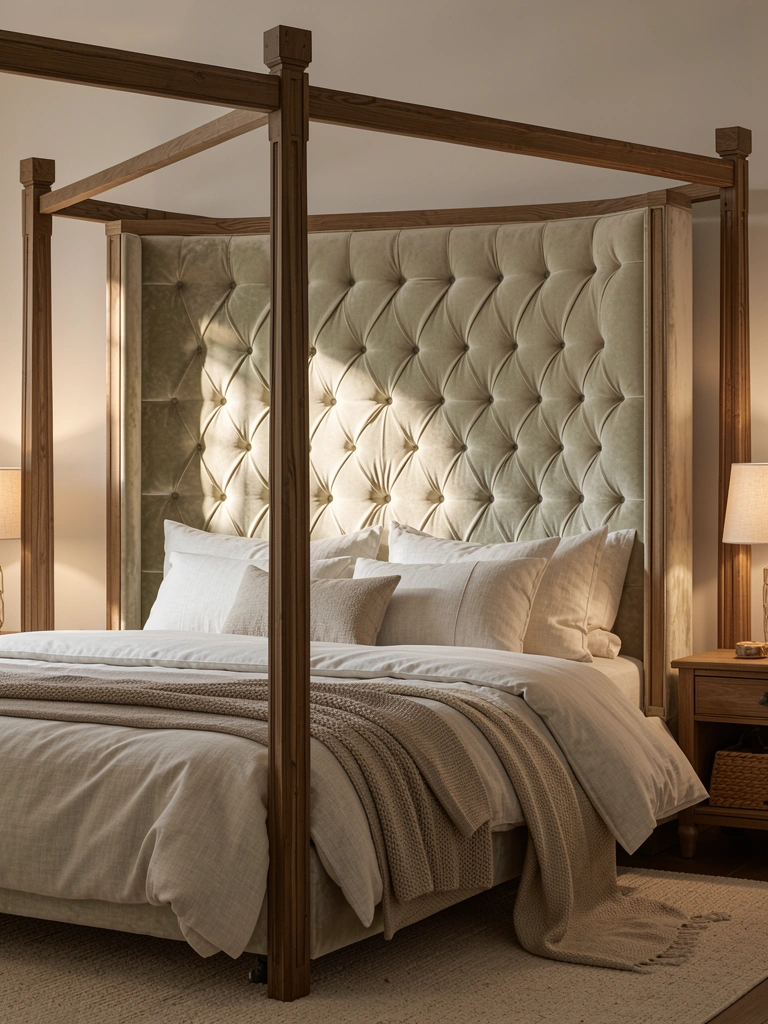
    7. Create a Tufted Canopy Headboard

    A tufted upholstered headboard built into or attached to your canopy frame elevates the entire structure from simple bed frame to statement furniture piece. The deep button detailing creates texture and luxury that instantly upgrades your bedroom’s aesthetic.

    You can either commission a custom piece ($400–$1,200 from local upholsterers or Etsy makers) or purchase a pre-made tufted headboard from Wayfair, Article, or CB2 ($300–$600) and mount it to existing canopy posts. DIY option: cover plywood with upholstered fabric using a staple gun and add buttons yourself for $150–$300 in materials and 6–8 hours of work. Alternatively, hire an upholsterer to customize your existing headboard for $200–$500.

    Budget-friendly: Use peel-and-stick wallpaper with a tufted pattern for $40–$80 on the back of an existing headboard for a tufted effect without the real craftsmanship cost.

    A tufted backdrop instantly communicates that your bedroom is a priority and a place meant for rest and comfort.

    8. Install Dimmer Switches for Mood Control

    Dimmer switches are often overlooked but game-changing for creating a magical bedroom atmosphere. They let you adjust lighting from energizing morning brightness to intimate evening glow without changing bulbs or fixtures.

    If your bedroom has a ceiling light controlled by a standard switch, install a dimmer switch for $15–$40 and about 30 minutes of work (or hire an electrician for $75–$150 if wiring intimidates you). Pair this with LED bulbs that are dimmable-compatible ($5–$15 each from Home Depot) for smooth adjustments. Renters can use plug-in dimmer adapters ($20–$30) for table lamps instead. Program dimmers to your preferred levels: 100% for cleaning/getting ready, 50% for working from bed, and 20% for winding down.

    Tip: Amber or warm-white bulbs (2700K color temperature) feel more soothing than cool white when dimmed.

    The ability to adjust light shifts your entire bedroom’s energy and makes it instantly feel more like a designed space rather than just a room.

    9. Layer Organic Bedding Materials for Better Sleep

    High-quality organic bedding isn’t just luxurious—it actually impacts sleep quality by regulating temperature and reducing skin irritation. Natural materials like linen, wool, and organic cotton breathe better than synthetic blends and develop a soft patina over time.

    Invest in organic bedding gradually: start with sheets ($80–$150 for quality linen from Parachute, Brooklinen, or Woolroom), then add an organic cotton duvet cover ($100–$180), then upgrade to a wool blanket for layering ($120–$200). Thrifted vintage quilts and linen sheets ($10–$40 from estate sales) offer character while being budget-friendly. Wash bedding weekly to maintain softness; this entire setup takes time to acquire but lasts 5–10+ years.

    Budget option: Start with one quality set of organic cotton sheets ($50–$80) and layer with affordable throws until you can add premium pieces.

    Your bed becomes a wellness sanctuary that you’ll actually want to spend time in, and better sleep follows naturally.

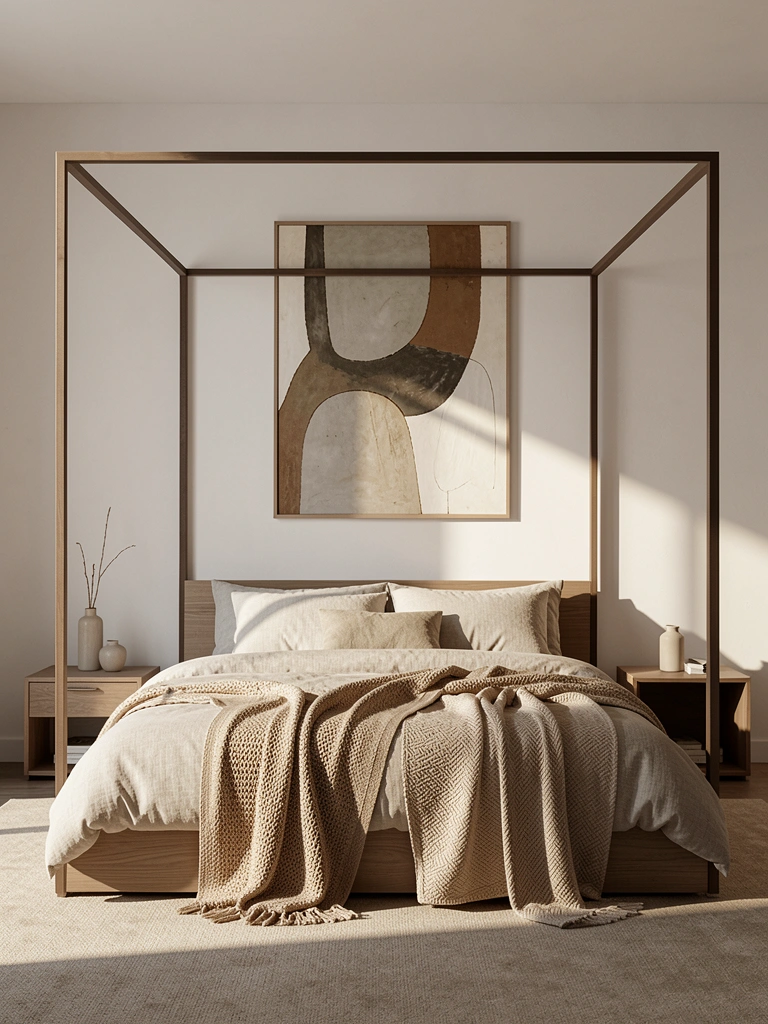
    10. Use a Canopy as a Statement Headboard Alternative

    Sometimes the frame itself is the statement. A modern, unfitted canopy creates architectural interest and draws the eye without requiring heavy textile work. This approach suits minimalist, mid-century modern, or industrial aesthetics.

    Choose a canopy frame in natural wood, black metal, or mixed materials from Article, CB2, IKEA, or West Elm ($400–$1,200). Leave it bare or add minimal accessories like small pendant lights at the corners. The frame acts as sculptural headboard alternative, perfect if you have high ceilings or want to showcase wall color or art. Setup takes a full day if assembling from scratch; professional assembly costs $100–$200.

    Renter hack: Look for adjustable canopy frames that don’t require wall anchoring, using floor-to-frame tension instead.

    A bare or minimally dressed canopy frame brings architectural sophistication without feeling overdone.

    11. Add Pendant Lights at Canopy Corners

    Hanging small pendant lights at each corner of your canopy creates functional ambient lighting while adding sculptural interest. This approach is both practical for reading and atmospheric for winding down.

    Install small pendant lights or globe lights ($15–$40 each from IKEA, West Elm, or Etsy) at each canopy corner using simple hooks and chain. Wire them to a central dimmer or separate switch if possible, or use plug-in pendant lights ($25–$50 each) with cord covers for a cleaner look. Professional electrical installation runs $150–$300; DIY takes 2–4 hours if you’re comfortable with basic wiring. Total investment: $100–$300 for fixtures plus installation.

    Budget option: Use clip-on reading lights ($10–$20 each) on canopy posts for a renter-friendly solution.

    Corner lighting eliminates harsh overhead fixtures while making your canopy feel like a personal retreat with its own ambient atmosphere.

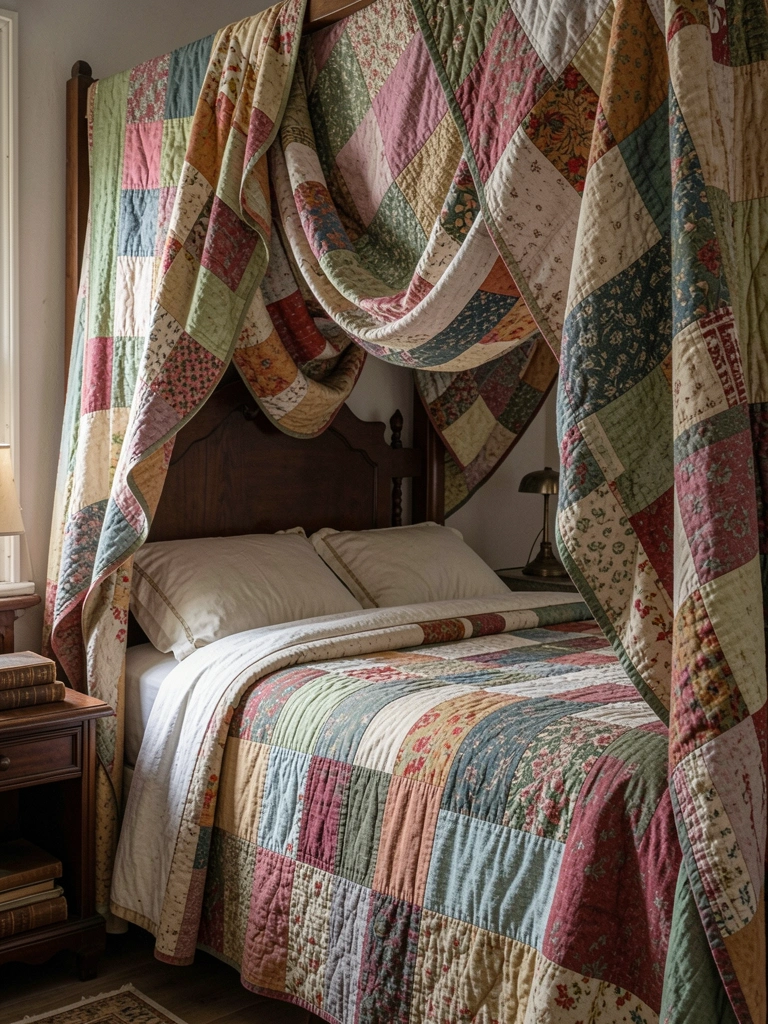
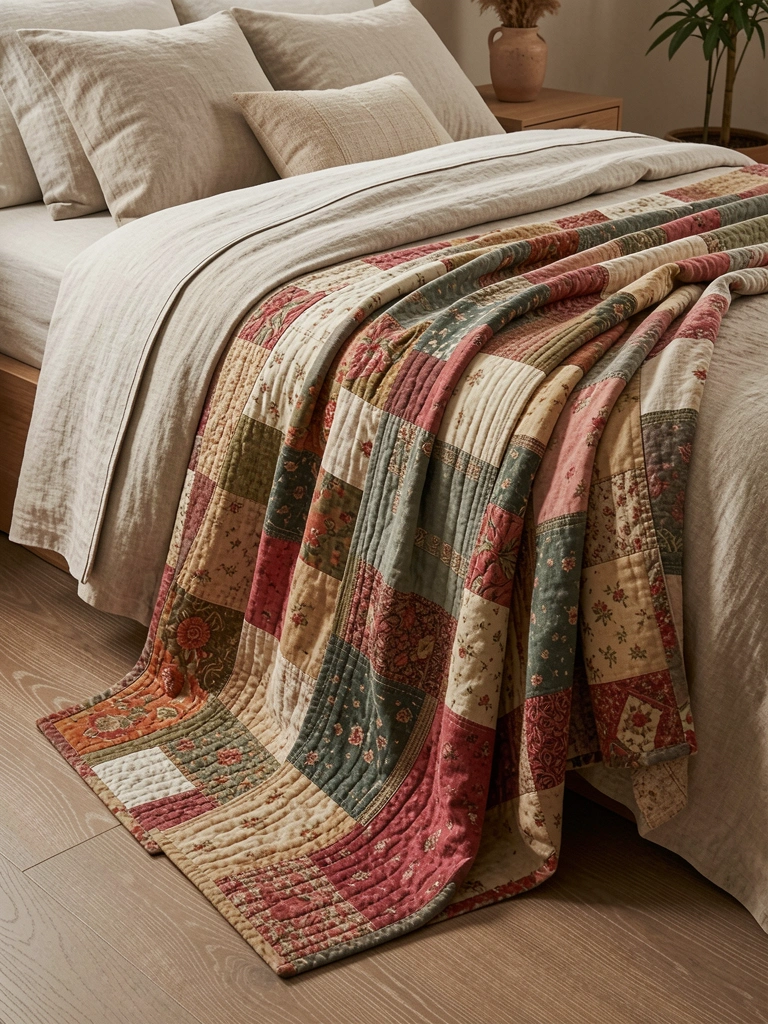
    12. Drape Vintage Quilts as a Fabric Canopy

    Vintage quilts bring handmade authenticity and storytelling to your canopy while offering an affordable alternative to buying new fabric. Each quilt carries history and character that new textiles simply can’t replicate.

    Hunt for vintage quilts at estate sales, Facebook Marketplace, Etsy, or thrift stores for $15–$80 each depending on condition and size. You’ll typically need 2–4 quilts to adequately drape a full canopy frame. Drape them loosely rather than securing tightly; the casual arrangement feels intentional and allows for easy repositioning. This approach takes 20–30 minutes to style and restyle. Vintage quilts add instant warmth and make your bed feel like a family heirloom rather than store-bought furniture.

    Quality check: Look for quilts with sturdy stitching and minimal stains; small imperfections add character, but structural damage affects durability.

    Your canopy becomes a showcase for textiles with actual history, creating a bedroom that tells your personal story.

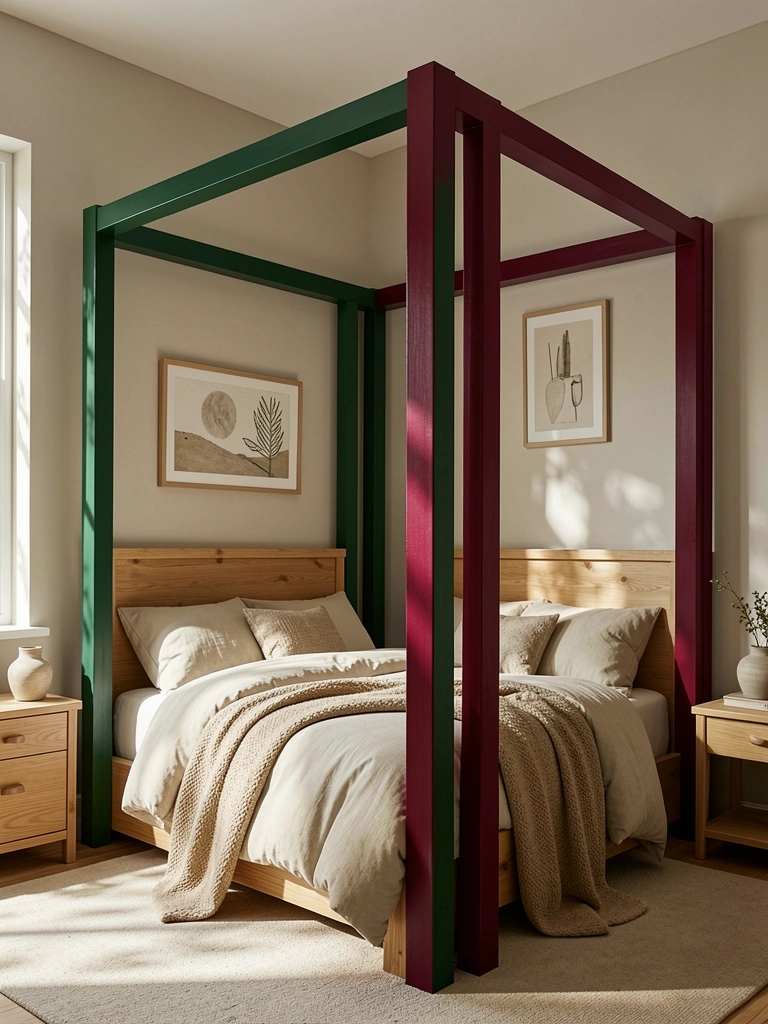
    13. Paint or Stain the Canopy Frame a Bold Color

    Painting your canopy frame a bold, saturated color makes it an undeniable design focal point without requiring any fabric work. This approach embraces the 2025 trend of intentional statement colors in unexpected places.

    Choose a deep, rich tone—forest green, warm charcoal, deep aubergine, or terracotta—that complements your overall palette. Use quality wood paint or stain ($15–$40) applied with a brush or roller; preparation (sanding, priming) takes 4–6 hours, and drying requires 24 hours between coats. Rent the canopy bed slightly so you can work, or remove it if possible. If you’re renting, skip this; it’s a commitment. The payoff is a completely transformed bed that costs just paint and time.

    Pro tip: Test the color on a small section first; lighting changes how dark tones read in your specific room.

    A bold frame color elevates your canopy from standard bedroom furniture to an intentional design statement that commands the room.

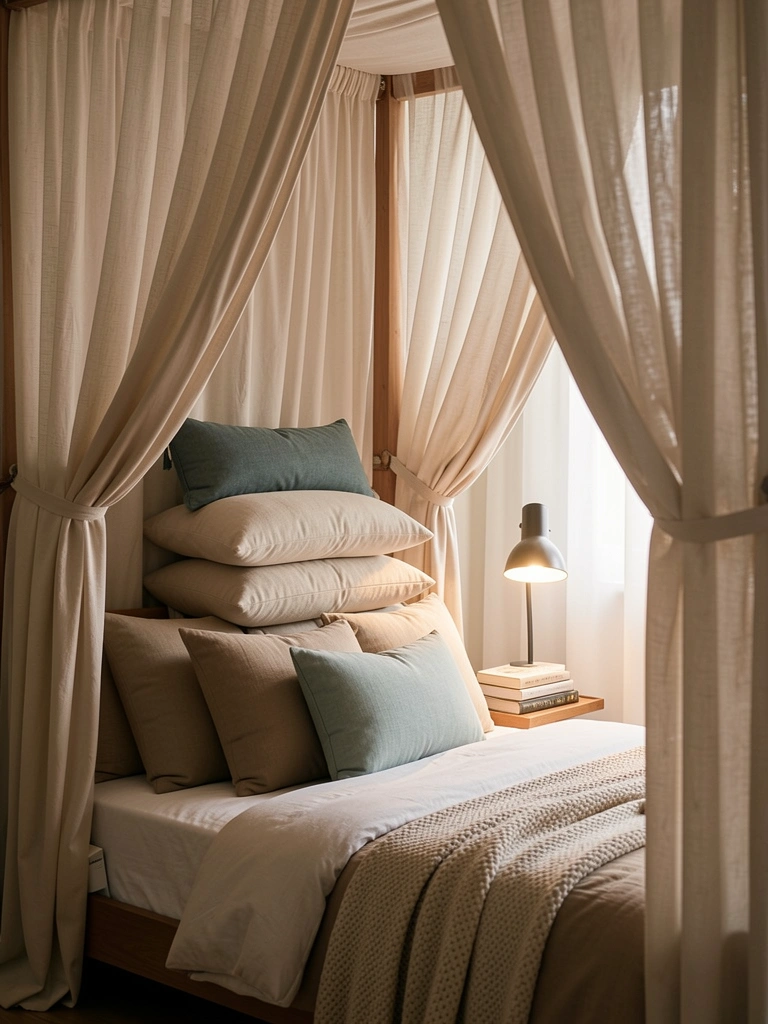
    14. Create a Reading Nook Inside with Cushions

    Transform your canopy’s interior space into a reading sanctuary by filling it with plush cushions, a small lamp, and minimal furniture. This approach maximizes comfort while creating a defined escape within your bedroom.

    Gather cushions in coordinating neutral tones and varied sizes ($5–$25 each from Target, IKEA, or thrift stores) and layer them inside your canopy to create a nest-like seating area. Add a small plug-in reading lamp ($25–$60) clipped or mounted to the frame. Keep books, tea, and a small side table just outside the canopy to maintain the intimate feel. This setup costs $80–$150 and takes 1 hour to arrange. It works especially well if your canopy has a high frame that allows room to sit upright comfortably.

    Tip: Use washable cushion covers so you can freshen them without replacing the pillows themselves.

    You’ll create a bedroom within your bedroom—a personal retreat perfect for reading, journaling, or simply decompressing from the day.

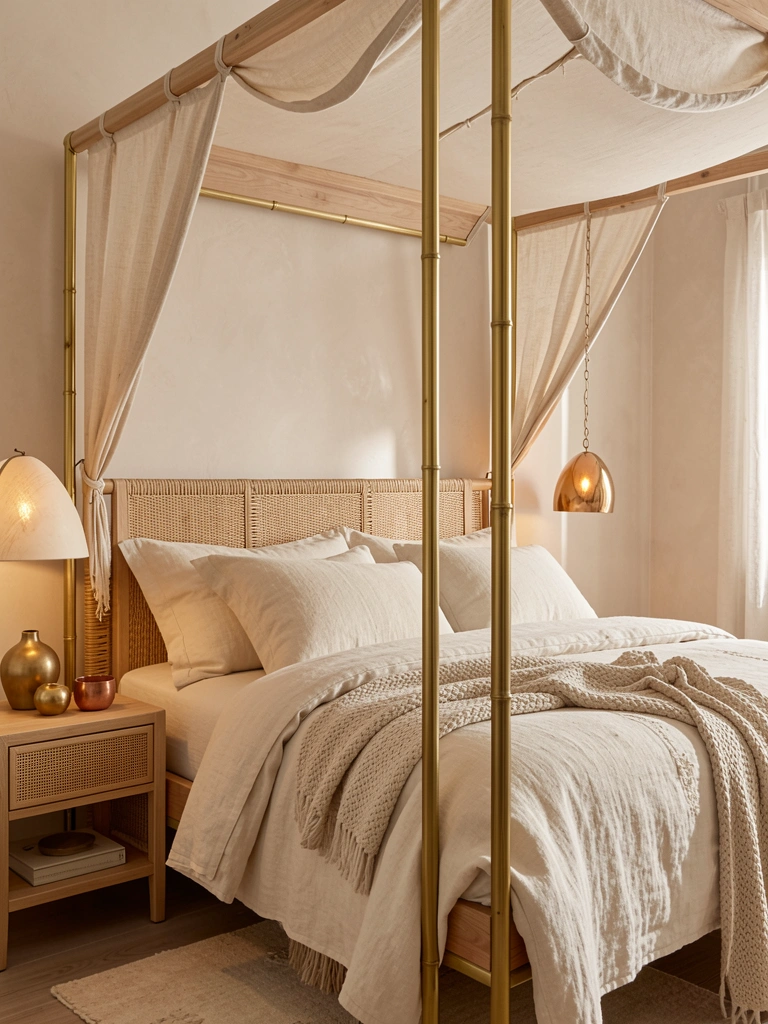
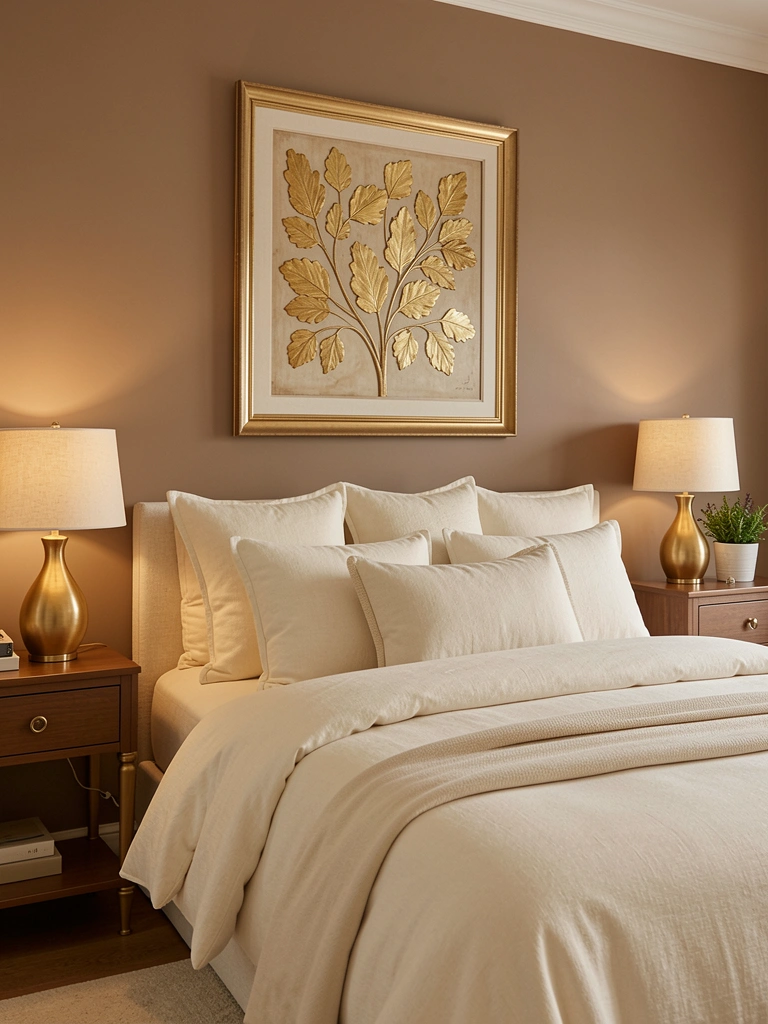
    15. Mix Metallic Accents with Organic Textures

    Pairing metallic accents (brass, copper, gold) with raw, organic textures creates a balanced aesthetic that feels both modern and grounded. This contrast is at the heart of the 2025 “organic modernism” trend.

    If your canopy frame is wood, add metallic elements through hanging fixtures (brass pendant lights, $30–$80), frame hardware upgrades (brass corner brackets, $20–$50), or styling accessories (brass bookends, candlestick holders, $15–$40 each from West Elm, CB2, or Etsy). Pair these with natural textiles (linen, wool, cotton) and raw wood tones. This approach costs as much or as little as you want to spend and works with any budget since you’re layering accents over existing pieces.

    Budget option: Thrift brass and copper decor ($2–$10 each) and place strategically on nightstands and shelves.

    The interplay between cool metallics and warm organics makes your canopy feel sophisticated and intentionally curated.

    16. Install a Canopy Tent for Renters

    If you’re renting and can’t commit to a permanent canopy frame, a freestanding canopy tent creates the aesthetic without landlord drama. These collapse easily when you move and work in any bedroom size.

    Purchase a freestanding canopy tent bed ($200–$500 from Amazon, Wayfair, or Overstock) in styles ranging from minimalist metal frames to complete fabric tents. Assembly takes 2–4 hours with minimal tools; no drilling required. They’re fully portable and pack into a large storage bag for moves. Quality varies, so read reviews carefully. Once set up, drape with your own fabrics, add string lights, and style exactly as you would a permanent frame.

    Pro tip: Measure your bedroom doorway before ordering to ensure the packaged tent fits through.

    You get all the magic and personality of a canopy bed with the flexibility that rental life requires.

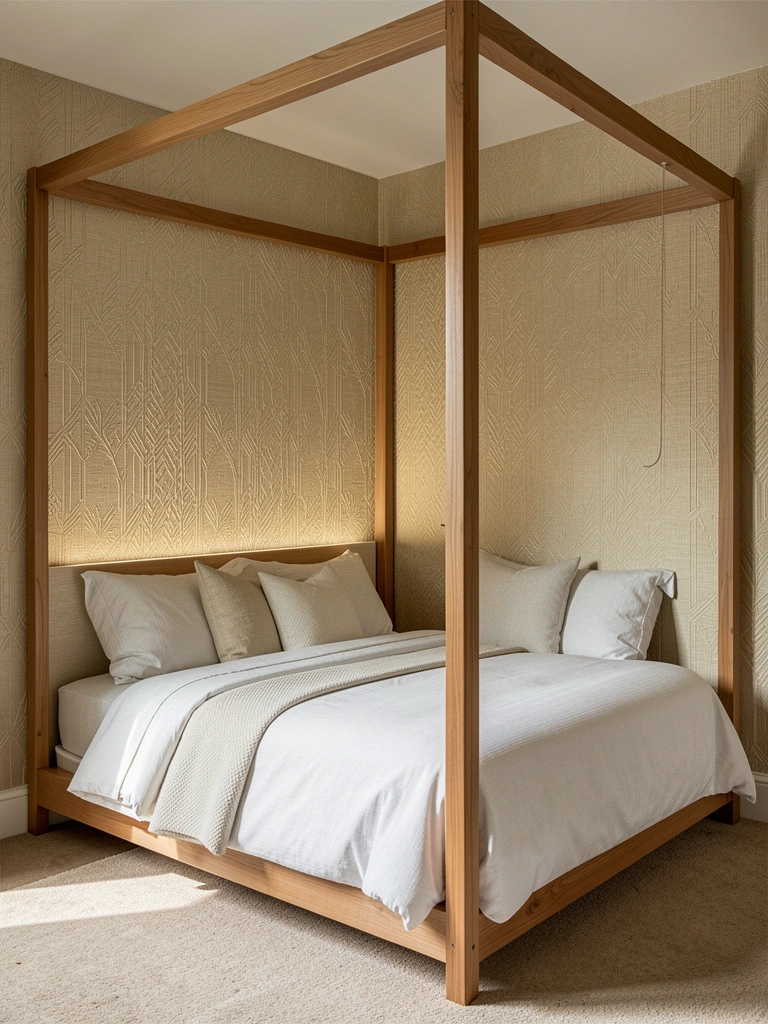
    17. Layer Textured Wallpaper Inside the Canopy

    Wallpapering just the visible interior of your canopy creates a surprise design detail that you see every morning and evening. This approach adds personality without overwhelming your entire room.

    Choose a textured wallpaper—grasscloth, embossed geometric, or subtle patterned—in a neutral or coordinating color. Peel-and-stick wallpaper ($25–$60 per roll from Spoonflower, Etsy, or Amazon) works best for renters and easy removal. You’ll need 2–3 rolls depending on your canopy size. Application takes 3–4 hours and requires a clean, smooth surface. If you own your home, traditional wallpaper ($20–$50 per roll) offers more options and durability, with professional installation costing $100–$200.

    Budget hack: Paint the interior with a coordinating color using peel-and-stick primer ($15–$30) to avoid permanent marks.

    Every time you look up in bed, you see intentional design detail that makes your canopy feel custom-built for you.

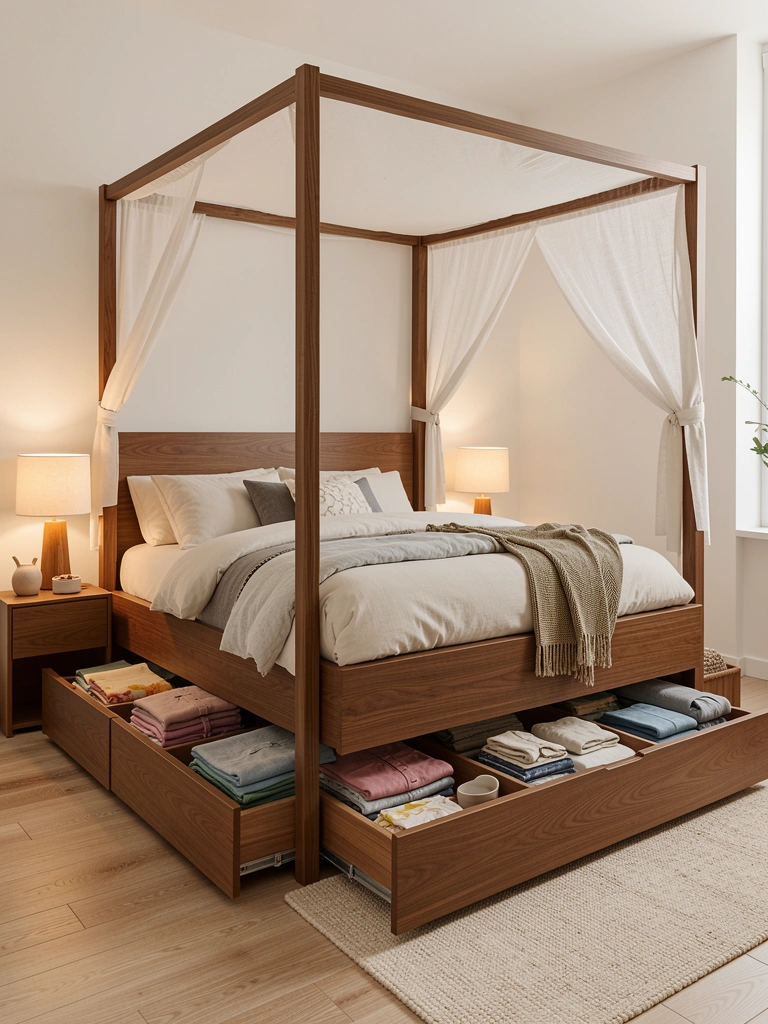
    18. Add a Under-Bed Storage System for Organization

    A well-organized under-bed storage system keeps your bedroom clutter-free while maximizing every inch of your canopy space. This practical approach is especially valuable in smaller bedrooms.

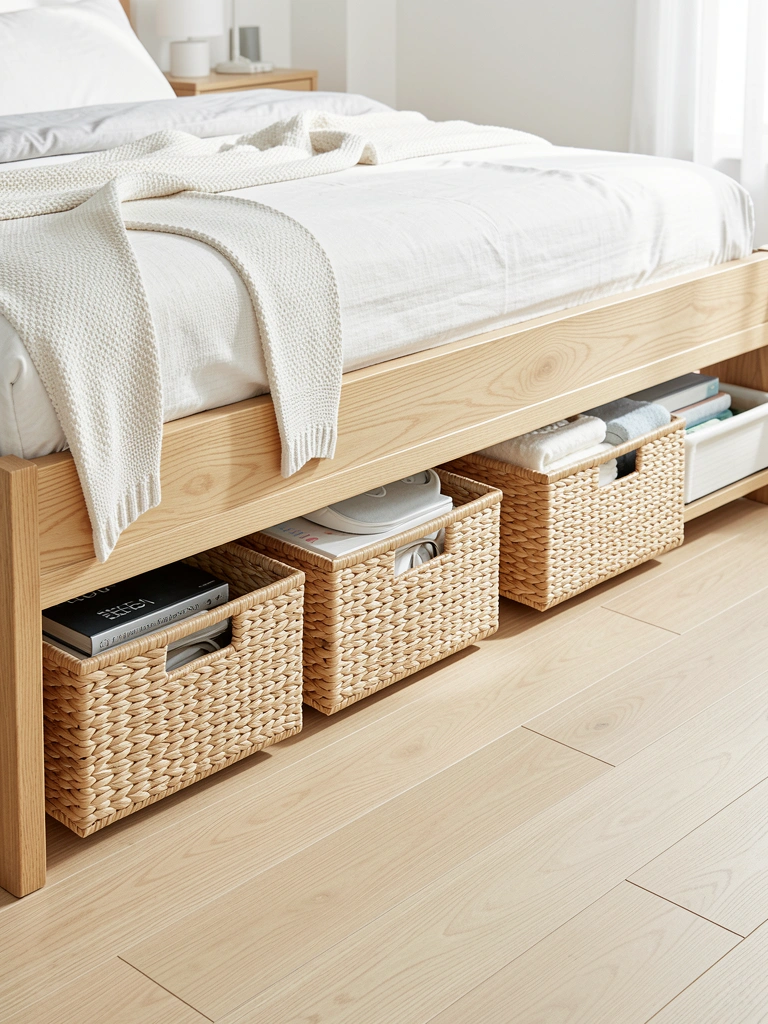
    Install low-profile storage drawers, bins, or a platform bed with built-in drawers ($200–$600 from IKEA, Wayfair, or Amazon) or add rolling under-bed storage containers ($20–$60 each). Label everything clearly and store off-season bedding, extra pillows, or rarely-used items. This keeps your bedroom looking serene and calming—a key element of sanctuary design. Setup takes 1–2 hours depending on your system; some options require no assembly at all.

    Renter-friendly: Use fabric under-bed storage containers ($15–$30 each) with no installation required.

    Organized storage means a clutter-free floor and visual calm, making your canopy feel like a true retreat rather than a storage closet.

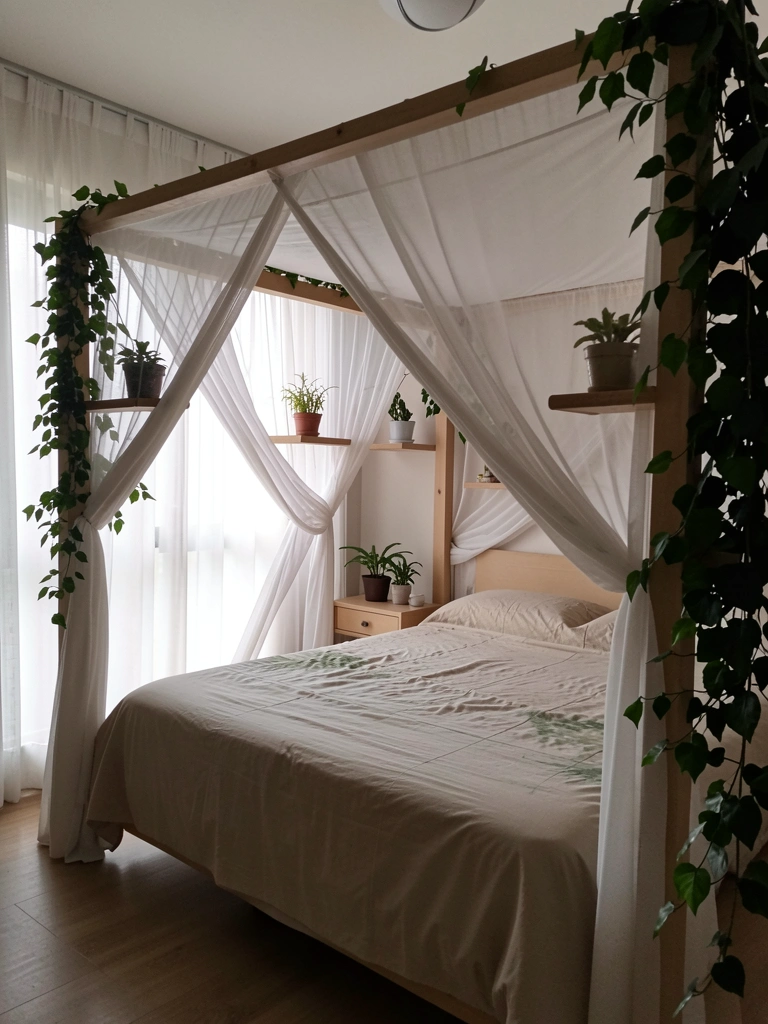
    19. Incorporate Biophilic Elements: Plants and Natural Light

    Bringing plants and natural light into your canopy’s vicinity creates a biophilic design that connects you to nature and improves wellbeing. Plants and sunlight reduce stress and make bedtime feel more restorative.

    Position your canopy near a window if possible to maximize natural light. Add small potted plants—pothos, snake plants, or peperomia—on floating shelves, nightstands, or hanging planters ($5–$25 each from IKEA, Home Depot, or local garden centers). Total plant investment: $30–$100 for 4–6 small plants. Ensure plants get appropriate light for their species and water them weekly. If your room lacks natural light, add a full-spectrum grow light ($30–$60) near plants to support both plant health and your circadian rhythm.

    Low-maintenance option: Invest in high-quality faux plants ($10–$30 each) if you travel frequently or forget to water.

    The presence of greenery creates a calm, grounded atmosphere that makes your canopy feel like a sanctuary rather than just furniture.

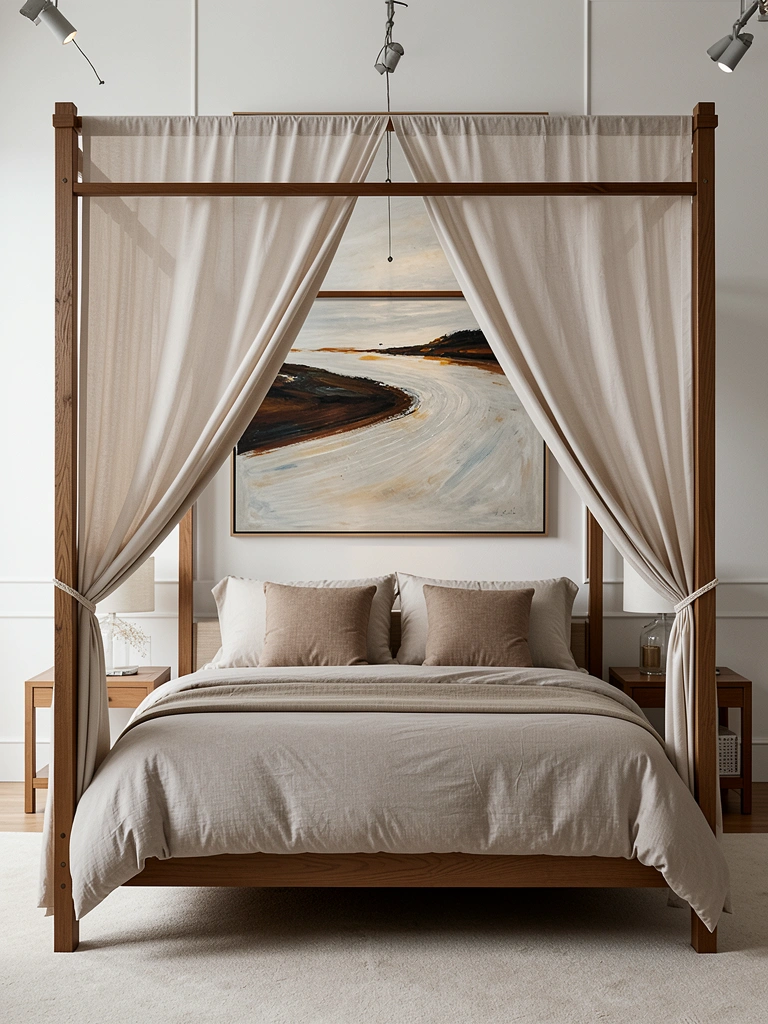
    20. Use Statement Art Above or Inside the Frame

    A significant piece of art hung above or behind your canopy becomes the visual anchor for your entire bedroom. This approach lets you express personal style while grounding the design.

    Commission or purchase a large art print, original painting, or textile artwork ($50–$500+ depending on artist and medium) from Etsy, local galleries, or online platforms like Minted. Hang it centered on the wall directly behind your canopy’s frame so it’s visible when you’re in bed or entering the room. The art should measure at least 24×36 inches to have impact in a bedroom. Frame it ($40–$150 for framing) or leave it unframed for a modern look. This becomes the conversation starter and personality injection your space needs.

    Budget option: Print an oversized digital art piece ($10–$30) at a local print shop and frame it yourself using Ikea frame sets ($20–$50).

    Art-led design instantly communicates that your bedroom is curated and reflects your taste, making the entire space feel more intentional.

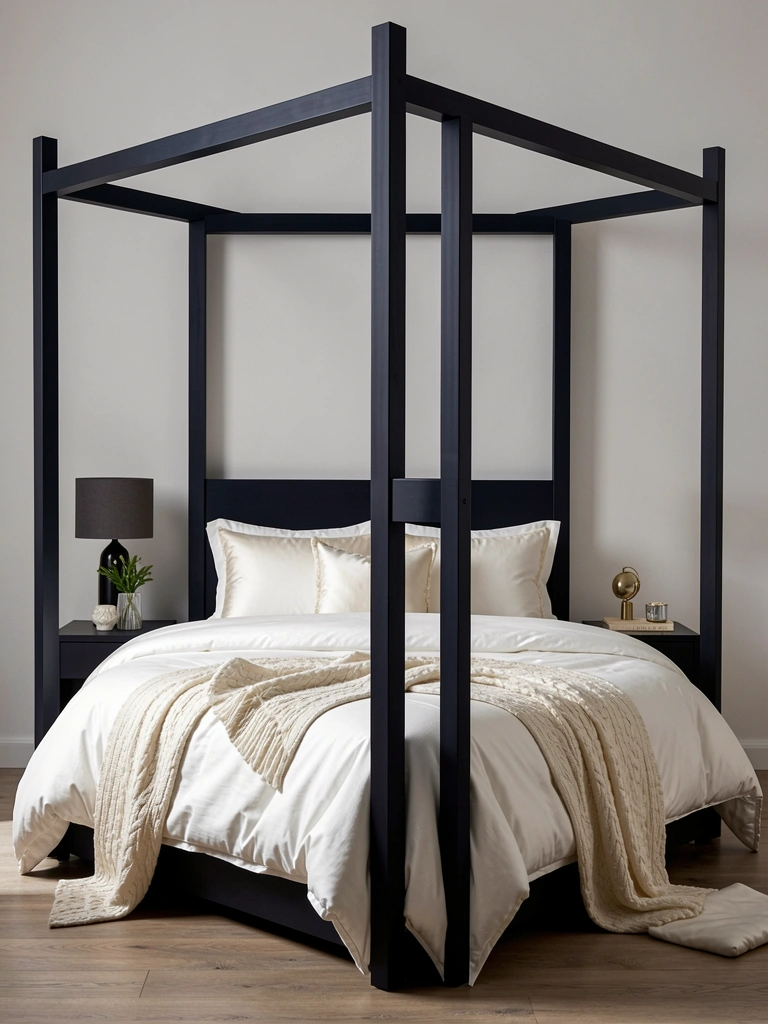
    21. Create Contrast with a Dark Canopy and Light Bedding

    Playing with contrast—a dark canopy frame against pale, luminous bedding—creates visual sophistication and makes your bed pop as the room’s focal point. This approach feels modern and intentional.

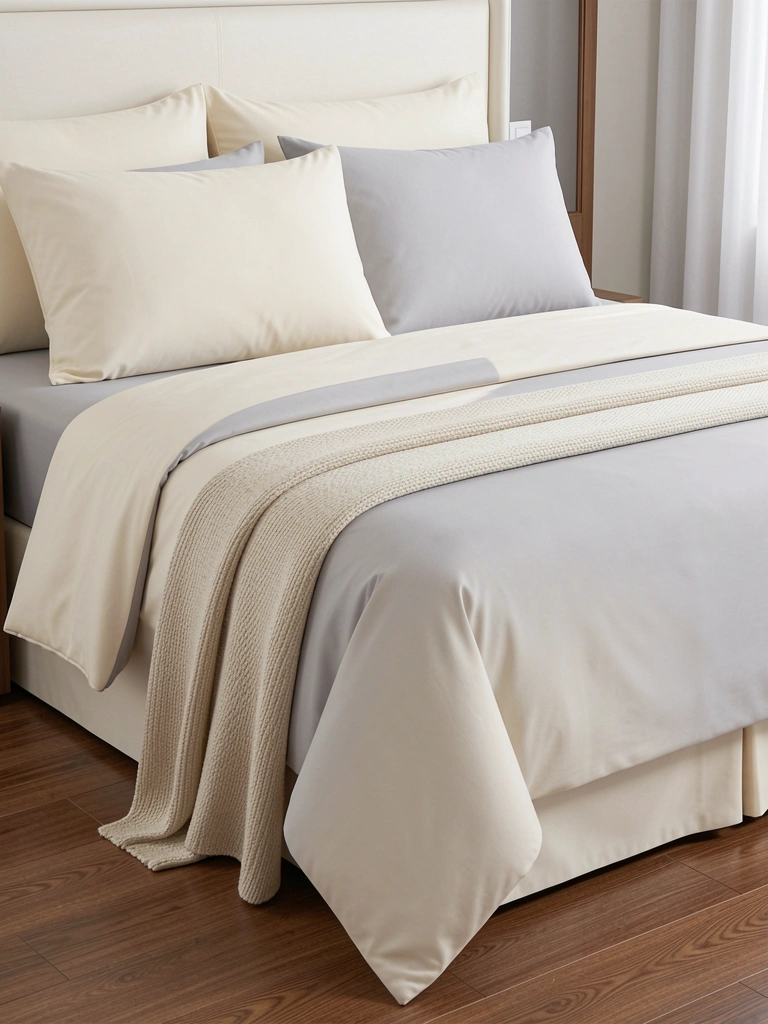
    Choose bedding in white, cream, or pale gray (organic cotton, linen, or cotton blend; $80–$200 from Parachute, Brooklinen, or Target) and pair it with a dark-toned canopy frame in black, deep charcoal, navy, or forest green. The contrast creates definition and makes both elements feel more impactful. If your frame is already dark, introduce pale bedding; if your frame is light wood, add dark bedding. This costs just the investment in quality bedding since you’re working with what you have.

    Pro tip: Add one accent pillow in a third color (rust, sage, or warm gray) to bridge the contrast without muddying it.

    The high contrast between frame and bedding creates a design moment that feels gallery-quality and deeply intentional.

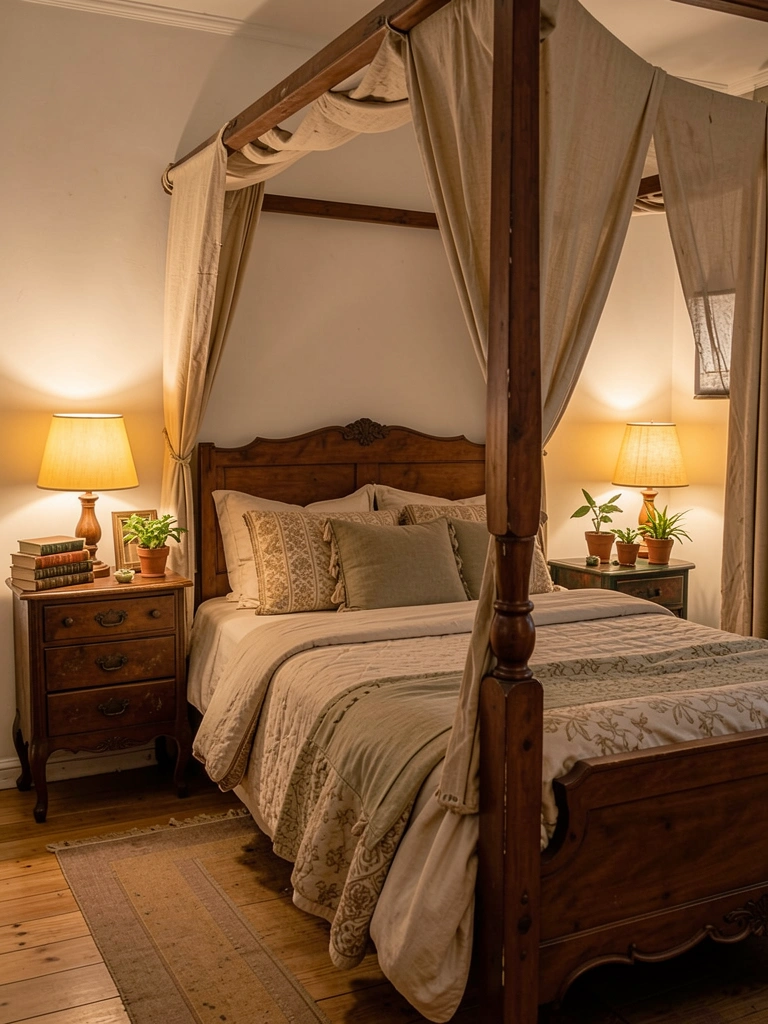
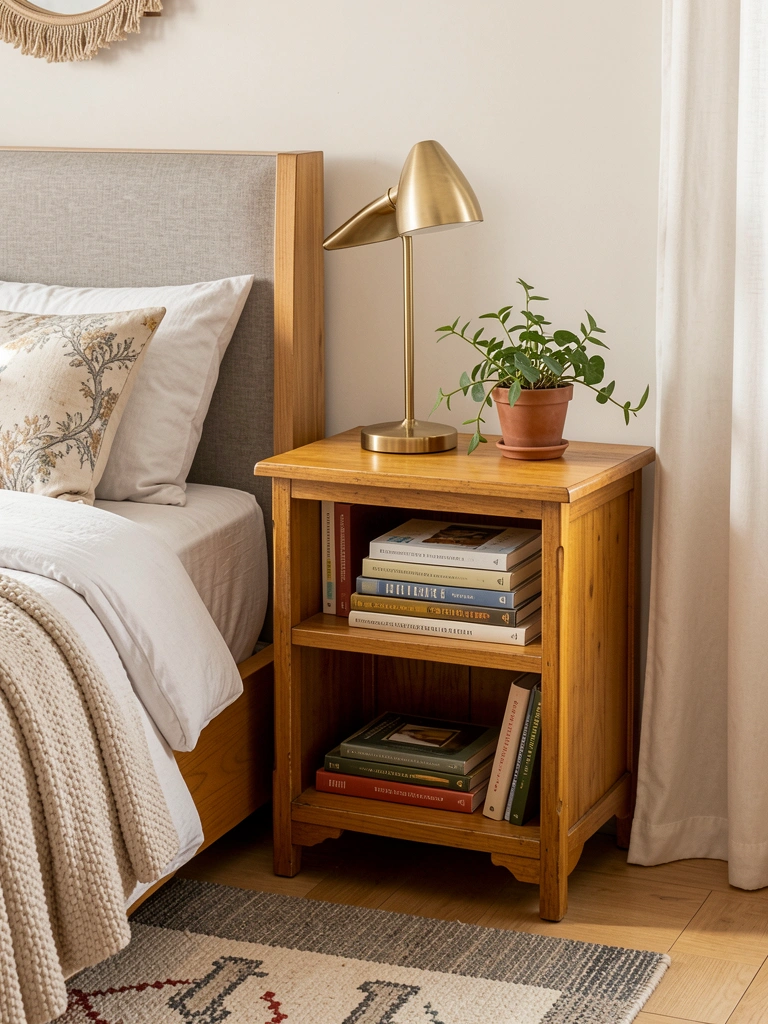
    22. Accessorize with Vintage Nightstands and Styling

    Flanking your canopy with vintage or secondhand nightstands adds character while supporting the nostalgic elements that make a canopy feel magical. Mismatched vintage pieces tell a story better than matching sets.

    Hunt for vintage nightstands at estate sales, Facebook Marketplace, thrift stores, or Craigslist for $30–$150 each depending on condition and style. Look for wood pieces with interesting hardware or unique shapes rather than generic modern designs. You don’t need them to match—eclectic variety is more interesting. Style the tops with vintage books ($2–$10 each), small plants ($5–$20), brass or ceramic objects ($5–$30), and a reading lamp ($25–$80). Total setup cost: $100–$300 for two tables plus styling, taking 1–2 hours to arrange and decorate.

    Pro tip: Source pieces that complement your canopy frame material and color for visual cohesion.

    Vintage nightstands give your bedroom an intentionally collected feel, as if you’ve curated pieces over time rather than buying everything new.

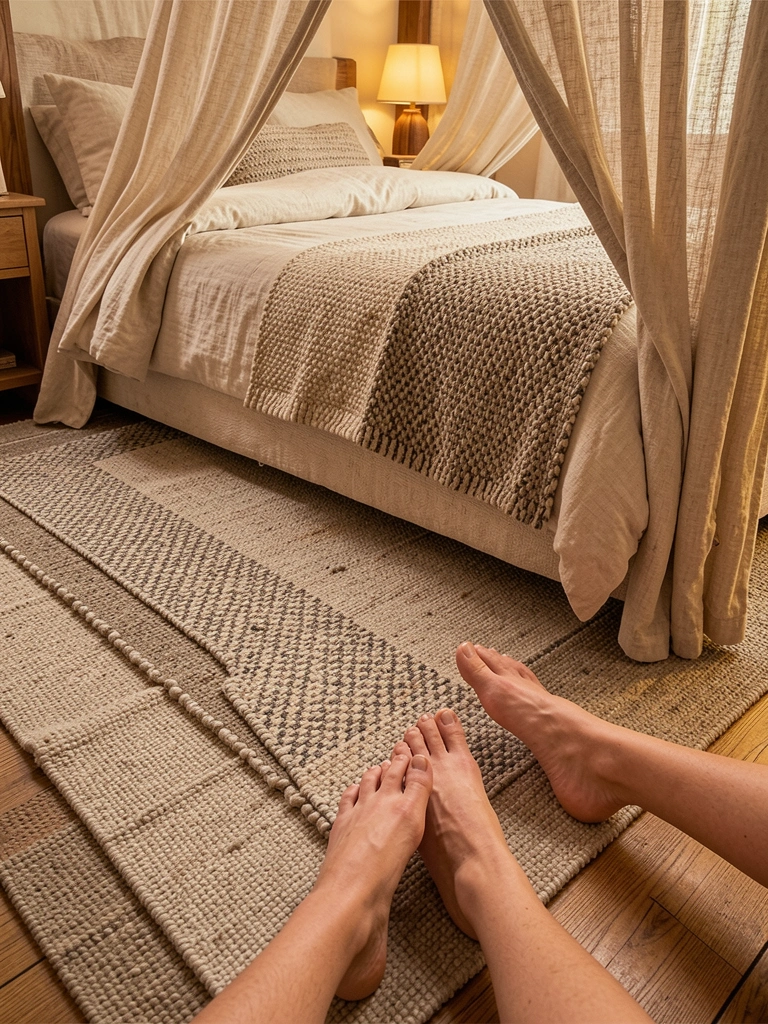
    23. Layer Sensory Textures with Rugs and Runners

    Layering rugs beneath your canopy adds underfoot comfort and visual interest while defining the bed as a separate zone within your bedroom. Different rug textures create sensory richness.

    Start with a larger base rug (8×10 or 9×12 feet) in a neutral tone—natural jute, wool, or cotton blend—for $100–$300 from IKEA, Wayfair, or West Elm. Layer a smaller runner or patterned rug on top (4×6 or 5×8 feet) in a complementary texture or pattern for $50–$150. This creates visual interest and defines your sleeping zone without feeling cramped. If you’re renting, use non-slip rug pads ($10–$20) to secure layers safely. Total cost: $150–$450 with immediate visual impact.

    Budget hack: Thrifted vintage rugs ($15–$40 each) layered together often feel more interesting than new pieces.

    Layered rugs make your bedroom feel intentionally designed while adding comfort and acoustic warmth to an otherwise hard floor.

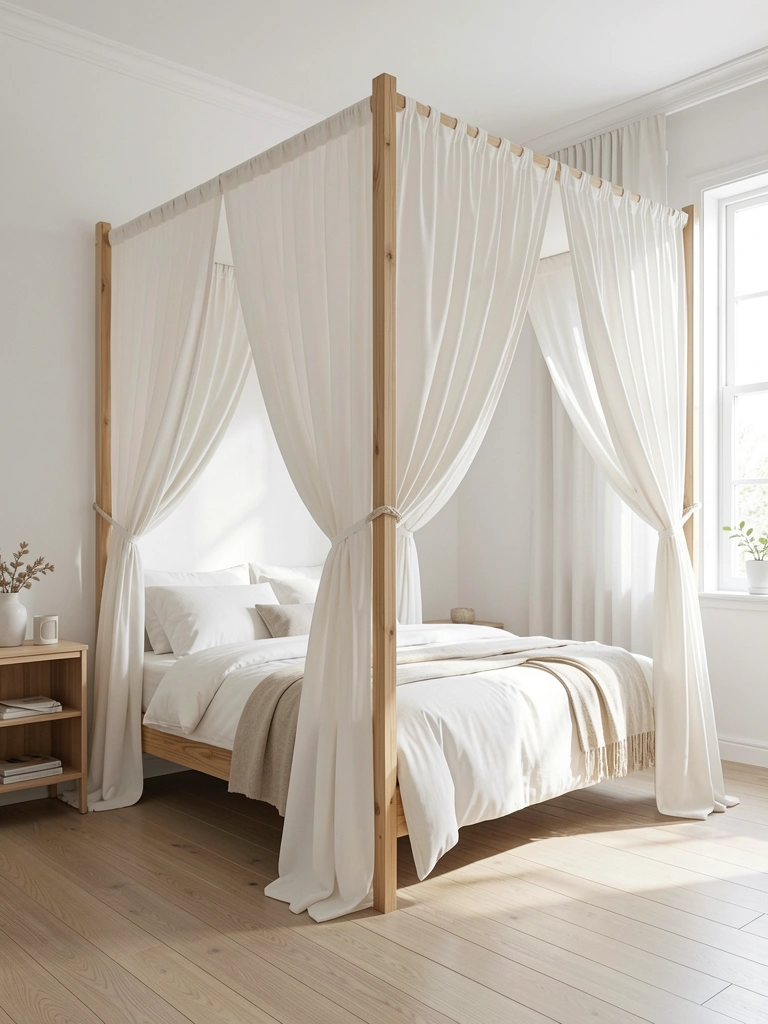
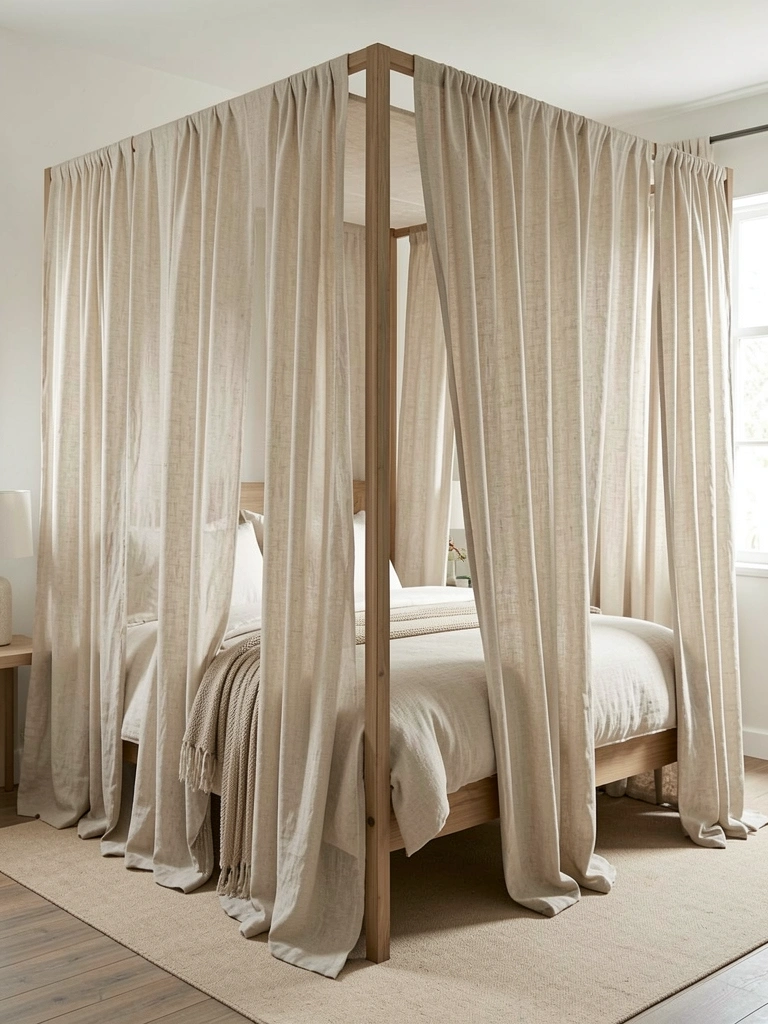
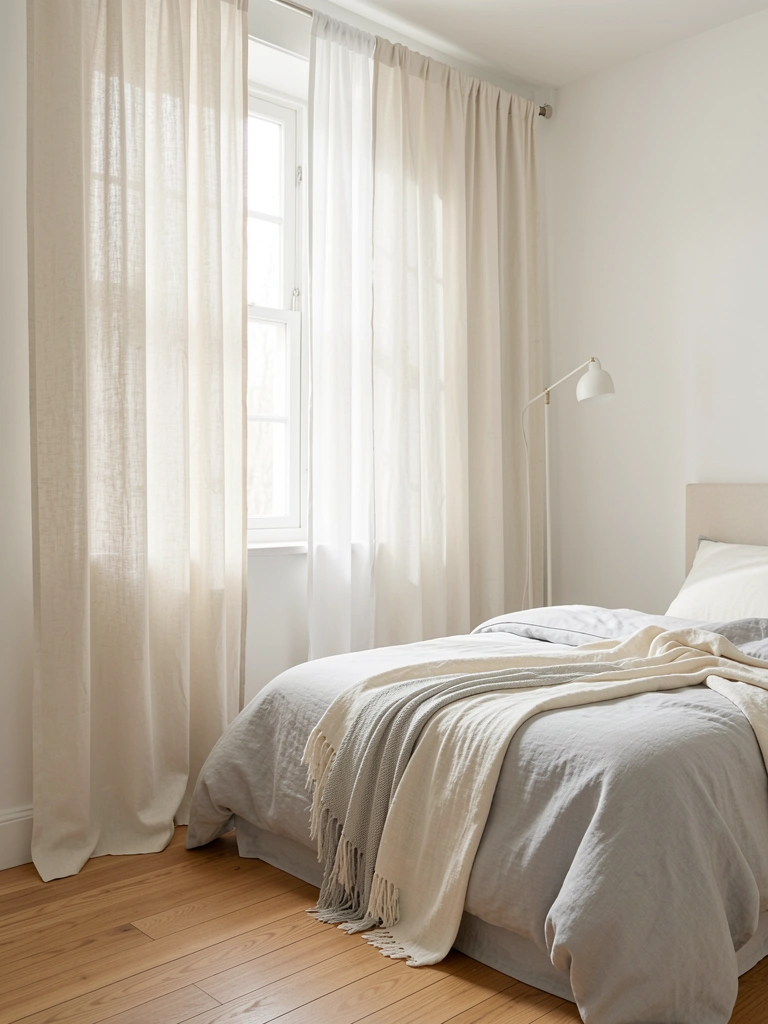
    24. Use Flowing Linen Curtains as Side Drapes

    Floor-length linen curtains hung from your canopy’s side posts create elegant vertical lines and add romance without overwhelming the space. This approach is simpler than full-fabric canopies but equally impactful.

    Purchase linen curtain panels ($30–$80 per panel from IKEA, Target, or Etsy) in cream, natural, or a soft neutral. You’ll need 2–4 panels depending on your canopy width. Hang them from ceiling-mounted rods or tension rods attached to your frame’s top corners. Let them pool slightly on the floor for added drama; this takes 30 minutes to hang and style. The flowing movement catches light beautifully and creates an ethereal effect, especially in rooms with good natural light.

    Renter option: Use removable adhesive hooks and tension rods (no drilling) for $20–$40.

    Flowing linen side curtains create romance and architectural interest while maintaining a clean, unfussy aesthetic.

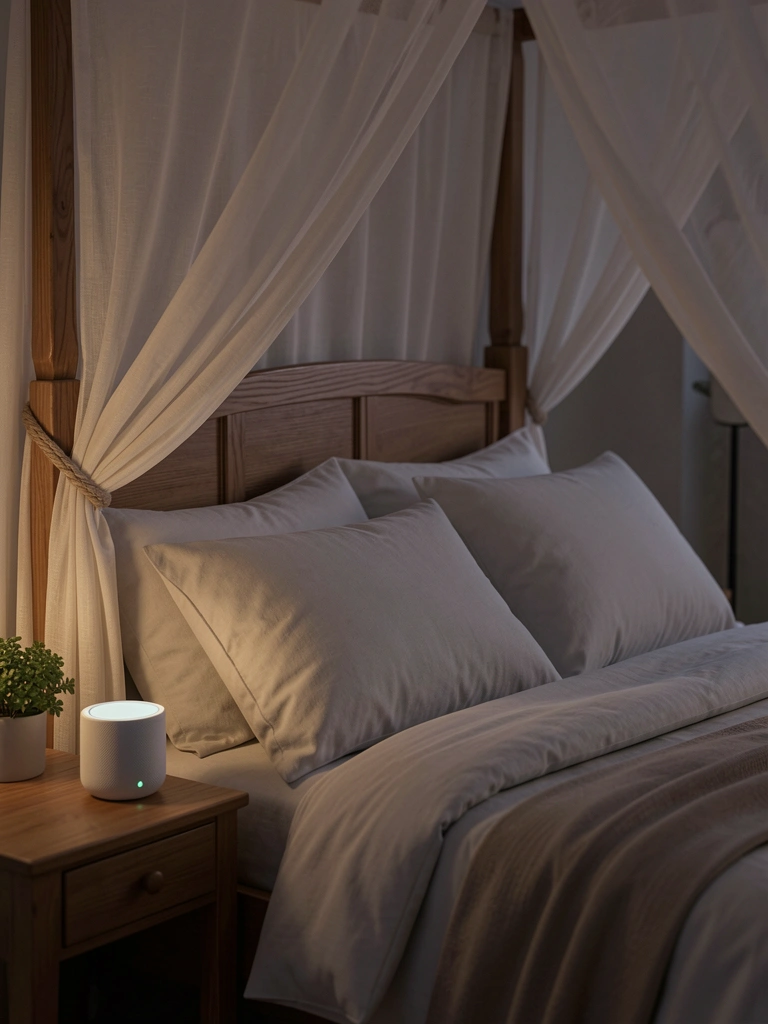
    25. Add Ambient Sound or White Noise for Sanctuary Effect

    While not strictly visual, adding ambient sound or white noise completes your canopy sanctuary by engaging another sense. This transforms your bed into a true retreat where sleep and relaxation are prioritized.

    Invest in a small white noise machine ($20–$60 from Target or Amazon) or use a smart speaker ($25–$100 from Amazon, Google, or Apple) to stream ambient sounds, sleep meditations, or gentle music. Many apps like Calm, Headspace, or Spotify offer sleep soundscapes for free or as part of subscriptions. Position the device on a nightstand or shelf inside or near your canopy, keeping it visually subtle. This creates a multisensory experience that makes your canopy feel like a wellness sanctuary rather than just a bed.

    Pro tip: Use noise-masking sounds (white noise, ocean waves, rainfall) rather than music to avoid sleep disruption.

    The addition of thoughtfully chosen soundscapes makes your canopy a true retreat where your mind and body feel safe to rest.

    26. Combine All Elements with Cohesive Color Grounding

    The final piece to canopy magic is ensuring all your design elements work together through cohesive color grounding. When every piece relates to a unifying palette, your canopy feels designed rather than random.

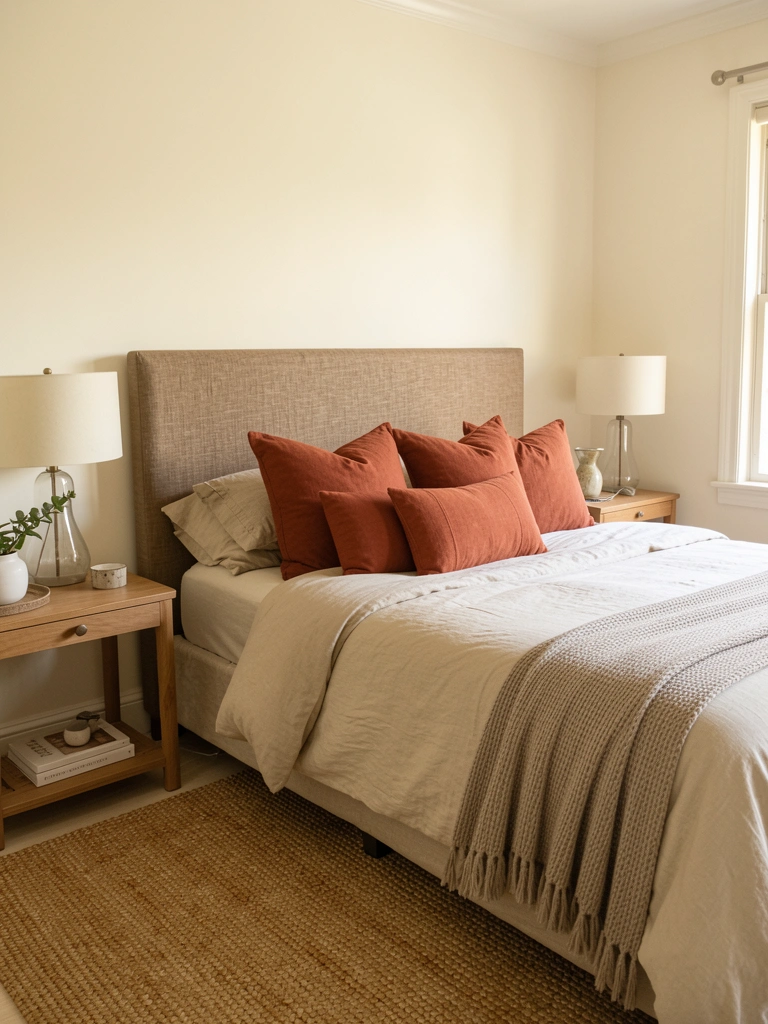
    Start by choosing 2–3 neutral base tones (cream, warm taupe, soft gray) that appear across bedding, curtains, and larger elements. Add one accent color—terracotta, forest green, sage, or warm charcoal—that appears in artwork, accents, or the frame itself. Ensure all metals match (all brass, all black, all silver) and all wood tones coordinate (warm or cool). Review your canopy as a whole: does it feel cohesive, or are there jarring color clashes? Small adjustments—swapping one pillow, repositioning art, changing a throw color—can instantly make everything feel intentional. This costs nothing and takes 30 minutes to assess and adjust.

    Design shortcut: Pick a canopy frame color or your bedding first, then build your entire palette around that anchor.

    When all elements work together harmoniously, your canopy transcends being a furniture piece and becomes a holistic sanctuary that looks and feels magazine-quality.


    Save this guide and tackle one idea this weekend—you’ll be amazed how quickly your bedroom transforms. Which element speaks to you most? Share this with anyone dreaming of their perfect canopy sanctuary.

  • 23 Corner Bed Ideas That Maximize Small Spaces Beautifully

    23 Corner Bed Ideas That Maximize Small Spaces Beautifully

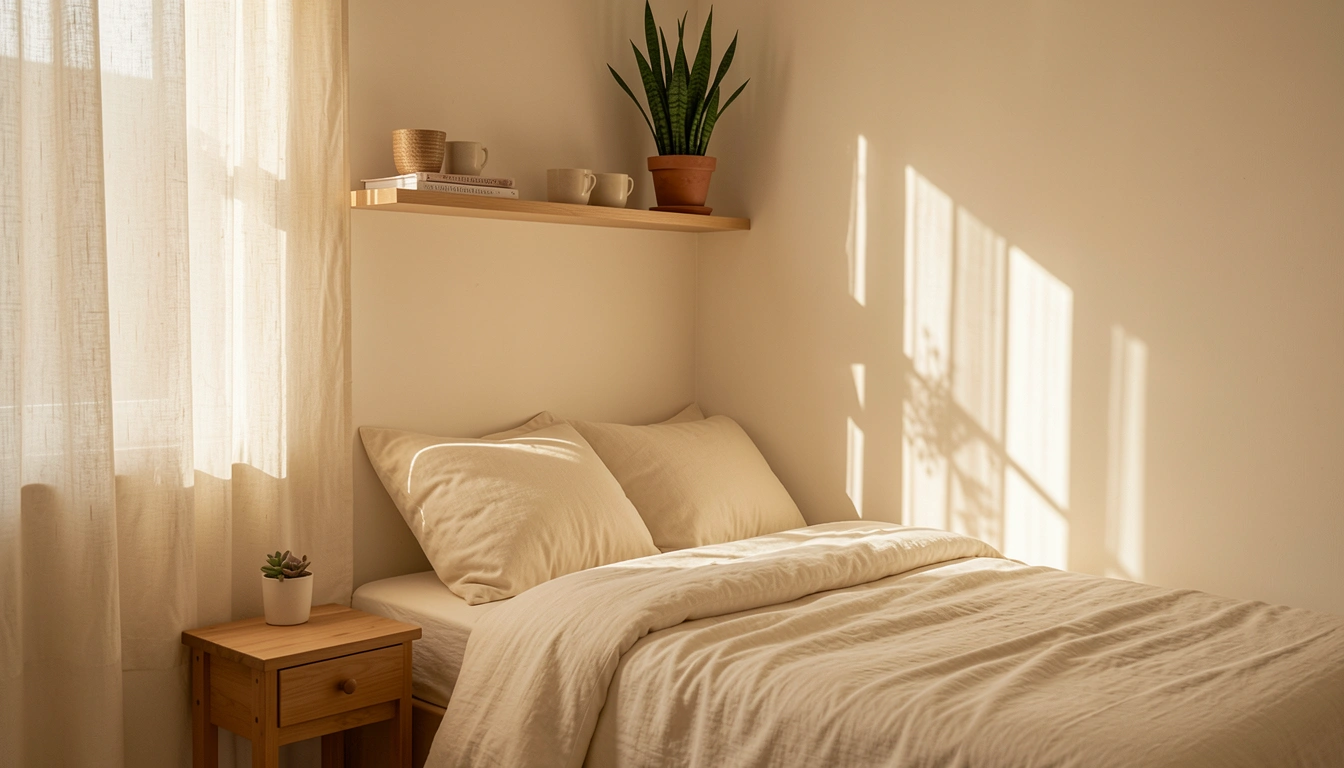
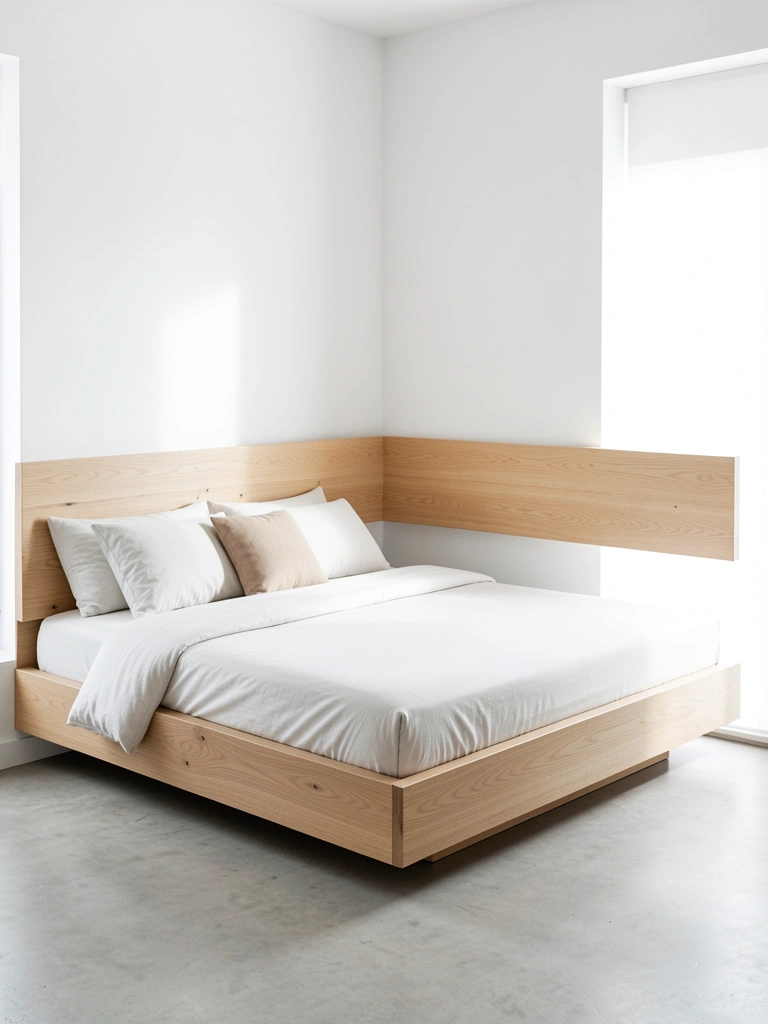
    Small spaces don’t mean you have to sacrifice comfort or style—especially when it comes to your bed. A corner bed setup is one of the smartest layout tricks for maximizing square footage while creating a cozy, nest-like retreat. Whether you’re working with a tiny studio, a kid’s room, or a guest bedroom in a compact home, these 23 ideas show you how to make your corner bed work harder. You’ll discover budget-friendly styling tricks, space-saving furniture pairings, and design solutions that make even the tightest corners feel intentional and beautiful. Let’s explore ways to turn that awkward corner into your bedroom’s most appealing feature.

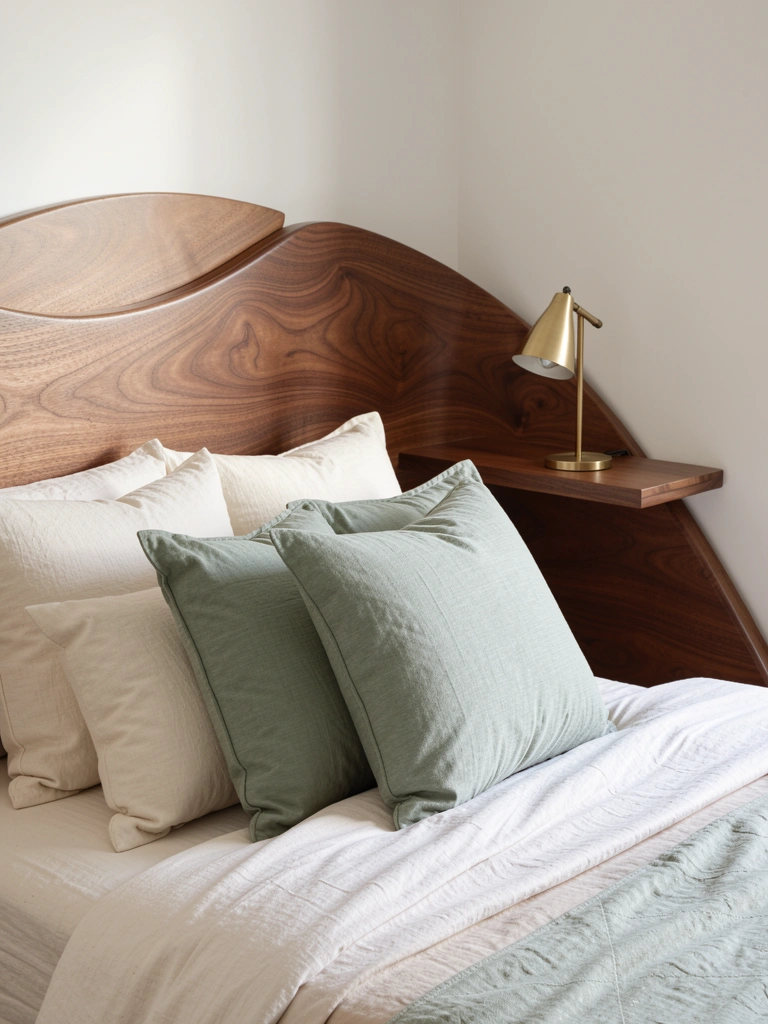
    1. Anchor with a Curved Headboard for Soft Visual Impact

    A curved headboard softens the hard angles of a corner while adding instant personality without taking up extra floor space. Unlike straight headboards, curves draw the eye inward and create a focal point that makes the area feel designed, not just squeezed in.

    Look for curved headboard options at IKEA (around $150–$300), Wayfair, or local wood craftspeople on Etsy. A DIY option: use plywood, cut a gentle curve with a jigsaw, and upholster with fabric—supplies run $40–$80 and take a weekend. Mount it directly to the wall studs at your bed’s head so it doesn’t eat into floor space.

    Pro tip: Paint the curved headboard a statement color (like clay or eucalyptus green) against white walls for impact without overwhelming the corner.

    This choice makes your corner feel like an intentional design moment instead of a space-filling necessity.

    2. Install Floating Shelves Above for Hidden Storage

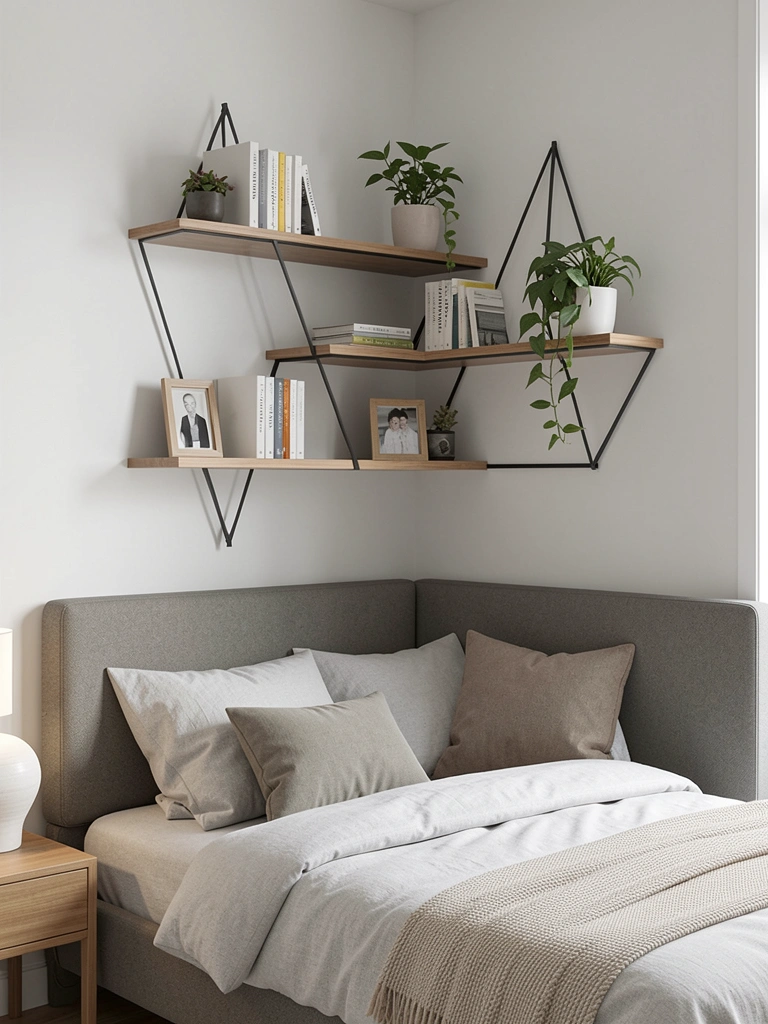
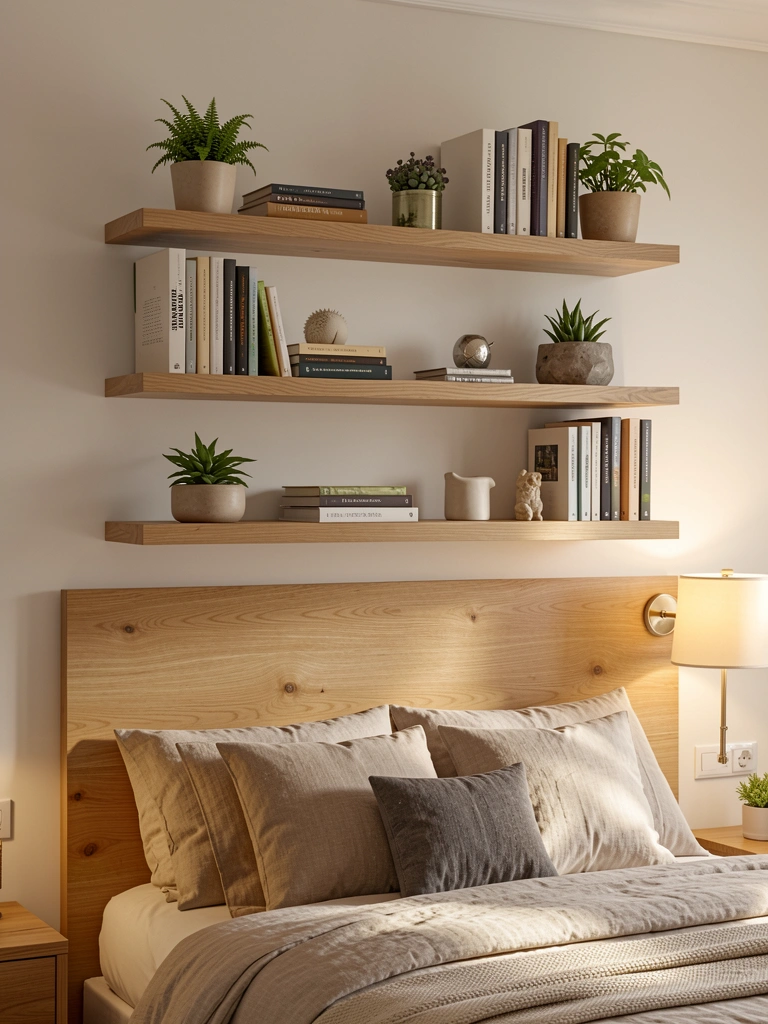
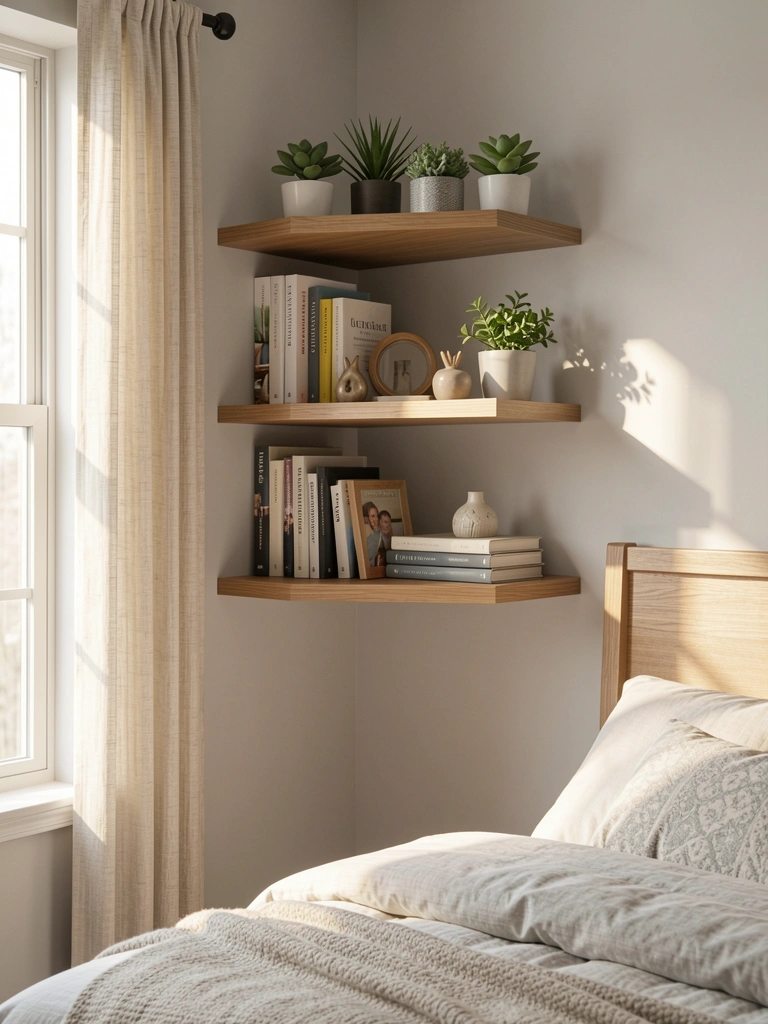
    Floating shelves above a corner bed add storage without requiring floor space or bulky nightstands. This vertical solution works beautifully in tight quarters and gives you spots for plants, books, and personal items you actually use.

    Install shelves 18–24 inches above your headboard at studs using a level and bracket kit (Home Depot or Amazon, $25–$60 for a set of three). Keep the look light by storing only beautiful items: rolled linens, potted plants, and a few favorite books. Avoid cluttering the shelves, which defeats the purpose of creating calm in a small space.

    Time estimate: 1–2 hours with basic tools. Renter-friendly alternative: use command strips and lightweight shelves (though weight capacity is lower).

    You’ll gain practical storage and make your corner feel curated without losing any walking space.

    3. Layer Textured Throw Pillows for Depth Without Width

    Throw pillows add visual interest and comfort without consuming extra square footage. By mixing textures—linen, velvet, knits, and quilts—you create depth and make a small corner bed look designed and collected.

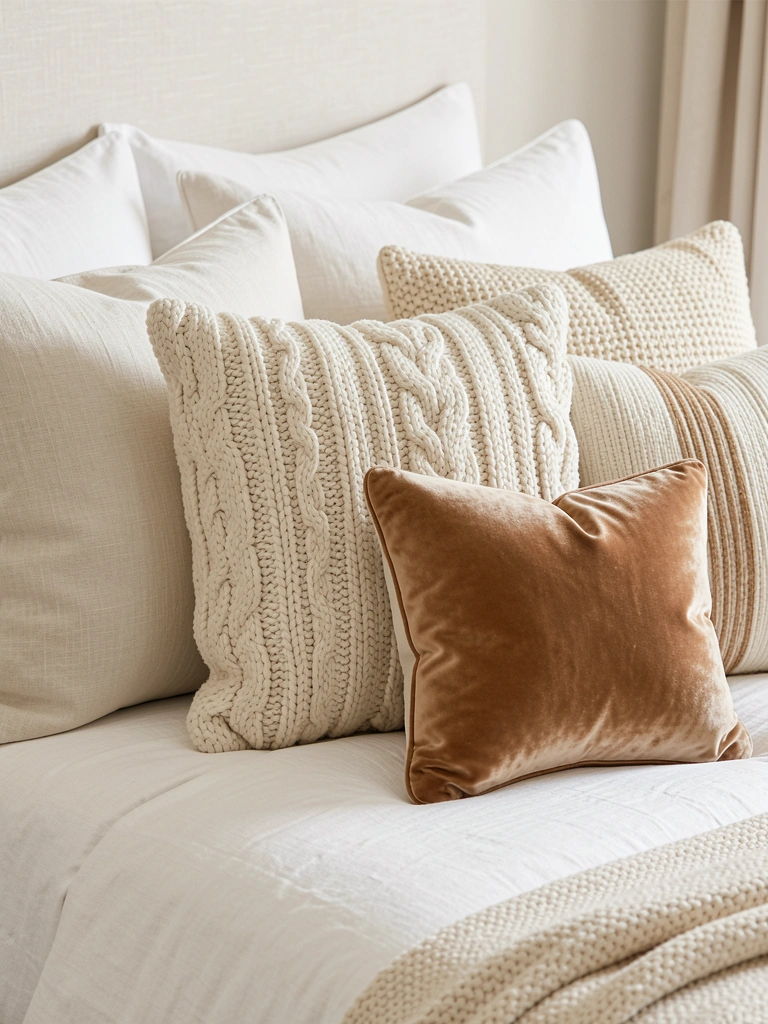
    Buy pillows in varying sizes (16×16″, 20×20″, decorative square shapes) from Target, IKEA, or thrift stores. Aim for a neutral palette (creams, grays, sage) with 2–3 textural contrasts. Expect to spend $15–$40 per pillow if buying new, or $3–$8 at secondhand shops. The trick: fewer, better pillows beat a cluttered stack. Start with four quality pillows and add one more if space allows.

    Swap pillows seasonally to keep the corner feeling fresh without replacing furniture.

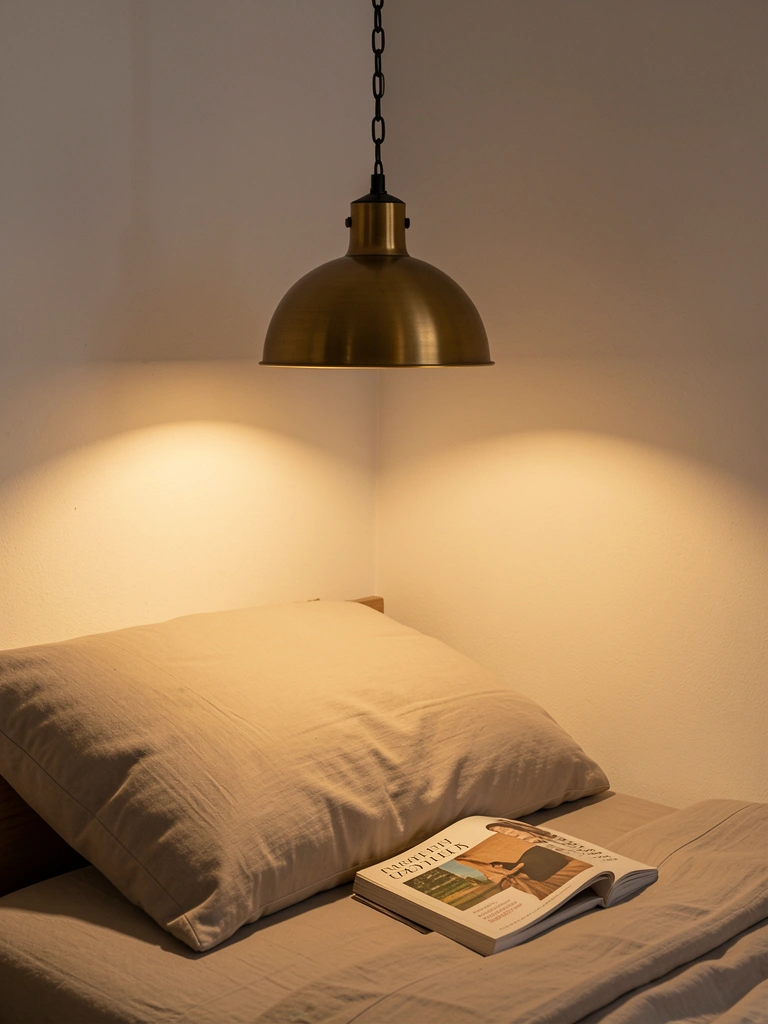
    4. Add a Reading Nook with a Small Pendant Light

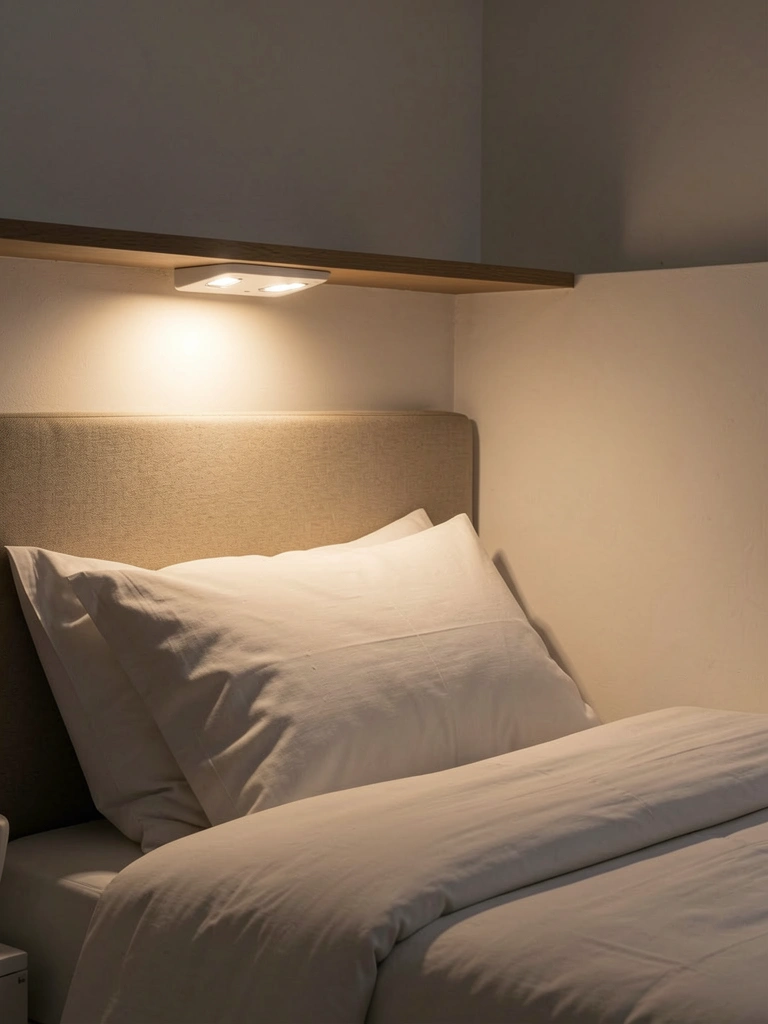
    A single pendant light hanging above your corner bed creates a dedicated reading nook and provides softer, more flattering light than overhead fixtures. It’s also the quickest way to make a corner feel special.

    Install a pendant 24–30 inches above your headboard using a ceiling-mounted hook kit ($20–$40 from hardware stores). Choose a 40–60 watt bulb in warm white (2700K) to encourage relaxation. Pendant options range from $30 (IKEA) to $150+ (design brands). A budget hack: hang a simple drum shade pendant over your existing ceiling fixture using a swag hook kit.

    Fifteen-minute installation if you’re just using a swag setup (renter-friendly).

    You’ll notice the difference immediately—reading becomes more inviting, and the corner transforms into a retreat space rather than just a bed.

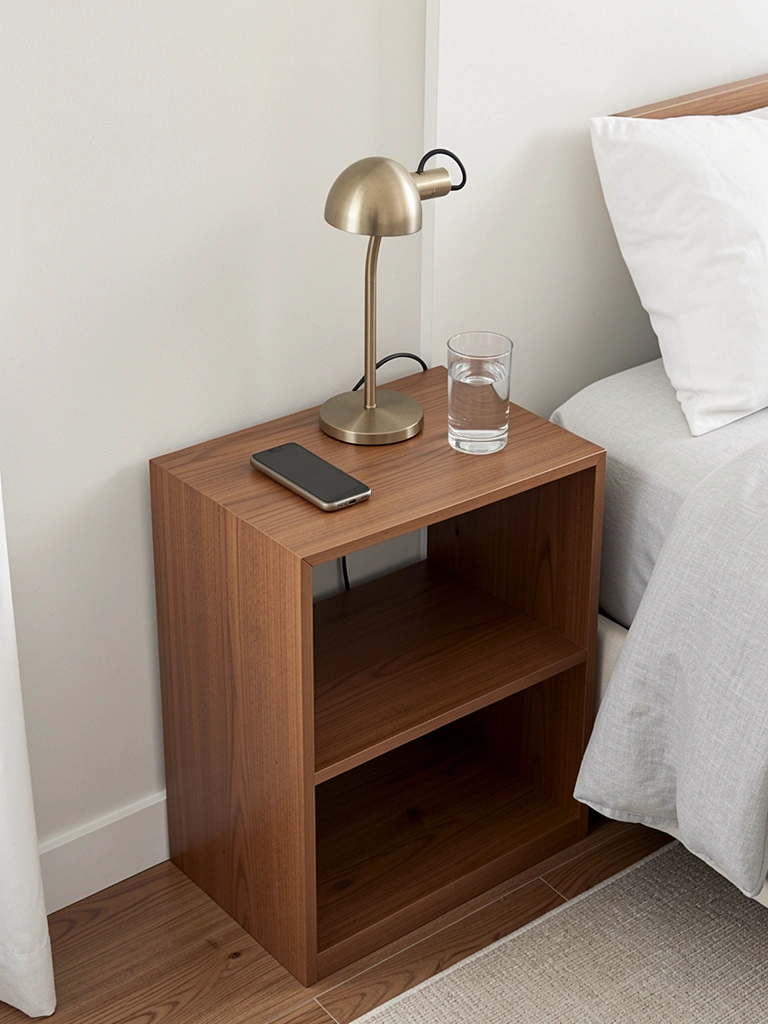
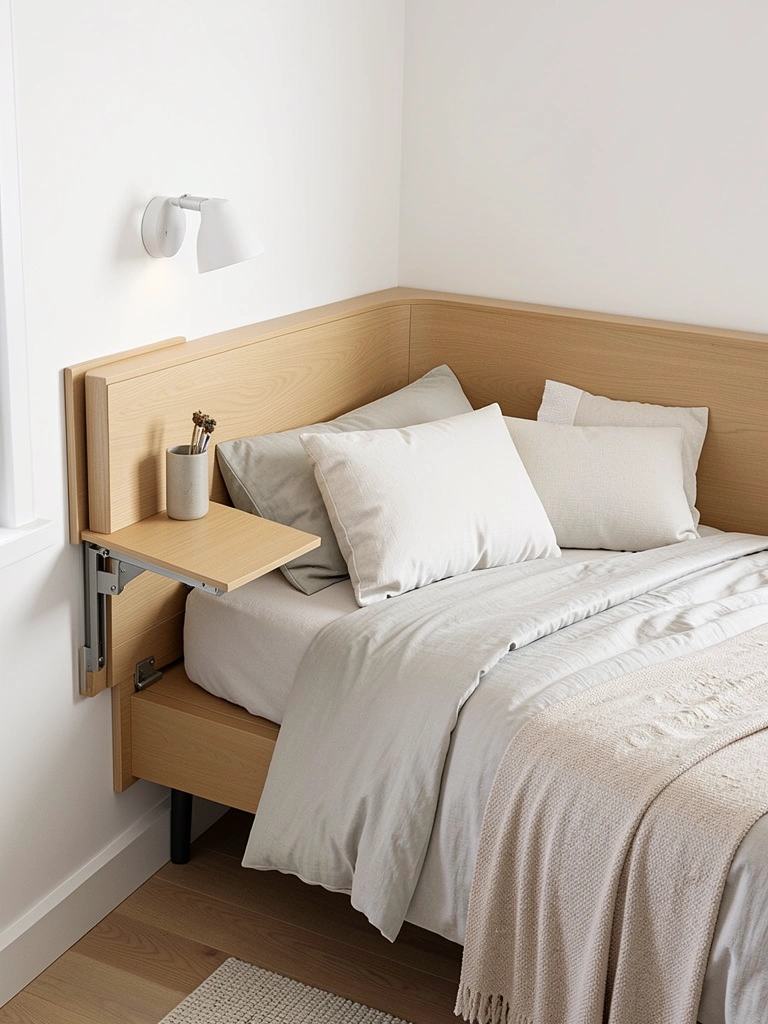
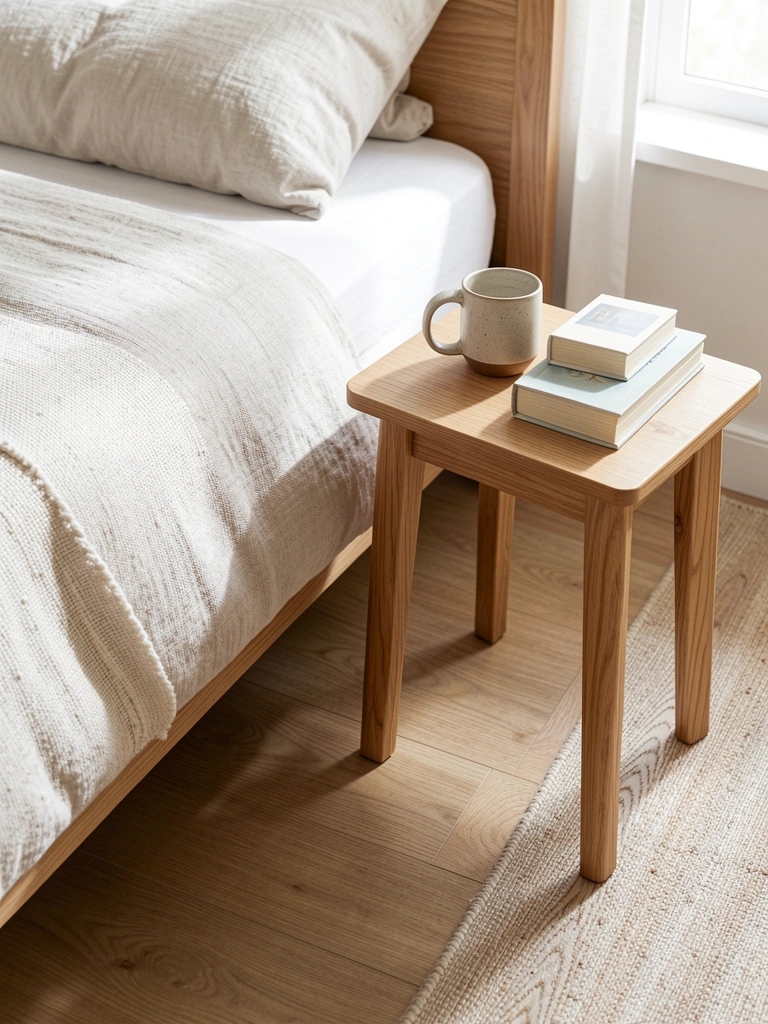
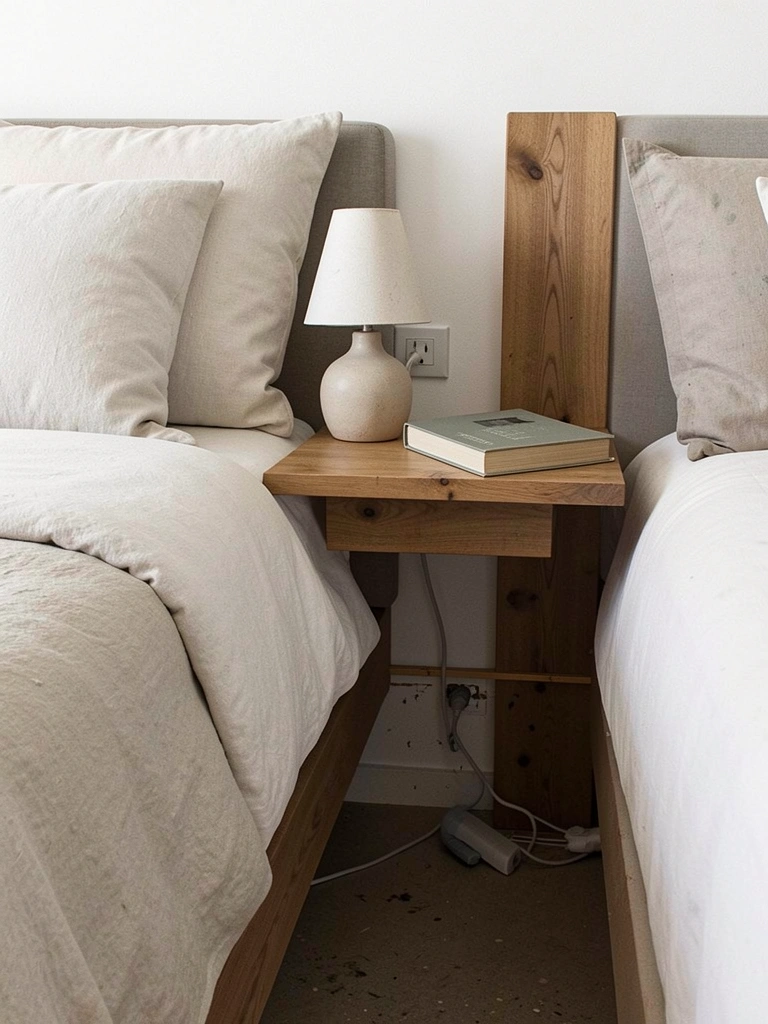
    5. Use Corner Space for Slim Nightstands

    Corner bedrooms are perfect for slim, angled nightstands that fit exactly where a traditional nightstand would waste space. These narrow tables give you a surface for essentials without eating floor space.

    Hunt for slim nightstands (8–14 inches wide) at IKEA ($50–$100), Article, or West Elm. Alternatively, use a floating shelf mounted on both walls in the corner angle, creating a natural shelf-table hybrid ($30–$60 in hardware). Look for open shelves on models so you gain storage below the tabletop too.

    Pro tip: A corner nightstand becomes a design feature if you choose wood grain or a soft color that complements your headboard.

    You’ll have everything within arm’s reach while keeping your floor open and walkable.

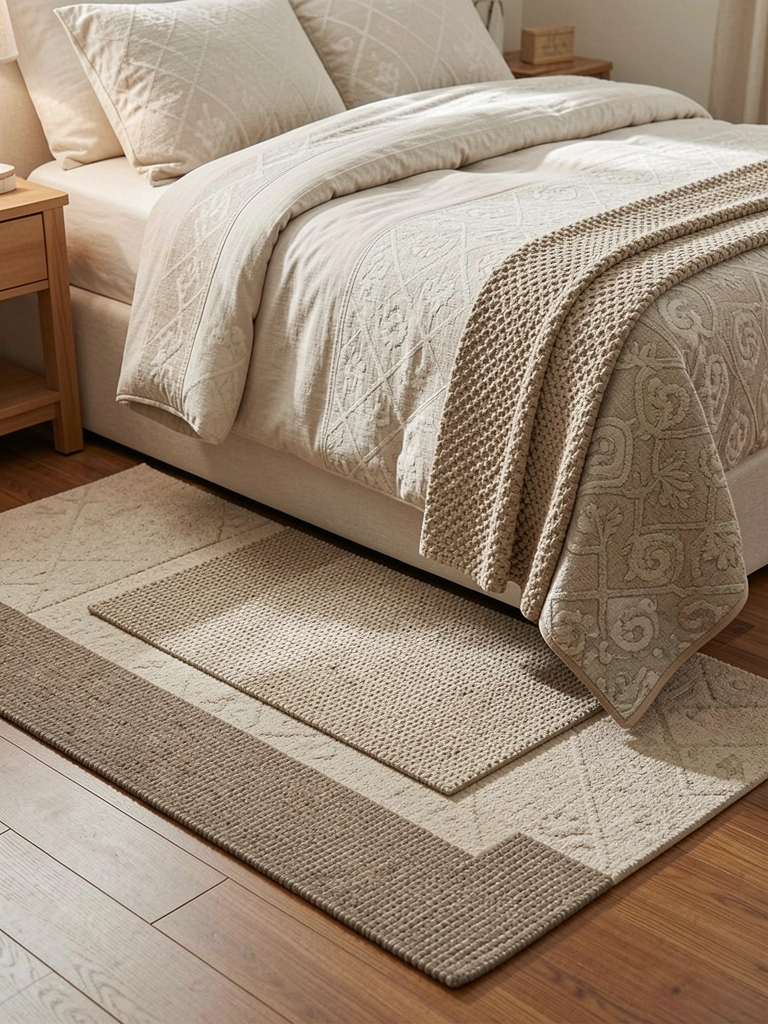
    6. Layer Rugs to Define the Corner as a Room Zone

    Layering two rugs under a corner bed creates a visual “room within a room” that makes the space feel grounded and intentional. This works especially well in studios or open-plan bedrooms where you need to signal where the bed zone ends.

    Buy a base rug (5×7 or 6×8 feet) in a neutral tone ($40–$120 from Target, Wayfair, or Amazon), then layer a smaller textured rug on top ($25–$60). Look for natural materials like jute or wool for a biophilic feel. The layered approach hides imperfections and feels more curated than a single rug.

    This visual separation signals to your brain: “This corner is for rest,” which supports better sleep psychology.

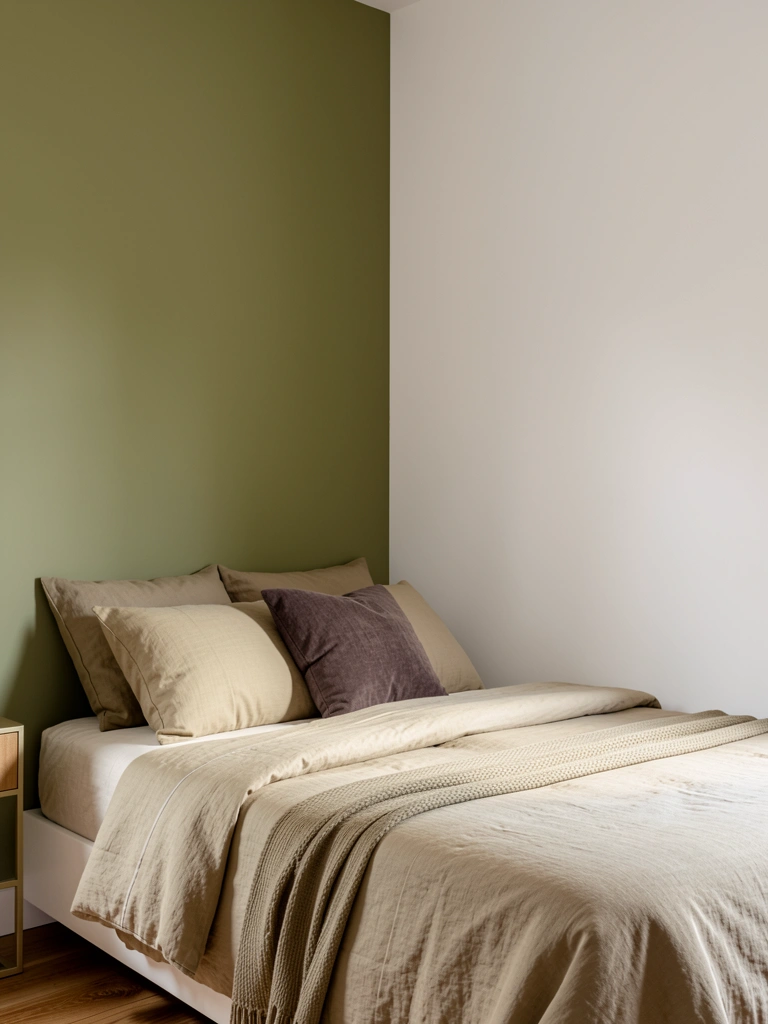
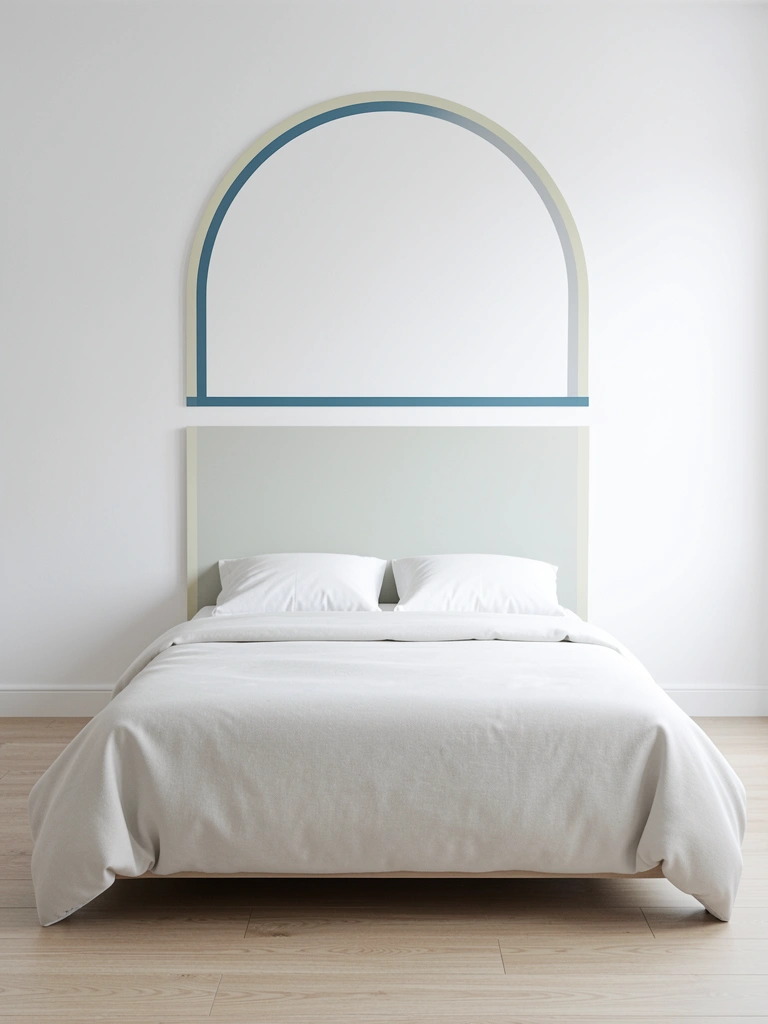
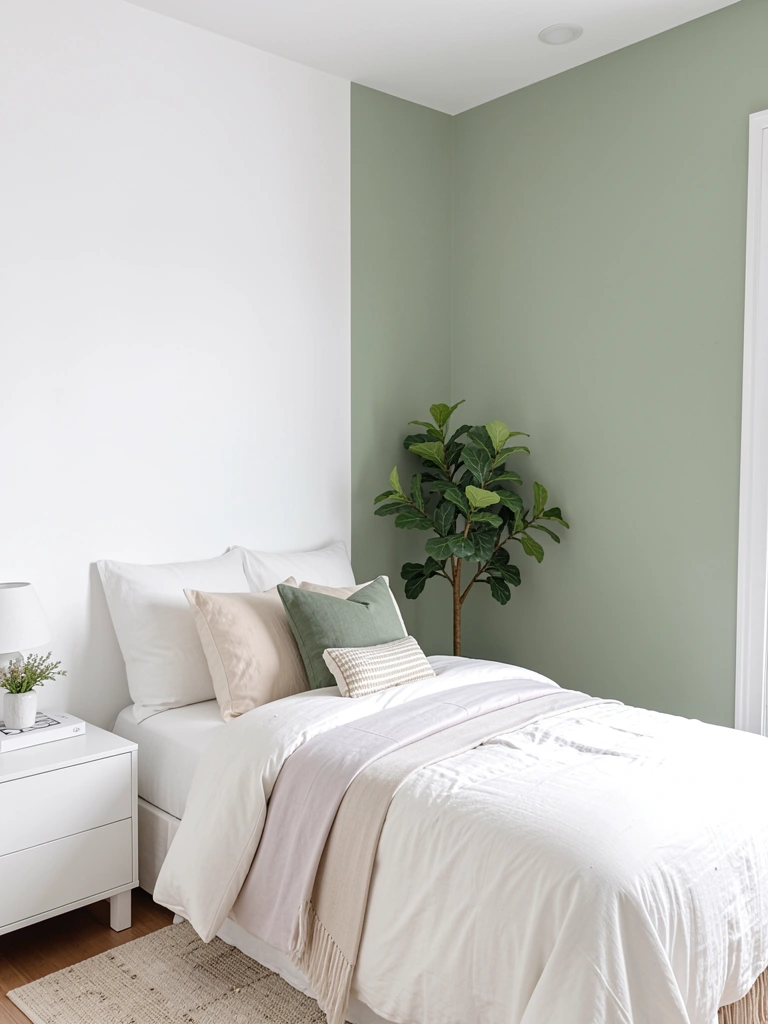
    7. Paint an Accent Wall Behind the Bed

    An accent wall behind your corner bed creates a backdrop that makes the area feel designed rather than crammed. Color draws the eye and can make even a small corner feel intentional.

    Choose an earthy tone—clay, sage green, warm gray, or soft terracotta—that complements your bedding. Paint only the wall behind the bed (and possibly the two adjacent corner walls) to avoid overwhelming the space. DIY with quality paint like Sherwin-Williams or Benjamin Moore ($30–$60 per gallon). A gallon covers about 350 square feet; most corner walls need less than half a gallon. Hire a painter if ladders intimidate you ($150–$400 for a small wall).

    Two-day project if DIY (including drying time between coats).

    The right color makes your corner feel like a sanctuary, not a storage area.

    8. Install a Wall-Mounted Reading Shelf System

    A creative shelf arrangement above your corner bed transforms blank wall space into display area. Asymmetrical wall-mounted shelves feel more modern and less corporate than standard bookcases.

    Install shelves in staggered heights (24″, 30″, 36″ from the floor) using floating shelf kits. Popular options: Pottery Barn’s modular shelf system ($60–$150 per shelf), IKEA’s Lack shelves ($20–$40 each), or custom metal-frame shelves from Etsy makers ($50–$200). Keep display items intentional: books you love, a few plants, one or two personal objects. Avoid the Pinterest trap of overcrowding; less is more in small spaces.

    Two to three hours to install multiple shelves; renter-friendly alternatives exist but have weight limits.

    You’ll create a gallery-like vibe that makes your corner bedroom feel curated and personal.

    9. Choose Bed Linens in Temperature-Regulating Wool

    Quality wool bedding isn’t just luxurious—it’s functional in small bedrooms where air circulation is already tight. Wool regulates temperature naturally, keeping you cool in summer and warm in winter without overheating a cramped space.

    Invest in wool sheets from Woolroom, Parachute, or affordable options like Brooklinen’s performance line ($100–$250 for a set). Alternatively, layer a wool duvet ($150–$300) with cotton sheets underneath. Wool is naturally hypoallergenic and moisture-wicking, which matters when your bed’s proximity to walls can trap humidity.

    Pro tip: A wool throw ($60–$120) works as both a design element and a functional temperature tool.

    You’ll sleep better in a small corner bed because the bedding actively manages your comfort instead of adding bulk.

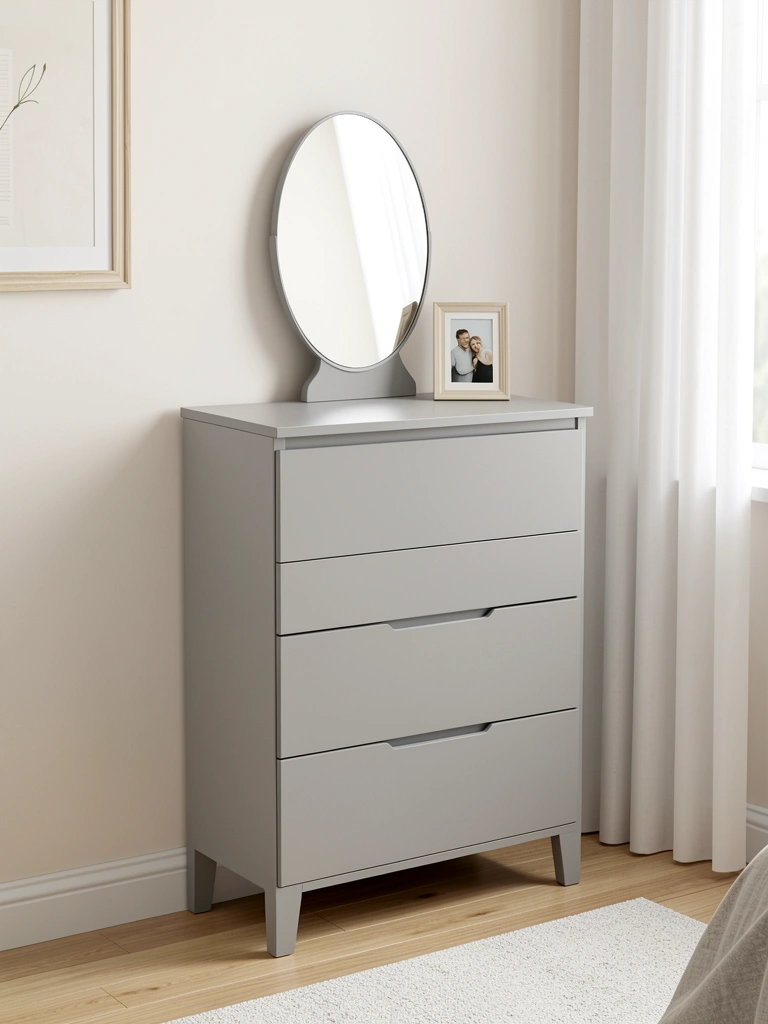
    10. Use a Slim Dresser as a Nightstand Alternative

    A slim dresser fills double duty in a corner bedroom: it provides both storage and a surface for a lamp or alarm clock. This approach eliminates the need for a separate nightstand, freeing up precious floor space.

    Look for narrow dressers (20–28 inches wide) at IKEA ($80–$200), Article, or thrift stores. Solid wood dressers feel less flimsy than particleboard and last longer in tight spaces where everything shows wear. You can also use a vintage dresser (Craigslist, Facebook Marketplace, estate sales) for $30–$150 and refinish it to match your color scheme.

    Pro tip: Position the dresser perpendicular to the bed to create a subtle room divider visually.

    You’ll gain organized storage and a functional surface without sacrificing the openness your corner bedroom desperately needs.

    11. Hang Sheer Curtains from the Ceiling to the Floor

    Floor-to-ceiling curtains turn your corner bed into a sanctuary without requiring expensive built-ins. Sheer fabrics filter light beautifully and create a cocoon feeling in even the tiniest bedroom.

    Hang a ceiling-mounted curtain rod system ($30–$80 from IKEA or Target) and choose linen or cotton blend curtains in cream or soft green ($40–$100 per panel from West Elm, Pottery Barn, or Amazon). Hang the rods on both walls of the corner for a nested effect. Sheer fabrics won’t block light completely—perfect for bedrooms where blackout isn’t necessary but a soft visual frame is.

    Weekend installation; renter-friendly with command hooks if you’re cautious about drilling.

    The curtains soften your corner and create a visual separation from the rest of the room without clunky room dividers.

    12. Install a Floating Headboard to Maximize Wall Space

    A floating headboard creates the illusion of more floor space because nothing touches the wall directly. This simple visual trick makes corner bedrooms feel roomier than they are.

    Mount a custom headboard on wall-mounted brackets ($40–$100) that are hidden behind the headboard itself. IKEA’s Malm headboard system ($70–$150) works similarly. Keep the wall beneath the floating headboard clear or add a narrow console for plants—this exposed space tricks the eye into seeing more room.

    DIY option: Build a simple plywood headboard, paint it, and mount on invisible shelf brackets ($50 total materials).

    Three-hour installation if you’re comfortable with wall anchors and a level.

    The floating effect makes your corner bed look intentional and modern instead of space-filling.

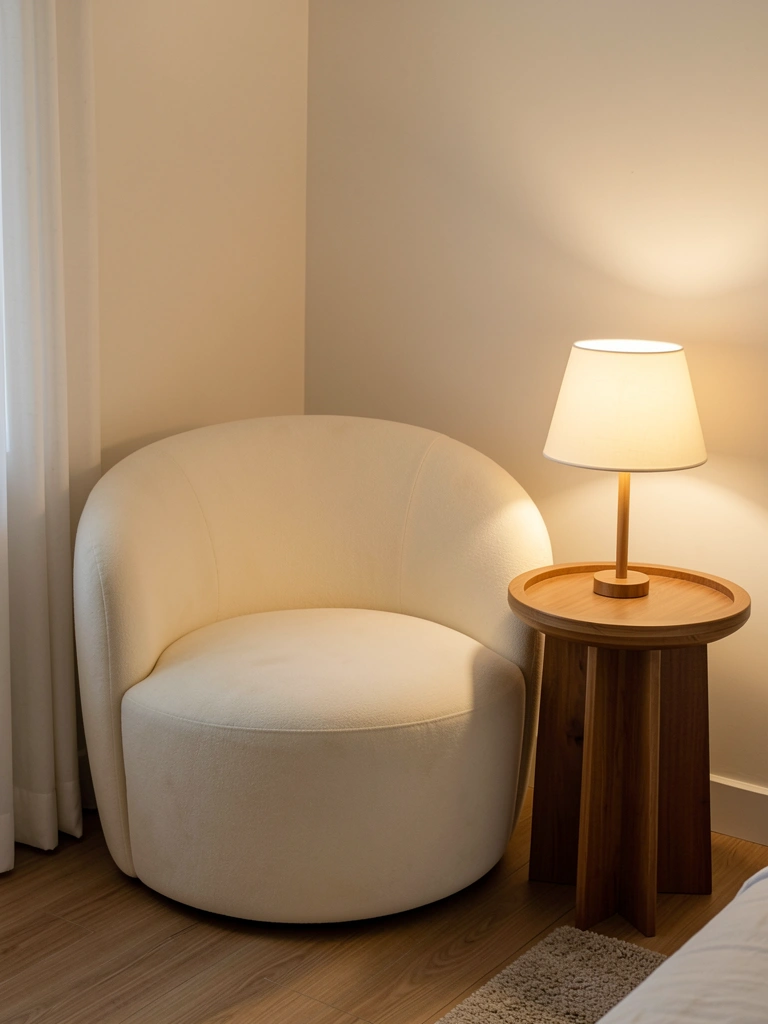
    13. Create a Cozy Corner with a Reading Chair

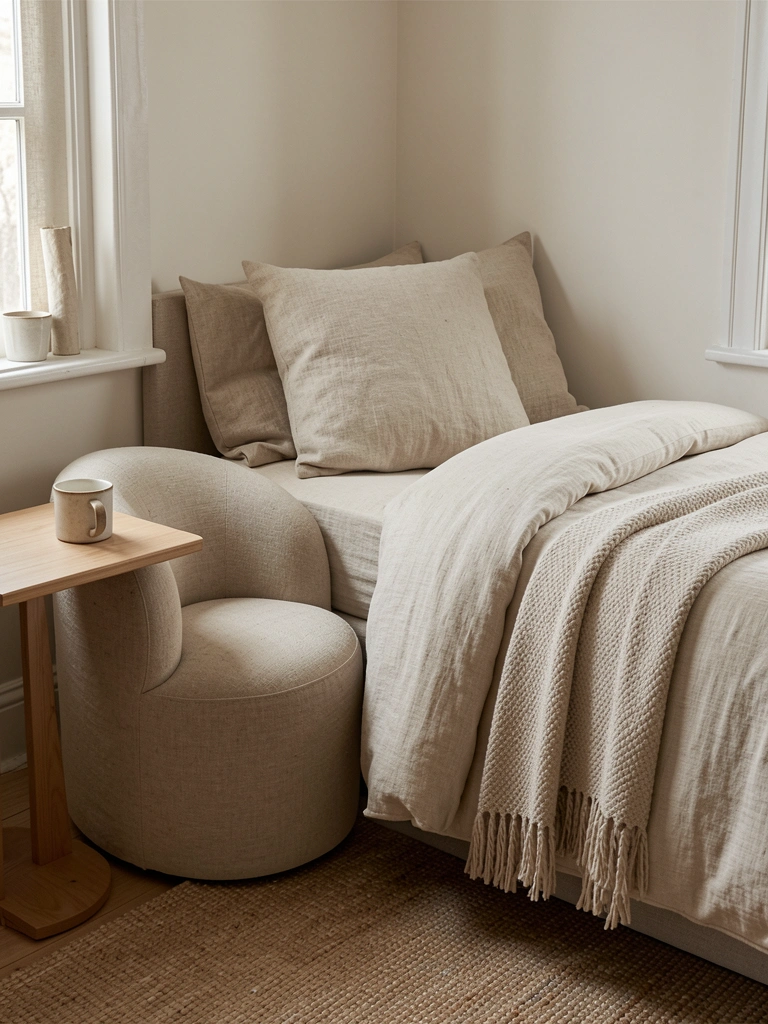
    If your corner bedroom has any extra square footage, a small reading chair transforms the space into a dual-purpose retreat. The chair doesn’t have to be large—even 24 inches wide works.

    Search for compact chairs at Article ($400–$800), IKEA’s STRANDMON chair ($150–$200), or thrift stores ($20–$100). Look for curved, organic shapes that fit snugly without feeling cramped. Pair the chair with a small side table (12–18 inches) for a cup of tea or book. Position the chair across from the bed to create visual balance in the room.

    Budget hack: A cushioned ottoman can double as a chair alternative for $50–$150.

    You’ll transform your bedroom from a sleeping space into a place where you actually want to spend time.

    14. Use Multifunctional Furniture Like a Bed with Built-in Storage

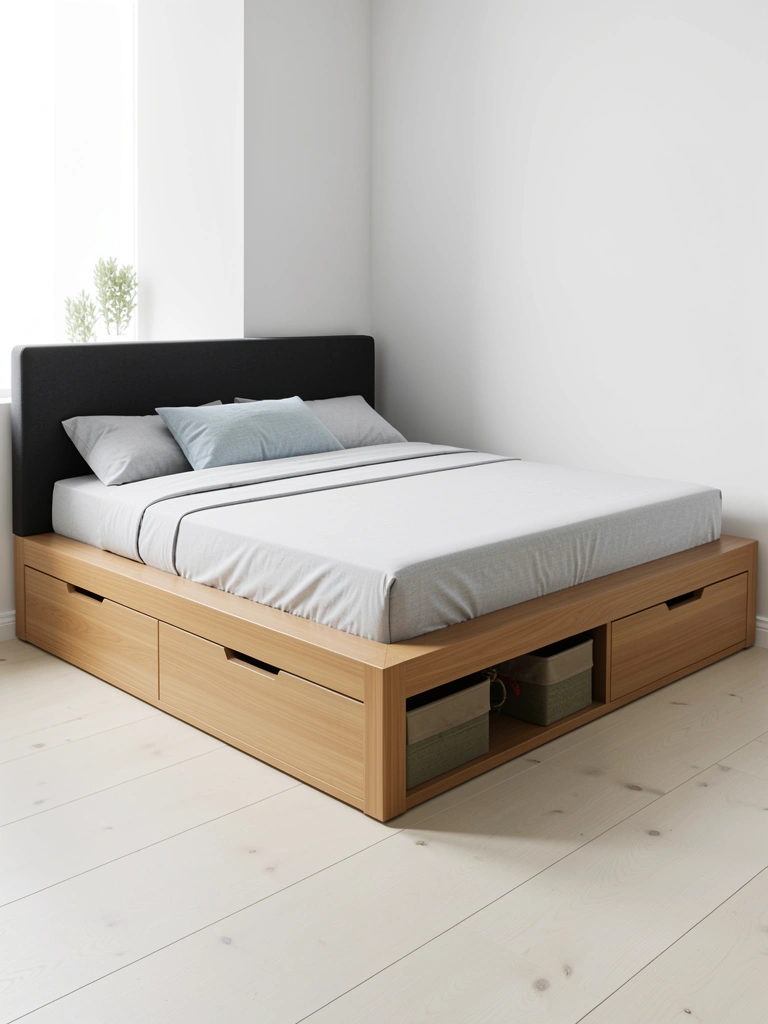
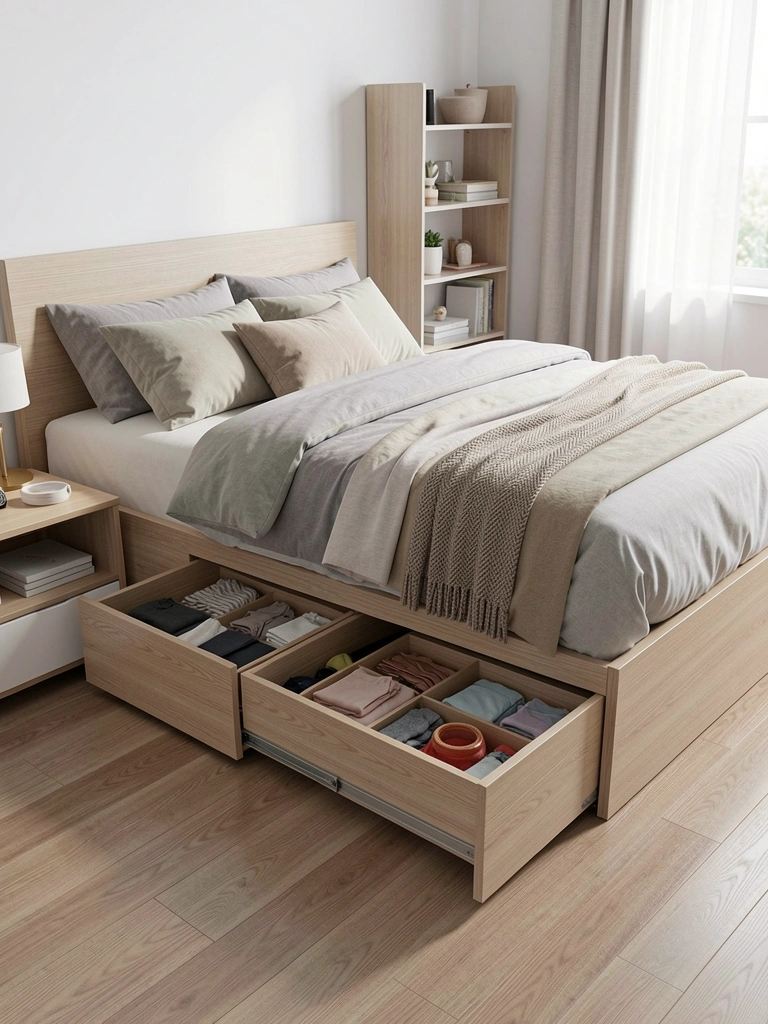
    A bed frame with built-in drawers or storage compartments saves you from needing a separate dresser entirely. In small corners, this consolidation is a game-changer for keeping clutter hidden and organized.

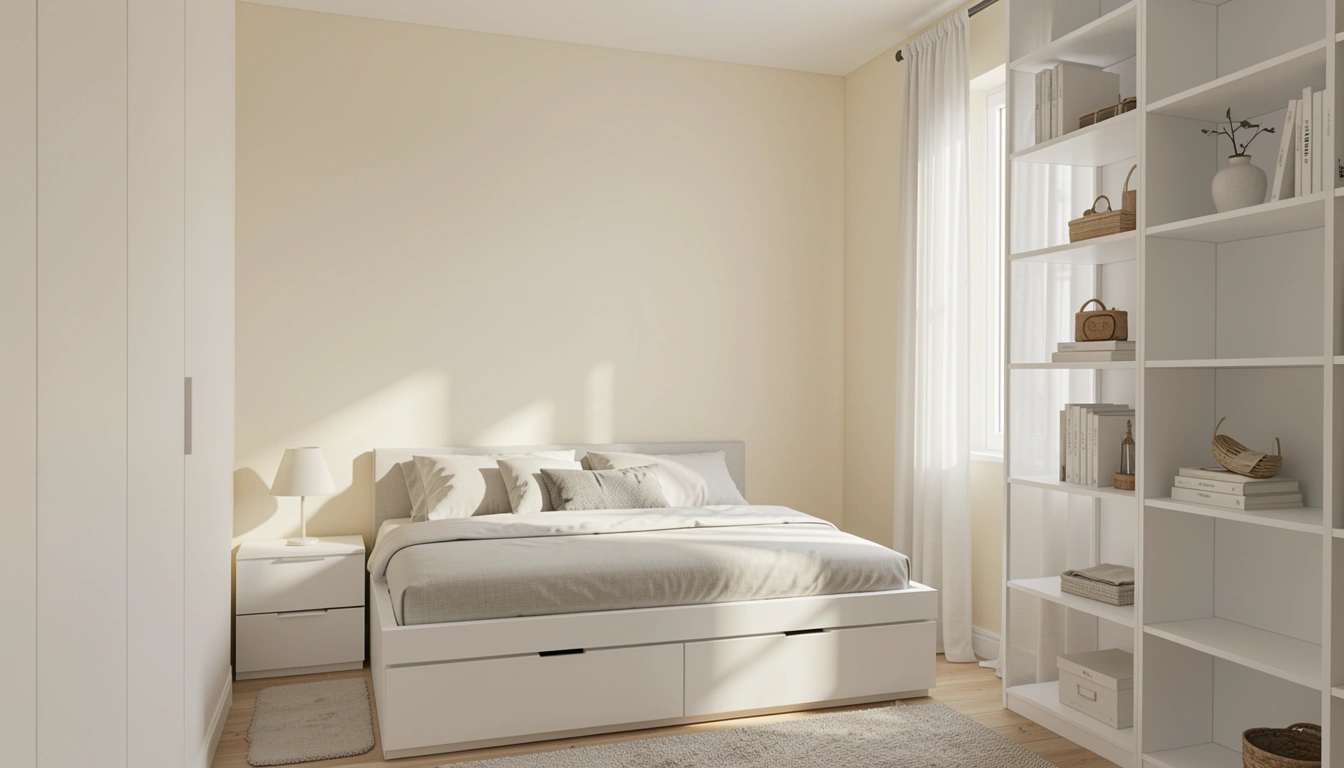
    Invest in a platform bed with under-bed storage from Article ($700–$1,500), West Elm ($500–$1,200), or IKEA’s MALM bed ($300–$600). These beds typically hide two to four full-size drawers that hold off-season clothing, extra linens, or bedding. The bed sits lower to the ground, making the room feel airier.

    Pro tip: Measure your ceiling height before buying—lower platform beds suit rooms with 8-foot ceilings better than tall slatted frames.

    This one furniture piece replaces both your bed and dresser, freeing up floor space for movement and air.

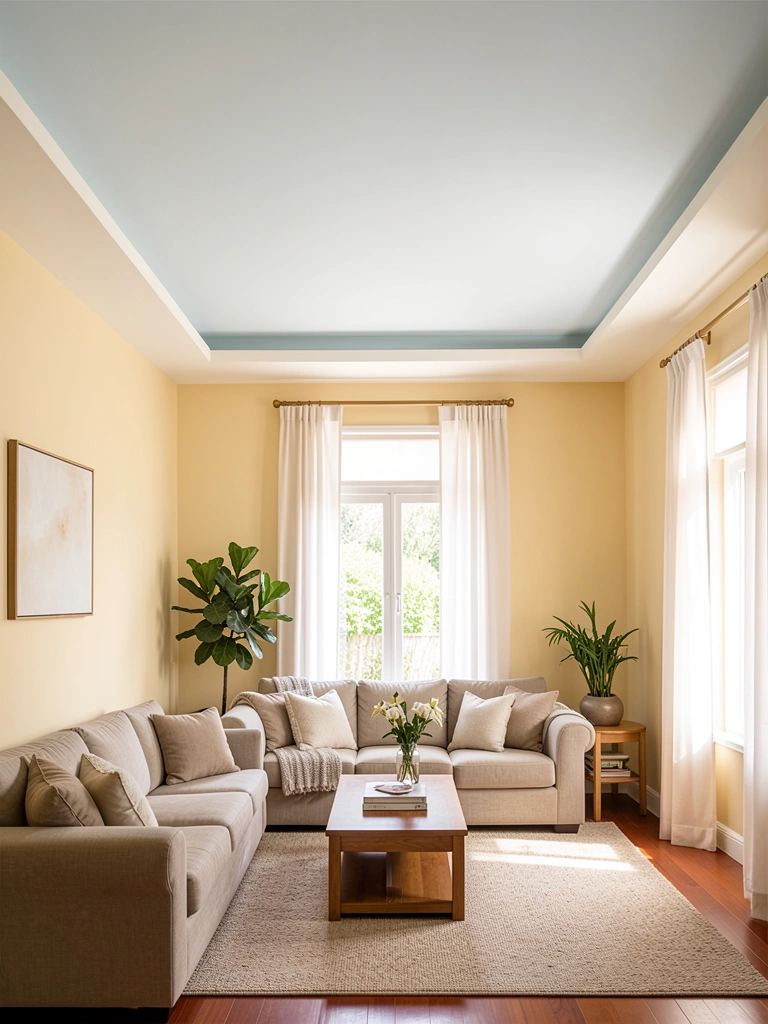
    15. Paint the Ceiling a Soft Warm Tone

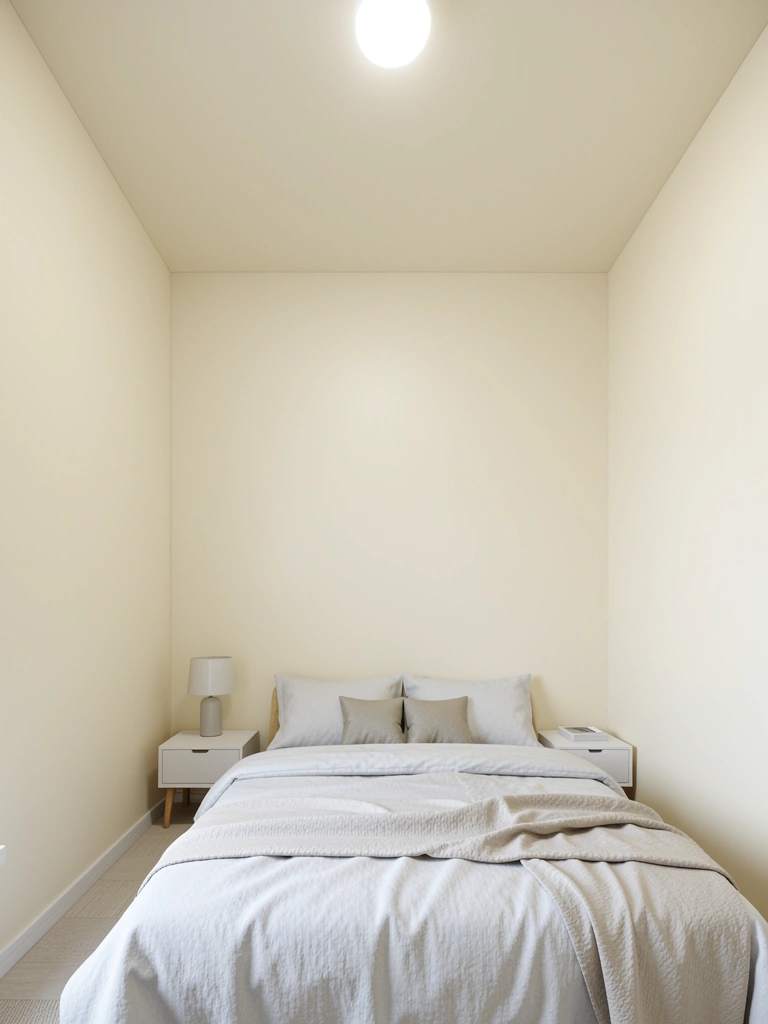
    Painting your bedroom ceiling a soft warm tone instead of stark white makes the space feel enveloping rather than clinical. Warm ceilings visually lower high ceilings (making rooms feel cozier) and create a spa-like atmosphere in compact spaces.

    Use a warm off-white, pale cream, or soft greige paint (Sherwin-Williams “Accessible Beige” or Benjamin Moore “Swiss Coffee,” around $30–$50 per gallon). Apply with an extension roller to avoid neck strain. One gallon covers most bedroom ceilings. Hire a painter if ceiling work intimidates you ($200–$400 for a small room).

    Two to three hours DIY; three to five hours with a professional.

    The psychological shift is noticeable—a warm ceiling makes your corner bedroom feel like an embrace instead of a small box.

    16. Add a Murphy Bed for Maximum Space Savings

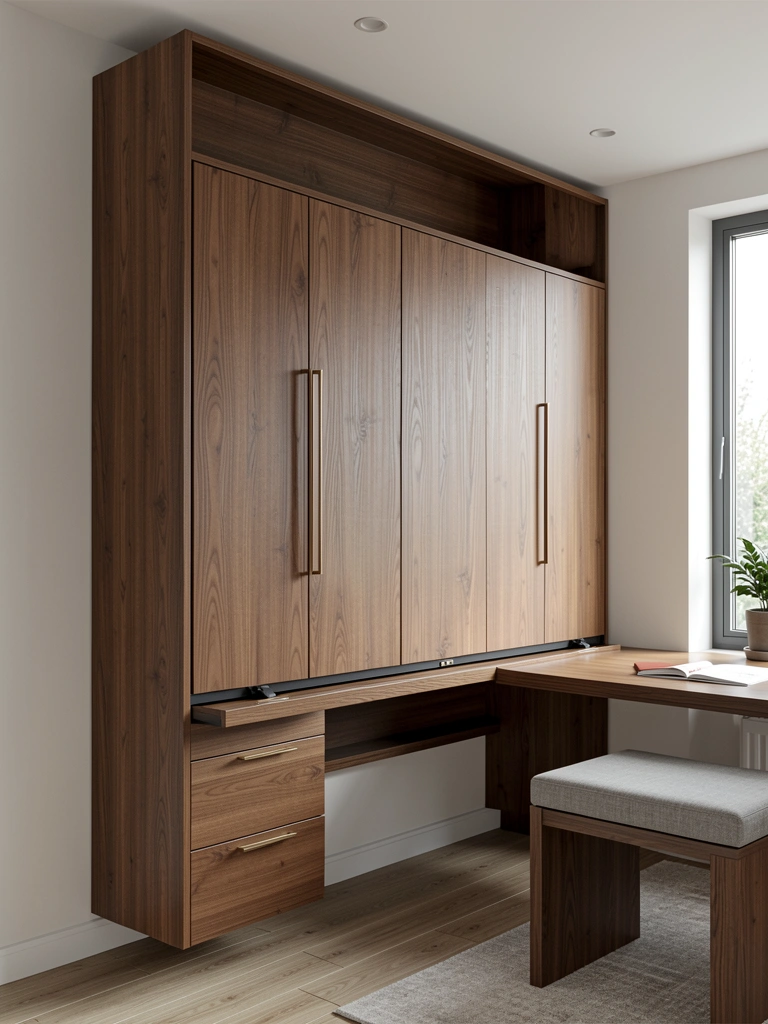
    If your corner bedroom doubles as a workspace or guest room, a Murphy bed (wall bed) saves 50%+ of your floor space during the day while providing a full-size sleeping surface at night.

    Murphy bed kits range from $300 (DIY IKEA-style) to $3,000+ (custom installations). Companies like Expand Furniture, Deskbeds, or local carpenters can build one into your corner. Install in a weekend with a kit or hire a professional ($500–$1,500 labor).

    Pro tip: Mount a desk or small console beneath the folded bed to use the space productively during the day.

    You’re not just gaining a corner bed—you’re gaining an entire second function for your room.

    17. Layer Soft Textures with Wool and Linen Mix

    Mixing natural fiber textures—linen, wool, cotton—creates visual interest without adding bulk to a small corner bed. Natural materials also support biophilic design, which research shows improves sleep quality.

    Buy linen sheets ($60–$150 from Parachute, Brooklinen, or Target), a wool throw ($50–$120), and quilted pillowcases ($20–$40 per pillow). Mix cream, oatmeal, and warm white tones so everything coordinates. Expect to spend $150–$300 total for quality pieces, or $50–$100 if buying budget-friendly versions.

    Wash linen with cool water to maintain softness; wool requires gentler care.

    The mix of textures makes your bed feel intentionally styled and gives you tactile comfort that encourages rest.

    18. Install Blackout Shades Behind Sheer Curtains

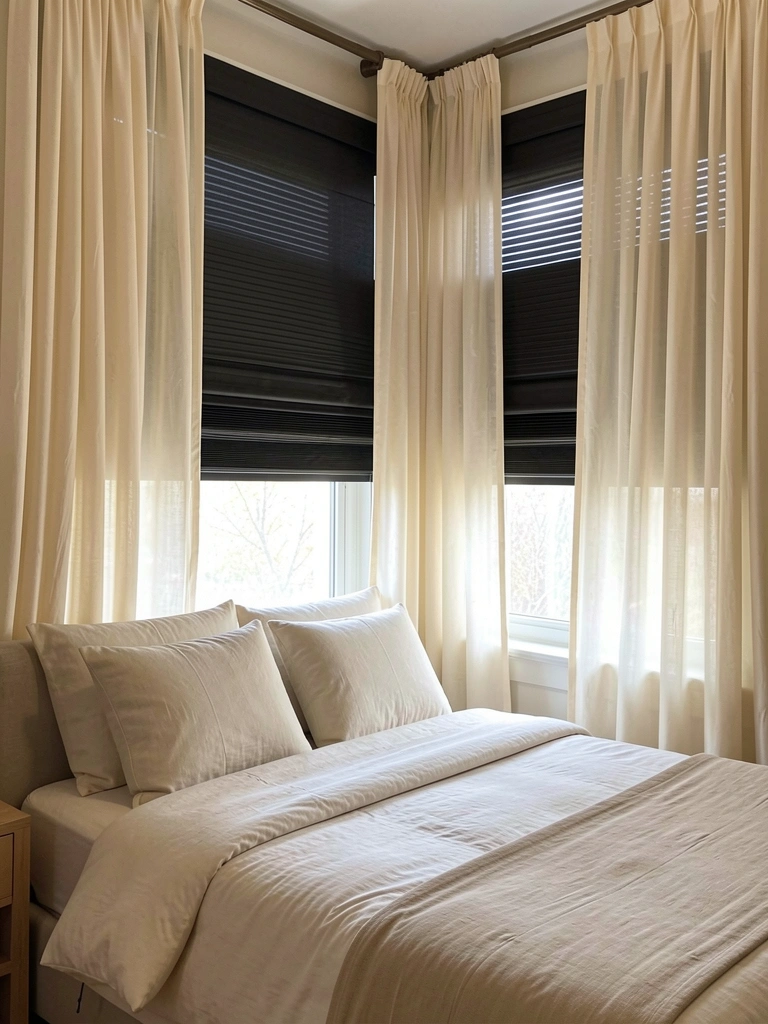
    Layering blackout shades behind decorative sheer curtains gives you both style and sleep-optimized darkness. This combo works beautifully in corners where windows are unavoidable.

    Install cellular shades or roller blackout shades ($30–$80 from Home Depot, Lowes, or Amazon) as your base layer, then hang sheer curtains in front ($40–$100 per panel). Choose white, cream, or soft gray for both layers so they coordinate. The system takes 30 minutes to install and is renter-friendly if you use tension rods for curtains.

    Pro tip: Look for blackout shades with noise-dampening properties if your corner bedroom is in a noisy neighborhood.

    You’ll sleep deeper because your corner bed finally has the darkness your brain needs, while maintaining visual softness during waking hours.

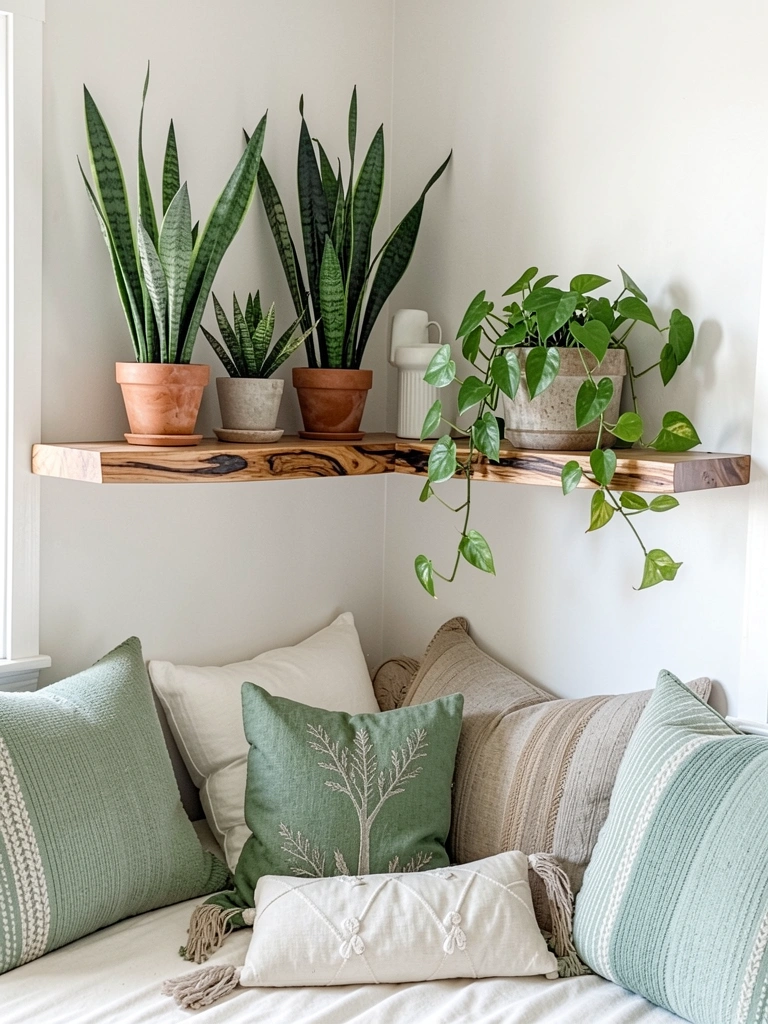
    19. Add Live-Edge Wood Shelving for Biophilic Design

    Live-edge wood shelving brings natural elements into your corner bedroom, supporting biophilic design principles that research links to better sleep and reduced stress. The organic shape of live-edge wood feels curated and intentional.

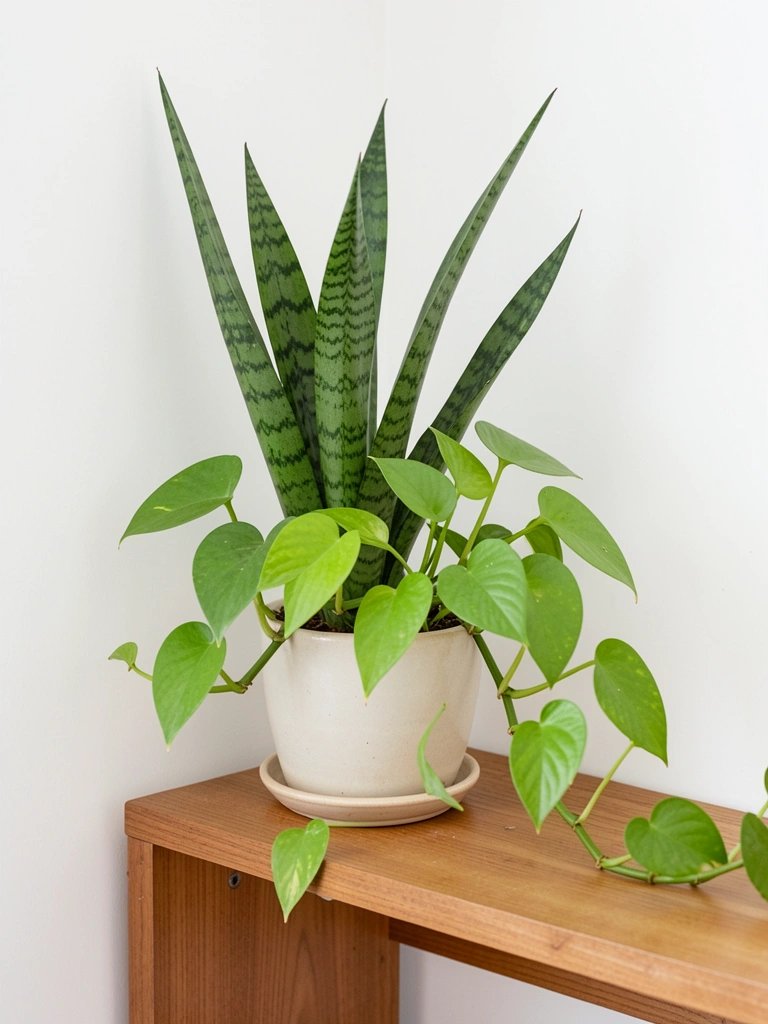
    Purchase live-edge shelves from local woodworkers ($50–$200 per shelf depending on size), Etsy sellers ($40–$150), or IKEA’s nature-inspired options ($30–$80). Mount with invisible brackets ($20–$40). Top the shelves with air-purifying plants: snake plants, pothos, or peace lilies ($15–$40 each from local nurseries or big-box stores).

    Weekend installation; budget $100–$300 total for shelves and starter plants.

    You’ll create a corner that feels like a retreat—not just a bedroom packed into a small space.

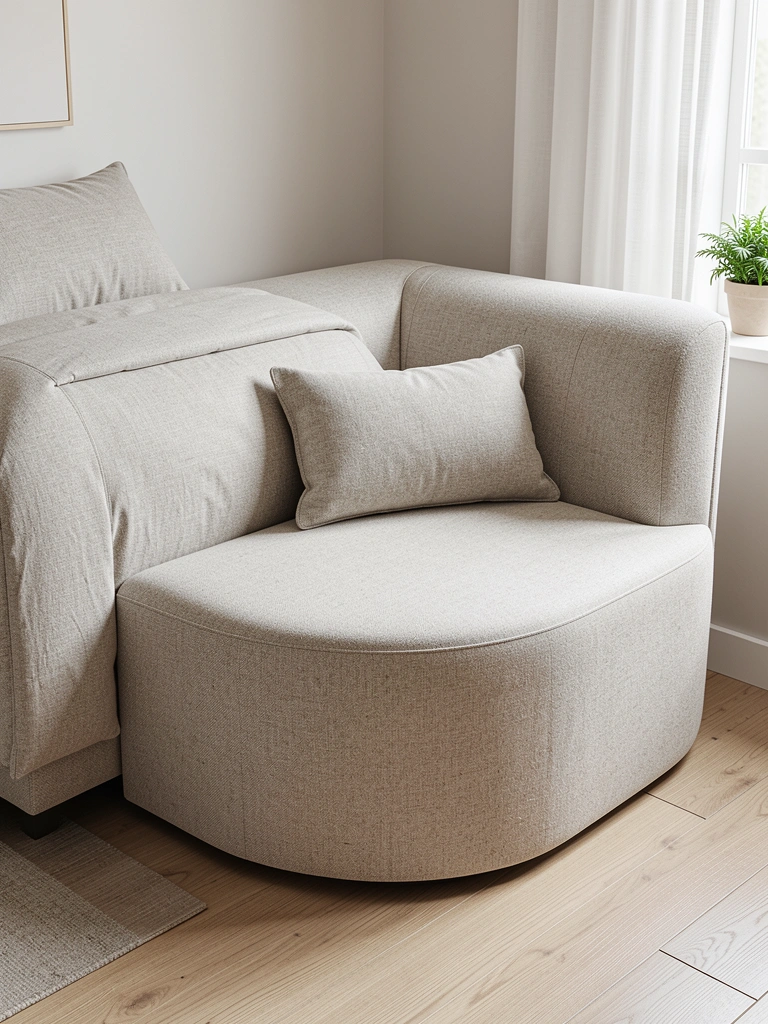
    20. Use a Curved Bench at the Foot of the Bed

    A curved bench at the foot of your corner bed adds seating, storage opportunity, and follows 2025’s trend toward organic, soft furniture shapes. Benches tuck neatly into corners without eating much floor space.

    Look for upholstered benches at Article ($300–$600), West Elm ($200–$500), or IKEA ($80–$200). Choose curved designs in natural fabrics like linen or wool. Some benches open to reveal storage inside—perfect for extra bedding or off-season clothing. Sizes typically range from 36–48 inches long.

    Budget alternative: Buy a vintage wooden bench at a thrift store ($30–$80) and add an upholstered cushion ($40–$100).

    You’ll gain a multifunctional piece that looks intentional while serving practical storage and seating needs.

    21. Mount a Fold-Down Desk for a Multipurpose Corner

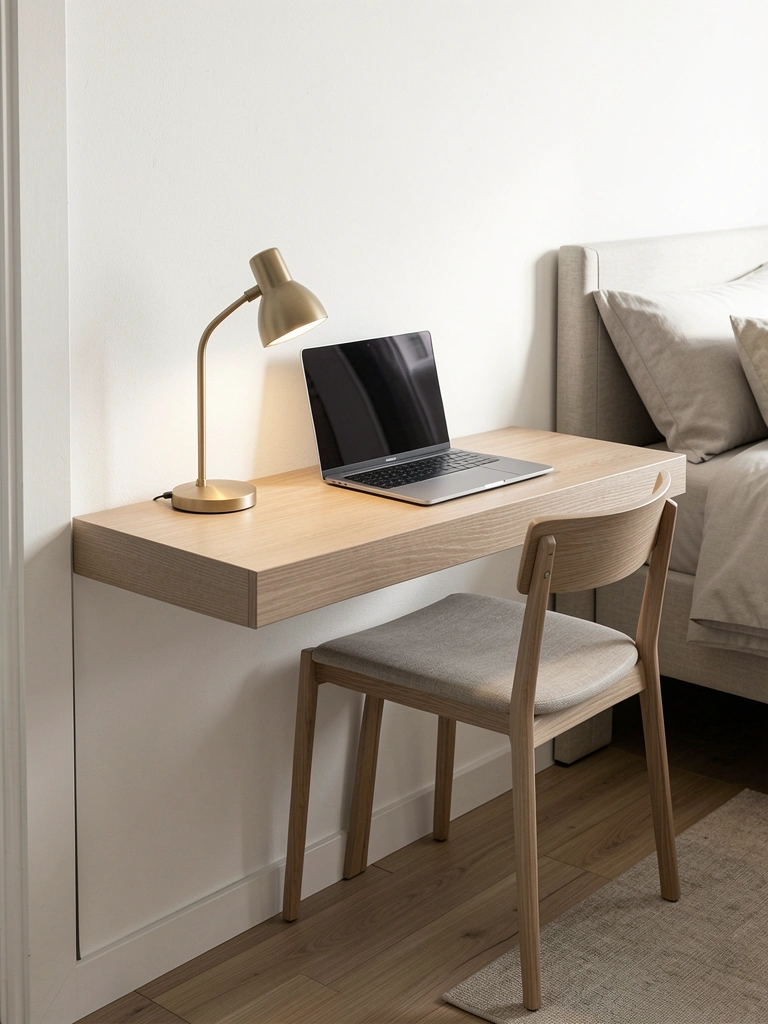
    If your corner bedroom needs to work as both bedroom and home office, a fold-down desk maximizes function without consuming floor space. When folded up, it’s barely visible.

    Install a wall-mounted drop-leaf table ($40–$120 from IKEA, Amazon, or hardware stores) 30 inches high beside your bed. The surface area (usually 24–36 inches wide) is enough for a laptop, but folds up flush with the wall when not in use. Some models include hidden storage shelves above for supplies.

    Installation takes 20–30 minutes with basic tools; renter-friendly if using heavy-duty command strips (though weight capacity is lower).

    Your corner bedroom becomes a flexible space where you can work during the day and rest at night.

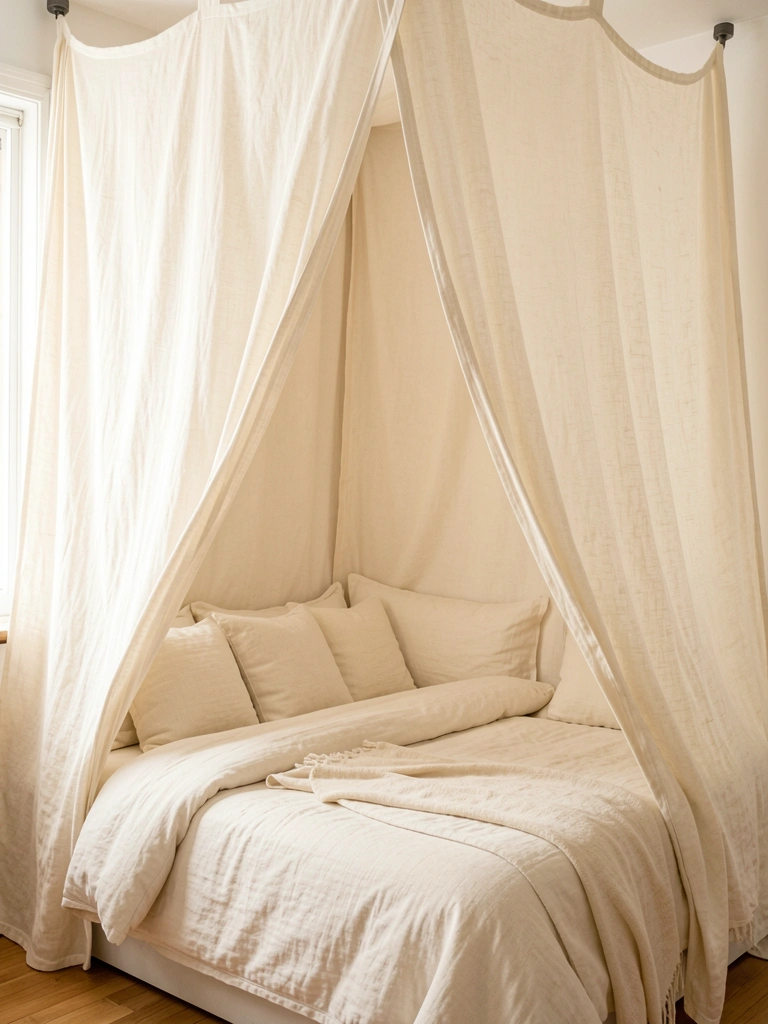
    22. Create a Canopy Effect with Fabric Drapes (No Frame Needed)

    A fabric canopy without a frame gives you the cozy, enclosed feeling of a canopy bed while taking up minimal space and zero floor footprint. This works beautifully in corners where a traditional canopy frame would feel cramped.

    Screw two sturdy ceiling hooks into studs above your bed ($20–$30 for a pair). Drape lightweight linen or cotton fabric (4–6 yards at $8–$15 per yard from fabric stores) between the hooks. Let the fabric pool slightly on the bed for a romantic, layered look. Alternatively, use sheer curtain panels ($20–$40 per panel) for a quicker setup.

    Two hours including shopping and installation; fully renter-friendly if using damage-free hook alternatives (though they hold less weight).

    The fabric creates a visual sanctuary and makes your corner bed feel intentional and designed rather than squeezed into leftover space.

    23. Add Motion-Sensor Smart Lighting for Convenience

    Motion-sensor lights turn on automatically when you move, perfect for corner bedrooms where reaching a wall switch is awkward. Smart lighting is preferred by 70% of homeowners for convenience and mood control—especially useful in tight layouts.

    Install a motion-sensor puck light ($15–$40 from Amazon or Target) on a floating shelf or mount it directly to the wall. Choose warm white bulbs (2700K) to avoid jarring awakening at night. Program the light to dim automatically after 30 seconds so it doesn’t keep you awake.

    Fifteen-minute installation; battery-powered options are renter-friendly and require zero tools.

    You’ll never fumble in the dark again, and your corner bed becomes genuinely functional for nighttime movement without harsh overhead lights.


    Ready to transform your corner into a bedroom you actually love? Pick one idea that speaks to your space and budget, then try it this weekend. Whether you start with paint, lighting, or a cozy rug, small changes add up fast—and your corner bed deserves to feel like a retreat, not an afterthought. Save this post for later, and don’t hesitate to share it with friends navigating small-space bedrooms too.

  • 27 Living Room Wall Decor Ideas That Instantly Upgrade Your Space

    27 Living Room Wall Decor Ideas That Instantly Upgrade Your Space

    Your living room walls are like a blank canvas—and right now, they’re probably looking a little too plain. Whether you’re staring at builder beige or just tired of the same old look, your walls have the power to make or break your entire space. The good news? You don’t need a major renovation or a huge budget to make a real difference. These 27 ideas range from free styling tricks to smart investment pieces, and most can be done in a single weekend. From gallery walls and statement paint colors to smart lighting and textured finishes, you’re about to discover exactly how to make your living room feel intentional, inviting, and totally you. Let’s dig in.

    1. Create a Gallery Wall Without Nails

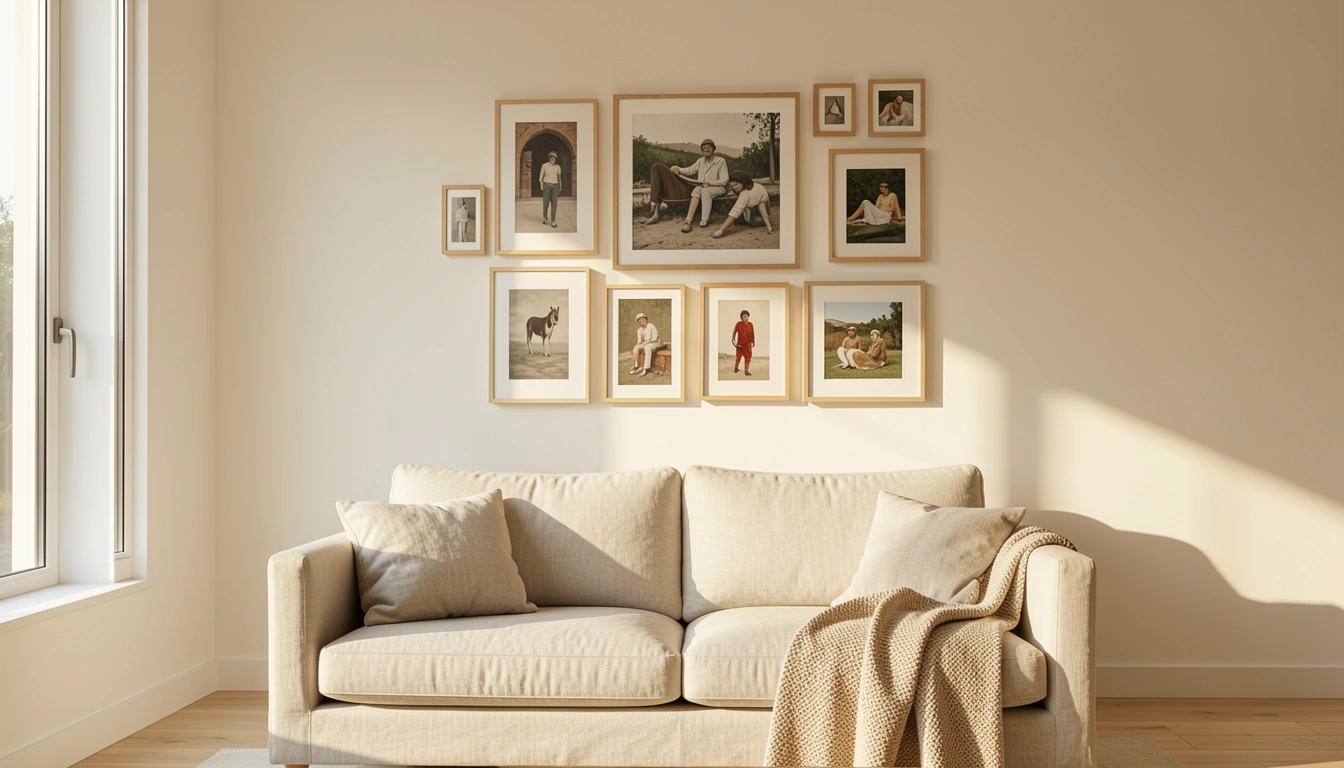
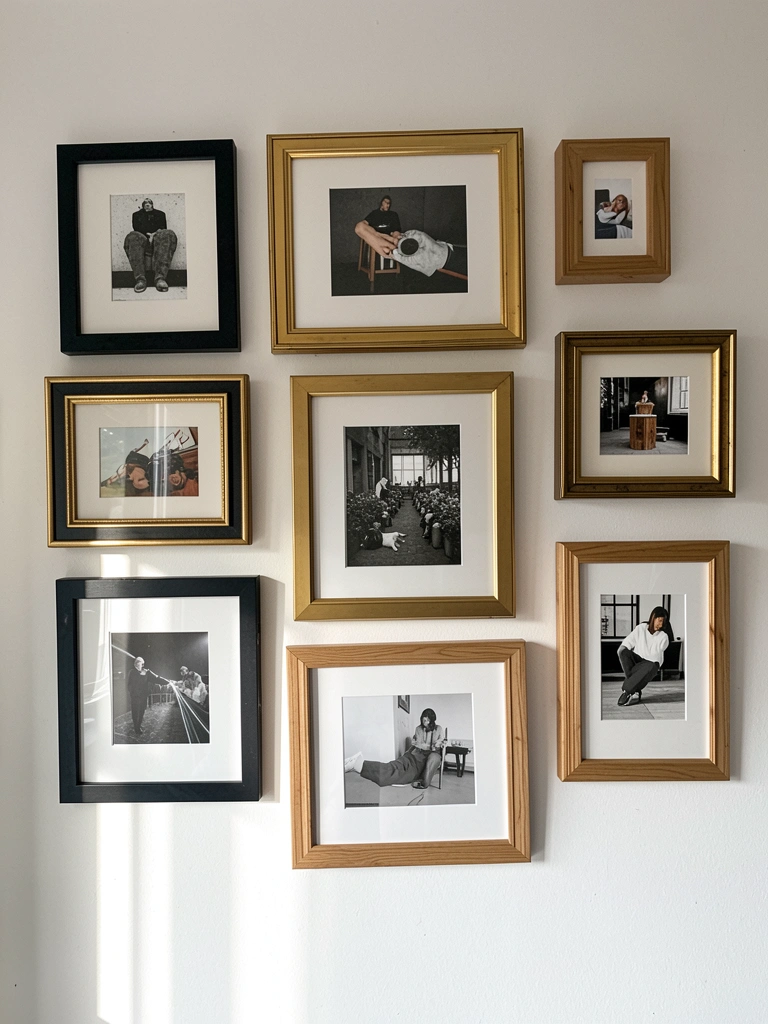
    A gallery wall is the easiest way to add personality and visual interest without commitment. This works especially well in rentals since damage-free methods exist now.

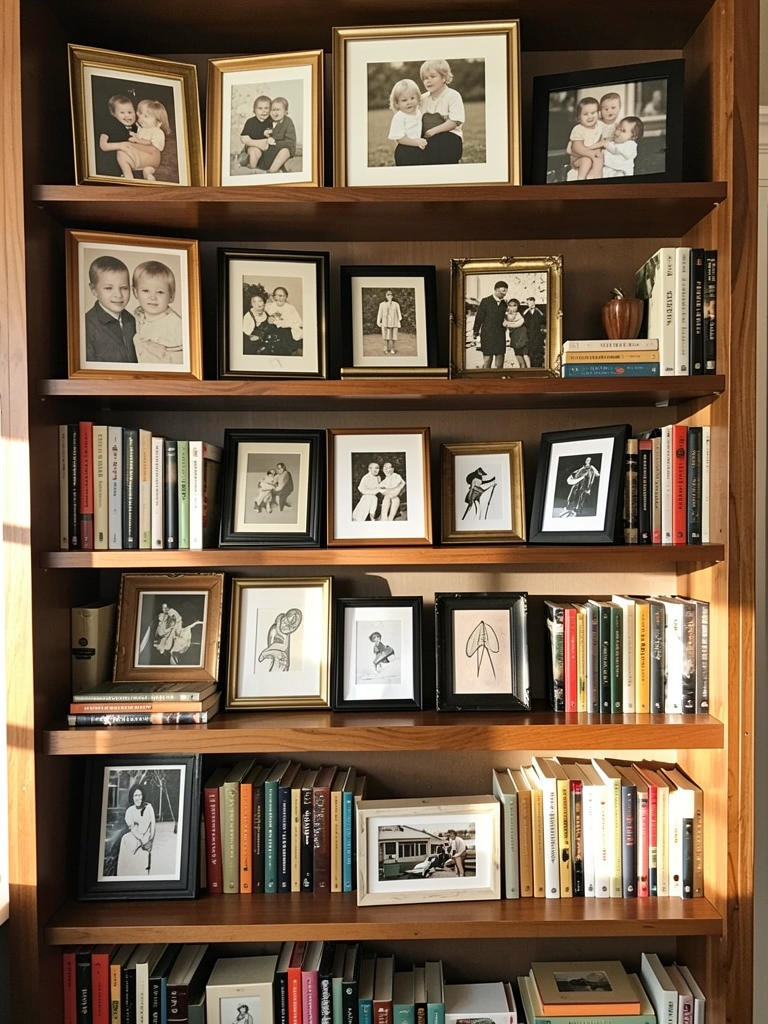
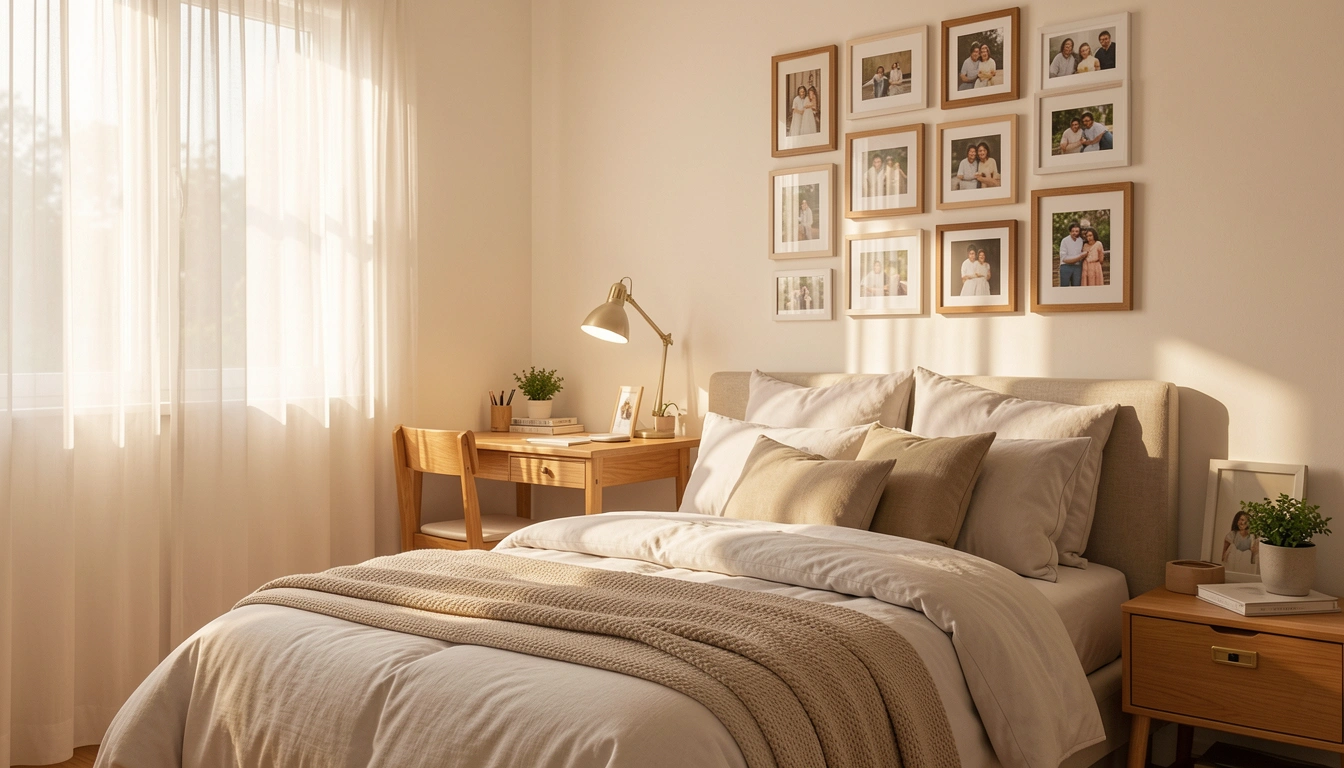
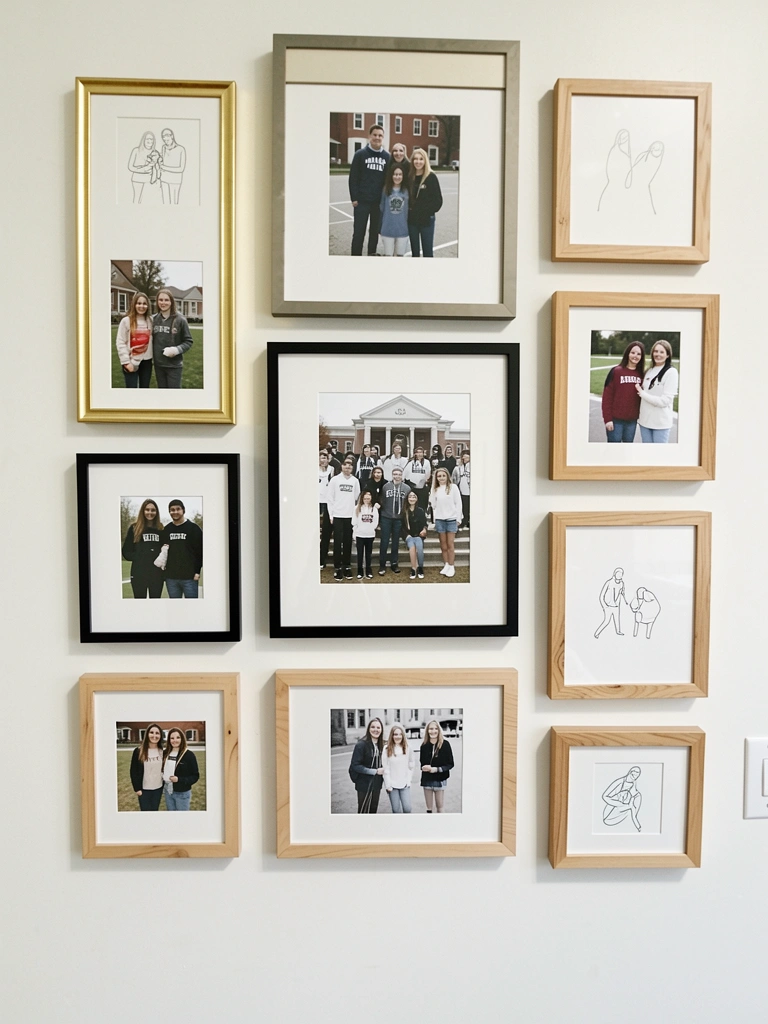
    Start by collecting frames in complementary finishes—mix black, gold, and natural wood for visual depth. Command strips or damage-free adhesive hooks ($10–$25) let you hang without drilling. Lay everything out on the floor first using painter’s tape to mark frame positions on your wall before hanging anything. This prevents costly mistakes. Mix print sizes and styles: a large botanical print, smaller geometric designs, and personal photos create dynamic energy.

    The result? A focal point that makes your space feel curated and lived-in, without looking like a showroom.

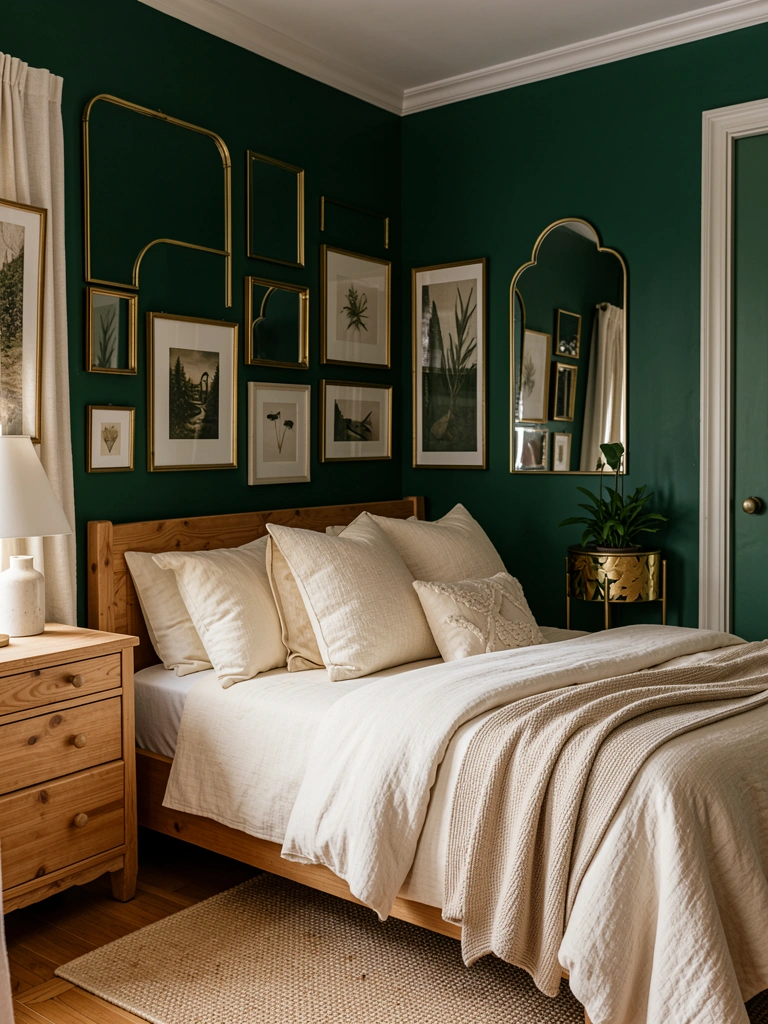
    2. Paint an Accent Wall in a Jewel Tone

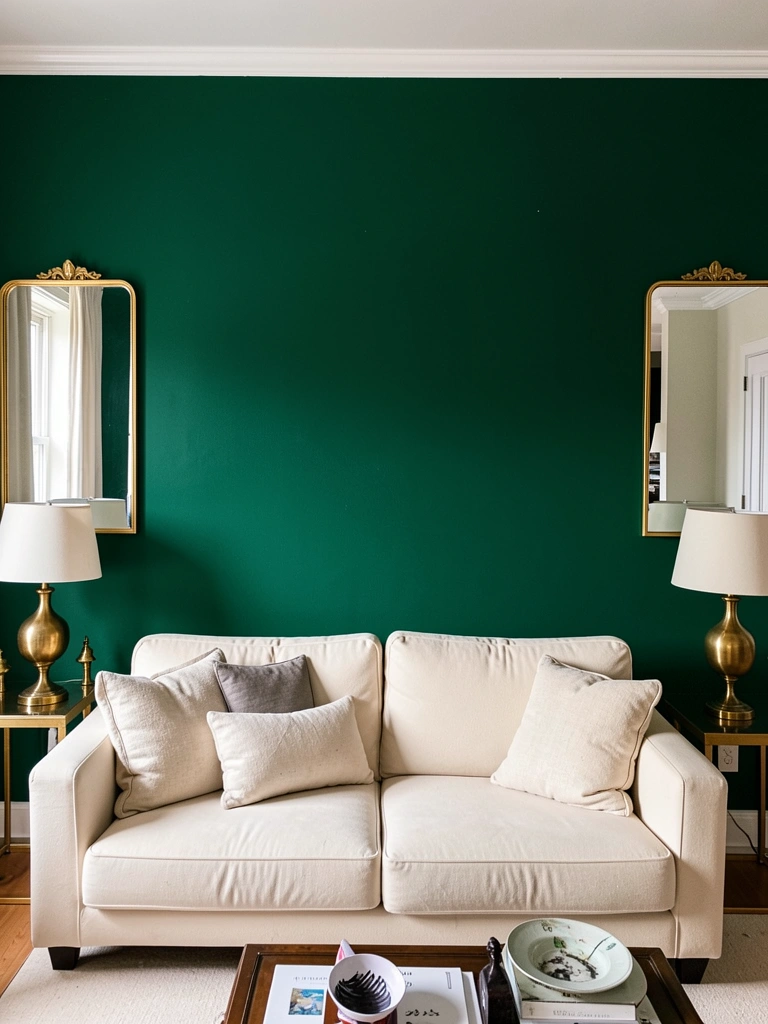
    Jewel tones—emerald, burgundy, and chocolate brown—are having a major moment, and painting one accent wall is the fastest way to ride this trend.

    Choose the wall opposite your seating area so it becomes a natural focal point. Buy two quarts of paint ($30–$50 per quart) and test it on that wall first; colors read completely different depending on lighting. Emerald photographed beautifully and feels sophisticated without feeling heavy. A single weekend project with a roller and basic supplies (brushes, drop cloth, painter’s tape from any hardware store). The key is using quality paint—cheaper options require multiple coats and streak easily.

    Your living room instantly gains depth and personality. Suddenly everything in the room—your furniture, art, and decor—pops against that rich background.

    3. Hang Large-Scale Floating Shelves

    Floating shelves add storage and a place to display decor without eating up floor space—perfect for small living rooms.

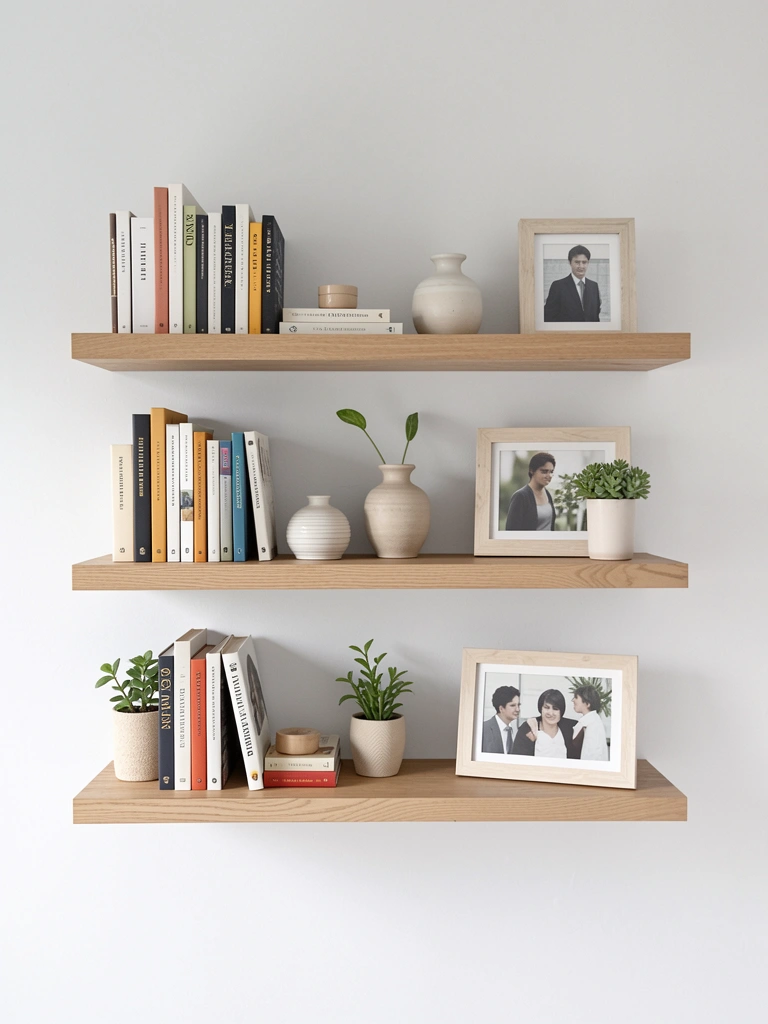
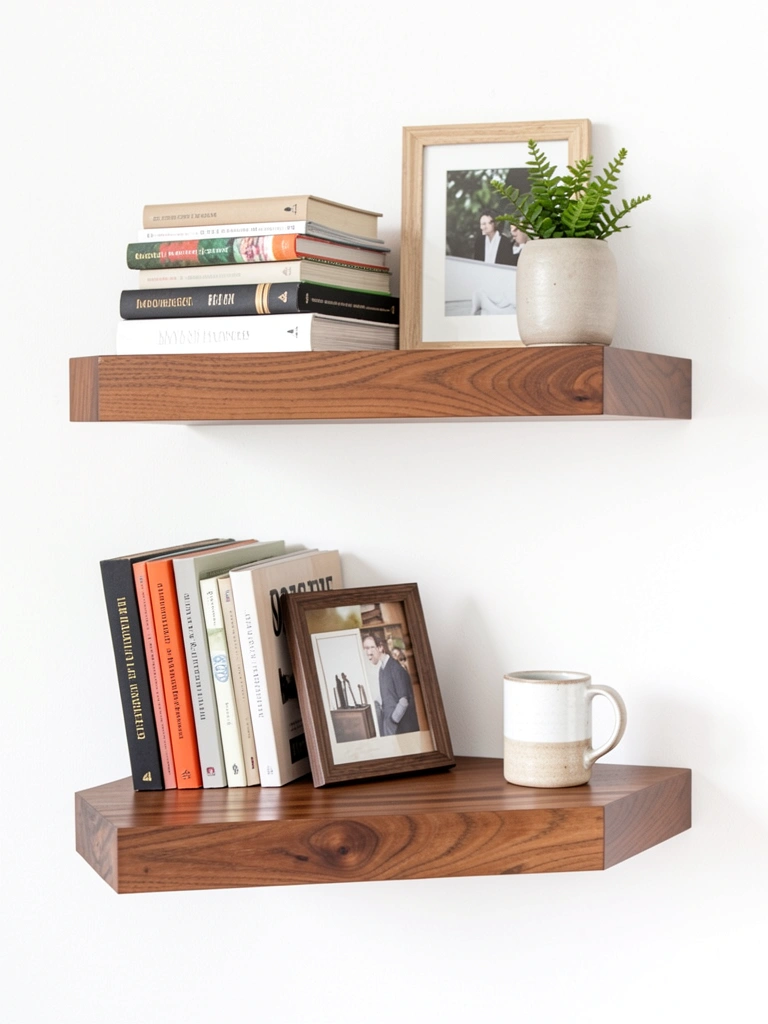
    Install wooden floating shelves ($40–$150 per shelf depending on size and material) using a stud finder and heavy-duty brackets. IKEA and Home Depot offer affordable options. Style them with books layered horizontally, a potted plant or two, and a few decorative objects spaced to avoid clutter. Leave some breathing room; overstuffing looks chaotic rather than curated. Mount shelves at varying heights for visual interest, or keep them level for clean lines—both work depending on your aesthetic.

    This setup gives your walls dimension and function while letting you rotate decor seasonally. Plus, you’ve created a styling opportunity that actually feels intentional.

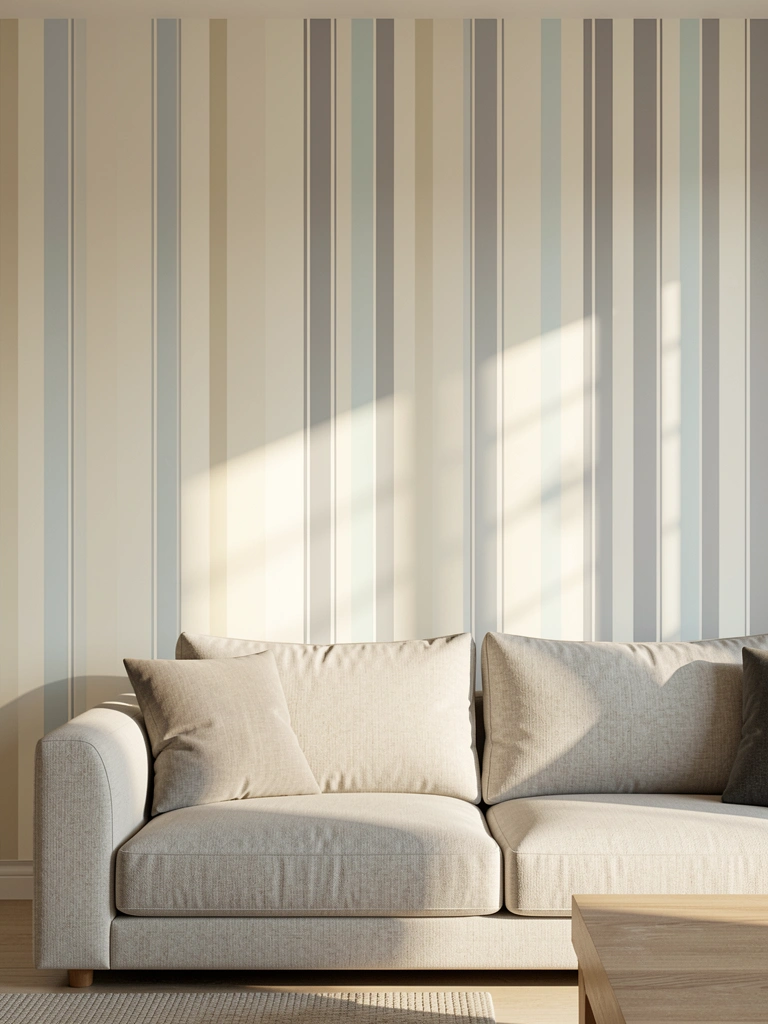
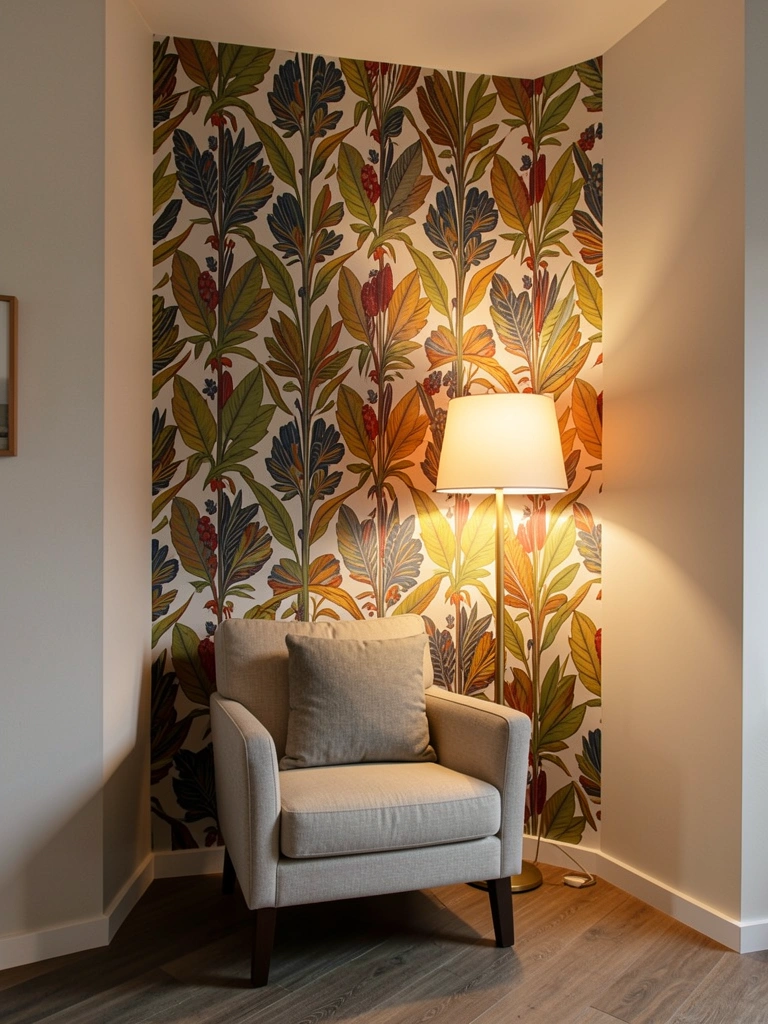
    4. Add Removable Wallpaper to One Wall

    Removable wallpaper is the renter’s secret weapon—beautiful pattern and zero guilt when you move.

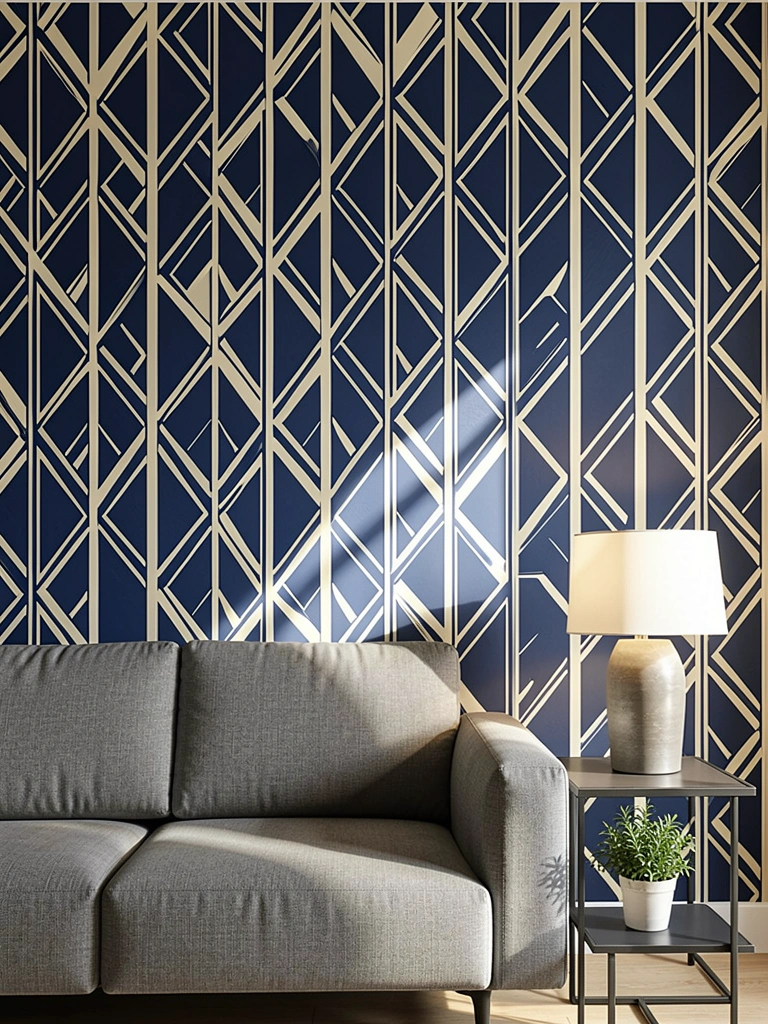
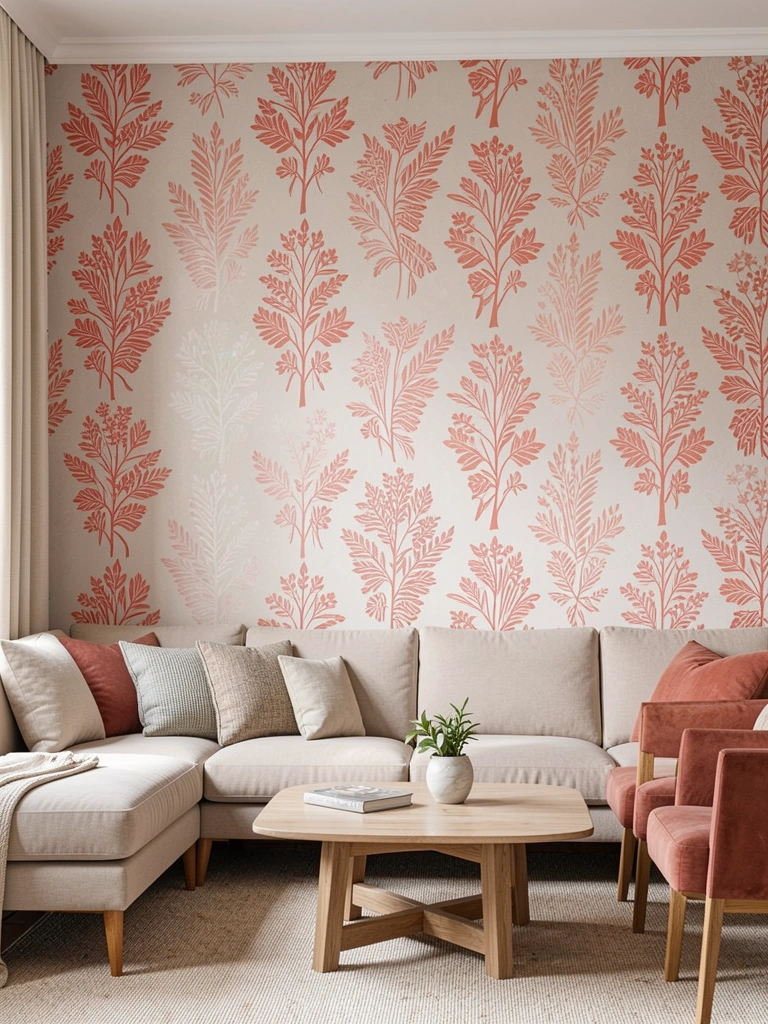
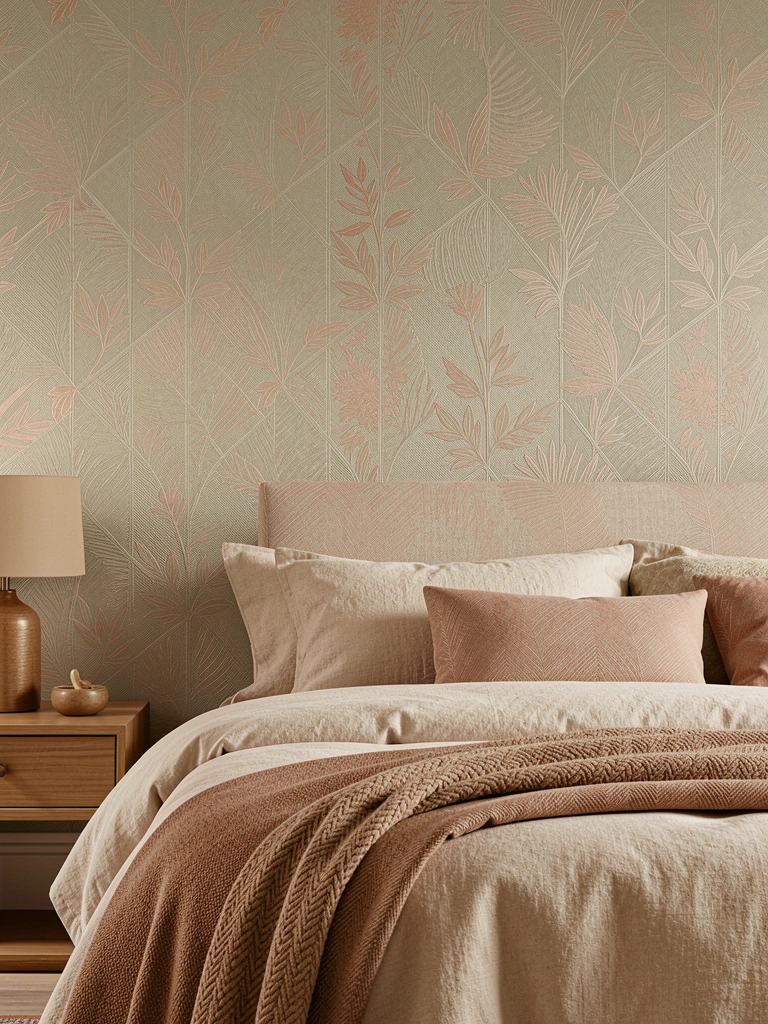
    Pick a peel-and-stick design in geometric, botanical, or striped patterns ($25–$60 per roll from Spoonflower, Target, or Amazon). One accent wall typically needs 2–3 rolls. Prep your wall by cleaning and smoothing any bumps. Carefully measure and cut wallpaper to size, then apply slowly, smoothing out air bubbles as you go. This takes 1–2 hours the first time, but honestly? It gets easier. Stick to one statement wall rather than the whole room to avoid overwhelming your space.

    When you’re done, you have a designer-quality accent wall that cost less than most light fixtures. And if you change your mind, it peels right off without damage.

    5. Install Picture Lights Above Artwork

    Picture lights are an overlooked detail that elevates your room instantly and adds a museum-quality touch.

    Install brass or black picture lights ($40–$120 per fixture from Rejuvenation, West Elm, or Amazon) directly above framed artwork or mirrors using standard mounting hardware. They plug into wall outlets, so no electrician needed. The warm glow highlights artwork at night while adding ambient lighting to your space. Choose fixture width to match your artwork—most come in 16″, 20″, and 24″ widths. This works especially well on larger pieces or important focal points.

    Your gallery wall or statement print now has professional lighting that changes how it looks from morning to night. It’s an investment detail that visitors genuinely notice.

    6. Use Stick-On Shiplap for Texture

    Shiplap texture adds depth and farmhouse charm without the actual installation headache (or cost).

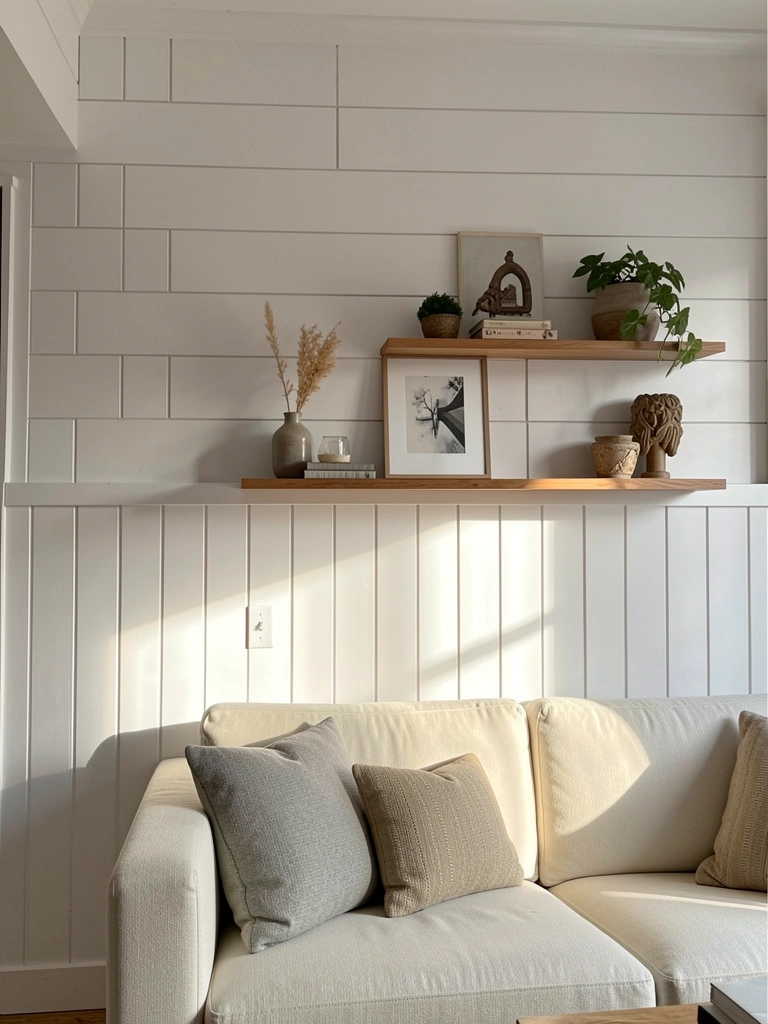
    Adhesive shiplap panels ($1–$3 per panel from Lowes, Home Depot, or Amazon) come in packs of 10–12. A single accent wall needs about 25–40 panels depending on size. Prep your wall by cleaning and smoothing it, then apply panels from bottom to top, staggering seams slightly for authenticity. This is a 2–3 hour DIY project that requires zero tools. Paint the panels after installation if you want a different color than the standard white—this adds dimension if you use a soft gray or warm beige.

    Your walls now have tactile, visual interest that photographs beautifully and makes your space feel collected rather than blank.

    7. Hang an Oversized Mirror to Bounce Light

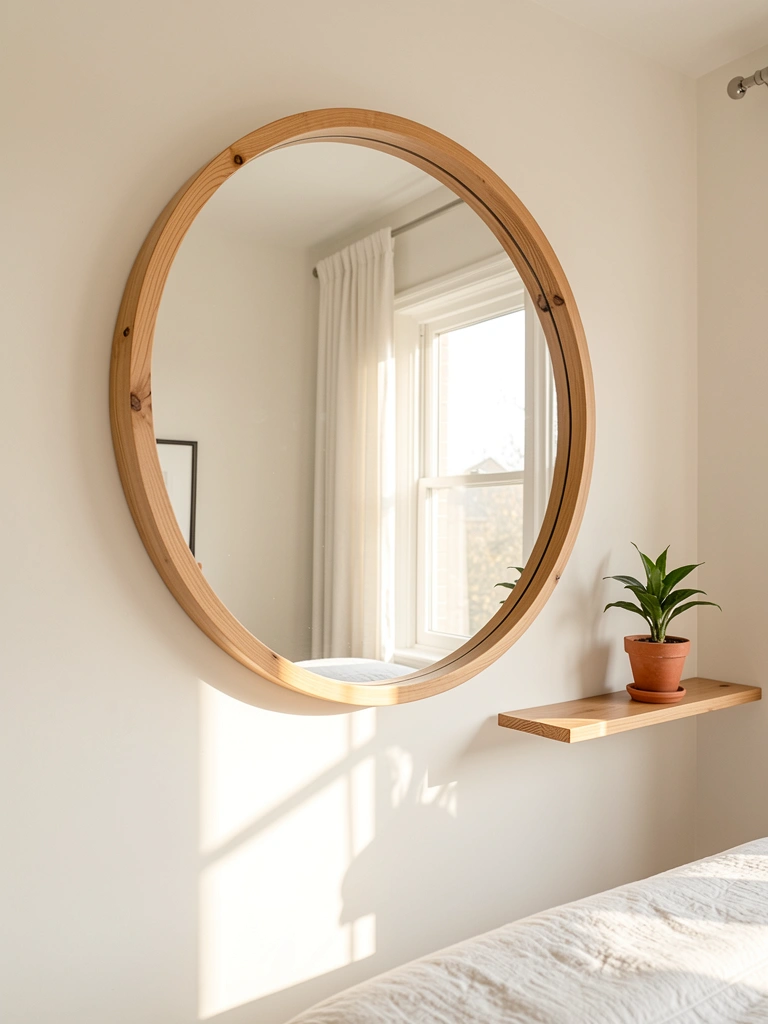
    A large mirror serves double duty: it expands your space visually and amplifies natural light, making your room feel bigger and brighter.

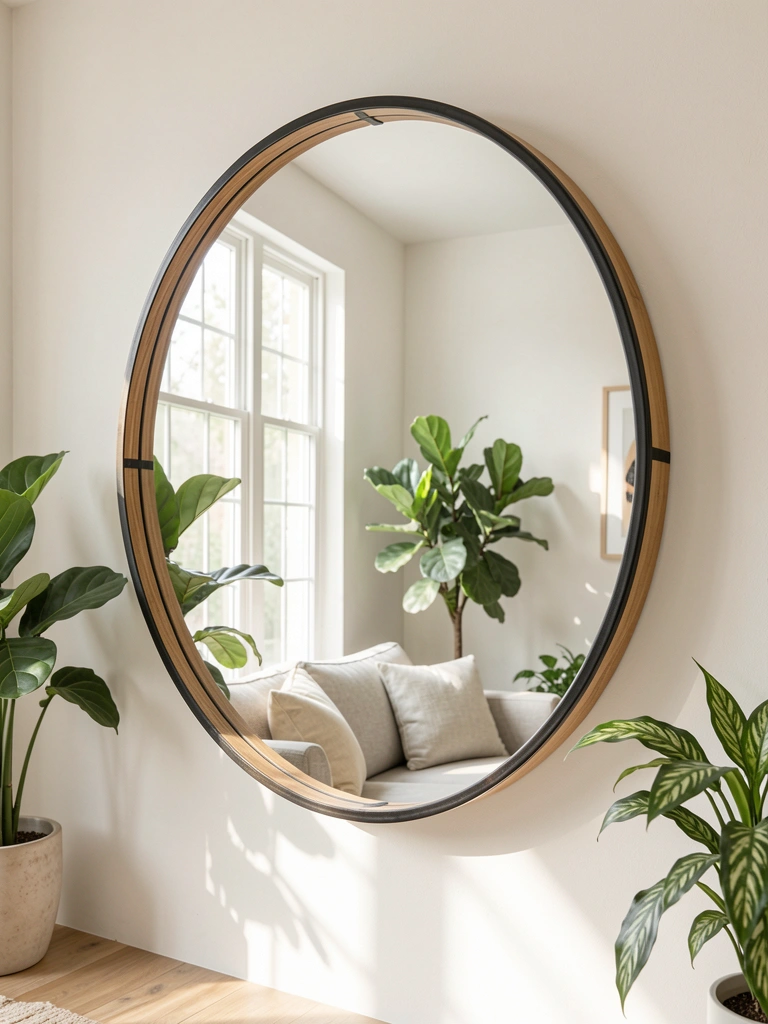
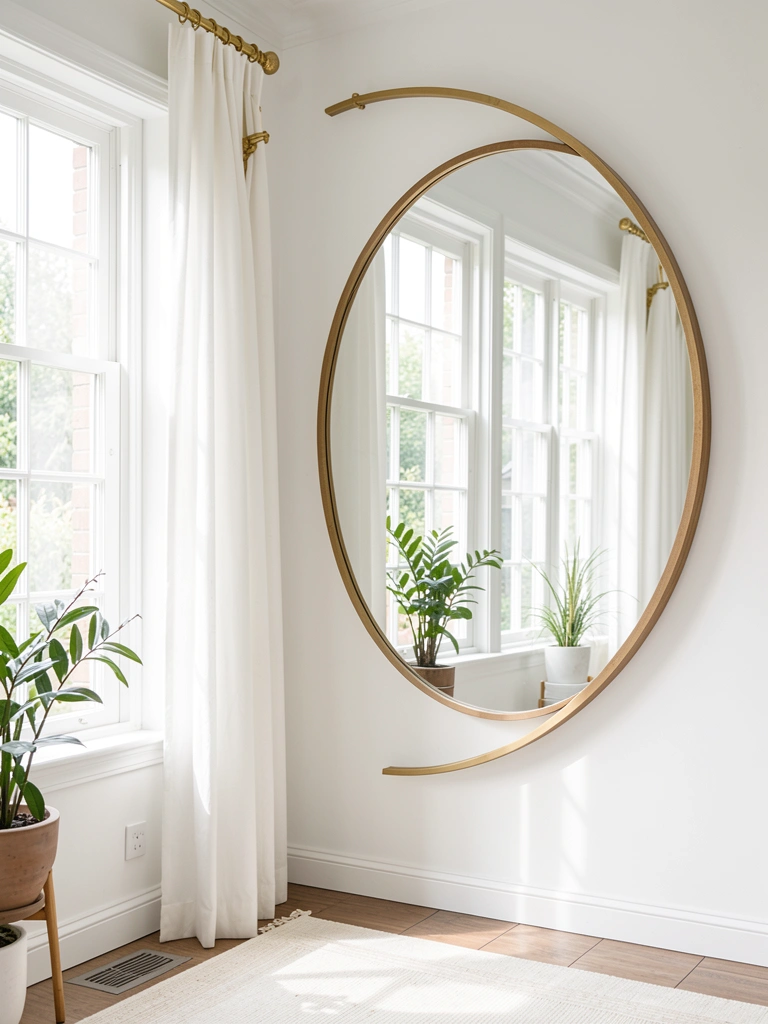
    Choose a statement mirror ($50–$300 depending on frame and size) in a shape that matches your aesthetic—arched, round, rectangular, or sunburst styles all work. West Elm, Wayfair, Article, and even Target have options. Mount it at eye level on a wall opposite your windows so it reflects light back into the room. Use a stud finder and proper wall anchors; large mirrors need secure hanging. The frame finish (wood, brass, black metal) should coordinate with your existing hardware and light fixtures.

    Light bounces around your room more, and suddenly the space feels more open. Plus, mirrors are timeless decor that work with any style.

    8. Paint Your Ceiling a Soft Contrast Color

    Painting your ceiling a lighter shade than your walls—or even a coordinating soft color—adds unexpected sophistication and makes rooms feel taller.

    Choose a paint color one shade lighter than your wall color, or go neutral cream or soft gray ($30–$50 for paint, plus $100–$200 if you hire help). Ceiling painting requires extra prep: move furniture, tape edges carefully, and invest in a sturdy ladder and extended roller. If you’re uncomfortable with heights, this is worth hiring out. The technique: paint in sections, keeping a wet edge to avoid lap marks. This takes a full day for a standard living room if you’re doing it yourself.

    Once done, your room gains architectural interest and feels more polished. Suddenly your ceilings aren’t just forgotten space—they’re part of your design.

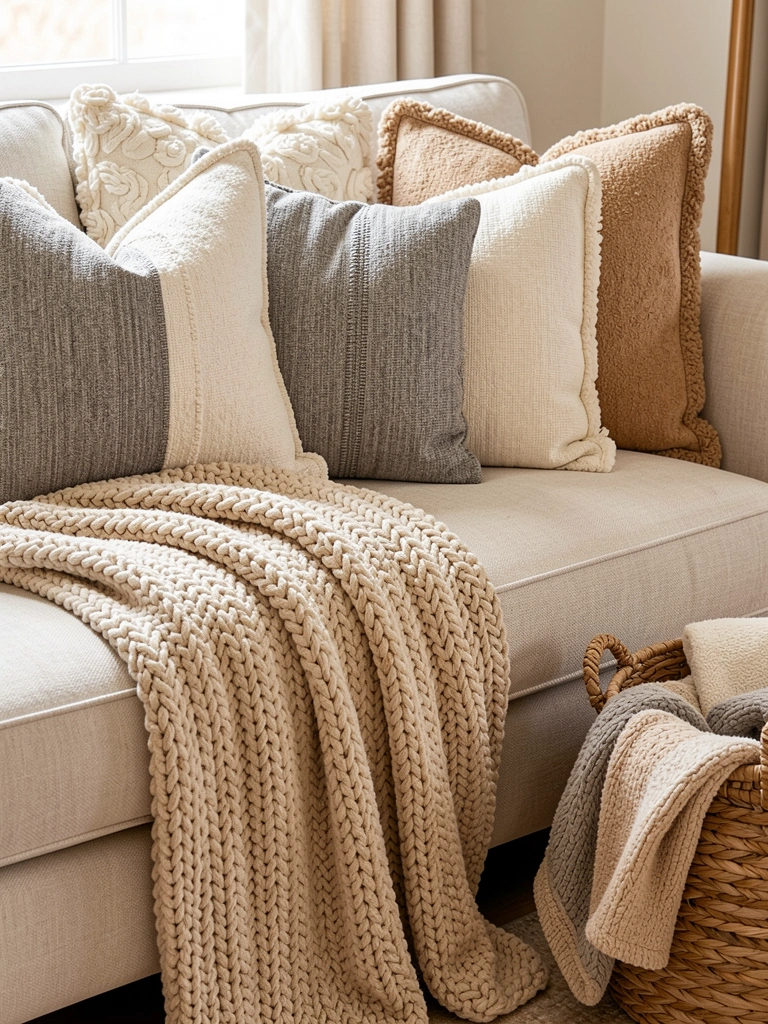
    9. Layer Textured Throw Pillows and Blankets

    Texture adds depth and warmth to blank walls, especially when pillows and throws work together in a coordinated palette.

    Collect throw pillows and blankets in complementary textures: linen, bouclé, velvet, and chunky knit ($15–$50 per pillow, $30–$100 per throw blanket from CB2, Pottery Barn, Target, or Etsy). Mix neutral colors—cream, gray, warm taupe—with one accent color to tie back to your wall palette. Layer pillows by size, with larger ones in back and smaller ones in front. Drape a throw casually rather than perfectly folding it; this feels more livable and styled.

    Your sofa now looks inviting and collected rather than showroom-stiff. The layered textures create visual and tactile interest that makes your space feel intentional.

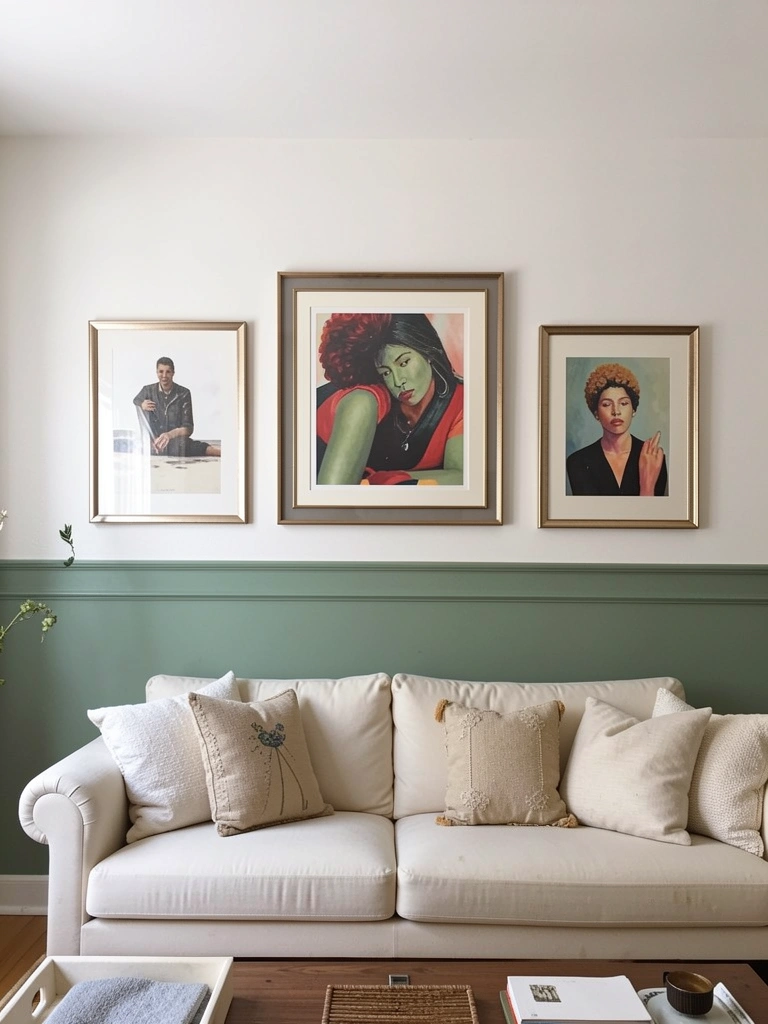
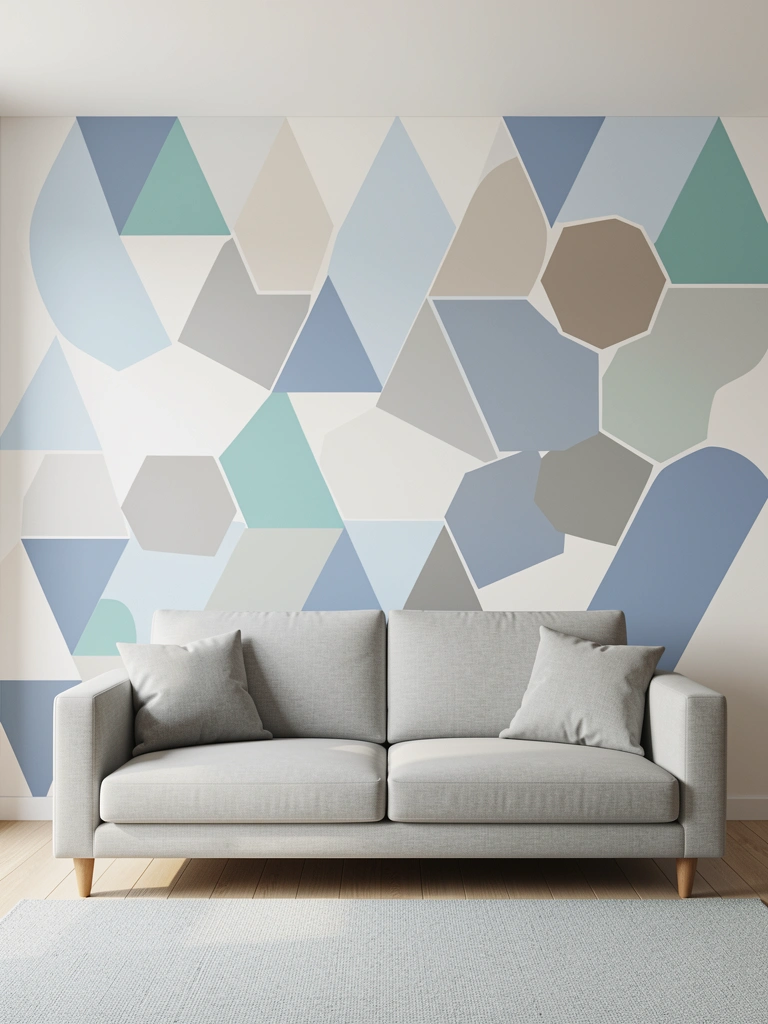
    10. Create a Color-Blocked Wall Design

    Color-blocking—painting walls in two distinct colors—is modern, graphic, and surprisingly easy to DIY.

    Plan your design: horizontal split at chair-rail height (about 32″ from the floor), vertical half-and-half, or an asymmetrical division. Get two quarts of paint ($30–$50 each) and use painter’s tape to create clean lines where colors meet. The tape is your secret—apply it firmly, paint your first color up to the line, let it dry, then apply tape along the edge and paint your second color. Remove tape carefully while paint is still slightly tacky for the cleanest edge. This takes 3–4 hours plus drying time.

    Your wall becomes a design statement that feels deliberate and modern. The color division creates visual interest without being overwhelming.

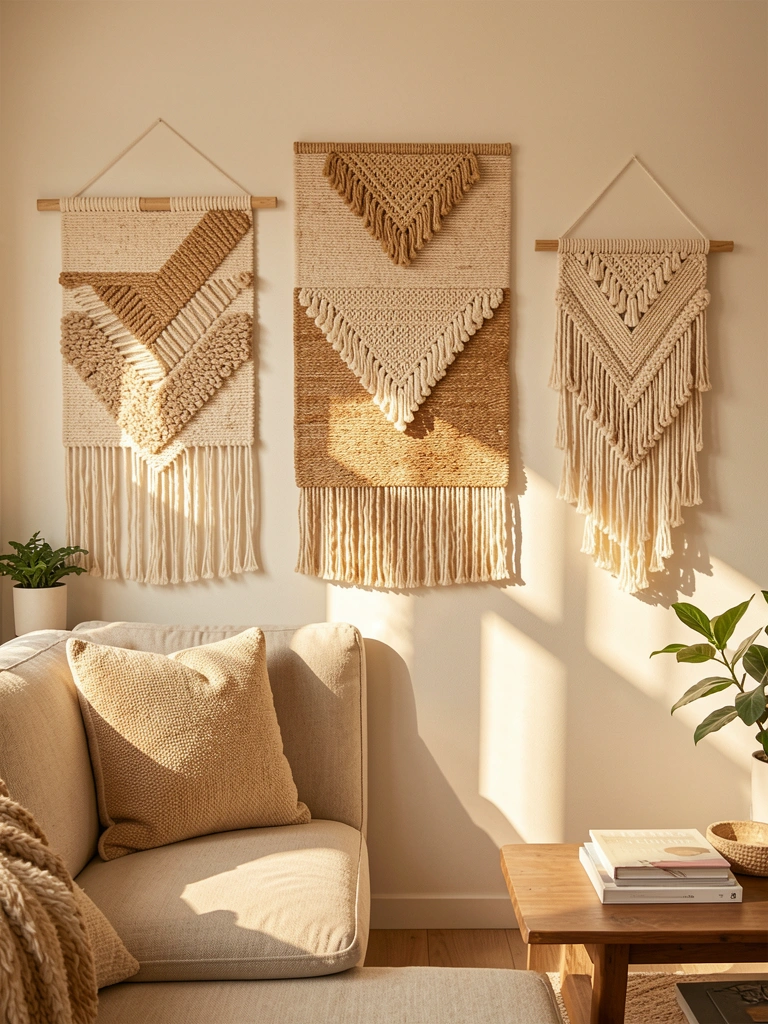
    11. Display Woven Wall Hangings and Macramé

    Woven and macramé wall hangings add organic texture and warmth—especially beautiful in rooms with neutral palettes or minimalist vibes.

    Hunt for woven wall hangings and macramé ($15–$80 per piece from Etsy, World Market, or West Elm) in sizes ranging from 12″ to 36″ wide. Vary the weaves—some tight and geometric, others loose and flowing—for visual interest. Hang them using simple nails or hooks at varying heights to create an asymmetrical gallery effect. Group pieces in clusters of 2–3 rather than spreading them around; this feels more intentional. Natural fibers in cream, tan, and gray coordinate with most palettes.

    These pieces add warmth and artisanal character that feels more personal than mass-produced decor. They’re particularly great in bohemian, modern minimalist, or scandinavian-inspired spaces.

    12. Install Architectural Molding or Trim Work

    Architectural molding adds instant character and makes rooms feel more polished and intentional—no faux finishes required.

    Install crown molding ($1–$5 per linear foot for materials, plus $3–$8 per foot for labor if hired) along your ceiling line, or add a chair rail halfway down walls ($0.50–$2 per linear foot). These are permanent upgrades but worth it for owned homes. Renters: check your lease, but removable molding options exist. A handyman or carpenter can install these professionally ($200–$500 depending on room size and complexity), or experienced DIYers can tackle it with a miter saw, level, and construction adhesive. Takes 2–4 hours per wall.

    Your room suddenly feels established and refined. Molding anchors your space and makes walls feel less flat and more architectural.

    13. Hang String Lights or Fairy Lights

    String lights add instant cozy ambiance and work in any decor style from modern to bohemian.

    Drape warm white string lights ($15–$40 from Target, Amazon, or Urban Outfitters) above a seating area, behind furniture, or along a shelf. Battery-operated options work well for renters since they don’t require outlet access. Intertwine lights through plants or frame a gallery wall with them for subtle glow. Warm white (2700K color temperature) feels more inviting than cool white. This takes 15 minutes to hang and adds zero permanent damage.

    Your room gains intimate, layered lighting that feels magical at night without being childish. It’s the difference between a space that feels functional and one that feels genuinely welcoming.

    14. Use Oversized Abstract Art as a Focal Point

    One large, impactful piece of art works harder than a gallery of small prints—it anchors your entire room.

    Invest in large-format abstract art ($100–$500+ from Etsy, Minted, Saatchi Art, or local galleries) or print high-quality reproductions ($20–$60 from Ikonick or Desenio). Choose a piece with colors that coordinate with your wall palette and other furniture. Hang it at eye level, centered on a wall, leaving breathing room around it. Pro tip: art that’s 60–75% of your sofa width creates the most balanced proportion. Frame it simply so the art, not the frame, is the star.

    This one piece becomes your room’s hero, instantly elevating everything around it. Visitors notice it immediately, and it gives you a color palette to build the rest of your decor around.

    15. Apply Textured Paint Finish for Depth

    Textured paint adds dimension to flat walls without committing to permanent treatments like wallpaper or molding.

    Add texture to your paint using specialized additives ($10–$20 per container) mixed into standard paint, or buy pre-textured paint ($35–$50 per gallon). Techniques include knockdown texture (spray and flatten), popcorn (don’t—it dates instantly), or subtle sand texture for organic depth. Apply with a roller or spray gun depending on texture type. This takes 2–3 hours per wall and requires patience, but creates lasting visual interest. Always test on cardboard first to see how the texture looks in your actual lighting.

    Your walls gain subtle sophistication and movement that plain paint can’t deliver. Texturing especially works in rooms with strong natural light where shadows play across the surface beautifully.

    16. Mount Floating Wooden Shelves for Plants

    A living wall of plants on floating shelves brings nature indoors and adds organic beauty without taking up floor space.

    Install wooden shelves ($40–$150 each from IKEA, West Elm, or hardware stores) using a stud finder and heavy-duty brackets rated for plant weight. Stagger them at different heights for visual interest—aim for 12–18″ between shelves so plants have room. Add potted plants that thrive indoors with moderate light: pothos, snake plants, fiddle leaf figs, or ZZ plants ($5–$40 per plant from local nurseries or online). Use coordinating pots in terra cotta, ceramic, or neutral tones. Water according to each plant’s needs; most prefer soil that dries slightly between waterings.

    Your walls come alive with color and movement. Plants improve air quality while adding organic beauty that’s impossible to fake with decor alone.

    17. Paint Vertical Stripes for Modern Edge

    Vertical stripes create height and visual motion while staying sophisticated rather than playful when done in a neutral or monochromatic palette.

    Pick two complementary paint colors ($30–$50 each for two quarts) in similar tones: cream and soft gray, or warm white and pale taupe. Use painter’s tape to create 4–6 inch wide stripes, ensuring edges are firmly sealed. Paint your first color on the entire wall, let dry completely, then tape off alternating stripes and paint your second color. Remove tape while paint is slightly tacky. This takes 4–5 hours including drying time between coats.

    The result feels intentional and modern without being bold. Vertical stripes are particularly effective in rooms with lower ceilings because they draw the eye upward, making spaces feel taller.

    18. Hang a Statement Chandelier or Pendant Light

    Statement lighting does triple duty: it provides illumination, adds sculptural interest, and anchors your room’s overall design.

    Invest in a dramatic chandelier or pendant light ($150–$600+ from West Elm, Rejuvenation, Article, or local lighting stores). Choose styles that coordinate with your aesthetic: geometric modernism, ornate brass vintage, or sculptural minimalism. Professional installation costs $100–$300, but most fixtures can work with existing wiring. Hardwiring requires an electrician; plug-in options exist for renters (though less glamorous). This is a longer-term project but creates immediate impact.

    Your ceiling gains architectural interest, and the quality of light transforms your room. Suddenly, functional lighting becomes a design statement.

    19. Create a Feature Wall with Geometric Wall Decals

    Removable geometric decals offer pattern without the commitment of wallpaper, perfect for renters or indecisive decorators.

    Apply peel-and-stick geometric wall decals ($20–$50 per set from Etsy, Amazon, or Wayfair) in patterns that coordinate with your existing palette. Clean your wall thoroughly before applying. Position decals carefully—most can be repositioned but work better when placed thoughtfully the first time. Mix shapes and sizes for visual interest, or keep them uniform for cleaner lines. This takes 1–2 hours and requires zero tools.

    Your walls gain modern graphic interest without permanent commitment. If you tire of the pattern, peel it off cleanly. Geometric decals work especially well in contemporary and scandinavian-inspired spaces.

    20. Layer Vintage and New Frames on a Bookshelf

    Styling shelves with layered frames, photos, and books creates a collected, curated look that makes your space feel personal.

    Gather a mix of frame styles and sizes (vintage finds from thrift stores, new frames from Target or IKEA—budget $5–$30 per frame) and populate them with family photos, prints, and meaningful images. Layer frames at varying angles—some standing upright, some leaning slightly—to create movement. Intersperse with stacked books, small plants, and decorative objects. Pro tip: Odd numbers and varying heights are more visually interesting than symmetry. This styling takes 30–45 minutes and costs under $100 for most shelves.

    Your shelves transform from storage into a personal gallery that tells your story. Visitors immediately sense the intentionality and personality radiating from your walls.

    21. Stencil a Geometric or Botanical Pattern

    Stenciling adds custom pattern without the expense of wallpaper or the commitment of a mural—and it looks surprisingly professional.

    Purchase reusable wall stencils ($15–$35 from Etsy, Amazon, or craft stores) in botanical or geometric designs. Use spray adhesive ($5) to hold the stencil in place, then carefully apply paint with a foam roller or stencil brush ($10–$20). Work in small sections, reapplying adhesive between each stencil placement. Choose your accent color to coordinate with existing decor—soft sage on cream, or soft gray on white work beautifully. This takes 4–6 hours for a full wall but feels like custom design.

    Your walls gain personality and hand-crafted beauty that feels intentional. Stenciled patterns especially photograph well, so expect Instagram-worthy results.

    22. Arrange Books as Wall Art (Leaning Stacks)

    Leaning book stacks create visual interest and work as accessible art if you arrange them by color into ombré groupings.

    Collect books you love (mix of reads, design books, and pretty vintage finds) and arrange them in stacks of 3–5, leaning against your wall or on a console. Sort by color to create gradient effects: ombré from light to dark, or cluster warm and cool tones separately. Group 3–4 stacks together rather than spreading single books around. Prop frames or small artwork between stacks to break up horizontal lines. This costs nothing if you use books you own and takes 20 minutes to arrange.

    Your wall gains unexpected texture and becomes a conversation starter. Plus, books are functional beauty—you can actually read them when inspiration strikes.

    23. Install Acoustic Panels for Sound and Style

    Acoustic panels solve two problems at once: they reduce echo and create textured wall art that looks intentional rather than purely functional.

    Choose stylish fabric-covered acoustic panels ($50–$150 per panel from GIK Acoustics, Primacoustic, or Amazon Basics). Install them on a feature wall using a combination of adhesive and fasteners for maximum security. Arrange asymmetrically for visual interest—vary panel sizes and spacing rather than creating a grid. Neutral fabric colors (cream, gray, warm beige) work with most decor. Professional installation isn’t necessary, but measure carefully before committing to placement.

    Your room gains both aesthetic appeal and improved sound quality. Especially valuable if you have hard floors or work from home and need sound dampening.

    24. Create a Wallpapered Accent Nook

    Wallpapering a nook or alcove creates drama while containing pattern so it doesn’t overwhelm your entire room.

    Choose one wall or alcove for bold patterned wallpaper ($30–$100 per roll from Spoonflower, Anthropologie, or Wayfair). Select a pattern that feels slightly more adventurous than you’d use on all walls: geometric, botanical, or striped. Prep your wall carefully by removing old wallpaper, filling holes, and sanding smooth. Apply wallpaper following manufacturer instructions, working in small sections and smoothing bubbles carefully. Hire a pro if you’re uncomfortable ($300–$600 for one accent wall), or DIY if you’re patient ($50–$150 in materials, 4–6 hours of work).

    Your nook becomes a cozy retreat with pattern-forward personality. The contained wallpaper feels intentional rather than chaotic, and it encourages you to linger in that space.

    25. Mount Wooden Crate Shelving for Rustic Charm

    Wooden crate shelves add rustic charm and functional storage while being remarkably budget-friendly and flexible.

    Stack and secure wooden crates ($10–$20 each from Home Depot, Etsy, or local hardware stores) using L-brackets and construction adhesive for permanent installation, or use furniture pads and gravity for renter-friendly flexibility. Arrange crates in various configurations: stacked towers, scattered asymmetry, or grid patterns. Arrange crates in your desired wall pattern, then style them with rolled textiles, plants, books, and decorative boxes. This takes 1–2 hours to install and style.

    Your walls gain rustic warmth and unexpected functionality. Crate shelving works especially well in farmhouse, industrial, and eclectic spaces.

    26. Paint a Subtle Gradient Wall

    Gradient walls add sophisticated movement and depth without feeling overwhelming—especially when you choose colors in the same family.

    Select two complementary paint colors in the same tonal family ($30–$50 each for two quarts): cream to soft sage, or pale blue to warm white. Paint your top color first, creating a 12–18″ section at the top. Mix paint colors 50/50 for your transition zone, then paint your bottom color. Blend the middle section using a dry brush technique—this creates smooth gradients rather than harsh lines. Takes 3–4 hours plus drying time.

    Your walls gain subtle sophistication and visual movement that photographs beautifully. Gradient walls work particularly well in modern minimalist and contemporary spaces.

    SOFT CTA:

    Save this post for your next weekend project and pick one idea that makes your heart happy. Whether you go bold with color, add texture with layers, or invest in statement lighting, your walls are about to thank you. Try just one change this weekend—we promise you’ll be amazed at what a difference it makes.

  • 24 Floor Bed Ideas That Create a Minimal, Cozy Retreat

    24 Floor Bed Ideas That Create a Minimal, Cozy Retreat


    Introduction

    Tired of beds that feel too high, too bulky, or too disconnected from your space? Floor beds are having a major moment—and for good reason. They create an instant sense of calm, make small rooms feel bigger, and work beautifully in minimalist, Scandinavian, and Japanese-inspired designs. Whether you’re renting, downsizing, or just craving a bedroom that feels like a peaceful retreat, a floor bed might be exactly what you need. The best part? You don’t need much money or DIY skills to make it work. From simple platform solutions to styled sanctuary spaces, here are 24 ideas to help you create a cozy, minimal bedroom that actually makes you want to go to bed early.


    1. Start With a Basic Platform Frame

    A solid platform bed frame is the foundation for everything. Unlike traditional beds with box springs, platforms sit just 12–18 inches off the ground, creating that grounded, minimal look instantly.

    Look for frames with clean wood slats (no box spring needed). IKEA’s Malm frame ($150–$300) is a budget-friendly starting point, while Article and Wayfair carry more design-forward options in the $400–$800 range. If you rent, consider a low-profile platform that requires minimal assembly—most can be set up in under an hour with just a screwdriver.

    The lower profile also makes your room feel more spacious because your eye naturally travels across the floor first. Your ceiling seems higher when the furniture isn’t fighting for that visual real estate.


    2. Layer Natural Linen for Texture

    Natural linen bedding isn’t just beautiful—it regulates temperature, softens with every wash, and adds authentic texture that makes your bed look intentionally styled.

    Invest in quality linen sheets in neutral tones: Parachute ($200–$350 per set) offers OEKO-TEX certified linen, while Etsy sellers and Target’s Threshold collection ($100–$150) provide affordable alternatives. Layer with a chunky knit throw ($50–$120) for depth. The result feels both luxe and lived-in—like a bed you actually want to fall into, not just look at. These fabrics also age beautifully, developing a softer hand over time.


    3. Create a Grounding Anchor With a Low Rug

    A rug pulls your floor bed into the room’s layout and creates a visual anchor that makes the low profile feel intentional, not like you’re sleeping on the floor.

    Choose a natural fiber rug (jute, sisal, or wool blend) in a size that extends at least 3 feet on both sides of the bed. Ruggable offers washable options ($150–$400), while West Elm ($200–$600) and Etsy vintage sellers ($80–$300) have unique finds. Place the bed so one-third to one-half sits on the rug. This simple positioning trick grounds the whole arrangement and defines your sleep space without walls or dividers.


    4. Paint an Accent Wall Behind Your Headboard

    An accent wall behind your bed creates a focal point and adds personality without overwhelming your minimal aesthetic. Soft, muted tones work best for sleep spaces.

    Choose warm whites, soft greens (sage, celadon), warm grays, or dusty blues—colors that calm rather than stimulate. Paint only one wall (or the wall section behind your bed) to keep things minimal. One gallon of quality paint costs $30–$50, and a DIY paint job takes one afternoon. If you rent, ask your landlord about temporary removable wallpaper ($20–$60 per roll) in similar tones. The right color makes your bedroom feel like a spa—instantly more restful and curated.


    5. Use Bed Slats Instead of a Box Spring

    Bed slats replace the box spring entirely, keeping your mattress low to the ground while providing essential support and airflow.

    Most modern platform frames come with slats, but if you’re using a basic frame, verify spacing is 3–4 inches apart for proper support. Metal slat systems cost $50–$150, while wooden options run $100–$300. This setup also prevents dust accumulation under the mattress and makes cleaning easier. You’re literally sleeping closer to the ground—a design choice that feels intentional and helps your brain associate your bed with rest.


    6. Add Floating Shelves for Bedside Storage

    Floating shelves replace traditional nightstands, keeping the floor clear and maintaining the minimal vibe while providing practical storage.

    Mount shelves 24–30 inches above the mattress surface (roughly shoulder height when lying down). Install two shelves on each side: one for essentials (lamp, phone, water glass), one for display items. Floating shelves cost $40–$150 per pair installed; IKEA’s Lack shelves ($15–$30) are budget-friendly if you have wall studs. This setup saves floor space, looks architectural, and keeps your bedroom clutter-free.


    7. Invest in a Weighted Blanket for Better Sleep

    A weighted blanket uses deep pressure stimulation to calm your nervous system, helping you fall asleep faster and stay asleep longer—a wellness upgrade that really works.

    Quality weighted blankets (12–20 lbs) cost $150–$400; brands like Bearaby ($265–$399) use organic cotton, while Gravity Blanket ($225–$395) and Amazon Basics ($80–$150) offer solid options. Choose a weight that’s 8–10% of your body weight. Drape it over your regular bedding for a styled, inviting look that also signals to your brain it’s time to wind down. Layering it on top creates visual interest and that luxe hotel aesthetic.


    8. Install Dimmable Smart Lighting Above the Bed

    Smart lighting lets you adjust color temperature and brightness without leaving bed—essential for a bedroom that supports your sleep cycle and reading habits.

    Install dimmable LED lights or smart bulbs ($15–$50 each) in existing fixtures, or add track lighting ($100–$300 installed) for more control. Brands like Philips Hue offer app-controlled color options, while LIFX provides affordable smart bulbs ($20–$40). Set lights to warm amber (2700K) at night to support melatonin production, and brighter white light for reading. You’ll notice the difference in how quickly you fall asleep and how rested you feel in the morning.


    9. Mix Pillow Heights for Visual Softness

    Layering pillows in different sizes (standard, Euro square, body pillow) creates a styled, resort-like look that’s also more comfortable for reading and lounging in bed.

    Mix pillow types: start with a standard pillow in front, add Euro shams (26×26 inches) behind, and tuck a body pillow on one side. Use matching or complementary linen or cotton covers in whites, creams, and soft neutrals. Budget $80–$200 for quality pillow inserts and covers. This layering makes your bed look intentionally styled and gives you flexible comfort for different activities—sleeping, reading, working from bed on weekends.


    10. Create a Reading Nook With a Low Chair

    A low, paired-down chair beside your floor bed creates a dedicated reading space without cluttering your bedroom or competing with the bed as the focal point.

    Look for chairs with clean lines: Article’s Sven Chair ($500+), IKEA’s Poäng ($80–$150), or a simple wooden frame with a linen cushion (DIY or Etsy, $100–$300). Position it close to a window for natural reading light. This companion piece makes your bedroom feel like a retreat rather than just a sleeping space—you’re giving yourself permission to rest, read, and do nothing, all in one room.


    11. Use a Live-Edge Wood Headboard

    A live-edge headboard brings natural, organic beauty to your minimal bedroom while giving you a visual anchor without taking up floor space.

    Mount a live-edge wood slab ($200–$1,000+) directly to the wall at bed height, or prop a smaller piece ($50–$300) behind your pillows for a renter-friendly option. This biophilic design choice connects you to nature and creates a focal point that feels intentional. The organic shape and wood grain add personality and warmth while keeping your aesthetic calm and grounded.


    12. Layer In a Cotton Duvet for Easy Adjustability

    A cotton duvet lets you adjust your warmth without adding bulk—you can fold it down on warm nights or pull it up on cool ones, making your bed visually interesting and functionally flexible.

    Choose a natural cotton duvet cover ($60–$150 from Parachute, Etsy, or Target) in white, cream, or soft gray. Fold it casually at the foot of the bed rather than making it tight and formal. This styling choice looks relaxed and intentional, and gives you temperature control without the weight of a comforter. You’re creating a bed that looks effortlessly styled, not perfectly made.


    13. Add Black-Out Curtains for Deep Sleep

    Blackout curtains block light that disrupts melatonin production, helping you sleep deeper and wake more naturally. Plus, they add a luxe, cave-like quality to minimal bedrooms.

    Install floor-to-ceiling blackout panels ($50–$200 per window from Target, Amazon, or Wayfair) in neutral tones. Choose thermal-lined options for temperature control too. Pair with sheer curtains for daytime privacy and softer aesthetics. The impact is immediate: your room becomes a true sleep sanctuary, and you’ll likely sleep 30–60 minutes longer without light pollution waking you early.


    14. Introduce One Statement Pillow for Color

    A single statement pillow in a bold, warm tone (mustard, rust, deep teal) adds personality to a neutral bed without making the space feel busy or chaotic.

    Look for one pillow in a complementary color that reflects 2025’s playful statement trend. Etsy, West Elm ($60–$100), and Schoolhouse Electric ($80–$120) have beautiful options. Place it among neutral pillows to let it stand out. This tiny pop of intentional color makes your bedroom feel curated and personal while keeping the overall aesthetic calm and minimal. It’s an easy way to refresh your space seasonally too.


    15. Install a Simple Wooden Slat Headboard

    Wooden slats create texture and visual interest without the bulk of a traditional headboard, and they’re totally renter-friendly if you use removable paneling.

    Mount thin wooden slats vertically or horizontally ($100–$400 DIY, $300–$800 installed) on the wall behind your bed, or use peel-and-stick wood paneling ($50–$150) if you rent. Space them 2–4 inches apart for a clean, minimal look. This architectural treatment becomes the focal point of your room and adds warmth without fuss. It also helps soften sound, making your bedroom feel more private and cocoon-like.


    16. Use a Body Pillow for Side Support

    A body pillow supports your spine and joints while sleeping on your side, reducing back and neck pain. It also creates a visual anchor on your bed.

    Place a body pillow lengthwise along one side of your bed, dressed in matching linen. Quality body pillows cost $30–$80 from Parachute, Target, or Amazon. This setup is especially helpful if you’re a side sleeper or pregnant. You’re creating a bed that doesn’t just look minimal—it’s also optimized for physical comfort and better sleep quality.


    17. Create a Minimal Headboard With Paint

    Skip the physical headboard and paint one directly onto the wall—it’s minimal, renter-friendly (use removable wallpaper), and completely customizable.

    Paint or apply removable wallpaper in a simple geometric shape (rectangle, arch, or simple lines) on the wall behind your bed, or use painter’s tape to create a stripe pattern. Materials cost $20–$50, and you can DIY in one afternoon. Renters can achieve the same look with removable peel-and-stick wallpaper ($15–$40). This graphic approach keeps your bedroom feeling intentional and artistic without physical clutter or installation hassles.


    18. Layer in a Vintage Quilt for Warmth and Character

    A vintage or handmade quilt adds handcrafted warmth and personality to a minimal bedroom while supporting sustainable practices (you’re giving a piece a second life).

    Hunt for quilts on Etsy ($50–$300), estate sales ($20–$100), or fabric swaps. Fold it casually at the foot of your bed or drape it over one corner. Vintage textiles tell a story and make your space feel less sterile. The mix of old and new creates visual interest while keeping your aesthetic grounded in simplicity. Plus, knowing the quilt has history makes resting under it feel more meaningful.


    19. Mount a Small Floating Shelf for Plants

    Live plants beside your bed improve air quality, reduce stress, and add life to your minimal space. A floating shelf keeps them accessible without taking floor space.

    Mount a shallow shelf ($20–$60) at pillow height and add low-maintenance plants like snake plants, pothos, or ZZ plants ($10–$30 each). These thrive in bedroom light conditions and improve sleep quality by increasing oxygen and reducing CO2. The greenery becomes a calming focal point and makes your bedroom feel like a sanctuary. You’re literally surrounding yourself with nature, which supports biophilic design trends for 2025.


    20. Incorporate a Cotton Mattress Protector

    A cotton mattress protector keeps your mattress clean and extends its life—essential for a low bed that sits close to dust and debris.

    Choose an organic cotton protector ($40–$100) over synthetic options; they breathe better and feel more comfortable. Brands like Parachute and Etsy organic makers ($50–$150) offer chemical-free versions. This simple layer protects your investment and keeps your bed fresh longer. Renters especially appreciate this, as it protects against accidental spills and dust.


    21. Use Neutral Linen Curtains for Softness

    Lightweight linen curtains filter light gently while maintaining your minimal aesthetic—they’re functional, beautiful, and totally aligned with natural material trends.

    Hang linen curtains in white, cream, or pale gray ($60–$150 per panel from Target, West Elm, or Etsy) from ceiling to floor. This creates height and elegance without bulk. Pair with blackout curtains on the inside for sleep support and privacy. Linen ages beautifully and becomes softer over time, so your curtains improve with use. You get a bedroom that feels serene during the day and restful at night.


    22. Add a Low Side Table in Natural Wood

    A low wooden side table keeps essentials within arm’s reach while maintaining the grounded, minimal aesthetic of a floor bed.

    Choose a simple wooden table 12–18 inches tall, leaving space below for visual lightness. IKEA’s Lisabo ($50–$80), Article ($100–$200), or Etsy makers ($80–$300) have beautiful options. Use it for a water glass, book stack, and a small lamp. This piece stays proportional to your low bed and prevents you from reaching across your body for essentials. It’s functional furniture that also looks intentional and designed.


    23. Layer Textured Throws for Visual Interest

    Multiple throws in different textures (chunky knit, lightweight linen, woven) create depth and visual interest without overcomplicating your space.

    Layer 2–3 throws in complementary neutral tones and textures. Mix chunky knits ($40–$80) with lightweight linens ($30–$60) and woven cotton pieces ($25–$50) from Target, West Elm, or Amazon. Drape them casually rather than folding them neatly—this relaxed styling looks intentional and inviting. The layered textures make your bed look magazine-worthy while giving you functional warmth options for different seasons and moods.


    24. Install Warm Ambient Lighting (Not Overhead)

    Overhead lights disrupt sleep and feel harsh. Warm, ambient lighting from multiple low sources creates a calm, inviting bedroom that supports your sleep cycle.

    Skip the overhead fixture or keep it off. Install instead: a warm-toned table lamp ($30–$80), wall sconces ($40–$150 each), or LED strip lighting ($20–$50) mounted low on walls. Choose lights in the 2700K color temperature (warm white) that you can dim. Lighting is 90% of bedroom atmosphere—switching from bright overhead lights to warm ambient lighting is genuinely transformative for how your space feels and how well you sleep.


    Save this post for your next bedroom refresh. Pick one or two ideas to start with this weekend—even a simple rug or new pillows can completely shift how your space feels and how well you rest in it.

  • 27 Multi-Tier Shelf Optimization Ideas for Maximum Storage Power

    27 Multi-Tier Shelf Optimization Ideas for Maximum Storage Power

    Introduction

    Shelves are the backbone of any closet, but most of us aren’t using them to their full potential. If you’re staring at half-empty shelves or struggling to fit everything, you’re leaving storage power on the table. The good news? Small tweaks to how you organize, stack, and style your shelves can literally double your capacity while making everything easier to find. Whether you’re working with a tiny closet or just want to maximize what you have, these 27 ideas will show you exactly how to squeeze more out of every inch—without making your space feel cramped or chaotic. Let’s dig in.

    1. Stack Vertically With Shelf Dividers

    Sweaters and folded items topple over without support, wasting valuable shelf real estate. Shelf dividers keep stacks upright, visible, and stable, letting you fit 3-4 stacks where one used to sprawl.

    Grab acrylic or bamboo shelf dividers (typically $15–$40 at IKEA, Target, or Amazon) and place them vertically to create sections. Position them about 4-6 inches apart, depending on your folded items’ width. This takes about 10 minutes to set up. The dividers work best for sweaters, jeans, and structured pieces. Pro tip: Measure your shelf width first—some dividers are adjustable, which is a game-changer for awkward spaces.

    You’ll actually see what you own instead of fishing through buried piles, and getting dressed becomes faster.

    2. Use Tiered Shelf Risers for Hidden Storage

    Dead air above shorter items wastes precious shelf depth. Tiered risers create a second storage level on the same shelf, instantly doubling your real estate without adding a new shelf.

    Buy tiered shelf risers ($20–$50, available at Container Store, Wayfair, or Amazon). Place taller items (shoes, bags) on the lower tier and fold or roll smaller pieces (lingerie, workout clothes) on the elevated platform. Riser heights typically max out at 12 inches, so measure your shelf clearance first. Installation takes 5 minutes—most just sit and adjust. This works especially well for shelves with 16+ inches of vertical space above them.

    Now you’re storing twice as much without looking cluttered, and everything stays visible and accessible.

    3. Fold Clothes the Capsule Way

    Flat stacking hides items at the bottom of the pile, forcing you to unstack everything just to find one shirt. Vertical folding lets you see every piece from above, like a filing system for clothes.

    Learn the vertical fold method (KonMari or similar)—fold shirts into rectangles about 4 inches wide and stand them upright on your shelf. You’ll fit 8-10 folded tops in the space one flat stack used to occupy. There’s no cost, just a 5-minute YouTube tutorial to master the technique. The initial learning curve takes one afternoon of practice; after that, it’s automatic. Pro tip: This works beautifully with a shelf divider to keep rows tidy.

    You’ll see every piece at a glance, grab what you want in seconds, and rediscover clothes you forgot you owned.

    4. Install Floating Shelves Above Existing Shelves

    Your closet likely has wasted space above your current shelves—often 12-24 inches of prime real estate. Adding a floating shelf there stores seasonal items or rarely used accessories without eating floor space.

    Purchase floating shelves in your preferred material (wood, metal, or engineered board; $40–$150 per shelf depending on length). Hire a handyperson or experienced friend to mount them securely with wall anchors ($100–$300 labor if DIY isn’t your thing). Installation takes 1–2 hours per shelf. Label boxes on these upper shelves so you know exactly what’s stored. This is a homeowner move—renters, try over-the-door shelves instead ($20–$50).

    Your closet now has three tiers instead of two, and that ceiling space stops being wasted potential.

    5. Use Clear Shelf Risers to Peek at What’s Underneath

    Opaque risers hide everything below them, defeating the purpose of accessible storage. Clear risers let you see AND access items on both levels without stacking blind.

    Buy clear acrylic tiered risers ($25–$60, found at The Container Store, Bed Bath & Beyond, or Amazon). Stack them on your shelf to create an upper and lower storage layer. The transparency lets you spot exactly what’s below without lifting anything. Riser depth ranges from 6–12 inches; choose based on your shelf depth. Setup takes 3 minutes. Pro tip: Use the lower tier for frequently worn basics and the upper for less-used pieces.

    You get double the storage with zero mystery—everything’s visible and within arm’s reach.

    6. Label Every Shelf Zone

    Without zones, you unconsciously stack items randomly, and soon everything’s mixed up. Clear labels remind everyone (and future-you) exactly what belongs where, keeping the system intact.

    Grab a label maker ($20–$40 at Target, Amazon, or Office Depot) or use washi tape and a pen for a budget version ($5). Spend 20 minutes labeling each shelf or shelf section: “Sweaters,” “Folded Jeans,” “Activewear,” etc. Print or write labels that match your closet aesthetic. This is a 5-minute task once you decide on zones. For renters: use adhesive labels that peel off cleanly.

    Now everyone knows the system, items return to the right spot, and your organization actually stays organized.

    7. Add Under-Shelf Hanging Rod for Extra Vertical Tier

    Shelves above hangers create dead air; under-shelf hanging rods reclaim that space for frequently worn layers like blazers or cardigans without using floor area.

    Install an under-shelf hanging rod ($30–$80 at IKEA, Wayfair, or Amazon) using the mounting brackets included. Drill into studs if permanent, or use heavy-duty adhesive strips for renters. Hang lightweight pieces only—blazers, thin sweaters, or shirts. Installation takes 30 minutes. Load-bearing is typically 15–20 lbs, so test before overstuffing. This works best on shelves 18 inches or taller.

    You’ve created a bonus hanging zone without sacrificing shelf space, and frequently worn layers are now within easy reach.

    8. Roll Clothes Instead of Fold for Smaller Footprints

    Folded stacks take up more depth than rolled items, limiting how many pieces fit per shelf. Rolling compresses volume while keeping everything visible and wrinkle-free.

    Lay each item flat, fold in thirds lengthwise, then roll tightly from collar to hem. Stand rolls upright on your shelf in rows. Rolling takes about 20 minutes for a full closet and costs zero dollars. You’ll fit roughly 15–20% more items in the same space compared to folding. Pro tip: Roll similar colors together so you can see options at a glance. This pairs perfectly with shelf dividers.

    Your shelf suddenly holds 20% more while looking intentional and boutique-like, plus everything’s immediately visible.

    9. Create a Pull-Out Shelf Insert for Deep Closets

    Deep shelves trap items at the back, forcing you to reach awkwardly or leave that space empty. A pull-out insert or sliding tray brings everything forward instantly.

    Purchase a sliding shelf insert or pull-out basket ($40–$100, available at IKEA, Home Depot, or Wayfair). Measure your shelf depth first—most inserts max out at 24 inches. Installation takes 15 minutes with a screwdriver; some just rest and slide. Load capacity is usually 25–35 lbs, so distribute weight evenly. This works magic for awkward corner shelves where items disappear.

    Now the back of your shelf is accessible, and you stop leaving prime real estate empty just because you can’t reach it.

    10. Use Shelf Liners to Protect Clothes and Prevent Slipping

    Bare shelves let items slide around, wrinkle clothes, and look bare and utilitarian. A liner protects both your clothes and the shelf, plus adds a polished, intentional look.

    Buy adhesive shelf liners ($8–$20 per roll at Target, Dollar Tree, or Amazon) or non-adhesive versions for renters ($10–$30). Cut to fit your shelf and press down—takes 10 minutes per shelf. Non-adhesive liners work with any closet and peel off cleanly. Choose soft materials (felt or fabric-backed) to protect delicate items. Pro tip: Darker liners hide dust better and feel more boutique than stark white.

    Your clothes sit securely without sliding, the shelf looks finished and intentional, and wear-and-tear on both clothes and wood decreases.

    11. Install Shelf Dividers at Angles for Visual Interest

    Standard vertical dividers work, but angled ones create visual rhythm and make your closet feel designed, not just functional. Plus they’re surprisingly effective at keeping stacks in place.

    Use angled or geometric shelf dividers ($20–$50 at West Elm, CB2, or Wayfair) or create DIY versions with scrap wood and a saw ($5–$15 in materials). Position them at 45-degree angles or in a staggered pattern to create visual flow. Installation takes 15–20 minutes. These work best on shelves 18+ inches wide. Pro tip: Angle dividers toward the outer edge to visually guide the eye outward.

    Your closet starts looking like a boutique display instead of a storage locker, and the diagonal lines make everything feel more intentional.

    12. Stack Shelf Bins for Color-Coded Organization

    Loose items scattered on a shelf look chaotic, even when everything’s technically tidy. Matching bins corral everything, and color-coding by category adds visual order and functionality.

    Buy a set of matching shelf bins ($40–$80 for 4-6 bins at Target, IKEA, or Container Store). Choose fabric, woven, or plastic based on your aesthetic. Label each bin: “Bras,” “Socks,” “Accessories,” “Workout,” etc. Group by color or category inside—all black pieces in one bin, colorful basics in another. Organization takes about 1 hour total. Pro tip: Use bins that match your shelf liner for a cohesive look.

    Now your shelf looks curated and intentional, items are easy to locate, and nothing’s scattered or hidden.

    13. Maximize Vertical Space With Stackable Shelf Organizers

    A single shelf can hold much more than flat stacking allows. Stackable organizers turn one shelf into three tiers without mounting anything new.

    Purchase stackable shelf organizers ($25–$60, found at Containerstore.com, Wayfair, or Amazon). Look for options with removable tiers so you can adjust height. Stack shoes on the bottom tier, bags or small accessories on the middle, and lightweight items on top. Setup takes 5 minutes. Weight capacity is typically 20–30 lbs per tier, so don’t overload. This works best with items you wear frequently, as you’ll see everything at once.

    You’re essentially creating three shelves’ worth of storage in the space of one, making every inch work harder.

    14. Use Acrylic Shelf Dividers for a Modern Look

    Plastic or metal dividers can look utilitarian or dated. Clear acrylic dividers are nearly invisible, letting your organized stacks become the visual star while still keeping items separated.

    Buy clear acrylic shelf dividers ($15–$35 at Container Store, Wayfair, or Amazon). They come in various heights and thicknesses. Install as you would any divider—just slot them between stacks. No installation needed; they simply rest and support. Takes 5 minutes to position. Acrylic is durable, easy to clean, and looks more intentional than wire. Pro tip: Position them 4-6 inches apart, depending on your folded item width.

    Your closet looks modern and gallery-like, with organized stacks that are contained but not hidden behind opaque dividers.

    15. Create a Daily-Wear Shelf at Eye Level

    Reaching too high or bending too low for daily basics wastes time every single morning. A dedicated eye-level shelf holds 5-7 pre-planned outfit options, speeding up your mornings significantly.

    Choose a shelf at comfortable eye level (typically 48–60 inches from the floor). Dedicate it to this week’s planned outfits or your most-worn pieces. Fold items neatly or hang lightweight options. Refresh this shelf weekly during your Sunday routine. No cost; just a 15-minute reorganization each week. Pro tip: Include only pieces you’ve worn in the last two weeks, ensuring the shelf stays relevant.
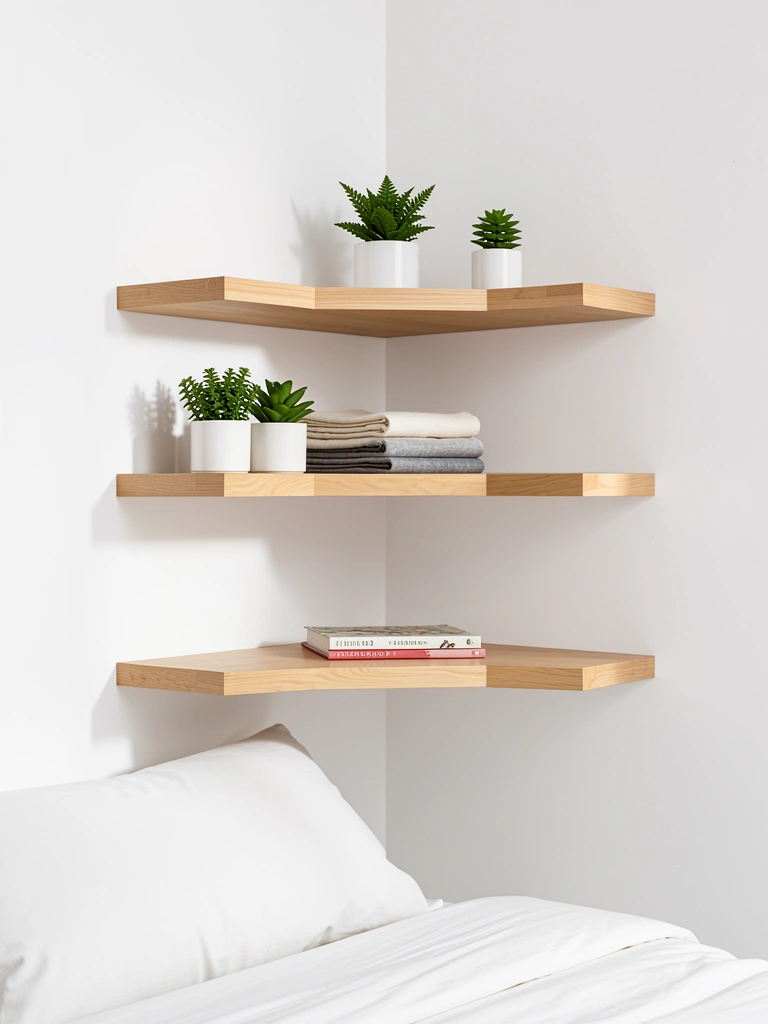
    You’ll cut morning decision time in half, wear pieces that fit well, and develop better outfit awareness without thinking about it.

    16. Add Slanted Shelf Risers for Shoe Display

    Shoes stacked flat or back-to-back hide half of your options, and you forget what you own. Slanted risers display shoes like a store display, making selection faster and more fun.

    Purchase slanted shoe risers or acrylic shelf steps ($20–$50 at Container Store, Target, or Amazon). Position on your shelf to create an angled display. Each riser typically holds 4-6 pairs depending on shoe size. Setup takes 5 minutes. Weight capacity is usually 20–30 lbs per riser, so distribute evenly. This works especially well on narrow shelves where depth is limited.

    Now you see every shoe at a glance, find pairs faster, and actually wear the options hiding in the back.

    17. Label Shelf Fronts With a Leather Label Maker

    Small paper labels get lost or peel off. A leather label maker creates permanent, professional-looking labels that stay put and add luxury to your closet.

    Buy a leather label maker ($15–$30 at Container Store, Amazon, or Etsy) or have custom labels embossed ($0–$10 per label online). Attach to the front edge of each shelf with adhesive or small screws. Takes 10 minutes to label all shelves. Leather labels look high-end and last years. Pro tip: Use a simple sans-serif font and white or embossed lettering for a boutique feel.

    Your closet now looks professionally organized, and you can find zones instantly even from the bedroom doorway.

    18. Store Off-Season Items on High Shelves

    Off-season clothes clutter valuable eye-level and reach-level shelf space. Moving them to high shelves (or above-closet storage) frees up prime real estate for items you wear now.

    Place labeled storage bins on high shelves with off-season items (winter coats in summer, shorts in winter, etc.). Use sturdy plastic bins with handles ($10–$20 each) for easier retrieval. Label clearly with a label maker or marker: “Winter Coats – Apr-Sept” or “Summer Dresses – Nov-Mar.” Rotation takes 1 hour quarterly. Pro tip: Invest in a step stool ($30–$50) for safe high-shelf access if you don’t have one.

    Your daily-use shelves stay clutter-free and functional, and seasonal items are organized and protected until you need them.

    19. Use Magazine-Style Shelf Dividers for Folded Items

    Magazine holders ($10–$20) aren’t just for magazines. They’re perfect dividers for folded clothes when you want a boutique-store vibe instead of a utilitarian look.

    Purchase wooden or bamboo magazine holders ($8–$15 each at IKEA, Container Store, or Target). Stand them vertically on your shelf and fill them with vertically folded items. Use 2-4 holders per shelf depending on width. Takes 10 minutes to set up. These look far more intentional than plastic dividers and double as décor. Pro tip: Bamboo holders age beautifully and pair well with natural wood shelves.

    Your organized shelves now look like a boutique display, and your setup feels designed rather than makeshift.

    20. Install Tiered Wire Shelving for Maximum Adjustability

    Fixed shelves don’t accommodate different items well—shoes need less height than stacked sweaters. Tiered wire shelving lets you adjust shelf height for each category.

    Install adjustable wire shelving kits ($80–$200 depending on size, available at Home Depot, Lowes, or Wayfair). This is a homeowner investment; renters, ask your landlord or skip this one. Installation takes 2–4 hours with a drill and level. Most kits support 100+ lbs per shelf, so they’re sturdy. Once installed, you can adjust shelf heights in 10 minutes per adjustment.

    Now every shelf accommodates its contents perfectly—tall stacks where they fit, lower shelves for shoes, and complete customization.

    21. Add LED Strip Lighting Along Shelf Edges

    Dark shelves make finding items harder and feel less intentional. LED strips add warm, subtle light that makes everything visible and elevates your closet from storage to retreat.

    Purchase adhesive LED strip lights ($20–$50 at Target, Amazon, or Best Buy). Choose warm white (2700K) for a cozy feel. Attach to the underside of each shelf edge with included adhesive—takes about 20 minutes total. Plug into a power strip or outlet (or go battery-powered for $30–$60 extra). These strips use minimal energy and last 2+ years. Pro tip: Warm lighting is more flattering for trying on clothes than cool white.

    Your closet now feels spa-like and boutique-inspired, you see everything instantly, and the ambiance encourages you to actually use your space.

    22. Create a Dedicated Shelf for Current-Season Basics

    You wear the same 10 pieces 80% of the time, but they’re often buried among everything else. A dedicated shelf for current-season basics makes getting dressed easier and your closet feel curated.

    Choose a mid-level shelf and stock it with only the basics you’ve worn in the last week: plain tees, neutrals, everyday staples. Refresh weekly. Takes 15 minutes to curate. No cost. Pro tip: Use shelf dividers to keep basics in neat sections by color or type (plain tees vs. striped tees). This works alongside your daily-wear shelf for maximum efficiency.

    You’ll grab your go-to pieces in seconds, wear clothes you actually like, and feel more put-together without adding complexity.

    23. Use Shelf Extenders for Corner or Awkward Spaces

    Corners and shelf edges often waste space because items don’t fit neatly. Shelf extenders fill those gaps, turning dead space into usable storage.

    Buy shelf extenders or corner shelf inserts ($15–$40 at IKEA, Home Depot, or Amazon). These fit inside corners or extend a shelf edge. Installation takes 15 minutes with a screwdriver. Most support 15–20 lbs, so store lighter items like rolled accessories or flat folded pieces. Measure your corner before buying to ensure fit.

    You’ve claimed every inch of space, even awkward corners, and your storage capacity increases by 10–15% with minimal effort.

    24. Stack Similar Colors Together for Visual Calm

    Random colors on a shelf look chaotic, even when items are neatly folded. Grouping by color creates visual calm and makes outfit matching faster.

    Sort your folded items by color: blacks together, whites grouped, neutrals stacked, and brights in their own section. Takes about 30 minutes for a full closet. No cost. This pairs beautifully with shelf dividers to keep color sections separate. Pro tip: Within each color, organize by weight or frequency to make selection even easier.

    Your shelf becomes a visual retreat instead of visual noise, getting dressed takes seconds (you see all options of each color), and your space feels intentional.

    25. Use Under-Shelf Baskets for Hidden Accessibility

    Items stored on shelves contribute to visual clutter. Under-shelf baskets store things below the line of sight, keeping your shelf surface clean and less busy.

    Install under-shelf hanging baskets ($20–$40 per basket at Container Store, Target, or Amazon) using the brackets included. These hang from shelf bottoms and pull out like drawers. Load with off-season accessories, delicates, or things you don’t wear often. Installation takes 15 minutes per basket. Most support 10–15 lbs, so keep them light. Pro tip: Use mesh baskets so you can see contents without opening.

    Your primary shelf surface stays clean and visible, but you’ve doubled your storage capacity with accessible hidden space below.

    26. Install Shelf Protectors to Prevent Dust and Damage

    Dust settles on shelves and damages wood over time. Protectors keep both your clothes and your closet furniture cleaner and in better condition.

    Purchase removable shelf protectors ($10–$25 per shelf at Target, Amazon, or IKEA). These are thicker than liners and often washable. Lay them flat and press down—takes 5 minutes per shelf. They’re reusable for years and protect against spills, dust, and scratches. Non-adhesive versions work for renters. Pro tip: Choose colors that hide dust better than white (grays or soft taupes).

    Your clothes stay cleaner longer, your shelves look better with age, and you’re protecting your closet investment.

    27. Create a Shelf Inventory Chart and Photograph It

    You forget what you own, where it is, and what still needs organizing. A simple inventory photo or chart reminds you of what’s actually stored and prevents duplicate purchases or forgotten pieces.

    Use your phone to photograph each shelf, or create a simple spreadsheet listing contents: “Shelf 1: Sweaters – 12 pieces,” “Shelf 2: Folded Jeans – 8 pairs,” etc. Keep it in your phone notes or print and post inside your closet. Takes 20 minutes to document. Update quarterly when you refresh seasonal items. Pro tip: Color-code categories in your chart (blue for tops, green for bottoms, etc.) for quick scanning.

    Now you know exactly what you own and where to find it, stop buying duplicates, and feel confident your closet’s organized from top to bottom.


    SOFT CTA:

    Save this post and pick your top three ideas this weekend. Even one shelf refresh will make getting dressed feel easier and faster. Tag a friend who needs a closet reset—they’ll thank you for sharing.

  • 26 Earth-Toned Bedroom Palette Ideas for a Calm Natural Space

    26 Earth-Toned Bedroom Palette Ideas for a Calm Natural Space


    If your bedroom feels cold or sterile, you’re not alone. Gray minimalism and cool tones have dominated for years, but what your space really needs is warmth—the kind that makes you want to stay in bed a little longer. Earth tones create that cozy, grounding feeling that helps you actually relax instead of just sleep. The best part? These 26 palette ideas work whether you’re renting, decorating on a budget, or ready to invest in a full refresh. From soft terracotta accents to deep forest greens layered over warm neutrals, you’ll find ideas that match your style and your bank account. Let’s build a bedroom that feels like a retreat instead of just a room.


    1. Layer Warm Neutrals with Terracotta Accents

    Terracotta brings instant warmth without overwhelming your space. This color works because it sits between orange and brown, grounding you without feeling heavy or dated.

    Start with neutral walls in cream, oatmeal, or soft taupe. Then layer terracotta through easy-swap pieces: throw pillows ($20–40 each), a chunky knit throw ($50–80), or a small accent rug ($60–120). You can find these at Target, West Elm, or Amazon. If you want something bolder, paint one accent wall in a soft terracotta ($30–50 in supplies). This usually takes a weekend and doesn’t require professional help.

    The beauty of this combo is flexibility—terracotta pairs with nearly any other earth tone, so you can add more colors later without clashing. Your bedroom becomes a space that actually feels like a calm morning, not a showroom.


    2. Add Depth with Warm Sage and Stone

    Sage green feels trendy but timeless—it’s been around forever and will stick around longer. Pairing it with natural stone textures gives you visual interest without clutter.

    Paint walls in a warm sage (not cool gray-green) using brands like Sherwin-Williams Tricorn Black’s lighter cousins or Farrow & Ball’s Cornforth White with a green undertone. The accent wall can be real stone cladding ($400–800 installed) or peel-and-stick stone tiles ($50–150 for a wall). For a budget option, use textured wallpaper that mimics stone ($30–60). Keep bedding neutral—cream, tan, or warm white—so the walls become the star.

    You’ll notice the room feels more connected to nature, which research shows actually helps you sleep better. Plus, this palette photographs beautifully, so your space looks gallery-ready without trying hard.


    3. Combine Soft Greige with Brass Accents

    Greige is the bridge between cool and warm—it’s basically the Switzerland of paint colors. Adding brass metallics gives you a subtle shine without looking glitzy.

    Paint walls in greige using Benjamin Moore Accessible Beige or Sherwin-Williams Urbane Bronze (lighter sheen). Then bring in brass through: a mirror frame ($60–150), table lamps ($40–100 each), or curtain rods ($50–120). Look for these at West Elm, Wayfair, or even HomeGoods. You can also thrift brass pieces and spray-paint frames for under $20 total. These small updates take about an hour to install.

    The brass catches light beautifully at sunrise and sunset, making your room feel more sophisticated. It’s the kind of detail that makes people ask, “What did you do differently?”—even though the changes were simple.


    4. Go Deep with Chocolate Brown and Cream

    Deep chocolate brown might sound dark, but in a bedroom it’s actually calming—it wraps around you like a cozy sweater. Paired with cream, it creates contrast that feels intentional rather than stark.

    Paint walls in a warm chocolate brown like Benjamin Moore Espresso or Sherwin-Williams Cavern Clay. Since it’s dark, ensure your room has decent natural light (a northern-facing room might feel too dim). Use cream for bedding, curtains, and one accent wall to balance the richness. This palette works best if you invest in good lighting—bedside lamps ($50–100) and a dimmer switch ($30) are worth it. Paint costs around $50–80 for supplies.

    Your space becomes a sanctuary where you actually want to spend time. The darkness helps with melatonin production too, which means better sleep quality. It’s dramatically different from beige, but still calming.


    5. Mix Warm Taupe with Soft Gold Details

    Taupe feels mature without being boring, especially when you add warm metallics. This combo works for any age and any style of furniture.

    Paint walls in warm taupe like Sherwin-Williams Accessible Beige or Benjamin Moore Hopsack. Then layer gold accents through: picture frames ($20–60), lamp bases ($40–80), or even a gold-rimmed mirror ($80–200). Target, Wayfair, and thrift stores all have budget options. You can also wrap existing frames with gold leaf tape ($5–10) for a DIY refresh. This takes about 30 minutes and costs next to nothing.

    The gold brings richness without feeling trendy, so you won’t wake up in three years wishing you’d chosen differently. Your bedroom looks like it’s been carefully curated, even if you started with hand-me-downs.


    6. Layer Soft Clay with Natural Textiles

    Clay tones are having a major moment because they’re versatile—they work with bohemian, modern, and minimalist styles. The secret is pairing them with textured fabrics that you actually want to touch.

    Paint walls in soft clay using Sherwin-Williams Urbane Bronze (in a lighter tint) or Benjamin Moore Hopsack. Layer in textures: a linen duvet ($200–400), chunky knit throw ($60–120), and woven curtains ($80–150). Check Etsy, West Elm, or even Ikea for affordable options. The wall hanging can be DIY macramé ($5 in supplies) or thrifted ($10–30). Budget $300–500 total if you’re starting fresh.

    When you walk into this room, your brain immediately relaxes. There’s something about natural materials that our nervous systems just respond to—it’s science, not just aesthetics. You’ll sleep deeper.


    7. Create Drama with Burnt Orange and Deep Navy

    This combo pushes you past safe beige, but stays totally grounded. It’s bold enough to feel intentional but warm enough to stay cozy.

    Paint one accent wall in burnt orange like Benjamin Moore Caliente or Sherwin-Williams Energetic Orange. Keep other walls neutral cream or soft taupe. Bedding in deep navy ($150–300) balances the orange, and a cream throw ($40–80) softens the contrast. Wayfair, West Elm, and Target carry navy bedding in every style. You can thrift the throw. Total paint cost: $30–50.

    This palette works beautifully for anyone tired of beige-on-beige. The colors are bold enough to feel current but classic enough that you won’t tire of them. Your bedroom becomes a statement instead of an afterthought.


    8. Soften Warm Gray with Blush Undertones

    Warm gray with blush undertones walks the line between modern and cozy. It’s the color equivalent of cashmere—refined but never cold.

    Use paint like Sherwin-Williams Accessible Beige mixed with a touch of blush (or buy pre-mixed “warm gray” from Benjamin Moore or Farrow & Ball). Layer in blush through curtains ($60–120), throw pillows ($20–40 each), or an area rug ($100–250). Stick with cream bedding to keep it light. If you’re renting, swap everything except the walls—use stick-on wallpaper ($40–80) instead of paint. Total investment: $150–300.

    This palette is forgiving—it works with gold or silver metallics, modern or vintage furniture. You won’t second-guess yourself in three months. It just quietly works, day after day.


    9. Build Richness with Cognac Brown and Cream

    Cognac is richer than standard brown—it has depth and warmth that feels like a high-end hotel room. It’s the color of leather and aged wood, so it pairs perfectly with natural materials.

    Paint walls in cognac using Benjamin Moore Bennington Gray Brown or Sherwin-Williams Cavern Clay. Keep furniture and bedding neutral (cream, warm white, natural wood). A leather accent pillow ($50–100) or leather ottoman ($150–300) ties the theme together beautifully. This is one of the pricier palettes to execute, but you can do it gradually—start with paint, then add one investment piece per season. Budget $400–800 for a full room.

    This is the palette for people who want their bedroom to feel like a sanctuary, not just a sleeping spot. The richness makes you feel cared for, which sounds simple but changes how you actually rest.


    10. Layer Soft Ochre with Warm Whites

    Ochre is mustard’s sophisticated cousin—it’s earthy and warm without the intensity of bright yellow. It glows beautifully in natural light.

    Paint walls in soft ochre using Benjamin Moore Golden Straw or Sherwin-Williams Harmless Yellow. The key is finding one that leans brown, not bright. Layer whites and creams in bedding ($150–300), curtains ($80–150), and throws ($40–80). This palette is especially beautiful if your room gets good morning or afternoon light. Check Target, Wayfair, and Etsy for affordably priced whites with warm undertones—they’re key.

    Your room becomes sunny and welcoming without being aggressively cheerful. It’s the kind of palette that makes you want to open the curtains in the morning instead of hiding under them. Better mood, better sleep.


    11. Anchor with Walnut Wood and Warm Beige

    Walnut wood has always been beautiful, but pairing it consciously with warm beige (instead of cool gray) makes it feel intentional. This is a no-fuss palette that just works.

    Paint walls in warm beige like Benjamin Moore Accessible Beige or Sherwin-Williams Kilim Beige. If you already have walnut furniture, you’re set—just ensure your bedding and accents lean warm (cream, warm taupe, soft terracotta). If you’re shopping for furniture, walnut pieces last decades and don’t feel trendy or dated. Thrifting solid wood is cheaper than buying new—check Facebook Marketplace and estate sales for walnut dressers ($100–400).

    This combination never looks wrong. It’s what designers call “timeless” because it works with your taste five years from now just as well as today. Your bedroom becomes a place you keep, not a space you’ll feel like refreshing constantly.


    12. Embrace Soft Sage with Wooden Accents

    Sage green pairs beautifully with natural wood because both feel organic. This palette is having major momentum right now—designers love it for its calming effect.

    Paint walls in soft sage like Farrow & Ball Cromarty or Benjamin Moore October Mist. Layer in natural wood through a bed frame ($400–800, or $100–300 thrifted), shelving ($50–150 for floating shelves), and even small wood accessories like a cutting board as decor ($15–30). Add plants in ceramic pots ($10–40 each) on shelves and the nightstand. You can start with paint ($30–50) and add wood pieces gradually.

    Studies show sage green actually reduces anxiety, so this isn’t just pretty—it’s functional. You’ll notice yourself feeling calmer the moment you walk in. Pair it with plants and wood, and your brain registers it as a natural space, which deepens relaxation.


    13. Mix Warm Taupe with Terracotta Textiles

    Warm taupe serves as a neutral backdrop for richer earth tones—it lets terracotta textiles shine without competing. This combo is budget-friendly because paint is cheap and bedding is the splurge.

    Paint walls in warm taupe ($30–50 in supplies). Invest in a terracotta linen duvet ($180–350)—linen breathes well and gets softer with washing, so it’s worth the splurge. Layer with terracotta pillows ($20–40 each) and a warm taupe throw ($50–80). All of this feels cohesive because the colors are close family. Check Etsy, Parachute, or West Elm for quality bedding. Total investment: $250–500.

    This is the palette for people who want intentional style without overthinking it. Everything coordinates effortlessly, and your room looks curated even though you just followed a simple formula. That’s the win.


    14. Go Moody with Charcoal and Warm Accents

    Charcoal can feel cold, but when you anchor it with warm wood and brass, it becomes moody and sophisticated instead. This palette works for anyone who loves drama but needs calm too.

    Paint walls in soft charcoal like Benjamin Moore Wrought Iron or Sherwin-Williams Iron Ore. Keep bedding light (cream, warm white) to balance the dark walls. Add warmth through brass fixtures ($50–150), warm wood furniture ($200–500 thrifted or new), and perhaps one warm-toned accent pillow ($20–40). Ensure you have good lighting—this palette needs it. Total setup: $400–800.

    Your bedroom becomes a cozy cave that feels like a sanctuary. The contrast between dark walls and light bedding creates visual interest, and the warm metallics prevent it from feeling cold or institutional. You’ll sleep like you’re tucked away from the world.


    15. Layer Soft Taupe with Cream Everything Else

    Sometimes less is more. A single warm neutral walls with creams layered throughout creates a cohesive, calming space that doesn’t feel bland—it feels intentional.

    Paint walls in soft taupe like Benjamin Moore Hopsack or Sherwin-Williams Accessible Beige ($30–50). Everything else: cream. Bedding, curtains, throw pillows, rugs—all in the cream family but different textures (linen, cotton, knit). This costs $200–400 depending on your choices, but the result feels so calm your nervous system relaxes the moment you enter. Target, Ikea, West Elm all have affordable creams in every category.

    This palette is perfect if you’re overwhelmed by choices or live in a small space. Monochromatic warmth makes rooms feel larger and more coherent. You’re not scrambling to match colors; you’re just going deeper into texture and material. It’s subtle but incredibly effective.


    16. Warm Olive Green with Natural Textiles

    Olive green is the sophisticated older sibling of sage—it’s earthier and pairs beautifully with natural fabrics. This palette feels collected and thoughtful.

    Paint walls in warm olive like Sherwin-Williams Rookwood Dark Green or Benjamin Moore Calico Green ($30–50). Layer in natural textiles: linen duvet ($200–350), chunky knit throw ($60–100), linen curtains ($80–150). Add one or two potted plants ($10–40 each) and perhaps a woven wall hanging ($30–80). The beauty is you can collect these pieces over time—start with paint, add bedding, then gradually bring in plants and textiles. Total possible investment: $400–700.

    This palette works for people who want their bedroom to feel like a retreat from the modern world. The olive and natural textiles create an almost cottagelike feeling—cozy without being precious. You’ll actually want to spend time here.


    17. Soft Caramel Brown with Cream Layering

    Caramel is warmer and more inviting than standard brown—it has sweetness to it. Layering creams on top creates depth without clashing.

    Paint walls in soft caramel like Benjamin Moore Autumn Leaf or Sherwin-Williams Caramel ($30–50). Invest in a cream upholstered headboard ($300–600) or thrift one for $50–150. Layer with cream bedding ($150–300), a tan throw ($50–80), and a cream throw ($40–80). The layering of creams and tans creates visual interest even though everything’s in the warm neutral family. Budget $350–800 depending on how much you thrift.

    This palette makes your room feel like a high-end hotel—wrapping and protective. The layered neutrals catch light differently at different times of day, so your room looks alive instead of static. You’ll notice how the light changes your mood throughout the day.


    18. Balance Deep Forest Green with Warm Accents

    Deep forest green is bold but calming—it’s the color of nature at its most peaceful. Warm brass accents prevent it from feeling too serious.

    Paint one wall (or all walls if you’re feeling brave) in deep forest green like Sherwin-Williams Tricorn Black with green mixed in, or use Farrow & Ball’s Green Smoke ($30–80). Keep other walls cream or warm white to avoid a cave-like feeling. Add warmth through brass mirrors ($60–150), brass wall sconces ($50–120), and natural wood furniture ($200–500, thrifted or new). Bedding stays light (cream, warm white). Total: $350–750.

    This palette is for people ready to be a bit bold. Forest green makes a statement without screaming for attention. Paired with brass and natural wood, your room feels like a curated gallery—the kind of space where everyone asks for decorating tips.


    19. Combine Honey Beige with Soft Terracotta

    Honey beige is literally the color of honey—warm and golden without being yellow. Terracotta accents tie it to earth without overwhelming the space.

    Paint walls in honey beige like Benjamin Moore Golden Straw or Sherwin-Williams Kilim Beige ($30–50). Layer terracotta through: throw pillows ($20–40 each), a small area rug ($80–200), or pottery pieces ($15–50 total). Keep bedding cream or ivory to stay light. These colors work best in rooms with warm natural light—if your room is north-facing, they might feel muted. Budget $150–350 total.

    This palette has a golden, welcoming feel—like walking into a sun-filled space. The terracotta grounds the honey, preventing it from feeling too light or washed out. Your room becomes a place you want to retreat to, not escape from.


    20. Layer Soft Stone with Greige and Cream

    Stone tones (think sandy, gravelly colors) create a naturally calm backdrop. Layering with greige and cream adds subtle variation without visual chaos.

    Paint walls in soft stone like Benjamin Moore Balanced Beige or Sherwin-Williams Urbane Bronze (in lighter tint) ($30–50). Add texture with peel-and-stick stone wallpaper on one wall ($40–80)—this is renter-friendly and takes 30 minutes. Bedding in greige ($150–300), curtains in cream ($80–150), and keep accessories minimal (wooden bowl, ceramic vase). This palette is calming because it mirrors natural rock and sand.

    Your room becomes a blank slate for your mind—there’s nothing jarring to process, so you relax immediately. This is ideal if you’re sensitive to visual stimulation or if you work a high-stress job. Your bedroom becomes actual refuge.


    21. Warm Putty Gray with Soft Blush Details

    Putty gray sits perfectly between warm and cool—it’s gray without feeling cold. Blush adds femininity without being saccharine.

    Paint walls in warm putty gray like Farrow & Ball Elephant’s Breath or Benjamin Moore Gray Owl ($30–50). Layer blush through: curtains ($80–150), throw pillows ($20–40), or an area rug ($100–250). Keep most bedding cream so the blush pops subtly. This palette works for anyone who loves soft color but worries it’ll feel dated. It won’t—it’s classic and flexible.

    This combo makes your room feel both calm and intentional. The blush adds personality without overwhelming, and the putty gray keeps everything grounded. You get a space that’s distinctly yours but also timeless.


    22. Build with Warm Chocolate and Soft Gold

    Warm chocolate and soft gold together feel like a spa—expensive, calm, intentional. This is the palette for anyone ready to go a bit richer.

    Paint walls in warm chocolate like Benjamin Moore Espresso or Sherwin-Williams Cavern Clay ($30–50). Layer gold through: picture frames ($20–60), lamp bases ($50–100), curtain rods ($60–120), or even gold-leaf wallpaper ($80–150). Bedding stays cream or warm white to balance the dark walls. This palette needs good lighting—ensure you have bedside lamps and perhaps a dimmer switch ($30). Budget $300–700.

    Your room becomes a sanctuary that feels like the luxury hotel you’d save up to visit—except it’s your everyday space. The richness makes you feel cared for, which sounds simple but genuinely affects your sleep quality and daily mood.


    23. Soft Taupe with Sage Accents and Natural Materials

    Combining two earth tones (taupe and sage) with natural materials creates a biophilic space—one that genuinely calms your nervous system because it registers as “natural.”

    Paint walls in soft taupe like Benjamin Moore Hopsack ($30–50). Layer sage through: curtains ($80–150), throw pillows ($20–40), or even one small accent wall ($30–50). Add natural materials: linen bedding ($200–350), wooden shelves ($50–150), potted plants ($10–40 each). Budget $400–800, but you can build this gradually. Every addition amplifies the calming effect.

    This is the palette for people who feel stressed in urban environments or high-stimulation spaces. Your bedroom becomes a biophilic retreat where your body actually relaxes. Studies show rooms like this improve sleep quality significantly.


    24. Rich Terracotta Walls with Cream and Natural Fiber

    Rich terracotta (not pale) as a main color is bold but creates instant warmth. Paired with cream and natural fibers, it feels curated and intentional.

    Paint walls in rich terracotta like Benjamin Monroe Caliente or Sherwin-Williams Energetic Orange ($30–50). Keep bedding cream ($150–300) and layer with natural fibers: a jute rug ($80–200), macramé ($30–80 or DIY for $5), woven baskets ($20–60). This palette works best if your room has good natural light. If you’re renting, use peel-and-stick wallpaper ($50–100) instead of paint.

    This palette says “I’m intentional and not afraid of color.” It’s bold enough to feel current but grounded enough in earth tones to stay timeless. Your bedroom becomes the kind of space guests notice and comment on—that’s how distinctive it is.


    25. Soft Greige Base with Layered Warm Wood Tones

    Here’s a secret: mixing wood tones (light, medium, dark) in one room looks intentional when the wall color is greige. It reads as “curated” instead of “mismatched.”

    Paint walls in soft greige like Benjamin Moore Accessible Beige ($30–50). Layer wood tones through your furniture—don’t stress if your pieces don’t match. This is the trend right now: collected wood rather than matched sets. Add cream bedding ($150–300), keep accessories minimal, and let the wood do the talking. You can gather pieces gradually from thrift stores ($50–300 each) or invest in new ($300–800 per piece).

    Your room feels like it was designed over time, like you actually live there instead of just sleep there. Mixed wood tones with greige walls create a home feeling that sterile matching sets never achieve. This is the palette for people who value authenticity over perfection.


    26. Warm Ivory with Deep Terracotta and Natural Textiles

    Warm ivory is the best of whites—it’s lighter than cream but warmer than stark white. Deep terracotta as a main textile creates richness without overwhelming.

    Paint walls in warm ivory like Benjamin Moore Swiss Coffee or Sherwin-Williams Alabaster ($30–50). Invest in a deep terracotta linen duvet ($200–350)—this becomes your main visual anchor. Layer with cream and terracotta throw pillows ($20–40 each), a woven wall hanging ($30–80), and natural wood furniture ($200–500 thrifted). The palette stays warm and cohesive without feeling matchy.

    This is the final palette because it combines everything beautiful about earth tones: richness, warmth, natural materials, and intentional layering. Your room becomes a complete retreat that works whether it’s morning, noon, or night. This is the palette that makes people ask, “Did you hire a designer?”


    Save this post and pick one palette to test this weekend—grab a paint sample or fabric swatch and live with it for a few days. You’ll know immediately if it’s right for your space. Share this with anyone who’s ready to move past gray and actually enjoy their bedroom.

  • 24 Luxury Dorm Room Ideas That Make College Living Feel Premium

    24 Luxury Dorm Room Ideas That Make College Living Feel Premium

    Your dorm room doesn’t have to feel like a temporary holding cell. With the right mix of smart purchases, styling tricks, and budget-friendly hacks, you can create a space that feels genuinely premium—somewhere you’ll actually want to spend time. College is expensive enough without sacrificing style, so I’m sharing 24 ideas that work whether you’re in a tiny double or a spacious single. Most of these take minutes to set up, cost less than $100, or use things you already have. By the time you’re done, your room will feel more like a boutique hotel retreat than a standard dorm setup. Let’s make this space feel like yours.

    1. Invest in High-Quality Sheets That Actually Feel Good

    Good sheets transform how much you actually enjoy being in your room. Dorm-issued bedding is often thin and scratchy, which makes your bed feel more like a chore than a retreat.

    Splurge on one set of Egyptian cotton or linen sheets (200+ thread count minimum) around $50–$80 from Brooklinen, Parachute, or even Amazon Basics. You’ll sleep better and wake up actually wanting to make your bed. Pair them with your standard twin XL dorm sheets for layering. The difference between rough and silky sheets is honestly life-changing, and you’ll use them every single night.

    Pro tip: Wash them inside-out to keep colors vibrant longer. The best part? Your room instantly feels more mature the moment people see quality bedding.

    2. Add a Textured Throw Blanket Over Your Bed

    A good throw blanket does triple duty: it makes your bed look intentional, adds warmth for chilly dorm rooms, and gives you something cozy to grab while studying.

    Look for weighted or cable-knit throws in neutral tones (cream, gray, tan) around $30–$60 at Target, IKEA, or Wayfair. Drape it casually over one corner of your bed or fold it at the foot—it instantly looks styled. Avoid thin polyester throws; cotton, linen, or chunky knit fabrics photograph better and feel genuinely nice. This small addition makes your space look like you actually tried, without any real effort.

    Your room suddenly looks curated instead of bare.

    3. Hang a Statement Headboard (Even If It’s Temporary)

    A headboard instantly makes your bed feel like the centerpiece of your room instead of just furniture shoved against a wall.

    Skip expensive built-ins and go for peel-and-stick or fabric headboards (around $40–$80 on Amazon). Macramé, woven, or upholstered options all rent-proof and removable. Alternatively, hang a tapestry or large fabric from command strips for a similar effect at $15–$30. You could even DIY one using a bed sheet and some creative hanging. The impact is huge—suddenly your bed looks intentional and styled, like the focal point of an actual bedroom.

    This change makes your Instagram-worthy bed photo actually possible.

    4. Create a Gallery Wall of Personal Photos and Art

    A gallery wall transforms a blank dorm wall into a personal style statement and makes the space feel unmistakably yours.

    Gather 10–15 printed photos from home, mix in some affordable art prints from Etsy or Desenio ($5–$15 each), and use matching or mixed frames from Target or IKEA ($15–$50 total for frames). Arrange them in a loose grid using painter’s tape first to plan, then hang with command strips. Stick to a cohesive color scheme (black frames with warm tones, or all natural wood) to keep it looking intentional. This takes about an hour and costs under $100, but it looks like you spent serious money.

    Suddenly, the room feels like it belongs to someone with actual taste.

    5. Upgrade Your Lighting With a Dimmable Desk Lamp

    Dorm fluorescent or overhead lighting is harsh and unflattering. Good lighting changes everything about how a space feels.

    Buy a matte black or brass dimmable desk lamp around $30–$50 from IKEA, Target, or Amazon. LED bulbs that let you adjust brightness create instantly better ambiance than standard dorm lighting. Position it on your desk for studying, then flip off the overhead when you want the room to feel calm. This single upgrade makes your room feel more sophisticated and actually usable for different moods—studying mode, hangout mode, relaxing mode.

    The difference is noticeable the first time you dim those lights.

    6. Layer Your Lighting With String Lights (Strategically Placed)

    String lights are such a dorm staple they can feel cliché—but placed strategically, they actually look grown-up.

    Swap chaotic random strings for a single strand of warm LED fairy lights draped neatly above a shelf or along your headboard (around $15–$25). Look for designs with adjustable brightness and go for warm white, not cool blue. The key is restraint—one intentional strand looks premium; covering your entire room looks theme-park. Pair with your dimmable desk lamp for layered lighting that actually works.

    This gives your room that effortless boutique hotel vibe.

    7. Use a Quality Area Rug to Define Your Space

    An area rug anchors your room and makes a small space feel intentional instead of cramped.

    Invest in a 2×3 or 3×5 natural fiber rug (jute, sisal, or wool blend) around $40–$80 from IKEA, Wayfair, or Rugs USA. Place it under your bed so it extends slightly on either side. This grounds your sleeping area and creates visual separation in a small dorm. Neutral tones work best for rental spaces. If you want something softer, add a smaller fuzzy rug on top ($20–$30) for texture contrast. The rug makes your room feel designed, not randomly furnished.

    The space suddenly feels more intentional and layered.

    8. Paint Your Accent Wall (With Permission)

    A single accent wall in a deep or muted tone gives your room personality without overwhelming the space.

    Check with your RA first—most dorms allow one accent wall in student-approved colors. Choose sage green, soft gray, warm terracotta, or navy ($15–$30 per gallon at any hardware store). Paint just one wall behind your bed for maximum impact with minimum risk. Use quality painter’s tape and do this over a weekend. If painting isn’t allowed, create the same effect with peel-and-stick wallpaper ($20–$40 on Amazon) for a renter-friendly option. Either way, one colored wall instantly makes your room feel curated.

    You’ve just added sophistication with a single weekend project.

    9. Swap Out Basic Pillows for Textured Ones

    Pillow styling is where most dorm rooms fall flat. Basic white pillows look institutional; textured ones look intentional.

    Keep your standard white pillow for sleeping, then add 2–3 accent pillows in mixed textures around $20–$50 total. Look for linen, velvet, chunky knit, or corduroy covers in cream, tan, or soft gray. Arrange them against your headboard or wall during the day and toss them aside when you sleep. This takes zero effort but makes your bed look styled and sophisticated. Brands like Target, IKEA, and West Elm have affordable options that look high-end.

    Your bed just went from bare to editorial in seconds.

    10. Install Floating Shelves for Display and Storage

    Floating shelves add storage, display space, and vertical interest without taking up floor space in a tiny dorm.

    Get 2–3 small wooden shelves ($20–$40 each from IKEA or Wayfair) and mount them with command strips if you can’t drill. Style them with books, photos, a small plant, and a candle—grouping items in odd numbers looks more designed. This gives you display space for things you actually love instead of letting them pile up on your desk. The shelves also make your room look taller and more organized.

    Suddenly you have real storage that also looks intentional.

    11. Add a Small Plant for Biophilic Calm

    A single plant improves air quality, adds color, and makes your room feel less institutional—with almost zero maintenance required.

    Get a low-maintenance plant like pothos, snake plant, or ZZ plant (around $10–$20 from a garden center or grocery store). Add a simple ceramic pot ($8–$15) if needed. Water once a week, place it where it gets some light, and you’re done. If you forget plants, a faux plant looks surprisingly good and requires zero guilt ($15–$30). Plants add life to shelves or desk corners and remind you that you’re a person who cares about their space.

    Your room now feels alive instead of temporary.

    12. Use Removable Wallpaper on One Accent Wall

    Peel-and-stick wallpaper gives you all the impact of paint without any permanent commitment—perfect for renters.

    Choose a geometric, botanical, or subtle stripe pattern in muted tones (around $20–$40 per roll on Amazon, Etsy, or Wayfair). One roll covers roughly 30–50 square feet depending on pattern. Follow the application instructions carefully and use a credit card to smooth out bubbles. This takes 1–2 hours but looks professional. Unlike paint, it peels off cleanly when you move out. Your room instantly gains personality and texture.

    You’ve added a high-end design element without breaking your lease.

    13. Curate a Minimal Desk Setup That Actually Works

    A cluttered desk makes your entire room feel chaotic. Curated desk styling makes everything feel controlled.

    Keep only what you actually use: desk lamp, pencil holder, small plant, one framed photo. Add a desktop organizer ($10–$20) for chargers and cables so they don’t sprawl everywhere. Use drawer dividers ($5–$15) to keep small supplies contained. A clear desk surface with just a few intentional items looks sophisticated and makes studying feel less stressful. You’ll also be more productive when you’re not surrounded by clutter.

    Your desk (and mental state) just got way more manageable.

    14. Invest in Blackout Curtains for Better Sleep

    Dorm windows often face hallways or early morning sun. Blackout curtains improve sleep and look way more finished than standard dorm blinds.

    Buy blackout curtains in a dark neutral ($30–$60 from Target, Amazon, or IKEA) and hang them with a tension rod if you can’t drill. Layer sheer white curtains underneath for daytime softness. This combination looks intentional, controls light for sleep, and adds texture to your window. Quality curtains make your room feel less like a dorm and more like an actual bedroom. Blackout curtains are especially worth it if you have early classes or late-night roommates.

    You’ll sleep better and your room looks instantly more sophisticated.

    15. Create a Reading Nook With a Floor Cushion

    A dedicated reading nook gives you a separate zone to relax, study, or just escape—even in a small dorm room.

    Grab a large square floor cushion or pouf ($25–$50 from IKEA, Target, or Amazon) and place it in a corner with a small side table ($20–$40) for your mug or book. Add a reading lamp overhead for ambiance. Drape a throw blanket nearby. This creates a visual separation and gives you a designated “chill zone” that’s not your bed. It’s especially useful if your roommate is studying when you want to relax.

    You’ve created a sanctuary in a tiny space.

    16. Add Wooden Elements for Warmth

    Dorm furniture is often cheap plastic or basic metal. Adding wooden pieces warms up the space instantly.

    Hunt for wooden desk organizers, picture frames, shelves, or side tables from thrift stores ($5–$20 each), Target, or Wayfair ($15–$50 per piece). Natural wood in varying tones adds richness and makes your space feel less institutional. Focus on one wood tone (warm honey, natural, or whitewashed) for cohesion. Even small touches like wooden desk accessories and frames add sophistication. Thrifted wood pieces also have character and cost way less than new furniture.

    Your room suddenly feels warmer and more lived-in.

    17. Hang a Large Mirror to Expand the Space

    A large mirror makes a small dorm feel bigger and bounces light around the room—plus it’s functional.

    Invest in a statement mirror with a frame in gold, wood, or black ($40–$100 from Target, West Elm, or Wayfair). Hang it opposite your window to reflect natural light, or on a wall that feels bare. Avoid cheap plastic mirrors; a solid frame looks intentional. A large mirror also means you don’t need a separate full-length mirror taking up floor space. It’s functional, decorative, and makes your room feel more spacious.

    Suddenly your room feels airier and more polished.

    18. Style Your Window Sill With Small Decor

    Window sills are prime real estate—use them for styling instead of letting them collect dust.

    Arrange a small plant, a candle, and a framed photo or two on your window sill in odd-number groupings. Vary the heights for visual interest. Keep it minimal so it doesn’t block too much light. This small touch makes your room look curated and gives you a pretty focal point. Bonus: it looks good from outside your window too, which is honestly kind of nice.

    Your window just became an intentional design feature.

    19. Use a Duvet Cover for Easy Freshness

    A quality duvet cover protects your comforter, is easy to wash, and makes your bed look intentional and changeable.

    Buy a high-thread-count duvet cover in cream, gray, or soft tan ($40–$80 from Parachute, Target, or Brooklinen). This is your main bed layer, so invest in something that feels nice and looks good. You can swap it out seasonally or when you want a refresh—way easier than washing an entire comforter. A quality duvet cover makes your bed look polished and hotel-like. Tuck it in neatly for a styled look or let it drape casually depending on your vibe.

    Your bed just leveled up from “college dorm” to “actual bedroom.”

    20. Create Ambient Lighting With Candles (Smart Placement)

    Candles add warmth and sophistication way better than random string lights everywhere.

    Use unscented or lightly scented candles ($10–$20 each from Target, Anthropologie, or Amazon) in glass holders for safety. Place them on shelves, your side table, or desk—just one or two, intentionally positioned, not dozens scattered everywhere. This creates ambient lighting that feels grown-up and calming. Make sure they’re far from curtains and fabrics, and never leave them unattended. Candles add a spa-like quality to your space with minimal effort.

    Your room now has the kind of lighting that makes you actually want to relax in it.

    21. Organize Your Closet With Matching Hangers

    An organized closet makes your entire room feel more put-together, even if nobody sees inside.

    Swap mismatched hangers for uniform wooden or velvet hangers ($15–$30 for a set of 10–20 from Target, IKEA, or Container Store). Organize clothes by color or type, fold sweaters on a shelf, and use drawer dividers for smaller items. Hang bags and accessories on hooks inside the door. Even if your closet is tiny, this organization system makes it feel controlled. Plus, when you open your closet, you actually feel calm instead of overwhelmed.

    Suddenly your room feels more organized than just what people see.

    22. Add a Vintage or Thrifted Piece for Character

    One thrifted piece adds personality and makes your room feel less like a dorm and more like actual home.

    Hunt thrift stores, Facebook Marketplace, or Craigslist for a vintage nightstand, small bookshelf, or wooden stool ($15–$50). Look for solid wood pieces with good bones—a coat of paint can refresh anything. This single vintage item becomes a conversation starter and gives your space character. Mixing one thrifted piece with newer furniture looks intentional and eclectic, not mismatched. You’re supporting sustainable shopping and getting something nobody else has.

    Your room now has a story instead of just standard dorm furniture.

    23. Hang a Large Tapestry or Textile as Wall Art

    A large tapestry adds texture, color, and instant personality to a blank wall—and it’s completely removable.

    Find a quality textile or tapestry ($20–$60 from Etsy, Urban Outfitters, or Anthropologie) in a neutral or muted tone with pattern depth. Hang it with command strips above your bed as your main wall art. Choose textiles with actual weave or texture, not thin printed fabric. This adds visual richness and makes your room feel intentional. Unlike posters, a nice tapestry looks sophisticated and gallery-like.

    Your walls now have dimension instead of looking flat and bare.

    24. Set Up a Coffee Station on Your Desk

    A designated coffee station makes mornings better and adds coziness to your desk setup.

    Keep your electric kettle or mini coffee maker ($15–$30 from Amazon), your favorite mugs on a small mug tree ($15–$25), and coffee or tea organized in a small jar or container ($5–$10). This takes up minimal space but makes waking up in your dorm feel intentional. Add a small plant or candle nearby for ambiance. Your desk becomes a gathering spot instead of just a study zone. This small ritual makes your space feel more like home.

    You’ve created a morning moment worth savoring.

    Save this post and pick just one idea to tackle this weekend. You don’t need all 24—even three or four of these shifts will make your dorm room feel intentional, sophisticated, and genuinely yours. Which one are you trying first?

  • 22 Minimal Bedroom Concepts That Make Small Spaces Feel Bigger

    22 Minimal Bedroom Concepts That Make Small Spaces Feel Bigger

    Small bedrooms don’t have to feel cramped or cluttered. With the right design choices, you can make your compact sleeping space feel open, airy, and surprisingly luxurious—without knocking down walls or breaking the bank. The key? Strategic furniture placement, smart color choices, vertical storage solutions, and lighting that makes your room breathe. Whether you’re renting a studio apartment or working with a tiny master bedroom, these 22 concepts will help you maximize every inch while creating a bedroom that feels intentional and calming. From vertical storage hacks to curved furniture that softens tight corners, you’ll discover practical, achievable updates that actually work in real life. Ready to make your small space feel bigger? Let’s dive in.

    1. Paint Walls in Soft, Light Neutrals

    Light wall colors are your secret weapon for making any room feel larger and more open. Soft whites, pale creams, warm beiges, and barely-there grays reflect light and create visual spaciousness without feeling cold or clinical.

    Paint is one of the cheapest ways to refresh your room—budget $30–$60 for paint and supplies. Pair your light walls with white or light-colored trim and baseboards for maximum impact. If you’re renting, ask your landlord; many allow neutral paint updates. The entire project takes one afternoon, and you’ll notice the difference the moment light hits those fresh walls.

    Pro tip: Choose warm neutrals over cool grays—they feel more inviting while still expanding the space.

    You’ll instantly feel like your room has grown. The soft color becomes the foundation for everything else you add, making your small bedroom feel like an intentional retreat rather than a box.

    2. Choose a Low-Profile Bed Frame

    A bed that sits high off the ground steals visual real estate. Low-profile and platform beds keep sightlines open and let more floor space show, making the room feel less crowded.

    Look for platform beds or low-profile frames at IKEA ($150–$300), Wayfair ($200–$400), or Target ($250–$500). The lower your bed sits, the more open your ceiling appears. This works in every room size but feels especially powerful in small spaces. Installation takes 30 minutes to two hours depending on the style—most come flat-packed and need assembly.

    Alternative: If you already have a high bed, add a bed skirt in a color matching your walls to minimize its visual weight.

    Your room immediately feels more spacious because sightlines travel freely across the floor. Plus, under-bed storage suddenly becomes usable without crowding the eye.

    3. Use Vertical Storage to Reclaim Floor Space

    Floor clutter makes small rooms feel smaller instantly. By building storage upward, you keep belongings accessible while freeing up precious floor square footage.

    Install floating shelves ($40–$150 per unit from IKEA, Home Depot, or Wayfair) or lean into a tall bookcase ($150–$400). Measure your wall carefully and go as high as comfortable reach allows. Installation takes one to two hours if you’re confident with a drill; hire a handyperson for $50–$100 if needed. Use matching storage boxes or baskets on shelves to contain small items and maintain visual calm.

    Pro tip: Paint shelves the same color as your walls for a seamless, space-expanding effect.

    Your bedroom gains functional storage without eating into floor space. You’ll have room to move and breathe, and everything has a designated home—no more piles on the dresser.

    4. Add Mirrors to Reflect Light and Space

    Mirrors are a designer’s favorite trick for small rooms. They bounce light around the space and create the illusion of depth and doubled square footage.

    A large leaning mirror costs $50–$200, while a wall-mounted mirror runs $60–$300 depending on size and frame style. Position it opposite a window to amplify natural light, or place it on a wall that’s typically shadowed. Hanging takes 15 minutes with the right hardware. Avoid placing mirrors directly opposite harsh artificial light—aim for natural light reflection instead.

    Alternative on a budget: Lean a large mirror against the wall without hanging it (renter-approved).

    Light bounces around your room, making it feel brighter and somehow bigger. The psychological effect is real—your brain registers more space when it sees depth via reflection.

    5. Install Wall-Mounted Nightstands

    Traditional nightstands claim valuable floor space. Floating wall-mounted options keep your floor open while still giving you a spot for a lamp and phone.

    Wall-mounted nightstands run $40–$150 each from retailers like West Elm, IKEA, or Wayfair. You’ll need a stud finder and basic hardware—installation takes 20–30 minutes per nightstand. If drilling sounds intimidating, a handyperson can install both for $40–$80. Pair with a $20–$50 swing-arm wall lamp to save more floor space and improve functionality.

    Pro tip: Match the nightstand color to your walls for a streamlined look.

    Suddenly you have an extra few feet of floor space that makes movement through your room feel smoother. Your bedroom becomes more navigable and less cramped.

    6. Choose a Narrow Dresser or Wall-Mounted Shelving Instead

    A traditional wide dresser overwhelms a small bedroom. Narrow, tall dressers or vertical storage solutions use the same footprint but feel far less bulky.

    Look for slim dressers at IKEA ($150–$250), Target ($180–$350), or Wayfair ($200–$400). Aim for pieces under 20 inches deep. You get the same storage capacity in a footprint that doesn’t dominate your room. Alternatively, install three to four narrow floating shelves ($60–$150 total) for a more customizable approach.

    Pro tip: A tall, narrow dresser can do the work of a wider piece while looking more proportional to your space.

    Your room gains breathing room without sacrificing storage. The eye moves more freely, and the space feels deliberately curated rather than overstuffed.

    7. Embrace Minimalist Bedding to Reduce Visual Weight

    Piles of pillows and heavy comforters visually weigh down a small bed and make the room feel busy. Clean, minimal bedding opens up sightlines and creates calm.

    Invest in high-quality sheets ($40–$80) and a lightweight linen or cotton comforter ($80–$200). Skip the decorative pillow overload—one or two high-quality pillows look intentional and modern. This entire refresh costs $150–$300 but pays dividends in both aesthetics and sleep quality. You’ll actually want to make your bed because it looks so clean and inviting.

    Alternative on a budget: Use what you have and simply remove excess pillows and blankets. Free instant refresh.

    Your bed becomes a visual anchor rather than a visual cluttered mess. The room feels serene and intentionally designed, making the entire space appear more spacious.

    8. Use Curved or Round Furniture to Soften Tight Corners

    Sharp corners and angular furniture can feel restrictive in small spaces. Curved and round pieces soften the room and create a more flowing, comfortable atmosphere.

    Look for curved accent chairs ($200–$500) at Article, West Elm, or Wayfair, or round side tables ($80–$200) at IKEA or Target. Curved headboards ($300–$800) also work beautifully in compact rooms. The slight rounding takes up similar floor space but feels infinitely less harsh. This is an investment piece, but furniture with organic shapes lasts decades and makes your space feel intentional.

    Budget option: Swap sharp corner tables for a round ottoman ($80–$150) that serves as both seating and storage.

    Rounded shapes make your small room feel more livable and comfortable. You’ll notice the difference in how the space flows and how you move through it.

    9. Maximize Under-Bed Storage with Low-Profile Containers

    If your bed sits low to the ground, that under-bed real estate is prime storage opportunity. Low-profile containers keep things organized and hidden from view.

    Invest in flat storage containers or rolling under-bed drawers ($30–$80 each) from IKEA, Target, or Amazon. You can typically fit three to four containers depending on your bed’s height. Cost ranges $80–$250 for a full set. Fill them with off-season clothing, extra bedding, or shoes. Rolling drawers make accessing items far easier than stationary boxes. This project takes 20 minutes to set up and organize.

    Pro tip: Label containers so you know exactly what’s stored where and don’t create hidden clutter.

    You’ve essentially doubled your storage capacity without adding a single piece of furniture. Your bedroom stays tidy and spacious because everything has a hidden home.

    10. Install Shelving Above Your Headboard

    The wall space above your headboard is often wasted opportunity. Installing narrow shelves there gives you storage and display space without sacrificing floor area.

    Floating shelves cost $40–$100 each and installation is a 30-minute to one-hour project with basic tools. A handyperson can install three shelves for $60–$100 labor. Use these shelves for books, small plants, or sentimental objects. Keep styling minimal to avoid a cluttered look—five to seven items per shelf feels curated, not crowded.

    Alternative: Use adhesive shelves ($20–$40) if you can’t drill into walls. They’re renter-friendly and surprisingly sturdy.

    You’ve created display space and storage that draws the eye upward, making your room feel taller and more open. Plus, it’s personal and visually interesting without eating into floor space.

    11. Choose Light, Sheer Curtains or Roman Shades

    Heavy, dark curtains visually shrink a small room. Light, sheer options maintain airiness while still providing privacy and light control.

    Sheer curtains run $30–$80 per panel from IKEA, Target, or Wayfair. Pair them with Roman shades ($40–$120) underneath for light-blocking capability. Together, this costs $100–$200 and transforms your window’s visual weight. Installation takes 20 minutes with a basic rod and brackets. Sheer fabrics filter light beautifully and make your room feel connected to the outside world—psychologically expanding the space.

    Budget option: Use tension rod sheer curtains ($20–$40) for instant, renter-approved window dressing.

    Your room feels brighter and more open without losing privacy. Light flows through beautifully, and the space no longer feels boxed in by heavy fabric.

    12. Paint the Ceiling a Soft White or Pale Color

    Ceilings painted the same color as your walls (or a slightly lighter shade) create visual continuity and make the room feel taller. Dark ceilings visually drop and compress the space.

    Ceiling paint costs $15–$40 plus supplies—an afternoon project taking two to four hours depending on your comfort level. Use an extension roller to reach comfortably. If DIY feels overwhelming, hire a painter for $200–$400 for a small bedroom. The investment pays off immediately in perceived height and openness.

    Pro tip: Pale blue or soft gray ceilings work beautifully if you want subtle color without breaking the light, open feel.

    Your room instantly feels taller because your eyes travel uninterrupted from wall to wall. The subtle unity makes everything feel more spacious and intentional.

    13. Declutter and Commit to a One-In, One-Out Rule

    The fastest way to make a small room feel bigger is to remove stuff that doesn’t belong. Clutter visually shrinks any space and emotionally registers as chaos.

    Spend a weekend going through your belongings. Donate, sell, or discard anything you haven’t used in a year or doesn’t bring you joy. This costs nothing and takes one to two days. Moving forward, adopt a strict one-in, one-out rule—every new item that comes in means something leaves. This mindset keeps your room perpetually open and intentional.

    Pro tip: Use closed storage (bins, closets, drawers) for items you need but don’t display. Let open surfaces breathe.

    Immediately your room feels larger and calmer. You’ll notice the psychological shift—less stuff means less mental clutter and more mental peace.

    14. Use Narrow Console Tables Instead of Full Desks

    A full desk dominates a small bedroom. A narrow console table ($60–$150 from IKEA, Target, or Wayfair) gives you workspace without overwhelming your room. Look for tables under 12 inches deep—they disappear into the wall visually while remaining functional.

    Installation is typically just pushing it against the wall—no tools required unless you want to secure it. Add a narrow chair or stool ($40–$100) that tucks completely under the table when not in use. Total investment: $100–$250. This setup lets you work while maintaining the bedroom’s openness and calm.

    Alternative: Wall-mounted drop-down desks ($80–$200) fold away completely when not in use.

    You have a functional workspace that doesn’t dominate your room. The space remains flexible and calm, shifting between bedroom and office seamlessly.

    15. Add Ambient Lighting with Layered Light Sources

    Bright overhead lighting makes small rooms feel harsh and institutional. Layered lighting sources create warmth, comfort, and visual interest without harsh glare.

    Combine a main light source ($20–$60), a table lamp ($30–$80), and accent lighting like a small pendant ($40–$100) or string lights ($15–$40). Total cost: $100–$250. Use warm-temperature bulbs (2700K color temperature) for an inviting atmosphere. Install dimmer switches ($15–$40) if you’re handy, or hire an electrician ($50–$100). This creates flexibility—bright when you need it, soft when you’re winding down.

    Budget option: Add string lights and a table lamp for under $50 and skip the main fixture initially.

    Lighting becomes purposeful instead of utilitarian. Your small room gains layers of atmosphere, making it feel cozier and more intentionally designed.

    16. Choose a Single Statement Color as an Accent

    Covering all walls in bold color compresses small rooms. A single accent wall in a statement color (forest green, aubergine, deep blue, or warm terracotta) adds personality without overwhelming the space.

    Paint one wall with premium paint ($40–$80) in a color you love. The project takes three to four hours and costs $40–$100 total. Pair this with minimal, neutral furniture and decor so the color becomes the intentional focal point. This approach works beautifully in small spaces because it’s bold but contained.

    Pro tip: Choose the wall you see first when entering—maximum impact with minimum overwhelming.

    Your room gains character and intentionality without feeling smaller. The accent wall becomes a sophisticated focal point that elevates the entire space.

    17. Opt for Furniture with Built-In Storage

    Every piece of furniture should work overtime in a small bedroom. Beds with built-in drawers, ottomans with storage, and benches with cubbies maximize functionality without adding bulk.

    Storage beds run $300–$800 and give you a massive storage advantage. Storage ottomans cost $150–$400. While these are investments, they replace three separate pieces—your bed, a dresser, and possibly a storage bench. Quality pieces last decades and grow with you. Many retailers offer these (Article, West Elm, Wayfair) and delivery typically includes setup for $50–$150.

    Budget alternative: Add affordable storage benches ($80–$150 from IKEA) to the foot of your bed.

    You’ve eliminated the need for separate storage furniture, freeing up precious floor space. Your room remains uncluttered and everything has a clear purpose.

    18. Use a Tall, Narrow Bookcase as a Room Divider

    If your small bedroom also functions as a workspace or dressing area, a tall, narrow bookcase ($100–$300) can visually divide the space without walls or permanent changes—perfect for renters.

    Look for thin, tall bookcases at IKEA ($80–$200) that you can position strategically. This creates the illusion of separate zones within your room. Style both sides thoughtfully so it looks intentional rather than random. Installation is typically just pushing it into place—no mounting needed.

    Alternative: Use a tall plant shelf or hanging curtain to achieve a similar effect more affordably.

    Visually, your room now feels larger because the eye divides it into intentional zones. You’ve created purpose and flow within a limited footprint.

    19. Hang Shelves Around a Small Window to Frame It

    Windows are natural focal points. Flanking yours with slim floating shelves turns it into a designed feature while adding storage.

    Install narrow floating shelves ($30–$60 each) on either side of your window, leaving the window itself clear and unobstructed. A typical arrangement uses six to eight shelves total ($200–$400). Style them sparsely with plants, small books, and sentimental objects. This project takes two to three hours and transforms an ordinary window into a designed element.

    Pro tip: Group items in odd numbers (three or five) and mix heights for a curated, non-cluttered look.

    Your window becomes an intentional focal point and your room gains beautiful storage display space. The visual interest makes the room feel more thoughtfully designed.

    20. Keep Flooring Clear with Wall-Mounted Organizers

    Clutter on floors instantly makes small rooms feel cramped. Wall-mounted organizers, hooks, and narrow shelves pull everything off the ground.

    Install wall hooks ($10–$30 per set), over-door organizers ($15–$30), and fabric wall pockets ($20–$40) strategically around your room. Total investment: $50–$100 for a completely organized system. Hang bags, scarves, hats, and frequently-used items on these. Nothing sitting on the floor means visual openness and easy cleaning. Installation takes 30 minutes to one hour total.

    Budget option: Use adhesive hooks ($5 for a pack of five) for renter-friendly organization.

    Your floor becomes a clean, open canvas. Psychologically, visible floor space makes any room feel significantly larger and more intentional.

    21. Choose a Bedroom Rug Under 6 x 9 Feet

    An oversized rug fills a small bedroom. A properly-scaled rug (under 6 x 9 feet) anchors your space without consuming it.

    Quality rugs run $150–$400 from retailers like Rugs USA, Article, or Wayfair. Choose neutral tones or subtle patterns that echo your wall color. Placement matters: position it so at least 18 inches of flooring is visible on all sides. This creates visual breathing room while still defining your sleeping zone. A good rug lasts years and immediately improves a room’s coziness and sound quality.

    Budget option: IKEA rugs ($40–$80) offer solid quality and neutral designs.

    Your floor remains visible and open while your bedroom gains warmth and definition. The rug becomes a grounding element that makes the space feel intentional rather than cramped.

    22. Install Floating Corner Shelves for Dead Space

    Bedroom corners are often wasted vertical real estate. Corner shelves ($20–$50 each) fit snugly and use space that would otherwise sit empty.

    Install three to four corner shelves ($60–$200 total) in corners that are typically dark or unused. These take 30 minutes to one hour to install and instantly give you storage without eating into floor or wall space. Style them sparsely with plants, books, or small decorative objects. Corner shelves feel purposeful rather than cluttered when you edit what you display.

    Pro tip: Pair corner shelves with small corner lighting to make them feel intentional, not like storage accidents.

    Dead corner space becomes functional and beautiful. Your room gains usable storage while maintaining the clean, open aesthetic you’ve created.

    Save this post and tackle one idea this weekend—small changes add up faster than you’d think. Which tip are you trying first?

  • 25 Modern Farmhouse Coffee Corner Ideas Full of Cozy Details

    25 Modern Farmhouse Coffee Corner Ideas Full of Cozy Details

    You’ve probably scrolled through coffee shop photos and thought, “I want that feeling at home.” The good news? Creating a modern farmhouse coffee corner doesn’t require a kitchen renovation or a huge budget. Whether you have a spare corner, a kitchen nook, or even just a small shelf, you can build a cozy space that makes your morning coffee ritual feel intentional and special. We’ve pulled together 25 achievable ideas—from free styling tricks to under-$50 finds to investment pieces—that blend farmhouse warmth with modern functionality. By the end of this guide, you’ll have a menu of options to mix and match based on your space and style. Let’s make your coffee corner as inviting as your favorite café.

    1. Start With Open Shelving in Light Wood

    Open shelving is the foundation of a modern farmhouse coffee corner because it keeps your setup visible, accessible, and visually appealing. Unlike closed cabinets, open shelves let you display your favorite mugs, coffee equipment, and small plants—turning everyday tools into décor.

    Hunt for floating shelves in light oak or reclaimed wood finishes at IKEA ($20-$40), Home Depot ($30-$60), or Wayfair ($40-$80). Installation takes about 30 minutes with basic tools. If you rent, wall-mounted command shelves are renter-friendly alternatives. Arrange items thoughtfully: group mugs by color, position your coffee maker at eye level, and leave space between objects so the shelves don’t feel cluttered.

    The result? A display that functions as storage and art at the same time. Every morning, you’re greeted with a styled setup that makes you want to linger over your coffee.

    2. Layer Warm Lighting With Edison Bulbs

    Lighting sets the mood, and Edison bulbs bring that warm, vintage café feel directly into your space. Pendant lights or even a simple table lamp with an Edison bulb transforms your corner from functional to atmospheric.

    Install hanging Edison bulb fixtures ($25-$60 on Amazon) above your coffee station, or place a vintage-style desk lamp ($20-$40 at Target or IKEA) on your counter. If you can’t install fixtures, string lights draped loosely above the area work beautifully and need no wiring. The warm 2700K color temperature is key—avoid harsh white bulbs.

    You’ll notice the difference immediately when you walk into your kitchen. That golden glow makes 6 a.m. feel less rushed and more like settling into a favorite café booth.

    3. Add A Reclaimed Wood Coffee Bar Cart

    A coffee cart brings mobility and charm. You can wheel it to wherever you are in the kitchen, or tuck it into a corner when guests arrive. Reclaimed wood carts have that farmhouse authenticity without looking overly styled.

    Wayfair, Target, and Amazon stock farmhouse carts in the $60-$150 range. Look for designs with industrial metal frames paired with wood shelves. Stock the top tier with your daily brewing supplies and the lower tier with extra mugs or coffee beans. Pro tip: add casters with locks so it stays in place when you’re making coffee.

    This setup gives you flexibility you wouldn’t get with a fixed station. You’re also creating a defined “coffee zone” that feels like a mini café right in your home.

    4. Style With Mismatched Vintage Ceramic Mugs

    Mismatched vintage mugs are the heart of farmhouse aesthetic—they feel collected and intentional rather than matchy-matchy and sterile. Each mug tells a story and adds personality to your corner.

    Hunt at thrift stores like Goodwill ($1-$3 per mug), estate sales, or Etsy ($3-$8). Look for neutral tones (cream, white, sage, or soft gray) with slight imperfections that feel authentic. Mix sizes and shapes—tall ones for lattes, smaller ones for espresso. You only need 6-8 mugs to start, but the thrill is in the hunt.

    When friends see your collection, they’ll ask where each one came from. Your mugs become conversation starters, and your corner feels like a reflection of your actual taste—not a catalog page.

    5. Create A Coffee Bean Display With Glass Jars

    Displaying coffee beans in clear glass jars serves dual purposes: they look beautiful and remind you to stay stocked. The different roasts create natural color variation—light, medium, and dark browns—that’s visually interesting.

    Buy glass jars with lids at Target, IKEA, or Amazon ($10-$25 for a set of 3). Label each jar with a chalkboard sticker ($3-$5) noting the roast type and origin. Fill them with whole beans from your favorite local roaster. Stack the jars at varying heights on your shelves for visual interest.

    Pro tip: buy coffee in bulk from local roasters—you’ll save money and support small businesses. Your corner now becomes a mini coffee bar that looks intentional and curated.

    6. Mount A Simple Wooden Wall Shelf For Equipment

    A dedicated equipment shelf keeps your brewing gear organized and on display. Modern farmhouse isn’t about hiding tools—it’s about celebrating them as part of the aesthetic.

    Install one substantial wooden shelf ($40-$80) at least 12 inches deep to accommodate a grinder and other equipment. Mount it 18-24 inches above your counter so you have working space underneath. Use L-brackets ($10-$15) rated for at least 25 pounds. This is a weekend DIY project if you’re comfortable with a drill, or hire a handyman ($50-$100 labor).

    Your brewing equipment becomes décor that serves a real function. Everything you need is within arm’s reach, and the organized display makes your routine feel more intentional.

    7. Layer In A Small Potted Succulent Or Herb Plant

    Plants bring life and softness to any corner. A small succulent or fresh herb plant (basil, mint) adds color without demanding constant attention, fitting the low-maintenance farmhouse vibe.

    Pick up a potted succulent or herb plant at any garden center ($5-$12). Choose a terracotta or simple ceramic pot that matches your neutral palette. Place it on your shelf or counter where it gets bright indirect light. Succulents need water only every 2-3 weeks; herbs need regular watering but you’ll use them in cooking.

    That splash of green makes your setup feel alive and connected to nature. On tough mornings, a small green plant next to your coffee is weirdly grounding.

    8. Use Vintage Candles For Soft Ambient Scent

    Scent is an underrated part of the café experience. Vintage-looking candles in cream, white, or soft gray add ambiance and aroma that makes your space feel polished without being fussy.

    Browse Target, HomeGoods, or Etsy for farmhouse-style candles ($8-$20 each). Look for scents like “morning coffee,” “fresh linen,” or “vanilla chai”—anything that complements rather than competes with your coffee aroma. Group 2-3 candles together on your shelf and light one on weekend mornings or evenings.

    Pro tip: unscented or lightly scented candles ($5-$10 from IKEA) work beautifully as décor even when unlit. The flickering flame (when lit) adds that cozy café warmth without overpowering your coffee’s aroma.

    Your corner starts to feel like a retreat, not just a functional station. The soft light and subtle scent transform an ordinary morning.

    9. Add A Vintage Metal Coffee Scoop Or Spoon Display

    Displaying a collection of vintage coffee scoops is a charming, often-overlooked farmhouse touch. They’re functional, beautiful, and small enough not to clutter your space.

    Hunt at thrift stores ($0.50-$2 each) or Etsy ($3-$8). Look for scoops with aged brass, copper, or iron handles. Display them on a small brass rod ($10-$15 on Amazon) mounted just above your coffee station, or tuck them in a small ceramic cup on your shelf. You only need 3-4 scoops to create visual interest.

    This tiny detail signals that your corner is intentional and collected over time. Visitors notice these small, curated touches more than you’d expect.

    10. Install A Small Backsplash With Subway Tiles (Or Faux)

    A simple tile backsplash defines your coffee corner and makes it feel like an actual built-in feature, not just random items on a shelf. Subway tiles are classic farmhouse and cheap to install.

    Use peel-and-stick tile ($20-$40 for a small section) from Amazon or Home Depot. These adhere to most painted walls and require zero tools or grout—perfect for renters. Or hire a tile installer ($150-$300 total) for a permanent installation if you own your home. Stick to cream, white, or light gray tiles to keep the space airy.

    That defined “zone” makes your coffee corner feel like a deliberate design choice. It frames your setup and signals to your brain: this is a special space.

    11. Style Your Counter With A Linen Coffee Station Runner

    A runner anchors your station visually and protects your counter. Linen runners have that effortless farmhouse feel—slightly rumpled, soft, authentic.

    Buy a linen or linen-blend table runner ($15-$35 from Target, West Elm, or Amazon) in cream, oatmeal, or light gray. Lay it lengthwise across your counter space. It defines your coffee zone and softens hard countertop surfaces.

    Your counter now has intentional styling instead of looking like a cluttered catch-all. The runner pulls your entire setup together visually.

    12. Display Your Coffee Equipment As Wall Art

    Framed coffee prints or vintage coffee posters turn your corner into a mini gallery. It’s decorative art that also reinforces the “café” atmosphere.

    Search Etsy ($10-$20 for prints) or thrift stores ($2-$8 for vintage posters). Frame them in simple wood or black frames ($10-$20 from Target or IKEA). Hang one piece above your coffee station or create a small gallery wall with 2-3 pieces at varying heights.

    Pro tip: free digital prints from Etsy ($3-$5) can be printed at home on cardstock and framed cheaply. Your corner now has art that reflects your passion, making it feel curated and personal.

    13. Integrate A Small Wooden Cutting Board As A Backdrop

    A large wooden cutting board or piece of reclaimed wood makes an excellent, unexpected backsplash. It adds warmth, texture, and that authentically rustic touch farmhouse lovers crave.

    Find a wooden cutting board or scrap wood at Home Depot ($10-$25), local lumber yards, or even free on Buy Nothing groups. Lean it against the wall behind your station or mount it with simple brackets ($8-$15). The natural wood grain is décor in itself.

    This budget-friendly move creates visual interest and a natural backdrop for your shelving. It’s the kind of detail that makes guests say, “Wait, is that intentional?” (It is.)

    14. Use Neutral Ceramic Canisters For Coffee Grounds Storage

    Ceramic canisters keep used coffee grounds accessible for composting and look polished on display. Modern farmhouse storage should be both functional and beautiful.

    Buy ceramic canisters with lids at Target, IKEA, or HomeGoods ($8-$15 per canister). Look for neutral tones (cream, white, sage) with simple designs. Label them with minimal text: “Used Grounds” on one, “Fresh Grounds” on another. Group them on your shelf for visual cohesion.

    Pro tip: if you compost, keep used grounds in one canister—you’ll have a visual reminder to add them to your compost bin. Your setup now has a closed-loop, sustainable feel that fits the modern farmhouse ethos.

    15. Create A Coffee Tasting Notes Station With Kraft Paper

    Keeping tasting notes turns your coffee hobby into something mindful and interactive. Kraft paper and pencils have that collected, artisanal farmhouse feel.

    Grab kraft index cards ($5-$8 at any office supply store) and wooden pencils ($3-$5). Store them in a small cup on your shelf. After brewing each new coffee, jot down the roaster, origin, and your notes on flavor, aroma, and body. Over time, you build a personal coffee journal.

    This practice deepens your coffee appreciation and creates a tangible record of your journey. Your corner becomes a space for mindfulness, not just caffeine consumption. It’s the kind of small detail that transforms a functional station into a meaningful retreat.

    16. Mount A Simple Metal Rack For Coffee Filters

    A dedicated spot for coffee filters keeps them visible and easy to grab. A small metal rack adds industrial-farmhouse character while solving a storage problem.

    Find a small vintage-style metal wall rack ($12-$25 on Amazon or at HomeGoods). Mount it 12-18 inches above your station with simple brackets. Stock it with your favorite filters and paper towels. You’ll use this daily, so accessibility matters.

    This tiny upgrade keeps your setup organized and prevents that drawer-rummaging chaos. It’s functional décor that actually improves your morning routine.
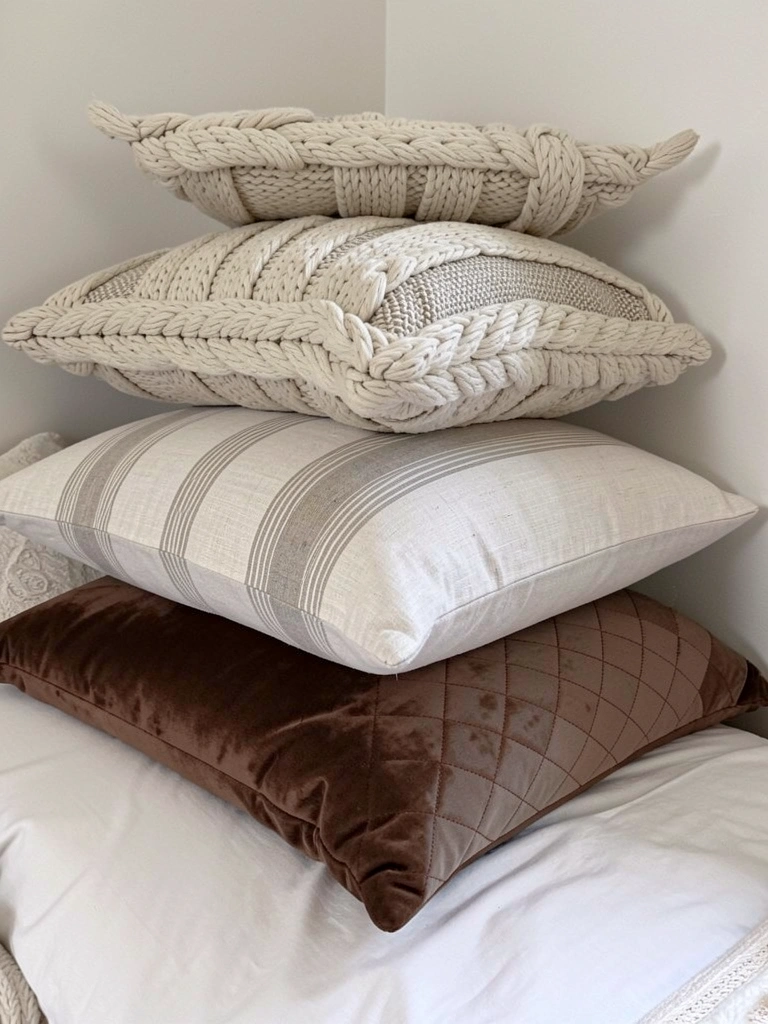
    17. Layer In Vintage Copper Or Brass Accents

    Warm metals—especially copper and brass—are signature to modern farmhouse and add luxury without feeling overdone. They’re subtle but make a noticeable impact.
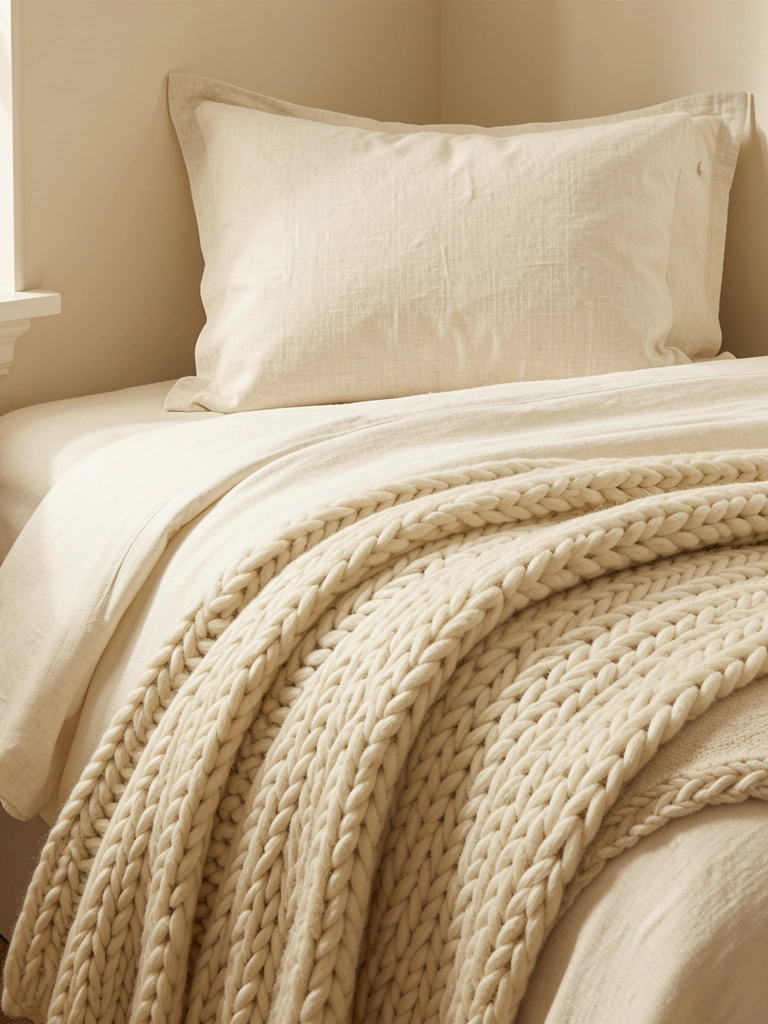
    Hunt for vintage copper or brass pieces at thrift stores ($1-$5) or splurge on a new brass pour-over stand ($20-$40 from specialty coffee retailers). Integrate a copper kettle ($25-$50) into your display. These metals develop a patina over time, which actually increases their charm.

    Pro tip: group warm metals together so they feel intentional, not scattered. That metallic warmth creates visual richness and makes your corner feel elevated.

    18. Add A Small Marble Or Soapstone Trivet For Mugs

    A stone trivet protects your wooden shelves from hot mugs and adds elegant texture. Marble or soapstone trivet are classic, work with any farmhouse palette, and last forever.
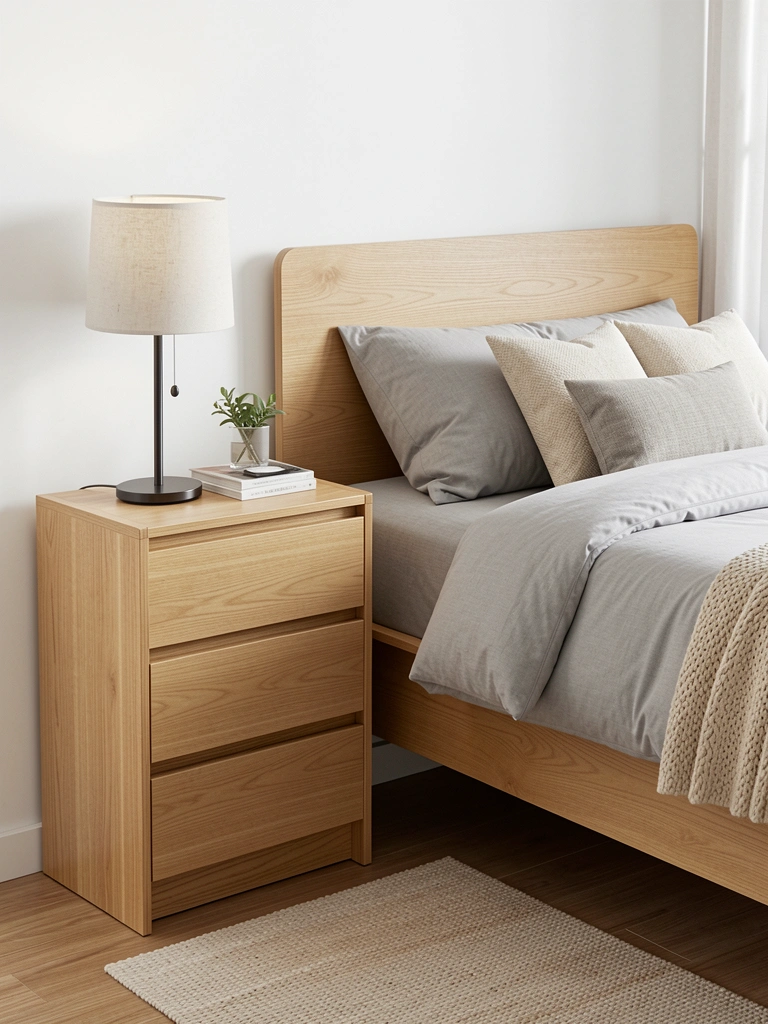
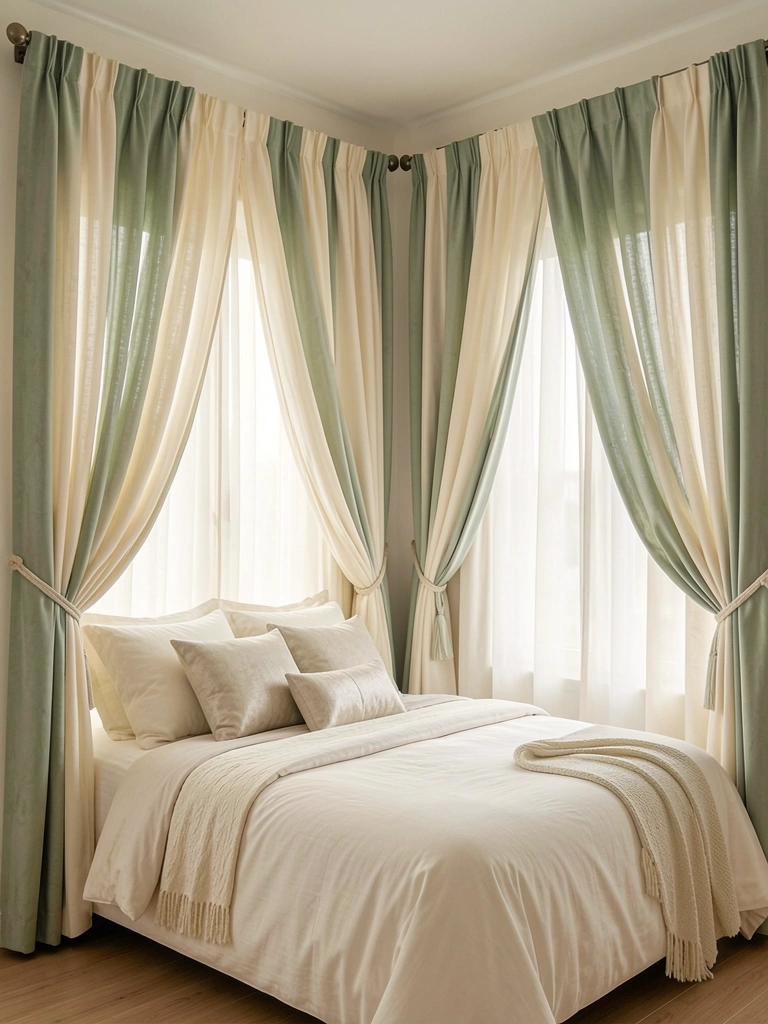
    Buy a small marble or soapstone trivet ($8-$18 from HomeGoods, Target, or Etsy). Place it on your main display shelf where you’ll set mugs after brewing. It’s both protective and decorative—exactly what farmhouse design should be.
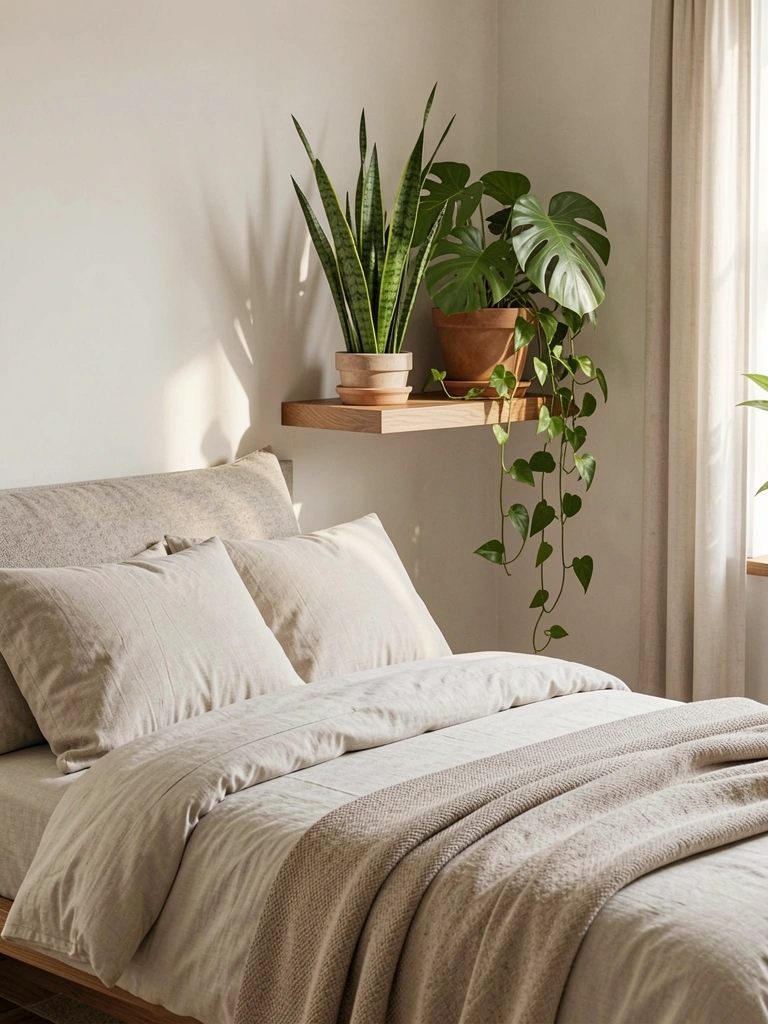
    This small stone object adds tactile warmth and visual interest without being precious. It’s the kind of practical detail that tells guests you’ve thought about every element.
    19. Style With A Simple Ceramic Pour-Over Holder

    A ceramic pour-over is both brewing equipment and beautiful object. Cream or white ceramic blends seamlessly into farmhouse aesthetics while being entirely functional.

    Invest in a ceramic pour-over dripper ($15-$35 from specialty coffee shops or Amazon). Pair it with a matching or complementary ceramic mug and small glass carafe. Arrange them on your main shelf as a styled “brewing zone” that looks like art.

    When guests see this deliberate setup, they immediately understand that coffee isn’t just caffeine here—it’s a ritual. That shift in perception makes your corner feel special.

    20. Create A Coffee-Pairing Snack Station

    A small snack station next to your coffee area elevates the experience from “grabbing coffee” to “settling in.” It’s the hospitality touch that makes visitors (and you) feel welcomed.

    Use a small wooden box or bread basket ($10-$20) lined with a neutral linen. Stock it with biscotti, pastries, or homemade treats. Rotate them regularly—fresh treats make your corner feel intentional, not stale. Keep serving utensils (small wooden spoon, cloth napkin) nearby for a polished touch.

    Your corner now feels like a full café experience. That small addition transforms your setup from a functional appliance zone into an actual destination in your home.

    21. Install Adjustable Shelving For Flexibility

    Adjustable shelving adapts as your collection grows. You might start with 3 shelves and eventually want 5—or need to shift heights as your collection evolves.

    Invest in adjustable floating shelf systems ($50-$120 per unit from IKEA, Home Depot, or Wayfair). These use metal rods and wooden shelves that you can move up and down as needed. Installation typically takes 1-2 hours depending on wall type.

    The flexibility means your coffee corner can grow and change without looking chaotic. You’re future-proofing your design investment.

    22. Add A Small Woven Basket For Coffee Bean Storage

    A woven basket adds texture and warmth while solving the “where do I store extra coffee bags” problem. Woven materials are quintessentially farmhouse.

    Find a small woven basket ($12-$25 at Target, HomeGoods, or Amazon). Choose natural fibers (seagrass, rattan, jute) in warm neutral tones. Tuck it on a lower shelf and fill it with coffee bags from your favorite roasters. The visible branding of quality coffee becomes part of your décor.

    This storage solution is both functional and visually interesting. It also makes it easy to grab a backup bag when you’re running low.

    23. Display A Vintage Coffee Grinder (Functional Or Decorative)

    A vintage grinder—whether functional or just decorative—is pure farmhouse soul. It tells a story and adds nostalgic warmth to your corner.

    Hunt at thrift stores ($5-$20), estate sales ($8-$30), or Etsy ($20-$50). Look for manual grinders with wooden handles or vintage electric models. If it’s purely decorative, that’s fine—the aesthetics matter as much as the function in farmhouse design.

    Position your grinder front and center on your shelf. Its presence signals that you care about coffee quality and appreciate vintage craftsmanship. That object becomes a conversation starter and anchor point for your entire setup.

    24. Incorporate A Small Chalkboard For Daily Coffee Menu

    A small chalkboard makes your home coffee corner feel like an actual café. You can rotate what you’re brewing and keep things feeling fresh and intentional.

    Buy a small wooden chalkboard ($10-$20 from Target, HomeGoods, or Etsy). Lean it against the wall above your station or mount it with a simple bracket ($5-$10). Each morning, write the coffee origin, roast level, or brew method in chalk. Include a little doodle if you’re feeling creative.

    This playful touch reminds you to be intentional about what you’re brewing. It also impresses guests who appreciate the café-like attention to detail. It’s a tiny thing that signals your corner is curated and alive, not just stagnant décor.

    25. Finish With A Neutral Gallery Wall Of Coffee Inspiration

    A gallery wall ties everything together and gives your corner a curated, intentional feel. Mix coffee-specific art with neutral landscapes or typography to keep it sophisticated.

    Gather framed pieces from thrift stores ($2-$8 each), Etsy ($5-$15 each), or print your own at home ($0.50-$2). Look for vintage coffee ads, quotes like “But first, coffee,” landscapes of coffee-growing regions, or simple botanical prints. Mix frame colors and sizes—wood, black, or natural tones work best.

    Arrange on your wall at varying heights using painter’s tape first to plan your layout (takes 15 minutes). Your gallery wall becomes the visual anchor that says: I’ve created something thoughtful here. That small collection of art signals to everyone—including yourself—that this corner is special and intentional.

    Save this post for your next weekend project and start with just one or two ideas. The beauty of building a coffee corner is that you don’t need to do it all at once—small additions add up fast, and your space grows into something uniquely yours.