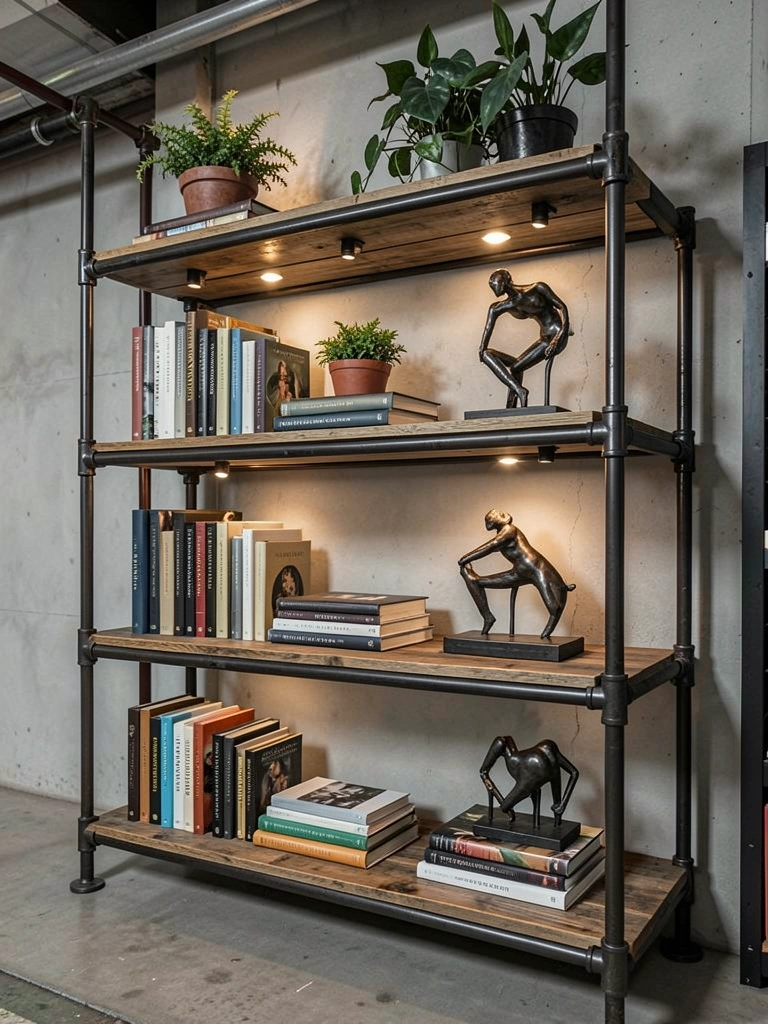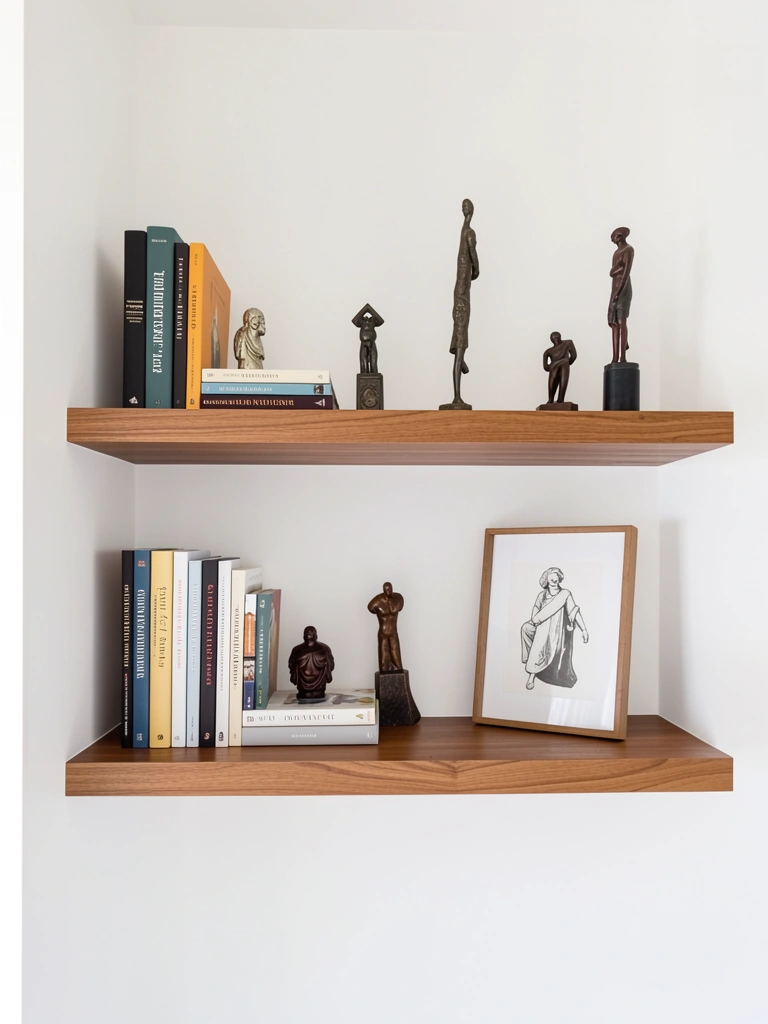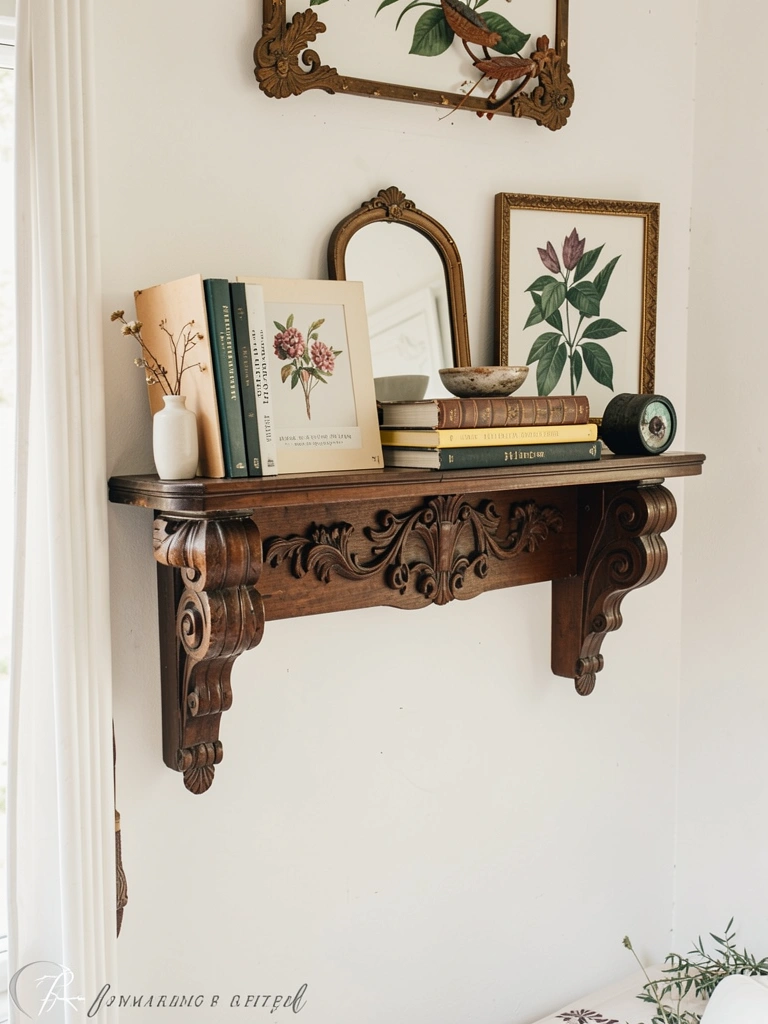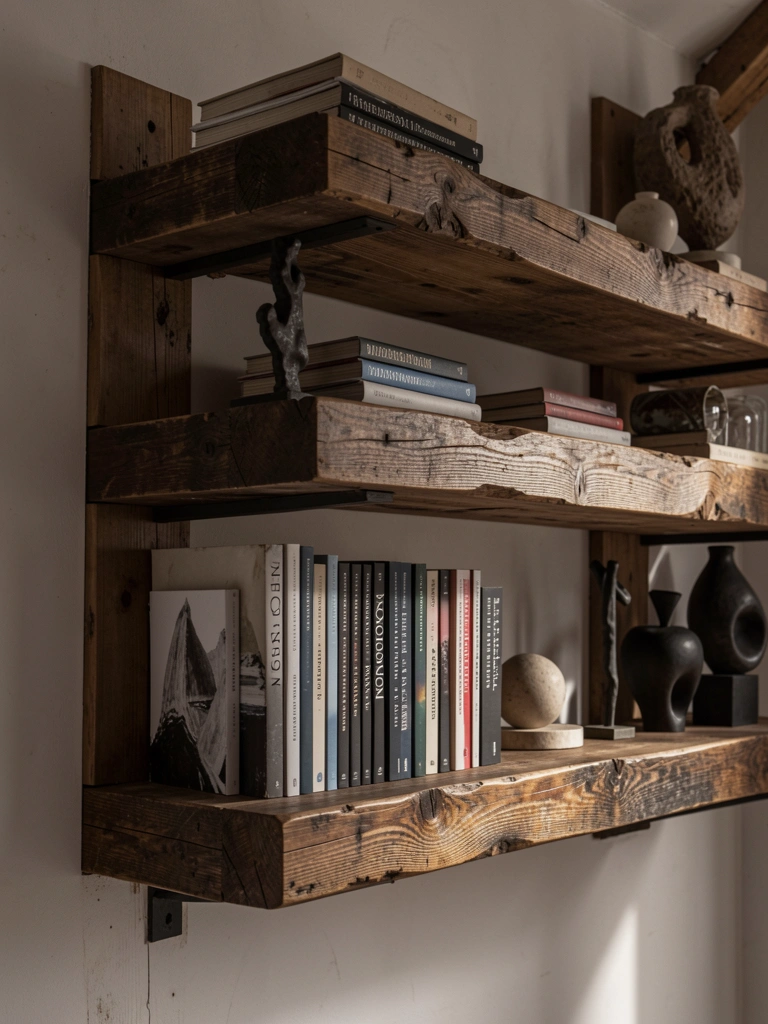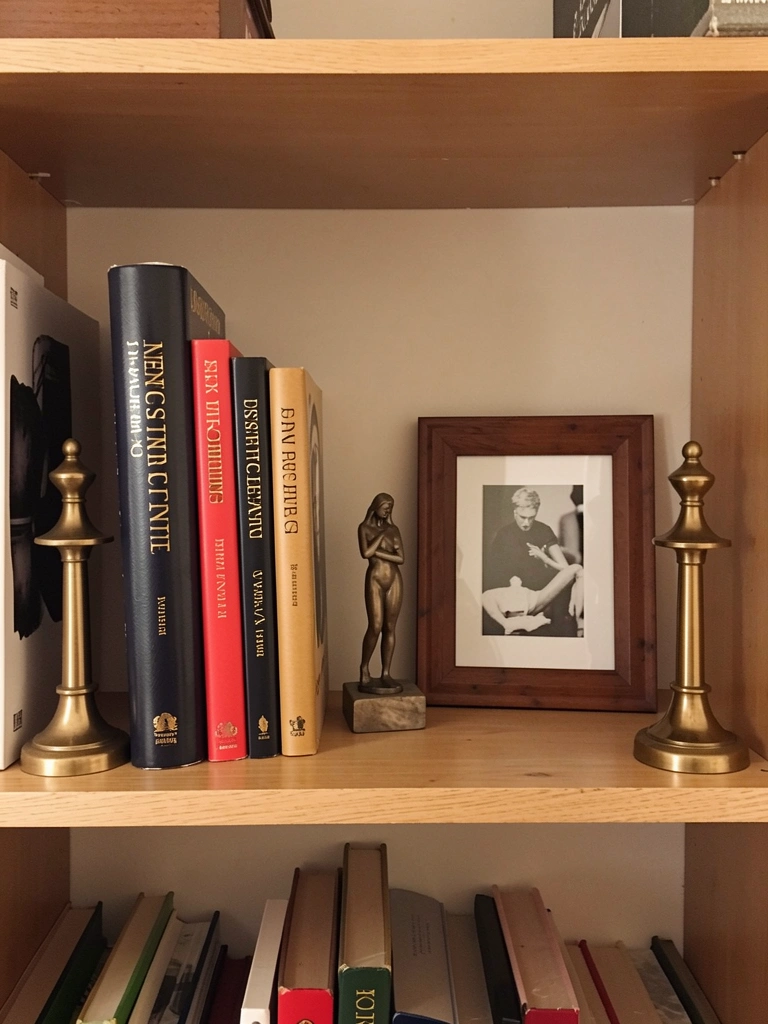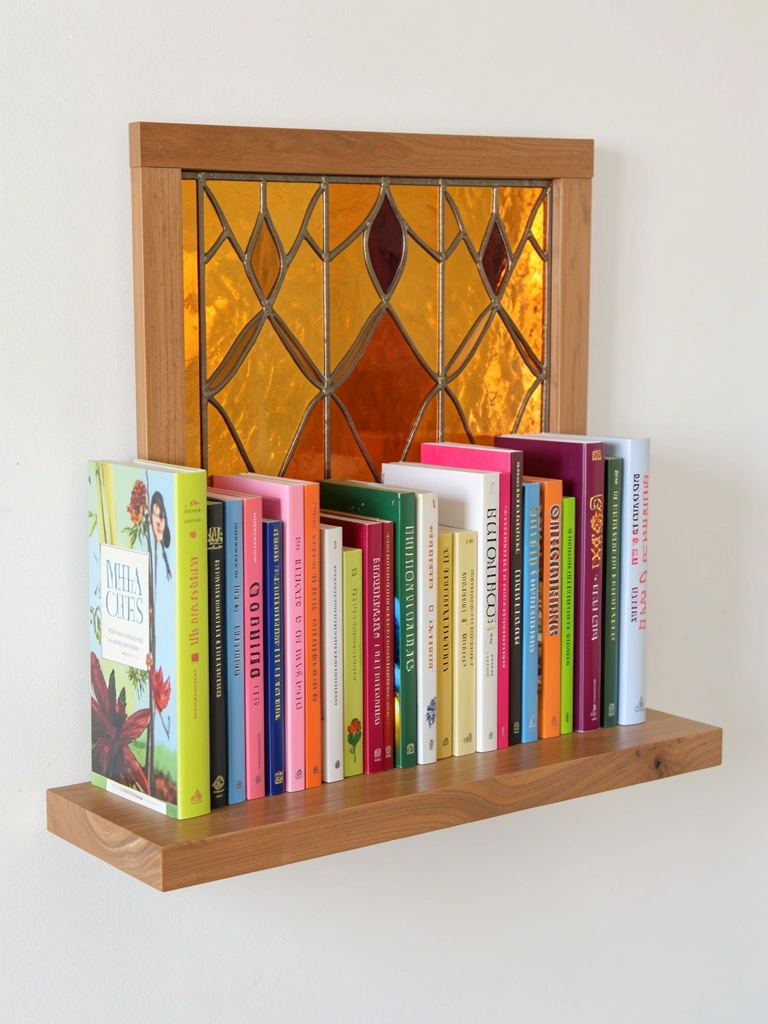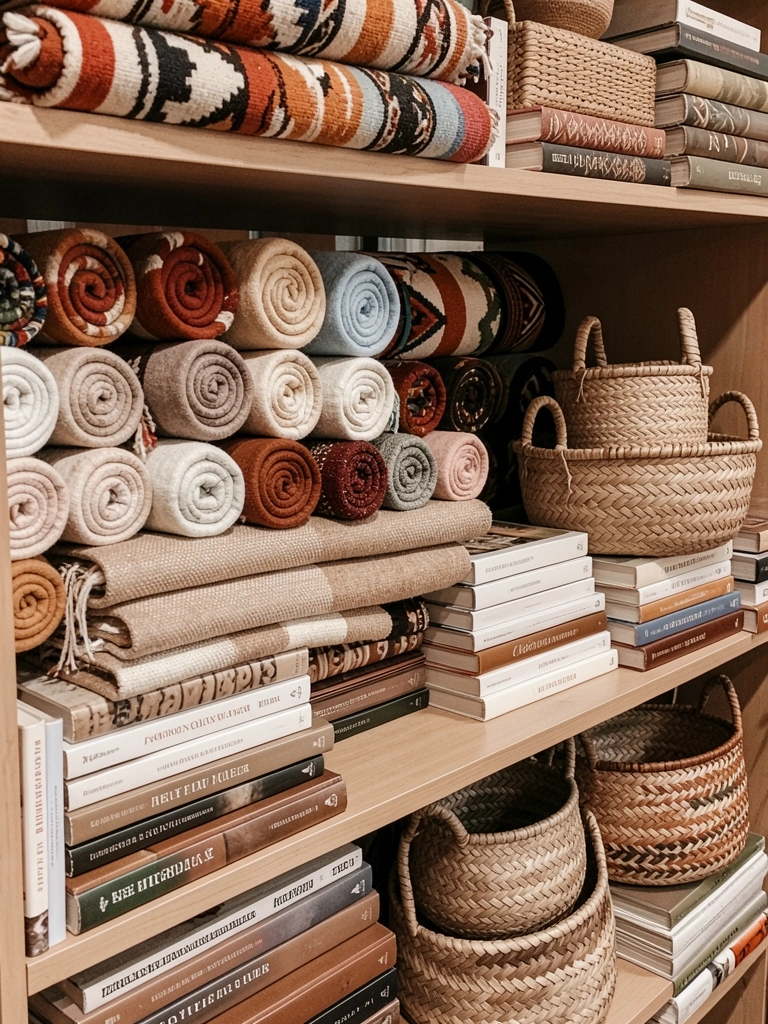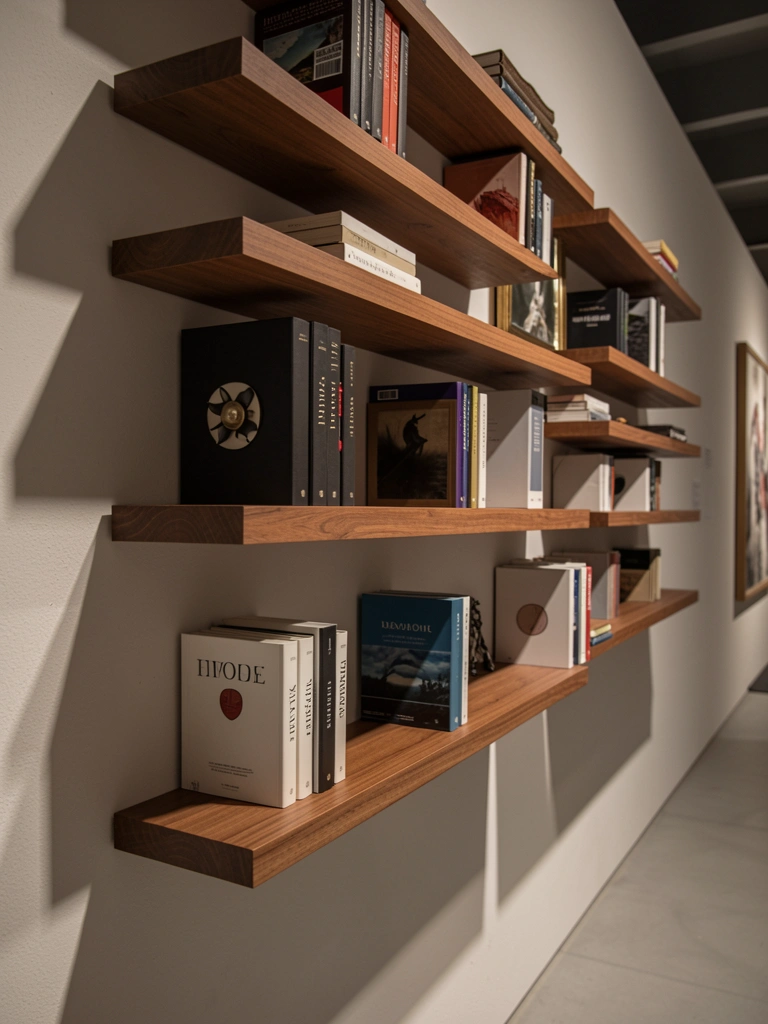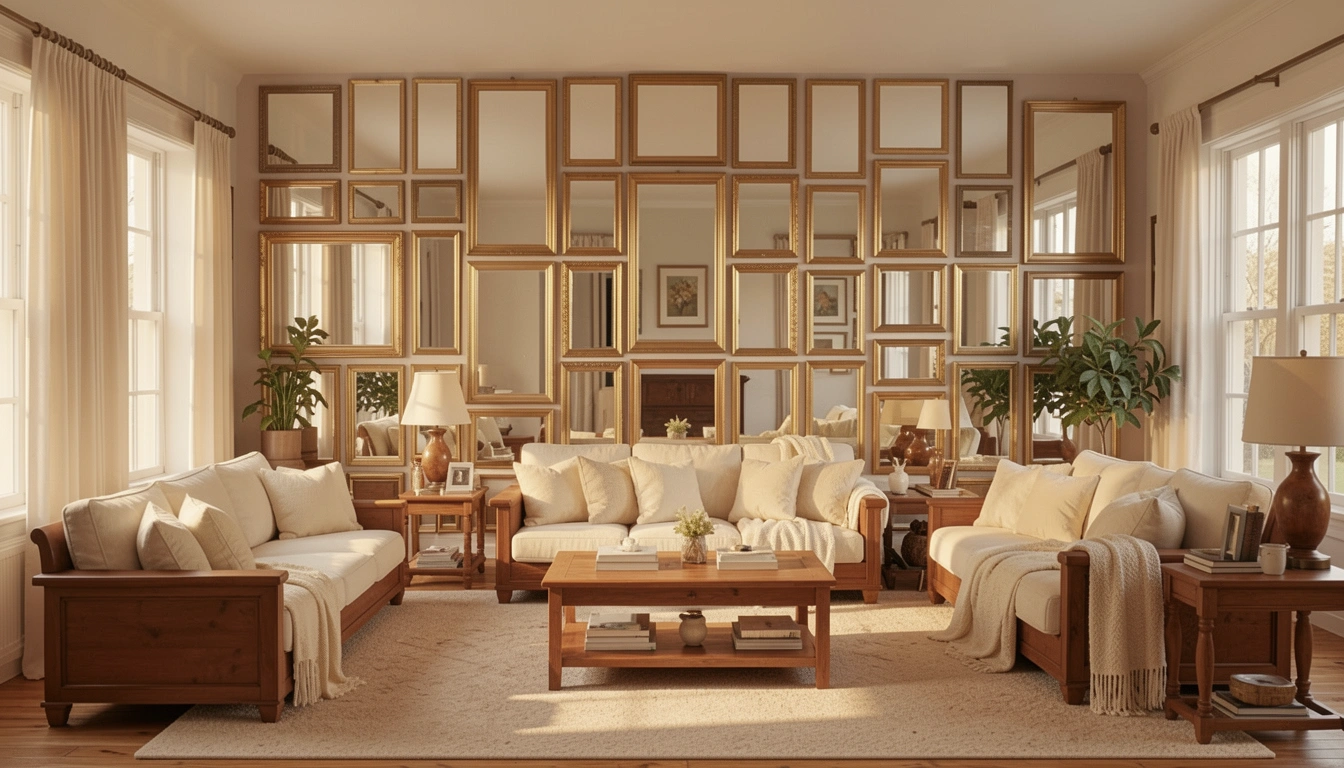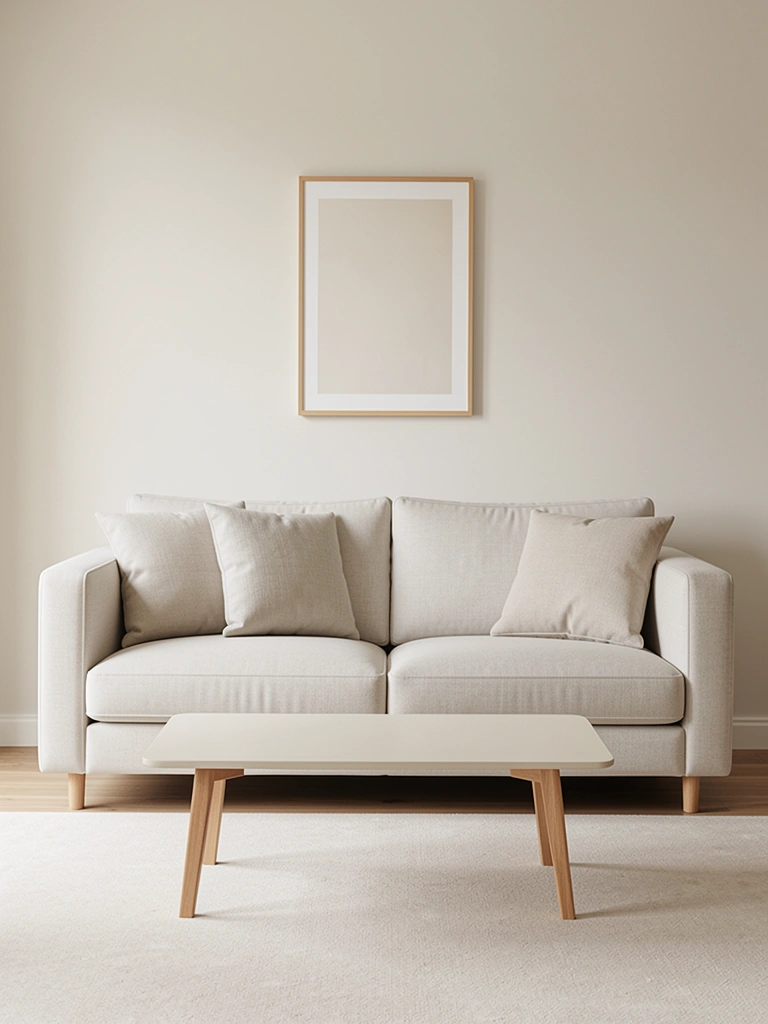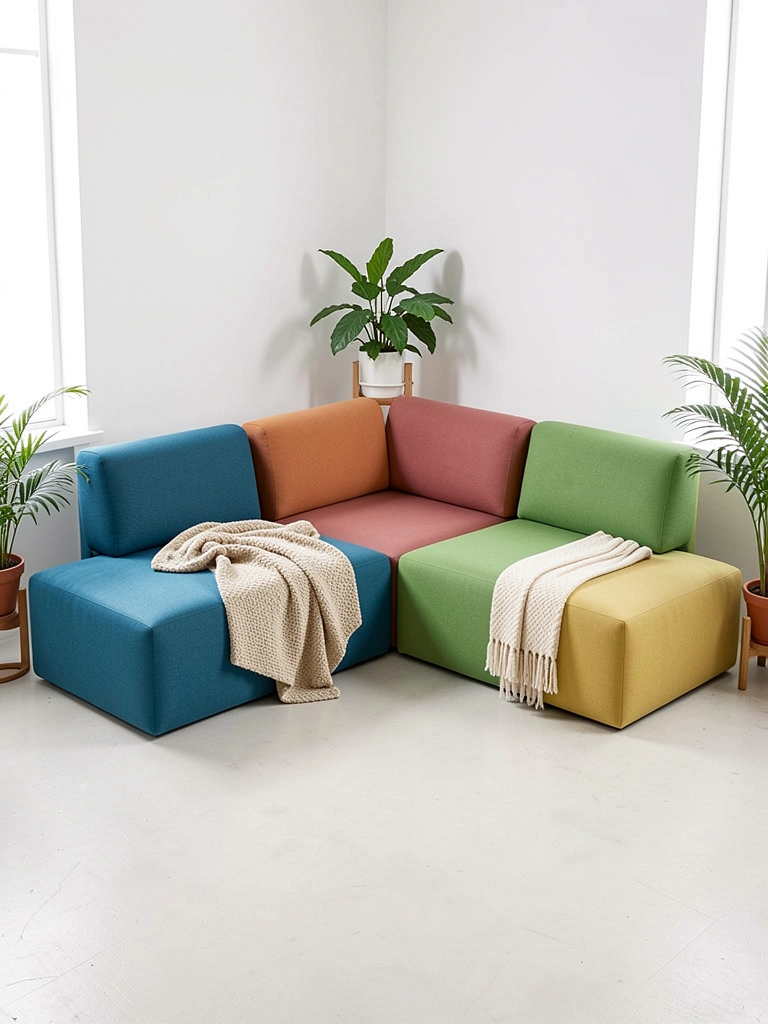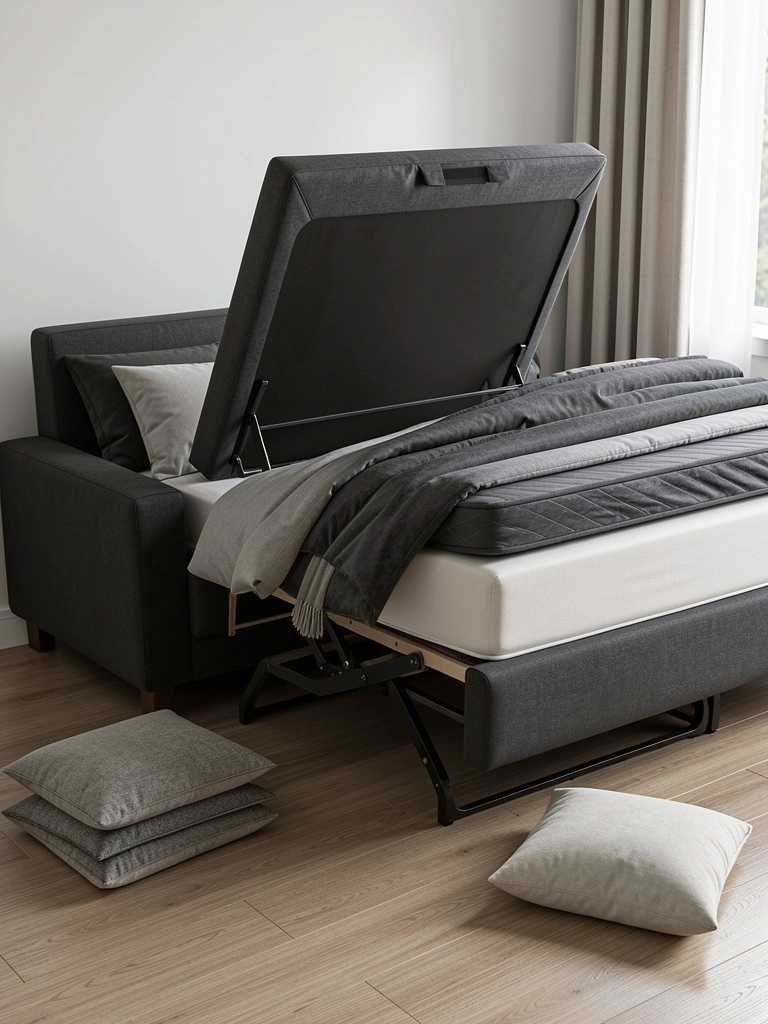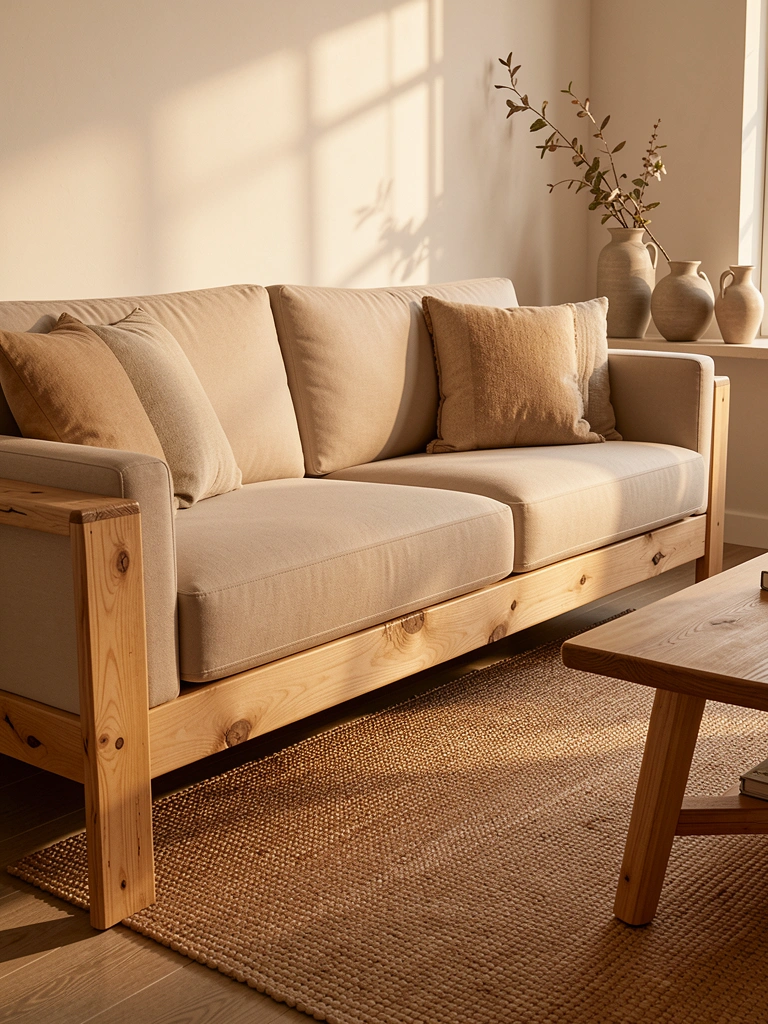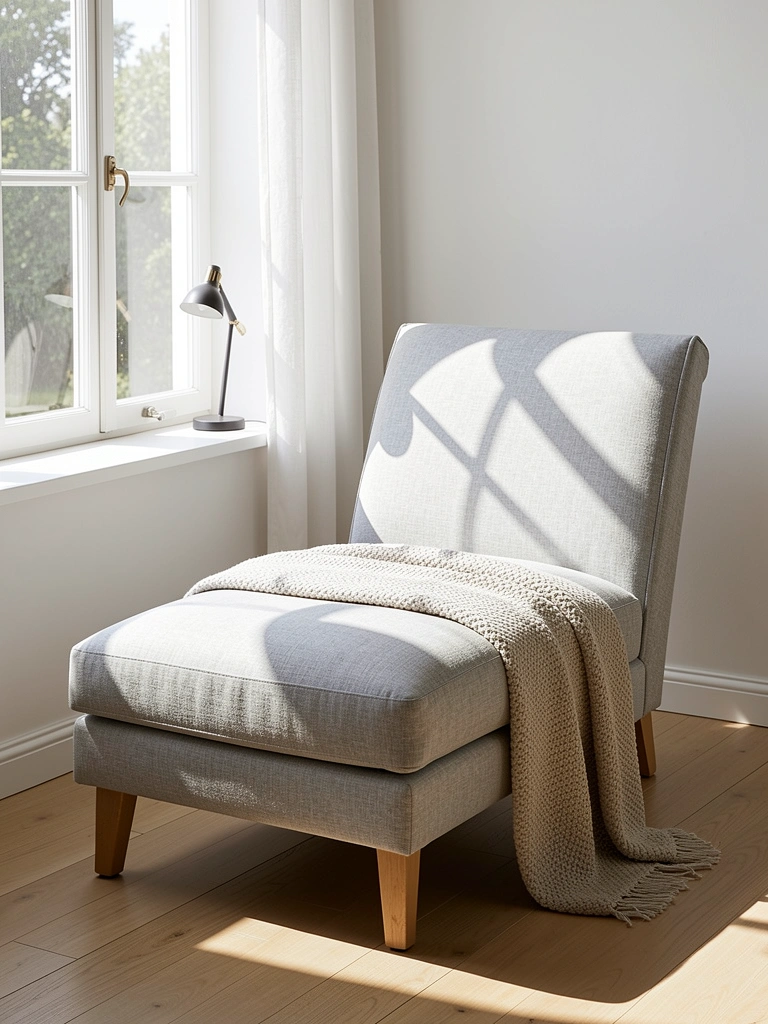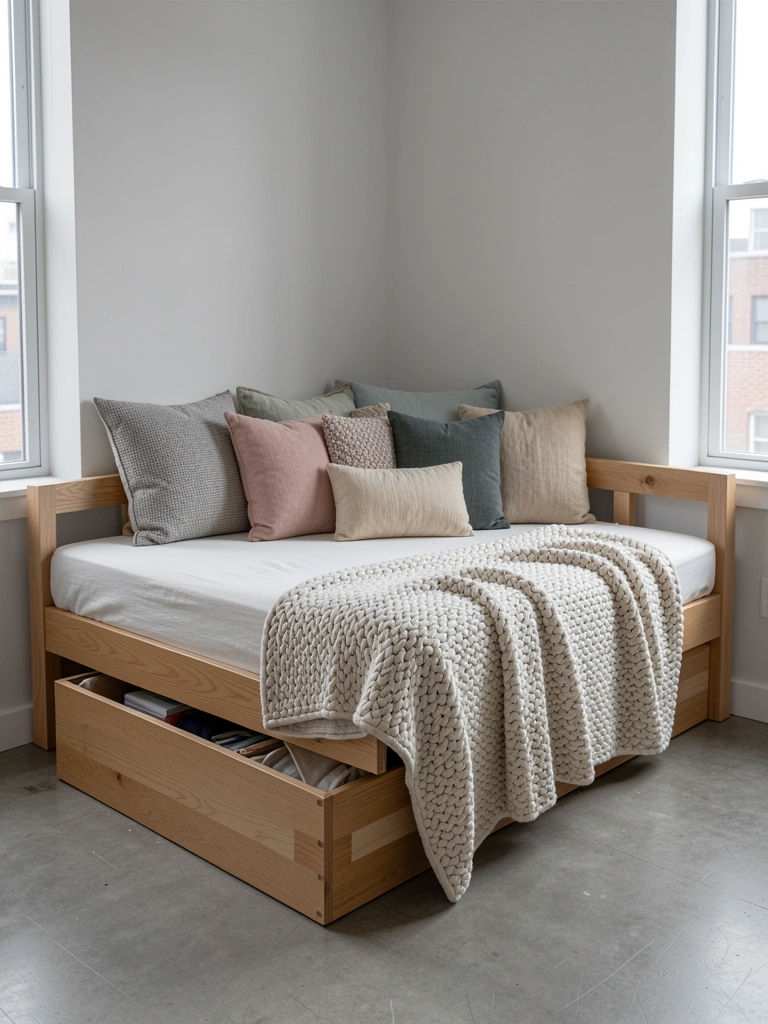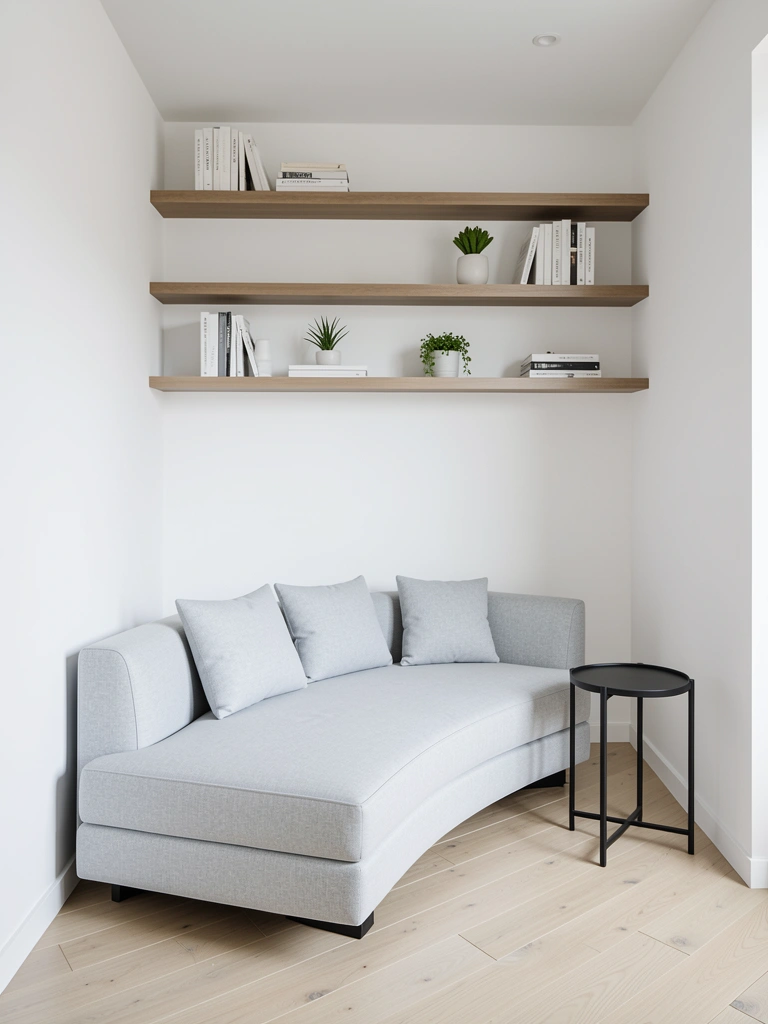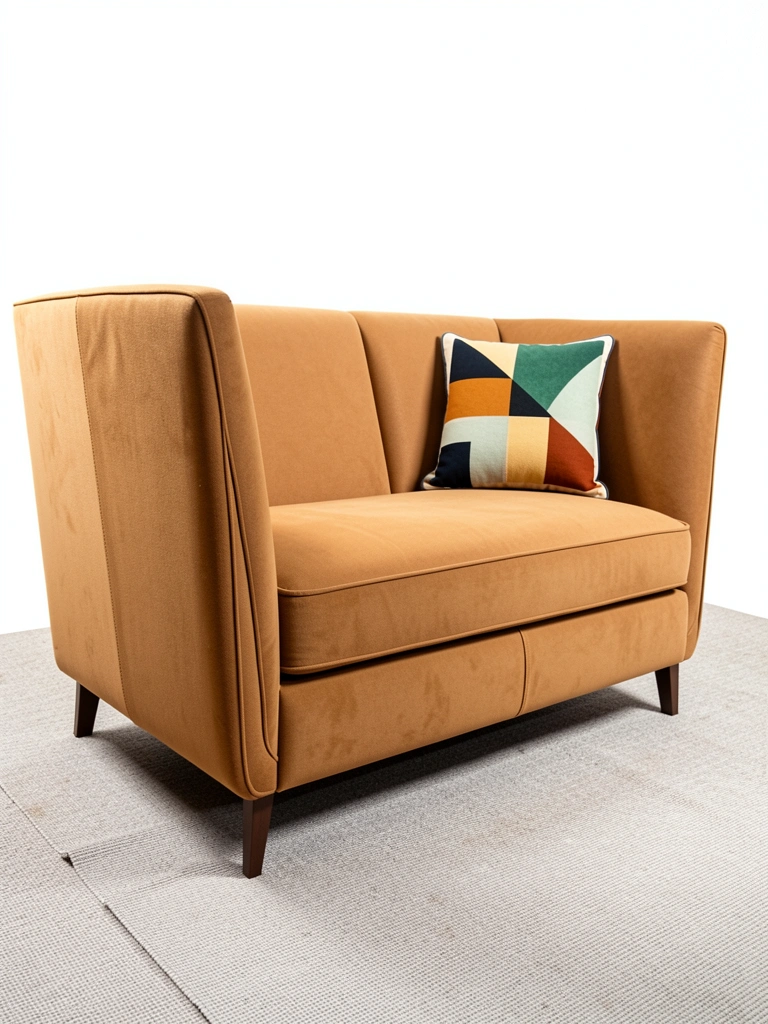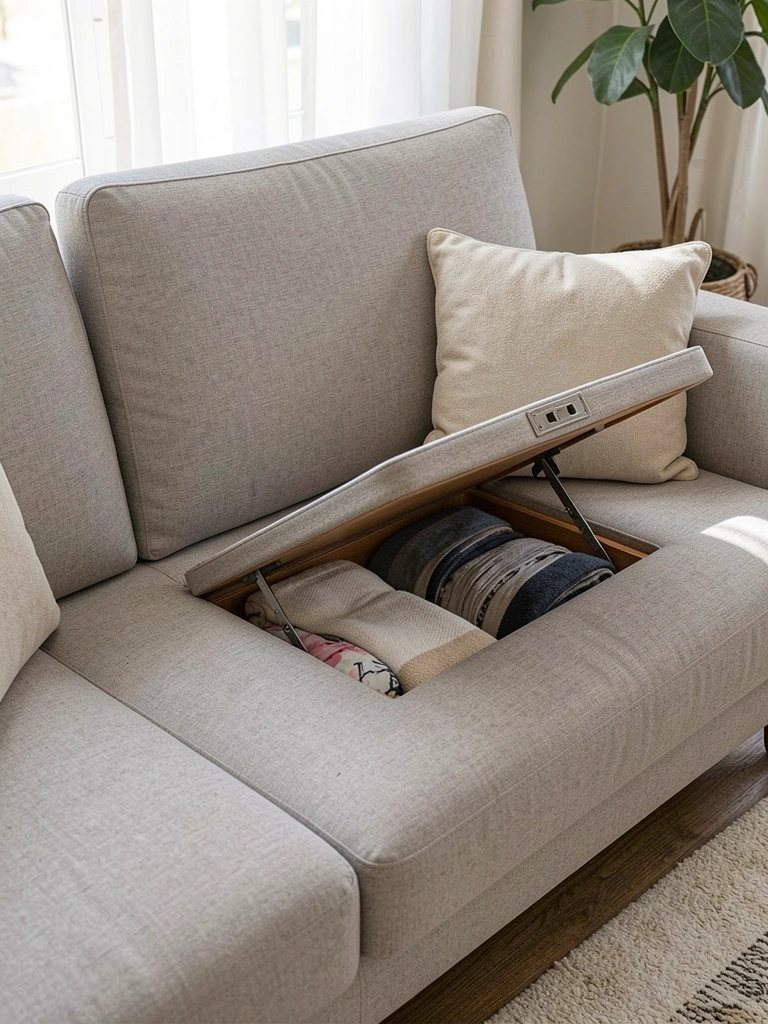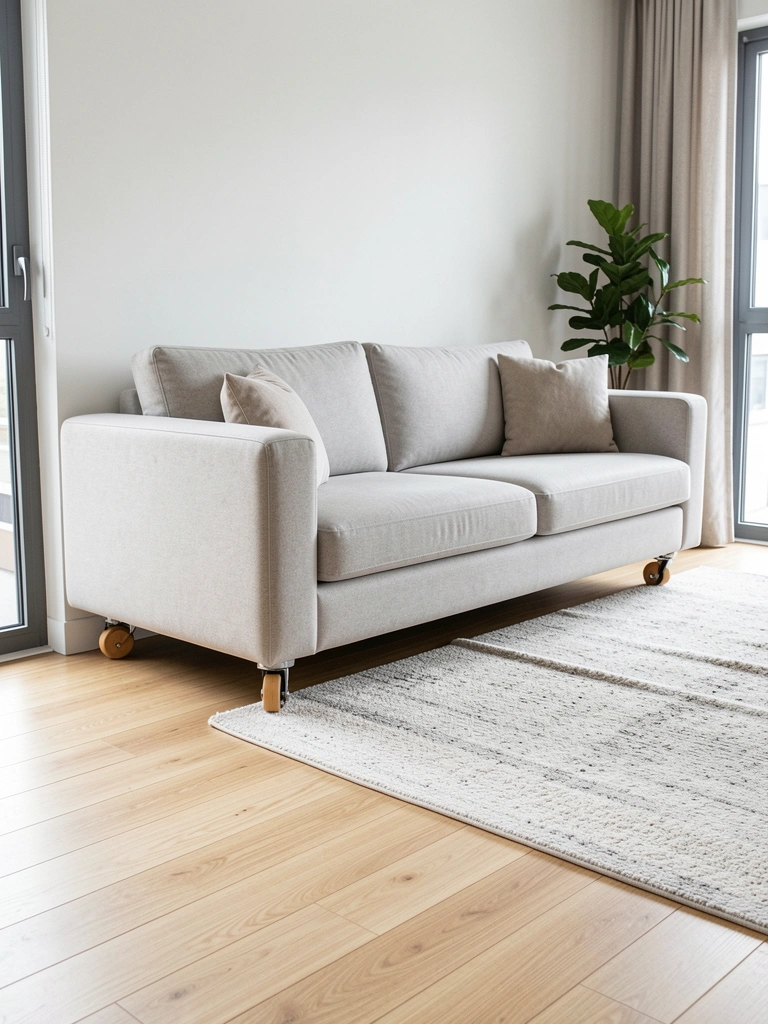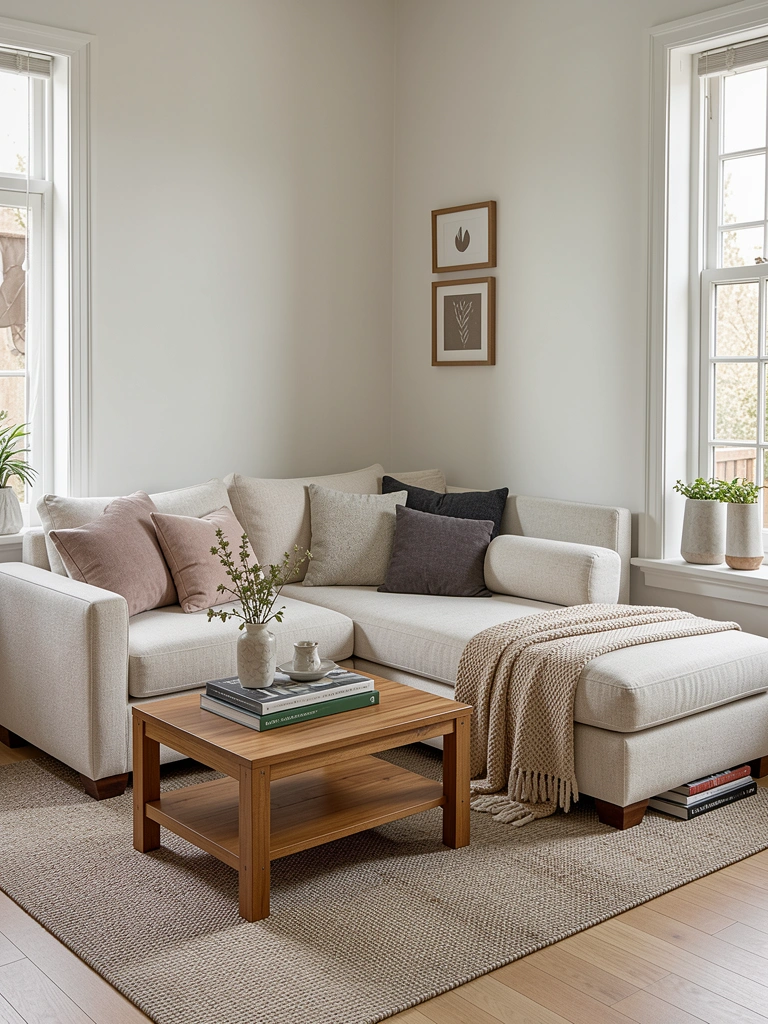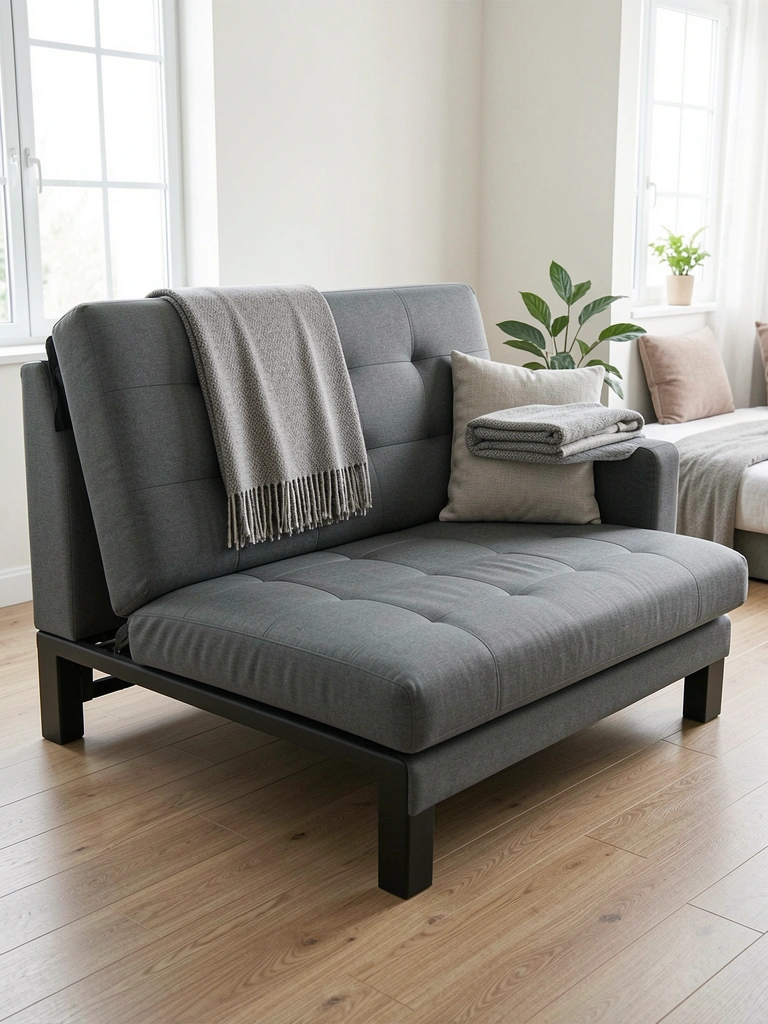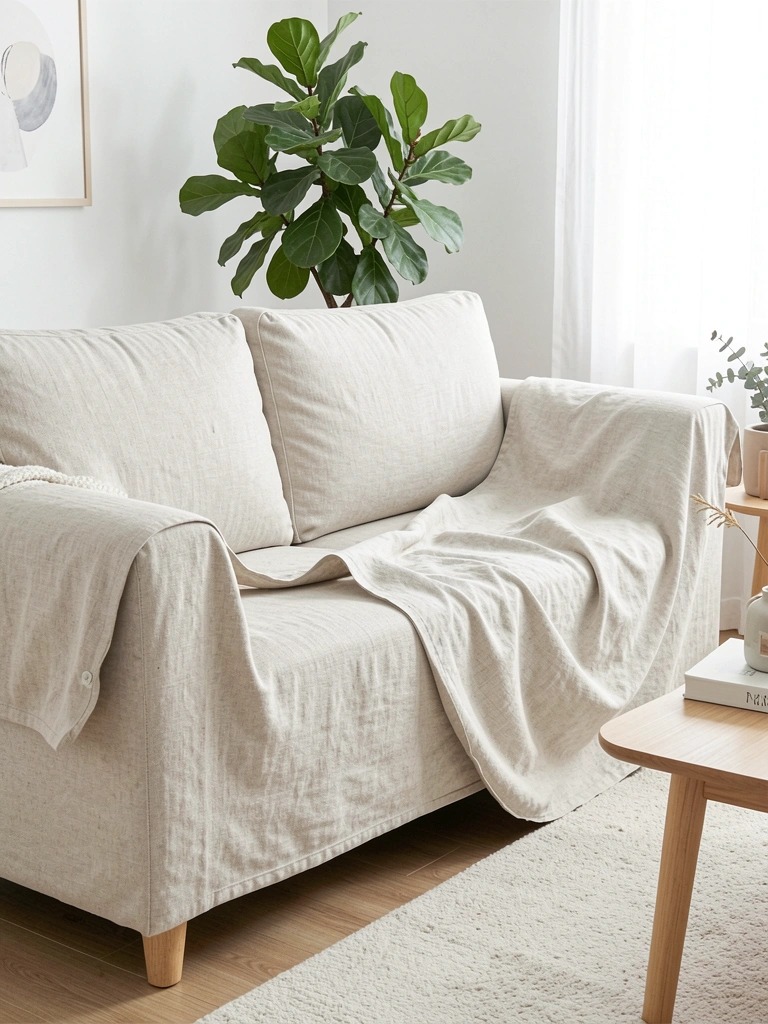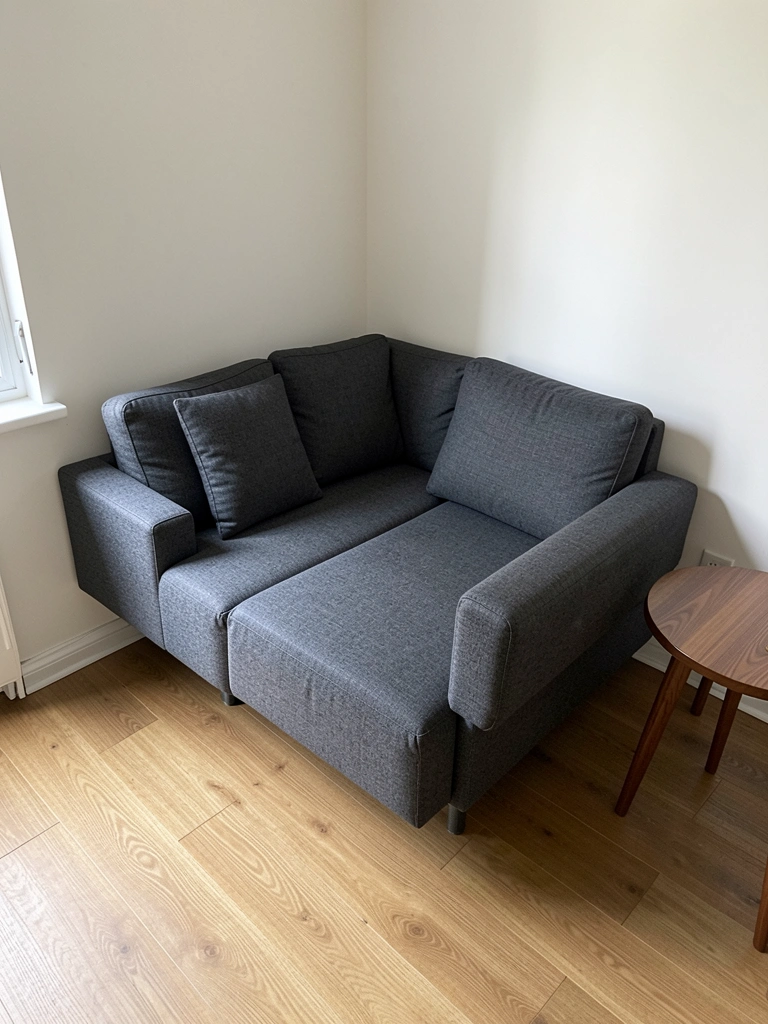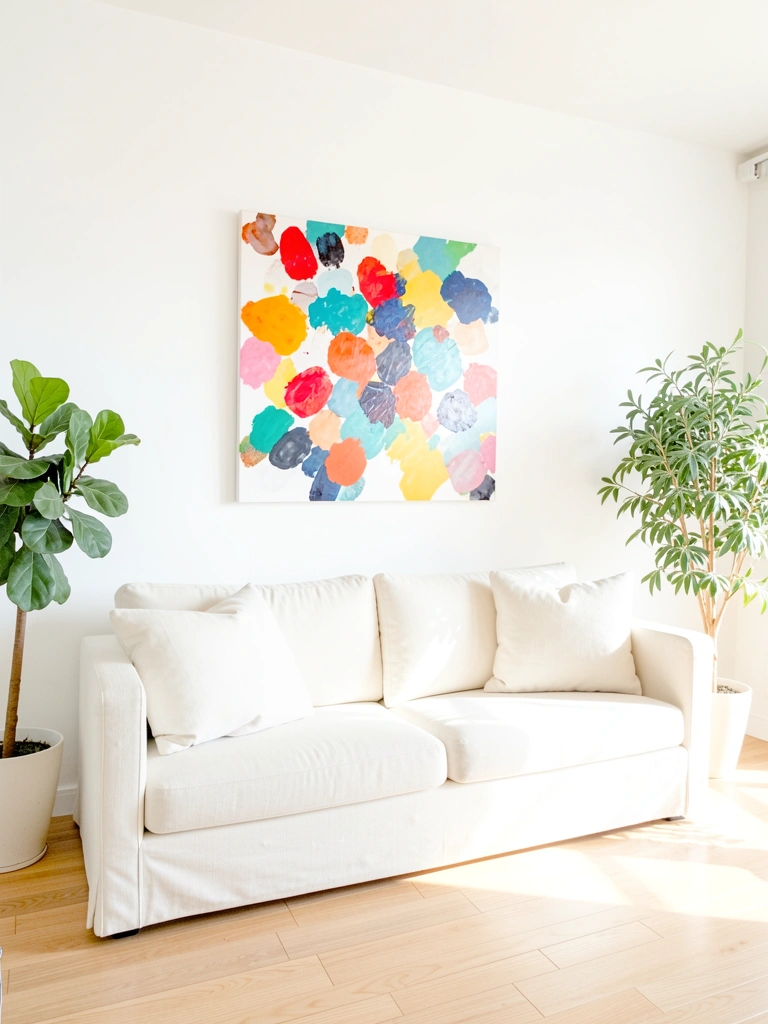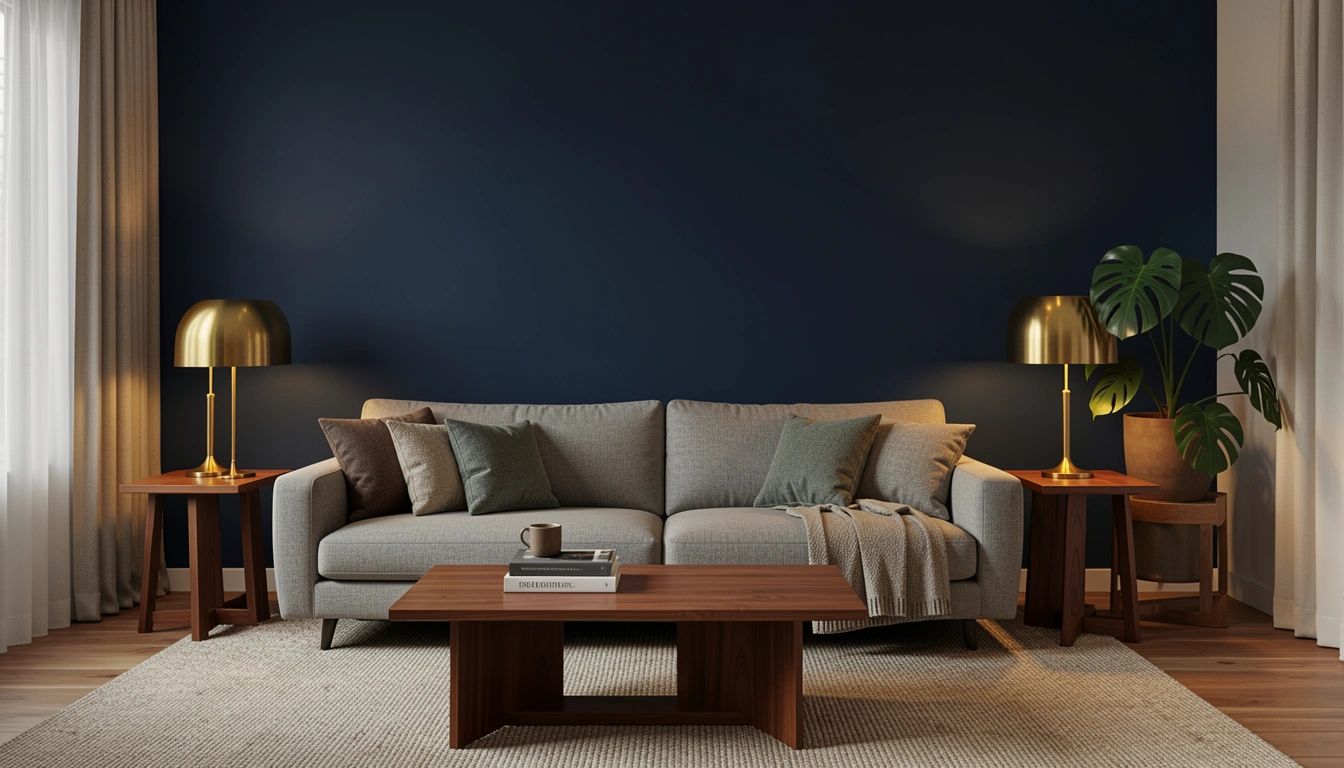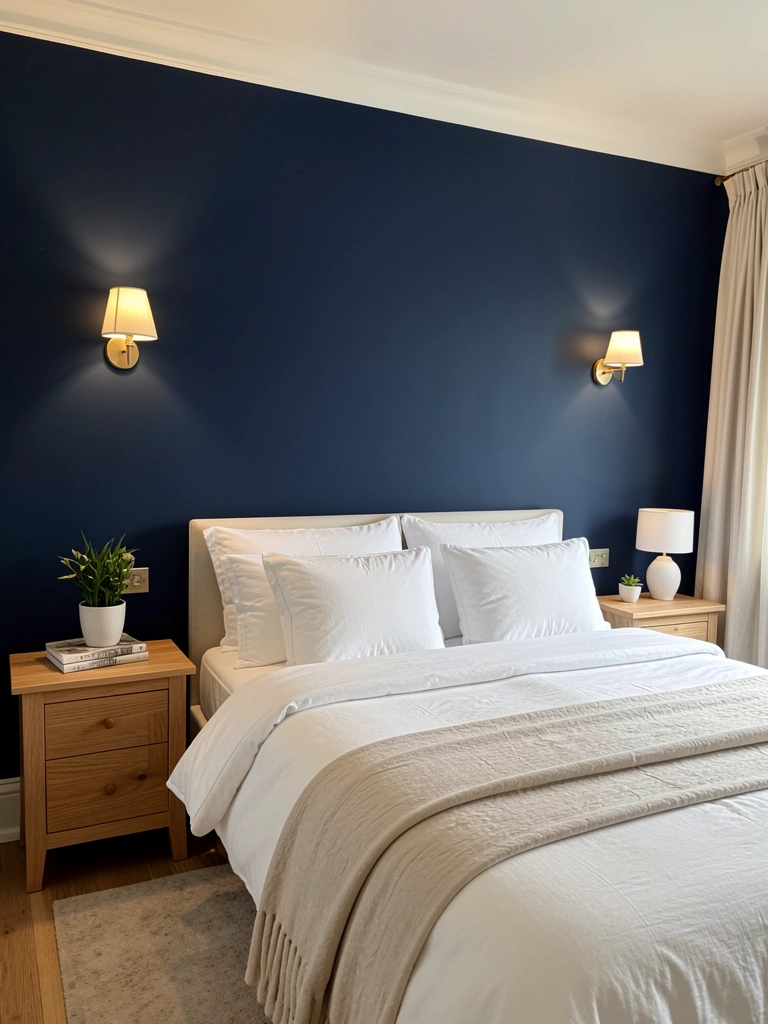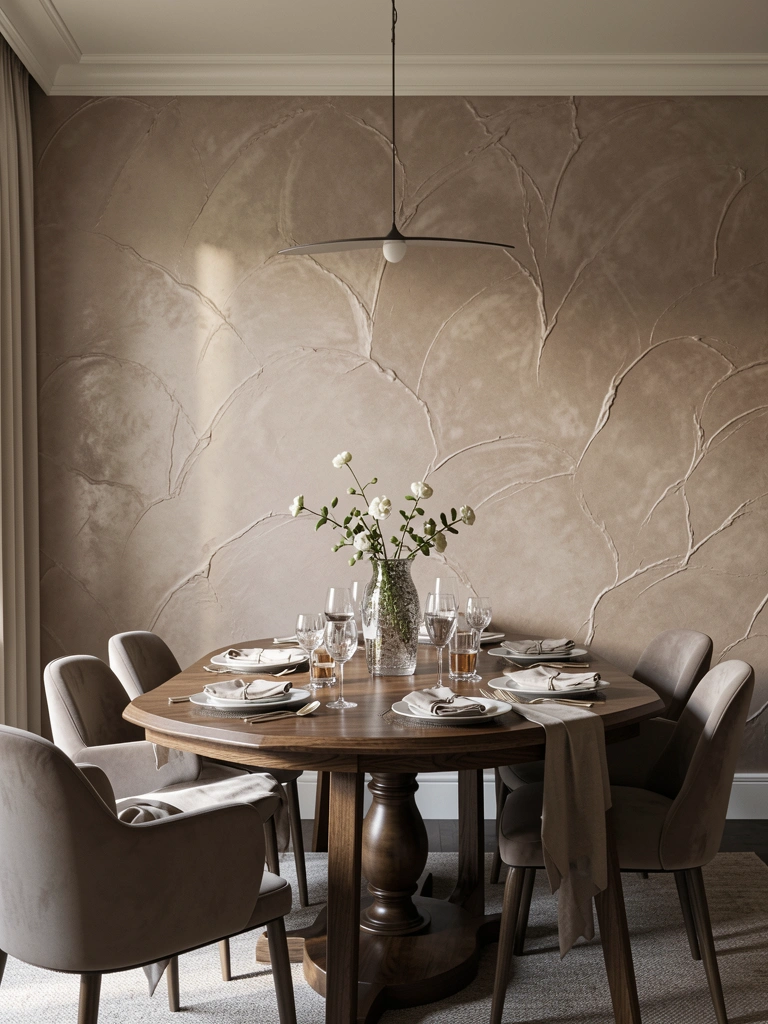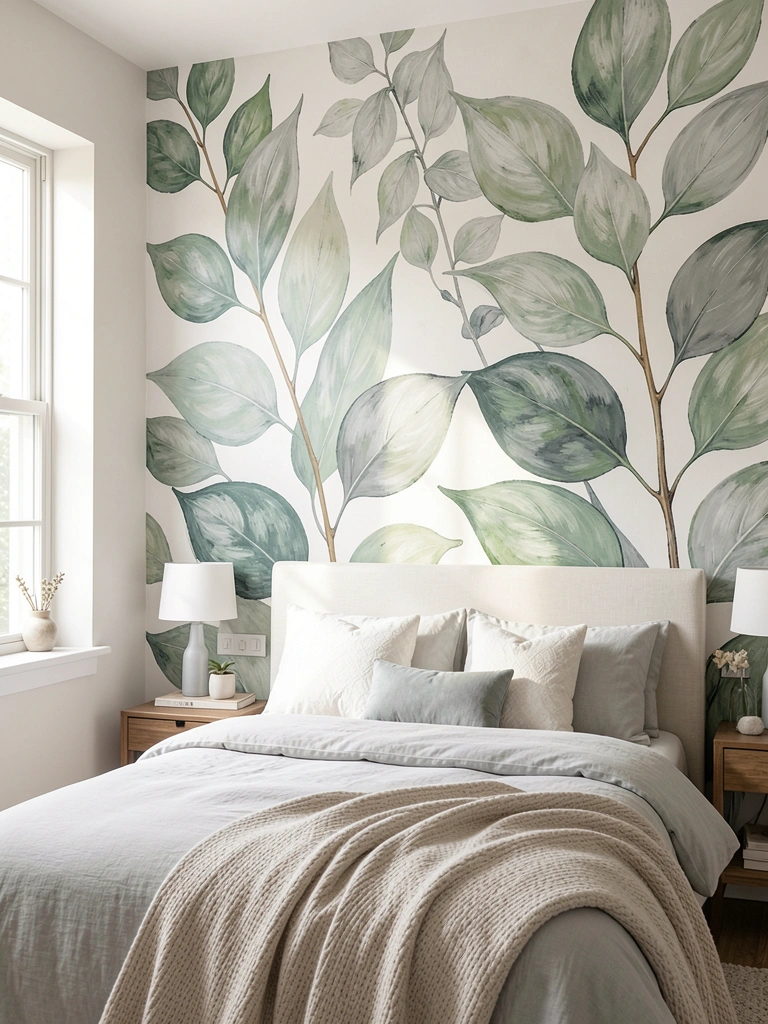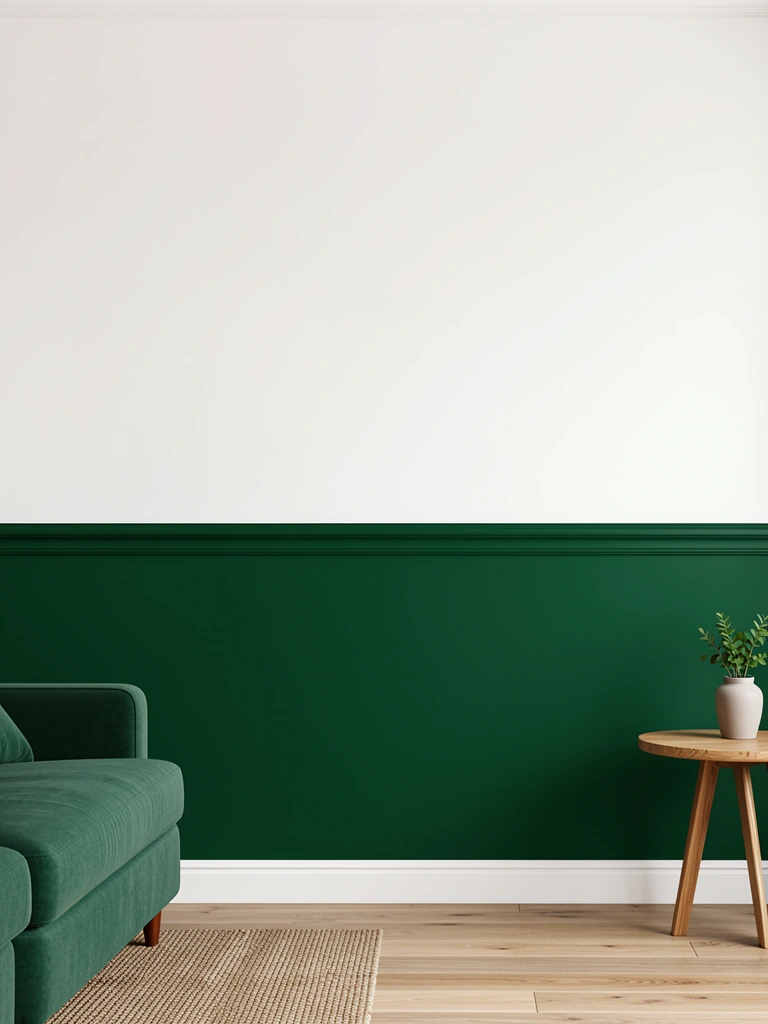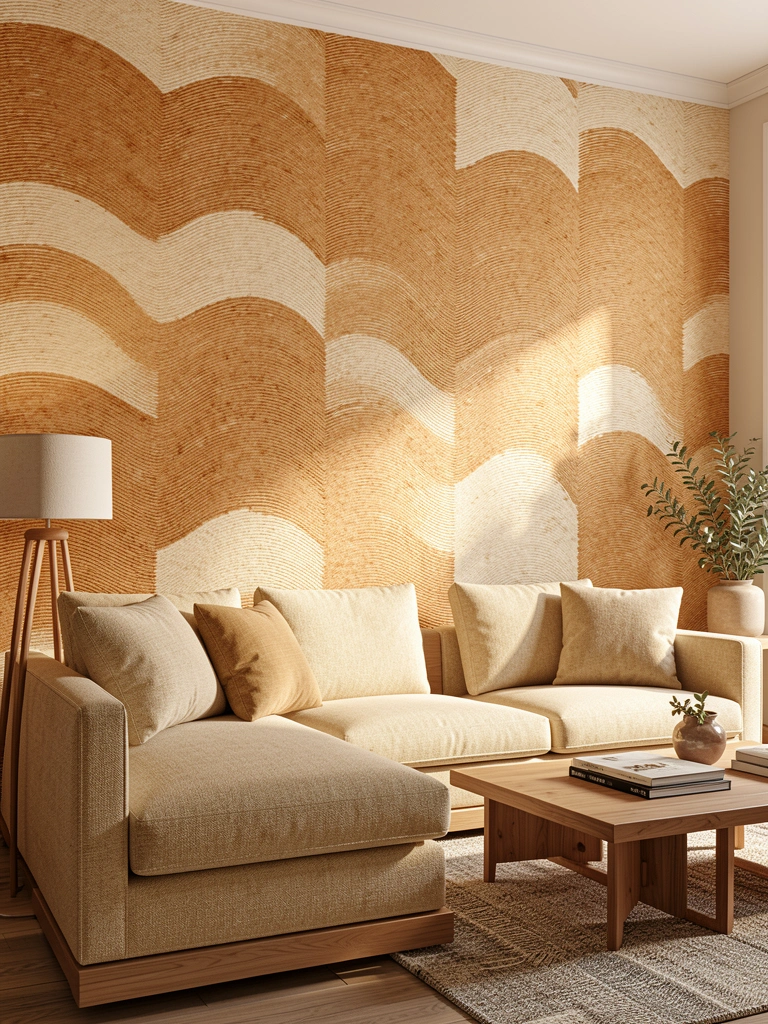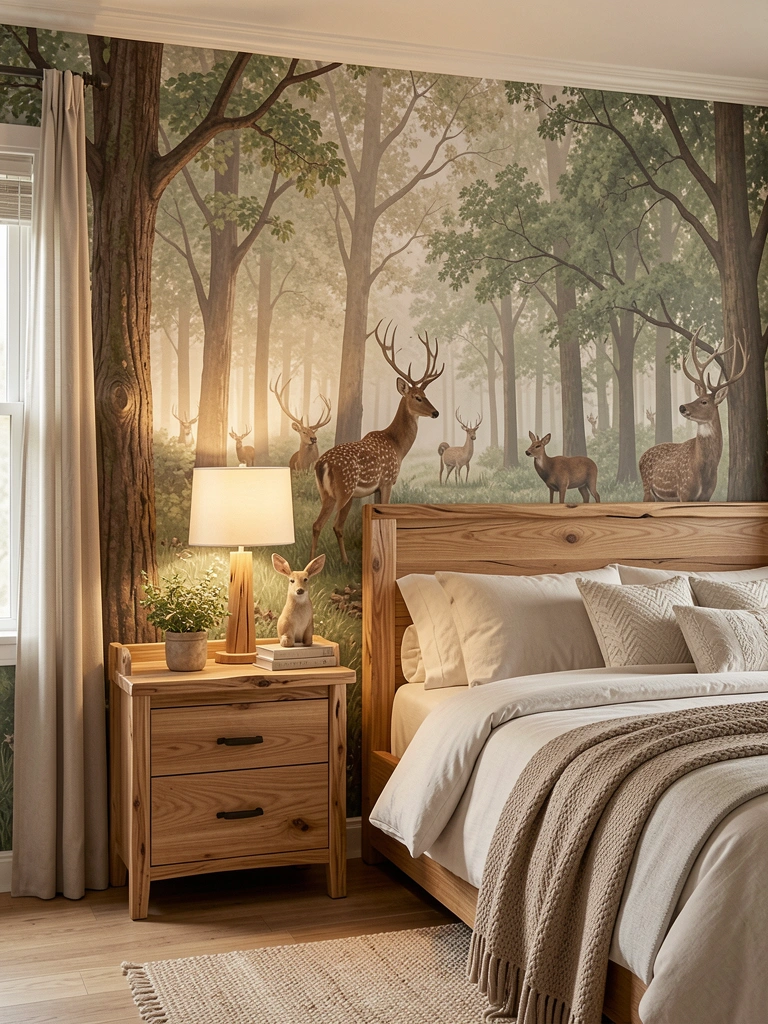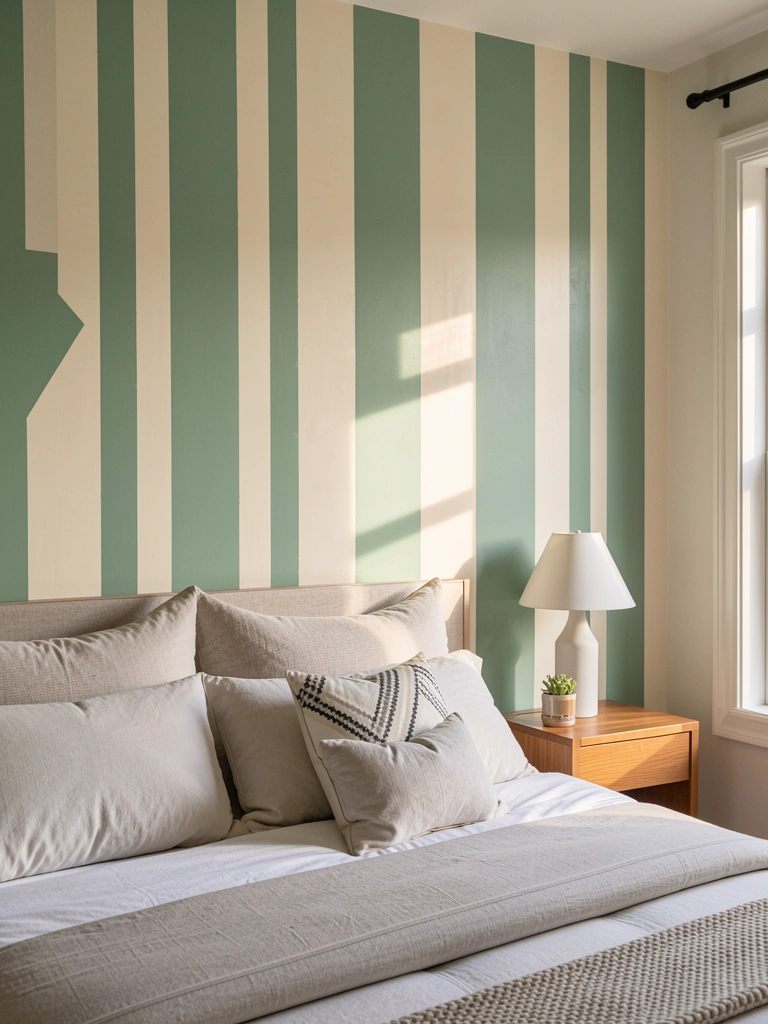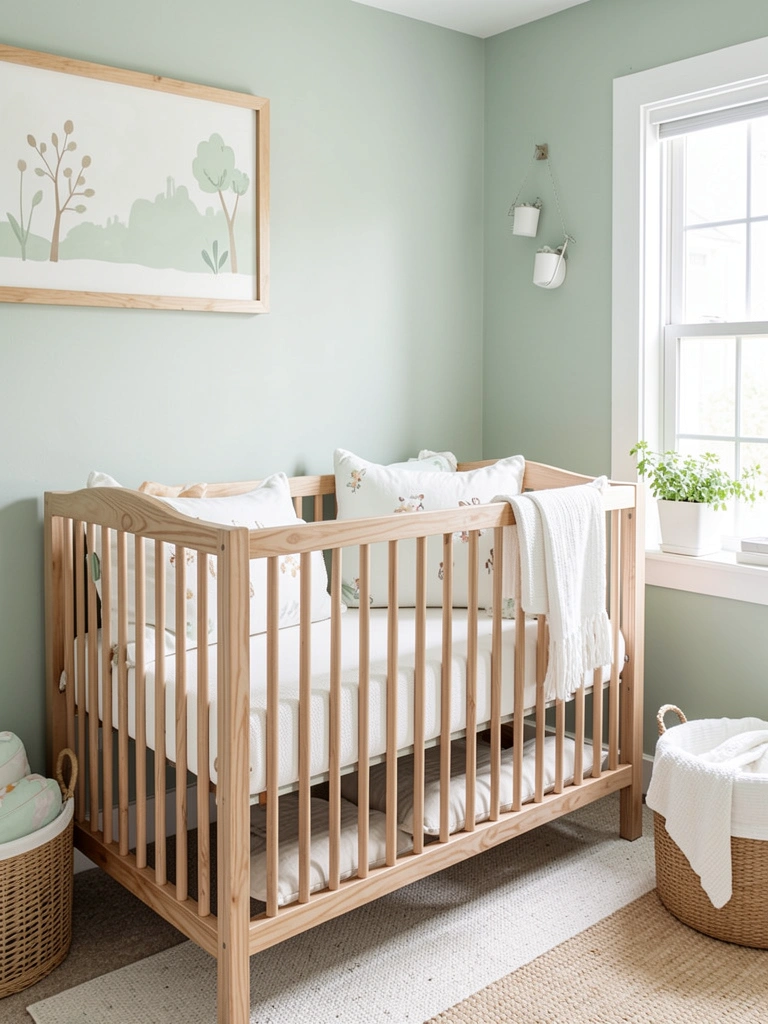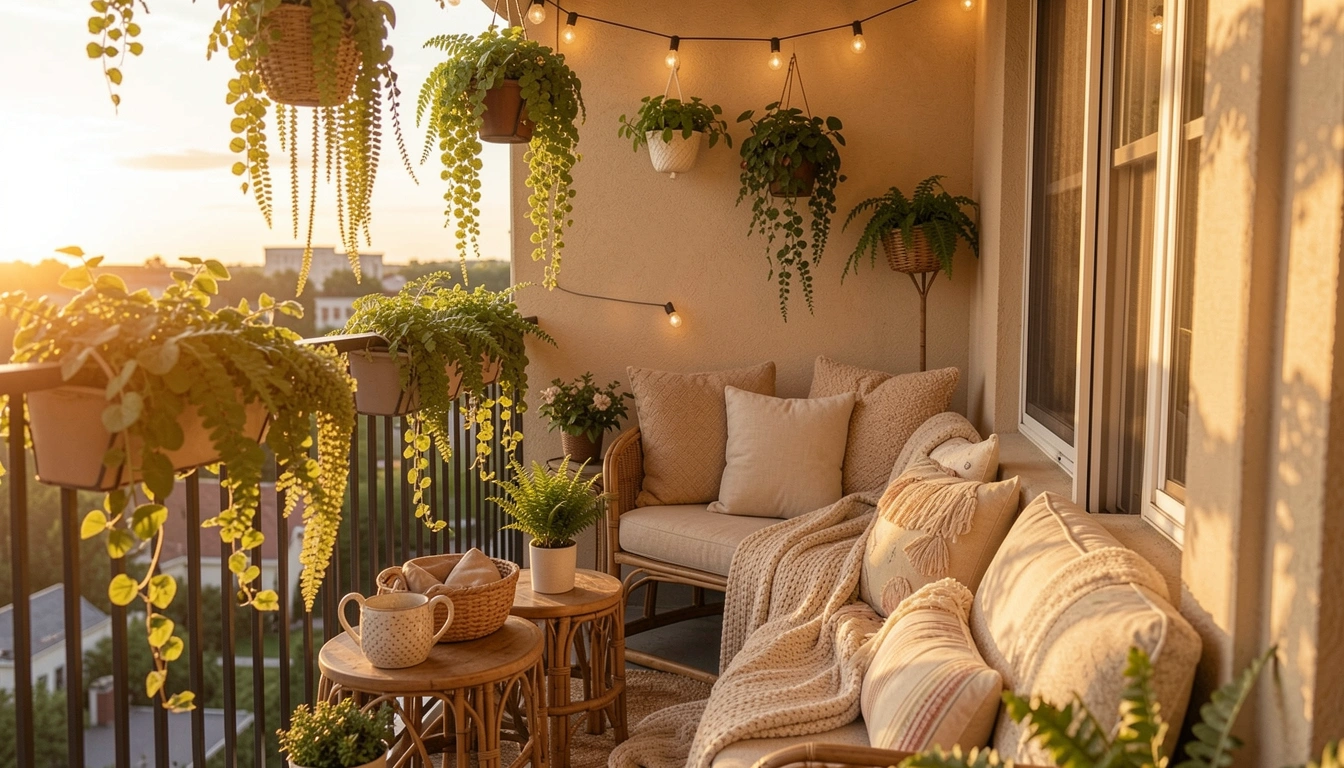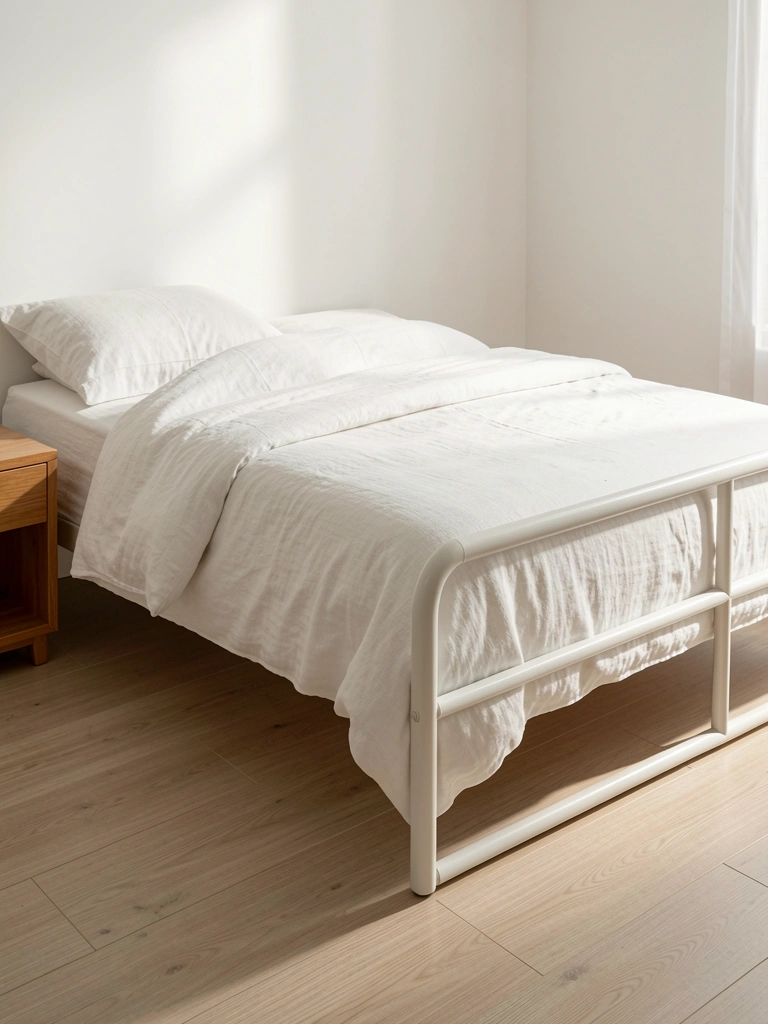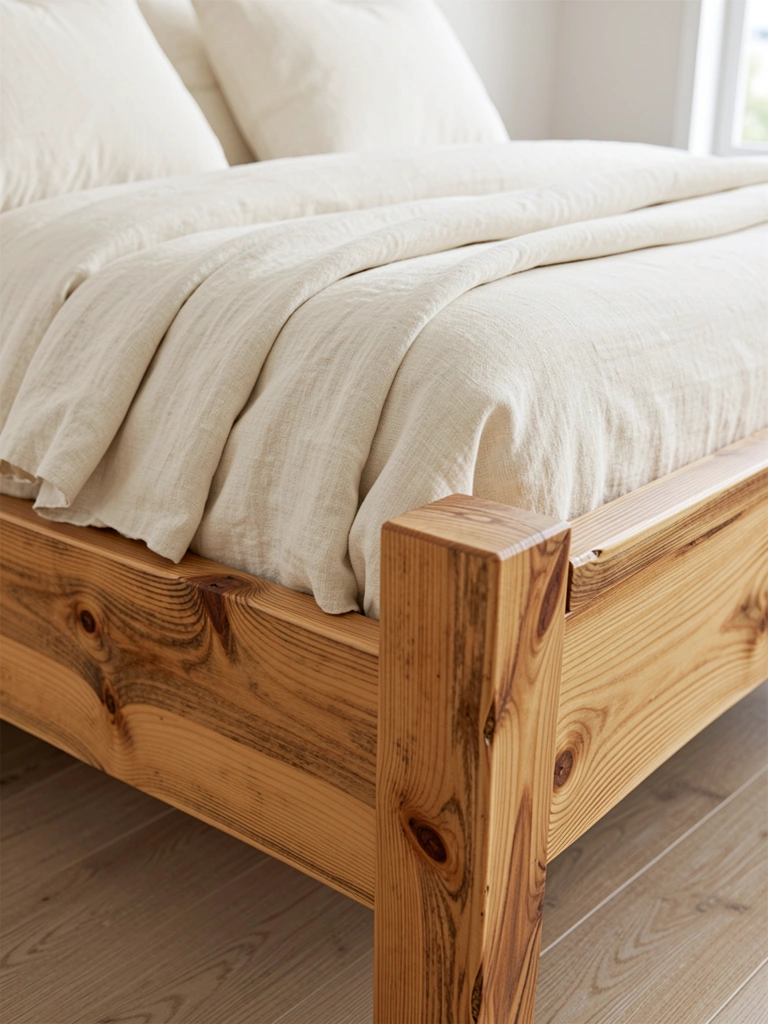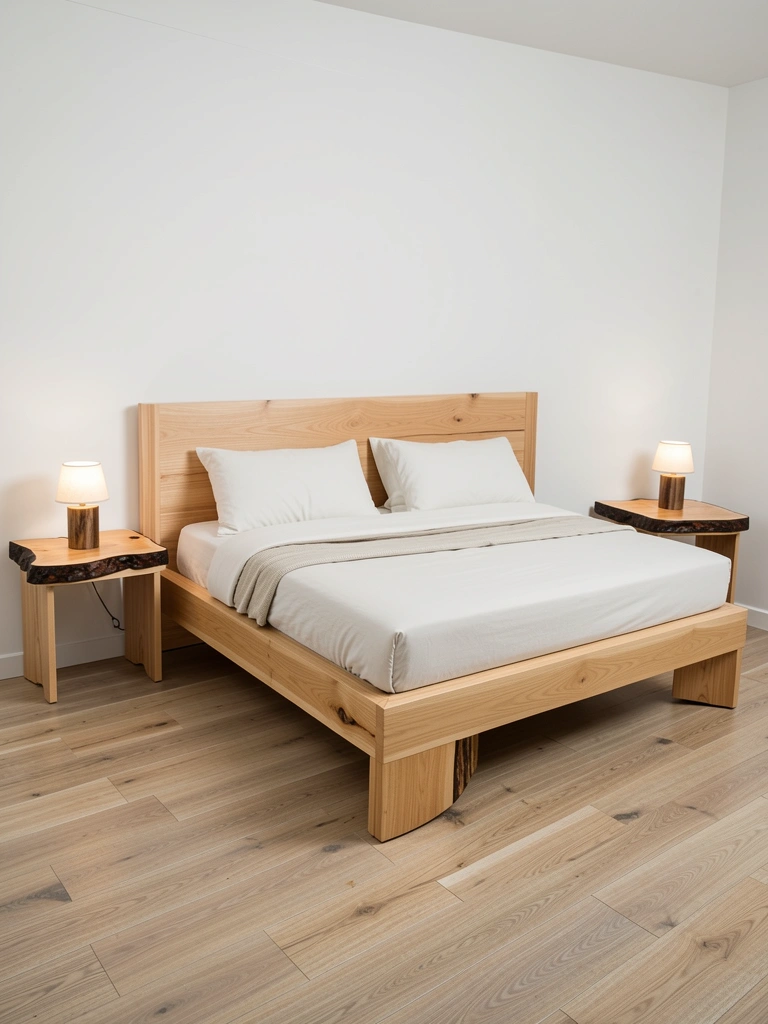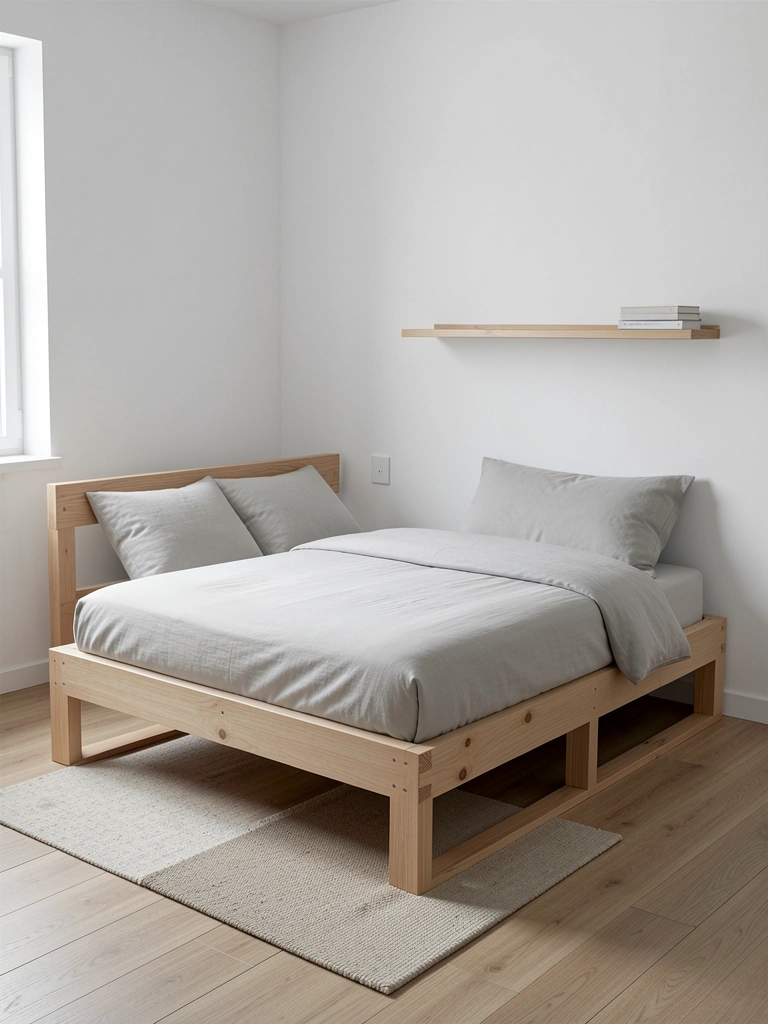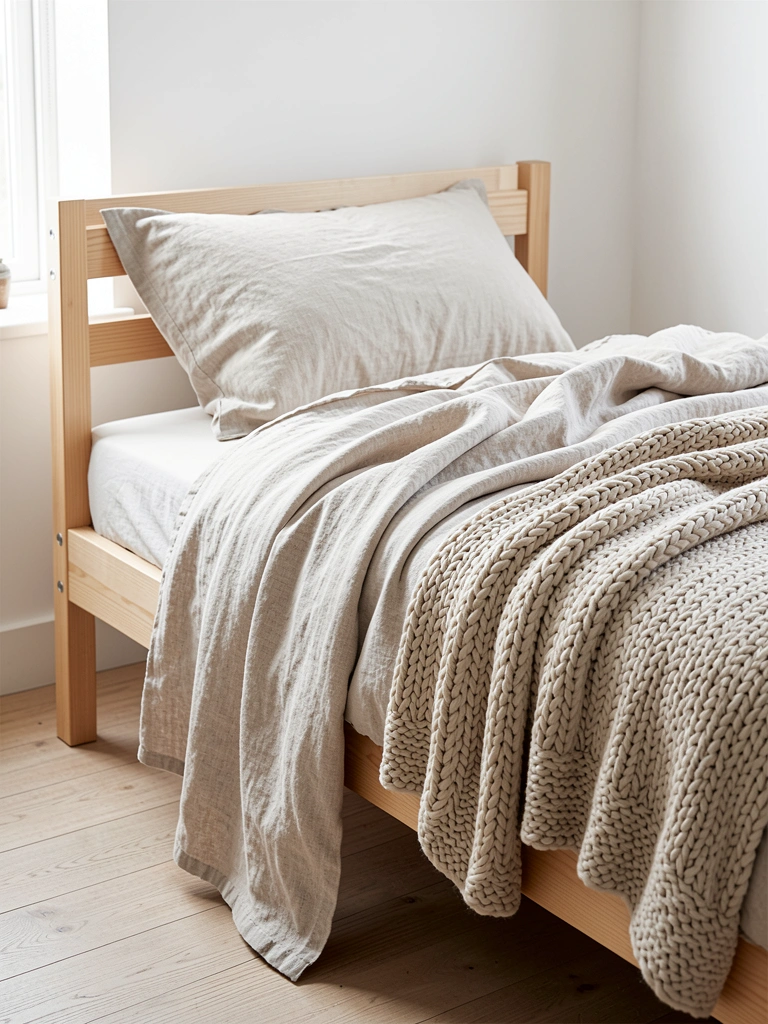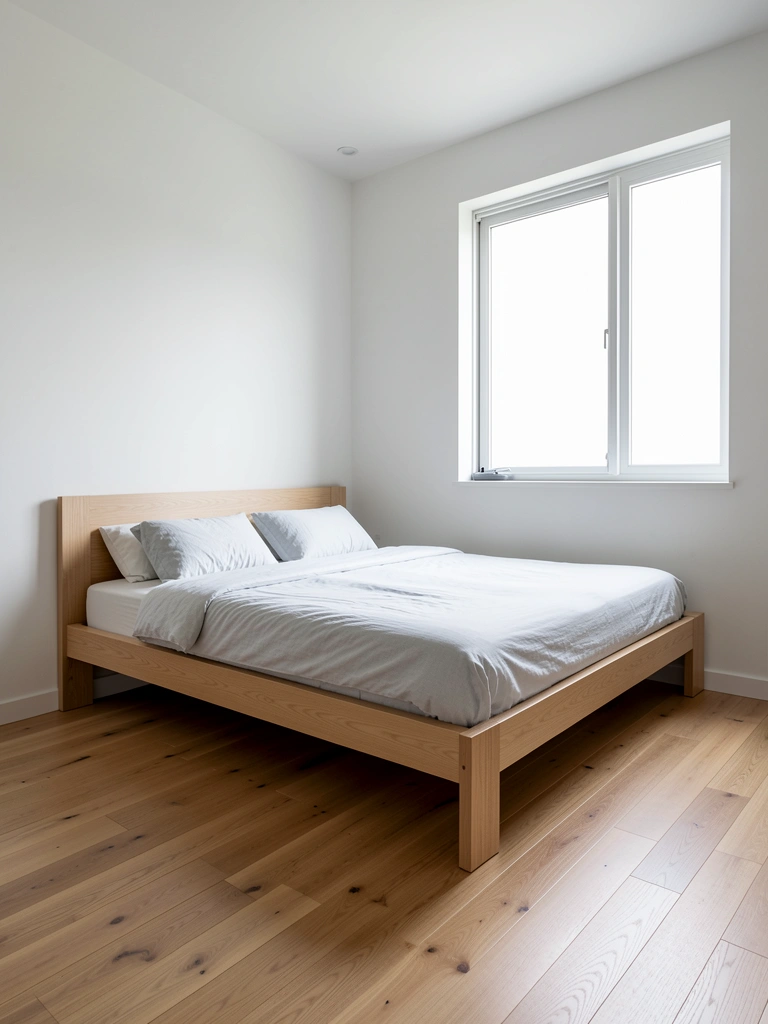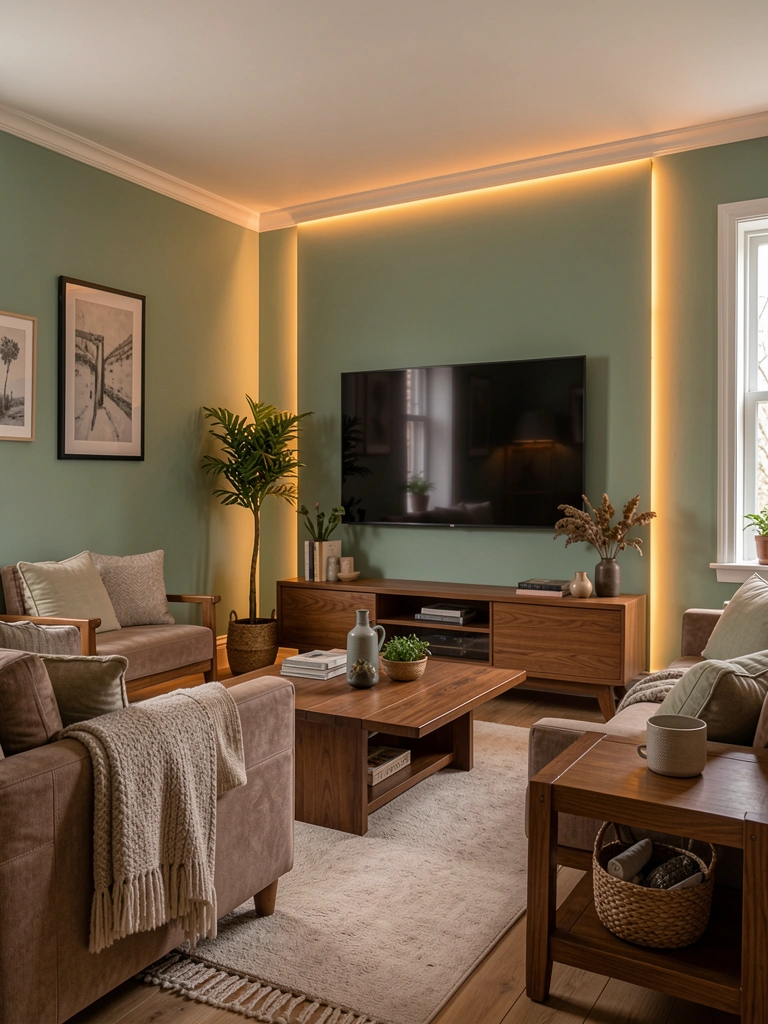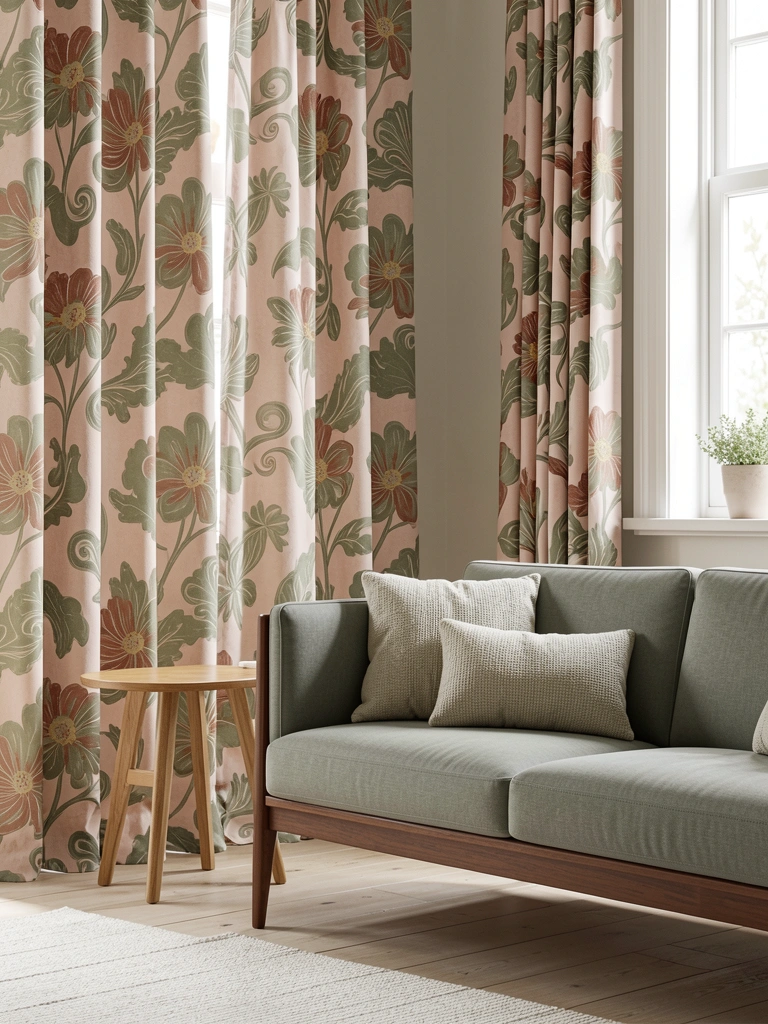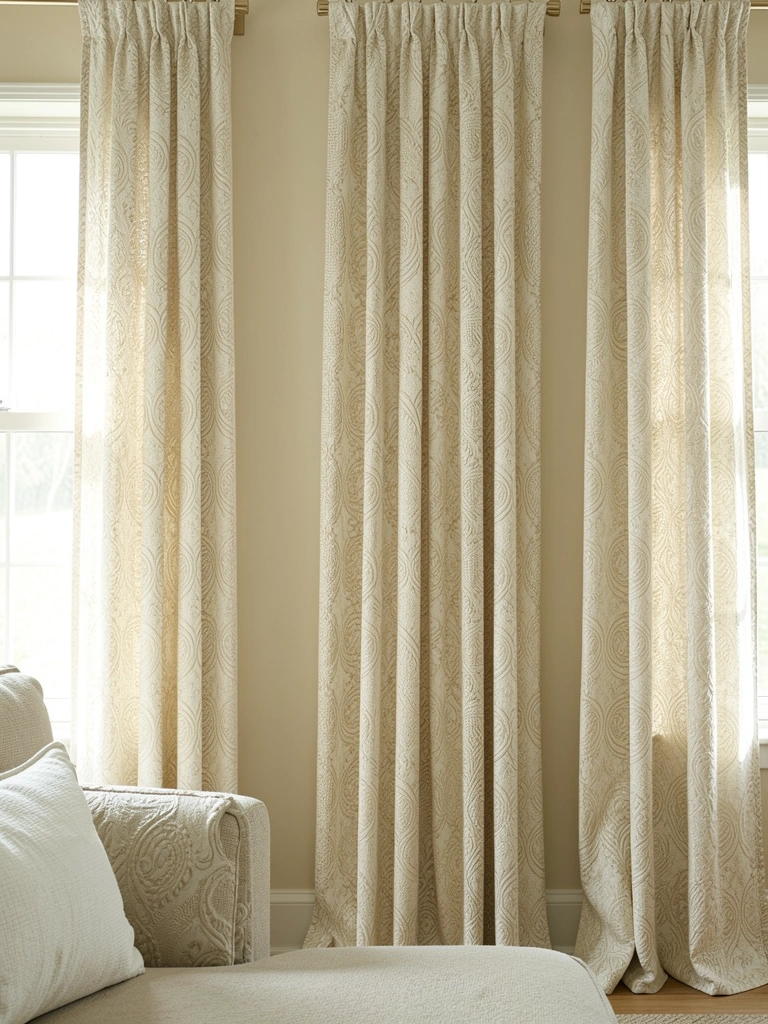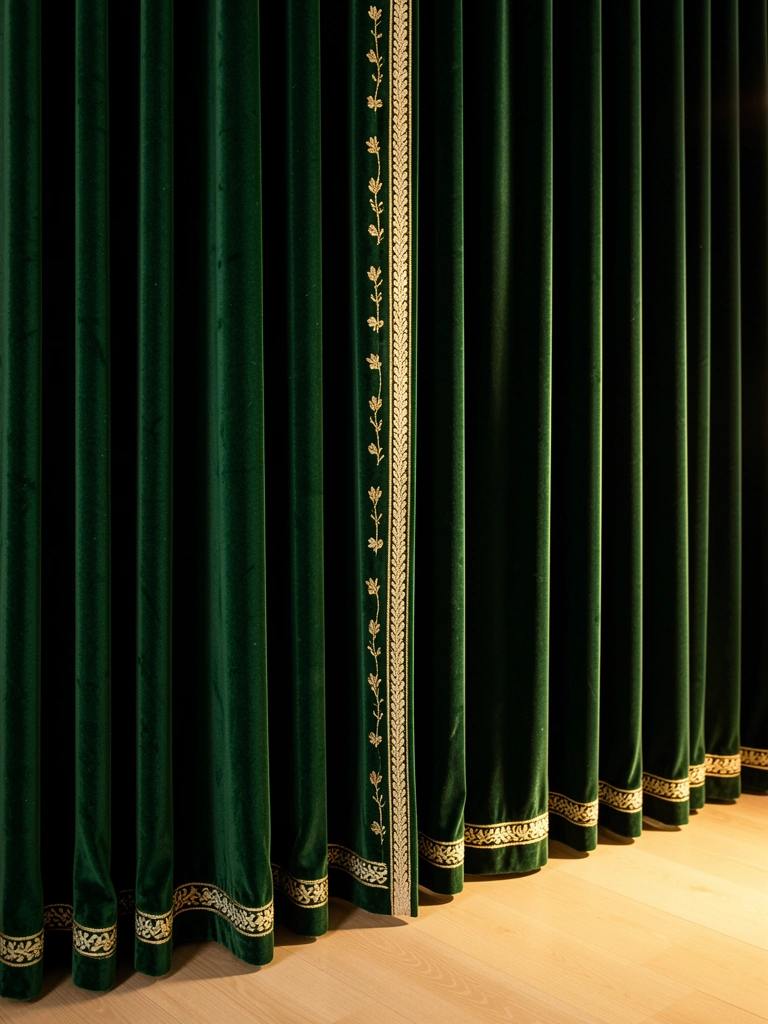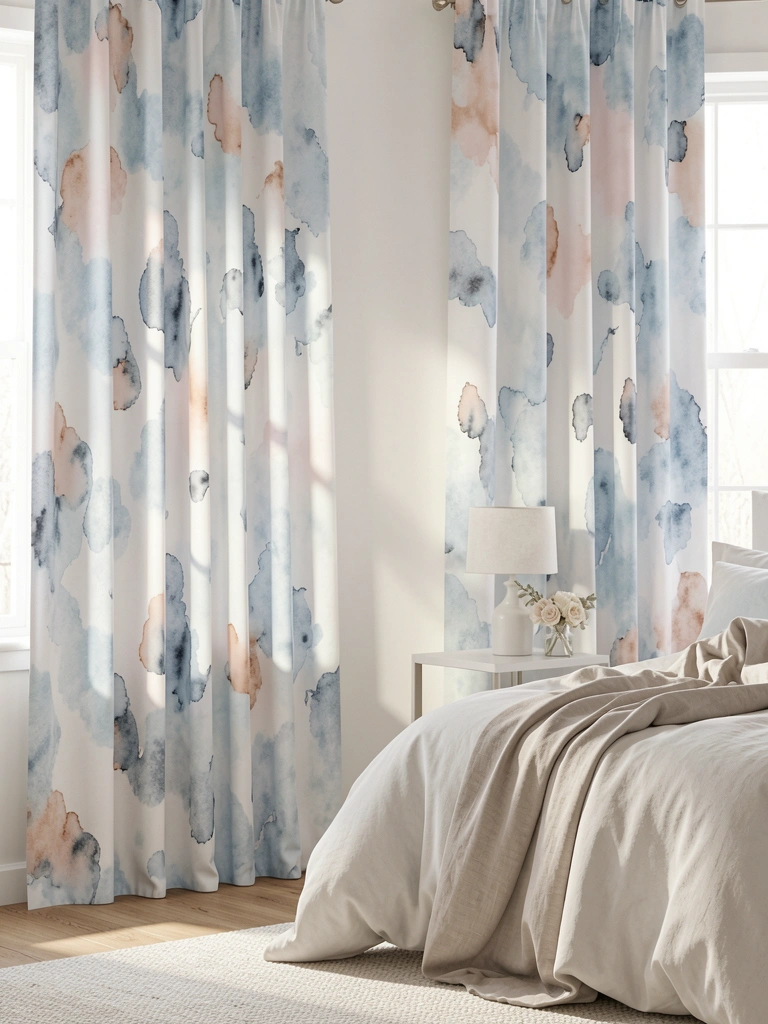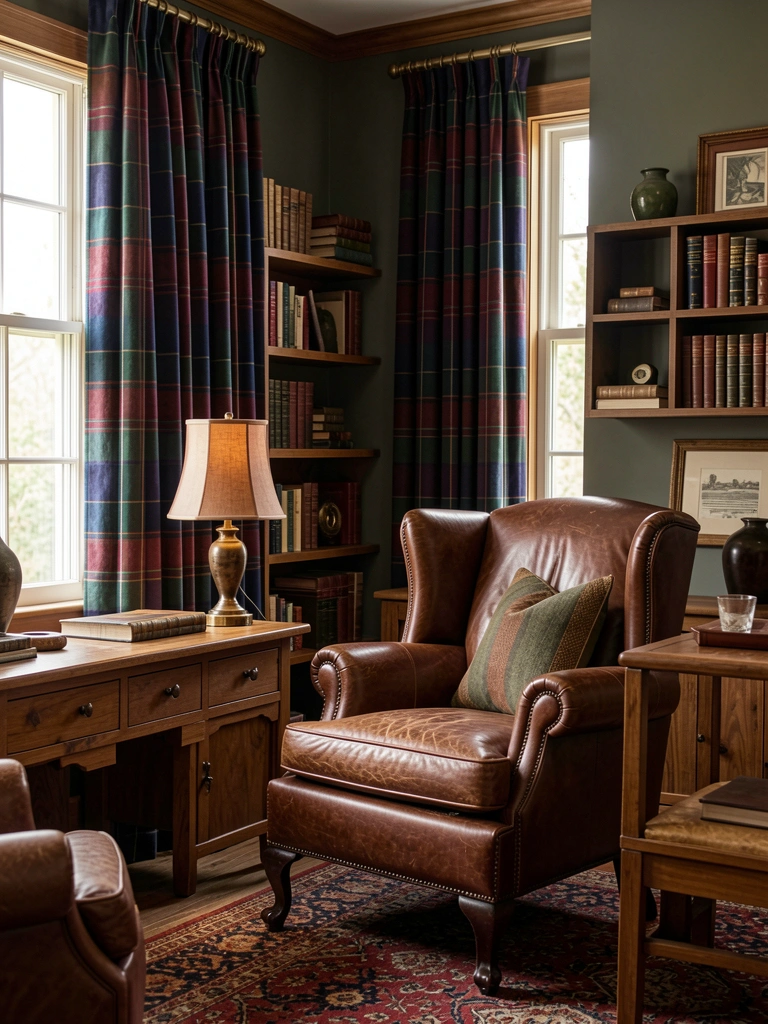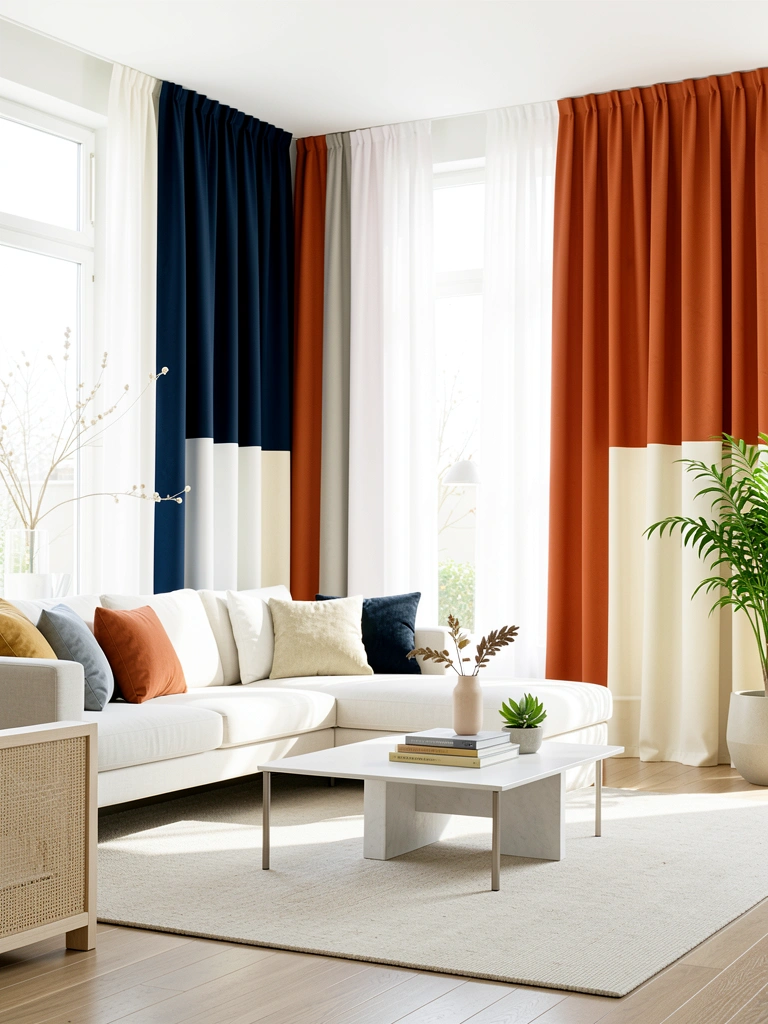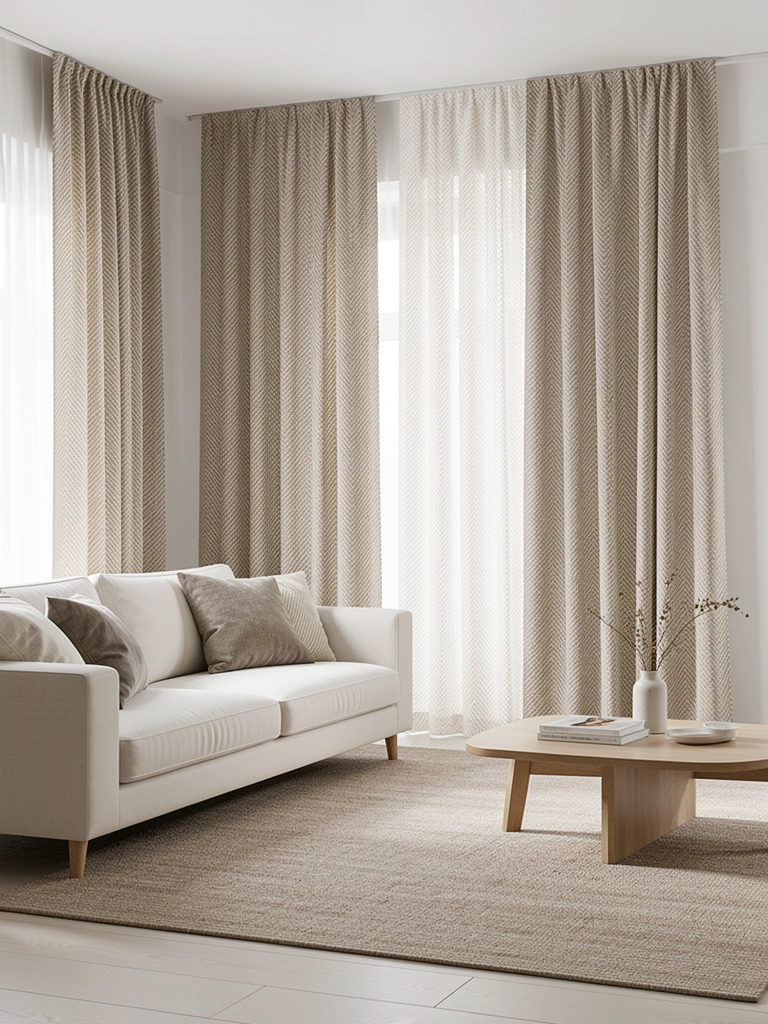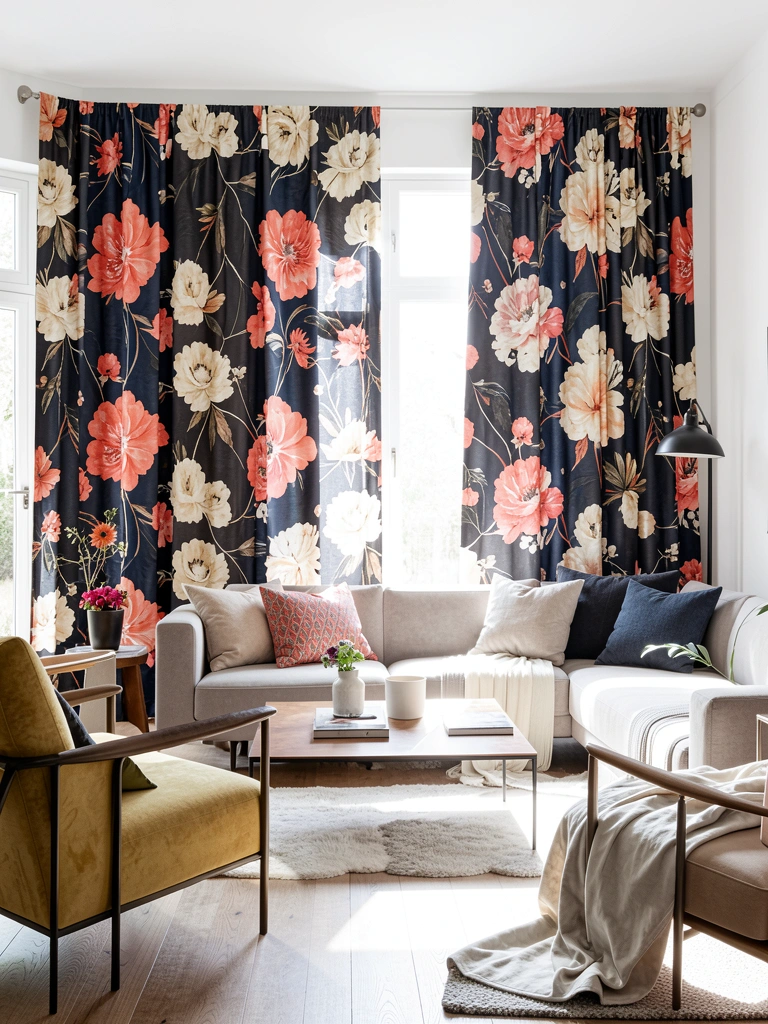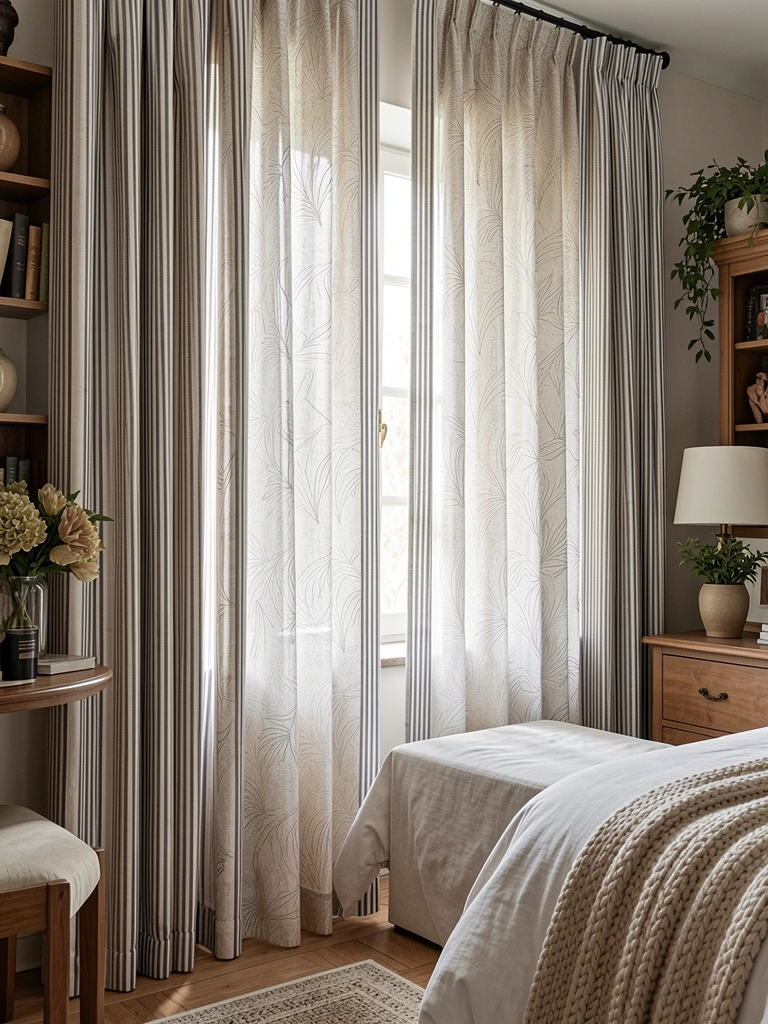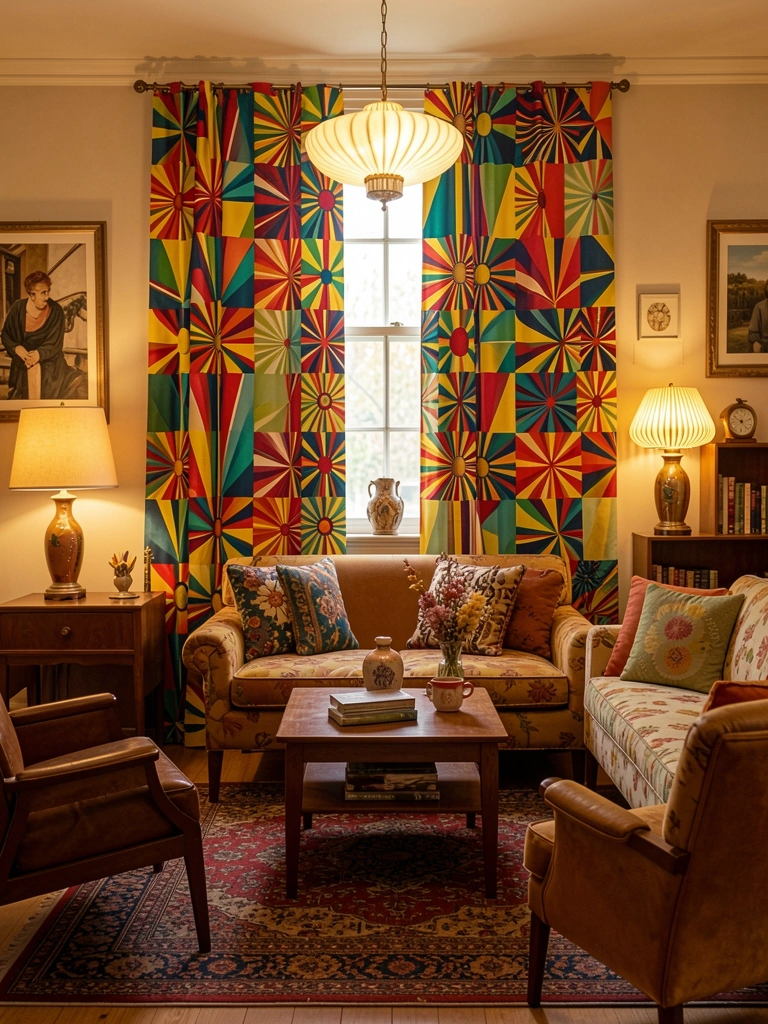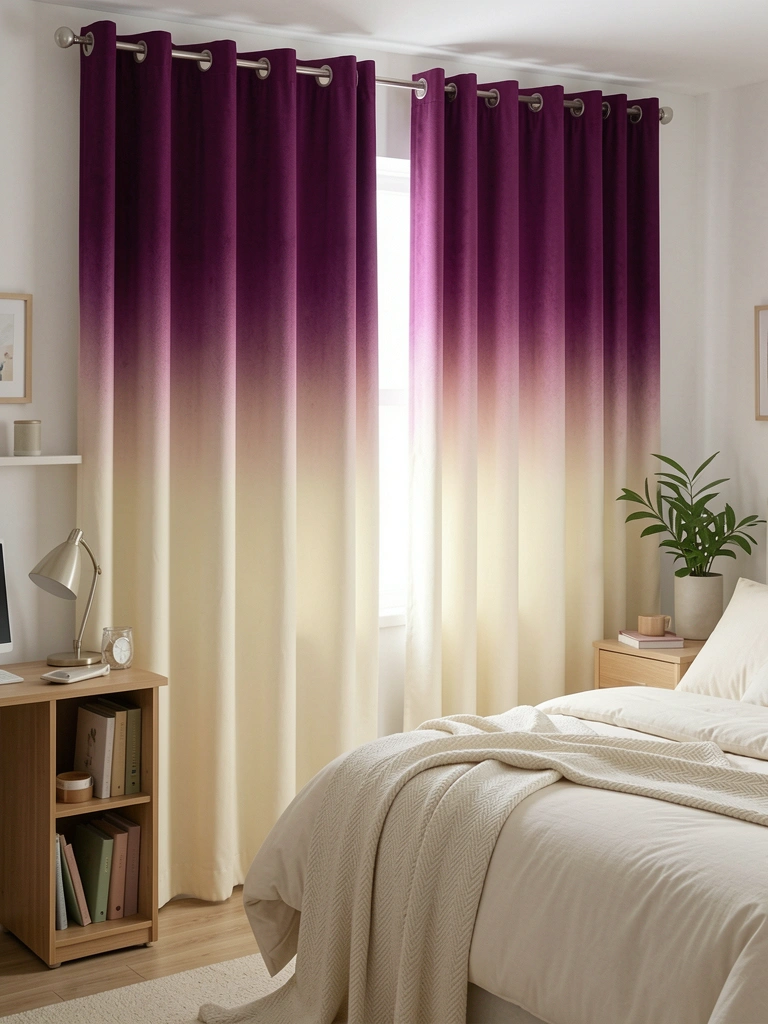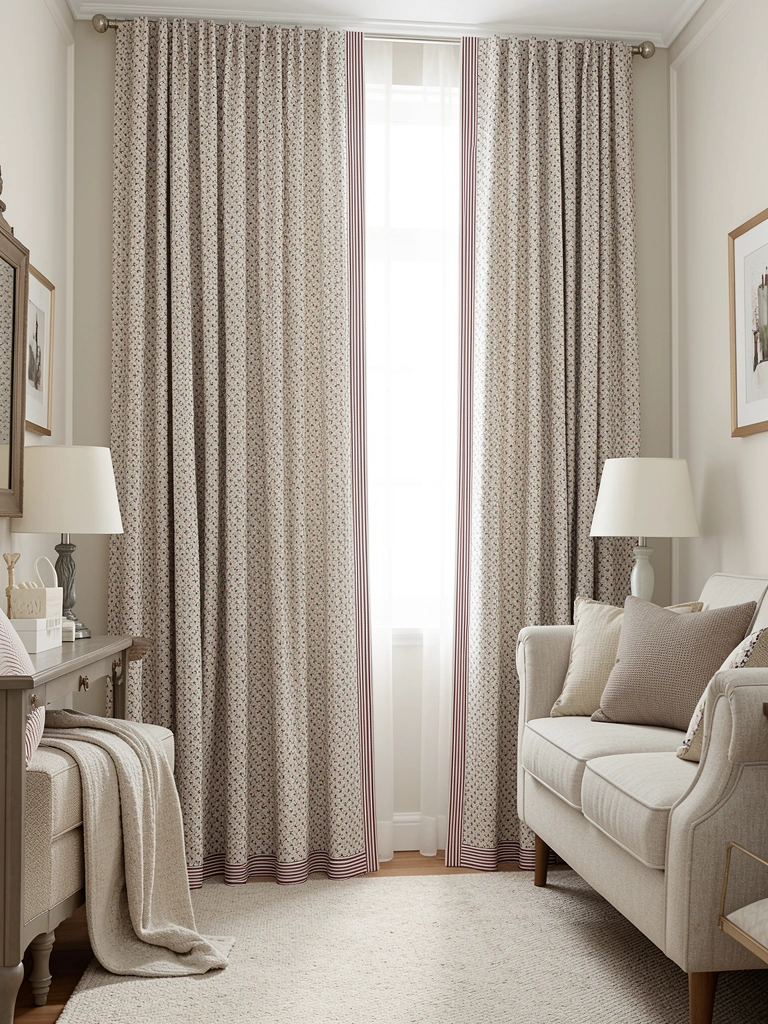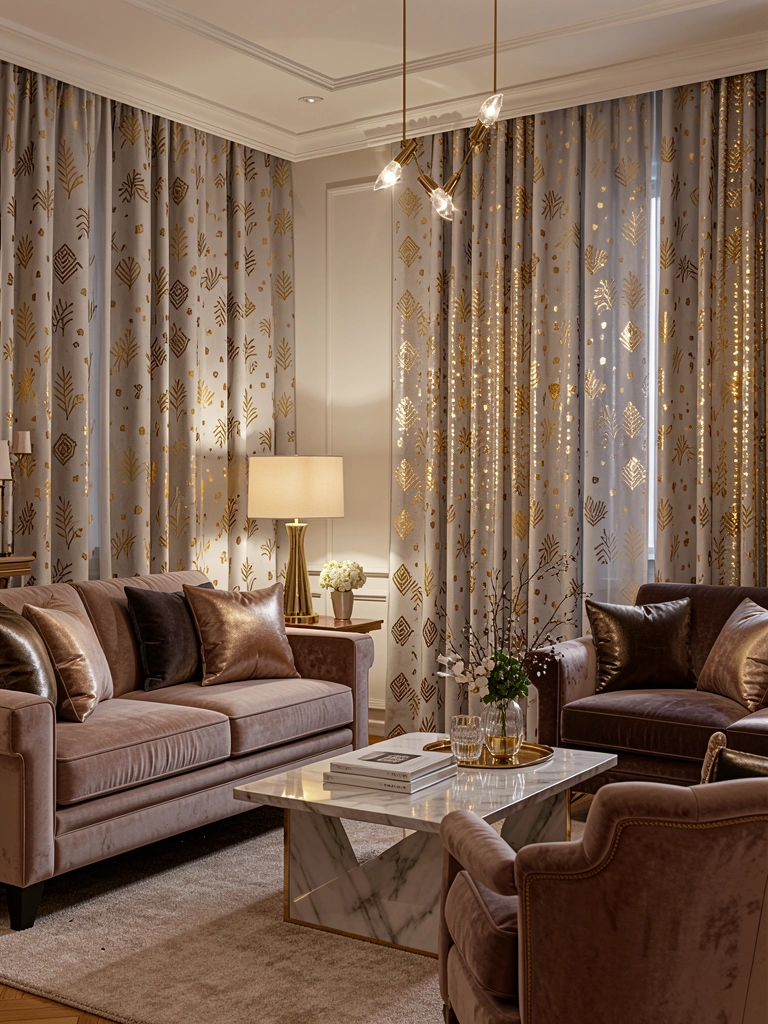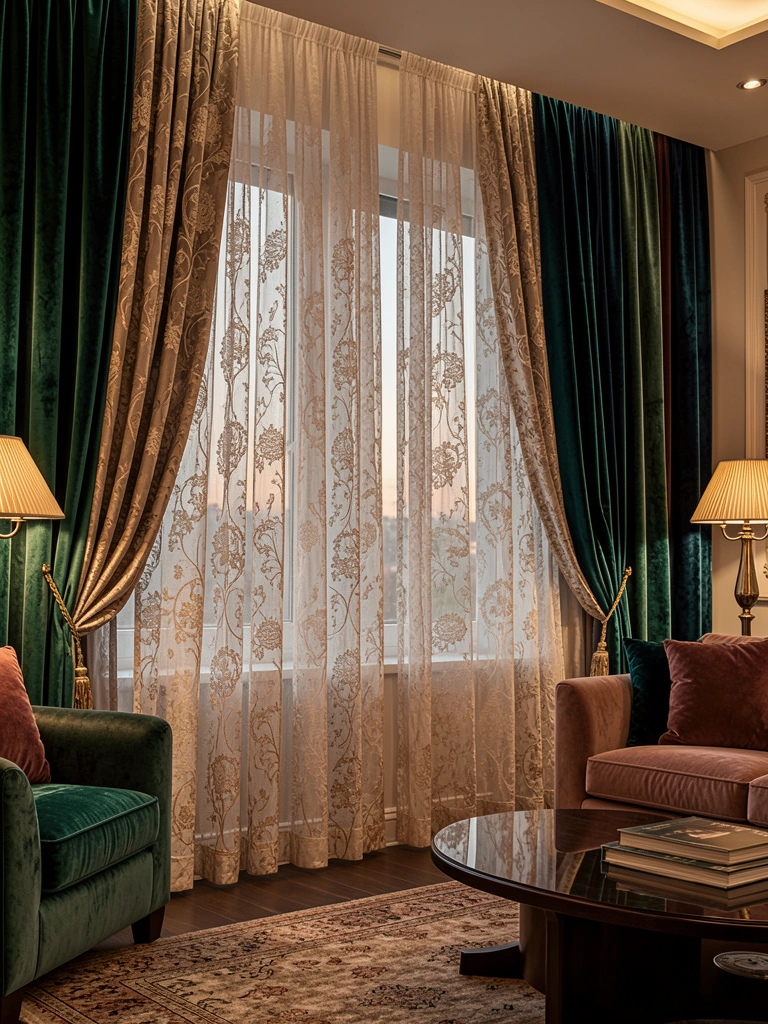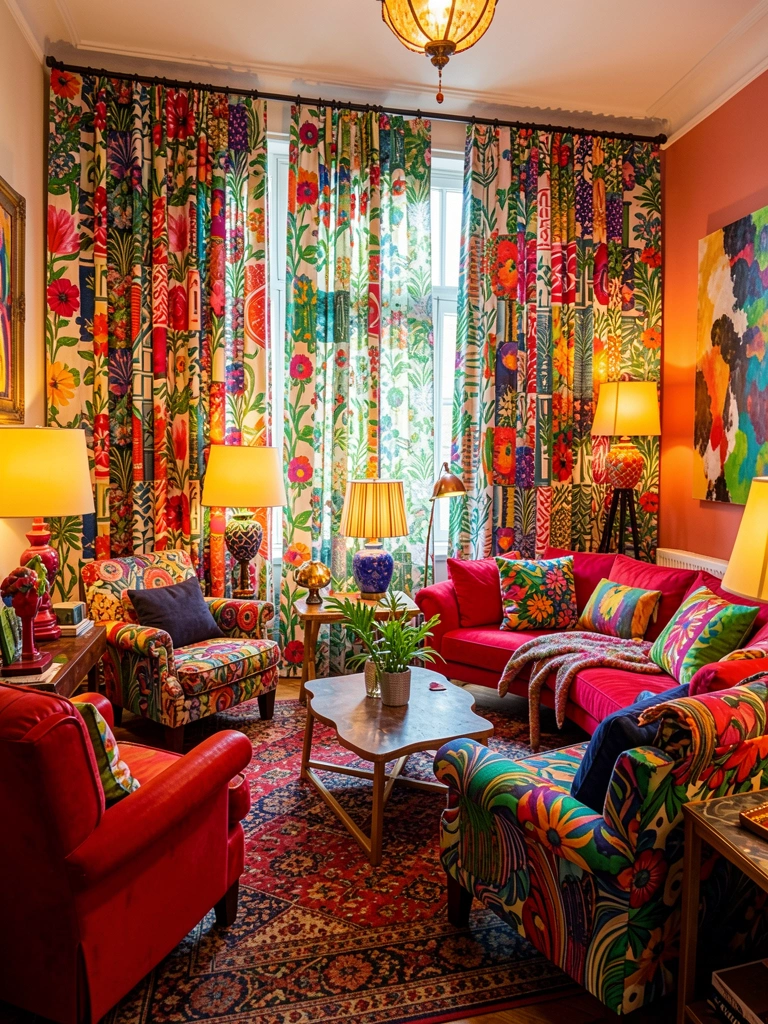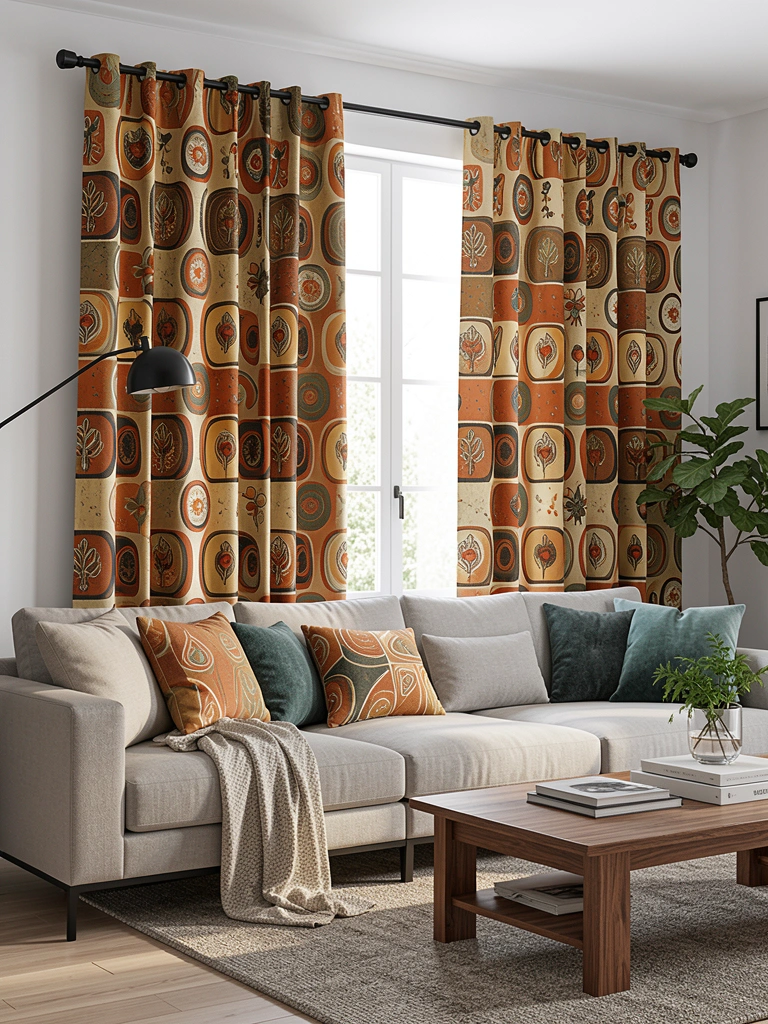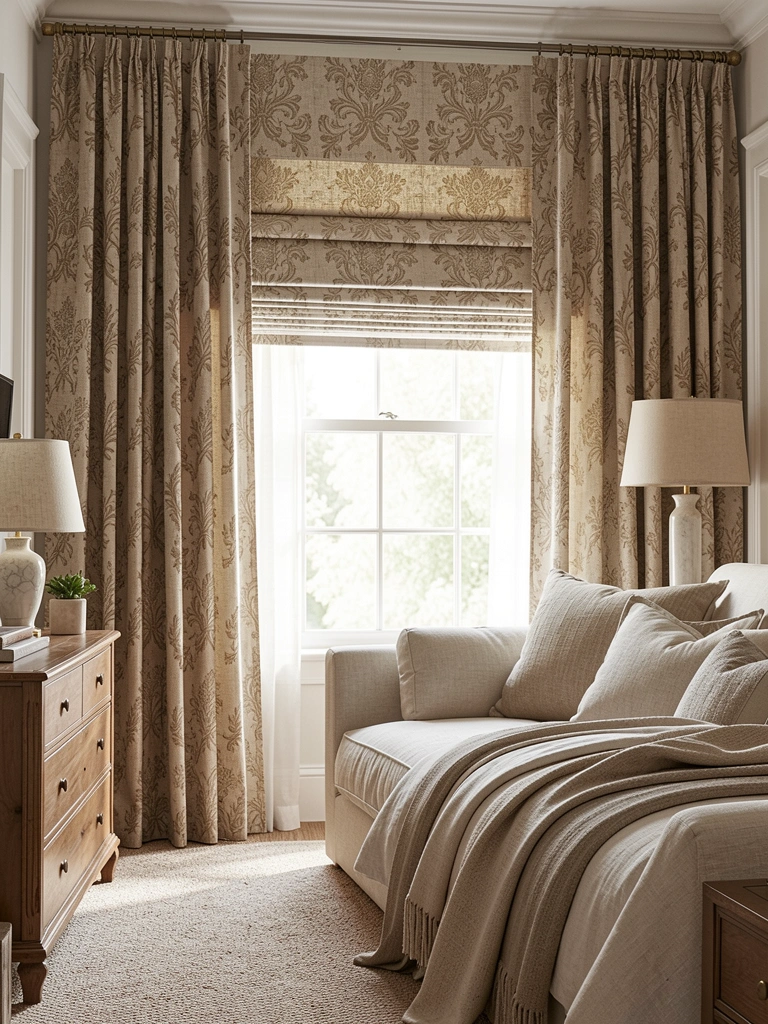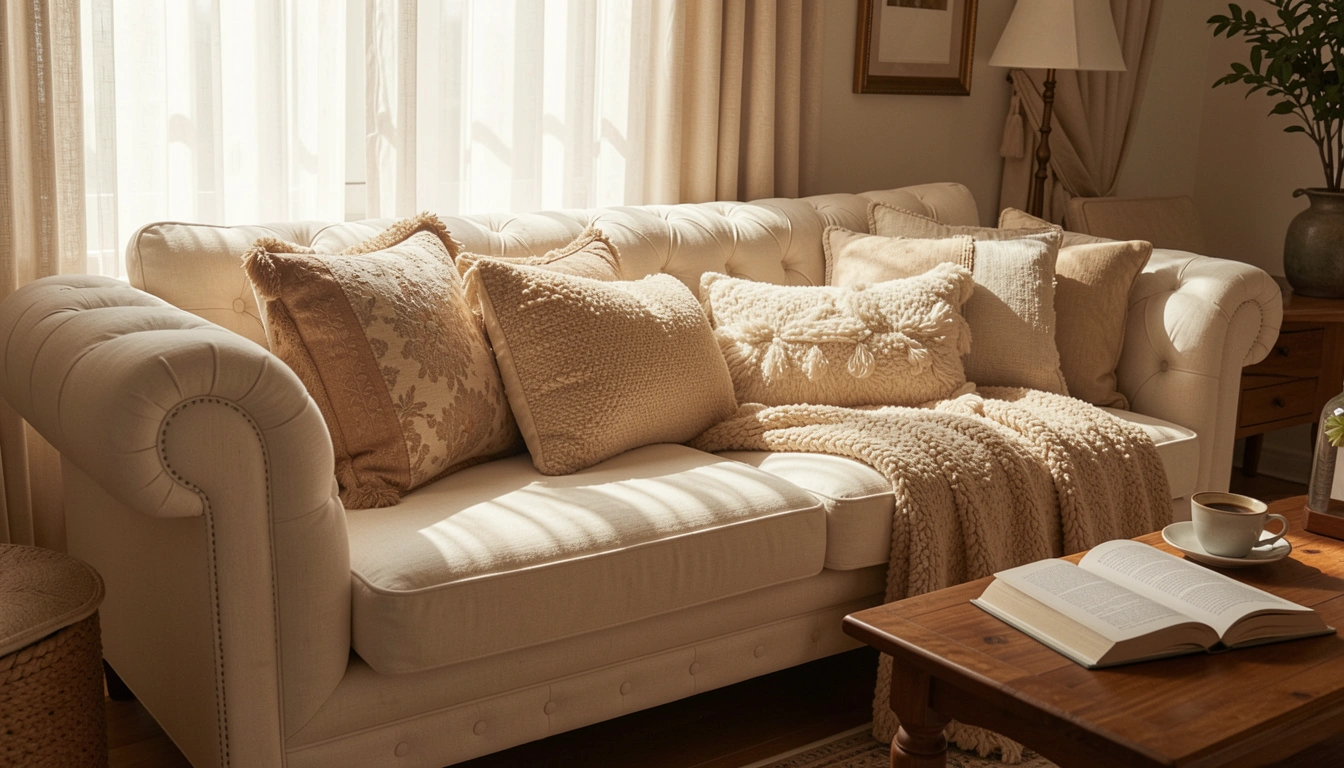
Your furniture doesn’t need to cost a fortune to look high-end—it’s all about choosing the right upholstery and styling it strategically. Whether you’re shopping for a new sofa or refreshing what you already own, upholstery is the single biggest investment in your room’s visual impact. The good news? Small upgrades to fabric choice, texture, and care can make even budget pieces read as premium. We’ve gathered 26 upholstery ideas that range from free styling tricks to investment-worthy fabric selections, so you can pick what works for your space and budget. Let’s dive into the specific techniques designers use to make furniture look exquisite.
1. Choose Linen for Instant Sophistication
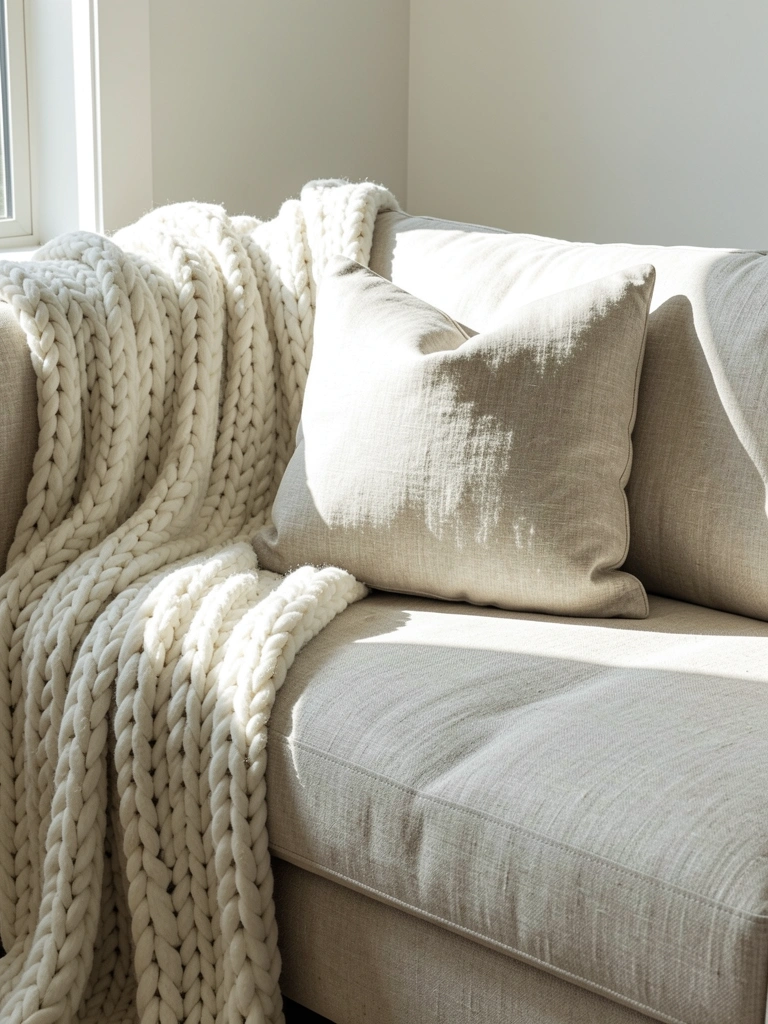
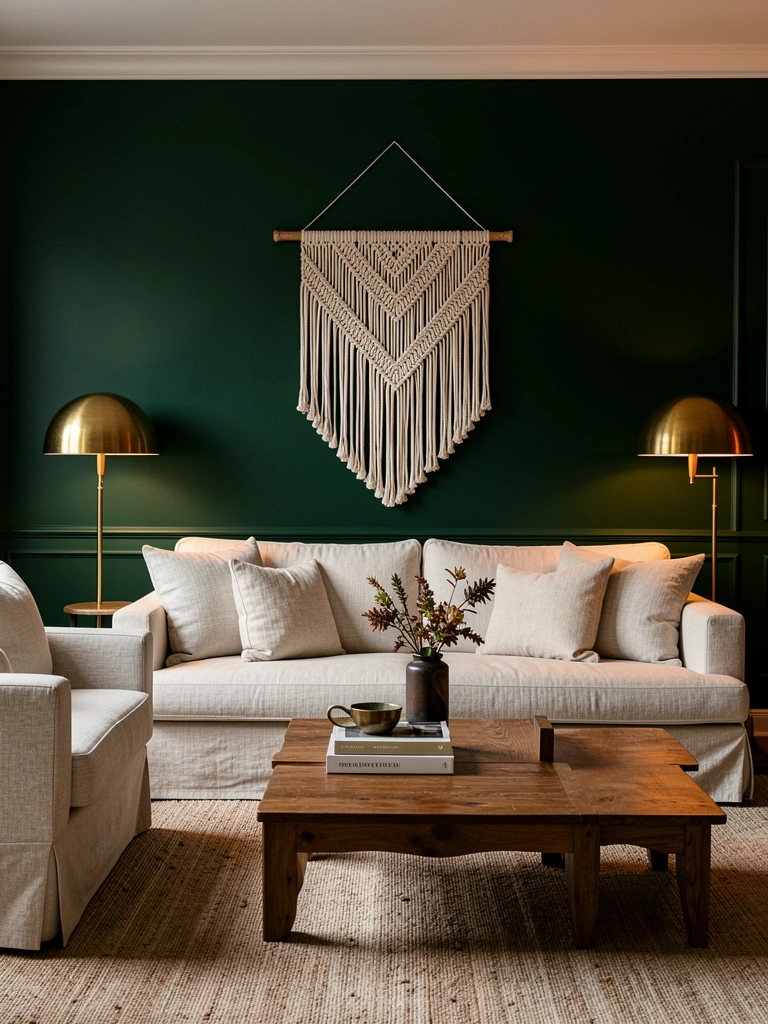
Linen reads expensive because of its natural texture and subtle sheen, even in budget-friendly price ranges. Unlike polyester blends that look flat and plastic-y, linen has an inherent sophistication that photographs beautifully.
Look for 100% linen or linen blends (at least 70% linen) from brands like Restoration Hardware, Article, or even IKEA’s higher-end collections ($400–$1,500 for sofas). Linen wrinkles naturally, which actually adds to its high-end appeal—it signals relaxed luxury rather than stiff formality. The fabric softens with time and washing, improving with age like a favorite sweater.
Pro tip: If you’re renting, linen throw pillows ($30–$80 each) work just as well for testing the look before committing to a full sofa.
Your room immediately gains that effortless, curated quality that reads expensive and comfortable at the same time.
2. Layer Textures Instead of Patterns
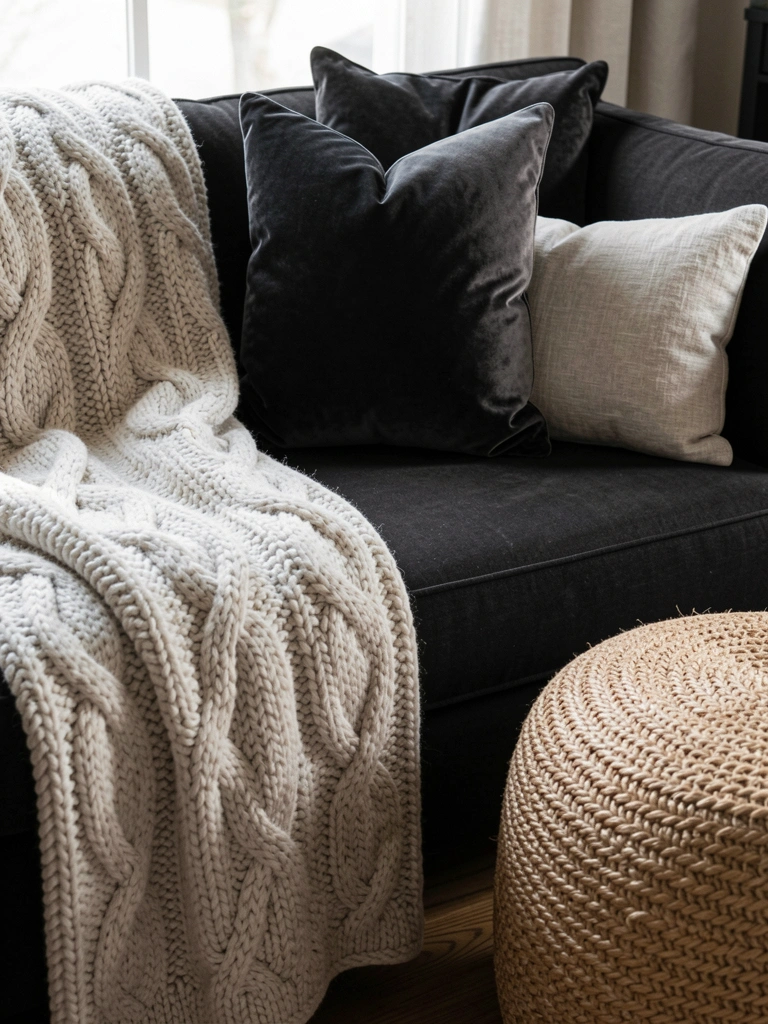
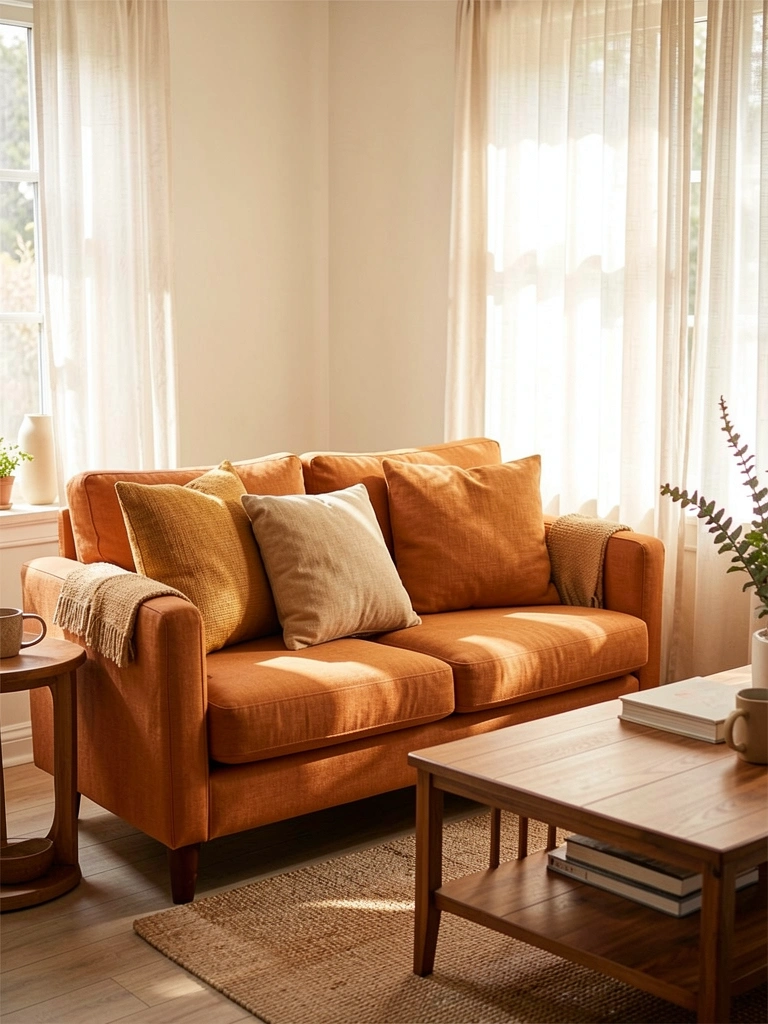
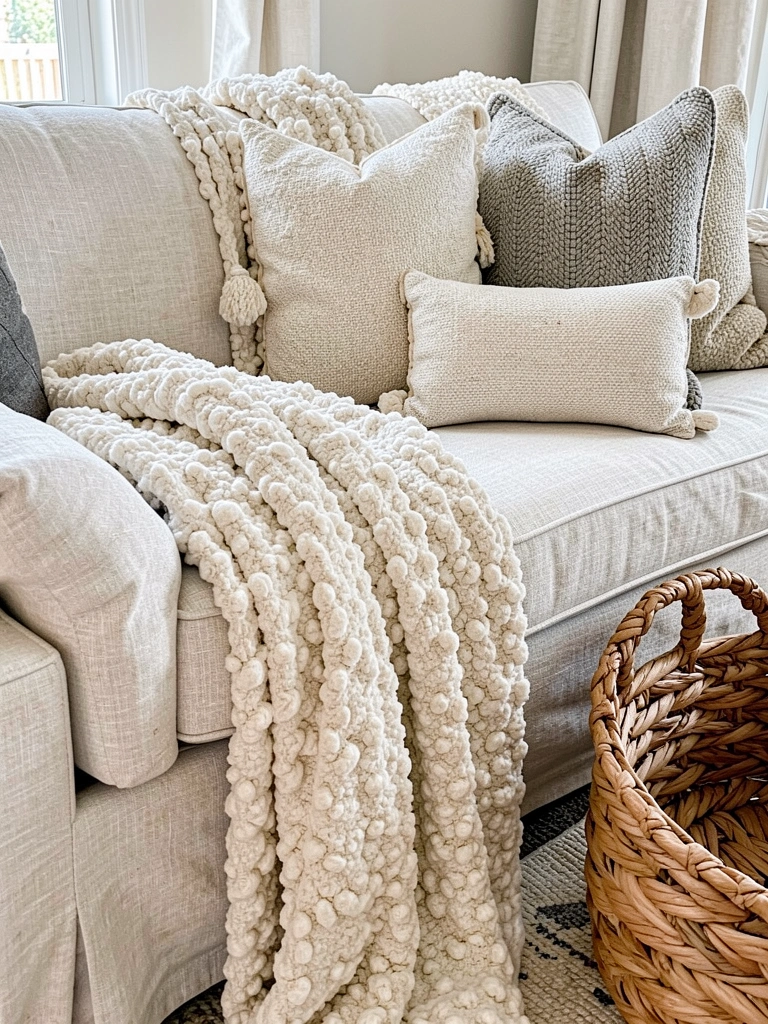
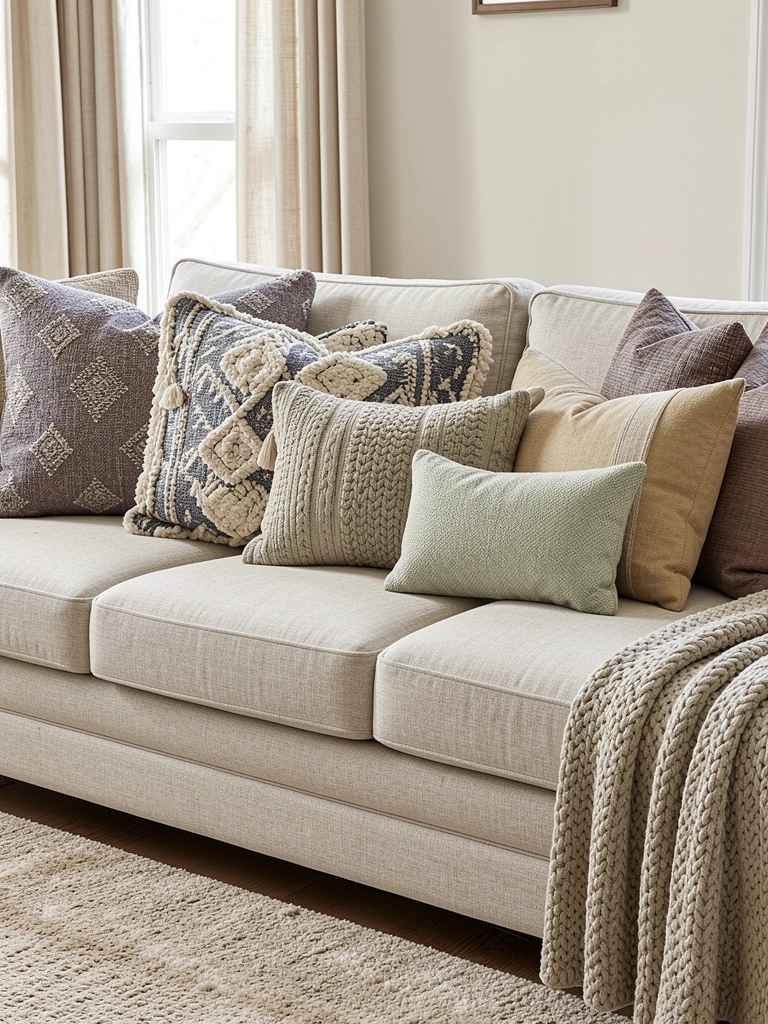
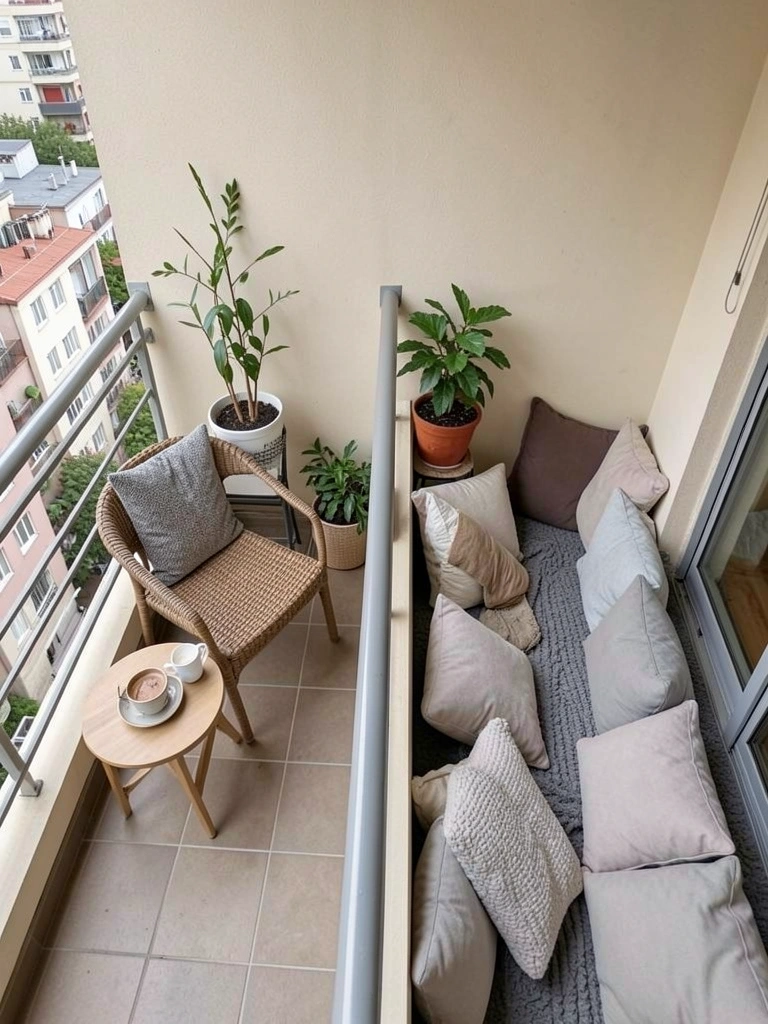
Mixing textures—not patterns—is how luxury interiors create visual interest without looking busy. A sofa with three coordinating textures (velvet, linen, chunky knit) feels curated and expensive.
Start with your sofa color as the base, then add pillows in coordinating shades using different fabrics: a smooth velvet ($25–$60 per pillow), a ribbed boucle ($30–$70), and a natural linen ($20–$50). The key is keeping your color palette tight (monochromatic or analogous) while varying surface finishes. Hit a home goods store like West Elm, Crate and Barrel, or Target to feel textures in person before buying.
Pro tip: Odd numbers work best—use three or five pillows, never four. It creates a more deliberate, designer-like arrangement.
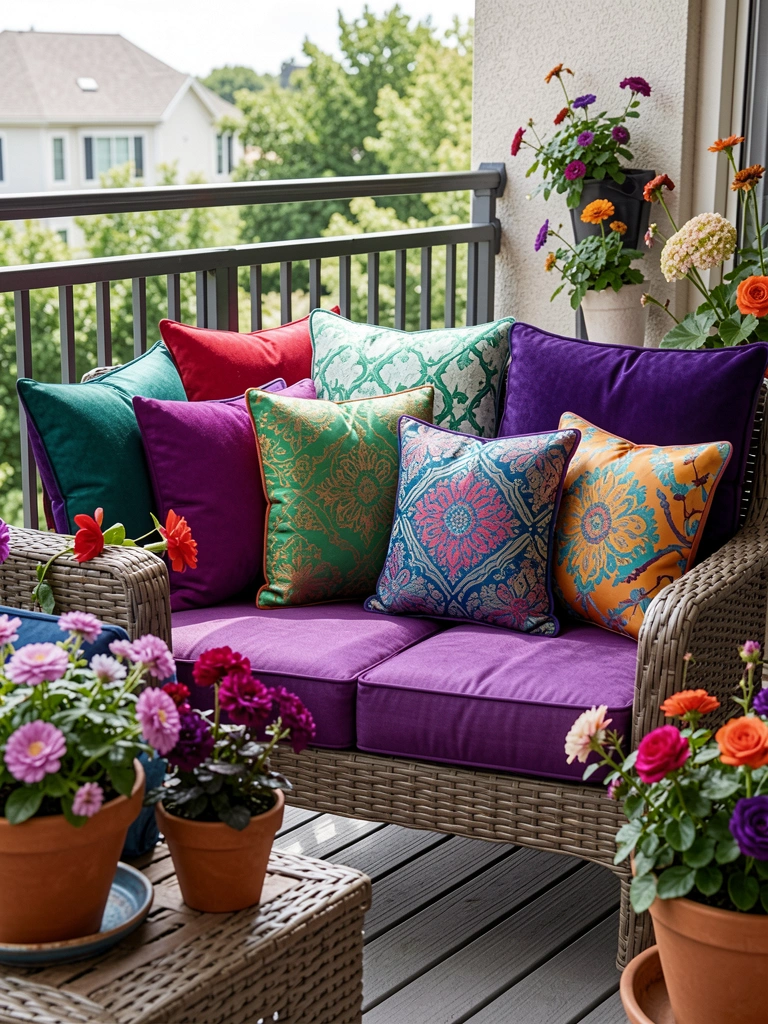
The layered effect makes even basic sofas look intentionally styled and high-end.
3. Invest in Quality Velvet for Statement Pieces
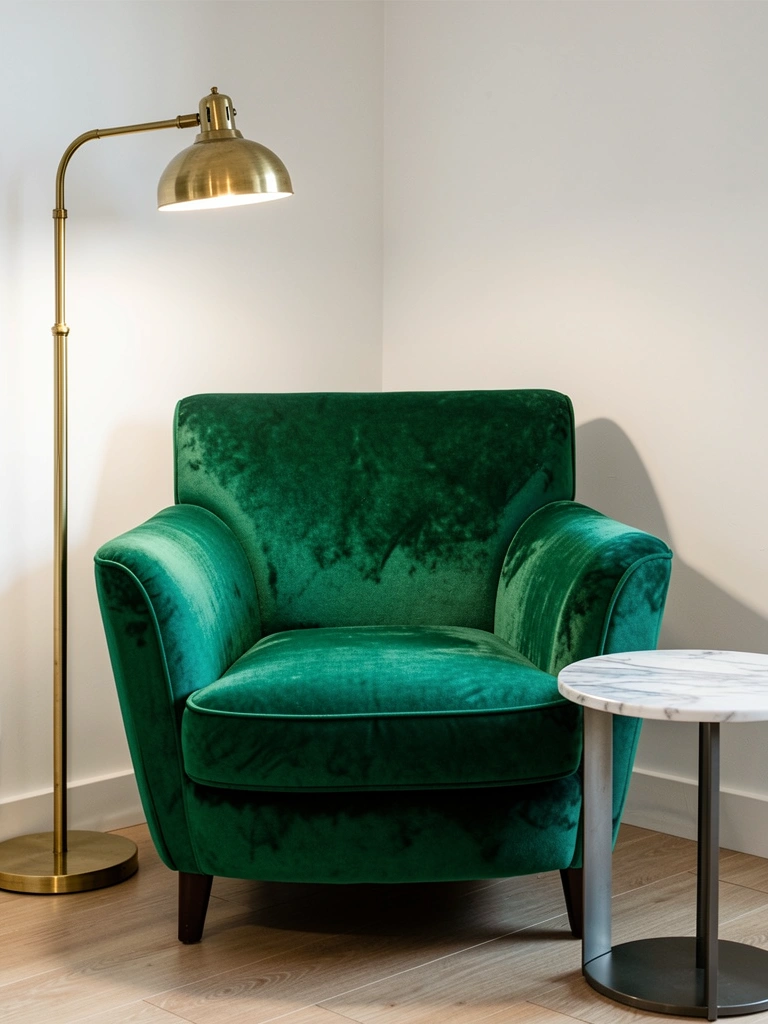
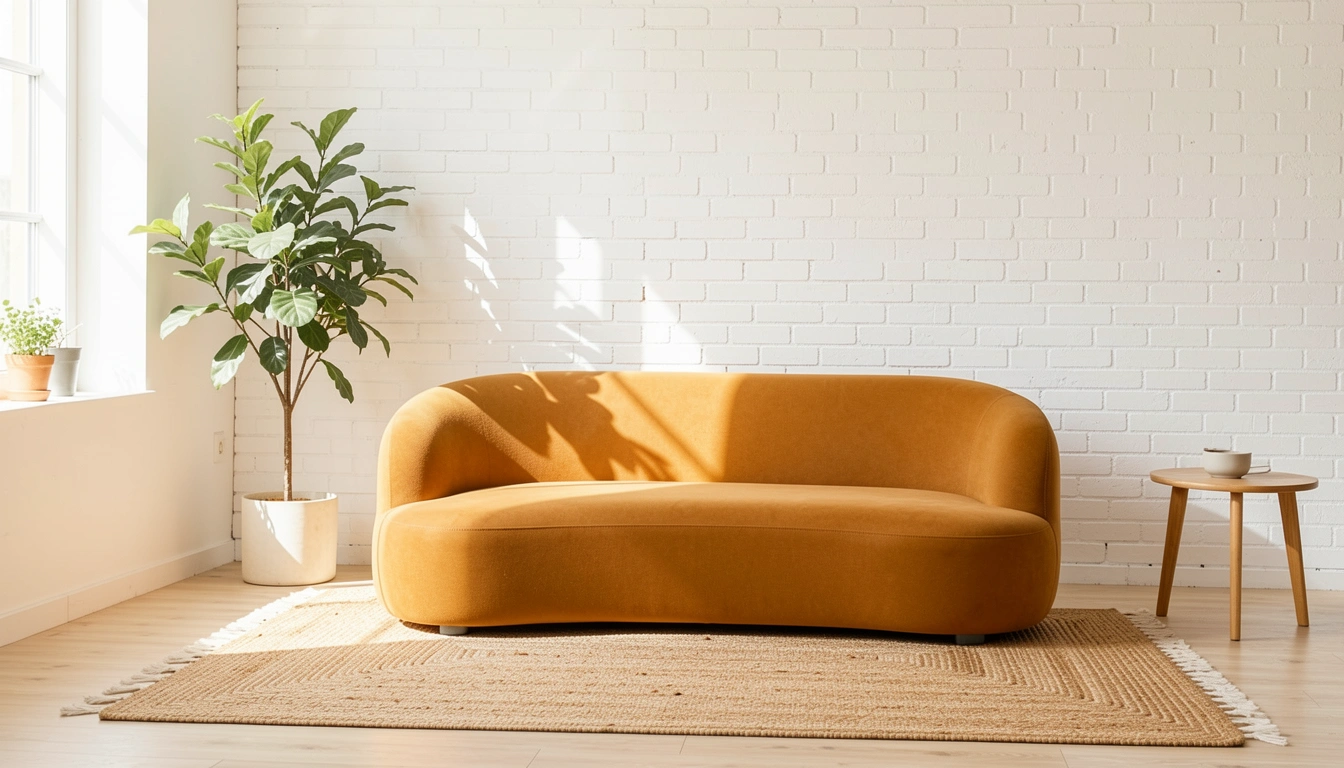
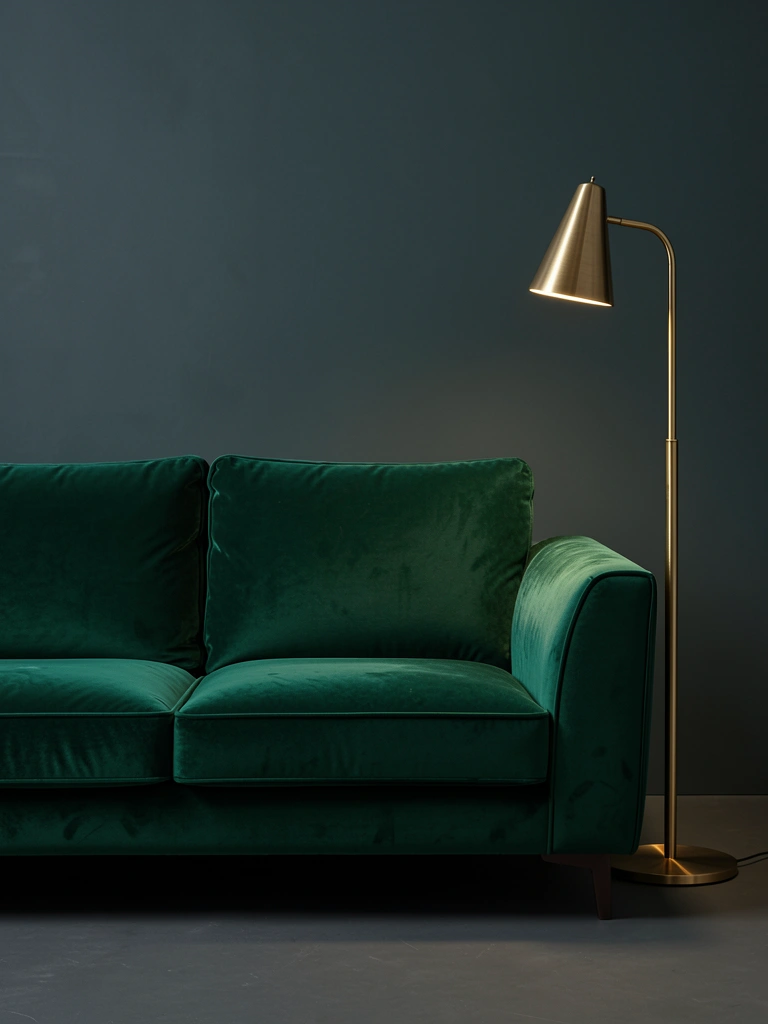
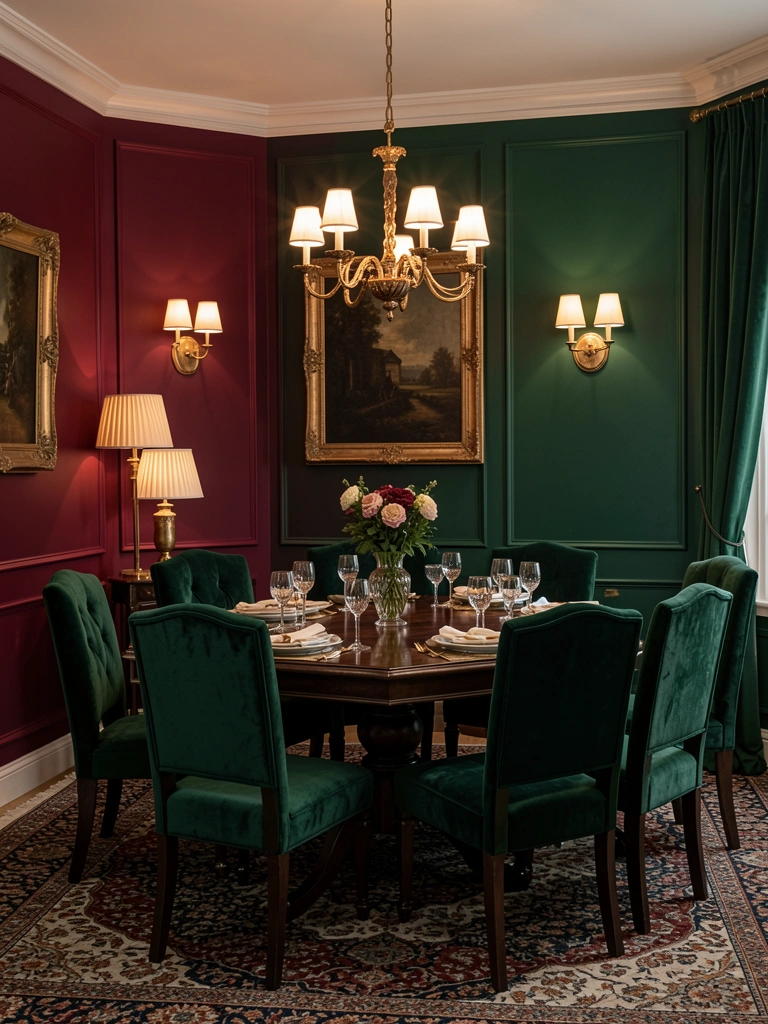
Velvet is the upholstery equivalent of a power suit—it instantly elevates a room because of its luxurious texture and light-reflective qualities. A velvet accent chair or ottoman becomes a focal point that makes the whole space feel more refined.
Quality velvet isn’t cheap, but one statement piece goes a long way. Look for viscose or cotton velvet blends (more durable than pure viscose) from brands like Article ($300–$600), Wayfair premium lines ($400–$800), or splurge at CB2 or Design Within Reach ($800–$2,000+). Choose jewel tones (emerald, sapphire, oxblood, or deep plum) rather than neutrals to maximize impact.
Pro tip: Pair velvet with metal legs (brass, gold, or black steel) for a contemporary edge. Wooden legs read more traditional.
One velvet piece anchors your room and signals that you’ve invested in quality.
4. Use Boucle for Texture That Looks Expensive
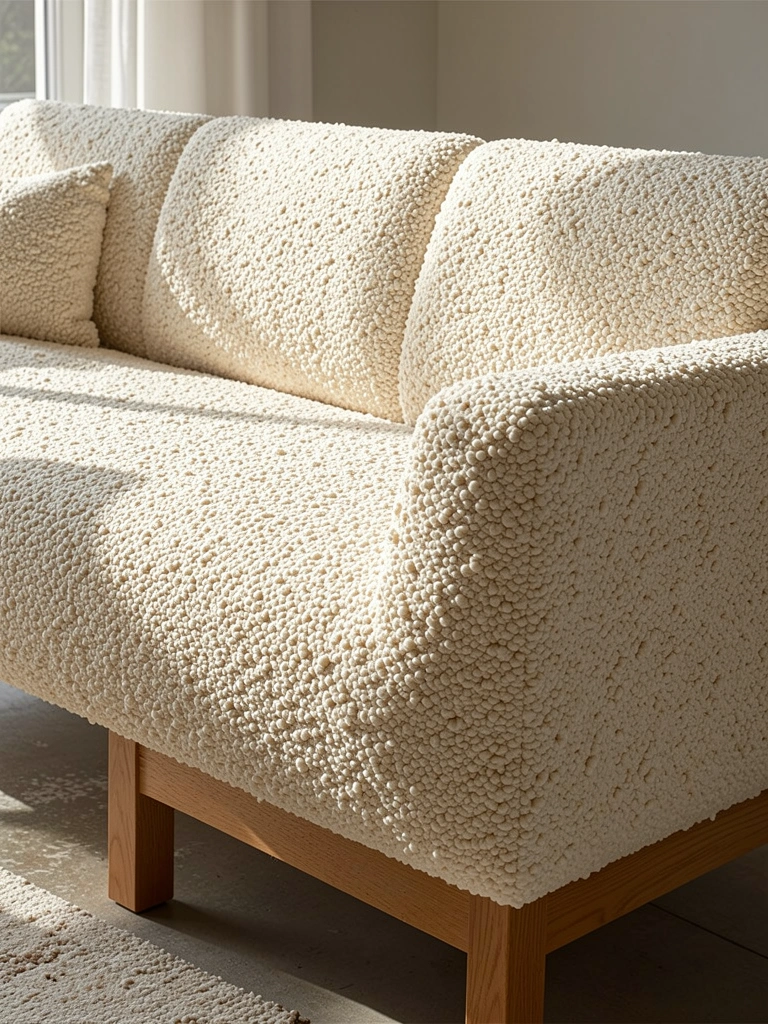
Boucle (pronounced “boo-clay”) is having a major moment in high-end interiors because it photographs beautifully and feels soft to the touch despite its textured appearance. It reads as “thoughtfully chosen” rather than “default sofa.”
Boucle is available at most major retailers now: West Elm ($600–$1,200), Article ($500–$1,400), and even Target’s Threshold line ($400–$700). The nubby texture hides dirt and pet hair better than smooth fabrics, and it develops a subtle patina over time that actually improves its appearance.
Pro tip: Cream and oatmeal boucle reads most luxurious; avoid bright white as it looks harder to maintain and less sophisticated.
The textured surface creates visual interest and depth that makes your furniture look intentionally selected.
5. Avoid Microsuede (It Reads Cheap)
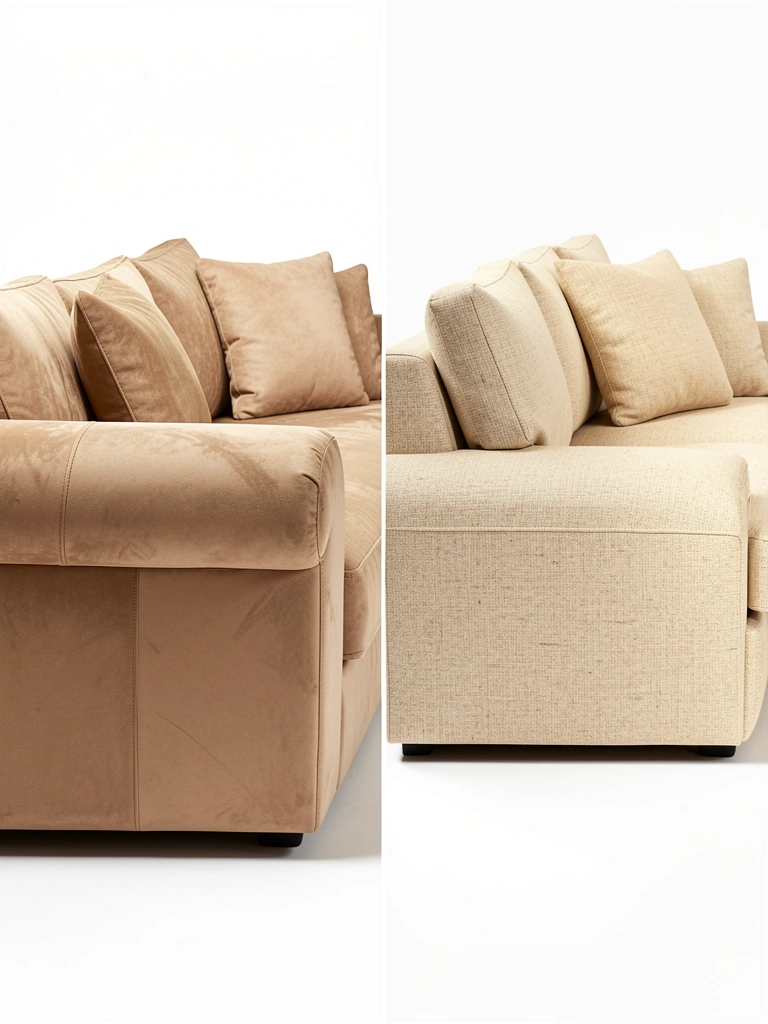
Microsuede and microfiber sound practical, but they read cheap because they have a flat, plastic-y sheen that screams “budget furniture.” Designer homes rarely feature these fabrics, and there’s a reason why.
If you need something durable and stain-resistant, choose performance linen blends or high-quality cotton twill instead ($500–$1,200 for sofas). Brands like Article, Crate and Barrel, and even Pottery Barn now offer genuinely nice performance fabrics that don’t feel synthetic.
Pro tip: Pet owners and parents—upgrade to linen and protect it with a quality slipcover ($150–$300) or scotchgard treatment ($50–$100) rather than accepting cheap microfiber.
Skipping microsuede immediately elevates your room’s perceived quality level.
6. Add Button Tufting for Instant Luxury
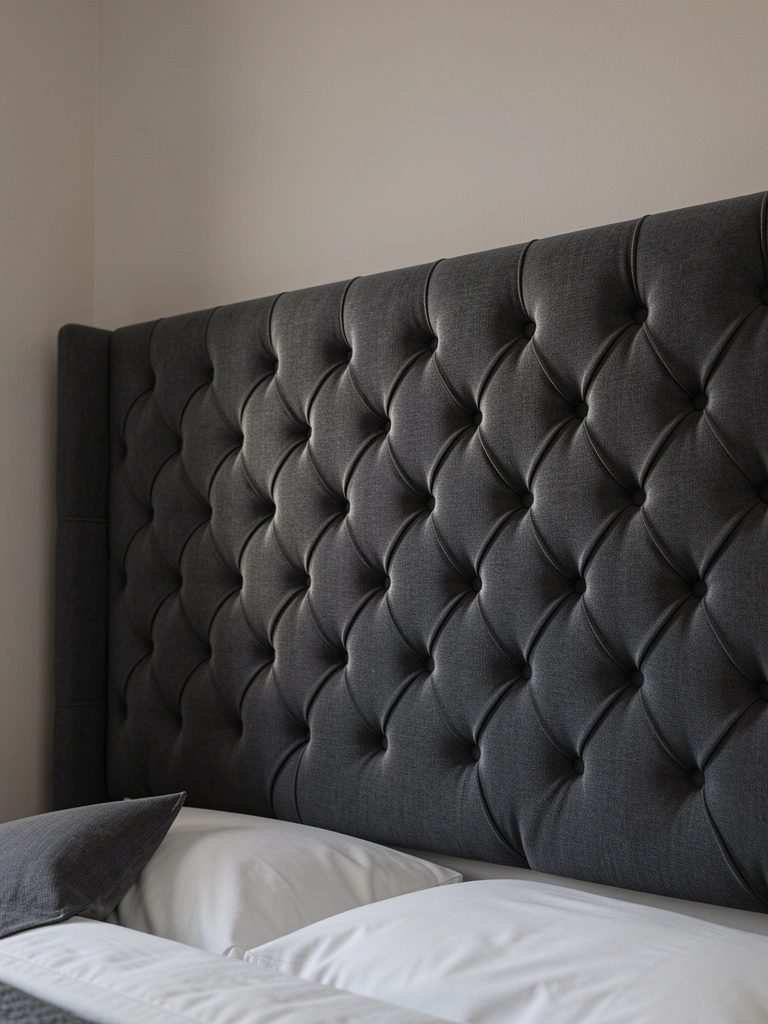
Button tufting is a signature luxury upholstery technique that instantly makes furniture look high-end and intentional. Even a basic sofa with tufting reads more expensive than a plain, flat version.
You have two options: buy a tufted sofa ($600–$2,500 depending on quality), or hire an upholsterer to tuft your existing sofa ($300–$800 in labor). If you’re on a tighter budget, a single tufted accent chair from Article, West Elm, or Wayfair ($400–$900) provides the same visual impact. Dark colors (charcoal, navy, oxblood) show tufting details best.
Pro tip: Buttons should be subtle and match the fabric—avoid contrasting buttons unless going for a maximalist aesthetic.
The dimensional detail catches light and creates depth that makes furniture look purposefully designed.
7. Choose Warm Neutrals Over Cool Grays
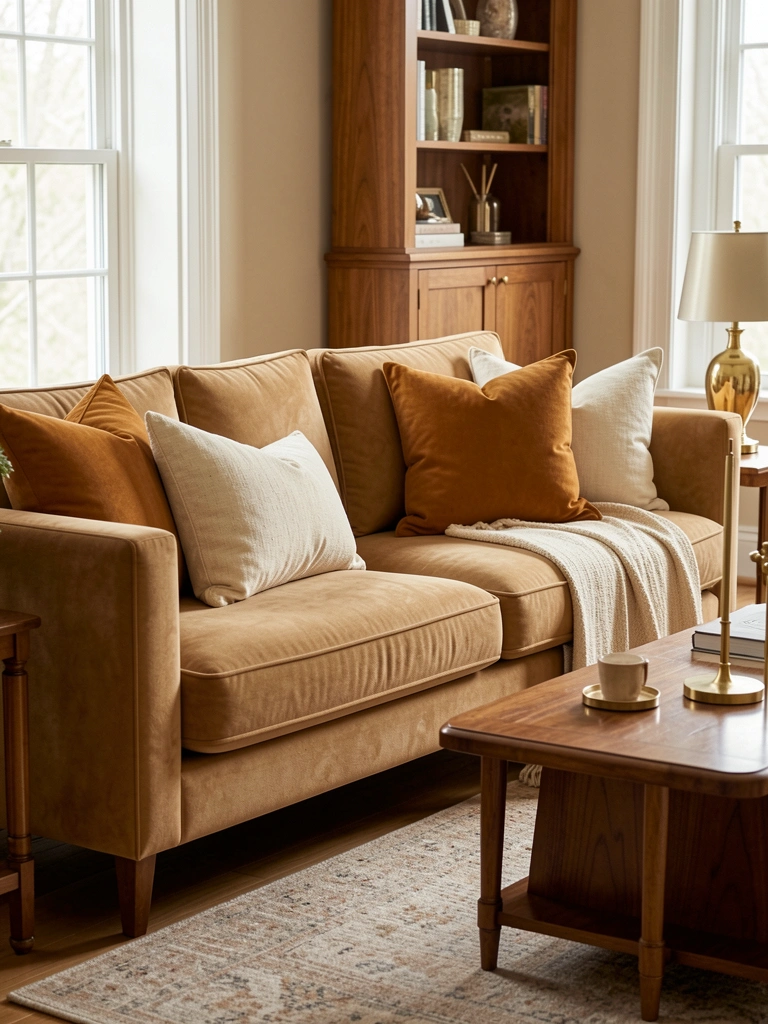
Cool, icy grays dominated the last decade, but luxury interiors now favor warm neutrals (oatmeal, sand, caramel, warm taupe) that feel more sophisticated and less sterile. The shift signals a return to comfort-forward luxury.
Warm neutrals photograph beautifully and work with both modern and traditional decor. Look for sofas in these tones from Article, Restoration Hardware, Crate and Barrel, or even IKEA’s premium lines ($400–$1,500). Pair your sofa with warm wood tones (walnut, oak, or natural wood frames) and brass accents to enhance the sophisticated vibe.
Pro tip: Test fabric swatches in your actual space under your real lighting before ordering—what looks great in a showroom might feel different at home.
Warm neutrals feel intentional and refined, making your whole room look more curated and high-end.
8. Mix Natural Fibers for Organic Luxury
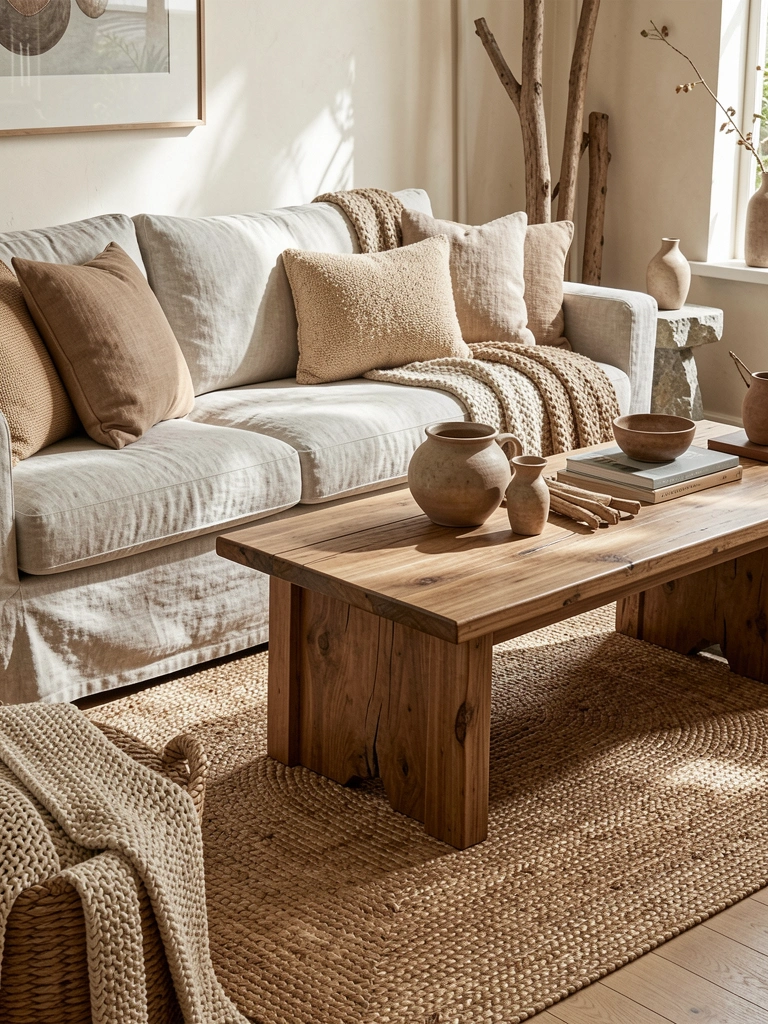
Natural fibers—linen, cotton, jute, wool, and sisal—feel luxurious because they’re touchable, sustainable, and have visible texture. Mixing them creates a sophisticated, lived-in aesthetic that reads expensive.
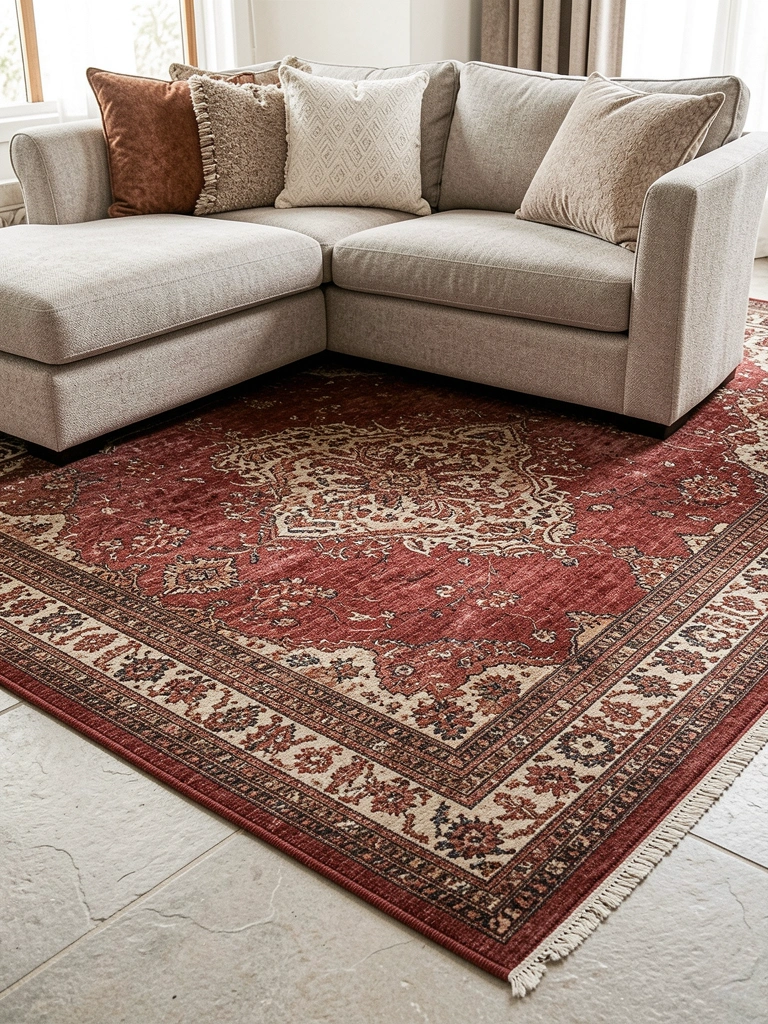
Build your scheme using natural materials: a linen or cotton sofa ($500–$1,500), paired with a wool or jute rug ($300–$1,200), wooden side tables ($150–$600), and a natural fiber throw ($50–$150). Brands like Article, Restoration Hardware, and Wayfair now specialize in natural-fiber upholstery that’s both beautiful and responsibly sourced.
Pro tip: Natural fibers do require more maintenance (they attract dust and need regular vacuuming), but this “high-maintenance” quality signals premium materials.
The organic material palette creates a cohesive, intentional room that feels sophisticated and grounded.
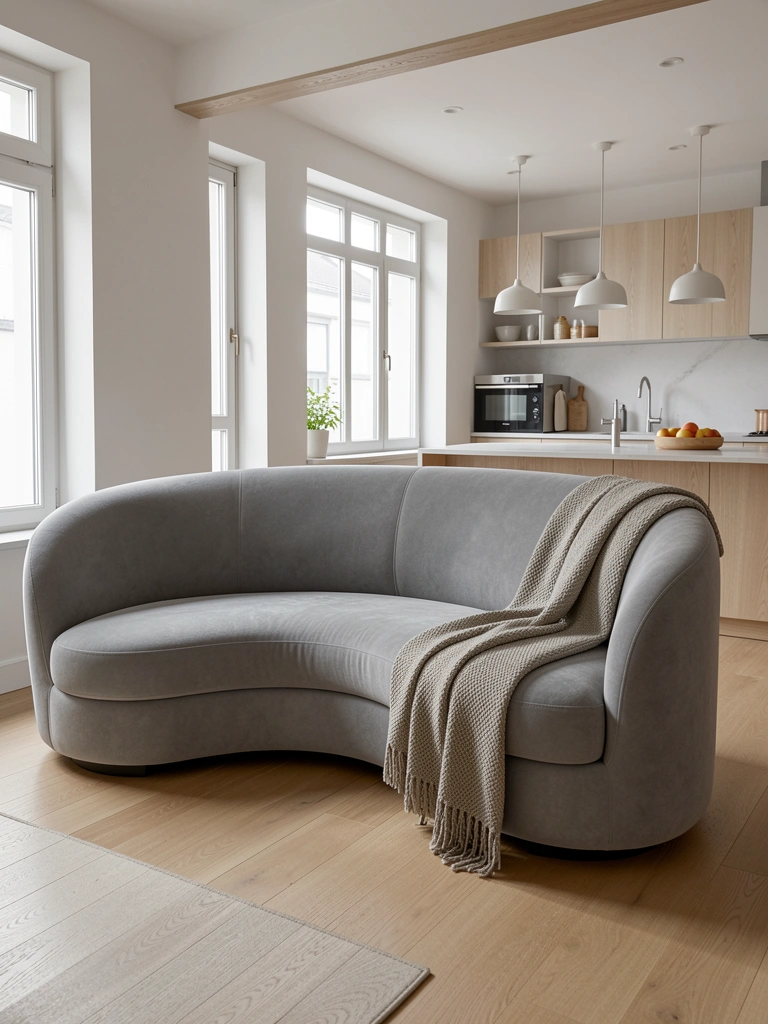
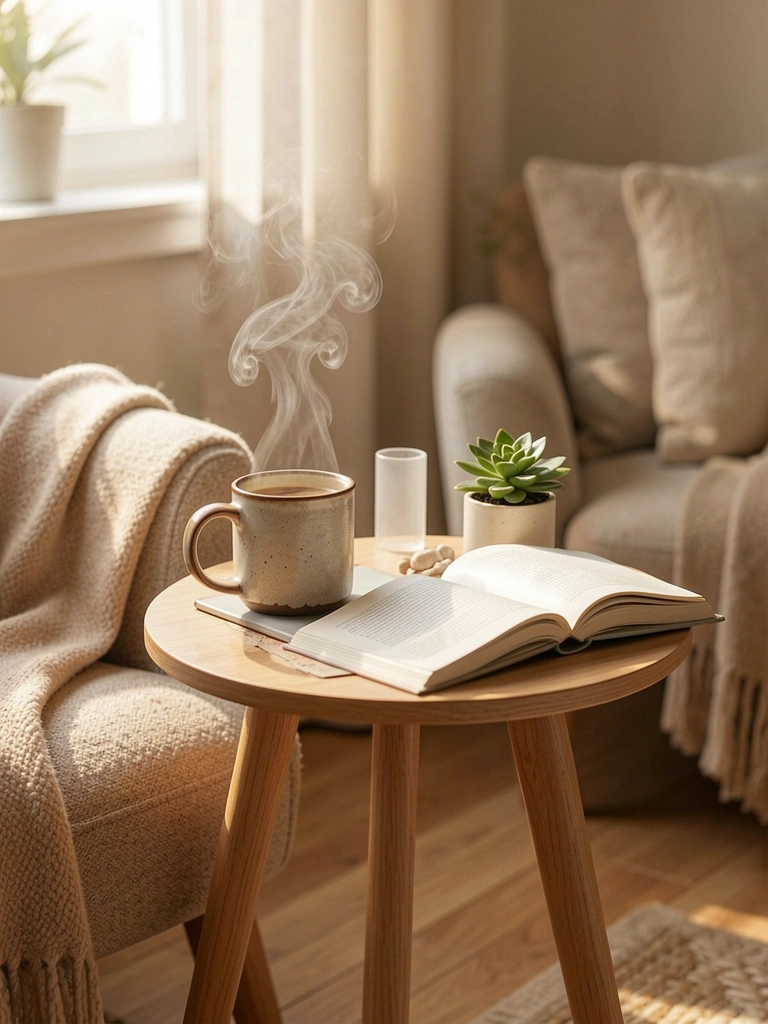
9. Style with a Chunky Knit Throw
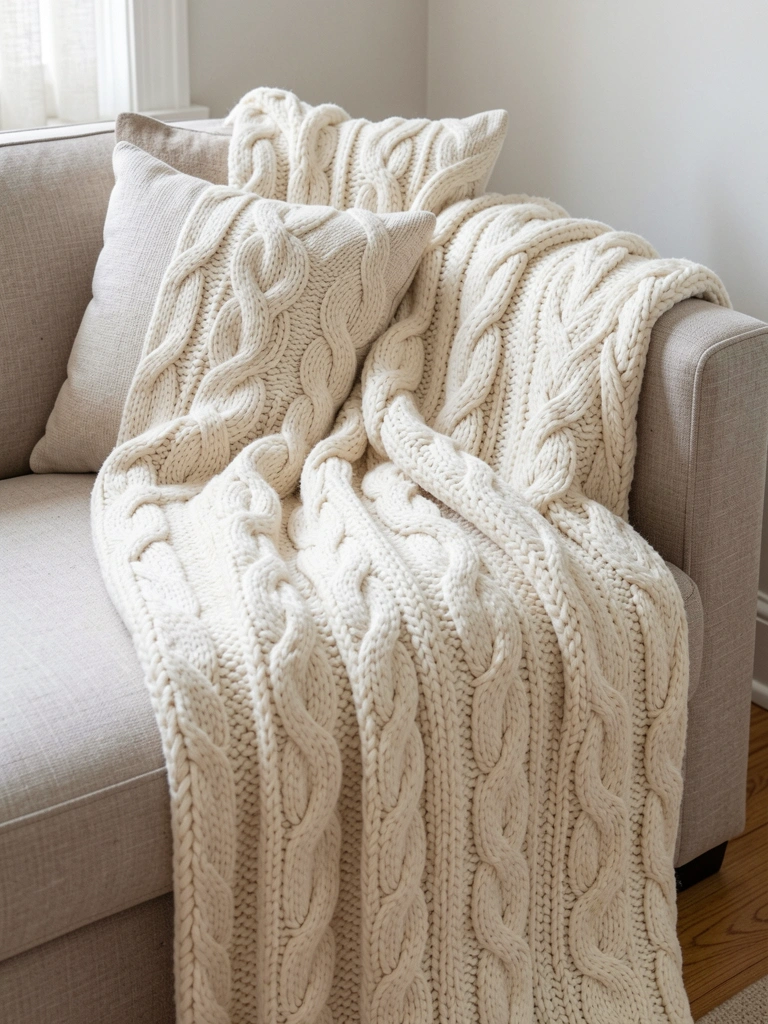
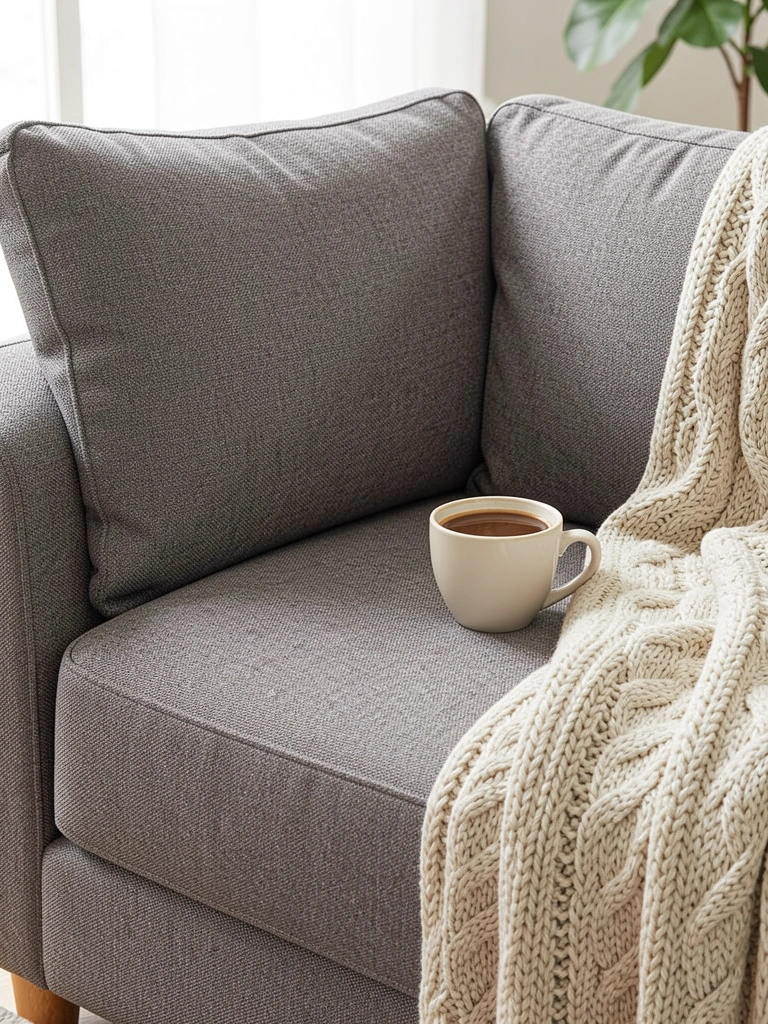
A quality chunky knit throw ($40–$120) is one of the cheapest ways to make any sofa look more expensive and intentionally styled. It adds texture, warmth, and that “designed” aesthetic.
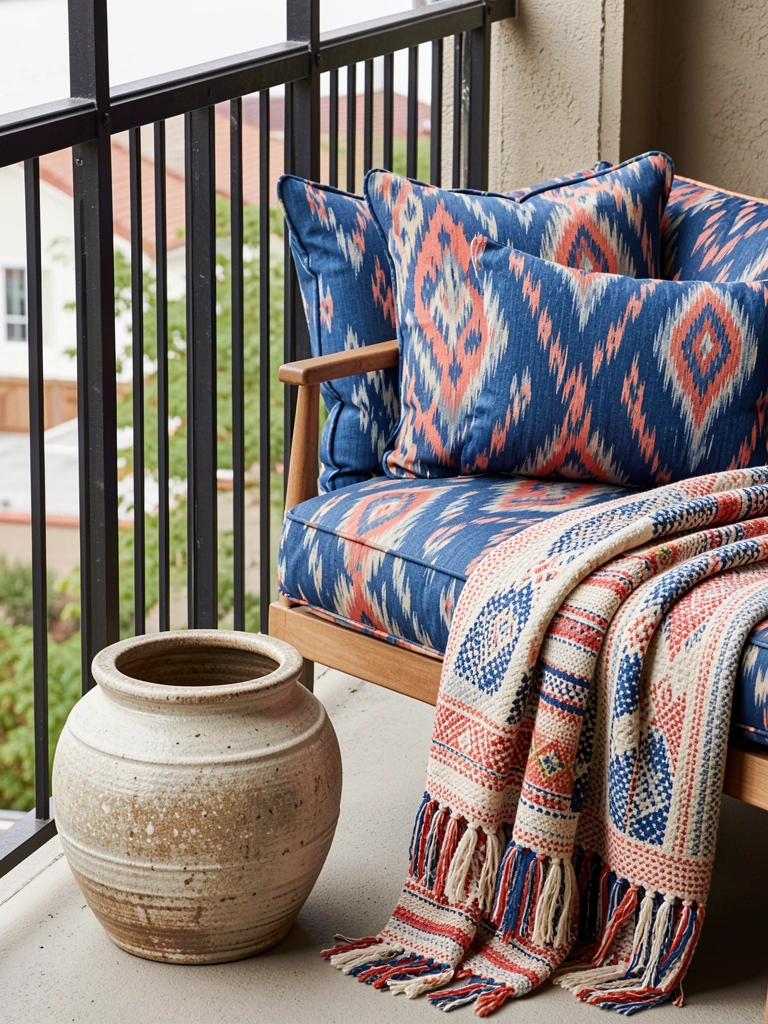
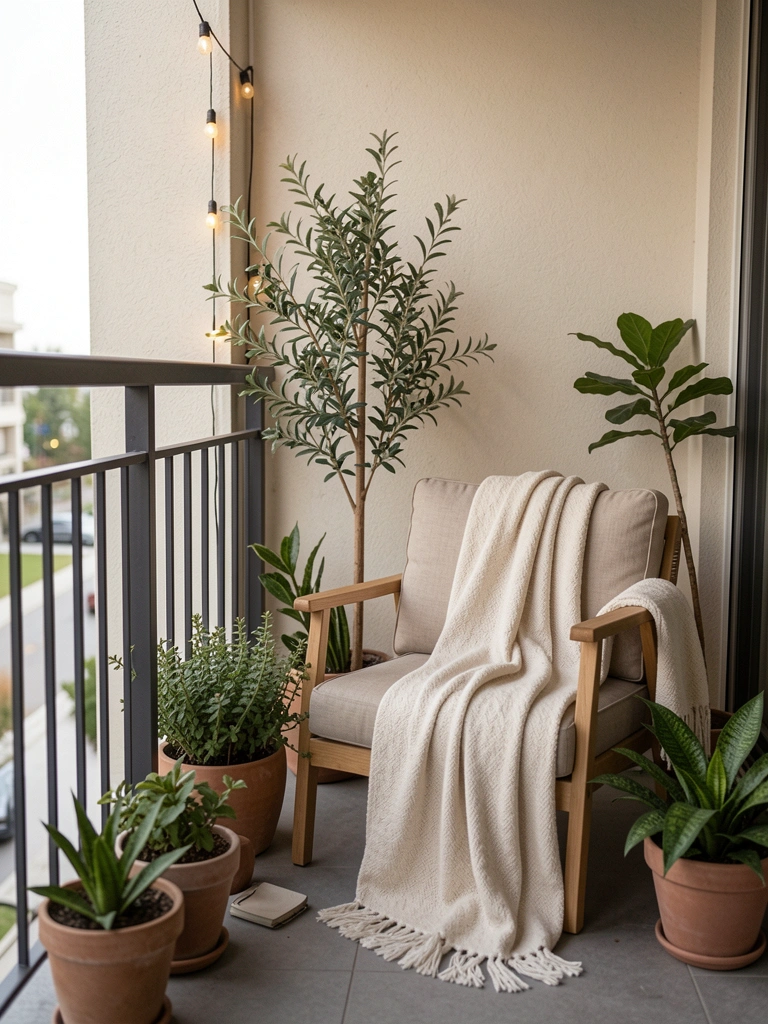
Choose throws in cream, oatmeal, or warm gray from Target, West Elm, Amazon, or Etsy ($30–$100). The key is draping it casually (never perfectly folded—that looks staged) over one or two arms of your sofa. This simple styling trick adds dimension and breaks up solid-colored upholstery.
Pro tip: Layer throws by season—lightweight linen blends in summer, chunky wool in winter. This seasonality looks curated and intentional.
One casual throw transforms a plain sofa into a styled, inviting focal point.
10. Use Jewel Tones for Perceived Luxury
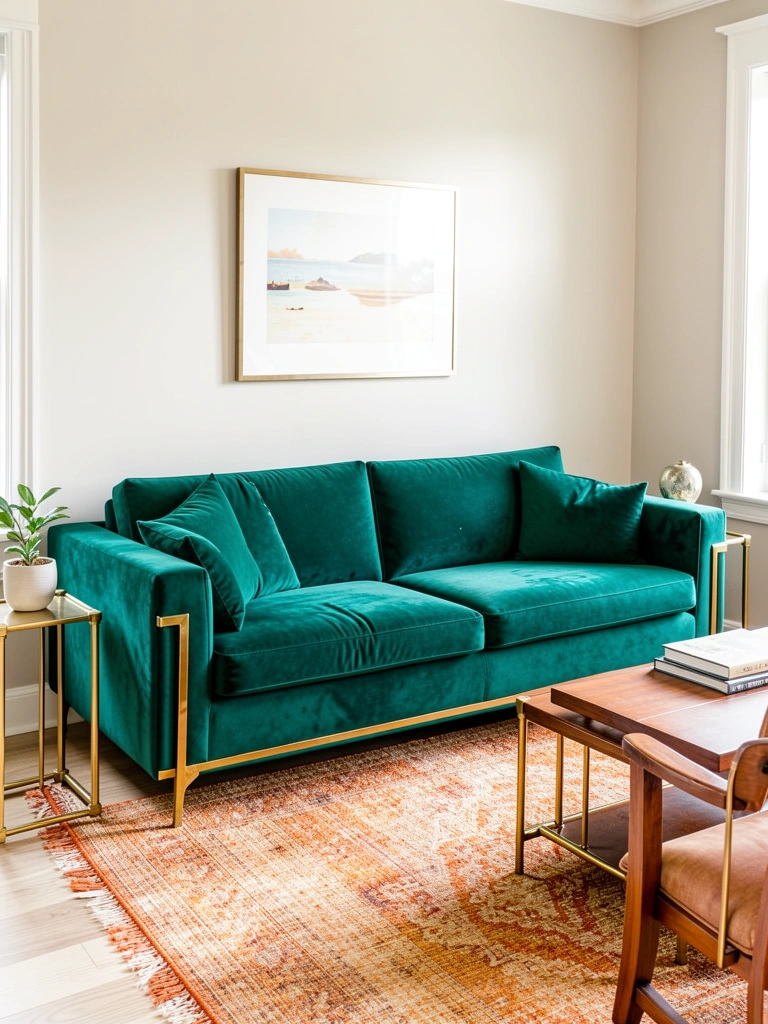
Jewel tones (emerald, sapphire, deep plum, oxblood, rich teal) read as more luxurious than neutrals because they require confidence and intentional design choices. Neutrals are safe; jewel tones signal that someone cared about the aesthetic.
Look for jewel-toned sofas or accent chairs from Article, Crate and Barrel, or West Elm ($500–$1,500 depending on size and material). If you already own a neutral sofa, a single jewel-toned velvet or boucle chair ($400–$900) anchors the room and elevates the whole palette.
Pro tip: Pair jewel tones with warm metals (brass, copper, gold) and natural wood to keep the look modern rather than dated.
A jewel-toned statement piece immediately signals thoughtful design and perceived luxury.
11. Add Contrast Piping for a Designer Touch
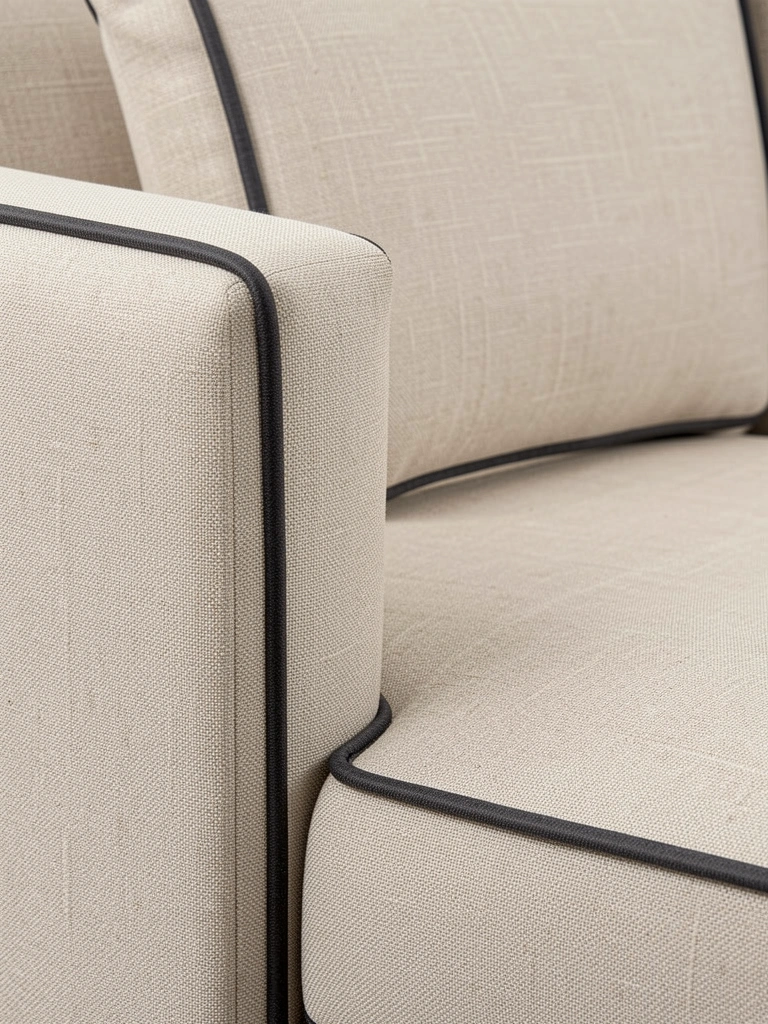
Contrast piping (colored trim along the edges of upholstered pieces) is a designer detail that signals custom, high-end furniture even on budget pieces. It costs little but reads expensive.
If you’re buying new, order from makers who offer piping customization: Restoration Hardware, Article, or even custom services at Wayfair. Budget an extra $100–$300 for this detail. For existing sofas, an upholsterer can add piping ($200–$400 in labor) for a dramatic upgrade.
Pro tip: Black piping on neutral fabric, or cream piping on dark fabric, creates the most sophisticated contrast.
The crisp trim detail instantly elevates your sofa from “basic” to “custom-designed.”
12. Invest in Slipcovers for Protective Luxury
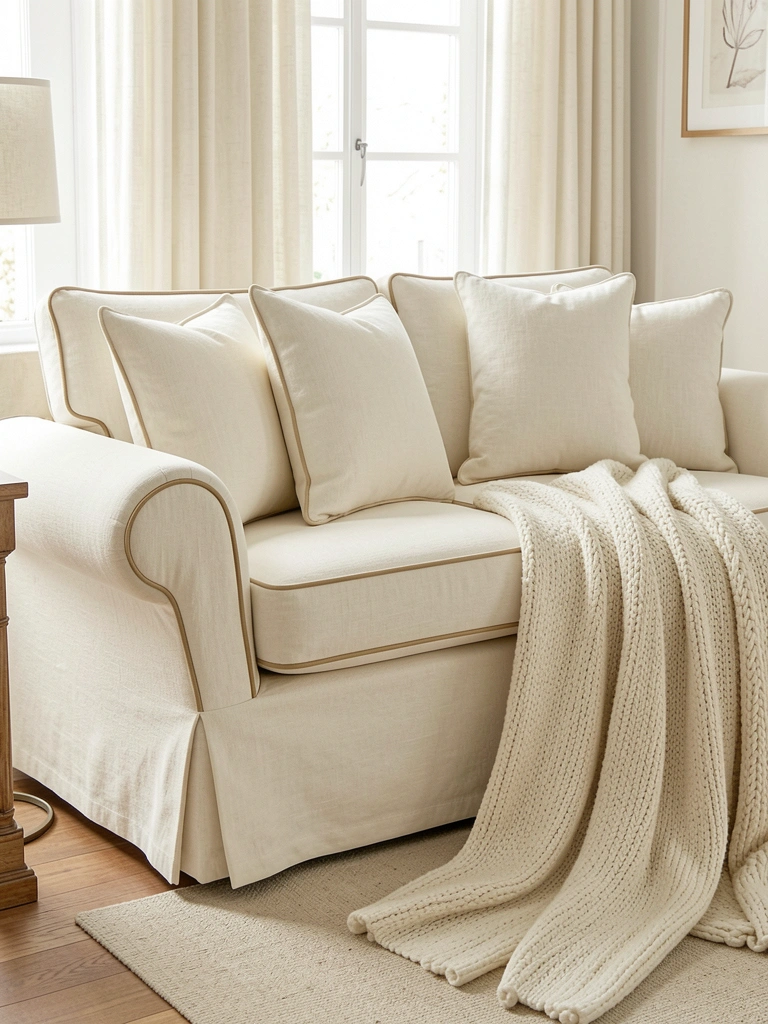
High-quality slipcovers ($150–$400) protect your upholstery while looking intentional and expensive. They read as a design choice rather than damage control, especially if they’re tailored and in a premium fabric.
Choose slipcovers in linen or linen blends (not thin cotton) from brands like Pottery Barn, Restoration Hardware, or custom makers on Etsy. Make sure they fit tightly and tailored—baggy, loose slipcovers look cheap and temporary. Contrast piping or trim details make them feel like a designer choice.
Pro tip: Slipcovers also allow you to change your room’s color seasonally—swapping them out feels fresh and intentional.
A well-fitted slipcover looks premium while protecting your investment.
13. Skip Patterned Upholstery (Use It in Pillows Instead)
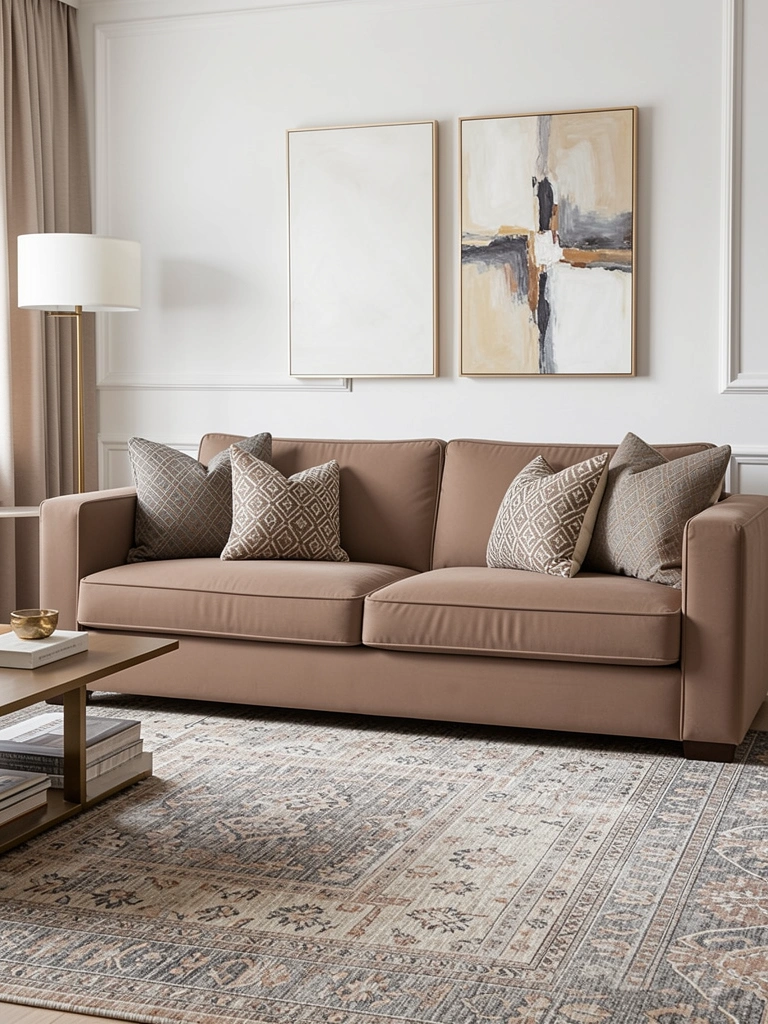
Patterned sofa upholstery often reads busy and dated, even when the pattern is trendy. Luxury interiors favor solid-colored upholstery with pattern introduced through pillows, rugs, and art.
Keep your sofa in a solid neutral ($500–$1,500) and express pattern through throw pillows ($25–$80 each), a patterned rug ($300–$1,000), and artwork ($100–$500+). This approach is also more practical—you can change patterns seasonally without replacing furniture.
Pro tip: If you love pattern, a patterned accent chair ($400–$900) is less risky than a full sectional covered in pattern.
Solid upholstery with patterned accessories reads more refined and allows your room to feel less trendy.
14. Layer Lighting to Emphasize Upholstery
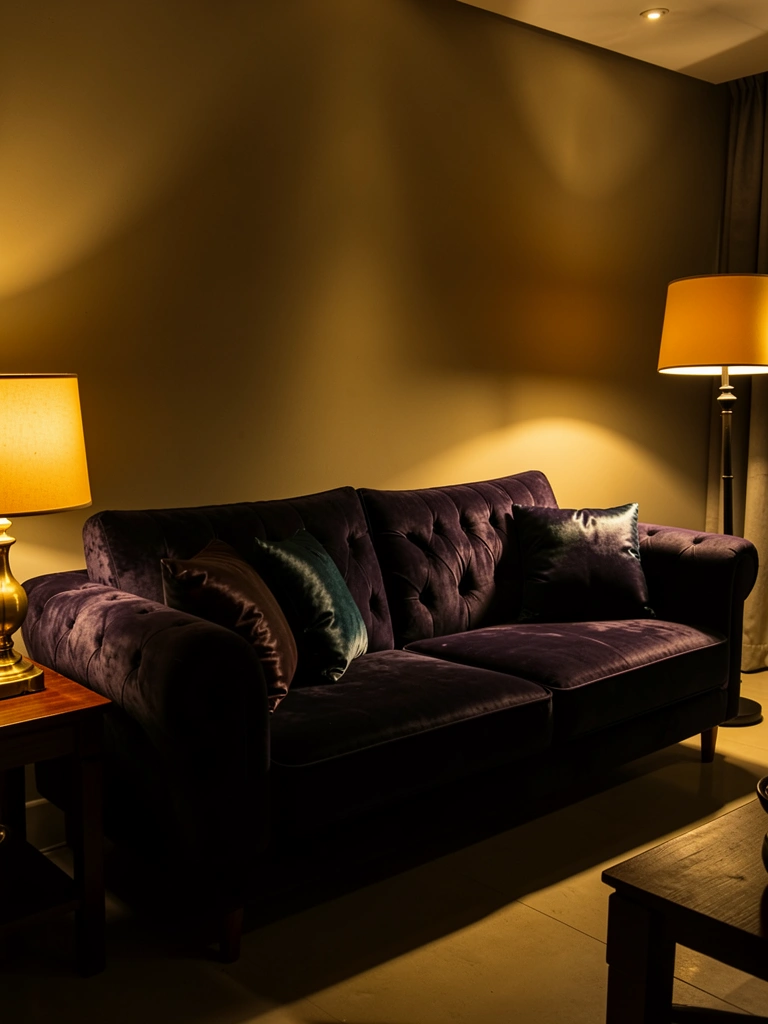
Lighting directly affects how your upholstery reads—the right lighting makes fabrics look richer, textured, and expensive. Poor lighting flattens everything and makes nice upholstery look dull.
Use a combination of ambient light (overhead), task lighting (table lamps), and accent lighting (floor lamps positioned to catch fabric texture). Warm-toned bulbs (2700K) are essential for luxury interiors. Brass or copper fixtures ($50–$200 per lamp) complement upholstery better than chrome or silver.
Pro tip: Position a floor lamp or wall sconce at an angle to graze across velvet or boucle upholstery—this highlights texture and makes it glow.
Thoughtful lighting transforms your upholstery from ordinary to exquisite.
15. Choose Quality Frame Construction
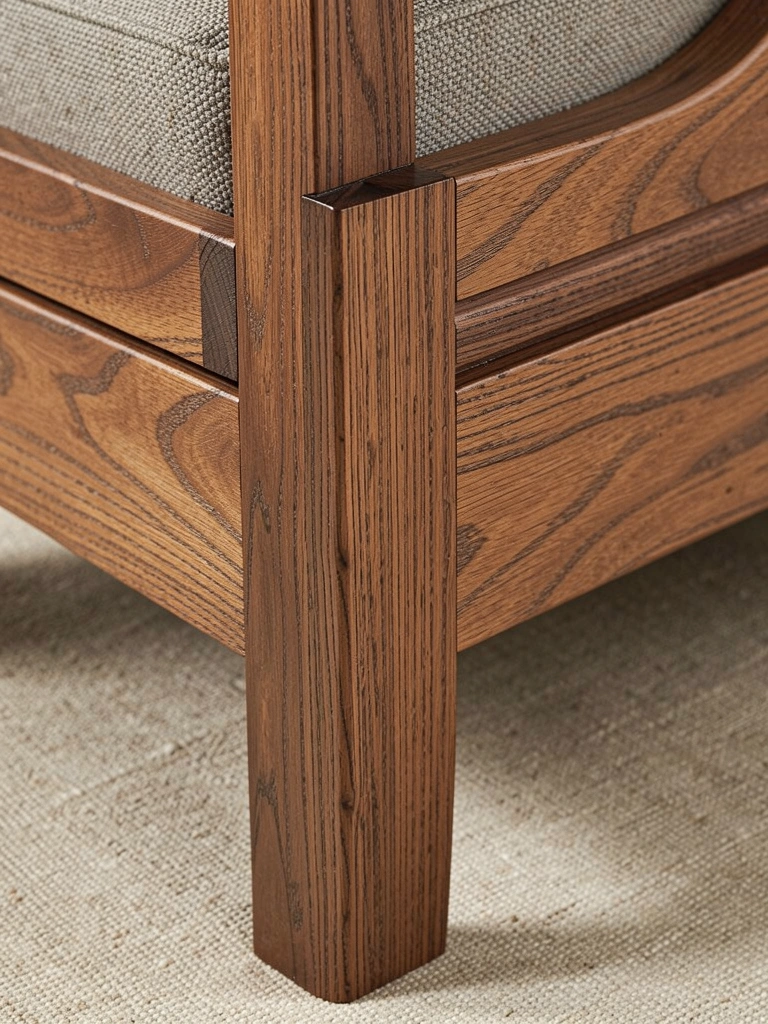
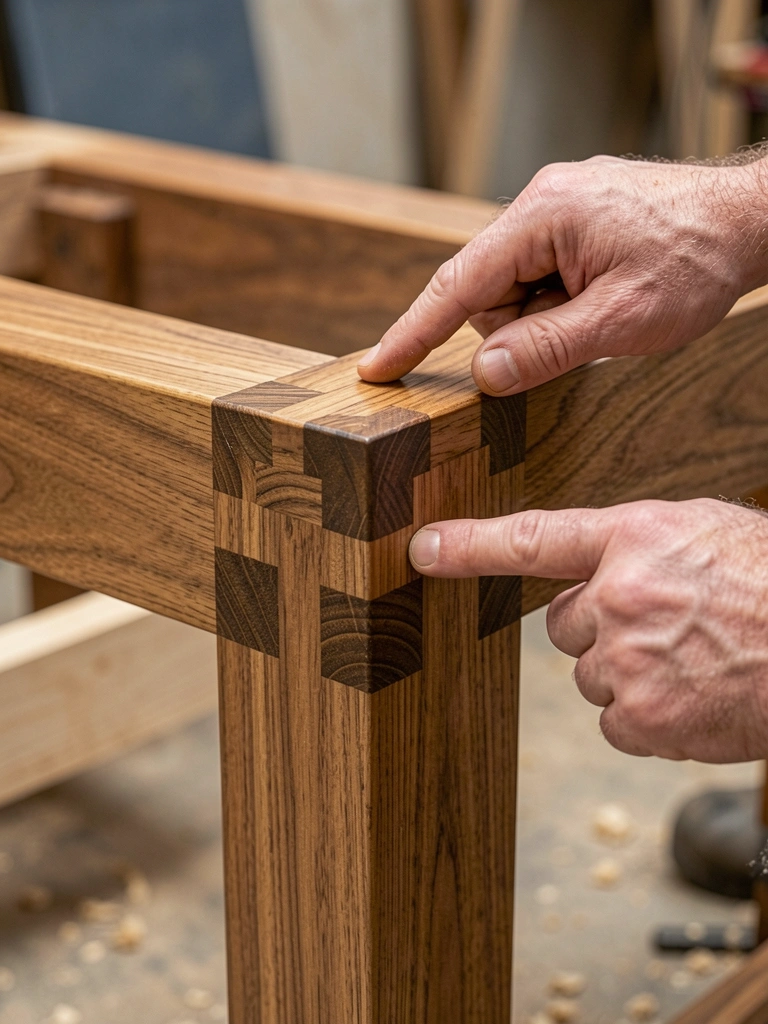
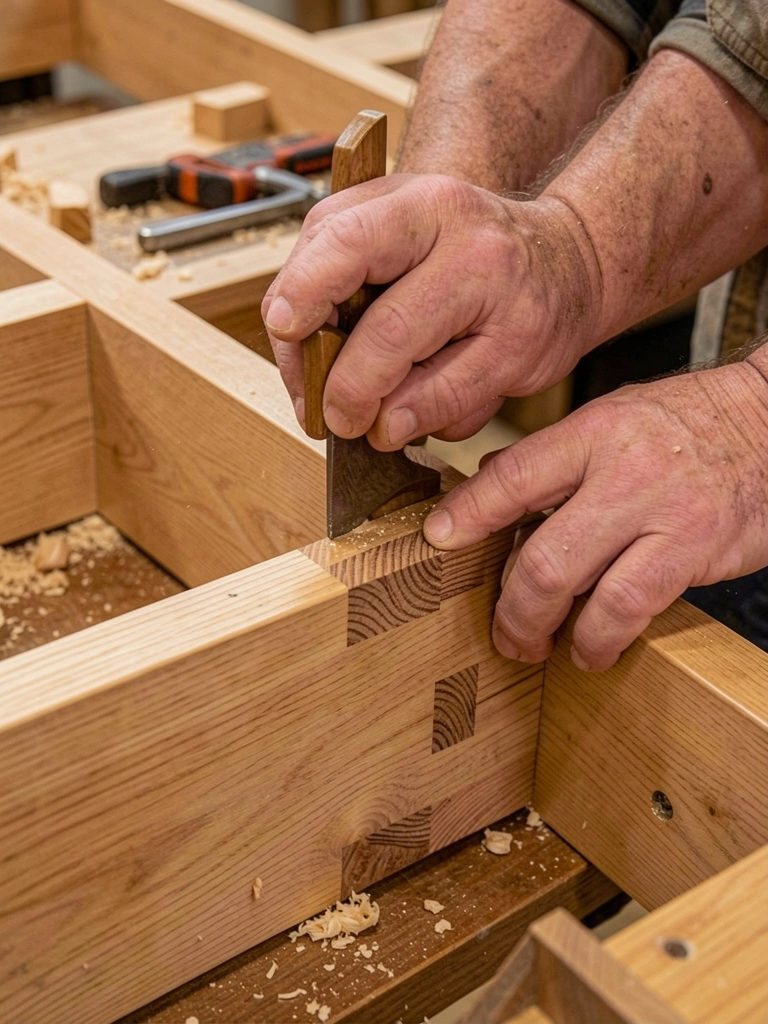
You can’t see the frame once the sofa is upholstered, but quality construction is what separates a $400 sofa from a $2,000 one. Eight-way hand-tied springs and hardwood frames last decades; budget construction fails in 3–5 years.
Check product specs for hardwood (not plywood) frames, eight-way springs or high-resilience foam, and solid joinery. Brands like Article, Restoration Hardware, Crate and Barrel, and even some Wayfair lines ($600–$2,000) prioritize frame quality. Avoid the cheapest big-box options—the frame won’t hold up.
Pro tip: Read reviews specifically mentioning durability and frame quality before buying. Real users report on longevity better than manufacturers do.
Solid construction means your investment lasts, creating real luxury (not just the appearance of it).
16. Use Performance Fabric for Realistic Luxury
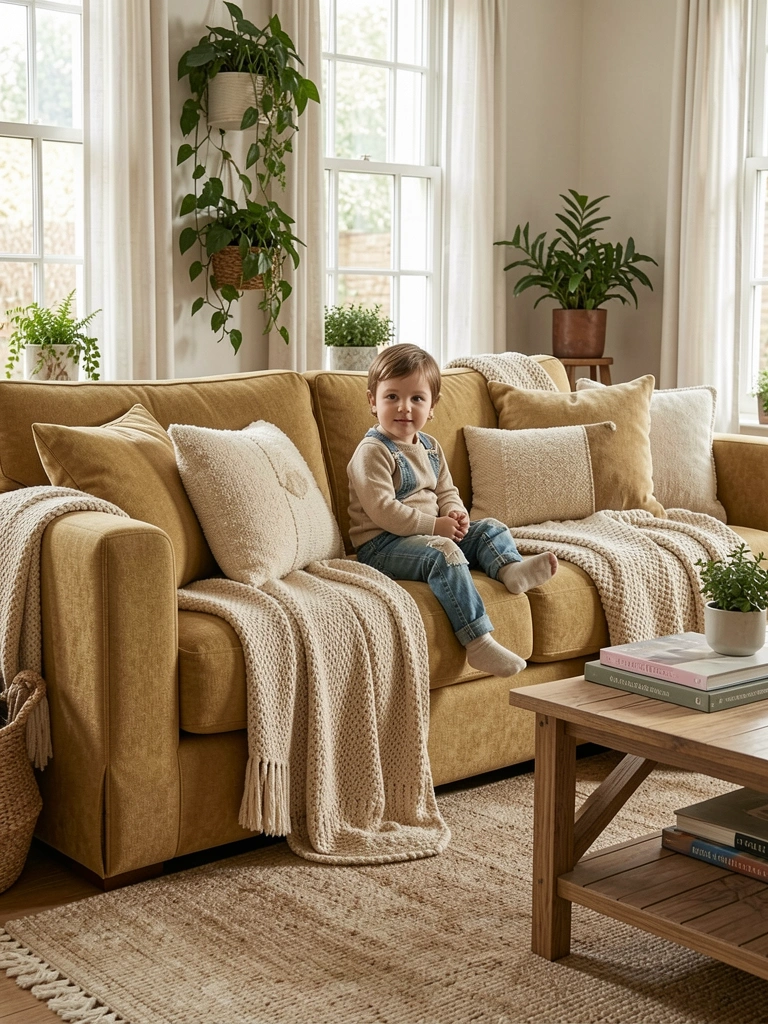
Performance fabrics have evolved dramatically—they’re no longer plastic-feeling microfiber. Modern performance fabrics in cotton, linen blends, and proprietary materials look and feel like luxury while resisting stains and pet damage.
Shop brands like Restoration Hardware, Article, Pottery Barn, and Wayfair for performance upholstery that actually looks good ($600–$1,500). Look for fabric names like “performance linen,” “cotton twill,” or brand-specific proprietary blends. Read reviews from actual pet and kid households for honest feedback.
Pro tip: Even performance fabrics benefit from scotchgard treatment ($50–$100 application) for extra protection without the plastic feel.
Realistic luxury means beautiful furniture that actually works for real life.
17. Add Decorative Pillows Strategically
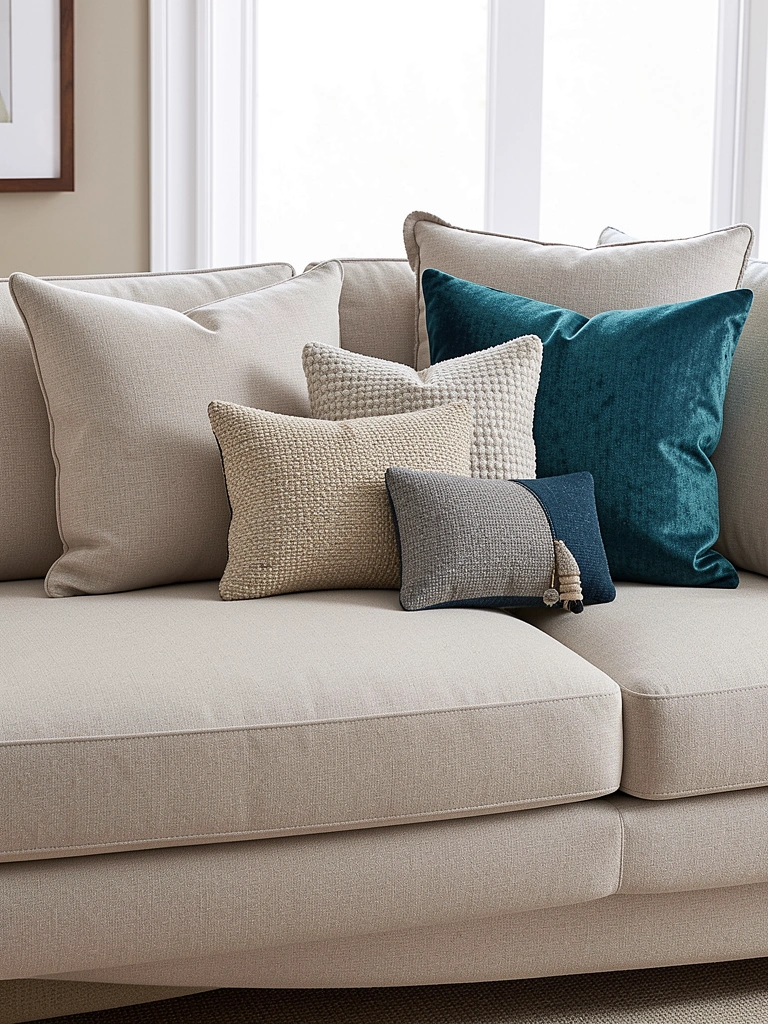
Pillow styling is free when you repurpose what you own, but investing in quality pillows ($25–$100 each) makes a massive visual difference. Pillows introduce color, texture, and personality without commitment.
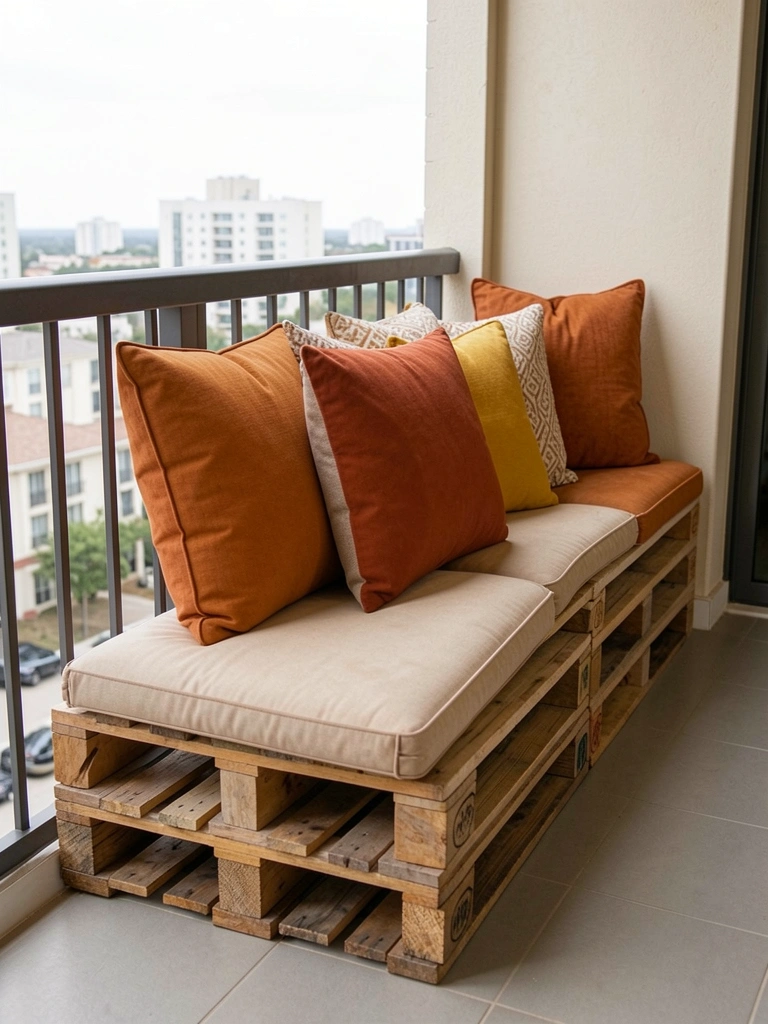
Buy odd numbers of pillows (three, five, or seven) in complementary fabrics, all within your color palette. Layer sizes from largest (lumbar at back) to smallest (front accent). Brands like West Elm, Target, Wayfair, and Article offer quality options. Pro tip: One statement pillow in a contrasting color or texture is enough—don’t match everything.
Pillows should look casually arranged, not perfectly lined up. This “designed but lived-in” aesthetic reads expensive.
Strategic pillow styling is one of the fastest, cheapest ways to make your sofa look intentional and curated.
18. Invest in Quality Cushion Fillings
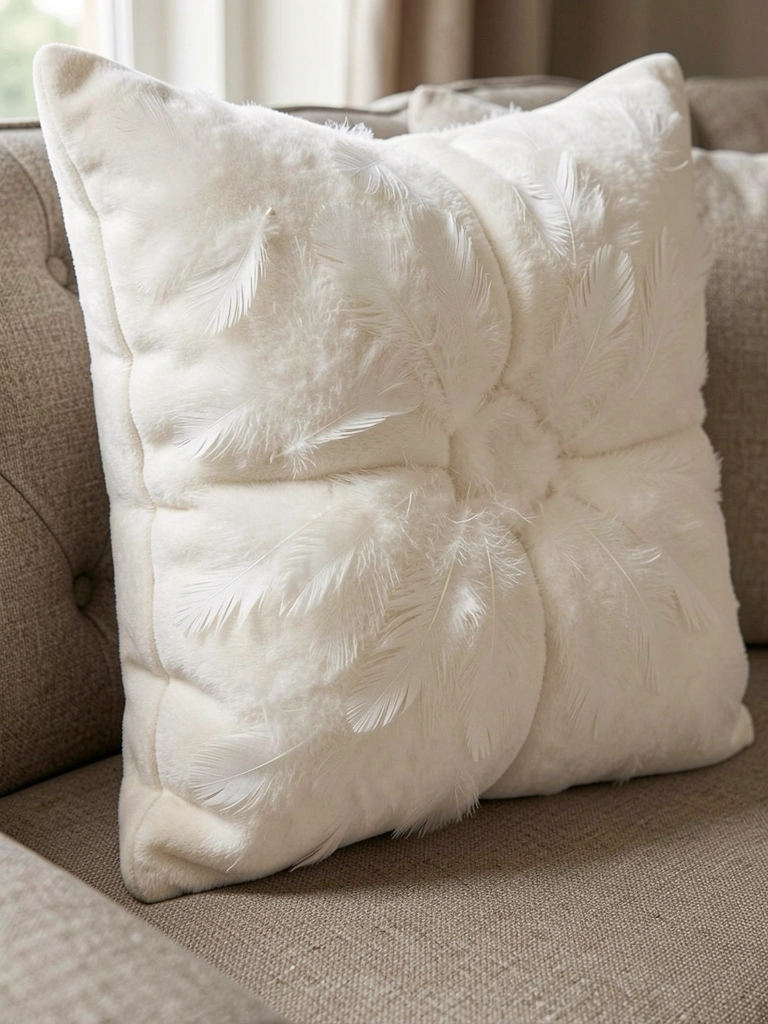
Pillow fill quality directly affects whether your sofa looks slouchy and cheap or plump and luxurious. Down and feather blends (or high-quality foam) hold their shape and feel premium.
High-resilience foam or down-blend fills cost more upfront but maintain their shape through years of use. When buying pillows, check that they’re filled with down, down-blend, or high-quality foam—not cheap polyester. Brands like Restoration Hardware, Article, and higher-end Crate and Barrel prioritize fill quality.
Pro tip: Flat, saggy pillows make even expensive upholstery look worn out. Fluff and replace pillows every 2–3 years for maintained luxury.
Quality cushion fill keeps your furniture looking plump, fresh, and expensive indefinitely.
19. Choose Sofa Legs That Match Your Aesthetic
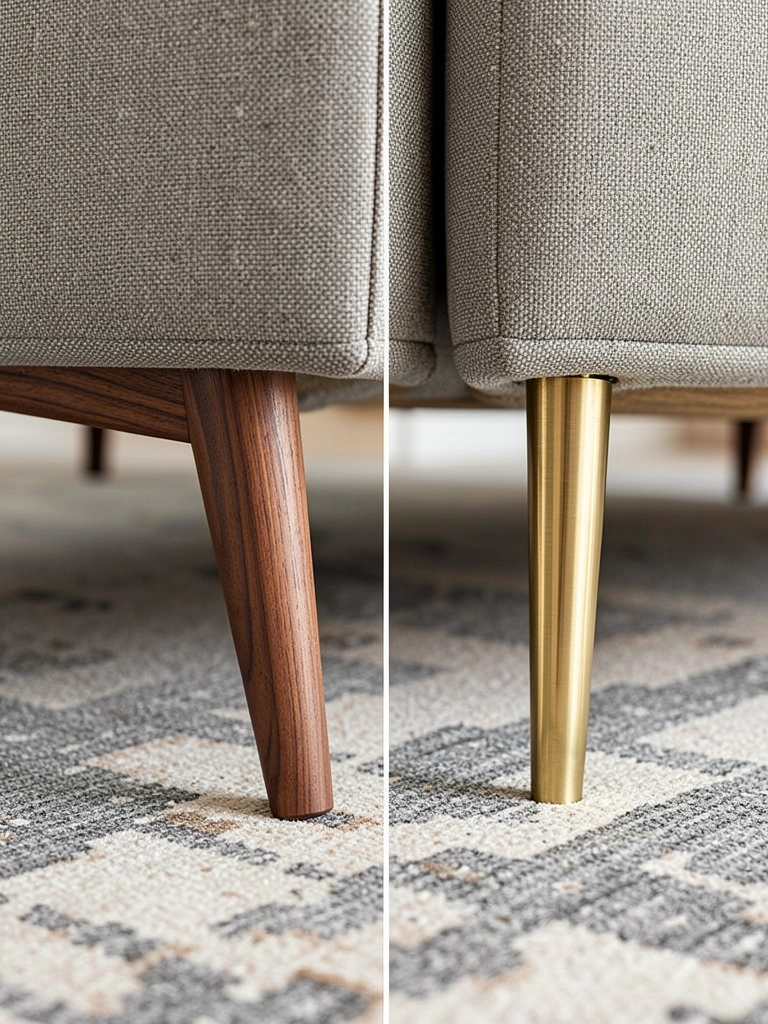
Sofa legs (often overlooked) signal the overall design era and perceived luxury. Metal legs feel contemporary and sleek; wooden legs feel traditional or mid-century; low platform bases feel modern.
When shopping, check the leg material and style. Brass or copper metal ($0 additional if spec’d from factory) feels luxe and contemporary. Walnut or oak wooden legs ($50–$150 upcharge) feel timeless. Avoid cheap plastic or black metal unless you’re going industrial-modern.
Pro tip: If your sofa has basic legs you dislike, an upholsterer can replace them ($100–$300) for a design refresh.
The right legs reinforce your room’s overall aesthetic and elevate the entire sofa’s perceived value.
20. Care Properly to Maintain Luxury Appearance
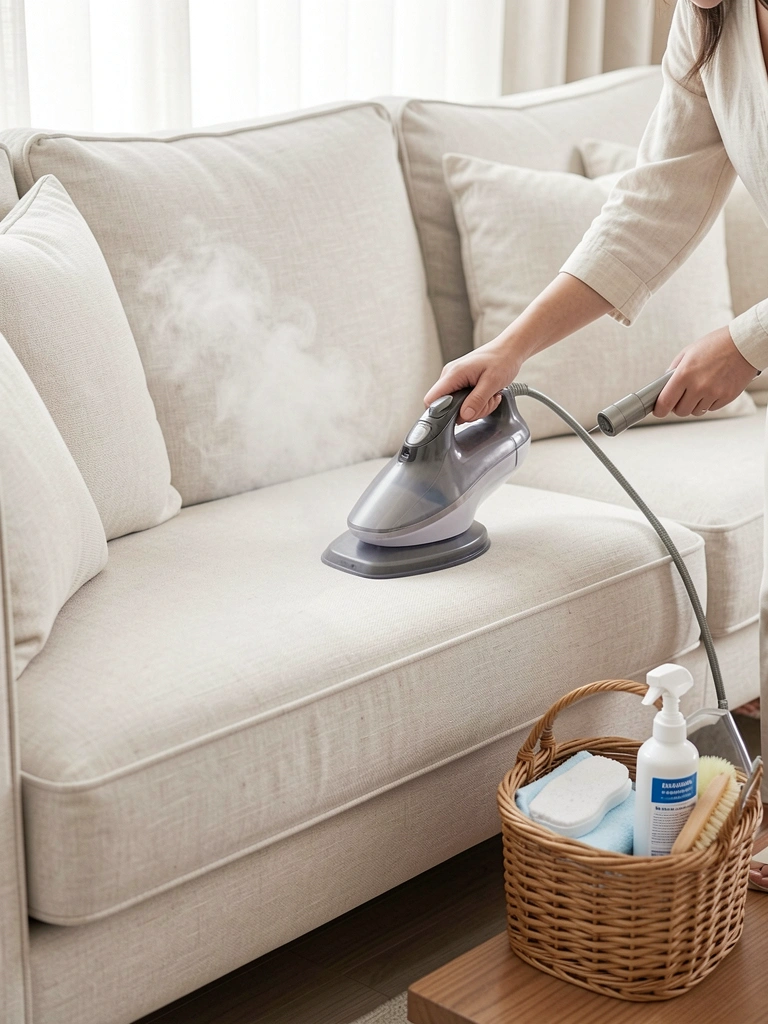
How you maintain your upholstery determines whether it reads expensive for five years or looks worn within two. Luxury isn’t just about initial purchase—it’s about longevity and care.
Vacuum lightly weekly to remove surface dirt, flip and rotate cushions monthly to distribute wear evenly, and address spills immediately with manufacturer-recommended cleaning. Invest in a quality fabric protectant ($50–$100) and annual professional cleaning ($150–$300). For delicate fabrics like velvet, use a soft brush rather than vacuuming.
Pro tip: Keep your sofa manual and any fabric care instructions somewhere accessible—they’re worth referencing before DIY cleaning attempts.
Properly maintained upholstery looks fresh, intentional, and genuinely luxurious for years.
21. Embrace Warm Minimalism with One Statement Color
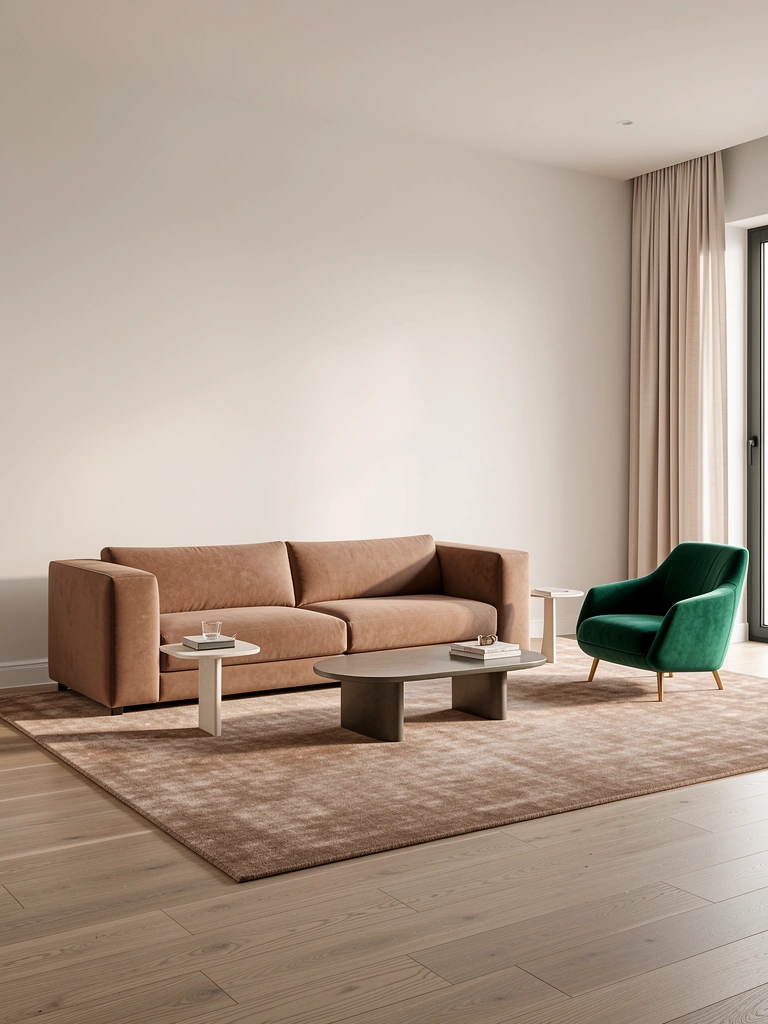
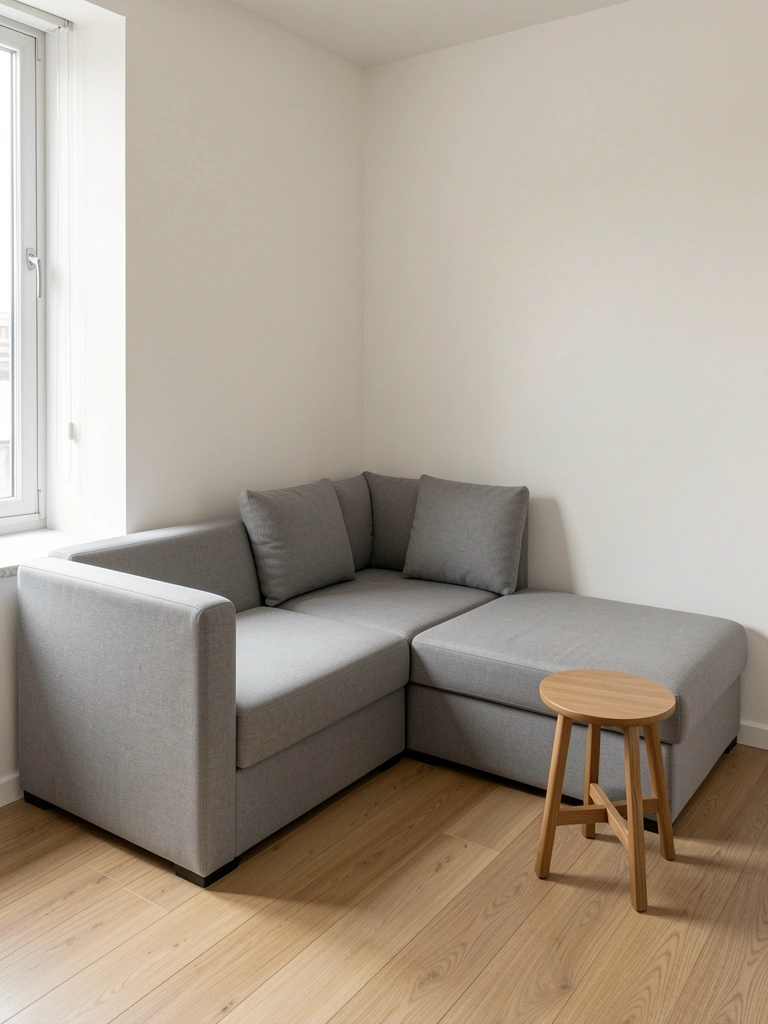
Warm minimalism combines quality upholstery with restrained styling—a single sofa, limited pillows, and open space rather than layered clutter. This approach reads expensive because it signals confidence and intentionality.
Choose one sofa in a warm neutral ($600–$1,500) and resist the urge to fill every space. Add one or two accent chairs and one side table for a deliberate, high-end look. Minimalist rooms photograph beautifully and feel calming rather than cold.
Pro tip: When you have fewer pieces, each one matters more—this is why investing in quality upholstery pays off in minimalist schemes.
Warm minimalism with quality pieces reads sophisticated, intentional, and genuinely luxurious.
22. Layer Textiles Seasonally for Intentional Rotation
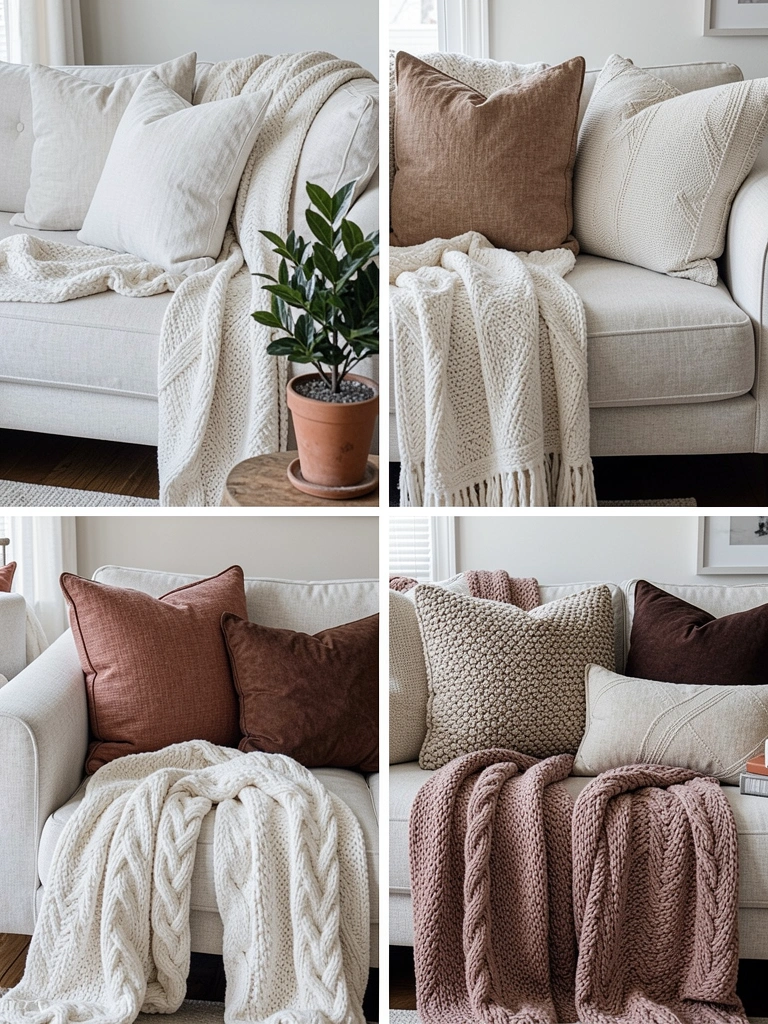
Changing your textile layers with seasons signals intentional design and makes your space feel fresh and curated. Summer calls for lightweight linens; winter for chunky knits and velvet.
Keep a rotation of seasonal pillows and throws: lightweight linen/cotton blends for warm months ($30–$80 per pillow), chunky wool and velvet for cold months ($40–$120 per throw). Store off-season textiles in a clear bin ($15–$30). This investment-light strategy maximizes perceived effort and design sophistication.
Pro tip: Summer brings pale linens and bright accents; winter brings jewel tones and rich textures. The intentional rotation is part of the luxury aesthetic.
Seasonal textile rotation keeps your room feeling designed and prevents the stale, “never changed” aesthetic.
23. Mix Upholstery Styles for Curated Eclectic Look
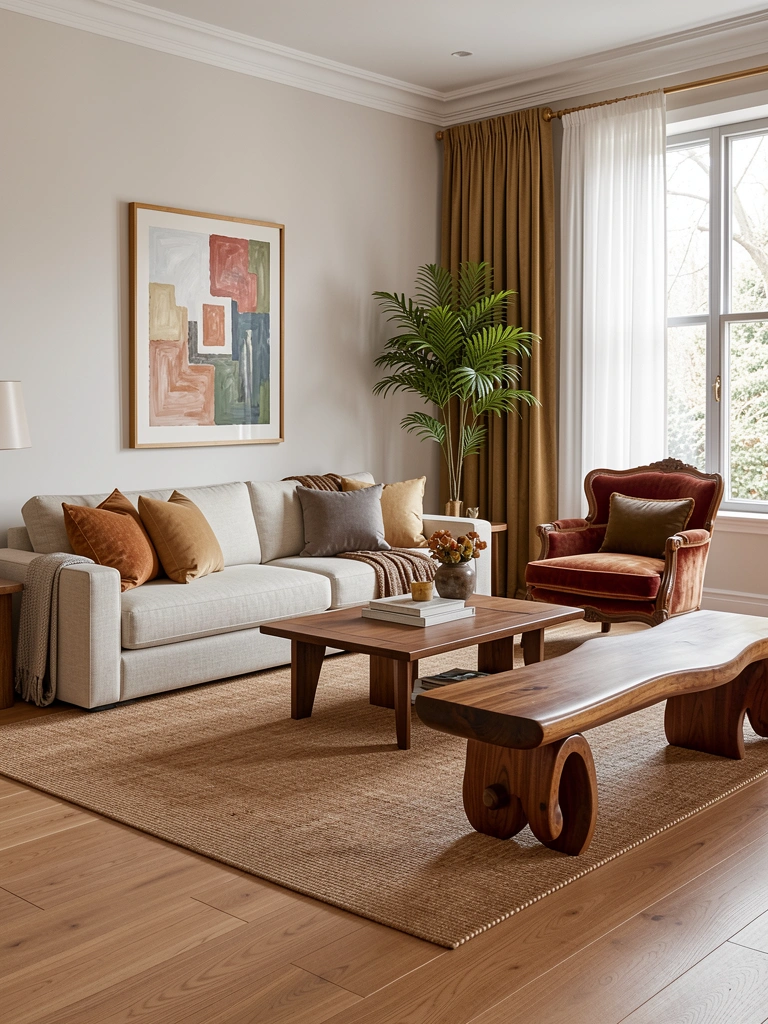
Mixing upholstery styles (modern sofa with a vintage chair, minimalist bench with a boucle ottoman) reads as intentionally curated rather than mismatched. Designers call this “collected over time” luxury.
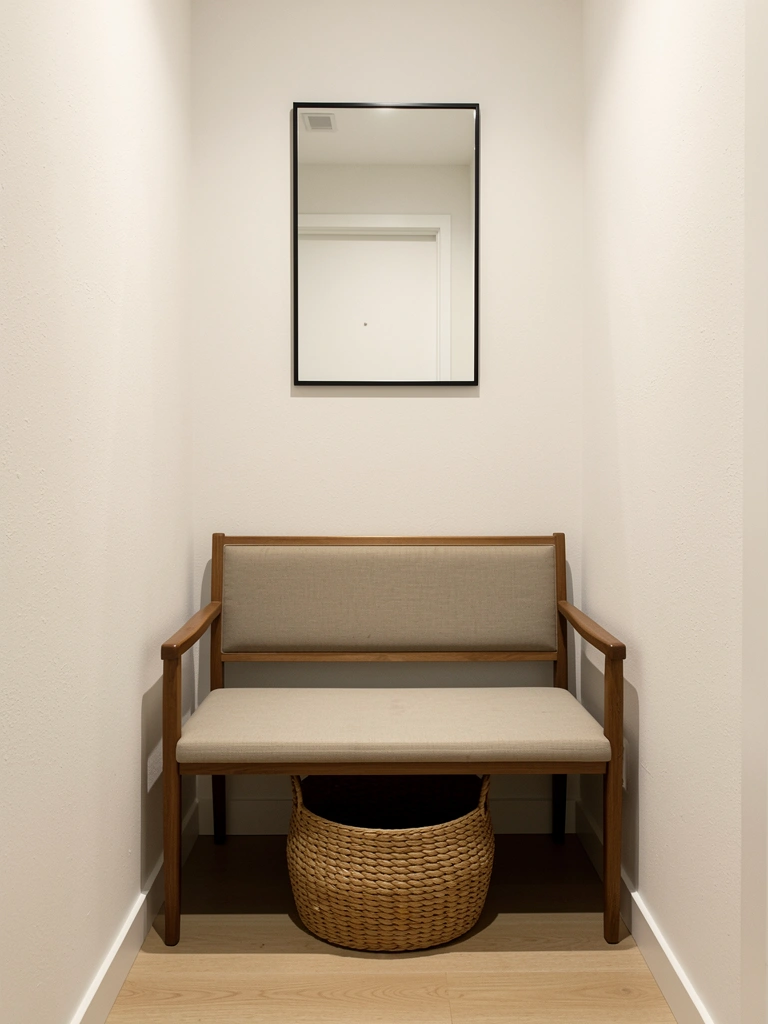
Pair a modern sofa ($800–$1,500) with a vintage-inspired accent chair ($400–$900) and a sculptural bench or ottoman ($300–$700). Keep colors coordinated (all warm tones, all jewel tones) even if styles differ. This approach reads expensive because it signals personal taste and adventure.
Pro tip: Mix eras but stay within one color story and keep quality consistent—don’t pair a high-end sofa with a cheap chair.
Mixing styles intentionally signals confidence and creates a genuinely luxurious, personal space.
24. Use Fringe or Trim Details Sparingly
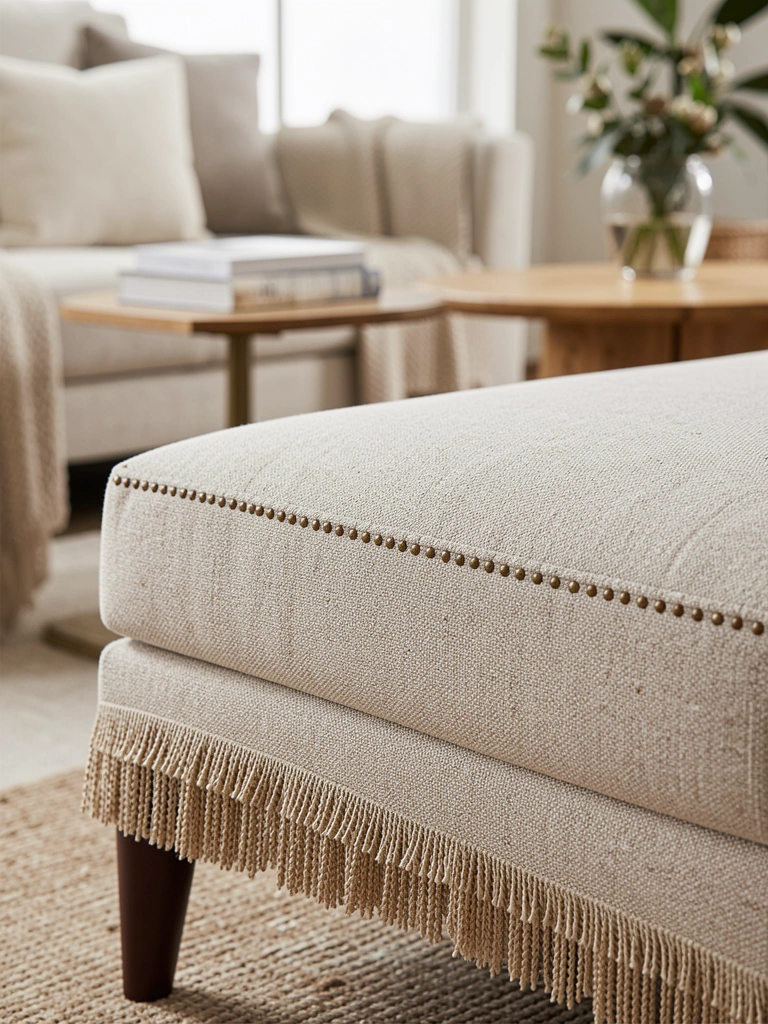
Small trim details—fringe, nail heads, or contrasting trim—can elevate basic upholstery to designer-level when used sparingly. The key word is sparingly; overdone trim reads themed or costume-y.
Look for sofas with subtle nail-head trim from Restoration Hardware, Article, or Crate and Barrel ($800–$2,000) as a detail that costs only $50–$100 extra but reads expensive. Fringe works on ottomans or chairs but rarely on sofas in modern luxury. A single fringe-trimmed ottoman ($300–$600) adds personality without overwhelm.
Pro tip: Natural materials (wood fringe, brass nails) read more expensive than plastic or shiny metal.
Minimal trim details signal designer-level attention without visual clutter.
25. Match Upholstery Quality to Real-Life Usage
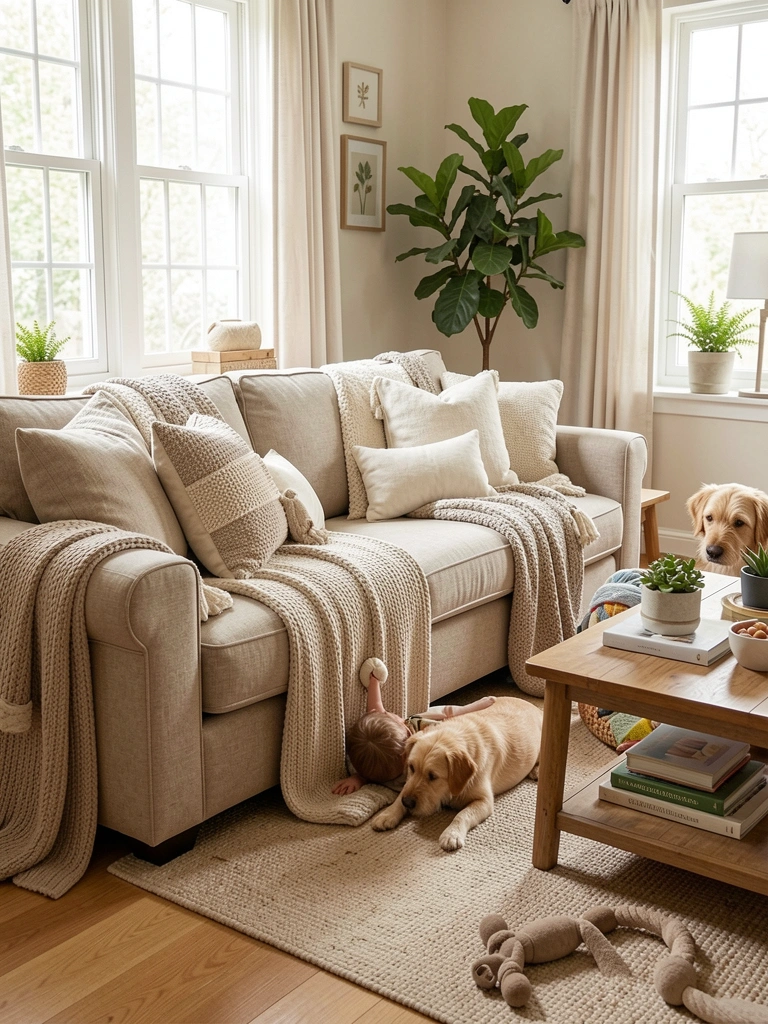
Luxury isn’t pretentious—it’s functional. Choosing upholstery that matches your actual lifestyle reads more genuine and sophisticated than choosing delicate fabric you’re afraid to use.
If you have kids, pets, or an active household, choose performance fabric ($600–$1,500), not delicate silk ($1,000–$3,000 that you’ll stress over). If you live alone and entertain formally, delicate velvet or silk works. The “luxury” is choosing what genuinely works for you, not compromising comfort for image.
Pro tip: High-end designers match fabric to lifestyle first, aesthetics second. That’s why their interiors look both beautiful and lived-in.
Matching upholstery to your reality creates genuinely luxurious spaces that feel comfortable and intentional.
26. Invest in One Statement Sofa Over Many Cheap Pieces
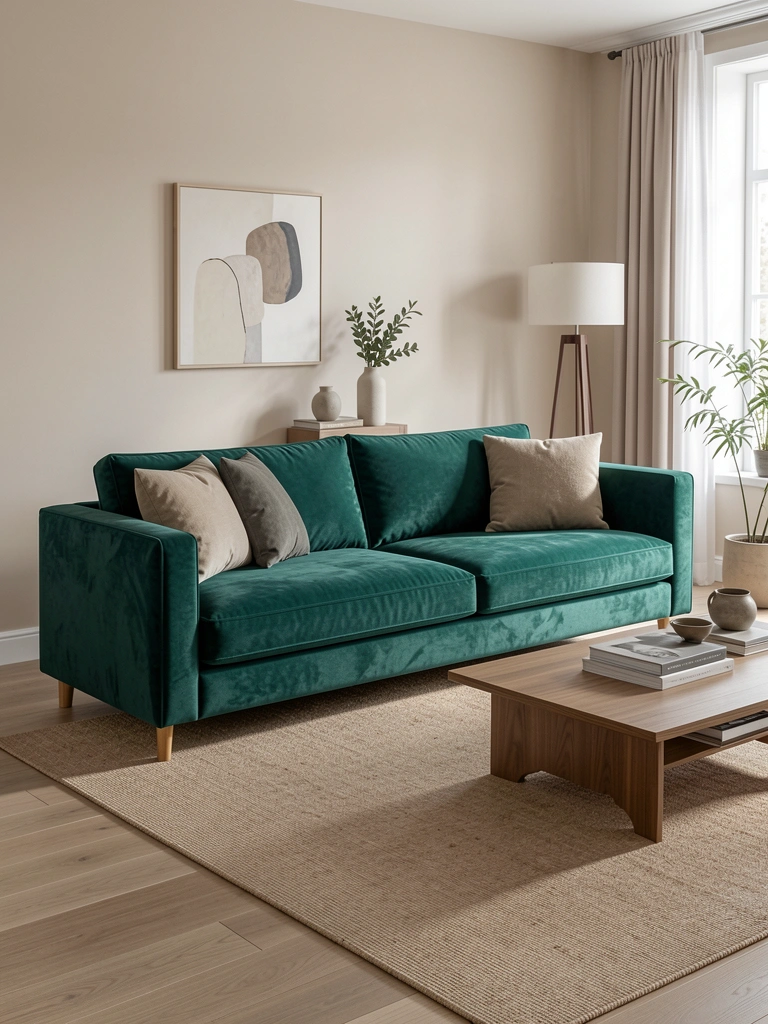
The single best upholstery investment you can make is one high-quality sofa rather than three cheap ones. A $1,500–$2,500 sofa in quality materials outperforms three $500 sofas that fall apart in 5 years.
Put your budget into a single hero piece: a sofa in linen, velvet, or boucle from a maker you trust (Restoration Hardware, Article, high-end Crate and Barrel, or even custom makers). Style around it minimally. This approach signals confidence, quality, and genuine luxury more powerfully than quantity.
Pro tip: Quality sofas come with better warranties, better frames, and better support. You’re not just buying fabric—you’re buying longevity.
One statement piece in quality materials reads more expensive and luxurious than multiple cheaper pieces combined.
Ready to elevate your space? Save this post and pick one upholstery idea to test this month. Whether it’s swapping pillows, trying a new texture, or investing in a statement sofa, small upholstery changes create big luxury vibes. Share this with anyone ready to make their furniture actually feel as good as it looks.