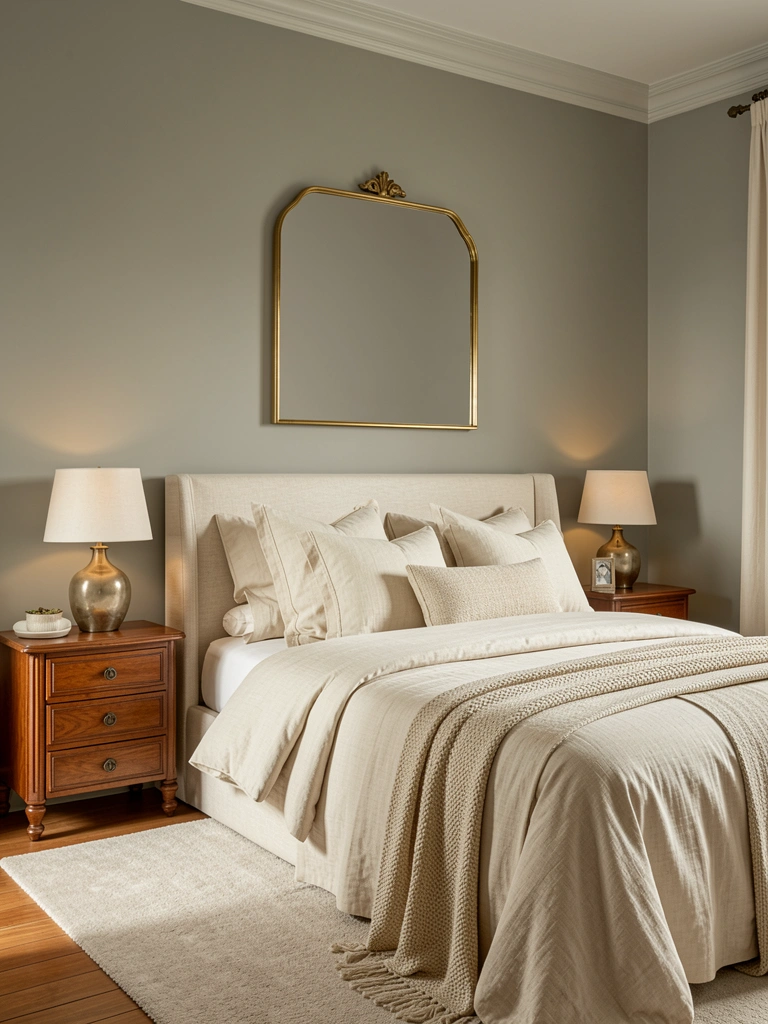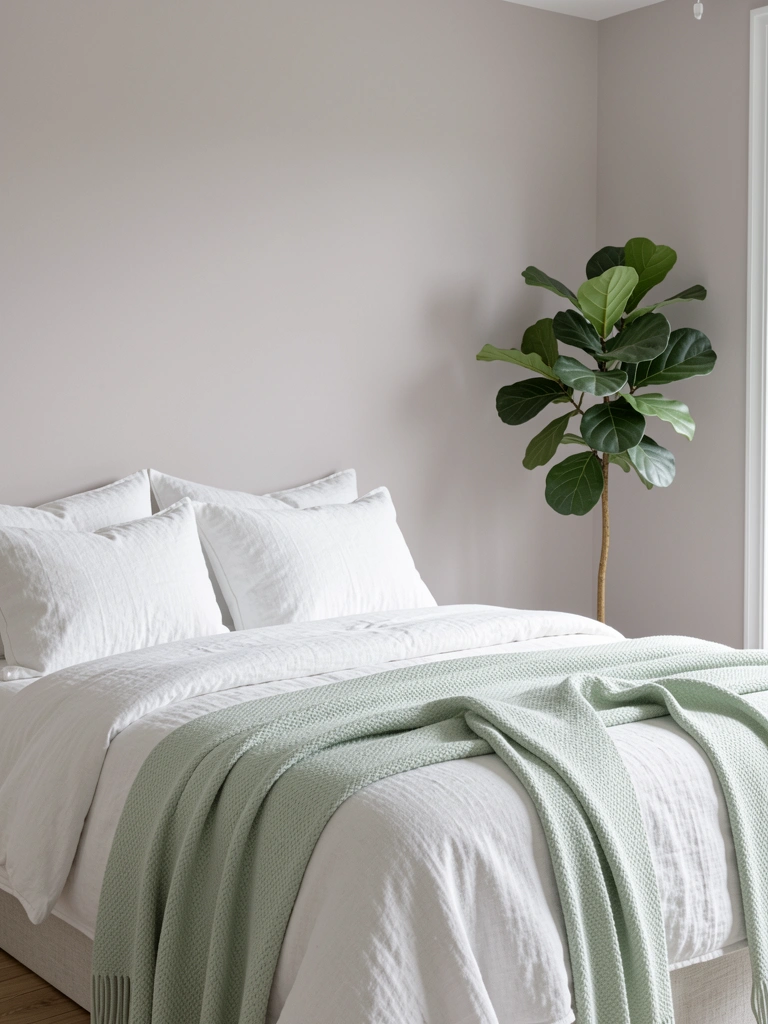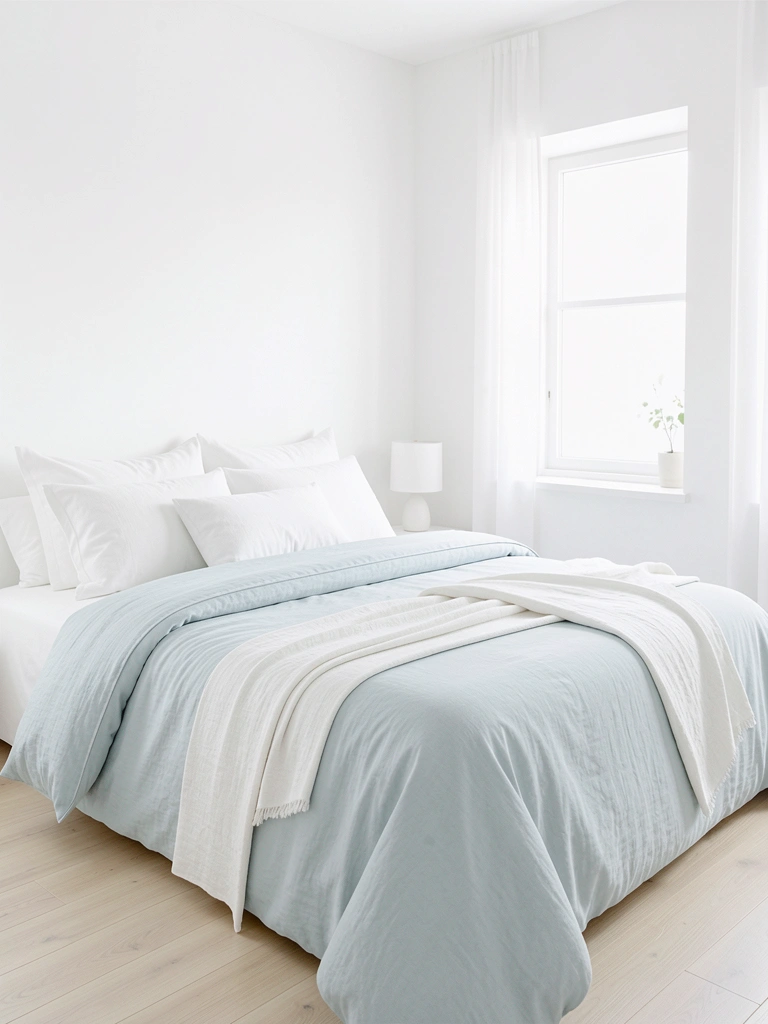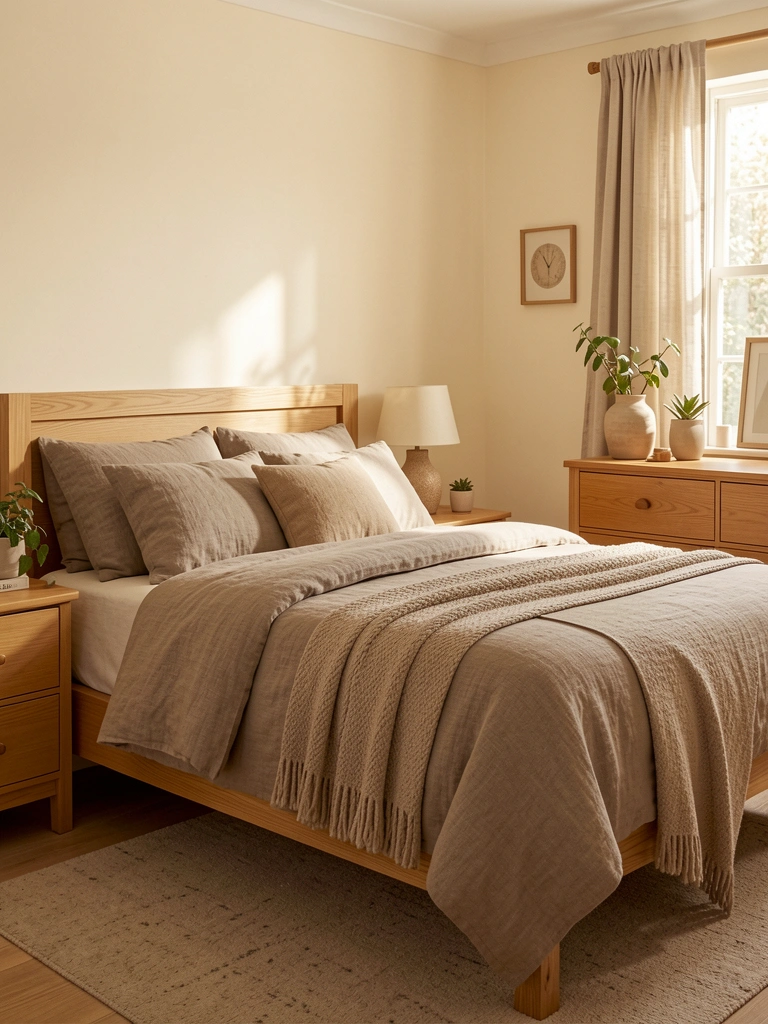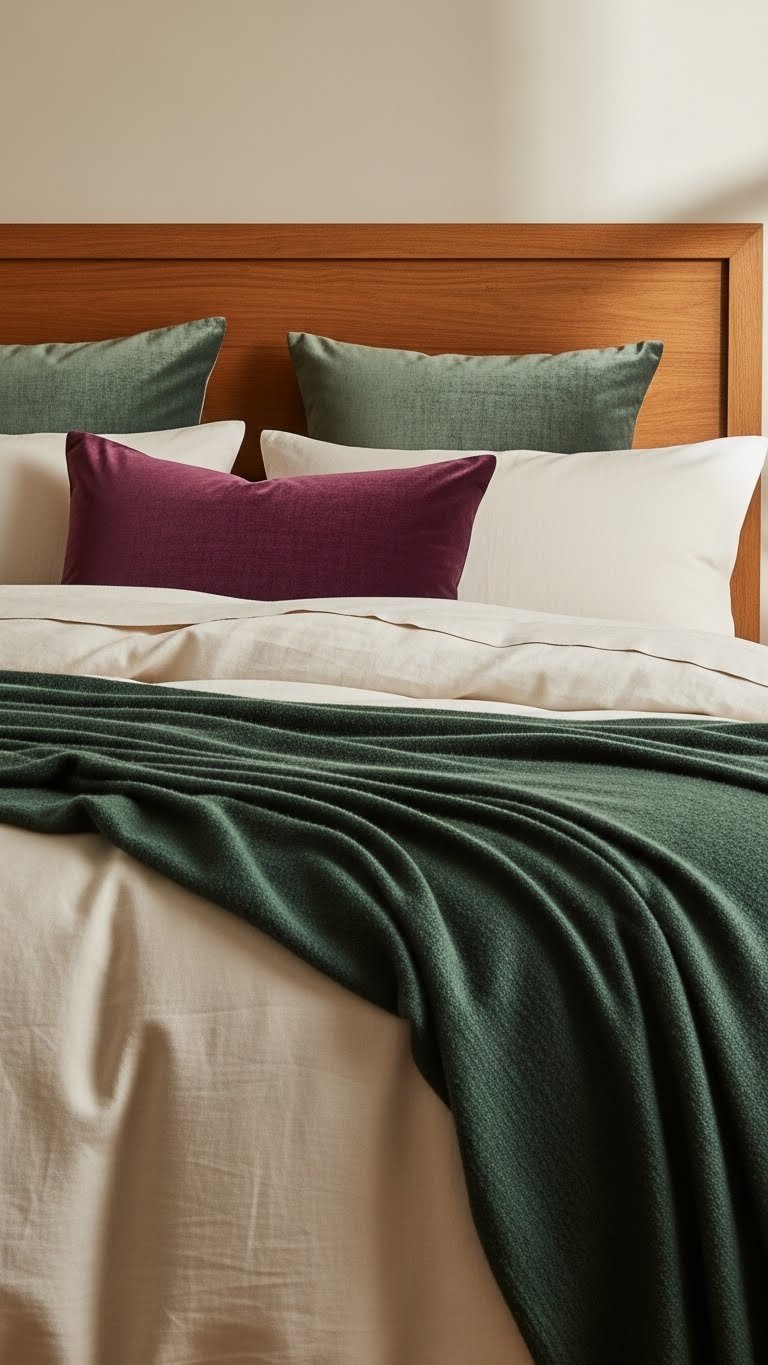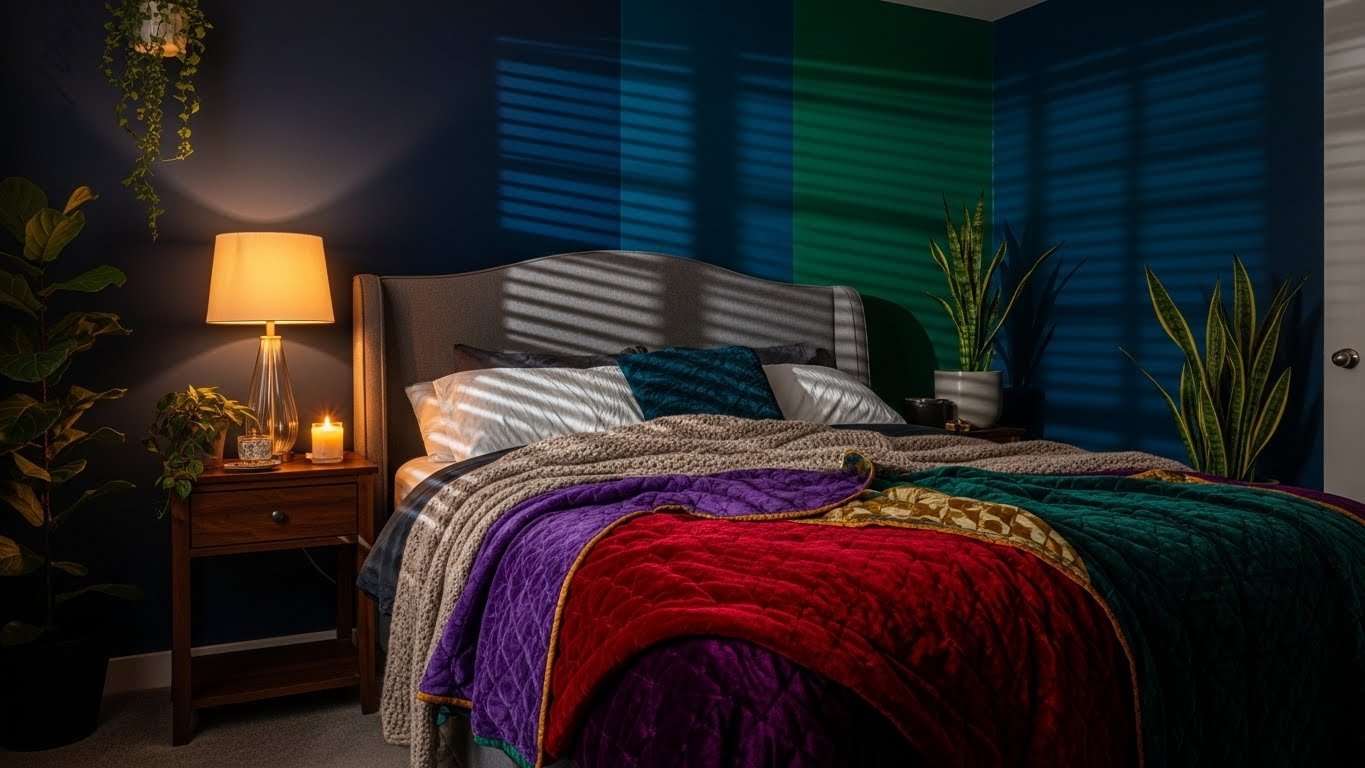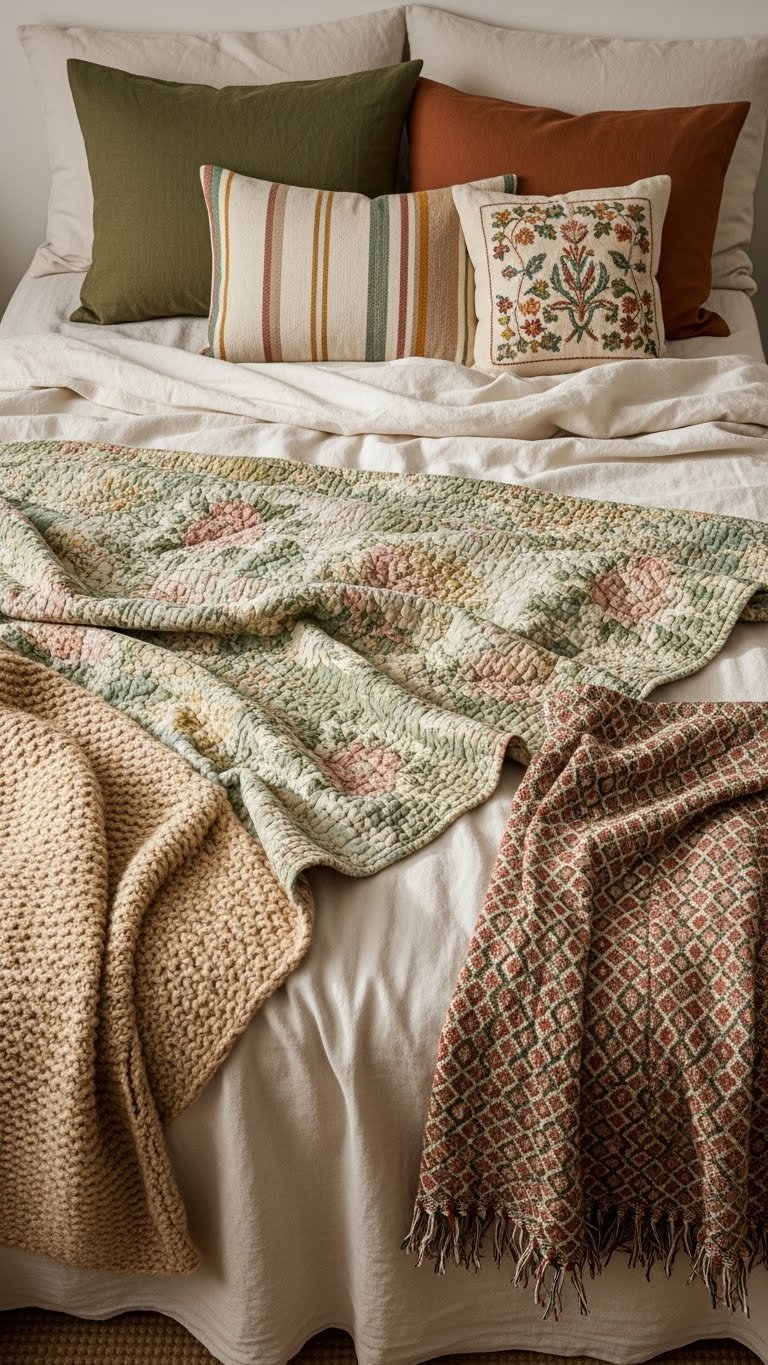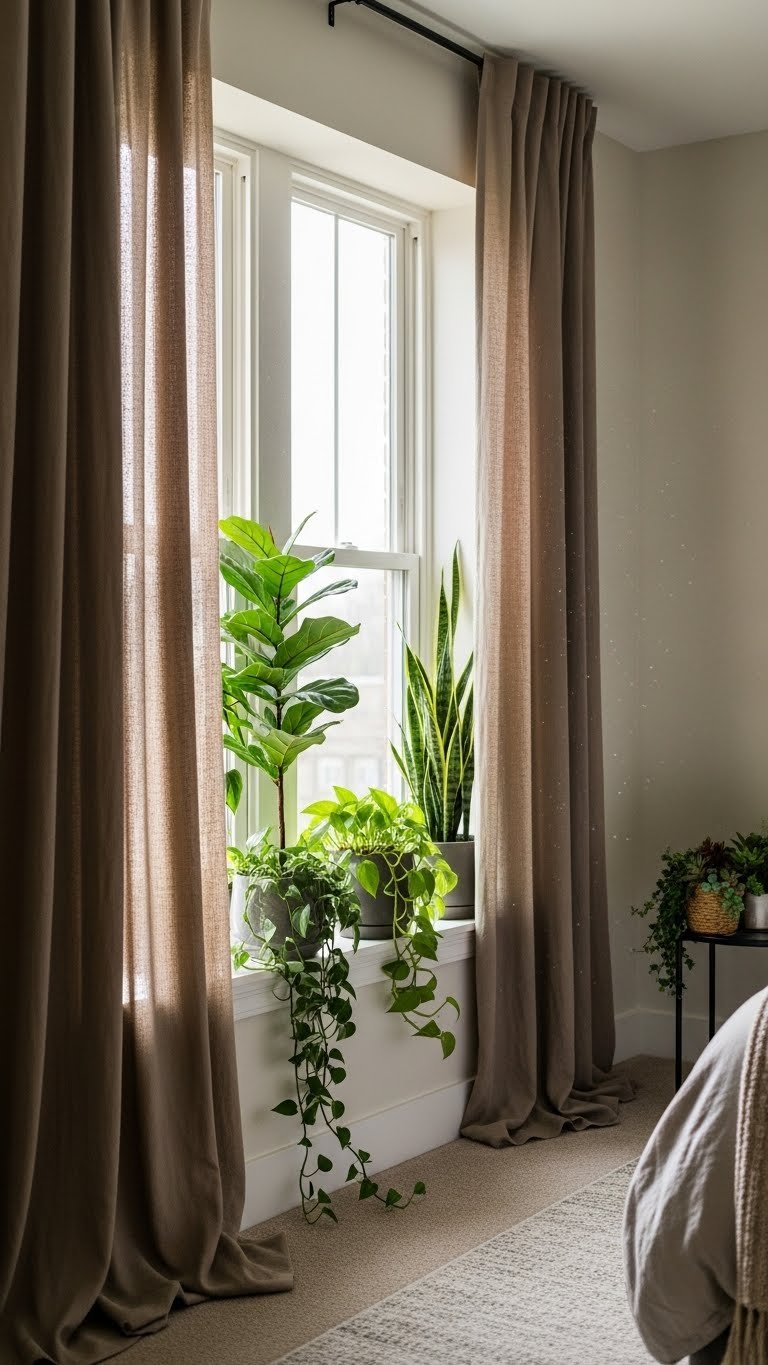
Category: Bedroom Decor

  • 26 Artistic Bed Frame Ideas That Turn Furniture Into Art

    26 Artistic Bed Frame Ideas That Turn Furniture Into Art

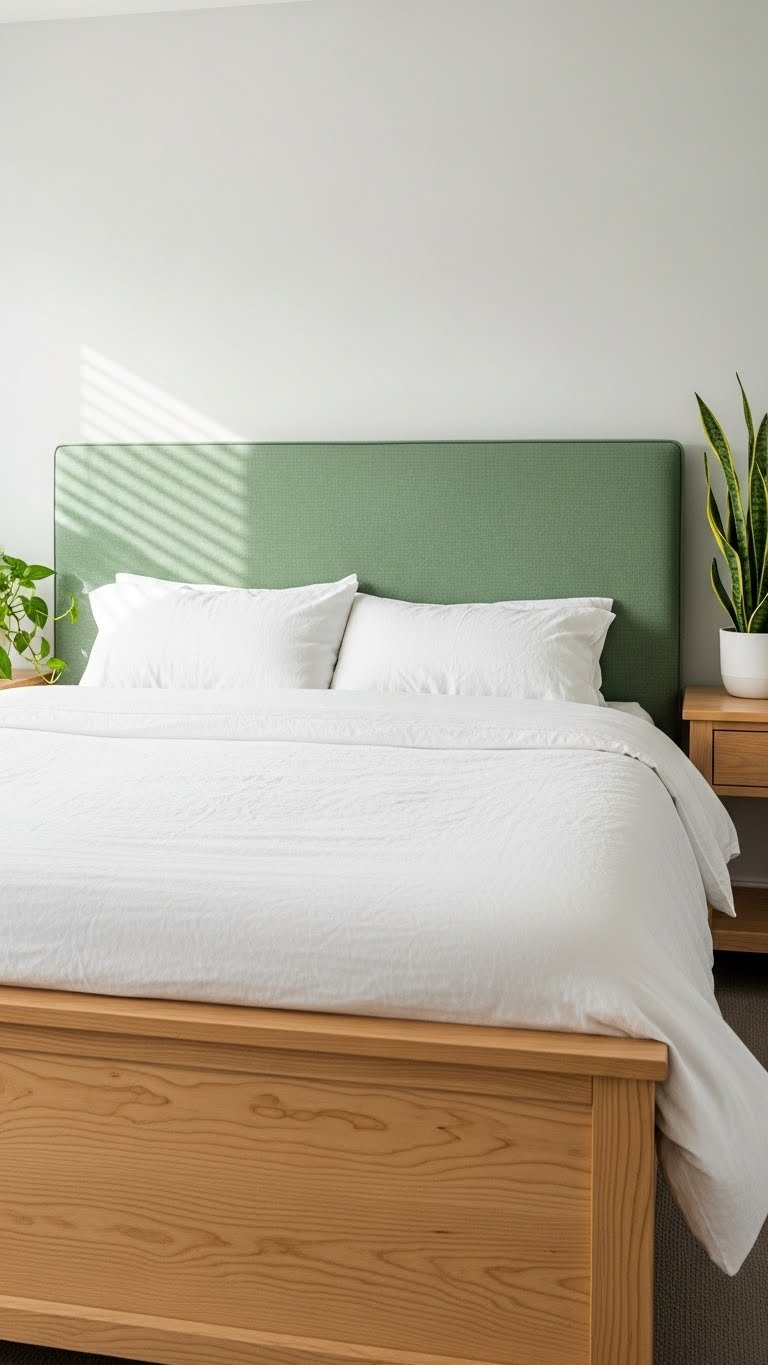
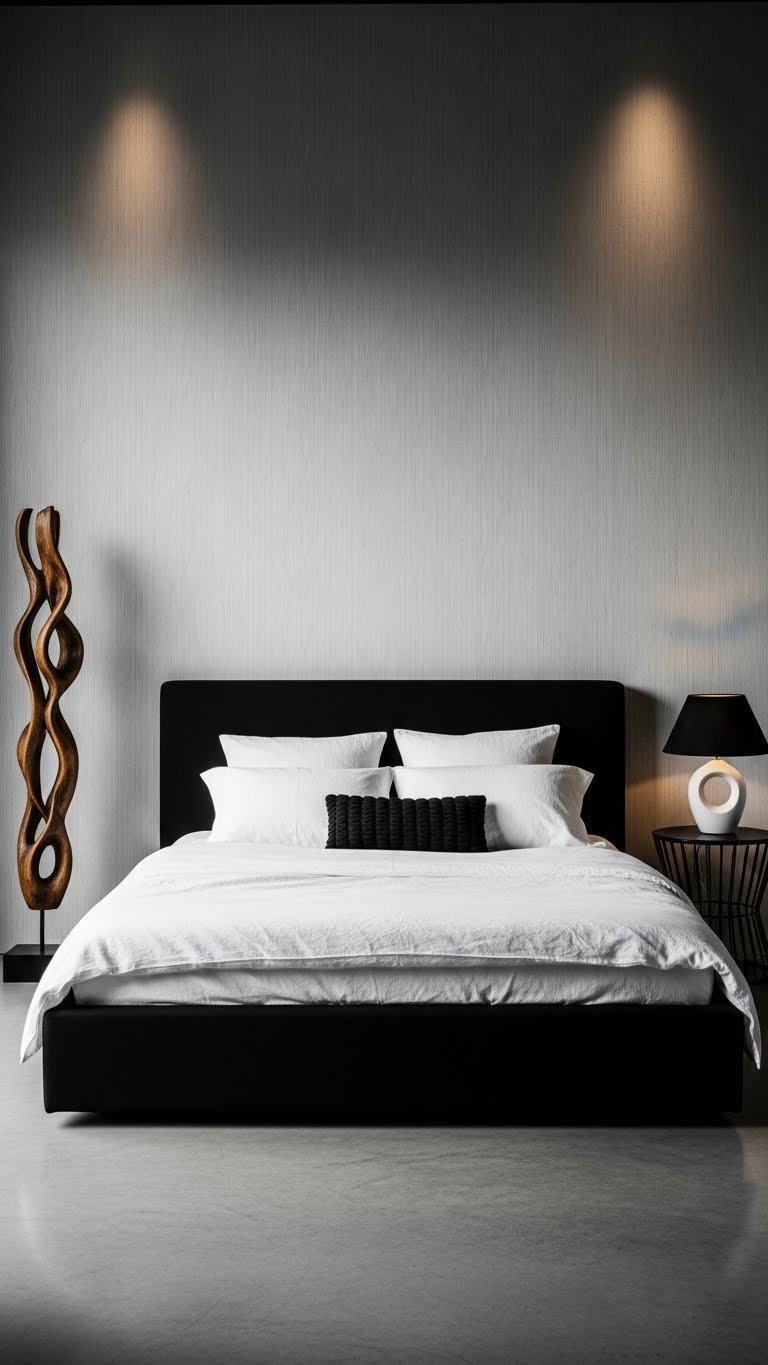
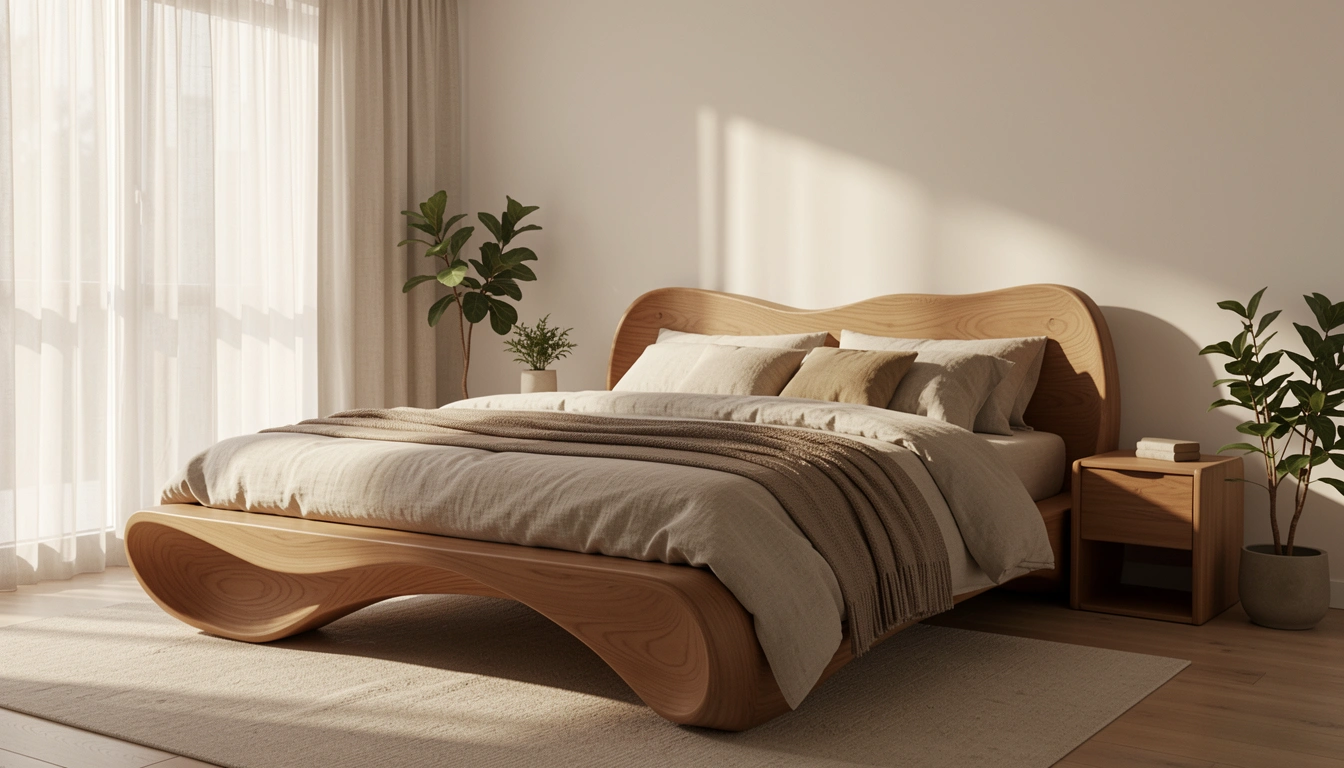
    Your bed frame doesn’t have to be boring. It’s the biggest piece of furniture in your bedroom—the one thing you see every morning and night—so why not make it a statement? Whether you’re renting, redecorating on a budget, or ready to invest in something special, there’s an artistic bed frame idea that fits your style and space. We’ve gathered 26 creative approaches that turn your bed from basic to beautiful. You’ll find DIY hacks, affordable finds under $100, and investment pieces that’ll last years. From curved headboards to reclaimed wood designs, sculptural metal frames to upholstered masterpieces, each idea brings personality and intentionality to your sanctuary. Let’s explore how to make your bed the artwork your bedroom deserves.

    1. Curved Headboard With Soft Upholstery
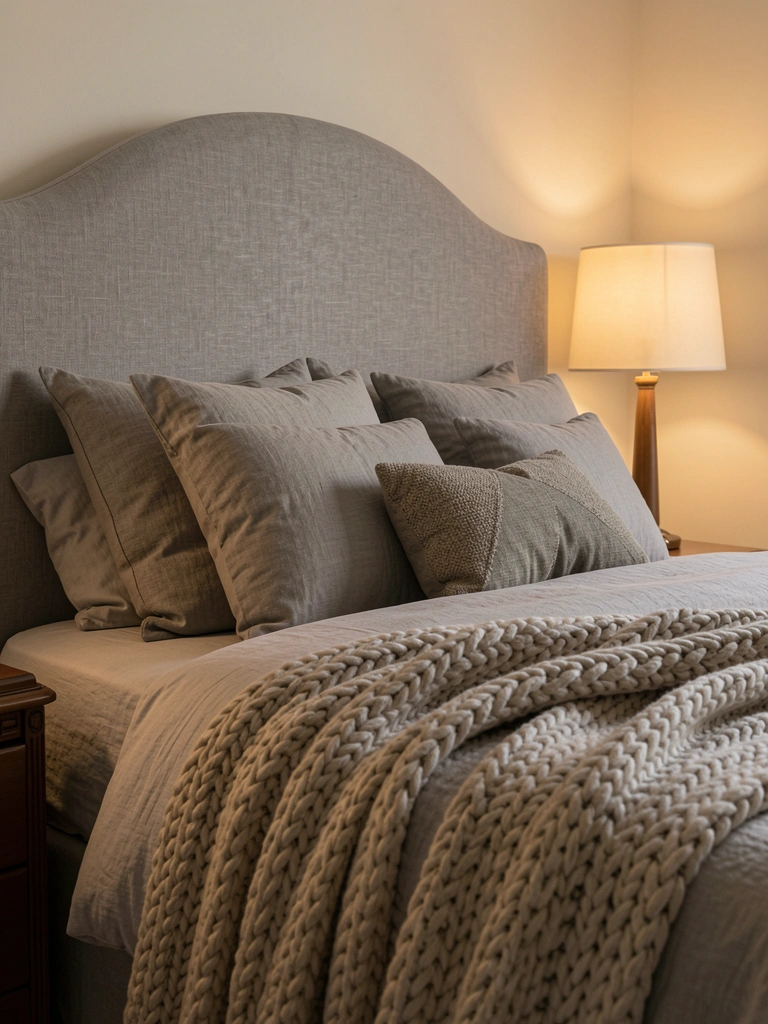
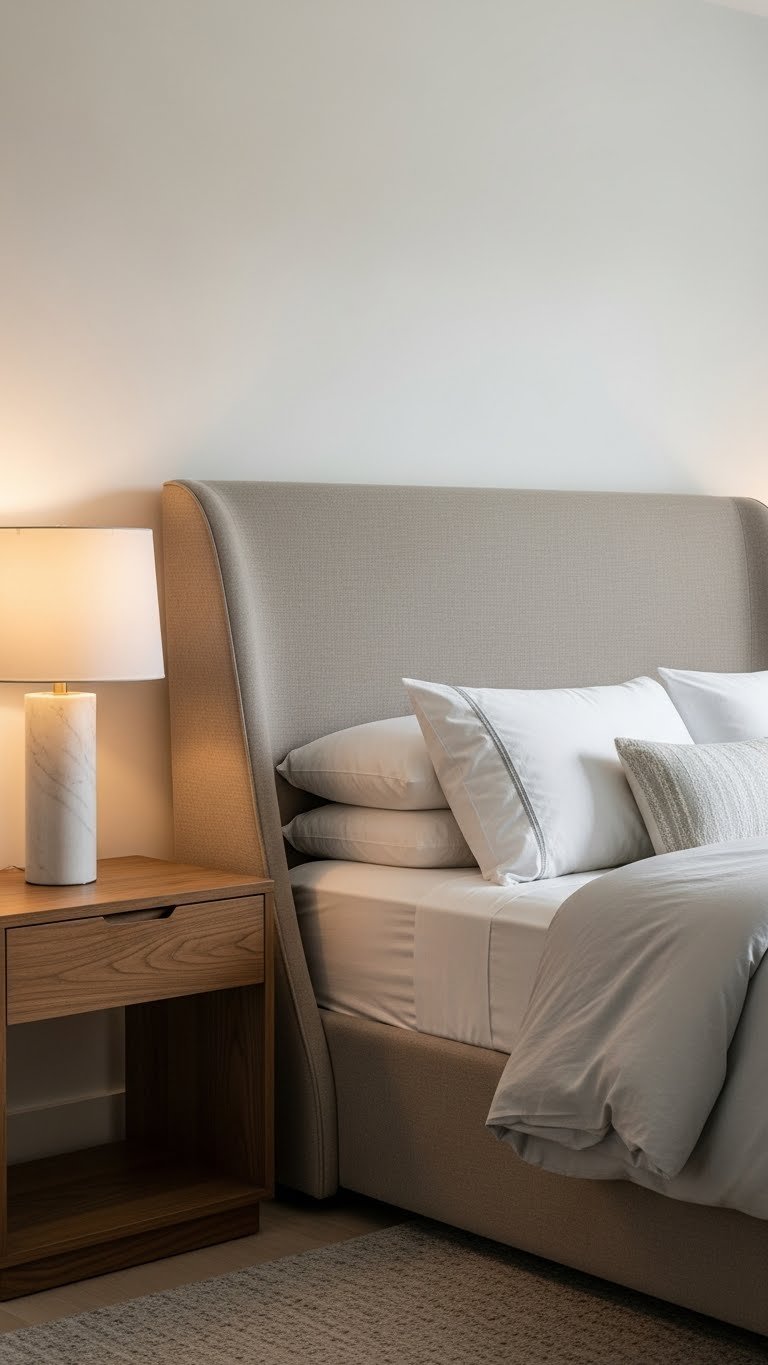
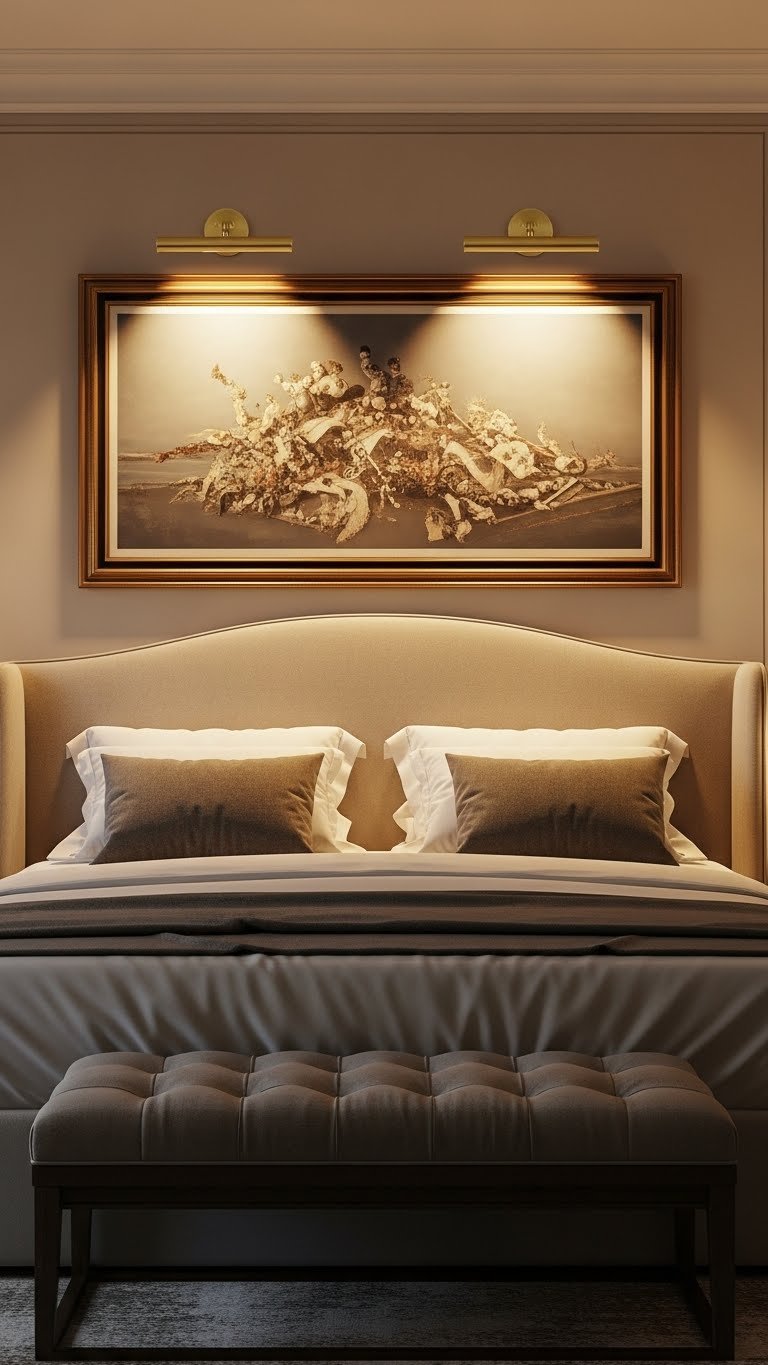
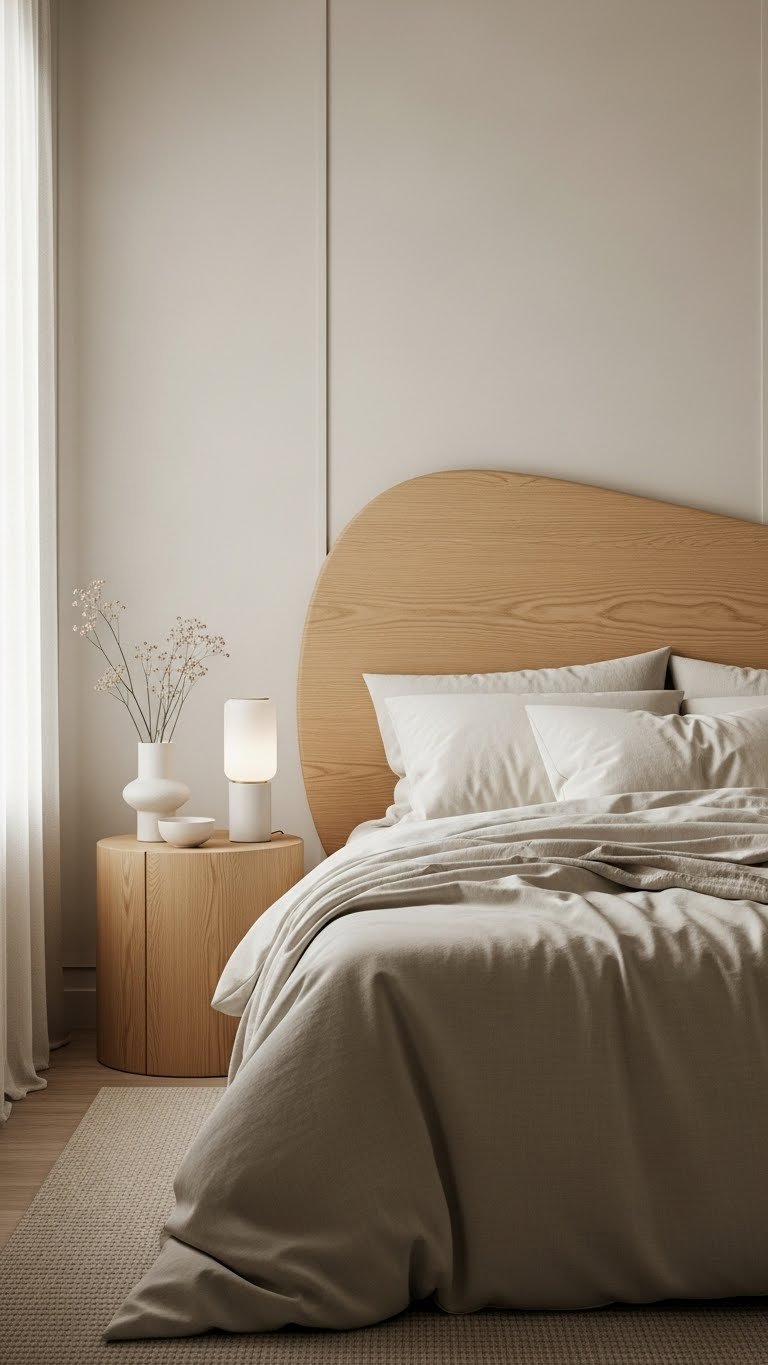
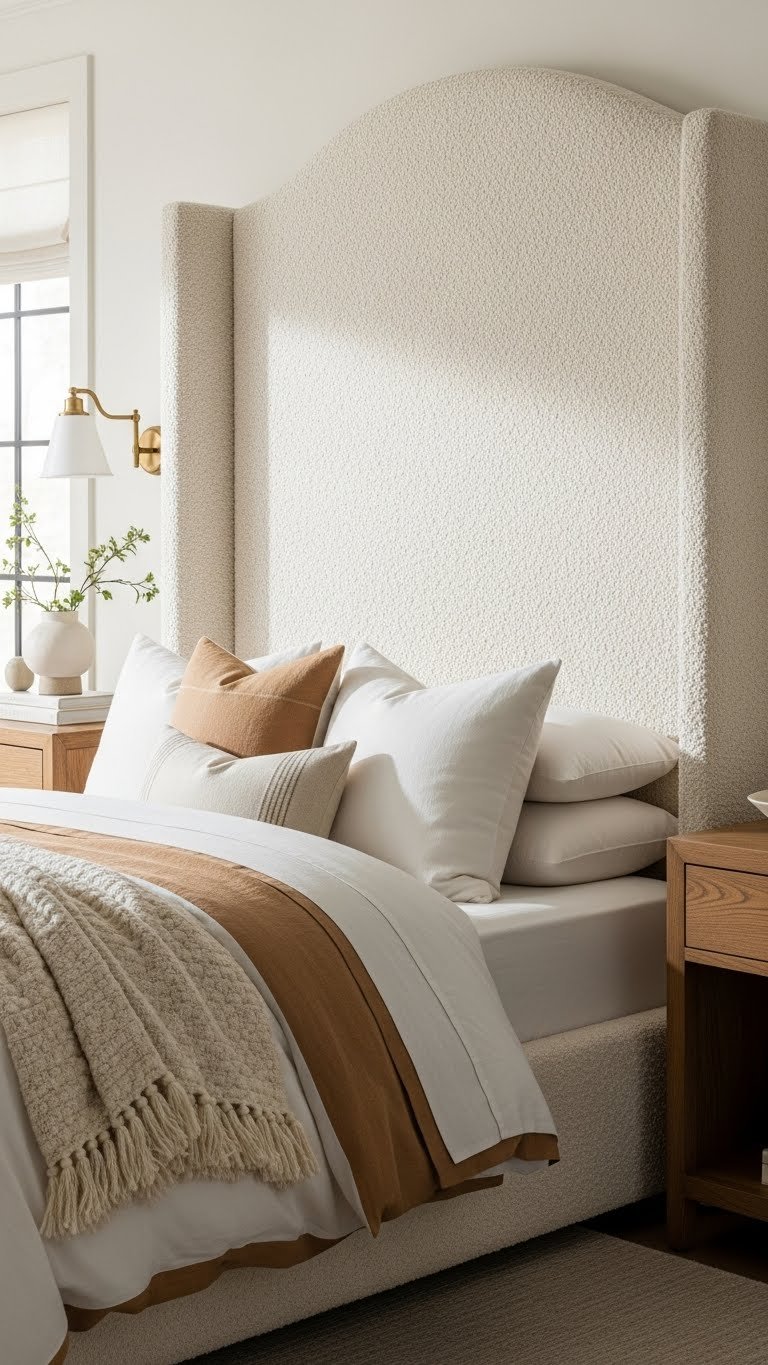
    Curved headboards are having a major moment—47% of furniture lovers are choosing organic shapes over sharp angles. A rounded, upholstered headboard instantly makes your bedroom feel more inviting and visually softer.

    Hunt on Wayfair, Article, or Facebook Marketplace for curved headboard frames ($150–$500). If you’re handy, purchase a curved plywood form and upholster it yourself with batting and fabric ($50–$100 in materials, 3–4 hours). Alternatively, find mid-century pieces at antique shops. Pair it with layered bedding and pendant lights on either side.

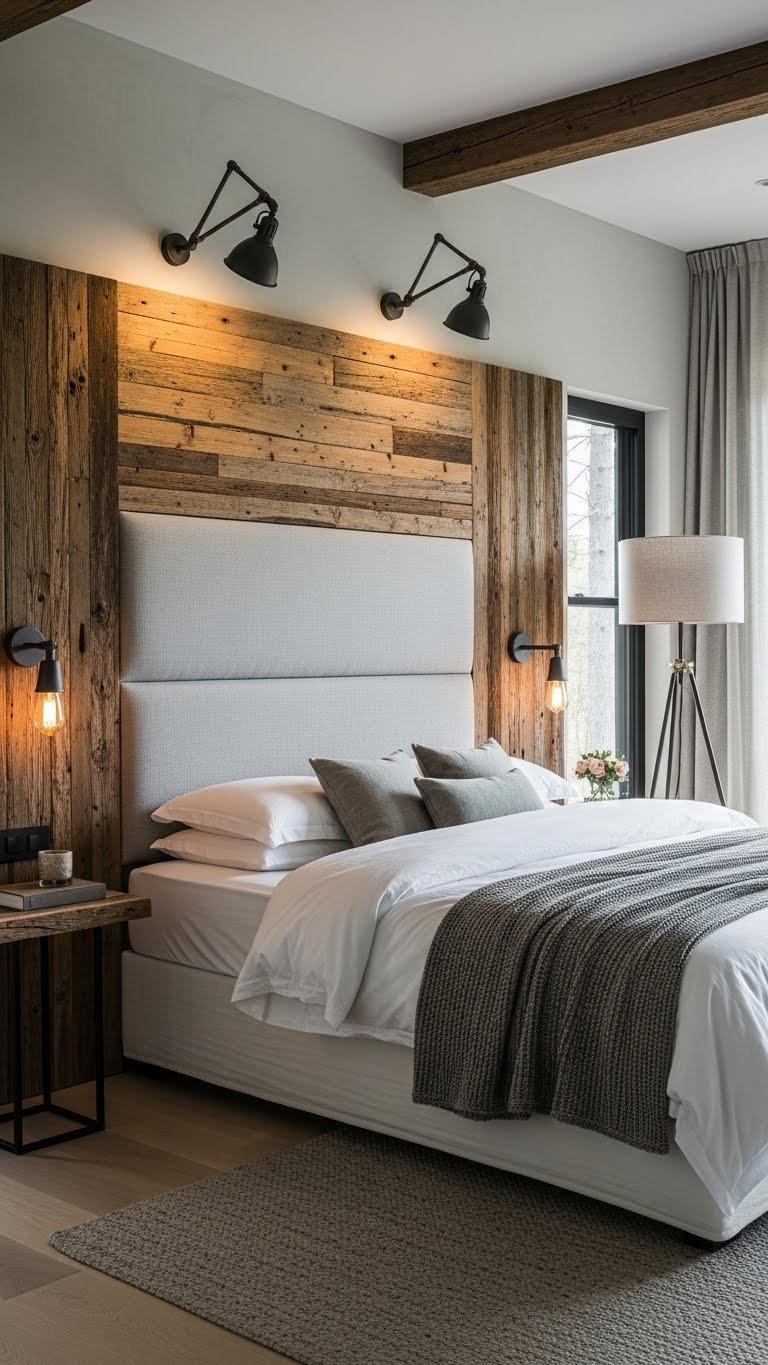
    The rounded silhouette catches light beautifully in photos and photographs, making your bed look like a design magazine spread. You’ll notice how much softer your whole bedroom feels.

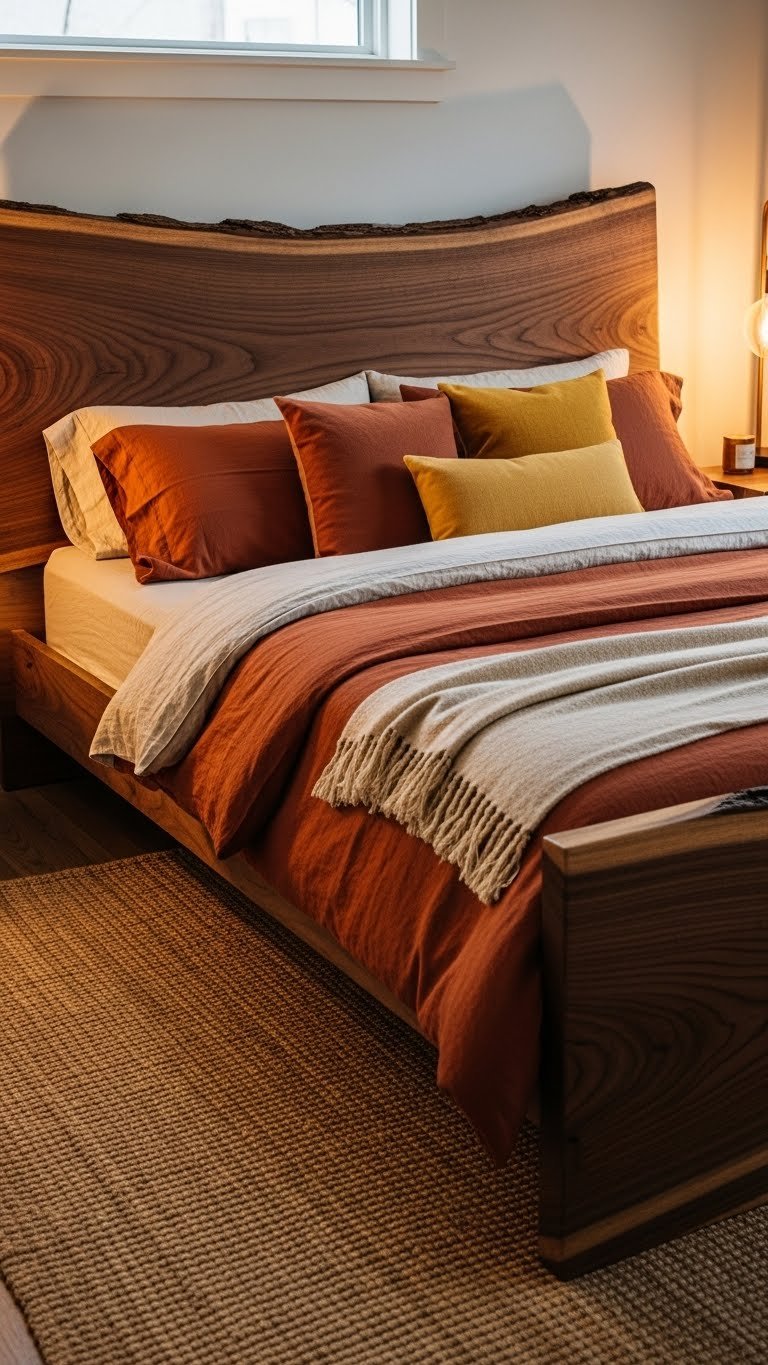
    2. Live-Edge Wood Frame for Natural Drama
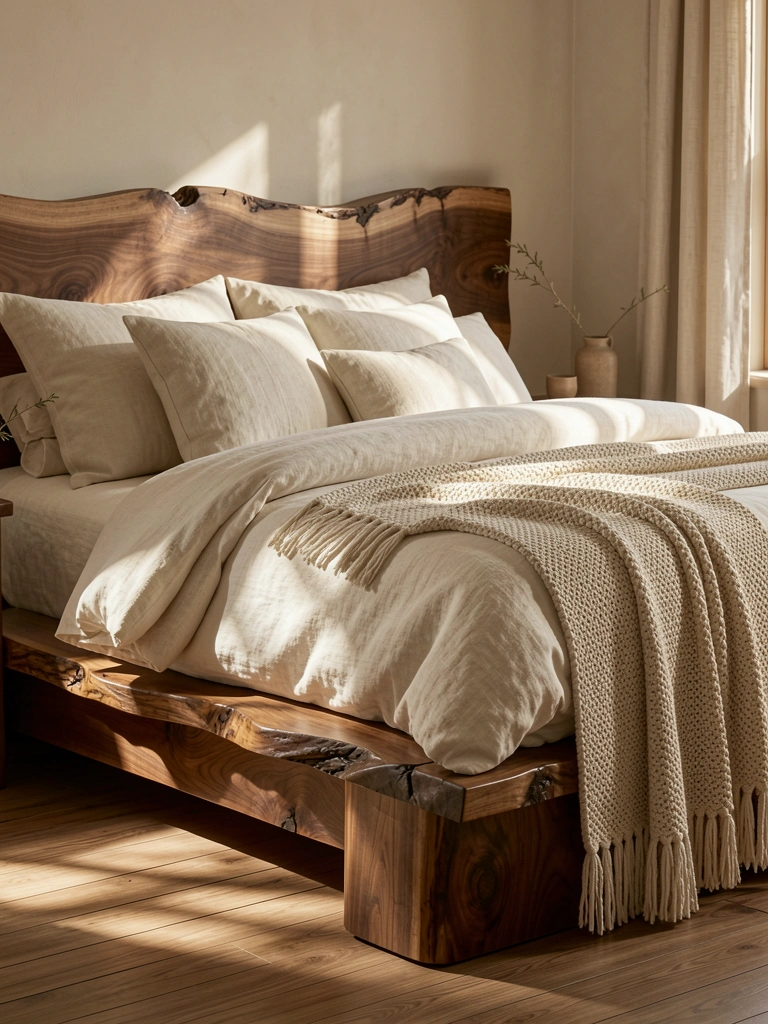
    Live-edge wood bed frames celebrate nature’s imperfections—no two are alike. The irregular edge becomes the focal point, turning raw material into refined furniture.

    Source reclaimed or sustainably harvested live-edge slabs from Etsy, local woodworkers, or lumber yards ($400–$1,200 for a complete frame). Craftspeople will route the edges smooth and add support legs. For renters, smaller live-edge accent pieces like a shelf above your bed work beautifully. Finish with natural oils to enhance the grain.

    This design makes your bedroom feel intentional and grounded. Visitors always comment on the artistry—it’s a conversation starter that cost less than a traditional designer frame.

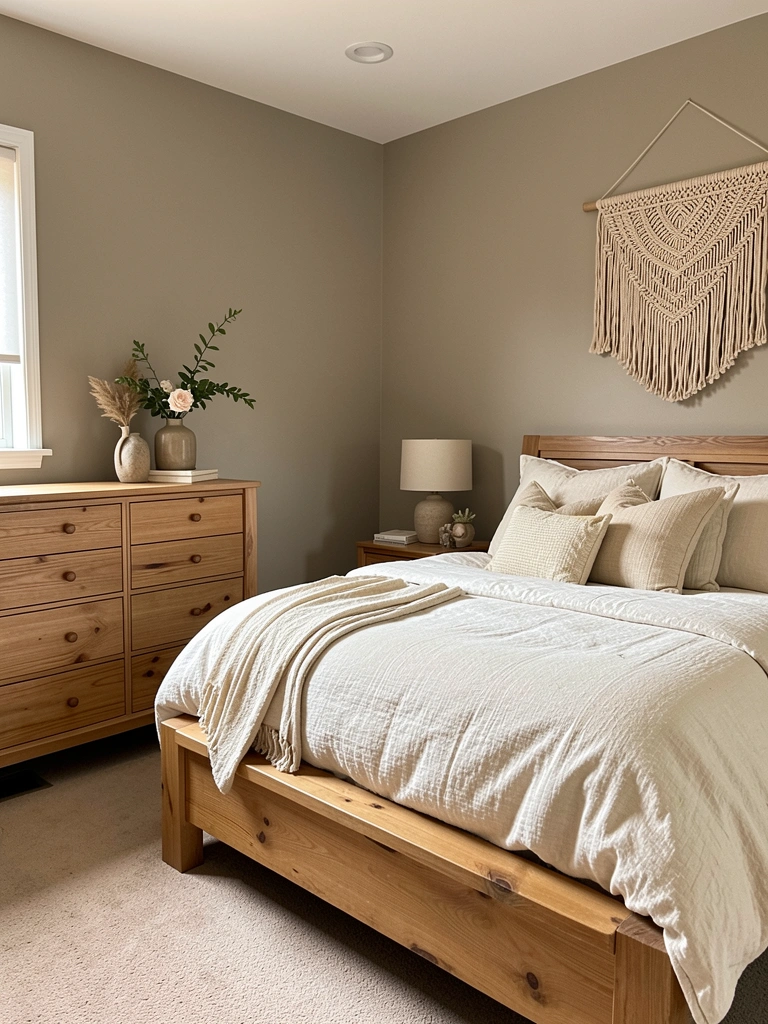
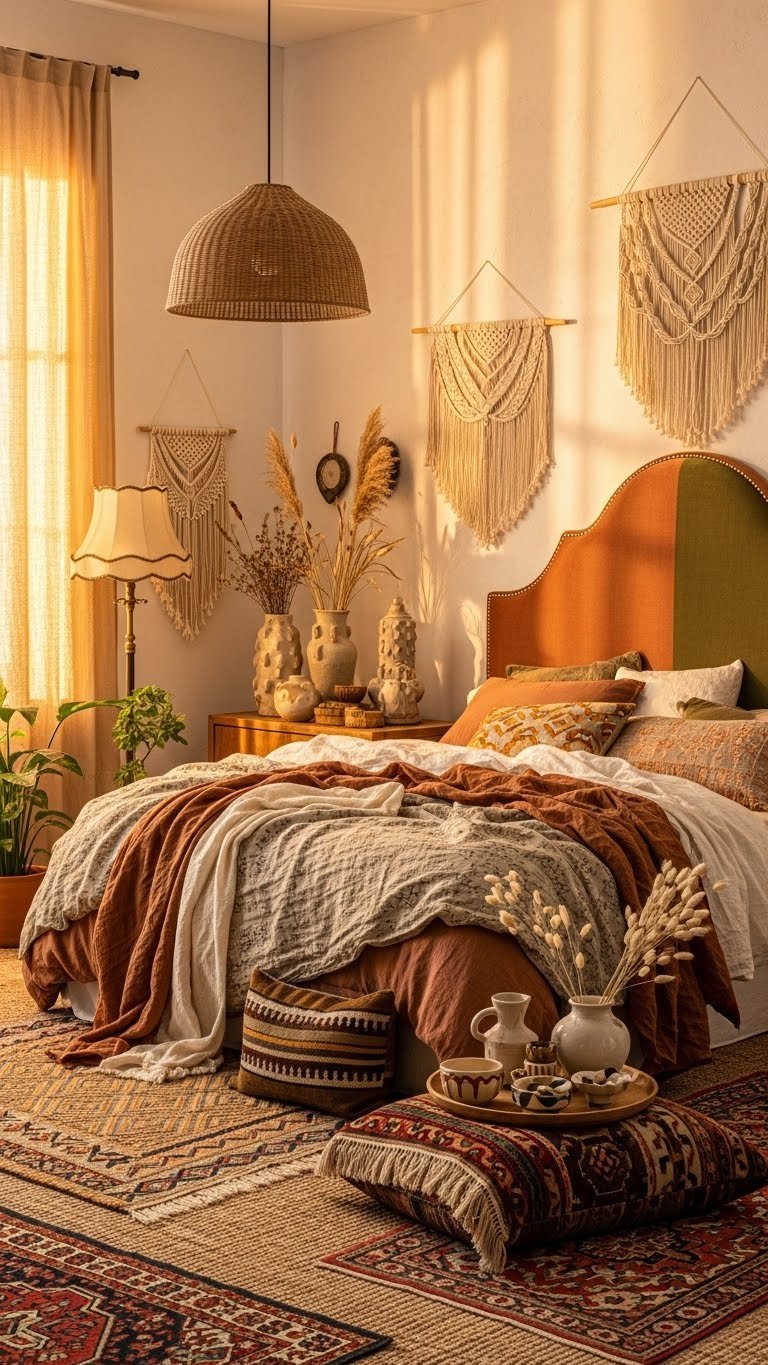
    3. Macramé Woven Headboard for Boho Texture
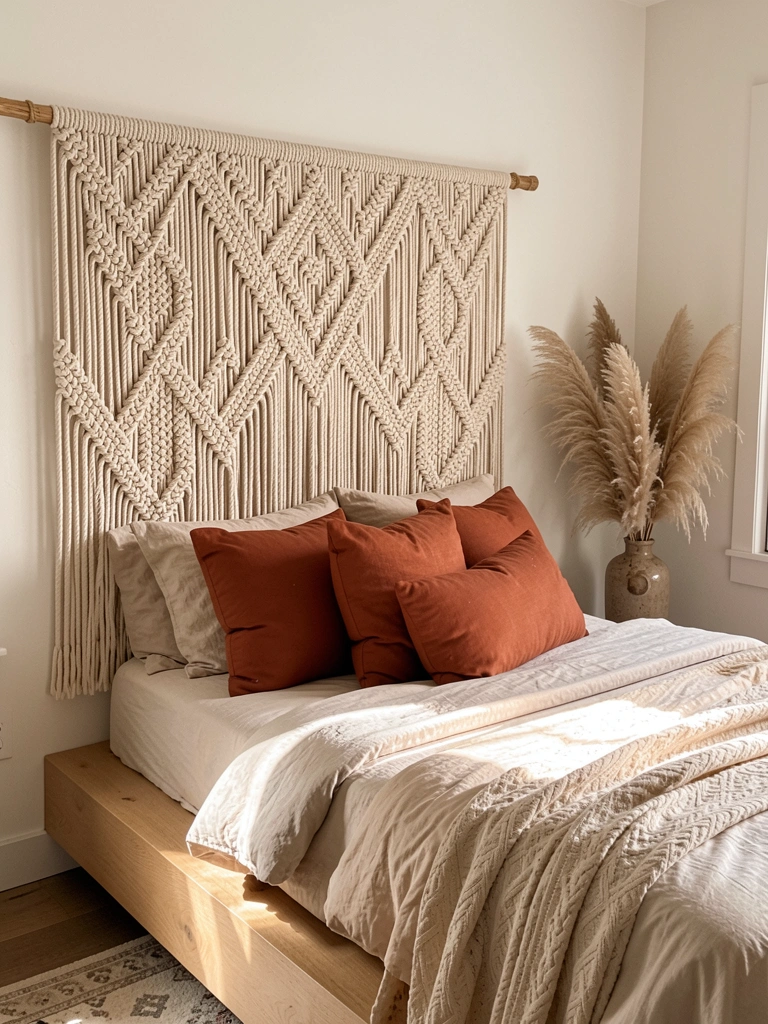
    Macramé brings handmade warmth and texture—especially if you weave it yourself. The knotted pattern adds depth without taking up floor space.

    Find pre-made macramé headpieces on Etsy, Urban Outfitters, or Amazon ($60–$200). Mounting is simple: attach a wooden dowel or driftwood rod to the wall above your bed, then hang the macramé using hooks. Want to DIY? Grab cotton rope, paracord, or jute from a craft store ($20–$40) and follow a YouTube tutorial (2–4 hours). Beginners do best with simple square-knot patterns.

    The texture creates visual interest and softens harsh bedroom corners. Plus, it’s totally renter-friendly—you can take it with you or gift it forward.

    4. Metal Frame With Geometric Patterns
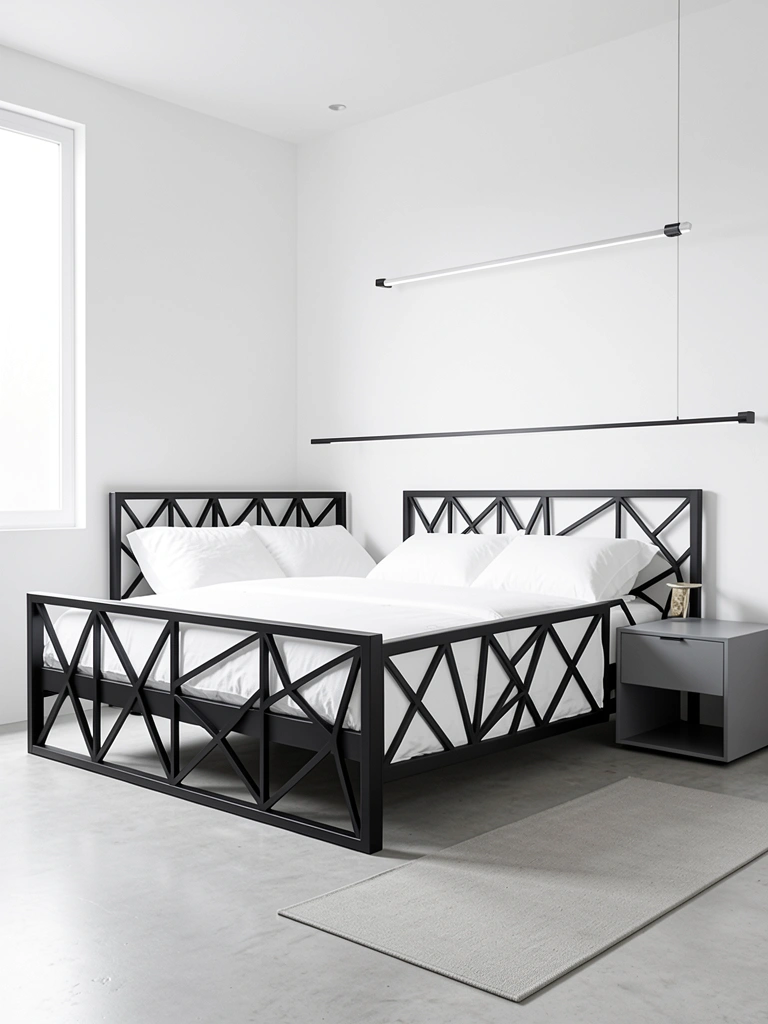
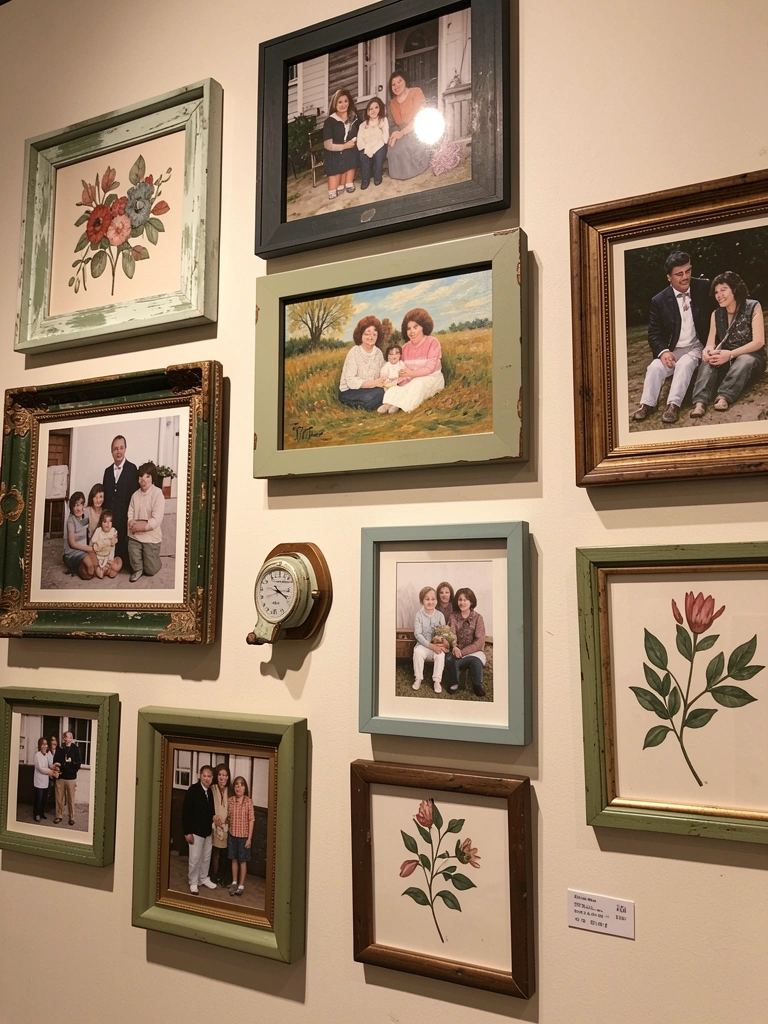
    Metal bed frames with geometric cutouts bring architectural interest and an industrial-meets-modern edge. The negative space becomes part of the design.

    Look for geometric metal frames on Wayfair, Article, CB2, or West Elm ($300–$800). If you can weld or know someone who can, commission a custom piece from a local metalworker ($200–$600). Pre-made options include hexagon, triangle, and wave patterns. Pair with crisp linens to let the frame shine.

    The geometric details cast interesting shadows on your wall as light changes throughout the day. Your bedroom becomes more sophisticated without feeling cold or impersonal.

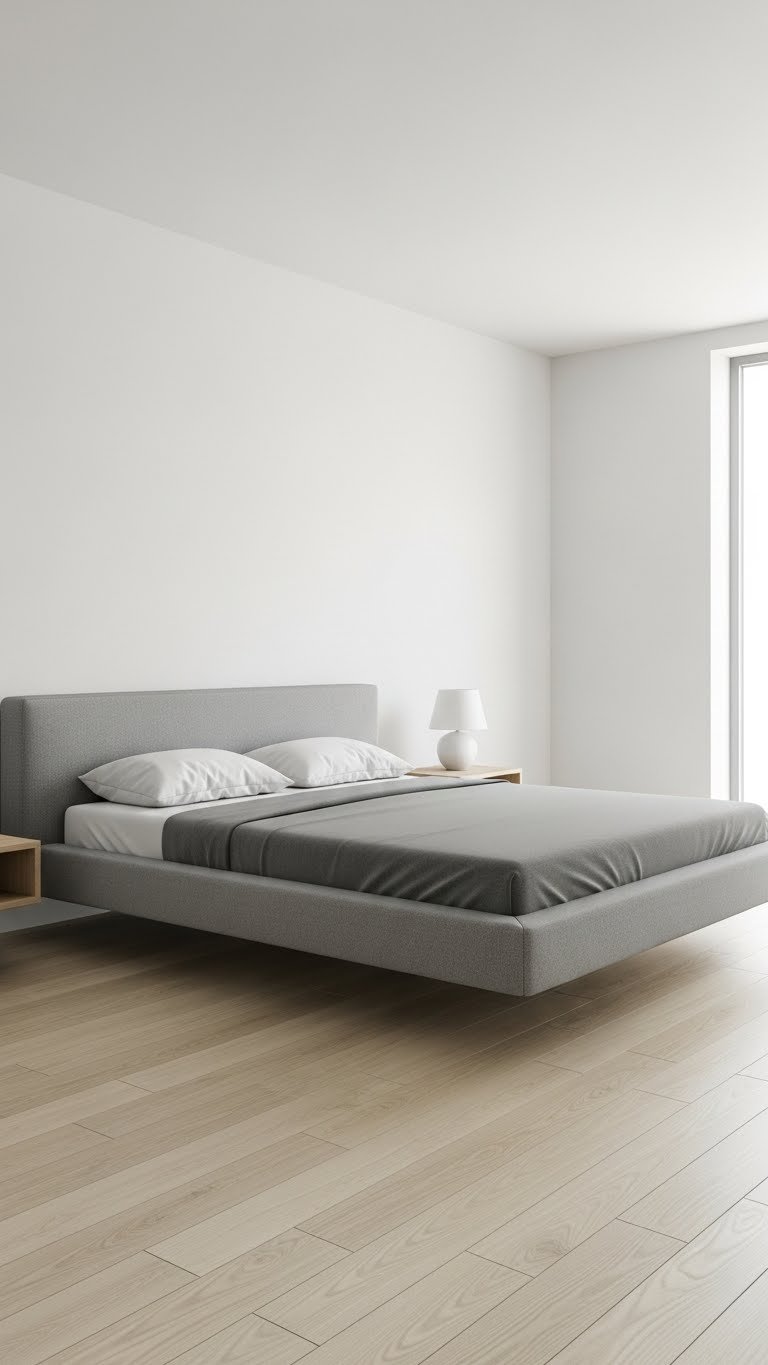
    5. Floating Platform Bed for Minimalist Impact
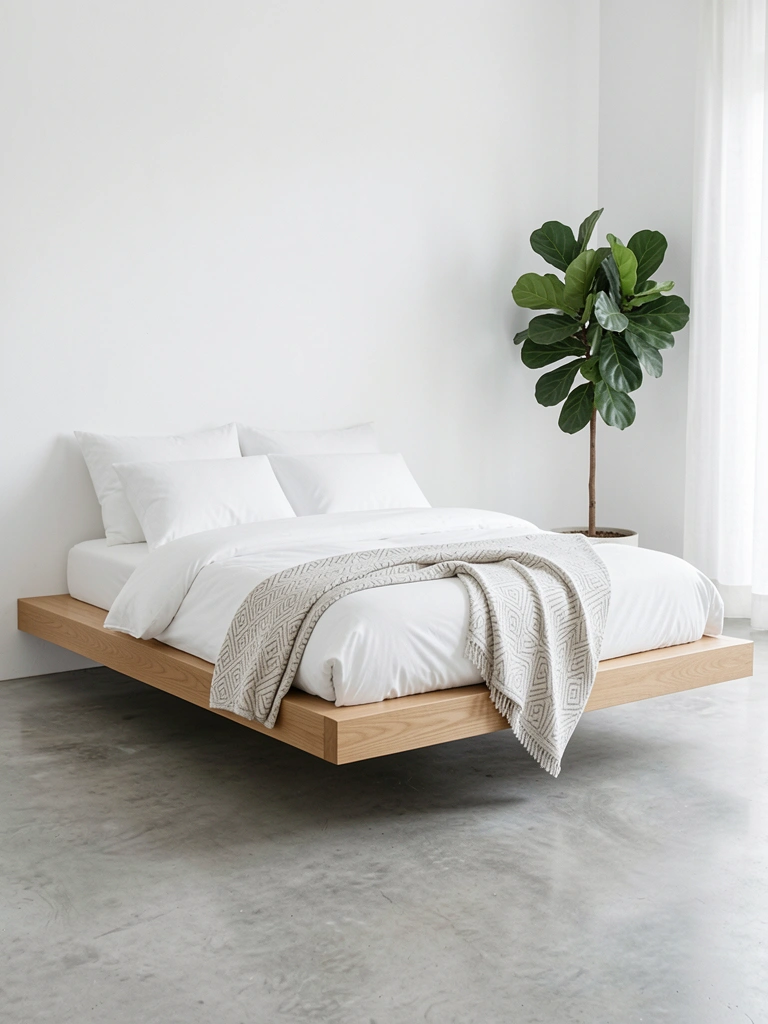
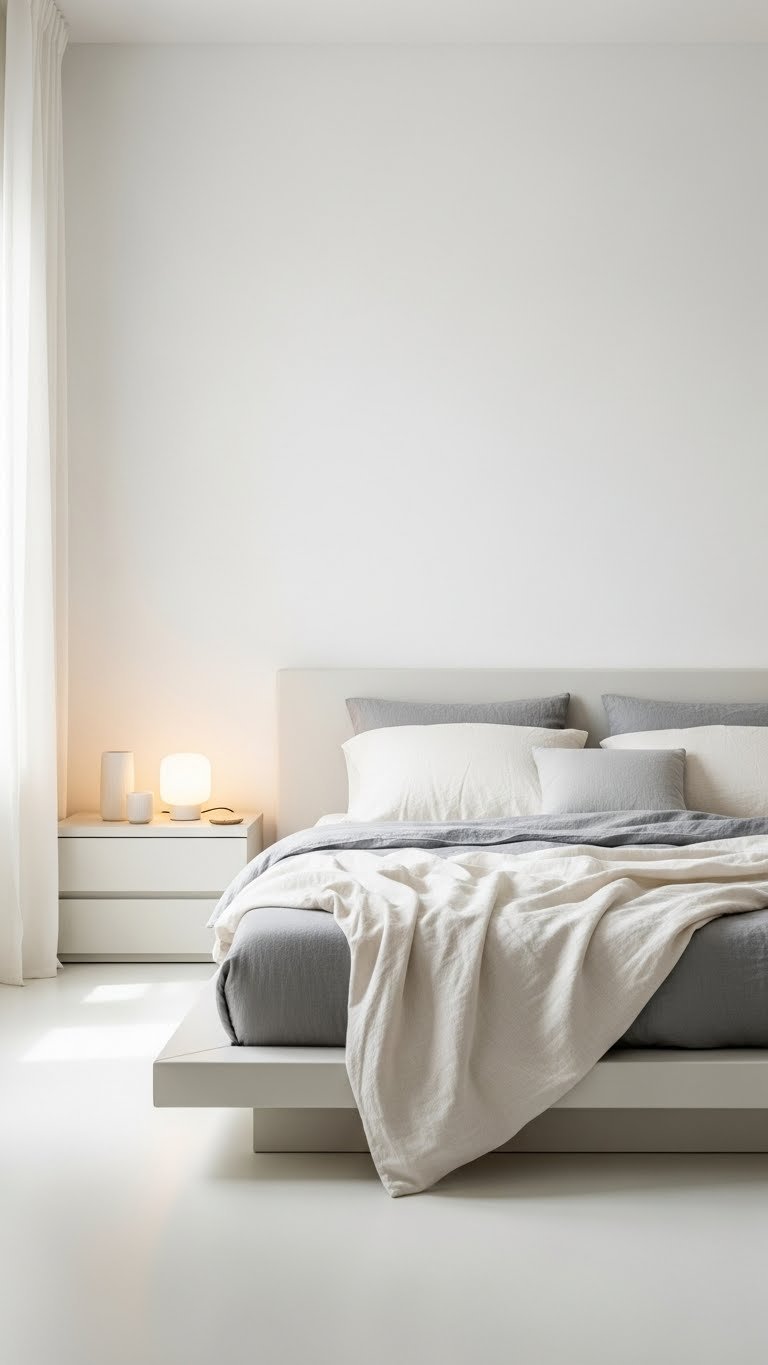
    Floating beds appear to levitate—creating visual lightness and making small rooms feel bigger. They’re bold, modern, and surprisingly accessible.

    Install a floating bed frame kit from IKEA, Wayfair, or Amazon ($150–$400 for a queen). You’ll need wall studs and basic tools. The installation takes 2–3 hours. Alternatively, hire a handyman ($50–$150). Ensure you install into solid structural supports—don’t skip this step. The gap underneath creates storage for under-bed bins.

    The floating effect makes your bedroom look like a boutique hotel. You’ll instantly feel the airiness, and cleaning under the bed becomes effortless. Renter-friendly wall-mounted versions also exist.

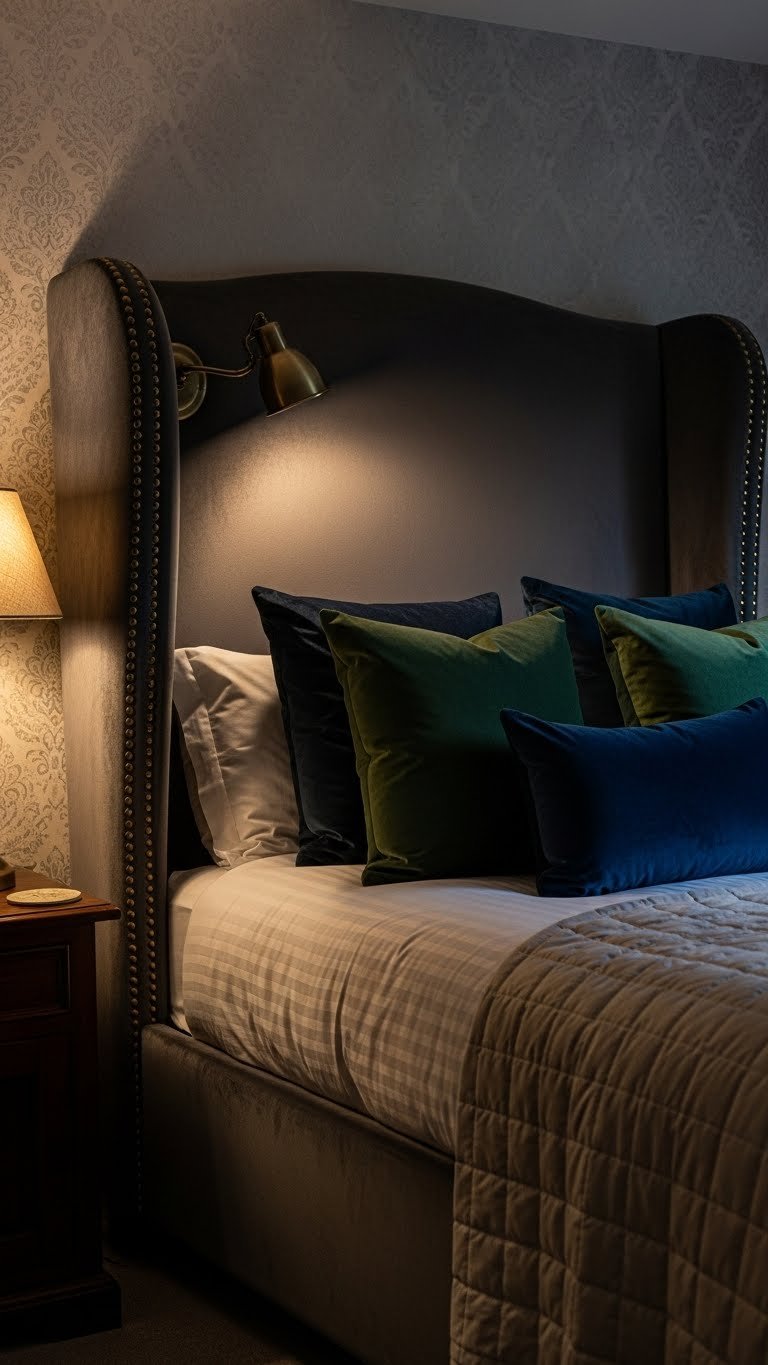
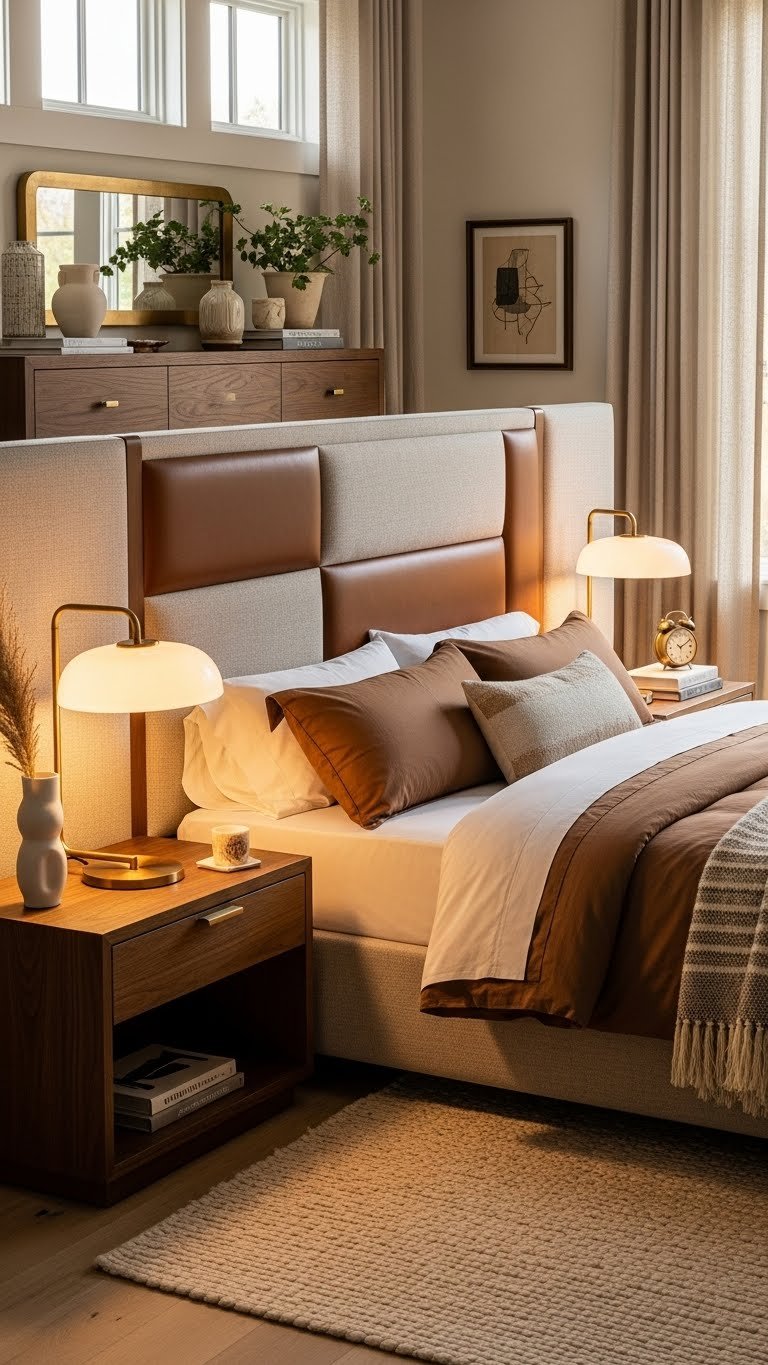
    6. Upholstered Headboard With Nailhead Trim
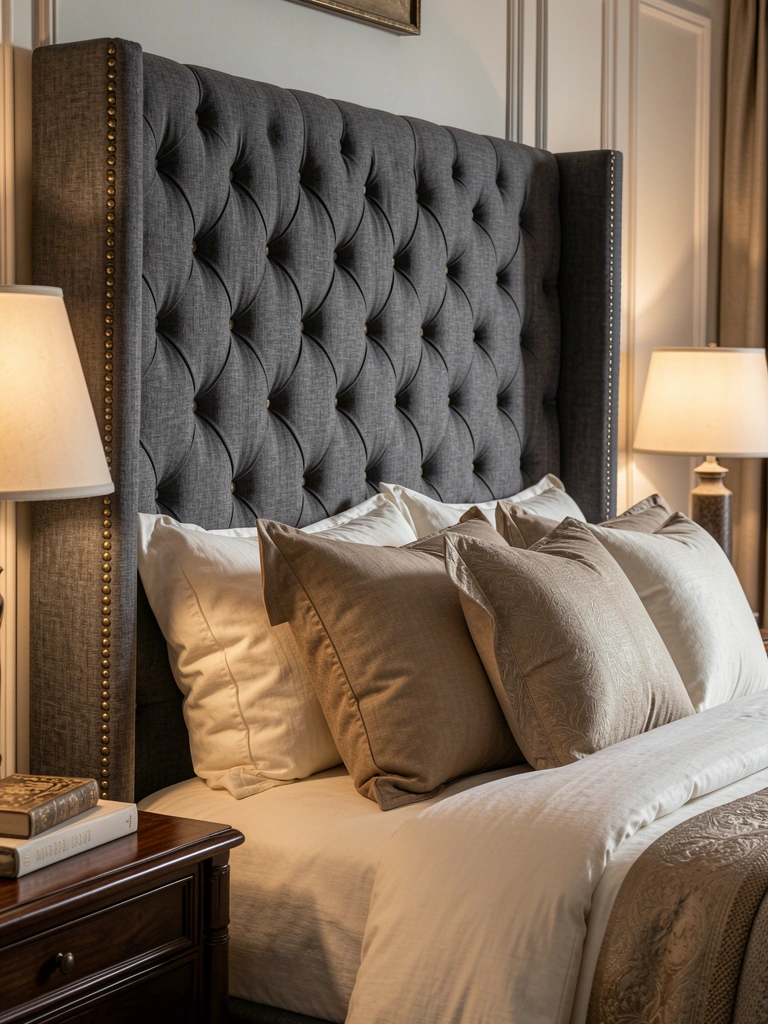
    Nailhead trim adds a designer touch—sophisticated without being fussy. It draws the eye upward and adds subtle sparkle.

    Purchase a nailhead-trimmed headboard from Wayfair, Article, or Pottery Barn ($250–$600). DIY option: buy an unupholstered headboard and upholster it yourself with fabric and nailheads ($80–$150, 4–5 hours using a staple gun and hammer). Brass, bronze, and nickel finishes are all trending. Pair with traditional or eclectic bedding.

    The nailhead detail photographs beautifully and adds a touch of luxury to any bedroom style. You’ll feel more put-together every morning.

    7. Reclaimed Barn Door Headboard
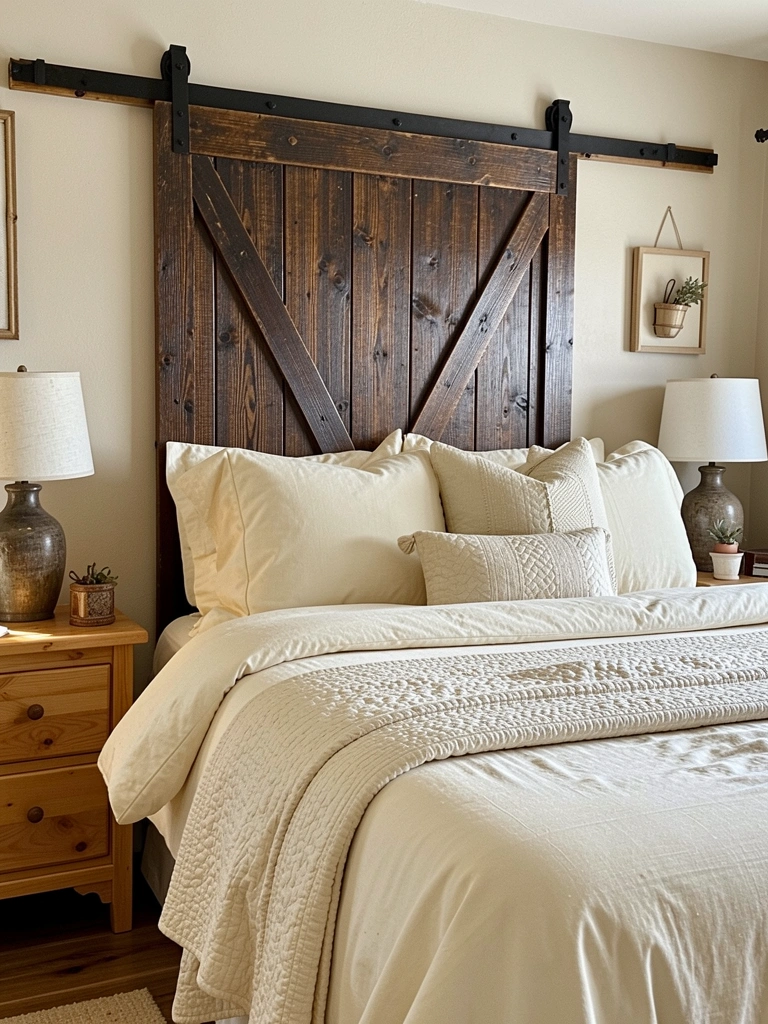
    Barn doors tell stories—weathered wood with genuine patina becomes stunning artwork above your bed. This works beautifully in farmhouse, rustic, or even eclectic modern spaces.

    Source reclaimed barn doors from architectural salvage yards, Etsy, or Facebook Marketplace ($150–$400). Mount securely to the wall using heavy-duty brackets and find the studs. The door doesn’t need to slide—it’s stationary art. If authentic barn doors are pricey, try faux finishes on plywood ($30–$80).

    The authenticity and character make your bedroom feel grounded and collected, like you’ve traveled to find treasure. This is a true focal point that sparks conversation.

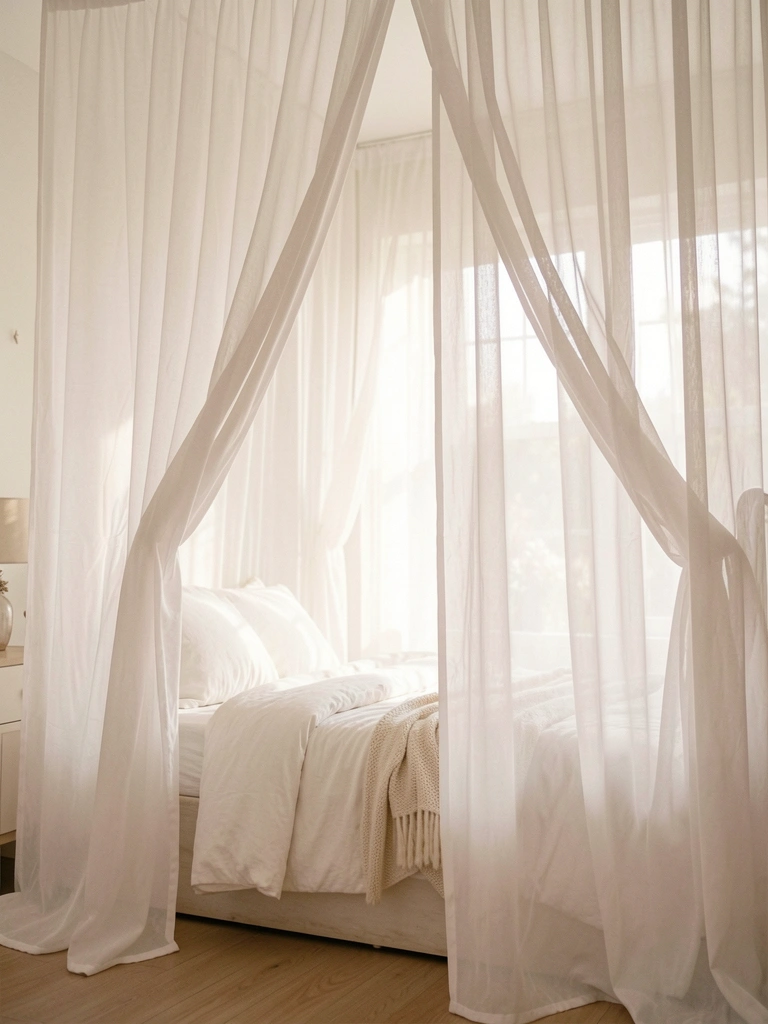
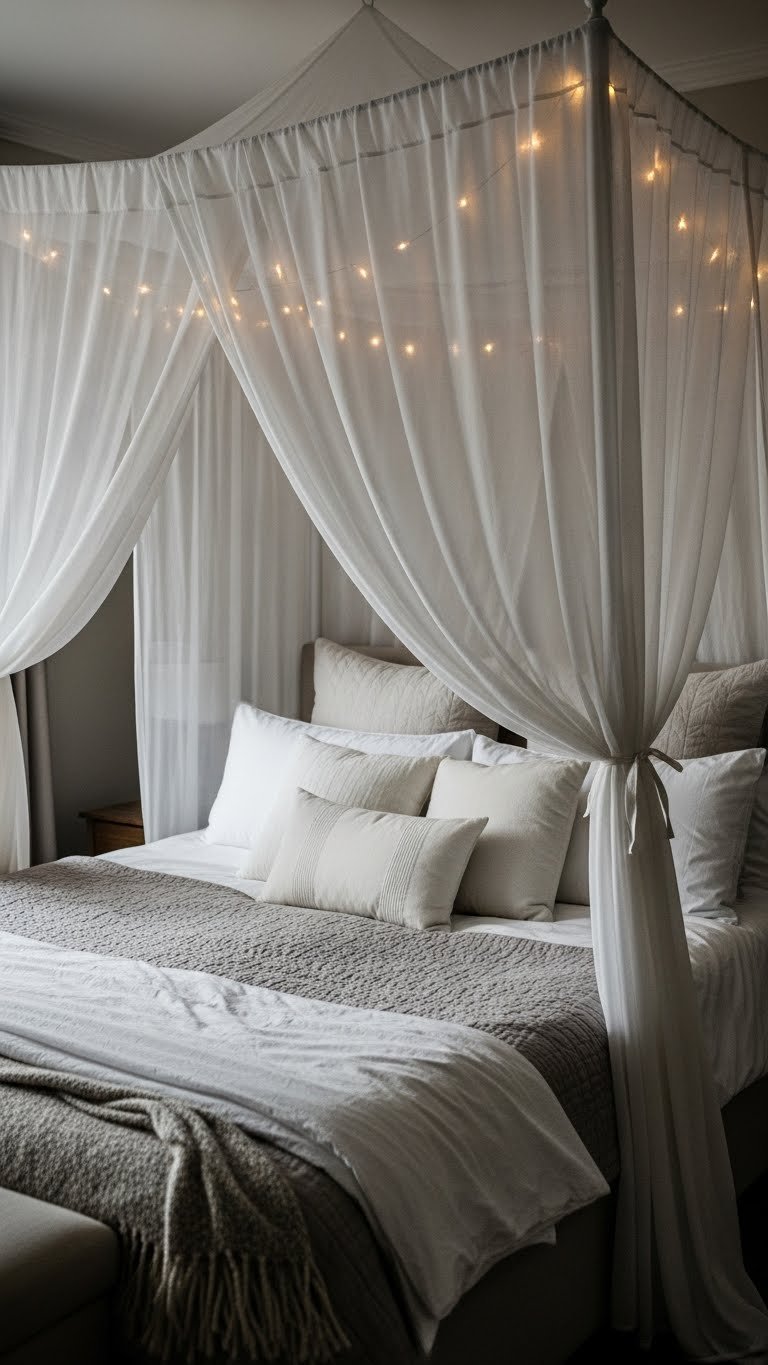
    8. Tall Canopy Frame With Flowing Fabric
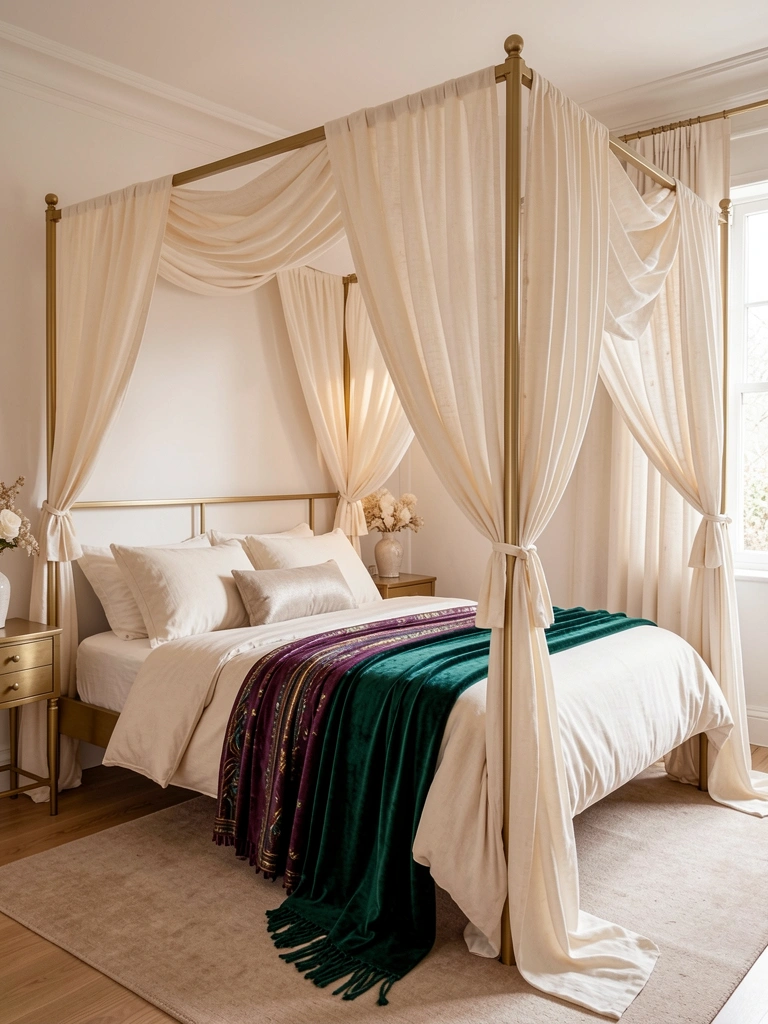
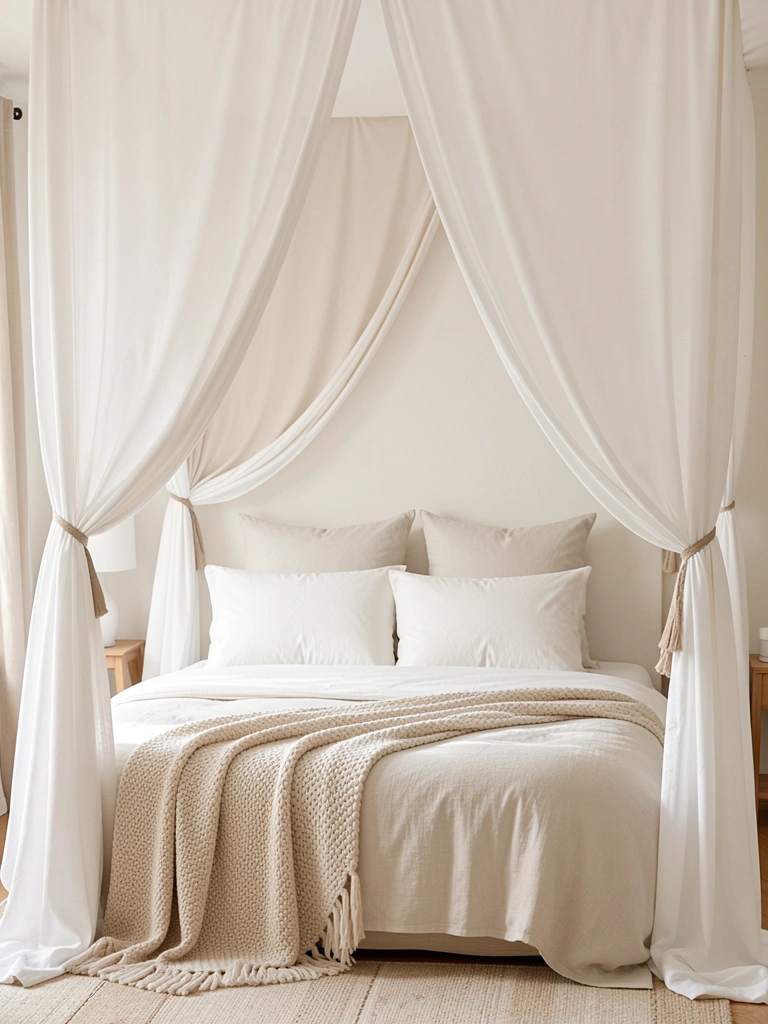
    Canopy beds create an instant focal point and define your sleep space. The fabric softens hard lines and adds texture and movement.

    Shop canopy frames on Wayfair, Article, or Amazon ($200–$700). Pair with flowing linen or gauzy curtain fabric ($20–$60 per panel from IKEA, Target, or fabric stores). Tie fabric at corner posts with ribbons or leather straps. For renters, tension-rod canopies work just as well. Drape and secure without permanent installation.

    The fabric billows gently and catches light beautifully—it’s like sleeping in a boutique hotel. You’ll feel transported every night, and the visual drama makes bedroom photos stunning.

    9. Stacked Stone or Brick Accent Wall Bed
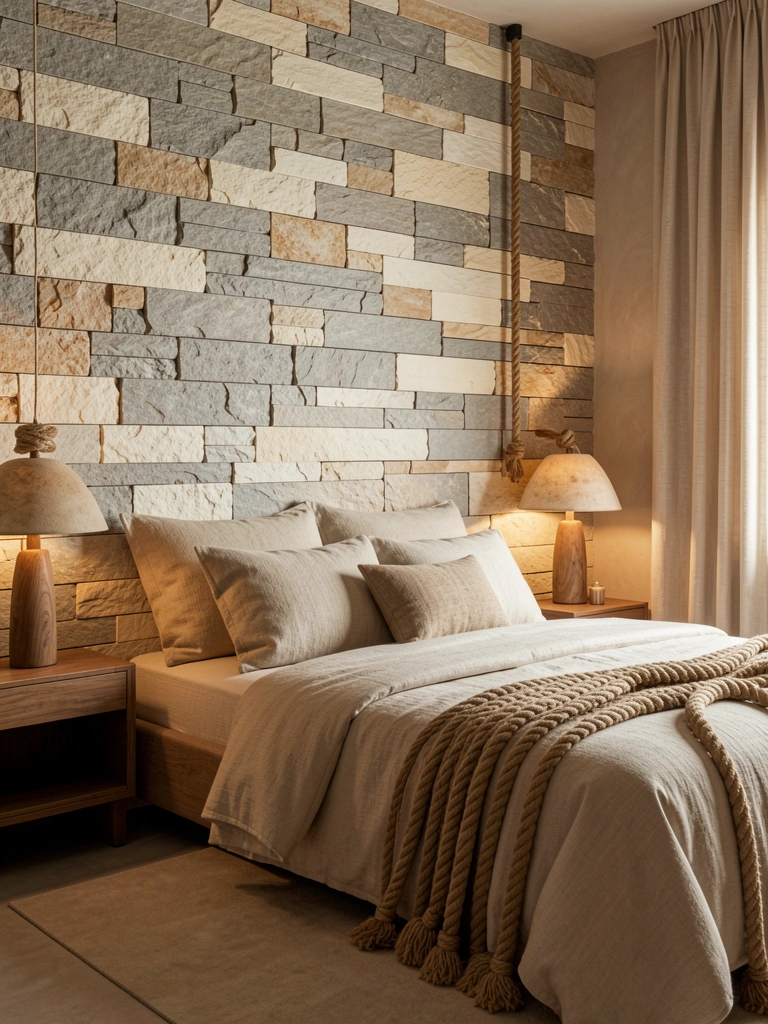
    Stone and brick add massive visual interest and anchor your bed as a true focal point. The texture catches light beautifully and never goes out of style.

    Install peel-and-stick faux stone tiles ($40–$120 from Amazon, Home Depot, or Wayfair)—renters, this is your best friend. Real stonework runs $300–$1,000+ but lasts forever. Both options take 6–8 hours of prep and application. Prepare the wall surface carefully for best results.

    The texture transforms your entire bedroom instantly. Photos pop with dimension, and the space feels intentional and high-end. It’s a game-changer for making your bed truly special.

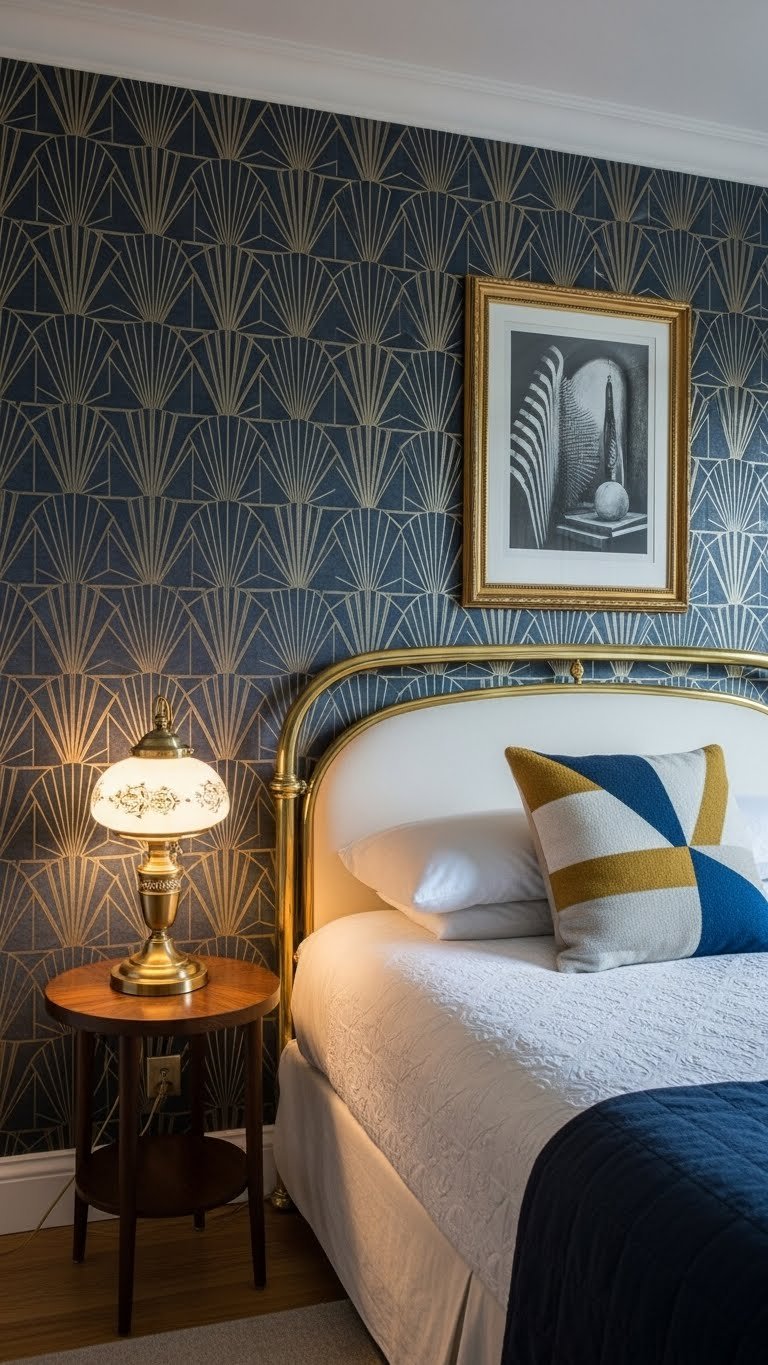
    10. Sculptural Metal Headboard With Art Deco Details
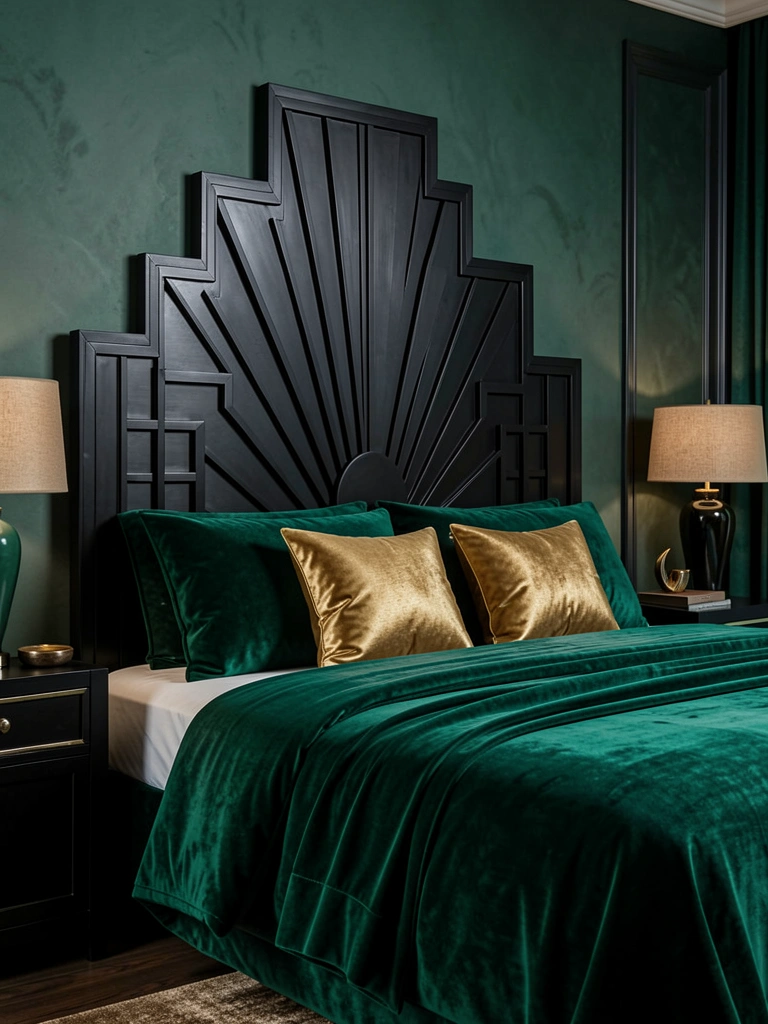
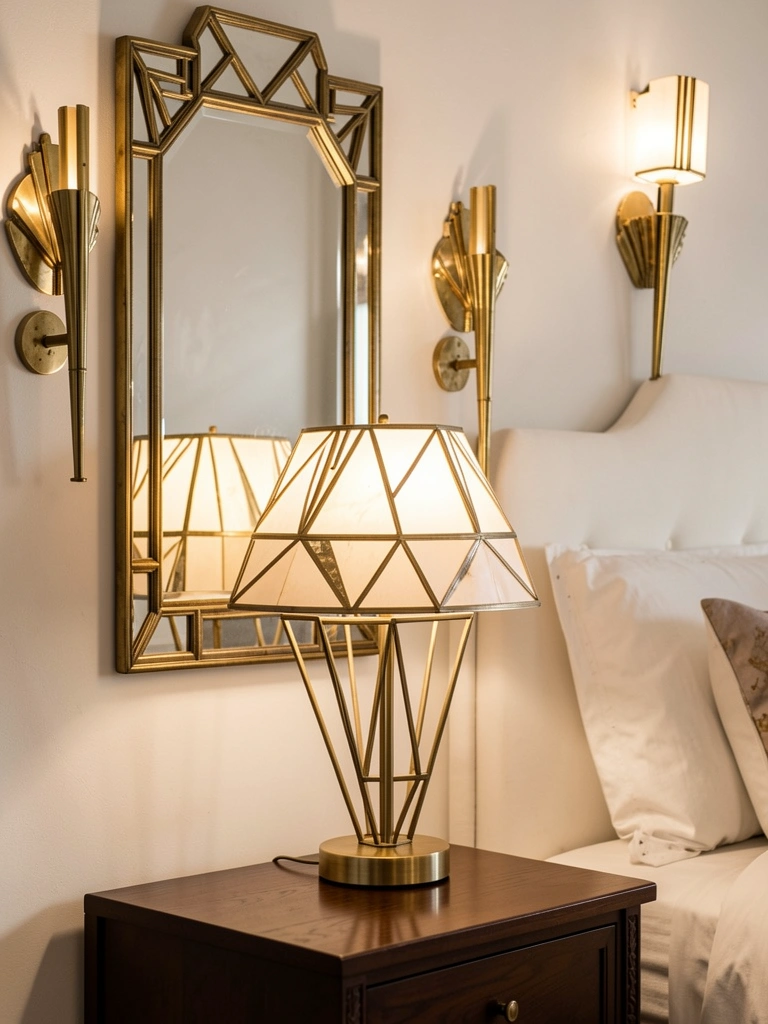
    Art Deco is making a major comeback—geometric patterns, metalwork, and glamorous details are everywhere. A sculptural metal headboard channels this perfectly.

    Find art deco headboards on Etsy, 1stDibs, or vintage marketplaces ($250–$800). Modern reproductions from Article or Wayfair offer similar vibes ($150–$500). Pair with jewel-toned bedding (emerald, sapphire, or burgundy). The metalwork catches and reflects light for extra dimension.

    The geometric patterns make your bedroom feel collected and curated. You’ll love how sophisticated it looks—like you have a personal designer on your team.

    11. Upholstered Platform Bed With Built-In Shelving
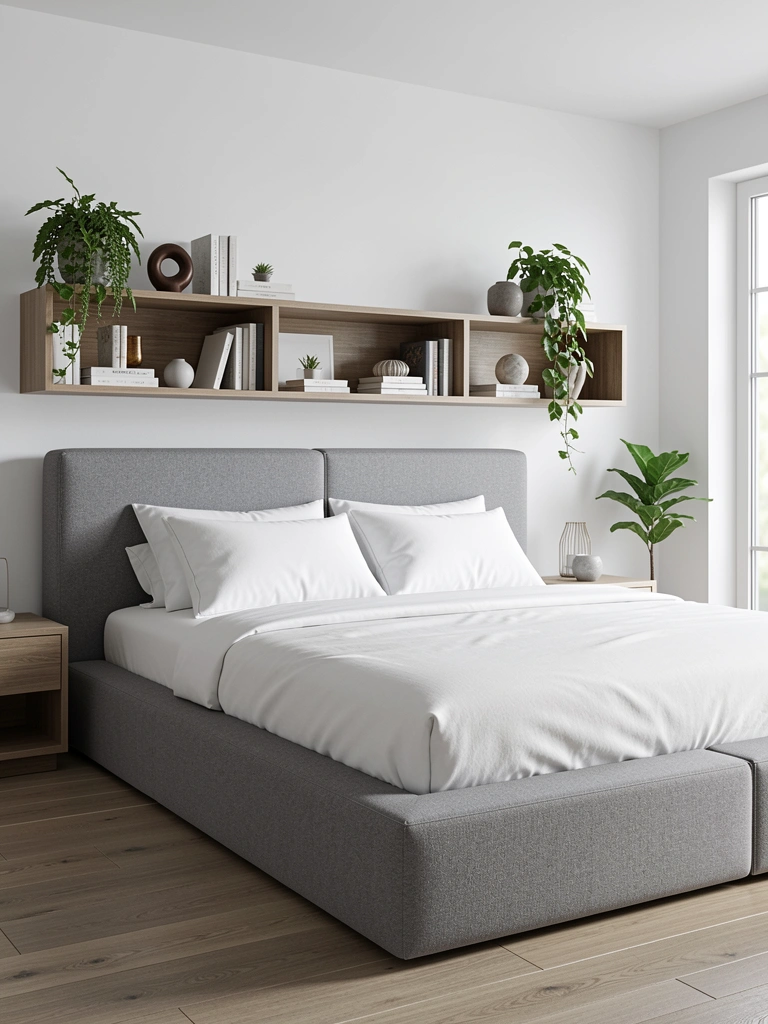
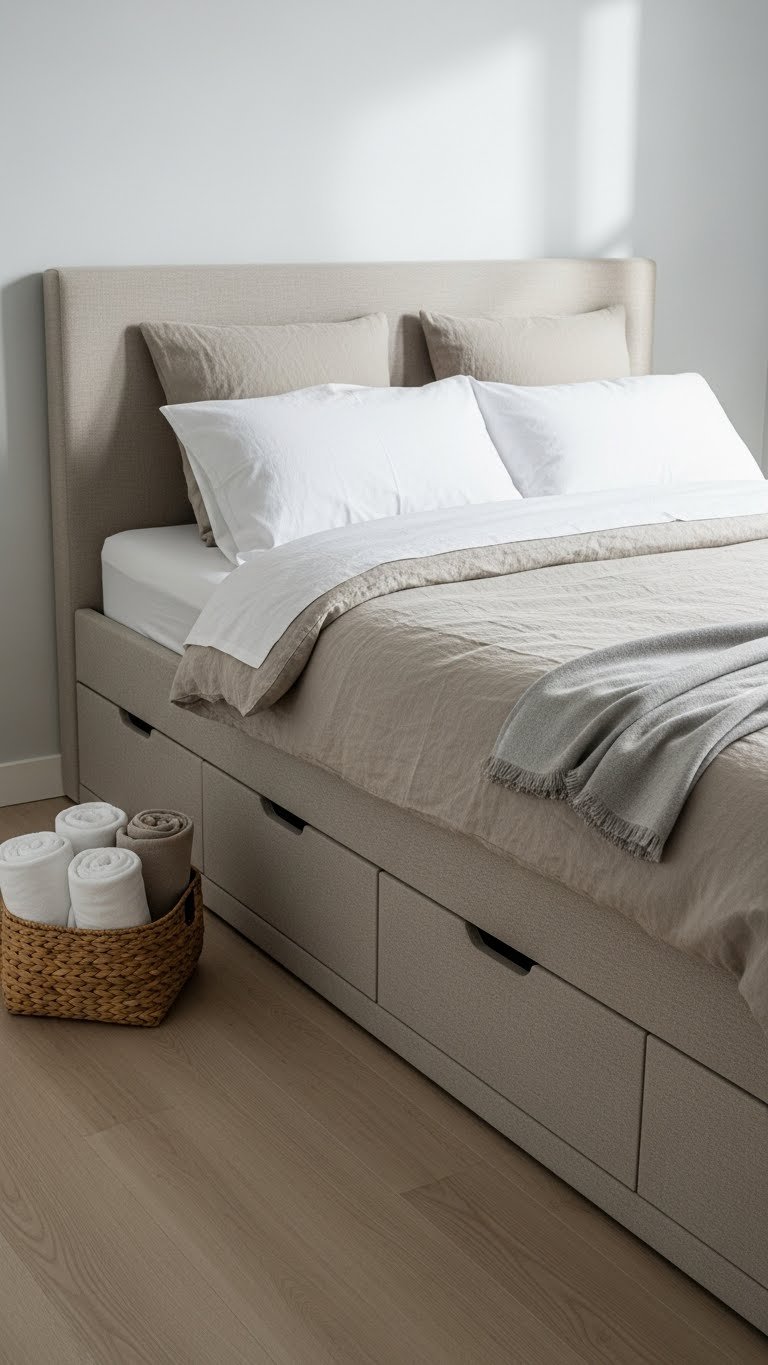
    Built-in storage in your headboard combines beauty and function. Every book and plant becomes part of the design.

    Commission a custom upholstered platform with shelving from a carpenter or furniture maker ($600–$1,500). Pre-made versions exist on Wayfair and Article ($300–$700). The shelves should be sturdy and anchored to wall studs. Keep styling minimal—choose 3–5 objects per shelf max for a curated look.

    This setup gives you nightstand storage without extra furniture cluttering your floor. Your bedroom becomes more organized and visually open while staying totally personal.

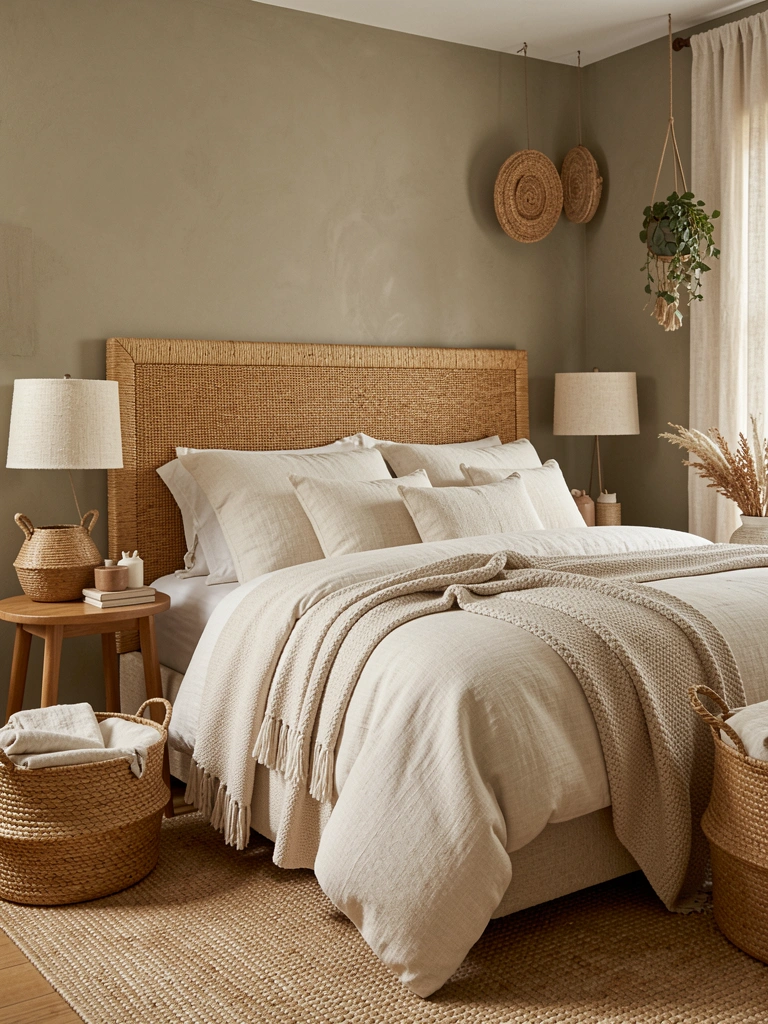
    12. Rattan or Woven Headboard for Warmth
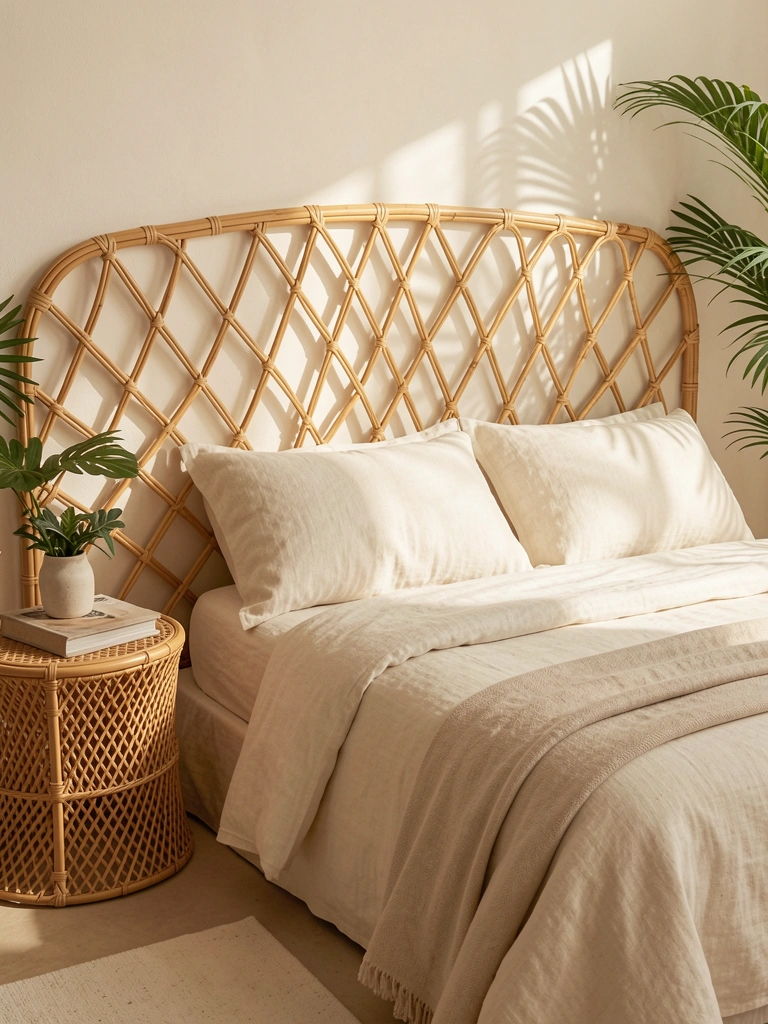
    Woven rattan or wicker headboards bring organic warmth and a relaxed, collected vibe. The natural material softens the room instantly.

    Find rattan headboards on Etsy, West Elm, or Wayfair ($150–$400). Alternatively, purchase a rattan privacy screen and repurpose it as a headboard ($80–$200). Installation is simple—mount to the wall with L-brackets. The material is lightweight and won’t damage walls if you’re careful.

    The warm, natural texture makes your bedroom feel like a retreat. The woven pattern creates beautiful shadows throughout the day, adding visual depth without extra clutter.

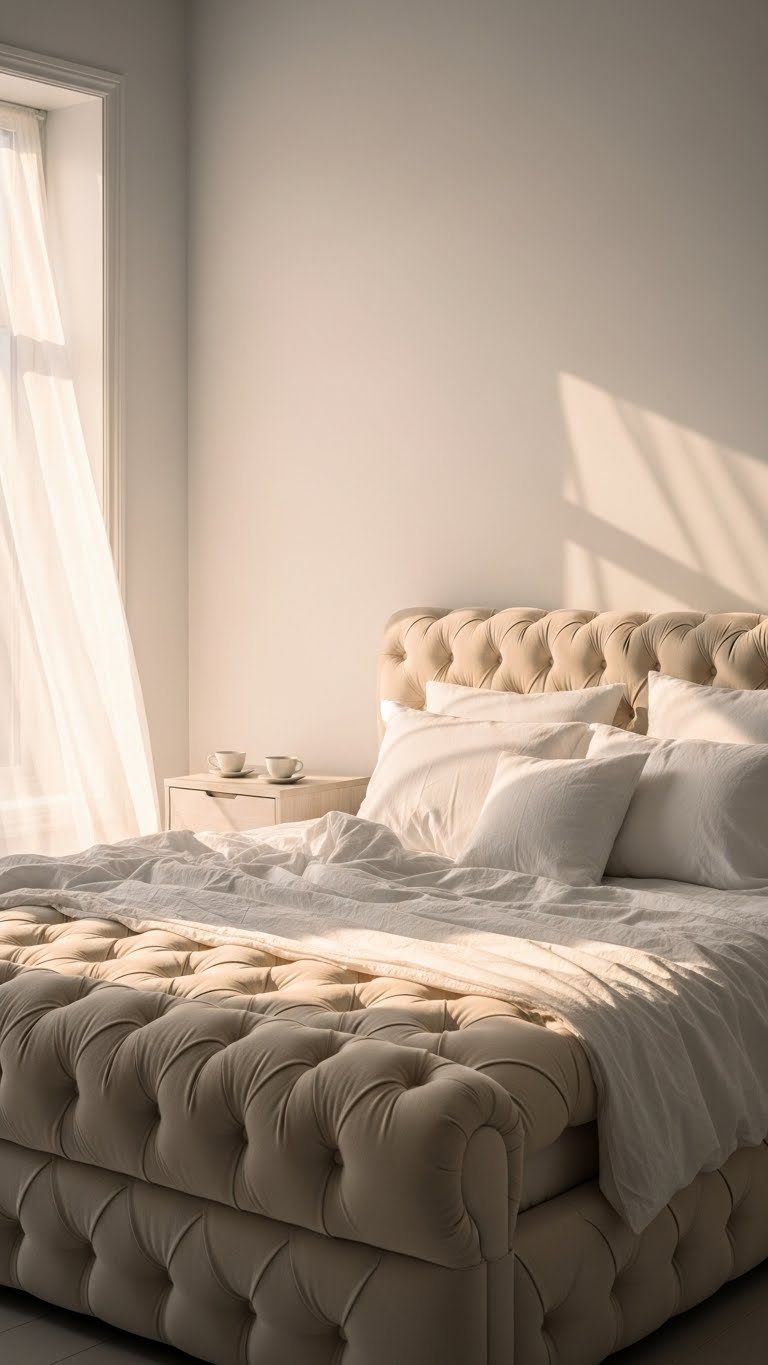
    13. Tufted Velvet Headboard for Luxury Feel
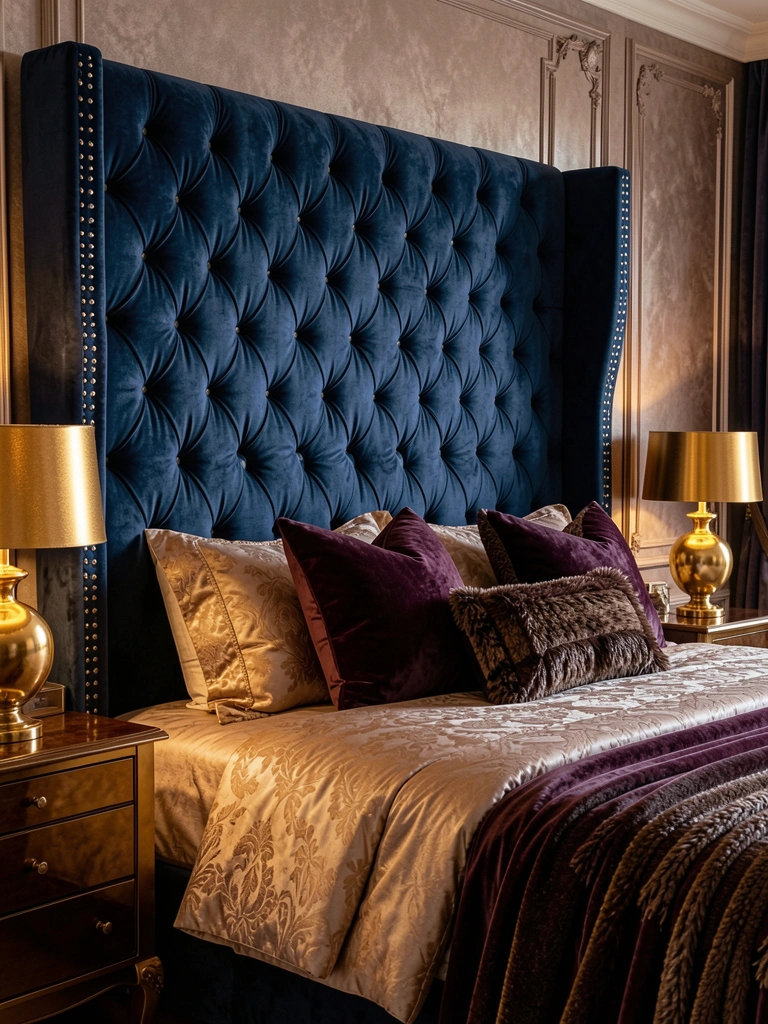
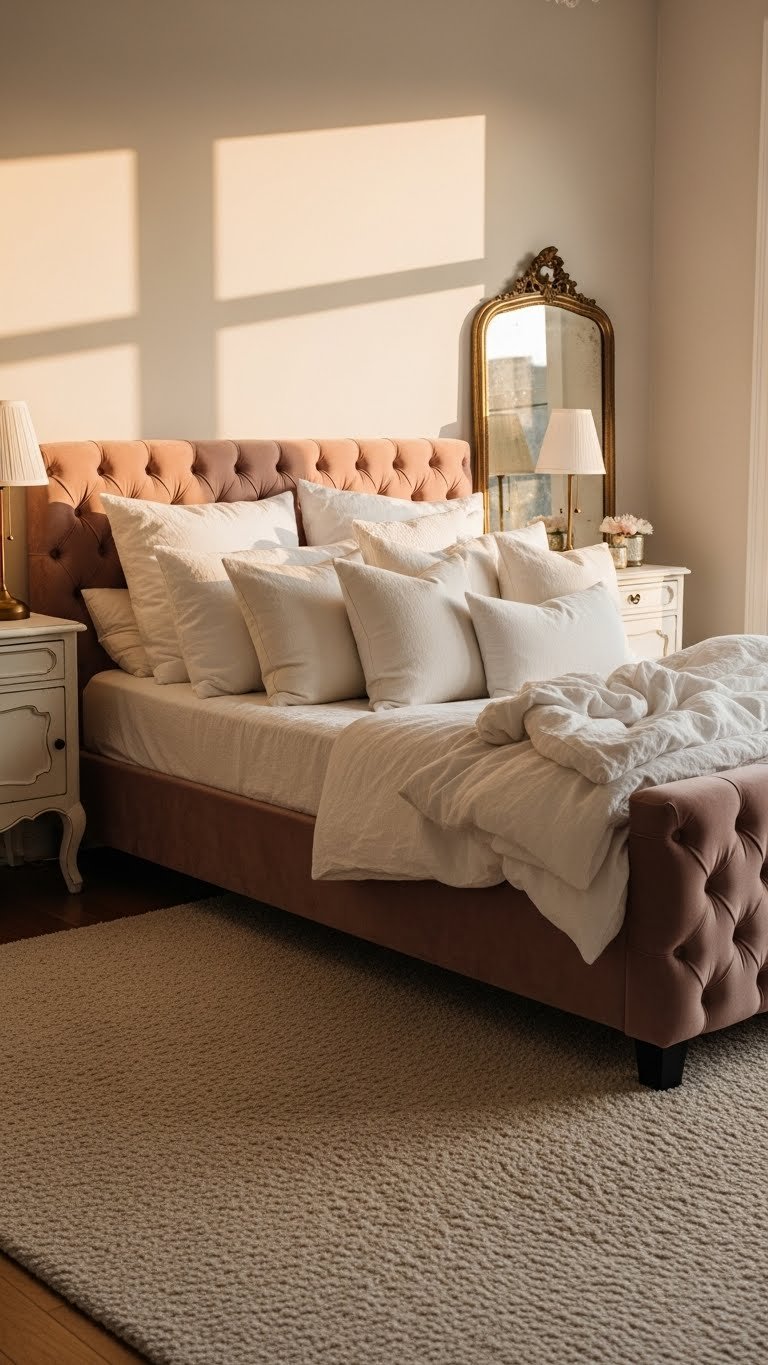
    Velvet tufting screams high-end—the soft fabric and button details create depth and invite touch. It’s indulgent without being over the top.

    Shop tufted velvet headboards on Wayfair, Article, or Restoration Hardware ($300–$1,200). Budget options from Amazon or IKEA ($100–$250) still look beautiful. DIY upholstering a pre-made frame ($60–$100 base + $50–$100 fabric) takes patience but is doable. Jewel tones (navy, emerald, burgundy) photograph best.

    The tufted pattern catches light and shadow, making your bed look like museum-quality design. You’ll feel pampered every time you climb into bed.

    14. Driftwood Frame for Coastal Artistry
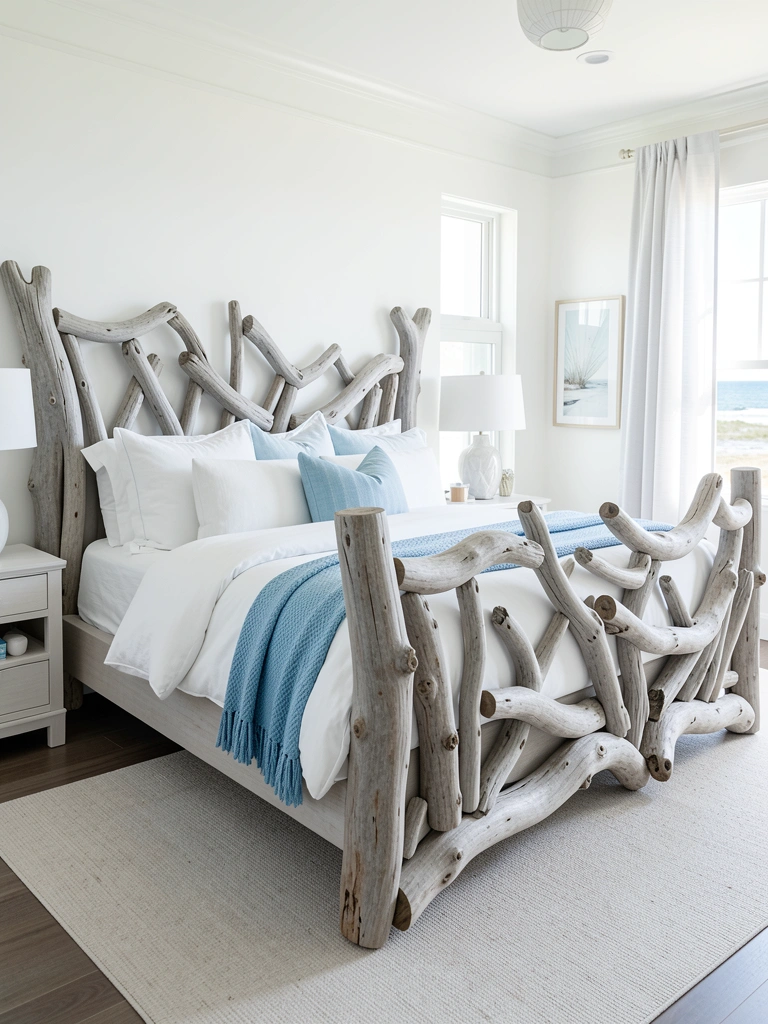
    Driftwood is nature’s sculpture—each piece is one-of-a-kind. Arranging it as a headboard or frame becomes art installation.

    Collect driftwood from beaches or buy pre-curated pieces from Etsy or specialty shops ($150–$500 for a headboard). Mount pieces to the wall using industrial adhesive and brackets. Alternatively, commission a woodworker to construct a frame ($300–$800). Seal with clear finish to protect the natural patina.

    The organic shapes and weathered finish make your bedroom feel like a sanctuary. It’s a true conversation starter—people always ask where you found it.

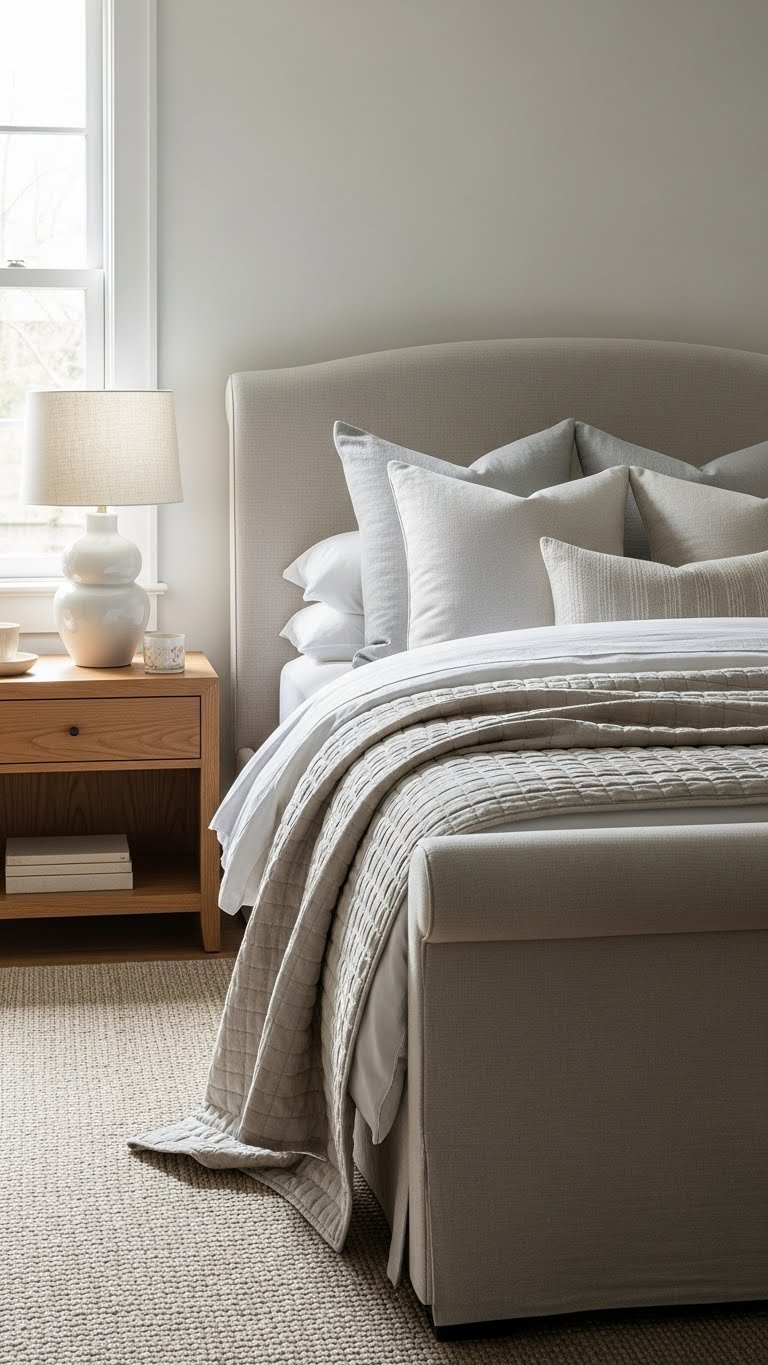
    15. Upholstered Wingback Headboard for Drama
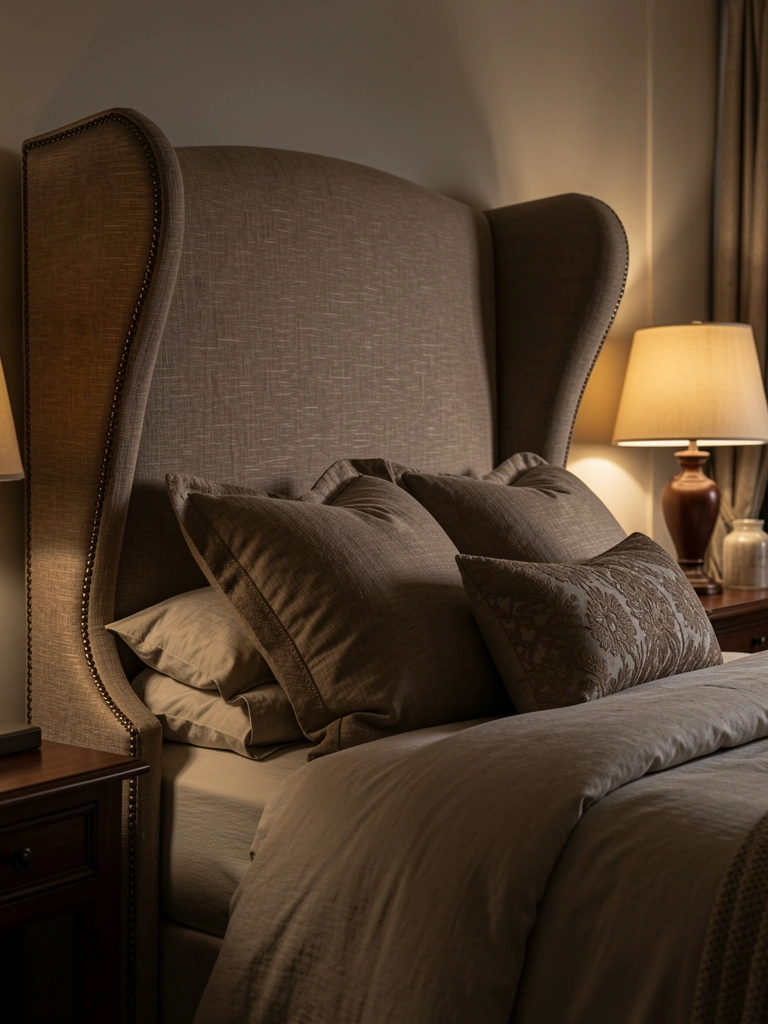
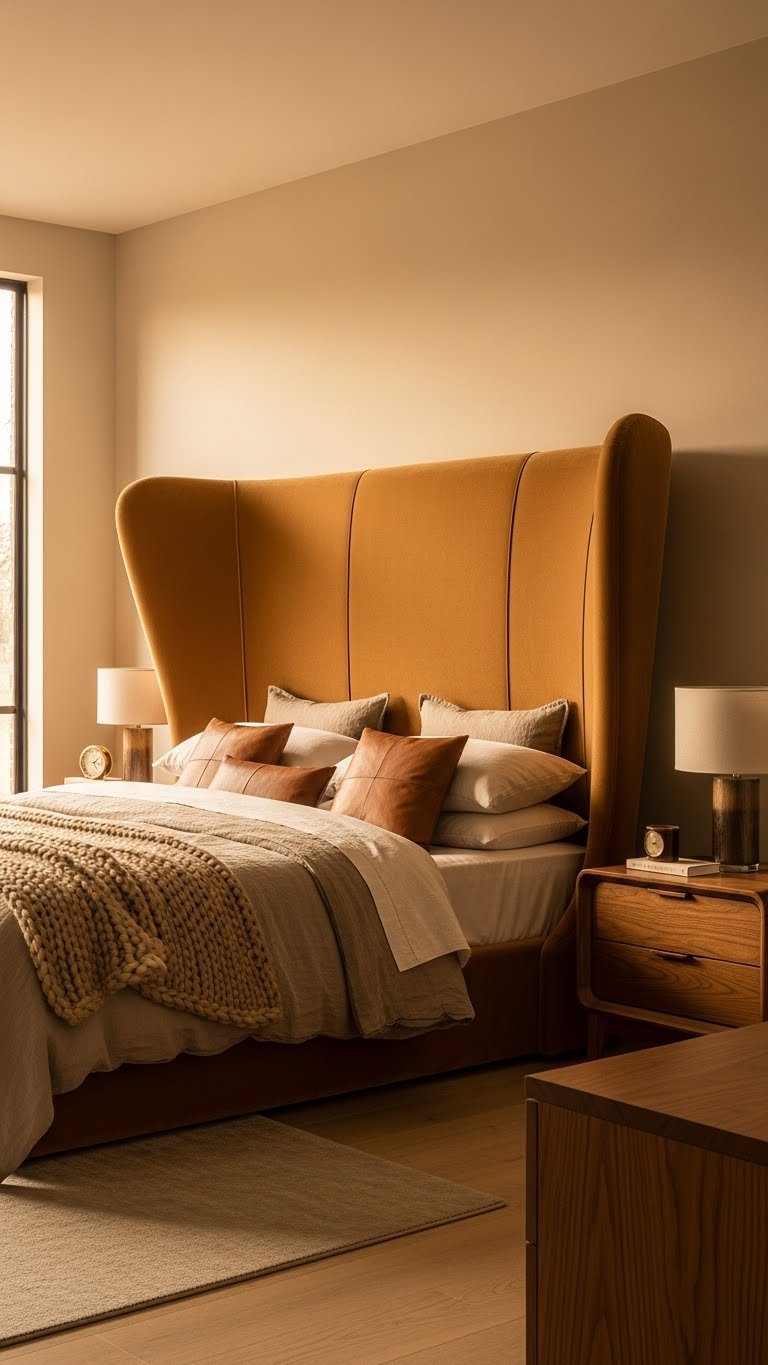
    Wingback headboards command attention—the curved wings draw eyes upward and create a cozy alcove effect. They’re particularly stunning in jewel tones or textured fabrics.

    Find wingback headboards on Wayfair, Article, or Pottery Barn ($400–$900). Budget options from Amazon ($150–$300) work well too. Look for versions with nailhead trim or tufting for extra character. Pair with traditional or transitional bedding.

    The wings frame your pillows like artwork and make the bed feel like a retreat within your room. You’ll feel like royalty every time you settle in.

    16. Ladder-Style Frame for Industrial Edge
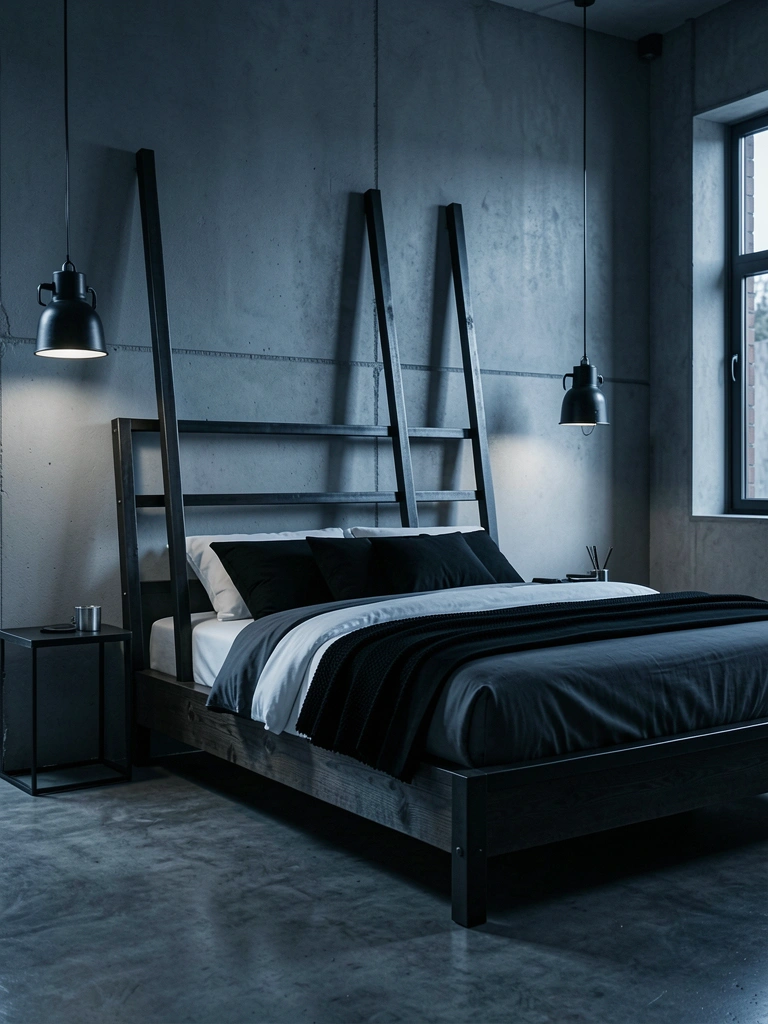
    Ladder frames are architectural, unexpected, and totally modern. The open design keeps the room visually light while making a bold statement.

    Shop ladder headboards on Wayfair, Article, or CB2 ($200–$600). DIY with wooden dowels or metal pipes ($40–$80 in materials, 3–4 hours). Mount securely to the wall—this isn’t a decorative lean. Industrial black or natural wood finishes work best. Layer neutral bedding for balance.

    The geometric ladder pattern photographs beautifully and gives your bedroom an art-gallery feel. It’s unexpected enough to be memorable—visitors notice immediately.

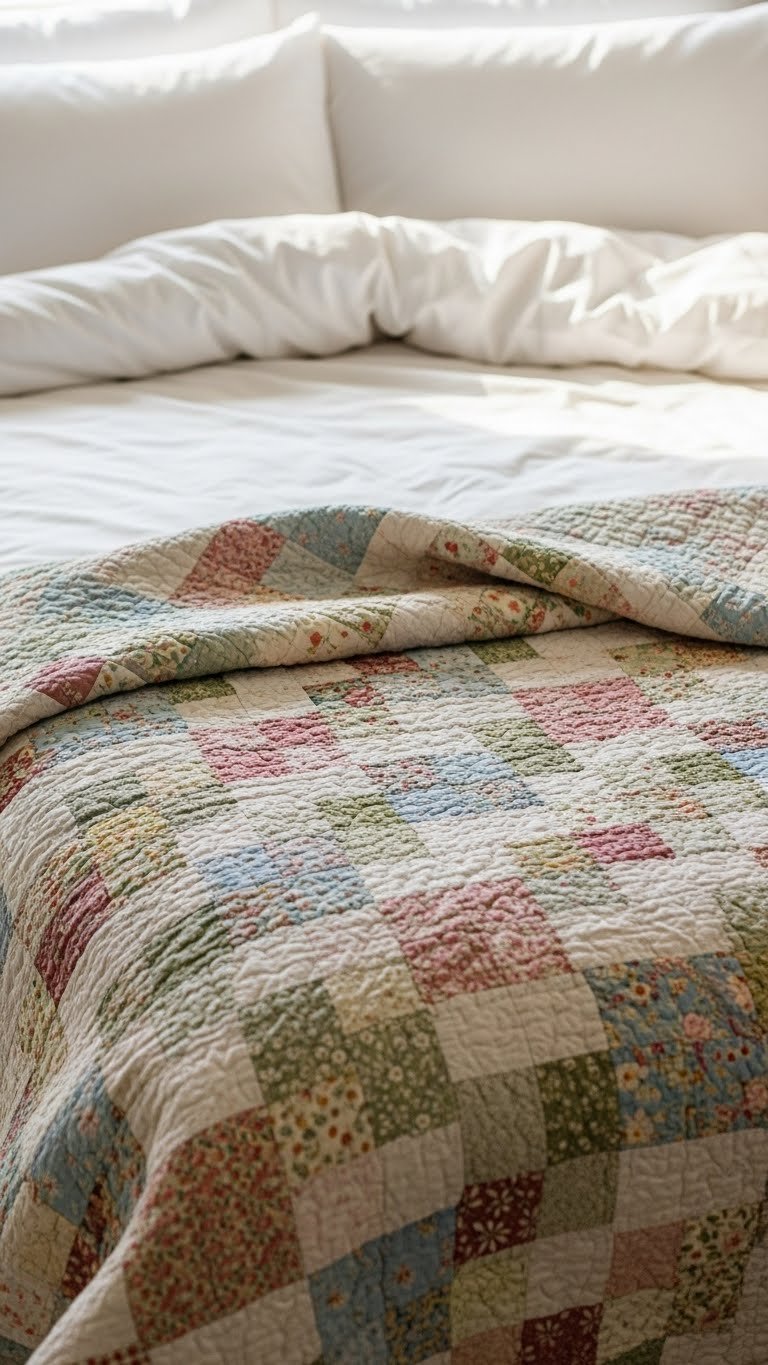
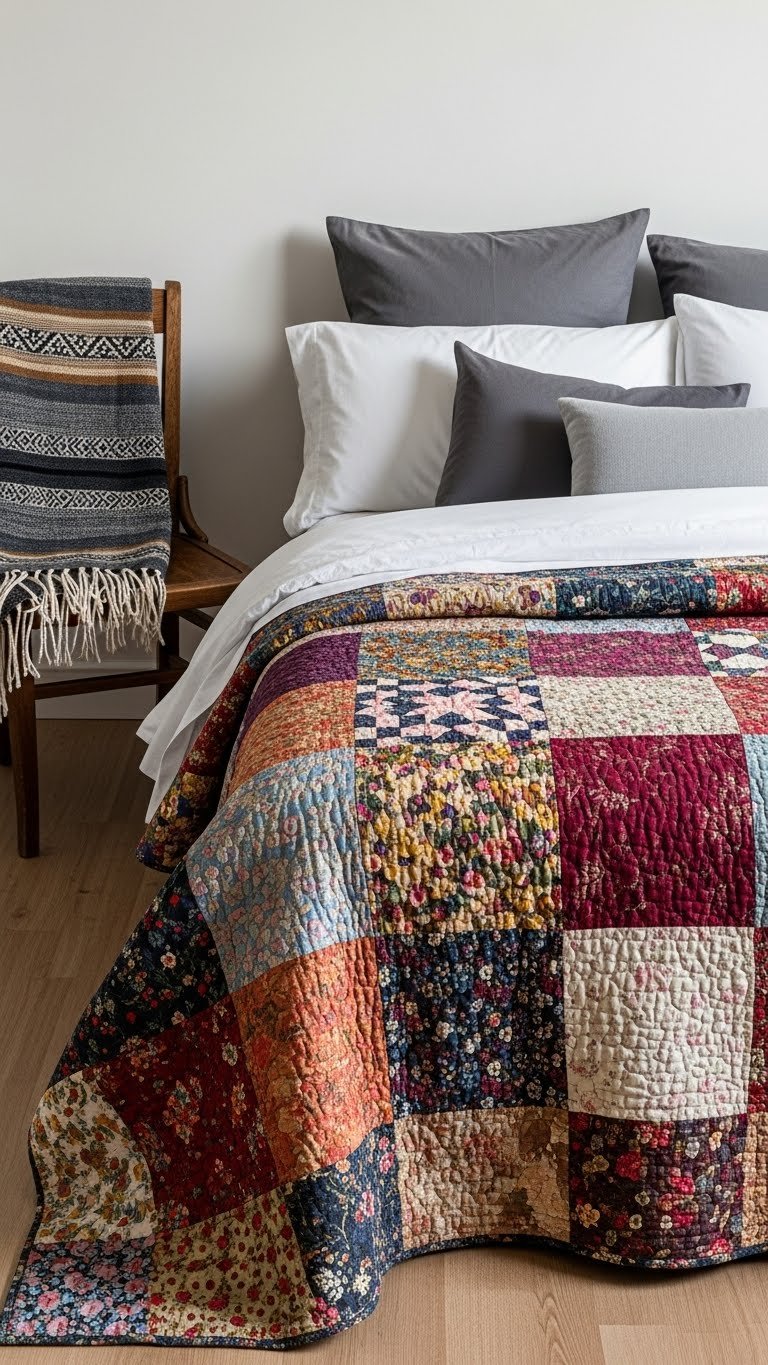
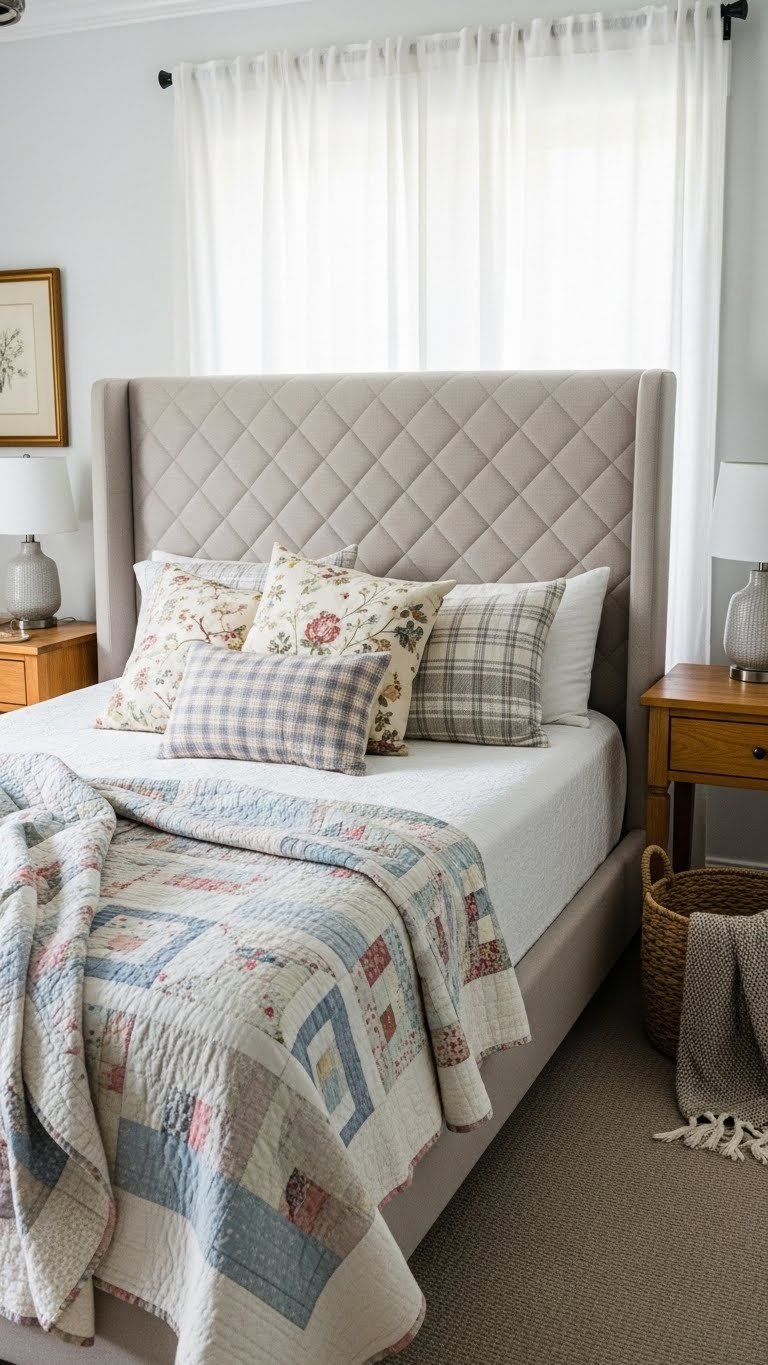
    17. Quilted Textile Art Headboard
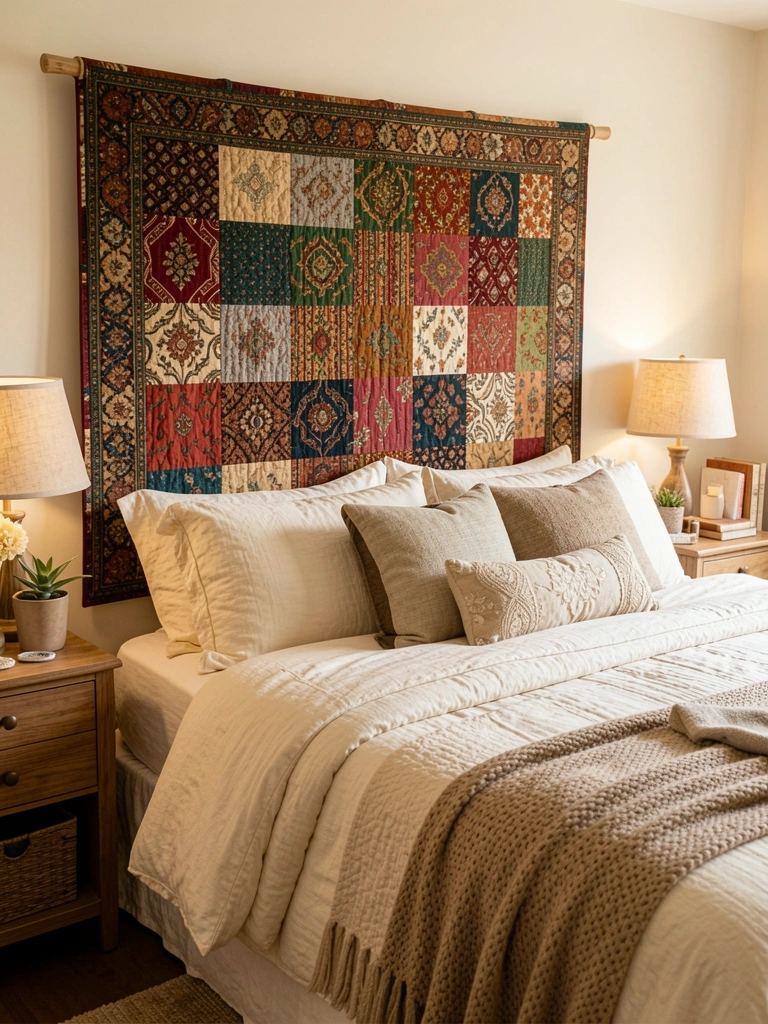
    Displaying a quilted textile as headboard art celebrates handmade craft and brings nostalgia. It’s deeply personal and conversation-starting.

    Hang a treasured family quilt or hunt Etsy, antique shops, or thrift stores for vintage quilts ($30–$150). Mount on a wooden dowel or quilt rack ($20–$60) using picture hanging hardware. A professional framing shop can seal and preserve valuable pieces ($100–$300). Position it centered or asymmetrically for different vibes.

    This approach honors the quilt-maker’s work and becomes a focal point of warmth in your bedroom. It adds soul to your space in a way mass-produced furniture cannot.

    18. Curved Plywood Frame With Geometric Cutouts
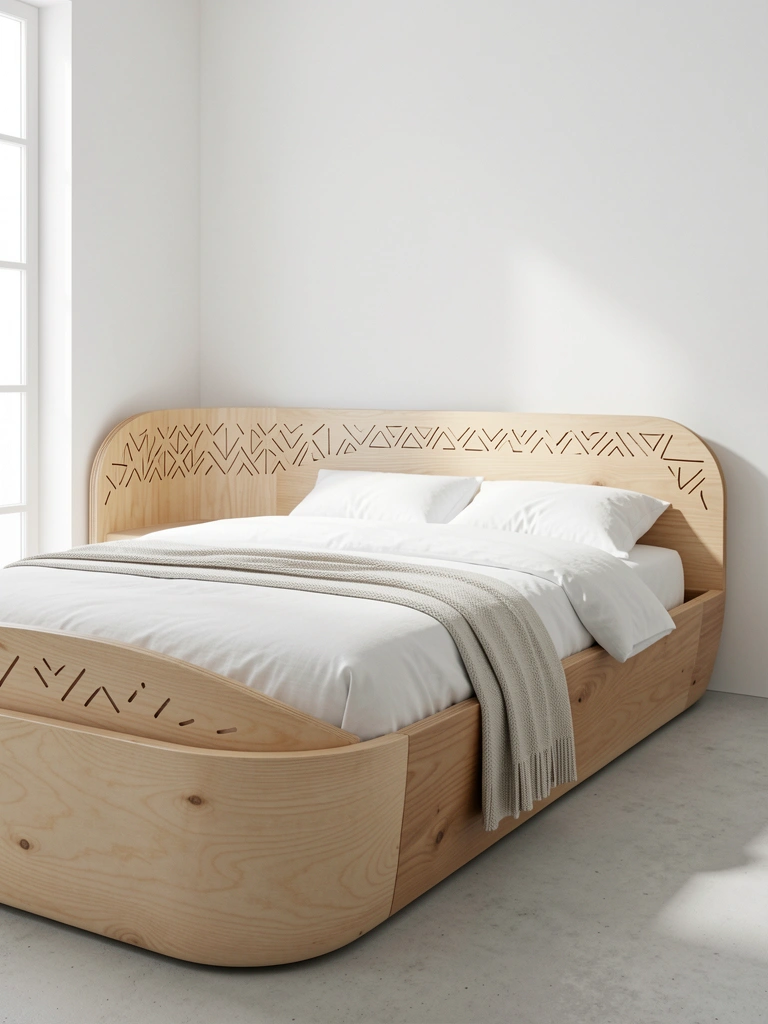
    Plywood isn’t just for DIY—it can be sculpted into curves and cutouts that rival expensive designer pieces. It’s affordable and lightweight.

    Purchase birch plywood ($30–$50 per sheet) and work with a local carpenter or furniture maker to design custom curves and patterns ($200–$500 labor). Alternatively, find pre-made plywood bed frames on Wayfair or Article ($150–$400). Finish with natural oil or paint to match your palette.

    The smooth curves and negative space create visual softness. Plywood pieces often cost half as much as traditional frames while looking equally artistic.

    19. Staggered Wood Slat Art Arrangement
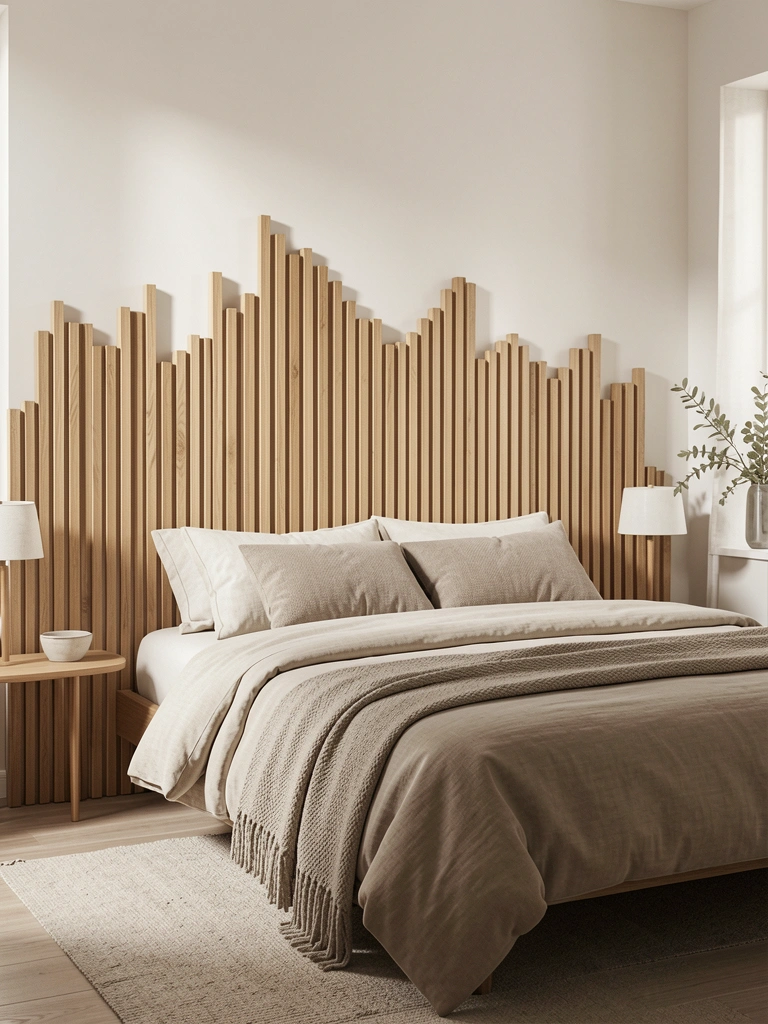
    Staggered wood slats create rhythmic pattern and visual movement. Each slat catches light differently, creating shadow play throughout the day.

    Buy wooden slats or dowels from a hardware store ($20–$40) and arrange them yourself on a wooden backing board ($30–$50), then mount to the wall. Hire a carpenter to cut and arrange ($100–$300). Pre-made versions exist on Etsy and Wayfair ($200–$600). Natural wood or painted finishes both work beautifully.

    The rhythm of the slats is visually soothing and creates depth without bulk. Your bedroom feels modern and intentional while staying peaceful.

    20. Mirror-Paneled Headboard for Light Reflection
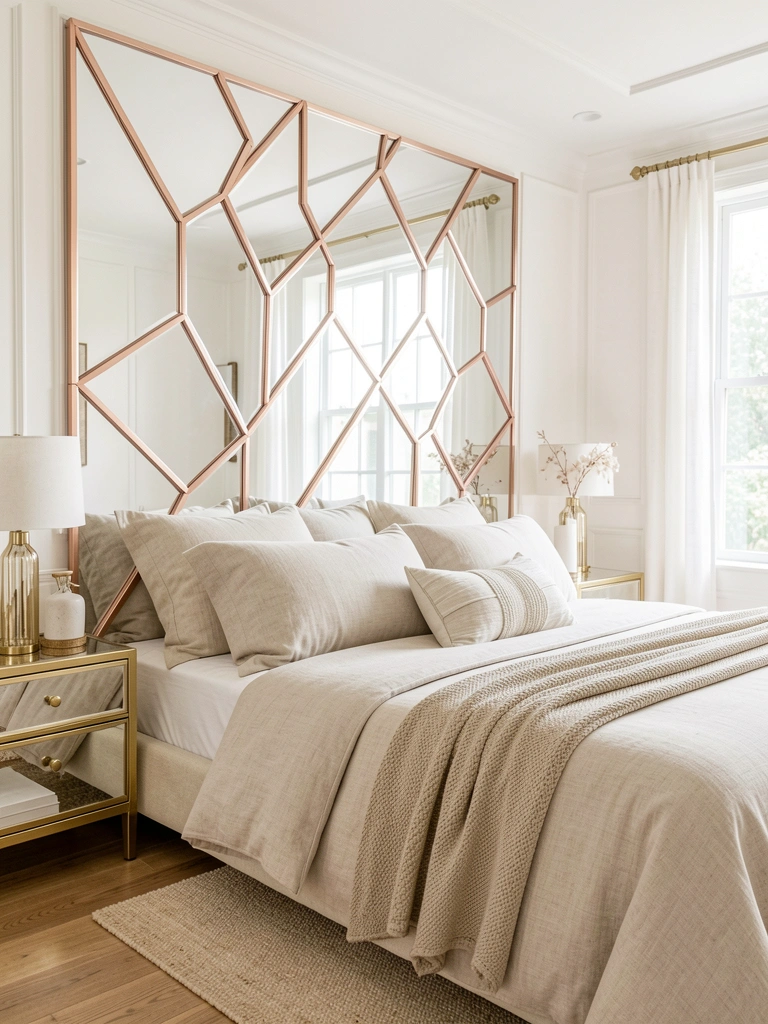
    Mirror panels multiply light and make rooms feel bigger. The reflective surface adds glamour and visual interest without adding weight.

    Find mirror-paneled headboards on Wayfair, Article, or CB2 ($300–$700). DIY with mirror tiles ($20–$60 from hardware stores) and strong adhesive or frame backing. Hire a handyman for installation ($50–$150). Choose brass, black, or rose-gold frames for contemporary style, or skip frames for seamless mirrors.

    The reflections bounce light around your room, making it appear larger and brighter. You’ll notice improved lighting instantly, plus the glamorous touch feels special without being overdone.

    21. Cork or Leather Textured Panel Headboard
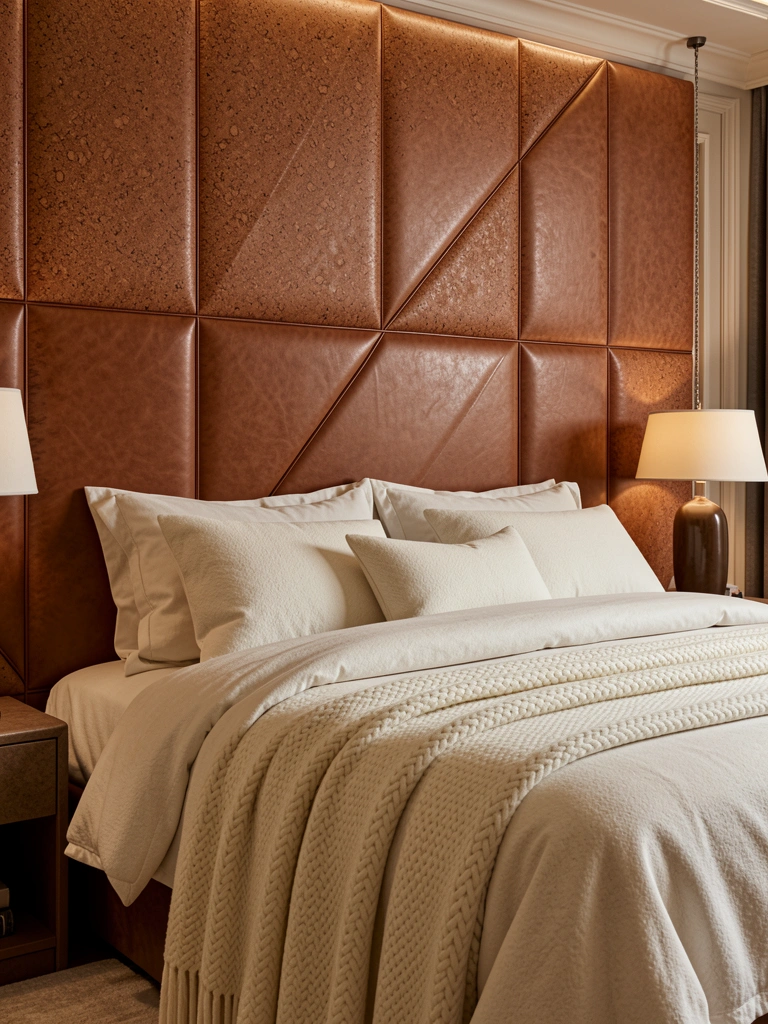
    Cork and leather bring luxury tactile interest—plus cork is sustainable and soundproof. These materials age beautifully and tell a story over time.

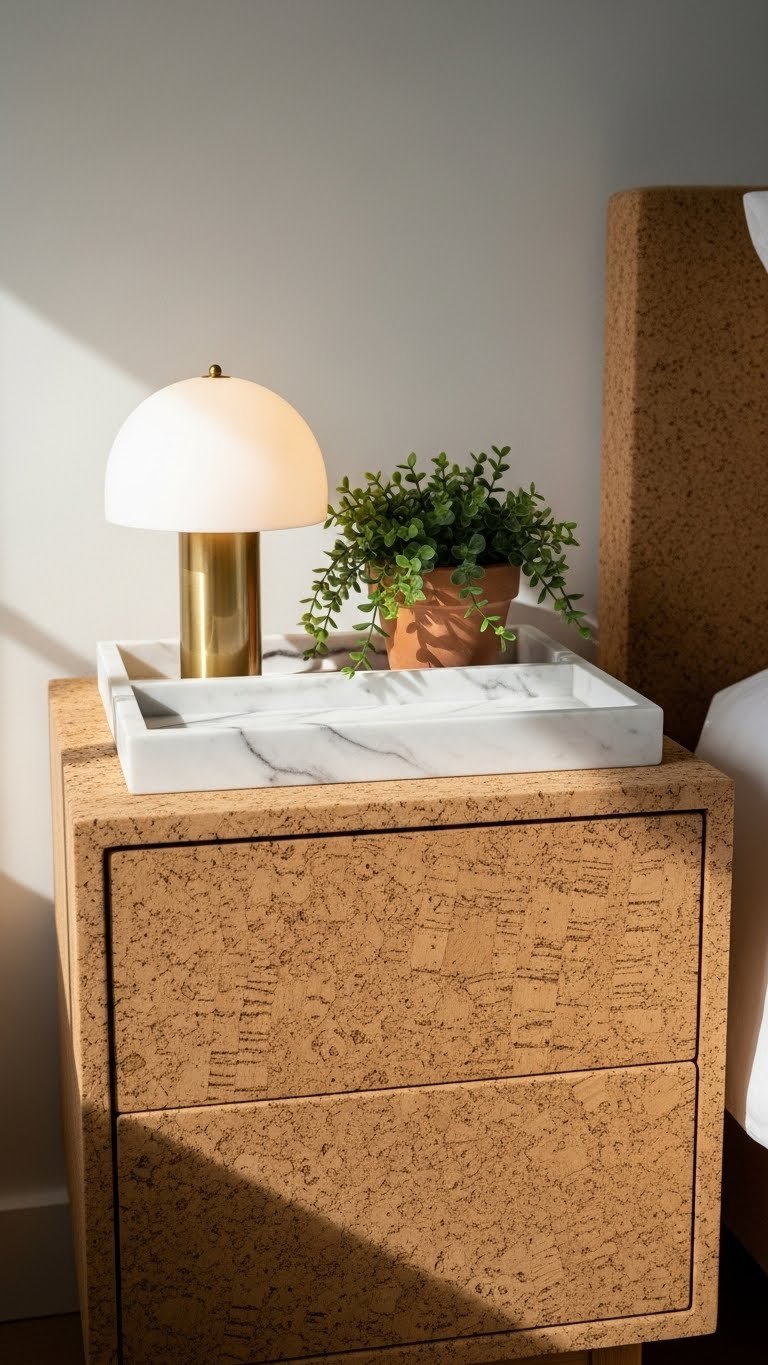
    Source cork or leather panels from upholstery suppliers ($100–$300 for materials). Mount to a plywood backing and attach to the wall ($150–$400 installation). Pre-made versions from high-end retailers run $500–$1,200. Cork is eco-friendly; leather adds warmth and patina.

    The texture invites touch—you’ll run your hand across it daily. These materials improve with age, so your headboard becomes more beautiful and distinctive over time.

    22. Arched Entry Bed Frame for Romantic Impact
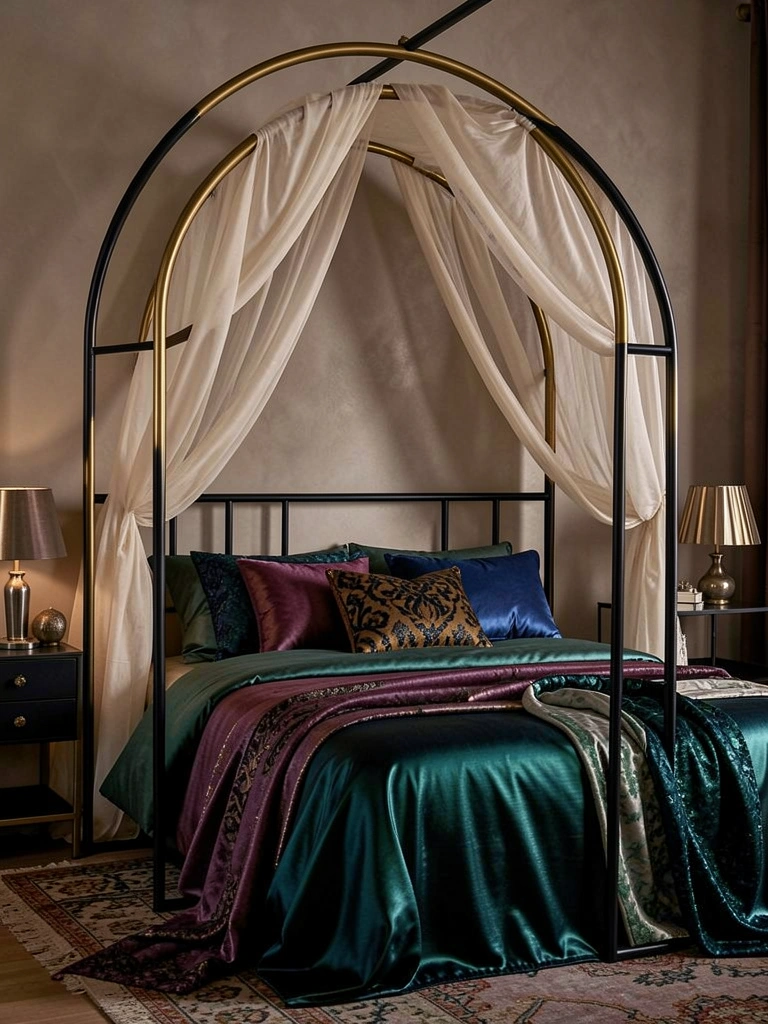
    Arched frames create architectural drama—they frame your bed like it’s displayed in a gallery. The shape is unexpected and utterly romantic.

    Commission a custom arched frame from a metalworker ($400–$1,000) or find pre-made versions on 1stDibs or luxury furniture sites ($600–$1,500). Metal is most common, but wood arches work too. Pair with flowing bedding or sheer curtains draped within the arch for extra romance.

    The arched silhouette photographs beautifully and transforms your bedroom into a design showpiece. It’s a bold choice that pays off big in visual impact.

    23. Pegboard Headboard for Creative Flexibility
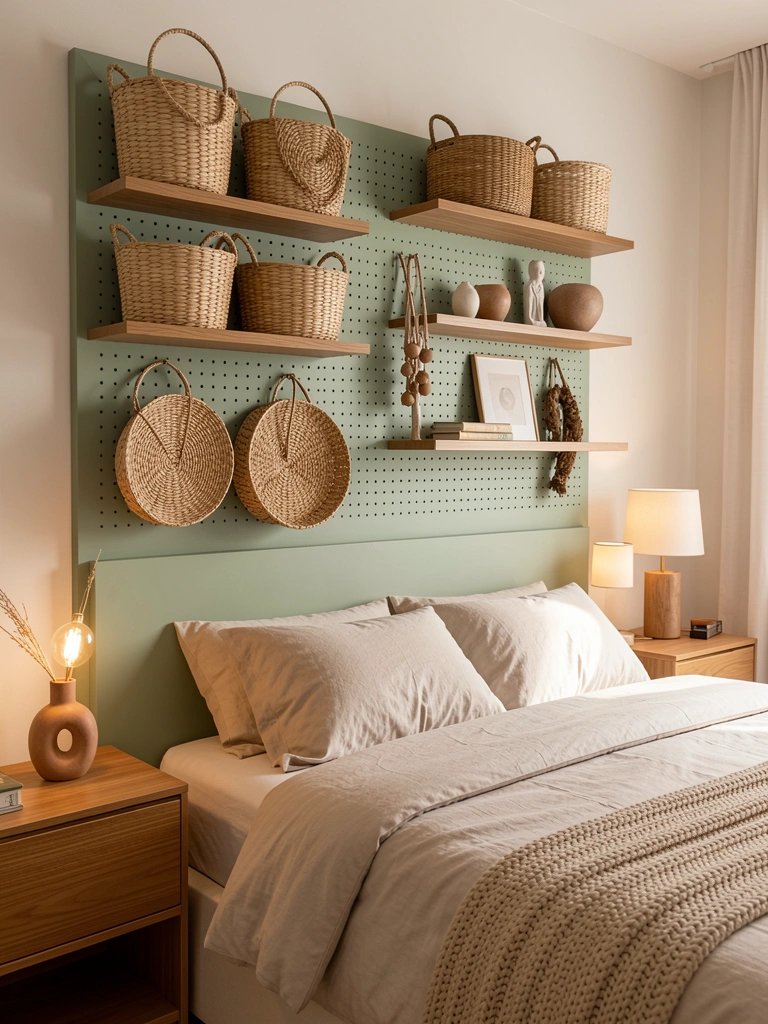
    Pegboards offer gallery-style flexibility—you can rearrange styling endlessly. It’s practical art that evolves with your mood.

    Install a pegboard sheet ($30–$60 from hardware stores) and paint it ($20–$40) in a color matching your palette. Add hooks, pegs, and shelves ($40–$80). Total cost: under $200. Hire help for mounting ($50–$100). Keep styling minimal—choose 5–7 pieces max to avoid clutter. Swap items seasonally.

    The flexibility means your bedroom never feels stale. You can refresh the look without buying new furniture, and it photographs differently each season—perfect for content creators.

    24. Velvet Rope or Macramé Wall Hanging
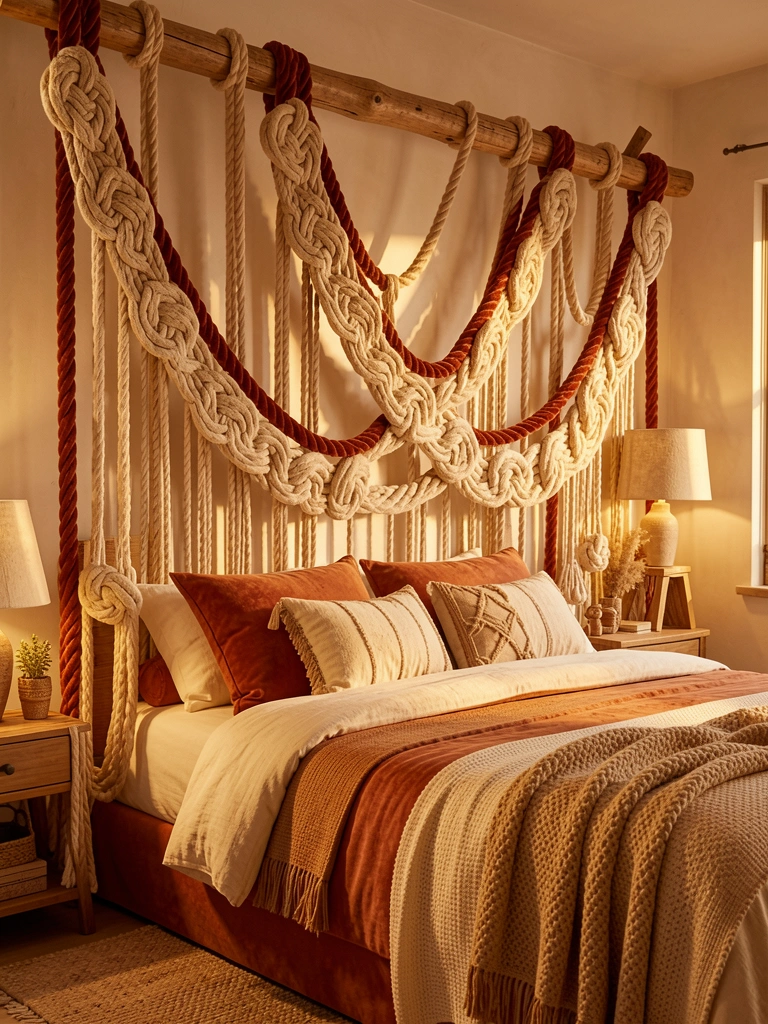
    Thick velvet rope or oversized macramé brings sculptural drama. The texture is contemporary-bohemian and deeply tactile.

    Find velvet rope on Amazon or fabric suppliers ($30–$80 per coil). Loop, knot, and suspend from a dowel mounted above your bed. Alternatively, purchase chunky macramé ($60–$200) from Etsy or home stores. Both installations take 30 minutes to 2 hours. Super renter-friendly—just unmount the dowel.

    The knotted texture catches light and shadow beautifully. Your bedroom gains bohemian warmth without feeling precious or overdone.

    25. 3D Geometric Wood Wall Behind Bed
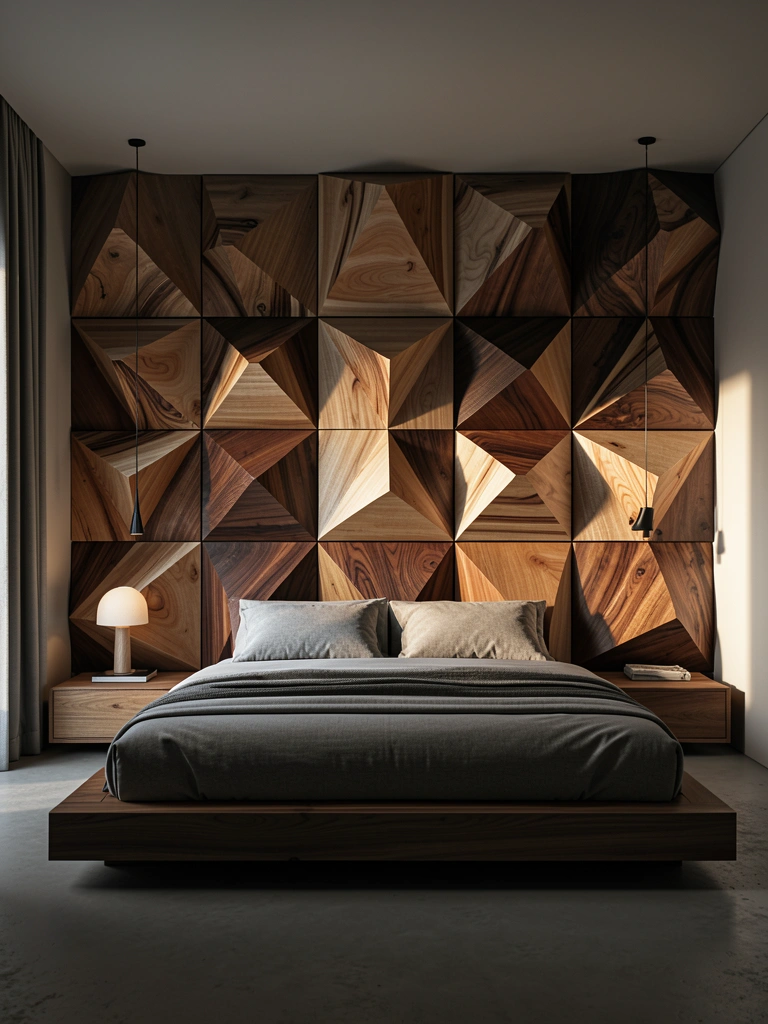
    3D wood installations bring museum-quality design home. The geometric shapes create ever-changing shadows as light shifts throughout the day.

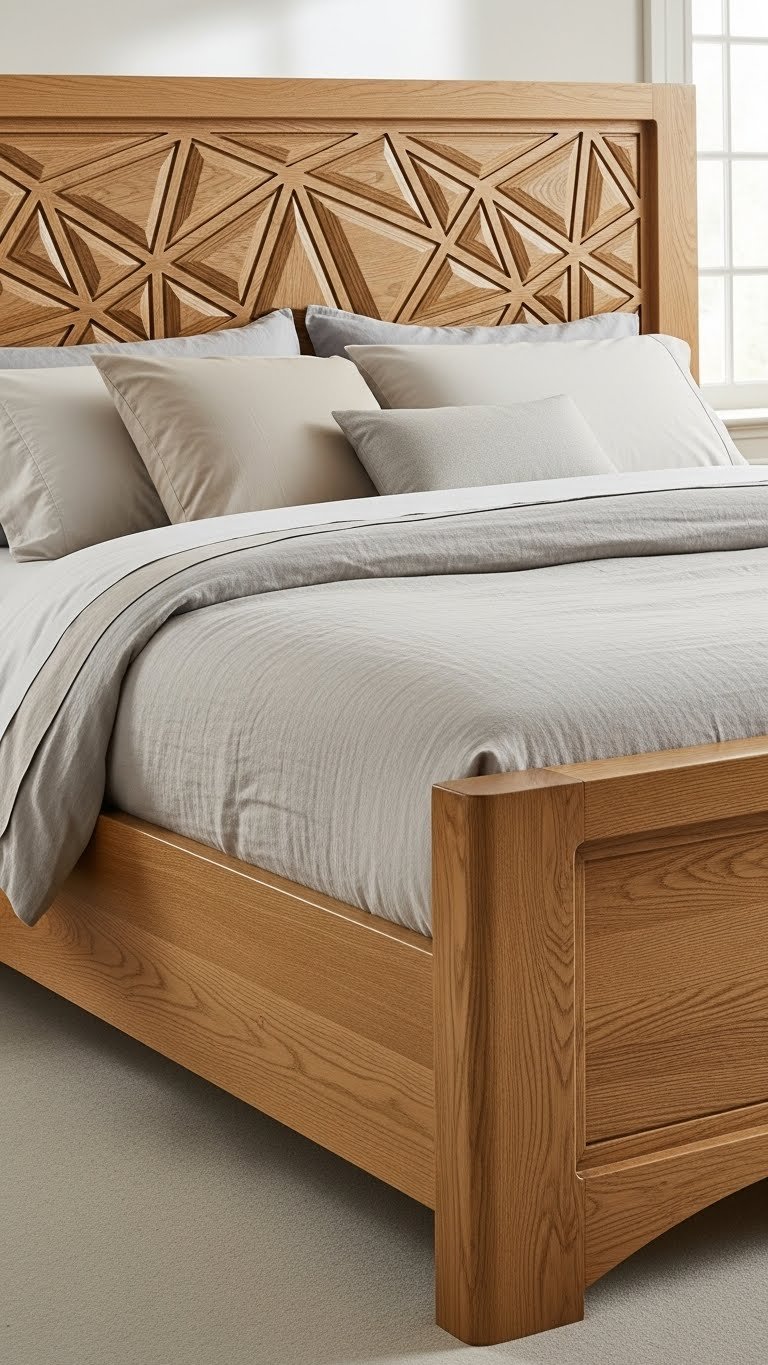
    Source pre-made 3D wall panels on Amazon, Wayfair, or design specialty sites ($150–$400). Commission a custom installation from a carpenter ($300–$800). Installation takes 4–6 hours. Use natural wood or stain in contrasting colors for more drama. Ensure wall studs support the weight.

    The sculptural quality makes your bedroom feel like a design gallery. Visitors are always impressed—it’s unexpected and memorable in the best way.

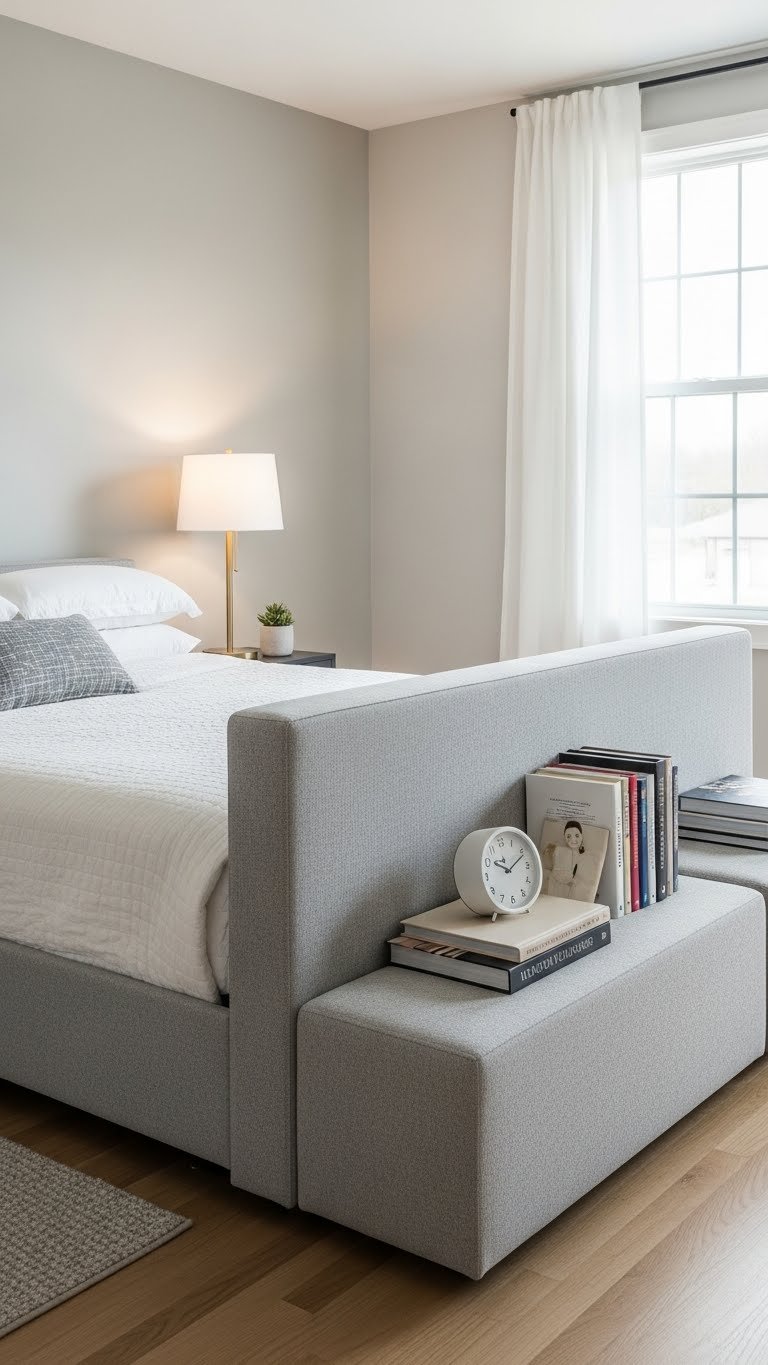
    26. Upholstered Curved Bench Base With Floating Shelves
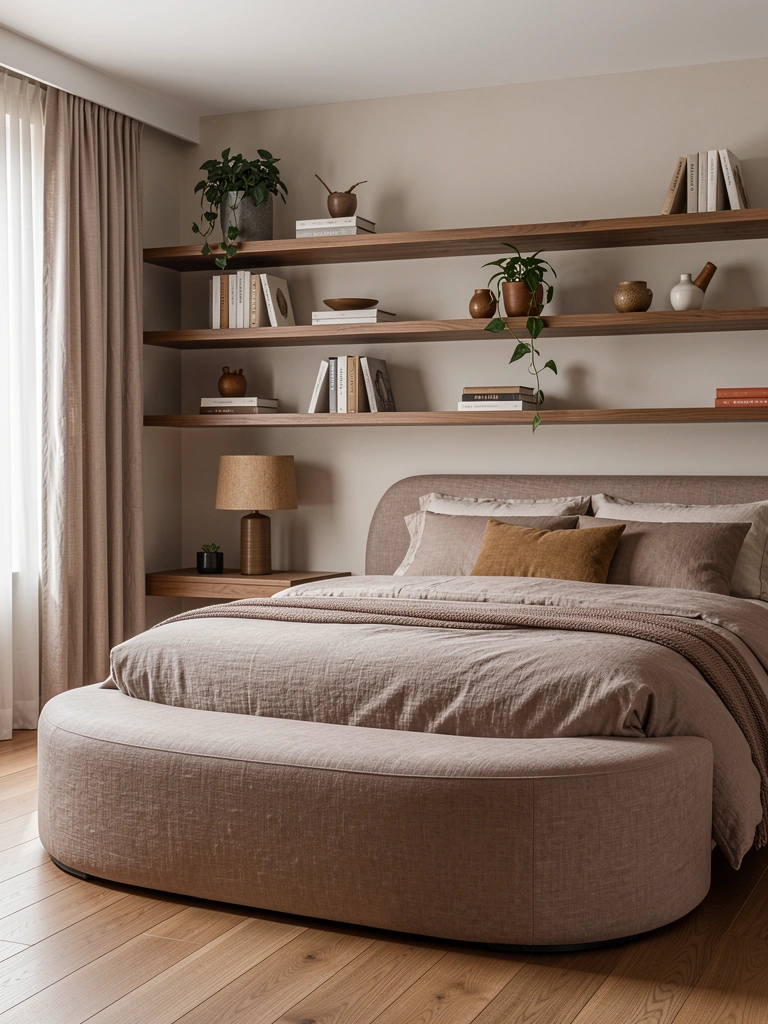
    A curved bench at the bed’s foot adds seating and sculptural interest—especially when paired with floating shelves. It’s both functional and beautiful.

    Upholstered benches start at $200–$400 from Article, Wayfair, or IKEA. Pair with floating shelves in matching wood ($60–$150 from IKEA or Home Depot). Mount everything into wall studs for safety. Style shelves with books, plants, and artwork—aim for 70% functional, 30% decorative.

    The curved shapes soften your bedroom while the shelves add personality. You gain extra storage and seating without crowding the floor, and the display area becomes a styling opportunity.


    Save this post and pick your favorite idea this weekend. Whether you go sculptural, minimalist, or bohemian, your bed deserves to be the star of your bedroom. Which artistic frame speaks to you?
  • 28 Children’s Bedroom Ideas That Spark Creativity & Comfort

    28 Children’s Bedroom Ideas That Spark Creativity & Comfort


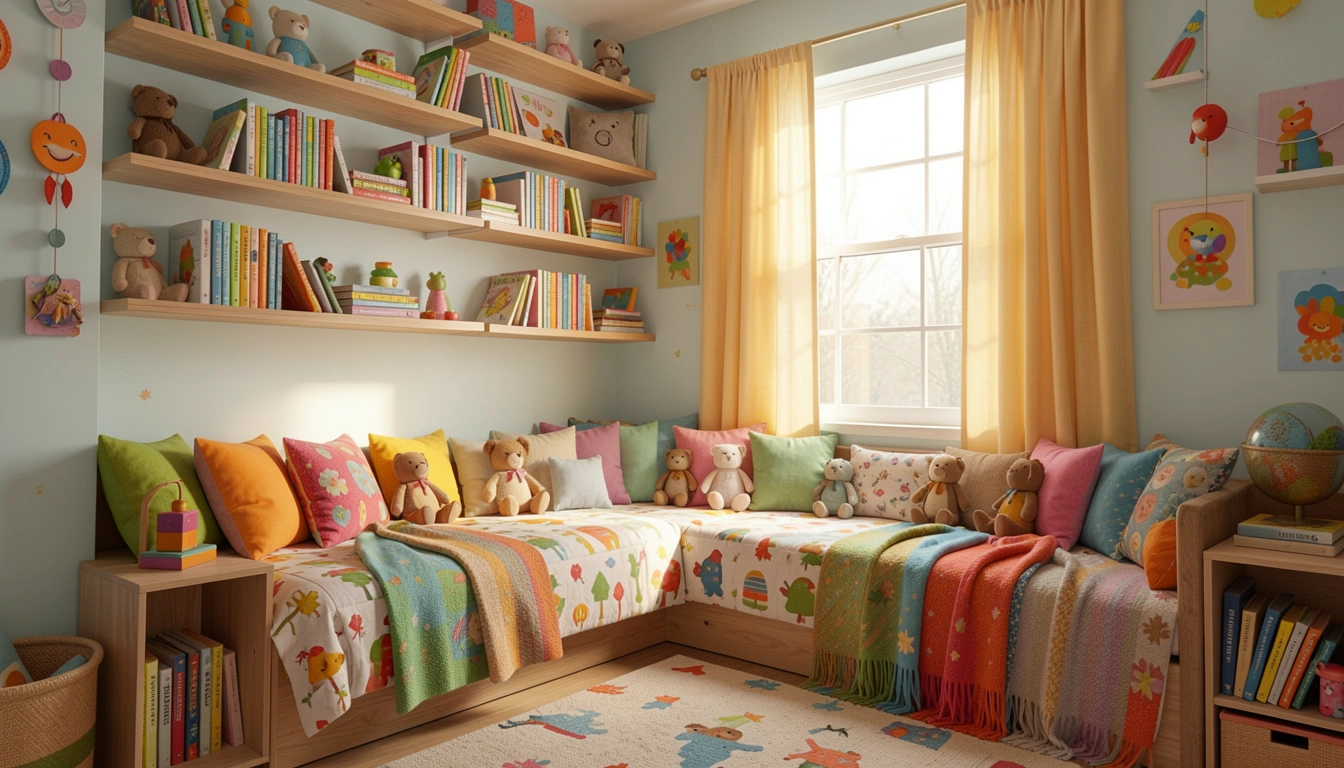
    Your child’s bedroom should be more than just a place to sleep—it’s their creative sanctuary, their quiet retreat, and their personal expression all rolled into one. Finding that balance between playful inspiration and calm comfort can feel overwhelming, especially when you’re juggling budgets and your kid’s ever-changing interests. The good news? You don’t need a complete overhaul to make their space feel special. We’ve gathered 28 practical ideas that work for renters and homeowners alike, from quick DIY projects to statement pieces that grow with your child. Whether you’re starting from scratch or refreshing a tired room, you’ll find actionable solutions that actually fit your life—and your wallet.

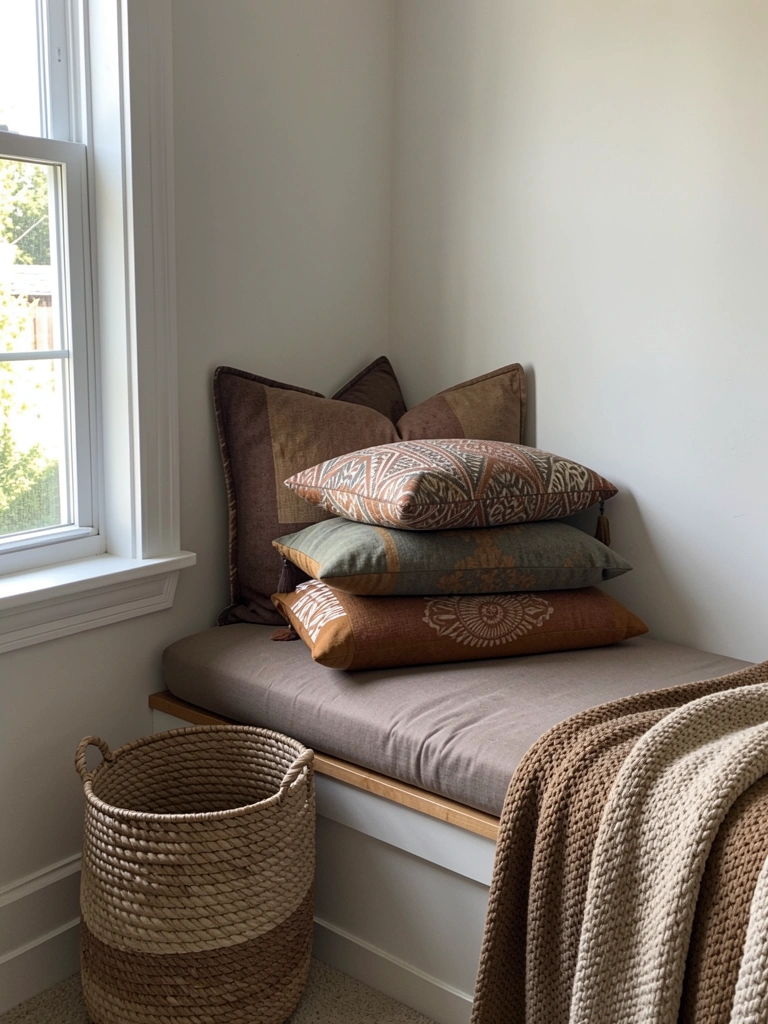
    1. Create a Reading Nook with Layered Textures

    A dedicated reading corner becomes an instant retreat that sparks imagination and gives your child a sanctuary within their bedroom. This works in any room size—even a small corner transforms into something magical.

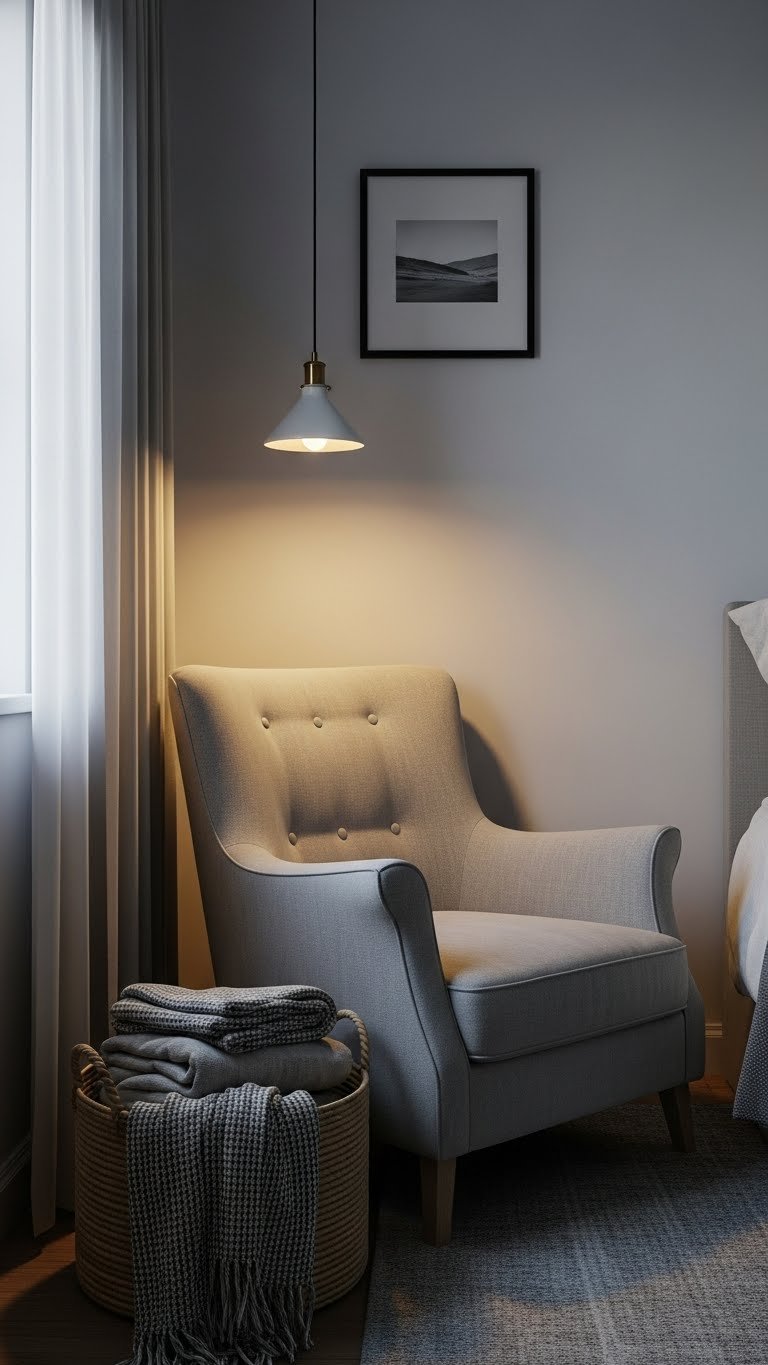
    Start with a low bench, floor cushion, or beanbag chair as your base. Layer on pillows and throws in varied textures: velvet, linen, corduroy. Add a small side table for books or hot chocolate. A woven basket nearby keeps supplies organized. You can source pieces from IKEA ($20-$100), Target, or thrift stores ($5-$30 per item). This takes about an hour to set up, zero installation required—perfect for renters. A standing lamp or clip-on light adds function without taking up space.

    Kids naturally gravitate to cozy corners, and you’ll notice reading time increasing without any nagging required.


    2. Paint an Accent Wall in a Warm Earth Tone

    One accent wall in a warm earth tone—think terracotta, sage, or warm taupe—creates depth and personality without overwhelming the space. This simple change shifts the whole room’s energy from flat to intentional.

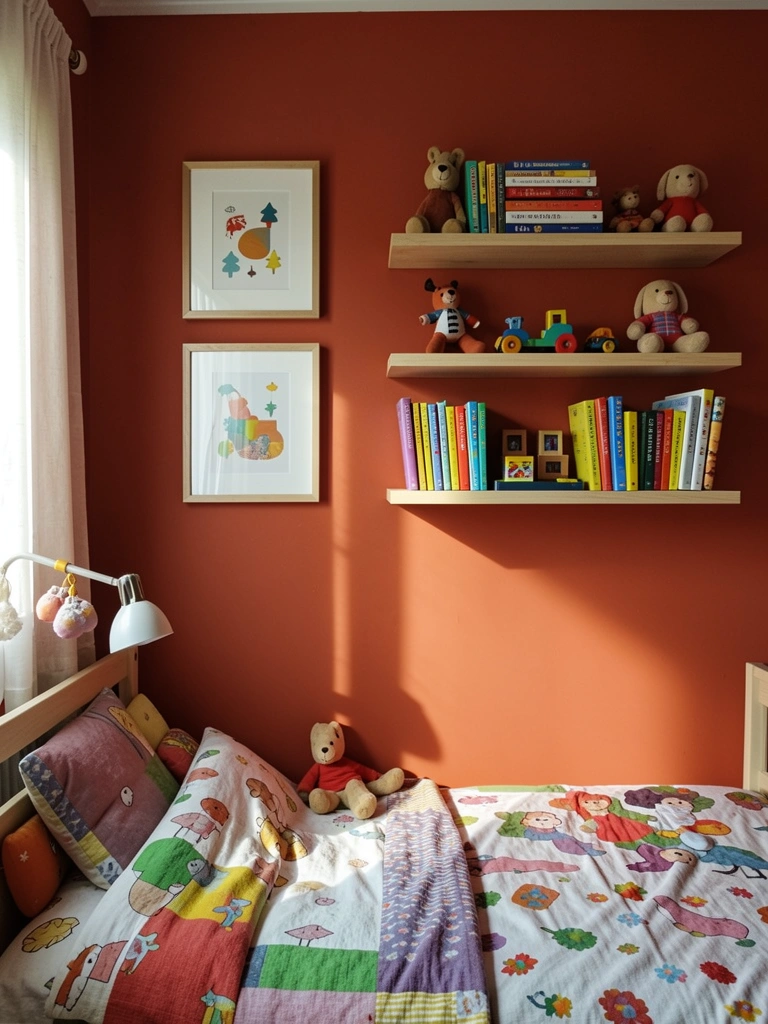
    Choose one wall (ideally the one behind the bed or facing the door) and pick a calming, warm color. Paint runs $15-$40 per gallon at hardware stores. A basic room takes one gallon and one weekend of work. Test the color on poster board first to see it in different light. Warm earth tones feel less institutional than cool grays and actually boost mood—perfect for a creative space. If you rent, try removable wallpaper in similar shades instead ($20-$60).

    The payoff? The room feels intentionally designed rather than hastily decorated, and your child gets a backdrop that works with almost any decor.

    3. Install Floating Shelves for Display and Storage

    Floating shelves give kids a place to display treasures, organize books, and show off their growing collection of interests. They’re functional art that makes a small room feel more spacious.

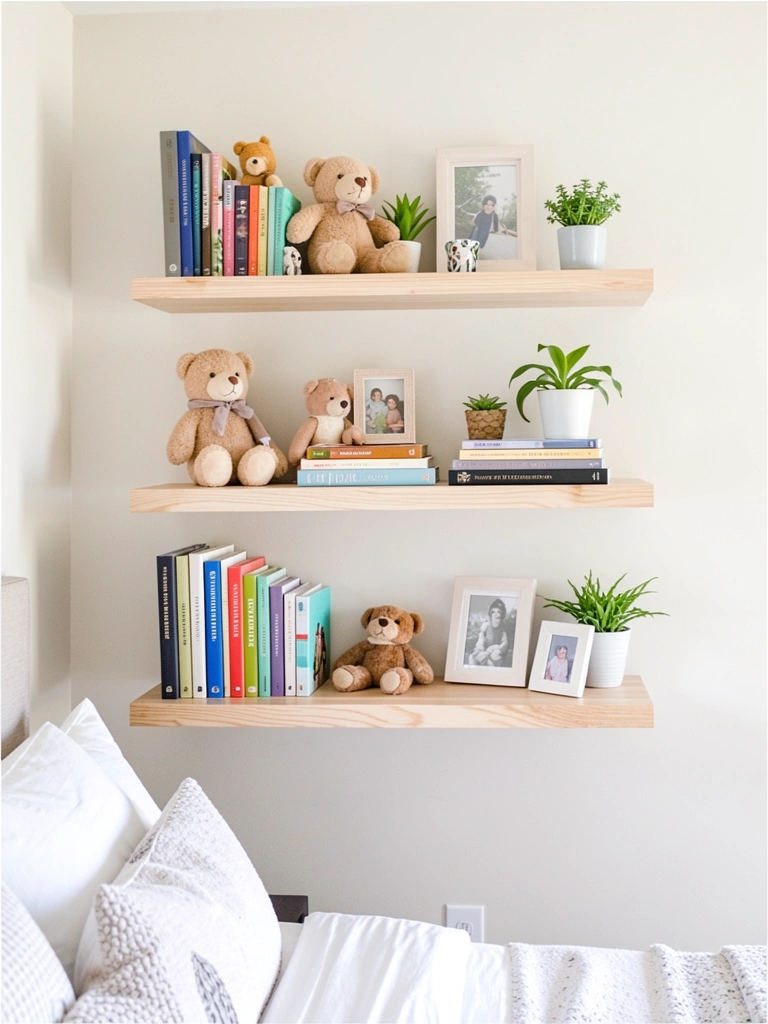
    Install 2-3 shelves using basic brackets ($15-$50 per shelf from Home Depot or IKEA). They’re sturdy enough for kids’ typical items and take about 30 minutes per shelf with a drill and level. If you rent, adhesive shelves work too, though they hold less weight. Arrange books vertically and horizontally, mix in small plants, add framed photos or artwork. The key is balancing “display” with “breathing room”—don’t overcrowd.

    Kids feel proud seeing their things arranged thoughtfully, and you get a solution that grows and changes as their interests do.


    4. Layer Bedding for Comfort and Visual Interest

    Layered bedding creates that “hotel luxury” feel kids love while keeping them comfortable through temperature changes. It’s also a great way to mix patterns and textures without chaos.

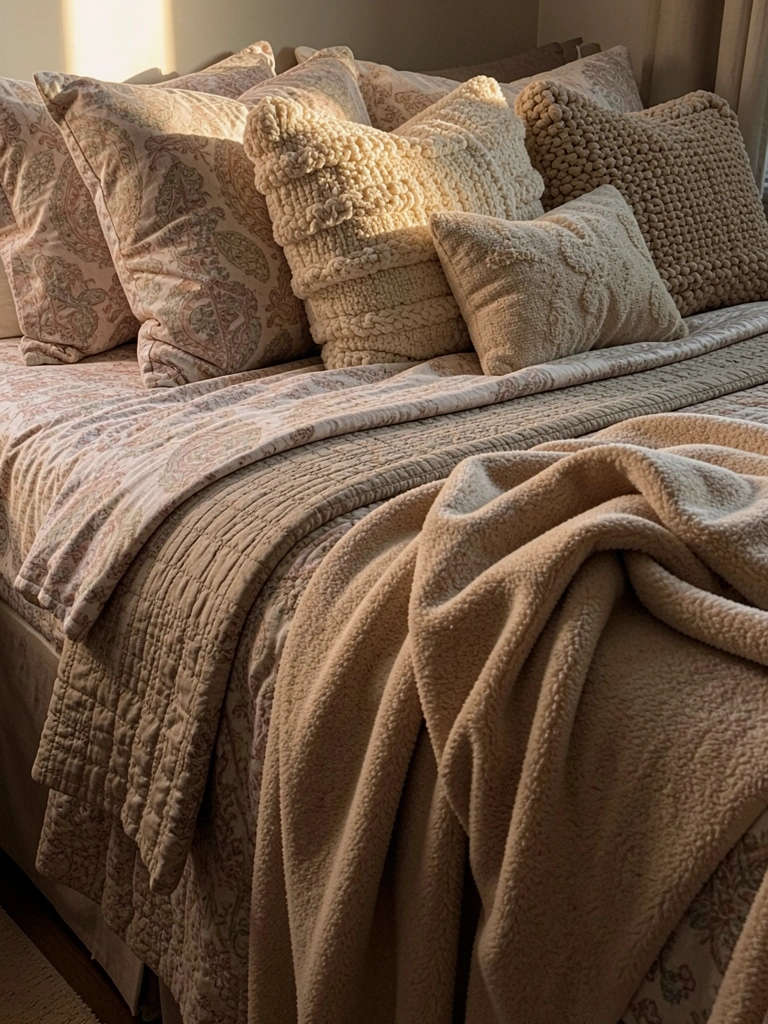
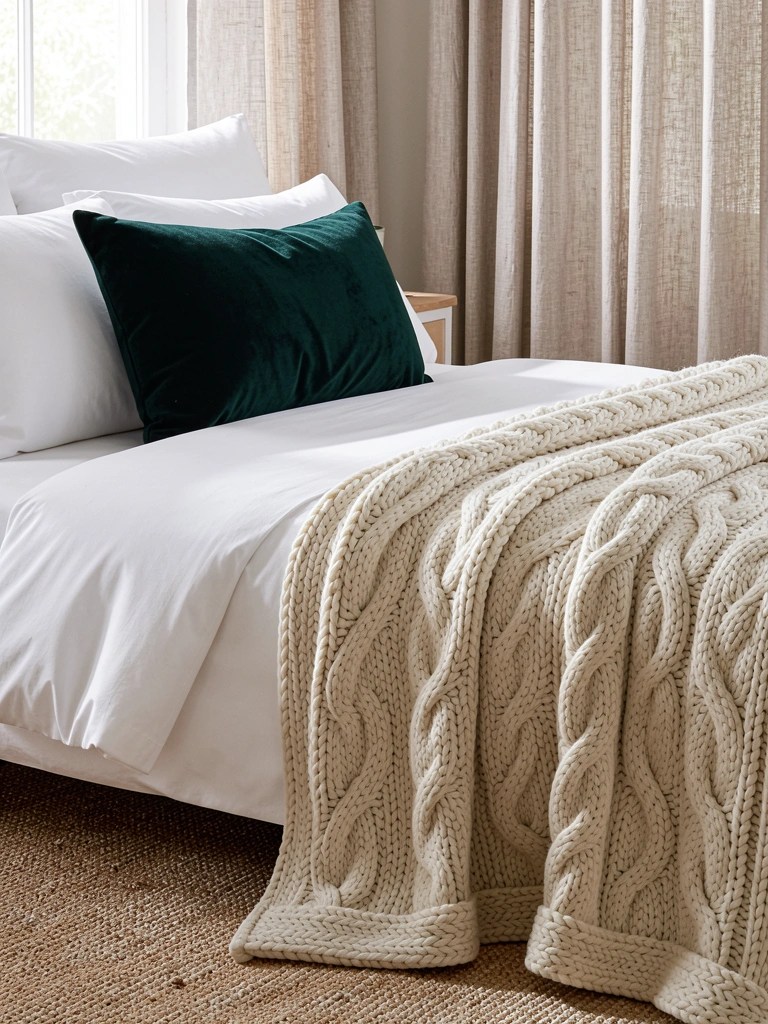
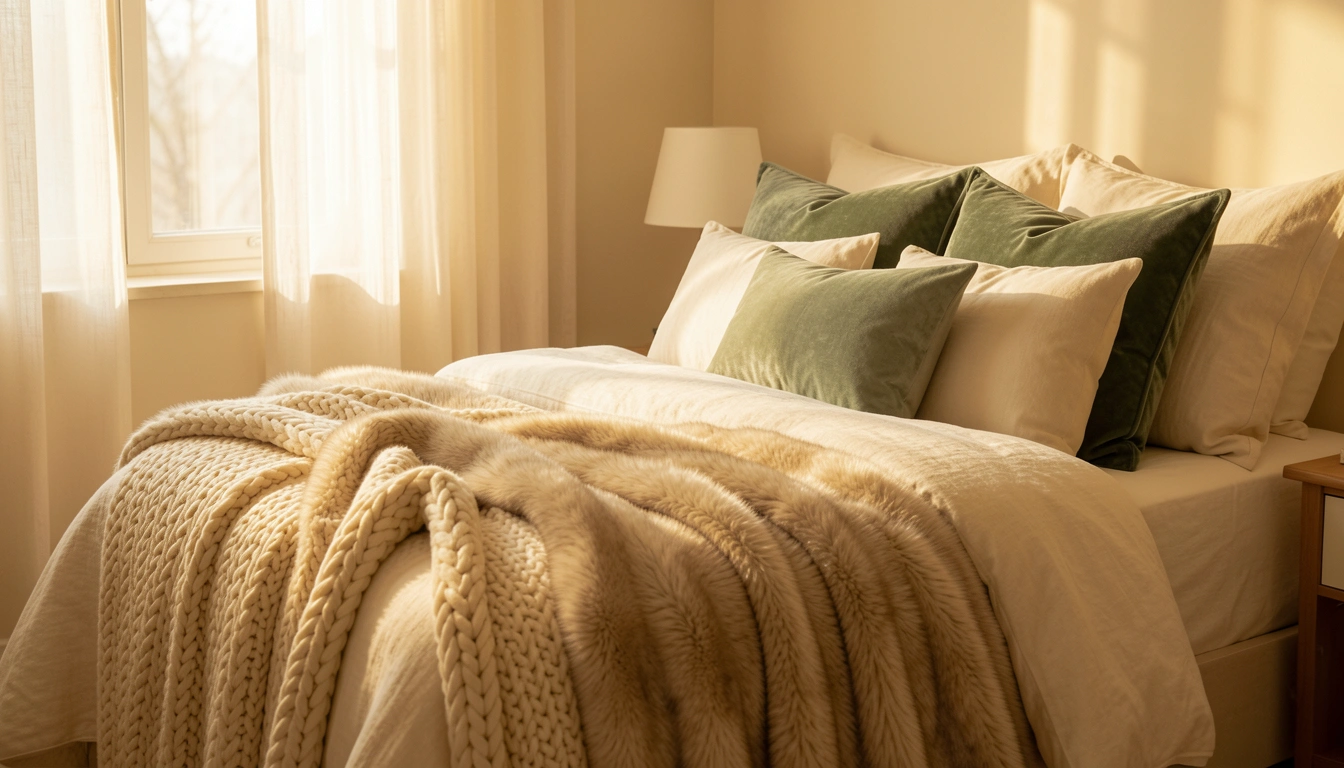
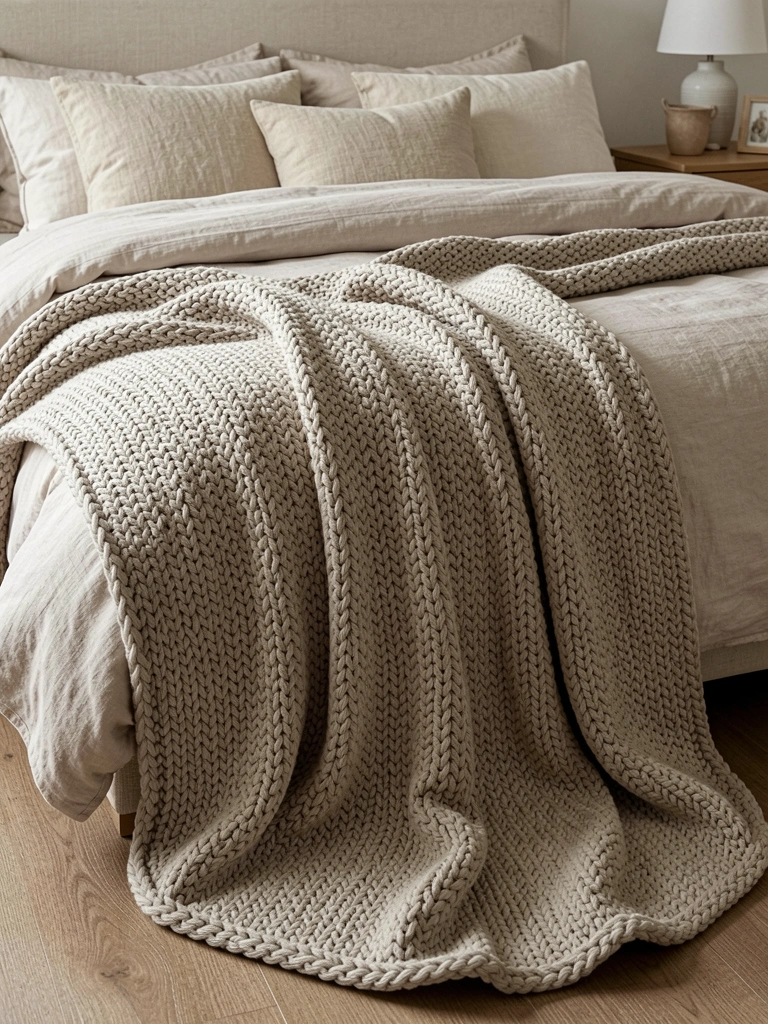
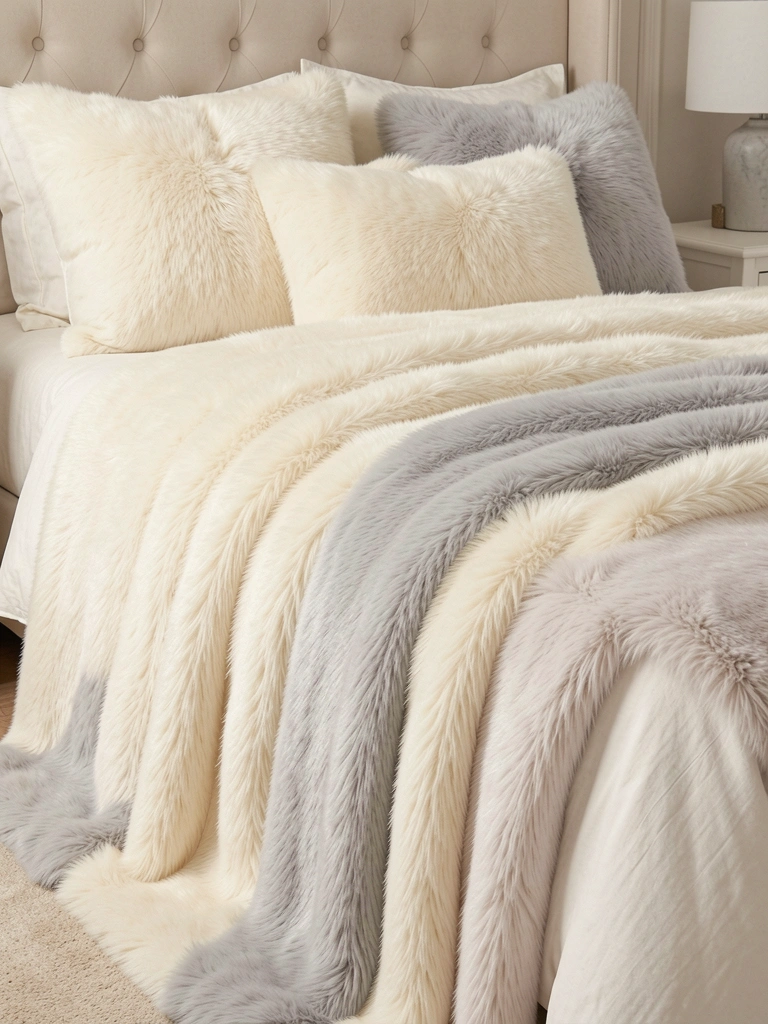
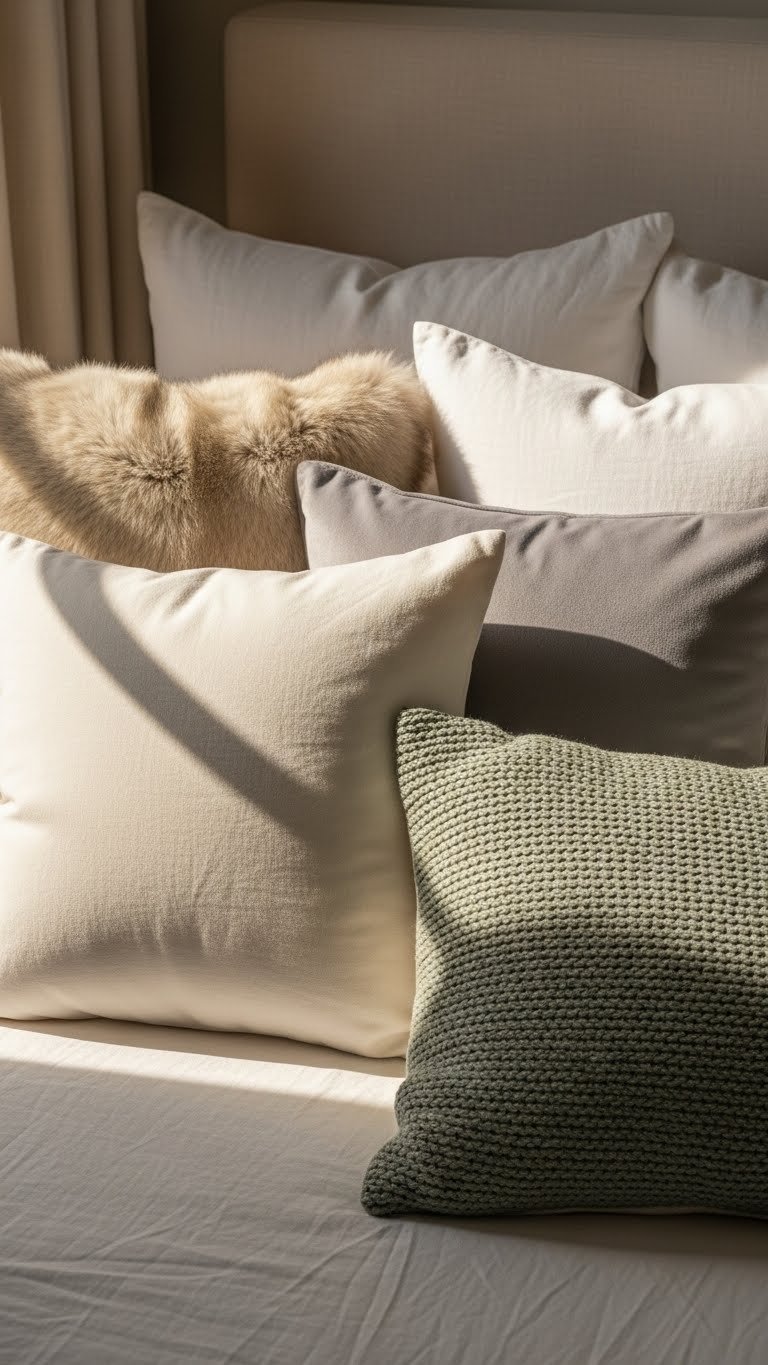
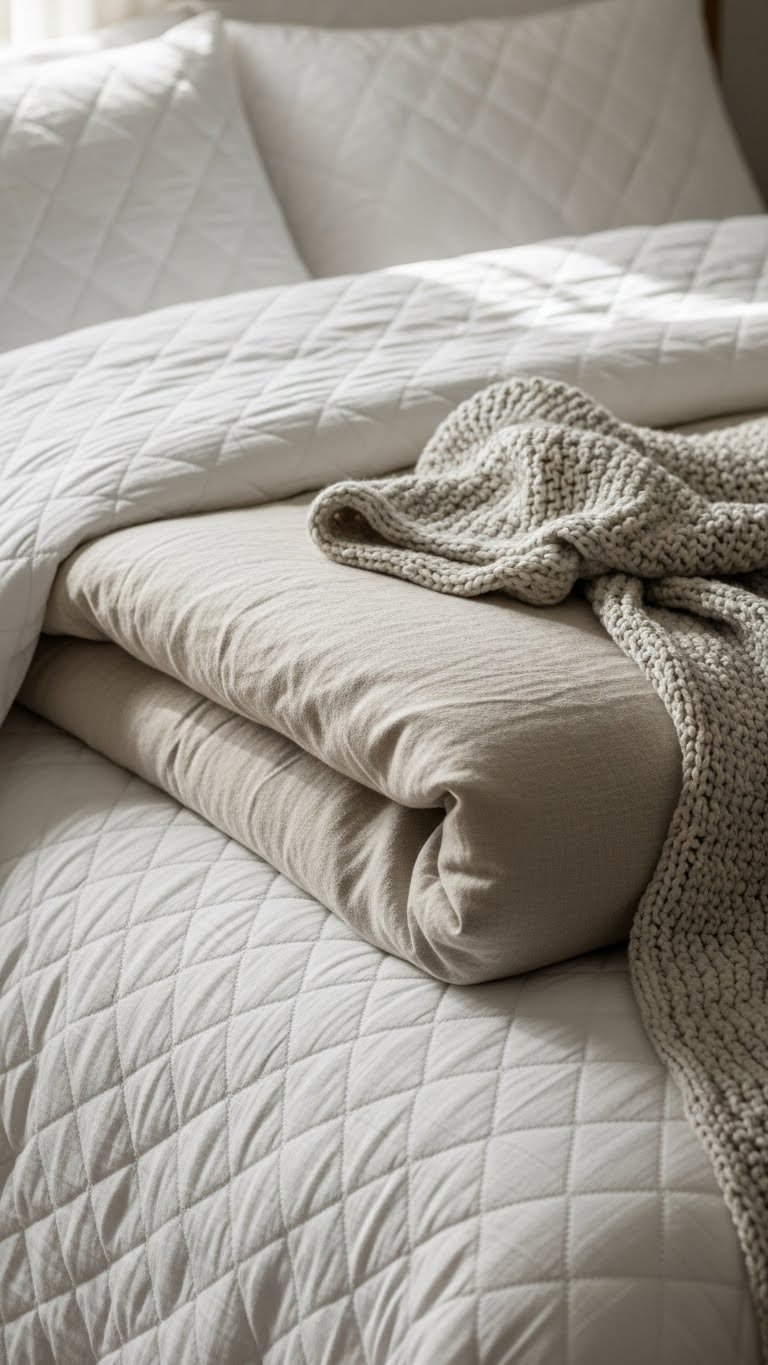
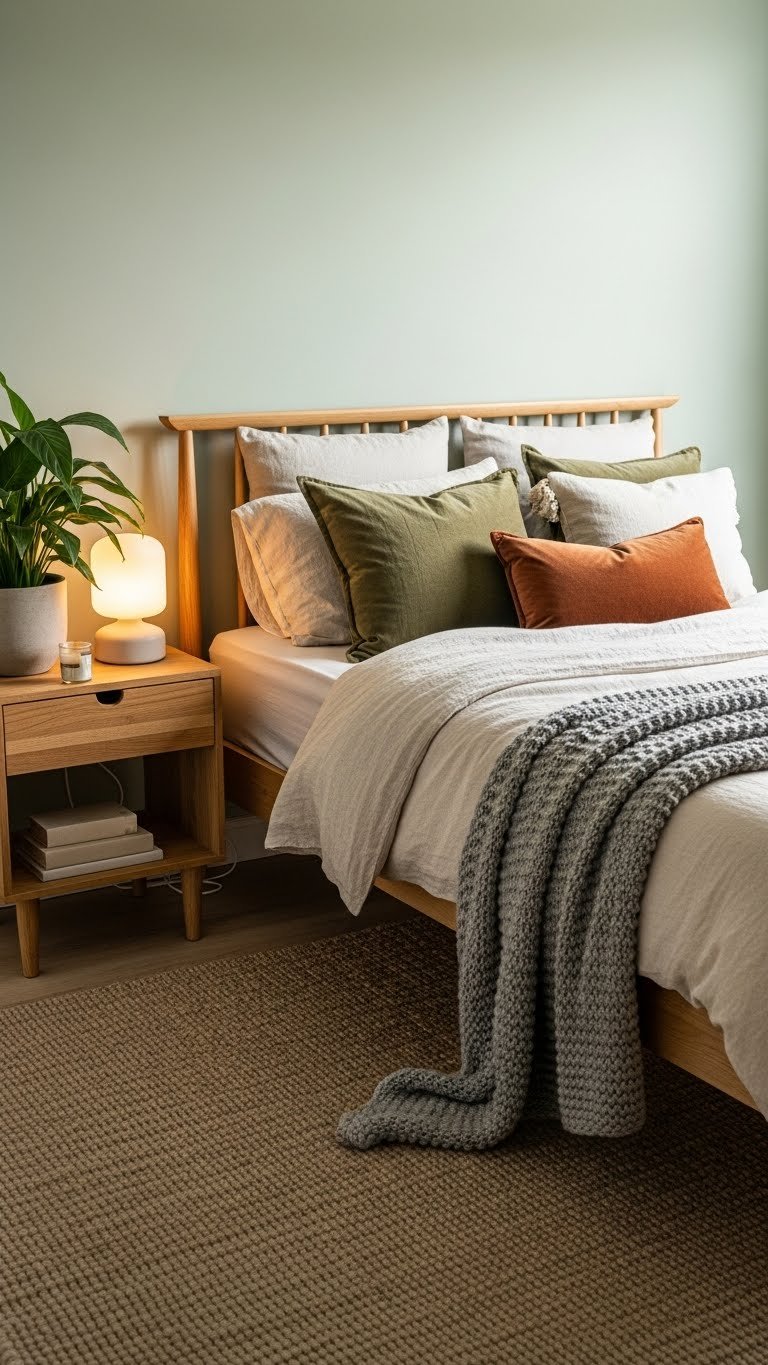
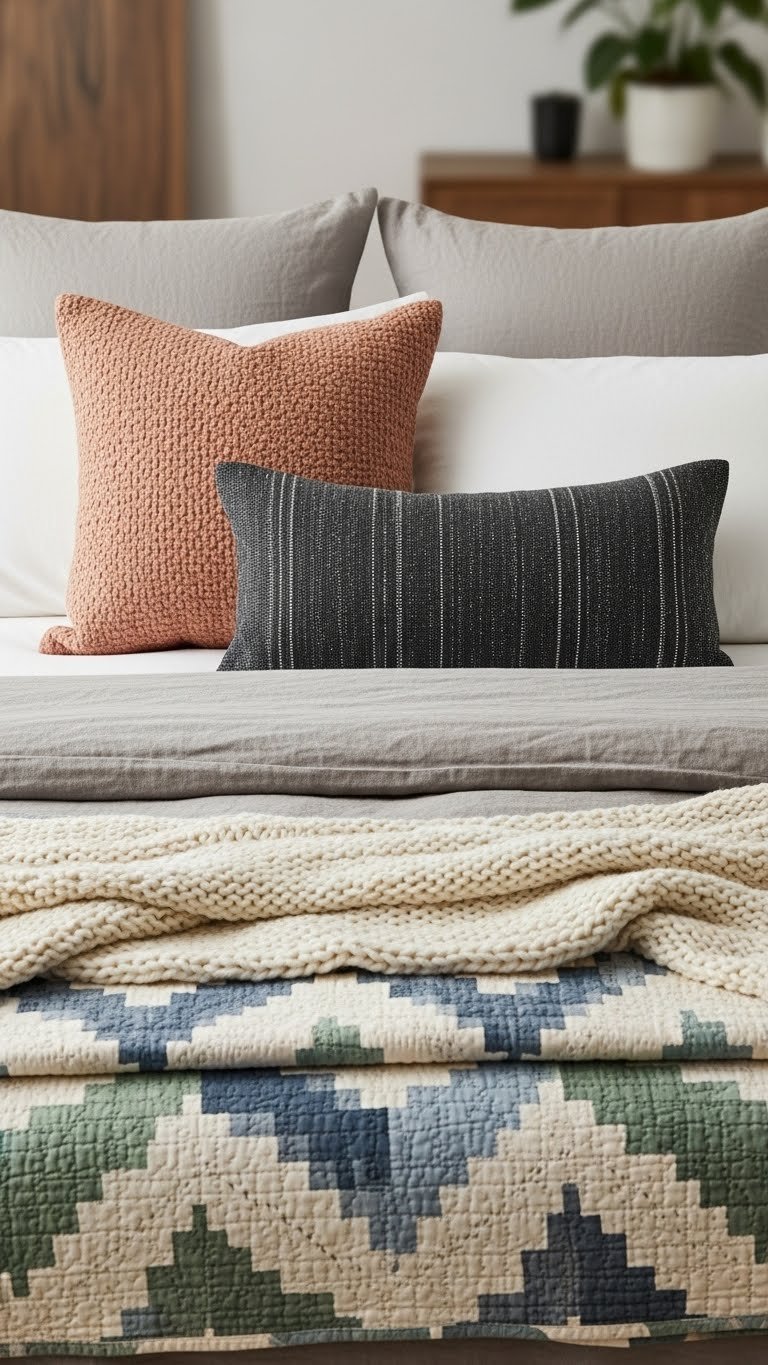
    Start with a fitted sheet (quality matters here—cotton or linen feels better than polyester). Add a patterned duvet or quilt, then layer on 2-3 throw pillows in coordinating fabrics. Drape a chunky knit blanket over the foot or side of the bed. Budget: $40-$100 for a complete refresh from Target, Wayfair, or IKEA. Set it up in under an hour—no tools needed. Switch out seasonal blankets and pillows to refresh the look without spending much.

    You get a bed that’s actually inviting to climb into, and it photographs beautifully for those Instagram-worthy moments parents love.


    5. Add a Growth Chart on the Wall

    A growth chart turns a practical measurement tool into a keepsake that kids love and makes them feel seen and celebrated in their own space.

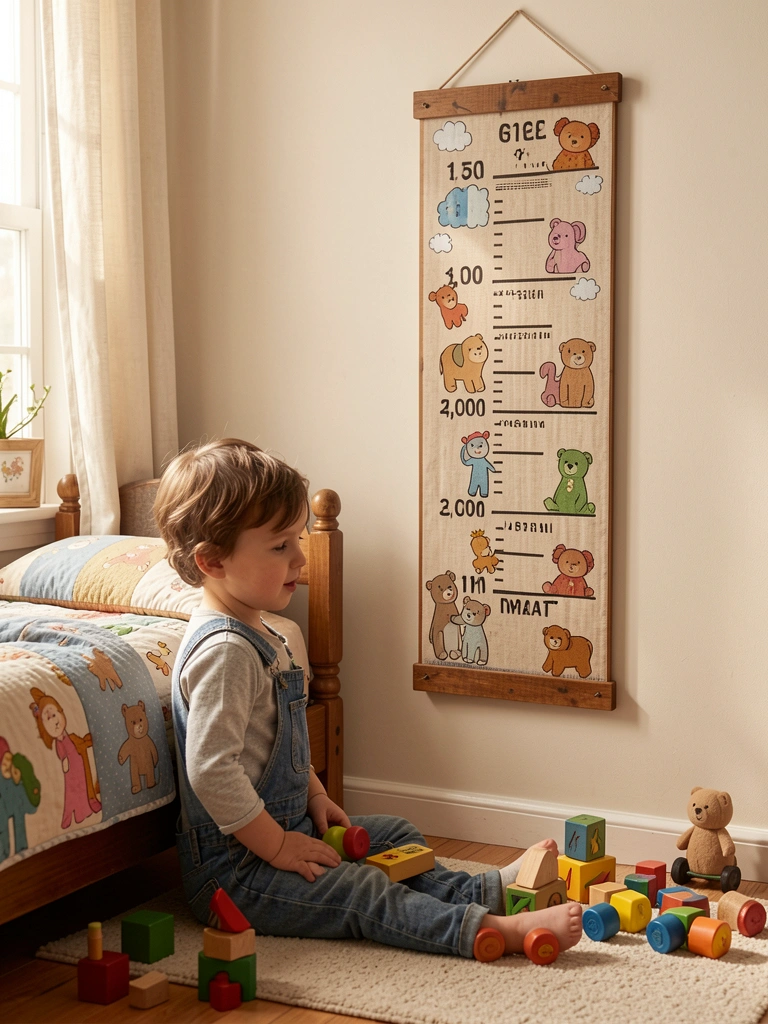
    Choose from wooden wall-mounted charts ($25-$60), fabric banners ($15-$40), or DIY versions using painter’s tape and markers ($0-$5). Installation takes 10 minutes with a level and pencil. Mark their height monthly in a colored marker—let them choose the color. They’ll love tracking their progress, and years later you’ll treasure the record. It works on renters’ walls if you use removable adhesive.

    This simple addition transforms a bare wall into a celebration of your child’s growth and makes them feel like the room is truly theirs.


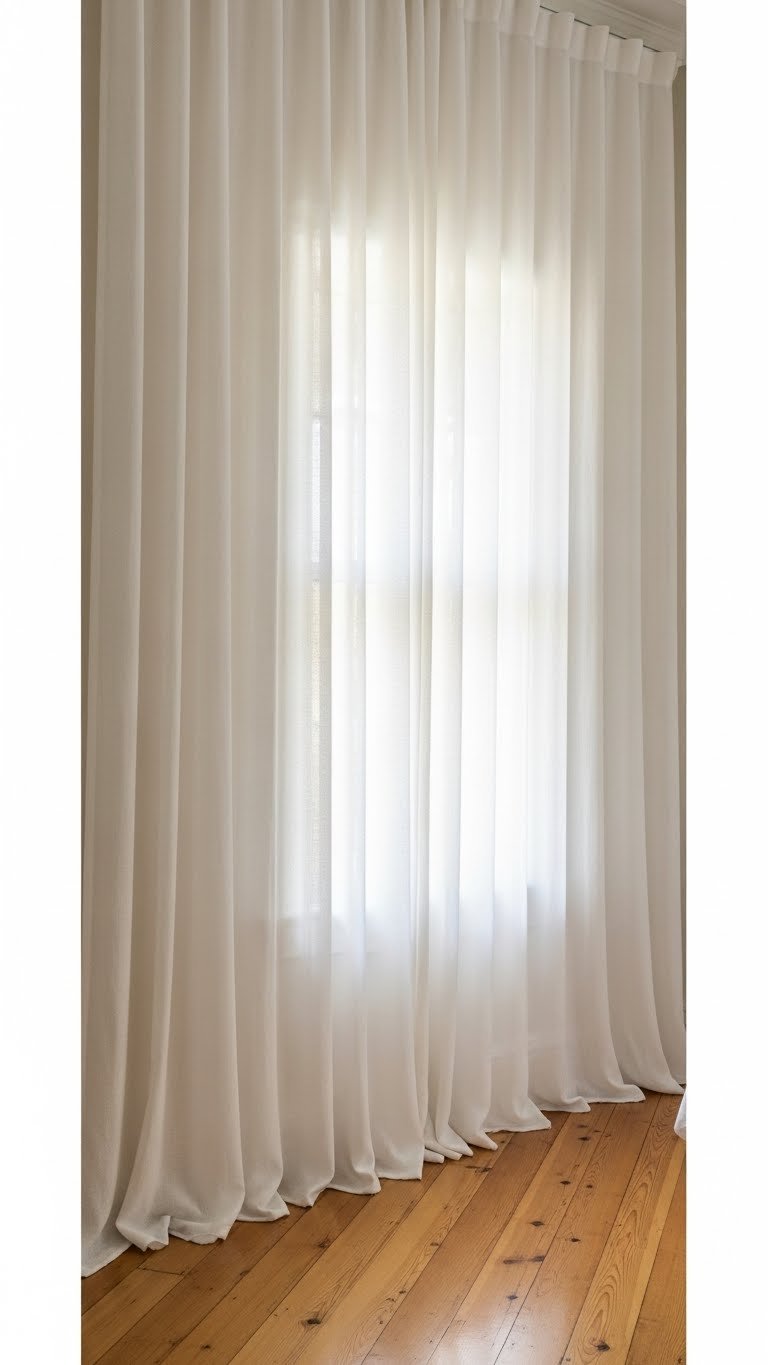
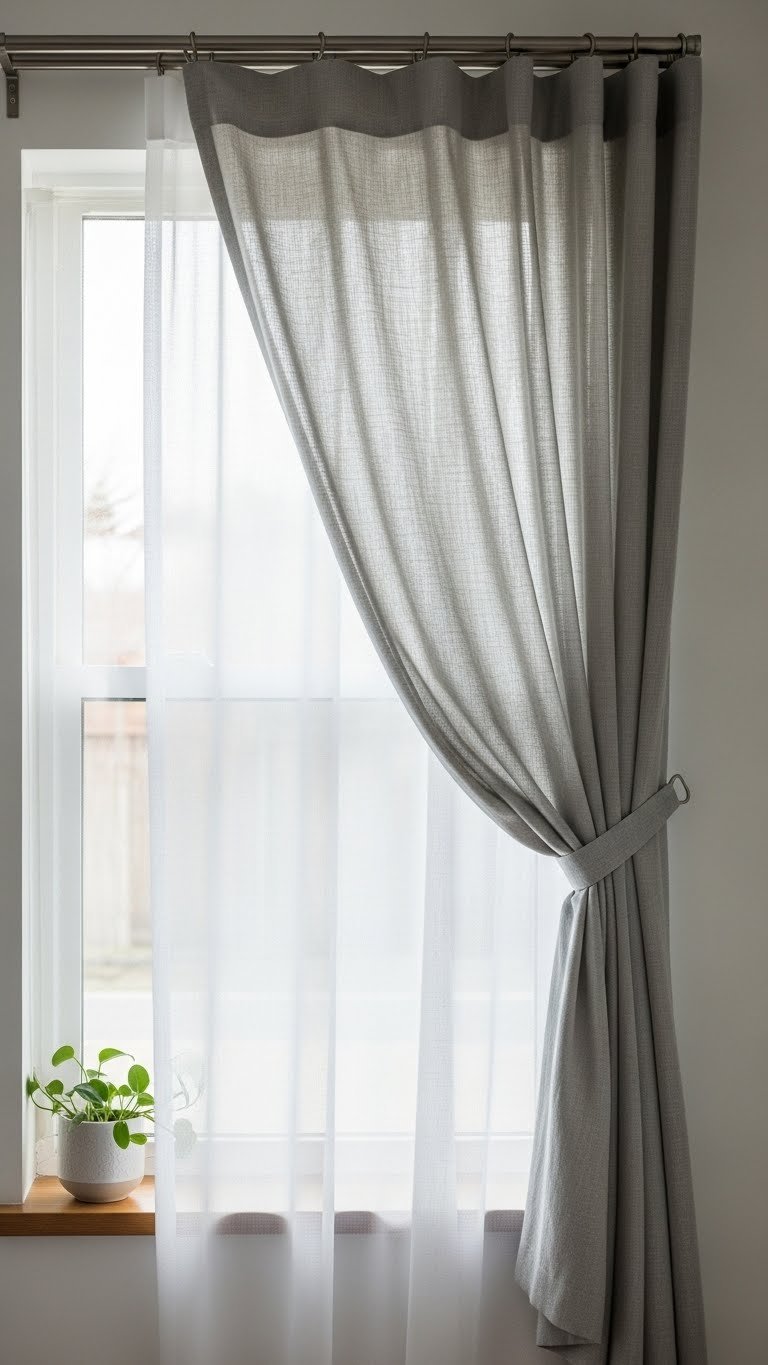
    6. Hang Floor-to-Ceiling Sheer Curtains

    Floor-to-ceiling sheer curtains create an enveloping, cozy atmosphere that makes kids feel nestled and protected while letting light filter through softly.

    Mount a curtain rod as high as possible on the wall—even higher than the window frame looks more intentional. Hang lightweight sheer fabric in white, cream, or pale linen. Budget: $20-$60 for rods and panels from IKEA or Amazon. Installation takes about 20 minutes. Pair these with blackout curtains underneath for sleep time. The sheers stay up year-round, creating a dreamy, calming backdrop. If you rent, use tension rods that don’t require wall anchors.

    The room instantly feels more sophisticated and spa-like, and the soft light becomes a constant mood booster.


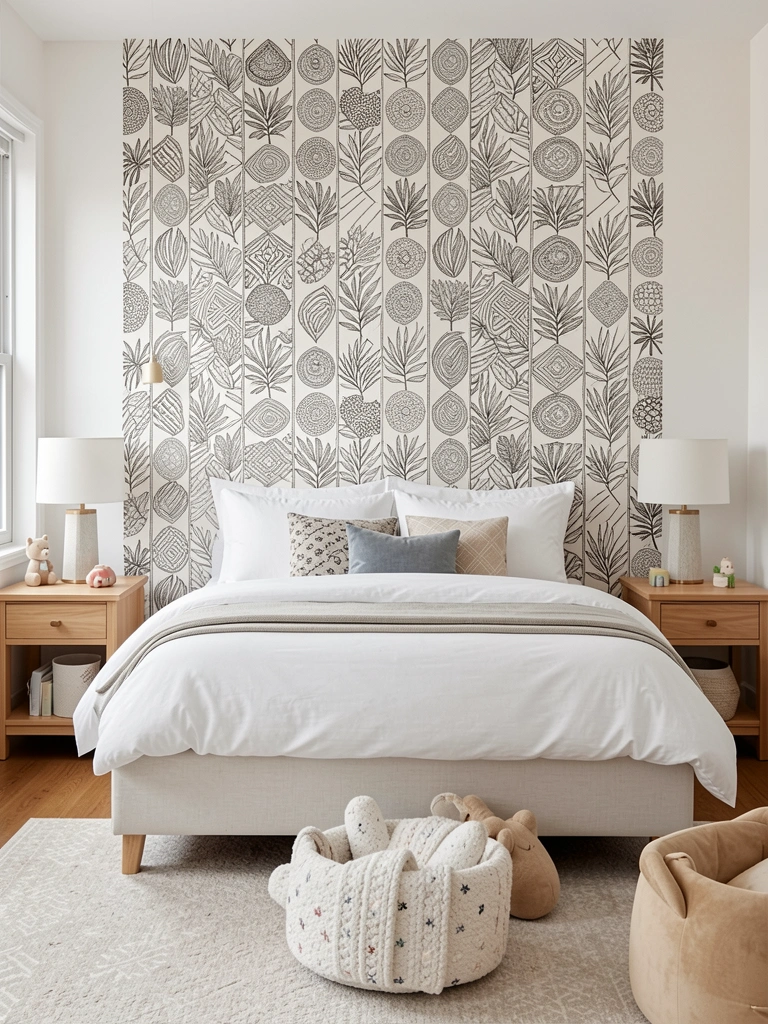
    7. Build a DIY Headboard with Peel-and-Stick Wallpaper

    A headboard draws the eye upward and makes the bed feel like the focal point of the room. Peel-and-stick wallpaper lets you create this effect without permanent damage.

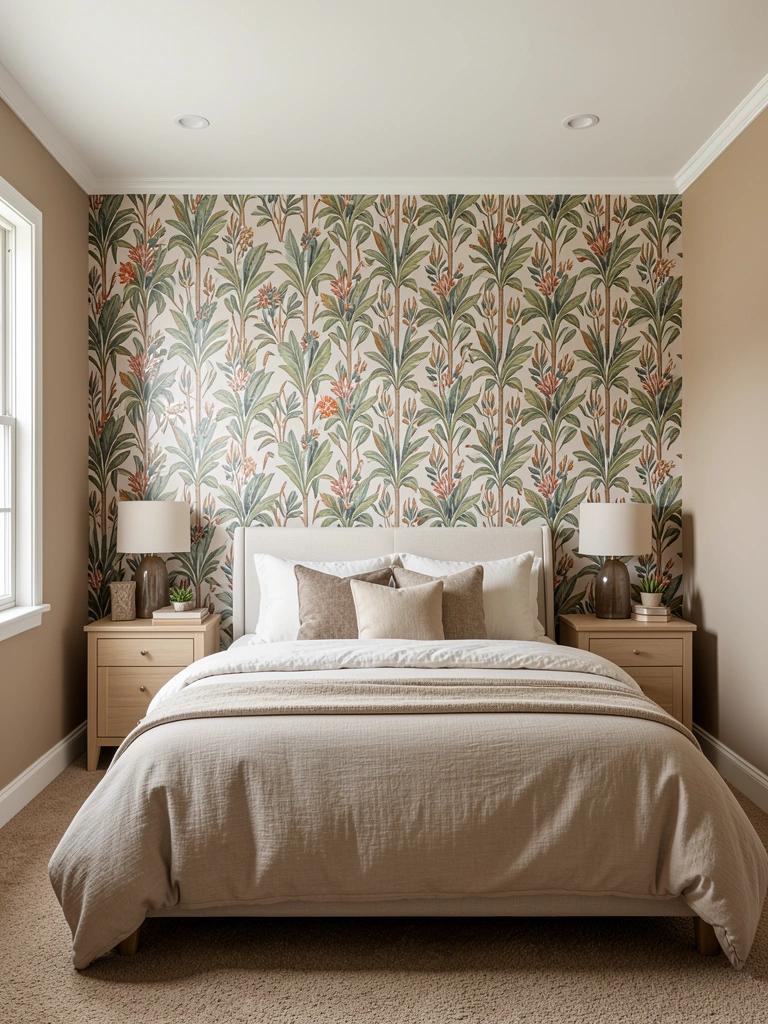
    Measure the width of the bed and decide how tall you want the headboard (typically 3-4 feet works well). Choose peel-and-stick wallpaper in kid-friendly patterns ($20-$50 per roll from Amazon, Wayfair, or Target). Apply directly to the wall—no tools needed, takes 30-45 minutes. The pattern choice matters: geometric, botanical, or subtle textures all work. For renters, this is the perfect solution since it removes cleanly. If your child’s taste changes, so can the wallpaper.

    The bed becomes a real design statement, and your child gets a personal backdrop that makes their space feel curated and special.


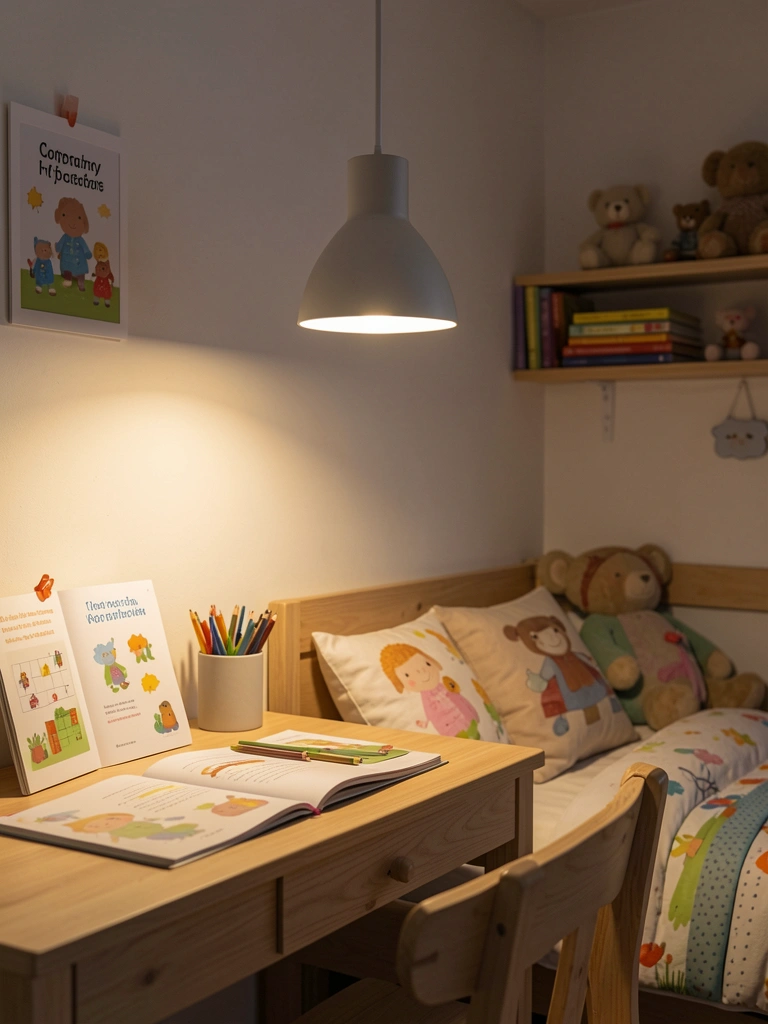
    8. Install a Pendant Light for Task Lighting

    Good lighting matters more than most parents realize—it helps with homework, reading, and making the space feel intentional rather than relying on harsh overhead lights.

    Install a pendant light over the desk or reading area ($30-$100 from IKEA, Home Depot, or Wayfair). This requires basic electrical work or hiring a professional ($100-$200 labor). Choose a fixture in a material that fits the room—wood, metal, or fabric all work. Plug-in pendant lights are also available if you want to avoid installation ($20-$50). Set it on a dimmer if possible so your child can adjust brightness for homework versus wind-down time.

    The room gains functional, layered lighting that actually makes studying easier and the space feel more grown-up.


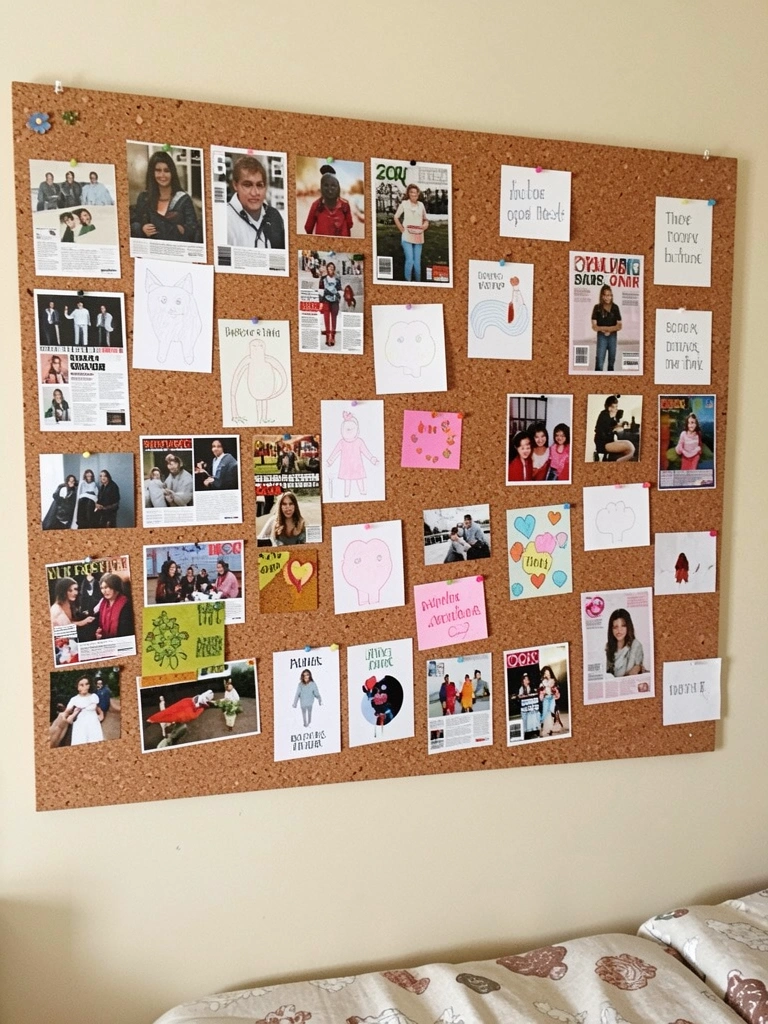
    9. Create a Vision Board Wall

    A vision board gives your child a dedicated creative space to collect and display things that inspire them—it’s a living mood board that changes with their interests.

    Use a large cork board ($20-$40), fabric-covered bulletin board ($30-$60), or create a DIY version with cork wallpaper ($15-$25 per roll). Mount it at eye level so your child can easily add and rearrange. Provide pushpins, magnetic pins, or fabric strips for hanging items. Let them collect magazine cutouts, photos, drawings, quotes, color swatches—whatever speaks to them. This takes 20 minutes to set up and becomes an ongoing project.

    You’ll watch your child’s interests and creativity unfold on that wall, and they get a judgment-free space to dream and explore.


    10. Add Plants for Air Quality and Calm

    Low-maintenance plants brighten the space, improve air quality, and teach kids responsibility without requiring a green thumb. They’re also incredibly good for well-being.

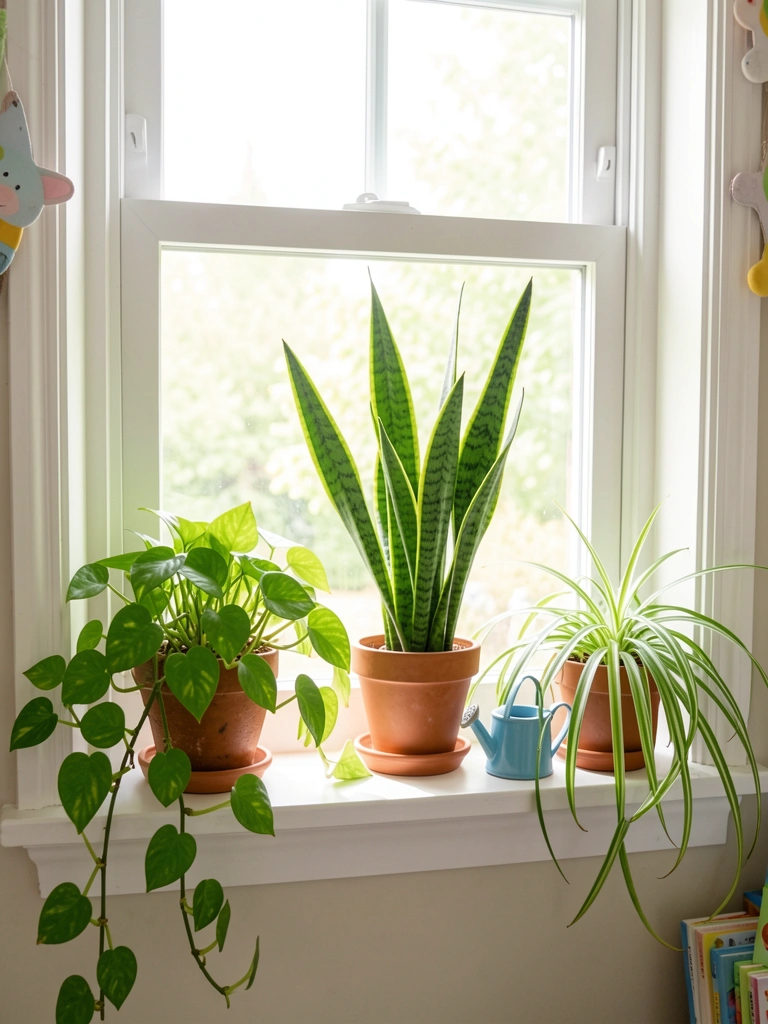
    Choose kid-proof, hard-to-kill plants: pothos, snake plant, spider plant, or ZZ plant ($5-$15 each from local nurseries or big-box stores). Place them on windowsills, shelves, or hang them in macramé holders ($5-$20 each). Teach your child the watering schedule—many kids love this responsibility. Start with 2-3 plants and add more as they prove their care skills. Set reminders on their phone or yours for watering days.

    The room gains natural color and oxygen, and your child learns that living things need care and attention.


    11. Install a Pegboard for Organization and Display

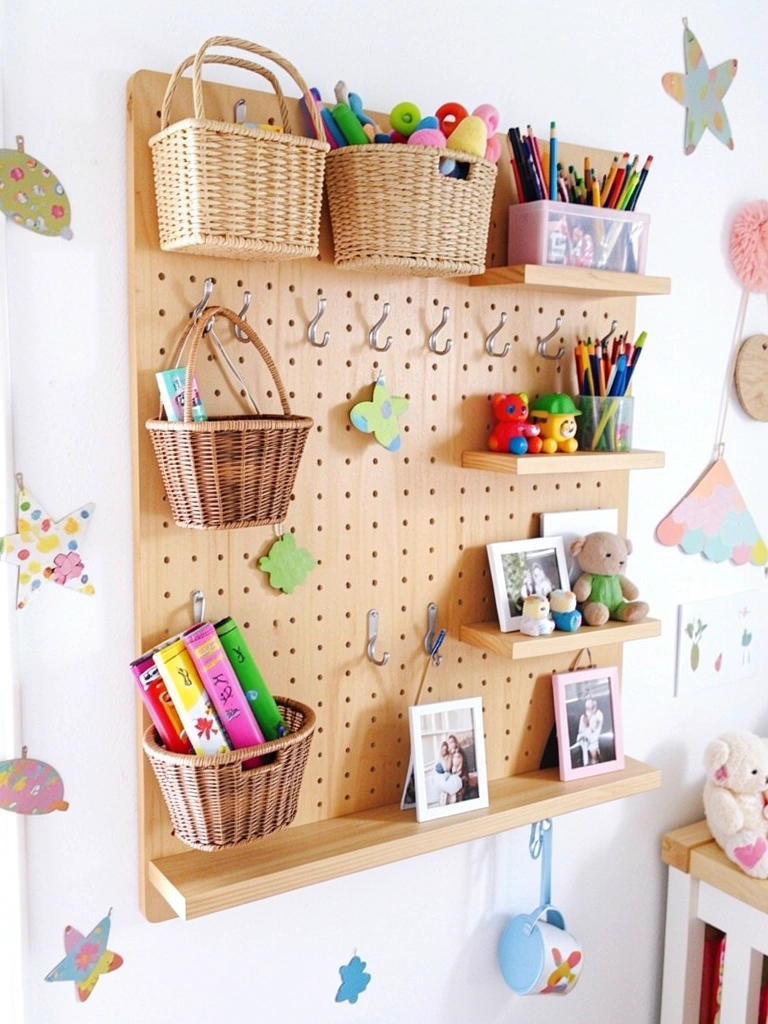
    A pegboard is the ultimate flexible storage solution that grows with your child and keeps supplies visible and accessible without cluttering surfaces.

    Mount a wooden pegboard ($30-$80 from IKEA, Home Depot, or Amazon) using basic brackets—takes about 20 minutes. Add hooks, shelves, and baskets as needed ($2-$5 per piece). Let your child arrange and rearrange items however they want. Use it for art supplies, small toys, headphones, or photos. Pegboards work in small spaces and renter-friendly situations. Paint it to match the room if desired ($5-$15 for paint).

    Organization becomes visual and easy, and kids actually use the system because they designed it themselves.


    12. Hang Fabric Remnants as a Canopy

    A fabric canopy creates an instant “fort” feeling that kids adore—it’s intimate, cozy, and easy to change without permanent installation.

    Buy lightweight fabric remnants ($10-$30 from fabric stores or online) or use lightweight curtain fabric. Attach to ceiling using removable adhesive hooks ($5-$10 for several) or tension rods. Drape it asymmetrically or evenly depending on preference. This takes 15 minutes to set up and zero permanent damage. Swap fabrics seasonally for a quick refresh. Combine with string lights inside for extra magic ($10-$20).

    Your child gets a cozy fort that makes bedtime feel special, and you haven’t drilled a single hole in the wall.


    13. Create a Chalkboard Wall or Panel

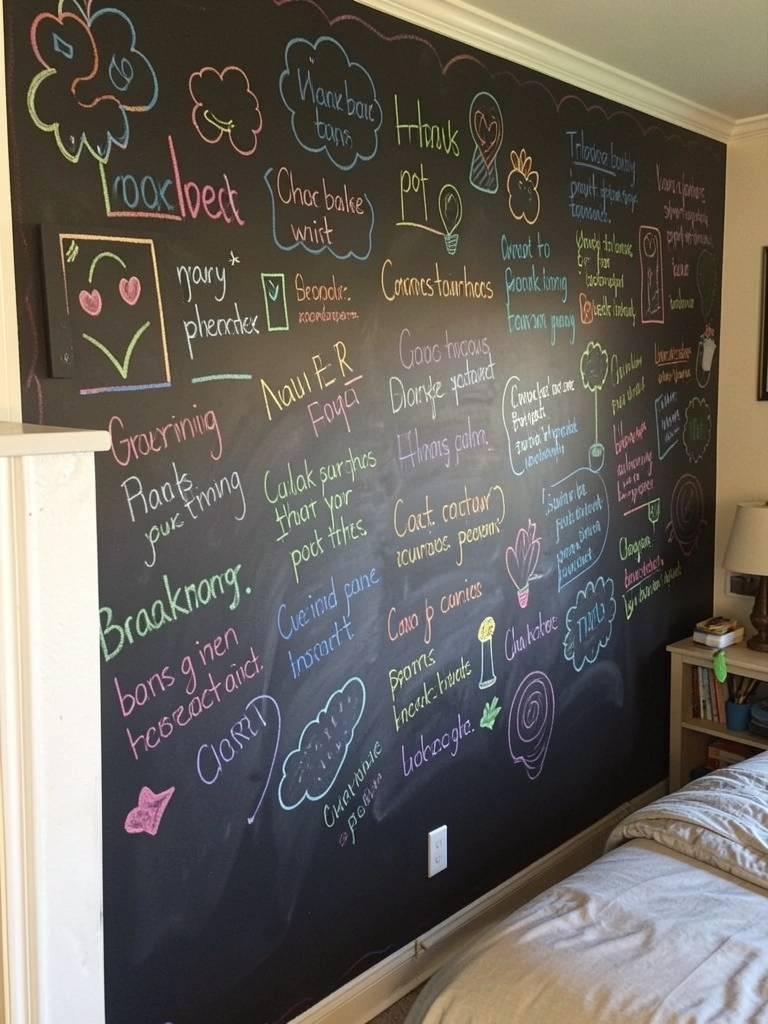
    A chalkboard surface lets your child express creativity daily and changes infinitely without waste. It’s also great for practical notes and lists.

    Paint one wall or a large panel with chalkboard paint ($20-$40 per quart from hardware stores). Requires basic painting skills, takes 2-3 hours including drying time. Alternatively, buy pre-made chalkboard panels ($30-$100). Stock colorful chalk ($5-$10 for a set). This works brilliantly for renters if you use a removable chalkboard wallpaper ($20-$50 per roll). Your child can draw, write, play games, or leave themselves reminders.

    The wall becomes interactive and alive, and your child’s creativity gets a judgment-free outlet.


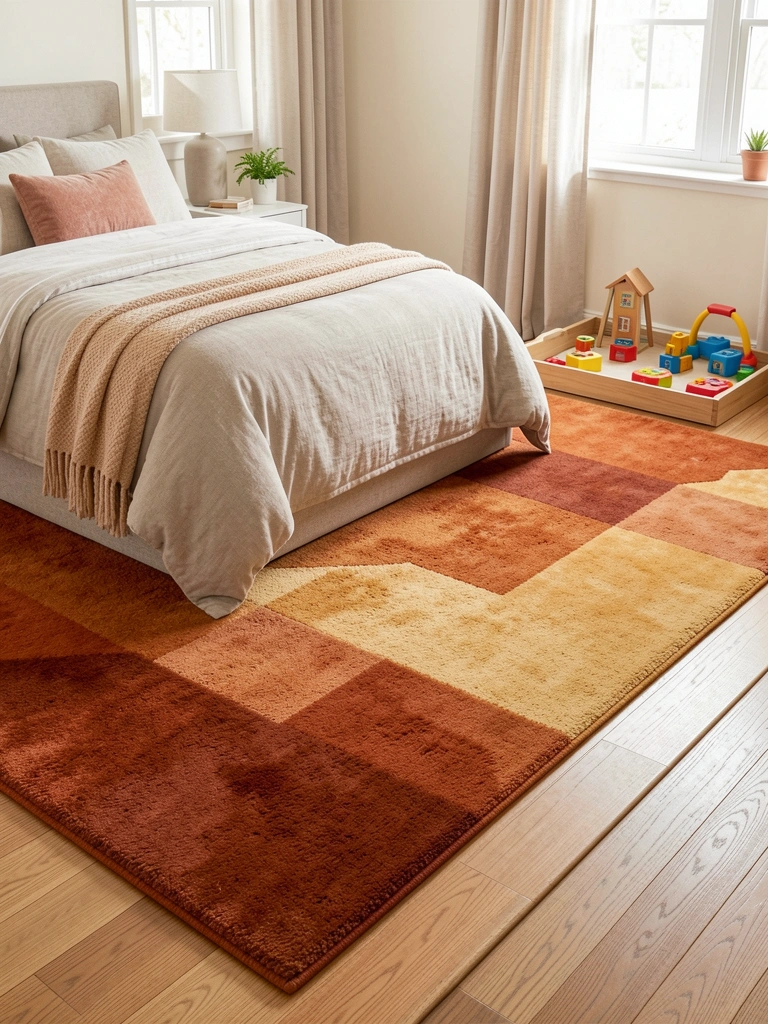
    14. Use a Rug to Define Spaces

    A quality rug anchors the room, defines separate zones (play area, reading nook), and makes the space feel intentional and finished.

    Choose a rug in 5×7 or 6×8 size ($40-$150 from Target, IKEA, Wayfair, or thrift stores). Natural materials like jute or wool feel better than synthetic and last longer. Consider washable rugs if you have young kids ($50-$120). Place it under the bed or in a designated play area. Layer a smaller accent rug on top for visual interest ($20-$60). This anchors the room without requiring any installation.

    The space instantly feels more cohesive and comfortable, and you get a soft landing spot for bare feet.


    15. Install Adjustable Task Lighting on Desks

    Adjustable desk lighting keeps your child’s workspace functional and reduces eye strain during homework or creative projects.

    Install a clip-on lamp ($15-$40 from IKEA, Target, or Amazon) or a small desk lamp with an adjustable arm ($25-$60). No installation required—just plug in. Dimmable options are ideal for switching between focus and wind-down modes. Choose warm white bulbs that don’t feel harsh. Position it to the side of the workspace to avoid glare on screens. This takes literally two minutes to set up.

    Homework becomes less of a battle when the lighting actually supports focus, and the desk area feels like a real workspace.


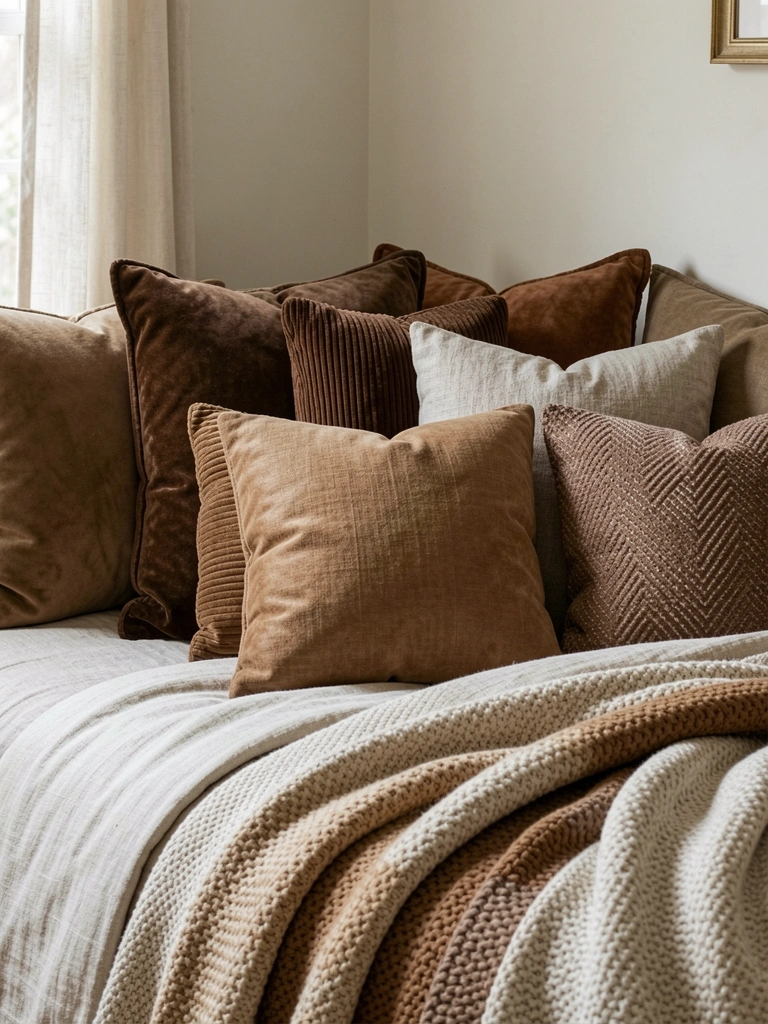
    16. Add Soft Velvet or Corduroy Pillows

    Tactile textures matter more than people realize—soft pillows and fabrics create comfort and make kids want to spend time in their room.

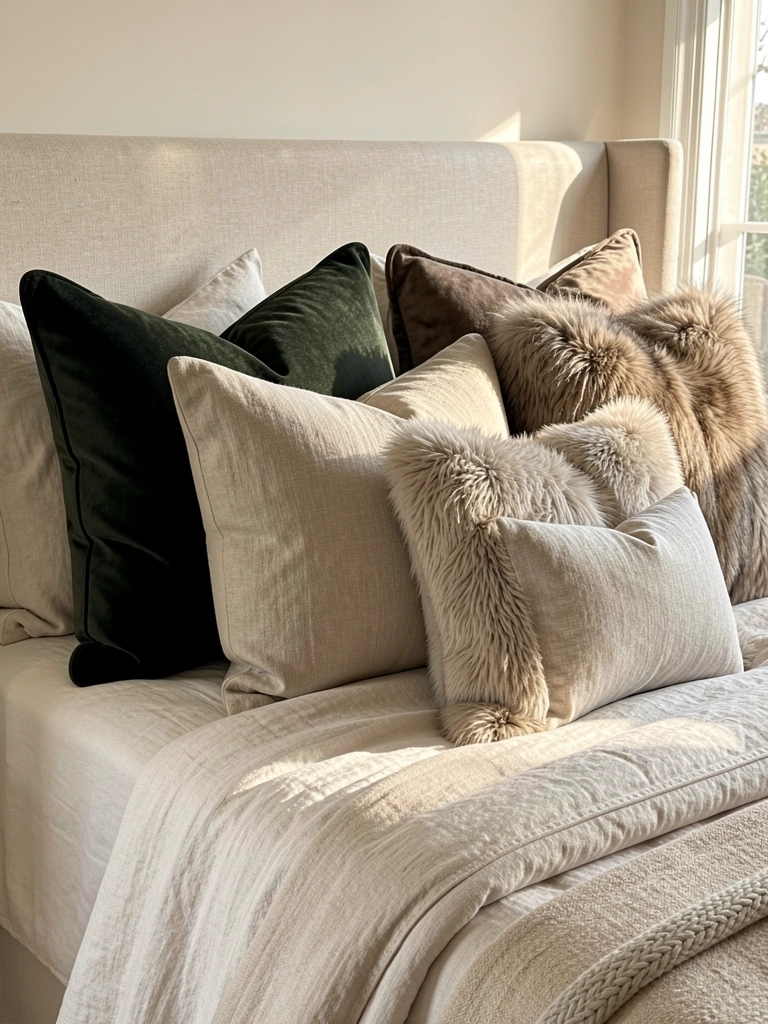
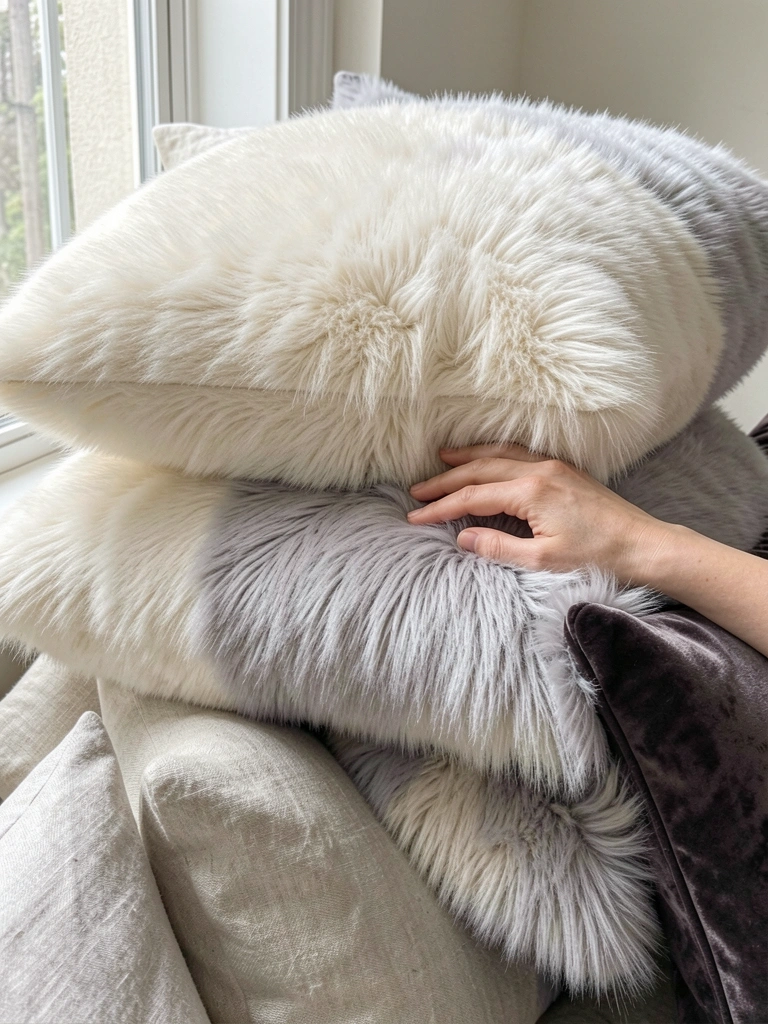
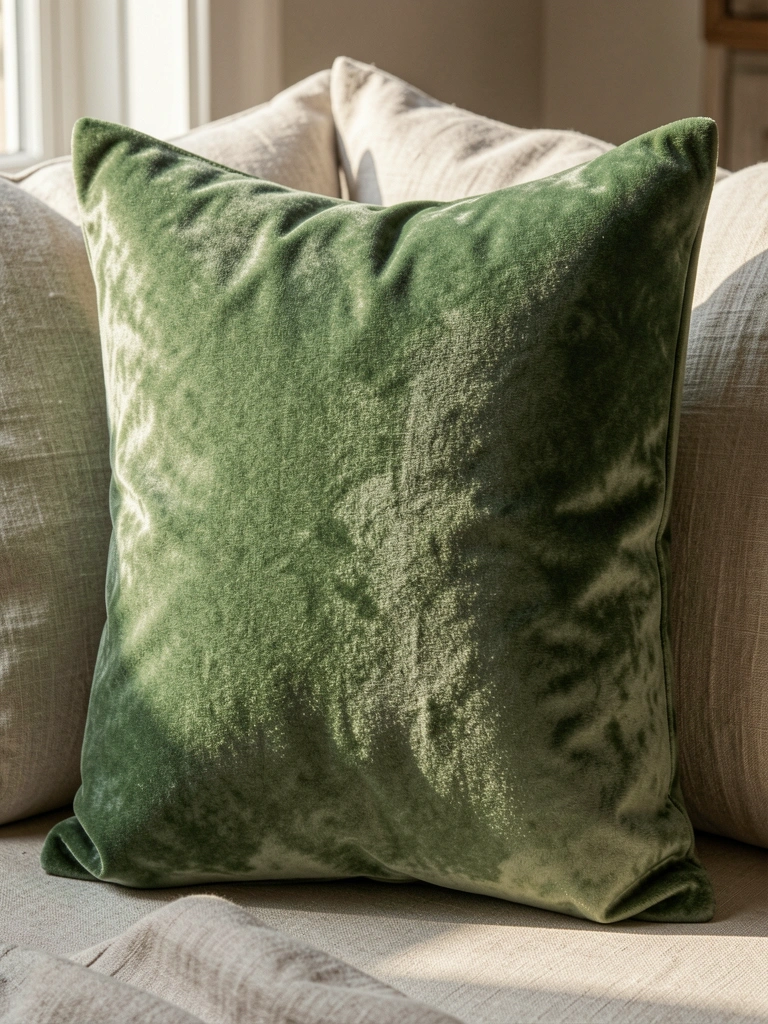
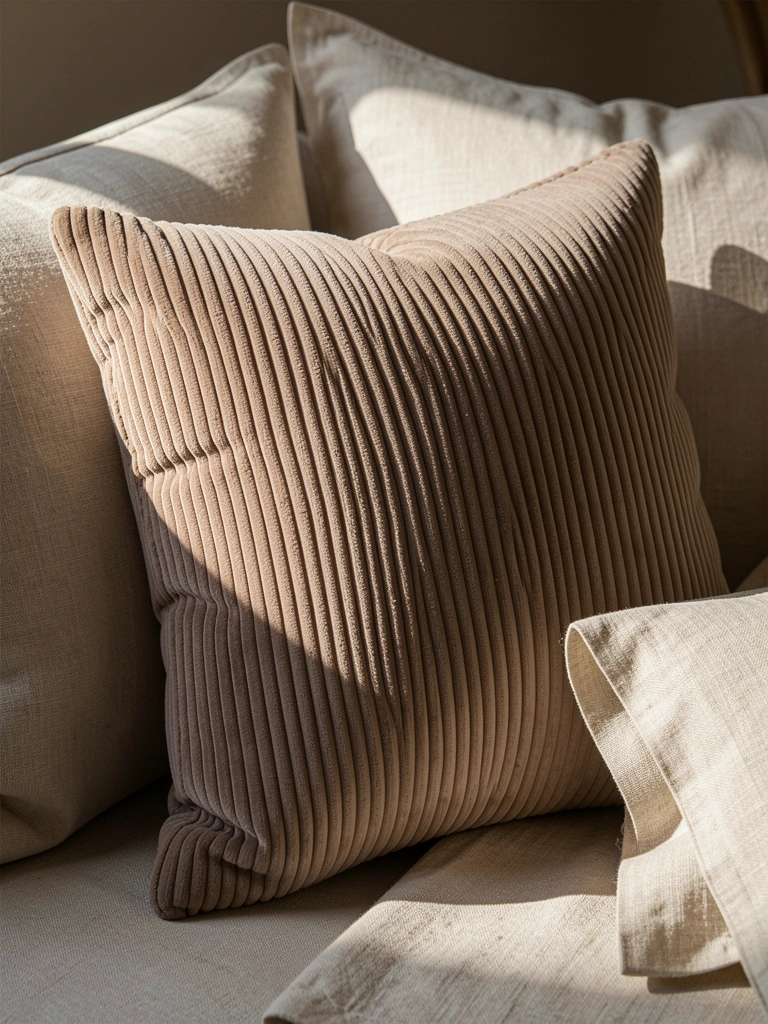
    Source velvet or corduroy pillows in various sizes ($15-$40 each from Target, IKEA, Wayfair, or thrift stores). Mix textures with linen and chunky knit to create visual interest. Arrange on the bed and reading nook. Most are machine-washable, making them practical for kids’ spaces. Start with 3-4 pillows and add more as budget allows. This takes 10 minutes to arrange and zero installation.

    The room becomes a textural experience that kids actually love touching and spending time in.


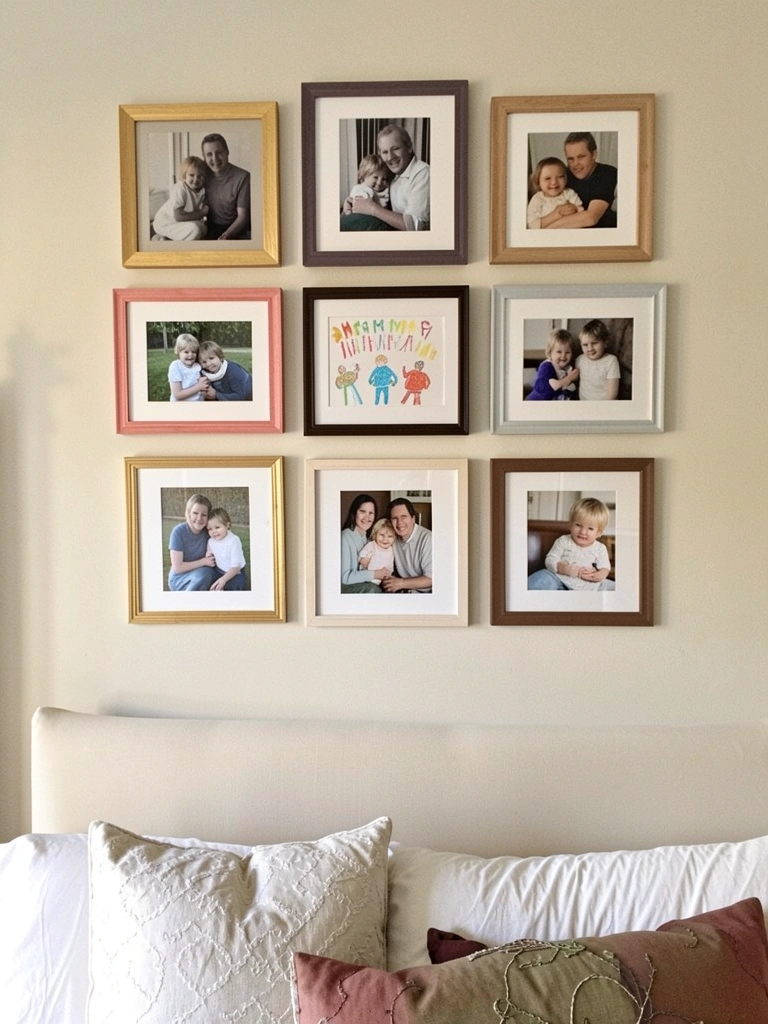
    17. Create a Photo Display Wall

    A photo wall celebrates memories, makes the space feel personal, and creates an anchor of what matters most to your child.

    Use matching frames ($2-$8 each from IKEA, Target, or thrift stores) or create a cohesive look with coordinated styles. Print photos from your phone ($0.25-$0.50 each at drugstores or online). Plan the layout on the floor first, then hang using painter’s tape to find the right arrangement. Use removable hooks or adhesive strips for easy rearrangement. This takes about an hour depending on frame count and looks best with 9-16 photos.

    Your child sees the people and moments that matter most every day, and the room feels like it belongs to them, not just to “a kid.”


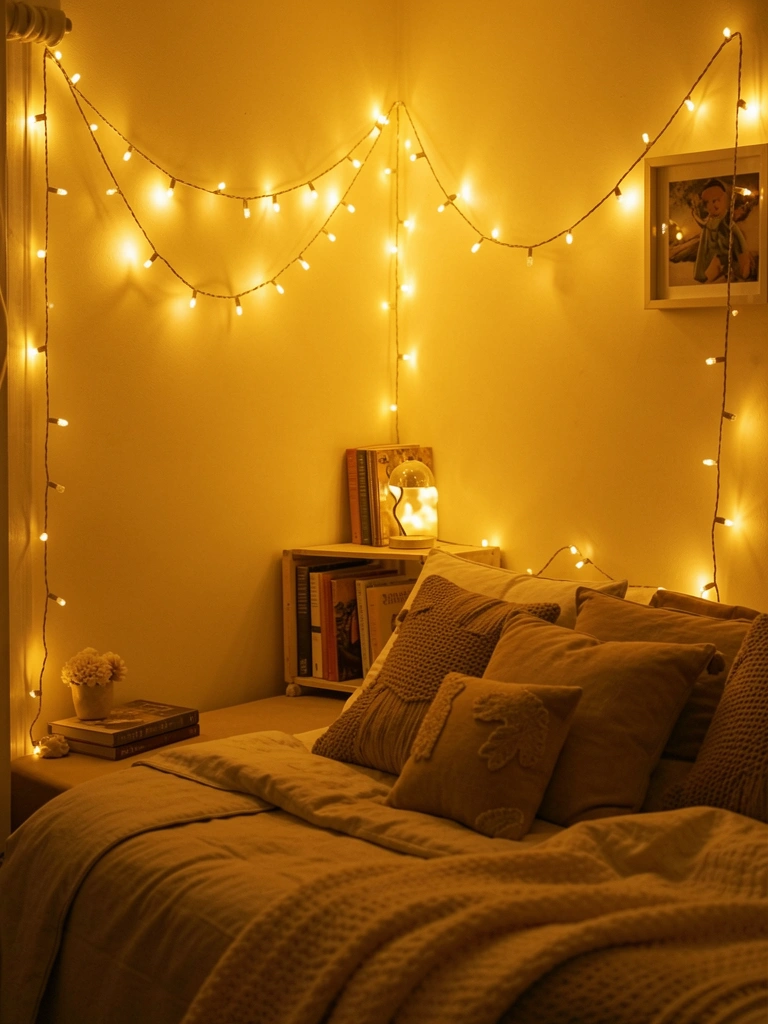
    18. Install String Lights or Fairy Lights

    Soft, warm string lights create instant ambiance and make bedtime feel special without being harsh or overstimulating.

    Choose warm white LED string lights ($10-$30 from Amazon, Target, or IKEA) that won’t heat up. Drape them above the bed, around a reading nook, or along a shelf. Battery-powered options ($15-$25) work great for renters. String about 20-30 feet of lights for best effect. Set them on a timer so they turn on automatically at dusk. This takes 15 minutes to hang using removable hooks or painter’s tape.

    The room transforms into a cozy retreat at night, and your child gets a gentle, beautiful light source for wind-down time.


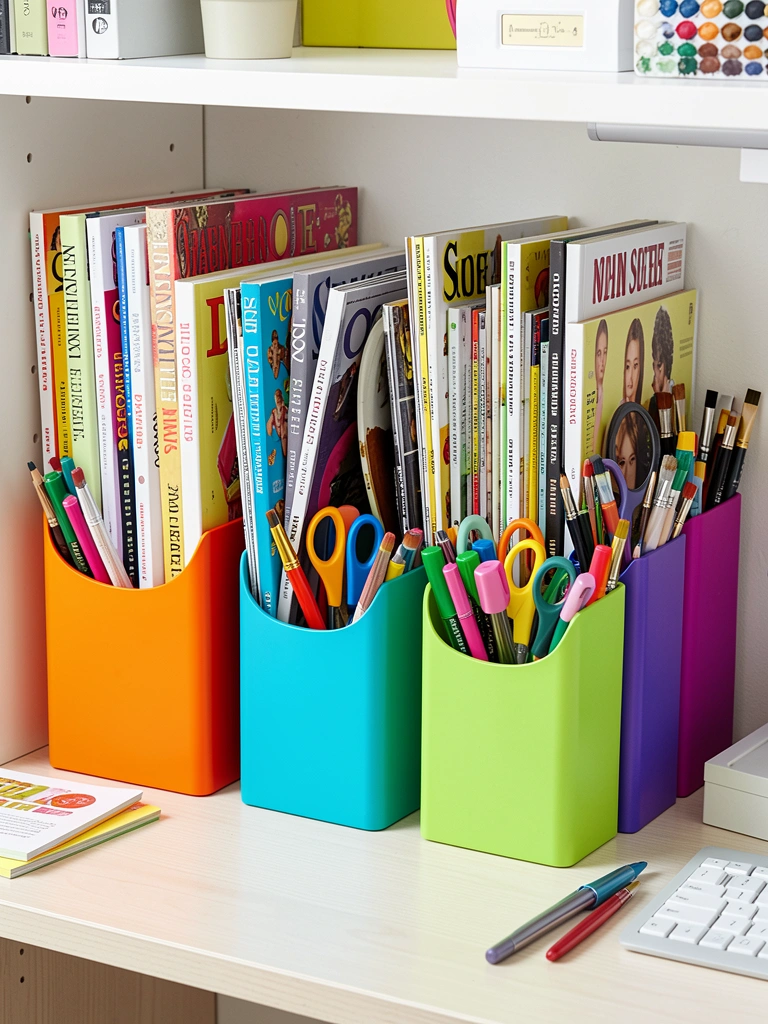
    19. Use Magazine Holders for Magazine and Book Storage

    Magazine holders keep books, magazines, and supplies visible and organized while taking up minimal space. They’re also cheap and renter-friendly.

    Buy plastic or cardboard magazine holders in fun colors ($3-$8 each from IKEA, Target, or office supply stores) and label them by category: art supplies, books, magazines, markers. Line them up on shelves or in a closet. Your child can easily find what they want and put things back. This costs $15-$30 for 5-6 holders and takes 10 minutes to organize. It’s also a great way to teach categorization.

    You get an instant organizational system that looks intentional, stays functional, and teaches your child how to maintain order.


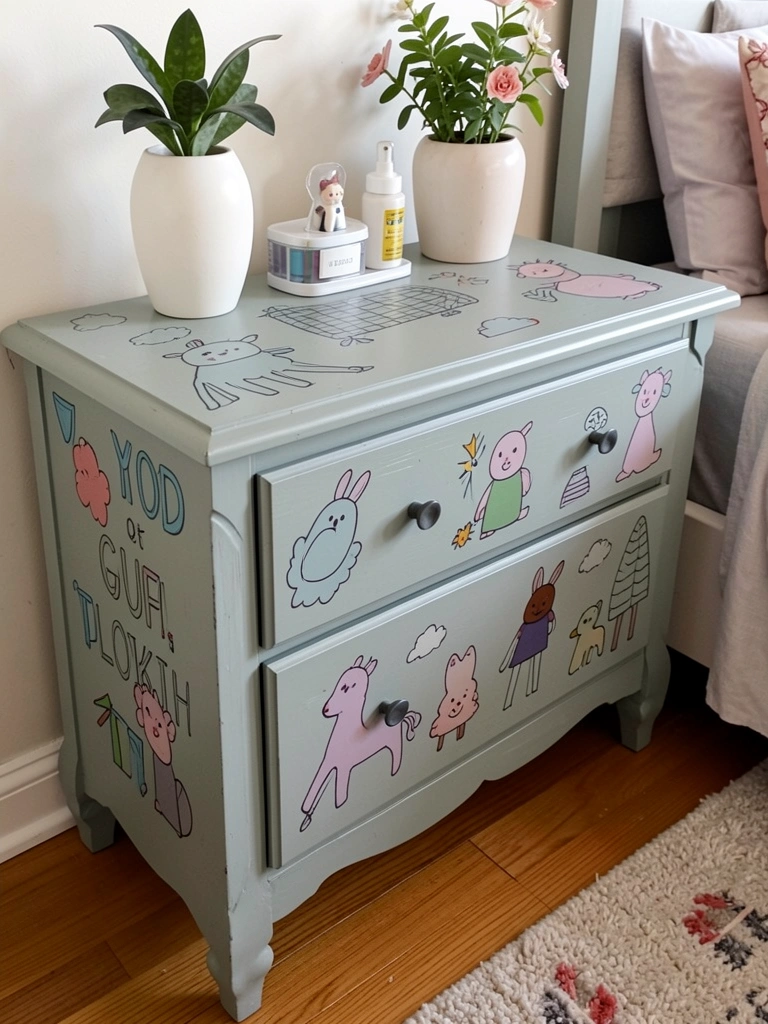
    20. Paint Furniture with Removable Chalk Paint

    Updating old furniture with chalk paint gives your child a chance to customize pieces and make them feel new and personal.

    Buy chalk paint ($15-$25 per quart from hardware stores or Joann’s) and paint a dresser, nightstand, or desk. Requires a few coats and basic brush skills—takes a weekend. Choose a color that complements the room. Your child can help with painting, which makes them feel ownership. Add a matte topcoat for durability ($10-$15). If you don’t want permanence, use removable furniture paint for renters.

    The room gains a custom, thoughtful piece of furniture, and your child participated in creating it.


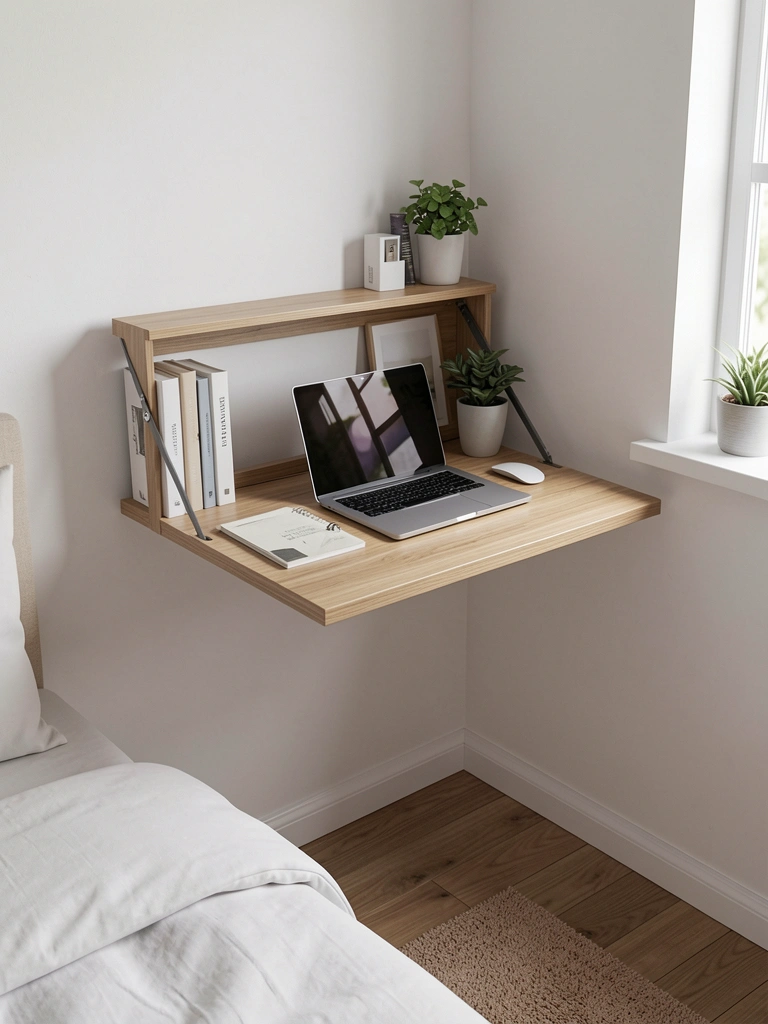
    21. Install a Wall-Mounted Desk

    A wall-mounted desk solves space issues and creates a dedicated work area without bulky furniture taking over the room.

    Install a wall-mounted drop-down desk ($50-$150 from IKEA, Amazon, or Wayfair) using basic brackets and a level—takes about 45 minutes. Choose one that folds up when not in use, ideal for smaller bedrooms. Alternatively, a simple floating shelf as a desk ($20-$50) works for lightweight tasks. Pair with a comfortable chair ($40-$100). This frees up floor space for play or storage.

    Your child gets a real workspace for homework and projects without the room feeling cramped or overstuffed.


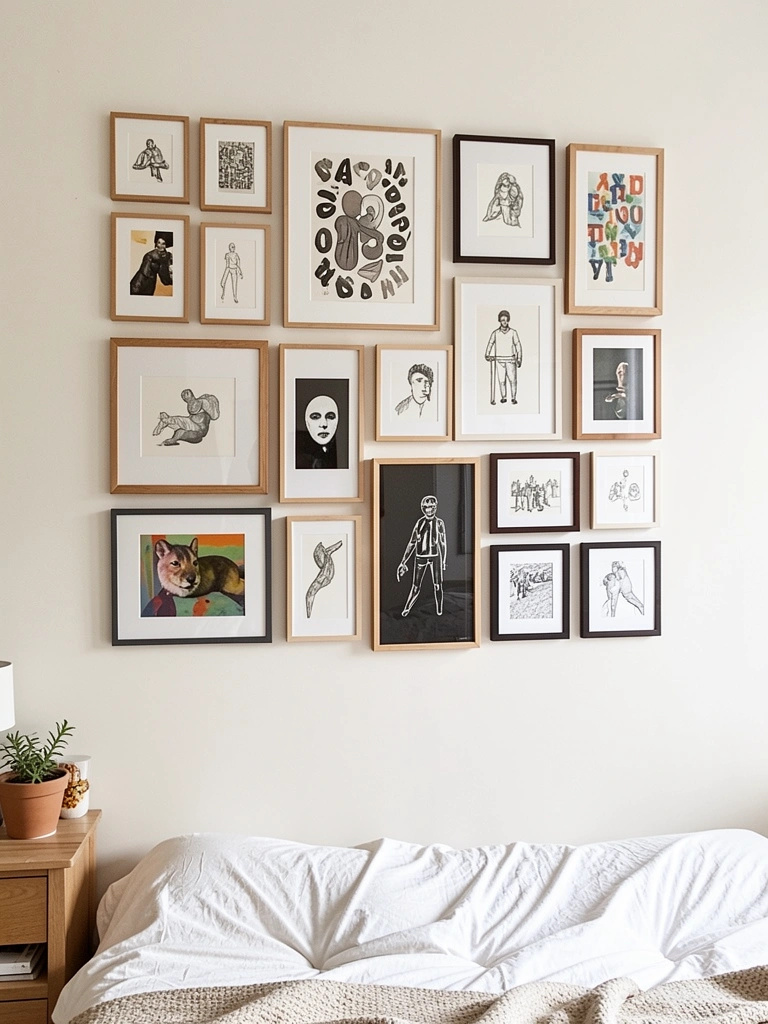
    22. Hang Artwork in a Cohesive Grid

    Artwork arranged thoughtfully becomes a design statement that reflects your child’s personality and interests while elevating the entire room.

    Choose 3-9 pieces of art in coordinating frames ($2-$10 each from IKEA, Etsy, or thrift stores). Lay them on the floor first to plan the grid. Use painter’s tape or cardboard templates to mark where nails go. Space them consistently (about 2-3 inches apart works well). Hang using lightweight picture-hanging hooks ($1-$3 each). This takes 30-45 minutes total. Mix original artwork your child created with prints or posters for a personal feel.

    The wall becomes a design focal point that celebrates what your child loves, and they feel seen and celebrated in their space.


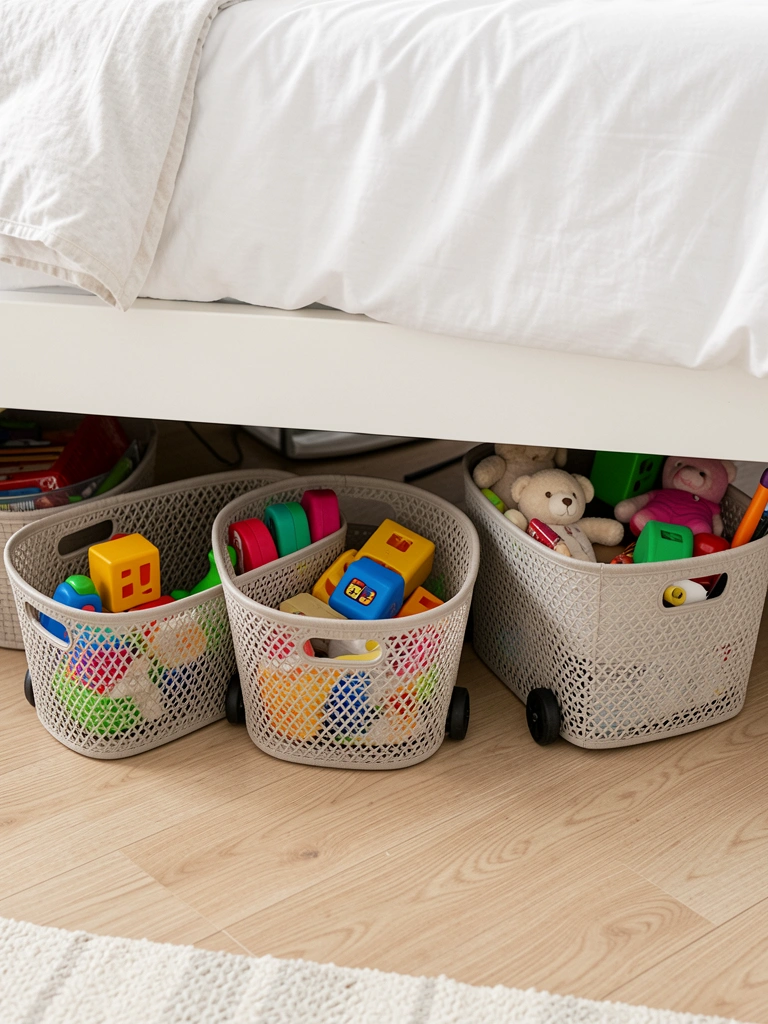
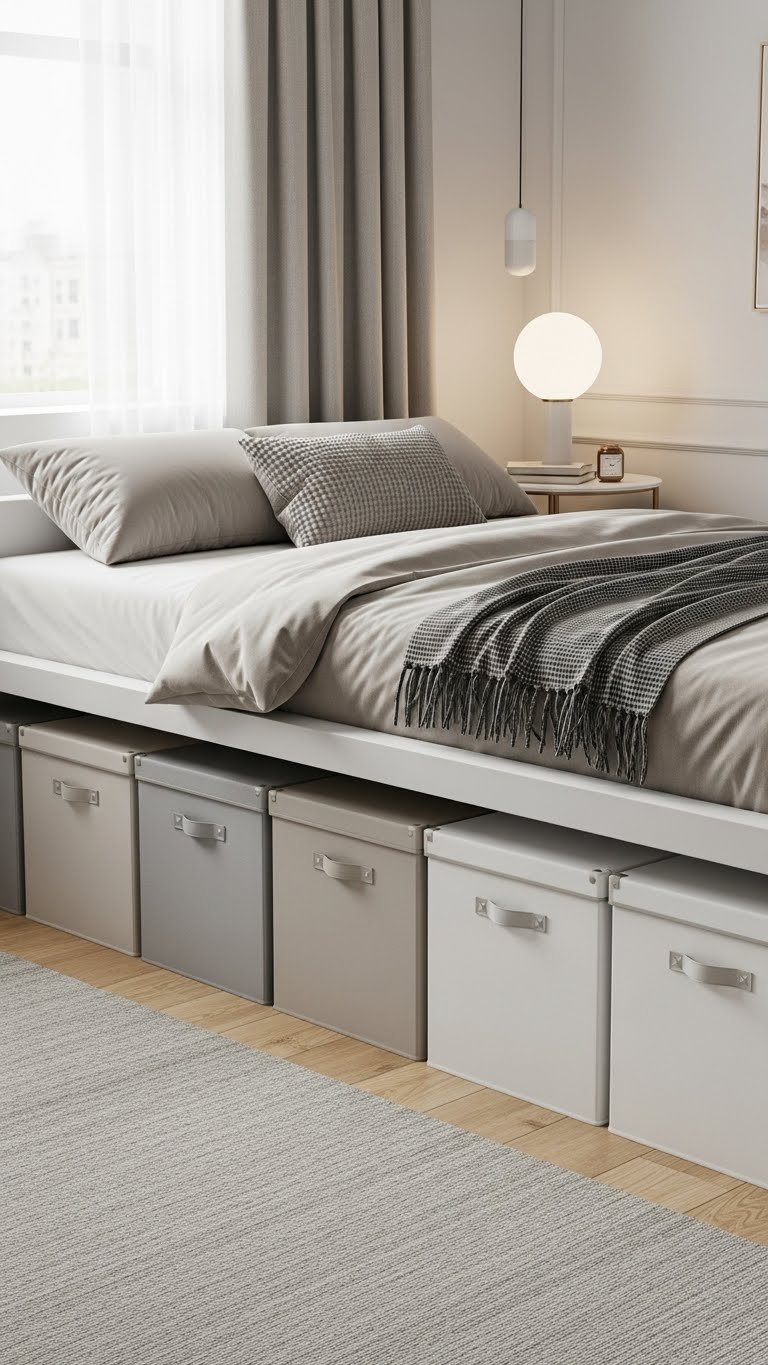
    23. Create Storage Baskets Under the Bed

    Under-bed storage keeps toys and supplies organized while using otherwise wasted space. Rolling baskets make items easy for kids to access independently.

    Buy under-bed storage bins with rolling wheels ($20-$50 for 2-3 from Target, IKEA, or Amazon) or use stackable storage containers ($10-$30 each). Label each basket by category (toys, art supplies, seasonal clothes) so your child knows what goes where. This costs about $30-$60 and takes 10 minutes to set up. It teaches organization and gives your child a system they can maintain.

    Clutter disappears instantly, the floor looks clean, and your child actually knows where to find things because the system makes sense.


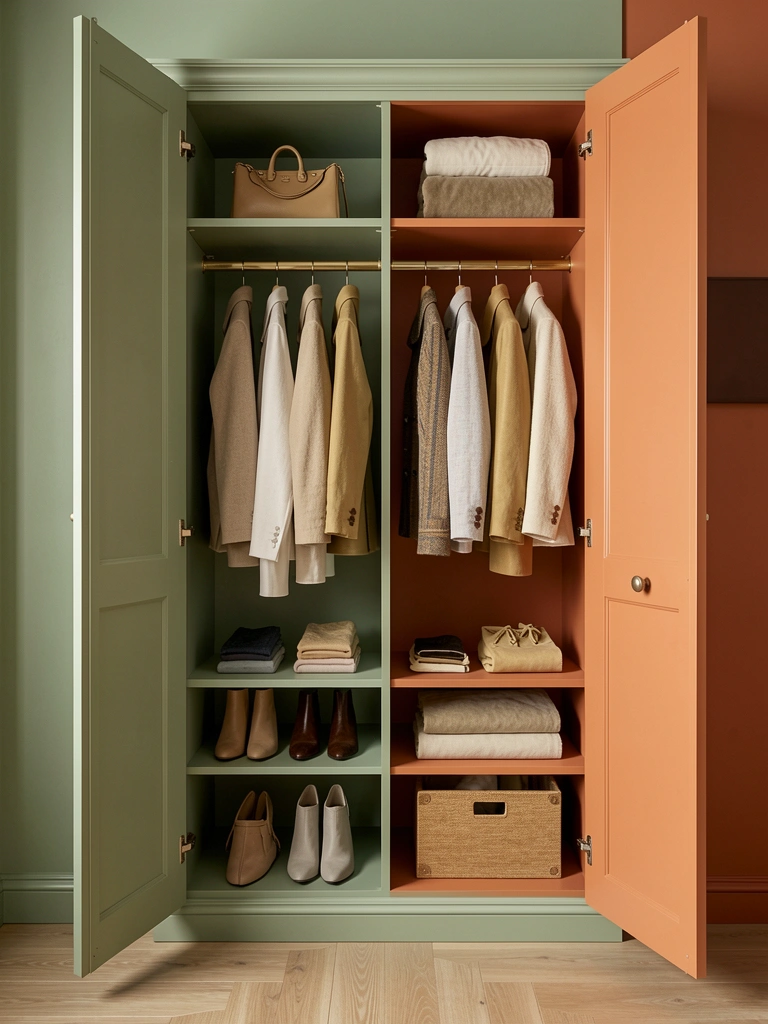
    24. Paint Closet Interior Walls

    Painting the inside of a closet is an easy way to add personality that only gets revealed when the door opens—a fun design detail kids love.

    Choose a color slightly different from the main wall—softer or richer ($15-$40 per quart of paint). Paint the closet interior with basic brushes—takes about 1-2 hours. This small detail makes a big impact when the door’s open and is especially fun if it’s a walk-in or large closet. It also makes hanging clothes in there feel special. Low commitment, high visual reward.

    The closet becomes a designed space, not just a catch-all, and your child notices the intentional detail.


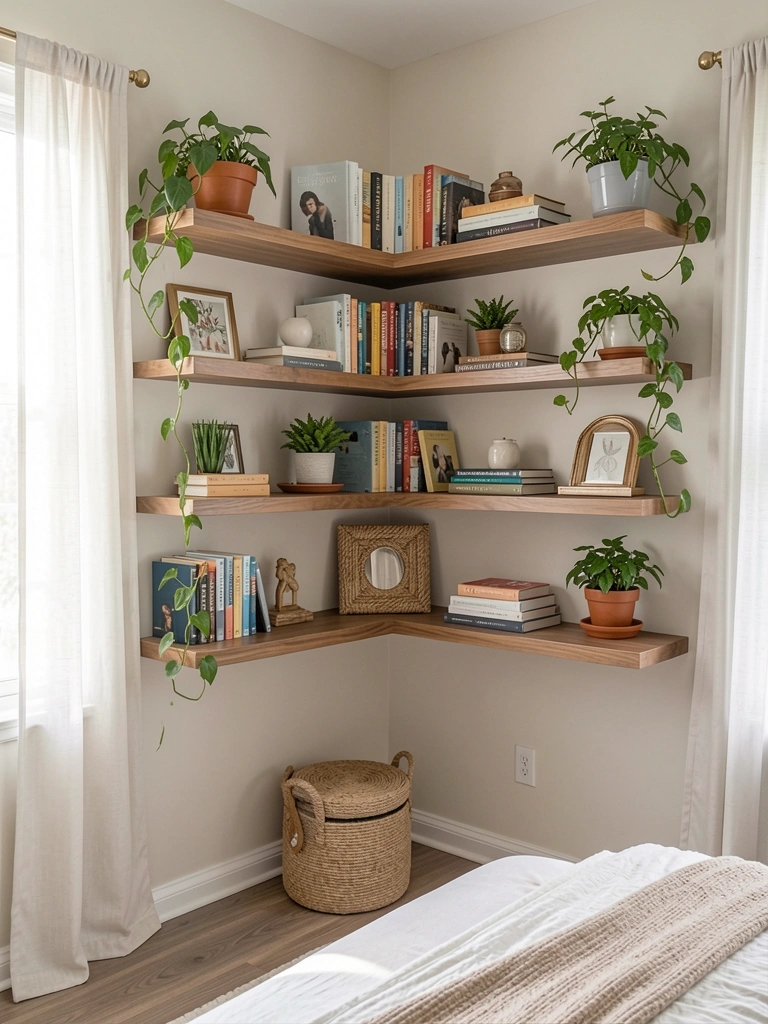
    25. Install Floating Corner Shelves

    Corner shelves capture unused wall space and create display areas that draw the eye upward and make the room feel more spacious.

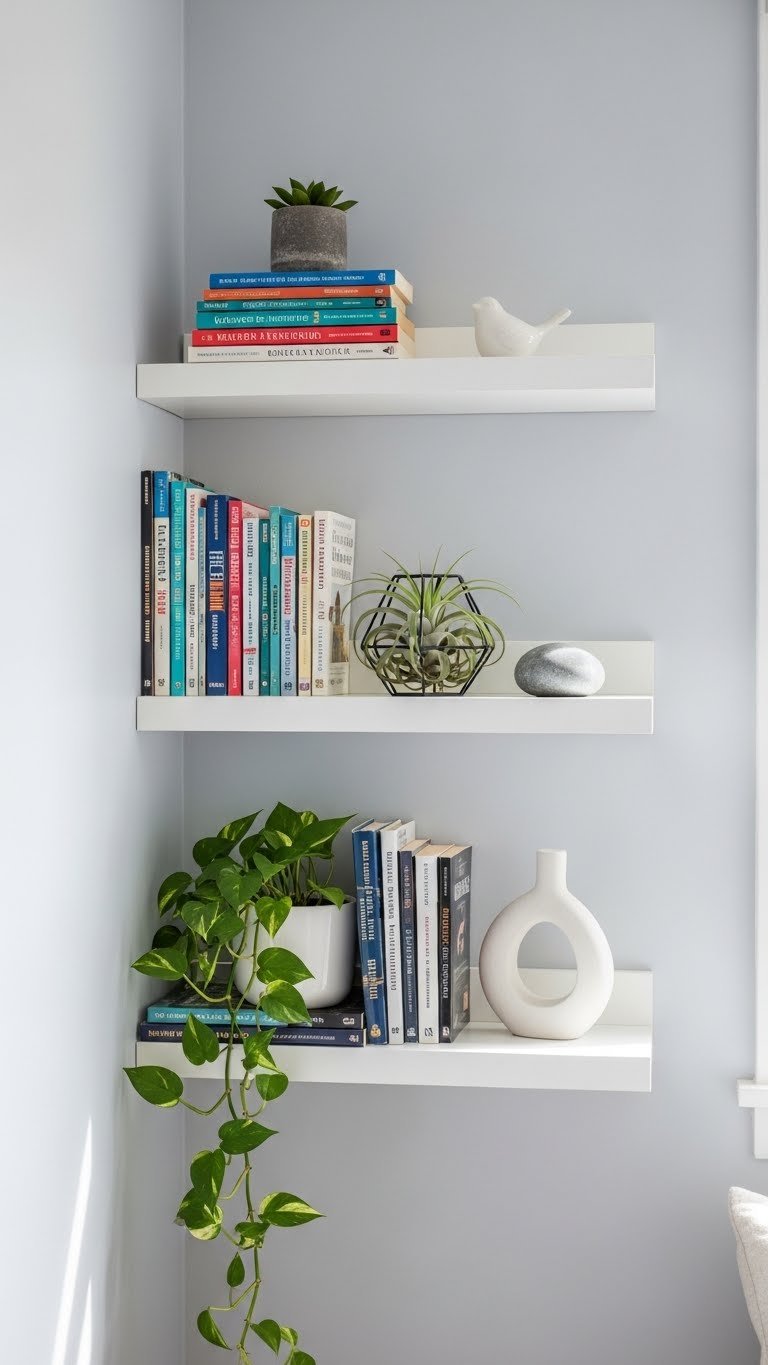
    Install floating corner shelves ($15-$40 per shelf from hardware stores or Amazon) in upper corners or low corners depending on what you want to display. Requires a drill and level—takes about 20 minutes per shelf. They’re perfect for books, plants, or rotating displays of artwork. Pair with small items to avoid visual clutter. This is a permanent solution but renter-friendly adhesive options exist ($20-$35 per shelf).

    You gain usable space without eating floor area, and the room gains visual interest in areas that previously felt empty.


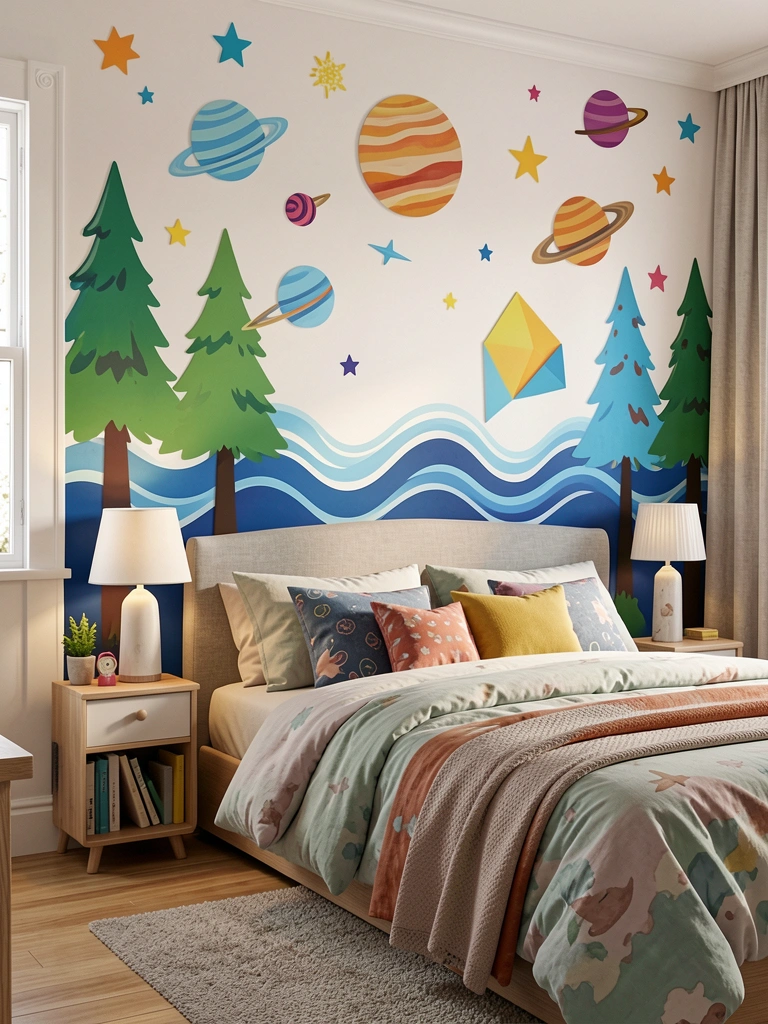
    26. Add a Removable Wall Decal or Mural

    Removable wall decals add personality and visual interest while staying completely renter-friendly and changeable as your child’s taste evolves.

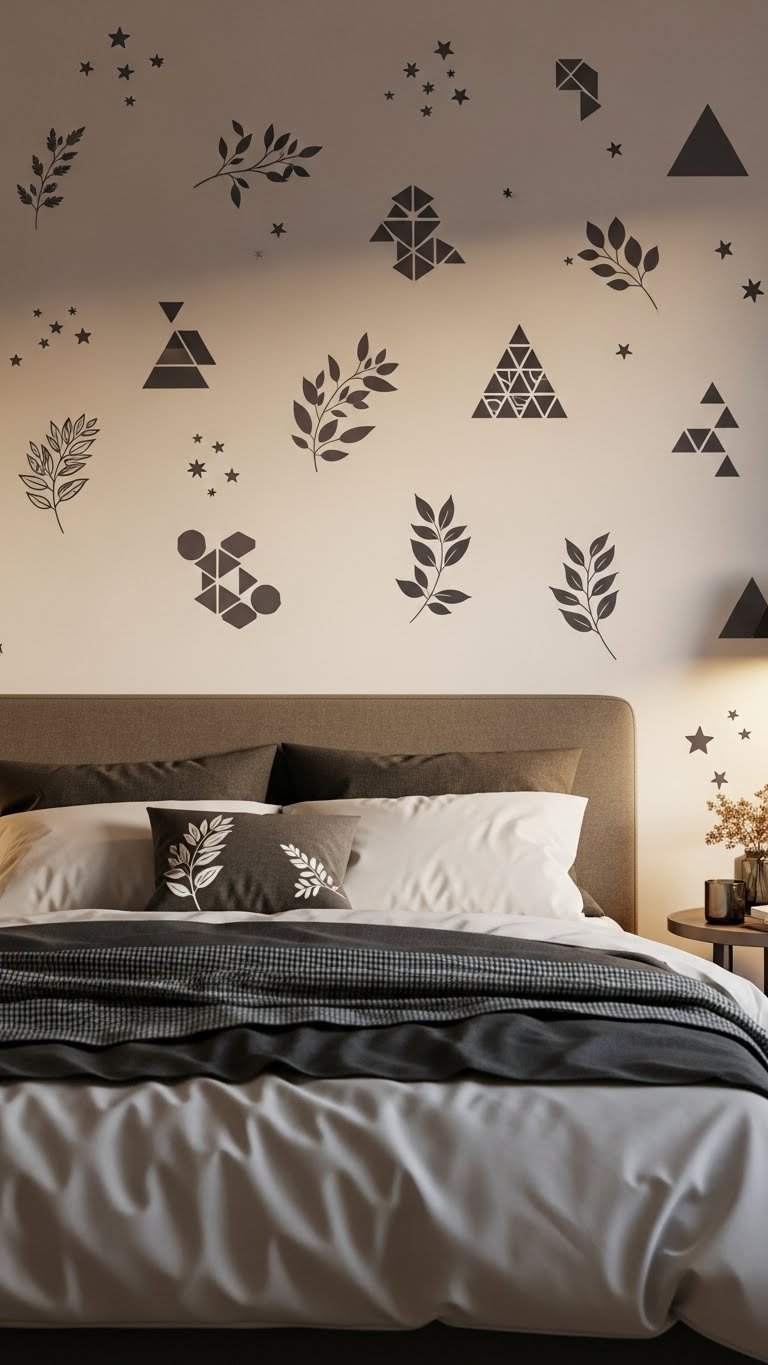
    Search for wall decals on Amazon, Etsy, or Wayfair ($15-$50 depending on size and complexity). Choose designs that match your room’s theme—nature, space, geometric, animals, etc. Application takes 20-30 minutes and requires a smooth wall surface. These last 5+ years and peel off cleanly. Update them whenever your child wants a change—unlike permanent wall art, you’re not locked in.

    The walls gain dimension and personality, and your child can change it whenever they’re ready for something new.


    27. Create a Homework/Project Station with Supply Organization

    A well-organized supply station encourages creativity and homework completion by making materials easy to find and put away.

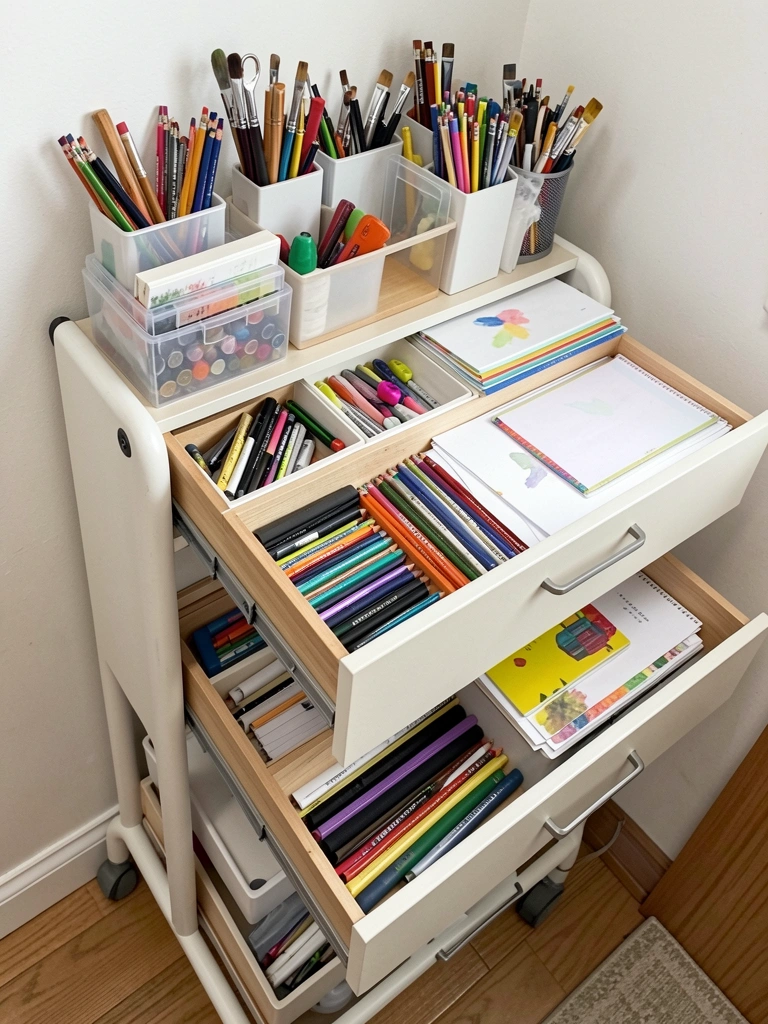
    Set up a small cart with drawers ($30-$60 from IKEA or Target) or use a rolling cabinet with compartments. Stock with basics: pencils, erasers, scissors, glue, markers, notepads, rulers, tape. Use drawer dividers ($5-$10) and clear containers ($2-$5 each) so your child can see what’s available. Label everything. Keep it stocked and teach your child to tidy after each use. This costs $50-$80 total and takes 30 minutes to set up.

    You’ll notice homework gets done faster when supplies are right there, and projects happen more frequently because the friction of finding materials disappears.


    28. Layer Blankets for Seasonal Comfort and Design

    Rotating blankets by season keeps the room looking fresh, gives your child cozy options year-round, and lets you refresh the design without major changes.

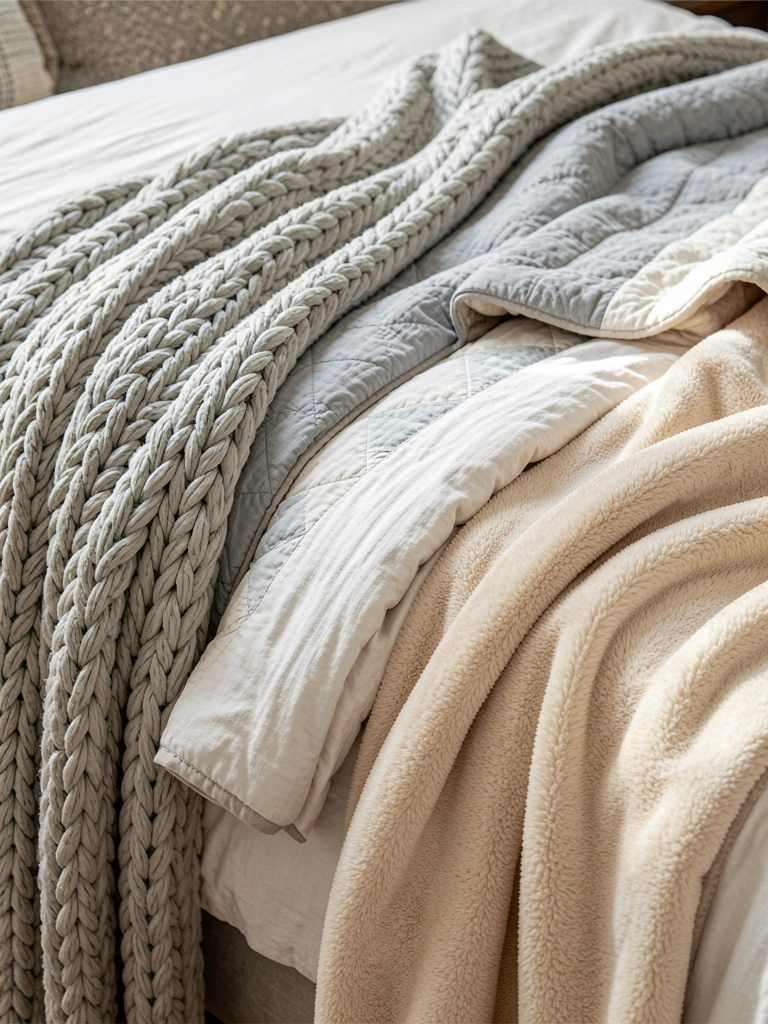
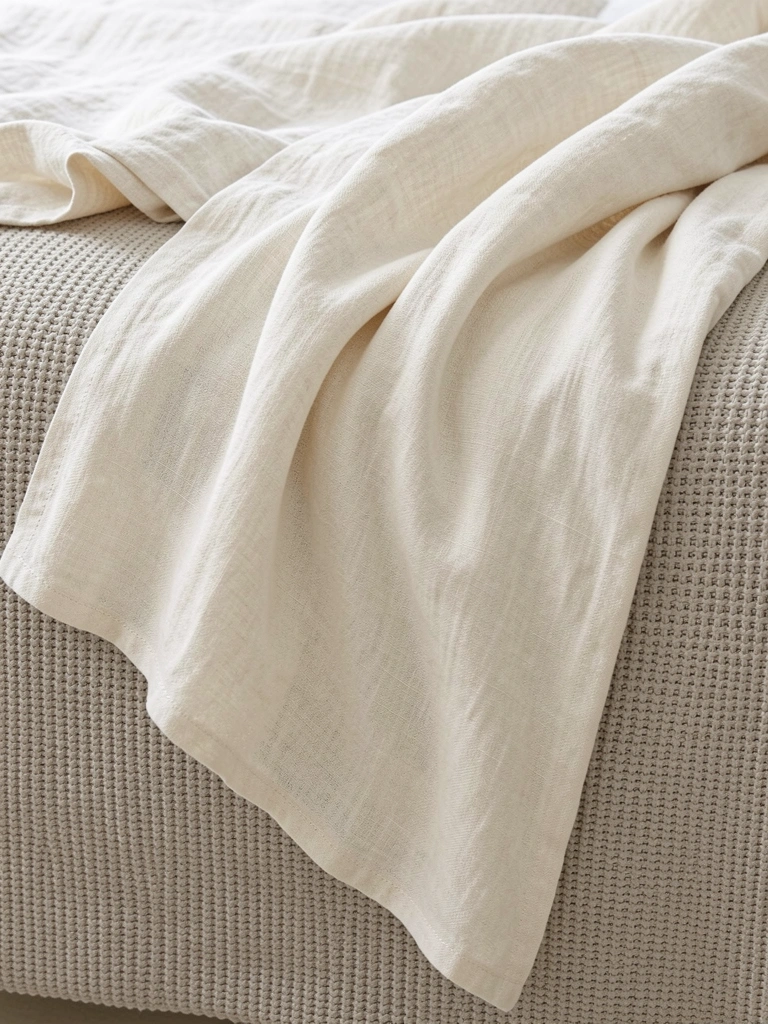
    Invest in 2-3 quality blankets in different weights ($20-$50 each from Target, IKEA, Wayfair, or thrift stores). A chunky knit, a lightweight linen throw, and a fleece blanket cover all seasons. Store off-season blankets in a closet bin ($5-$15). Swap them out with the seasons—it takes five minutes and transforms the room’s visual feel. Kids enjoy having “new” options without you buying anything expensive.

    The room feels intentionally designed for each season, and your child enjoys the tactile variety without requiring budget investment each quarter.


    SOFT CTA:

    Save this post and pick just one idea to tackle this weekend—we recommend starting with something quick like string lights or a vision board. Your child’s space doesn’t need a complete overhaul; small, thoughtful changes add up fast and make their room feel uniquely theirs. Share this with any friend redesigning a kid’s bedroom!

  • 26 Soft Bedroom Color Palettes That Feel Serene & Airy

    26 Soft Bedroom Color Palettes That Feel Serene & Airy

    Your bedroom should feel like a sanctuary—a place where stress melts away the moment you step inside. But if your walls are too bold, your colors too mismatched, or your space feels chaotic instead of calm, you’re not alone. The good news? A serene color palette is one of the easiest ways to create that peaceful retreat you’re craving. We’ve gathered 26 soft bedroom color combinations that work together beautifully, whether you’re starting from scratch or refreshing what you already have. Each palette includes specific paint colors, fabric tones, and accent options you can actually find at your local store. Ready to create a bedroom that helps you sleep better and wake up happier? Let’s go.

    1. Cream Walls with Soft Taupe Bedding

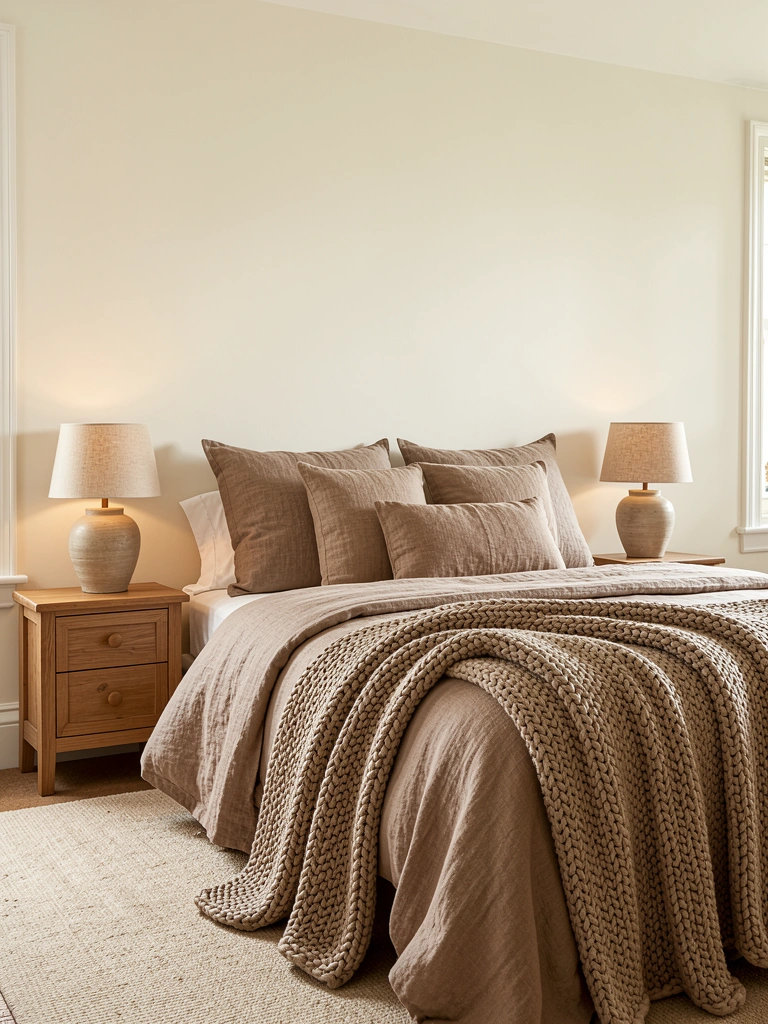
    Cream and taupe together create an effortlessly elegant foundation that feels both warm and restful. This pairing works because cream brightens the space while taupe adds subtle depth without visual noise.

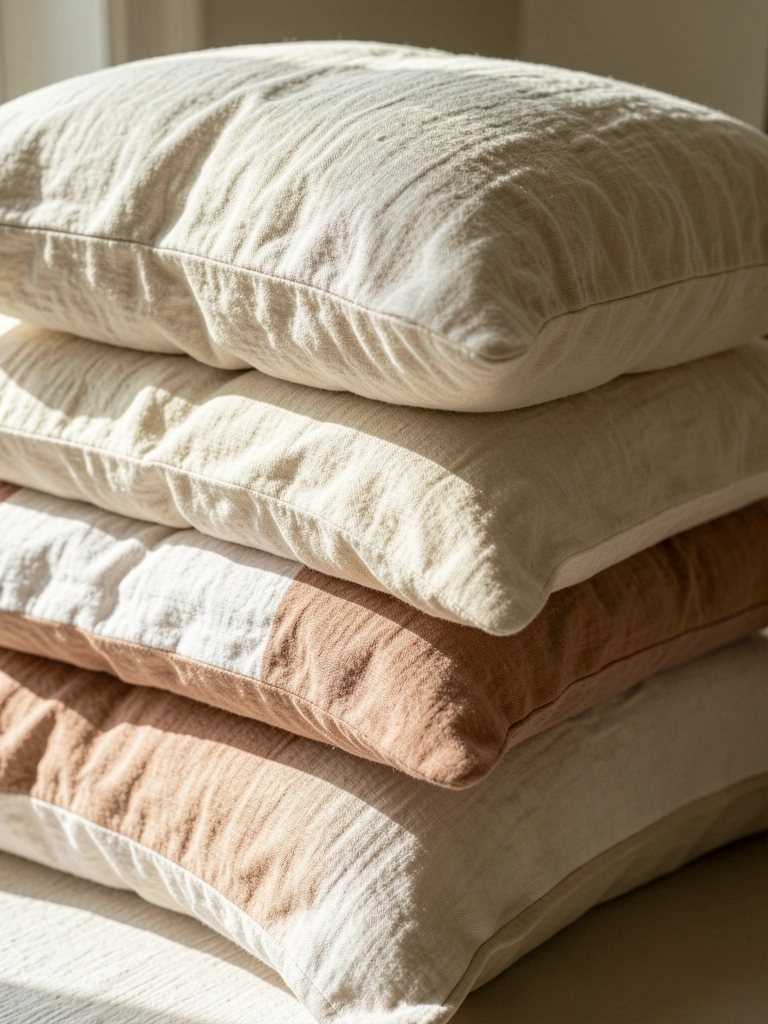
    Paint your walls a warm cream like Benjamin Moore’s Swiss Coffee or Sherwin-Williams Alabaster ($30-$40 per gallon). Layer with a taupe linen duvet from Target or IKEA ($80-$150). Add a cream throw blanket for texture. This combo takes about an hour to style and costs under $250 to implement fully.

    The beauty of this palette is its flexibility—you can add whites, grays, or even soft greens as accents without the scheme feeling disjointed. Your room becomes a calm backdrop for real life instead of demanding visual attention.

    2. Pale Blue Walls with White Bedding

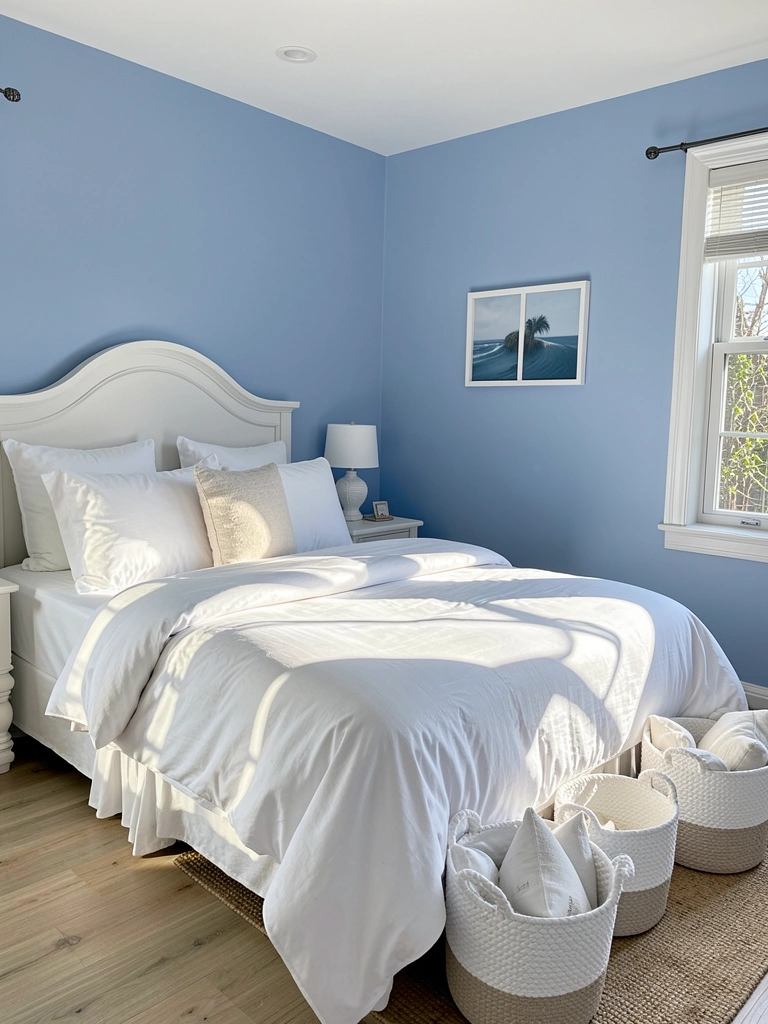
    Pale blue has been scientifically linked to relaxation—it mimics a clear sky and calm water, both naturally soothing environments. Pair it with crisp white bedding for a bedroom that feels fresh without being sterile.

    Choose a soft blue like Sherwin-Williams Sea Salt, Behr’s Cloud Blue, or Benjamin Moore’s Aegean Teal (all pale versions, $30-$40). Keep bedding bright white using Egyptian cotton sheets from Amazon or Pottery Barn ($60-$120). Add white wooden furniture or a white dresser to echo the bedding.

    This palette takes 2-3 hours to paint and style. The time investment pays off because you’ll notice yourself relaxing more quickly at bedtime. The high contrast between walls and bedding also makes the space feel larger and more open.

    3. Warm Gray with Soft Sage Green Accents

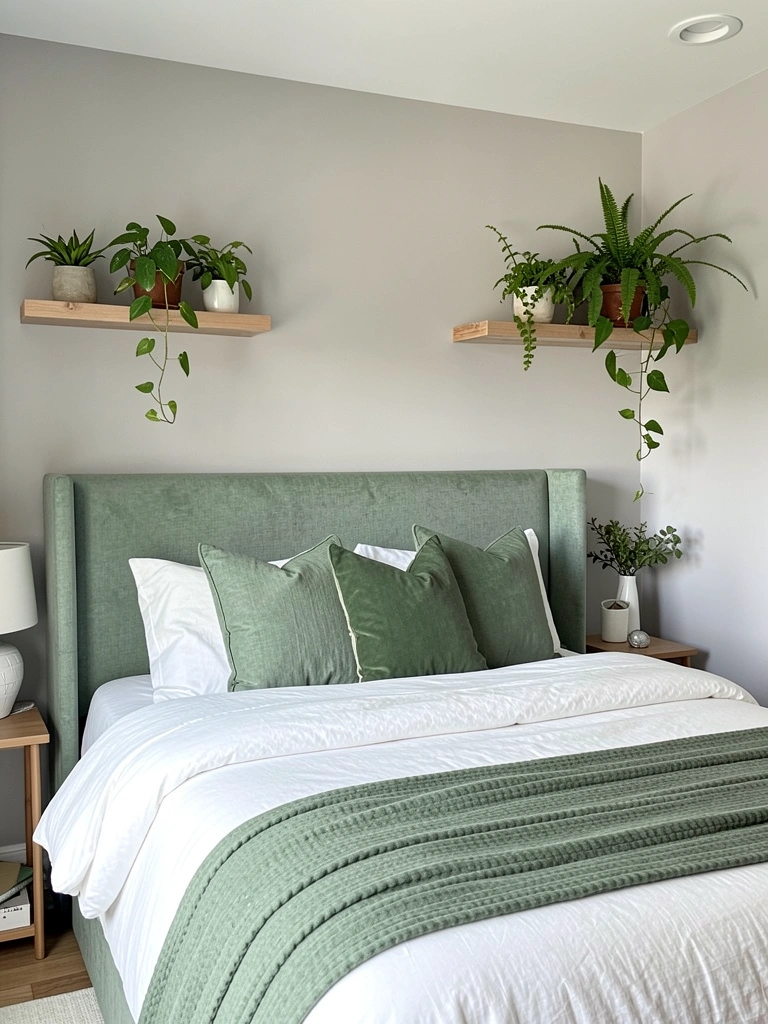
    Gray often feels cold, but when you choose a warm gray and add sage green accents, you get sophistication with genuine warmth. This combo brings nature indoors without being overly botanical.

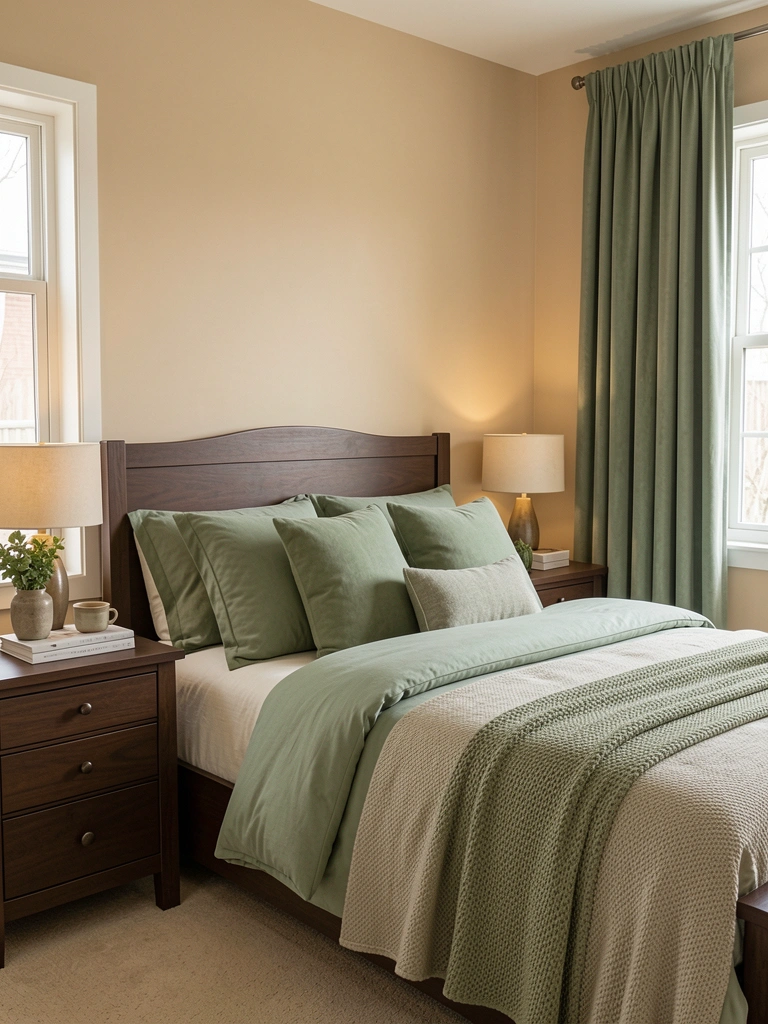
    Paint walls Sherwin-Williams Urbane Bronze (lighter version) or Behr’s Wheat Bread ($30-$40). Source a sage green upholstered headboard from Wayfair or Article ($150-$300) or DIY one by draping fabric over a simple frame. Layer white bedding with sage throw pillows from Target or H&M Home ($15-$30 each).

    The project takes a weekend if you’re painting, or just 1-2 hours if you’re using existing furniture. Place potted plants around the room to echo the sage—this reinforces the palette and costs $10-$40 for plants. You’ll notice the space feels grounded yet peaceful.

    4. Blush Pink Walls with Greige Bedding

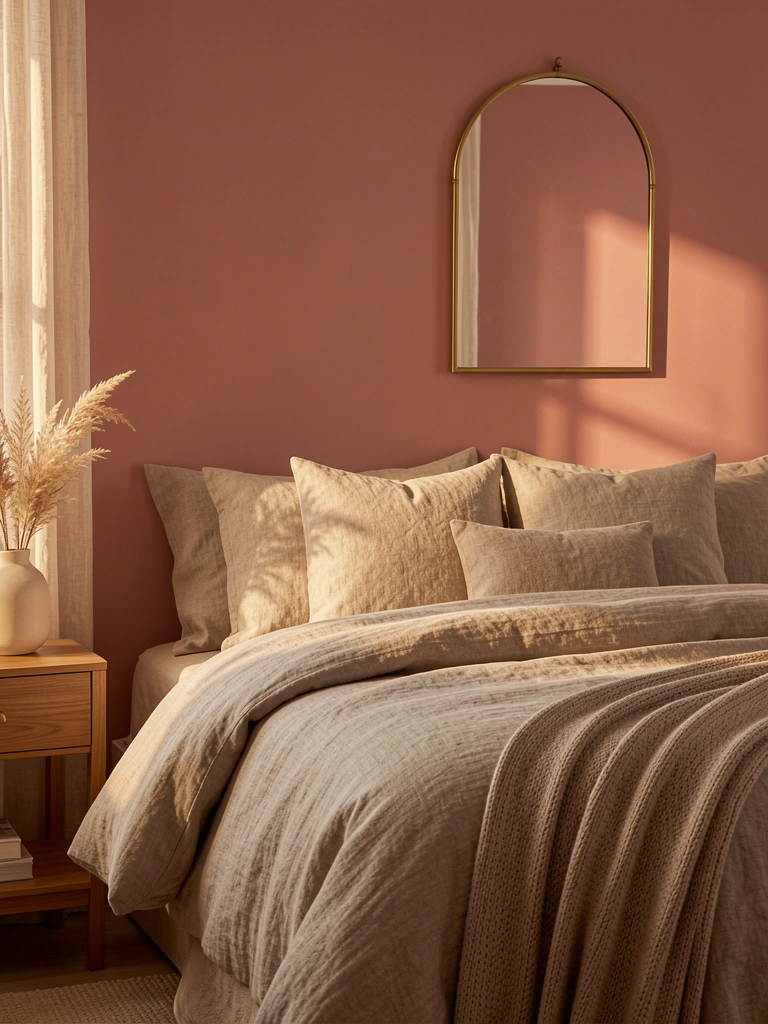
    Blush pink is having a major moment because it’s soft without being juvenile, and it pairs beautifully with greige (the gray-beige hybrid that’s more forgiving than either alone). Together, they create a bedroom that feels romantic and mature.

    Paint walls a dusty rose like Benjamin Moore’s Aegean Teal (pink version, though try Sherwin-Williams Accessible Beige in a pink undertone or Behr’s Dusty Rose) for $30-$40. Layer greige bedding from Lands’ End or Parachute ($150-$250). Add brass or gold accents through a mirror, lamp, or picture frames ($20-$80) to warm the palette further.

    This takes about 3 hours to paint and style. The result is a bedroom that photographs beautifully and feels sophisticated rather than trendy. You’ll sleep better knowing your space reflects your actual taste.

    5. Soft Ivory with Warm Taupe and Linen Layers

    Ivory and taupe are near-neutrals that let you focus on texture rather than color—and texture is what makes a bedroom feel genuinely restful. This palette prioritizes how things feel to the touch, not just how they look.

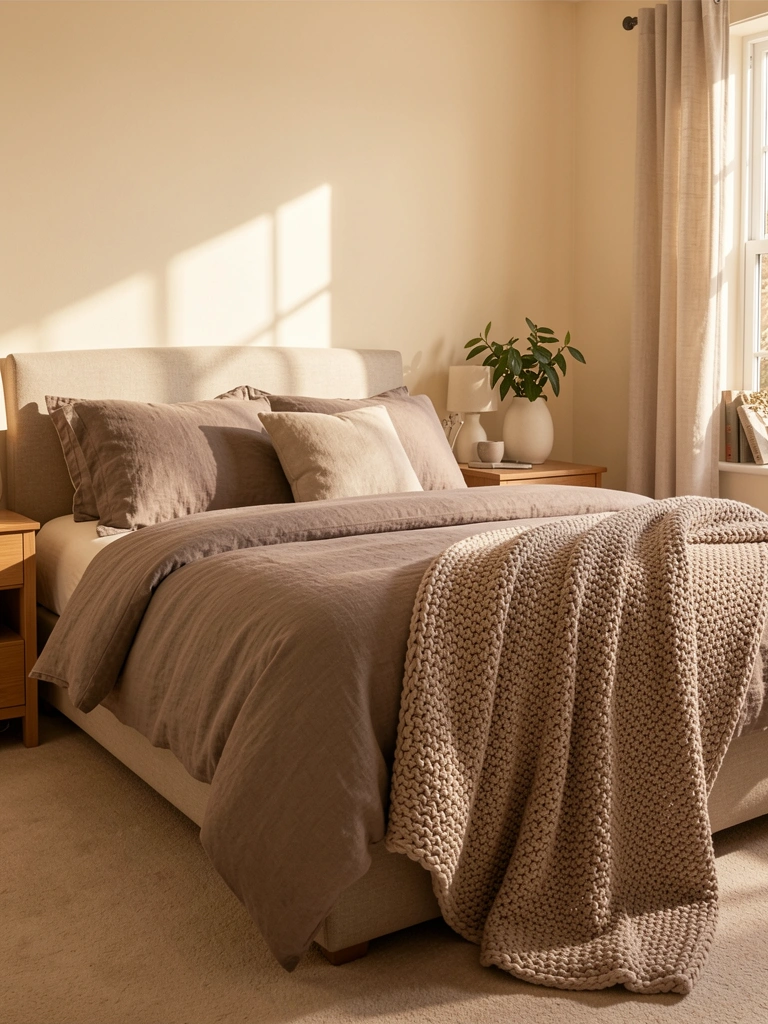
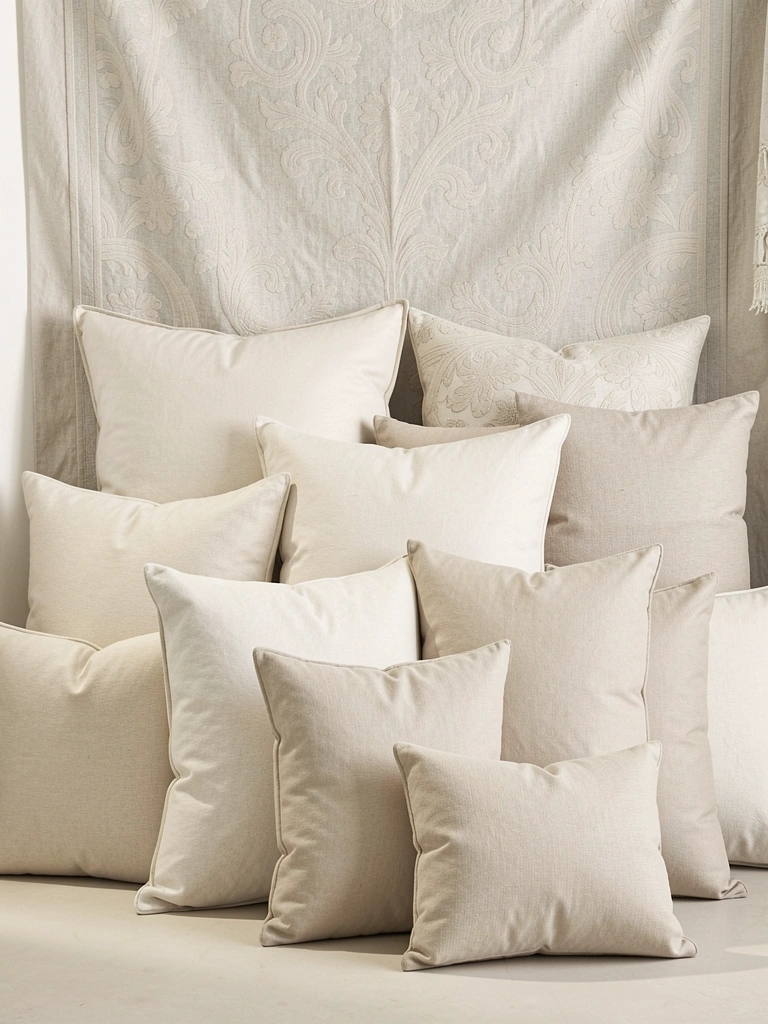
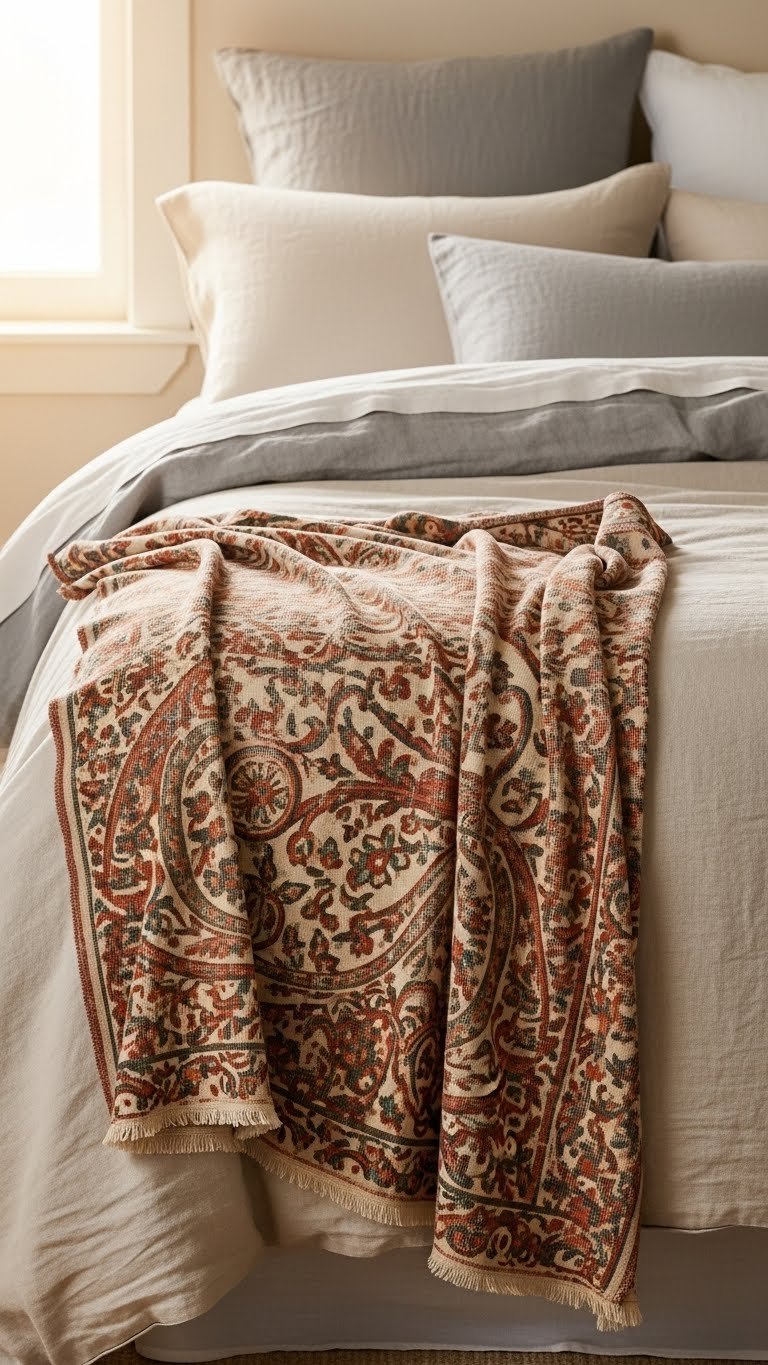
    Paint walls a soft ivory like Sherwin-Williams Alabaster or Benjamin Moore’s White Dove ($30-$40). Choose natural linen bedding in warm taupe from Parachute, Cultiver, or Etsy shops ($200-$400 for quality sheets and duvet). Layer with a chunky knit throw from Target or IKEA ($30-$60).

    The styling takes 1-2 hours, and the investment in quality linen pays dividends—linen gets softer with every wash and lasts years. Your bedroom becomes a place where you actually want to spend time, even beyond sleep.

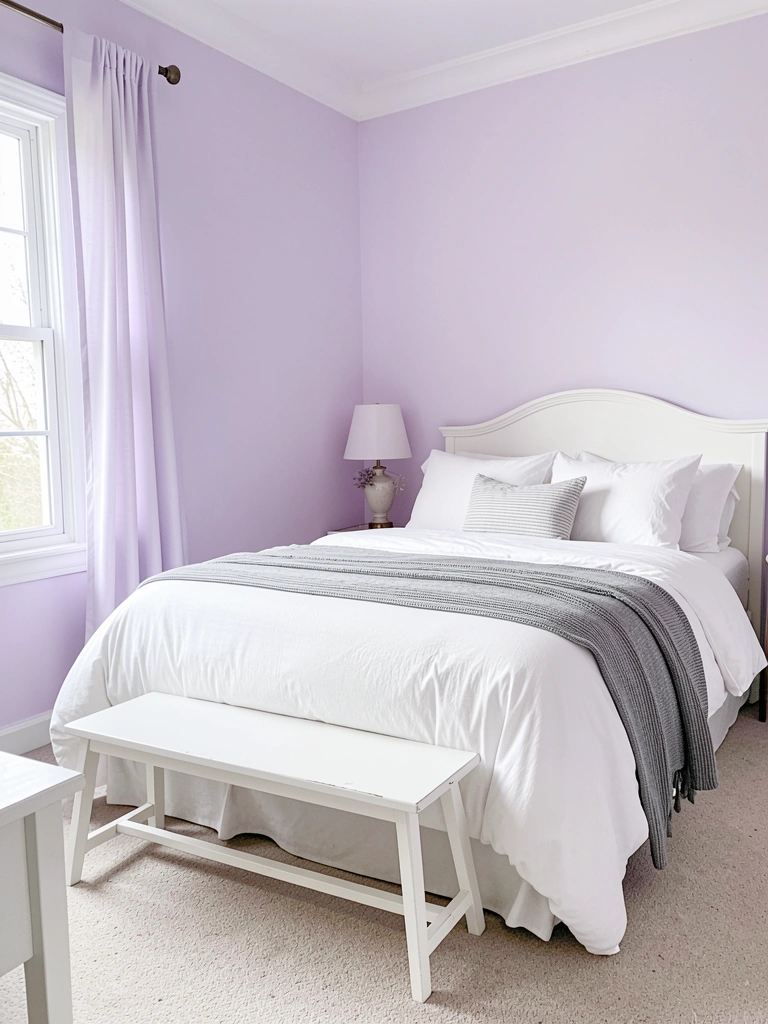
    6. Pale Lavender Walls with White and Gray Bedding

    Lavender has been used in sleep sanctuaries for centuries because the color promotes relaxation and is linked to reduced anxiety. A pale version—barely-there lavender—gives you those benefits without the overpowering floral vibe.

    Paint walls an extremely pale lavender like Benjamin Moore’s Lavender Mist or Sherwin-Williams Potentially Purple (very light) ($30-$40). Keep bedding mostly white with a gray striped throw to ground the palette. Add a few pillows in soft gray ($15-$25 each).

    This paint-and-style project takes about 2 hours. The subtle color shift makes a bigger impact than you’d expect—visitors often can’t identify the wall color but notice the room feels calm. You’ll find yourself sleeping more deeply.

    7. Soft Greige with Warm White Bedding and Wood Tones

    Greige (gray-beige) is the chameleon of bedroom colors—it looks different depending on your lighting and what you pair it with. Add warm white bedding and natural wood for a palette that feels like home, no matter your decorating style.

    Choose a greige like Sherwin-Williams Urbane Bronze (very light), Behr’s Accessible Beige, or Benjamin Moore’s Revere Pewter ($30-$40). Keep bedding in warm white or ivory, and make sure your wood furniture has honey or warm undertones rather than gray-tinted wood.

    This takes 2-3 hours to paint and style. The genius of this palette is that it works with almost any accessories you already own—artwork, books, plants, and textiles all look good against greige. You can change your bedding seasonally without the whole room feeling off.

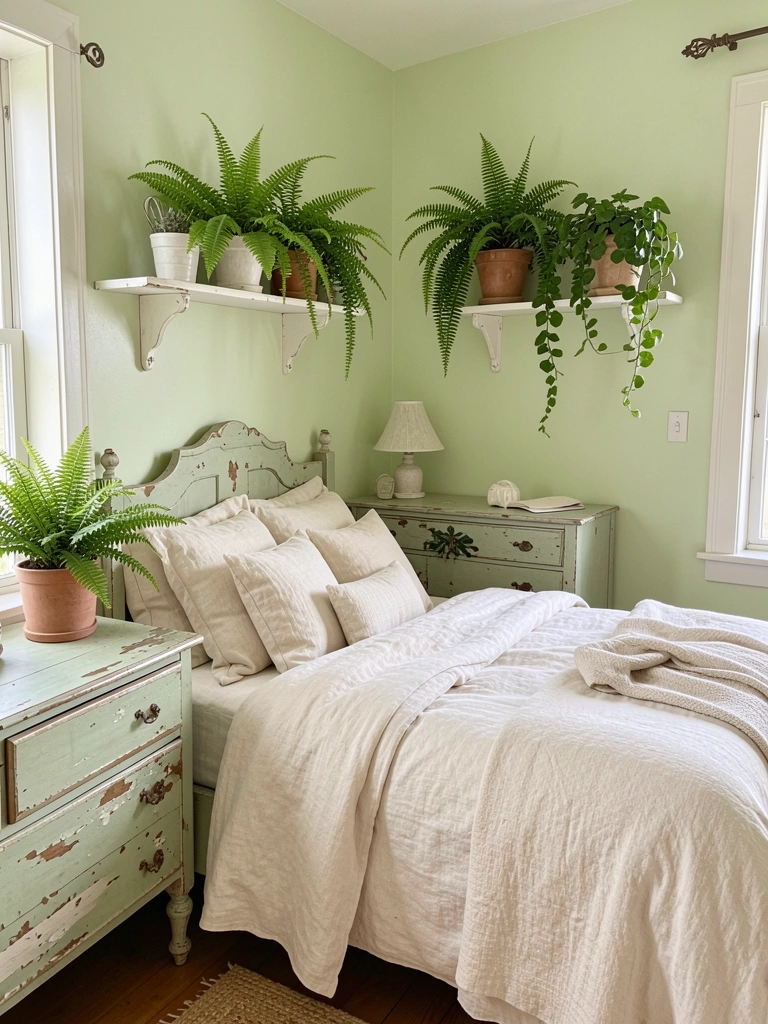
    8. Pale Celery Green with Cream Bedding

    Pale celery green brings the calming benefits of nature indoors without being dramatic. It’s a color that whispers instead of shouts, making it perfect for restful sleep.

    Paint walls a very pale celery like Sherwin-Williams Sea Salt (green undertone), Behr’s Soft Fern, or Benjamin Moore’s Pale Oak ($30-$40). Layer cream bedding from IKEA, Target, or Parachute ($80-$180). Add potted plants in corners or on shelves to echo the wall color ($10-$50 total).

    The project takes 2-3 hours to paint and 1 hour to style. This palette works especially well if you want your bedroom to feel connected to nature and outdoor spaces. You’ll notice you breathe more deeply in this room.

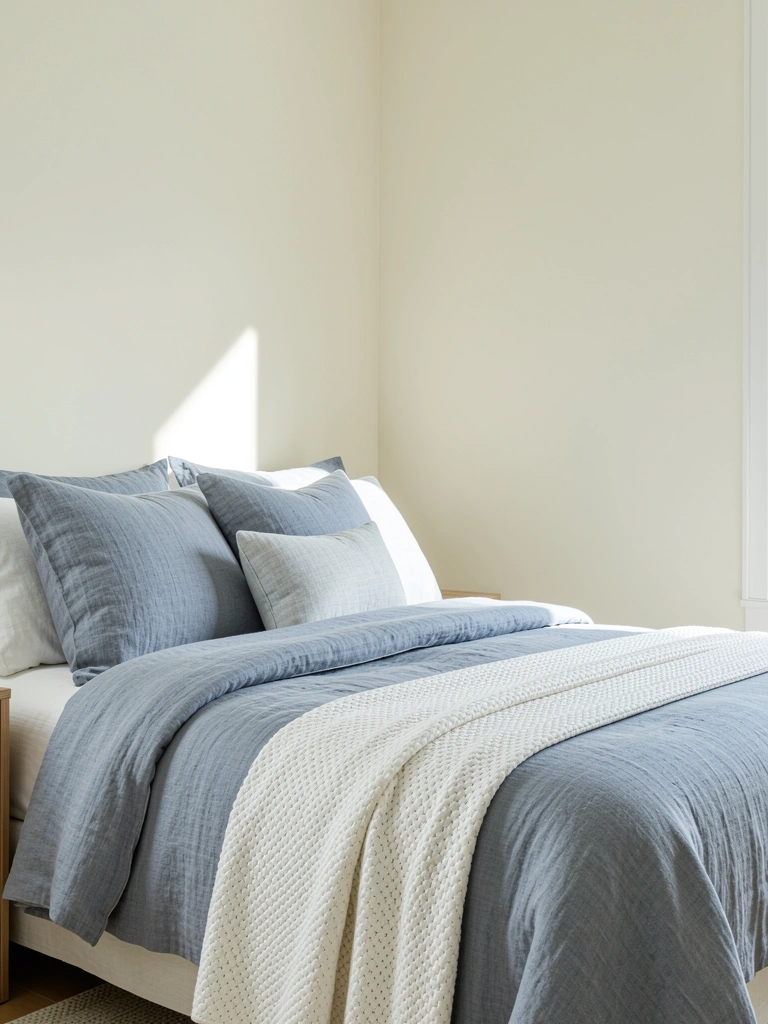
    9. Warm White Walls with Soft Blue-Gray Bedding

    Warm white walls are the safest backdrop because they reflect light and let your bedding be the hero. A soft blue-gray duvet adds visual interest without overwhelming a restful space.

    Paint walls a warm white like Benjamin Moore’s Swiss Coffee, Sherwin-Williams Alabaster, or Behr’s Ultra Pure White ($30-$40). Choose a blue-gray duvet from Target, H&M Home, or Wayfair ($60-$150). Stick with white or very pale gray for secondary textiles to keep the palette cohesive.

    This takes 1-2 hours to paint and style. The beauty is that if you ever want to change your bedding color, the walls won’t fight it. Warm white also bounces natural light around the room, making it feel airier even if it’s small.

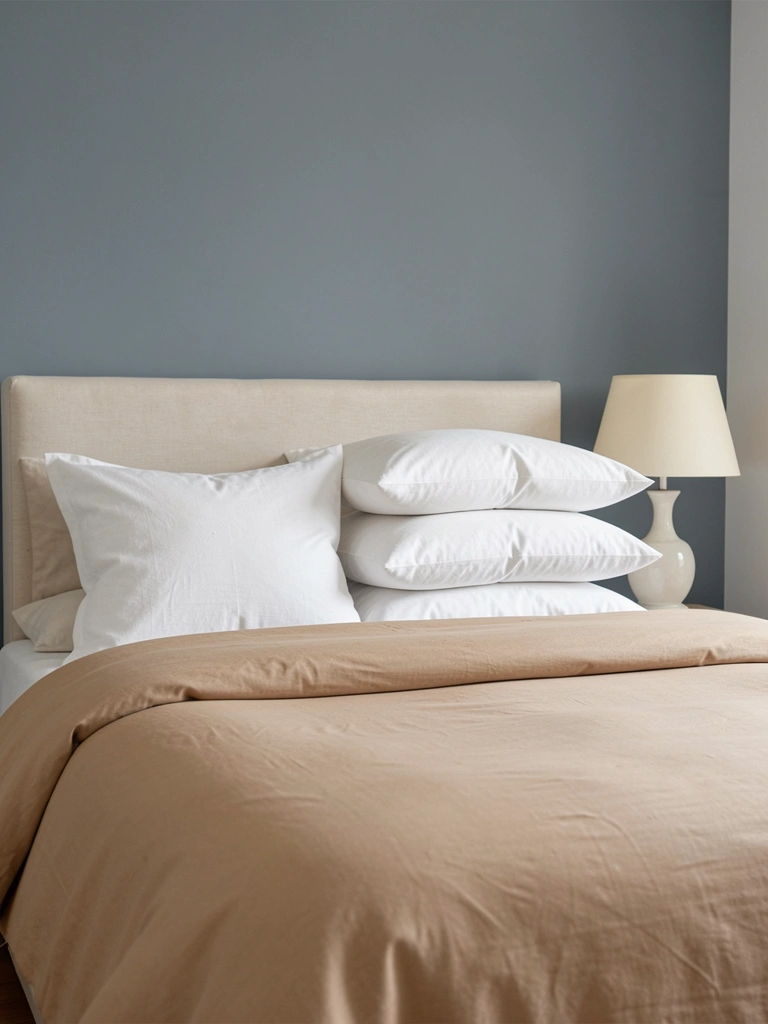
    10. Soft Gray-Blue with Warm Beige Bedding

    Gray-blue (sometimes called dusty blue or slate blue in very pale versions) splits the difference between the coolness of blue and the neutrality of gray. Warm beige bedding keeps it from feeling cold or institutional.

    Paint walls a dusty gray-blue like Sherwin-Williams Sea Salt, Behr’s Blue Whisper, or Benjamin Moore’s Kensington Blue (all very pale, $30-$40). Layer warm beige bedding from Pottery Barn, Target, or Amazon ($80-$160). Add white or cream throw pillows for visual softness.

    This takes 2-3 hours to paint and style. The color combo works year-round and never looks dated. You’ll notice the room feels both grounded and airy—a rare combination that promotes genuine relaxation.

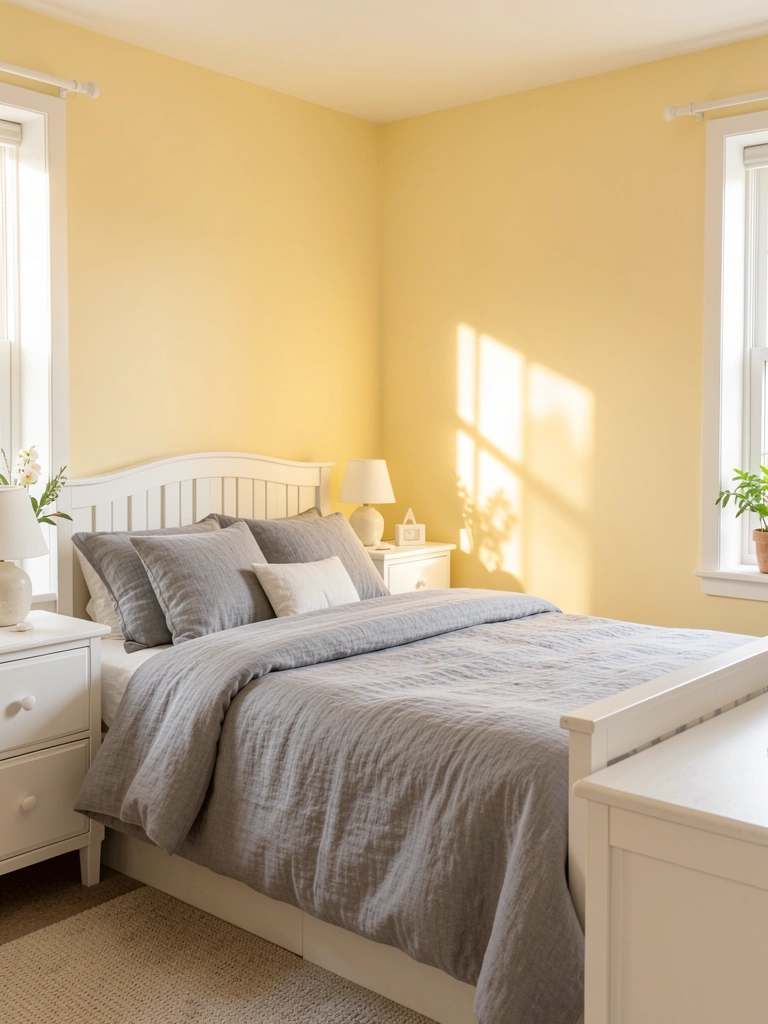
    11. Butter Yellow Walls with Soft Gray Bedding

    Pale butter yellow sounds risky for a bedroom, but here’s the secret: very soft yellow promotes happiness and energy without causing anxiety—and gray bedding anchors the cheerfulness so it feels restful instead of stimulating.

    Paint walls an extremely pale yellow like Benjamin Moore’s Pale Oak (yellow version), Sherwin-Williams Butter Cream, or Behr’s Pale Sun ($30-$40). Choose a cool gray duvet from IKEA, Target, or Wayfair ($60-$150). Use white or cream for pillows and throws to keep the palette balanced.

    This paint-and-style project takes 2-3 hours. The payoff? You’ll wake up feeling more positive, and you’ll sleep restfully because the gray bedding creates a calm focal point. This palette works especially well for north-facing rooms that get cooler light.

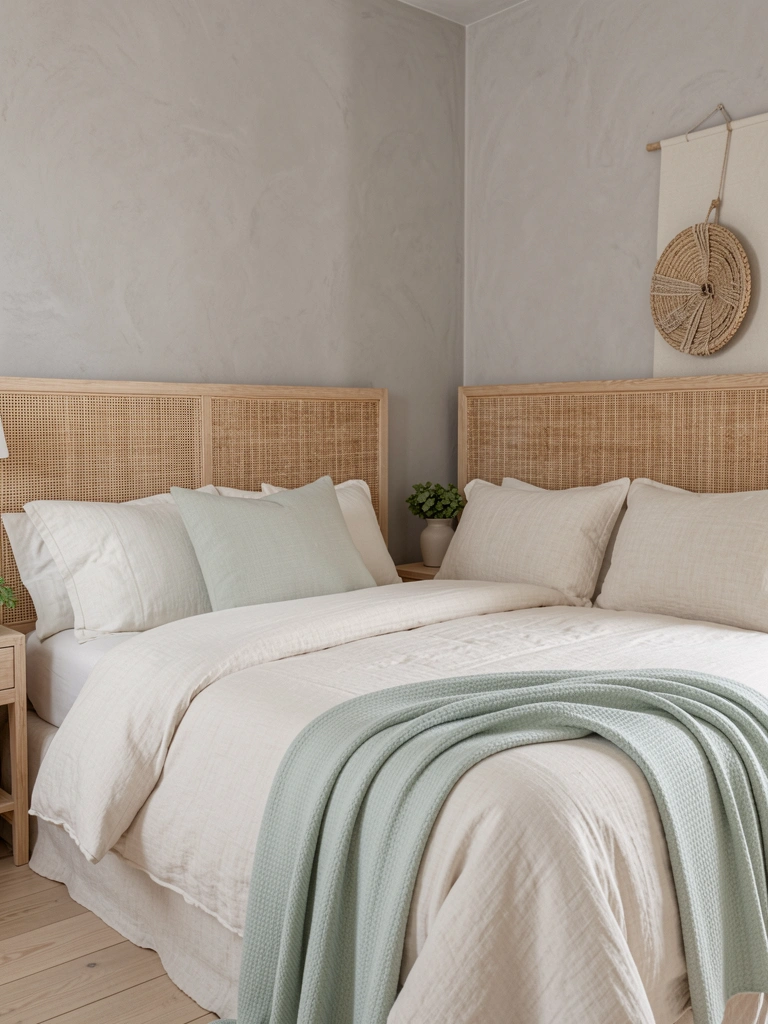
    12. Pale Stone Gray with Warm White and Soft Green

    Stone gray is warmer than typical gray and more sophisticated than beige, making it the perfect backdrop for a palette centered on natural textures and soft accent colors.

    Paint walls a soft stone gray like Sherwin-Williams Urbane Bronze (very light), Benjamin Moore’s Revere Pewter, or Behr’s Dove Gray ($30-$40). Keep bedding in cream-white, and add a soft sage or pale green throw ($30-$60). Include wooden or woven accents to warm the palette.

    The project takes 2-3 hours. This palette is particularly effective because it doesn’t demand attention—your brain recognizes it as safe and calm immediately. You’ll fall asleep faster and sleep more soundly.

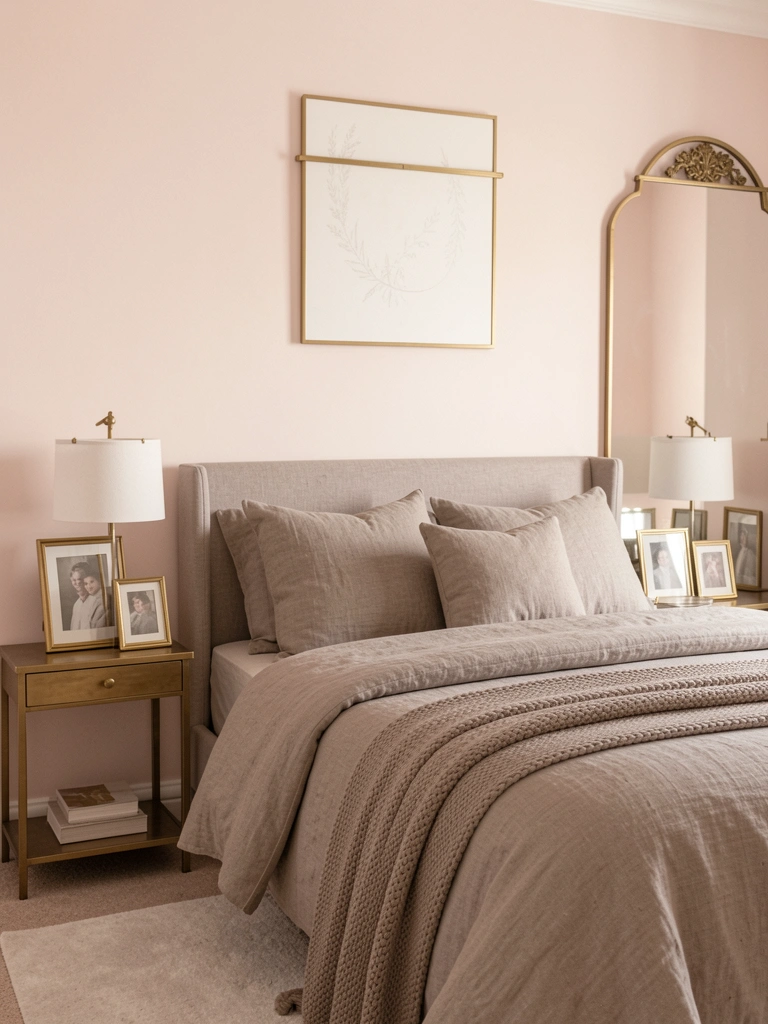
    13. Pale Blush with Warm Taupe and Brass Accents

    Pale blush brings femininity without fussiness when you ground it with taupe and add brass accents that introduce warmth and subtle glamour.

    Paint walls an extremely pale blush like Benjamin Moore’s Pink Damask (very diluted), Sherwin-Williams Accessible Beige (with pink undertone), or Behr’s Ballet Pink ($30-$40). Layer taupe bedding from Lands’ End, Parachute, or Target ($100-$200). Add 2-3 brass picture frames or a brass mirror from Target, Wayfair, or Home Depot ($20-$80 total).

    This takes 3-4 hours if you’re painting, or 1-2 hours if you’re working with existing walls. The brass accents catch light in a way that feels warm and sophisticated without requiring additional decor. Your bedroom becomes a personal retreat that reflects your taste.

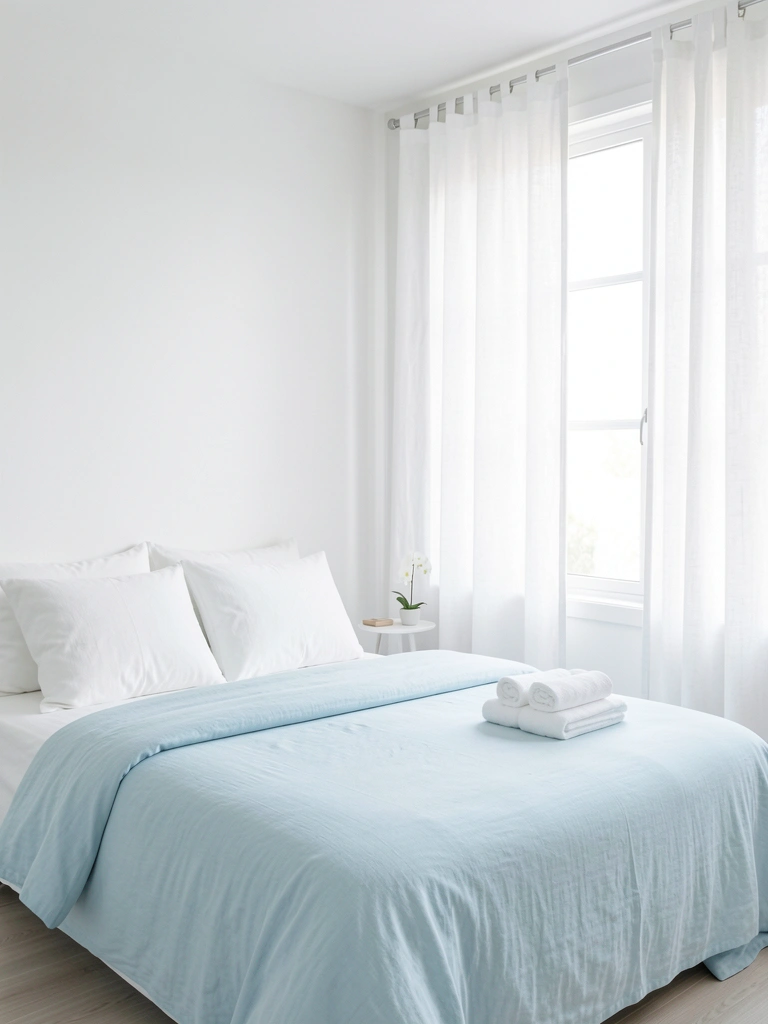
    14. Cool White Walls with Pale Blue Bedding and White Layers

    Cool white with pale blue creates an almost-Scandinavian simplicity that’s inherently calming. The palette relies on clean lines and minimal visual noise rather than color drama.

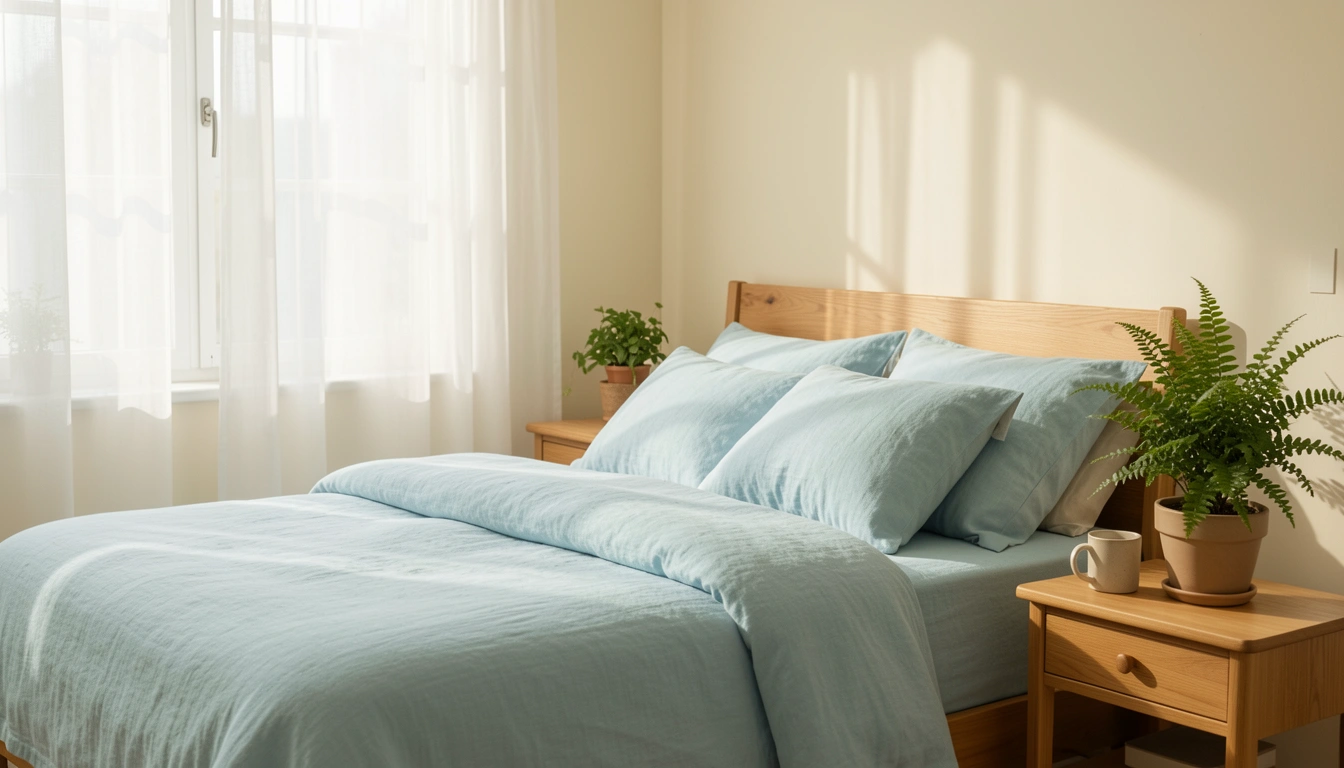
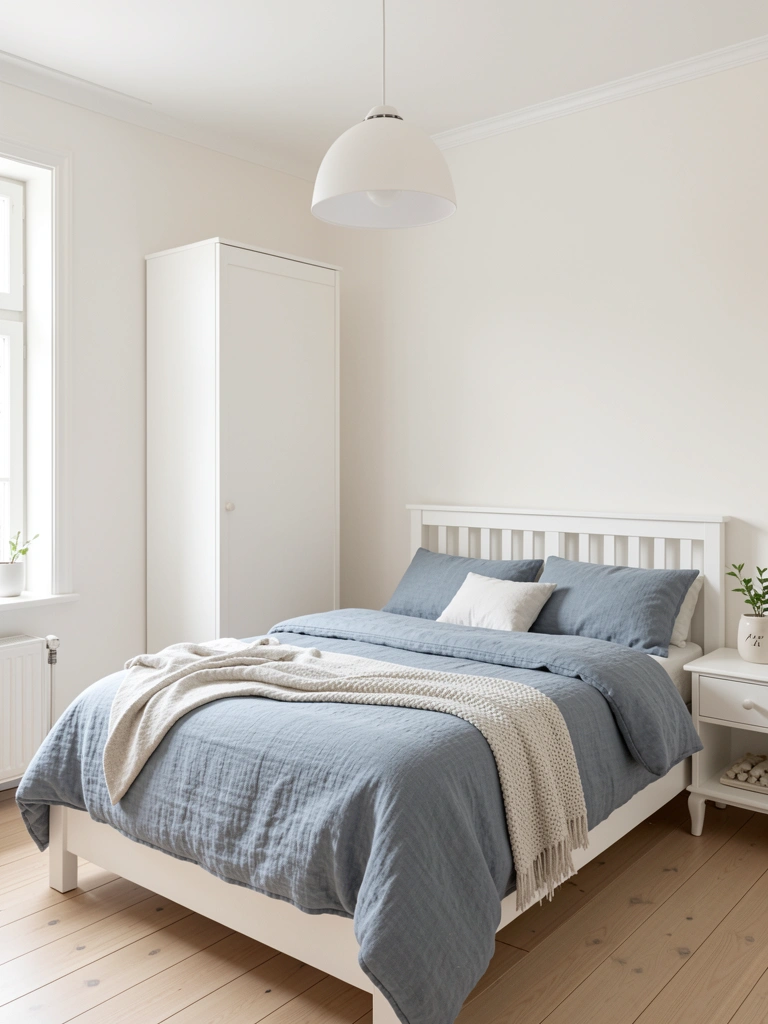
    Paint walls a cool white like Sherwin-Williams Alabaster, Benjamin Moore’s Super White, or Behr’s Ultra Pure White ($30-$40). Choose a pale blue duvet from IKEA, Target, or H&M Home ($60-$120). Keep all other bedding white or cream for visual cohesion.

    This takes 1-2 hours to paint and style. The minimalist approach means you’ll notice any clutter more, which naturally encourages tidiness and supports deeper relaxation. This palette works beautifully in small bedrooms because the light colors create an airy feel.

    15. Warm Greige with Ivory Bedding and Woven Textures

    Warm greige with ivory bedding creates a neutral palette that invites you to focus on texture—and texture is what makes a bedroom feel genuinely comfortable and inviting.

    Paint walls a warm greige like Sherwin-Williams Urbane Bronze (very light), Benjamin Moore’s Nimbus Gray, or Behr’s Accessible Beige ($30-$40). Choose ivory bedding with a slight sheen or texture from Parachute, Cultiver, or Etsy ($150-$300). Add woven accents—a jute headboard or rattan baskets—to ground the palette ($40-$150 total).

    This takes 3-4 hours including painting and styling. The focus on natural, woven materials creates a bedroom that feels both luxe and livable. You’ll sleep better knowing your space celebrates craftsmanship and natural materials.

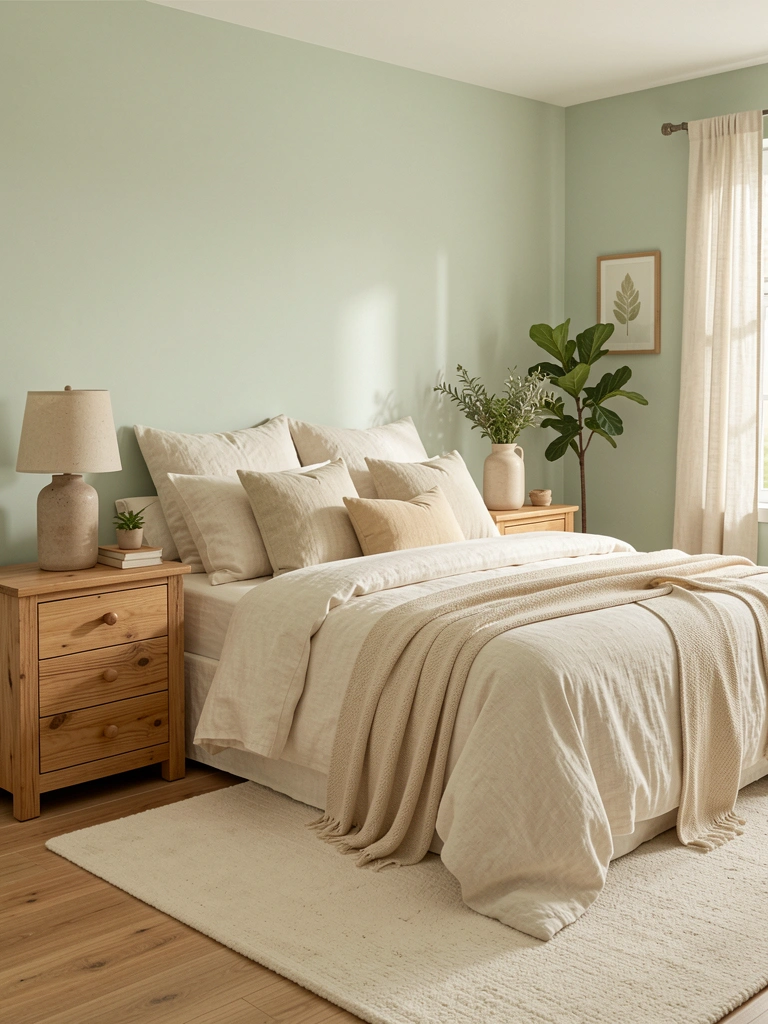
    16. Pale Sage Green with Cream and Natural Wood

    Pale sage green pairs beautifully with cream and natural wood to create a bedroom that feels like a peaceful retreat in nature—without being themed or overdone.

    Paint walls a very pale sage like Sherwin-Williams Sea Salt (green undertone), Benjamin Moore’s Wythe Blue, or Behr’s Soft Fern ($30-$40). Choose cream bedding from Target, IKEA, or Parachute ($80-$180). Make sure furniture has warm, honey-toned wood rather than gray or white-washed finishes.

    The project takes 2-3 hours to paint and style. This palette works year-round and complements both modern and traditional furniture styles. The soft green has been shown to reduce stress and promote emotional calm—benefits you’ll feel each time you enter the room.

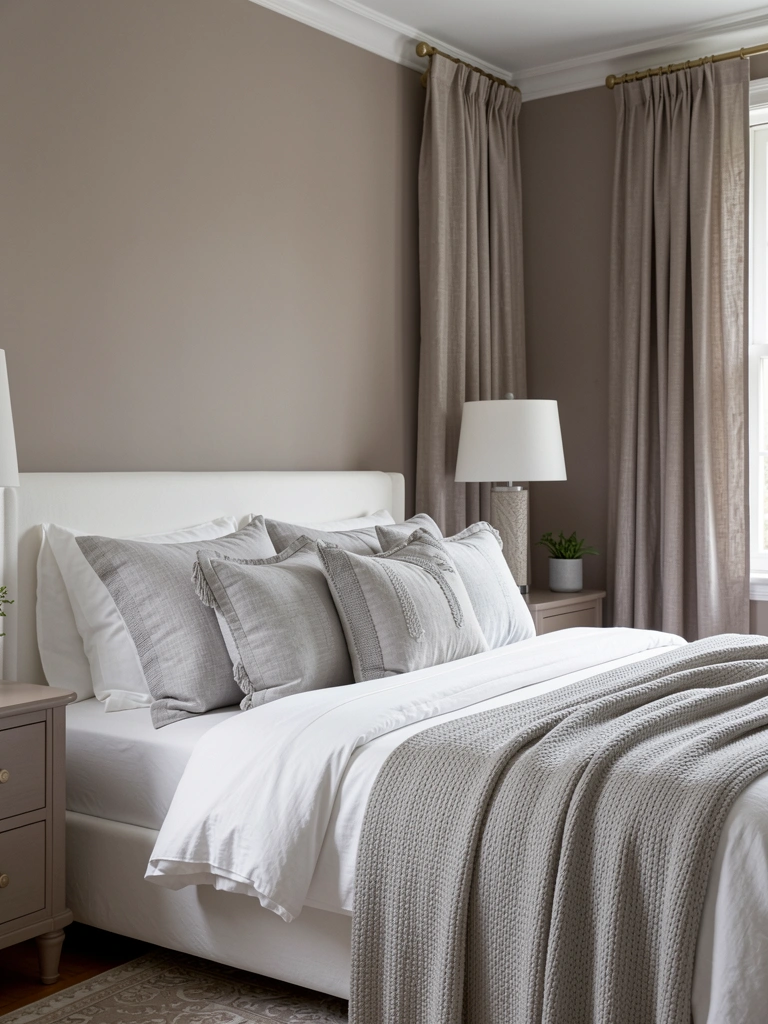
    17. Soft Taupe Walls with White and Pale Gray Layering

    Soft taupe is sophisticated enough to feel intentional but neutral enough to work with almost any furniture or accessories. Layer it with white and pale gray for visual depth in a low-key way.

    Paint walls a soft taupe like Sherwin-Williams Urbane Bronze (very light), Benjamin Moore’s Revere Pewter, or Behr’s Shiitake ($30-$40). Start with white bedding, then layer pale gray throw pillows and a taupe linen throw ($50-$100 total for textiles). Keep curtains in a matching taupe for cohesion ($40-$100).

    This takes 2-3 hours to paint and 1-2 hours to style. The monochromatic approach sounds boring but actually feels incredibly sophisticated—and the eye finds the different textures more interesting than different colors. You’ll sleep in a space that feels curated and calm.

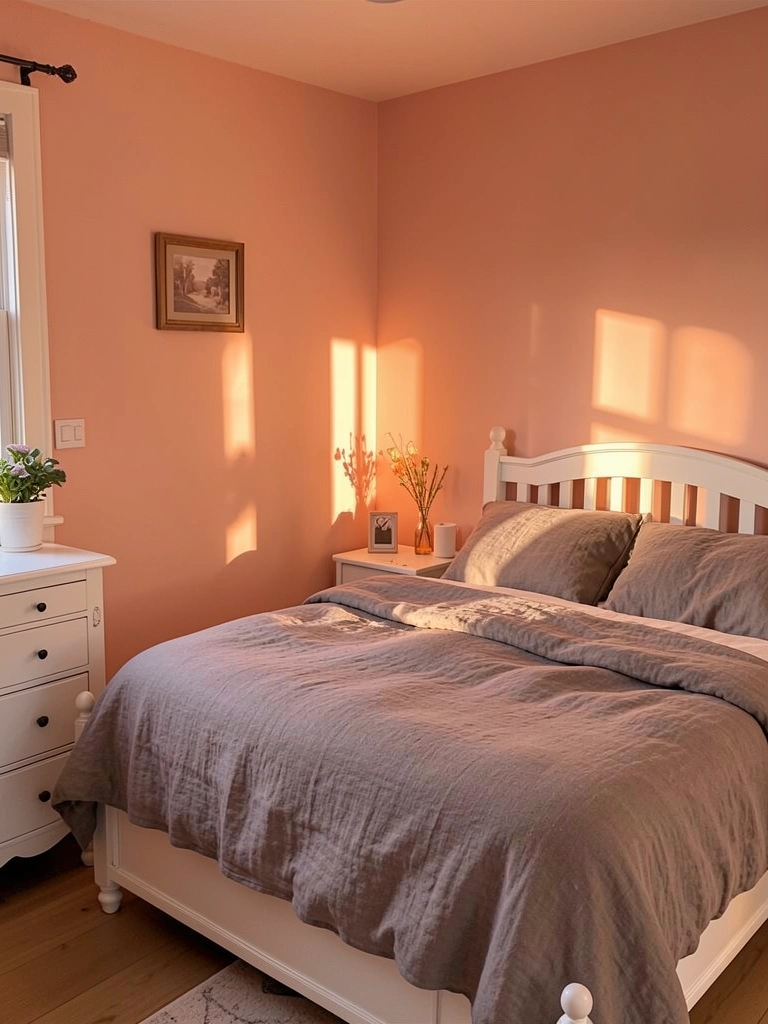
    18. Pale Peachy-Pink with Warm Gray Bedding

    Pale peachy-pink is warmer than blush and less dated than coral—it’s a Goldilocks color that works beautifully with warm gray bedding and wood tones.

    Paint walls a pale peachy-pink like Benjamin Moore’s Caliente (very diluted), Sherwin-Williams Cavern Clay (very light), or Behr’s Peach Fuzz ($30-$40). Choose warm gray bedding from Target, H&M Home, or Wayfair ($80-$160). Add white or cream throw pillows to create visual softness and brightness.

    The paint-and-style project takes 2-3 hours. This palette works especially well if your bedroom gets warm afternoon light—the peachy tone glows beautifully and creates a sense of warmth even in cooler weather. You’ll feel embraced by the color rather than overwhelmed.

    19. Ivory Walls with Soft Blue-Toned Gray Bedding and Linen

    Ivory walls with blue-toned gray bedding create a palette that feels clean without being stark, and peaceful without being bland. The blue undertones add subtle sophistication.

    Paint walls a warm ivory like Benjamin Moore’s Swiss Coffee, Sherwin-Williams Alabaster, or Behr’s Wheat Bread ($30-$40). Choose a blue-gray duvet from Parachute, Lands’ End, or Target ($80-$180). Add white or cream throw blankets and pillows to echo the walls.

    This takes 1-2 hours to paint and 30 minutes to style. The palette works beautifully with natural light—ivory bounces light around while the blue-gray bedding grounds it. You’ll notice the room feels both spacious and cozy.

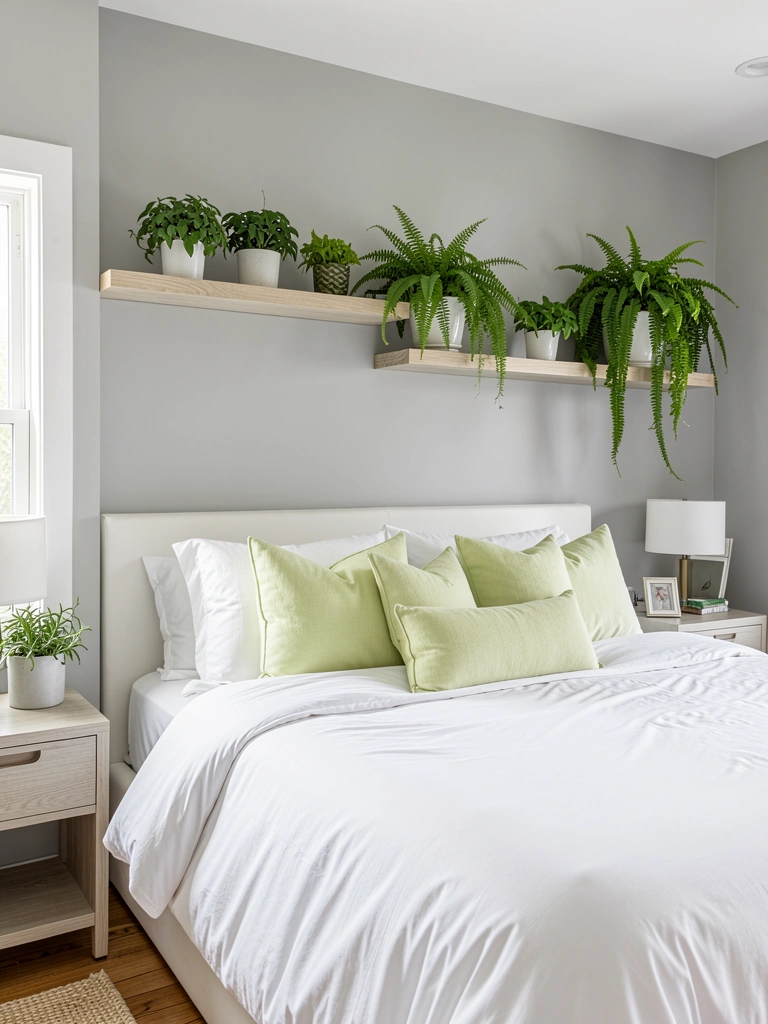
    20. Soft Gray with White Bedding and Pale Yellow-Green Accents

    Soft gray with white bedding is a proven calm combination, and pale yellow-green accents bring just enough life and energy without disturbing rest.

    Paint walls a soft warm gray like Sherwin-Williams Urbane Bronze (very light), Behr’s Dove Gray, or Benjamin Moore’s Gray Cloud ($30-$40). Keep bedding white for clean brightness. Add 2-3 chartreuse or pale green throw pillows from Target or H&M Home ($15-$30 each), and include potted plants ($10-$40) to echo the accent color.

    This takes 2-3 hours total. The beauty of this palette is that the accent color is easy to change—if you get tired of pale green, swap it for a soft blue or blush without repainting. Your bedroom feels fresh and current without requiring major renovation.

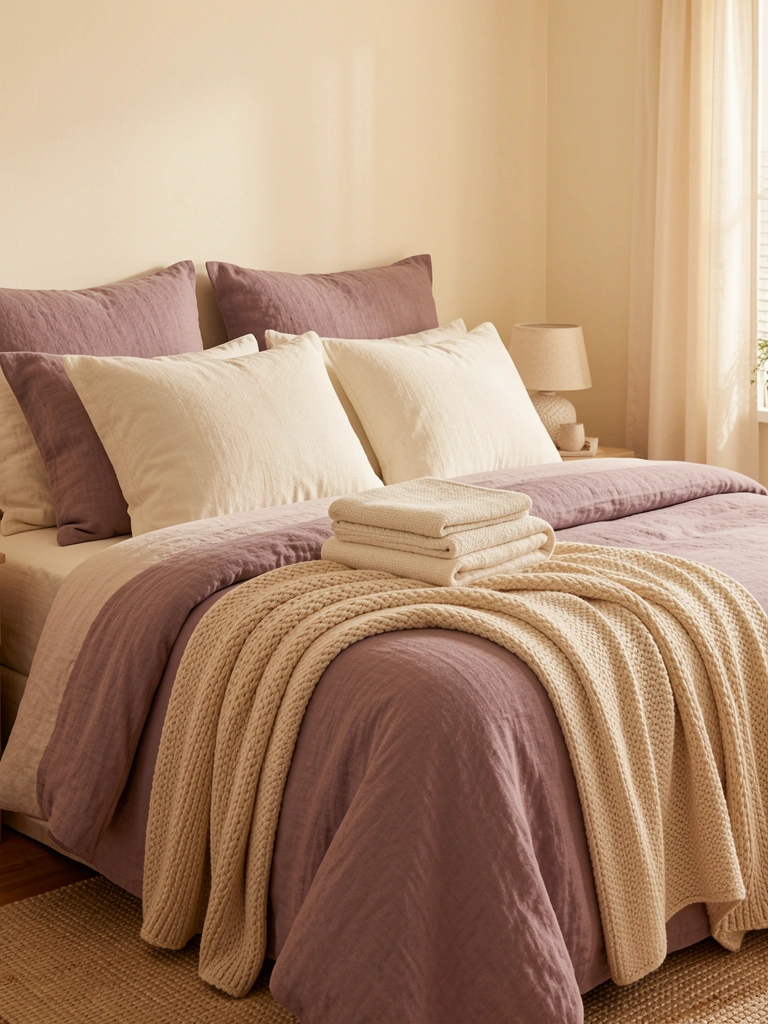
    21. Warm Cream with Soft Mauve Bedding and Ivory Layering

    Warm cream walls with soft mauve bedding create a palette inspired by vintage linens and heirloom textiles—calming without feeling dated because the colors are pale and modern in tone.

    Paint walls a warm cream like Benjamin Moore’s Cream, Sherwin-Williams Popcorn, or Behr’s Wheat Bread ($30-$40). Choose a soft mauve duvet from Etsy vintage sellers, Parachute, or even your grandmother’s linen closet if you’re lucky ($100-$250). Layer ivory pillows and a cream throw ($30-$60 total).

    This paint-and-style project takes 2-3 hours. The result is a bedroom that feels personal and storied rather than decorated-from-a-catalog. You’ll sleep deeply because the palette is genuinely restful rather than trend-focused.

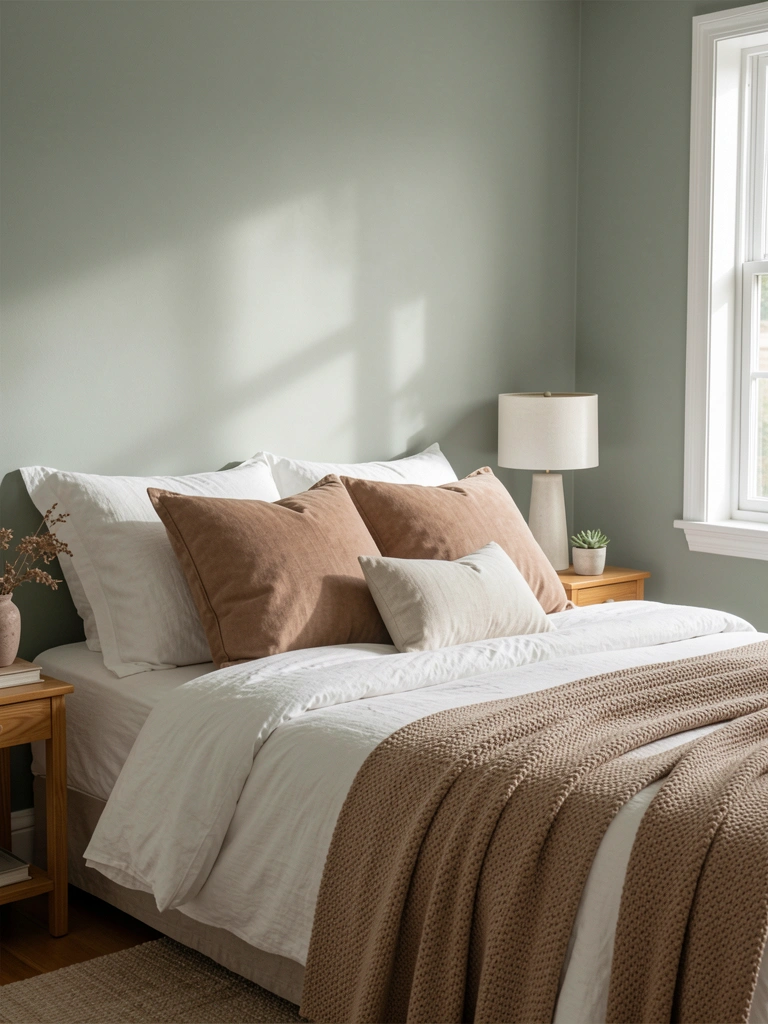
    22. Pale Gray-Green with White and Warm Taupe

    Pale gray-green (the sweet spot between cool and warm) with white and taupe creates a palette that feels both contemporary and timeless—calm without being cold.

    Paint walls a soft gray-green like Sherwin-Williams Sea Salt, Benjamin Moore’s Palladian Blue (green version), or Behr’s Soft Fern ($30-$40). Keep bedding white for freshness and brightness. Layer taupe throw pillows ($20-$40) to add warmth without visual heaviness.

    This takes 2-3 hours to paint and 1 hour to style. The gray-green is a mood booster—research shows this color range reduces anxiety while promoting clarity. You’ll feel the difference in your sleep quality.

    23. Soft Putty Gray with Ivory Bedding and Warm Accents

    Putty gray (a slightly warmer, softer version of standard gray) is sophisticated without being cold, especially when paired with ivory bedding and warm metal accents like brass or copper.

    Paint walls a soft putty gray like Sherwin-Williams Urbane Bronze (very light), Benjamin Moore’s Nimbus Gray, or Behr’s Accessible Beige (with gray undertone) ($30-$40). Choose ivory bedding from Target, IKEA, or Pottery Barn ($80-$180). Add a brass mirror or warm metal picture frames ($30-$80).

    The project takes 2-3 hours total. This palette feels grown-up and intentional—you’re choosing restraint over chaos, which is deeply relaxing. Your bedroom becomes a haven from the visual noise of the rest of your life.

    24. Pale Blush-Gray with White Bedding and Green Touches

    Pale blush-gray is the neutral that doesn’t feel boring—it’s warm enough to feel inviting but cool enough to feel calm. White bedding keeps it fresh, and soft green accents add life.

    Paint walls an extremely pale blush-gray like Benjamin Moore’s Swiss Coffee (with pink undertone), Sherwin-Williams Accessible Beige (rosy version), or Behr’s Pale Petal ($30-$40). Keep bedding bright white, and add a soft green throw ($30-$60). Include 1-2 potted plants ($10-$30 total).

    This takes 2-3 hours to paint and style. The combination of blush, white, and green feels effortlessly curated—like you didn’t try too hard but got it exactly right. You’ll sleep knowing your space reflects both your taste and your need for calm.

    25. Soft White with Barely-There Gray-Blue Bedding

    Pale white walls with barely-there blue-gray bedding create an almost-monochromatic palette that’s deeply calming. The color is so subtle that the focus stays on rest, not decoration.

    Paint walls a soft white like Benjamin Moore’s Swiss Coffee, Sherwin-Williams Alabaster, or Behr’s Ultra Pure White ($30-$40). Choose a duvet so pale it’s nearly white but with cool blue-gray undertones from IKEA, Target, or Etsy ($60-$140). Keep all other bedding white for visual simplicity.

    This takes 1-2 hours to paint and 30 minutes to style. The minimalist approach works especially well if you struggle with racing thoughts at bedtime—fewer visual stimuli = fewer mental tangents. You’ll notice yourself relaxing faster.

    26. Warm Cream Walls with Soft Taupe-Beige Bedding and Wood

    Warm cream with taupe-beige bedding and natural wood creates a palette that feels like home the moment you walk in. It’s fundamentally comfortable because it incorporates natural materials and warm tones that our brains recognize as safe.

    Paint walls a warm cream like Benjamin Moore’s Cream, Sherwin-Williams Alabaster (warm version), or Behr’s Wheat Bread ($30-$40). Choose taupe-beige bedding from Parachute, Target, or Lands’ End ($100-$200). Prioritize furniture with warm, visible wood grain rather than modern finishes ($200+ depending on what you already own).

    This takes 2-3 hours to paint and style. The payoff is massive—this palette works with almost any decorating style, accepts furniture additions easily, and genuinely makes you want to spend time in the room. You’ll sleep more soundly and wake more rested.


    Save this for your next bedroom refresh and try one palette this weekend. Pick the one that matches your natural light and existing furniture—small tweaks make surprisingly big differences in how rested you feel.

  • 25 Dream Room Ideas That Turn Your Space Into a Sanctuary

    25 Dream Room Ideas That Turn Your Space Into a Sanctuary

    Your space deserves to feel like a retreat, not just a place you sleep or spend time. Whether you’re exhausted by sterile minimalism, tired of open-concept chaos, or stuck with outdated décor, these 25 ideas will help you create rooms that actually reflect who you are and how you want to live. From budget-friendly styling hacks to investment pieces that last for years, you’ll discover ways to add personality, comfort, and that coveted “sanctuary” feeling without needing a full renovation or designer budget. Let’s turn your home into a space you never want to leave.

    1. Drench Your Walls in One Rich Color

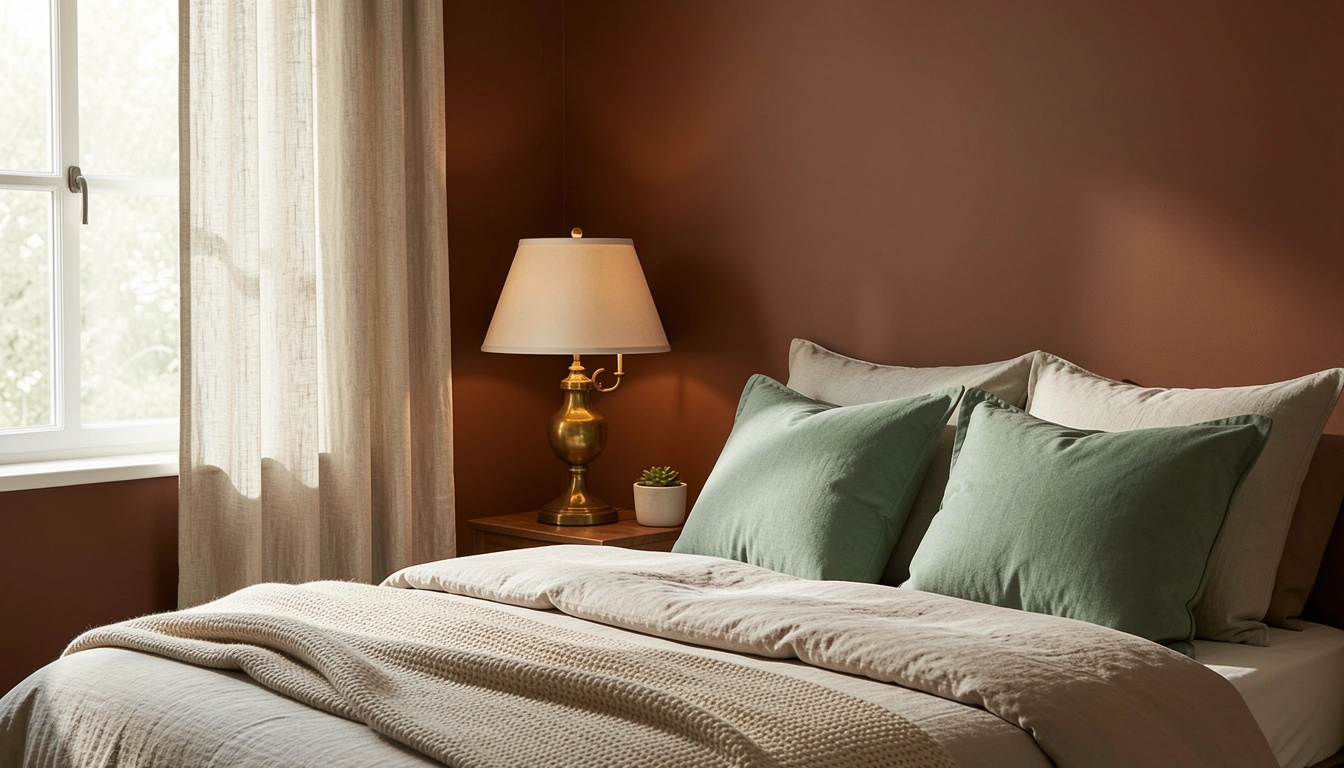
    Forget the “safe” accent wall. Painting an entire room in one bold color—especially warm, earthy tones—creates an immersive, curated sanctuary that feels intentional and cozy.

    Choose a color like chocolate brown, deep sage green, or warm terracotta for the full immersion effect. Paint all four walls (and ideally the trim) the same shade to create a cocoon-like atmosphere. Most people find one gallon covers about 350 square feet, so budget $30–$60 for paint plus brushes and supplies. DIY painting takes one weekend; hire pros if you have high ceilings or textured walls ($300–$500).

    Pro tip: Test your color on a large swatch first—paint three large patches and observe them at different times of day to see how light changes the tone.

    The result is a room that instantly feels more thoughtful than any accent wall ever could, and you’ll notice how much calmer you feel inside it.

    2. Layer Curved Furniture for Fluid Comfort

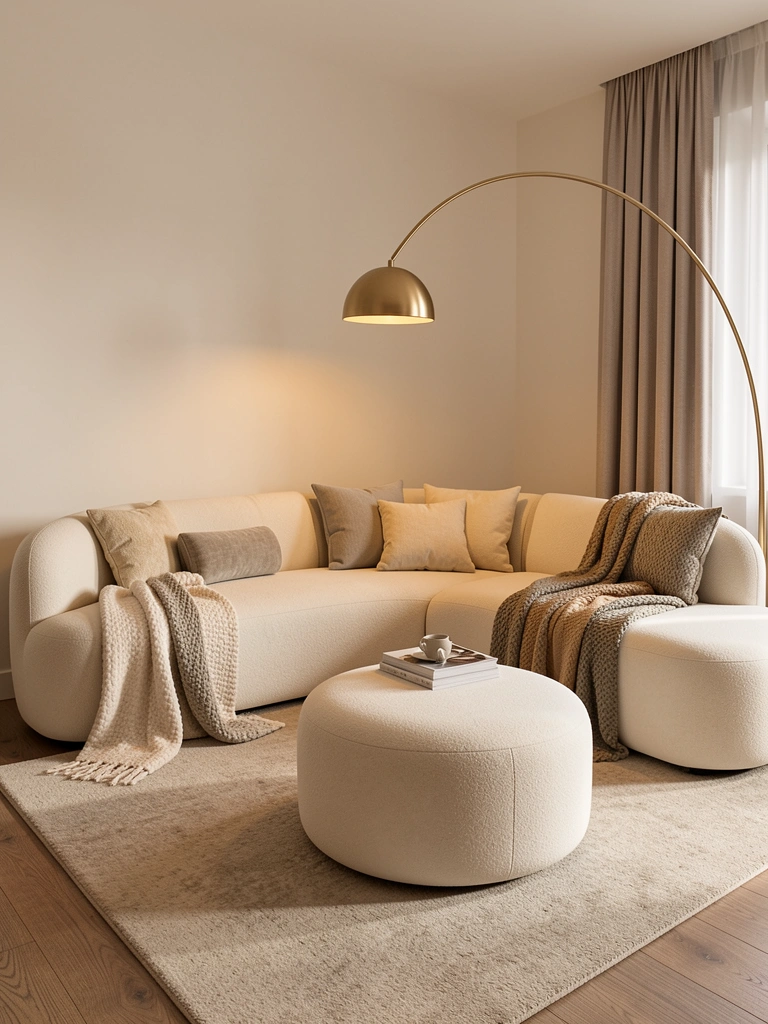
    Hard edges and straight lines create visual tension. Curved, sculptural furniture adds softness and makes rooms feel more human-centered and livable.

    Invest in at least one curved piece—a rounded armchair ($200–$600), curved sectional ($800–$2,500), or arched side table ($80–$250). Start at IKEA, Article, or Wayfair if you’re budget-conscious; Gravity Home and West Elm offer higher-end options. Mix one curved piece with existing furniture to ease in the style without overhauling everything. If you can’t commit to buying, try a curved throw blanket rack or round mirror first.

    Pro tip: Round ottomans work especially well in small spaces because they don’t “grab” floor area the way rectangular ones do.

    You’ll notice how much more inviting your room feels when there are soft curves to balance the hard edges, and seating actually becomes more comfortable.

    3. Add Pattern Drenching for Cinematic Immersion

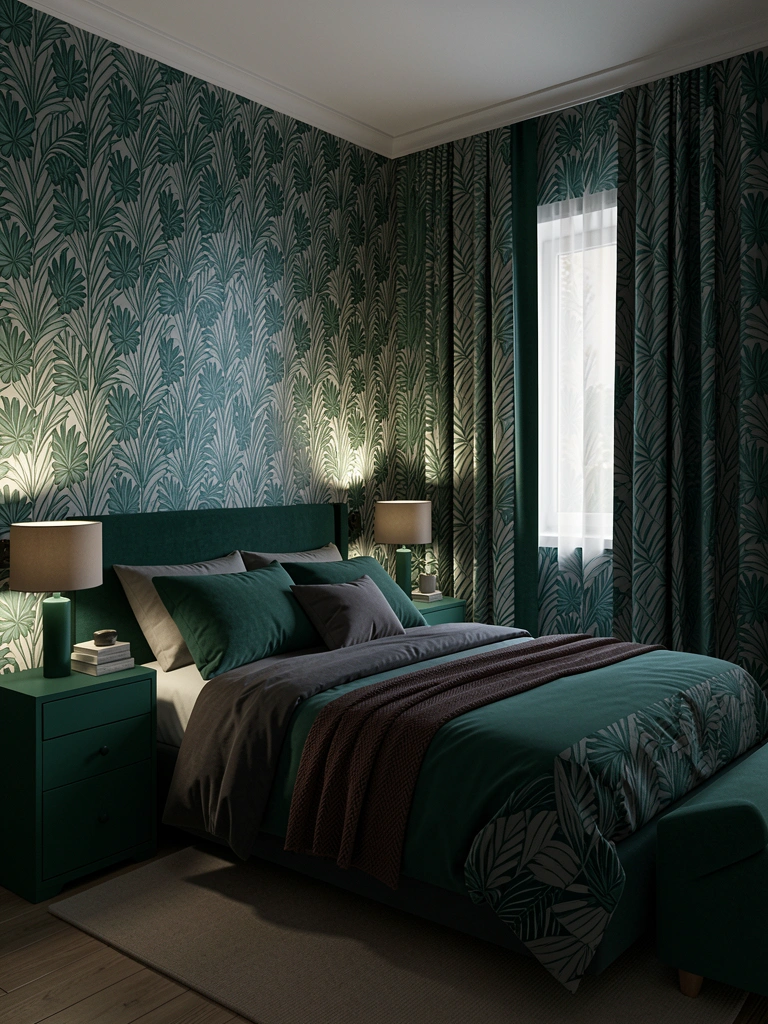
    One bold pattern repeated across walls, textiles, and accents creates a “cinematic” mood that makes you feel like you’re inside a carefully designed world rather than a generic room.

    Choose one pattern you genuinely love—whether it’s small geometric shapes, botanical prints, or abstract designs. Use it on wallpaper ($30–$80 per roll), bedding, and a throw blanket to tie it together. Wallpaper takes 4–8 hours to install (DIY or hire at $200–$400). Keep furniture and accessories mostly neutral to let the pattern breathe and avoid overwhelm.

    Pro tip: Print a large sample of your pattern and live with it in your room for a week—natural light and your daily mood around it matter more than online preview.

    Your bedroom becomes a retreat that tells a story and makes you want to unwind instead of rushing through it.

    4. Swap Out Stark White/Black for Warm Neutrals

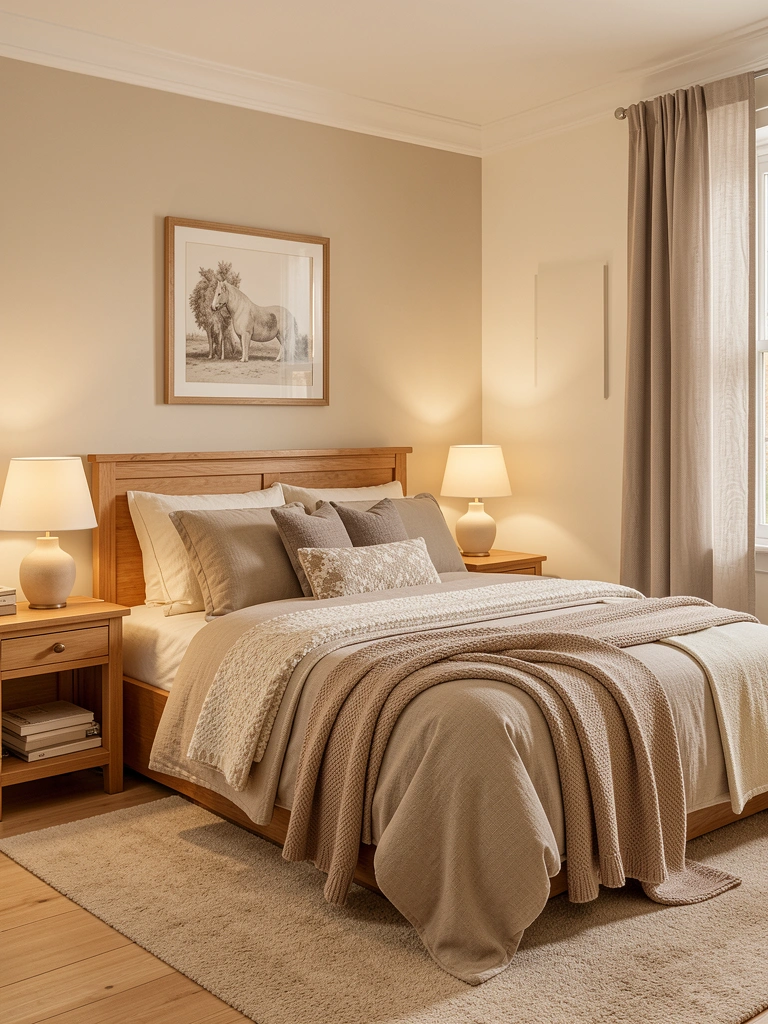
    Bright white and pure black palettes feel cold and dated. Warm neutrals like cream, soft taupe, warm gray, and sand tones create serenity without the clinical feel.

    Replace stark white with creamy off-whites or soft ivory (paint under $35 per gallon). Swap pure black accents for deep charcoal or rich espresso brown in furniture and décor. If you’re renting and can’t paint, use warm-toned bedding, rugs ($100–$400), and throw pillows ($20–$60 each) to shift the energy immediately. This works in every room—kitchen, bathroom, office.

    Pro tip: Bring paint samples home and look at them next to your existing furniture for 24 hours before committing.

    Your rooms go from feeling cold and sterile to genuinely warm and welcoming without any major investment.

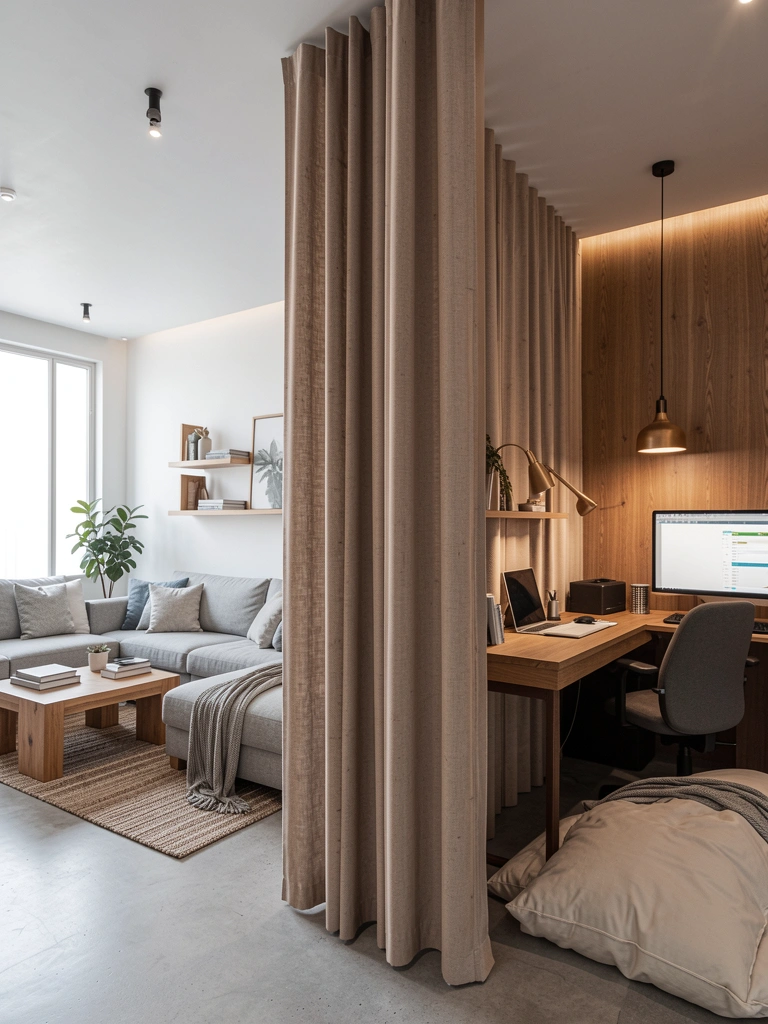
    5. Install a Room Divider for Privacy Without Walls

    Open-concept layouts sacrifice privacy and sound control. A strategic divider creates defined zones without permanent walls—perfect for renters and small spaces.

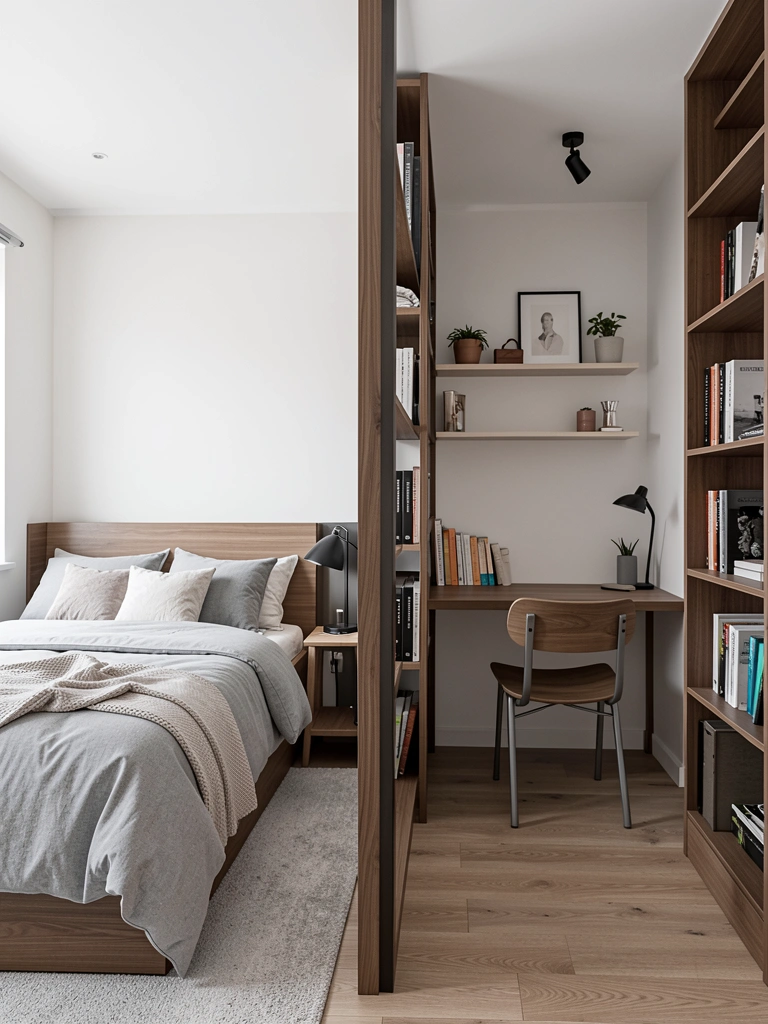
    Choose from folding screens ($50–$150), sliding barn doors ($300–$800 installed), or hanging fabric panels on a tension rod ($30–$100). Placement matters: position it to separate sleeping areas from living spaces or create a home office nook. Rent-friendly options include freestanding shelving units or hanging tapestries from ceiling-mounted curtain rods.

    Pro tip: Sheer or semi-transparent dividers define space without blocking light; choose solid panels if you need sound privacy.

    You’ll reclaim privacy and functionality in your open space without asking permission from a landlord or spending thousands on construction.

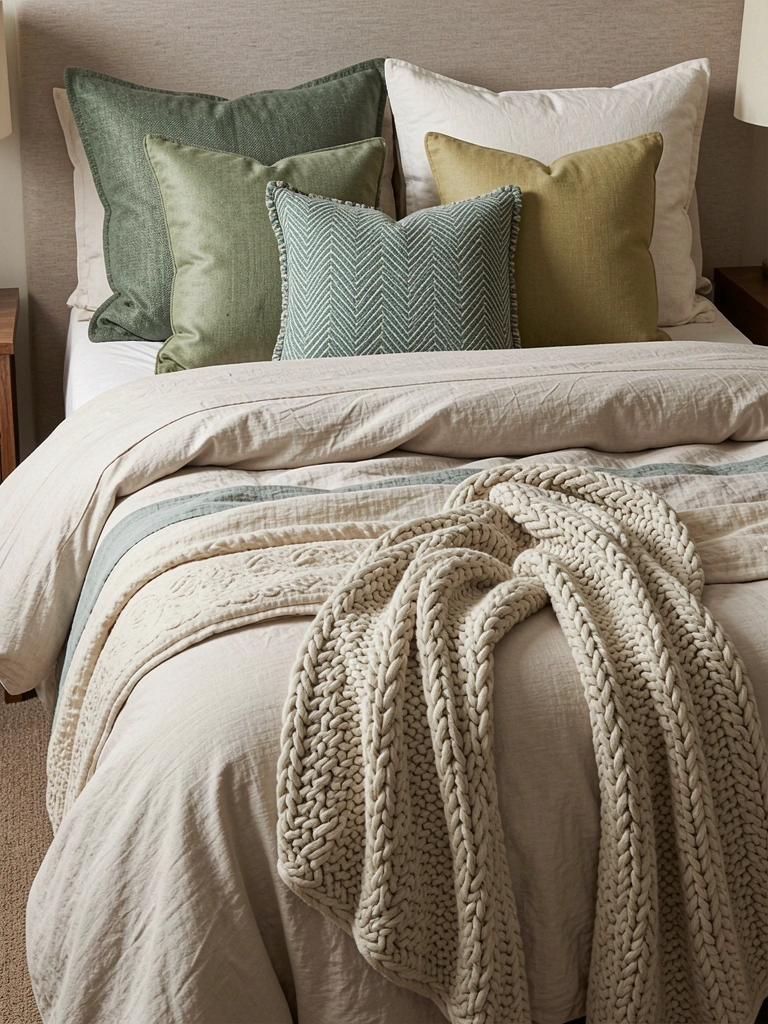
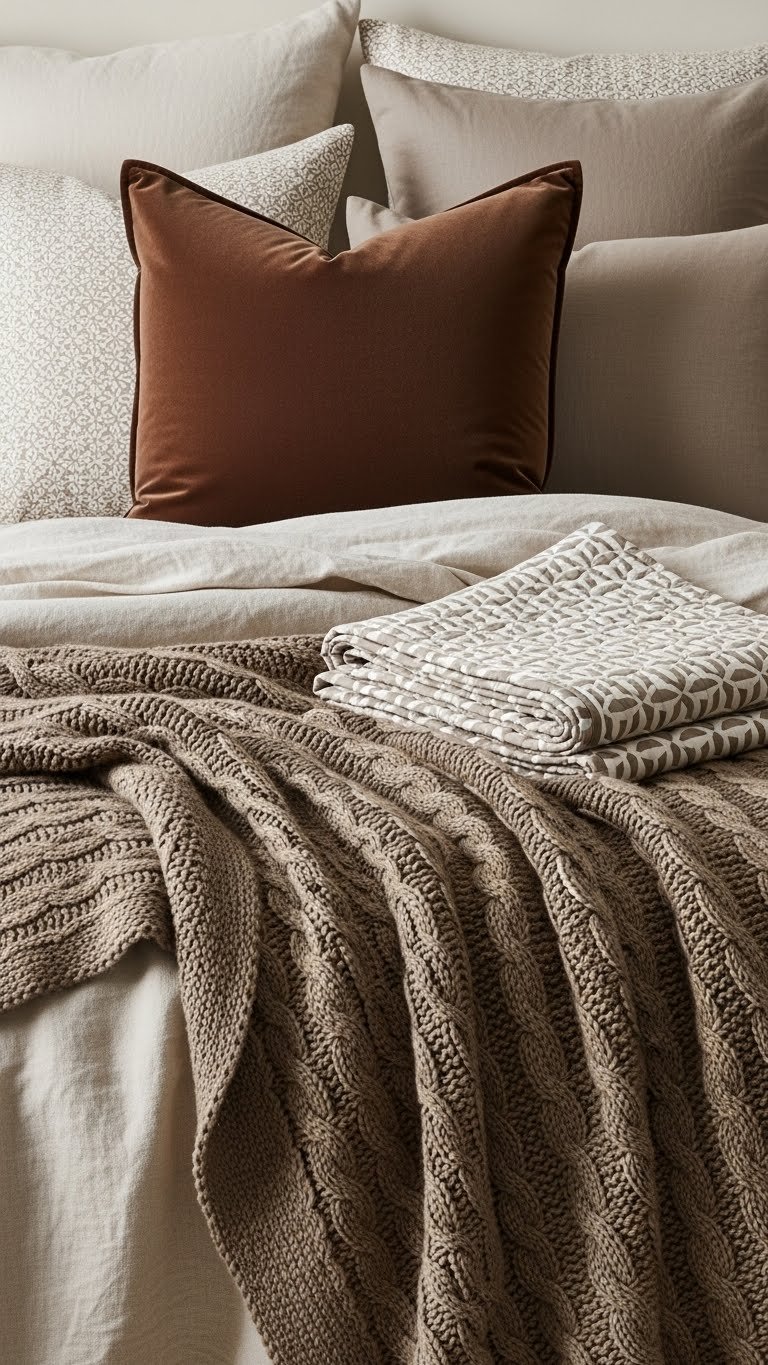
    6. Curate Your Bed with Layered Textures (Not Bed-in-a-Bag Sets)

    Generic bed-in-a-bag sets feel flat and uninspiring. Layering individual pieces in different textures and tones creates visual depth and actual comfort.

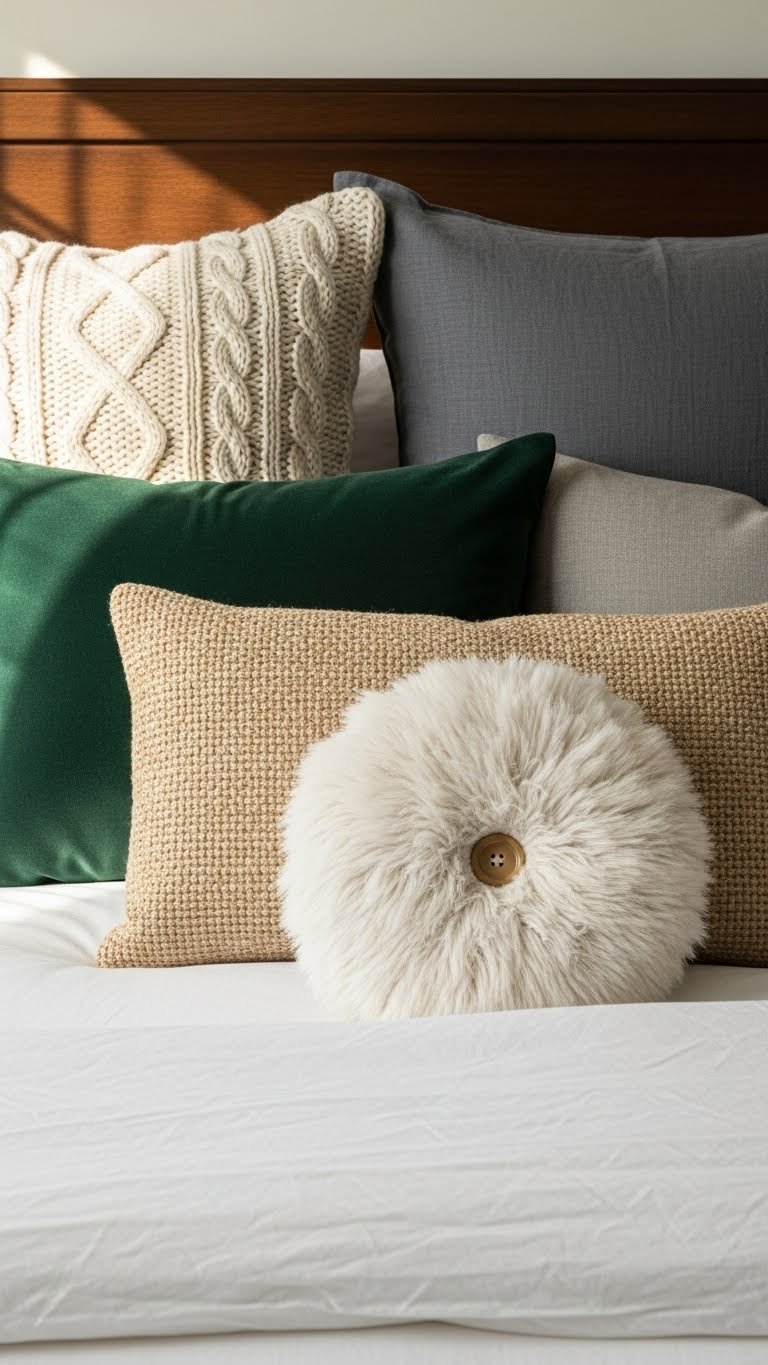
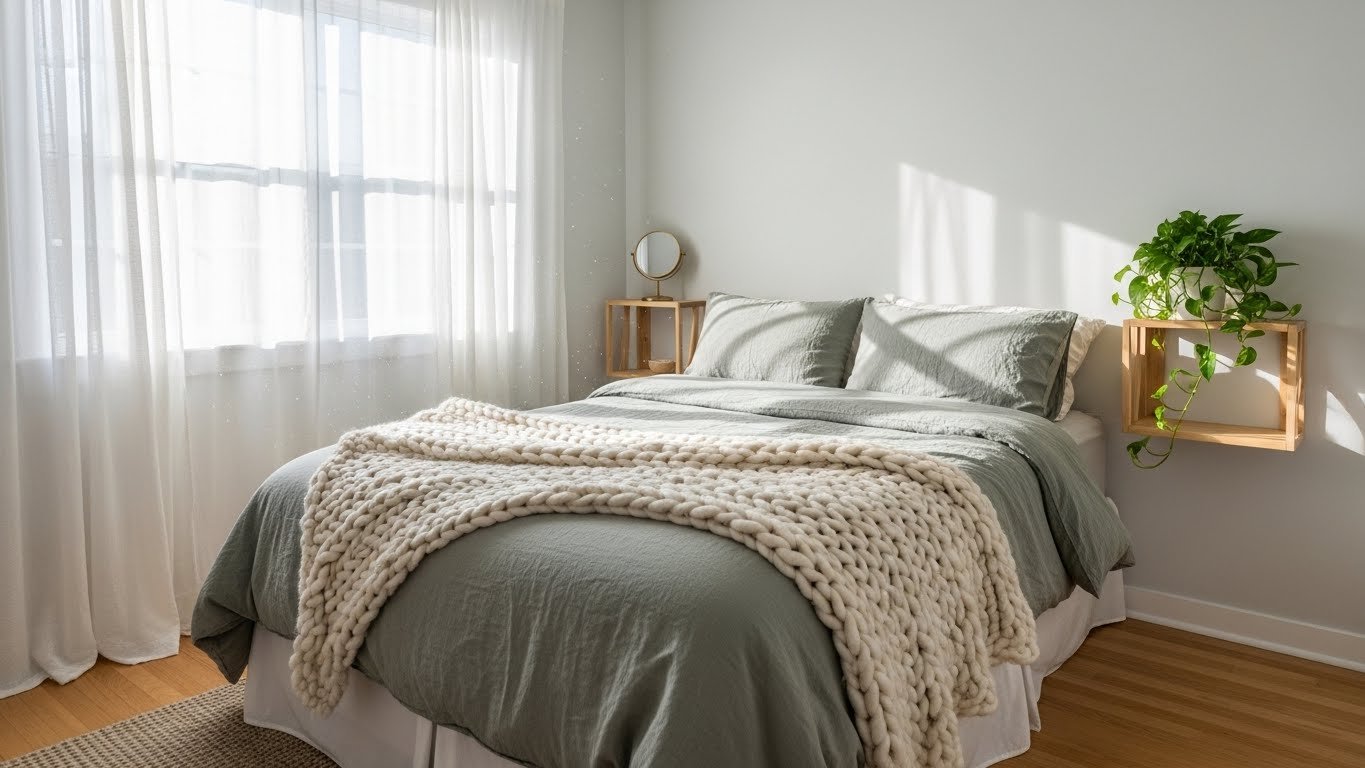
    Start with quality basics: Egyptian cotton sheets ($40–$80), a linen duvet cover ($60–$120), and a lightweight quilt or duvet ($80–$200). Add throw pillows in coordinating colors ($15–$40 each, grab from Target, Etsy, or Schoolhouse Electric). Drape a chunky knit throw ($50–$100) across the foot of the bed. Mix textures—velvet, linen, cotton, cable knit—for visual interest.

    Pro tip: Aim for three throw pillows minimum: one coordinating pattern, two solids in your color palette.

    Your bed becomes a focal point you actually want to photograph and spend time in.

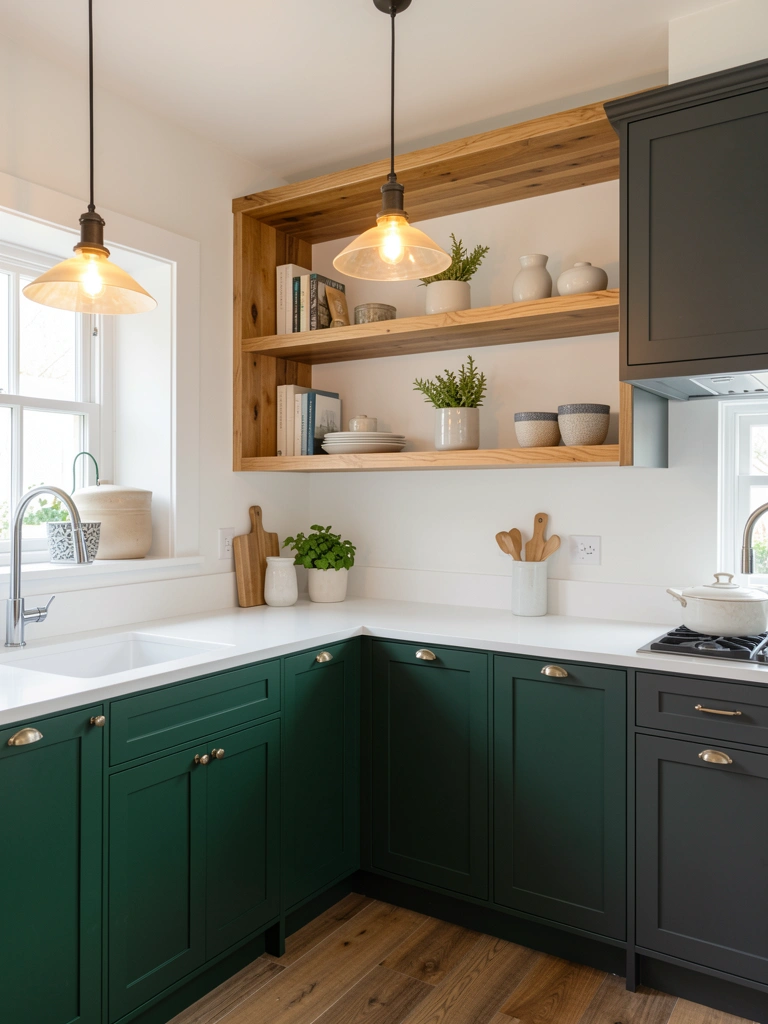
    7. Paint Your Kitchen Cabinets a Moody Color

    Generic white or natural wood cabinets lack personality. Painted cabinetry in warm, unexpected colors transforms kitchens into the heart of your home while adding “imperfect charm.”

    Cabinet paint kits run $200–$500 and cover most kitchen sizes (IKEA Sektion, cheaper but functional; higher-end at Sherwin-Williams or Benjamin Moore). Colors like sage green, warm charcoal, or chocolate brown cost the same as white—it’s the labor or DIY time that matters. DIY takes 3–5 days (including drying between coats); hire professionals for $1,500–$3,500 depending on cabinet count and finish quality.

    Pro tip: Use proper cabinet paint (Benjamin Moore Advance or Sherwin-Williams ProClassic), not regular wall paint—it’ll last through years of kitchen use.

    Your kitchen goes from builder-grade boring to a space with soul, and people will actually want to hang out there.

    8. Hand Stencil a Pattern on Walls or Cabinetry

    Hand stenciling adds artisanal, “lived-in” texture without the commitment of full wallpaper or pattern drenching, and it’s genuinely approachable for beginners.

    Grab stencil templates from Etsy or Hobby Lobby ($5–$15 each) plus stencil paint ($8–$12 per can). Practice on paper first, then apply to one wall, cabinet front, or accent area—it takes 2–4 hours. Use a level and painter’s tape to keep lines straight. The effect feels handmade and intentional, like you actually have a designer on staff.

    Pro tip: Start with a small area—one kitchen cabinet face or a single bedroom wall—to build confidence before tackling larger spaces.

    You’ll have a one-of-a-kind detail that photographs beautifully and tells visitors your space was thoughtfully designed by you.

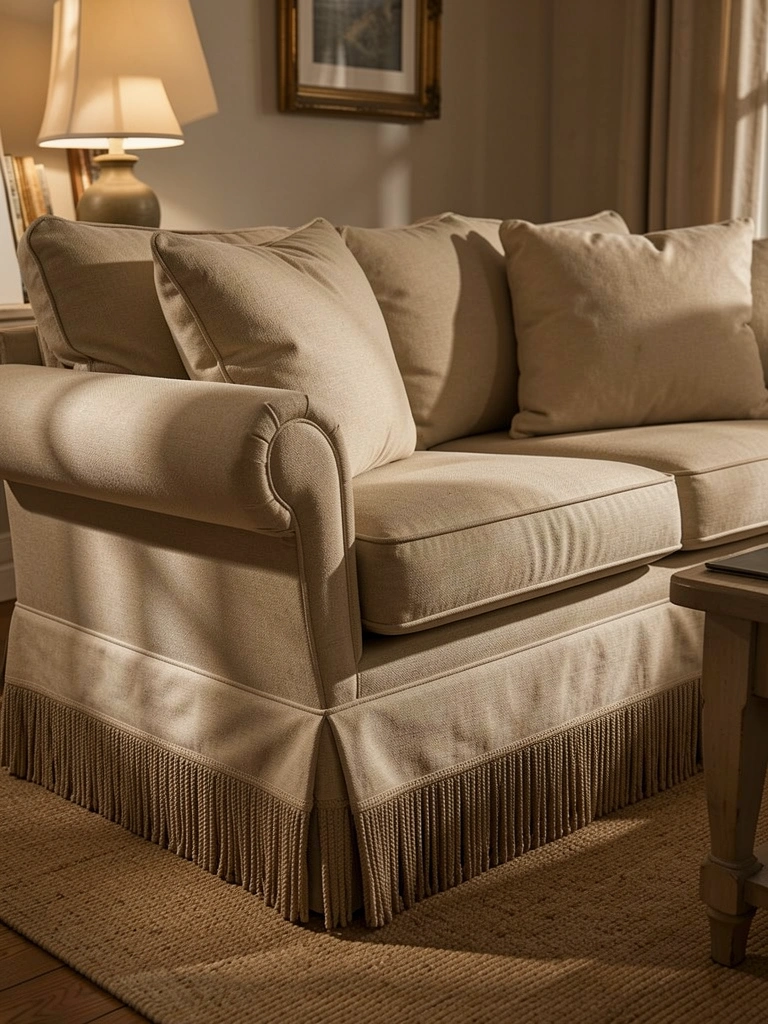
    9. Introduce Skirted and Fringed Upholstery

    Skirted furniture (sofas, ottomans, chair bases with fabric that reaches the floor) is back and adds dramatic, romantic appeal that tailored modern furniture simply can’t match.

    Look for skirted sofas at $600–$2,000 (Article, Interior Define, Etsy vintage sellers) or add skirting yourself with fabric and a sewing machine—$30–$60 in fabric plus an afternoon of work. Fringe detail trim adds to the drama ($15–$30 per yard). This trend works especially well in cottagecore, maximalist, or transitional spaces.

    Pro tip: Skirted pieces actually hide dust and pet hair better than legs, so they’re more practical than they appear.

    Your furniture gains unexpected personality and creates a softer, more vintage-inspired aesthetic that feels like curated interior design.

    10. Create a Defined Color Palette and Stick to It

    Rooms that lack cohesion feel chaotic. Defining a palette of three to four colors and repeating them throughout creates visual harmony and psychological calm.

    Choose a base color (walls or large furniture), an accent color, and one or two supporting tones. Earthy palettes like chocolate brown, sage green, and cream work year-round; jewel tones like emerald and burgundy add richness. Free to do—just apply this concept to furniture, textiles, and décor you already own. If buying new, aim for pieces in your palette only ($0–unlimited depending on shopping habits).

    Pro tip: Grab paint samples and fabric swatches and tape them to your wall—live with them for a week to see how they feel in your space at different times of day.

    Everything in your room harmonizes instead of competing for attention, and you’ll feel noticeably calmer just by being in the space.

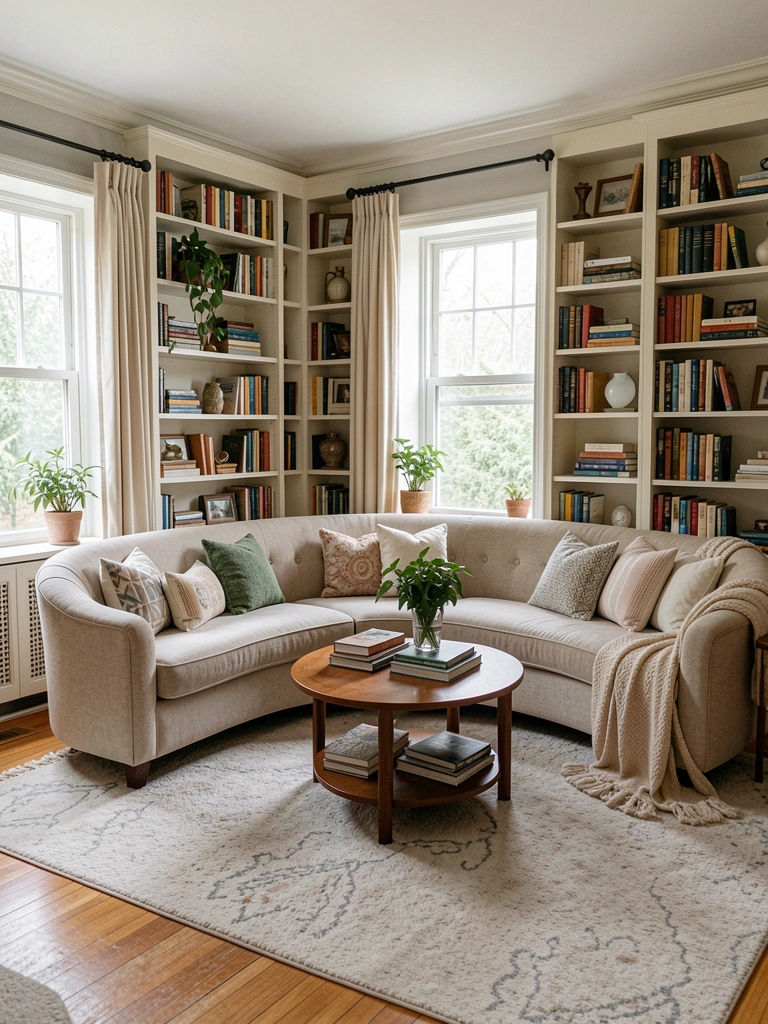
    11. Convert Formal Dining Rooms into Comfortable Living Spaces

    Formal dining rooms sit unused in most homes. Converting that space into a comfortable lounge, library, or media room reclaims square footage for how you actually live.

    Move your formal table out and bring in a conversational seating arrangement—curved sofa ($800–$1,500), round coffee table ($150–$400), and an area rug ($200–$600). Add shelving for books and décor ($100–$300), layer lighting with floor and table lamps ($50–$200 each), and suddenly you have a room you use daily instead of once a year.

    Pro tip: Measure your doorways before buying large furniture to ensure pieces actually fit through.

    Your dining room becomes a sanctuary you actually inhabit instead of an underused showpiece.

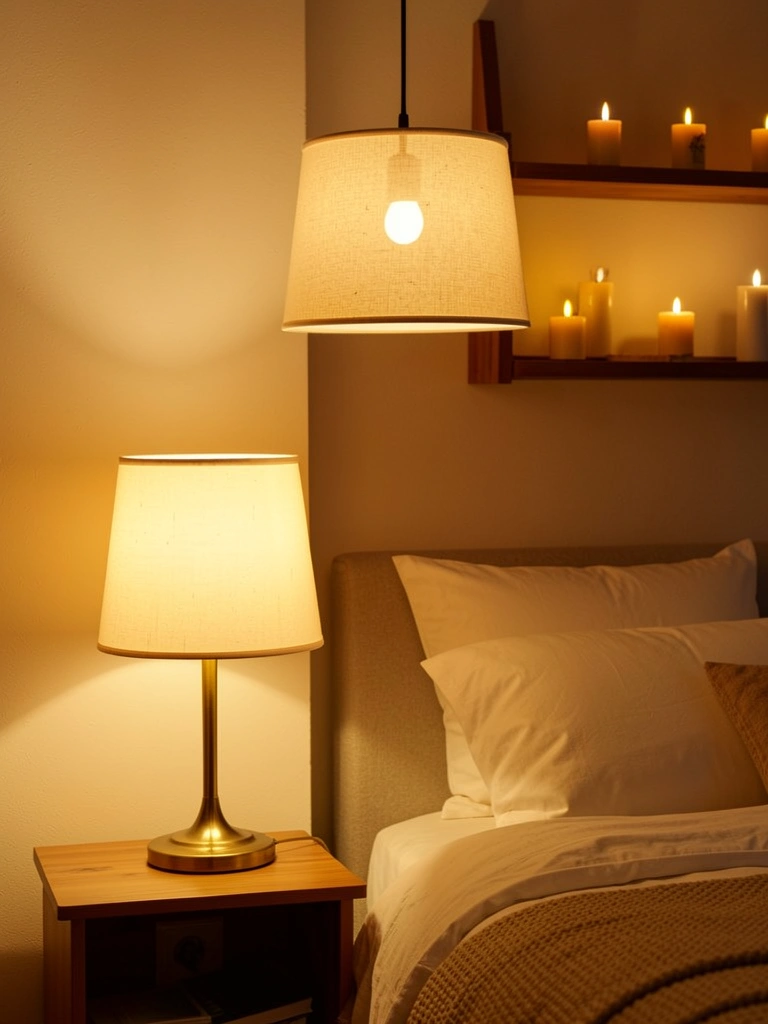
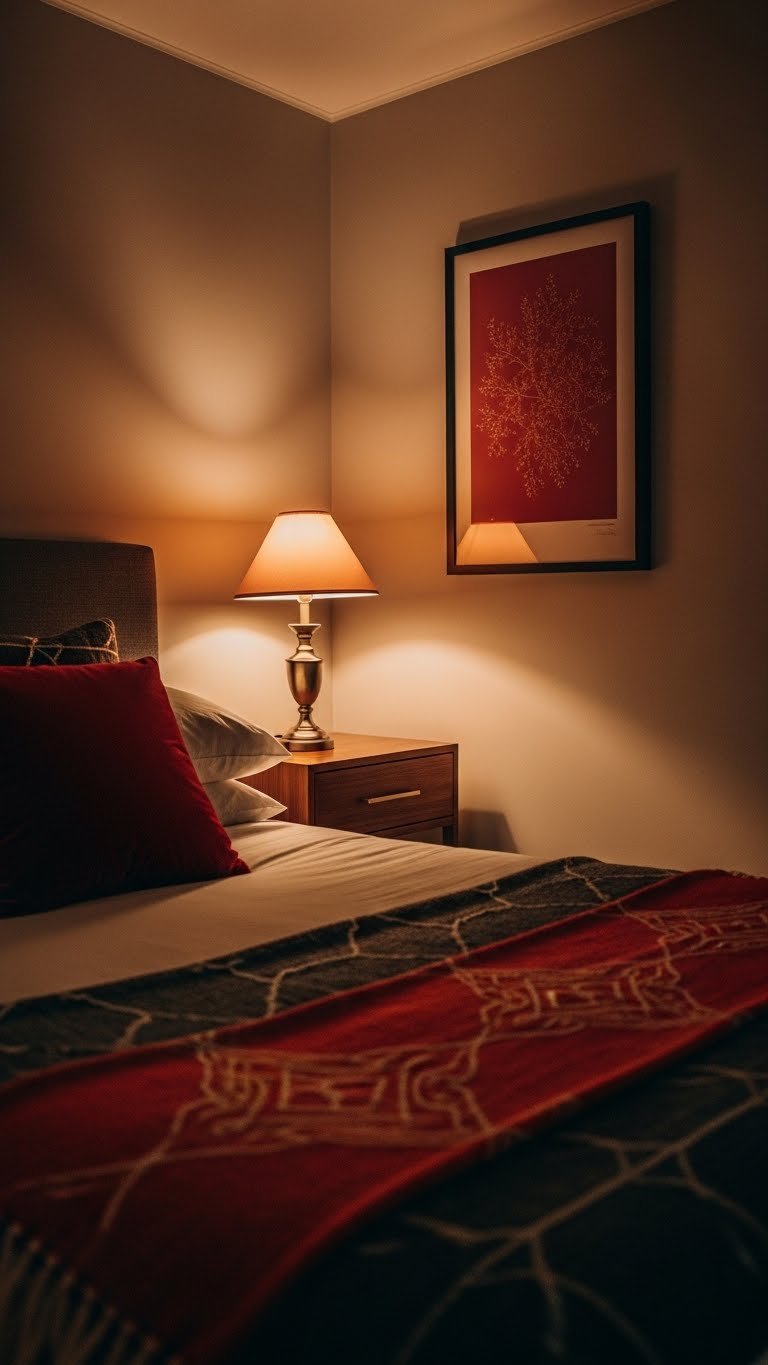
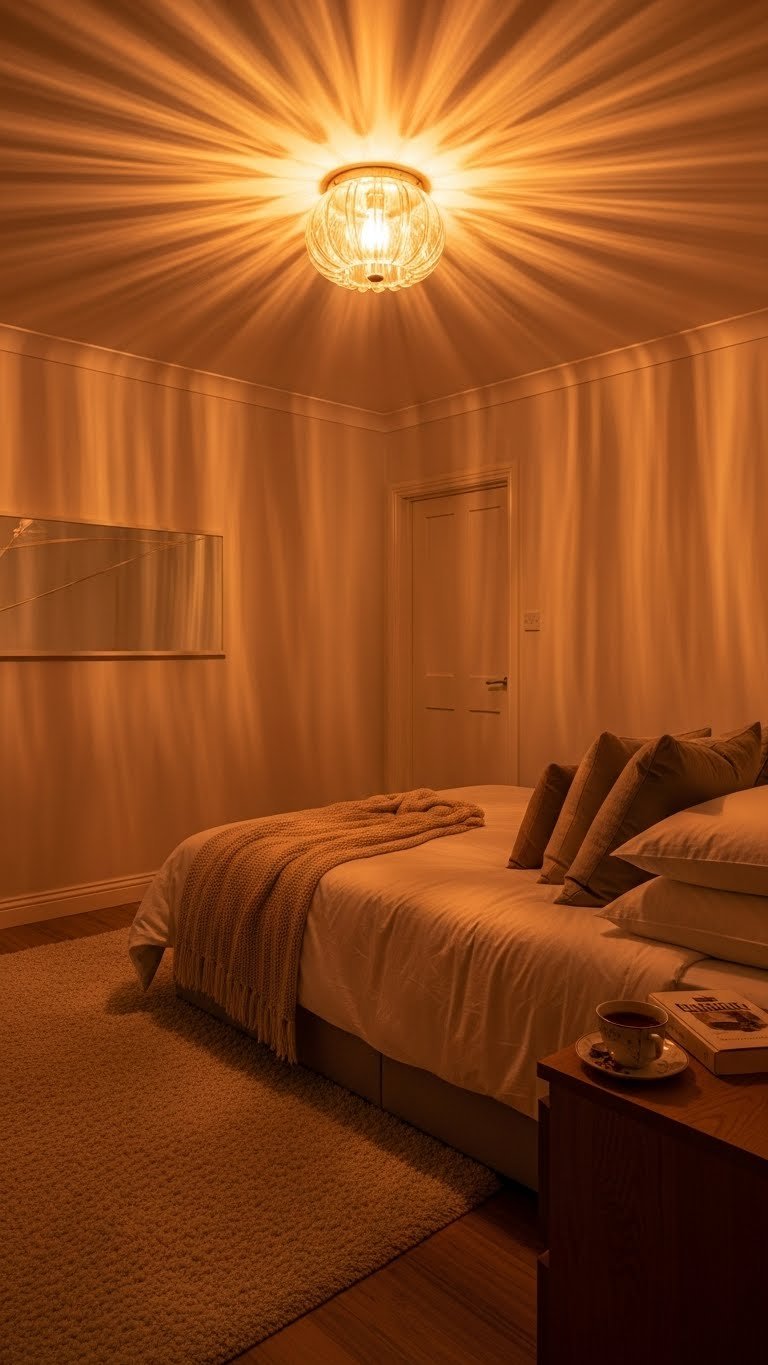
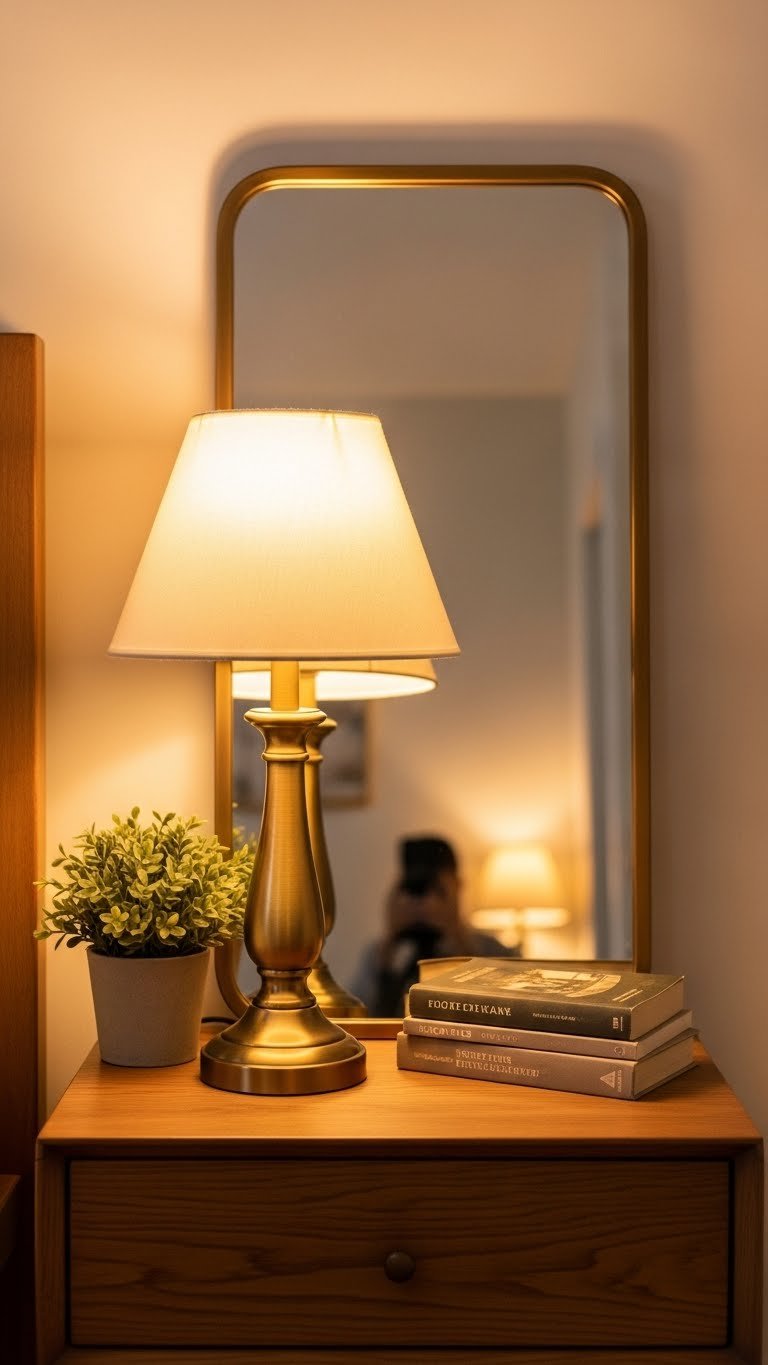
    12. Layer Warm Lighting from Multiple Sources

    Cold overhead lighting drains energy and makes rooms feel institutional. Layered warm lighting from multiple sources (table lamps, floor lamps, pendant lights, candles) creates immediate sanctuary vibes.

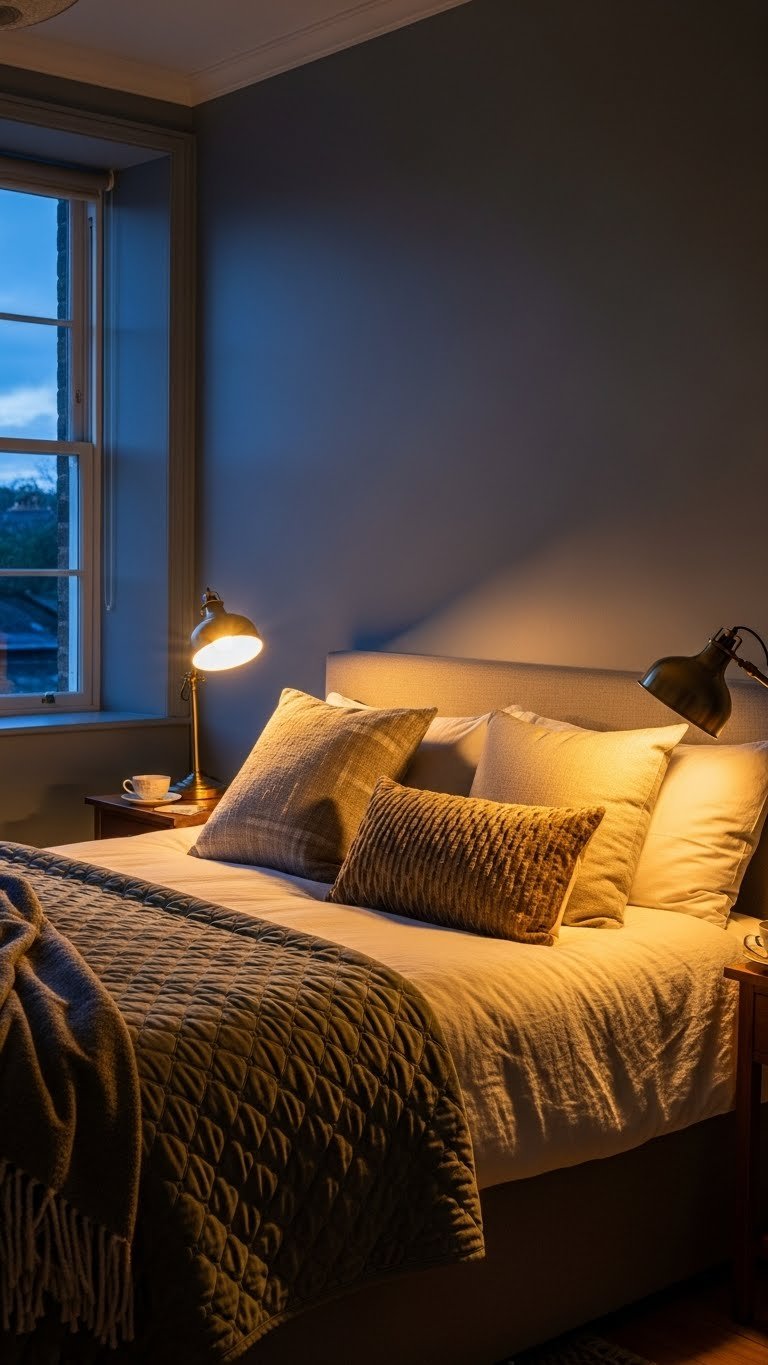
    Invest in two to three warm-bulb table lamps ($30–$80 each), one floor lamp ($50–$150), and optional pendant lights ($60–$200 each). Use warm-toned bulbs: 2700K color temperature feels cozy; 3000K is neutral; avoid anything above 4000K in relaxation spaces. Budget under $300 for a complete bedroom lighting refresh or spread costs over time.

    Pro tip: Use dimmer switches ($15–$30 each) on overhead lights to control brightness throughout the day.

    Your room gains instant coziness and looks like a magazine spread because proper lighting does that—it’s the fastest way to make a space feel intentional.

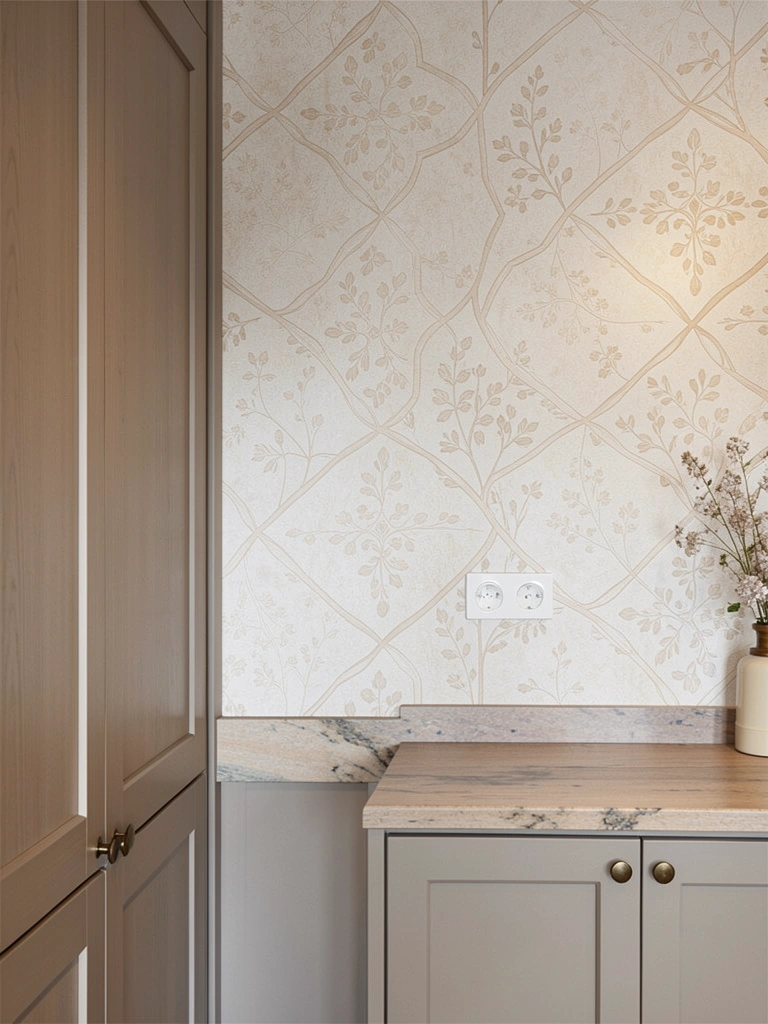
    13. Add an Accent Wallpaper Feature Wall (Modern Approach)

    Single-wall wallpaper (done thoughtfully) adds personality without overwhelming the entire room—choose a wall with a natural focal point like behind a bed or sofa.

    Pick a pattern you genuinely love at $30–$80 per roll (Spoonflower for custom designs, Anthropologie for curated patterns, standard at Home Depot). One bedroom wall typically needs 3–4 rolls ($100–$320). DIY application takes 4–6 hours; professionals charge $200–$400. Pair with neutral walls in warm tones to let the pattern shine.

    Pro tip: Choose a wallpaper with a pattern scale that suits your wall size—large patterns work better on bigger walls; tiny repeats suit smaller spaces.

    Your room gains a focal point and designer energy without feeling overdone or uncommitted.

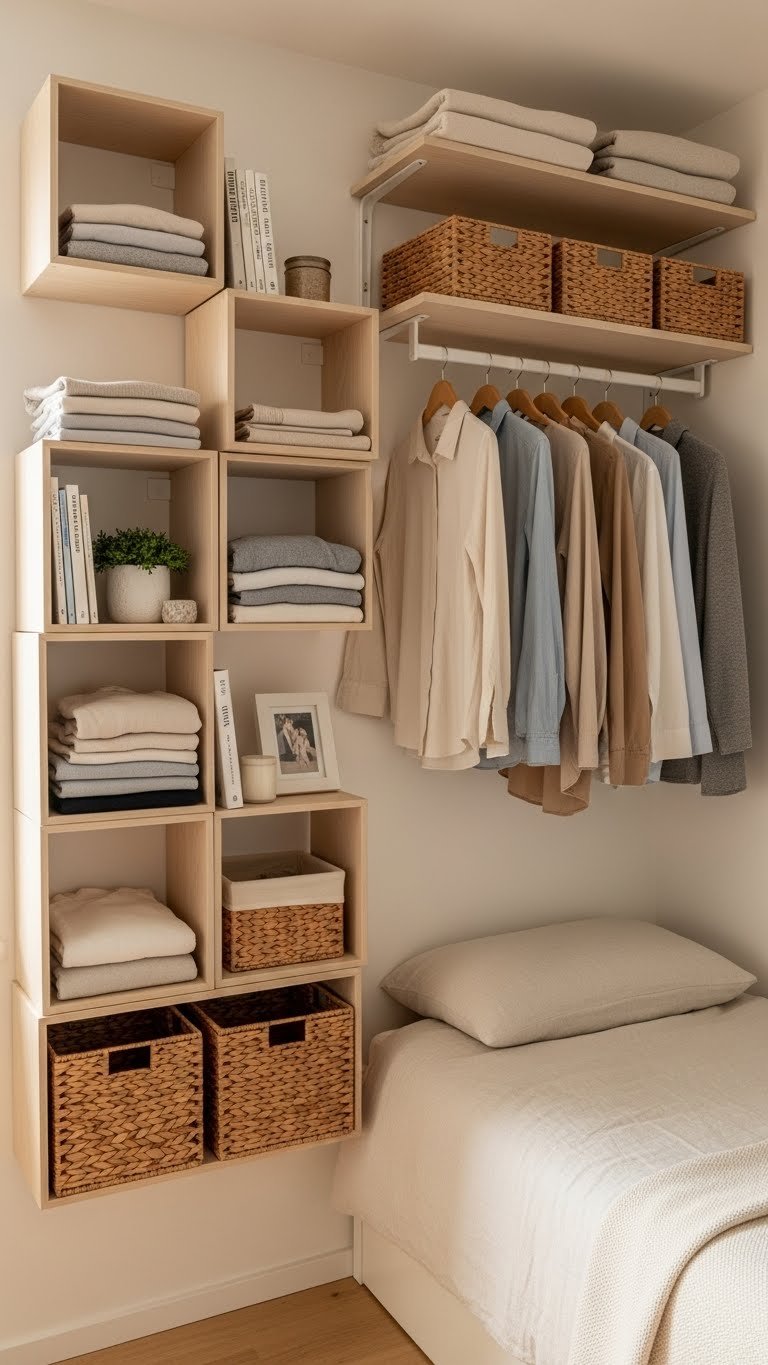
    14. Declutter with Stylish Hidden Storage

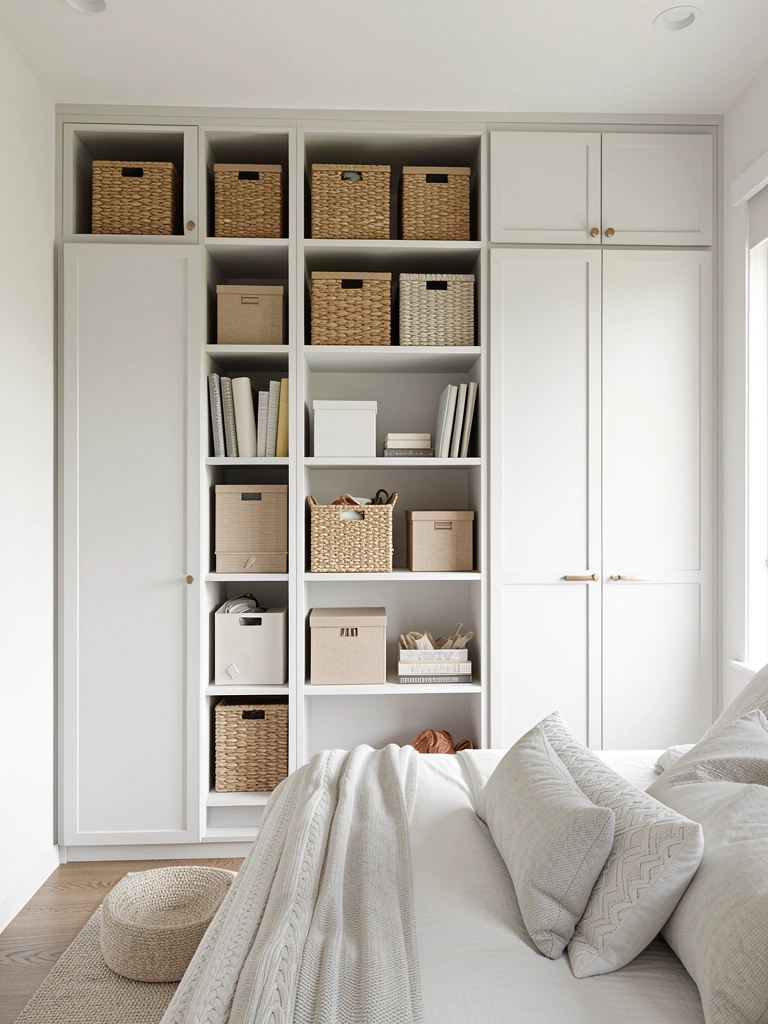
    Visible clutter undermines sanctuary vibes. Strategic hidden storage (baskets, closed cabinetry, under-bed organizers) keeps spaces serene without requiring perfection.

    Invest in storage ottomans ($80–$300), woven baskets ($20–$80 each), under-bed rolling organizers ($30–$60), or cabinets with doors ($150–$500). These work in every room and hide items while remaining décor-worthy. Budget $200–$500 for a bedroom refresh or build gradually.

    Pro tip: Label basket contents so you actually remember what’s inside, and keep frequently used items at eye level.

    Your rooms visually calm down immediately, and you’ll know exactly where everything lives.

    15. Mix Maximalist Patterns Without Chaos

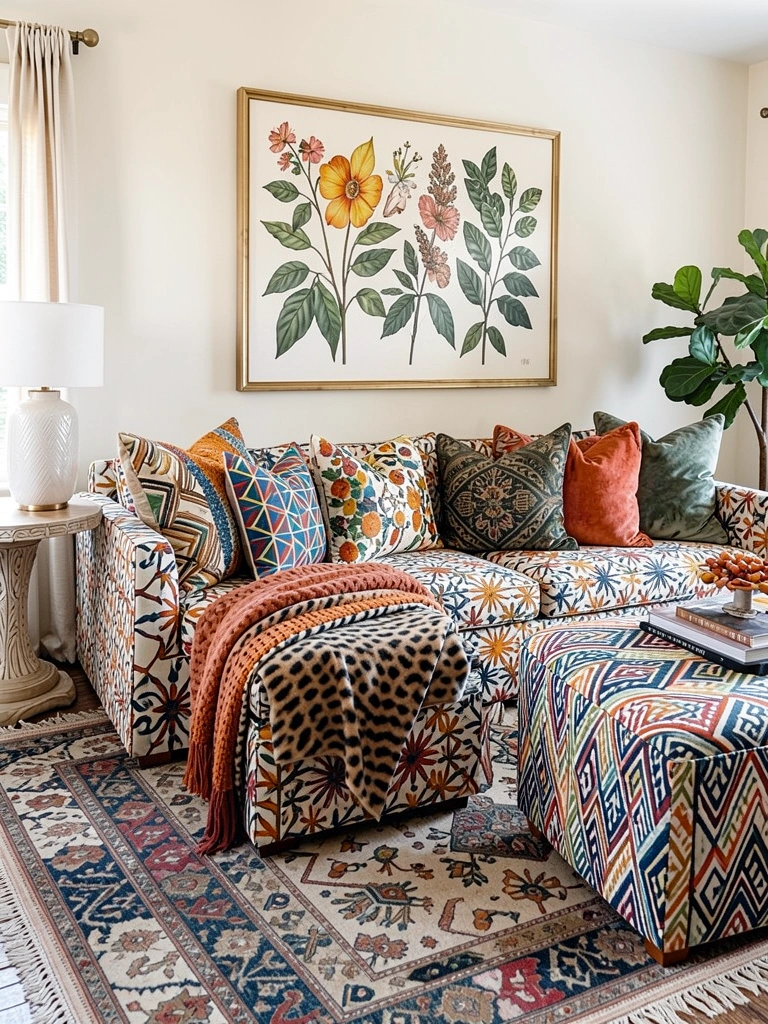
    Maximalism with bold patterns is back, but it requires strategy—choose a unified color palette so mixed patterns read as intentional rather than chaotic.

    Pick three to four patterns that share a color story (e.g., botanical, geometric, and striped, all in sage green and cream). Apply to different items: sofa ($800–$2,000), throw pillows ($20–$50 each), area rug ($200–$600), and artwork ($40–$200). Mix pattern sizes—one large, one medium, one small—for visual rhythm. This is totally achievable with thrifted finds or budget retailers.

    Pro tip: If you’re nervous, start with small items like pillows and a throw blanket before committing to a patterned sofa.

    Your room gains personality and energy that feels curated and intentional, not random.

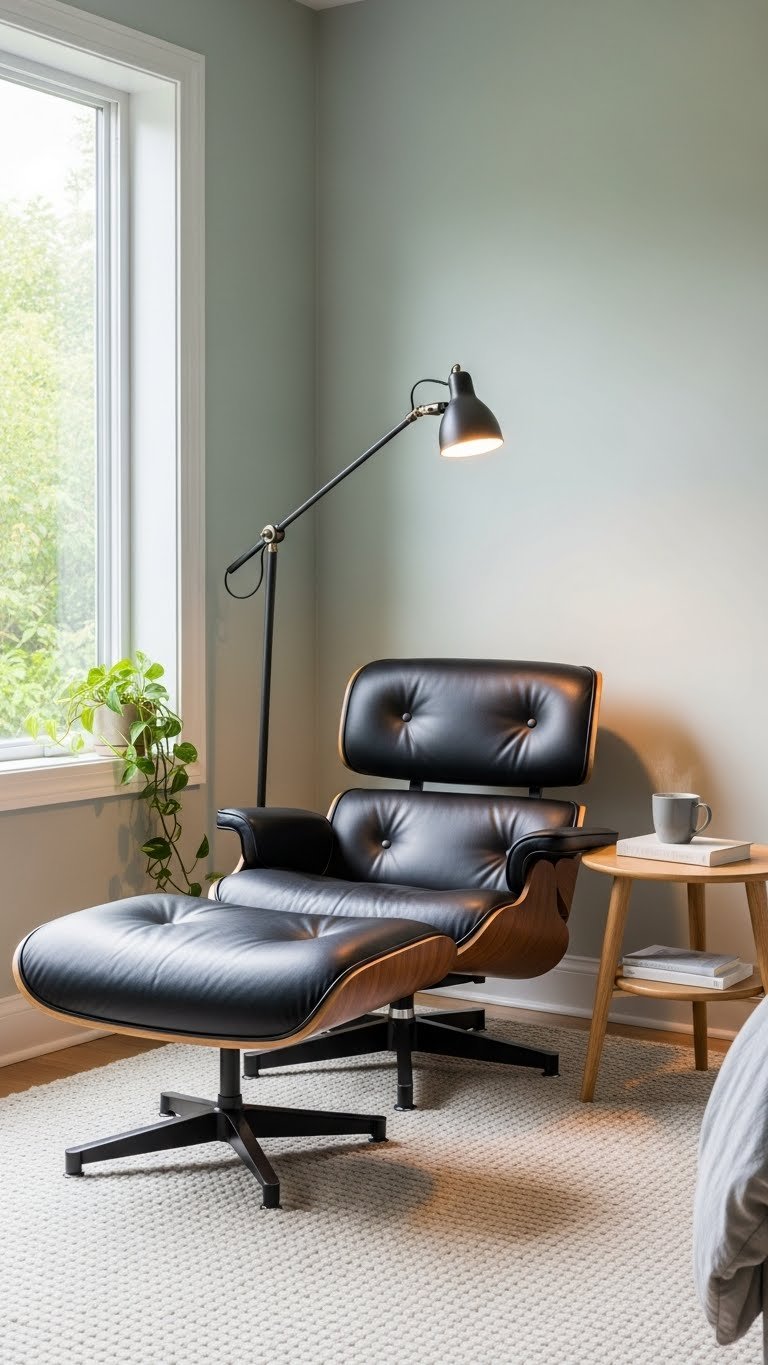
    16. Create a Cozy Reading Nook in Unused Corners

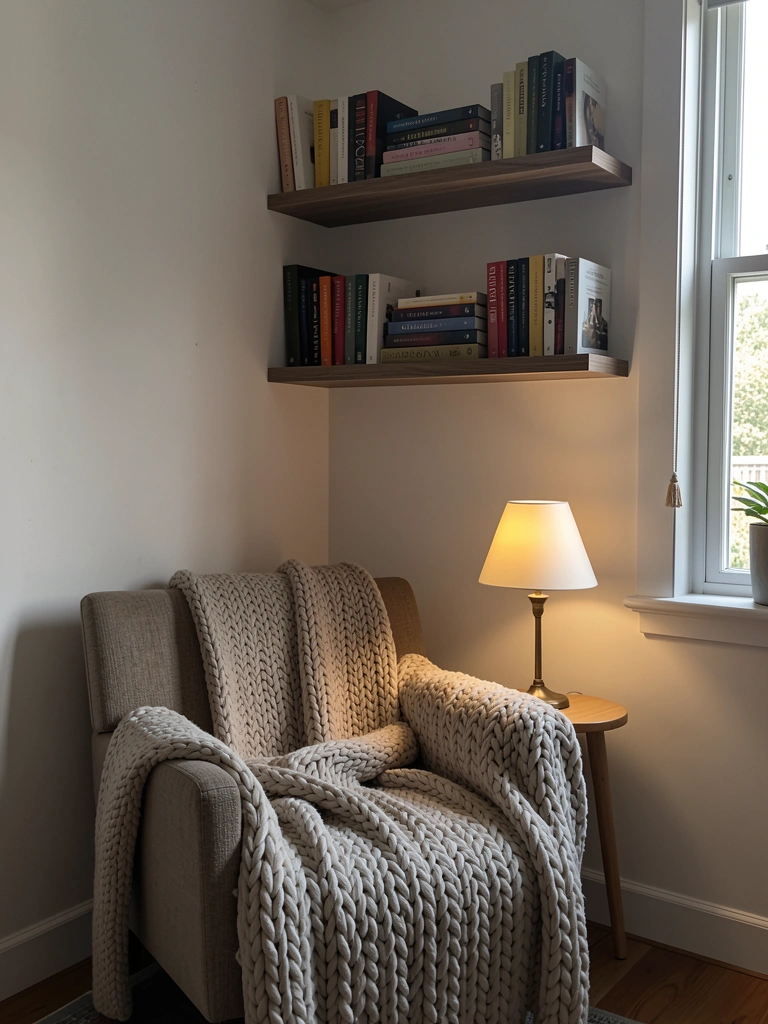
    Every home has unused corners—a small bedroom alcove, a living room edge, a hallway nook. Convert these into personalized reading retreats with minimal investment.

    Add a comfortable chair ($150–$500), a small table ($50–$150), a lamp ($30–$100), and floating shelves for books ($15–$40 each). Drape a soft throw ($30–$80) over the chair and add a cushion or two ($20–$50 each). Total investment: $300–$800 for a fully realized nook that actually gets used.

    Pro tip: Position your nook near a window for natural light, or choose a lamp with warm, adjustable brightness.

    You gain a personal retreat that encourages you to slow down and actually read instead of doomscrolling.

    17. Swap Fast-Fashion Artwork for Thrifted and Original Pieces

    Mass-produced artwork from big-box stores feels generic. Thrifted vintage finds, local artist pieces, and original work tell actual stories and add soul to your walls.

    Hunt for artwork at thrift stores ($2–$15 per frame), local markets, Etsy artists ($20–$150), or ask friends and family for small pieces. Frame thrifted art in consistent frames (all wood, all metal, or all white) for cohesion. Budget $200–$500 to build a gallery wall that looks intentional and collected over time—exactly the vibe you want.

    Pro tip: Visit local art fairs and support emerging artists directly; it’s affordable and creates a real connection to your art.

    Your walls gain authenticity and become conversation starters instead of decorative afterthoughts.

    18. Embrace Modern Cottage Core with Black Windows

    Modern cottage core blends cozy, lived-in feeling with sleek details—black windows and frames create dramatic contrast against warm interiors, updating the farmhouse trend completely.

    Paint existing window frames matte black ($20–$40 in specialty paint) or install new black-frame windows if renovating ($1,000–$3,000 per window). Pair with cream upholstery, natural wood furniture, and warm lighting for balance. This works for renters with removable black paint or window tape ($10–$20).

    Pro tip: Black frames make rooms feel more intentional and less “trying too hard” than white farmhouse everything.

    Your space gains contemporary polish while keeping the cozy, welcoming feeling that makes a house actually feel like home.

    19. Layer Textures in Your Bedding and Throws

    Flat, uniform textures feel sterile. Layering different textures—linen, cotton, wool, velvet, knits—adds visual depth and makes your space genuinely inviting to touch.

    Choose a base of quality cotton sheets ($40–$80), add a linen duvet ($80–$150), layer a chunky knit throw ($50–$100), and mix pillow textures with at least one velvet or corduroy option ($20–$50 each). Include a textured area rug ($100–$400). Total: $300–$700 for a bedroom that looks and feels expensive without breaking the bank.

    Pro tip: Stick to a consistent color palette (warm neutrals or jewel tones) so mixed textures harmonize instead of clash.

    Your bed becomes a focal point that actually looks like you care, and guests will notice the thoughtful layering.

    20. Implement Room Zoning with Rugs and Lighting

    Open spaces feel chaotic without clear zones. Using area rugs and distinct lighting creates psychological separation and makes spaces feel intentional.

    Anchor your living area with a rug under the sofa ($200–$600), your dining area with a separate rug under the table ($200–$500), and use different lighting heights and warmth between zones ($100–$300 total). This costs less than a single wall but creates major functional improvement. Works for renters entirely through removable elements.

    Pro tip: Use rugs that extend under at least the front legs of furniture for proper anchoring—half-rugs make zones feel smaller, not defined.

    Your open space suddenly feels intentional and organized, and you’ll use each zone differently and more purposefully.

    21. Add Vintage Art Deco Elements Through Lighting and Accessories

    Art Deco nostalgia is trending through sculptural lighting and vintage accessories—a sophisticated way to add personality without overhauling your entire aesthetic.

    Hunt for vintage brass or gold lighting ($30–$150 at thrift stores, $100–$400 new), geometric mirrors ($50–$200), and art deco–inspired accessories like bookends or candleholders ($20–$80 each). These pair beautifully with warm neutrals or jewel tones. Budget $200–$500 to layer in enough pieces for genuine impact without looking themed.

    Pro tip: One statement art deco piece (a bold lamp or large mirror) goes further than many small accessories.

    Your space gains unexpected sophistication and a collected-over-time feel that makes it look intentional and interesting.

    22. Create Defined Zones in Your Bedroom (Sleeping vs. Working)

    Work-from-home bedrooms feel chaotic and undermine sleep quality. Creating physical zones (even small ones) signals your brain about function and improves both rest and productivity.

    Use a bookshelf ($80–$300), curtain rod with fabric ($30–$80), or folding screen ($50–$150) to separate sleeping from working areas. Keep your desk on one side and bed on the other if space allows, or use different lighting for each zone. This costs $100–$400 and genuinely improves daily life.

    Pro tip: Make your work zone feel temporary (desk can close, chair folds) so your bedroom still feels like a bedroom first.

    You’ll sleep better and actually focus during work hours instead of staring at your unmade bed while trying to concentrate.

    23. Incorporate Natural Materials Like Raw Wood and Stone

    Man-made materials feel cold. Natural materials like raw wood, stone, cork, and linen ground spaces and create organic, serene atmospheres that synthetic alternatives can’t replicate.

    Invest in a raw wood coffee table ($150–$400), floating wood shelves ($30–$100 each), and natural fiber decor like linen throws ($40–$100) and cork or jute rugs ($100–$300). Add stone elements through artwork, coasters, or actual stone fireplace accents if possible. Budget $300–$800 to layer in enough natural materials for genuine impact.

    Pro tip: Raw wood will develop a patina and variations over time—that’s the point and makes it feel more authentic.

    Your space gains grounded energy and looks like somewhere people actually live rather than a showroom.

    24. Design an Intentional Entryway That Sets the Tone

    Most homes have sad, cluttered entryways. An intentional entry with seating, storage, and a mirror signals that your whole home is thoughtfully designed and sets the tone immediately.

    Install a console table ($80–$300), a large mirror ($50–$200), a storage bench ($150–$400), and hooks ($10–$40 total). Add a basket for everyday items ($20–$60) and a small lamp ($30–$80). Total: $300–$1,000 for an entry that actually works and looks intentional instead of chaotic.

    Pro tip: Keep your entry minimal—aim for one moment of beauty (a plant, artwork, a bench) rather than visual chaos.

    Guests instantly perceive your home as well-designed, and you’ll stop throwing coats on a chair haphazardly.

    25. Refresh Kitchens with Open Shelving and Styled Dishes

    Open kitchen shelving looks either beautiful or cluttered—the difference is intentional styling with dishes, cookbooks, and minimal décor that you actually use.

    Install open shelves ($50–$200 per shelf, DIY or professional), then style with white or cream dishware ($40–$100 for a set, IKEA or Schoolhouse Electric), glass jars for dry goods ($20–$50 total), cookbooks you love ($5–$20 each), and small plants ($10–$30 each). Budget $300–$600 for styled shelving that looks intentional rather than random.

    Pro tip: Keep only items you actually use on display; store excess in cabinets so everything visible earns its place.

    Your kitchen feels more open, functional, and like somewhere you enjoy spending time rather than just passing through.

    26. Build a Gallery Wall That Tells Your Story

    Gallery walls feel personal and collected when they tell your actual story—mix your own photography, travel finds, art you love, and meaningful pieces rather than matching “gallery wall sets.”

    Gather 9–12 frames (thrifted at $2–$10 each or new at $10–$40 each), select artwork from your travels, family photos, art prints, and any pieces that genuinely matter ($0–$200 total). Arrange on the wall before hanging—use paper cutouts as guides. Time investment is just an afternoon; cost is $50–$300 total depending on frame and art choices.

    Pro tip: Stick to 2–3 frame finishes (all black, all natural wood, or a mix of black and white) so variety in artwork doesn’t feel chaotic.

    Your wall becomes a deeply personal display that reflects who you are and makes your space genuinely unique.

    Save this post for your next room refresh—pick one idea from above that speaks to you and tackle it this weekend. Which sanctuary upgrade will you try first?

  • 27 Plush Textile Layering Ideas That Create a Cloud-Like Sleep Space

    27 Plush Textile Layering Ideas That Create a Cloud-Like Sleep Space

    There’s something magical about sinking into a bed that feels like a cloud—where every layer invites you to stay just a little longer. But creating that cloud-like cocoon doesn’t happen by accident. It takes strategic layering of textures, weights, and materials that work together to build depth, warmth, and that irresistible “I never want to leave” feeling.

    The best part? You don’t need a design degree or a designer budget to pull it off. Whether you’re working with what you already own, hitting up thrift stores, or splurging on one investment piece, these 27 ideas will show you exactly how to layer plush textiles in ways that feel intentional, cozy, and totally doable. From mixing velvet with linen to mastering the pillow arrangement that actually looks effortless, you’ll discover practical tricks that transform your sleep space into the retreat you’ve been craving. Let’s build your cloud.

    1. Layer Your Base Sheet in Linen and Cotton Blend

    A quality sheet base is everything—it’s the foundation that everything else sits on, so don’t skip it. Cotton-linen blends give you breathability without the crinkled mess pure linen demands, and they feel softer after every wash.

    Look for sheets with at least 300 thread count in cotton-linen blends; brands like Parachute ($150–$250), Brooklinen ($80–$150), or even Target’s Threshold line ($50–$80) deliver without breaking the bank. Mix a warm ivory sheet set with cream pillowcases to start your layering foundation. The weave creates gentle visual texture even before you add pillows, setting a serene tone immediately.

    Pro tip: If budget is tight, upgrade just the fitted and flat sheet and keep pillowcases separate—you’ll notice the difference in how everything else coordinates on top.

    Your sleep space now has a foundation that breathes, lasts years, and makes every layer above it feel more luxurious.

    2. Add Throw Pillows in Graduated Sizes

    The pillow arrangement is where layering becomes an art form. Most people use two or three pillows; the magic happens when you use five or six in graduating sizes, each adding dimension and visual interest.

    Start with a 26-inch euro sham or large square pillow as your back layer, then layer down: 22-inch square, 18-inch square, 14-inch square, finishing with a 10-inch accent pillow in front. Buy a mix of linen, velvet, and cotton covers; total cost runs $60–$150 depending on quality. This setup takes 10 minutes to arrange and gives your bed that “I hired a stylist” look. Mix neutral tones (cream, sage, taupe, ivory) to build depth without visual chaos.

    The visual impact is immediate—your bed looks intentional, layered, and magazine-worthy before you even get under the covers.

    3. Drape a Weighted Throw Blanket Across the Foot

    A weighted throw does double duty: it adds visual warmth and actual temperature regulation, plus it’s the easiest styling trick to make any bed look designed rather than just made.

    Choose a chunky knit or quilted weighted throw in neutral tones ($50–$120 from Brookstone, Amazon, or Wayfair). Drape it loosely across the foot of your bed, letting it puddle slightly on the floor—this casual arrangement signals “relaxed luxury” and covers the visual gap between your mattress and the wall. Weighted options (typically 15–20 pounds) feel grounding and create deeper indentations that photograph beautifully. Non-weighted throws work too if you’re after pure texture without the heft.

    This single piece elevates your entire bed styling while giving you a blanket you’ll actually reach for on cold nights.

    4. Layer Faux Fur Pillows for Tactile Softness

    Faux fur reads as instantly luxe and adds a softness factor that makes people want to touch your bed. It’s the textile equivalent of a welcoming hug.

    Buy faux fur pillow covers in cream or pale gray ($25–$60 per cover from IKEA, Target, or Etsy) and layer them among your other pillows—aim for two to three faux fur pieces mixed with smoother textures like linen or velvet. The contrast between rough and soft, matte and plush, creates the sensory depth that makes layering feel rich. Most faux fur covers are machine washable on delicate, and they hold up surprisingly well. Avoid bright white if possible; warmer ivory or gray feels more sophisticated.

    When people sit on your bed, the first thing they notice is how soft it feels—faux fur is the shortcut to that reaction.

    5. Mix in Velvet Shams for Unexpected Dimension

    Velvet catches light in ways that make your whole bed feel intentional and higher-end. One velvet piece among matte textures shifts the entire vibe.

    Invest in one or two velvet pillow shams in jewel tones or muted earth colors ($40–$100 from Anthropologie, Wayfair, or Etsy shops). Sage, dusty rose, charcoal, or warm terracotta all read as sophisticated against neutrals. Position them in your pillow layering where they’ll catch light—typically third or fourth layer in from the headboard. Velvet shows dust easily, so plan on gentle vacuuming or occasional brushing, but the visual payoff is worth it. Mix velvet with matte textures like linen or cotton to prevent the bed from feeling costume-like.

    The light reflection alone makes your bed feel like it belongs in a carefully curated bedroom, not a generic hotel.

    6. Use Linen Pillow Covers for a Relaxed Edge

    Linen is the unsung hero of textured layering—those wrinkles aren’t flaws, they’re proof of authenticity and comfort. Pure linen or linen-blend covers add movement and a relaxed sophistication that looks intentional.

    Layer 2–3 linen pillow covers in your pillow stack ($30–$70 per cover from Parachute, Coyuchi, or Etsy). The natural creases become part of the aesthetic, and linen softens after washing—it looks better over time, not worse. Mix cream and warm white linens to build subtle variation, or combine linen with smoother cotton for textural contrast. The key is embracing the wrinkled nature of linen rather than fighting it; that’s what makes it feel real and lived-in rather than sterile.

    Your pillow arrangement looks effortlessly curated—the kind of bedroom that makes you want to spend a lazy Sunday morning reading in bed.

    7. Add a Silk or Satin Pillowcase for Hair and Skin

    This is the quiet luxury addition that does more than look good—a silk pillowcase actually benefits your hair and skin by reducing friction while you sleep. It’s the definition of form meeting function.

    Buy one silk or satin pillowcase in cream or ivory ($25–$80 from Slip, Amazon, or Mulberry Silk Co). Position it as one of your middle-layer pillows where it catches light and adds that subtle sheen that reads as elevated. Silk pillowcases are easier to care for than you’d think—hand wash or use a mesh bag on delicate cycle, and they last years. While not cheap, the investment pays back in hair and skin improvement (less breakage, fewer sleep creases), plus it adds undeniable luxury to your visual stack.

    You get the soft-gloss finish that photographs beautifully and the practical benefit of waking up with fewer sleep creases.

    8. Layer Turkish Cotton Towels as Accent Throws

    Turkish cotton towels aren’t just for bathrooms—the heavyweight, super-absorbent weave makes them gorgeous as layering pieces that add both texture and functionality. They’re also budget-friendly compared to “designer” throws.

    Grab one or two Turkish cotton throws ($30–$60 from Bed Bath & Beyond, Target, or Amazon) in cream, oatmeal, or warm white. Drape one across the foot of your bed alongside or under your weighted throw for layered depth, or roll one loosely and place it at the head for reading in bed. The weight and weave create visual interest while remaining practical—you can actually use them for warmth. Mix them with lighter linen or velvet for textural contrast that keeps things from feeling one-note.

    This hack gives you the spa-like throw aesthetic at a fraction of the boutique price, and it’s durable enough to wash and reuse endlessly.

    9. Mix Quilted and Unquilted Throws for Contrast

    Combining a structured quilted throw with an unstructured chunky knit creates visual interest and tactile variety that makes your bed feel intentionally designed rather than randomly assembled.

    Layer a quilted throw ($40–$80) with a chunky knit ($50–$120) across your bed foot or end bench, positioning them so both textures show. The quilted piece adds geometric precision and sheen, while the chunky knit brings organic softness—together they tell a story of thoughtful curation. Both styles are available at IKEA, Target, Wayfair, and Amazon. The quilting also provides structure that keeps throws from sliding around, which is secretly practical while looking effortless.

    The textural play between smooth and rough, structured and organic, elevates your bed from “I bought random blankets” to “I know what I’m doing with design.”

    10. Layer Mohair Blankets for Fuzzy Luxury

    Mohair is the secret weapon for that high-end, touchable luxury that reads expensive—and while investment-level blankets aren’t budget hacks, a single mohair piece anchors your entire layering strategy.

    Invest in one premium mohair blanket or throw ($150–$400 from Restoration Hardware, Armani Casa, or luxury retailers) as your statement piece. Layer it over other blankets and throws so its fuzzy surface catches light and invites touch. Mohair requires dry cleaning or gentle hand washing, so reserve it for display rather than nightly use. Position it where it photographs well—draped over the foot of your bed or artfully arranged across pillows—because that’s where it’ll do the most design work. One luxury piece raises the perceived value of everything around it.

    People literally won’t be able to resist running their hands across your bed, and that soft-luxury sensation is exactly the vibe you’re building.

    11. Use Lace or Mesh Overlays on Neutral Base Pillows

    Lace overlays add visual romance and dimension without adding weight—they’re the styling trick that makes pillows feel more intentional and elevated.

    Find lace or mesh fabric panels ($15–$40 from Etsy, vintage shops, or fabric stores) in ivory or cream and drape them loosely over your pillow stack, letting them puddle slightly or be tucked behind pillows so texture shows through. You can use actual lace tablecloths from thrift stores, vintage linens, or buy new lace by the yard online. This technique adds a romantic, collected-over-time feeling without requiring you to buy more pillows. The sheer overlay creates visual texture and layers the space optically—it looks like you have more going on than you actually do.

    Your bed now has an heirloom quality that feels intentional and artistic rather than just comfortable.

    12. Layer Corduroy or Ribbed Texture Pillows

    Corduroy and ribbed textures add directional depth that smooth fabrics can’t achieve. These pieces catch light differently depending on viewing angle, which creates dynamic visual interest.

    Buy one or two corduroy or ribbed pillow covers ($30–$70 from Etsy, vintage/thrift stores, or specialty fabric retailers) in warm neutrals like caramel, taupe, or soft gray. Layer them where light will catch the ribs—typically mid-layer in your pillow stack. Corduroy is incredibly durable and adds a subtly upscale, vintage-inspired touch that reads as “carefully curated.” Combine with smoother textures like velvet and linen so the ribbed texture stands out rather than competing. The cost is similar to linen, but the visual payoff is higher because fewer people layer with corduroy.

    The directional nap of corduroy means your bed looks different—richer and more textured—from every angle.

    13. Create a Pillow Wall with Tapestries Behind

    A wall-mounted tapestry or hanging fabric behind your pillow arrangement adds depth and frames your textured pillow stack, making it feel intentional rather than haphazard.

    Hang a neutral tapestry, vintage textile, or oversized fabric panel ($30–$150 from Urban Outfitters, Etsy, World Market, or thrift stores) behind your bed or above your pillows, then layer your pillow stack in front. Choose patterns that complement your neutral palette—botanical prints, simple geometric patterns, or solid earth tones all work. Use removable adhesive hooks or a simple rod if you’re renting. The tapestry creates a visual frame that makes your pillows feel more intentional and anchors the whole arrangement. Layer low-maintenance throw pillows in front so the tapestry remains visible behind.

    Your bed now looks like a designed vignette rather than just a place you sleep—the backdrop instantly elevates the perception of everything in front of it.

    14. Mix Textured Knit and Cable Throws

    Two different knit textures together create visual interest and tactile variety that makes your bed feel like an intentional, layered retreat. The key is choosing knits with distinctly different structures.

    Layer a cable knit throw ($40–$100) with a waffle-knit or chunky-knit throw ($50–$120) across your bed foot or over pillows, positioning them so both patterns show. Cable knit provides uniform, neat texture, while waffle or chunky knits add organic irregularity—together they balance visual interest. Both are available at Target, IKEA, West Elm, and Amazon. Mix cream and warm neutrals so texture is the star, not color competition. This works on top of your bed or draped over a bench at the foot for maximum impact.

    The contrast between structured and organic textures makes your bed feel thoughtfully assembled, like you know exactly what you’re doing.

    15. Layer Vintage Embroidered Textiles Over Modern Pieces

    Vintage embroidered textiles add soul and personal history to your bed that brand-new pieces simply can’t replicate. They’re the definition of quiet luxury.

    Hunt vintage embroidered linens or pillow covers ($15–$60 at thrift stores, Etsy, estate sales, or vintage boutiques). Layer them over your modern pillow stack as accents or focal points—a single vintage piece among neutrals reads as collected rather than styled. Embroidered details in neutral tones (cream-on-cream, subtle gold threadwork, faded navy embroidery) complement contemporary minimalism while adding depth. If you find larger vintage textiles, you can drape them artfully or have them turned into pillows by a seamstress ($30–$50). The imperfect nature of aged pieces adds authentic character.

    Your bed tells a story of thoughtful curation—like you’ve inherited comfort and beauty rather than just purchased it.

    16. Add Fur or Faux Fur Throws in Varying Lengths

    Faux fur throws in varying lengths create depth through proportion and size variation, making your layering feel dynamic rather than uniform.

    Layer two faux fur throws of different lengths ($50–$150 total from IKEA, Target, Amazon, or Wayfair). Drape the longer throw across the foot of your bed and position a shorter faux fur piece over your pillows or across mid-bed. Mix cream and gray tones for subtle variation. This variation in length is what separates “I bought two blankets” from “I designed a cohesive bed”—the different proportions create visual rhythm. Faux fur is also incredibly budget-friendly compared to real fur, and it’s machine washable, which makes maintenance realistic.

    The varying lengths create a visually complex, gallery-like arrangement that photographs beautifully and invites relaxation.

    17. Drape Lightweight Linen Over Heavier Weighted Throws

    Layering light and heavy creates visual balance and practical versatility—the light linen can be used as a top layer on warm nights, while the weighted piece stays as foundational warmth.

    Layer a lightweight linen throw ($40–$80) over your weighted throw, letting the linen puddle naturally so both layers show. The linen moves and folds elegantly, while the weighted piece stays structured underneath. This combination works on your bed or draped over a reading chair. The visual effect is sophisticated because the two textures create movement and dimension rather than a flat, solid mass. This is also practical—you can separate the throws depending on season and sleeping preference, but together they create that high-design, well-curated look.

    The interplay between light and heavy, movement and structure, makes your bed feel intentionally designed while remaining utterly functional.

    18. Mix Matte and Shiny Finishes Across Textiles

    Combining matte and reflective surfaces creates visual depth and sophistication—it’s the difference between “I grabbed blankets” and “I understand design.”

    Deliberately mix matte textures (linen, cotton, corduroy) with subtle shiny pieces (velvet, satin, silk) in your pillow and throw layering ($100–$250 for a complete mix). Position shiny pieces where light hits them naturally—typically against windows or at angle to catch afternoon sun. Matte pieces can go anywhere without showing dust or fingerprints, so layer them more heavily. The interplay of reflective and non-reflective surfaces creates visual movement and makes everything feel more intentional. Avoid mixing too many high-sheen pieces or your bed reads as costume-like; aim for 60% matte, 40% subtle shine.

    The subtle interplay of light and matte creates a sophisticated visual experience that feels editorial and curated.

    19. Layer Chunky Knit with Smooth Jersey Knit Throws

    Jersey knit is the overlooked secret to textural contrast—it’s super soft and smooth but structured enough to layer beautifully alongside chunky pieces.

    Mix a chunky knit throw ($50–$120) with a jersey knit throw ($30–$70) across your bed or pillows. Jersey knit reads as athletic or casual (think high-quality t-shirt material), which adds relaxed comfort contrast to heavier knits. Layer them so both textures show—drape the chunky piece prominently and tuck the jersey knit underneath or alongside. Both are available at Target, IKEA, and Amazon. The smooth jersey against chunky knit creates sensory variety without clashing—it’s like having soft comfort and substantial warmth coexisting. This combination particularly works for bedrooms that want to feel casual-luxe rather than precious.

    The mix of substantial and soft makes your bed feel like the perfect balance between indulgent and effortlessly wearable.

    20. Create Dimension with Oversized Floor Pillows

    Oversized floor pillows around your bed create dimension and extend your layered aesthetic beyond just the mattress—they suggest a space designed for lingering.

    Add 2–3 oversized floor pillows ($40–$100 each from IKEA, Target, Wayfair, or CB2) in varying textures (linen, velvet, faux fur) around your bed base. Layer them at different heights so the arrangement feels organic rather than uniform. This approach works beautifully in rooms with space for a reading nook or lounging area adjacent to your bed. Mix neutral tones and textures to match your pillow stack for visual coherence. Floor pillows are also incredibly renter-friendly—they add comfort and texture without wall mounting or permanent furniture.

    Your bedroom now feels like a retreat designed for comfort, not just sleeping—it’s a space that encourages you to stay and settle in.

    21. Layer Ribbed and Smooth Textures in Alternating Rows

    Creating an intentional pattern of alternating textures shows design intention and creates visual rhythm that feels collected and purposeful.

    Arrange your pillow stack in alternating rows: ribbed texture, smooth texture, ribbed texture, smooth texture, working from headboard forward. This creates visual pattern and makes your pillow arrangement feel deliberate. Use corduroy or ribbed covers alternating with velvet or smooth cotton ($150–$250 for a full stack). The pattern is subtle but visible—it suggests you’re not just throwing pillows together but thoughtfully arranging them. This works best viewed from across the room, so it’s perfect for styling that photographs well on your phone or camera.

    The subtle repetition creates a sense of intentional design that elevates your entire bed from casual to carefully curated.

    22. Mix Jacquard Woven Textiles with Solid Pillows

    Jacquard weaves add subtle pattern through texture rather than color, which is the perfect middle ground between solid minimalism and bold pattern drenching.

    Layer one or two jacquard woven pillows ($40–$100 from Etsy, Anthropologie, West Elm, or specialty retailers) among your solid-colored pillow stack. Choose jacquard in cream, taupe, or warm white to keep the palette cohesive while gaining visual depth through woven pattern. Jacquard reads as sophisticated and collected because the pattern is subtle enough to feel sophisticated rather than busy. Position jacquard pillows in your middle layers where they’ll be visible but not overwhelming. This approach is perfect if you want texture and visual interest without bold color or print.

    The subtle woven pattern adds complexity and visual interest that keeps your neutral palette from feeling boring or flat.

    23. Use Silk Pillowcase as the Topper Piece

    A single silk pillowcase as your topmost, most visible pillow layer is the finishing touch that signals luxury and intention.

    Position a silk or satin pillowcase ($25–$80) as your smallest front-layer pillow so it catches light and becomes the focal point—this is the piece people see first. This approach requires less investment than filling your entire bed with silk but gives you the visual and tactile luxury feel. Use a color that complements your palette—ivory, cream, or warm white all work with neutrals. This single piece adds that subtle sheen that reads as sophisticated and collected. If you buy smaller decorative pillows, use silk covers rather than standard cotton, and position them to catch natural light.

    The silk topper becomes the piece that catches your eye and hand first—it signals quality and intention in one simple addition.

    24. Layer Heirloom or Antique Textiles as Statement Pieces

    A true heirloom or antique textile as a draped statement piece transforms your bed from generic to deeply personal and collected.

    Drape an inherited quilt, antique textile, or vintage find ($50–$500+ depending on quality and age) loosely across your bed, letting it puddle artfully over pillows and throws. Don’t worry about perfect placement—the beauty is in the lived-in arrangement that shows the textile’s age and history. Antique pieces often have faded colors that complement modern neutrals beautifully, plus they add soul that new textiles can’t replicate. If you have access to estate sales, consignment shops, or family pieces, this is your moment to feature them. Protect valuable textiles from direct sun and dust by rotating their display or using them seasonally.

    Your bed becomes a storytelling space that reflects your personal history and taste rather than just commercial styling.

    25. Mix Weightless Gauze with Structured Throws

    Pairing weightless, flowing gauze with heavy, structured pieces creates visual and textural balance that feels sophisticated and intentional.

    Layer lightweight gauze or muslin drapes ($20–$50) over your weighted or structured throws ($100–$200). The gauze floats and moves while the heavy piece underneath stays grounded—visually this creates depth and movement. Gauze in cream or warm white works best with neutral palettes. You can buy gauze fabric by the yard and drape it naturally, or find ready-made gauze throws at Urban Outfitters, Target, or online retailers. This combination is perfect for creating that romantic, ethereal quality while maintaining functional warmth and structure underneath.

    The interplay of weightless and grounded creates a dreamy, intentional aesthetic that feels both artistic and deeply comfortable.

    26. Layer Woven Textiles in Graduating Tones

    Creating a tonal gradient with woven textiles builds sophistication through color subtlety rather than bold contrast.

    Layer 3–4 woven throws in graduating tones from cream to taupe to warm gray ($80–$200 total from Etsy, sustainable textile retailers, or boutique home stores). Arrange them so each tone is visible as it transitions to the next—this creates visual interest through subtle color shift rather than bold contrast. This approach works beautifully if you appreciate minimalism but find true mono-tones boring. The texture of woven pieces means each tone catches light slightly differently, creating dimension through material rather than color change. Position them across your bed foot or layered under your pillows depending on your bed size.

    The graduated tones create a sophisticated, intentional aesthetic that feels designed by someone who truly understands color and composition.

    27. Build a Textural Timeline with New and Vintage Blends

    The most successfully layered beds tell a story of pieces collected and curated over time—mixing new and vintage creates authenticity that pure new-everything cannot achieve.

    Combine new neutral textiles ($150–$300 for base pieces) with vintage finds ($20–$100 for special pieces) to create a bed that feels authentically yours rather than purchased from one store. Layer new linen pillows with a vintage quilted throw, modern velvet accents with antique embroidered pieces, contemporary weighted blankets with inherited textiles. The beauty is in the mixture—it shows intention and personal history. Vintage pieces often soften the minimalism of contemporary design, making your bed feel warm and lived-in rather than sterile or trendy. Visit estate sales, thrift stores, and consignment shops alongside Target and IKEA for this intentional blend.

    Your bed becomes a reflection of your personal journey and taste—a space that’s simultaneously brand-new and timeless, contemporary and heirloom-quality.


    Save this post for your next bedroom refresh. Pick one layering idea this weekend and watch how it shifts the entire feel of your space—then keep building from there. You’ll be amazed at how textural depth transforms a simple bed into an actual retreat.

  • 22 Luxury Bed Styling Tips That Make Your Bedroom Look Expensive

    22 Luxury Bed Styling Tips That Make Your Bedroom Look Expensive

    Your bedroom should feel like a retreat, not just a place to sleep. The difference between a basic bedroom and one that looks genuinely expensive isn’t about spending thousands—it’s about smart styling choices that create visual richness and comfort. We’re talking textured layers, thoughtful color palettes, and pieces that anchor the room. Whether you’re renting or own your home, these 22 tips will show you exactly how to elevate your bed styling so your bedroom looks curated, calm, and undeniably beautiful. Ready to make your space feel like a luxury hotel? Let’s dive in.

    1. Invest in Quality Sheets and Layer Them Smart

    High-quality sheets are the foundation of an expensive-looking bed, and the secret is layering different textures. Start with luxury cotton sheets (Egyptian or Pima) as your base—expect to spend $80–$200 for a quality set. Layer a linen duvet on top for visual interest and that coveted lived-in softness. Add a quilted throw at the foot of the bed for dimension.

    The key is mixing weaves: smooth cotton, textured linen, and perhaps a velvet throw. You’re not adding bulk; you’re creating visual depth that photographs beautifully and feels amazing to touch. Look for sets at Target, IKEA, or Brooklinen. A solid weekend project to swap out, and the difference is immediately noticeable in how polished your bed looks.

    Your bed becomes the focal point of the entire room—no fussy styling needed.

    2. Choose a Curved Headboard for Softness

    Sharp angles feel harsh; curved lines feel calm. A curved headboard instantly softens your bedroom aesthetic and adds that organic modernism trend everyone’s gravitating toward. Look for upholstered options in neutral fabrics like linen or velvet.

    Budget options: IKEA’s curved upholstered headboards run $150–$300. Mid-range: Wayfair and Article have beautiful curved headboards in $300–$600 range. Splurge-worthy: West Elm and custom upholsterers offer stunning pieces from $600–$1,500+. If you rent, consider a curved wooden headboard you can take with you.

    Installation is simple (about 30 minutes with a basic drill), and renter-friendly adhesive strips work for lightweight versions. The curved silhouette makes your bed—and your whole room—feel more intentional and designed.

    Your bedroom immediately looks more thoughtfully styled.

    3. Add Textured Throw Pillows in Odd Numbers

    Magazines always style beds with odd numbers of pillows, and there’s a reason: it looks more collected and less sterile. Grab 3–5 throw pillows in different textures and heights to create visual interest.

    Mix materials: pair a soft faux fur pillow with a chunky knit, add a linen one, and throw in a velvet square. Price varies wildly—$15–$50 each at Target or IKEA, or splurge on $75–$150+ designer pillows from Anthropologie. Swap them seasonally to refresh your bed without a full redesign.

    Prop them against your headboard asymmetrically—don’t line them up like soldiers. This casual, collected approach looks expensive because it mimics how actual designers style beds in high-end magazines.

    The bed instantly looks more thoughtful and layered.

    4. Layer a Linen Duvet Over Your Comforter

    Linens have that coveted expensive, lived-in look because they wrinkle naturally—and that’s the whole appeal. Layer a linen duvet over your regular comforter for texture and that casual luxury vibe.

    A quality linen duvet runs $150–$400 depending on brand (try Parachute, Brooklinen, or Etsy for organic linen options). The beauty is you can wash it and let those wrinkles stay—no ironing required. This works especially well if your base comforter is plain or cheaper quality; the linen layer elevates the whole bed.

    Installation is instant: just drape and adjust. Works for renters too since you’re not altering anything permanent.

    Your bed looks like it belongs in a design magazine, not a showroom.

    5. Use Warm Lighting to Make Everything Look Better

    Lighting is the secret weapon that makes or breaks bedroom aesthetics. Harsh overhead lights flatten textures and drain warmth; warm, layered lighting makes everything look expensive and inviting.

    Install warm brass or gold bedside lamps (IKEA has them for $25–$50, or splurge at West Elm for $100–$200+). Add a dimmer switch to your overhead light (easy DIY, $20–$40 at Home Depot) so you can control ambiance. Consider string lights or a small plug-in light fixture above your headboard for extra softness.

    The goal is having at least three light sources: overhead (dimmed), bedside lamps, and accent lighting. Your textures actually show now, and the warm glow makes fabrics look rich and expensive.

    Everything on your bed suddenly photographs beautifully.

    6. Style Your Nightstands with Intention

    Styled nightstands ground an expensive-looking bed. This isn’t about perfection; it’s about intentional curation. Each side should have roughly the same visual weight but feel organic.

    The formula: one table lamp ($30–$150), a small plant (any living plant under $25), a stack of 2–3 beautiful books (free if you already have them), and perhaps a ceramic catchall or small vase ($10–$40). Leave some negative space—you want breathing room, not clutter.

    Shop nightstands at Target, IKEA, or Facebook Marketplace. Vintage wood nightstands from thrift stores work beautifully and cost $20–$60. The key is balance: visual interest without overwhelming the space.

    Your bedroom feels designed, not accidentally decorated.

    7. Add a Vintage Quilt or Throw Blanket at the Foot

    Vintage quilts and throws tell a story and add immediate warmth. A well-placed vintage quilt at the foot of your bed reads as collected, intentional, and expensive—like you have history in your home.

    Hunt for vintage quilts at thrift stores ($10–$40), Facebook Marketplace, Etsy ($40–$150+), or even estate sales. Look for quality stitching and interesting patterns—grandmillennial aesthetics make mixing old and new incredibly on-trend right now. If vintage feels too committed, a beautiful throw blanket ($40–$120 from Parachute or Etsy) gives the same effect.

    Fold it loosely, don’t drape it too neatly. This casual placement is what makes it look expensive rather than staged.

    Your bed gains character and visual warmth instantly.

    8. Paint Your Walls a Warm, Muted Tone

    Bedroom walls deserve color. Stark white or gray can feel cold and uninspiring, but jumping to bold jewel tones requires confidence. The sweet spot? Warm, muted tones like sage green, warm taupe, soft terracotta, or dusty blue.

    A gallon of quality paint costs $30–$50, and you can DIY this in a weekend (or hire help for $200–$500). Renter-friendly option: peel-and-stick wallpaper in muted tones runs $30–$100 and requires zero damage. The color envelops you, makes your bedding pop, and shifts the entire mood from sterile to intentional.

    Choose colors with LRV (light reflectance value) above 40 to keep things from feeling too dark. Test samples on your wall before committing.

    Your bed and all those textures suddenly look like they belong in a curated room.

    9. Hang Floor-to-Ceiling Curtains

    Floor-to-ceiling curtains are the quickest way to add drama and elegance. They make rooms feel taller, more intentional, and genuinely expensive—even in a rental.

    Measure from ceiling to floor (or 4–6 inches past for that pooled look) and grab linen or heavyweight cotton curtains ($40–$120 per panel at Target, IKEA, Wayfair). Splurge on quality for $150–$300+ per panel from Parachute or Etsy. Hang from a brass rod ($20–$80) rather than plastic for immediate upgrade.

    Renter option: tension rods work beautifully and require zero holes. Hang them high and wide—the higher and wider you go, the more expensive they look. Installation takes an hour.

    Your bedroom suddenly feels like a hotel suite.

    10. Mix Metals Intentionally

    Mixing metals used to be a design no-no, but now it’s a hallmark of expensive design. The key is intentionality—pick two or three metals and repeat them throughout the room.

    Common combinations: brass and wood, gold and copper, brushed nickel and warm brass. Choose metals for your lamp bases ($25–$150), drawer pulls on nightstands ($5–$20 each), mirrors ($40–$200), and picture frames ($10–$50). They should feel warm, not cold, to keep the bedroom cozy.

    Mix them by repeating: if your lamp is brass, add brass to your mirror frame or drawer hardware. This creates visual harmony without looking matchy-matchy, which reads as cheap.

    The metallic repeats create subtle sophistication throughout the room.

    11. Add a Large Piece of Wall Art Above Your Bed

    A statement piece of art anchors the room and makes everything else feel intentional. A large painting or print above your bed—roughly two-thirds the width of your bed—creates a focal point that screams expensive.

    Look for original art on Etsy ($50–$300+), prints from Minted or Society6 ($30–$150 framed), or vintage pieces from thrift stores ($10–$50). The key is choosing art that coordinates with your color palette but doesn’t match exactly—cohesion without boredom.

    Hang it 6–12 inches above your headboard. Add a small picture light or just use your bedside lamp to illuminate it gently.

    Your bedroom feels designed by someone with taste, not thrown together.

    12. Layer a Textured Rug Under the Bed

    A rug under your bed anchors it in space and adds warmth. Choose natural, textured materials like jute, wool, or sisal for that organic modernism vibe.

    Look for 8×10 or 9×12 rugs ($50–$200 at IKEA, Target, or Wayfair; splurge rugs from Ruggable or Schoolhouse Electric run $300–$700+). The rug should extend 2–3 feet on each side of the bed and at least 2 feet at the foot—this defines the space and makes it feel intentional.

    Renter tip: low-pile or flat-weave rugs are easiest to remove without damage. Layer a smaller accent rug on top for extra texture.

    Your bed feels grounded and the room more cohesive.

    13. Install Floating Shelves for Style and Storage

    Floating shelves beside your bed add storage, visual height, and a place for intentional styling. They’re a game-changer for small bedrooms or anyone wanting to add architectural interest.

    Install simple wooden floating shelves ($30–$80 per shelf at IKEA or Home Depot) with brass brackets ($10–$30 each). Installation requires a stud finder and basic tools ($30 one-time investment). Renter option: adhesive shelves exist but require testing first to ensure they won’t damage walls.

    Style them with folded linens, small plants, and 1–2 meaningful objects per shelf. Aim for roughly 60% styled, 40% empty space.

    Your bedroom gains functional luxury and visual sophistication.

    14. Incorporate Natural Materials Like Cork or Marble

    Raw, natural materials read as expensive and organic. Cork and marble are trending heavily in 2025 bedroom design and feel undeniably luxe.

    Cork nightstands or wall panels ($100–$400 for furniture or DIY cork wall panels for $60–$150) add warmth and that earthy vibe. Marble accents like trays, lamps bases, or small shelving ($40–$250 depending on size) add cool sophistication. Mix them together for balanced visual interest.

    Shop at CB2, West Elm, or Etsy. Marble is pricier but even small accents make an impact. Cork is more affordable and incredibly tactile.

    Your bedroom feels grounded in natural luxury, not mass-produced.

    15. Style Your Pillows in Descending Height

    How you arrange pillows makes a massive difference in the polished factor. Arrange them in descending height—tallest in back, smallest in front—and they’ll look like they belong in a design magazine.

    Grab 2 king pillows ($60–$150 for quality), 2 standard pillows ($40–$100), and 2–3 decorative throw pillows ($20–$80 each). Position them pyramid-style against your headboard. Lean them slightly forward, don’t stand them straight up—this casual tilt reads as expensive.

    Mix textures within this pyramid: a quilted king pillow in back, linen standards in the middle, velvet throw pillows in front.

    Your bed becomes a styled showstopper, not just where you sleep.

    16. Add a Bed Frame with Visual Interest

    Your bed frame is foundational. A basic metal frame reads cheap; a wooden frame with character reads invested and intentional. Look for frames with interesting details: carved headboards, curved elements, or beautiful wood grain.

    Budget option: IKEA’s wooden frames ($200–$400) look more expensive than they are. Mid-range: $500–$1,200 at Target, West Elm, or Wayfair gets you quality wood with personality. Investment pieces from Room & Board or custom makers run $1,500–$3,000+.

    Wood should be warm—oak, walnut, or cherry tones feel cozier than white-washed. A solid frame makes everything else you’ve styled look intentional because it’s clearly the anchor.

    Your entire bed feels like a designed piece, not an afterthought.

    17. Drape a Vintage Paisley or Floral Throw

    Vintage throws with pattern add the grandmillennial touch that’s so hot right now—mixing old and new. A faded paisley or floral throw feels collected and expensive.

    Hunt Etsy, thrift stores, or Facebook Marketplace for vintage throws ($15–$60). Look for natural fibers and colors that have faded beautifully (that’s the appeal, not a flaw). Drape it casually over the foot or one side of the bed—not neatly folded, but placed with intention.

    This works especially well if your main bedding is neutral. The pattern adds visual interest without overwhelming.

    Your bed looks like it’s been thoughtfully styled over time, not decorated overnight.

    18. Install Brass Picture Lights Above Your Headboard

    Picture lights are a small detail with massive impact—they’re used in high-end hotels and galleries for a reason. They add functional light, highlight your wall art, and look undeniably expensive.

    Install brass picture lights ($40–$100 each) above your headboard or artwork. This requires basic wiring knowledge or a handy friend (30 minutes to 1 hour). Renter option: clip-on picture lights ($30–$60) attach to the frame itself, no wall damage.

    Turn them on in the evening and suddenly your bedroom feels like a luxury retreat. They’re also perfect for reading in bed.

    Your bedroom gains sophisticated ambient lighting instantly.

    19. Choose Quality Wood Nightstands Over Metal

    Metal nightstands feel industrial and cheap; solid wood feels expensive and timeless. If you’re investing in any furniture for your bedroom, make it the nightstands.

    Look for solid wood (not veneer) in warm tones: oak, walnut, cherry, or maple ($200–$400 per nightstand at IKEA, Target, or Wayfair). Vintage wooden nightstands from thrift stores or Facebook Marketplace are often better quality and cheaper ($50–$150 each).

    Pair with warm metal hardware—brass drawer pulls ($5–$20 each) make a massive difference. The wood anchors the entire bed and makes everything else look more curated.

    Your bedroom feels warm, grounded, and intentionally designed.

    20. Layer In a Cashmere or Merino Throw

    A cashmere or merino wool throw is an investment that reads immediately as expensive. It’s the textile equivalent of quality—visible and tangible.

    Cashmere throws run $150–$400 from Everlane, Uniqlo, or luxury brands. Merino wool is slightly cheaper ($80–$200) but equally luxe. Both are sustainable, soft, and improve with age. Look for quality weights around 2–3 lbs so it drapes beautifully without being heavy.

    Fold it loosely at the foot of your bed or drape it over one corner. It serves double duty as a styling element and something genuinely lovely to snuggle into on cold nights.

    Your bed looks and feels like a luxury hotel room.

    21. Create a Bedside Reading Nook with Storage

    If your bedroom is large enough, a small reading nook beside the bed adds function and visual interest. It signals luxury—space dedicated purely to comfort.

    Add a comfortable chair ($100–$400 at IKEA, Target, or Facebook Marketplace), a small wooden side table ($40–$150), a reading lamp ($30–$100), and floating shelf ($30–$80) for books. The total investment is roughly $200–$600, but it transforms your bedroom into a retreat.

    Stack books visibly, add a throw, include a plant. The nook doesn’t need to be large—even a corner that’s 4×4 feet works beautifully.

    Your bedroom gains function and that aspirational lived-in luxury feeling.

    22. Mix Statement Colors with Soft Neutrals

    Bold accent colors make expensive design feel curated and intentional. The trick is balancing them with soft neutrals so they feel luxe, not overwhelming.

    Choose one statement color like cherry red, aubergine, forest green, or deep teal, and incorporate it through accent pillows ($30–$80 each) or a throw blanket ($40–$150). Keep your base bedding neutral: cream, white, warm gray, or soft taupe. This ratio—roughly 80% neutral, 20% statement color—looks expensive because it shows restraint.

    Repeat your statement color in one additional place: a picture frame, a plant pot, or wall art. This creates cohesion without overdoing it.

    Your bedroom feels designed with confidence and taste.


    Save this post for your next bedroom refresh—pick just one or two ideas this weekend and you’ll be shocked how much more expensive your bed suddenly looks. Share this with anyone you know who’s ready to elevate their sleep space.

  • 23 Moody Bedroom Aesthetic Ideas for a Dark, Cozy Retreat

    23 Moody Bedroom Aesthetic Ideas for a Dark, Cozy Retreat

    Want a bedroom that feels like a sanctuary instead of just a place to sleep? You don’t need to gut your entire space or spend a fortune to create that moody, deeply cozy aesthetic that’s everywhere right now. Dark, rich colors paired with warm lighting and tactile layers can turn any bedroom into a retreat you actually want to crawl into at the end of the day. Whether you’re renting, starting fresh, or just ready for a vibe shift, these 23 ideas range from free styling tweaks to investment pieces that’ll anchor your whole look. Get ready to ditch the cold minimalism and embrace cozy depth that actually feels like you.

    1. Paint One Wall Deep Jewel Tone for Instant Moody Drama

    One accent wall completely changes your room’s personality without overwhelming the space. Deep jewel tones like aubergine, forest green, or dark teal are the biggest trend right now because they absorb light and create that cozy envelope feeling you’re after.

    Pick one wall behind your bed or across from a window—whichever you see first when you enter. Use Benjamin Moore, Sherwin-Williams, or Behr paint (about $35–50 per quart). You’ll need roughly 1–2 quarts for one wall. Primer helps jewel tones stick, so budget $15 extra if your wall’s light. This is a weekend DIY project if you’re handy; budget 2–3 hours including drying time. Renters: ask your landlord—most allow one accent wall, and it’s easy to paint back.

    The depth makes your room feel instantly more intentional and sophisticated. You’ll notice how the color shifts throughout the day, creating different moods with morning light versus evening lamp glow.

    2. Layer Your Lighting with Multiple Warm Sources

    Overhead lights are the enemy of moody vibes—ditch them entirely or save them for cleaning. Real coziness comes from layering multiple warm light sources at different heights and intensities.

    Invest in a bedside table lamp ($40–80 from IKEA, Target, or Wayfair), a small brass or ceramic accent lamp on your dresser ($30–60), and candles (bulk from Trader Joe’s or Amazon, $1–3 each). Add string lights or a plug-in wall sconce ($20–50) if you need ambient light. Bulbs matter too—use warm white (2700K) LED bulbs everywhere; they cost $2–5 but last forever. This takes 30 minutes to set up.

    Suddenly your room stops feeling clinical and starts feeling like a spa. You can adjust brightness based on your mood—bright when you need it, dim and dreamy before bed.

    3. Swap Your Duvet for a Quilted Throw Layering System

    Generic duvets feel sterile. A quilted throw on top of quality sheets creates visual depth and tells a story—especially if you thrift vintage quilts with real character.

    Layer a quality cotton sheet set ($50–100 from Brooklinen, Parachute, or Target) with a quilted throw ($60–150 new from Etsy or secondhand from thrift stores for $10–30). Add a chunky knit throw ($30–80) casually draped across the foot. Mix mismatched pillows in cream, taupe, and rust tones ($15–40 each). The layered approach takes 15 minutes to style but looks curated and expensive.

    Your bed becomes the focal point of the room instead of disappearing into bland bedding. The texture catches light beautifully and makes the space feel intentional.

    4. Bring in Curved, Organic Furniture to Replace Sharp Lines

    Straight edges and hard lines create visual tension your brain picks up on, even subconsciously. Rounded, organic shapes are scientifically calming and are everywhere in 2025 design.

    Replace or add curved pieces gradually: a curved headboard ($150–400 from Article, West Elm, or IKEA), a round nightstand ($100–250), or a curved lounge chair ($200–600). If buying new feels expensive, hunt Facebook Marketplace or Craigslist for vintage curved furniture ($50–150). Even a curved mirror ($40–100) softens hard corners. Prioritize what you see most—usually the headboard and seating.

    Your space starts feeling less chaotic and more calming. That curved headboard catches light differently than a flat one, adding subtle depth and luxury.

    5. Install Floor-to-Ceiling Curtains for Lush Drama

    Floor-to-ceiling curtains make even tiny windows feel grand and help control light for that moody aesthetic. Hanging them high and wide tricks the eye into thinking your room is bigger.

    Choose linen or linen-blend fabric in warm neutrals or deep tones ($12–25 per yard from Spoonflower, fabric.com, or JOANN Fabrics). You’ll need roughly 2–3 yards per panel depending on your window width. A tension rod or traditional curtain rod costs $15–50. This is a 2–3 hour DIY project if you can use a basic sewing machine or hand-stitch; otherwise, a tailor charges $40–80 per panel. Renters: adhesive rods work great and leave no damage.

    Suddenly your room stops feeling like a basic bedroom and feels like a styled magazine spread. Light control becomes your secret weapon for moody ambiance.

    6. Create a Feature Wall with Textured Wallpaper or Floral Patterns

    Textured or patterned wallpaper adds depth and personality without the commitment of paint. Grandmillennial designs (vintage florals meets modern minimalism) are huge right now.

    Use peel-and-stick wallpaper ($20–50 per roll from Spoonflower, Etsy, or Amazon) if you’re renting—zero damage, zero hassle. Traditional wallpaper ($15–40 per roll) needs professional installation ($200–400) or careful DIY work. Pick one wall and measure carefully; most rolls cover 28–33 square feet. Application takes 2–4 hours for a confident DIYer.

    Your room instantly gains visual interest and sophistication. Patterned walls photograph beautifully and give you a cohesive anchor for the rest of your décor.

    7. Layer Rugs to Define Space and Add Warmth Underfoot

    Cold hardwood or tile in a bedroom kills the cozy vibe. Layered rugs add warmth, define the space, and feel incredibly luxurious underfoot.

    Start with a jute or sisal base rug (5×7 or 6×9 feet, $80–150 from IKEA, Wayfair, or Article). Top it with a smaller high-pile wool or synthetic rug ($60–120) positioned under or beside the bed. Mix textures—smooth jute with plush wool feels intentional. This is a free styling project once you have the rugs; just arrange and enjoy.

    You’ll notice the difference every morning when your feet hit soft rug instead of cold floor. The layered look feels designed and collected over time rather than generic.

    8. Add Plants and Greenery for Biophilic Calm

    Plants aren’t just pretty—they actively improve sleep quality and air, plus they satisfy that biophilic design trend everyone’s leaning into. Greenery adds life without clutter.

    Choose low-maintenance plants: pothos, snake plants, or ZZ plants ($5–20 each from local nurseries or online). Add a taller statement plant like a fiddle leaf fig ($20–50). Grab ceramic or terracotta pots ($10–40 each) that match your color scheme. Water weekly (or less for succulents) and enjoy immediate calm. Budget 30 minutes for initial setup and placement.

    Your room stops feeling sterile and starts feeling like a living space. Plants soften corners, add texture, and genuinely help you sleep better—plus they’re very Instagrammable.

    9. Incorporate Raw Materials Like Cork, Marble, or Reclaimed Wood

    Raw materials ground a space in nature and create that organic modernism trend designers are obsessed with. They add authenticity that mass-produced furniture can’t touch.

    Shop for cork or reclaimed wood nightstands ($100–300 from Article, West Elm, or Etsy), a marble or stone tray ($30–80), or raw wood floating shelves ($40–100). Even small accents work: a marble or concrete desk organizer ($15–30) or cork coasters ($5–10). Mix these with your existing furniture gradually—you don’t need to replace everything at once.

    Your space feels grounded and intentional instead of plasticky. Raw materials age beautifully and develop character over time, which feels way more personal than anything shiny and new.

    10. Hang Large-Scale Art That Anchors Your Color Scheme

    One large piece of art does more for a room’s vibe than ten small prints. Choose something that matches your color palette and feels personal to you.

    Commission a custom piece from Etsy artists ($50–300 depending on size), or buy gallery prints from Minted, Society6, or local art fairs ($40–200 framed). Thrift vintage prints or paintings ($5–50 from estate sales). Frame it with a simple black, walnut, or brass frame ($30–80 from Target, IKEA, or local framers). Hang it at eye level above your bed or dresser; a stud finder and hardware cost under $20.

    Suddenly your room feels collected and intentional rather than decorated. Large-scale art becomes the conversation starter and mood anchor of the whole space.

    11. Use Cherry Red Accents for a Pinterest-Worthy Pop

    Cherry red is exploding on Pinterest right now (searches are up 325% year-over-year). It’s sophisticated when paired with earth tones, not cheesy or overwhelming.

    Add cherry red through low-commitment pieces: a velvet pillow ($30–60), a throw blanket ($40–80), a framed print ($20–50), or curtain tiebacks ($15–30). Start small—one cherry accent is refined; three feels intentional; six feels cluttered. Shopping sources: Etsy, Anthropologie, West Elm, or Target. This takes 5 minutes to style and costs nothing if you’re repurposing items.

    A single cherry red element makes your space feel current and slightly bold without looking trendy-desperate. It’s the perfect excuse to be a little braver with color.

    12. Install a Water Feature for Soundscape and Serenity

    Water features aren’t just pretty—the sound actively reduces stress and masks outside noise. Even a small tabletop fountain transforms your sleep environment.

    Buy a small indoor fountain ($30–80 from Amazon, Target, or Urban Outfitters) or a larger stone or concrete version ($100–200) if you want a statement piece. Tabletop versions need an outlet and weekly water refills (literally 2 minutes). No installation required—just plug in and position on a dresser, shelf, or console. Budget 10 minutes for setup.

    You’ll sleep deeper knowing that gentle sound is working for you all night. Water features add humidity too, which is surprisingly helpful for skin and respiratory health.

    13. Layer Textural Elements Like Velvet, Linen, and Wool

    Texture is what makes a room feel expensive. Mixing velvet, linen, wool, and cotton creates visual depth and satisfies the human need to touch things.

    Invest in quality linen bedding ($100–200), add velvet pillows ($30–60 each), layer with a chunky wool throw ($60–120), and drape a quilted blanket ($50–150) for visual interest. Mix matte and subtle sheen finishes—linen’s matte, velvet’s shiny, wool’s nubby. This costs money upfront but lasts years if cared for. Styling takes 20 minutes and zero special skills.

    Your bedroom stops looking flat and two-dimensional. The layered textures catch light beautifully and make you want to actually touch everything—that’s when you know you’ve nailed it.

    14. Use Warm Lighting Film on Overhead Lights for Softness

    If overhead lights are unavoidable (rentals, apartment fixtures), warm lighting film softens and colors them to match your vibe without ripping them out.

    Purchase warm-tinted light filter film ($10–20 from Amazon) designed for bulbs or fixtures. Apply it according to instructions (usually 5 minutes per fixture) or use warm white bulbs exclusively ($2–5 each). This trick immediately shifts cool overhead light to cozy ambiance. Zero installation; zero landlord drama.

    You can still use overhead lights when you need them—say, for cleaning—but they’ll never ruin your moody aesthetic again. This hack transforms rentals instantly.

    15. Create a Vintage or Thrifted Nightstand Vignette

    Thrifted furniture has character mass-produced pieces never will. A vintage nightstand becomes a styling opportunity to display collected treasures.

    Hunt Facebook Marketplace, Craigslist, estate sales, or Goodwill for wooden nightstands ($20–60). Pair with a thrifted brass or ceramic lamp ($5–25), vintage books ($1–5 each), small ceramics or vessels ($2–10), and a framed photo or print ($5–15). Total spend: $40–100 for a fully styled nightstand that looks like you’ve been collecting for years. This takes 30 minutes to style and source.

    Your nightstand becomes the most personal, photographable corner of your room. Every object tells a story and sparks joy, which is the opposite of bland store-bought bedroom sets.

    16. Paint Baseboards and Trim a Slightly Darker Shade for Depth

    This architectural trick is so simple but changes everything: darker baseboards make walls feel taller and add sophistication that costs almost nothing.

    Use the same paint as your accent wall or one shade darker than your walls ($15–40 for a quart). Grab a small paint brush ($5), painter’s tape ($8), and drop cloth ($10–15). This is a 2–3 hour weekend project if your baseboards are clean. Edges matter—use tape and take your time. The result looks professionally designed.

    Suddenly your room feels intentional and high-end instead of generic. It’s an architectural detail that photographs beautifully and costs minimal time and money.

    17. Add a Bunk or Upholstered Daybed for Guest Appeal and Cozy Lounging

    If you’re considering how to use your bedroom space, a daybed or bunk adds functionality while boosting the cozy factor. Perfect for guest rooms, small spaces, or memory-making in family homes.

    Choose a upholstered daybed ($300–600 from Article or West Elm) or a wood or metal bunk ($200–400 from IKEA). Style it like seating during the day with throw pillows and a blanket; it sleeps guests at night. Budget one afternoon for assembly. Renters: some daybeds are modular and portable.

    You’ve just created a dual-purpose space that feels intentional and designed. A daybed makes your room feel more sophisticated than just a bed, and guests actually have somewhere comfortable to sit or rest.

    18. Hang a Brass or Wooden Clothing Rod for Open Storage and Styling

    Open clothing storage adds visual texture and personality while keeping things accessible. Styling visible pieces like sweaters and jackets is way easier than rifling through a crowded closet.

    Install a simple brass or wooden rod ($30–80 from IKEA, Urban Outfitters, or Etsy) using basic wall anchors and hardware ($15). Mount it at shoulder height using a stud finder and drill ($0 if you borrow, $50 if you buy). Takes 30 minutes to install and instantly adds intentional storage. Pair it with beautiful hangers ($2–5 each from IKEA or Target).

    Your room stops feeling cluttered and starts feeling like a curated closet space. You’ll actually want to look at the pieces you own, and styling becomes easier when everything’s visible.

    19. Apply Removable Wall Decals or Stenciled Patterns for Renters

    Renters rejoice: removable decals and stencils add pattern and personality without permanent damage. Modern stencil designs are sophisticated, not childish.

    Choose peel-and-stick decals ($15–40 from Etsy or Amazon) in geometric, botanical, or celestial designs. Or grab a stencil kit ($10–30), painter’s tape ($8), and craft paint ($5) to stencil patterns yourself. Application takes 1–2 hours for a featured wall. Decals come off clean; stenciled paint is washable if done carefully.

    Your walls gain visual interest and personality without breaking your lease. Stenciled patterns look sophisticated and custom, even though they’re totally temporary.

    20. Switch to Blackout Curtains or Layered Privacy Solutions

    Real darkness is essential for deep sleep. Layered curtains give you light control, privacy, and that moody aesthetic all at once.

    Pair blackout curtain panels ($40–100 per panel) with sheer lightweight panels ($20–40) for a layered look. Hang both on the same rod at different heights for visual interest. Use a sturdy curtain rod ($30–60) rated for the weight. This takes 2–3 hours to hang and style but dramatically improves sleep quality. Renters can use adhesive rods ($20–30) for damage-free installation.

    You’ll sleep deeper, wake less from light, and your room looks intentionally designed. This is one of the highest-impact changes you can make for both aesthetics and function.

    21. Create a Reading Nook with a Curved Chair and Warm Throws

    A reading nook elevates your bedroom from “place to sleep” to “personal retreat.” Dedicating even a small corner makes the space feel luxurious and intentional.

    Invest in a curved or barrel chair ($300–600 from Article, West Elm, or secondhand marketplaces), add layered throws ($40–100 total), a small side table ($50–150), and a brass or ceramic reading lamp ($40–80). Position near a window if possible. This takes an afternoon to arrange. If space is tight, even a small ottoman or floor cushion ($60–120) with throws works beautifully.

    Suddenly your room becomes a multi-functional haven instead of just where you sleep. You’ll actually want to spend time there during the day, which changes how the space feels entirely.

    22. Install Floating Shelves for Display and Storage in One

    Floating shelves add storage without the visual heaviness of cabinets. Styled right, they become rotating galleries for your favorite objects.

    Purchase wooden or metal shelves ($30–80 each from IKEA, Wayfair, or Home Depot). Install using heavy-duty wall anchors and studs ($20 in hardware). Mounting takes 1 hour per shelf with a drill. Style with books, plants, small ceramics, and photos—mix heights and depths for visual interest. Budget 2–3 hours for total styling.

    Your walls become functional art. Open shelving makes rooms feel bigger and more curated than closed storage. Plus, you get to rotate displays seasonally.

    23. Layer Scent with Candles, Diffusers, and Dried Flowers

    Scent is the most underrated element of ambiance. Layering multiple gentle scents creates atmosphere without being overwhelming—think moody and mysterious, not perfume-counter strong.

    Choose luxury candles ($20–50 from Jo Malone, DW Home, or local makers), a ceramic or brass diffuser ($30–70 from Etsy or Urban Outfitters), and dried flowers or pampas grass ($10–25). Pick complementary scents: woodsy candle + herbal diffuser + fresh florals creates depth. Swap scents seasonally. This costs money upfront but lasts months; styling takes 10 minutes.

    Your room engages all senses now—not just sight. The moment you step in, moody ambiance wraps around you through light, texture, and scent. That’s when your bedroom truly becomes a sanctuary.


    Save this post and pick just one idea to try this weekend—maybe start with layered lighting or one jewel-tone accent wall. Small changes add up faster than you’d think, and your bedroom deserves to feel like the retreat you’re already imagining. Which idea are you trying first?

  • 25 Really Small Bedroom Ideas That Feel Surprisingly Spacious

    25 Really Small Bedroom Ideas That Feel Surprisingly Spacious


    Small bedrooms don’t have to feel cramped or suffocating. The trick isn’t making your space bigger—it’s making it feel bigger. With the right design moves, a modest bedroom can look surprisingly open, peaceful, and even luxe. Whether you’re working with 80 square feet or 120, these 25 ideas use light, color, smart furniture choices, and clever layering to create the illusion of space. You’ll discover budget-friendly hacks, renter-approved solutions, and a few investment pieces that anchor a room beautifully. Ready to make your bedroom feel like a personal sanctuary instead of a shoebox? Let’s go.


    1. Paint Walls Light to Expand Space Visually

    Light walls are your secret weapon for making compact bedrooms feel open and airy. Pale creams, soft whites, barely-there blues, and warm neutrals reflect light and push visual boundaries outward. The trick is consistency—paint at least three walls the same light shade to maximize the effect.

    Choose Benjamin Moore Cloud White, Sherwin-Williams Alabaster, or budget-friendly options from IKEA or Home Depot ($25-$40 per gallon). One gallon typically covers a small bedroom. Grab a sample pint first ($5-$8) and test it in your room’s actual lighting—what looks white in the store might read cold or yellowy at home. Paint takes a weekend if you’re a beginner. If you’re renting, ask your landlord or use removable wallpaper as an alternative (peel-and-stick options run $15-$40).

    Your space immediately appears deeper and more open. Light walls also make furniture stand out more, which helps you style intentionally.


    2. Use Floor-to-Ceiling Curtains for Height Drama

    Floor-to-ceiling curtains trick the eye into seeing a taller room, plus they control light beautifully. Skip standard-length options and hang rods near the ceiling, letting panels flow all the way to the floor—or even pool slightly for drama.

    Hang curtain rods 6-12 inches above the actual window frame using a drill (15 minutes, $0 if you have one, or hire a handyman for $50-$100). Linen or lightweight cotton curtains run $30-$80 per panel from IKEA, Target, or Amazon. White, cream, or soft greige work best for small spaces. For renters, removable adhesive hooks ($5-$10) and tension rods offer a no-damage alternative, though they’re less stable for heavier fabrics.

    Your bedroom looks taller and more polished. The vertical line draws the eye upward, adding perceived height without any actual construction.


    3. Float Your Bed to Define Space Zones

    Instead of pushing your bed against the wall, pull it out into the room. This creates visual separation between sleeping and other zones—and paradoxically makes the room feel bigger by showing you have intention and breathing room.

    You’ll need just 12-24 inches of space behind the bed. Add a slim console table ($80-$150 from West Elm, Wayfair, or IKEA) behind it for storage and visual interest, or a narrow floating shelf ($40-$80). Layer a small area rug (4×6 feet, $50-$150) under the bed to anchor it. This works in rentals too—no permanent changes needed.

    Your bedroom gains architecture and purpose. The floating bed makes even a tiny room feel thoughtfully designed rather than cramped.


    4. Install Floating Shelves for Storage Without Bulk

    Floating shelves give you storage without eating up precious floor space or adding visual weight. Mount them above your desk, nightstand, or around a feature wall to keep clutter off surfaces.

    Install shelves using a stud finder ($15-$30) and wall anchors rated for your items’ weight. Basic white shelves (24 inches) cost $20-$50 from IKEA, Target, or Home Depot. Installation takes 30-45 minutes with a drill. Renters can use removable adhesive strips rated for 15-25 pounds each ($8-$12 per pack), though they work better for lighter displays. Aim for 2-3 shelves maximum so your room doesn’t feel cluttered.

    You gain practical storage and vertical visual interest. Styled shelves become part of your room’s personality rather than hiding clutter away.


    5. Choose a Round Bed or Curved Headboard

    Sharp 90-degree angles make small rooms feel boxy and tense. Curved or round beds soften the space instantly and align with 2025’s organic modernism trend—and they actually take up similar floor space while looking more luxe.

    A curved headboard ranges from $300-$800+ depending on materials, or go DIY with a curved upholstered panel ($150-$300 in fabric plus padding). Round beds are pricier ($500-$1,500) but create incredible visual drama. Wayfair, Article, and West Elm carry modern curved options. For renters or budget seekers, add a curved headboard using fabric and a frame ($80-$150 project).

    Your bedroom feels calmer and more intentional. The organic shape brings personality without eating more square footage.


    6. Layer Textured Walls for Cozy Depth

    Textured walls add depth and coziness without overwhelming a small space. Think linen wallpaper, subtle geometric patterns, or textured paint finishes that catch light beautifully.

    Apply textured wallpaper ($15-$40 per roll) using paste or peel-and-stick options—both are renter-friendly. Textured paint finishes like “orange peel” or “knockdown” run $30-$50 per gallon and take one weekend to apply with a spray gun or roller. Brands like Sherwin-Williams and Benjamin Moore offer low-VOC options. Focus texture on one accent wall to avoid sensory overload in tight quarters.

    Your space gains warmth and dimension. Light plays off textures, making the room feel intentionally designed rather than basic.


    7. Add a Statement Plant for Biophilic Calm

    A large statement plant brings the outdoors in, improves air quality, and makes even a tiny room feel like a retreat. Plants naturally calm the nervous system—perfect for better sleep.

    Choose low-maintenance options: fiddle leaf figs, monsteras, snake plants, or pothos tolerate indoor light and irregular watering. Buy mature plants ($30-$60) from garden centers or plant delivery services. Place in a corner or by a window to maximize light without taking up floor space. Use a woven basket planter ($20-$40) to tie it into your decor. Renter-friendly: move it anytime, and caring for it builds a daily wellness ritual.

    You gain natural color and life in your bedroom. The green backdrop creates a calming, nature-connected vibe that helps you sleep better.


    8. Use Mirrors Strategically to Bounce Light

    Mirrors reflect light and multiply visual space—place them strategically to bounce natural light around your room. A large mirror opposite a window works magic.

    Leaning mirrors ($40-$150 from Target, IKEA, or Wayfair) are renter-friendly and stylish. Mounted mirrors ($50-$200) work too if you’re comfortable drilling. Avoid placing mirrors directly opposite your bed (old feng shui wisdom, but also they can feel unsettling at night). Instead, position them on walls perpendicular to windows. Gold, brass, or wood-framed mirrors add warmth; black or chrome frames feel modern and clean.

    Your bedroom brightens noticeably without adding any light source. Morning sun spreads further, making early hours feel more spacious.


    9. Invest in a Narrow Nightstand or Shelf

    Standard nightstands eat up precious floor space in tight bedrooms. A narrow console or shelf (6-8 inches deep) holds essentials without crowding.

    Look for wall-mounted shelves ($30-$80 from IKEA, Target, or Wayfair) or sleek nightstands ($100-$300). Wood, metal, or a mix of materials all work. If wall-mounting isn’t an option, a slim sofa table ($80-$200) works as a bedside alternative. Make sure your chosen height matches your mattress (ideally within 2 inches of the top).

    You preserve walking space and sightlines. A narrow nightstand leaves room to move comfortably around your bed—huge in a compact bedroom.


    10. Choose a Low-Profile Bed Frame

    Low-profile or platform beds sit closer to the floor, visually expanding the room by showing more floor space underneath. They also feel contemporary and less bulky than traditional frames with legs.

    Platform beds range from $200-$800+ depending on material and size. IKEA’s MALM or TARVA lines ($300-$500) offer minimalist Scandinavian style. Article, West Elm, and Wayfair carry designer options ($500-$1,500). Assembly takes 1-2 hours. If budget-conscious, a simple wood platform ($100-$300 DIY) works too. For renters, a bed frame on a low foundation gives similar visual effect.

    Your room gains floor visibility and open sightlines. The low profile makes even a 10×10 bedroom feel airy rather than stuffed.


    11. Style Your Bed with Layered Textures, Not Volume

    Instead of piling on oversized comforters, layer thinner, varied textures. A quilt, throw, and thoughtfully arranged pillows create visual interest without overwhelming a small bed.

    Start with quality sheets ($40-$100 for percale or linen), add a lightweight quilt ($80-$200, or search Etsy for vintage quilts at $50-$150), layer a chunky knit throw ($40-$80), and arrange 3-4 pillows in coordinating textures ($20-$60 each). Mix patterns subtly—stripes with florals, solid with texture. This approach uses fewer overall pieces but looks richer and more intentional than one heavy comforter.

    Your bed becomes a styled focal point that photographs beautifully. Layering tricks the eye into seeing abundance without clutter.


    12. Paint the Ceiling a Soft Warm Tone

    Most people paint ceilings white or skip them entirely. A soft warm white, cream, or pale warm gray makes ceilings feel lower (cozier) while staying light and open.

    Paint ceilings the same color as your walls or one shade warmer ($25-$40 per gallon, same brands as walls). Warm undertones (Benjamin Moore’s Cloud White has slight warmth; Sherwin-Williams’ Alabaster is more neutral) feel inviting. You’ll need a painter’s pole and tray—borrow or buy for $15-$25. Budget 4-6 hours for a small room’s ceiling. This detail is often skipped but makes a surprising difference in perceived warmth.

    Your room feels intentional and cozy. A warm ceiling anchors the space without closing it in visually.


    13. Go Vertical with Tall, Slim Shelving Units

    Tall, narrow shelving units draw the eye upward and store a lot in minimal footprint. Choose units 12-18 inches deep and 5-6+ feet tall.

    IKEA’s BILLY or KALLAX shelves ($60-$150) are budget-friendly and stackable. Wayfair and Target carry slim mid-century and modern styles ($150-$400). Fill with books, plants, and decorative objects, but follow the “rule of three” for styling—group items in threes to avoid visual chaos. Assembly takes 30-60 minutes; most units don’t require wall mounting (though tall ones benefit from stabilizer brackets for safety).

    Your room gains storage and architectural interest without eating floor space. The vertical emphasis makes ceilings feel higher.


    14. Use Peel-and-Stick Wallpaper for One Accent Wall

    Peel-and-stick wallpaper adds personality without permanent commitment—perfect for renters and small spaces where a bold move can feel risky.

    Quality peel-and-stick runs $15-$50 per roll depending on design. Brands like Spoonflower, Tempaper, and Etsy sellers offer custom and pre-designed options. Choose one accent wall (typically behind your bed) to avoid visual overwhelm. Prep the wall with a primer ($8-$12) to help adhesion. Application takes 1-2 hours for a first-timer. Removal is damage-free when done correctly.

    Your bedroom gains instant personality without permanent commitment. A single wallpapered wall becomes the room’s focal point and conversation starter.


    15. Opt for a Bed Without a Footboard

    A footboard eats visual and actual floor space. Skip it entirely or choose an open-frame design that lets sightlines flow through.

    Most platform and modern beds come without footboards naturally, or you can remove one from an existing frame (might take 30 minutes with basic tools). If you want the footboard look without bulk, add a simple wooden bench at the foot ($80-$200) that’s easy to move. This gives you seating and style without permanent visual clutter.

    Your room breathes more freely. Removing the footboard opens up sightlines and leaves floor space for movement or a small chair.


    16. Create a Cozy Reading Nook with One Chair

    A single comfortable chair turns a small bedroom into a multi-functional sanctuary. You gain a reading spot, extra seating, and visual interest without needing much space.

    Choose a compact chair (35-36 inches wide) that fits your corner—look for accent chairs at Target ($150-$250), IKEA ($200-$400), or Wayfair ($200-$600). Add a small side table ($40-$100 from IKEA or thrift stores) for a lamp and book stack. Layer a blanket over the chair back ($30-$80) for texture and coziness. Pair with a wall-mounted reading light ($25-$80) to avoid taking up lamp table space.

    Your bedroom becomes a retreat with distinct zones. The reading corner invites relaxation and gives you a reason to linger instead of rushing to sleep.


    17. Hang a Linen Canopy (No Frame Required)

    A fabric canopy (no frame needed) adds drama and height without structural complexity. Hang lightweight linen from ceiling hooks using fishing line or soft rope.

    Buy 3-4 yards of linen ($25-$50 per yard from fabric stores) in white, cream, or soft greige. Use ceiling hooks rated for lightweight loads ($3-$5 each) and fishing line ($5). Installation takes 30 minutes. For renters, adhesive hooks work if your ceiling allows (test on a small area first). This creates a focal point and nesting feeling without bulk.

    Your room gains romance and visual interest. The draped canopy draws the eye upward and makes your bed feel like a sanctuary.


    18. Skip a Dresser—Use Wall-Mounted Storage Instead

    A traditional dresser takes up significant floor space. Wall-mounted shelves, cubbies, or pegboards store clothes and keep them visible and accessible.

    Floating shelves ($20-$50 each) work well; add labeled woven baskets ($15-$30 each) for folded items. IKEA’s EKET or KALLAX systems offer modular storage ($40-$150) that mounts to walls. For ultimate customization, install a pegboard ($15-$25) and add baskets and hooks ($5-$15 each). Assembly takes 1-2 hours for a full wall system.

    You reclaim floor space dramatically. Wall-mounted storage makes your room feel less crowded and actually showcases your things intentionally.


    19. Layer Two Different Paint Colors Horizontally

    Dividing a small room horizontally with two soft colors creates visual interest and can make ceilings feel higher when the upper half is lighter.

    Paint the lower two-thirds one soft neutral ($25-$40), upper third another pale tone ($25-$40). Tape a clean horizontal line using painter’s tape ($5-$10). Use matte finish for soft appearance. Choose colors close in tone for subtlety—pale cream below, soft greige above, for example. This takes one weekend and costs under $100 total.

    Your room gains dimension and modern edge. The horizontal division creates a sense of architecture without structural changes.


    20. Use Under-Bed Storage (But Keep it Accessible)

    Under-bed storage is practical, but only if you actually use it and it stays organized. Invest in attractive rolling bins or low-profile boxes you’ll actually access regularly.

    Flat storage boxes ($15-$40 each) from Target, IKEA, or Wayfair slide under platform beds. Rolling bins ($20-$50) make pulling things out easier. Label everything clearly ($3-$8 for a label maker). Store off-season clothes, extra bedding, or items you don’t use often. Avoid cluttering under the bed with random stuff—it makes the space feel chaotic even if hidden.

    You maximize every inch without visual clutter above the bed. Organized under-bed storage keeps your room calm and functional.


    21. Swap Heavy Blackout Curtains for Light-Filtering Layers

    Heavy blackout curtains block space visually. Instead, layer lightweight fabrics that filter light softly and maintain sightlines when open.

    Use sheer white linen ($20-$40 per panel) paired with lightweight opaque linen in soft greige or cream ($30-$80 per panel). Hang both on the same rod. Sheer alone filters harsh light; fully closed, the two together darken sufficiently for sleep. This layering approach looks intentional and modern while preserving visual openness.

    Your windows stay functional and stylish. The layered approach creates depth and sophistication without visual bulk.


    22. Add Warmth with Brass or Warm Wood Accents

    Cool metals and light woods can feel sterile in small spaces. Warm brass, gold, or rose gold metallics paired with warm wood tones create coziness instantly.

    Add warm-toned accents through affordable pieces: a brass floor lamp ($40-$100), wooden dresser ($150-$400), or warm gold mirror frame ($50-$200). Even small touches like brass drawer pulls ($2-$5 each) shift the room’s warmth. Mix warm brass with natural wood for organic modern vibes. These accents don’t take up extra space but change the entire feeling.

    Your room feels warmer and more inviting. Warm metallics and wood catch light beautifully and create a sophisticated, cohesive palette.


    23. Hang Art at Varying Heights for Visual Interest

    A single art piece feels lonely. Gallery walls with pieces at varying heights create visual richness and draw the eye around the room.

    Choose 3-5 prints or paintings ($20-$100 each) in coordinating frames ($10-$30 each). Arrange them on one wall with the center point at eye level; hang pieces at different heights for dynamism. Use a level, painter’s tape, and nails for installation (30 minutes). For renters, adhesive picture hangers ($5-$10) work for lighter pieces. Mix frame styles slightly for modern eclectic feel, or keep them uniform for clean gallery vibes.

    Your room becomes a personal gallery that sparks joy every day. Varied heights create visual movement and personality.


    24. Incorporate Organic Shapes in Furniture and Decor

    Sharp 90-degree angles feel constraining in small spaces. Furniture and decor with organic, rounded, or wavy edges calm the nervous system and feel more luxe.

    Look for curved nightstands ($100-$300), wavy-edge mirrors ($50-$150), and round side tables ($80-$200) from Wayfair, Article, or West Elm. Even small touches count—a curvy picture frame, oval planter, or rounded tray. This 2025 trend aligns with biophilic design and surprisingly costs about the same as angular alternatives.

    Your bedroom feels softer and more intentional. Organic shapes create a sophisticated, modern sanctuary that promotes calm and better sleep.


    25. Display Your Best Textiles Visually Instead of Storing

    If you have beautiful quilts, throws, or blankets, display them instead of storing. Styled textiles become decor and make your room feel warm and collected.

    Use a wooden ladder ($40-$80 from Target or Wayfair), a decorative rod ($20-$50), or simple wall-mounted bars ($15-$30) to hang textiles. Style 2-3 pieces maximum to avoid clutter. Mix patterns and textures—solid with striped, linen with knit. This approach celebrates beautiful things while taking up zero floor space.

    Your bedroom gains warmth and personality instantly. Displayed textiles add coziness and tell a story without any storage trade-off.


    26. Add Ambient Lighting at Multiple Heights

    Bright overhead lights flatten small rooms and feel harsh. Layered ambient lighting creates depth, coziness, and makes a compact space feel intentional and spa-like.

    Install a dimmer switch on overhead lighting ($15-$30 total with installation), add a soft table lamp on your nightstand ($30-$100), and consider a wall sconce ($40-$120) or string lights ($20-$50) for ambient warmth. Use warm white bulbs (2700K color temperature) throughout. This takes a weekend if you’re adding a sconce; otherwise, mostly just swapping bulbs and adding lamps.

    Your room transforms from clinical to cozy with the flip of a switch. Multiple light sources let you adjust mood from energizing to restful.


    Save this guide and try one idea this weekend—start with whichever speaks to you most. Small changes stack up fast, and your bedroom truly can feel spacious and peaceful.

  • 25 New Bed Design Ideas That Feel Fresh & Modern

    25 New Bed Design Ideas That Feel Fresh & Modern


    Your bedroom should be the one room where you can completely unwind. But if your bed setup feels dated, uncomfortable, or mismatched to your lifestyle, it’s hard to relax. Whether you’re dealing with a cramped urban apartment, back pain, a partner with different sleep preferences, or just furniture that doesn’t spark joy anymore, your bed is the perfect place to start fresh.

    We’ve pulled together 25 bed design ideas that range from quick styling tweaks to thoughtful investments—all of which work for renters, homeowners, budget-conscious decorators, and anyone craving a bedroom refresh. You’ll find space-saving hacks, wellness upgrades, statement pieces, and surprisingly affordable ways to make your bed the focal point your room deserves. Let’s dive in.


    1. Invest in a Curved Headboard for Softness

    Curved headboards have moved from trendy to timeless—47% of design enthusiasts now prefer their organic, flowing lines over sharp corners. A curved headboard instantly softens a room’s geometry and creates a focal point that photographs beautifully.

    Look for options in upholstered fabric, wood veneer, or even leather. IKEA’s HAUGA series ($120–$300), West Elm’s curved designs ($400–$800), and Wayfair’s budget-friendly alternatives ($80–$200) offer something for every price point. For renters, peel-and-stick wallpaper headboards shaped like curves ($30–$60) create the same visual effect without commitment. Most curved headboards take 1–2 hours to assemble or install.

    This one change gives your bedroom an immediate sense of calm and contemporary polish that makes you want to stay in bed longer.


    2. Add a Murphy Bed to Reclaim 50% of Your Space

    If square footage is your enemy, a Murphy bed (wall bed) is your secret weapon. By day, it folds flush against the wall; by night, you pull it down for a full sleeping surface. This single swap gives you 50% more usable floor space—a game-changer for studios or guest rooms.

    Budget versions from hardware stores run $300–$600 (DIY with plans from YouTube), while full built-in installations cost $1,500–$4,000. IKEA’s MURVAL ($500–$900) and specialist companies like Murphy Wall Beds offer mid-range options around $1,200–$2,000. Installation takes a weekend for DIY or 1–2 days for professionals. Measure your wall carefully and consider whether you need a desk, sofa, or shelving below.

    You’ll suddenly have room for a seating area, home office, or just space to breathe in a small apartment.


    3. Choose Performance Fabrics to Solve Hot-Sleeper Problems

    Night sweats and overheating wreck sleep quality. Performance fabrics like BEDGEAR’s DryFit line and moisture-wicking polyester blends are engineered to wick sweat away from your skin and regulate temperature throughout the night.

    BEDGEAR sheets ($80–$120 per set), Brooklinen performance options ($120–$150), and Amazon Basics performance blends ($40–$60) are all genuinely effective. Look for fabrics labeled “moisture-wicking,” “breathable,” or “temperature-regulating.” Unlike traditional cotton, these don’t absorb sweat—they move it away. Washing instructions are usually gentle cycle; they dry quickly, saving energy.

    Wake up dry and refreshed instead of tangled in damp sheets, and you’ll sleep deeper through the entire night.


    4. Install Smart Lighting for Mood Control

    70% of homeowners prioritize smart lighting for its convenience and mood-setting ability—and for good reason. Dimmable smart bulbs let you shift from energizing morning light to sleep-inducing amber tones at night, supporting your circadian rhythm naturally.

    Philips Hue bulbs ($15–$25 per bulb) and LIFX ($10–$18) work with voice commands and app control. A smart dimmer switch ($25–$50) replaces your existing switch and works with any bulb. Set up automation so lights gradually dim 30 minutes before bedtime, then brighten softly in the morning. Installation is 10 minutes for bulb-only options; switch installation takes 20 minutes if you’re comfortable with basic electrical work.

    You’ll sleep better because your lighting actively supports your body’s natural sleep-wake cycle.


    5. Layer Textured Walls with Paint or Wallpaper

    Flat, blank walls feel impersonal. Adding texture—whether through paint finish, grasscloth wallpaper, or a removable textured treatment—instantly creates visual interest and makes your space feel designed.

    Textured paint finishes ($30–$50 per gallon) include options like “popcorn,” “knockdown,” or linen-look finishes; application is DIY-friendly. Peel-and-stick wallpapers ($20–$40 per roll) offer texture without commitment (perfect for renters), while traditional wallpaper ($15–$35 per roll) with texture patterns adds permanence. Most walls need 2–4 rolls. Paint application takes one afternoon; wallpaper takes 3–4 hours.

    Textured walls catch light beautifully and add architectural character that makes your bedroom feel intentionally designed.


    6. Use Bunk Beds for Guest Rooms or Multi-Generational Spaces

    Bunk beds aren’t just for kids anymore. In vacation homes, guest bedrooms, or multi-generational living spaces, bunk beds maximize sleeping capacity while keeping the room feeling open and uncluttered.

    Wooden bunk bed frames ($300–$800) from IKEA, Wayfair, and Facebook Marketplace range widely in style. For safety and comfort, pair bunks with quality mattresses ($150–$300 each) and individual reading lights ($20–$40 each). Add privacy curtains ($30–$60) if guests want separation. Assembly takes 2–3 hours; placement planning matters more than installation.

    You can sleep four people comfortably in one bedroom, making your home ready for extended family visits without overflowing the guest room.


    7. Bring Plants Indoors for Better Sleep and Air Quality

    Biophilic design (surrounding yourself with nature) reduces stress and improves sleep quality. Plants aren’t just decoration; they filter air, absorb noise, and create a calm environment that supports rest.

    Low-maintenance plants like snake plants, pothos, and ZZ plants ($10–$30) thrive in indirect light and need watering only every 2–3 weeks. Larger statement plants like monsteras or fiddle leaf figs ($30–$80) create visual impact. Get ceramic or wooden planters ($15–$40) that match your aesthetic. Start with one large plant or three smaller ones—no green thumb required.

    You’ll notice deeper, more restorative sleep when your bedroom feels like a natural retreat rather than just a room with furniture.


    8. Install an Adjustable Base for Personalized Comfort

    Adjustable bases let you customize your sleeping angle for better breathing, reduced back pain, and easier reading or TV watching. King Koil’s SmartLife line and BEDGEAR’s adjustable options include built-in USB ports and under-bed lighting—practical details that improve daily life.

    Quality adjustable bases cost $500–$2,000 depending on features (massage, zero gravity, app control). Budget alternatives from Amazon and Wayfair run $300–$600. They work with most mattresses and require 1–2 hours of setup. Some offer 100-night trial periods, so test before committing.

    You’ll suddenly have the flexibility to sit up in bed comfortably, which changes how you use your bedroom beyond just sleep.


    9. Choose Natural Materials Like Wool and Linen for Sustainability

    Synthetic bedding feels plastic-y and breaks down quickly. Natural fibers like 100% linen, organic cotton, and merino wool last longer, breathe better, and feel more luxurious—plus they’re better for the planet.

    Woolroom’s organic bedding ($150–$300 per set) and Parachute’s linen sheets ($120–$180) cost more upfront but last 5–7 years versus 1–2 years for synthetic. Look for GOTS-certified organic cotton ($80–$150) to ensure sustainable farming. Add a wool throw ($60–$120) for texture and warmth. These pieces actually improve with washing, becoming softer over time.

    Natural bedding feels noticeably better against your skin, and knowing your purchase supports sustainable practices adds peace of mind to your rest.


    10. Create a Live-Edge Wood Bed Frame for Organic Warmth

    A live-edge wood bed frame—where one or more sides keep the tree’s natural, wavy edge—brings raw, organic beauty directly into your bedroom. This trend bridges rustic and modern aesthetics beautifully.

    Custom live-edge frames run $800–$2,500 depending on wood type and size (walnut, oak, and ash are popular). Budget alternatives from Etsy or local carpenters cost $400–$1,000. If purchasing is out of reach, a live-edge headboard ($200–$600) pairs with any simple frame. Installation takes a full day; some craftspeople handle delivery and setup.

    This investment piece becomes the visual anchor of your room and brings natural, grounding energy that makes your bedroom feel like a retreat.


    11. Use Blackout Curtains and Ambient Lighting for Sleep Hygiene

    Light pollution destroys sleep quality. Blackout curtains block external light completely, while dimmed ambient lighting prevents the jarring brightness of overhead fixtures from disrupting your wind-down routine.

    IKEA’s blackout curtains ($30–$60), Target’s affordable options ($25–$50), and Wayfair’s designer versions ($80–$150) all work effectively. Pair with warm-toned table lamps ($20–$80) on nightstands or wall sconces ($40–$120) for ambient light. Hanging blackout curtains takes 30 minutes; investing in good curtain rods ($20–$50) makes a difference in how professional they look.

    You’ll fall asleep faster and wake less often when your room stays genuinely dark, and your sleep quality will noticeably improve within a week.


    12. Add Statement Color in Earthy Tones Without Overwhelming

    Bold color doesn’t have to be loud. Earthy statement colors like clay, eucalyptus, warm terracotta, and dusty olive create personality while remaining calming and sophisticated.

    Paint colors from Sherwin-Williams, Benjamin Moore, or budget-friendly Behr ($30–$60 per gallon) cover one wall beautifully. Choose one accent wall behind your bed for maximum impact with minimum risk. Test a large patch first using paint sample pots ($5–$10) and observe how light changes the color throughout the day. Painting takes 2–4 hours including prep.

    One wall in a beautiful earthy tone anchors your entire room’s aesthetic and makes the space feel intentionally designed rather than default.


    13. Invest in Split Mattresses for Couples with Different Sleep Needs

    “Sleep divorce” is real: partners have different firmness needs, temperature preferences, and movement patterns. Split mattresses or two separate queen frames in a king-sized bed frame solve this elegantly.

    King-sized split mattresses from BEDGEAR and King Koil ($1,200–$2,000) let each person customize their side. Alternatively, push two twin-XL mattresses together ($300–$600 each) with a king-sized frame ($200–$400)—this approach is cheaper and more flexible if one person wants to upgrade later. Some couples use individual duvets ($80–$150 each) instead of one shared blanket, preventing temperature battles. Setup takes 1–2 hours.

    Each partner sleeps better when they’re not compromising on firmness or temperature, and you’ll both wake up happier.


    14. Style with Vintage Quilts and Handmade Textiles

    Mass-produced bedding feels impersonal. Layering with vintage quilts, handwoven throws, or thrifted textiles adds warmth, history, and one-of-a-kind character that ties your room’s personality together.

    Authentic vintage quilts ($50–$200) from Etsy, estate sales, or antique shops pair beautifully with clean modern bedding. Handwoven throws from small makers ($60–$150) support independent artists. Start with one statement textile—say, a vintage quilt draped artfully—and build from there. Layer strategically: modern sheets, then the vintage piece, then modern throw pillows to balance old and new.

    This mix makes your bedroom feel curated and personal rather than bought-all-at-once-from-one-store.


    15. Try a Canopy Bed for Drama and Coziness

    Canopy beds don’t have to feel fussy or over-the-top. Modern canopies use minimal fabric, clean lines, and moody colors to create an intimate sanctuary that’s both dramatic and contemporary.

    Metal canopy frames ($200–$500) from IKEA, Wayfair, or Facebook Marketplace provide the structure. Add sheer or linen fabric ($30–$60 per yard, you’ll need 3–5 yards) hung loosely for an ethereal effect, or heavier linen ($50–$80 per yard) for a more enclosed feel. Installation takes 1–2 hours; fabric draping is pure styling—no sewing required if you use clips or fabric tape. String lights inside add a finishing touch ($15–$30).

    A canopy bed transforms your sleeping space into a cozy retreat where you actually want to spend time.


    16. Use Under-Bed Storage to Maximize Hidden Space

    If you’re tight on closet space, under-bed storage keeps seasonal items, extra linens, and guest bedding accessible without cluttering your room. Raised bed frames (6+ inches high) make this possible.

    Rolling storage bins ($15–$40 each) from Target, The Container Store, or Amazon maximize the space under standard beds. Bed risers ($20–$50) lift your existing frame another 6 inches if needed. Label everything with a label maker ($10–$20) to find items quickly. Setup takes 30 minutes; most people store 2–3 large bins underneath.

    You’ll suddenly have 40–60% more storage without adding visible furniture, keeping your bedroom feeling calm and spacious.


    17. Install a Loft Bed in a Compact Room

    Loft beds aren’t just for dorm rooms. In small bedrooms, studios, or children’s rooms, a loft bed creates two separate functional zones (sleep above, work/relax below) in one footprint—similar space-saving power to a Murphy bed but with different aesthetics.

    Loft bed frames cost $300–$800 from IKEA, Wayfair, or specialty retailers. Full wall-mounted loft systems ($1,000–$2,500) integrate shelving, desk, and storage below. Ensure ceiling height is at least 9 feet (you need 3+ feet under the bed to sit comfortably). Installation takes 2–4 hours depending on complexity. Add a small desk or seating under the loft to maximize the secondary space.

    You’ll have a complete bedroom suite in a single compact footprint—perfect for urban apartments or guest rooms that do double duty.


    18. Choose an Eames Lounge Chair for Bedroom Seating

    When you have space for seating in your bedroom, a statement chair elevates the entire room. The Eames lounge chair surged to 23% popularity among design lovers—and for good reason. It’s comfortable, iconic, and photographs beautifully.

    The authentic Eames ($4,000–$6,000) is a lifetime investment. High-quality reproductions ($800–$1,500) from Wayfair or specialty retailers offer similar aesthetics without the designer price tag. Budget-friendly lounge-style chairs ($200–$500) capture the vibe if you’re not committed long-term. Place it beside a window or in a corner with a side table and reading light. Budget 2 hours for assembly.

    A beautiful chair in your bedroom says “this is a retreat,” not just a place to sleep.


    19. Embrace Art Deco Revival with Geometric Patterns and Brass

    24% of designers plan to incorporate more Art Deco elements, and it’s easy to see why—the style is glamorous without being overwhelming, geometric without feeling cold, and works beautifully as a bedroom focal point.

    Art Deco wallpapers ($20–$50 per roll) add visual impact; choose one accent wall or go full coverage. Layer with brass bed frames or headboards ($400–$1,000), geometric throw pillows ($30–$60 each), and vintage-style lighting ($80–$200). These elements already exist in your budget if you mix high and low—splurge on the wallpaper, mix in affordable accent pieces. Wallpaper installation takes 3–4 hours; the rest is styling.

    Art Deco style makes your bedroom feel like a curated, intentional space rather than just a place to sleep.


    20. Try Modular Mattress Systems for Customization

    Not all sleepers want the same firmness level, and not all mattress options are one-size-fits-all. Modular mattresses let you customize firmness, adjust layers if your needs change, and even split sides for couples.

    Modular mattress systems from companies like Helix and Purple ($1,000–$2,500) let you choose your firmness level and adjust later if needed. Some brands offer layer customization ($200–$400 per adjustment) if your preferences shift over time. This approach costs more upfront but saves money long-term since you’re not replacing the entire mattress. Delivery and setup typically take 24 hours (they remove old mattress in some cases).

    You get a mattress that actually fits your body and needs instead of compromising on someone else’s design choice.


    21. Create a Digital-Free Zone with Aromatherapy

    Phones and devices in the bedroom disrupt sleep quality and create temptation for late-night scrolling. Creating a phone-free zone with calming scents (lavender, chamomile, cedarwood) signals to your body that sleep is the priority.

    Ultrasonic diffusers ($20–$50) from Amazon or health stores run quietly all night. Pure essential oils ($10–$30) last months when used in a diffuser. Create a charging station outside your bedroom so phones aren’t bedside. Add a real or battery-operated candle ($5–$40) for soft light instead of screens. This setup takes 20 minutes to establish as a new habit.

    You’ll fall asleep faster and sleep deeper when your bedroom is a genuine refuge from notifications and blue light.


    22. Layer Soft Organic Shapes with Curved Furniture

    Harsh right angles create visual tension. By introducing multiple curved elements—rounded nightstands, soft poufs, curved chairs, organic wall shelving—your bedroom becomes a tactilely inviting retreat where everything feels approachable.

    Start small: curved nightstands ($200–$500) or soft poufs ($50–$150) are less expensive than a full curved bed frame. Rounded mirrors ($80–$200) reflect light beautifully while softening lines. Curved side tables ($100–$300) add function without harshness. Mix curves with straight lines (a rectangular bed with curved nightstands, for example) so the room feels balanced rather than overly busy. No installation required for freestanding pieces.

    A room full of soft shapes feels calming at a subconscious level, and you’ll notice yourself relaxing more quickly in this environment.


    23. Add a Walk-In Closet or Boutique-Style Wardrobe Area

    Walk-in closets top the list of luxury additions at 53% popularity—and they fundamentally change how you experience your bedroom. Getting dressed becomes a pleasure instead of a chore when you can see everything you own.

    Custom walk-in closet installations ($2,000–$5,000) are ideal but expensive. Freestanding wardrobe systems ($500–$1,200) from IKEA, Wayfair, or specialty retailers give you 80% of the benefit at 20% of the cost. Clothing racks, open shelving, and labeled bins ($100–$400 total) let you create a curated display even without a dedicated room. Assess your available wall space first; even a corner nook works.

    You’ll start enjoying your bedroom before bed and after waking because getting dressed feels like browsing a boutique instead of hunting through piles.


    24. Install Floating Shelves Above Your Bed

    Floating shelves above your bed create visual interest and practical storage without taking up floor space. They’re perfect for displaying plants, books, artwork, and personal collections.

    Floating shelf kits ($30–$80 per shelf) from hardware stores install with wall studs (use a stud finder, $10–$20). Each shelf takes 20–30 minutes to install. Decorative wooden shelves ($40–$100) look more finished than basic options. Style with 5–7 meaningful items rather than cluttering—a few books, one plant, a framed photo, a candle. Keep shelves away from your head (install to the side or lower) so nothing falls during sleep.

    You gain storage and personality while drawing the eye upward, making even small bedrooms feel taller and more design-forward.


    25. Invest in a Premium Bed Frame as Your Anchor Piece

    Your bed should be the star of your bedroom. Instead of spreading budget across multiple mediocre pieces, choose one really beautiful, well-made bed frame and build everything else around it. This approach creates cohesion and ensures quality where it matters most.

    Investment bed frames cost $800–$2,500 from brands like Restoration Hardware, West Elm, or Article. These pieces use quality wood, joinery, and upholstery that lasts 10+ years. Mid-range options ($400–$800) from Wayfair or Article offer similar durability without the premium markup. Delivery typically includes assembly; setup takes 2–3 hours. Choose a style that feels timeless rather than trendy so you won’t want to replace it in 3 years.

    A beautiful bed frame makes your bedroom feel like it’s been thoughtfully designed, and you’ll want to spend time there—which actually means better sleep and rest.


    Save this for your next bedroom refresh. Pick one idea this weekend—even something small like adding a plant or switching to blackout curtains makes a real difference. Which idea are you trying first?

  • 24 Luxury Upholstered Bed Styles That Elevate Your Space

    24 Luxury Upholstered Bed Styles That Elevate Your Space

    Your bedroom should feel like a retreat—a place where luxury isn’t about price tags, but about thoughtful design choices that make you feel calm and cared for. An upholstered bed is the perfect anchor for this feeling. It softens the room, adds texture, and instantly elevates everything around it. Whether you’re working with a tight budget or ready to invest in a statement piece, there’s an upholstered bed style that fits your space and lifestyle. We’ve rounded up 24 distinct styles—from cozy cottage-inspired frames to modern minimalist designs—so you can find the one that speaks to how you want your bedroom to feel. Let’s explore them.

    1. Soft Bouclé Headboard in Neutral Cream

    Bouclé is having a major moment, and for good reason—this textured fabric feels expensive and cozy at the same time. A cream bouclé headboard works with nearly any color scheme and adds depth without looking heavy.

    You can find bouclé headboards at IKEA ($150–$300), Wayfair ($200–$500), or West Elm ($400–$800). If you’re renting or want something temporary, consider a freestanding headboard that simply leans against the wall. Installation takes 30 minutes to an hour with basic tools. The real magic happens when you style around it—keep bedding simple (white, cream, or soft gray) so the headboard stays the visual focus.

    This single piece makes your entire room feel intentional and put-together, even if everything else is minimal or mismatched.

    2. Velvet Channel Headboard in Deep Jewel Tone

    Channel quilting on velvet creates a sculptural look that photographs beautifully and feels genuinely luxurious. Deep jewel tones—emerald, sapphire, or rich charcoal—add drama without being overwhelming.

    Search for “channel tufted velvet headboard” on Amazon ($180–$600) or Wayfair ($250–$700). The quilting detail means the headboard will show dust slightly more than smooth fabrics, but it’s easy to vacuum. Allow 45 minutes to an hour for installation. Pair it with warm wood tones and gold or brass accents to amplify the luxury feel. Keep wall color neutral (white, soft gray, or warm beige) so the headboard is the star.

    Your bedroom instantly becomes a space that feels magazine-worthy—the kind of room where you actually want to spend time relaxing.

    3. Linen-Upholstered Platform Bed with Clean Lines

    Platform beds feel modern and intentional, especially when upholstered in natural linen. There’s no frame showing, no skirt needed—just clean, architectural lines that ground the room.

    Natural linen frames run $400–$1,200 from retailers like Article, Wayfair, and West Elm. Linen wrinkles naturally (which is part of its charm), and it softens beautifully over time. If you’re on a tighter budget, consider a wood platform bed paired with a linen-upholstered headboard only ($150–$400). Assembly typically takes 2–3 hours with a second person; some retailers offer assembly for an extra fee. This style works especially well in small spaces since there’s no bulky footboard taking up visual space.

    You get a bed that feels calm and collected—no fussy details, just pure, functional beauty that makes your bedroom feel larger and more peaceful.

    4. Wingback Bed with Nailhead Trim

    Wingbacks are back in a big way—those angled “wings” flanking the headboard add architectural interest and create a cocooning effect. Brass or bronze nailhead trim adds a heritage-inspired detail that feels collected and refined.

    Look for wingback beds at Wayfair ($300–$800), Article ($500–$1,200), and Etsy ($400–$1,000+). Higher-end options from Room & Board or Crate and Barrel run $800–$2,000. Nailheads are decorative and durable—they’re meant to take a beating. Most wingback beds ship flat and require 1.5–2 hours assembly. The wings actually help insulate you and create a psychological barrier from the room—great if you’re sensitive to light or sound.

    This style gives your bedroom instant character—it feels like a thoughtfully designed retreat, not just a place to sleep.

    5. Tufted Velvet Bed in Blush Pink

    Blush velvet reads as both sophisticated and romantic—it’s an unexpected choice that doesn’t sacrifice elegance for softness. Tufting adds dimension and makes the bed feel like an investment piece even at mid-range prices.

    Tufted blush velvet beds are available at Wayfair ($250–$700), Amazon ($200–$500), and Article ($600–$1,500). The velvet will show footprints and dust, so vacuum gently once a week. Test the fabric durability in the product reviews—some affordable options pill more than others. Assembly takes 45 minutes to an hour. Pair with neutral walls (white or soft gray) and gold accents to let the bed shine. If blush feels too trendy for you, this same style exists in gray, charcoal, or cream.

    Your bedroom becomes a space that feels curated and personal—the color makes a statement without feeling over-the-top.

    6. Reclaimed Wood Headboard with Upholstered Accents

    Mixing materials—reclaimed wood with soft upholstery—creates visual interest and tells a story. This approach works especially well if you want a bed that feels substantial but not overly designed.

    Custom reclaimed-wood headboards with upholstered panels typically cost $500–$1,500 from makers on Etsy or local carpenters. Prefab versions at Wayfair ($300–$800) offer a similar look. The wood requires occasional dusting; treat it with food-grade mineral oil once or twice yearly to maintain its patina. Assembly is usually simple (the unit comes mostly finished). This style transitions beautifully between rustic, industrial, and modern farmhouse aesthetics.

    The mixed textures make the bed feel grounded and authentic—like something with history, not just mass-produced.

    7. Low-Profile Minimalist Upholstered Bed

    Sometimes luxury is about simplicity. A low, platform-style bed in neutral upholstery makes a room feel spacious and peaceful—perfect for small spaces or minimalist aesthetics.

    Low-profile upholstered beds run $300–$800 at IKEA, Article, West Elm, and Wayfair. Many can be customized to fit your specific size needs. They’re easier to make (no climbing) and work well in rooms with low ceilings. Assembly typically takes 1–2 hours. The simplicity means you can change your room’s vibe by swapping out pillows, throws, and wall colors without the bed feeling dated.

    This bed creates an effortlessly calm bedroom—the kind of space where you can actually relax and sleep deeply.

    8. Statement Curved Headboard in Warm Caramel

    A curved headboard is an unexpected choice that adds movement and visual flow. Warm caramel tones feel luxurious without being trendy, and curves soften a room instantly.

    Curved headboards in velvet or linen cost $400–$1,200 from Wayfair, Article, and specialty upholstery shops. Some come as part of a bed frame; others mount separately to your existing bed. Curves do collect dust a bit more, so plan to vacuum every 7–10 days if you’re detail-oriented. The installation depends on mounting type; wall-mounted versions take 30 minutes with hardware. Curved headboards work especially well in larger bedrooms where they can really make a visual impact.

    The organic shape makes your bedroom feel more thoughtfully designed—like you chose this intentionally, not just grabbed whatever was available.

    9. Linen Storage Bed with Built-In Drawers

    Storage beds solve a real problem—they hide things you need without adding visual clutter. Upholstered in linen, they look polished rather than purely functional.

    Upholstered storage beds start at $400–$600 at IKEA and Wayfair, and go up to $1,200–$2,000 at Article and West Elm. The drawers glide smoothly and hold seasonal bedding, pillows, or extra blankets. No assembly beyond putting drawers in tracks (usually 1–2 hours). Linen upholstery hides stains better than you’d think, and it ages beautifully. This style is perfect for small bedrooms or anyone who struggles with clutter.

    You get a bed that works as hard as it looks—combining design with genuine problem-solving that makes daily life easier.

    10. Quilted Headboard in Soft Greige

    Quilted details reference vintage comfort while feeling completely modern. Greige is the neutral that works everywhere—it’s warmer than gray but softer than beige.

    Quilted headboards in greige run $200–$600 as standalone pieces on Amazon and Wayfair, or $500–$1,200 as part of a full bed frame. The quilting adds texture and visual interest without being fussy. Installation takes 30–45 minutes as a wall-mounted piece. This style pairs beautifully with farmhouse, cottage, or transitional decor. If you’re renting, consider a freestanding quilted headboard that doesn’t require wall damage.

    The quilting creates a softness that makes your bedroom feel inviting and relaxed—like somewhere you genuinely want to spend time.

    11. Velvet Platform Bed with Contrast Piping

    Contrast piping adds polish and makes even budget pieces look designer-made. Velvet with piping feels both modern and a bit retro—very “current luxury.”

    Platform beds with piping detail cost $350–$900 from Wayfair, Article, and Amazon. The piping is functional—it reinforces edges—and adds visual detail without cluttering the design. Velvet shows dust, so light vacuuming weekly keeps it pristine. Assembly takes 1–1.5 hours. Choose a contrasting color that complements your wall color—cream piping on navy feels crisp and clean; white piping on blush feels romantic.

    This detail-oriented approach makes your bed feel like a considered choice—the kind of thing that makes a whole room feel more thoughtfully put together.

    12. Upholstered Canopy Bed Frame

    A canopy bed creates immediate coziness and defines your sleep space like nothing else. Upholstered frames feel softer than metal ones and work in modern or traditional rooms.

    Upholstered canopy beds range $600–$1,500 at Wayfair, Article, and West Elm. Some come with curtain rods; others require you to add a tension rod ($20–$50). Sheer curtains ($30–$100) complete the look. Assembly takes 2–3 hours but is straightforward. This style works in any size bedroom—a full or queen canopy doesn’t need a giant room; it’s about the visual and psychological impact. Canopies are excellent if you sleep hot (use cotton or linen curtains) or if you want to block light.

    You get a bed that feels like a luxury hotel—a space that’s entirely yours, separate from the rest of the world.

    13. Moroccan-Inspired Arched Headboard

    An arched headboard references Moroccan and Mediterranean design—it’s both unexpected and deeply satisfying visually. Earth tones keep it grounded rather than overly themed.

    Arched upholstered headboards (standalone or as part of a bed frame) cost $300–$900 from Wayfair, Etsy, and Article. The shape means you’re paying a bit more for custom fabrication, but it’s worth it for the architectural impact. Wall-mounted versions take 45 minutes; frame versions take 1.5–2 hours. This style pairs beautifully with warm walls, terracotta, brass, and woven textiles. It works especially well if you like eclectic or global-inspired design.

    Your bedroom becomes a personal sanctuary that reflects your taste—not a default hotel room, but a space with character and intention.

    14. Sleek Gray Linen Bed with Metal Frame Accents

    Metal frame accents add an industrial edge while maintaining softness through linen upholstery. Gray linen bridges modern and cozy—it’s the Goldilocks of neutral bed fabrics.

    Gray linen beds with metal accents run $450–$1,100 at Article, Wayfair, and Room & Board. Linen shows wrinkles and gets softer with washing—both features, not bugs. Metal can be brushed gold, silver, or black depending on your aesthetic. Assembly takes 1.5–2 hours with two people. This style works in industrial lofts, modern apartments, and even traditional homes if you choose the right wall color and accessories.

    The combination feels balanced—contemporary enough to feel current, but warm enough to feel like home.

    15. Oversized Tufted Fabric Bed in Cream

    Oversized and tufted reads as unabashedly luxurious—it’s the kind of bed you sink into and never want to leave. Cream feels timeless and works with virtually any color scheme.

    Large tufted upholstered beds start at $600–$900 and can reach $2,500+ for high-end options. Budget-friendly versions at Wayfair ($500–$700) offer solid quality for the price. The tufting adds depth and sophistication without looking fussy. Assembly requires 2–3 hours and preferably two people. The footboard takes up visual space, so this works best in larger bedrooms or master suites. Dust the tufts gently with a soft brush weekly.

    This bed becomes the centerpiece of your room—it’s substantial, beautiful, and makes every day feel a little more indulgent.

    16. Blended Fabric Headboard: Linen + Leather Patchwork

    Mixing textures—linen and leather—creates a one-of-a-kind piece that looks expensive and intentional. This works especially well if you have an eclectic or collected aesthetic.

    Custom or semi-custom patchwork headboards typically run $400–$1,200 from upholstery shops or Etsy makers. Premade mixed-fabric headboards are harder to find but available on Wayfair ($250–$800). Linen is easy to clean; leather just needs occasional conditioning with leather cream ($10–$20). The contrast naturally draws the eye and makes a statement without overwhelming the room. This works in modern, eclectic, transitional, or even industrial spaces.

    Your bed becomes a genuine conversation starter—the kind of detail that makes people ask where you found it.

    17. Low Upholstered Bed with Floating Effect

    A floating bed reads as modern and spacious—especially useful in small rooms where you need visual lightness. The illusion of weightlessness creates calm.

    Floating platform beds with upholstery cost $400–$1,000 from Article, West Elm, and Wayfair. The “float” is created by hiding the support frame, so wall mounting or specific frame design is essential. Assembly usually requires help from two people and takes 2–3 hours. Make sure your room has adequate electrical outlets nearby if you want under-bed accent lighting (super cool, very trendy). This style works beautifully in small apartments or minimalist spaces where every inch counts.

    Your bedroom instantly feels more spacious—the bed literally seems to defy gravity, which creates a surprising sense of peace.

    18. Rolled-Arm Upholstered Bed in Natural Linen

    Rolled arms are a detail borrowed from furniture design—they make a bed feel collected and intentional. Natural linen is durable and only gets better with age.

    Rolled-arm upholstered beds range $450–$1,200 from Wayfair, Article, and Crate and Barrel. The rolled edge adds depth and a slightly vintage vibe without being explicitly retro. Linen wrinkles and patinas beautifully; treat stains with a lint roller and gentle soap. Assembly takes 1.5–2 hours. This style transitions easily between farmhouse, traditional, and modern spaces depending on your wall color and accessories.

    The rolled arms create a sense of stability and care—like the bed is literally wrapping around you in a gentle hug.

    19. Upholstered Bed with Integrated Nightstands

    An upholstered bed with built-in side shelving or ledges is a space-saving genius move. You’re combining furniture into one piece, leaving room for breathing space.

    Integrated nightstand beds are harder to find but available as custom orders or from specialty retailers, running $600–$1,500. Etsy furniture makers often create these bespoke pieces. If you’re handy, some platforms sell DIY extension plans. Assembly depends on the specific piece but typically takes 2–3 hours. This works best in small bedrooms or studio apartments where traditional nightstands would crowd the room. It’s also practical—everything you need is within arm’s reach.

    This single piece solves the storage and design puzzle—you get function and form without cluttering your limited space.

    20. Deep Teal Velvet Bed with Gold Legs

    Gold legs are a detail that elevates everything—they add a touch of glamour and create visual separation between the bed and floor. Deep teal is sophisticated and unexpected.

    Velvet beds with metal legs start at $500–$800 at Wayfair and Amazon, and go up to $1,500+ at Article and West Elm. The visible legs make the bed feel lighter visually and easier to clean under. Velvet requires weekly gentle vacuuming. Gold or brass legs work across modern, transitional, and eclectic designs. This combination is inherently Instagram-friendly if that matters to you.

    The exposed legs and jewel tone transform your bed into a showstopper—the kind of piece that ties the entire room together and makes it feel intentional.

    21. Upholstered Daybed with Trundle

    A daybed with trundle solves the “guest room dilemma” in small spaces. Upholstered versions feel more spa-like than metal frames and work as seating during the day.

    Upholstered daybeds with trundles cost $350–$900 from IKEA, Wayfair, and Wayfair. The trundle provides real extra sleeping space—great for guests or sleepovers. When styled with pillows and a throw during the day, it looks like a lounge. Assembly takes 1–2 hours. This is perfect for small apartments, guest rooms, or home offices that pull double duty. Make sure the trundle glides smoothly in reviews before buying.

    You get a bed that’s actually three things—daytime seating, single bed, and guest accommodation—all wrapped up in one thoughtful piece.

    22. Sage Green Upholstered Bed with Wood Frame Combination

    Sage green is the color of calm—it references nature without being trendy. Combining soft upholstery with warm wood creates balance and visual interest.

    Beds combining upholstered headboards and wood frames run $500–$1,300 from Article, Wayfair, and West Elm. Sage is available in linen, cotton, or blended fabrics; choose based on your cleaning tolerance. The wood warms up the room; the upholstery softens it. Assembly typically takes 1.5–2 hours. This style works in transitional, farmhouse, Scandinavian, and even modern spaces depending on how you accessorize.

    The combination makes your bedroom feel like a retreat from nature—calm, grounded, and genuinely restorative.

    23. Black Linen Upholstered Bed for Modern Contrast

    Black upholstery is bold—it’s not for everyone, but for those who love it, it’s transformative. Black linen in a bedroom creates a cocoon-like feeling and photographs beautifully.

    Black linen beds cost $400–$1,100 from Article, West Elm, and Wayfair. Black fabric shows dust and cat hair more visibly, so plan for weekly gentle vacuuming. The visual impact is huge—your bedroom immediately feels more sophisticated and intentional. This works best in larger bedrooms where the boldness doesn’t overwhelm. Pair with white or very pale walls so the bed is the focus, not the entire room.

    A black upholstered bed makes a bold statement—it says you’re confident in your taste and not interested in playing it safe.

    24. Textured Boucle Daybed in Cream with Trundle Storage

    Bouclé daybeds combine the best of all worlds—textured, interesting fabric; dual functionality; and that in-between feeling of being both a bed and seating.

    Textured bouclé daybeds with trundle storage cost $400–$1,000 from Wayfair, Article, and IKEA. Bouclé hides minor stains and shows character through its texture rather than perfection. The trundle is genuinely useful for guests or extra storage. Assembly takes 1–1.5 hours typically. This works beautifully in small apartments, guest rooms, or bedrooms that moonlight as offices or reading nooks.

    You get a bed that’s genuinely versatile—it works as a lounging spot during the day and a full sleeping surface at night, all without sacrificing style.

    Save this post and try at least one of these upholstered bed styles in your space. Whether you go bold with jewel tones or settle into soft neutrals, your bedroom will feel more like a carefully designed retreat than a default bedroom.